As I am typing this, we have entered both France and Belgium on our way to Amsterdam. Before leaving England, however, we experienced one of the highlights of our trip.
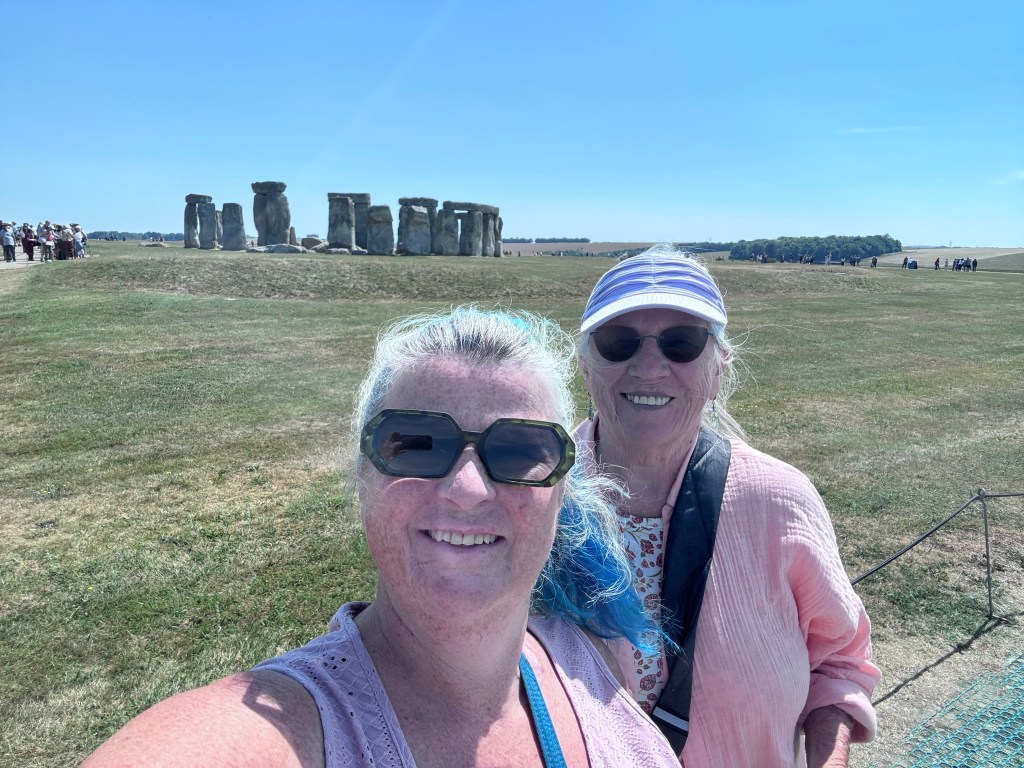
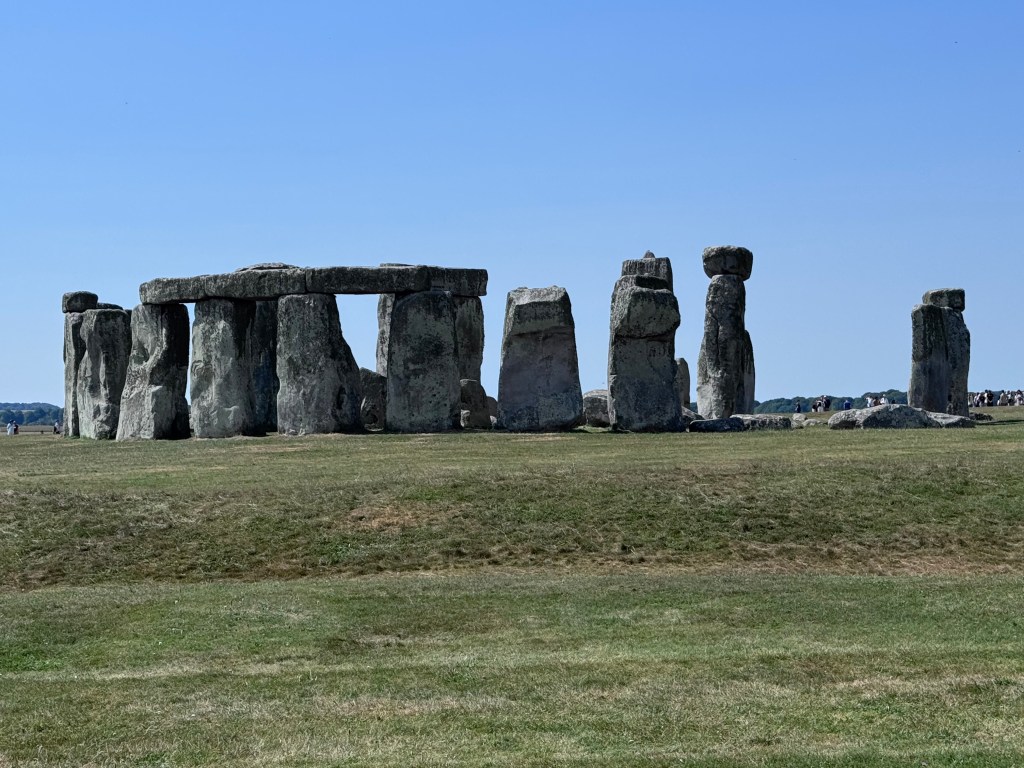
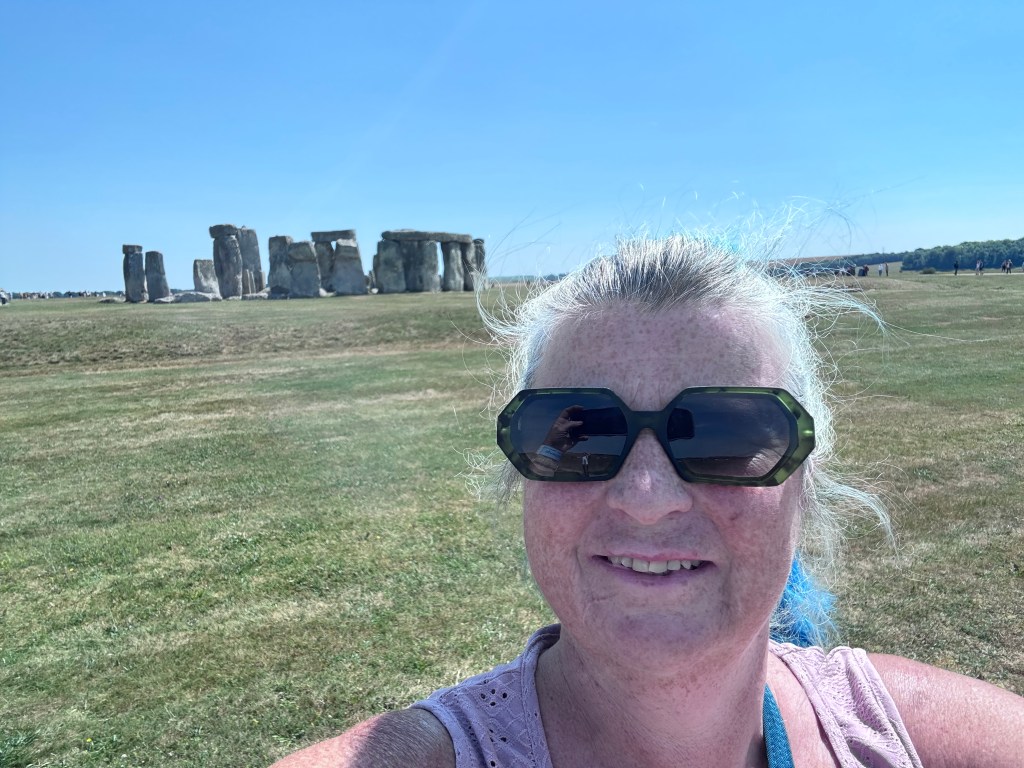
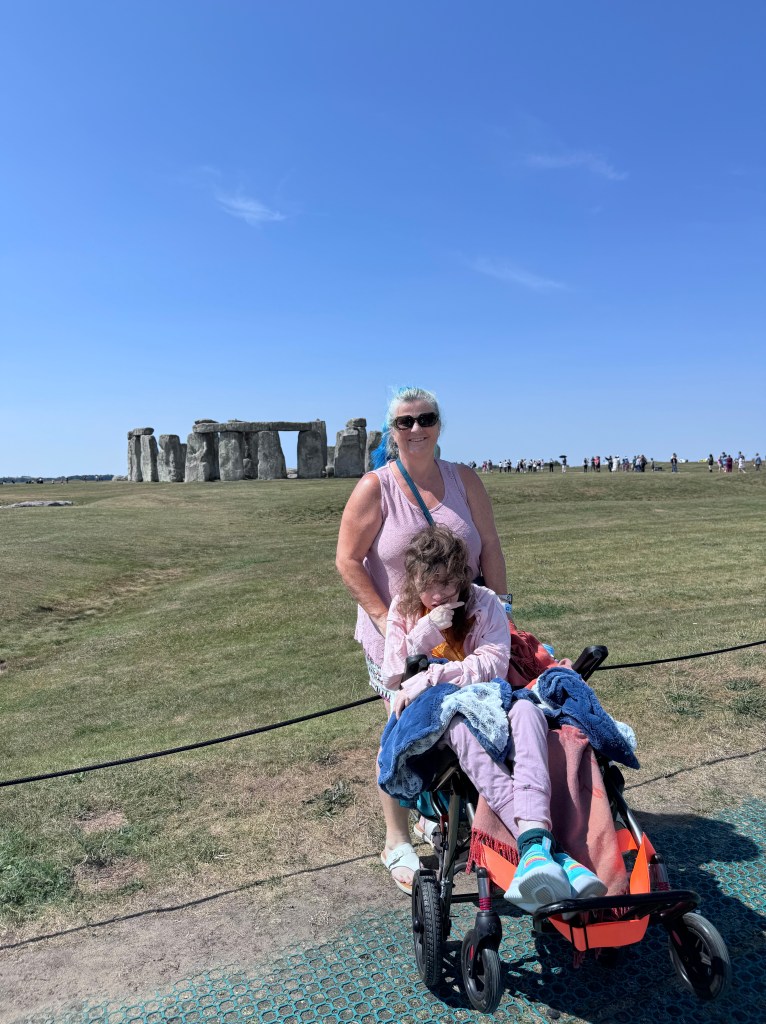
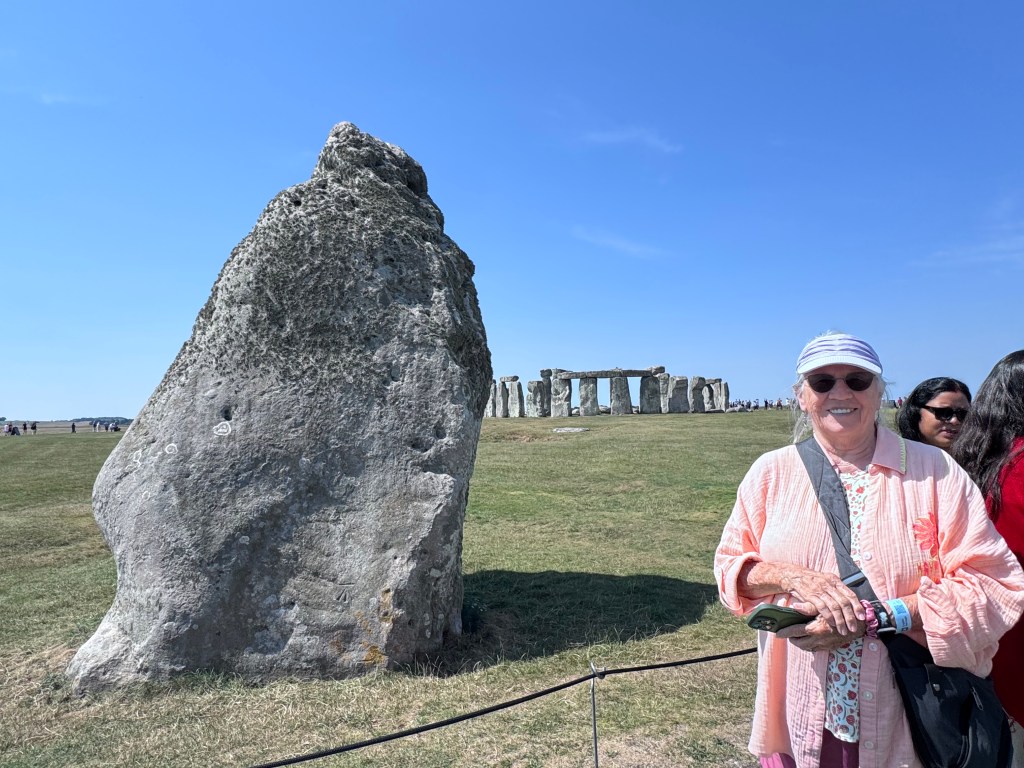
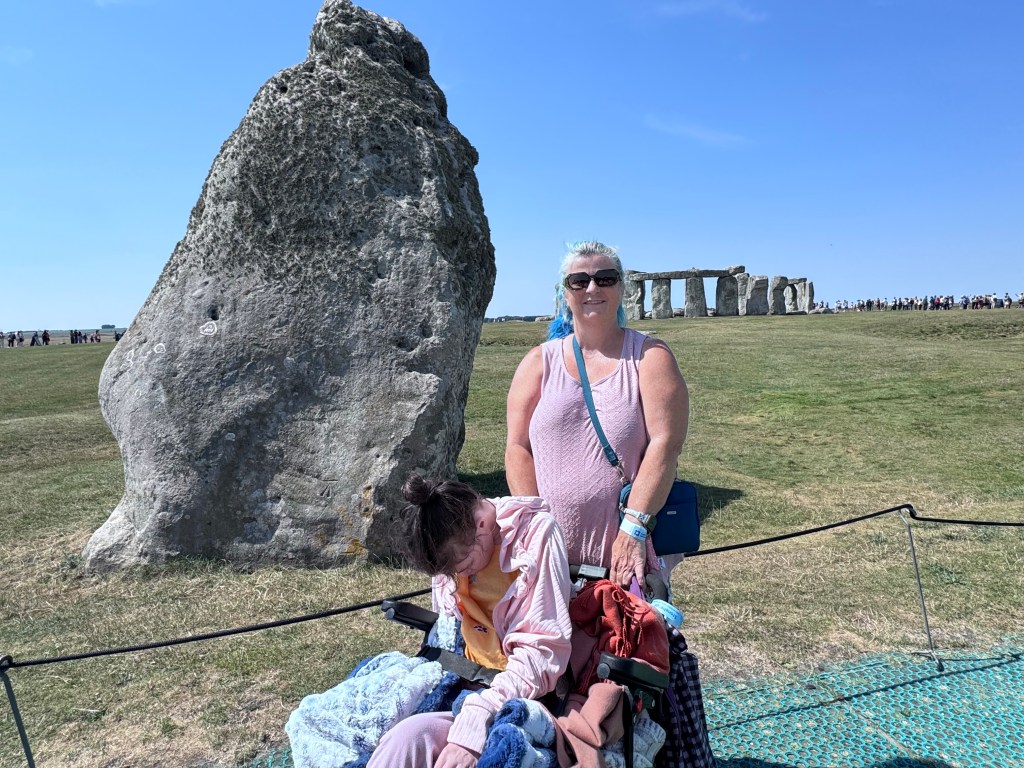
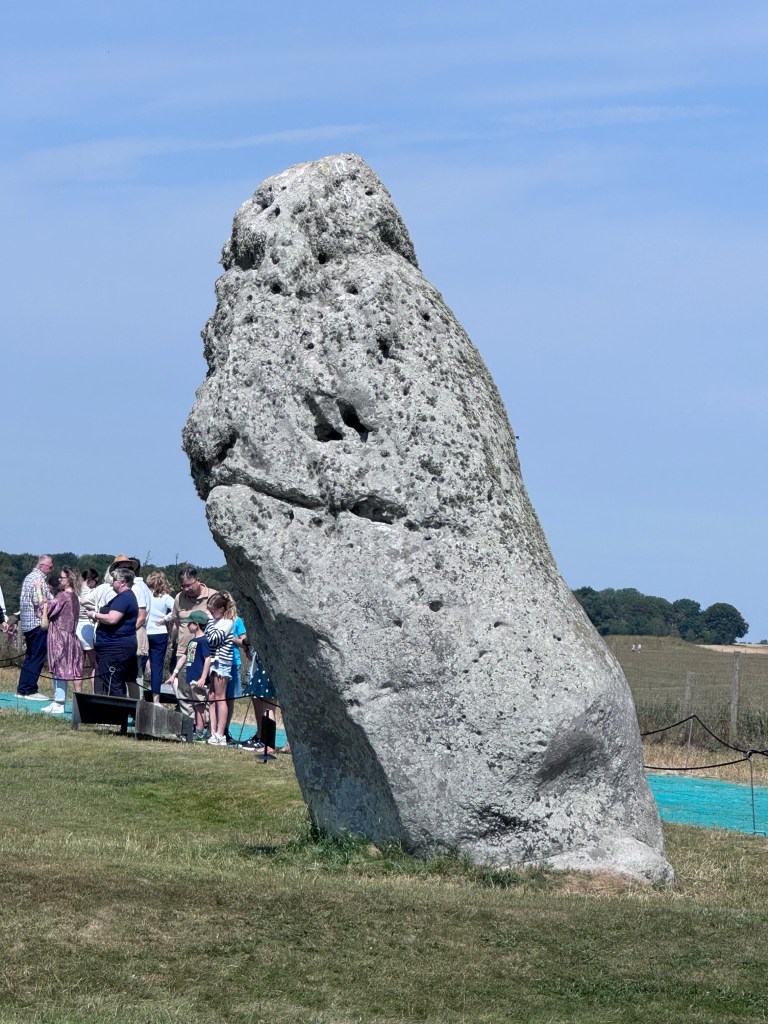
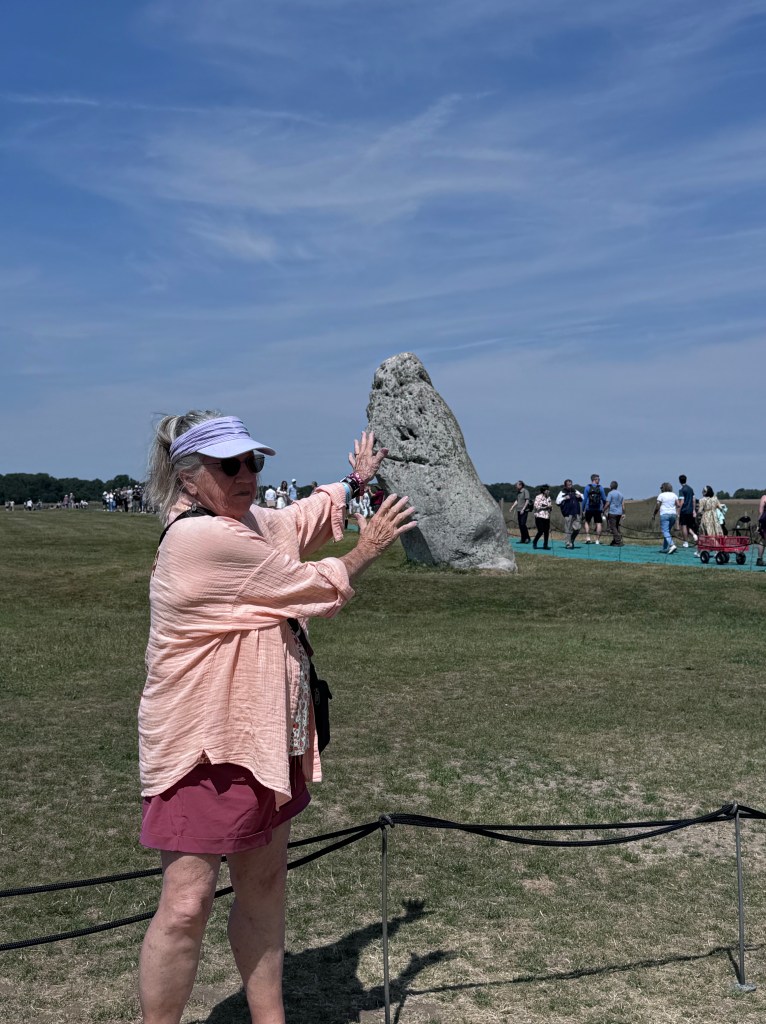
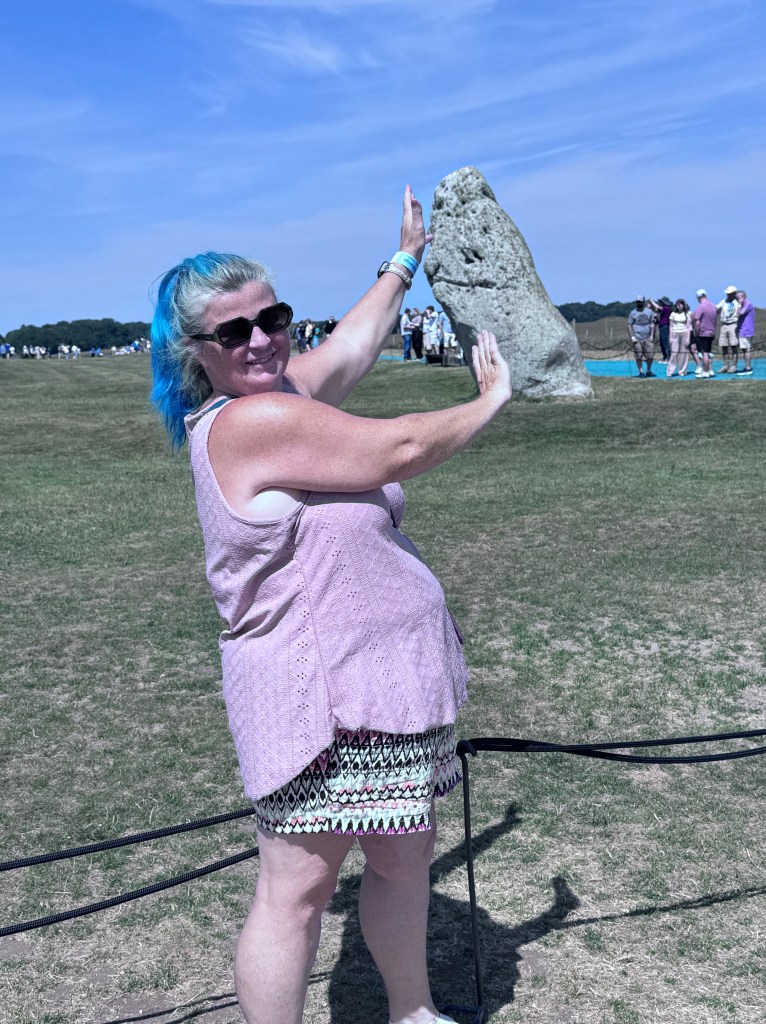
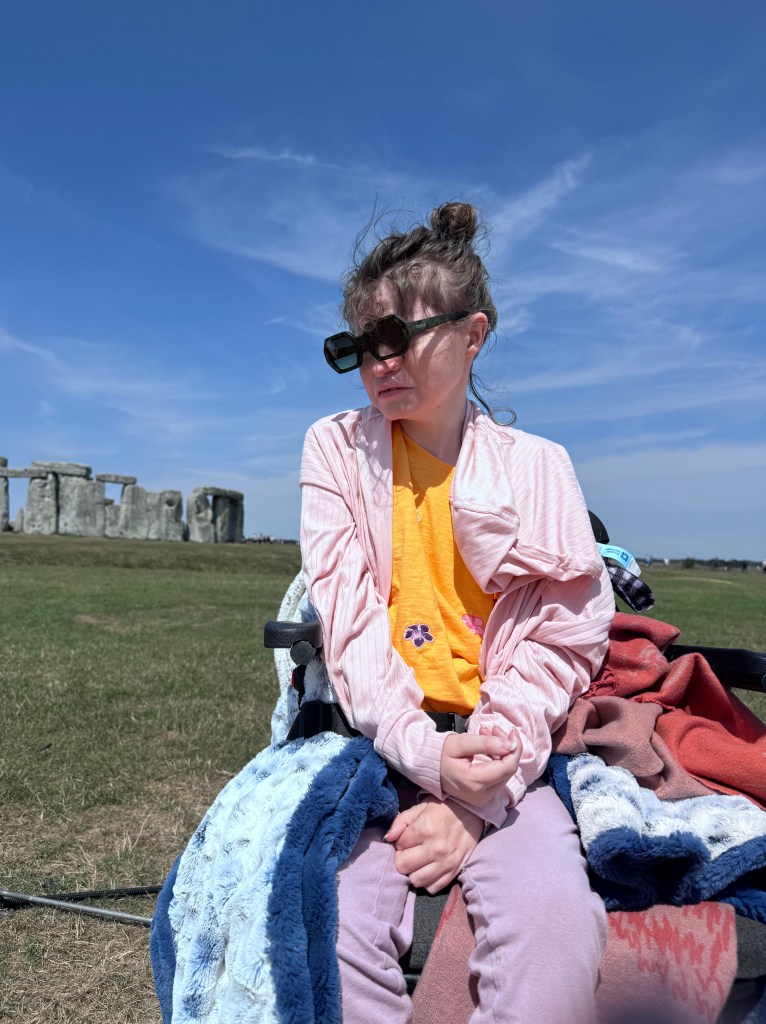
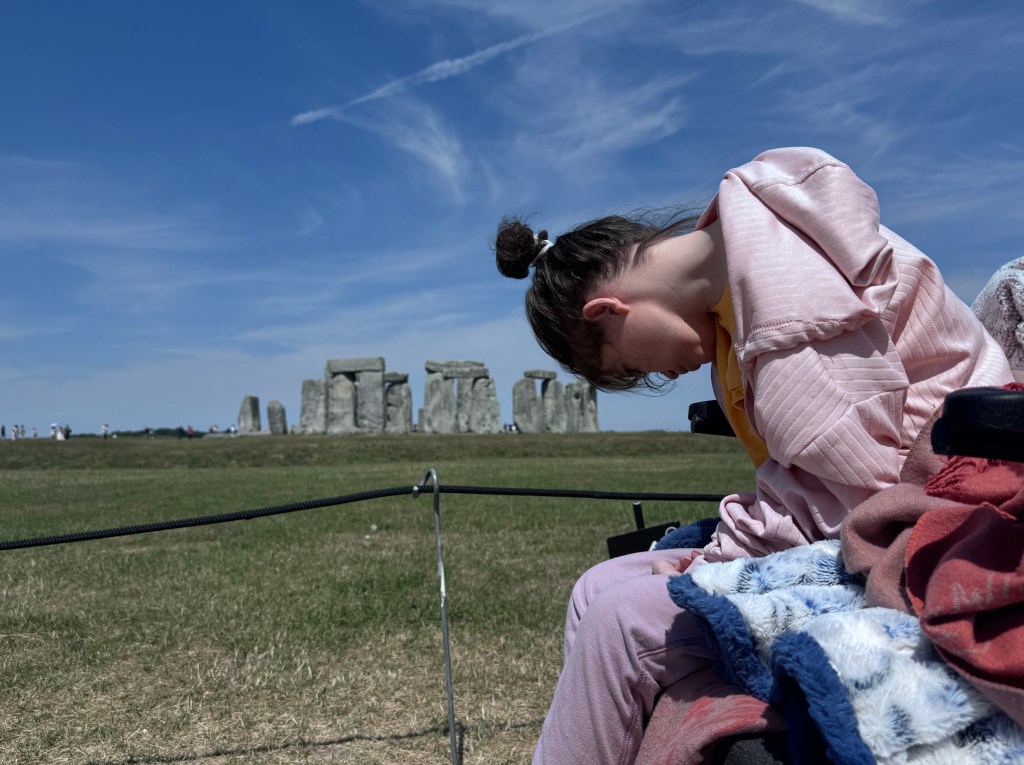
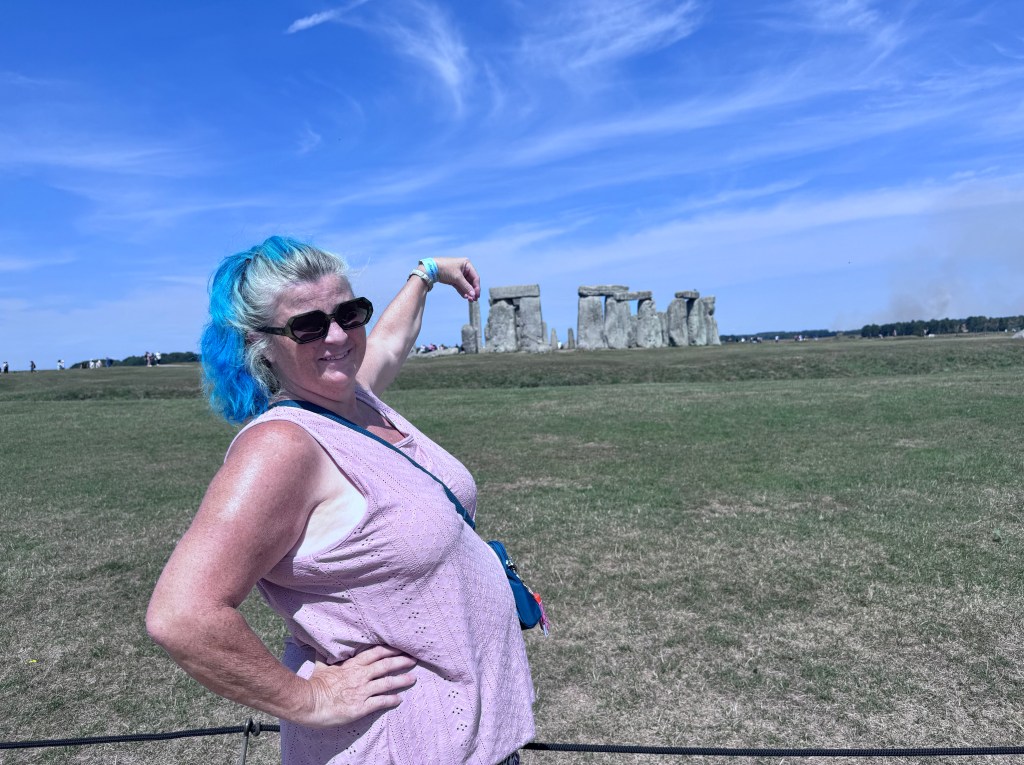
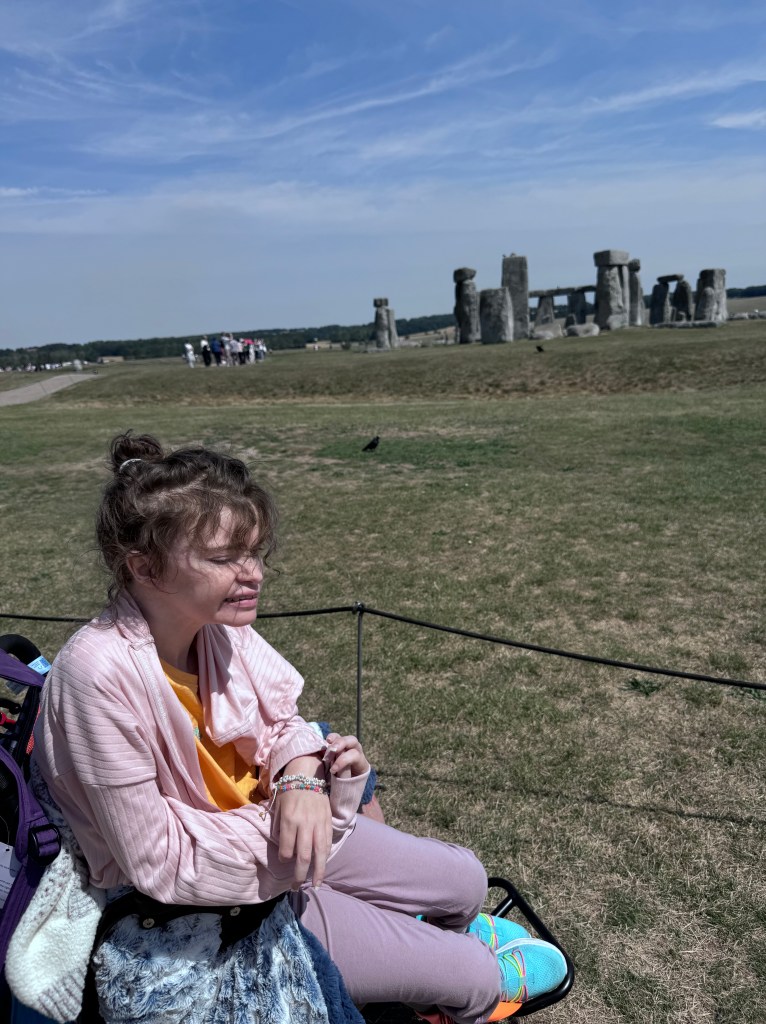
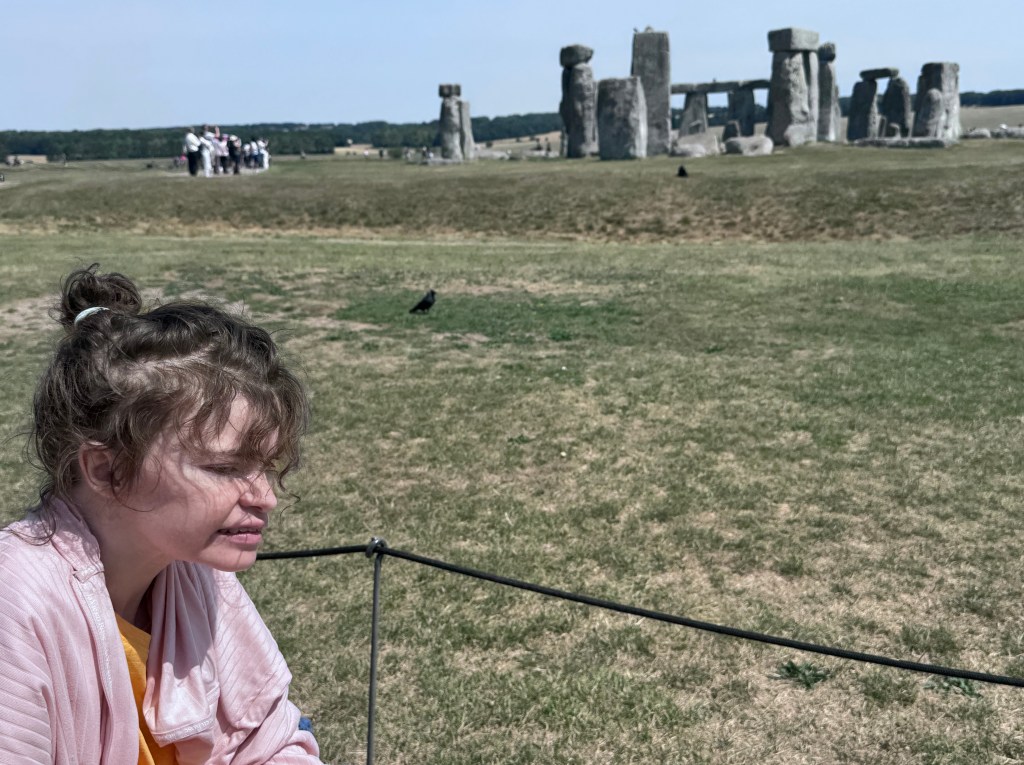
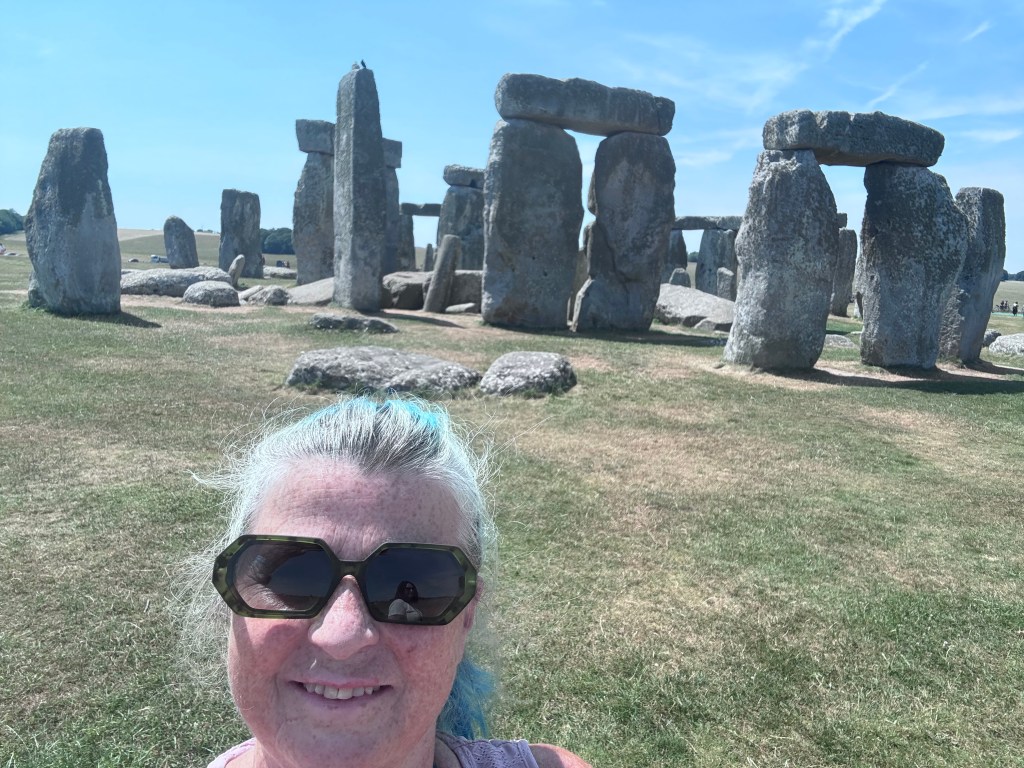
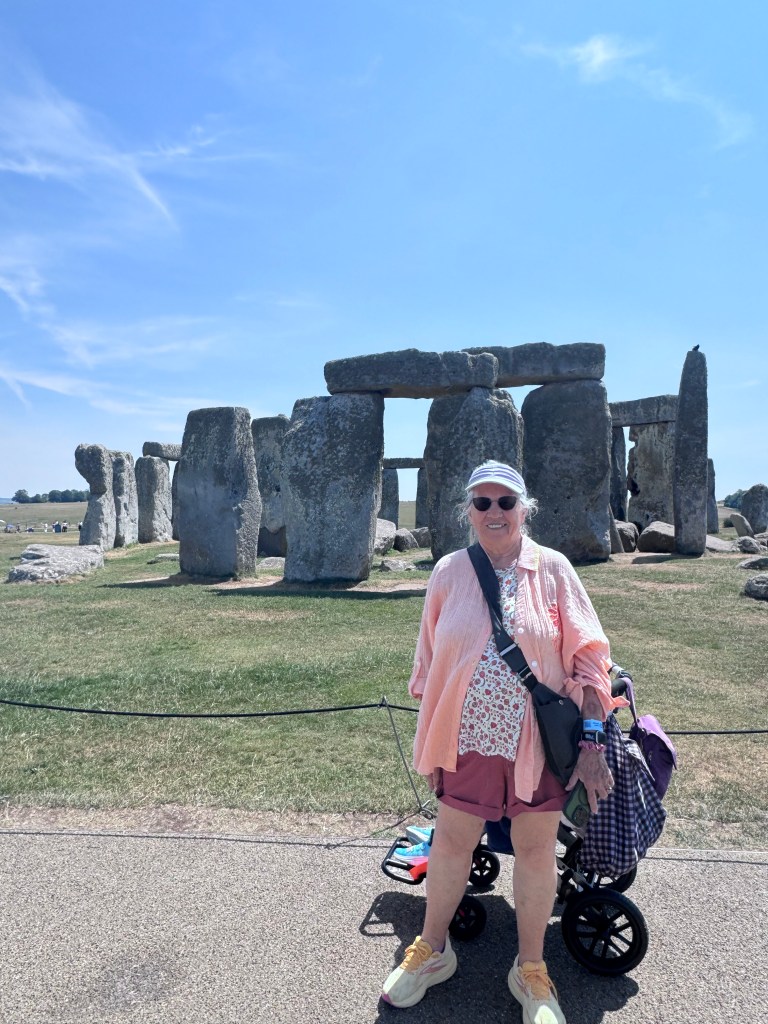
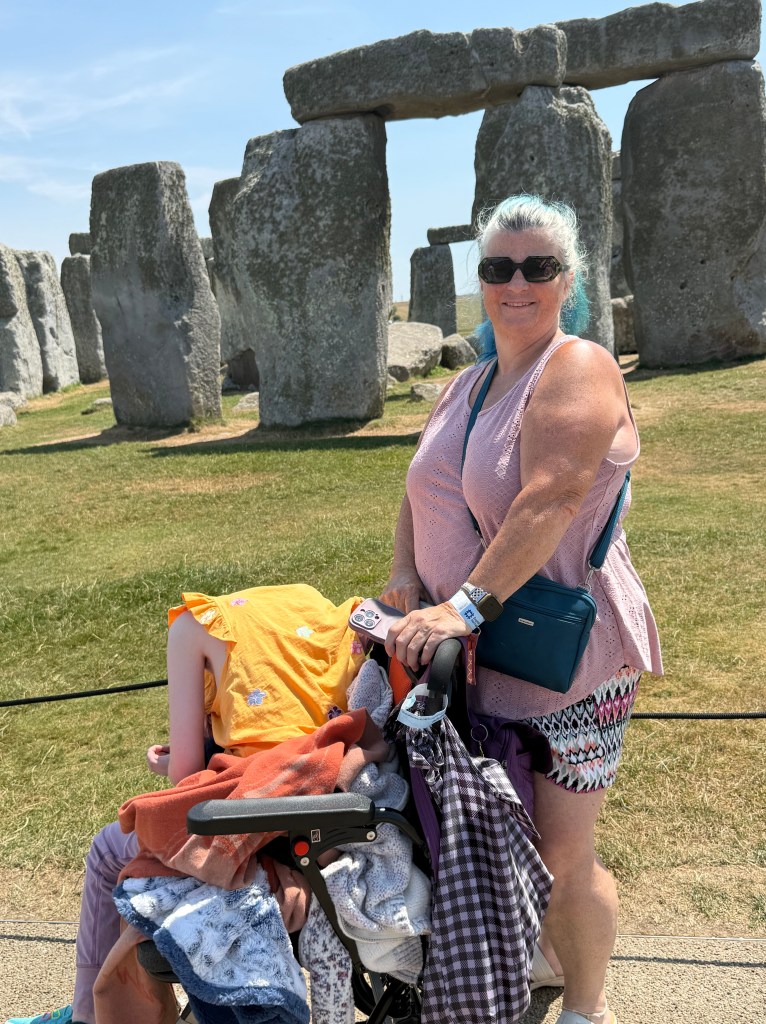
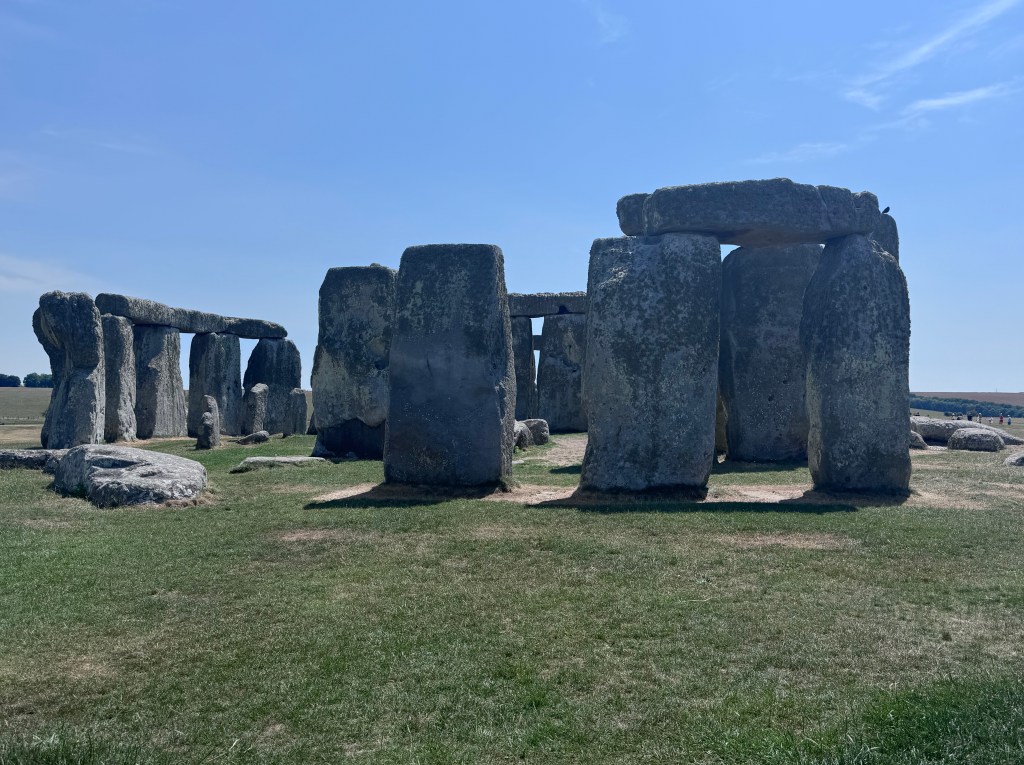
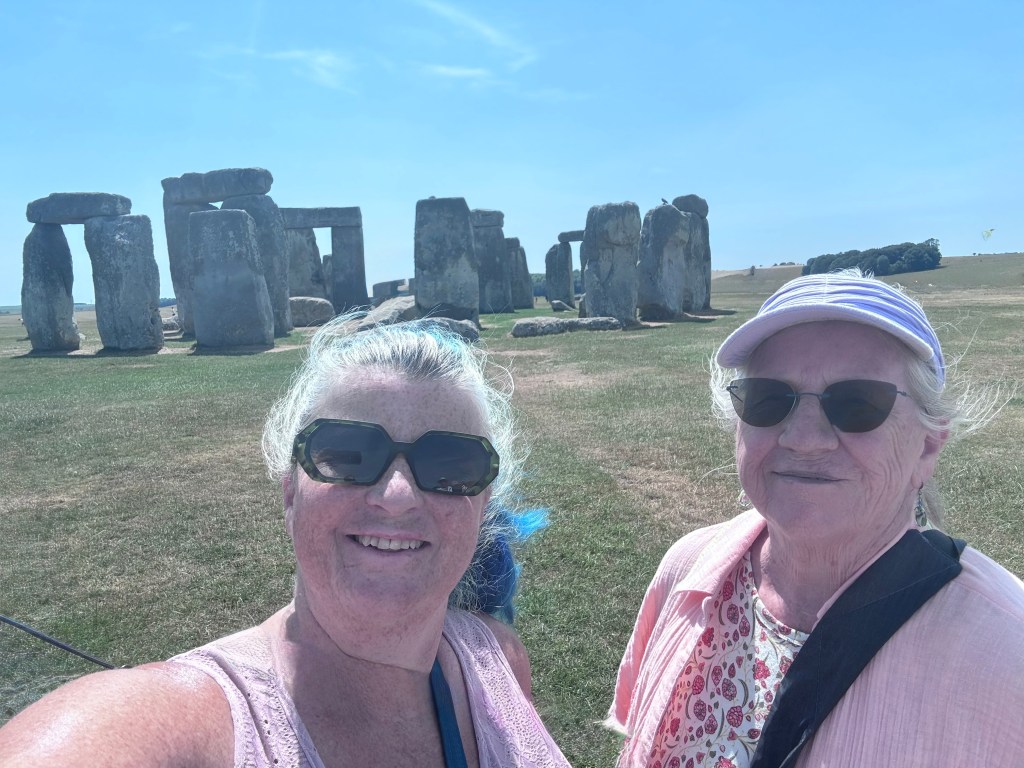
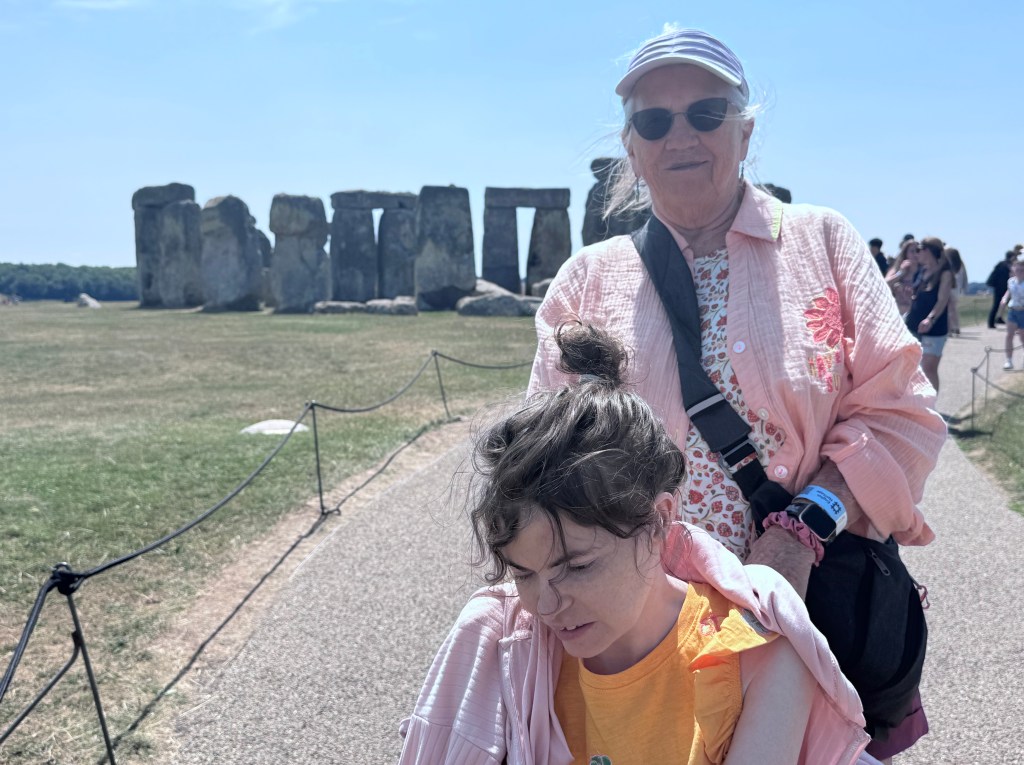
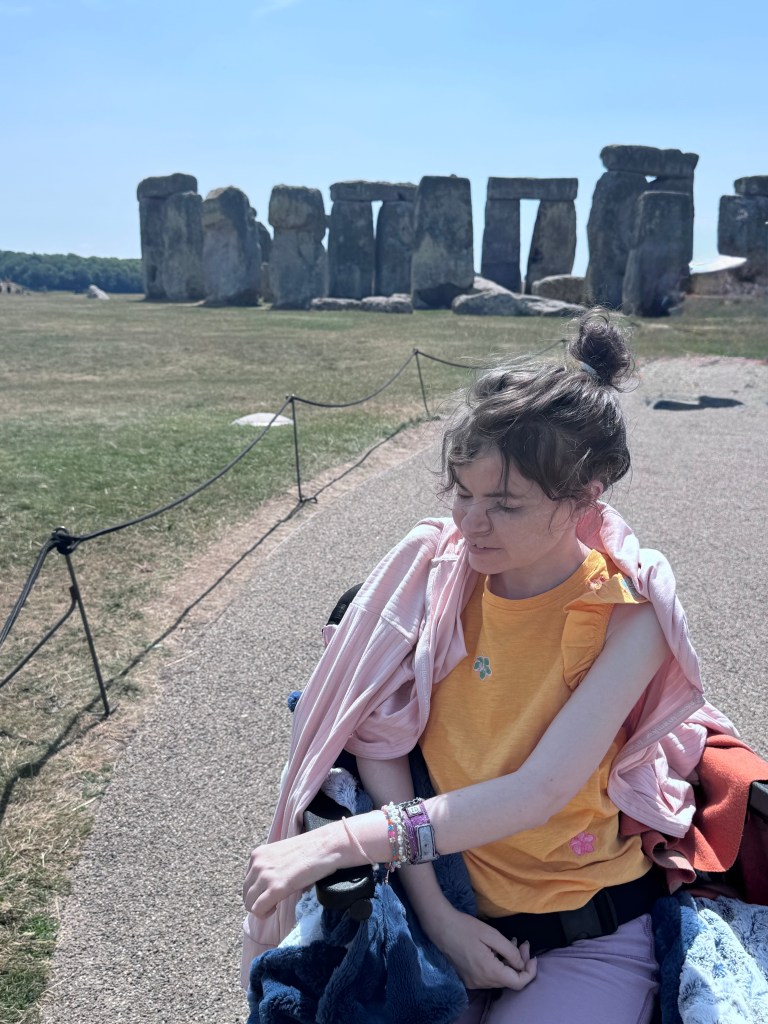
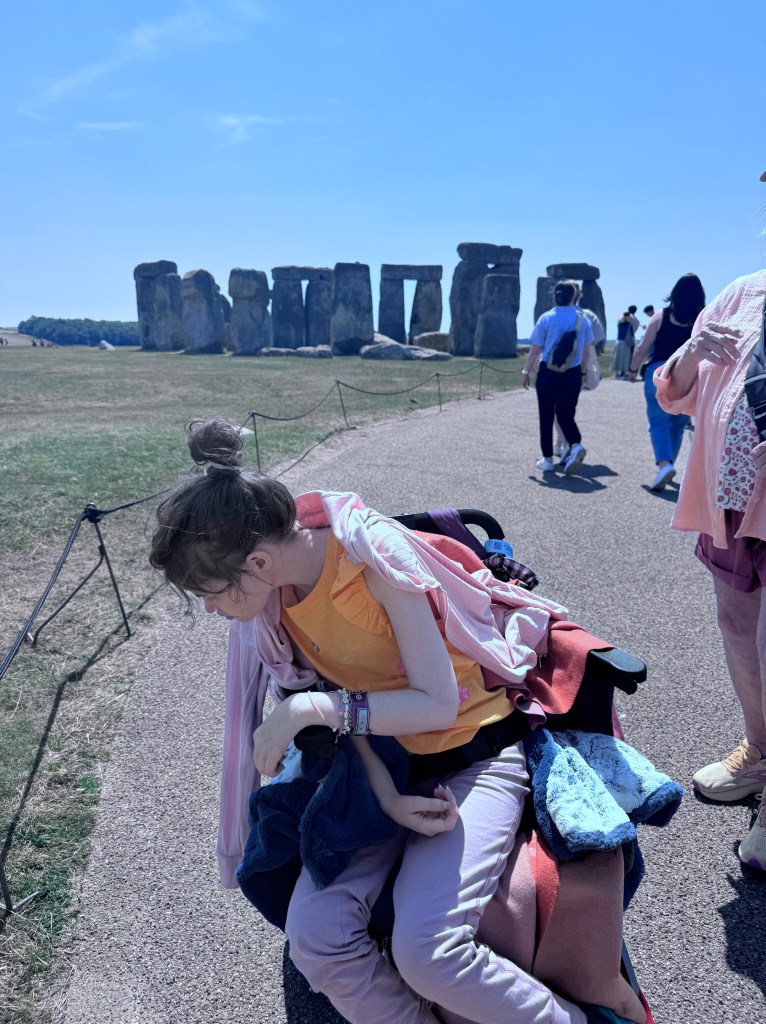
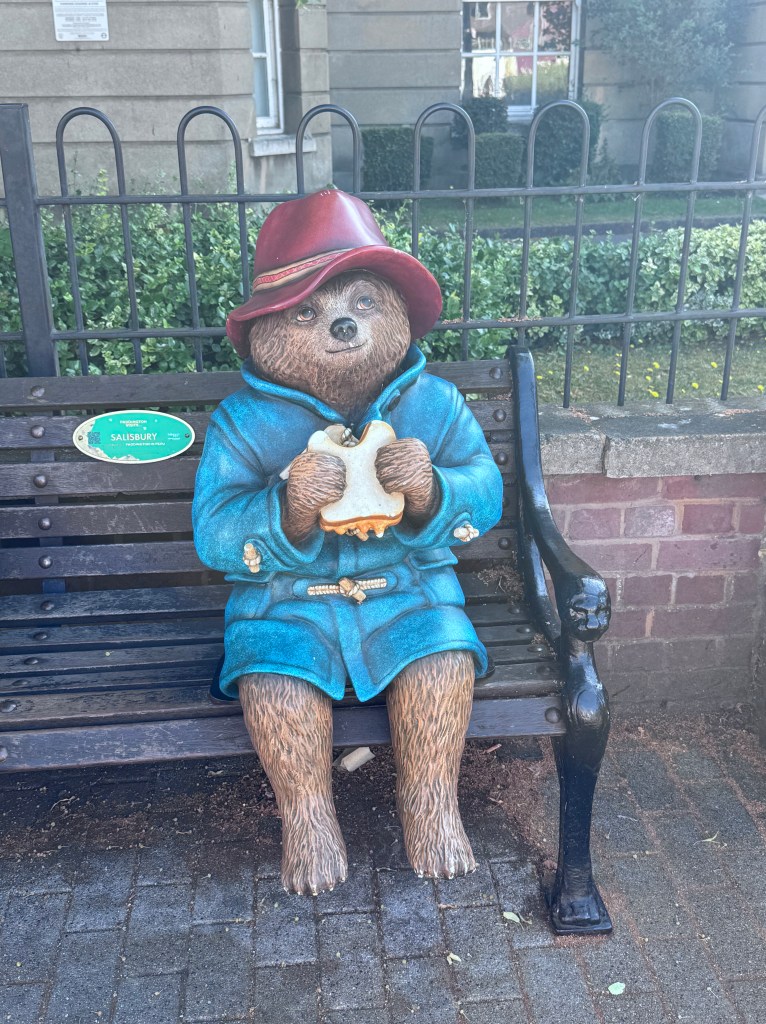
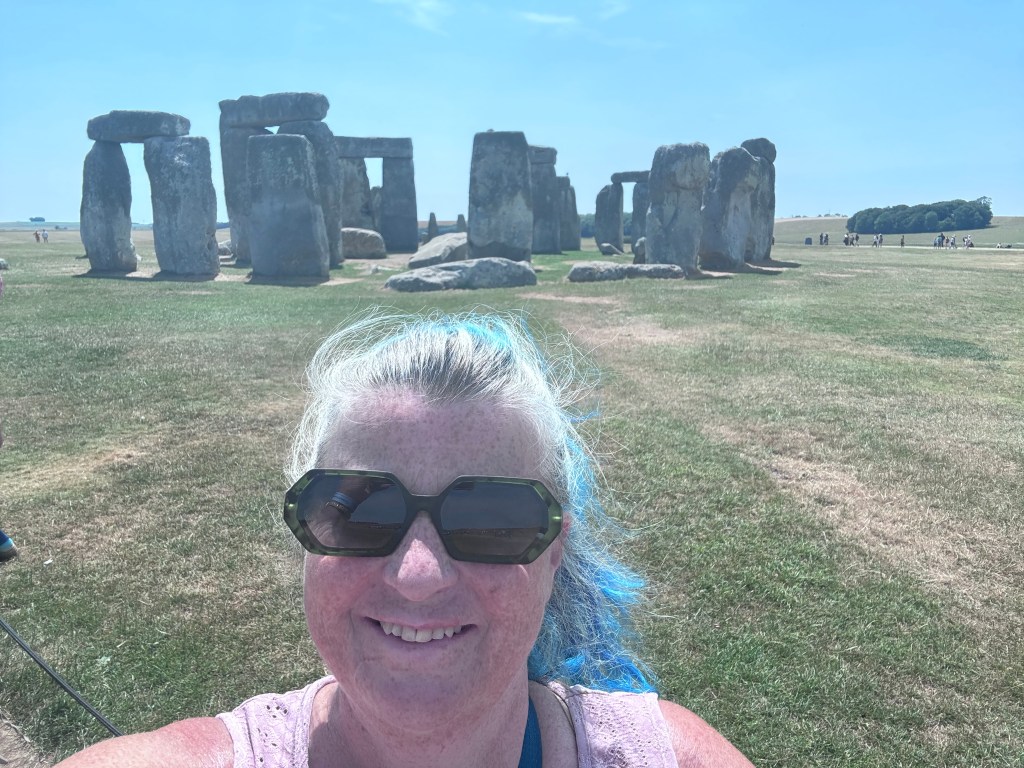
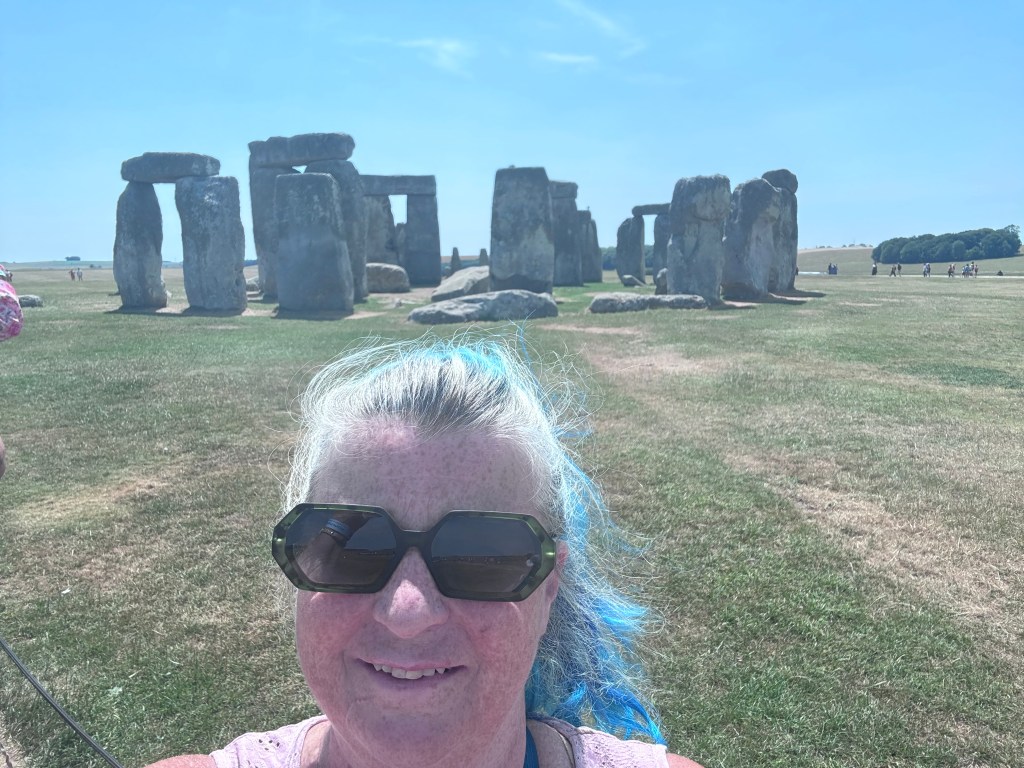
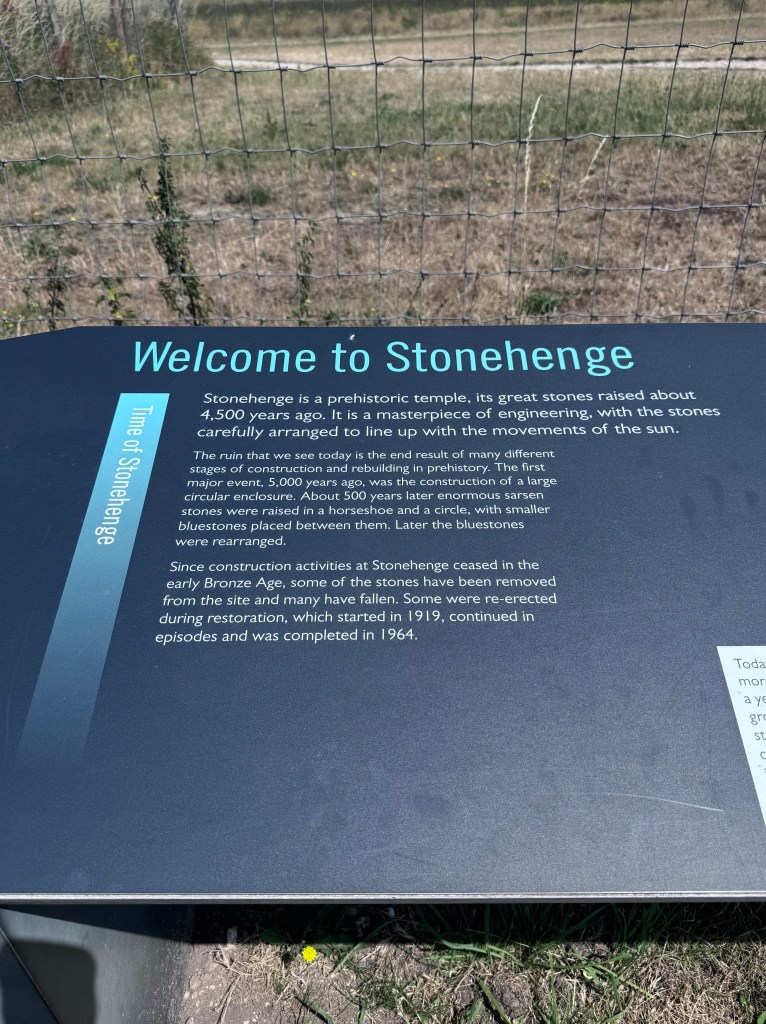
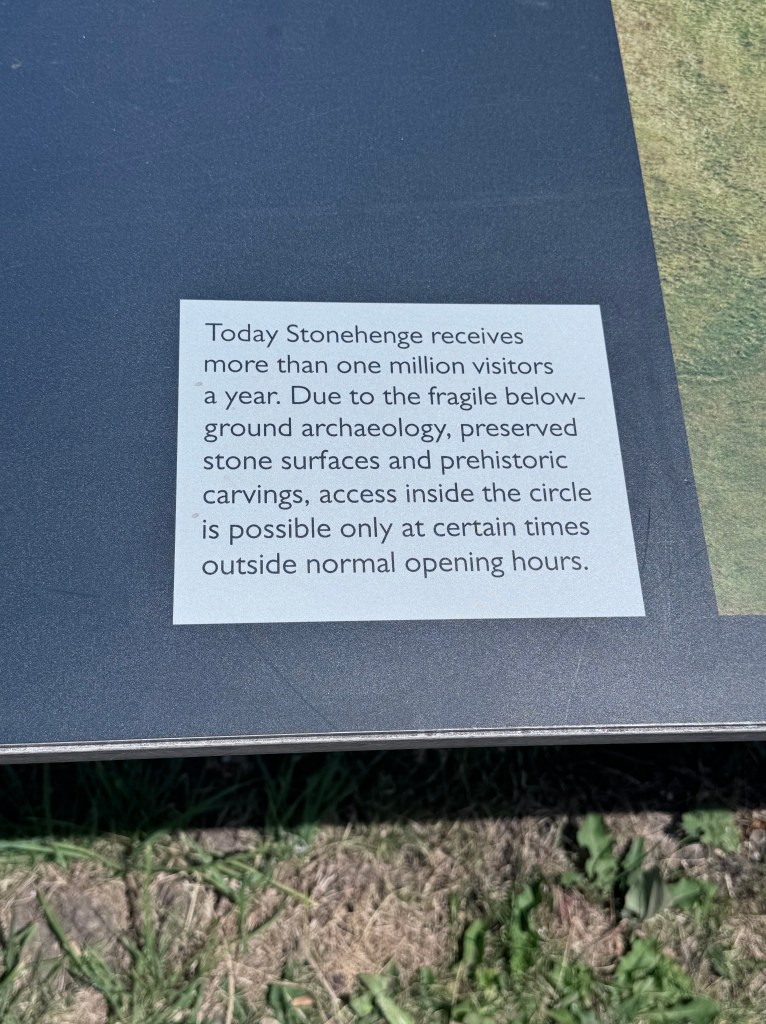
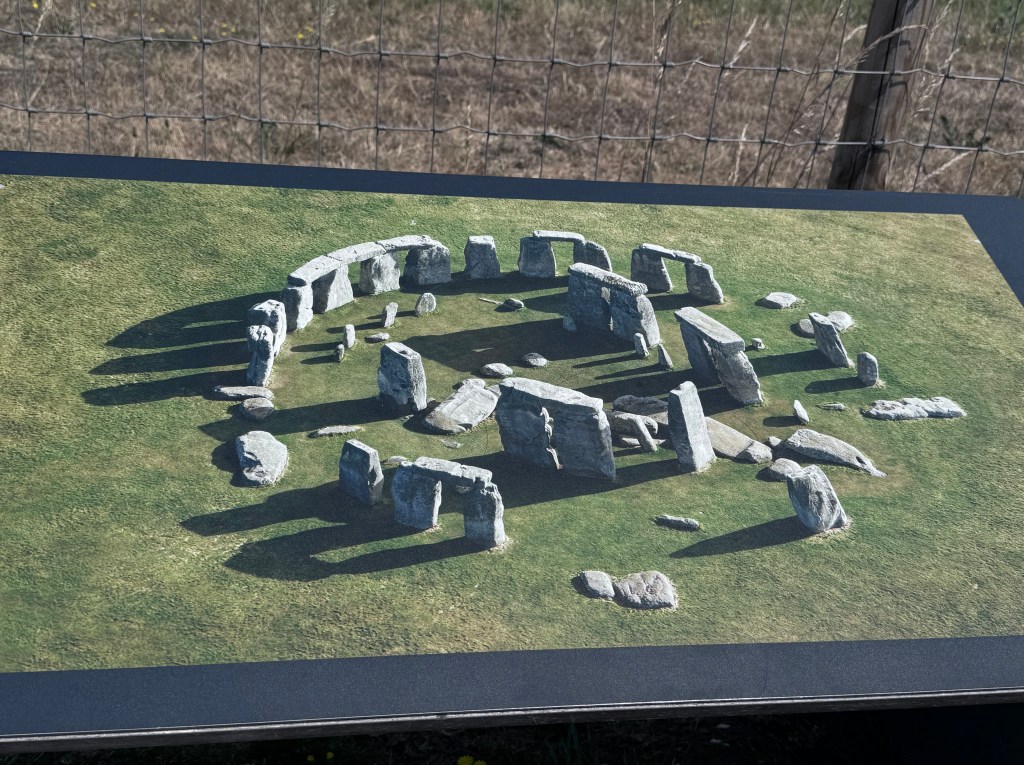
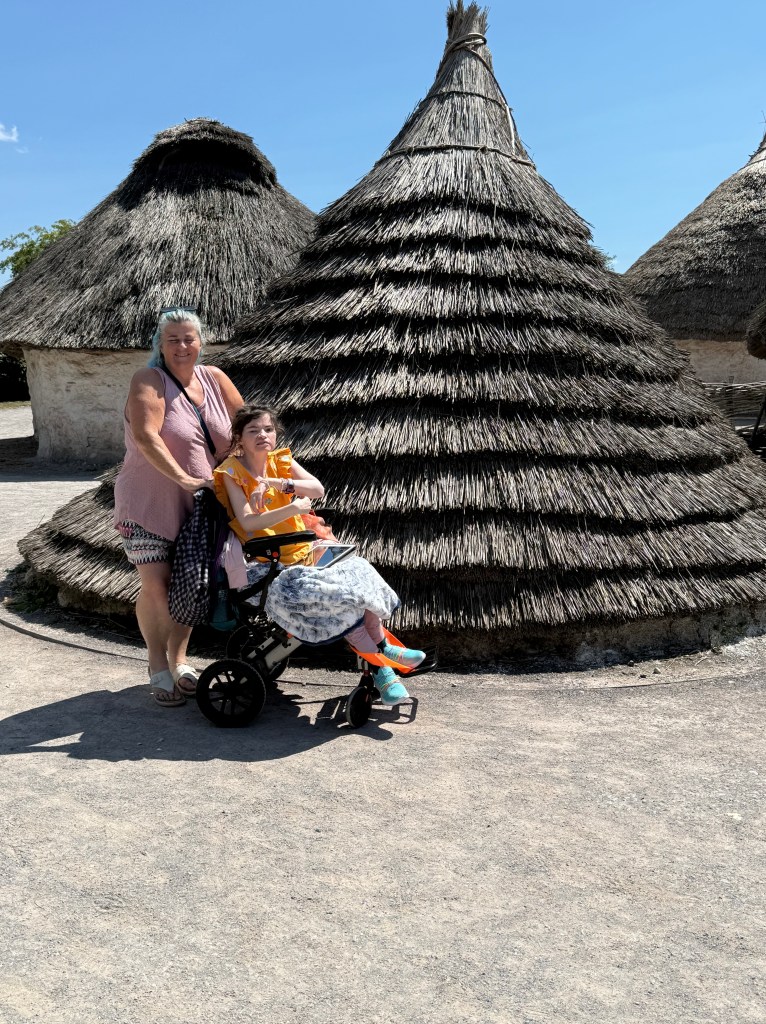
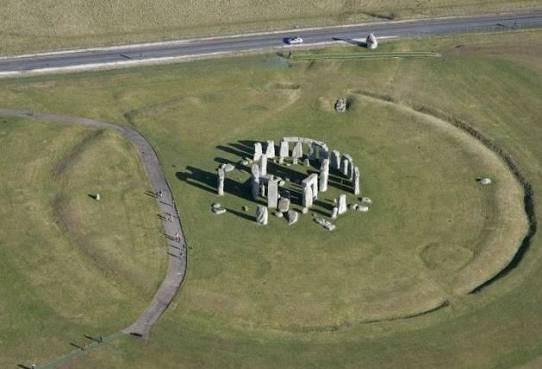
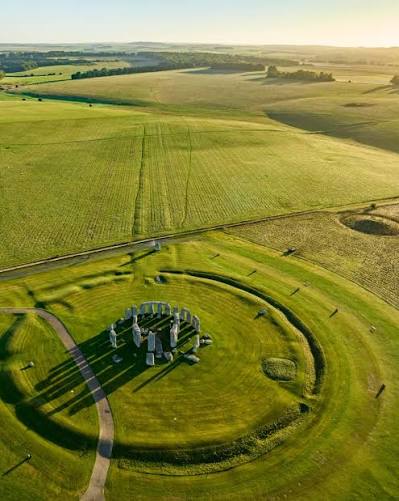
On July 3, we took the train to Salisbury to visit Stonehenge. What an incredible experience!
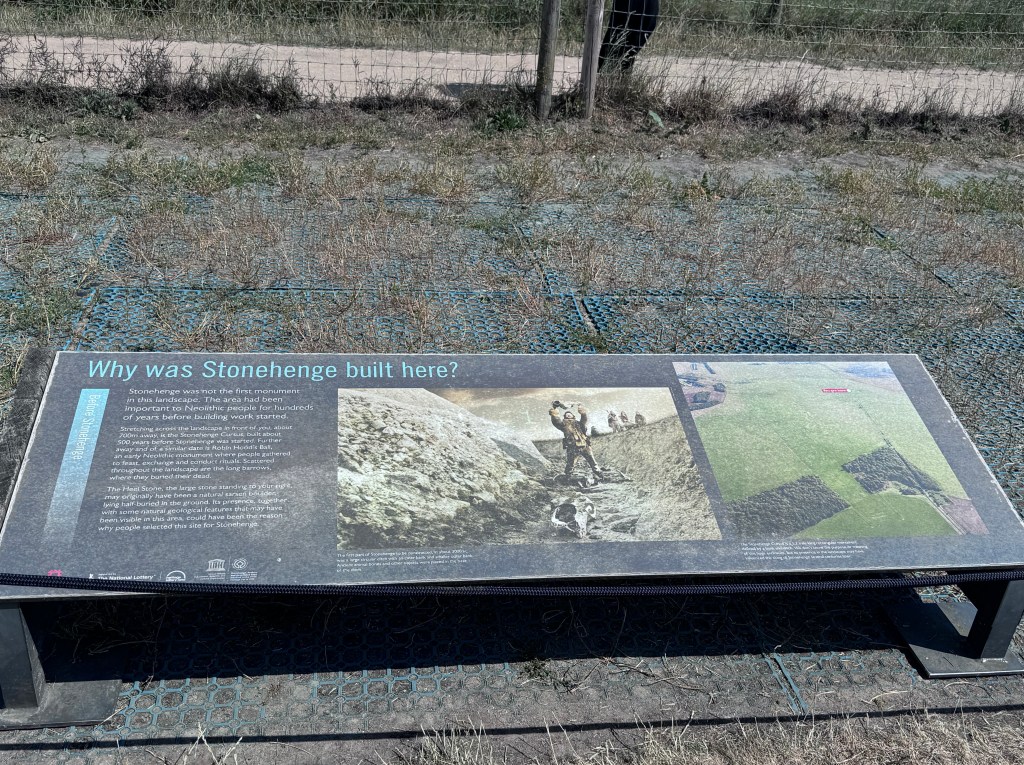
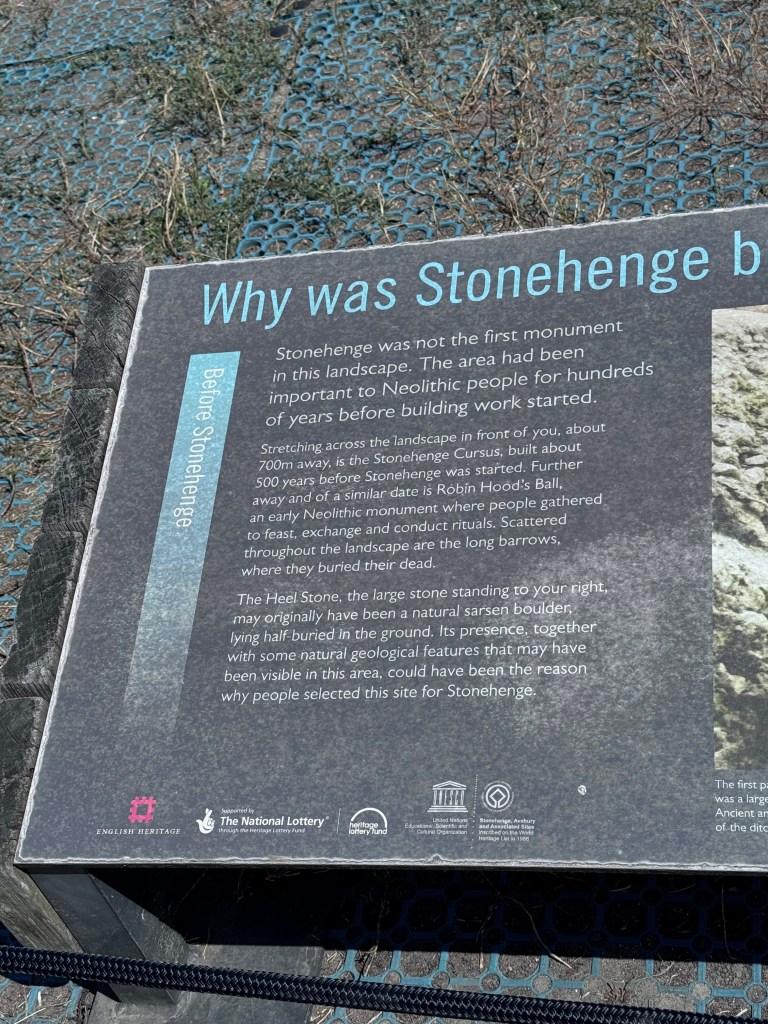
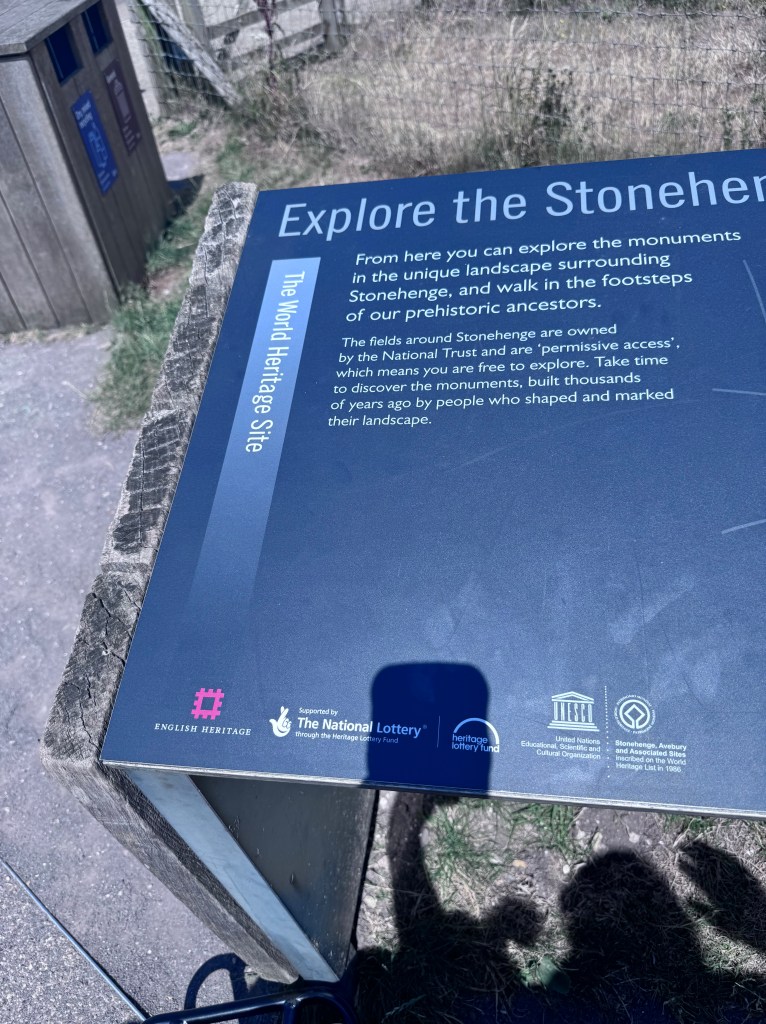
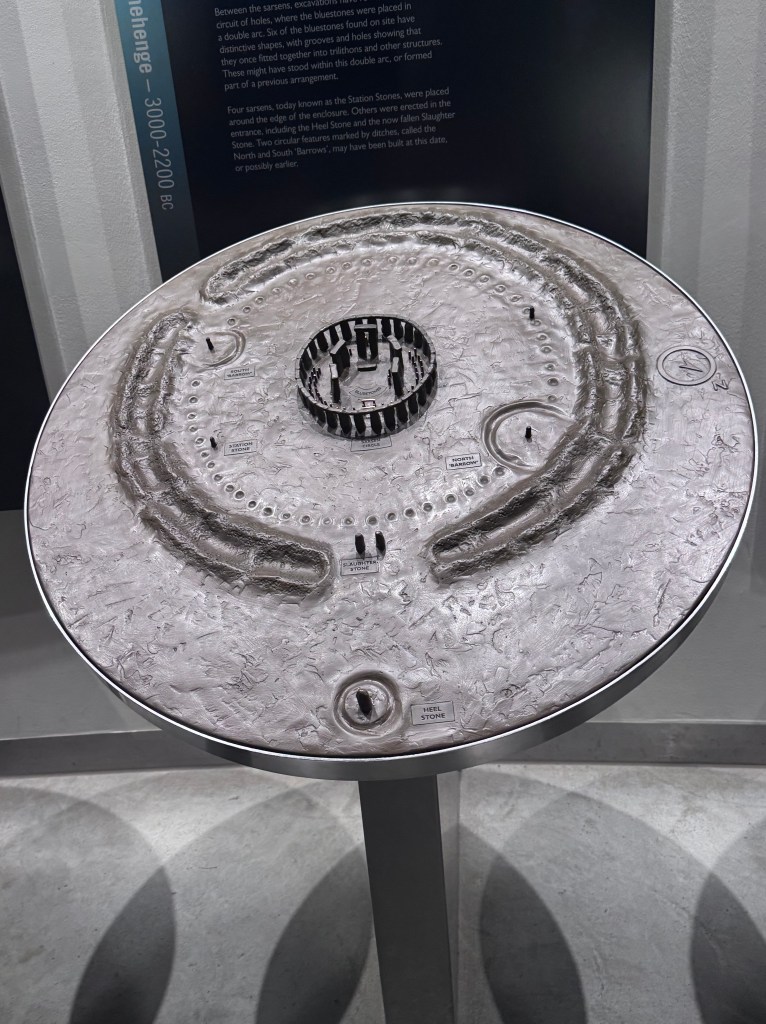
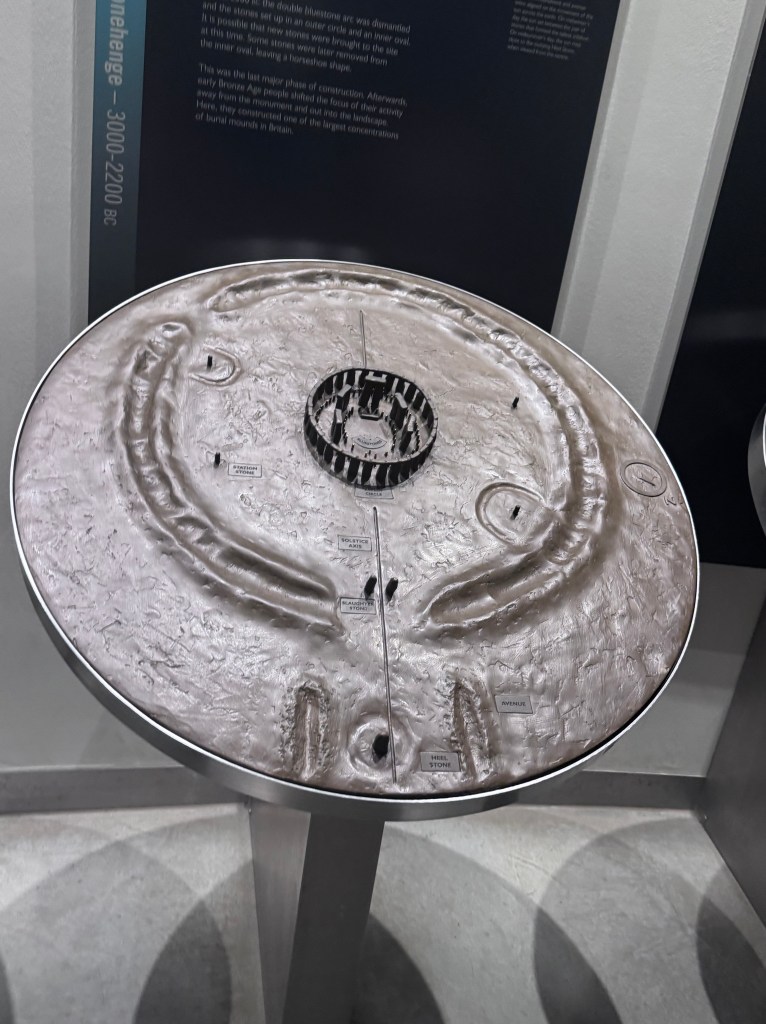
The bus from Salisbury to Stonehenge included a running commentary about the surrounding countryside, villages, archaeology, and local history. We arrived around 11:00 a.m. and decided to take the shuttle directly to the stones while there was still some cloud cover. In hindsight, I wish we had visited the exhibition first. Understanding the burial mounds, ceremonial landscape, and the relationship between the monuments would have made our first walk around the stones even more meaningful.
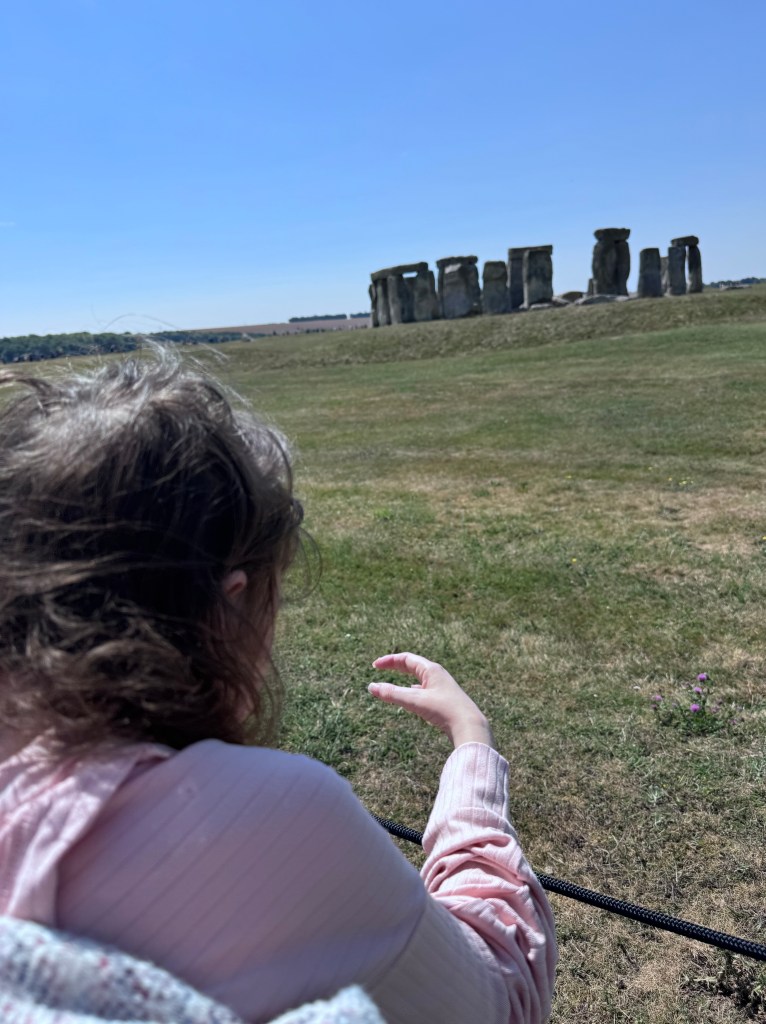
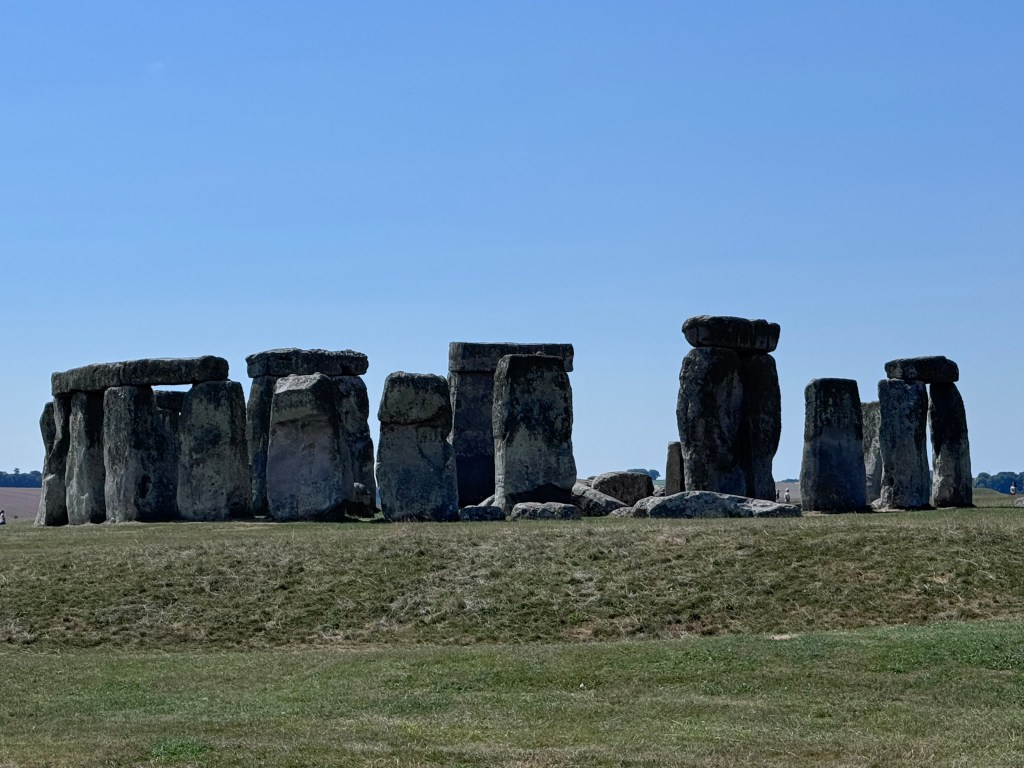
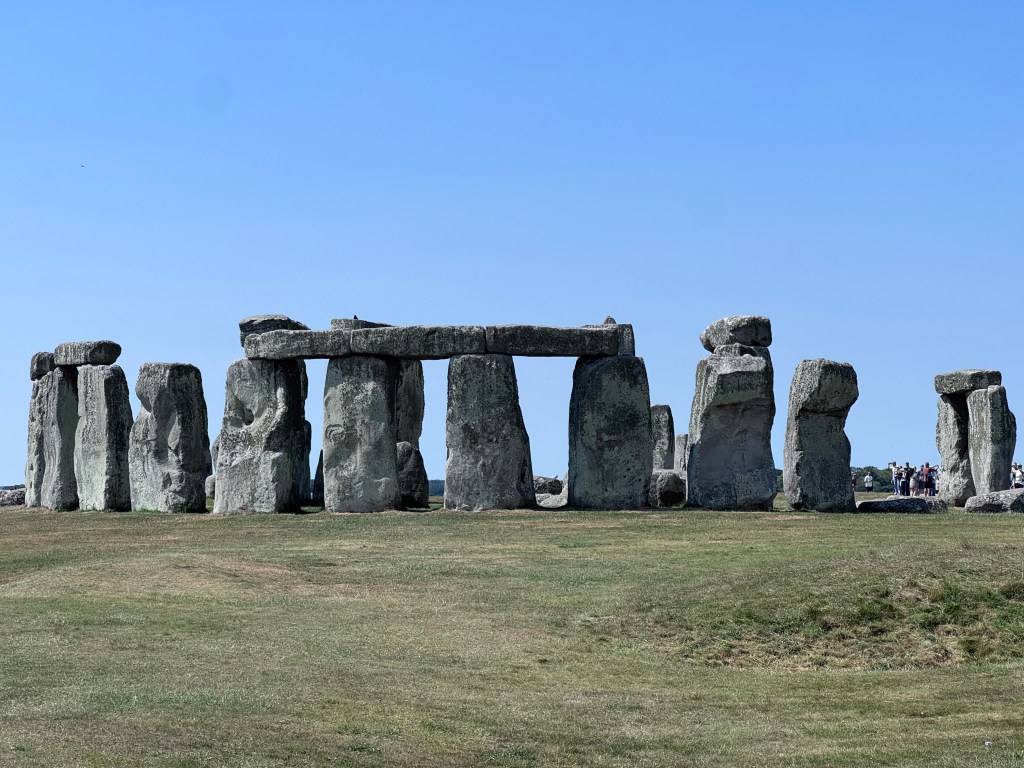
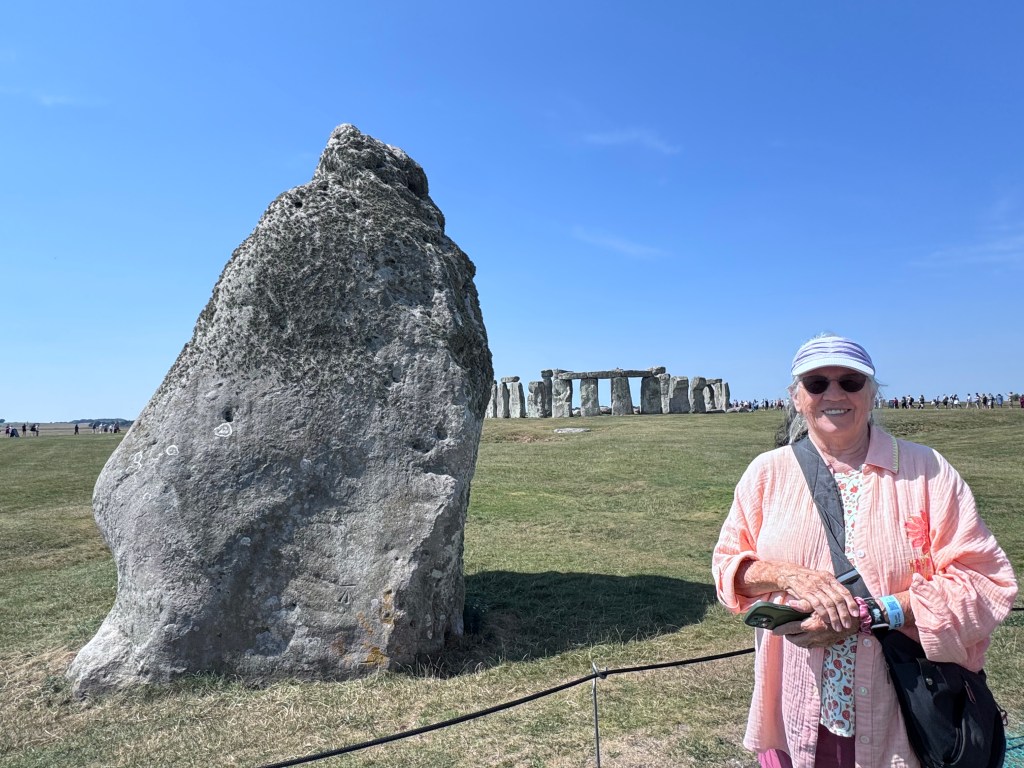
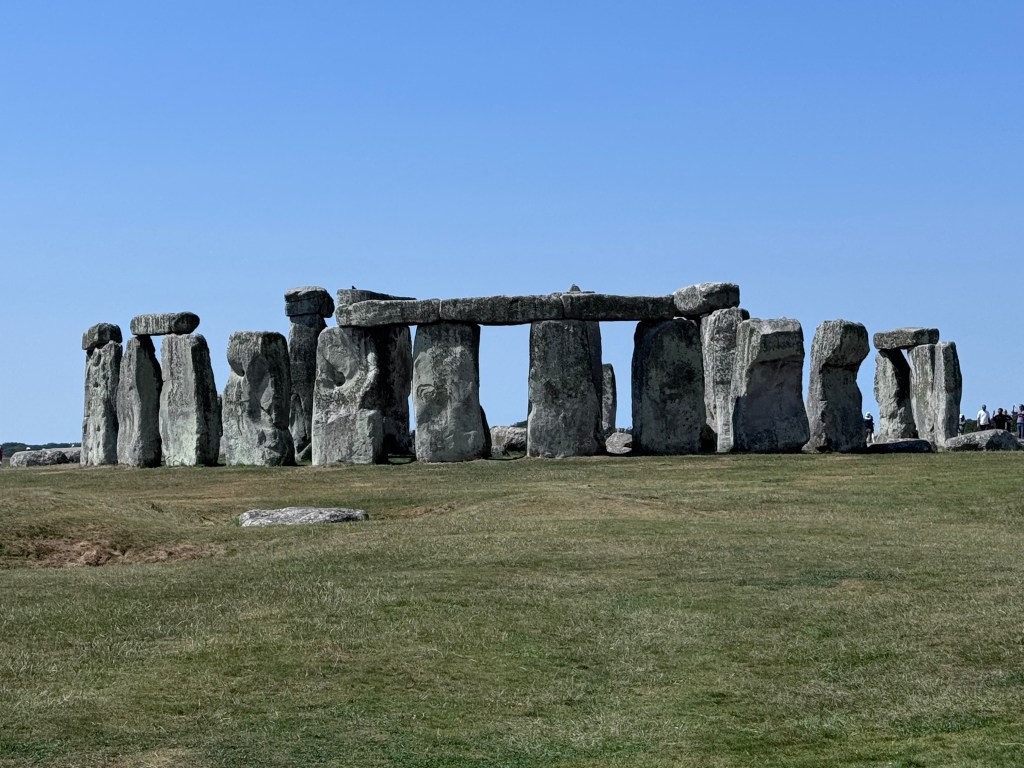
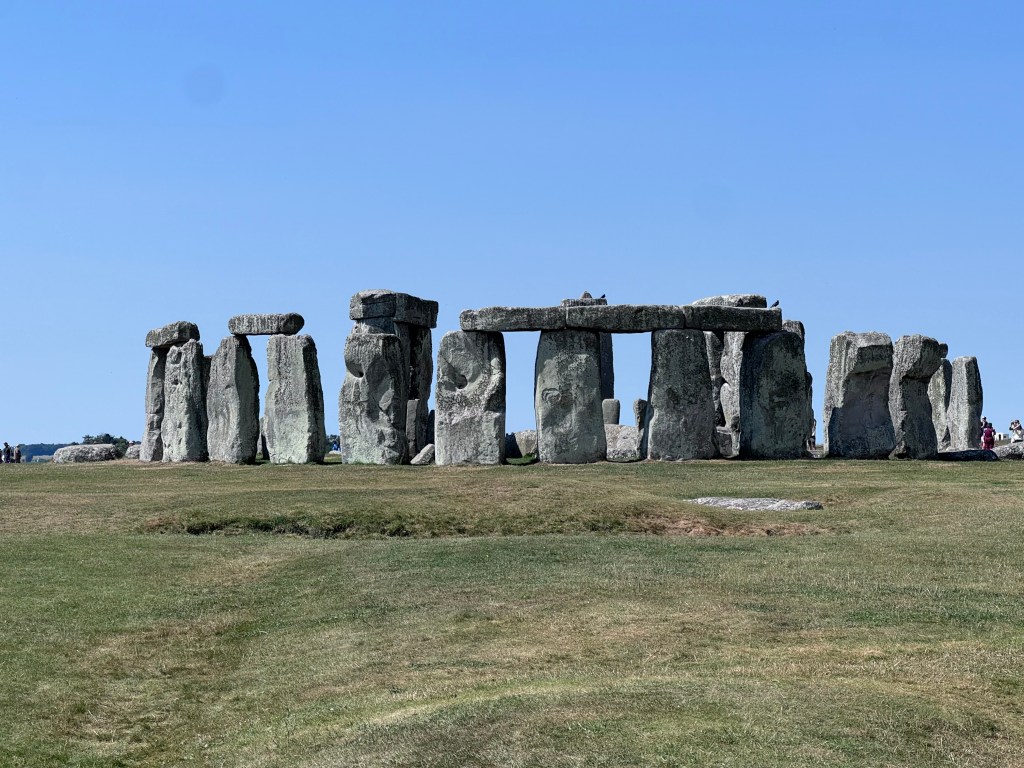
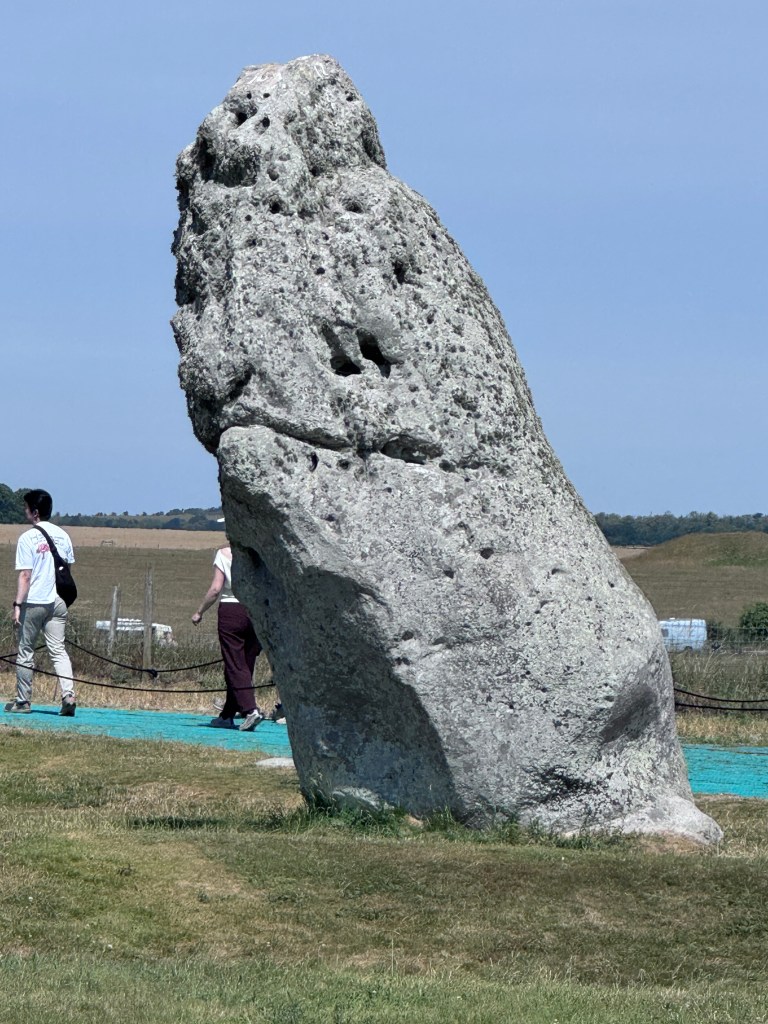
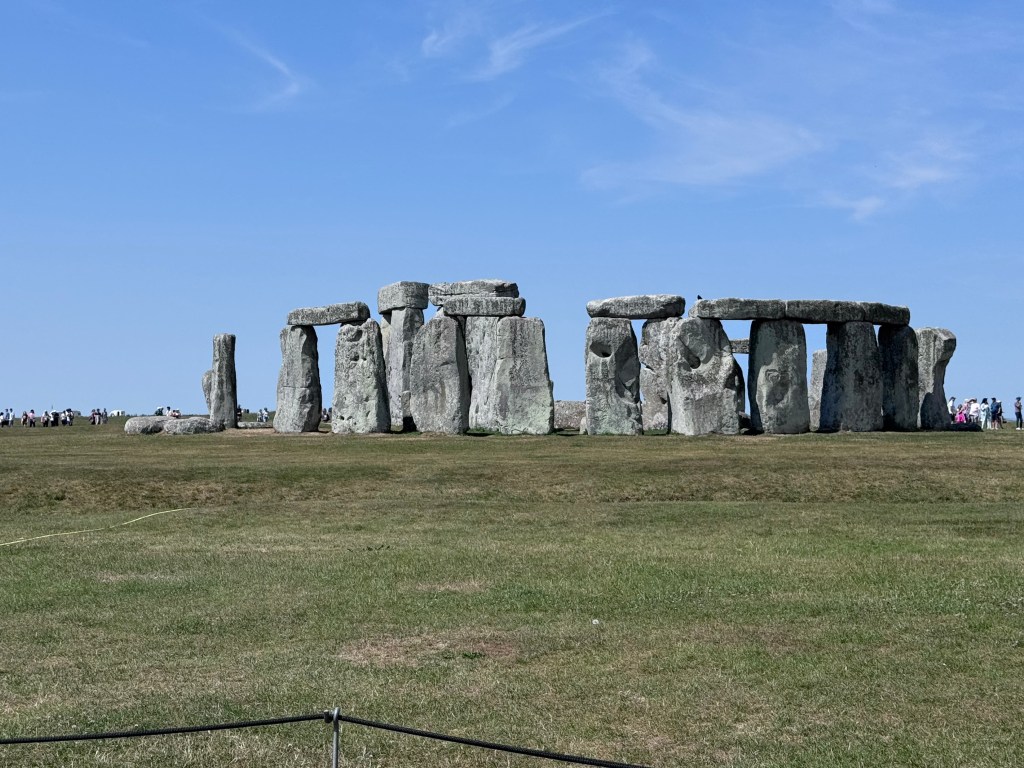
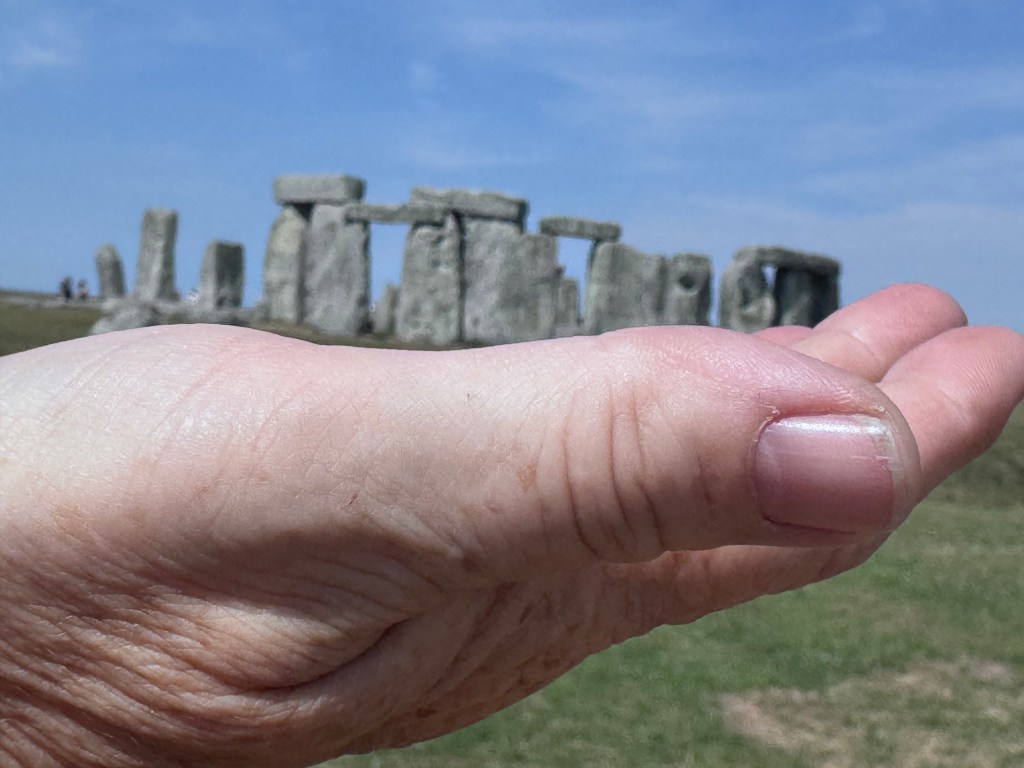
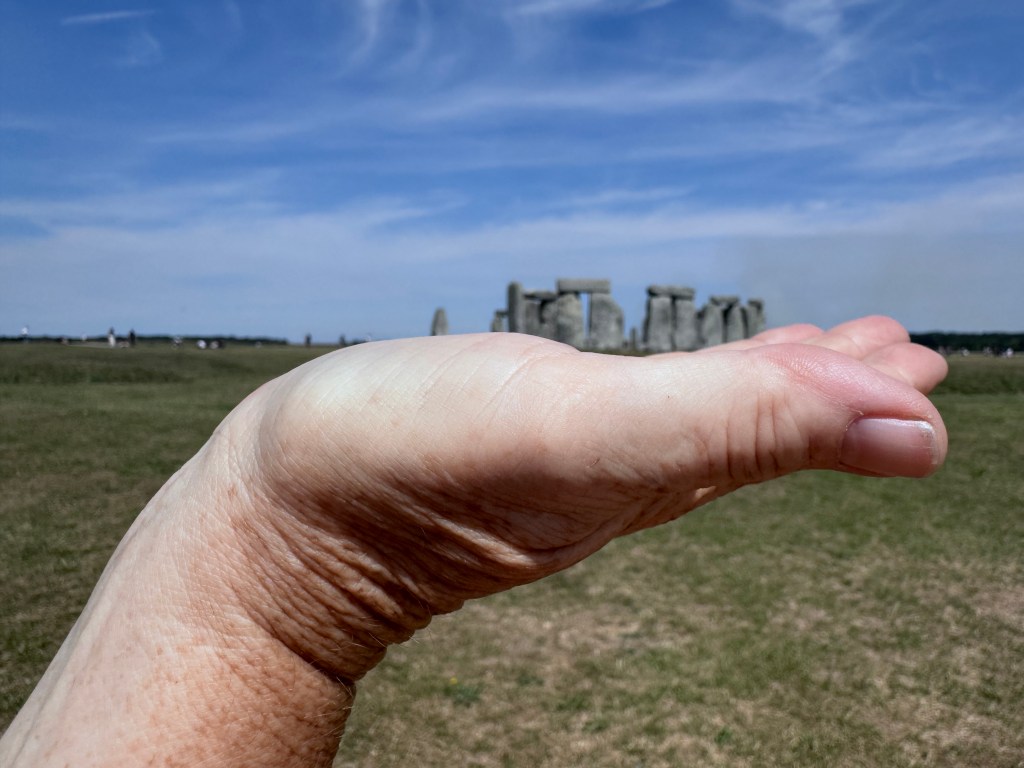
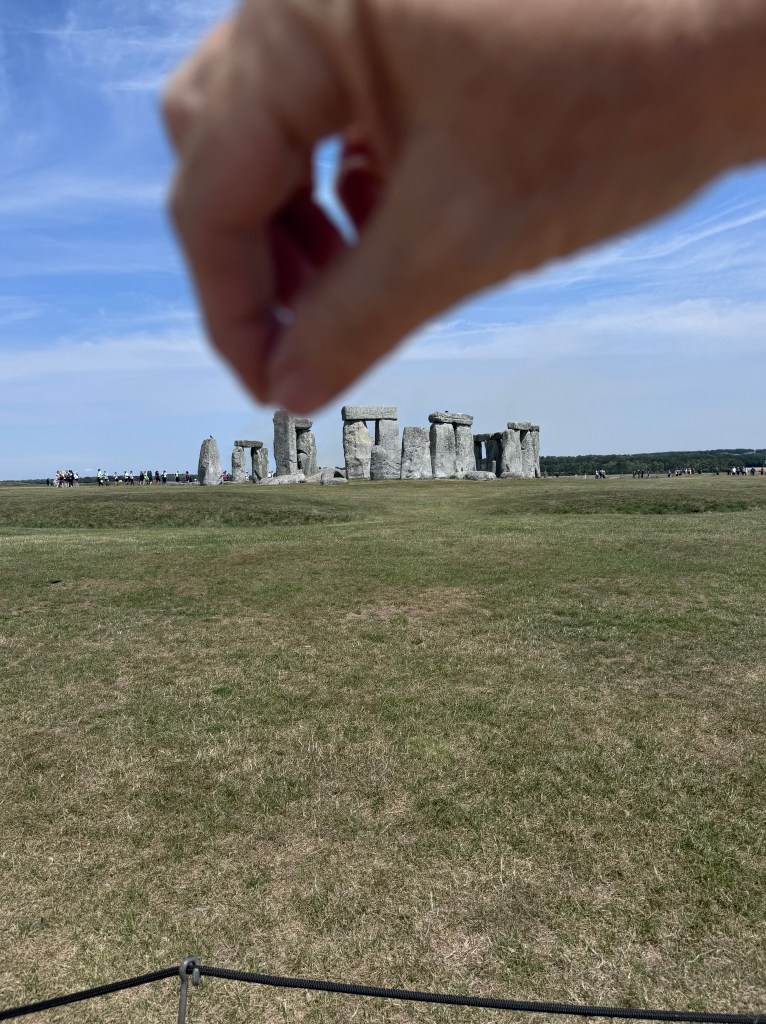
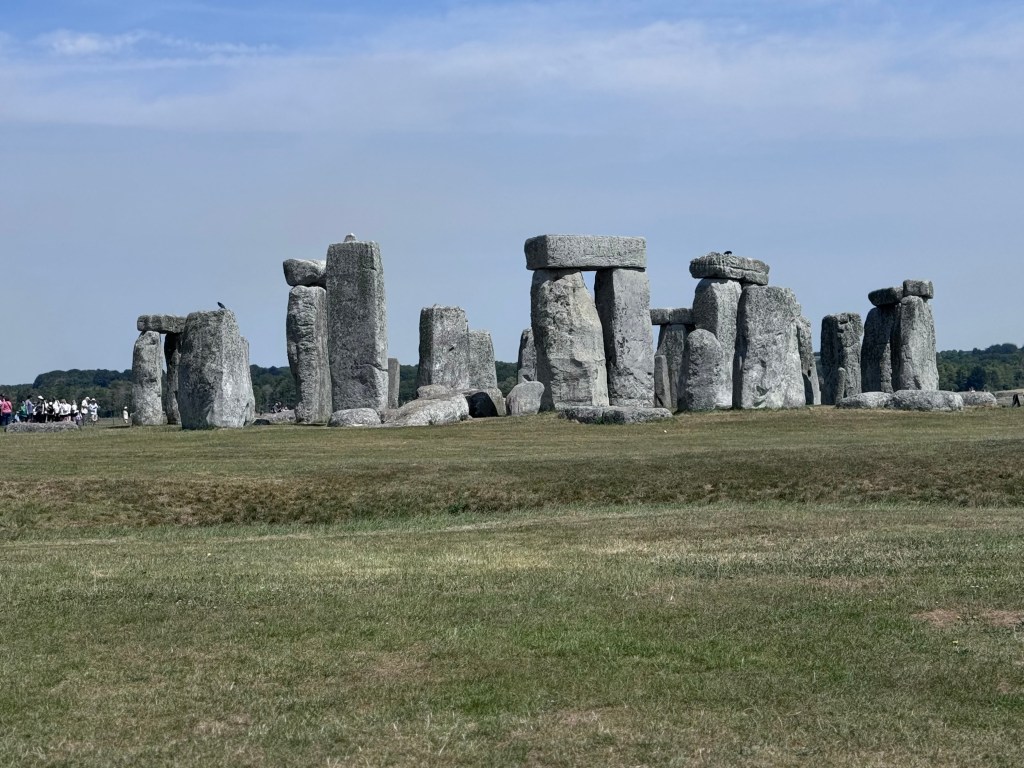
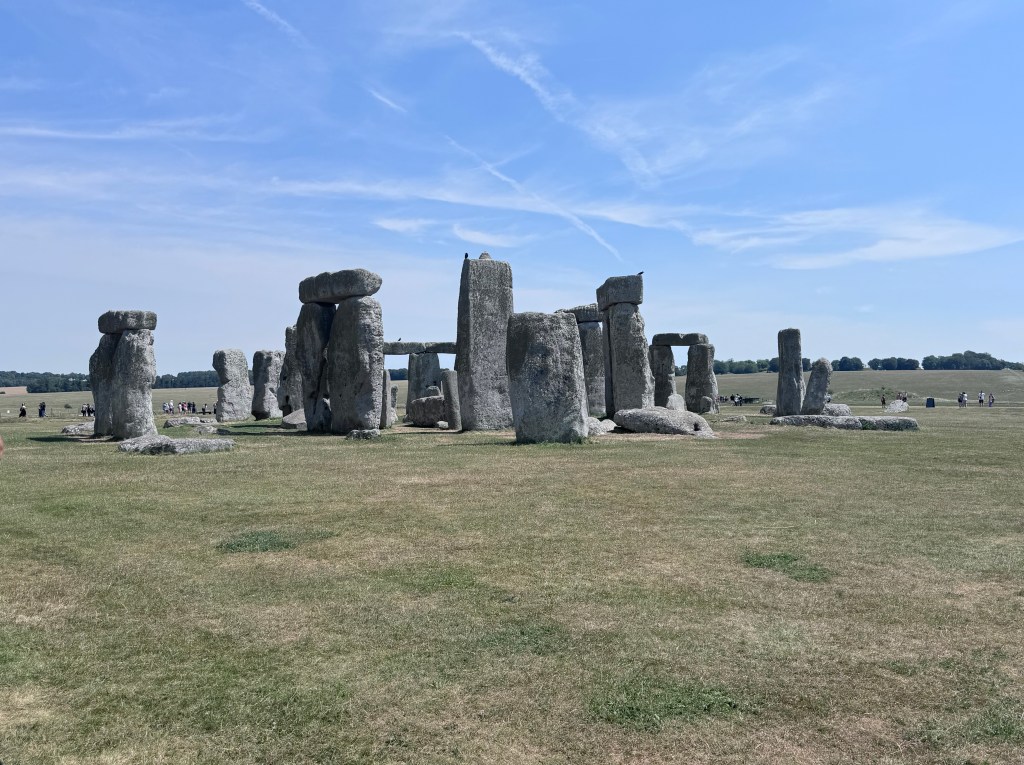
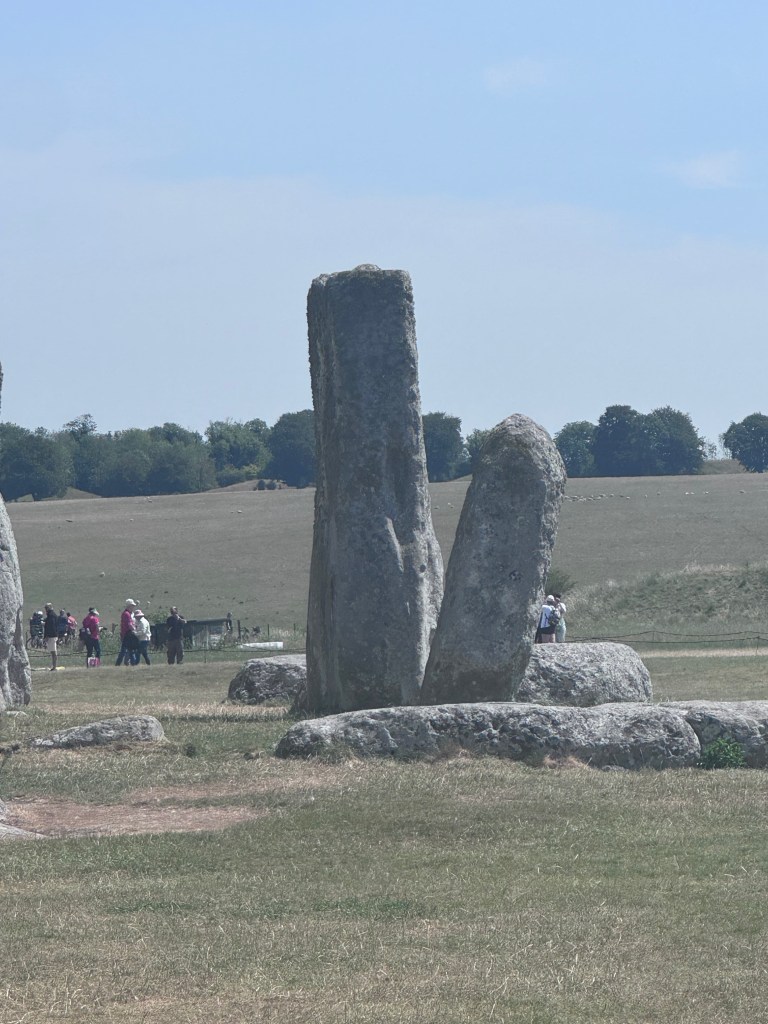
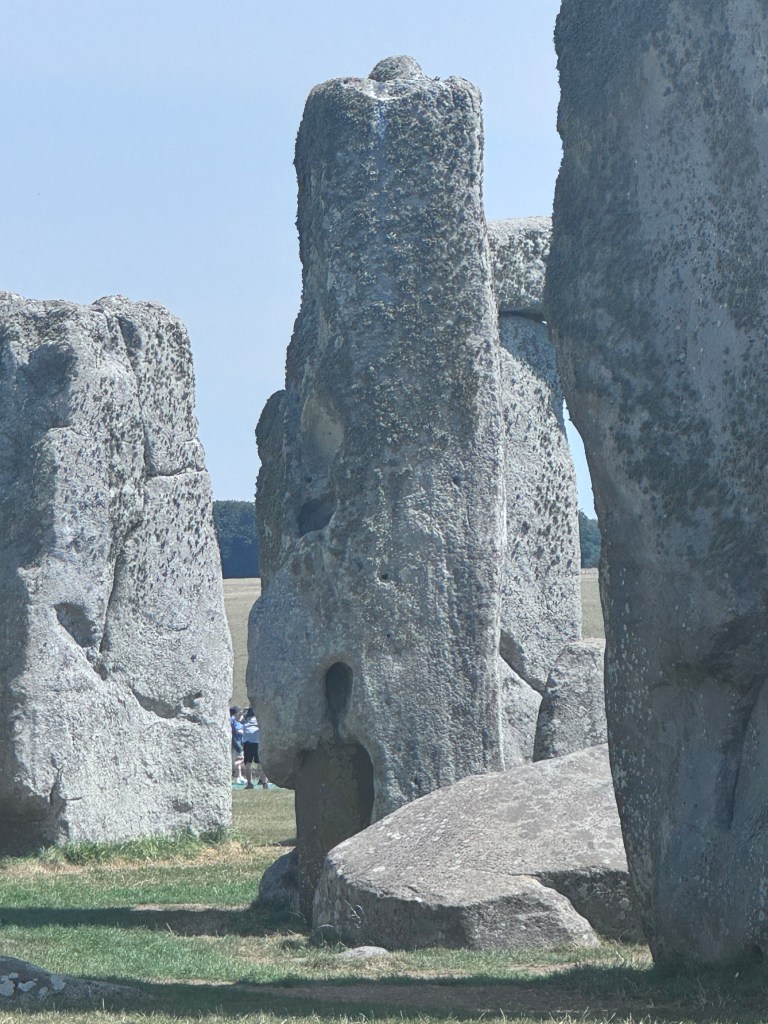
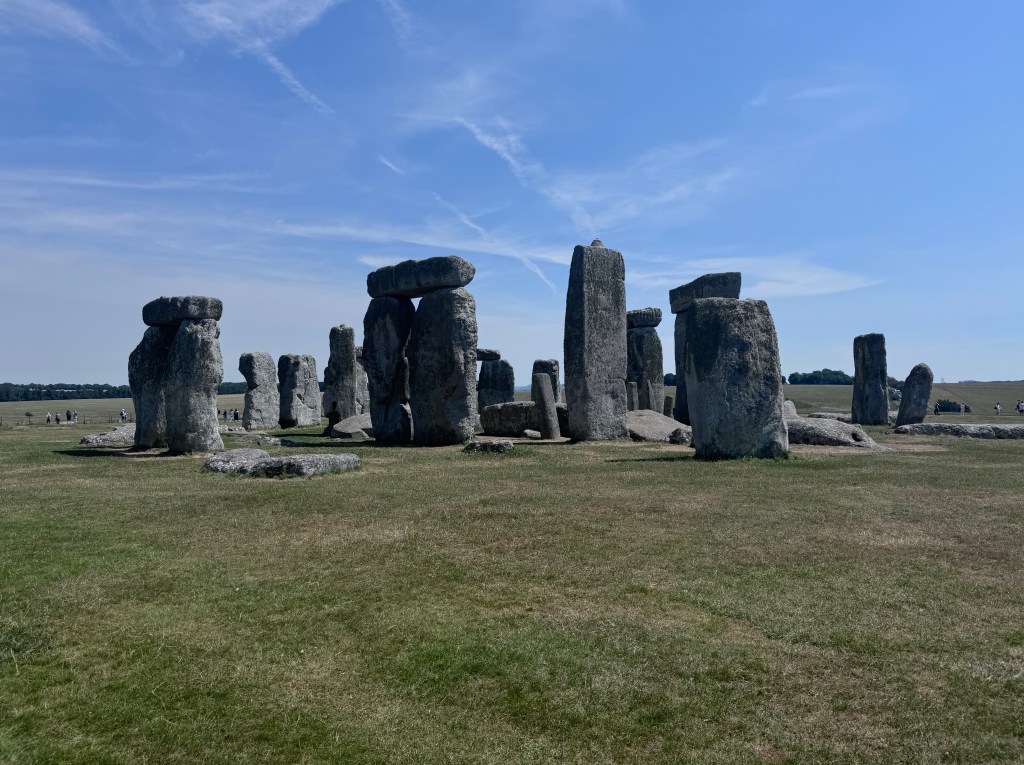
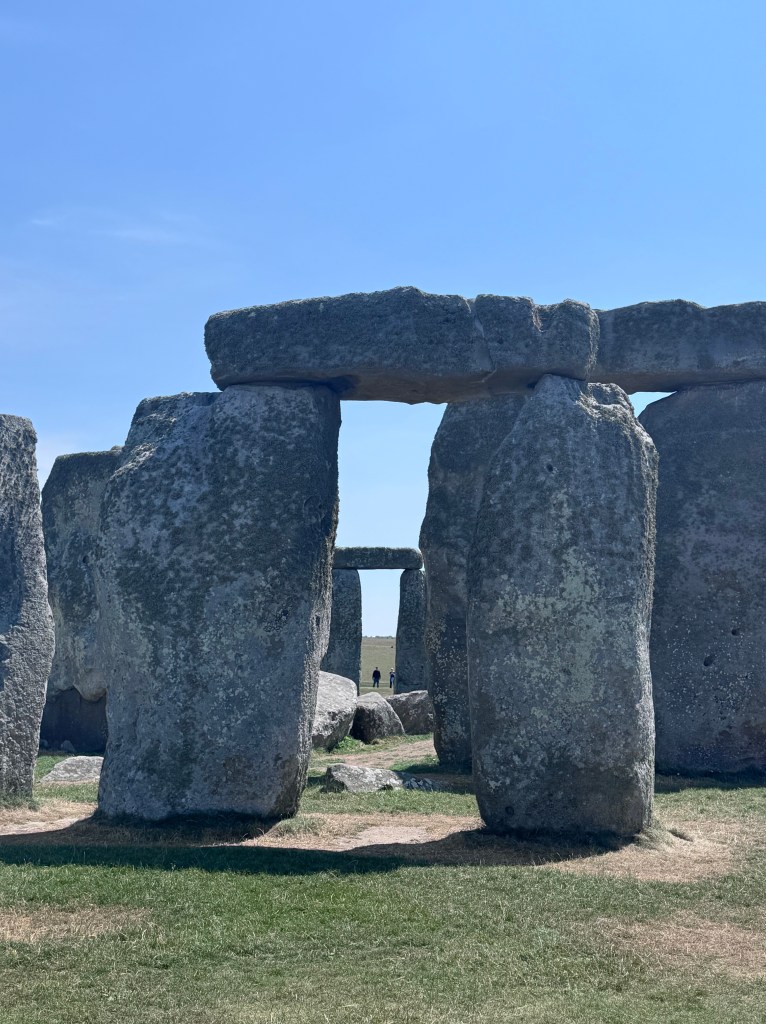
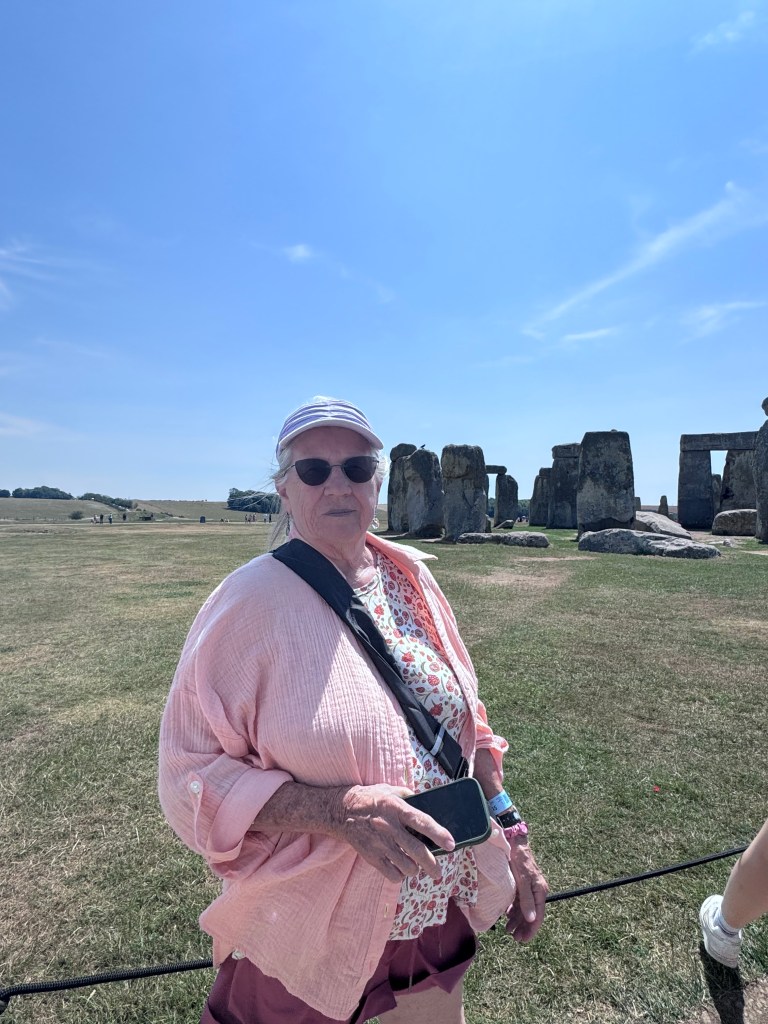
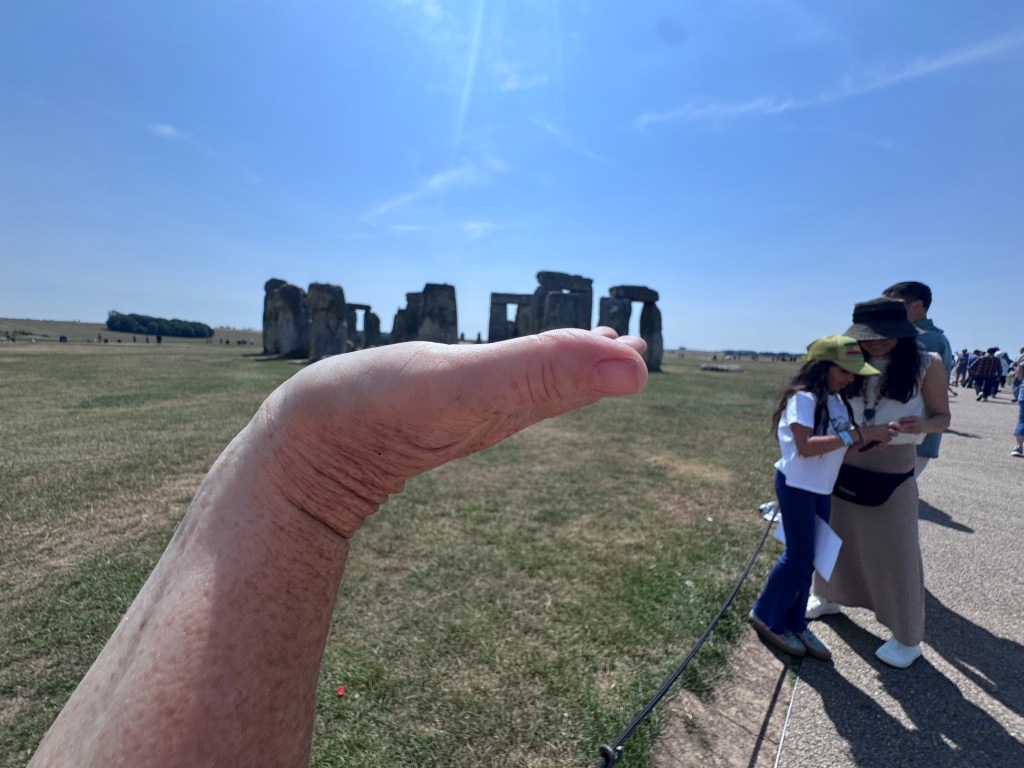
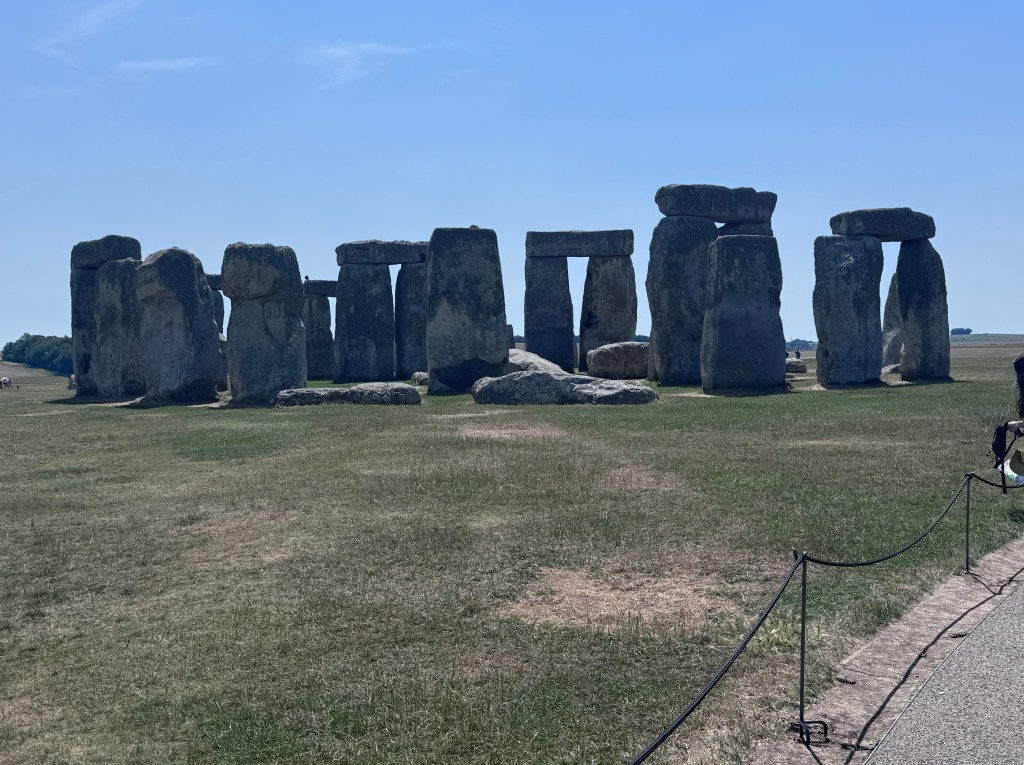
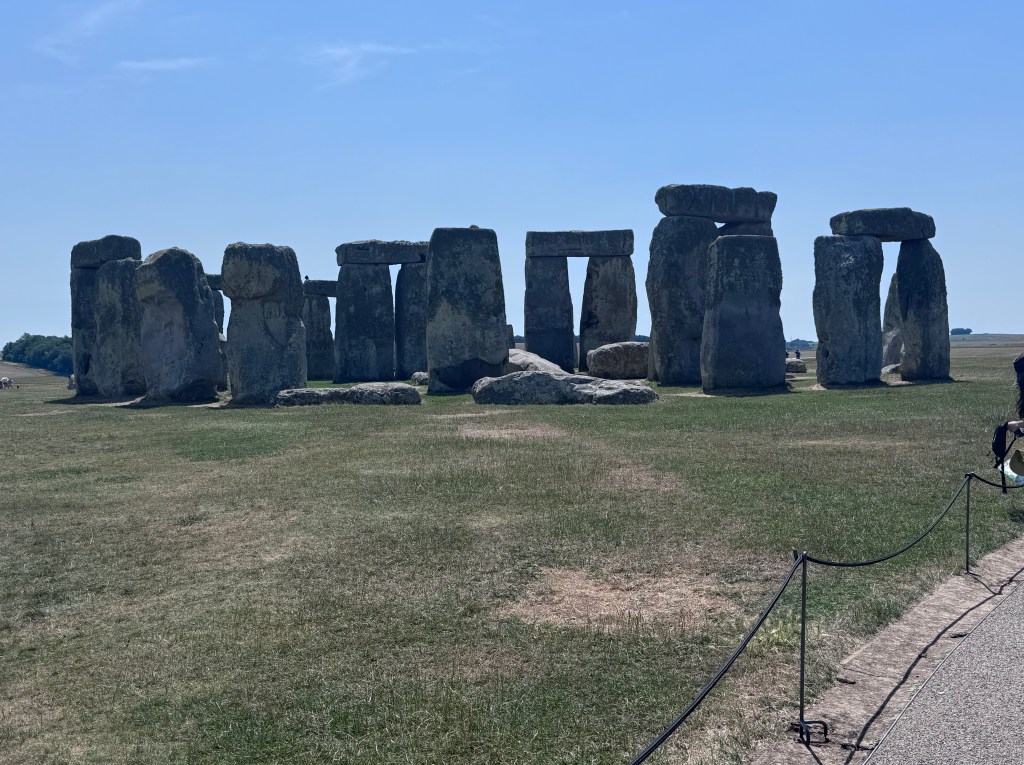
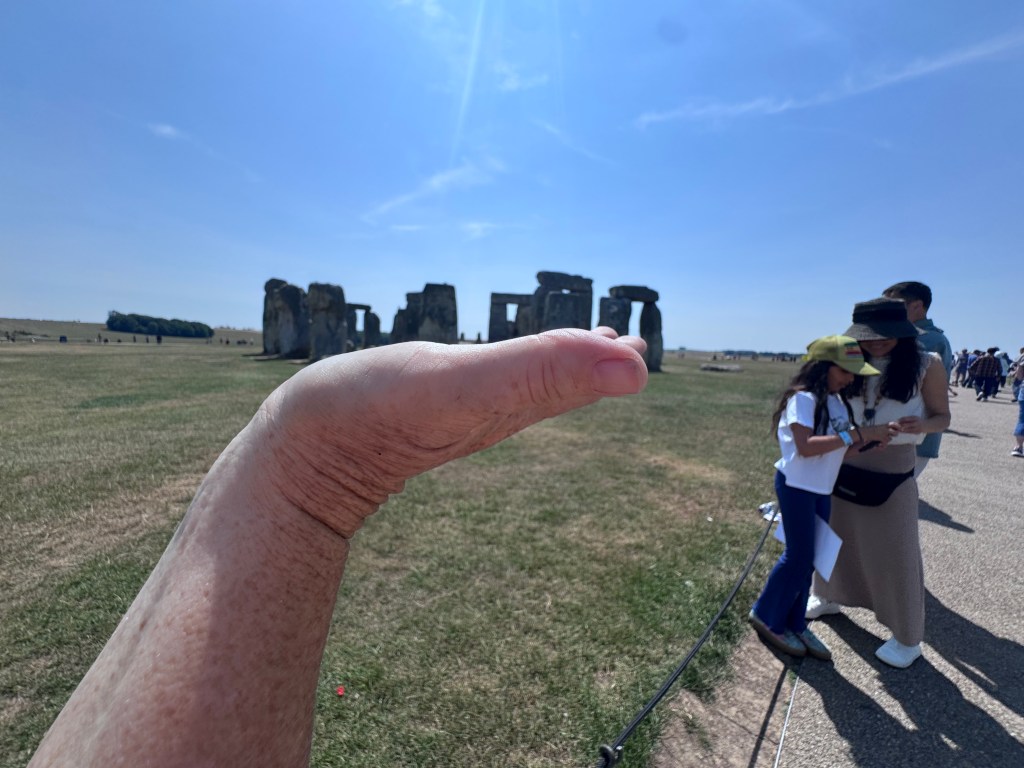
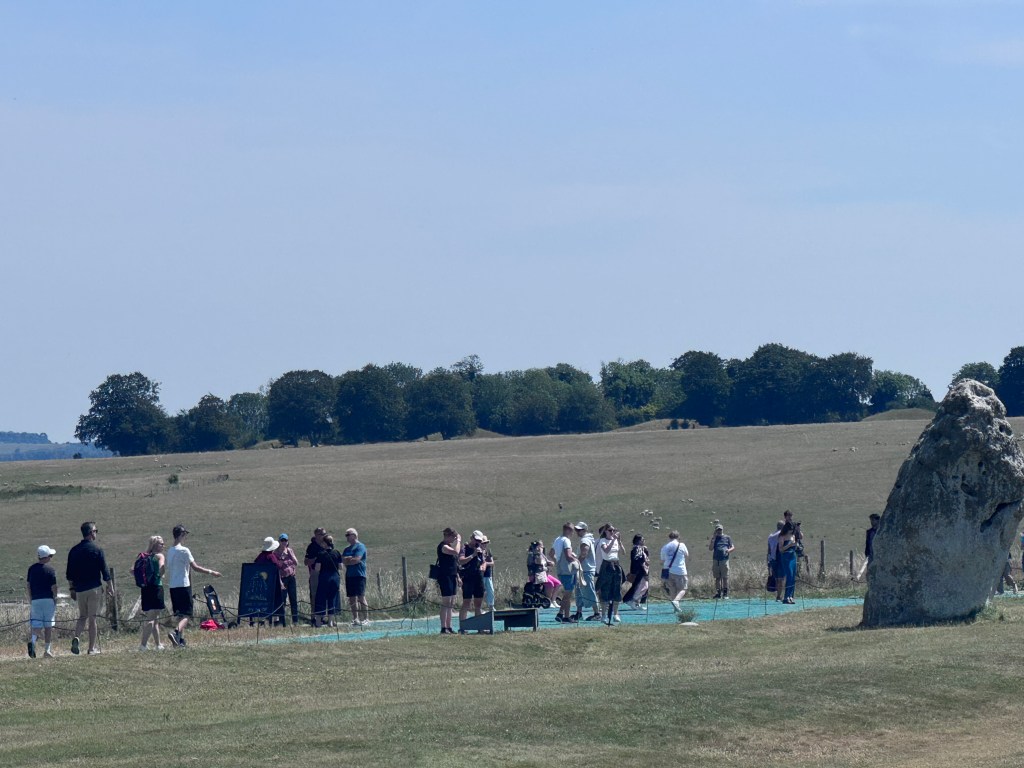
What amazed me most was that every step around the circle revealed a completely different perspective. The way the stones lined up, the changing views, and the relationship to the surrounding burial grounds continually changed. It never looked the same twice. We spent nearly an hour and a half simply walking around the monument, taking photographs, and soaking it all in. It was one of the most peaceful places we have visited. I also have to say—I absolutely love Apple’s new photo feature that lets you erase people from pictures. It made capturing the monument feel almost timeless.
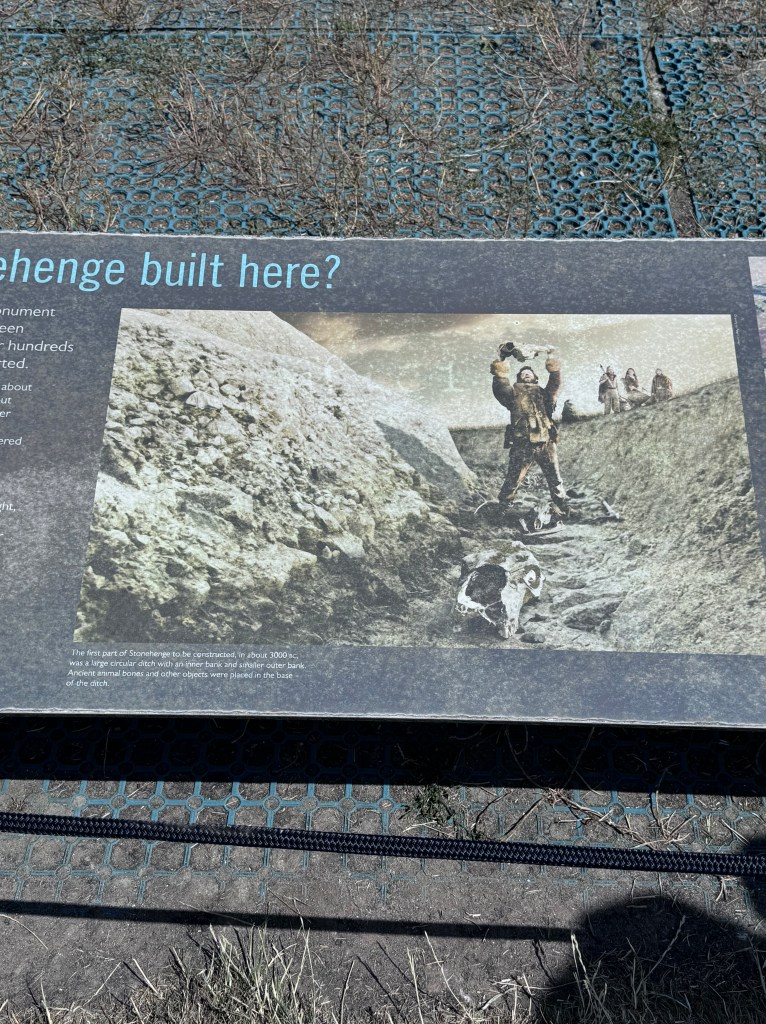
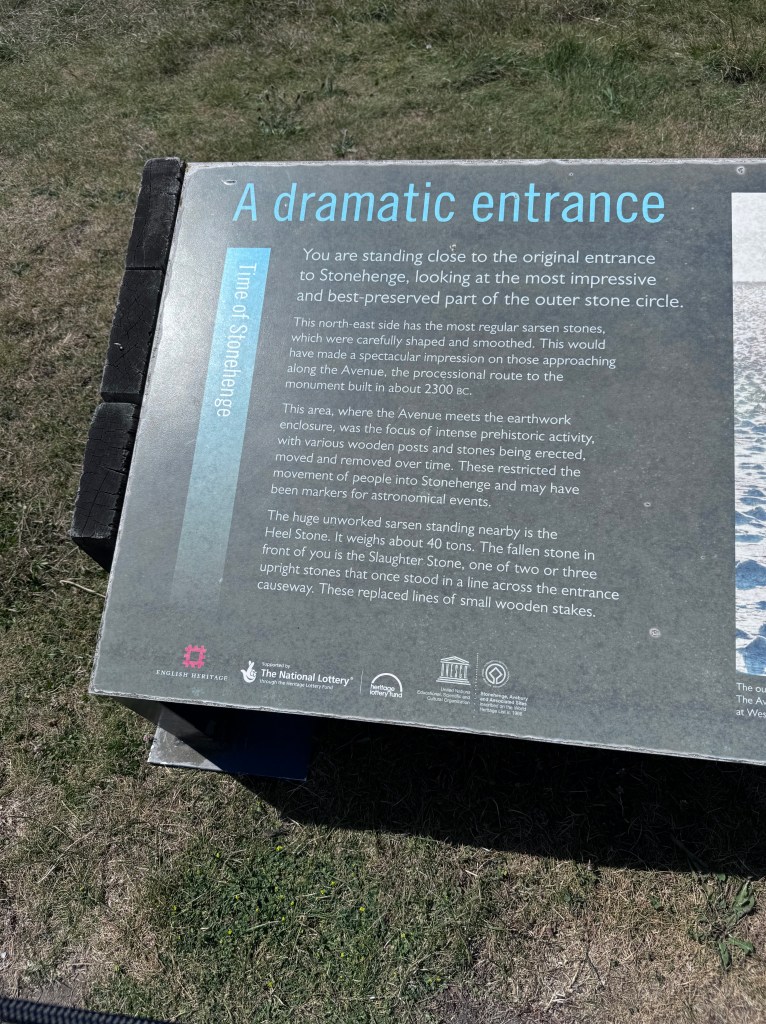
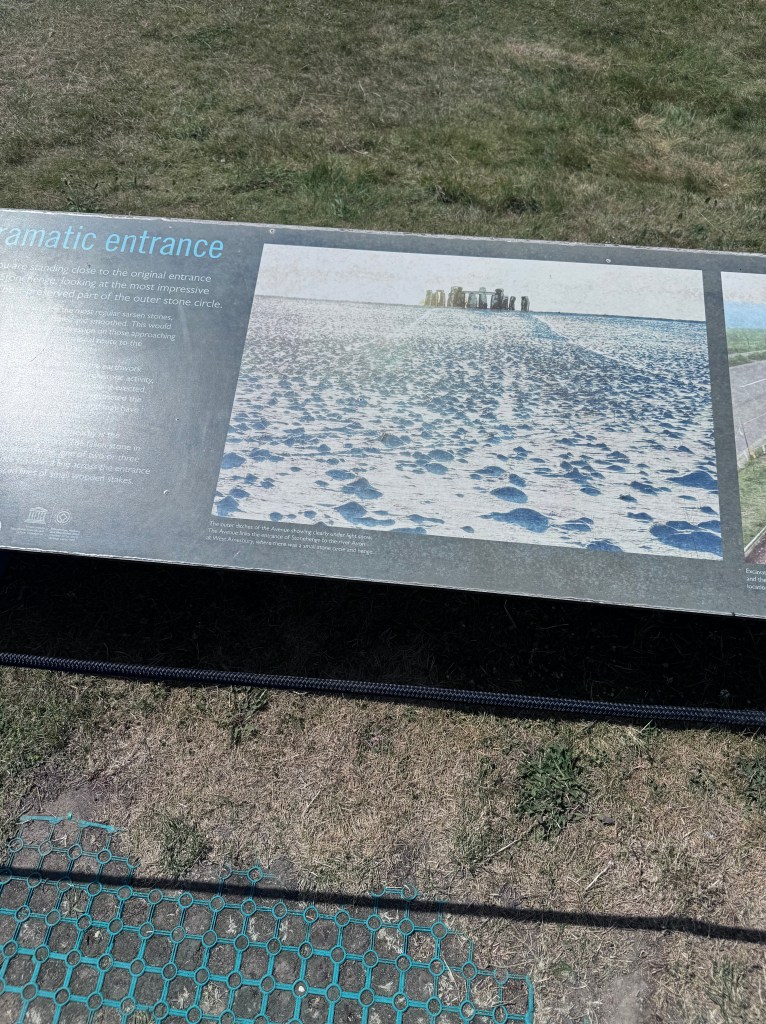
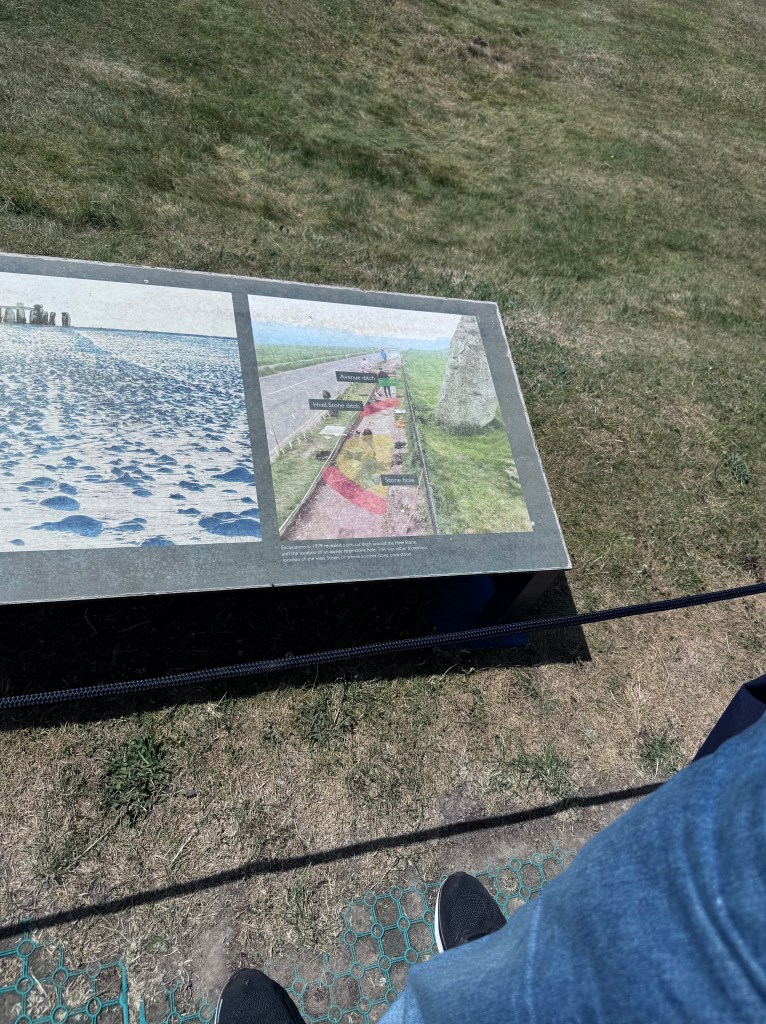
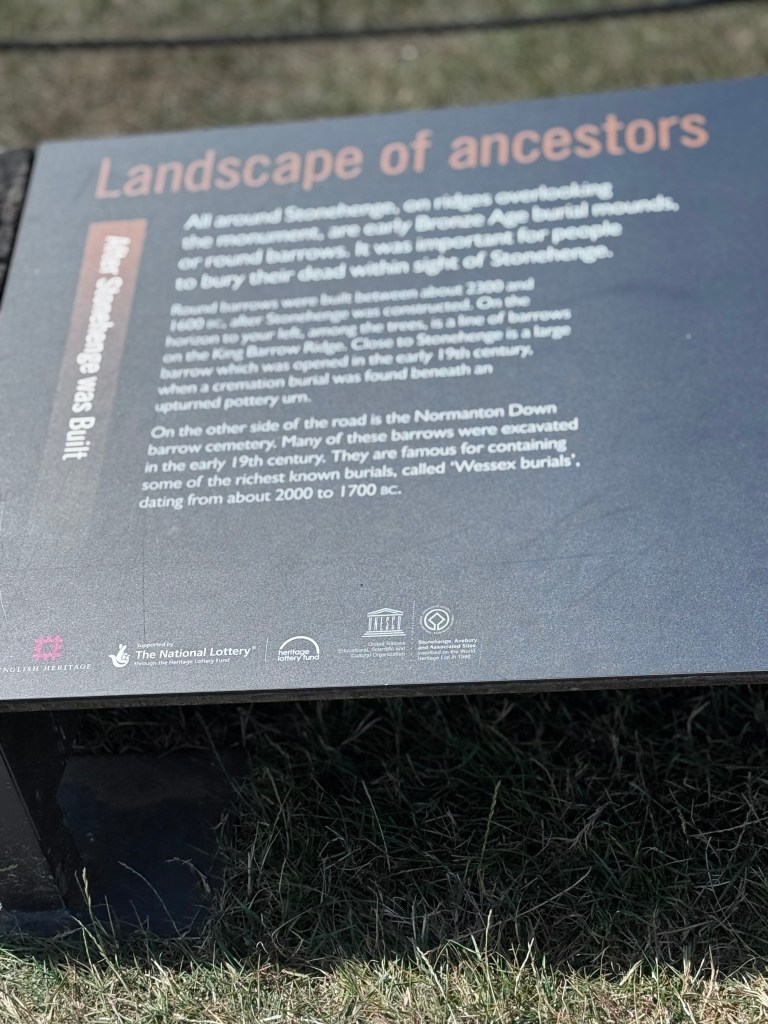
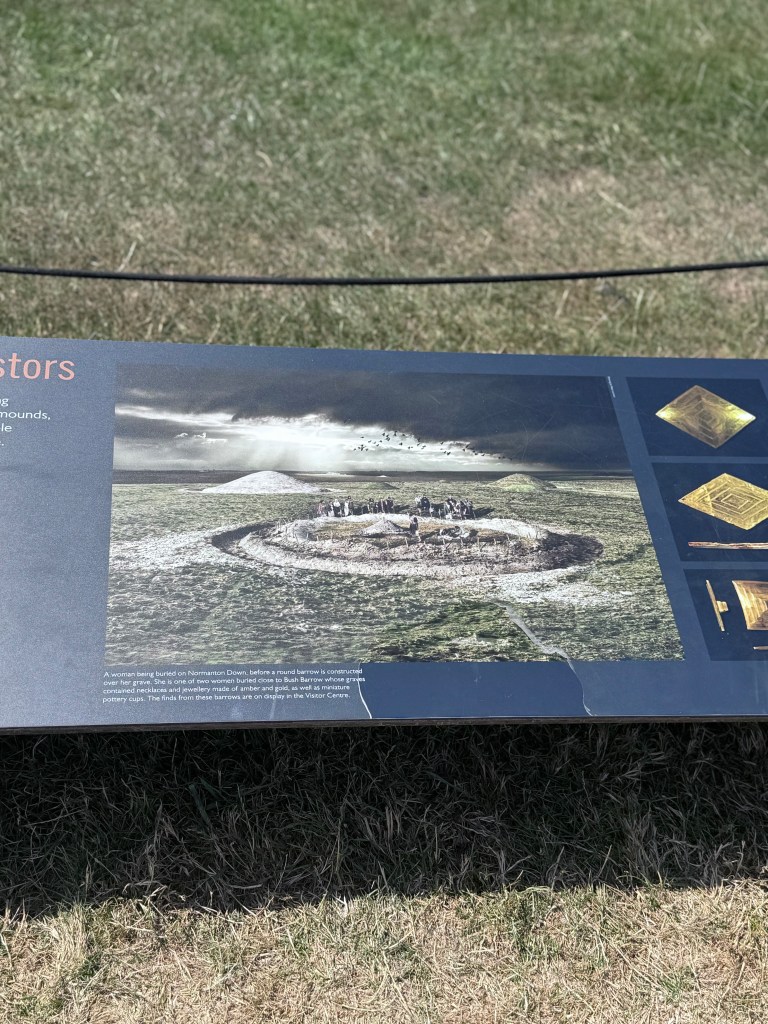
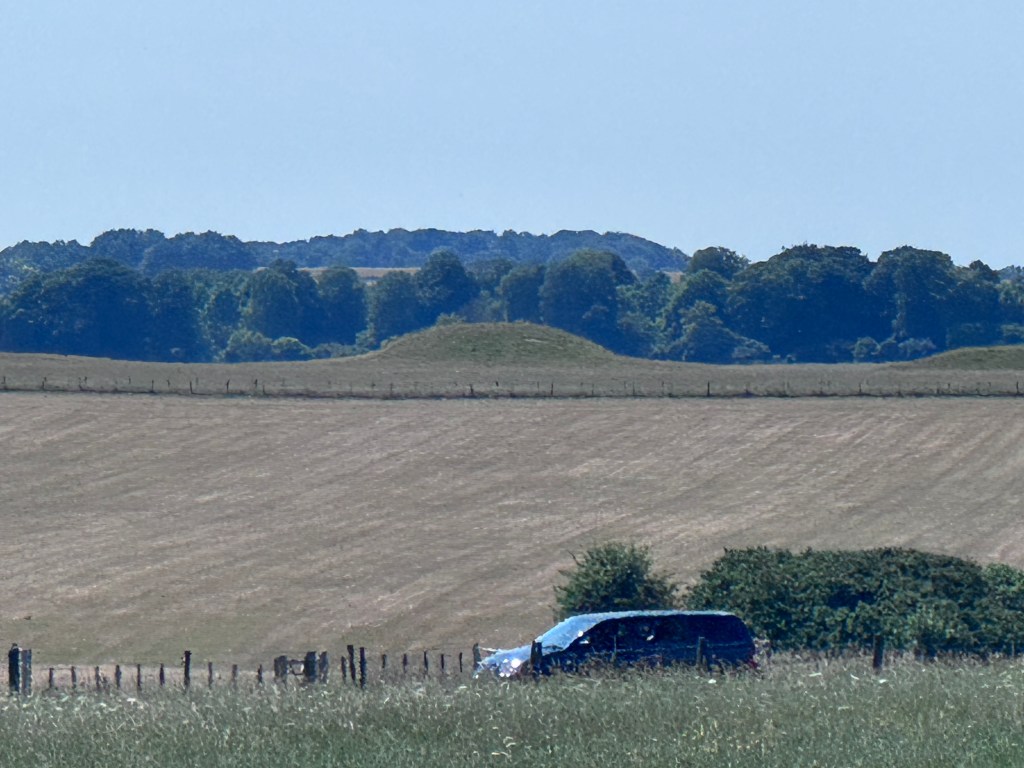
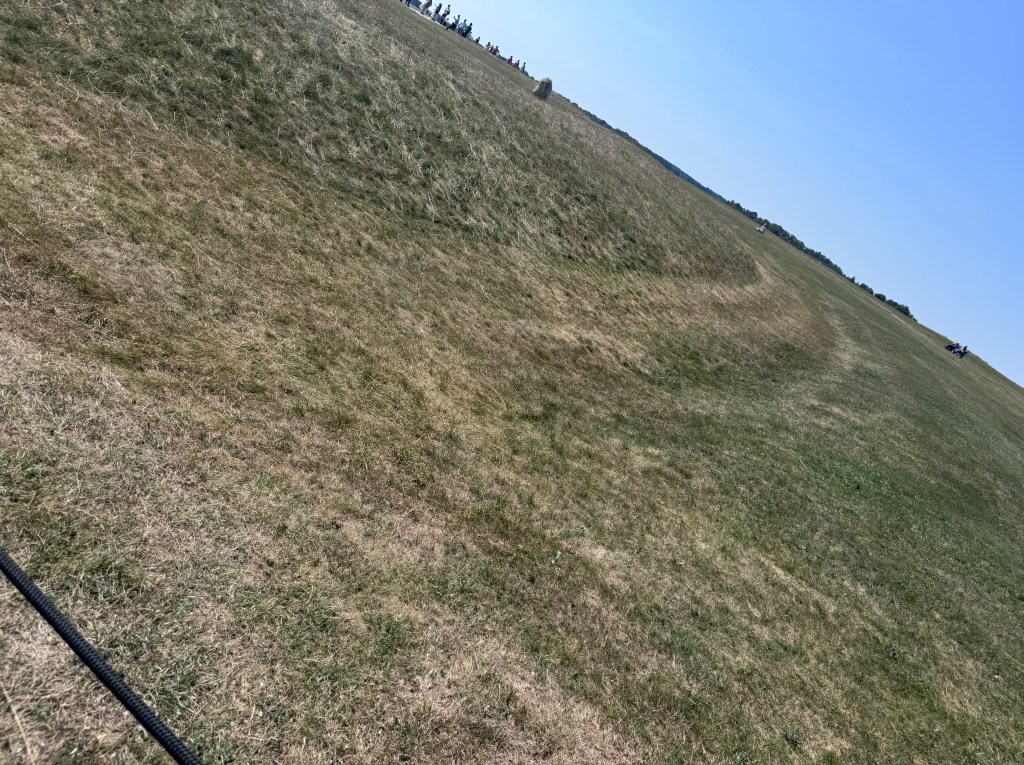
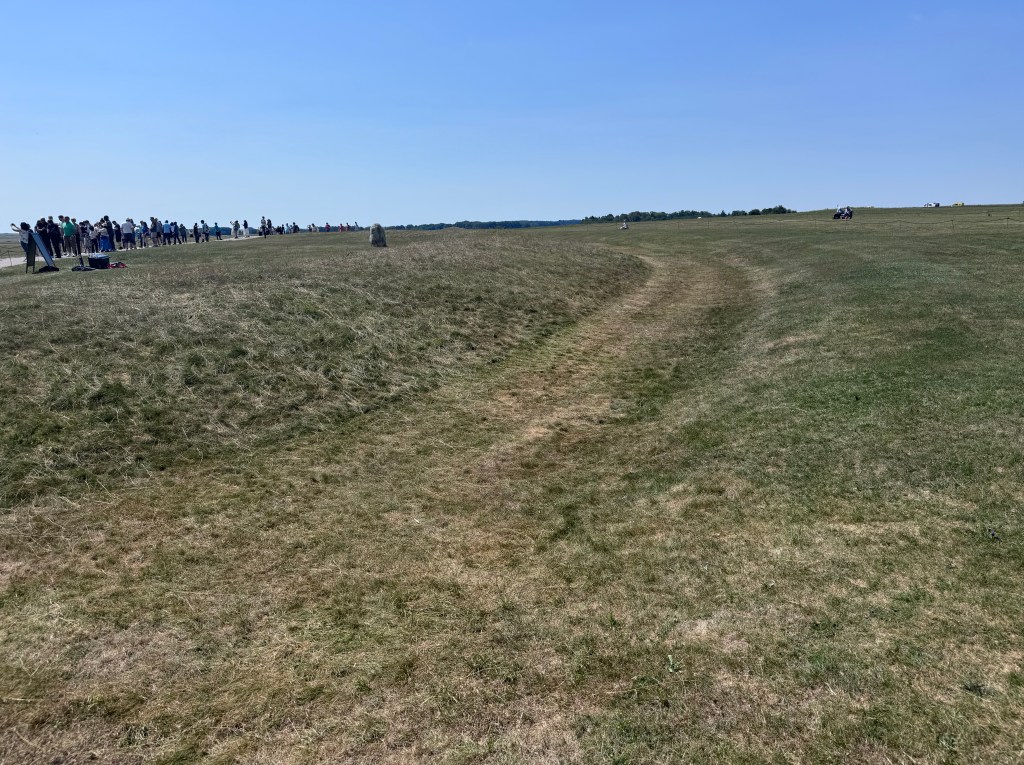
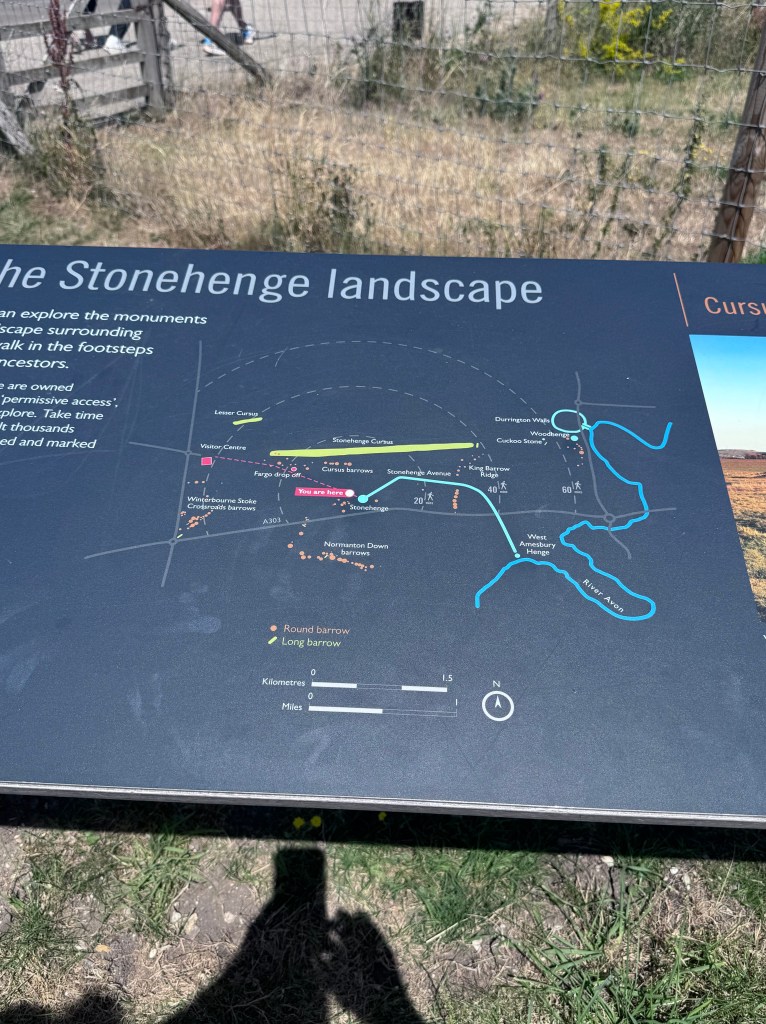
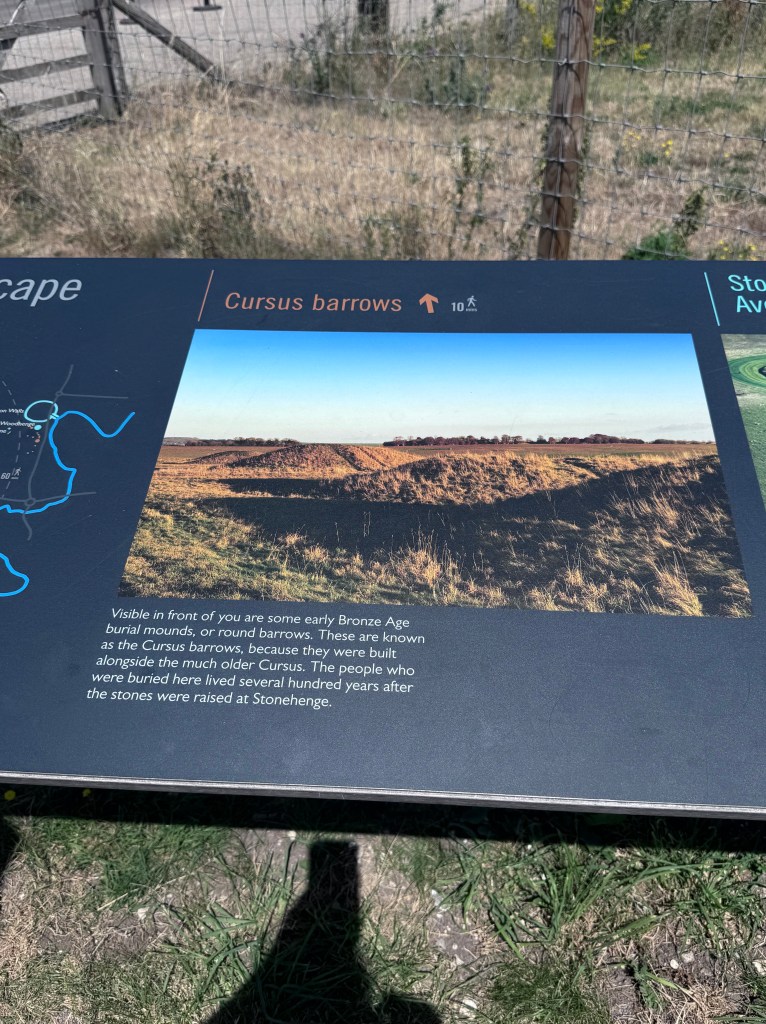
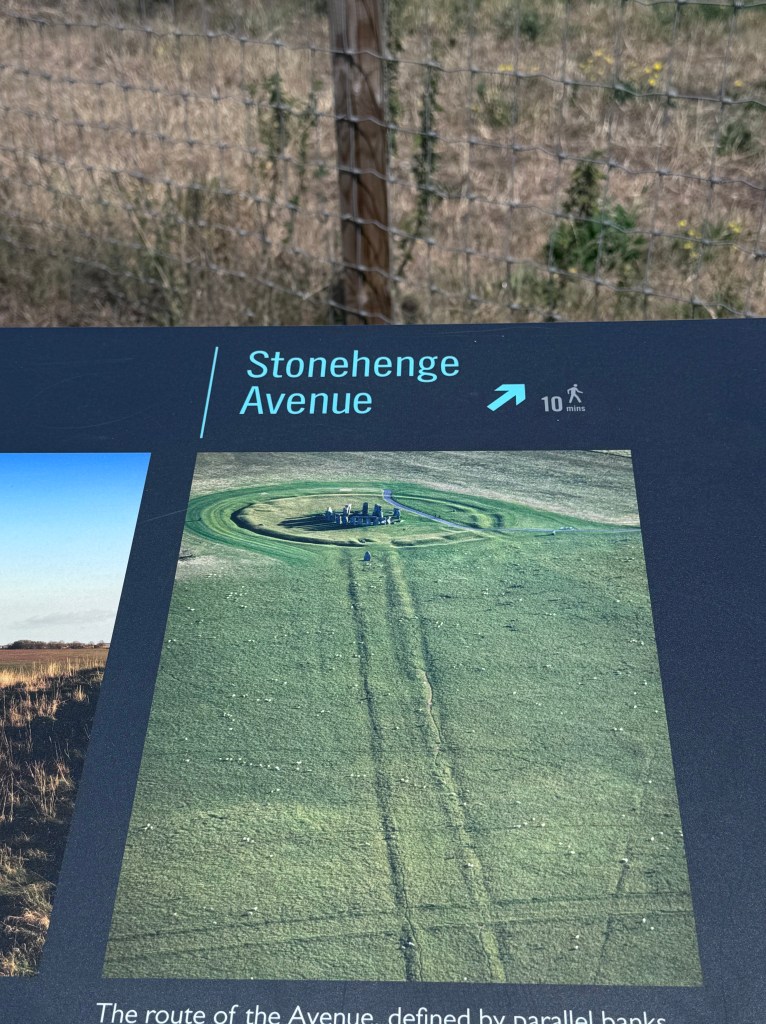
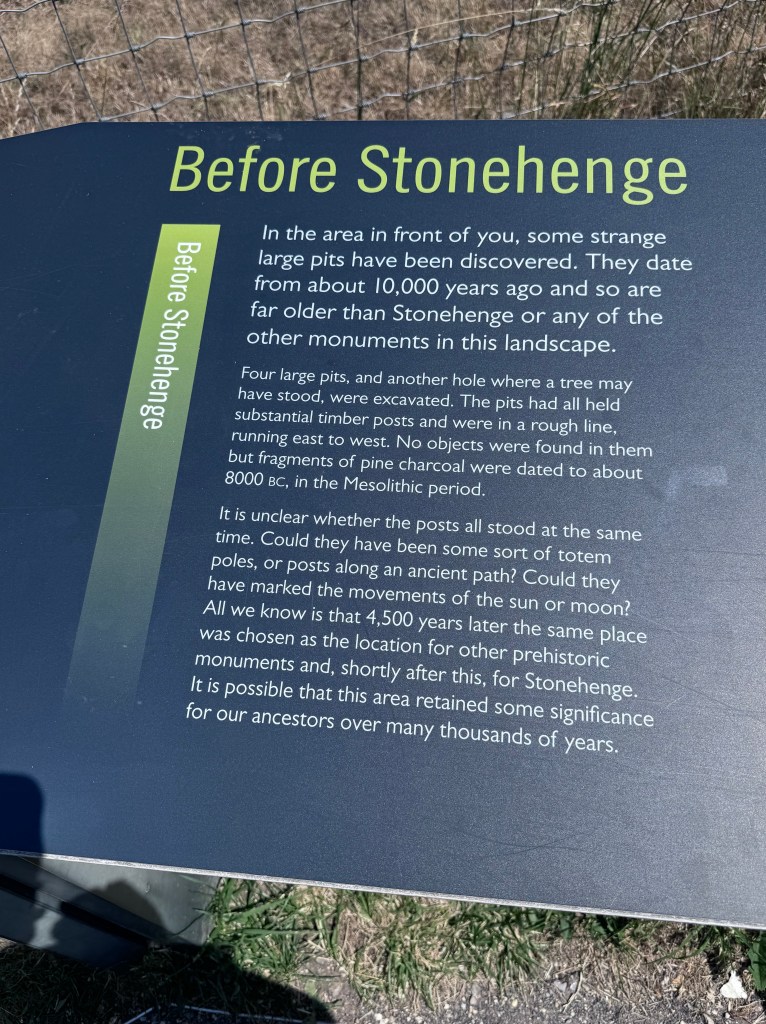
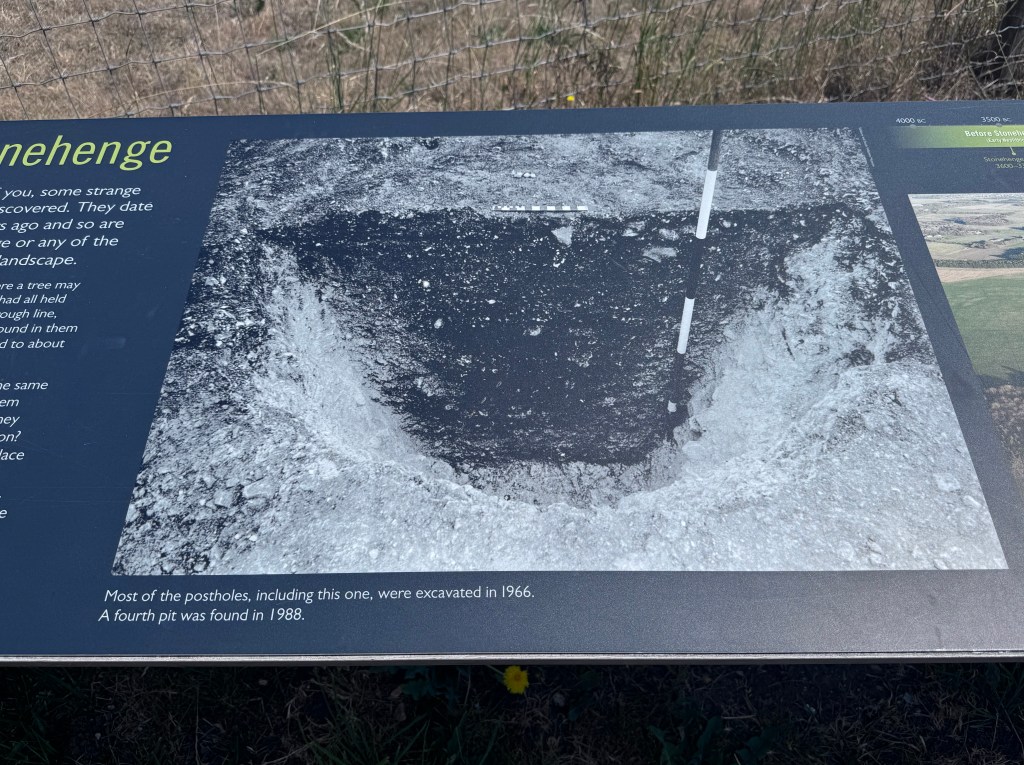
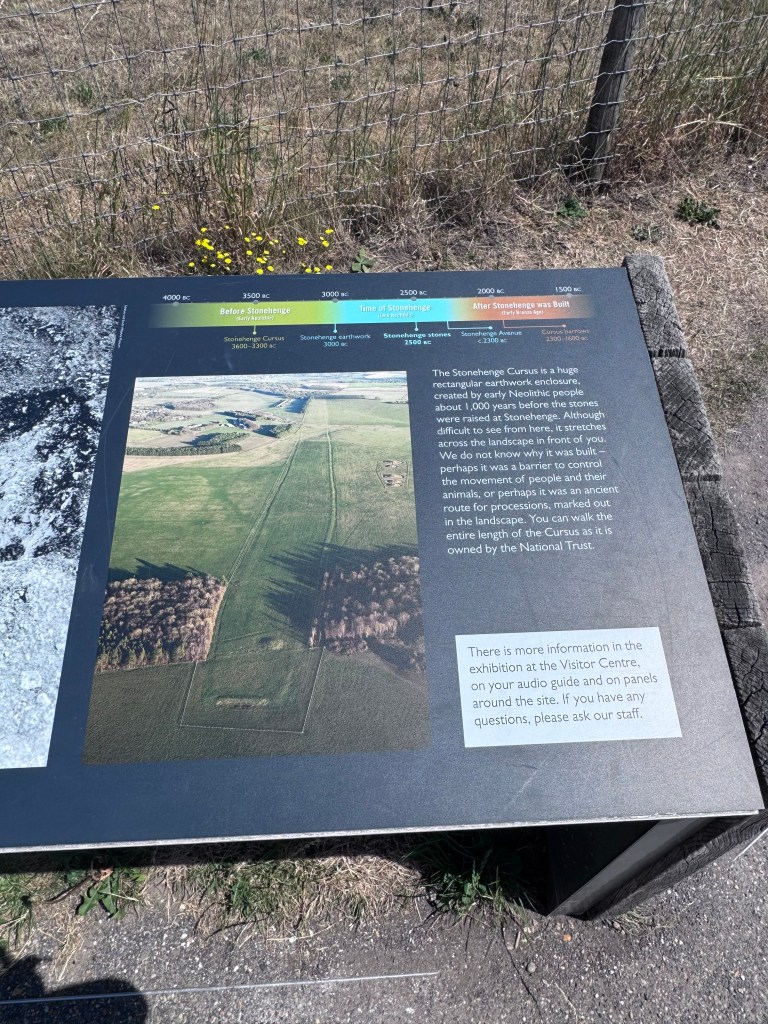
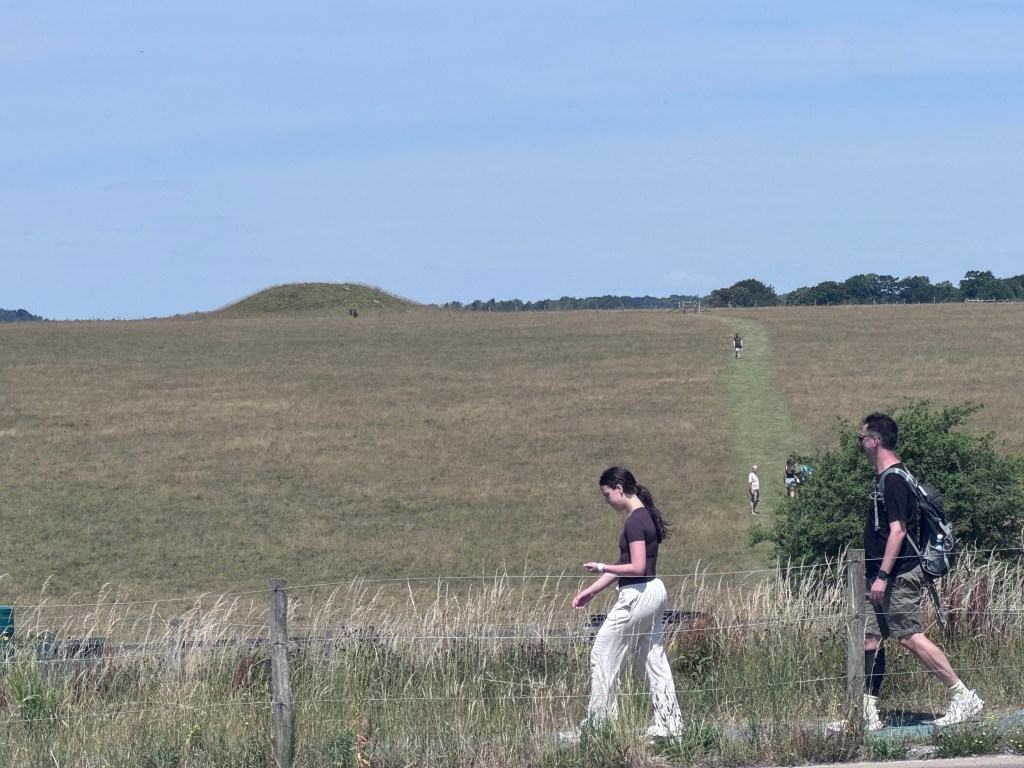
Once we understood what we were looking at, we began spotting burial mounds everywhere across the landscape. Archaeologists believe Stonehenge was once part of an enormous ceremonial complex connected to the nearby River Avon by a processional avenue. Thousands of years ago, the river is believed to have flowed at a higher level than it does today, creating an important ceremonial route between the river and the monument.
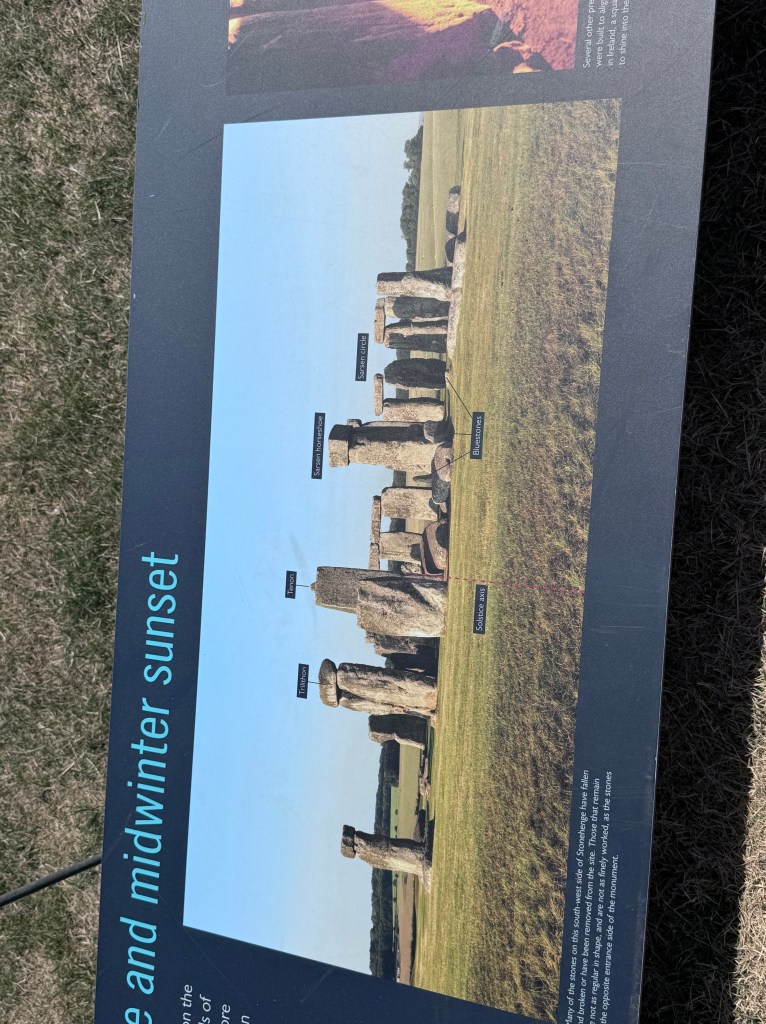
The engineering behind Stonehenge is almost impossible to comprehend. Some of the smaller bluestones were transported nearly 150 miles (240 km) from the Preseli Hills of Wales, likely by water and then over land. The larger sarsen stones, weighing as much as 25 tons each, were hauled from about 15 miles away. Just imagining the planning, manpower, and determination required is mind-blowing.
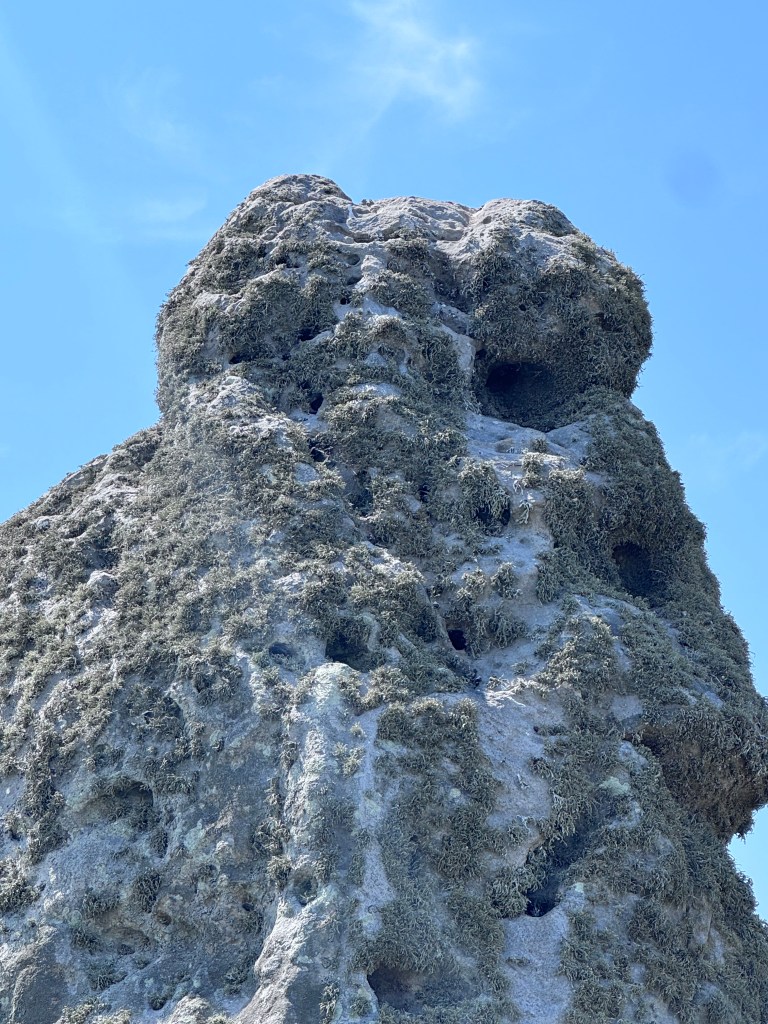
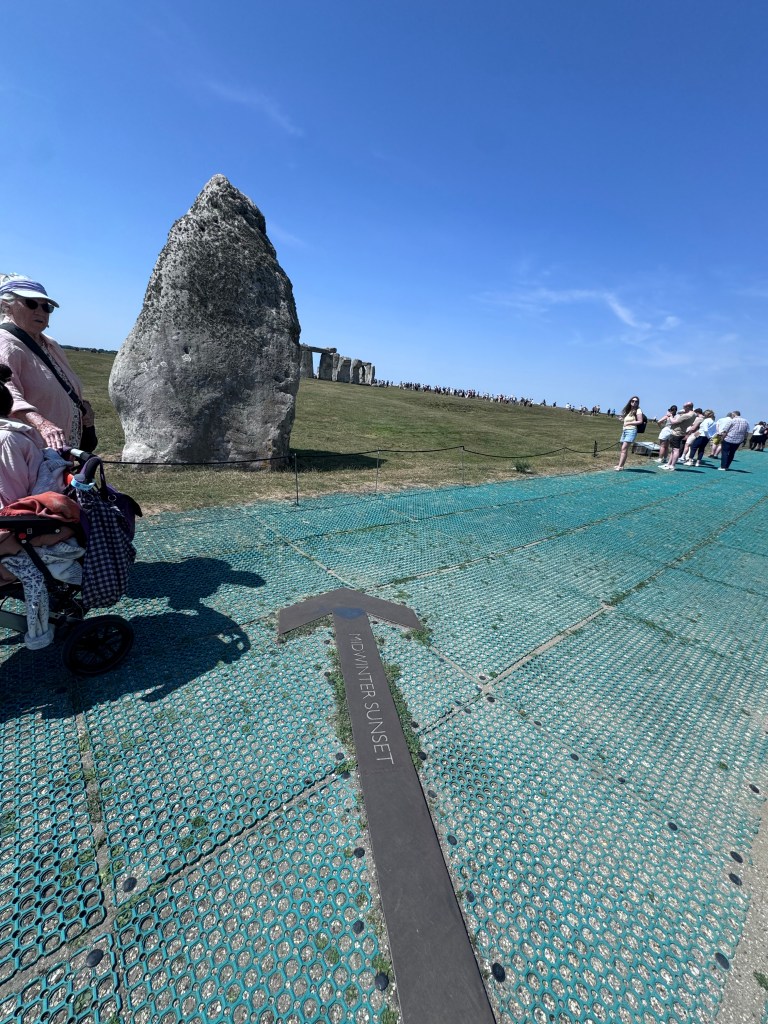
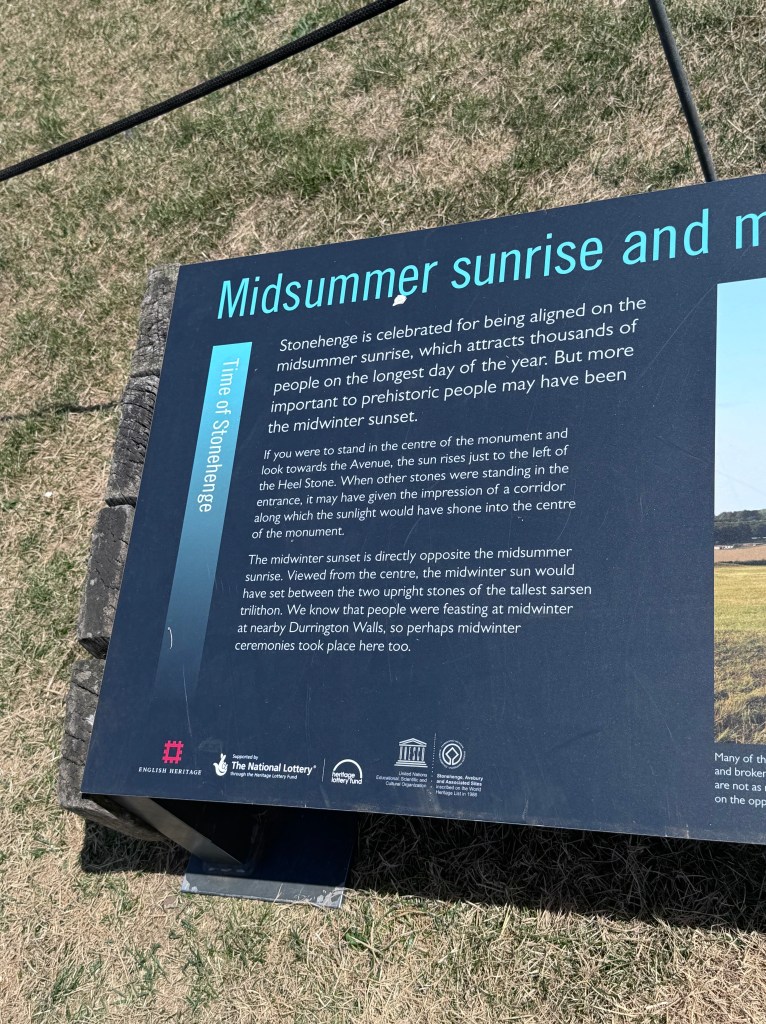
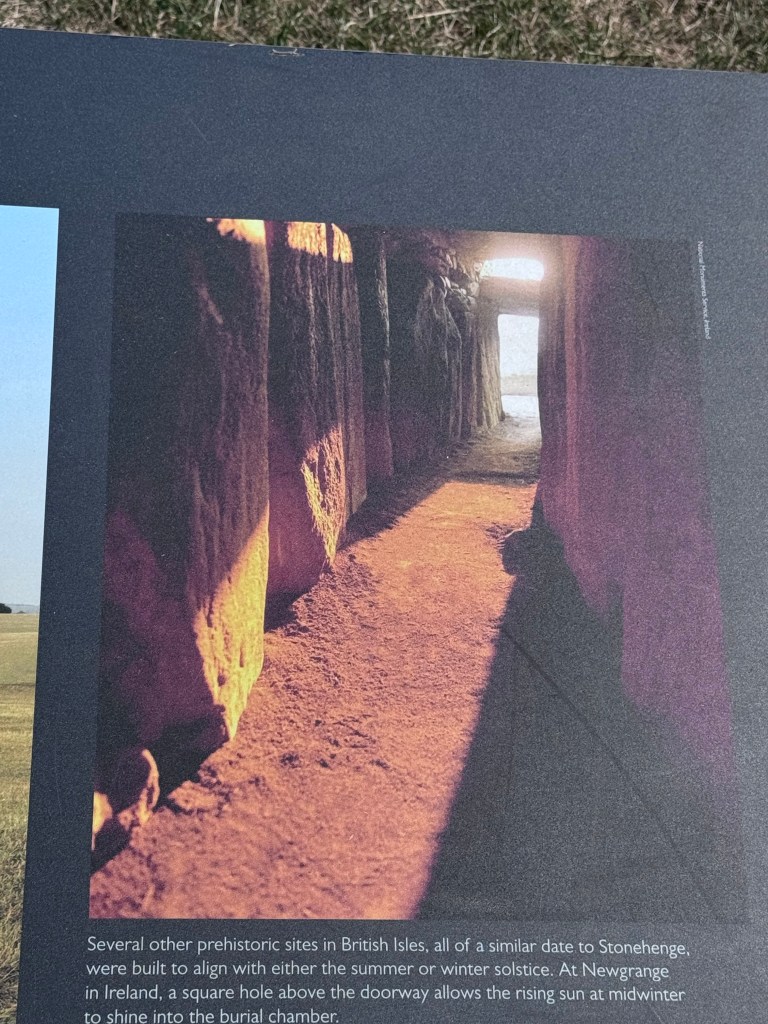
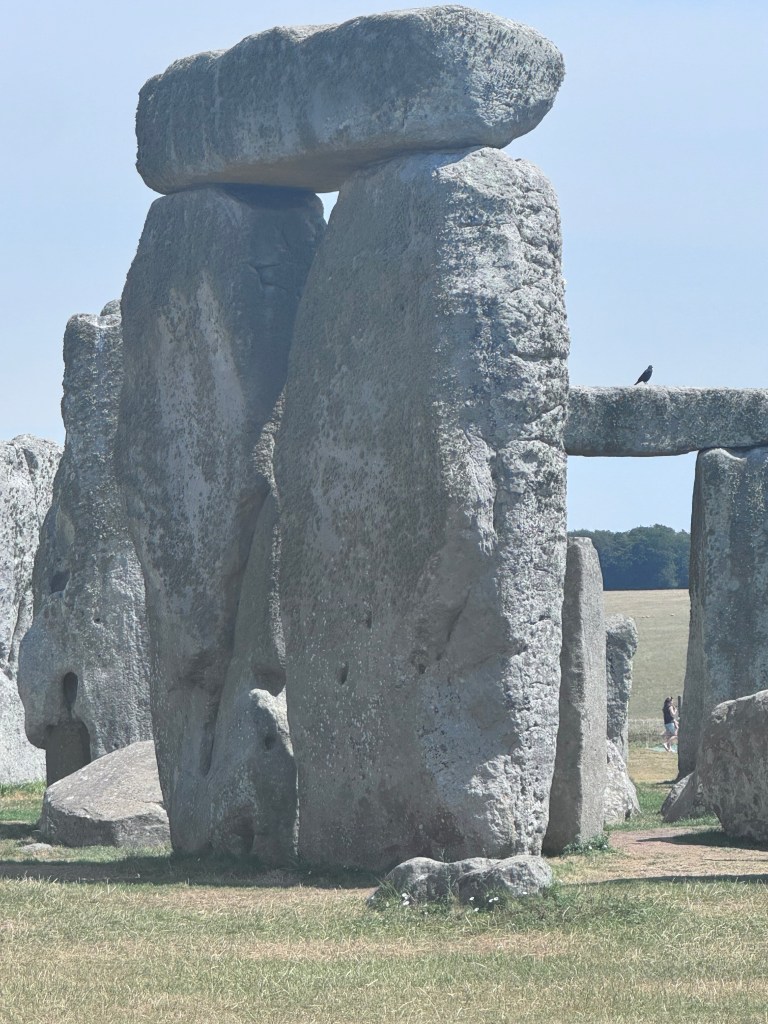
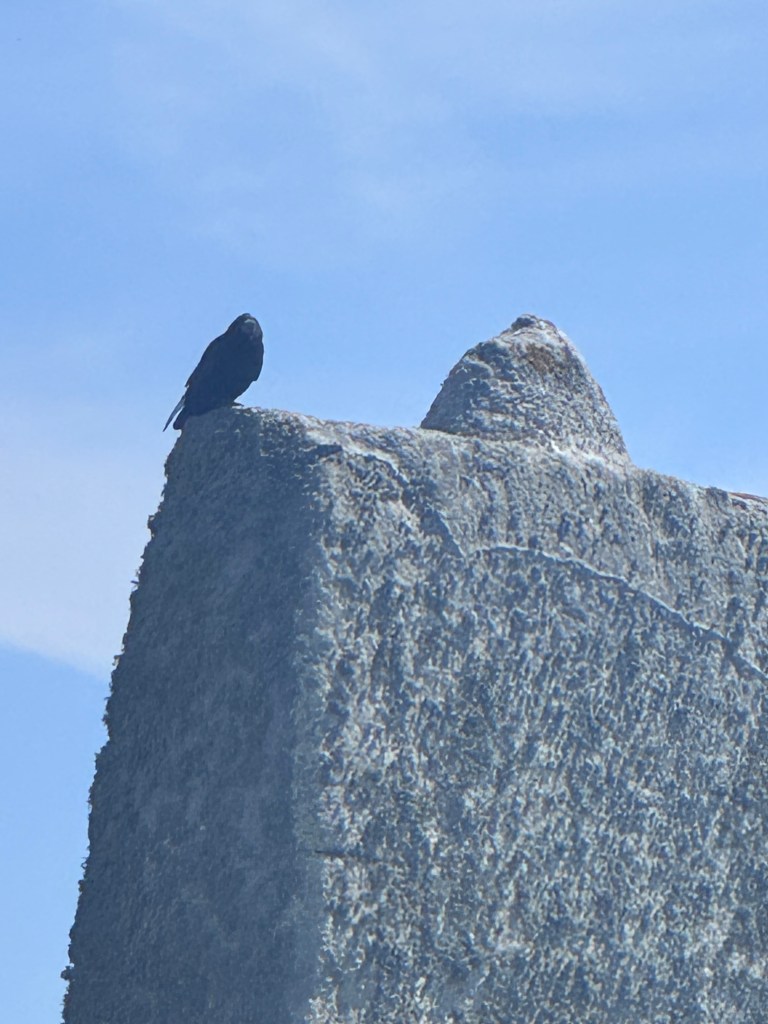
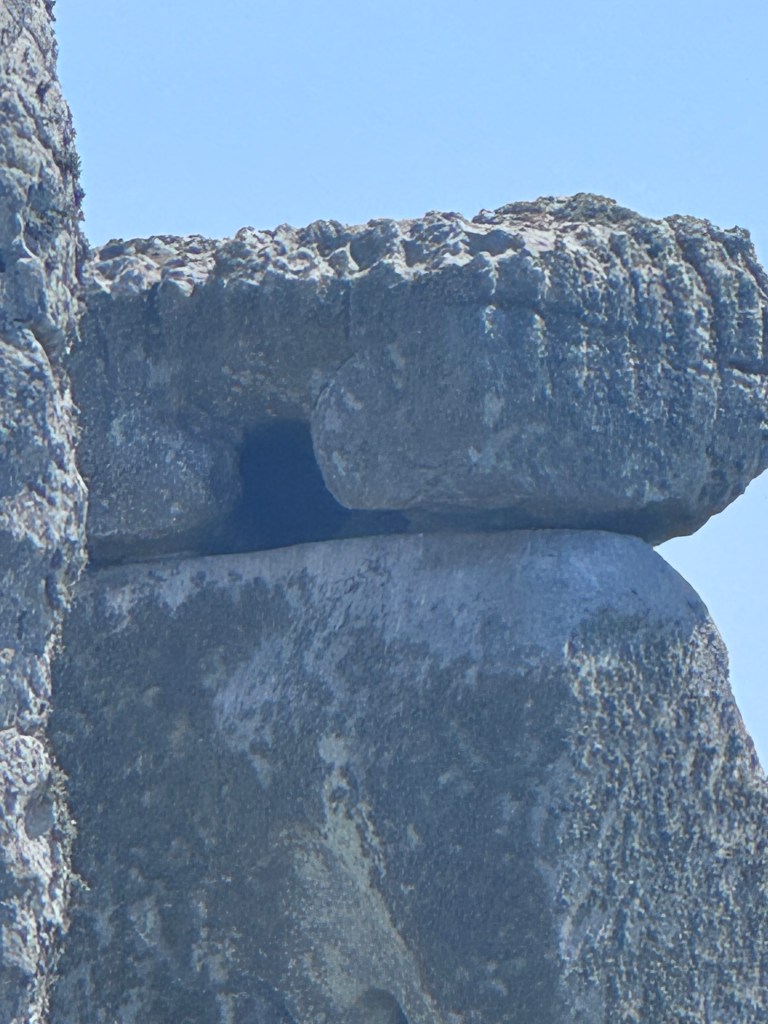
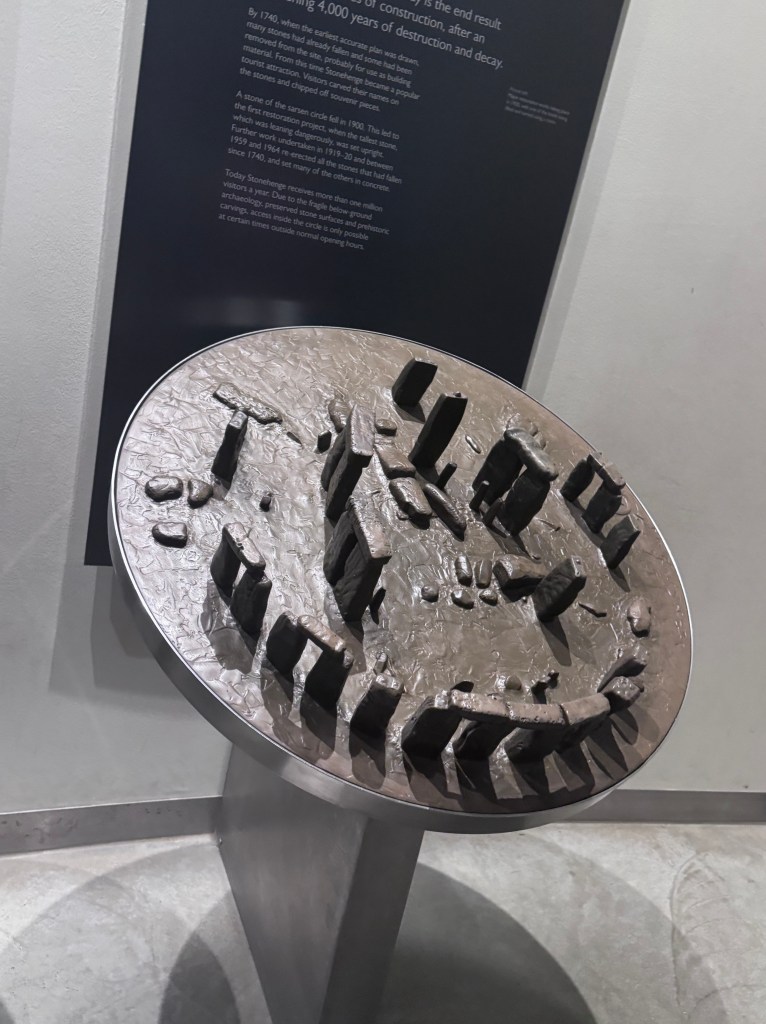
Even more impressive were the stone-working techniques. Many of the stones were carefully shaped and smoothed. The builders carved tenons—rounded projections on top of the upright stones—that fit perfectly into matching mortisescarved into the lintels resting above them. The docents explained that these joints weren’t actually necessary to hold the stones together because of their tremendous weight. Instead, they demonstrate the builders’ incredible craftsmanship and desire to create a monument that would last for generations. To construct nearly perfect circles, stack stones so precisely, and align the monument with the movements of the sun during the solstices over 4,500 years ago is simply astonishing.
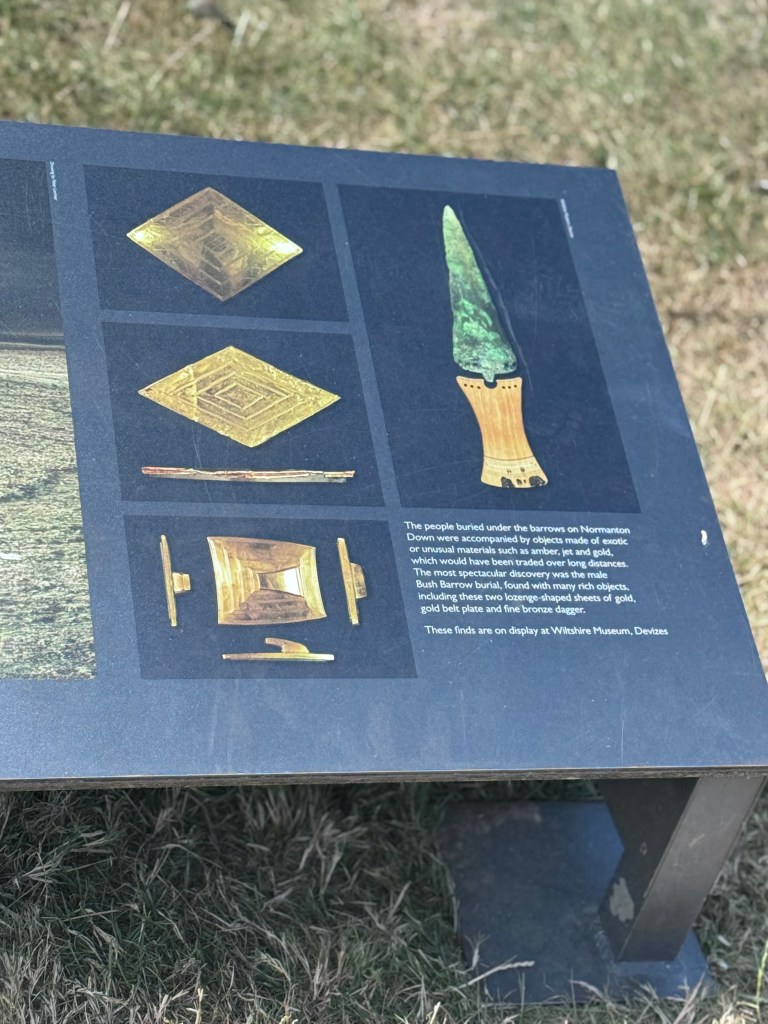
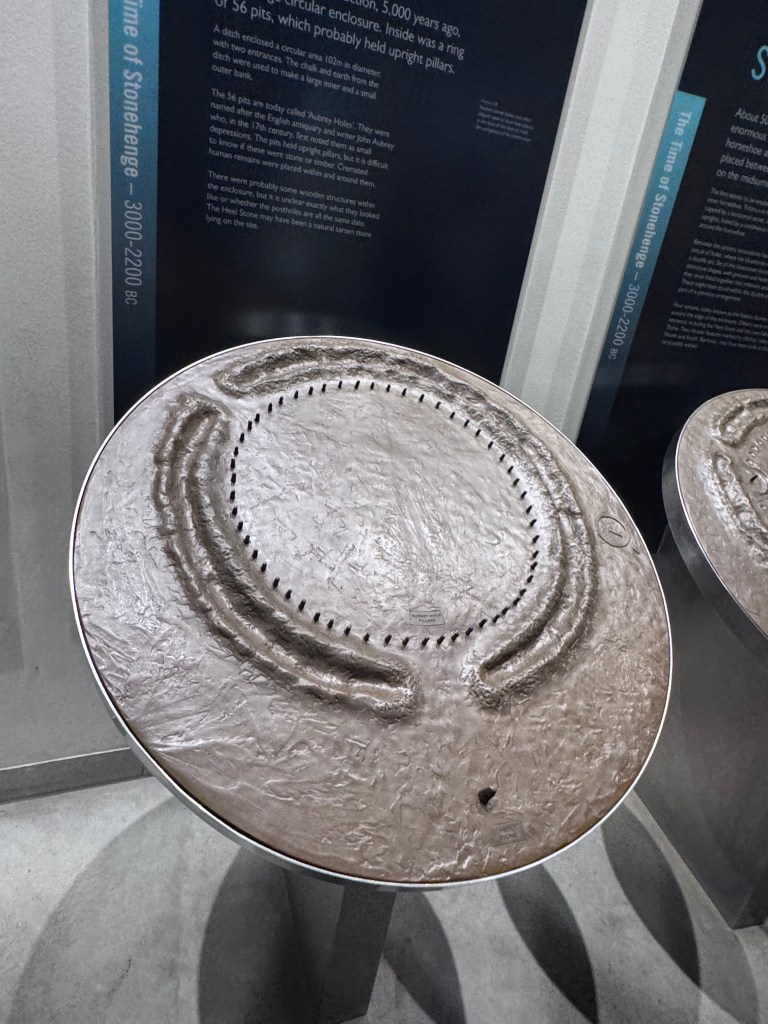
Inside the visitor centre, we learned even more about the surrounding landscape. The artifacts recovered from nearby burial mounds were incredible, especially the beautifully crafted gold objects buried with people thousands of years ago. It is remarkable to realize how sophisticated these ancient societies truly were. I’ll try to upload a short video from the exhibition that explains the wider archaeological landscape around Stonehenge.
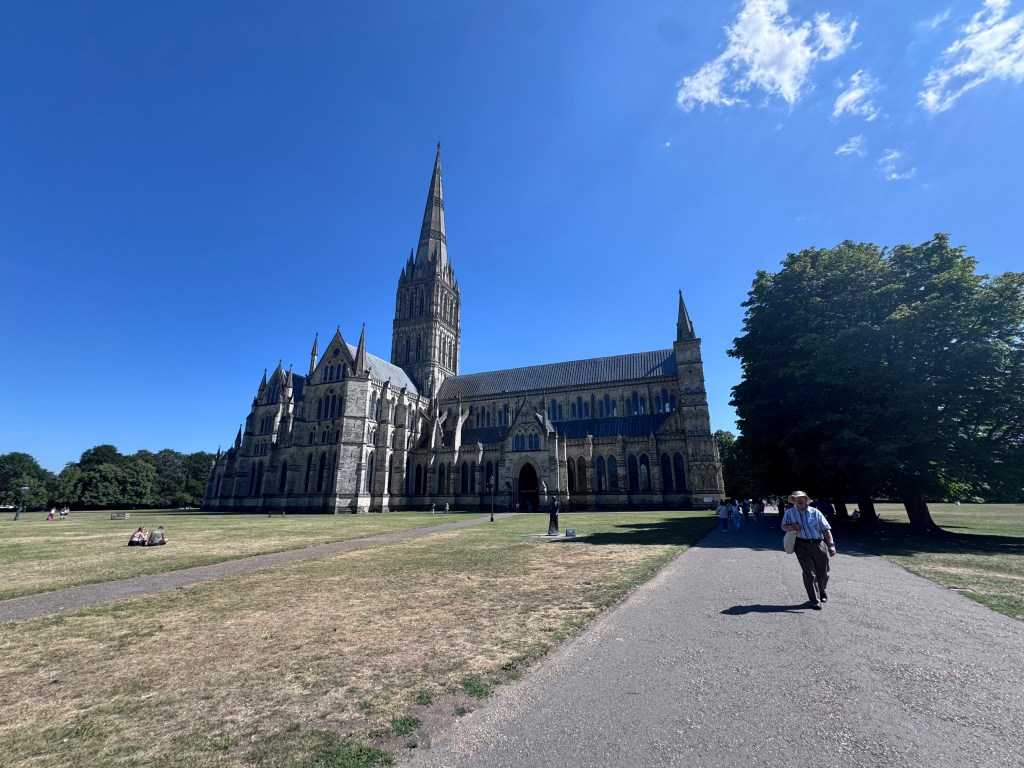
After our visit, we took the bus back into Salisbury and walked through the historic town toward Salisbury Cathedral. Before going inside, we noticed several spotting scopes set up outside. A group of birdwatchers was watching the resident peregrine falcons. We were able to observe a sleepy male perched high on the cathedral tower.
The cathedral itself has become an important home for these magnificent birds. According to the cathedral, peregrine falcons have nested there since at least 1864. They disappeared for many decades because of persecution and the widespread use of pesticides such as DDT, but they have successfully returned and once again raise chicks on the cathedral’s famous spire.
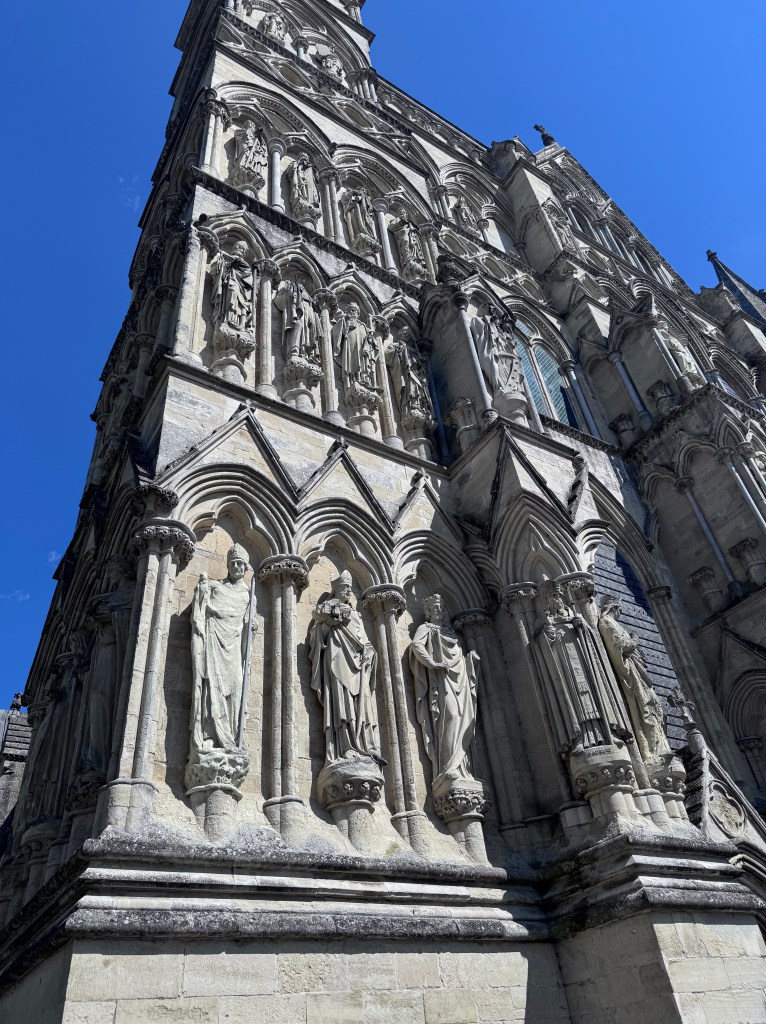
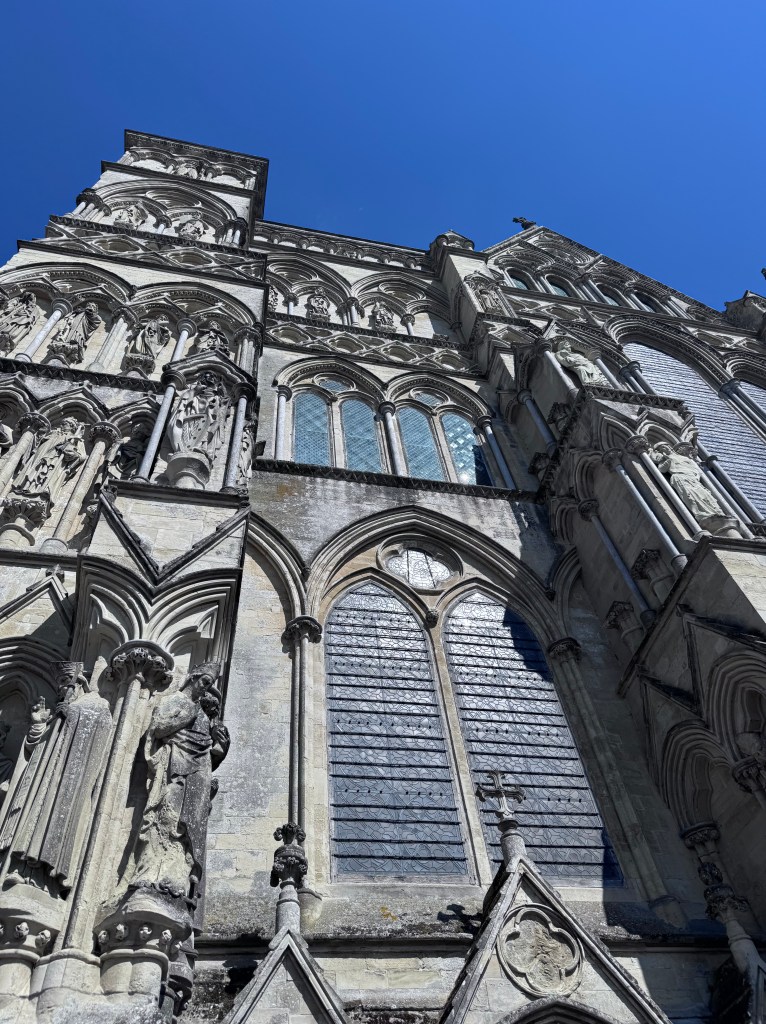
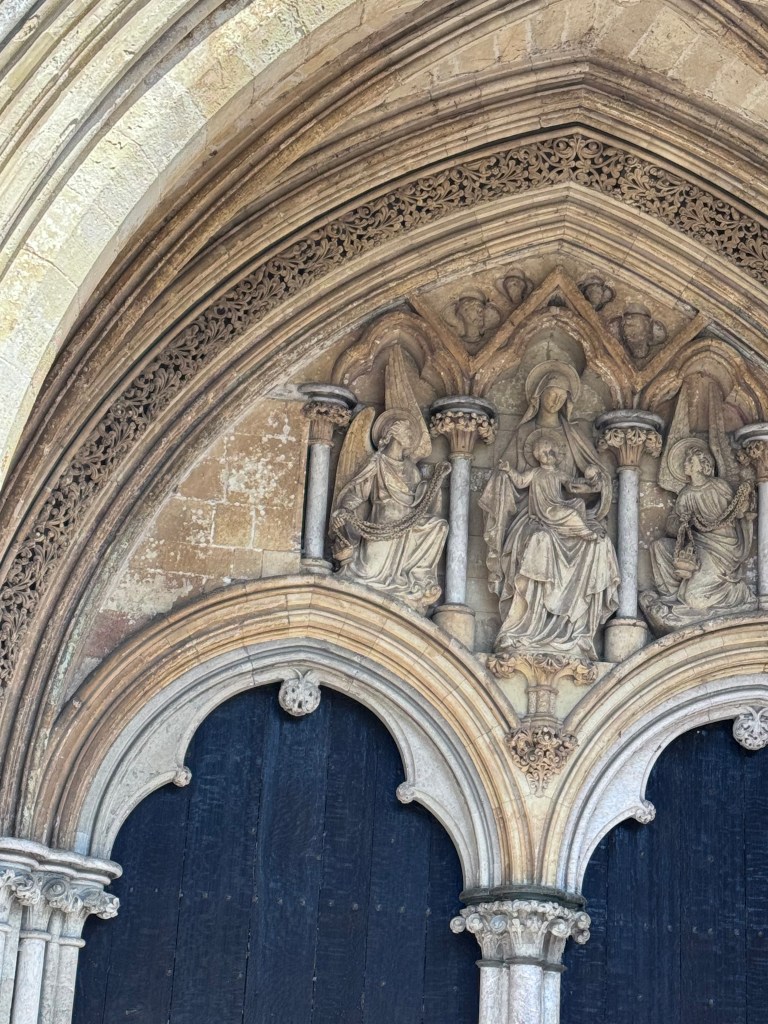
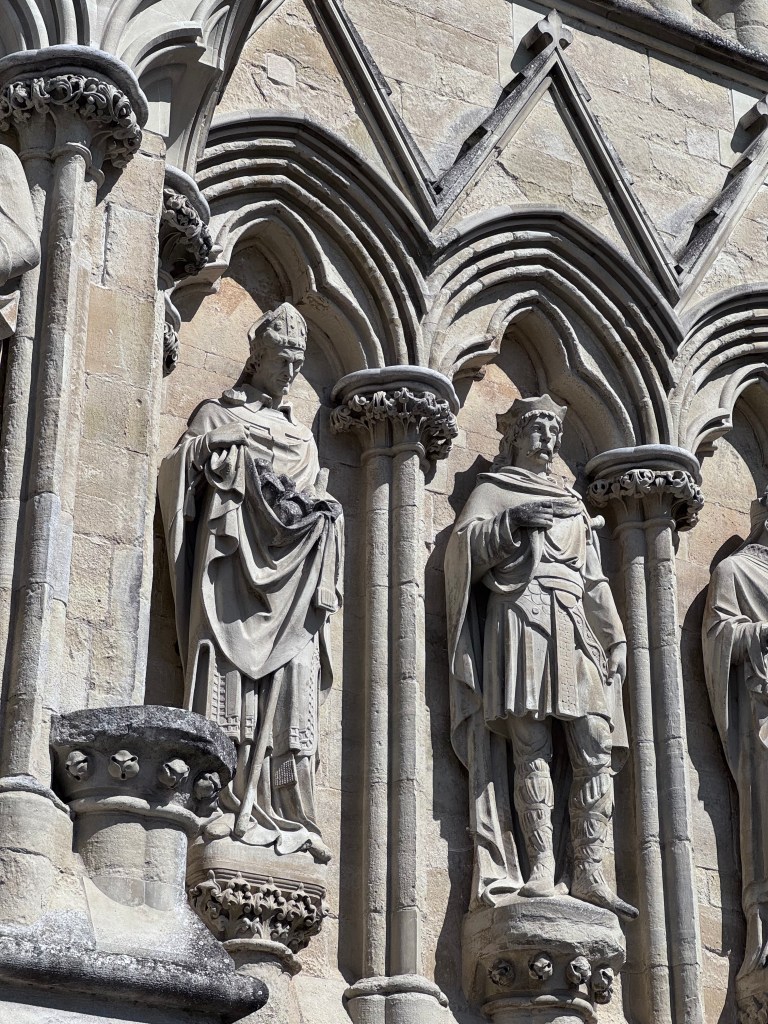
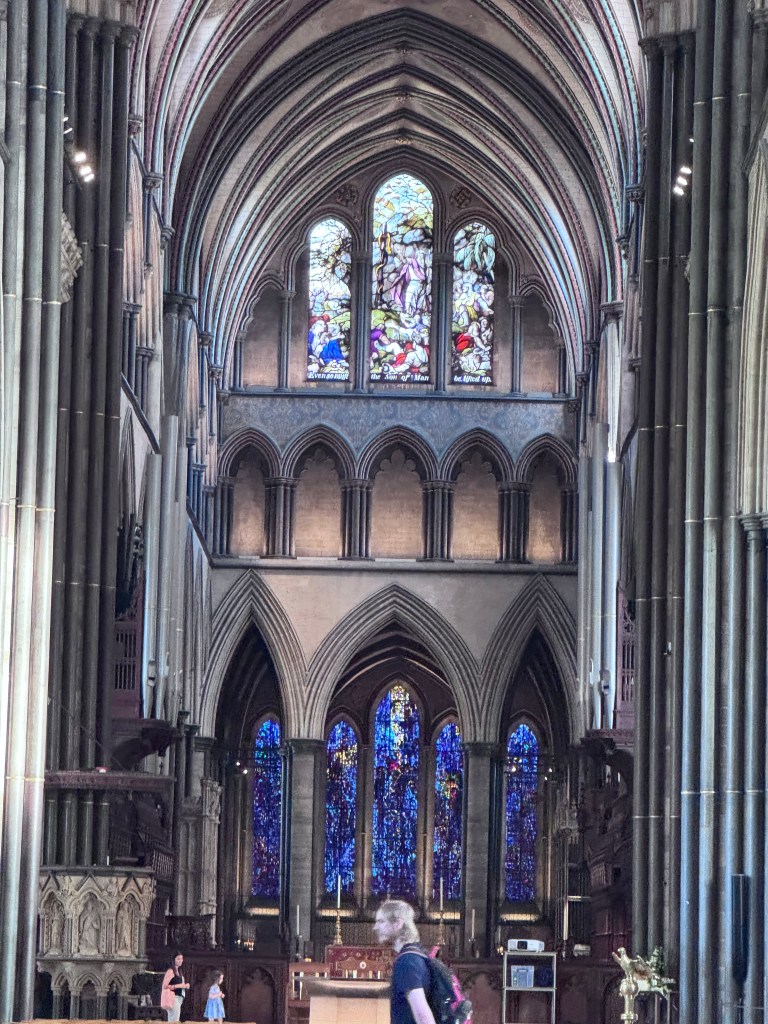
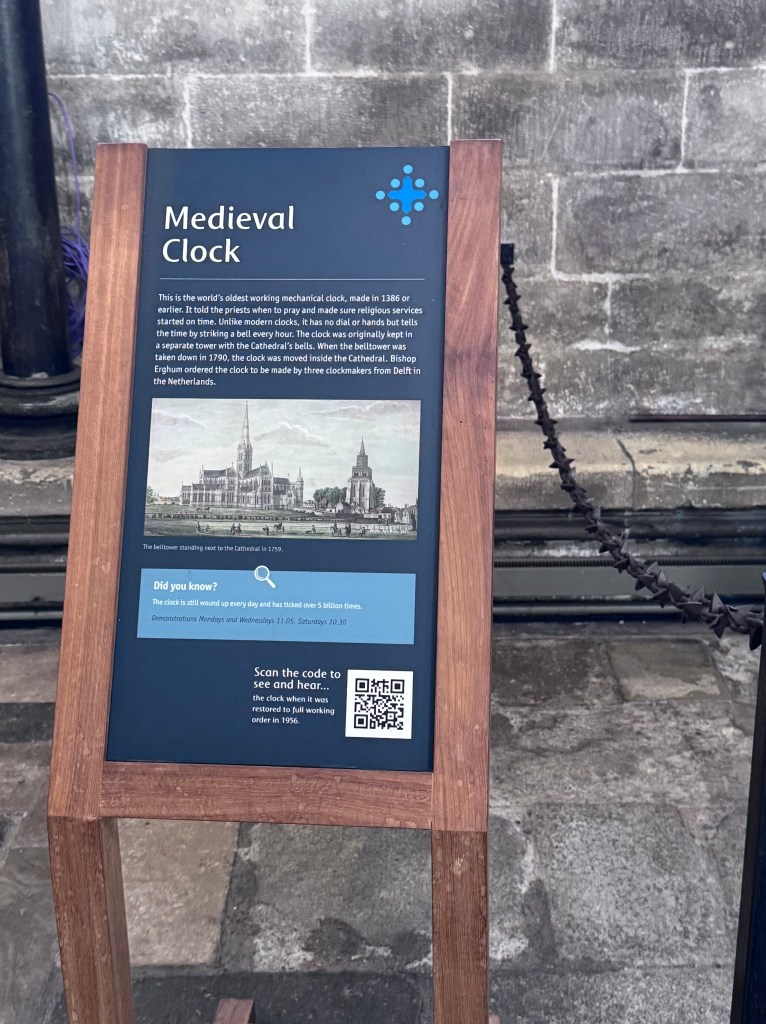
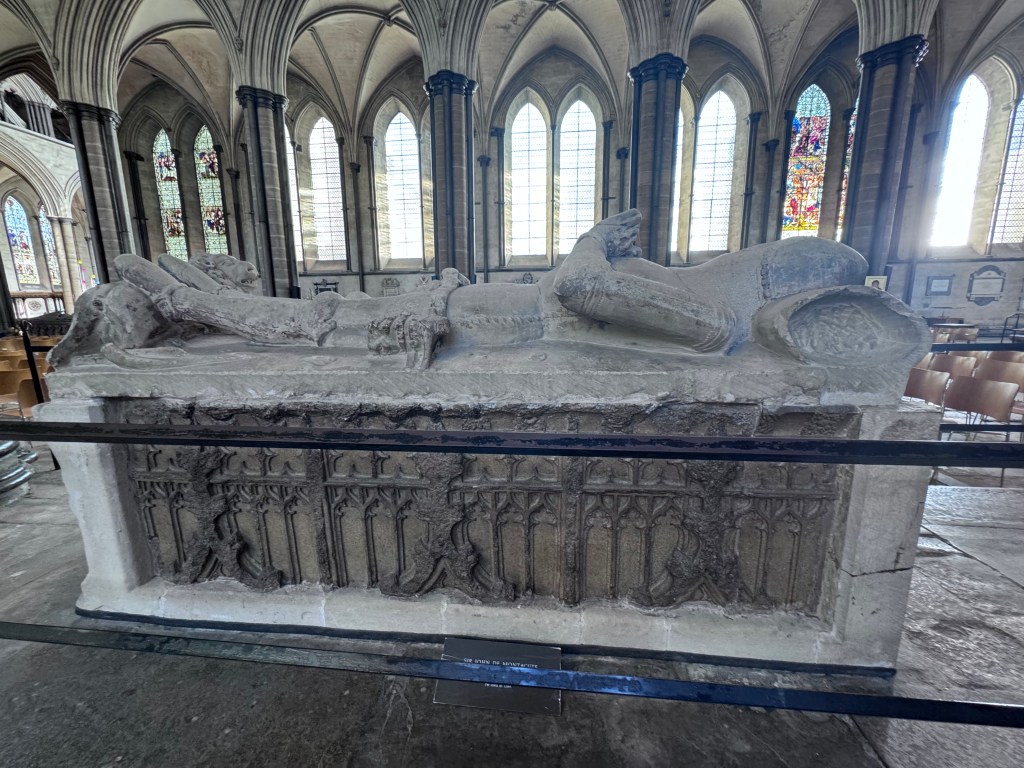
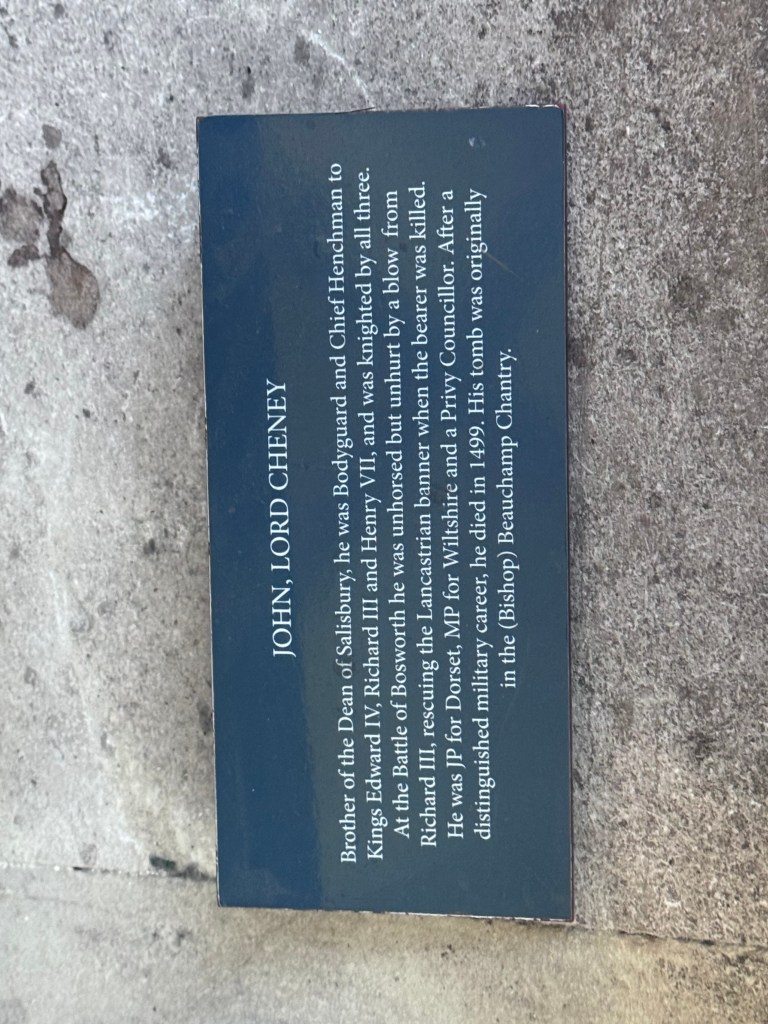
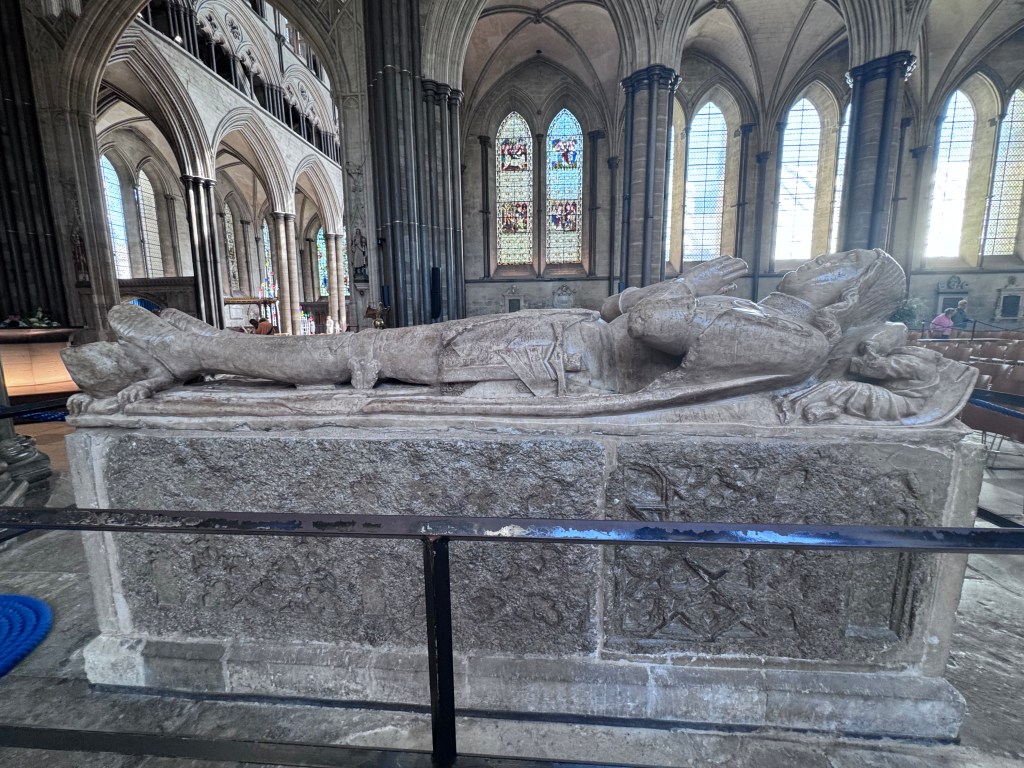
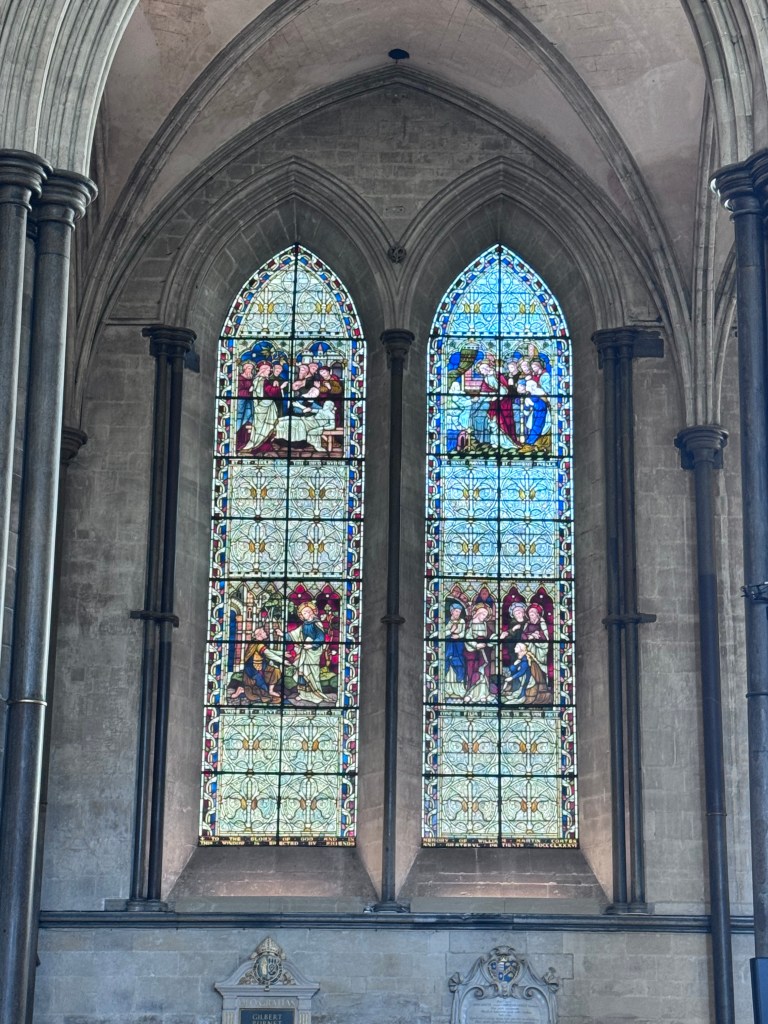
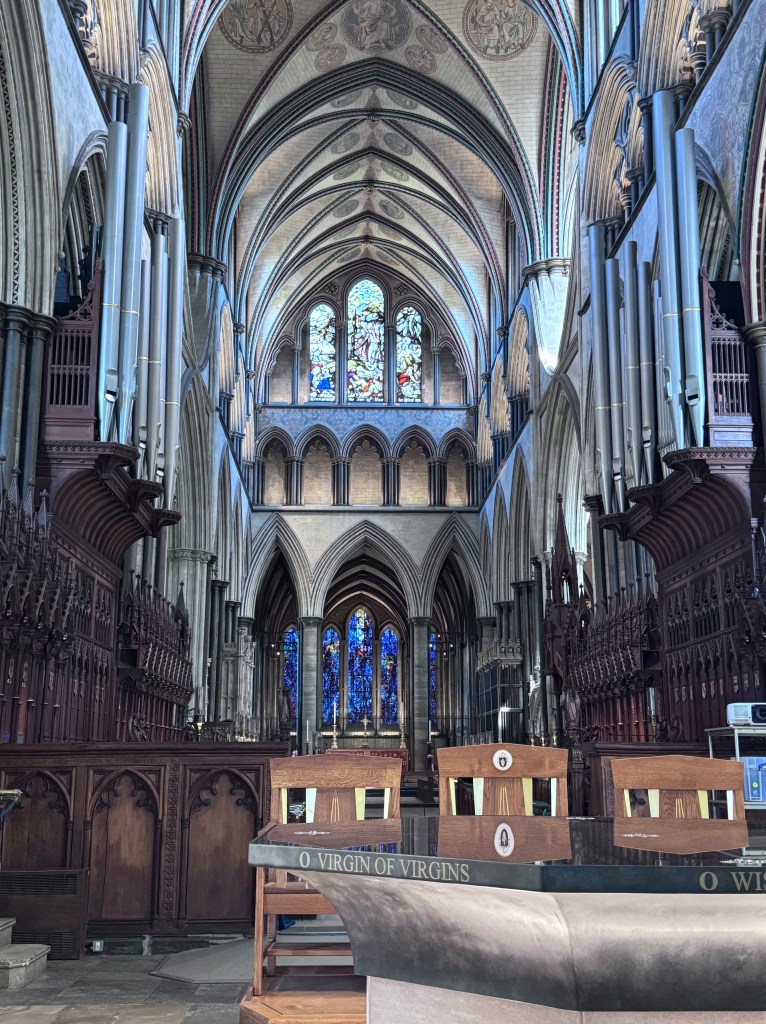
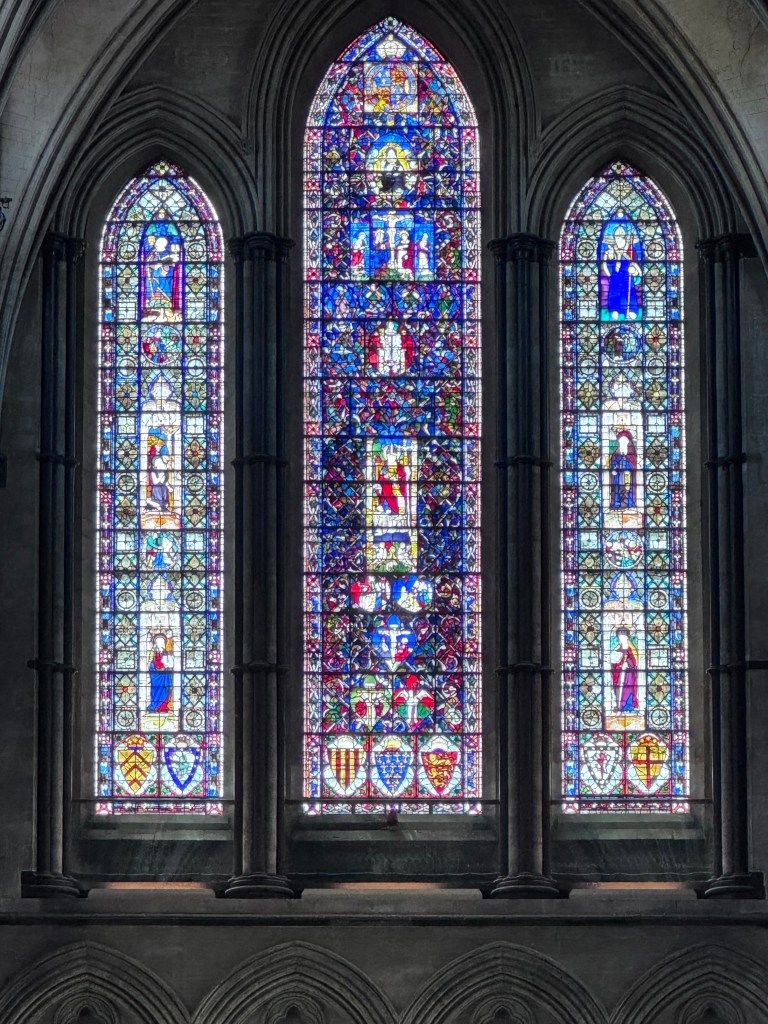
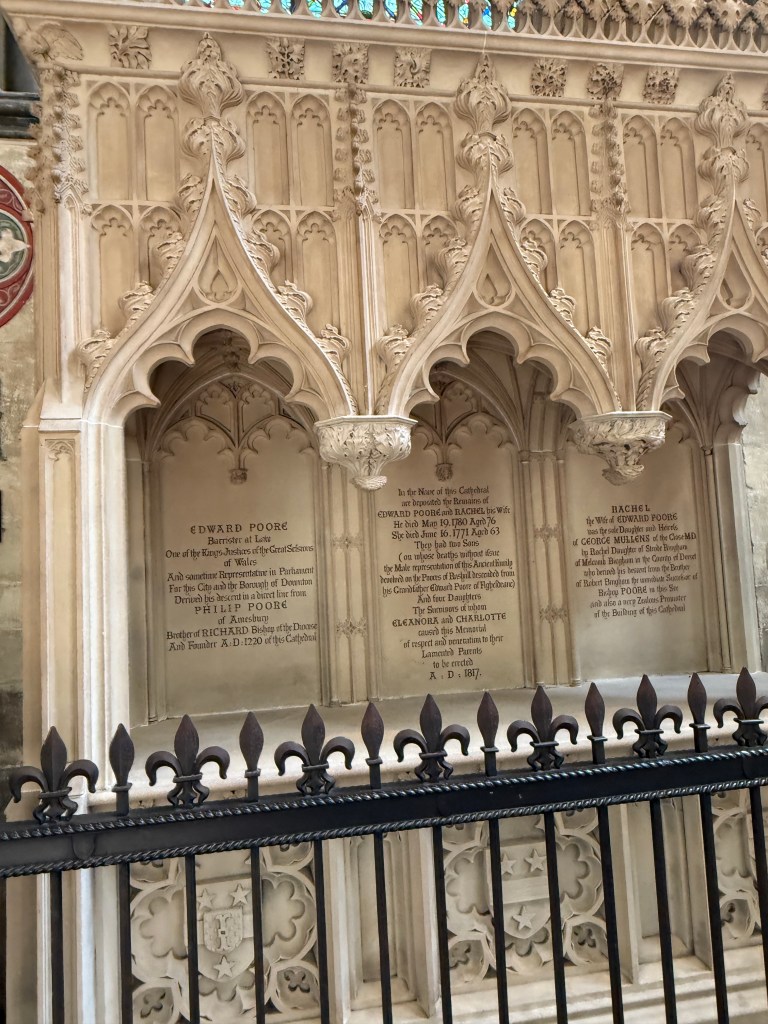
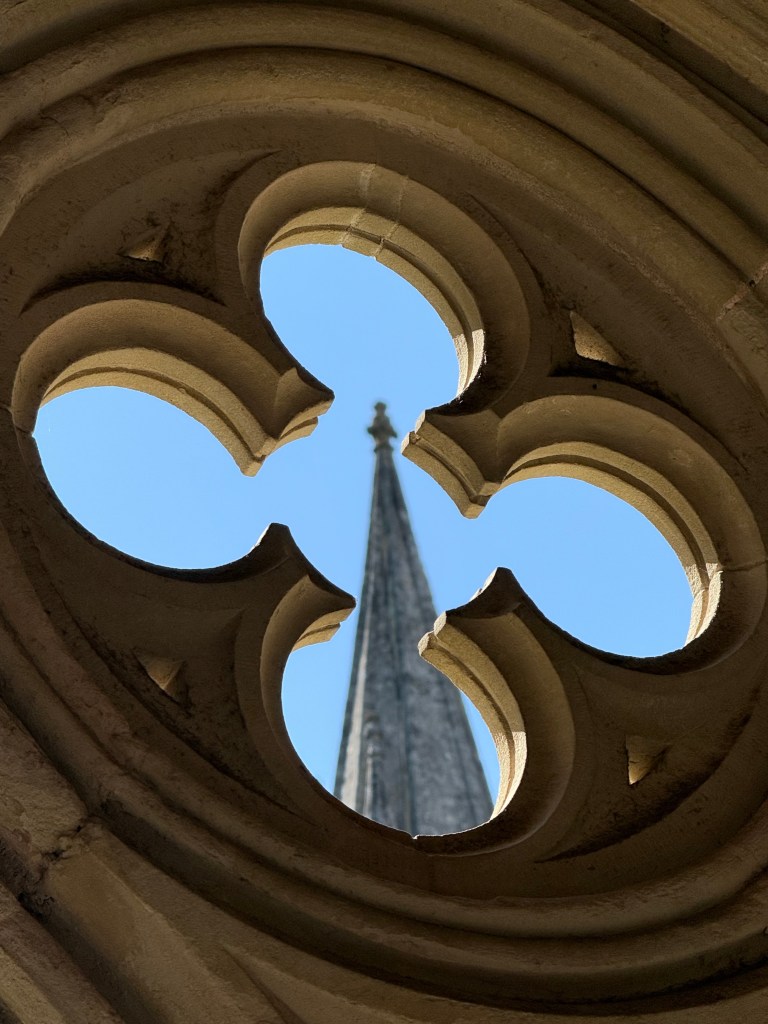
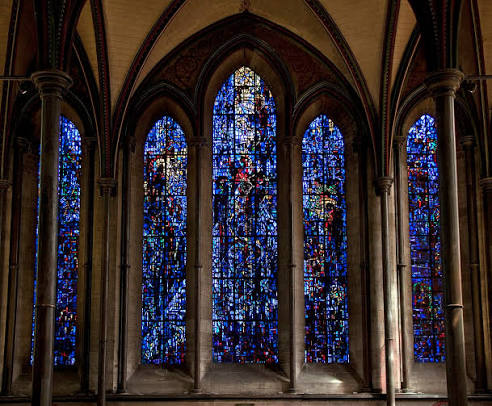
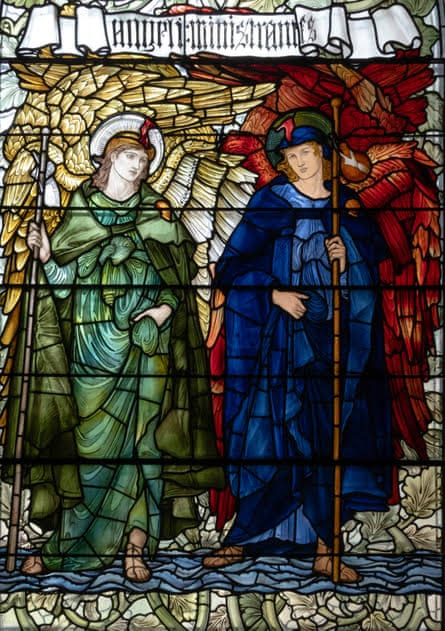
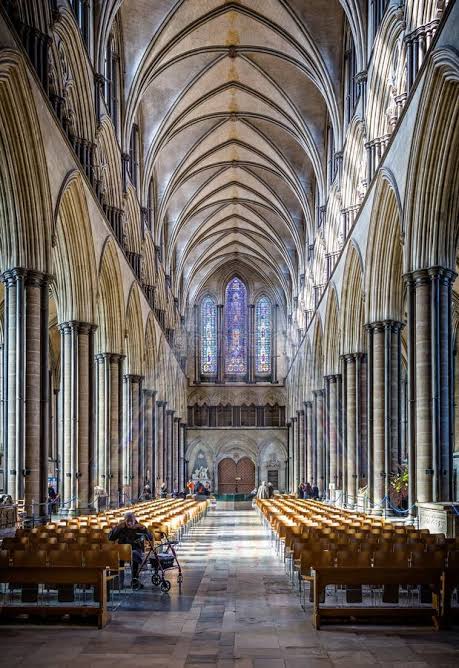
Walking inside the cathedral was breathtaking. Built between 1220 and 1258, Salisbury Cathedral is considered one of the finest examples of Early English Gothic architecture. Unlike many medieval cathedrals that took centuries to complete, the main body of Salisbury Cathedral was built in just 38 years, giving it an unusually unified architectural style. Its soaring spire, completed in the 14th century, remains the tallest surviving medieval church spire in Britain at 404 feet (123 meters). The rib-vaulted ceilings, elegant pointed arches, cloisters, and beautiful Chapter House supported by a single Purbeck marble column are truly magnificent. Everywhere you look there is another incredible detail to admire.
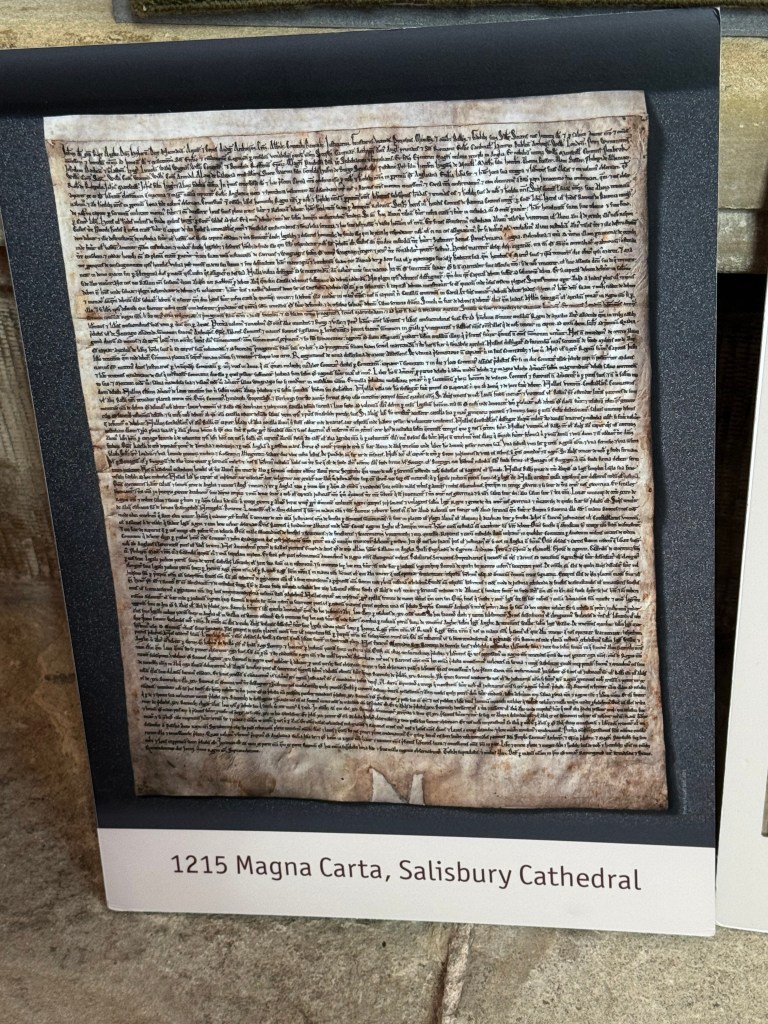
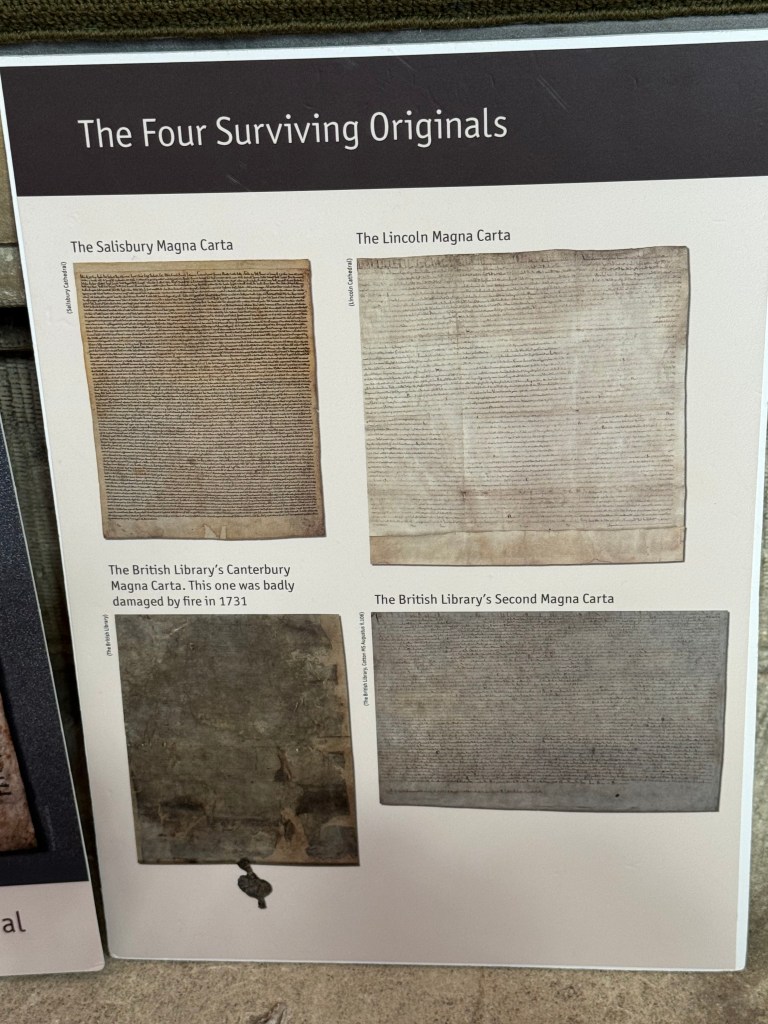
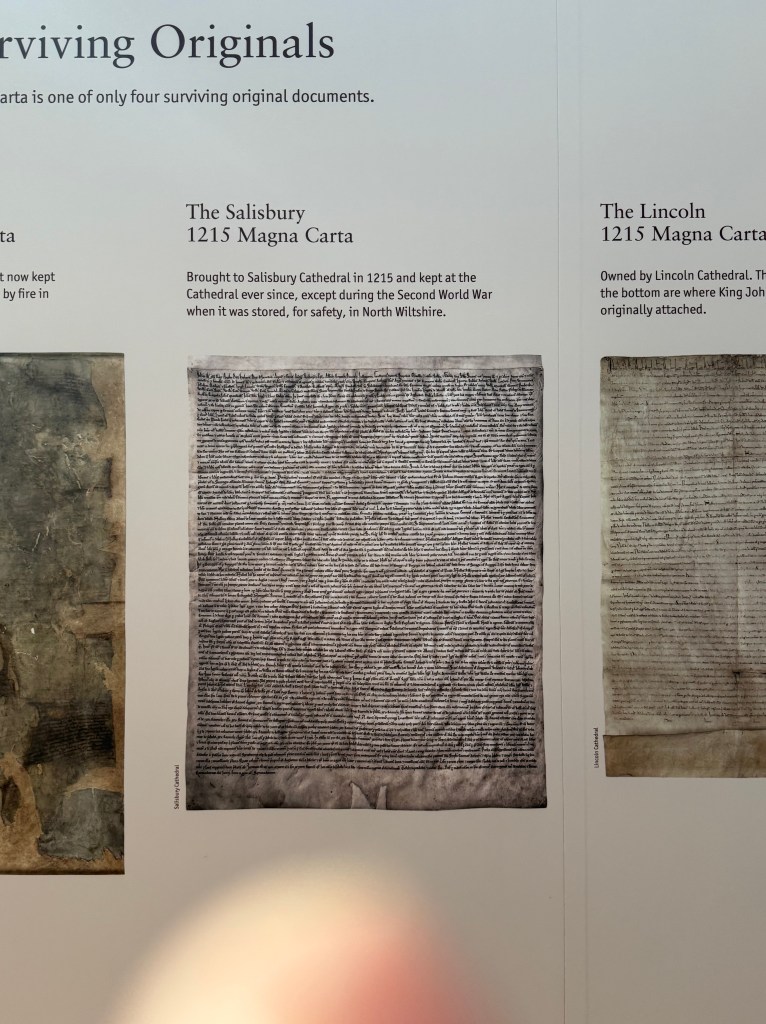
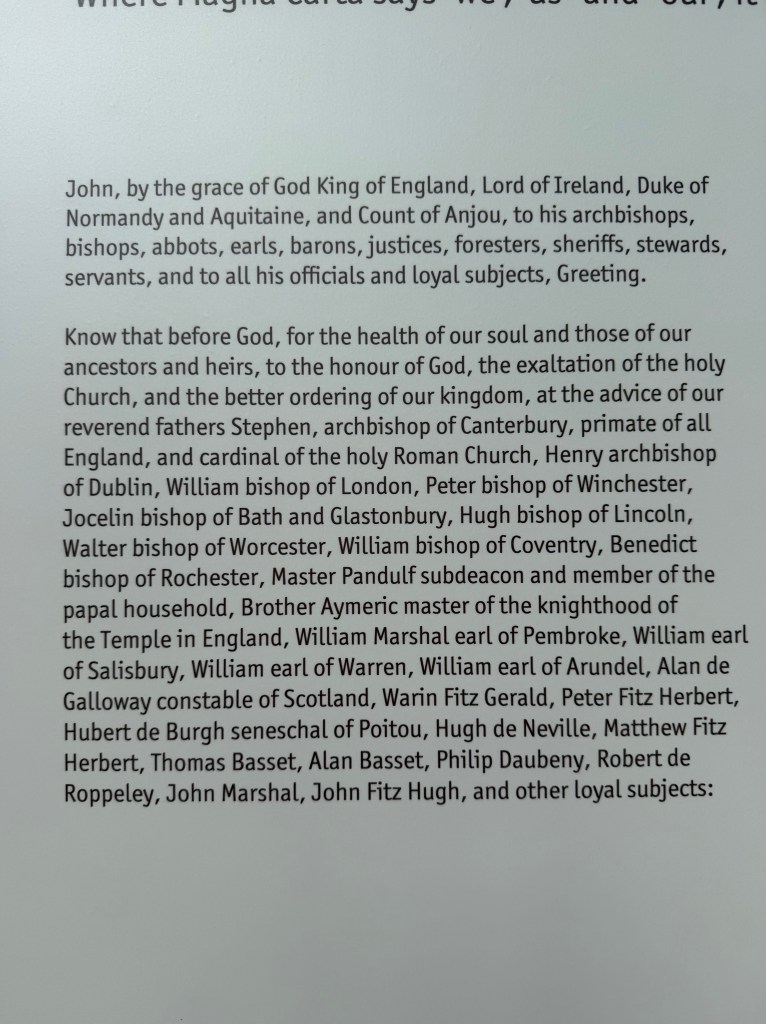
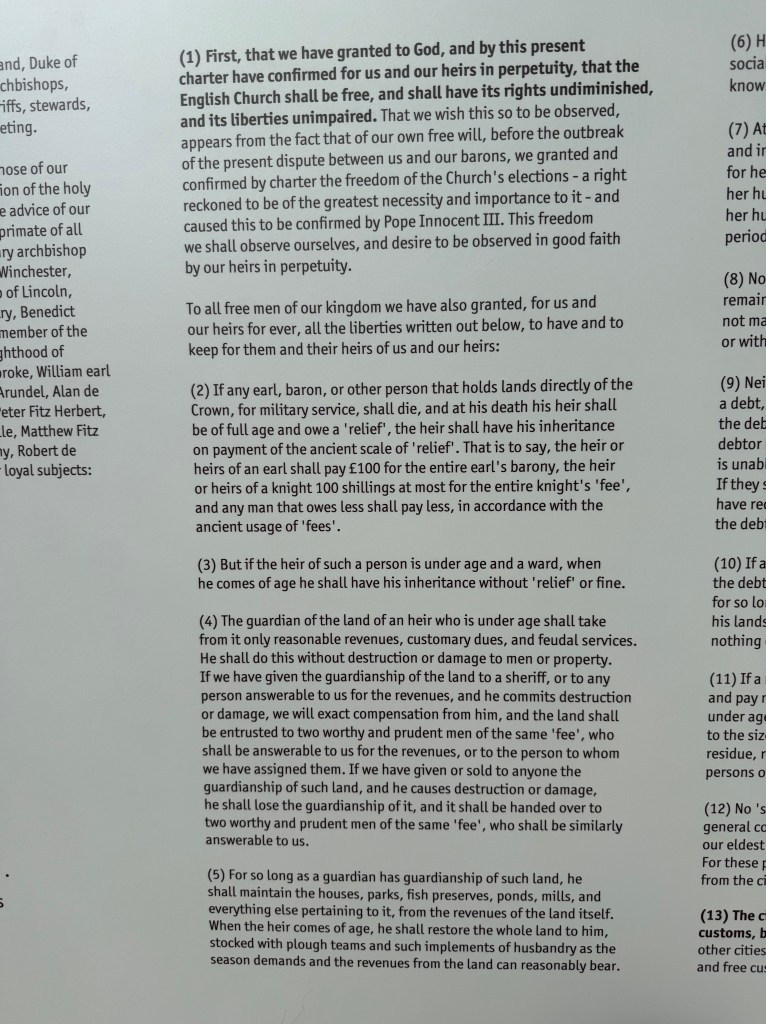
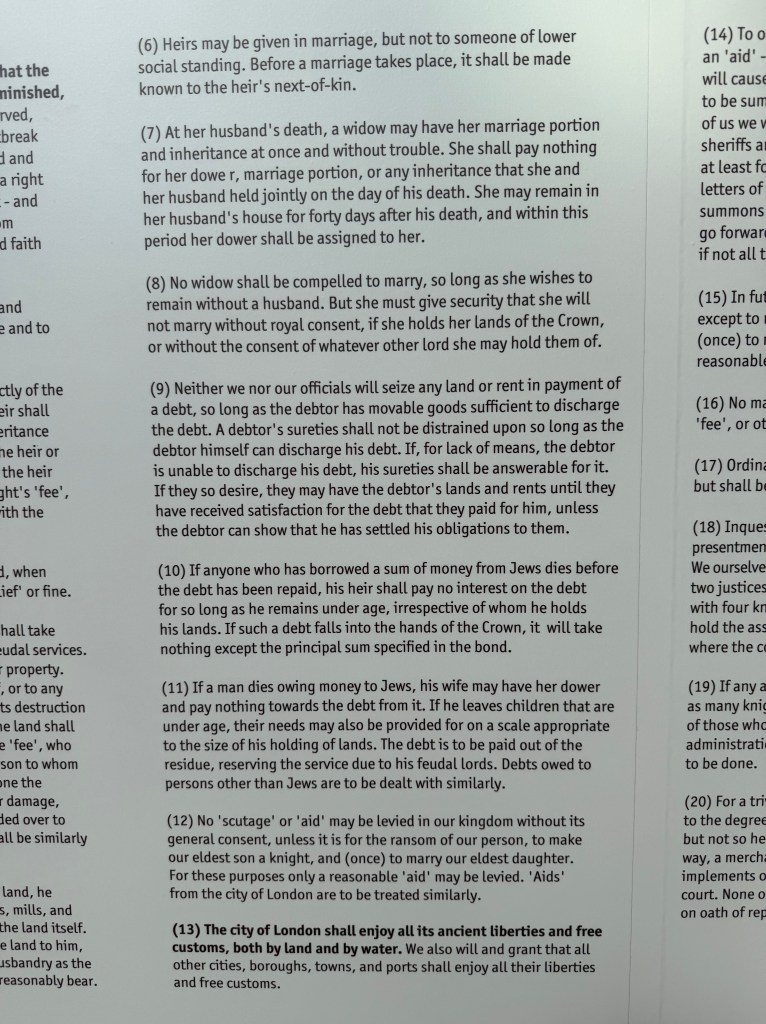
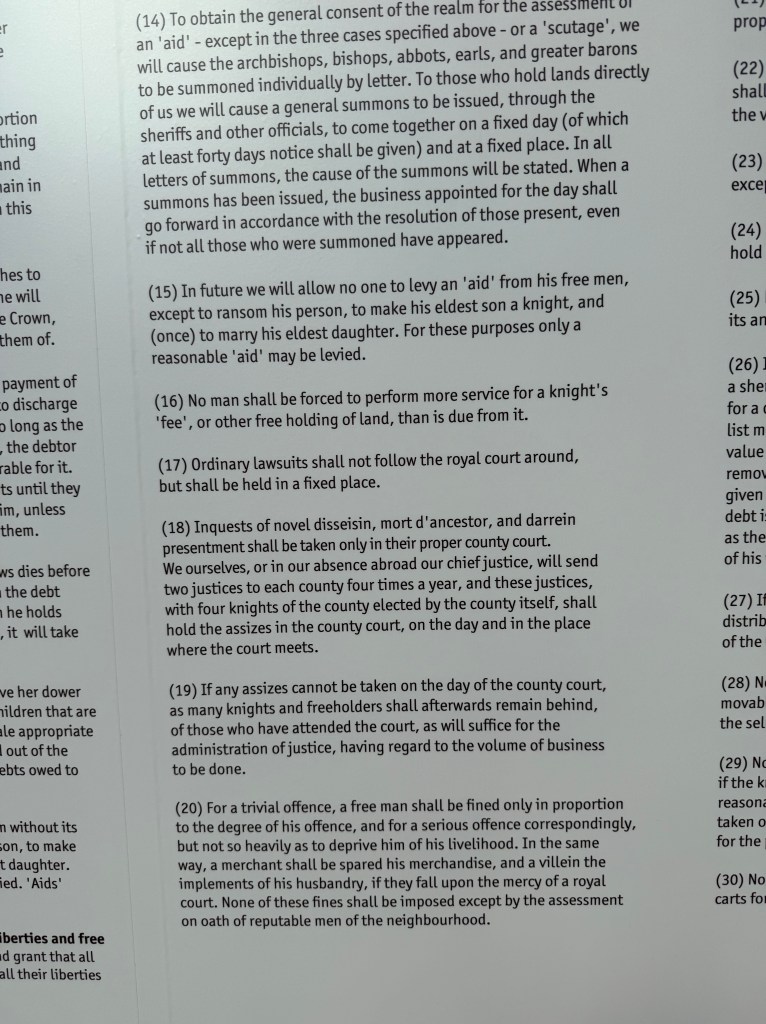
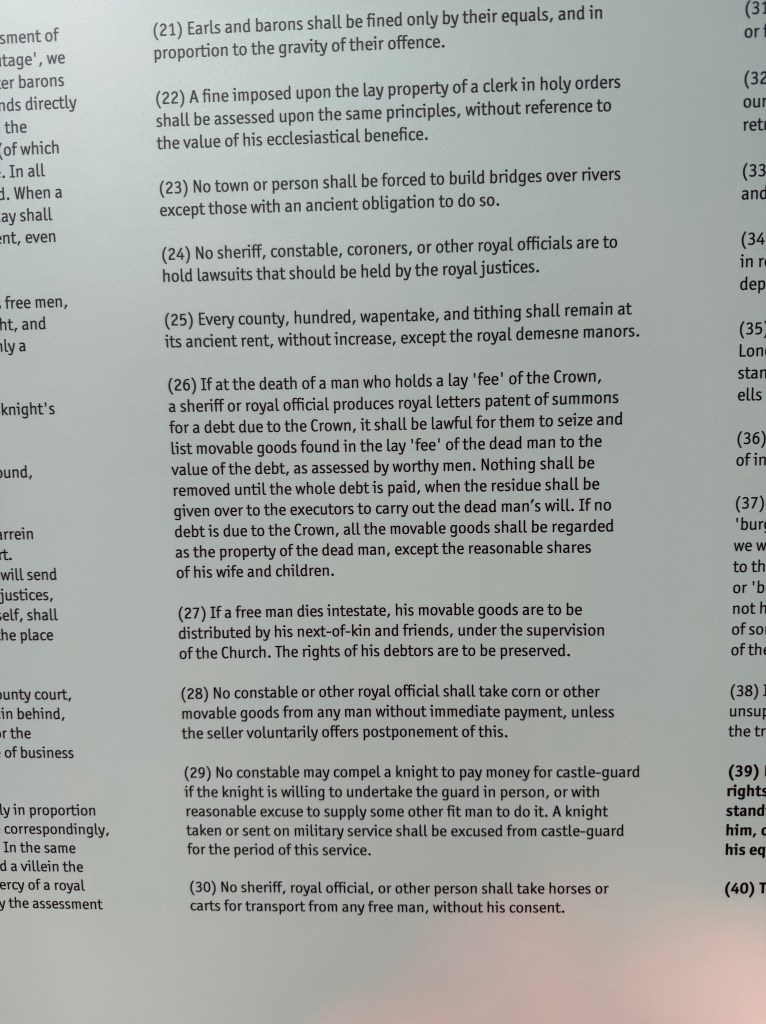
Our final stop was to see one of the cathedral’s greatest treasures—one of only four surviving original copies of the Magna Carta. It is considered the best-preserved copy in existence.
Seeing it in person was unforgettable.
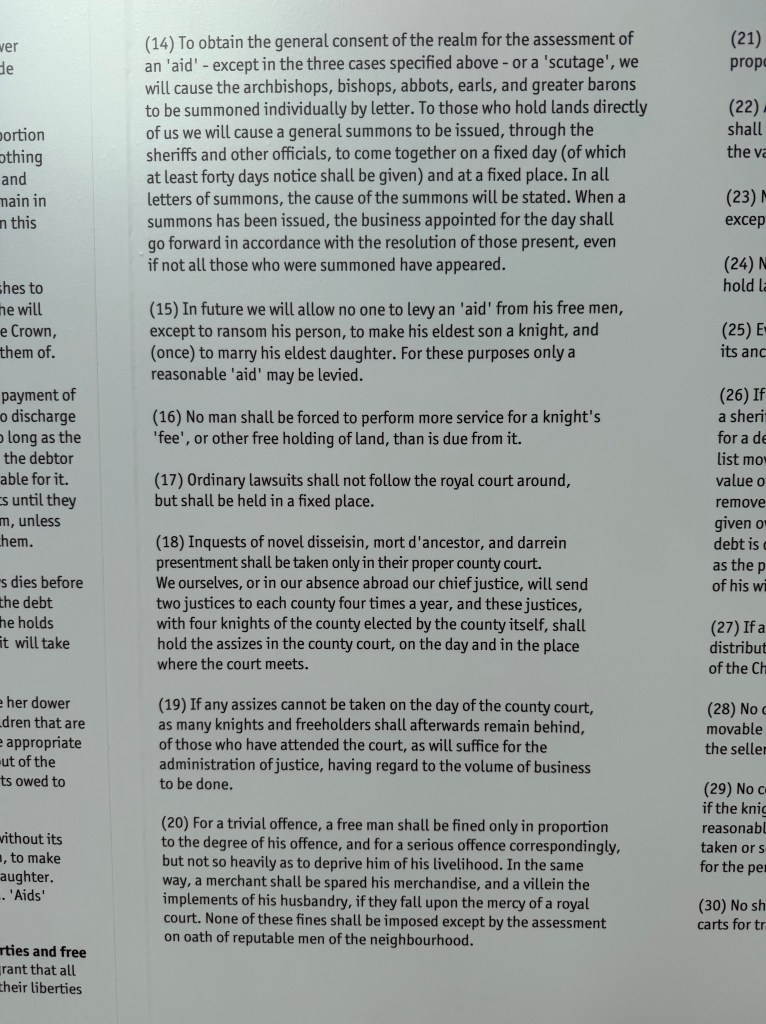
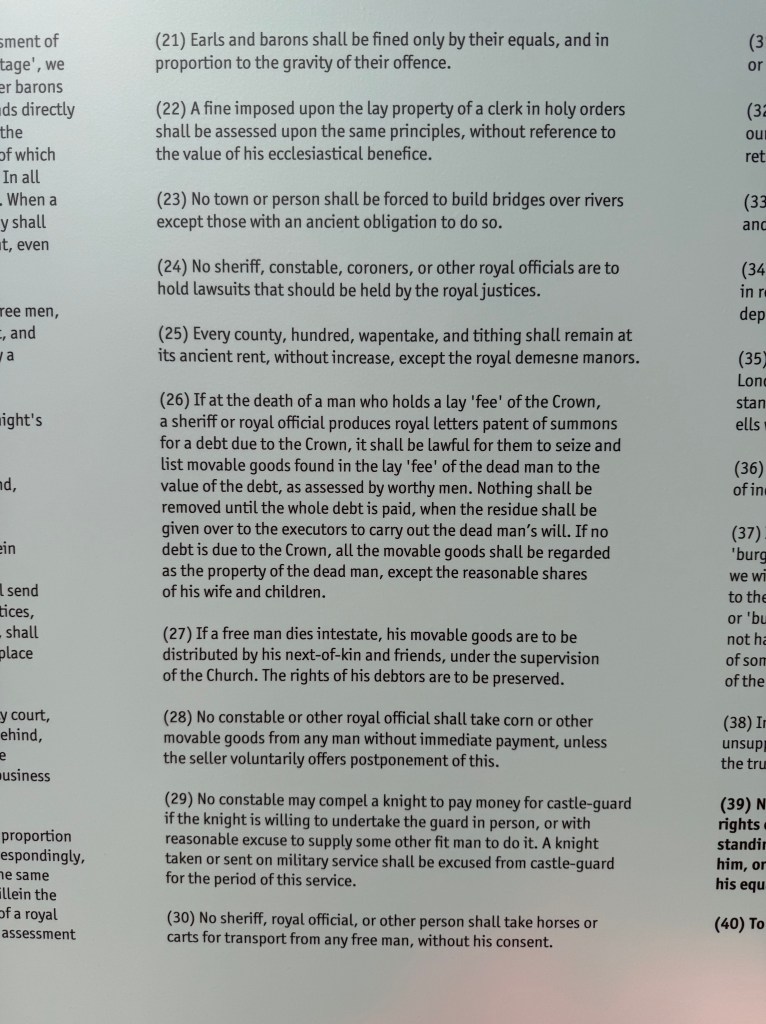
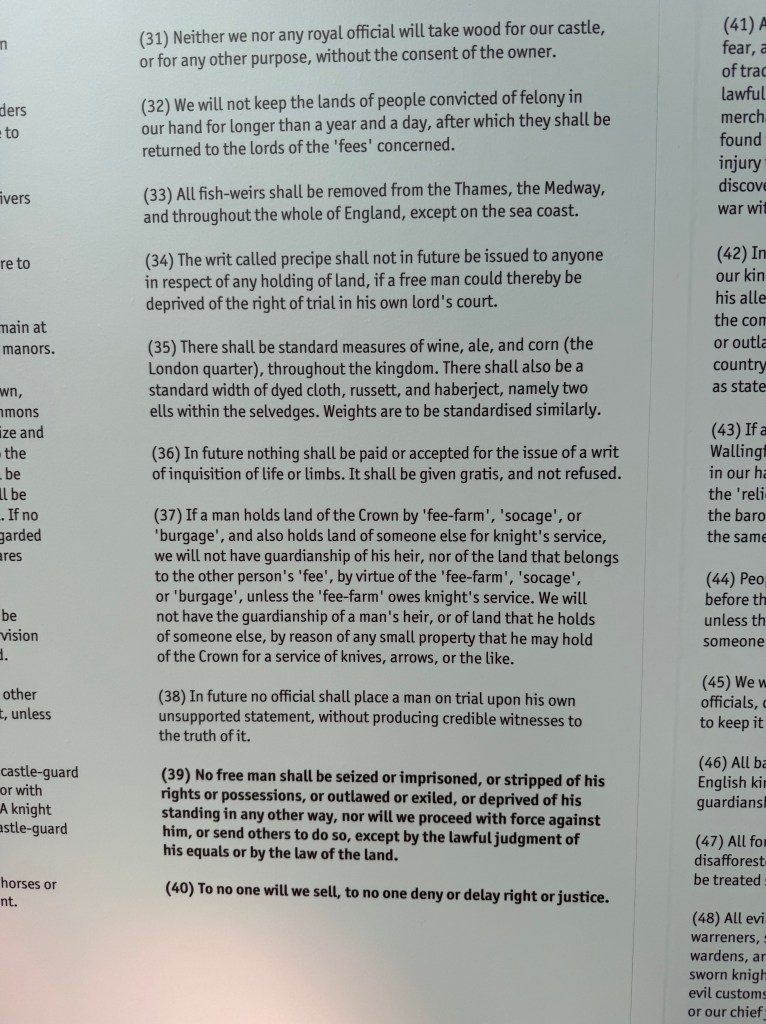
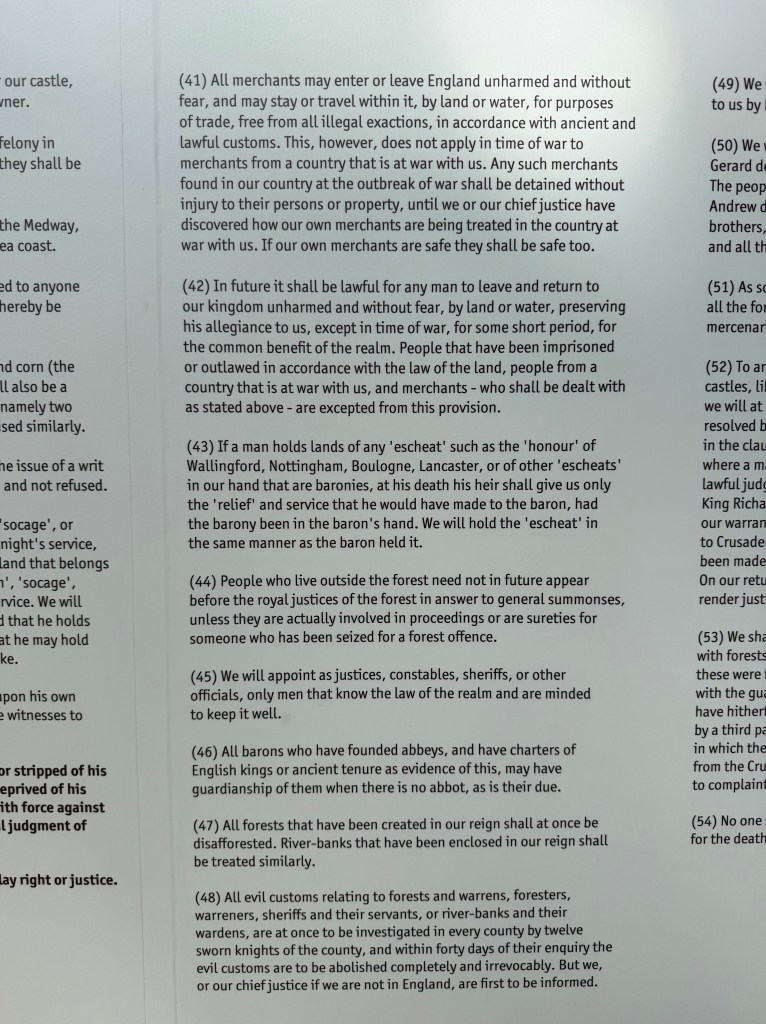
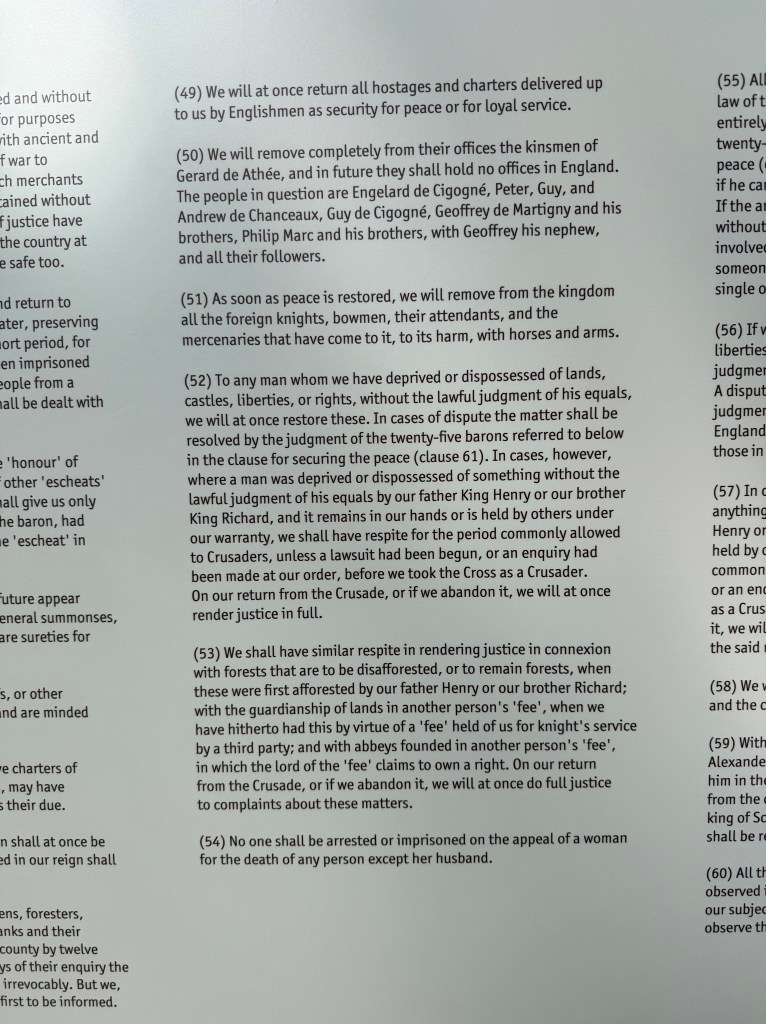
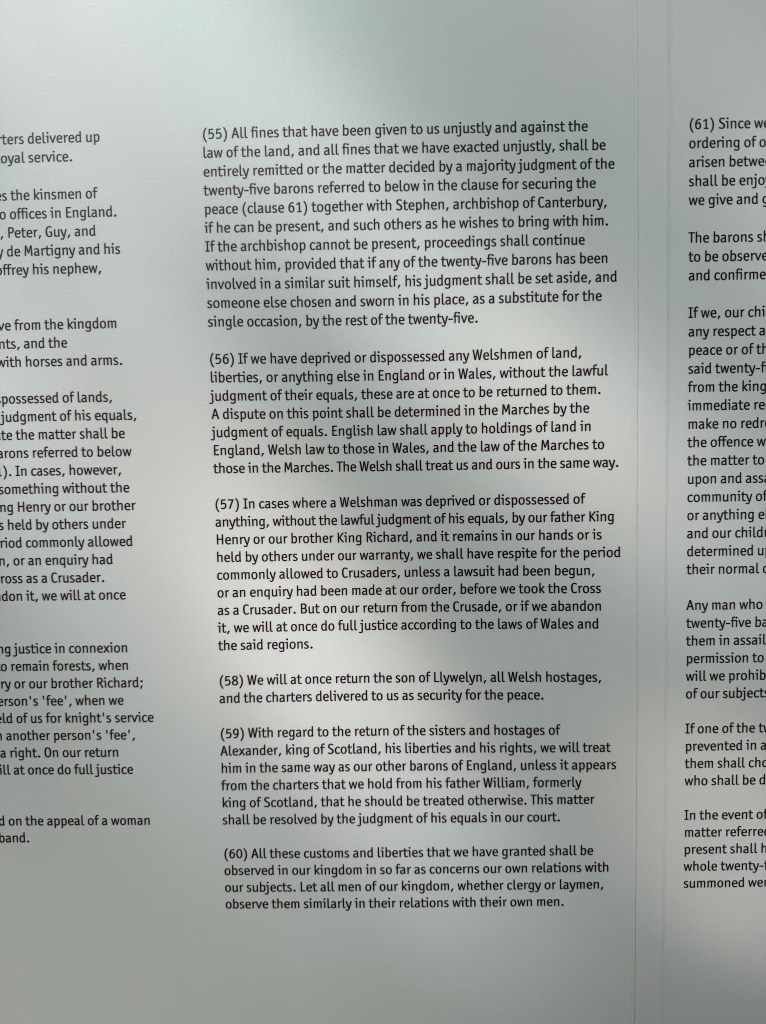
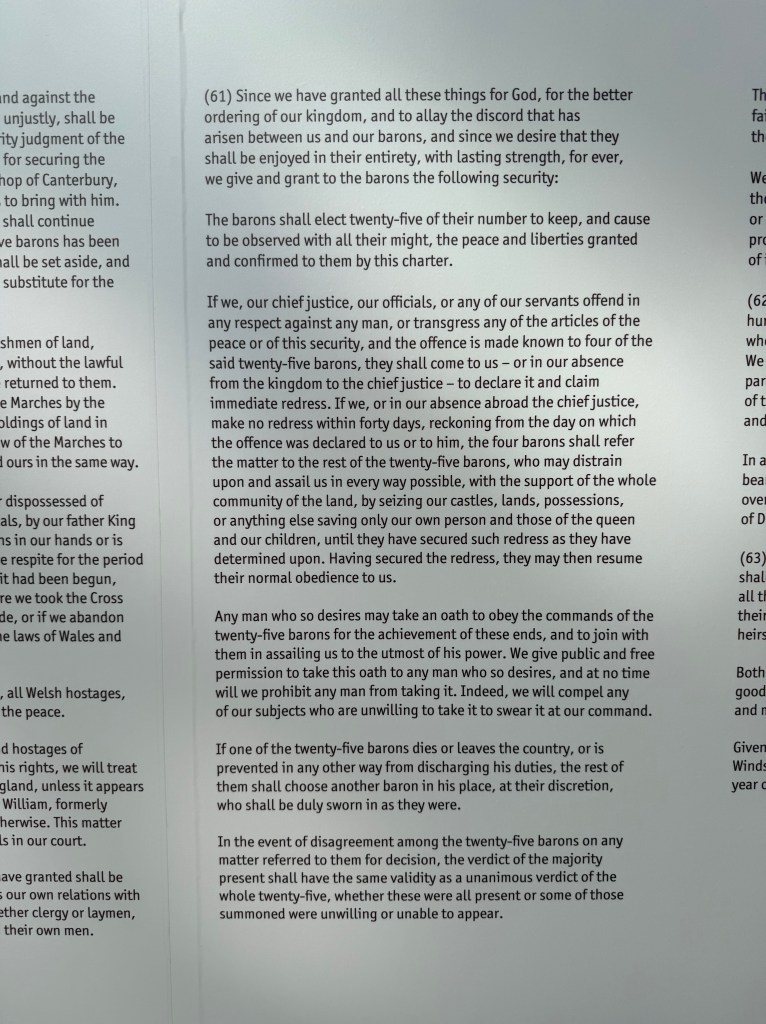
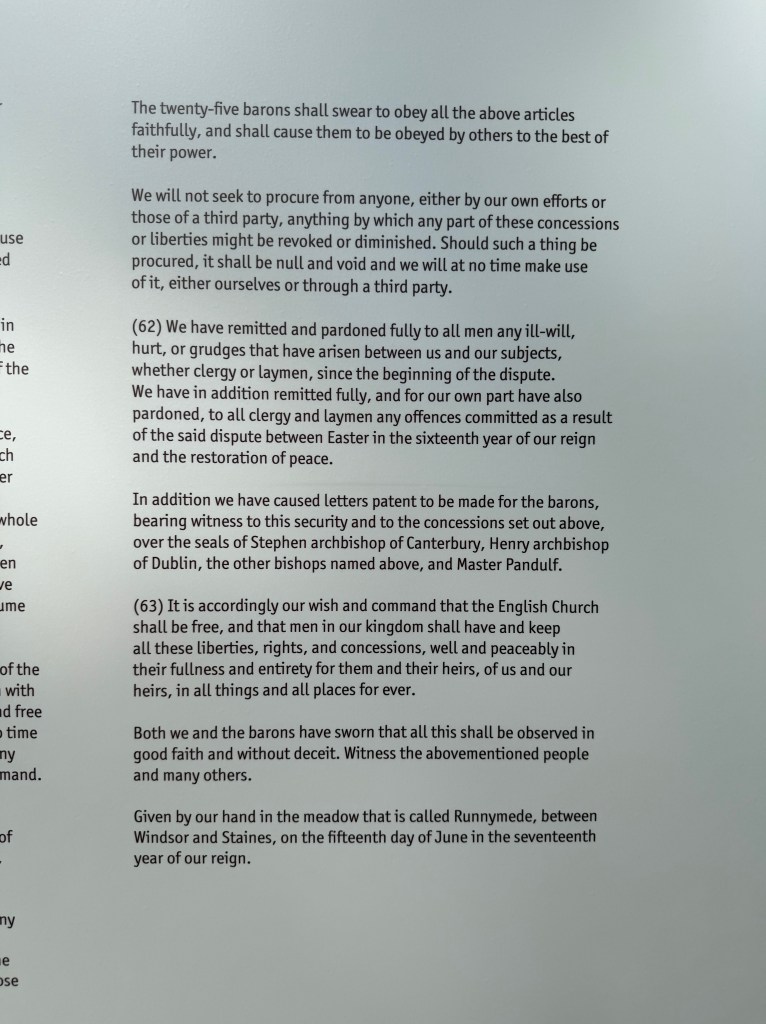
Photography isn’t allowed, so you enter a dimly lit semicircular room where the document rests safely behind glass. The writing is remarkably clear, incredibly neat, and unbelievably tiny. Looking at a document written more than 800 years ago that helped shape constitutional government throughout much of the world is difficult to put into words. I’ll include photographs showing how the other surviving copies compare, many of which are faded or much harder to read.
Standing there, I couldn’t help but reflect on just how young the United States—and especially Montana—really are. People throughout Europe are often amazed when we tell them Montana is only 136 years old. Here, buildings, monuments, and documents are measured not in decades but in centuries and even millennia. It certainly puts history into perspective.
After such an incredible day filled with ancient engineering, medieval architecture, and one of the world’s most important historical documents, we caught our train back to London and happily crashed at the apartment for the evening.