Boats, Bakeries, and Breathtaking Views of London

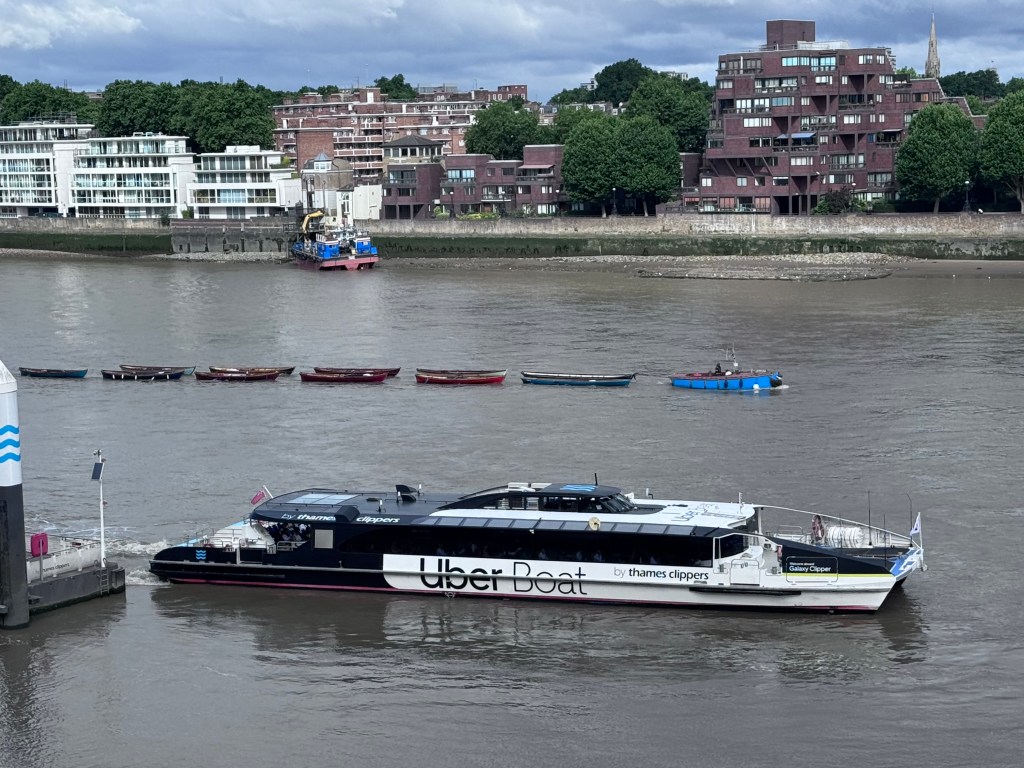
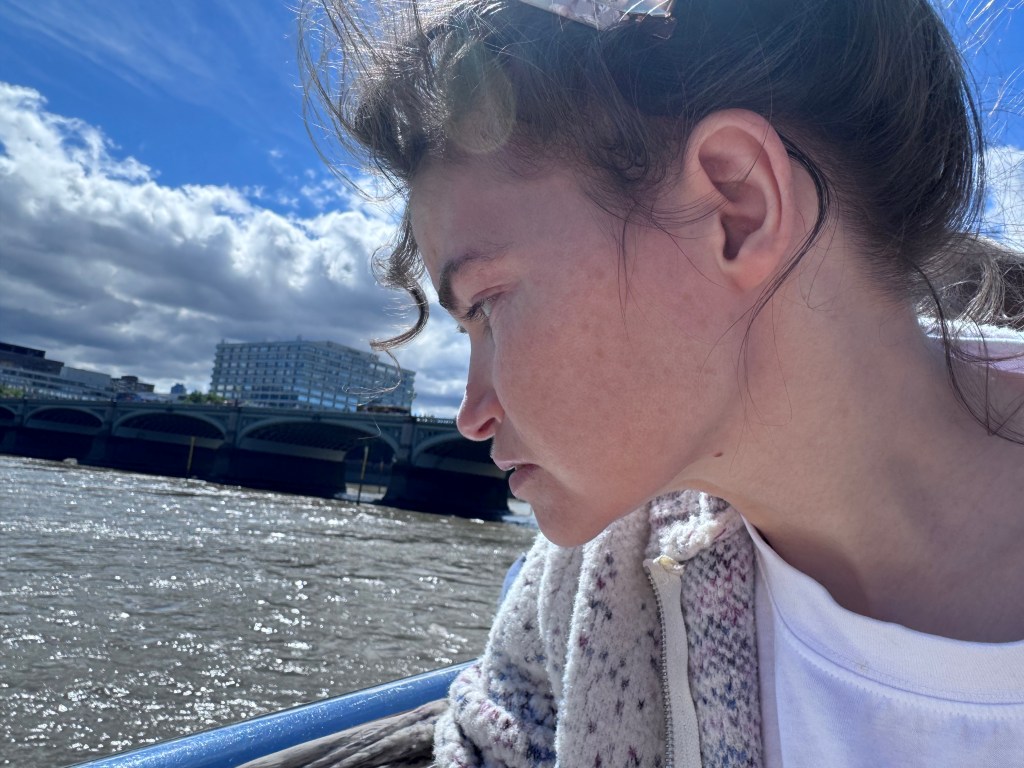
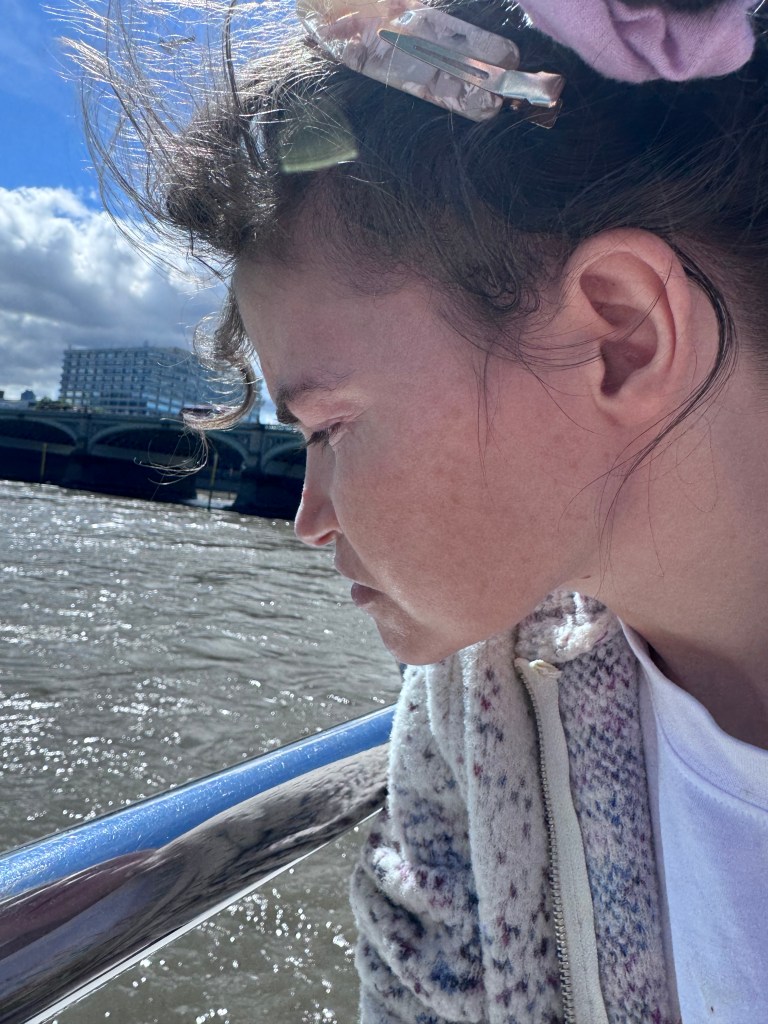
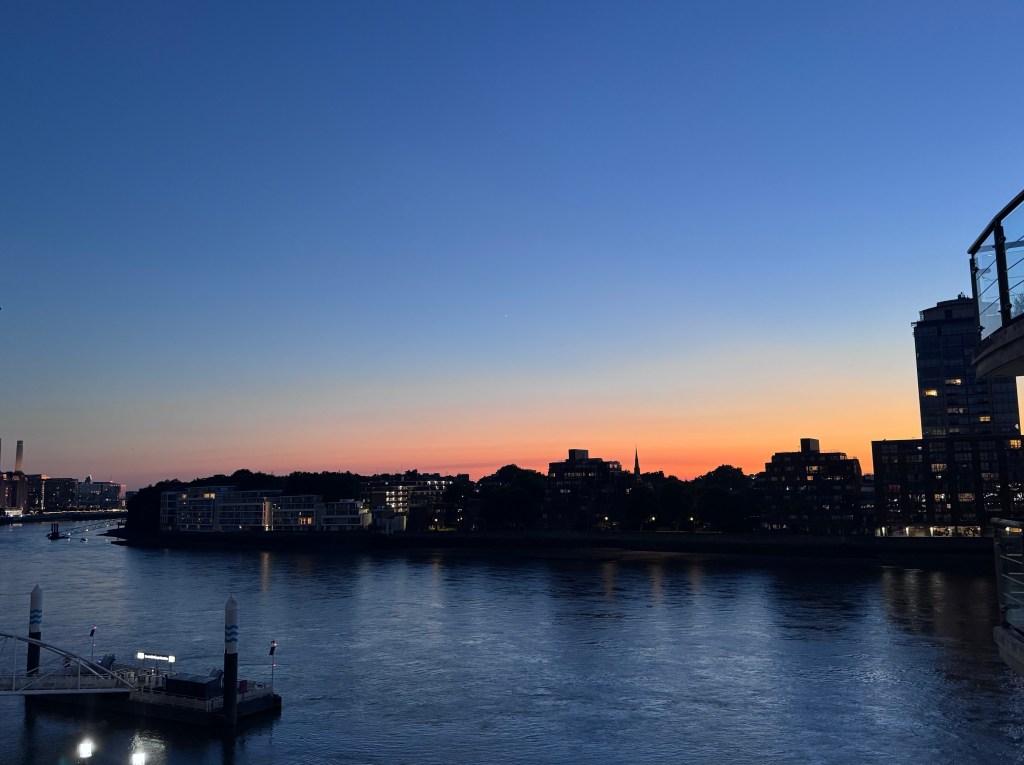
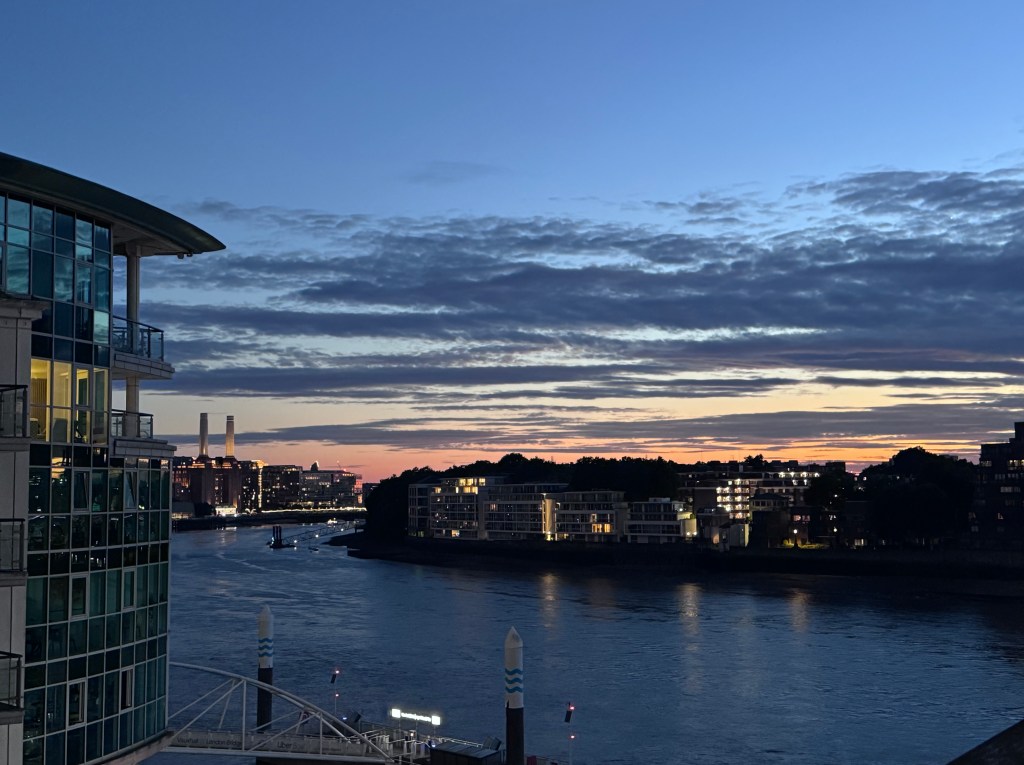
One of the things we were most excited to experience in London was traveling by Uber Boat along the River Thames. Instead of navigating crowded streets, we started our day cruising down the river to Westminster Pier. What an easy way to get around London.

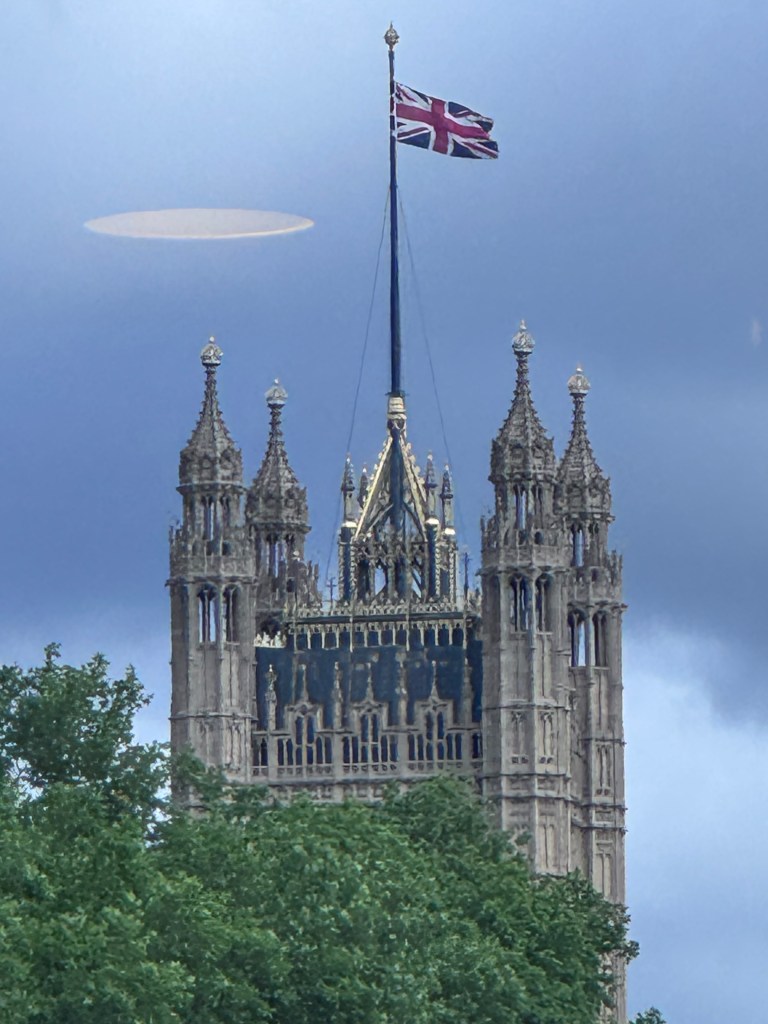
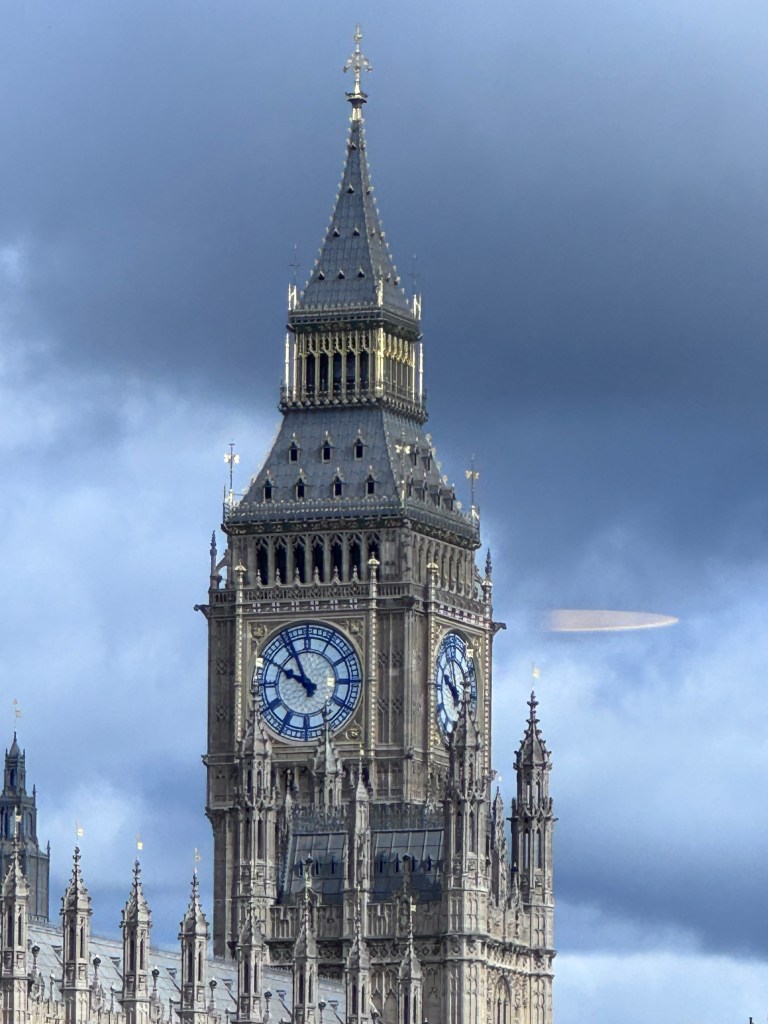
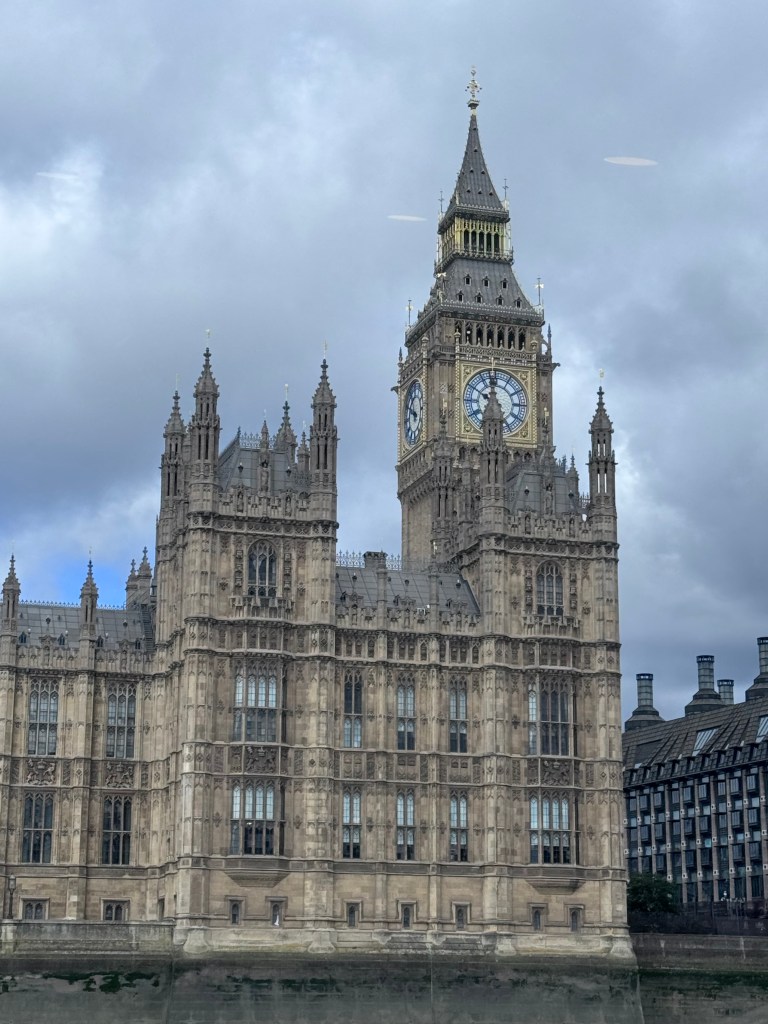
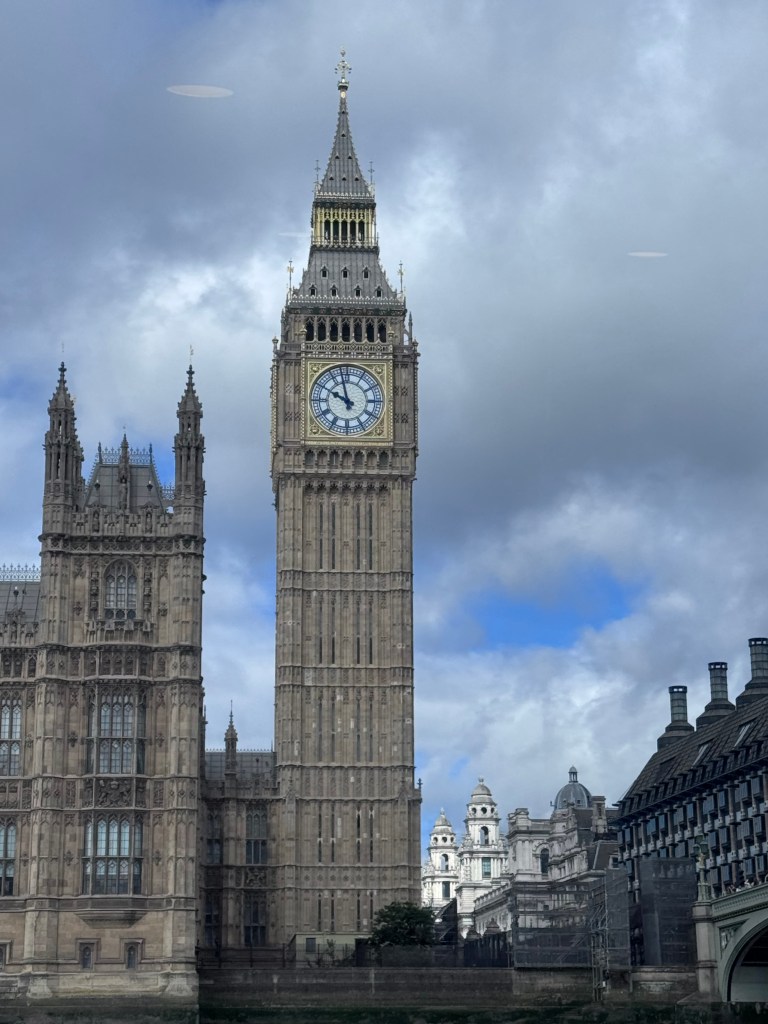
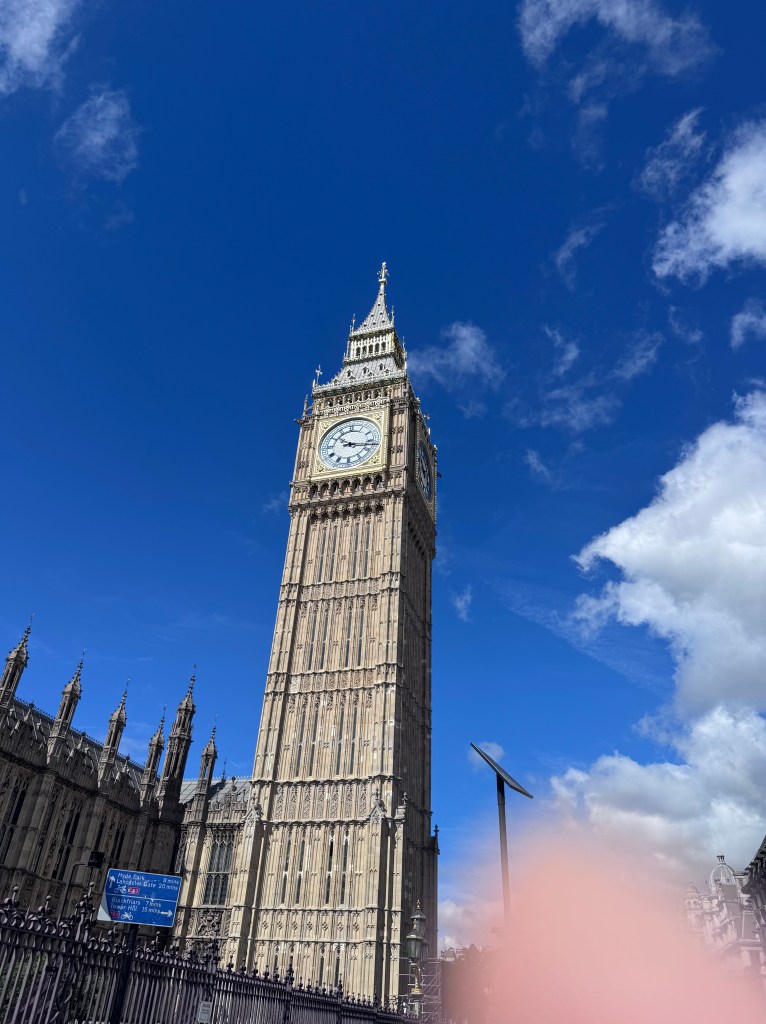
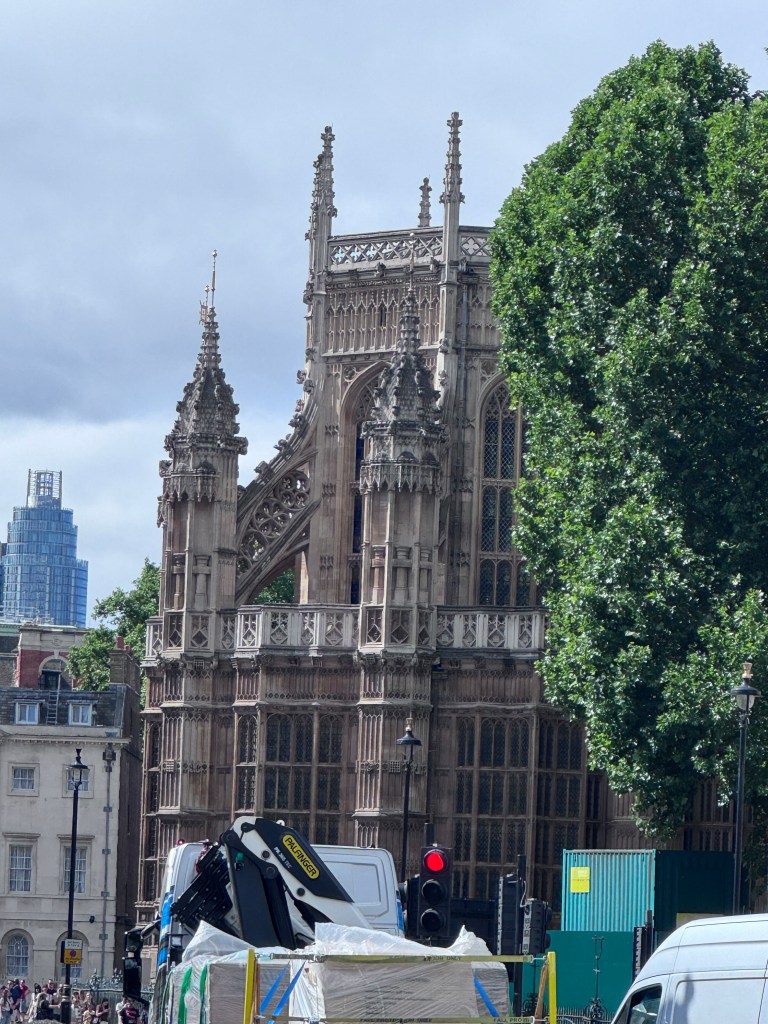
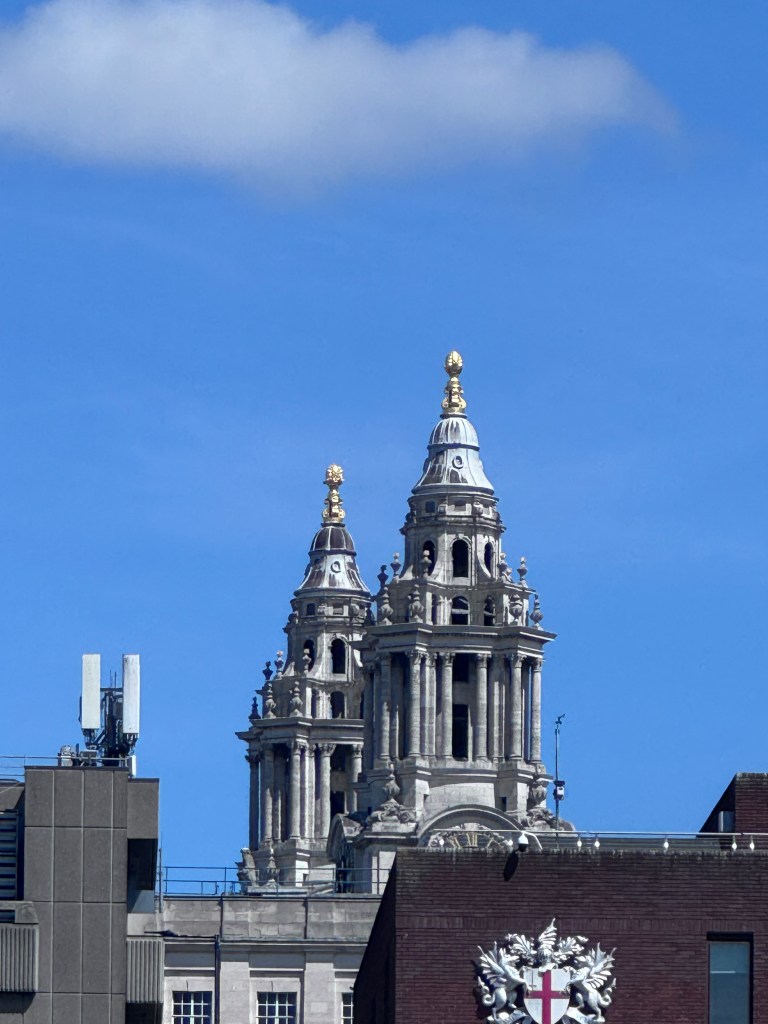
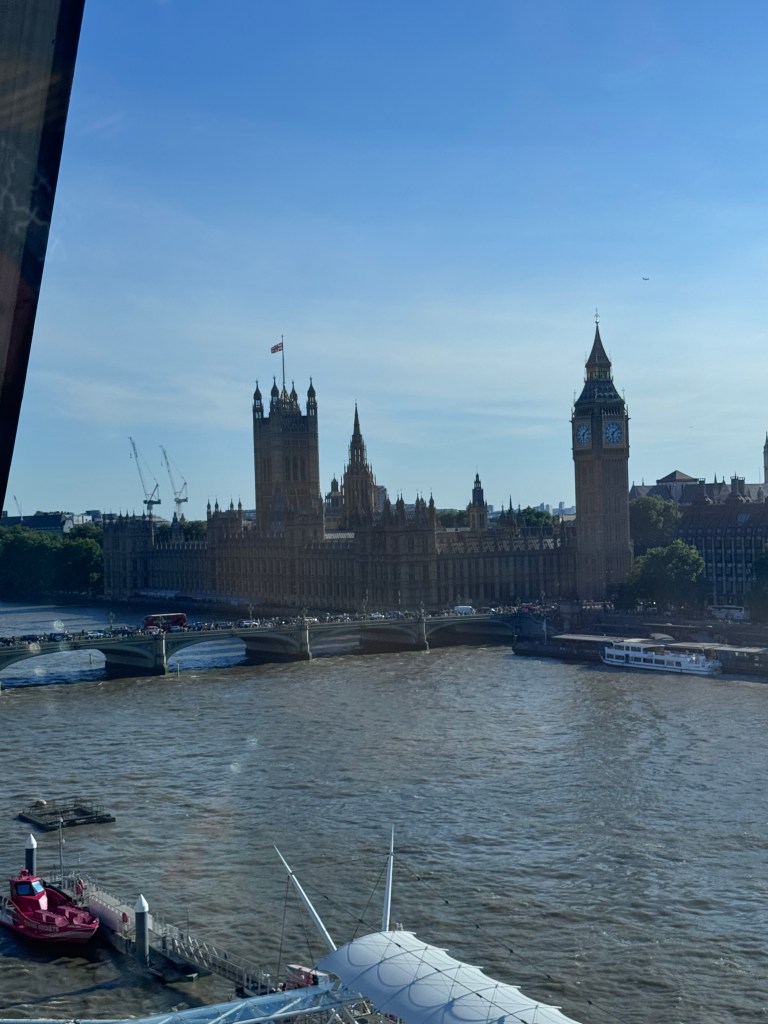
From there we walked around Big Ben, officially known as the Elizabeth Tower, and admired the magnificent Westminster Abbey. Seeing both landmarks in person was surreal after seeing them in countless books, documentaries, and television programs over the years. Big Ben has the best sound. I kept trying to get a video but was not successful.

We then boarded Thames Sightseeing Boat for the trip upriver to Greenwich. The young man providing the onboard commentary absolutely made the journey. He was hilarious! His commentary was packed with witty jokes, sarcastic remarks, and fascinating history. If you weren’t paying attention, you missed half the punchlines. We enjoyed him so much that we left him a tip when we disembarked.

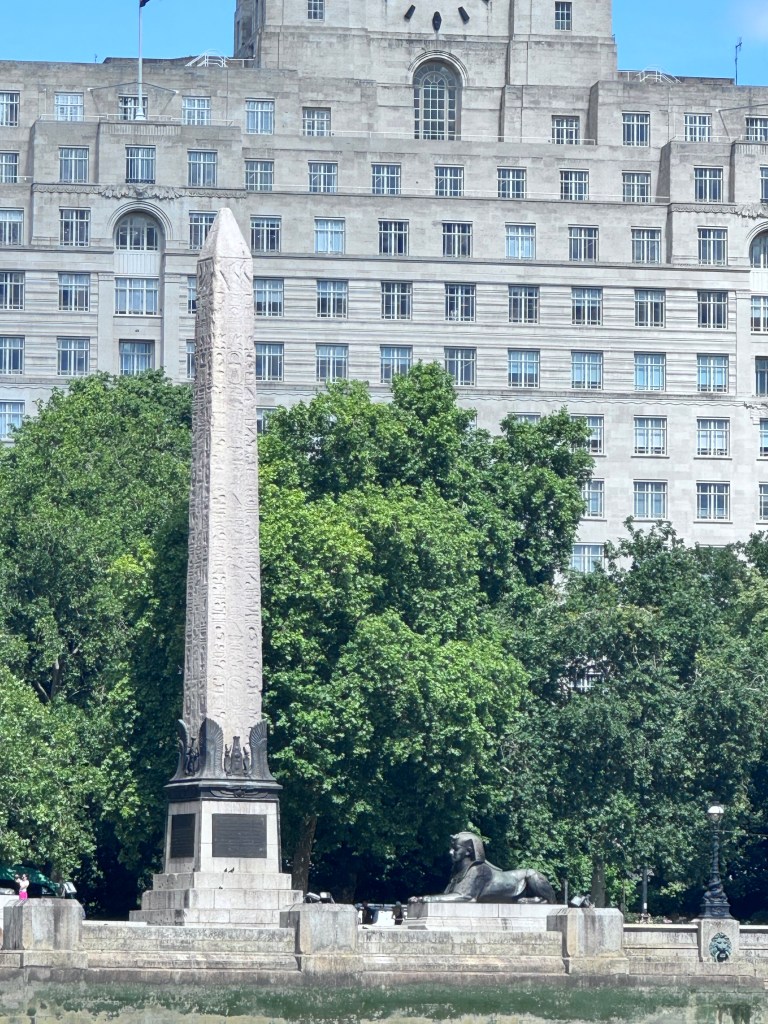
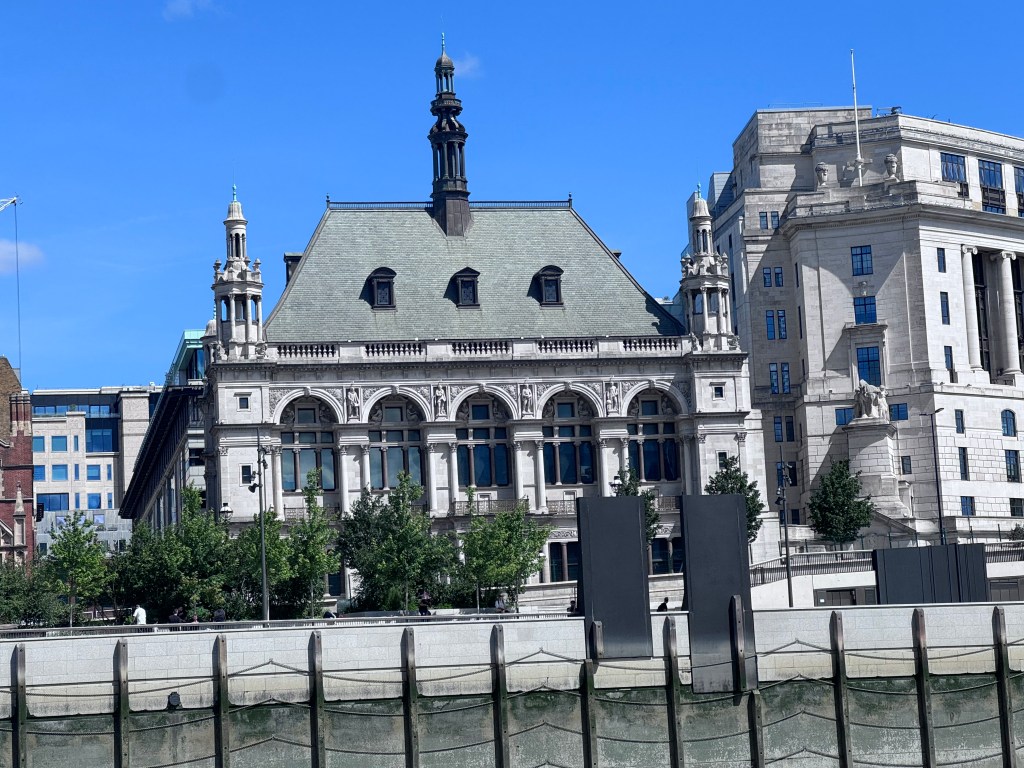
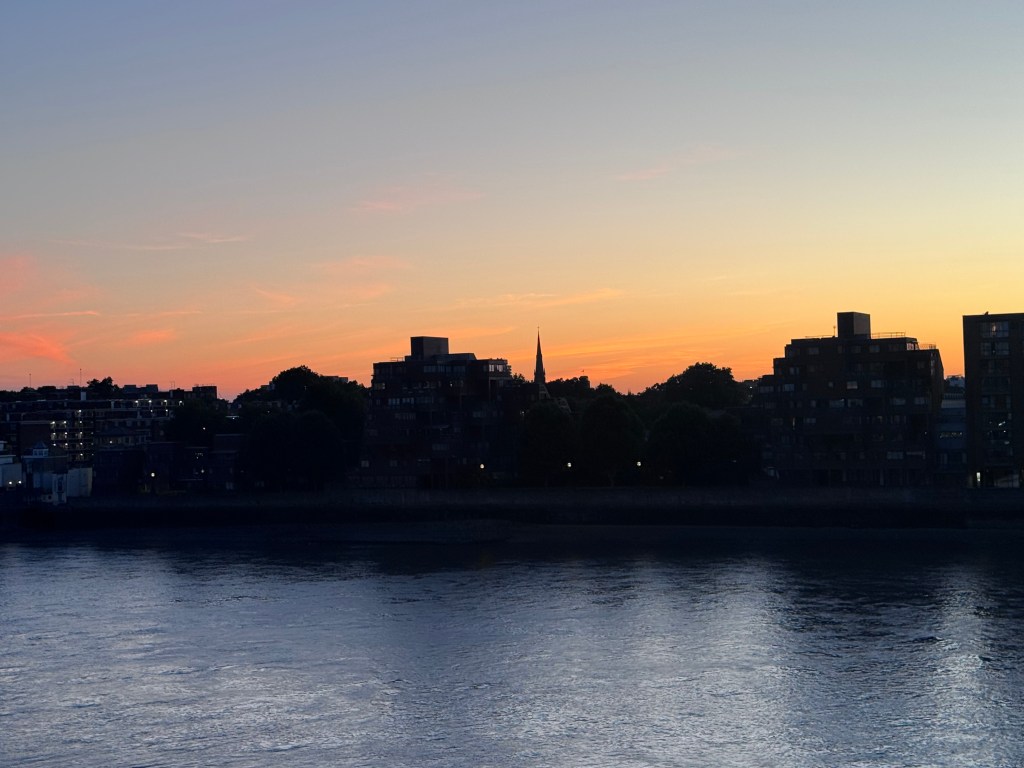
The cruise itself was beautiful. As we floated along the Thames, we passed centuries of history—bridges, warehouses converted into apartments, royal buildings, and famous landmarks. At one point we even cruised past a former home owned by Cher. It’s probably the closest I’ll ever get to meeting her since COVID canceled the concert I had tickets to years ago!

As soon as we arrived in Greenwich, we stopped at a small neighborhood bakery. We picked up a pain aux raisins, two fruit scones, and a sour cherry loaf. I’m so glad we stopped first because when we returned later that afternoon, nearly everything had sold out.

Our next stop was Greenwich Market, one of London’s oldest markets, dating back to the 1700s. Today it’s filled with local artisans, handmade crafts, antiques, artwork, clothing, and an incredible variety of food vendors. Mom chose a green curry with rice while I enjoyed a delicious Moroccan chicken wrap. Afterwards we wandered through the market, browsing the unique shops and stalls. Mom surprised me by buying the funkiest pair of earrings. I was so proud of her for stepping outside her comfort zone! Then I wandered into an equally quirky shoe store. We continued walking, but when we passed it a second time I finally admitted, “I’ll regret not buying something.” Sure enough, I walked out with two wonderfully funky pairs of shoes.

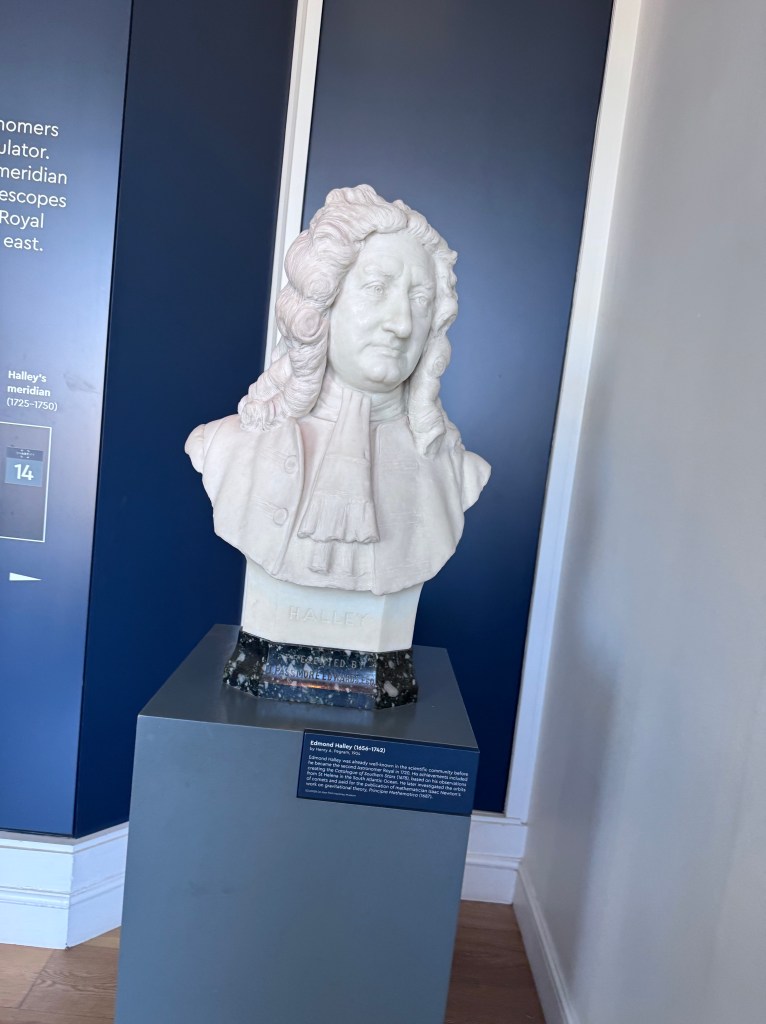
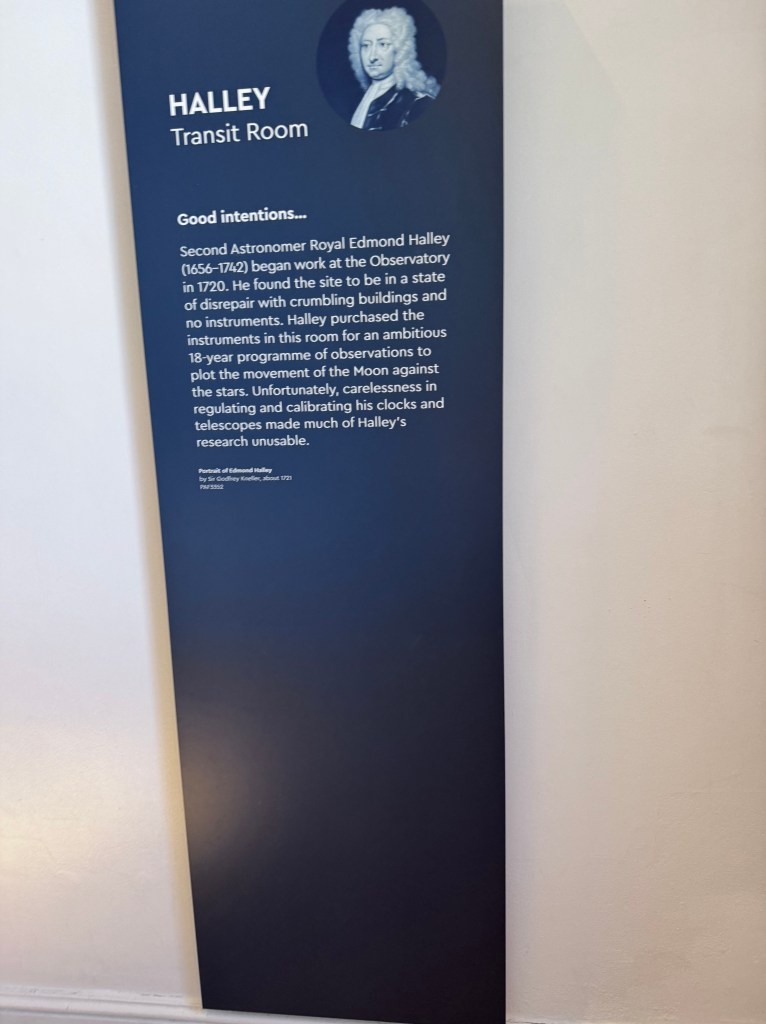
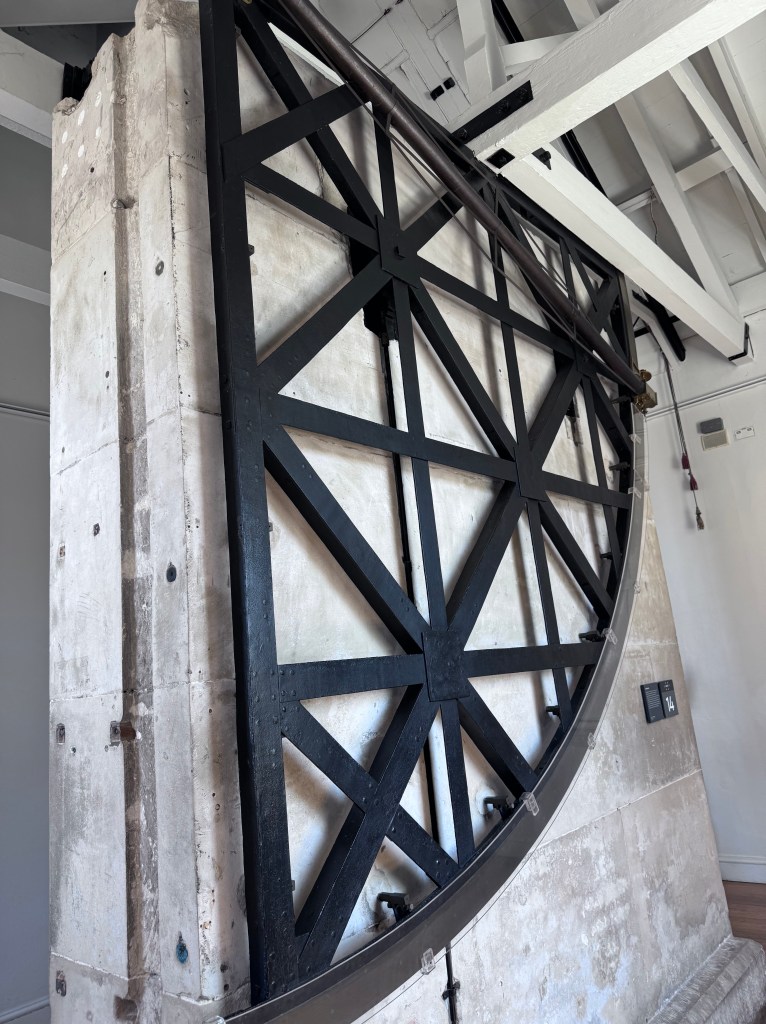
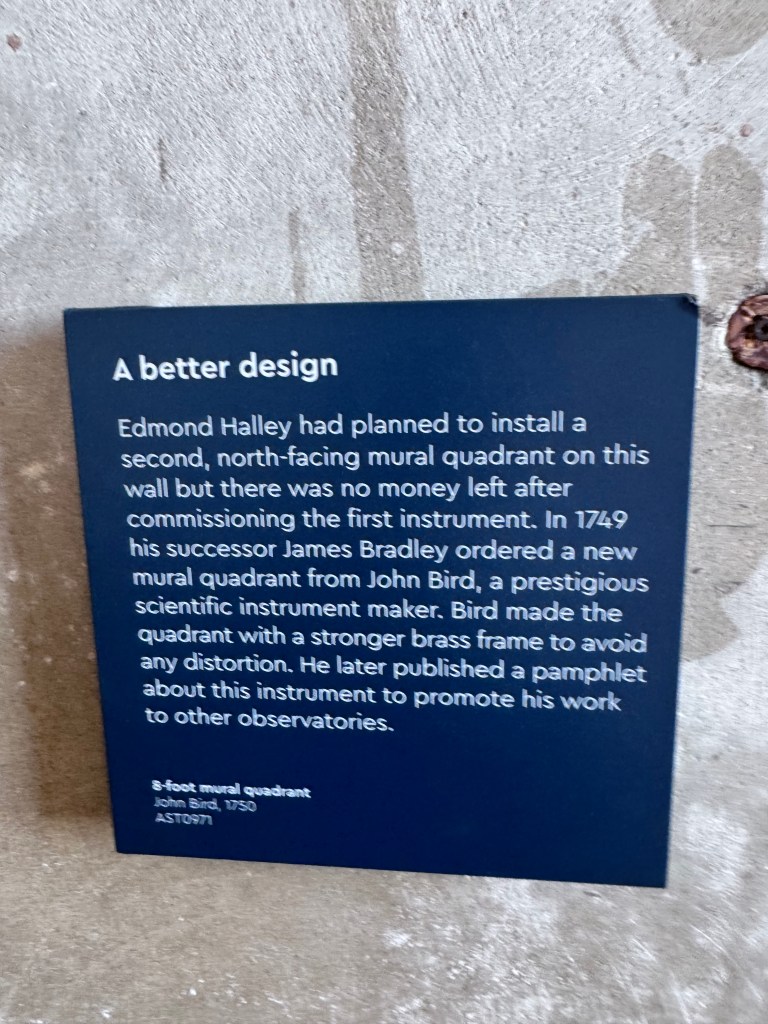
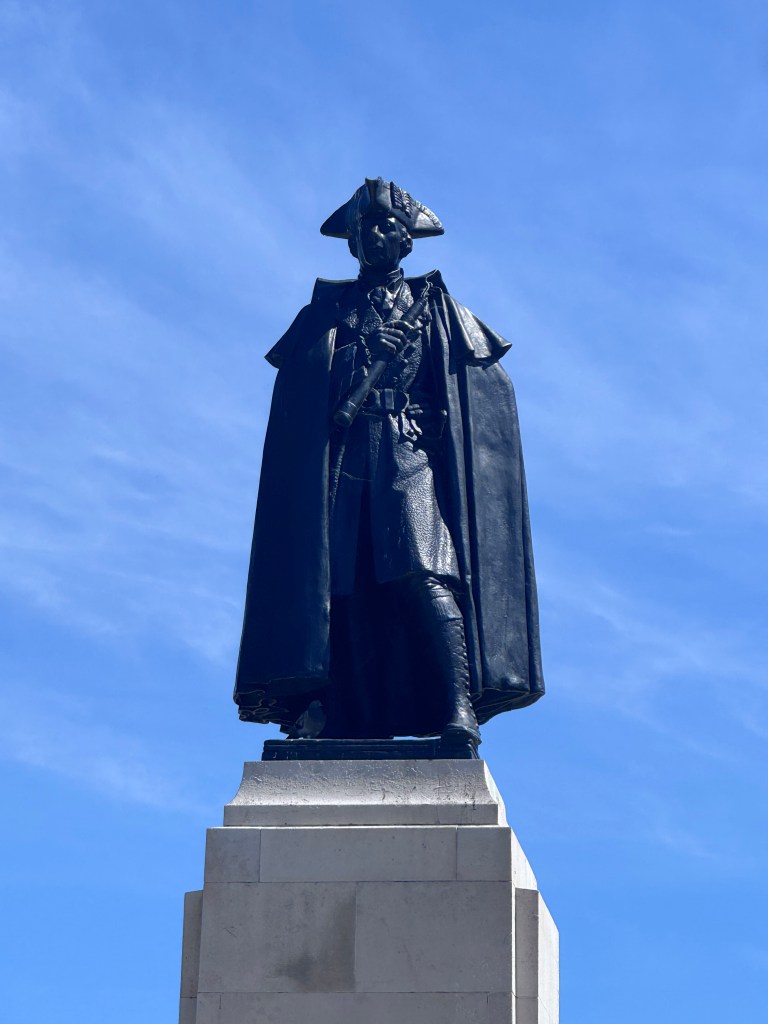
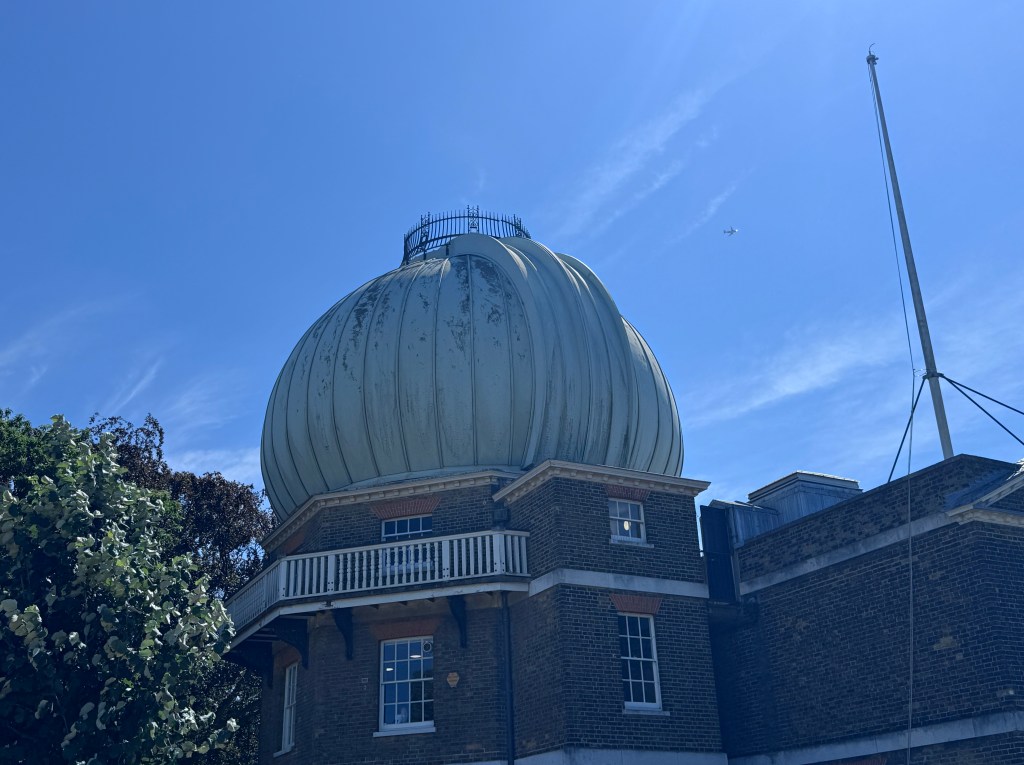
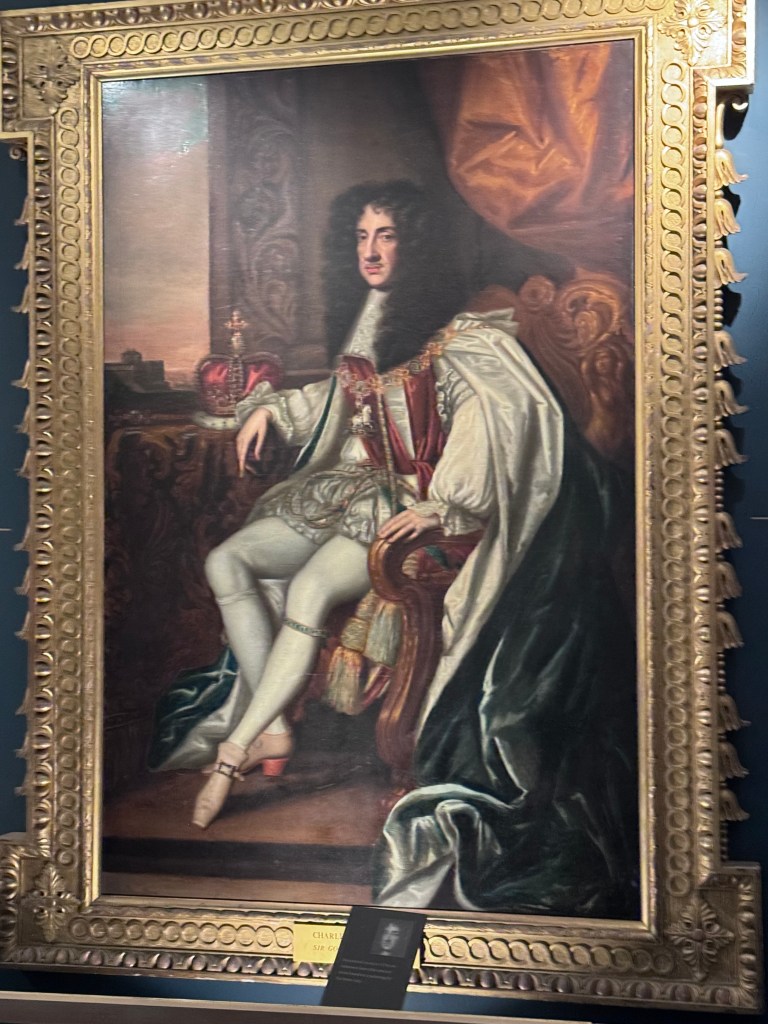
Our biggest adventure of the day was hiking up the steep hill through Greenwich Park to the Royal Observatory. I do mean hiking—it was a nonstop uphill climb! At the top sits the observatory founded in 1675 by King Charles II. It became one of the world’s most important centers for astronomy and navigation. The observatory is home to the Great Equatorial Telescope, installed in 1893. At the time it was one of the largest refracting telescopes in Britain, allowing astronomers to study planets, stars, and nebulae in remarkable detail. Standing beneath its massive dome, it was easy to appreciate how much of our understanding of the universe began in places like this.

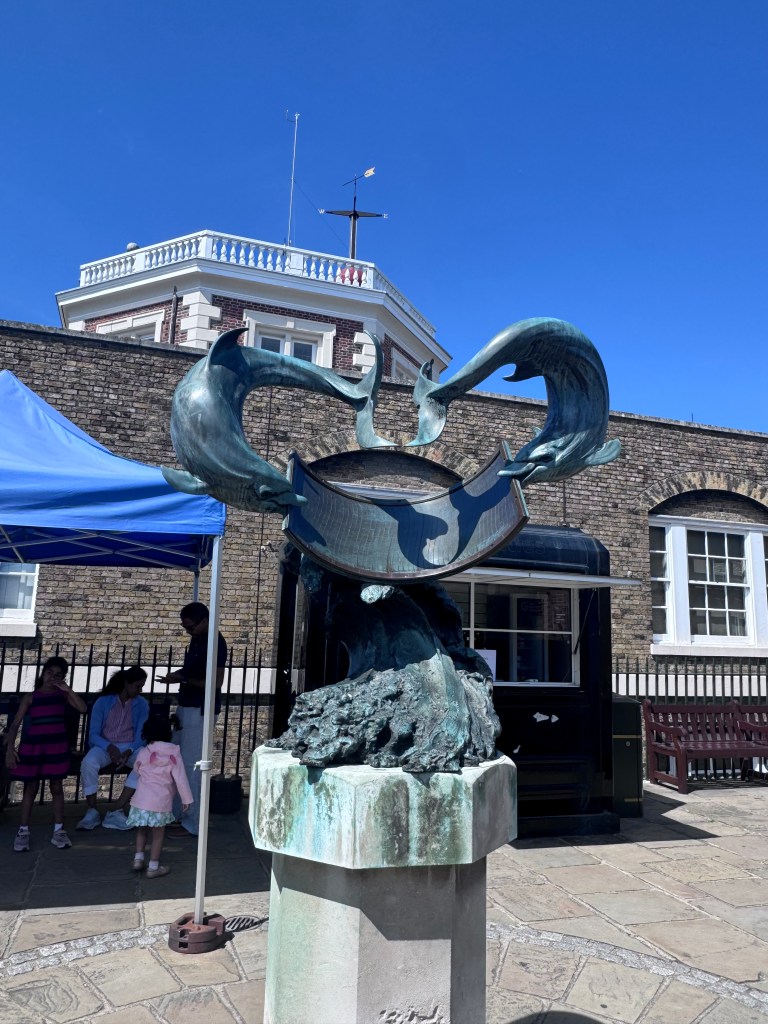
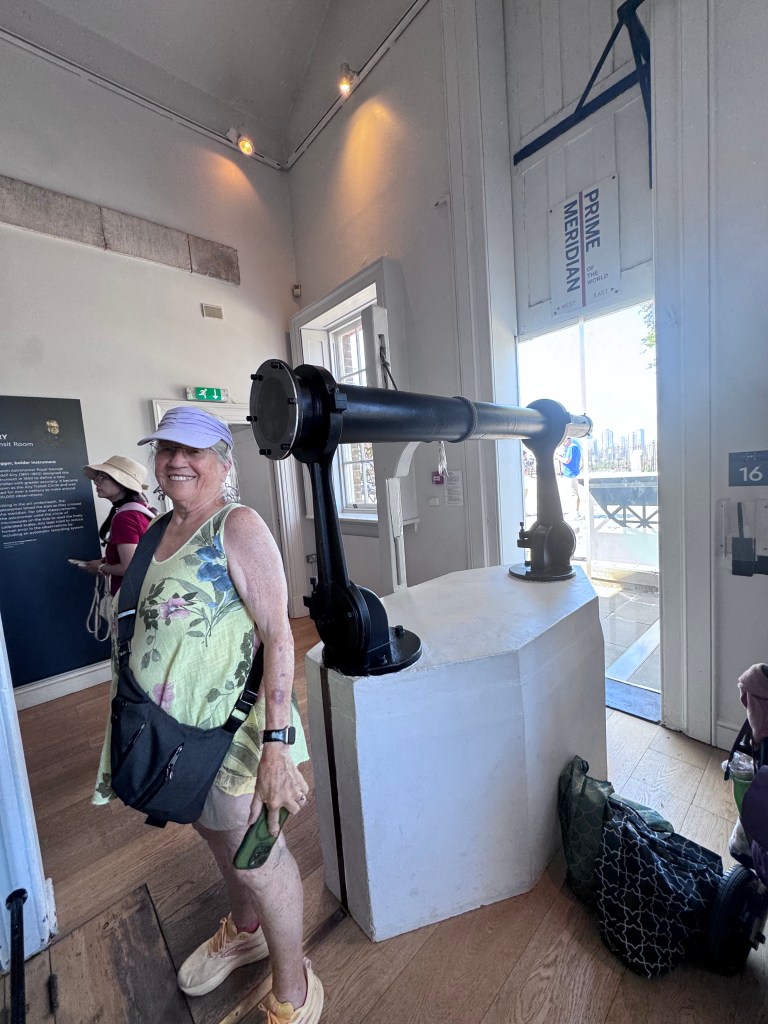
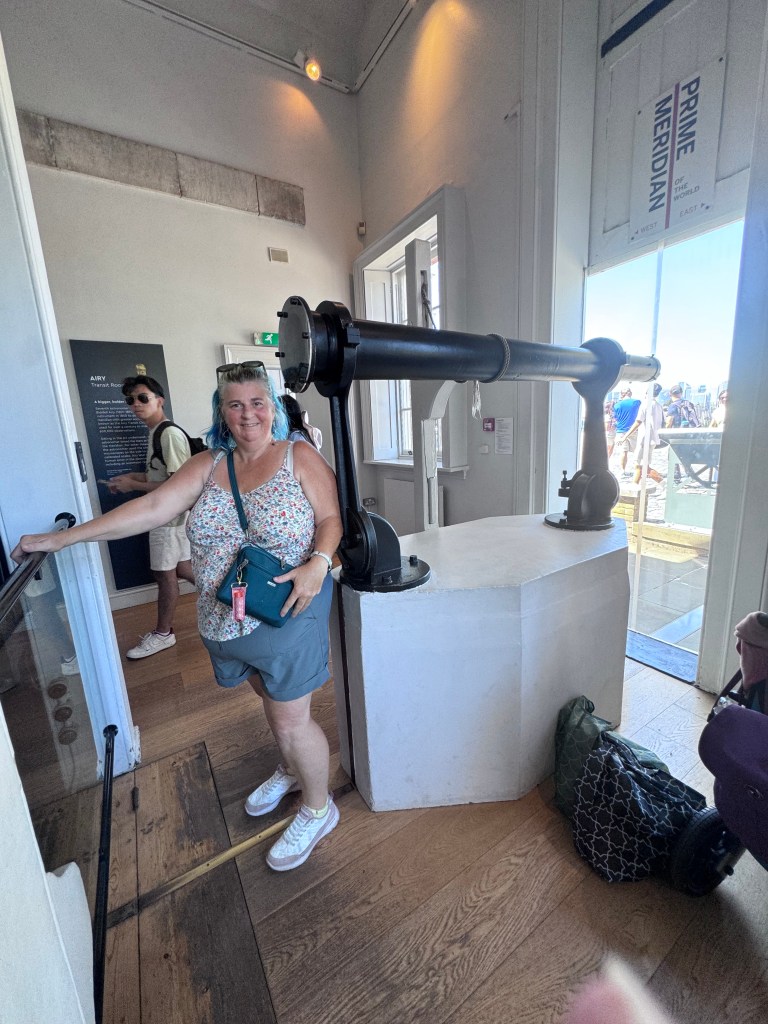
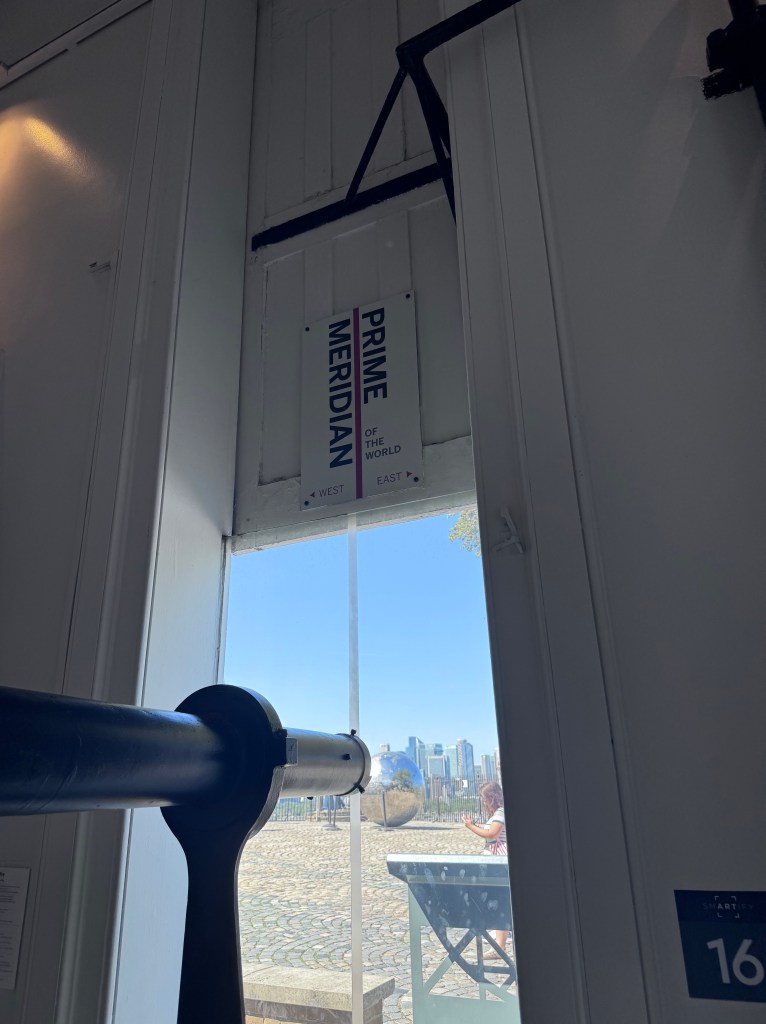
Just to the side of the observatory is one of the most famous lines in the world—the Prime Meridian (0° longitude). This imaginary line divides the Earth into the Eastern and Western Hemispheres and serves as the reference point for world longitude and Greenwich Mean Time (GMT), from which all global time zones are measured. Of course, we had to stand with one foot in the Western Hemisphere and one in the Eastern Hemisphere!

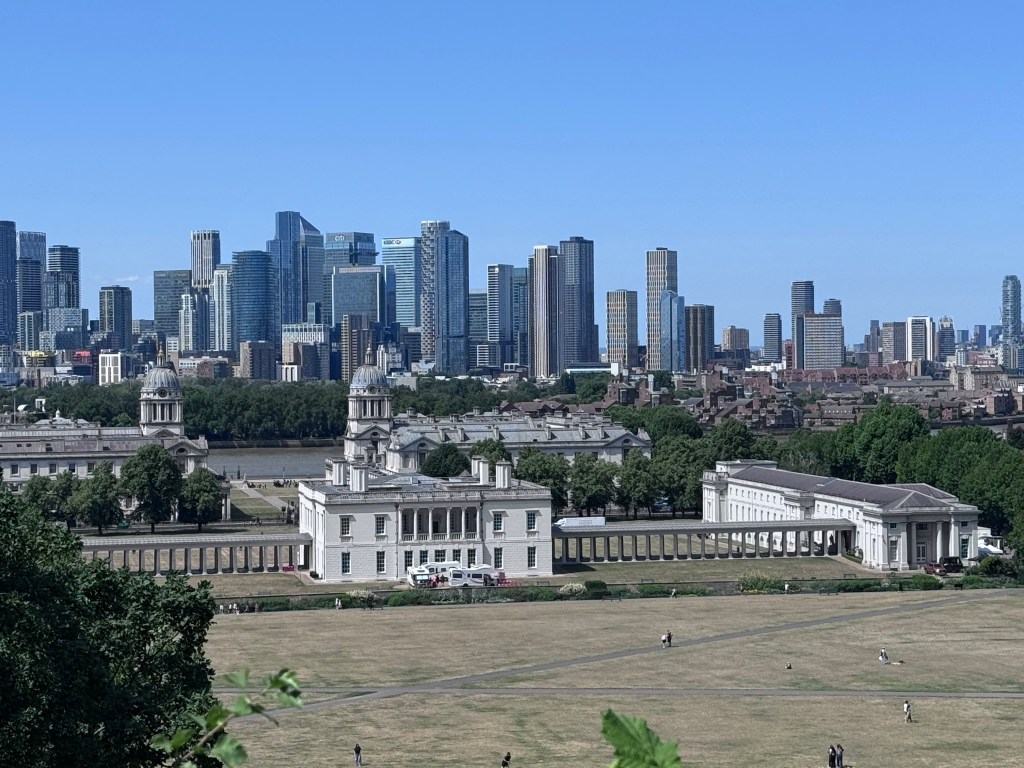
The views overlooking London from the observatory were spectacular and well worth every burning muscle it took to get there. We did notice signs warning visitors about pickpockets, so we kept a close eye on our belongings while exploring.

Going back down the hill was almost as exciting as climbing it. The path was incredibly steep. I leaned back while holding Kiya’s transport chair with both brakes partially engaged to control our speed. We certainly made quick work of the descent!

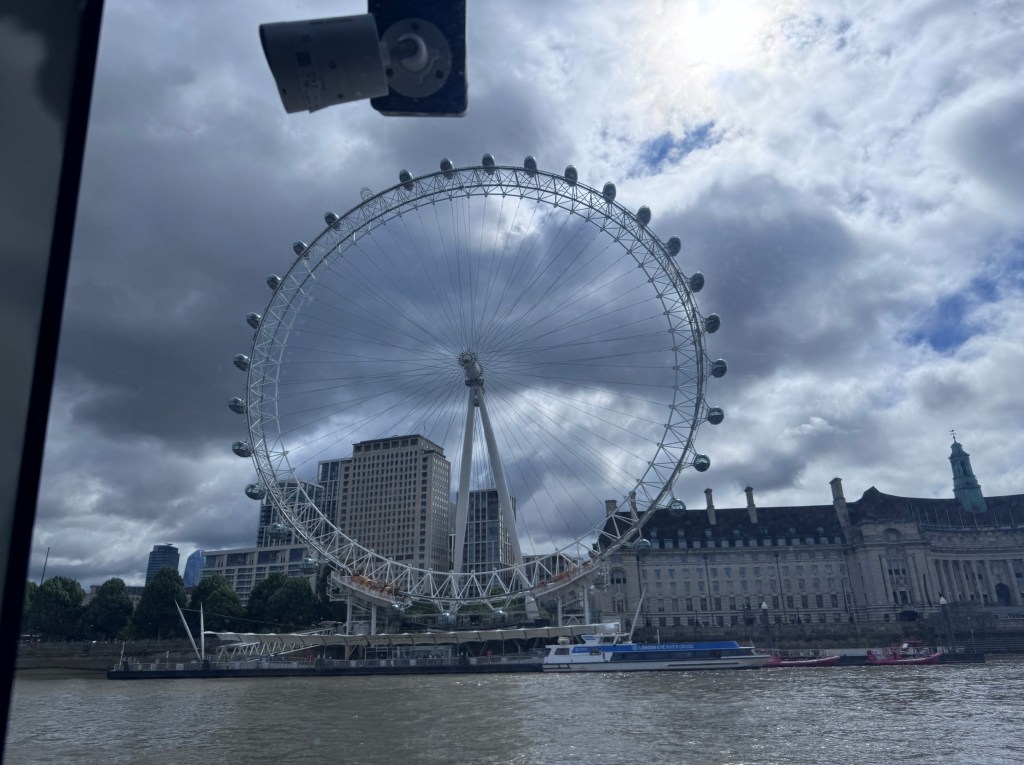
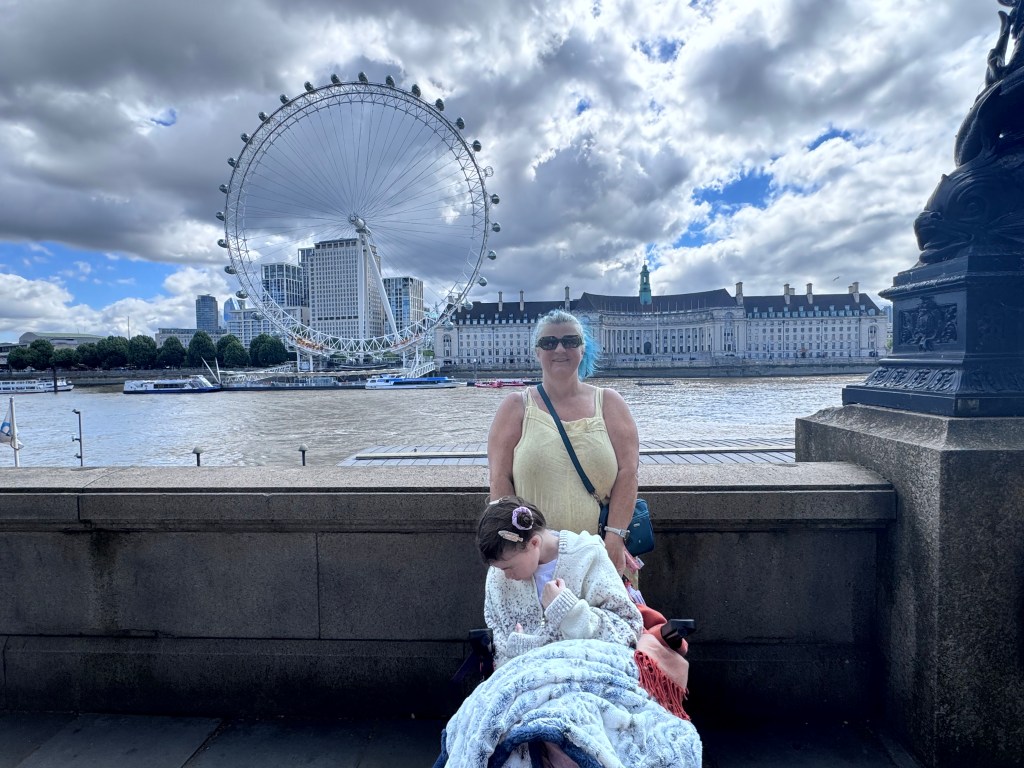
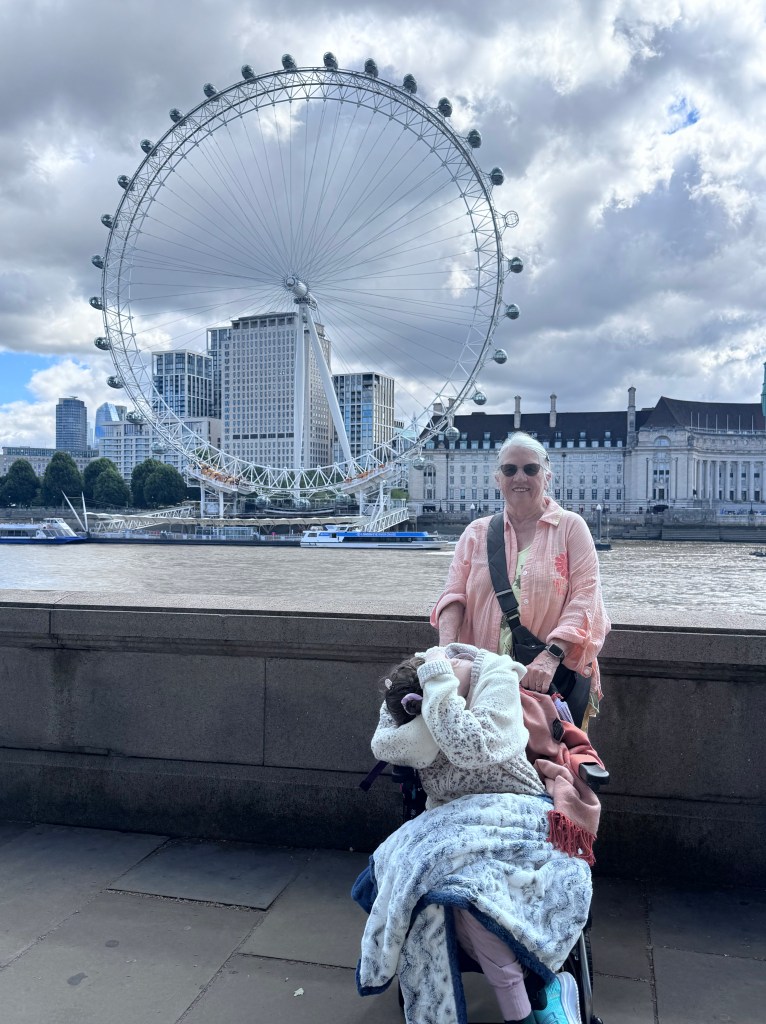
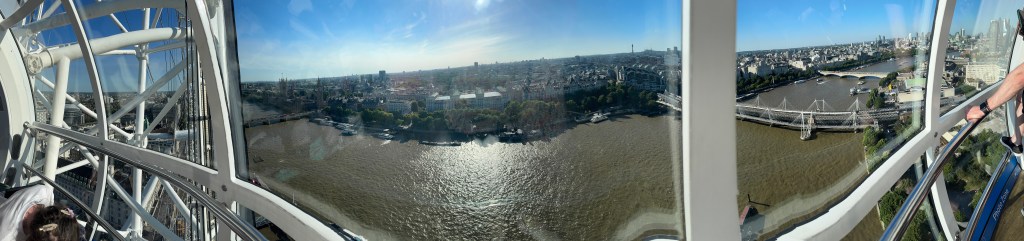
After spending more time wandering Greenwich’s charming streets, we returned to the river and boarded another boat back to Westminster Pier. From there we crossed the Thames to ride the London Eye.

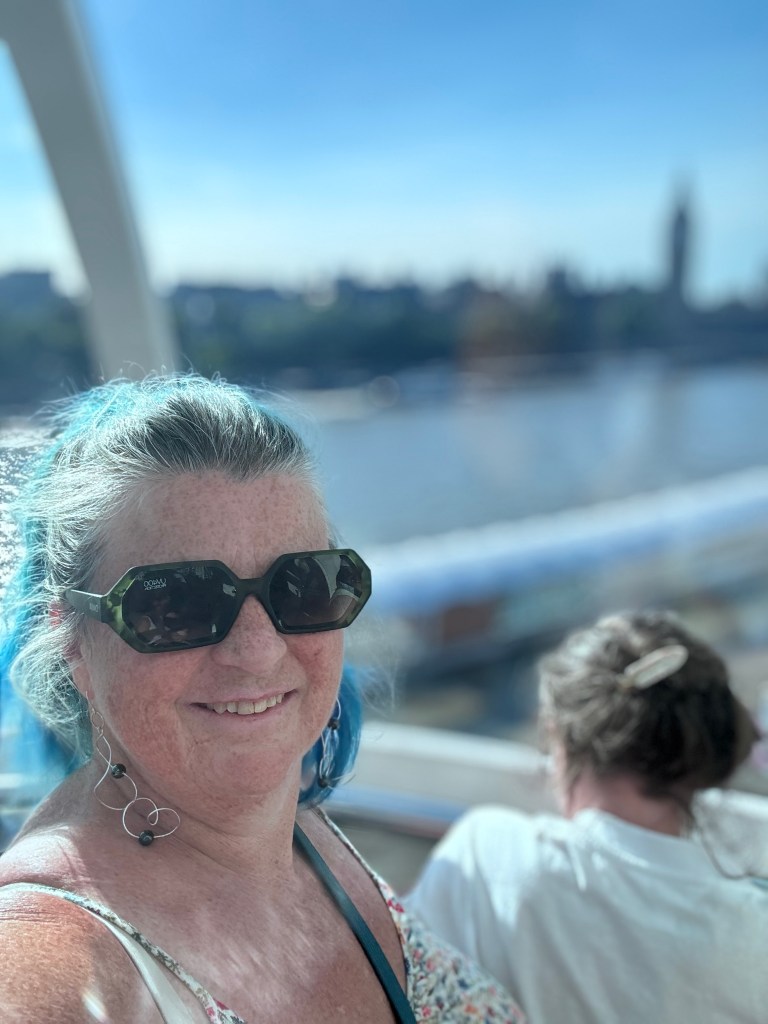
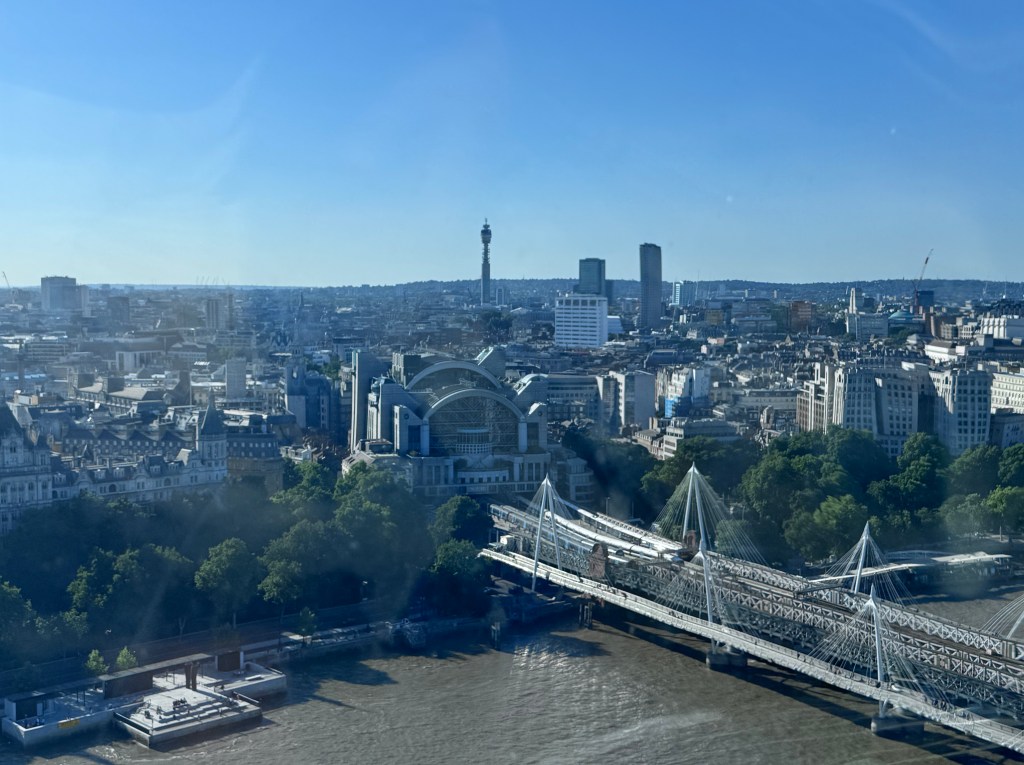
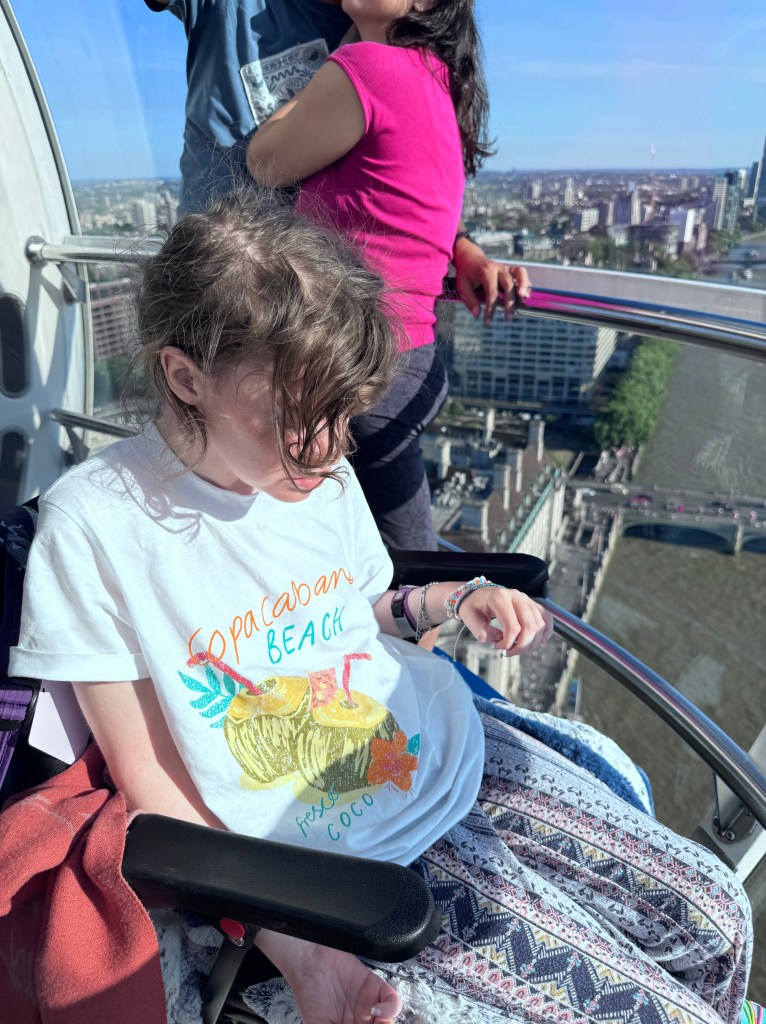
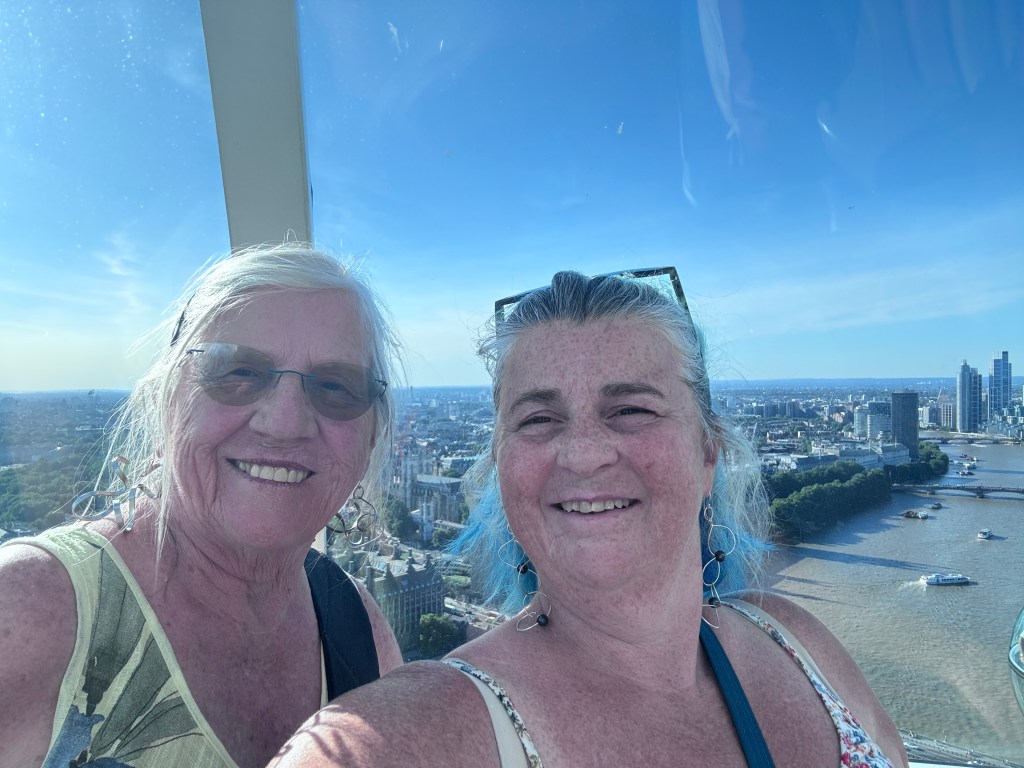
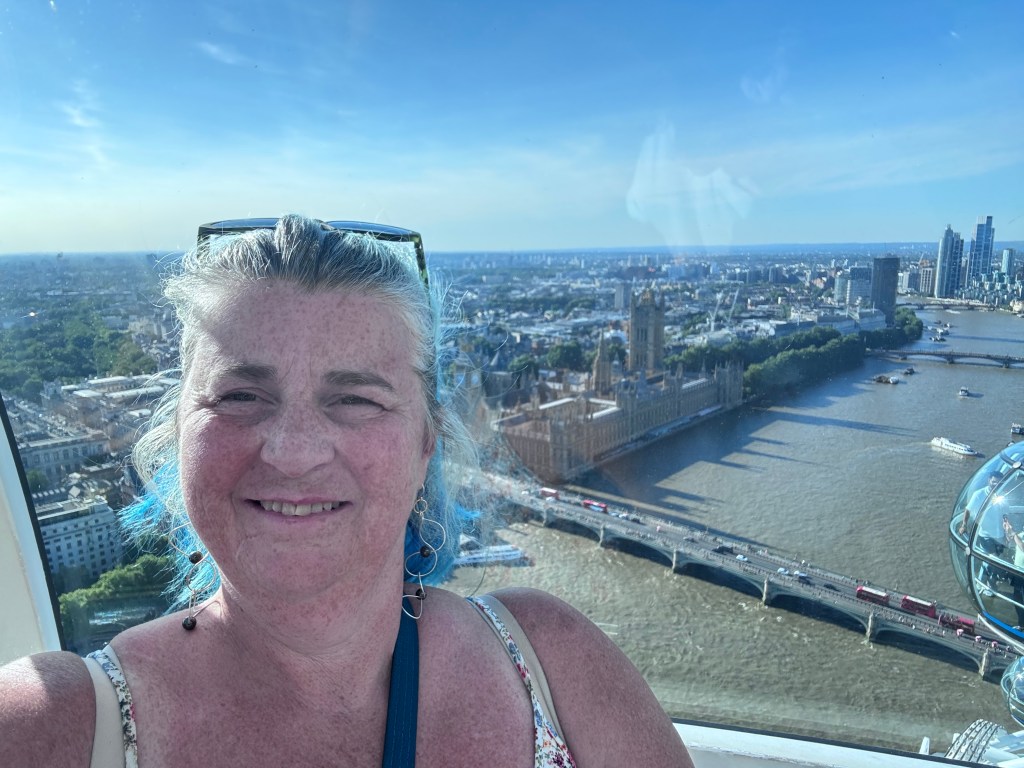
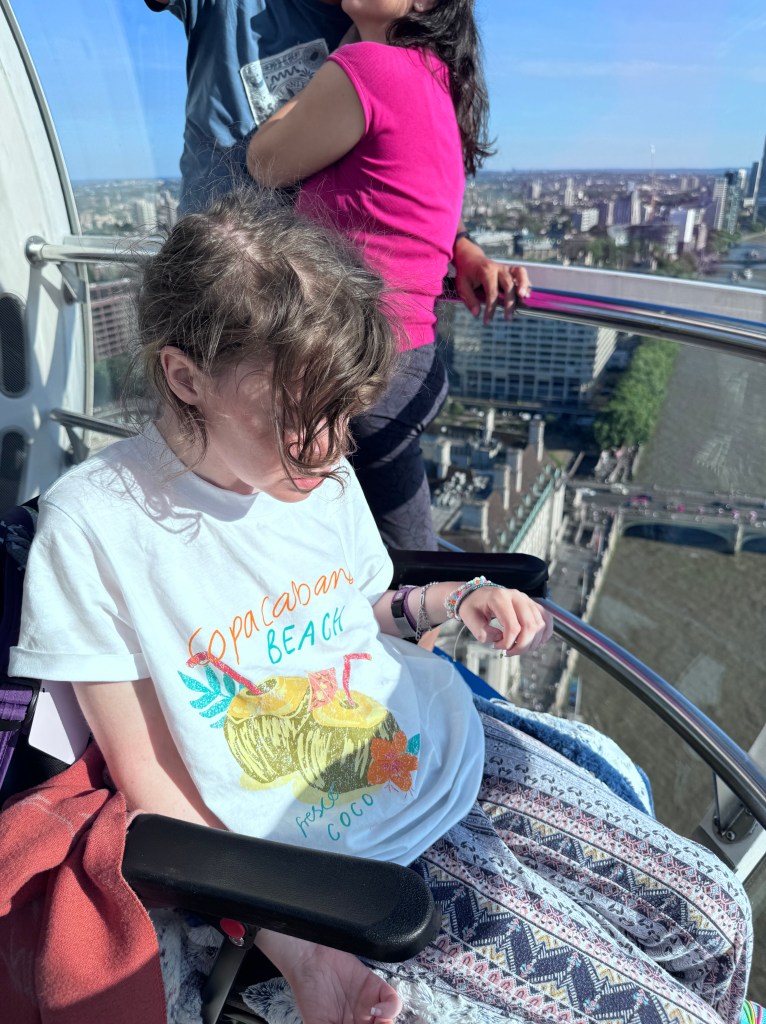
Kiya absolutely loved the ride—except for the very top! Being that high in the air wasn’t quite her favorite part. The slow rotation gave us incredible panoramic views stretching across London in every direction, and the air-conditioned capsule was a welcome break after another warm day of sightseeing.

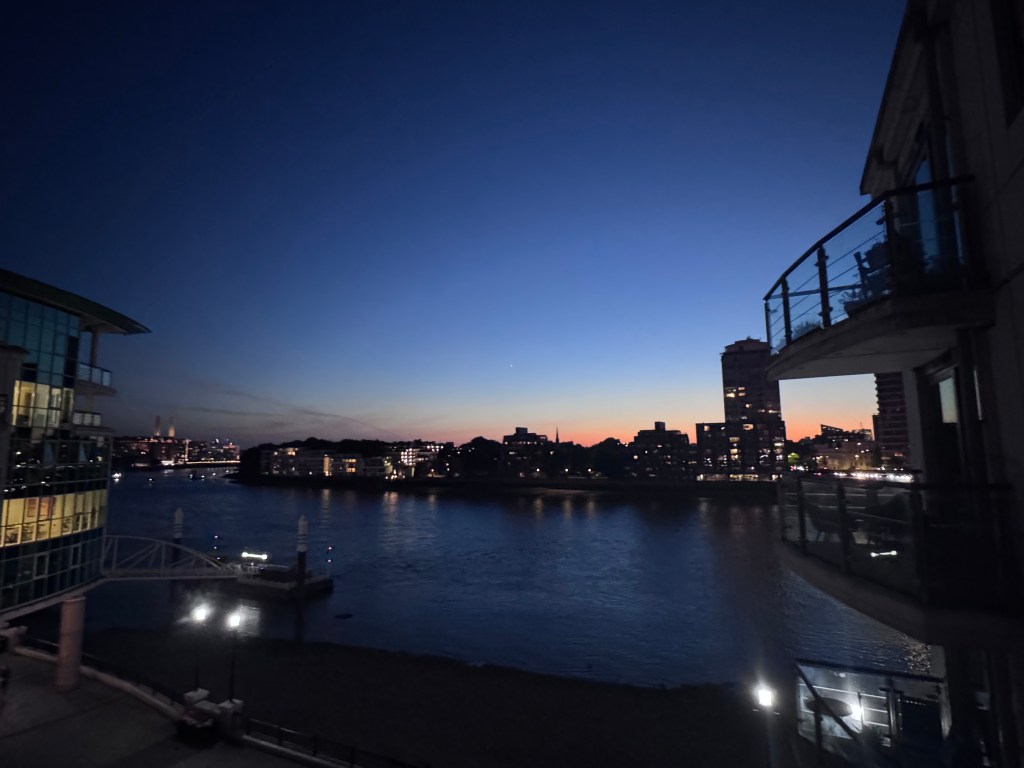
Afterward we enjoyed dinner at a cozy Italian restaurant before heading back to the river, expecting to catch our Uber Boat home. That’s when we discovered our final adventure of the day—boats no longer traveled back to our pier in the evening. After quite a bit of asking questions, checking routes, and trying to figure out our options, we finally hailed a taxi and made it back to the apartment around 9:00 p.m.

By then Kiya was completely exhausted, and honestly, so were we. It had been another full day of exploring, laughing, learning, and making memories in one of the world’s greatest cities.
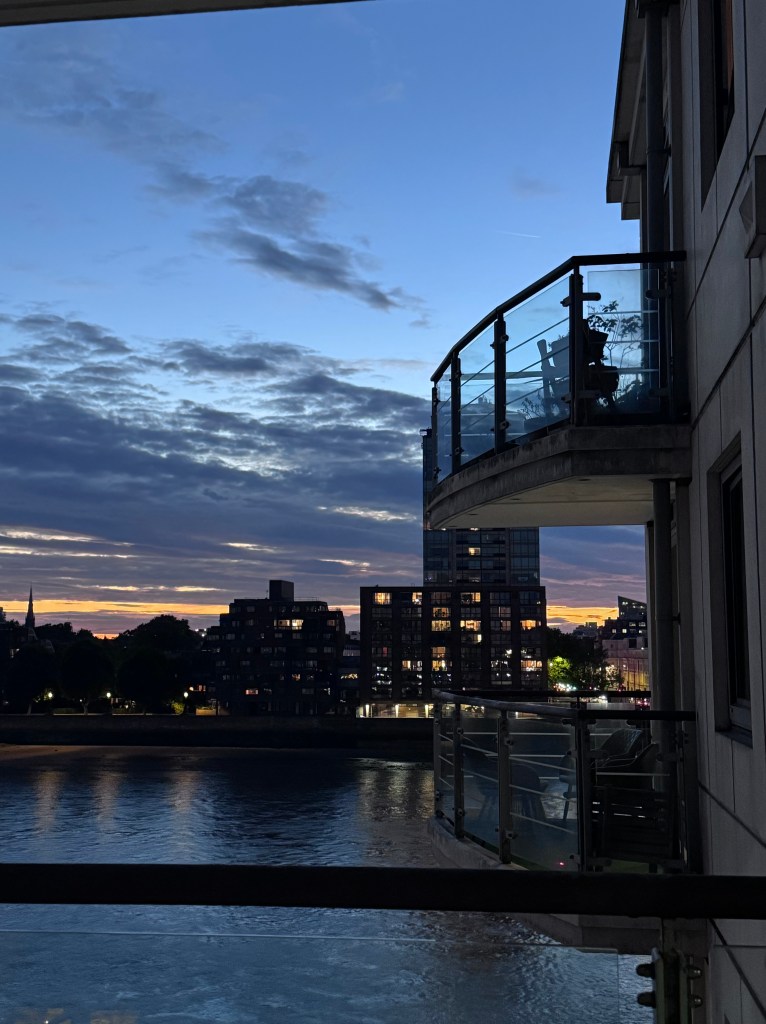
Stonehenge, Salisbury Cathedral, and the Magna Carta

As I am typing this, we have entered both France and Belgium on our way to Amsterdam. Before leaving England, however, we experienced one of the highlights of our trip.

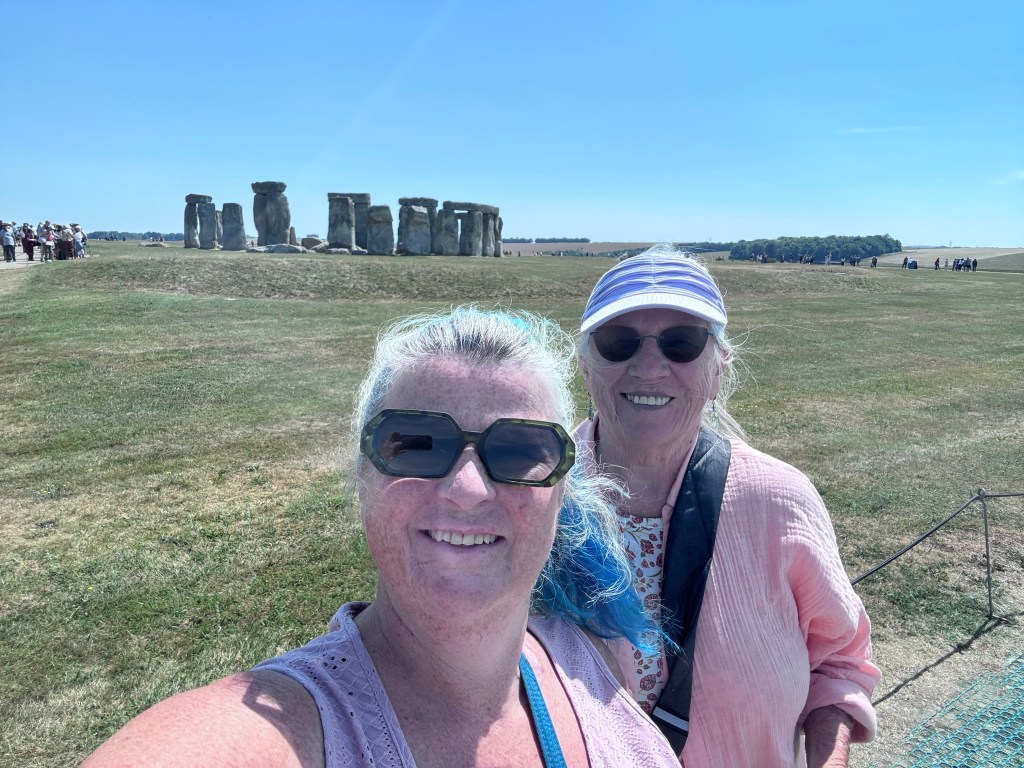
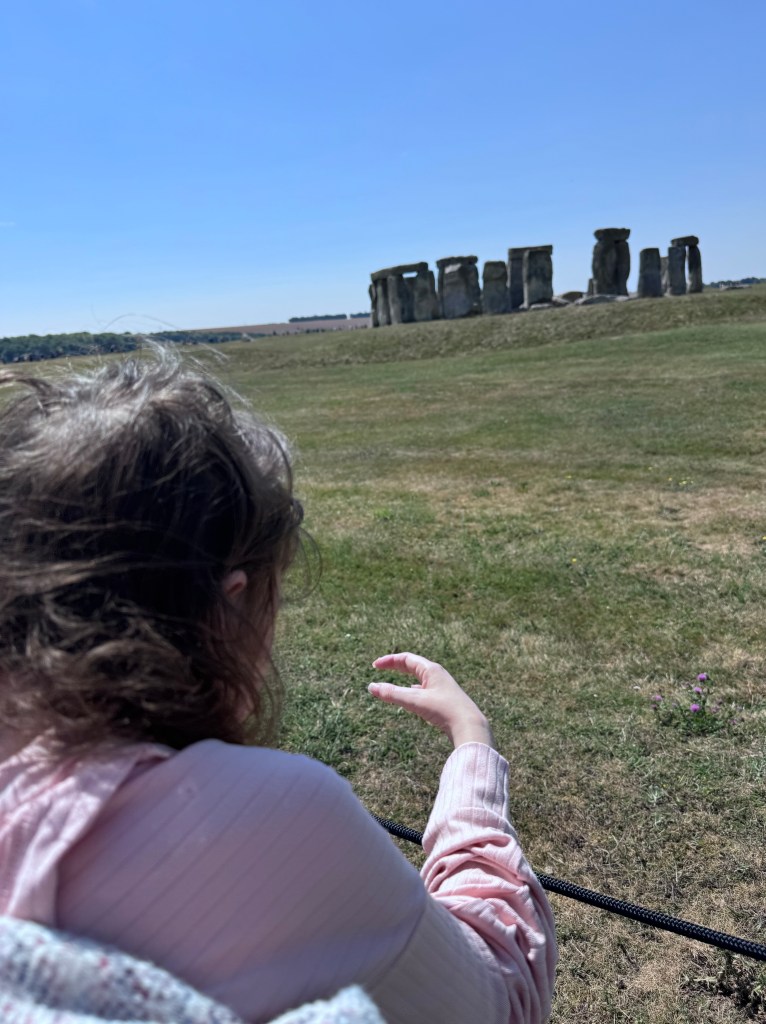
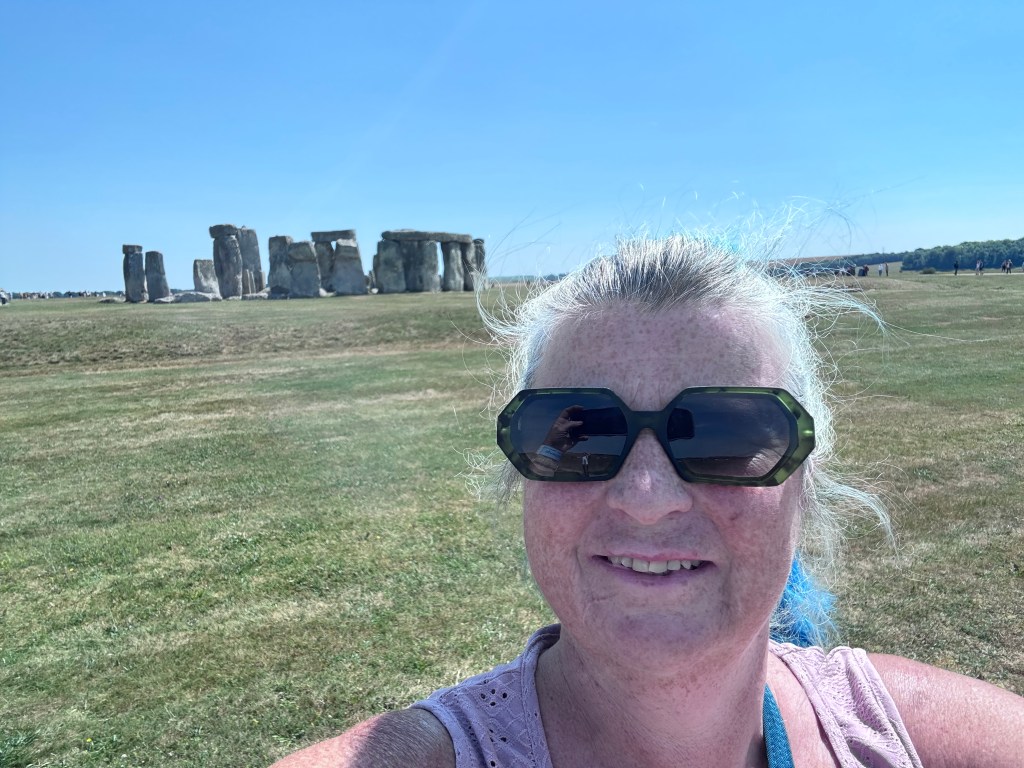
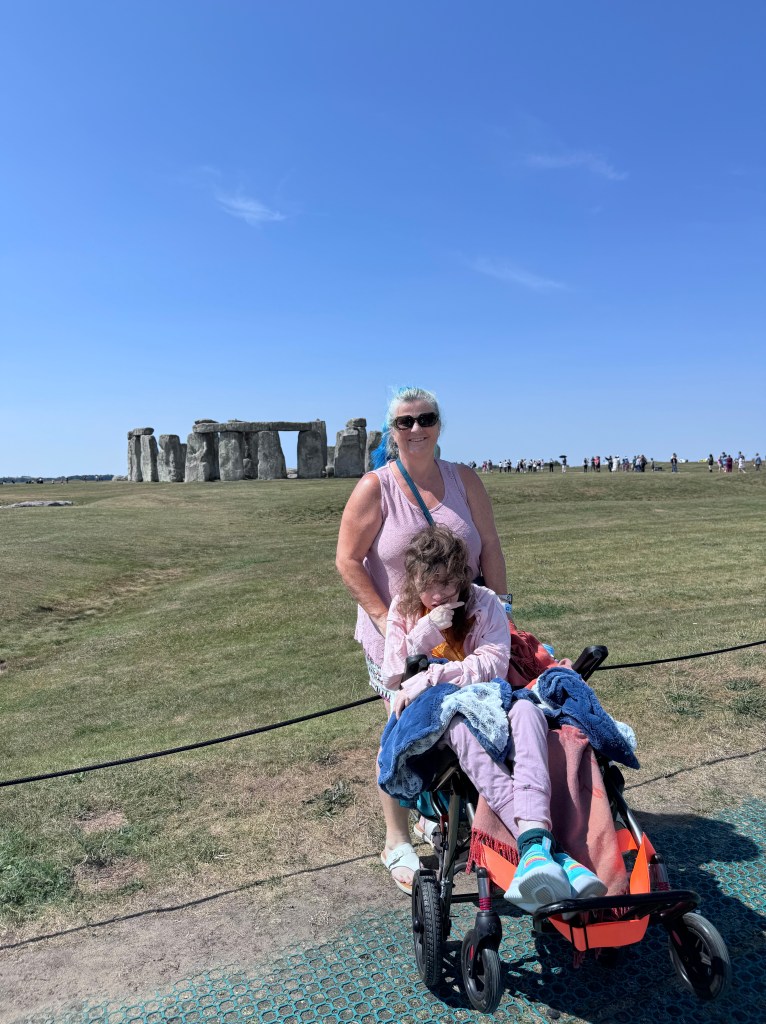
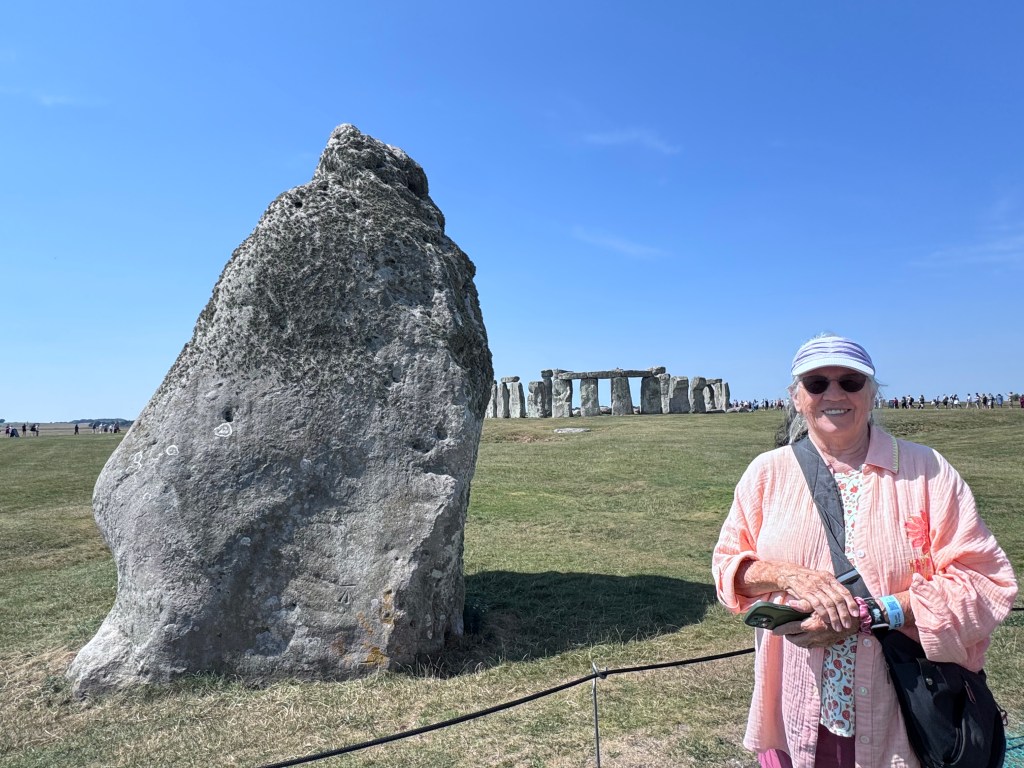
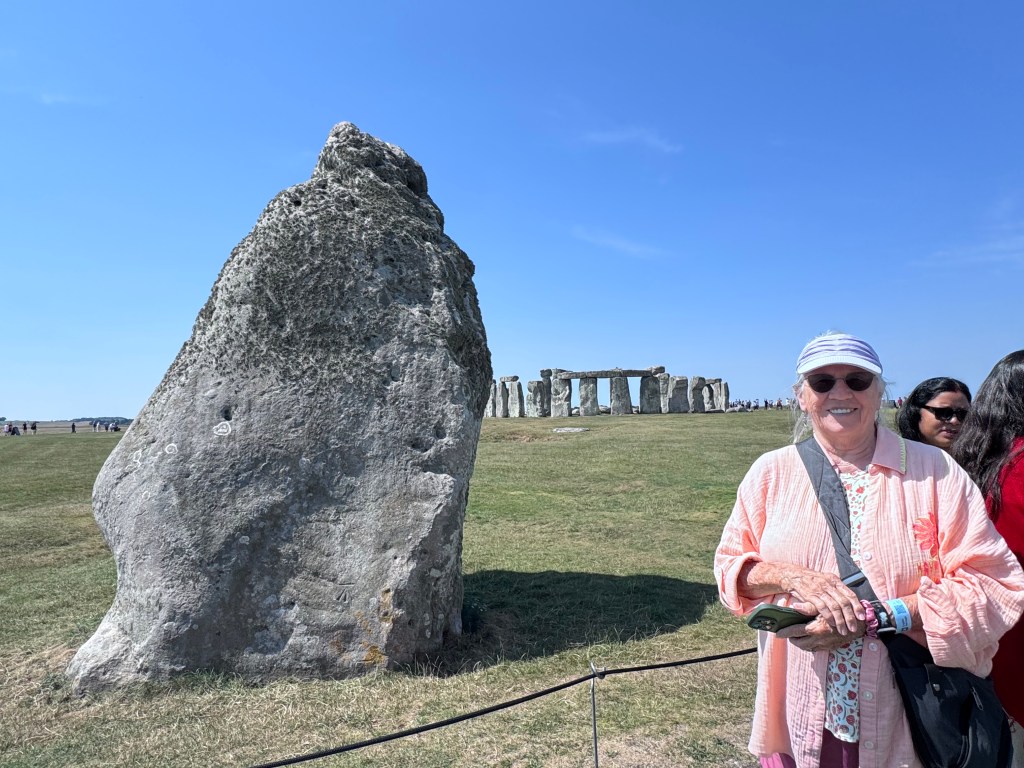
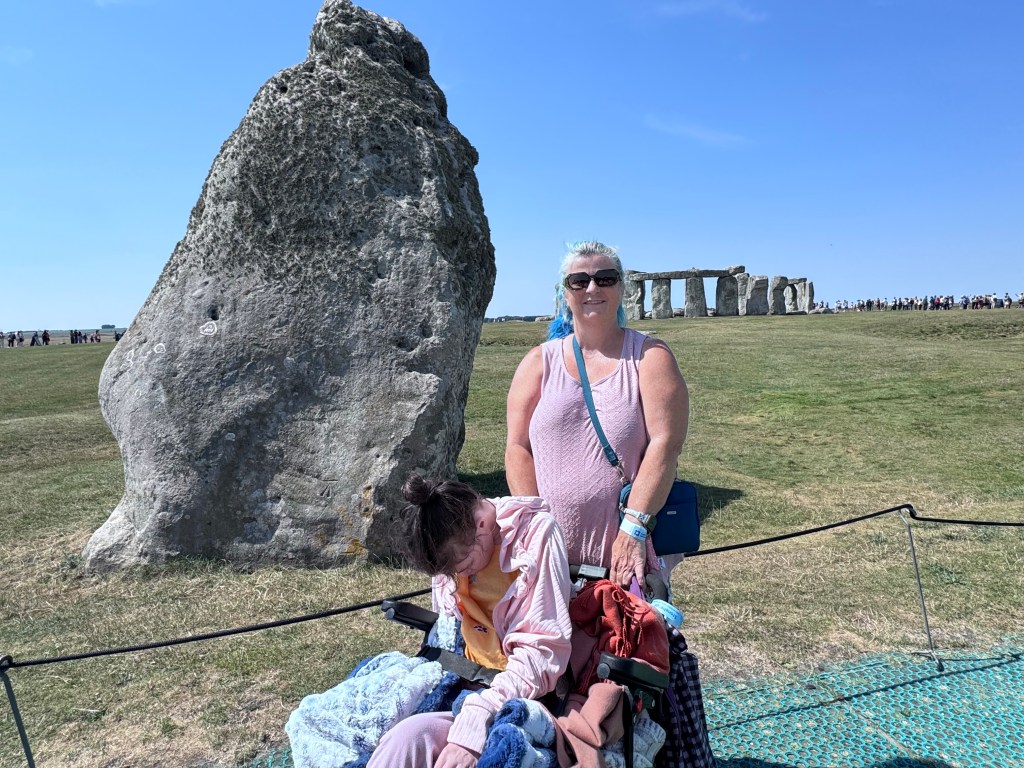
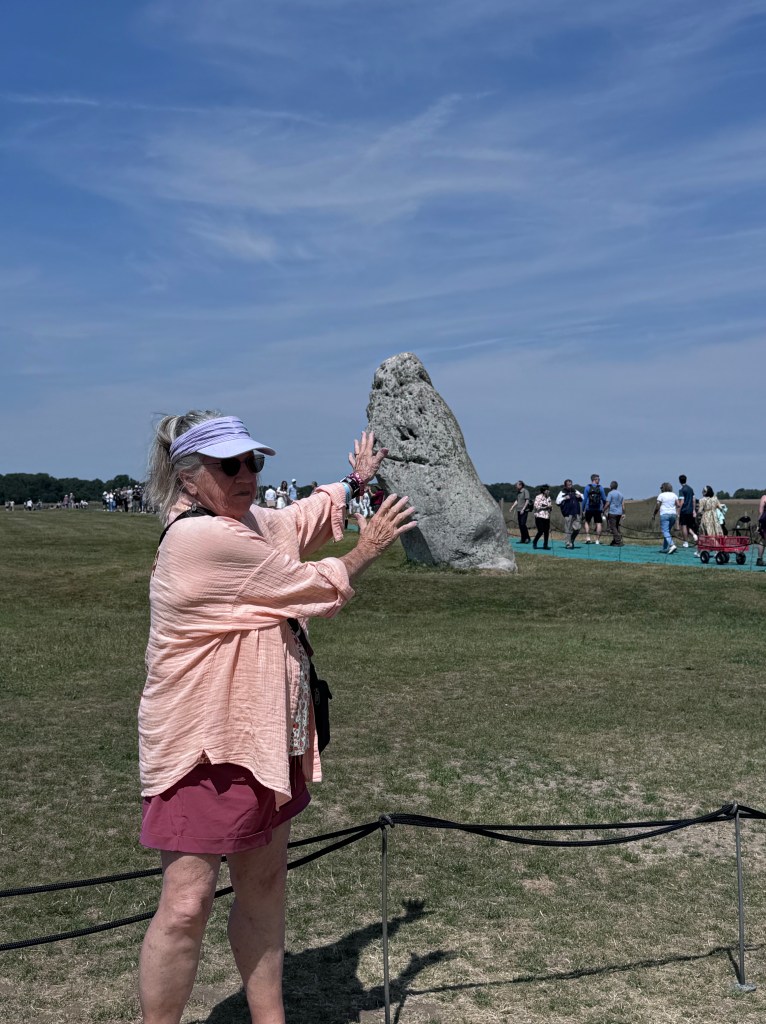
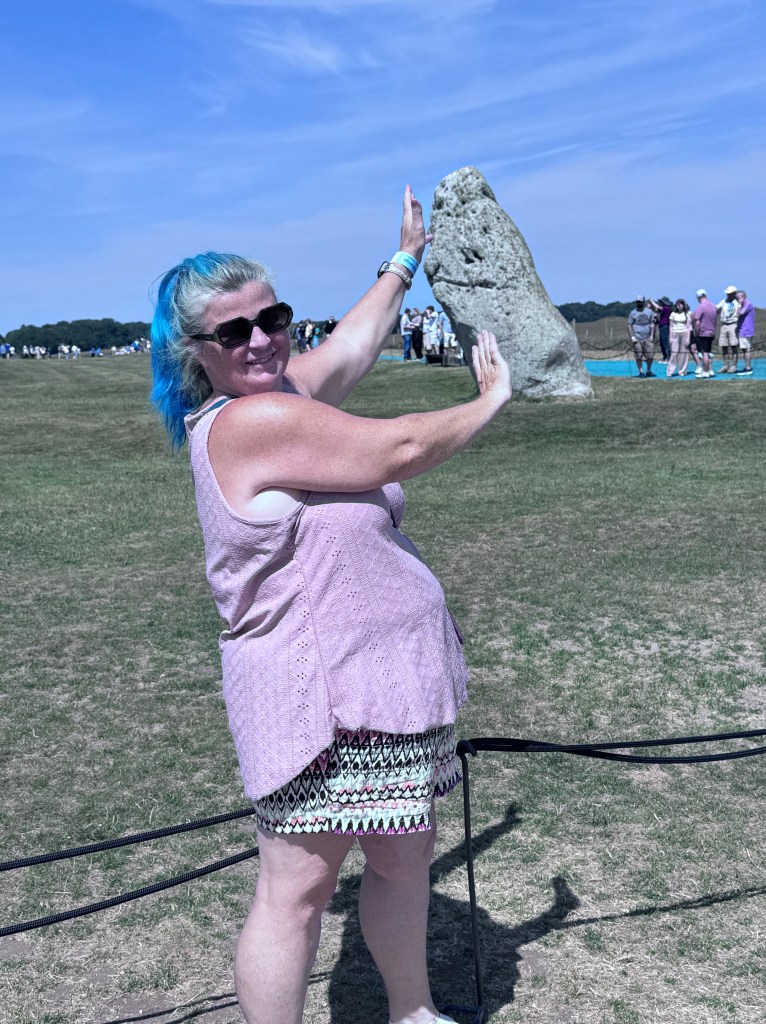
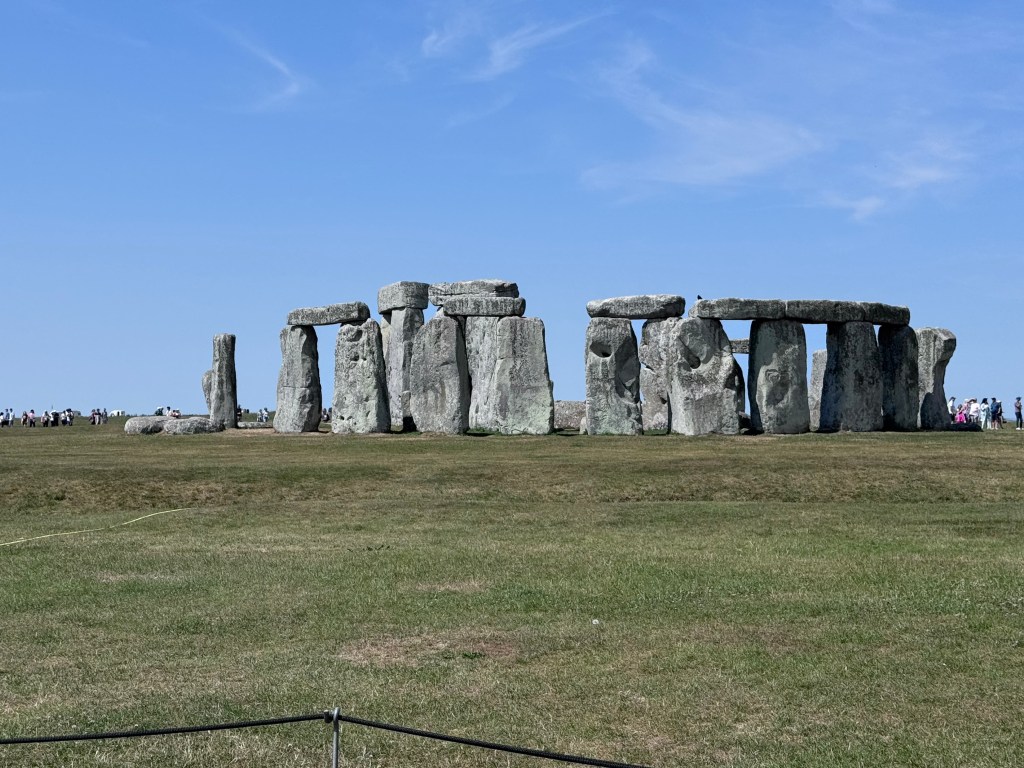
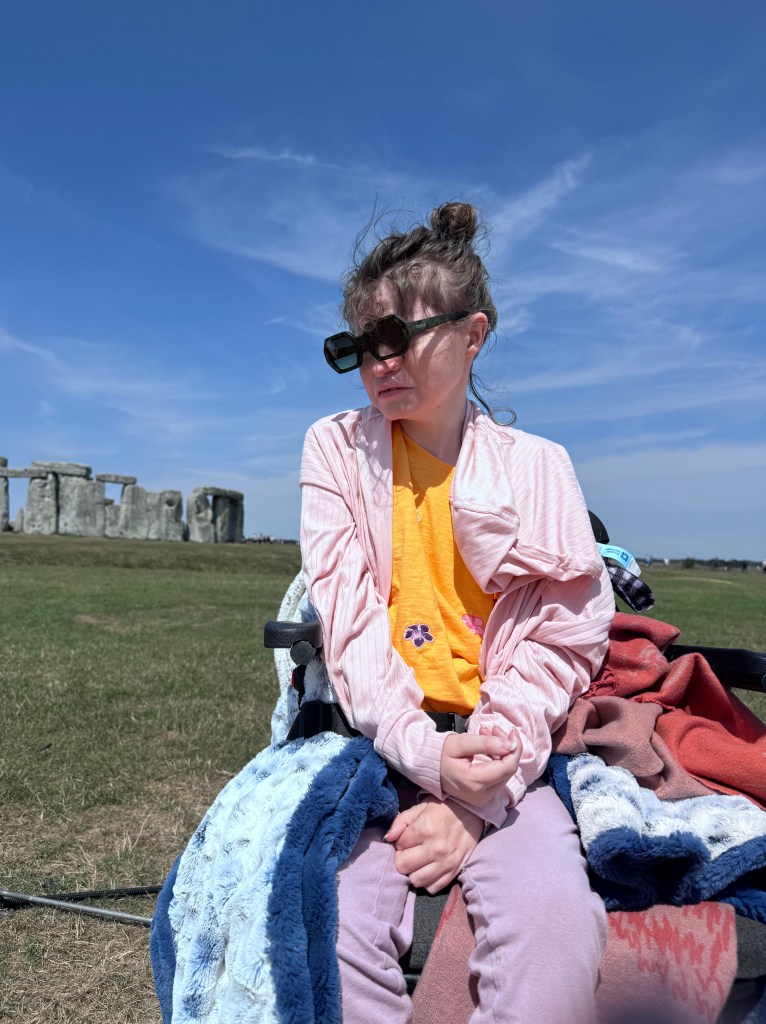
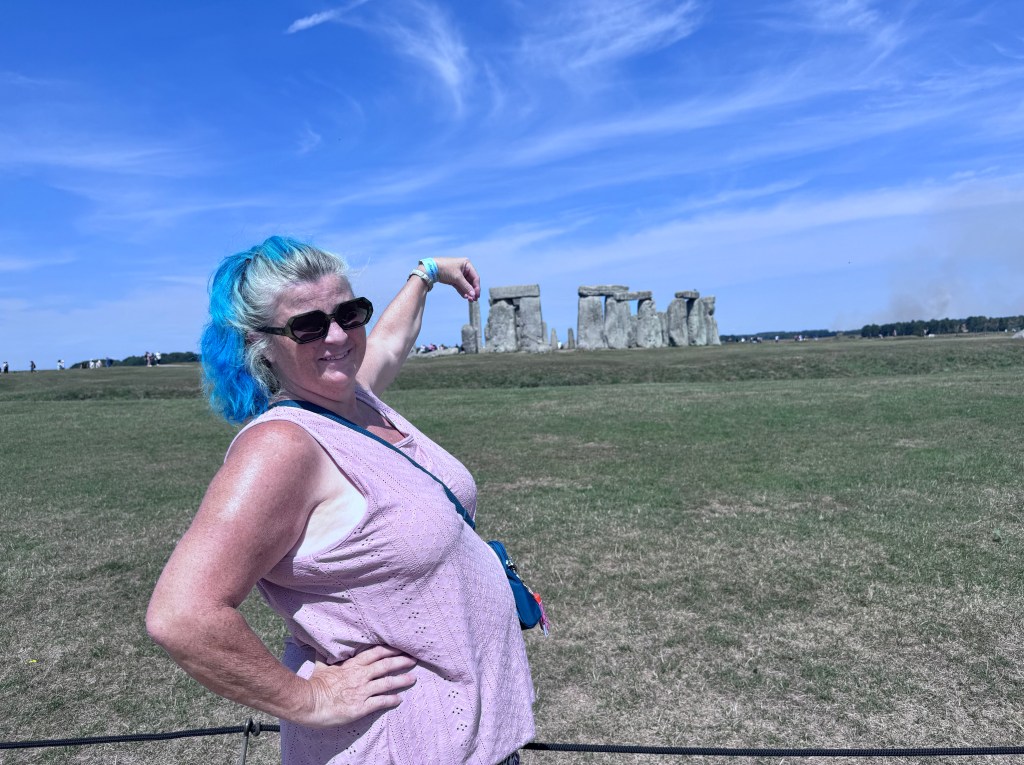
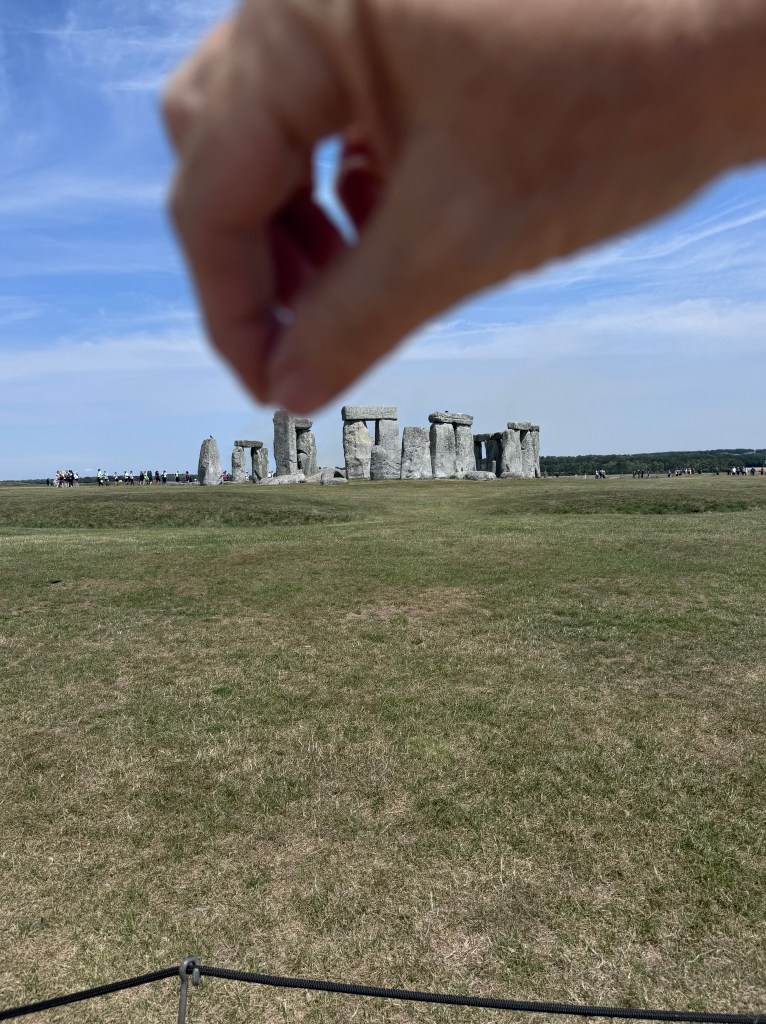
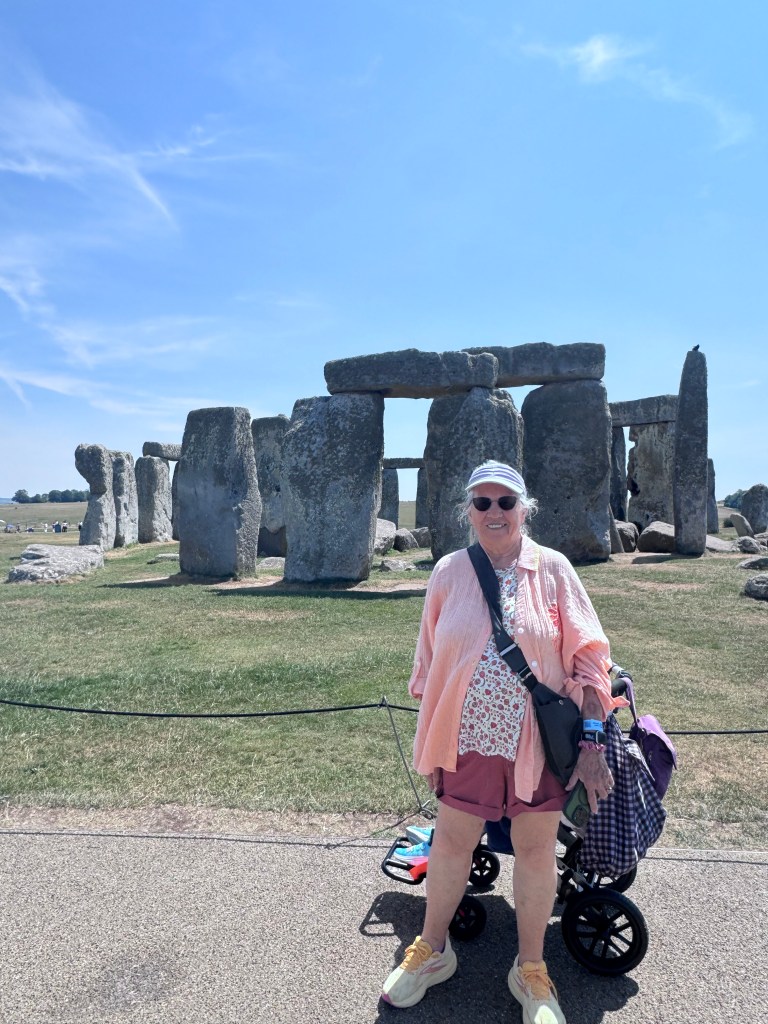
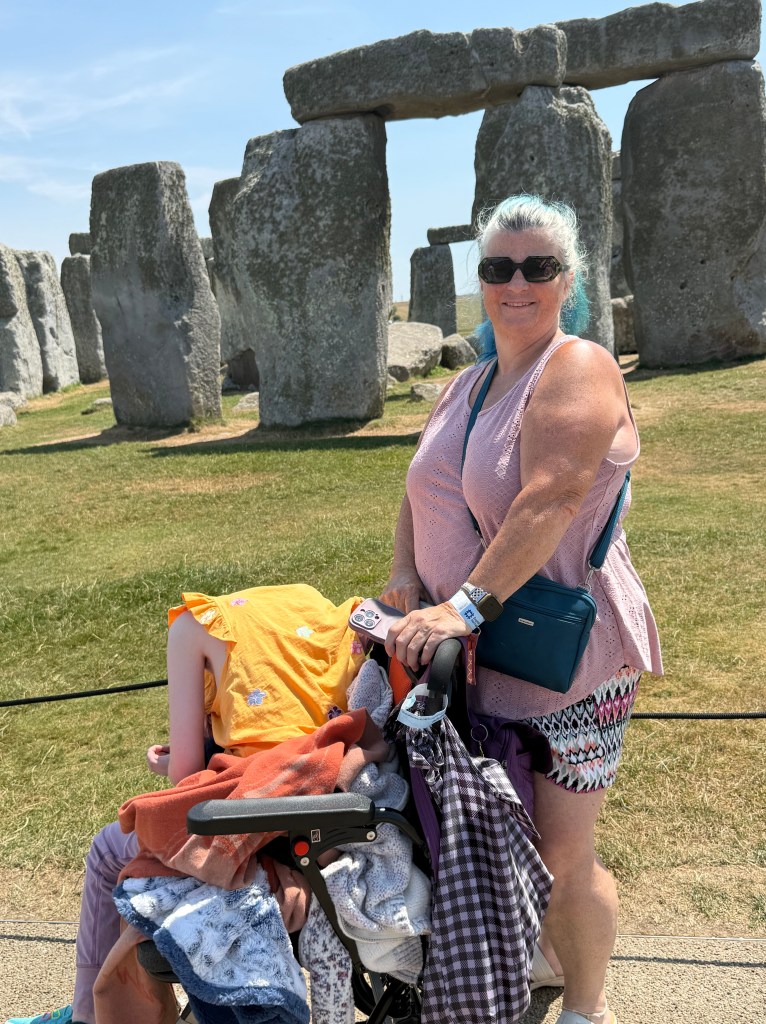
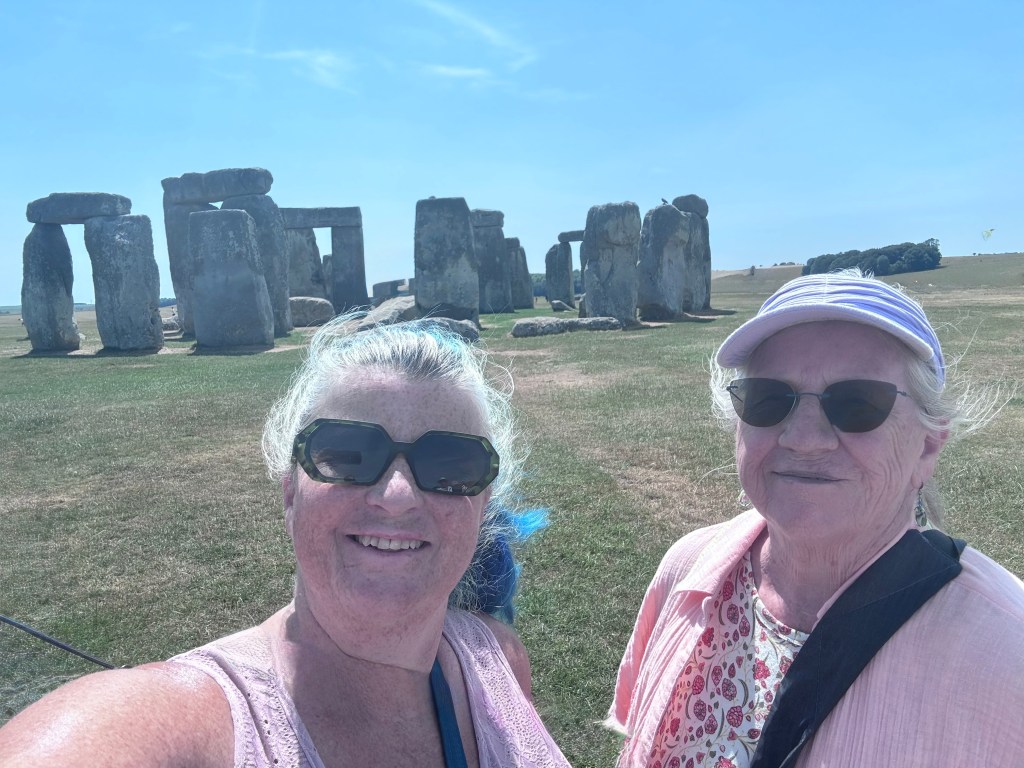
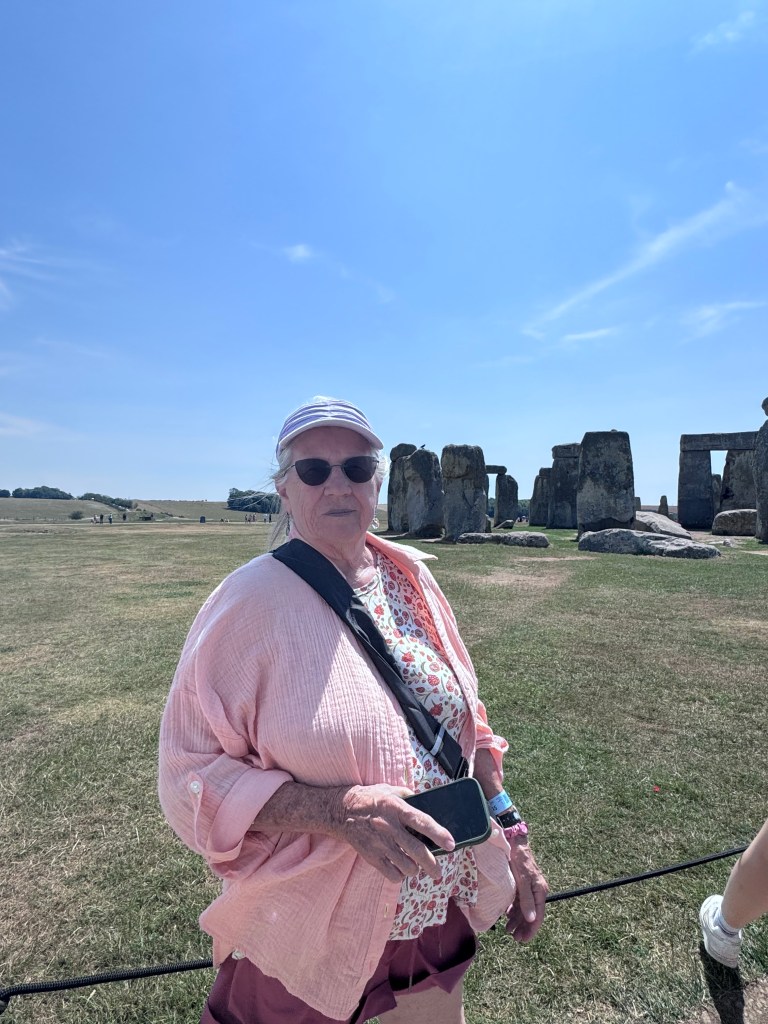
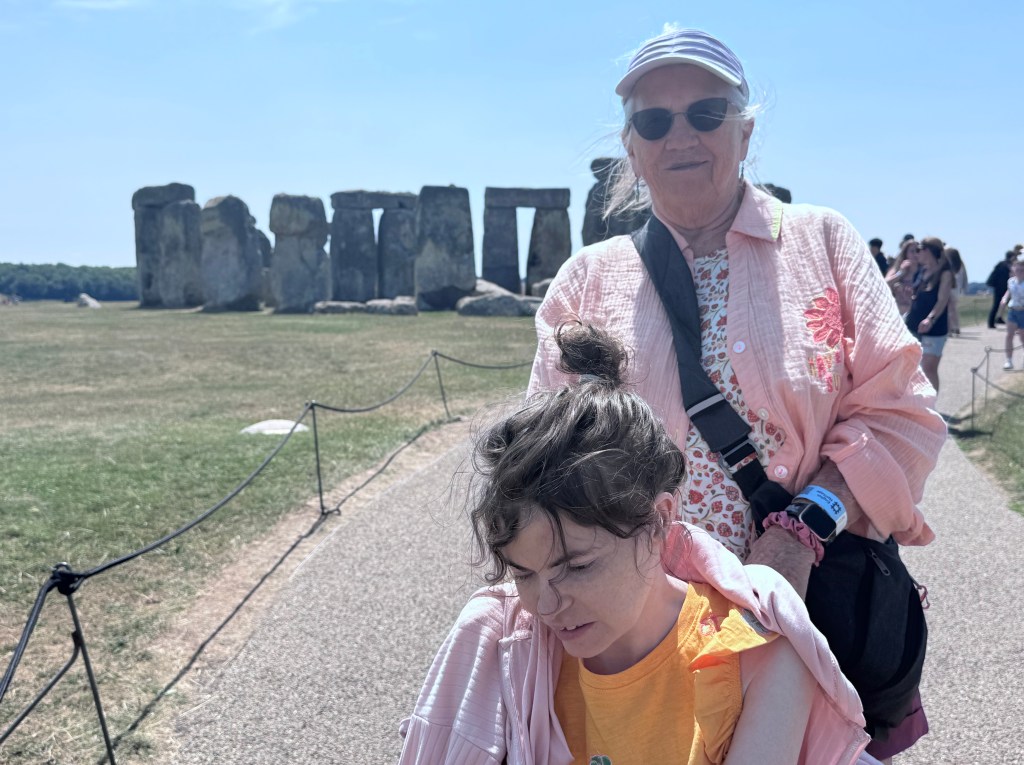
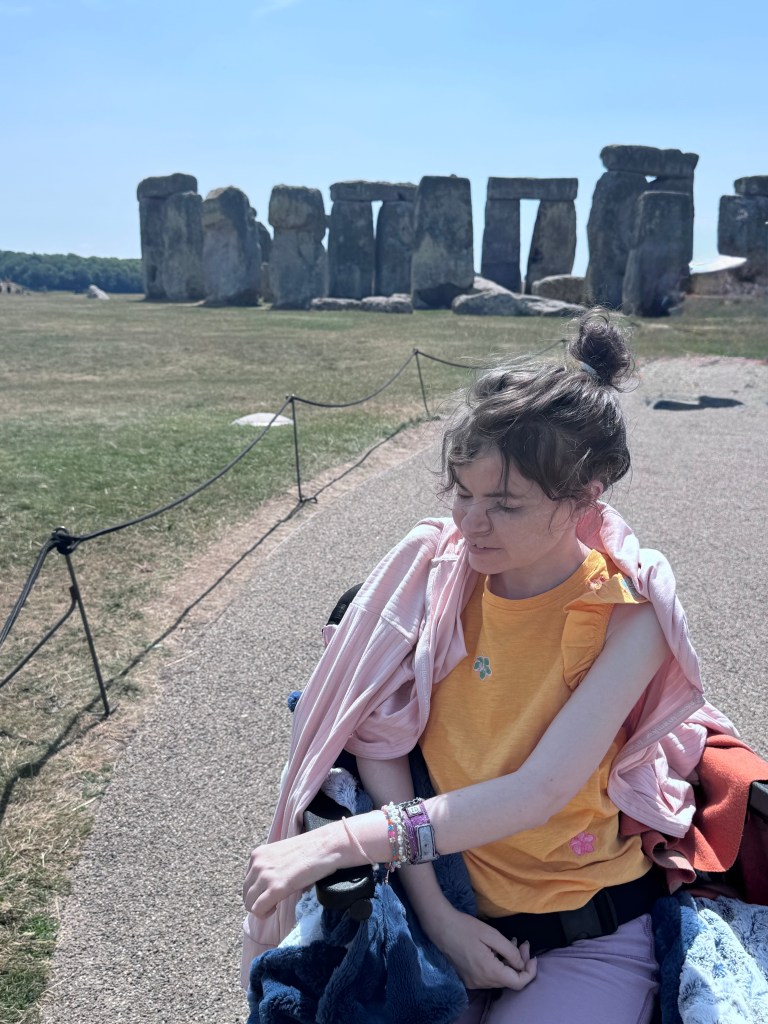
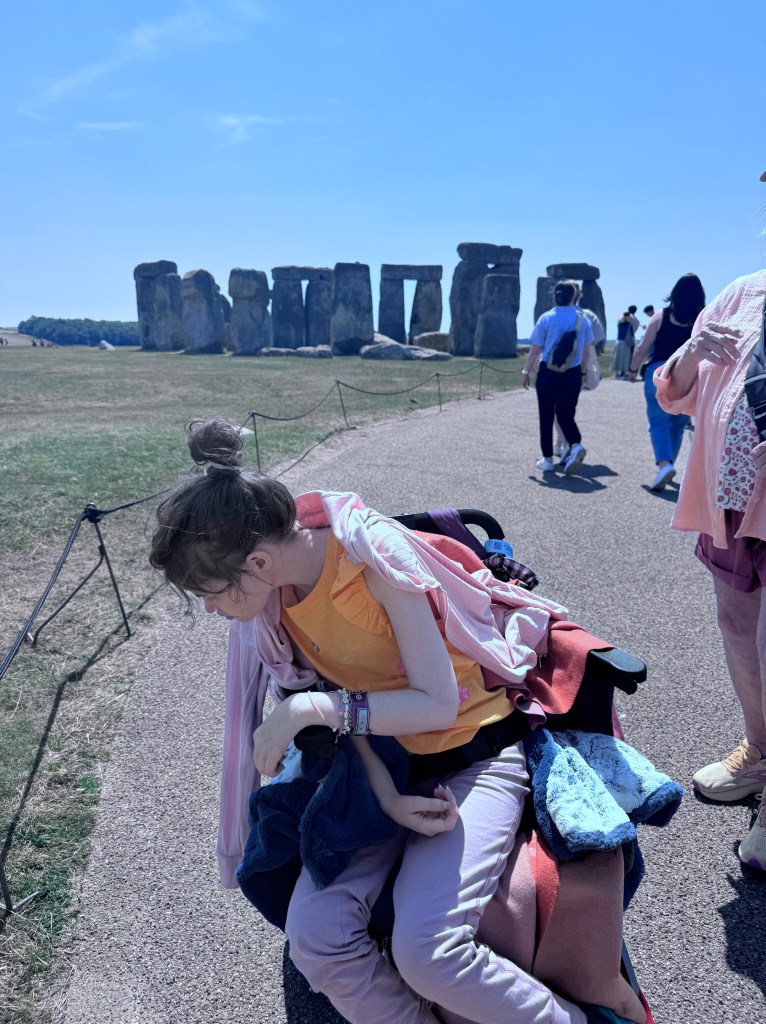
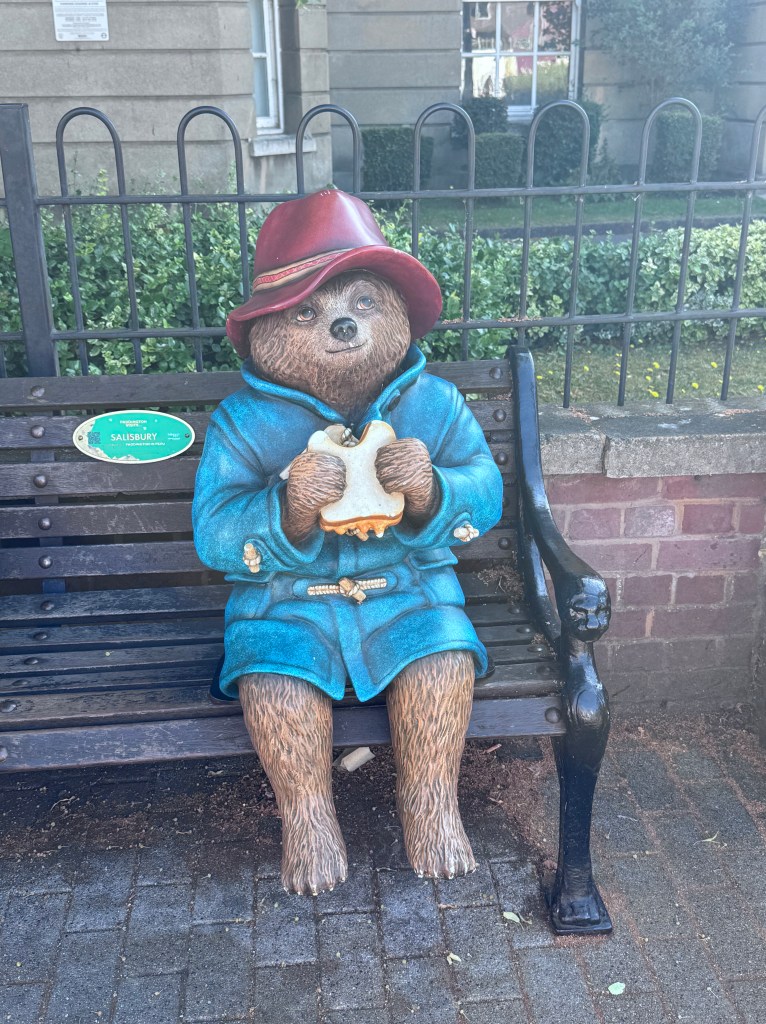
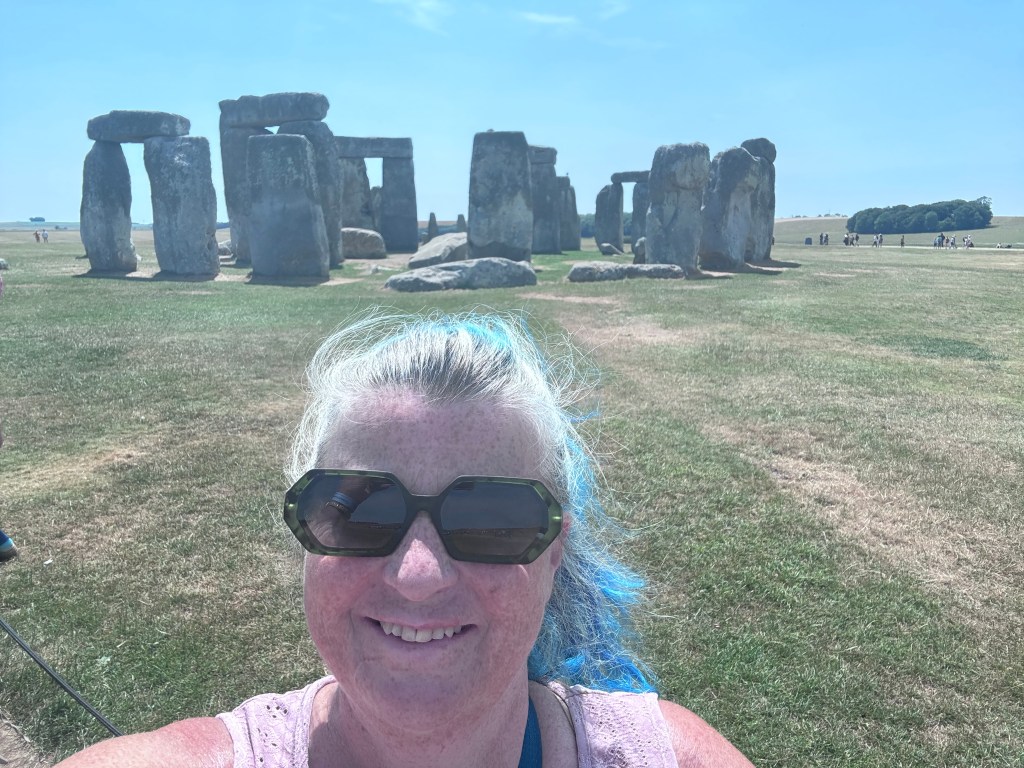
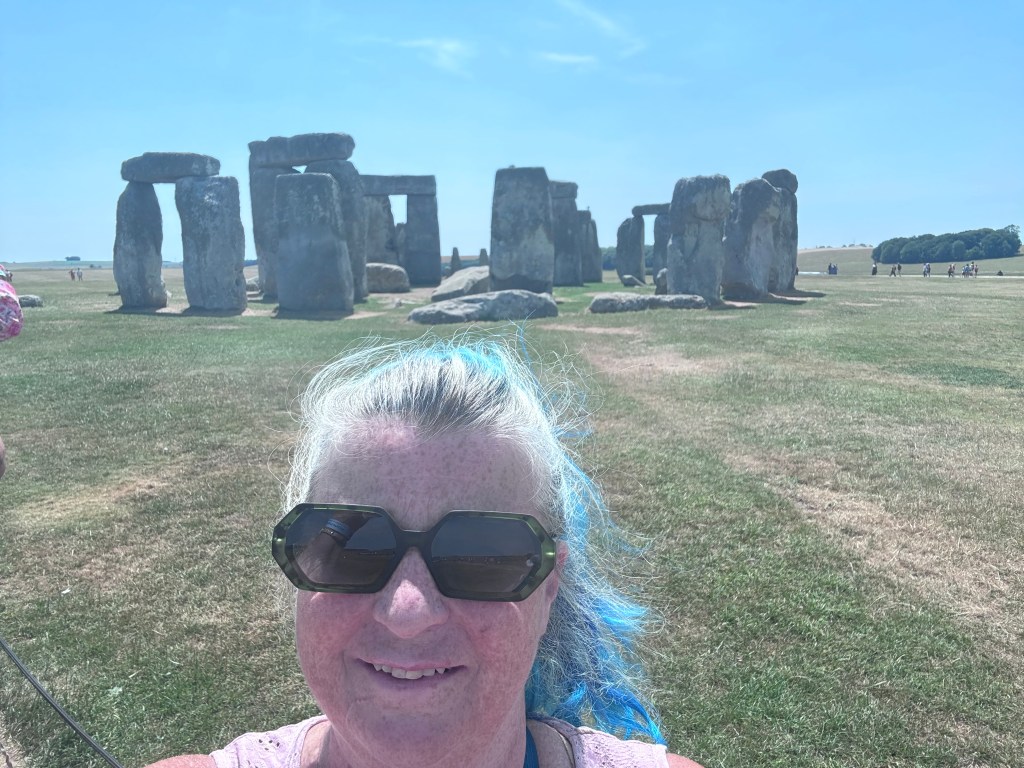
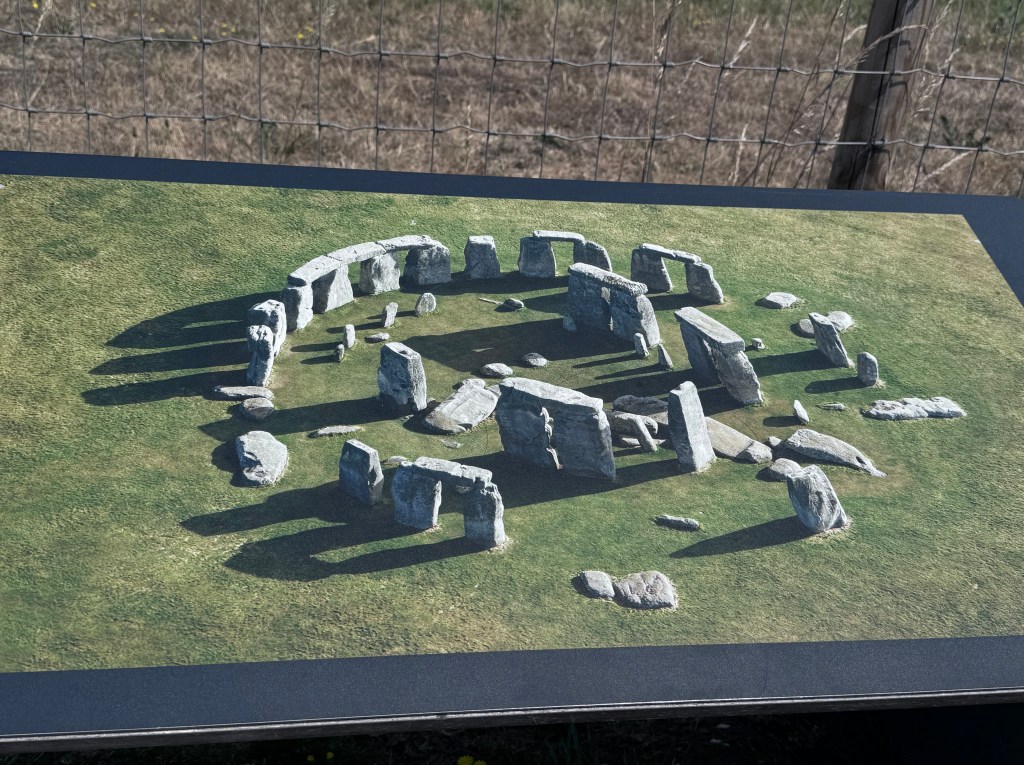
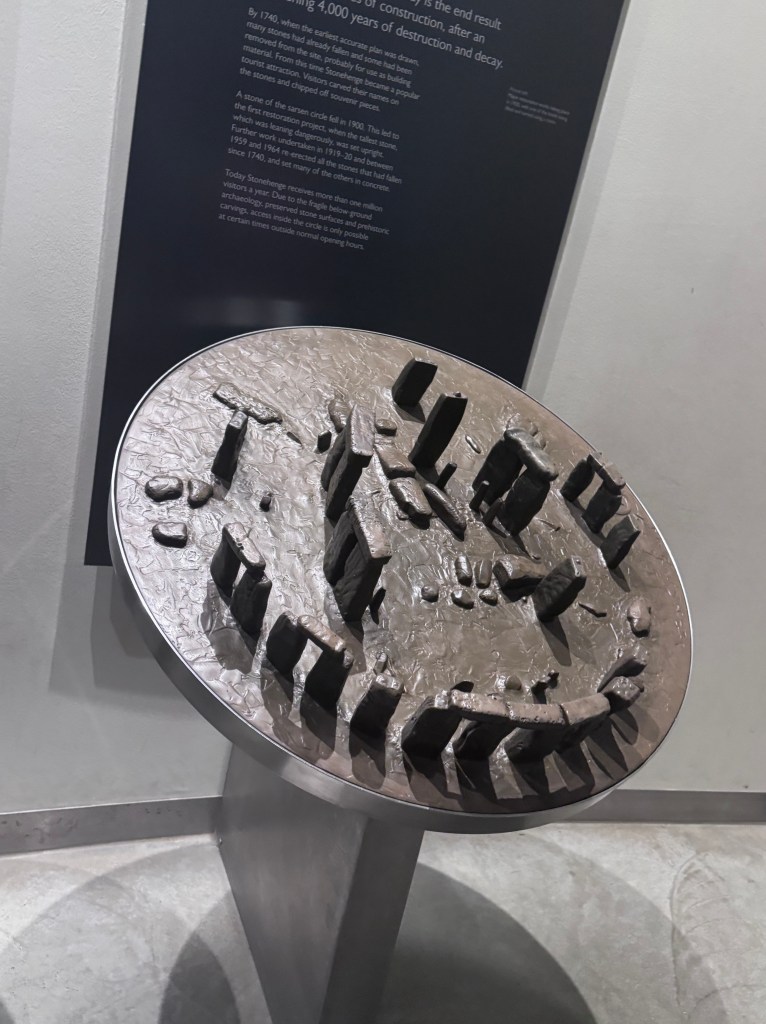
On July 3, we took the train to Salisbury to visit Stonehenge. What an incredible experience!

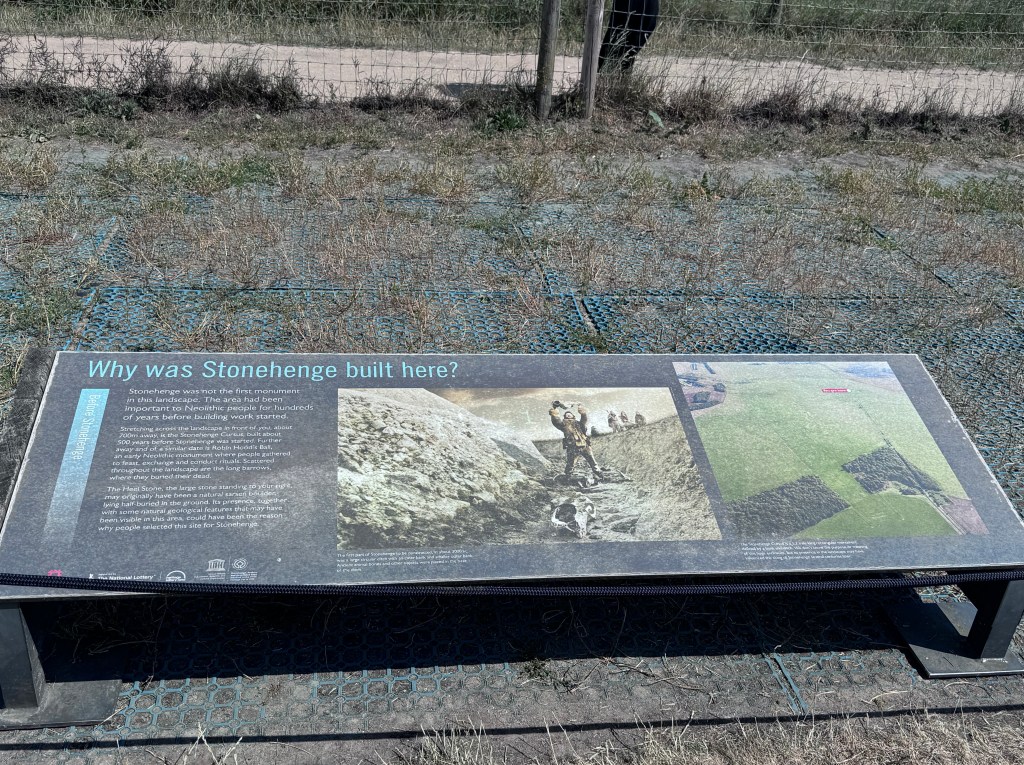
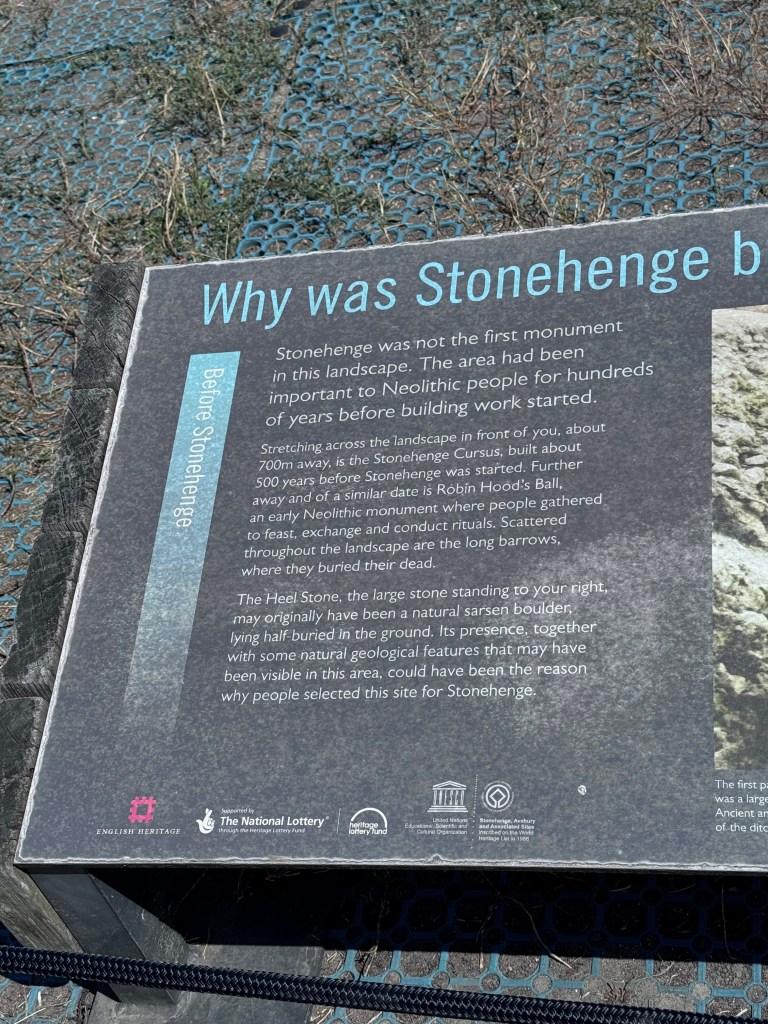
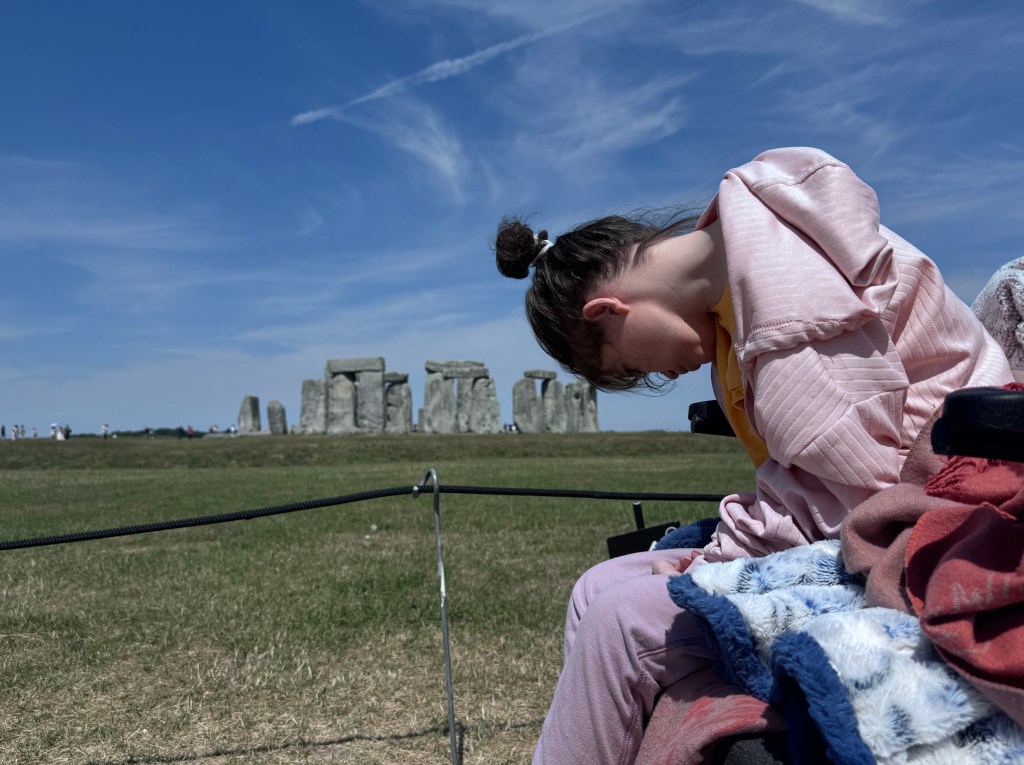
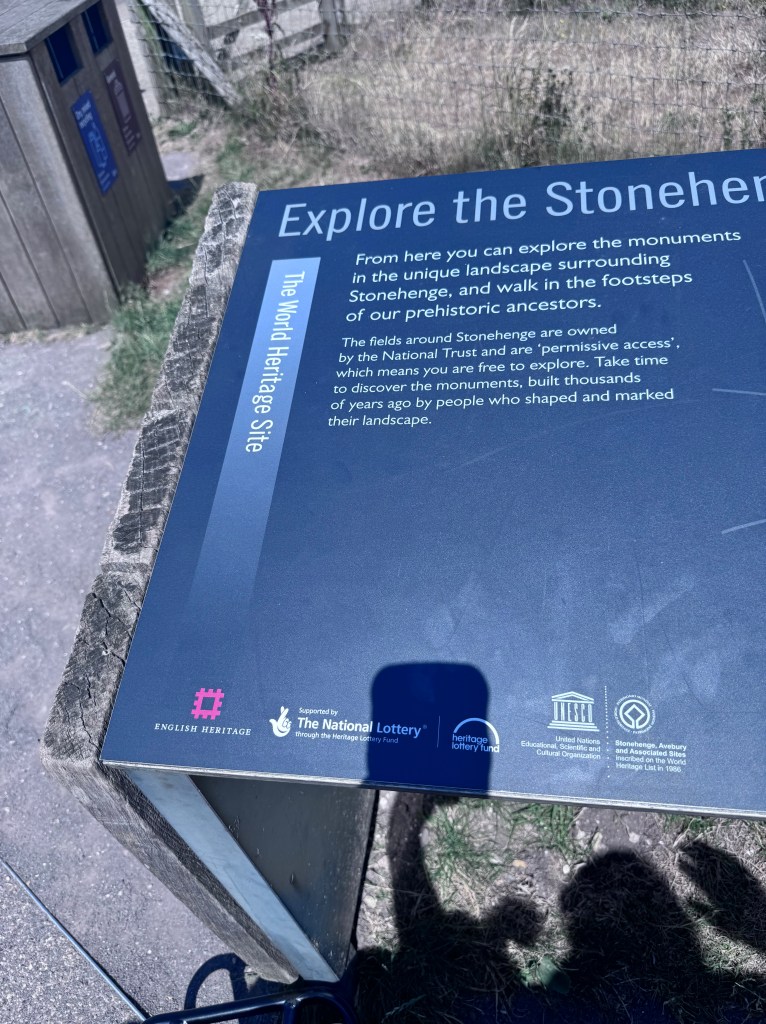
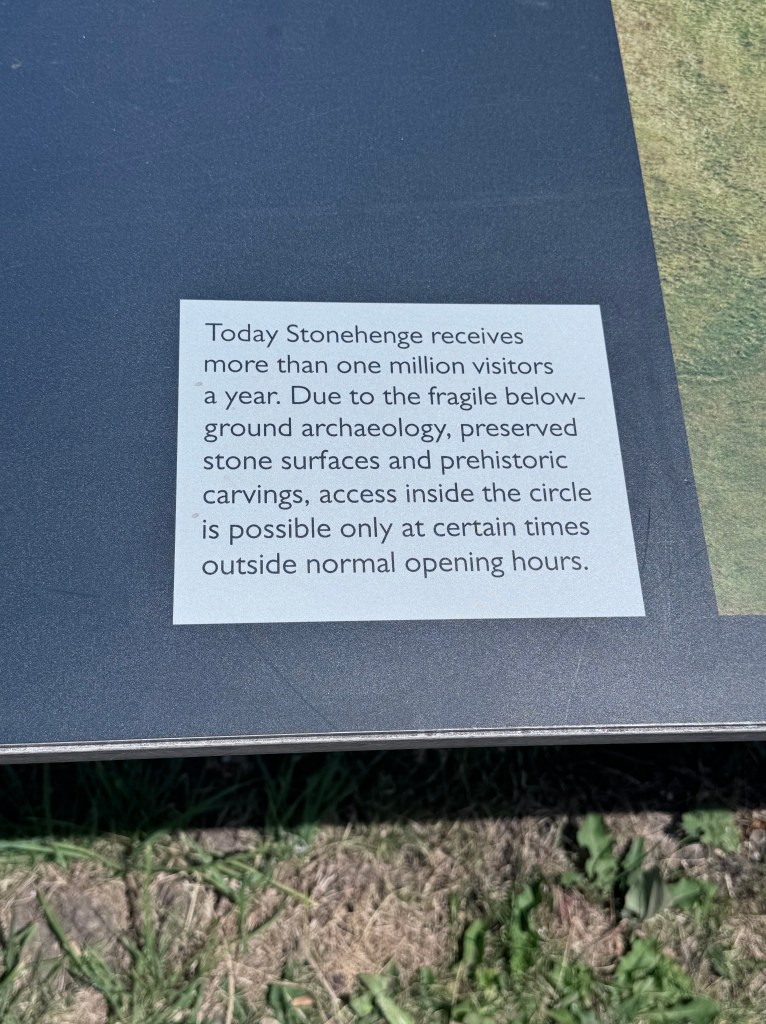
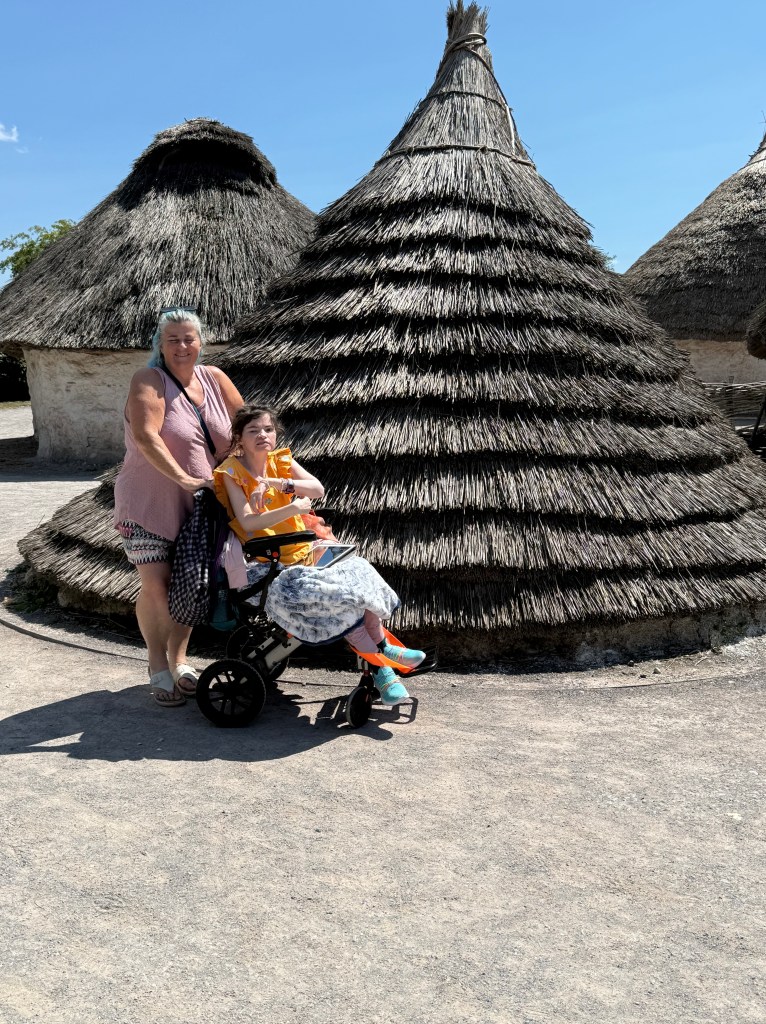
The bus from Salisbury to Stonehenge included a running commentary about the surrounding countryside, villages, archaeology, and local history. We arrived around 11:00 a.m. and decided to take the shuttle directly to the stones while there was still some cloud cover. In hindsight, I wish we had visited the exhibition first. Understanding the burial mounds, ceremonial landscape, and the relationship between the monuments would have made our first walk around the stones even more meaningful.

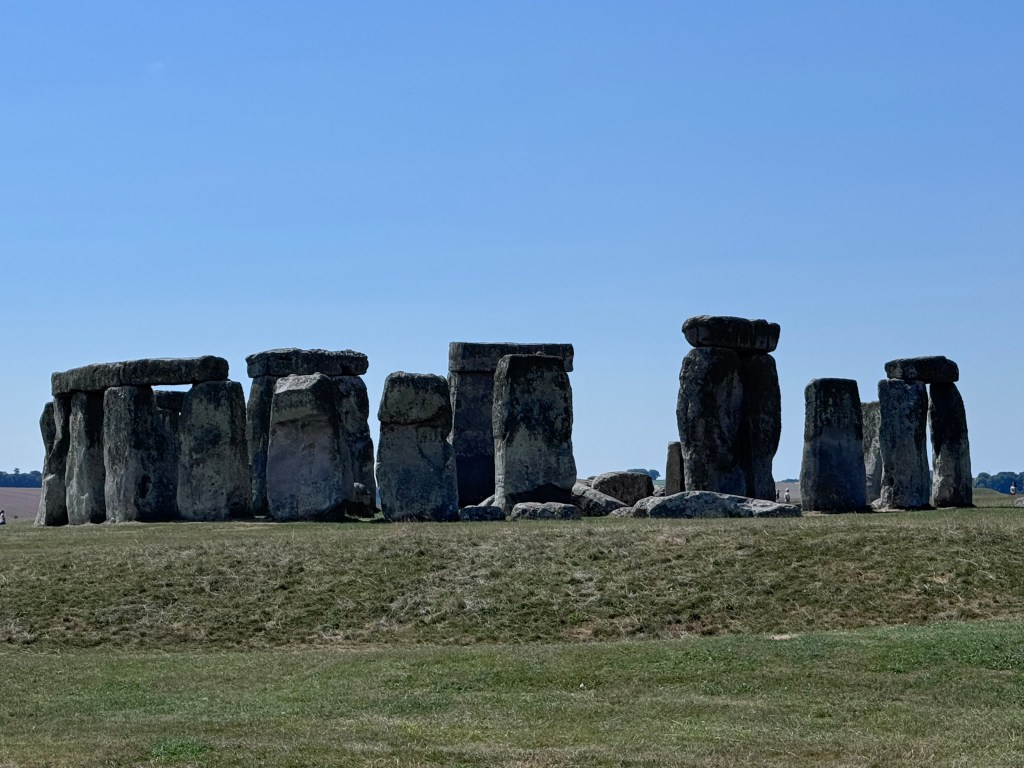
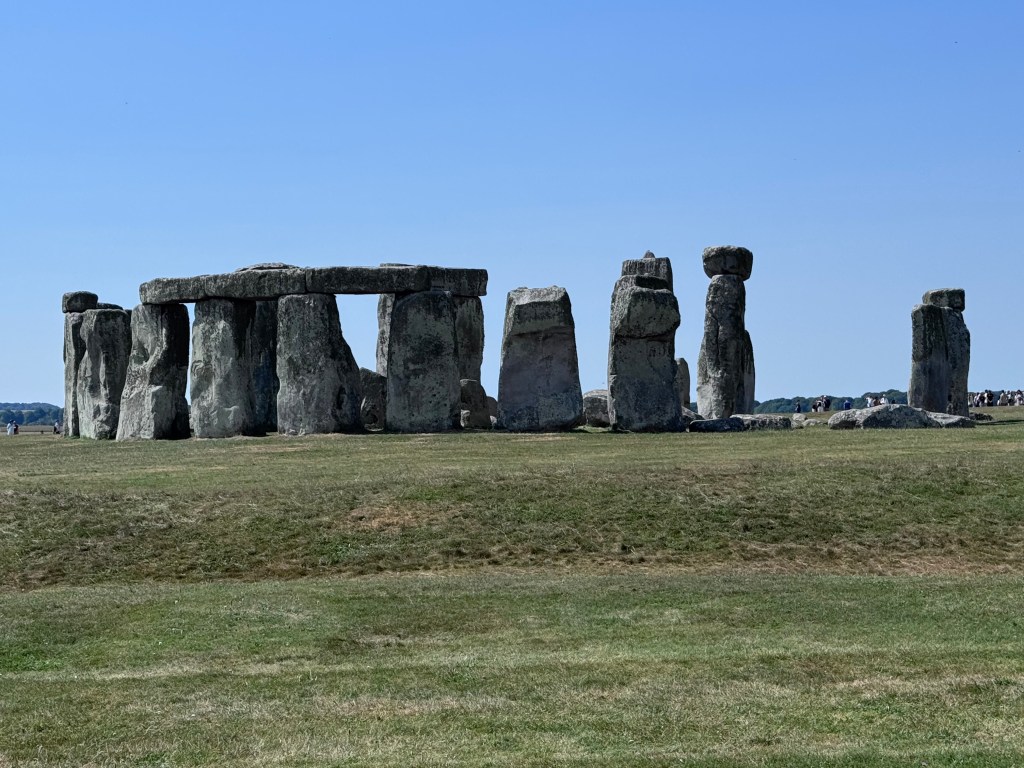
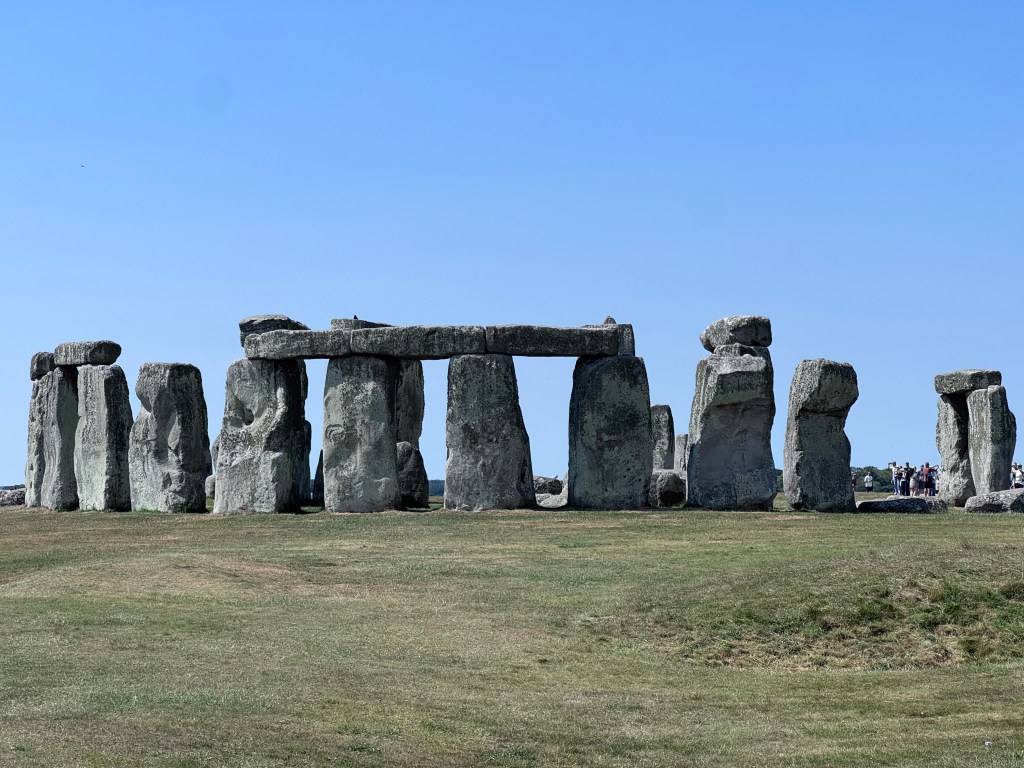
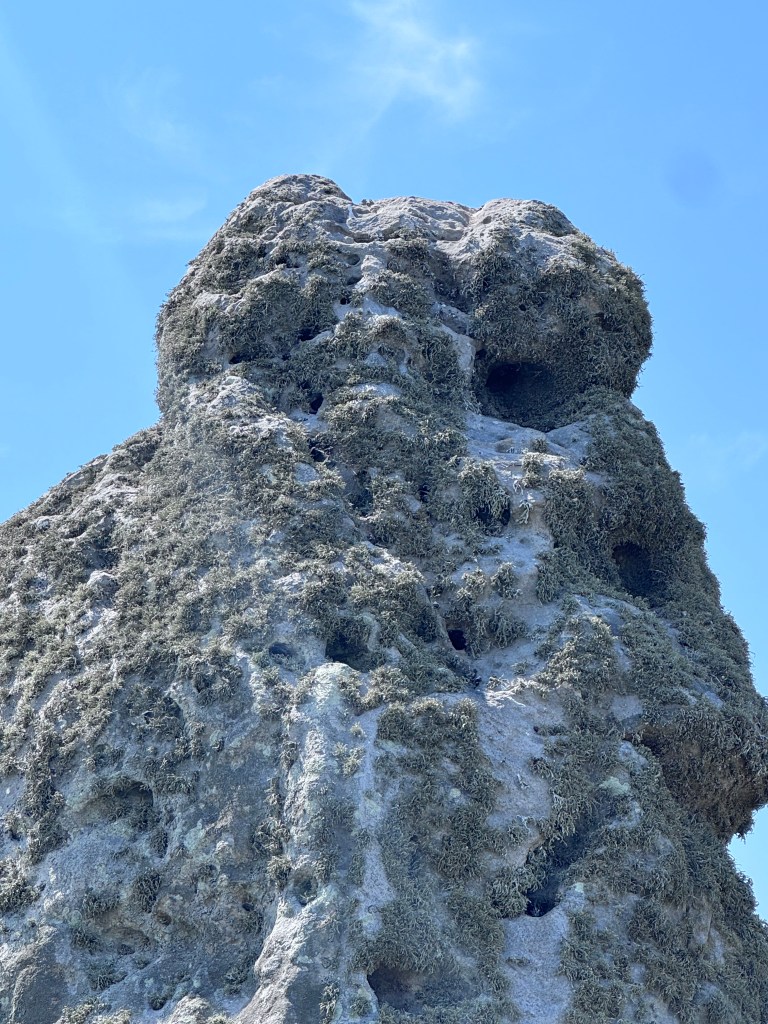
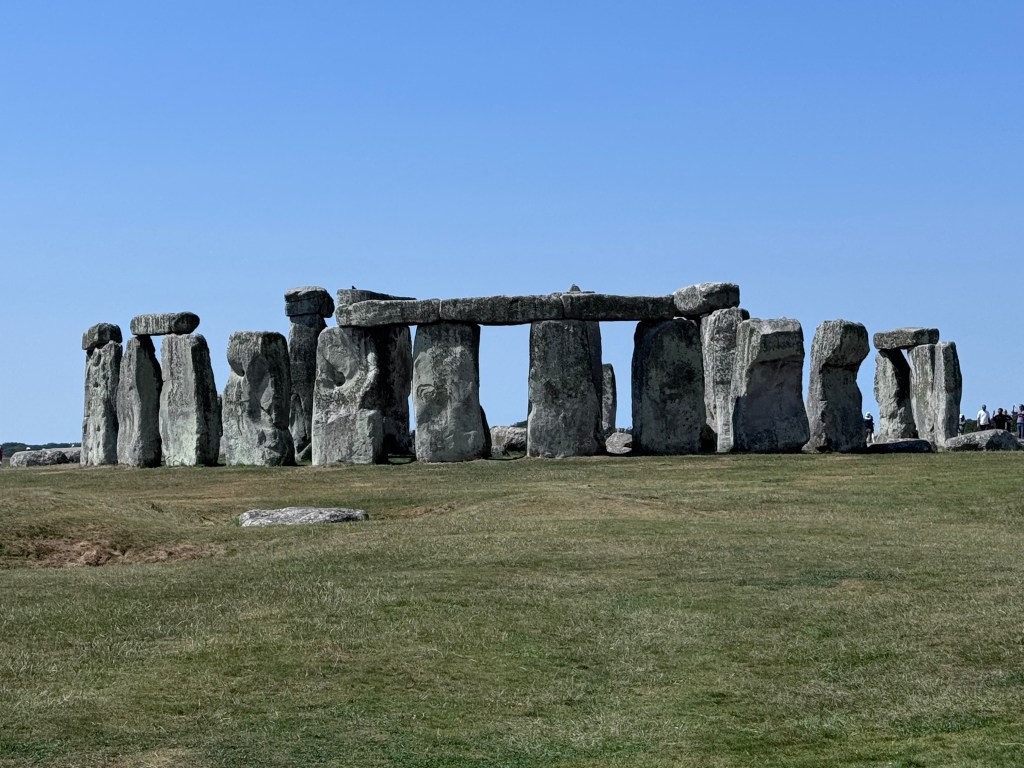
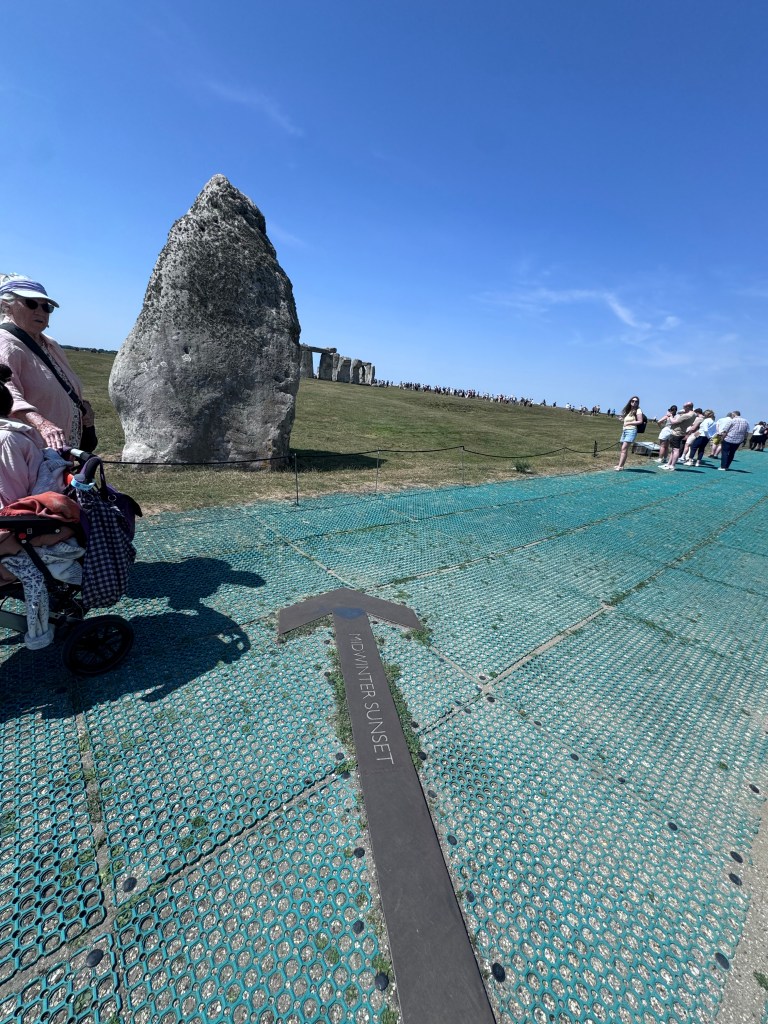
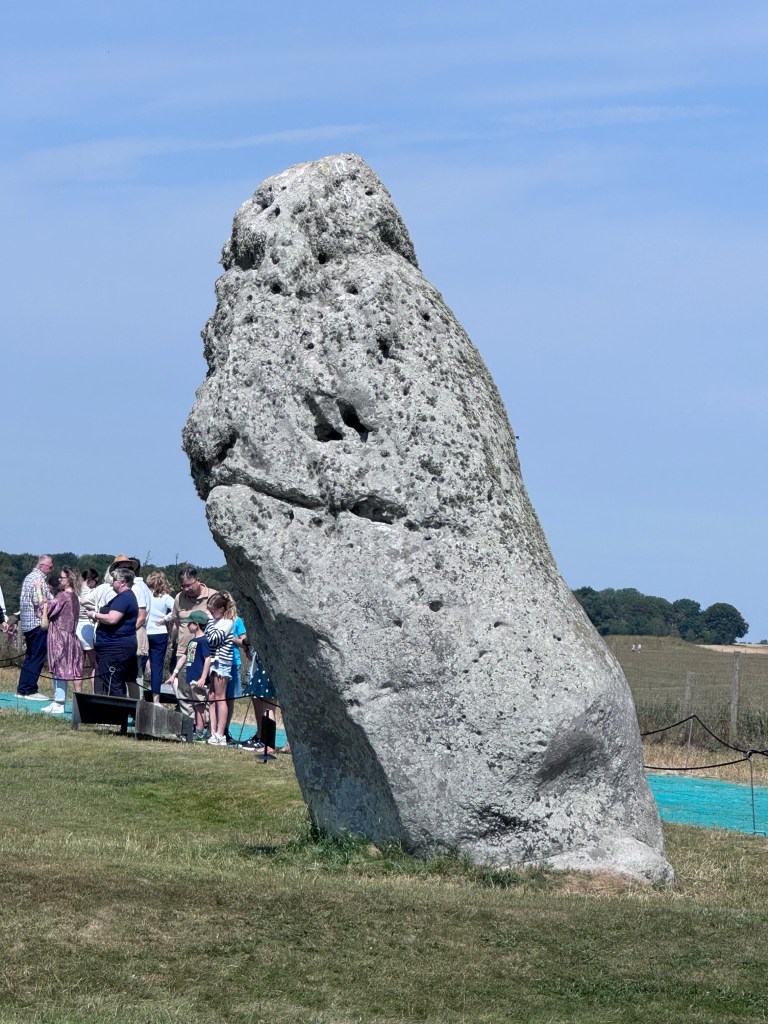
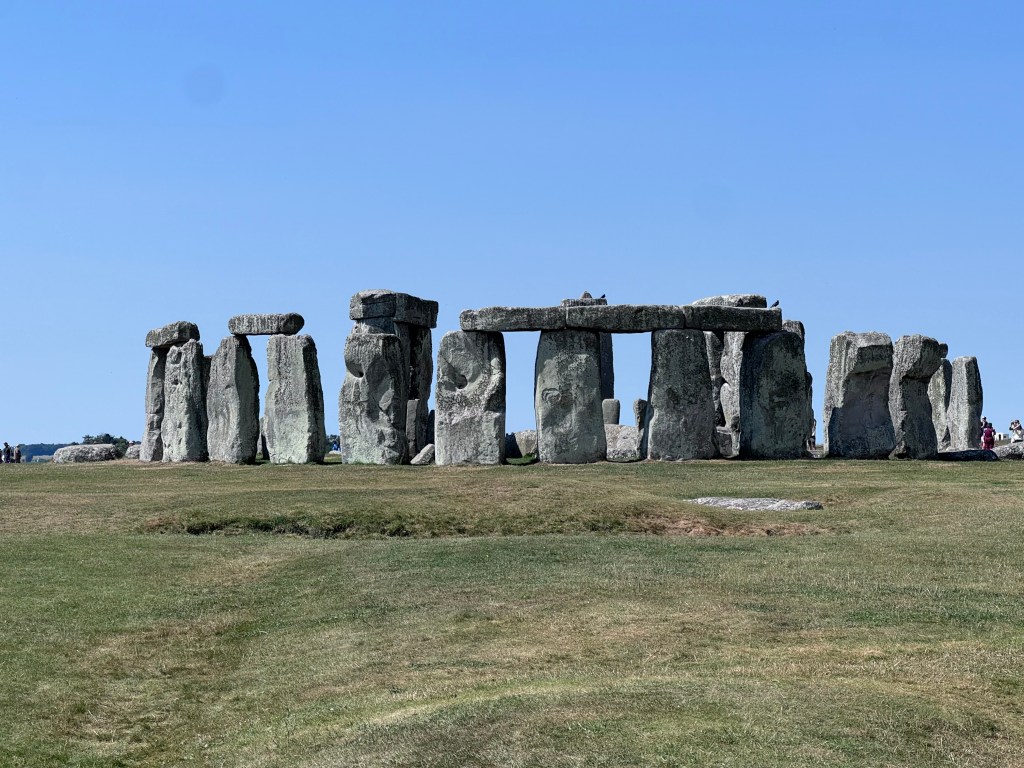
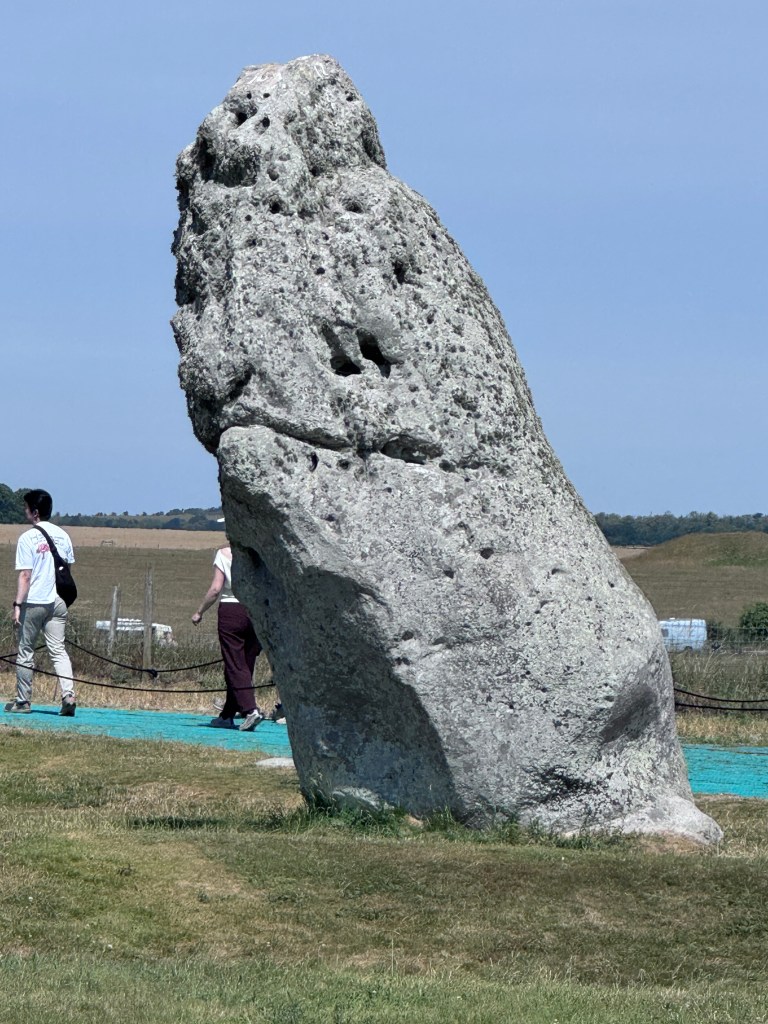
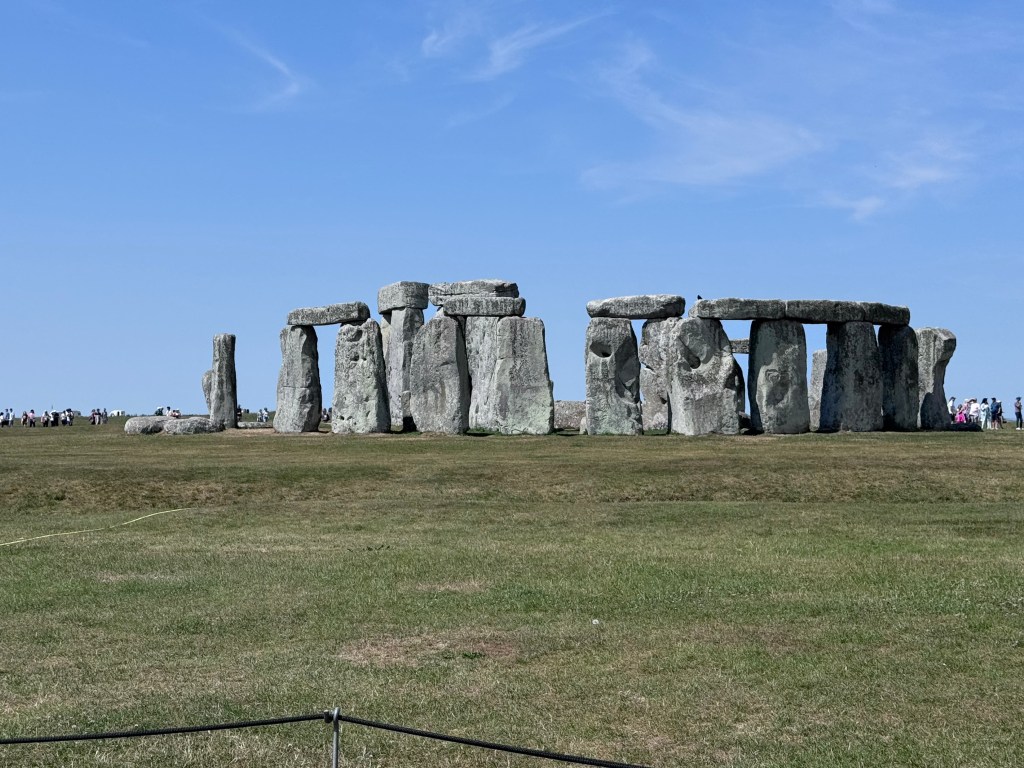
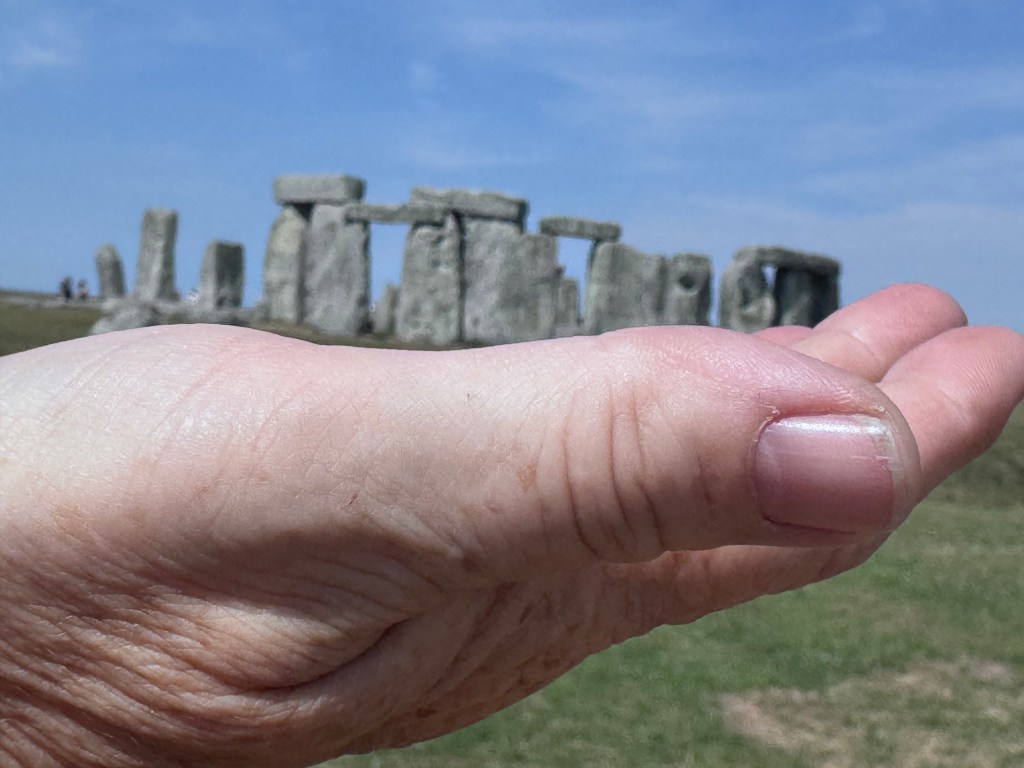
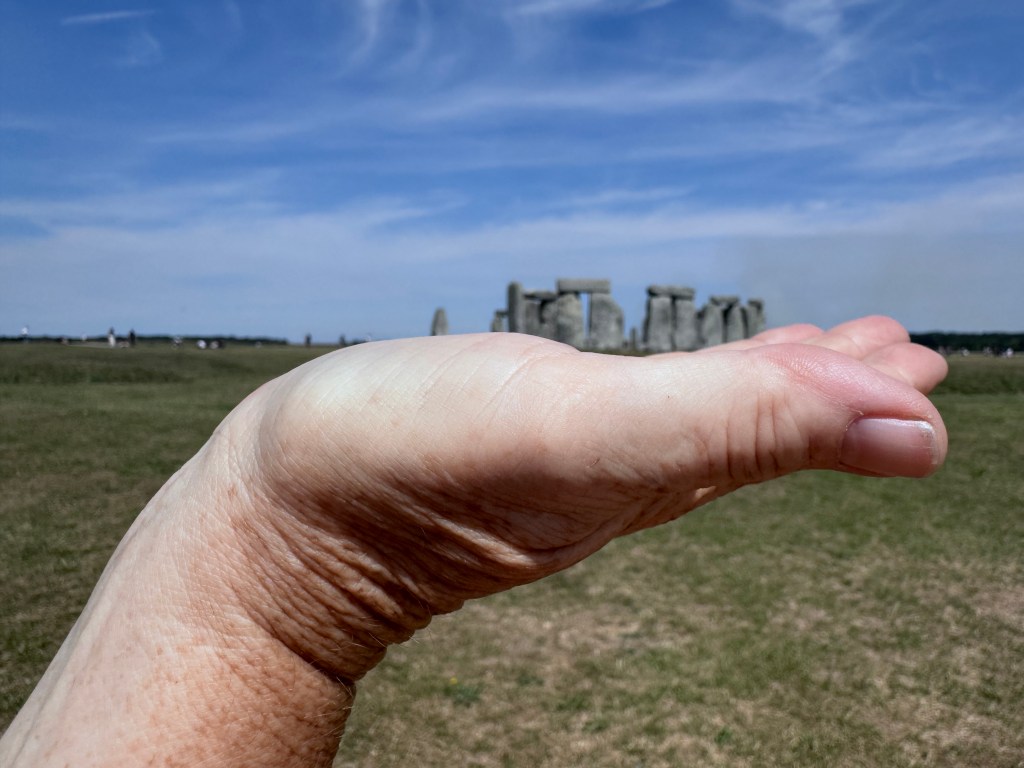
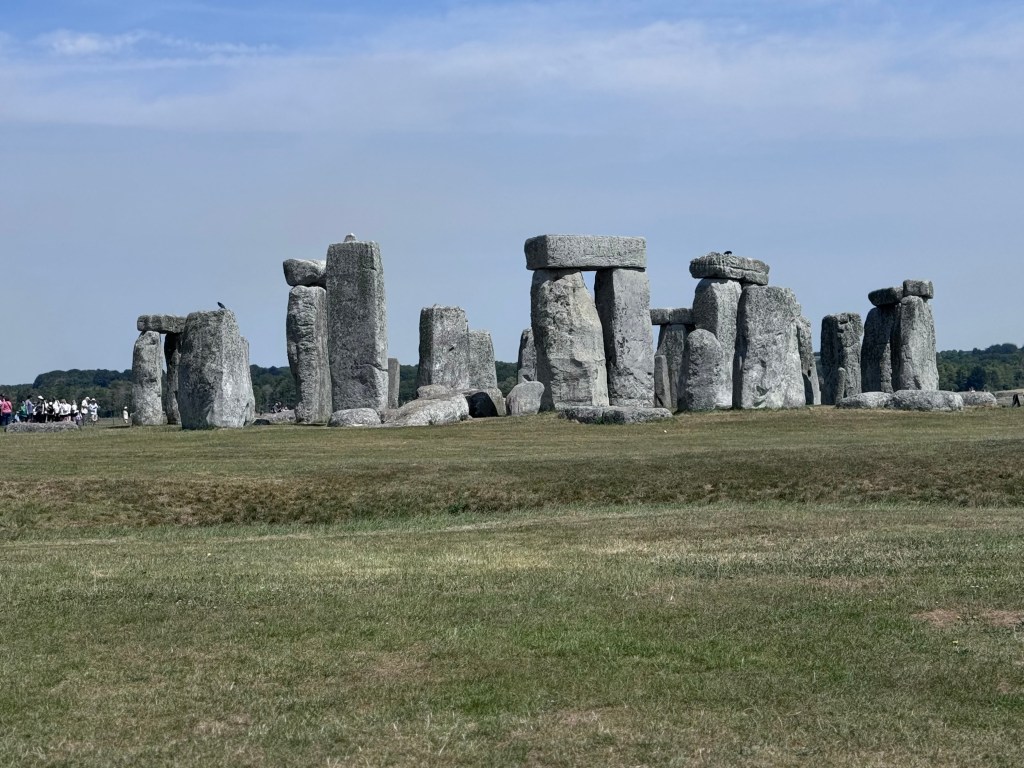
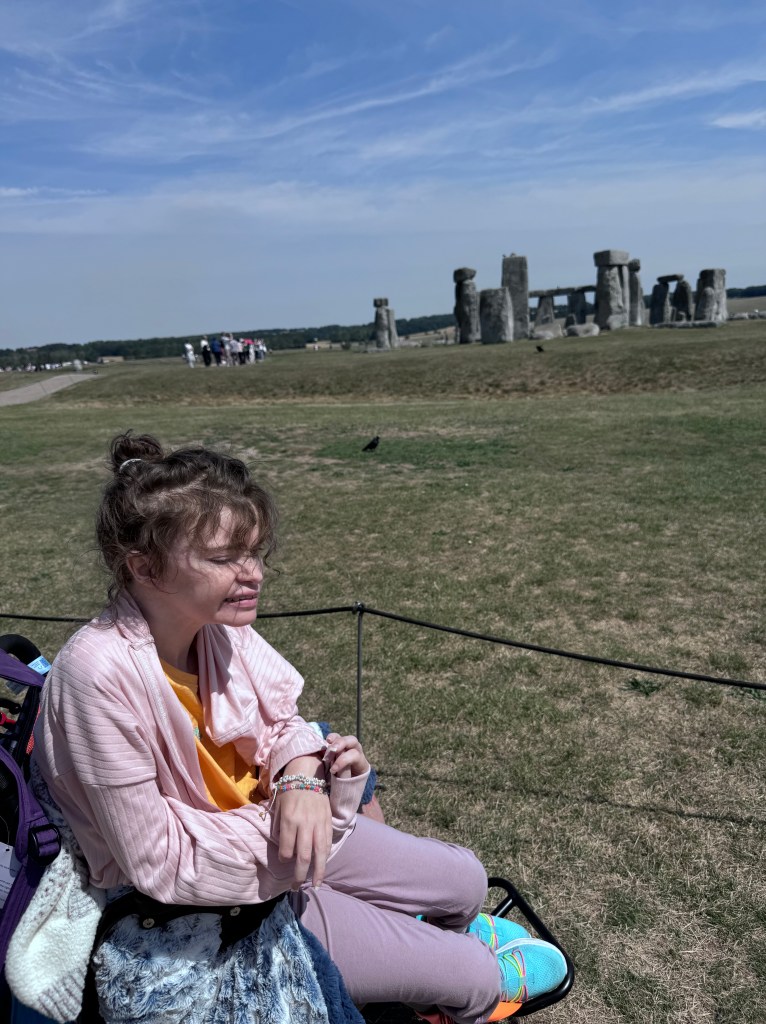
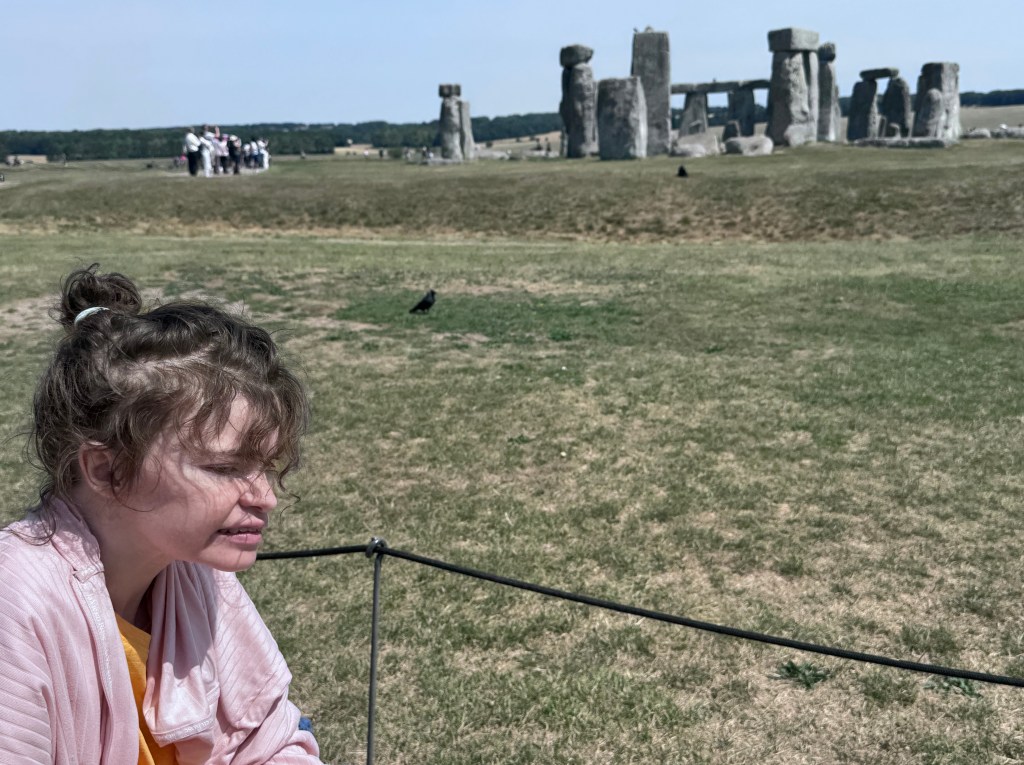
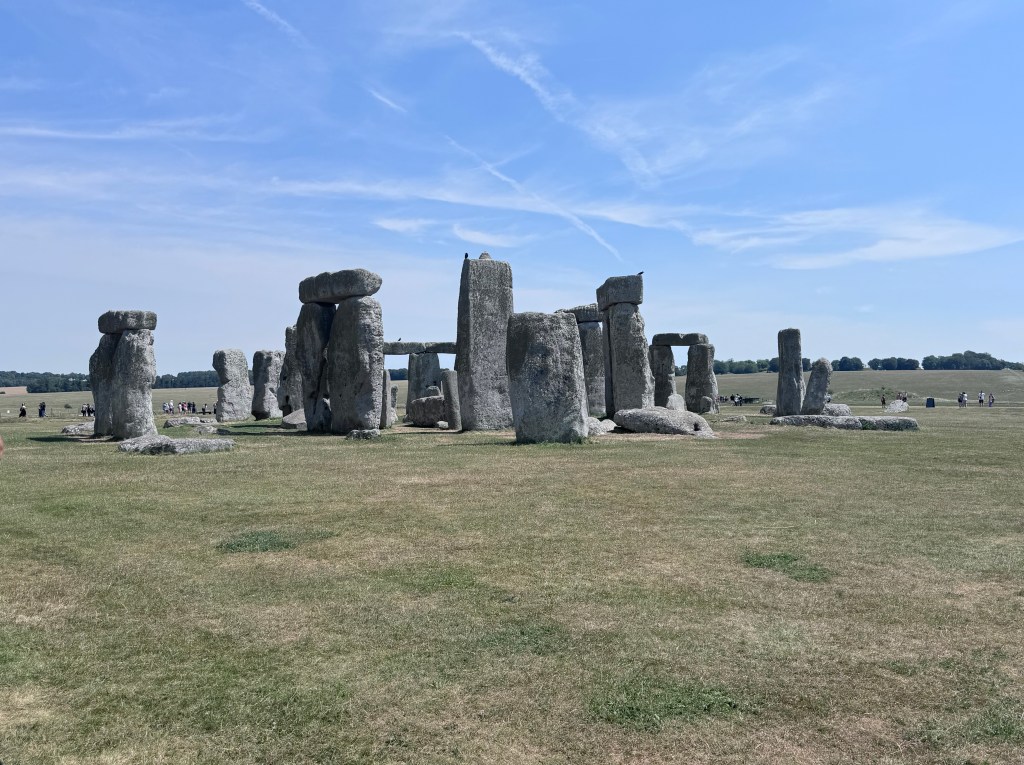
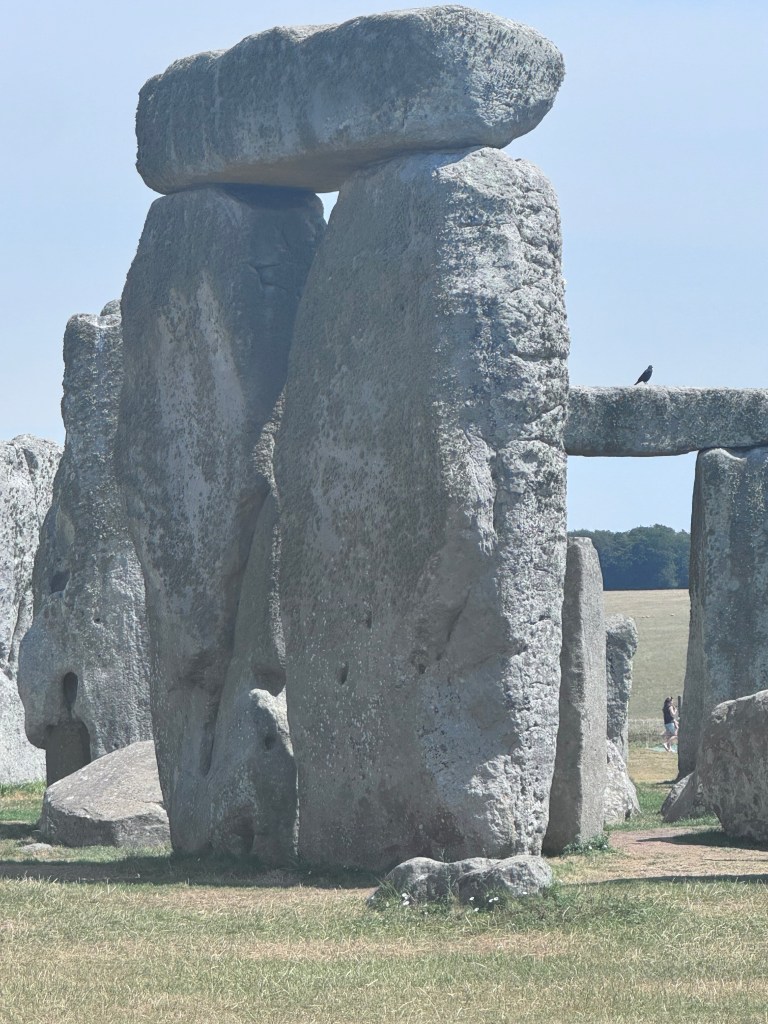
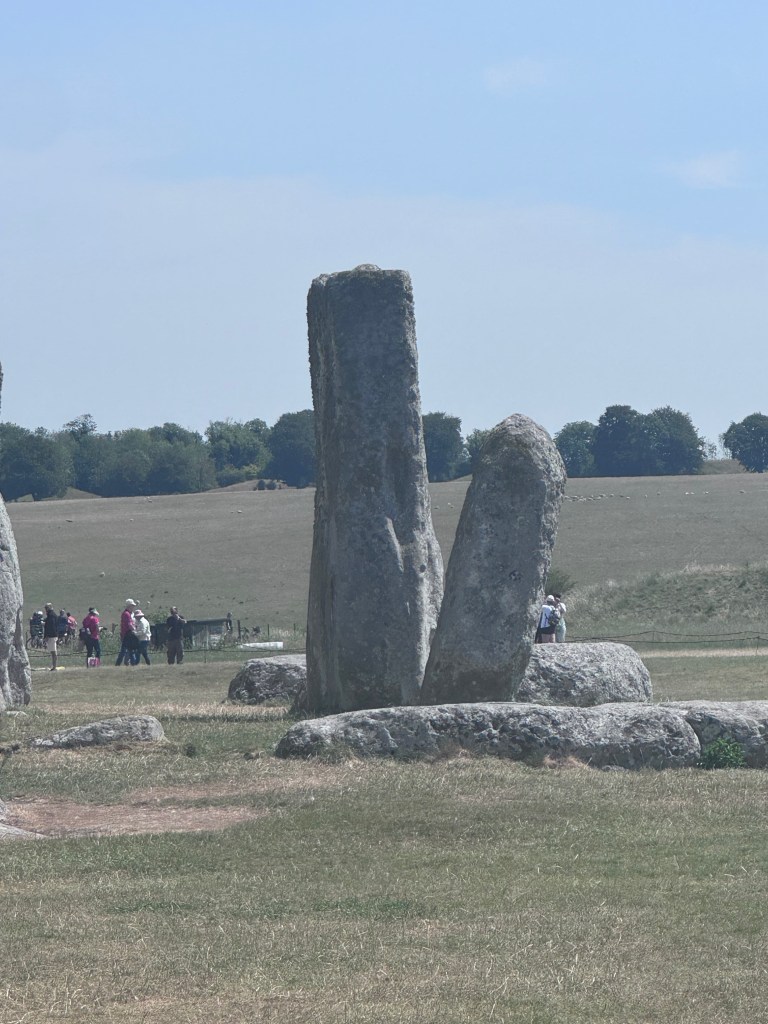
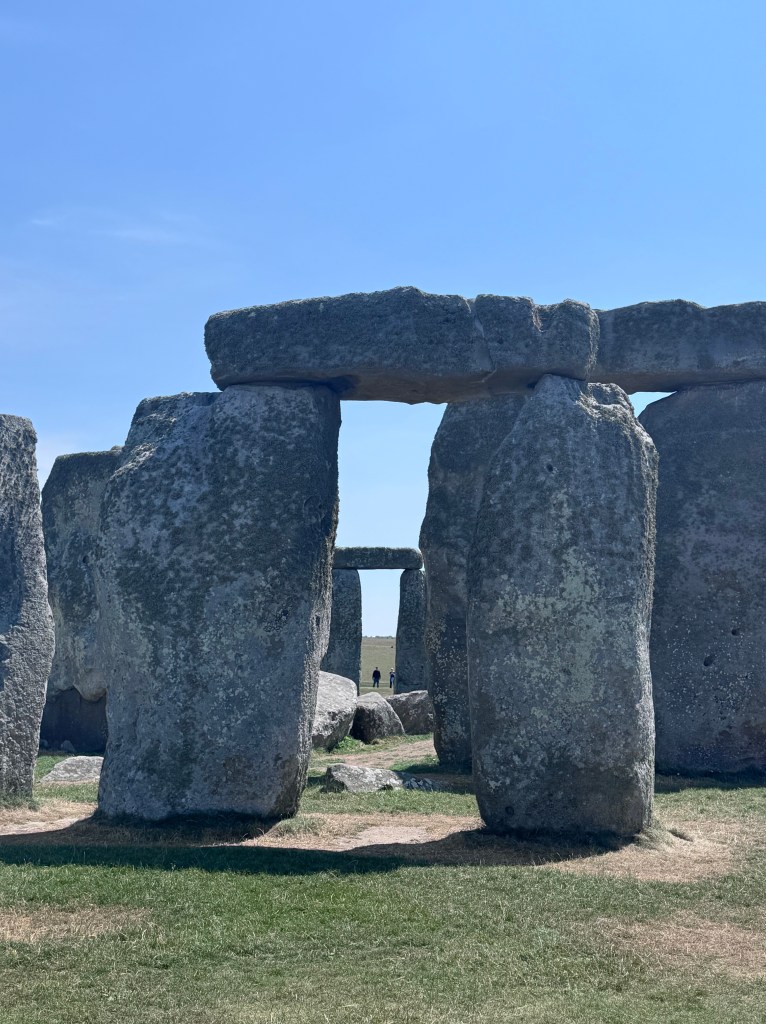
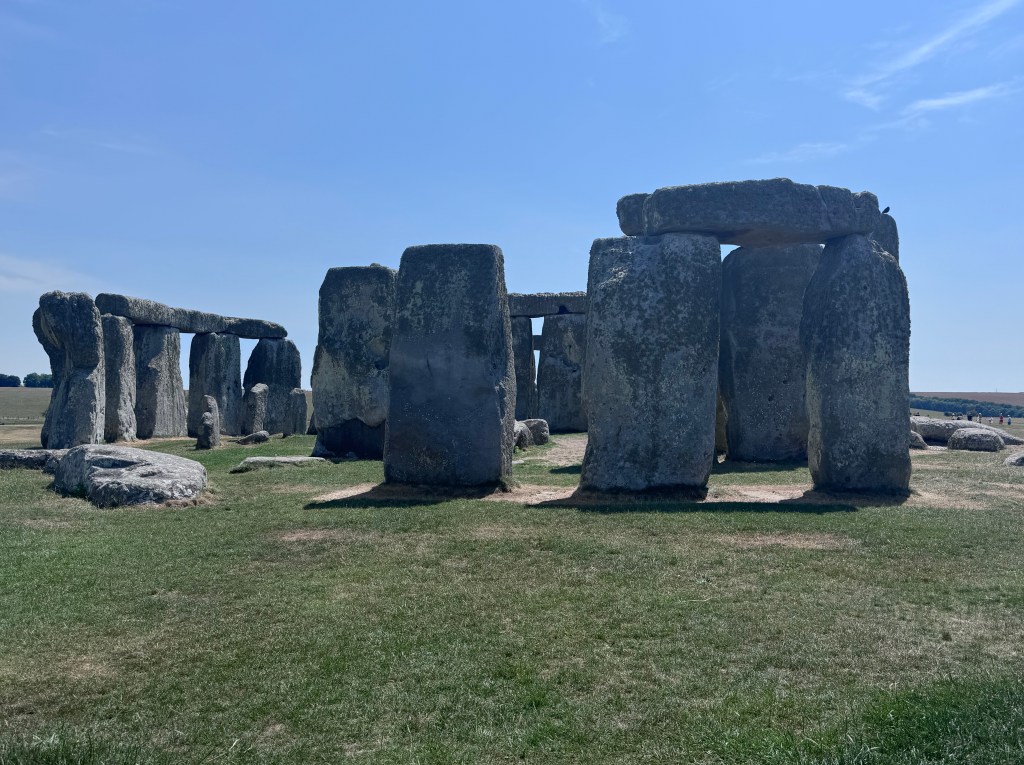
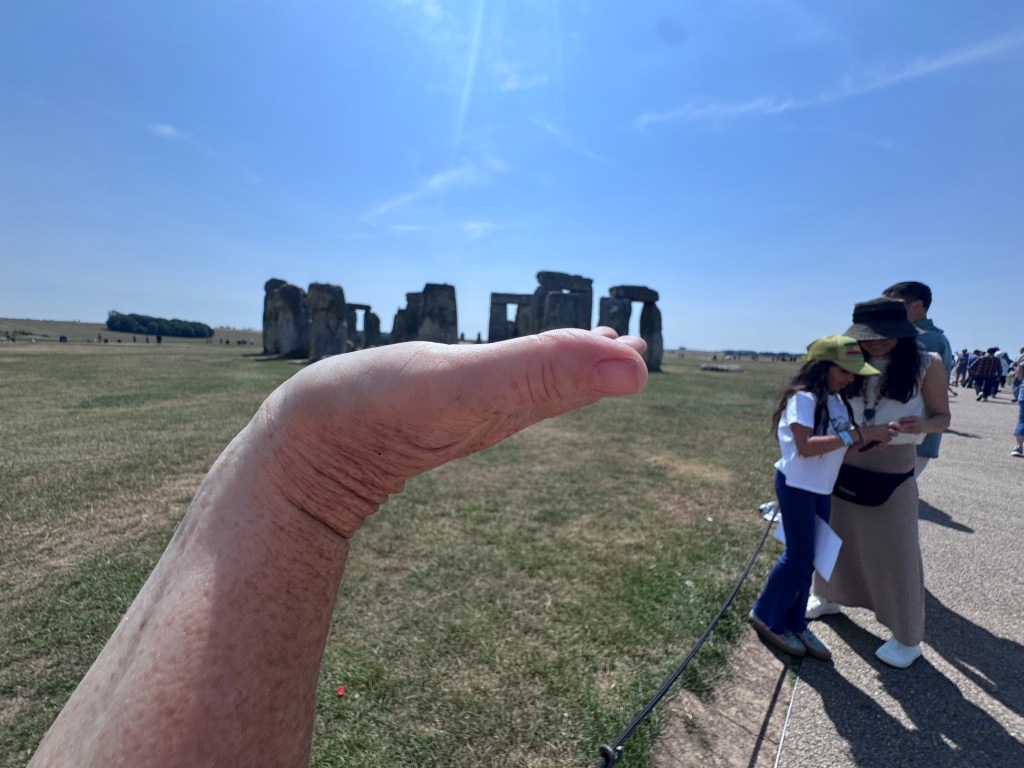
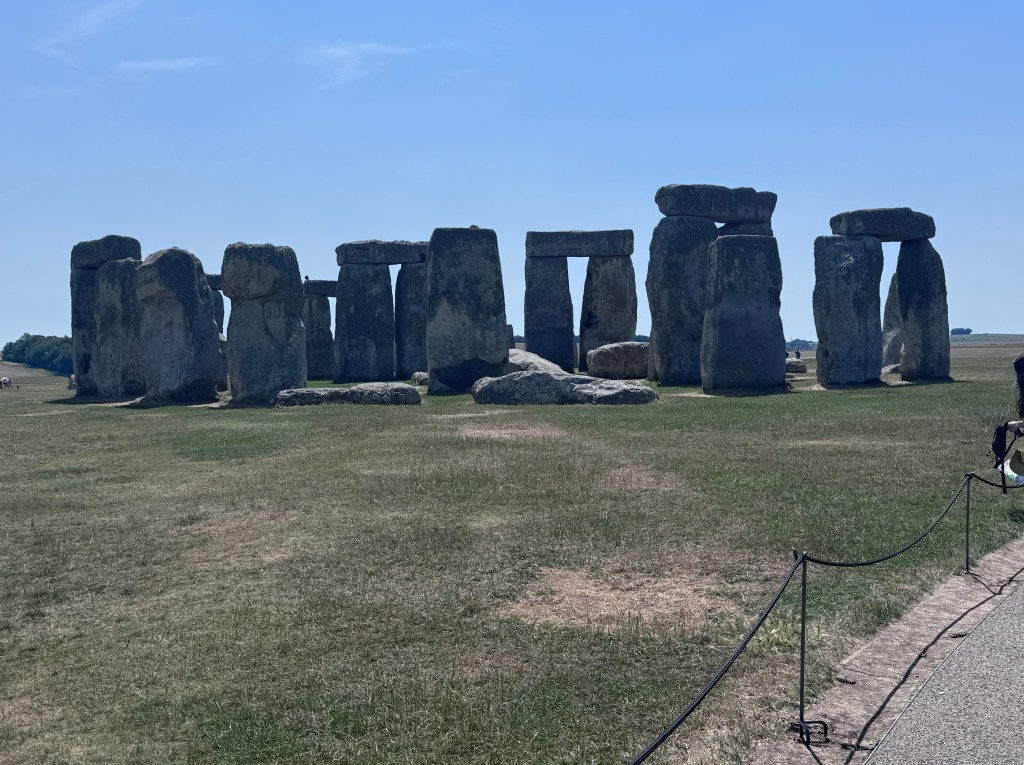
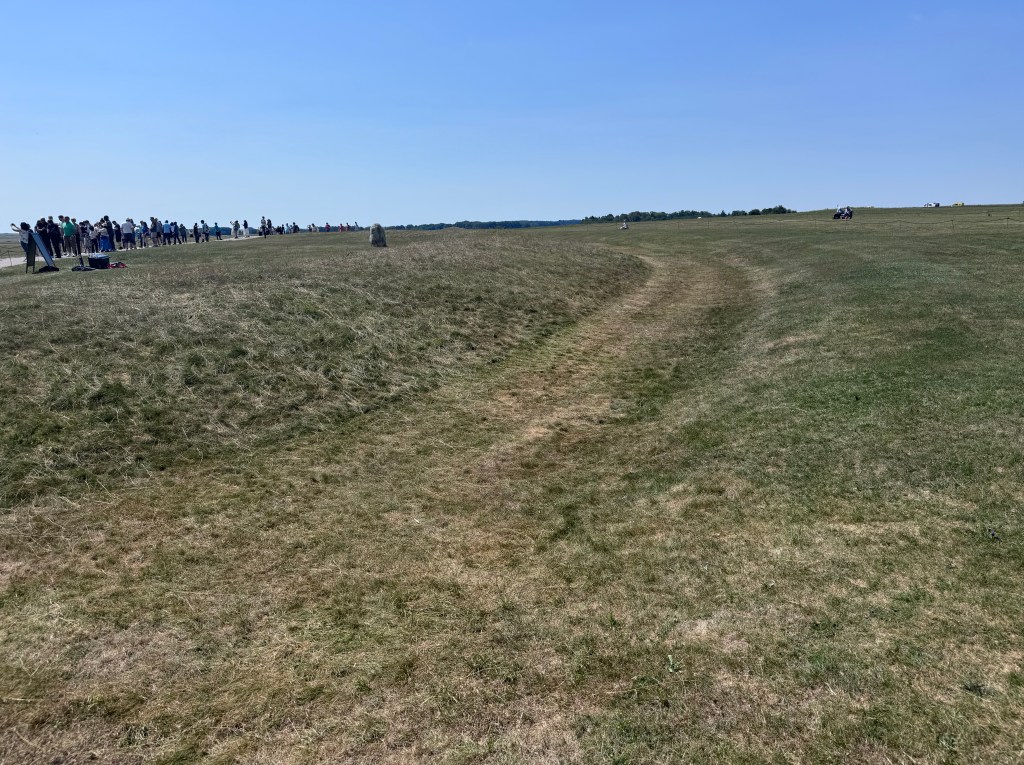
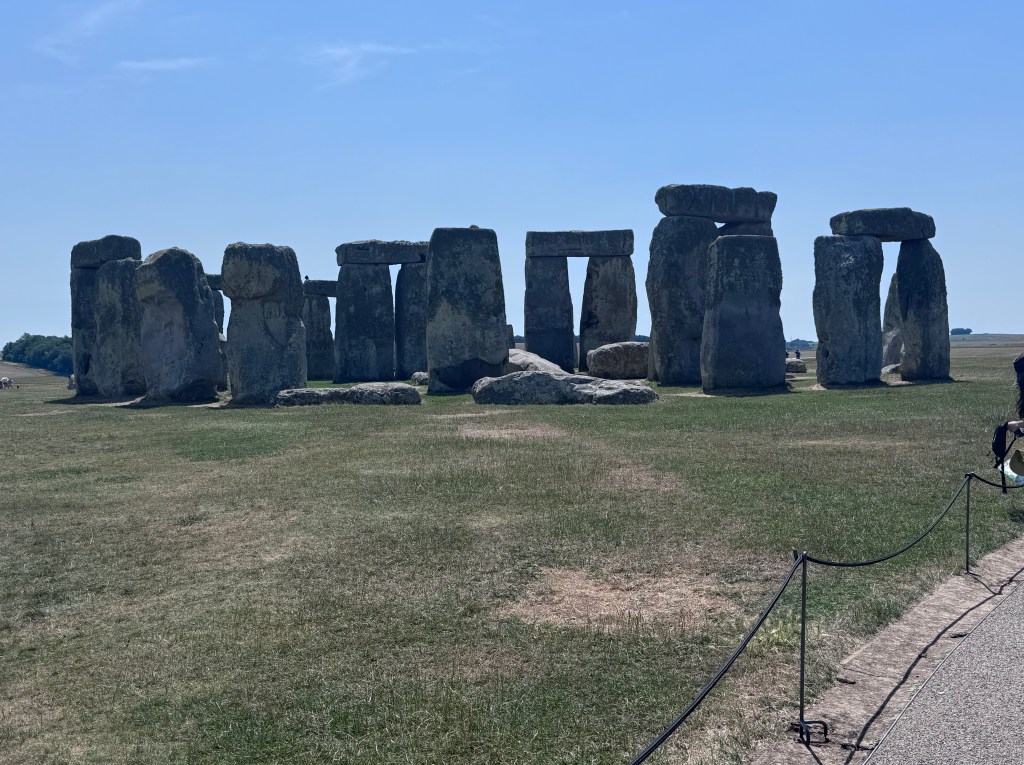
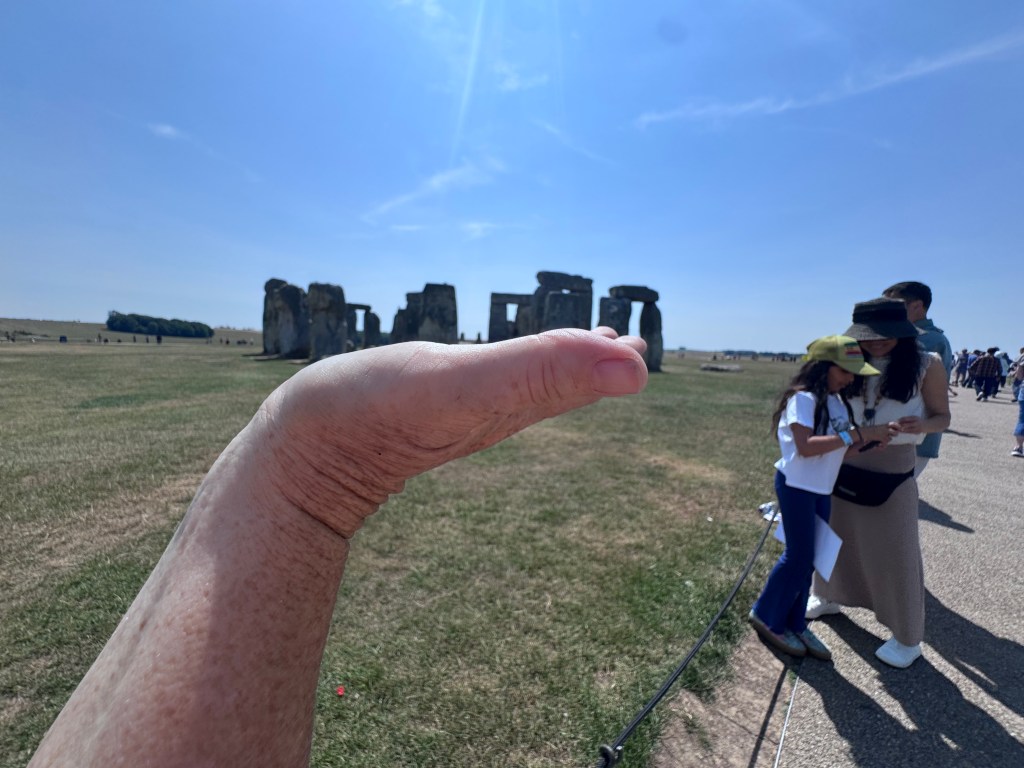
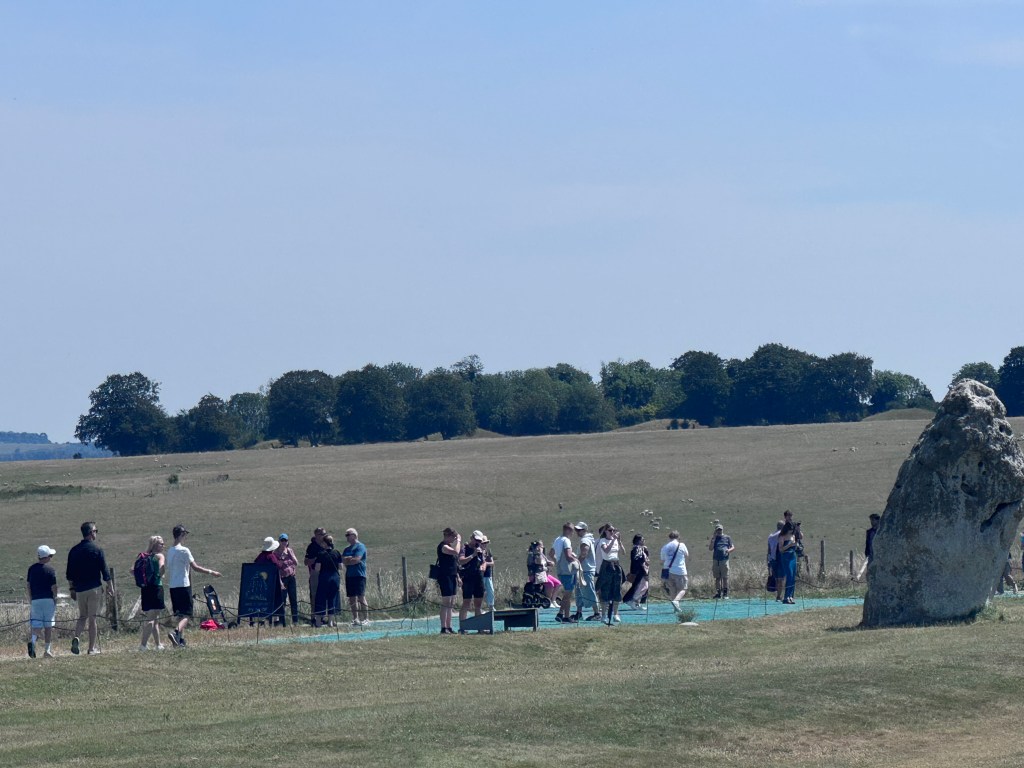
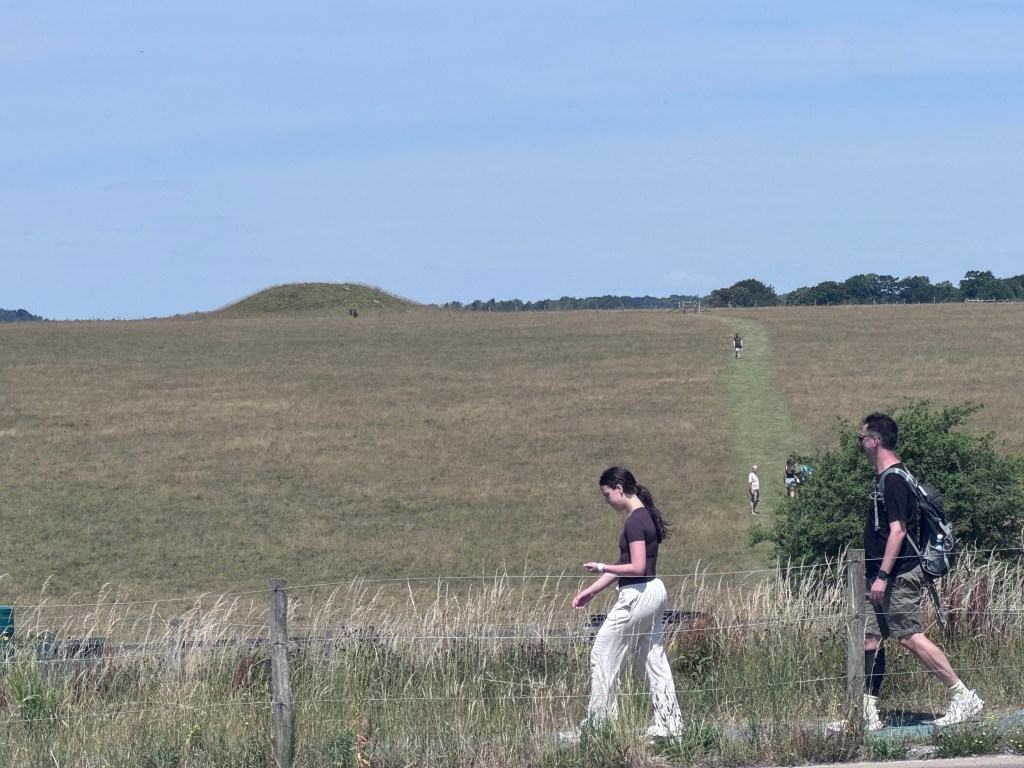
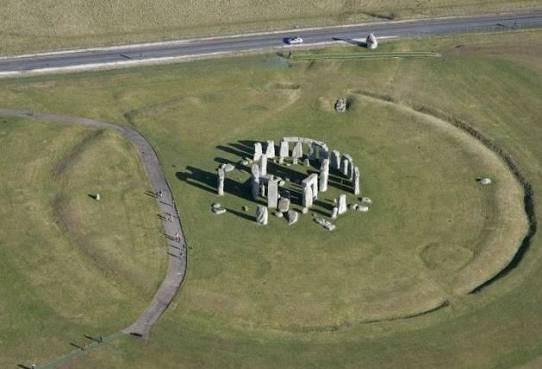
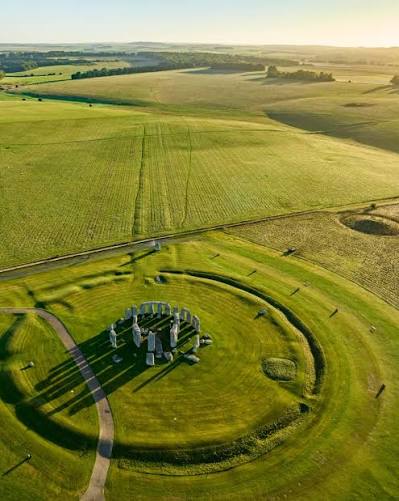
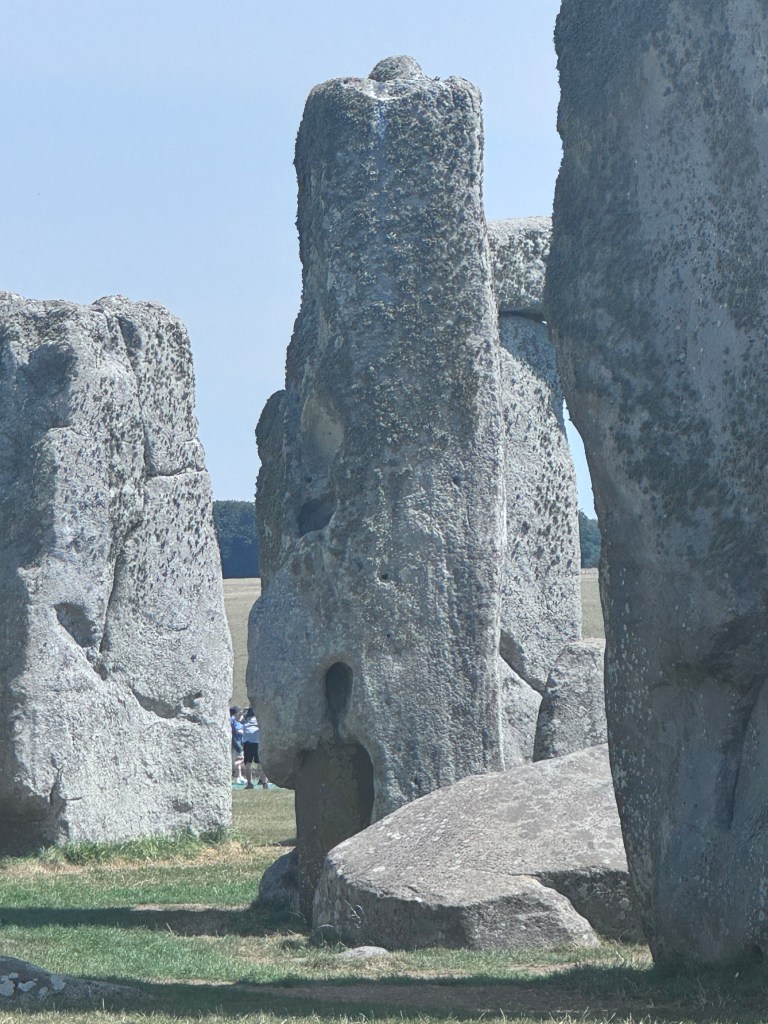
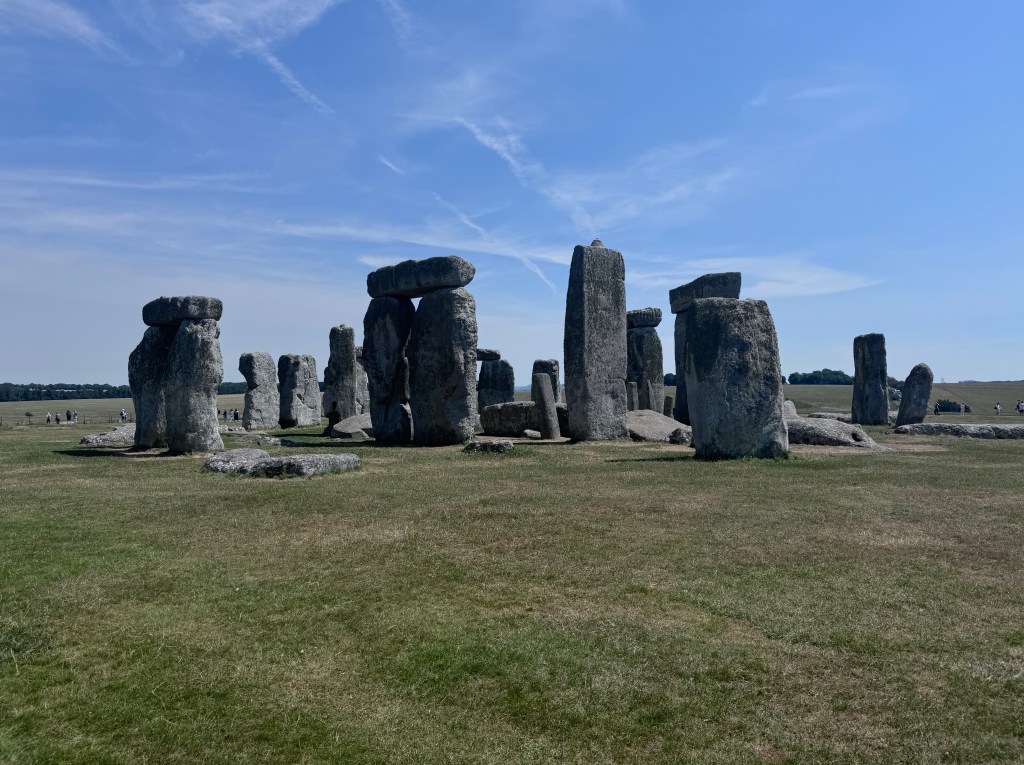
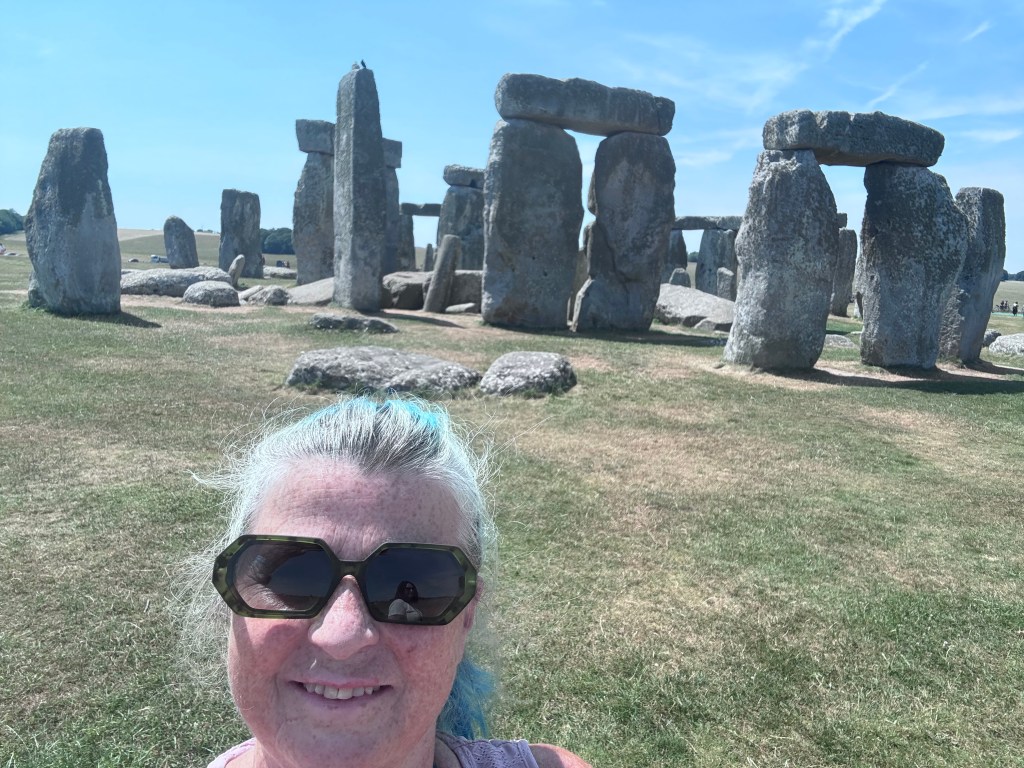
What amazed me most was that every step around the circle revealed a completely different perspective. The way the stones lined up, the changing views, and the relationship to the surrounding burial grounds continually changed. It never looked the same twice. We spent nearly an hour and a half simply walking around the monument, taking photographs, and soaking it all in. It was one of the most peaceful places we have visited. I also have to say—I absolutely love Apple’s new photo feature that lets you erase people from pictures. It made capturing the monument feel almost timeless.

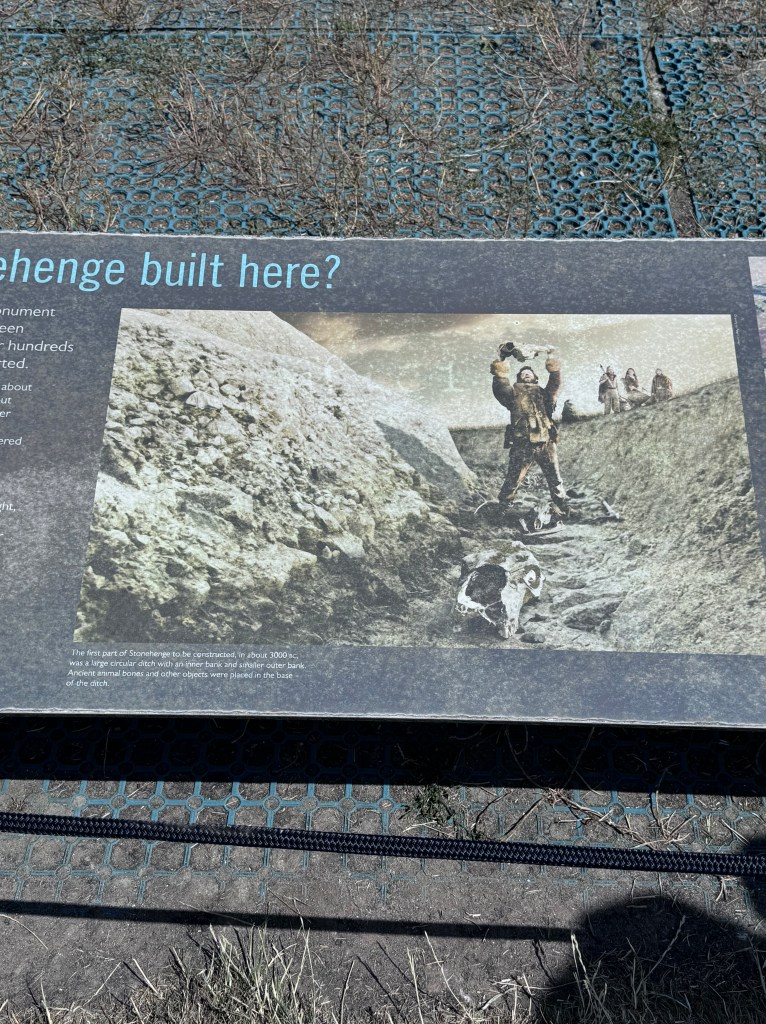
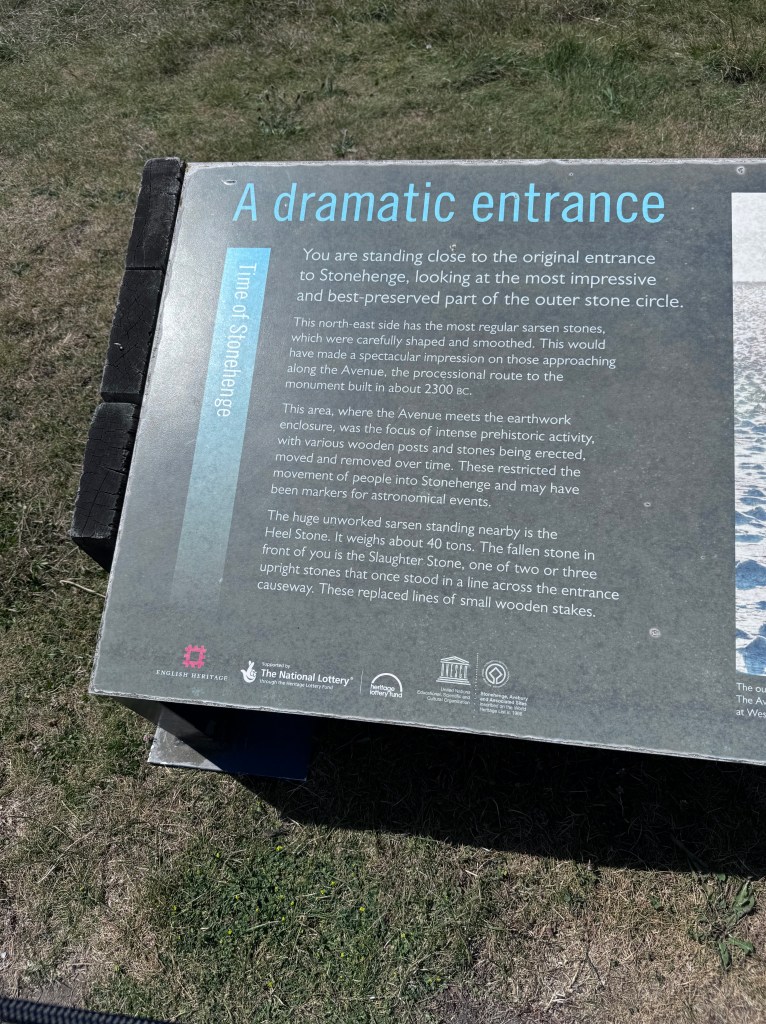
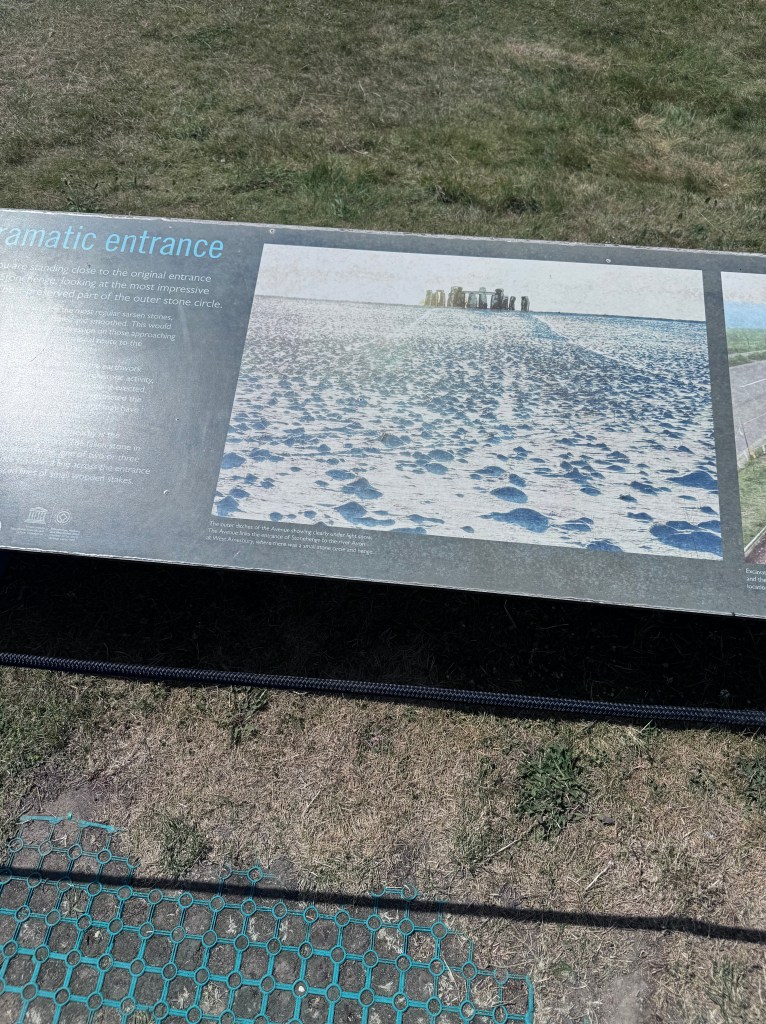
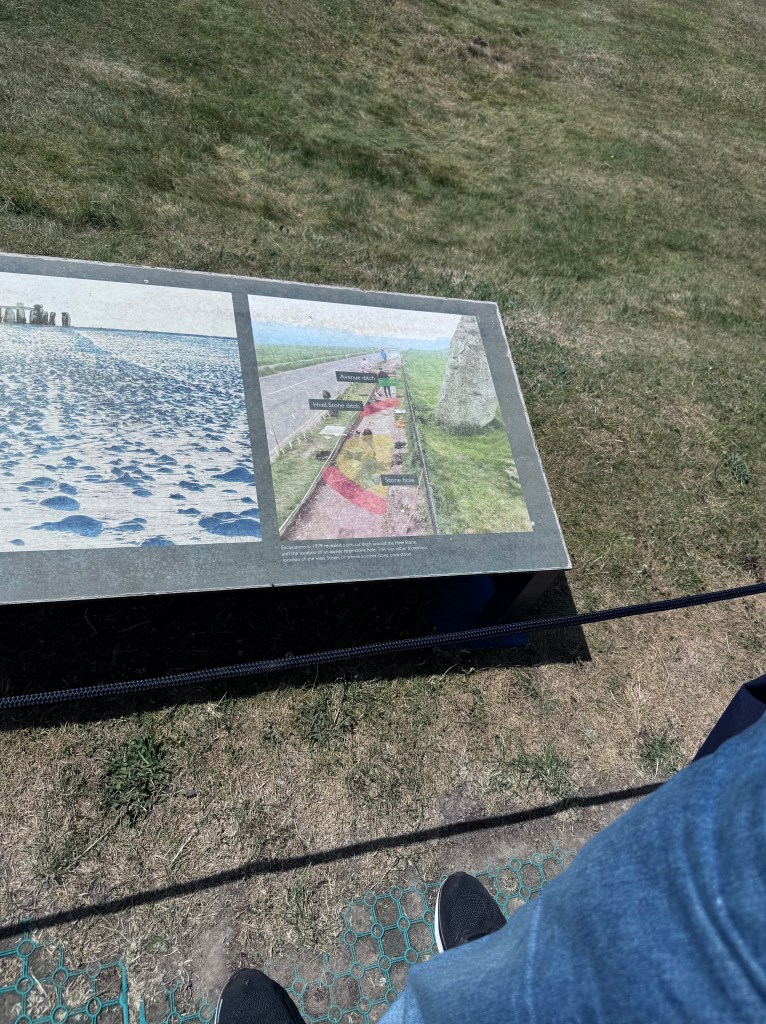
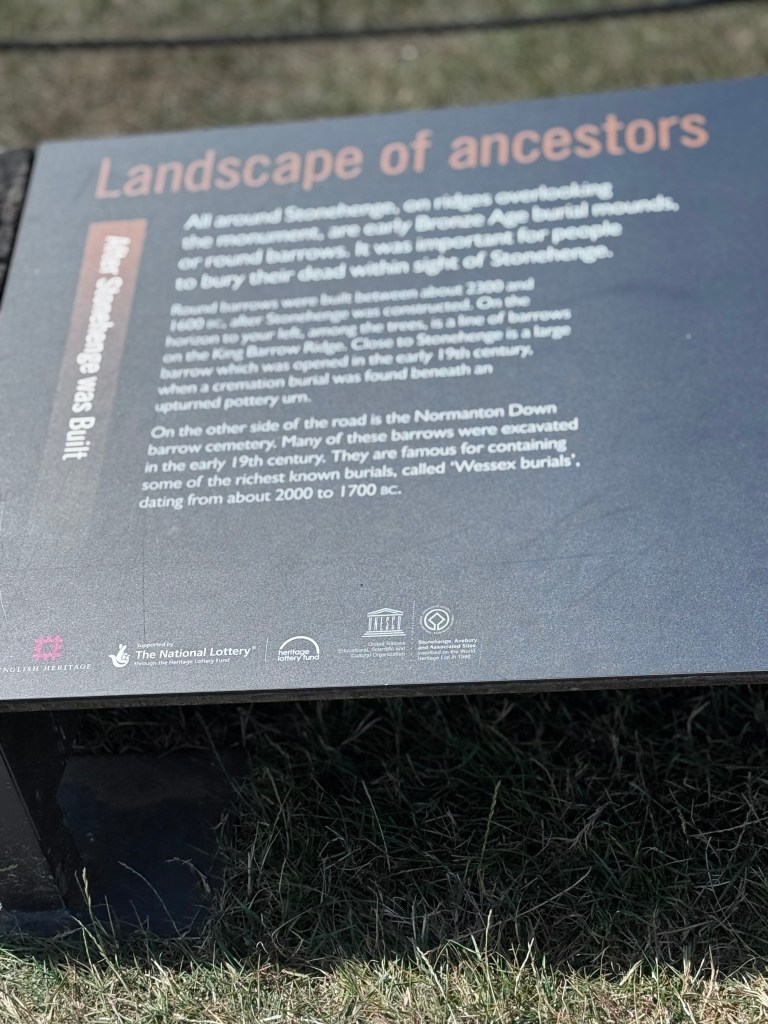
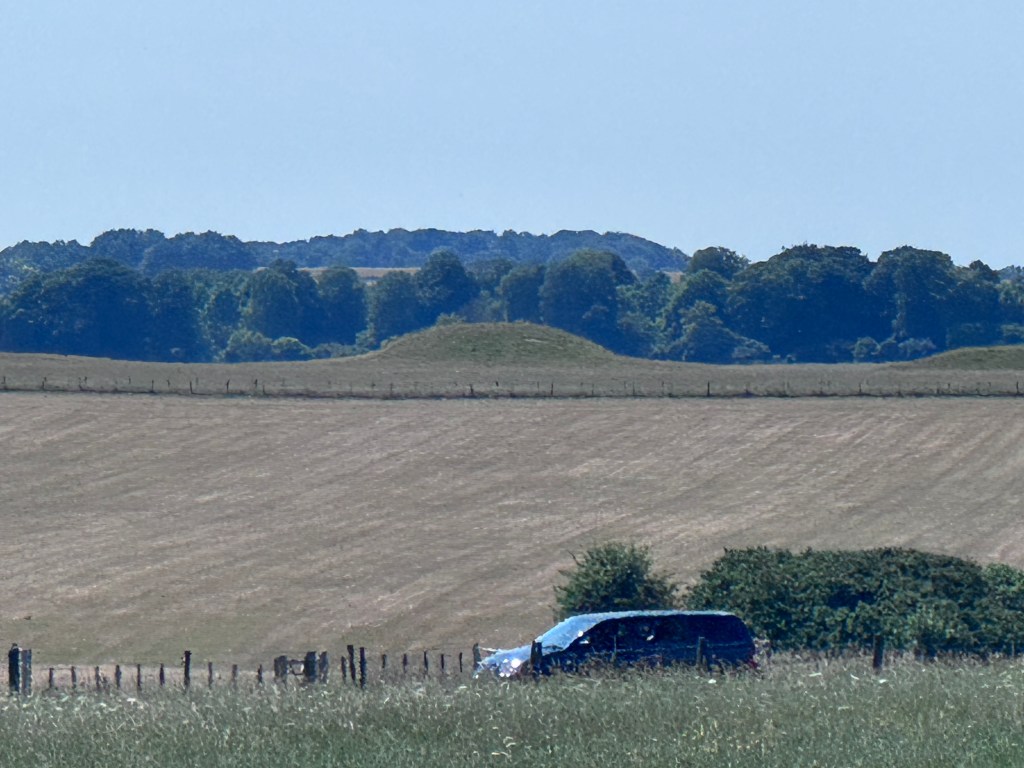
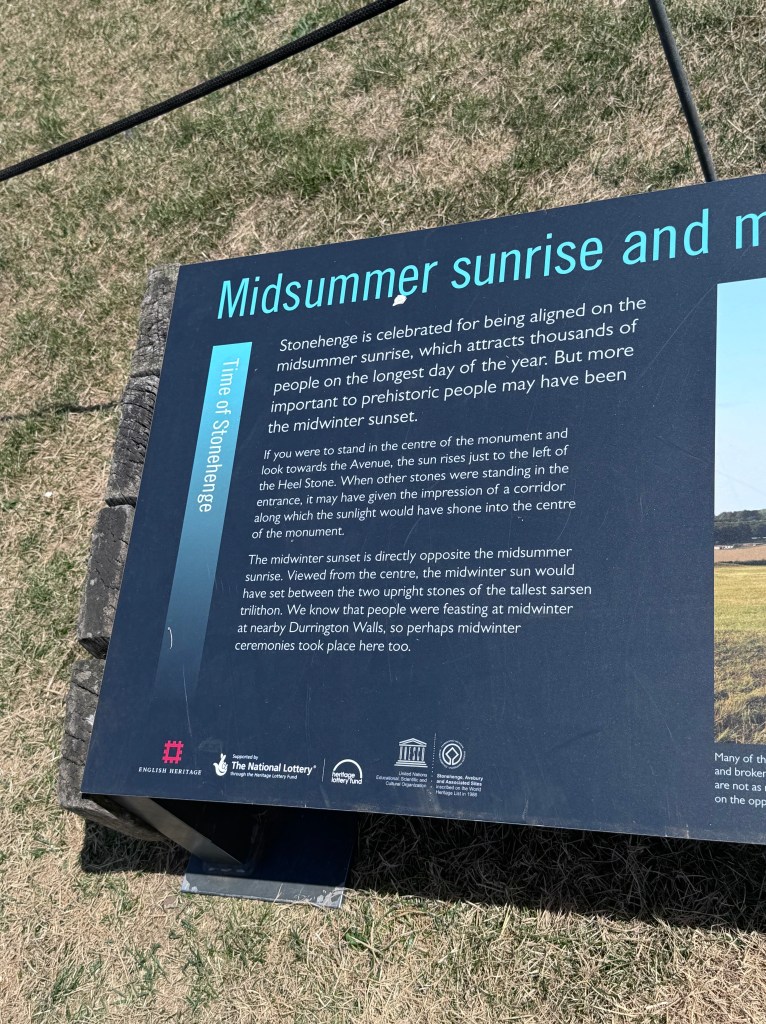
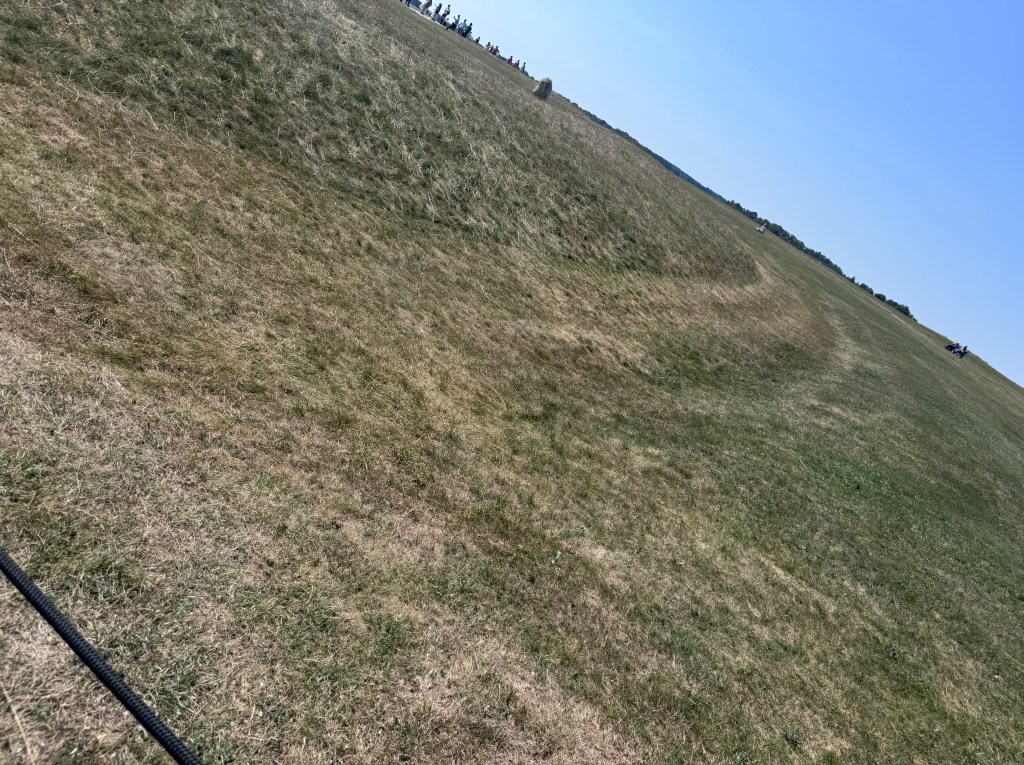
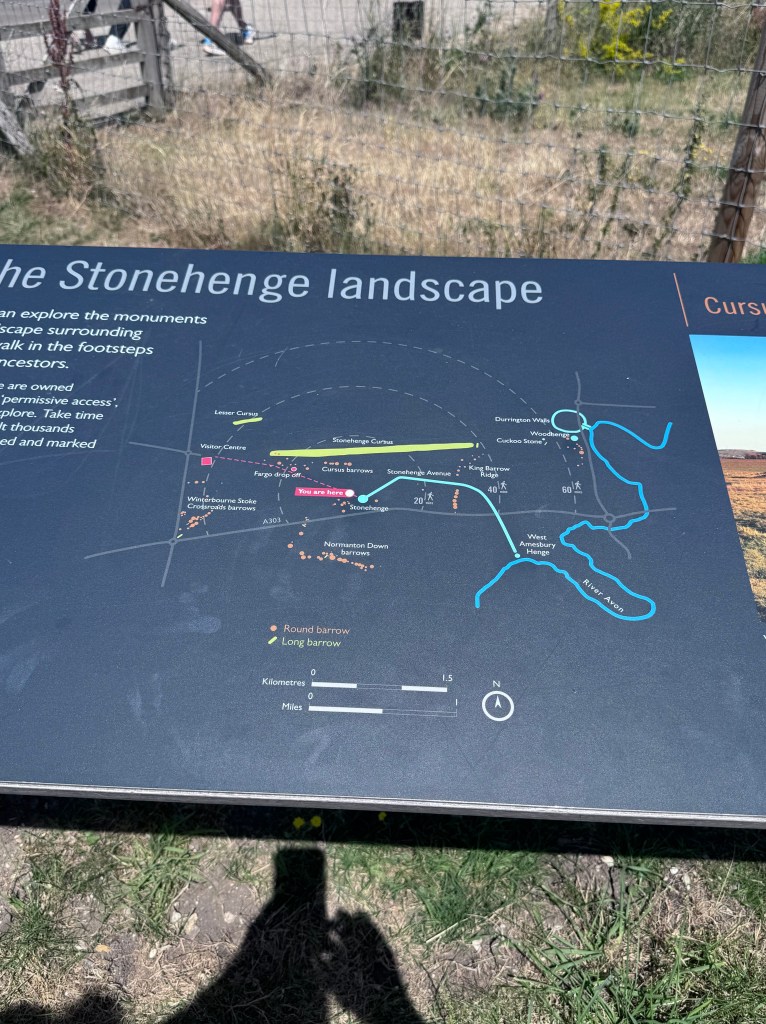
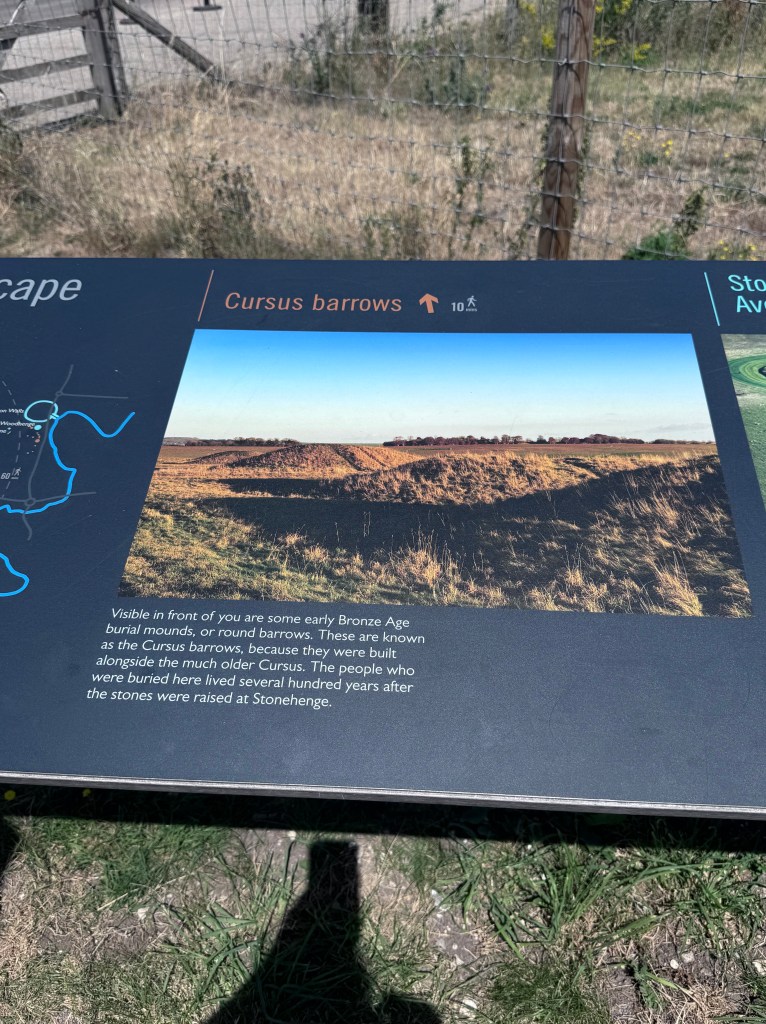
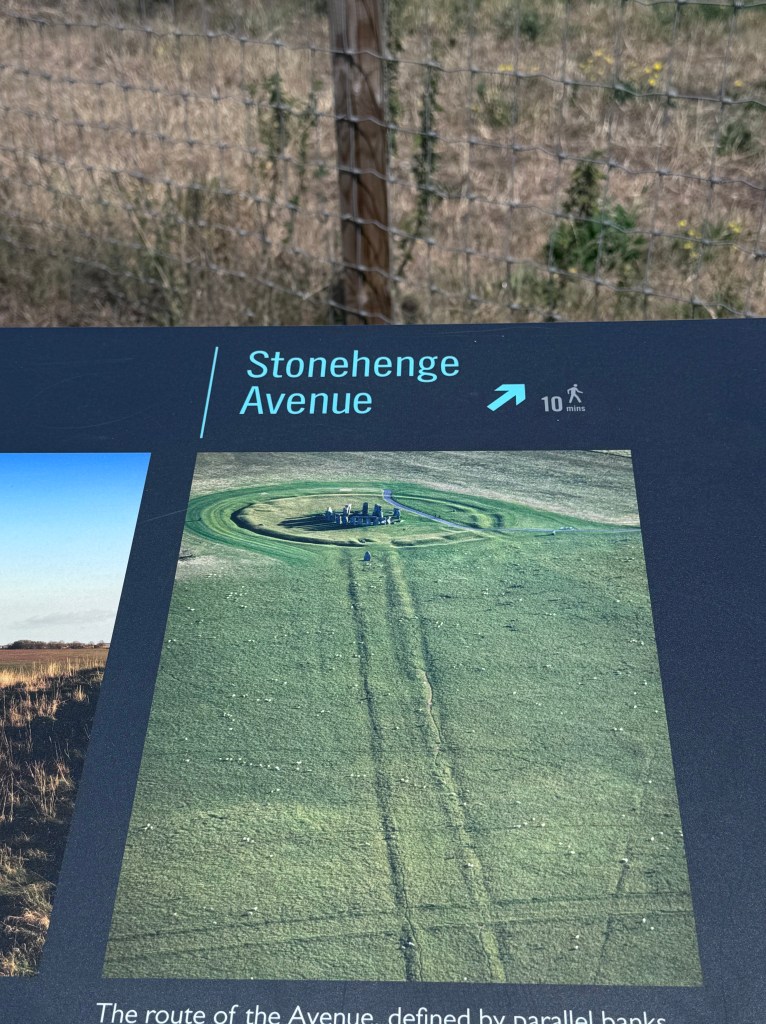
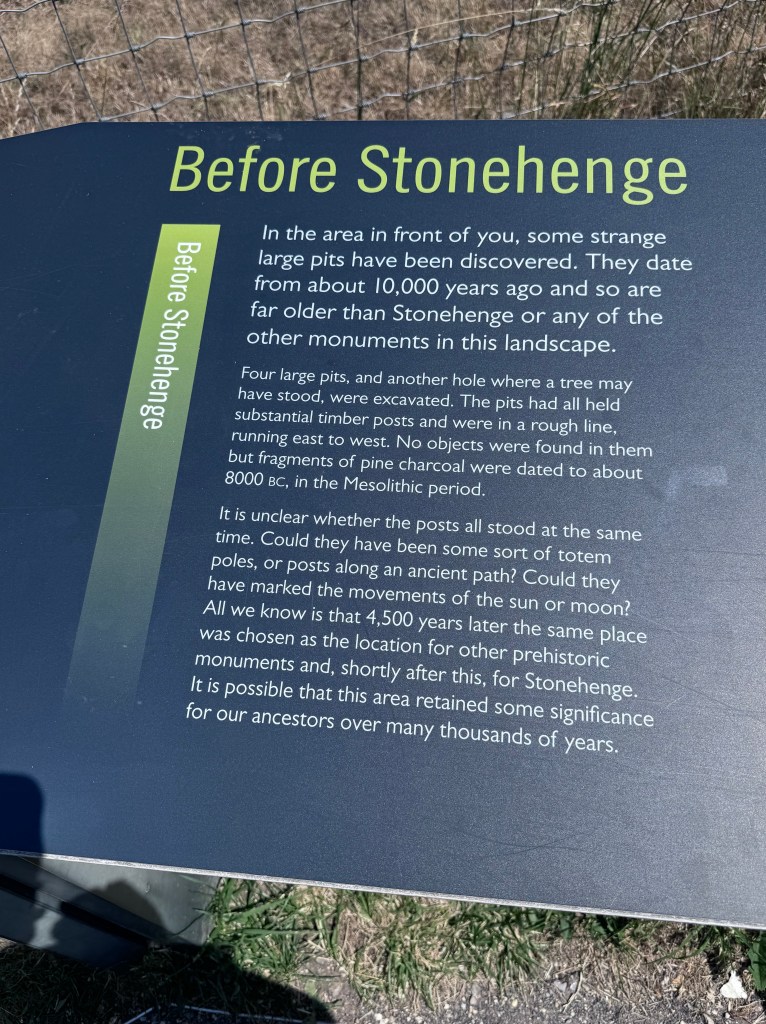
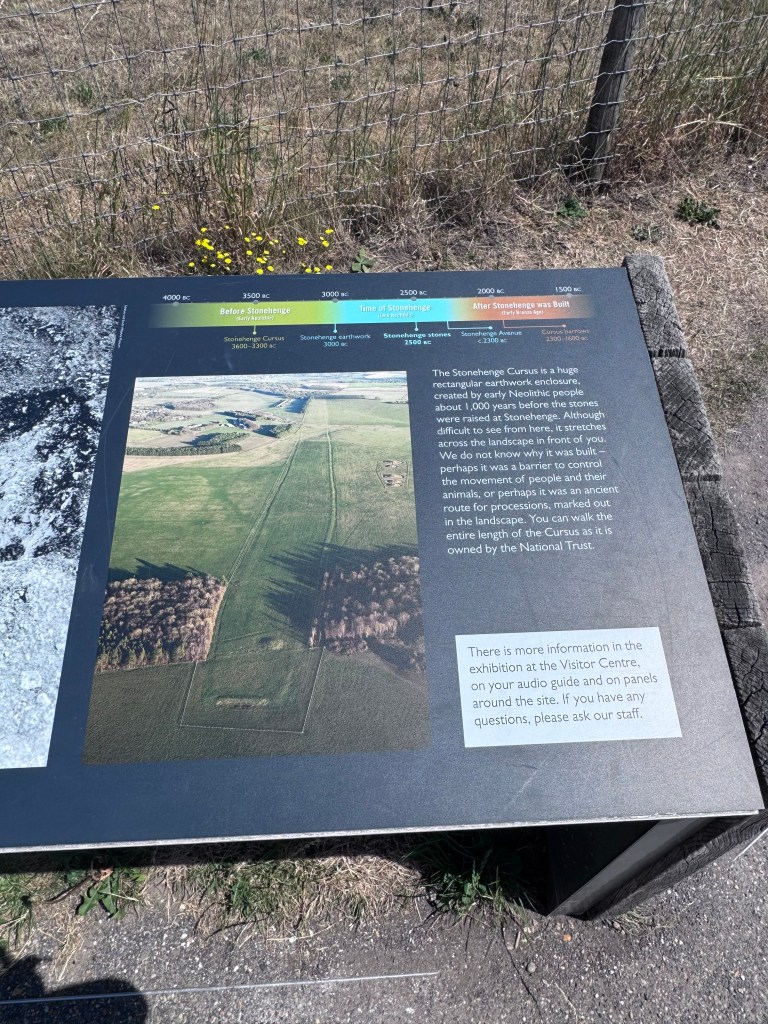
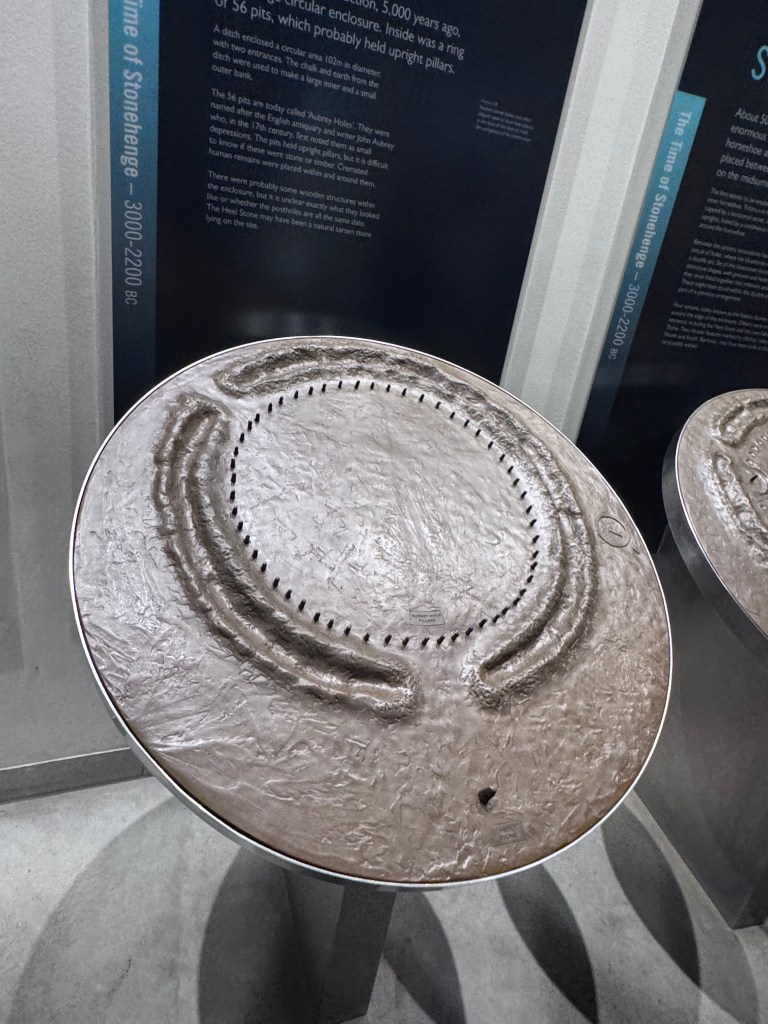
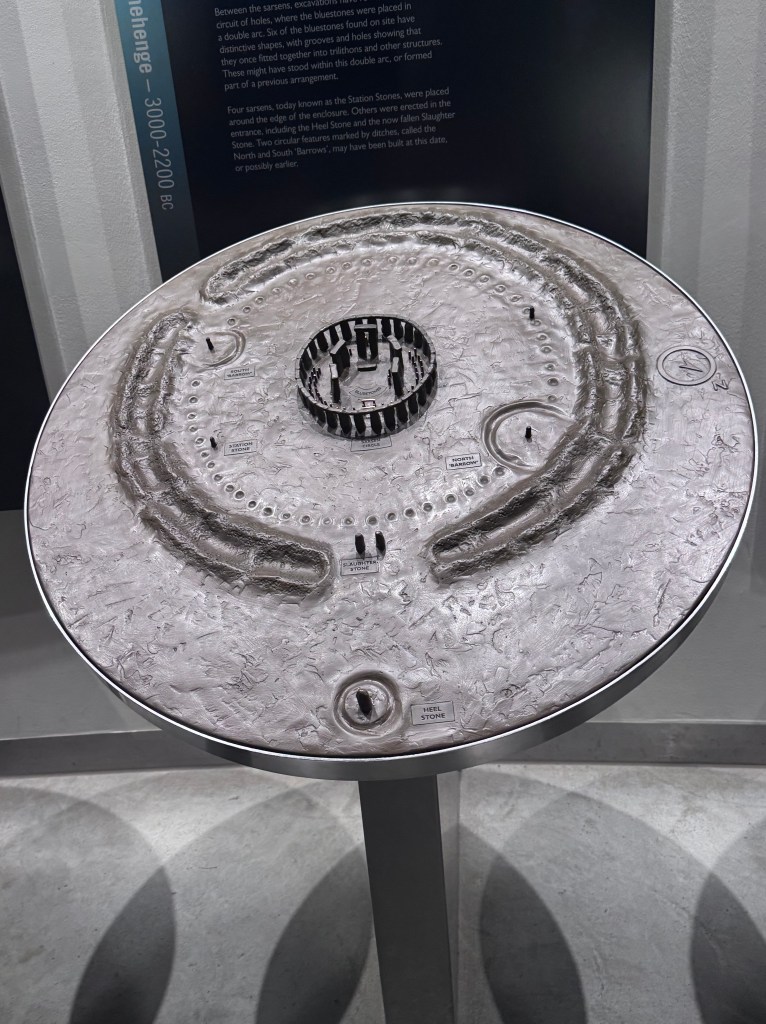
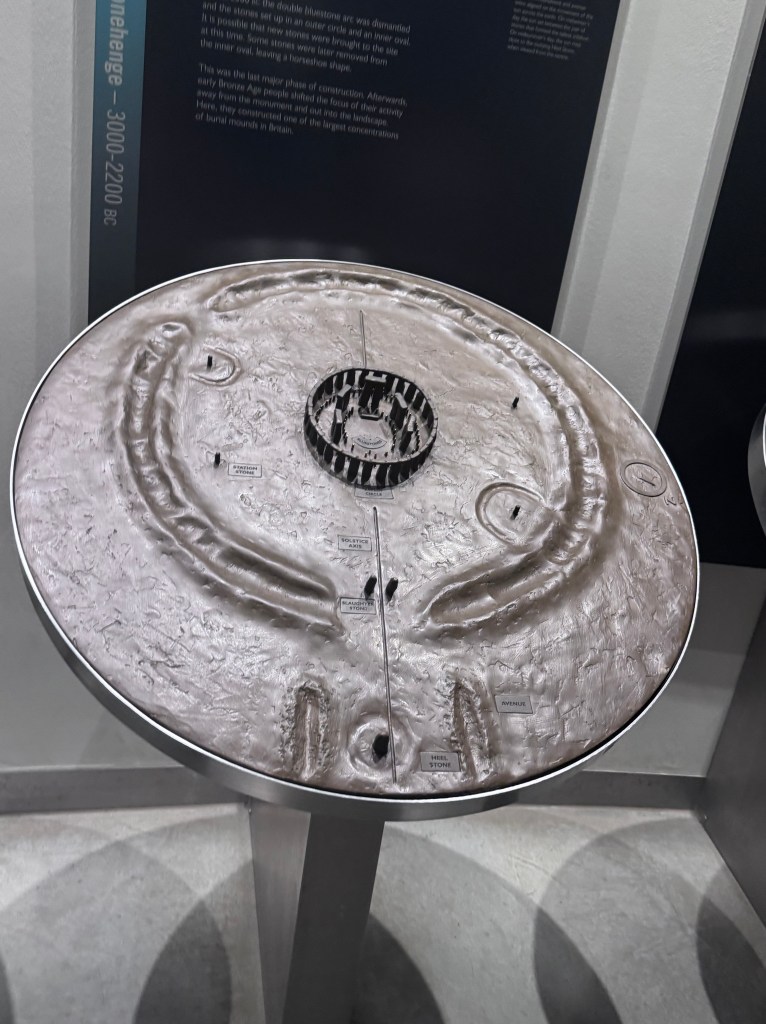
Once we understood what we were looking at, we began spotting burial mounds everywhere across the landscape. Archaeologists believe Stonehenge was once part of an enormous ceremonial complex connected to the nearby River Avon by a processional avenue. Thousands of years ago, the river is believed to have flowed at a higher level than it does today, creating an important ceremonial route between the river and the monument.

The engineering behind Stonehenge is almost impossible to comprehend. Some of the smaller bluestones were transported nearly 150 miles (240 km) from the Preseli Hills of Wales, likely by water and then over land. The larger sarsen stones, weighing as much as 25 tons each, were hauled from about 15 miles away. Just imagining the planning, manpower, and determination required is mind-blowing.

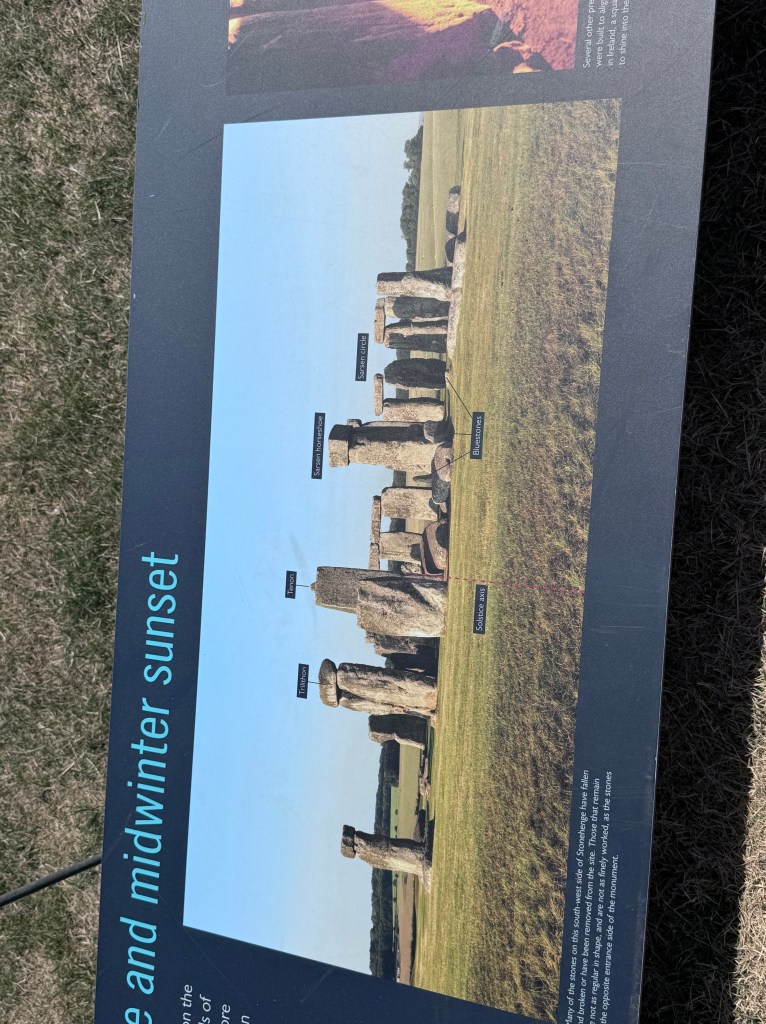
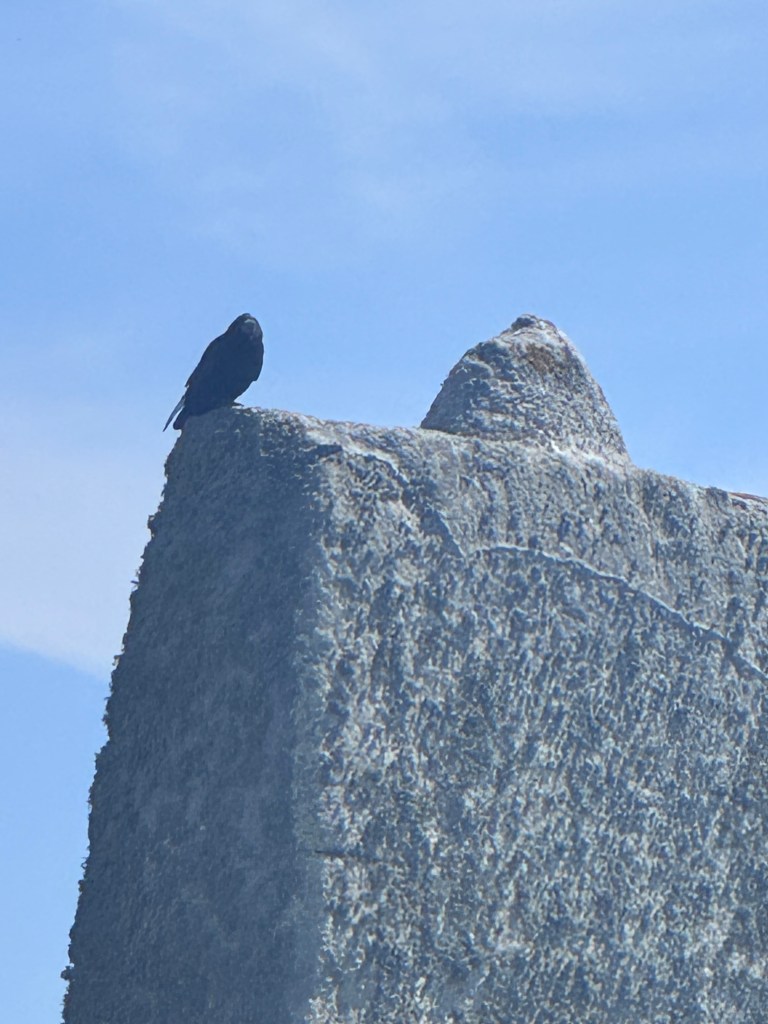
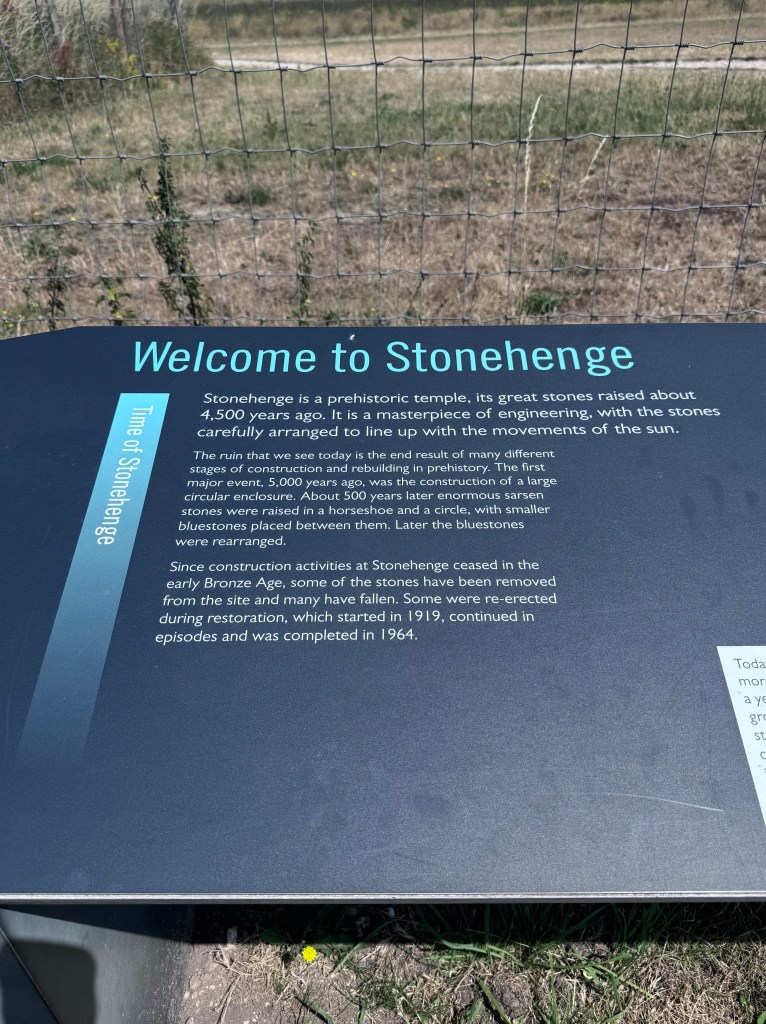
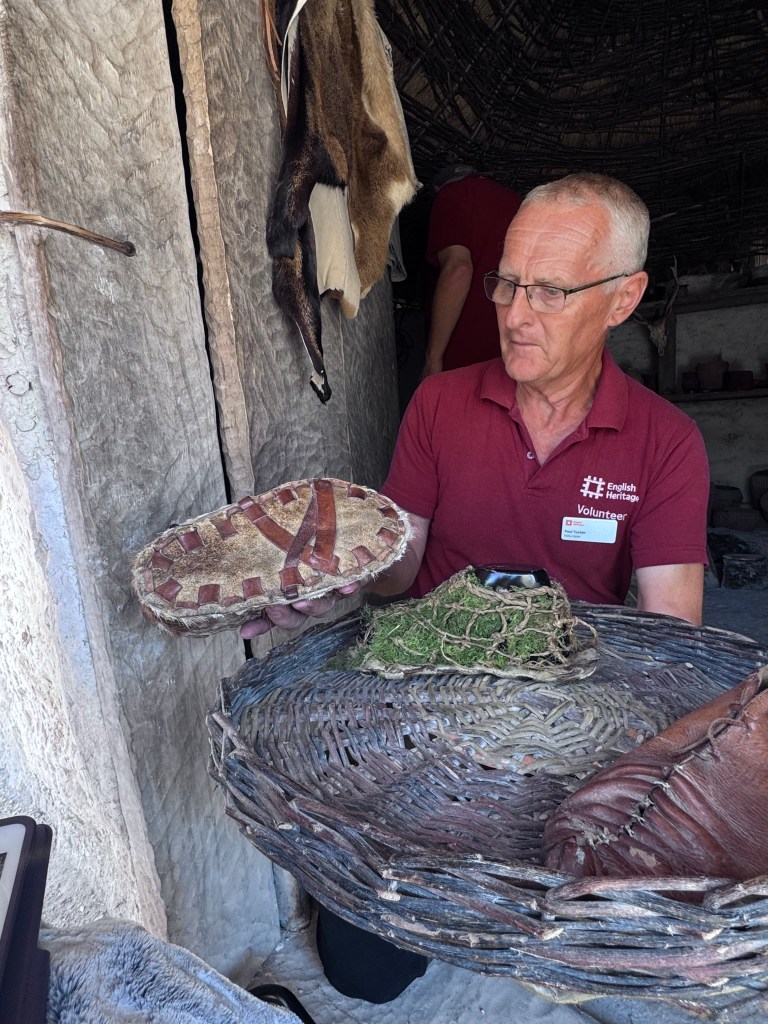
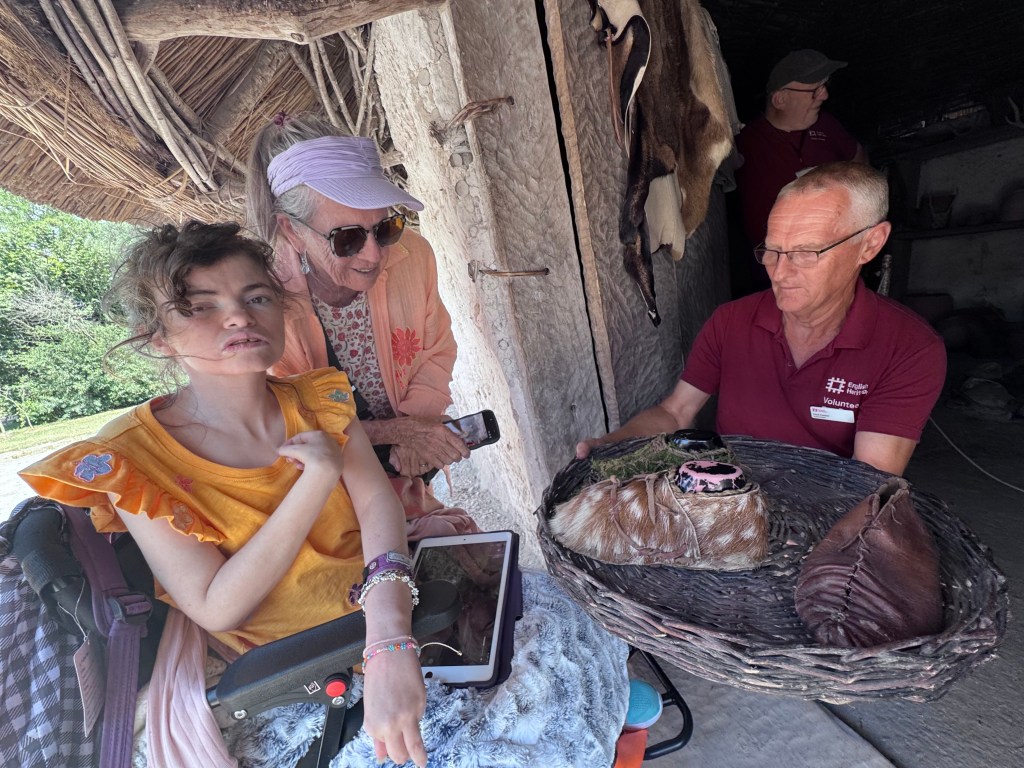
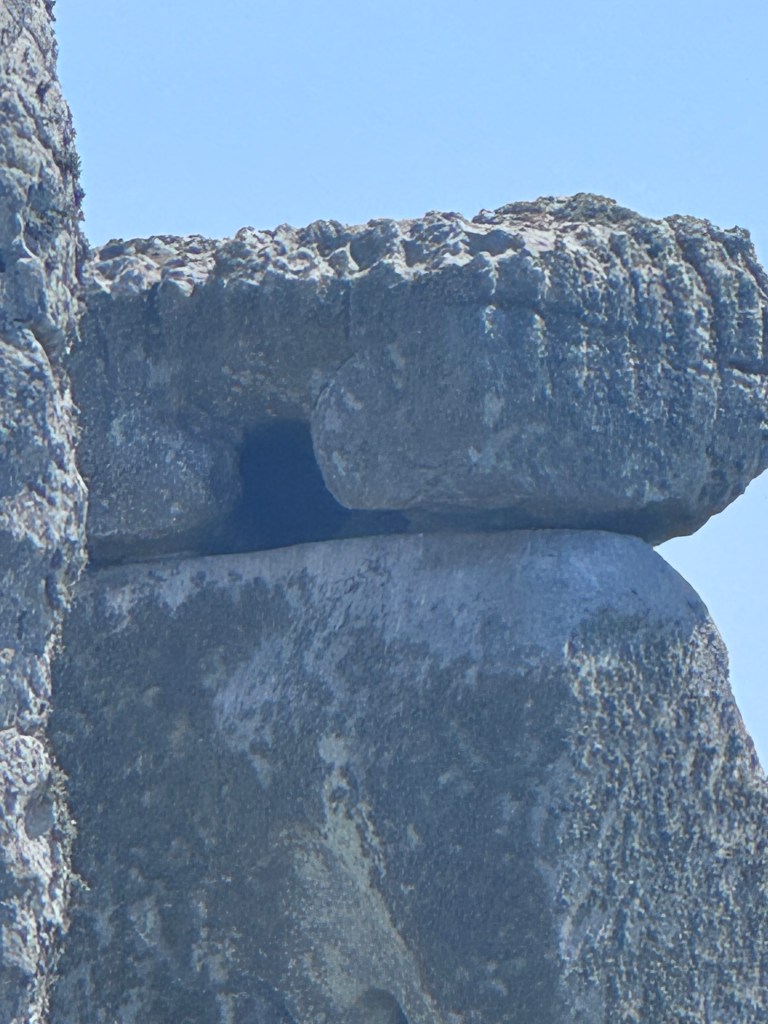
Even more impressive were the stone-working techniques. Many of the stones were carefully shaped and smoothed. The builders carved tenons—rounded projections on top of the upright stones—that fit perfectly into matching mortisescarved into the lintels resting above them. The docents explained that these joints weren’t actually necessary to hold the stones together because of their tremendous weight. Instead, they demonstrate the builders’ incredible craftsmanship and desire to create a monument that would last for generations. To construct nearly perfect circles, stack stones so precisely, and align the monument with the movements of the sun during the solstices over 4,500 years ago is simply astonishing.

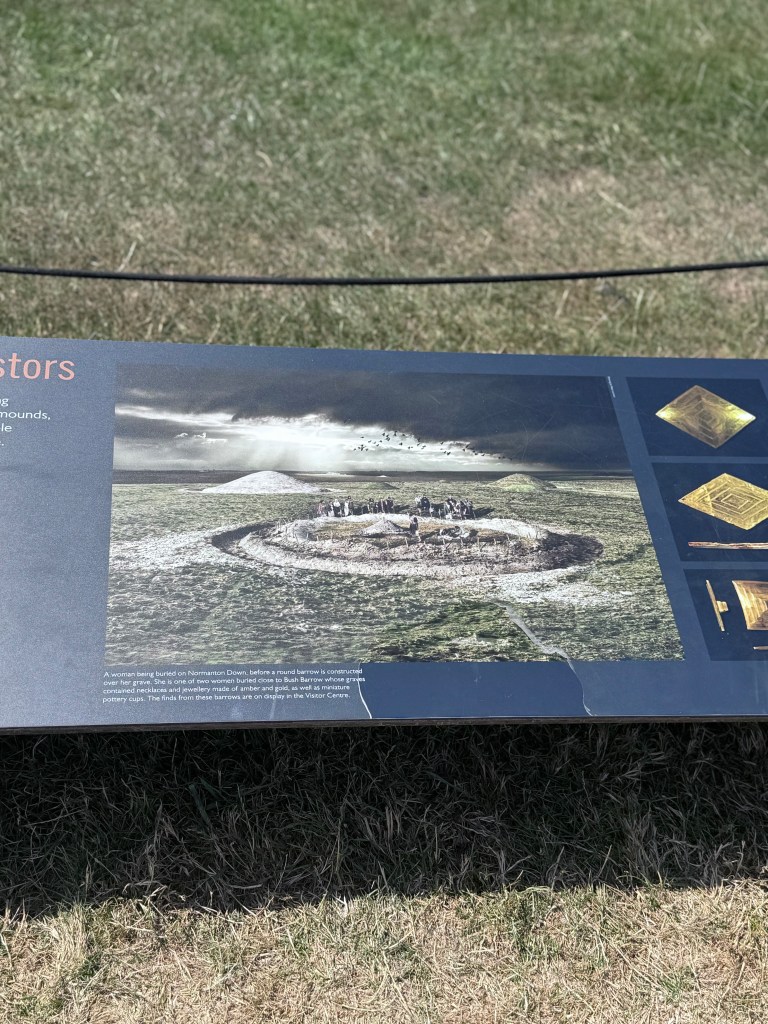
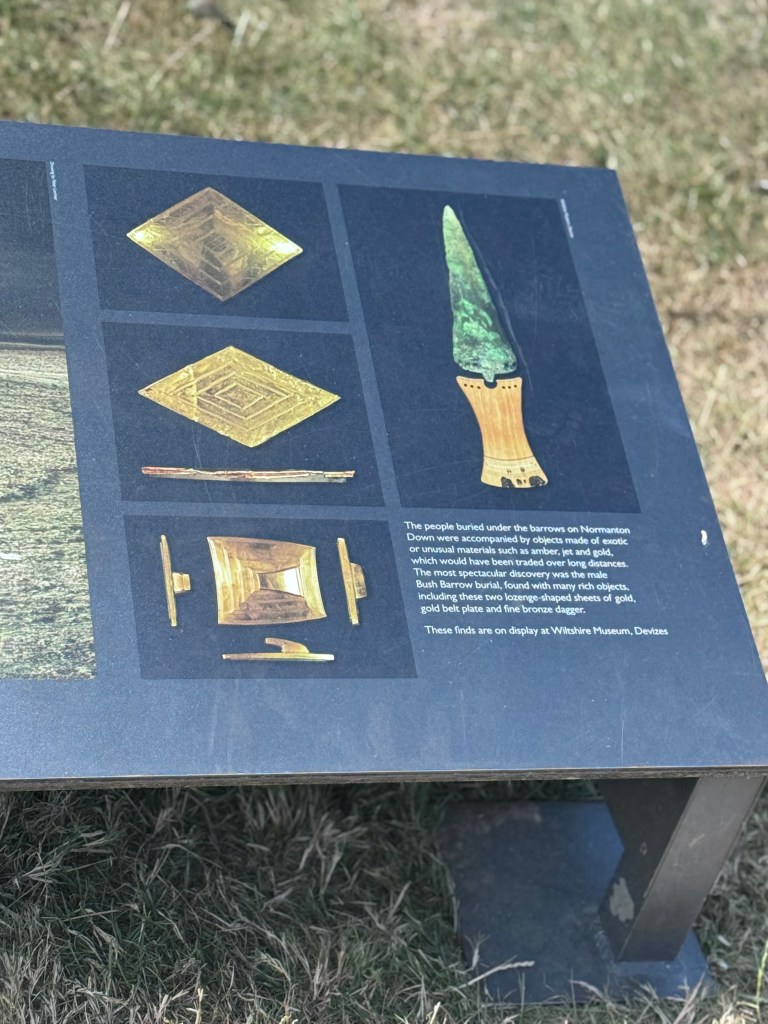
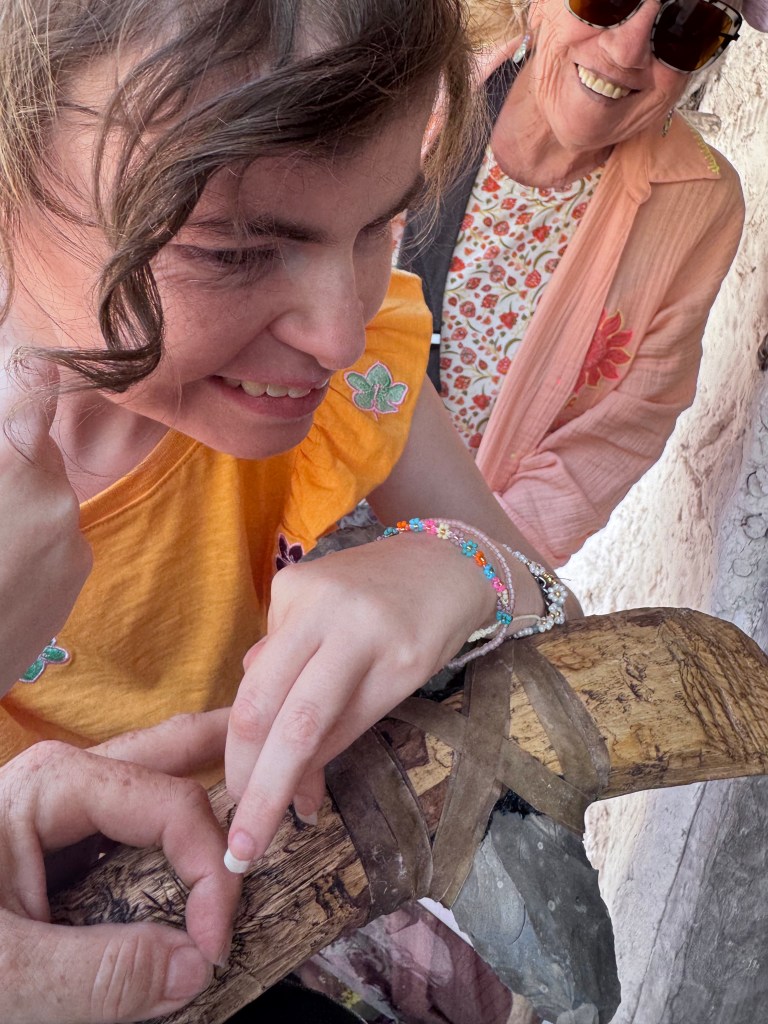
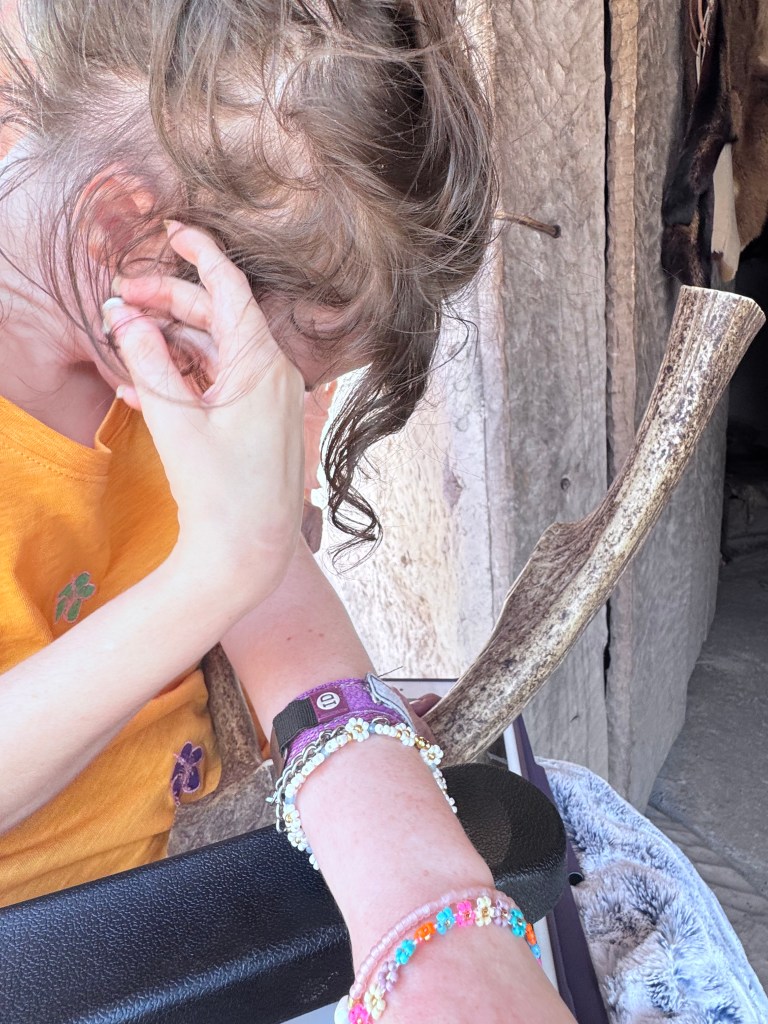
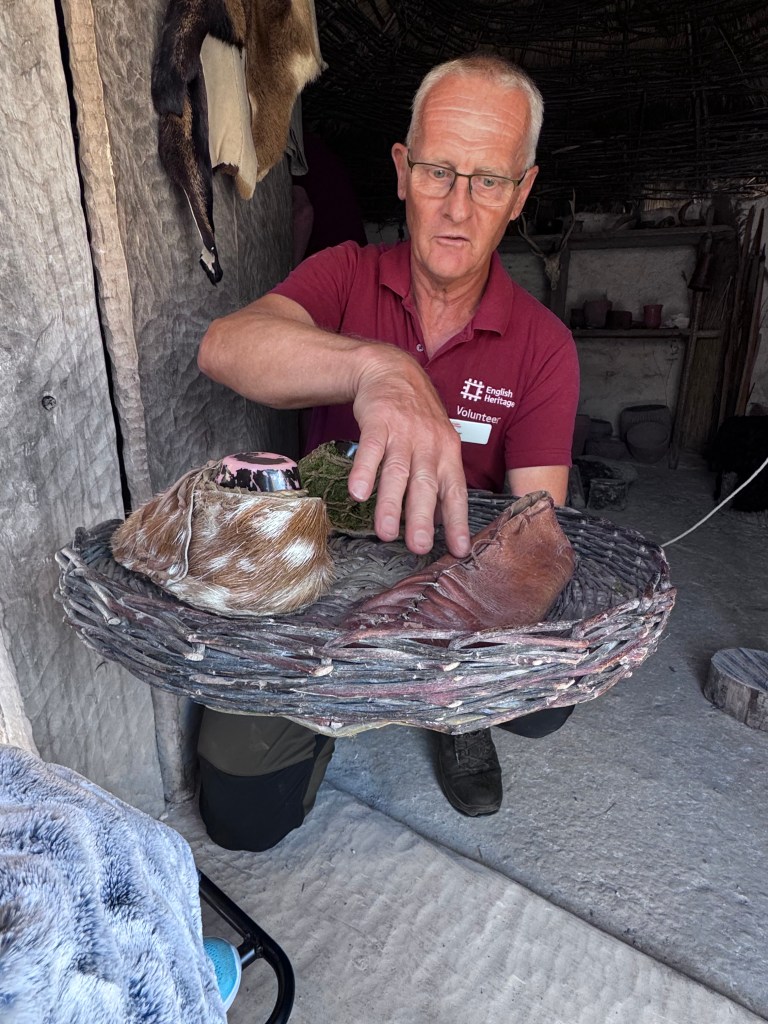
Inside the visitor centre, we learned even more about the surrounding landscape. The artifacts recovered from nearby burial mounds were incredible, especially the beautifully crafted gold objects buried with people thousands of years ago. It is remarkable to realize how sophisticated these ancient societies truly were. I’ll try to upload a short video from the exhibition that explains the wider archaeological landscape around Stonehenge.

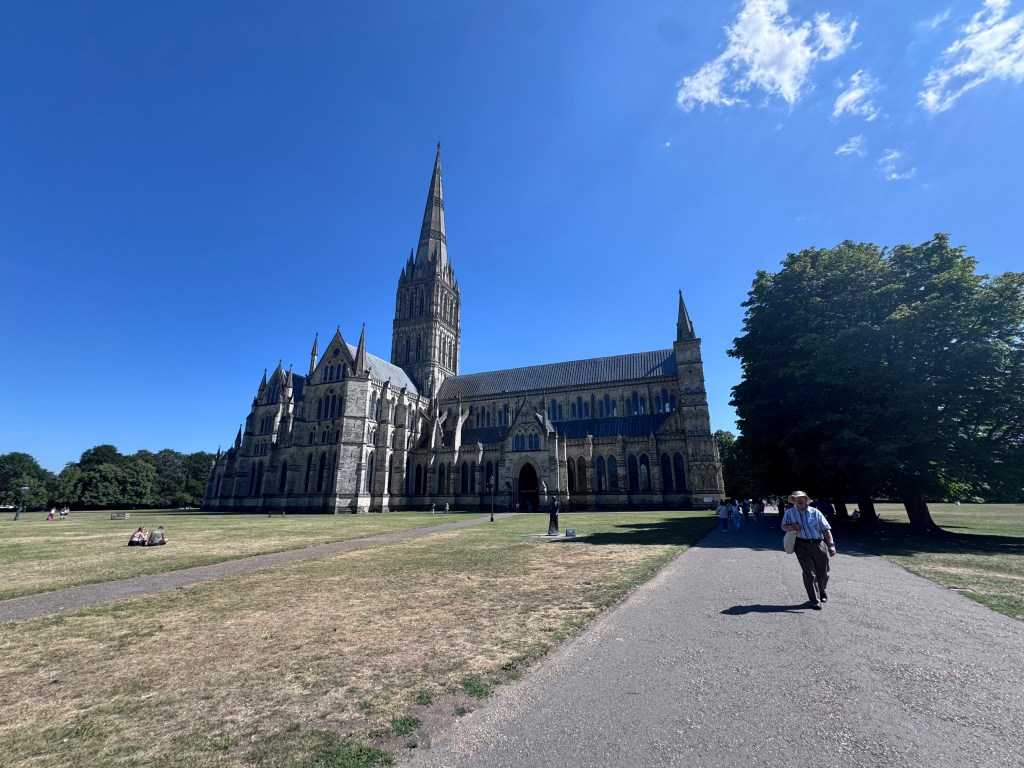
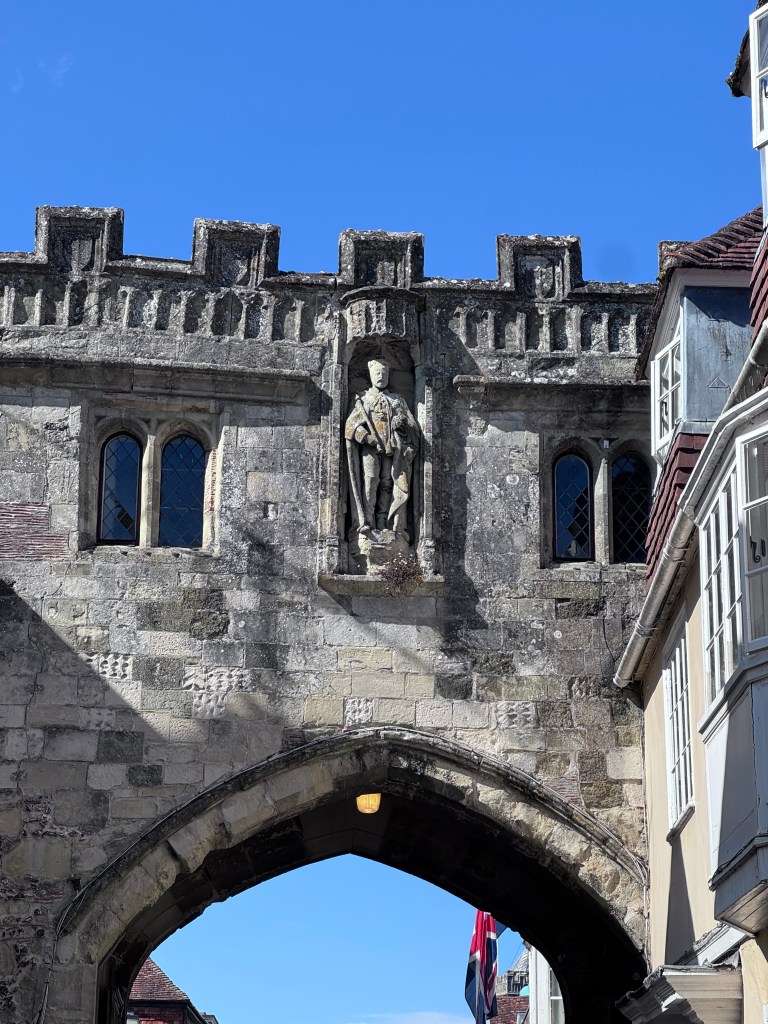
After our visit, we took the bus back into Salisbury and walked through the historic town toward Salisbury Cathedral. Before going inside, we noticed several spotting scopes set up outside. A group of birdwatchers was watching the resident peregrine falcons. We were able to observe a sleepy male perched high on the cathedral tower.

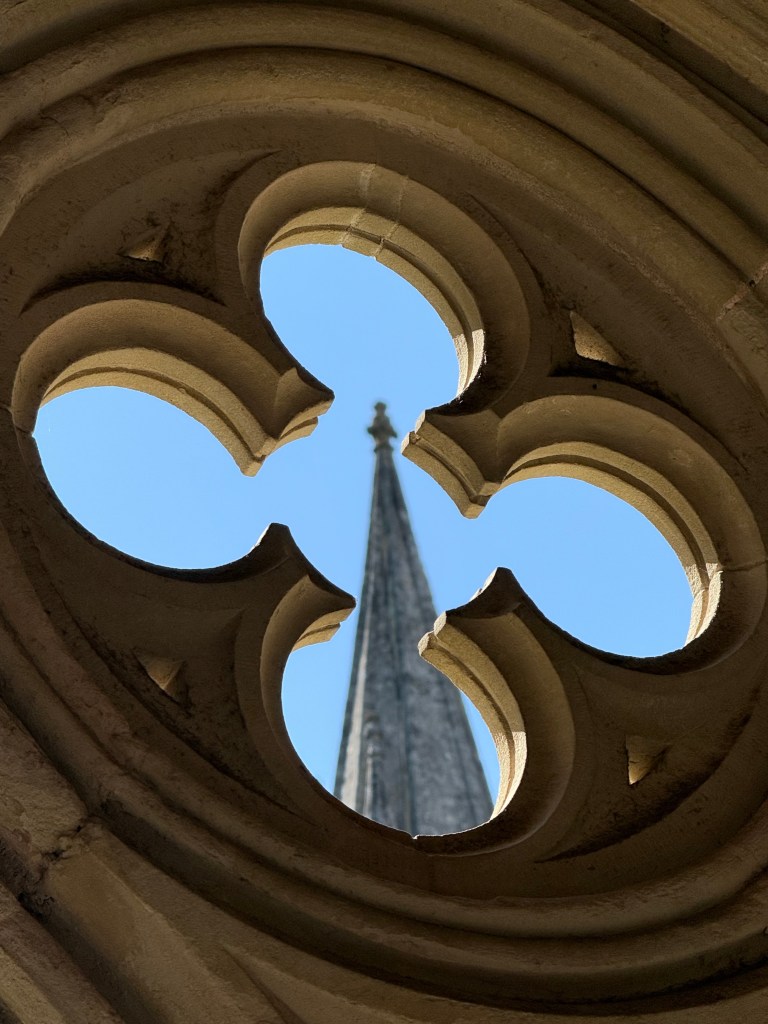
The cathedral itself has become an important home for these magnificent birds. According to the cathedral, peregrine falcons have nested there since at least 1864. They disappeared for many decades because of persecution and the widespread use of pesticides such as DDT, but they have successfully returned and once again raise chicks on the cathedral’s famous spire.

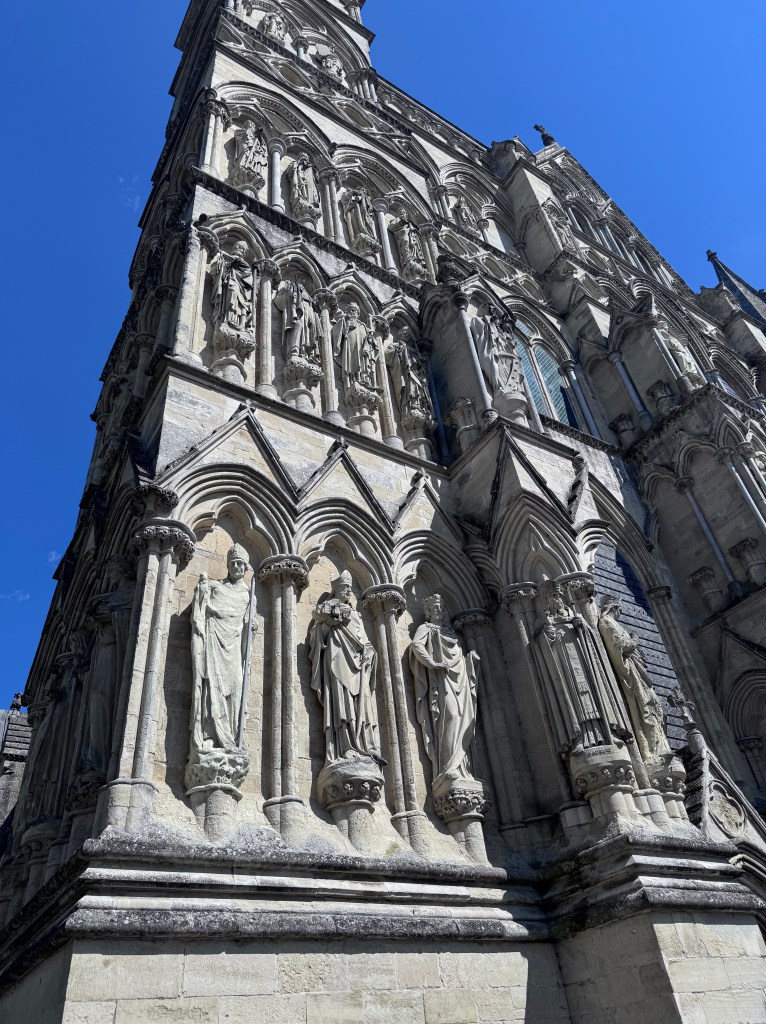
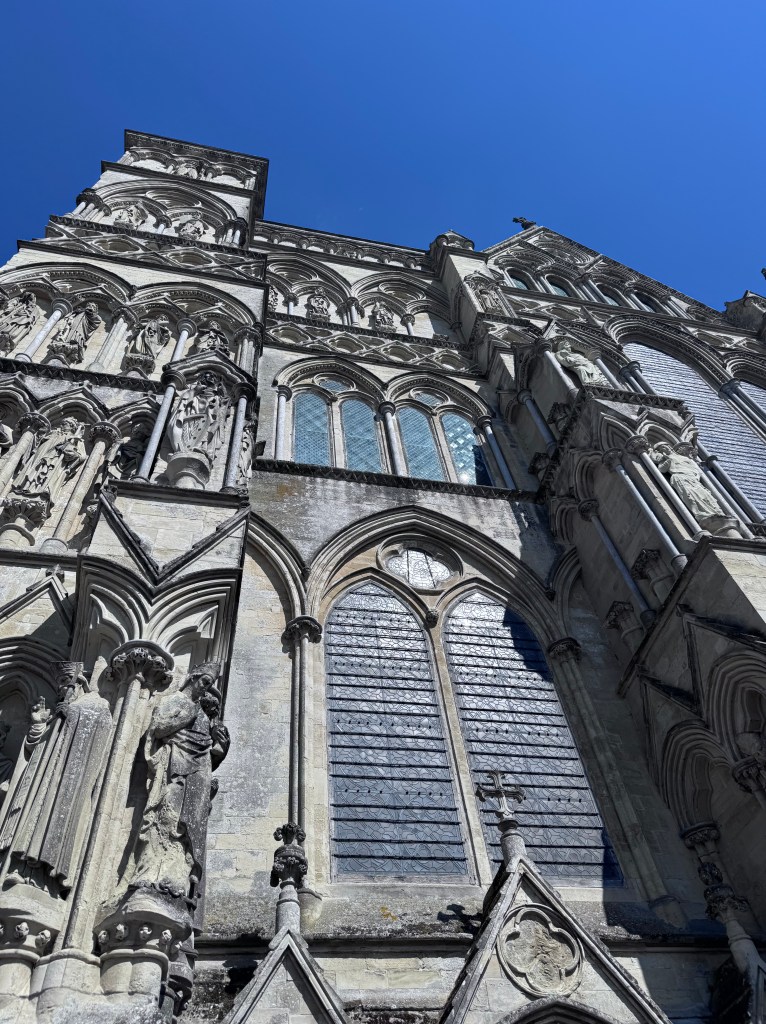
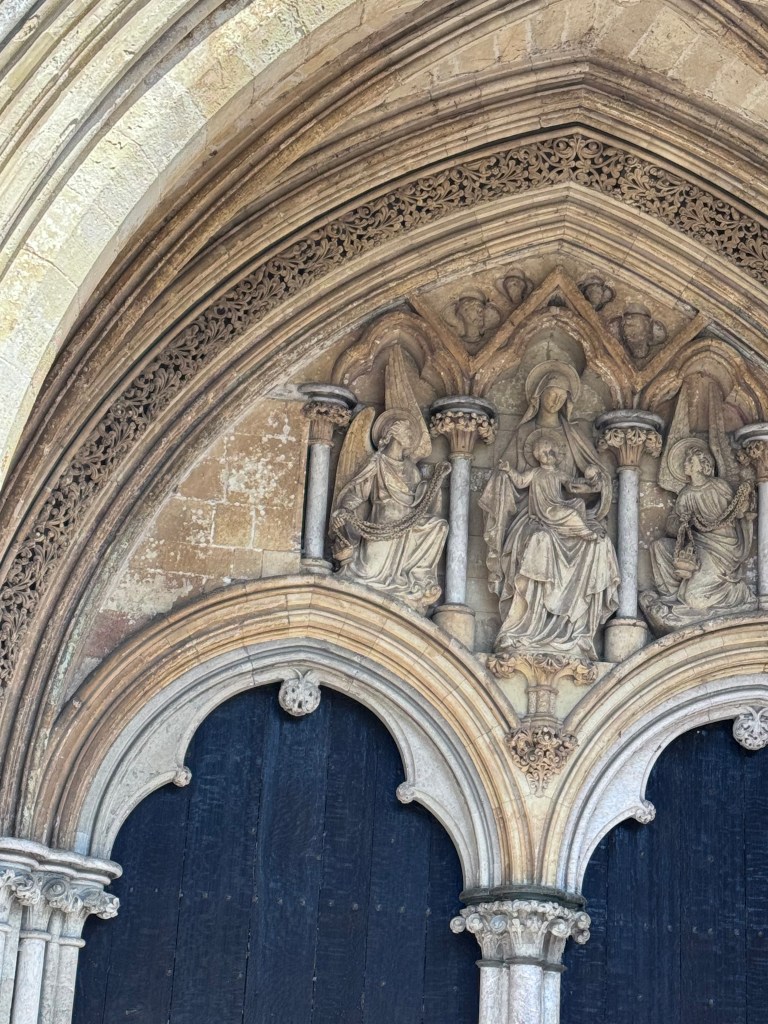
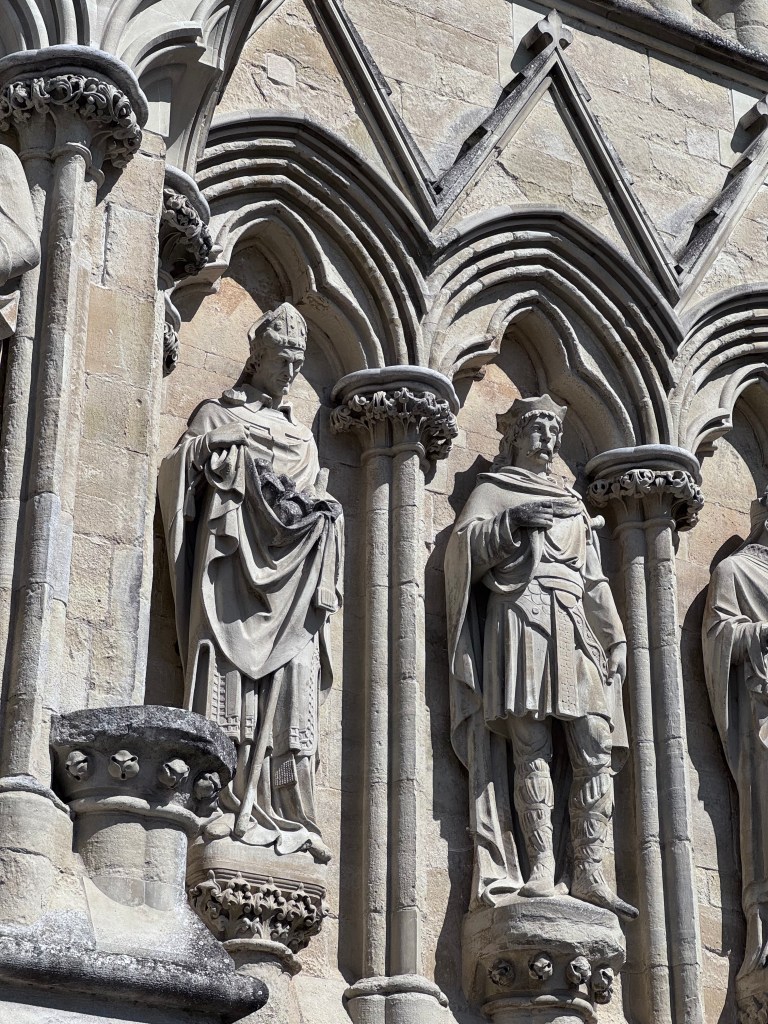
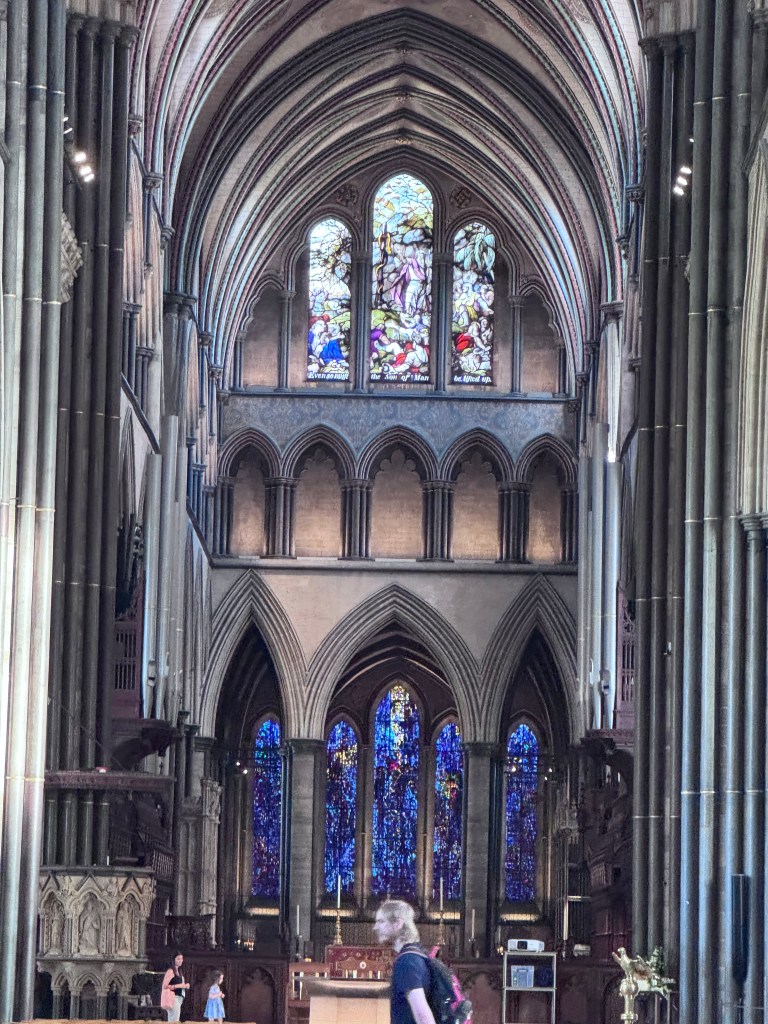
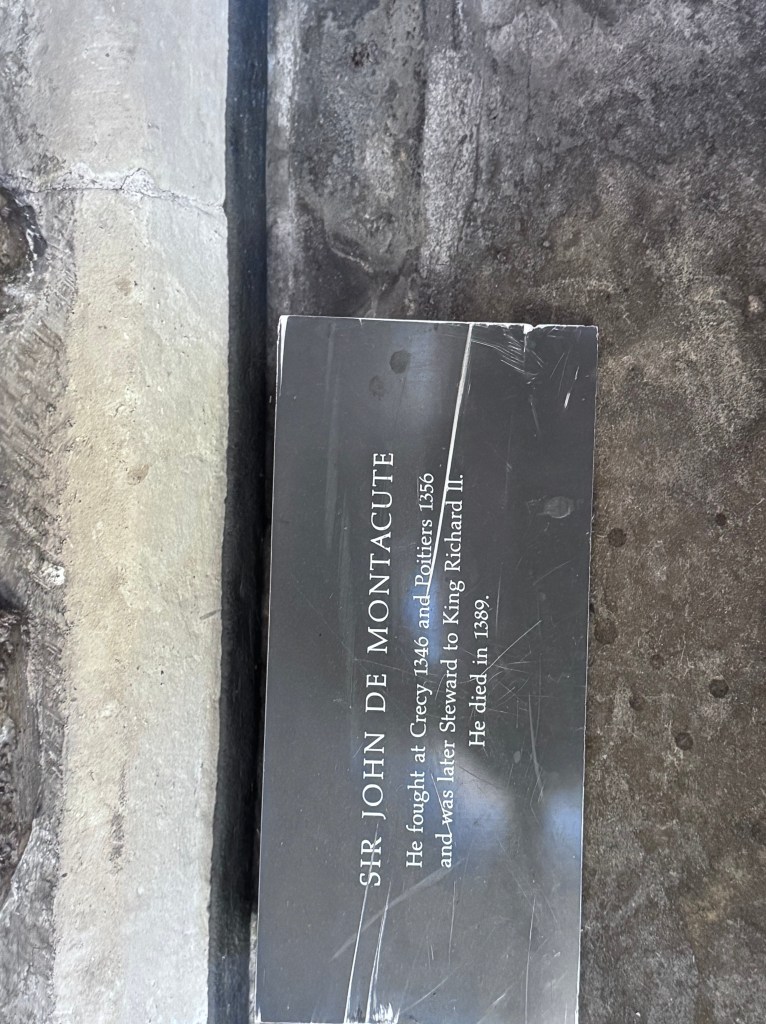
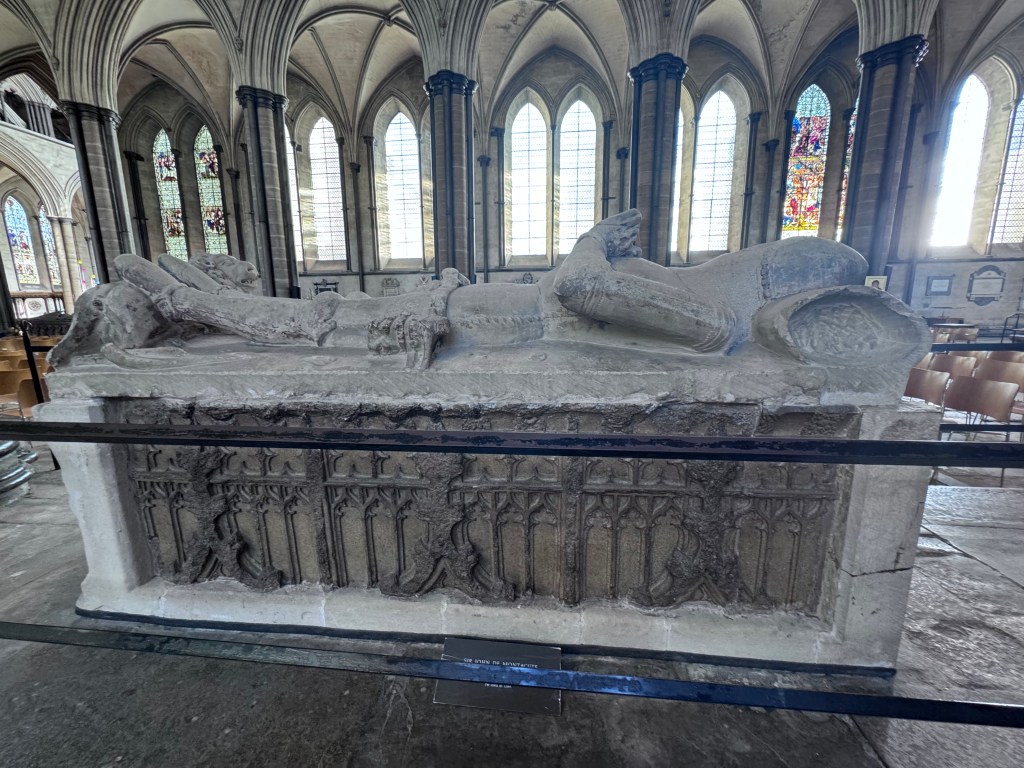
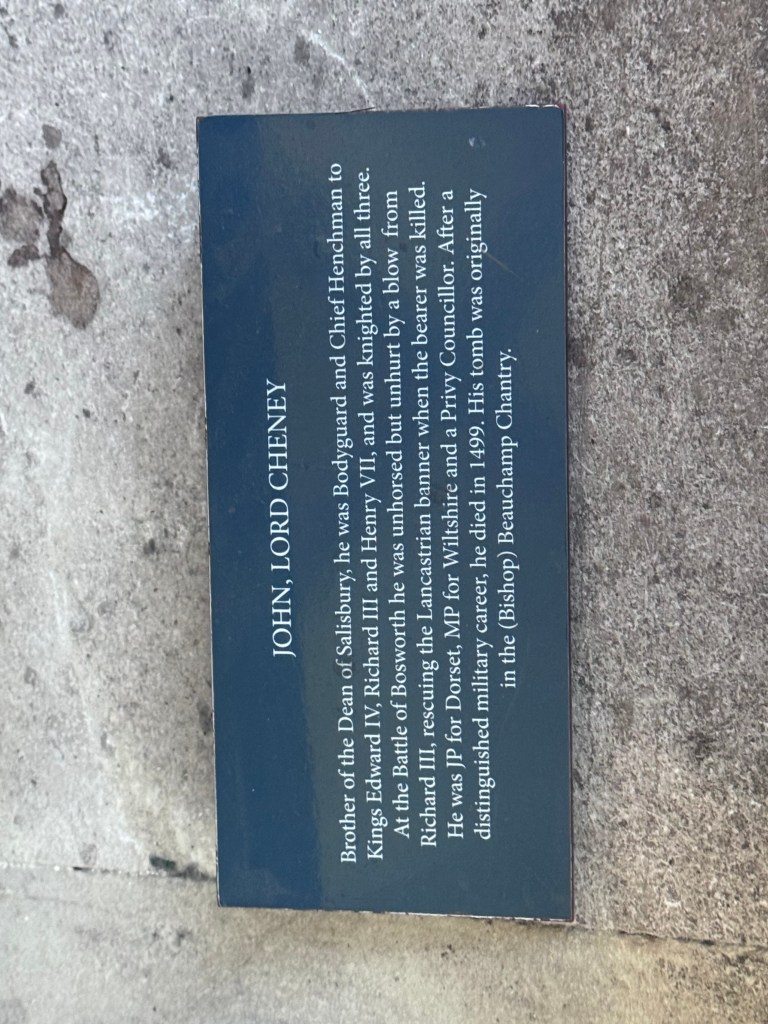
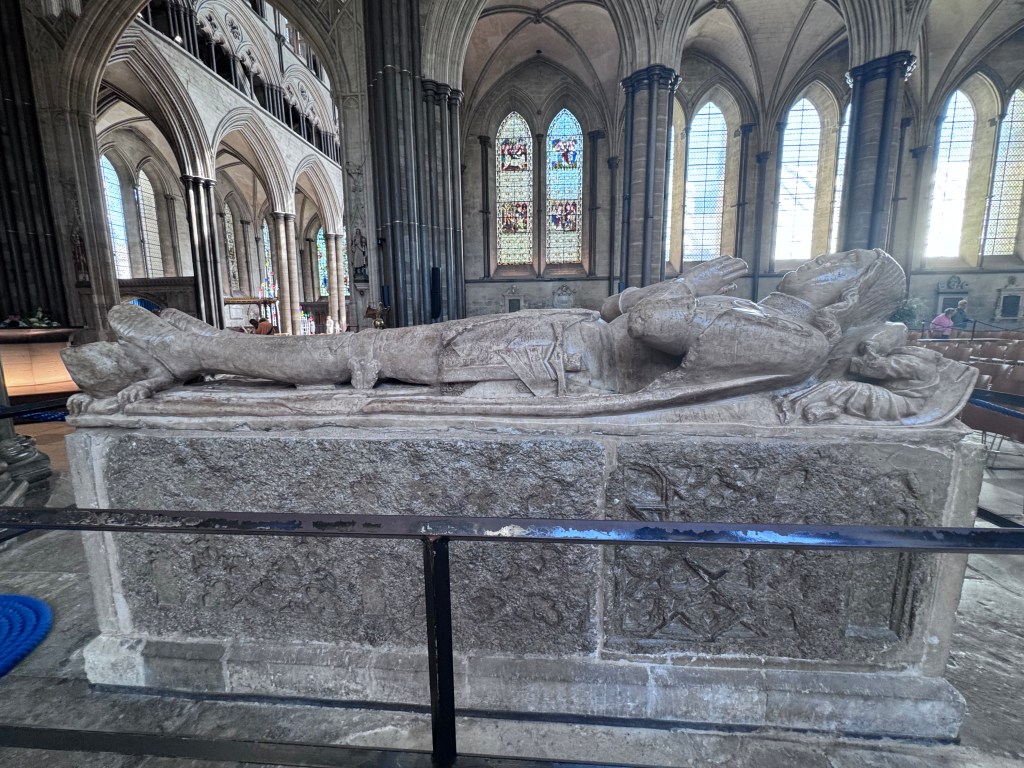
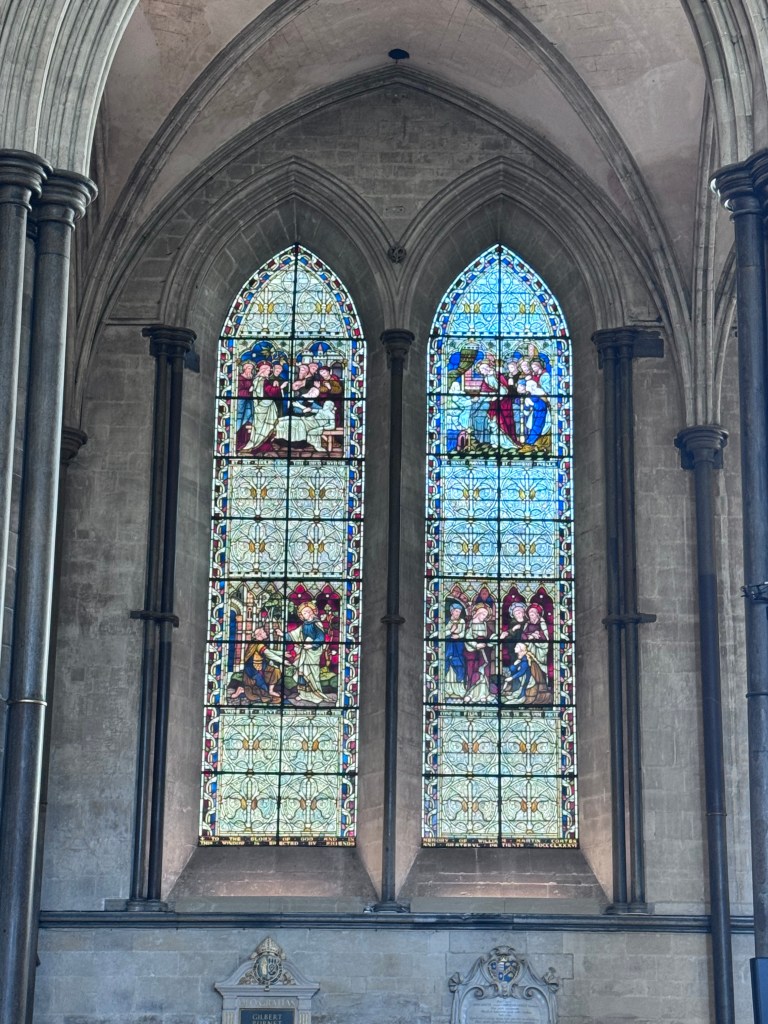
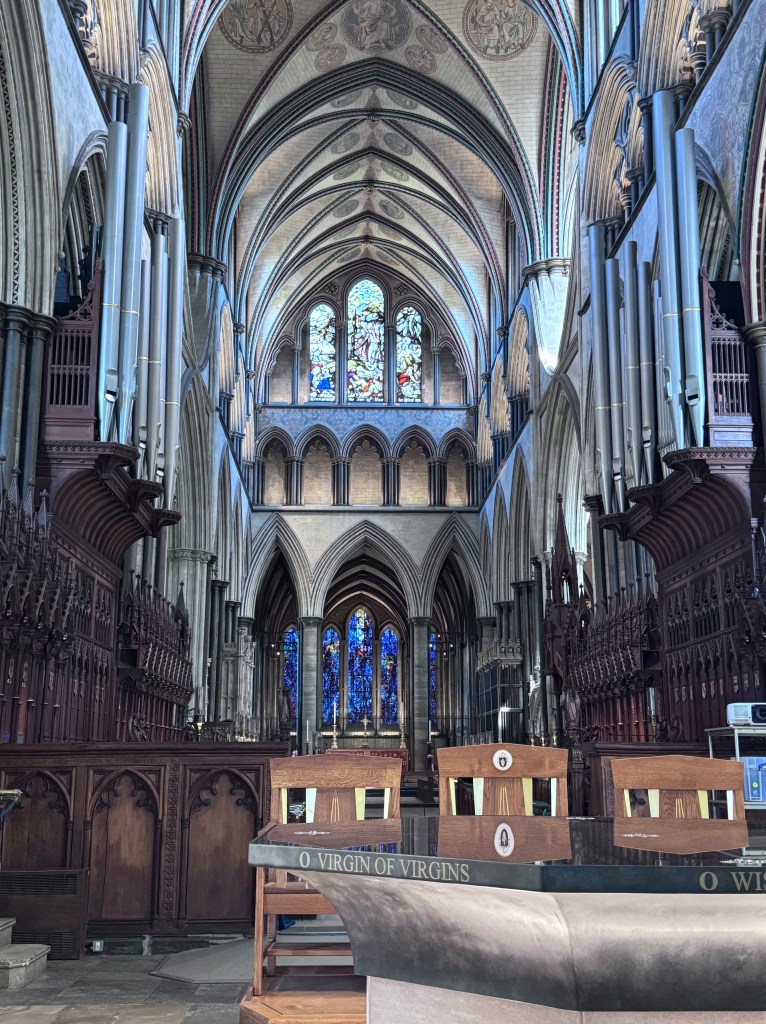
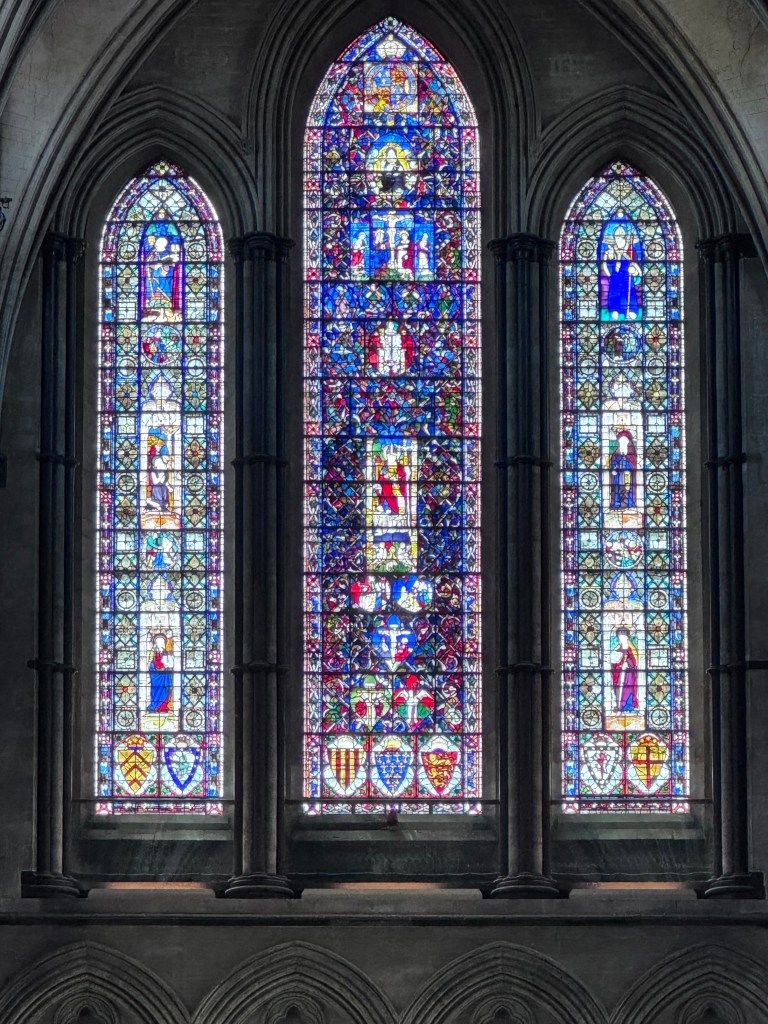
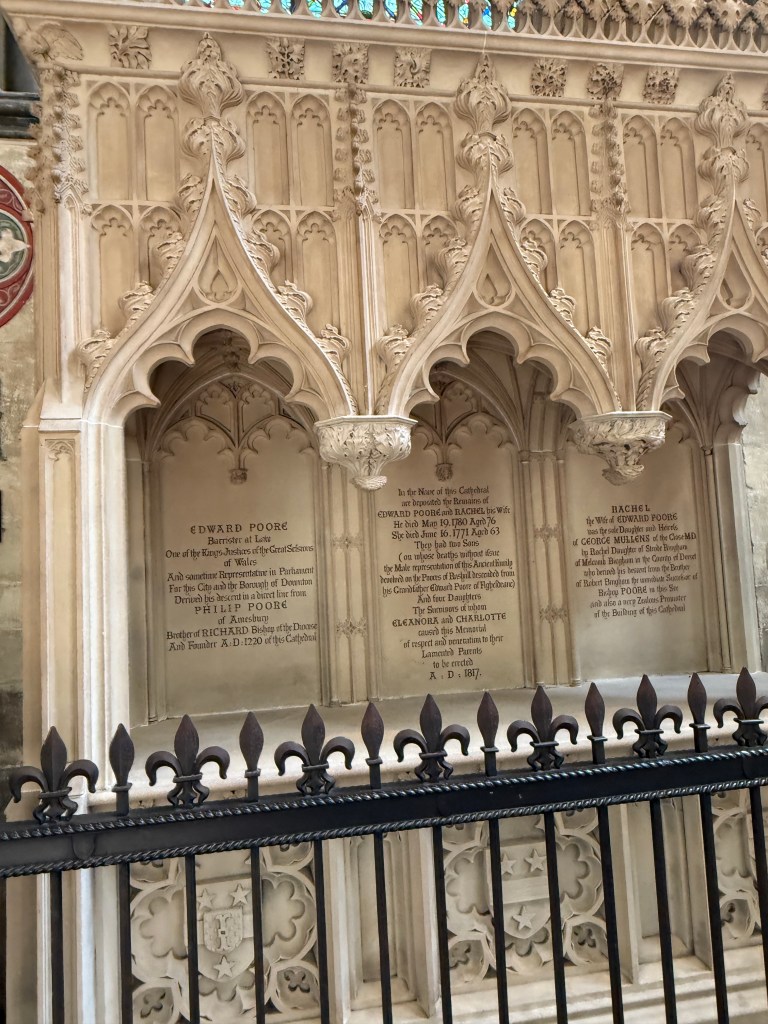
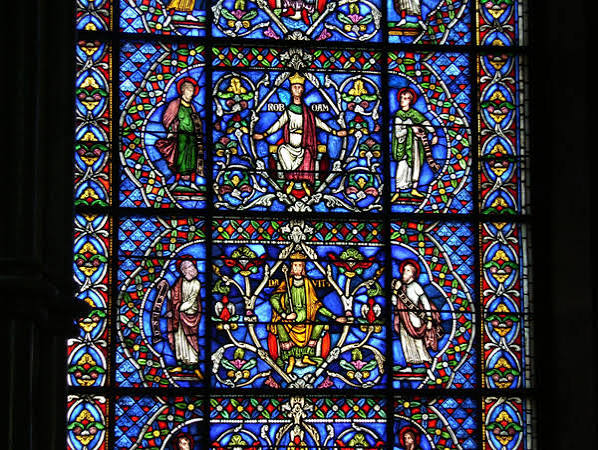
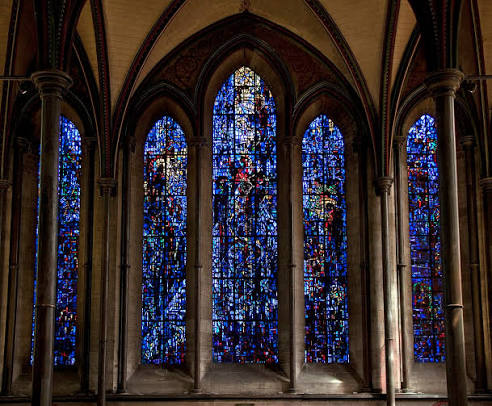
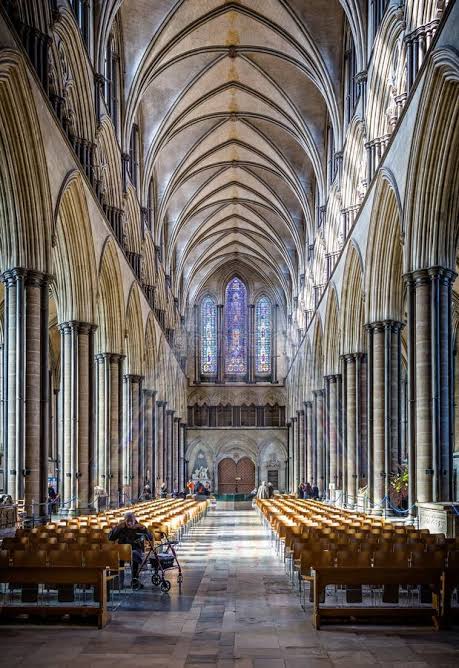
Walking inside the cathedral was breathtaking. Built between 1220 and 1258, Salisbury Cathedral is considered one of the finest examples of Early English Gothic architecture. Unlike many medieval cathedrals that took centuries to complete, the main body of Salisbury Cathedral was built in just 38 years, giving it an unusually unified architectural style. Its soaring spire, completed in the 14th century, remains the tallest surviving medieval church spire in Britain at 404 feet (123 meters). The rib-vaulted ceilings, elegant pointed arches, cloisters, and beautiful Chapter House supported by a single Purbeck marble column are truly magnificent. Everywhere you look there is another incredible detail to admire.

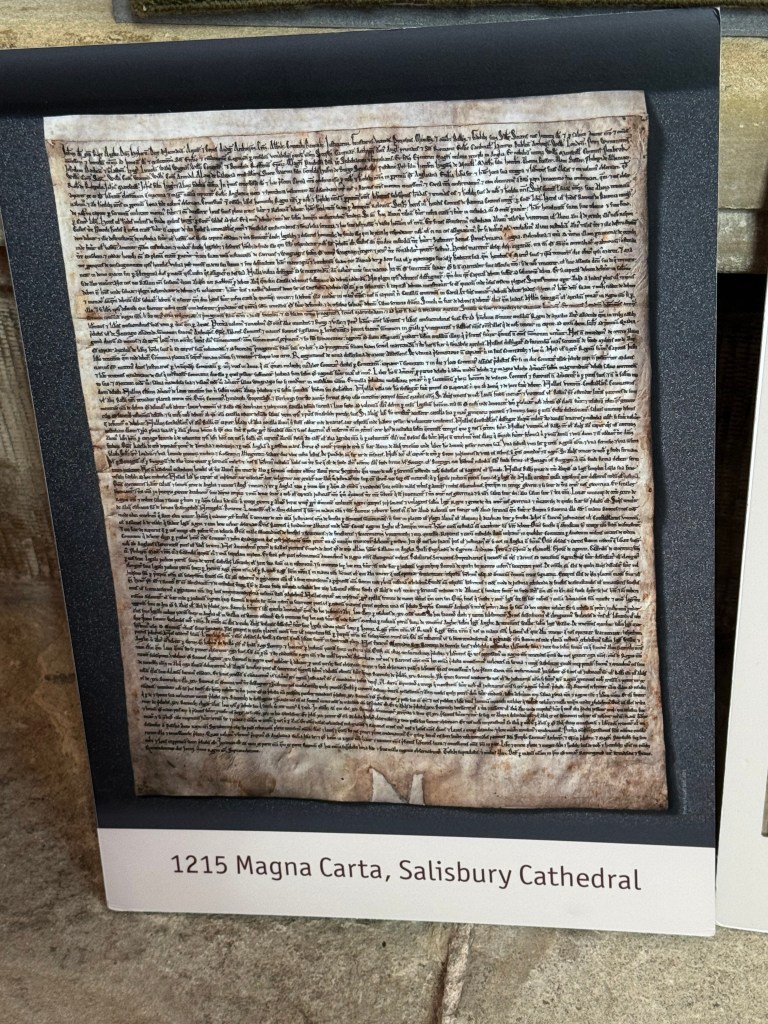
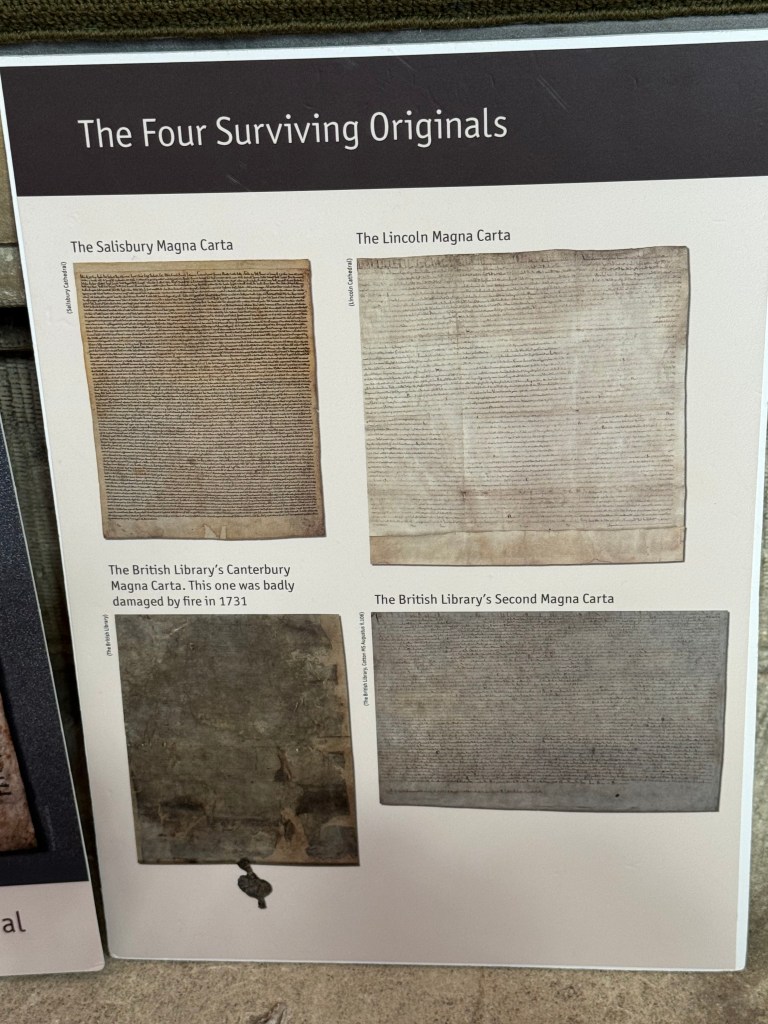
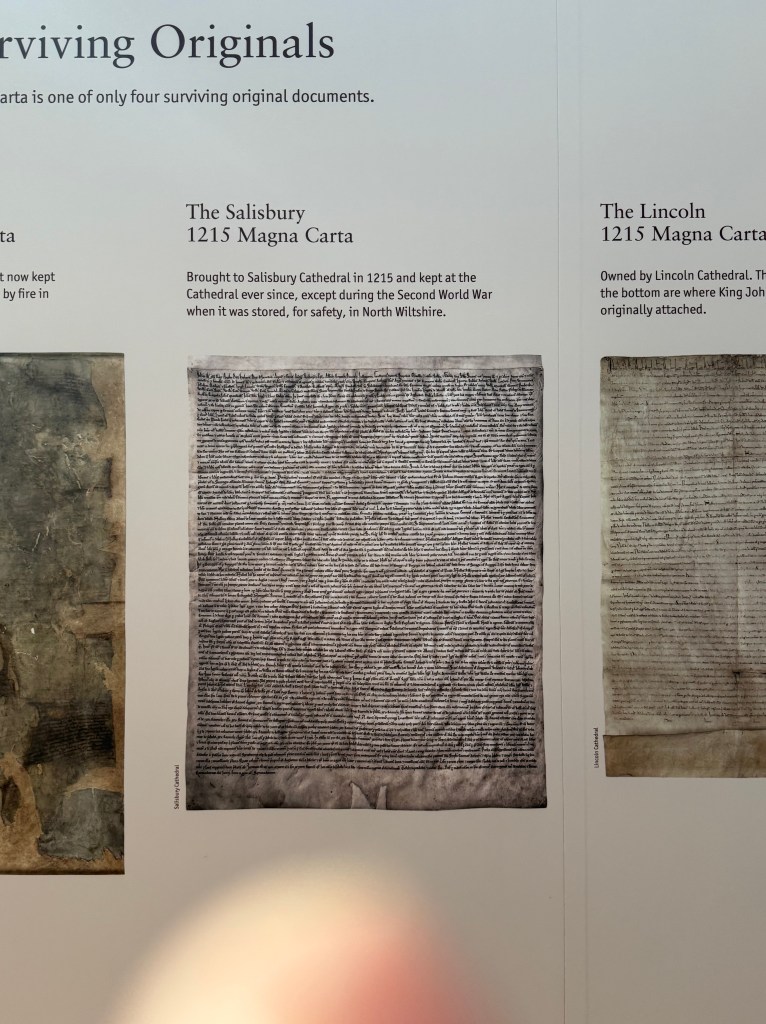
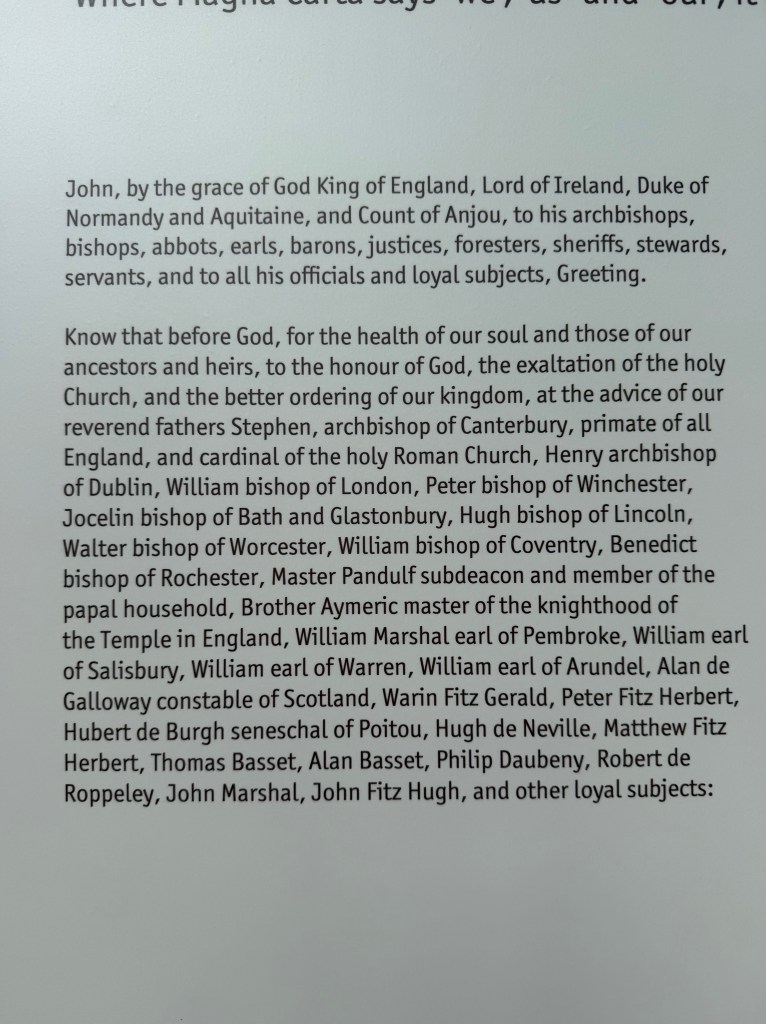
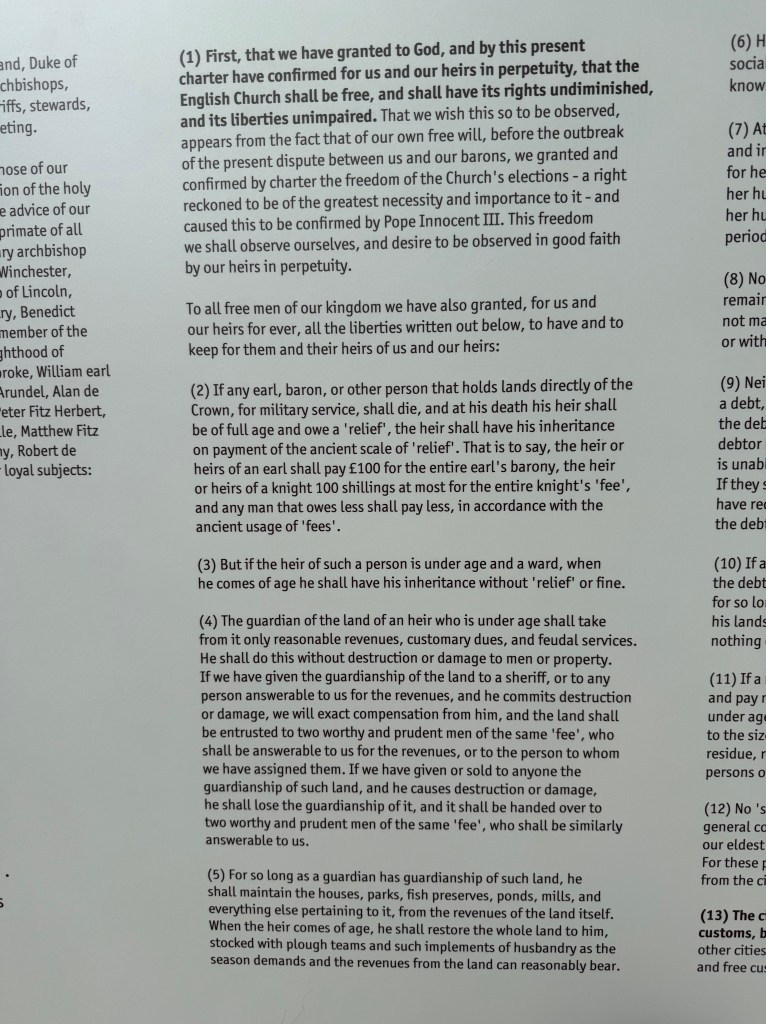
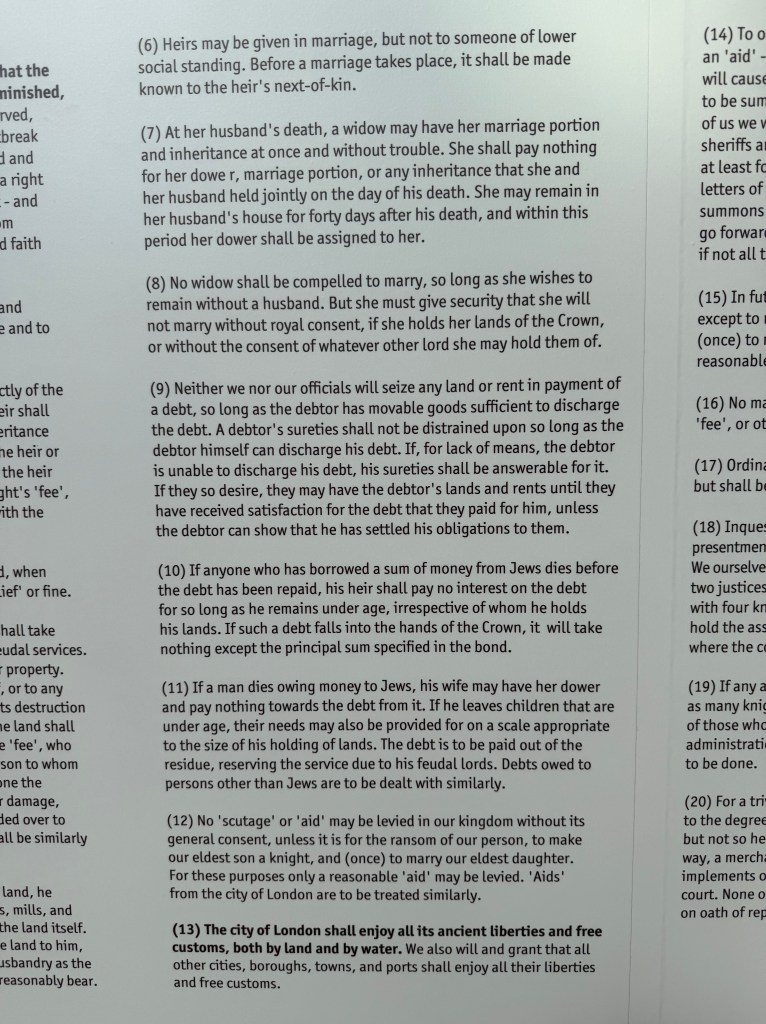
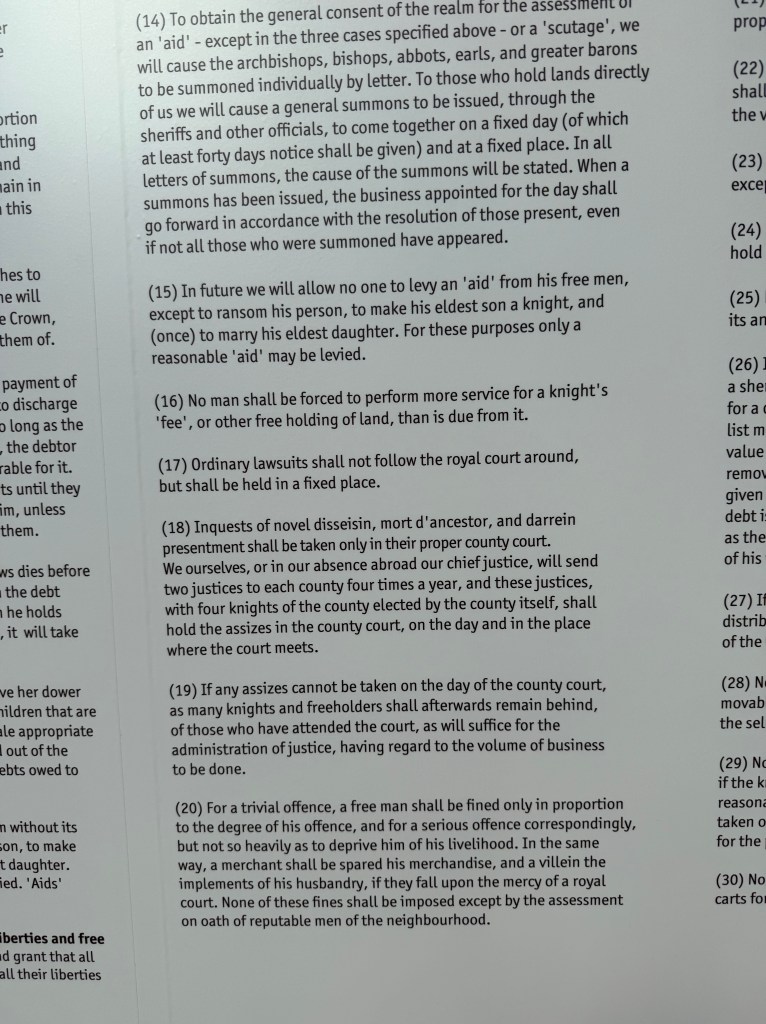
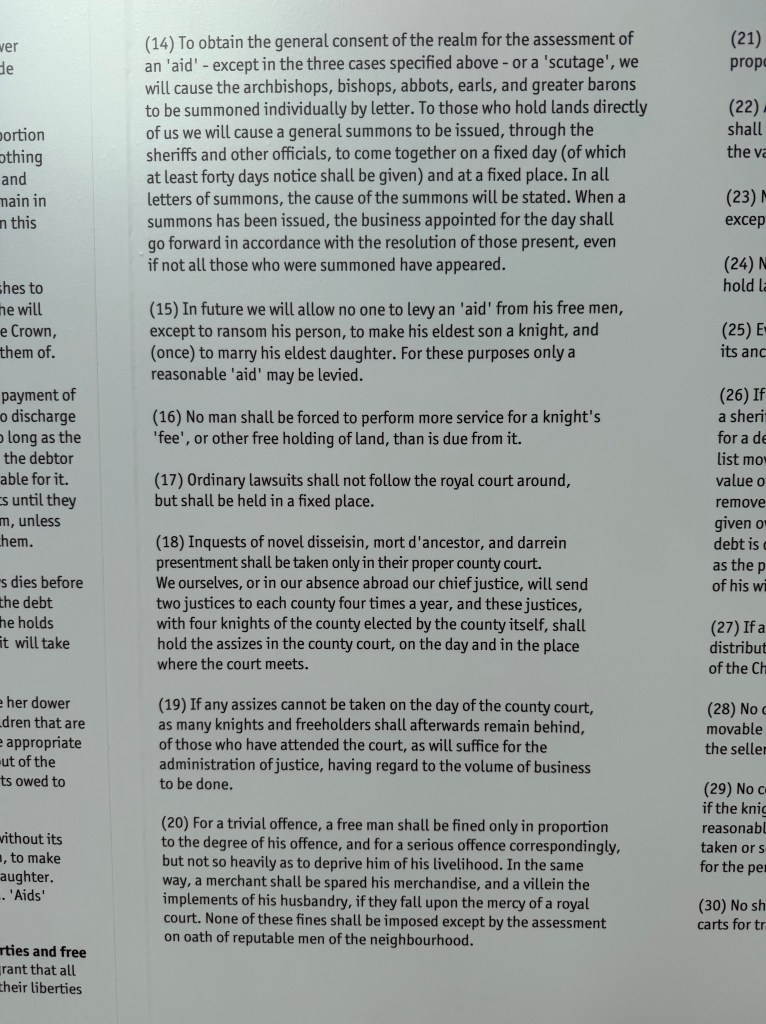
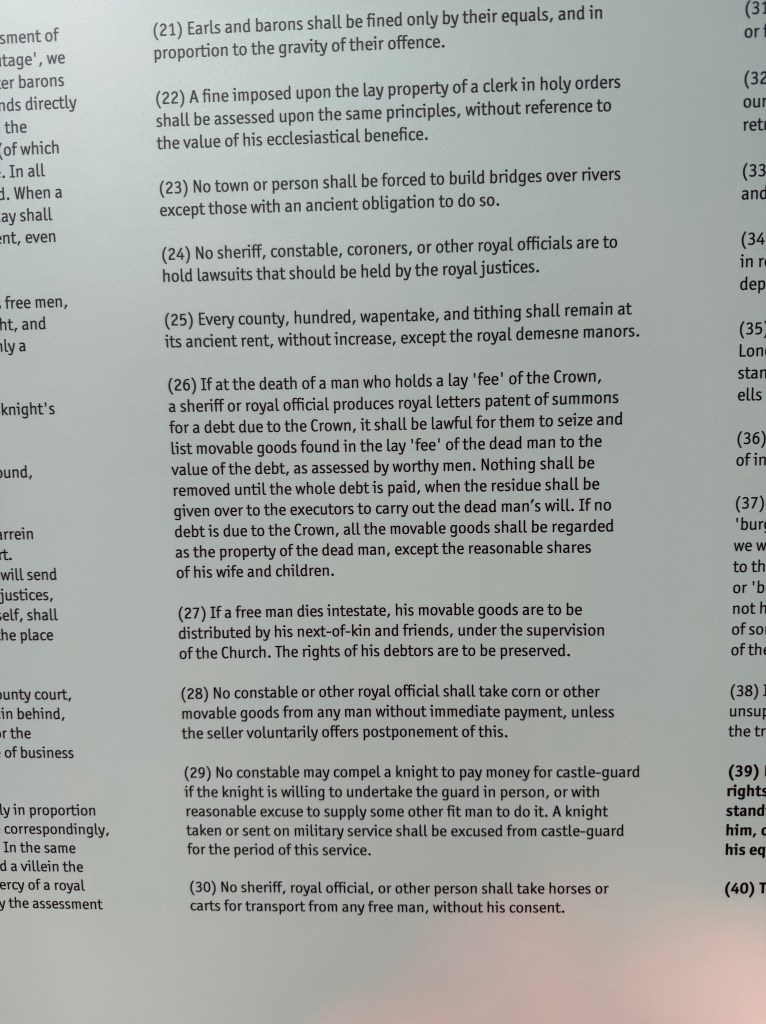
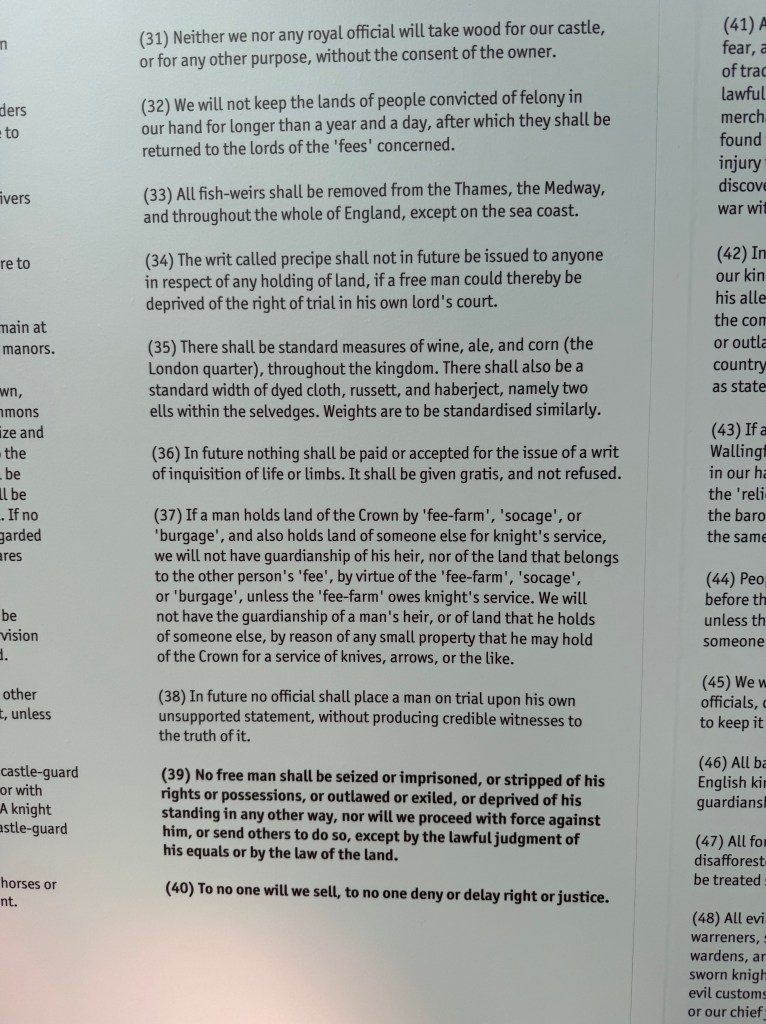
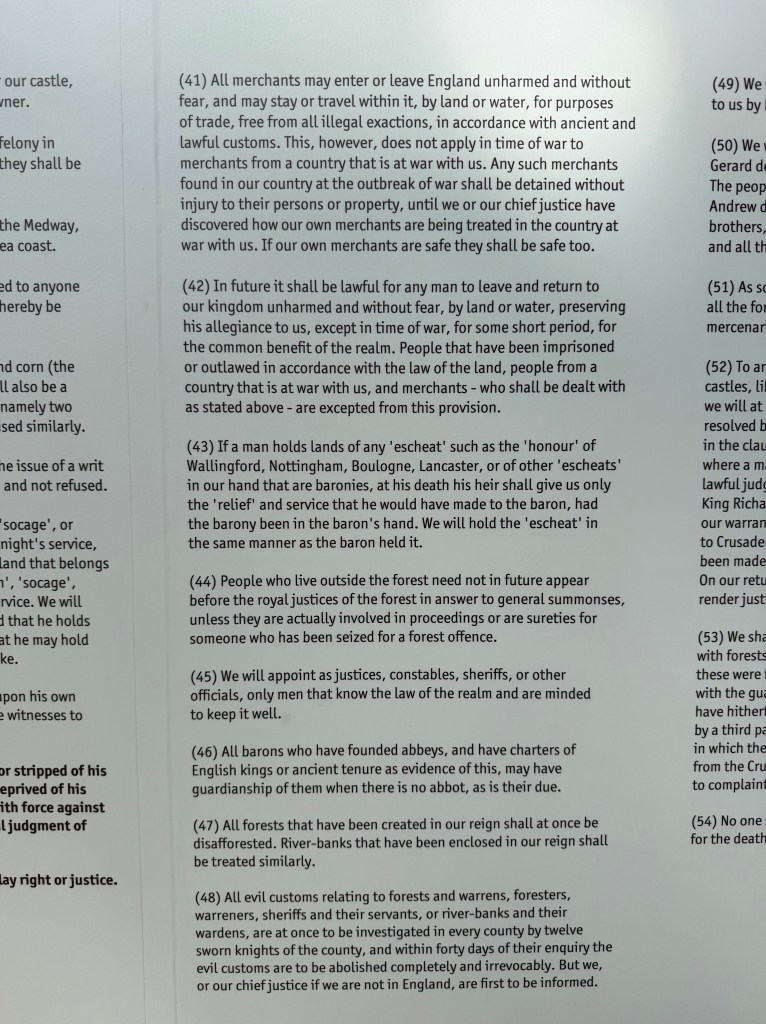
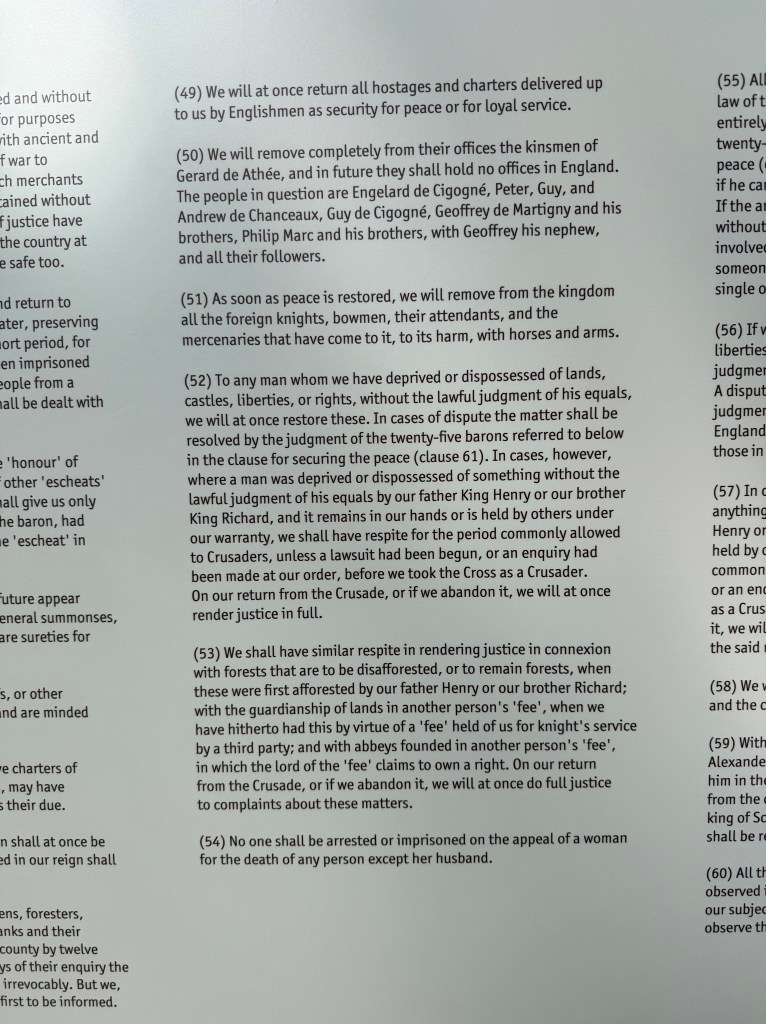
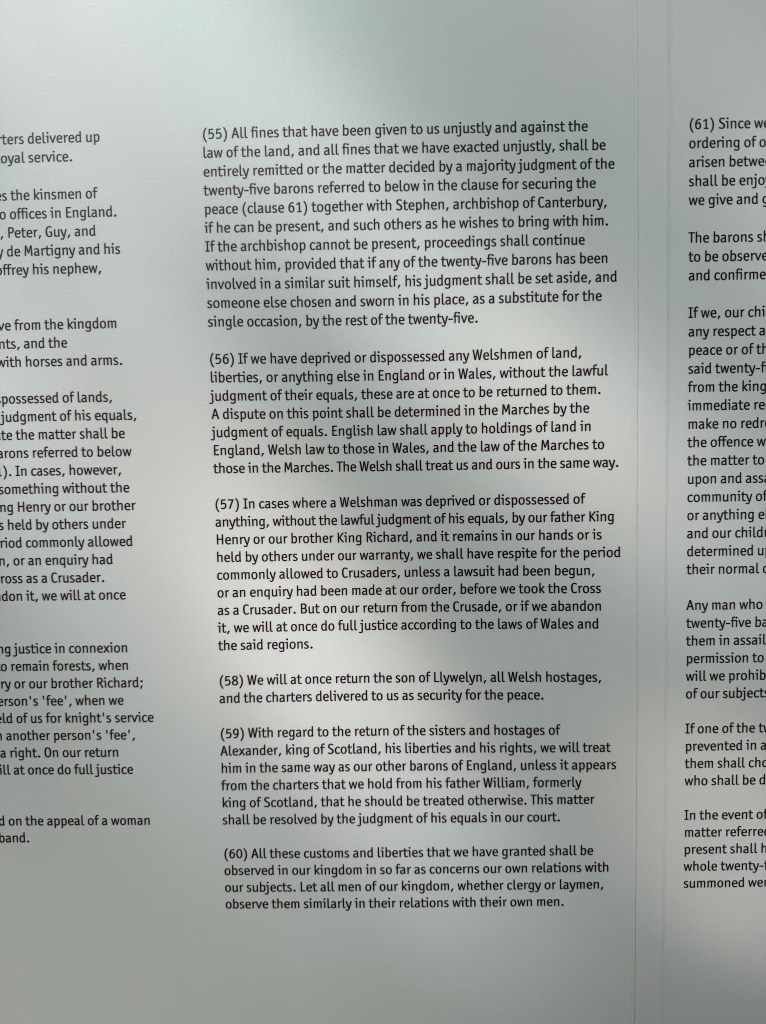
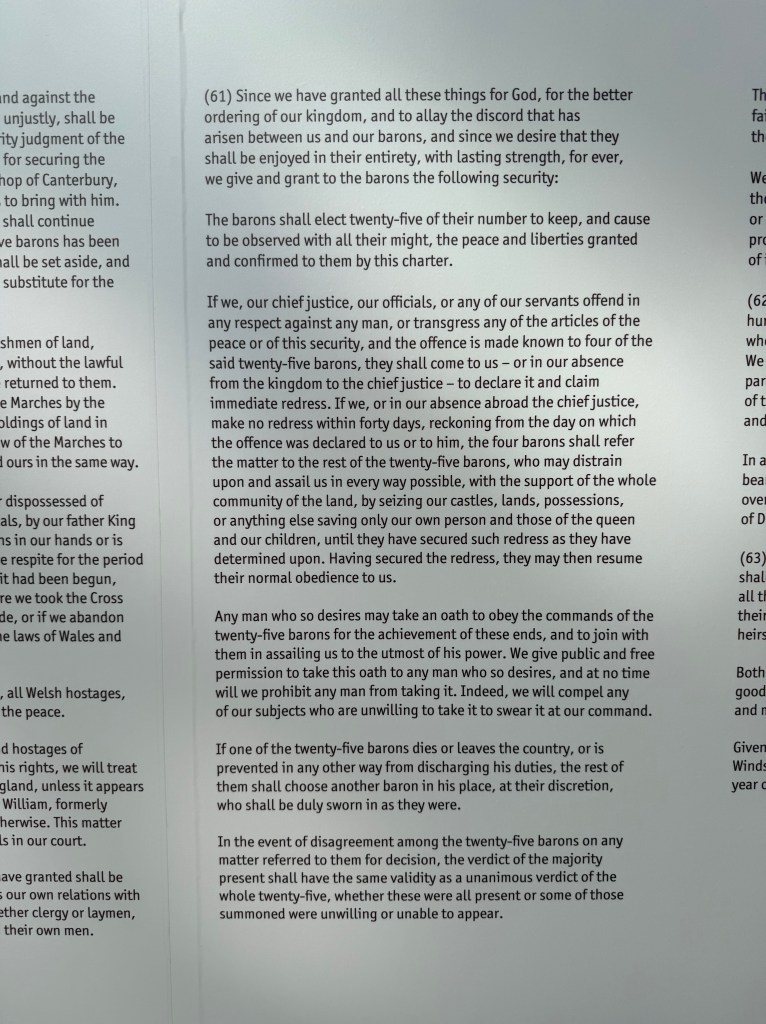
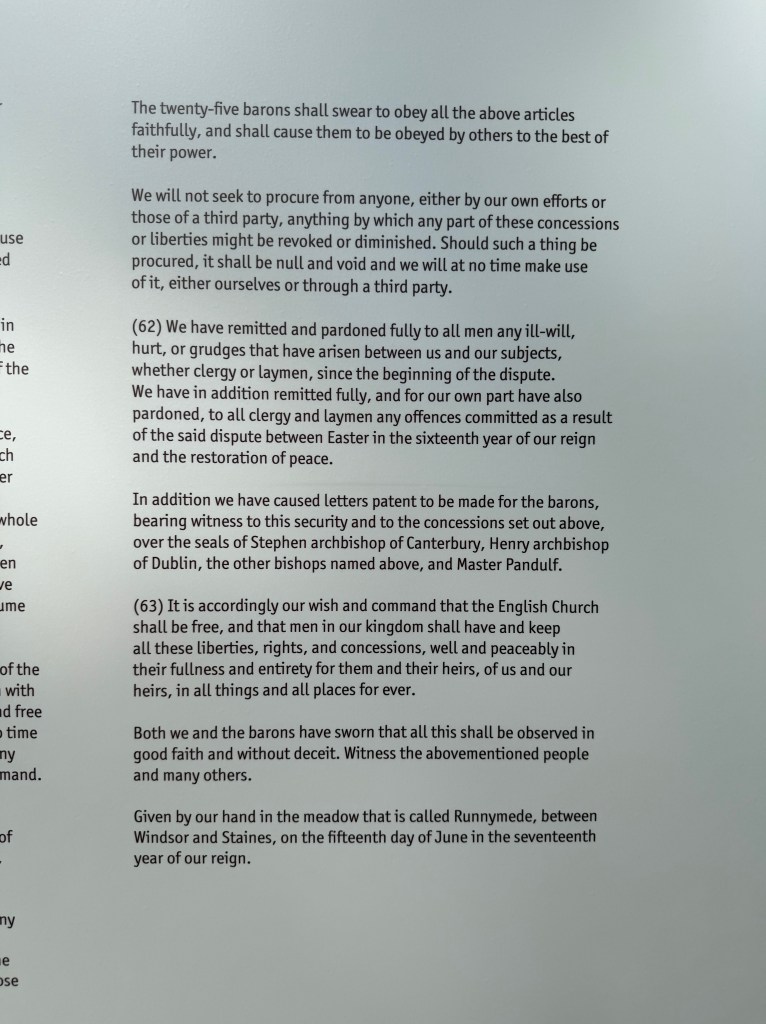
Our final stop was to see one of the cathedral’s greatest treasures—one of only four surviving original copies of the Magna Carta. It is considered the best-preserved copy in existence.

Seeing it in person was unforgettable.

Photography isn’t allowed, so you enter a dimly lit semicircular room where the document rests safely behind glass. The writing is remarkably clear, incredibly neat, and unbelievably tiny. Looking at a document written more than 800 years ago that helped shape constitutional government throughout much of the world is difficult to put into words. I’ll include photographs showing how the other surviving copies compare, many of which are faded or much harder to read.

Standing there, I couldn’t help but reflect on just how young the United States—and especially Montana—really are. People throughout Europe are often amazed when we tell them Montana is only 136 years old. Here, buildings, monuments, and documents are measured not in decades but in centuries and even millennia. It certainly puts history into perspective.

After such an incredible day filled with ancient engineering, medieval architecture, and one of the world’s most important historical documents, we caught our train back to London and happily crashed at the apartment for the evening.

Stepping Back in Time at Godshill Model Village

Our final day on the Isle of Wight was spent in one of its most charming villages. We caught a taxi up to the Old Smithy Car Park in Godshill, where we met Alan, Pauline, and Jane—another Friendship Force member whom Aunt Jane had spent time with during her visit to the Isle of Wight last November. It was wonderful to see everyone again before continuing on to London.

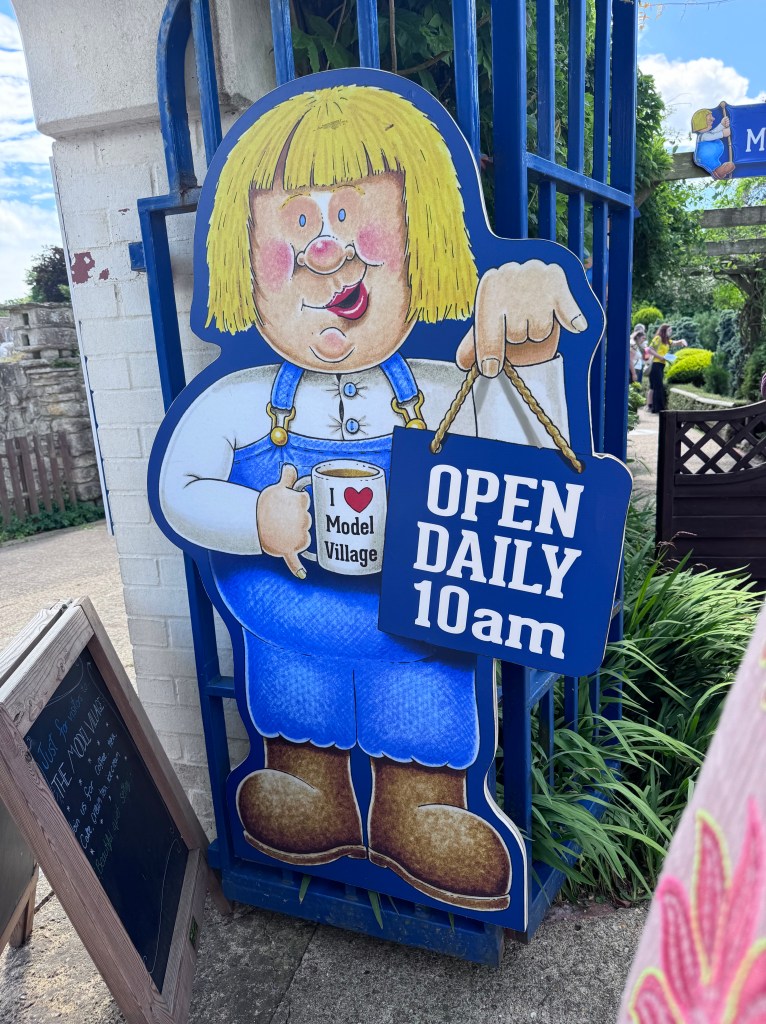
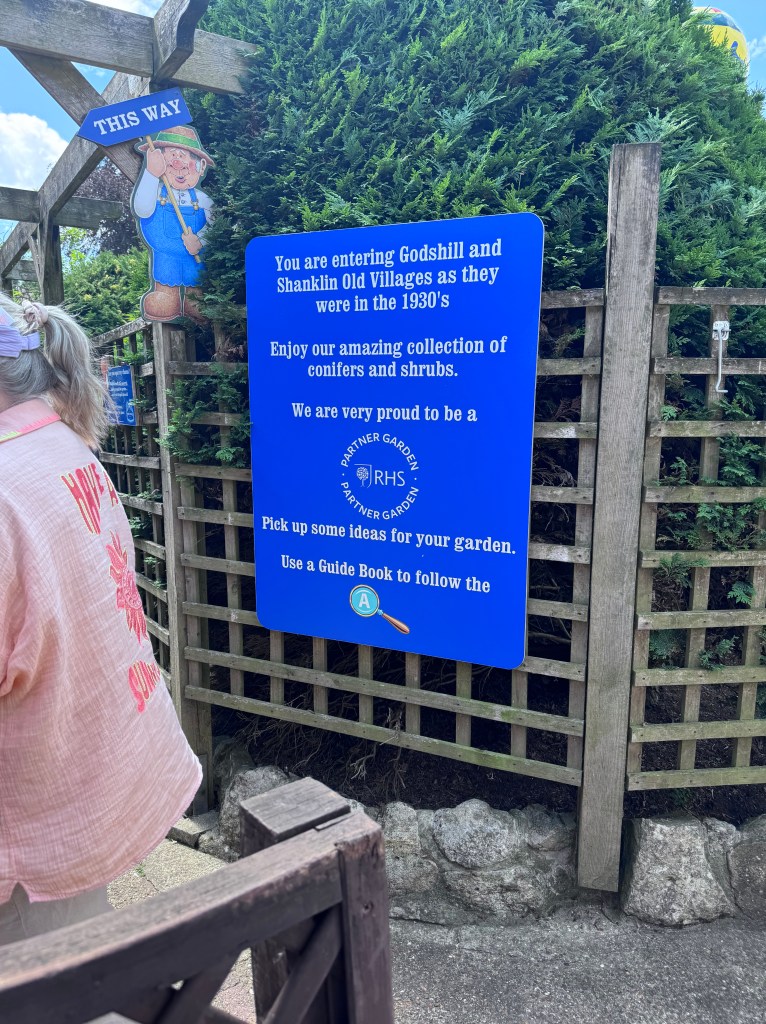
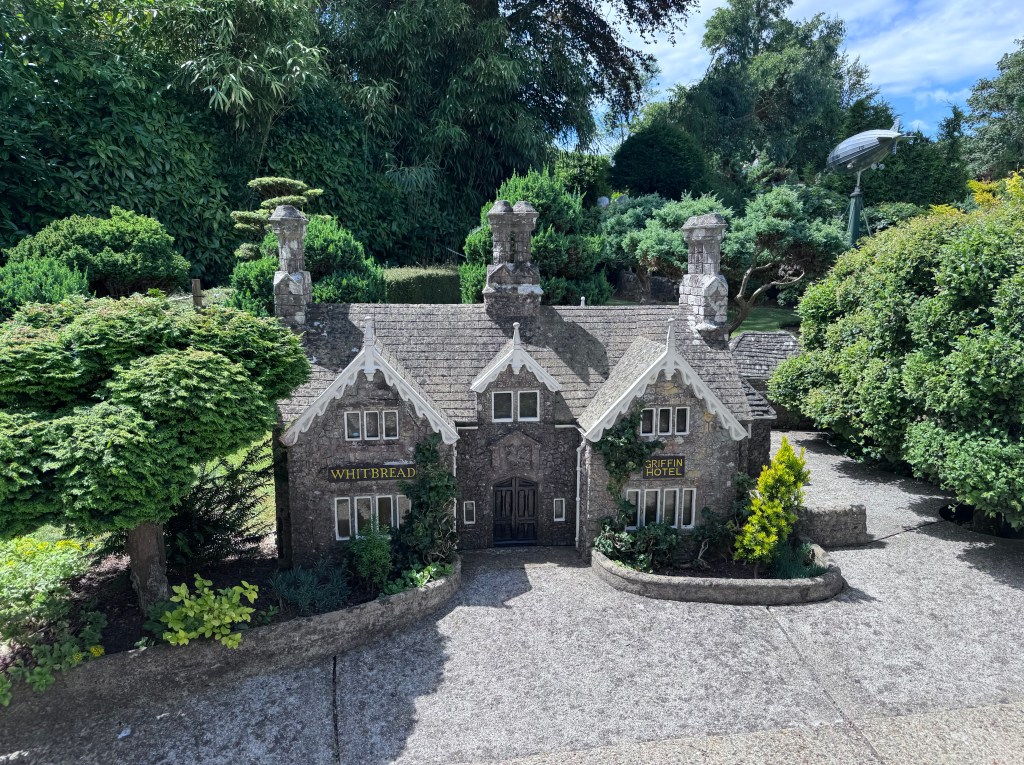
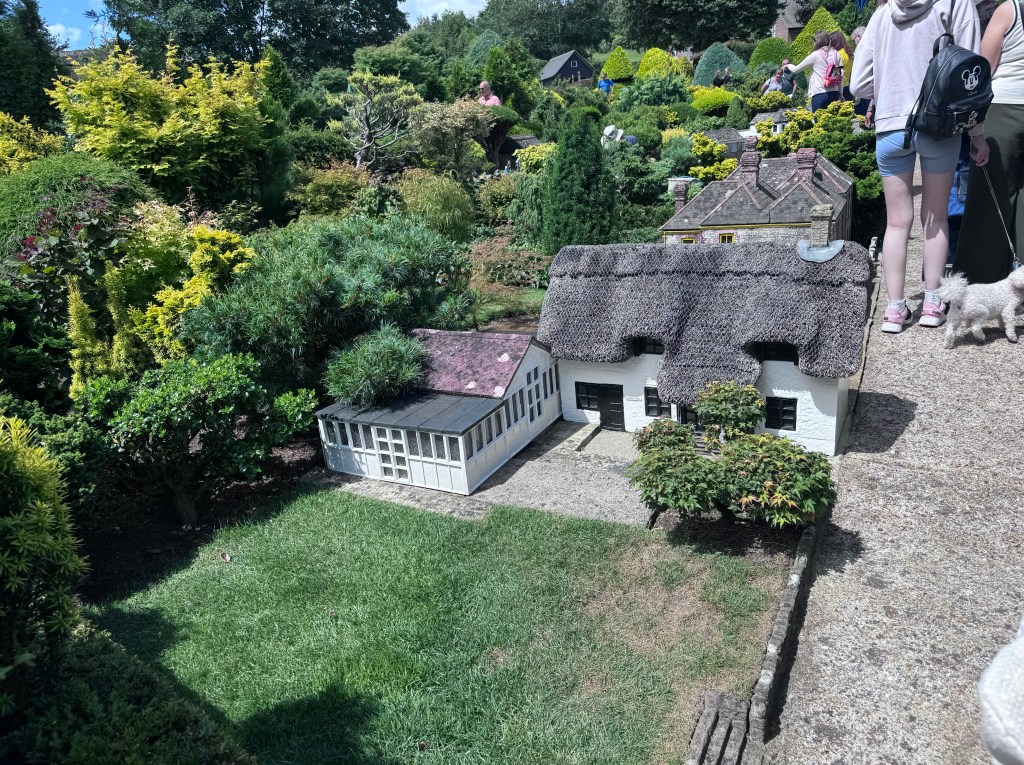
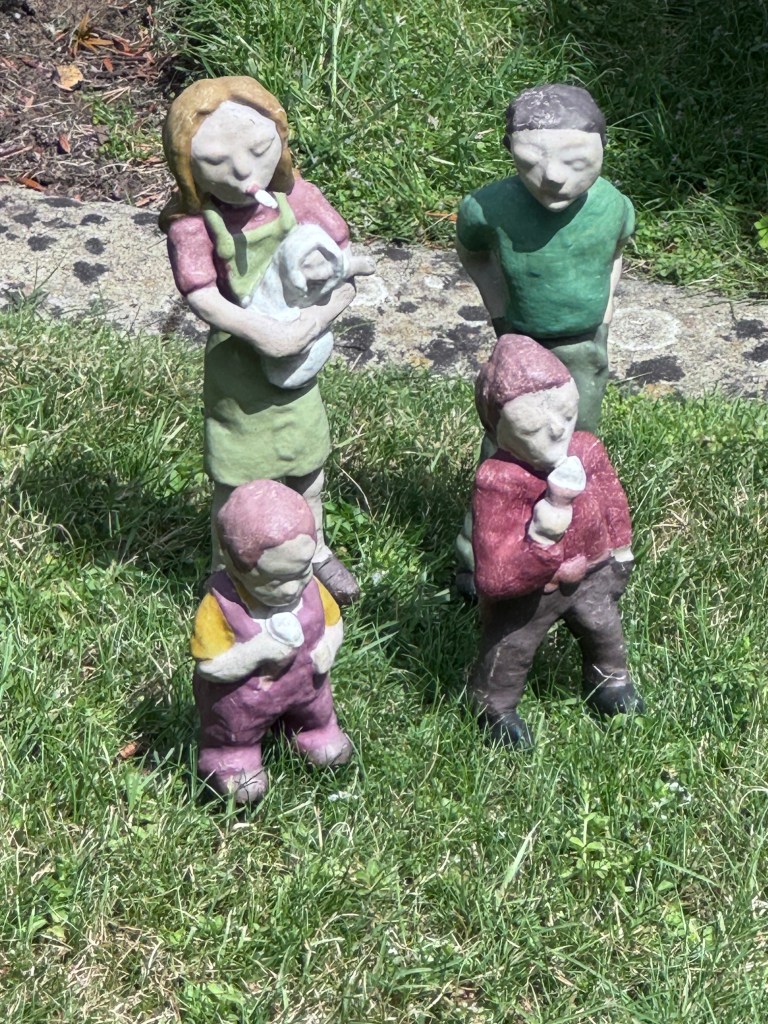
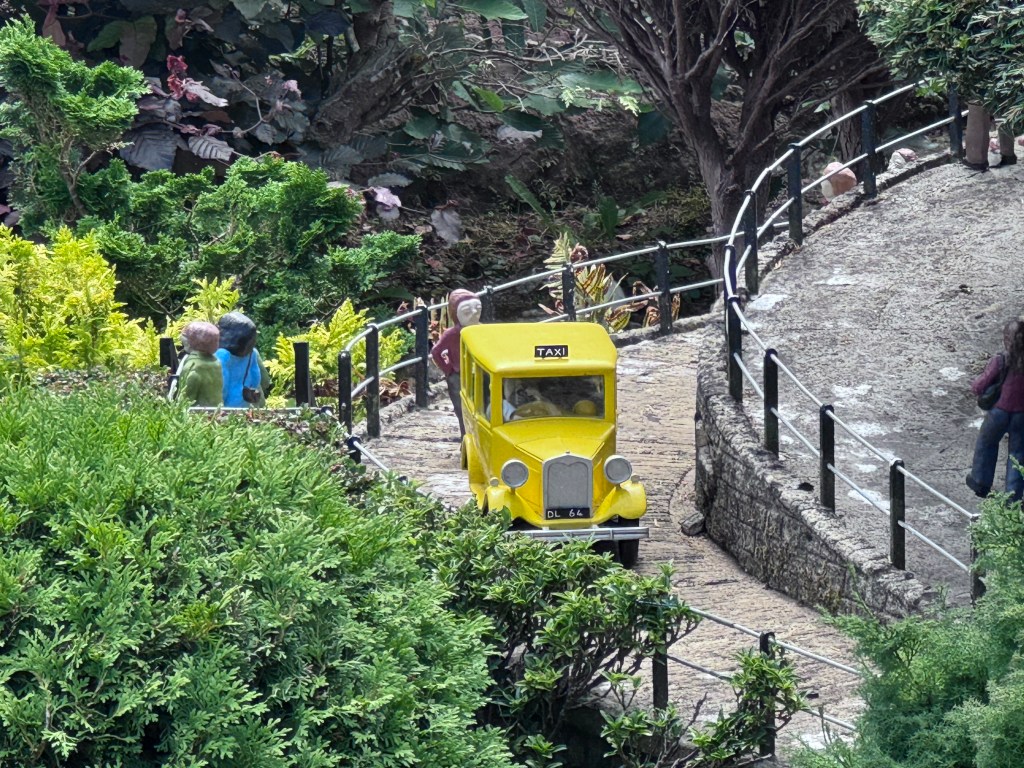
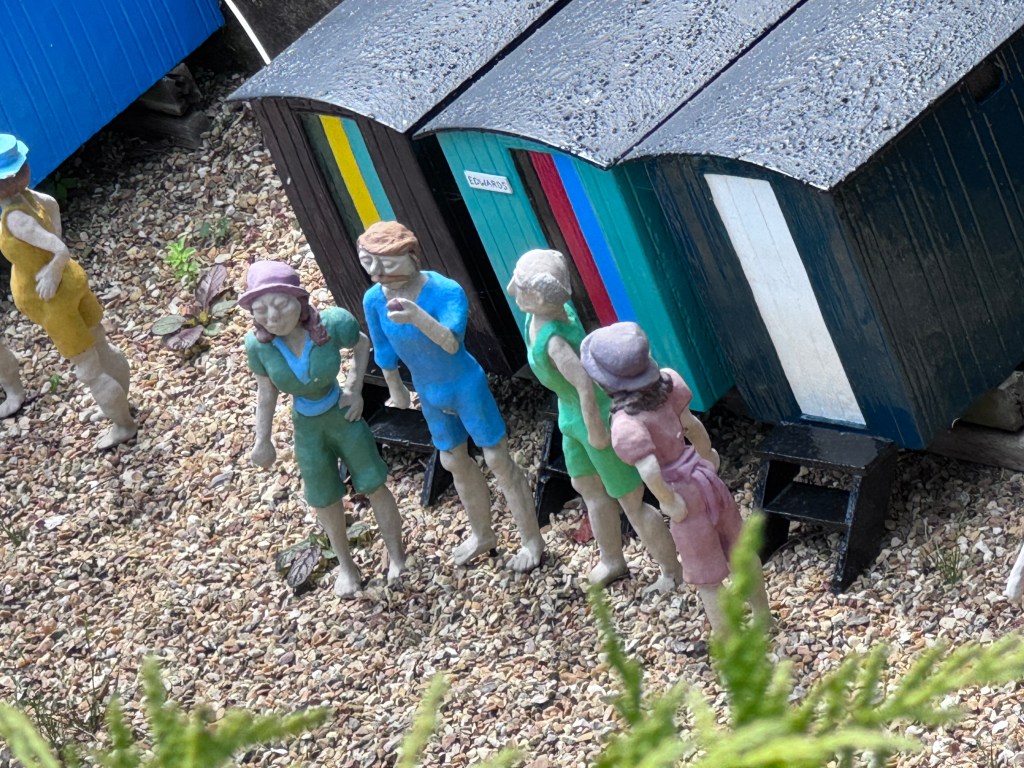
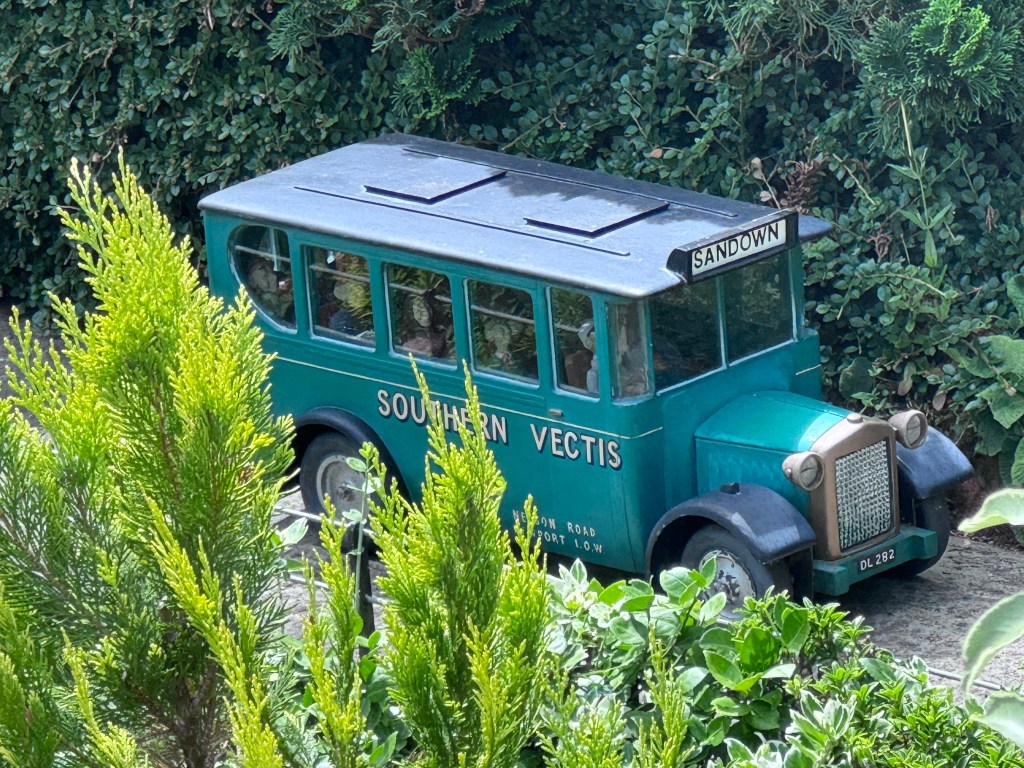
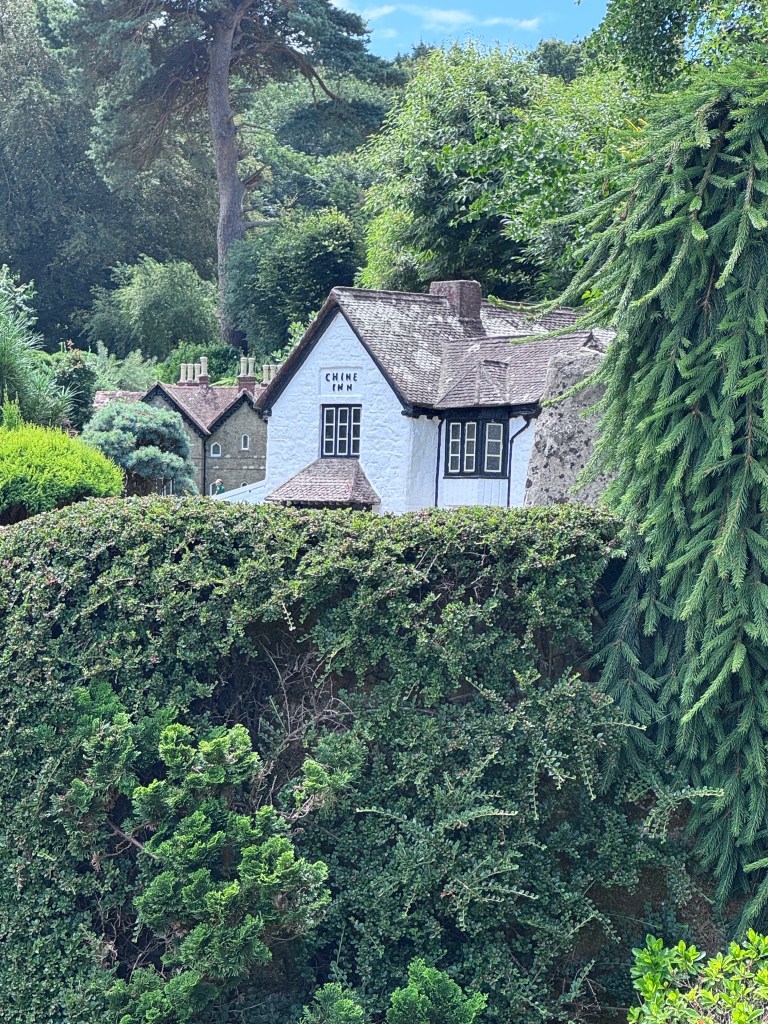
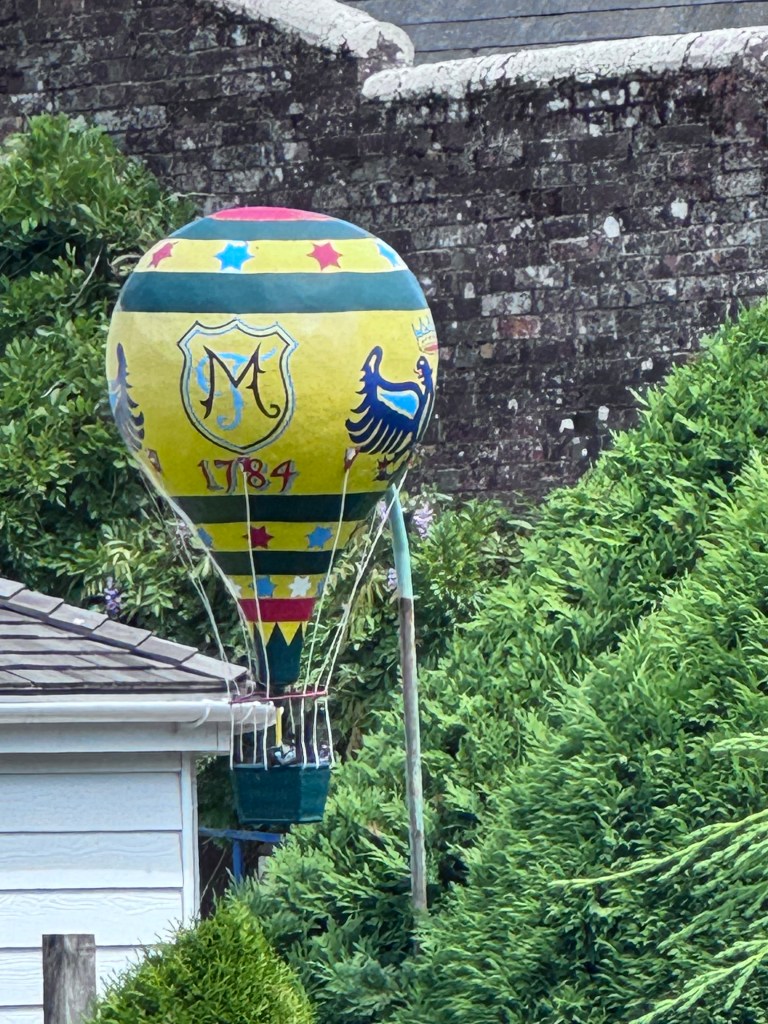
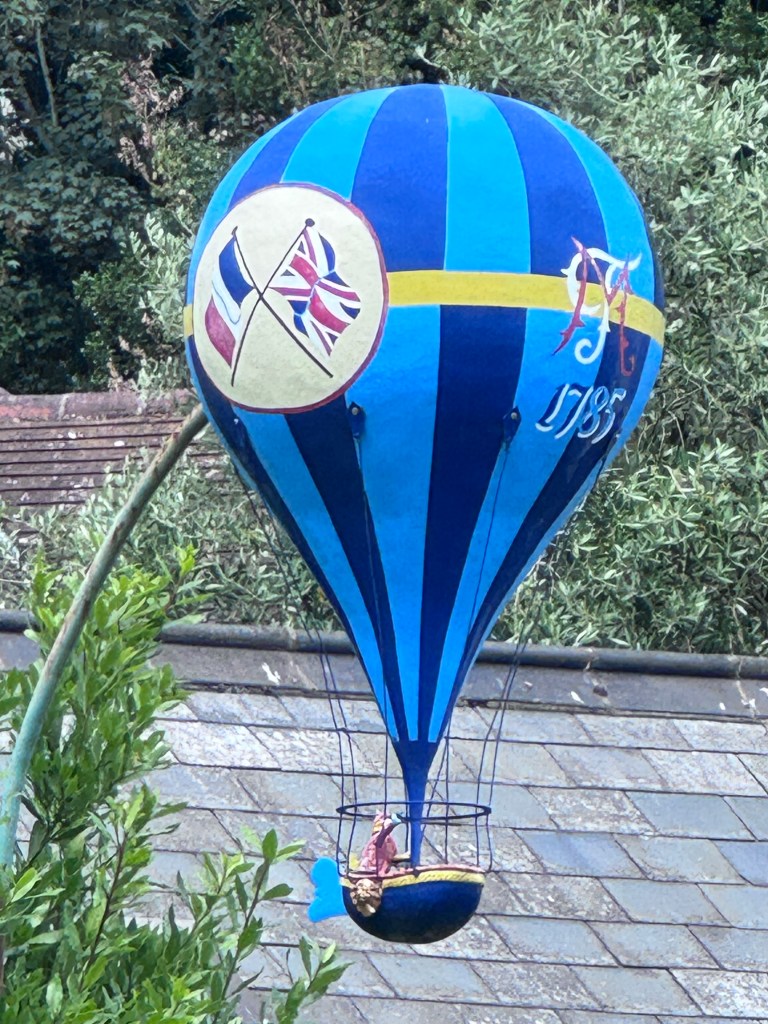
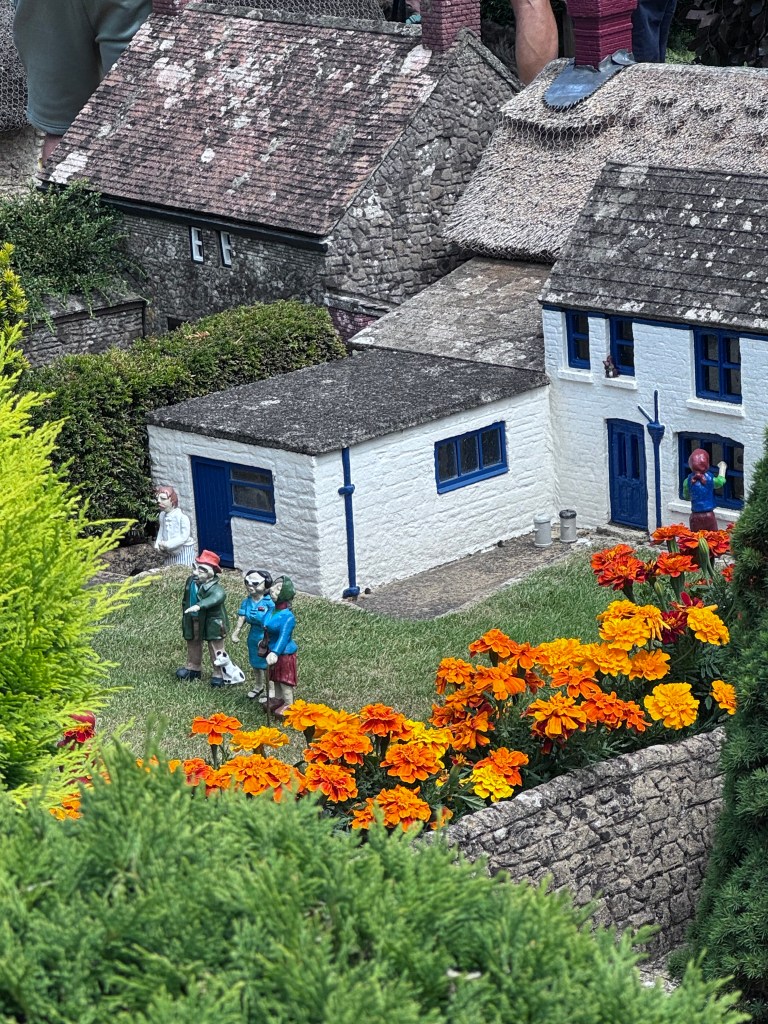
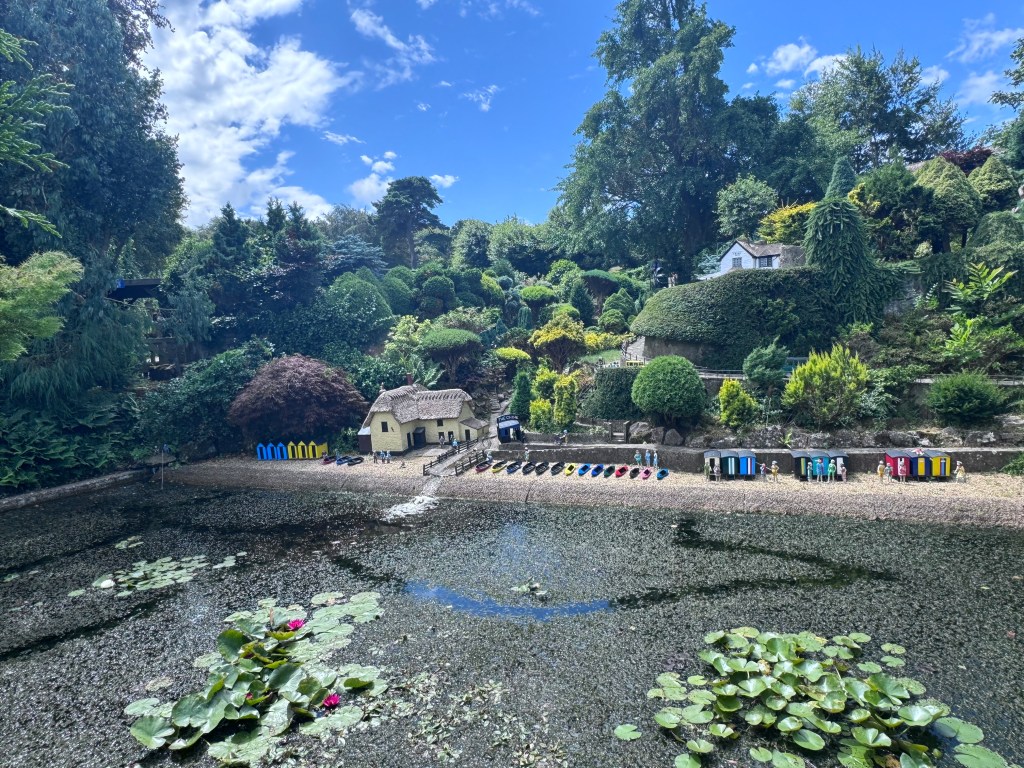
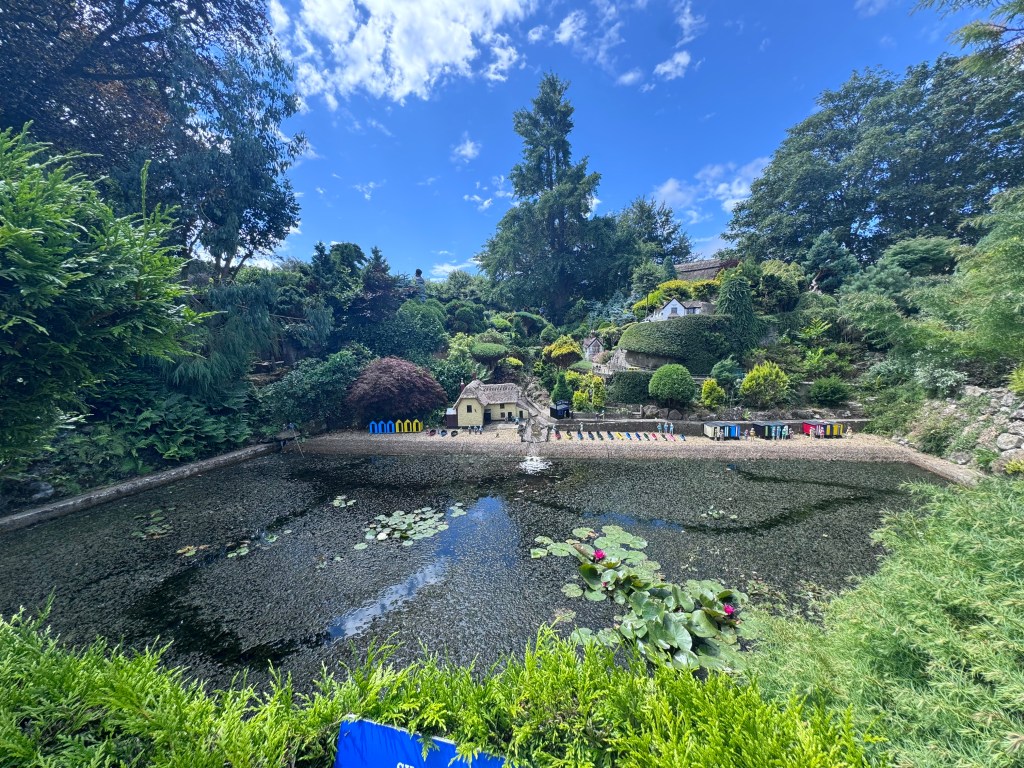
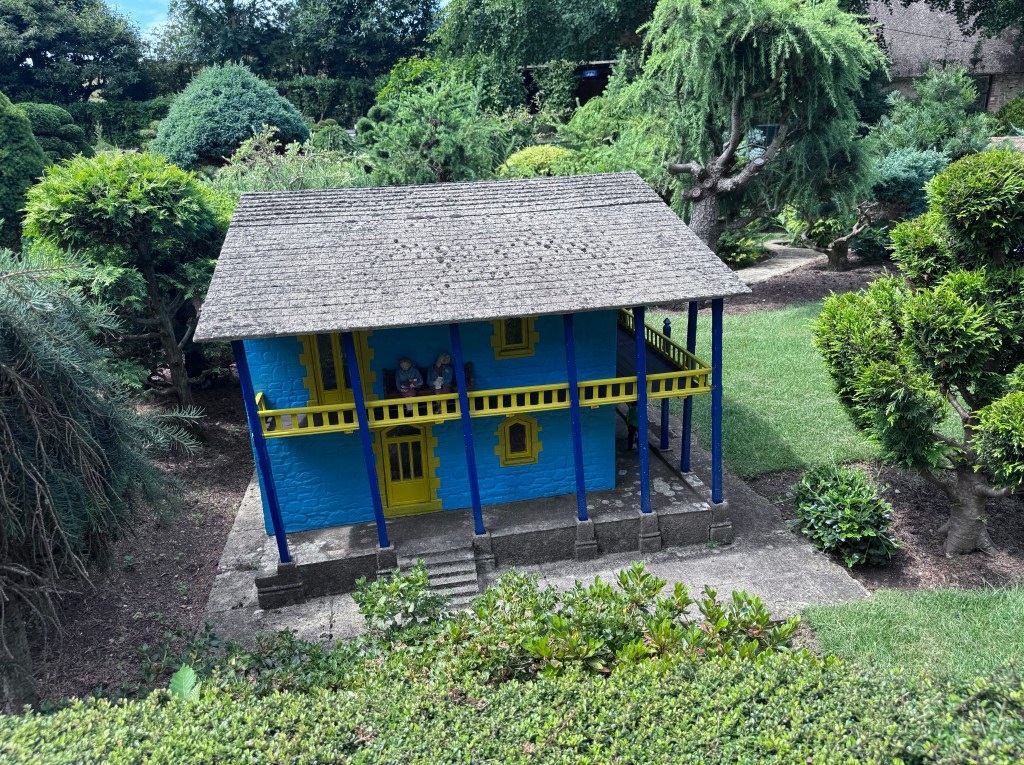
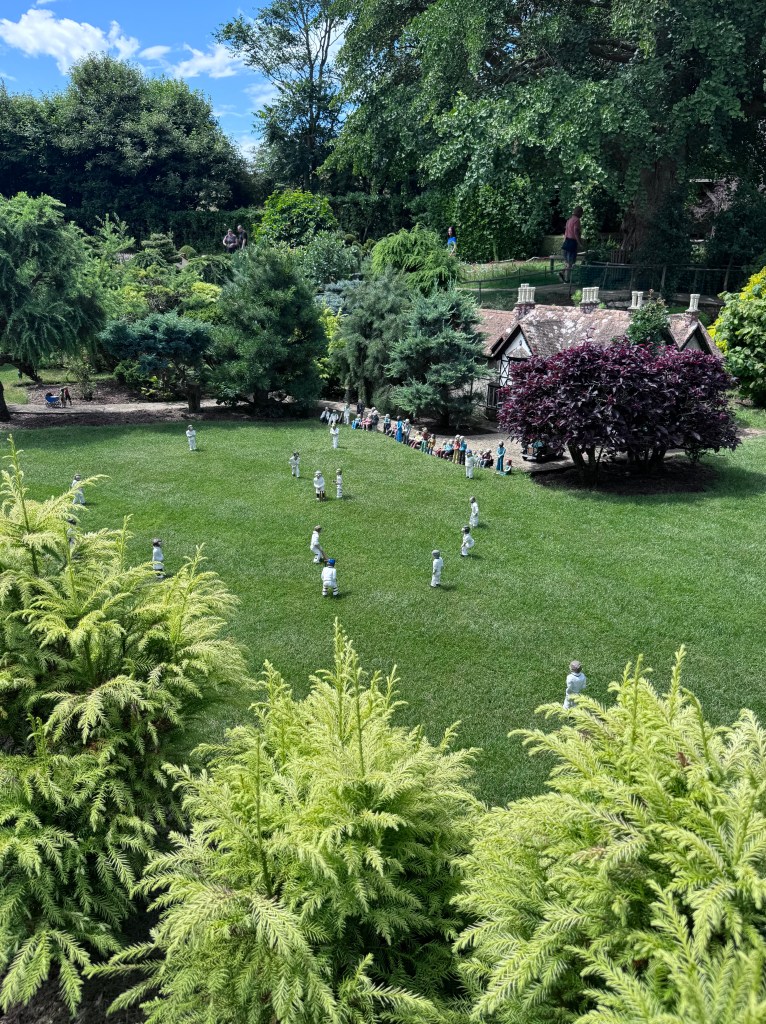
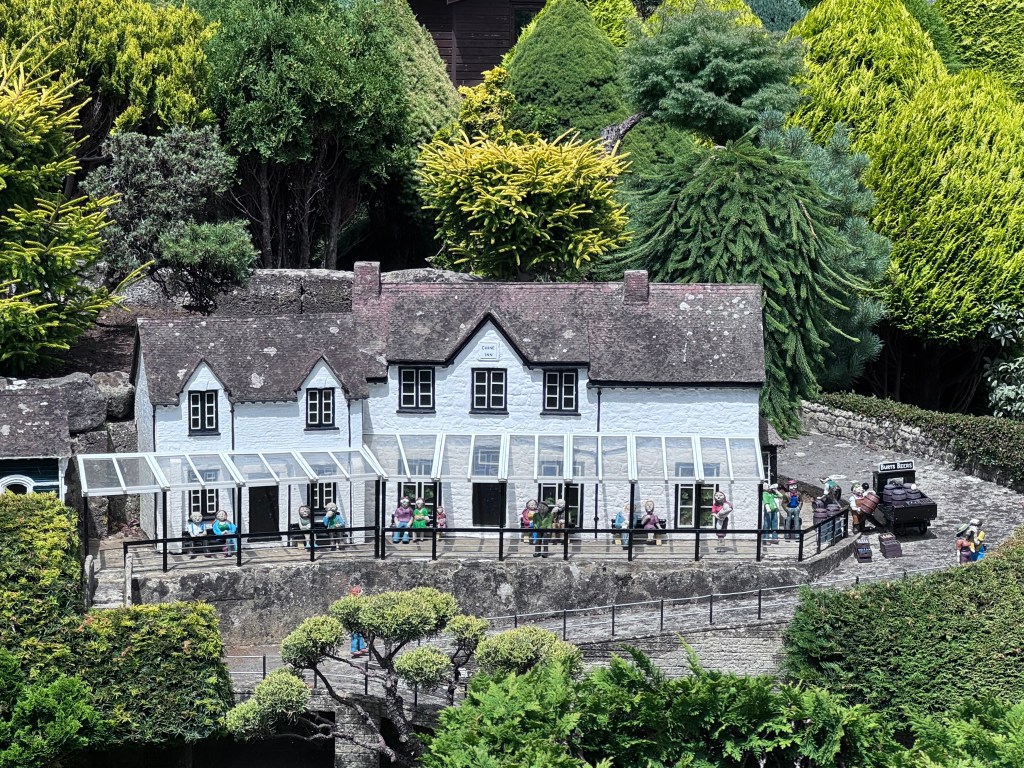
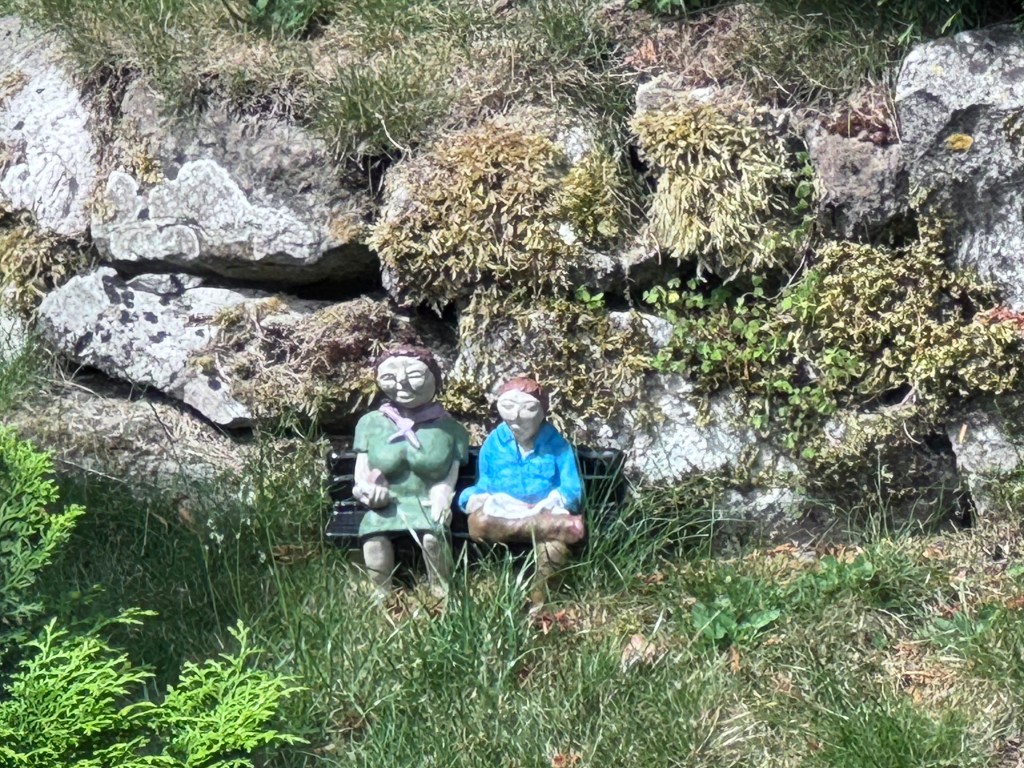
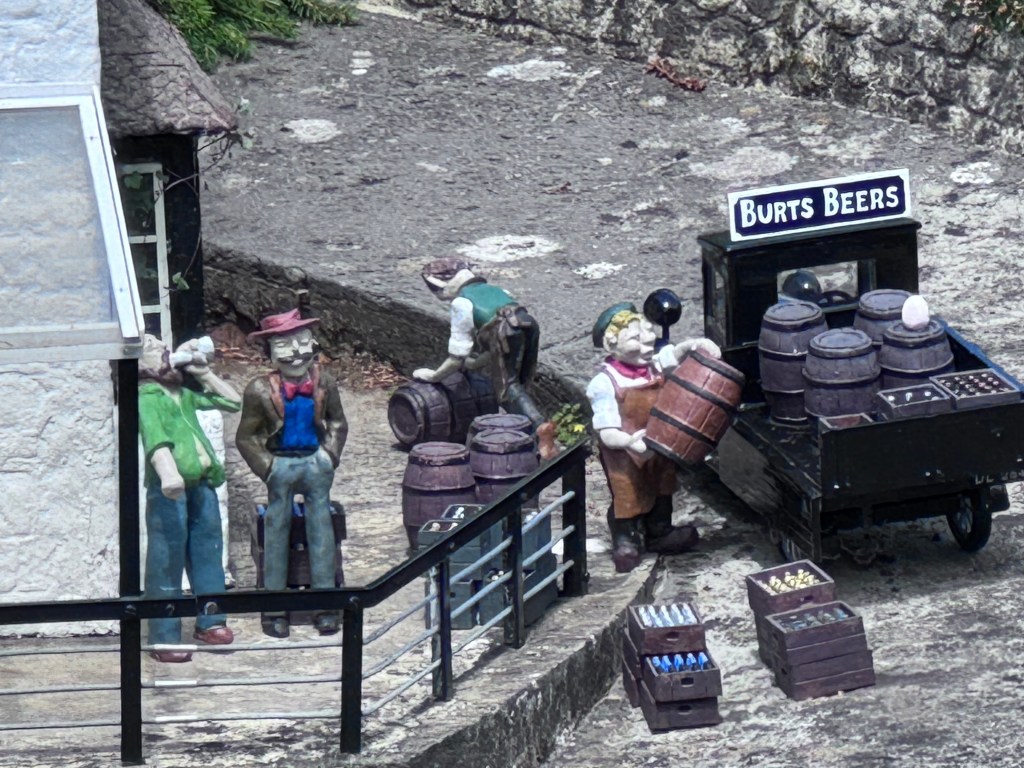
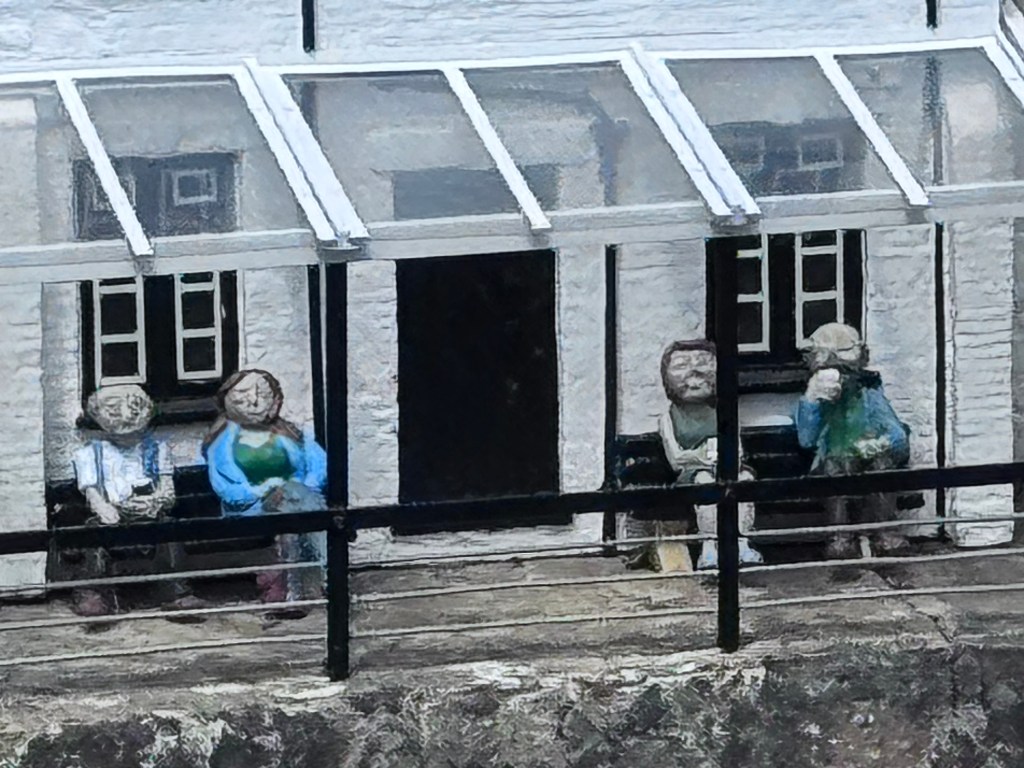
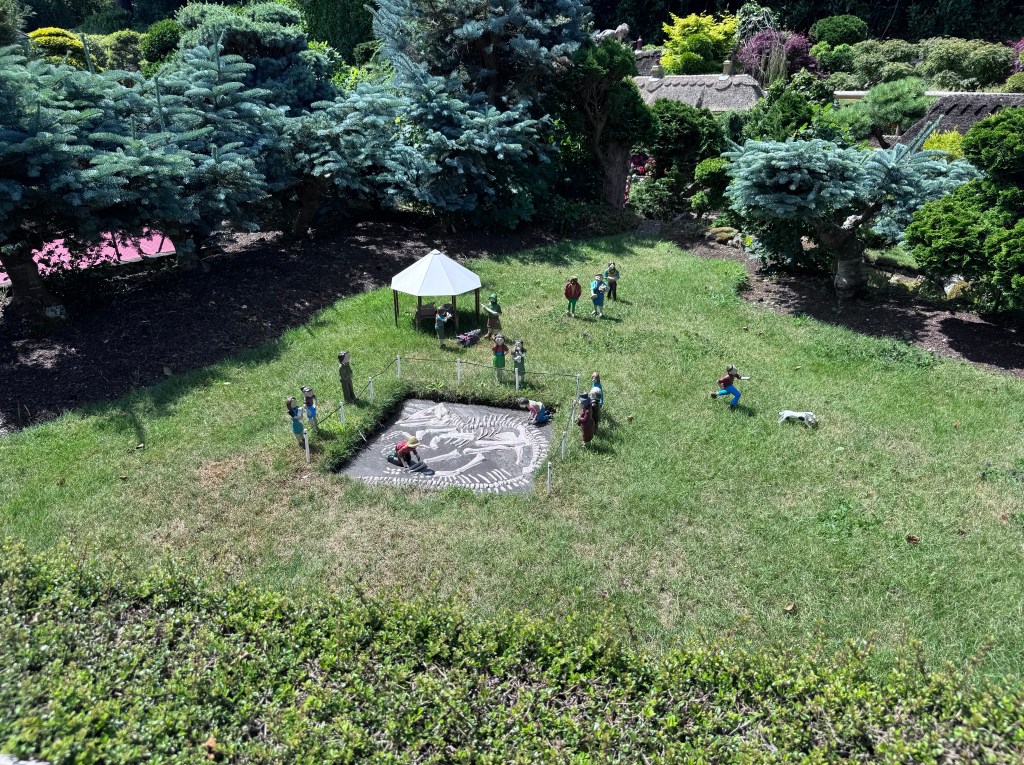
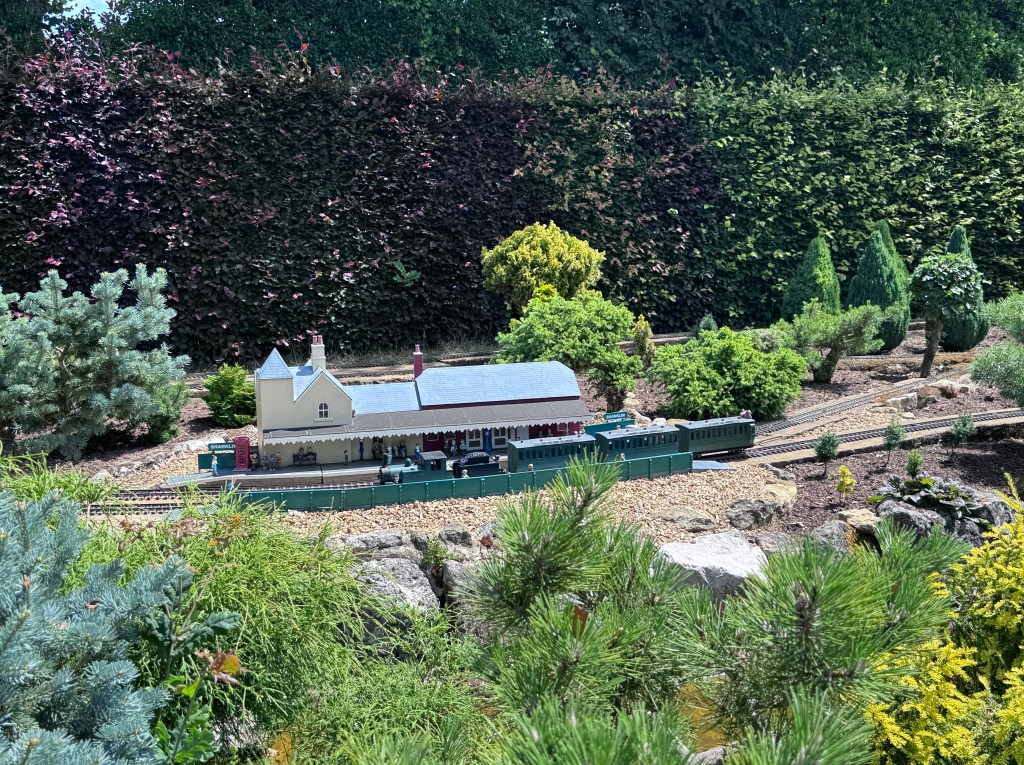
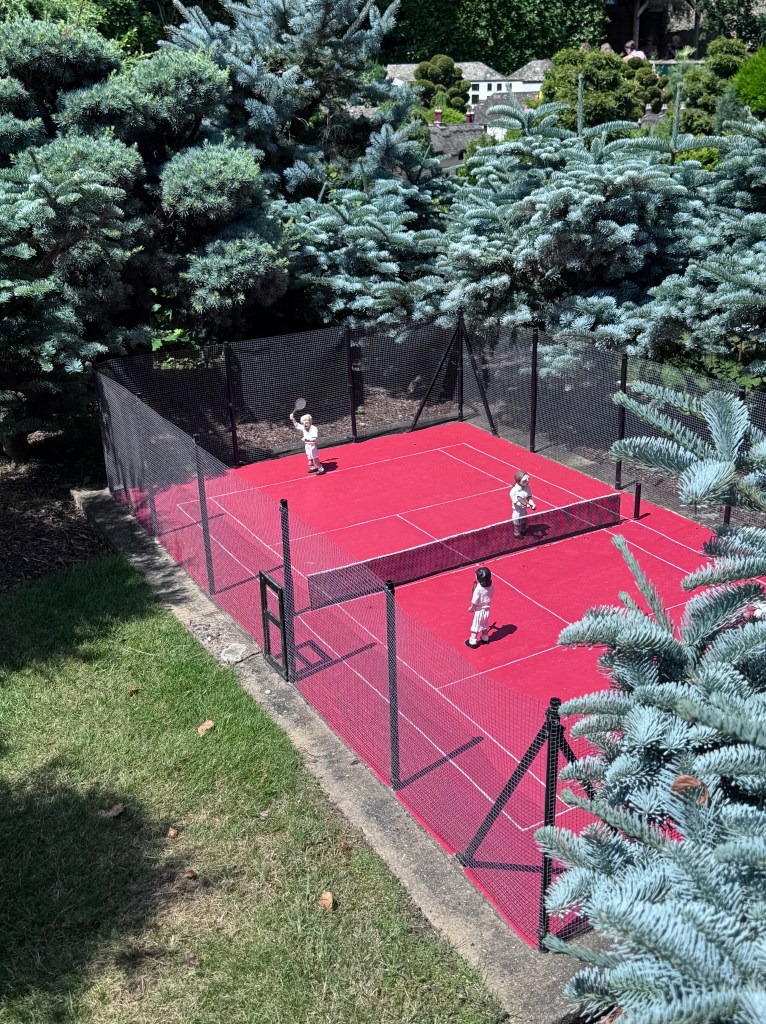
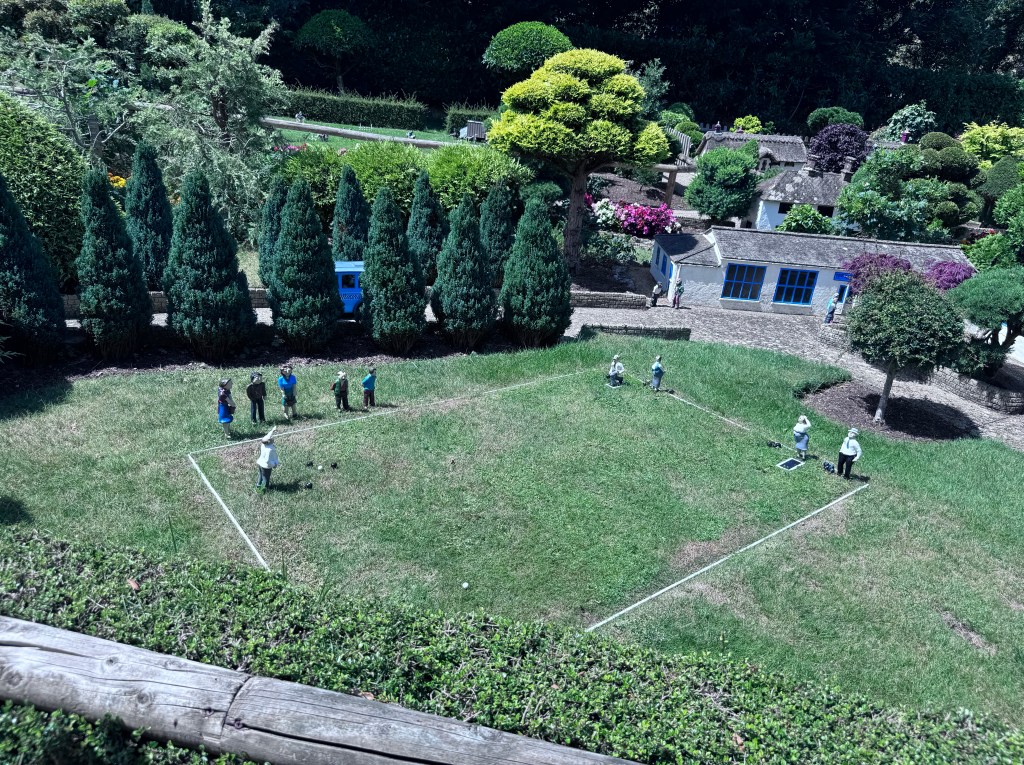
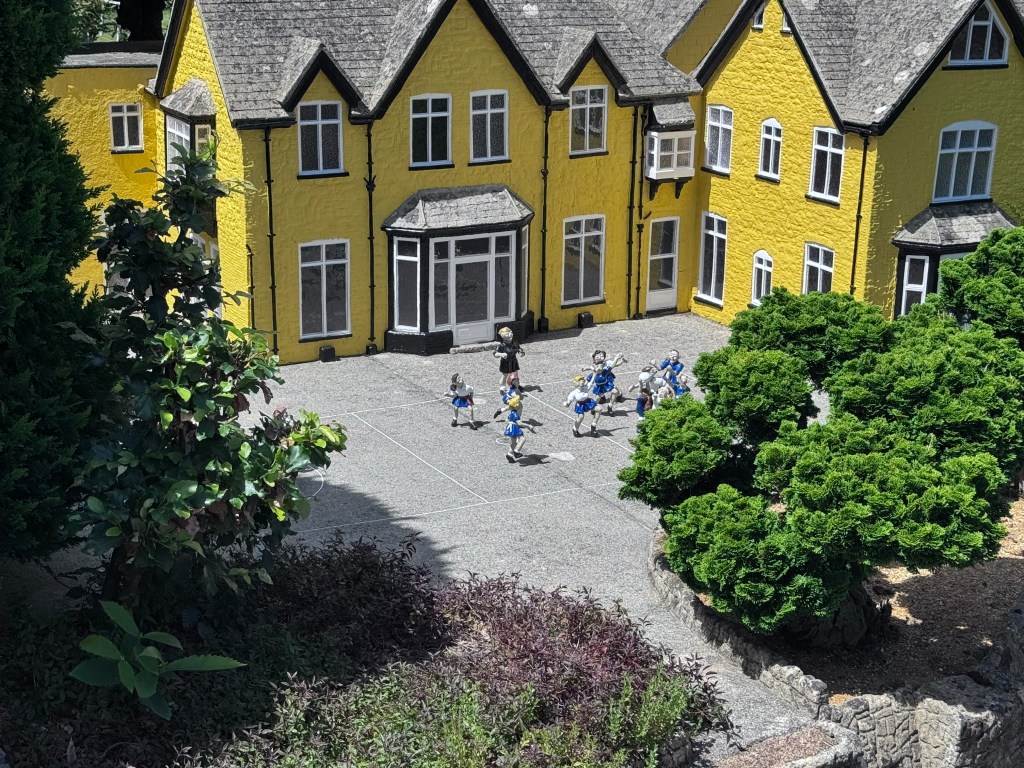
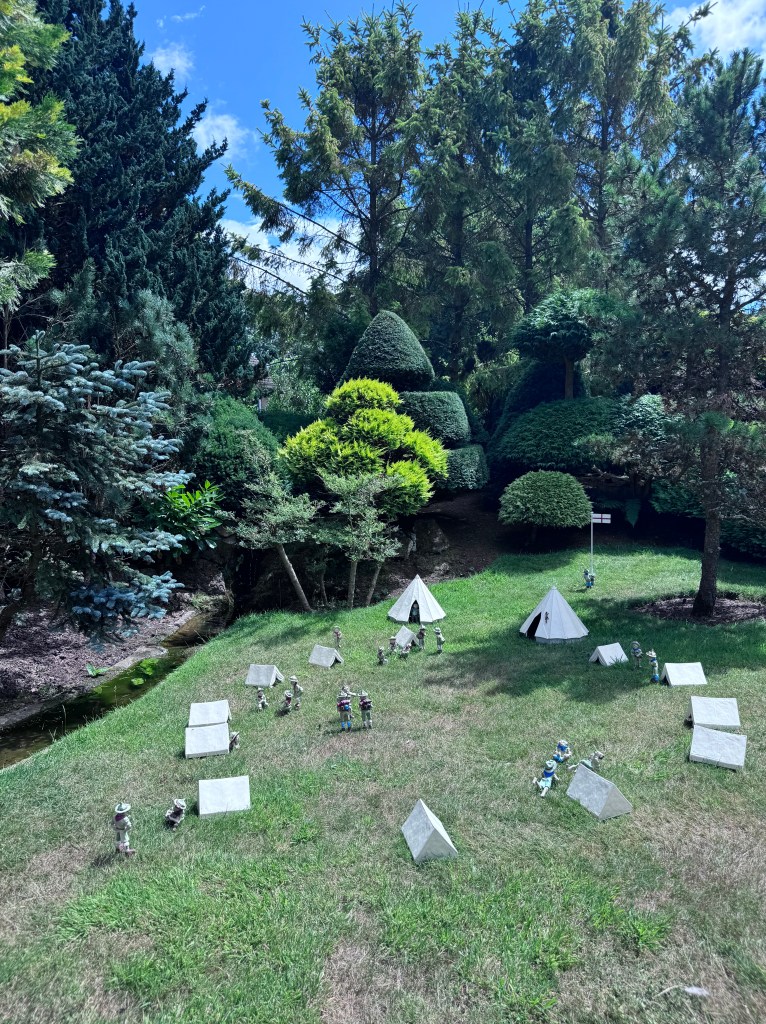
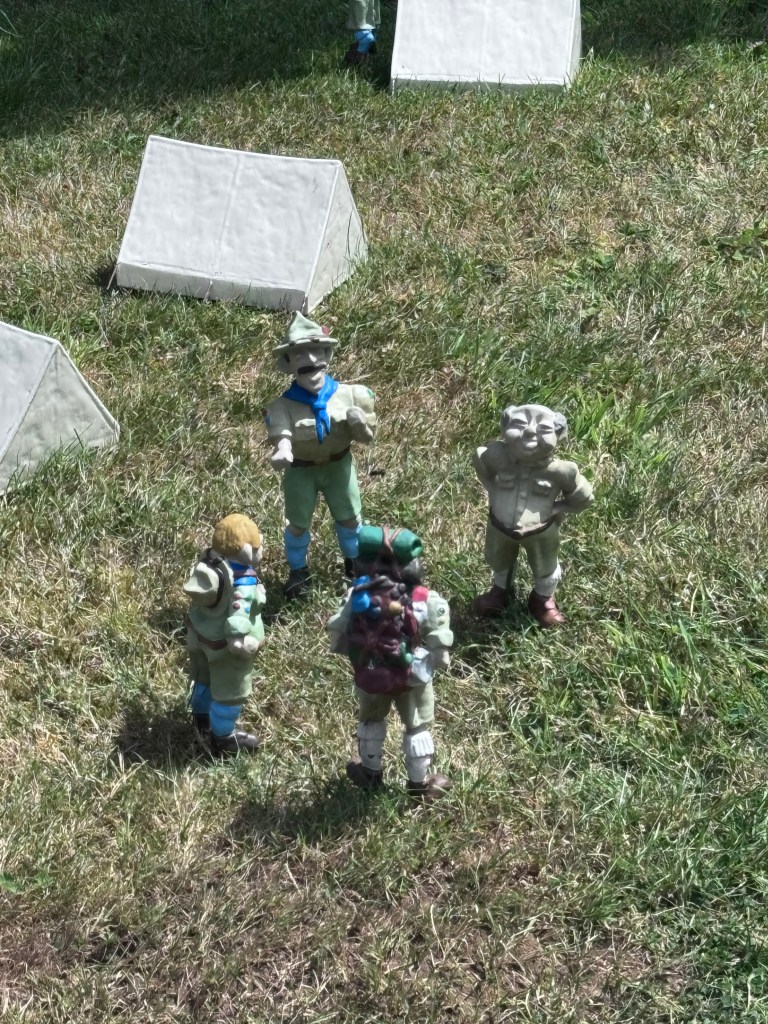
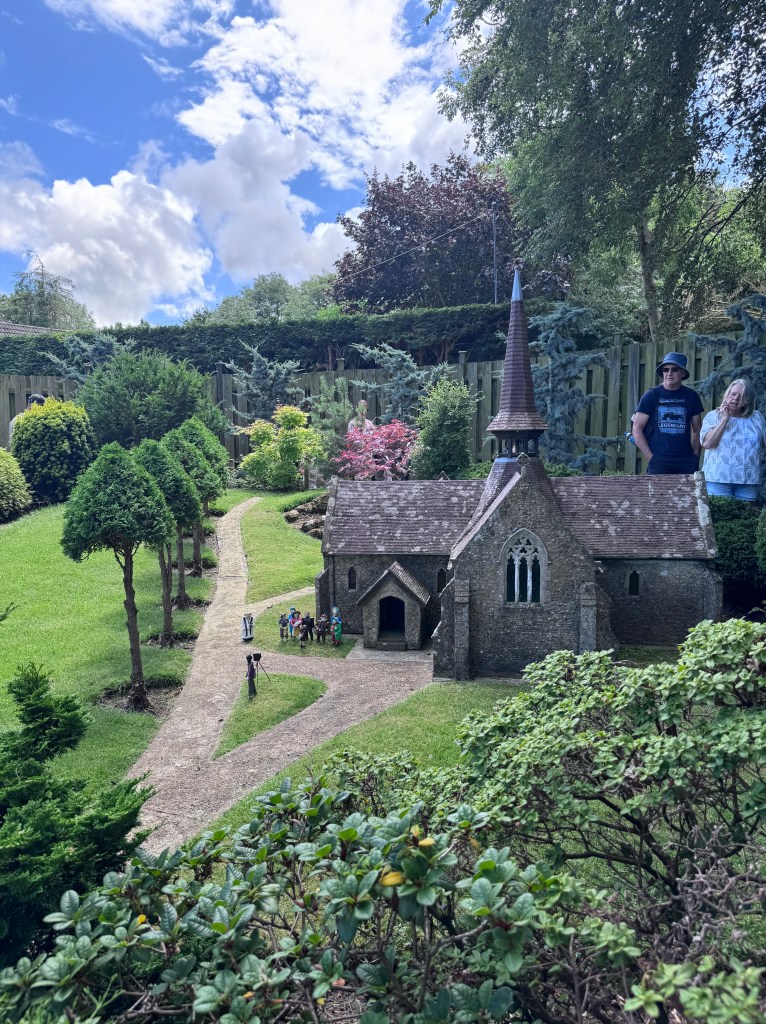
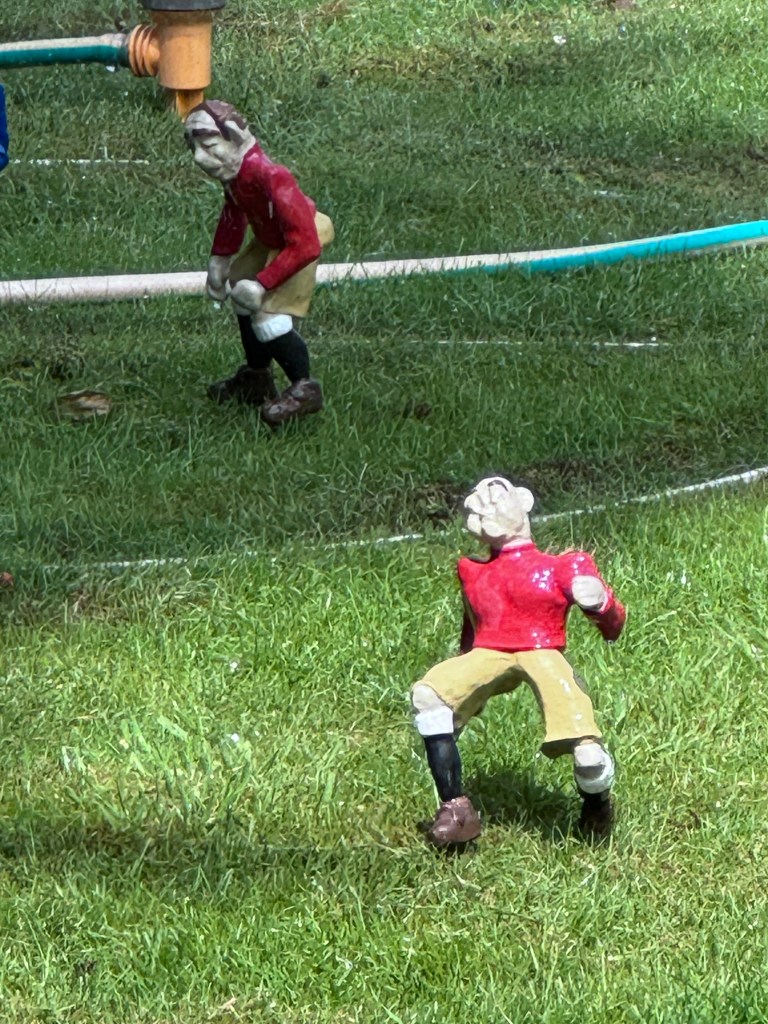
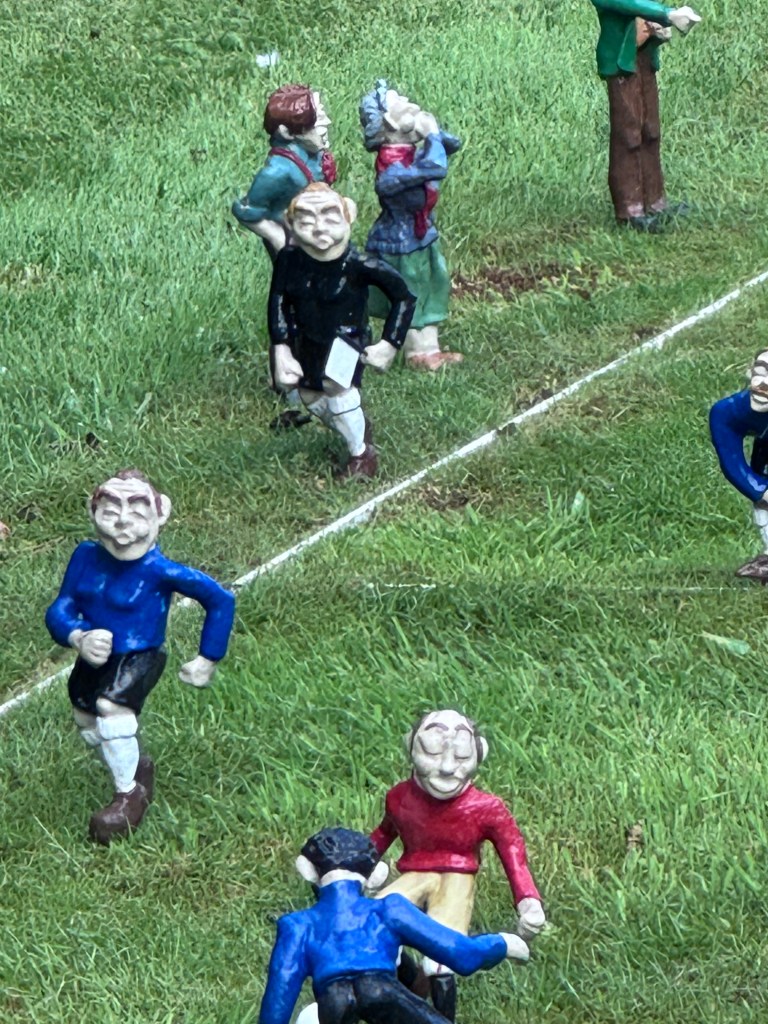
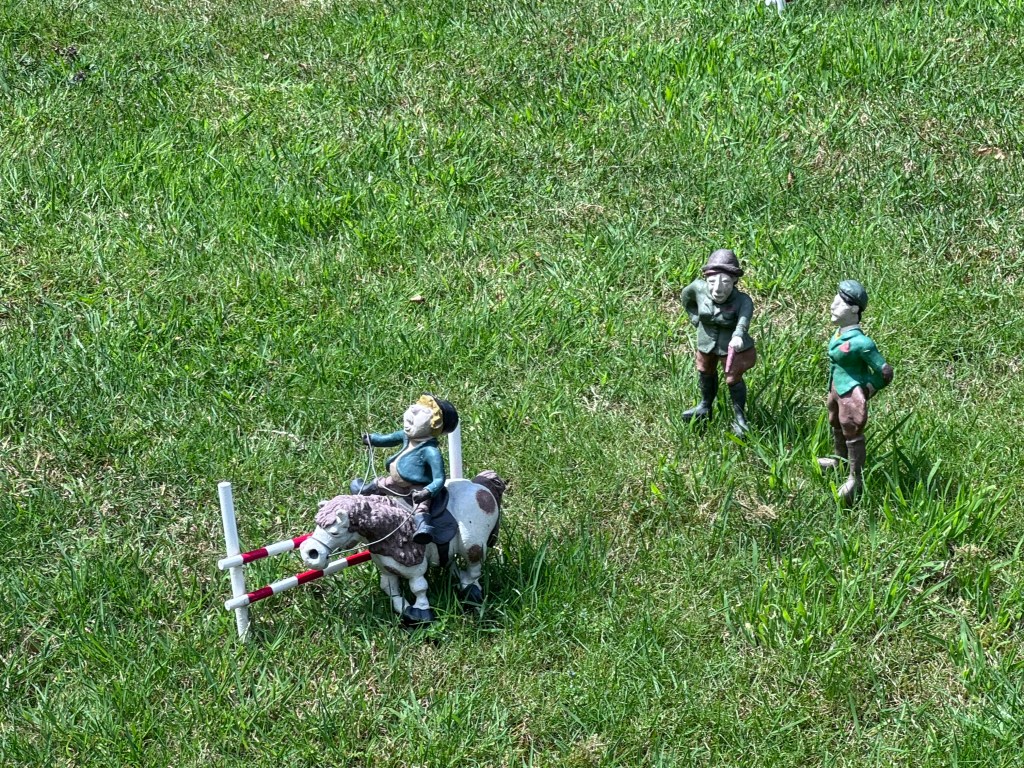
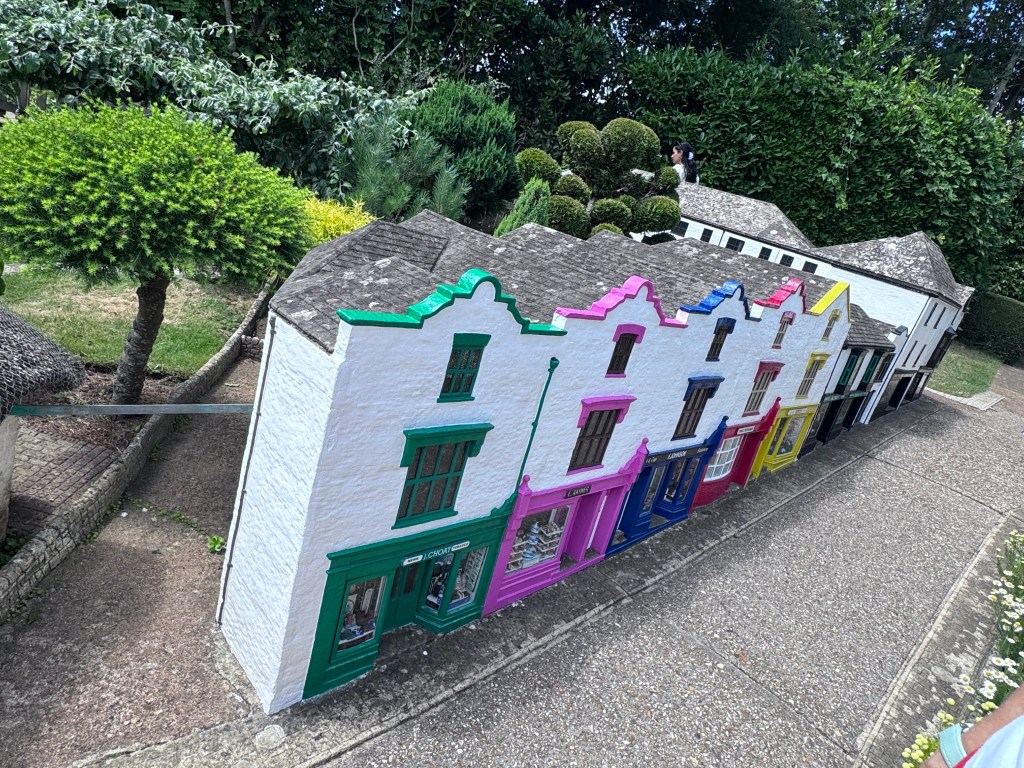
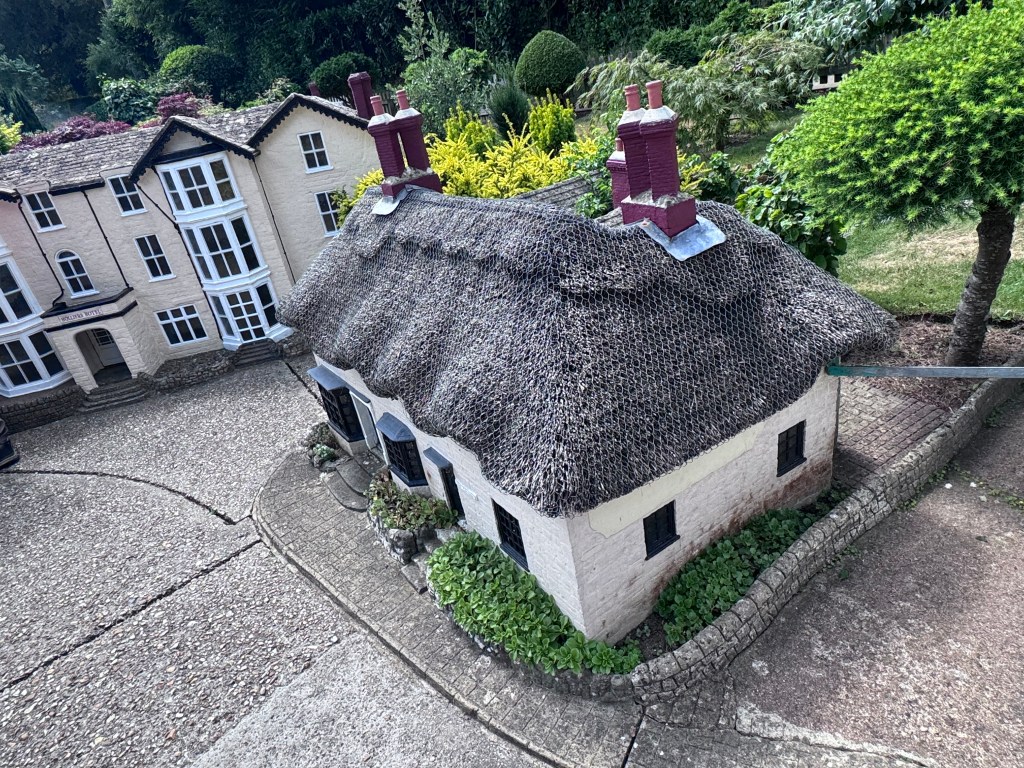
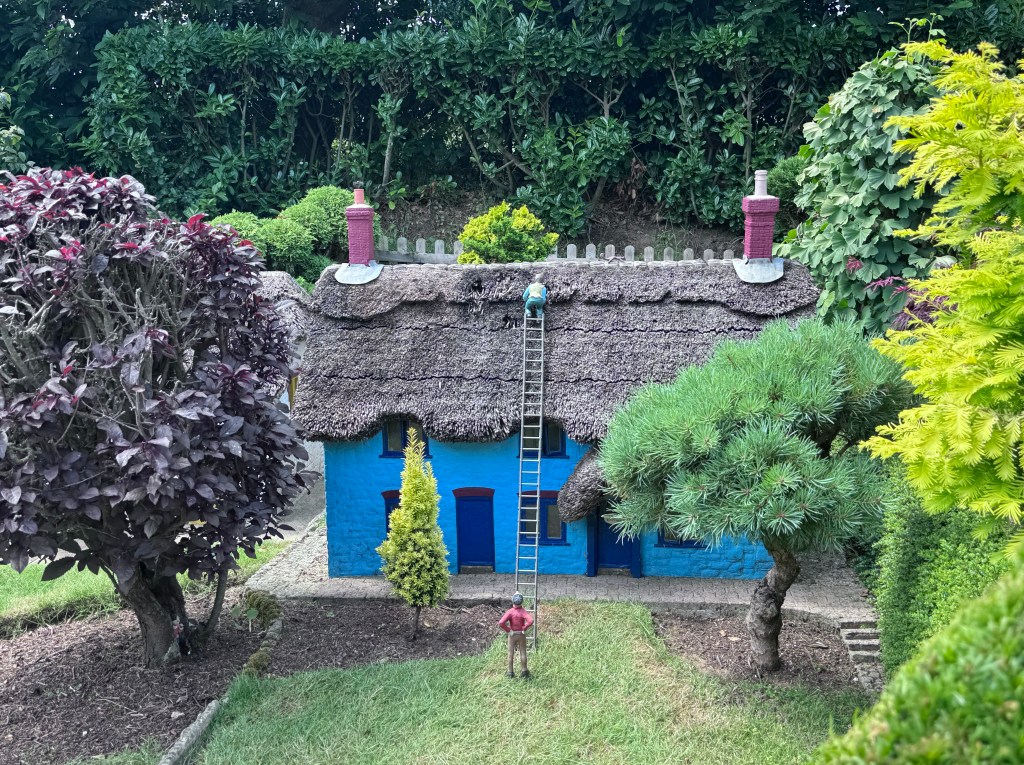
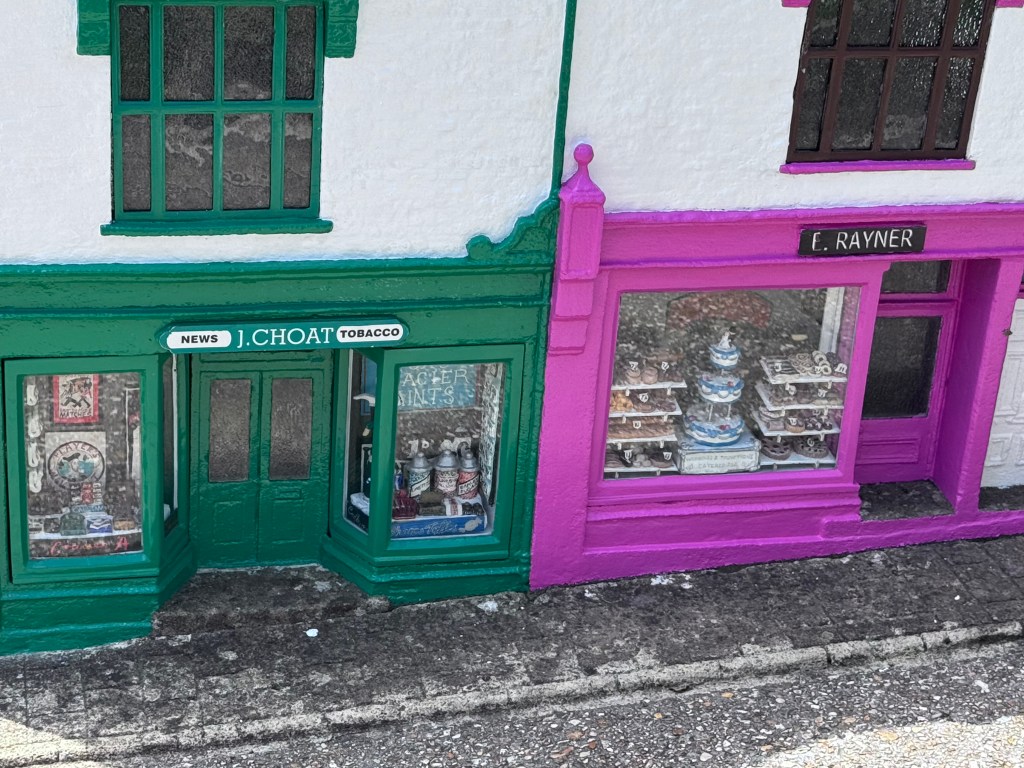
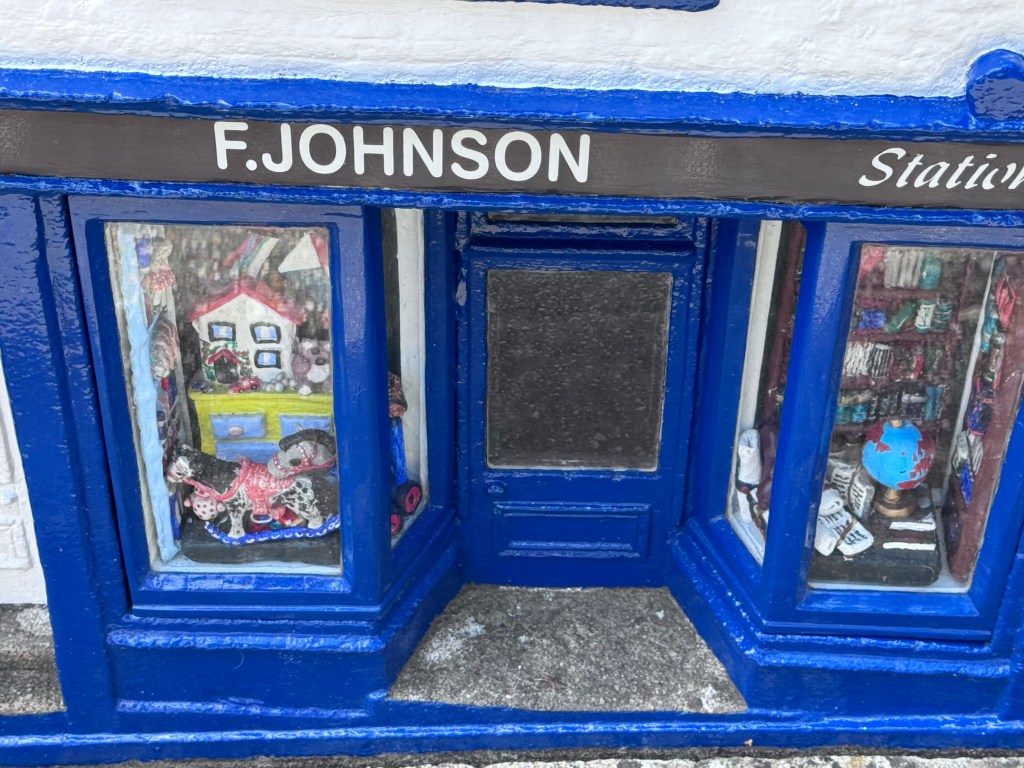
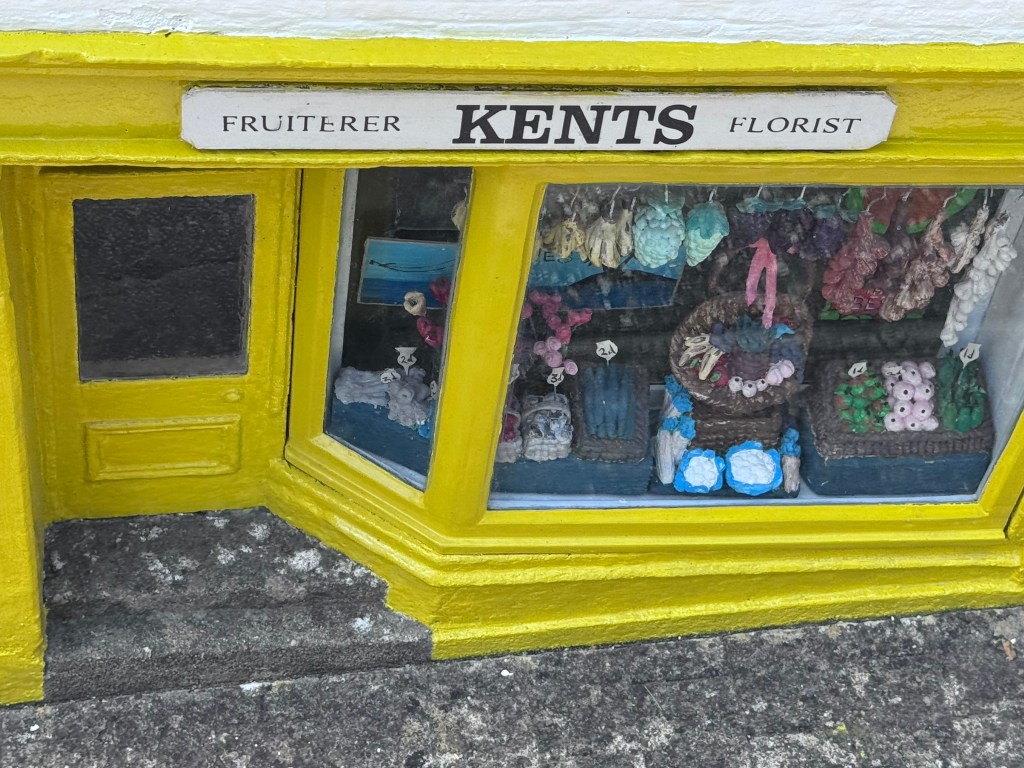
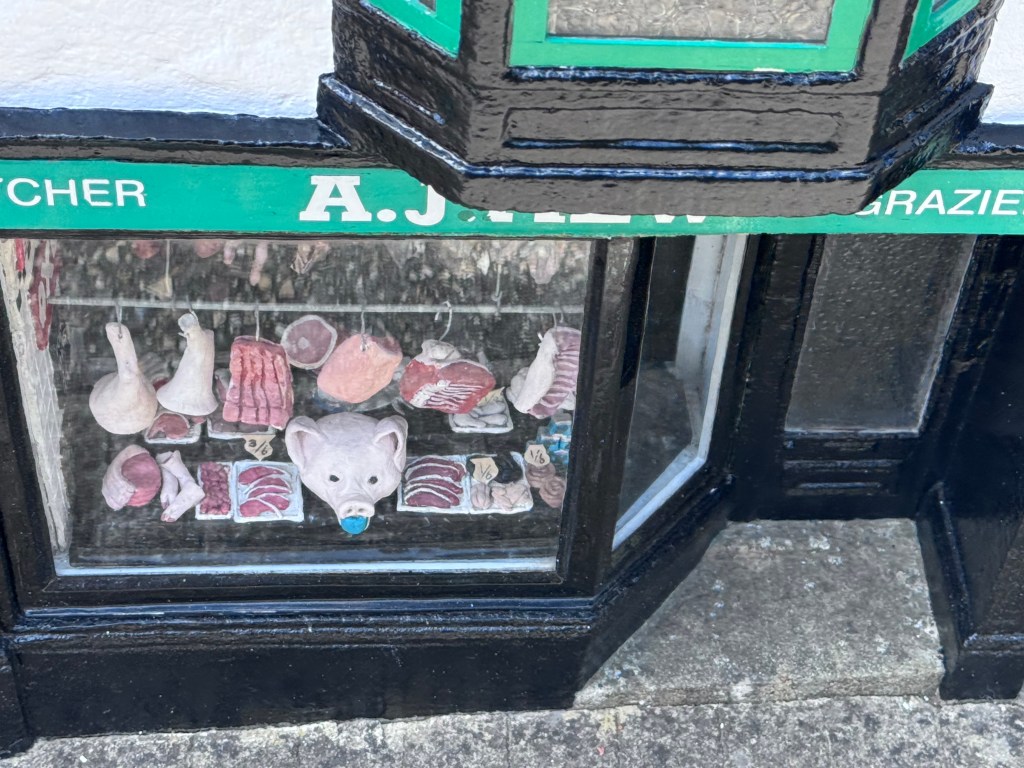
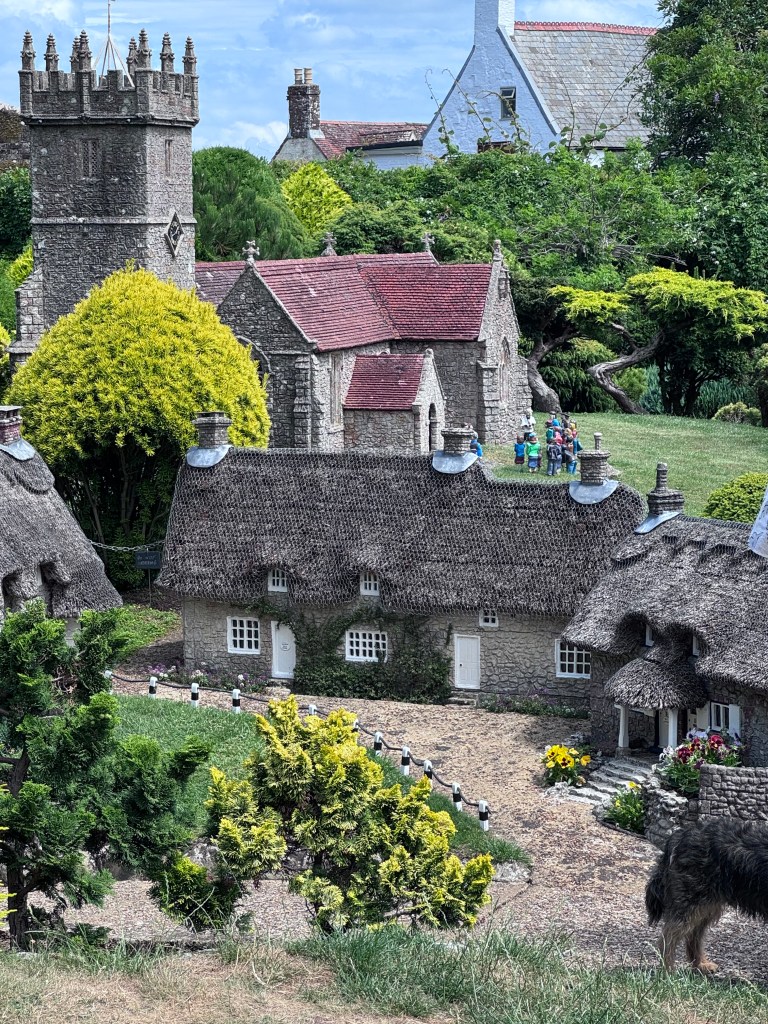
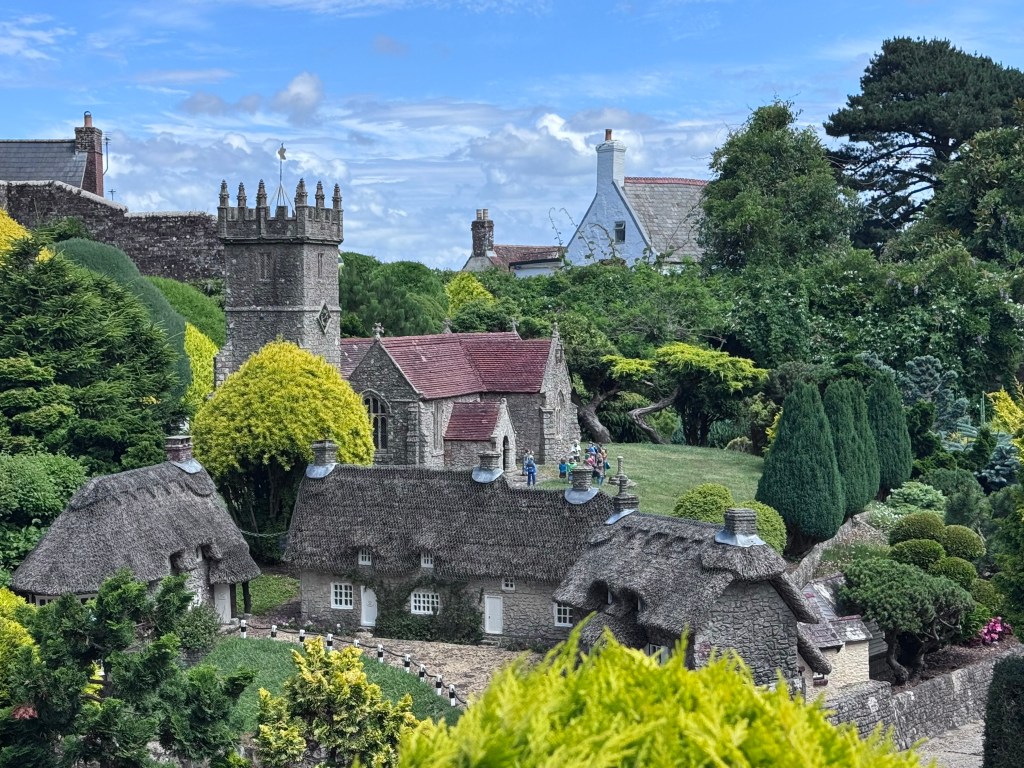
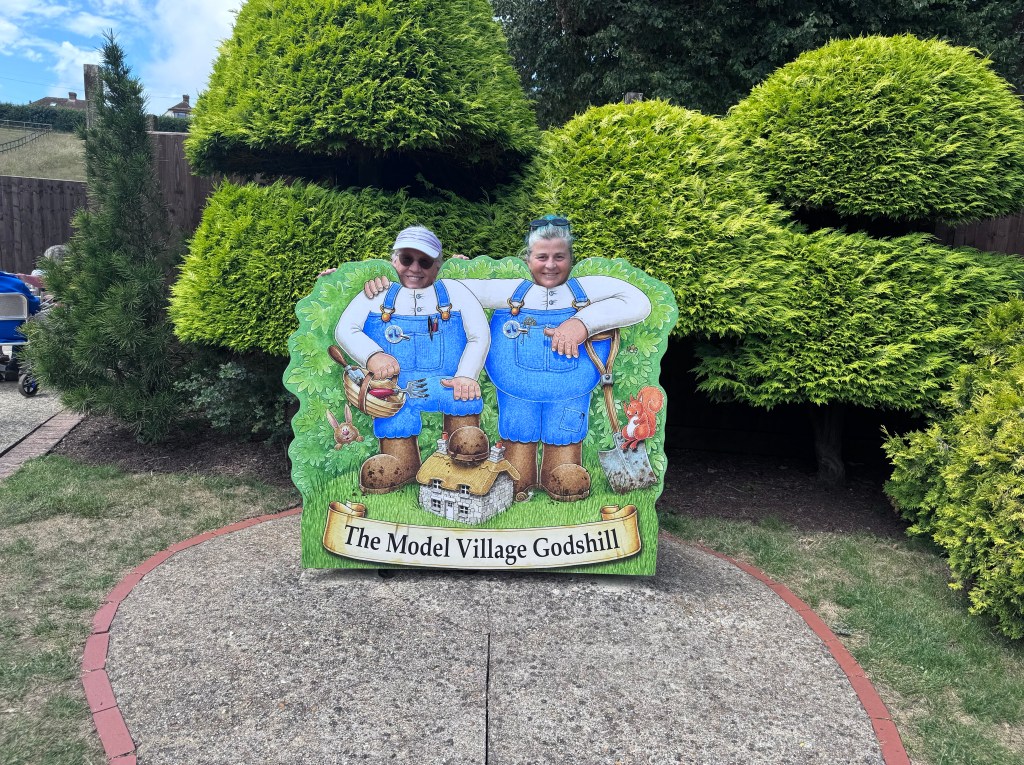
Together we visited the delightful Godshill Model Village, one of the Isle of Wight’s most beloved attractions. Opened in 1952, the model village is a remarkably detailed 1:10 scale replica of Godshill and nearby Shanklin as they appeared in the 1920s and 1930s. Built by local craftsmen, the miniature village has continued to grow over the decades, with new buildings and scenes added as the real villages have changed. Every tiny cottage, church, garden, shop, and winding lane has been recreated with incredible attention to detail.

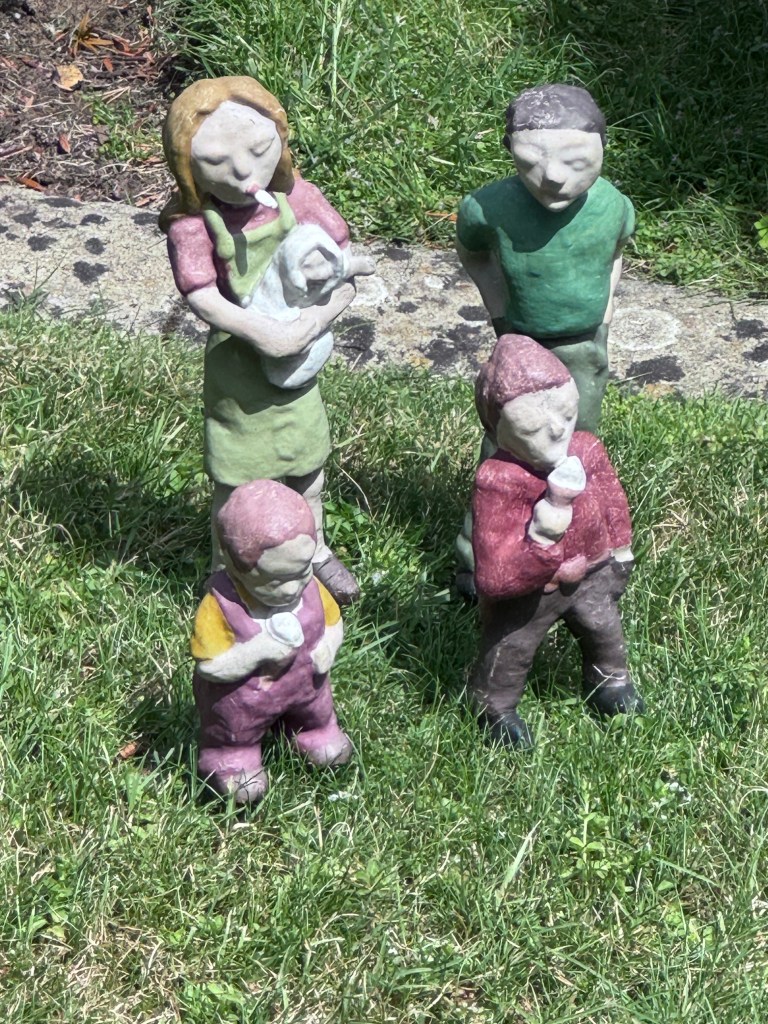
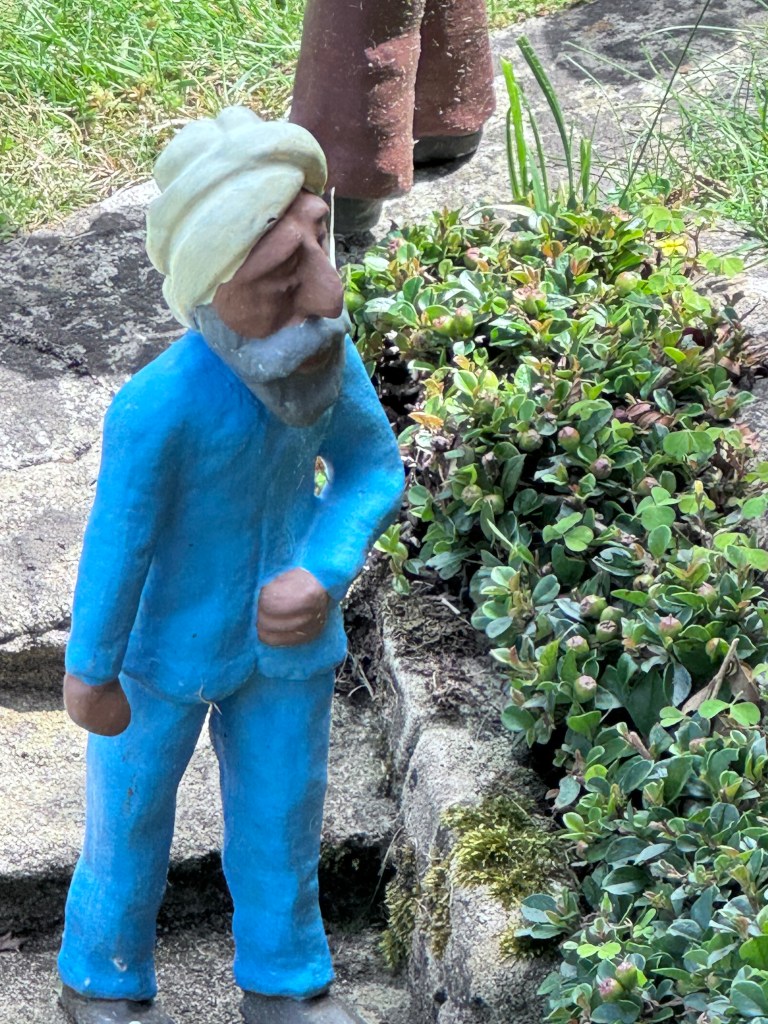
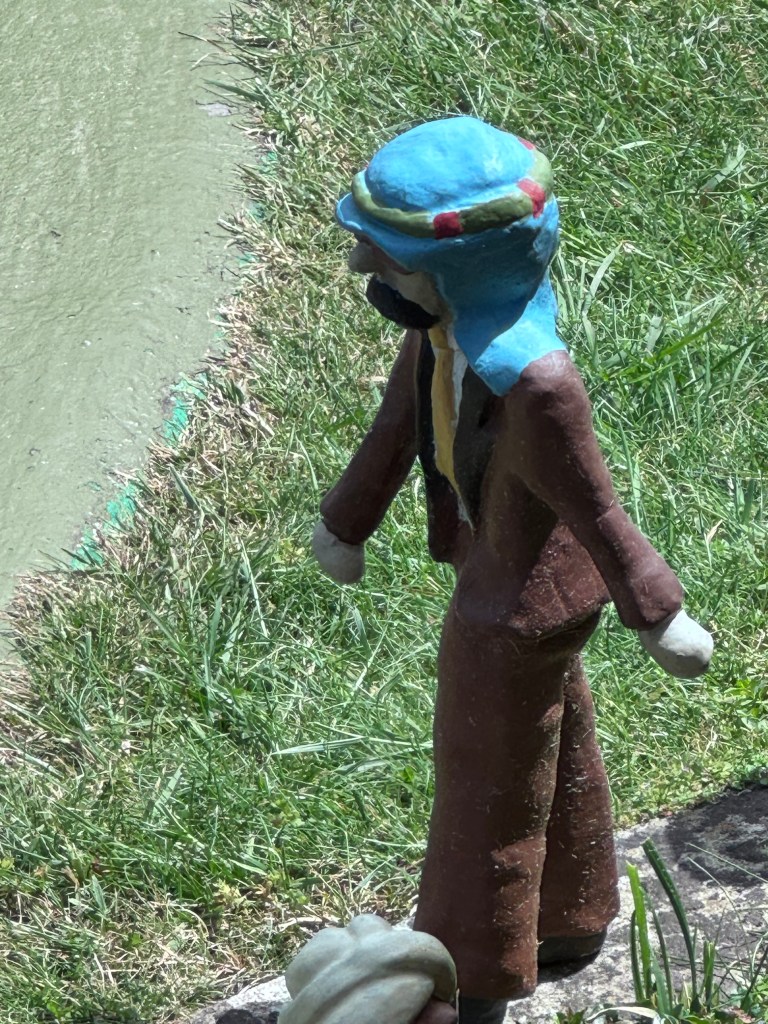
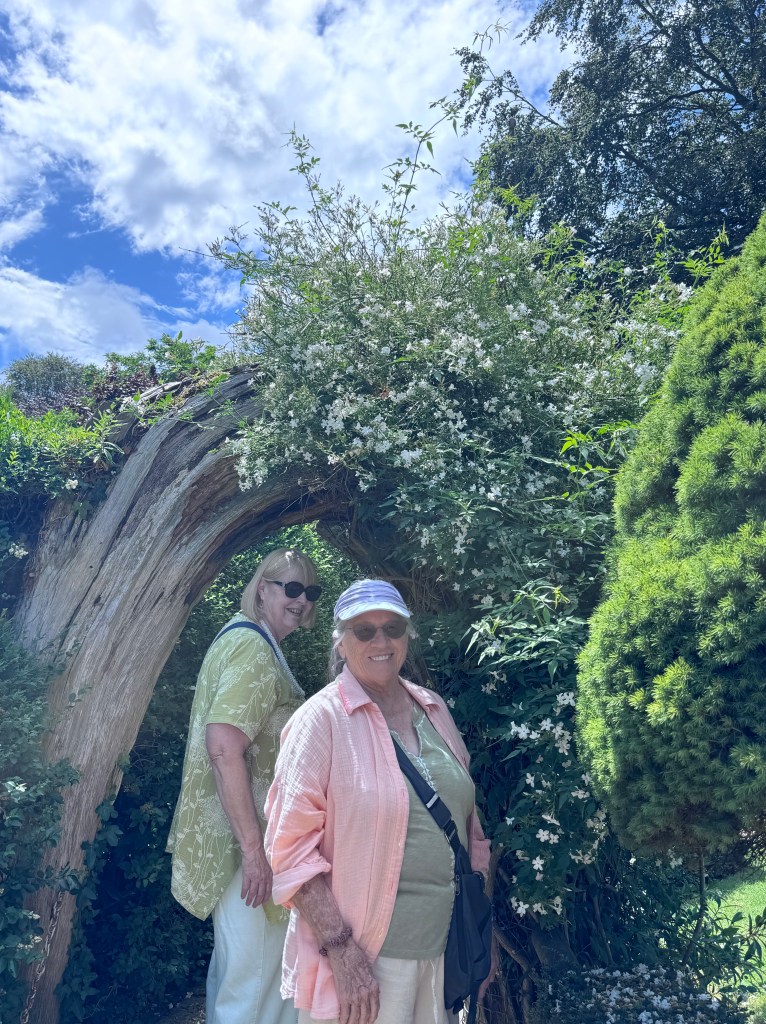
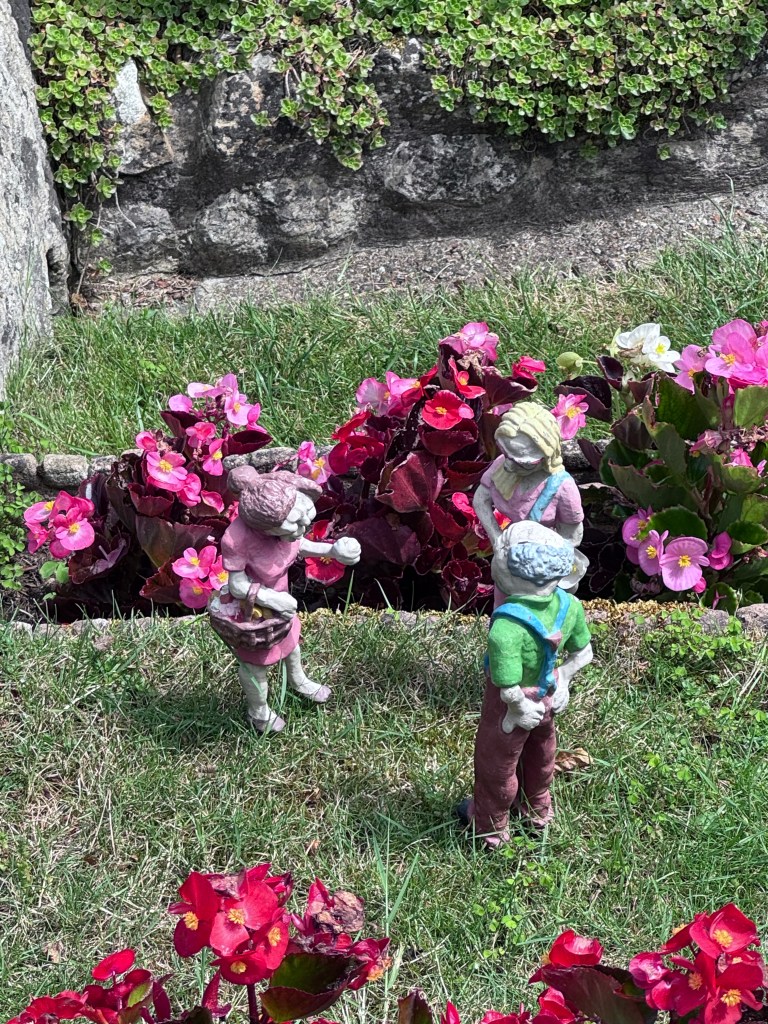
One of the things I appreciated most was the thoughtful design of the gardens. As you wandered from one section to another, carefully trimmed hedges, miniature trees, and flowering shrubs separated each area so you couldn’t immediately see the next scene. It made every turn feel like discovering something new. Tiny people, horses, vintage automobiles, shops, and homes brought the village to life, and Alan, Pauline, and Jane shared stories about many of the real buildings, local traditions, and games represented throughout the displays. Their stories added so much meaning to what we were seeing.

Alan and Pauline had told us the night before that the artist hired to make the caricatures of the people needed to stop being so accurate with the people and start making them a little less recognizable. No matter, she did an excellent job.

Perhaps the most entertaining surprise was discovering that inside the Model Village is… another Model Village! The designers have recreated the attraction itself in miniature, complete with tiny visitors looking at an even tinier version of the village. It’s a clever bit of humor that perfectly matches the whimsical spirit of the attraction.

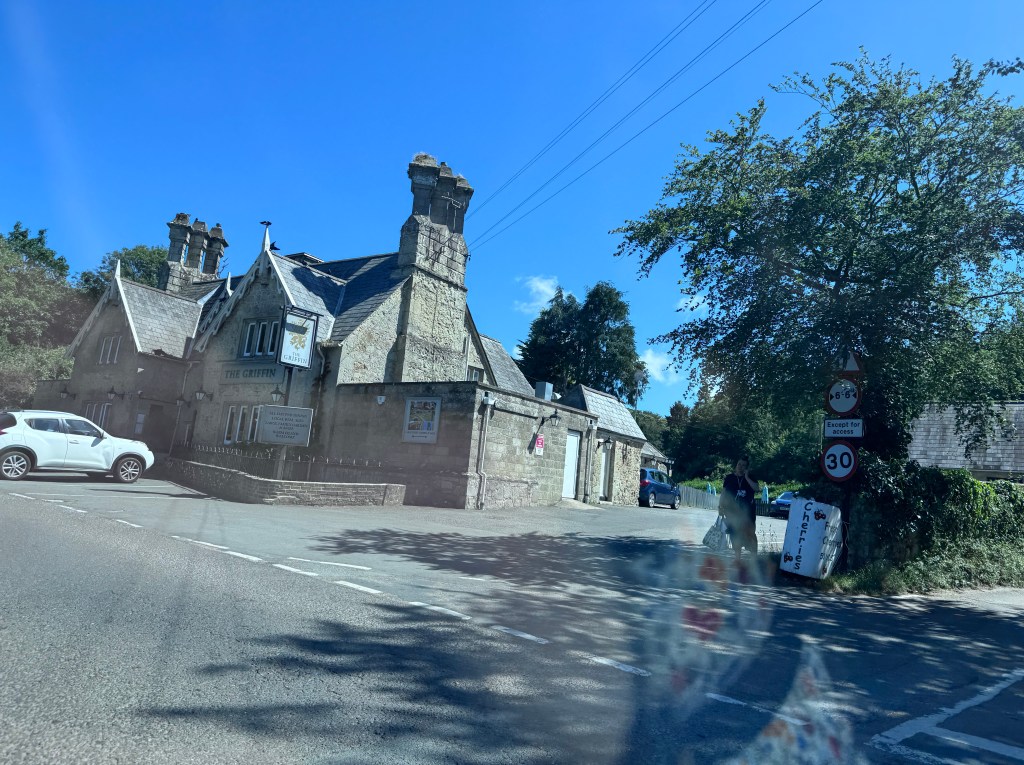
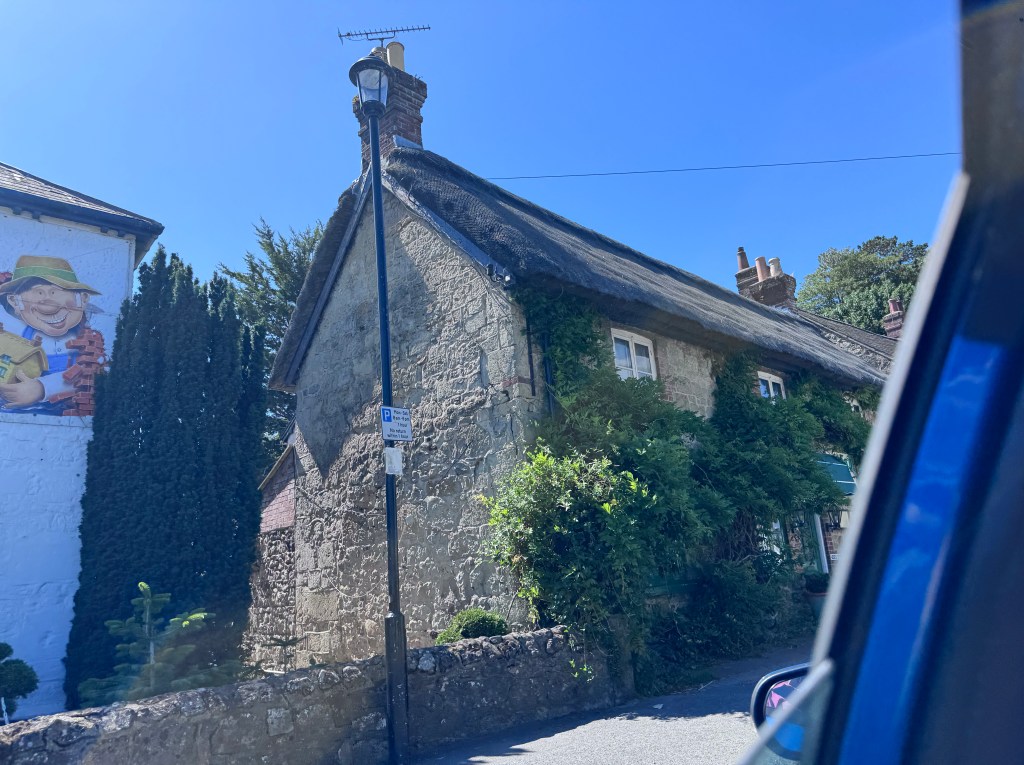
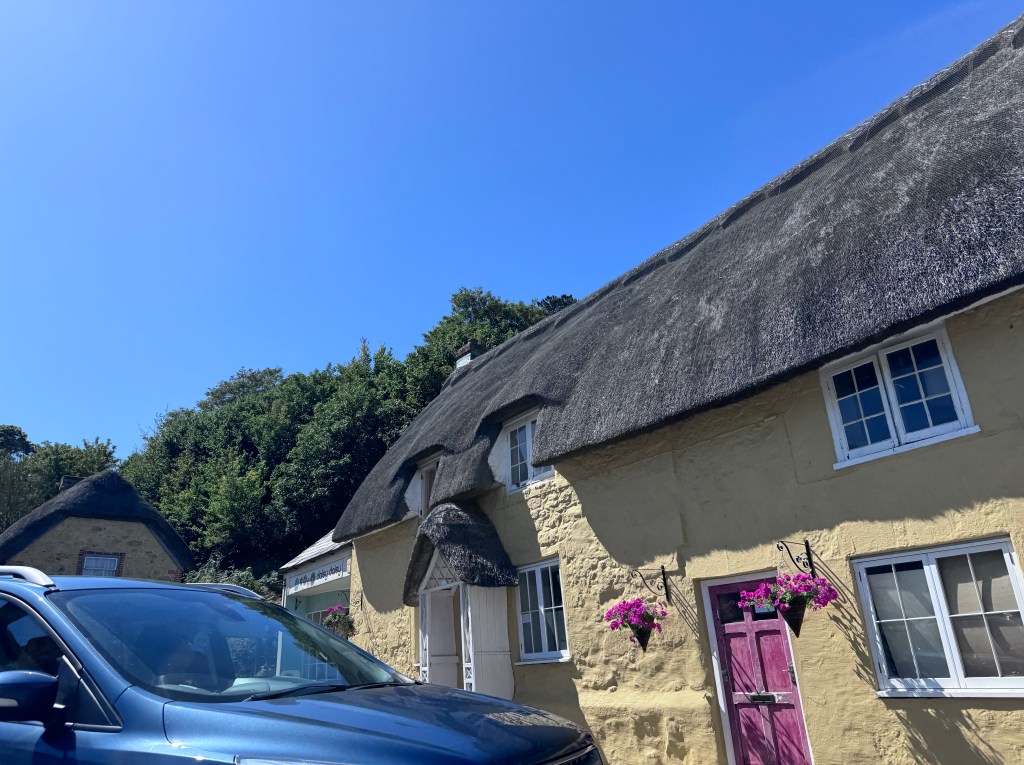
After exploring, we enjoyed lunch together before strolling through the village of Godshill itself. The village is known for its picturesque cottages with traditional thatched roofs, many dating back several hundred years. I hadn’t expected to see so many thatched cottages, and they quickly became one of my favorite sights. Their thick straw roofs, colorful gardens, and winding lanes made it feel like stepping into the pages of a storybook.

Later that afternoon, Alan and Pauline drove us back to Cowes. After several busy days of sightseeing, the quiet evening was exactly what we needed. Kiya quickly curled up on the couch and fell asleep, Mom settled in with a good book, and I took one last walk around the waterfront, soaking in the atmosphere of this charming seaside town. As I wandered through the harbor one final time, I reflected on the incredible kindness and hospitality Alan, Pauline, and their friends had shown us during our stay.

That evening we packed our suitcases and prepared for the next chapter of our adventure—London.

Friendship Force, Flowers, and a Royal Estate

Our first evening on the Isle of Wight was a wonderful introduction to island life. Our Friendship Force hosts, Alan and Pauline, welcomed us into their home with incredible hospitality. Before we had even settled in, Alan made a quick trip to the grocery store to pick up bread, cereal, milk, butter, and other breakfast essentials so we would have everything we needed for the next morning. It was such a thoughtful gesture and made us feel right at home.

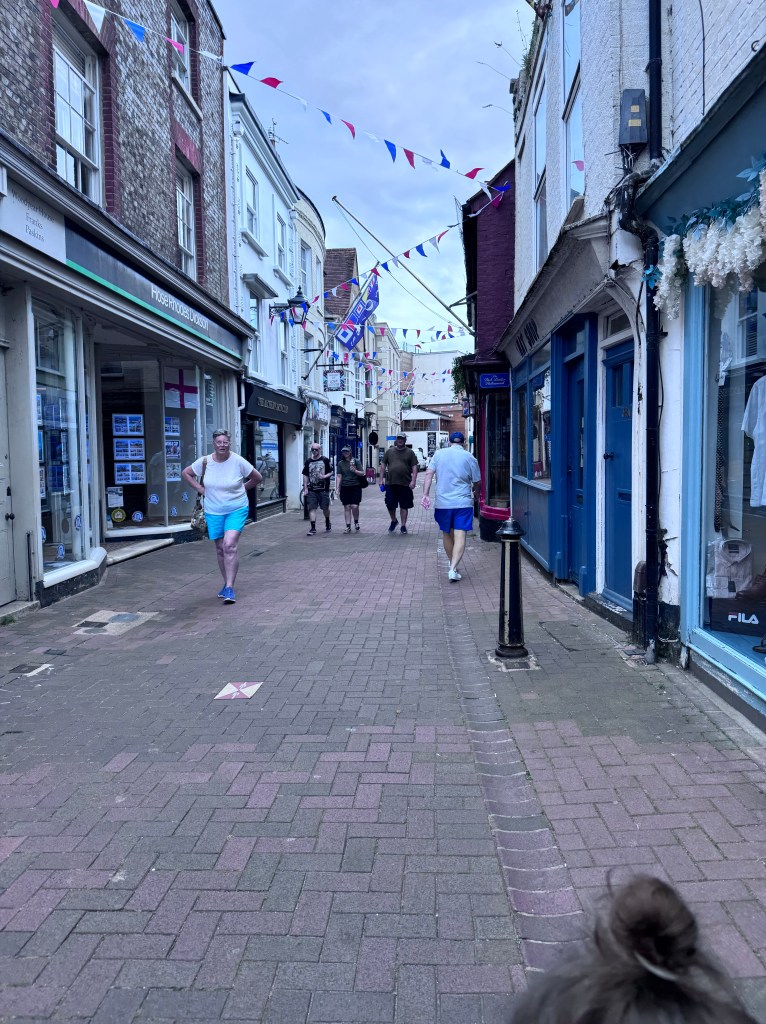
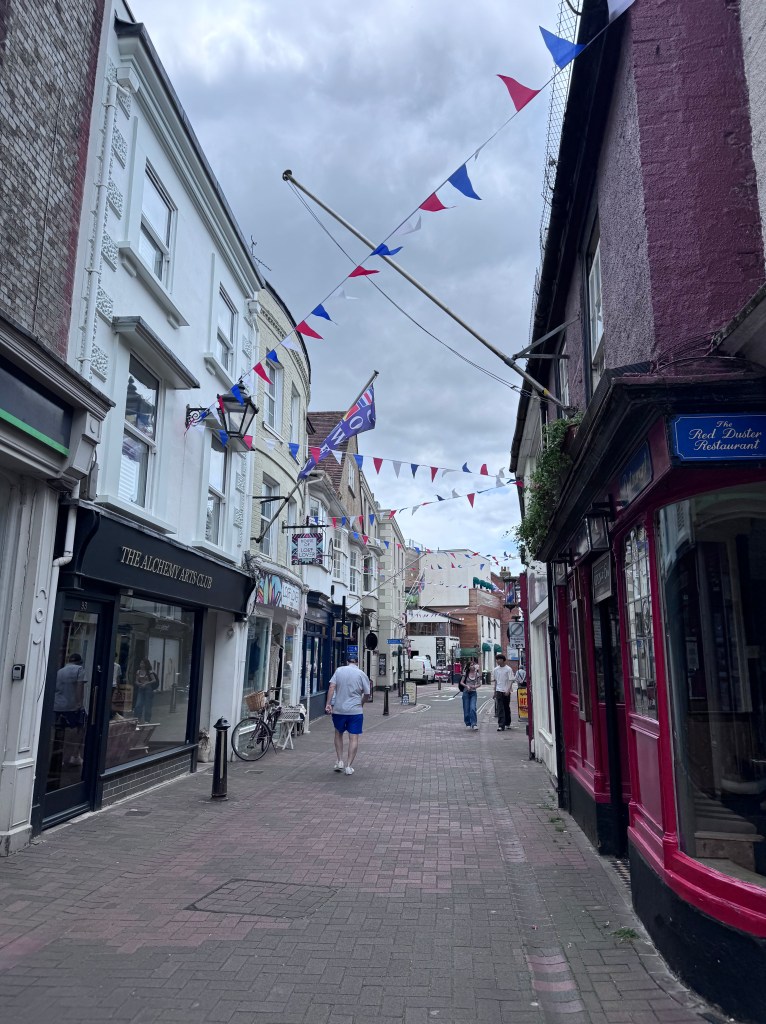
We made plans to meet Alan and Pauline the following afternoon at Osborne House, along with another Friendship Force friend, Sonja, who only had that afternoon available to visit with us. We let Kiya sleep in before setting off to explore the town. Since we were staying just two blocks from the main shopping street, we spent the morning wandering through the charming shops and enjoying the relaxed pace of the Isle of Wight.

Our only hiccup came when it was time to catch a taxi. We quickly discovered that our international phone plan wasn’t working, leaving us unable to call a taxi company. Most taxi stands simply displayed a phone number to arrange a pickup. After a bit of scrambling, I was finally able to download a local taxi app and request a ride. Unfortunately, we arrived at Osborne House nearly an hour later than planned, but we were determined to connect with Sonja since it was our only opportunity to spend time together.

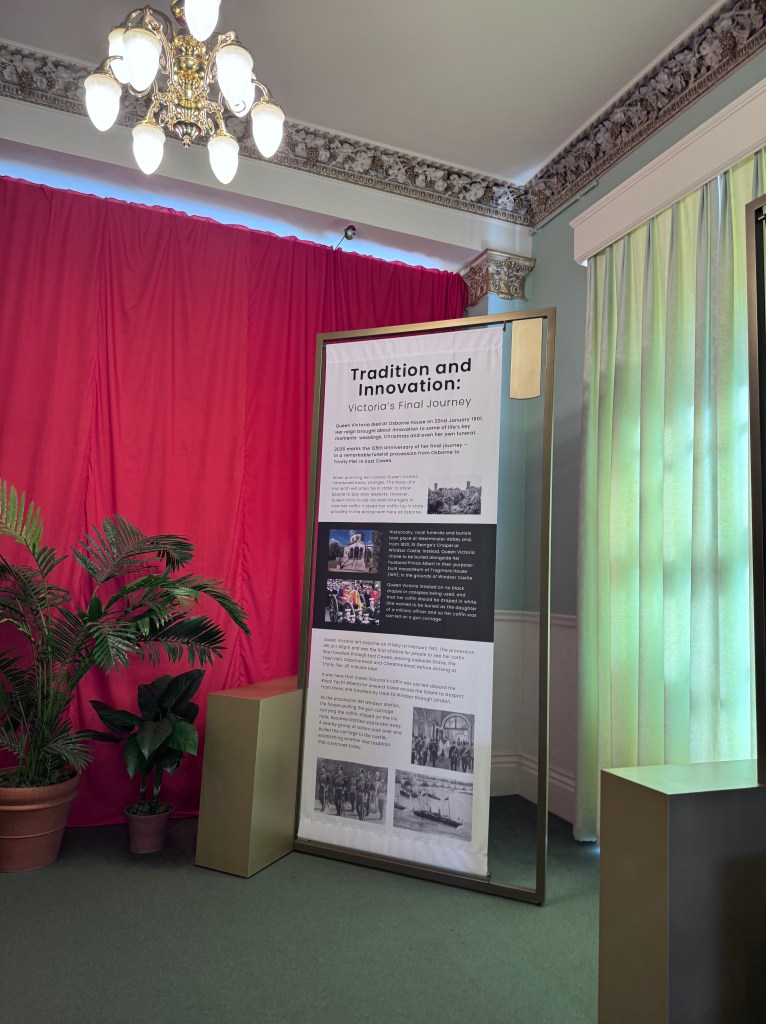
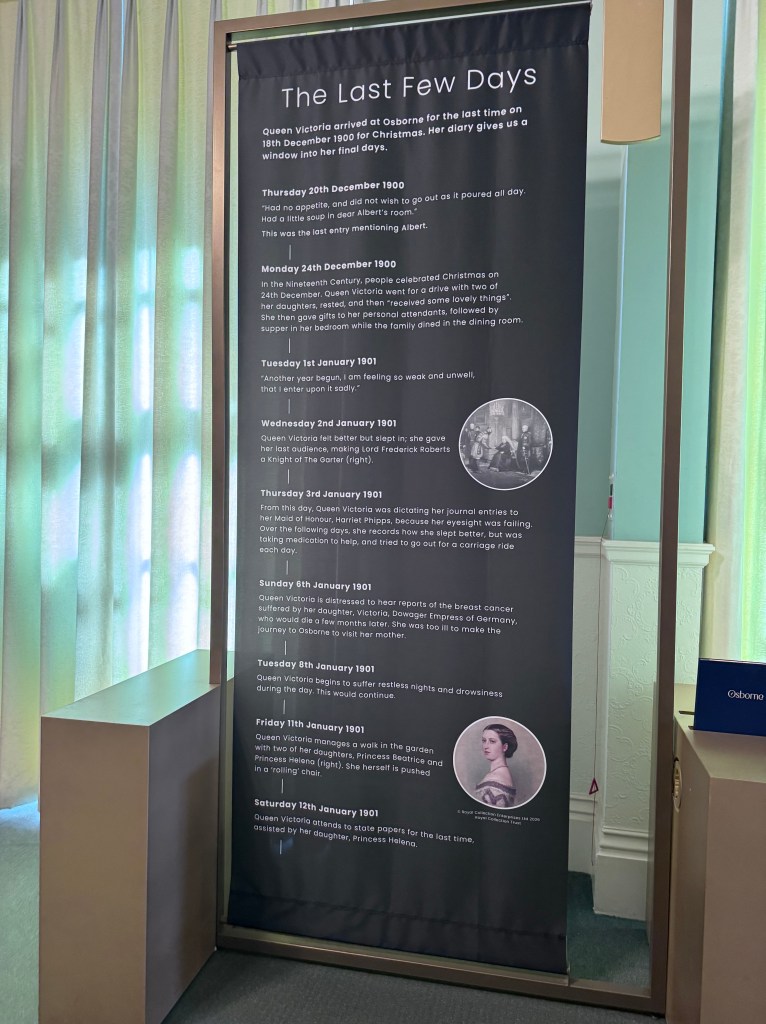
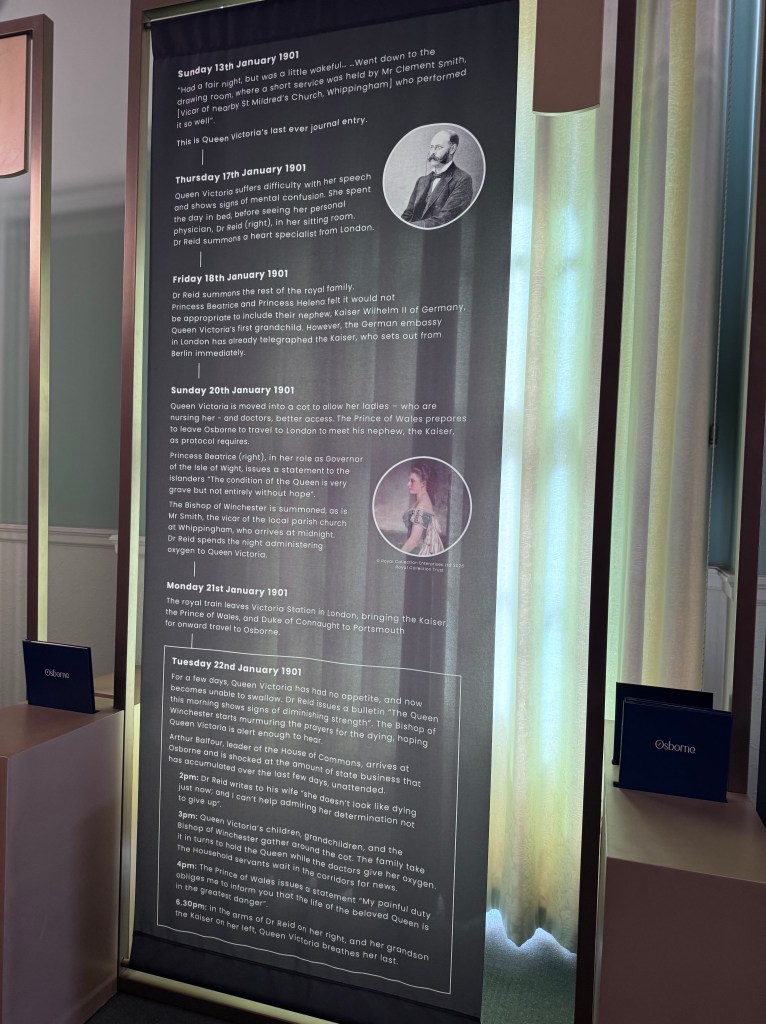
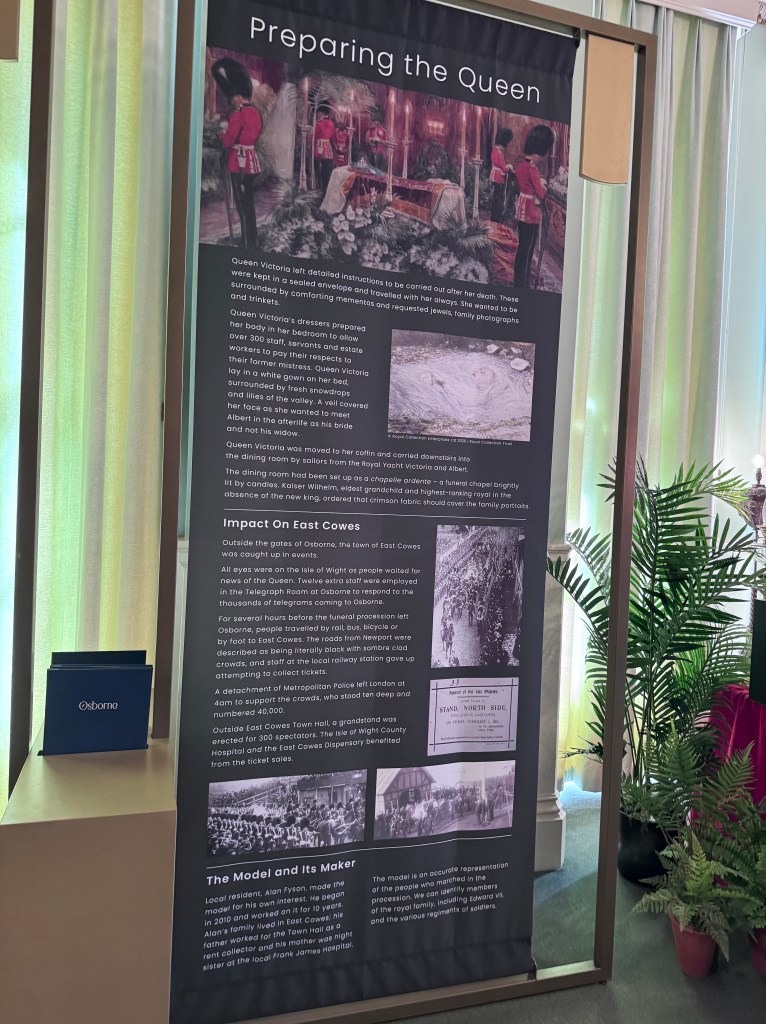
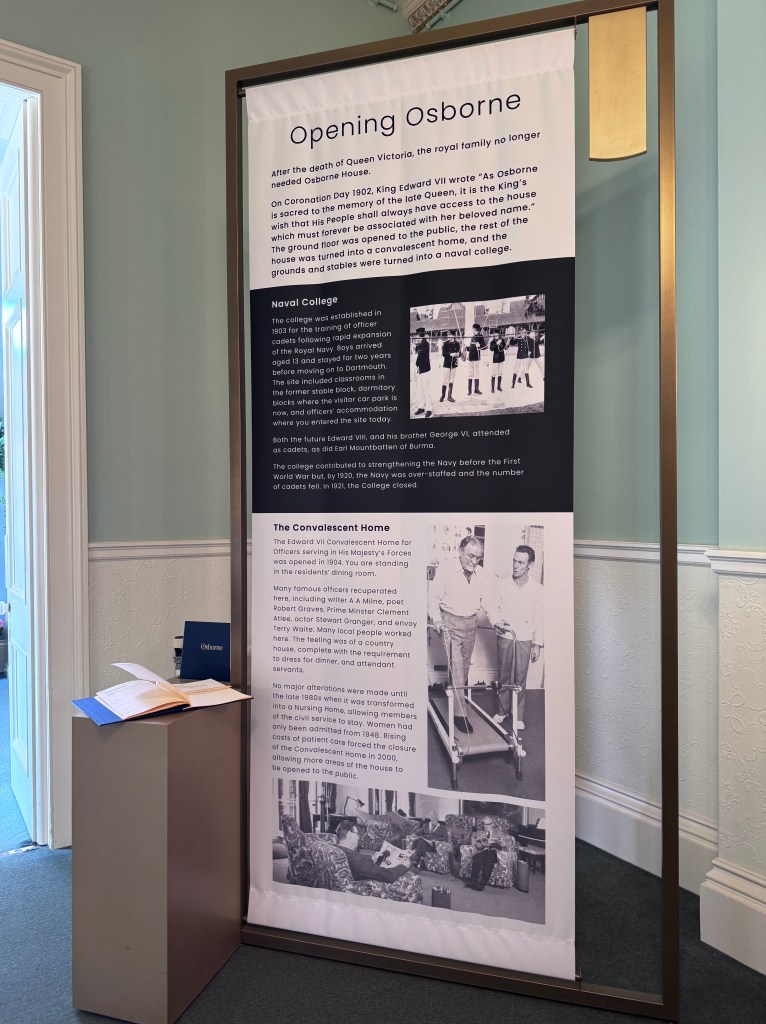
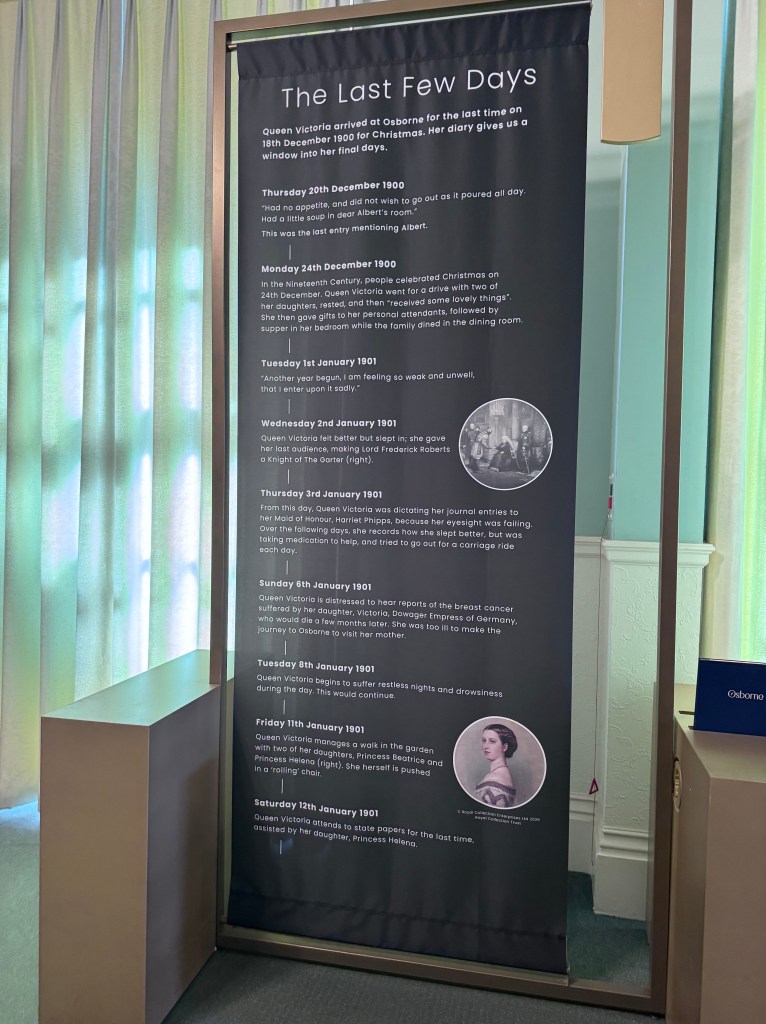
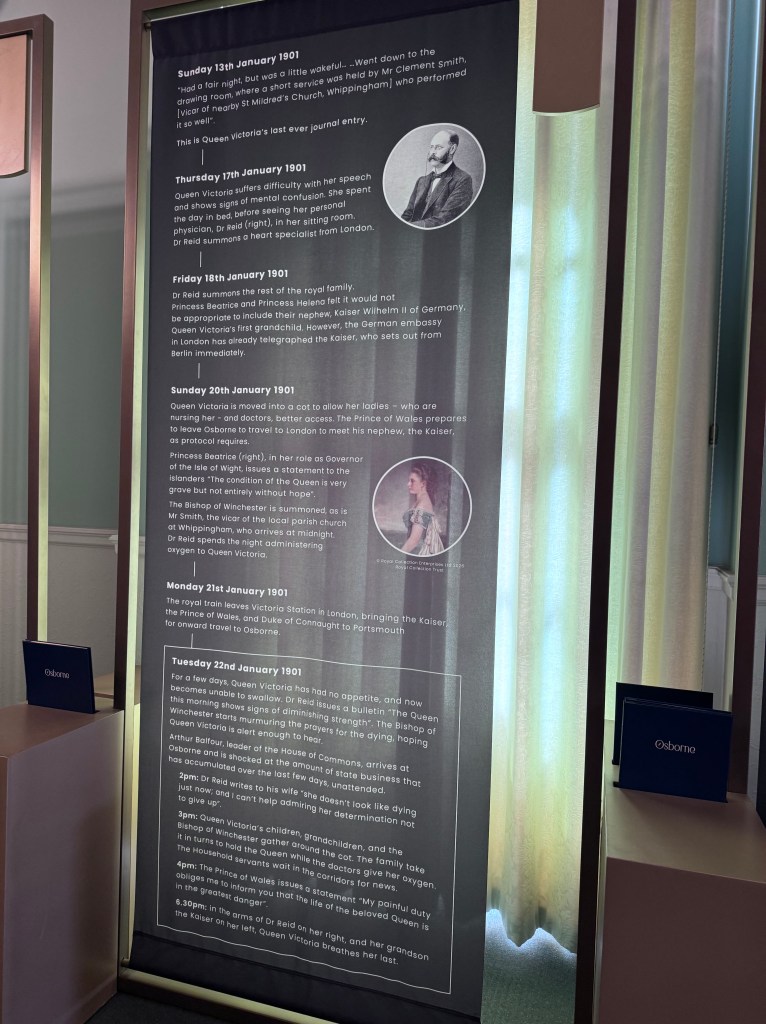
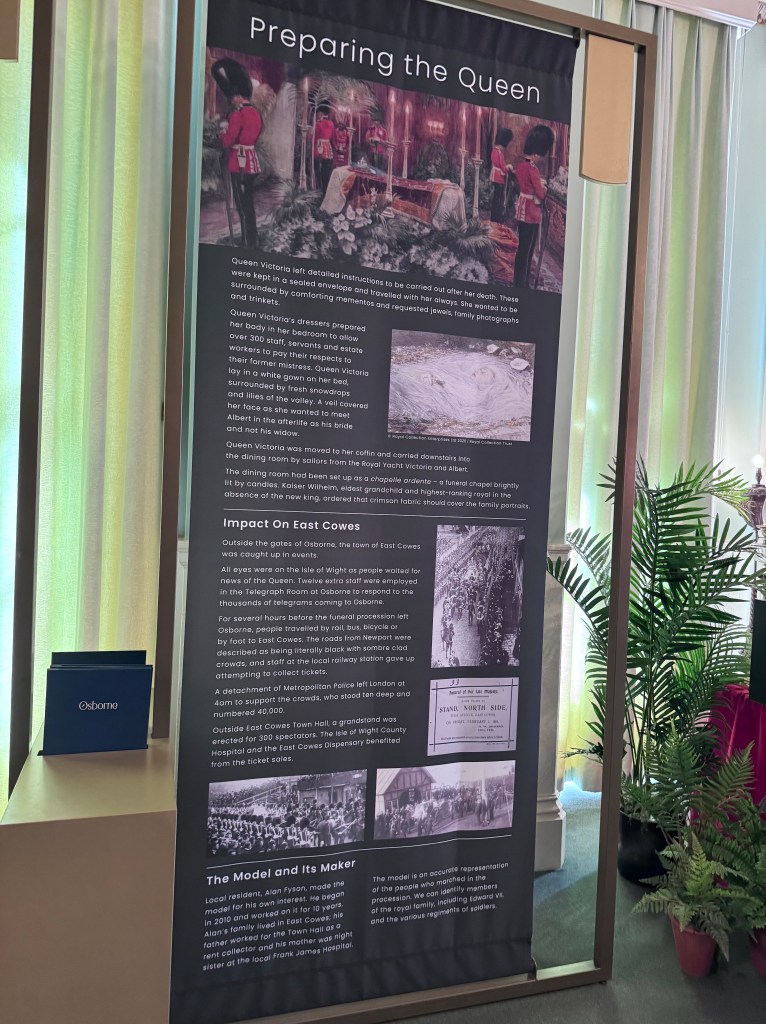
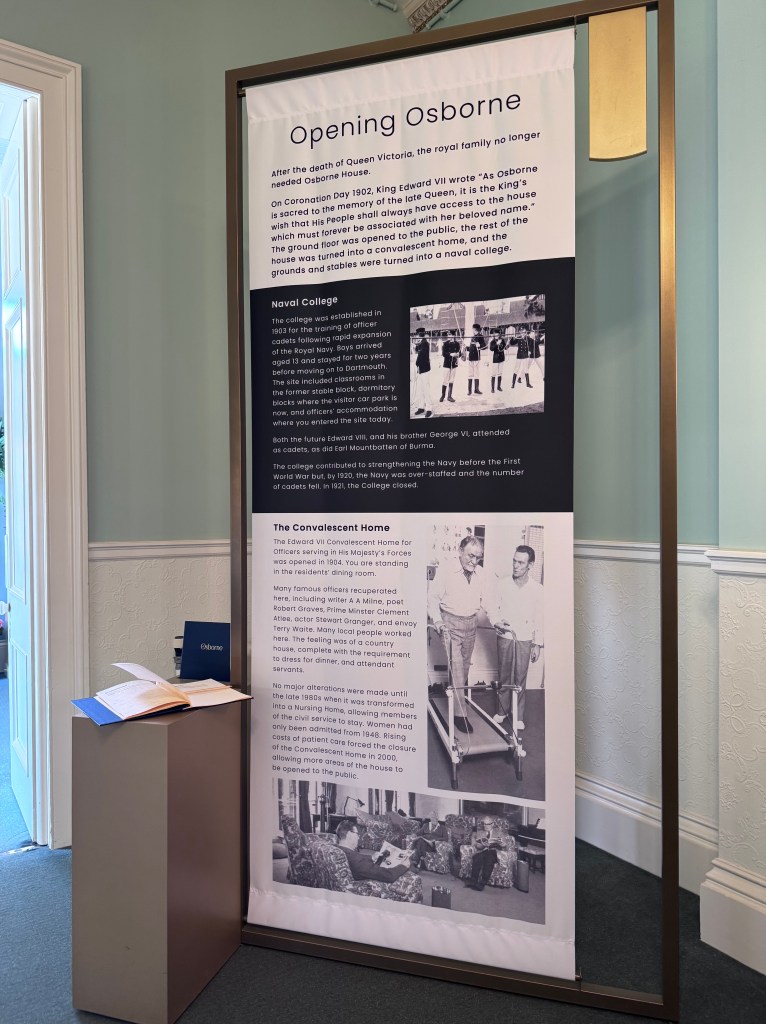
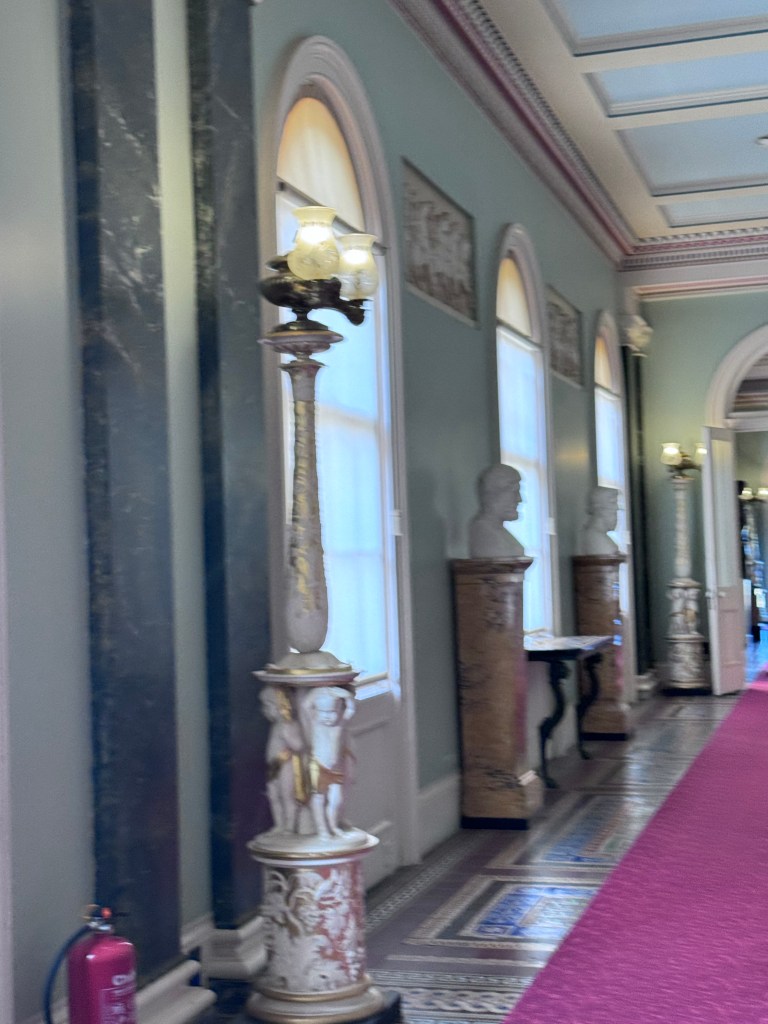
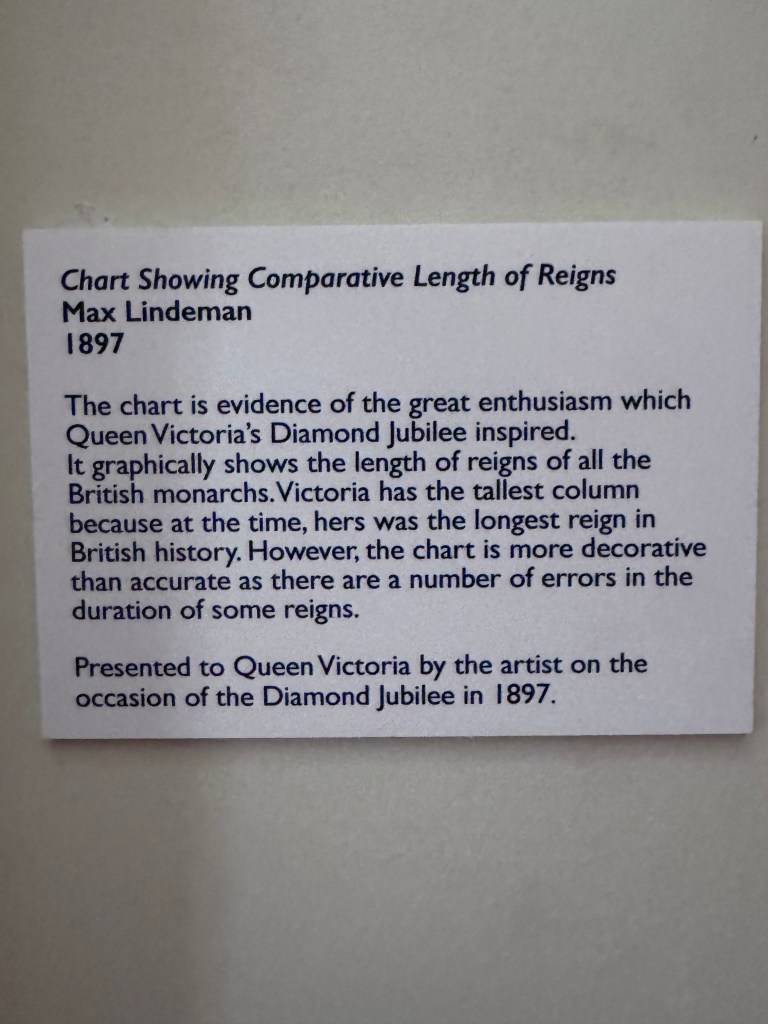
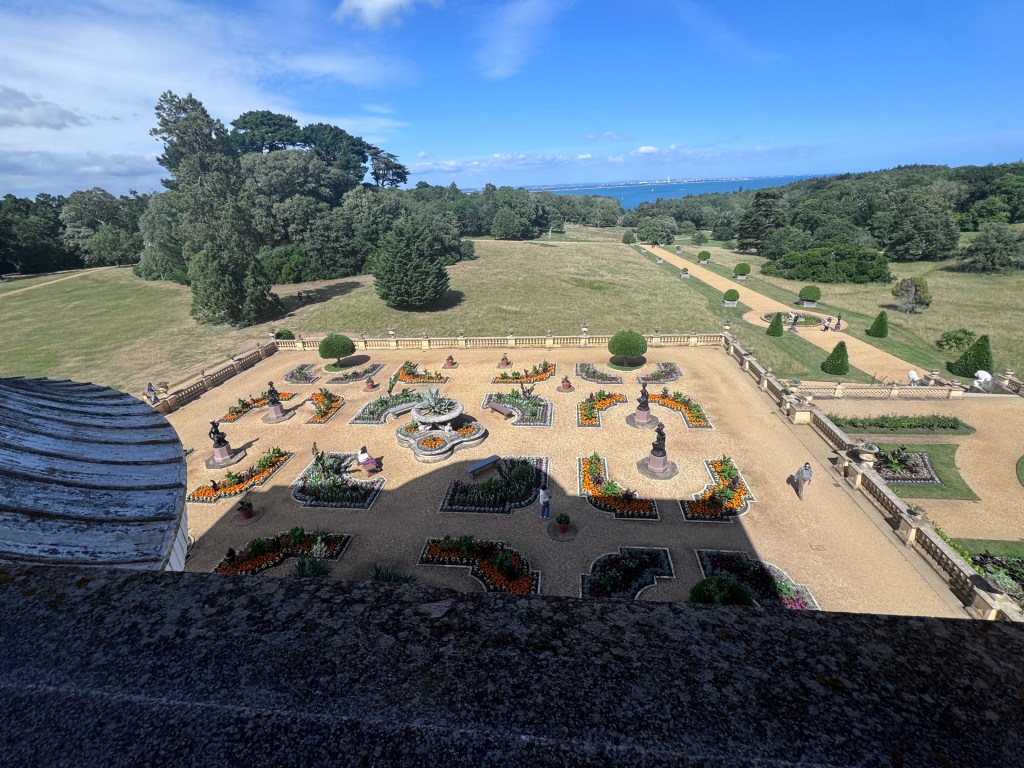
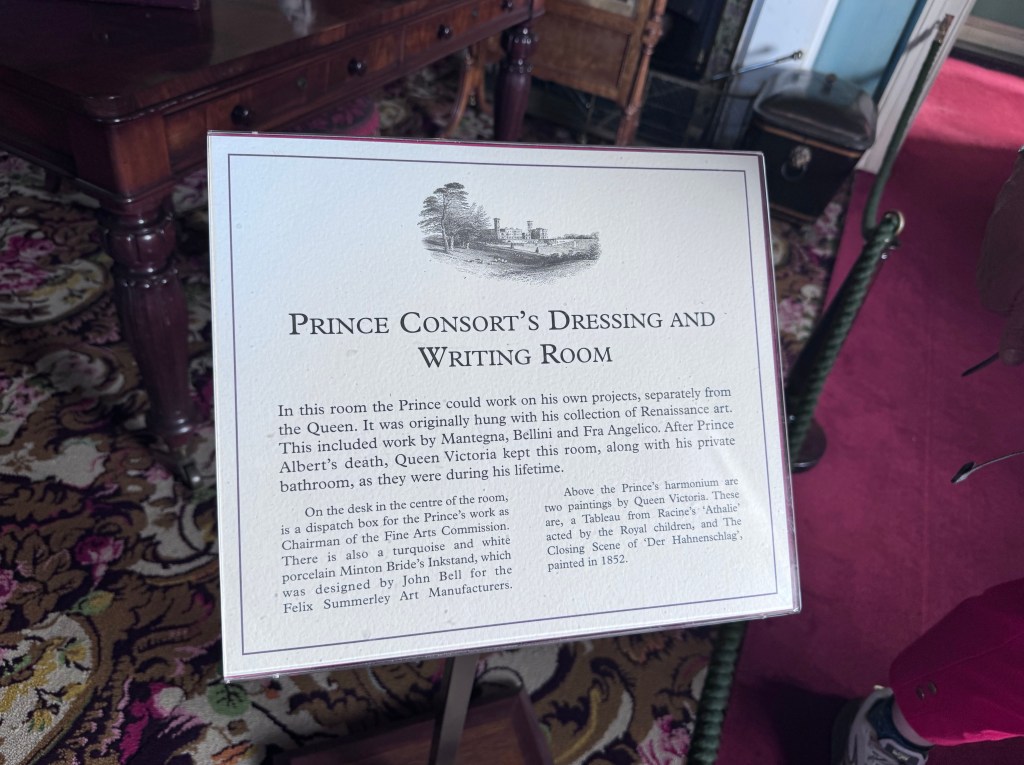
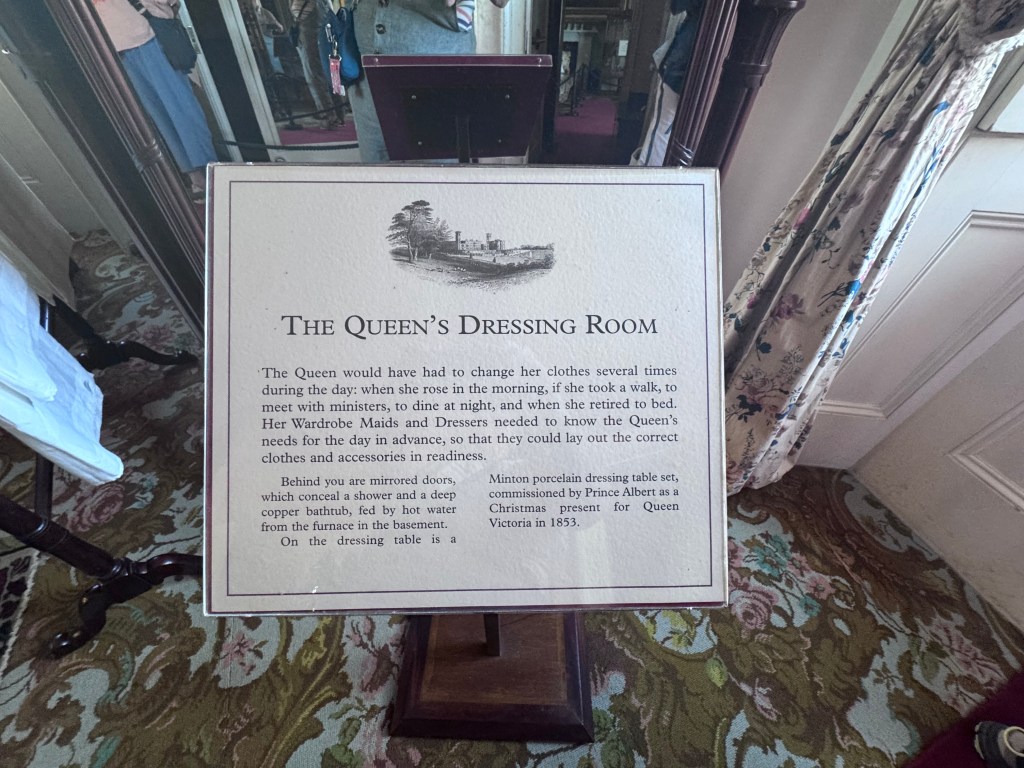
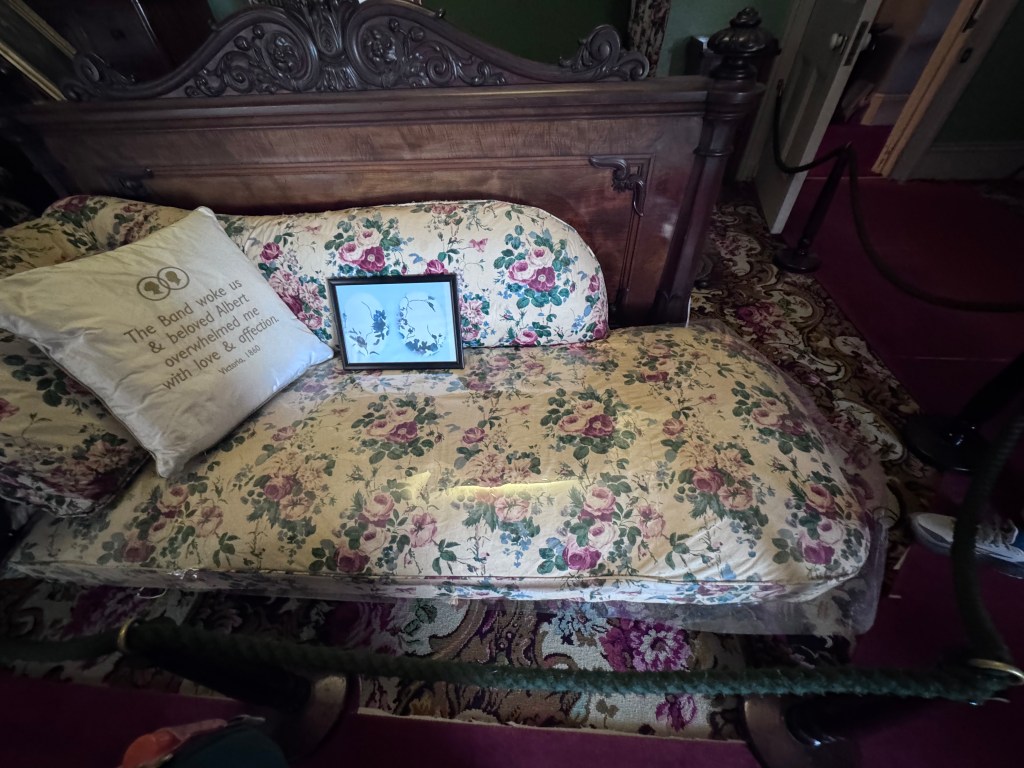
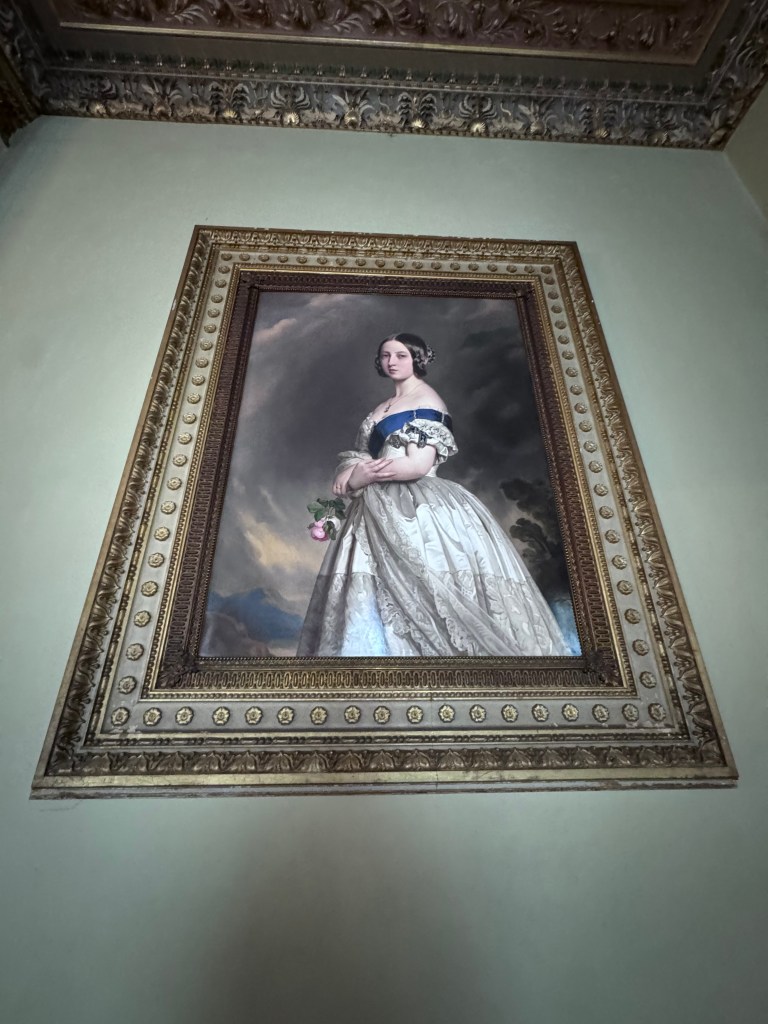
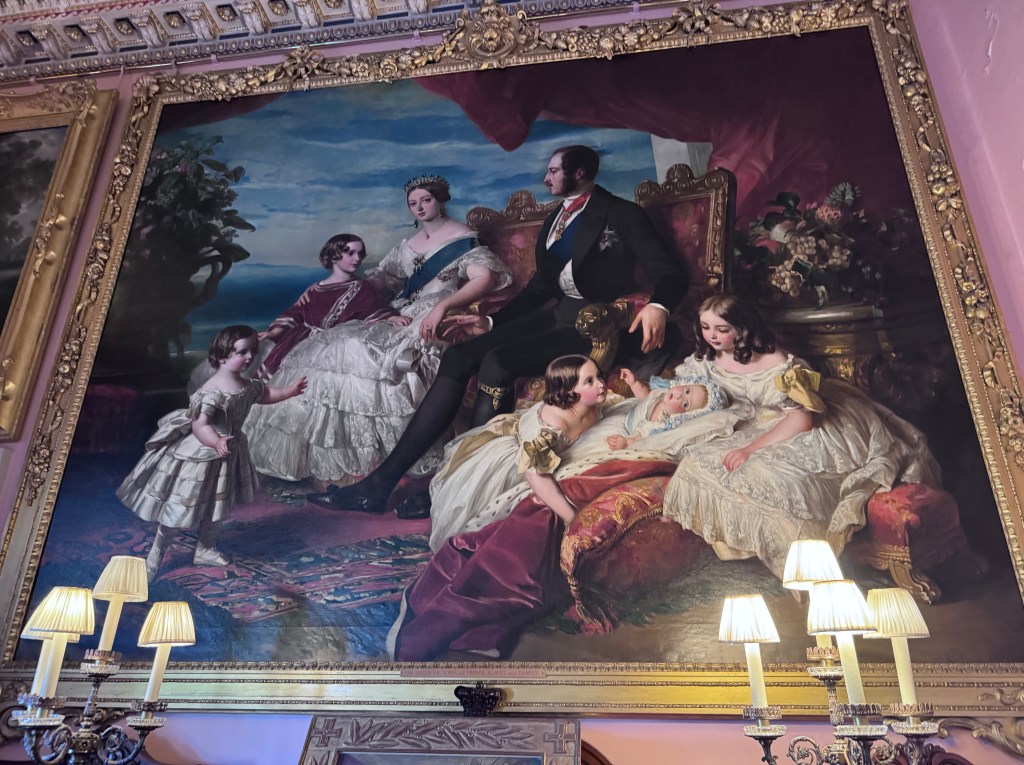
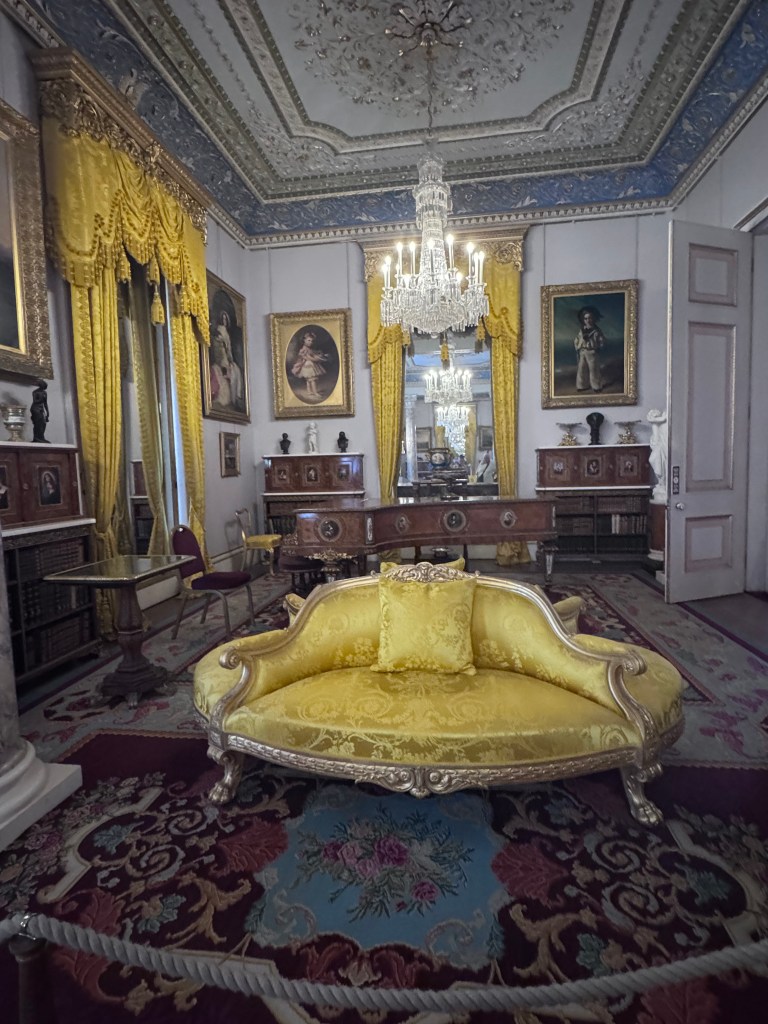
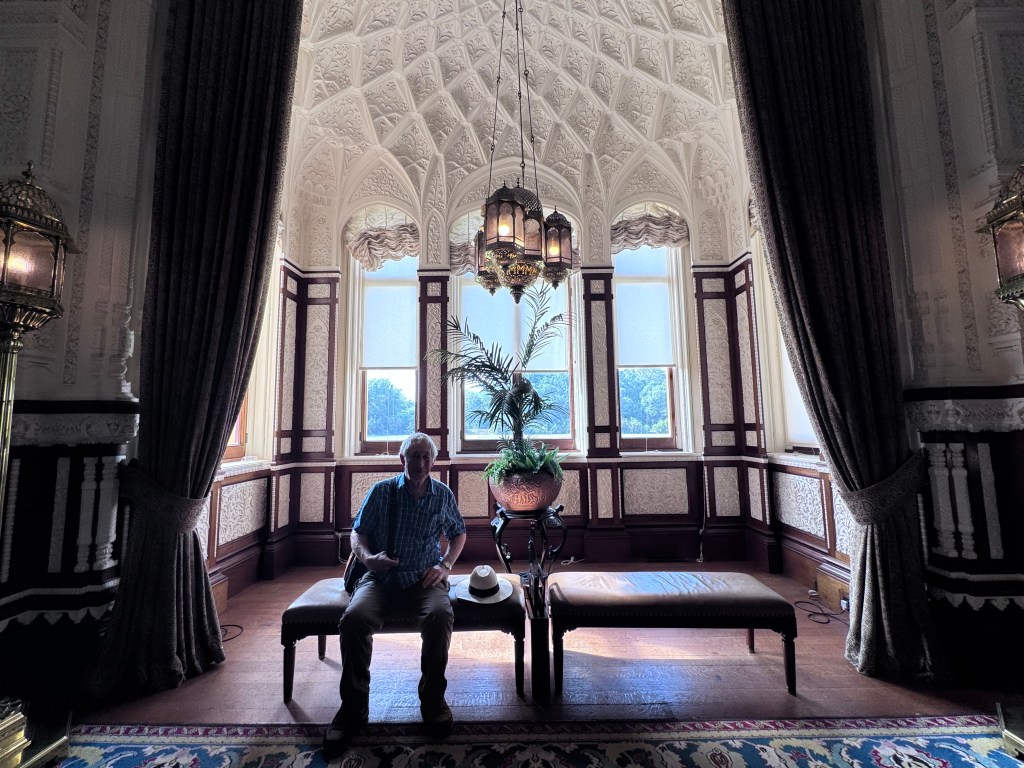
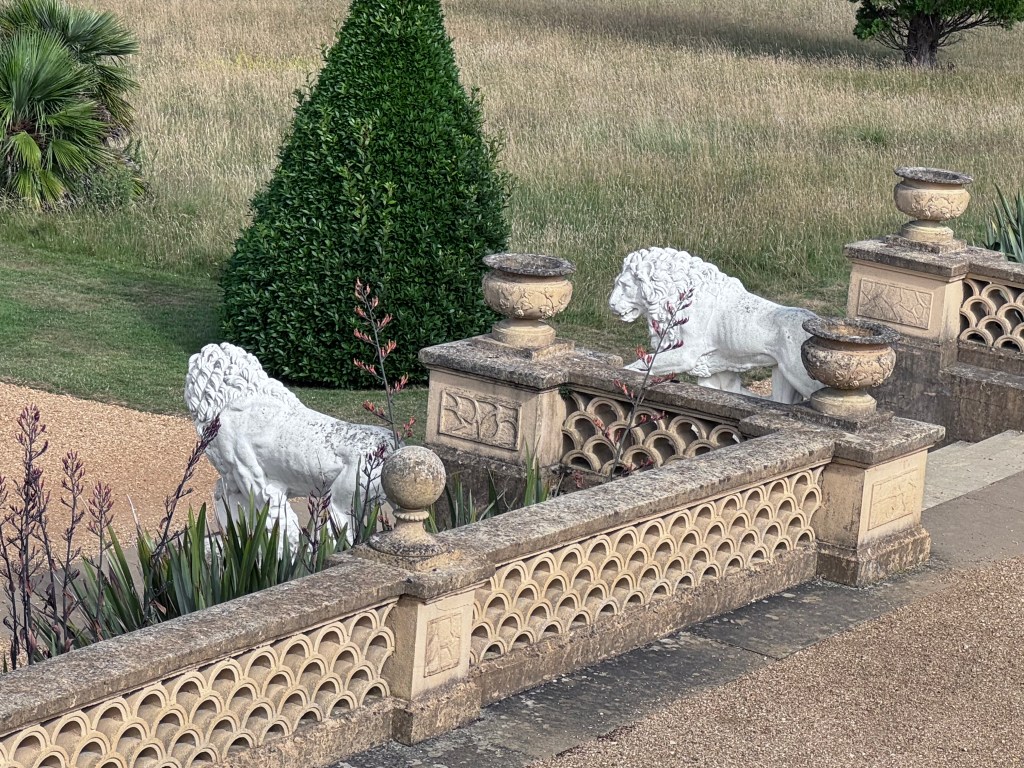
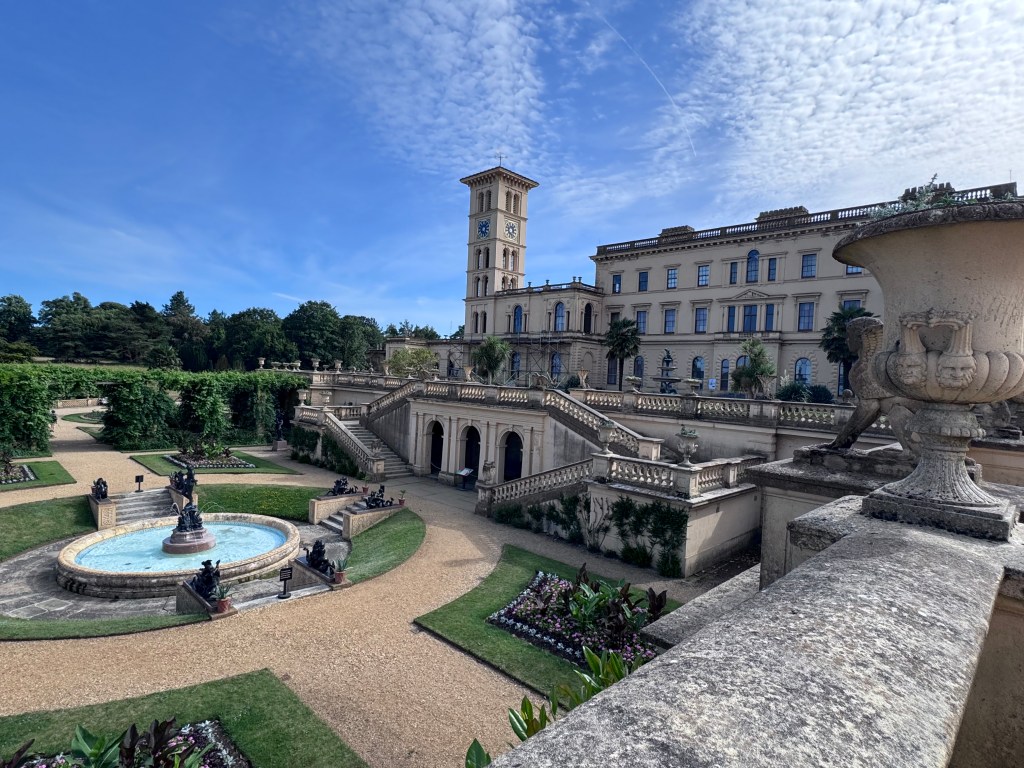
After meeting up, we enjoyed lunch before touring the magnificent Osborne House. Built between 1845 and 1851, Osborne House was the beloved summer residence of Queen Victoria and Prince Albert. Designed in the style of an Italian Renaissance villa, it became the place where the royal family could escape the formality of court life and enjoy time together. Queen Victoria loved the estate so much that she famously wrote, “It is impossible to imagine a prettier spot.”

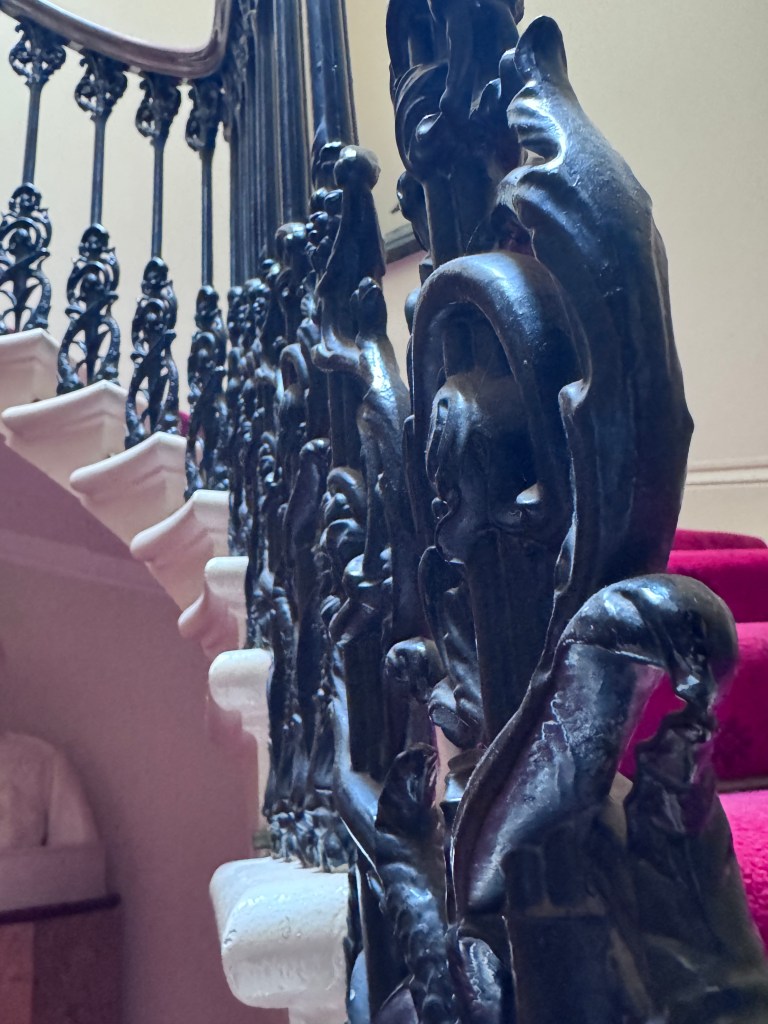
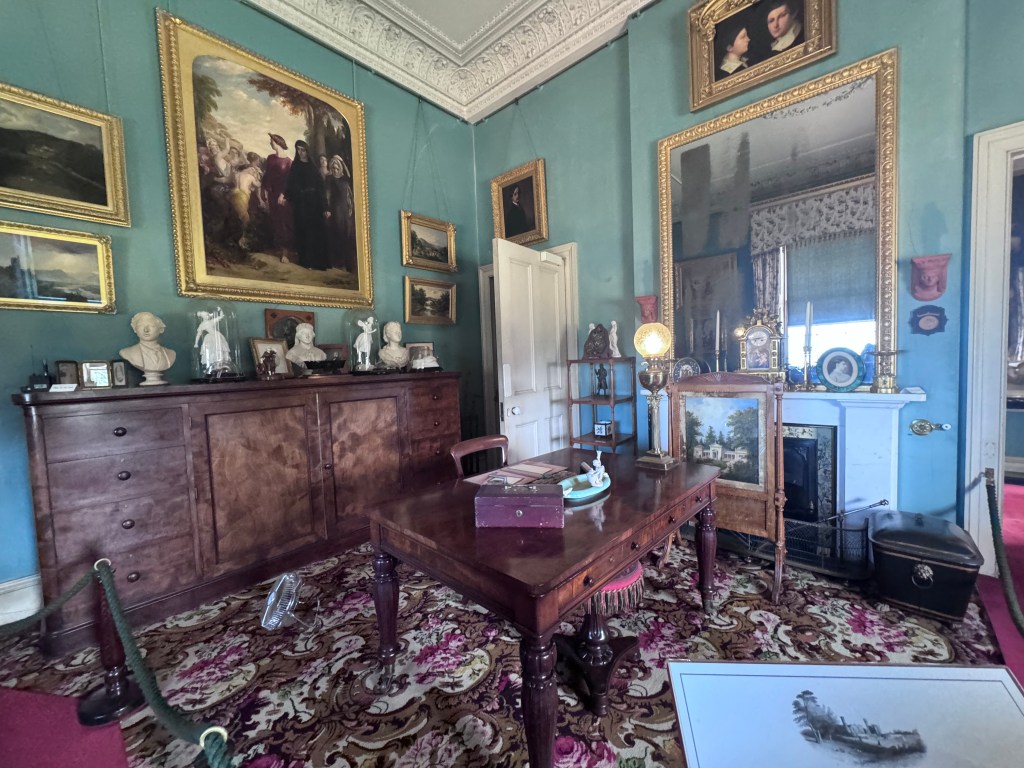
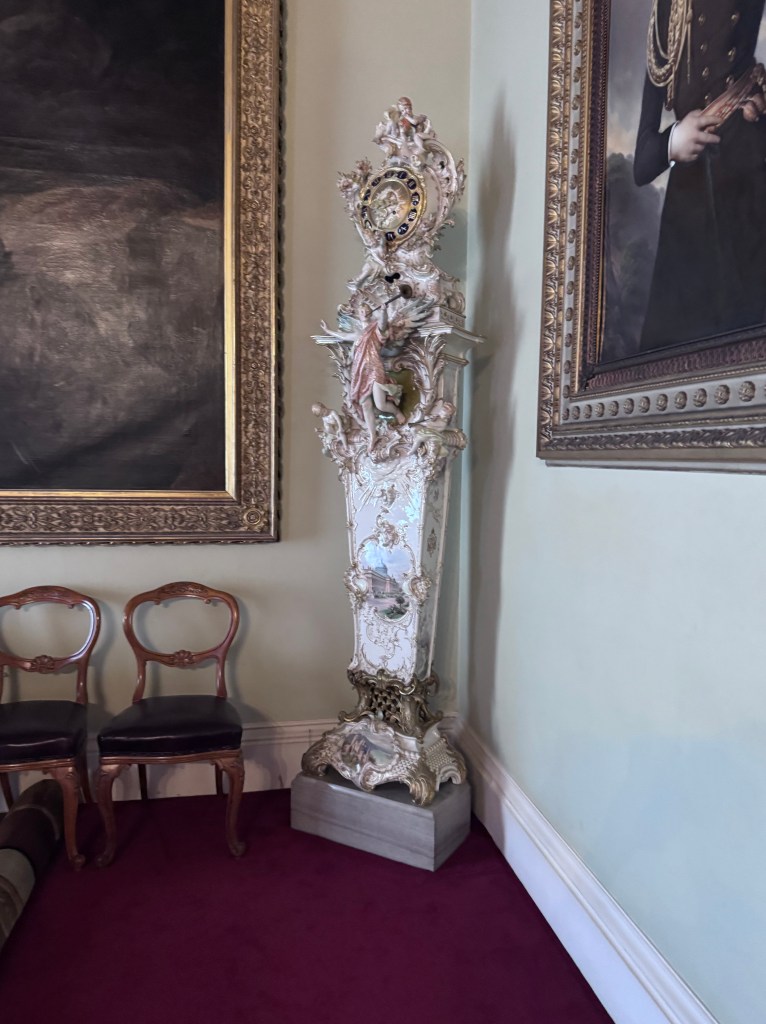
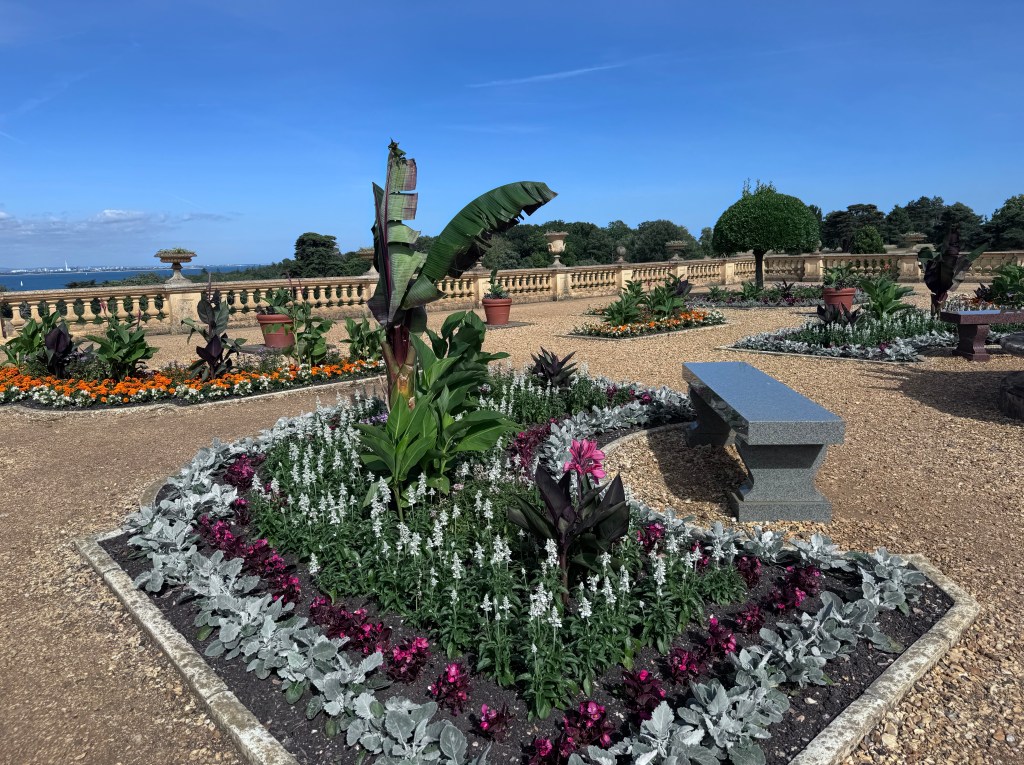
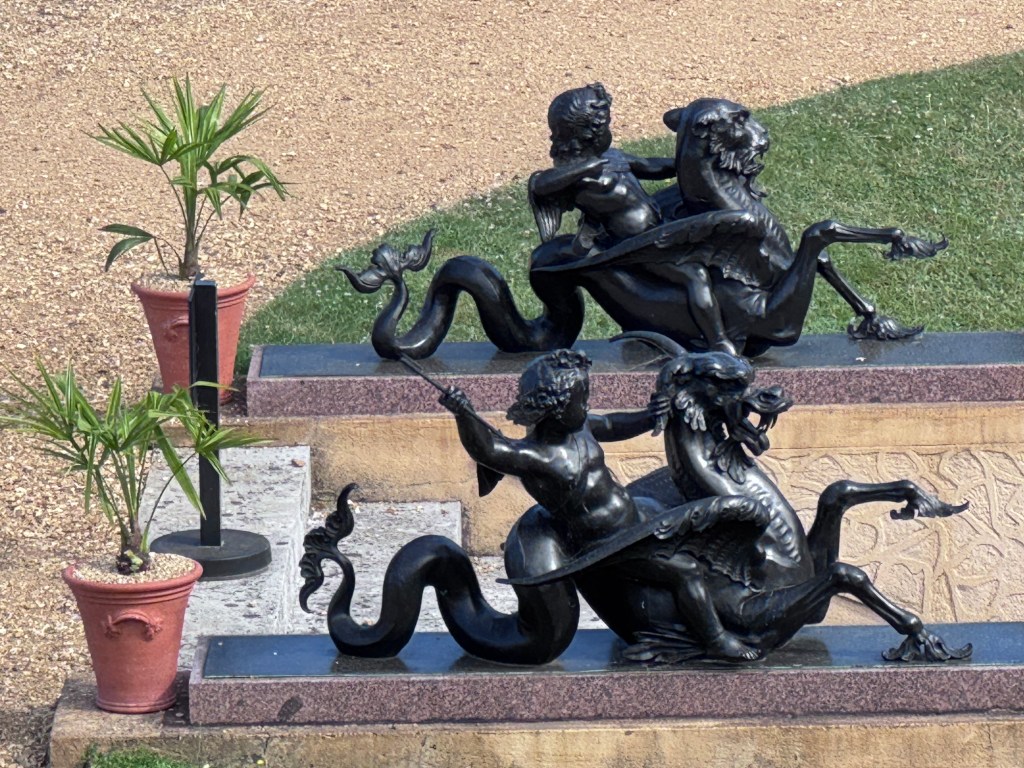
The estate is truly grand, surrounded by beautifully landscaped gardens and overlooking the Solent. What impressed me most was learning that much of what you see inside is original, giving visitors an authentic glimpse into royal family life during the Victorian era.

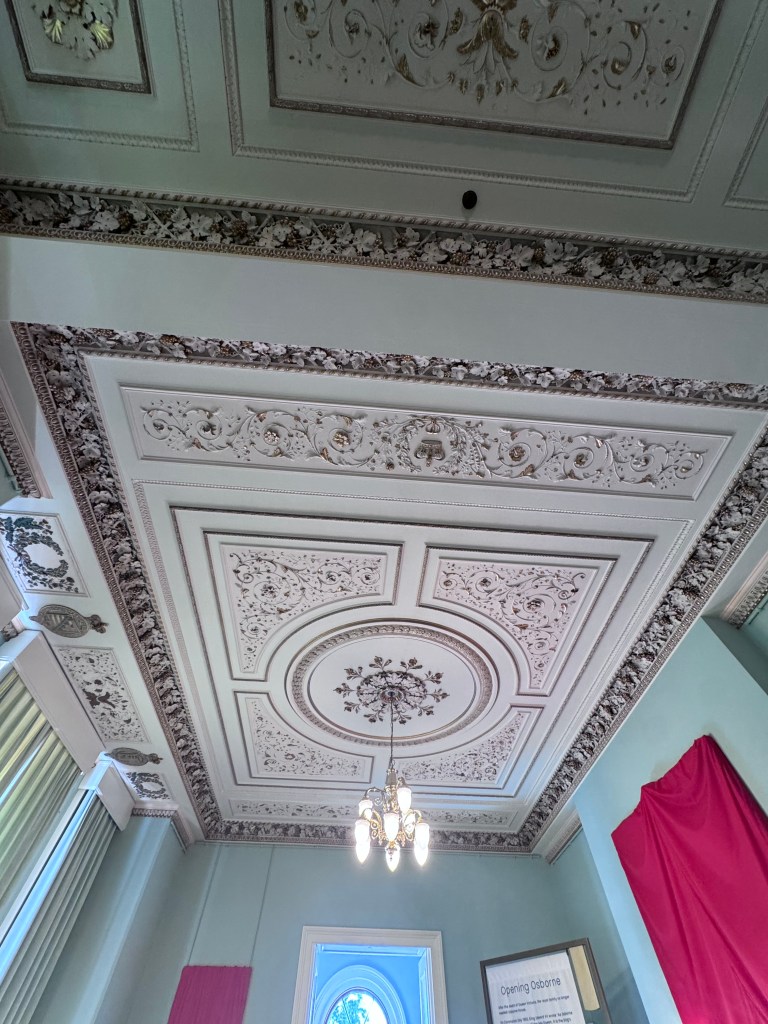
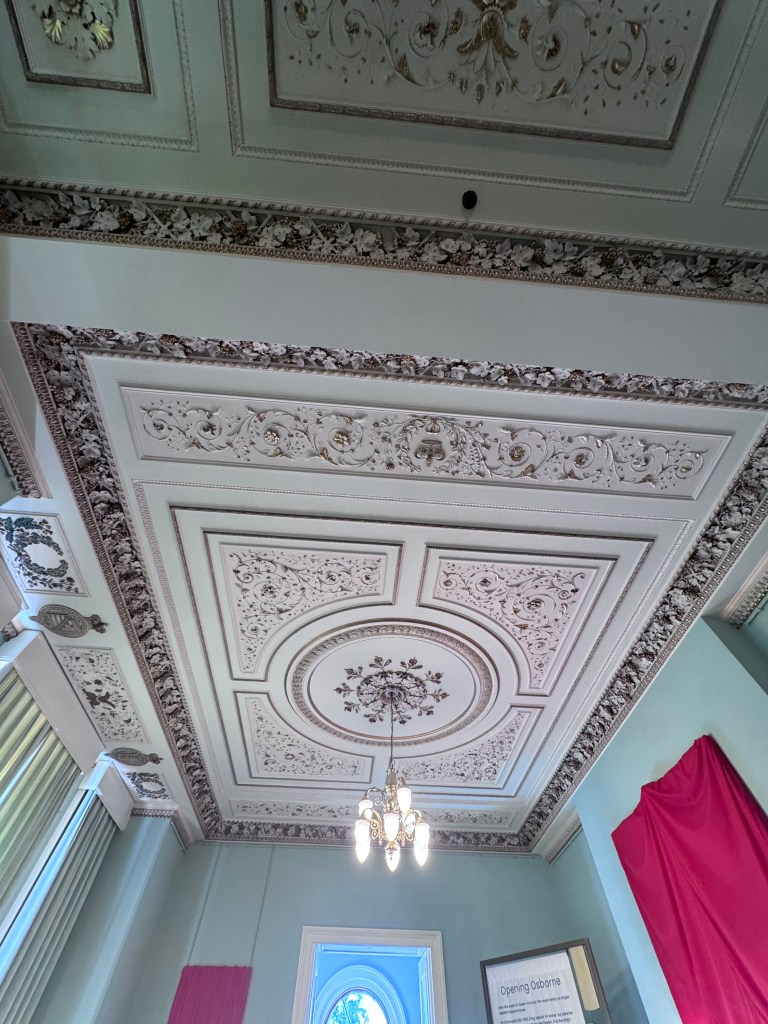
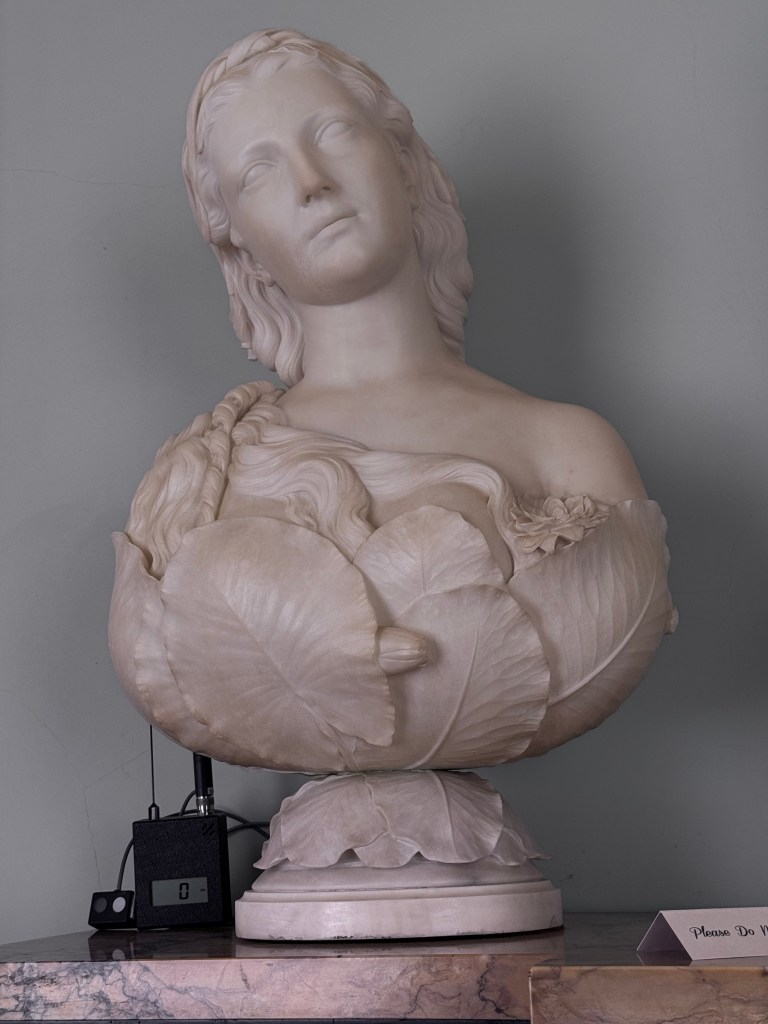
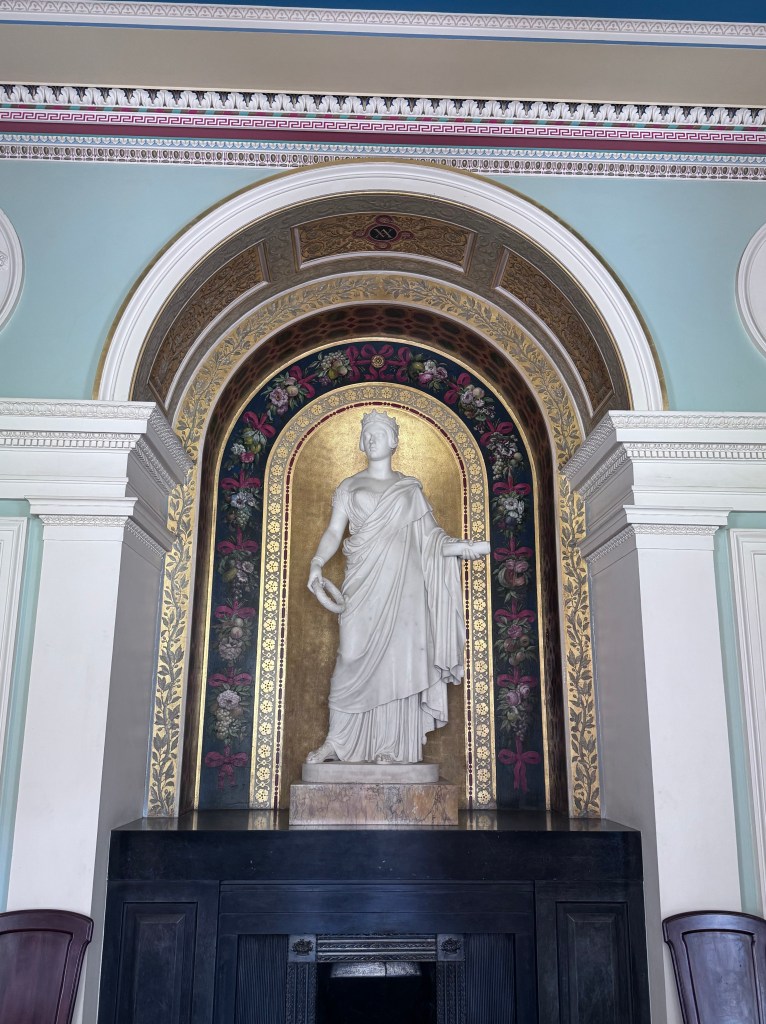
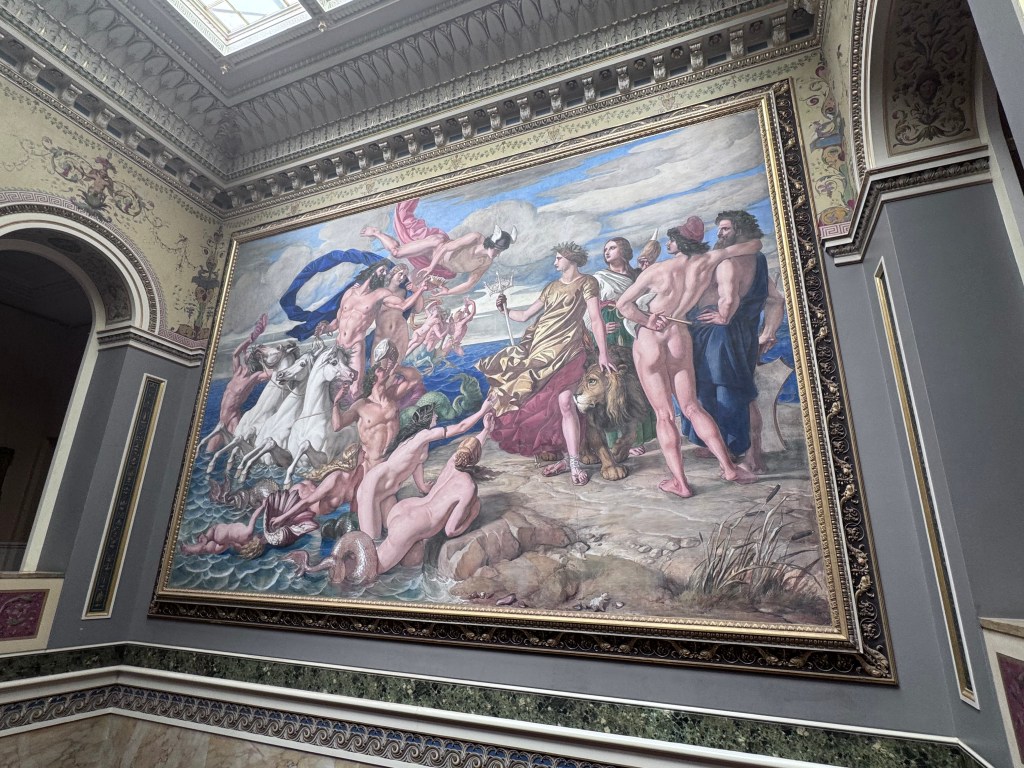
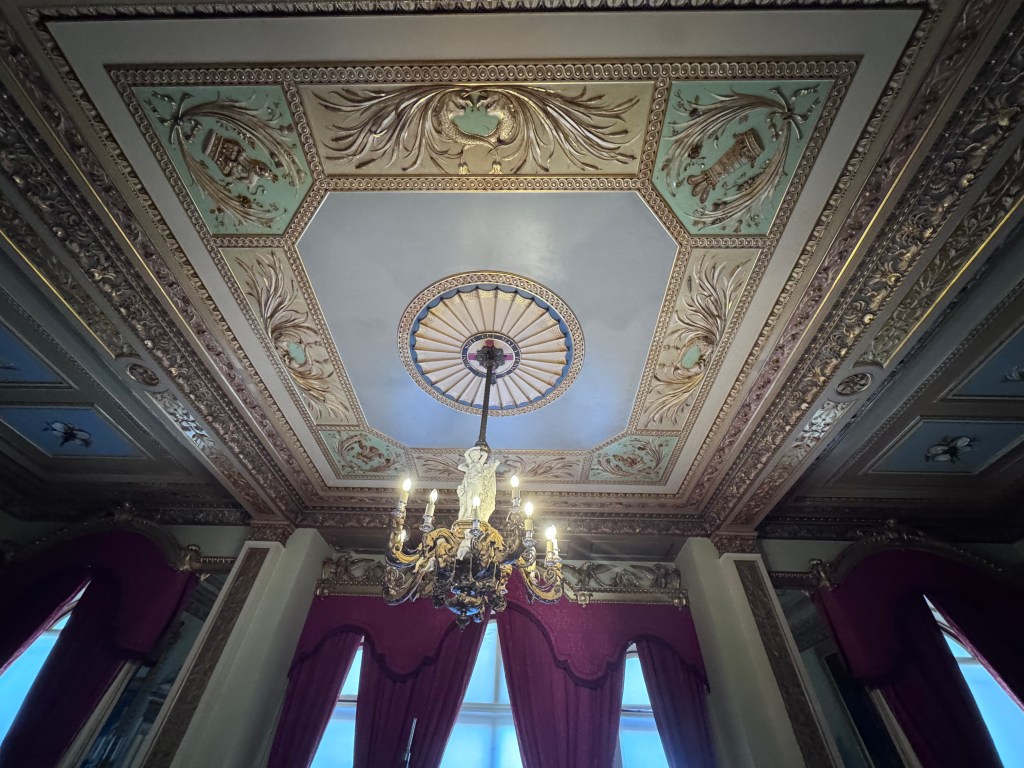
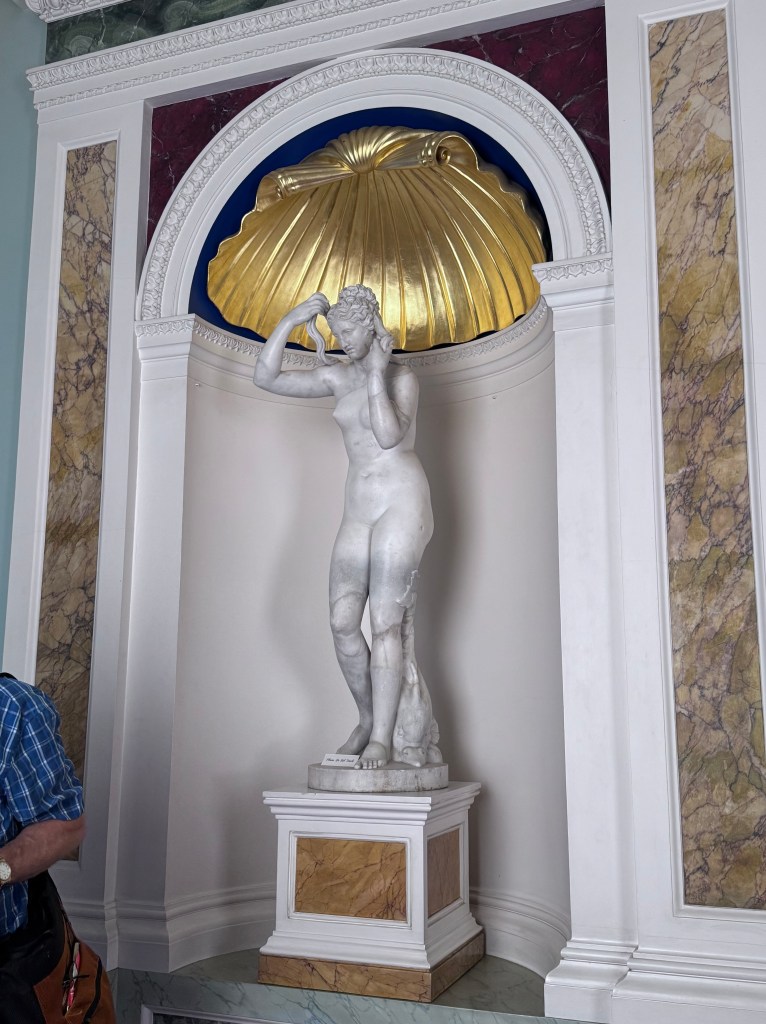
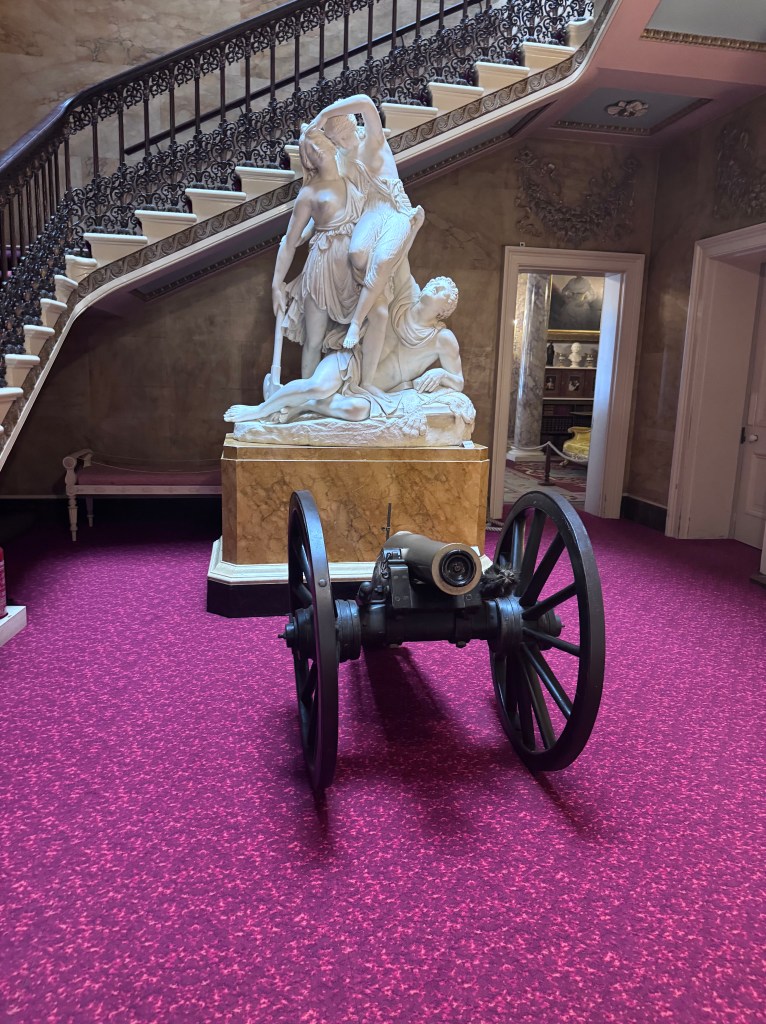
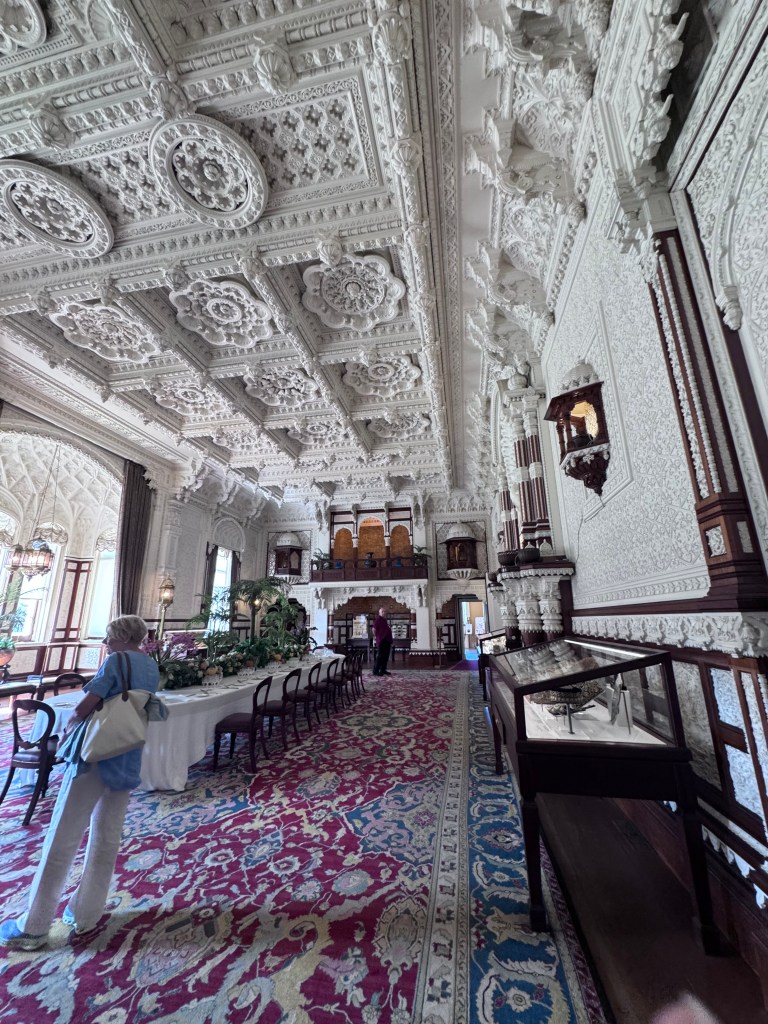
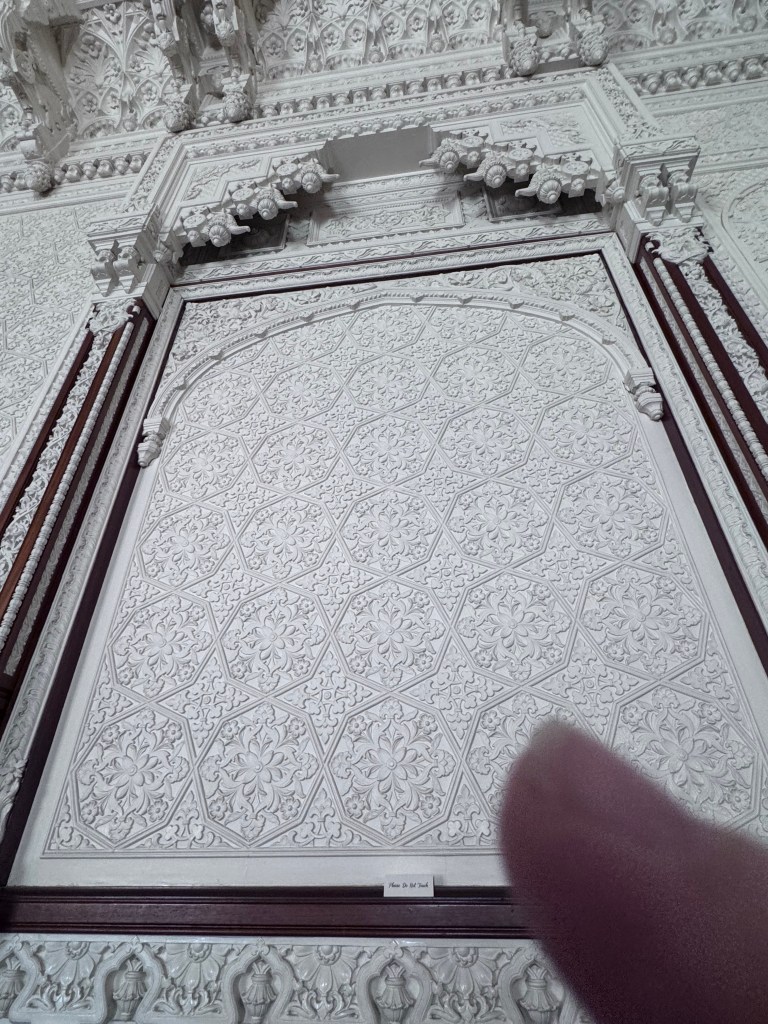
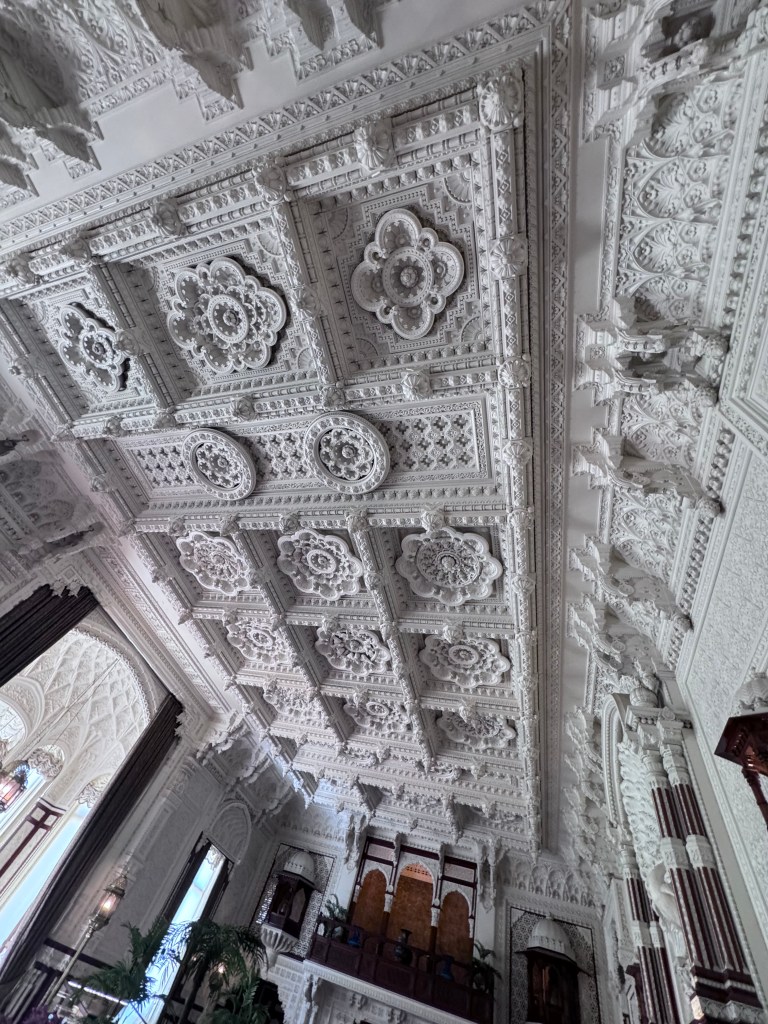
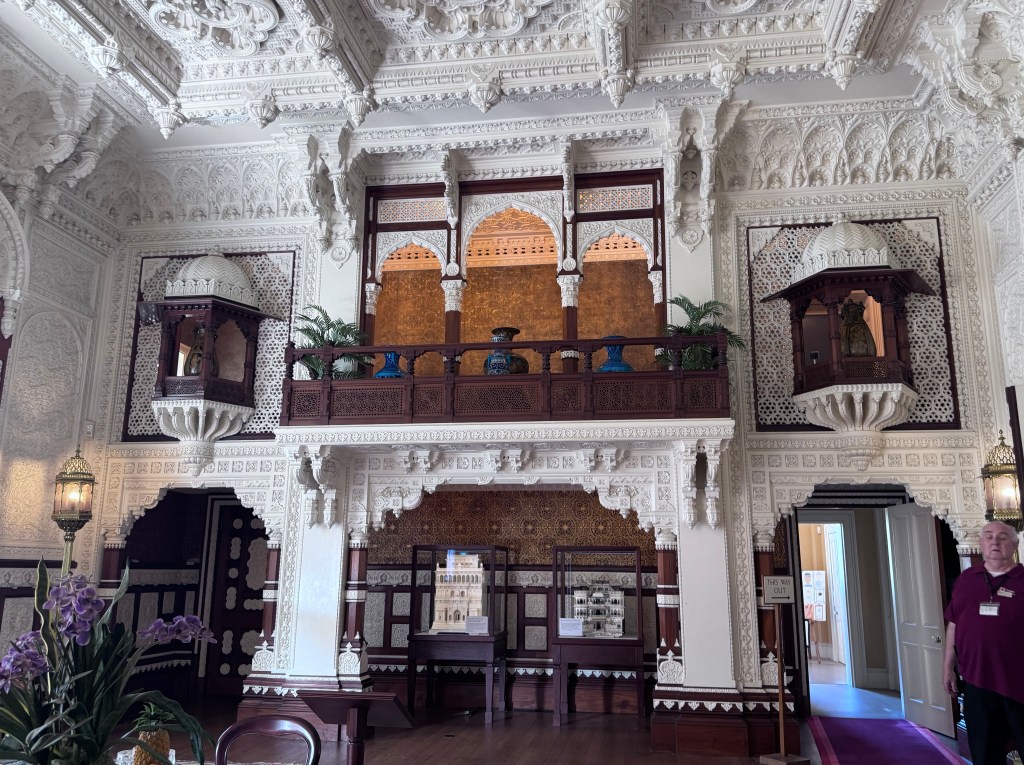
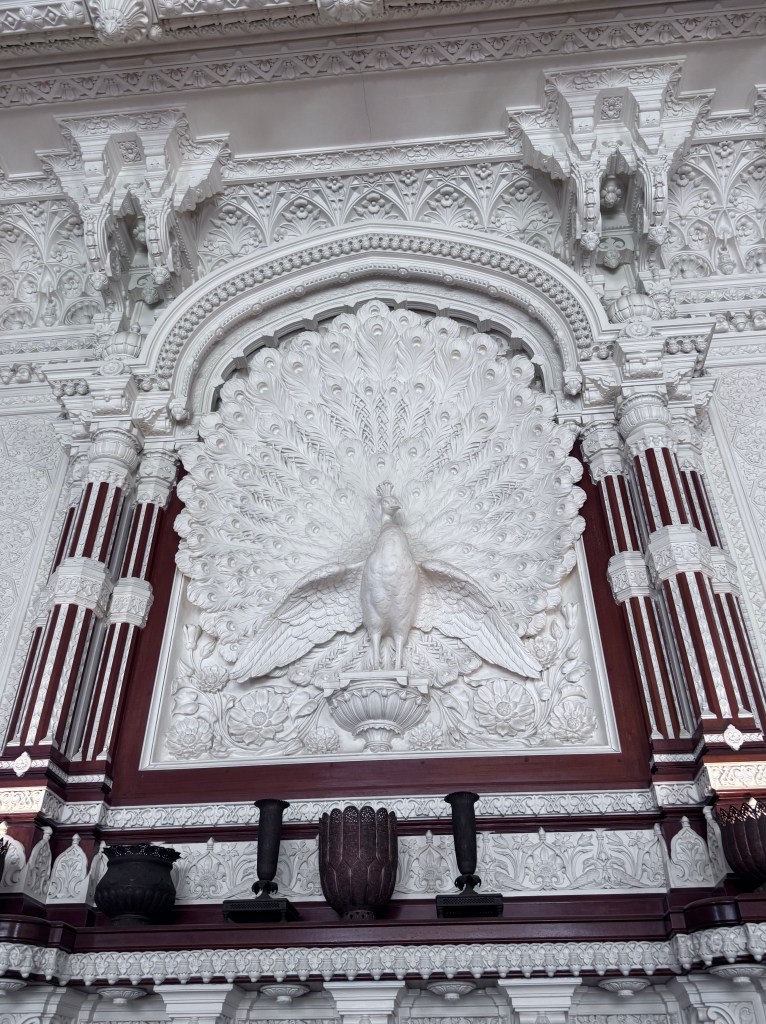
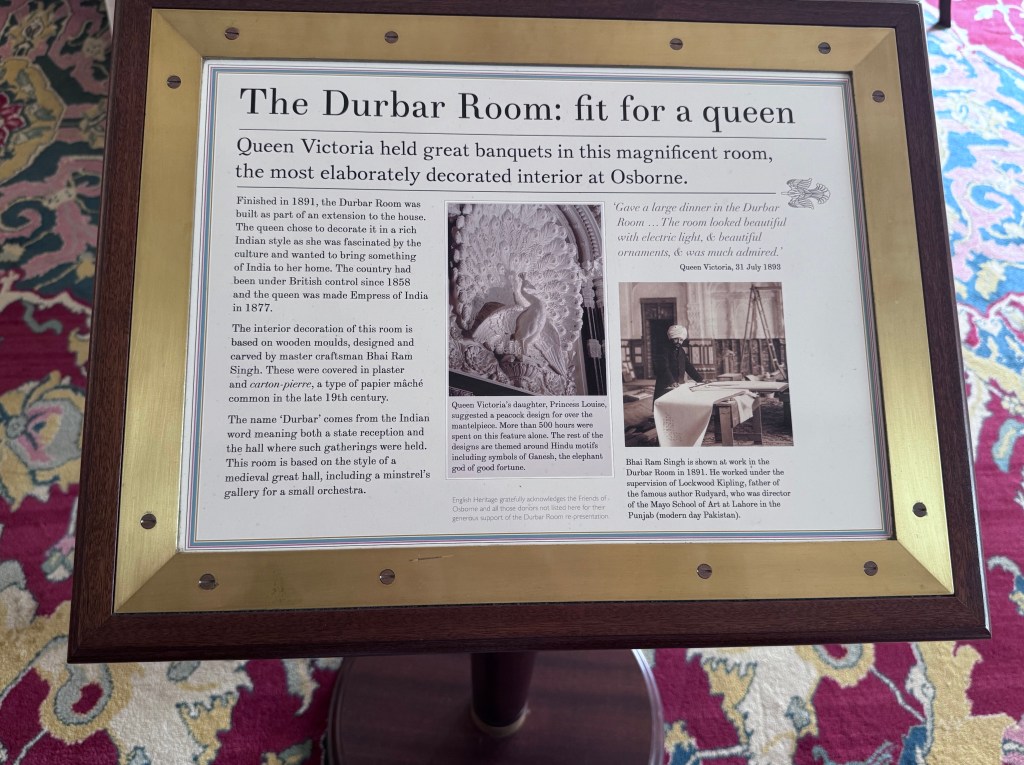
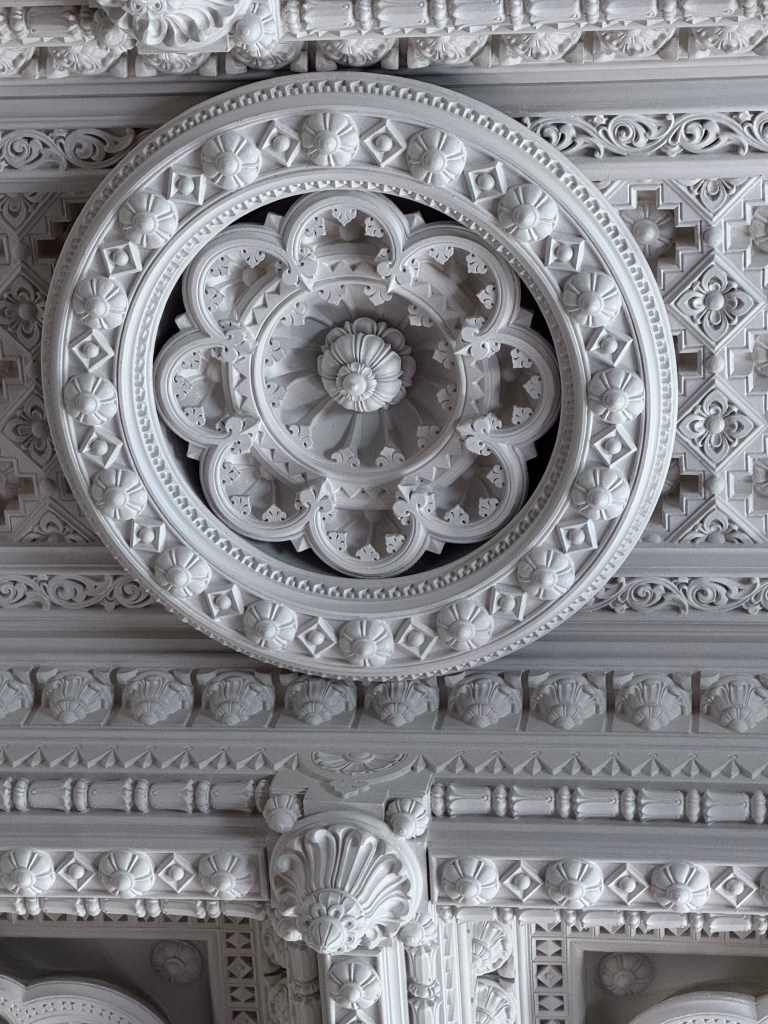
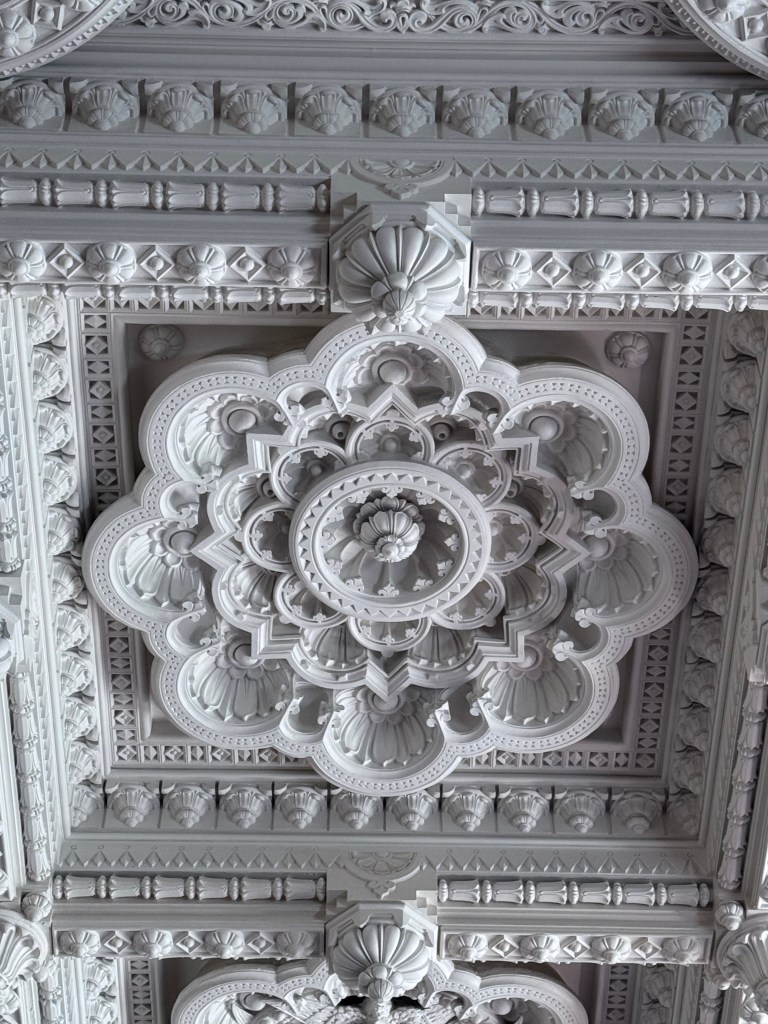
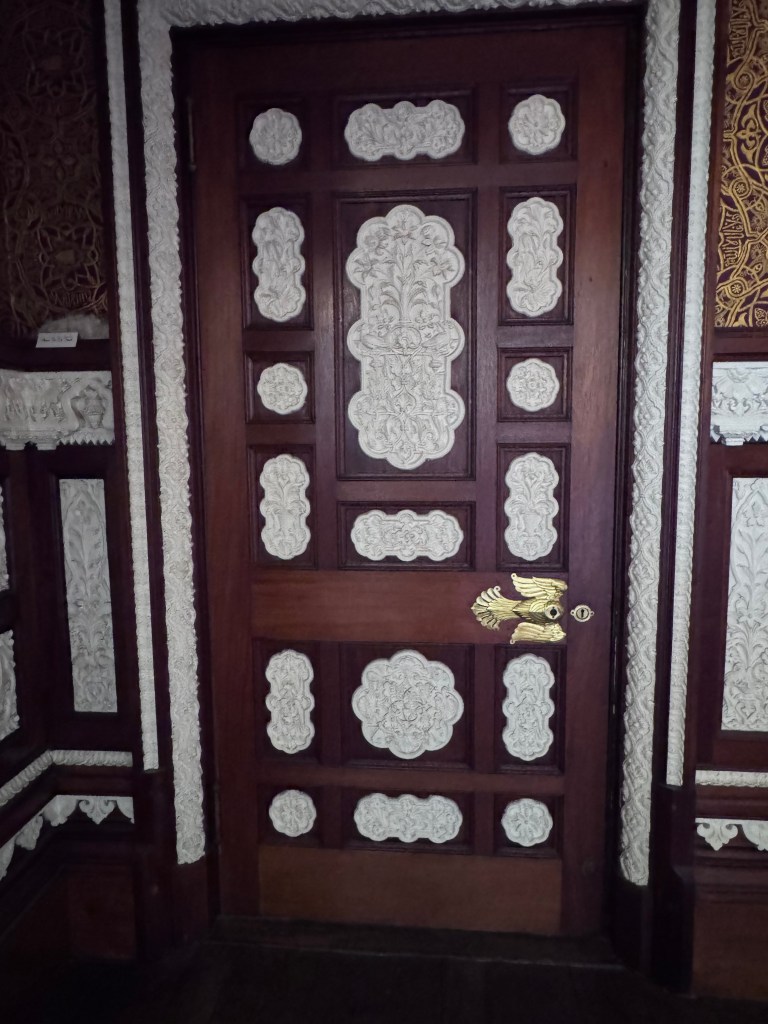
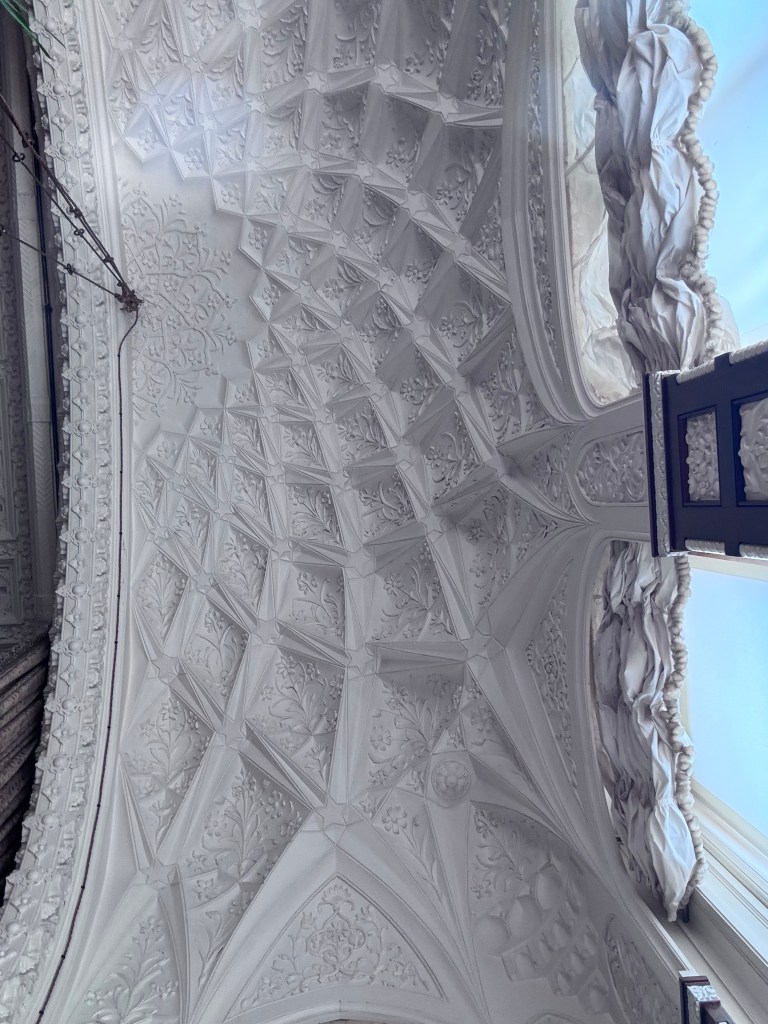
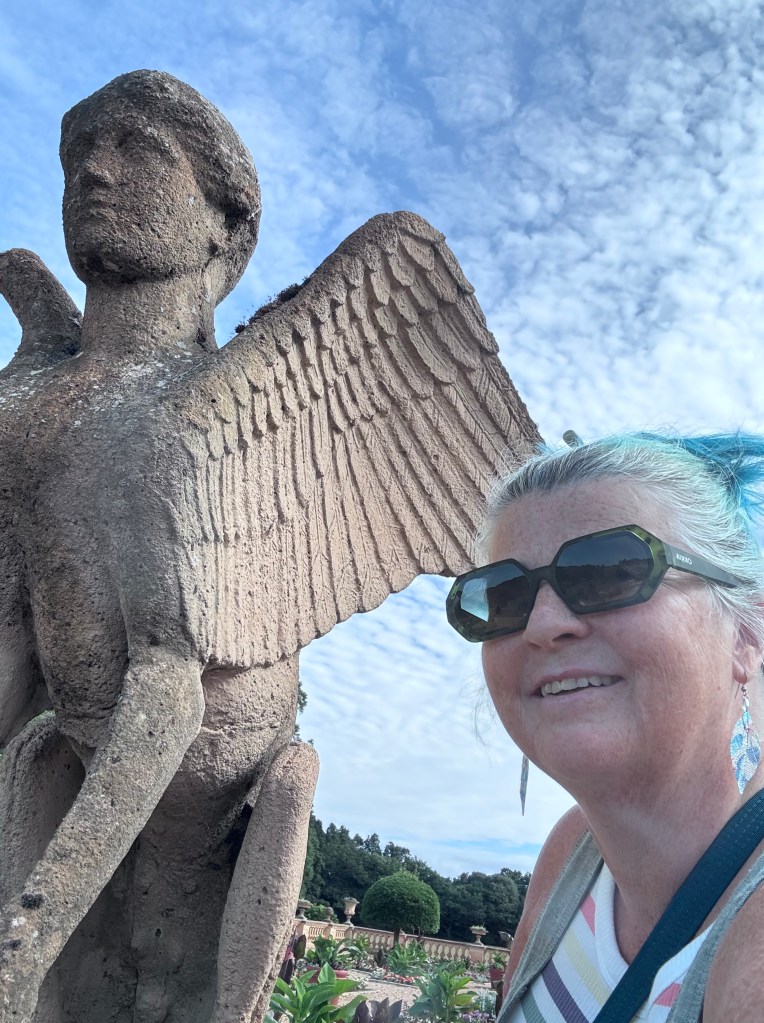
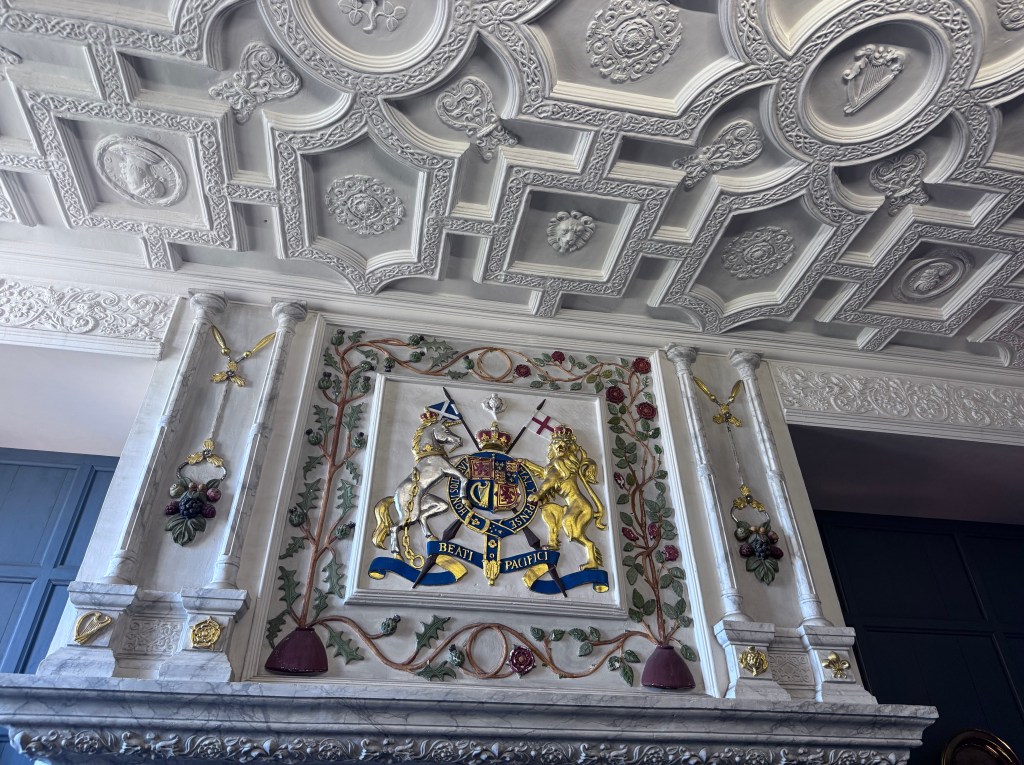
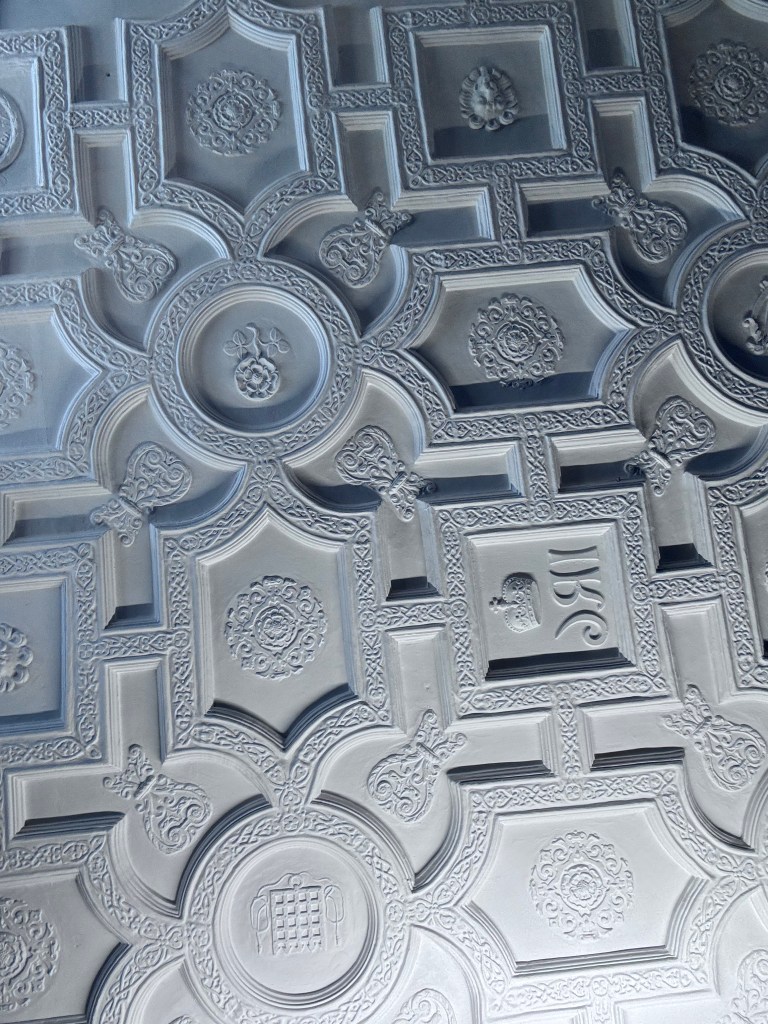
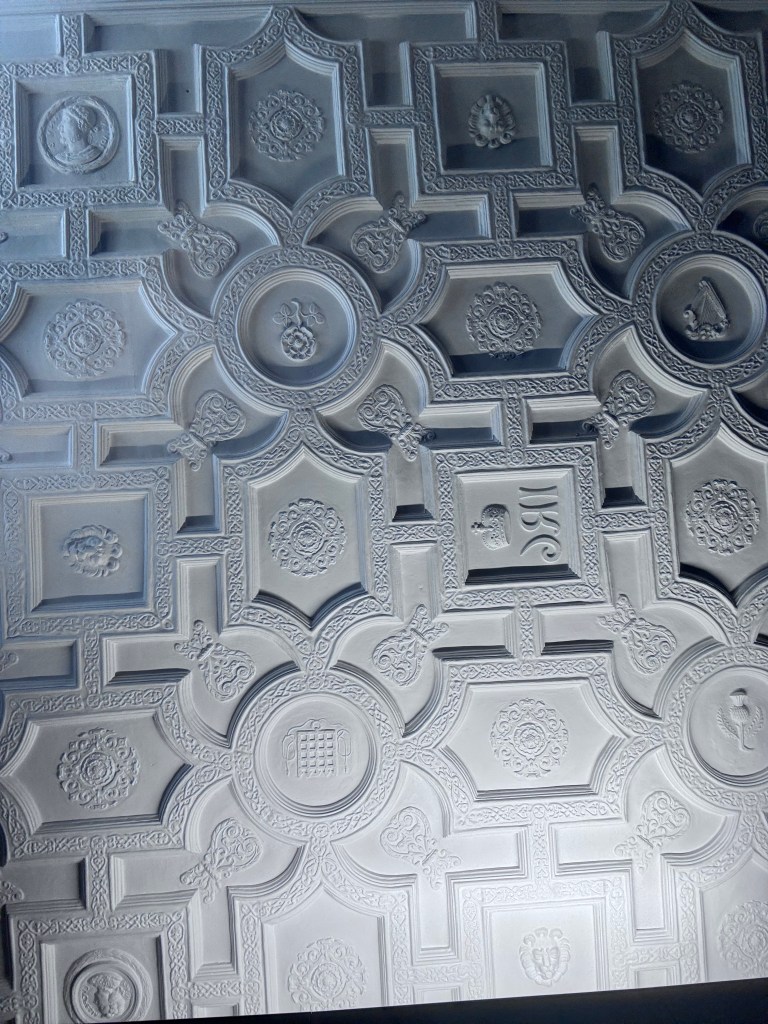
One of the most fascinating discoveries was that even the royal family made practical financial decisions while creating such an elegant home. Many of the grand marble columns and decorative features are actually expertly painted plaster designed to resemble expensive marble. The spectacular Durbar Room ceiling, with its intricate decorative work, was crafted from lightweight plaster of Paris rather than heavier materials to reduce the structural load on the building. Throughout the house are beautiful marble statues, but only one is genuine—the statue of Venus standing beneath a seashell canopy. The others are carefully crafted replicas. Queen Victoria and Prince Albert would visit museums such as the Louvre in Paris, select sculptures they admired, and commission high-quality reproductions for Osborne House. It was a fascinating reminder that beauty and practicality often went hand in hand, even in a royal residence.

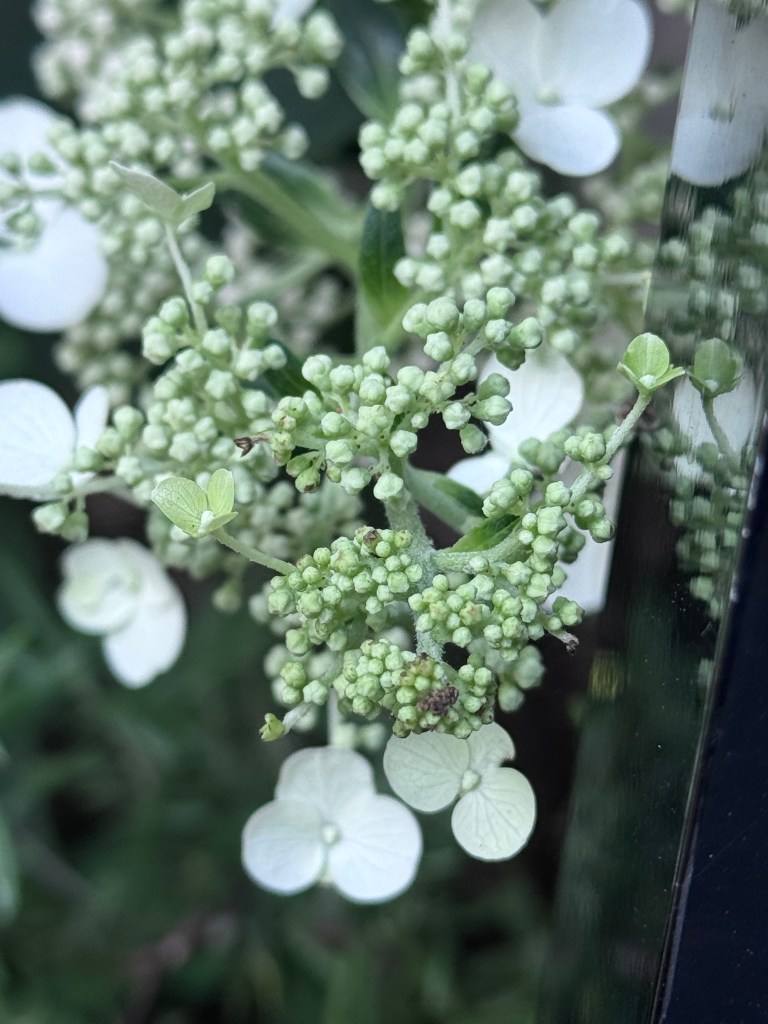
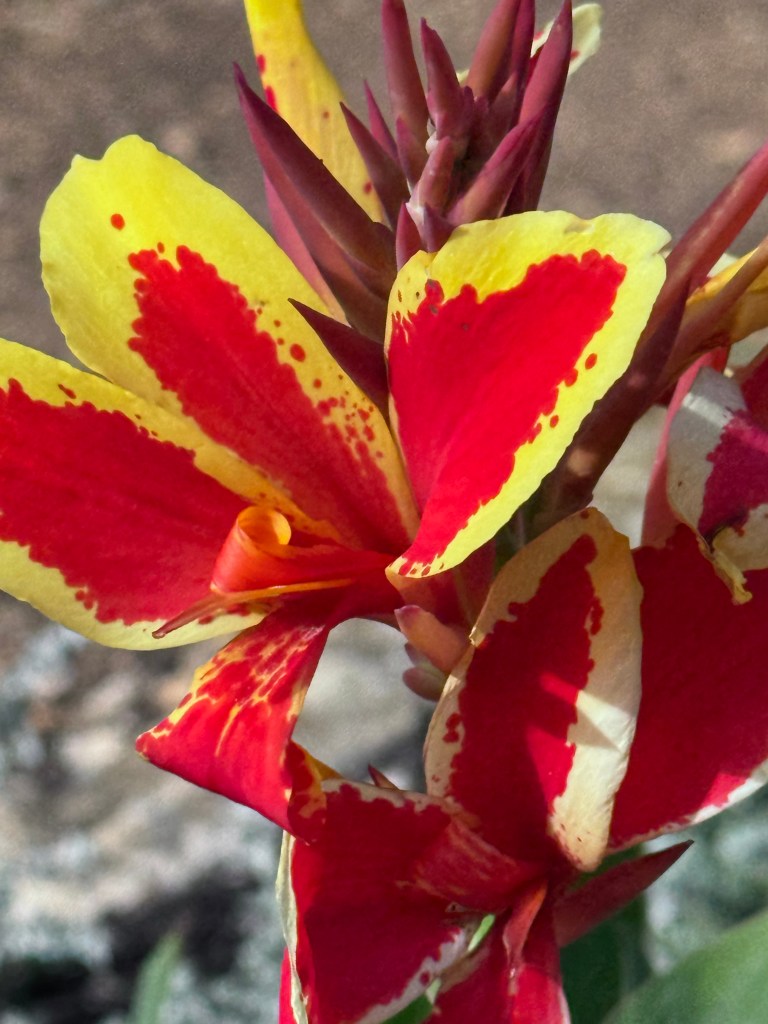
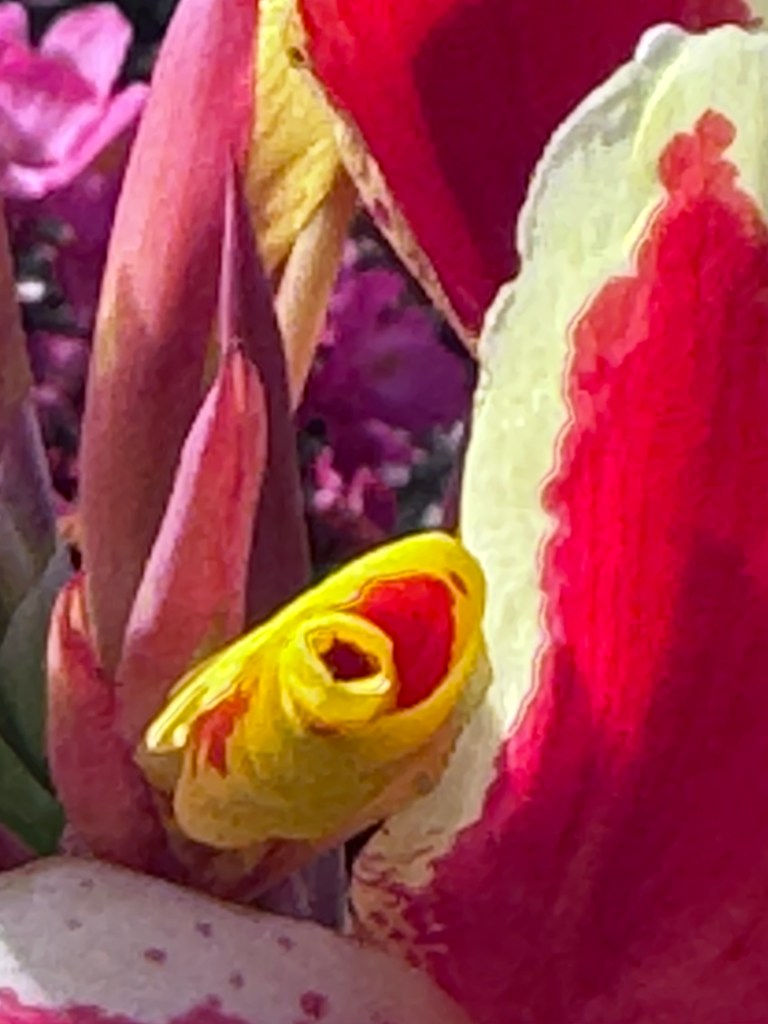
After our tour, we returned to Alan and Pauline’s home for an incredible home-cooked dinner. We spent the evening visiting, laughing, and enjoying their beautiful backyard garden. The flowers were in full bloom, and I couldn’t resist taking dozens of photographs. It was the perfect ending to a wonderful day filled with history, friendship, and warm hospitality.

Before saying goodnight, we made plans for another adventure together the following day—a visit to the Isle of Wight’s famous Model Village.

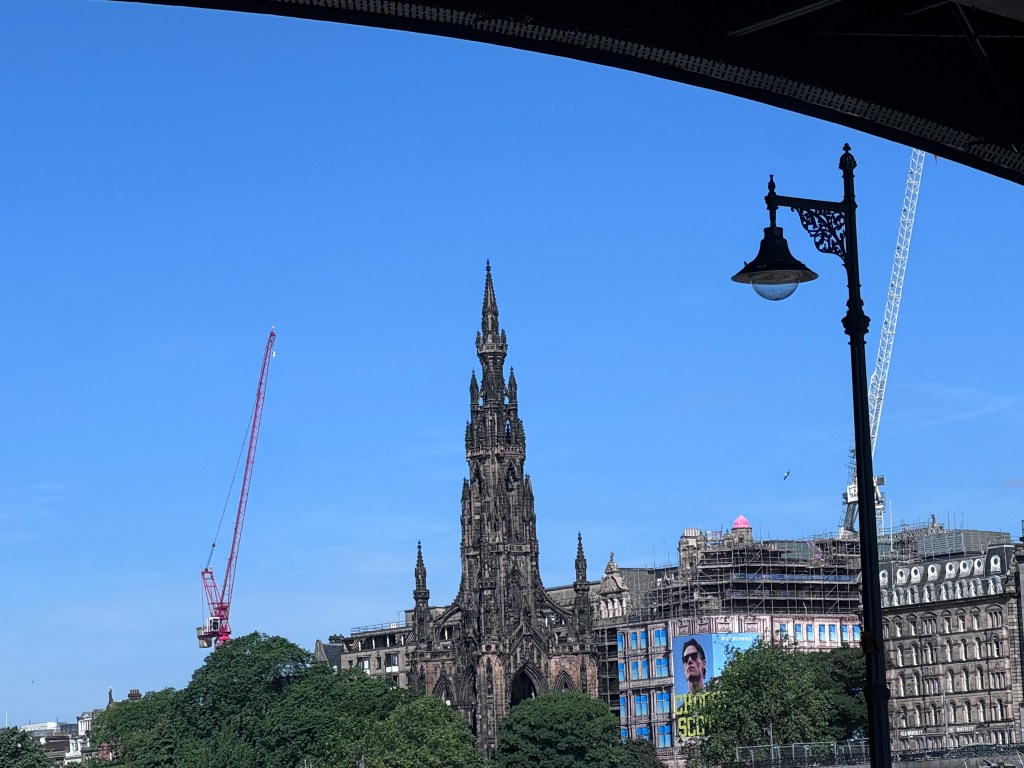
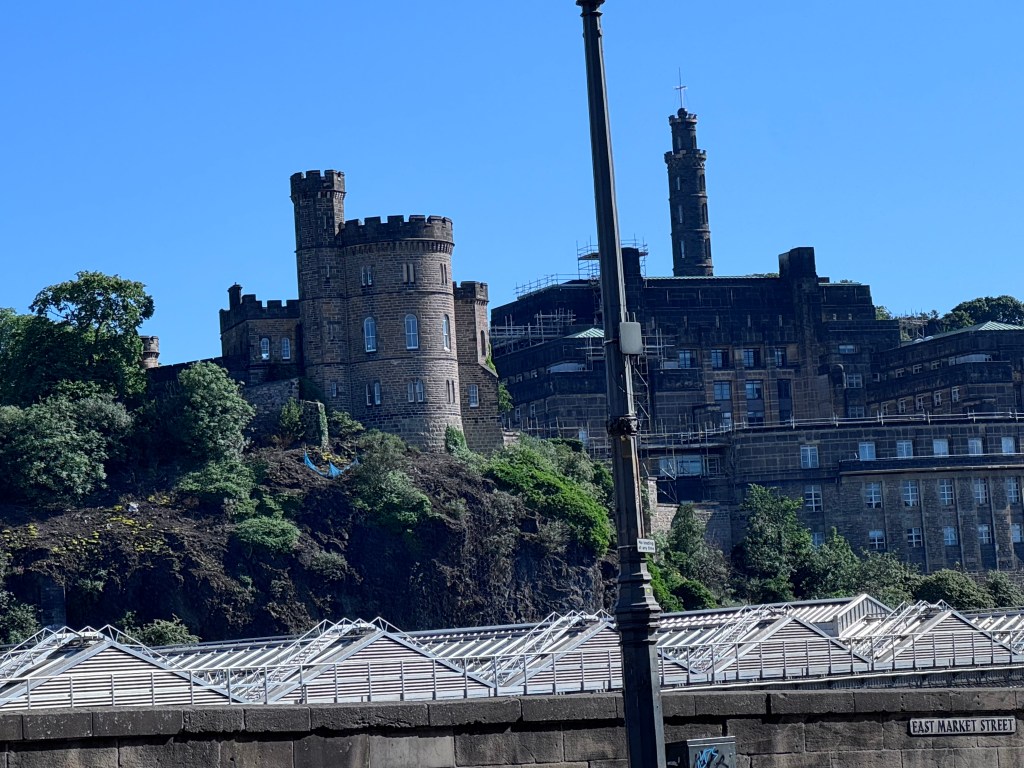
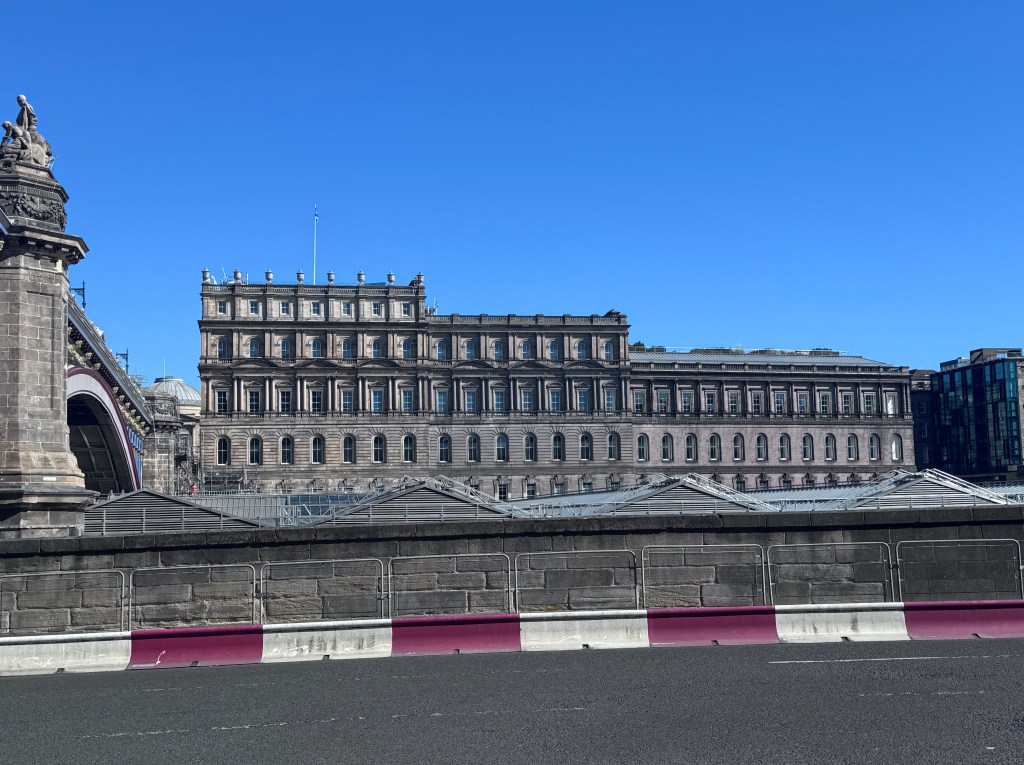
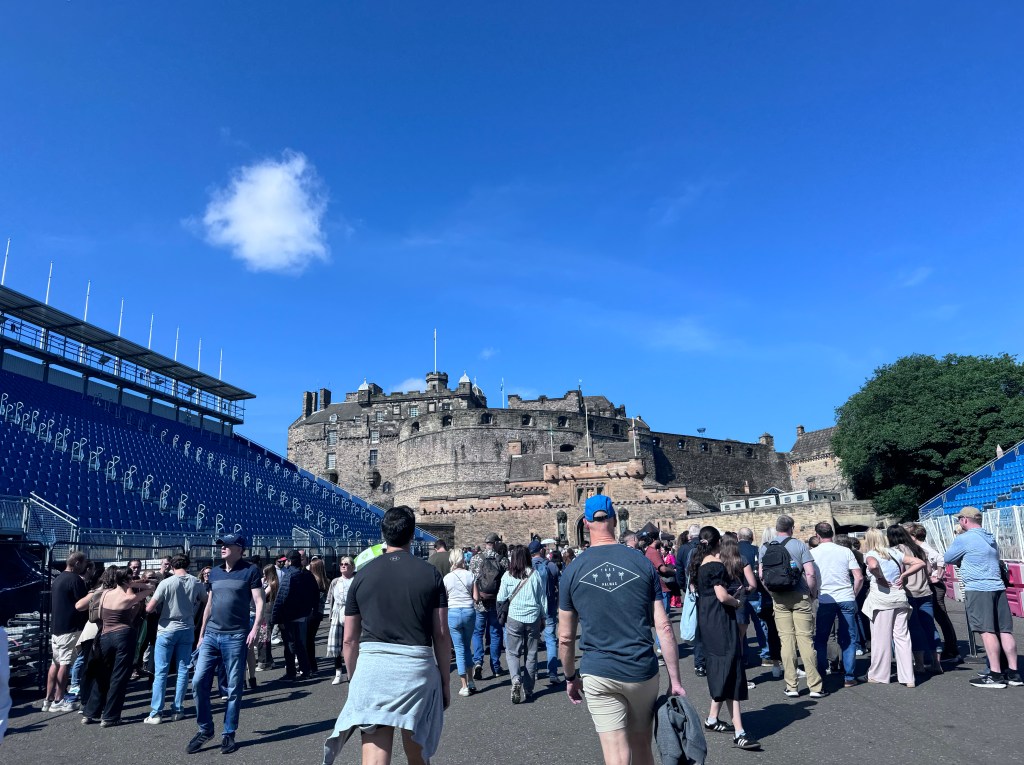
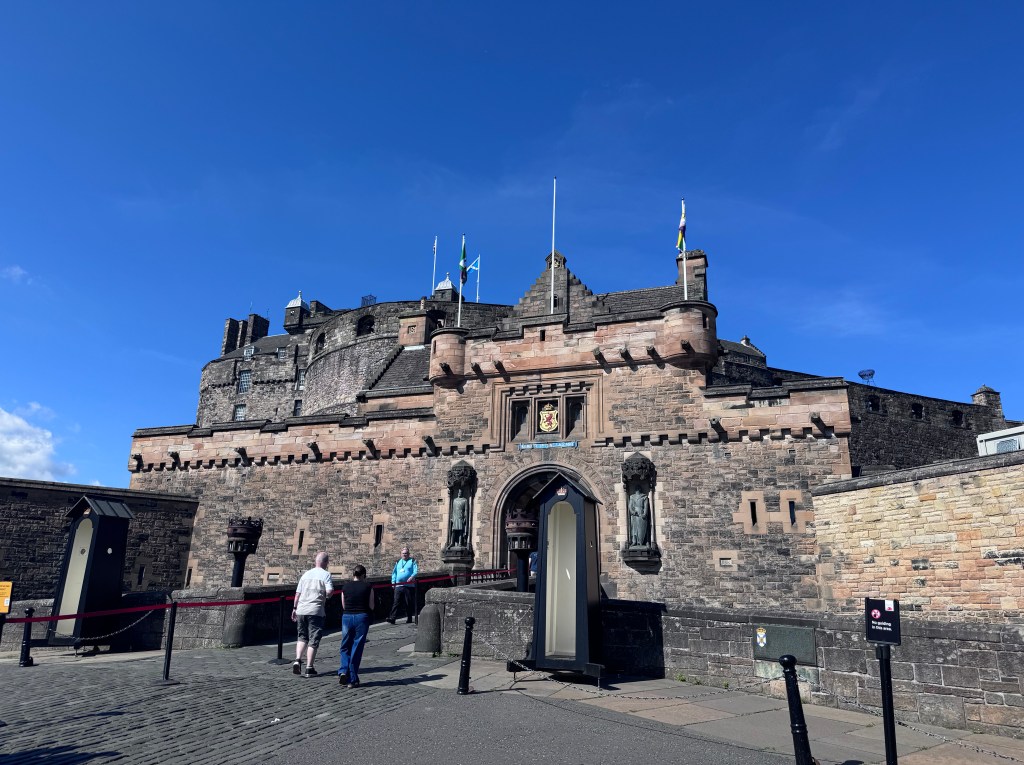
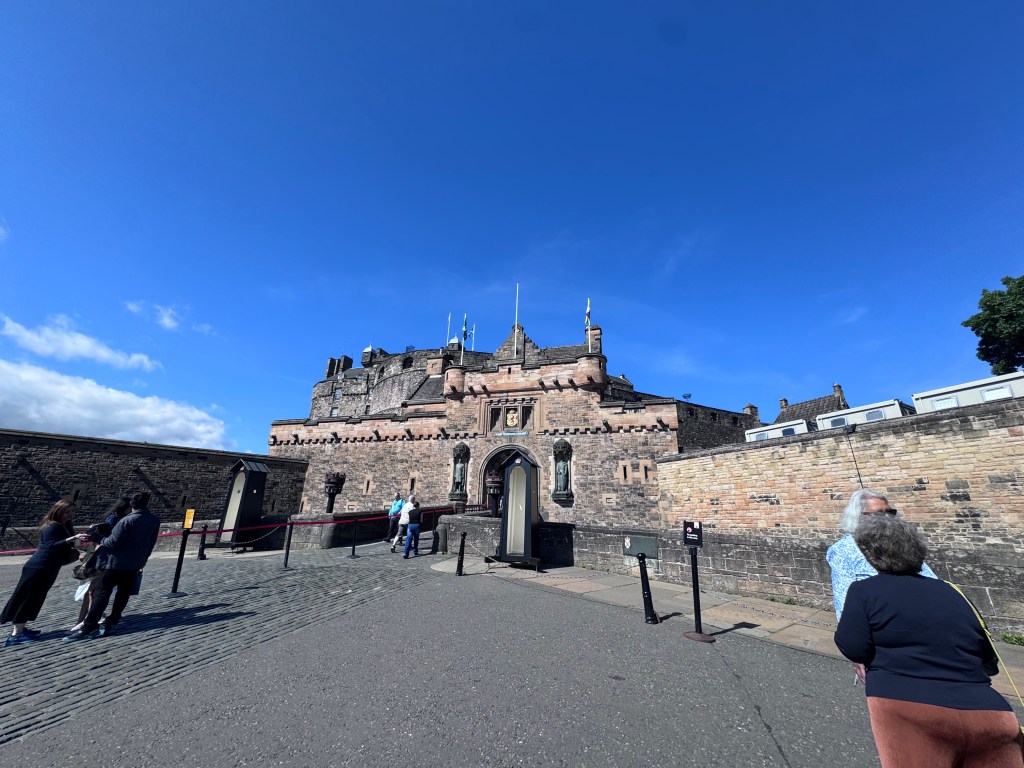
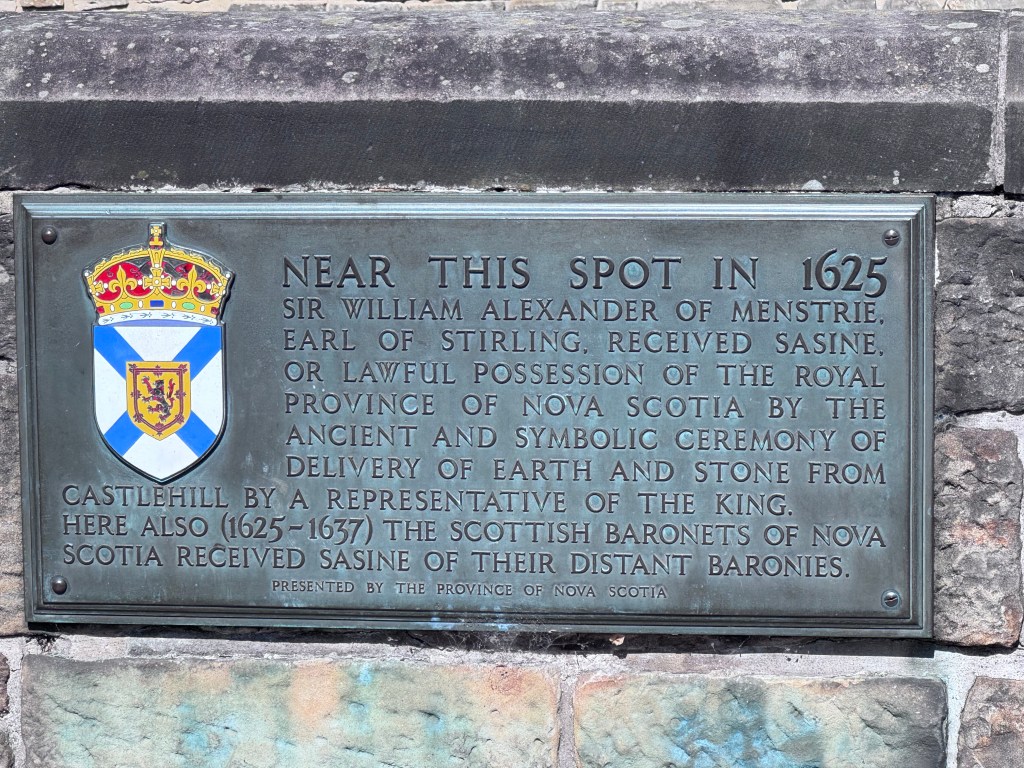
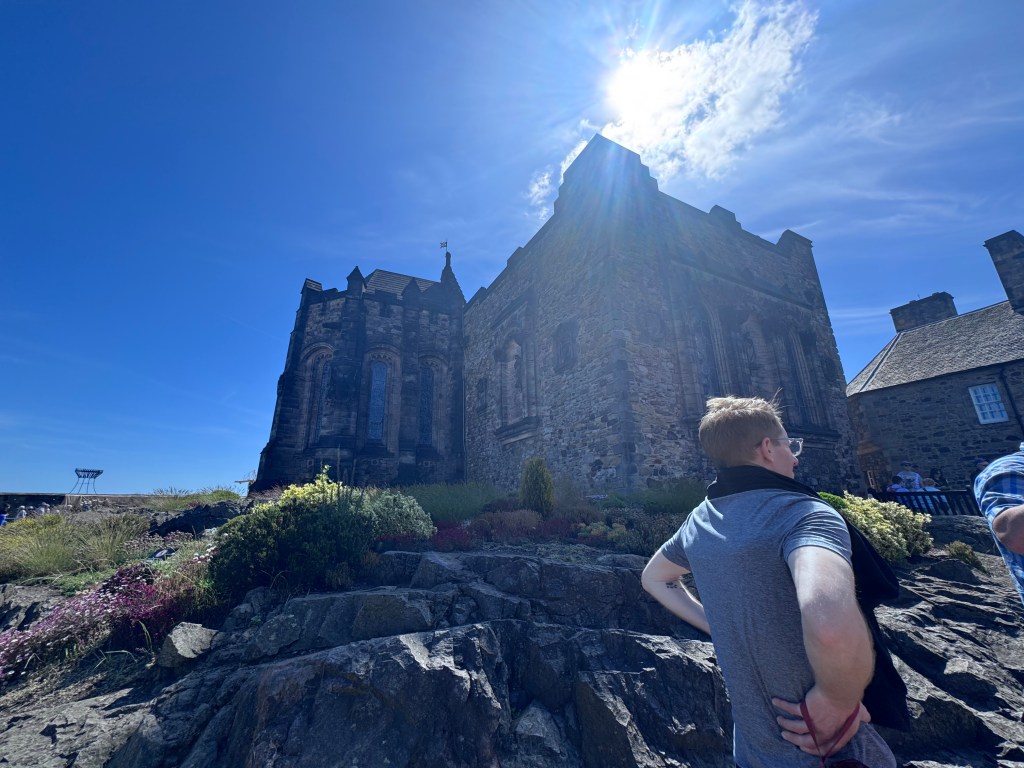
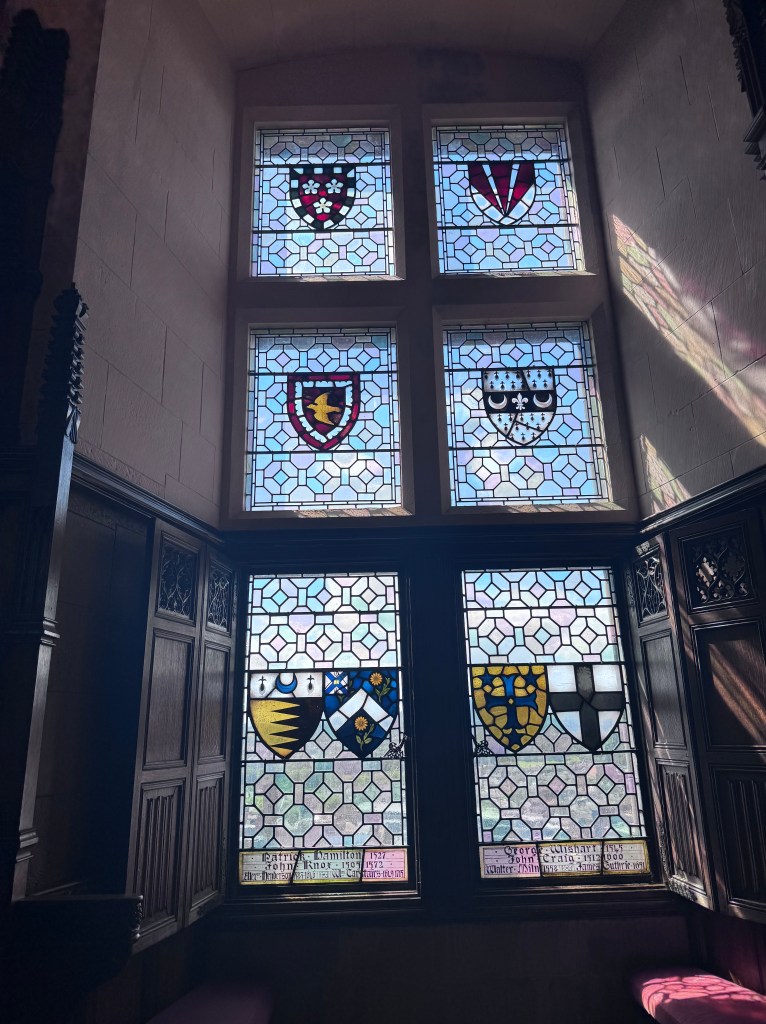
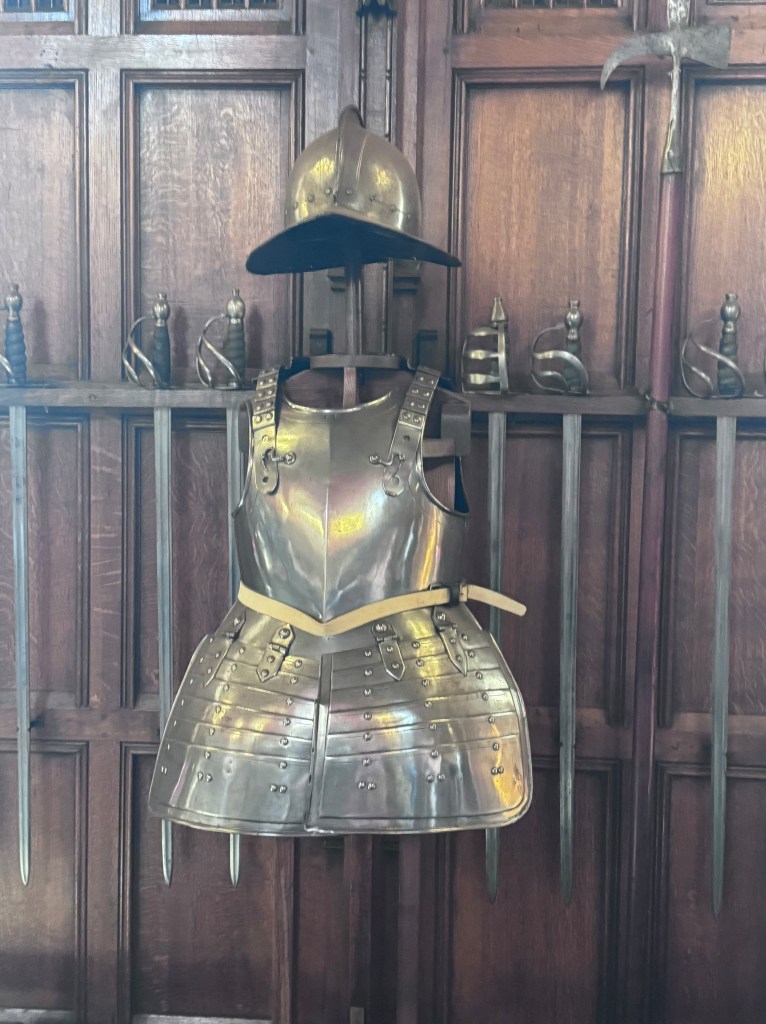
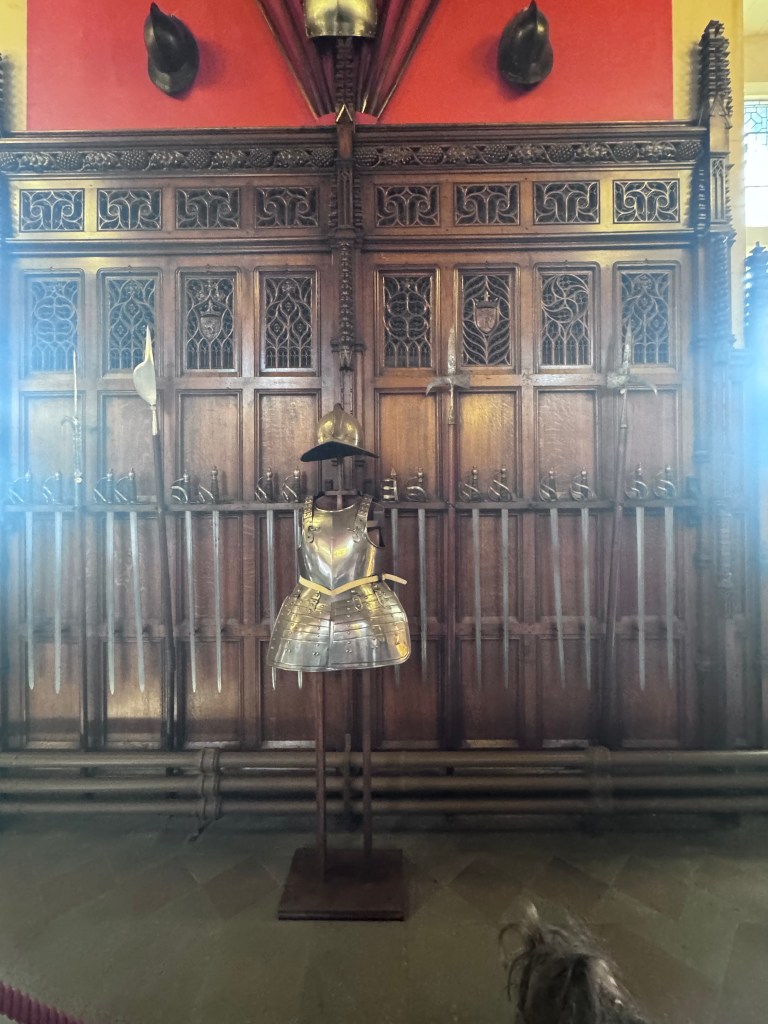
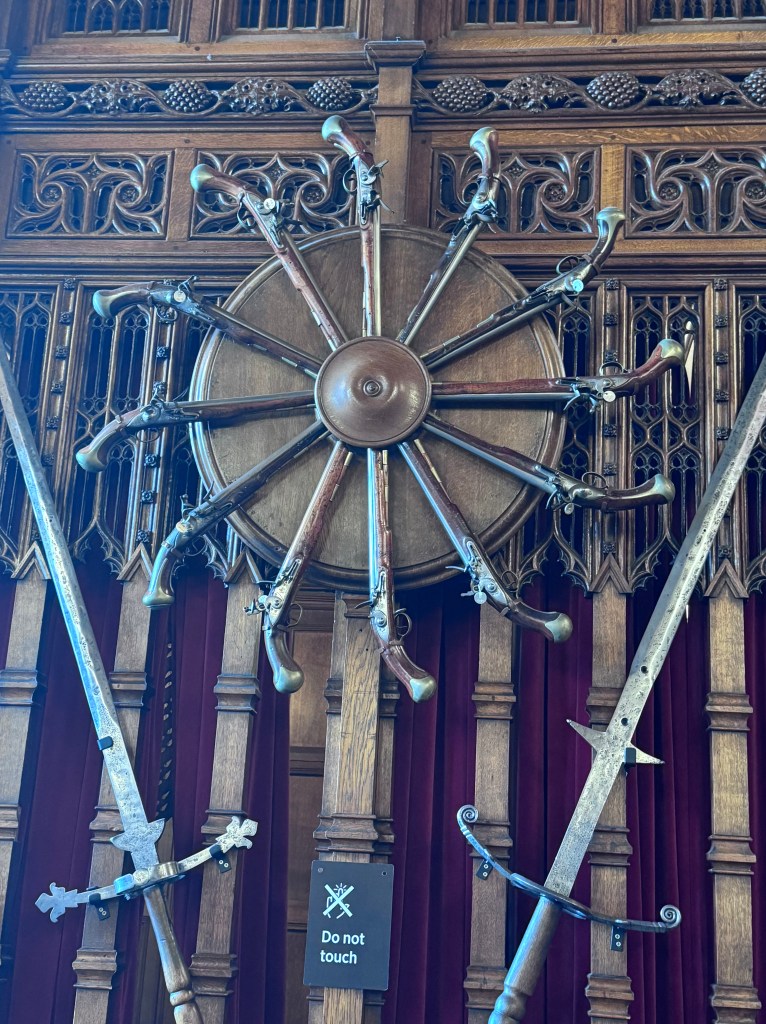
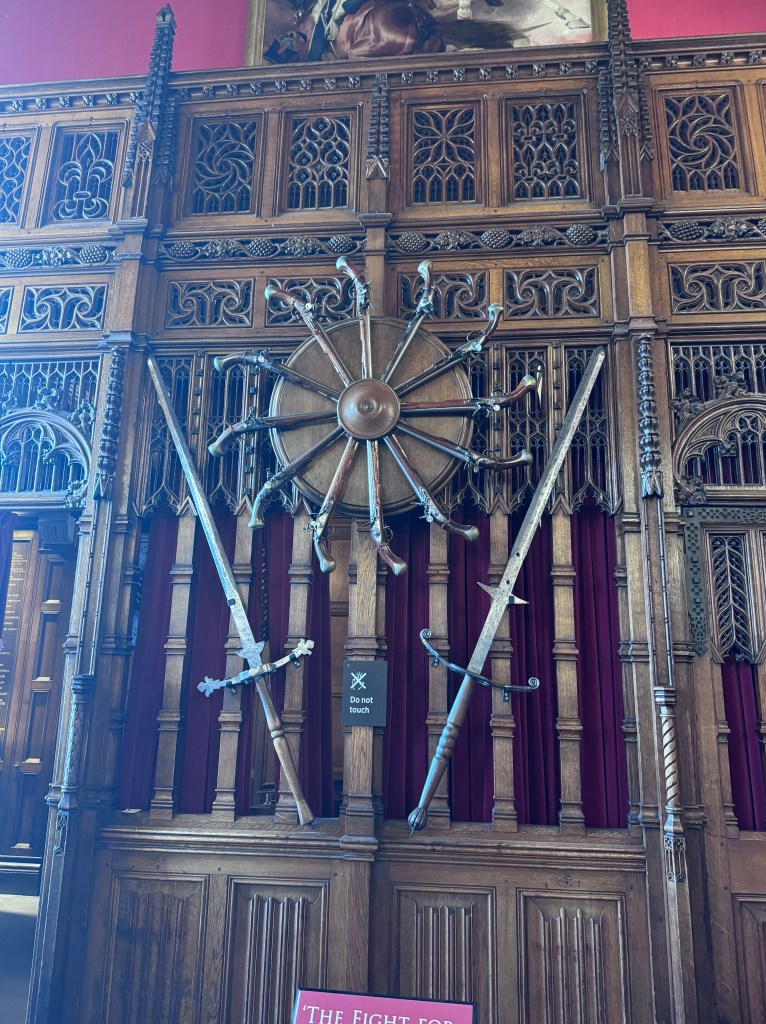
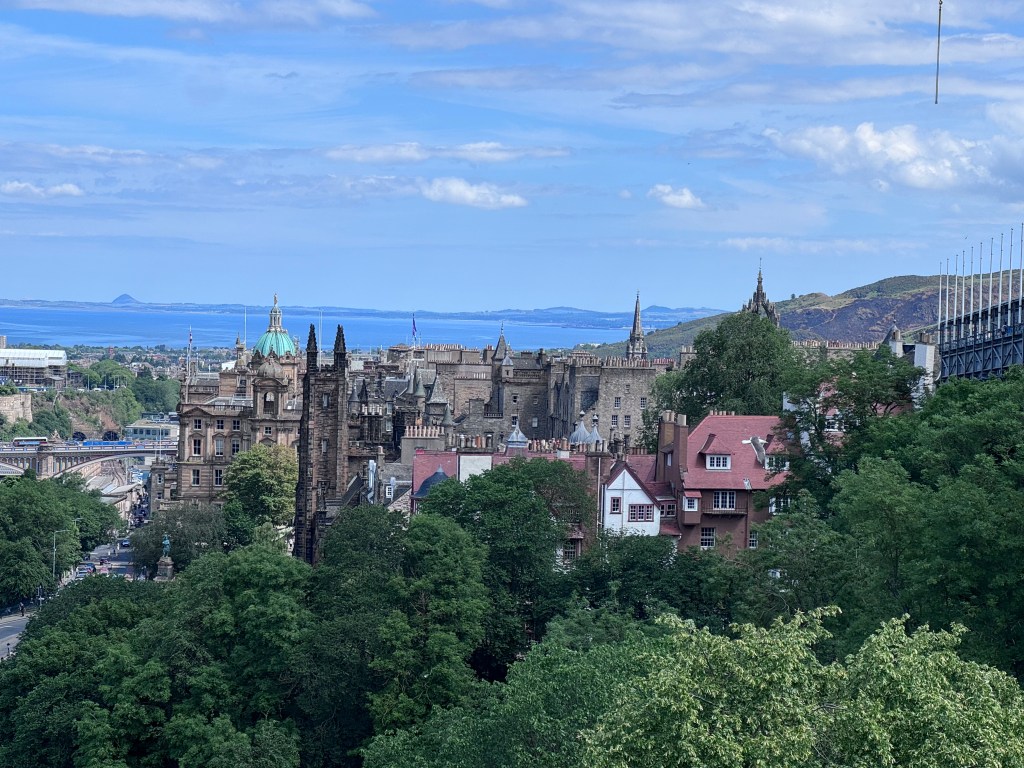
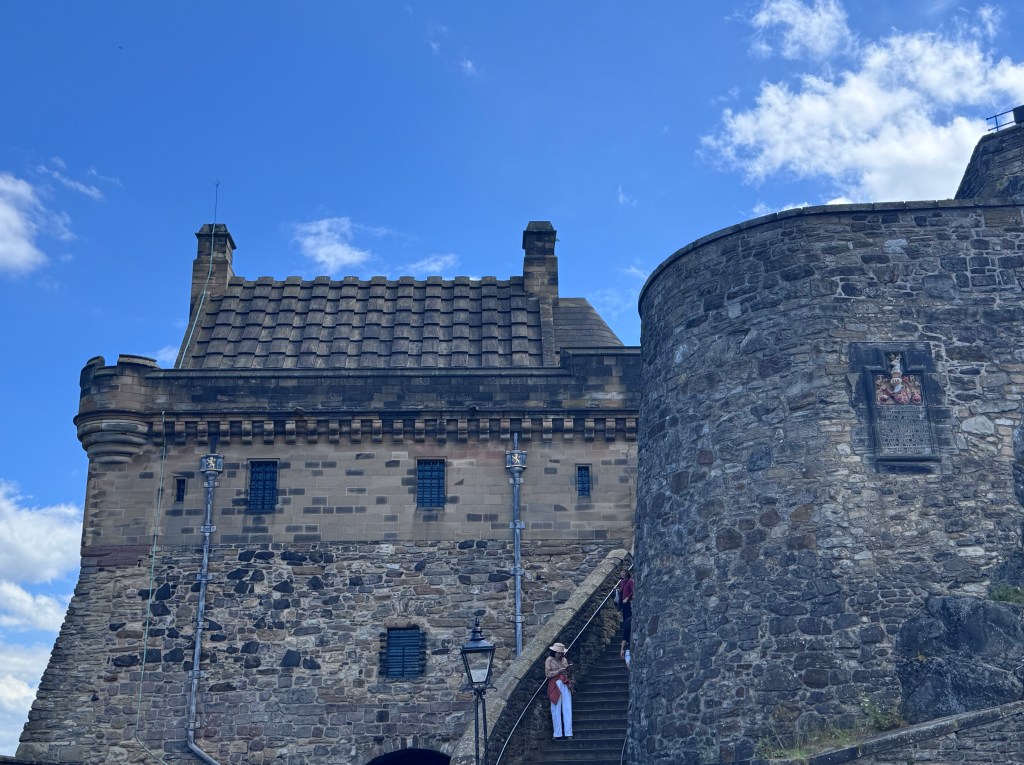
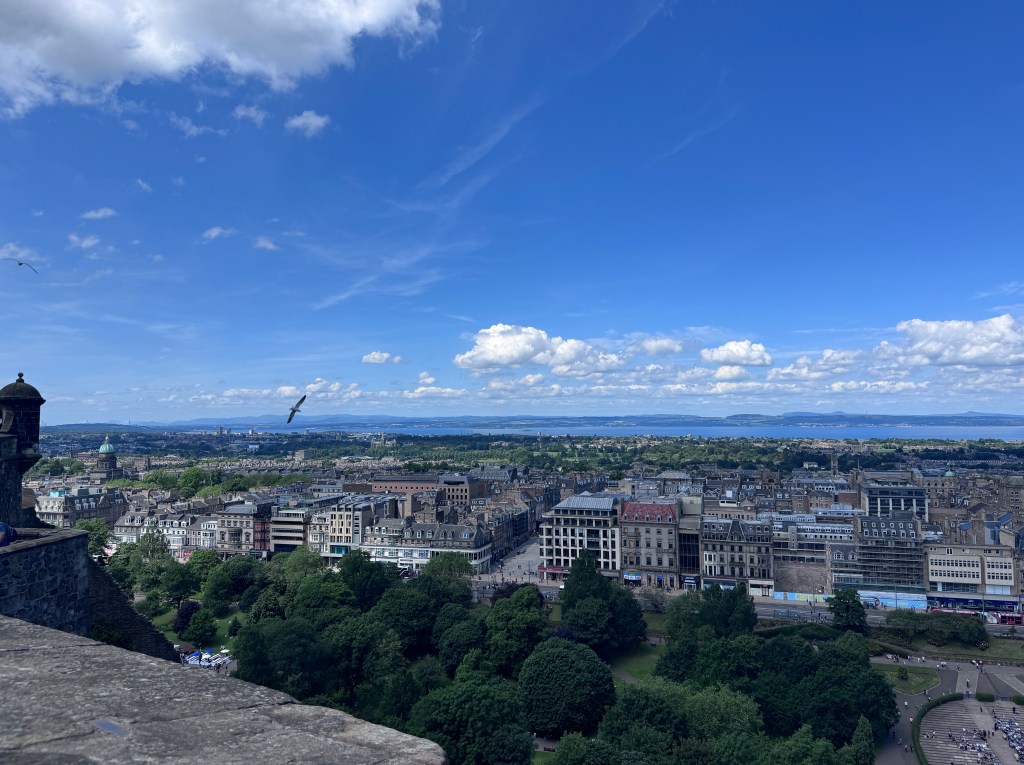
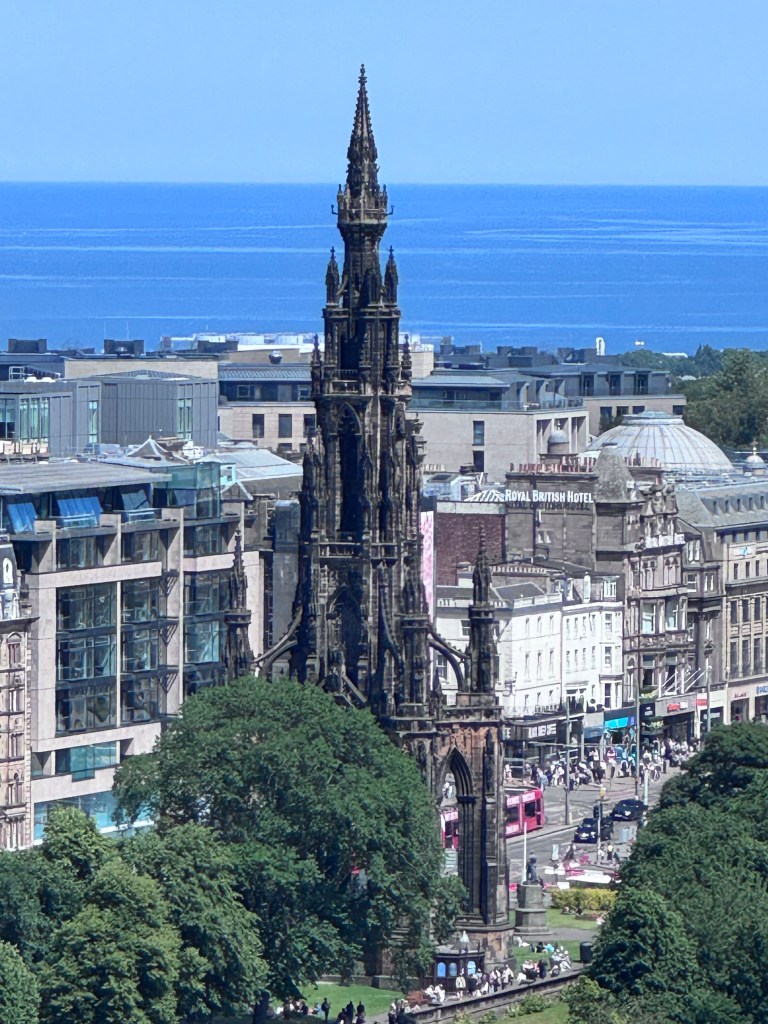
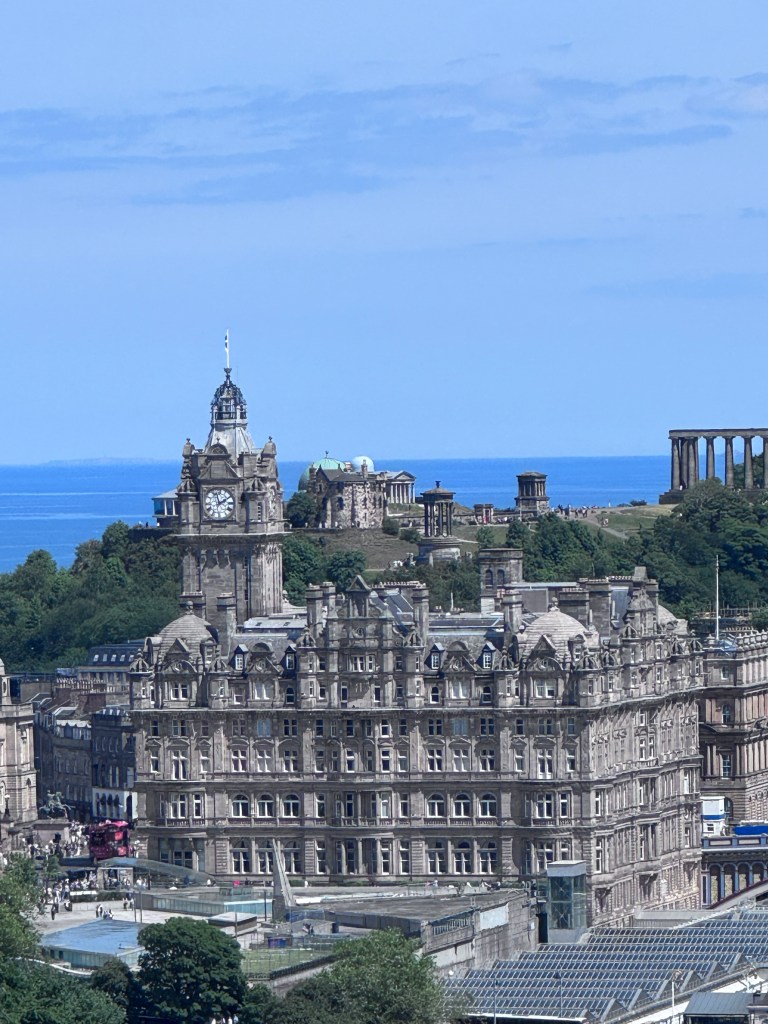
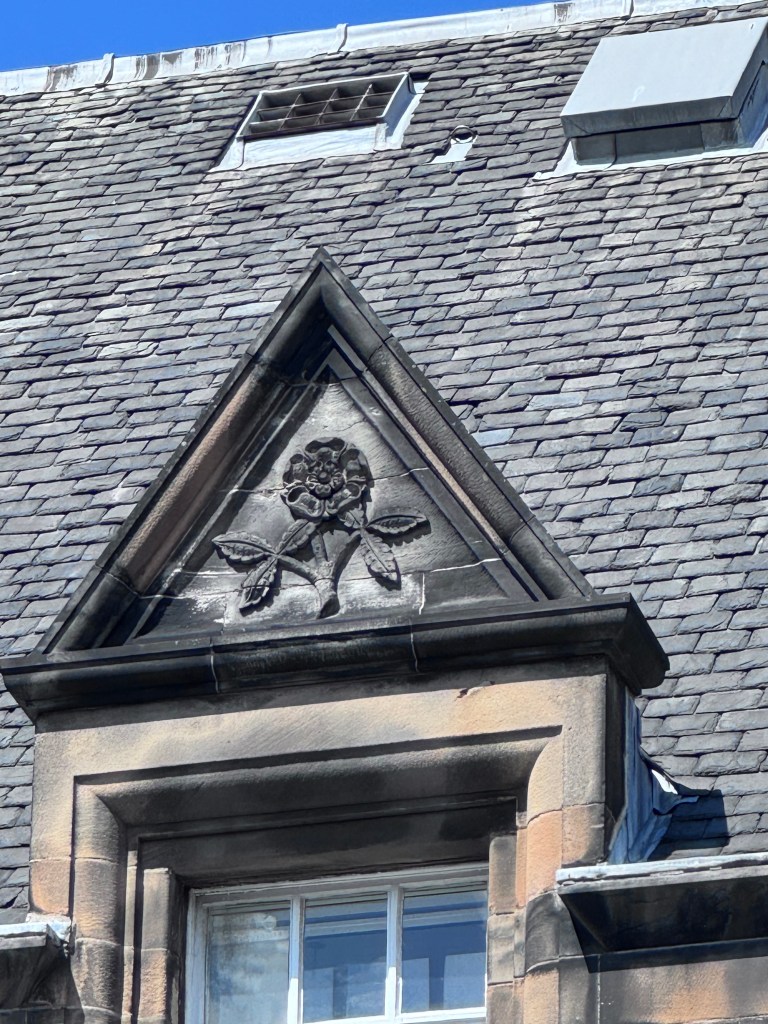
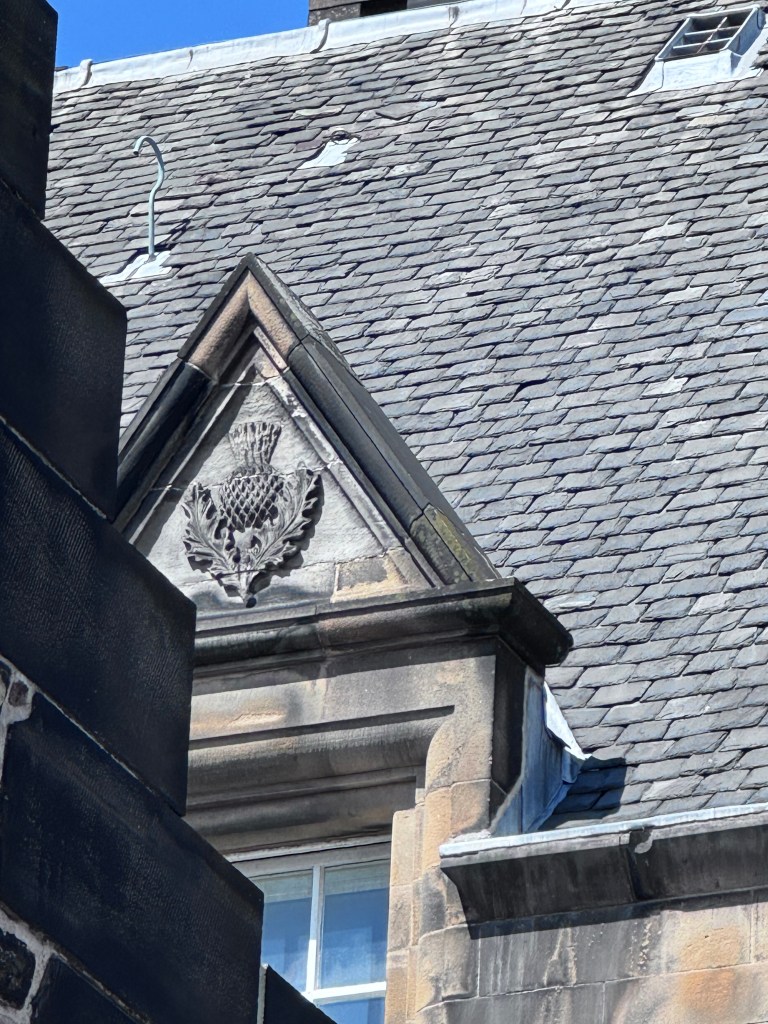
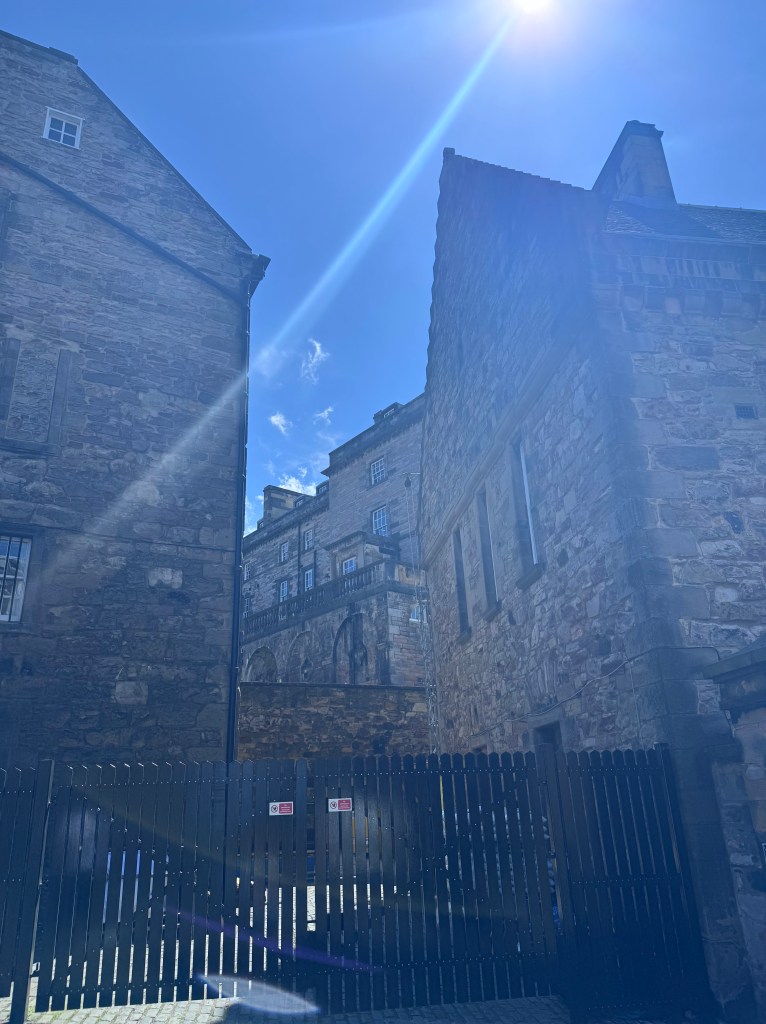
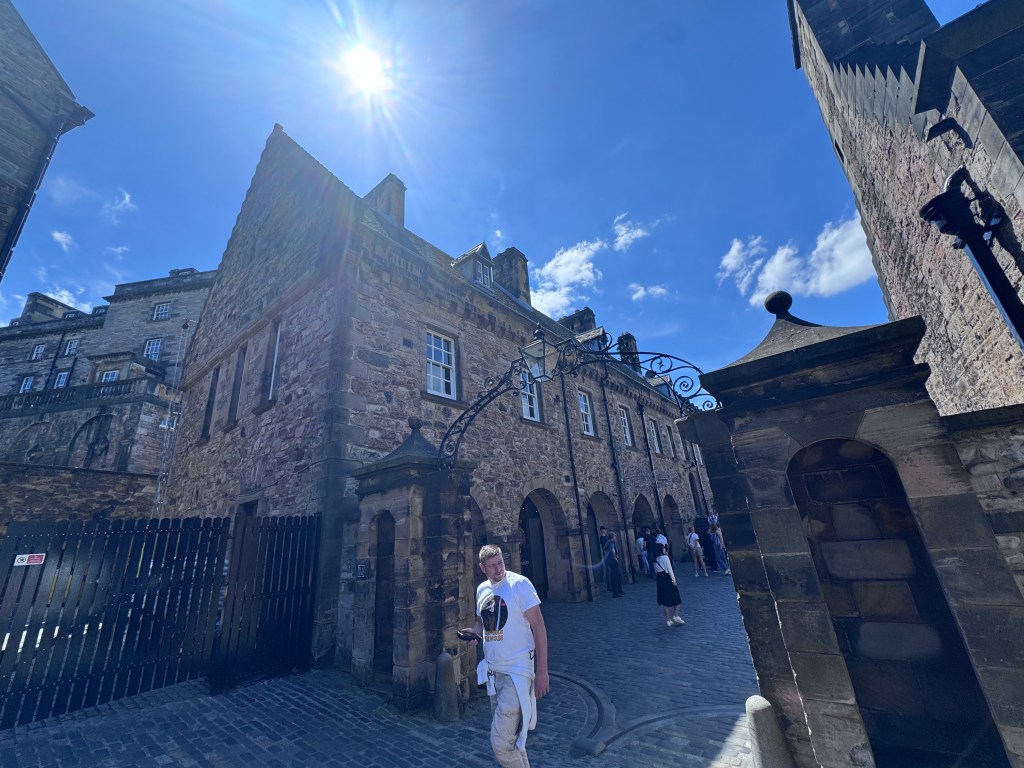
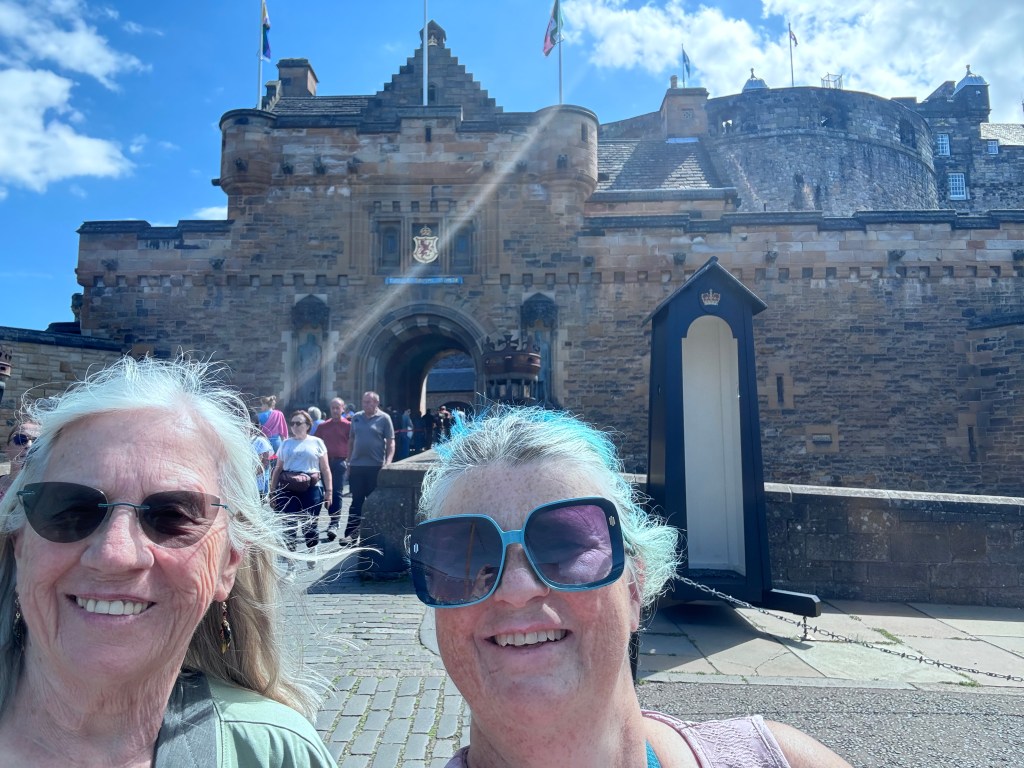
Edinburgh Castle and the Royal Mile – Crowns, Castles, and a Perfect Scottish Day

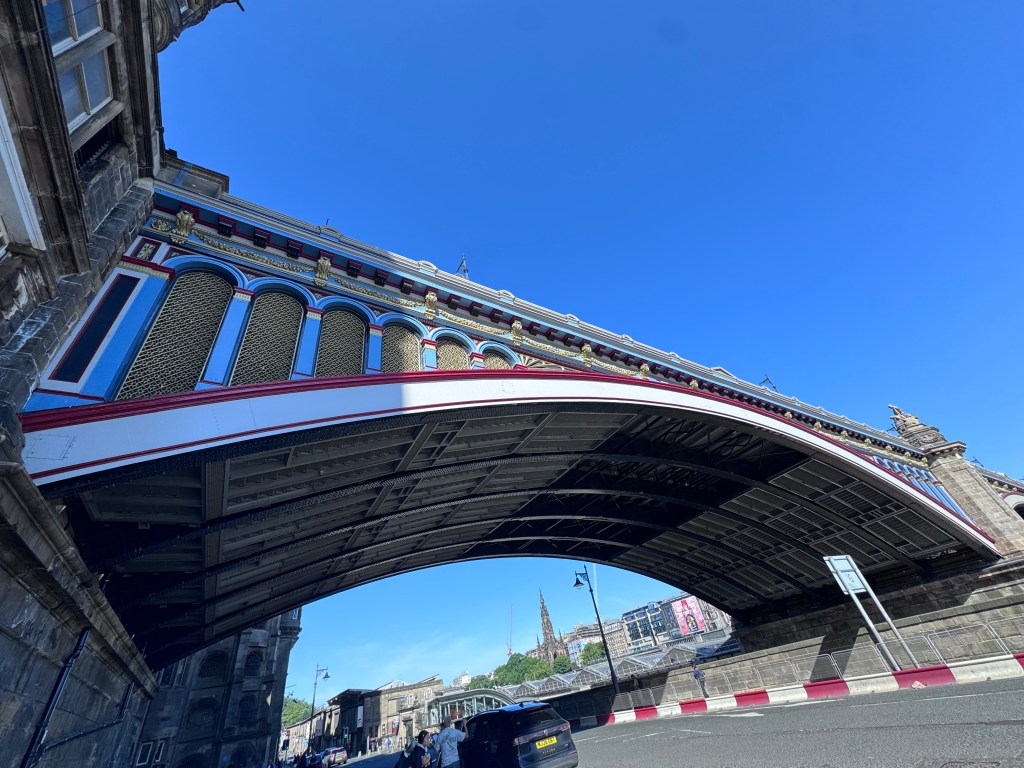
Today we took the train from Dundee into Edinburgh to visit the magnificent Edinburgh Castle and wander down the famous Royal Mile. Once again, I have to say how impressed we are with ScotRail and the people of Scotland. Everyone is so kind and helpful, making sure Kiya safely gets on and off the train with the ramps. Their kindness has made traveling with a wheelchair so much easier than we ever imagined.

After arriving in Edinburgh, our next challenge was finding a taxi. The castle is actually quite close to the train station, but it sits high on Castle Rock, making the steep climb difficult with Kiya’s wheelchair. We waited nearly 30–40 minutes before finally finding a driver willing to take us. He dropped us only about a block from the entrance, which was perfect.

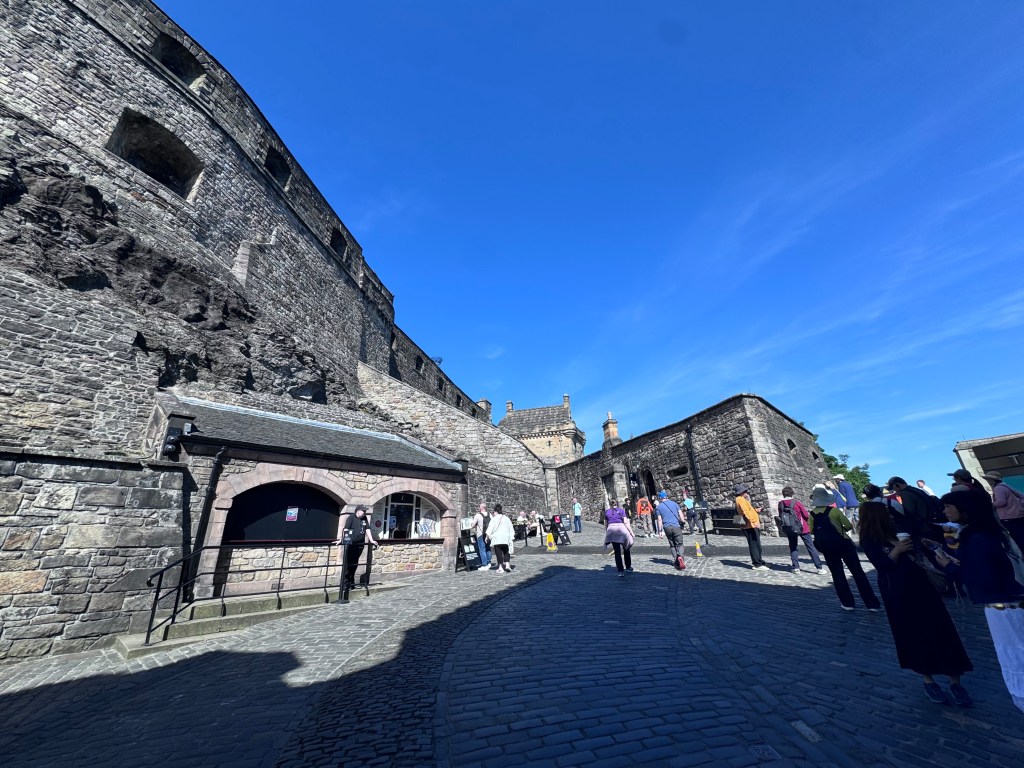
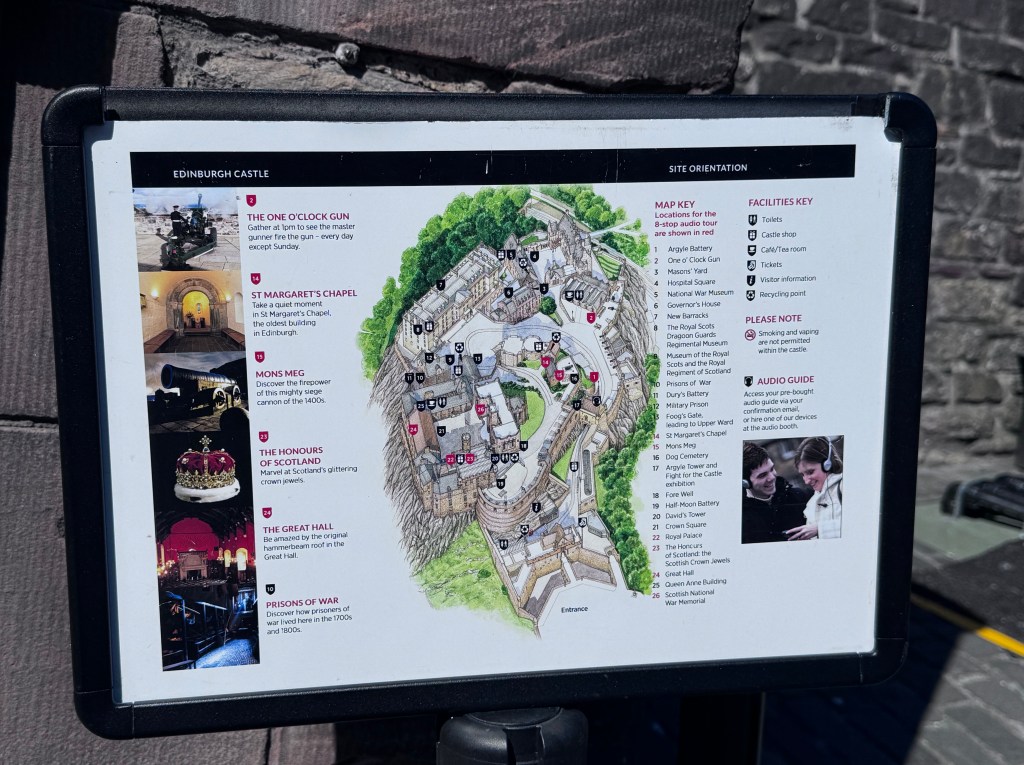
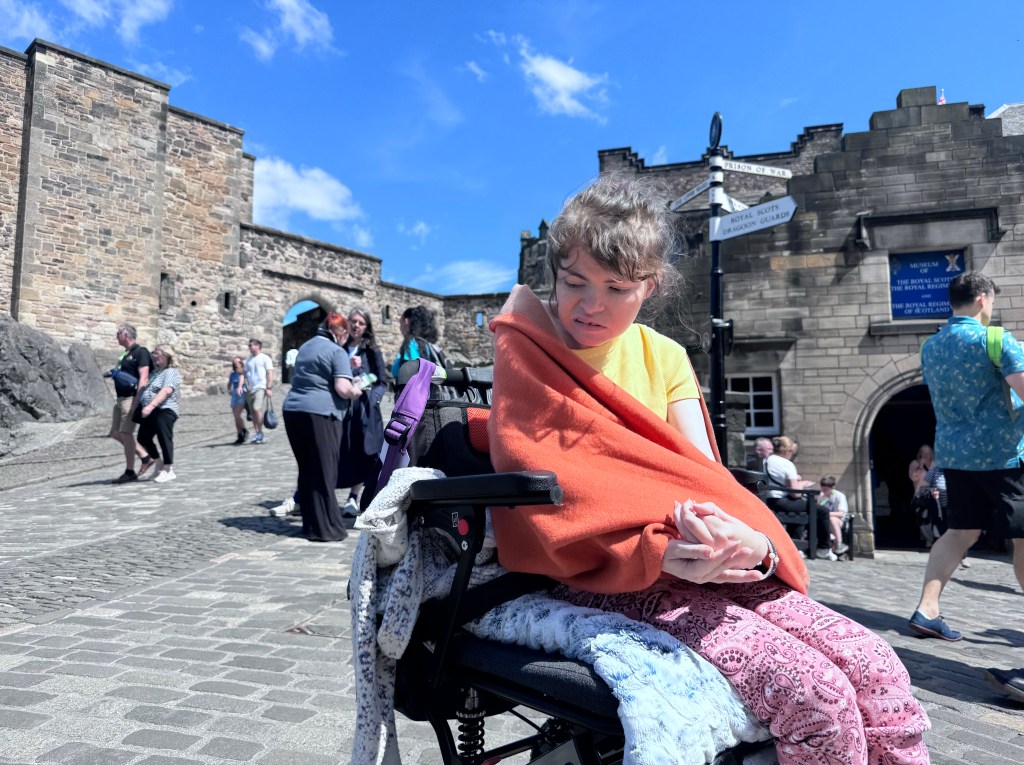
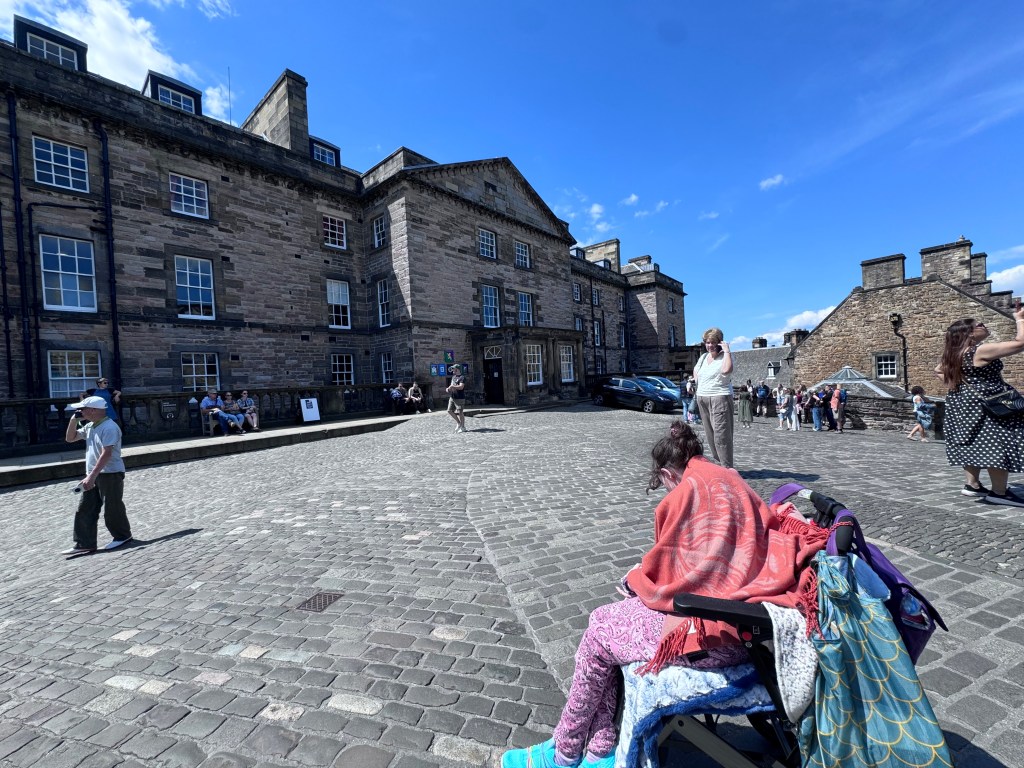
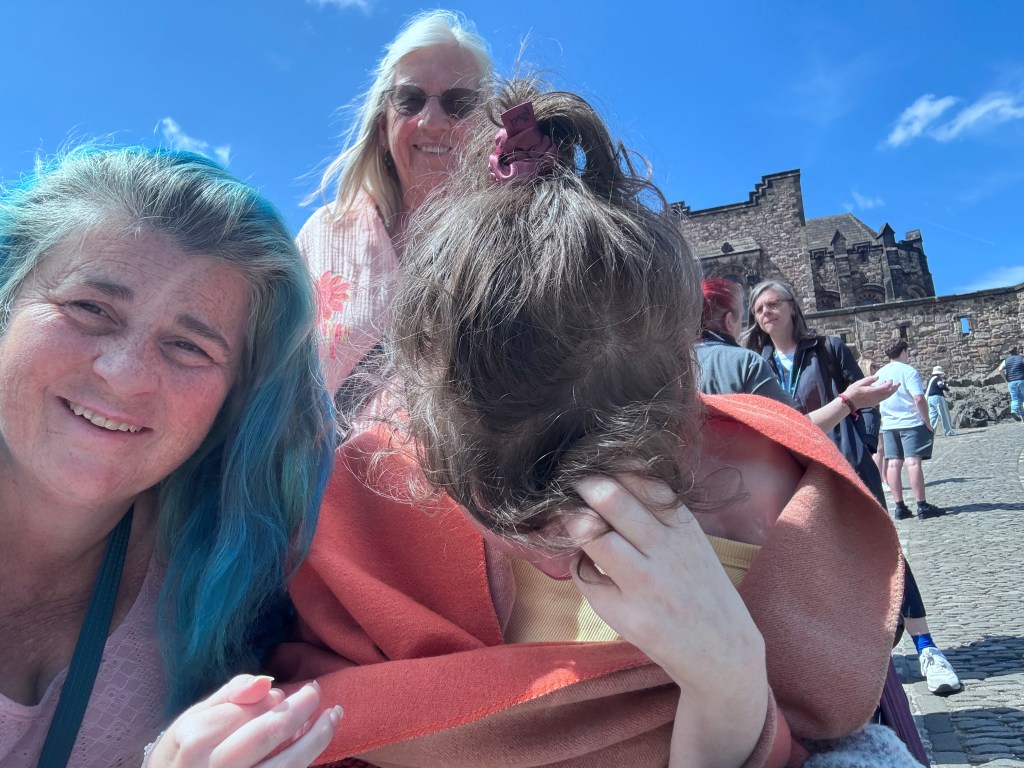
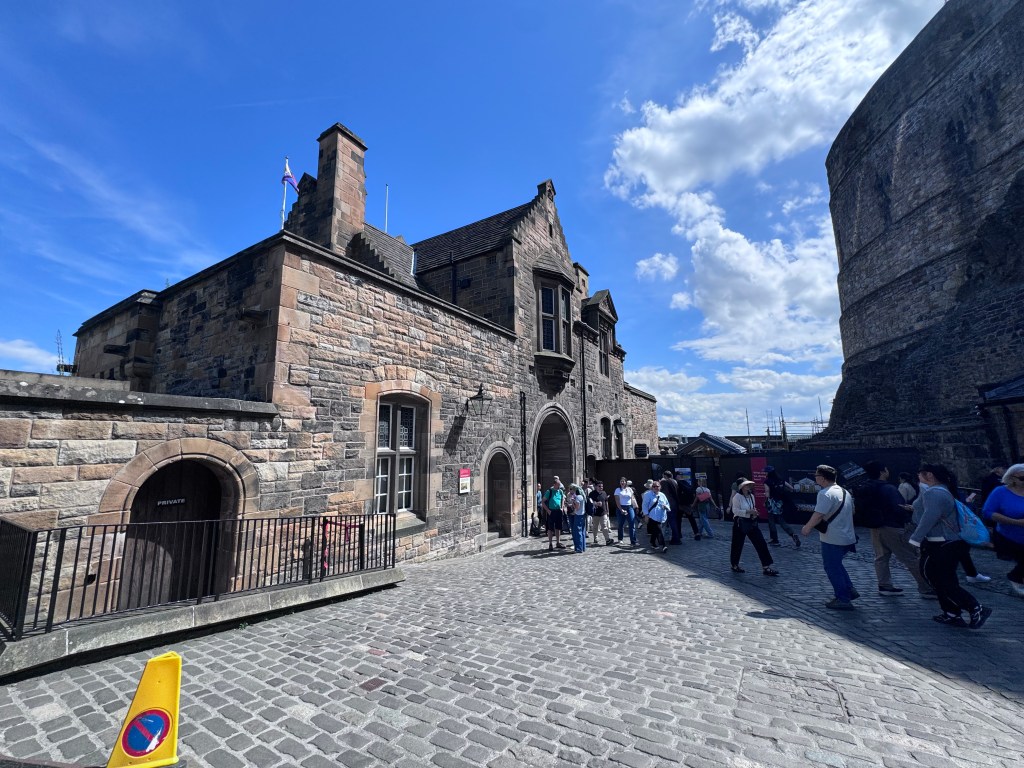
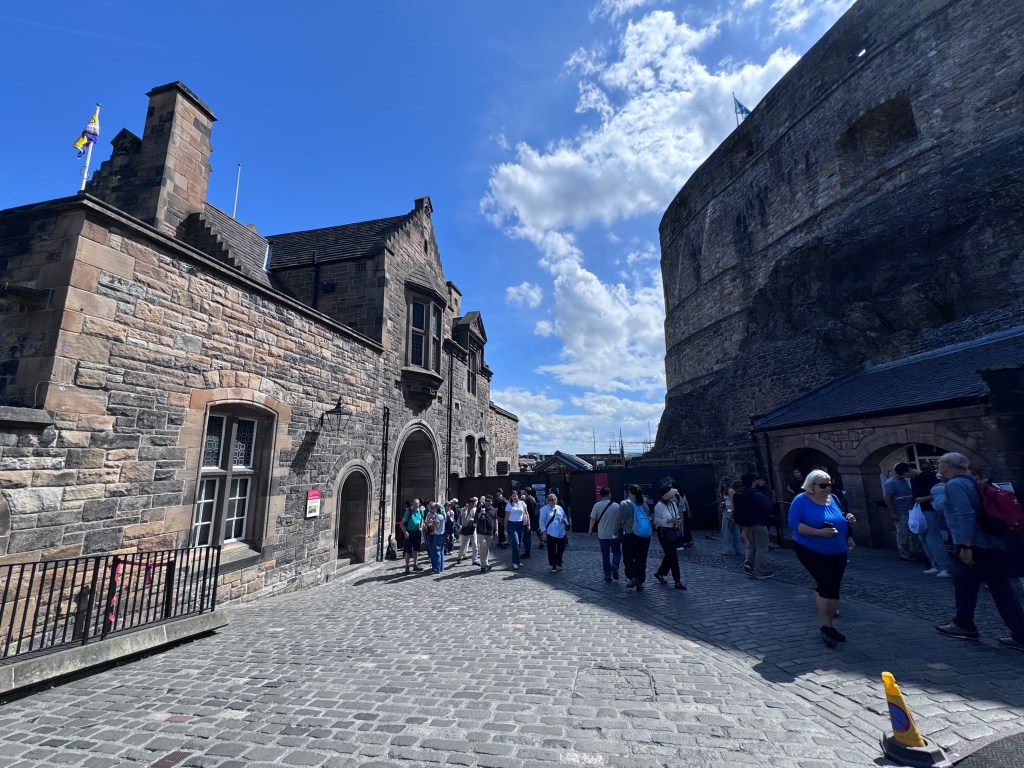
One thing Edinburgh Castle does exceptionally well is accessibility. After checking in, we met the mobility assistance staff, who transported us by vehicle to the top of the castle. They have an outstanding program where they can either drop visitors off at the top or drive them between the major buildings throughout the grounds. We decided to let our taxi go and simply enjoy walking our way down through the castle after exploring. It was a wonderful decision.

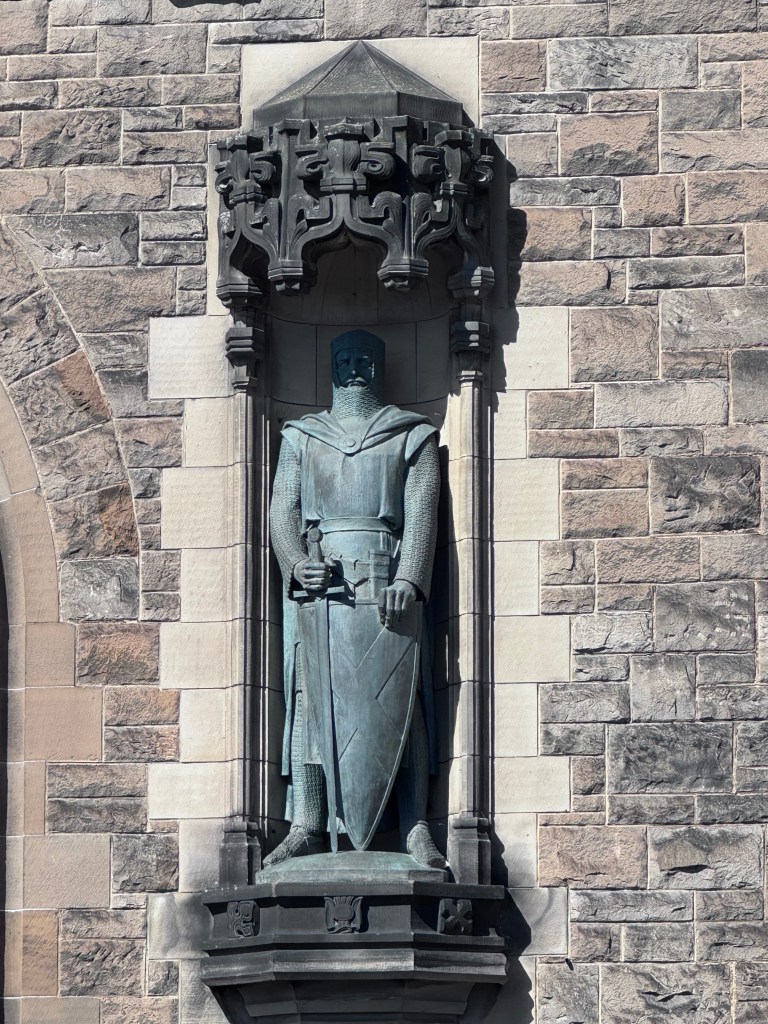
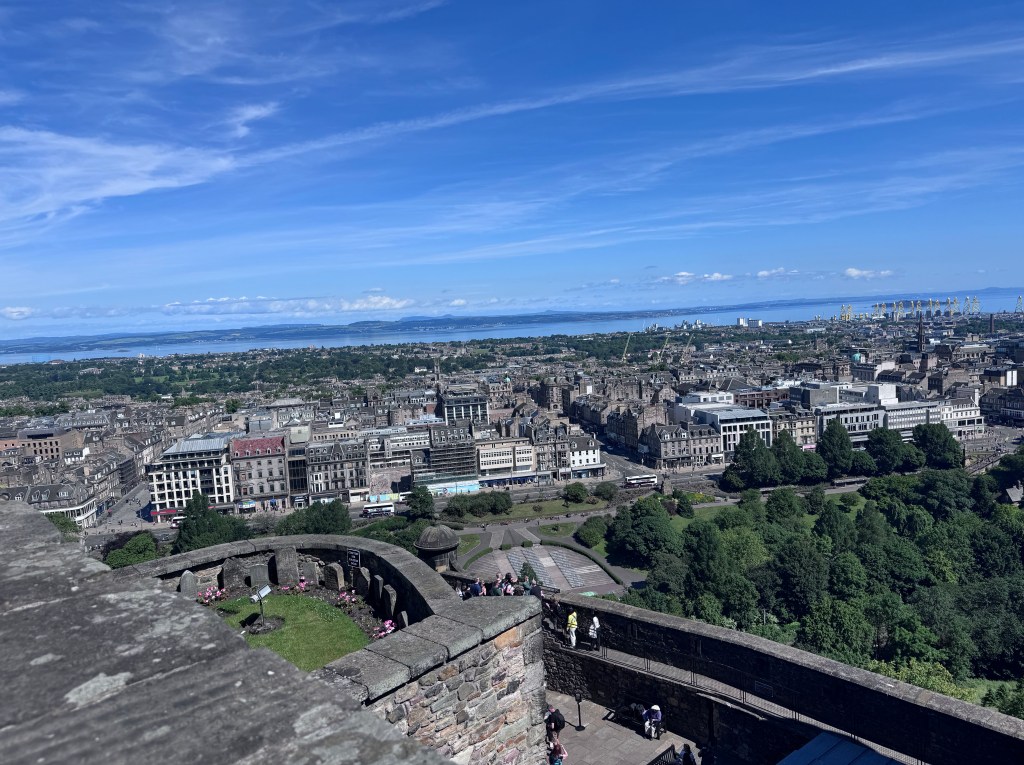
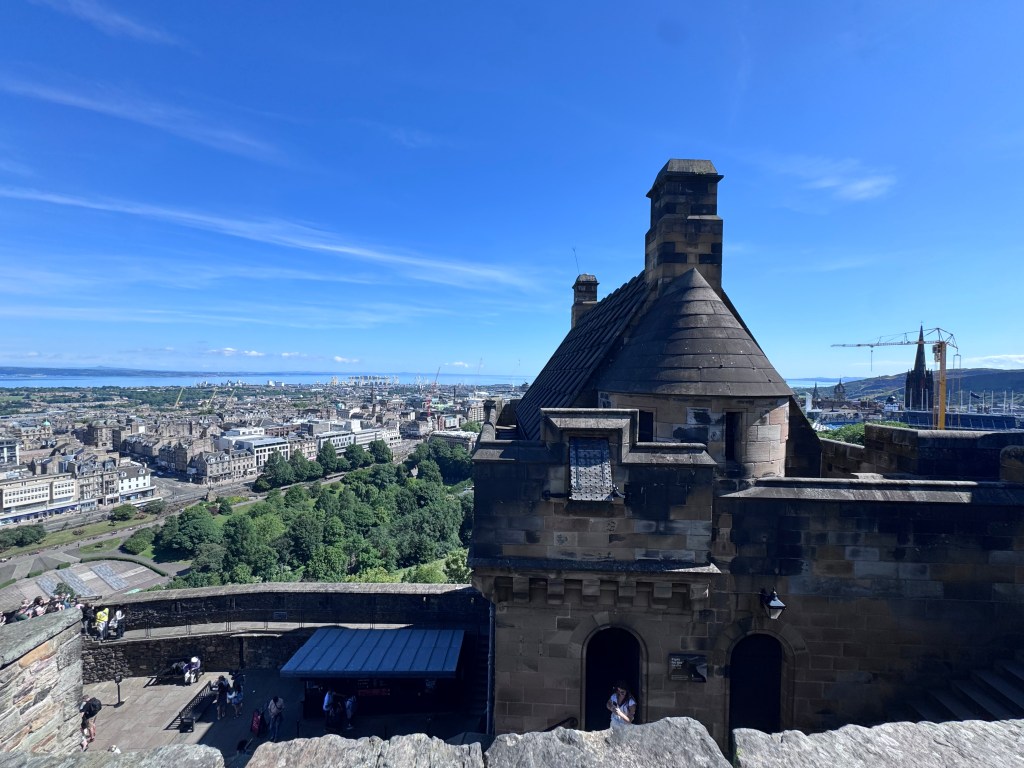
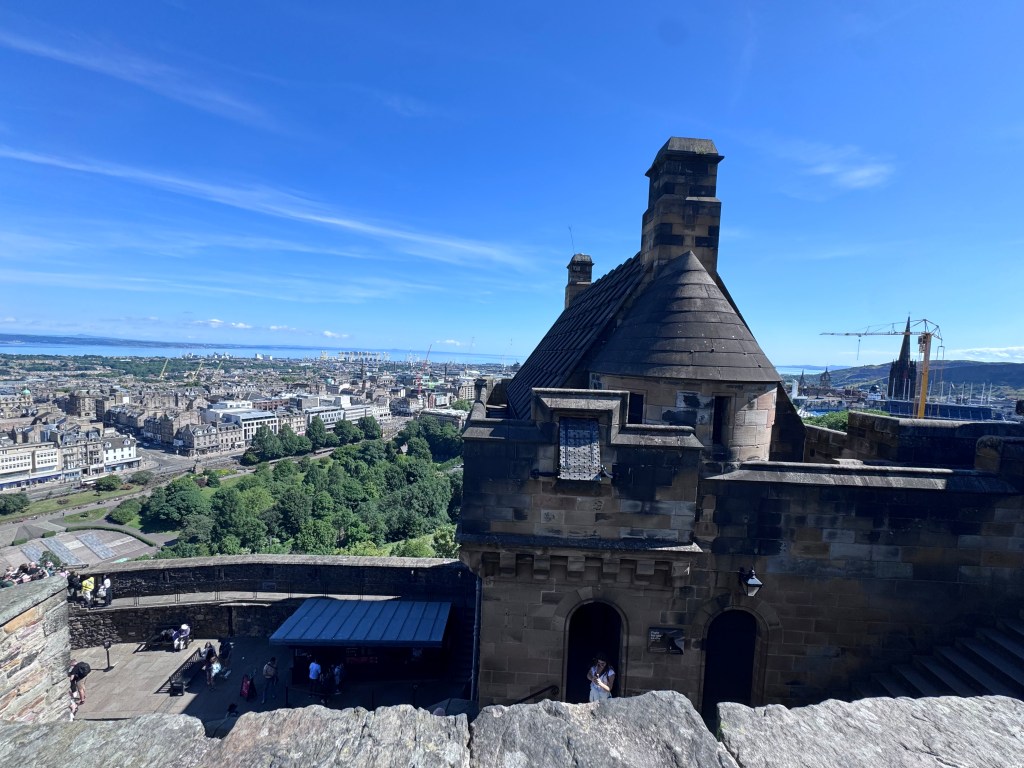
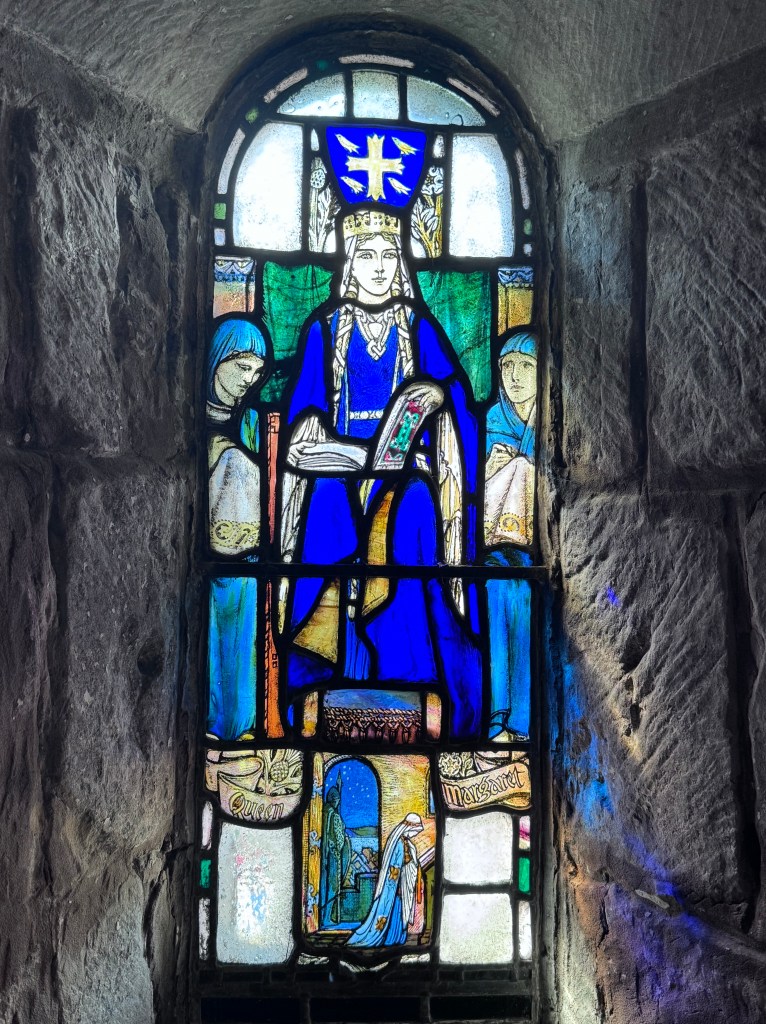
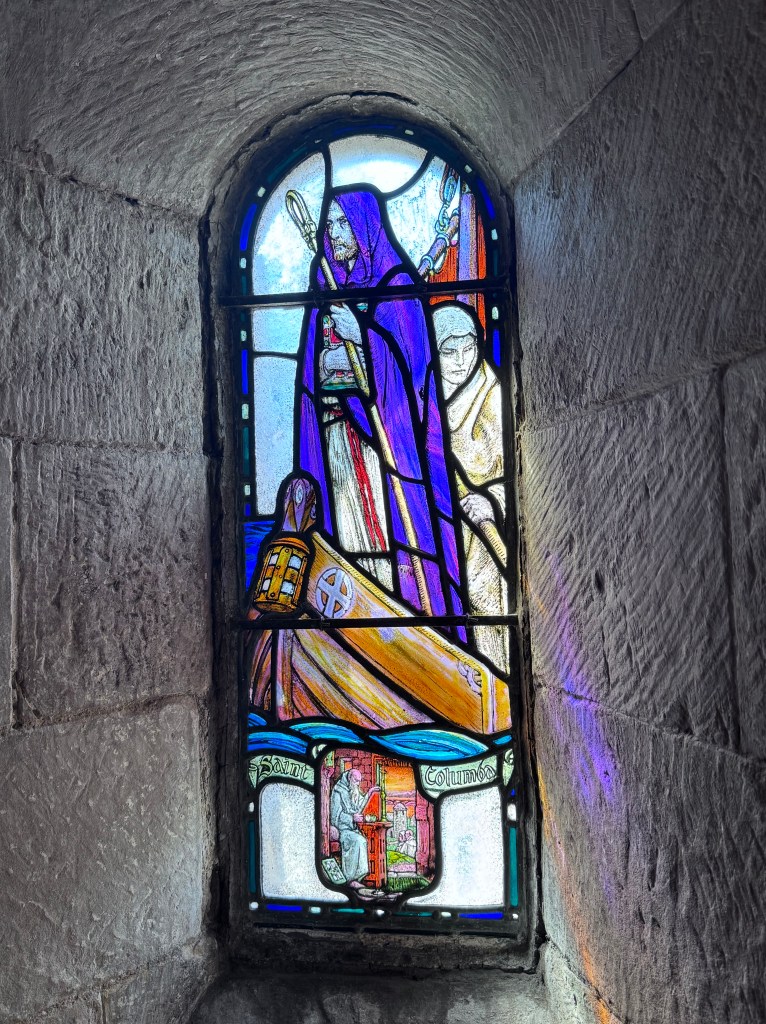
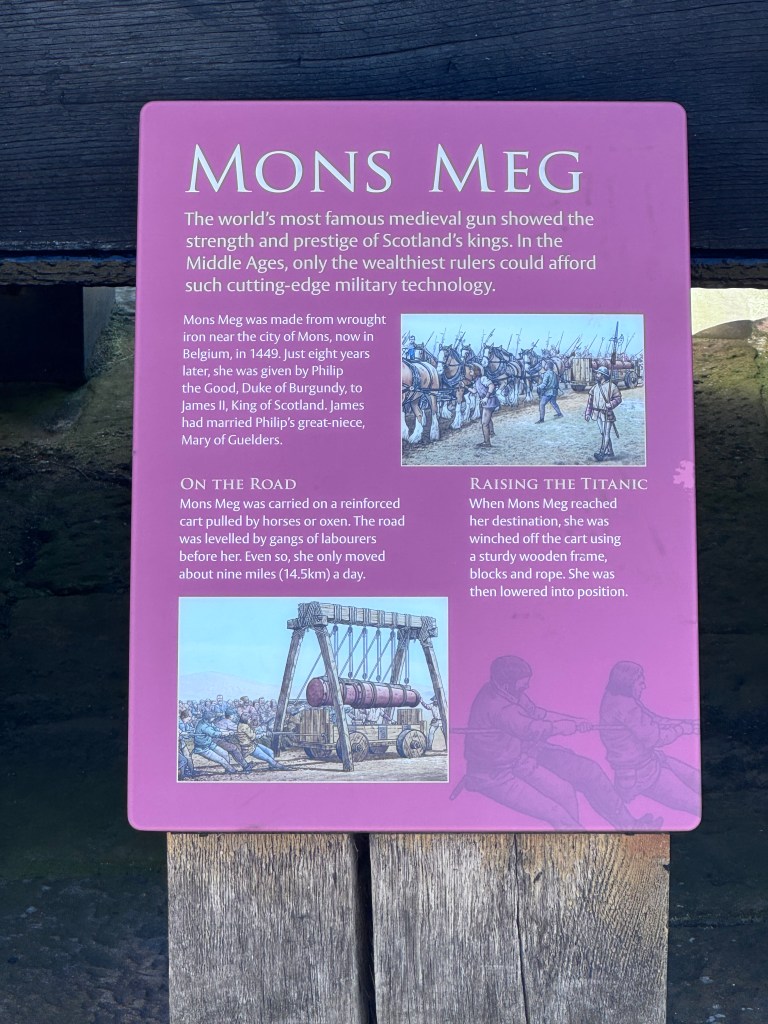
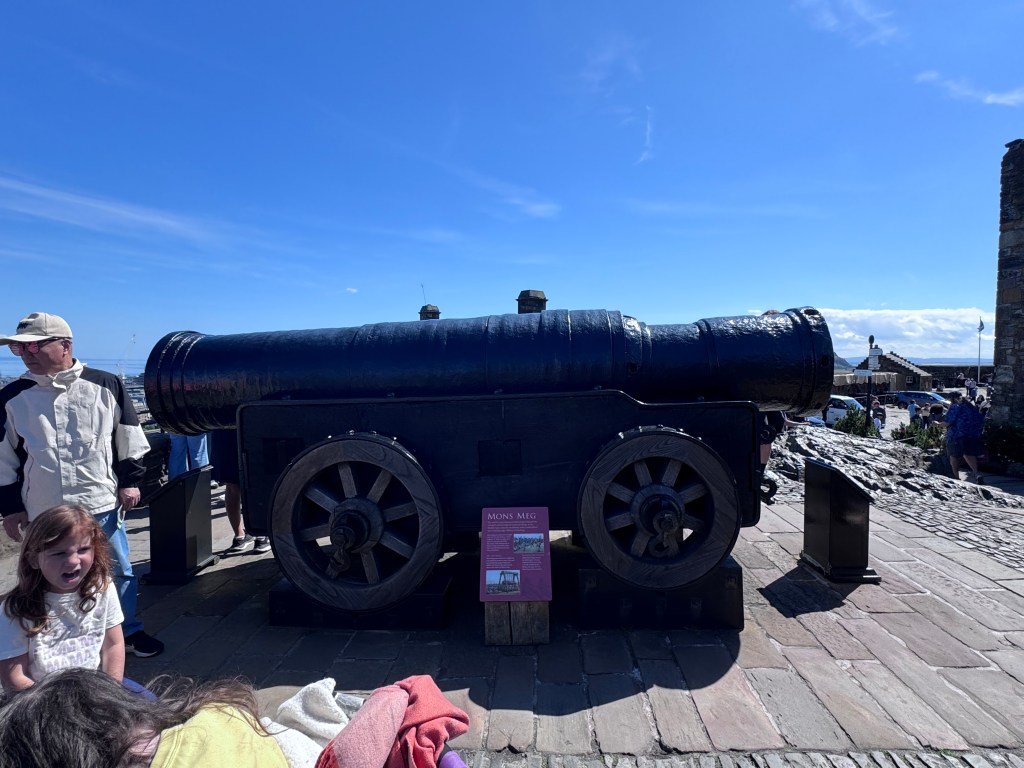
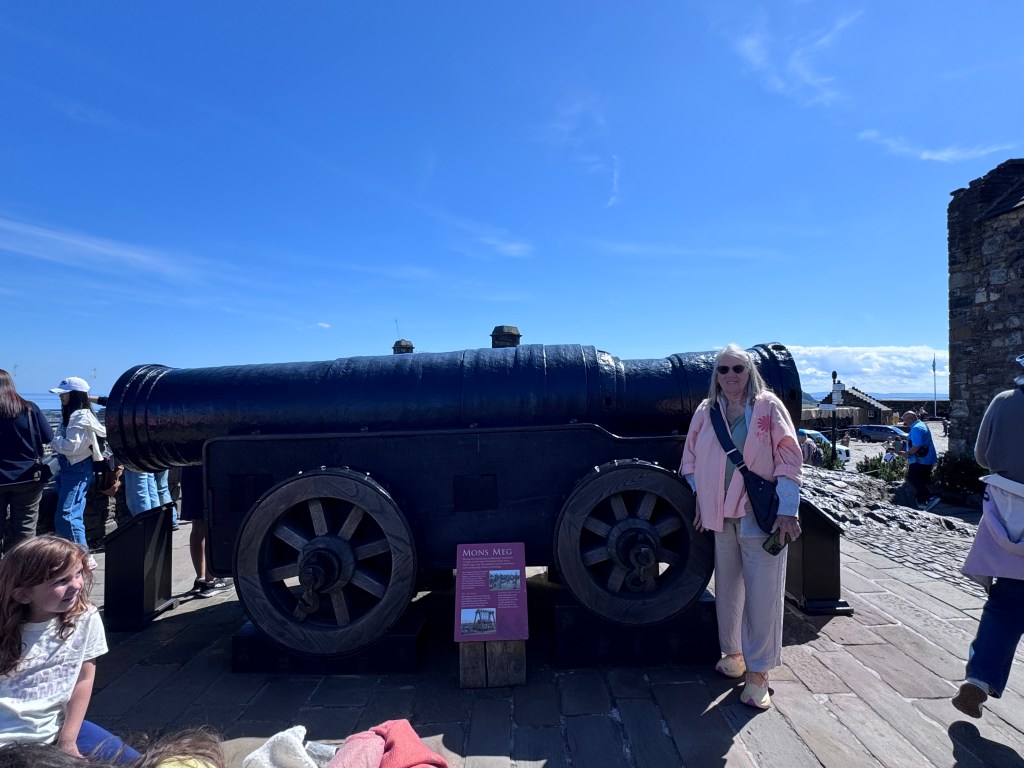
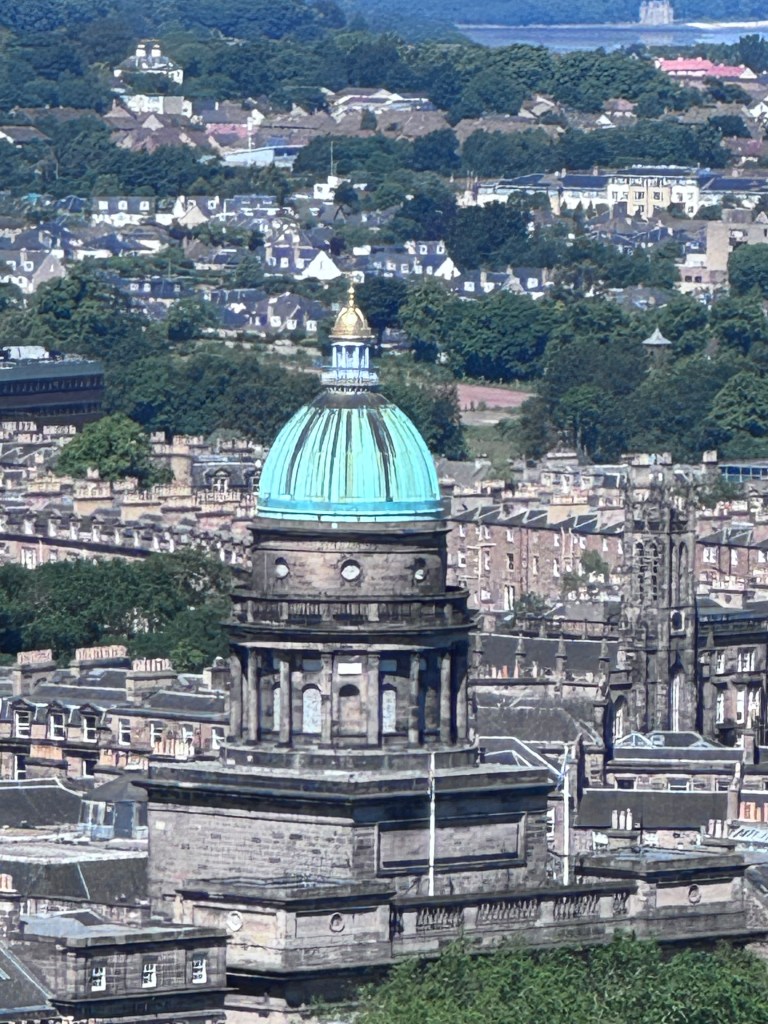
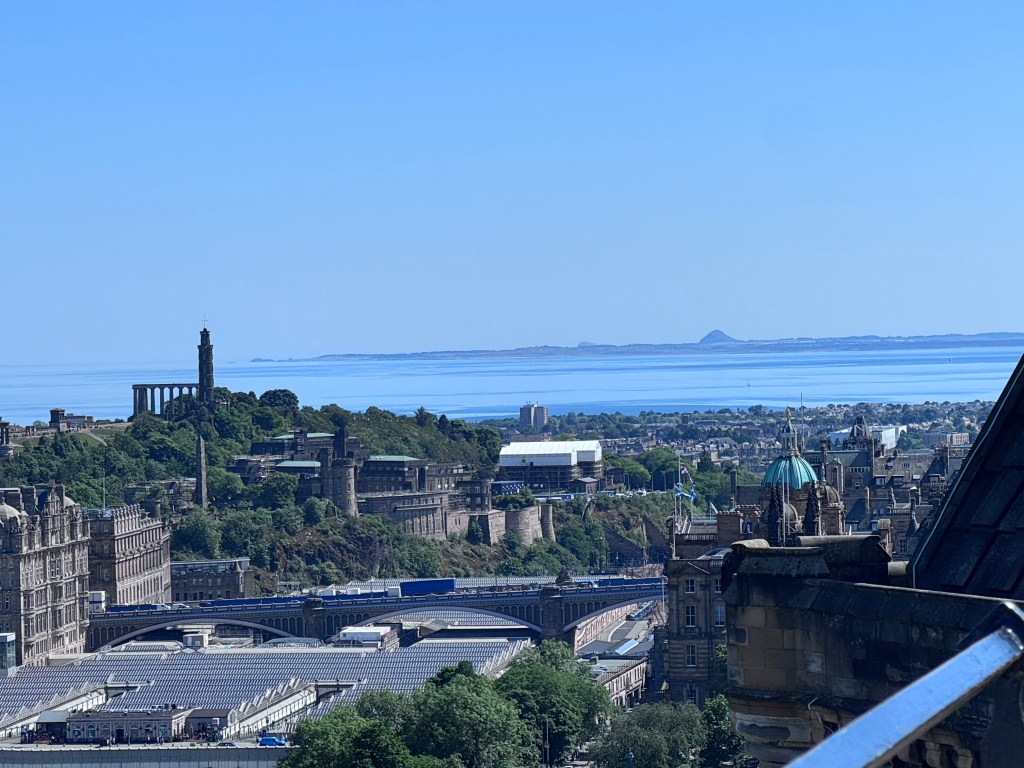
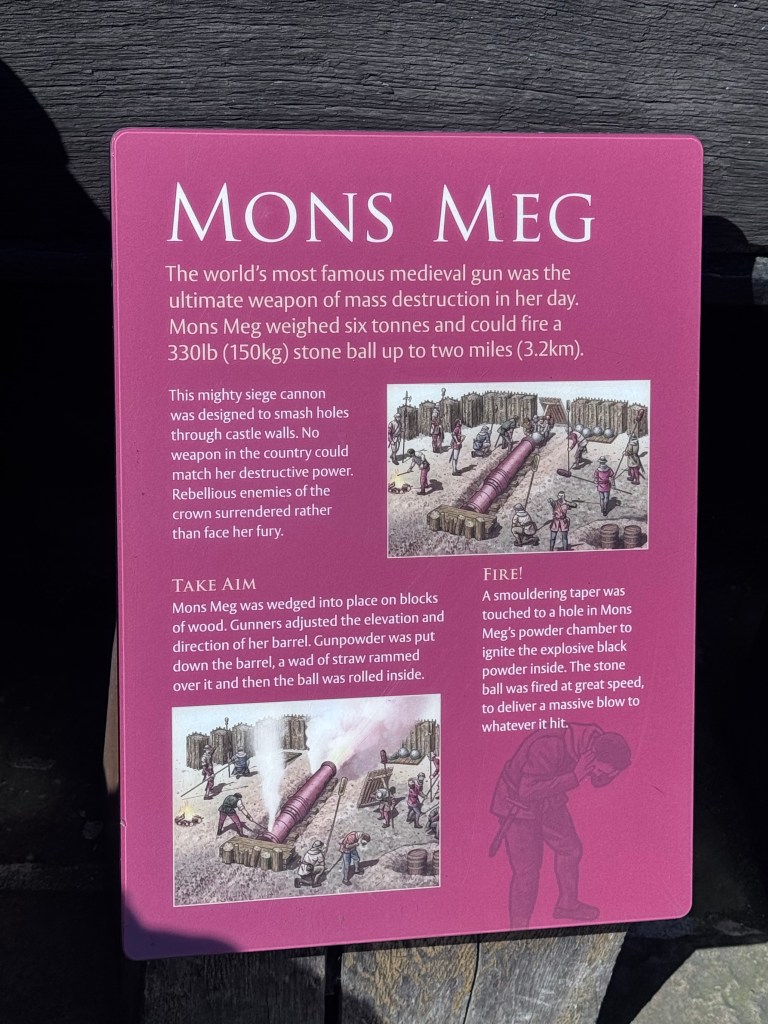
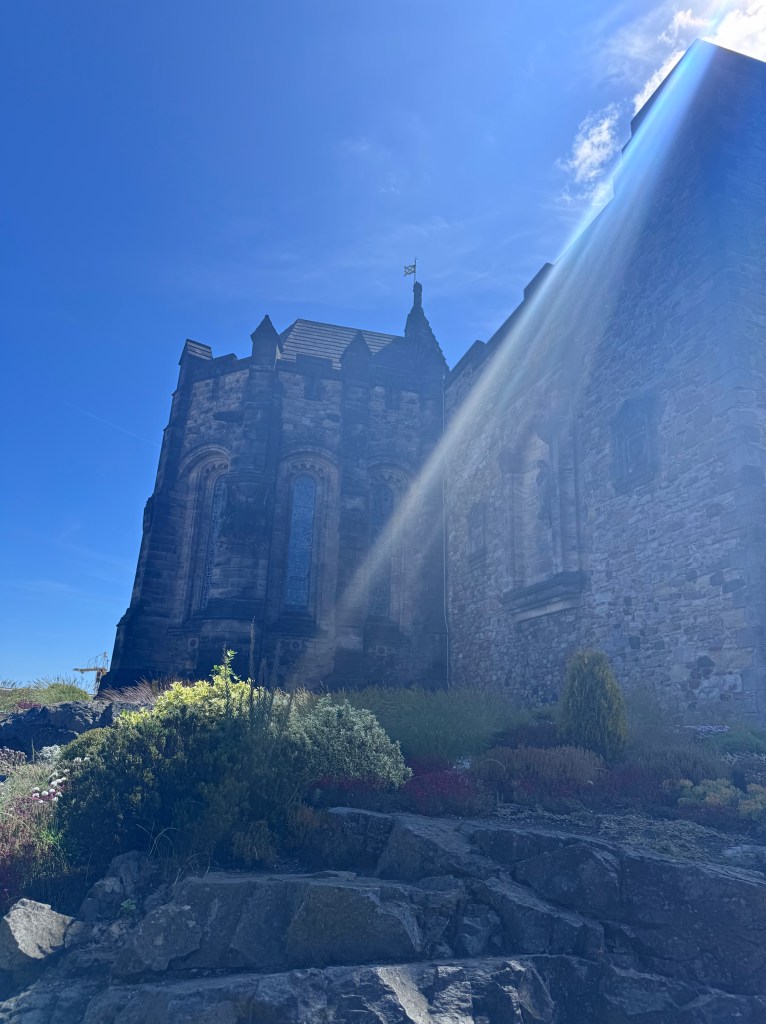
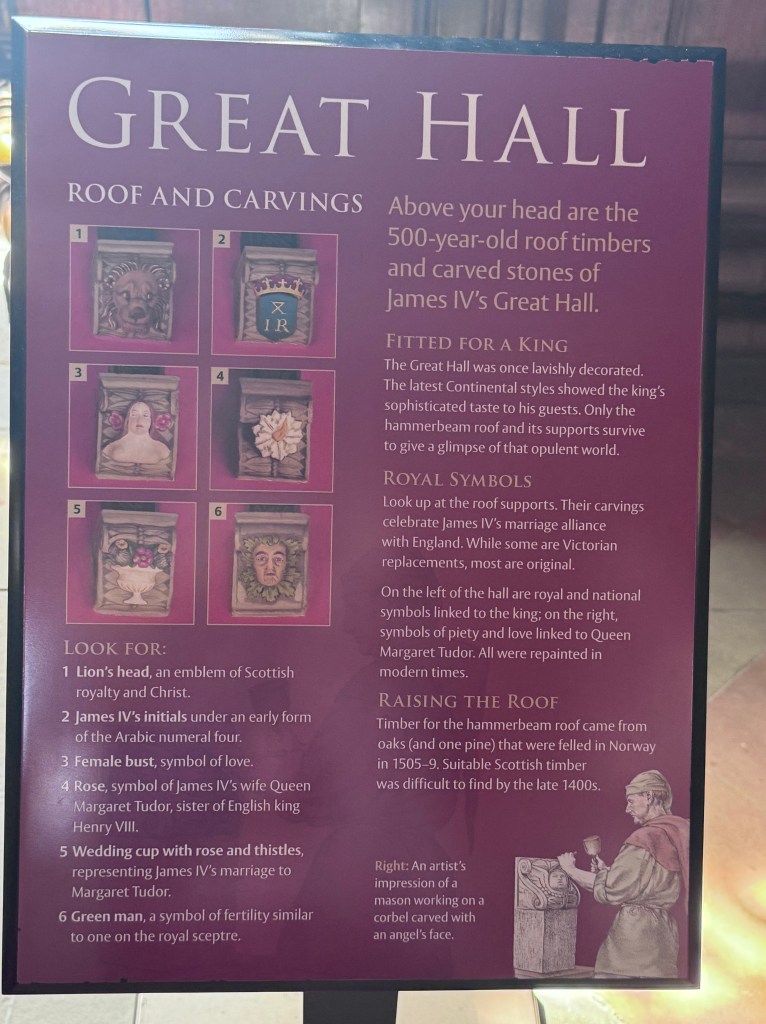
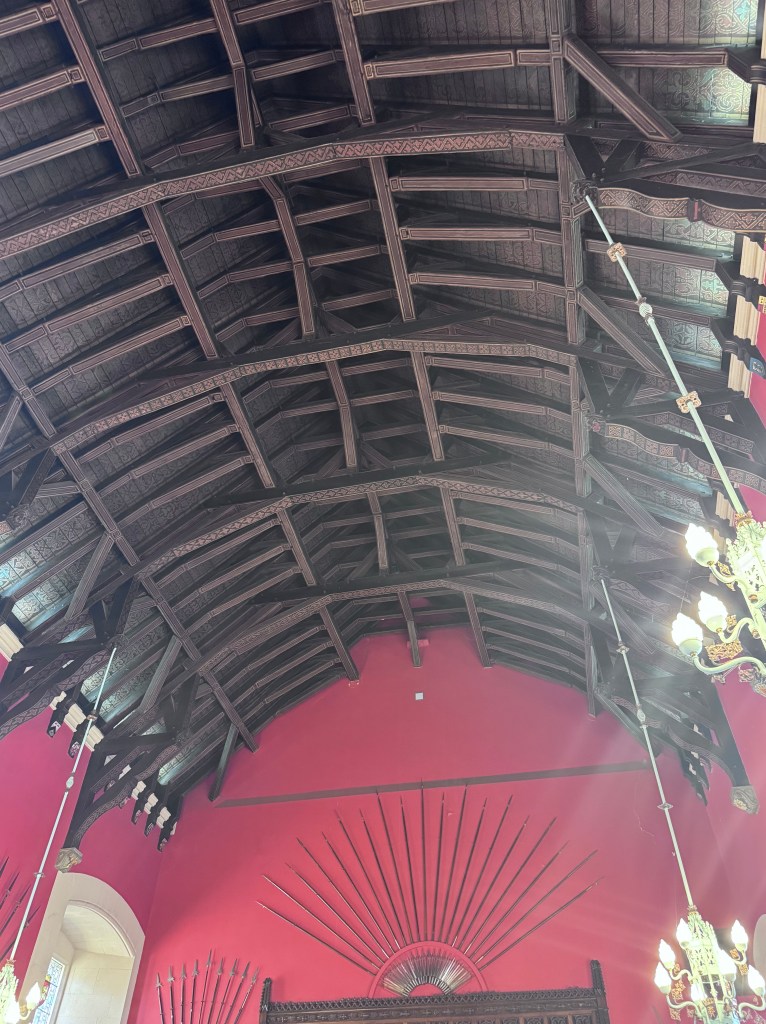
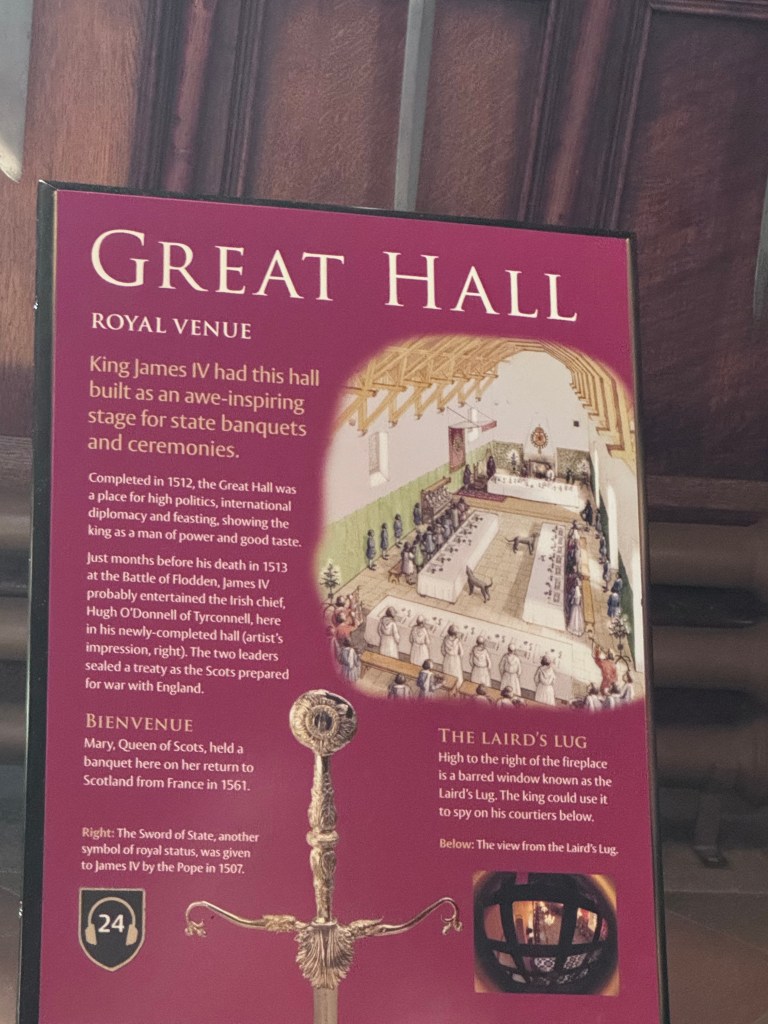
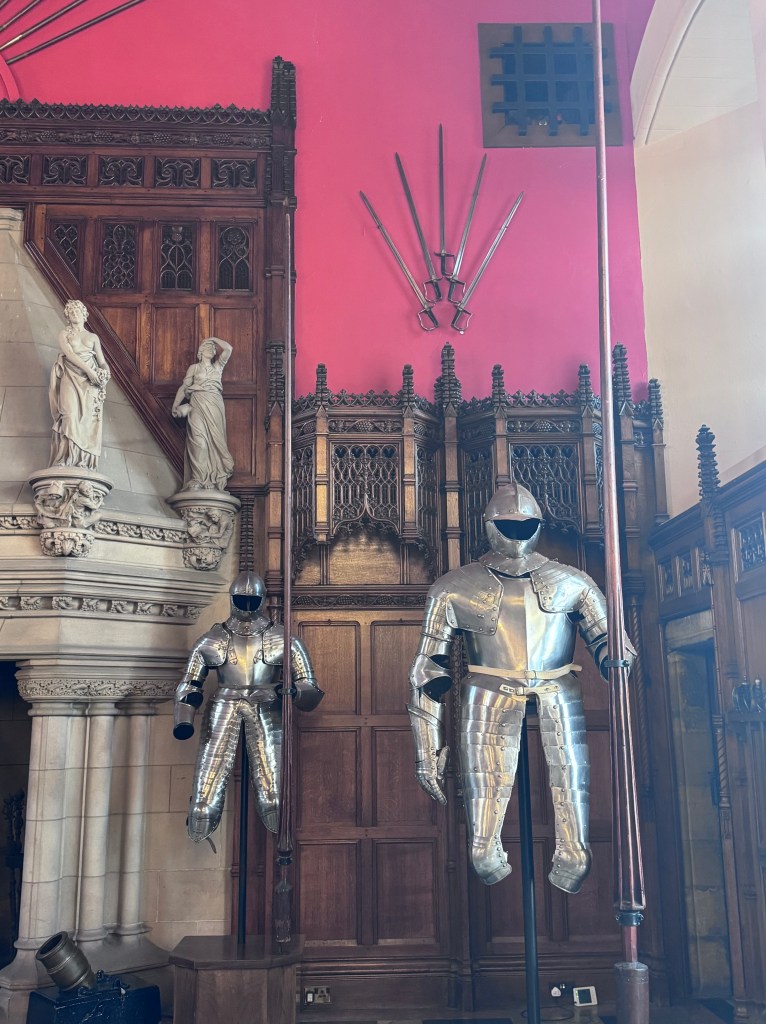
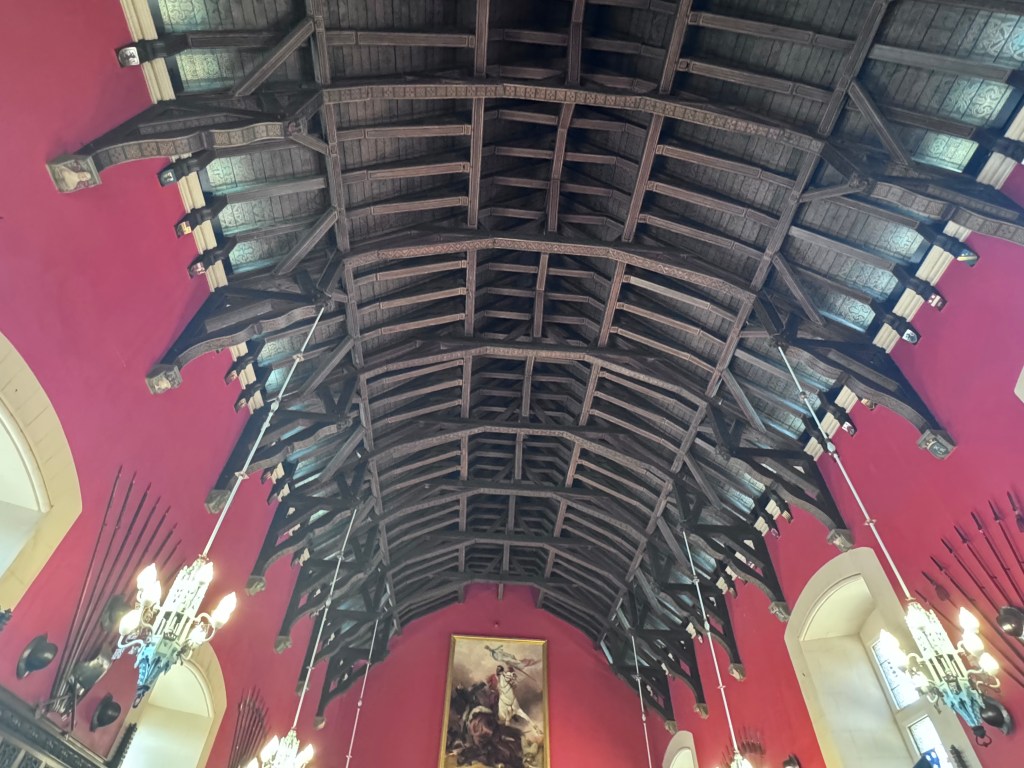
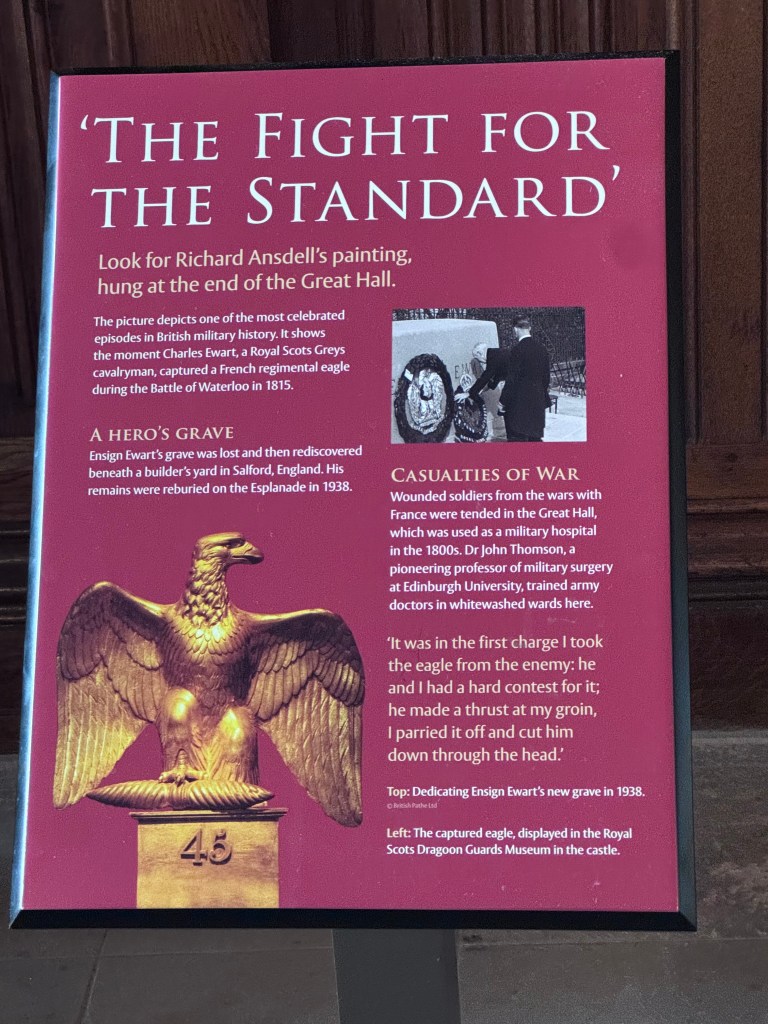
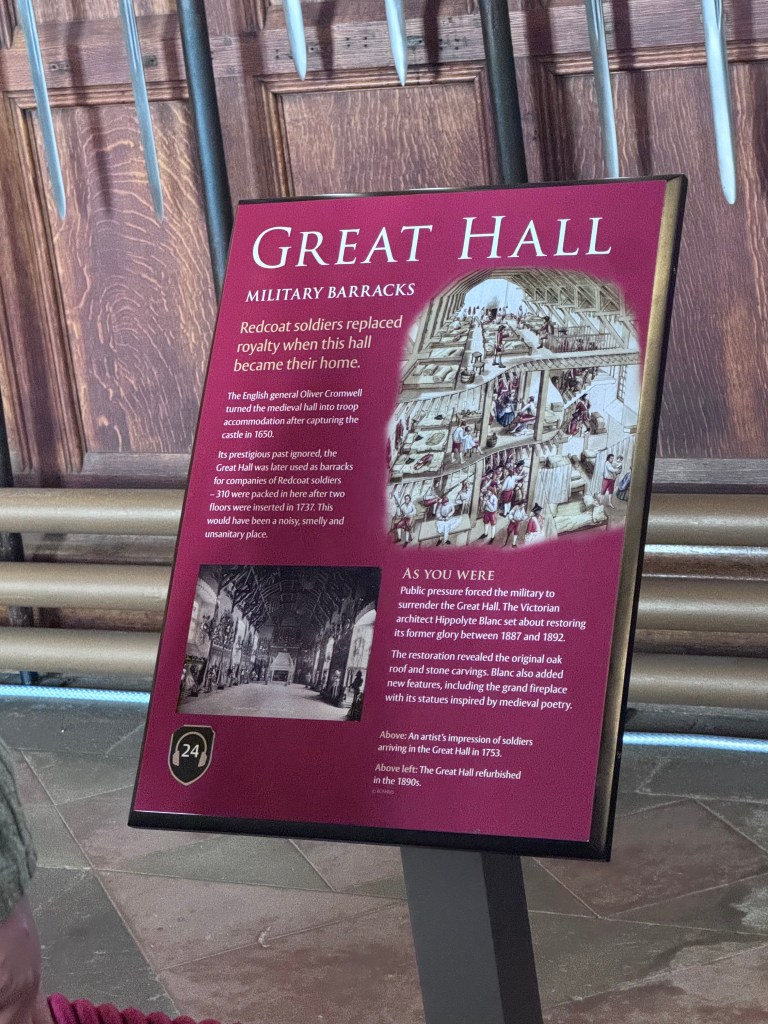
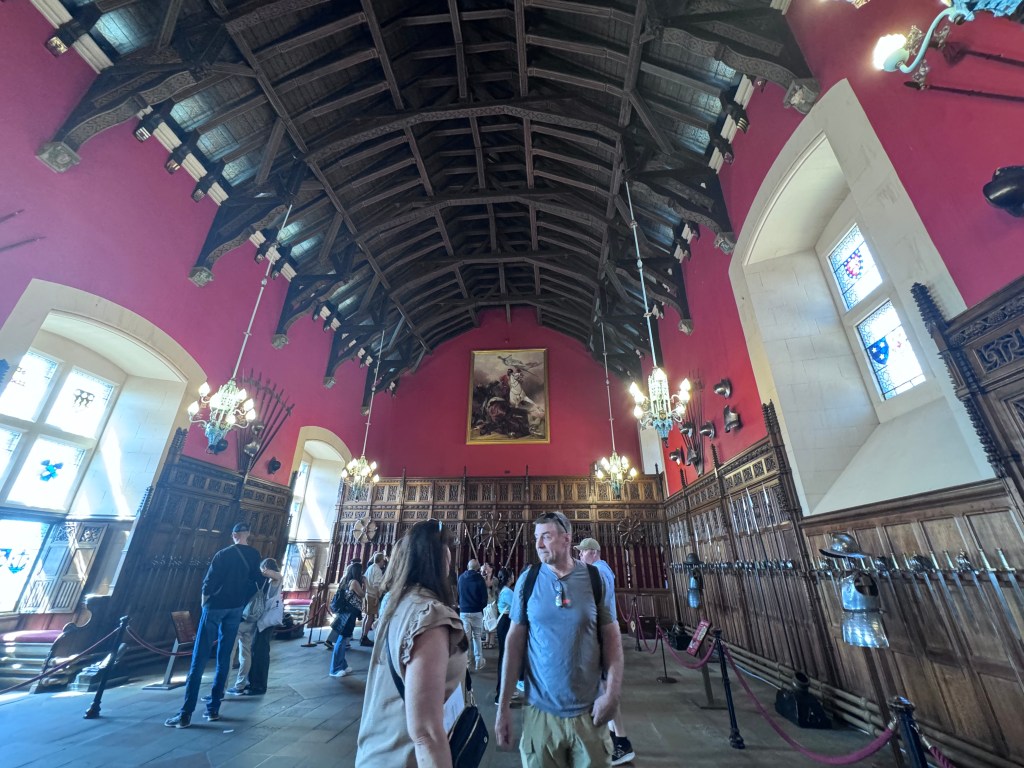
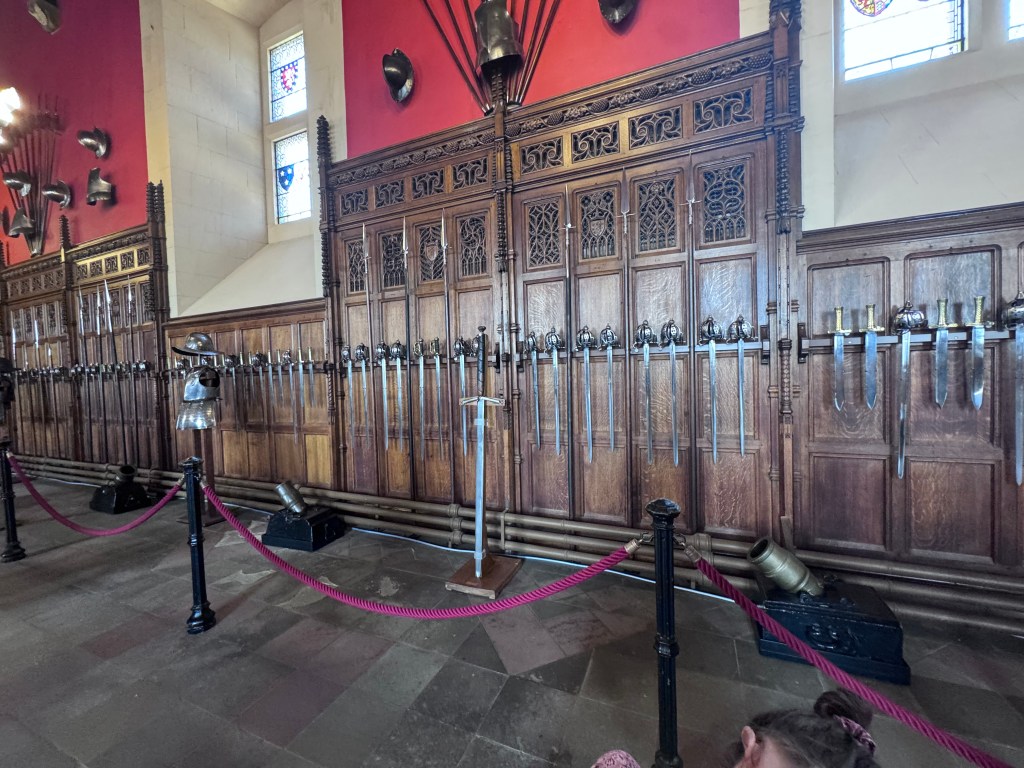
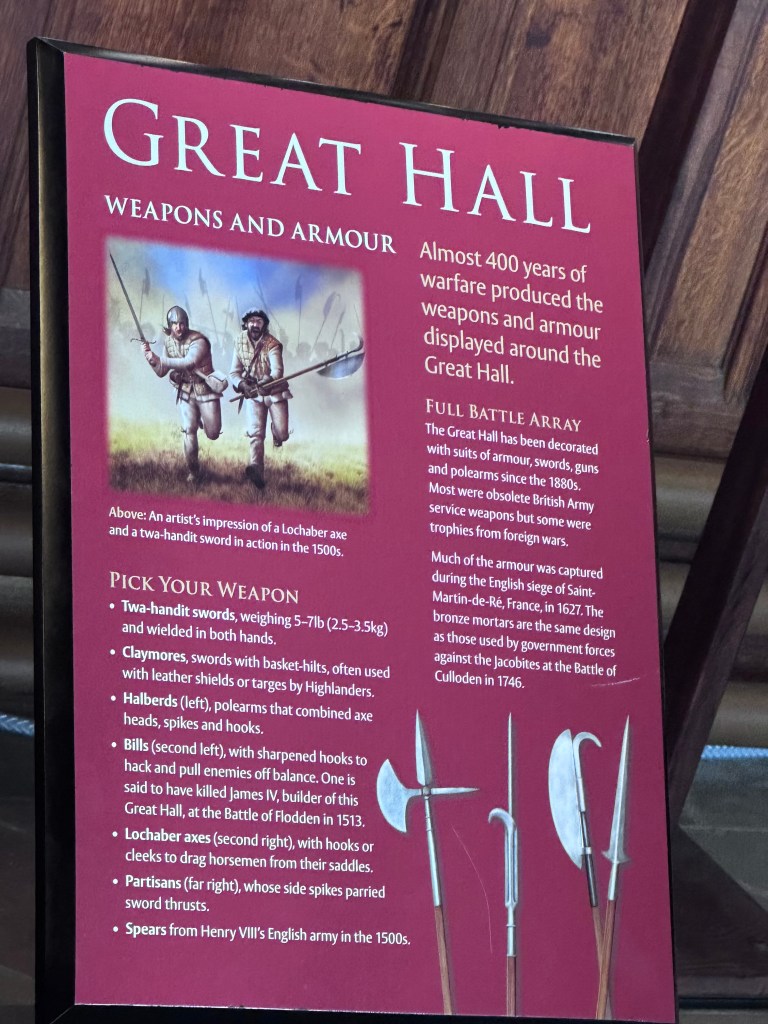
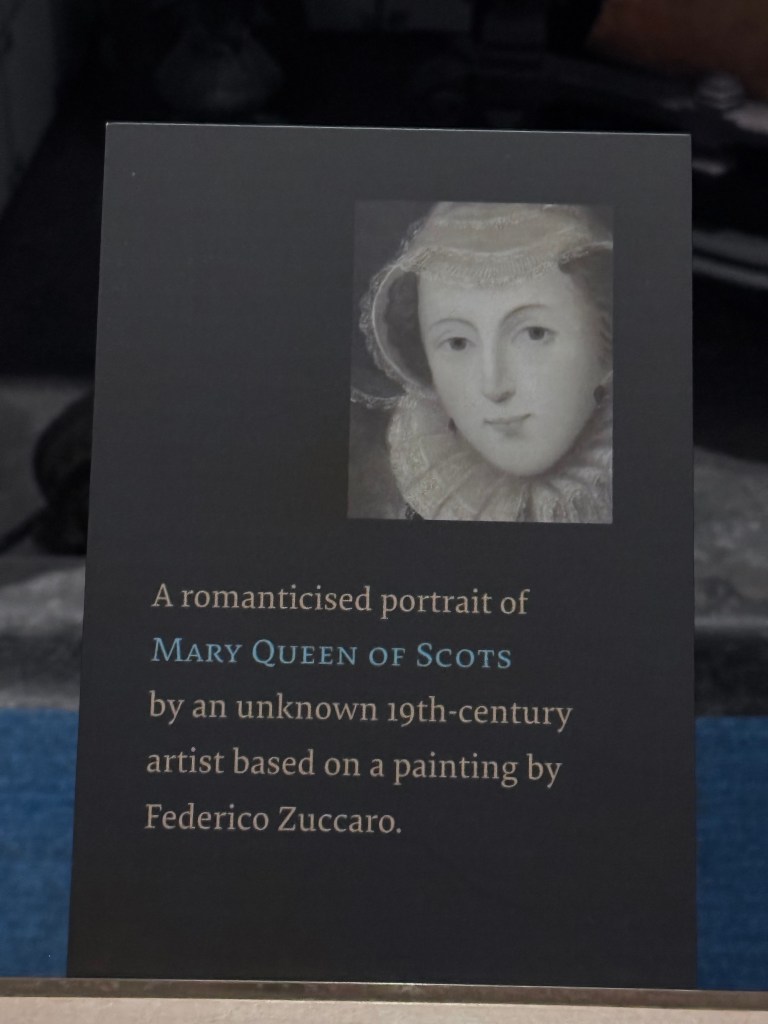
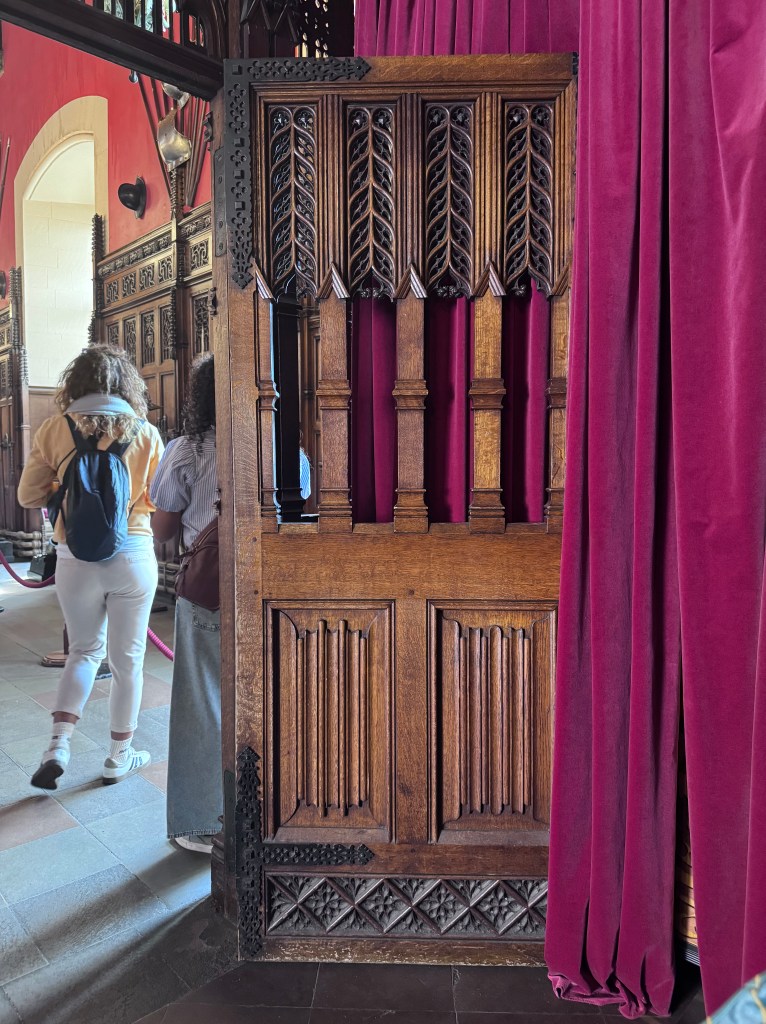
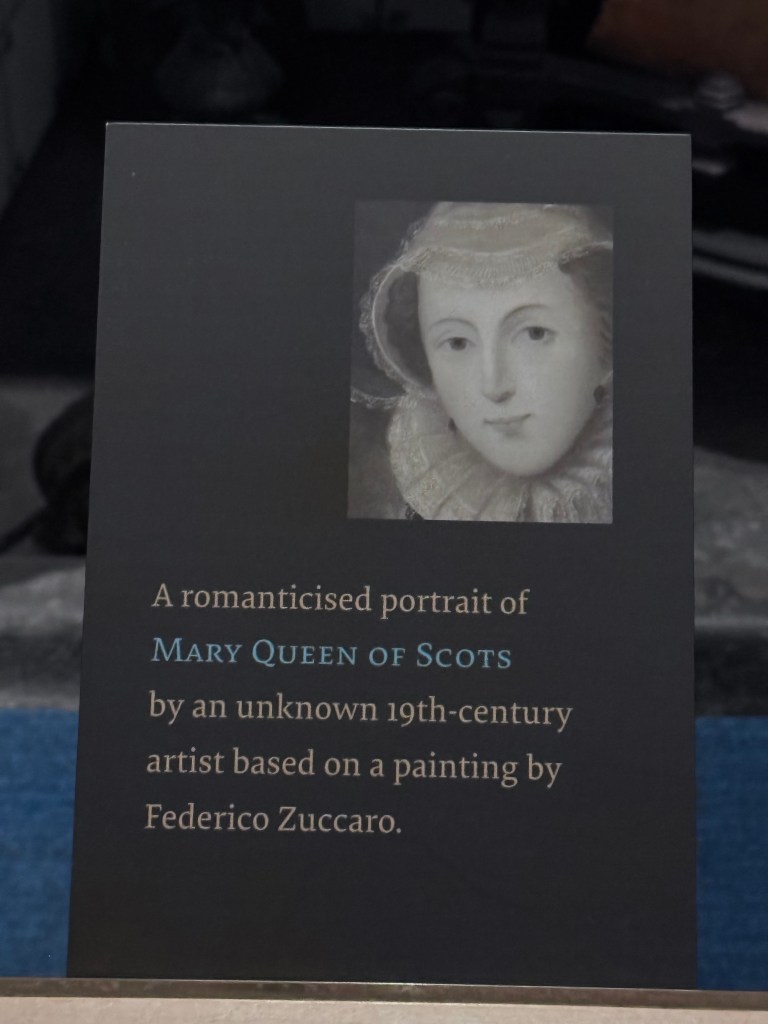
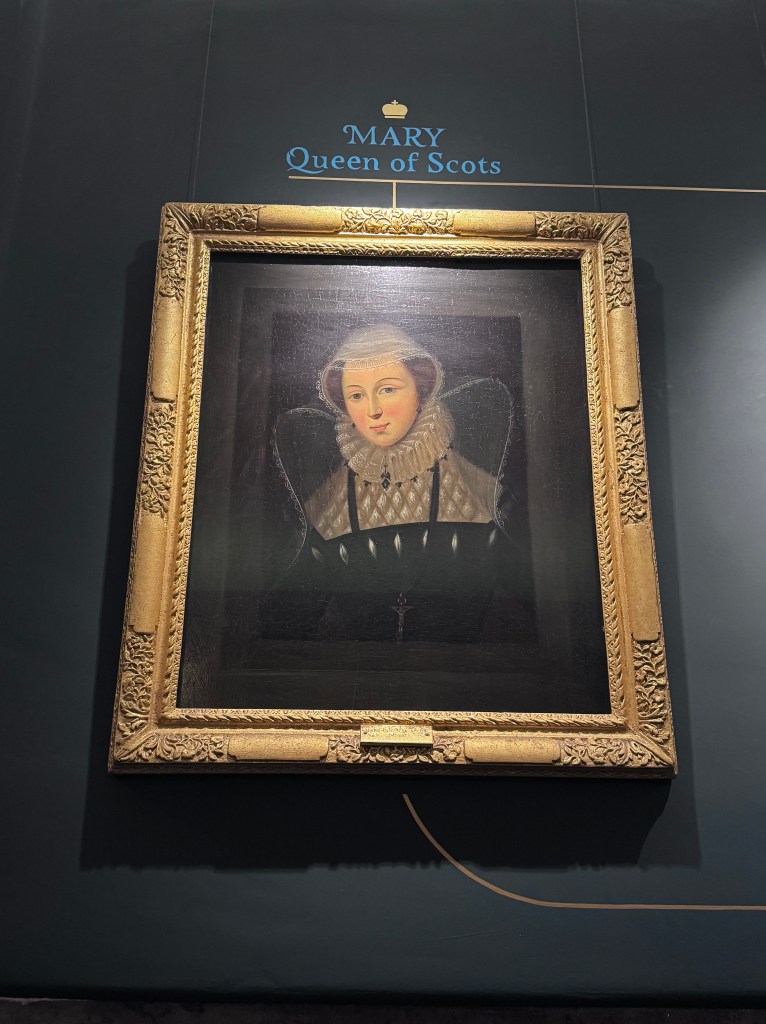
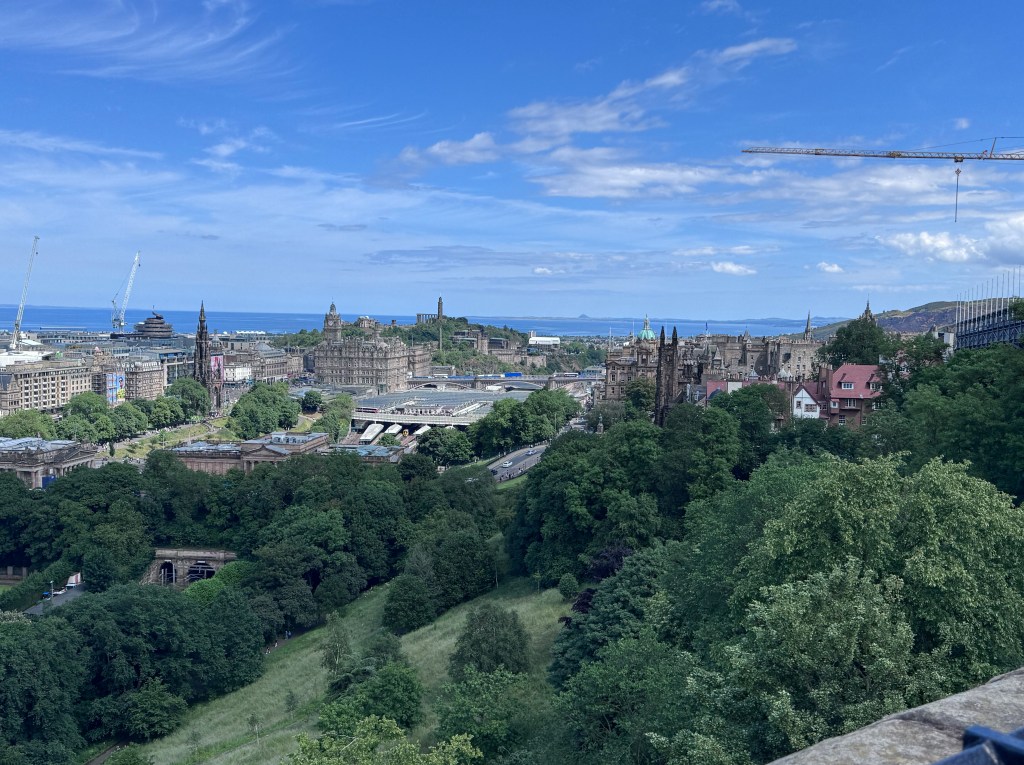
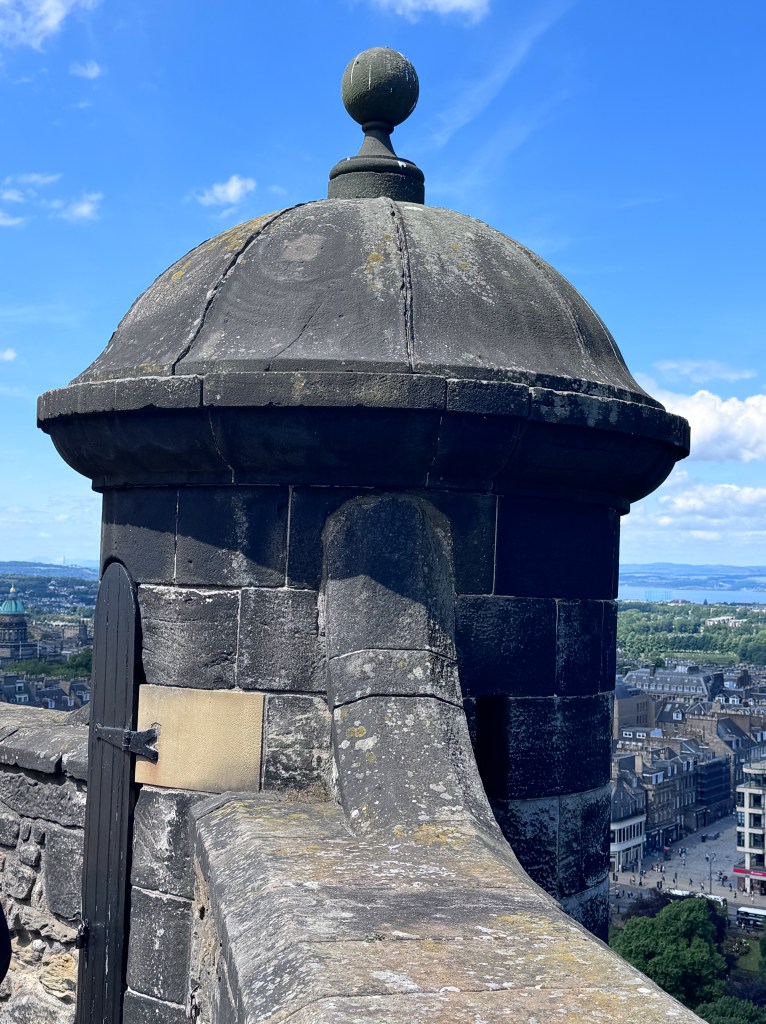
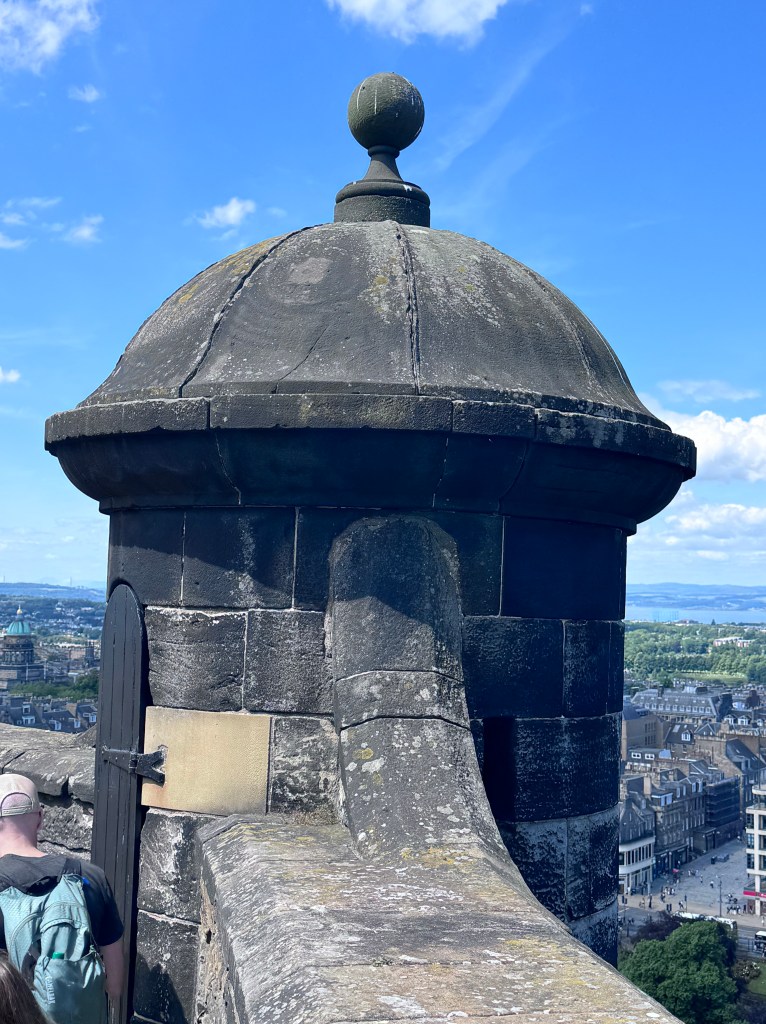
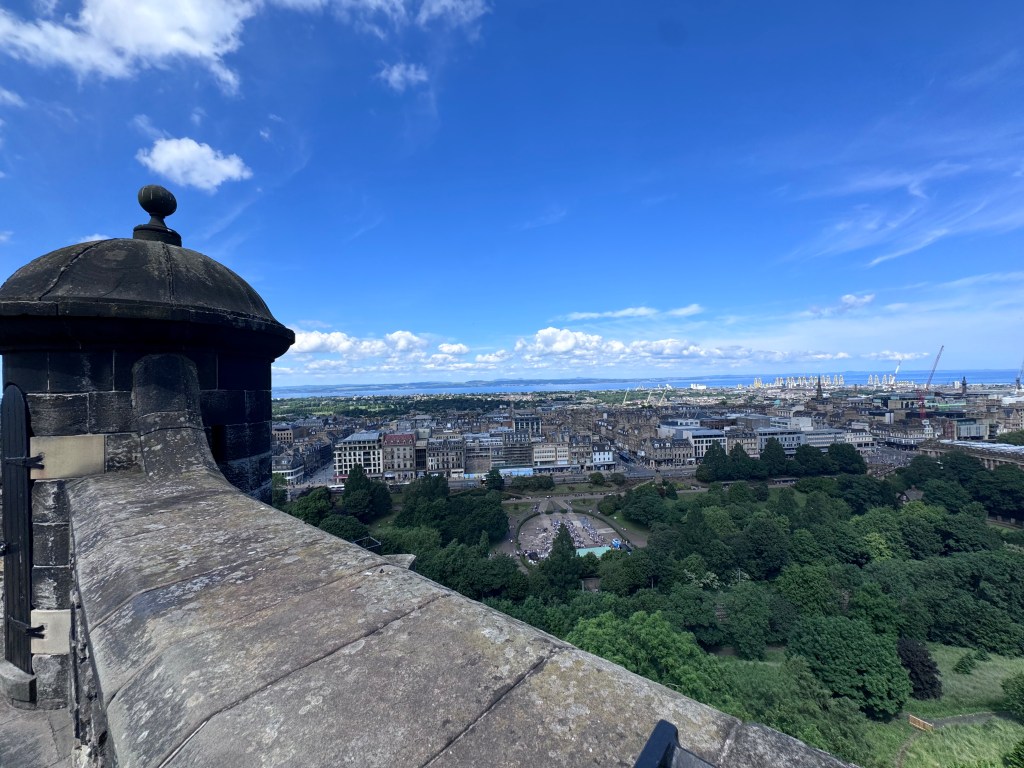
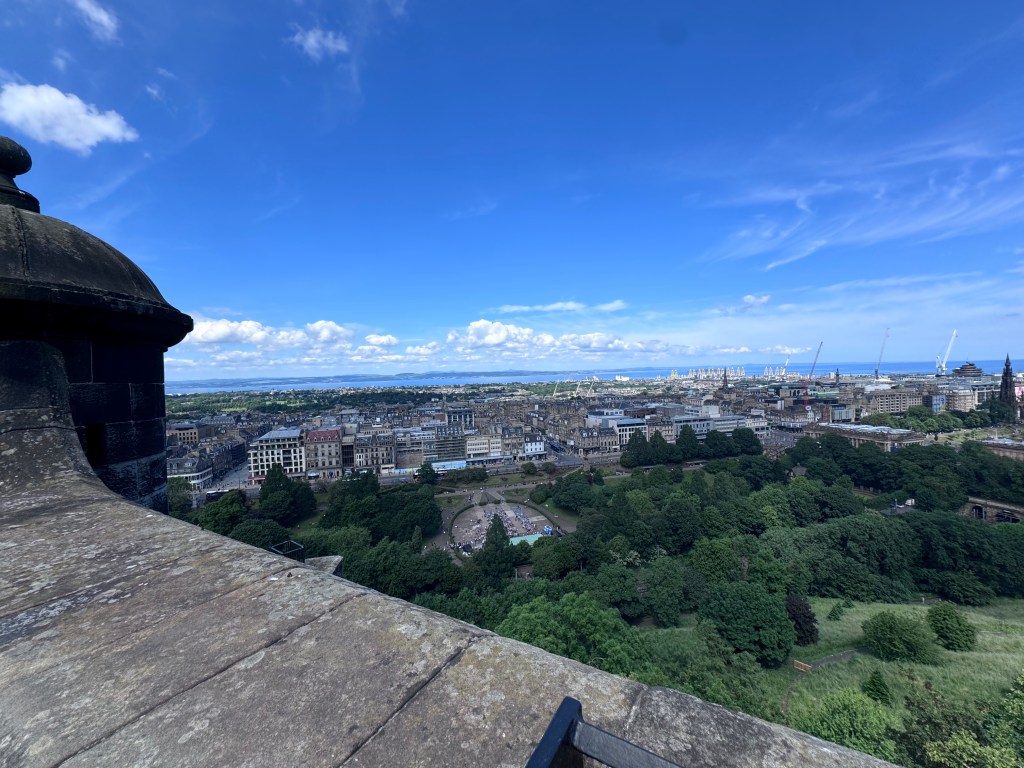
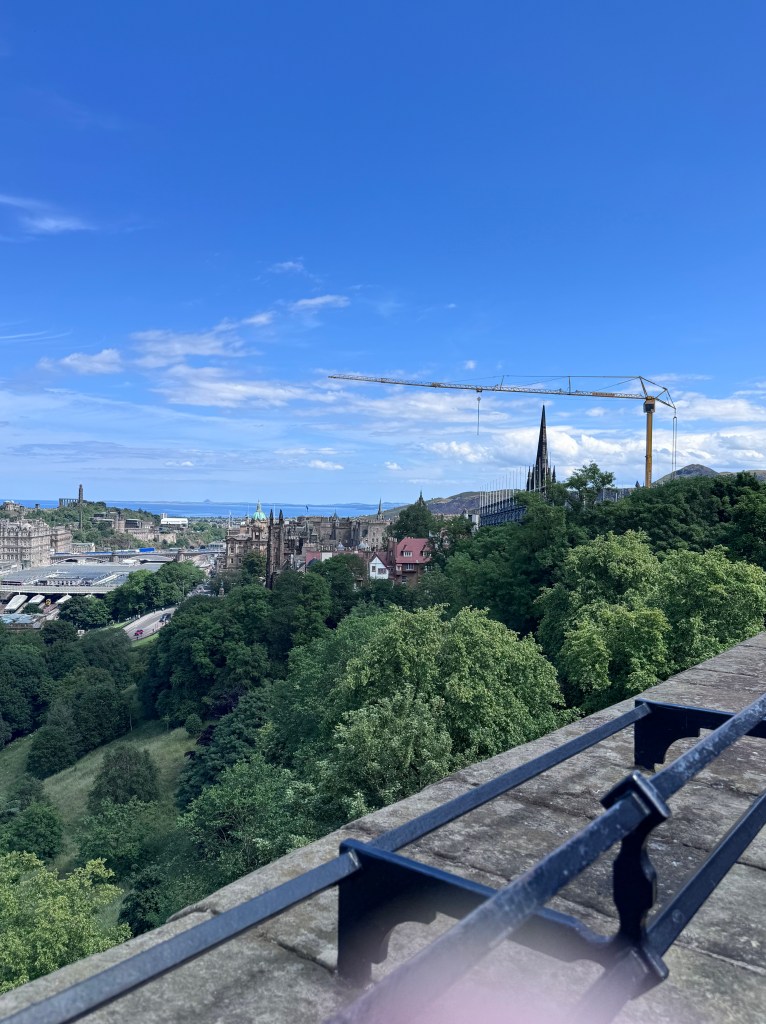
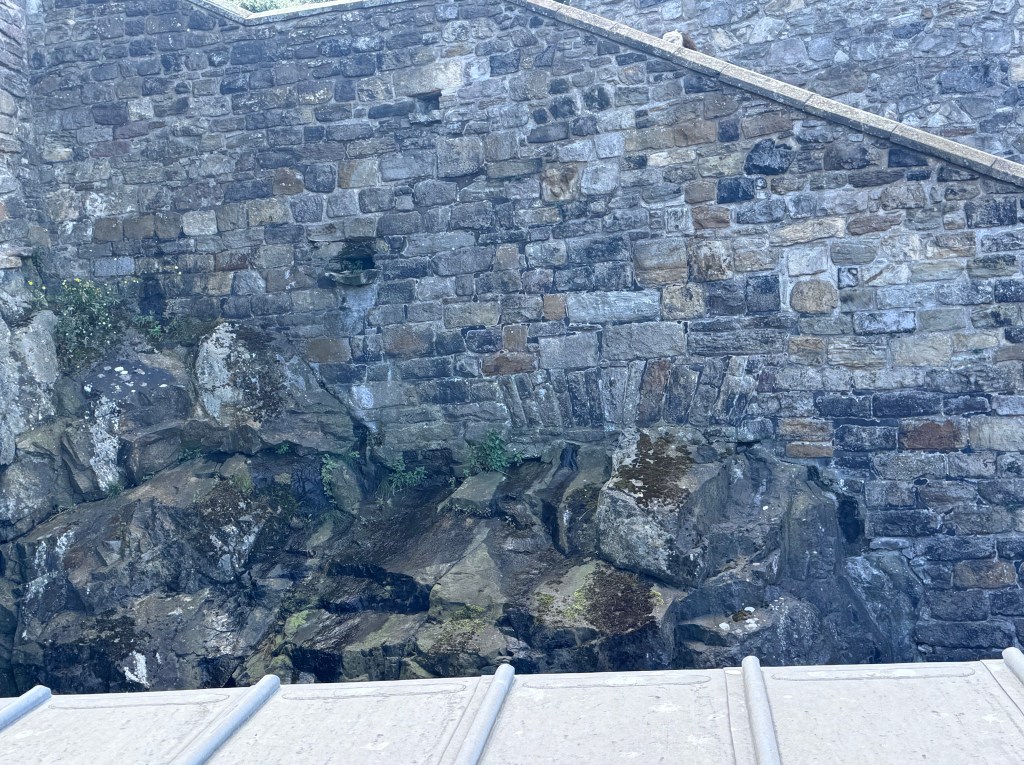
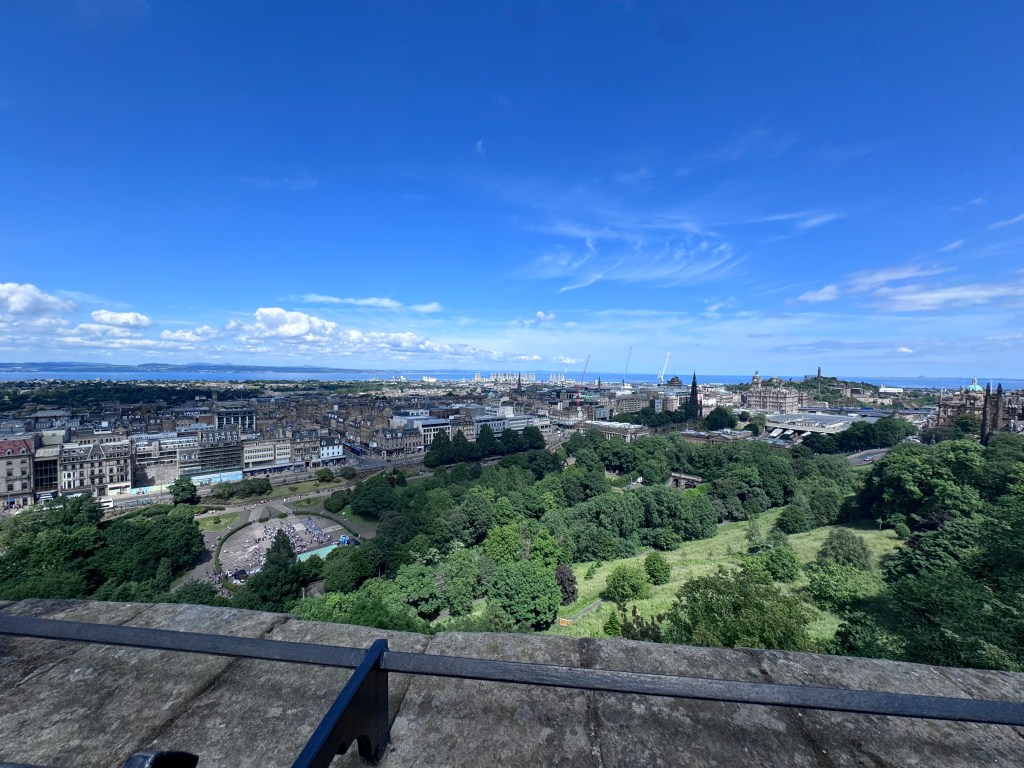
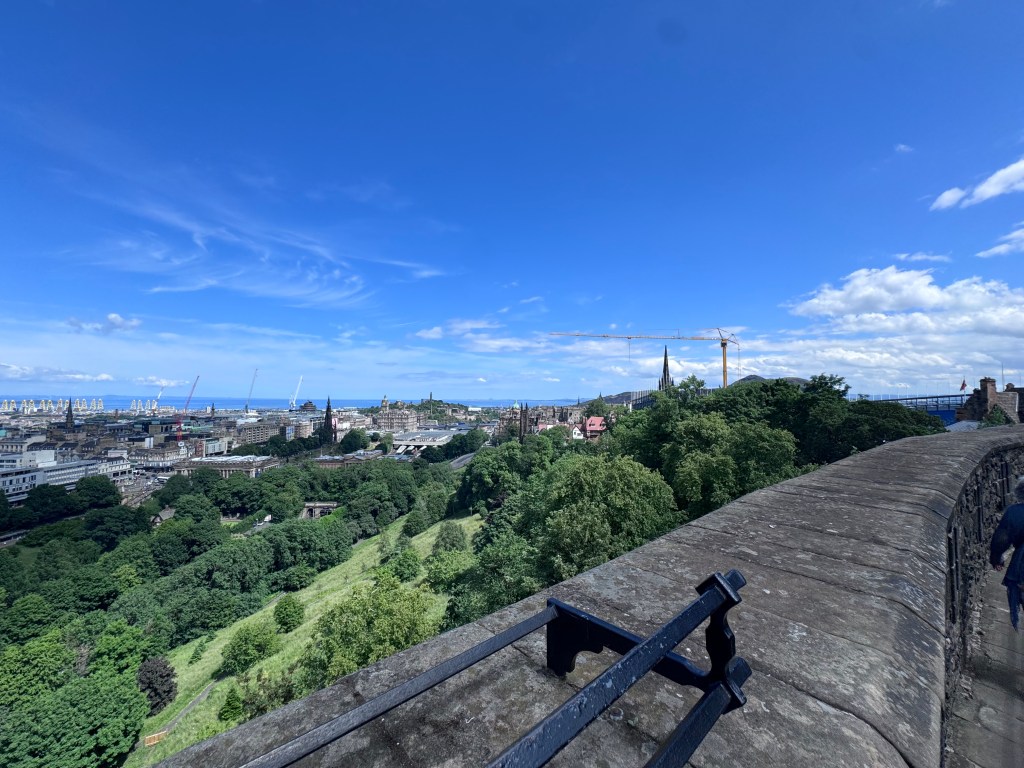
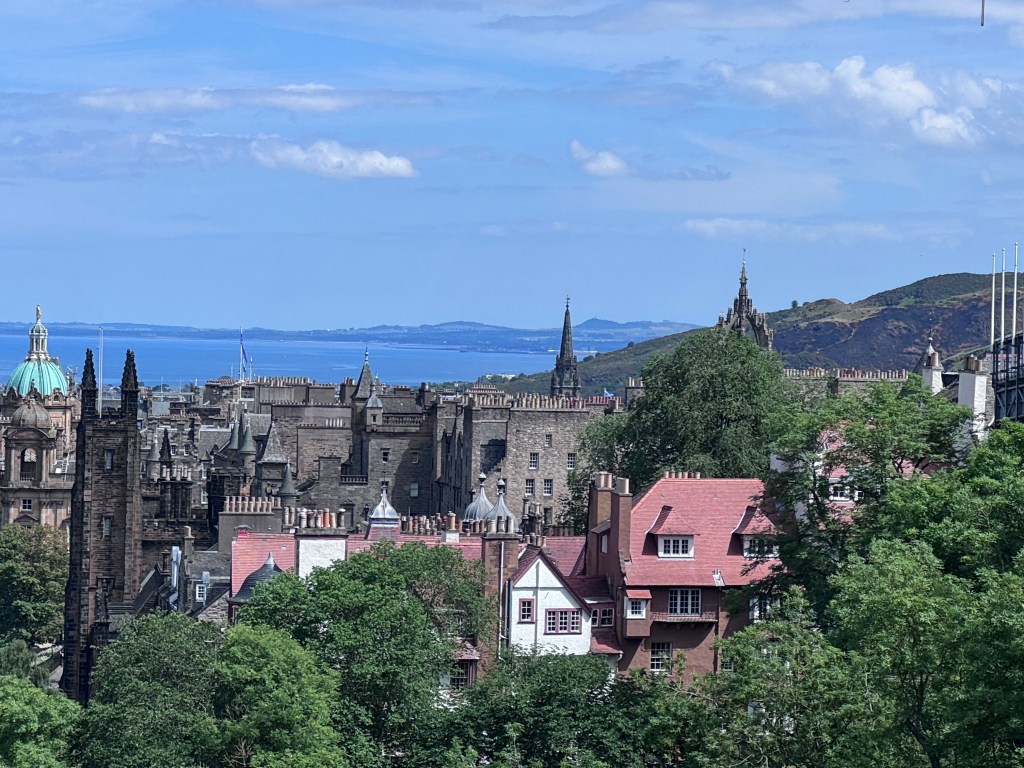
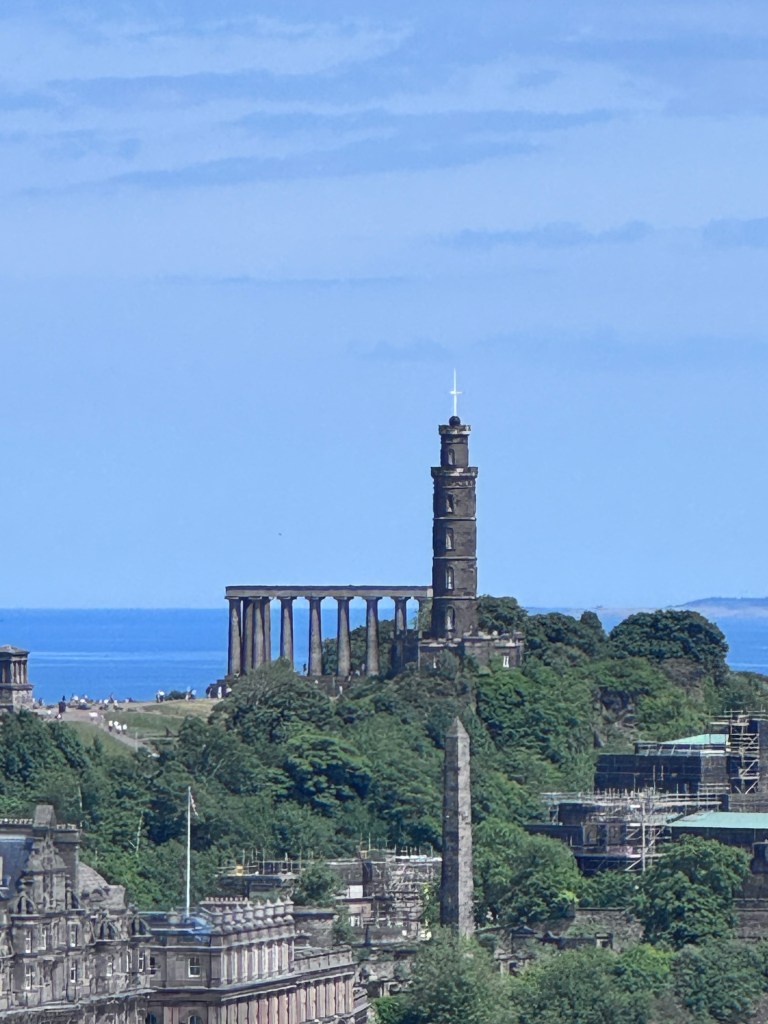
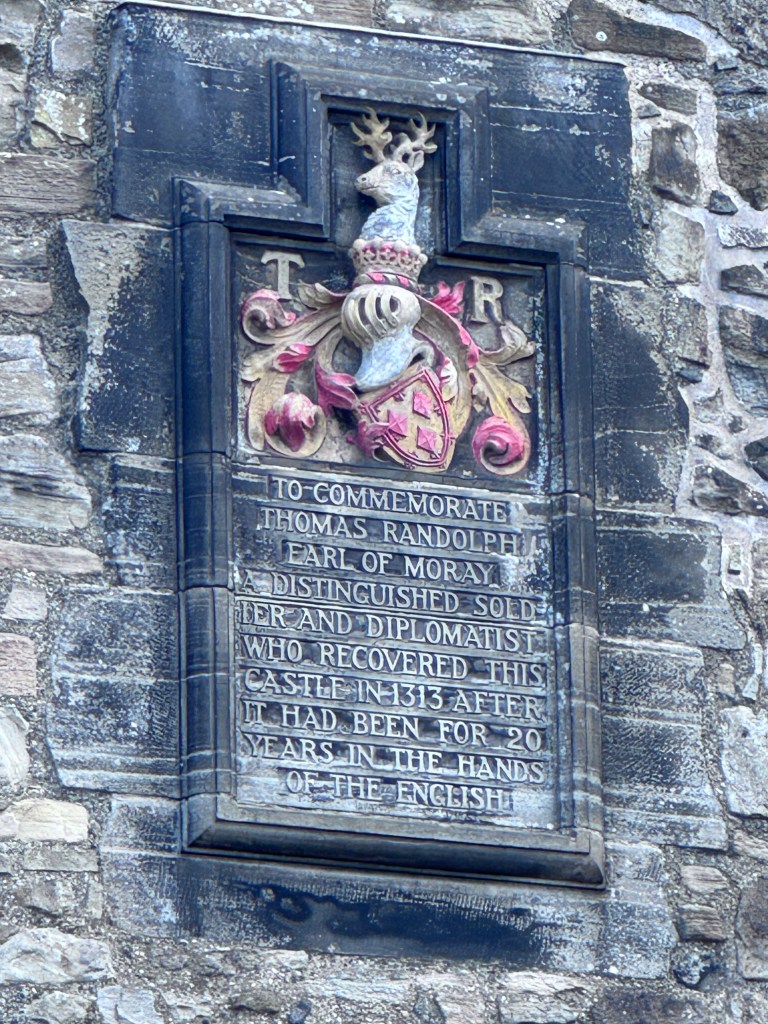
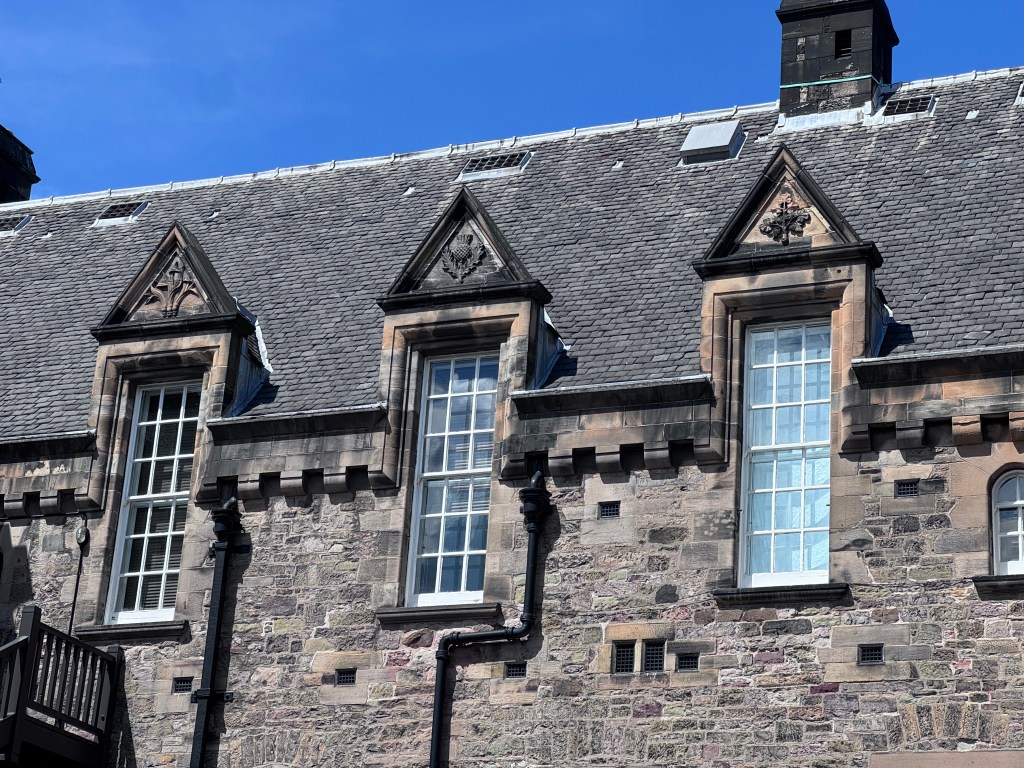
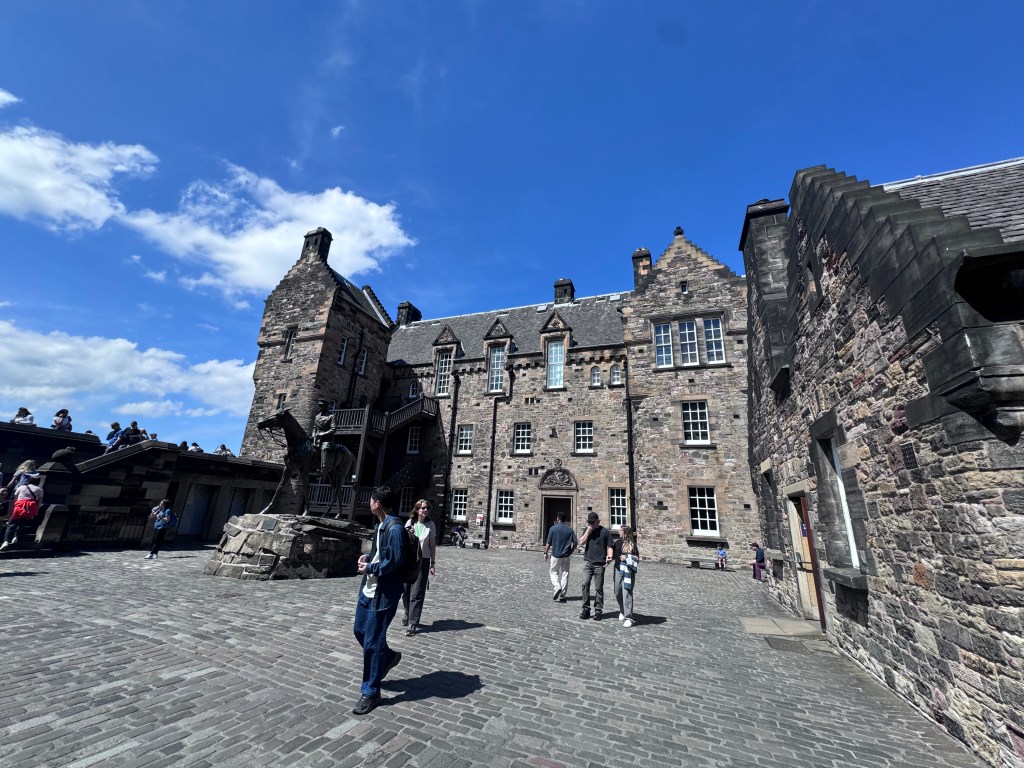
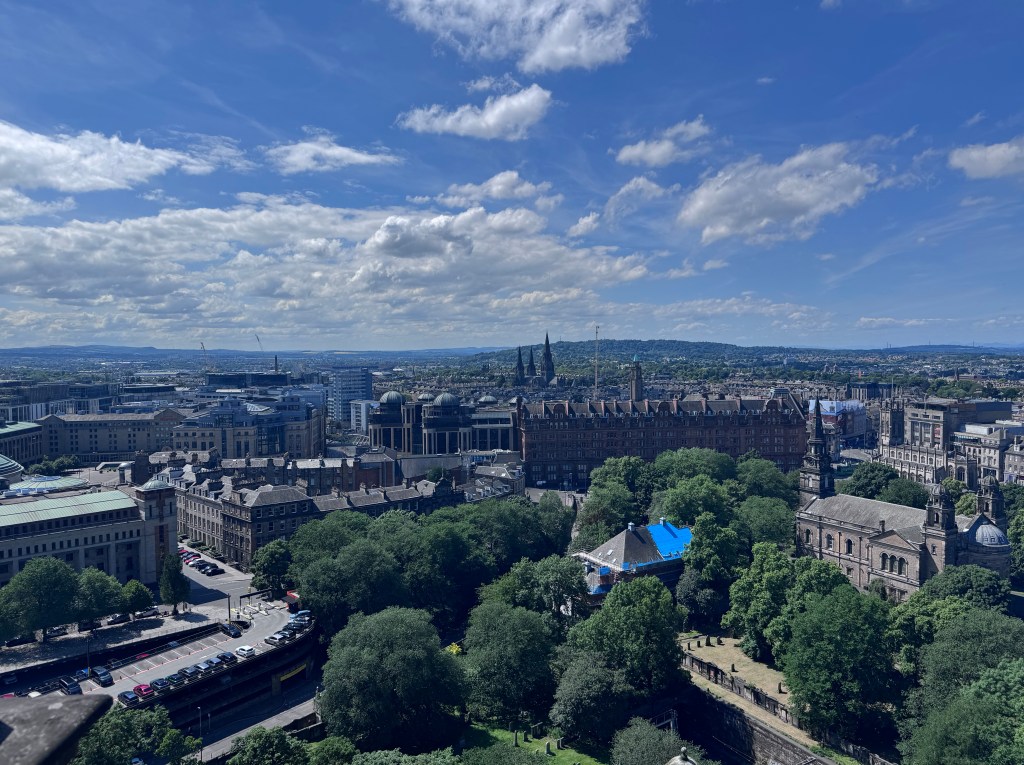
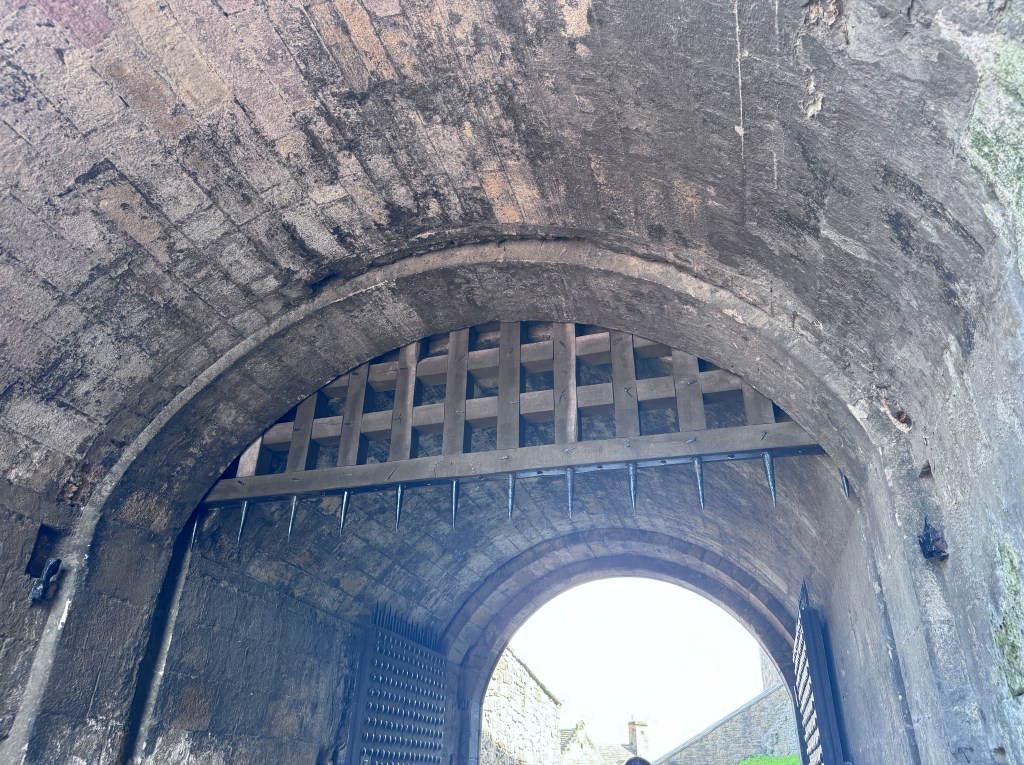
Perched atop an extinct volcano, Edinburgh Castle has watched over Scotland for nearly 900 years. It has served as a royal residence, military fortress, prison, and symbol of Scottish independence. Some of Scotland’s most famous monarchs, including Mary, Queen of Scots, lived within its walls, and the castle has endured countless sieges throughout its remarkable history. Standing on its ancient stone walls while looking across the city, it is easy to understand why this fortress has become one of Scotland’s most recognizable landmarks.

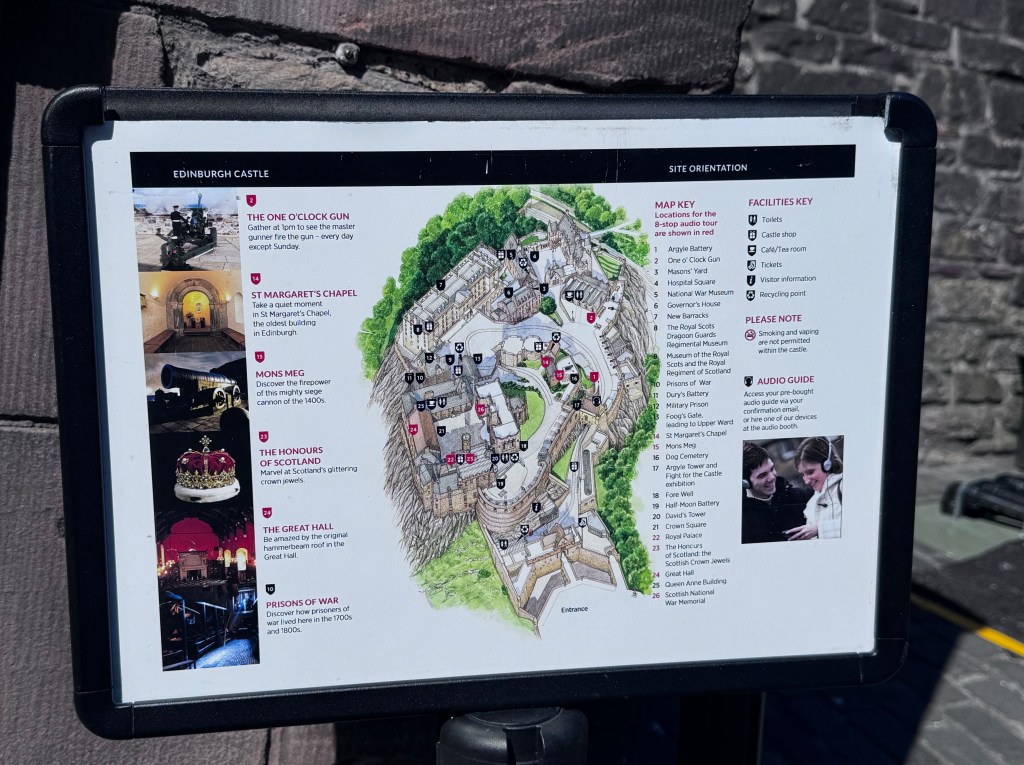
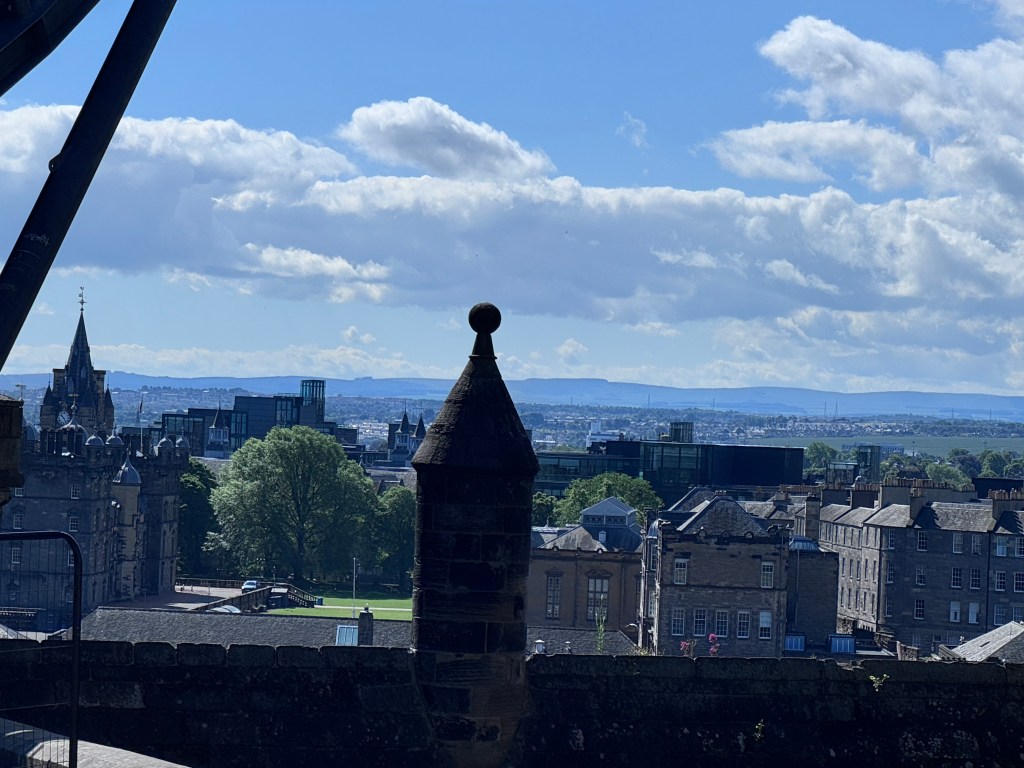
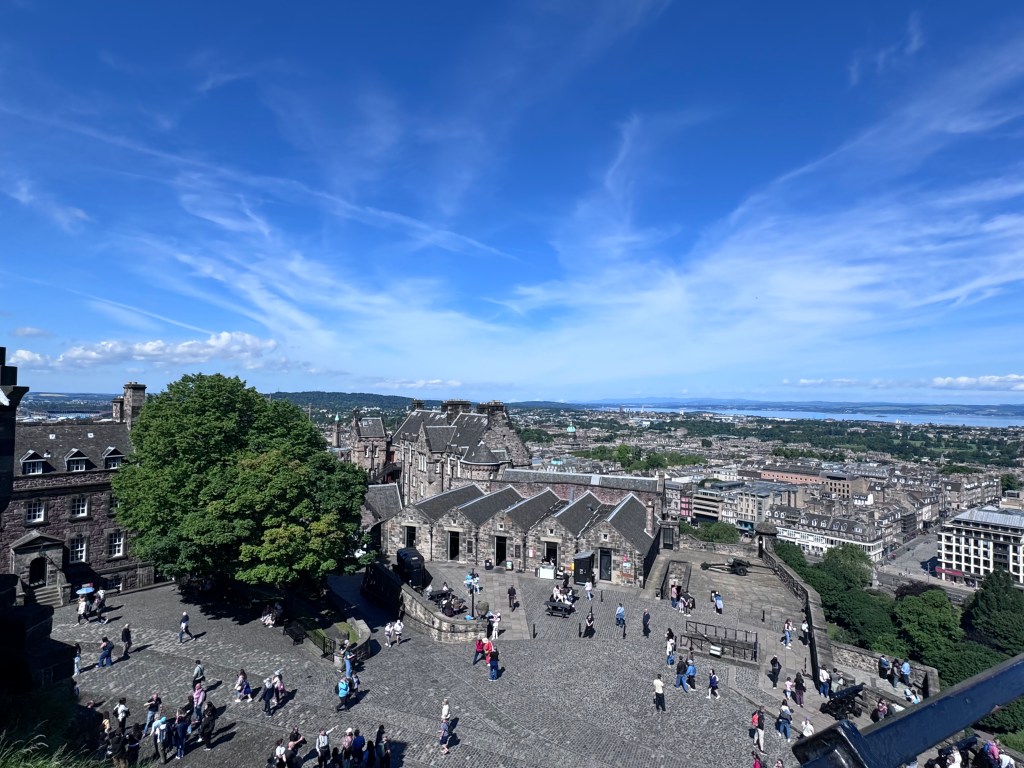
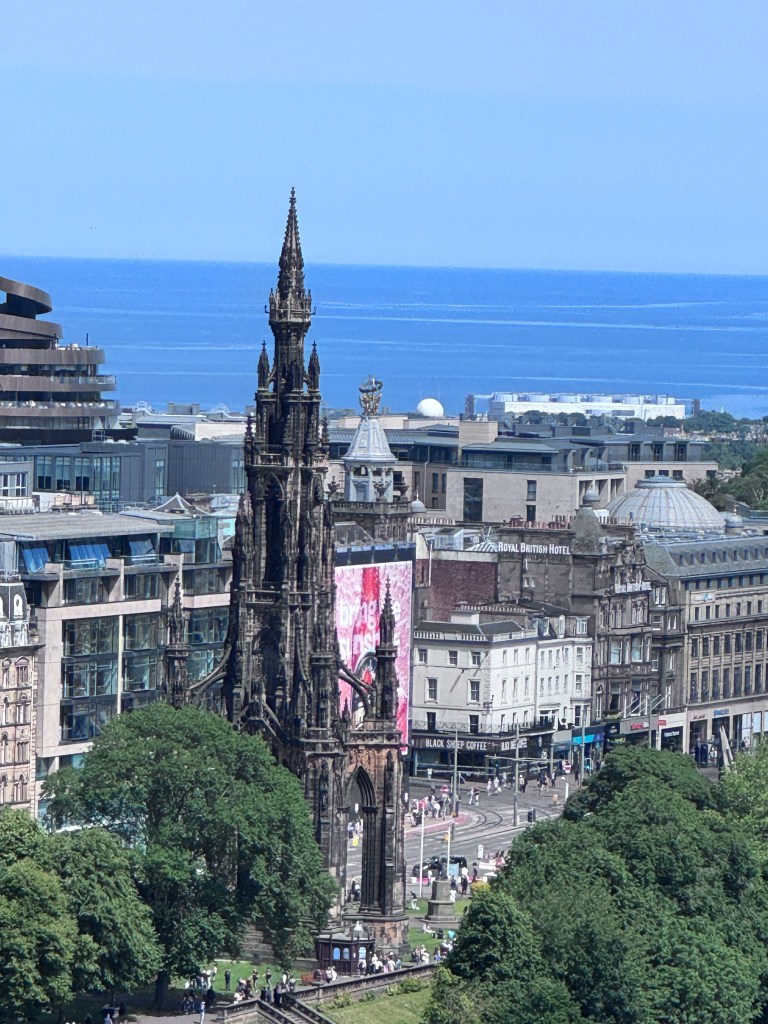
The castle itself is spread across four different levels, each filled with fascinating buildings, museums, monuments, and breathtaking viewpoints overlooking Edinburgh. Everywhere we turned there seemed to be another incredible view of the city below. The architecture and engineering of the fortress are simply remarkable.

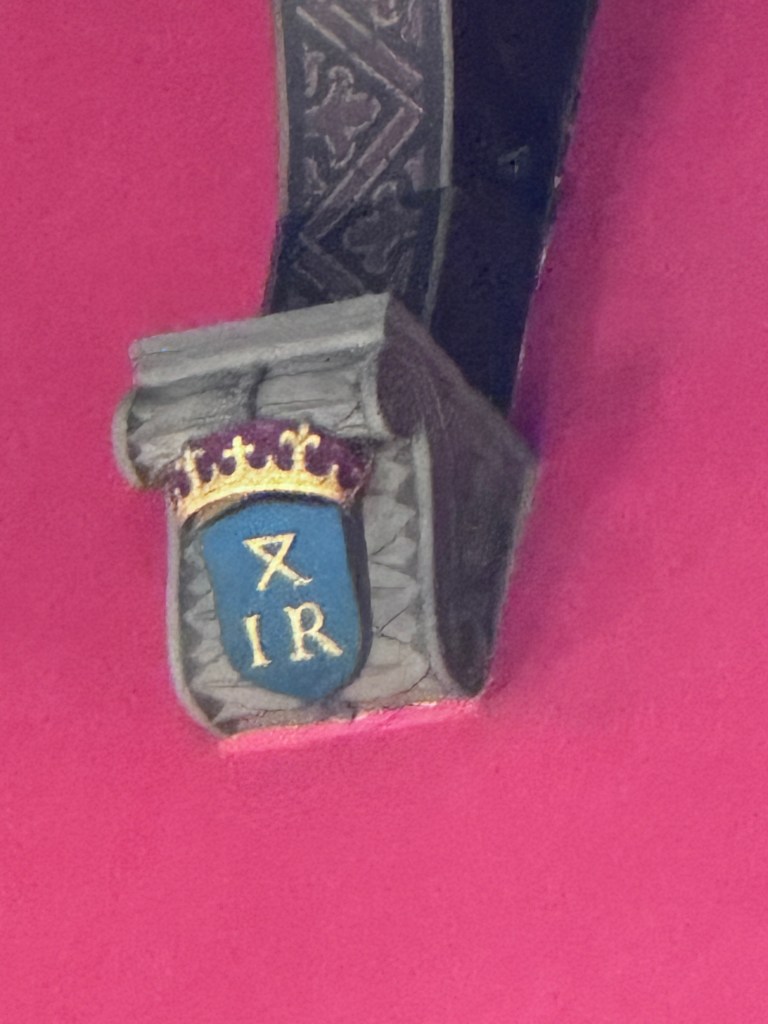
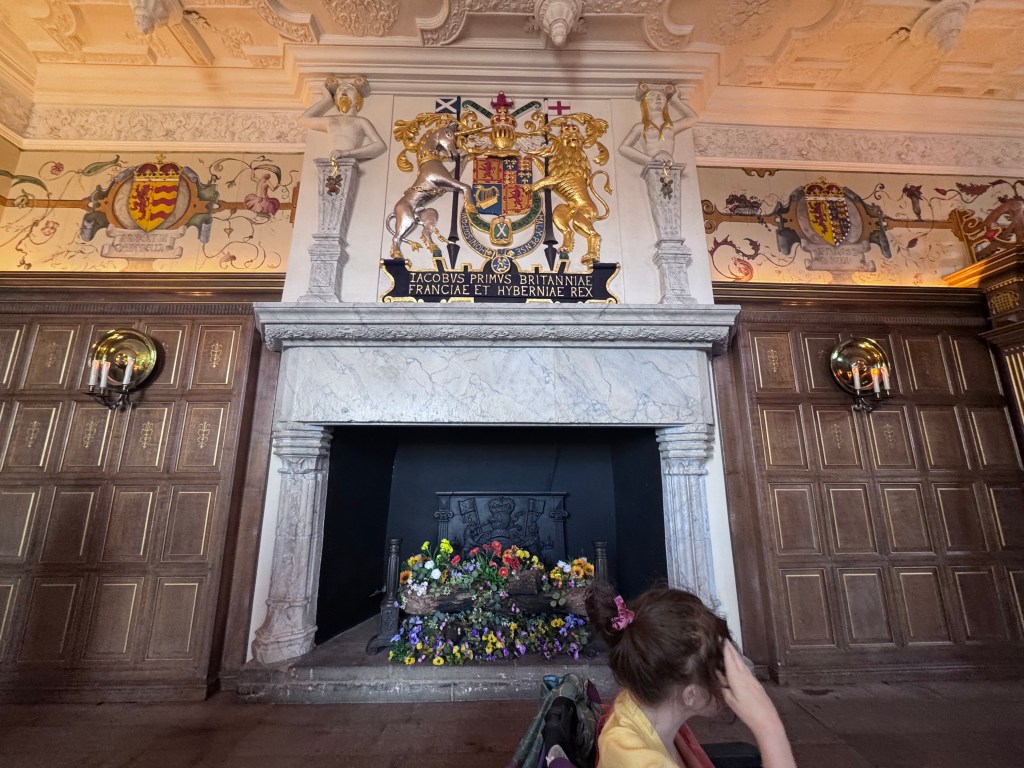
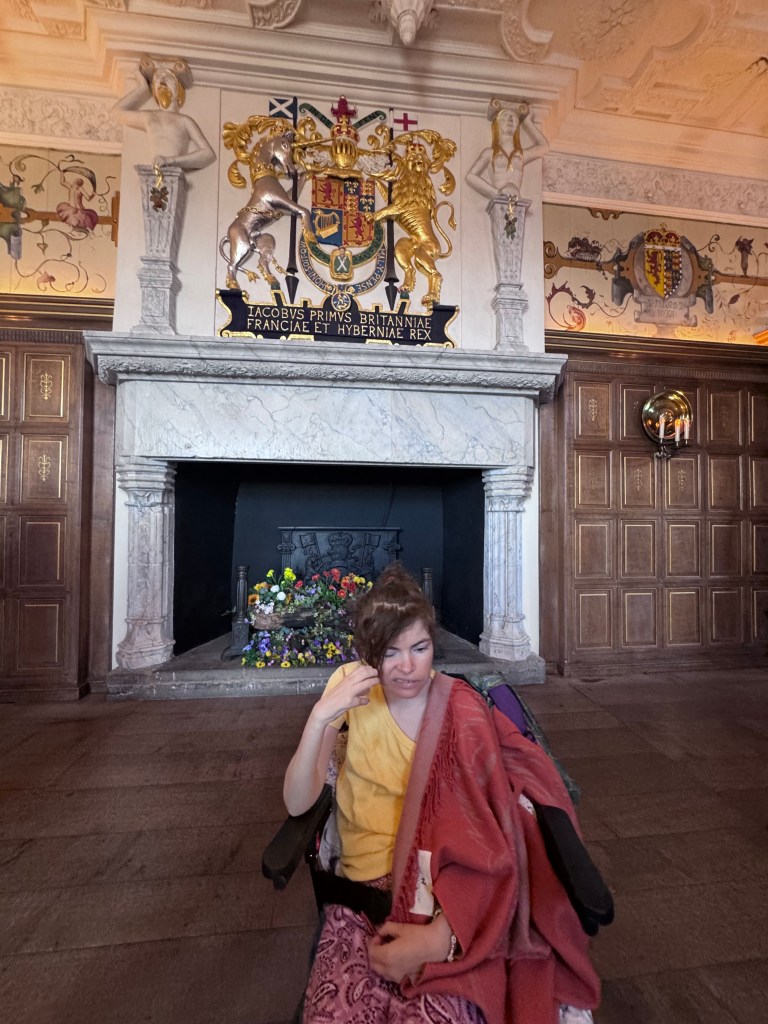
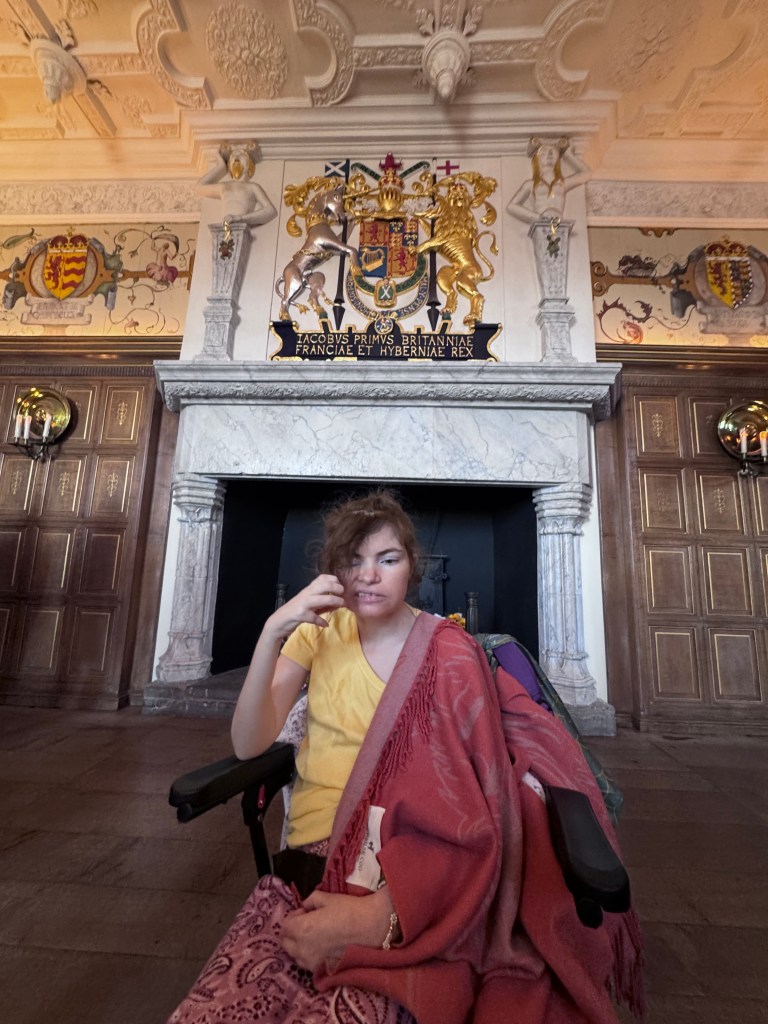
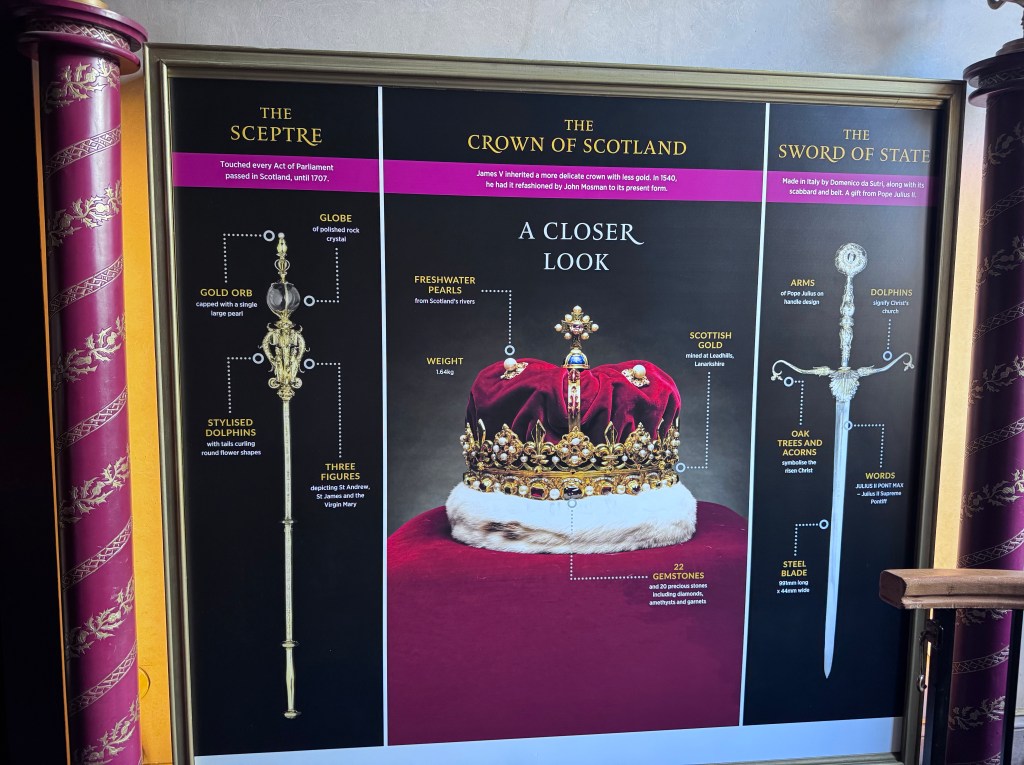
One place we absolutely wanted to visit was the Crown Room to see the Honours of Scotland—the Crown, Sceptre, and Sword of State. These are the oldest Crown Jewels in Britain and remain priceless symbols of Scotland’s history. The gold crown, adorned with precious gems, was created for King James V and first worn in 1540. Mary, Queen of Scots, became the first monarch to be crowned using both the crown and sceptre together in 1543. During Oliver Cromwell’s invasion, the Honours were secretly hidden to keep them from falling into enemy hands. After the 1707 Act of Union, they were locked away and forgotten until the famous author Sir Walter Scott rediscovered them in 1818.

There was an enormous line waiting to enter the Crown Room, but once again accessibility made all the difference. We were told to find a staff member wearing a black shirt and name tag. Because Kiya uses a wheelchair and could not navigate the stairs, they escorted us to an elevator that brought us directly behind the Crown Jewels exhibit. We were able to take our time, quietly admire the treasures without feeling rushed, and then they escorted us back down the lift.

No matter how many words I try to use, they simply don’t do justice to what we saw. The crown and sceptre were mind-blowingly beautiful—majestic, exquisite, and unlike anything I have ever seen. The brilliance of the jewels, the rich colors, and the incredible craftsmanship made them feel almost unreal. It was one of those moments that photographs simply cannot capture. I feel incredibly fortunate to have seen them in person.

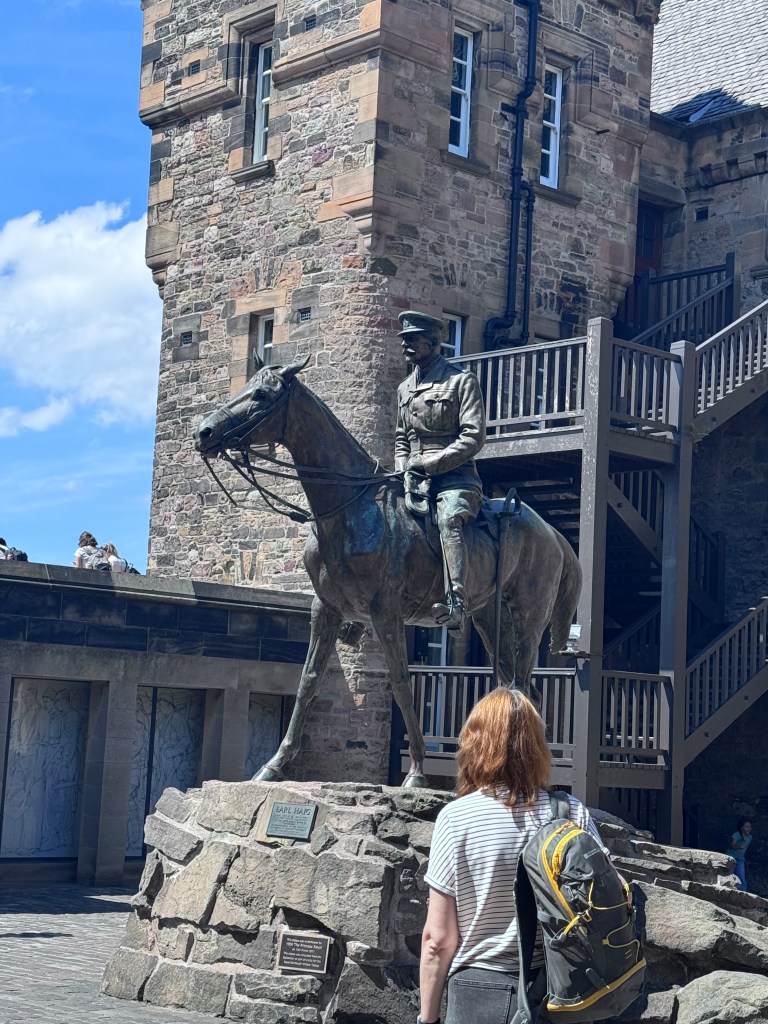
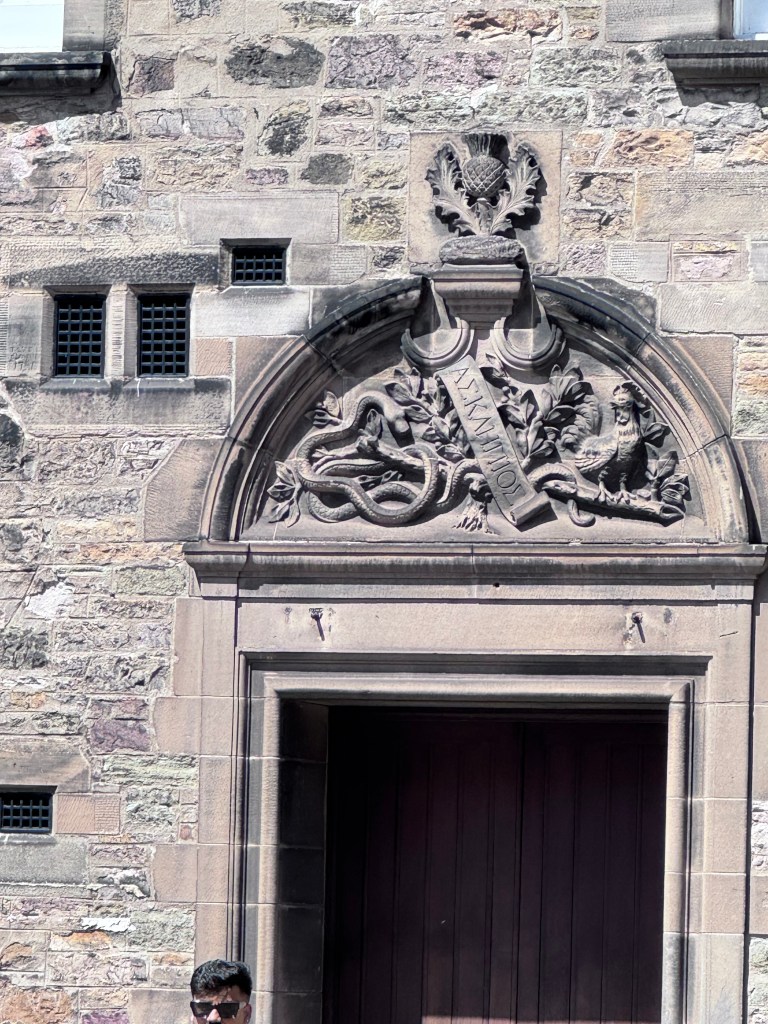
We continued wandering through the castle grounds, and Kiya had a wonderful day. We also visited the National War Museum of Scotland. It was filled with fascinating military history, although the close crowds inside made Kiya quickly decide she was ready to move on. Sometimes that’s just how traveling goes!

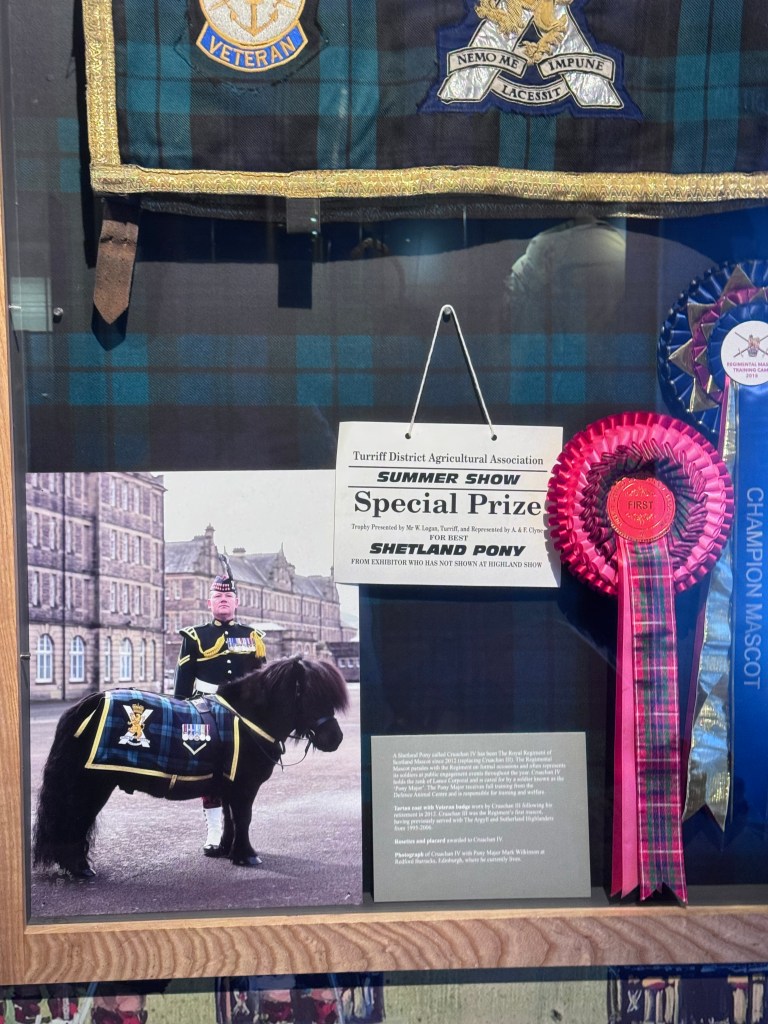
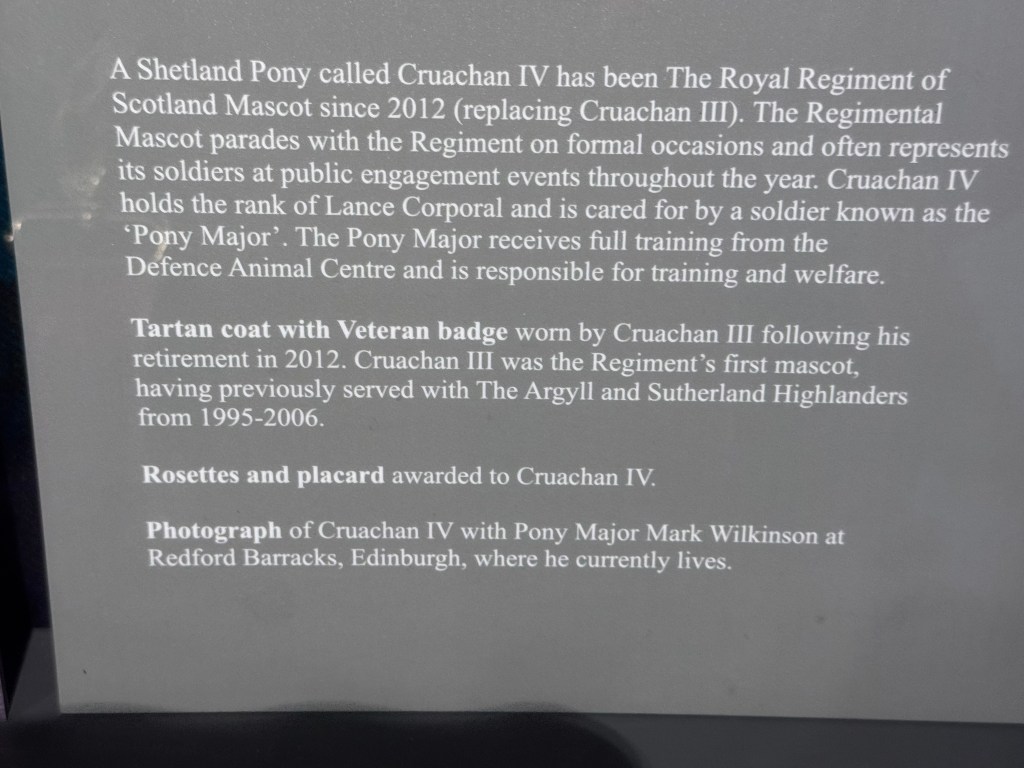
One fun surprise during my very quick walk through the museum was finding information about Sergeant Shetland, the miniature horse whose military service we had learned about while visiting Dundee. It was completely unexpected and made me smile to see another connection between our adventures across Scotland.

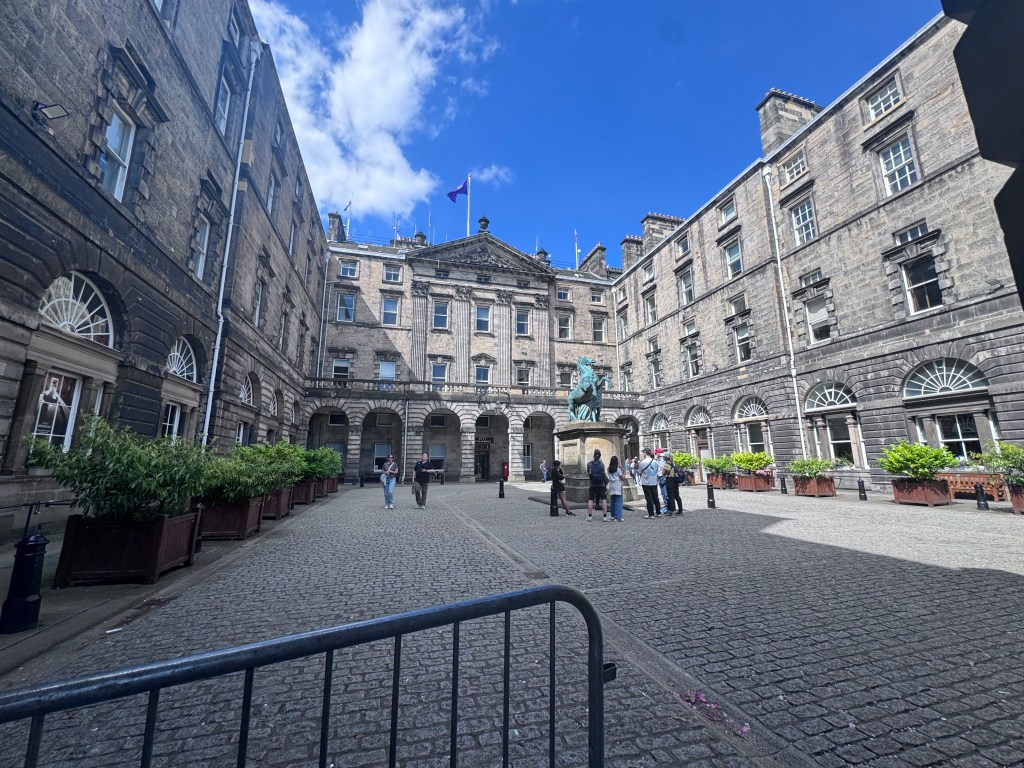
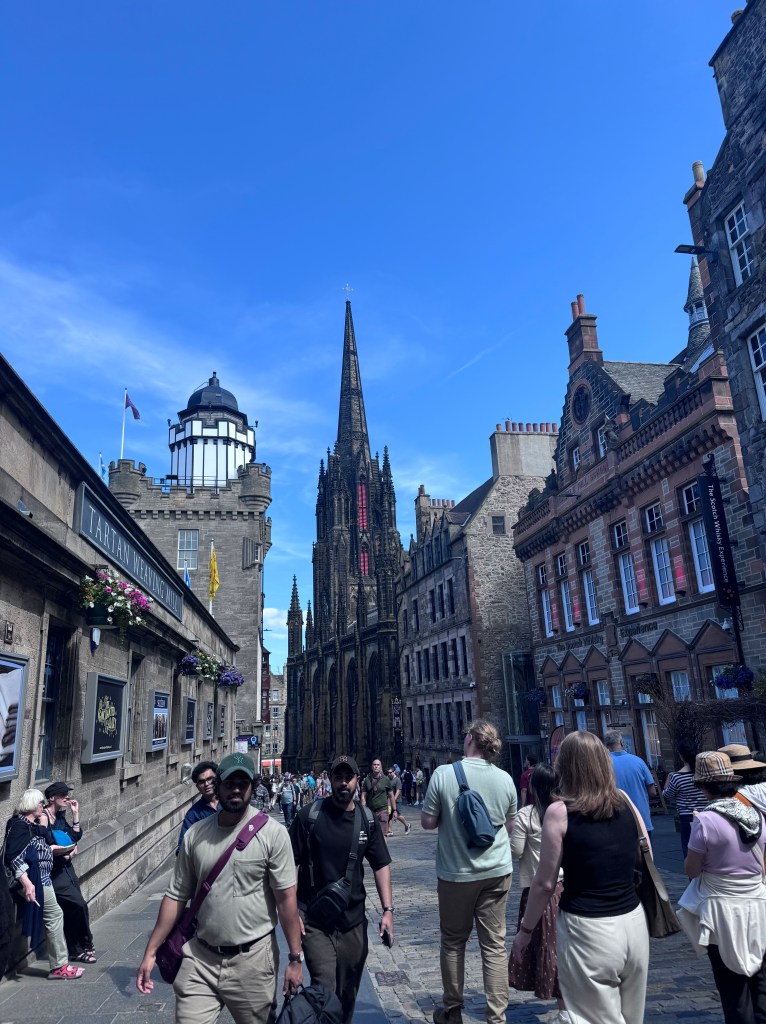
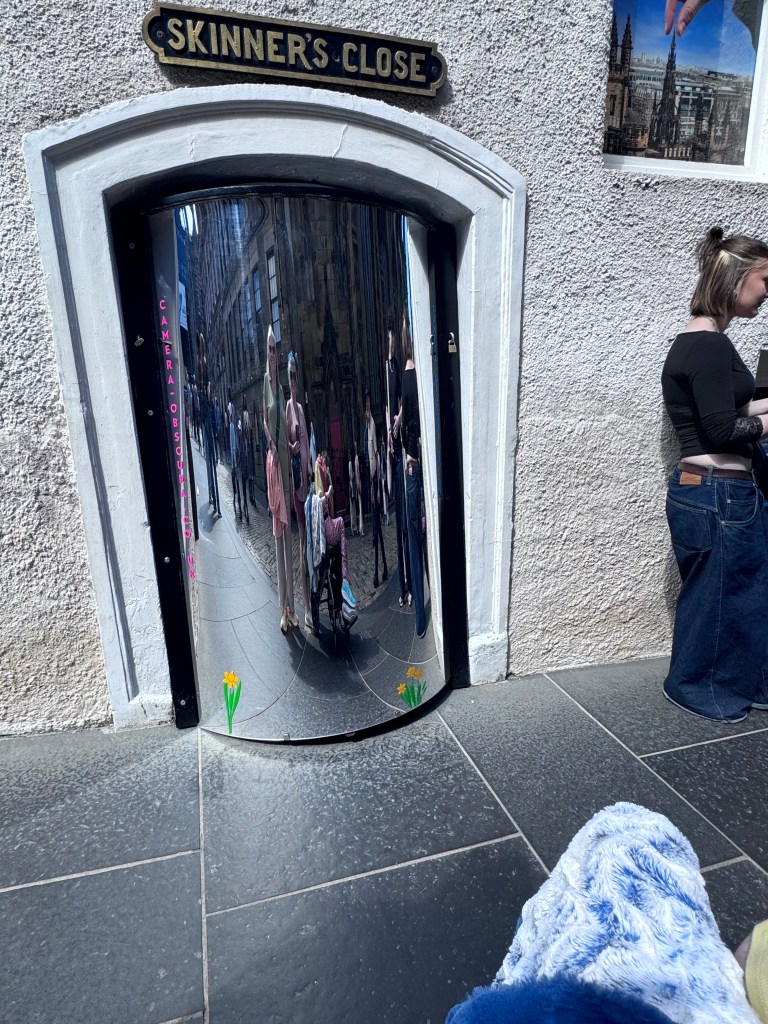
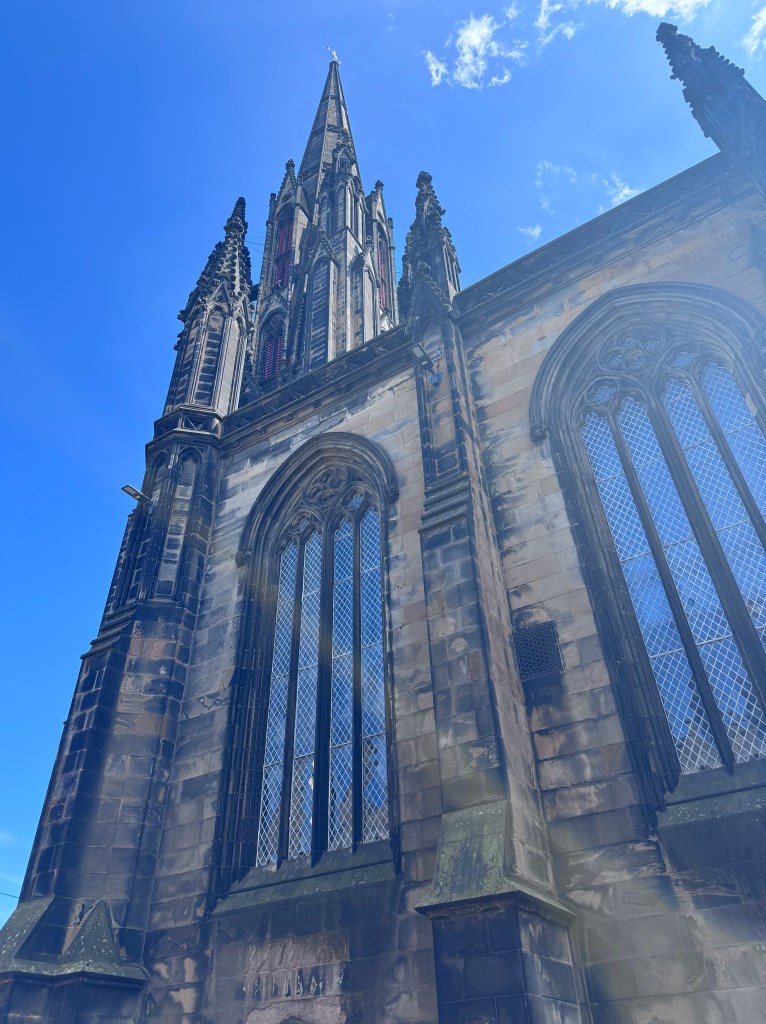
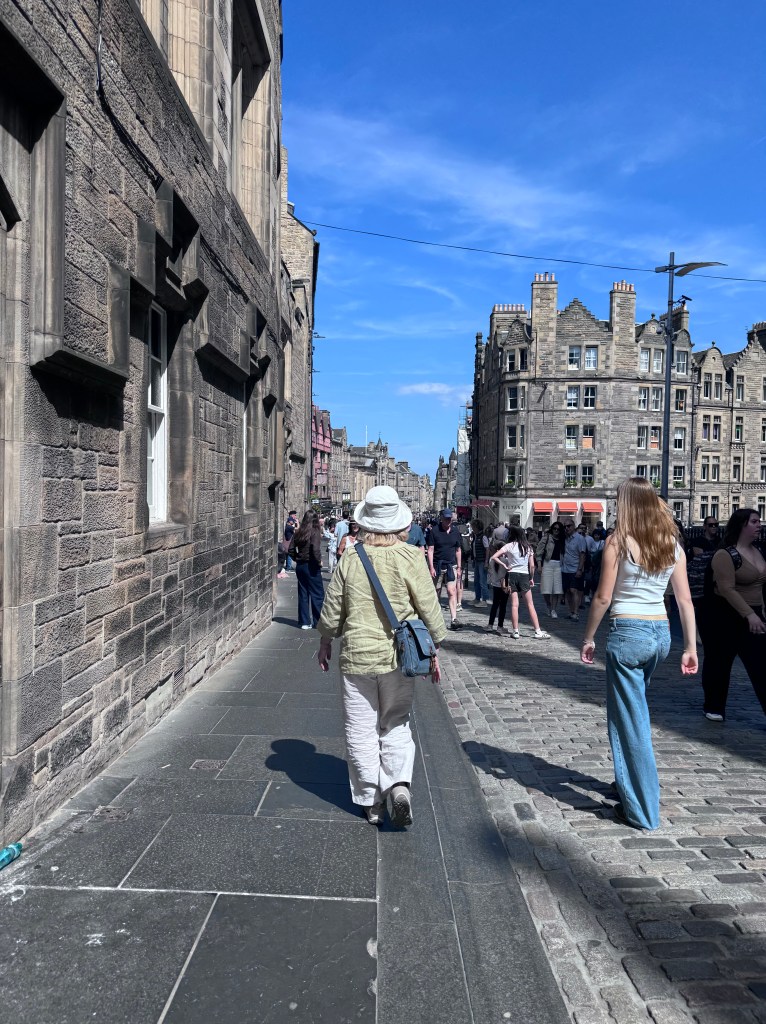
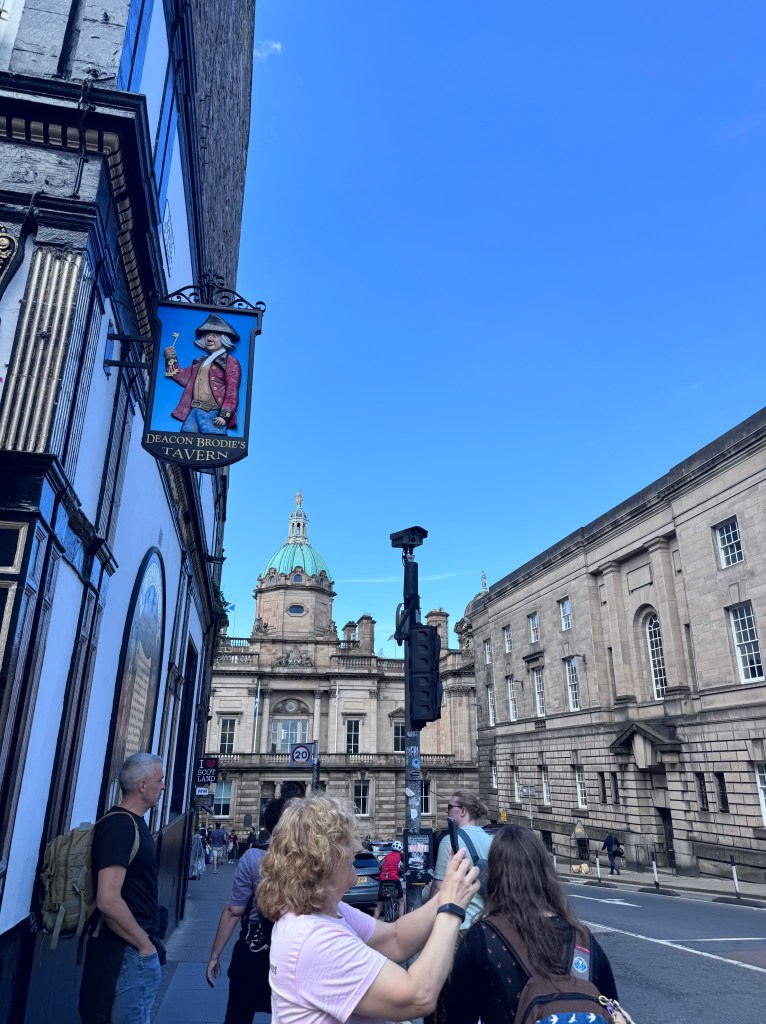
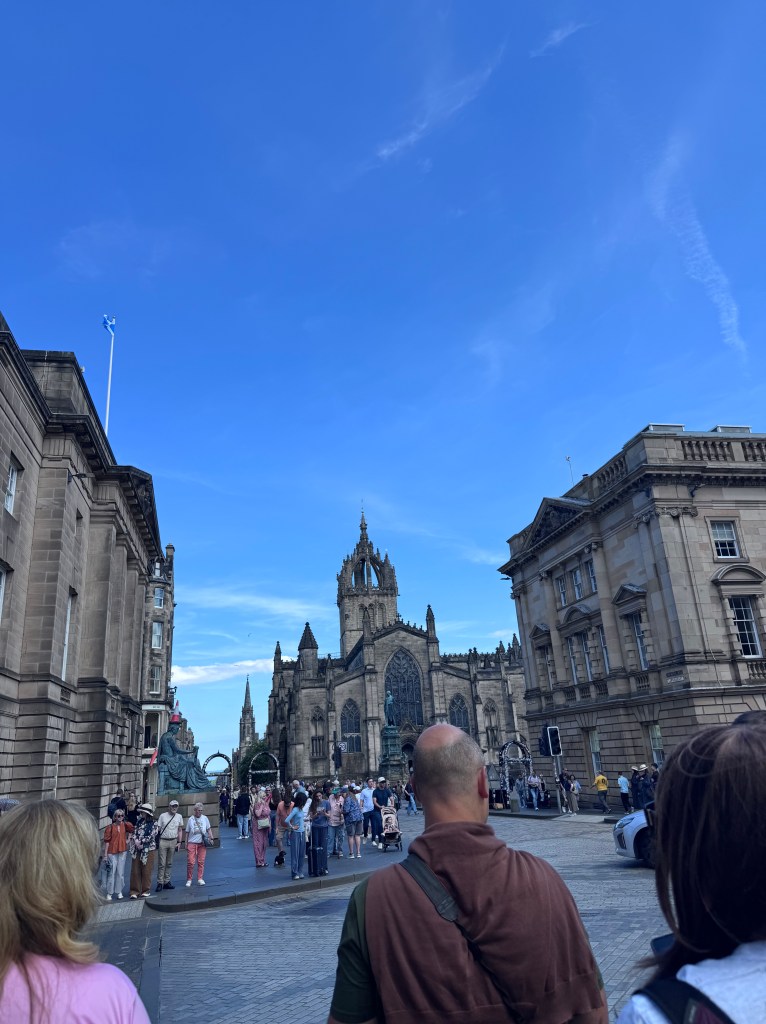
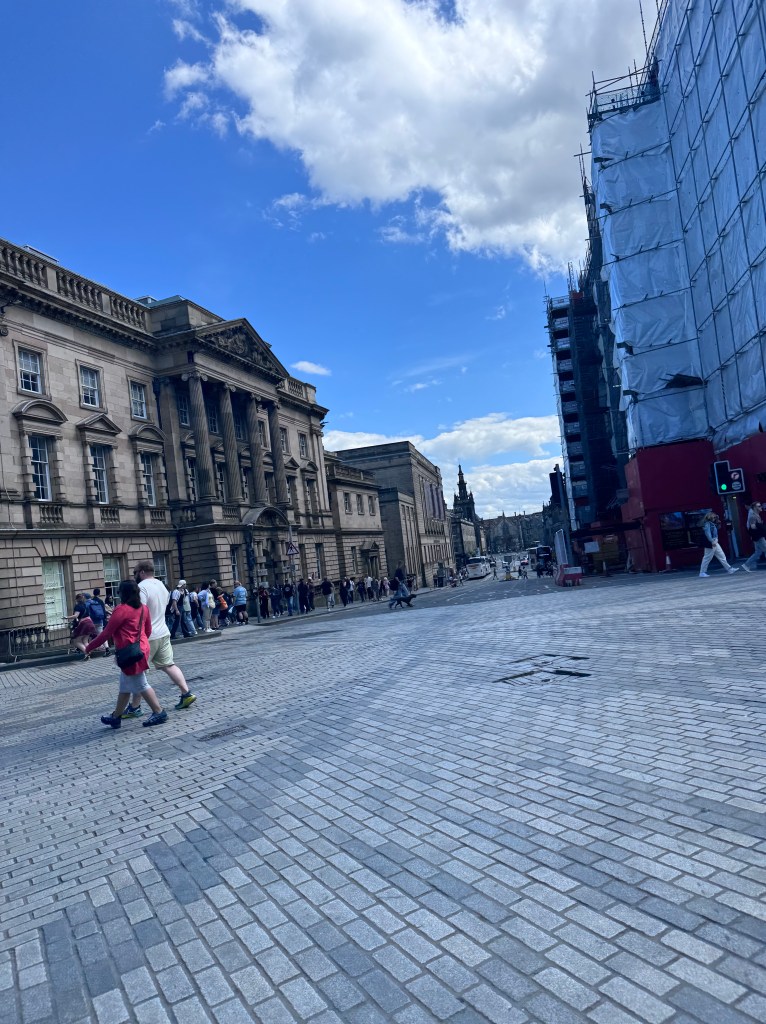
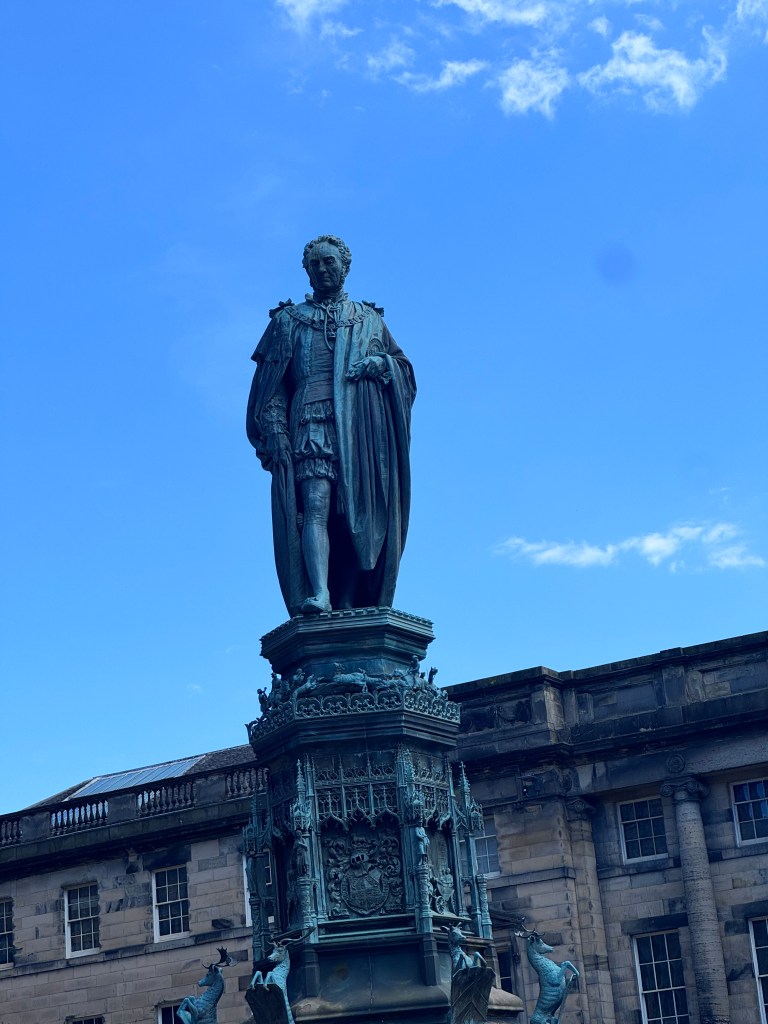
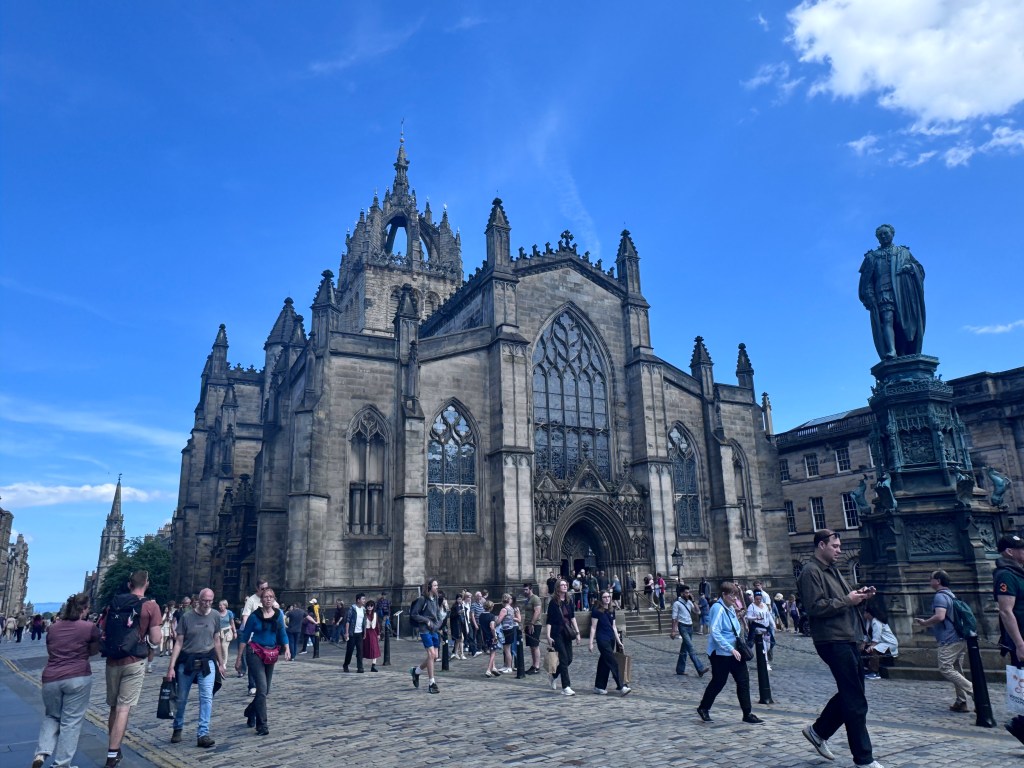
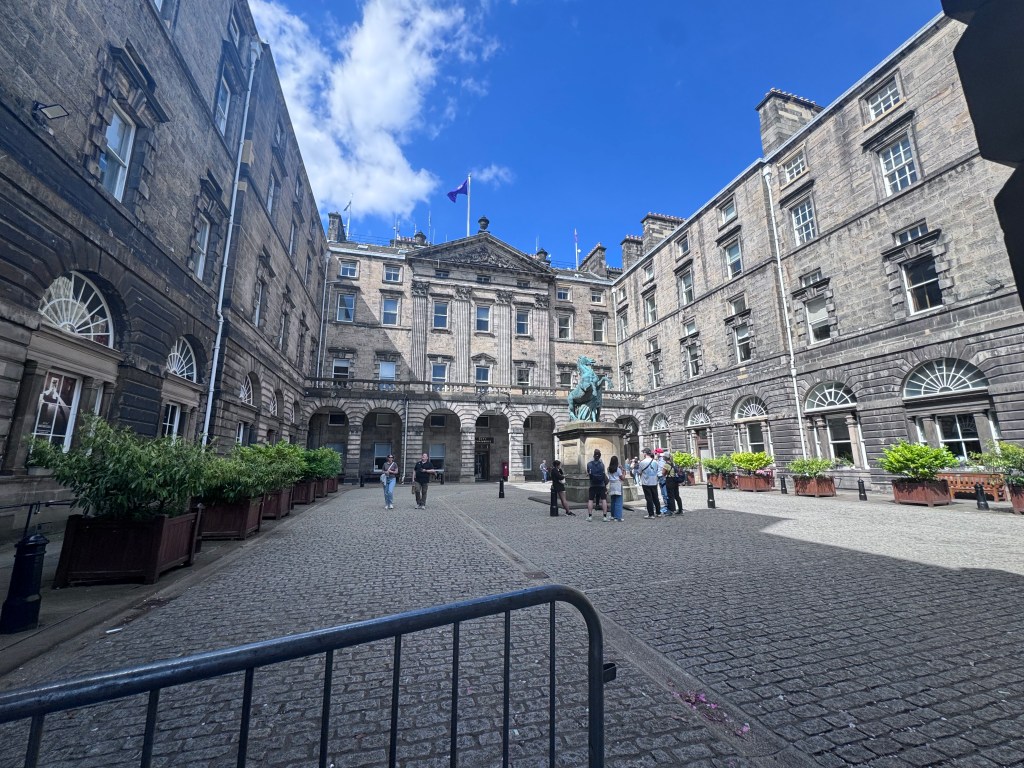
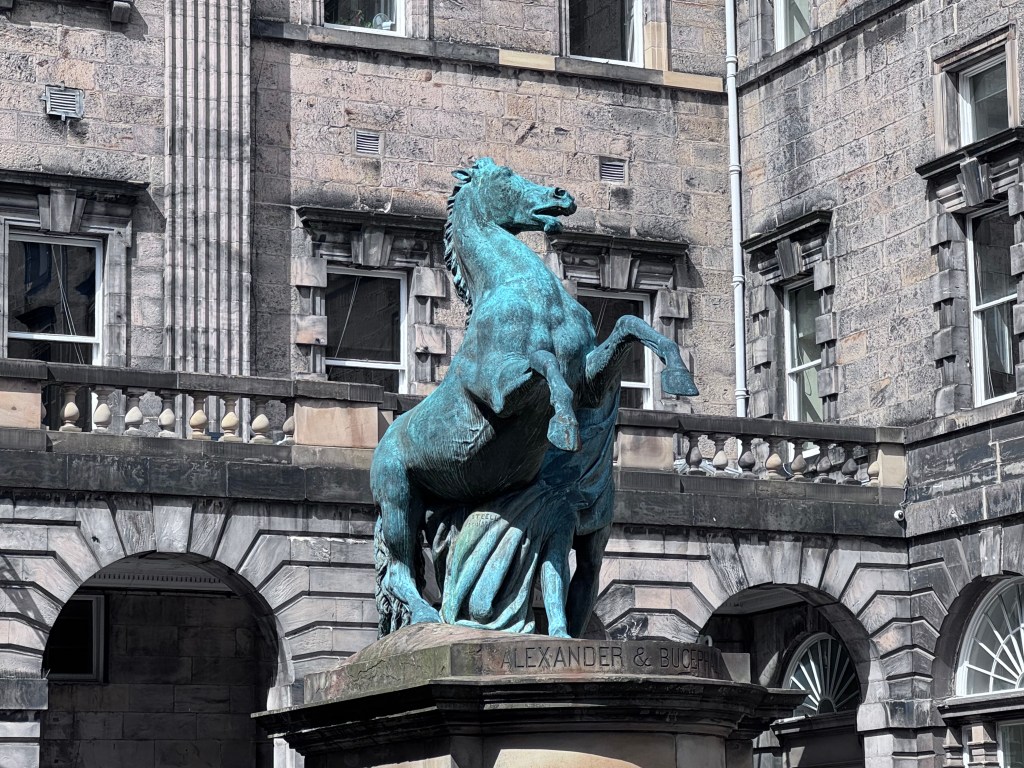
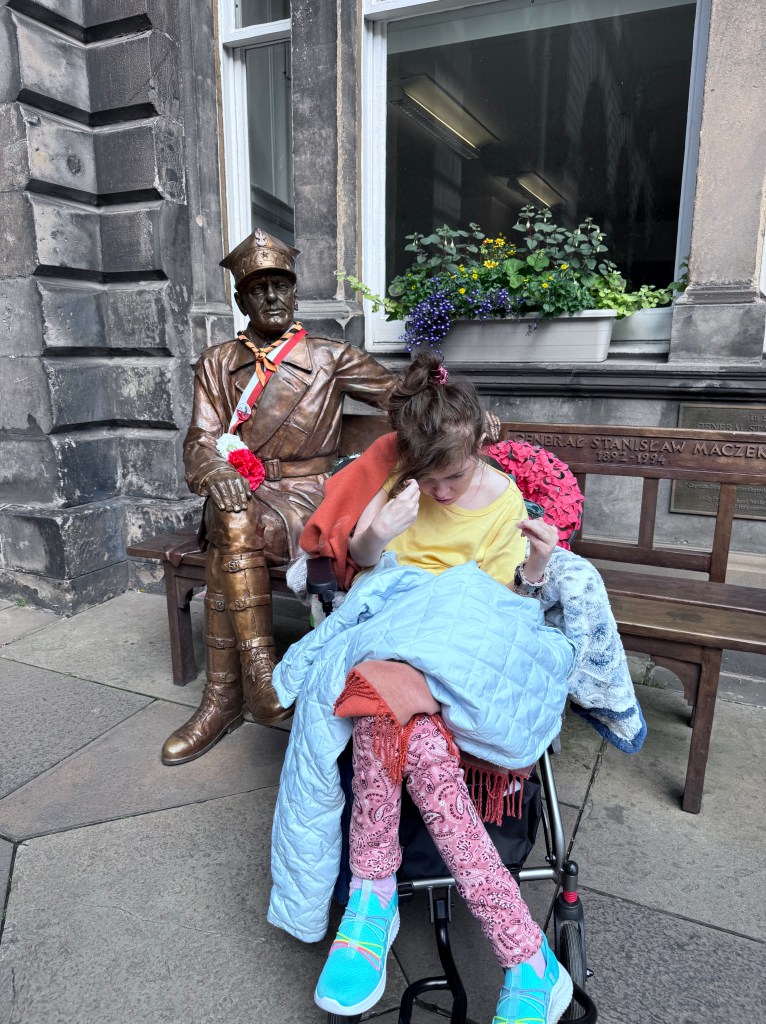
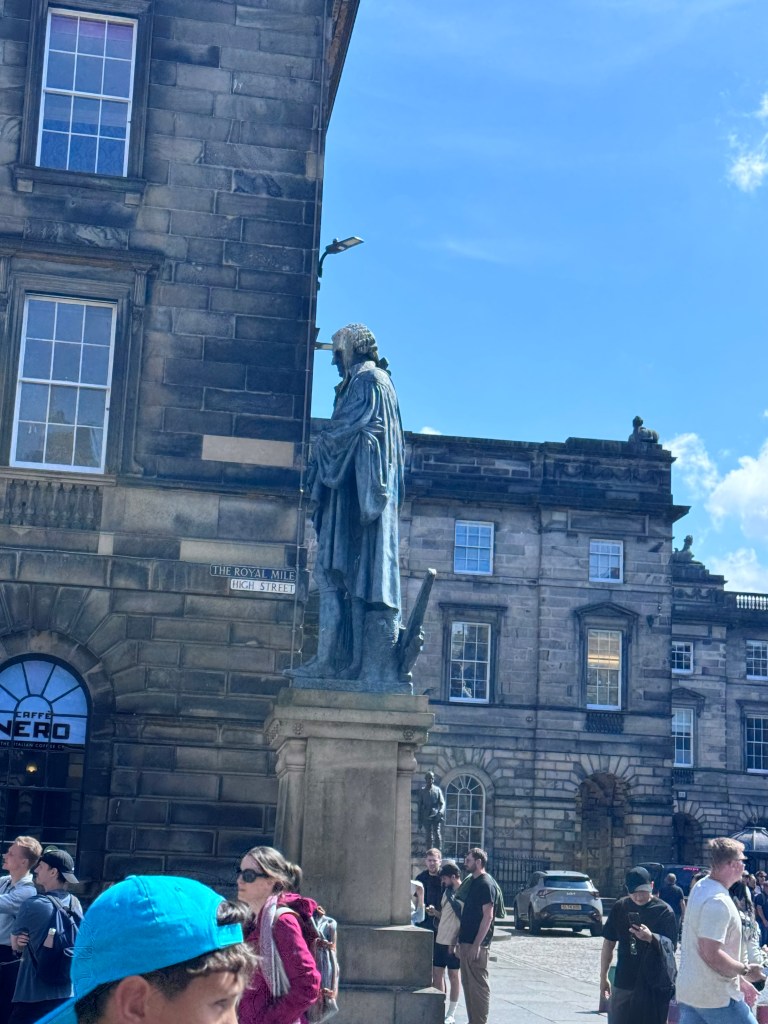
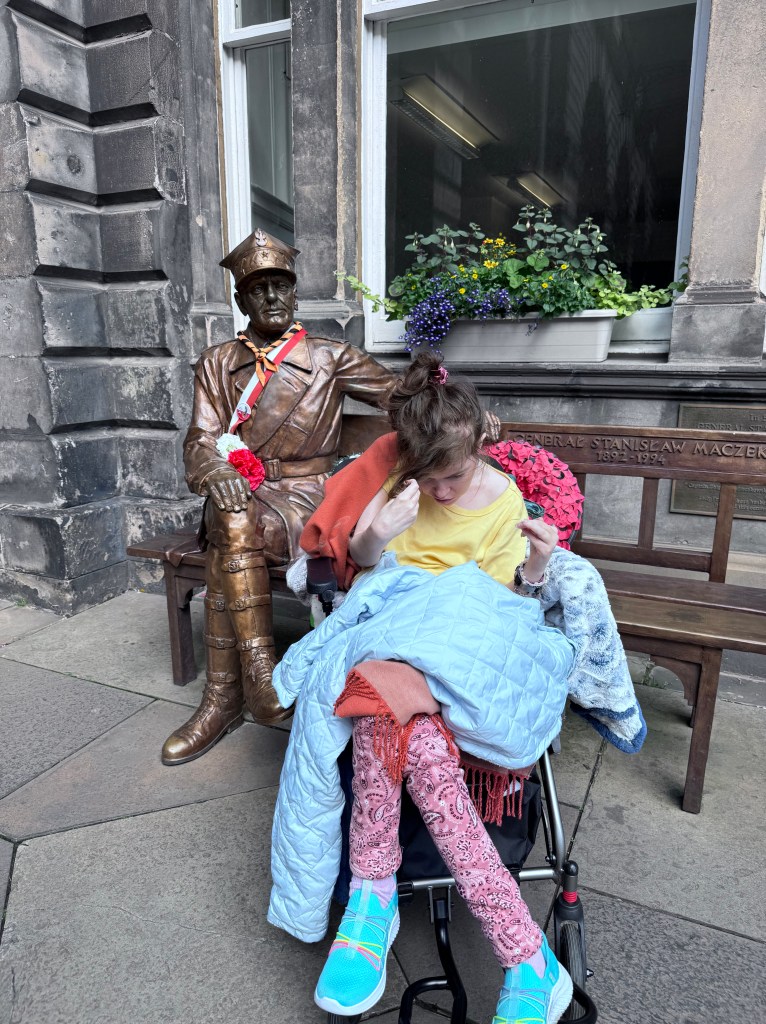
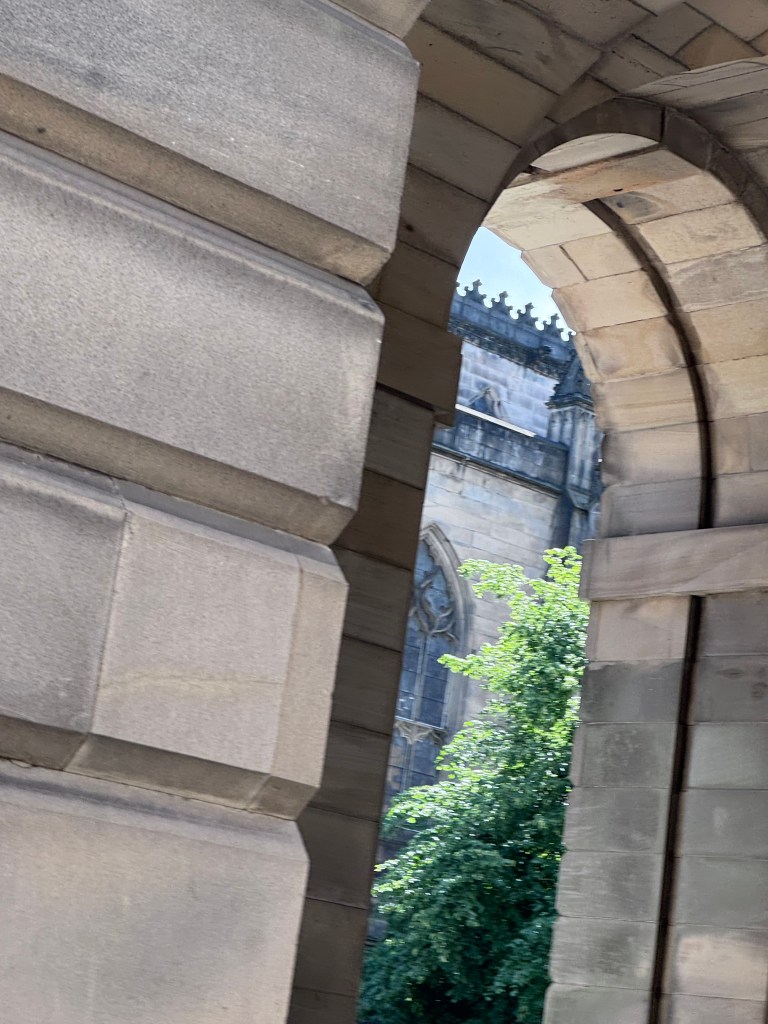
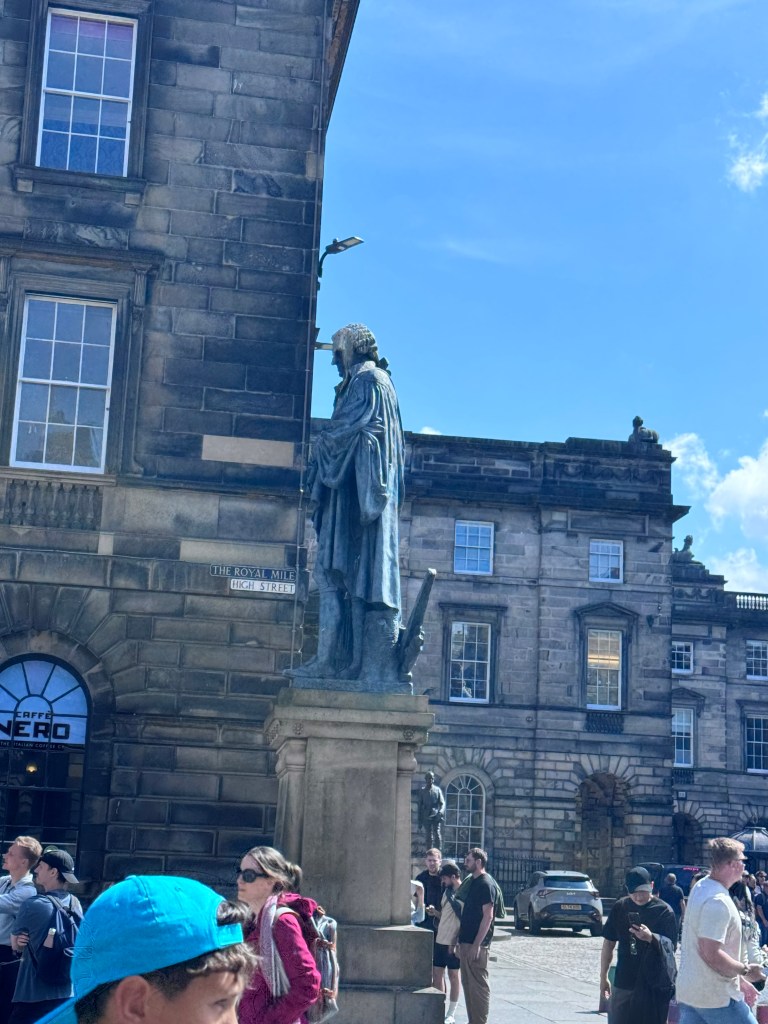
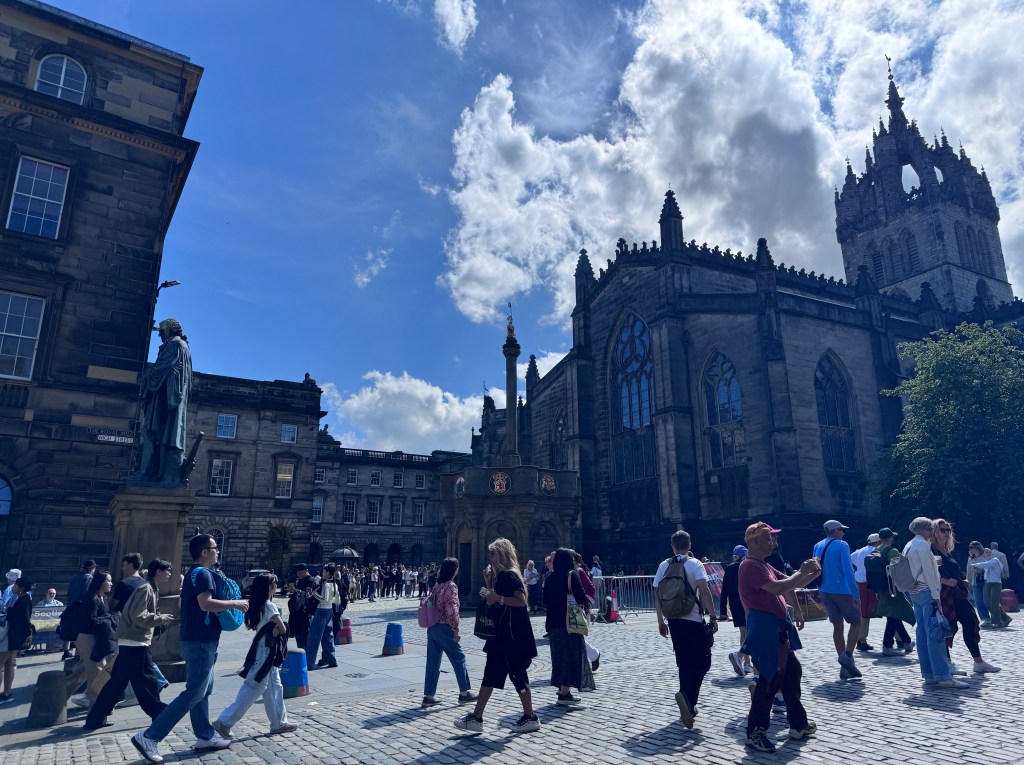
After several hours exploring the castle, we slowly made our way down the Royal Mile. The centuries-old buildings, statues, closes, and beautiful architecture lined every step. We wandered through several gift shops, soaking in the atmosphere before eventually making our way back to Waverley Station for the train ride home to Dundee.

Another day filled with history, breathtaking scenery, wonderful people, and memories that will stay with us forever.

Scotland, Castles, Kilts, and the Freedom of Dundee

This would make a wonderful blog post. Here’s a polished version that keeps your storytelling voice while improving flow and readability.

Title: Scotland, Castles, Kilts, and the Freedom of Dundee

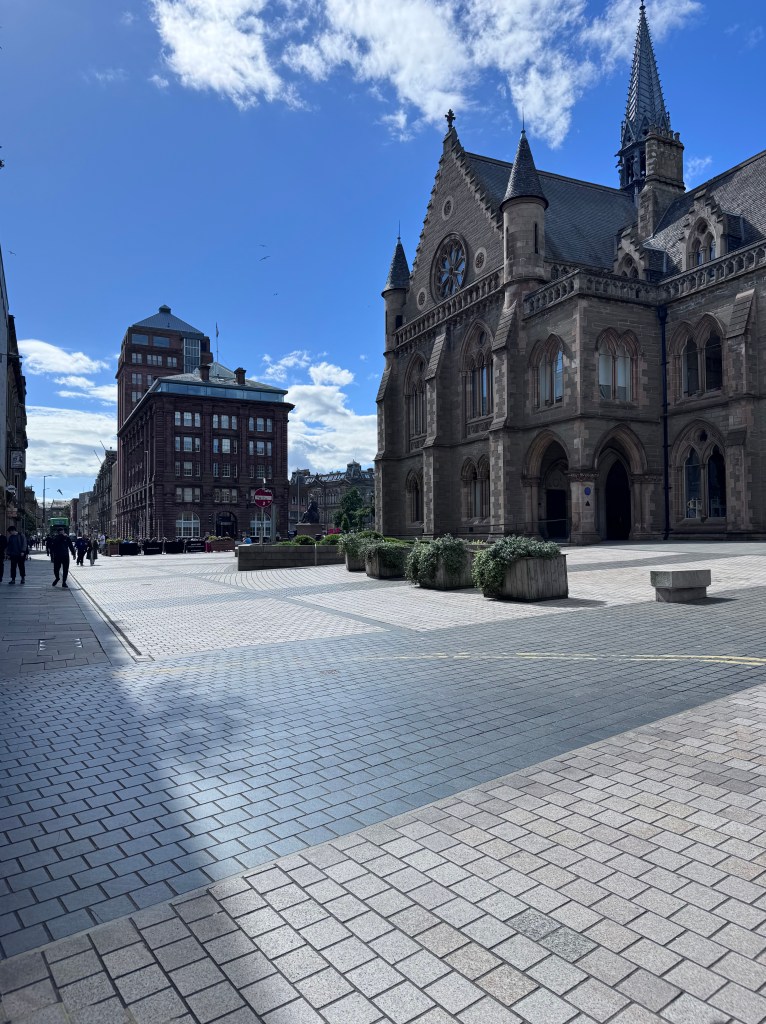
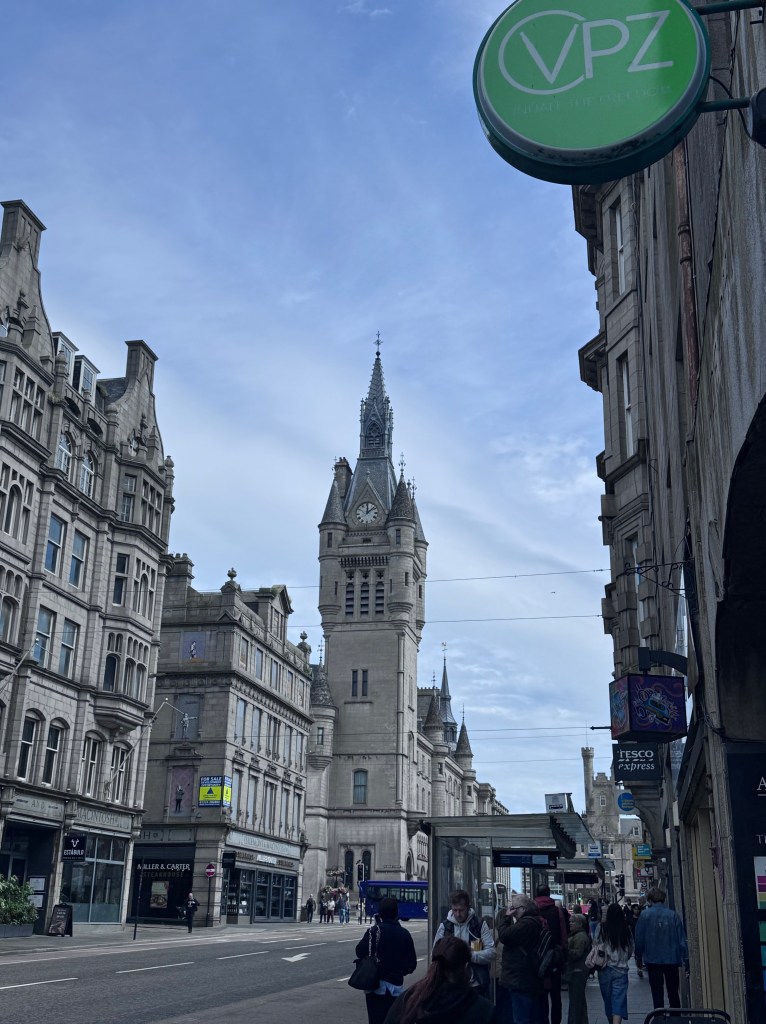
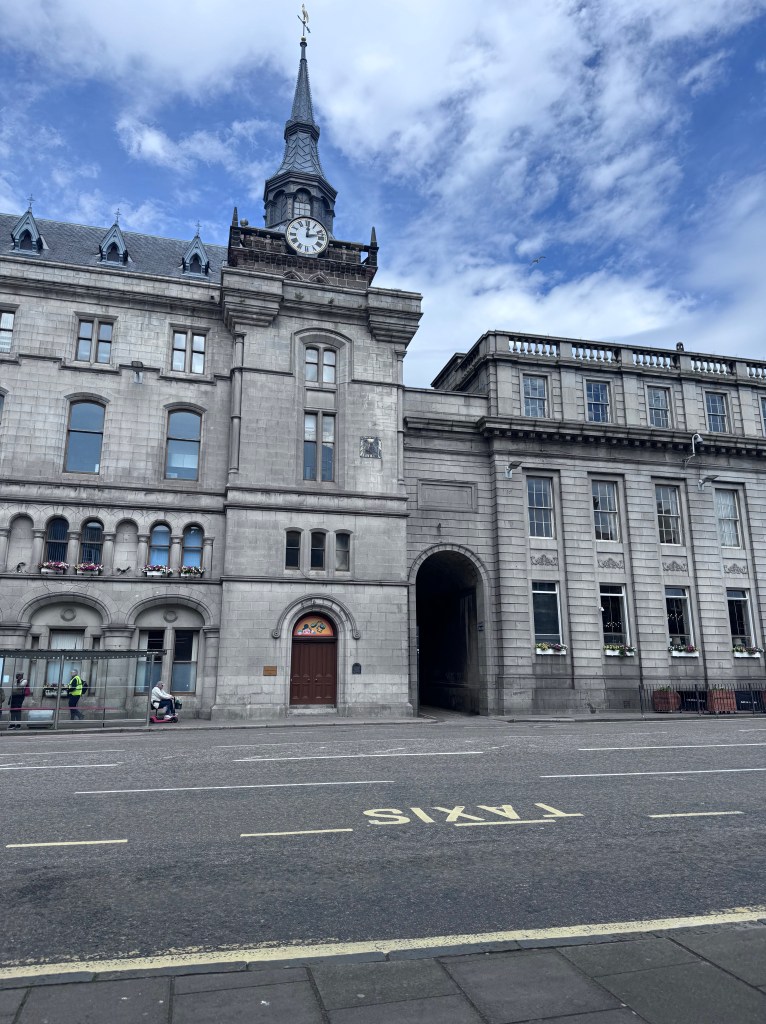
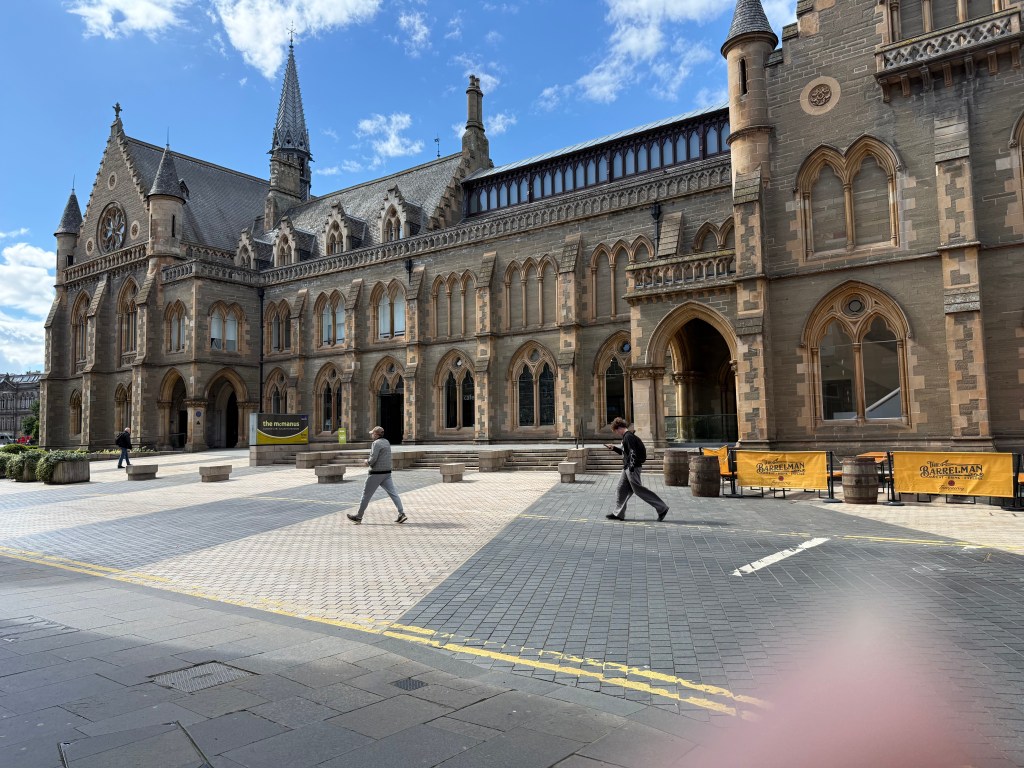
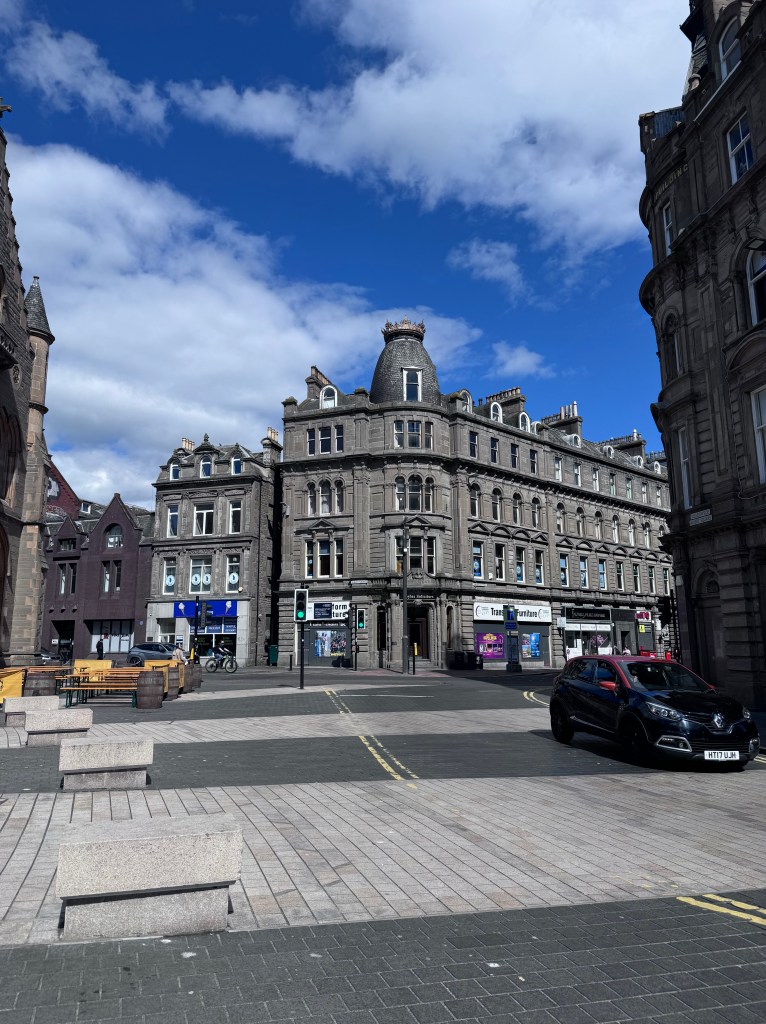
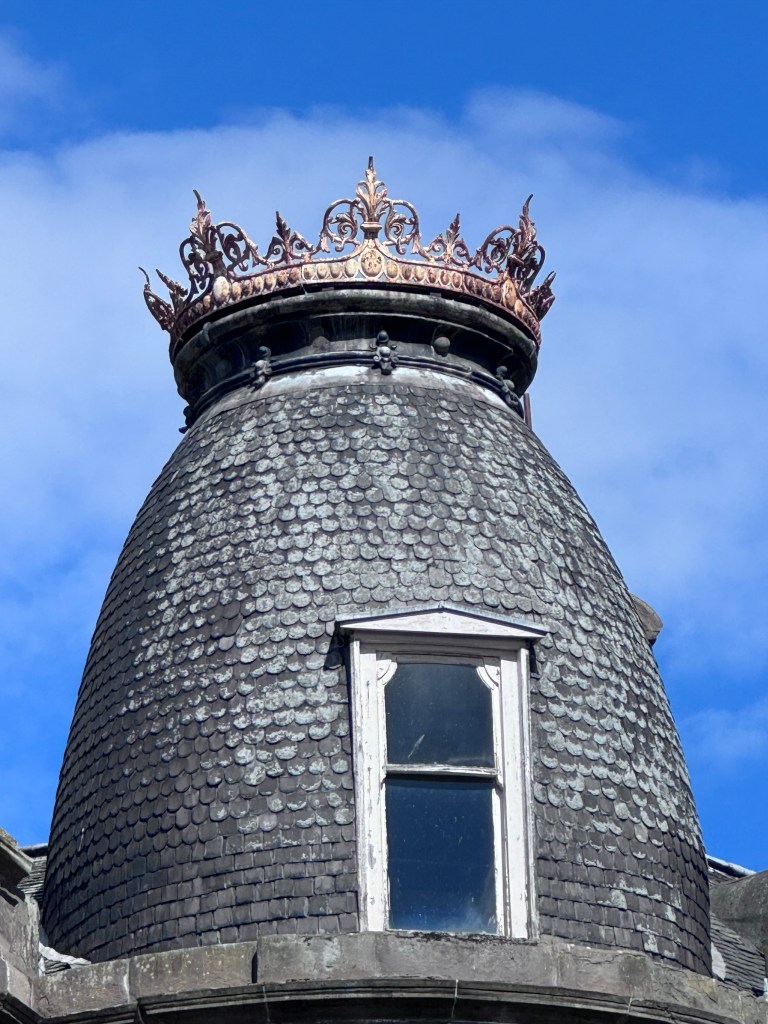
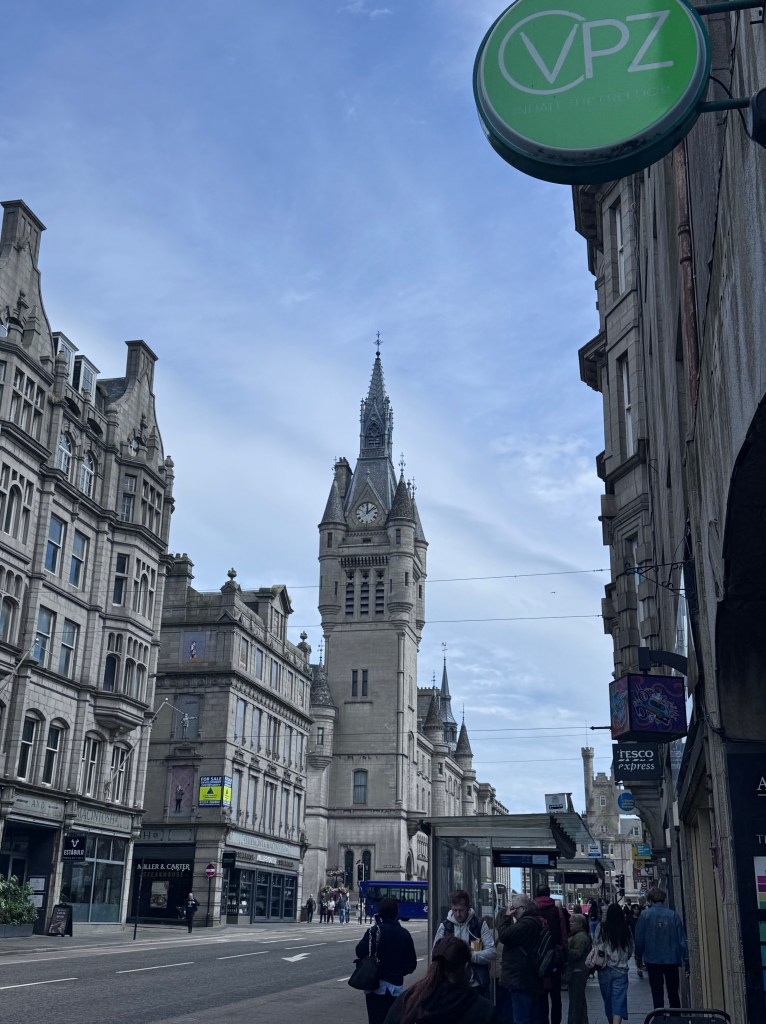
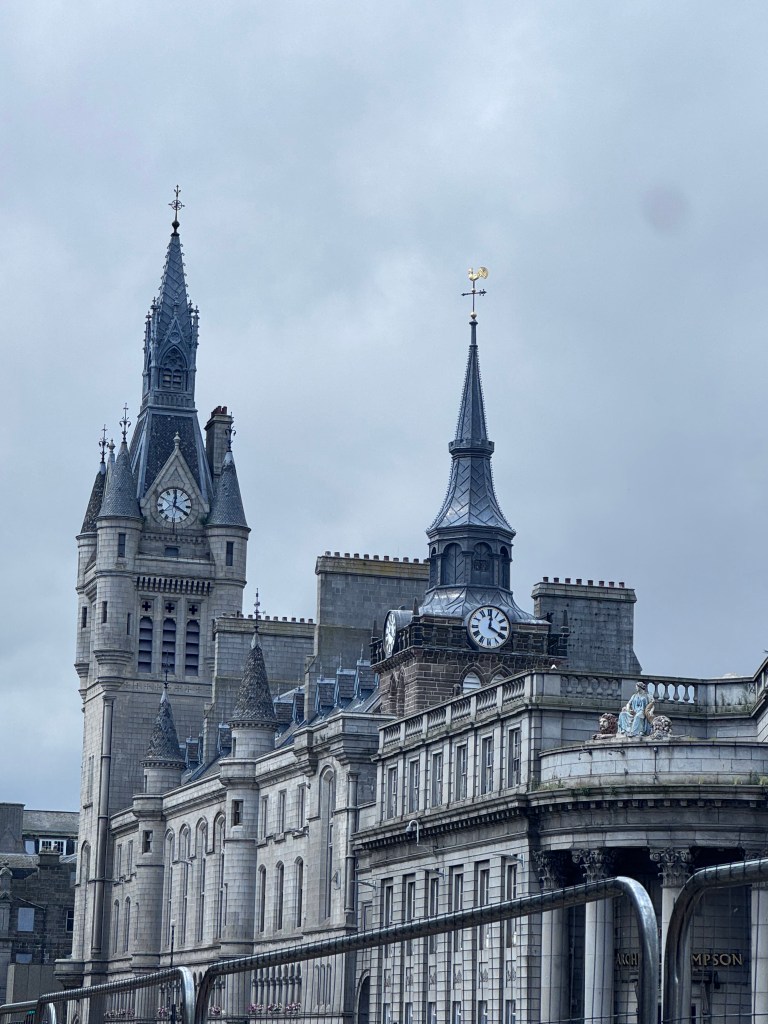
Scotland has been amazing. We have spent our time exploring Dundee, Aberdeen, and the beautiful countryside that connects them. The buildings are absolutely stunning. If you continue following our journey, you are probably going to hear me say that over and over again. I love the architecture here—the stone buildings, castles, churches, and centuries of history around every corner.

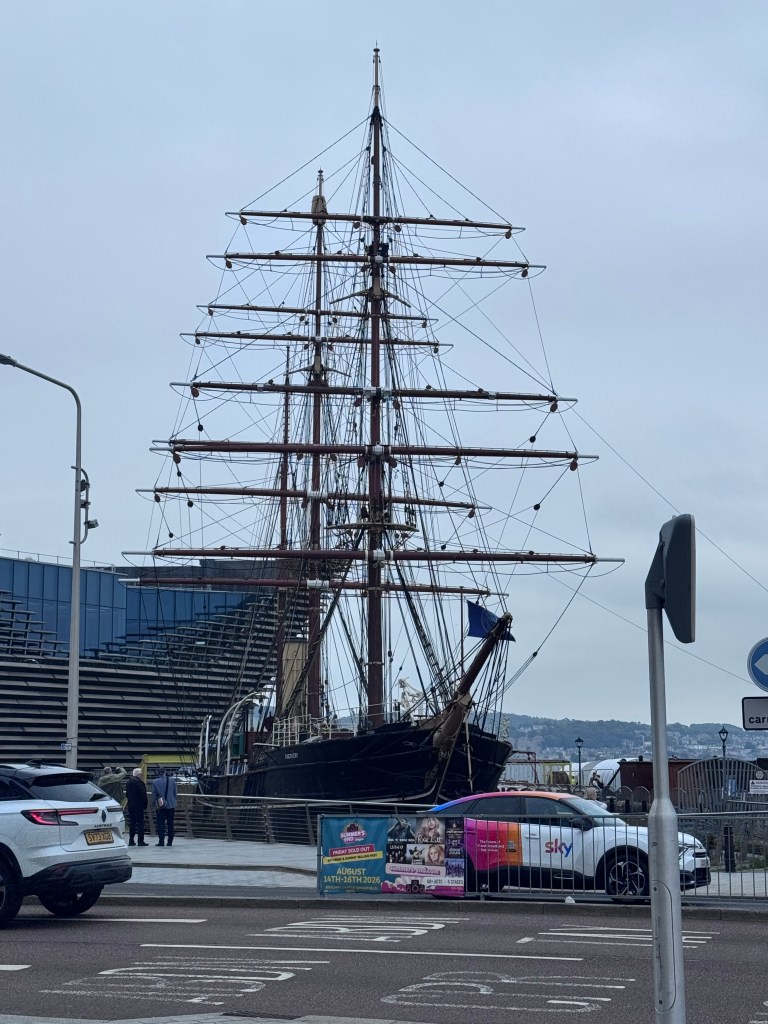
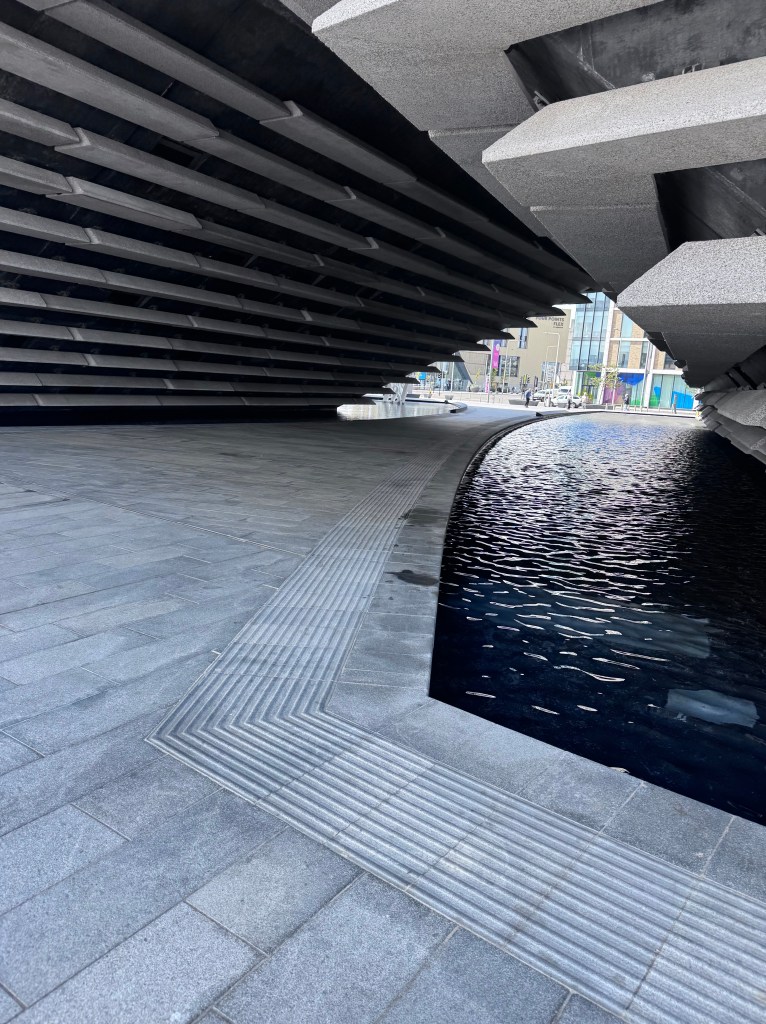
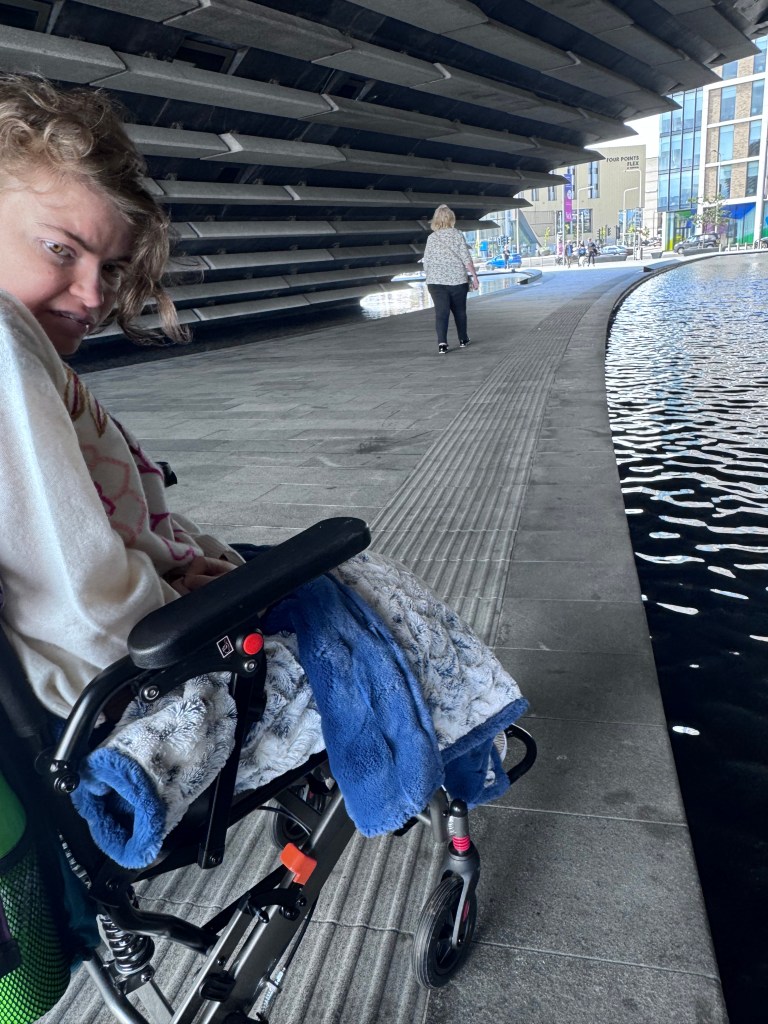
Dundee has been a wonderful base for our adventures. The city center is just down the hill from where we are staying, although I should mention that it is quite a steep hill! The taxis have been easy to use, and several have wheelchair-accessible vehicles. Sometimes Kiya rides secured in her chair, and other times she sits beside us. The train system has been fantastic. ScotRail provides ramps, and the staff have been incredibly helpful. One thing we have noticed is that we do not see many people with disabilities out and about compared to what we are used to at home. We have especially enjoyed watching the Scottish countryside roll by from the train windows. I will post more picture below.

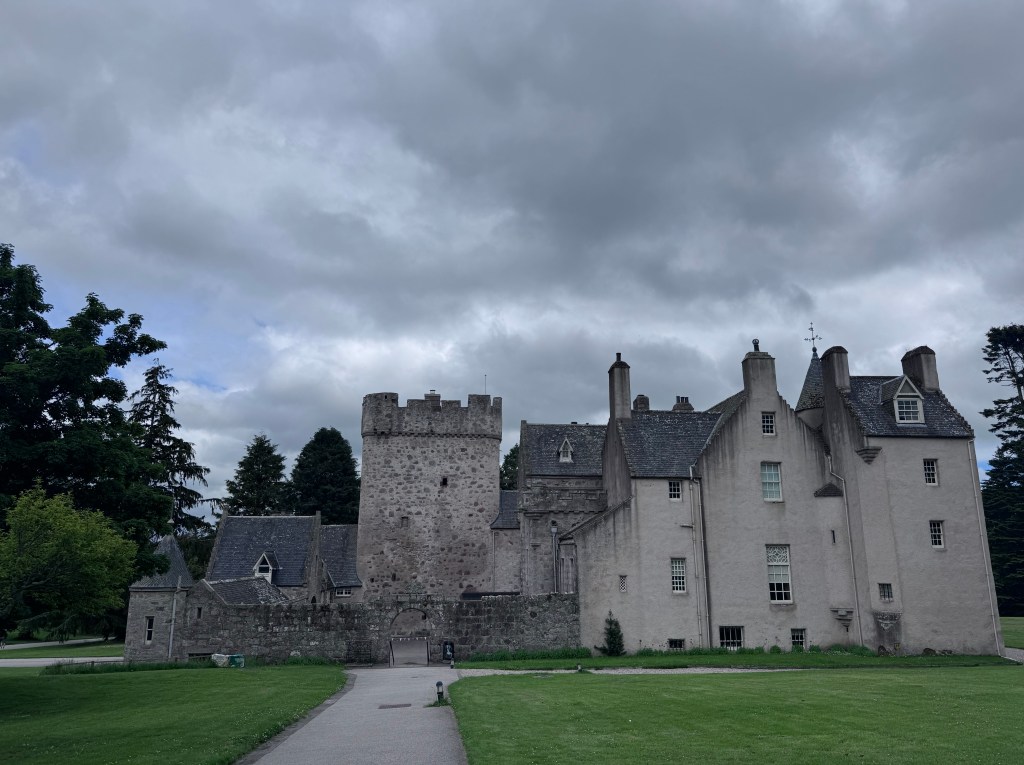
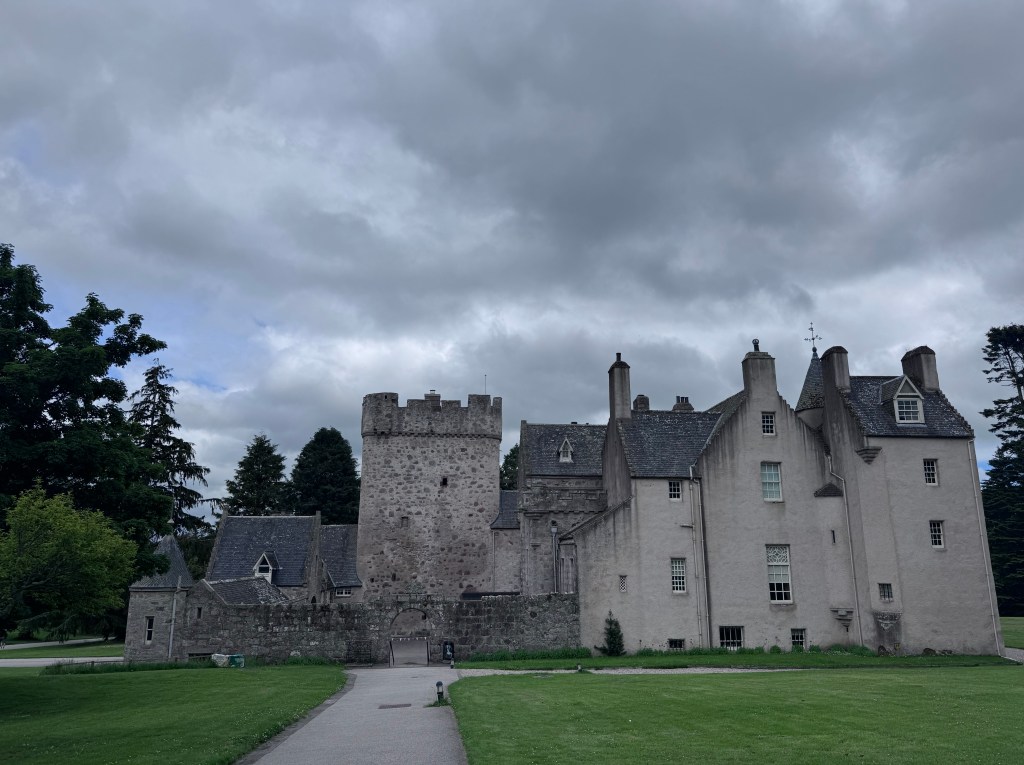
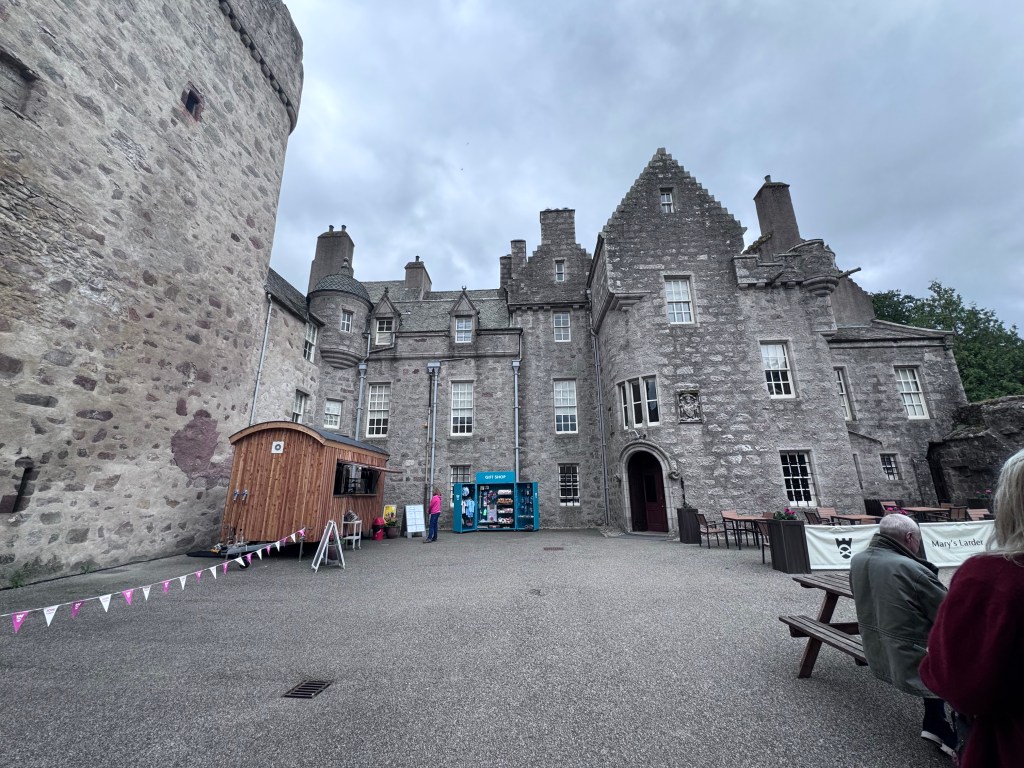
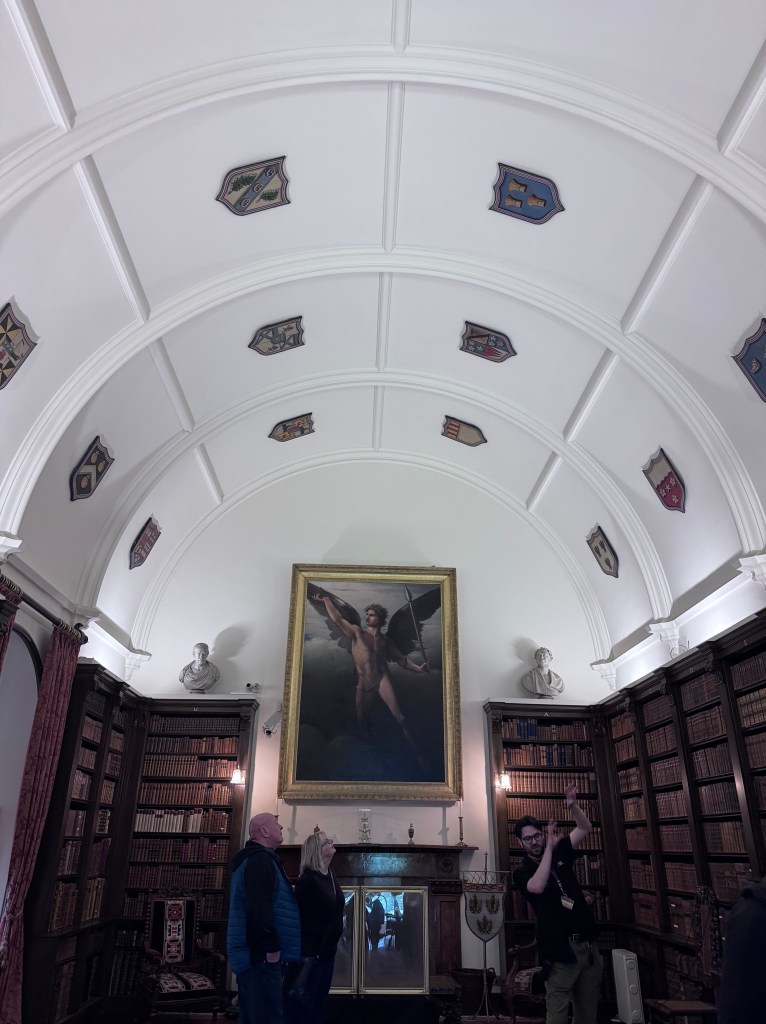
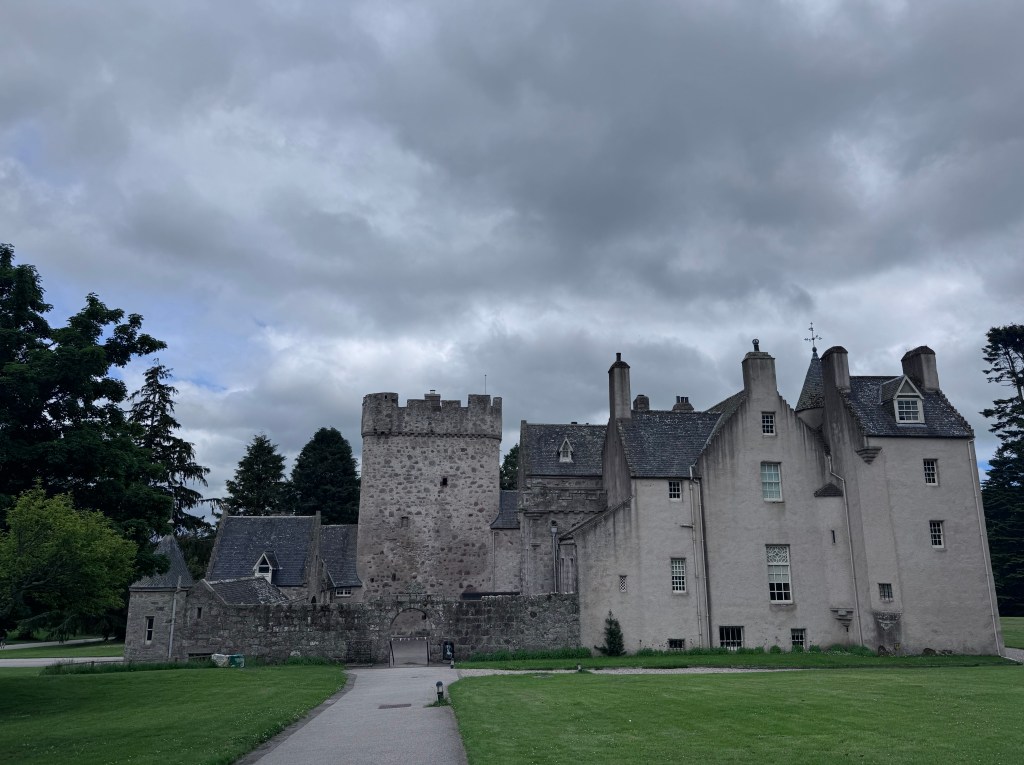
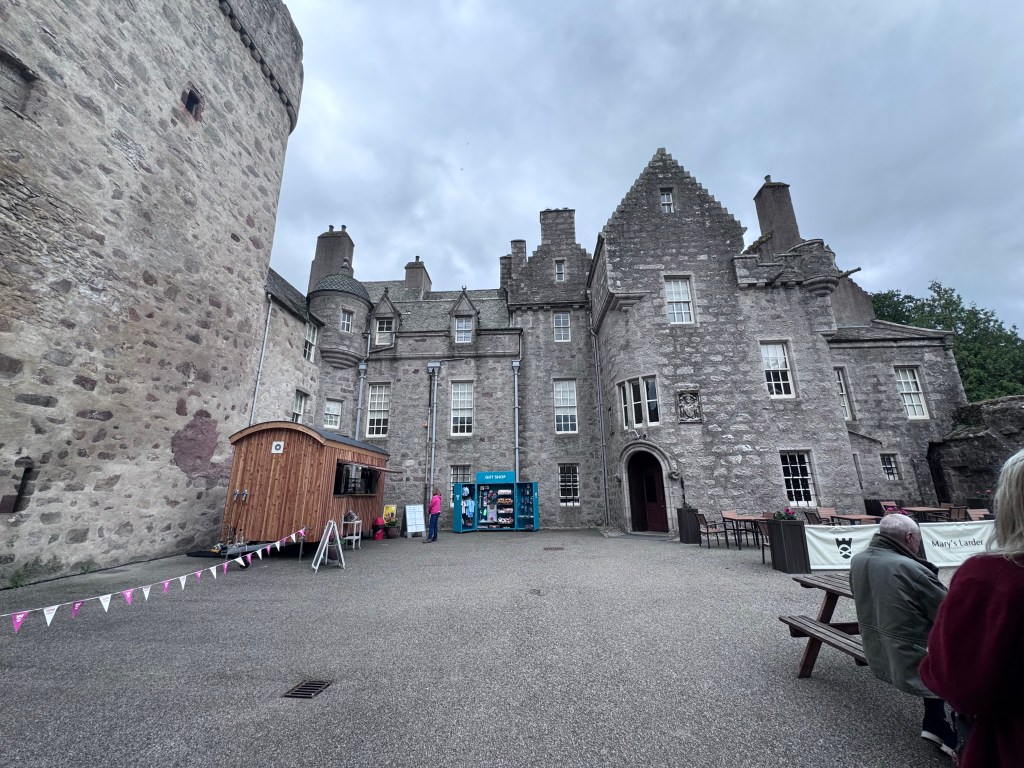
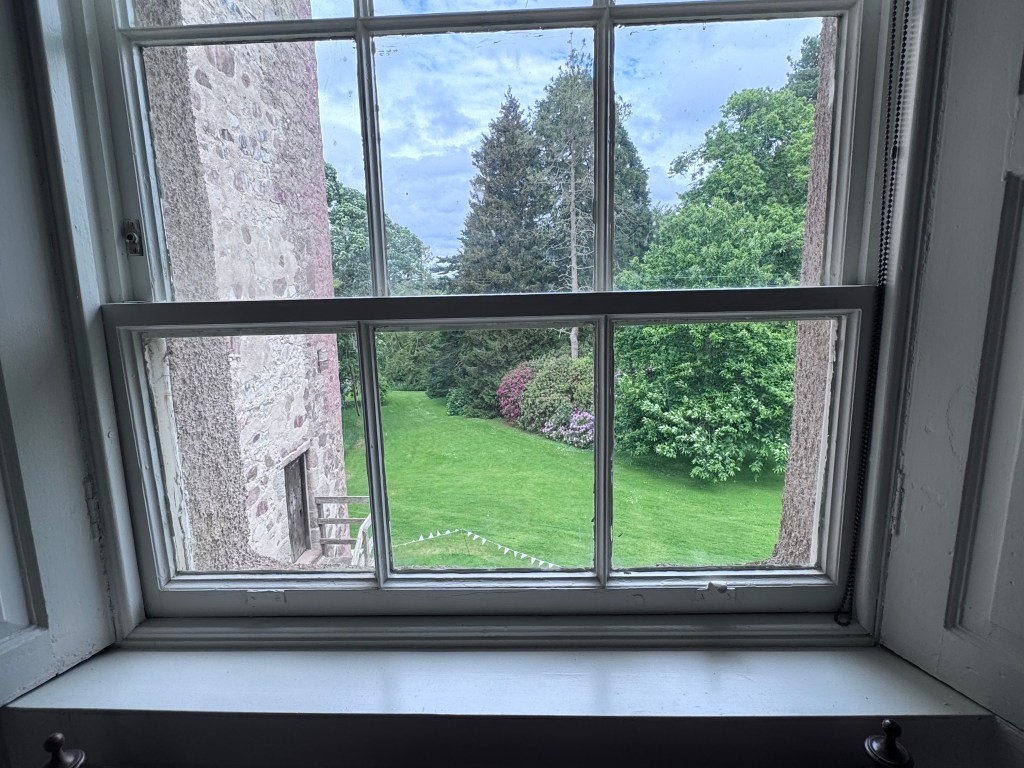
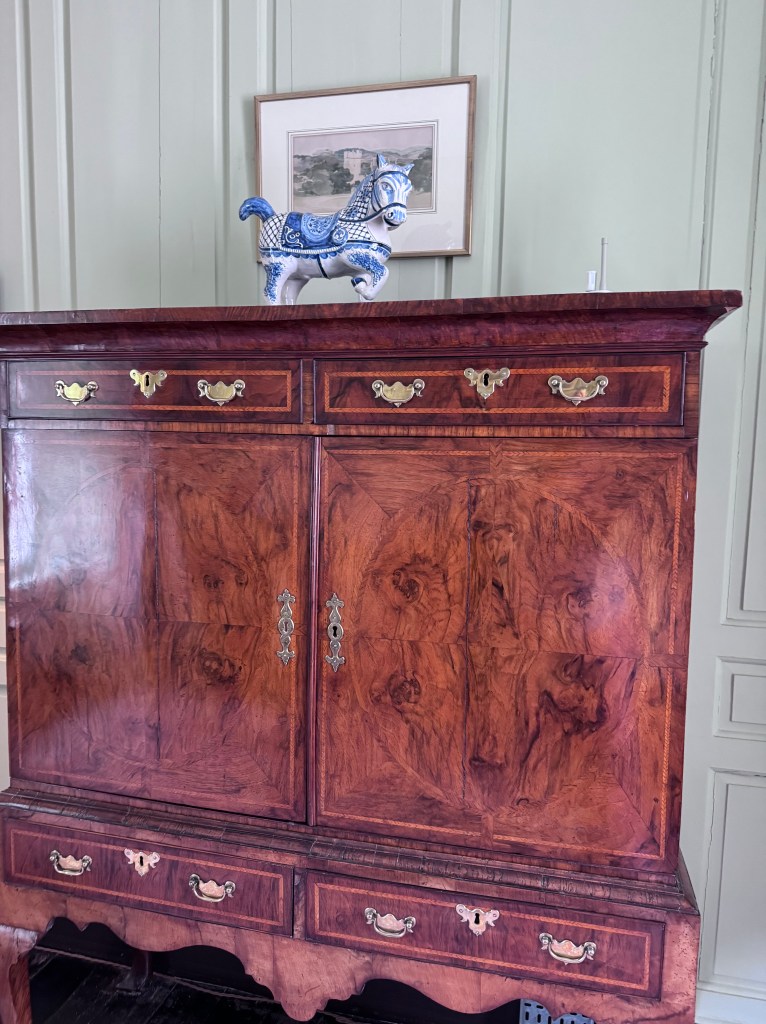
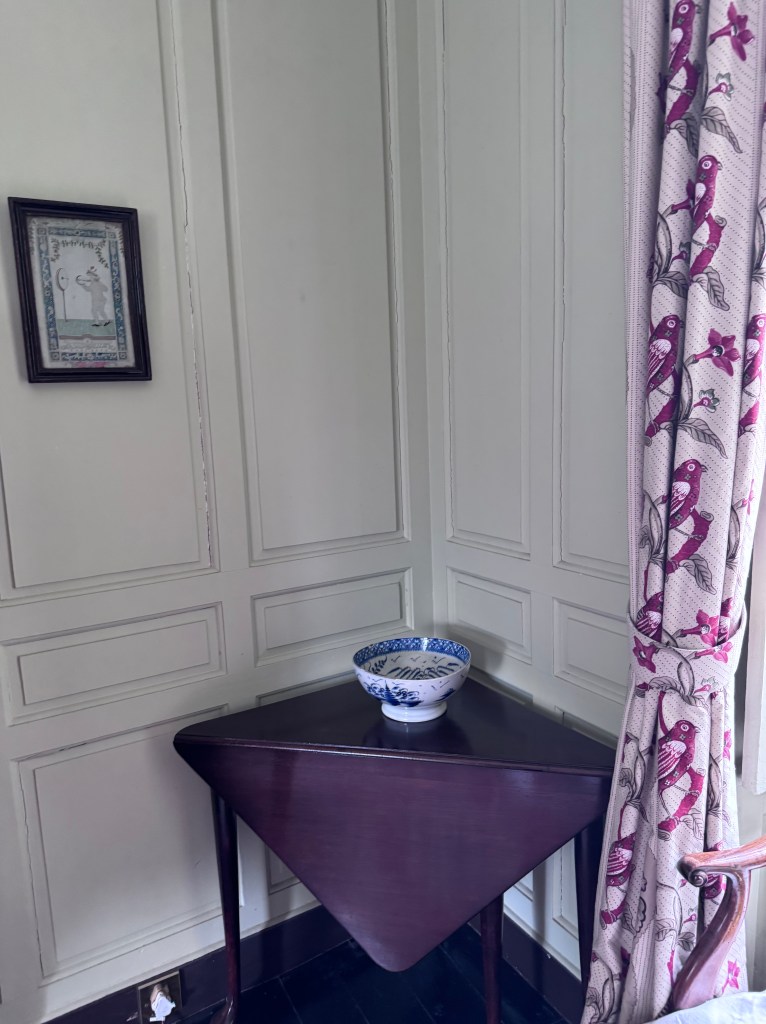
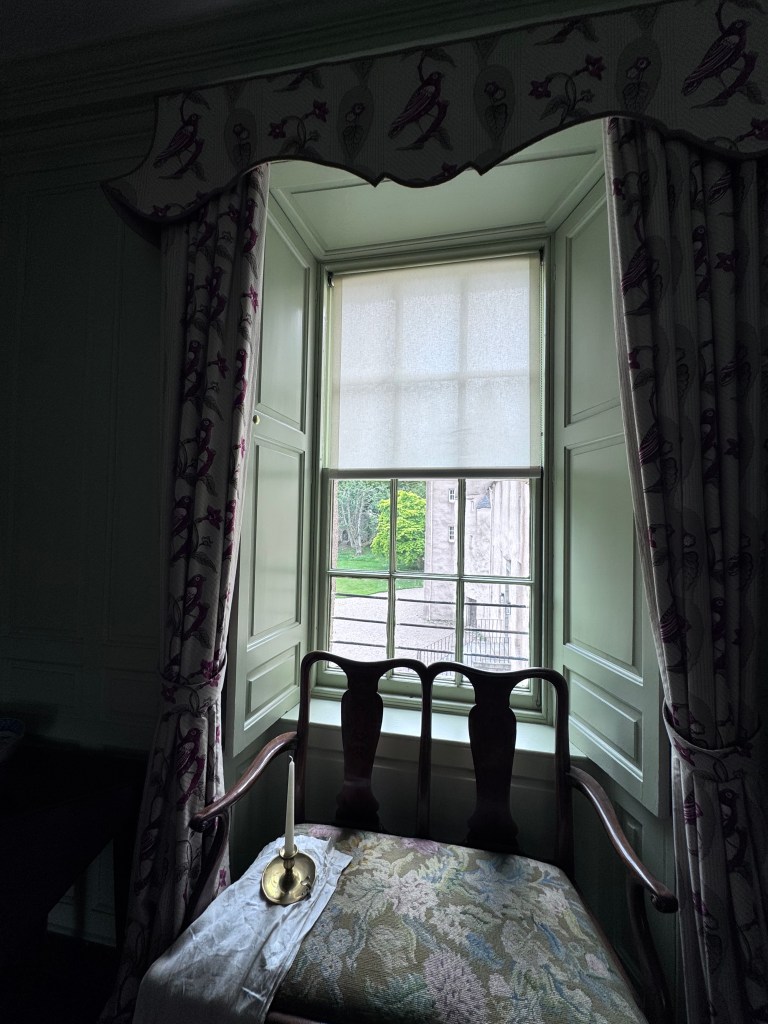
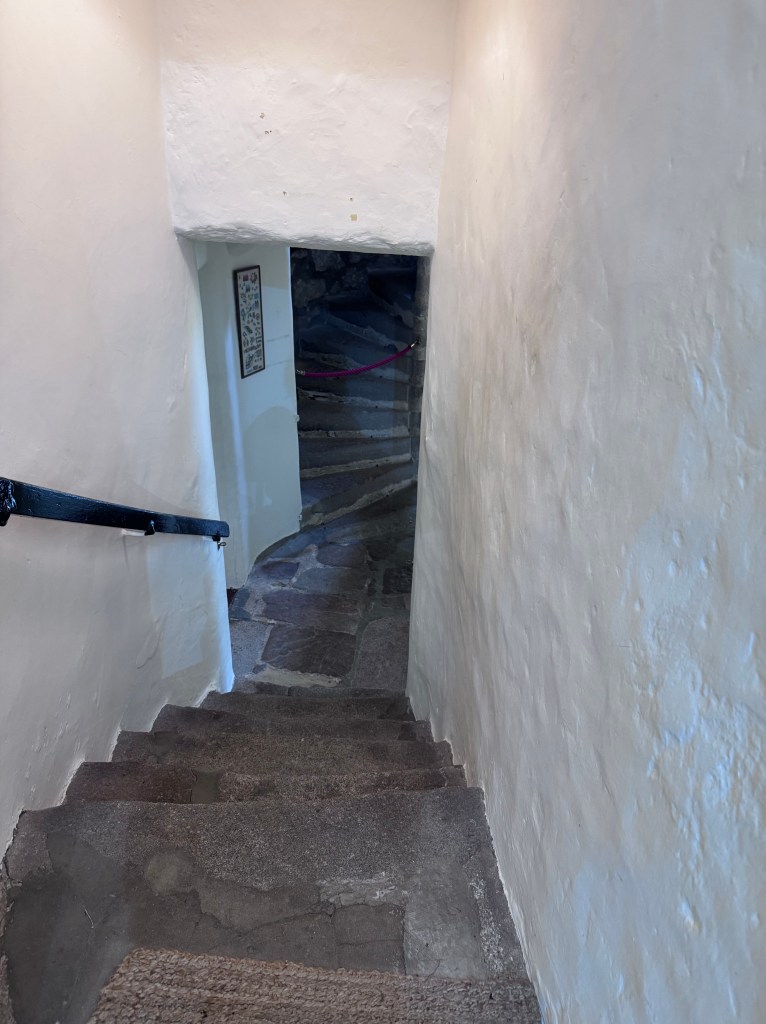
One of our favorite day trips was to Aberdeen, where we visited Drum Castle. After enjoying lunch and, of course, more scones (I am fairly certain we have eaten our height in scones by now), I took a guided tour of the castle while Mom stayed with Kiya because of the many stairs.

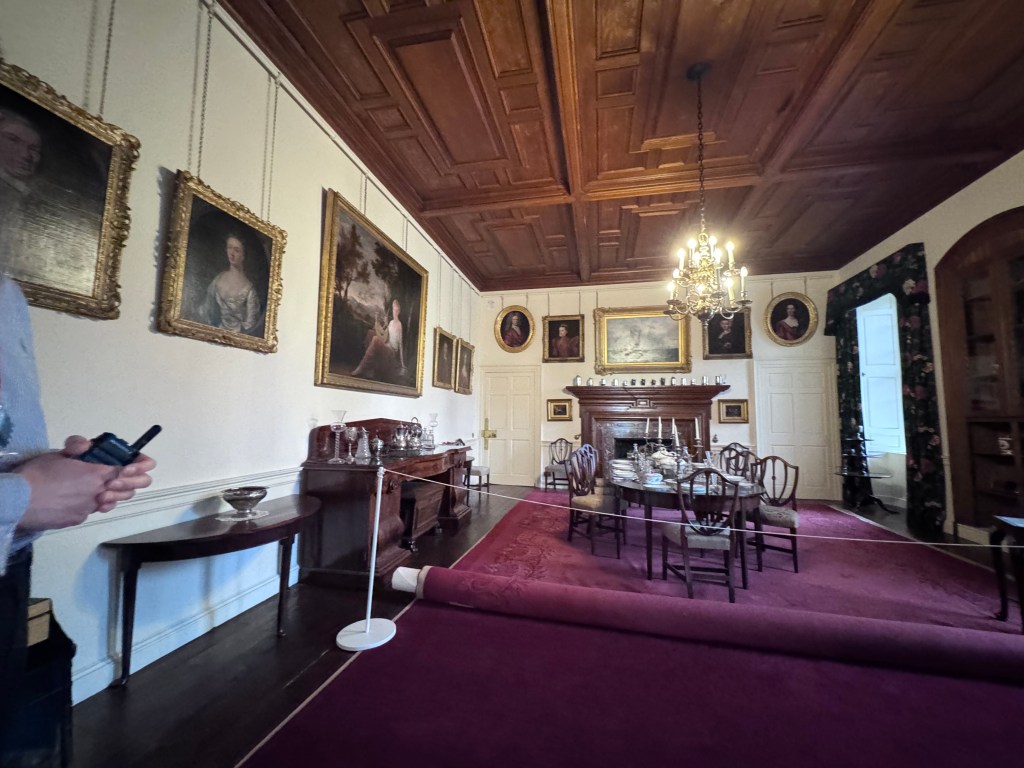
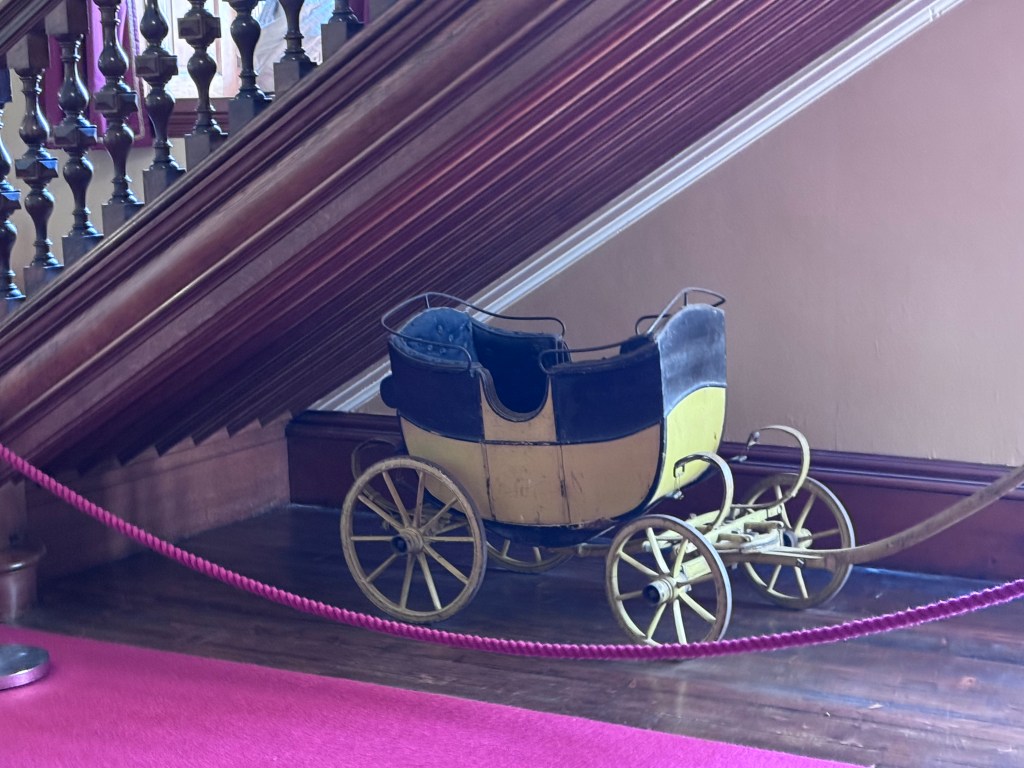
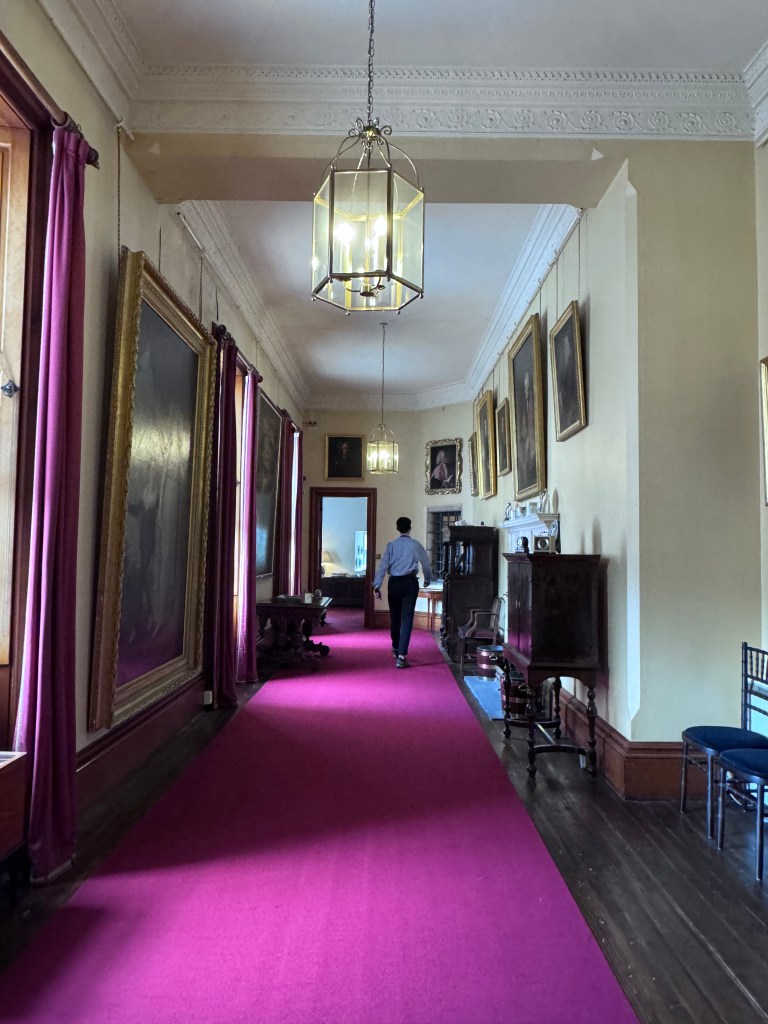
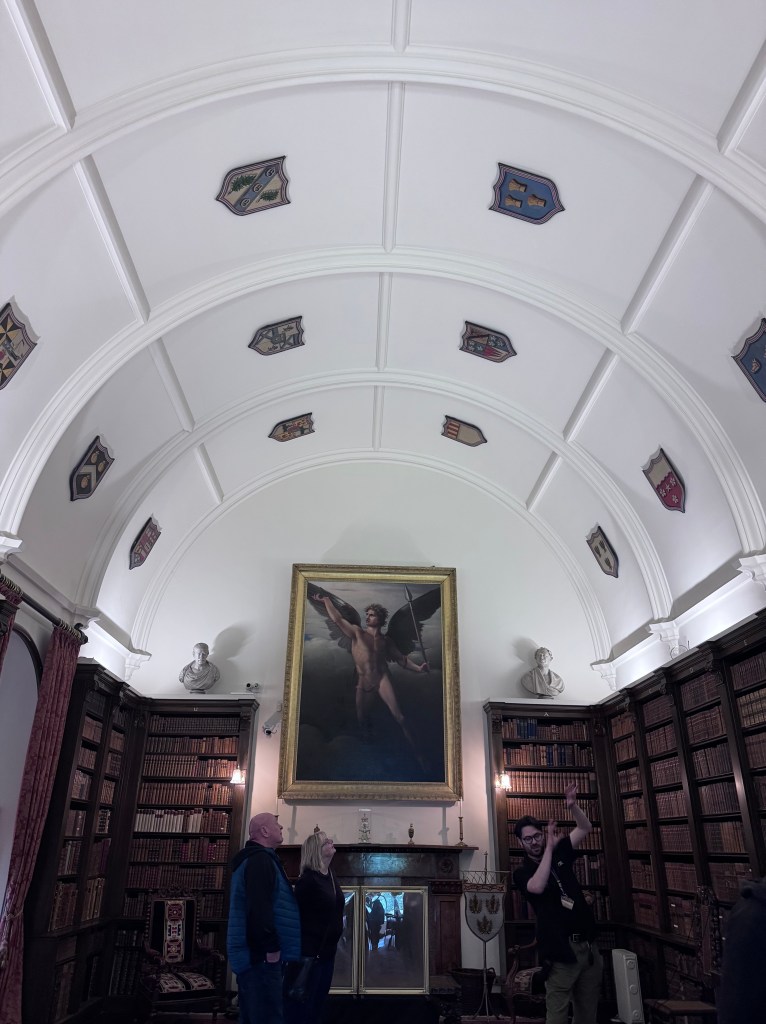
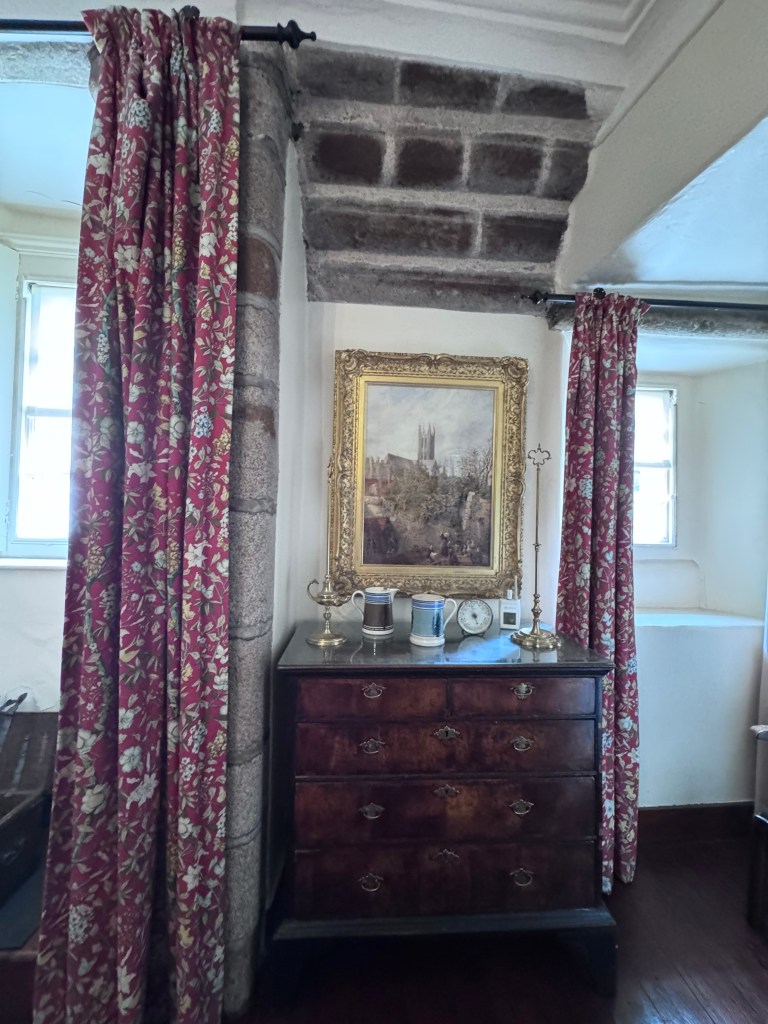
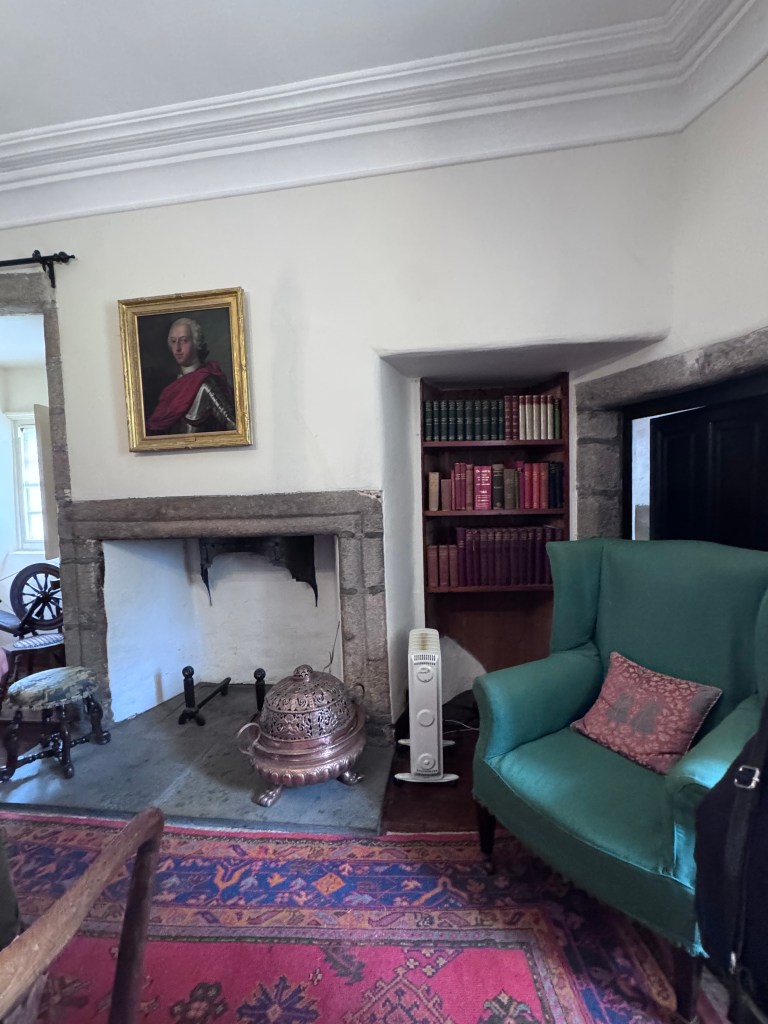
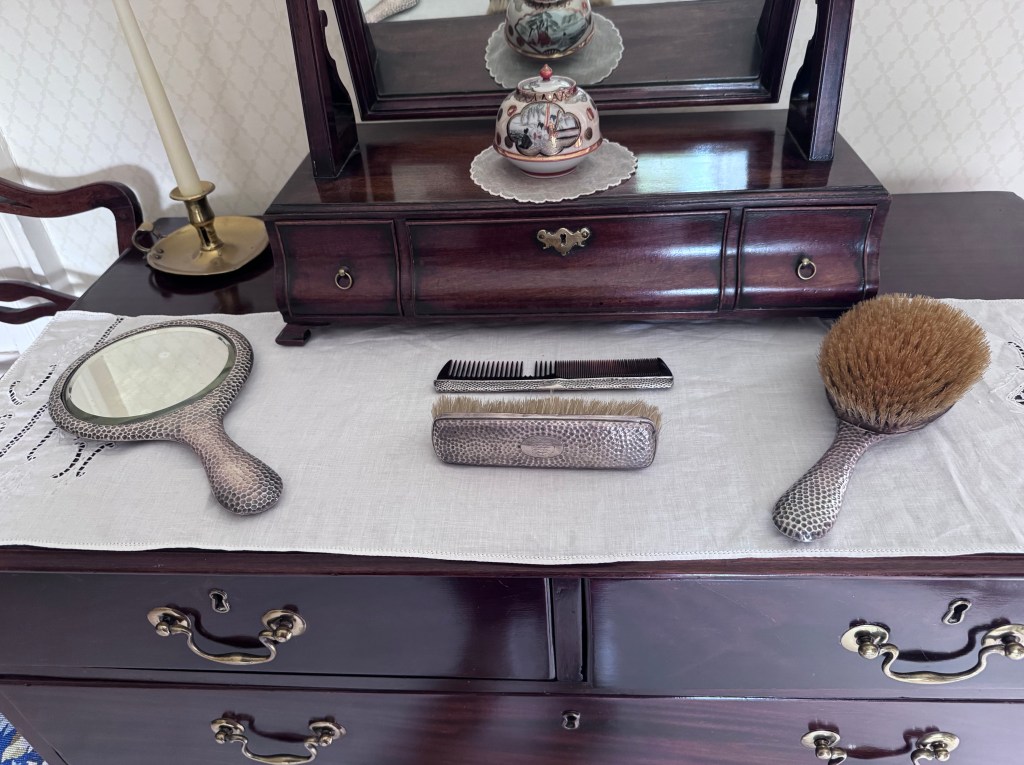
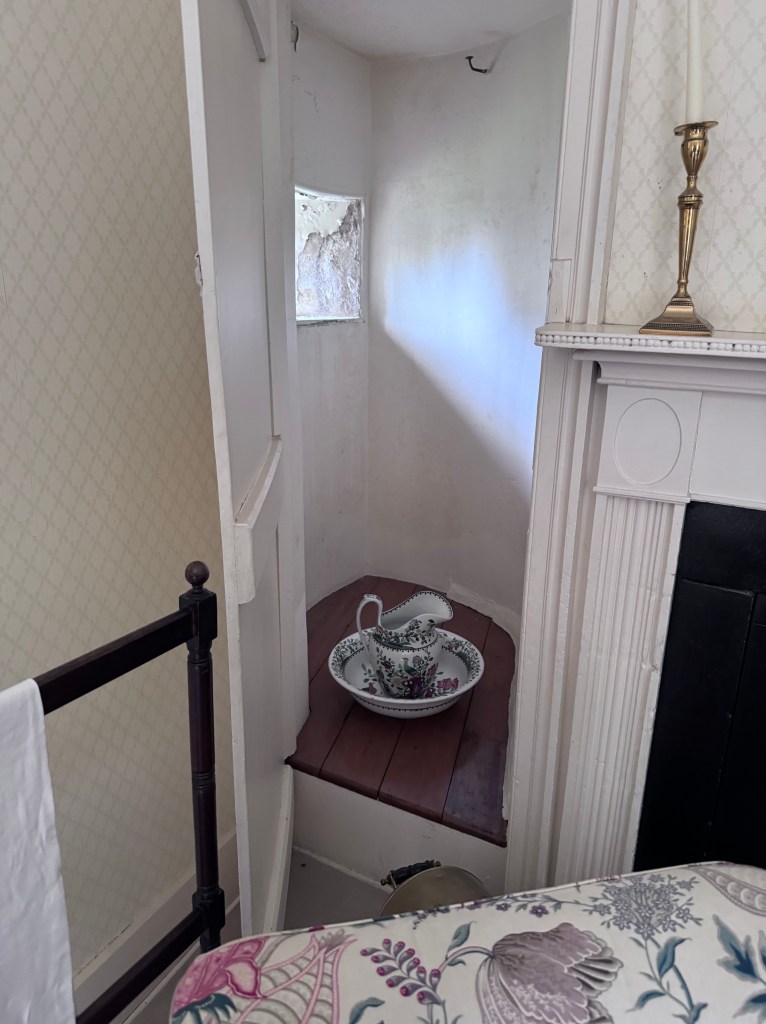
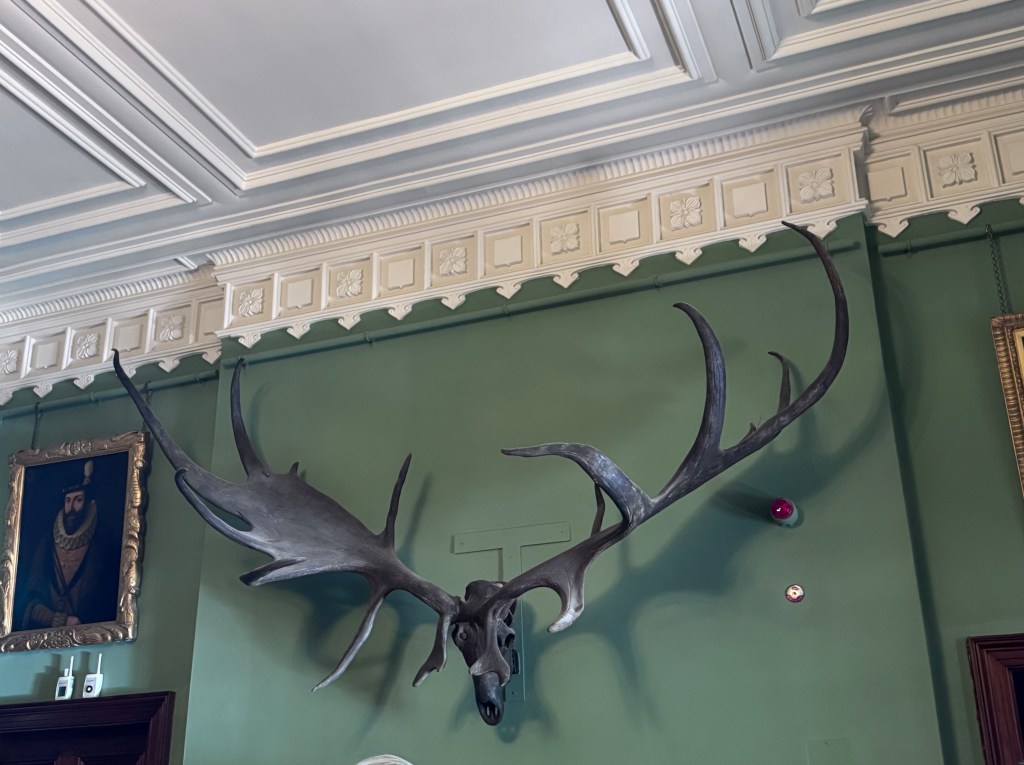
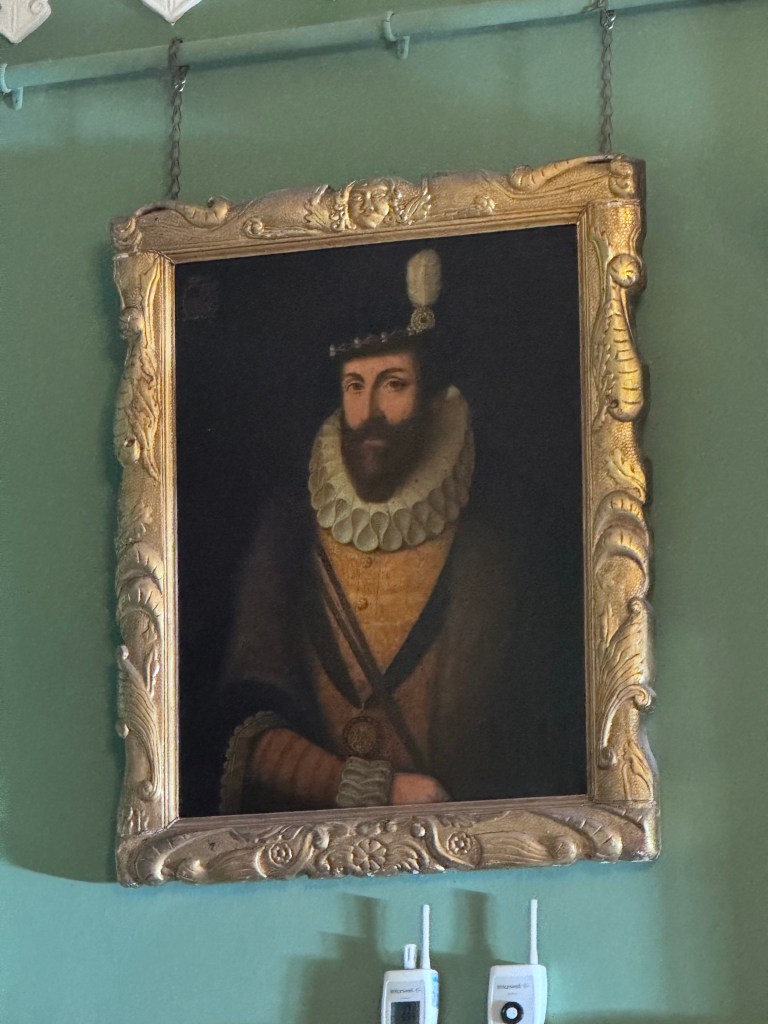
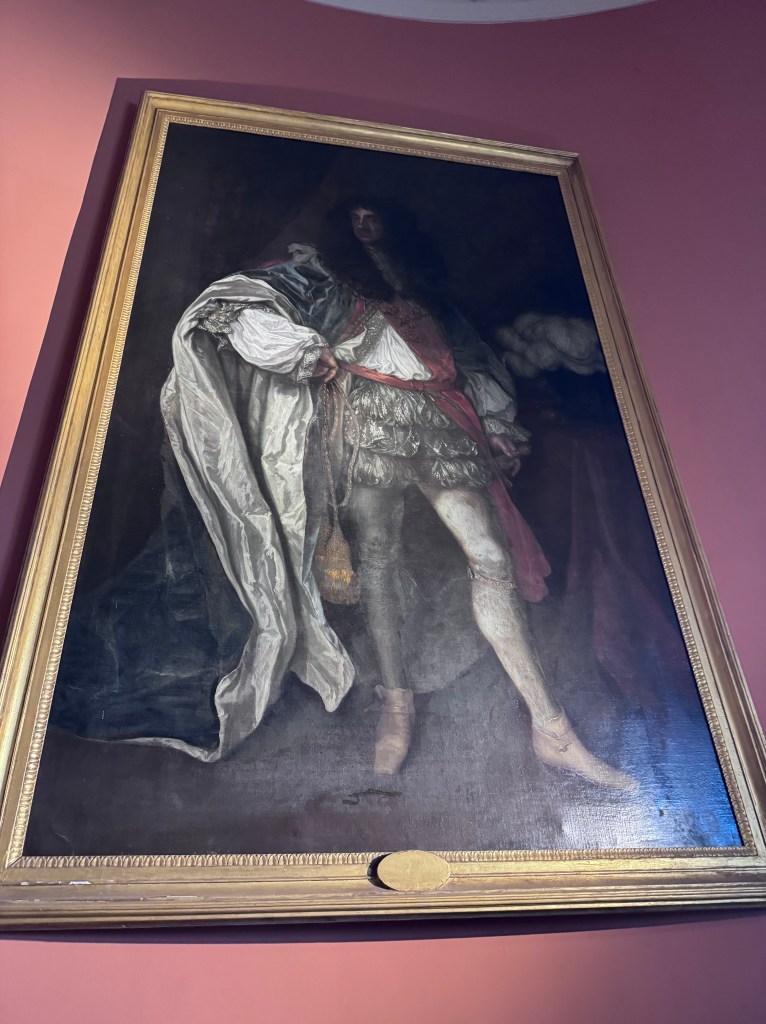
Drum Castle has a fascinating history and remained a family home until 1976. The two main bedrooms were eventually modernized to such an extent that they no longer matched the rest of the castle, so they were converted into an art gallery. One of my favorite stories involved a particularly arrogant young owner with bright ginger hair. Historians believe he had quite an ego because he commissioned an enormous portrait of himself as an angel and hung it in the library and great hall for everyone to admire. Apparently self-confidence was not in short supply!

While in Aberdeen, we experienced a small crisis—we lost one of Kiya’s shoes. If you know the Tartan Army in Boston or our Florida friends, I want to give a huge thank you to Kiya’s army of supporters. These were her favorite shoes, and so many people immediately jumped in to help. Special thanks to Diane, Kristy, and Erin, who have already arranged for replacement pairs to be waiting for us when we return home. We are incredibly grateful.

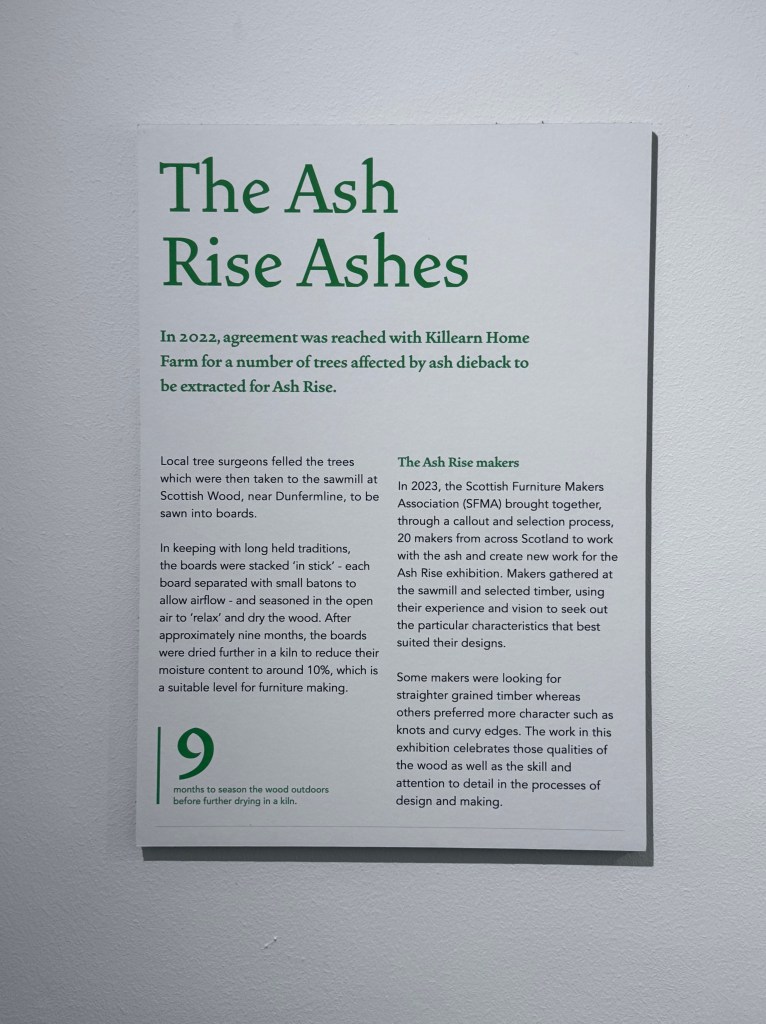
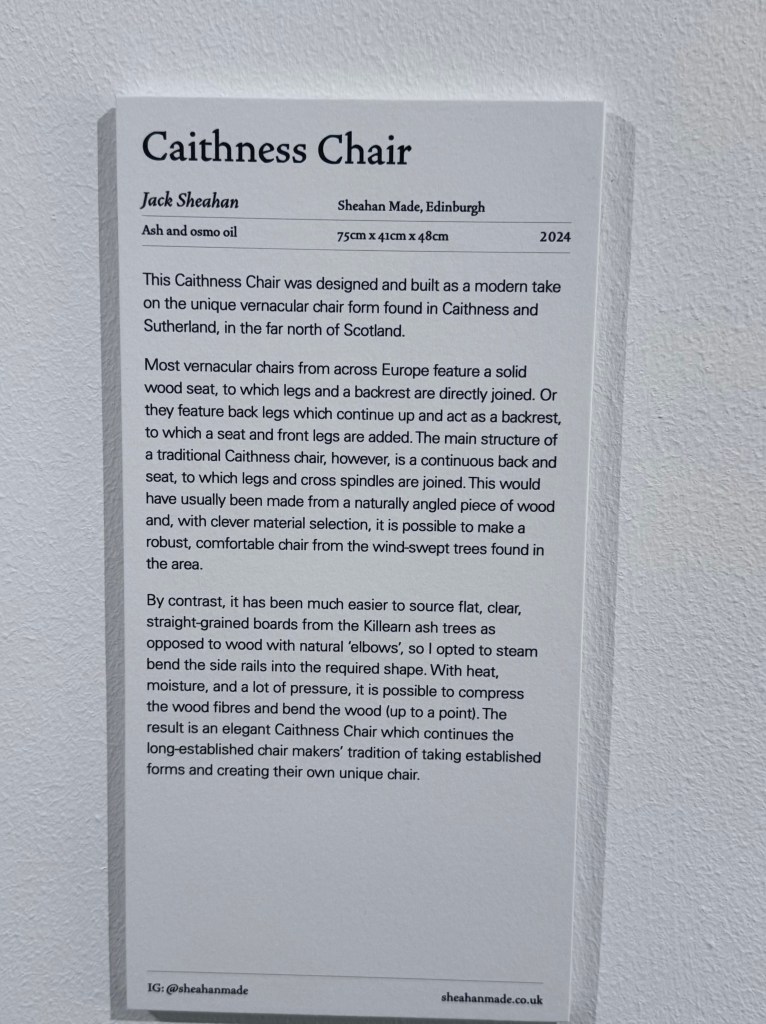
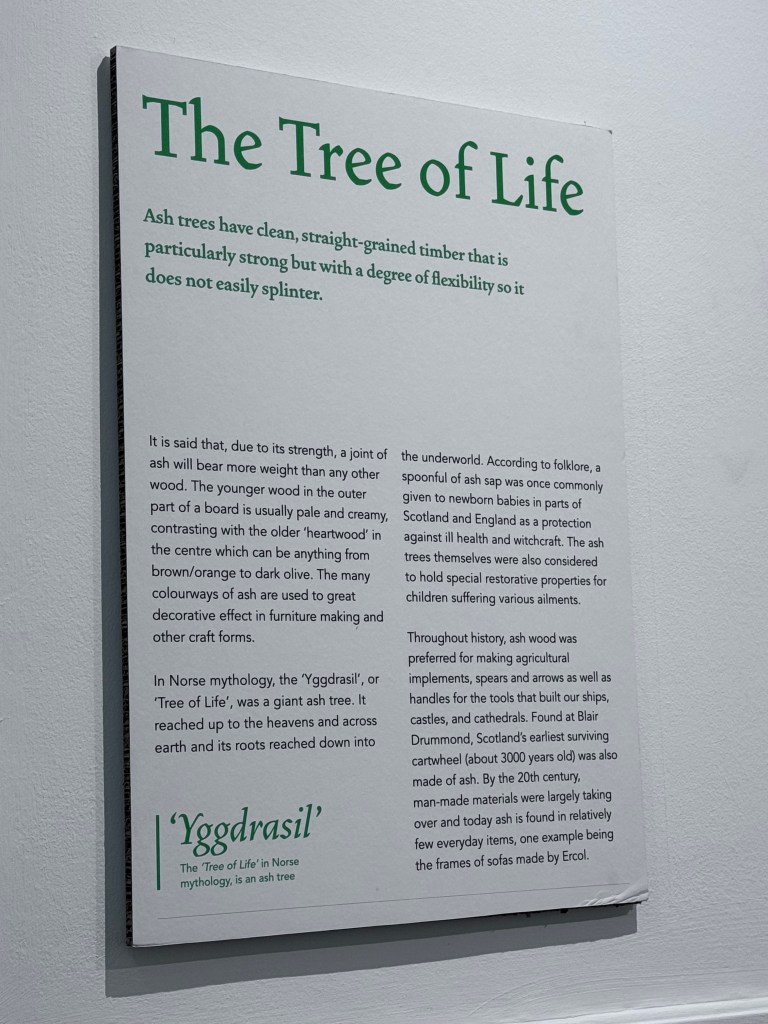
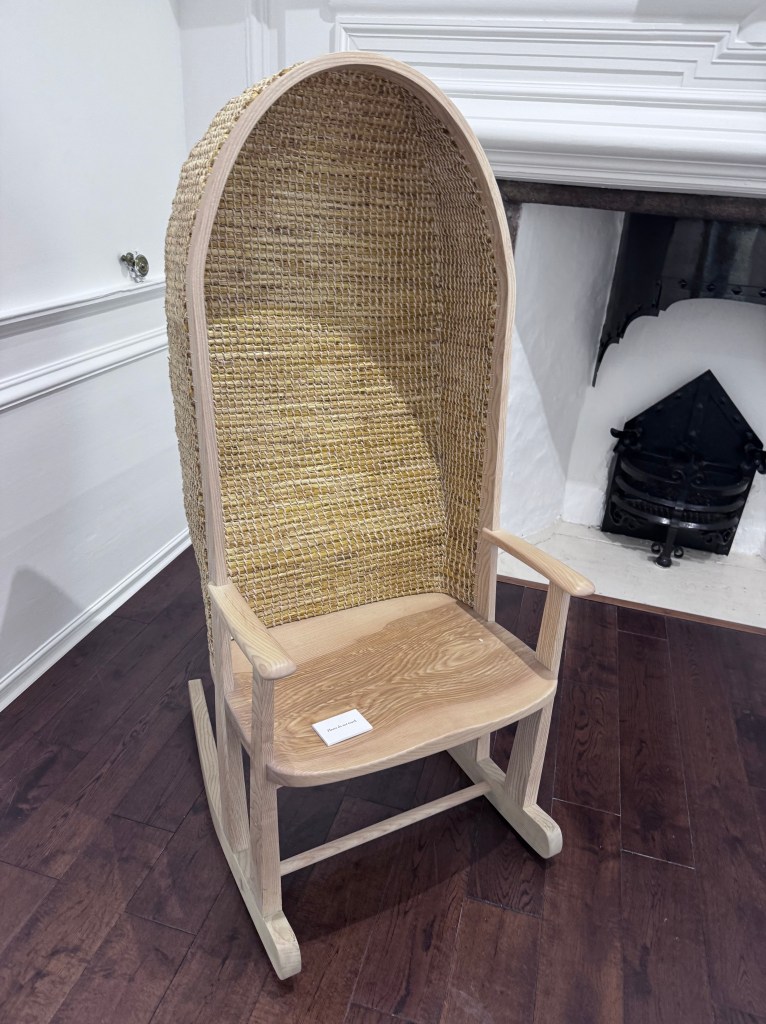
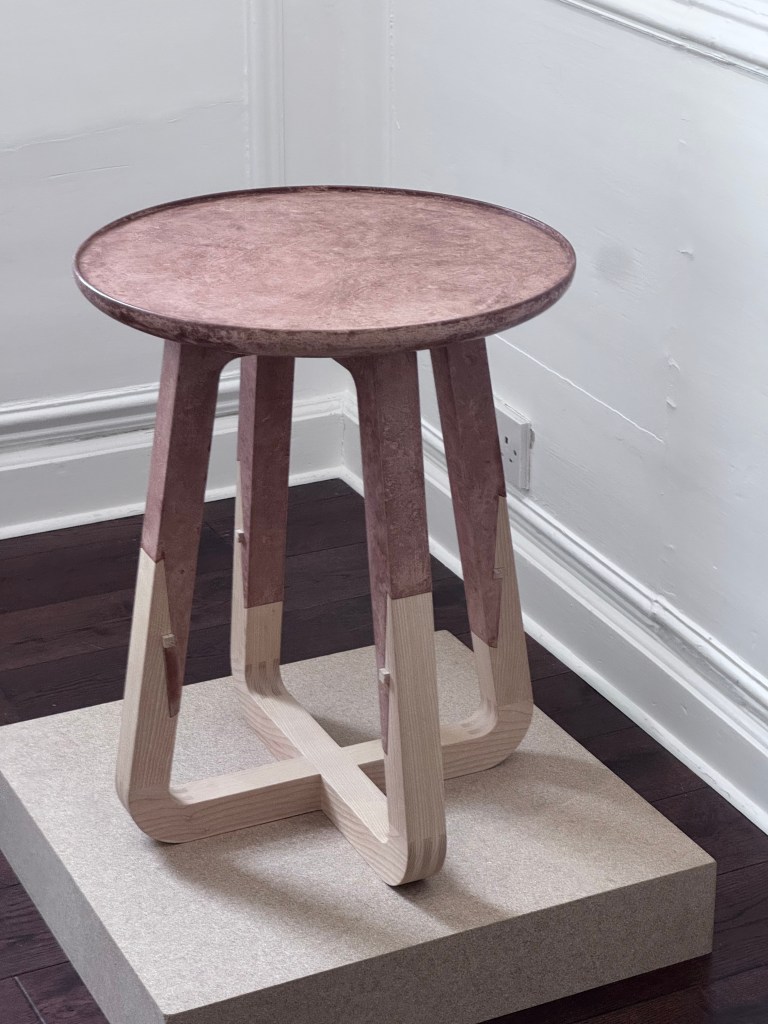
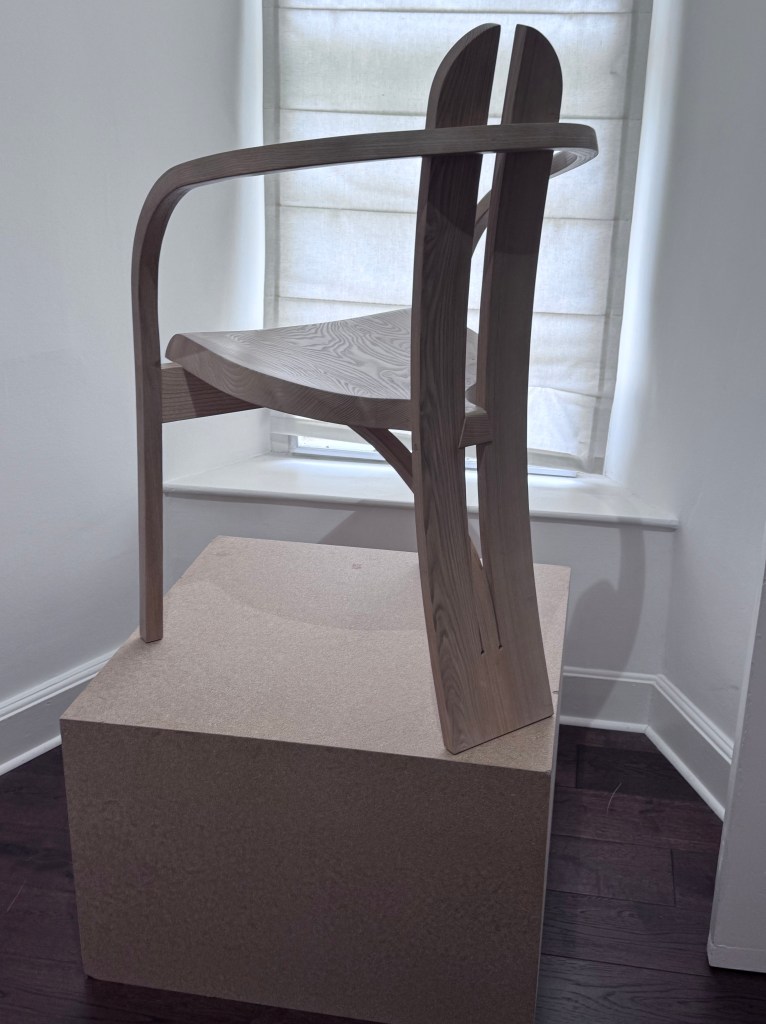
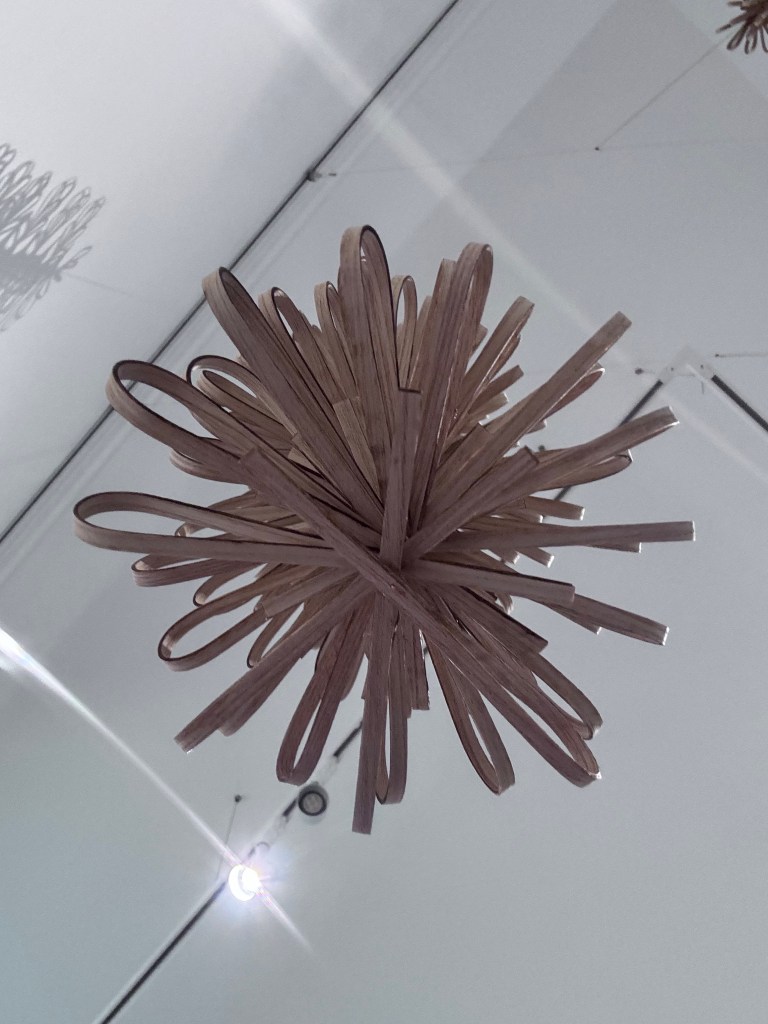
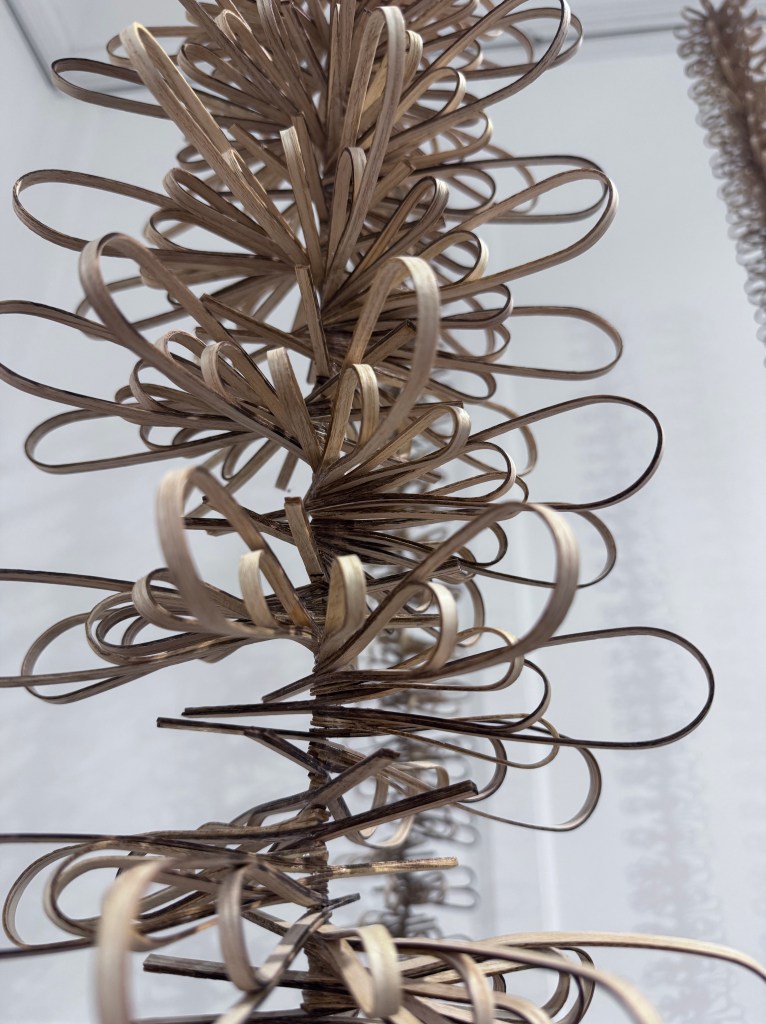
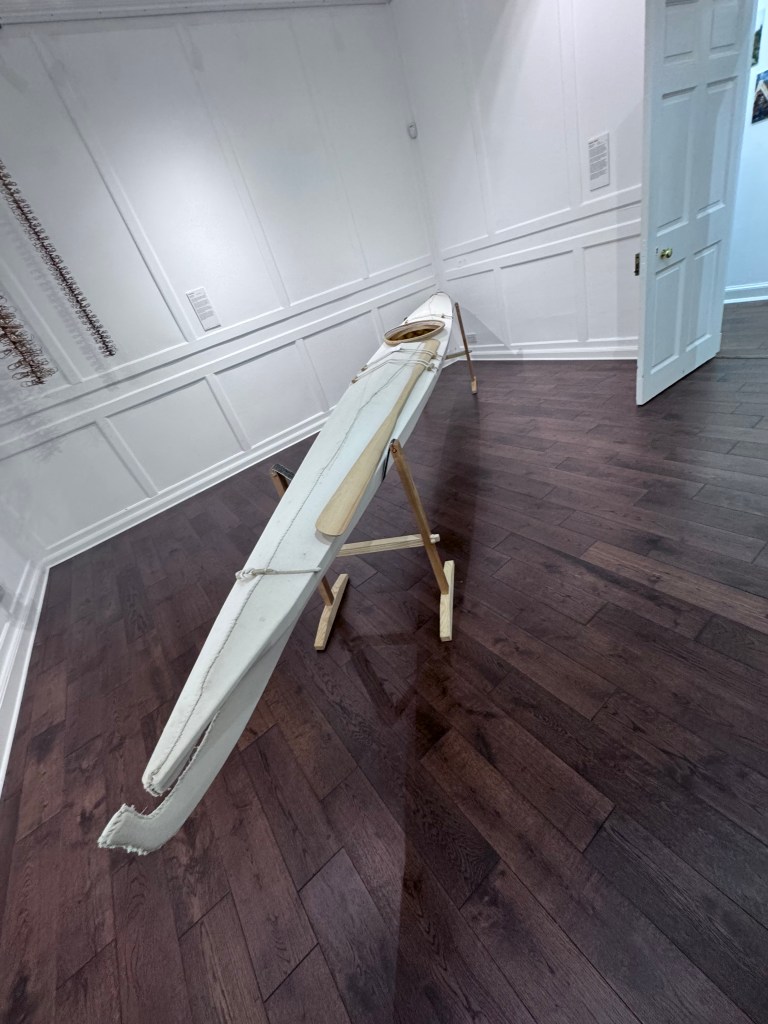
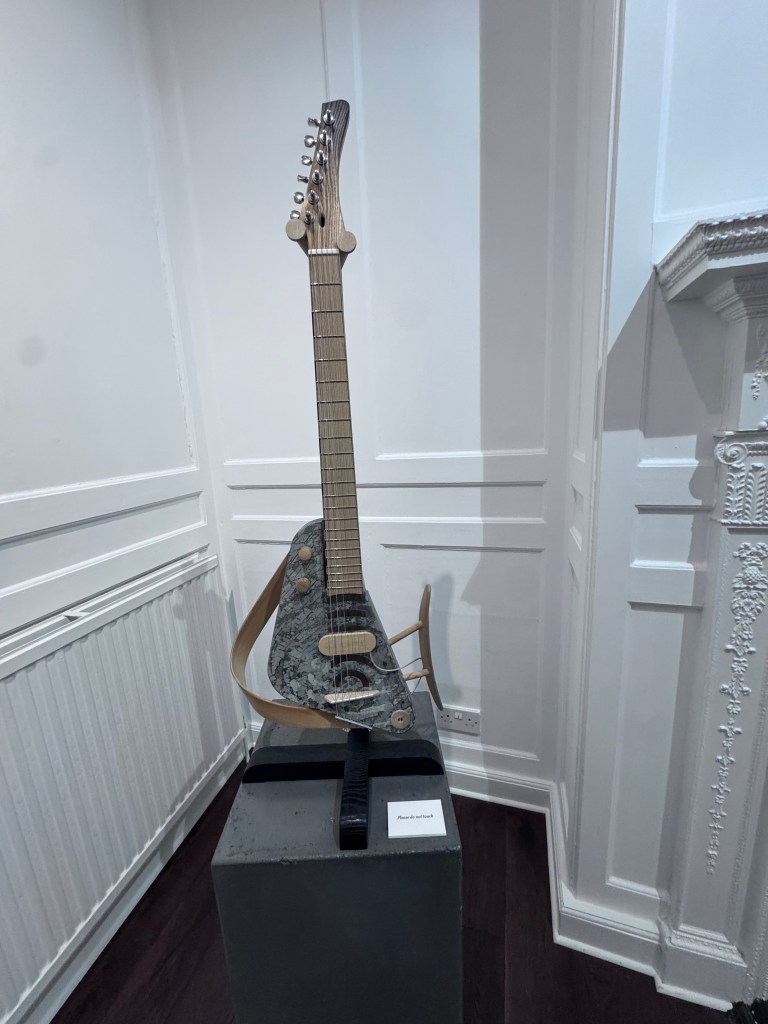
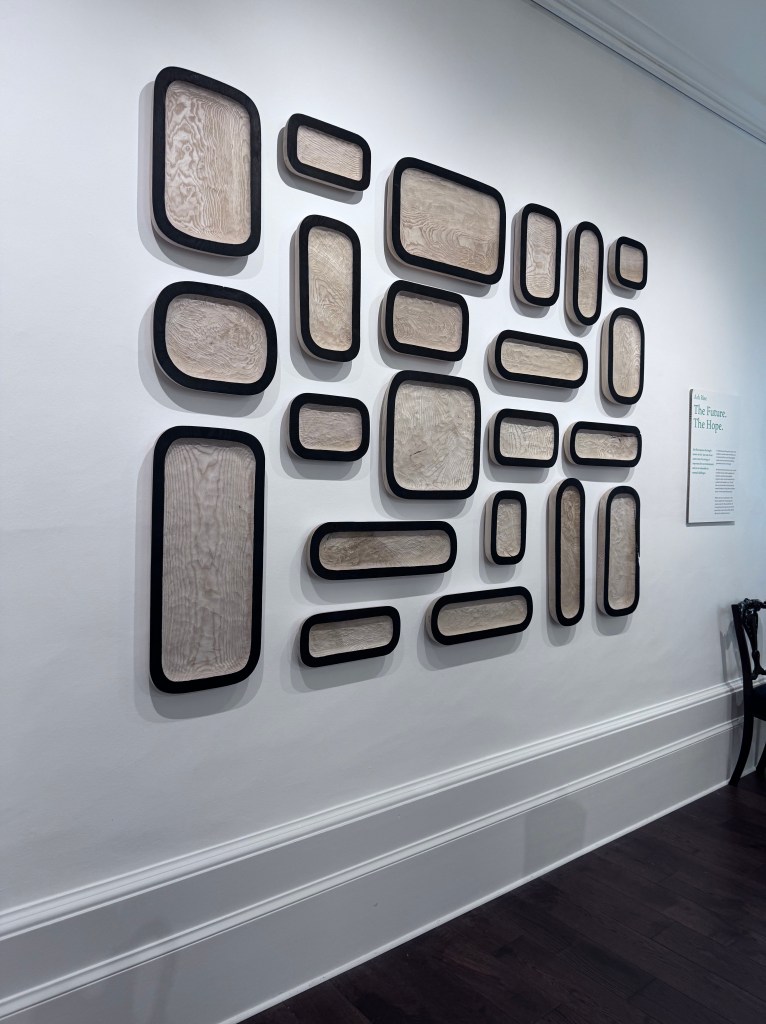
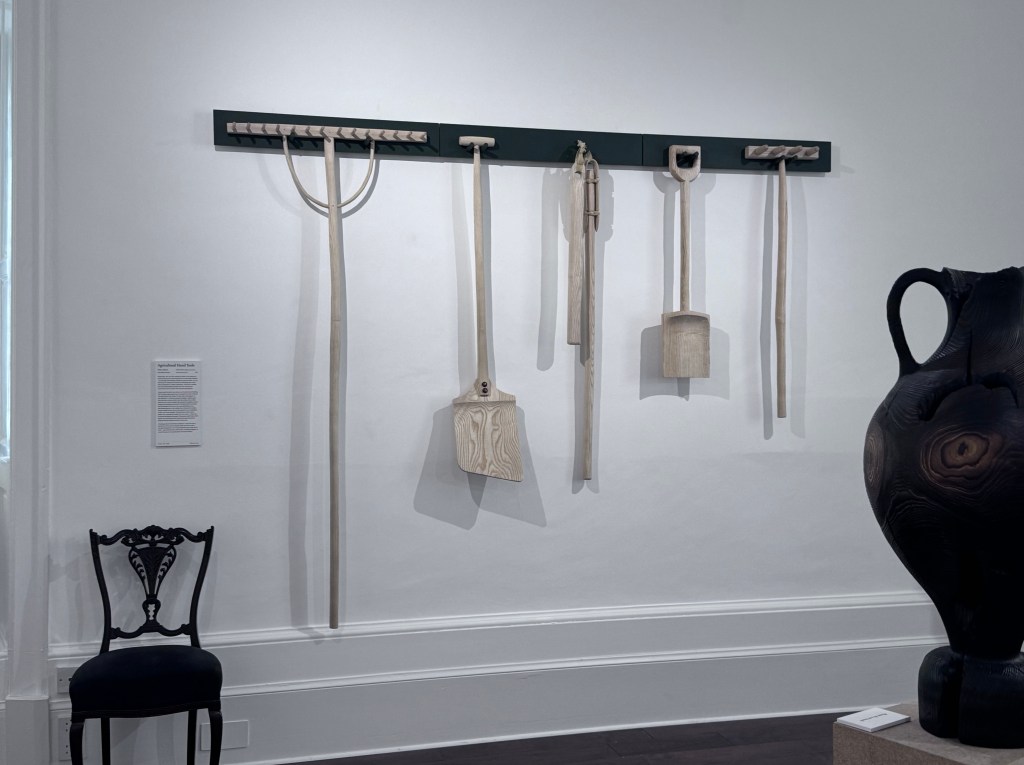
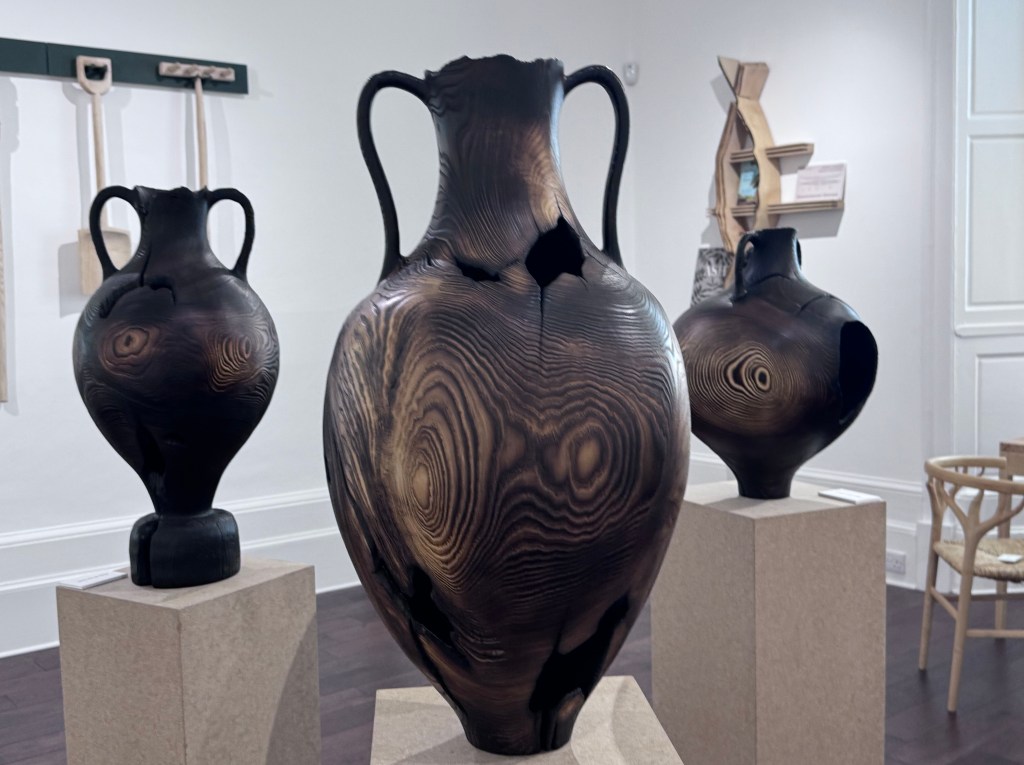
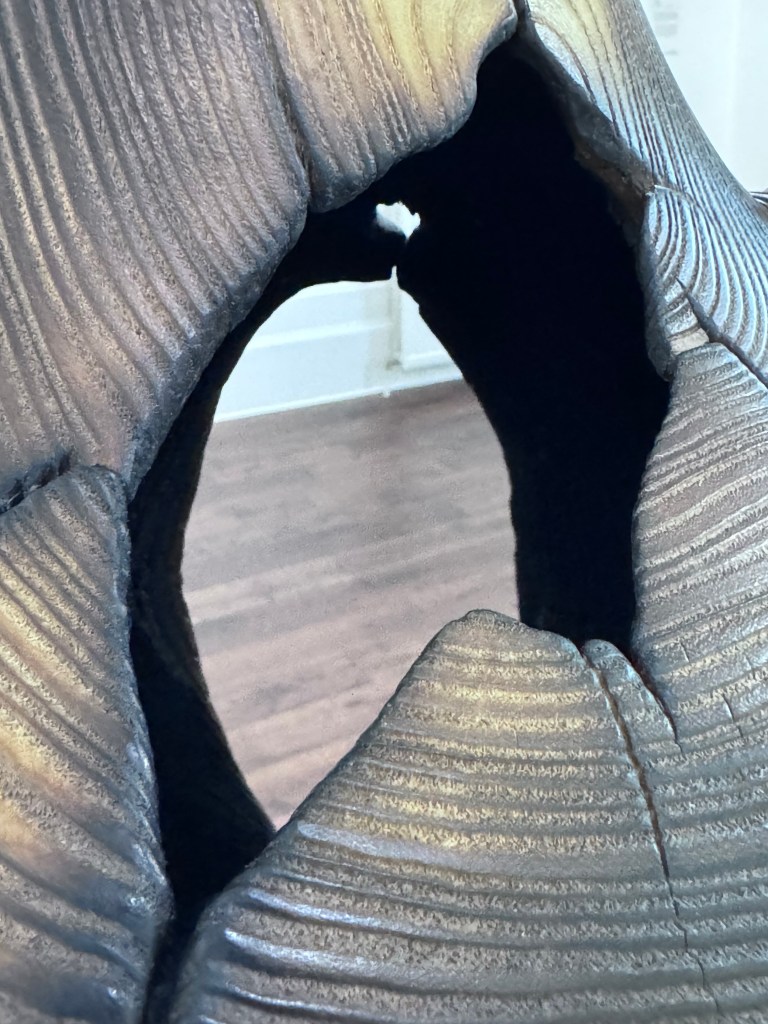
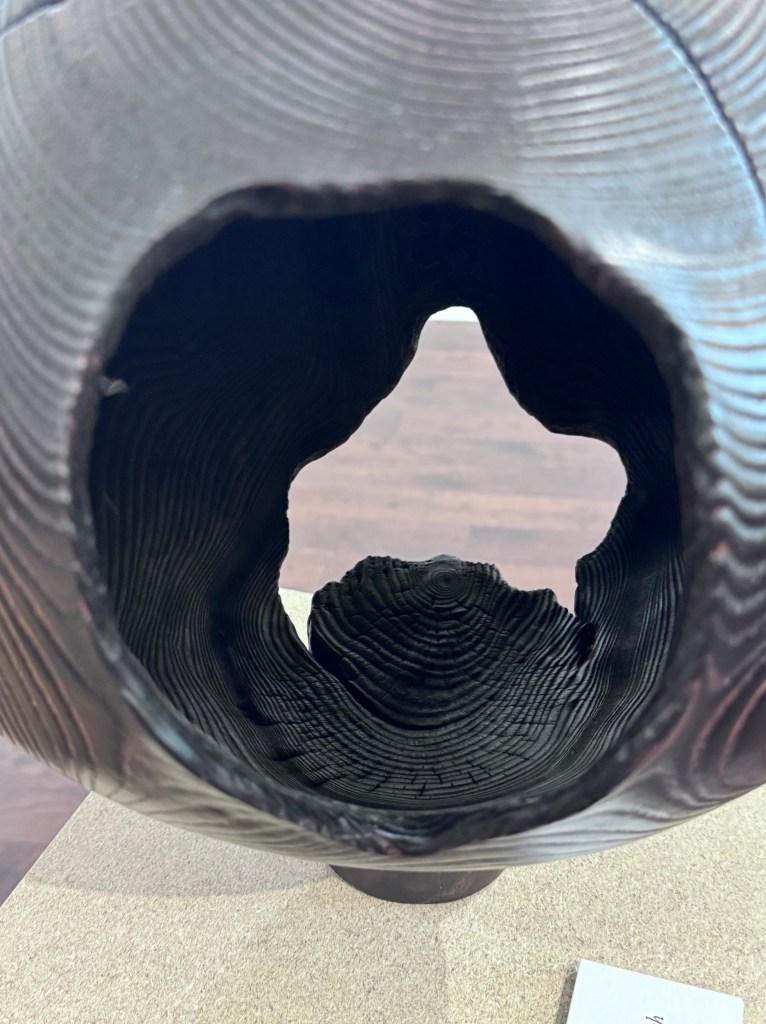
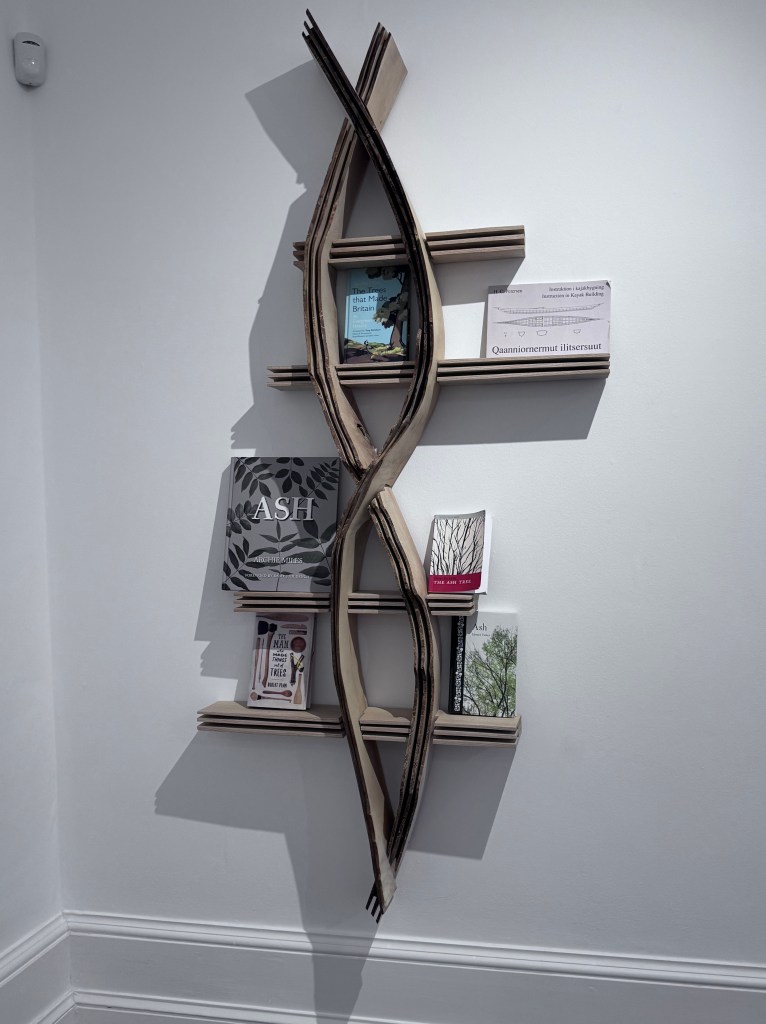
The art gallery was hosting an exhibition of ash wood artwork, and I was captivated by the pieces. The craftsmanship was exquisite, with each creation highlighting the natural beauty of the wood. It was amazing to see how artists could transform a simple piece of ash into something so elegant and detailed. Set within the historic castle, the exhibit felt like a perfect blend of Scotland’s past and present.

Back in Dundee, we stumbled upon what turned out to be one of the best experiences of our trip.

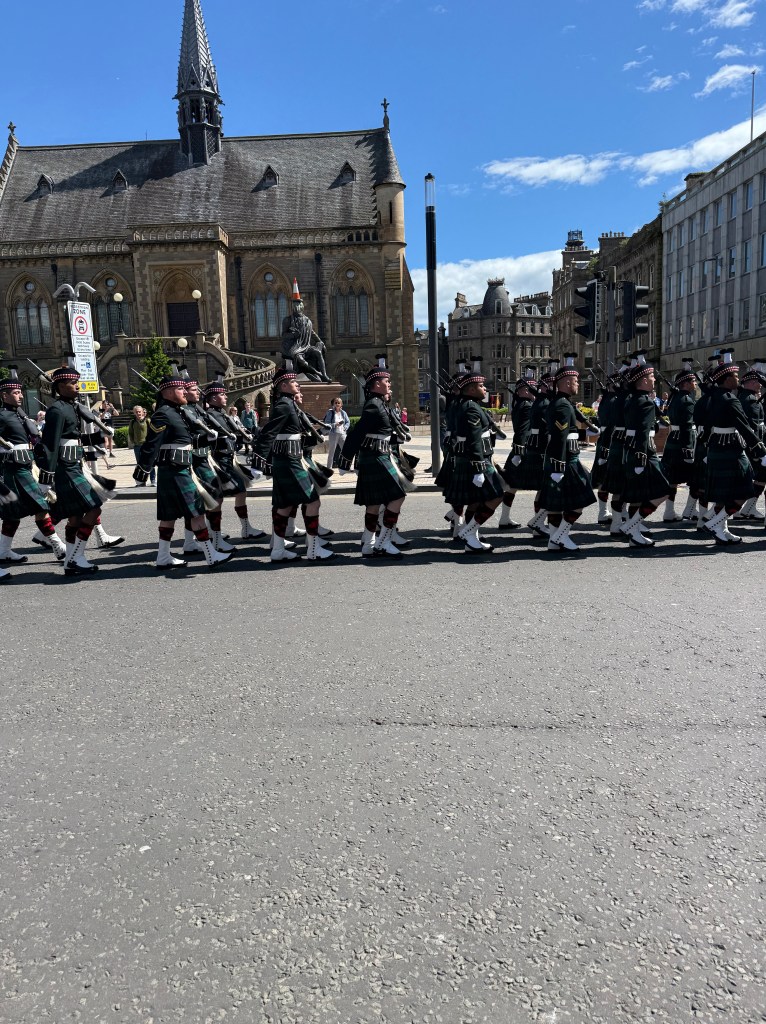
Mom spotted four young men wearing kilts walking through the city center. Naturally, we did what everyone around us did not do—we followed them. Now, keep in mind that they were moving at the speed of light while we were moving at the speed of pudding. We kept our eyes fixed on their heads as they stayed about a block and a half ahead of us.

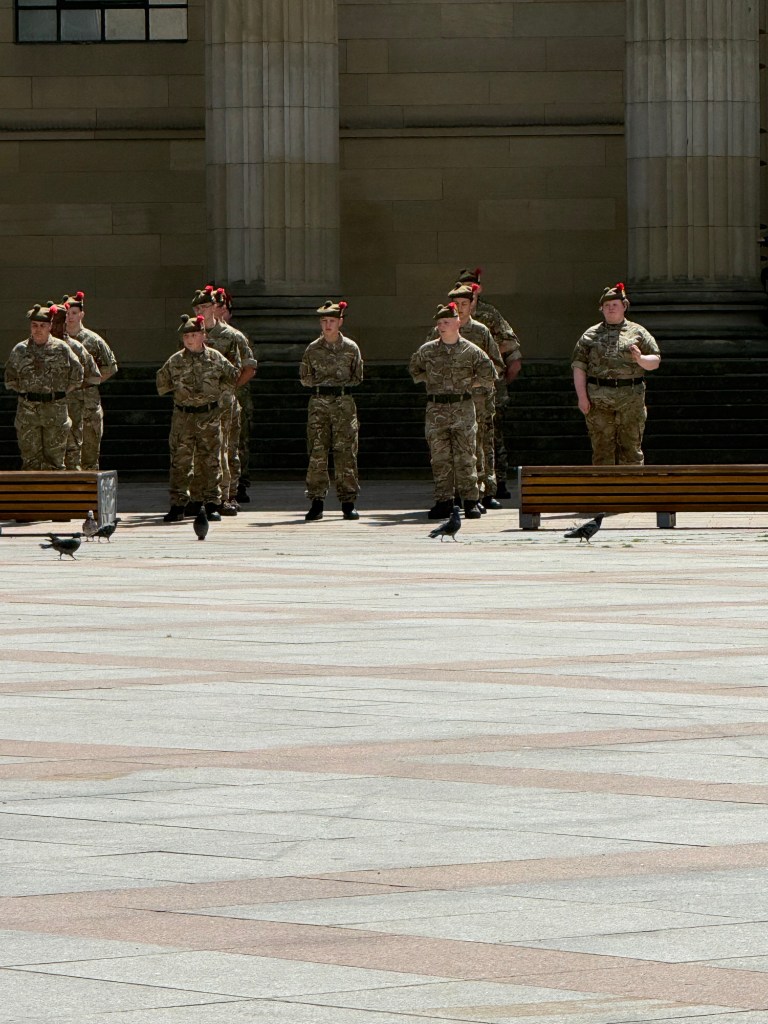
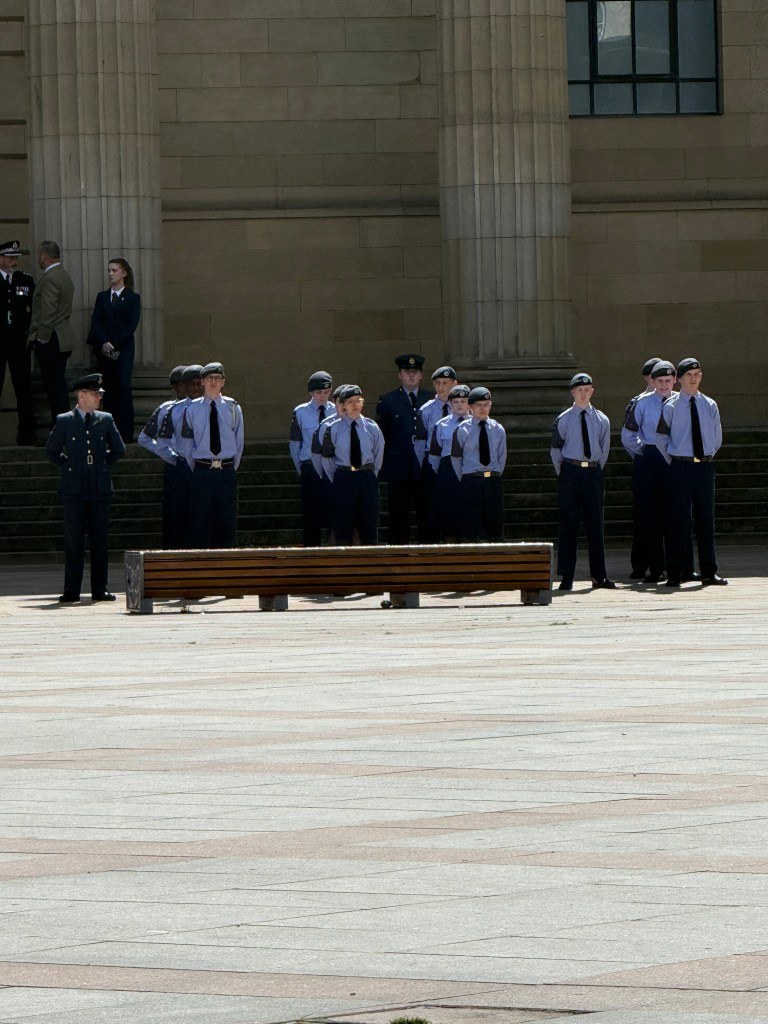
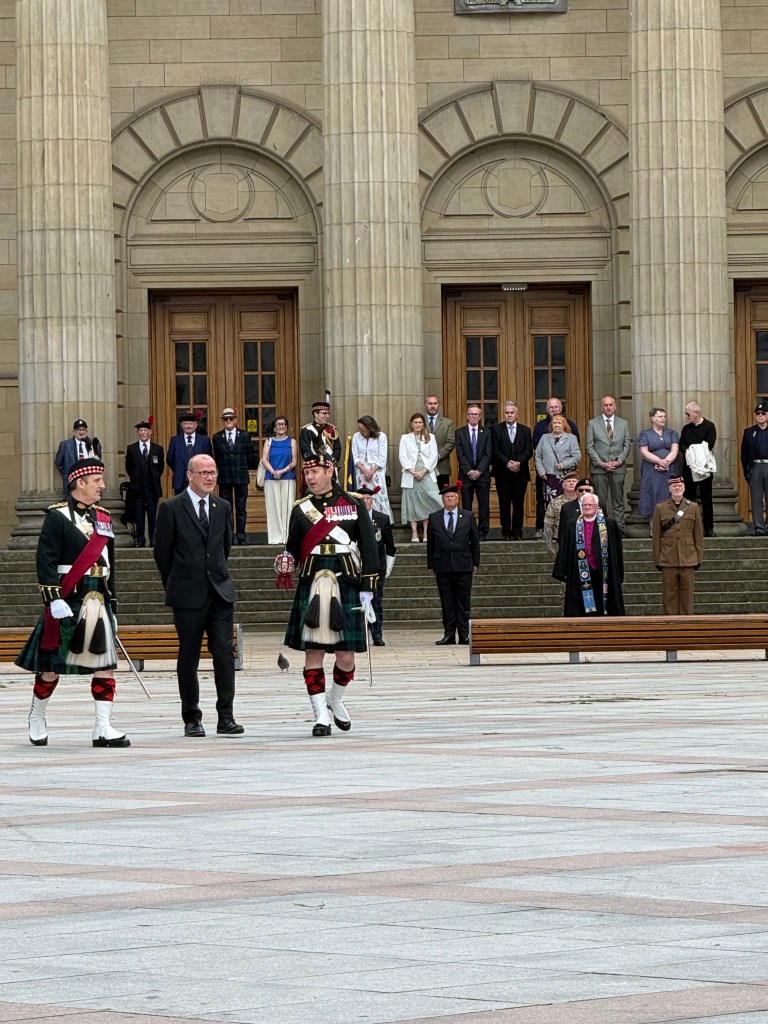
Eventually, they led us toward a local high school. Curious, we asked a traffic inspector what was happening and learned that preparations were underway for the Royal Regiment of Scotland’s Freedom of Dundee ceremony.

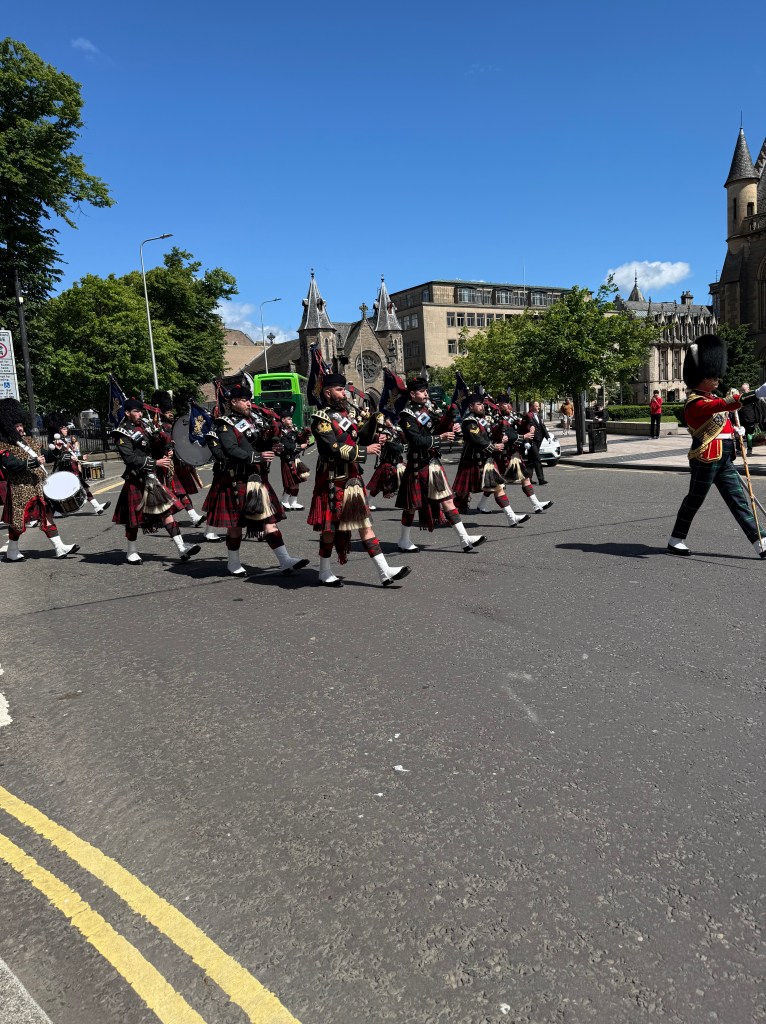
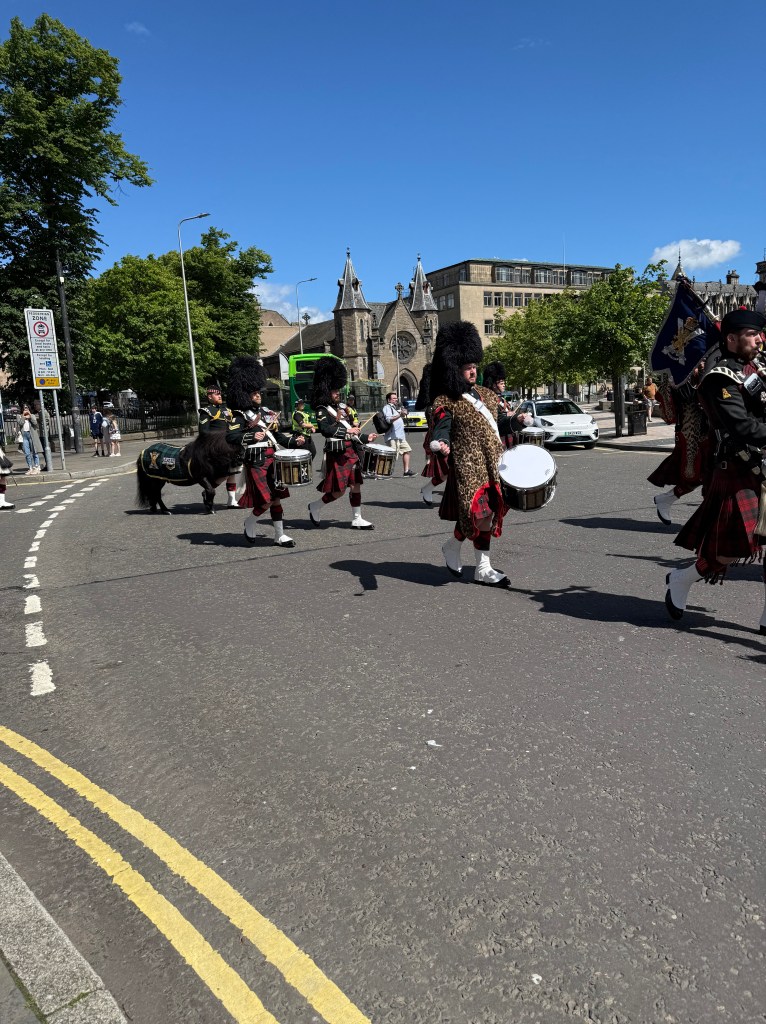
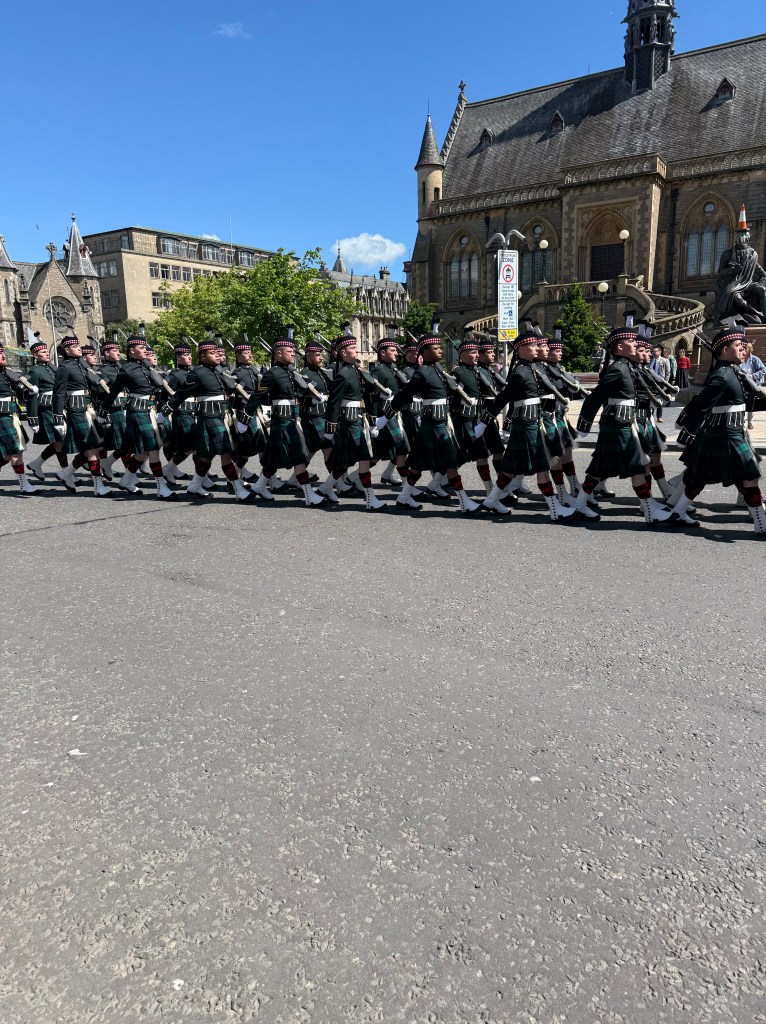
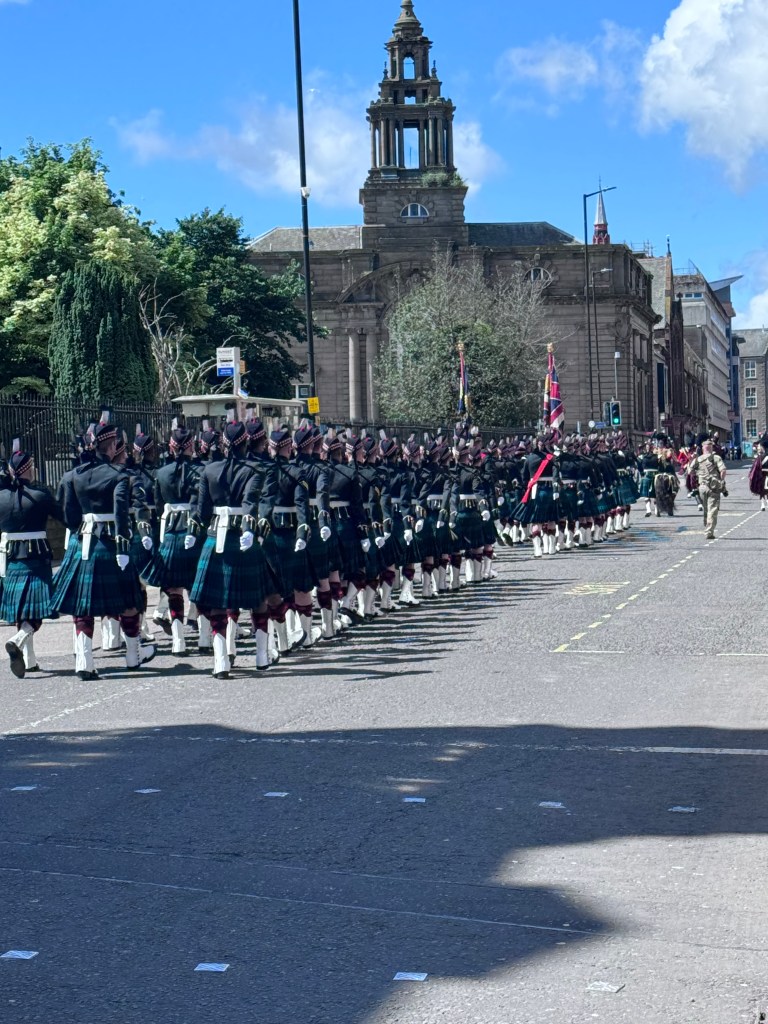
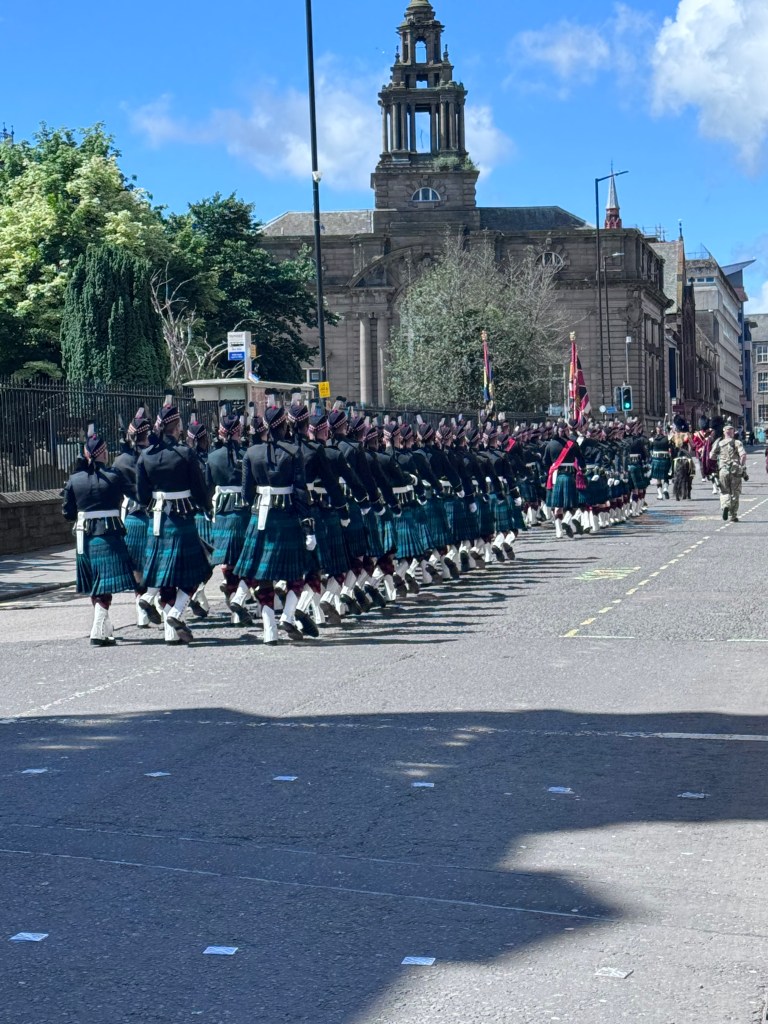
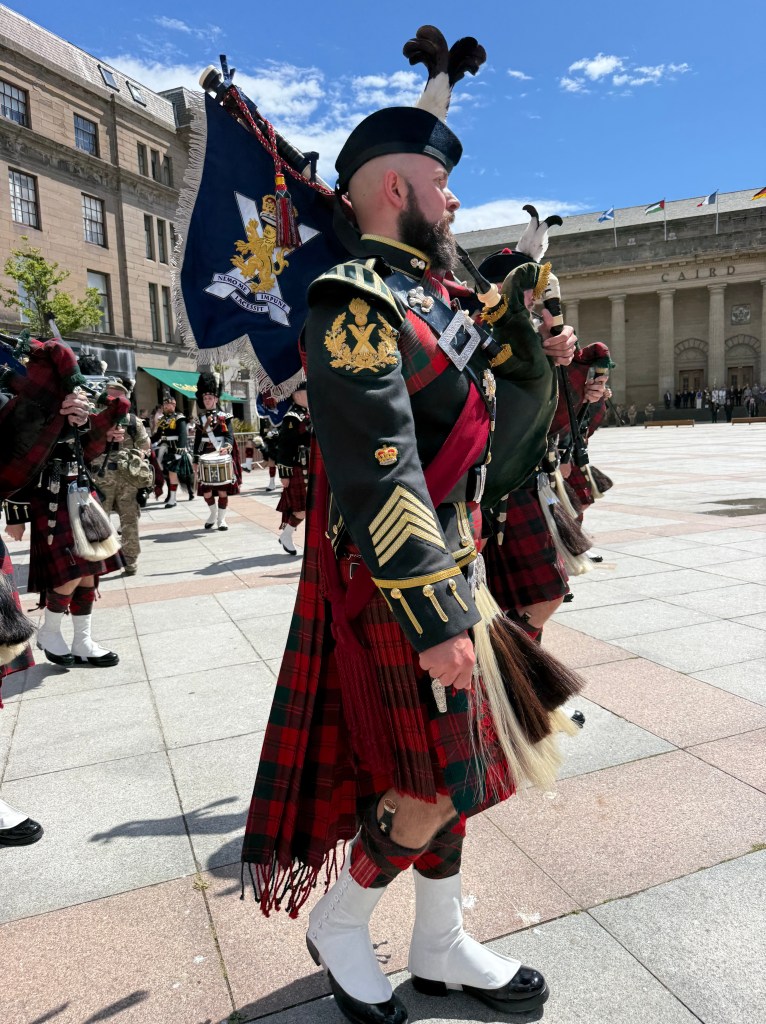
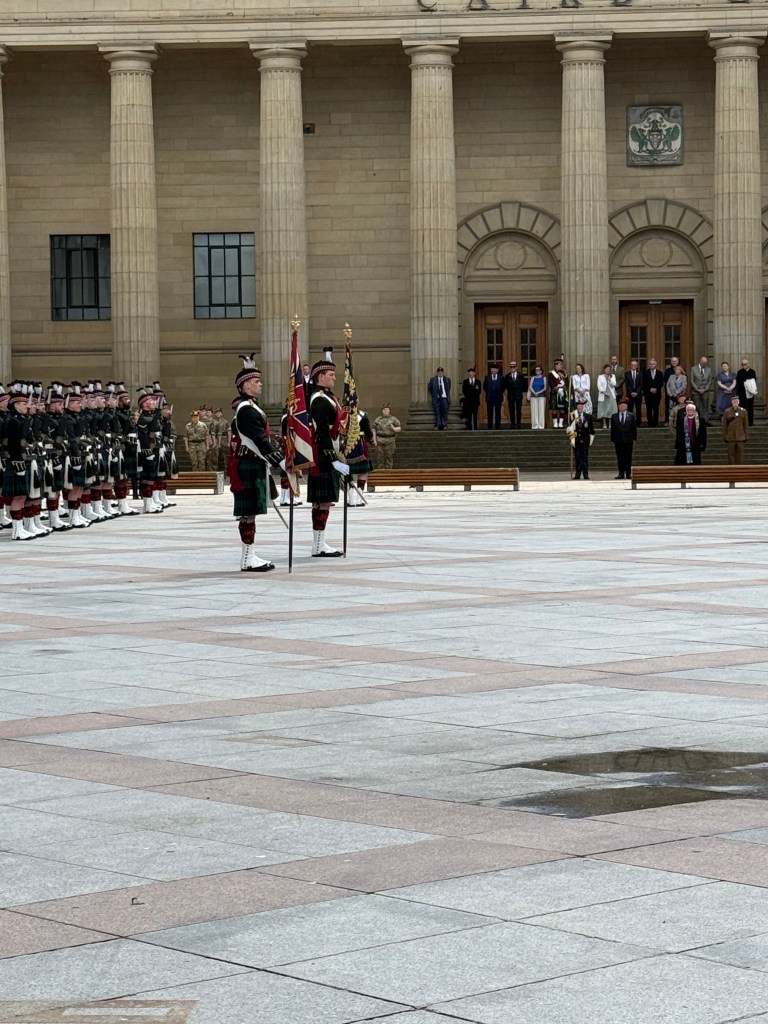
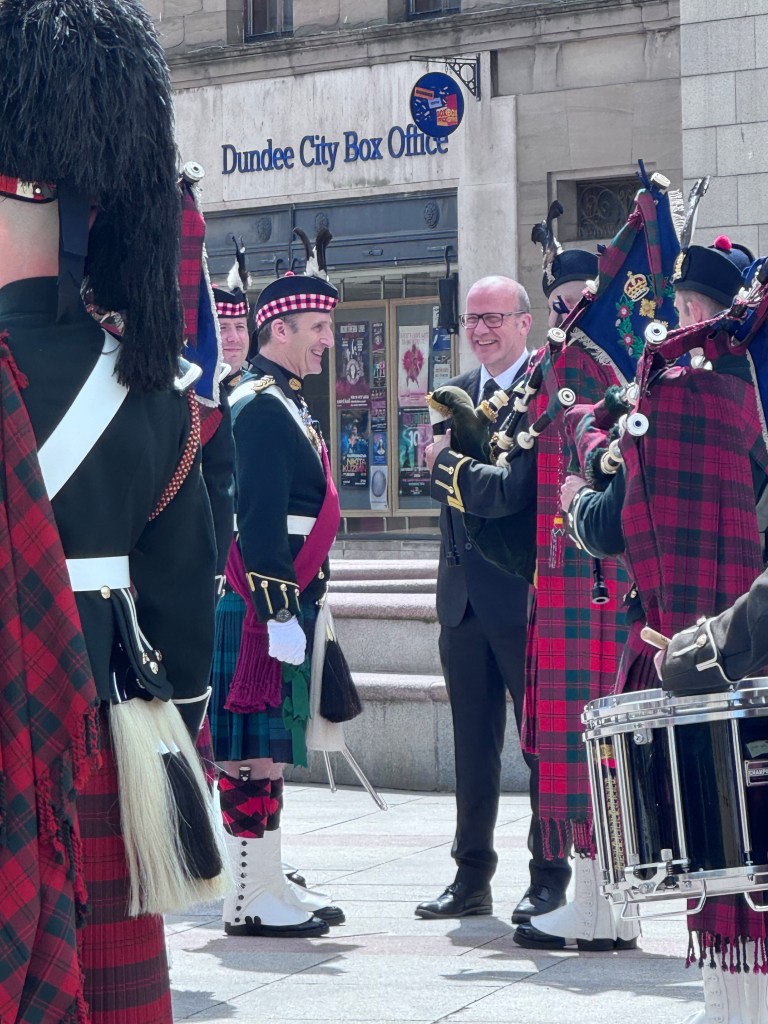
Suddenly, we found ourselves standing right where the regiment was assembling. I was able to film the soldiers and bagpipers as they marched past us. Later, we returned to the city center and found barriers set up around City Square. I stationed Mom and Kiya along the fence while I found a spot to record the procession entering the city.

What followed was an incredible ceremony. I am struggling to post videos on here so I will post on Facebook.

On June 20, 2026, the Royal Regiment of Scotland was granted the Freedom of the City of Dundee—the first military unit to receive the honor in more than seventy years. The last regiment to receive the distinction was the Black Watch in 1954.

The Freedom of the City is one of the highest honors a city can bestow. Dating back to medieval times, it traditionally granted military units the right to march through the city with “drums beating, colours flying, and bayonets fixed.” Today, it symbolizes the trust, respect, and enduring bond between a city and those who serve it.

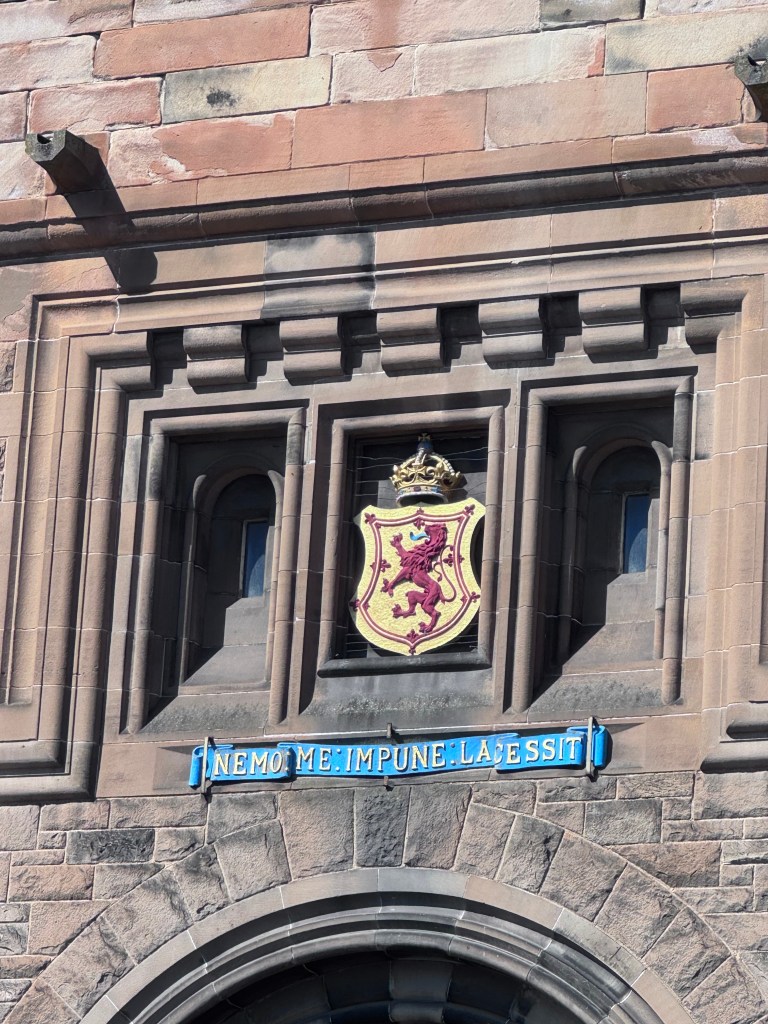
The Royal Regiment of Scotland, formed in 2006, is the senior infantry regiment of the British Army and carries forward more than 390 years of Scottish military heritage. Their motto, Nemo Me Impune Lacessit—”No one provokes me with impunity”—is shared with Scotland’s highest order of chivalry, the Order of the Thistle.

The regiment has served around the world, including Afghanistan, Iraq, Bosnia, Northern Ireland, Cyprus, Africa, and the Caribbean, while also supporting disaster relief efforts and assisting communities during floods, wildfires, and the COVID-19 pandemic.

As the soldiers marched through the streets accompanied by the sound of bagpipes echoing between the historic buildings, it felt like we had stepped into a piece of living history. What started as following a few young men in kilts turned into witnessing a once-in-a-generation event.

Without a doubt, it was one of the best experiences of our trip so far.

Sometimes the most memorable adventures are the ones you never planned.

That post perfectly captures the unexpected moments that make travel special. The image of following the kilts “at the speed of pudding” is especially memorable!

Trains, Towers, and the Blarney Stone

Kissing the Blarney Stone

We were up early again, navigating the Irish train system. One thing that continues to amaze us is how incredibly helpful everyone has been. The railway staff are always ready with ramps to help Kiya on and off the trains, and if a worker isn’t immediately available, complete strangers step in to help. The kindness we’ve experienced has been overwhelming.

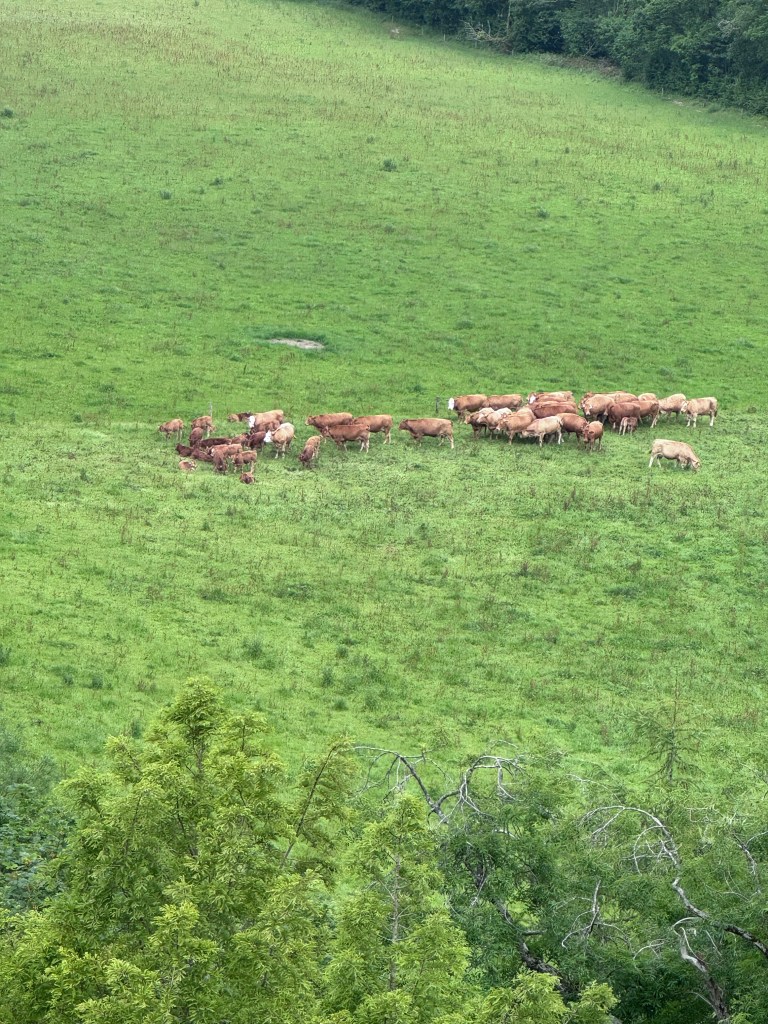
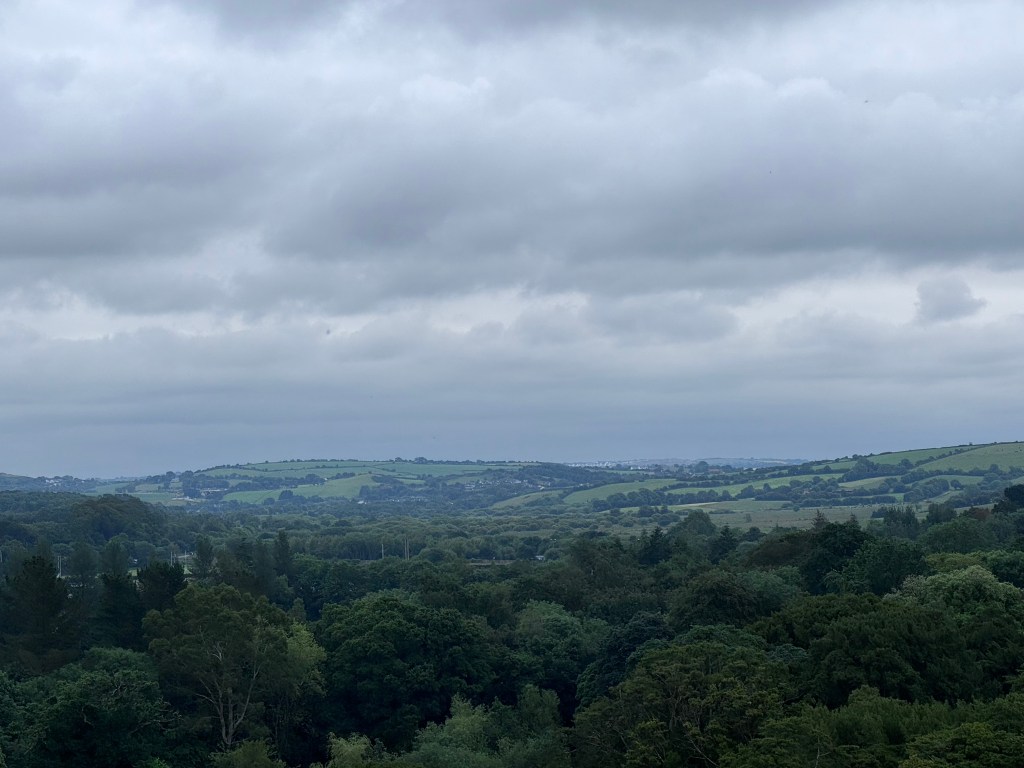
The train ride through the Irish countryside was absolutely gorgeous. Rolling green fields stretched for miles, dotted with sheep, cattle, and stone fences. It felt like something straight out of a postcard.

We were lucky enough to have an amazing taxi driver named Greg, who had us laughing the entire ride up to Blarney Castle. By the time we arrived, our cheeks hurt from smiling. He has five daughters ranging from 27-8

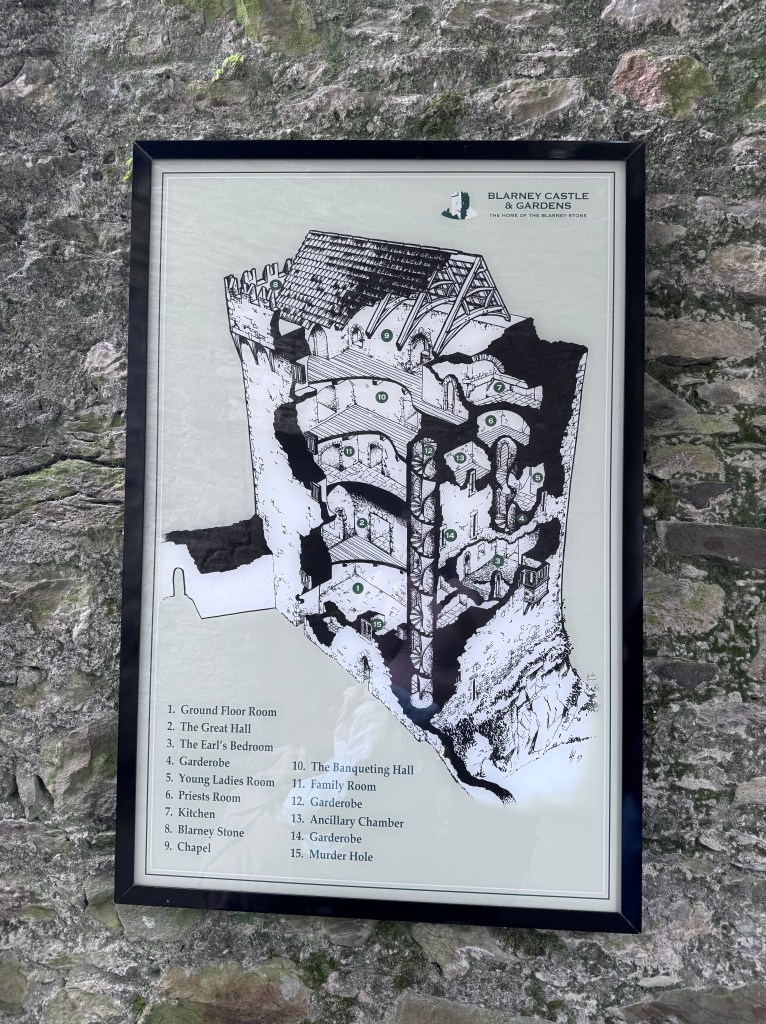
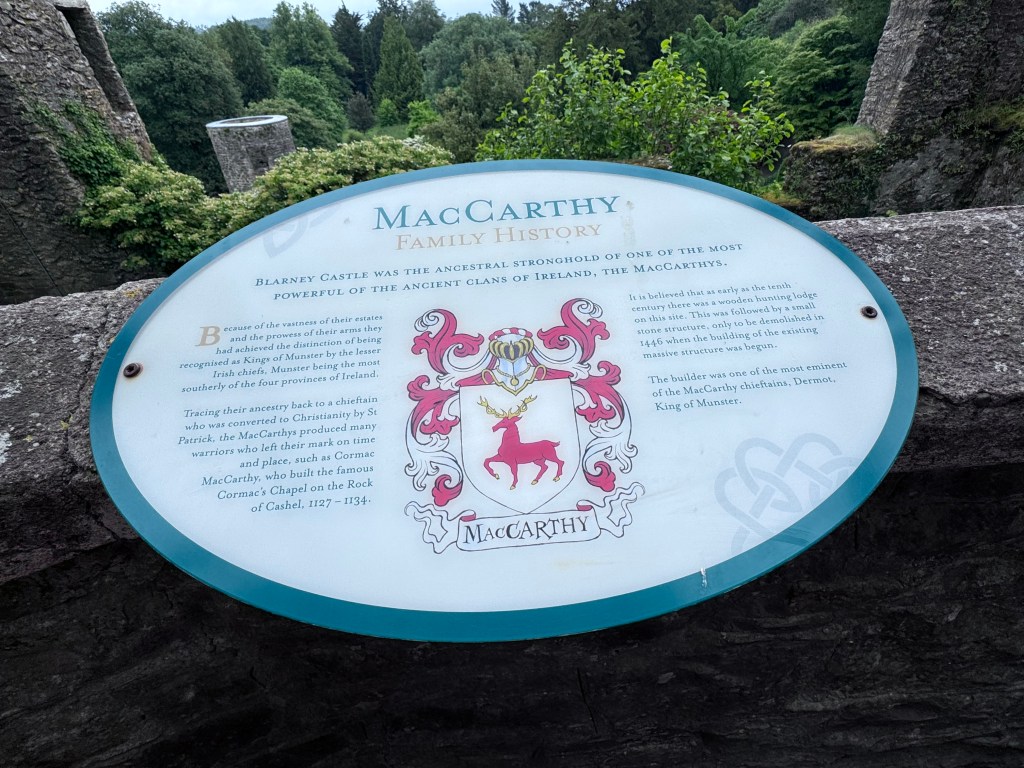
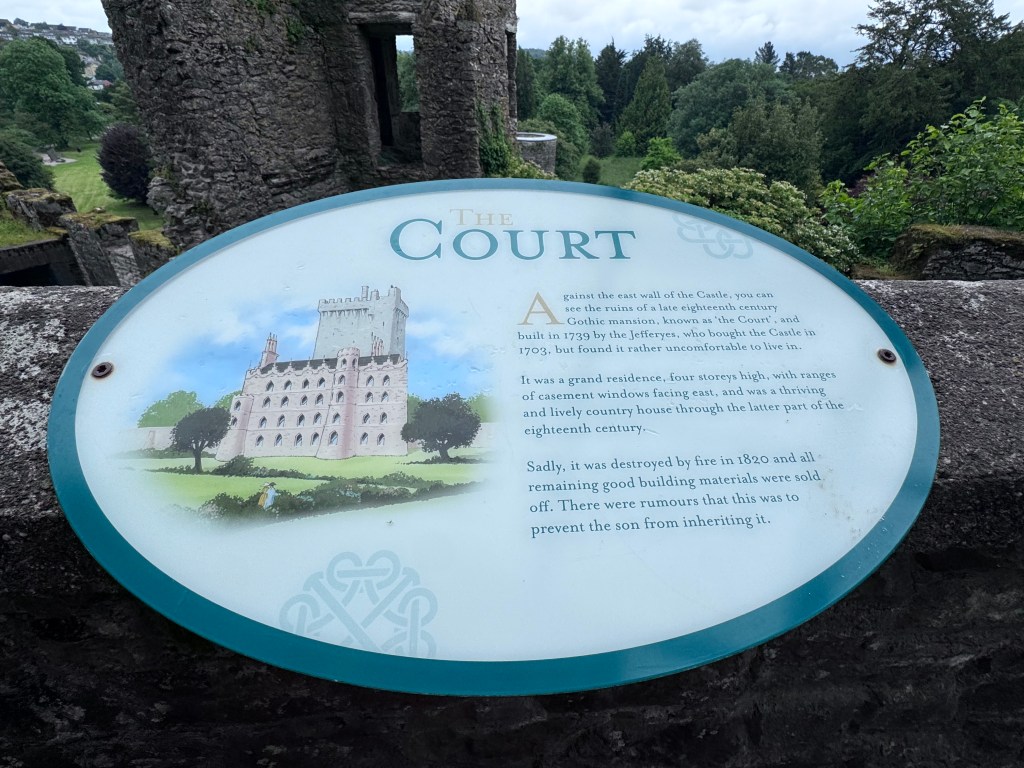
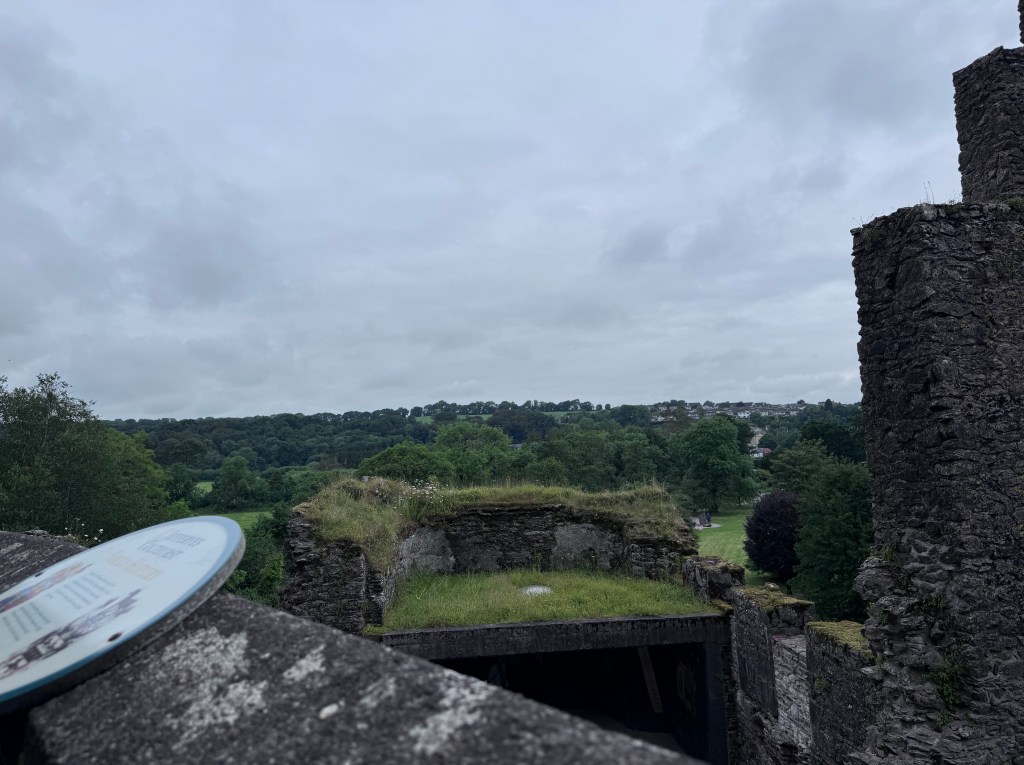
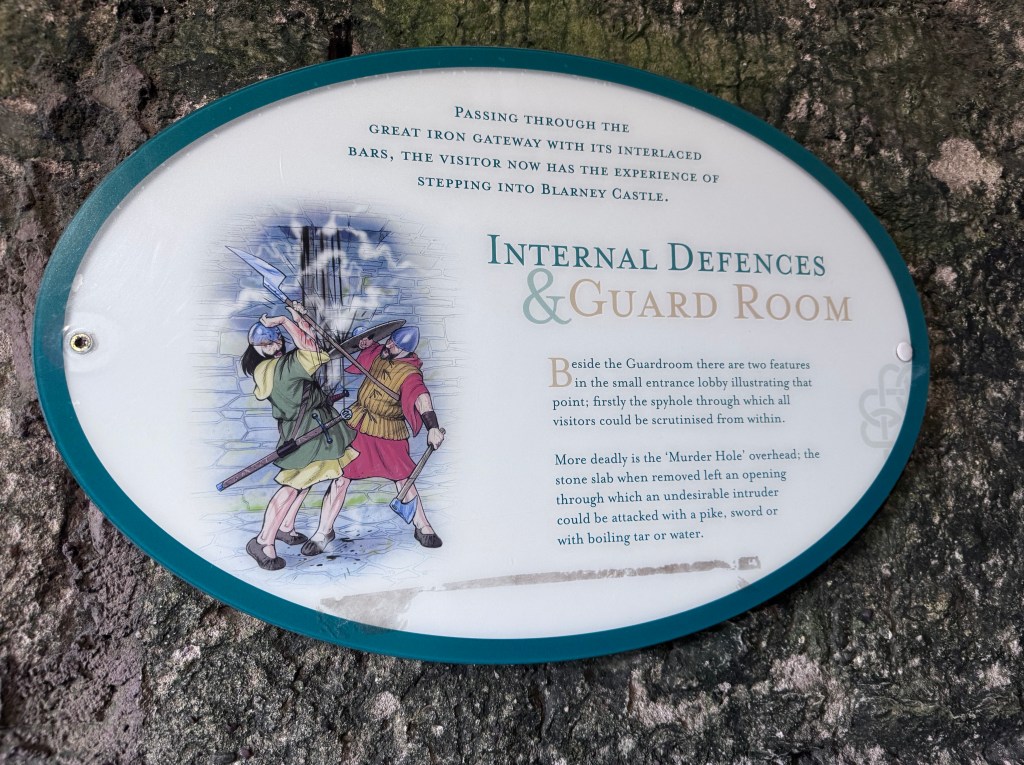
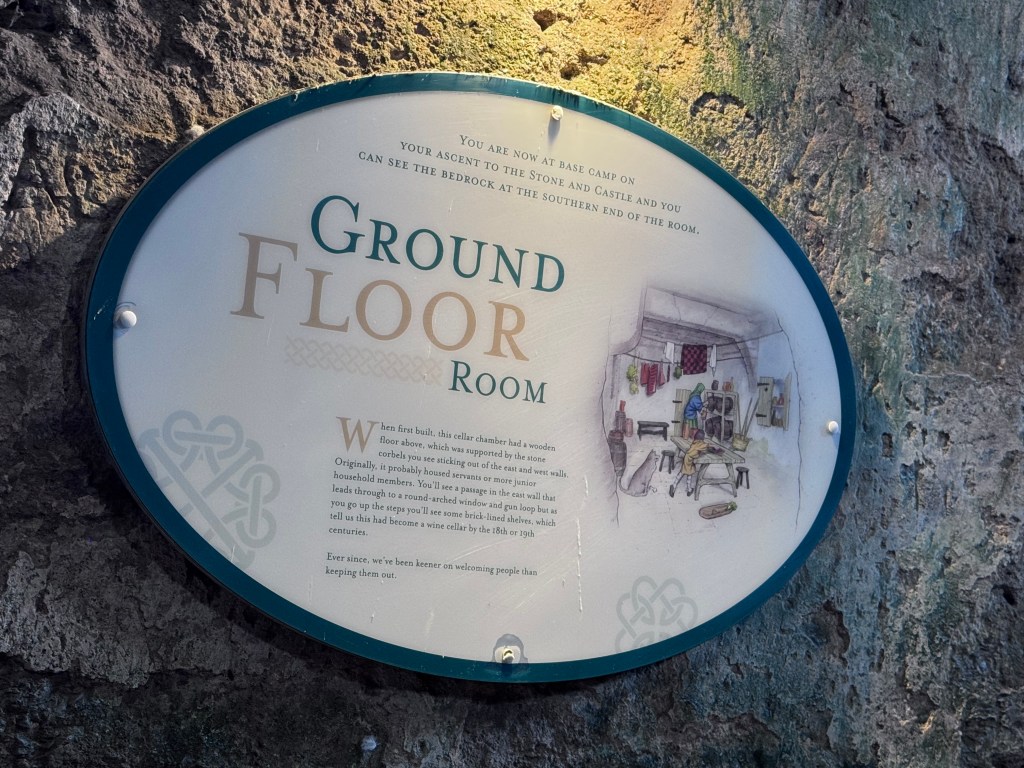
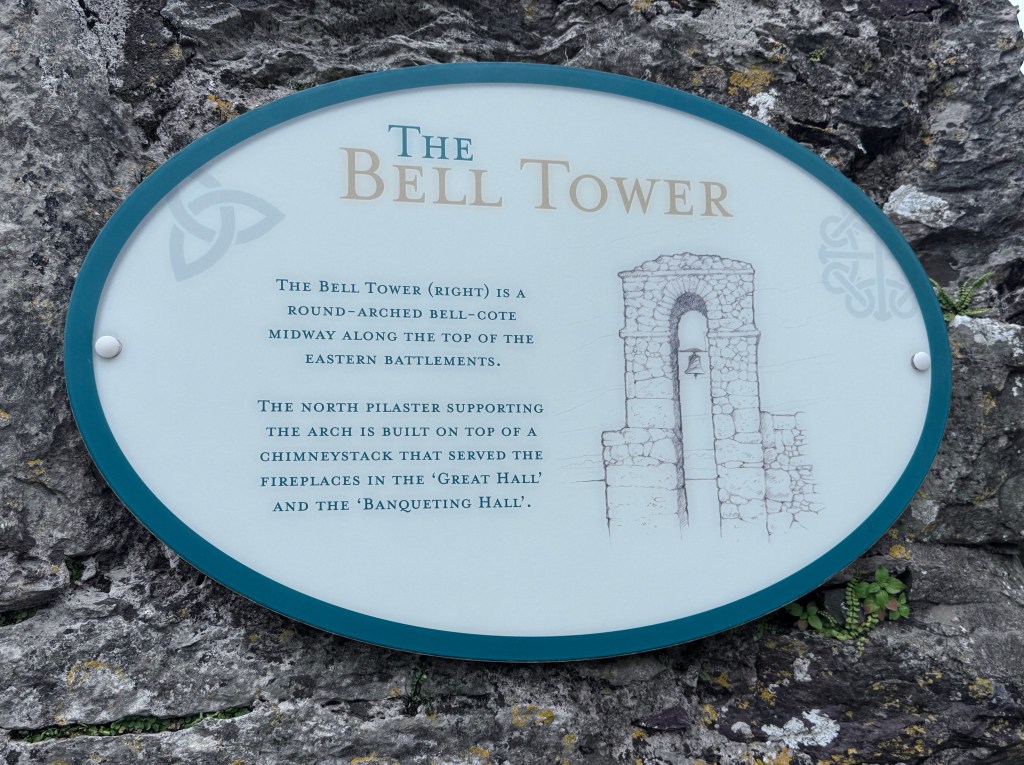
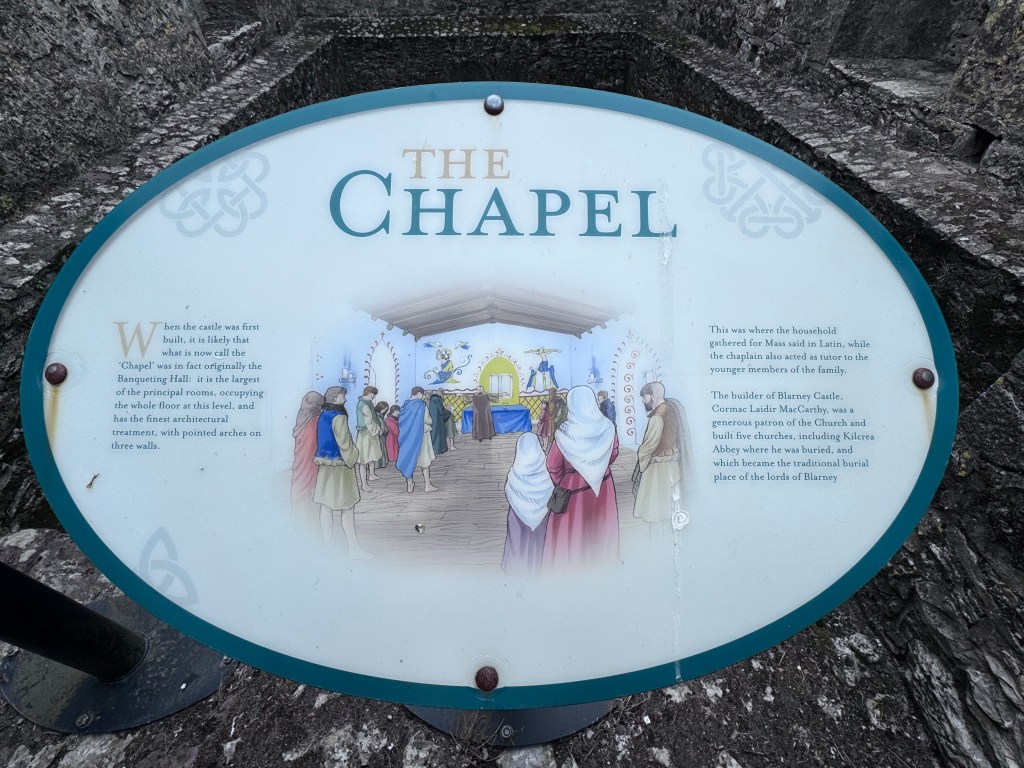
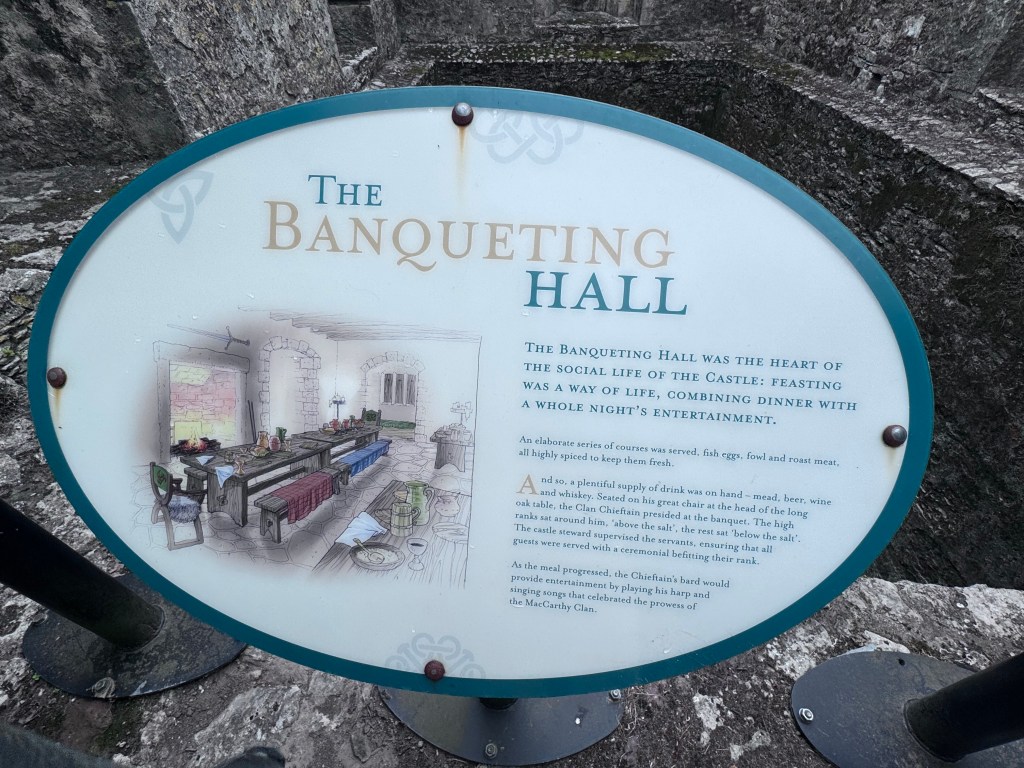
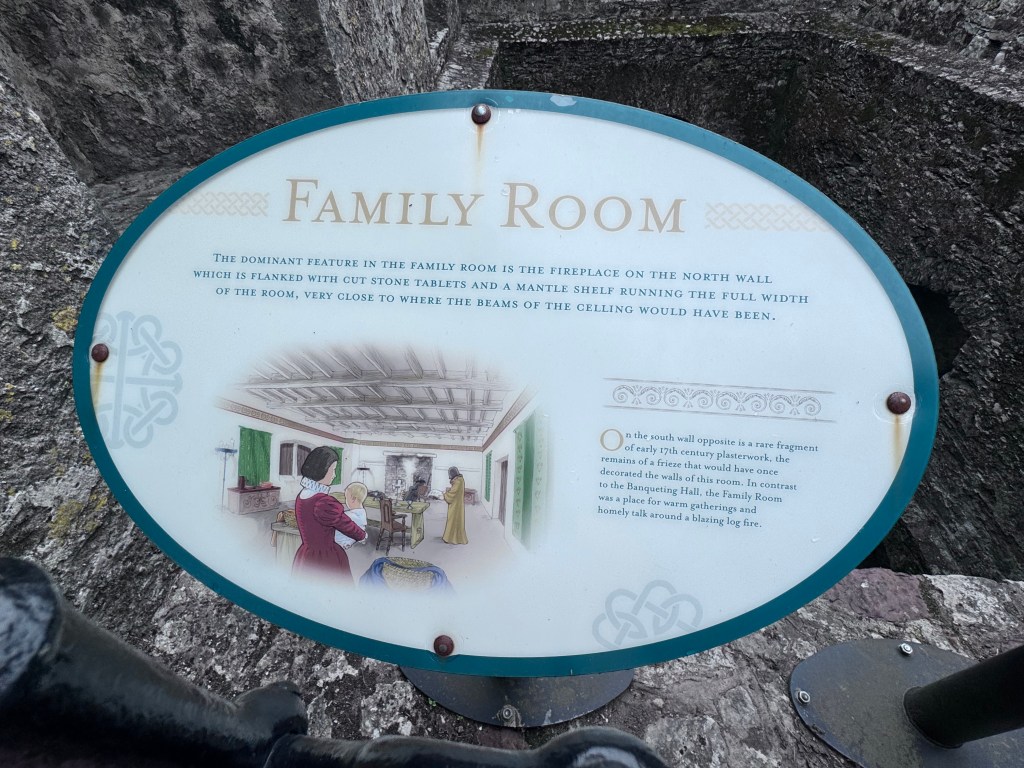
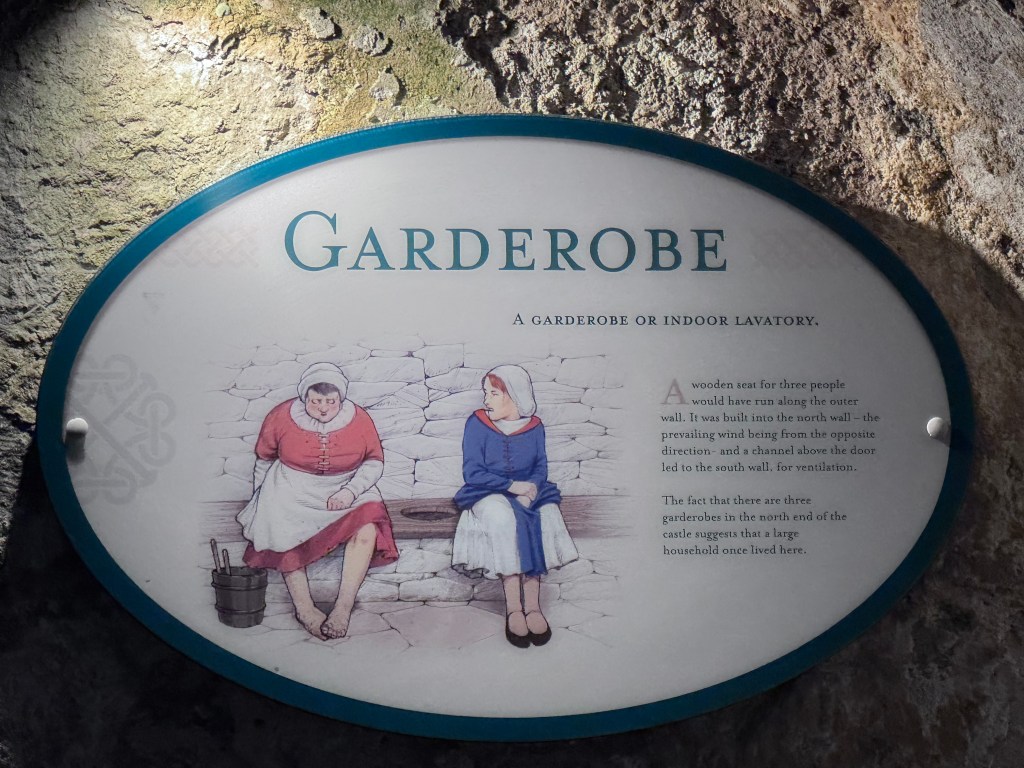
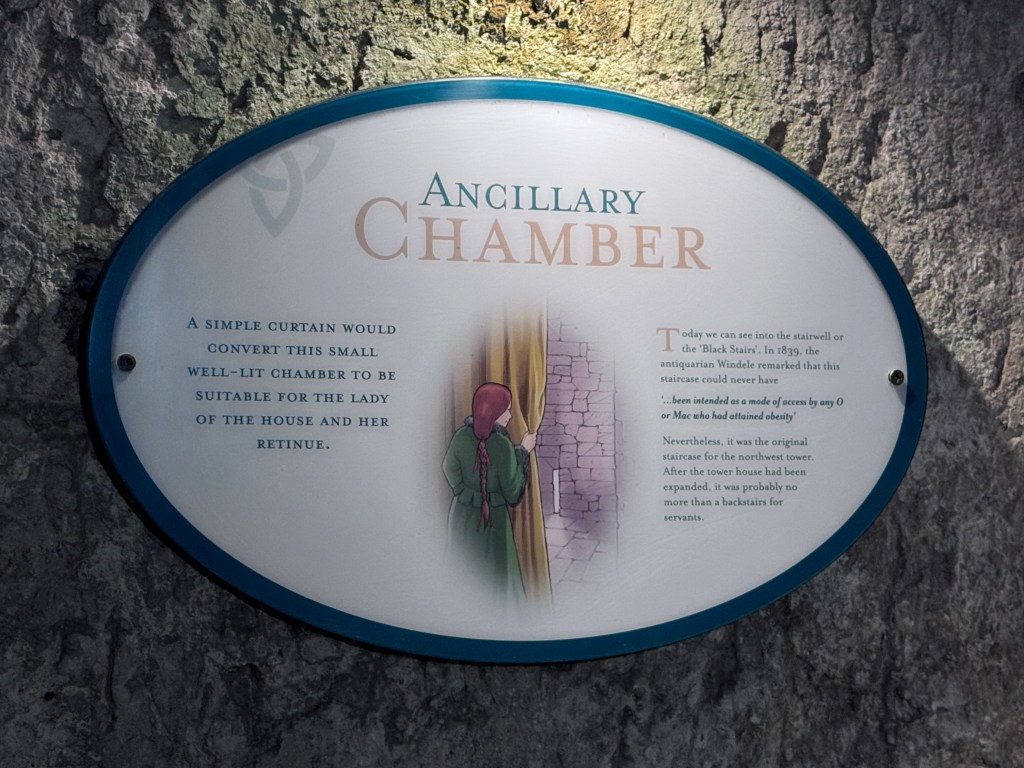
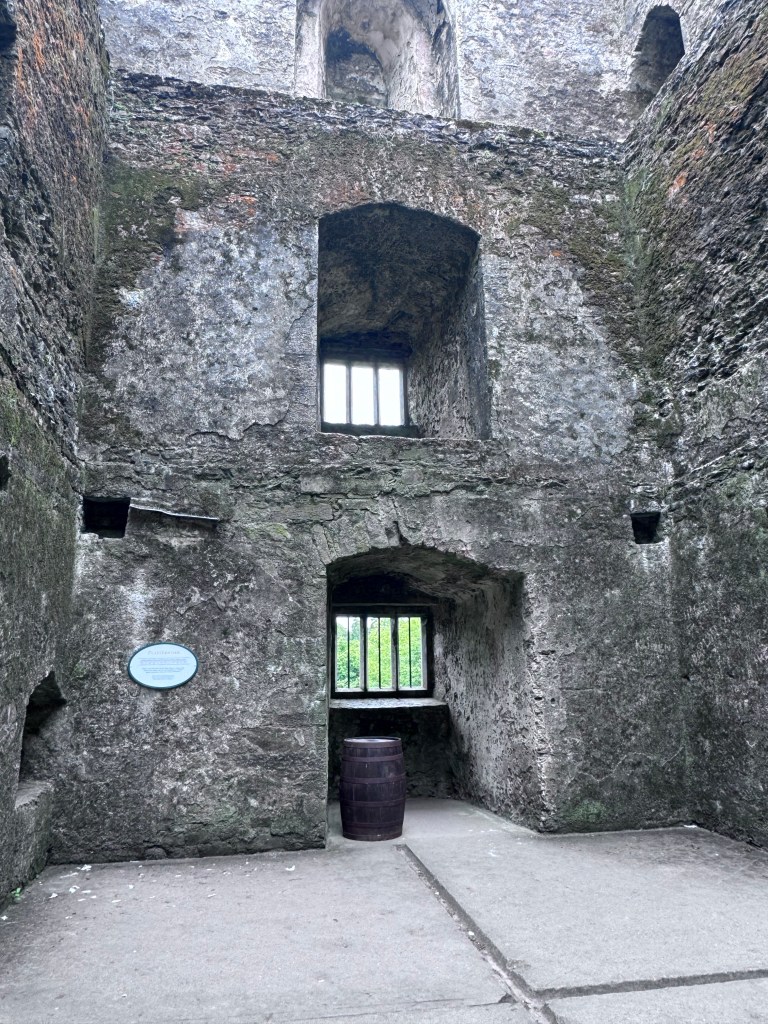
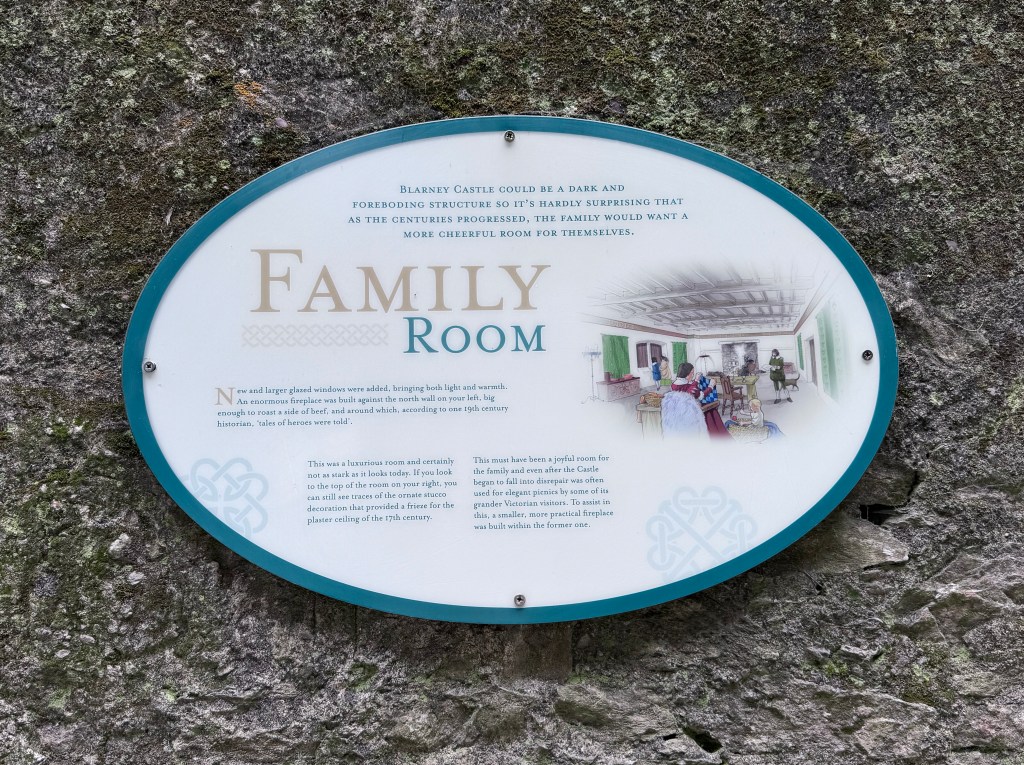
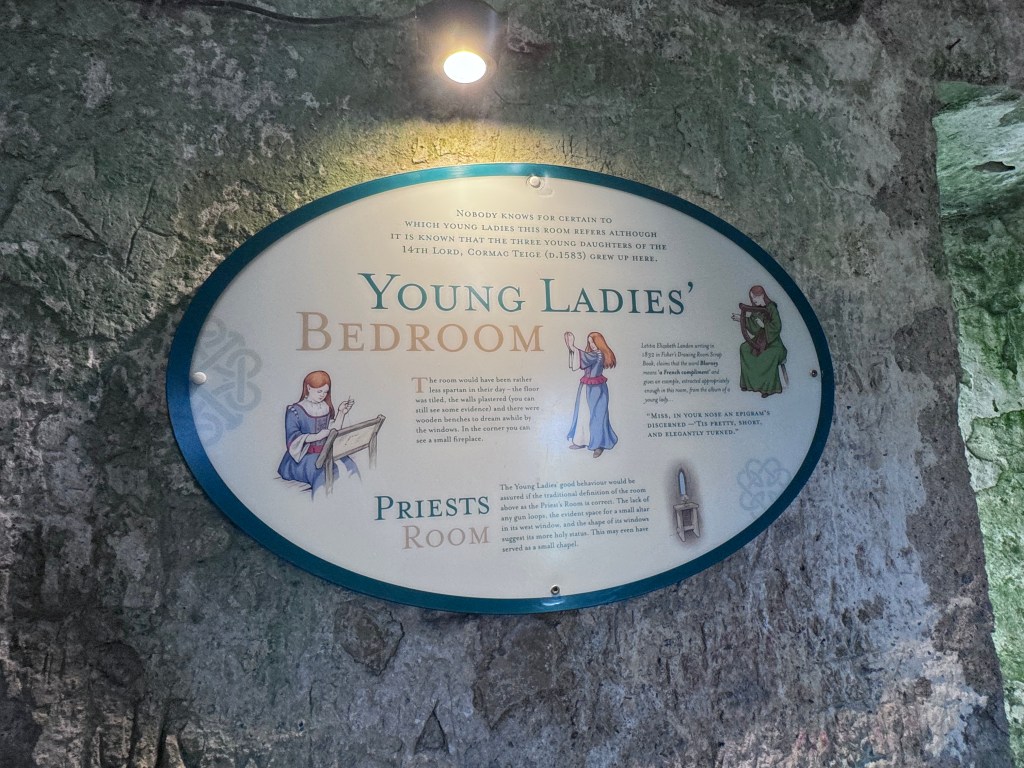
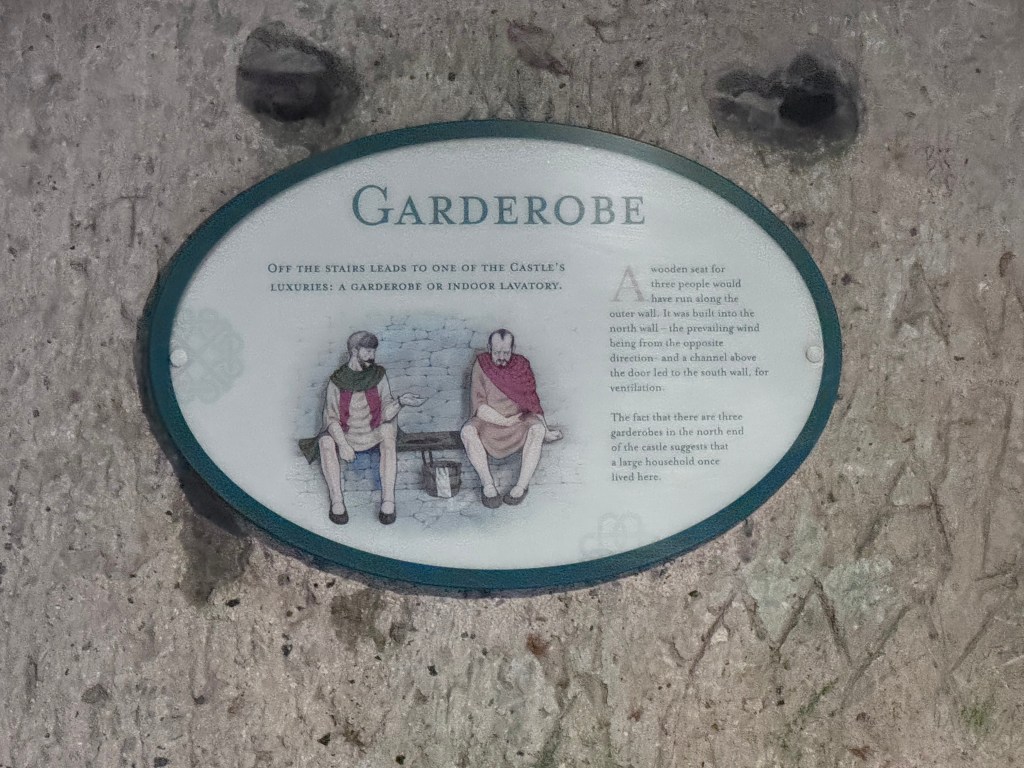
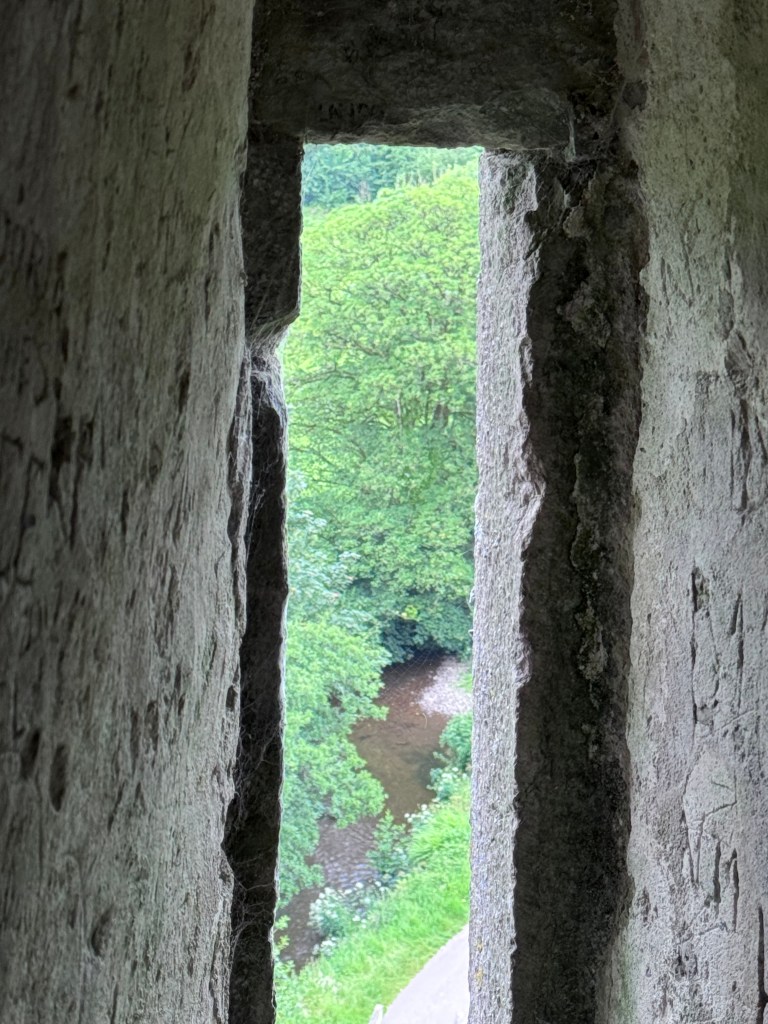
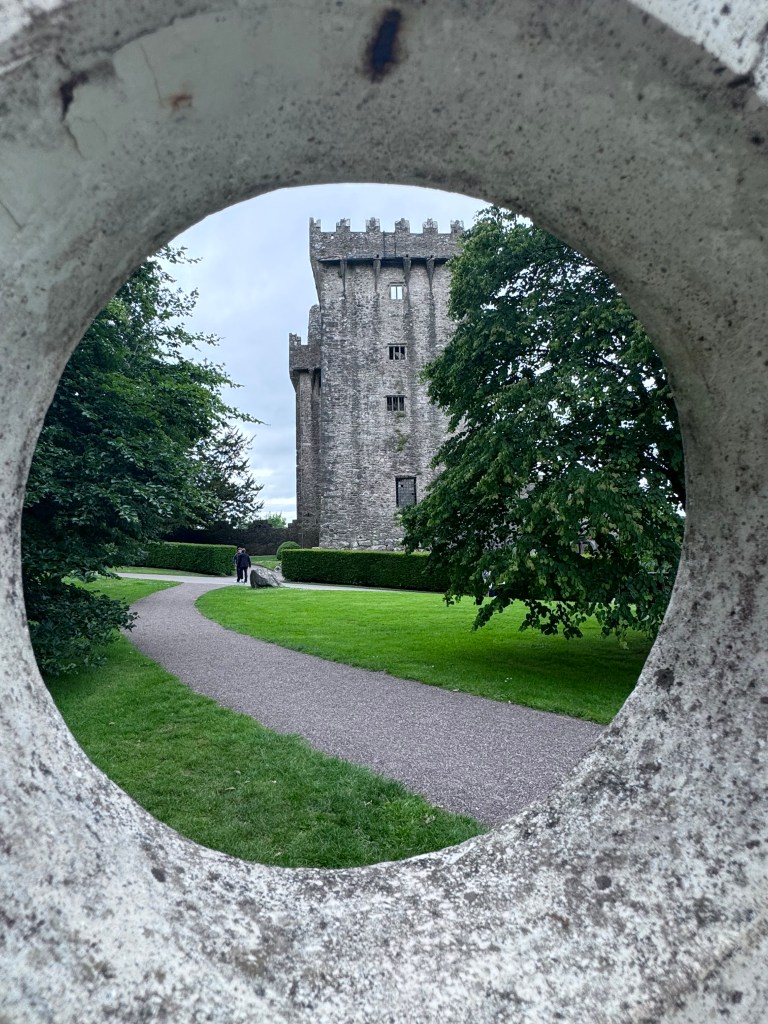
There was a small line at the castle entrance, so Mom, Kiya, and I waited together. Mom had visited Blarney Castle before, so she stayed below with Kiya while I made the climb. I could hear a few comments and notice some curious looks while we waited, as I am sure they were wondering how the wheelchair was going up into the castle. Once inside, I took photos of every sign on the way up and explored every room I could find on the way down.

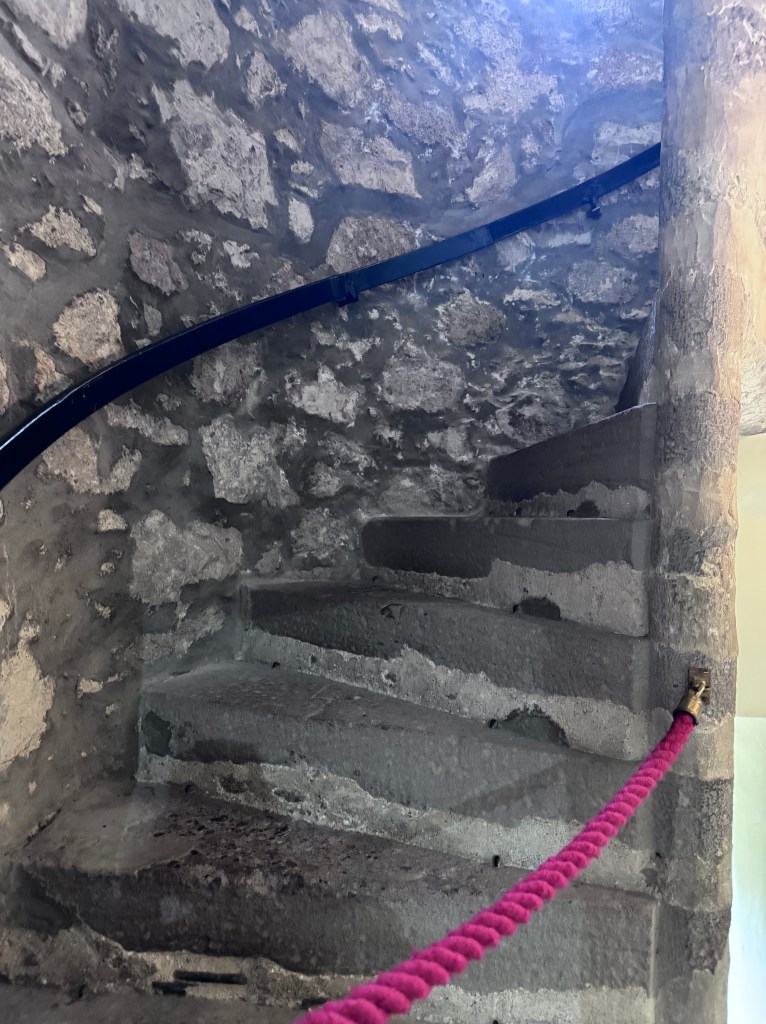
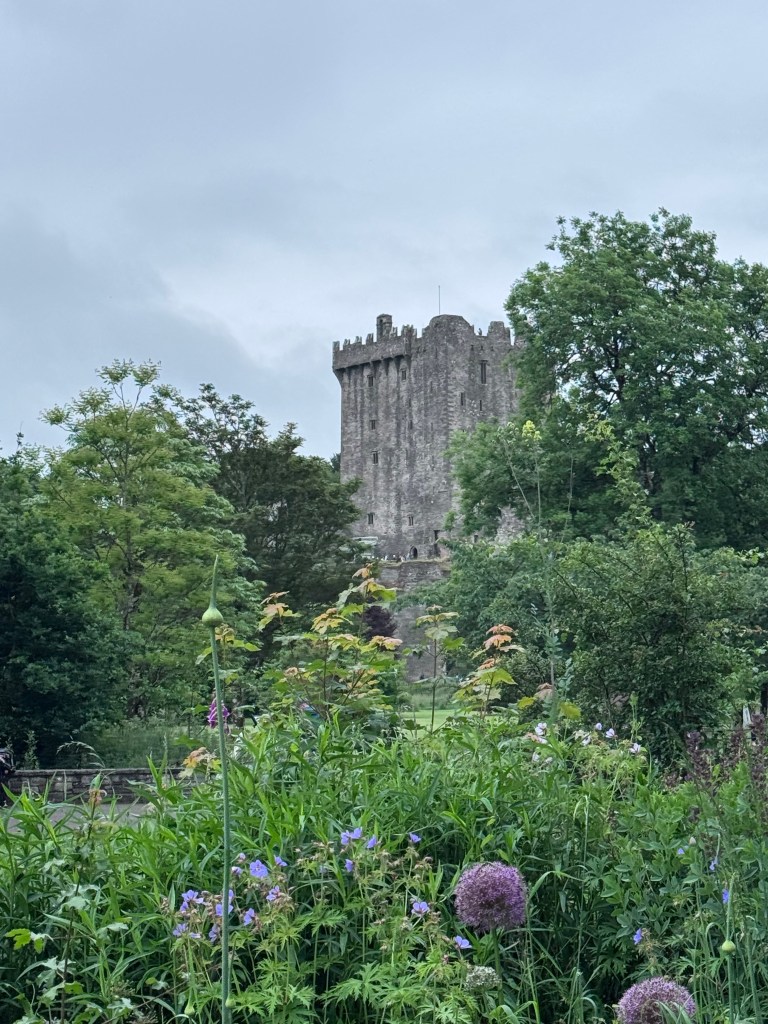
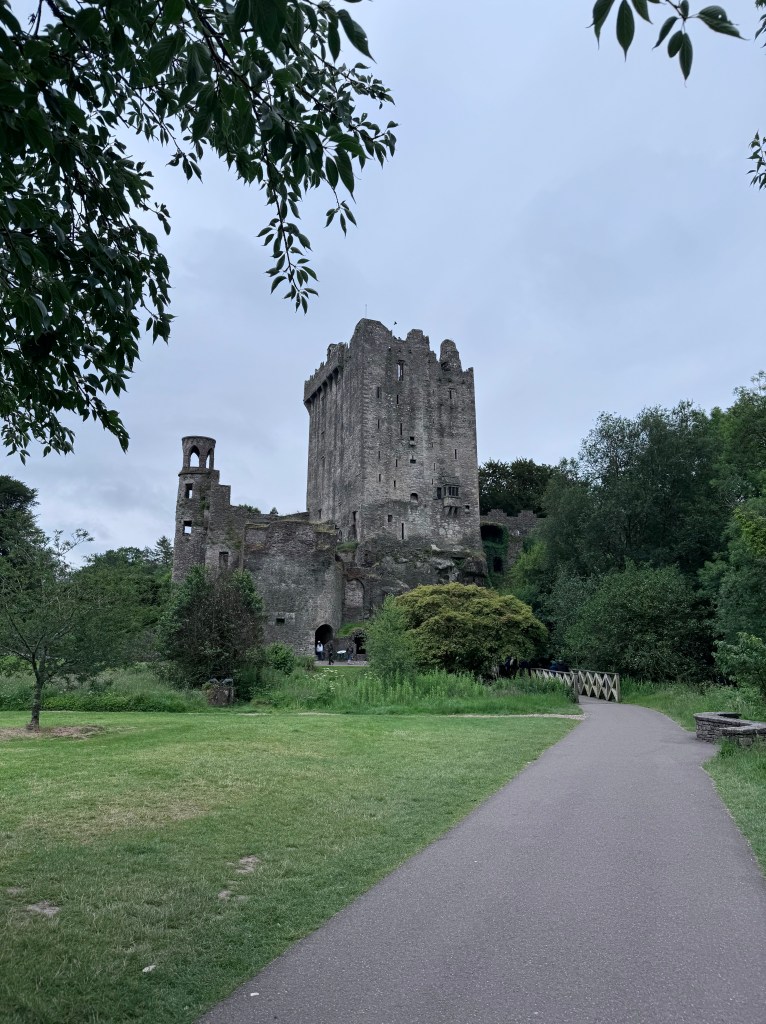
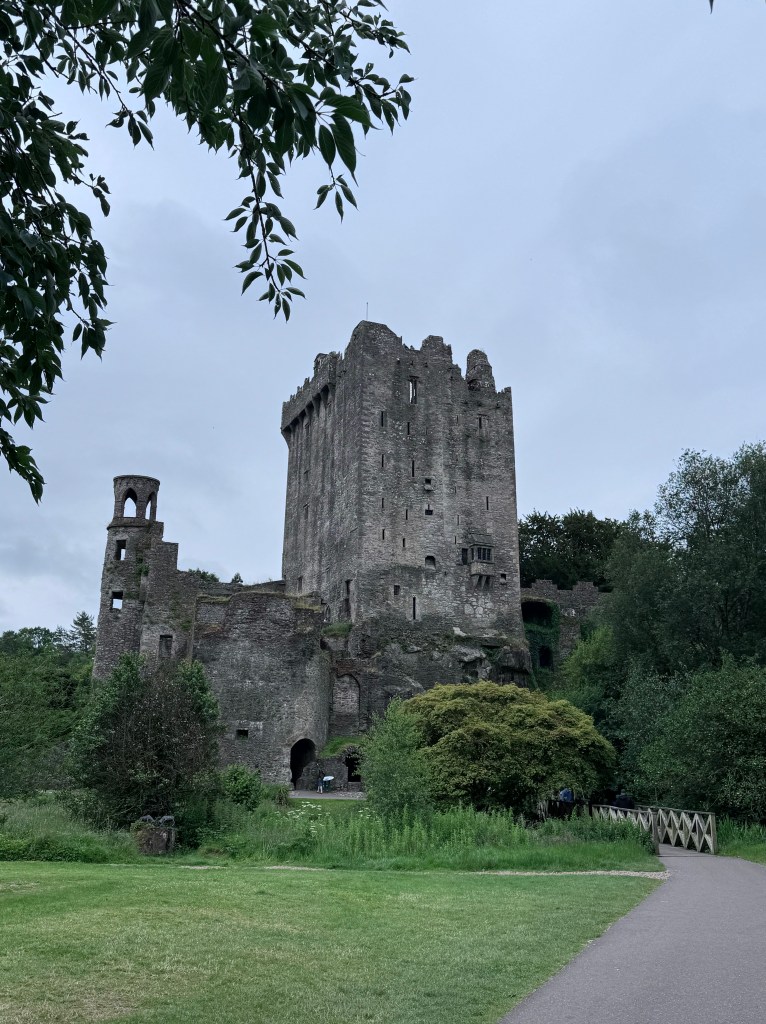
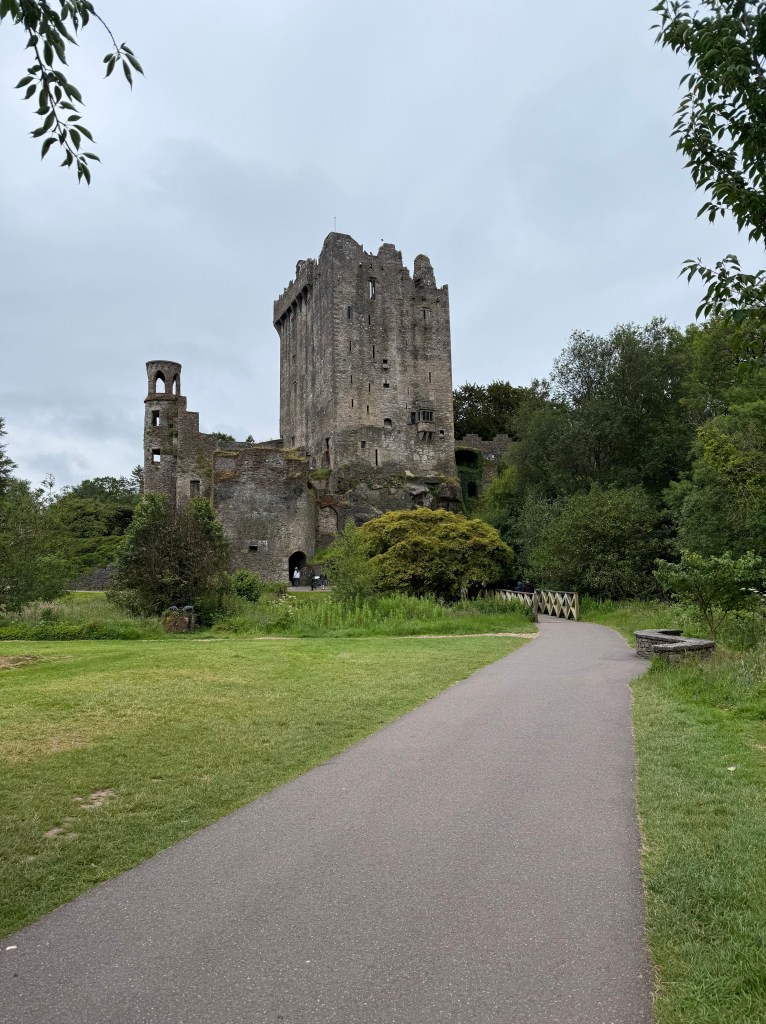
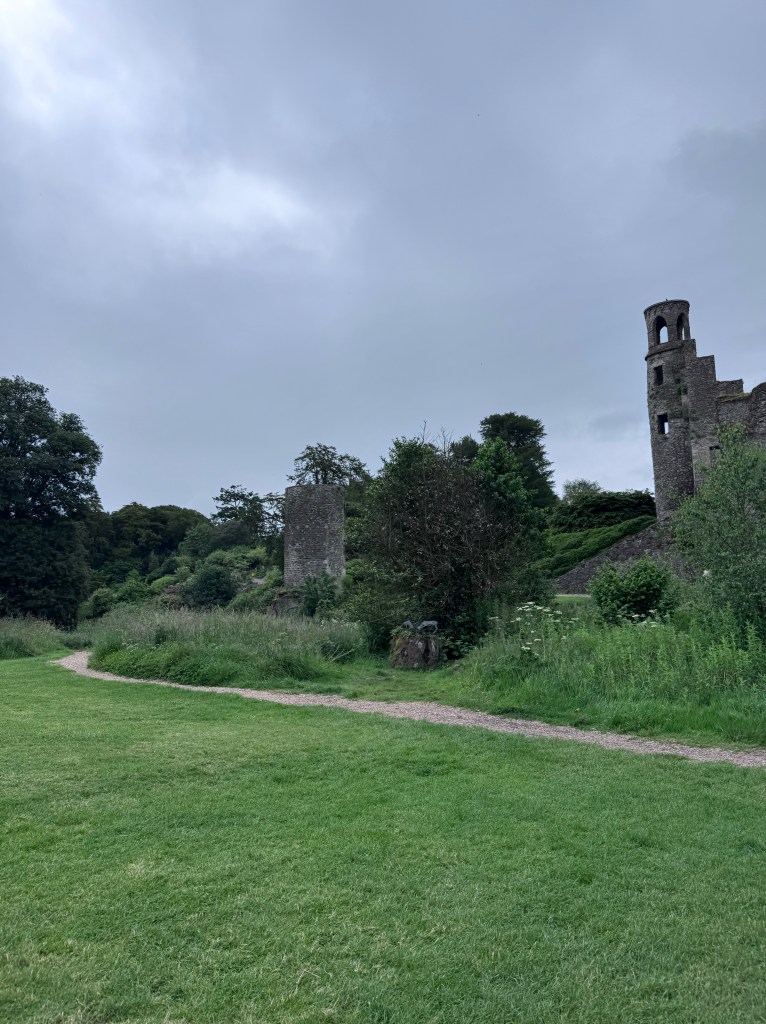
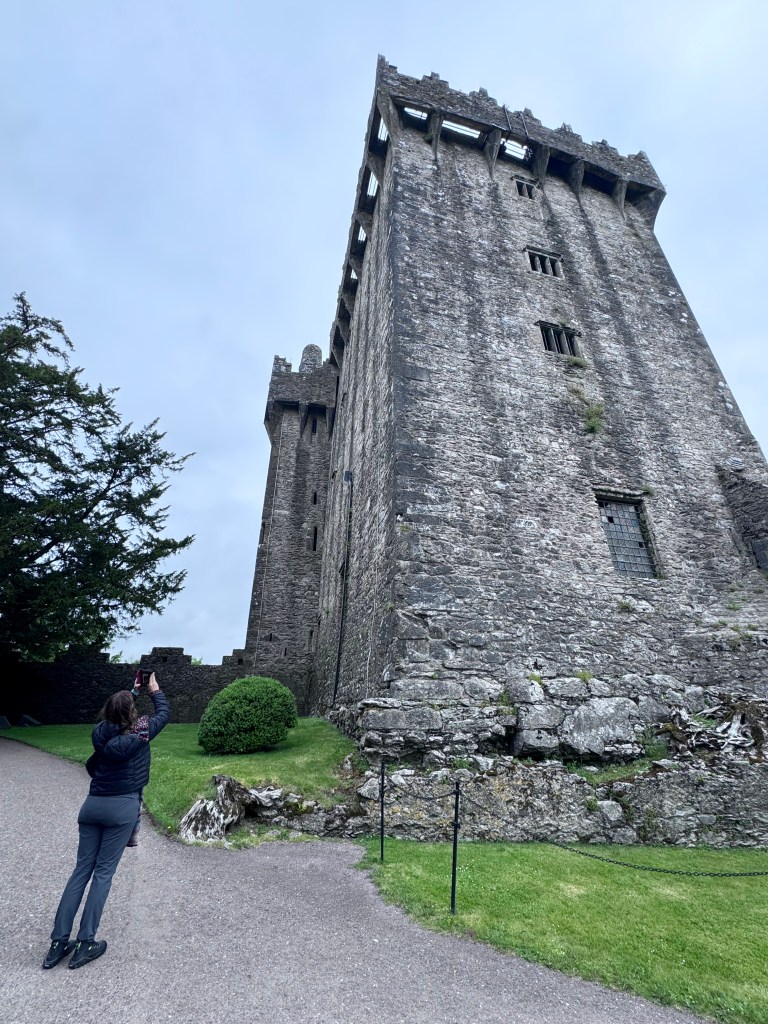
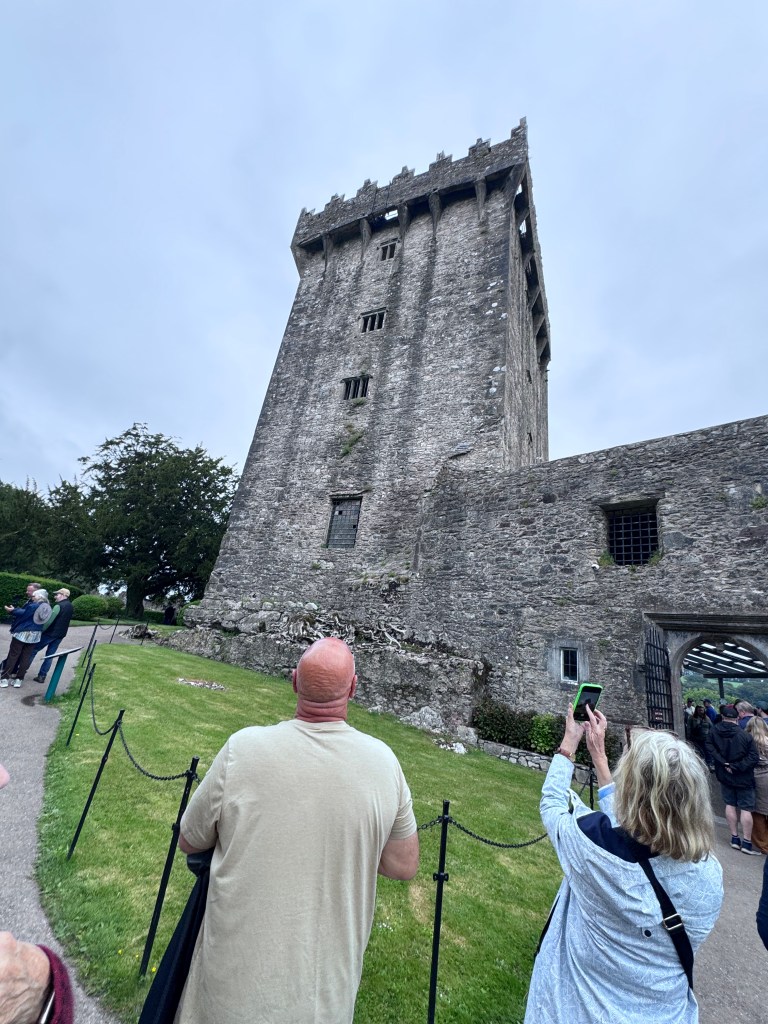
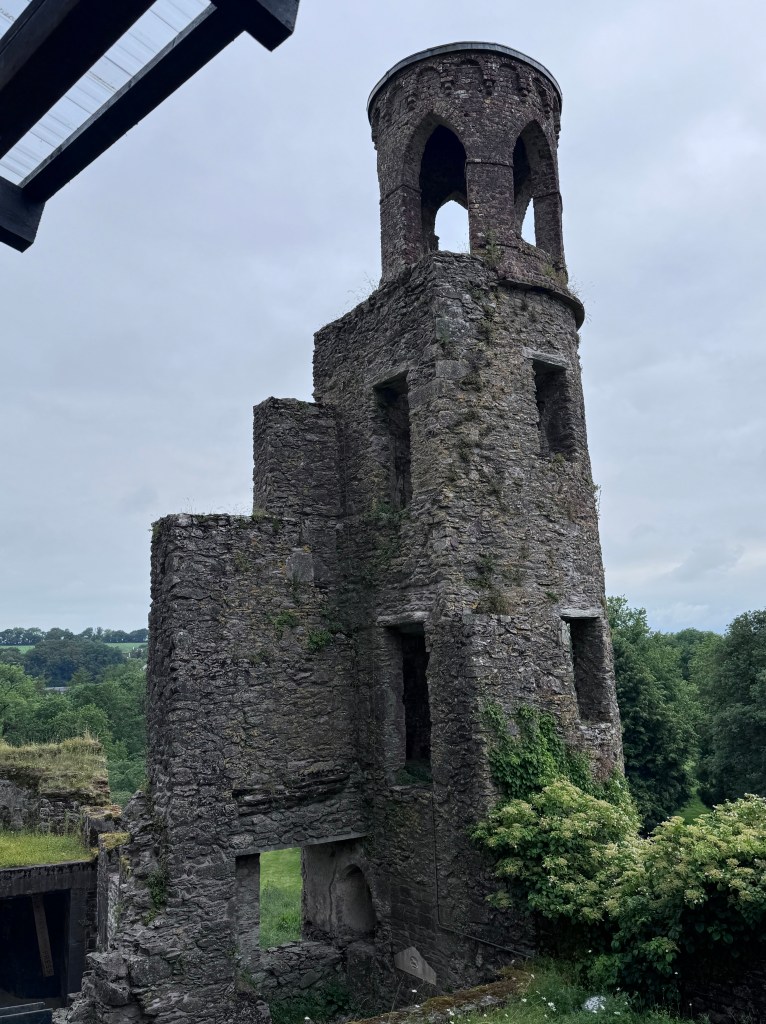
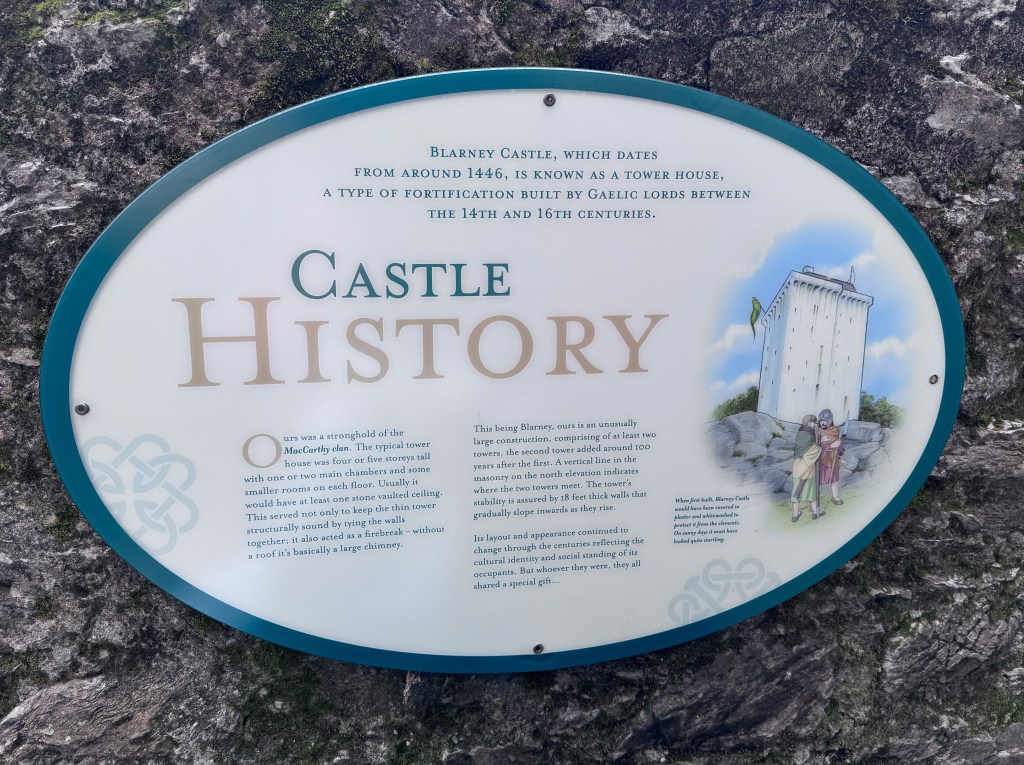
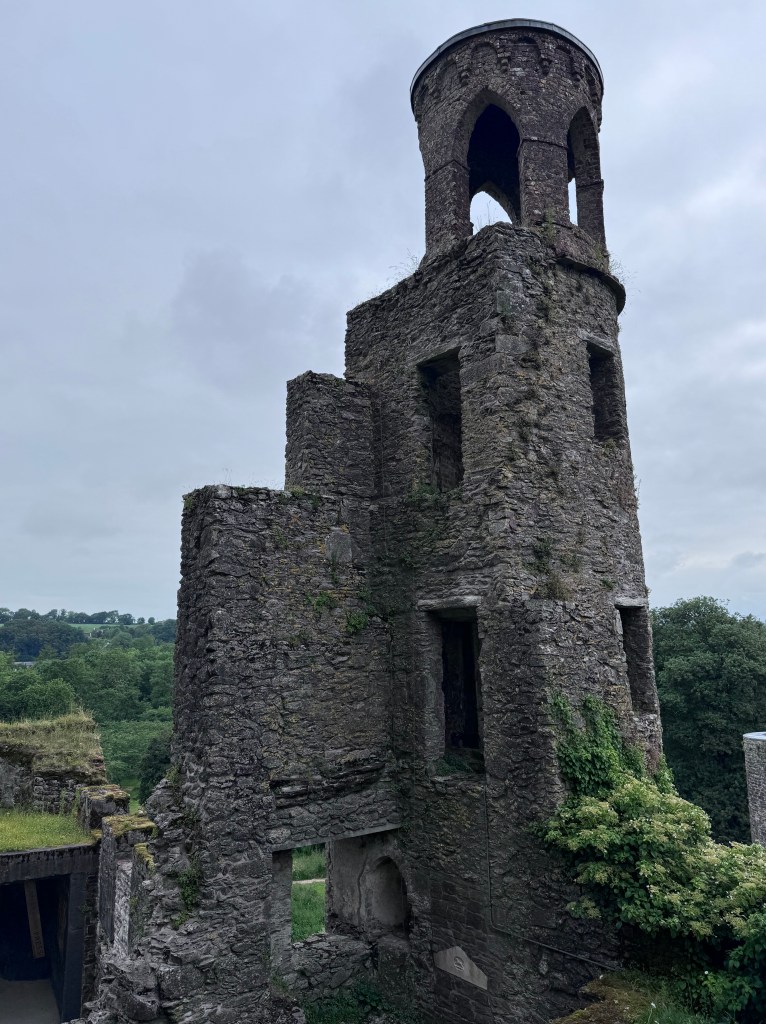
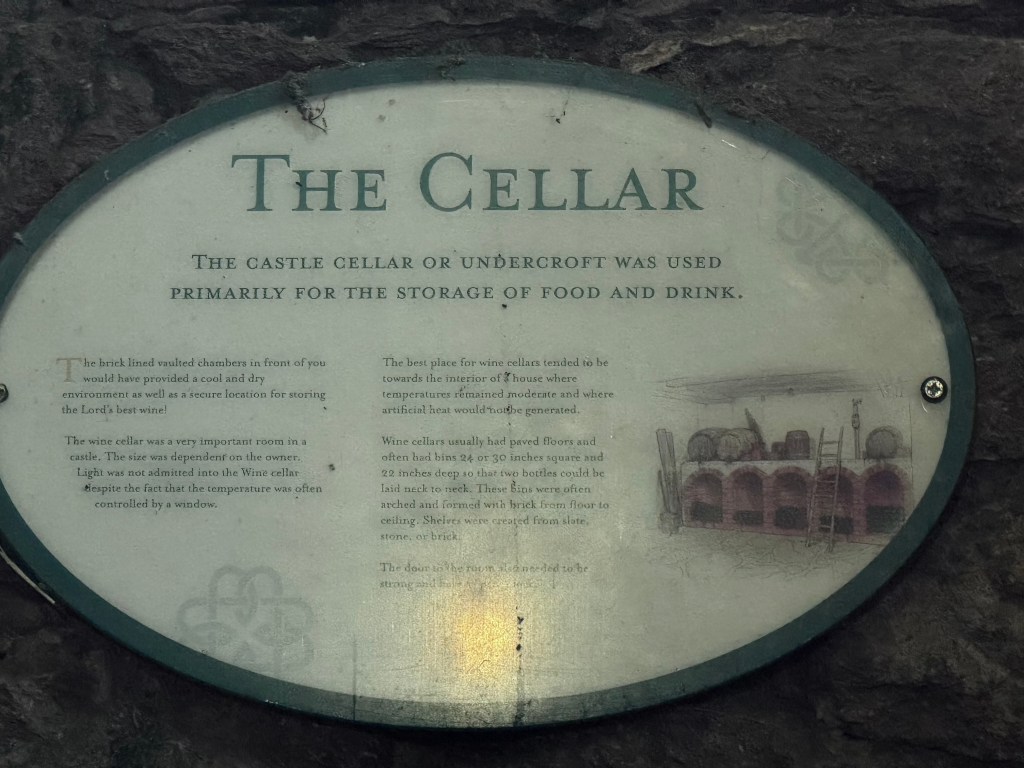
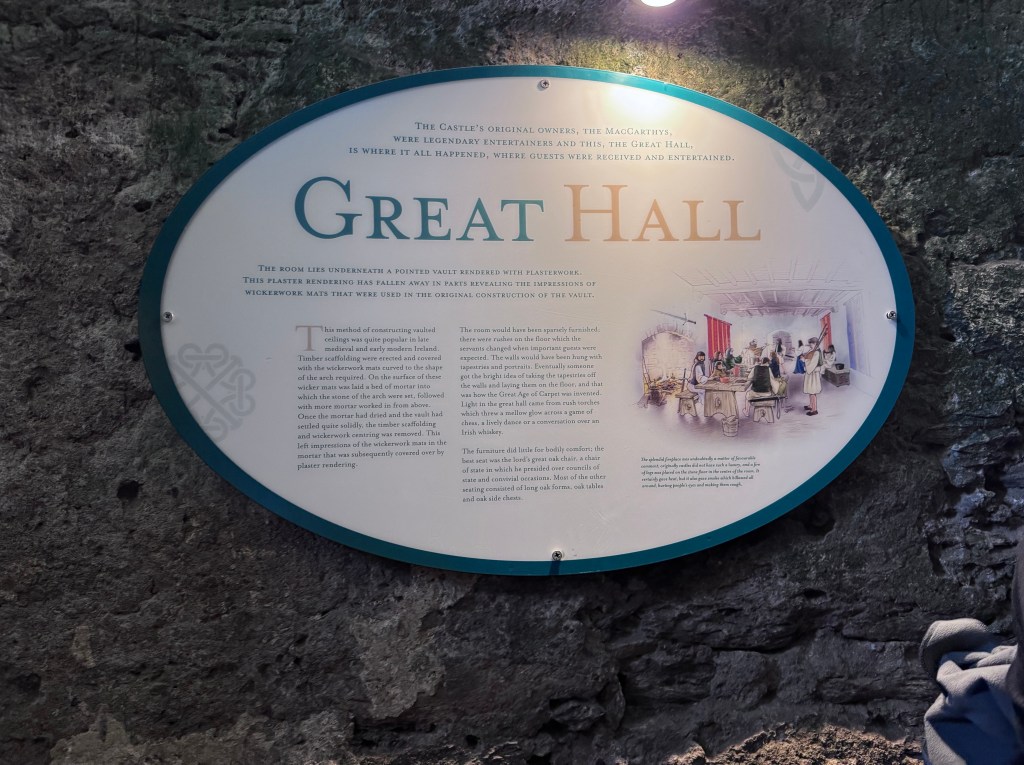
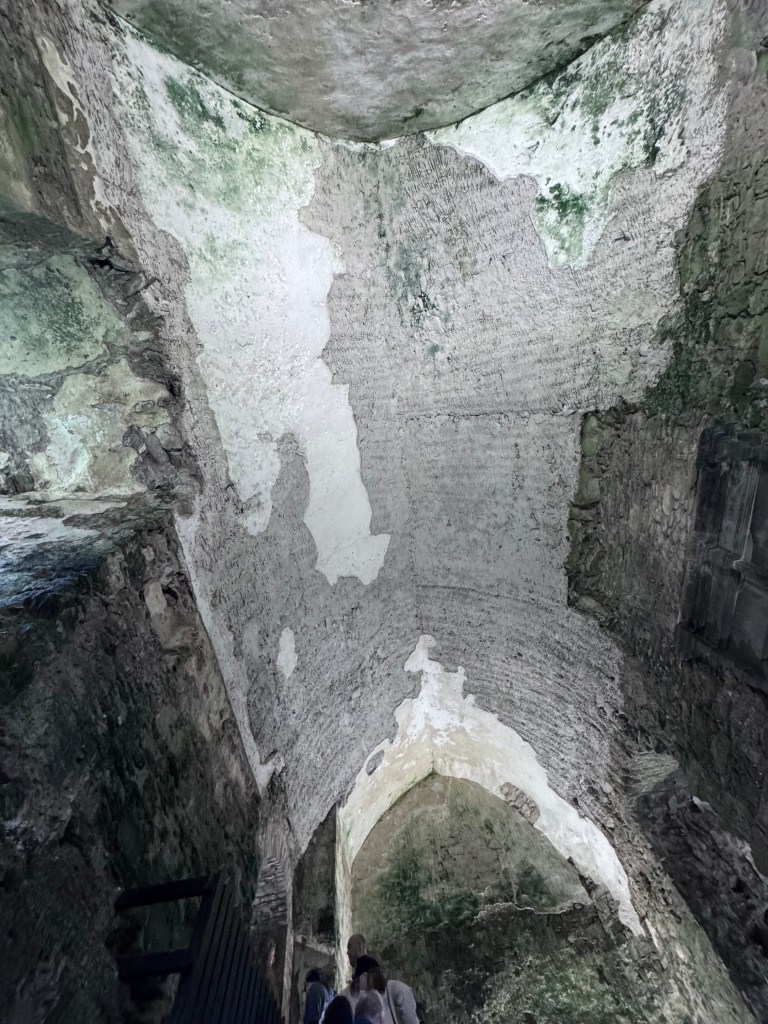
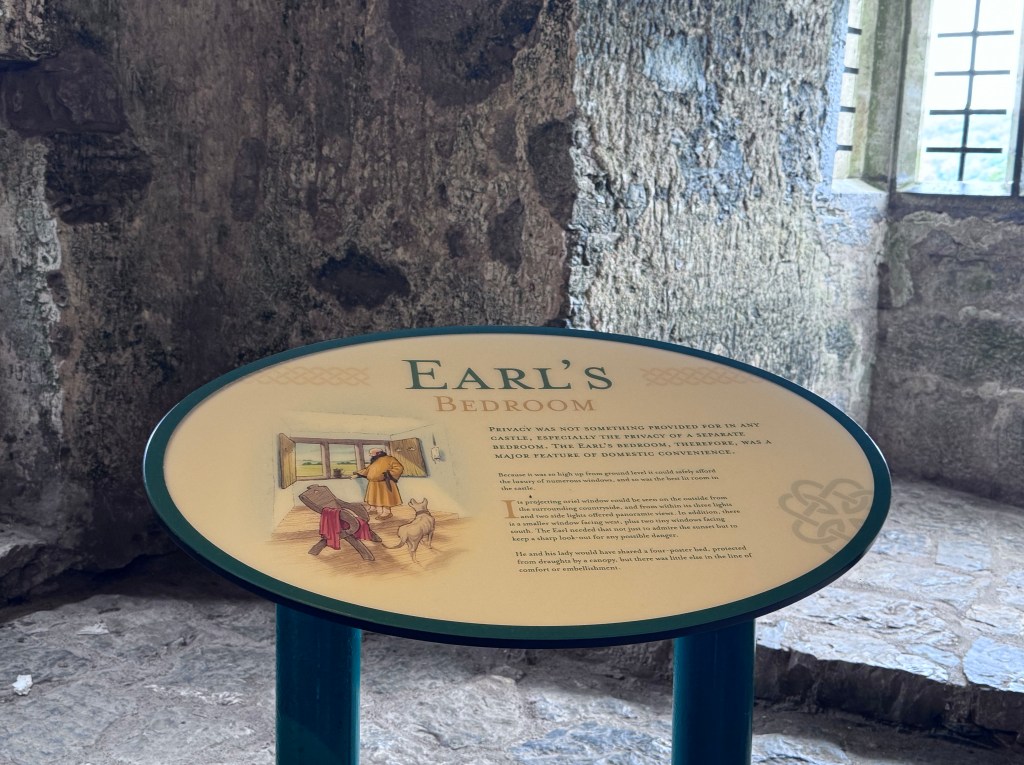
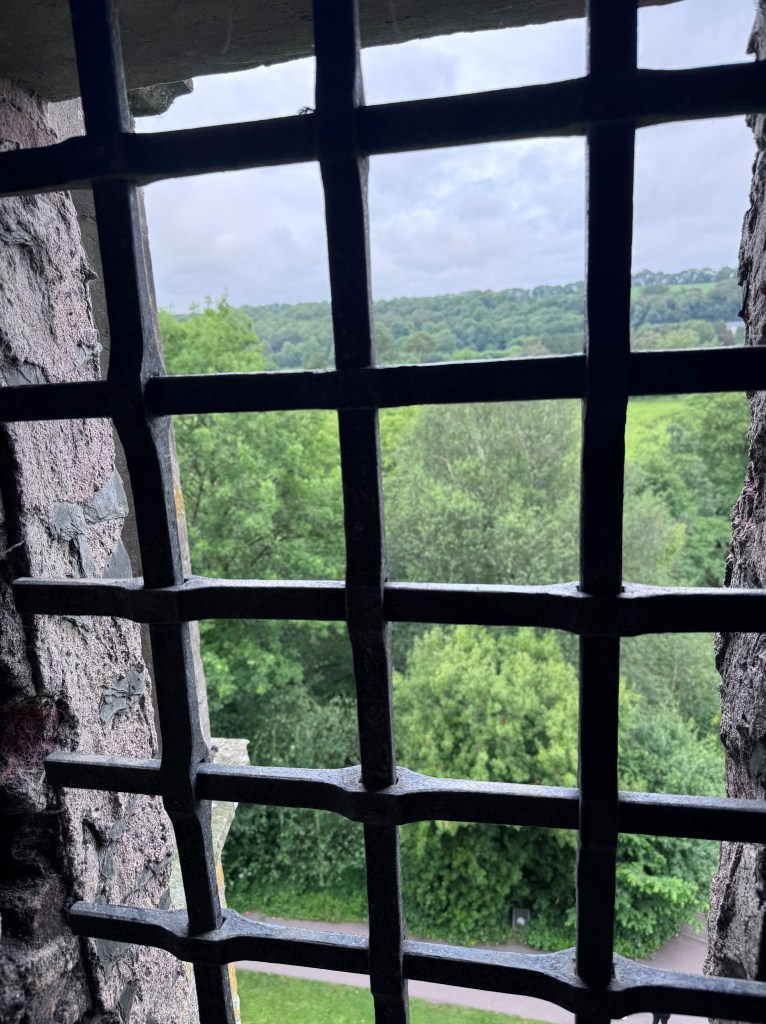
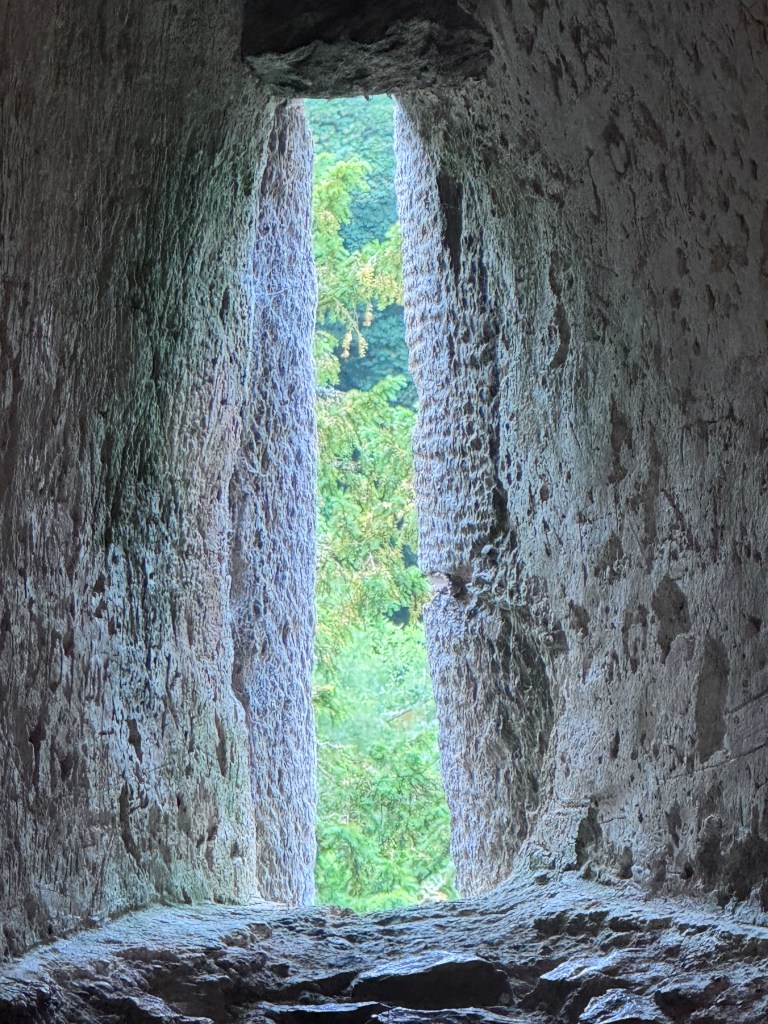
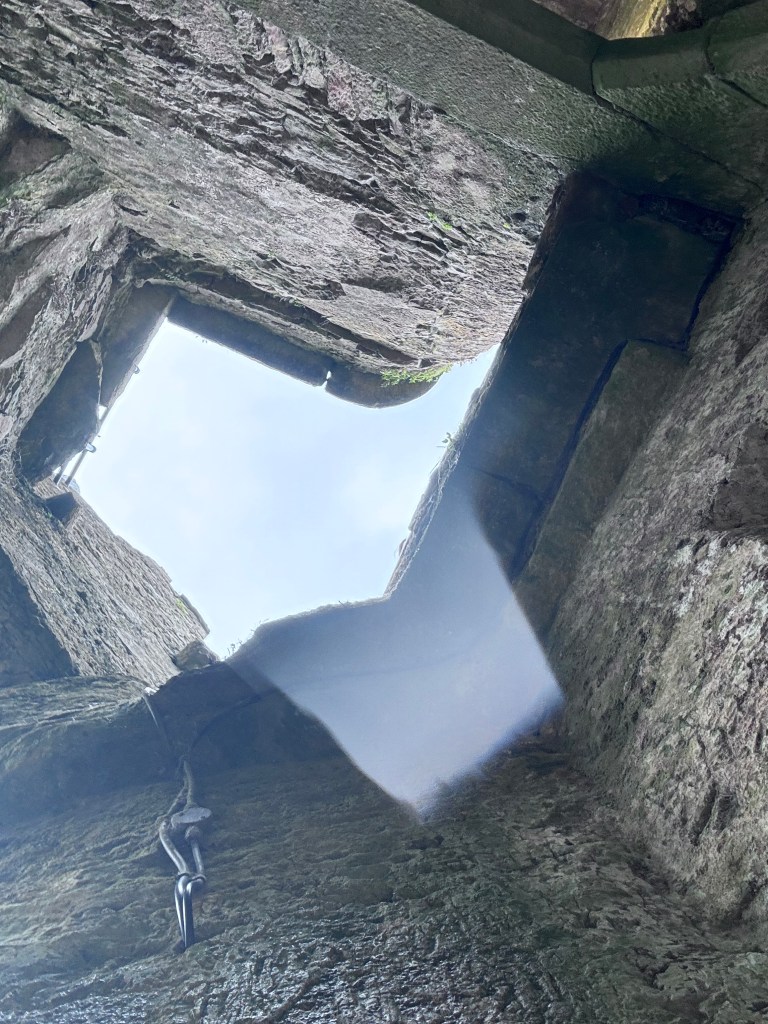
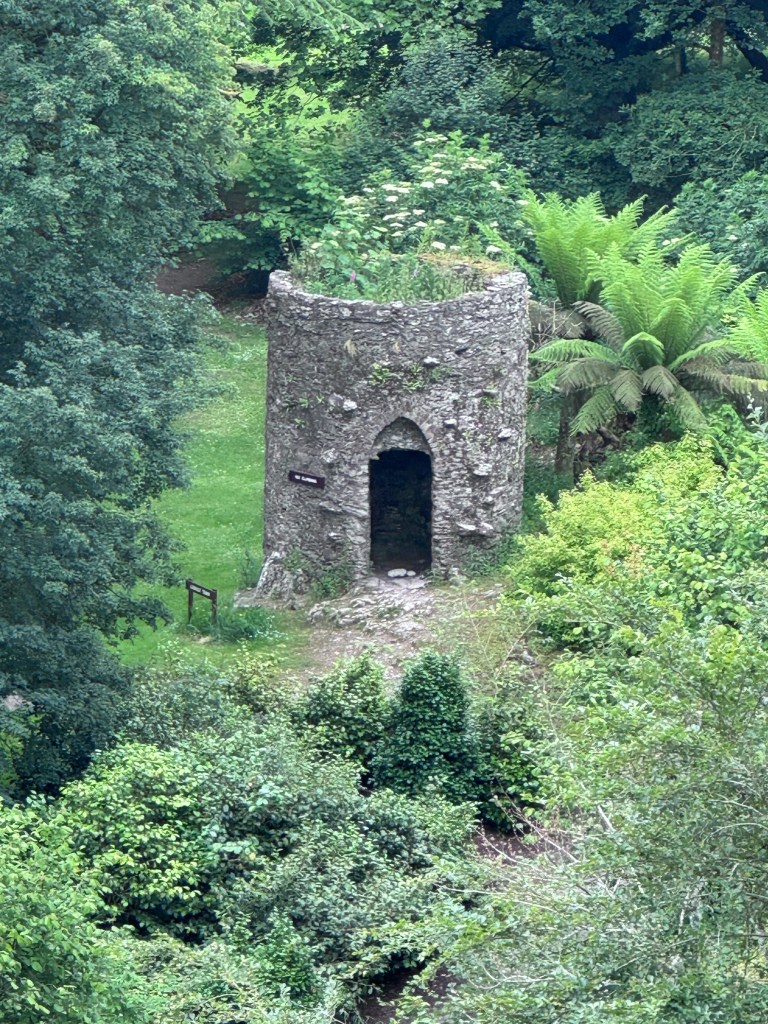
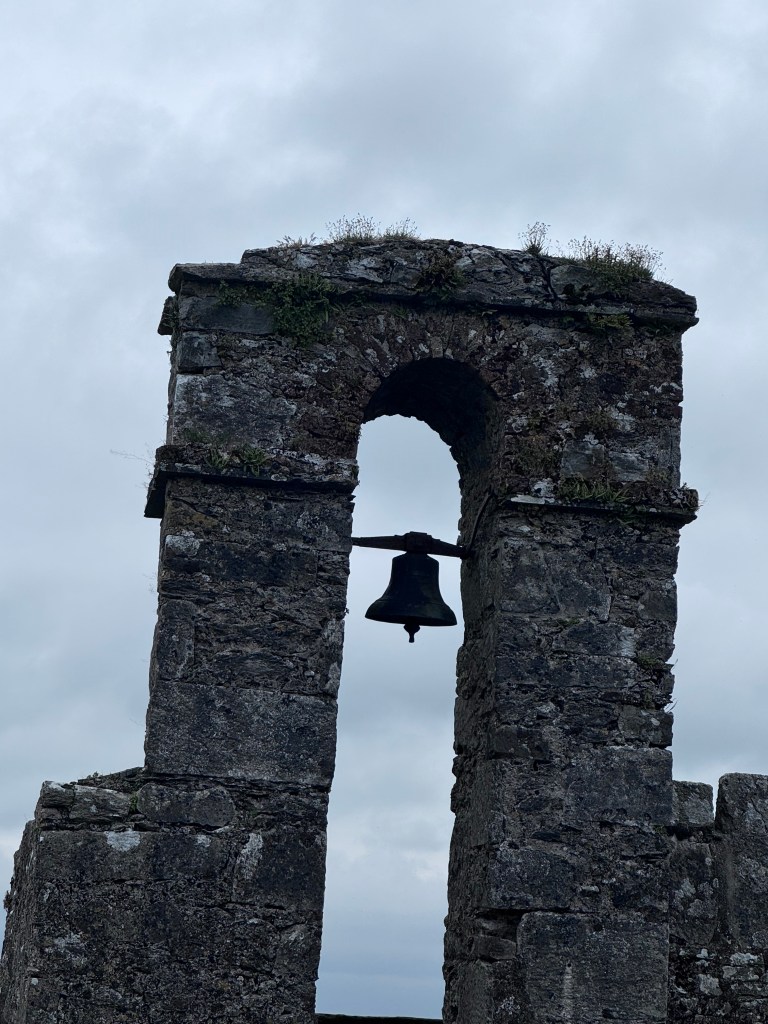
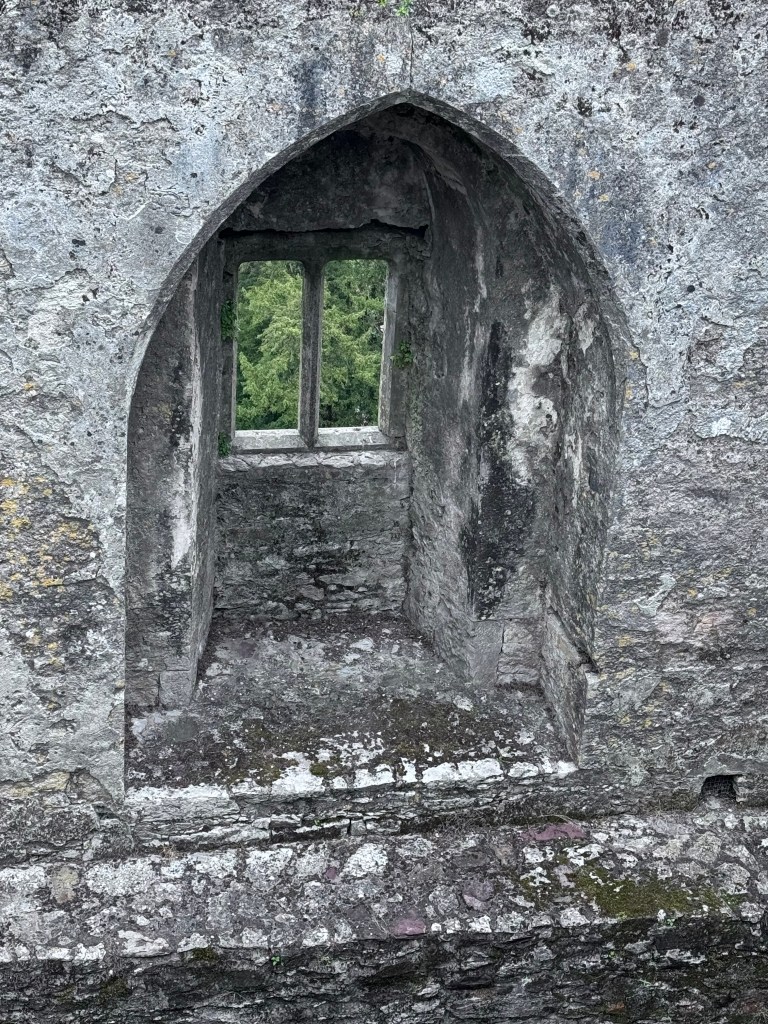
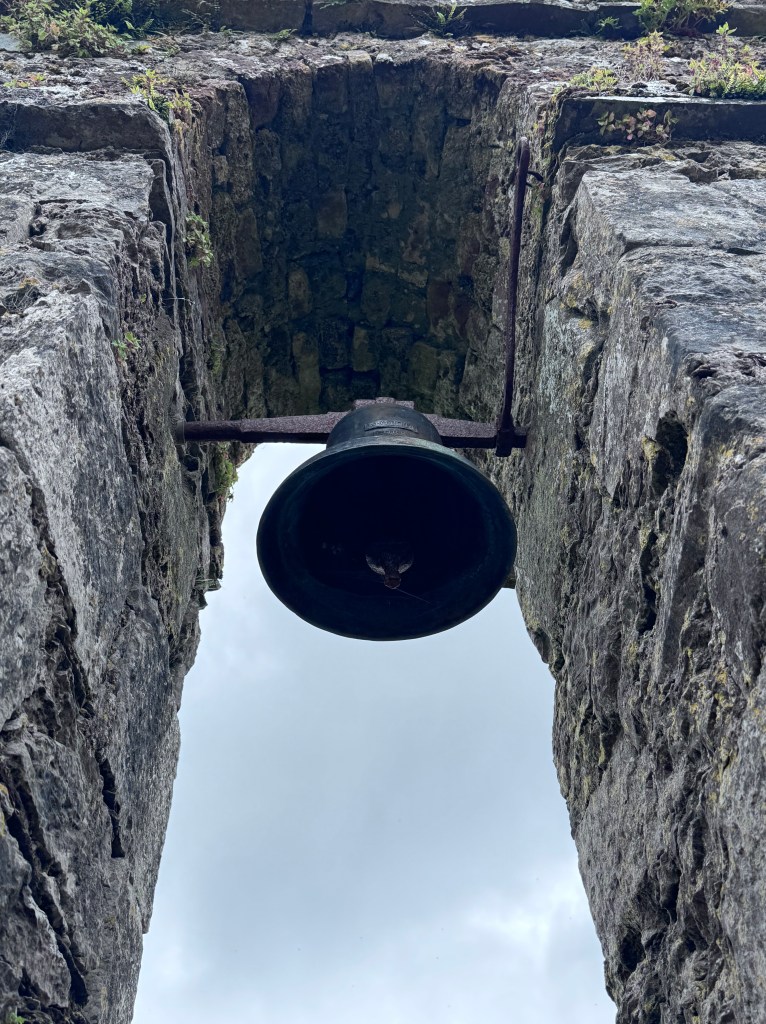
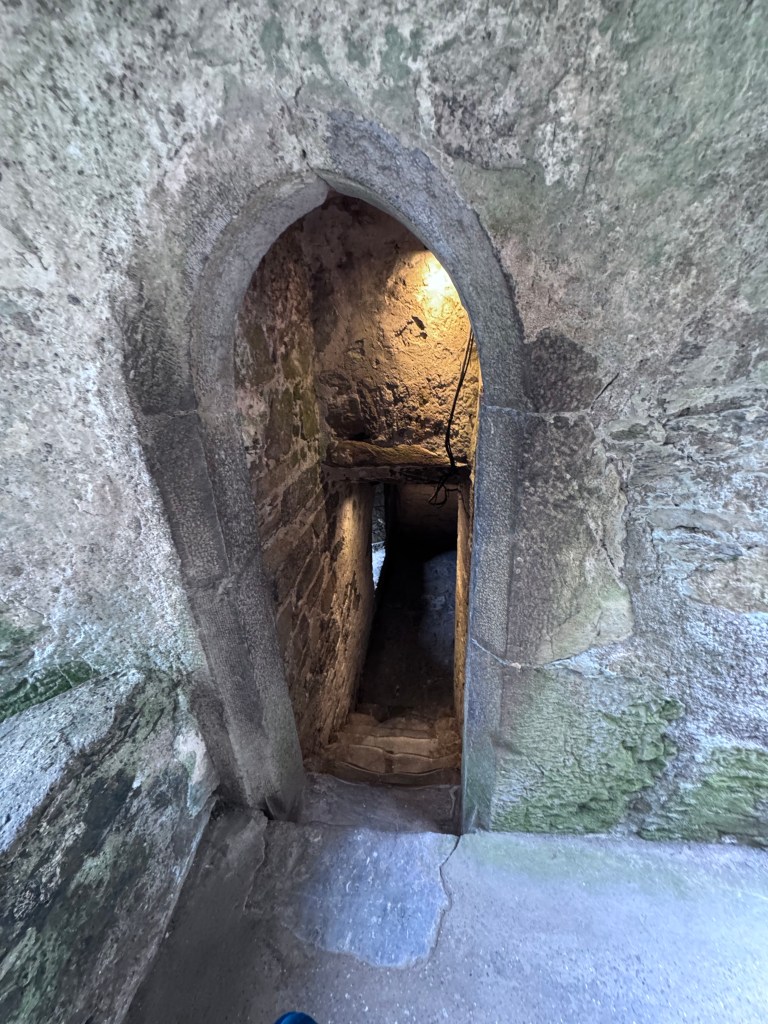
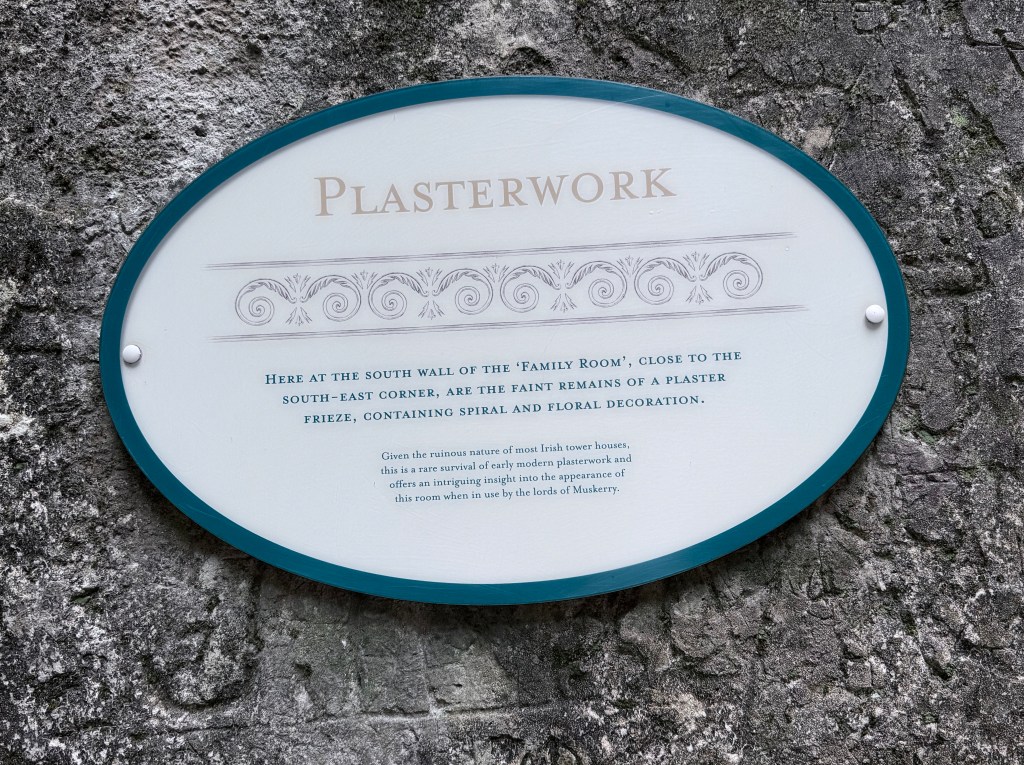
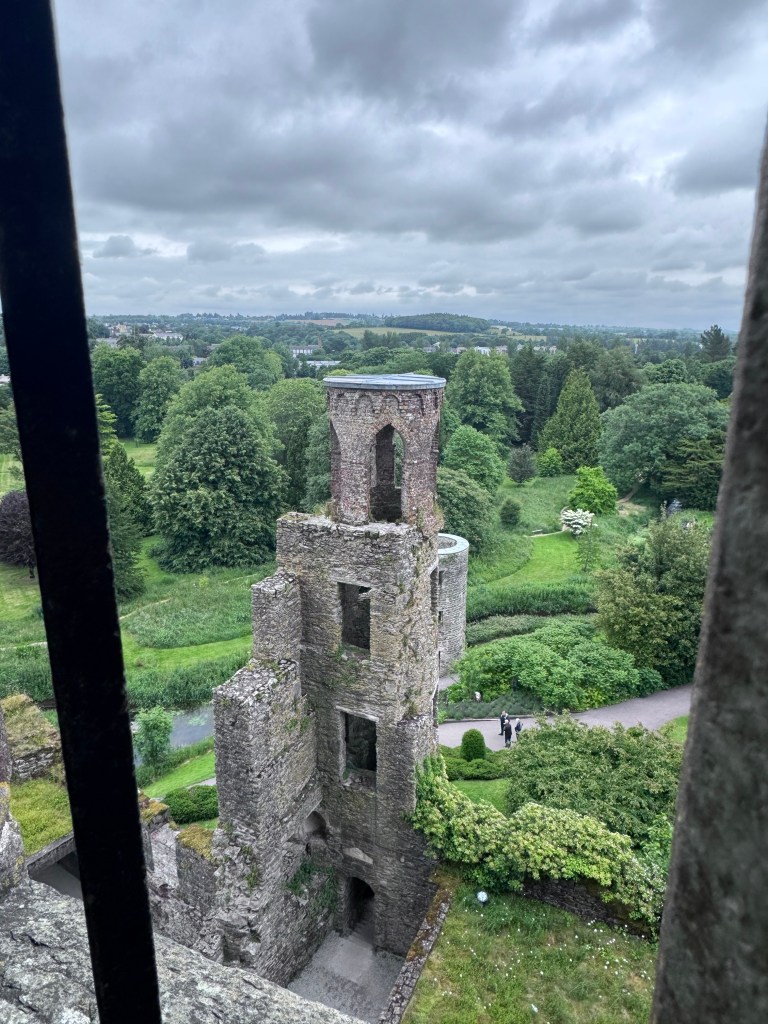
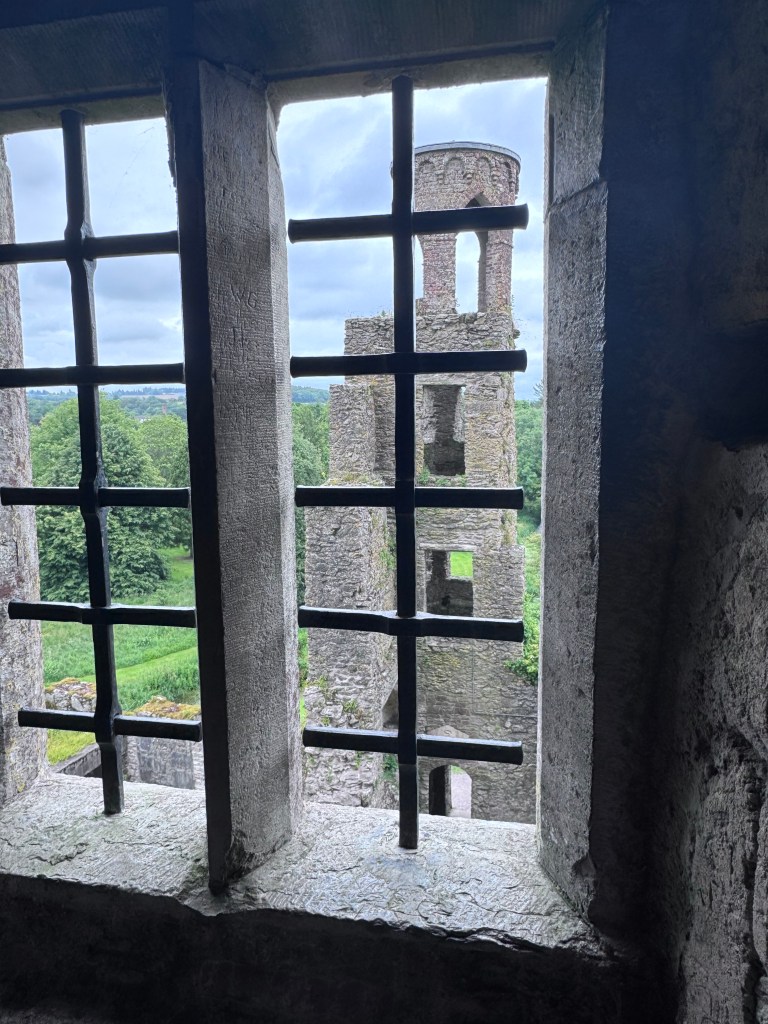
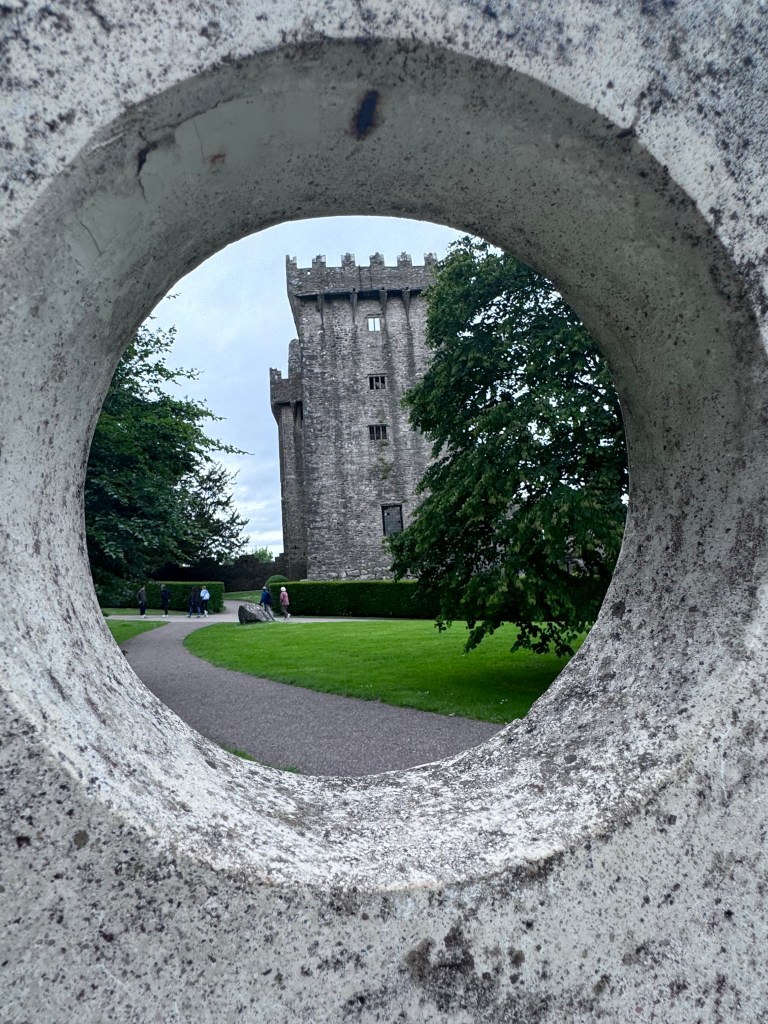
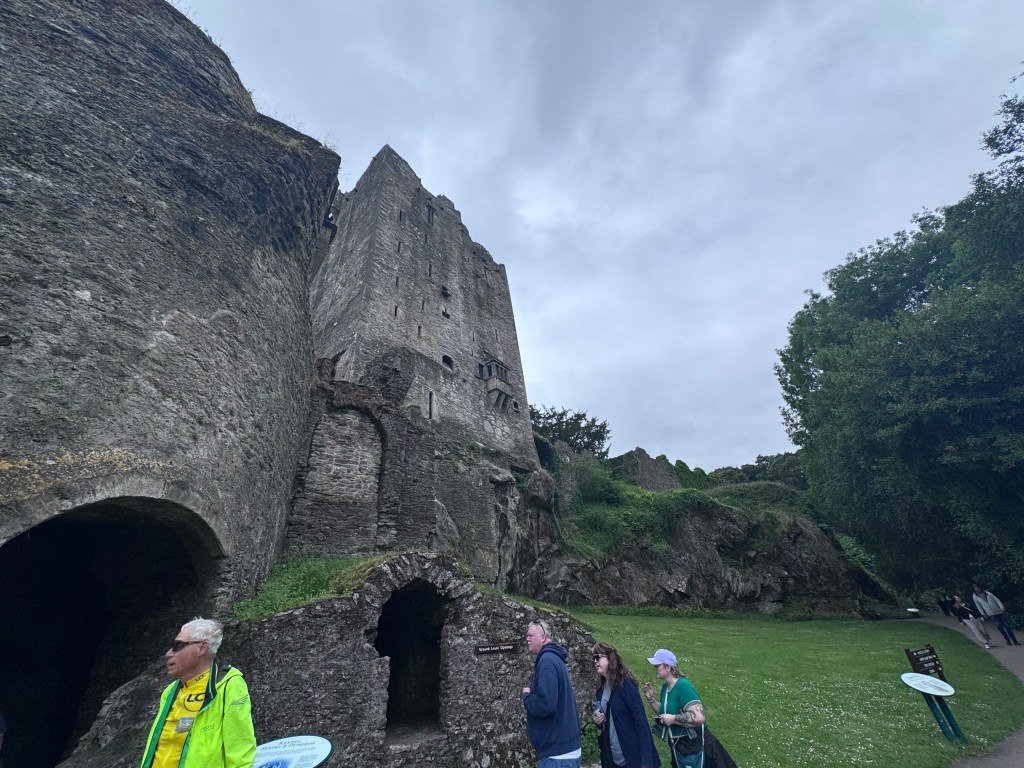
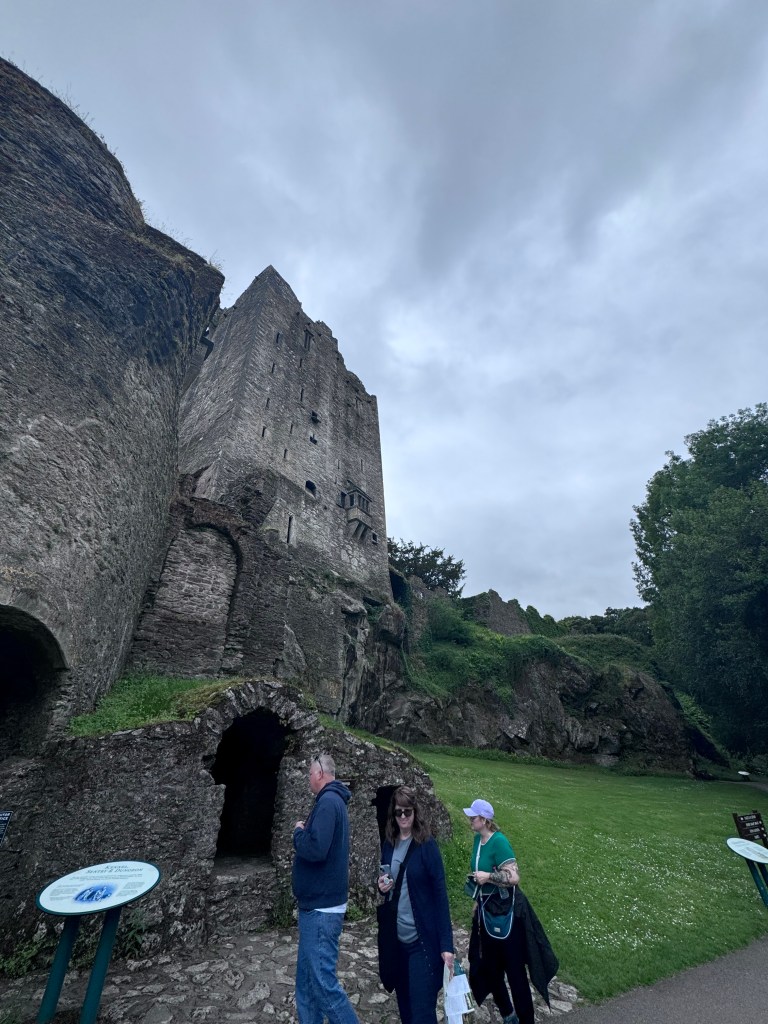
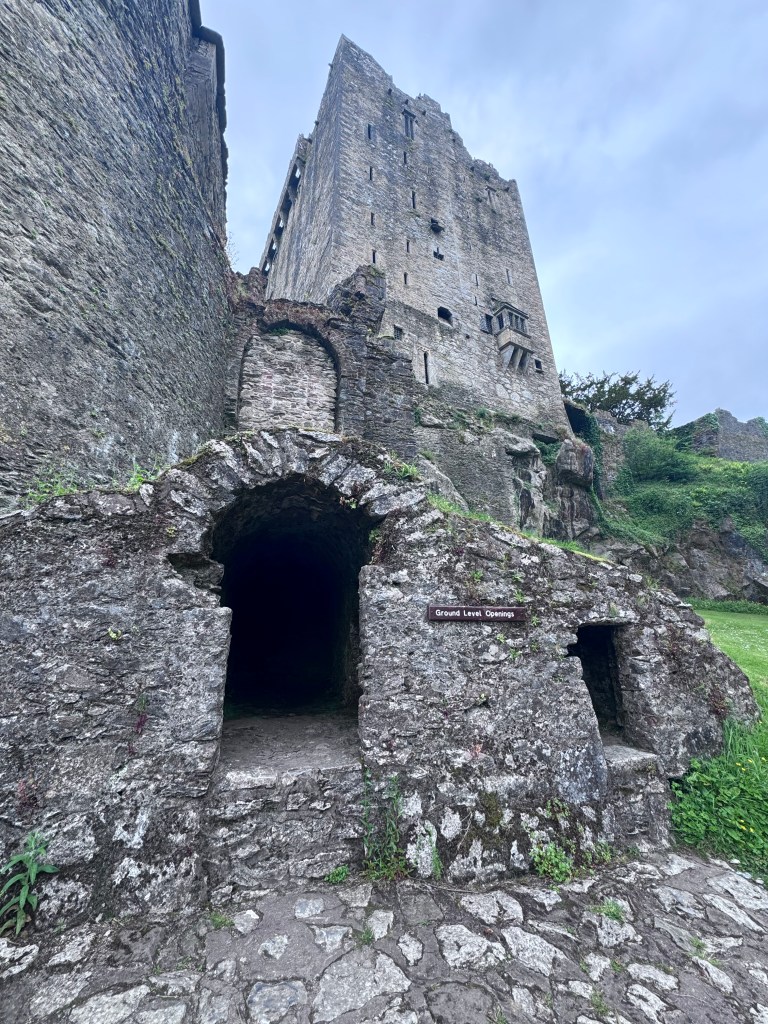
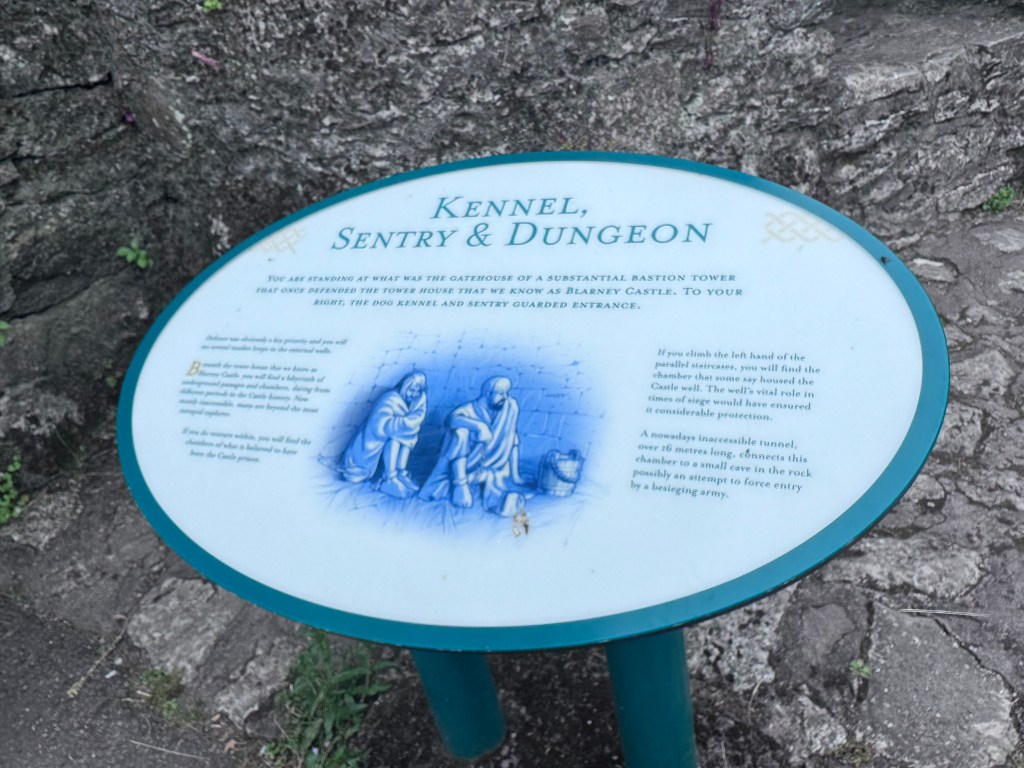
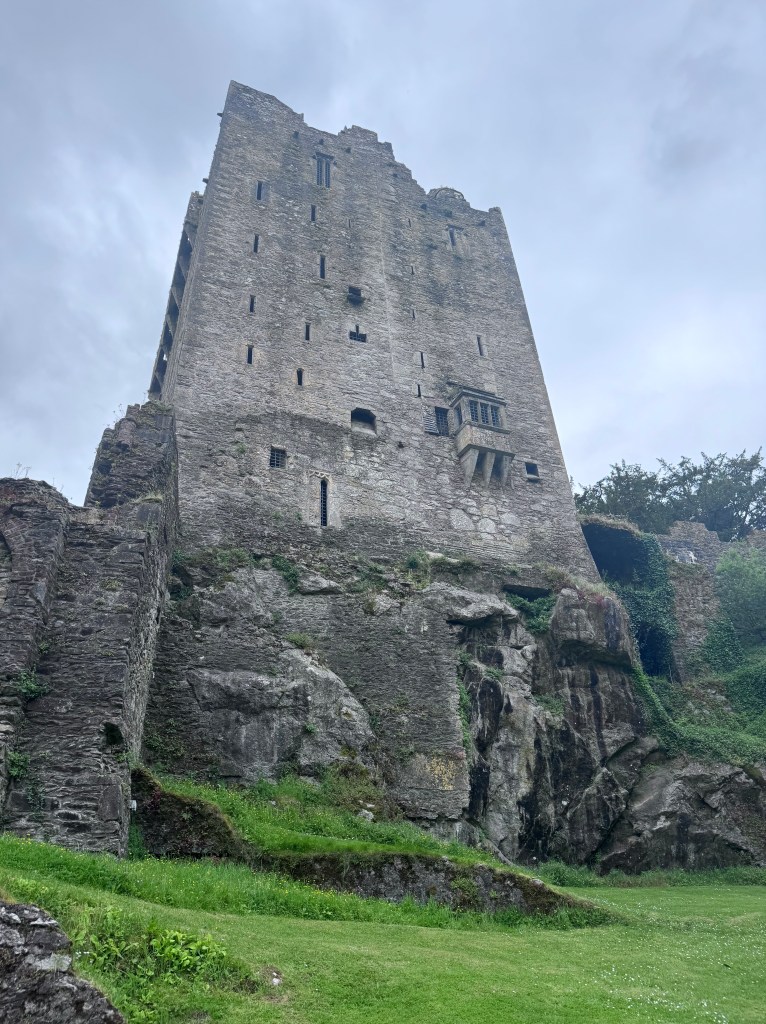
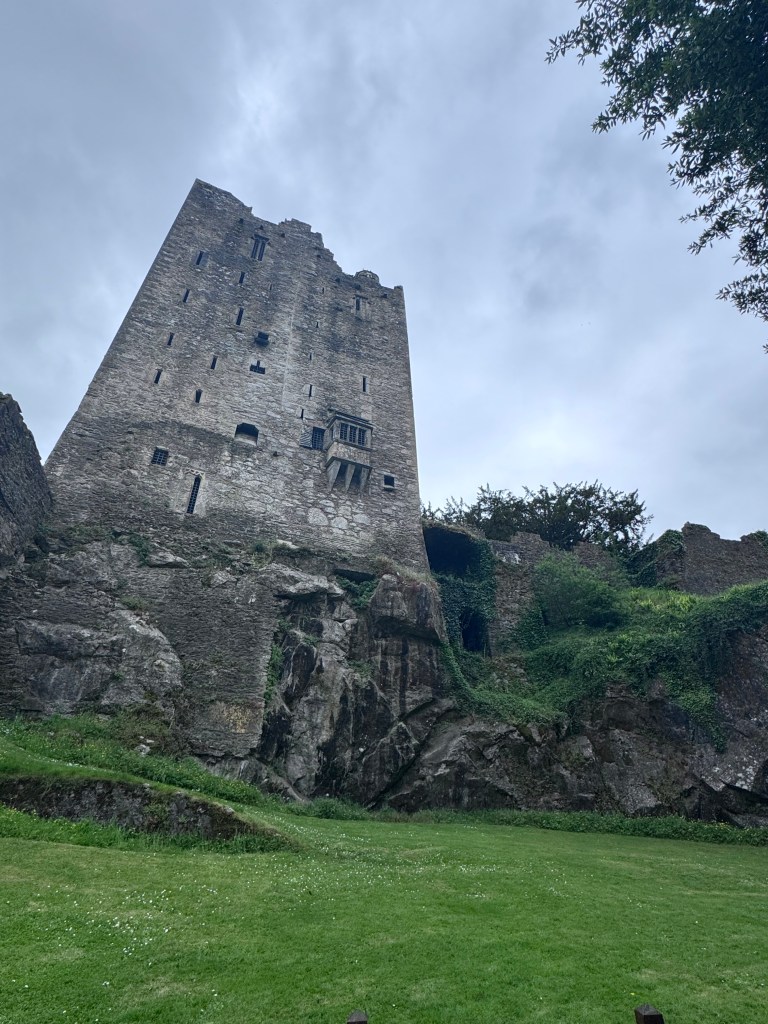
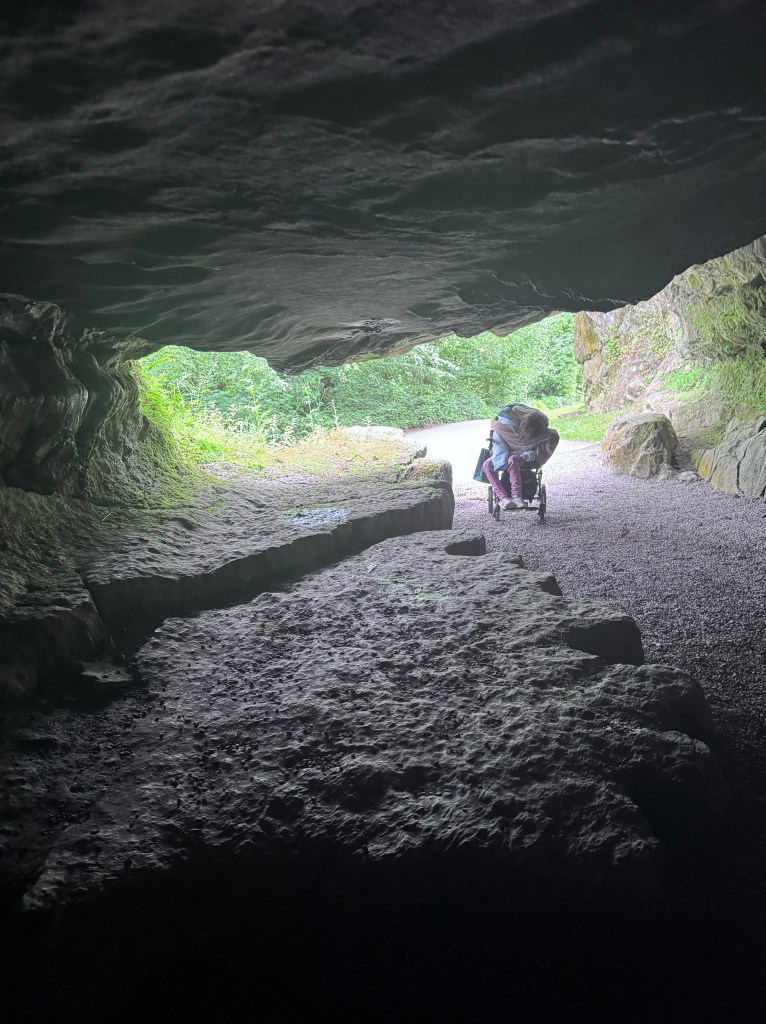
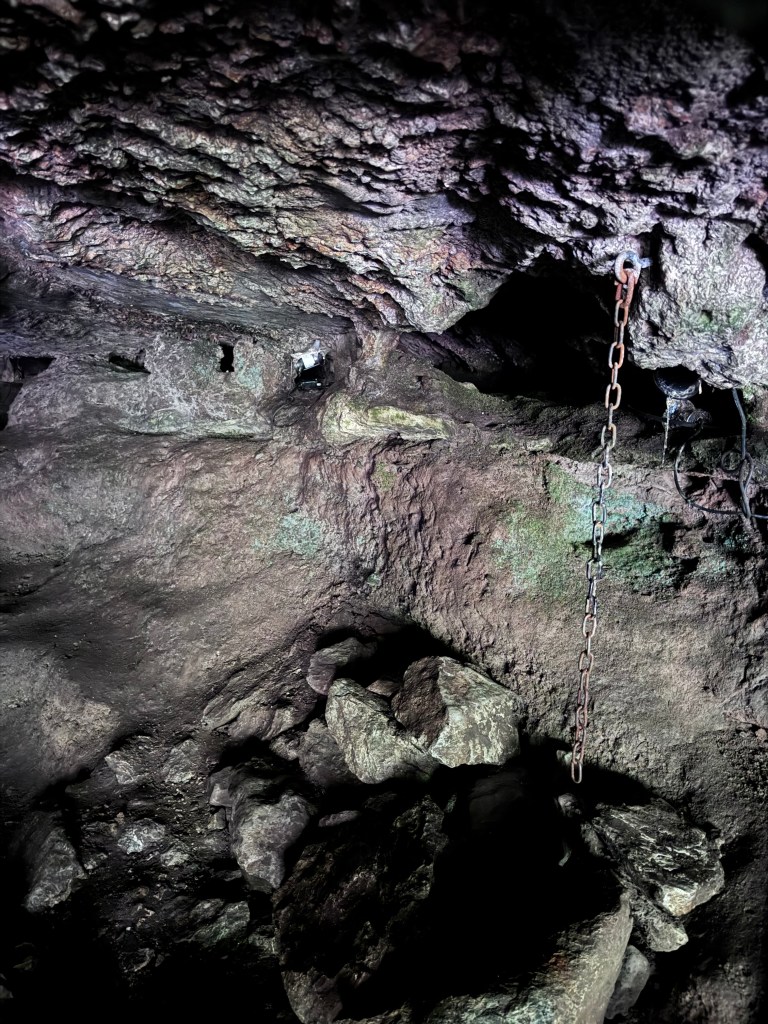
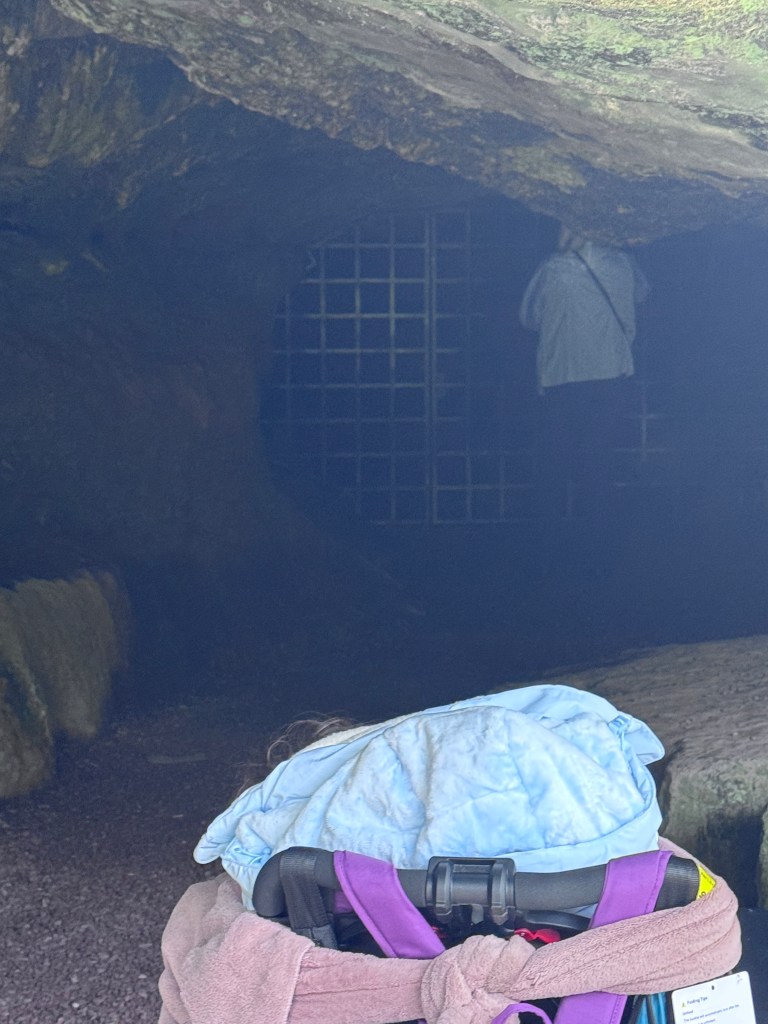
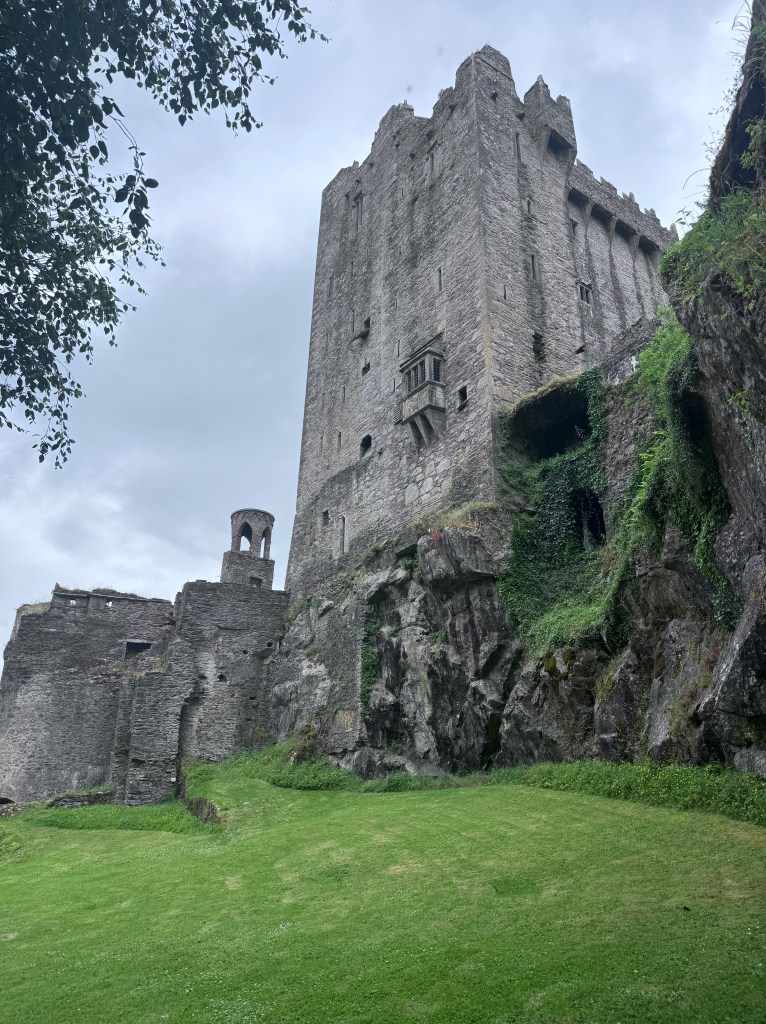
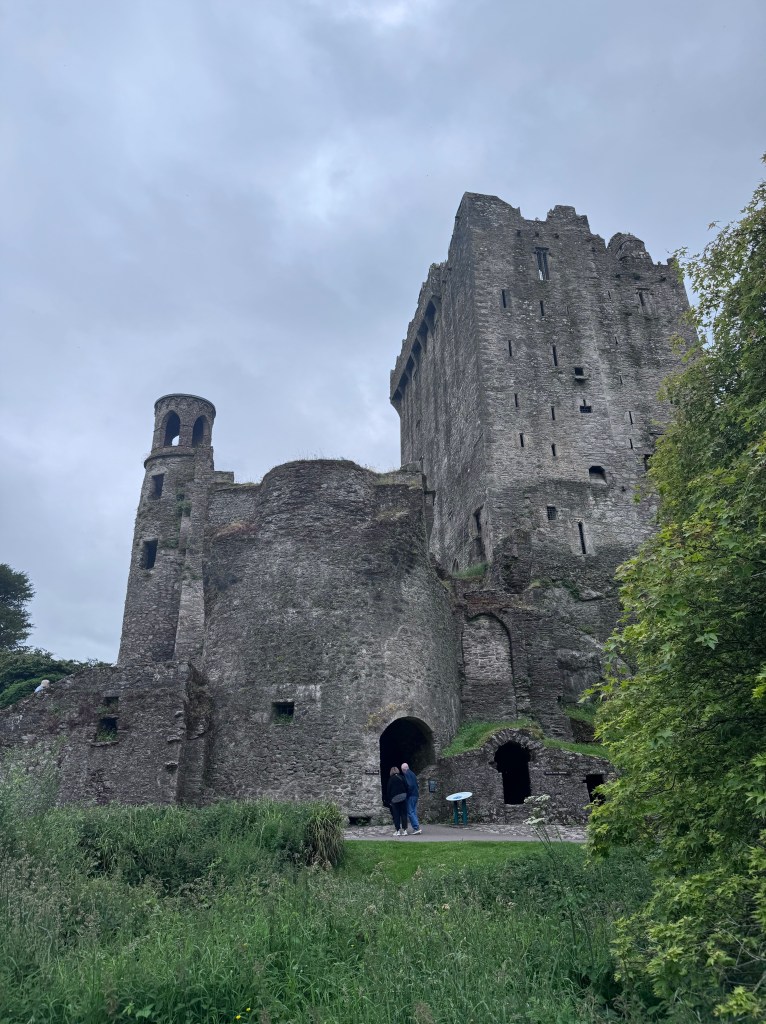
As I climbed through the castle, I learned that Blarney Castle has a remarkable history stretching back more than 800 years. A stone fortification is believed to have first been built on the site around 1200. After that structure was destroyed, the castle we see today was rebuilt in 1446 by Cormac Láidir MacCarthy, King of Munster. Blarney Castle is a tower house, a type of fortified residence built by Gaelic lords and the Anglo-Irish between the 15th and 17th centuries. Most tower houses were four or five stories tall and contained one or two main chambers along with several smaller rooms on each floor. What makes Blarney Castle unique is its size. It is an unusually large tower house and actually consists of at least two towers. The second tower was added during the 1500s, and if you know where to look, you can still see where the two phases meet as a vertical line in the stonework.
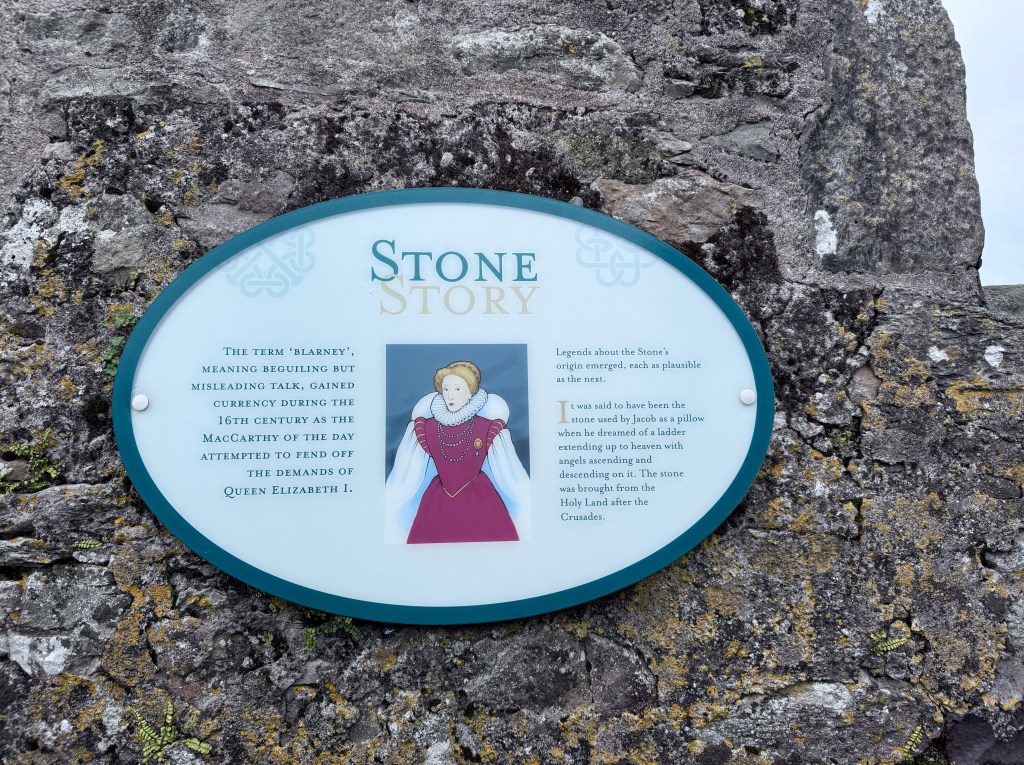
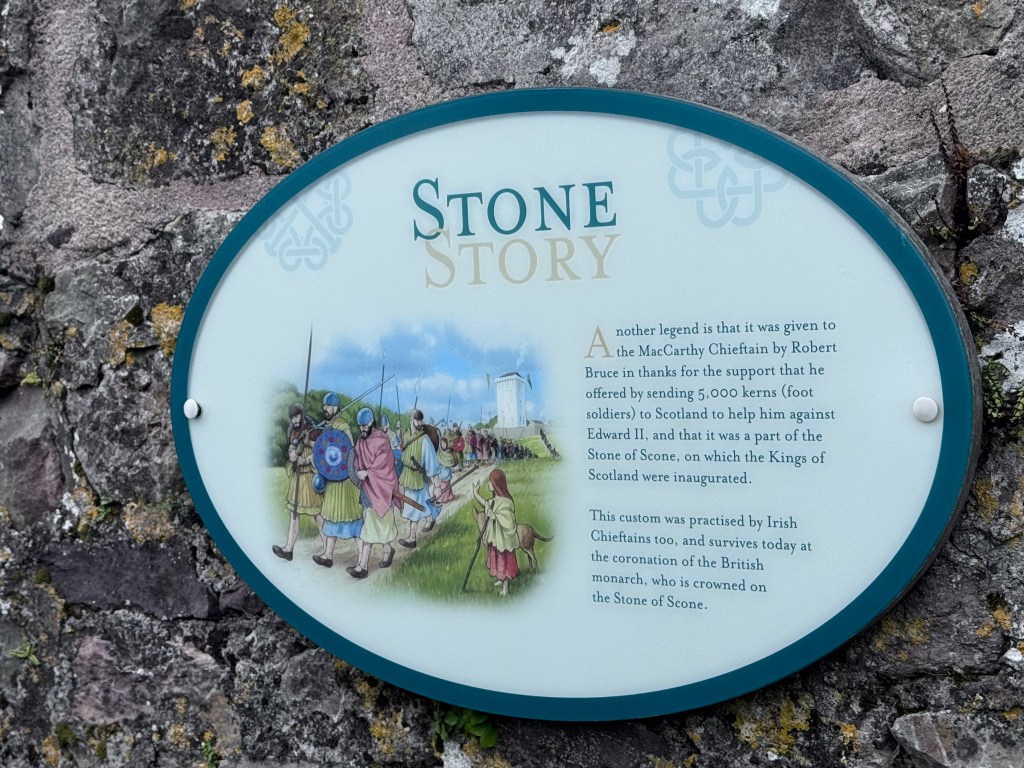
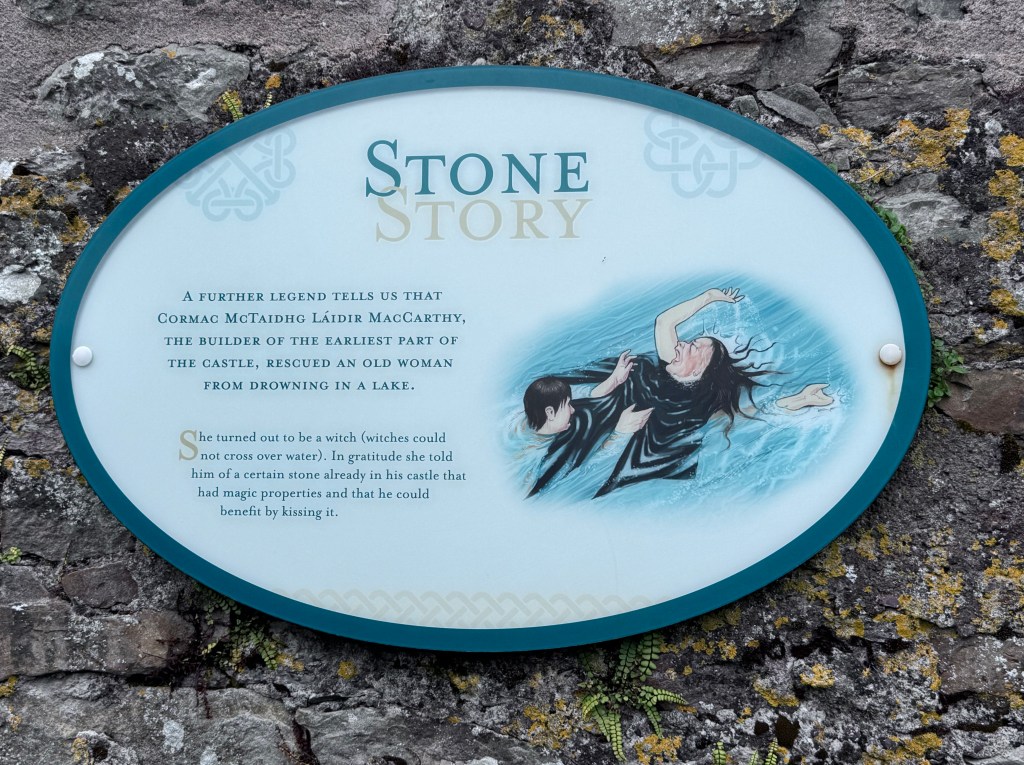
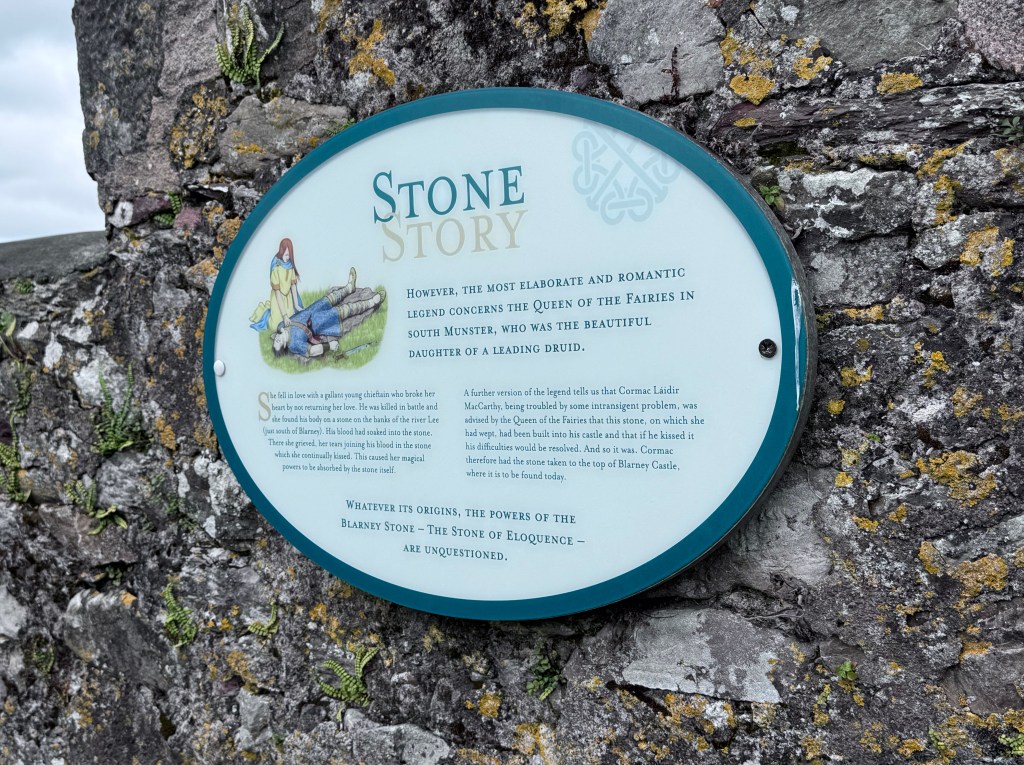
One of the most intriguing legends connected to the castle involves the famous Blarney Stone. According to folklore, 4,000 men from Munster were sent to help Robert the Bruce fight the English at the Battle of Bannockburn in 1314. As a gesture of gratitude, it is said that half of the Stone of Scone was sent to Blarney and incorporated into the castle’s battlements, eventually becoming the legendary Blarney Stone.

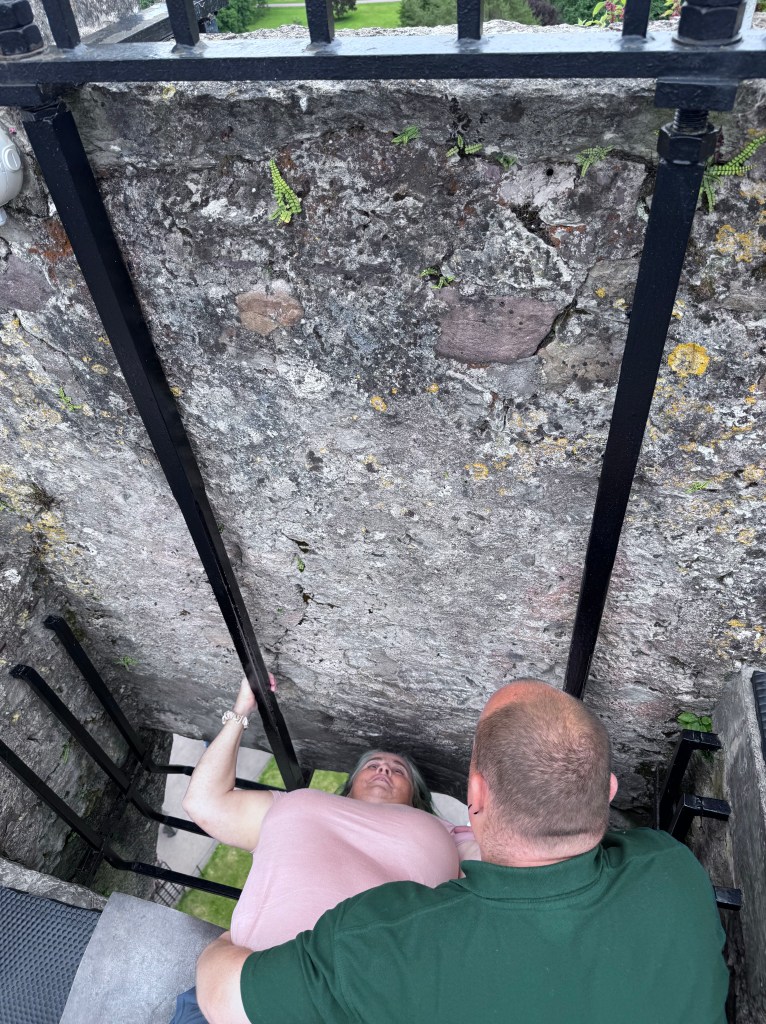
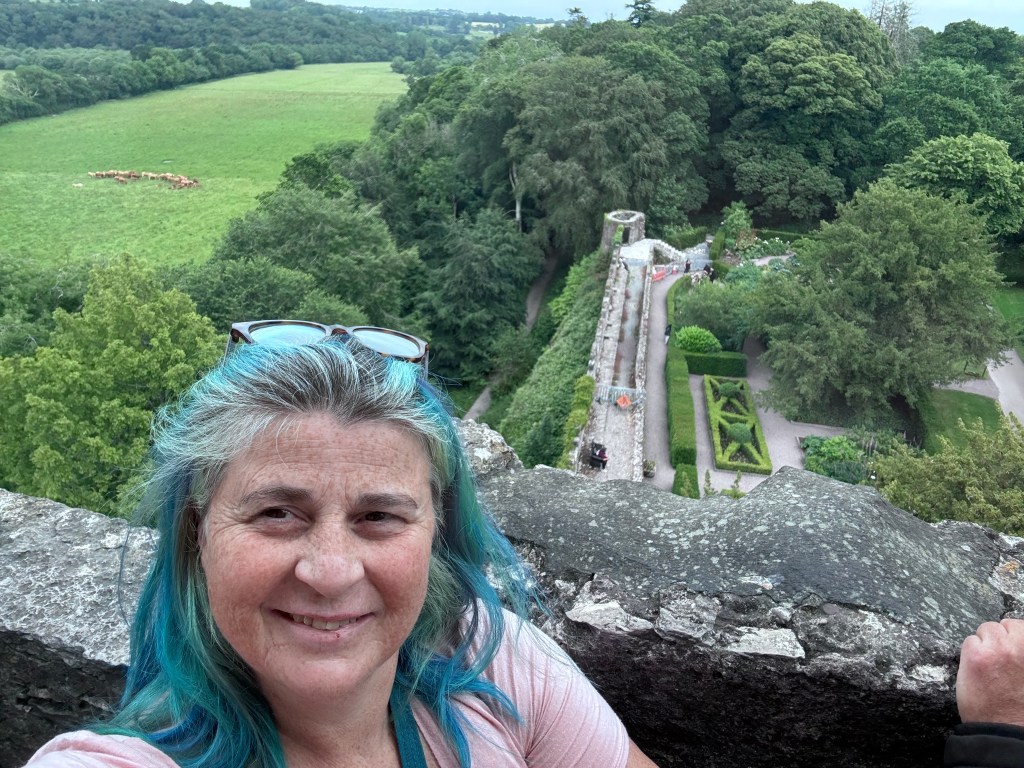
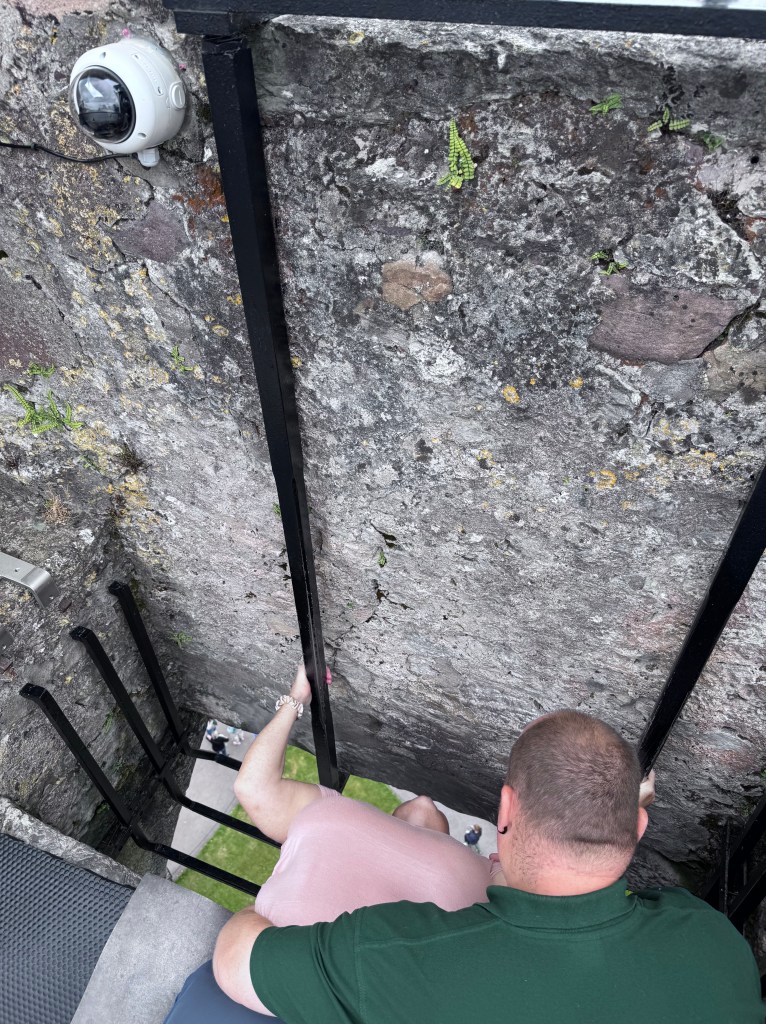
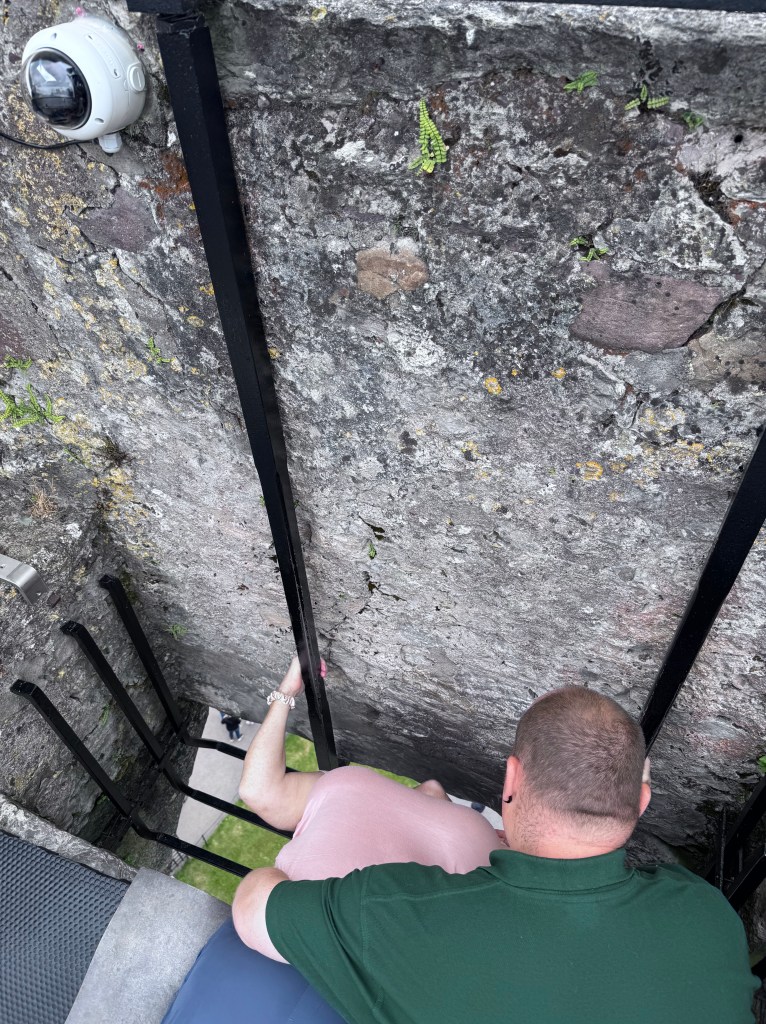
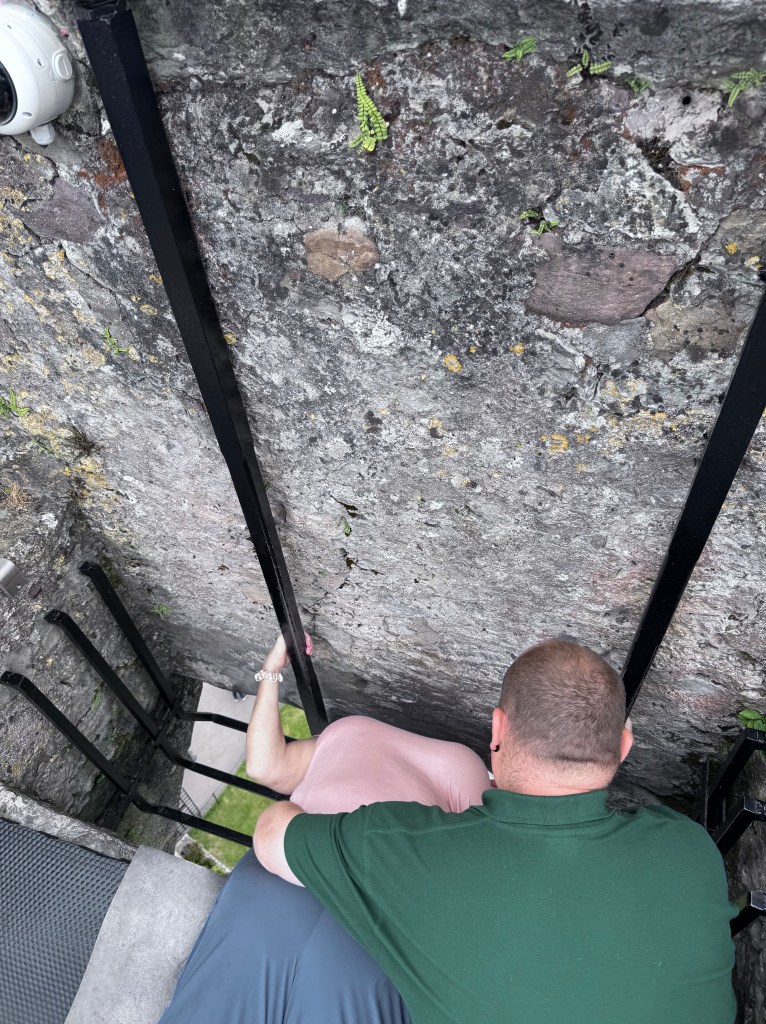
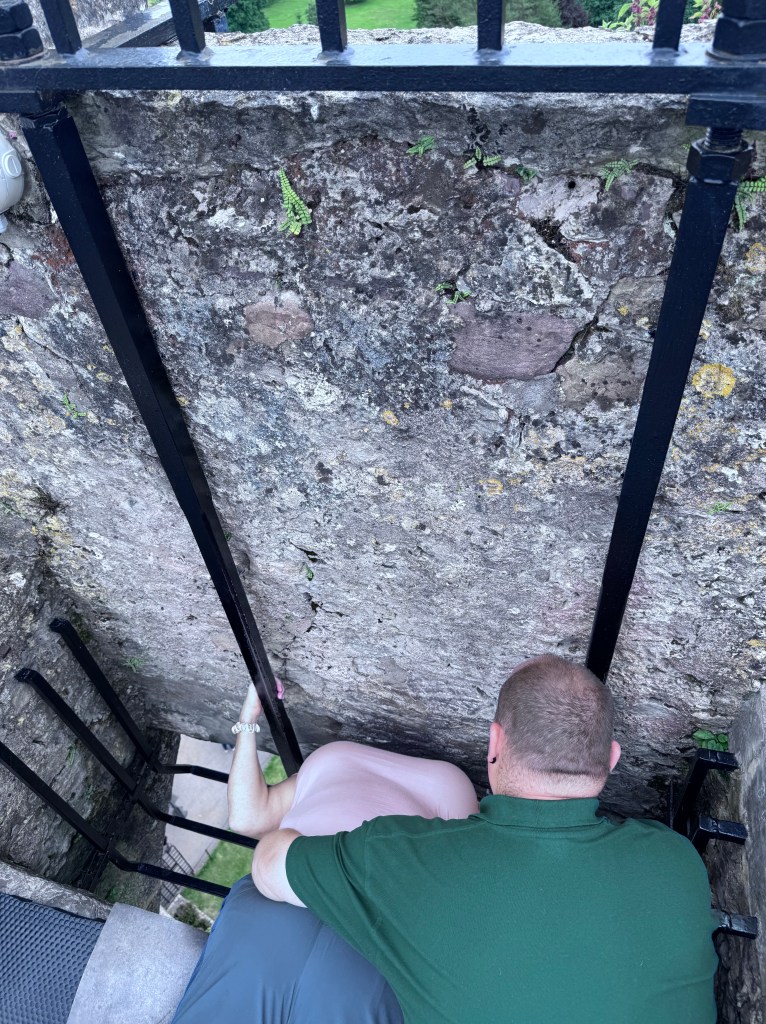
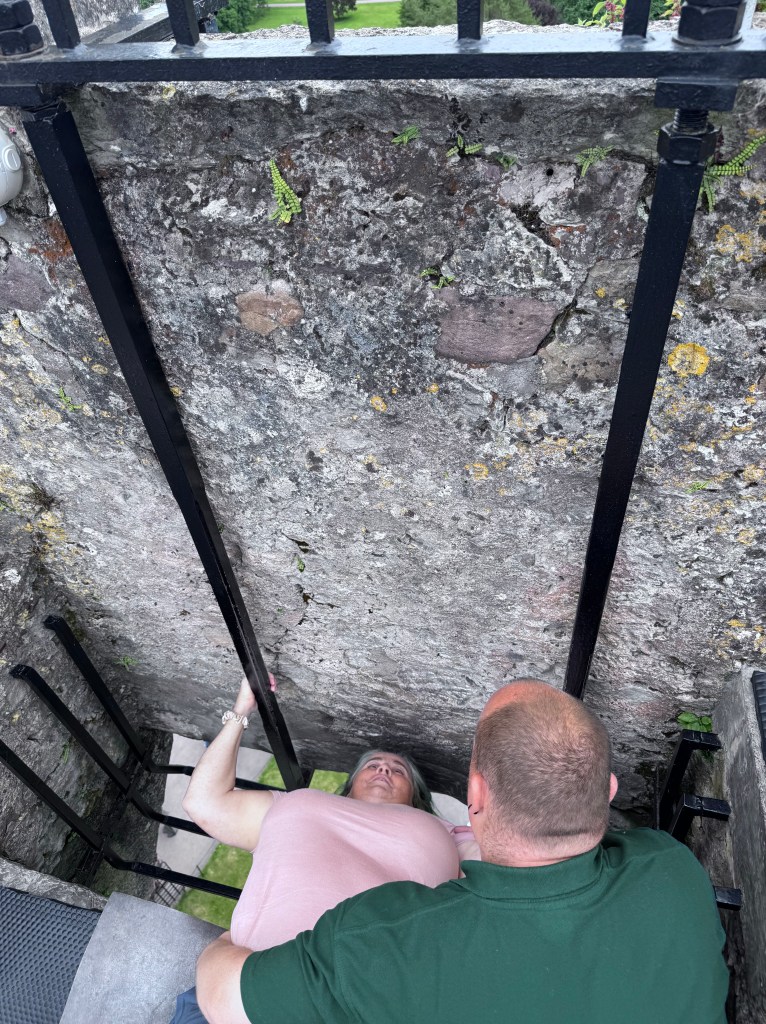
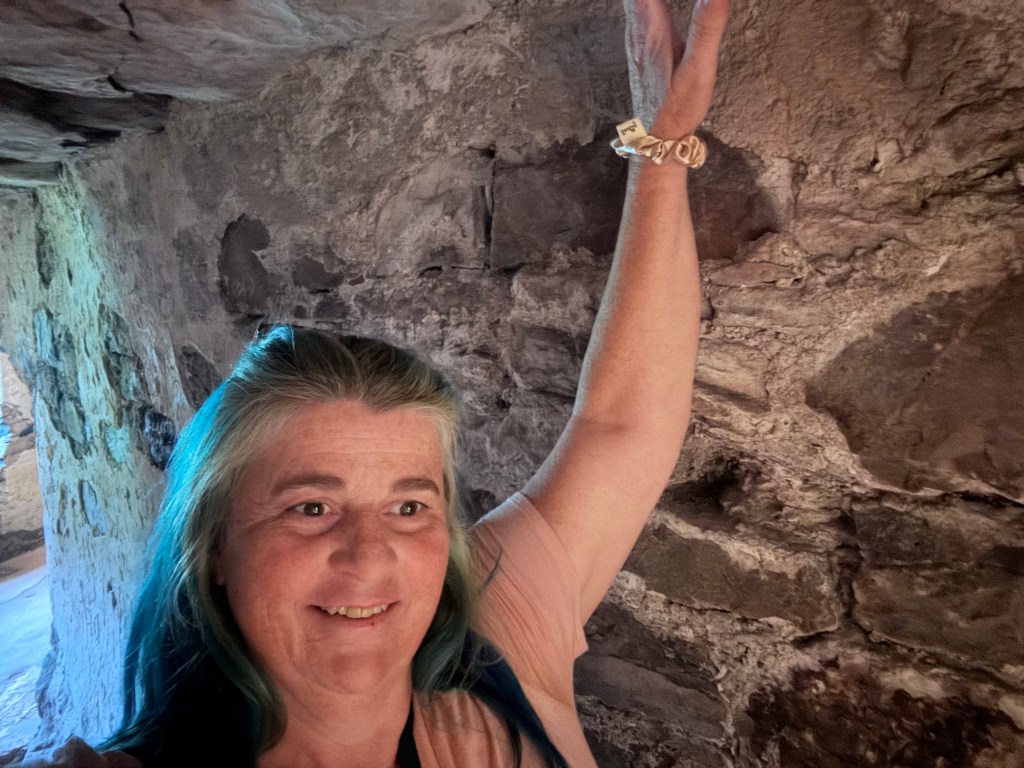
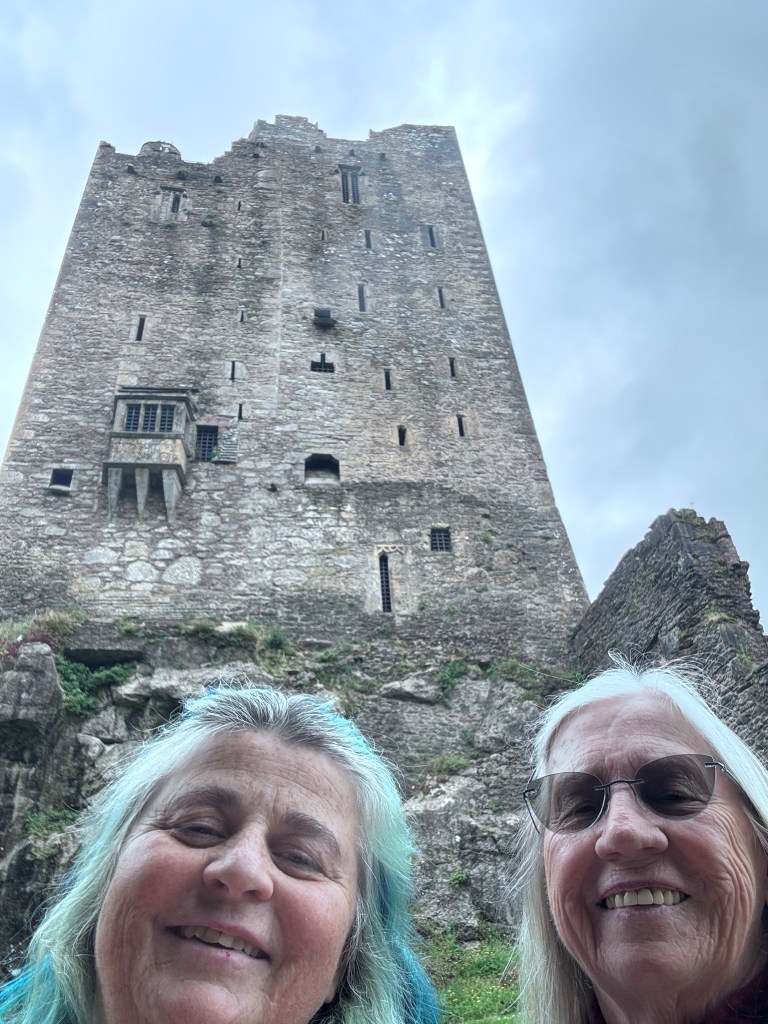
At the top, I was ready. I leaned back, grabbed the rails, and kissed the famous Blarney Stone. Now I’m patiently waiting for all the luck, charm, and gift of eloquence it’s supposed to bring me! We shall see.

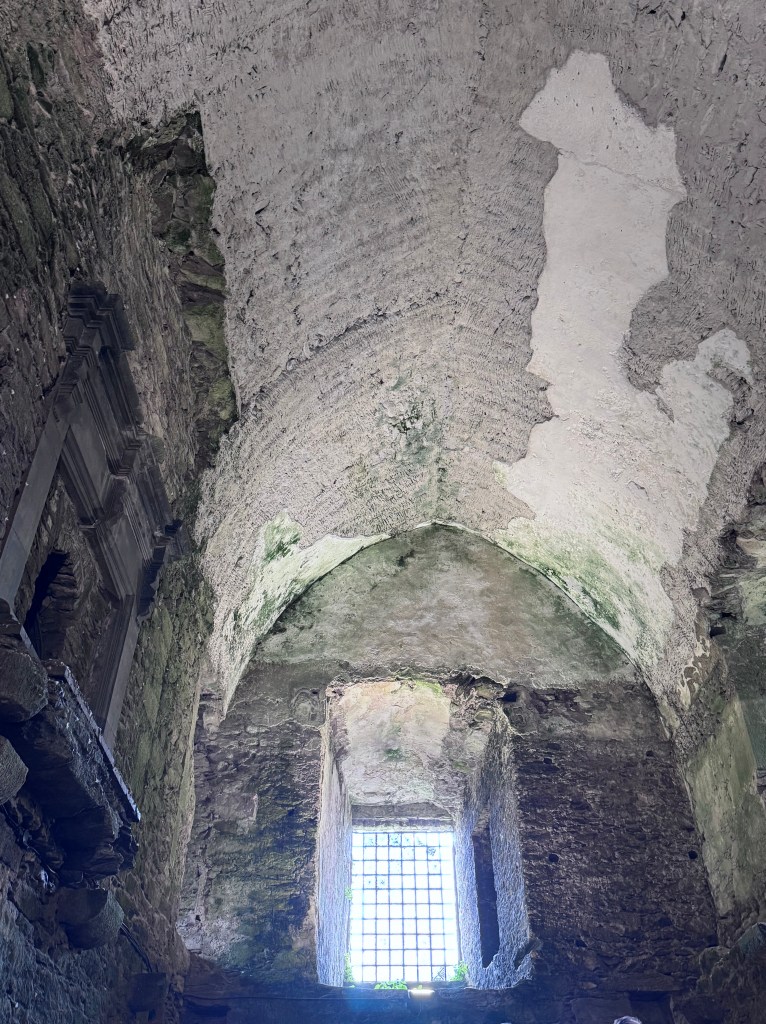
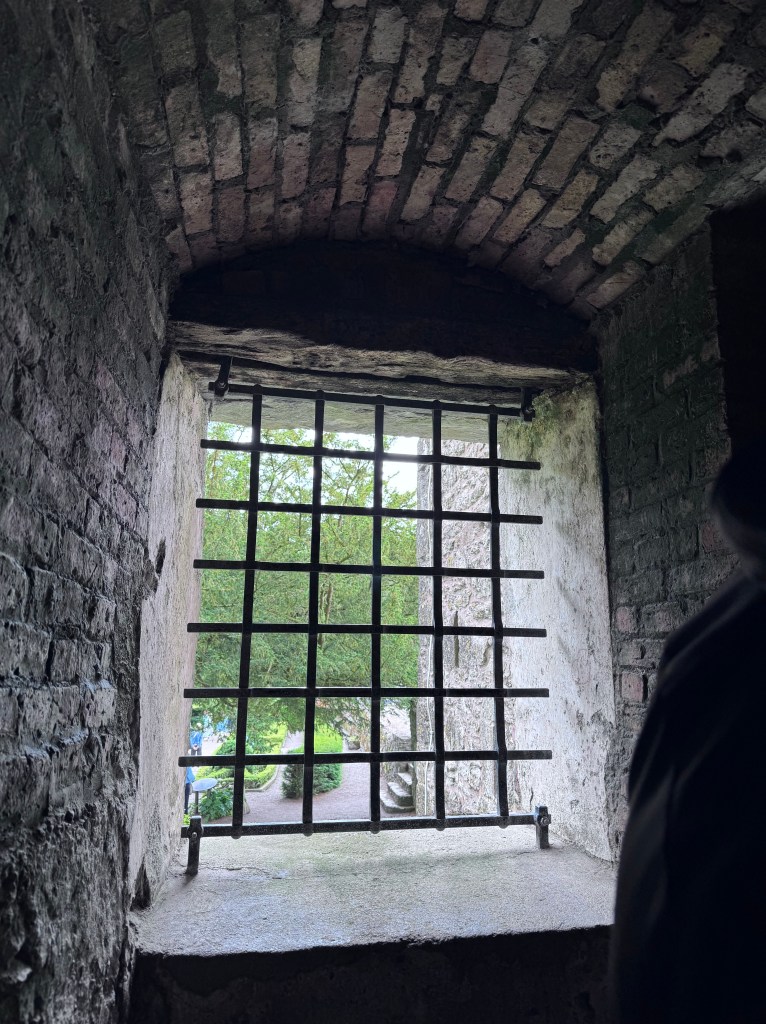
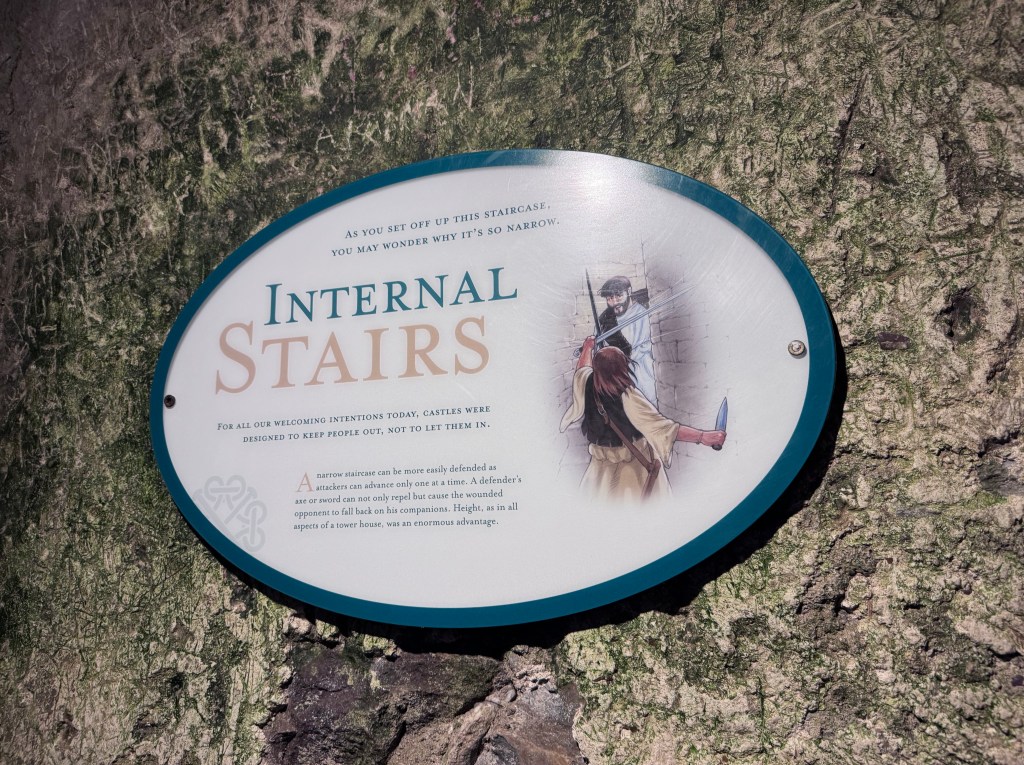
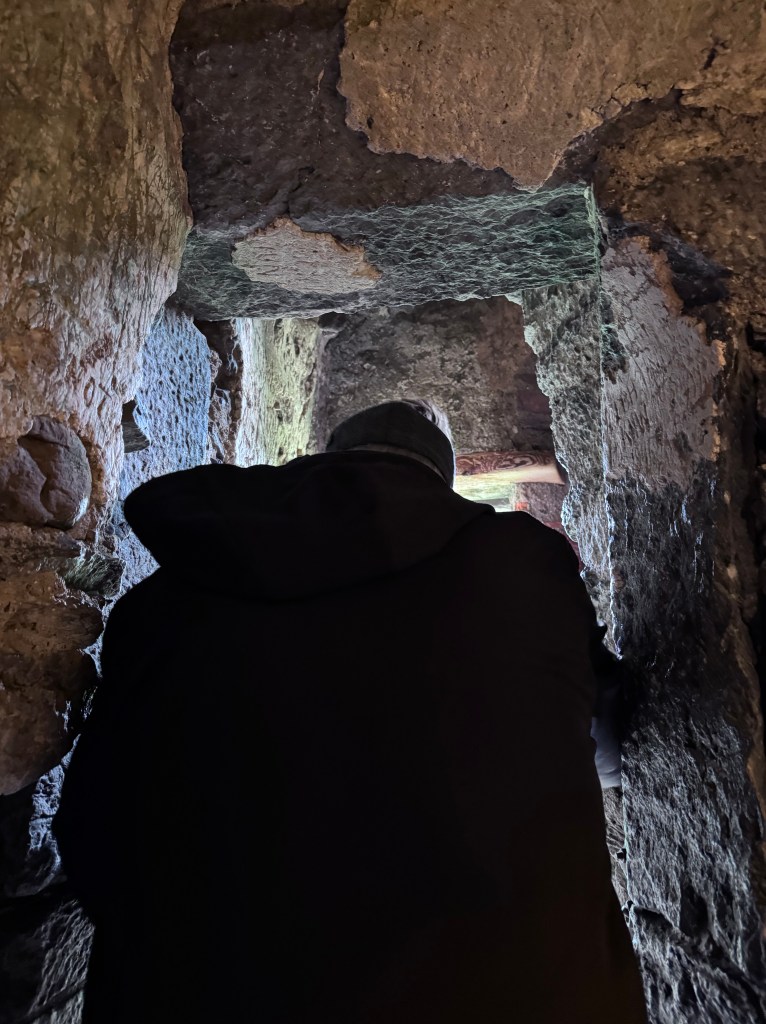
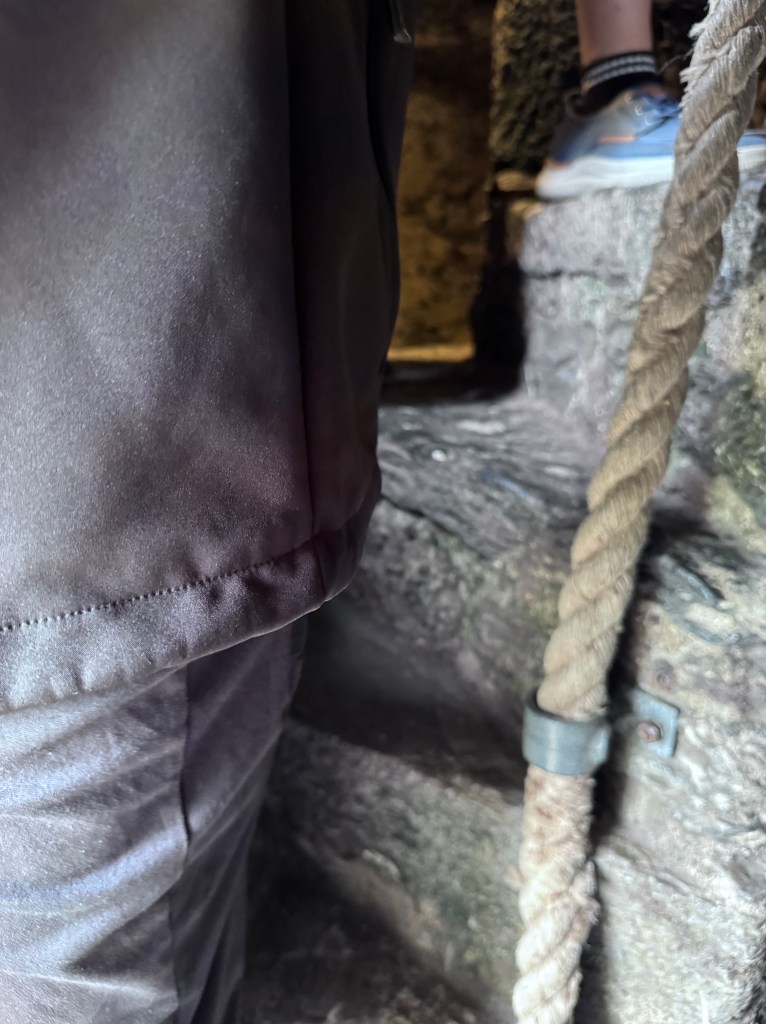
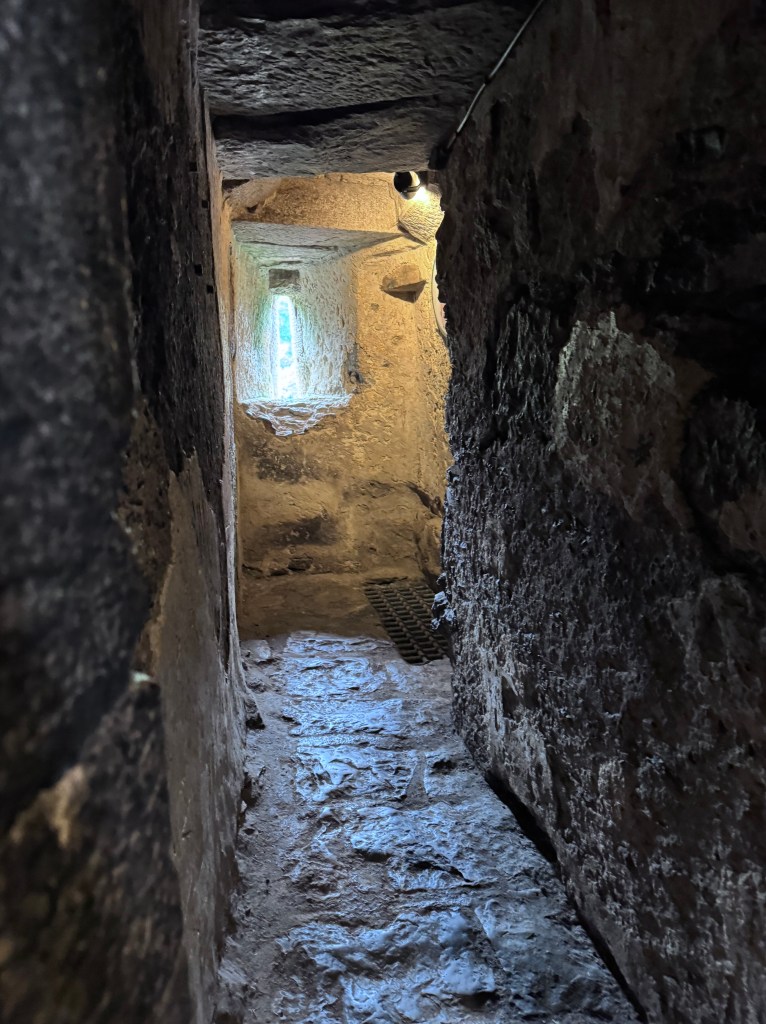
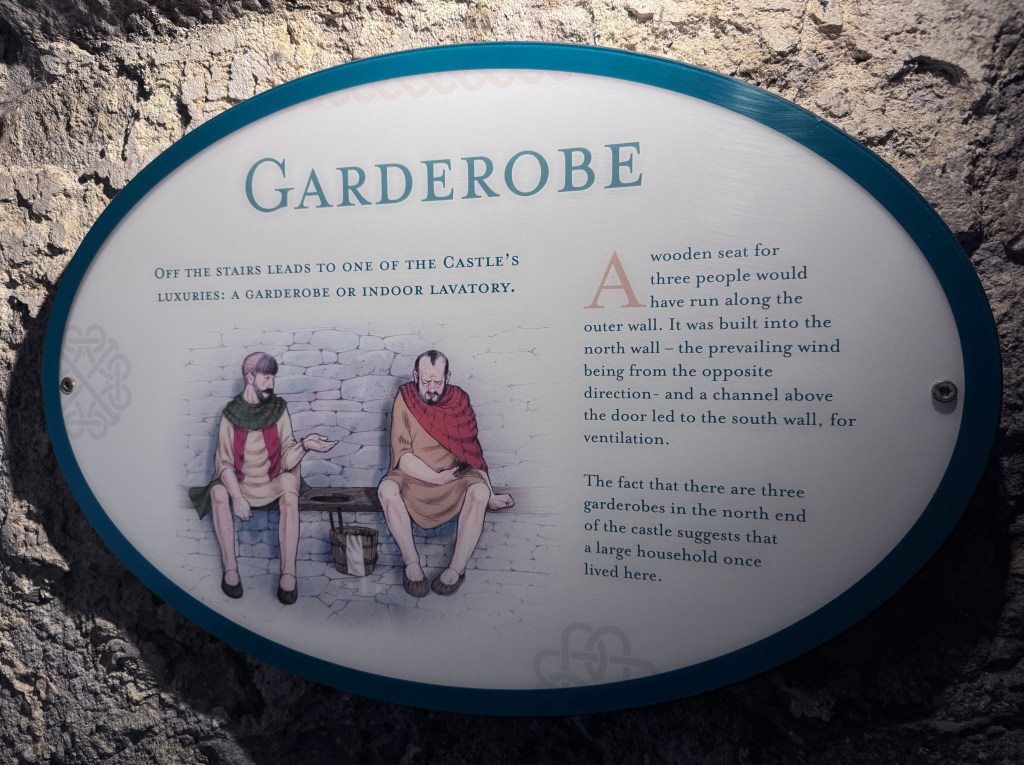
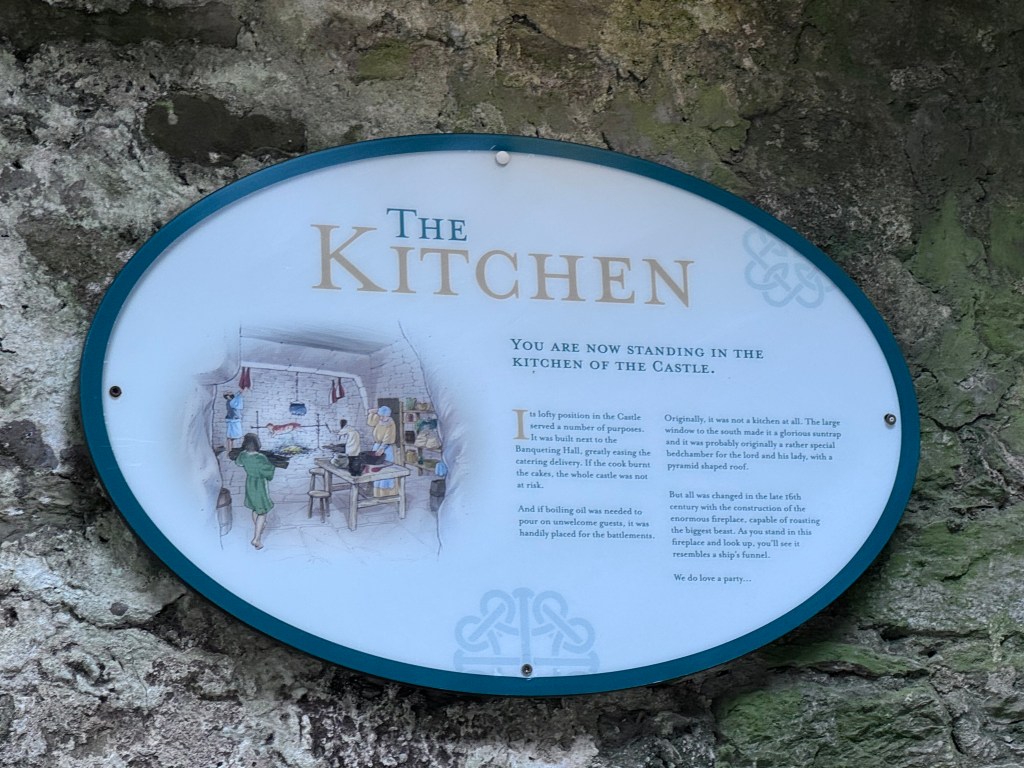
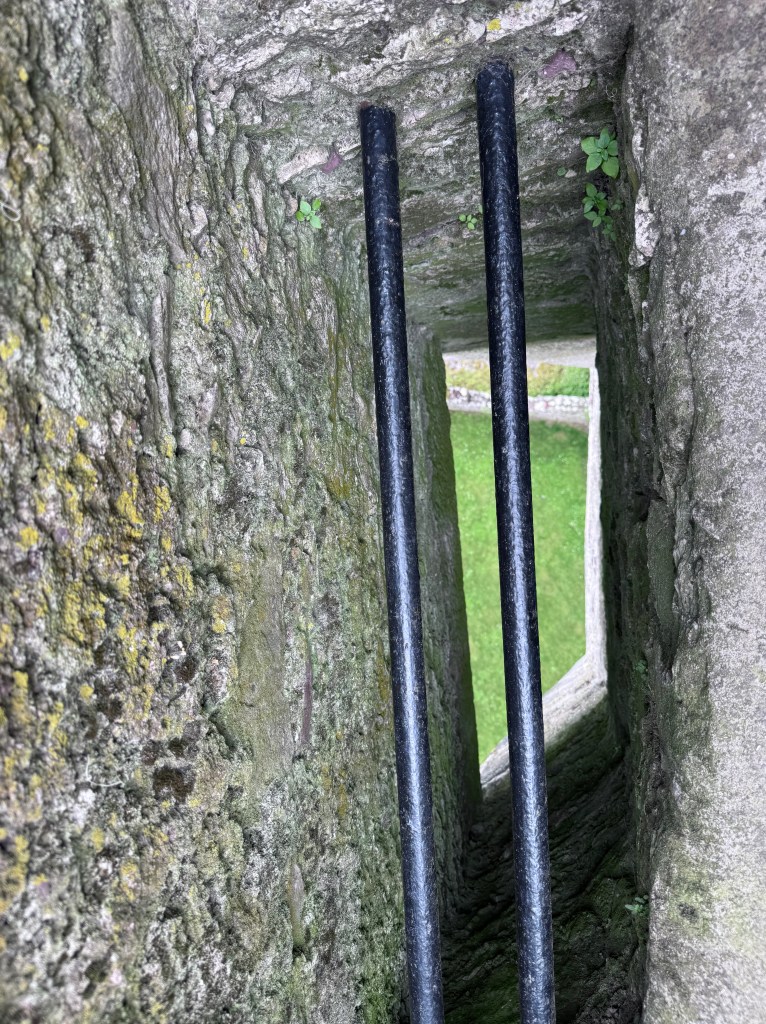
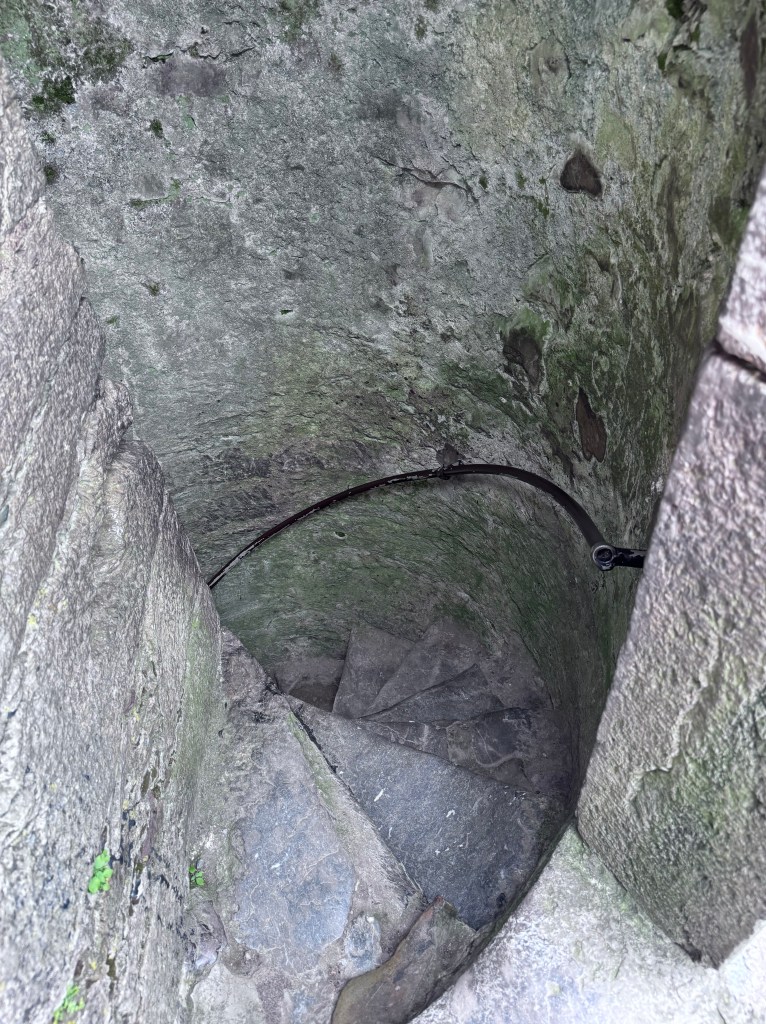
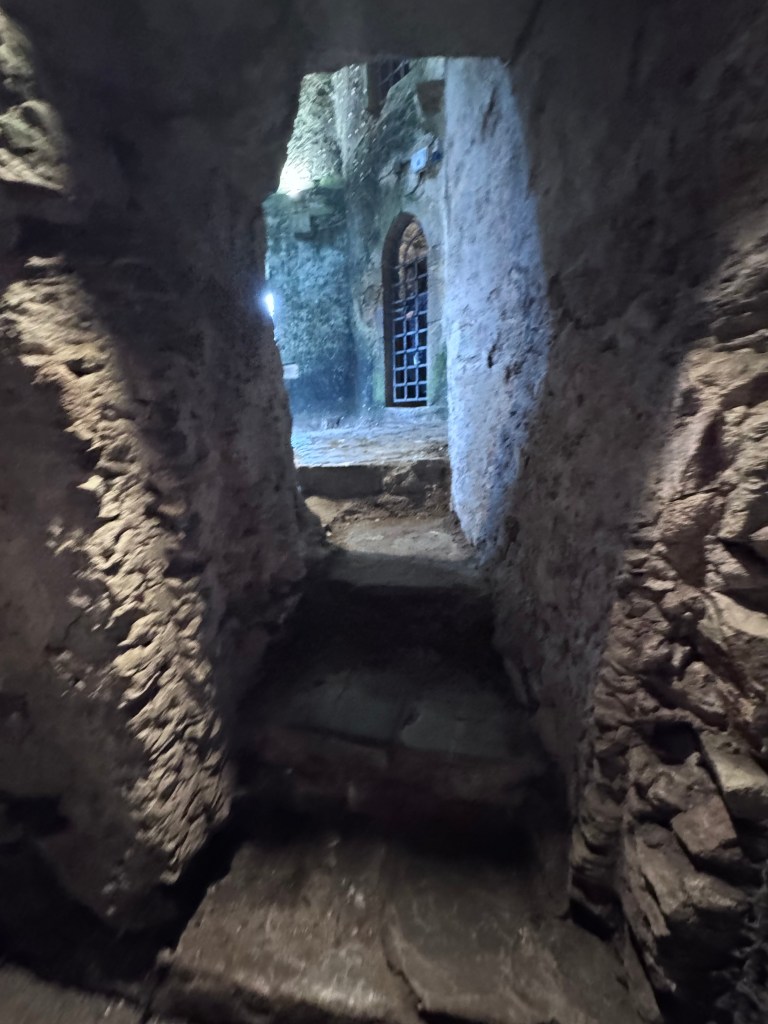
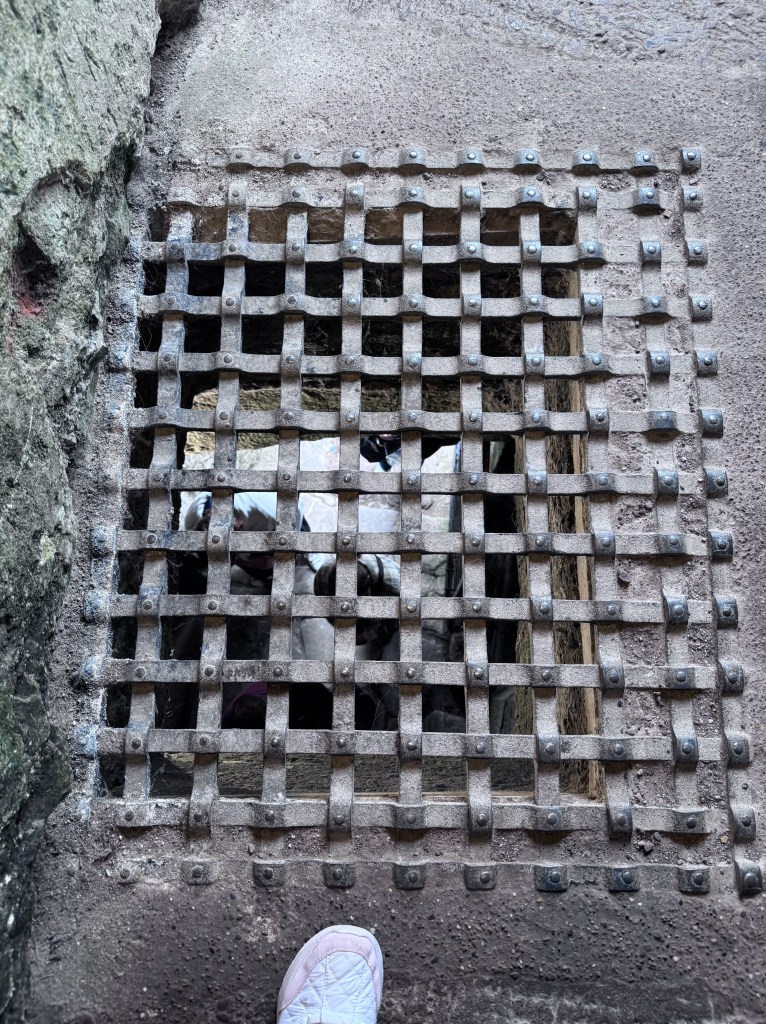
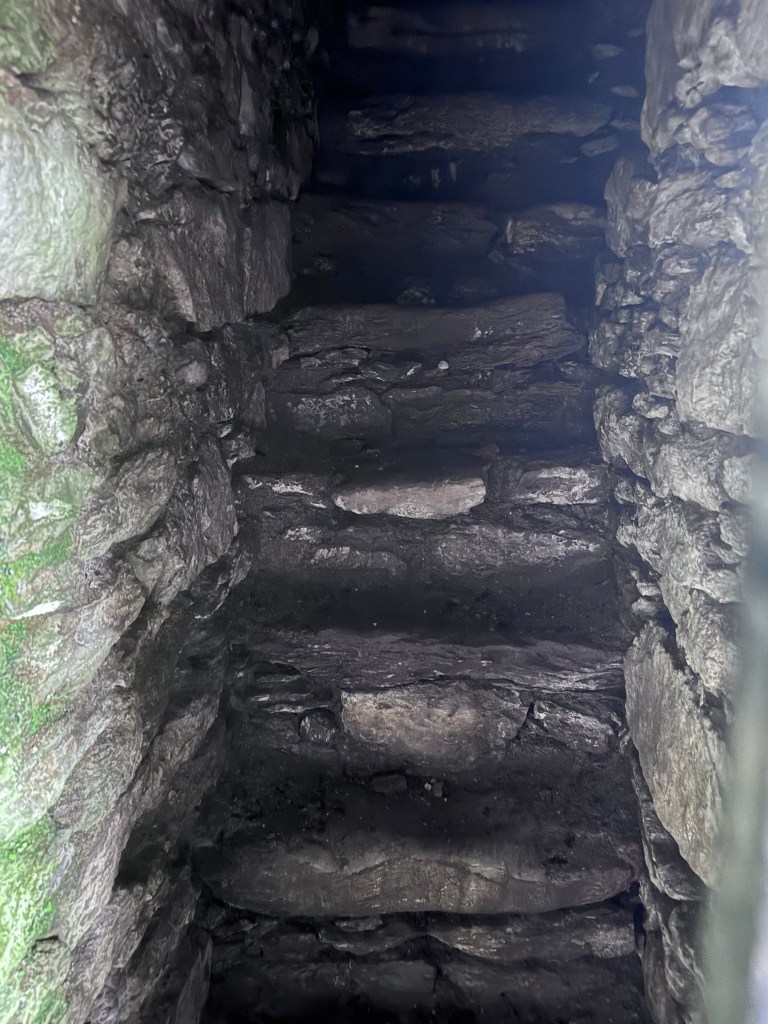
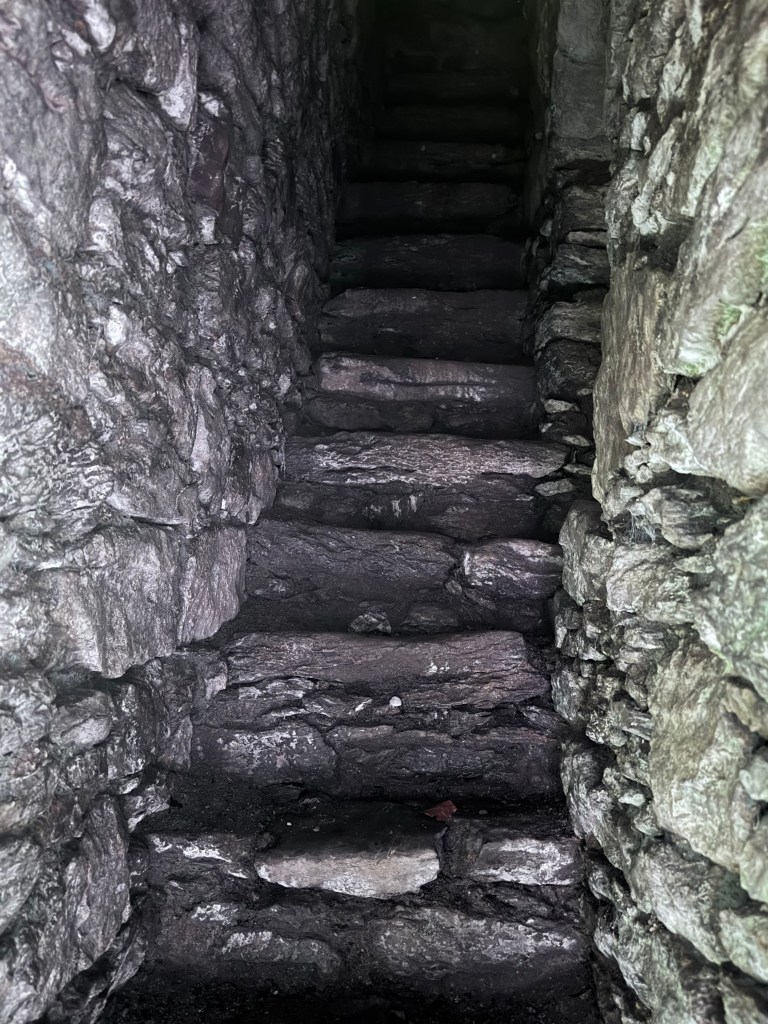
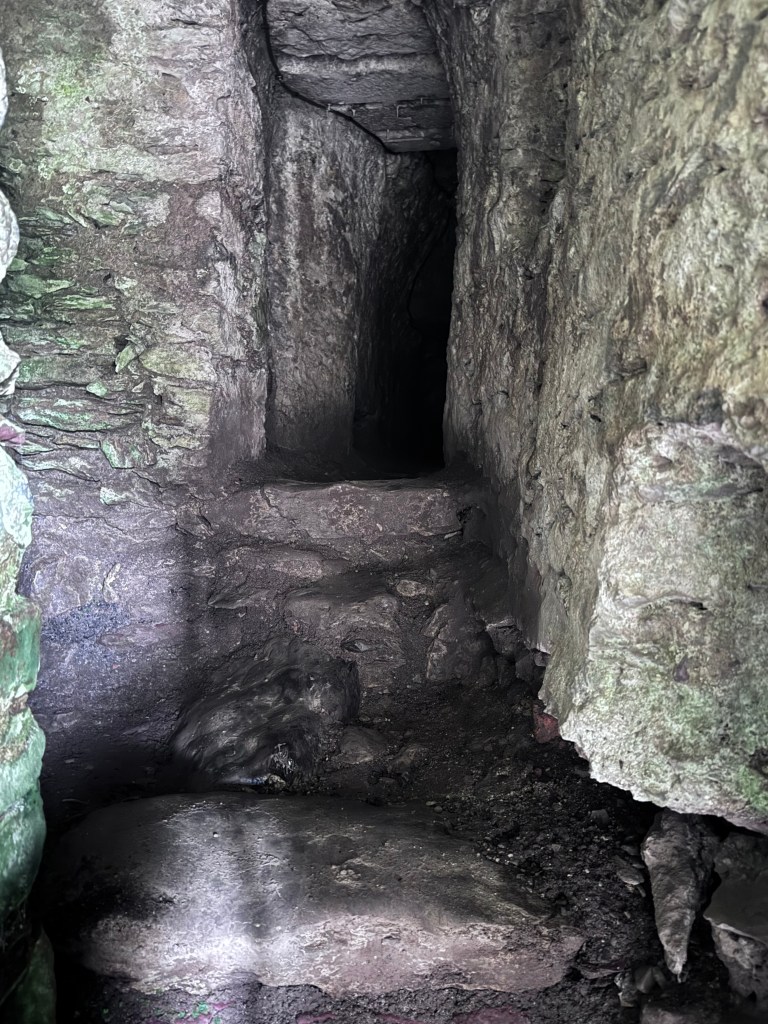
What surprised me most was how high up the castle kitchen was. The stairs were incredibly narrow, steep, and uneven. I couldn’t help but wonder how women managed them while wearing long dresses. Surely there must have been a few unfortunate tumbles over the centuries! I had no trouble with the low ceilings, but many visitors had to bend, duck, and crouch their way through the passages.
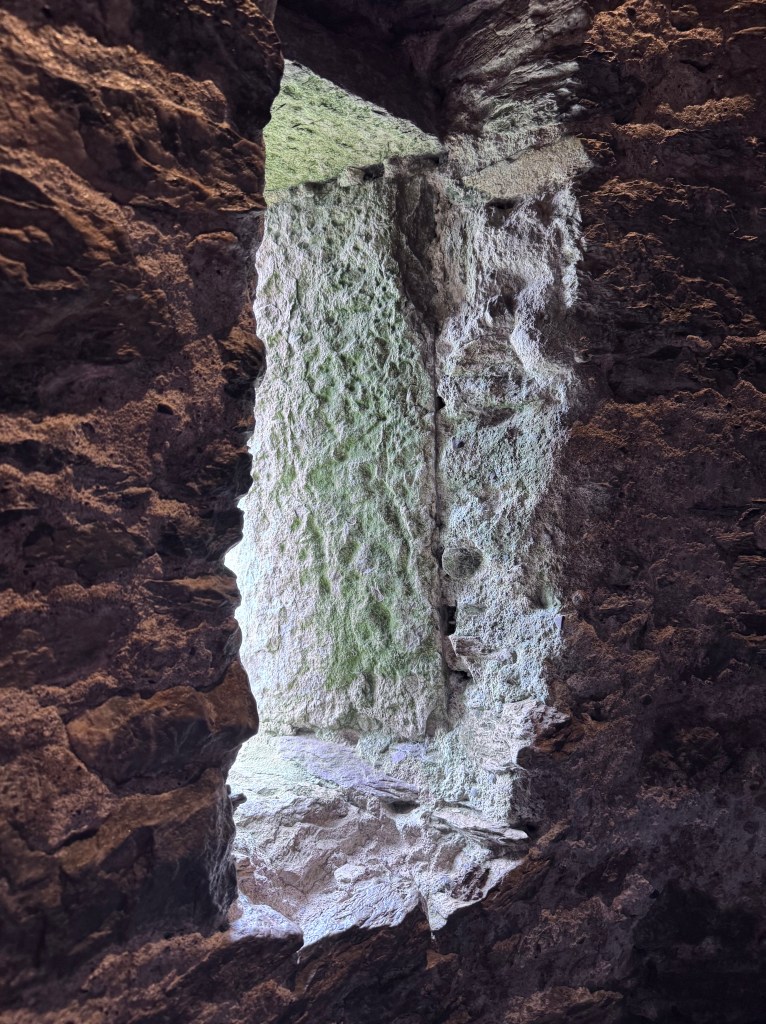
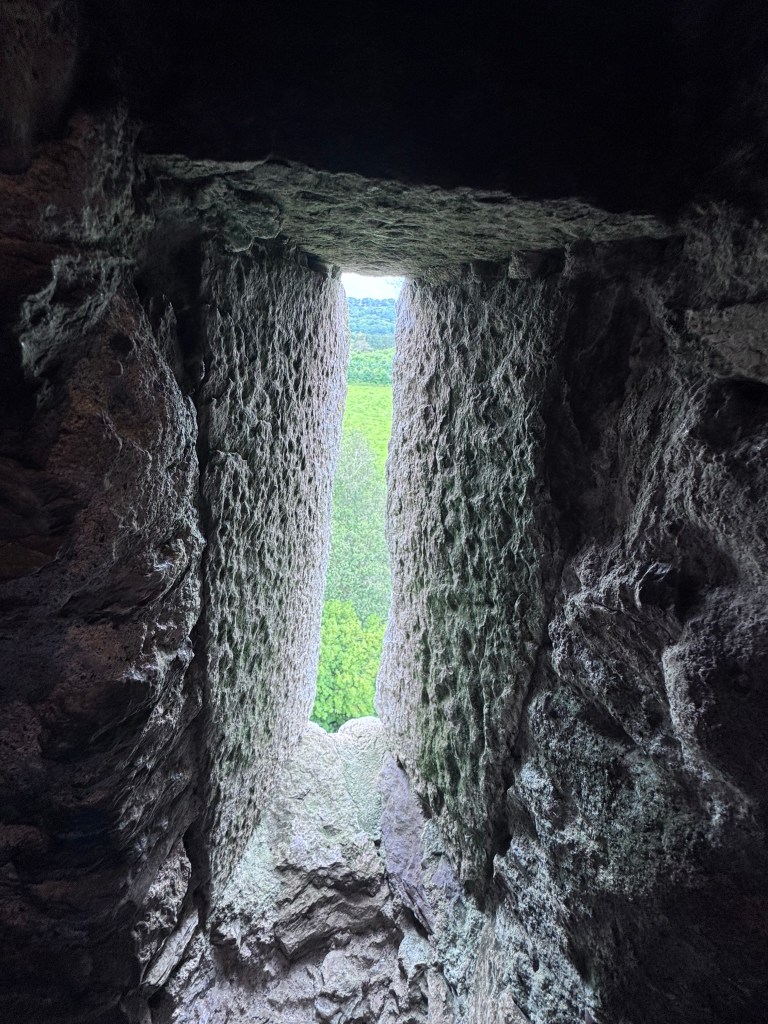
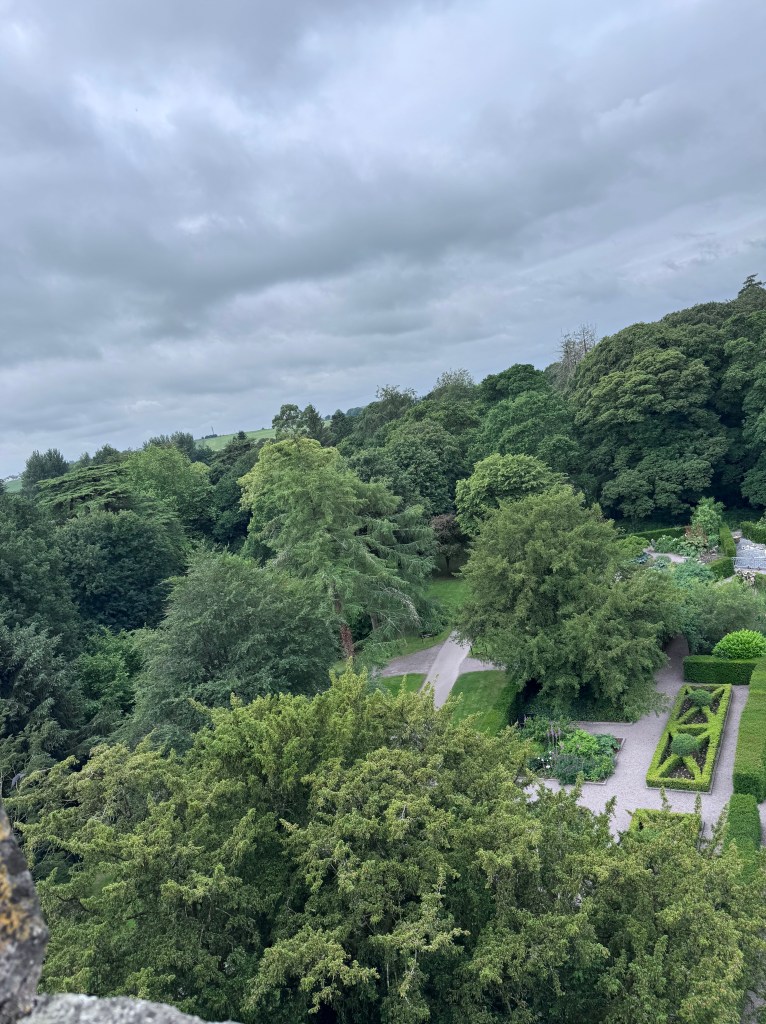
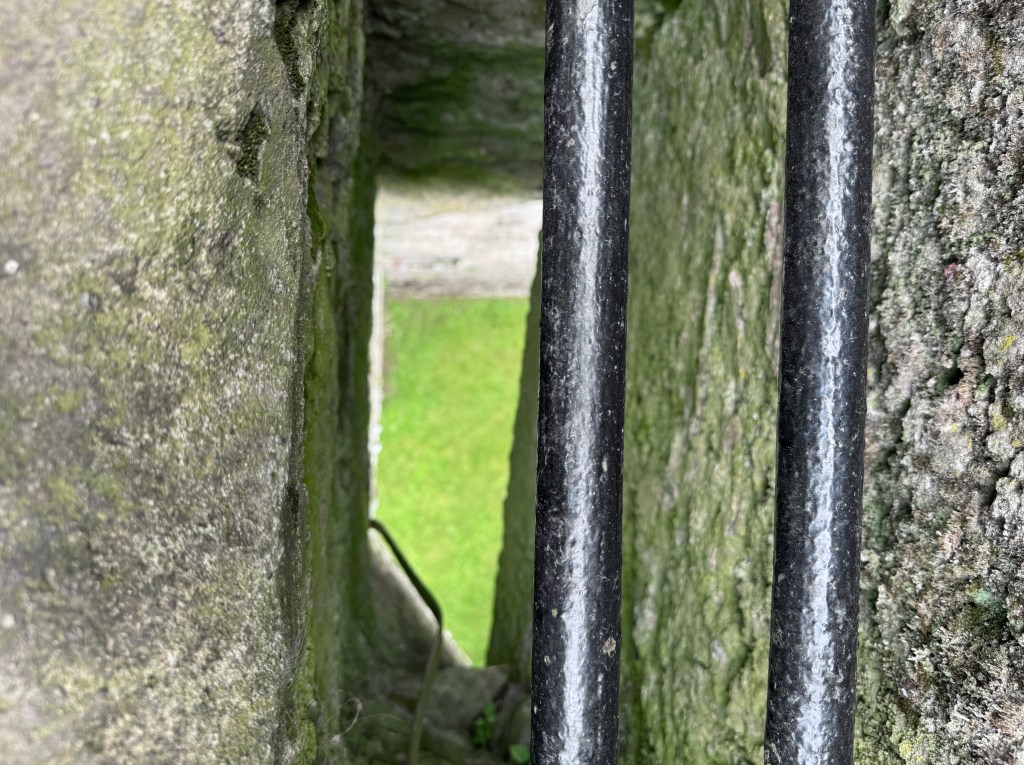
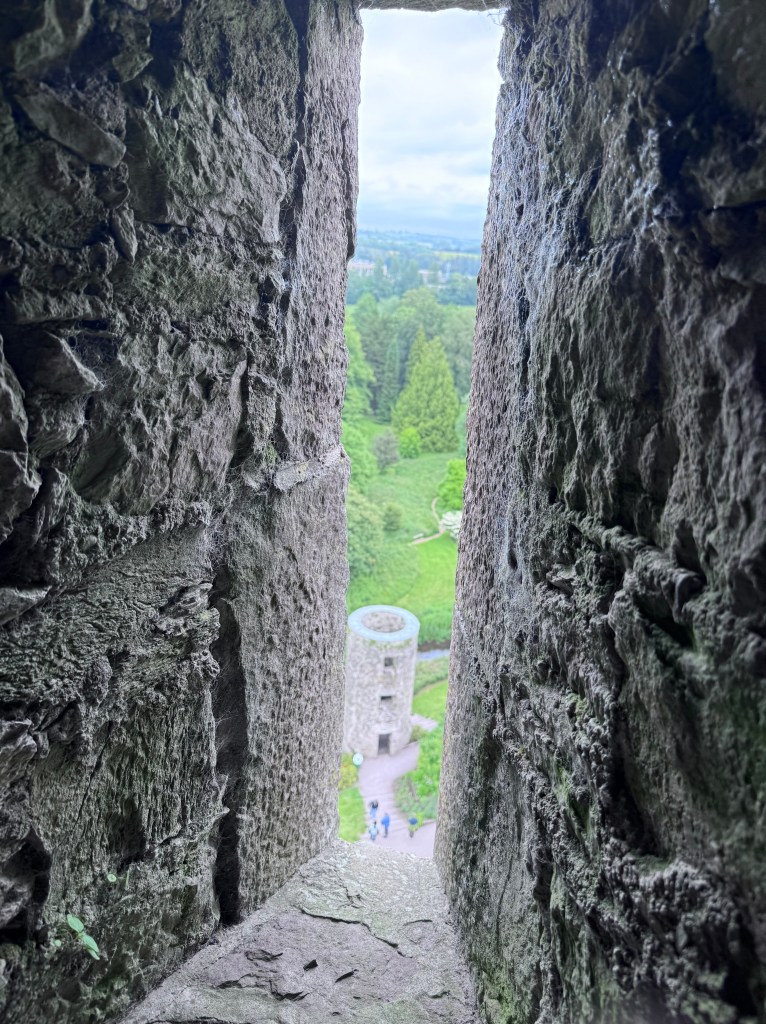
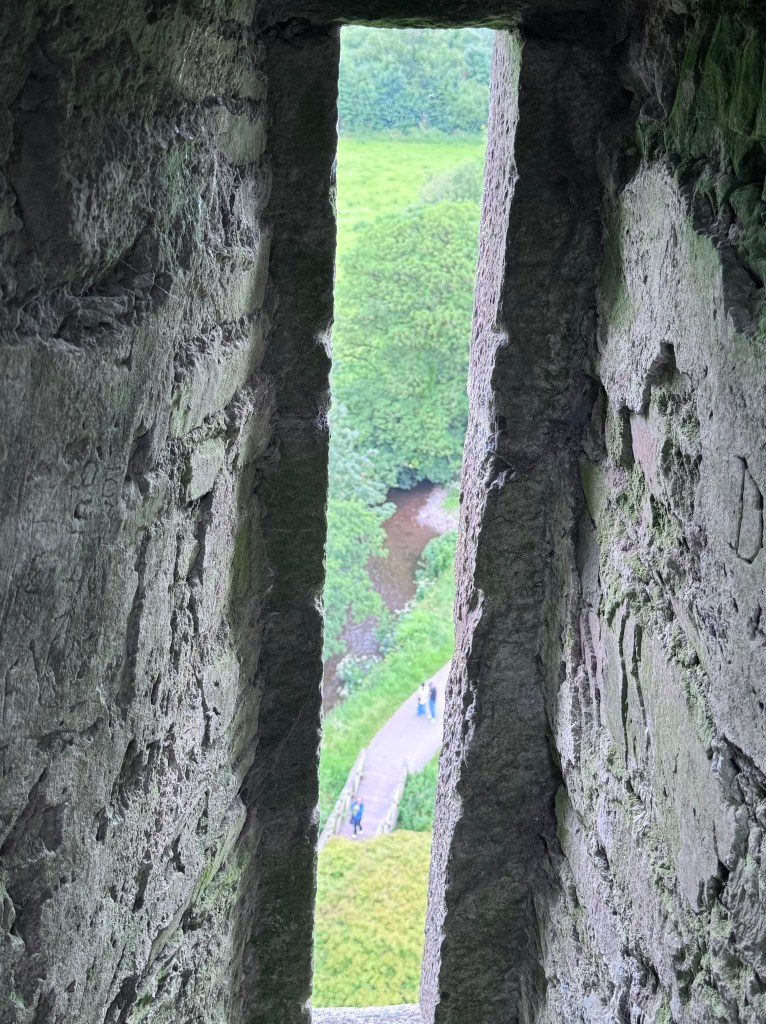
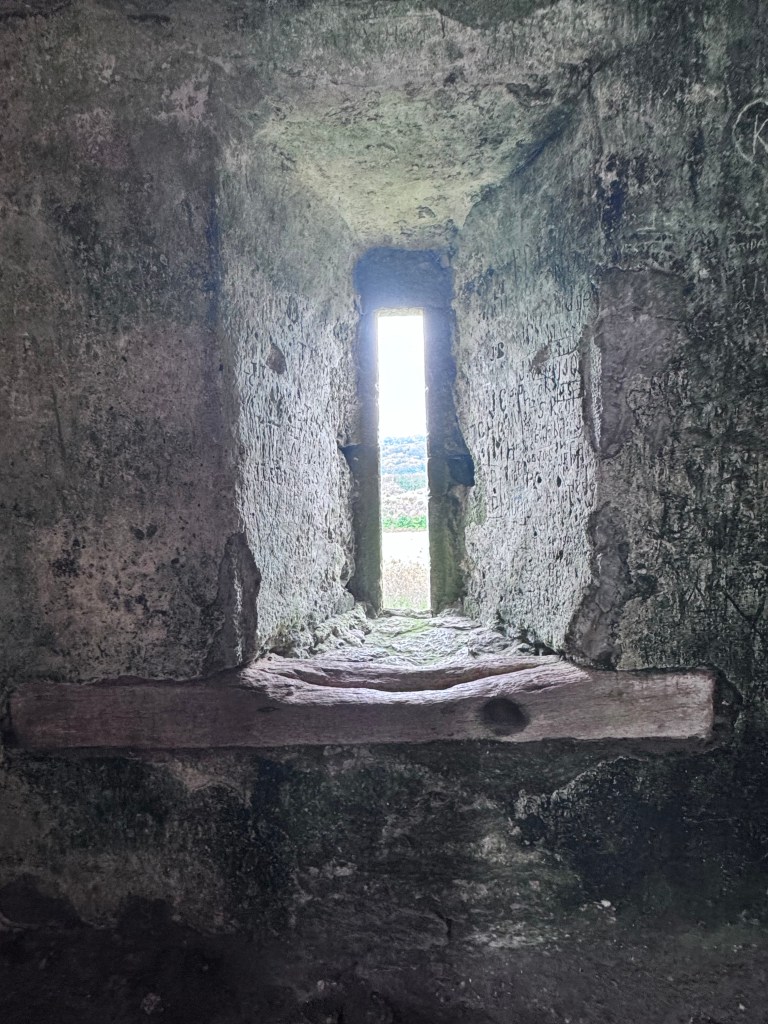
Walking around the castle grounds afterward, I was fascinated by the engineering. The builders found a massive rock outcrop, leveled it with additional stonework, and then constructed the castle directly on top of it. The walls are an astonishing 18 feet thick at the base and gradually slope inward as they rise. This design helped make the structure more stable and has undoubtedly contributed to its survival for centuries. It also served a defensive purpose. If attackers approached the castle walls, defenders could drop objects from above, and the sloping walls would cause those objects to bounce outward, striking enemies farther away from the base of the castle. Standing beneath those massive stone walls and realizing the thought and skill that went into their construction made me appreciate the castle even more.
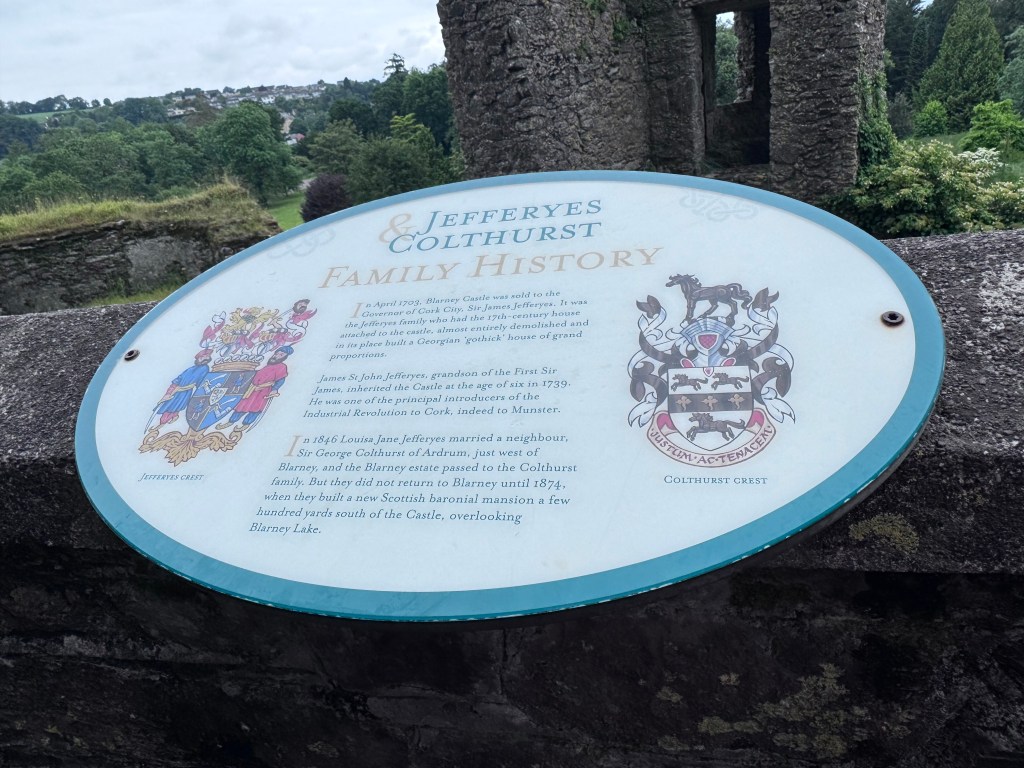
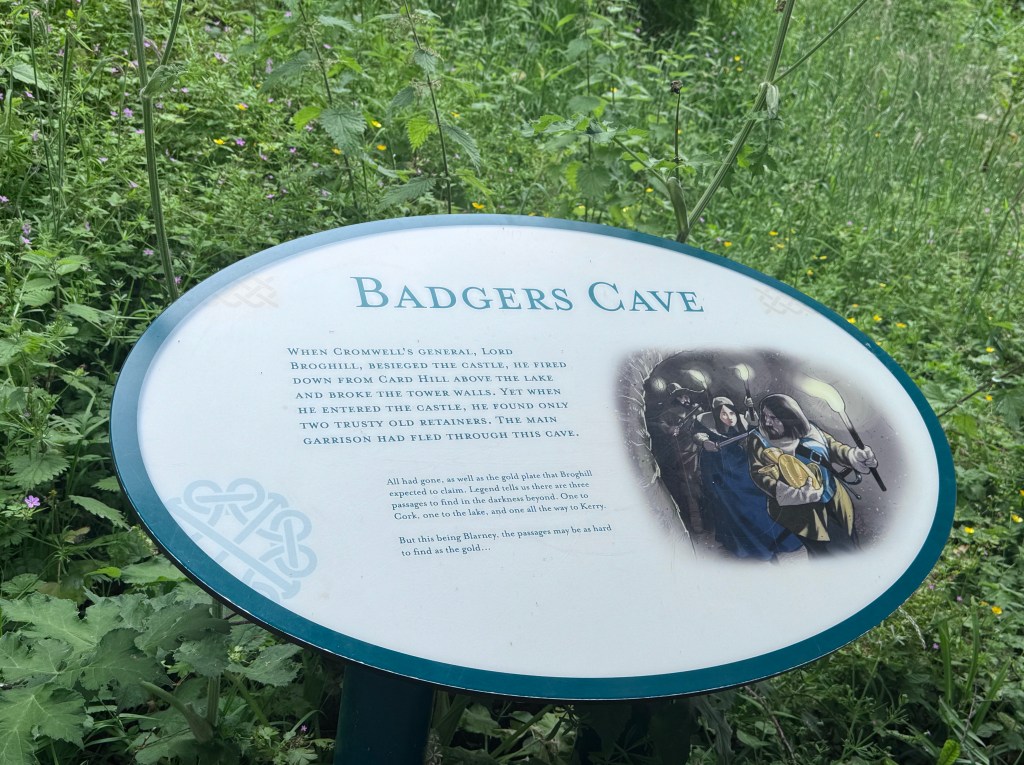
Over the centuries, the castle witnessed its share of conflict and changing ownership. It was besieged and captured by English Parliamentarian forces in 1646 during the English Civil War. The castle was later restored to Donough MacCarty, the Earl of Clancarty, but was eventually confiscated by William of Orange. After passing through several owners, the estate was purchased by Sir James St. John Jefferyes in 1688. The Jefferyes family later built a mansion near the ruined keep, and remarkably, their descendants continue to own and care for the estate today.

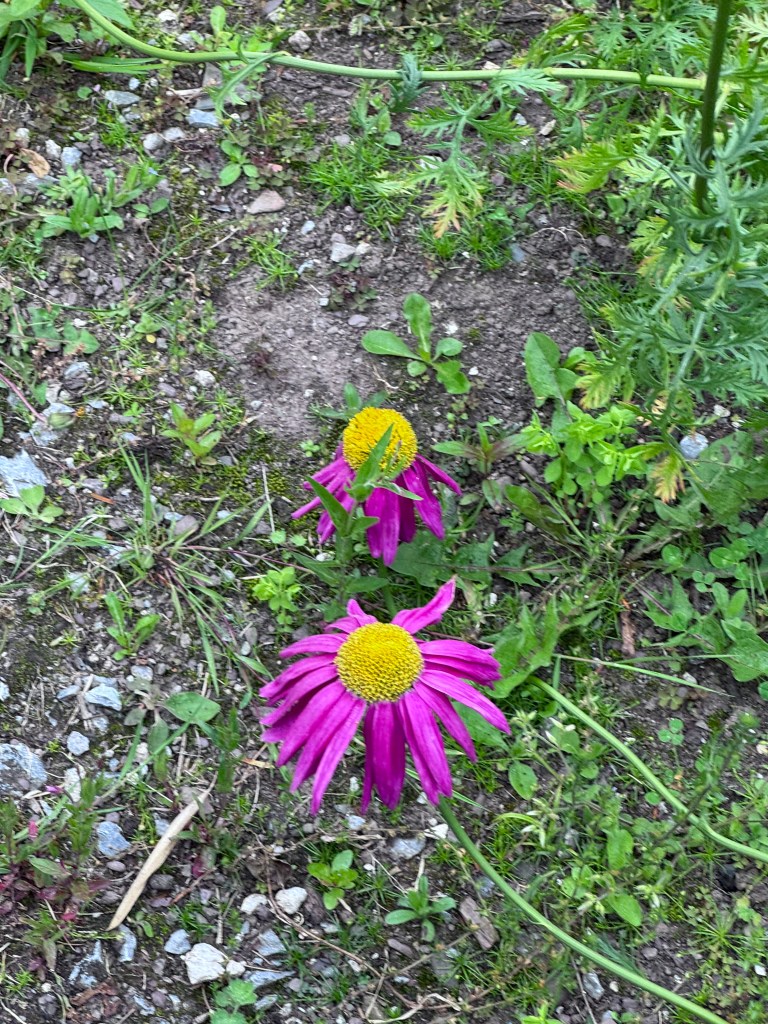
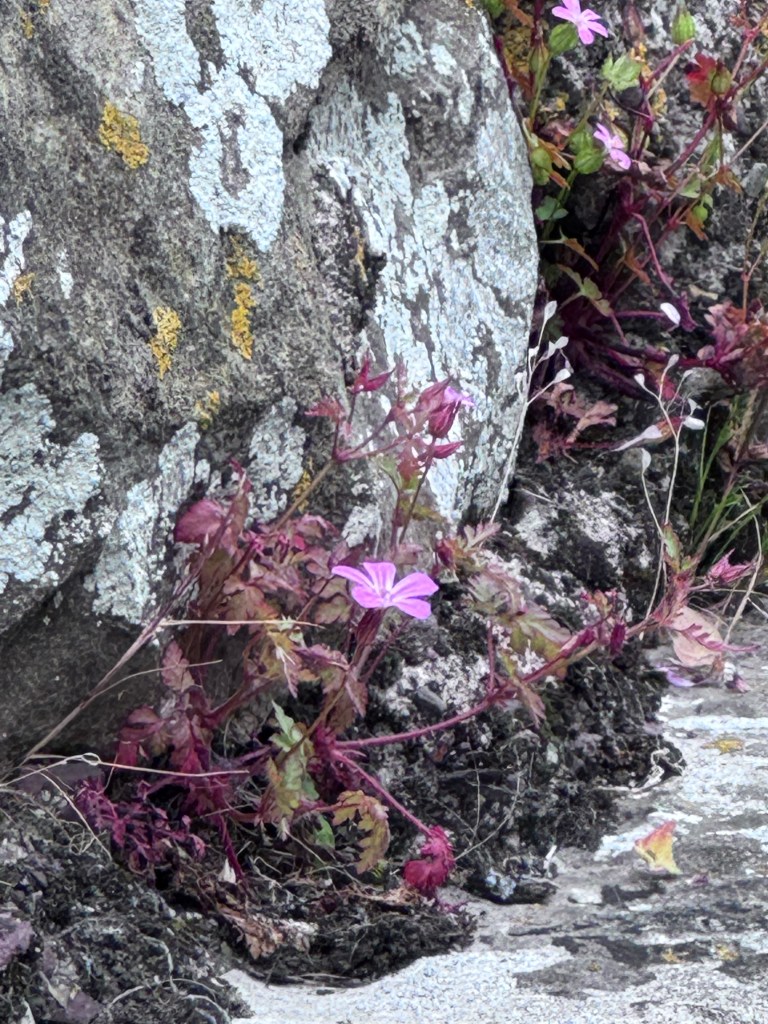
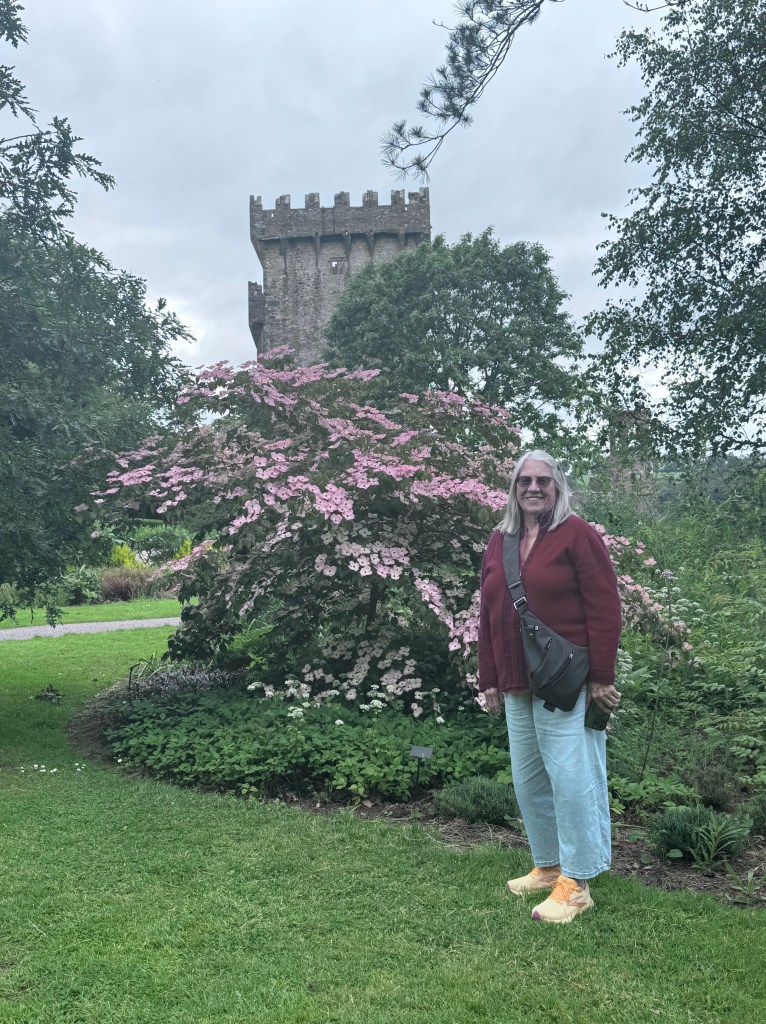
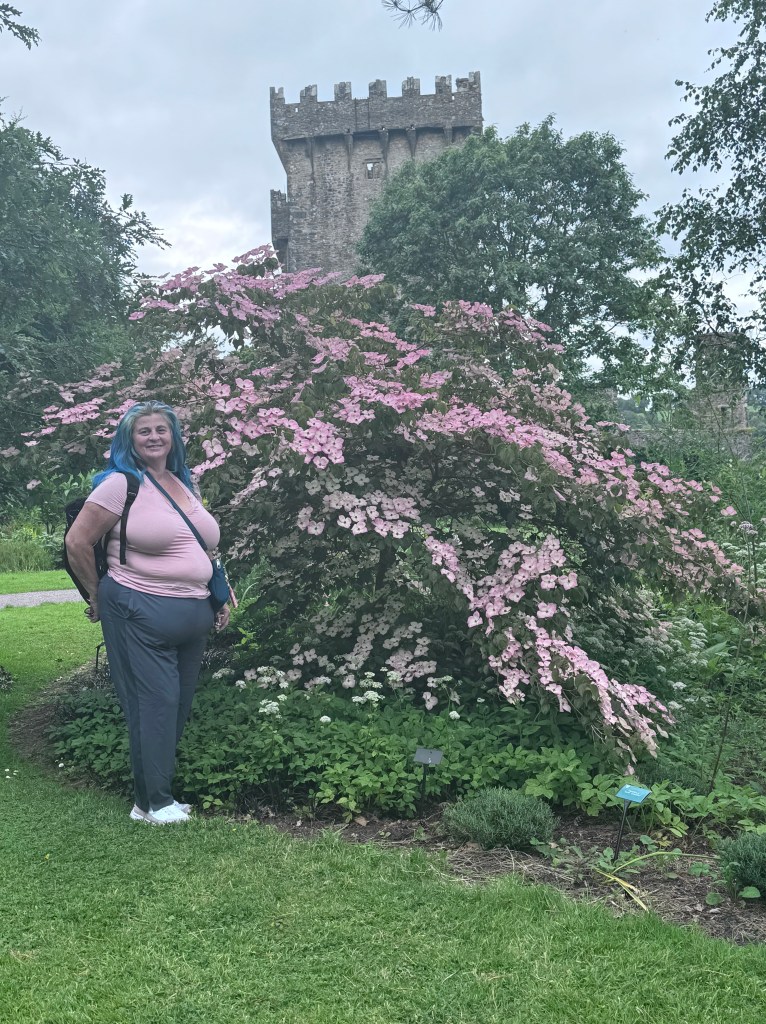
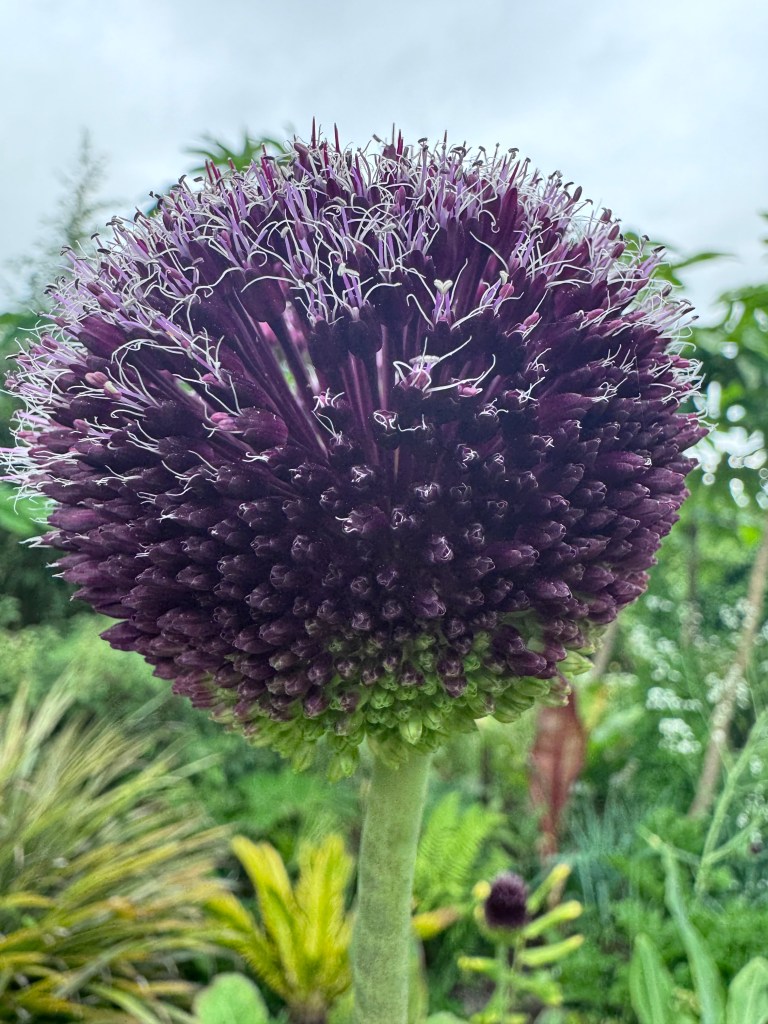
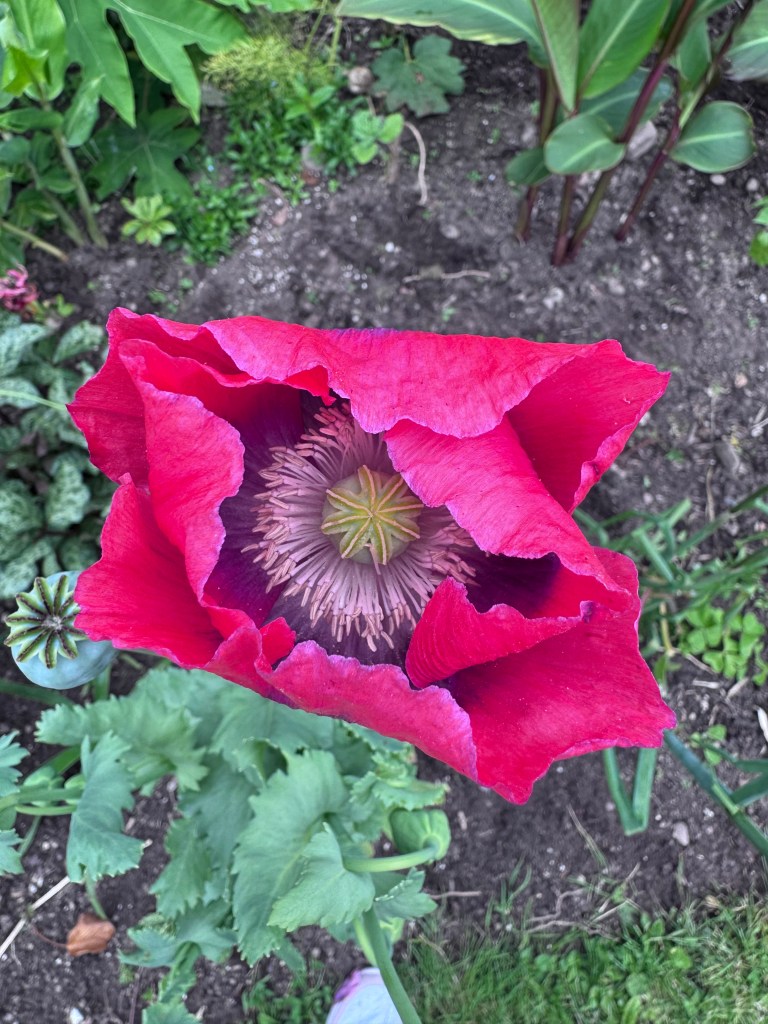
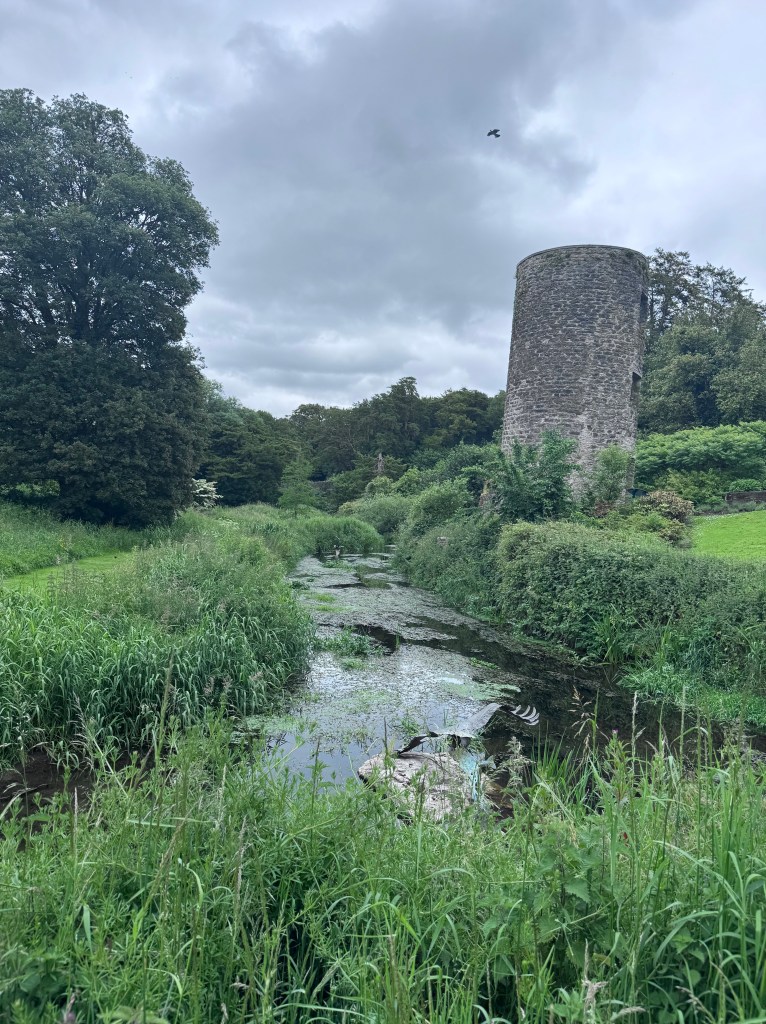
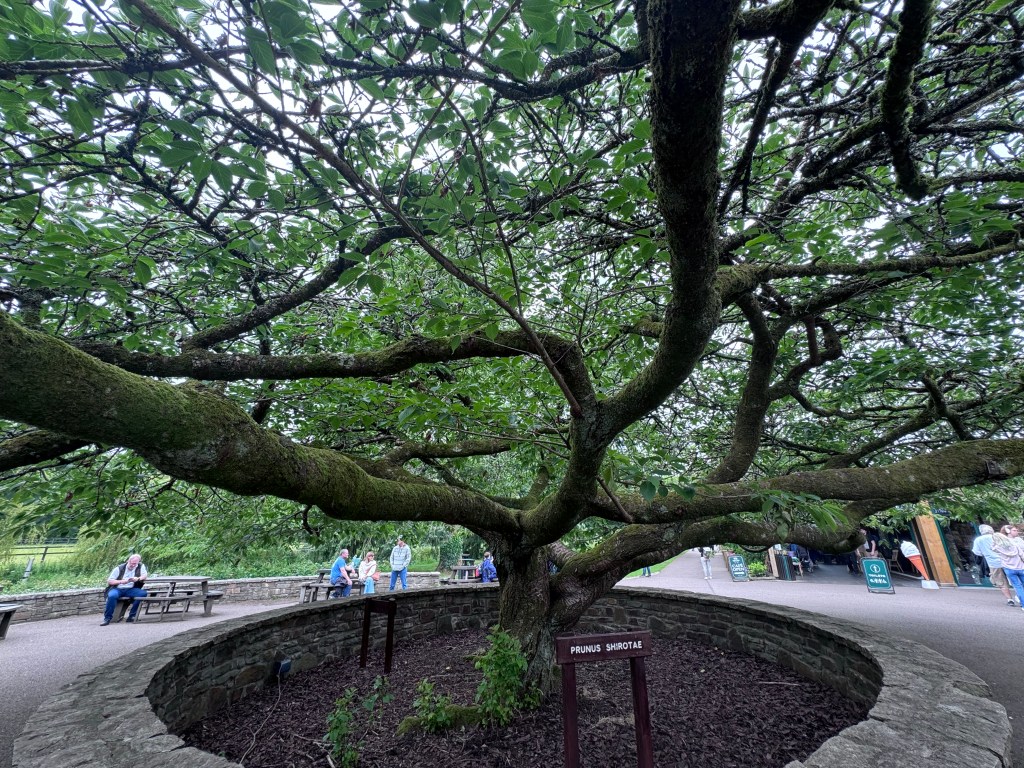
Once my climb was complete, we enjoyed lunch before wandering through the gardens. The flowers were enormous and bursting with color. We spent some time chatting with a lovely couple while taking photographs of the castle and grounds. After exploring a bit more outside the castle walls, it was time to make our way back to the train station.

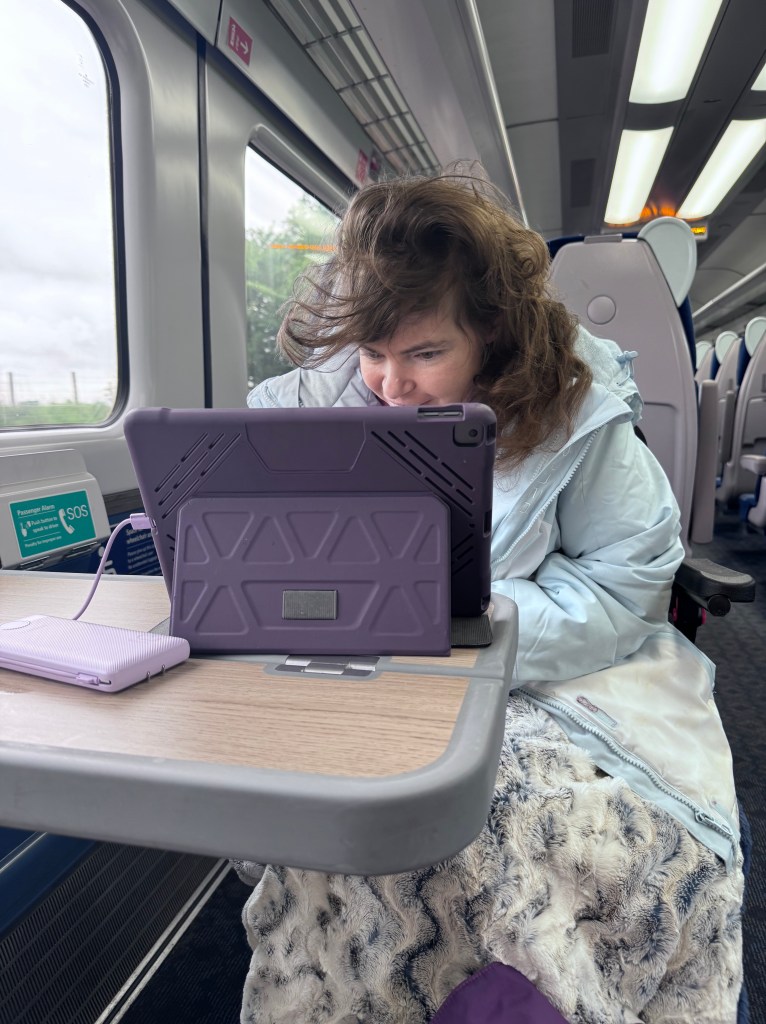
The ride back was over two hours long, so we settled into our seats and pulled out a deck of cards for a game of cribbage. It was the perfect way to end another wonderful day of adventure in Ireland.

As we watched the Irish countryside roll past our train window, I couldn’t help but think about all the people who had walked those castle halls over the last eight centuries. Blarney Castle is far more than just a place to kiss a famous stone—it is a testament to medieval engineering, Irish resilience, and centuries of history. And if the legend is true, perhaps it has also gifted me with a little extra eloquence to tell this story.
Ramps, Rails, and Ruins: A Day in Kilkenny

Our First Full Day in Dublin: A Trip to Kilkenny

Our first full day in Dublin did not quite go as originally planned. We had intended to visit Belfast, but due to the protests taking place there, we decided to alter our plans and head to Kilkenny instead. Looking back, it turned out to be a wonderful choice.

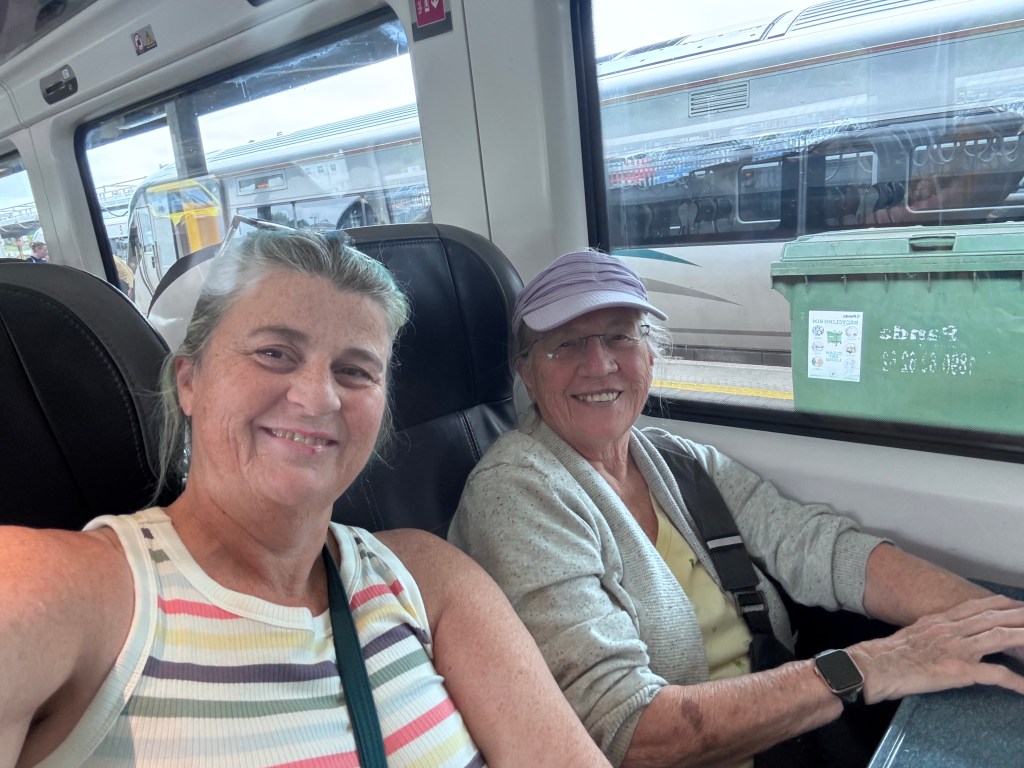
We navigated our way to the train station using a taxi app and checked in with the assistance team. From there, we made our way down to the trains and asked where we needed to go. The accessibility assistance on Irish Rail has been incredible. At both stations, staff met us with ramps and helped us board and exit the train. It made traveling with Kiya so much easier and less stressful.

The train ride itself was beautiful. We spent much of the journey looking out the window and taking in the Irish countryside. We marveled at the hedge-row fencing that divides the fields and noticed how often sheep and cattle grazed together in the same pasture. The rolling green landscape looked exactly like the Ireland we had imagined.

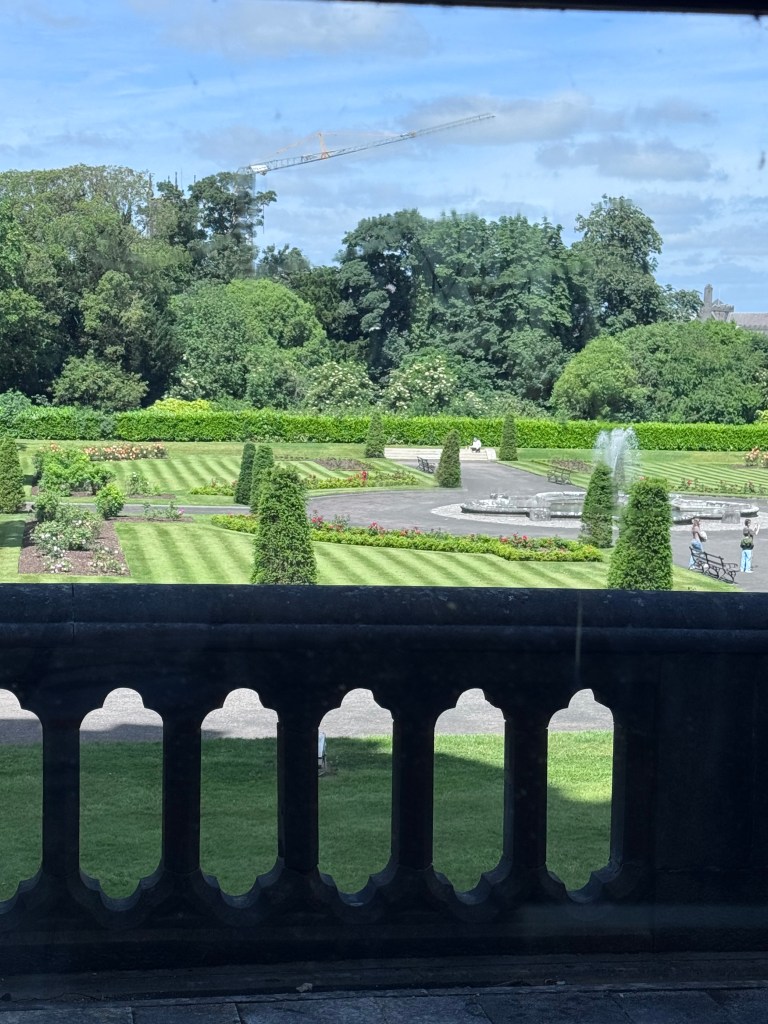
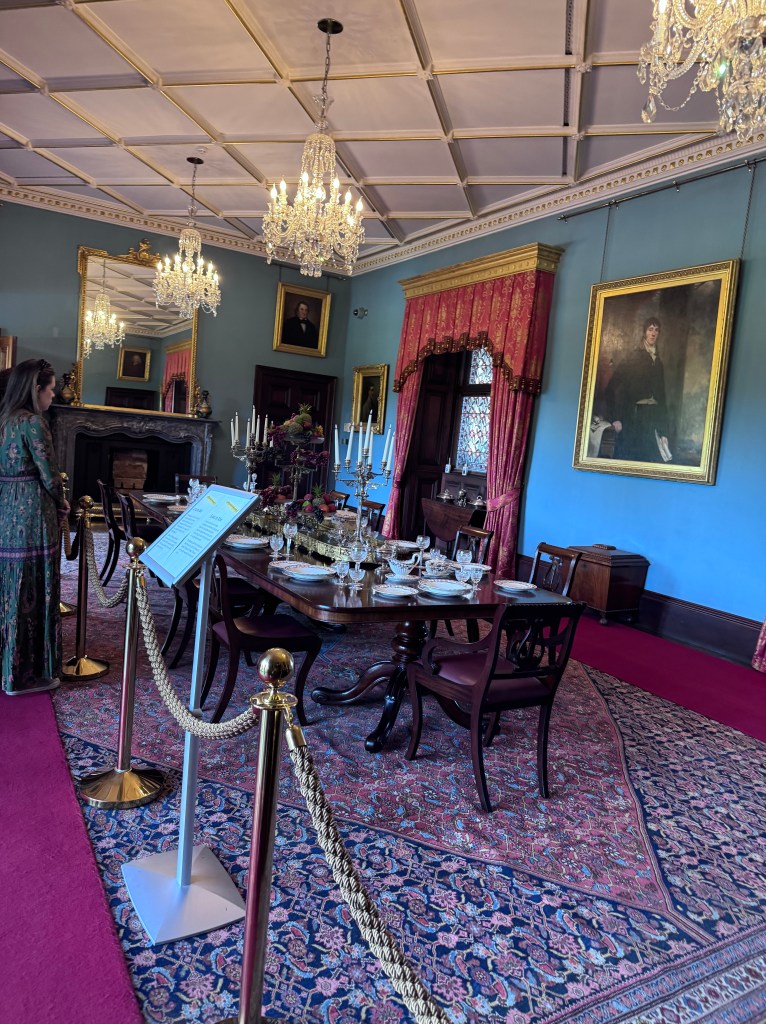
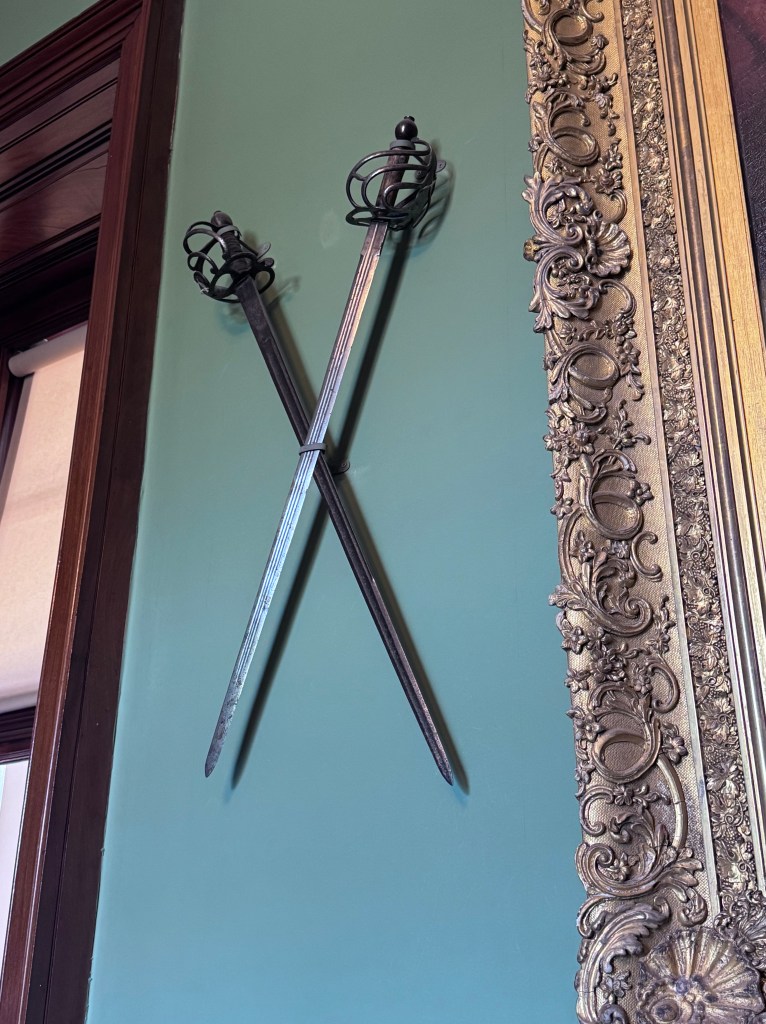
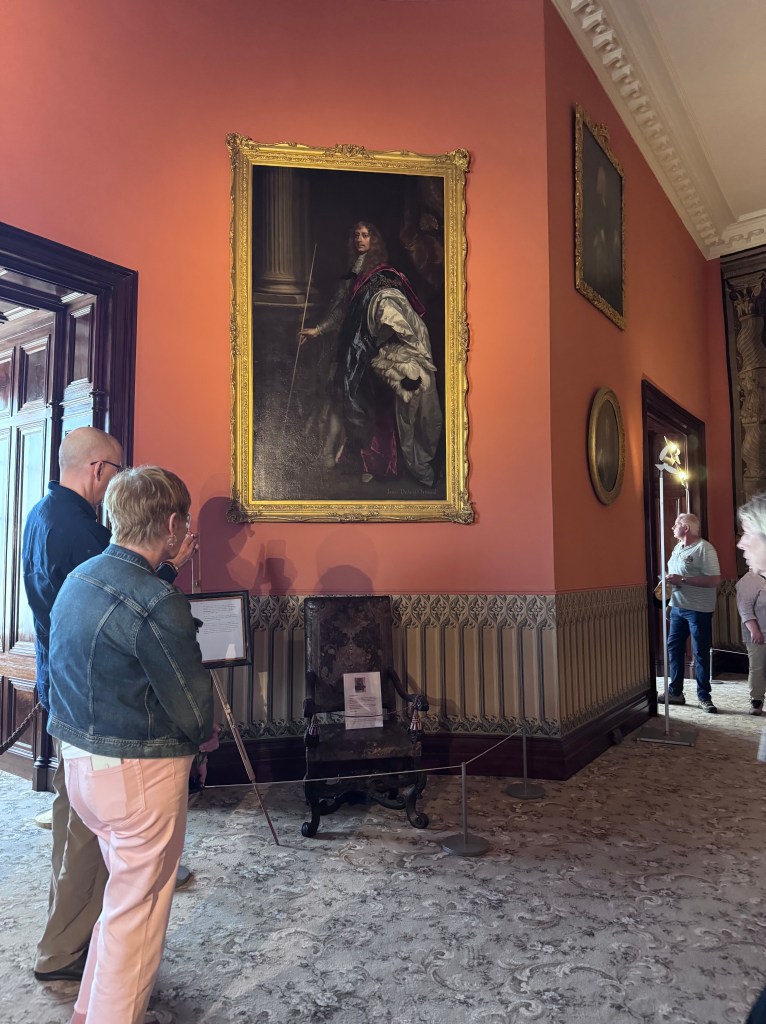
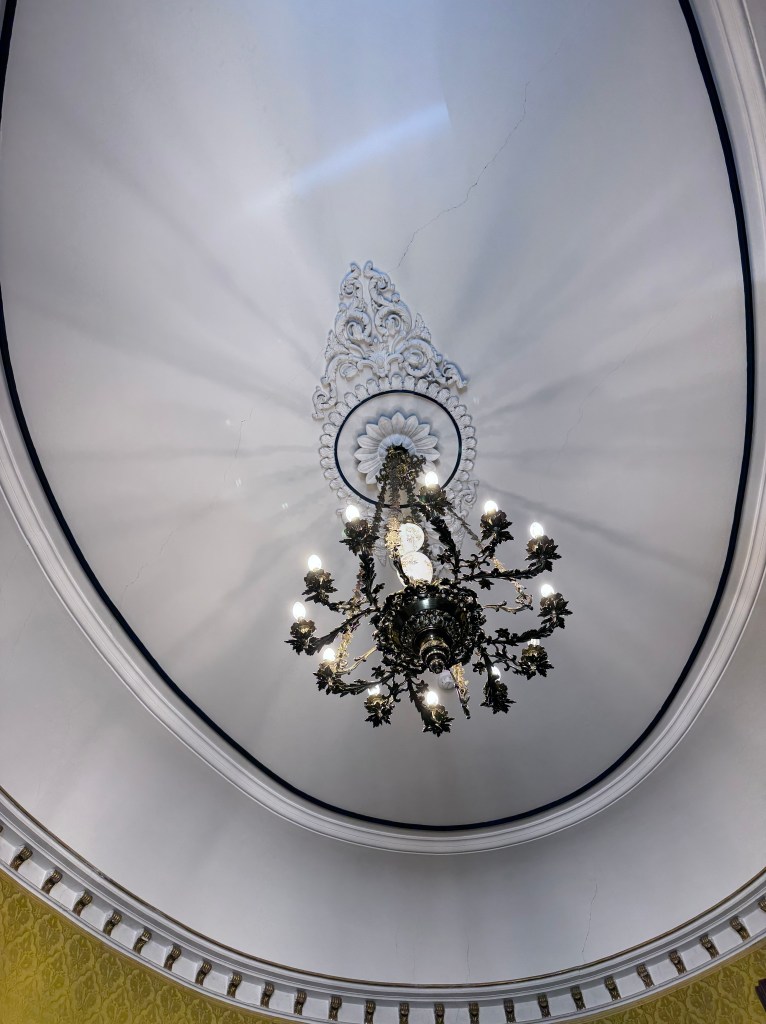
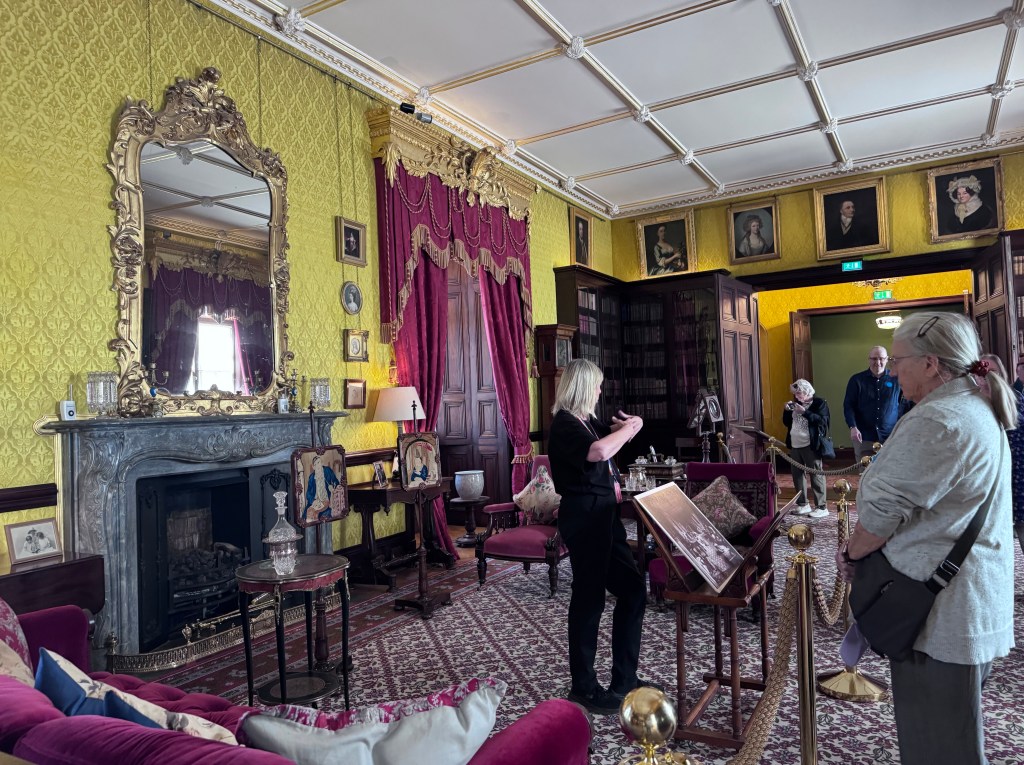
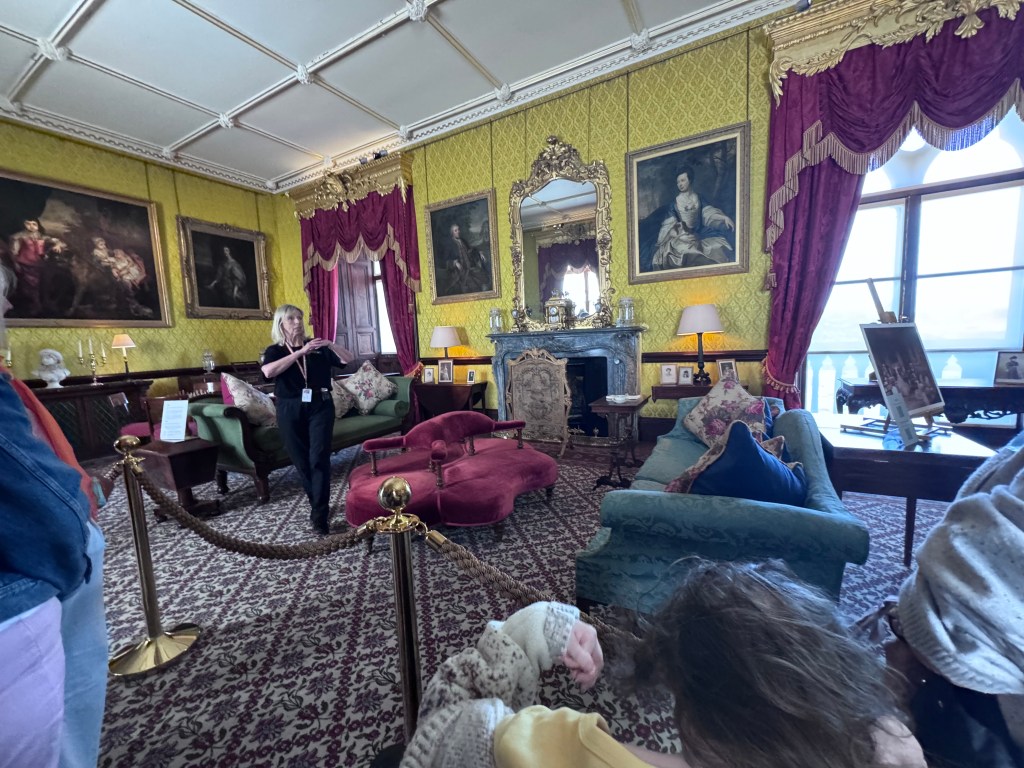
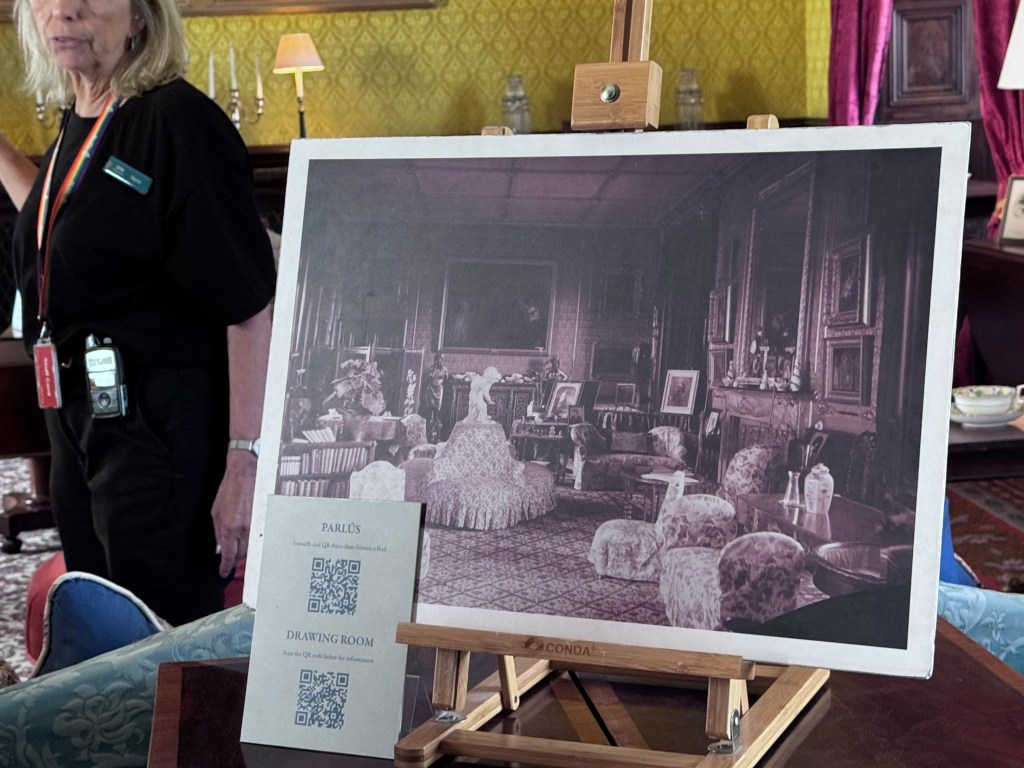
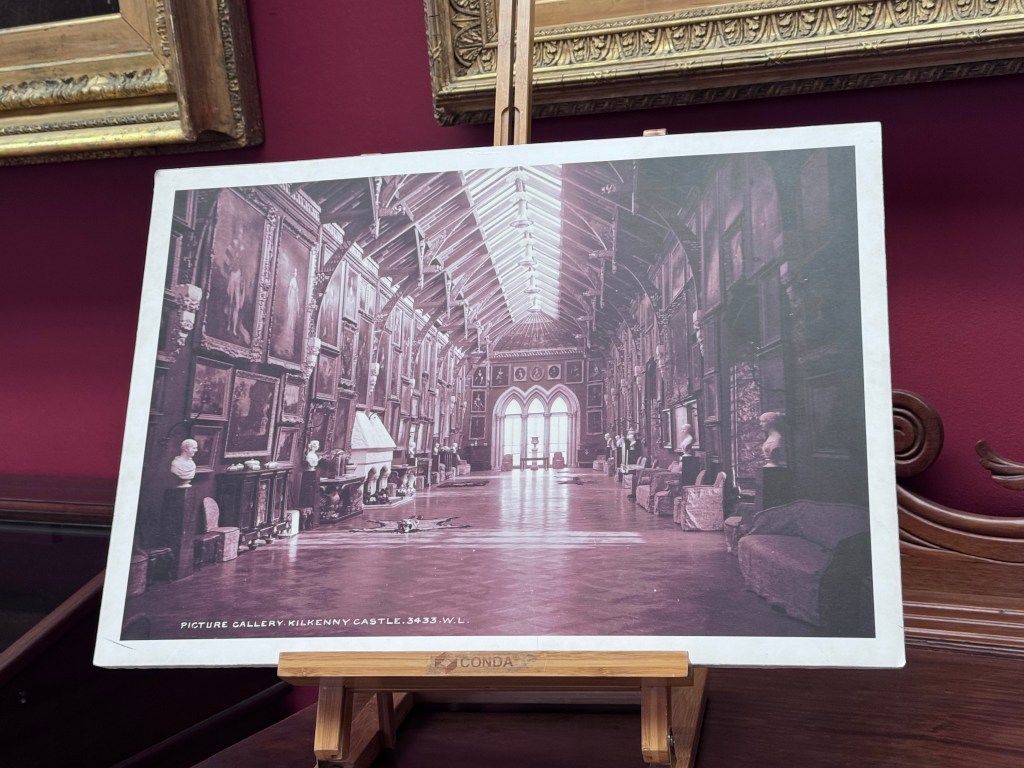
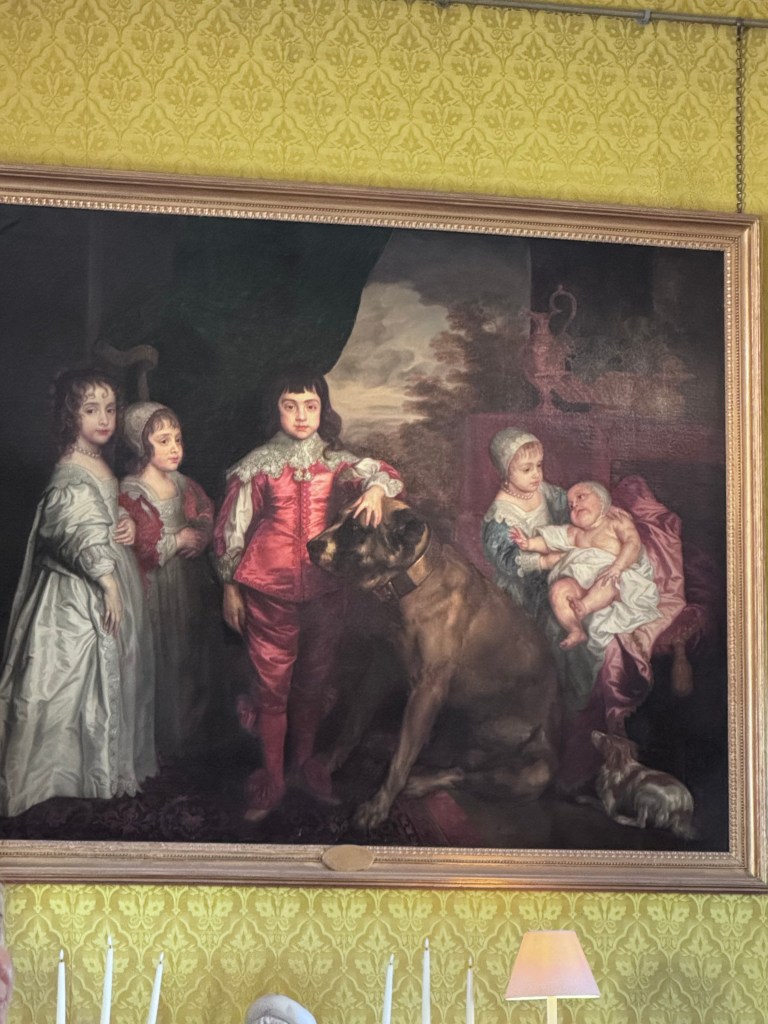
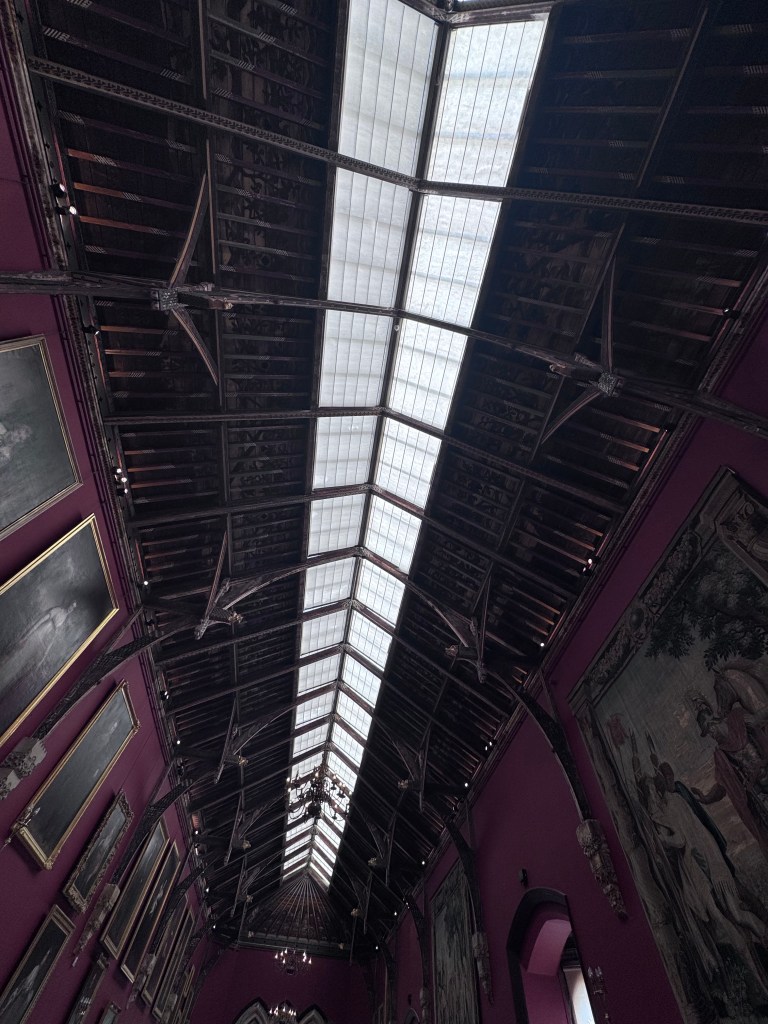
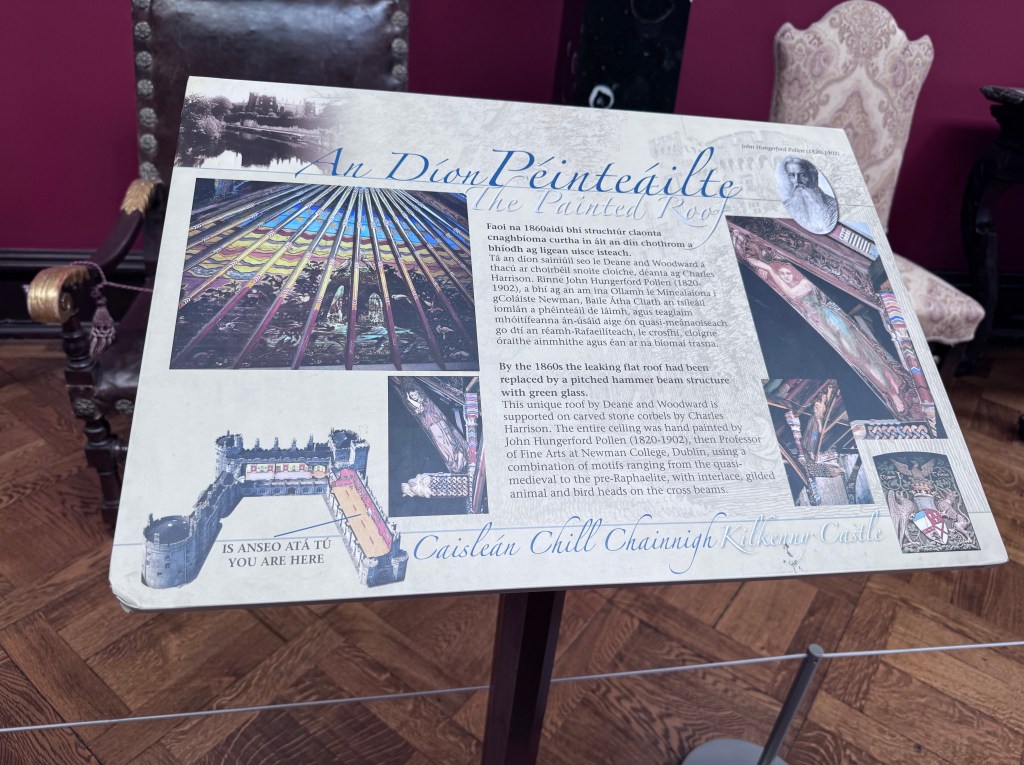
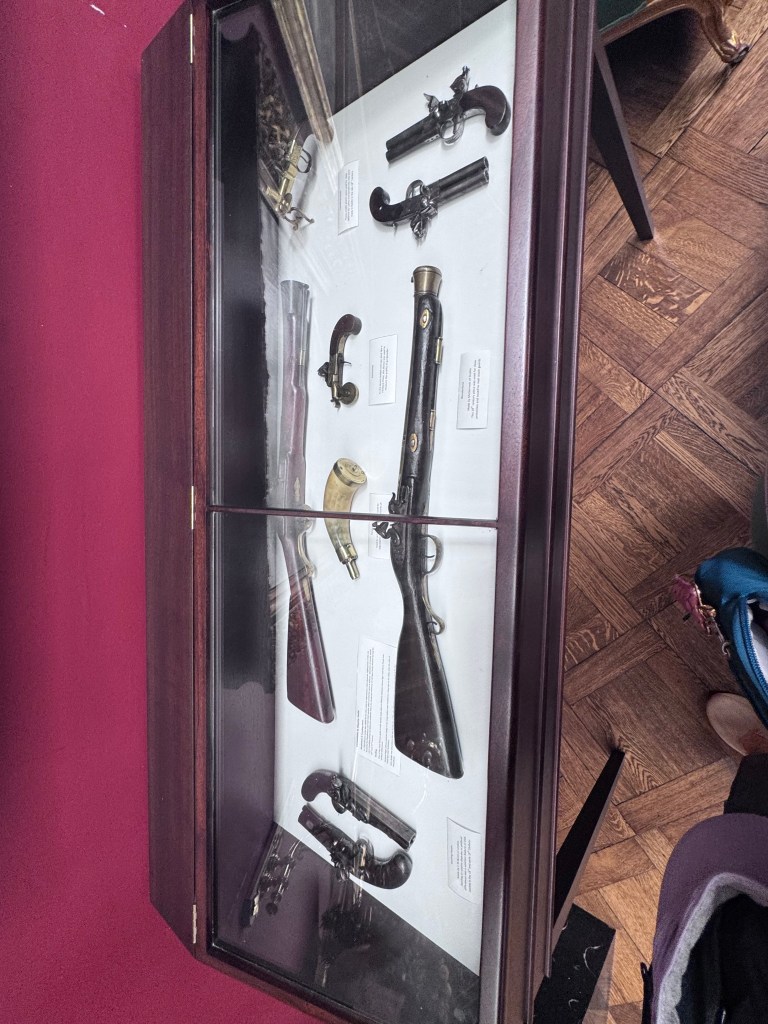
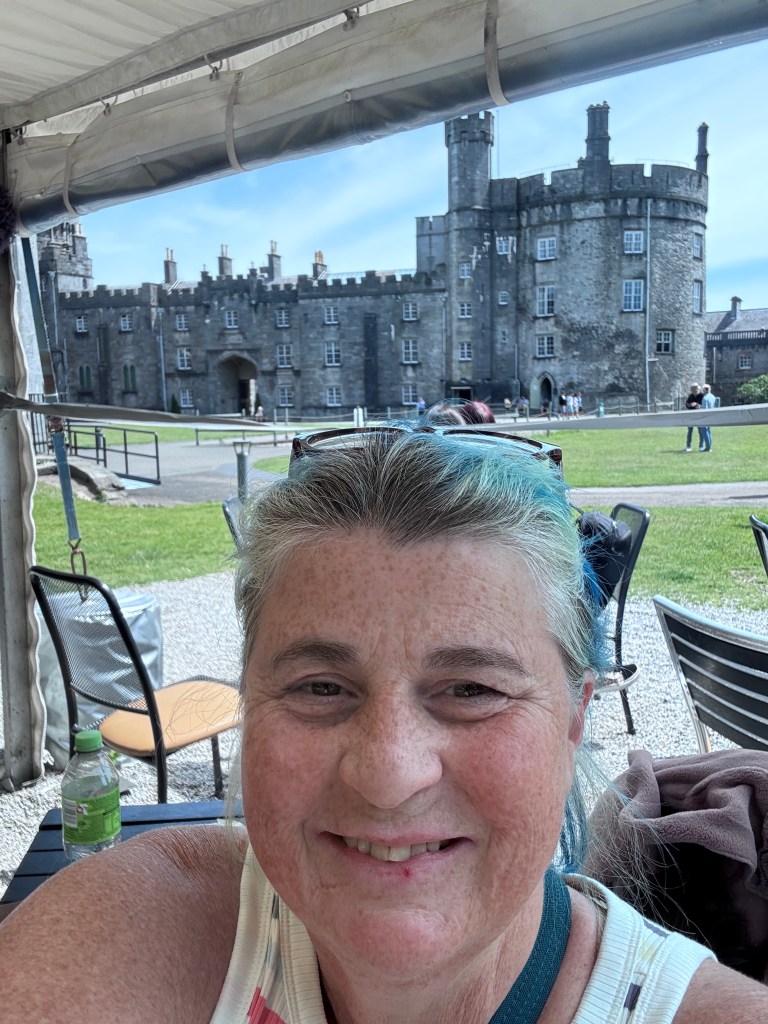
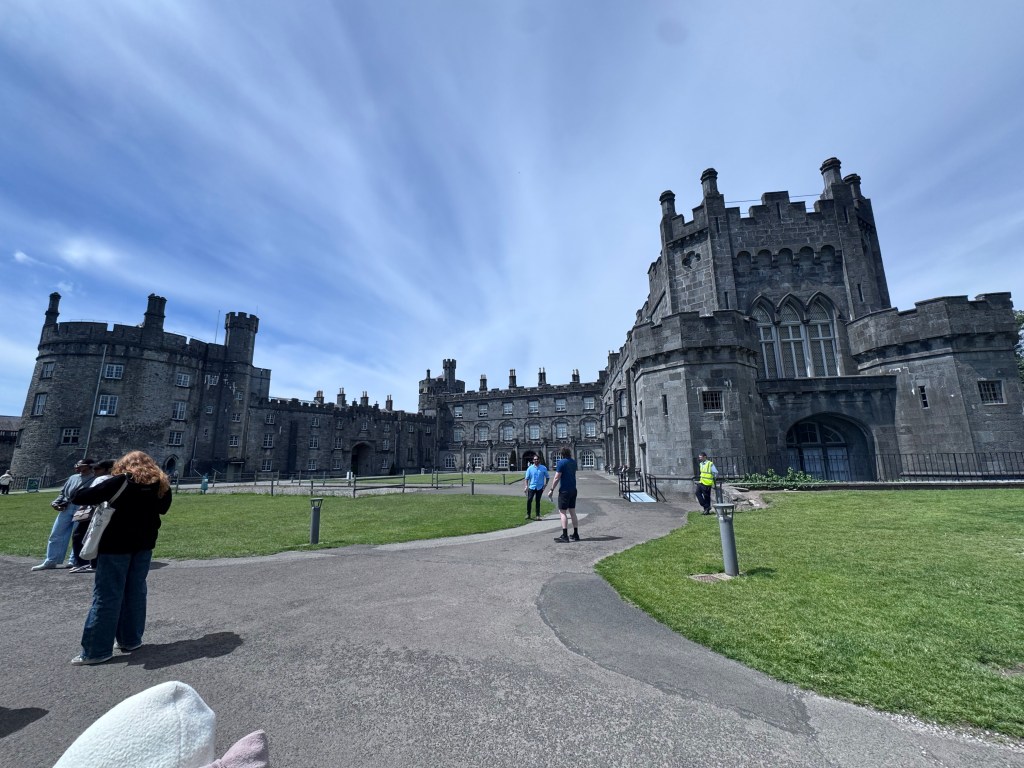
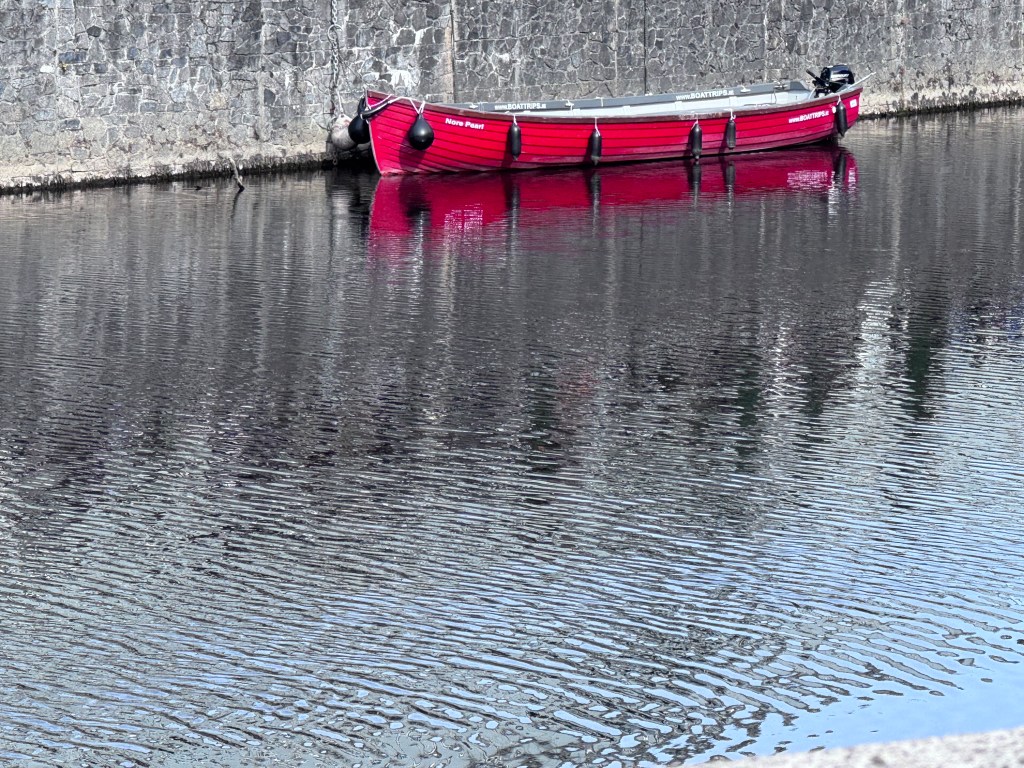
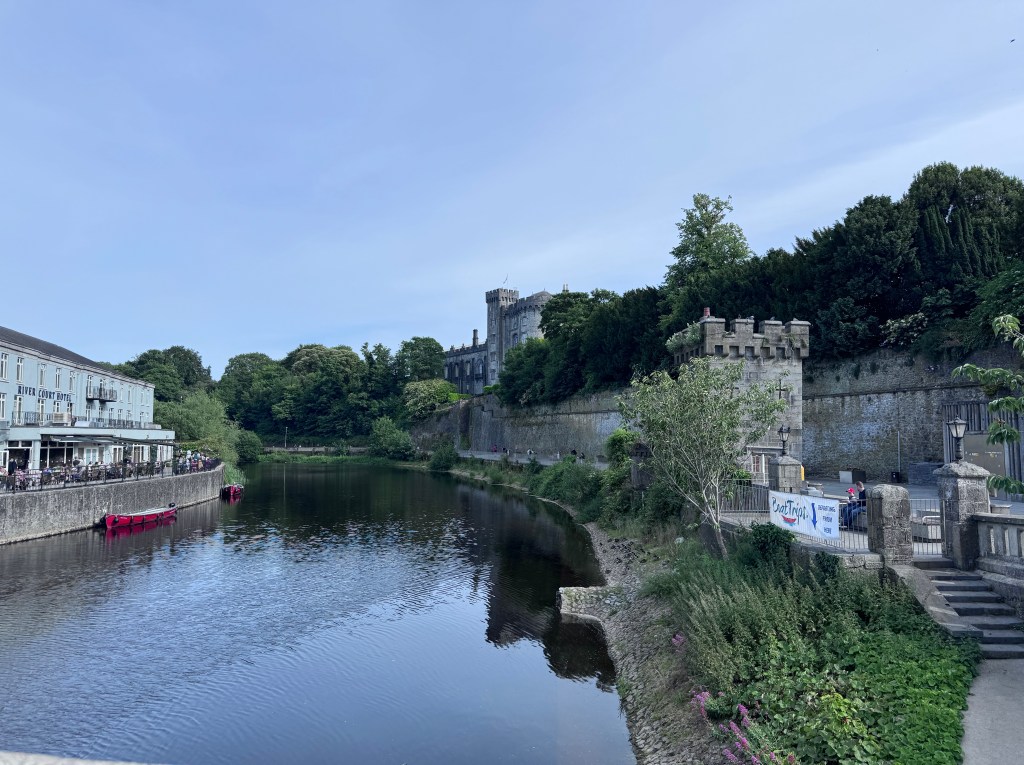
Upon arriving in Kilkenny, we grabbed a taxi and headed straight to Kilkenny Castle. We joined a guided tour and quickly became fascinated with the castle’s history. Originally built in 1195 by the Norman lord William Marshal, the castle was designed to control a key crossing of the River Nore and demonstrate Norman power in Ireland. Over the centuries, it became the home of the powerful Butler family, Earls and later Dukes of Ormond, who lived there for nearly 600 years. The castle survived wars, political upheaval, and changing fortunes before eventually being sold to the people of Kilkenny in 1967 for the symbolic sum of £50. Walking through the grand rooms and learning about the families who lived there made it easy to imagine what life was like centuries ago.
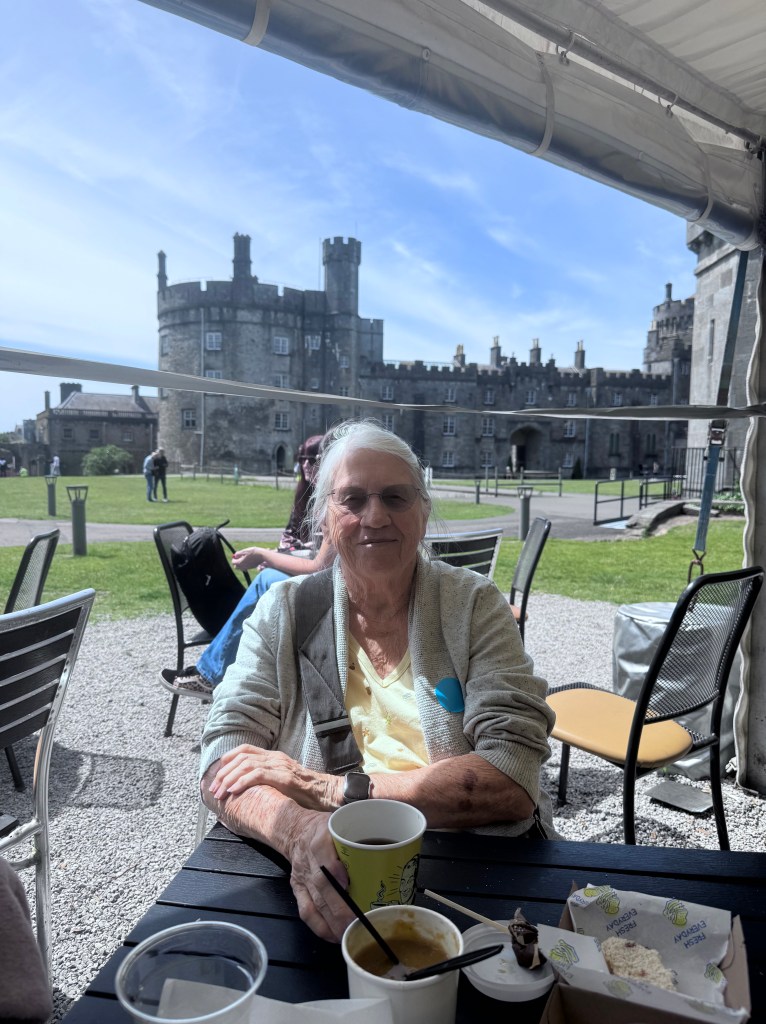
After our tour, we enjoyed a delicious scone and a bowl of soup on the castle grounds before setting off to explore the town. The castle gardens and parklands were beautiful and offered a peaceful place to relax and take in the surroundings.

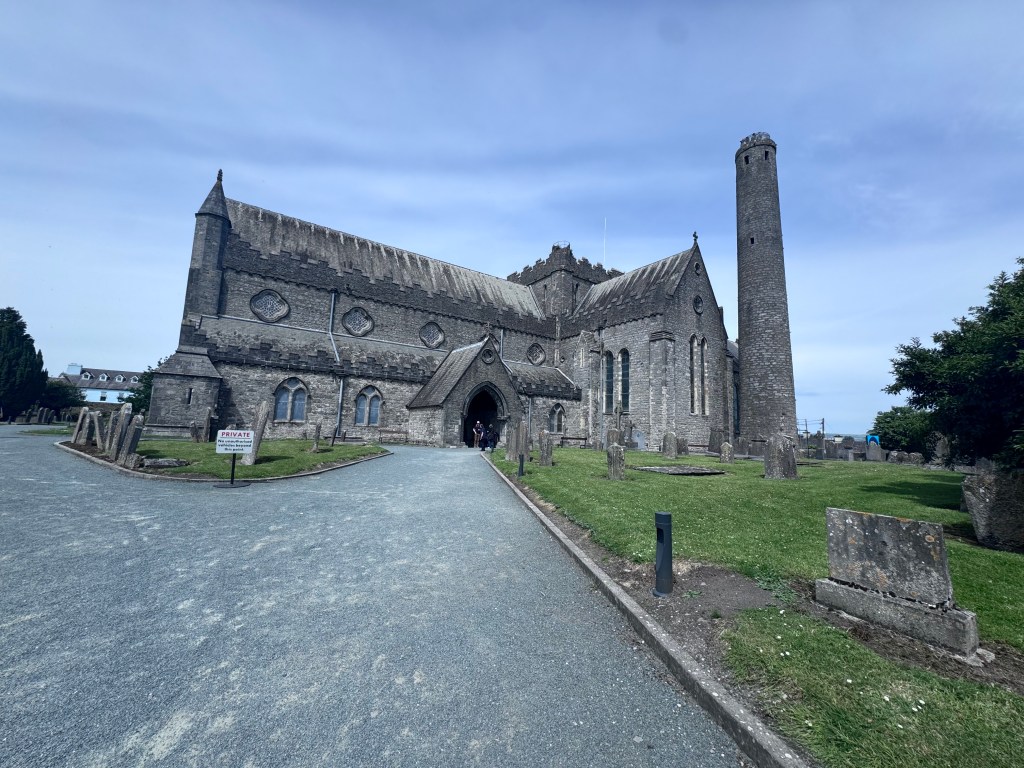
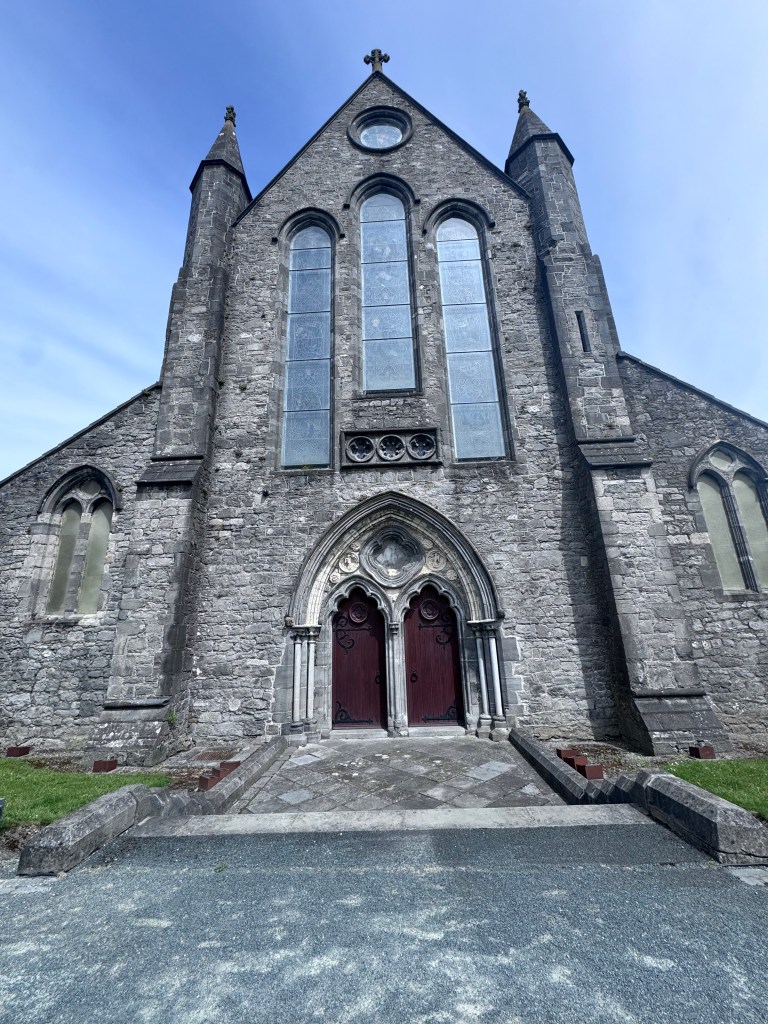
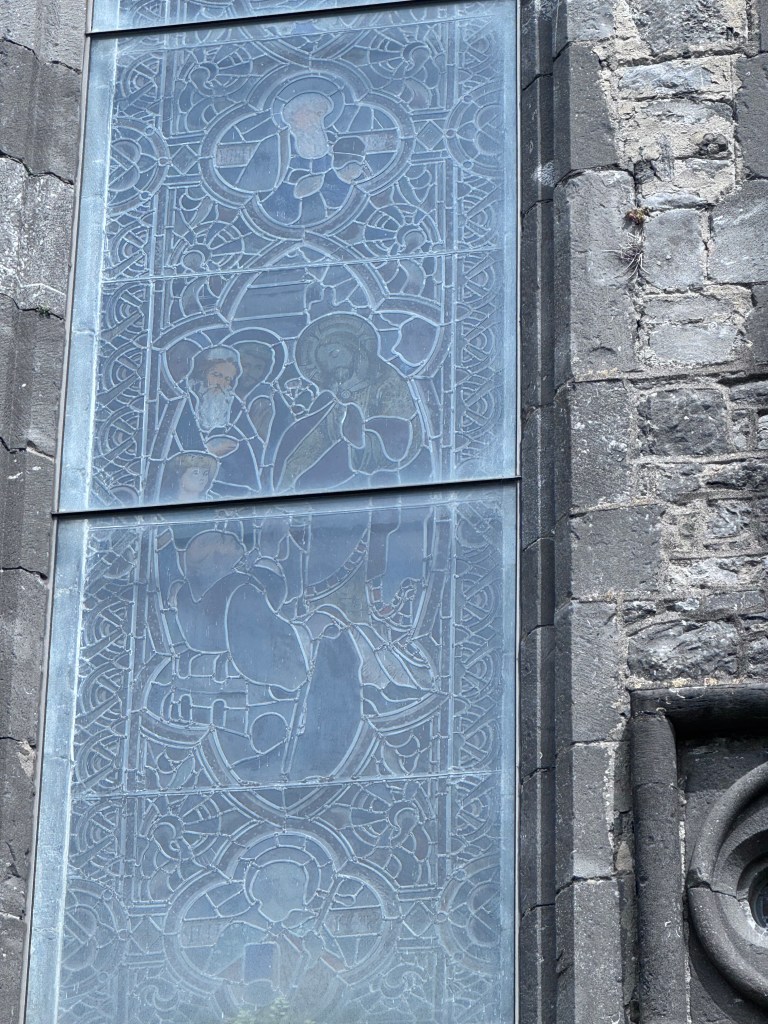
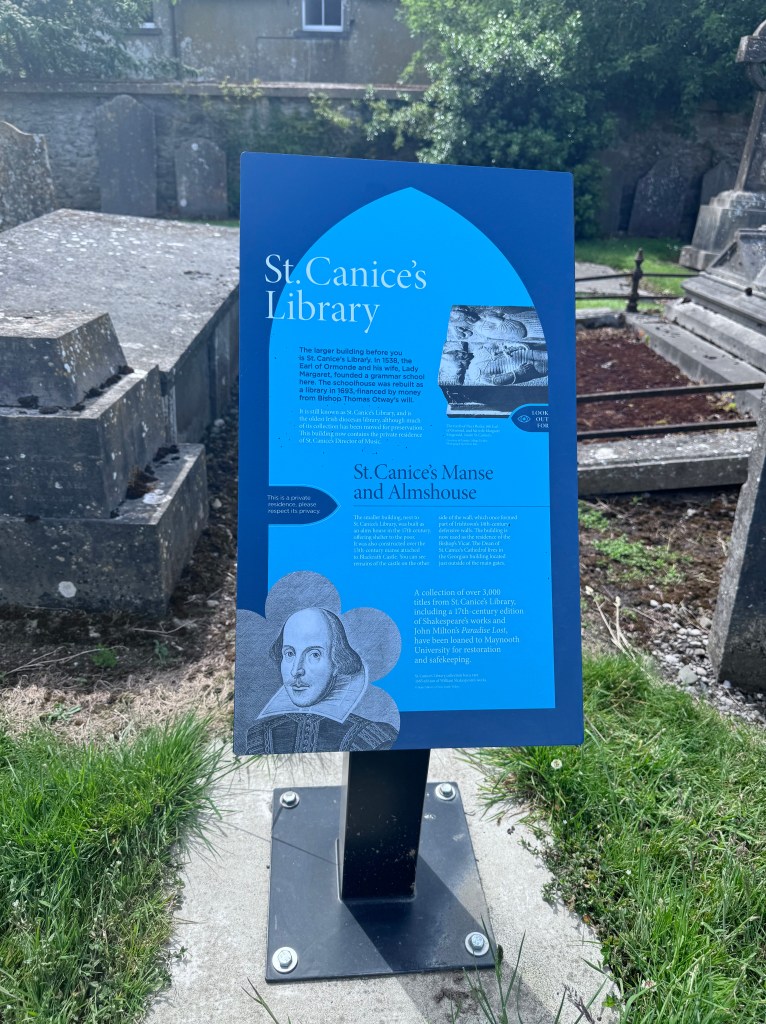
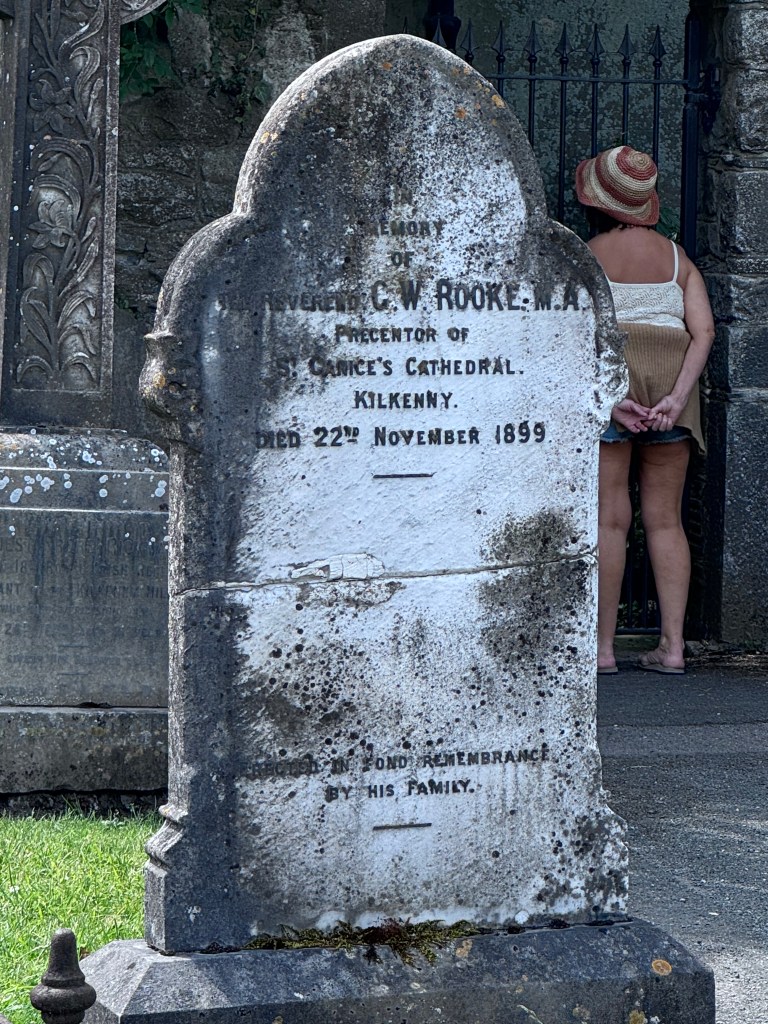
One of the places I really wanted to visit was St. Canice’s Cathedral. The pictures I had seen were incredible, and I was excited to see it in person. Unfortunately, a service was taking place when we arrived, so we were unable to go inside. We did spend some time wandering around the grounds, which were beautiful in their own right, before continuing our walk through town.

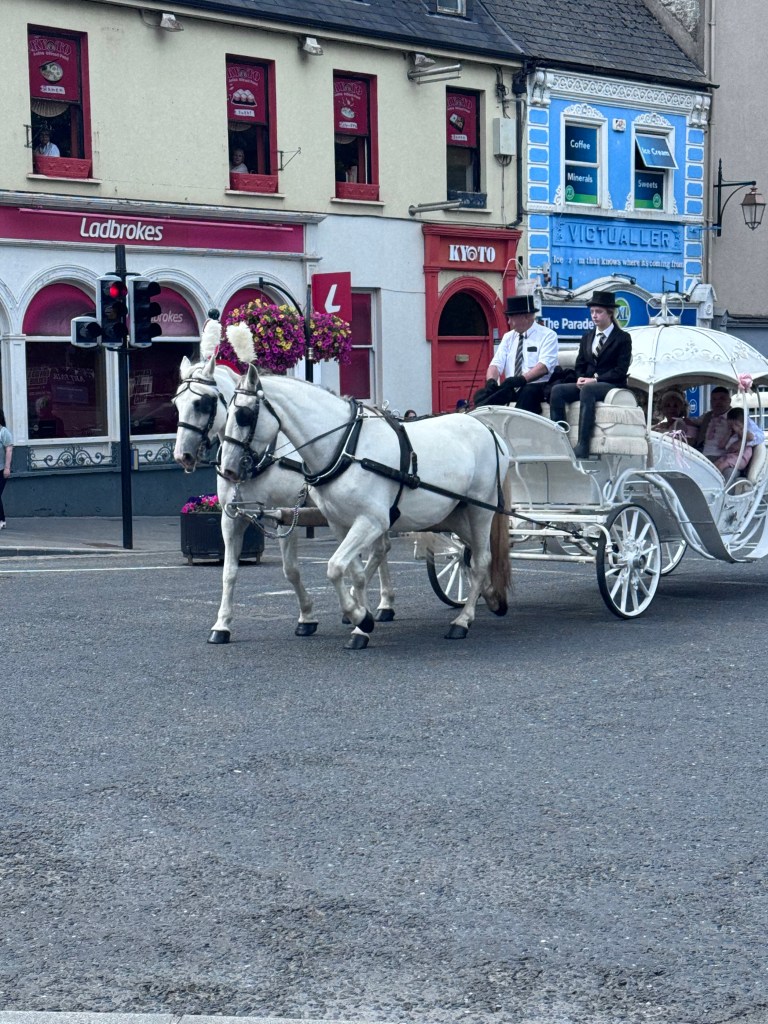
Kilkenny is such a charming city. We wandered the narrow streets, explored shops, and eventually stopped for a coffee to recharge. It was nice to sit for a while and watch the world go by before continuing our adventure.

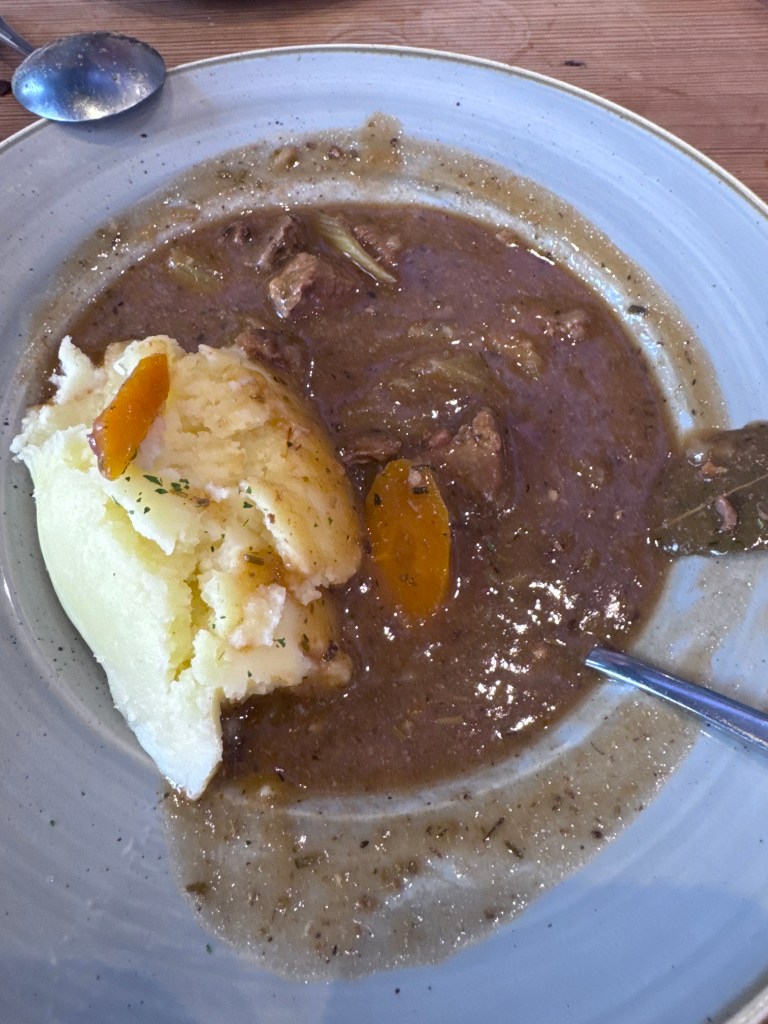
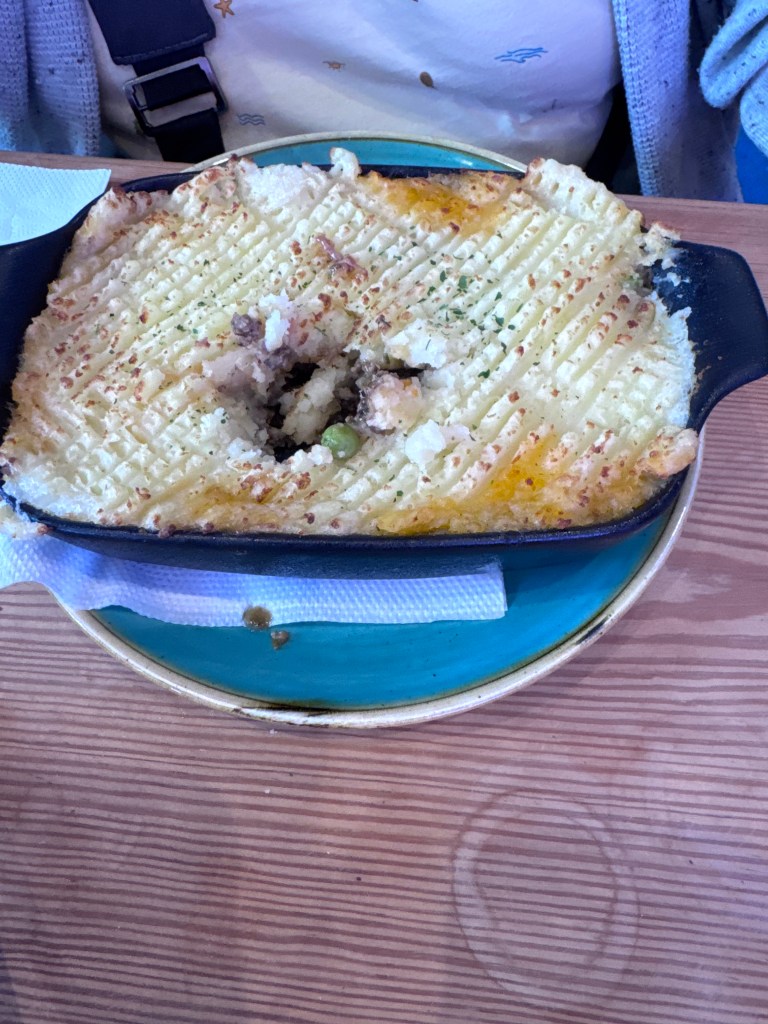
As evening approached, we began looking for a place to eat dinner. After considering several options, we settled on a local pub. Mom ordered the Irish Stew, while I chose the Cottage Pie. Both meals were delicious and hearty after a long day of exploring, although we both agreed they were a little heavy on the bay leaf!

With full stomachs and tired feet, we made our way back to the train station for the journey home. Once again, the train staff were wonderful with accessibility assistance, making the trip smooth and stress-free.

It may not have been the day we originally planned, but Kilkenny turned out to be a highlight of our time in Ireland. Between the castle, the countryside, the friendly people, and the wonderful food, it was a day well spent.