Boats, Bakeries, and Breathtaking Views of London

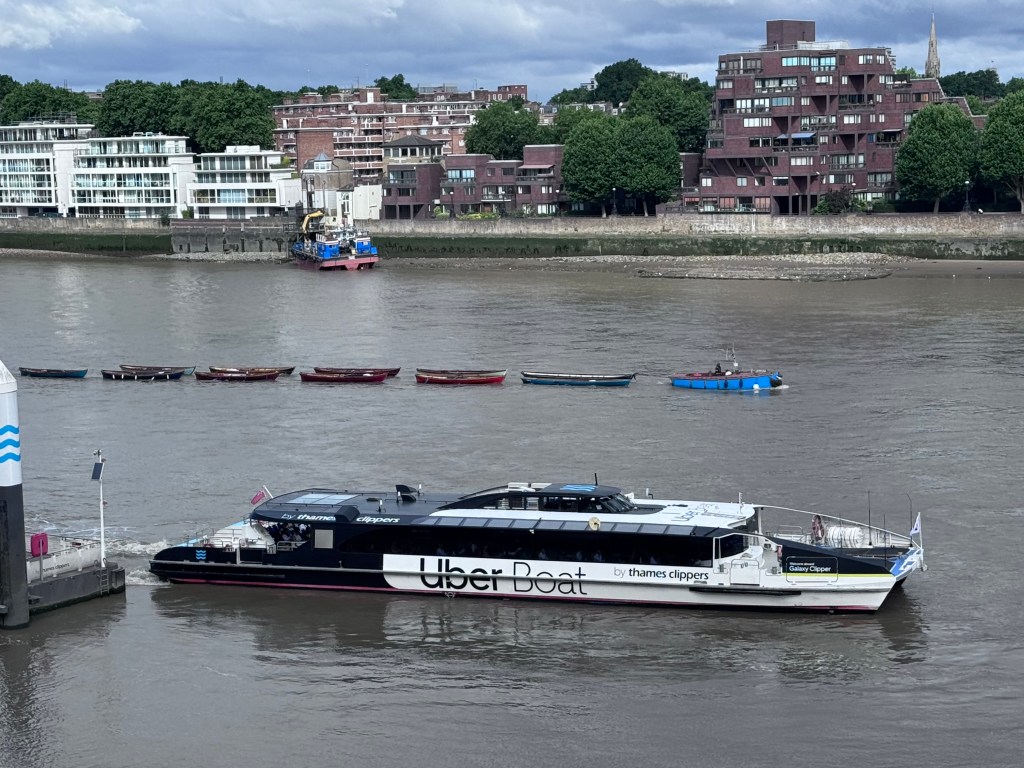
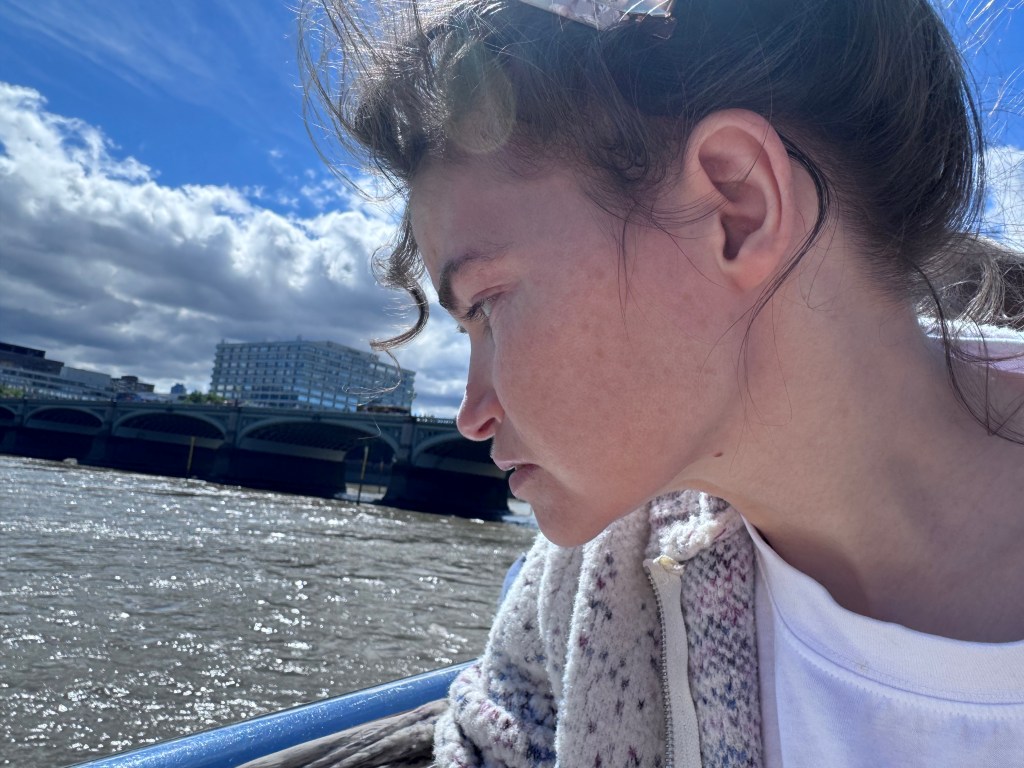
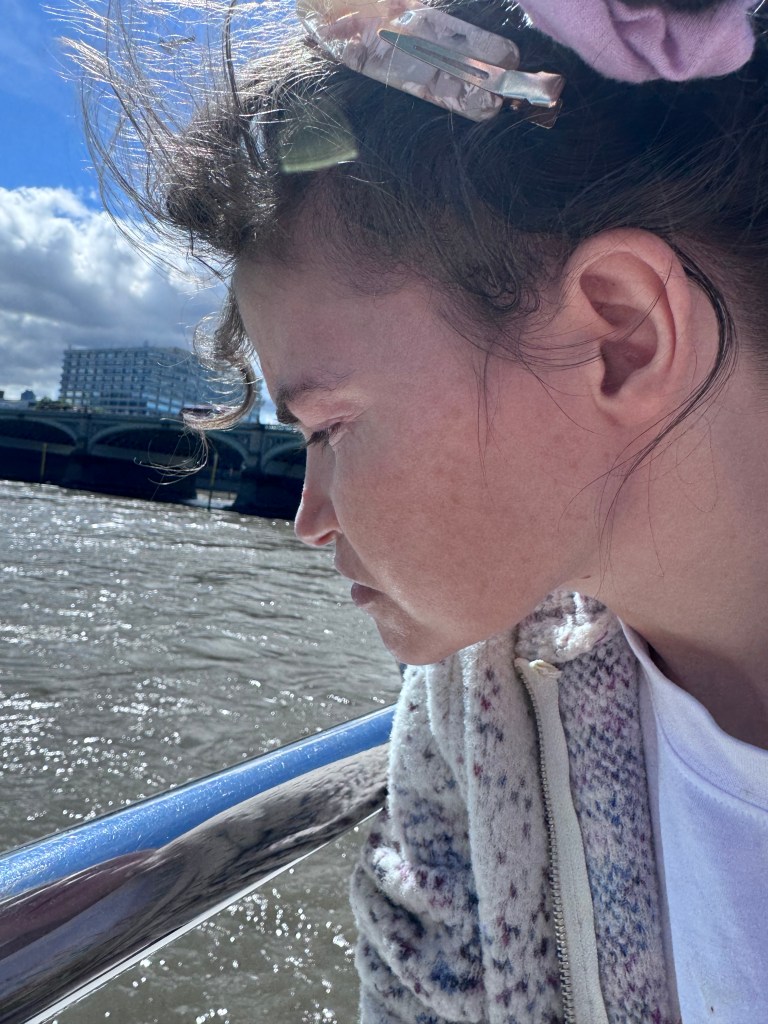
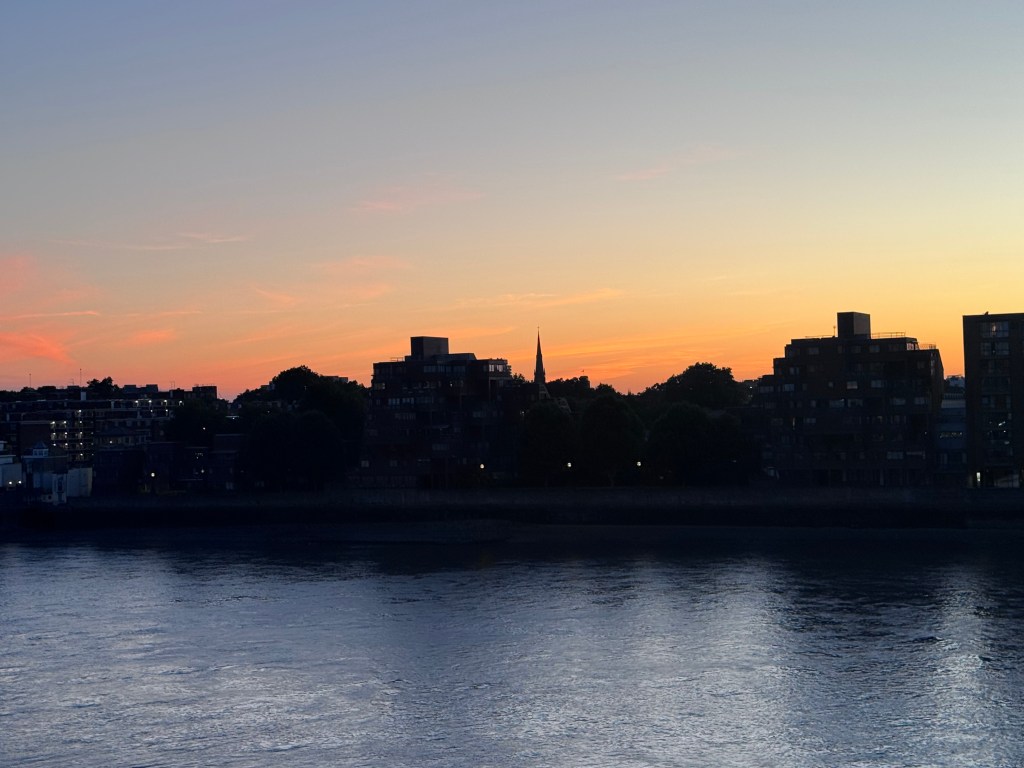
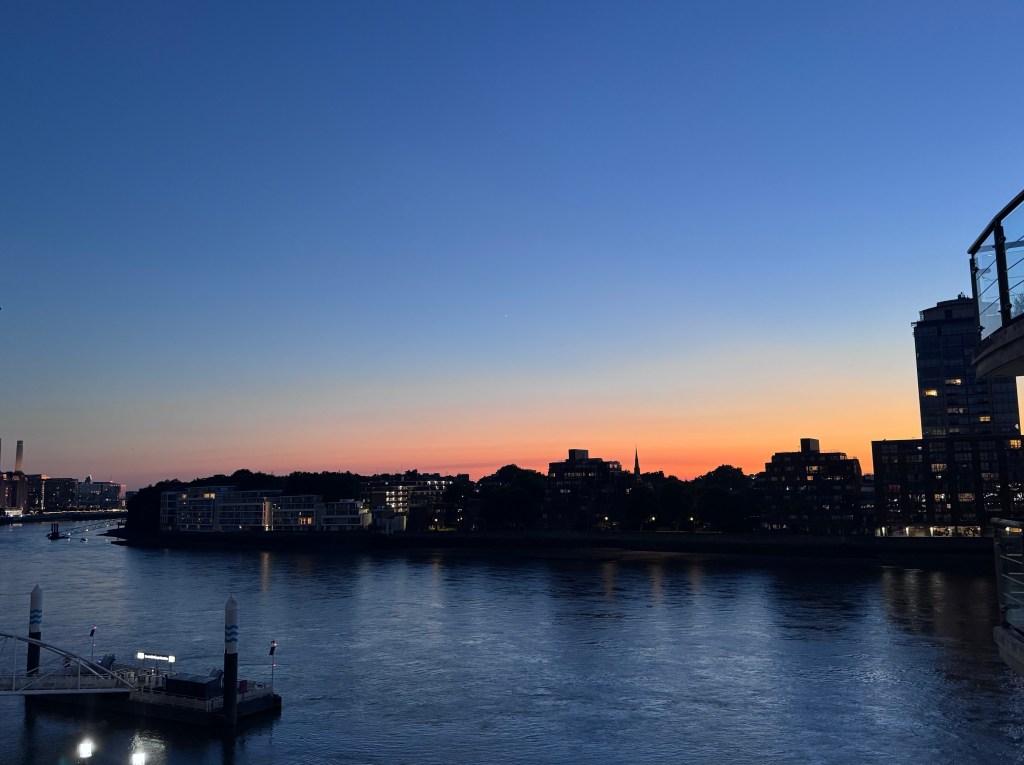
One of the things we were most excited to experience in London was traveling by Uber Boat along the River Thames. Instead of navigating crowded streets, we started our day cruising down the river to Westminster Pier. What an easy way to get around London.

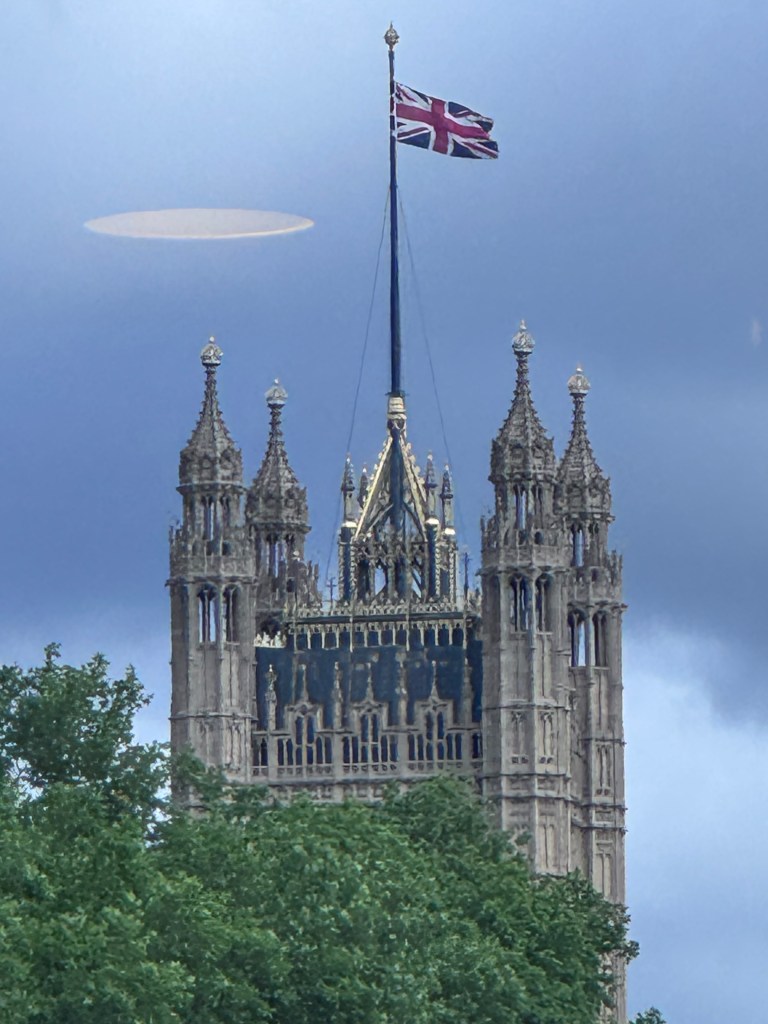
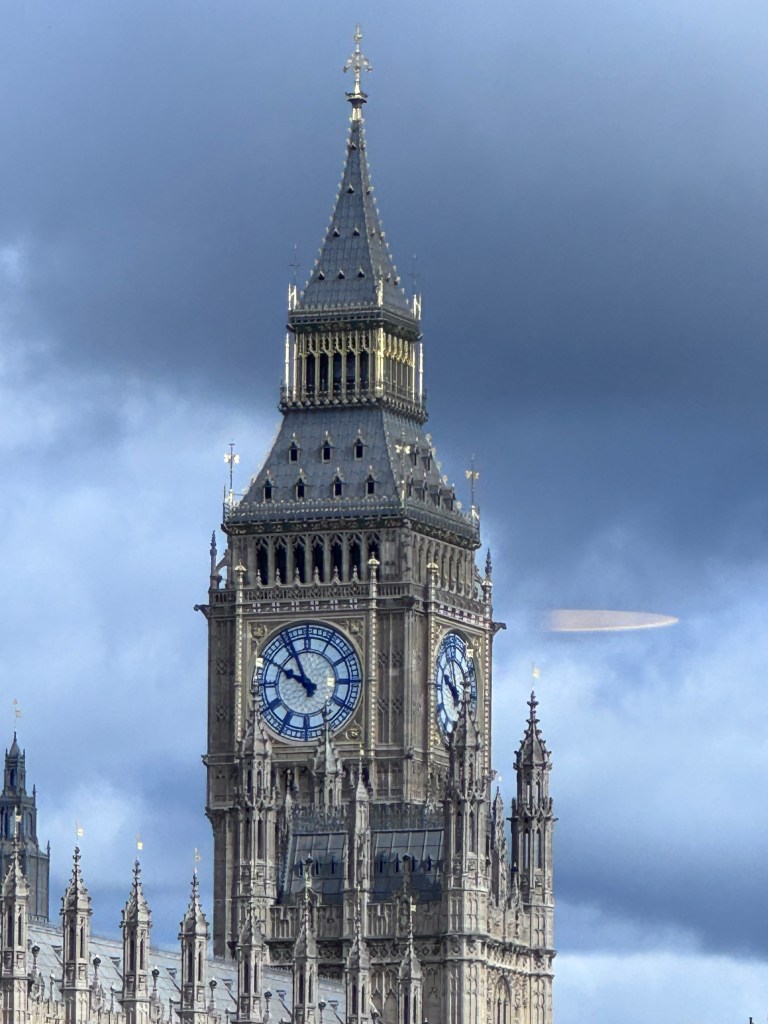
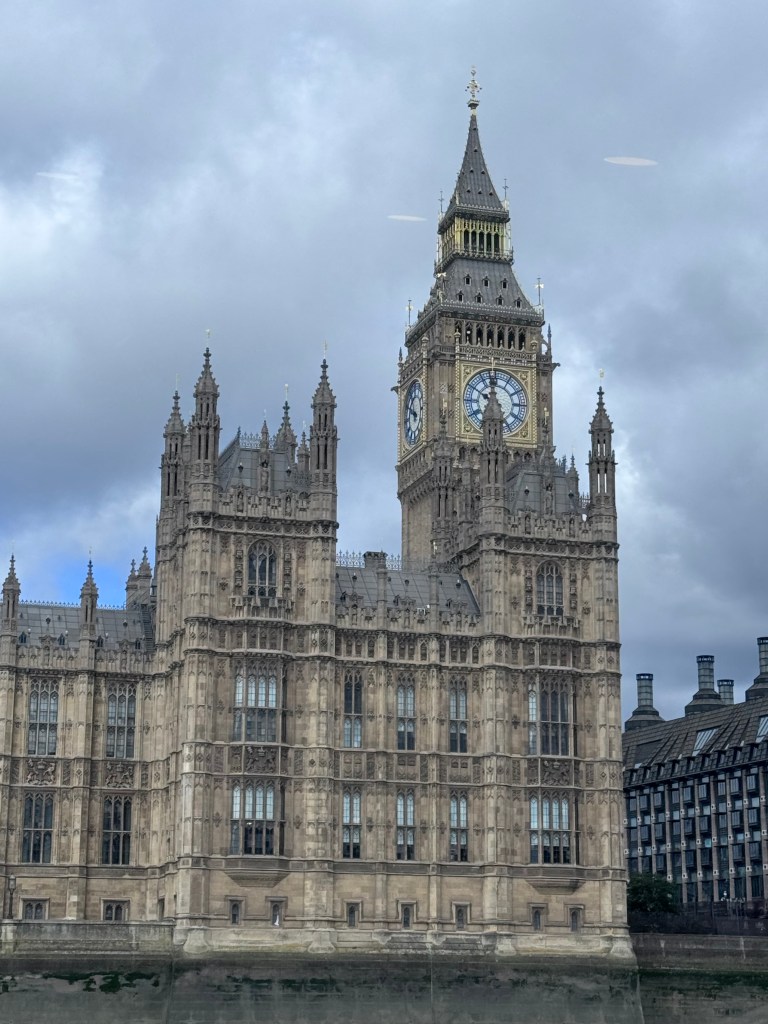
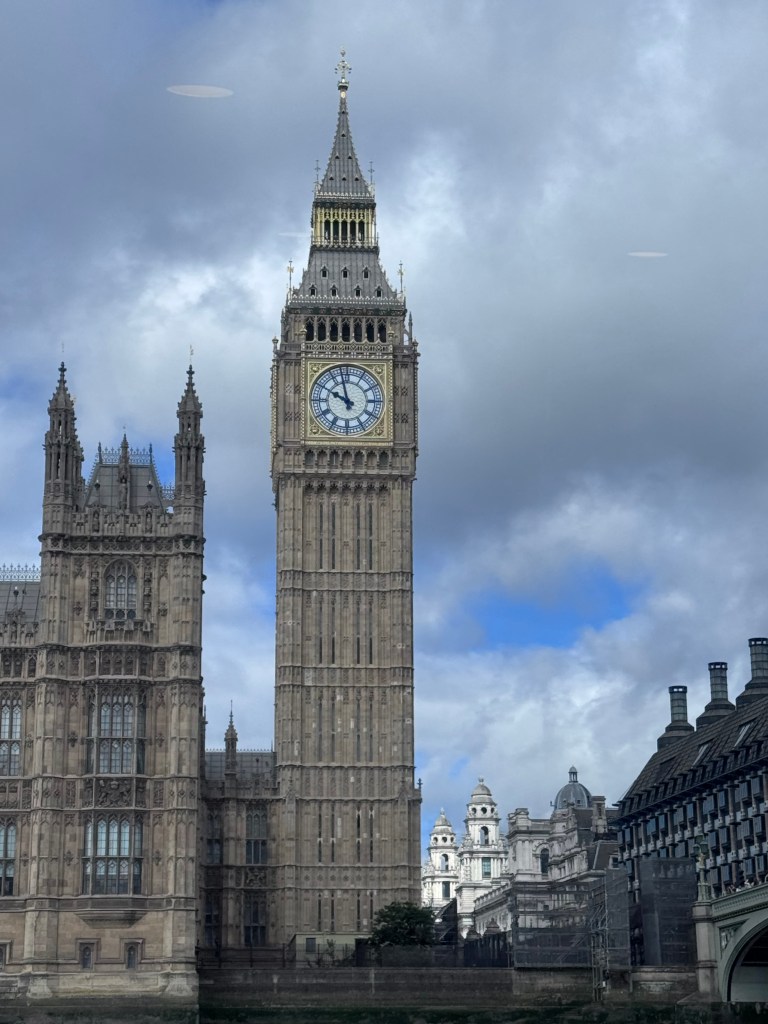
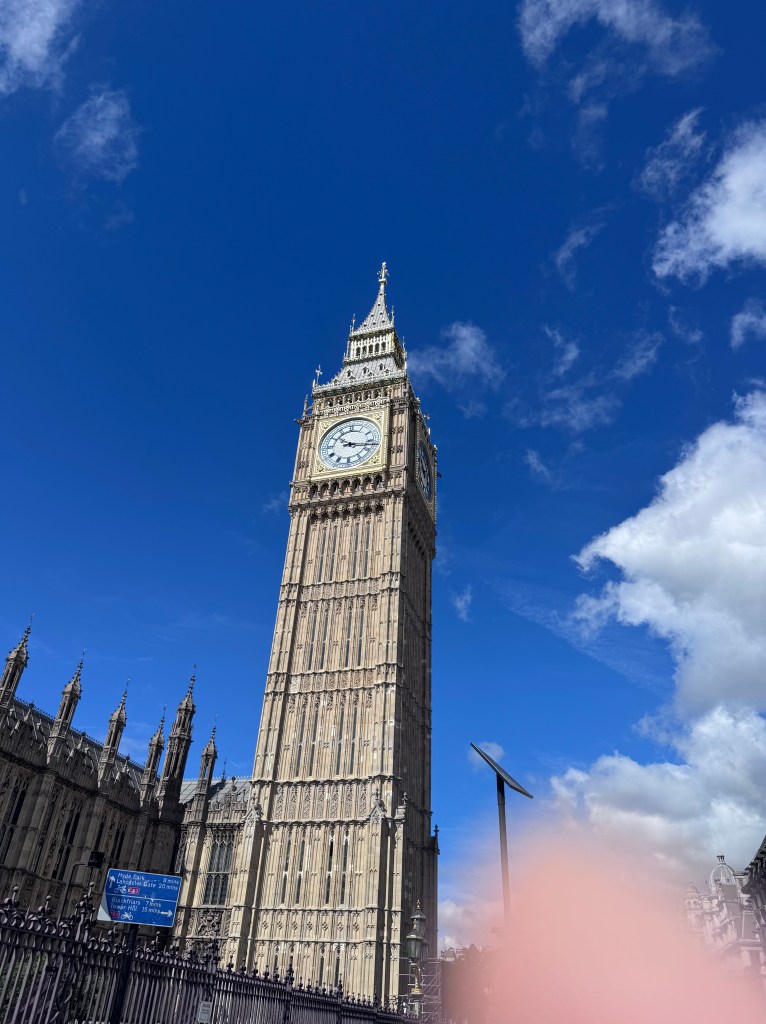
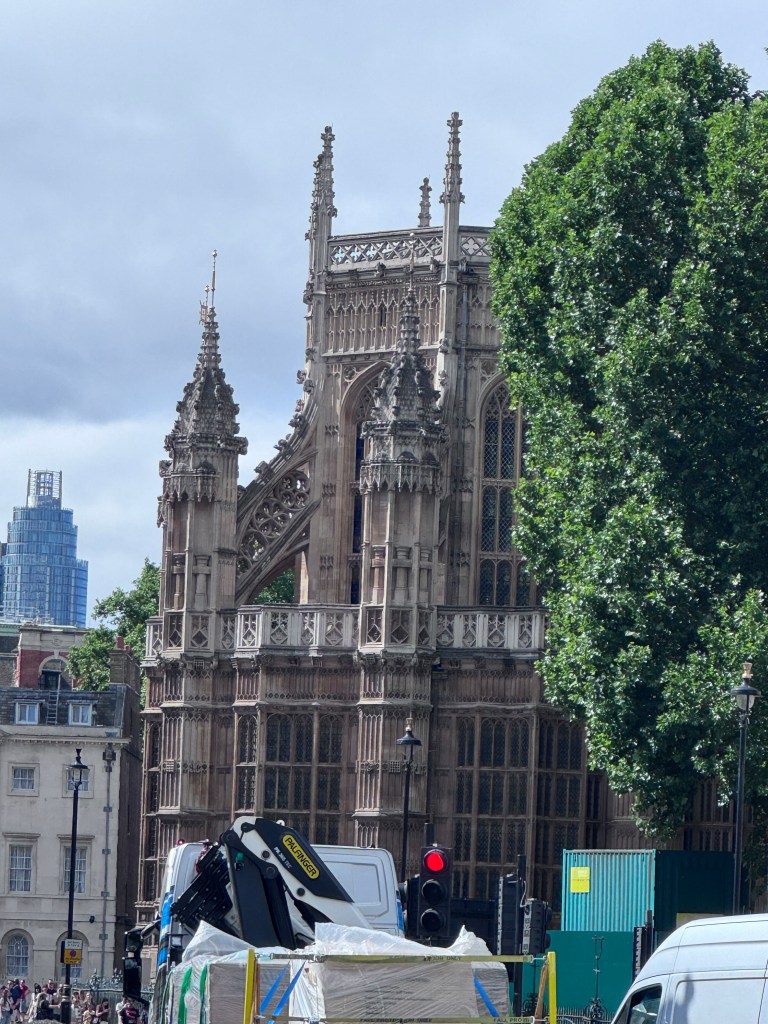
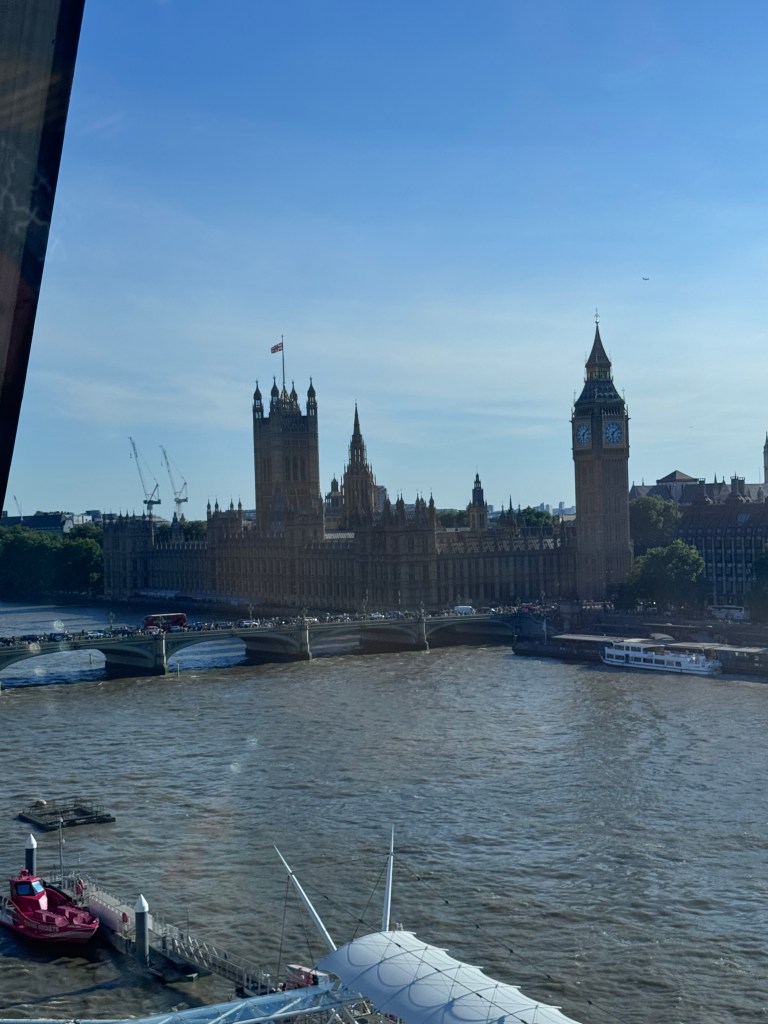
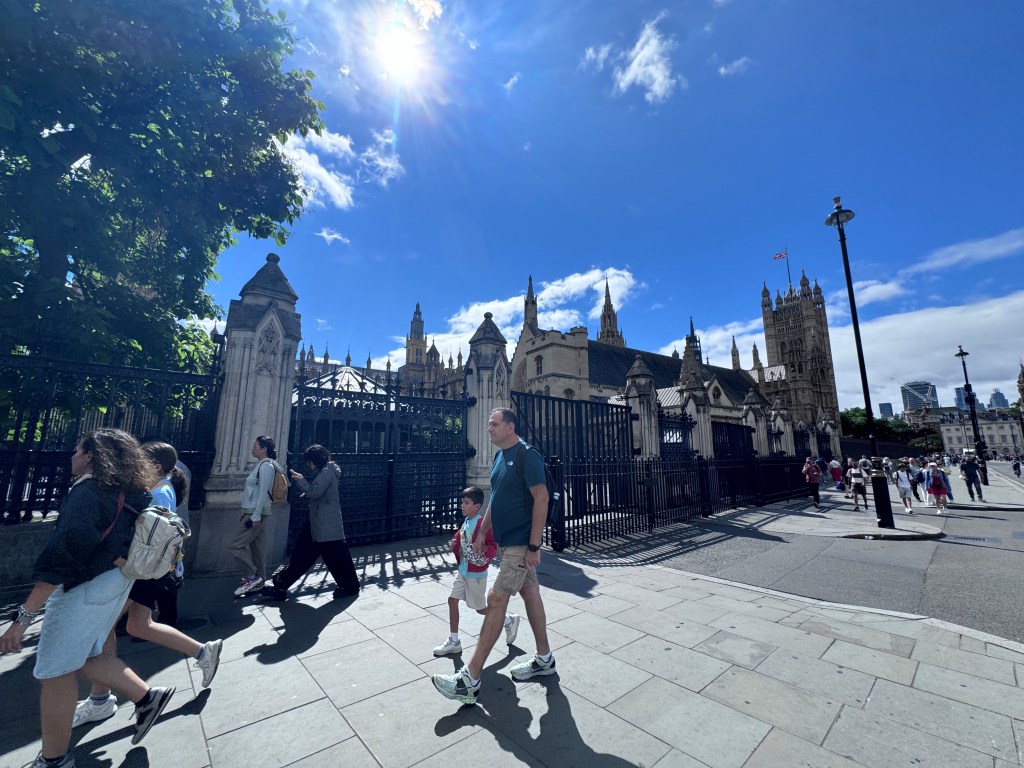
From there we walked around Big Ben, officially known as the Elizabeth Tower, and admired the magnificent Westminster Abbey. Seeing both landmarks in person was surreal after seeing them in countless books, documentaries, and television programs over the years. Big Ben has the best sound. I kept trying to get a video but was not successful.

We then boarded Thames Sightseeing Boat for the trip upriver to Greenwich. The young man providing the onboard commentary absolutely made the journey. He was hilarious! His commentary was packed with witty jokes, sarcastic remarks, and fascinating history. If you weren’t paying attention, you missed half the punchlines. We enjoyed him so much that we left him a tip when we disembarked.

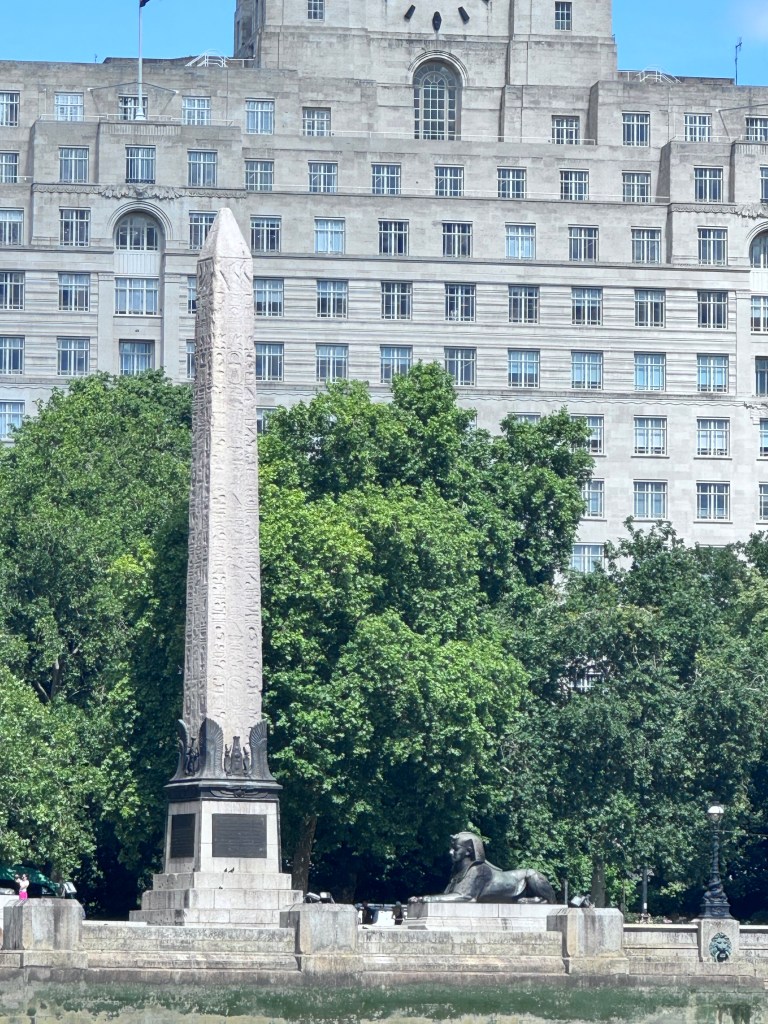
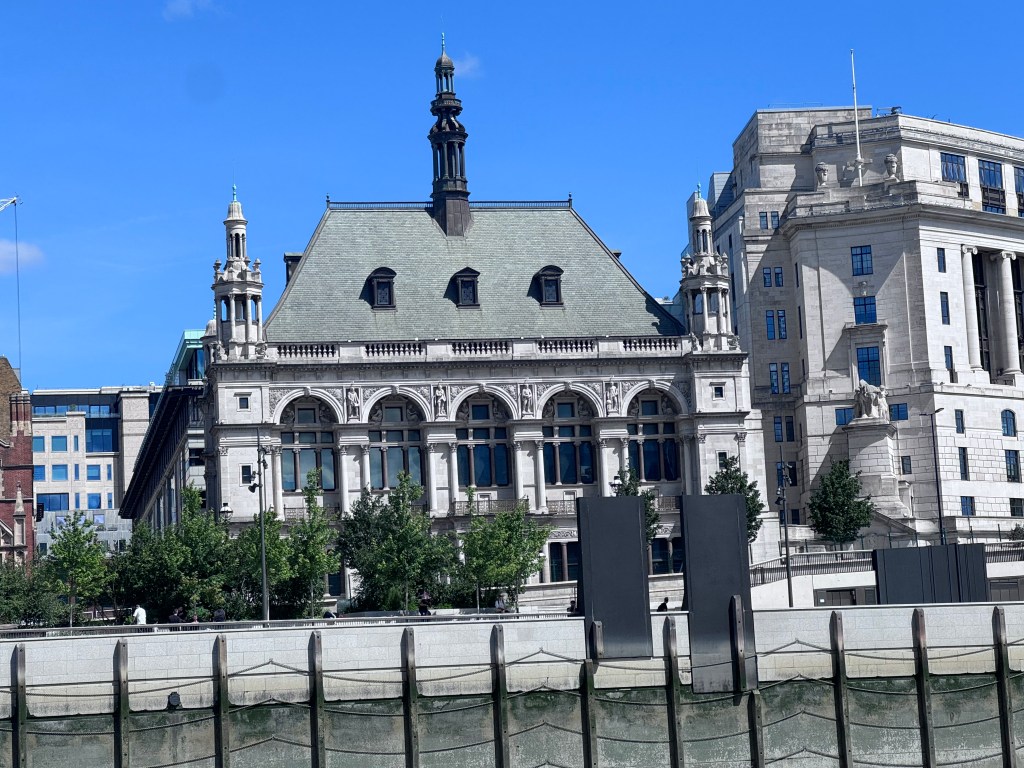
The cruise itself was beautiful. As we floated along the Thames, we passed centuries of history—bridges, warehouses converted into apartments, royal buildings, and famous landmarks. At one point we even cruised past a former home owned by Cher. It’s probably the closest I’ll ever get to meeting her since COVID canceled the concert I had tickets to years ago!

As soon as we arrived in Greenwich, we stopped at a small neighborhood bakery. We picked up a pain aux raisins, two fruit scones, and a sour cherry loaf. I’m so glad we stopped first because when we returned later that afternoon, nearly everything had sold out.

Our next stop was Greenwich Market, one of London’s oldest markets, dating back to the 1700s. Today it’s filled with local artisans, handmade crafts, antiques, artwork, clothing, and an incredible variety of food vendors. Mom chose a green curry with rice while I enjoyed a delicious Moroccan chicken wrap. Afterwards we wandered through the market, browsing the unique shops and stalls. Mom surprised me by buying the funkiest pair of earrings. I was so proud of her for stepping outside her comfort zone! Then I wandered into an equally quirky shoe store. We continued walking, but when we passed it a second time I finally admitted, “I’ll regret not buying something.” Sure enough, I walked out with two wonderfully funky pairs of shoes.

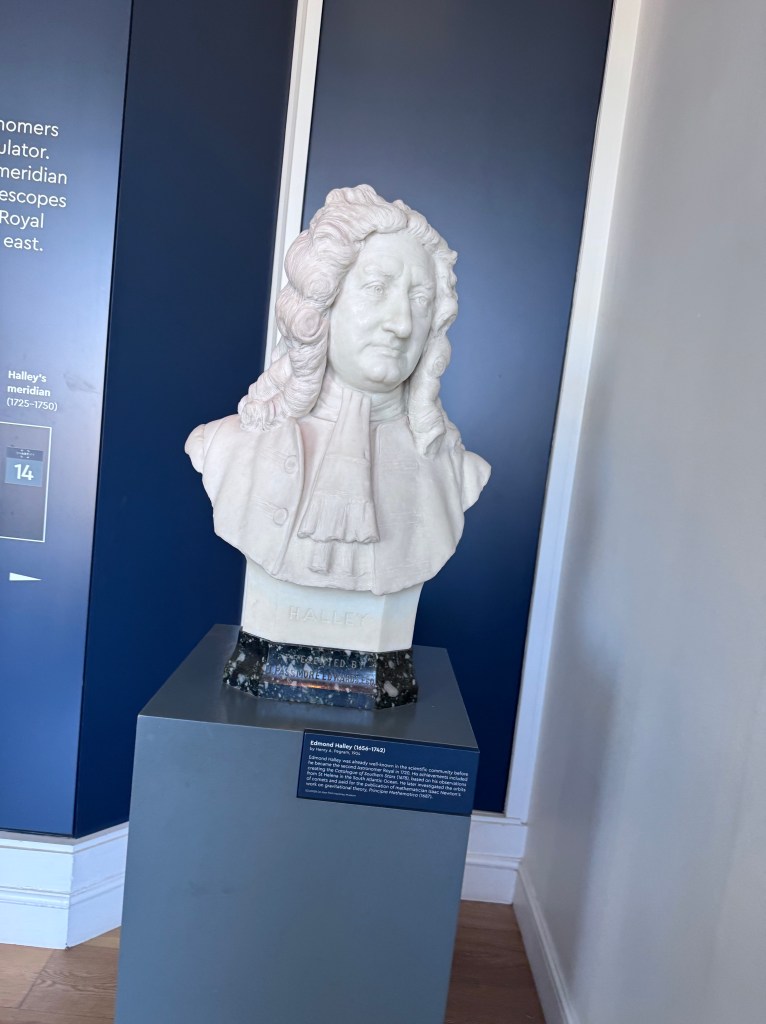
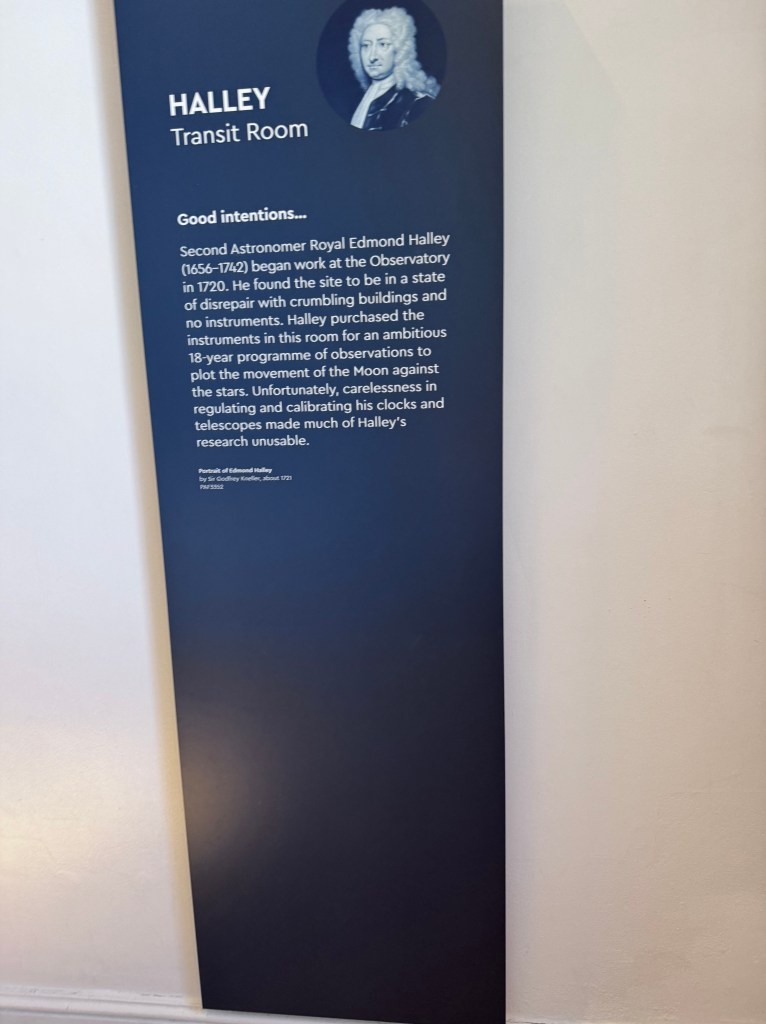
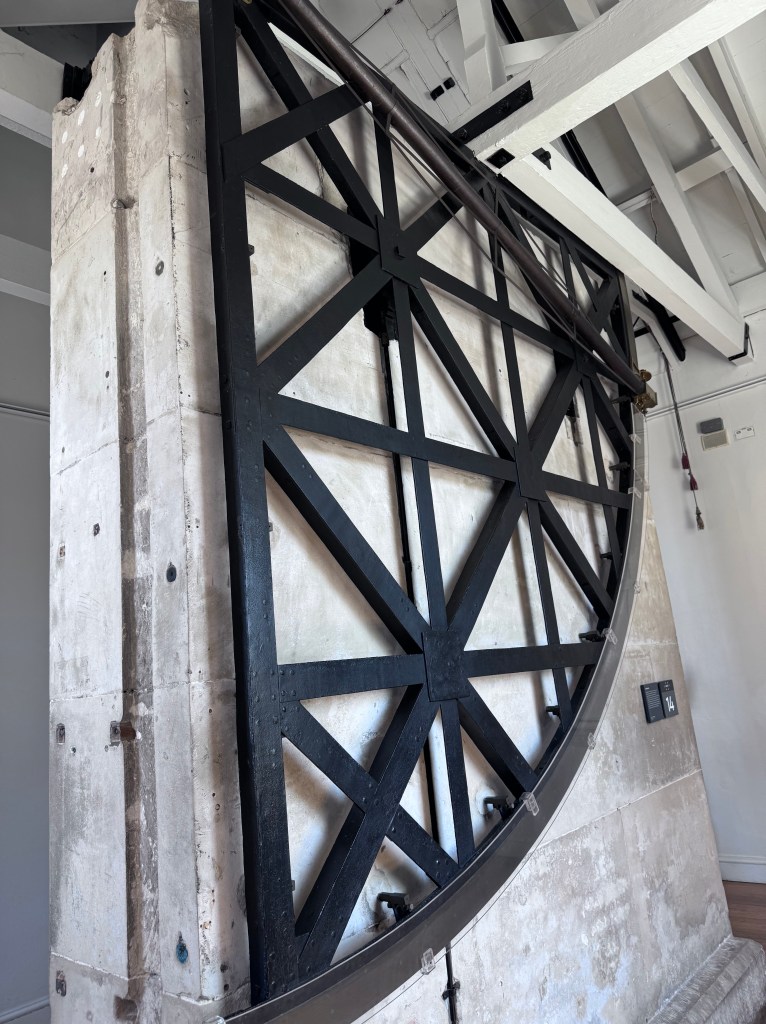
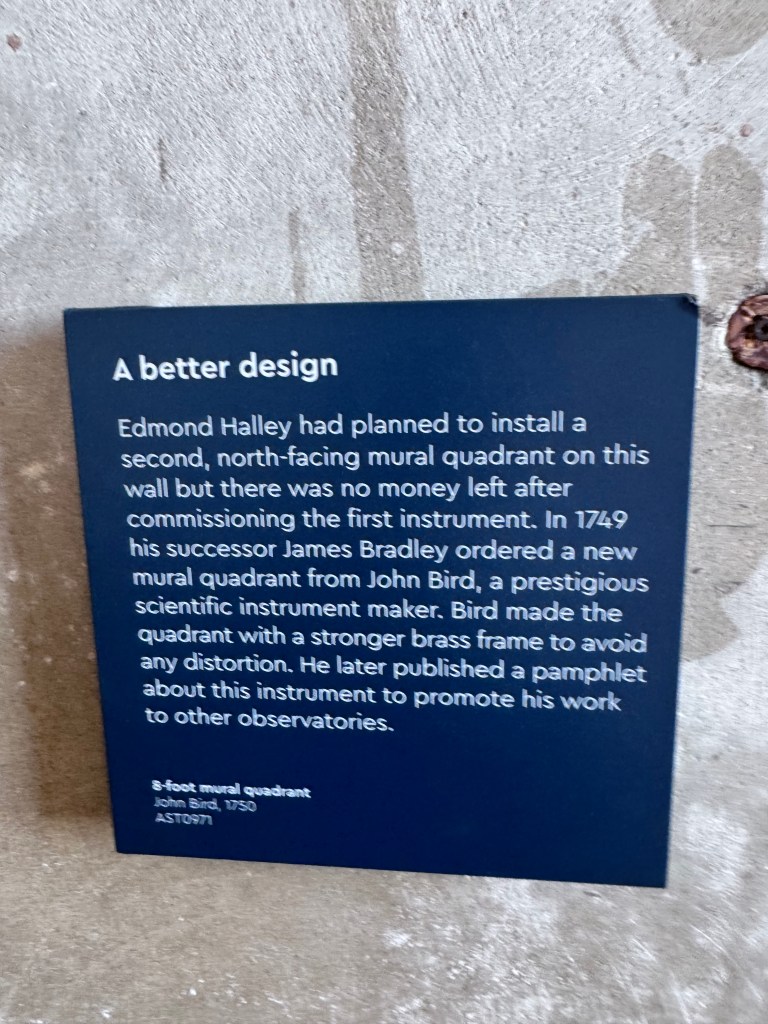
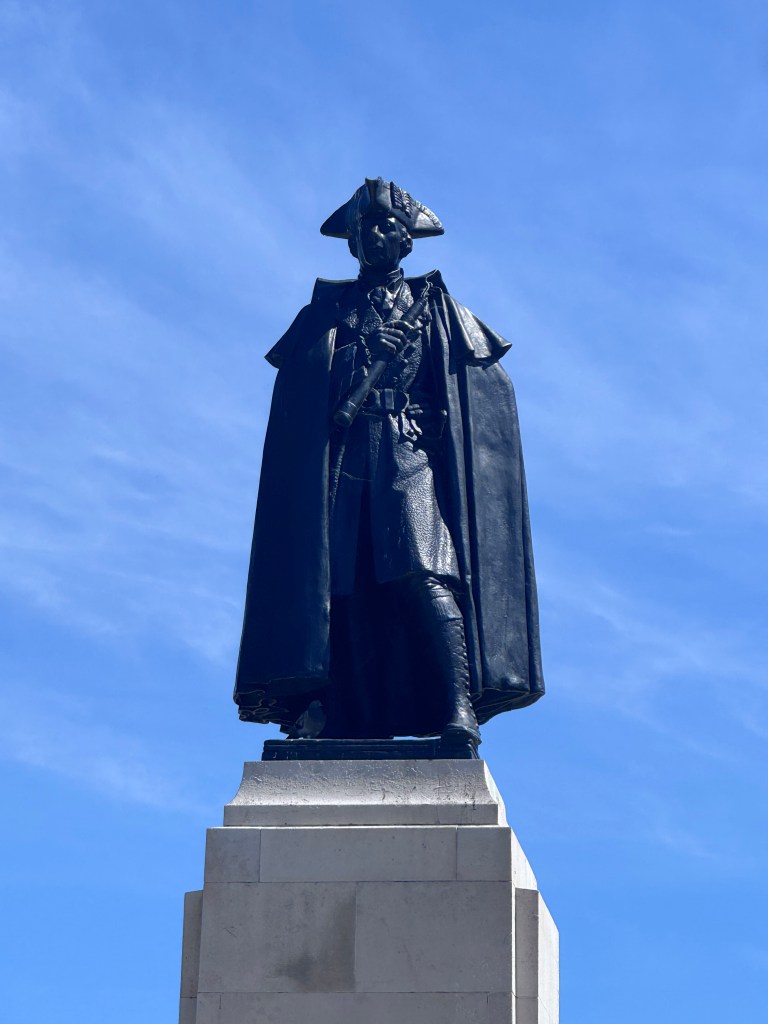
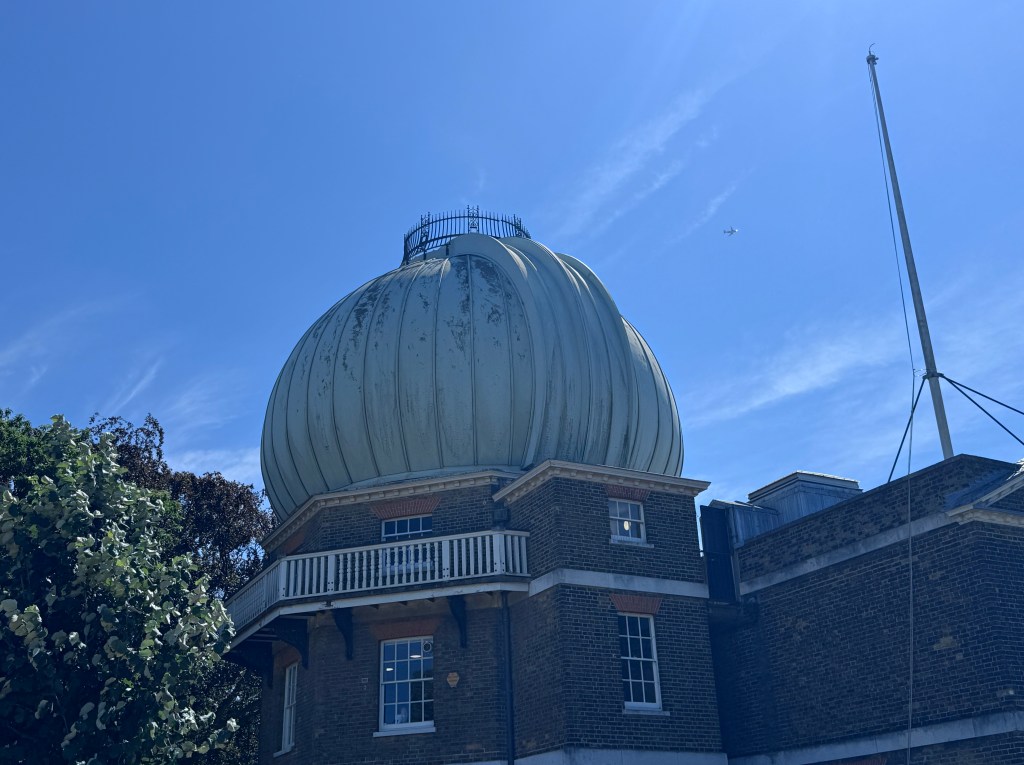
Our biggest adventure of the day was hiking up the steep hill through Greenwich Park to the Royal Observatory. I do mean hiking—it was a nonstop uphill climb! At the top sits the observatory founded in 1675 by King Charles II. It became one of the world’s most important centers for astronomy and navigation. The observatory is home to the Great Equatorial Telescope, installed in 1893. At the time it was one of the largest refracting telescopes in Britain, allowing astronomers to study planets, stars, and nebulae in remarkable detail. Standing beneath its massive dome, it was easy to appreciate how much of our understanding of the universe began in places like this.

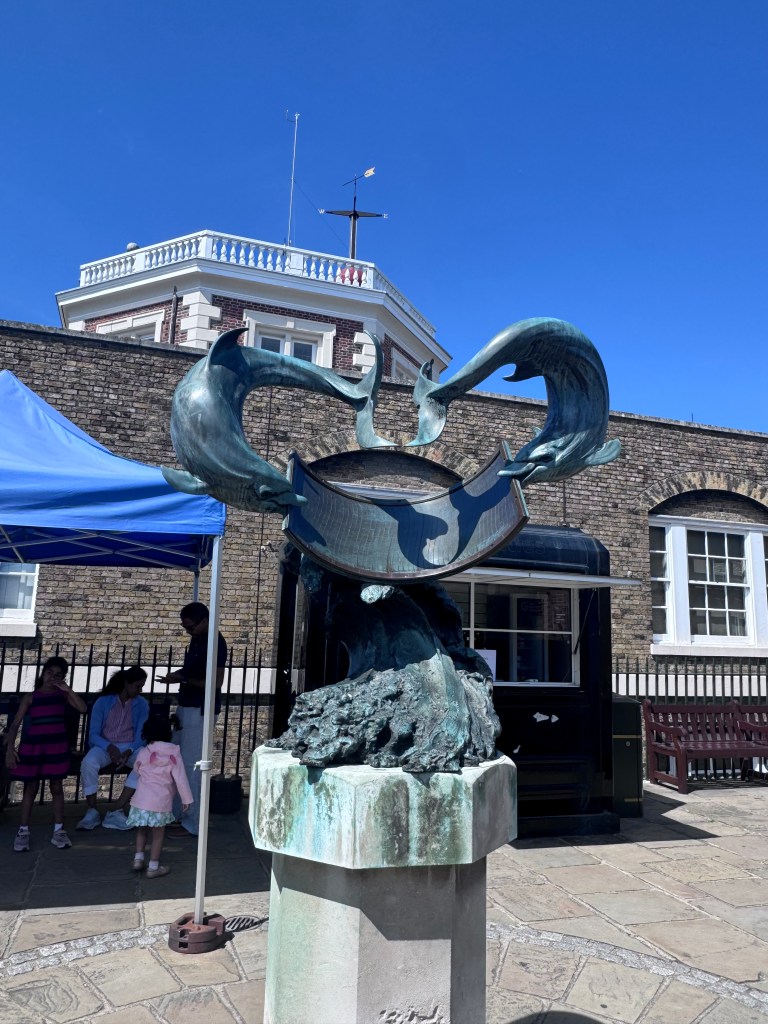
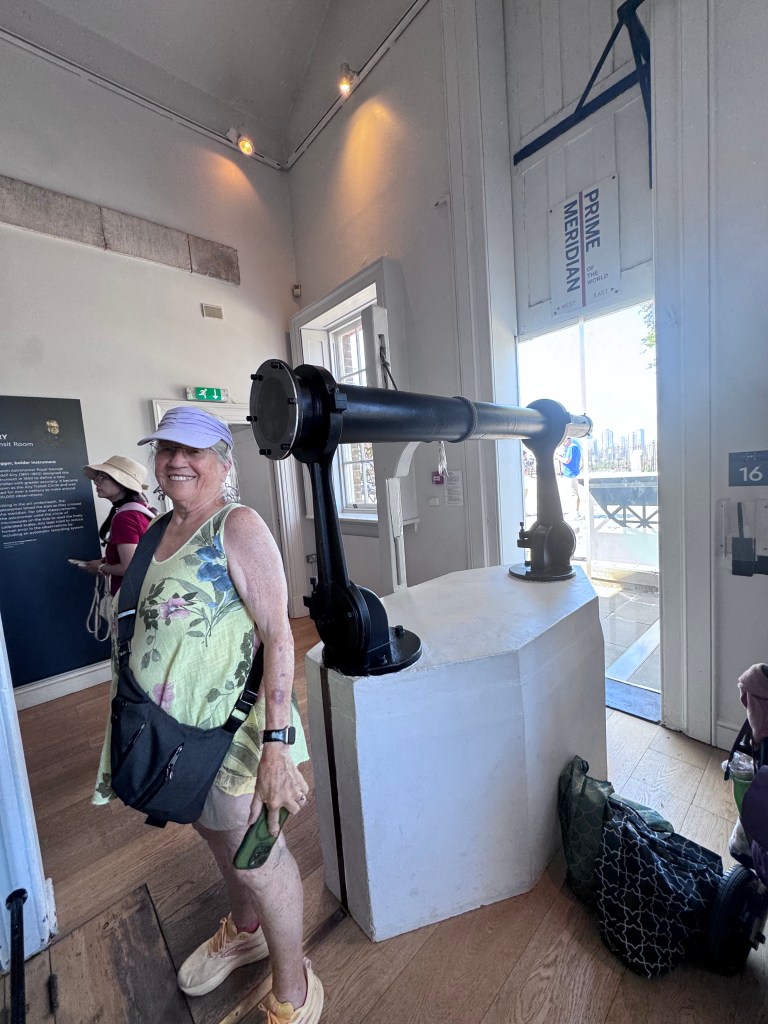
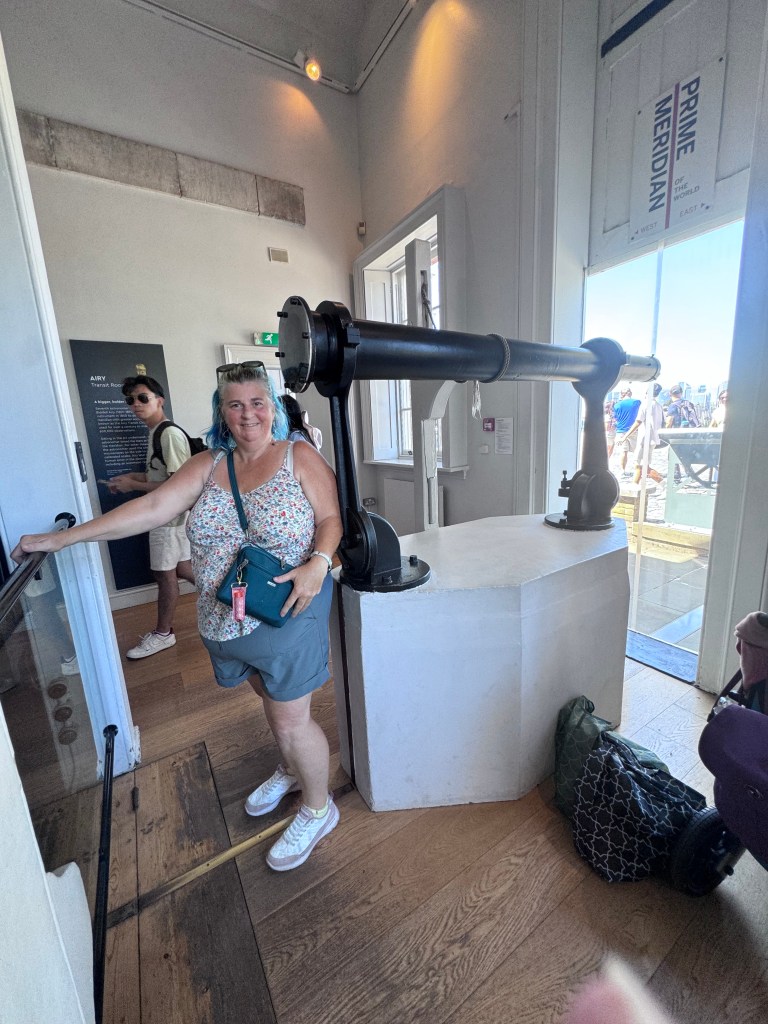
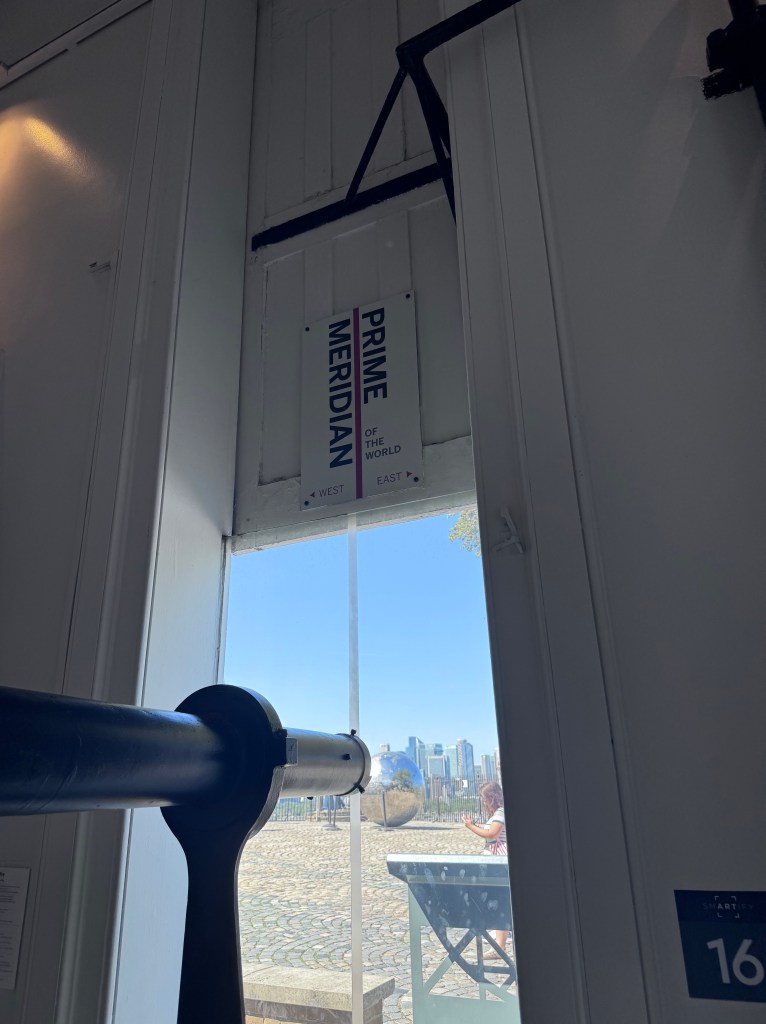
Just to the side of the observatory is one of the most famous lines in the world—the Prime Meridian (0° longitude). This imaginary line divides the Earth into the Eastern and Western Hemispheres and serves as the reference point for world longitude and Greenwich Mean Time (GMT), from which all global time zones are measured. Of course, we had to stand with one foot in the Western Hemisphere and one in the Eastern Hemisphere!

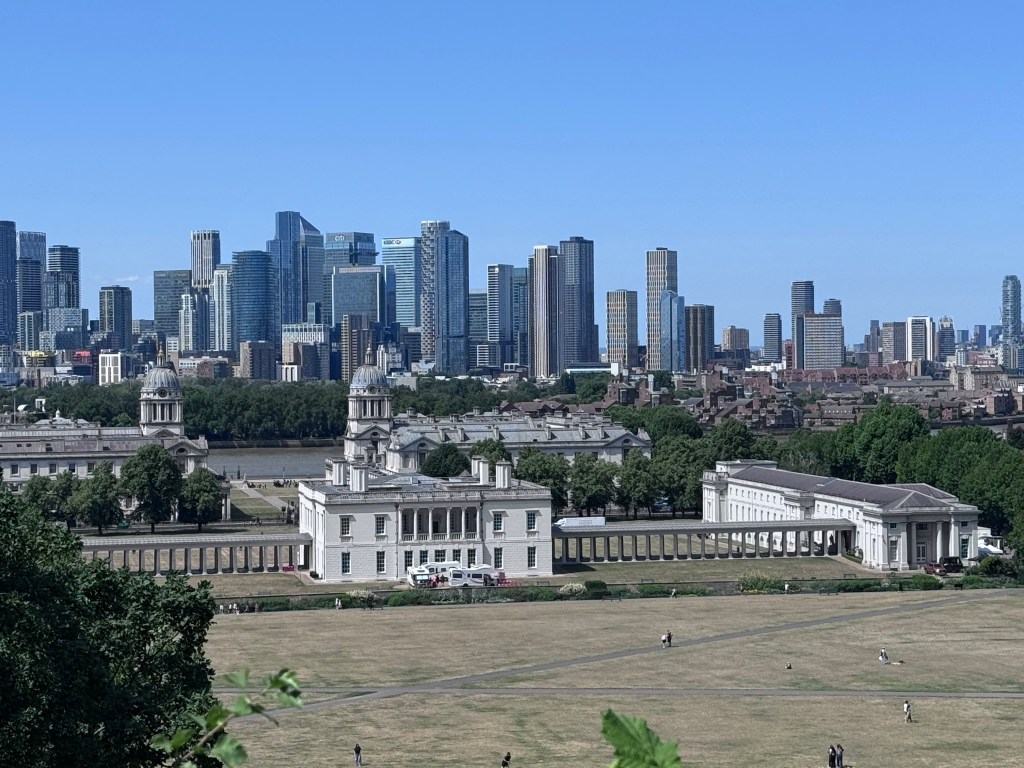
The views overlooking London from the observatory were spectacular and well worth every burning muscle it took to get there. We did notice signs warning visitors about pickpockets, so we kept a close eye on our belongings while exploring.

Going back down the hill was almost as exciting as climbing it. The path was incredibly steep. I leaned back while holding Kiya’s transport chair with both brakes partially engaged to control our speed. We certainly made quick work of the descent!

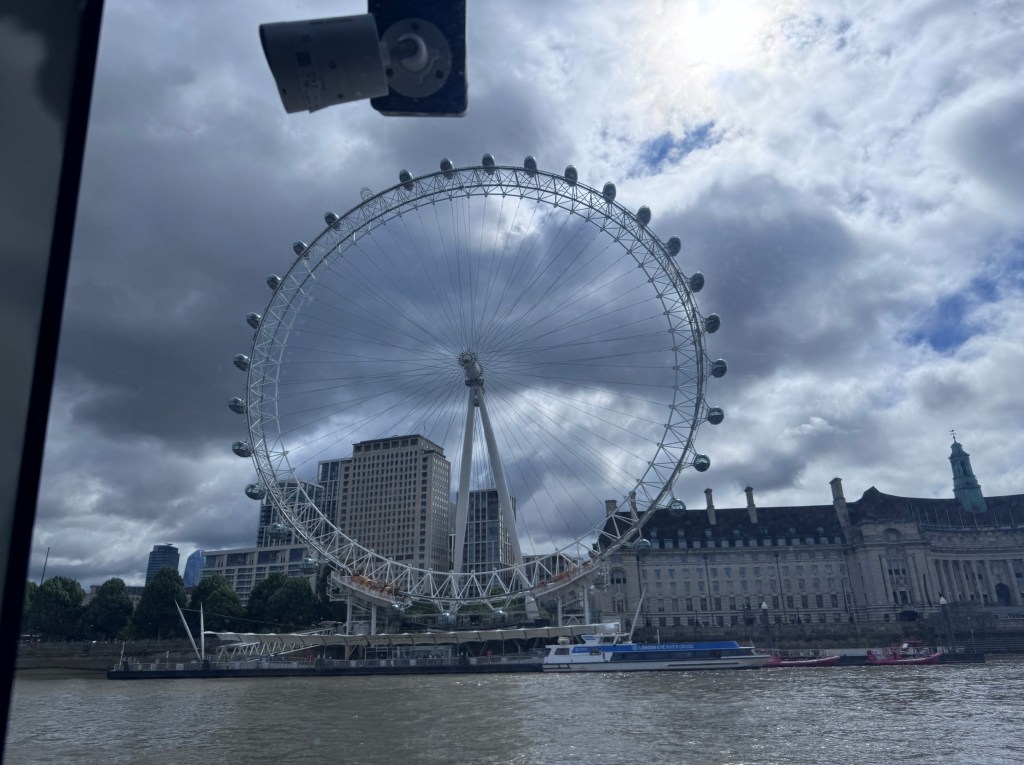
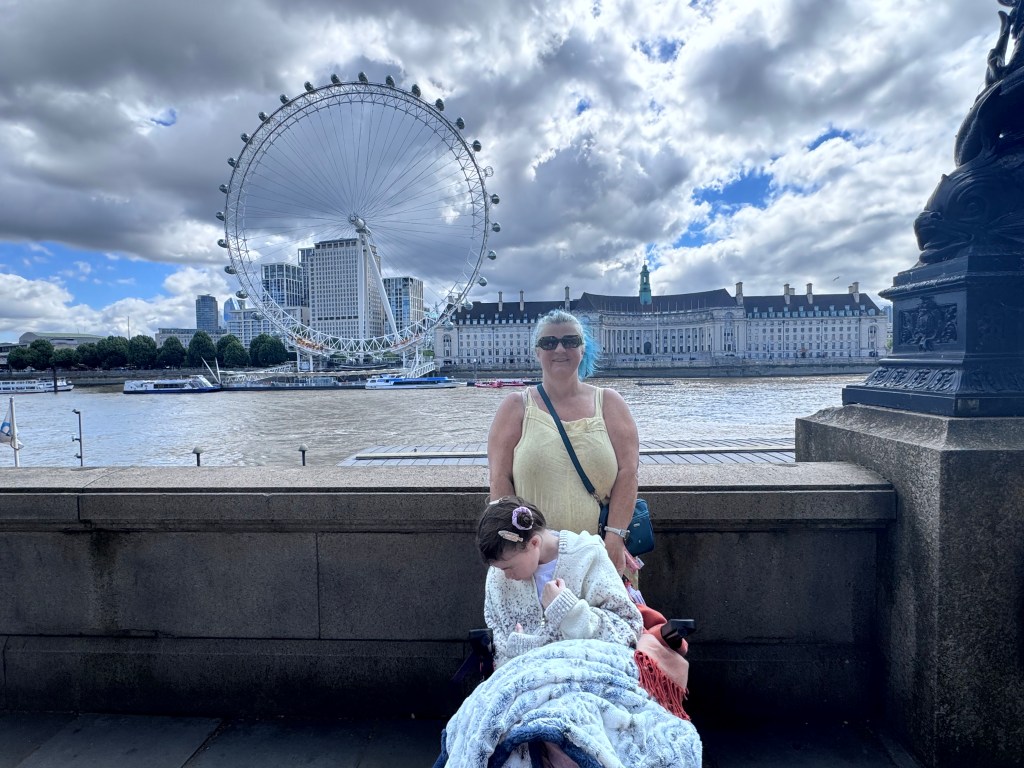
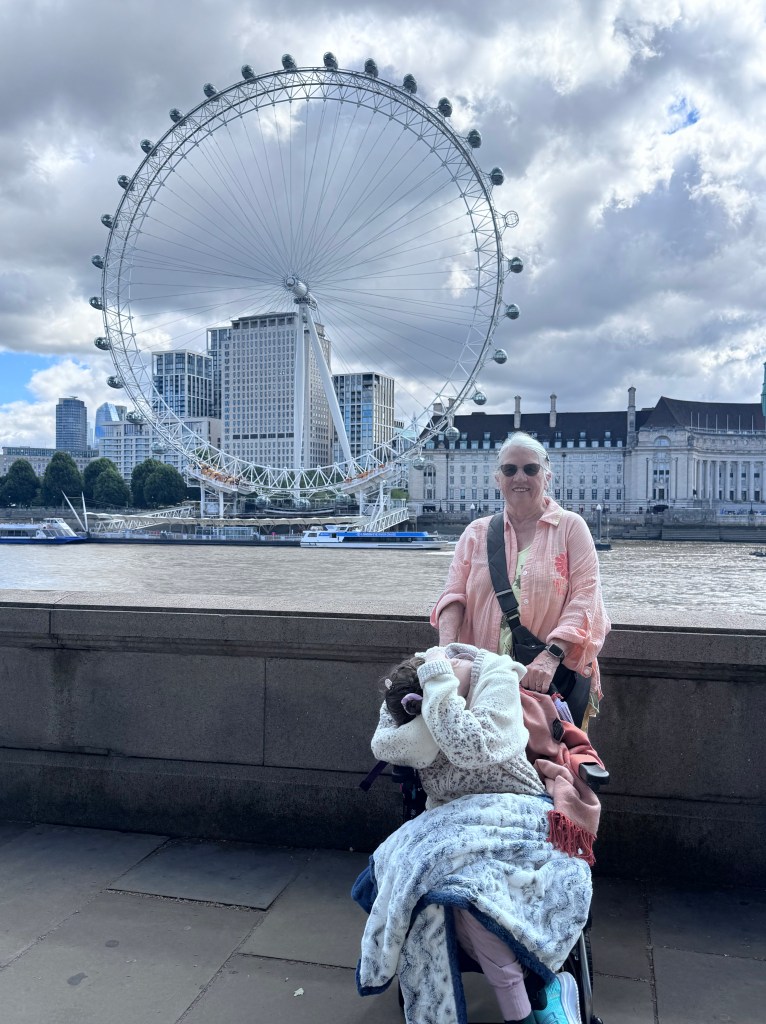
After spending more time wandering Greenwich’s charming streets, we returned to the river and boarded another boat back to Westminster Pier. From there we crossed the Thames to ride the London Eye.

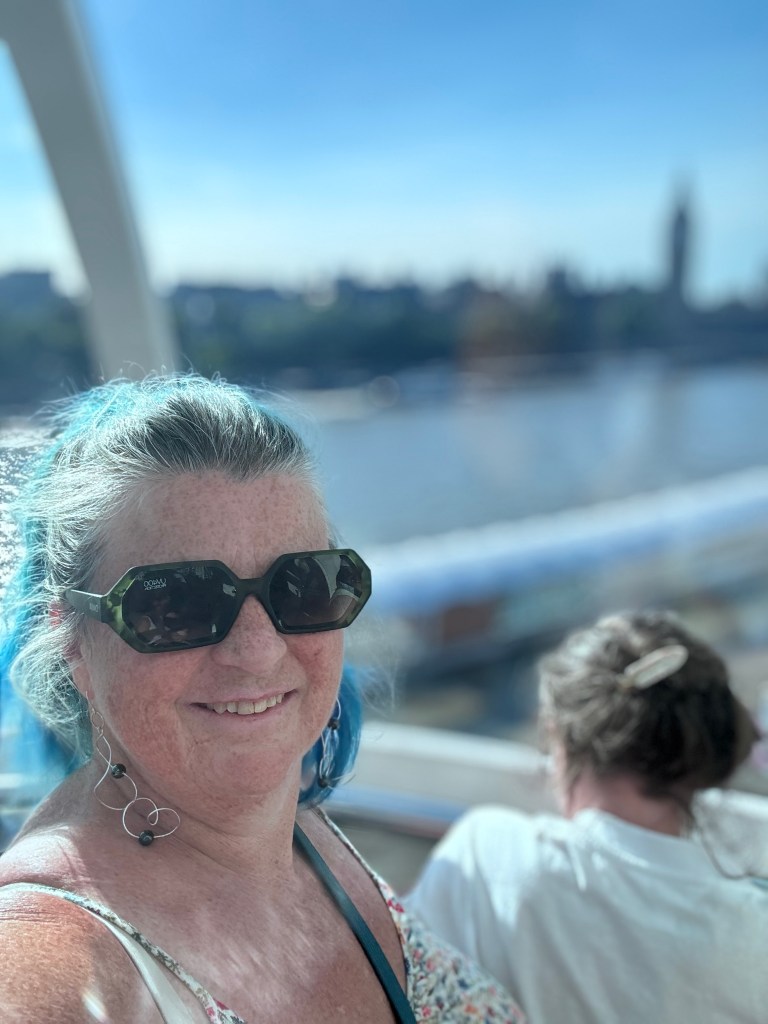
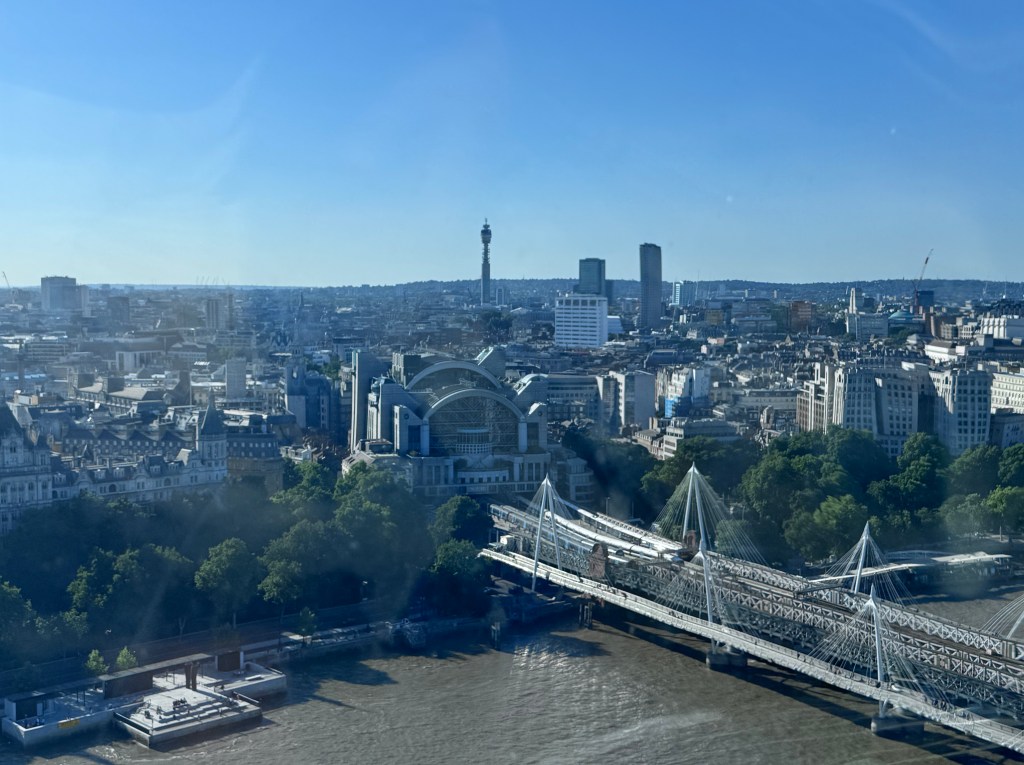
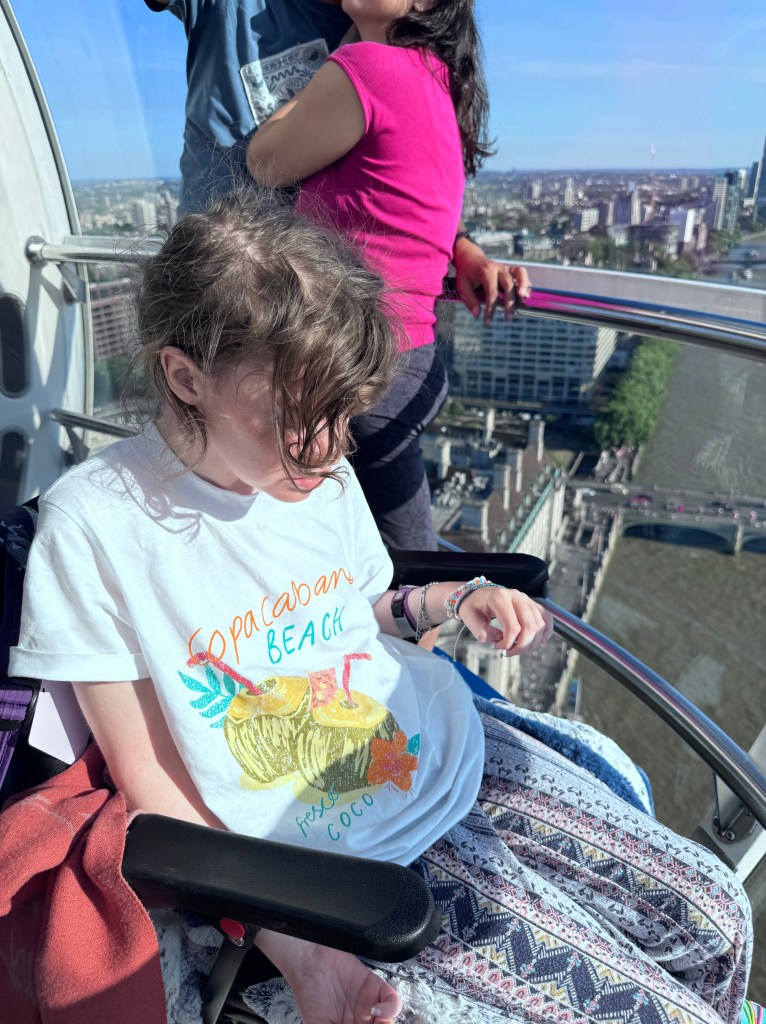
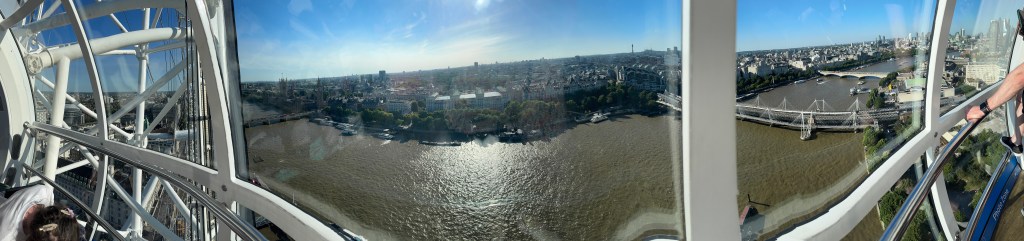
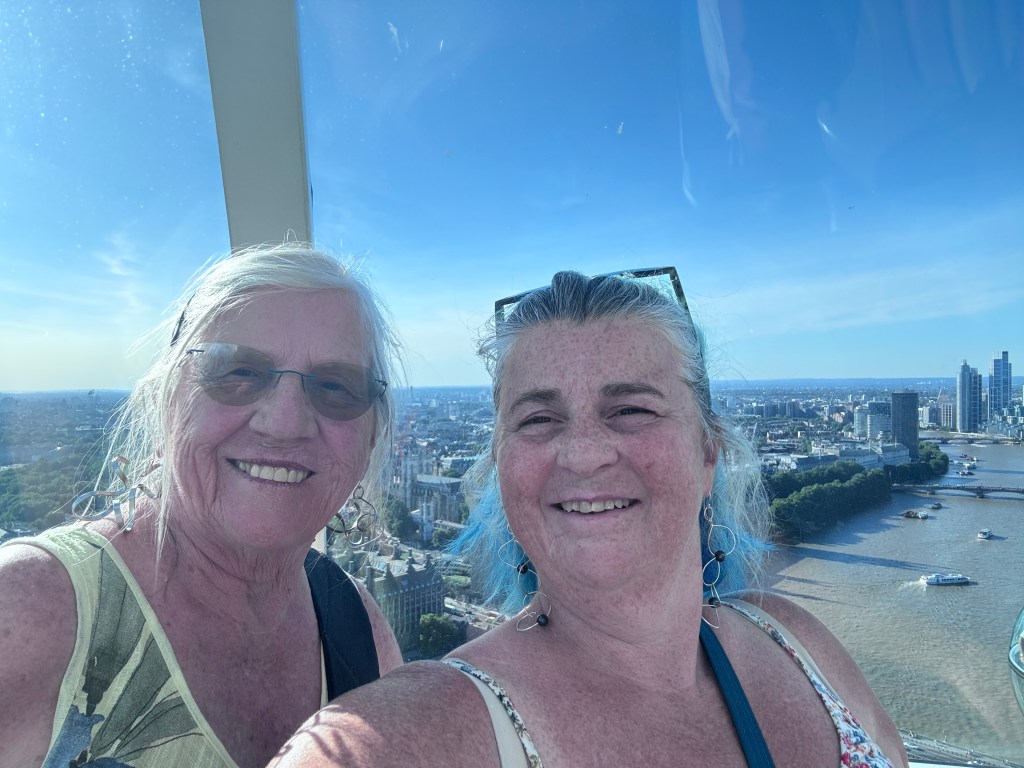
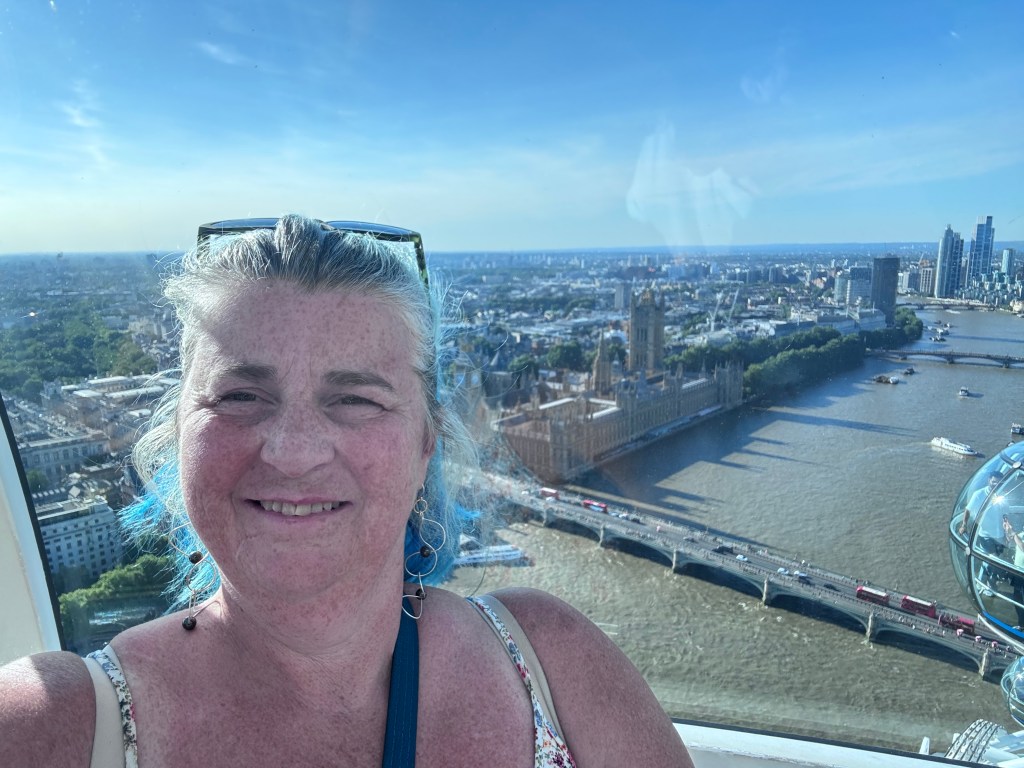
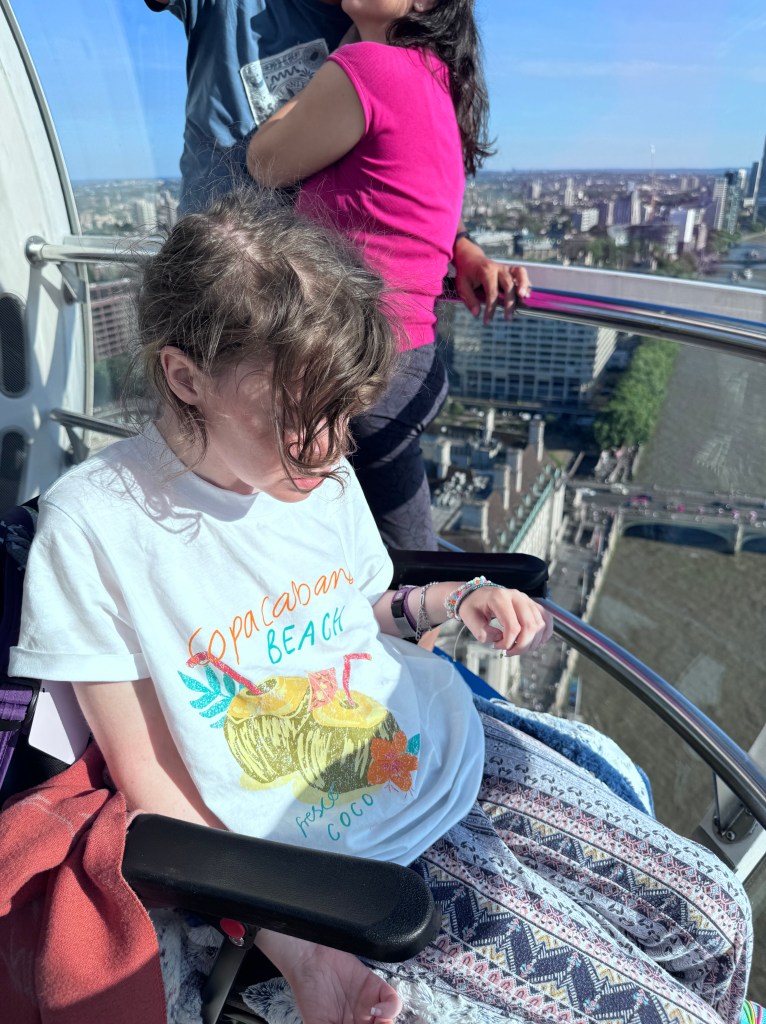
Kiya absolutely loved the ride—except for the very top! Being that high in the air wasn’t quite her favorite part. The slow rotation gave us incredible panoramic views stretching across London in every direction, and the air-conditioned capsule was a welcome break after another warm day of sightseeing.

Afterward we enjoyed dinner at a cozy Italian restaurant before heading back to the river, expecting to catch our Uber Boat home. That’s when we discovered our final adventure of the day—boats no longer traveled back to our pier in the evening. After quite a bit of asking questions, checking routes, and trying to figure out our options, we finally hailed a taxi and made it back to the apartment around 9:00 p.m.

By then Kiya was completely exhausted, and honestly, so were we. It had been another full day of exploring, laughing, learning, and making memories in one of the world’s greatest cities.
A Final Day in London

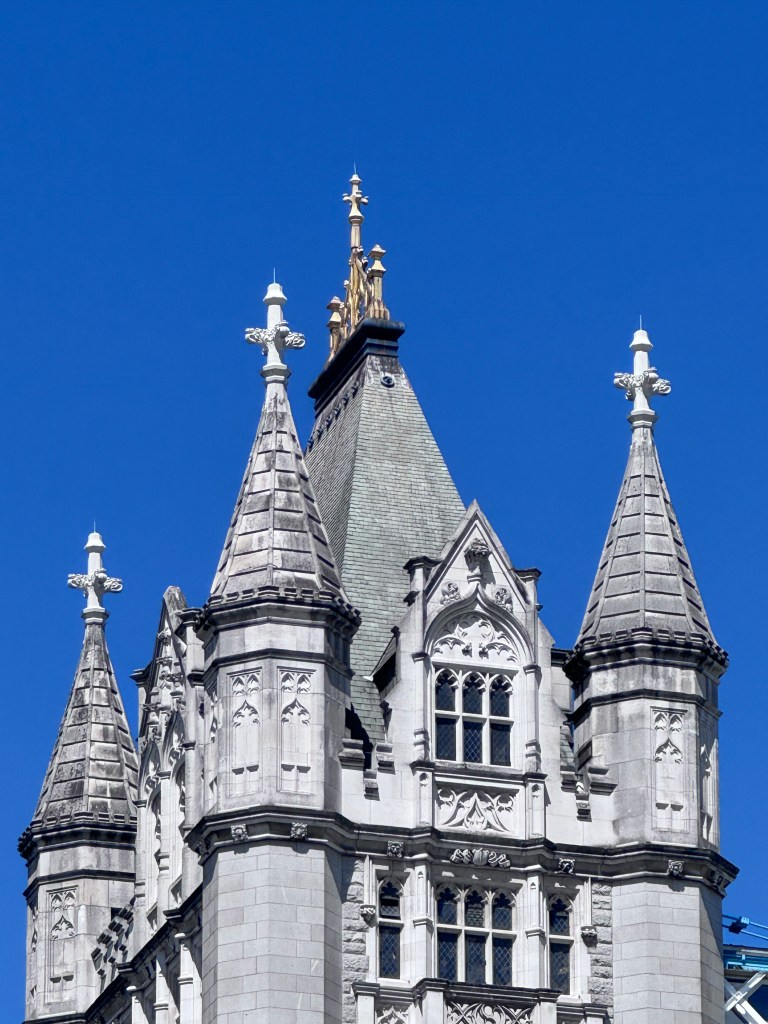
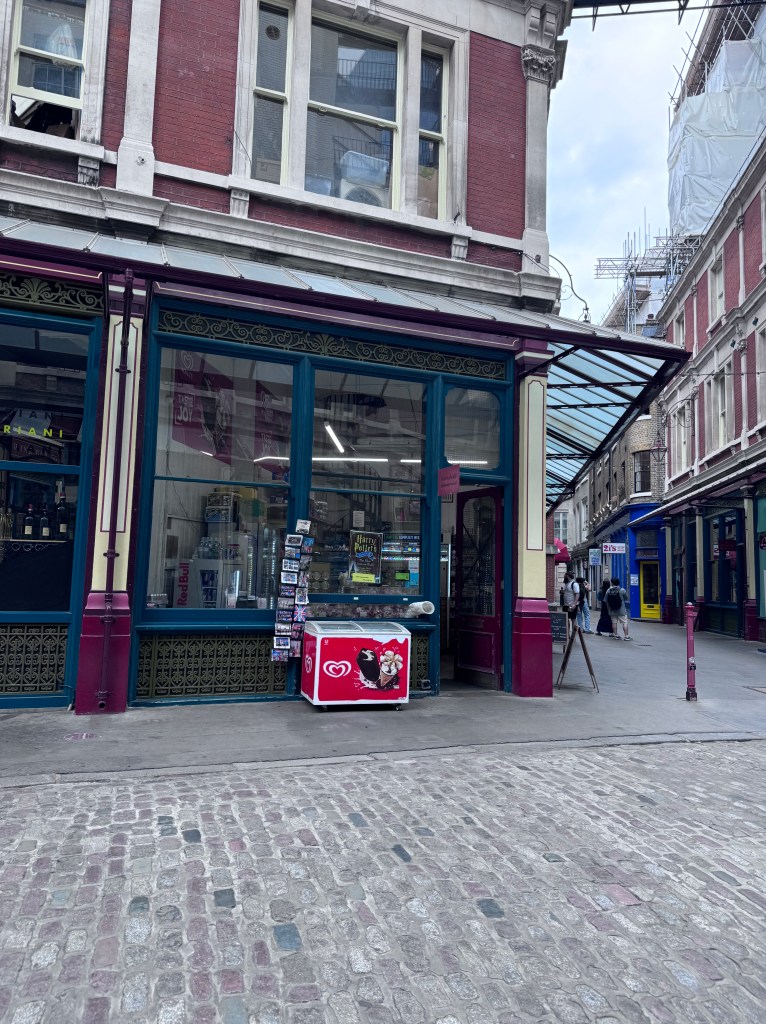
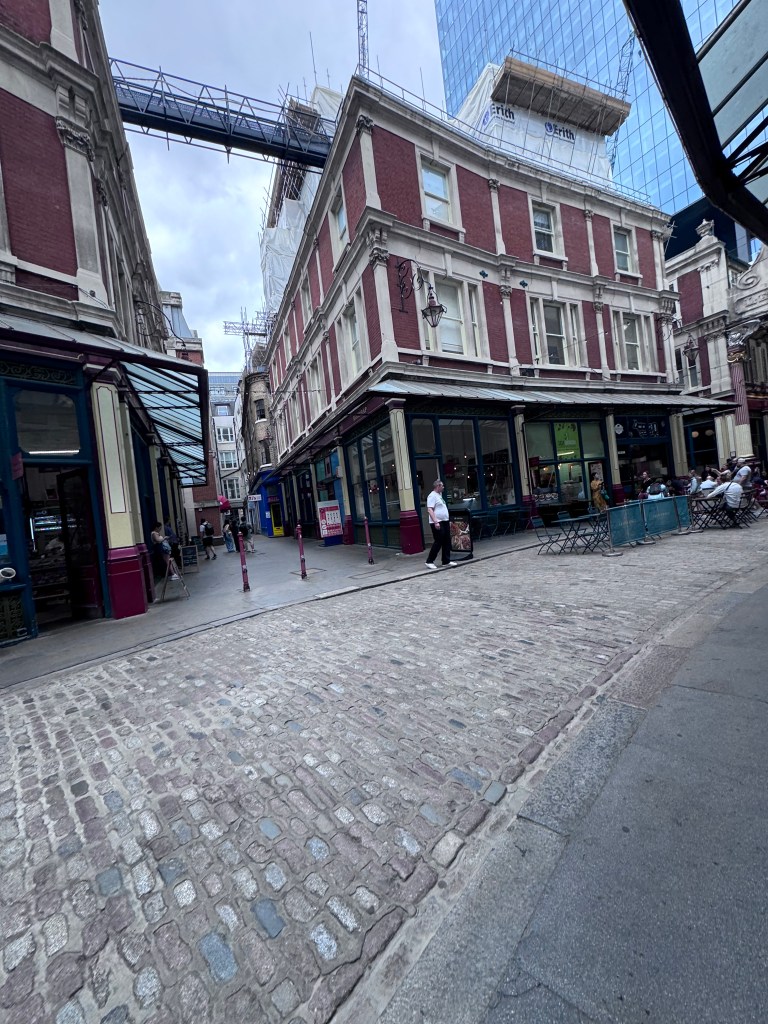
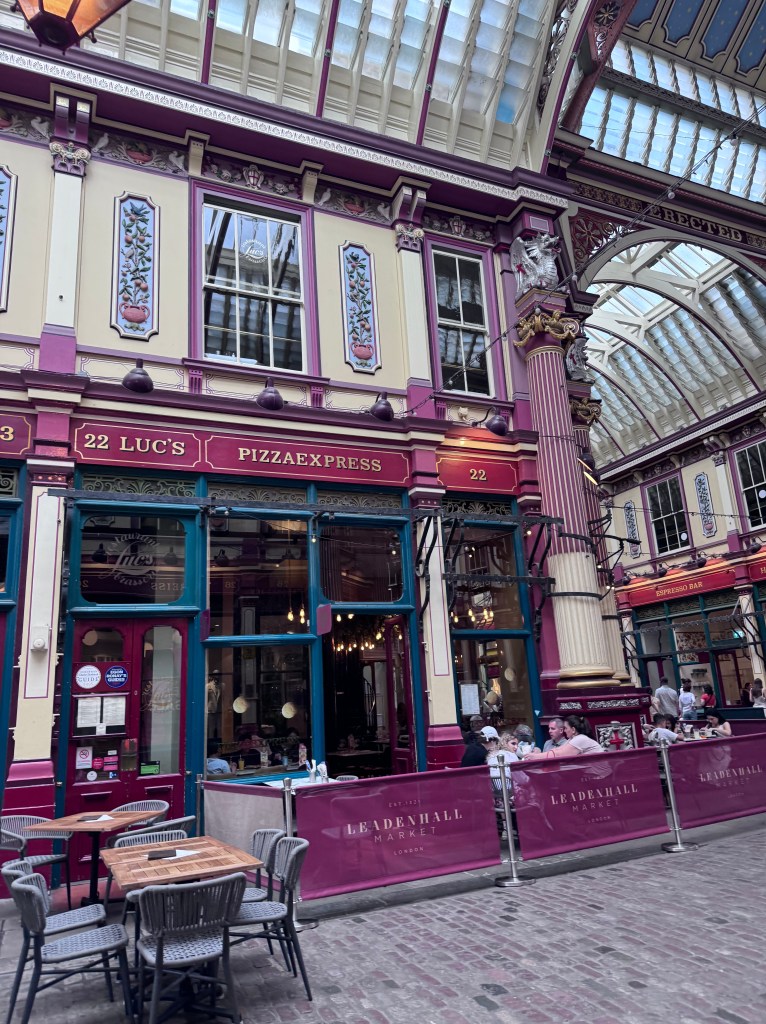
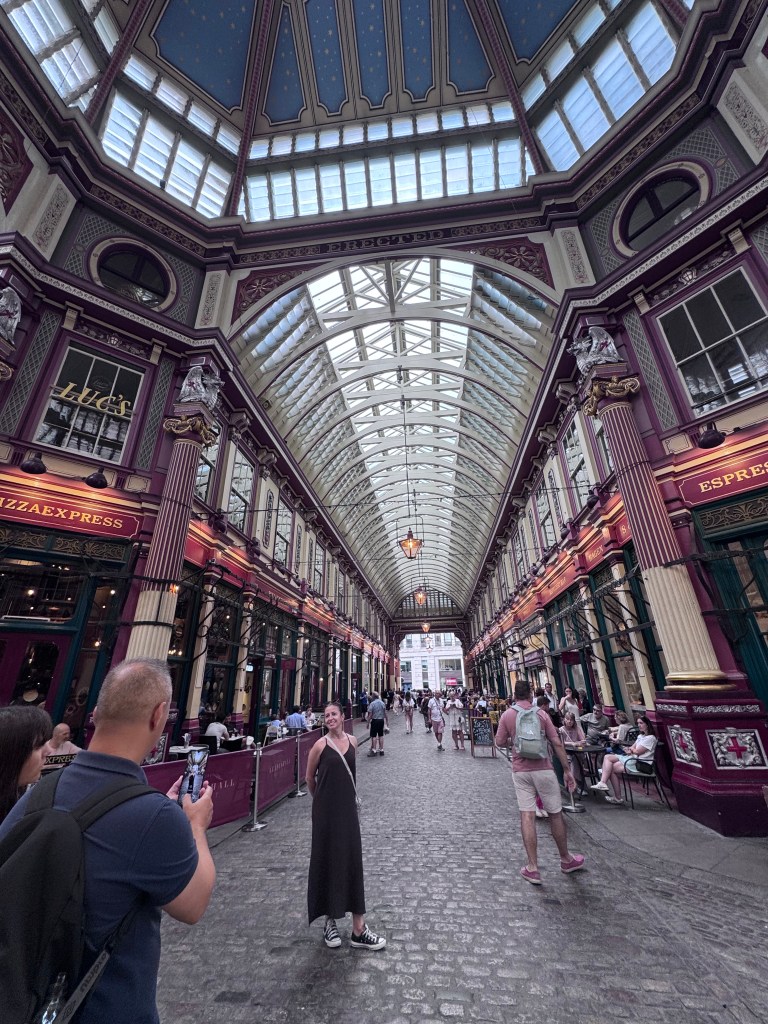
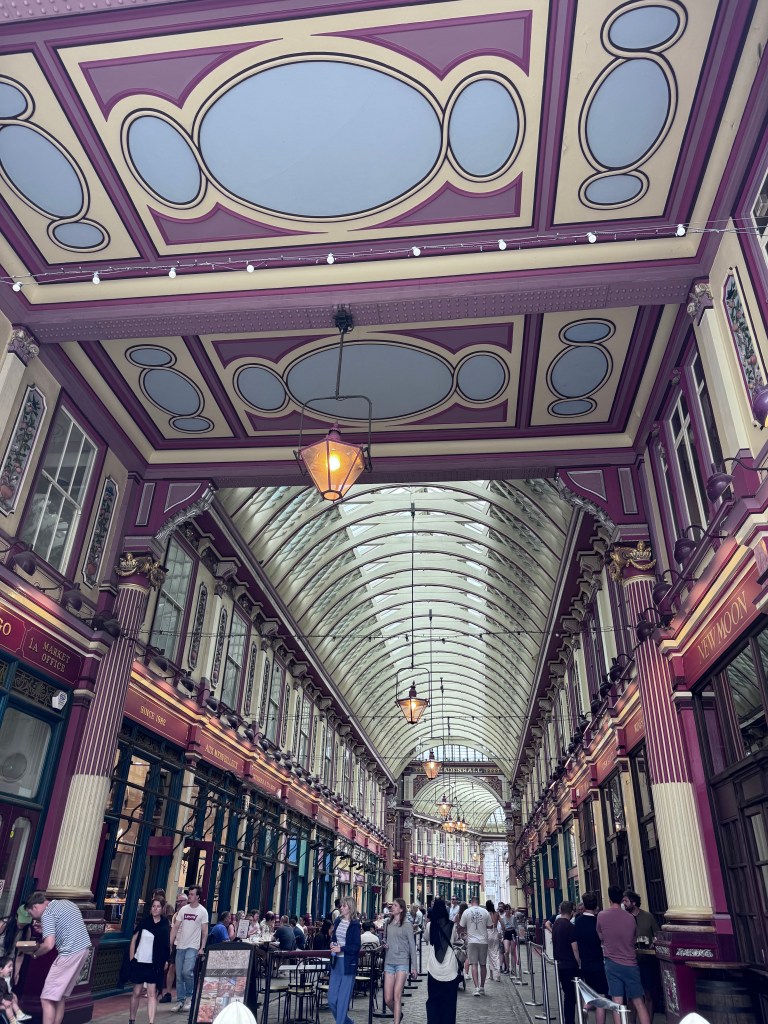
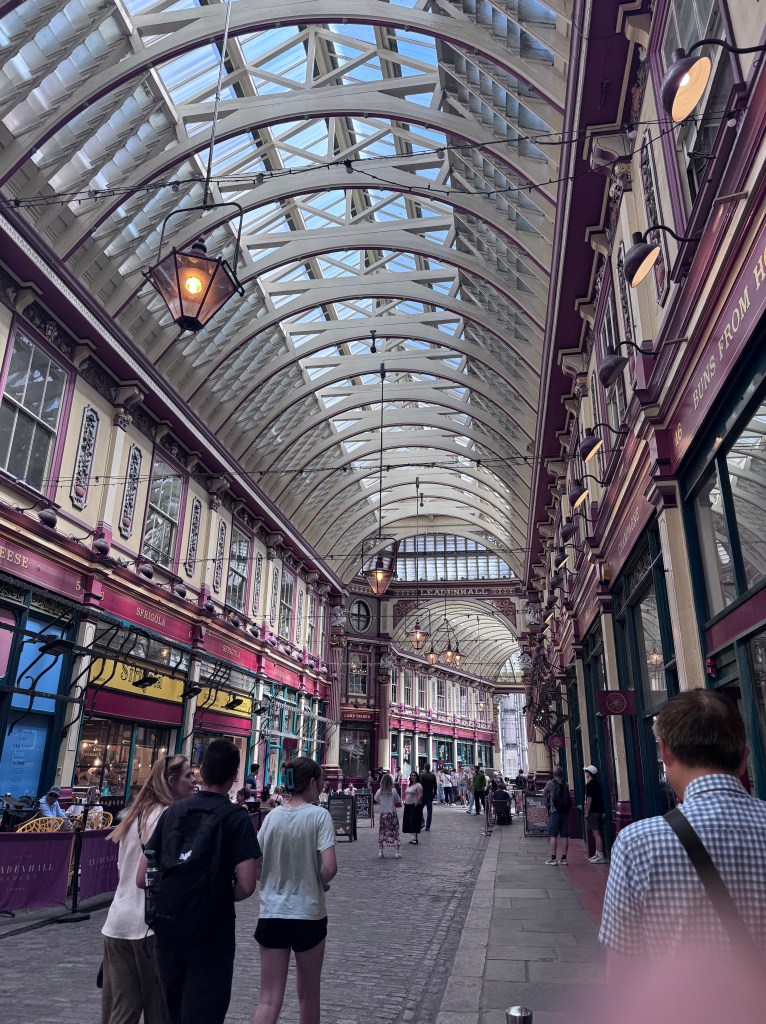
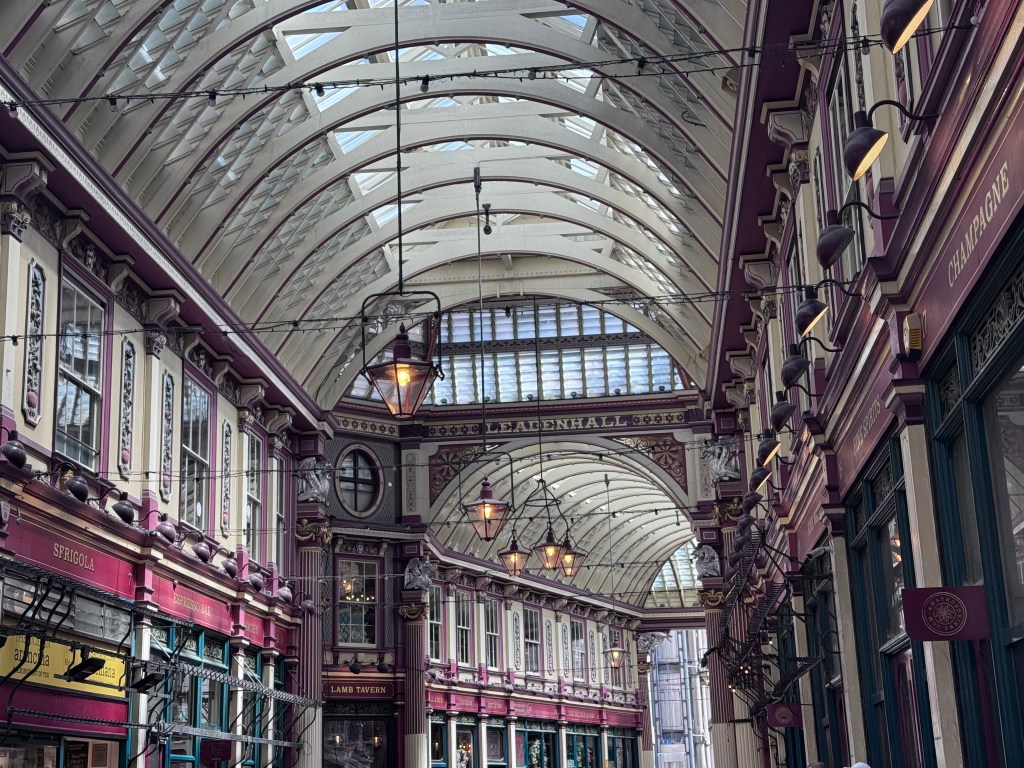
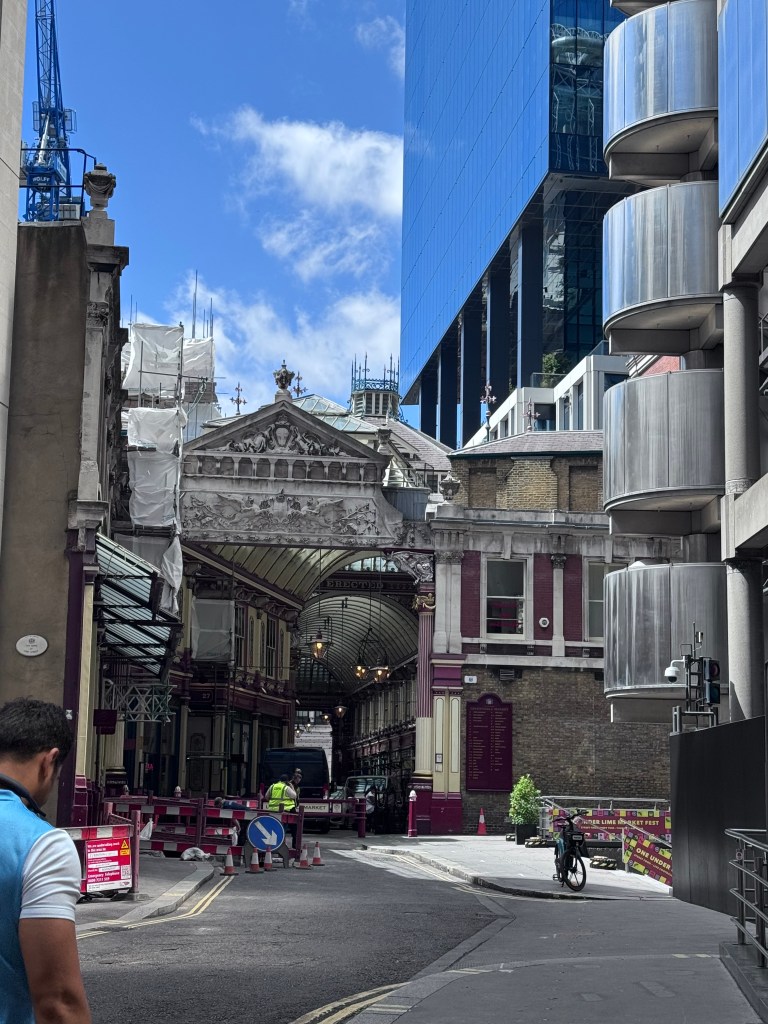
Our last day in London began with a taxi ride to Leadenhall Market, one of the city’s most beautiful covered markets. Dating back to the 14th century, the market stands on the site of what was once Roman London and was redesigned in 1881 by architect Sir Horace Jones, who also designed Tower Bridge and Smithfield Market. Its colorful Victorian ironwork, ornate roof, and cobbled walkways make it one of London’s architectural treasures.

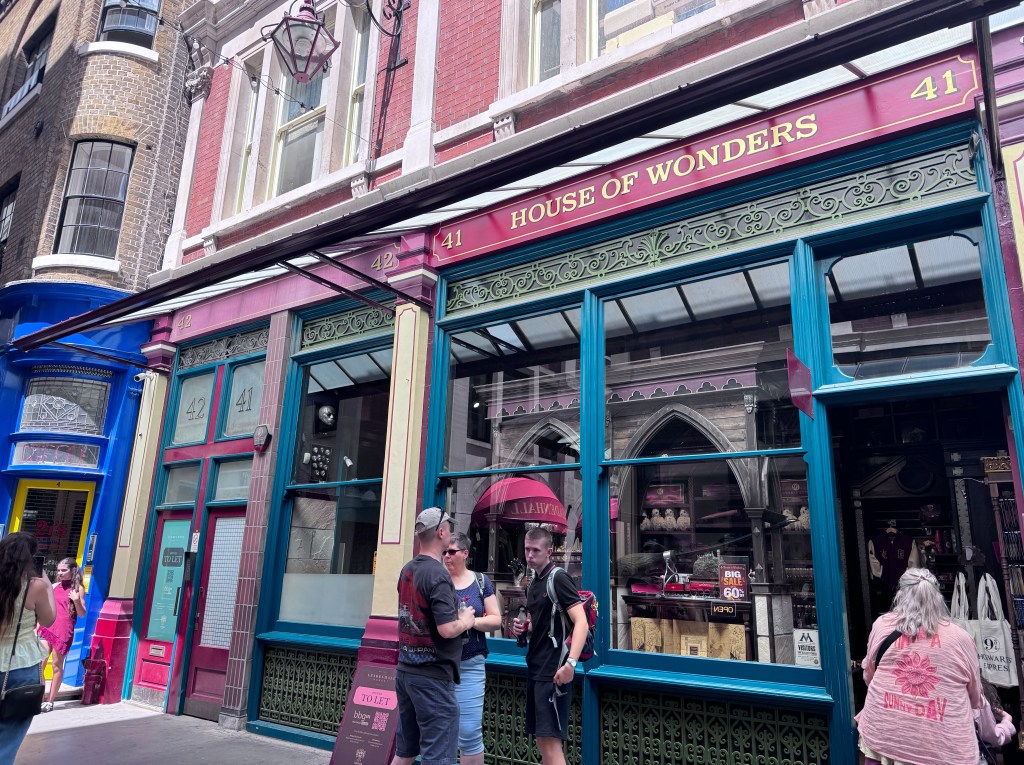
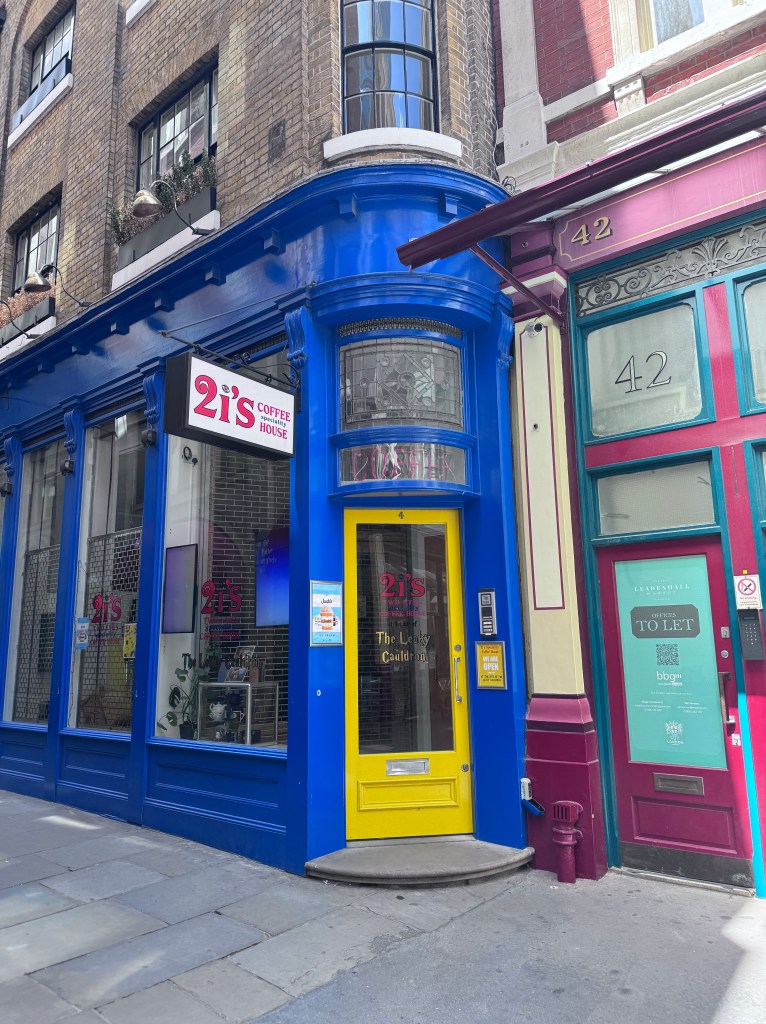
Harry Potter fans will recognize Leadenhall Market immediately. It served as the filming location for Diagon Alley in Harry Potter and the Philosopher’s Stone. The blue-fronted optician at Bull’s Head Passage was transformed into the entrance to the Leaky Cauldron, making it a must-see destination for fans of the series.
We wandered through the market, admiring the architecture before settling in for a lovely lasagna lunch. Afterwards we strolled through the surrounding neighborhoods toward the Tower of London. Along the way we found ourselves constantly looking up. London has an incredible way of blending centuries-old buildings with sleek modern skyscrapers, creating fascinating contrasts around every corner.

We stopped in a tourist shop where I purchased a handheld fan to help combat the summer heat. Kiya, however, had her eyes fixed on the shop across the street. Once inside, she was definitely in a shopping mood! She happily let us allow her to be pushed and wandered through the store selecting souvenirs, and we decided to let her enjoy herself by choosing whatever she liked. Watching her excitement was every bit as enjoyable as the shopping itself.

Continuing our walk, we came across a section of London’s ancient Roman Wall. Built around AD 200, the wall once enclosed the city of Londinium and stretched for nearly two miles, protecting the Roman settlement for centuries. It’s incredible to think that pieces of it still stand nearly 1,800 years later.
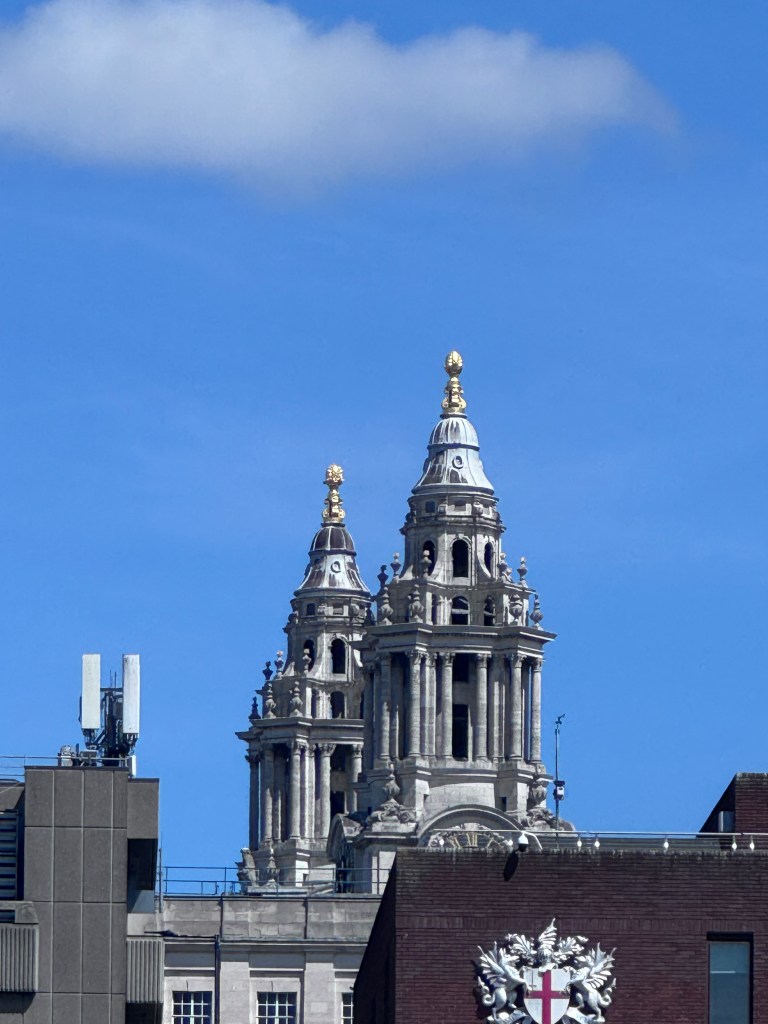
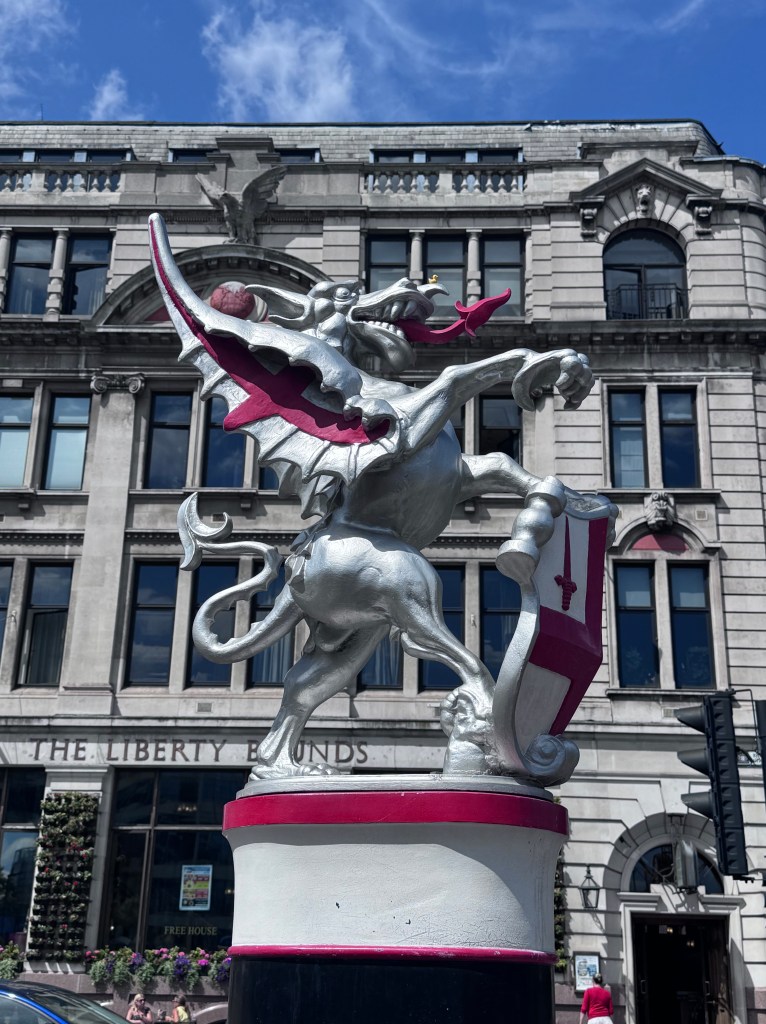
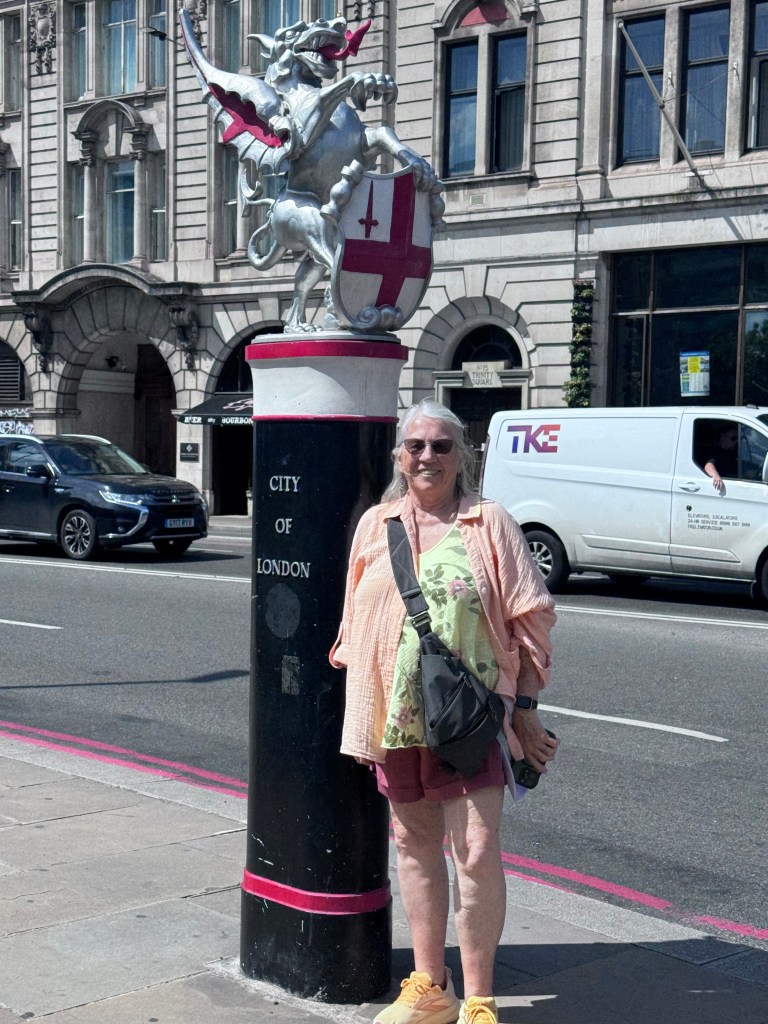
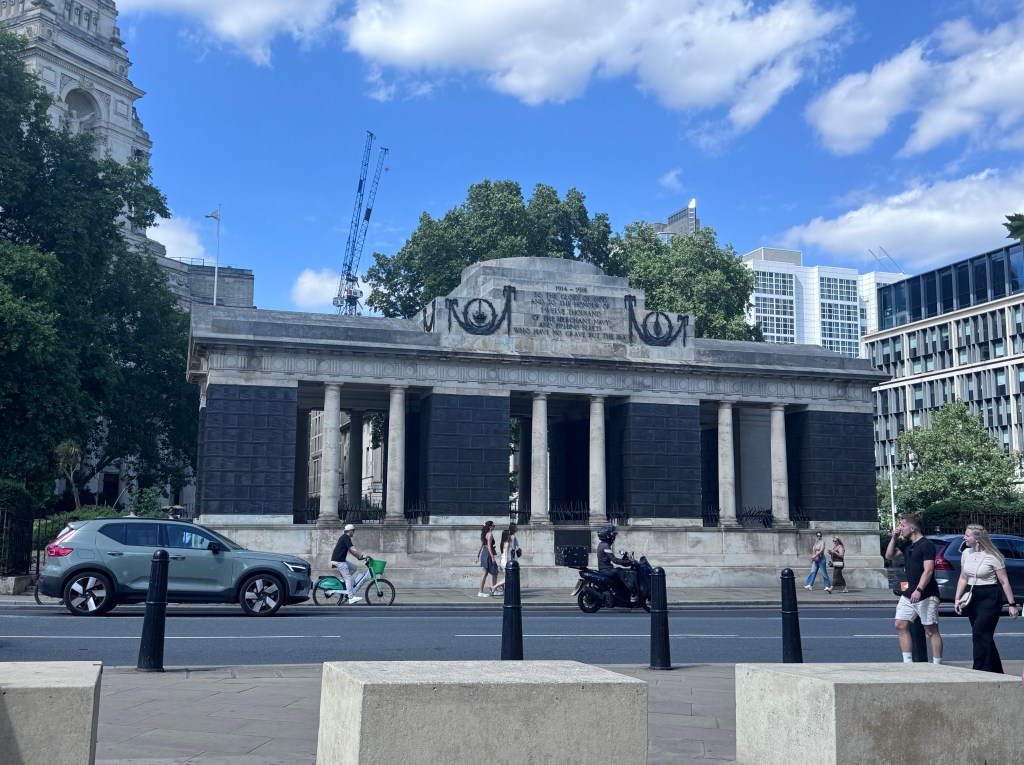
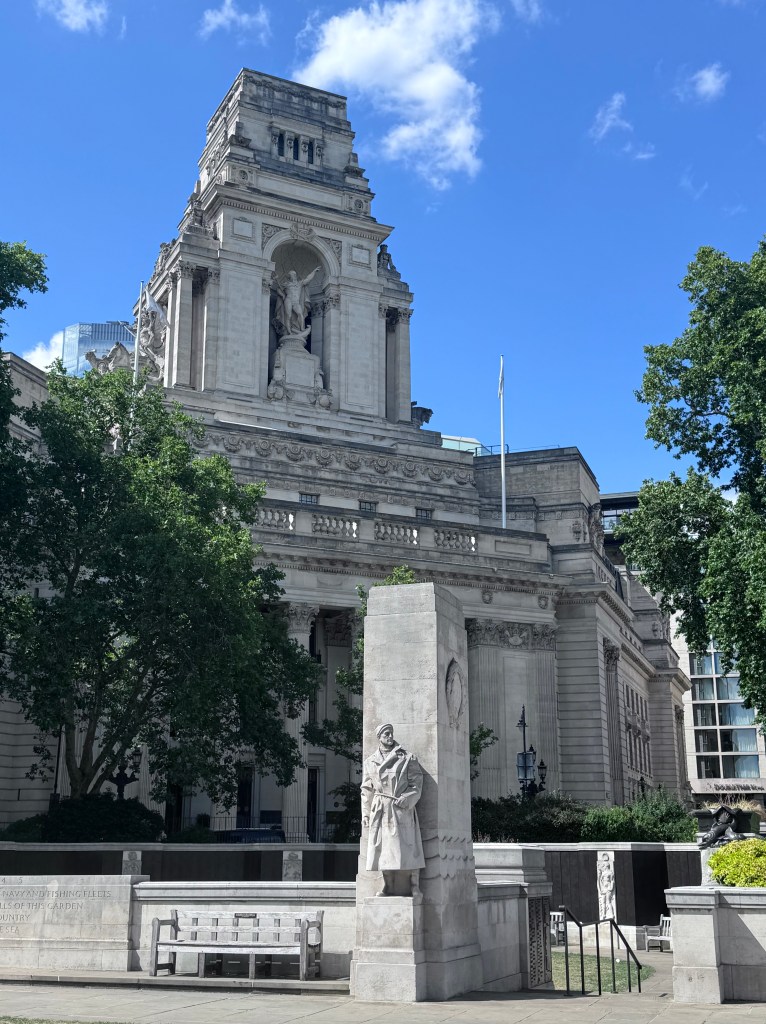
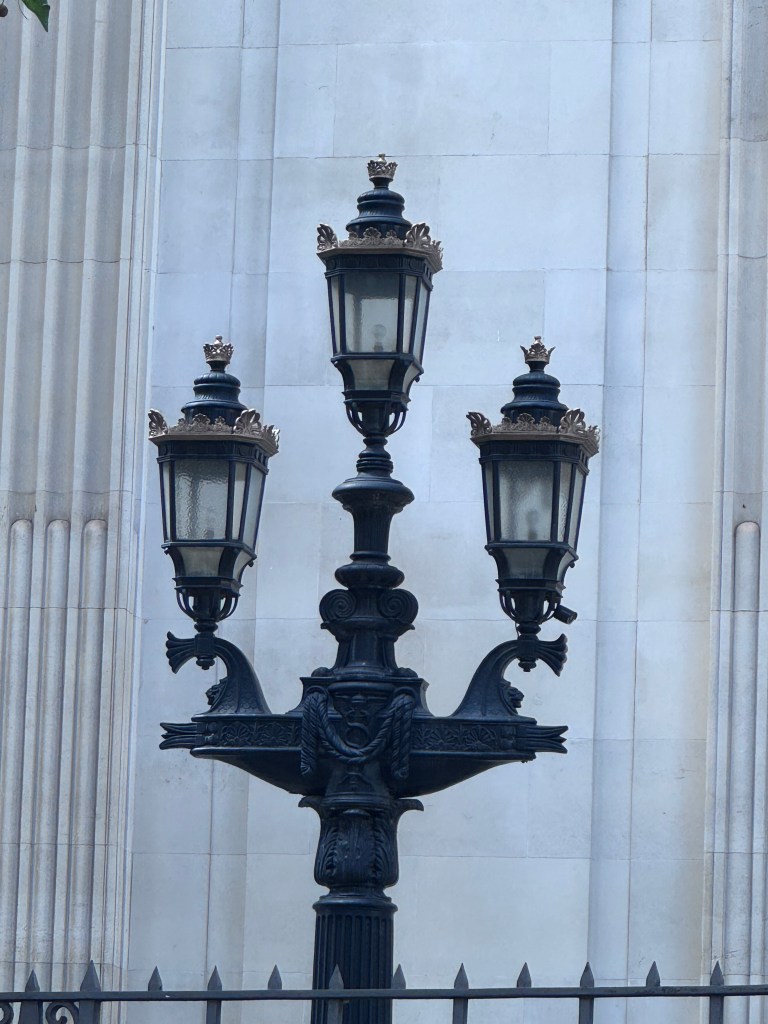
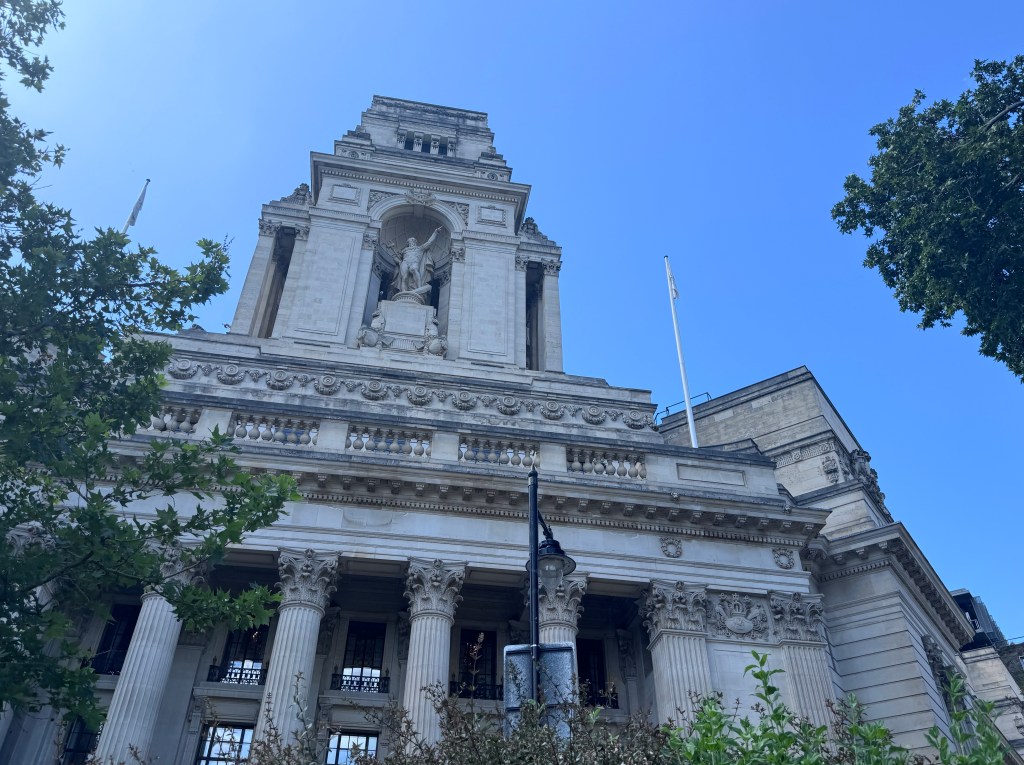
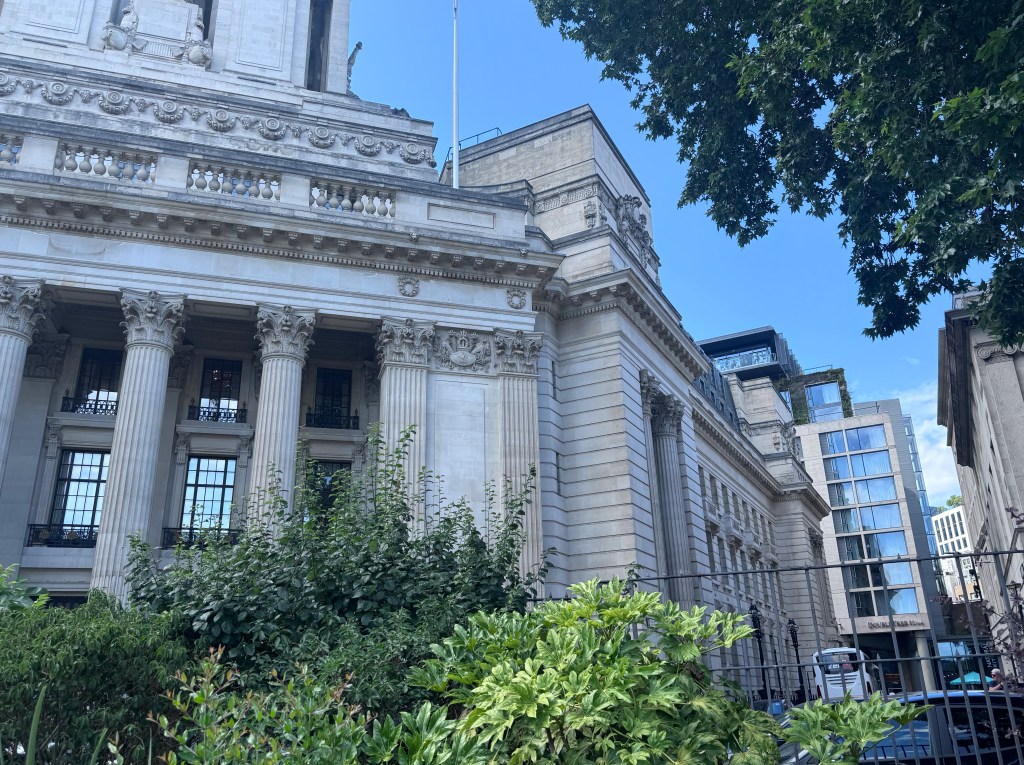
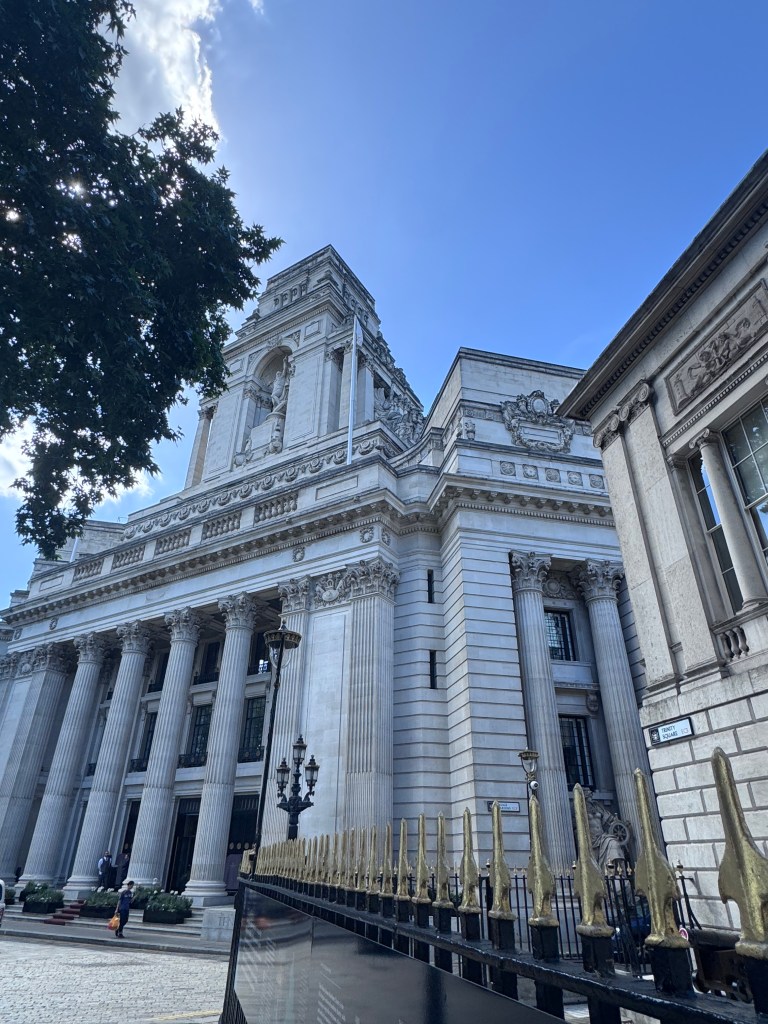
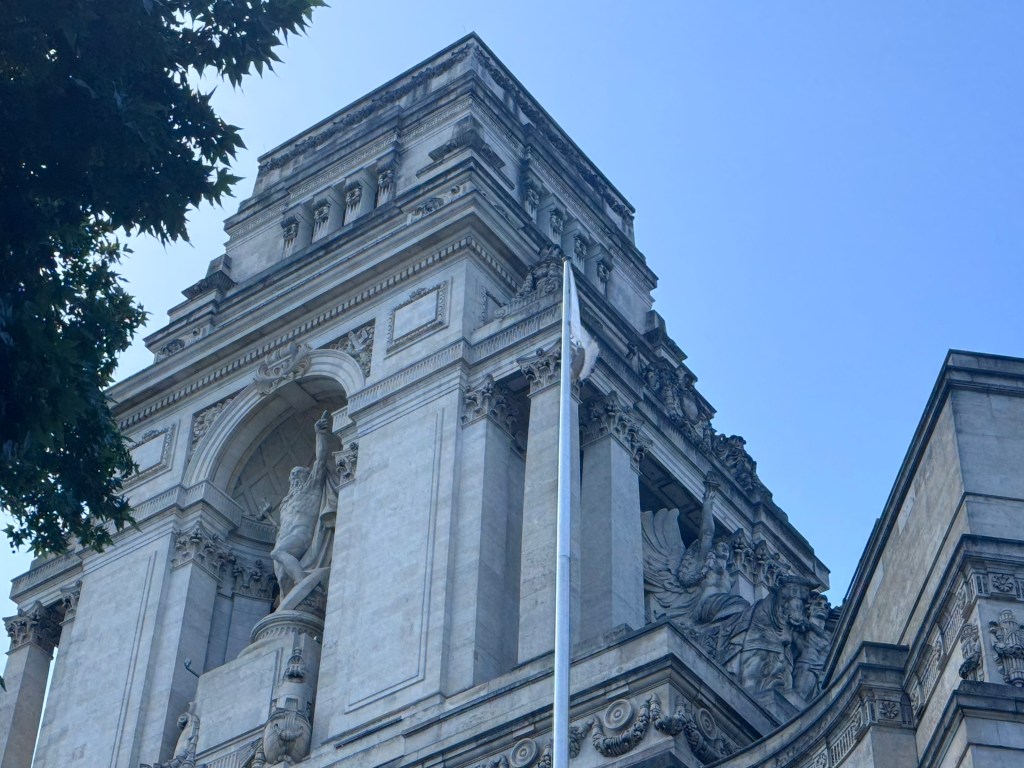
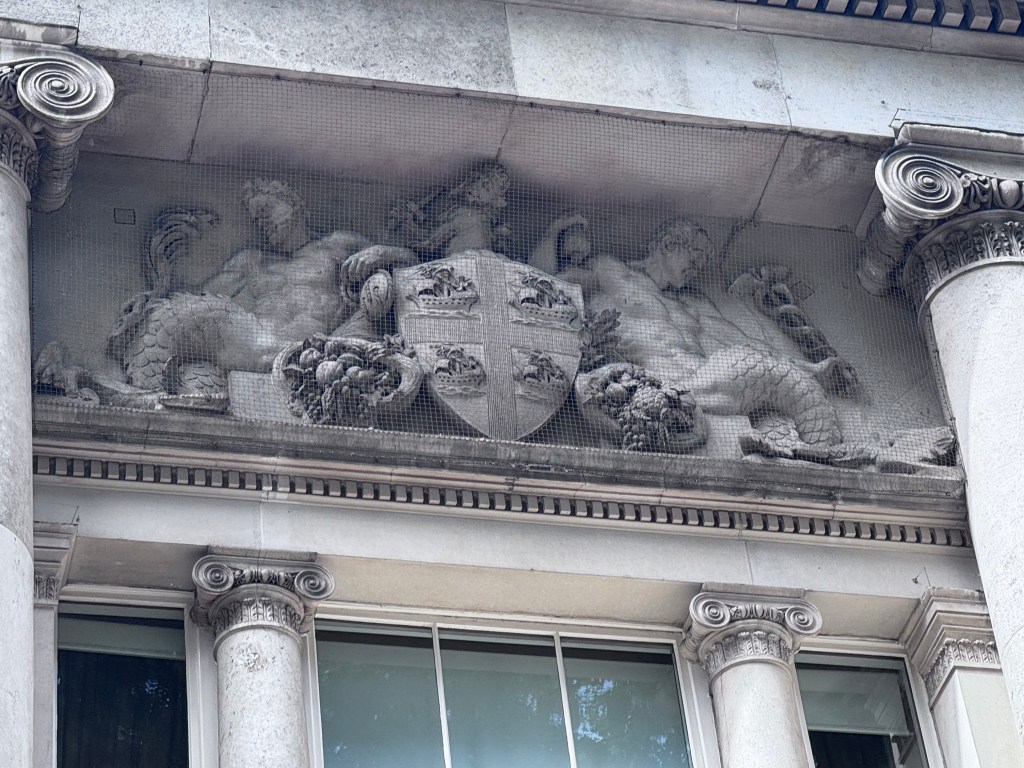
Across the street stands 10 Trinity Square, one of London’s grandest historic buildings. Completed in 1922 as the headquarters of the Port of London Authority, it overlooks the Tower of London and was designed in the Beaux-Arts style by Sir Edwin Cooper. During the Second World War, General Dwight D. Eisenhower used the building as his headquarters while planning the D-Day landings. Today it has been transformed into a luxury hotel and residences while still retaining much of its original grandeur.
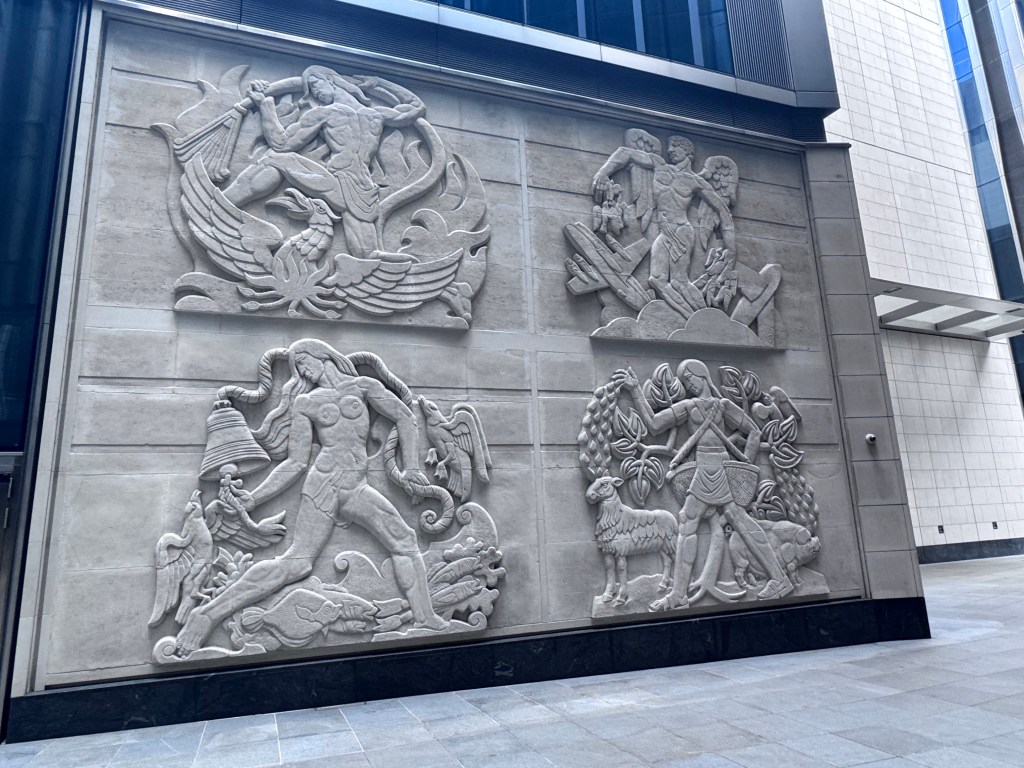
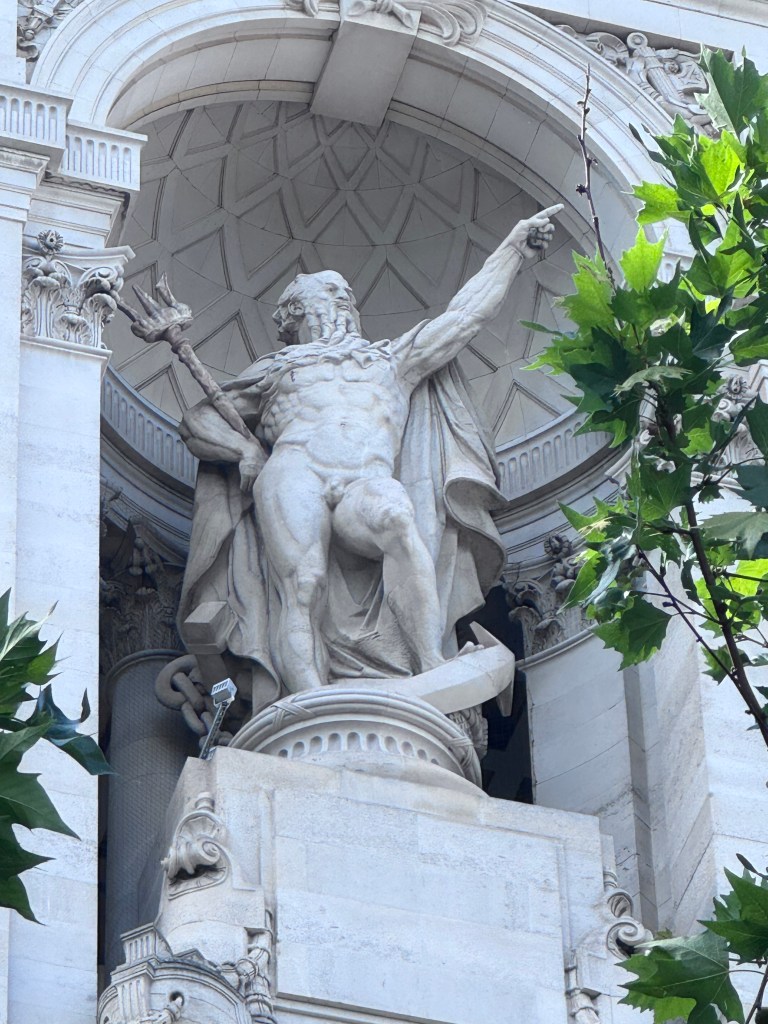
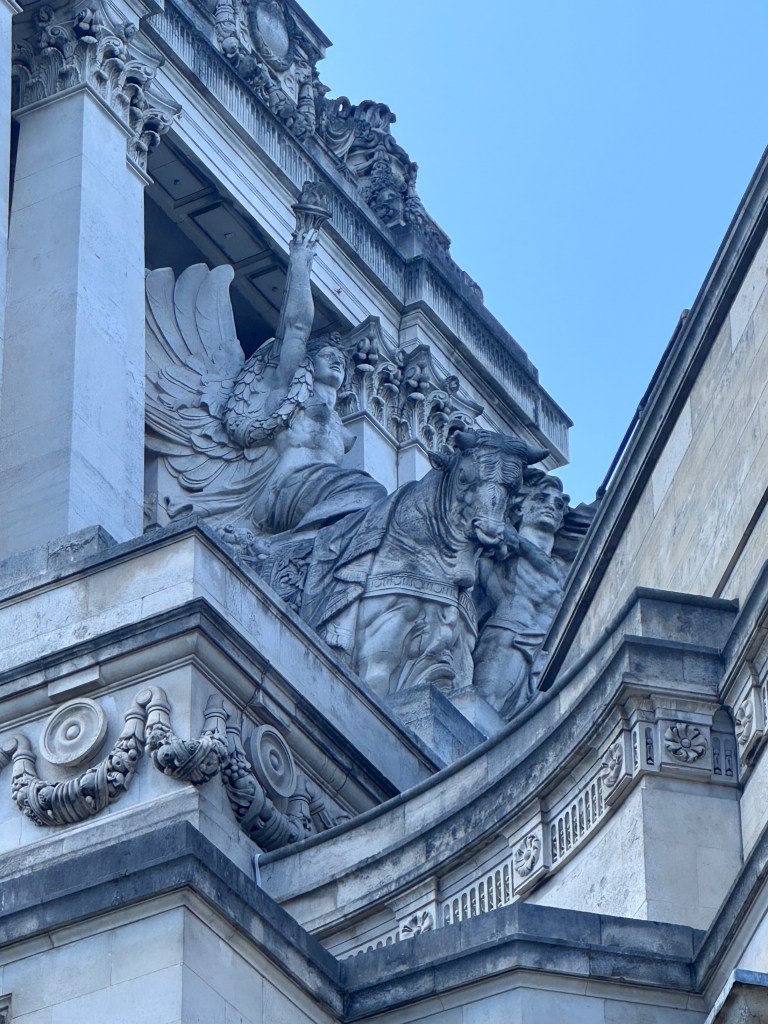
The building is richly decorated with allegorical sculptures that celebrate Britain’s role as a global maritime nation during the height of the British Empire. Around the exterior are large stone figures representing the four continents that were traditionally recognized at the time—Europe, Asia, Africa, and the Americas. Each continent is portrayed with symbolic objects and clothing that reflected how those regions were viewed in the early 20th century. Europe represents learning, government, and commerce; Asia symbolizes trade, culture, and luxury goods such as silk and spices; Africa is depicted through symbols of its wildlife, natural resources, and exploration; while the Americas represent agriculture, industry, and opportunity. Interspersed among these figures are sculptures representing Navigation, Commerce, Industry, and Seafaring, honoring the sailors, dockworkers, merchants, and explorers who helped make the Port of London one of the busiest ports in the world.

What immediately caught my eye, however, were the spectacular bronze sculptures crowning the roof. Massive horses pulling chariots appear to burst dramatically from the corners of the building, as though racing into the sky above London. These powerful quadriga sculptures symbolize triumph, progress, and Britain’s mastery of the seas. They are impossible to miss and add an incredible sense of movement and grandeur to an already stunning piece of architecture. It was one of those unexpected buildings that made us stop, stare, and appreciate the artistry that surrounds you throughout London.

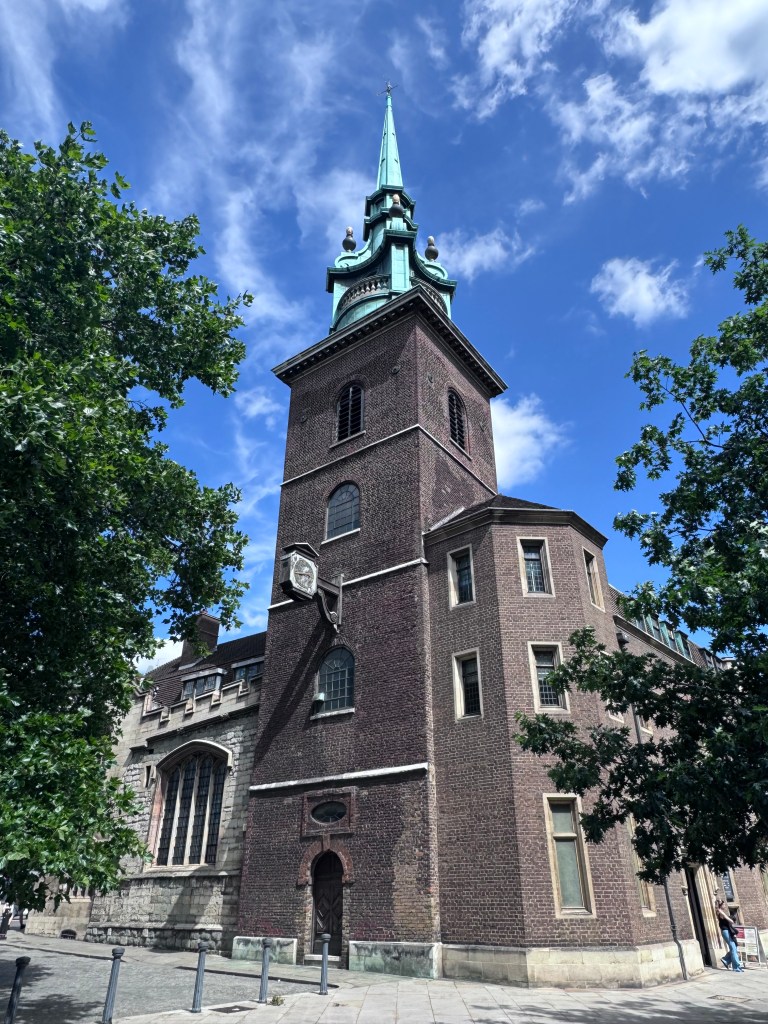
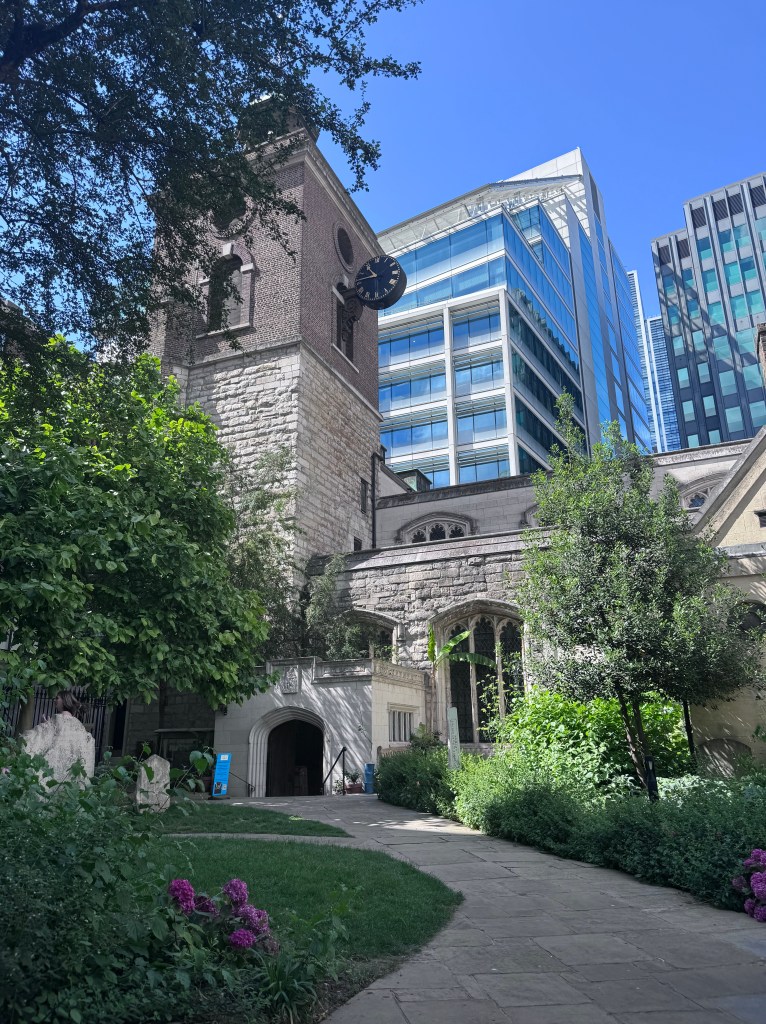
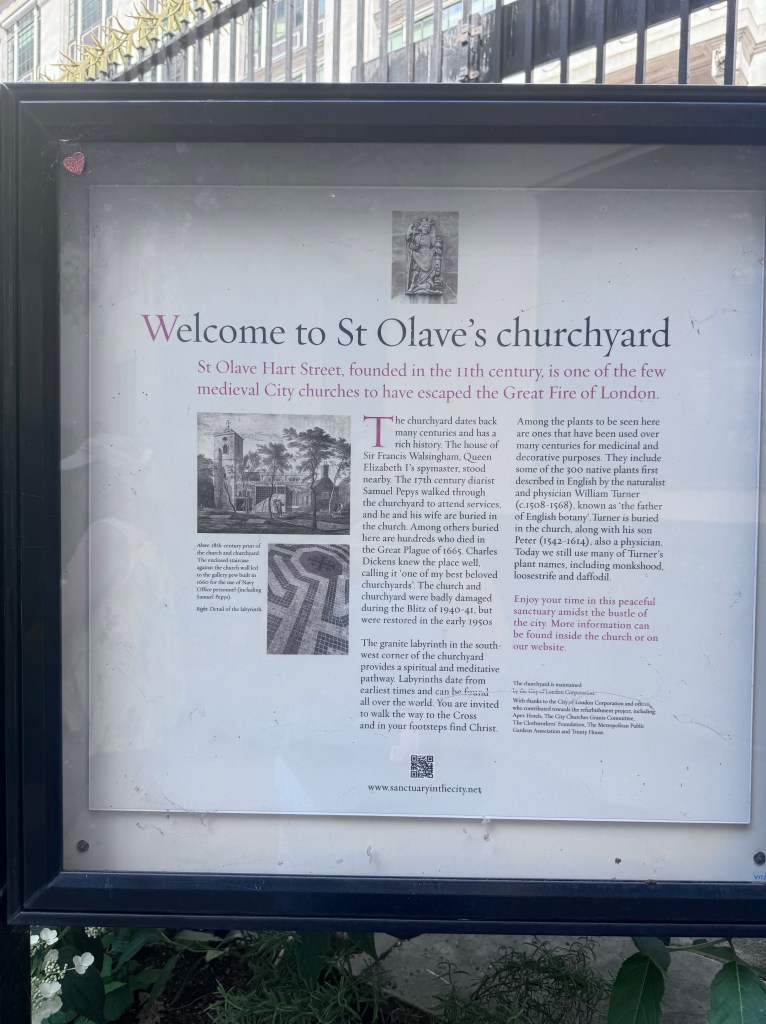
Nearby we also passed St. Bartholomew-the-Great, London’s oldest parish church, founded in 1123. Standing quietly among the busy city streets, it was another reminder that history is woven into nearly every block of London.

Soon we reached the Tower of London. Since Mom had toured it on a previous visit, she knew many of the towers and stairways would not be accessible for Kiya’s transport chair, so we chose to admire the historic fortress from the outside instead. Built by William the Conqueror beginning in 1066, the Tower has served as a royal palace, prison, treasury, mint, and armory. It has witnessed nearly a thousand years of English history, from royal coronations to famous imprisonments and executions.

We made our way to Tower Pier to catch another Uber Boat. While we were waiting, I noticed a traditional tall sailing ship making its way up the Thames. I turned to Mom and said, “They’re going to have to raise Tower Bridge.” Sure enough, within minutes the roadway slowly lifted to allow the ship to pass beneath. At almost the same time, a beautiful replica paddlewheel steamer approached from the opposite direction. Watching the bridge rise and lower was surprisingly peaceful. I expected grinding machinery and loud motors, but instead it moved almost silently and with remarkable grace.

We boarded our Uber Boat and cruised back to St. George Wharf Pier near Vauxhall.

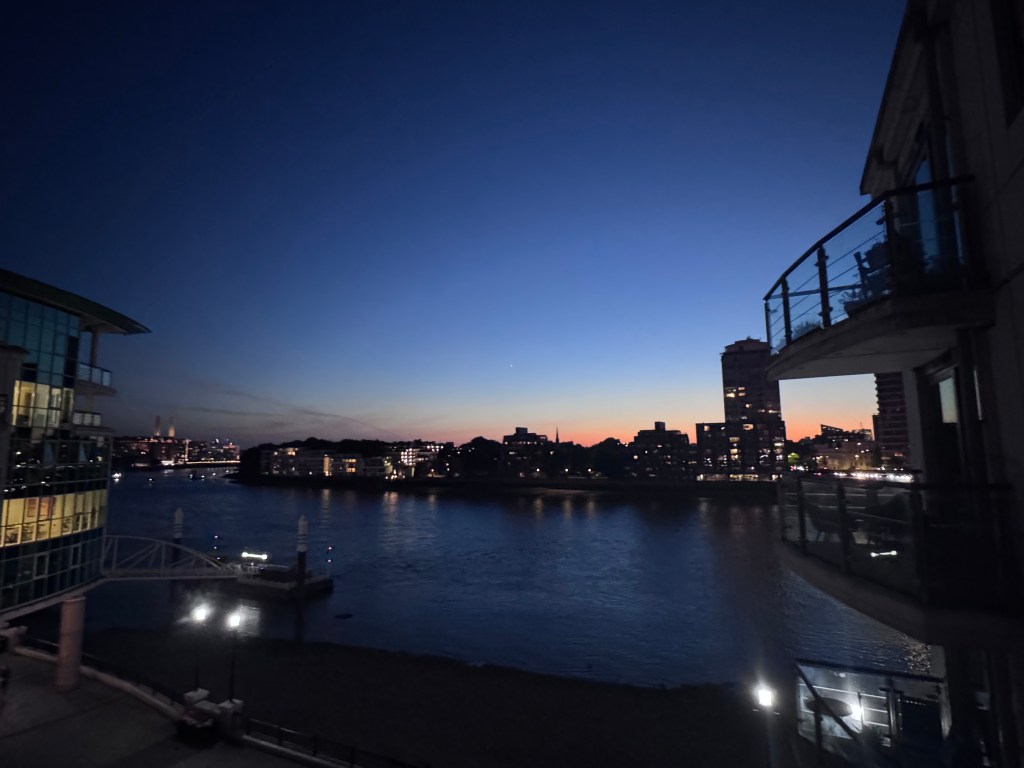
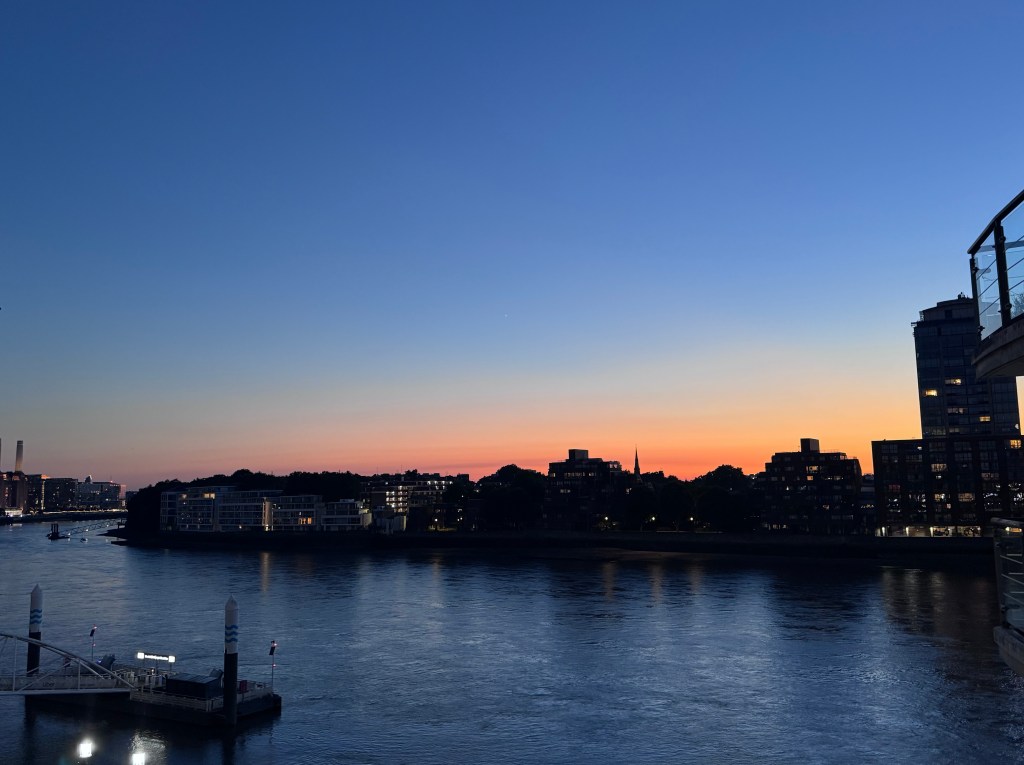
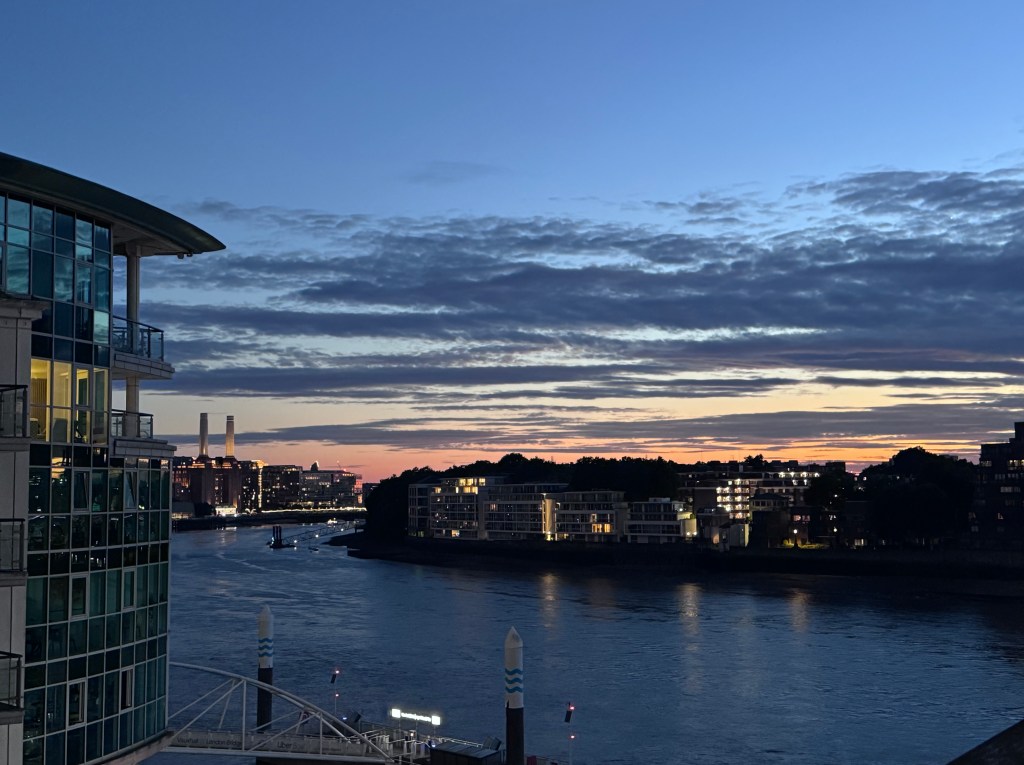
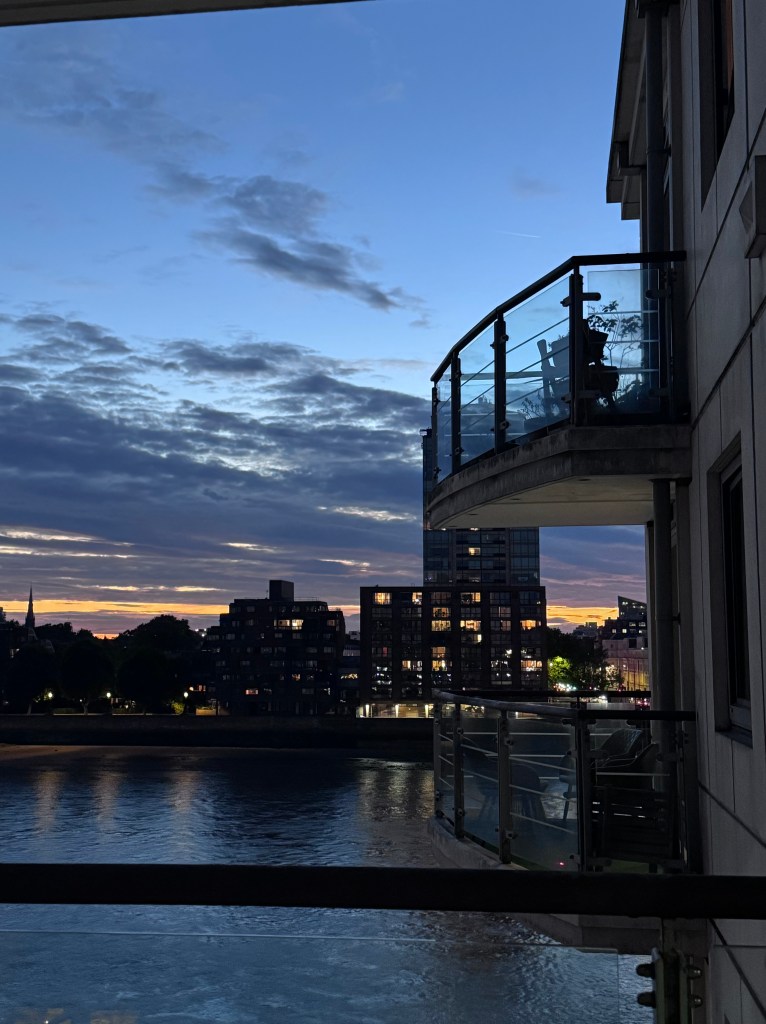
Our apartment had been in a wonderful location. Vauxhall Bridge, completed in 1906, is one of London’s oldest road bridges crossing the Thames. It connects Westminster with the Vauxhall district and is decorated with large bronze statues representing arts, sciences, engineering, agriculture, architecture, and local government. Just across the river sits the headquarters of MI6, the United Kingdom’s Secret Intelligence Service. The distinctive green glass building has become famous through numerous James Bond films. We joked that we were probably staying in one of the safest neighborhoods in London with MI6 just across the street keeping an eye on everything!

That evening we repacked our suitcases one final time and prepared for the next stage of our adventure. The following morning we would board the Eurostar, traveling beneath the English Channel and leaving England behind as we headed for Amsterdam. It was hard to believe how quickly our time in London had passed, but we were excited to see what awaited us in the Netherlands.

Stonehenge, Salisbury Cathedral, and the Magna Carta

As I am typing this, we have entered both France and Belgium on our way to Amsterdam. Before leaving England, however, we experienced one of the highlights of our trip.

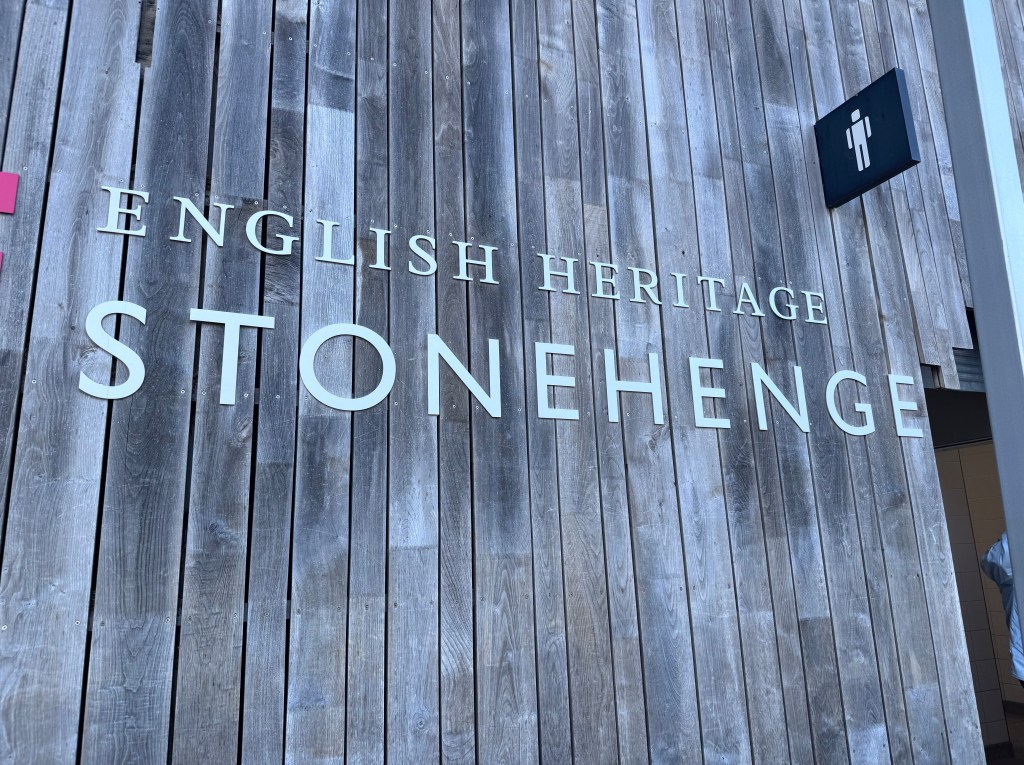
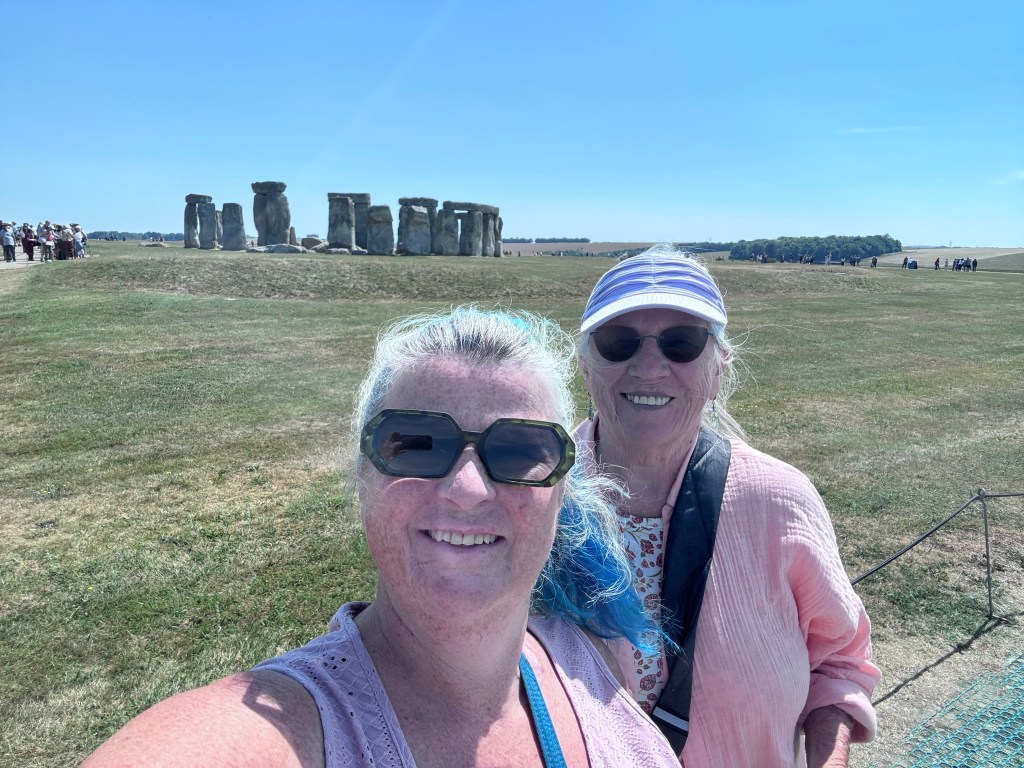
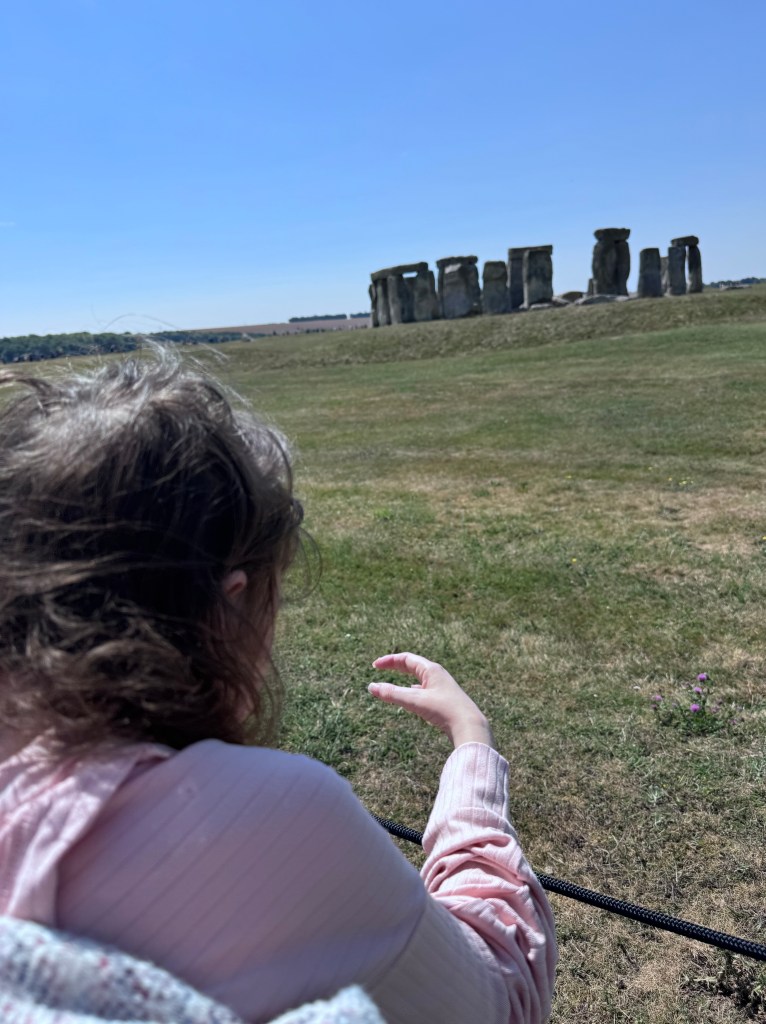
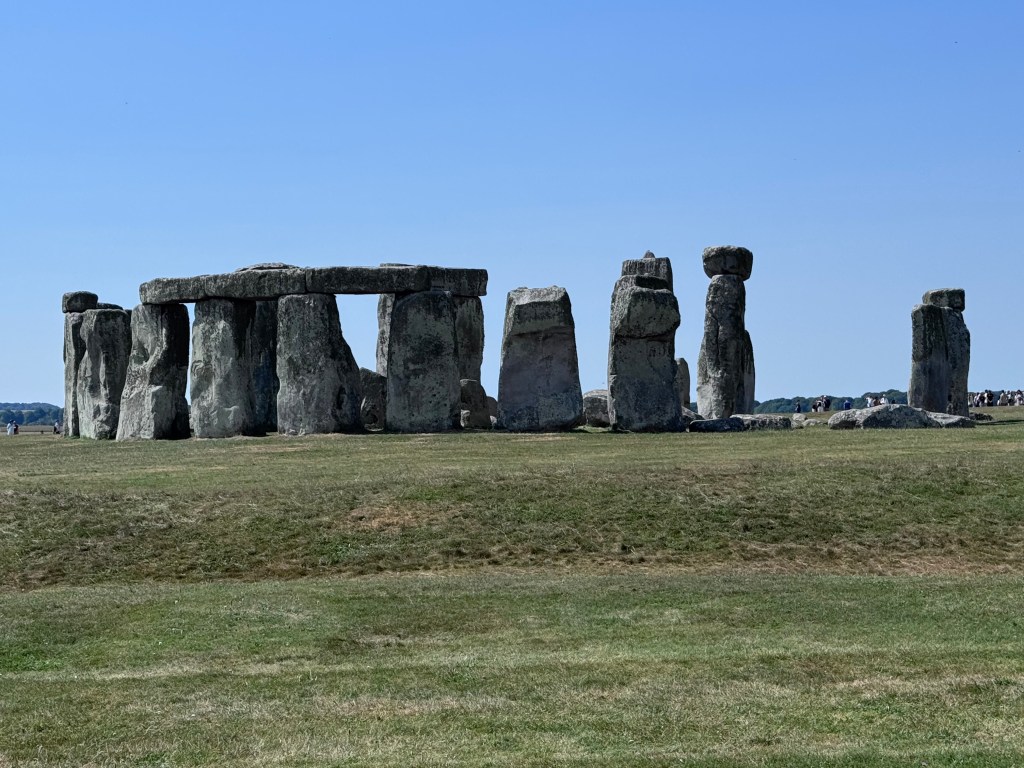
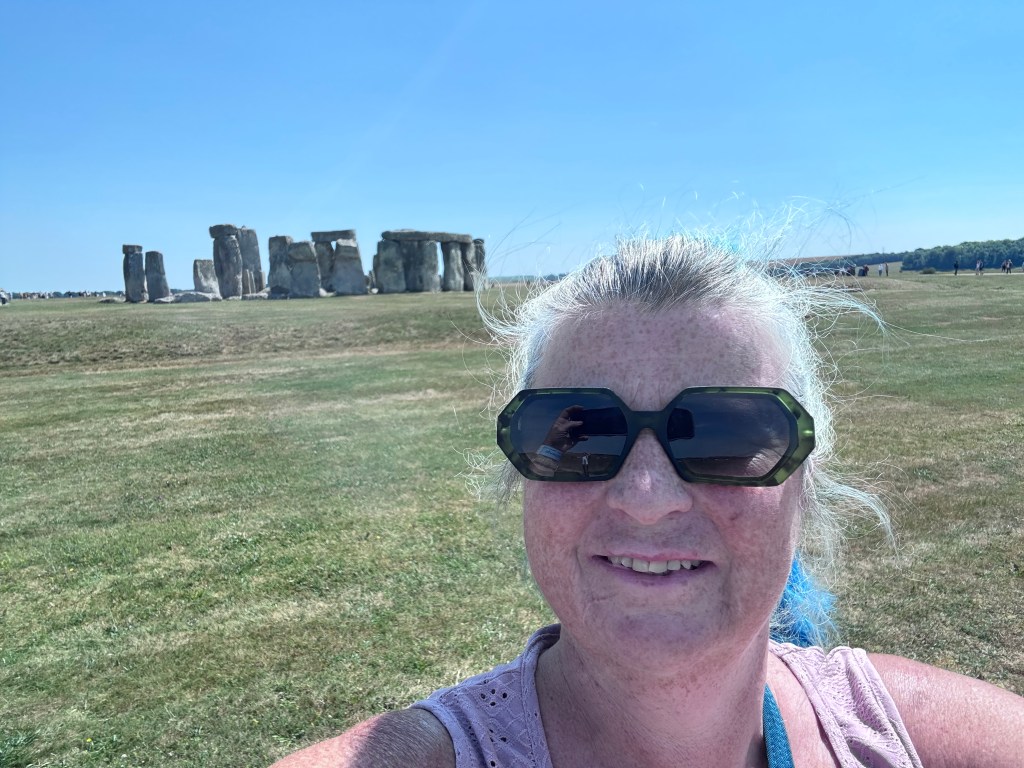
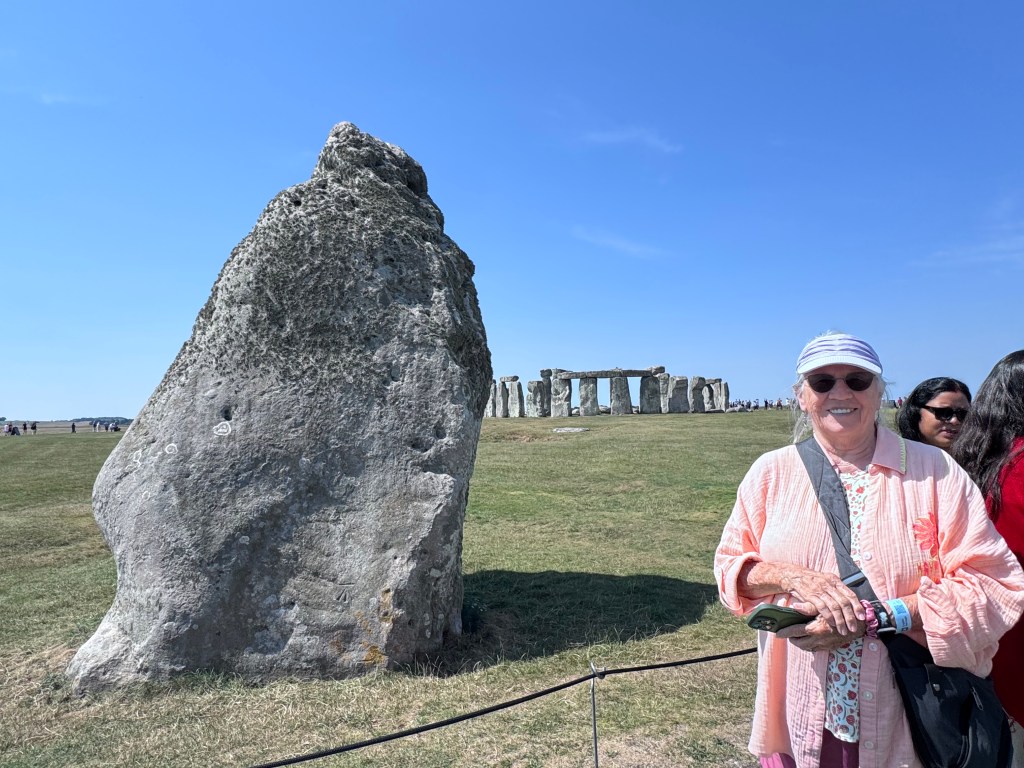
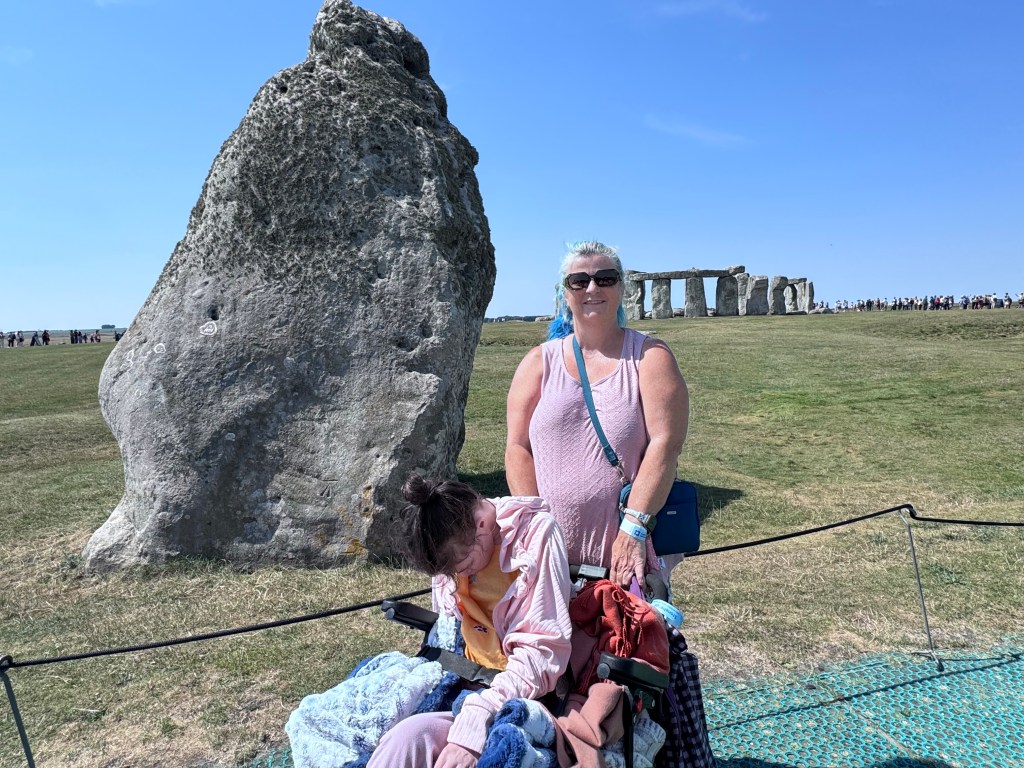
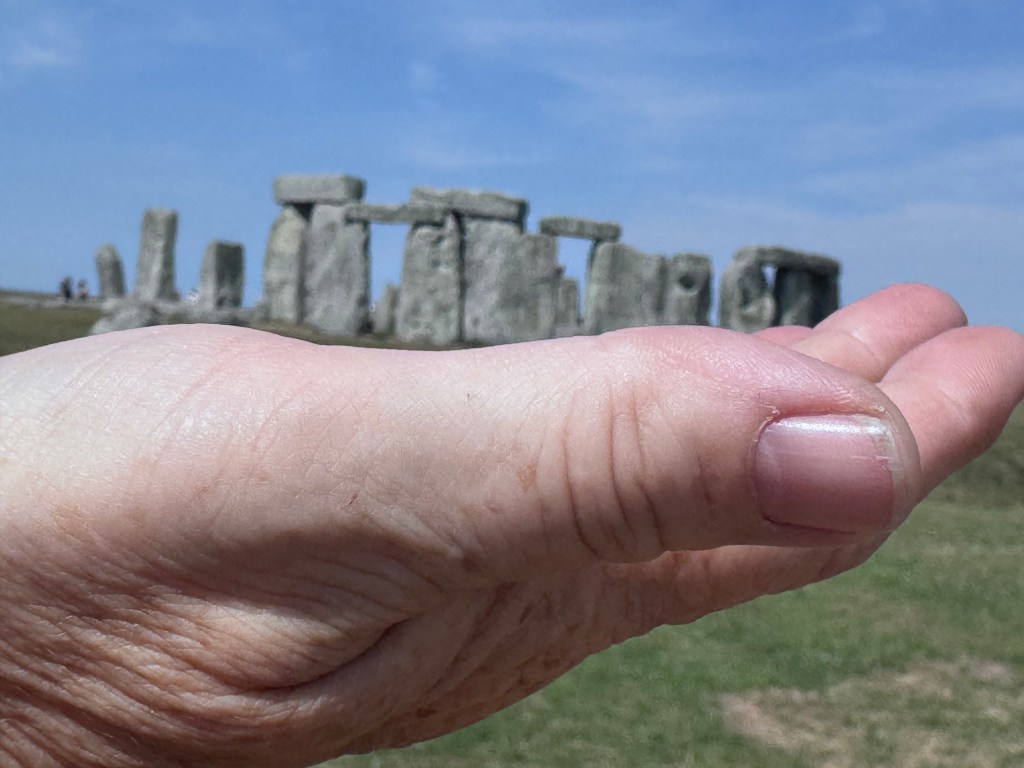
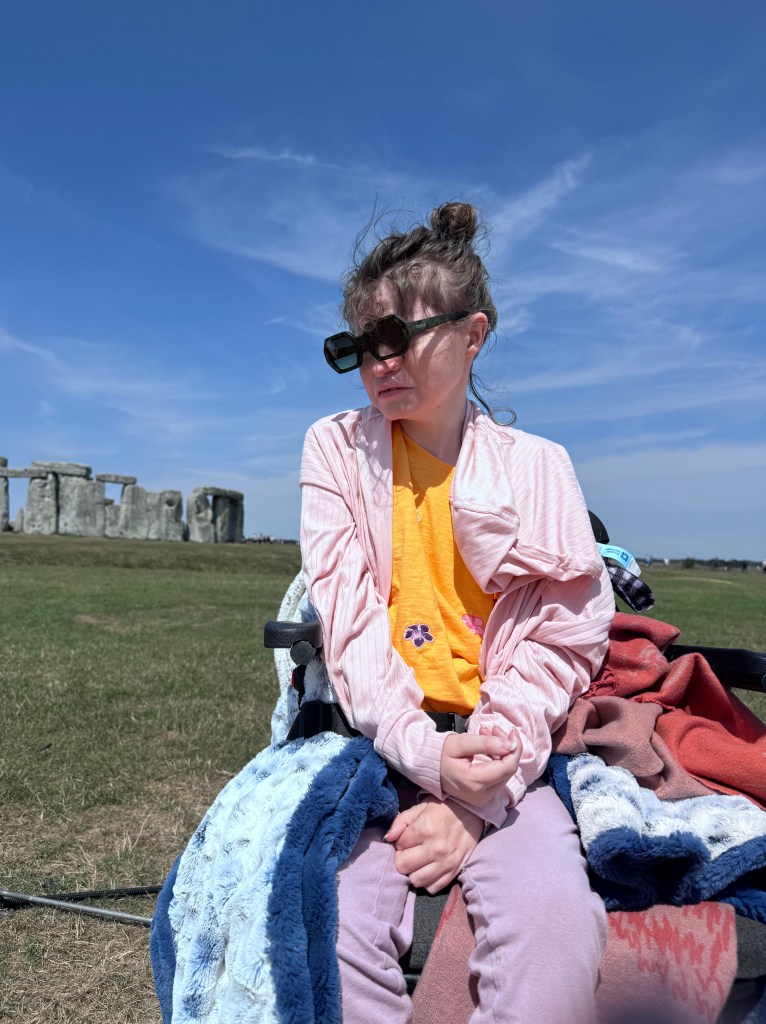
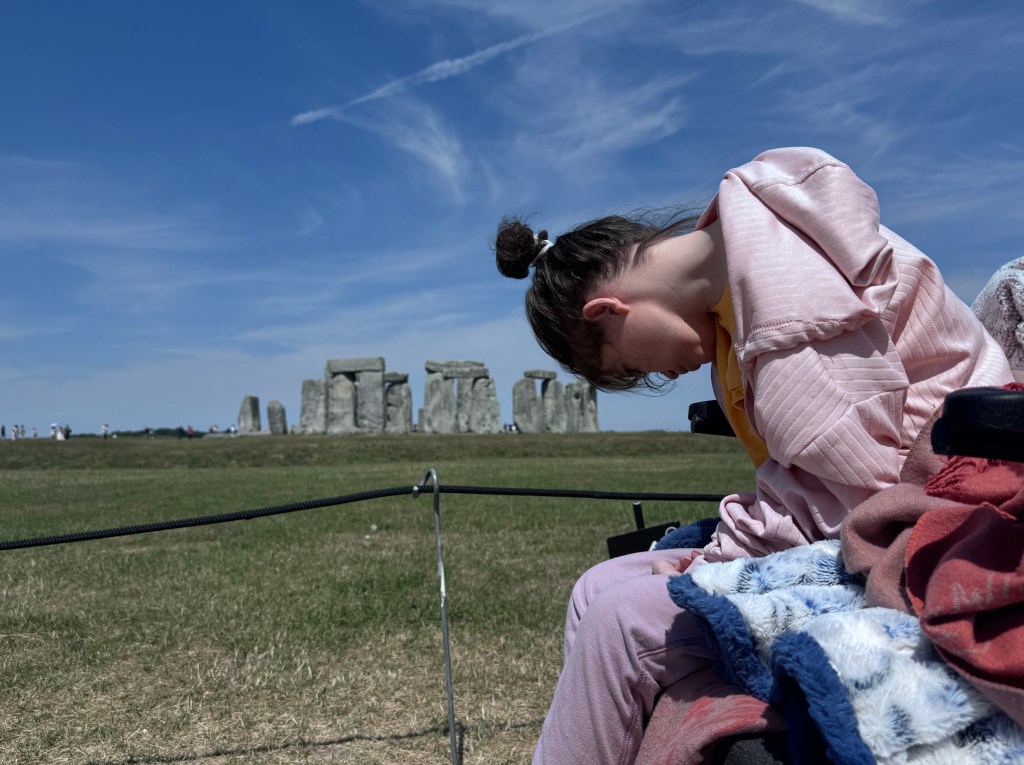
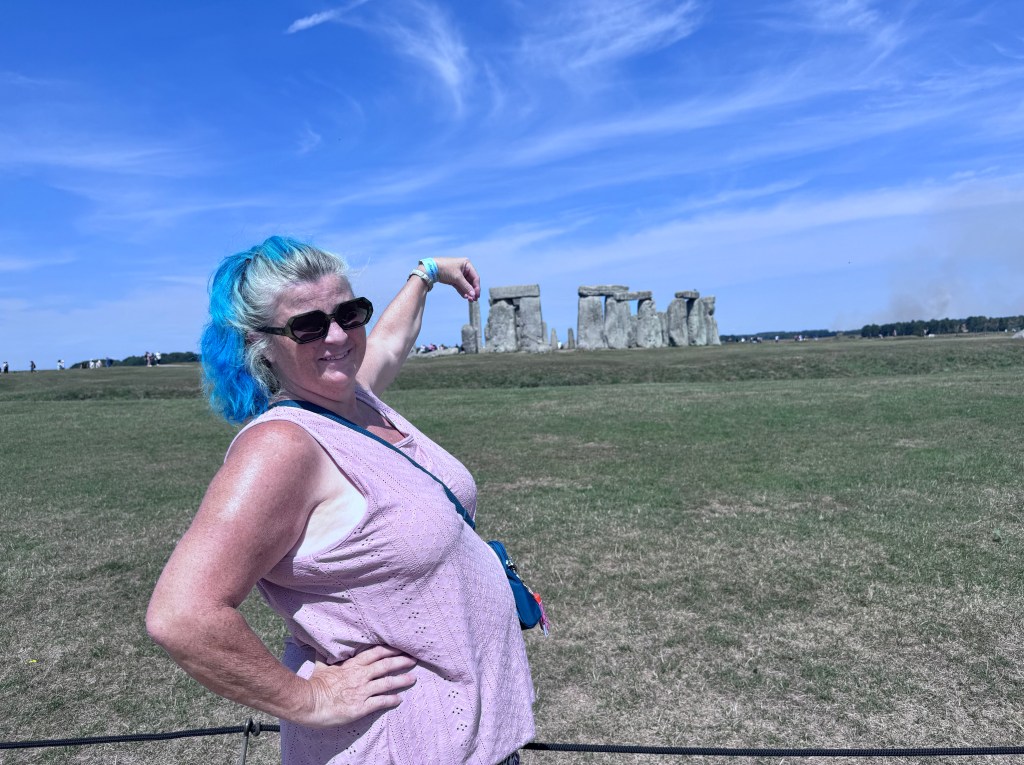
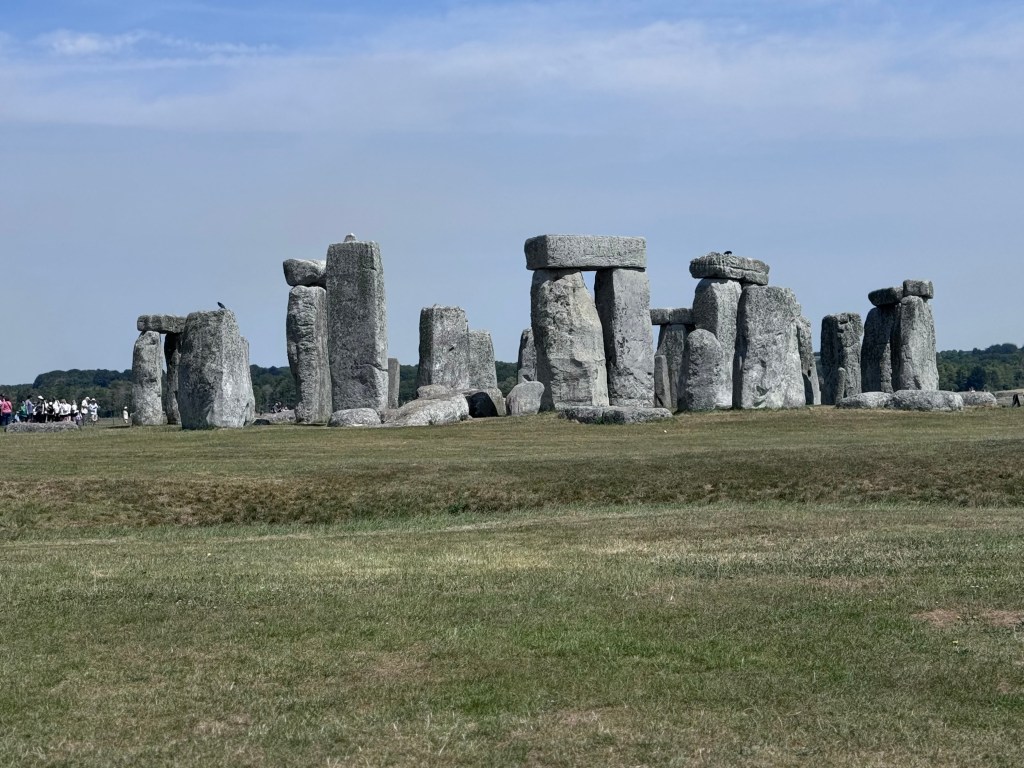
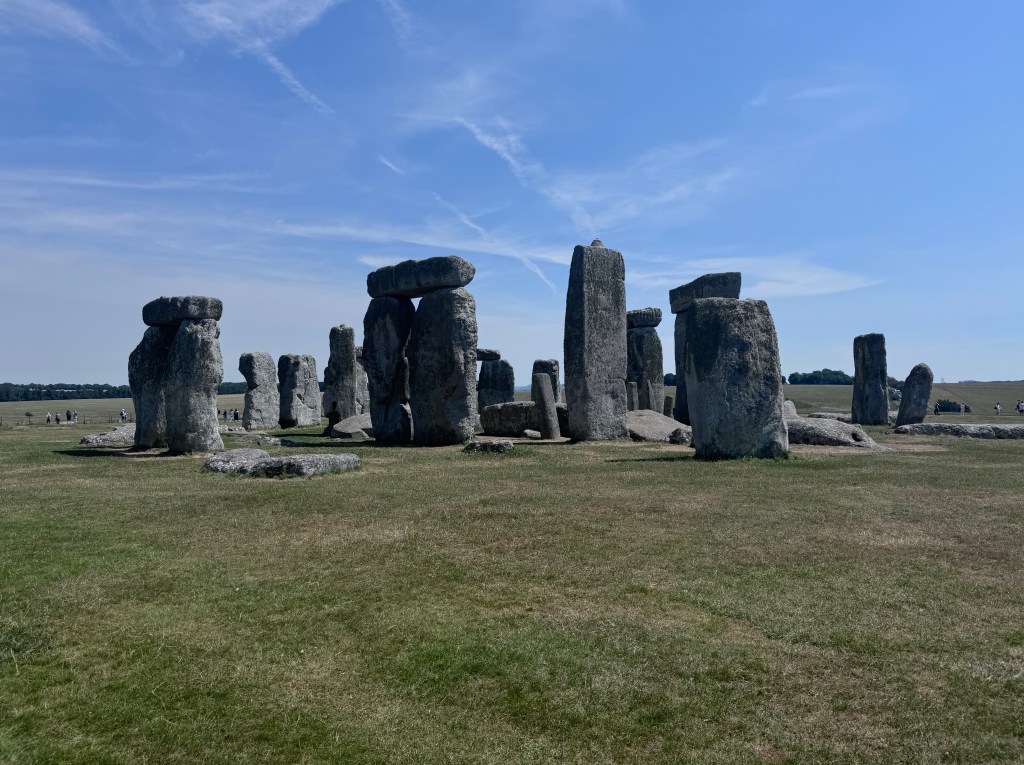
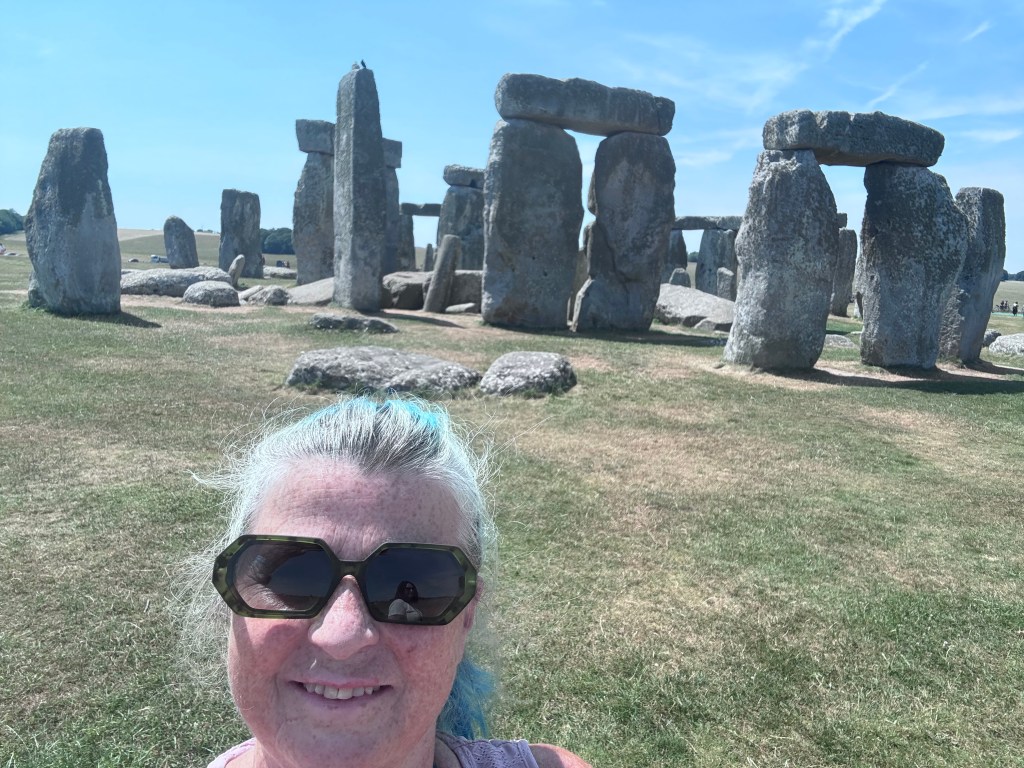
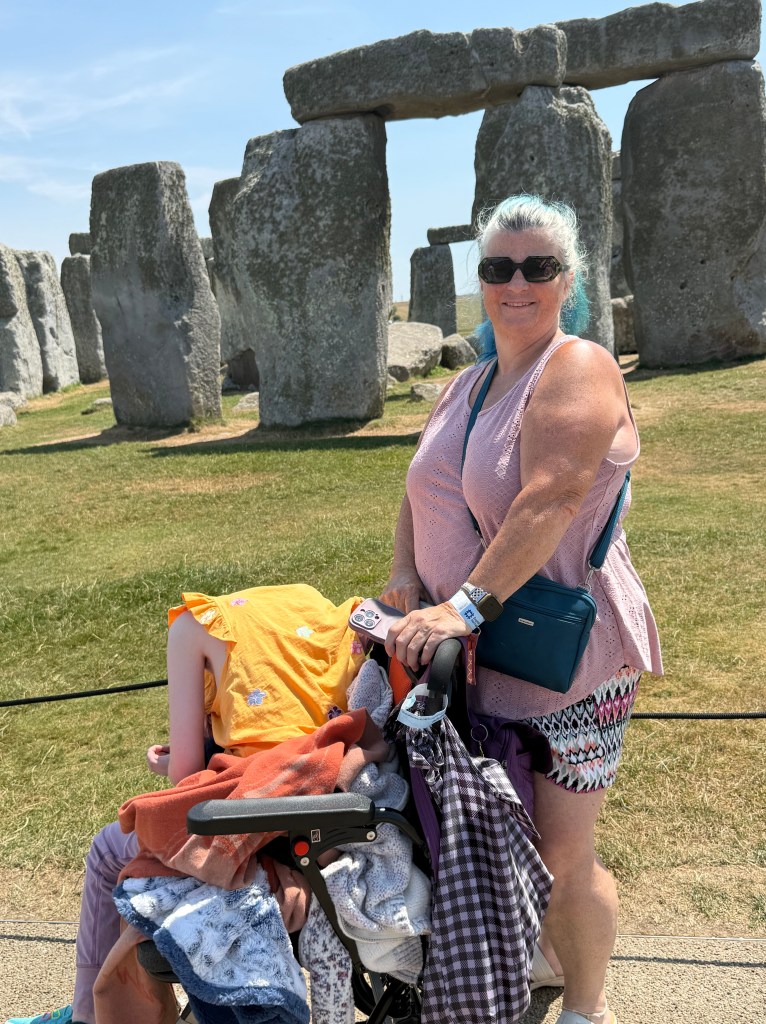
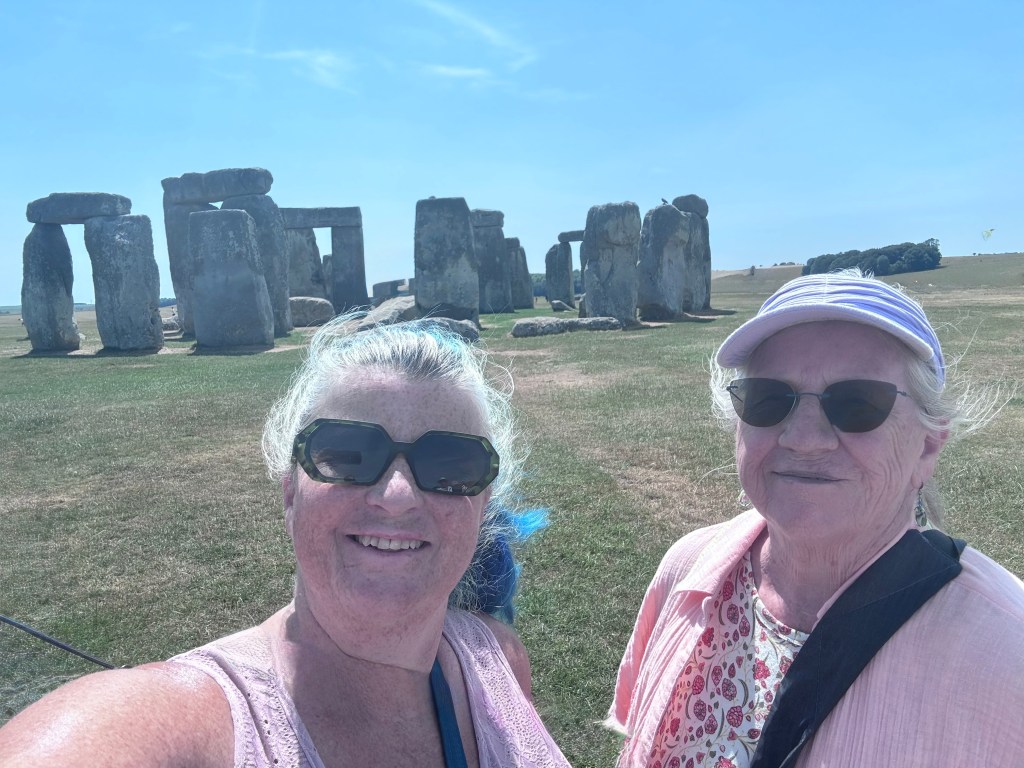
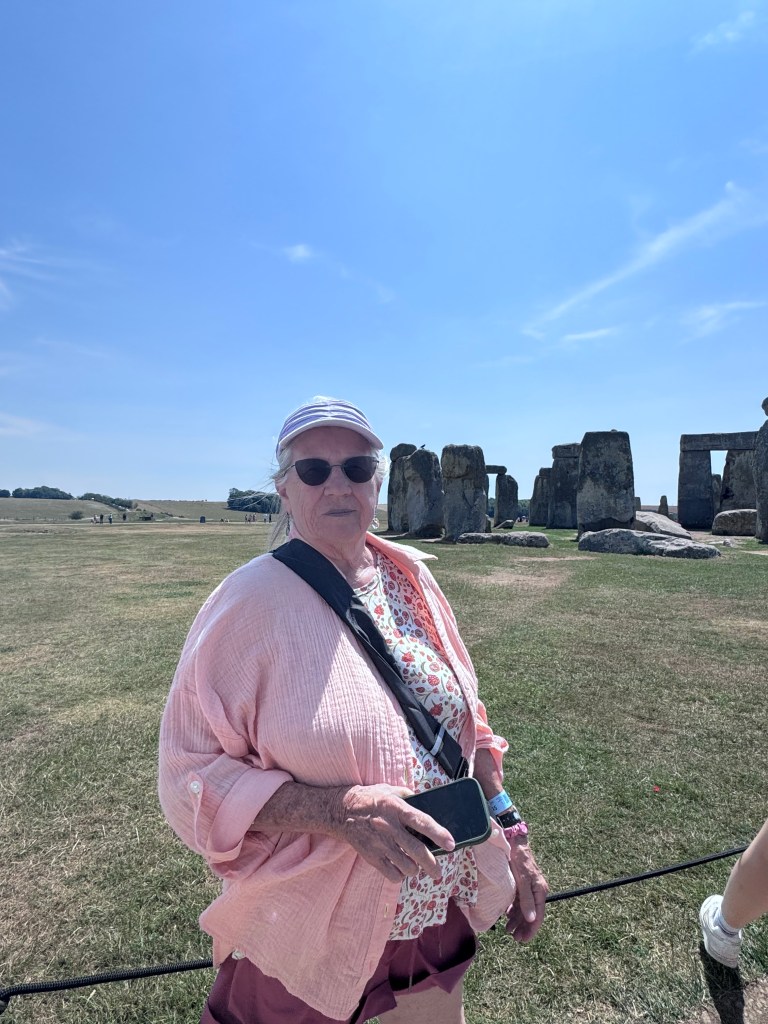
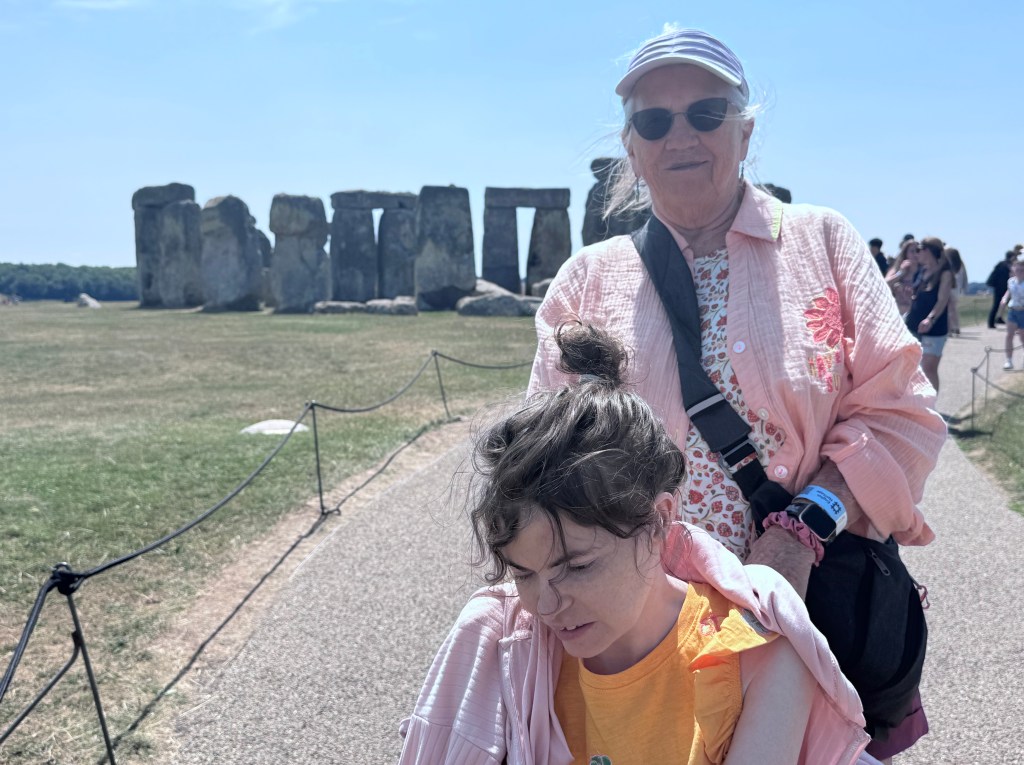
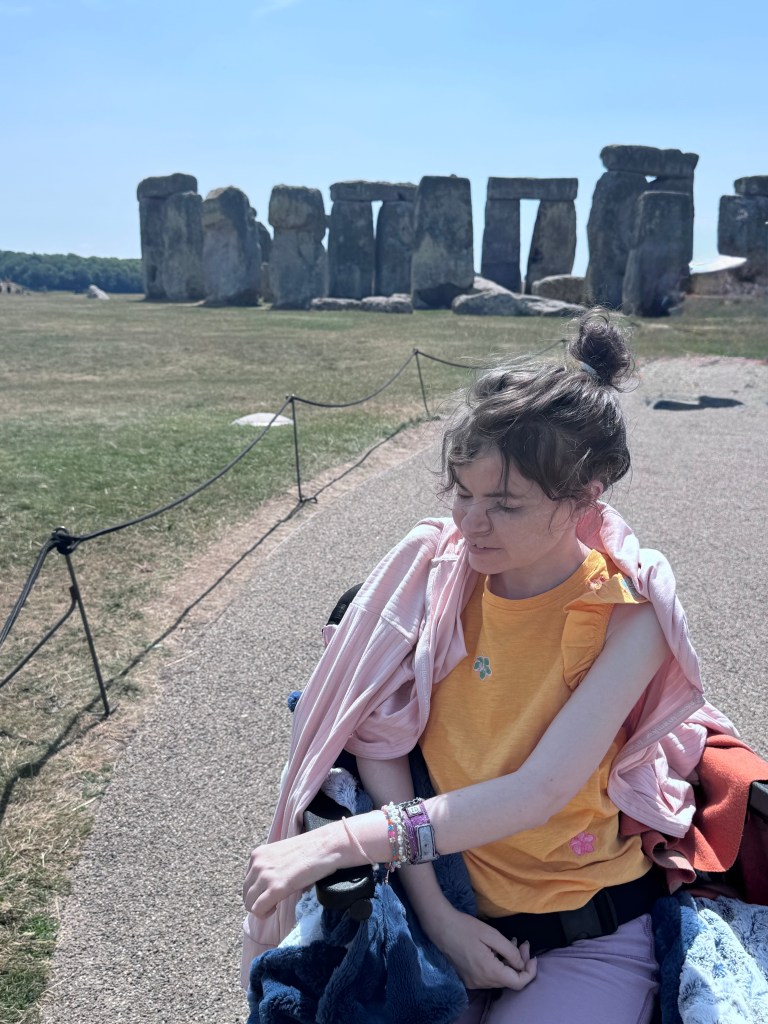
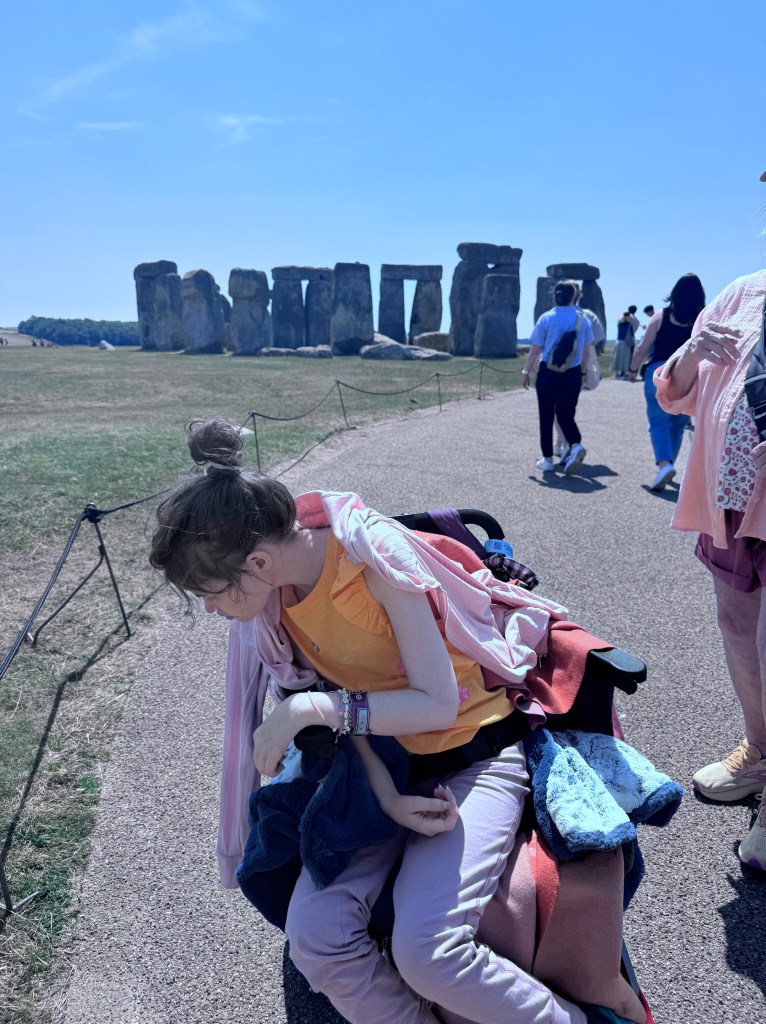
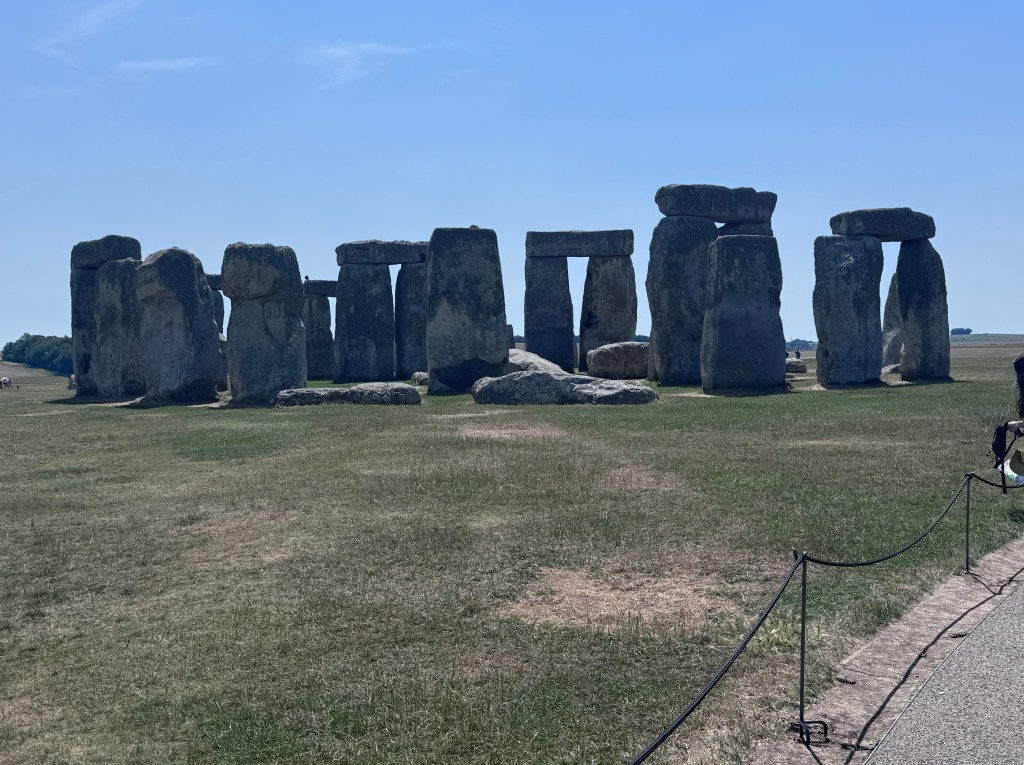
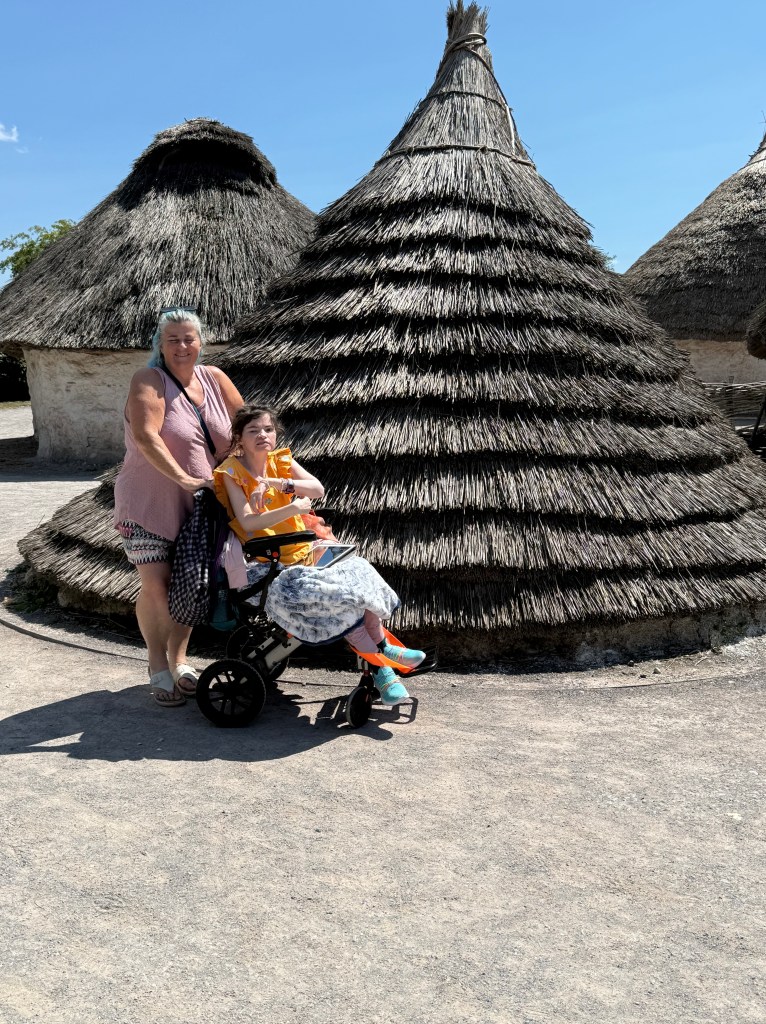
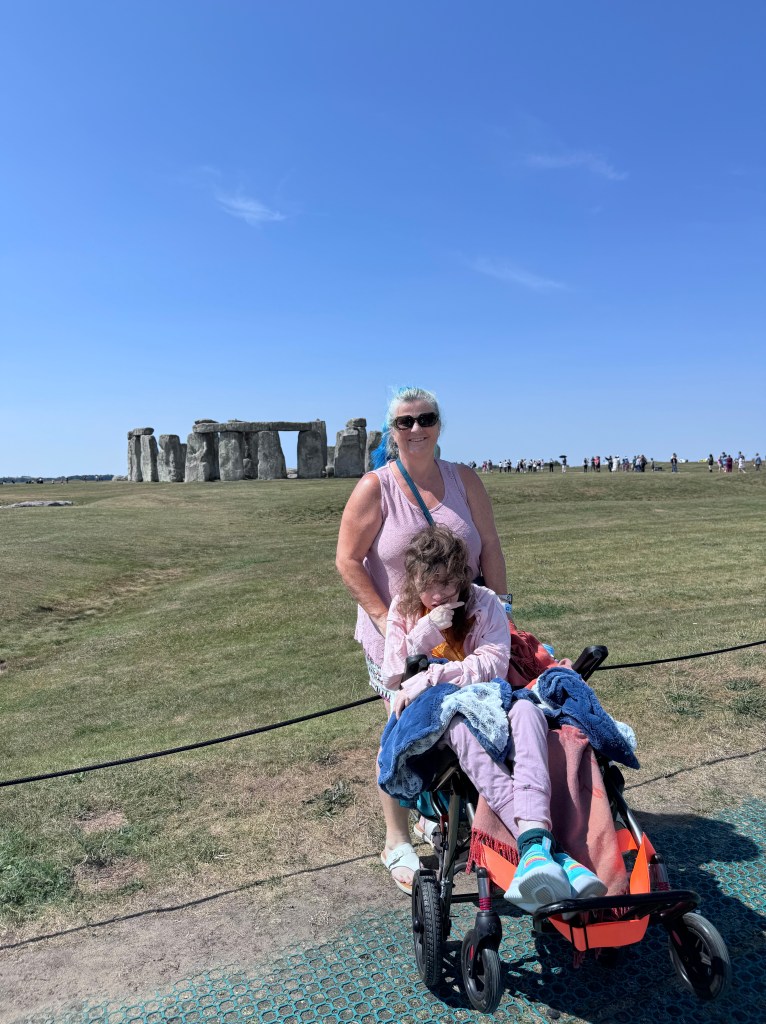
On July 3, we took the train to Salisbury to visit Stonehenge. What an incredible experience!

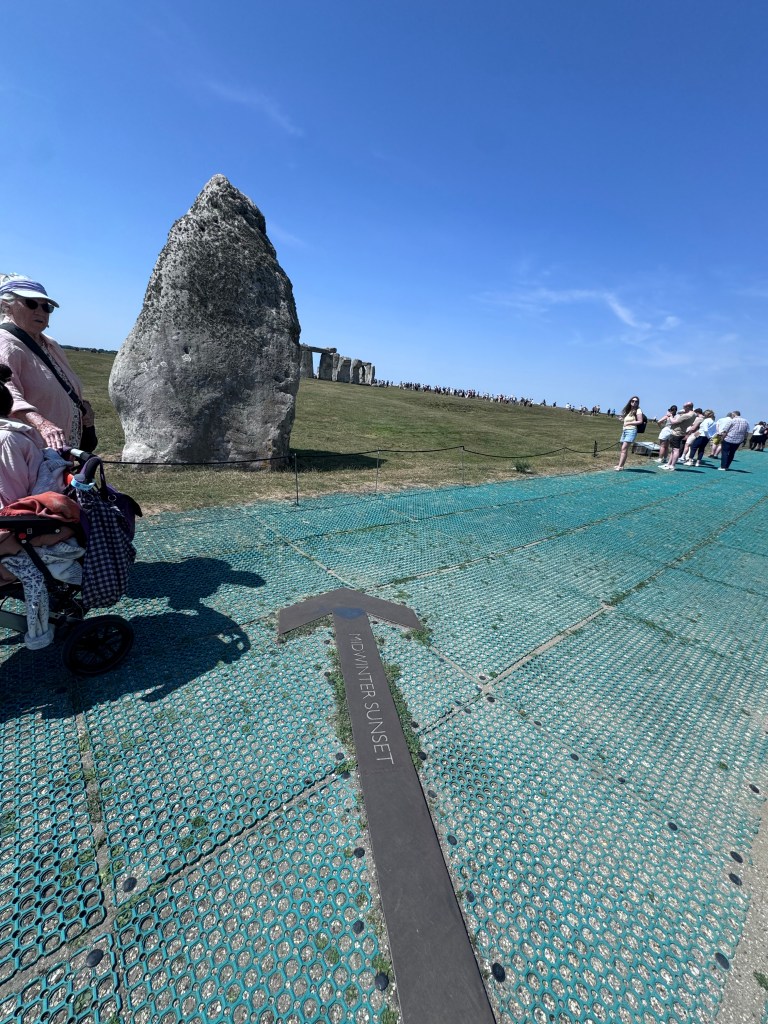
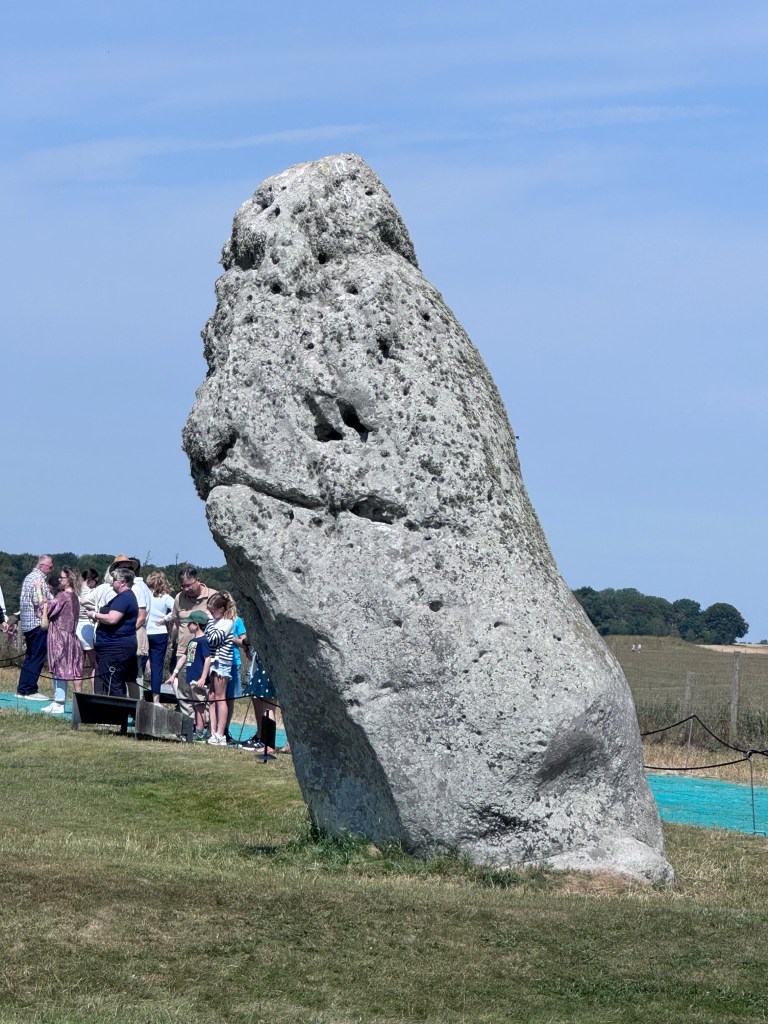
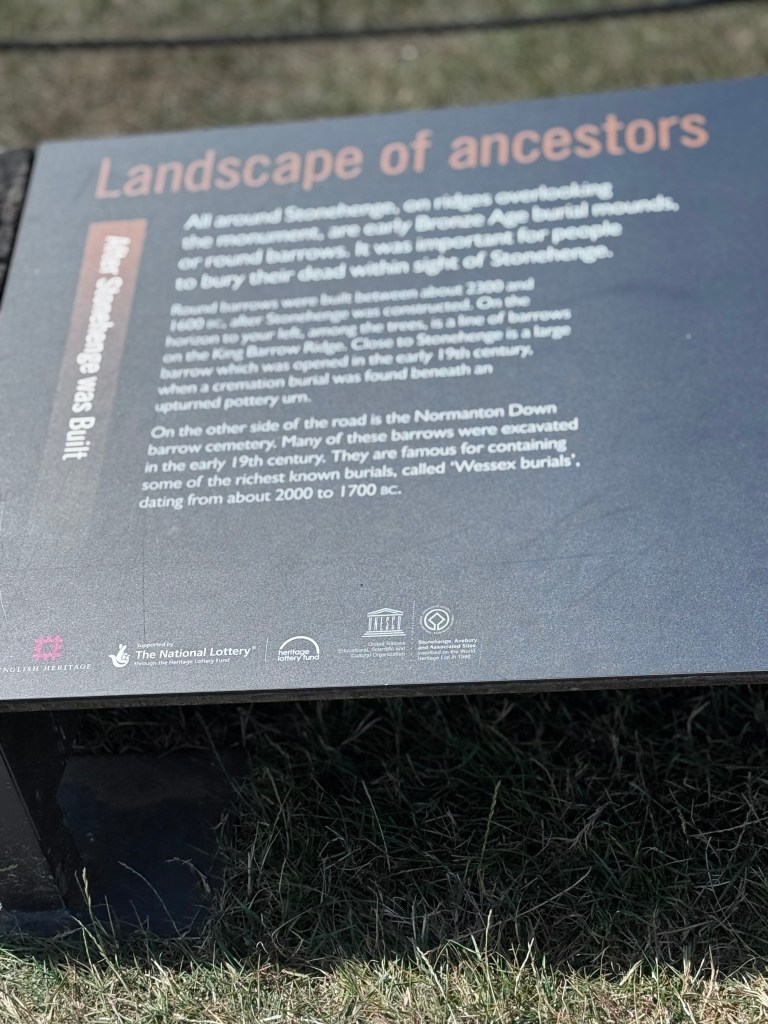
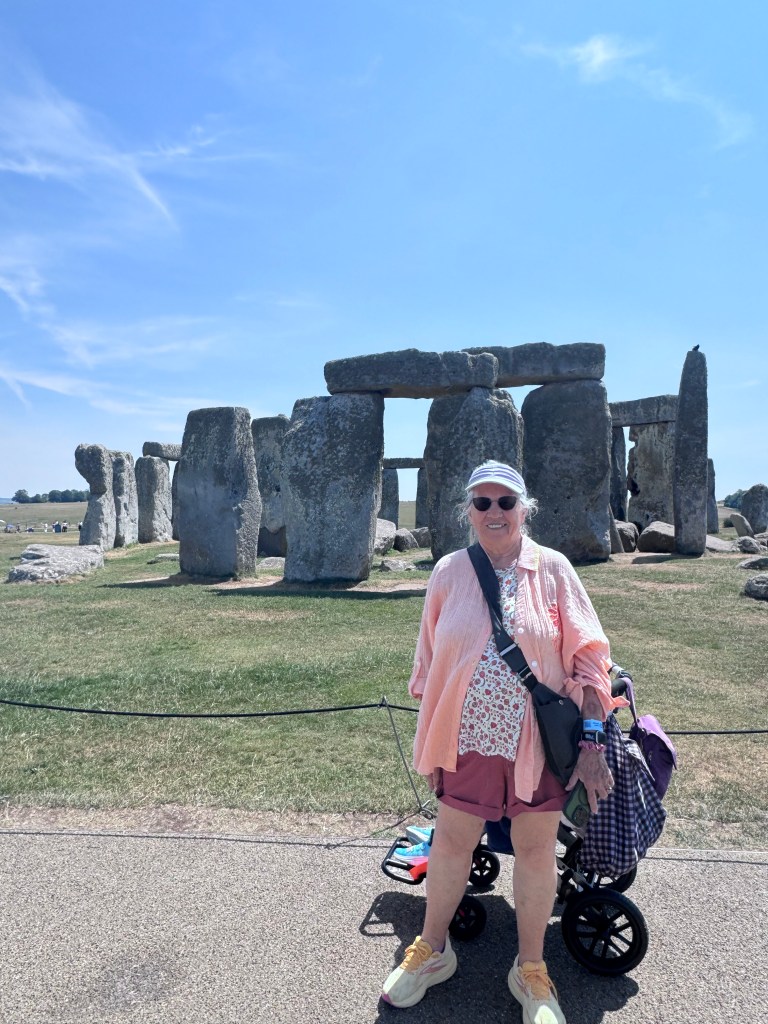
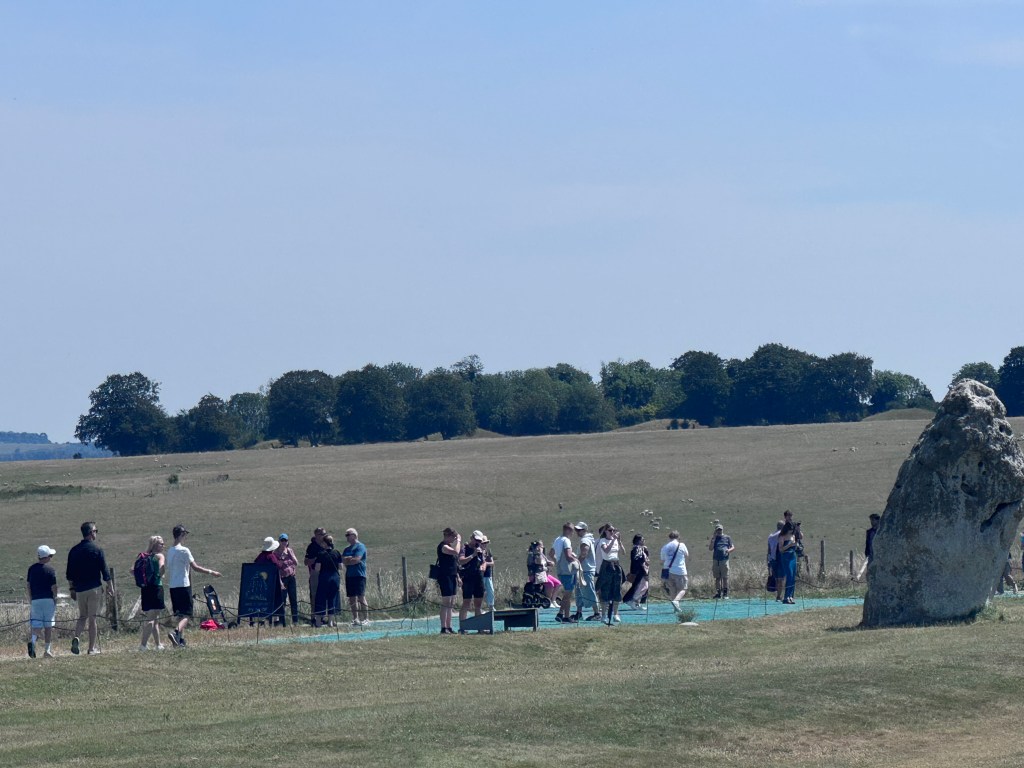
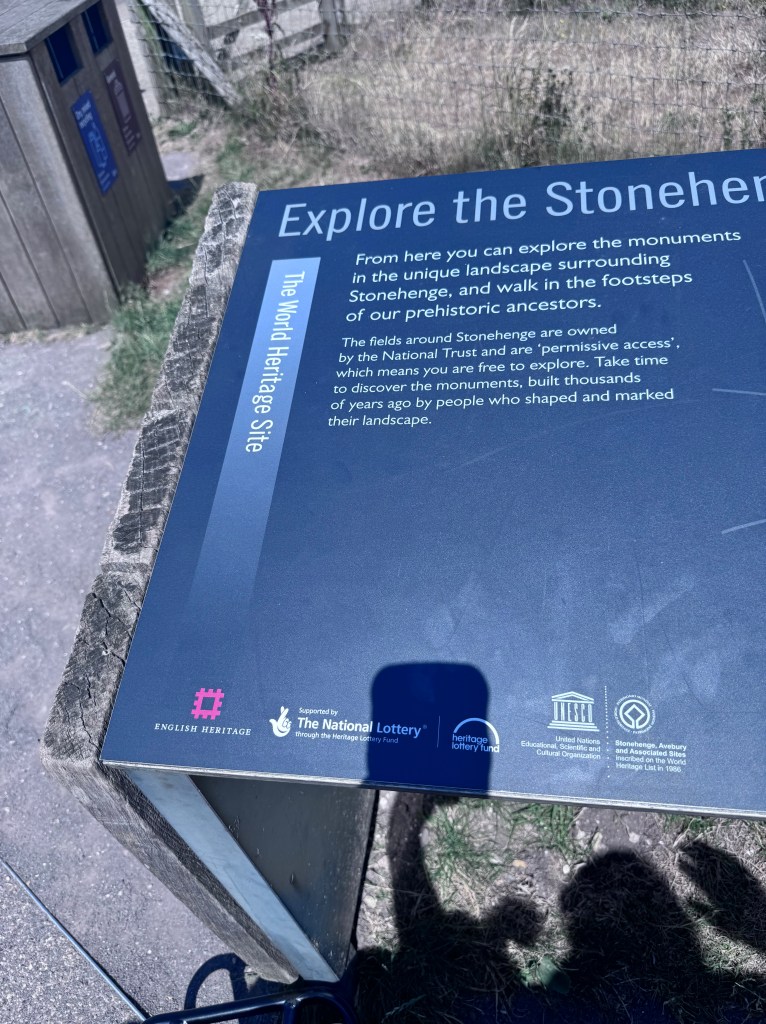
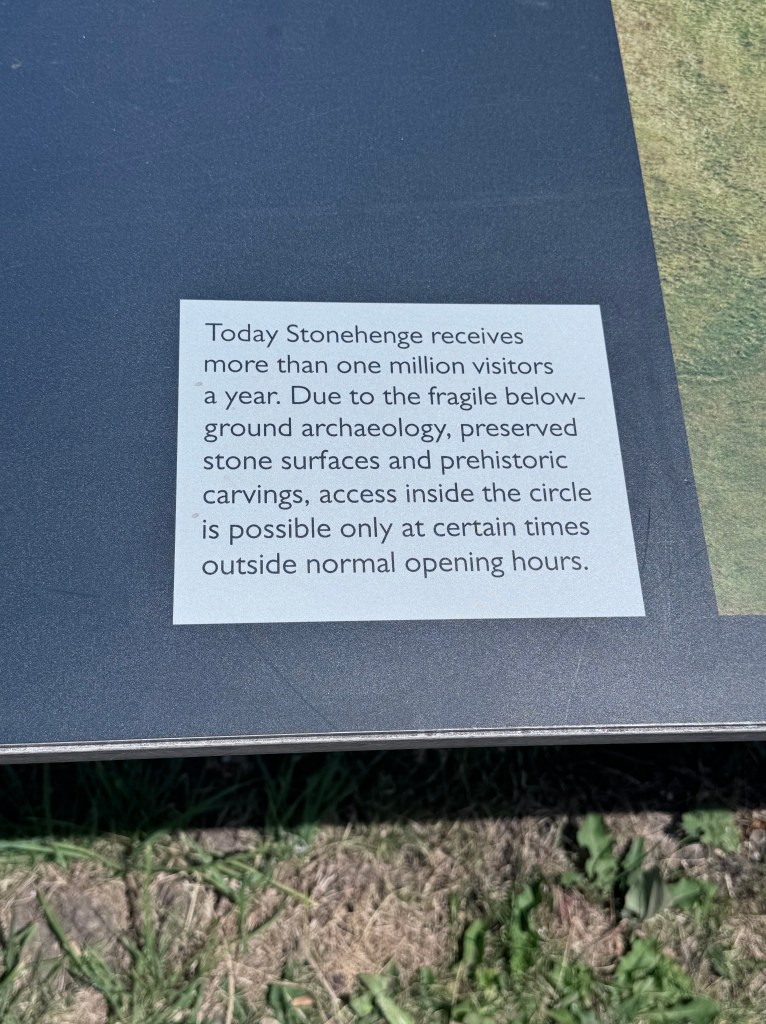
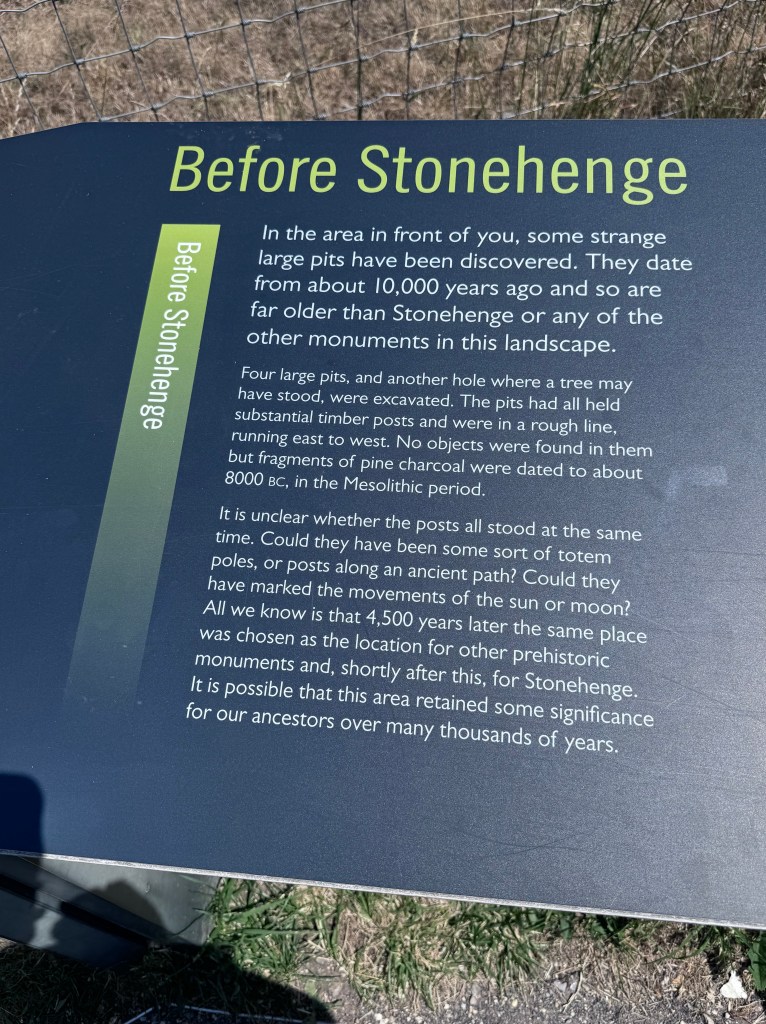
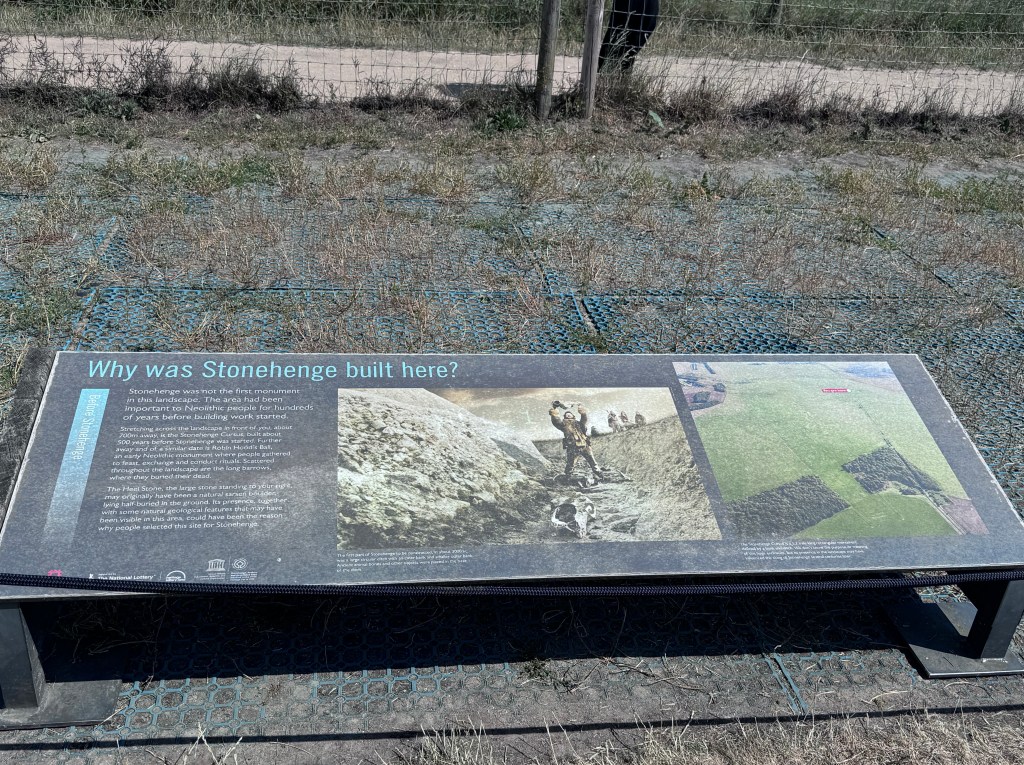
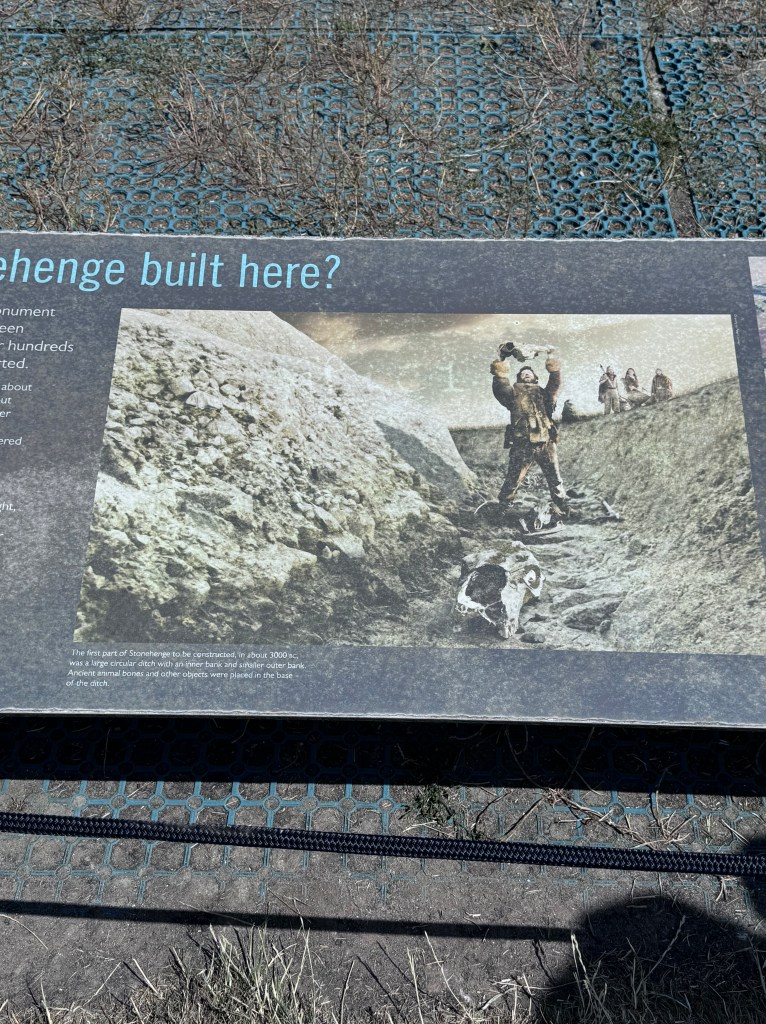
The bus from Salisbury to Stonehenge included a running commentary about the surrounding countryside, villages, archaeology, and local history. We arrived around 11:00 a.m. and decided to take the shuttle directly to the stones while there was still some cloud cover. In hindsight, I wish we had visited the exhibition first. Understanding the burial mounds, ceremonial landscape, and the relationship between the monuments would have made our first walk around the stones even more meaningful.

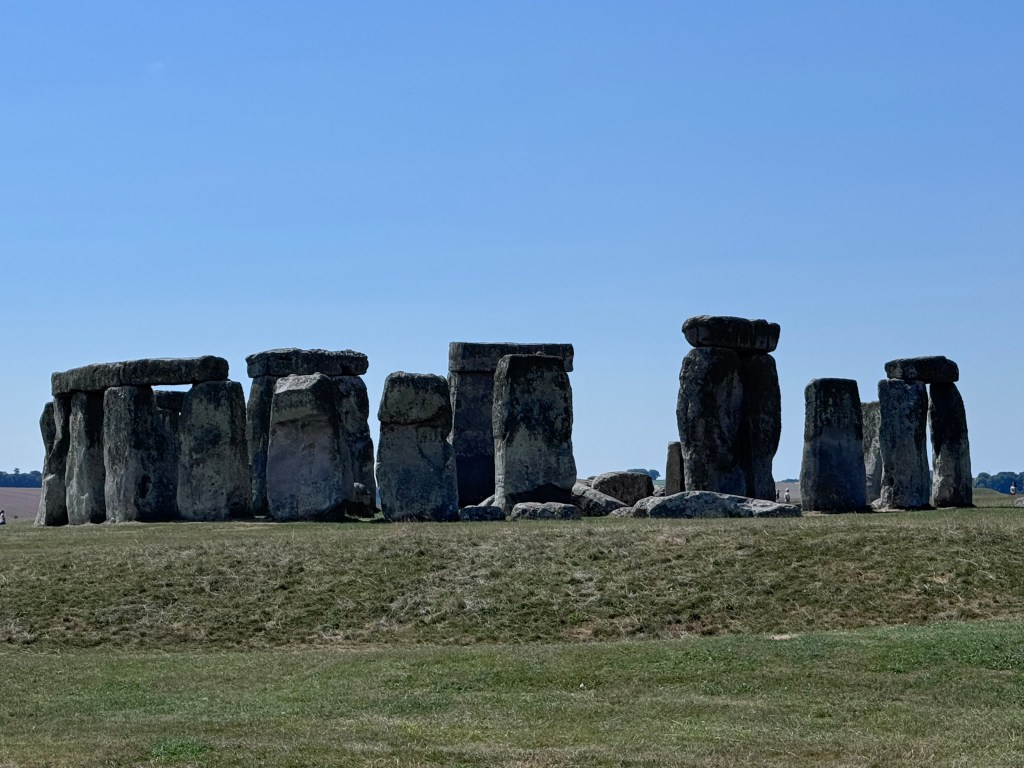
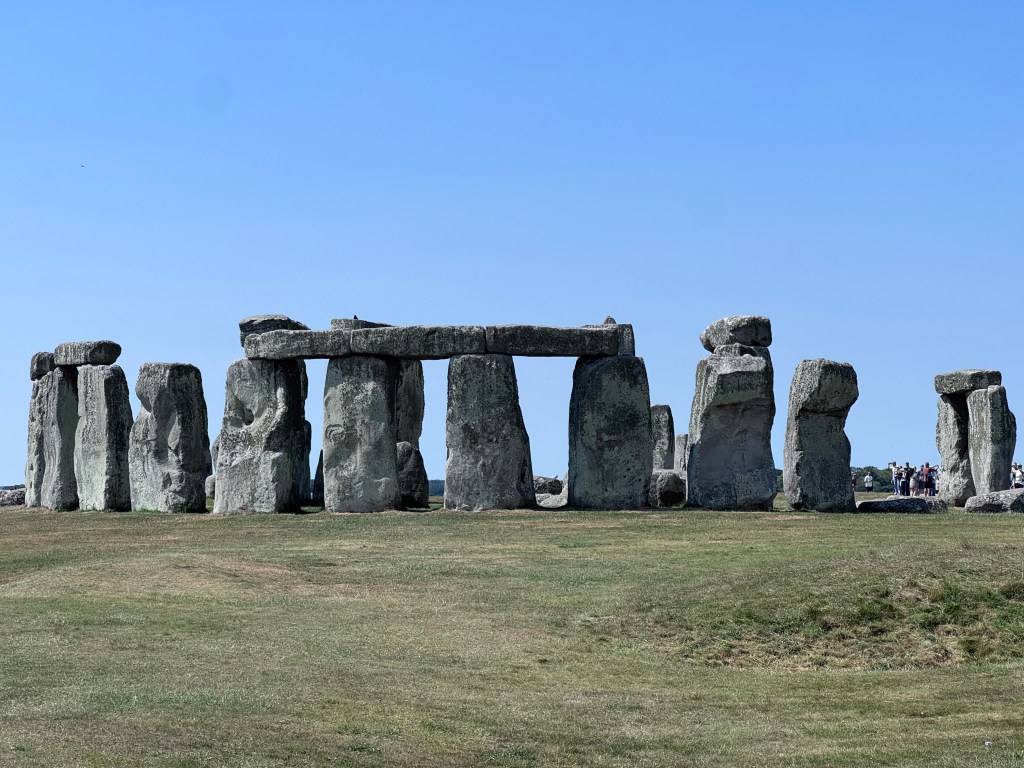
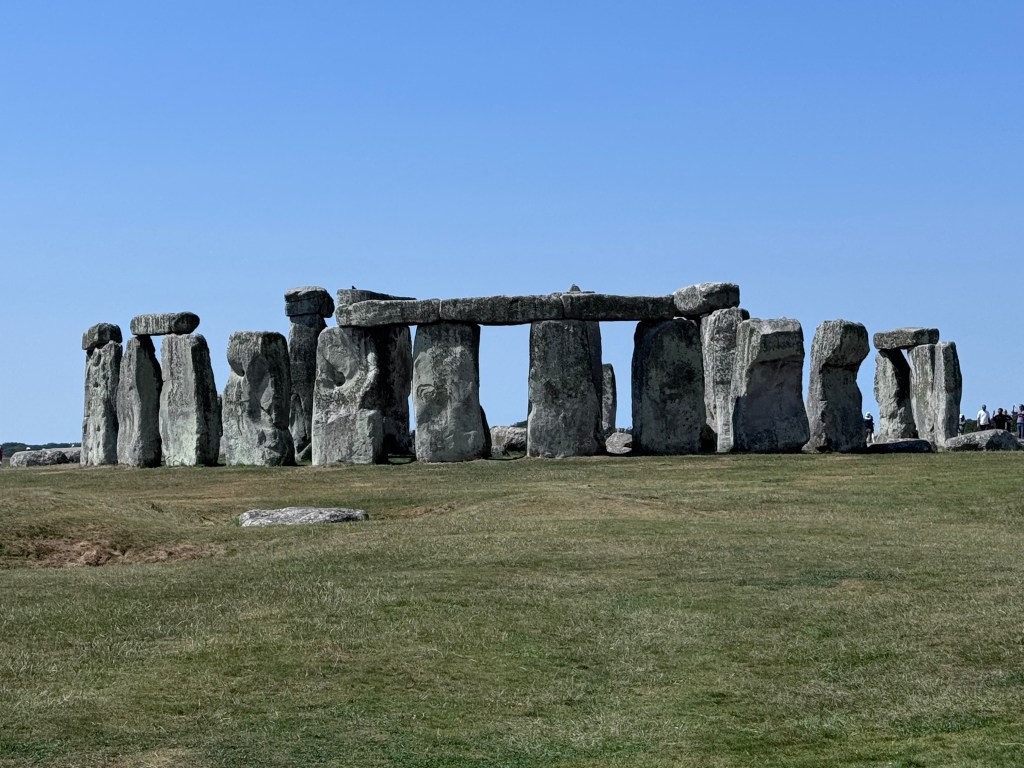
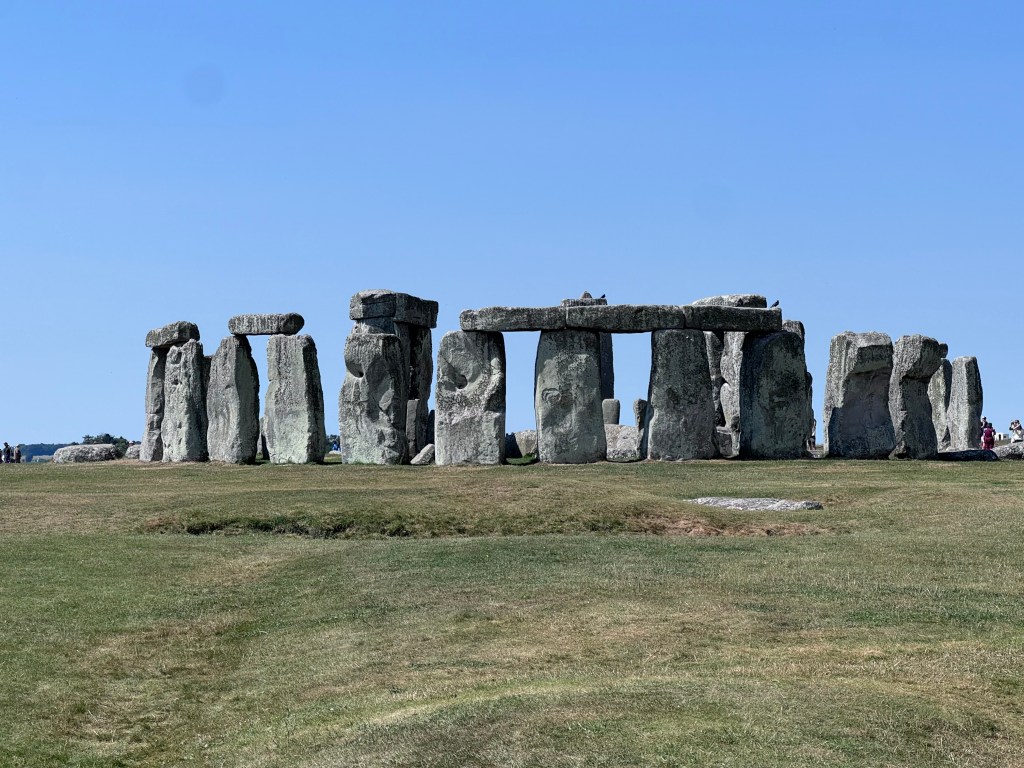
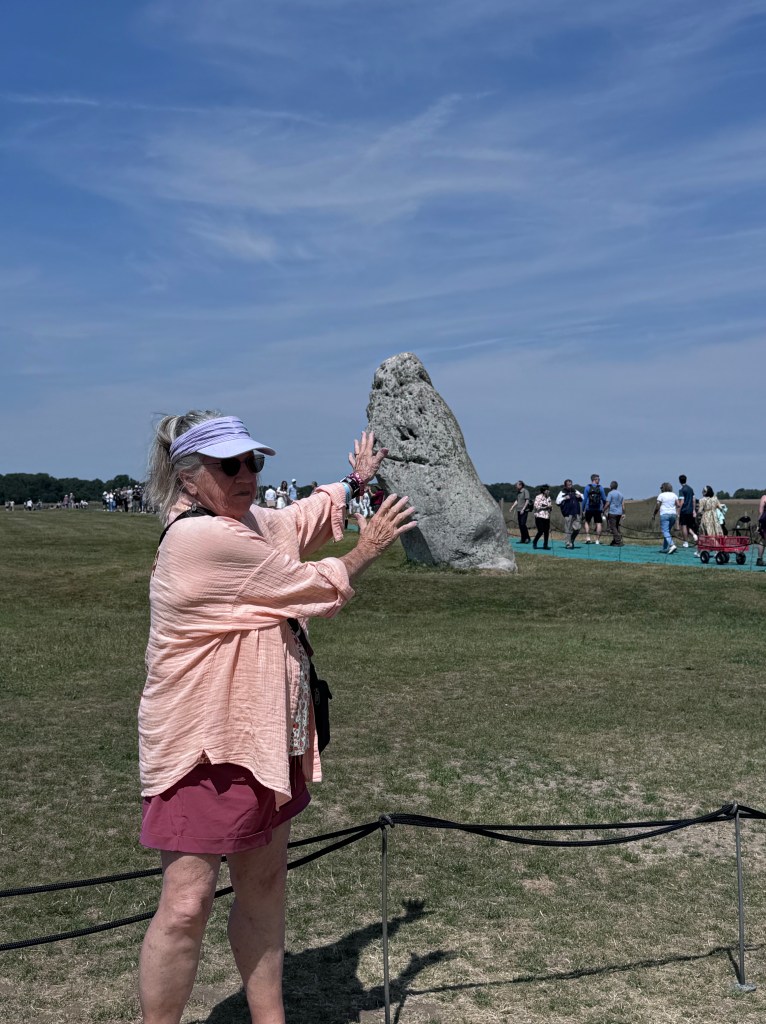
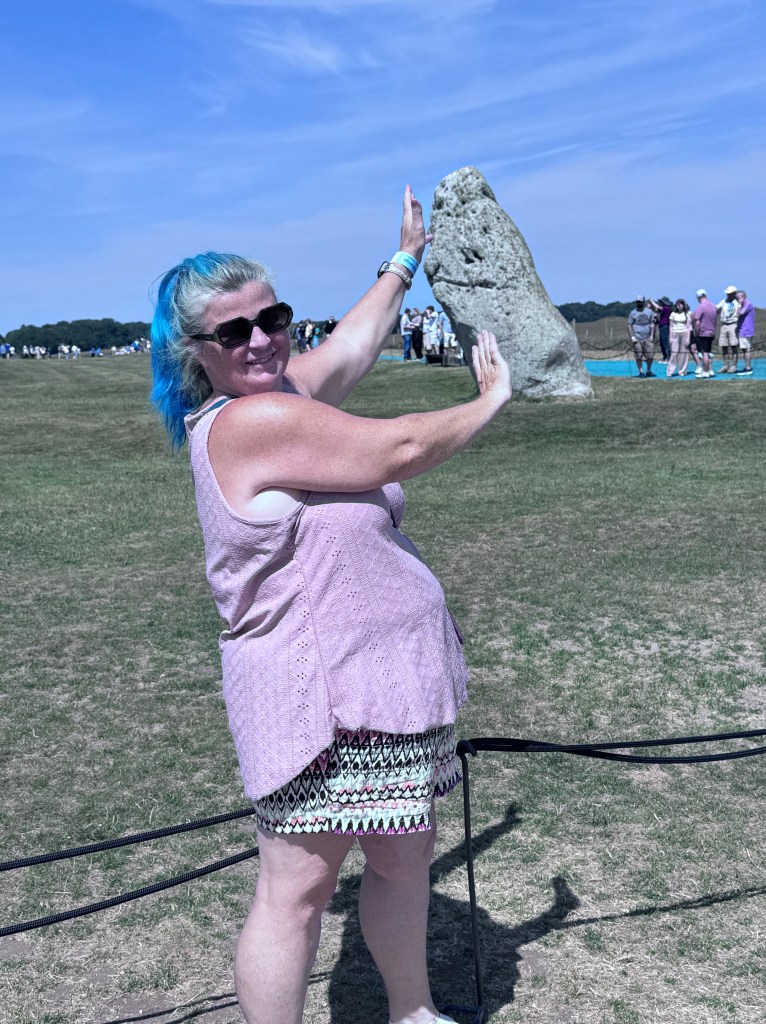
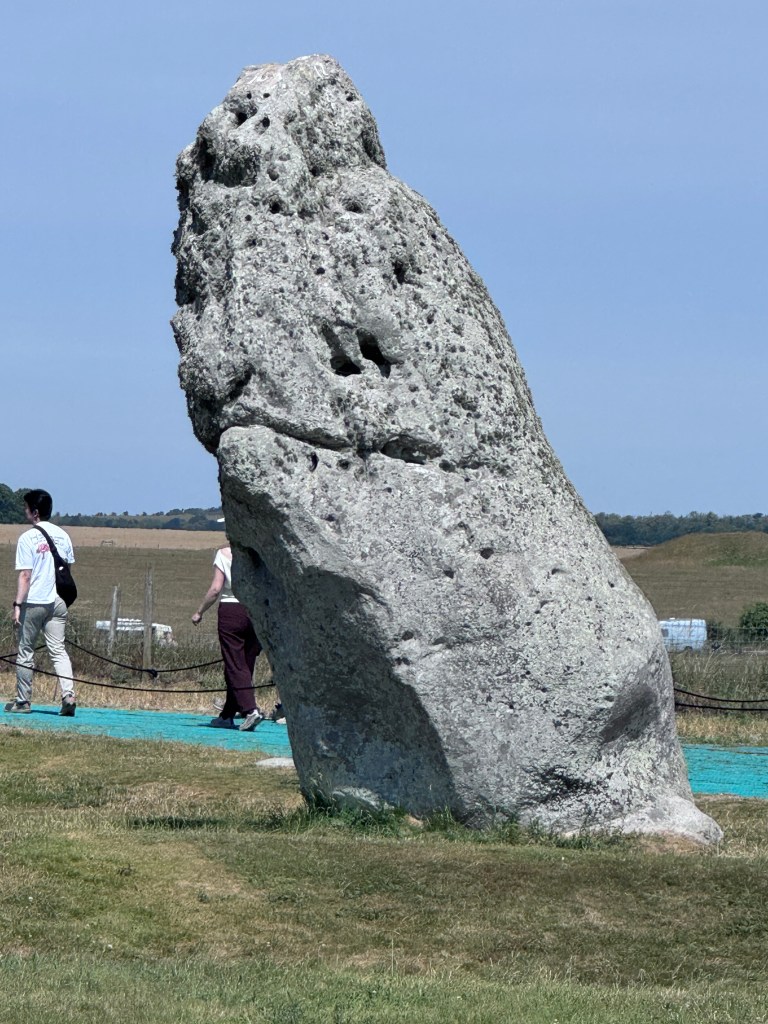
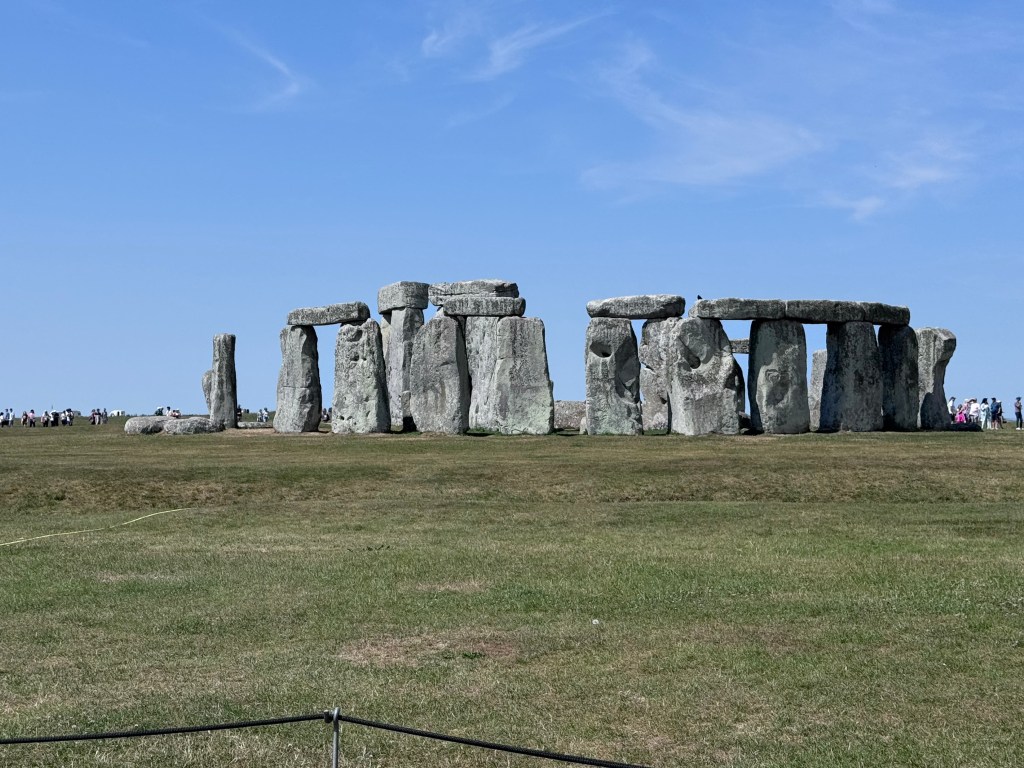
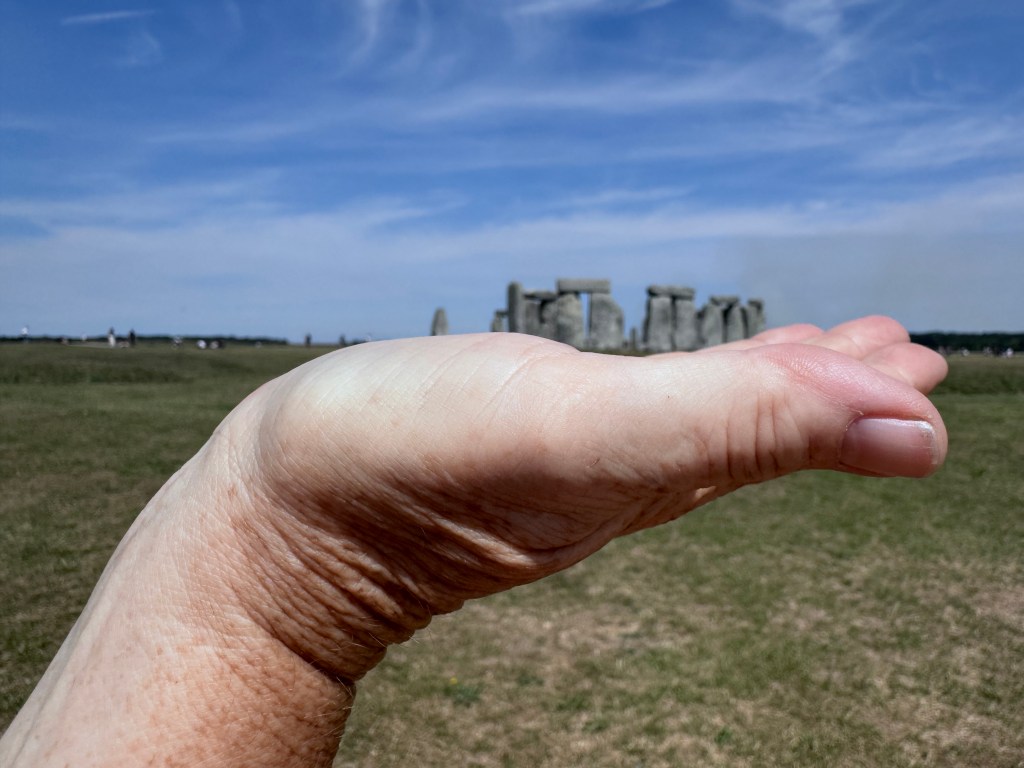
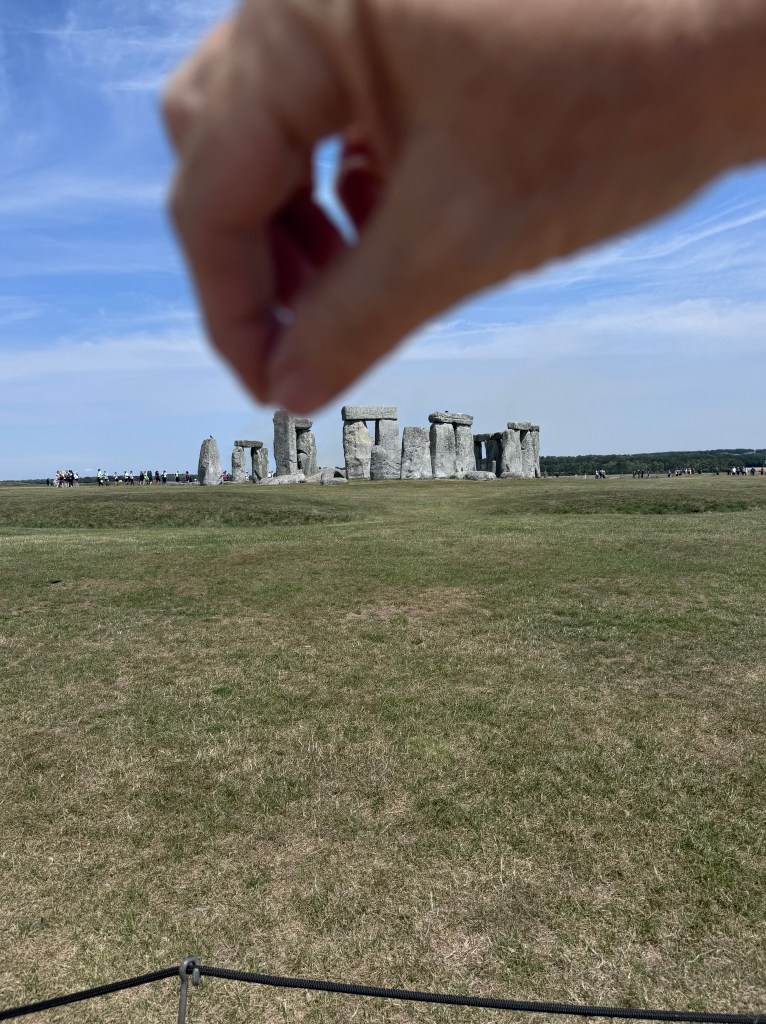
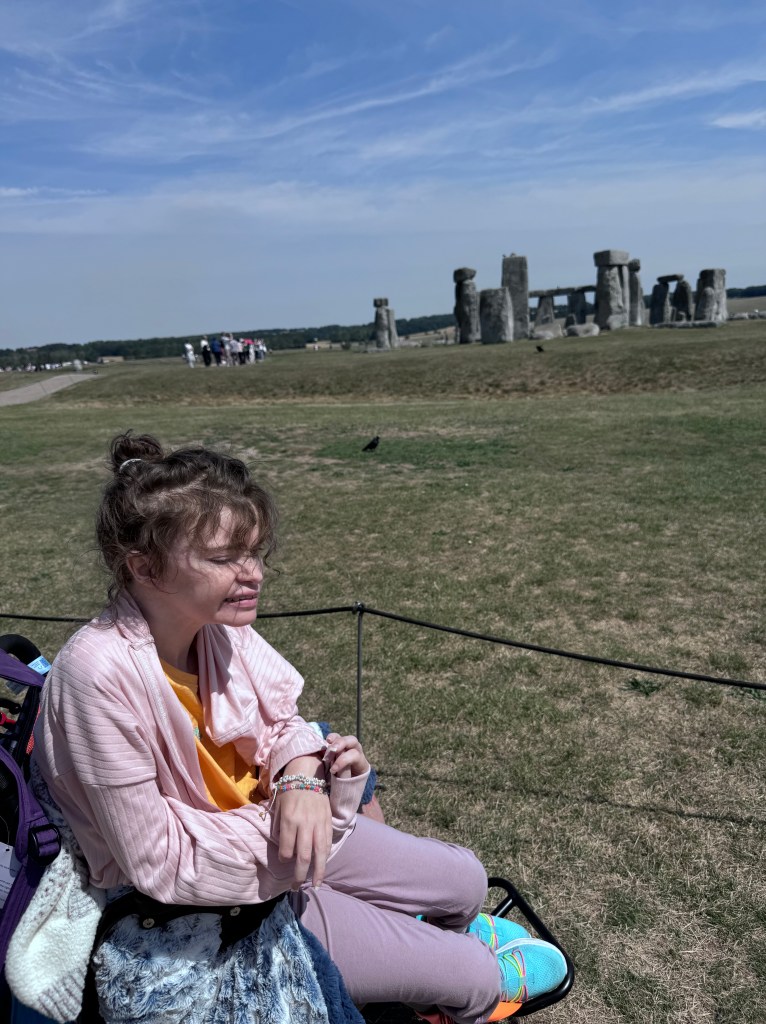
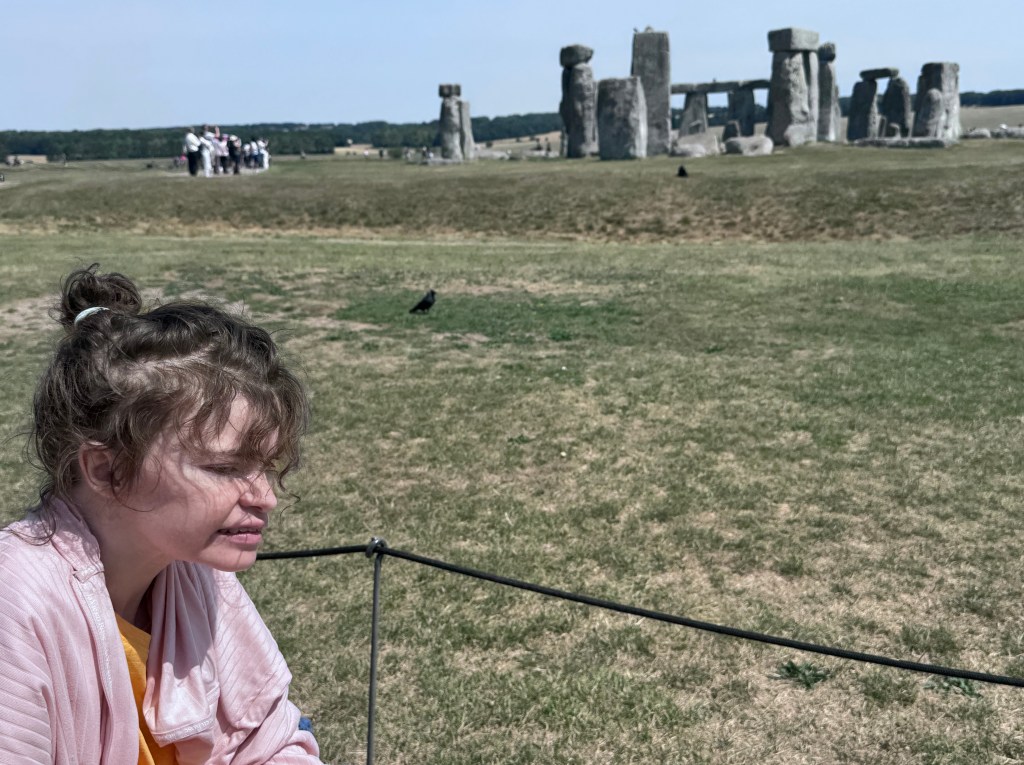
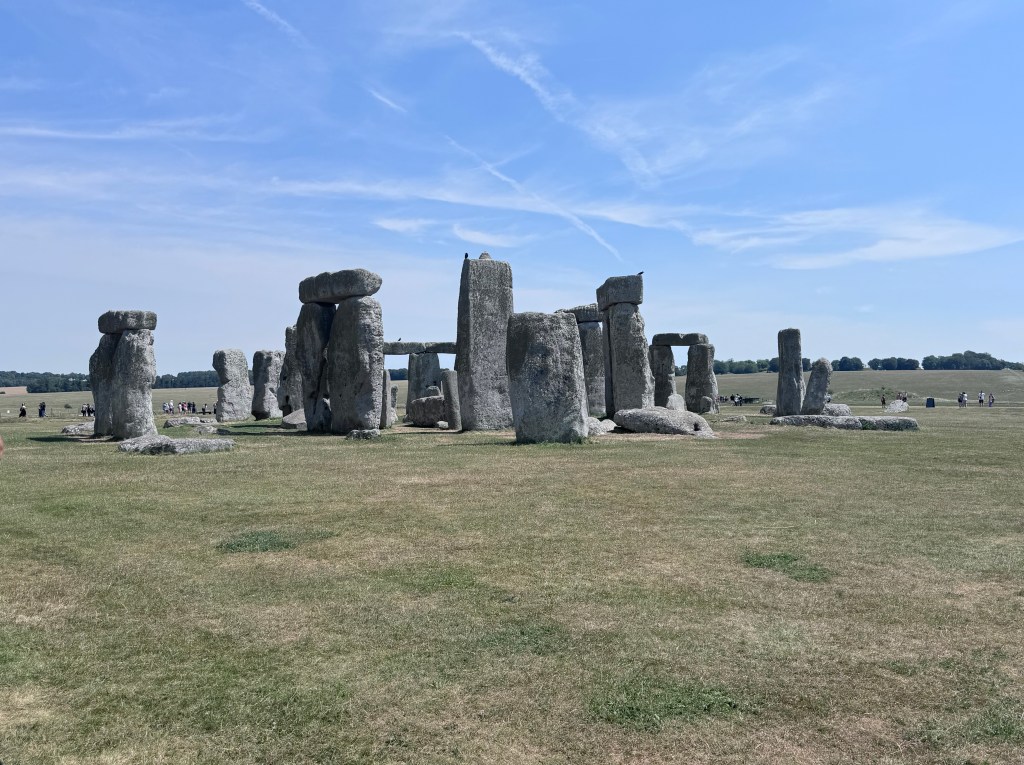
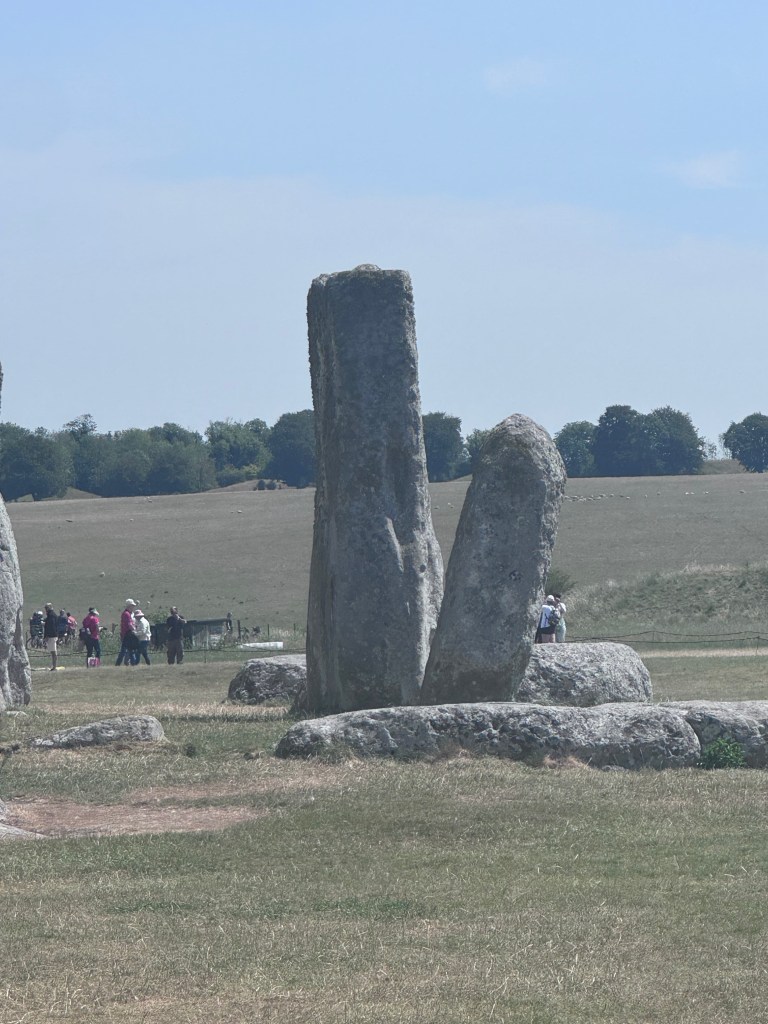
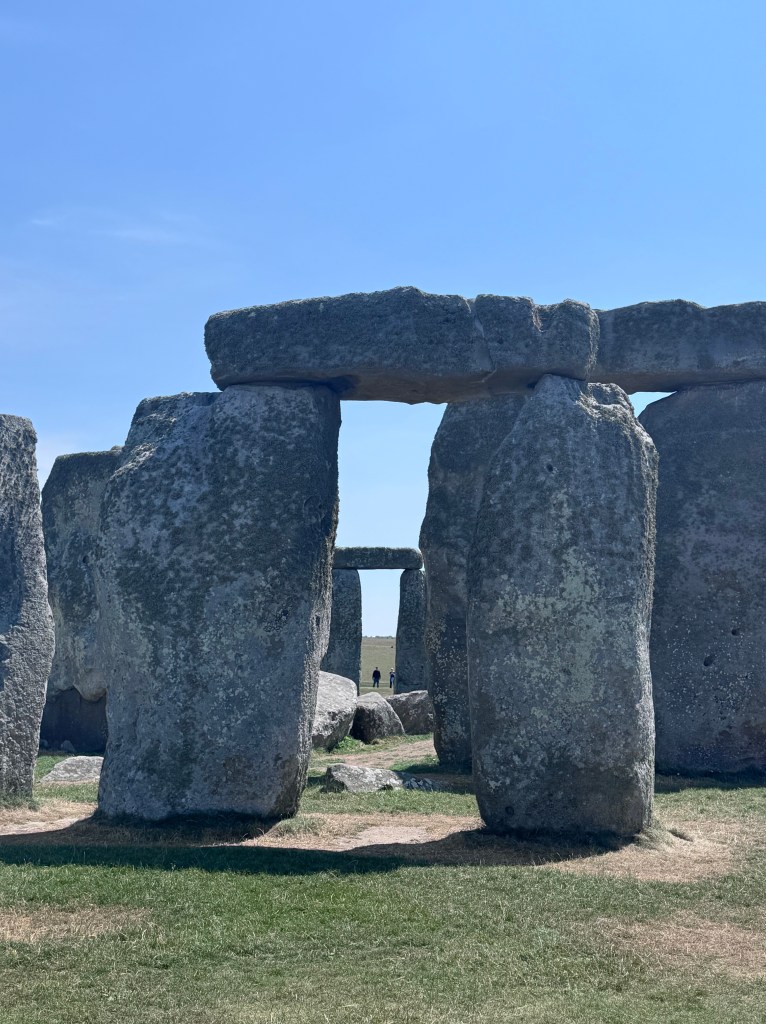
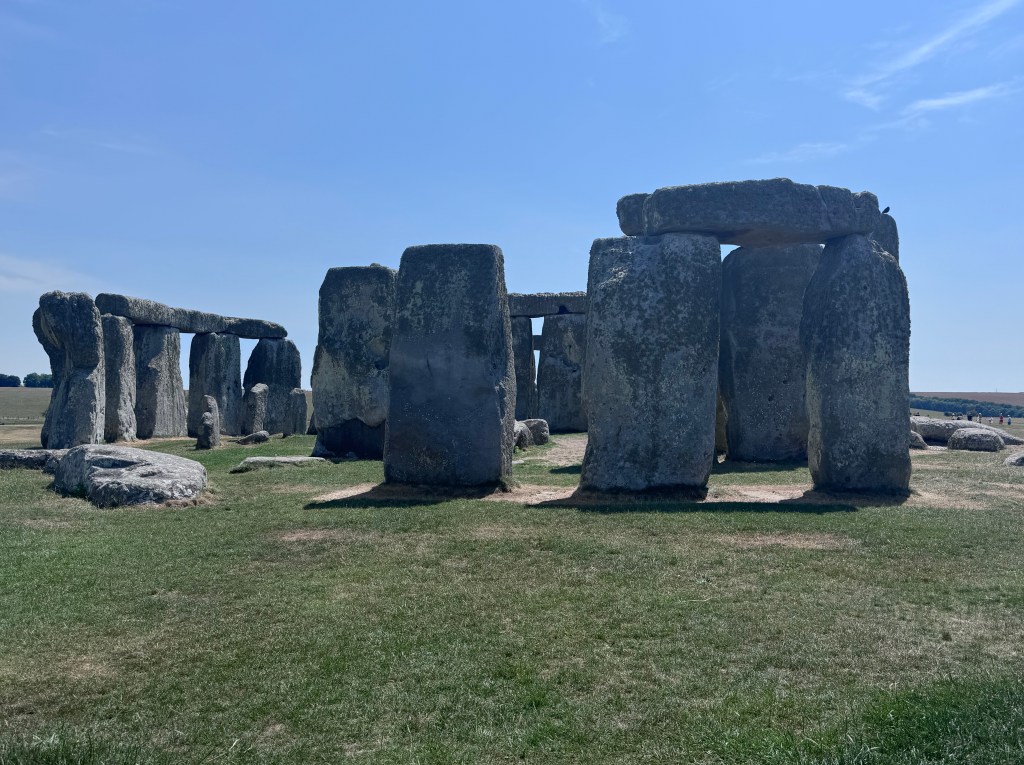
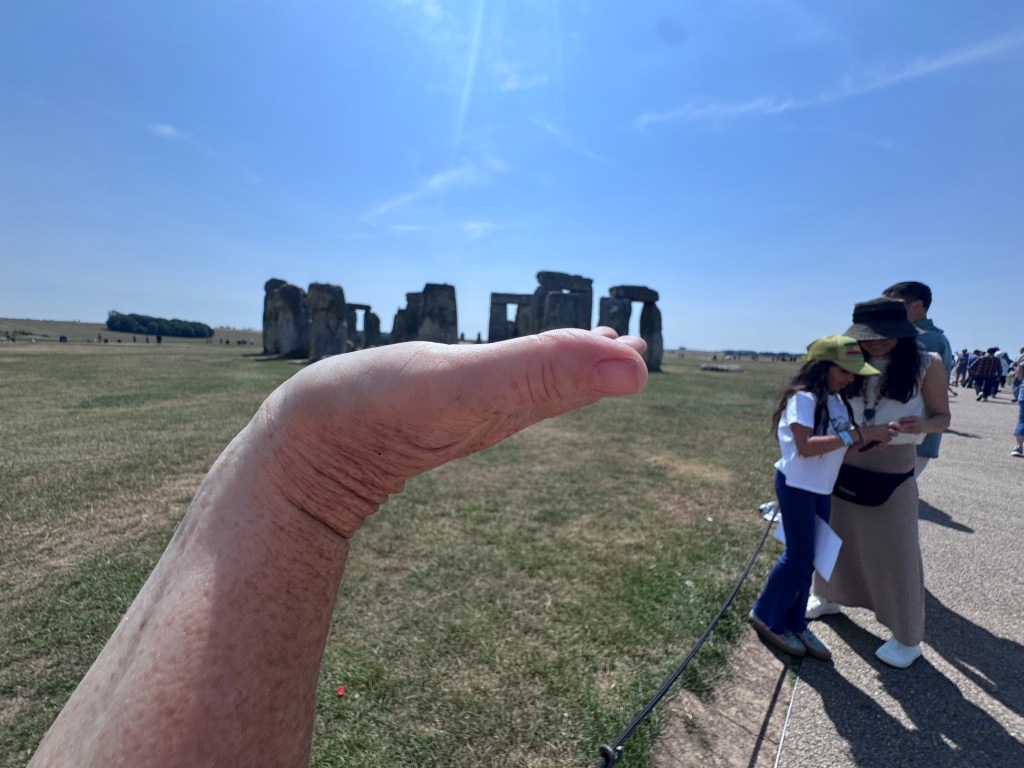
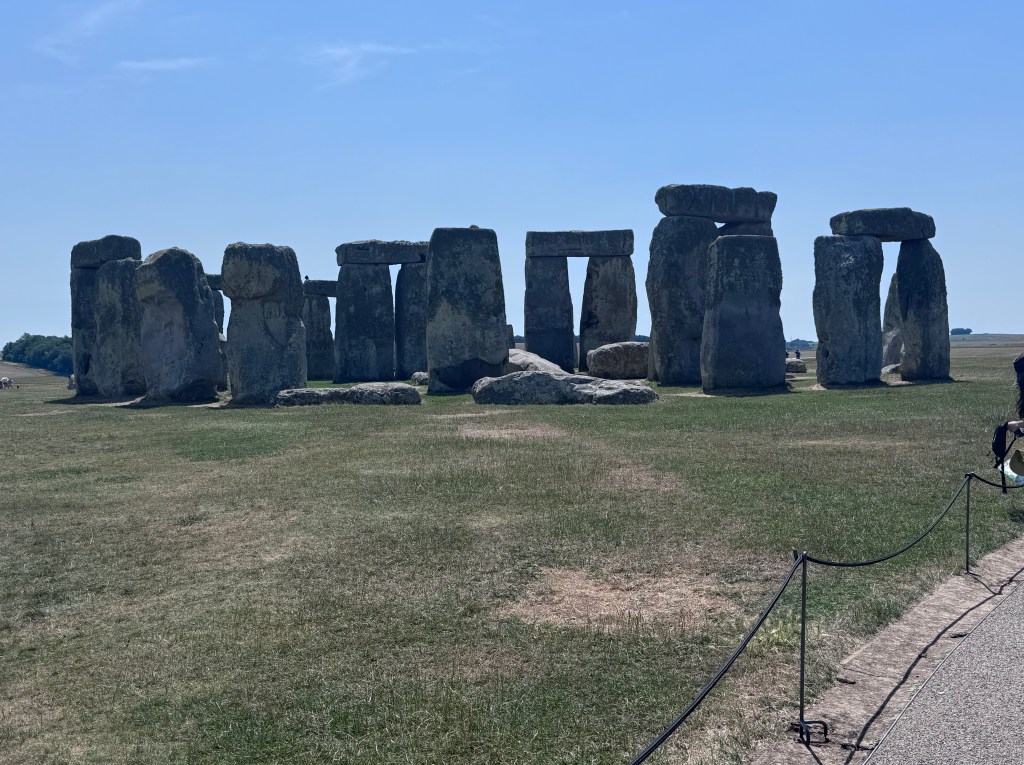
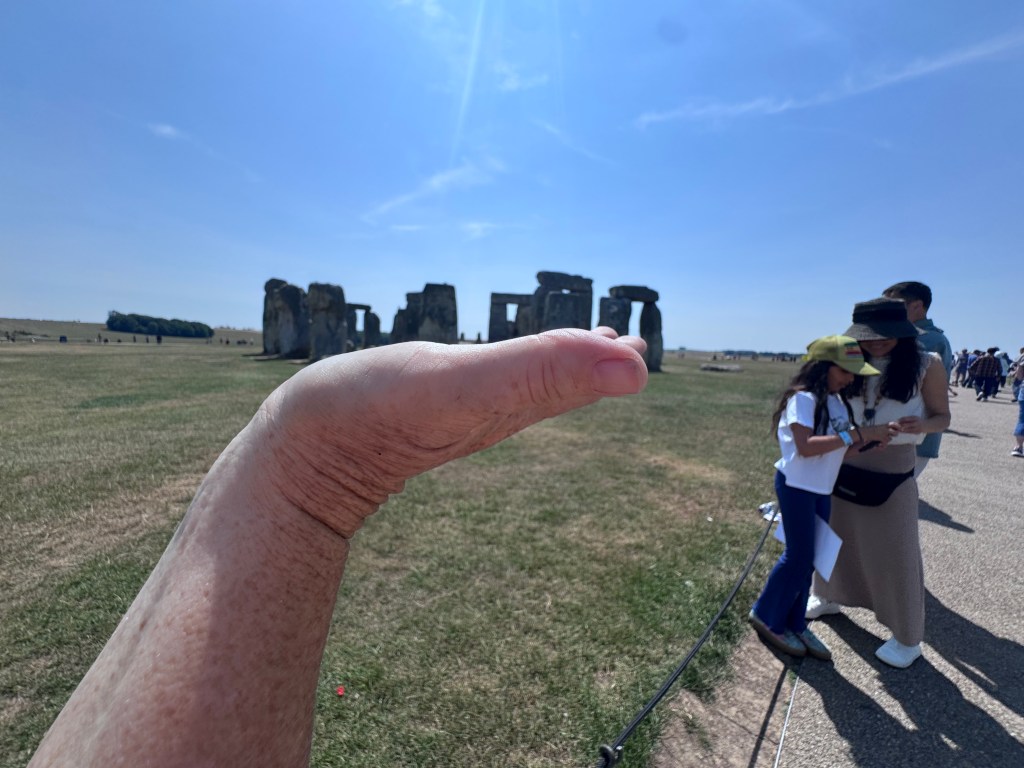
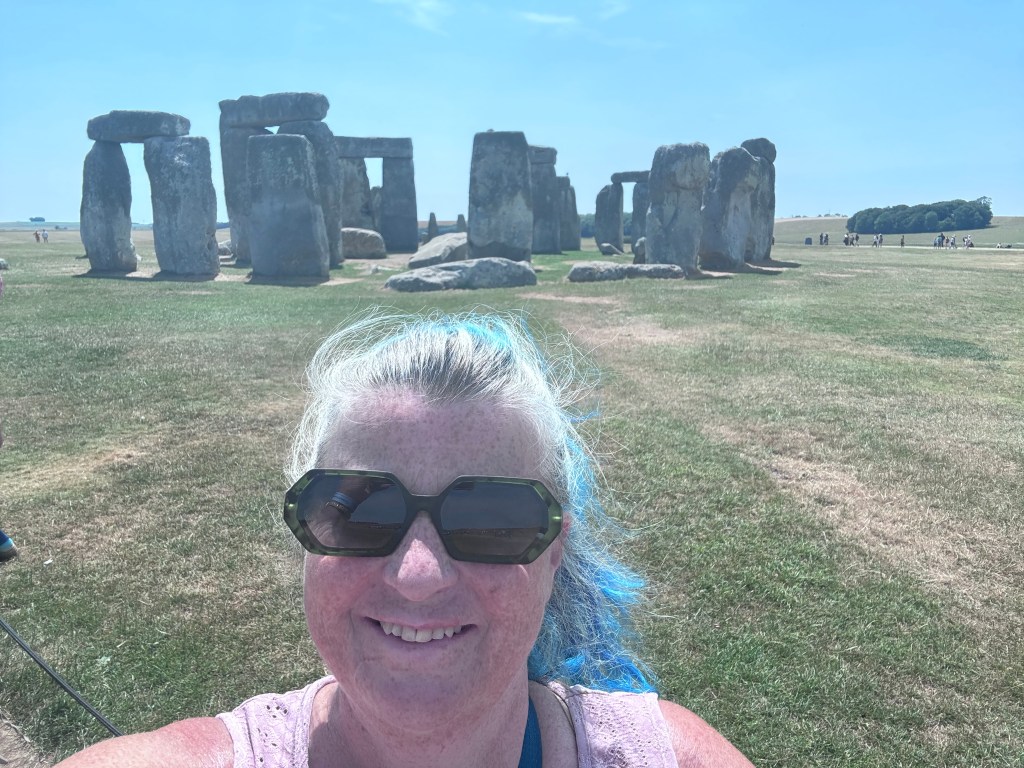
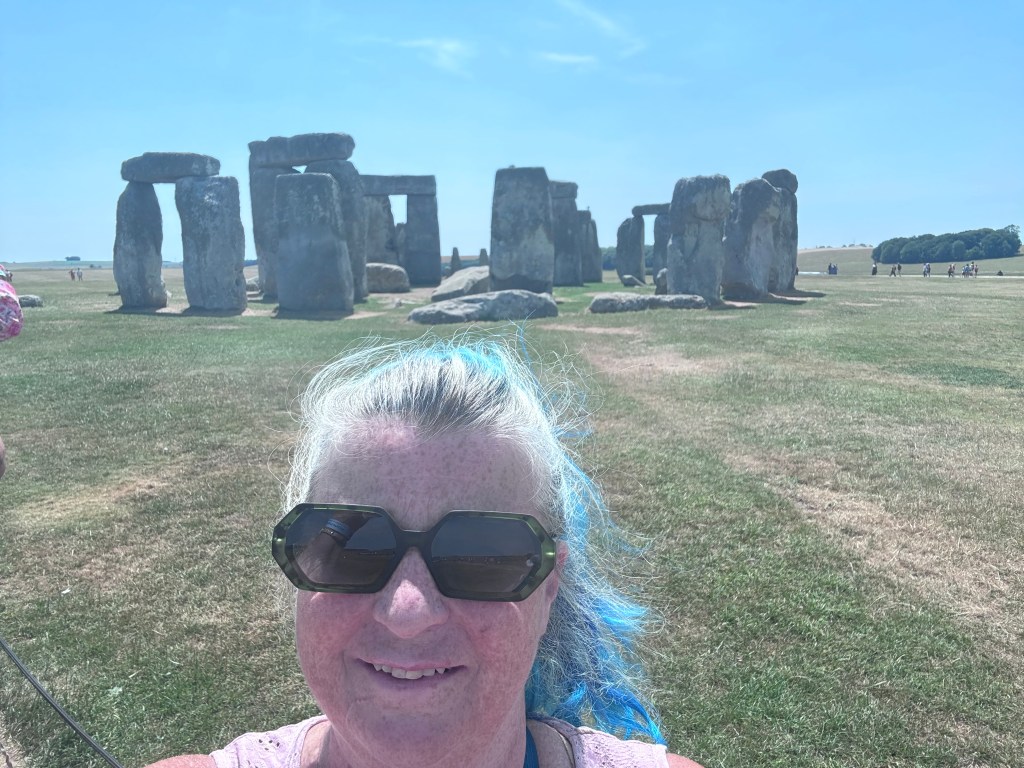
What amazed me most was that every step around the circle revealed a completely different perspective. The way the stones lined up, the changing views, and the relationship to the surrounding burial grounds continually changed. It never looked the same twice. We spent nearly an hour and a half simply walking around the monument, taking photographs, and soaking it all in. It was one of the most peaceful places we have visited. I also have to say—I absolutely love Apple’s new photo feature that lets you erase people from pictures. It made capturing the monument feel almost timeless.

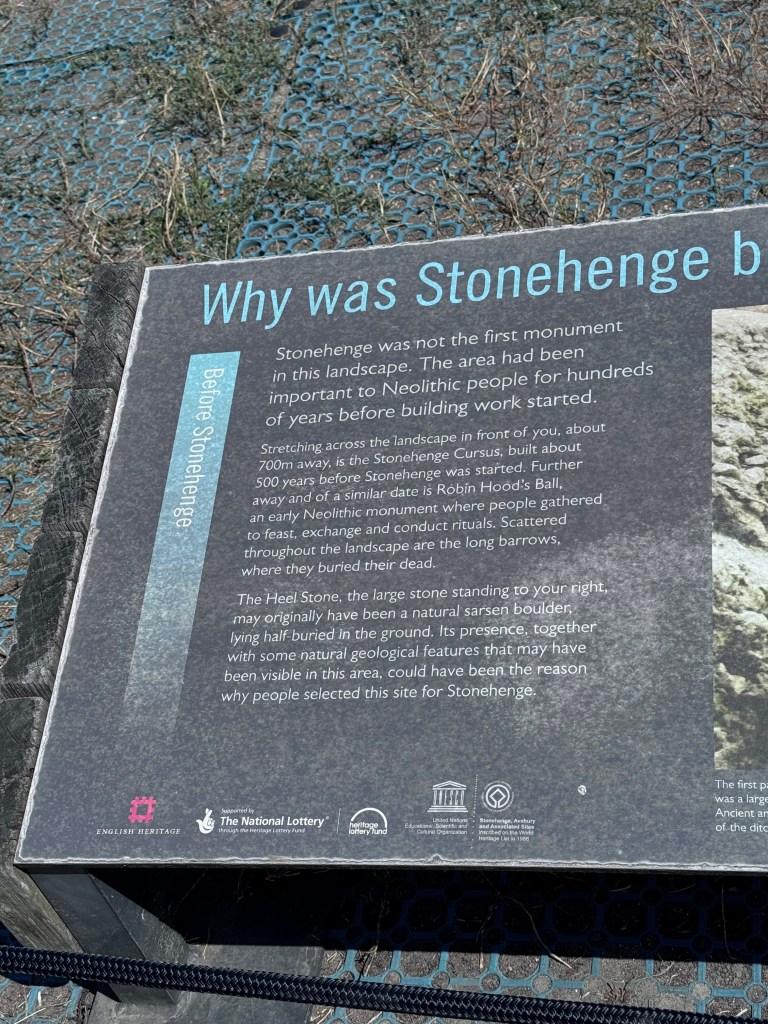
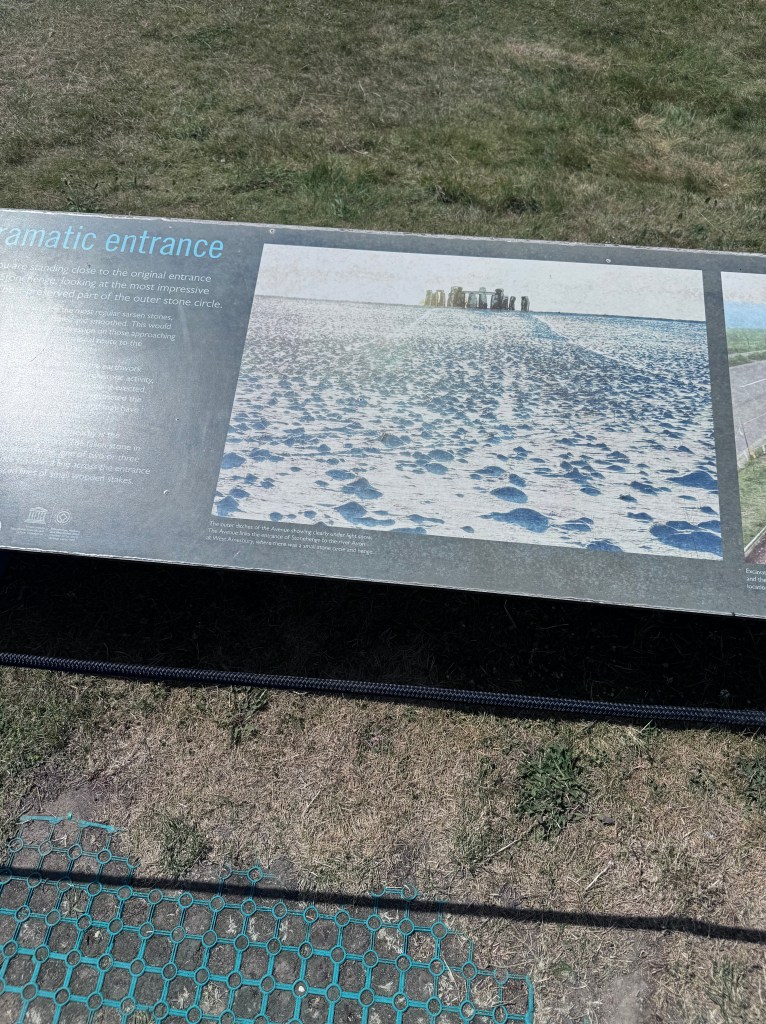
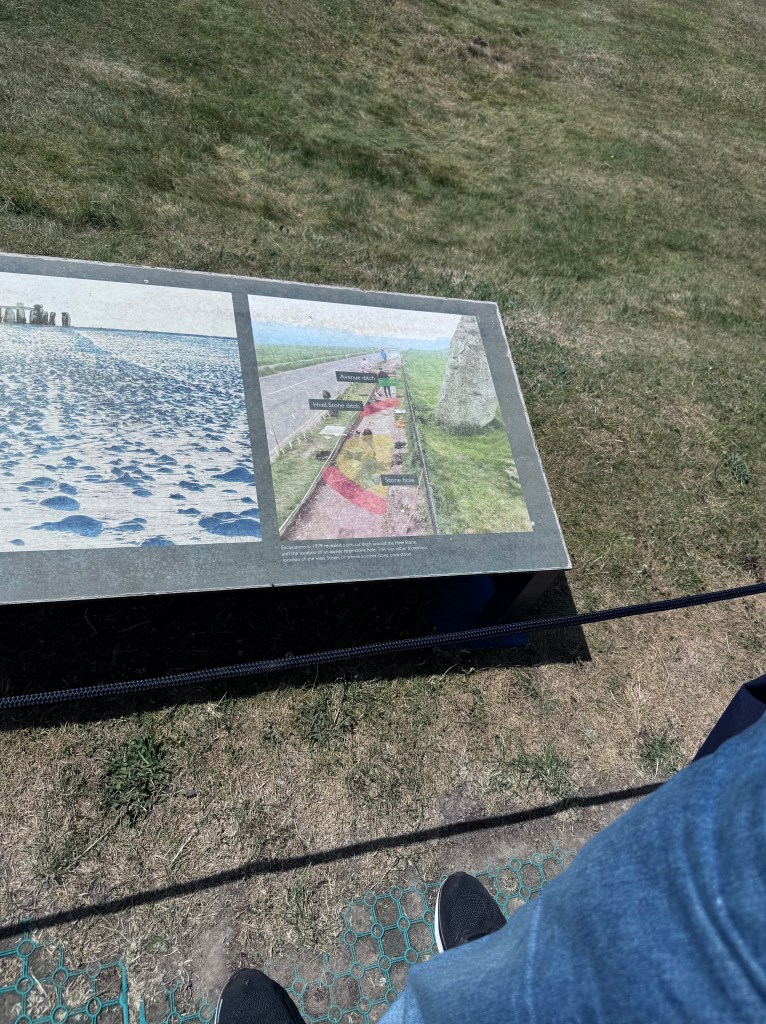
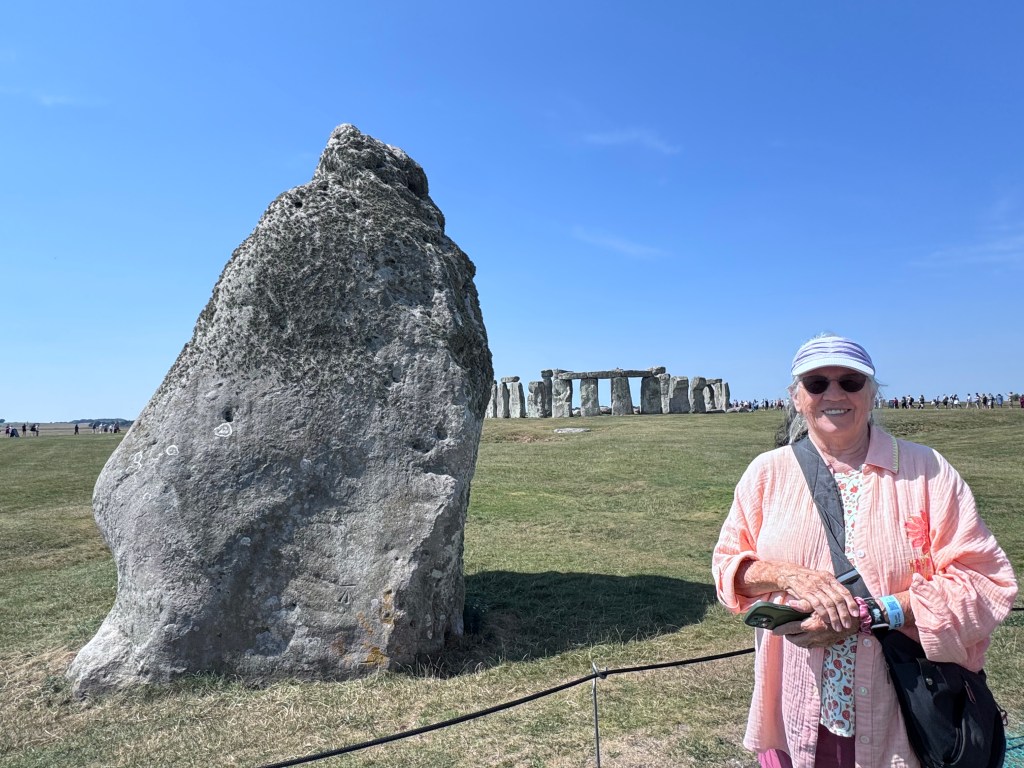
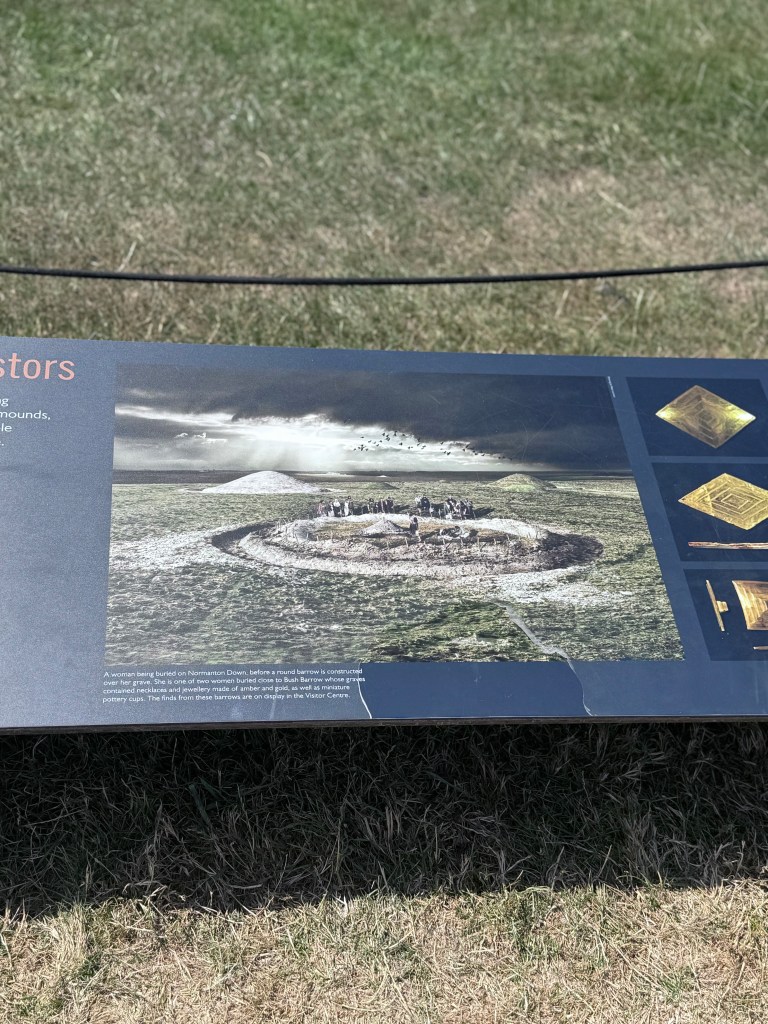
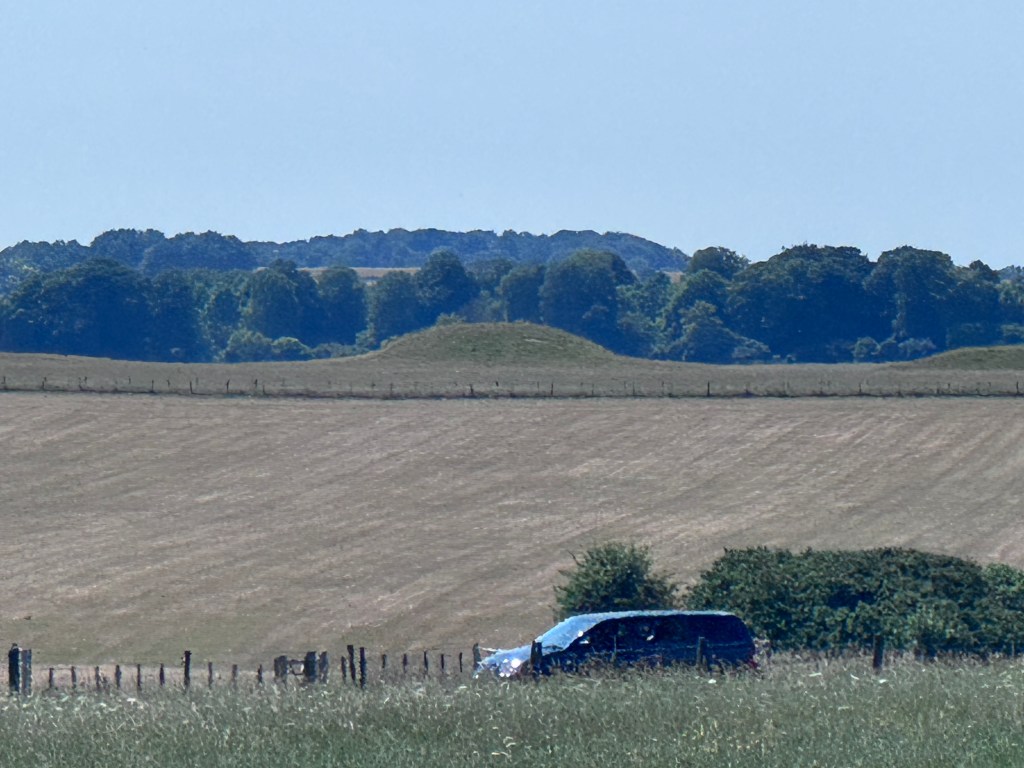
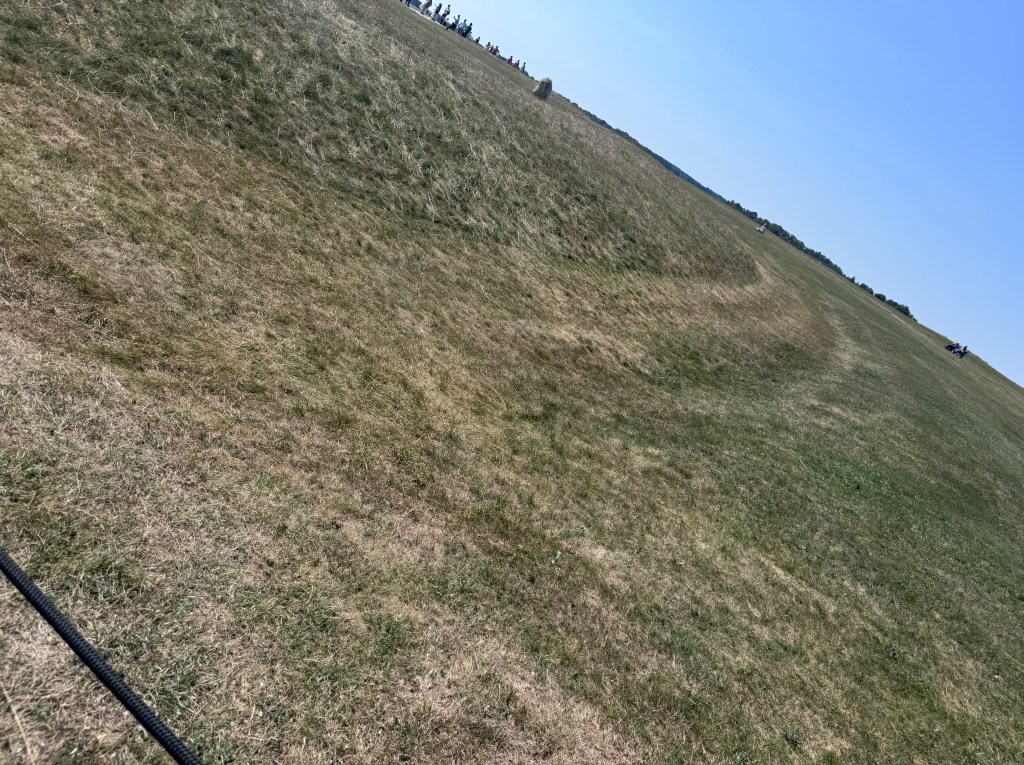
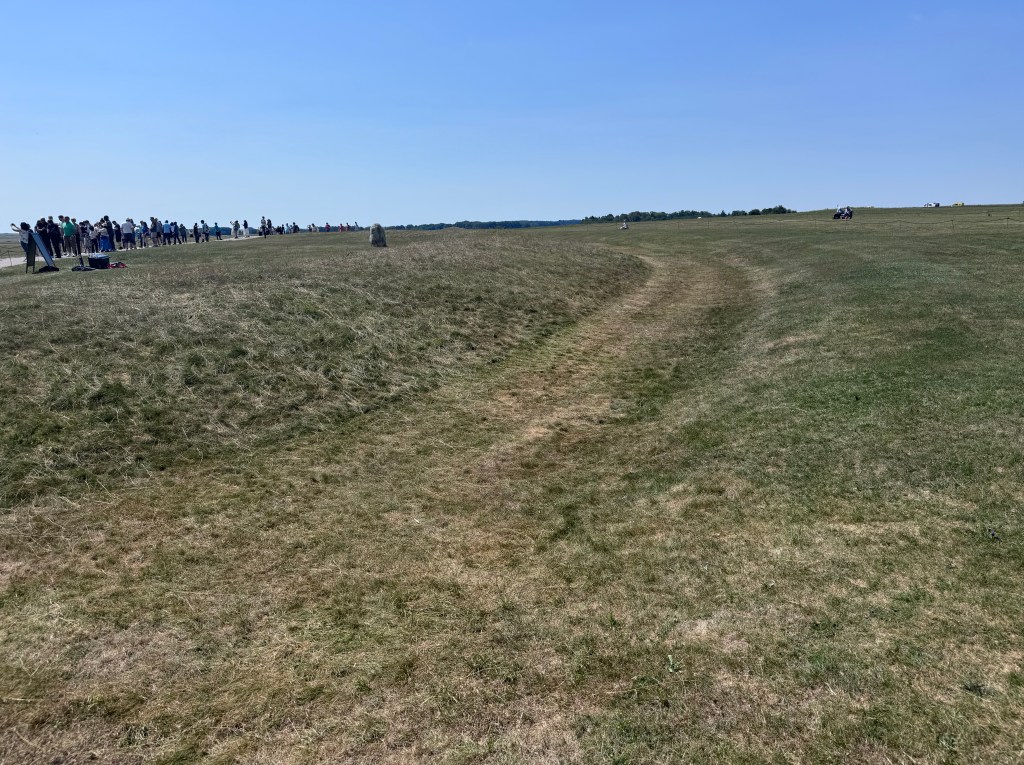
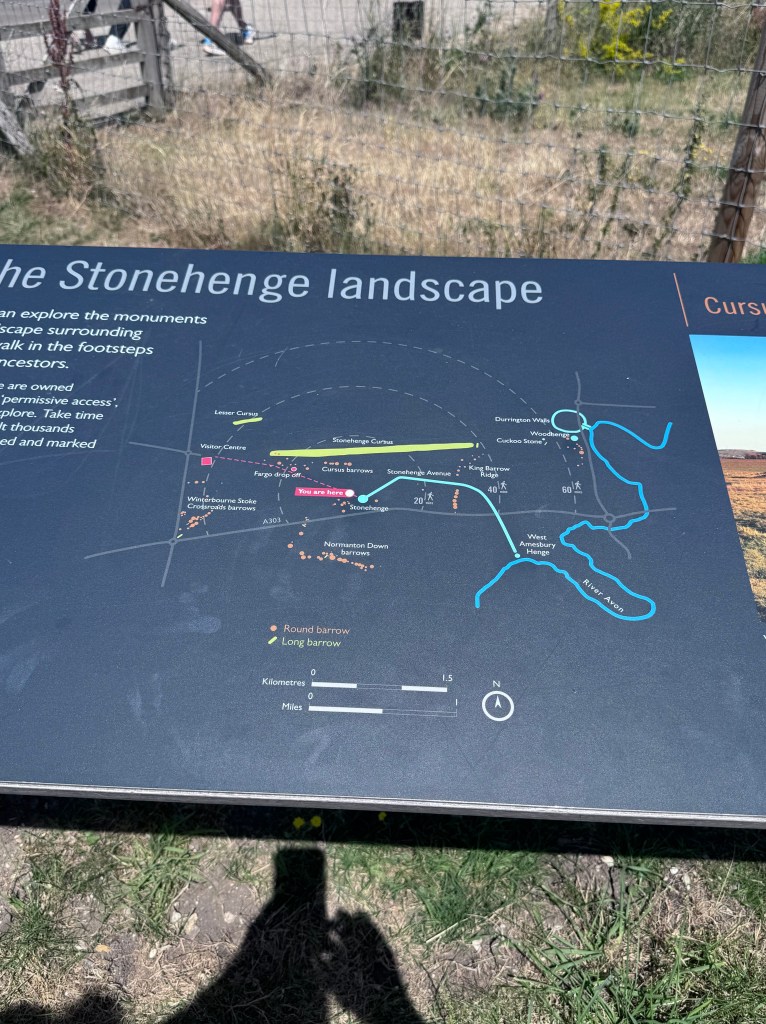
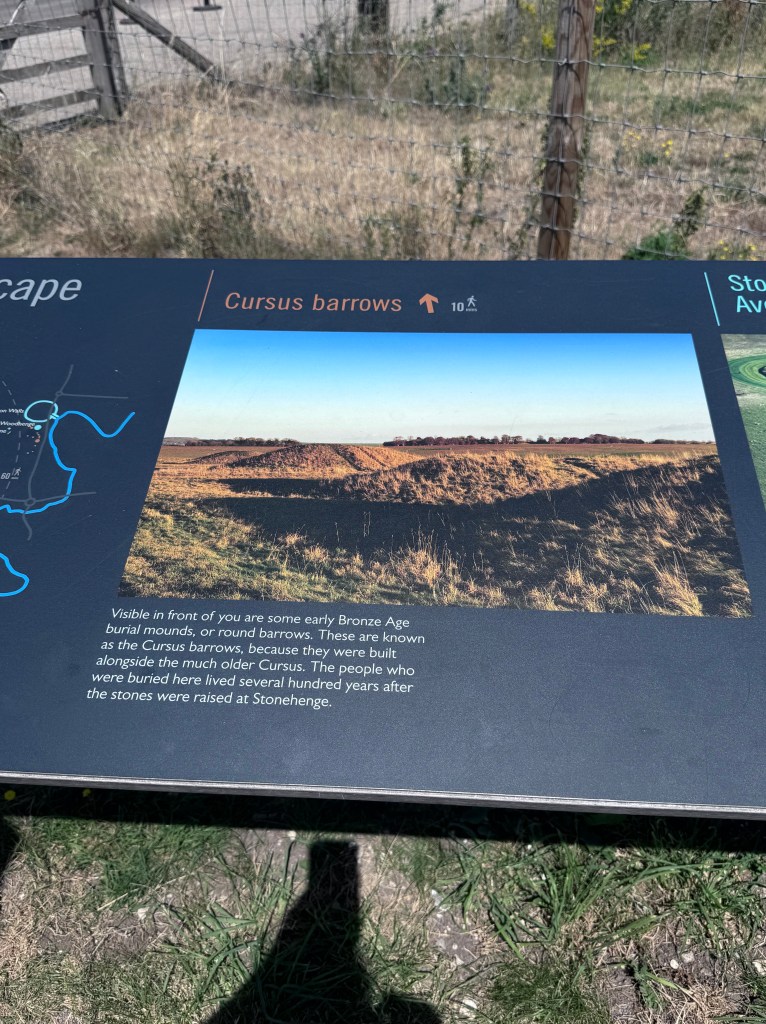
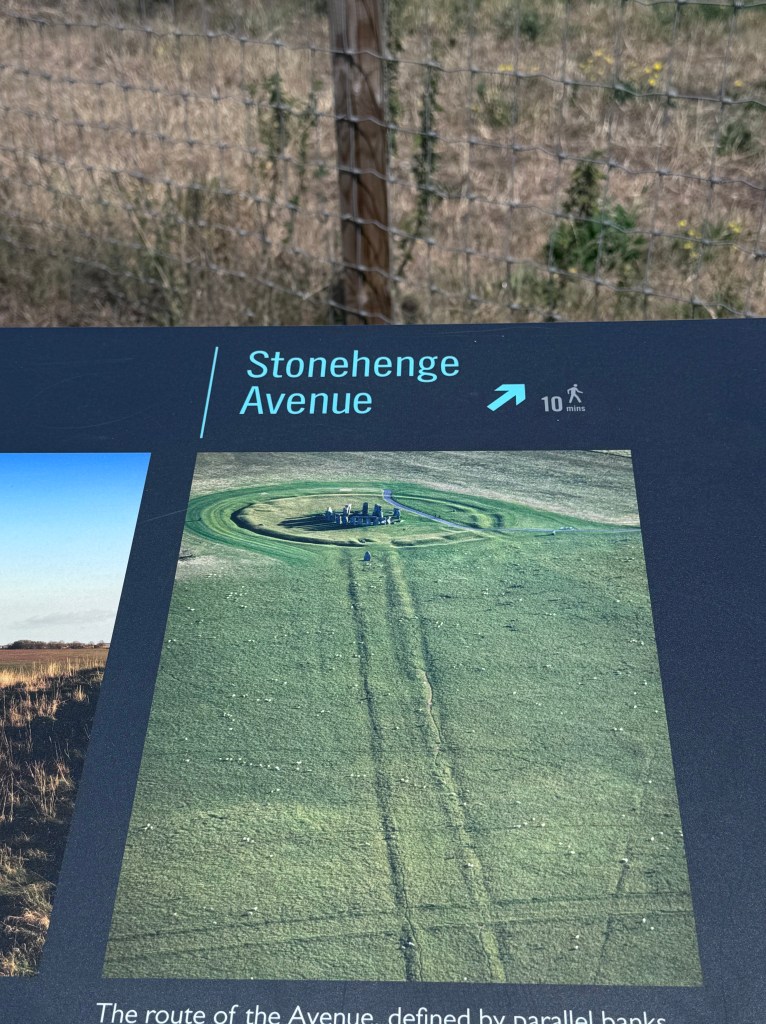
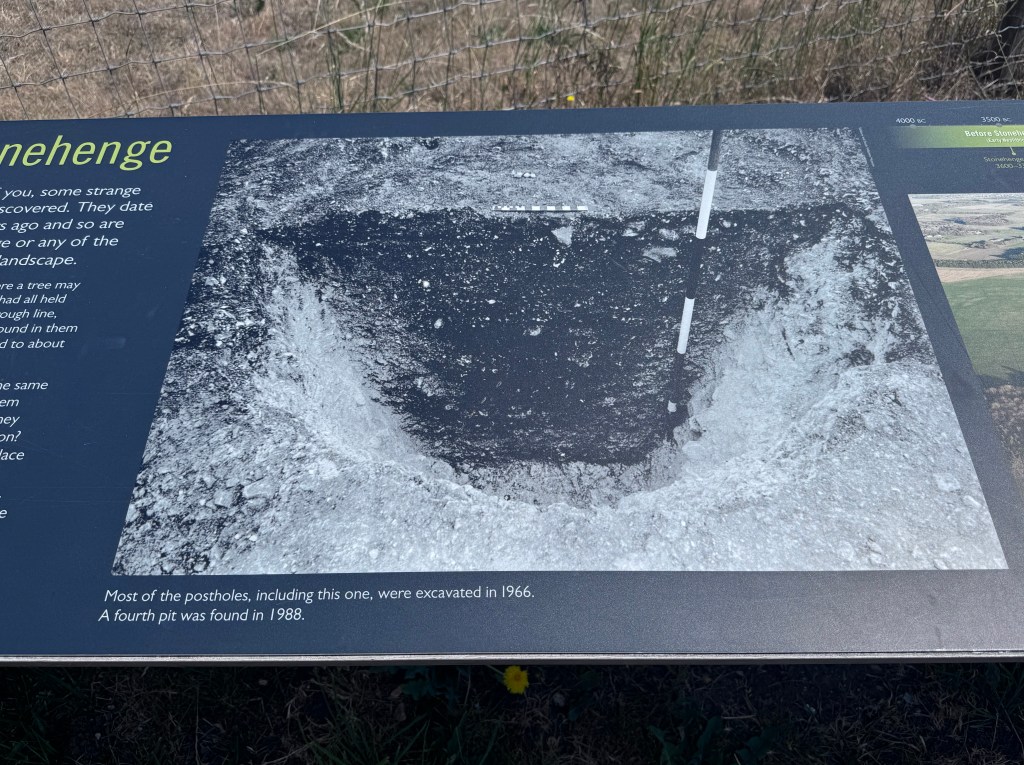
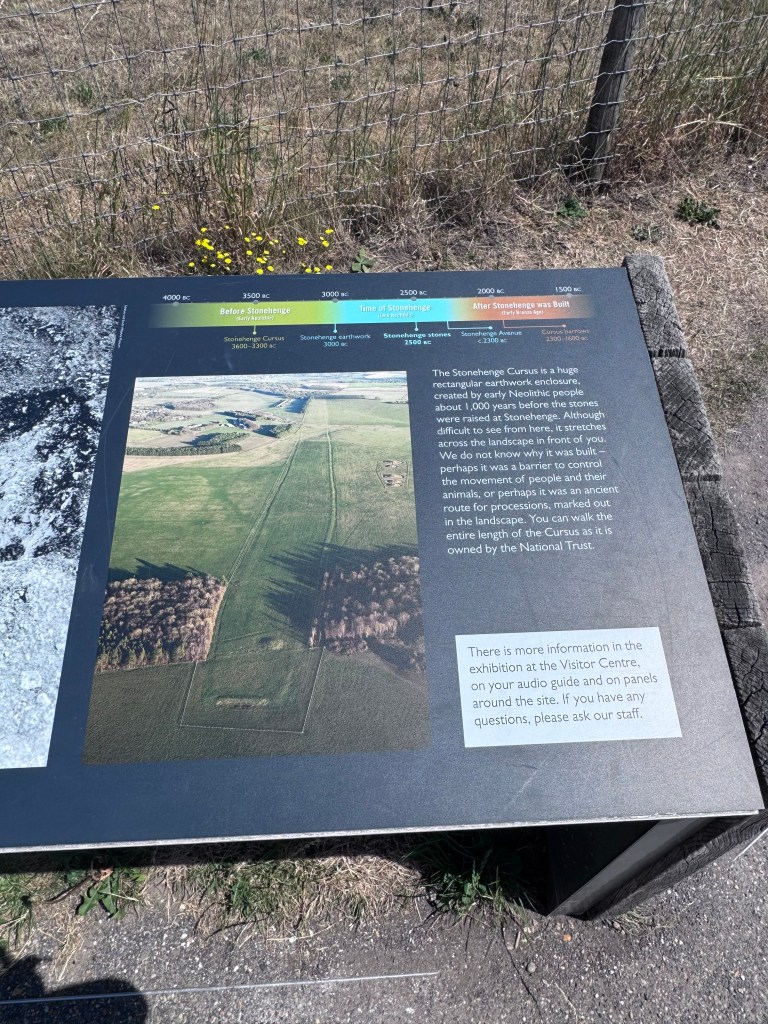
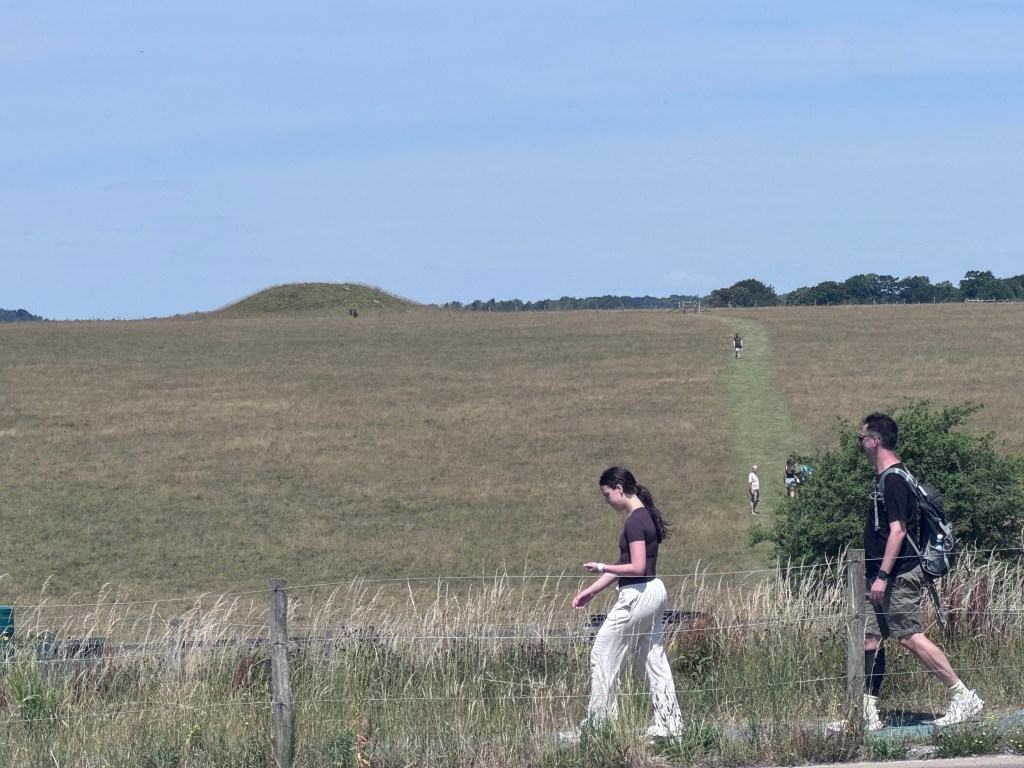
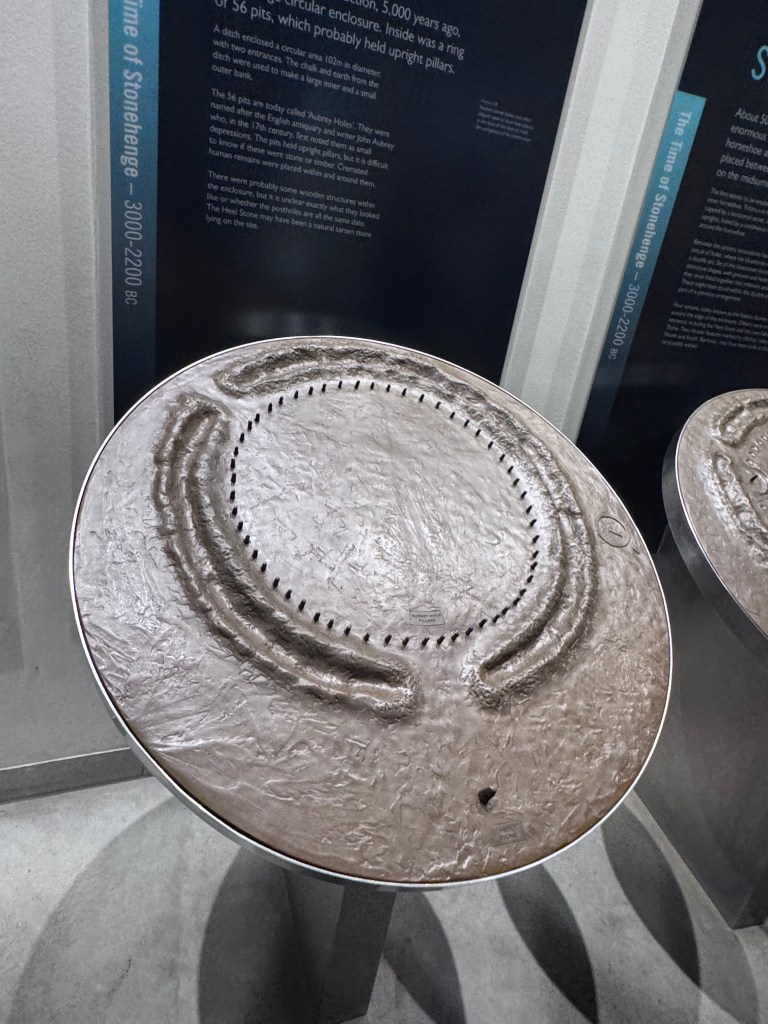
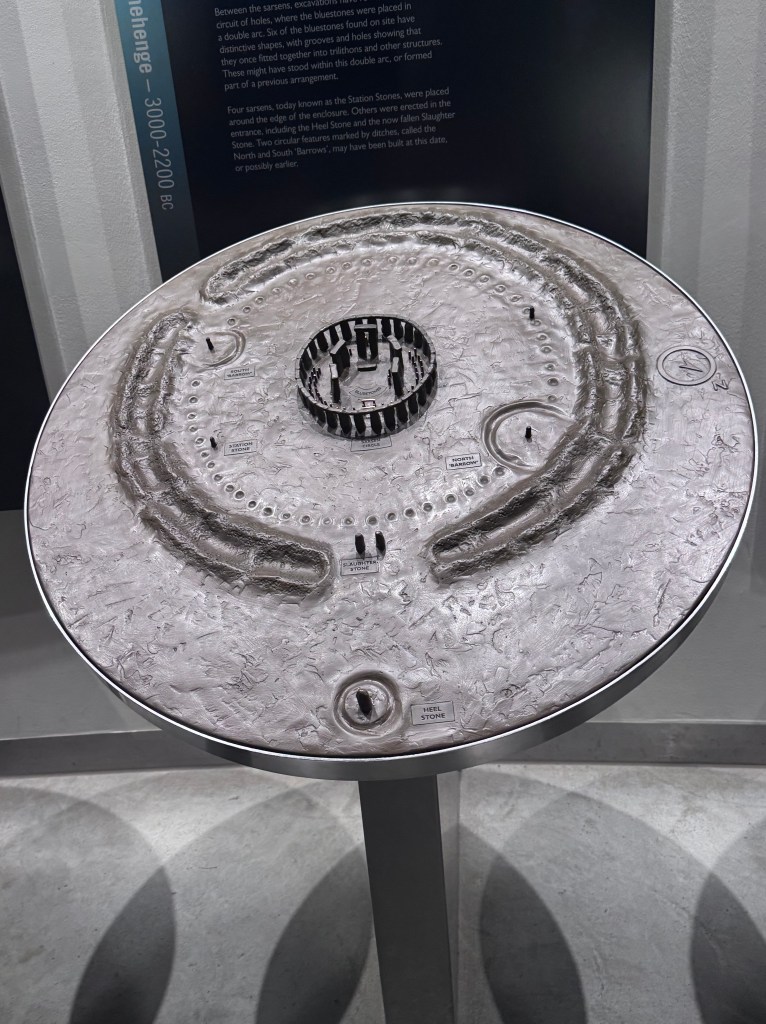
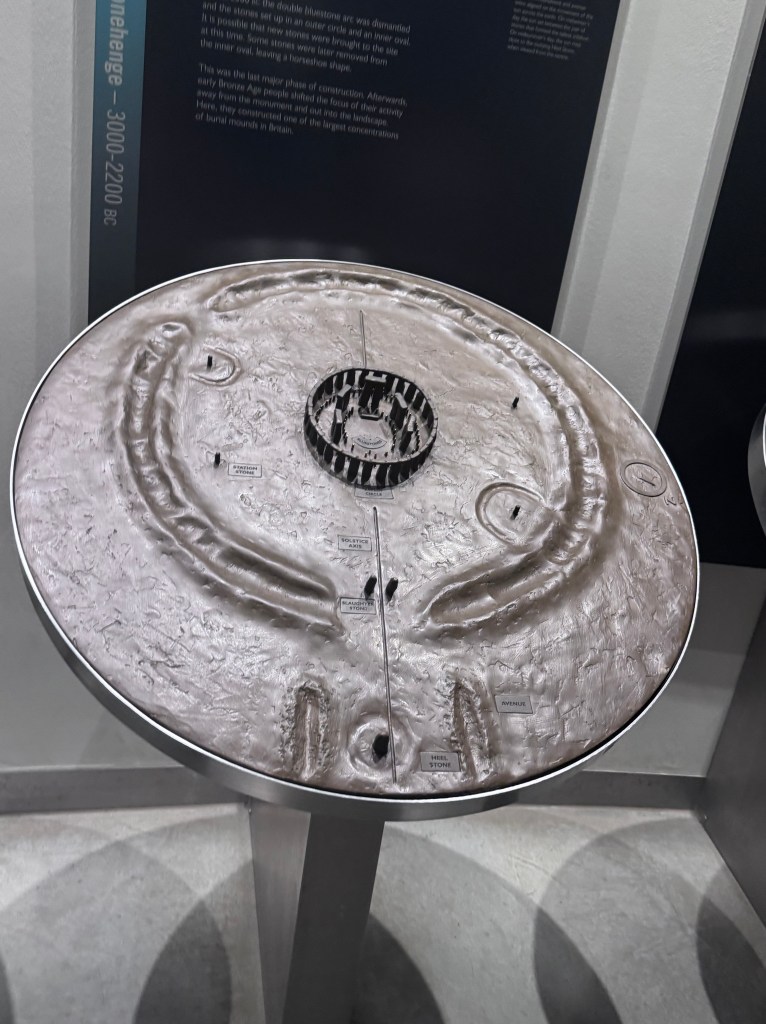
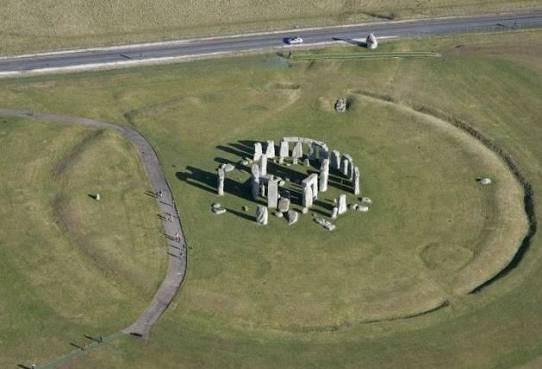
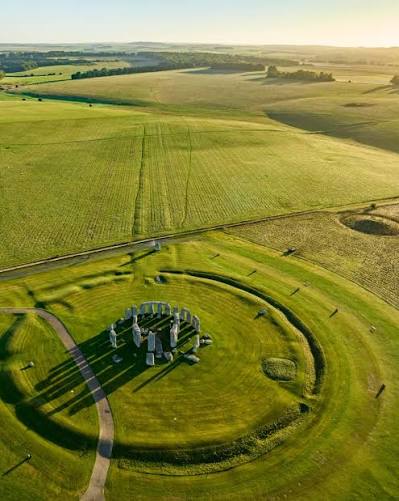
Once we understood what we were looking at, we began spotting burial mounds everywhere across the landscape. Archaeologists believe Stonehenge was once part of an enormous ceremonial complex connected to the nearby River Avon by a processional avenue. Thousands of years ago, the river is believed to have flowed at a higher level than it does today, creating an important ceremonial route between the river and the monument.

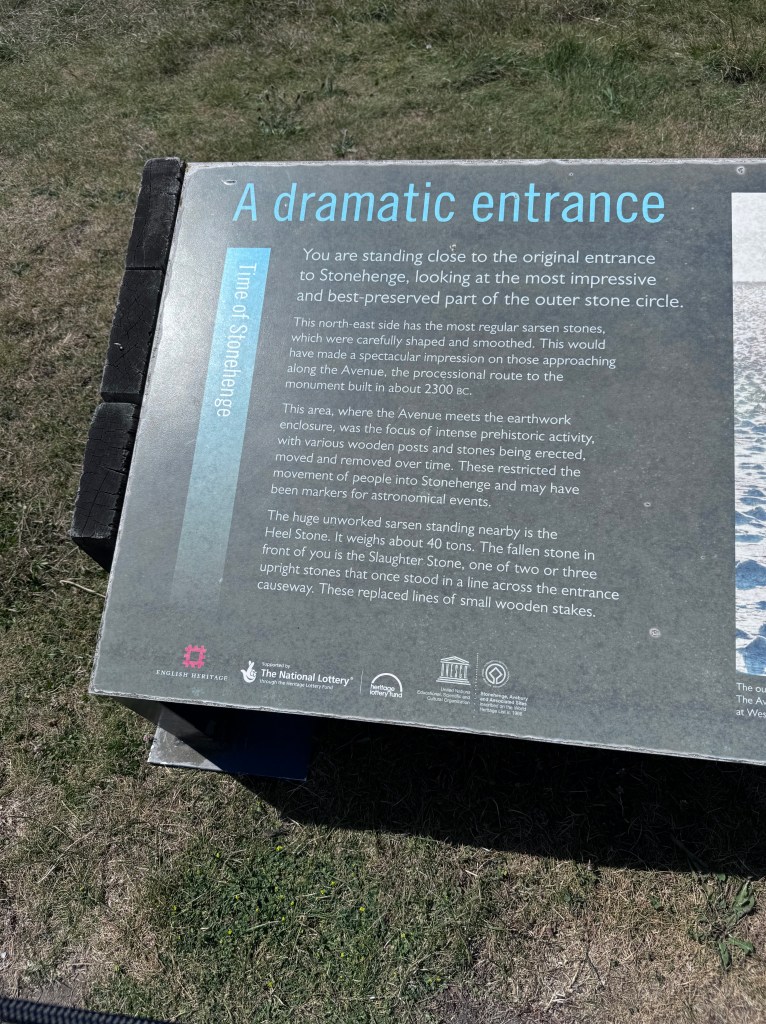
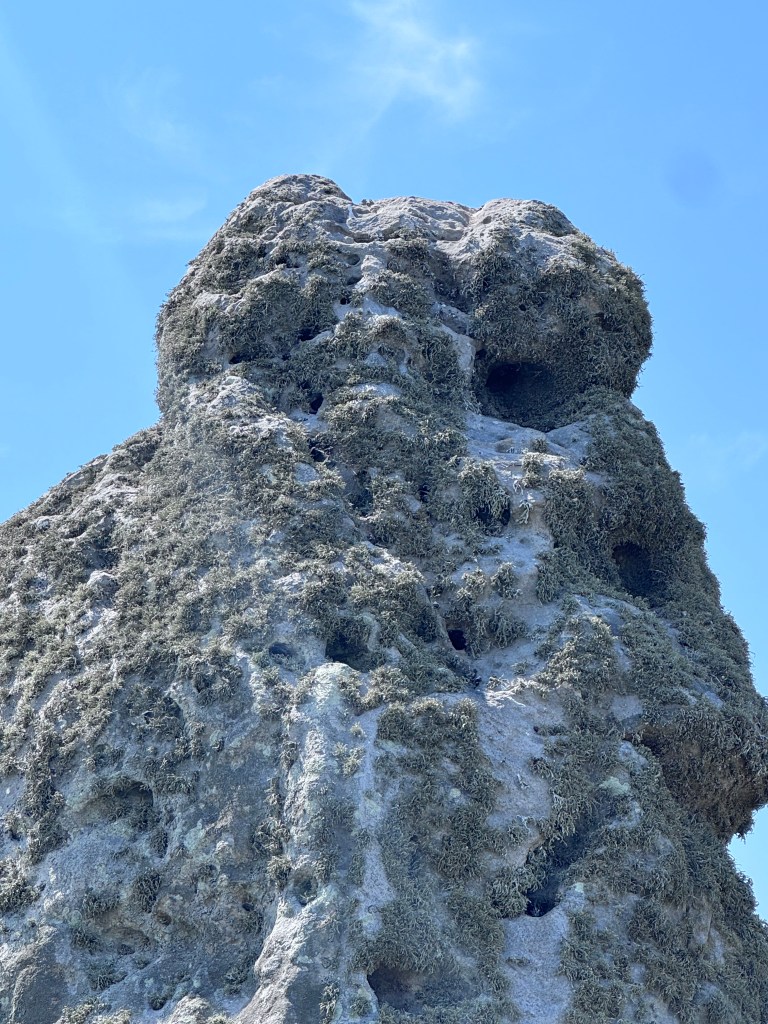
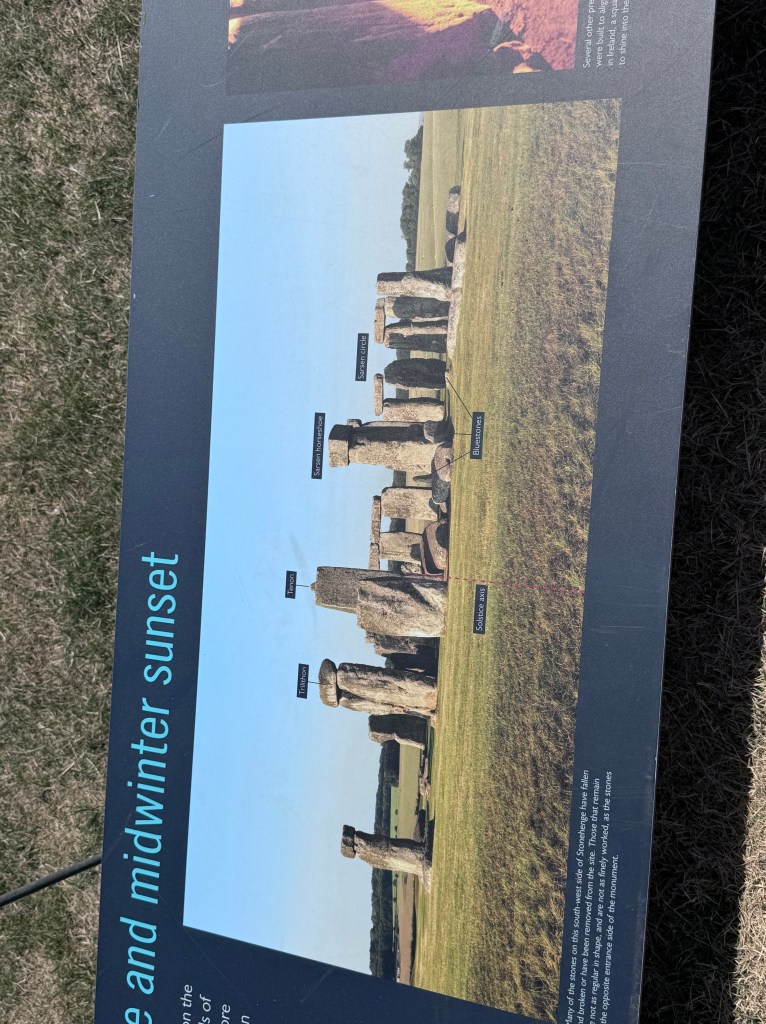
The engineering behind Stonehenge is almost impossible to comprehend. Some of the smaller bluestones were transported nearly 150 miles (240 km) from the Preseli Hills of Wales, likely by water and then over land. The larger sarsen stones, weighing as much as 25 tons each, were hauled from about 15 miles away. Just imagining the planning, manpower, and determination required is mind-blowing.

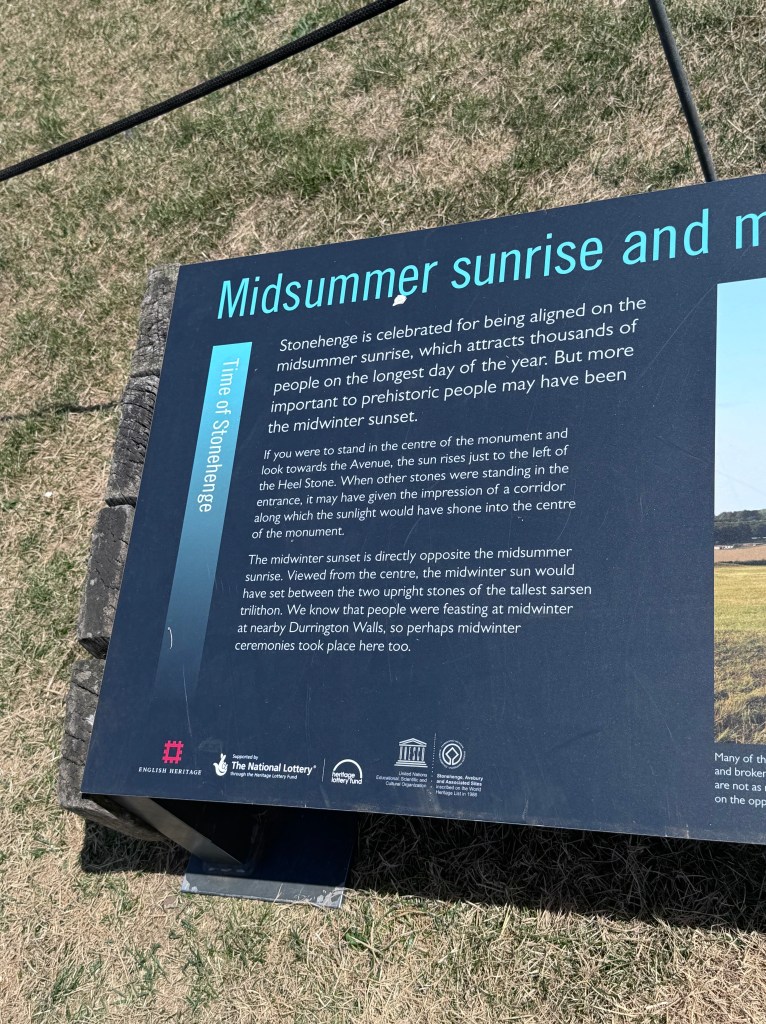
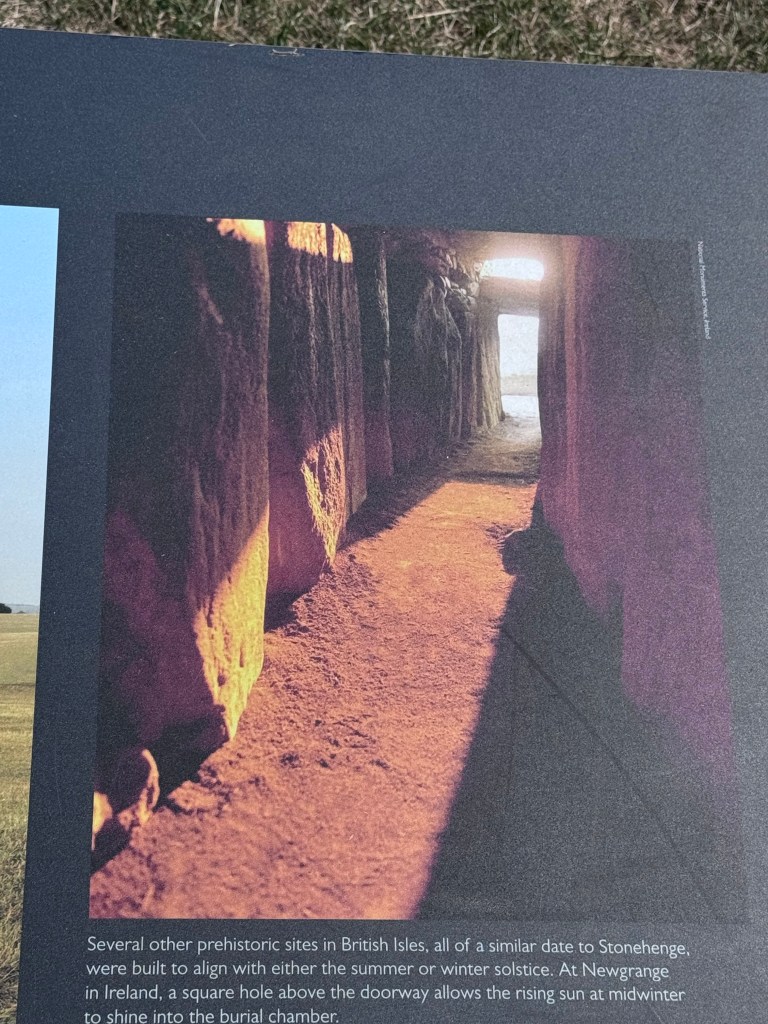
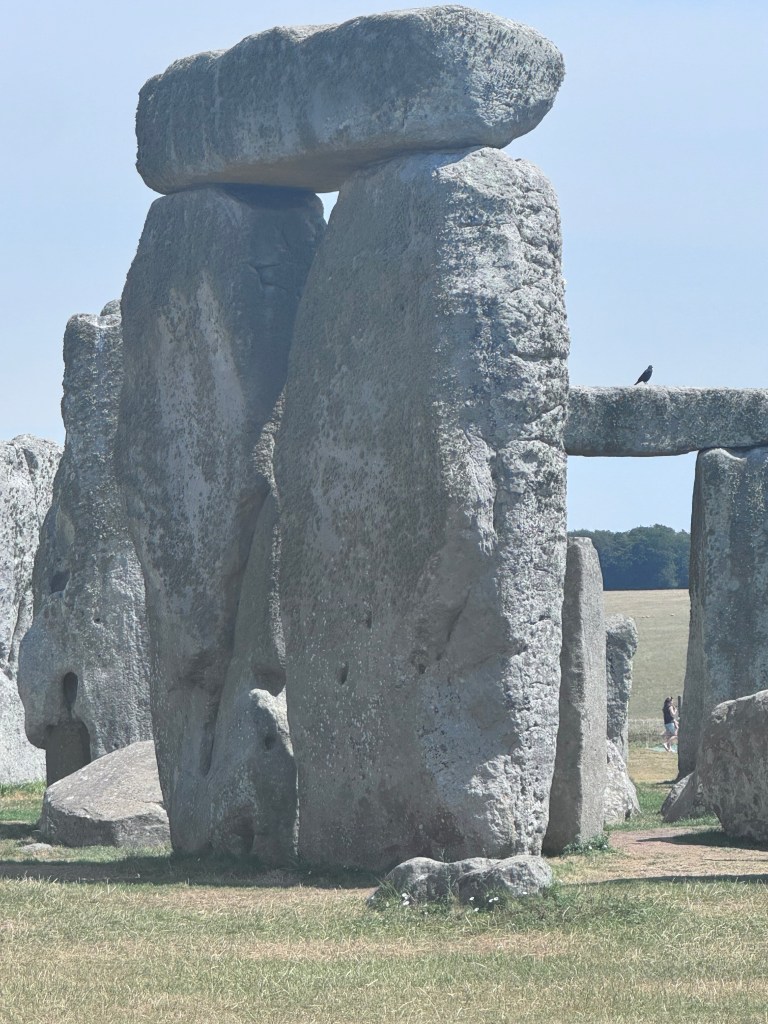
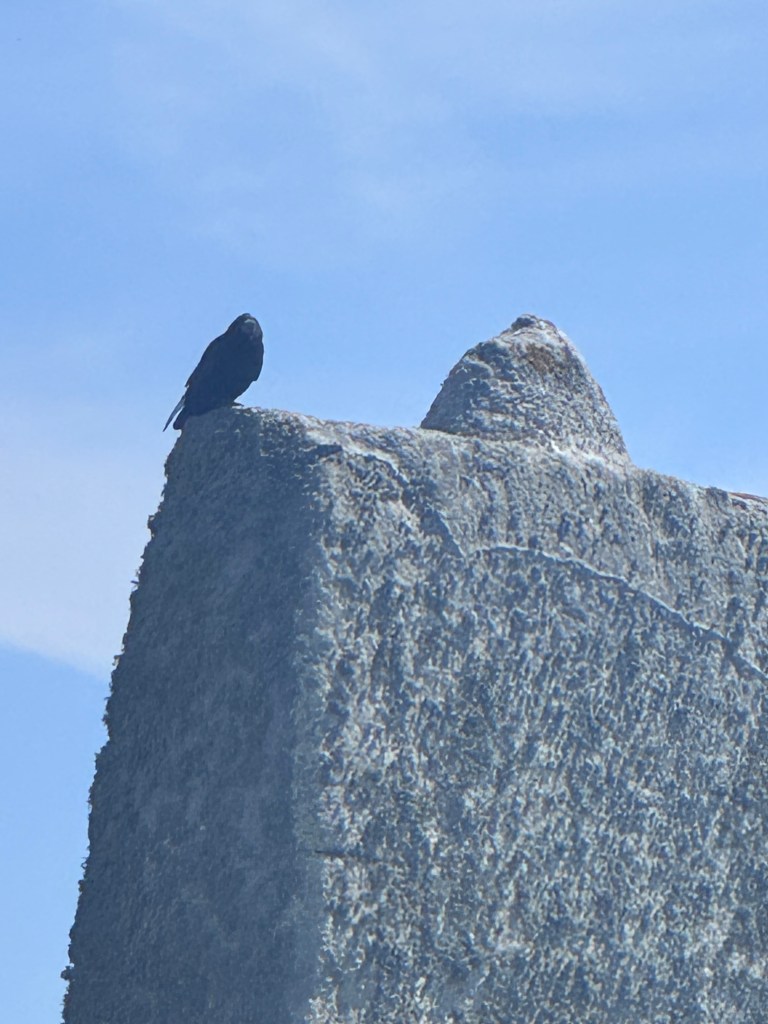
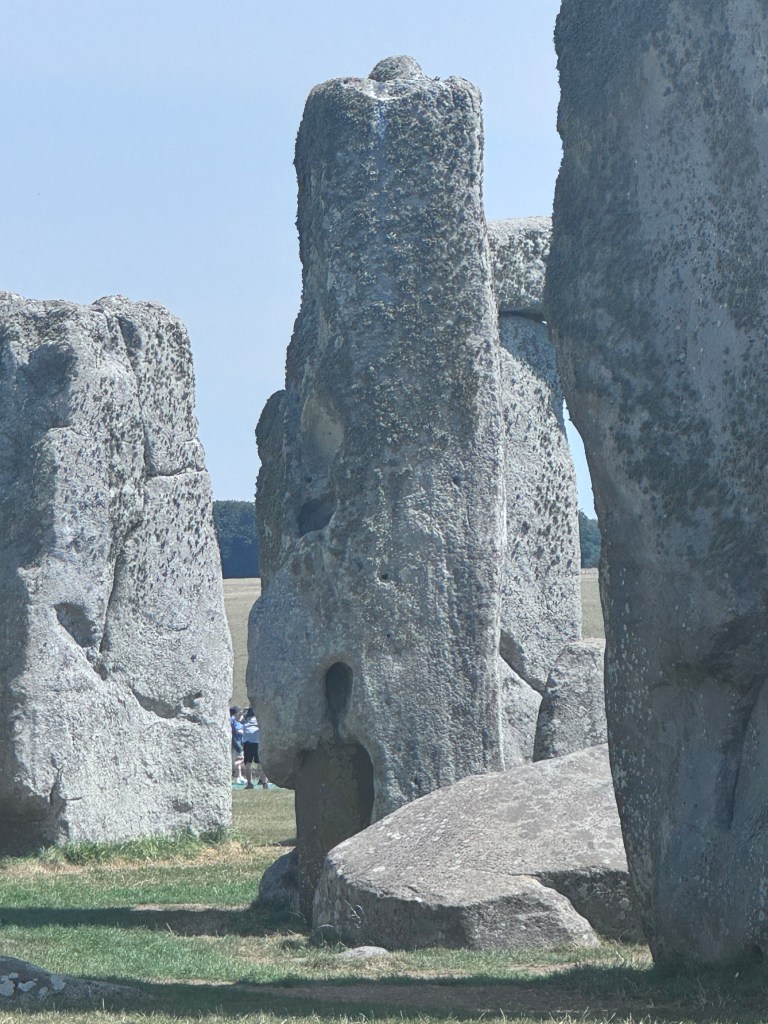
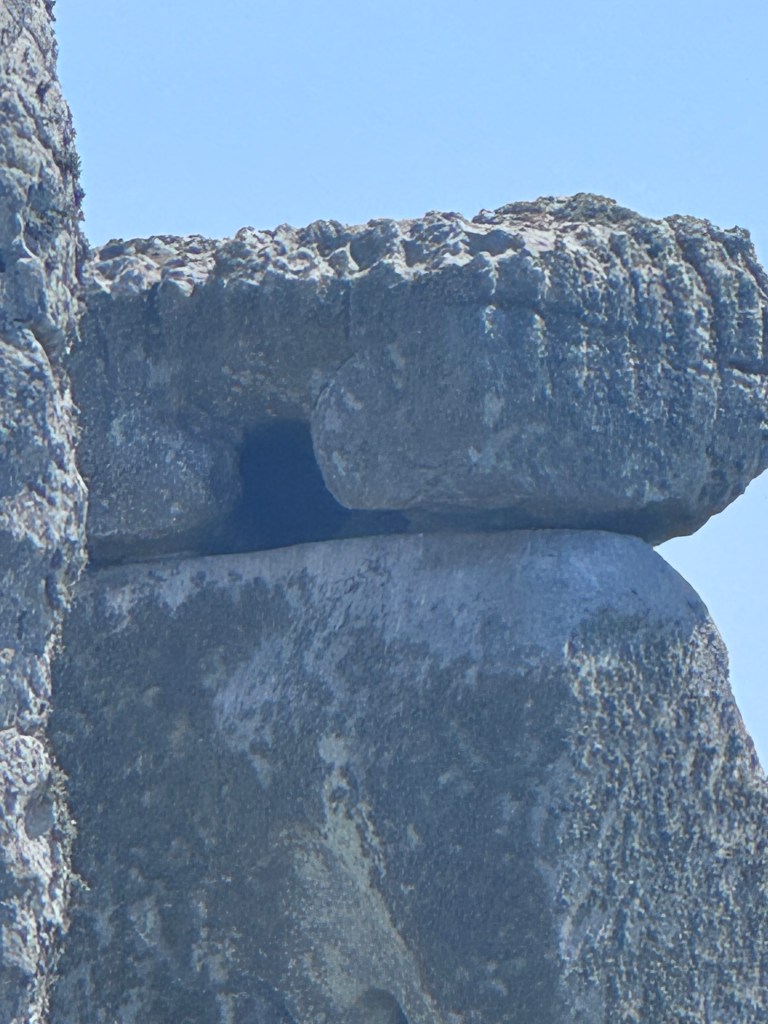
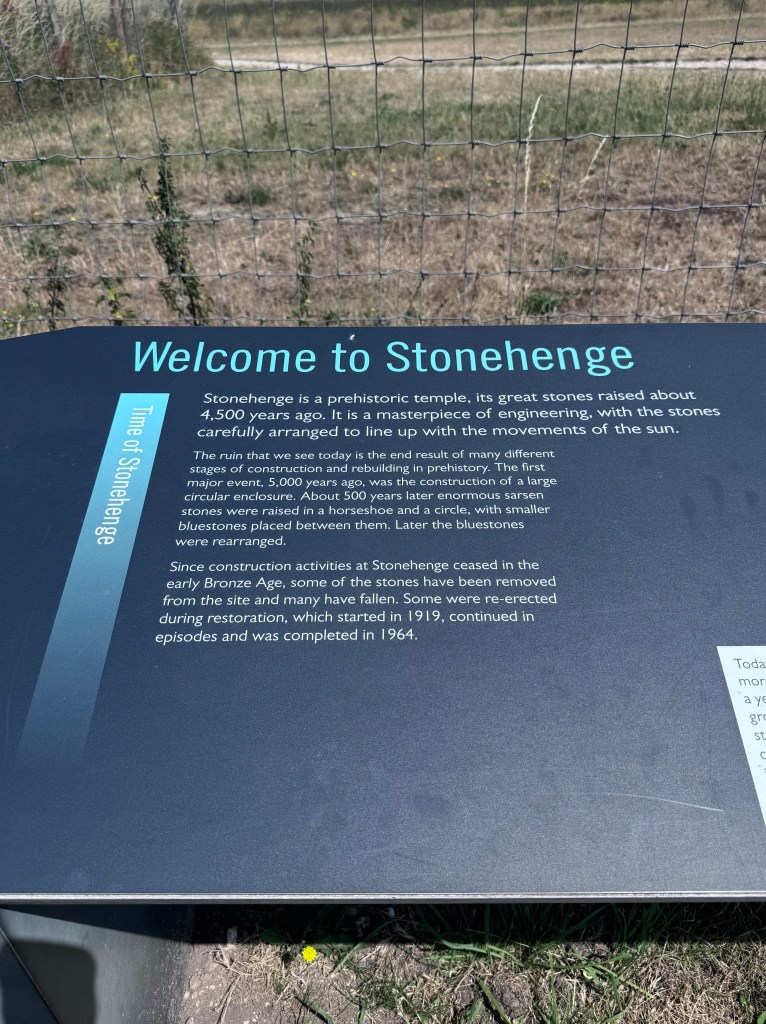
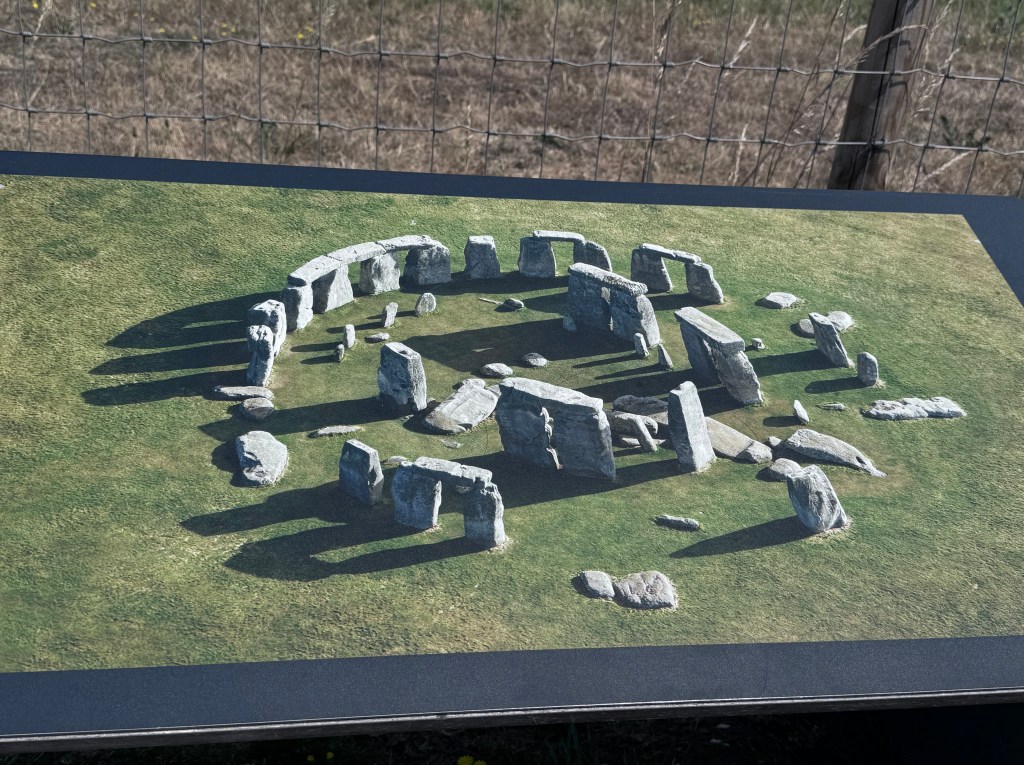
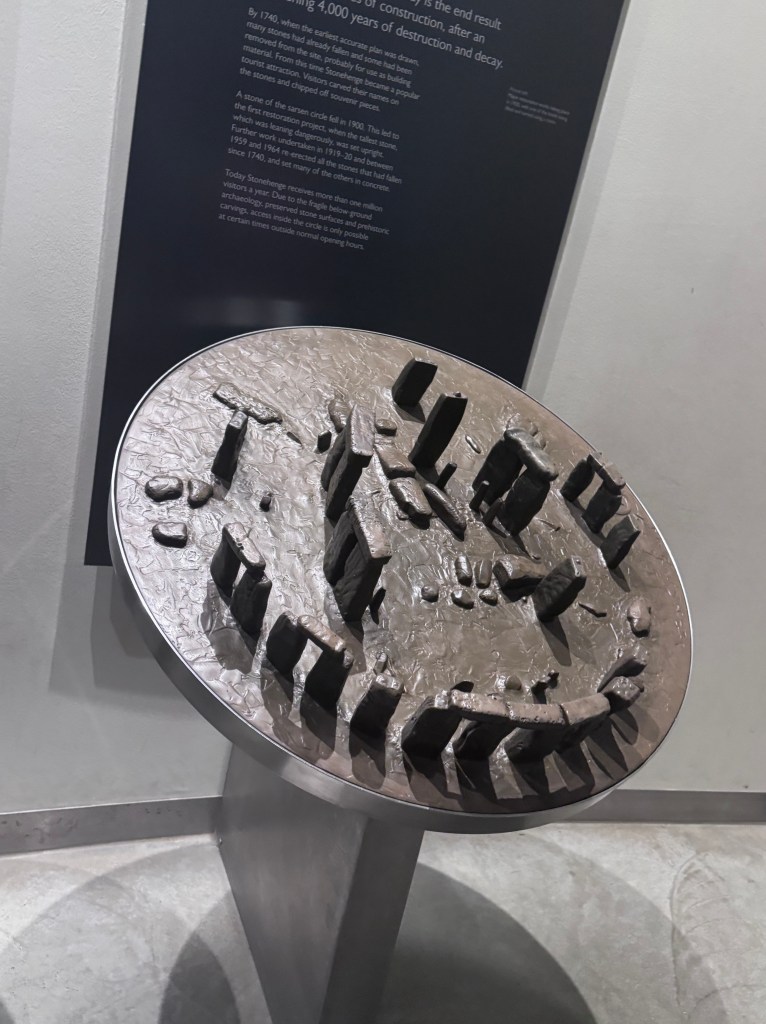
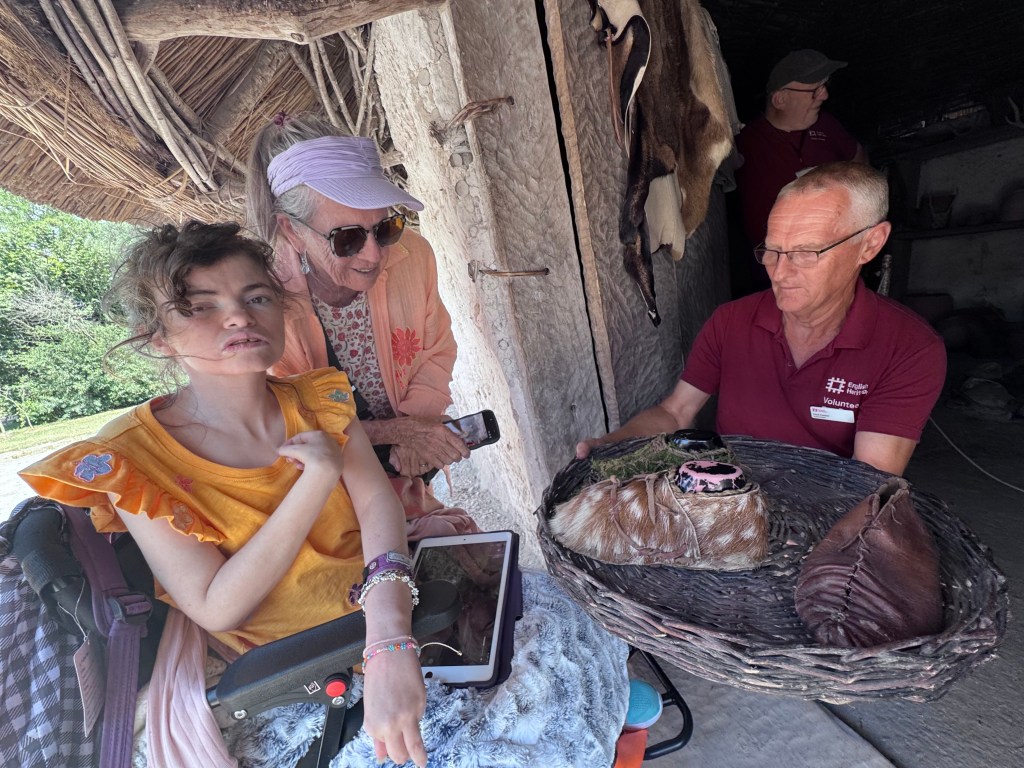
Even more impressive were the stone-working techniques. Many of the stones were carefully shaped and smoothed. The builders carved tenons—rounded projections on top of the upright stones—that fit perfectly into matching mortisescarved into the lintels resting above them. The docents explained that these joints weren’t actually necessary to hold the stones together because of their tremendous weight. Instead, they demonstrate the builders’ incredible craftsmanship and desire to create a monument that would last for generations. To construct nearly perfect circles, stack stones so precisely, and align the monument with the movements of the sun during the solstices over 4,500 years ago is simply astonishing.

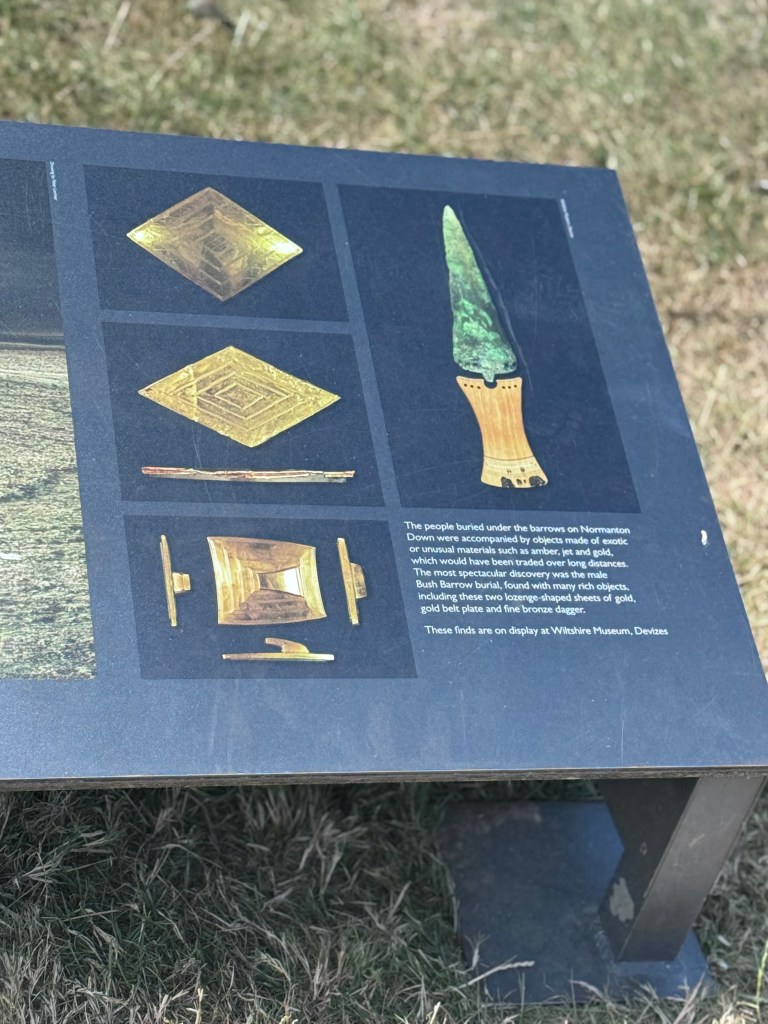
Inside the visitor centre, we learned even more about the surrounding landscape. The artifacts recovered from nearby burial mounds were incredible, especially the beautifully crafted gold objects buried with people thousands of years ago. It is remarkable to realize how sophisticated these ancient societies truly were. I’ll try to upload a short video from the exhibition that explains the wider archaeological landscape around Stonehenge.

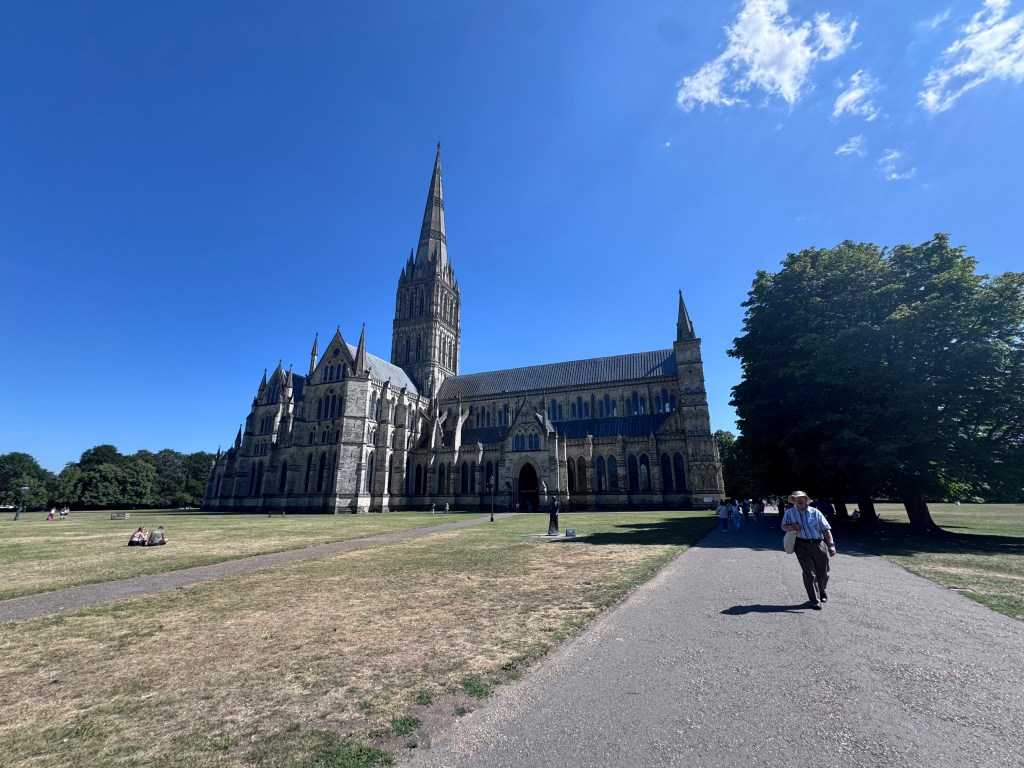
After our visit, we took the bus back into Salisbury and walked through the historic town toward Salisbury Cathedral. Before going inside, we noticed several spotting scopes set up outside. A group of birdwatchers was watching the resident peregrine falcons. We were able to observe a sleepy male perched high on the cathedral tower.

The cathedral itself has become an important home for these magnificent birds. According to the cathedral, peregrine falcons have nested there since at least 1864. They disappeared for many decades because of persecution and the widespread use of pesticides such as DDT, but they have successfully returned and once again raise chicks on the cathedral’s famous spire.

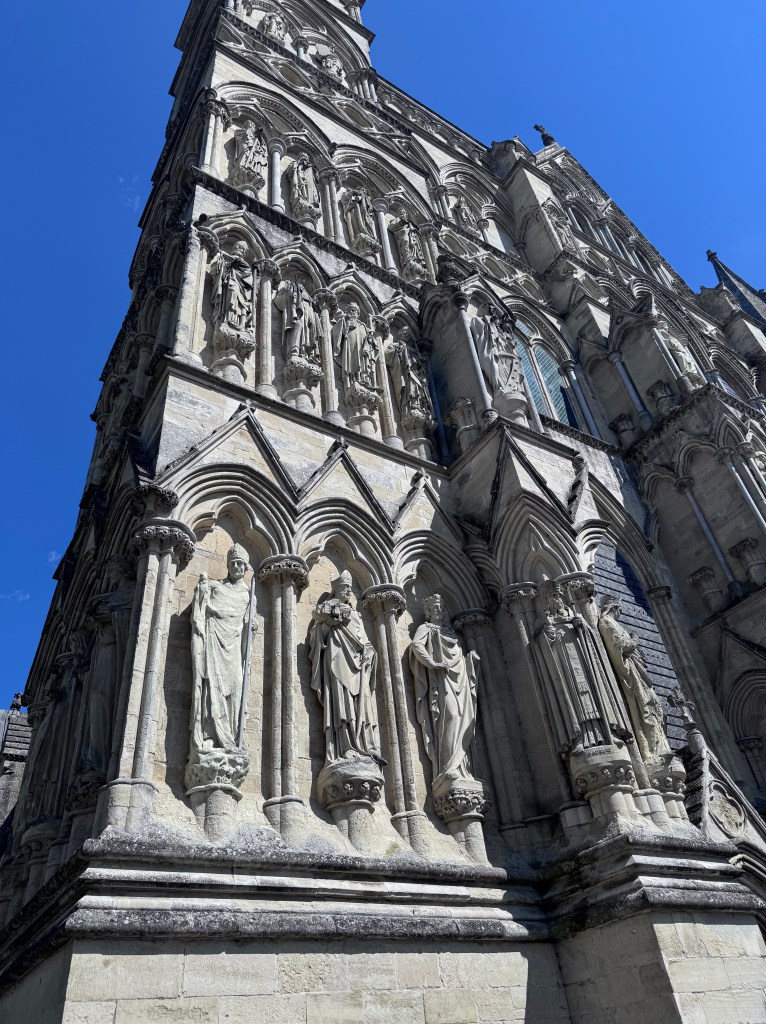
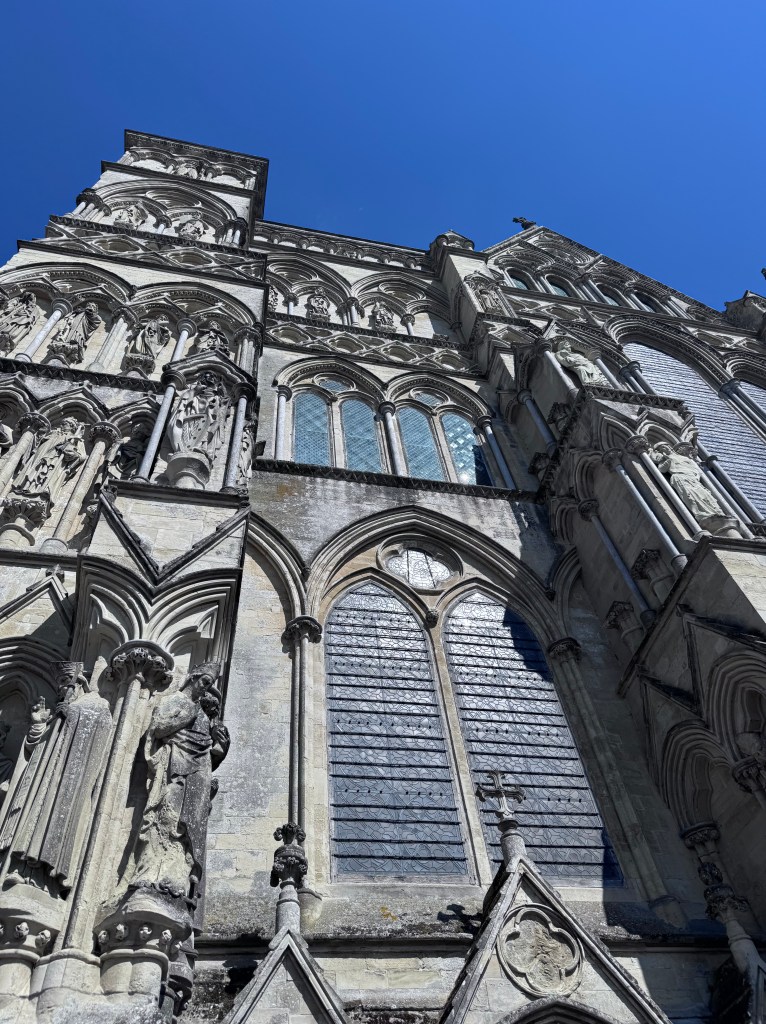
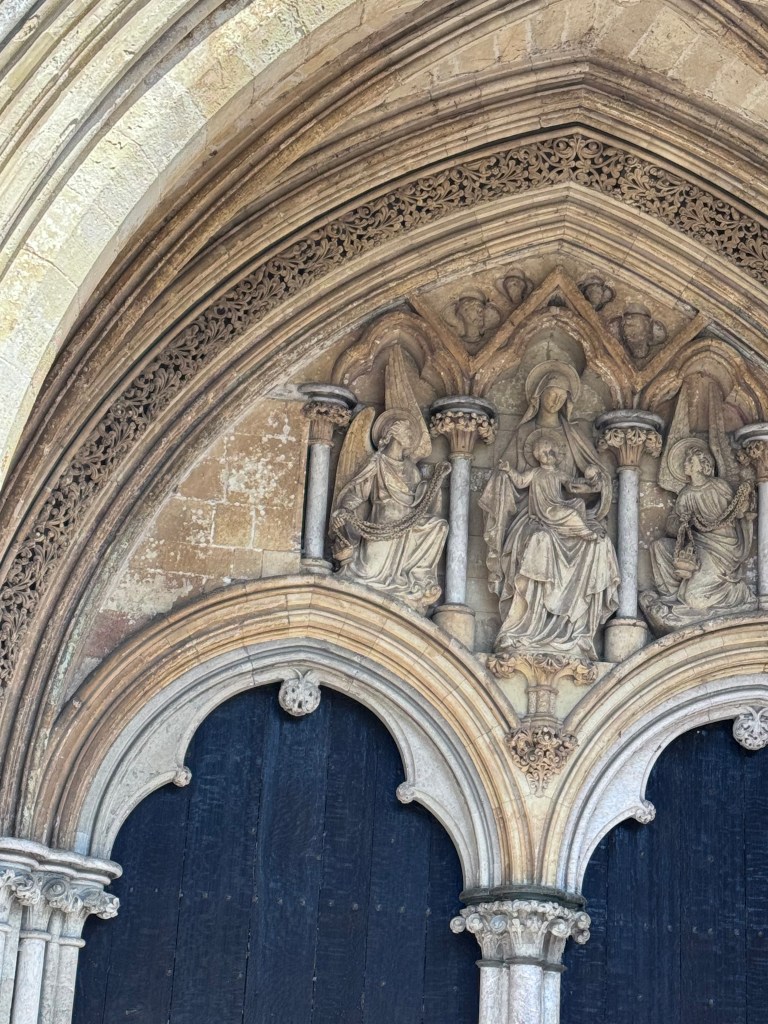
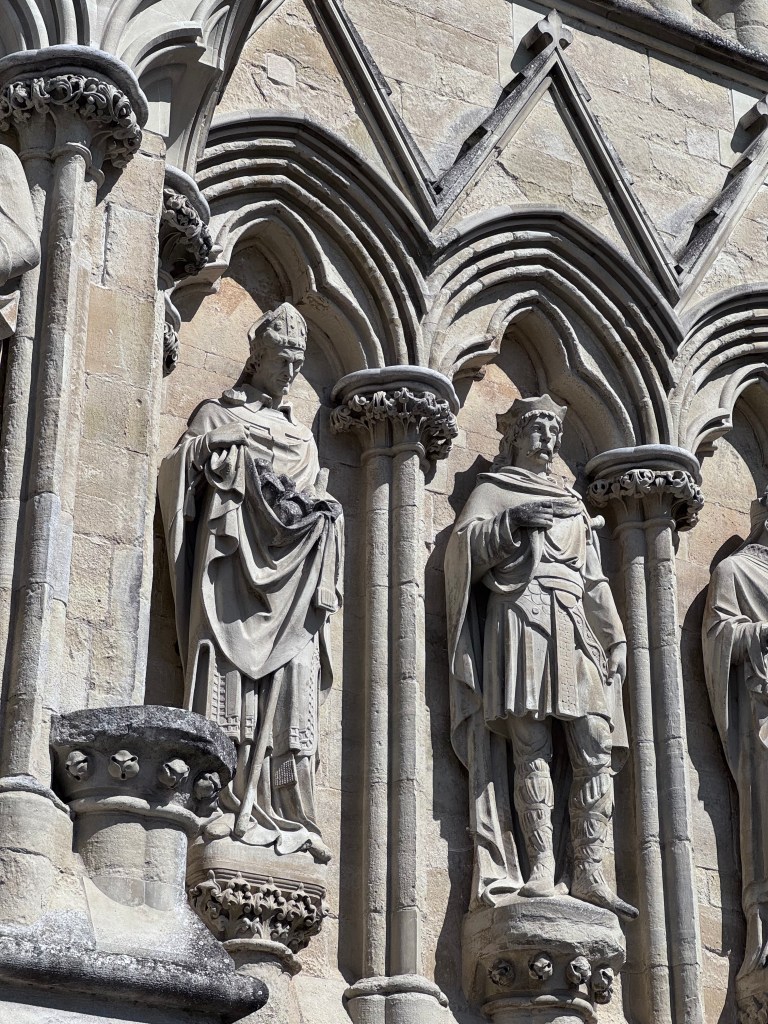
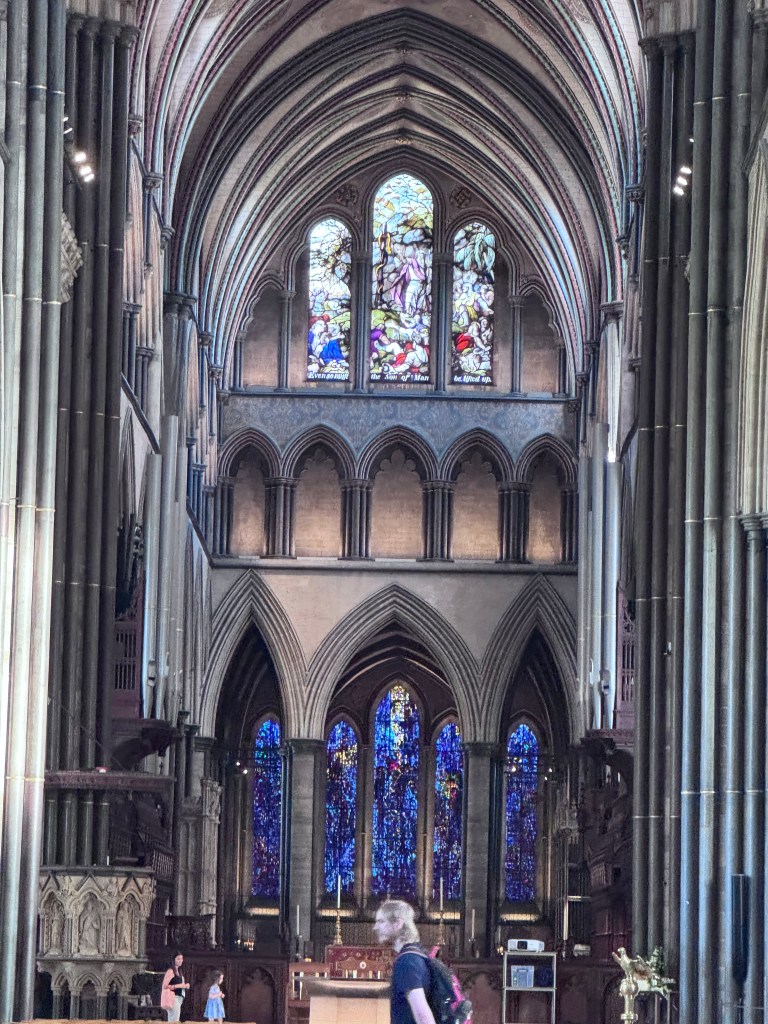
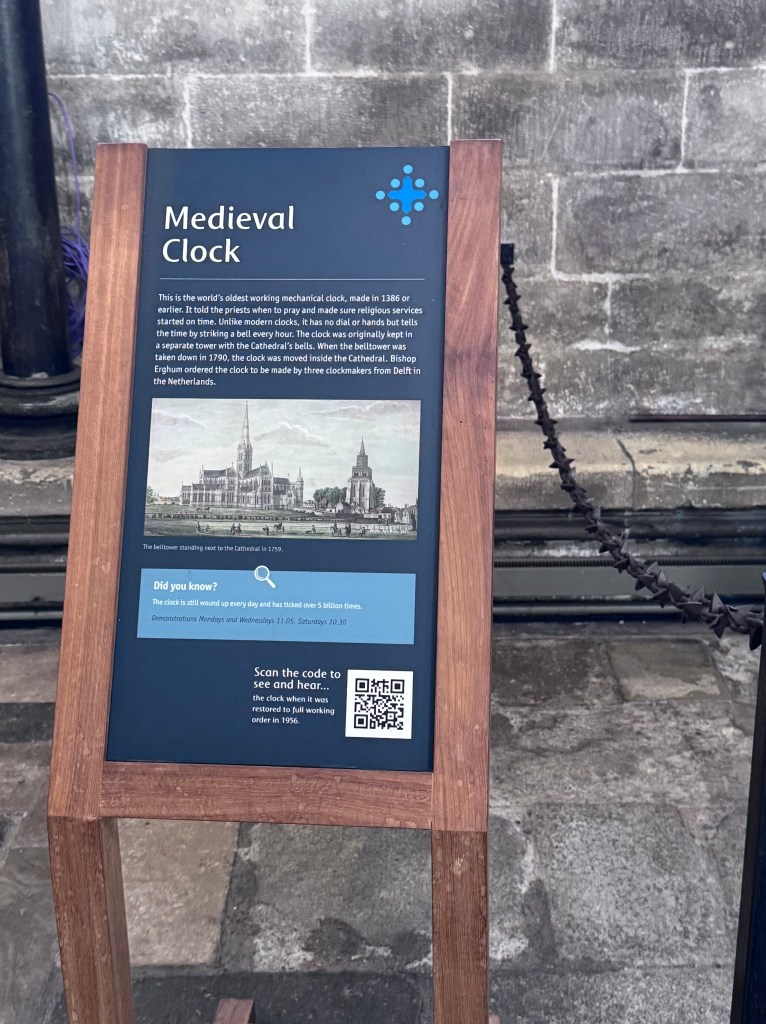
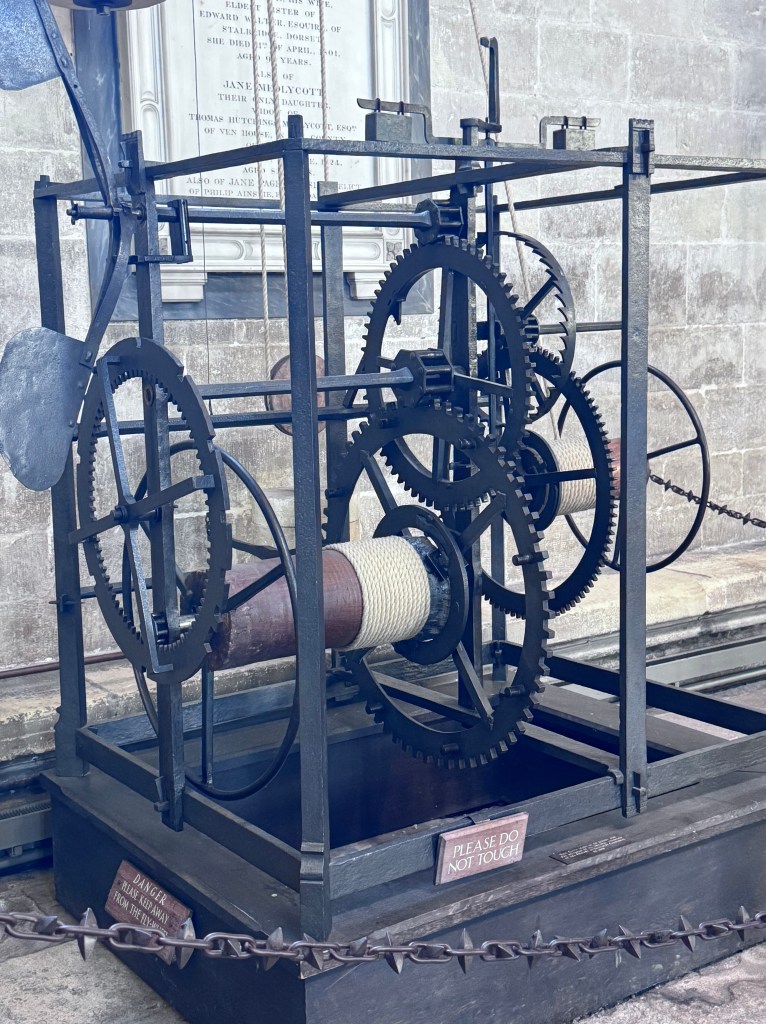
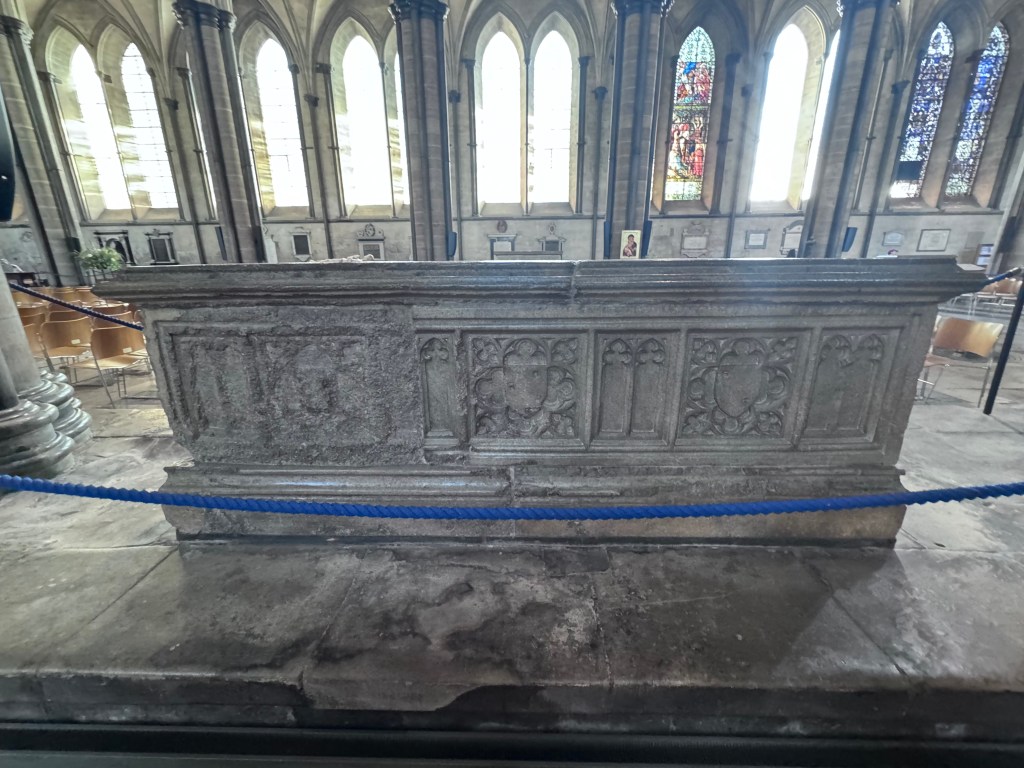
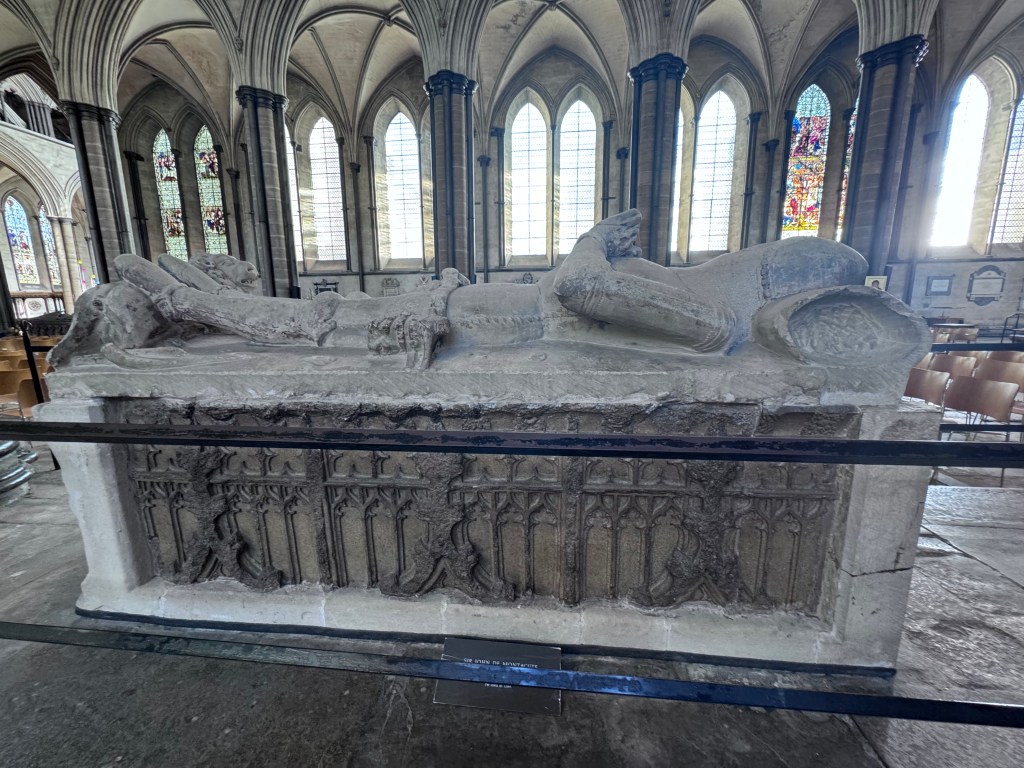
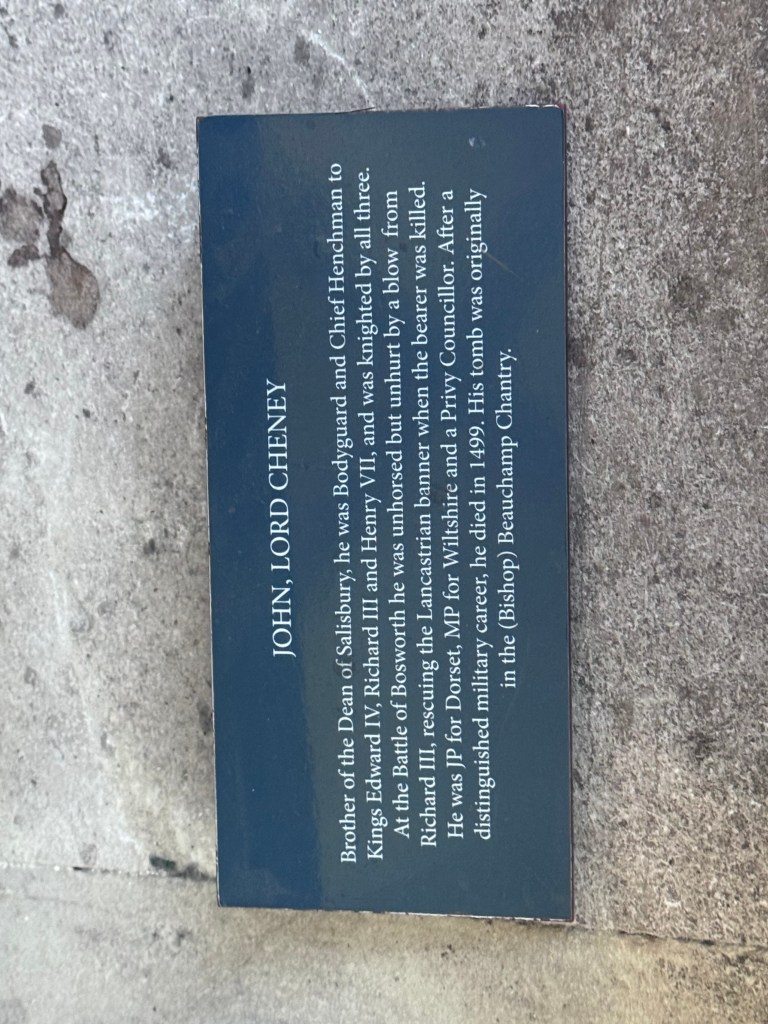
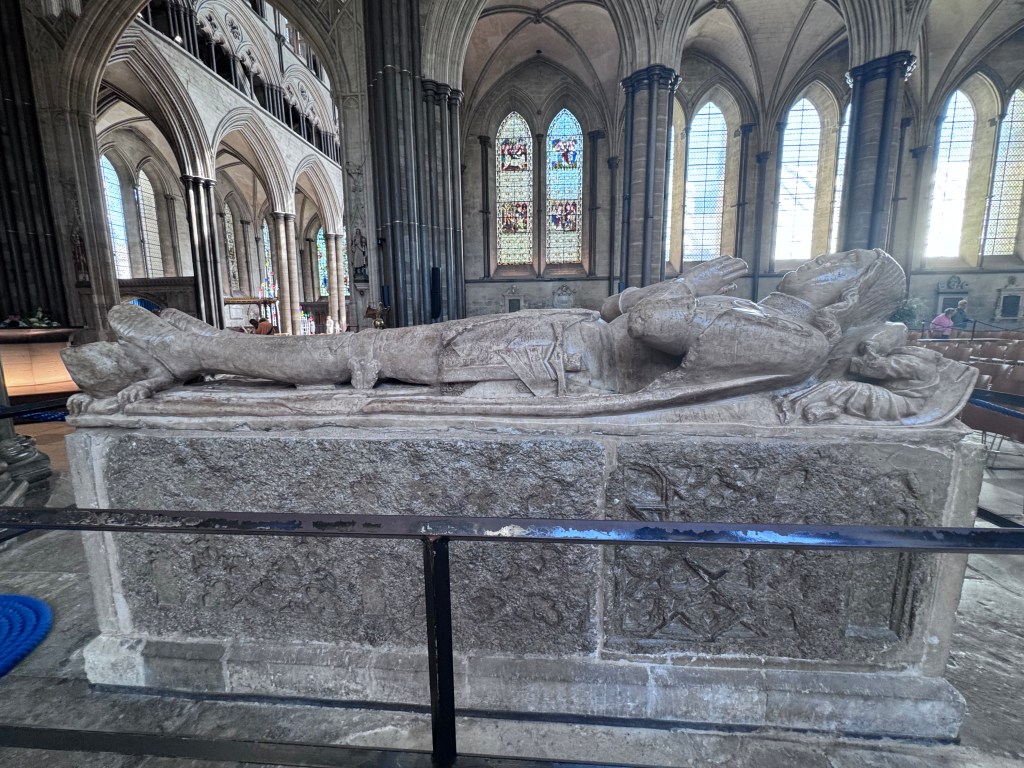
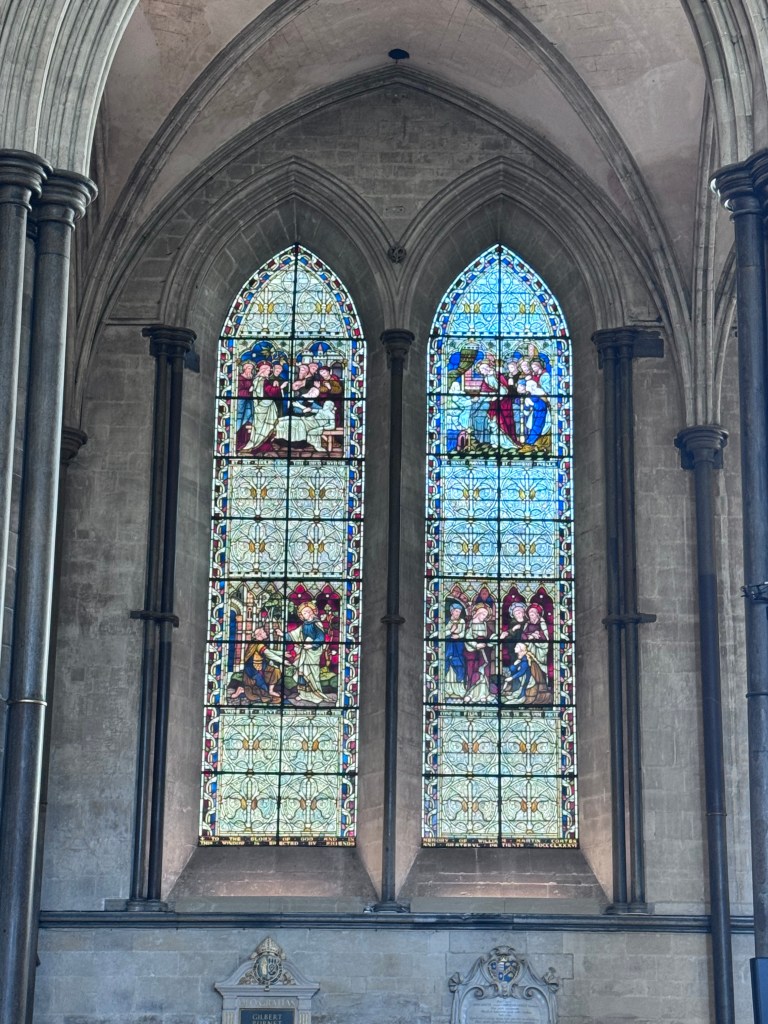
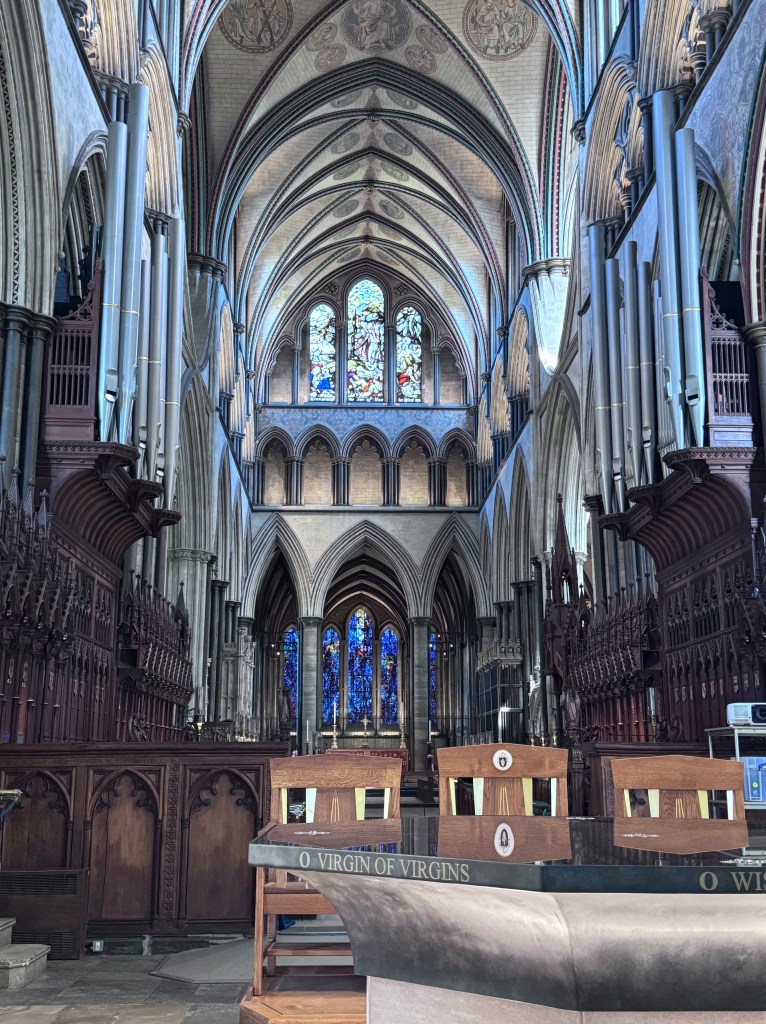
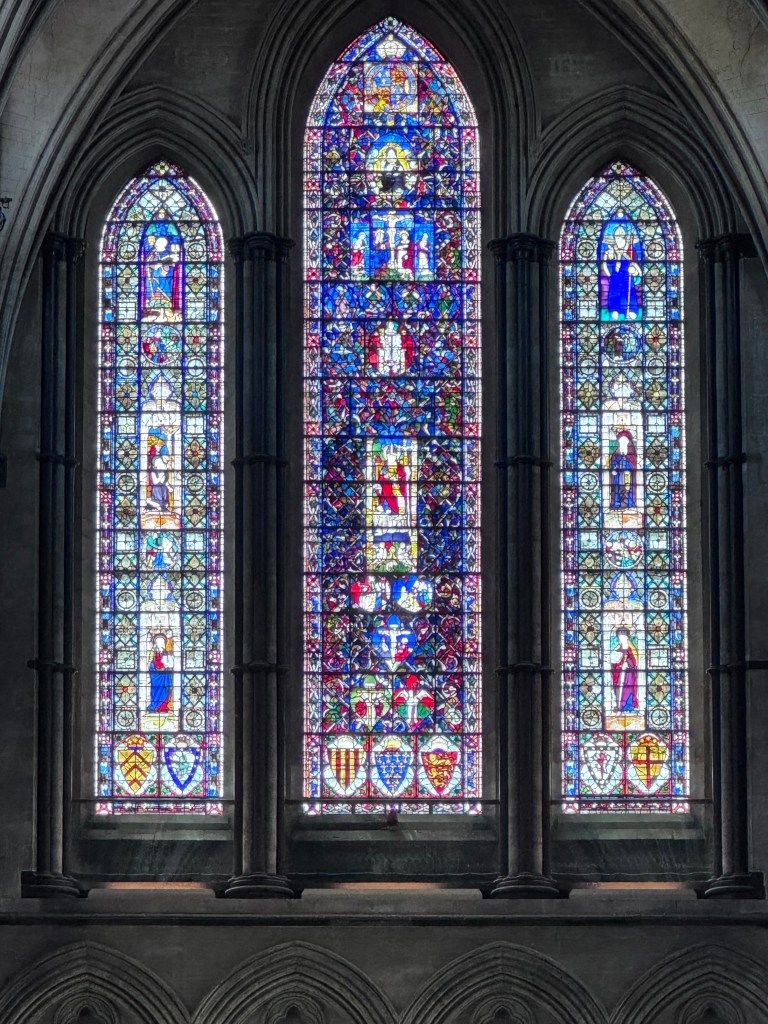
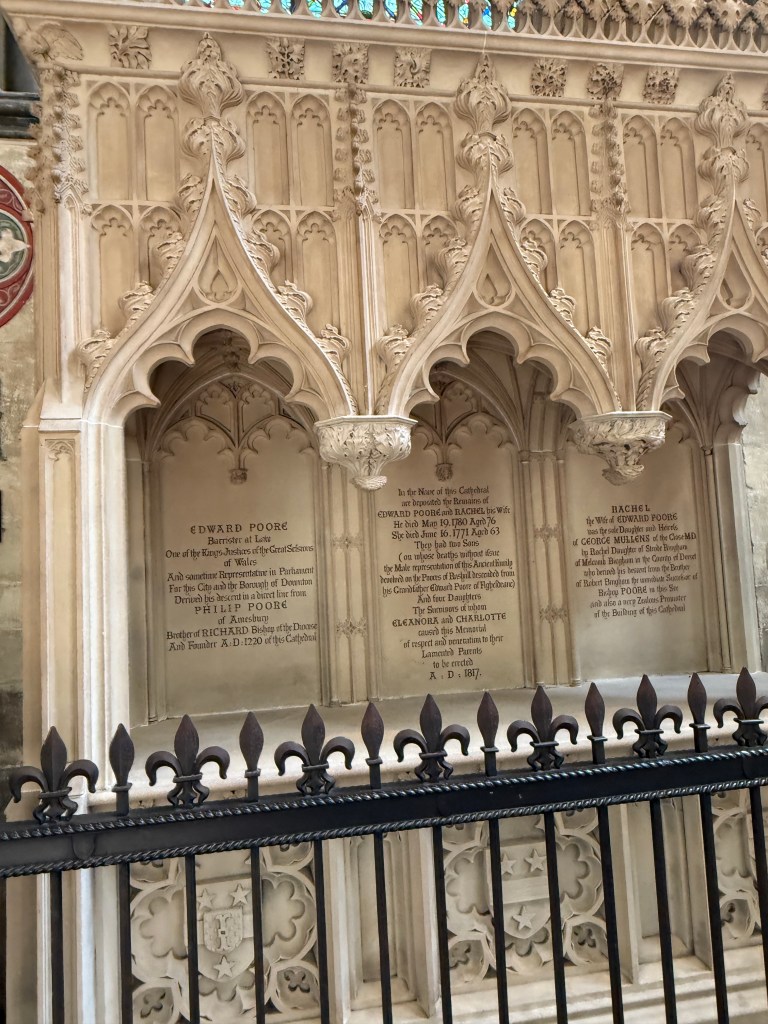
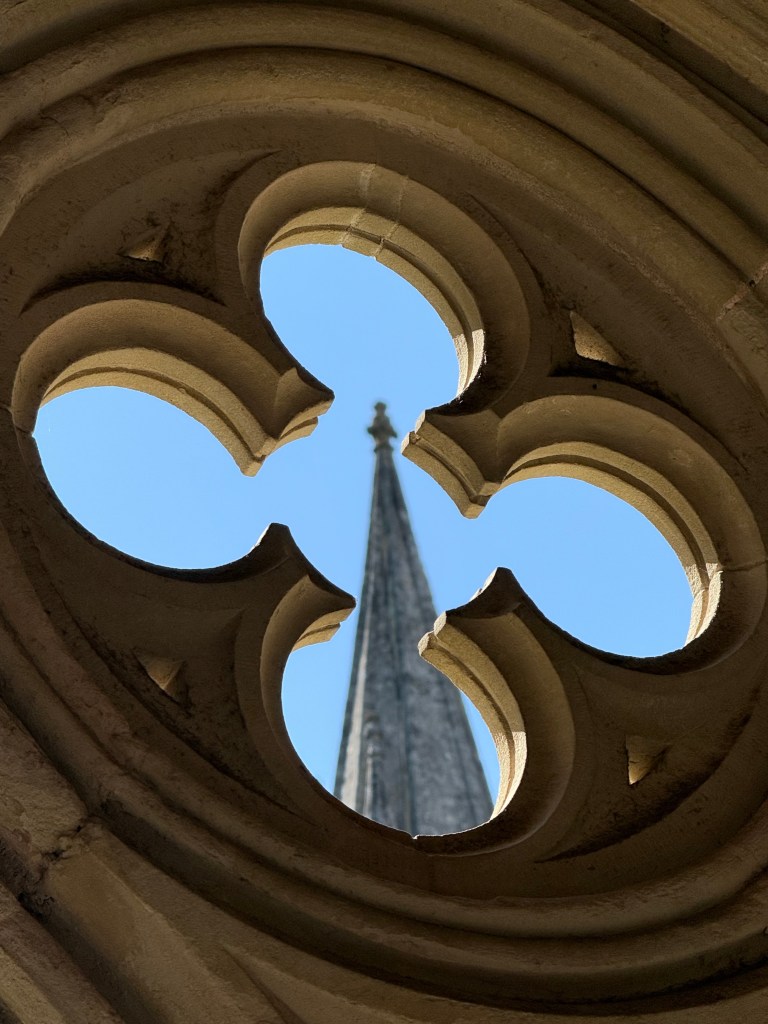
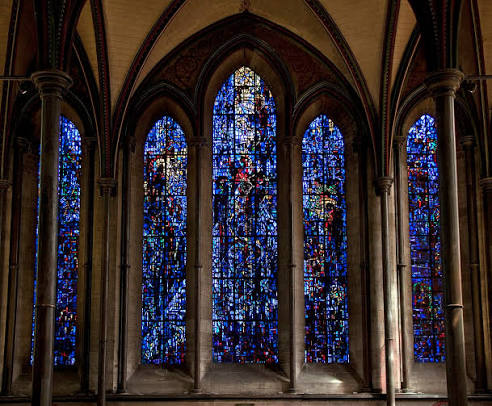
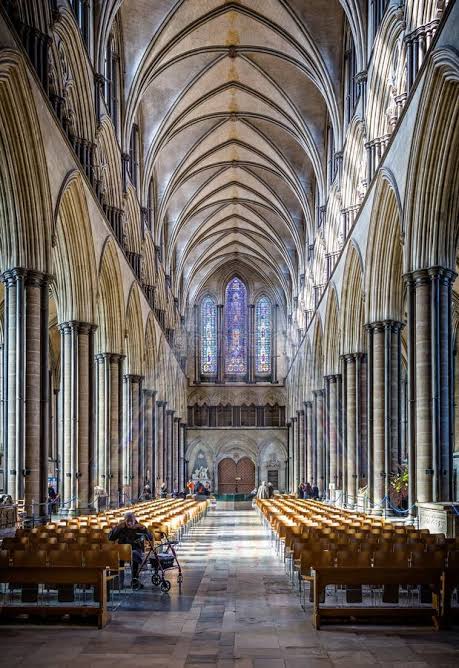
Walking inside the cathedral was breathtaking. Built between 1220 and 1258, Salisbury Cathedral is considered one of the finest examples of Early English Gothic architecture. Unlike many medieval cathedrals that took centuries to complete, the main body of Salisbury Cathedral was built in just 38 years, giving it an unusually unified architectural style. Its soaring spire, completed in the 14th century, remains the tallest surviving medieval church spire in Britain at 404 feet (123 meters). The rib-vaulted ceilings, elegant pointed arches, cloisters, and beautiful Chapter House supported by a single Purbeck marble column are truly magnificent. Everywhere you look there is another incredible detail to admire.

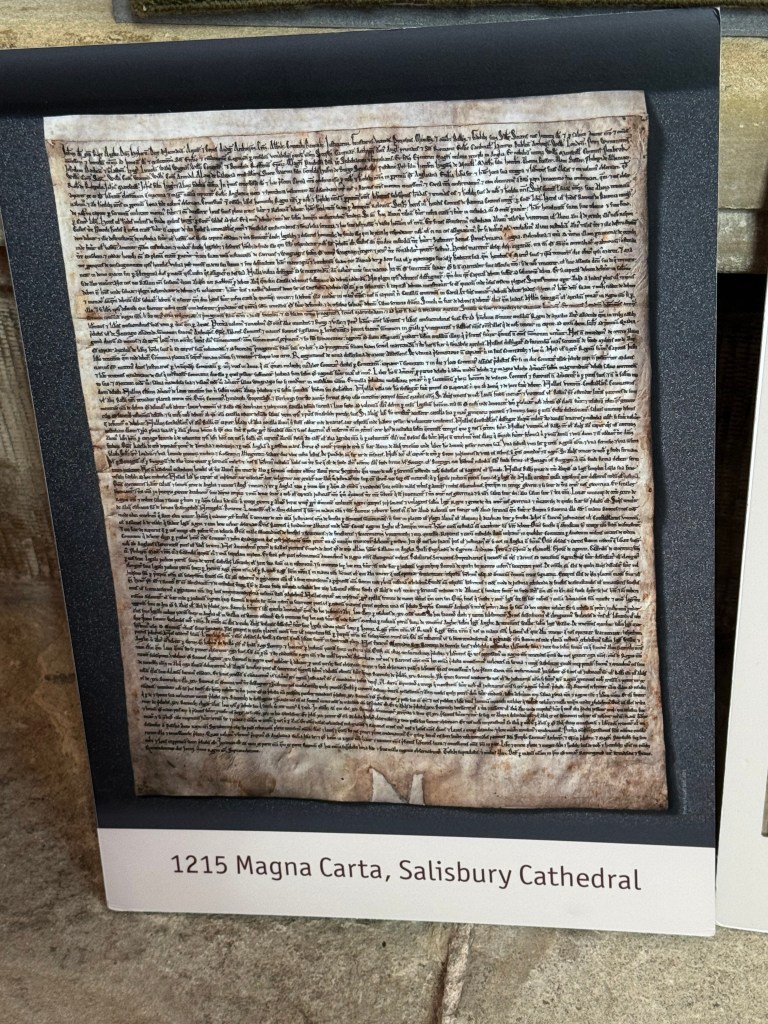
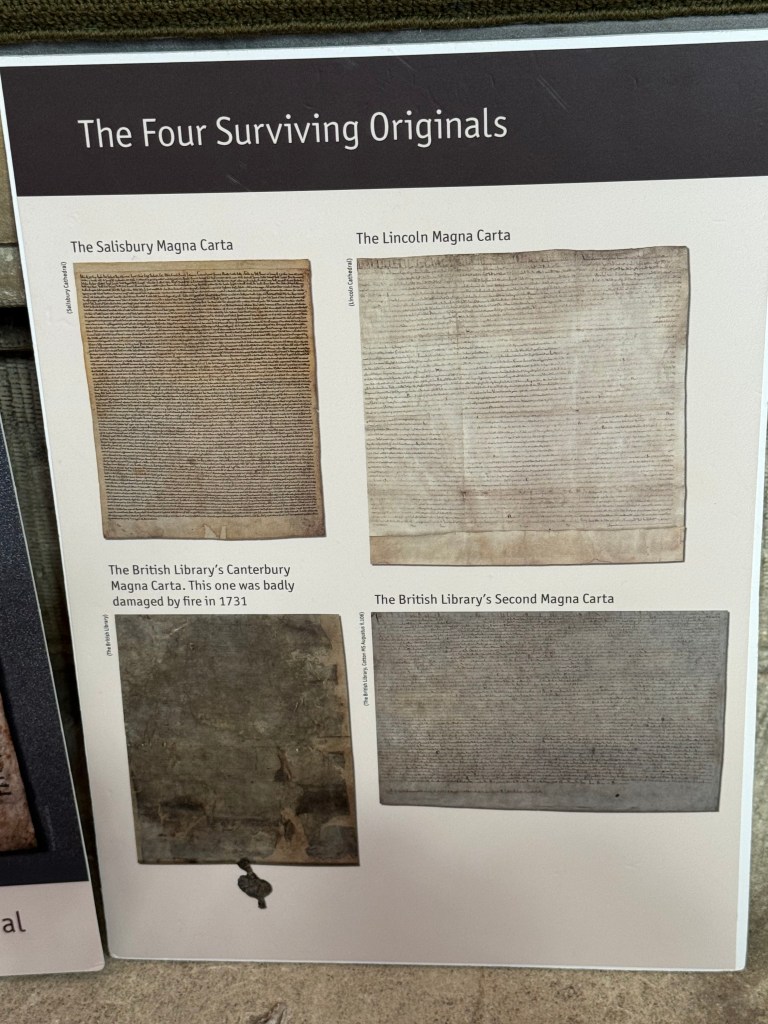
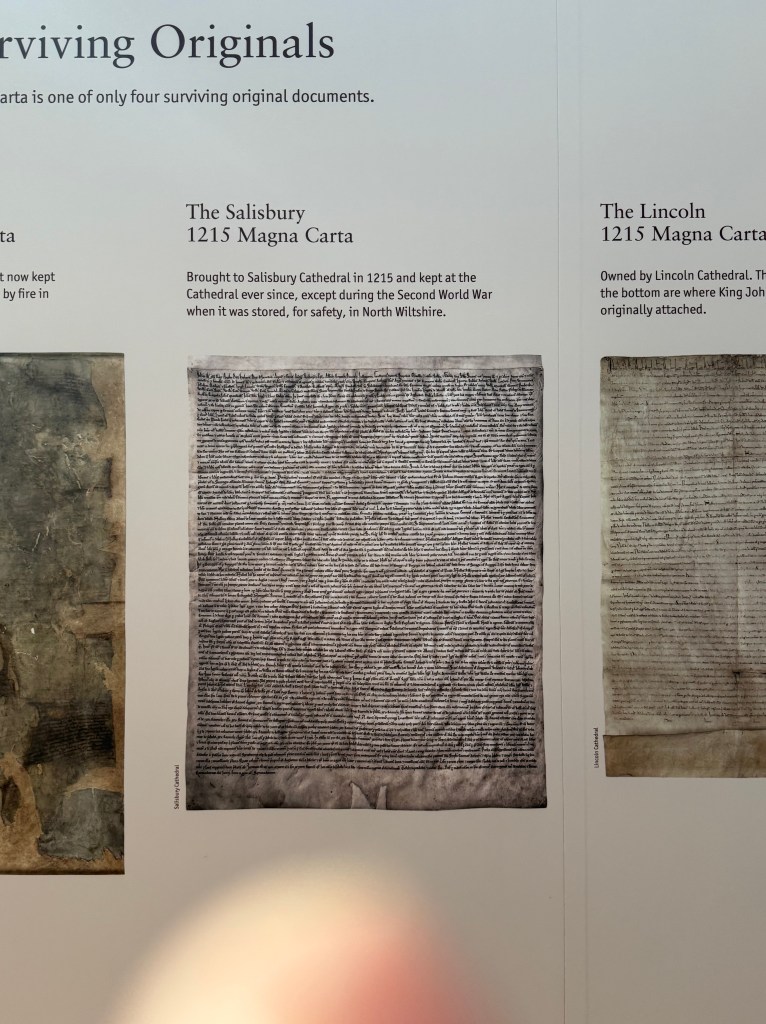
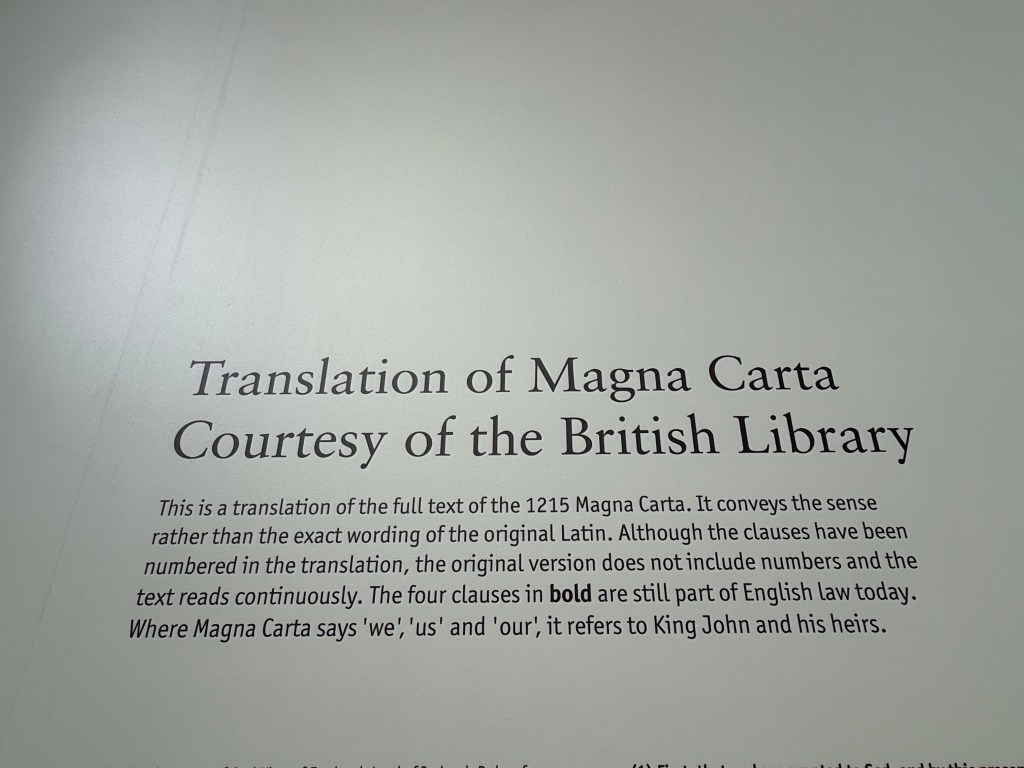
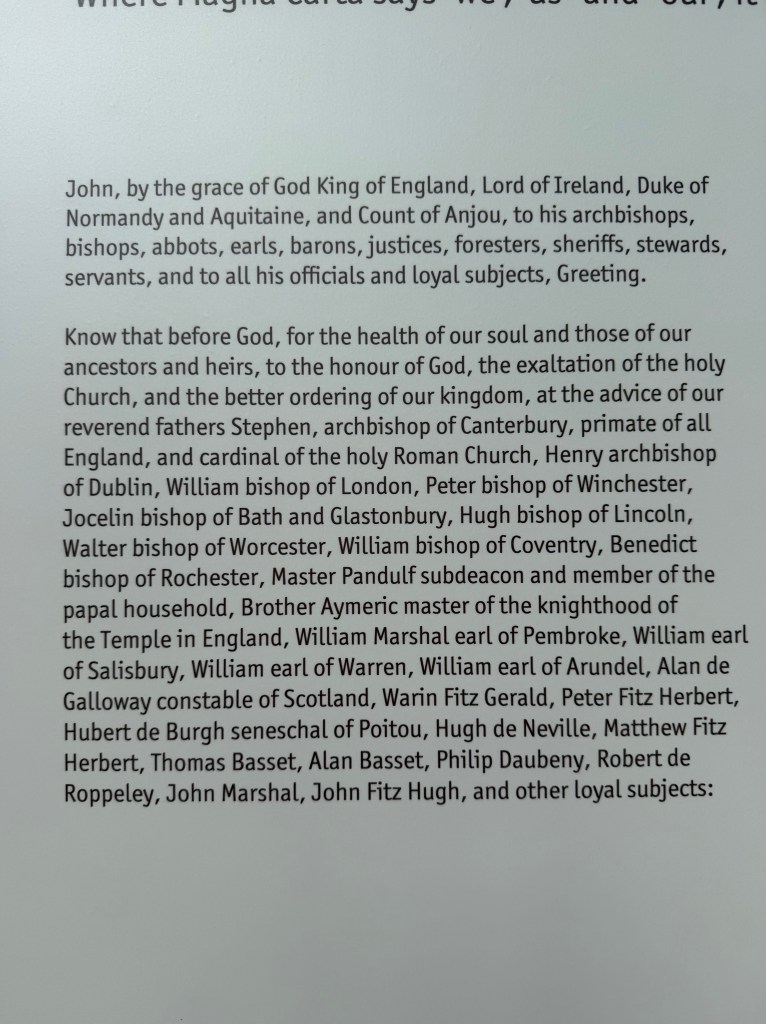
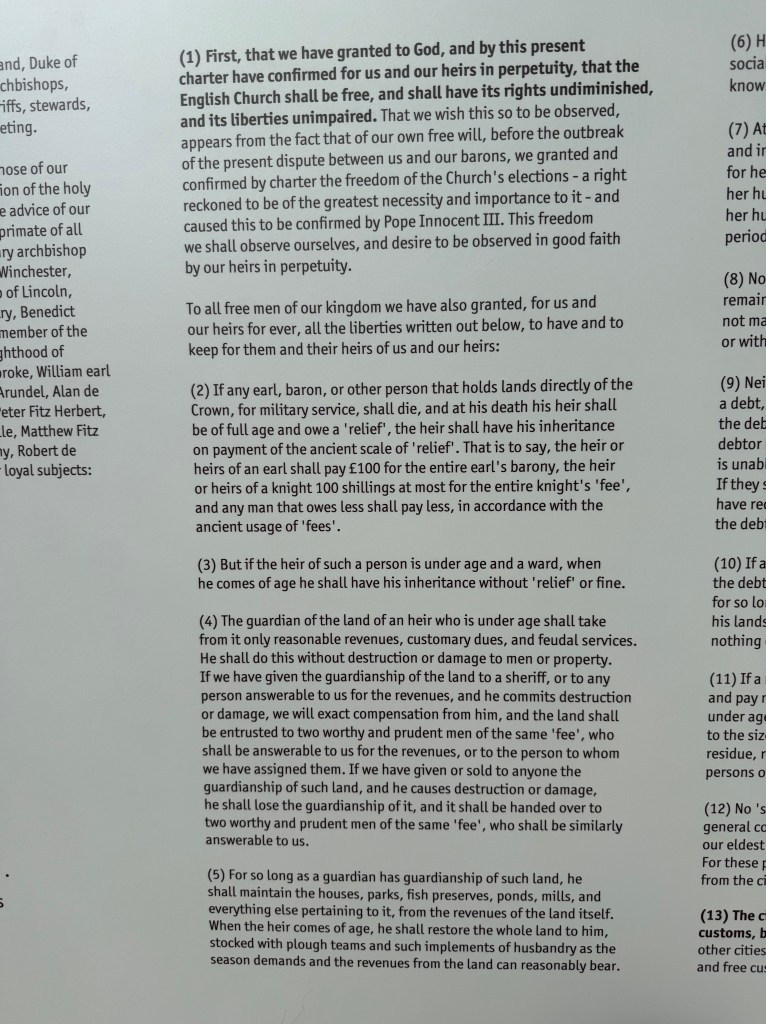
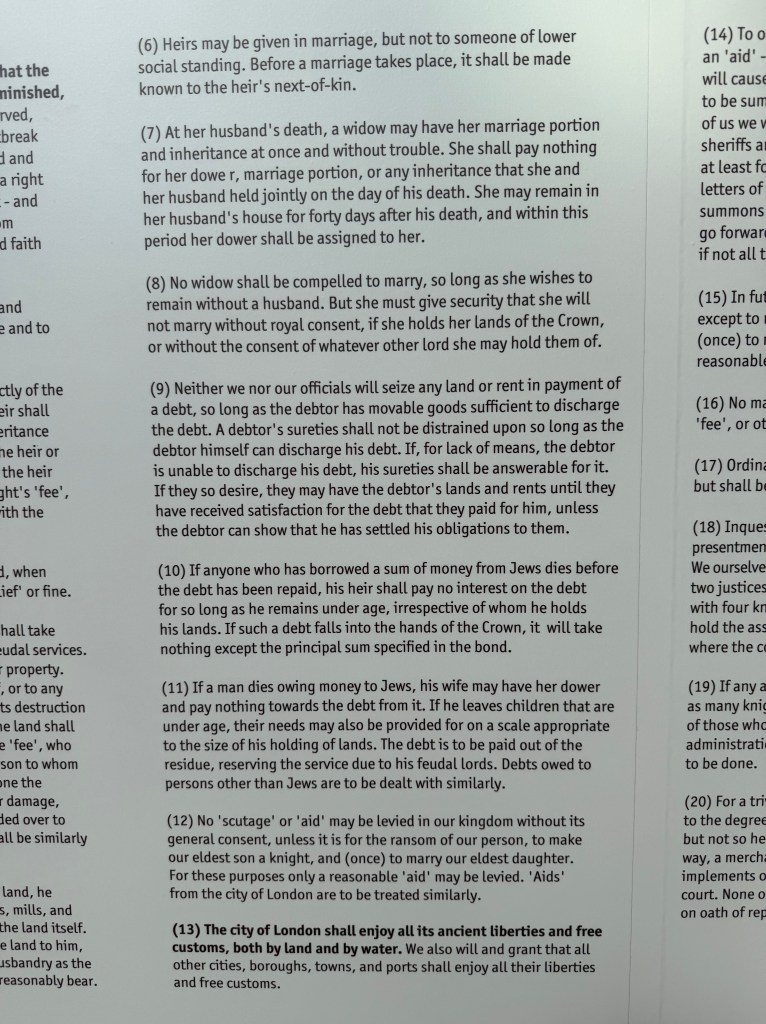
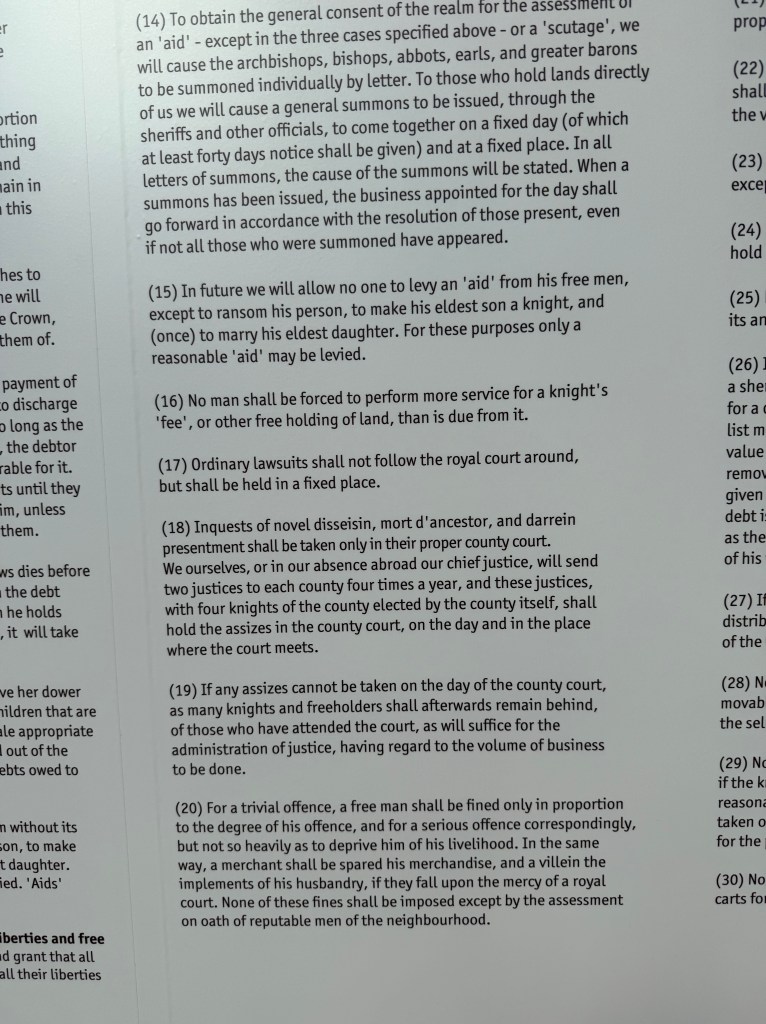
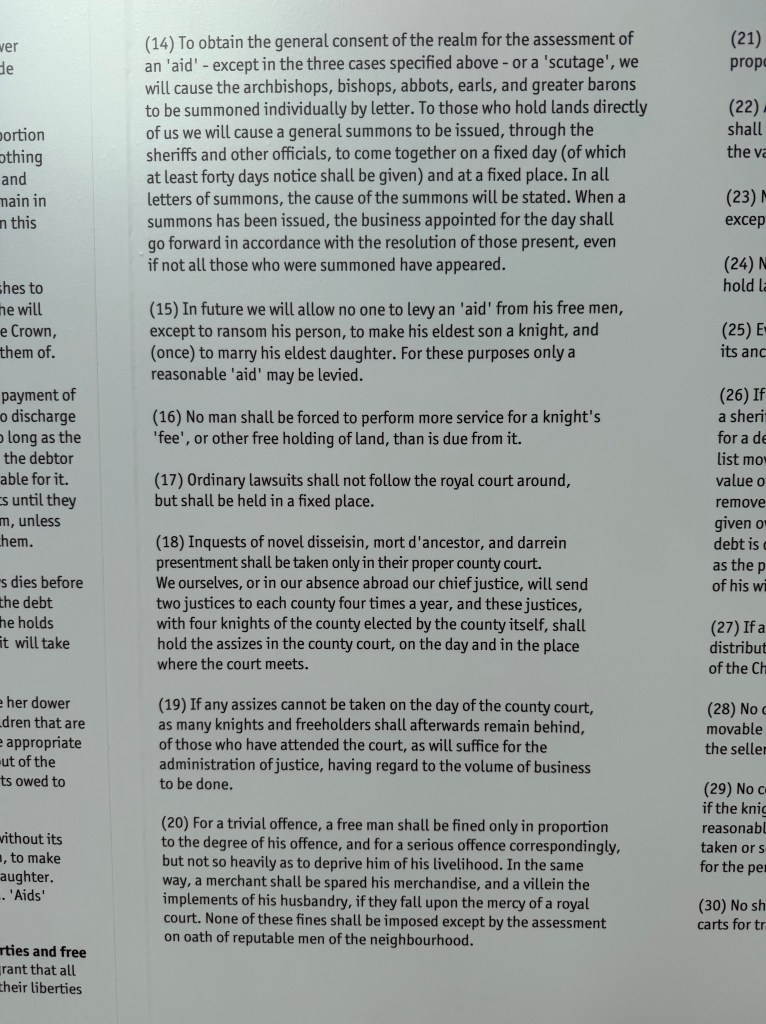
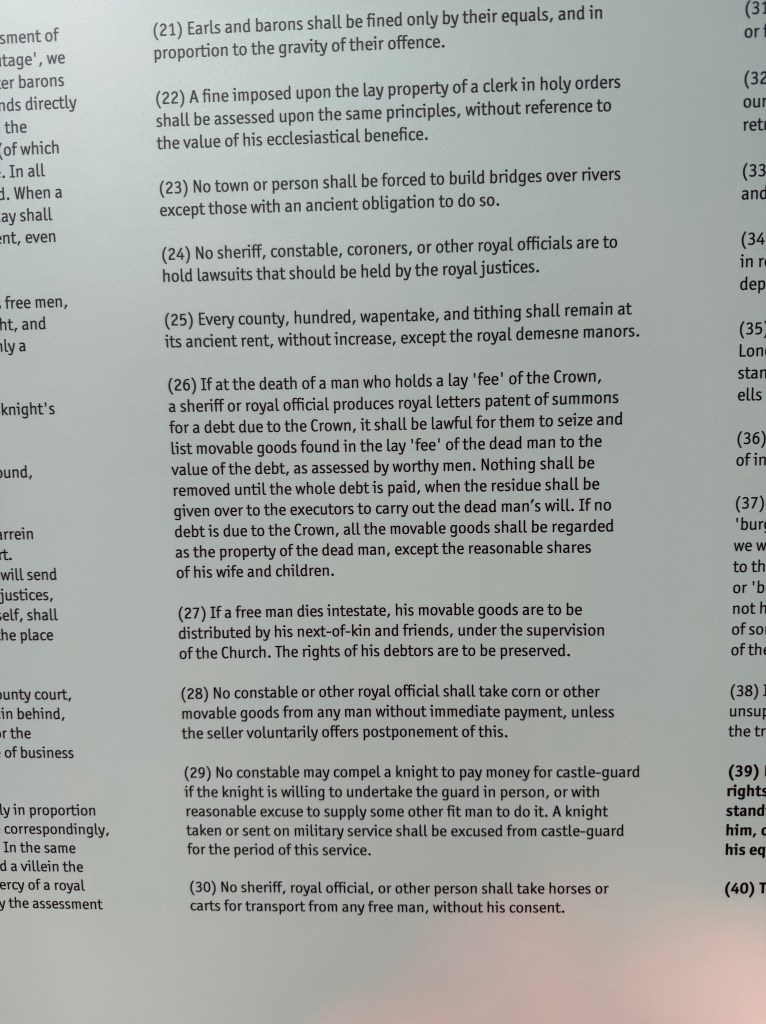
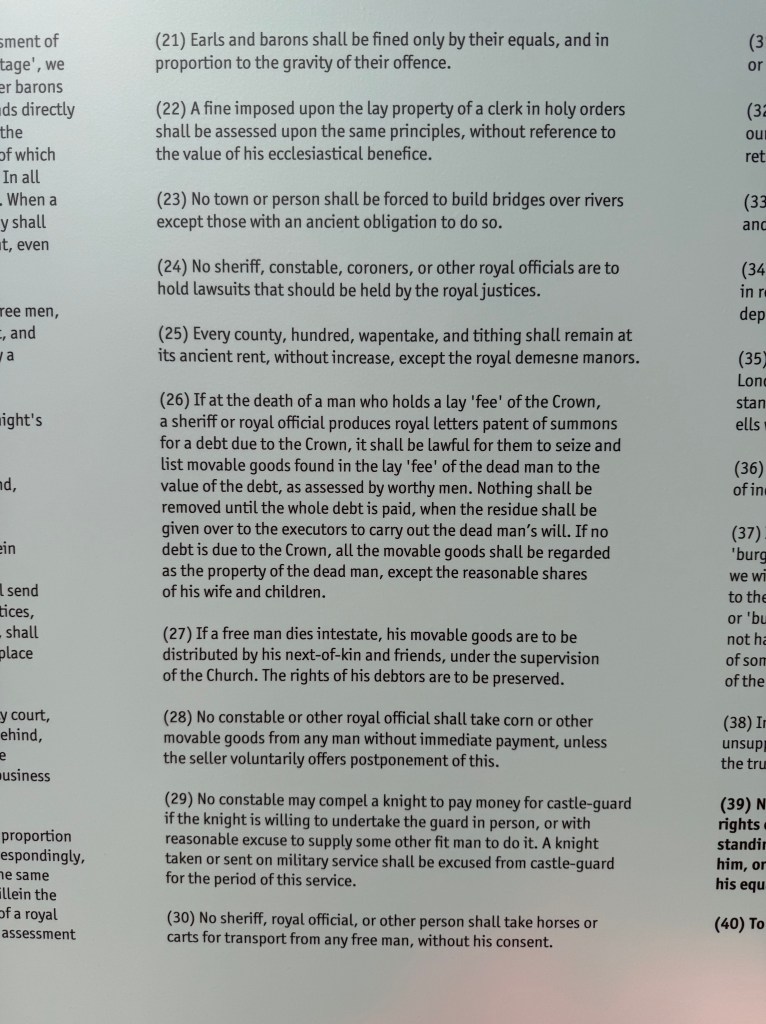
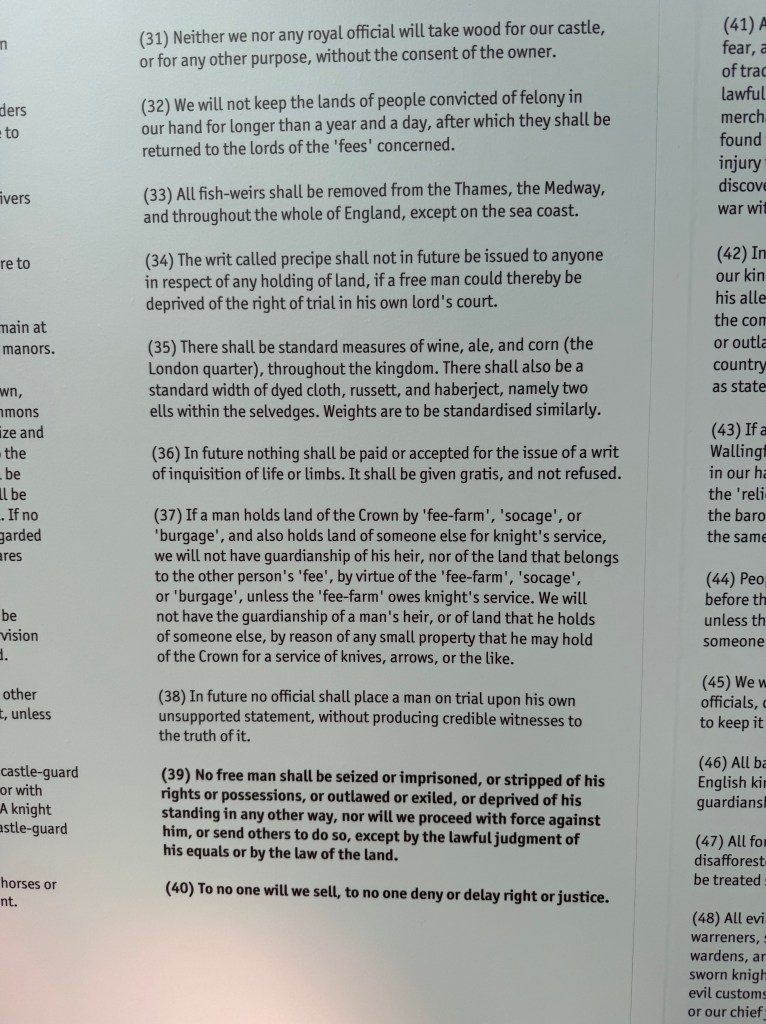
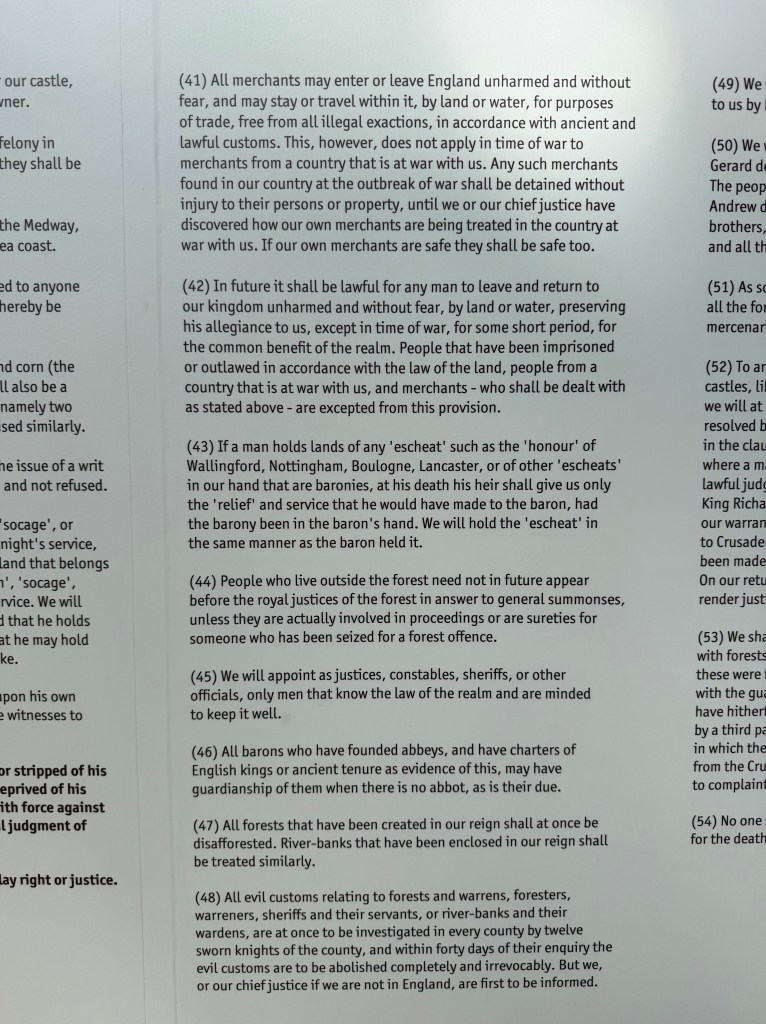
Our final stop was to see one of the cathedral’s greatest treasures—one of only four surviving original copies of the Magna Carta. It is considered the best-preserved copy in existence.

Seeing it in person was unforgettable.

Photography isn’t allowed, so you enter a dimly lit semicircular room where the document rests safely behind glass. The writing is remarkably clear, incredibly neat, and unbelievably tiny. Looking at a document written more than 800 years ago that helped shape constitutional government throughout much of the world is difficult to put into words. I’ll include photographs showing how the other surviving copies compare, many of which are faded or much harder to read.

Standing there, I couldn’t help but reflect on just how young the United States—and especially Montana—really are. People throughout Europe are often amazed when we tell them Montana is only 136 years old. Here, buildings, monuments, and documents are measured not in decades but in centuries and even millennia. It certainly puts history into perspective.

After such an incredible day filled with ancient engineering, medieval architecture, and one of the world’s most important historical documents, we caught our train back to London and happily crashed at the apartment for the evening.

Stepping Back in Time at Godshill Model Village

Our final day on the Isle of Wight was spent in one of its most charming villages. We caught a taxi up to the Old Smithy Car Park in Godshill, where we met Alan, Pauline, and Jane—another Friendship Force member whom Aunt Jane had spent time with during her visit to the Isle of Wight last November. It was wonderful to see everyone again before continuing on to London.

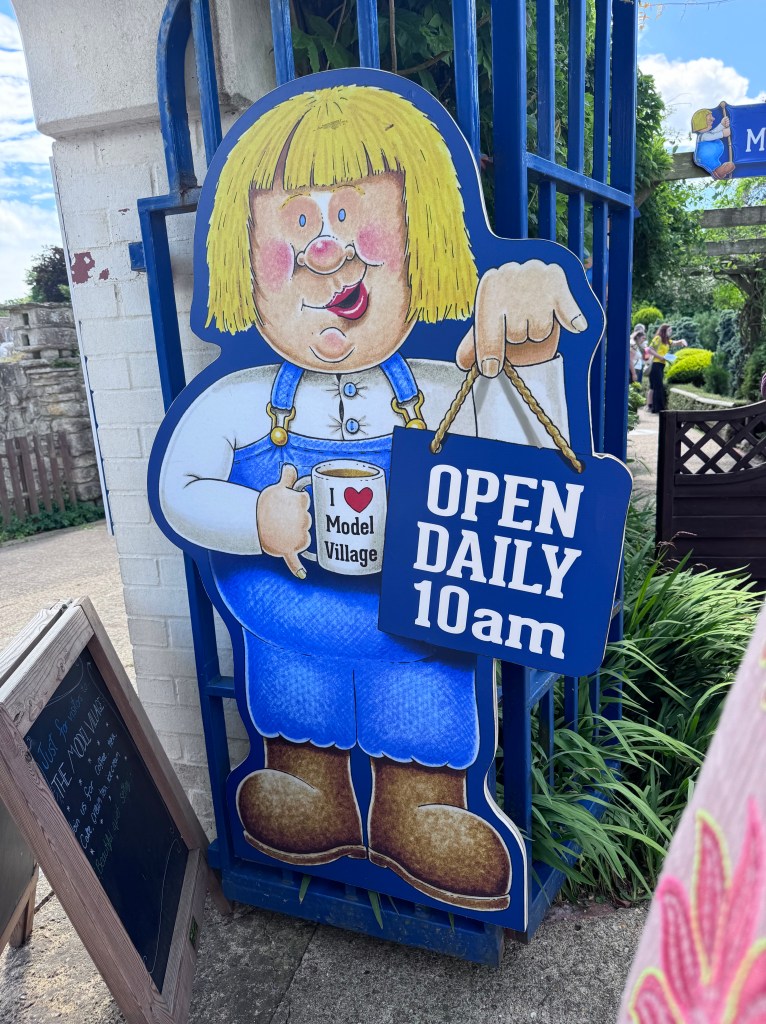
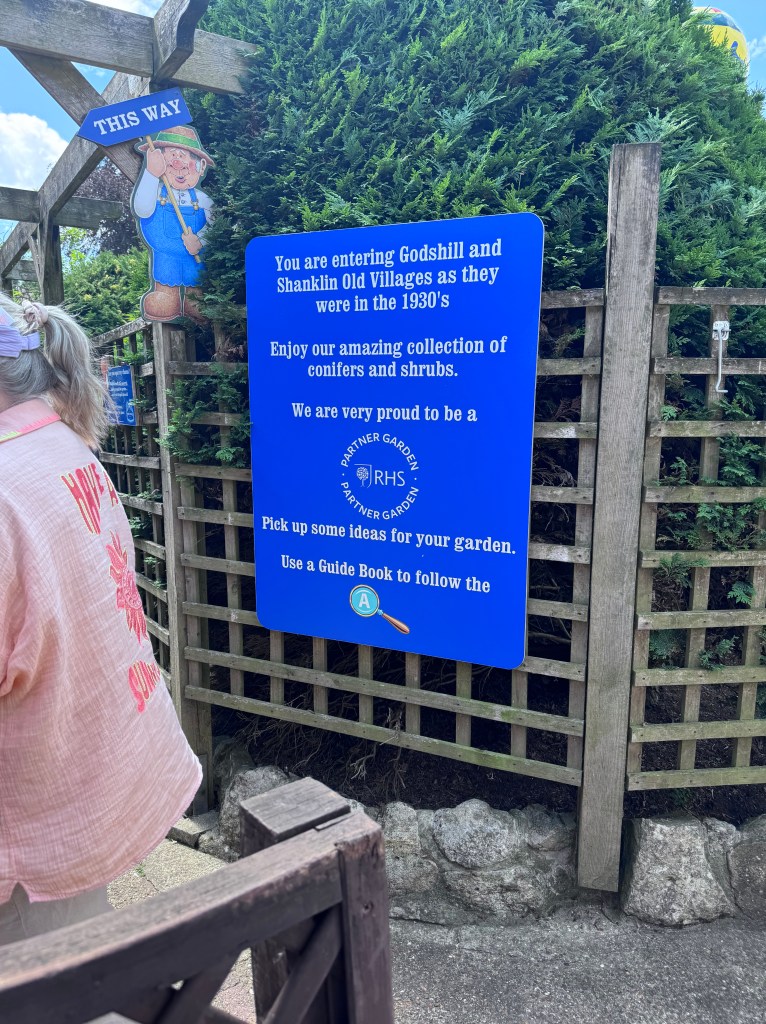
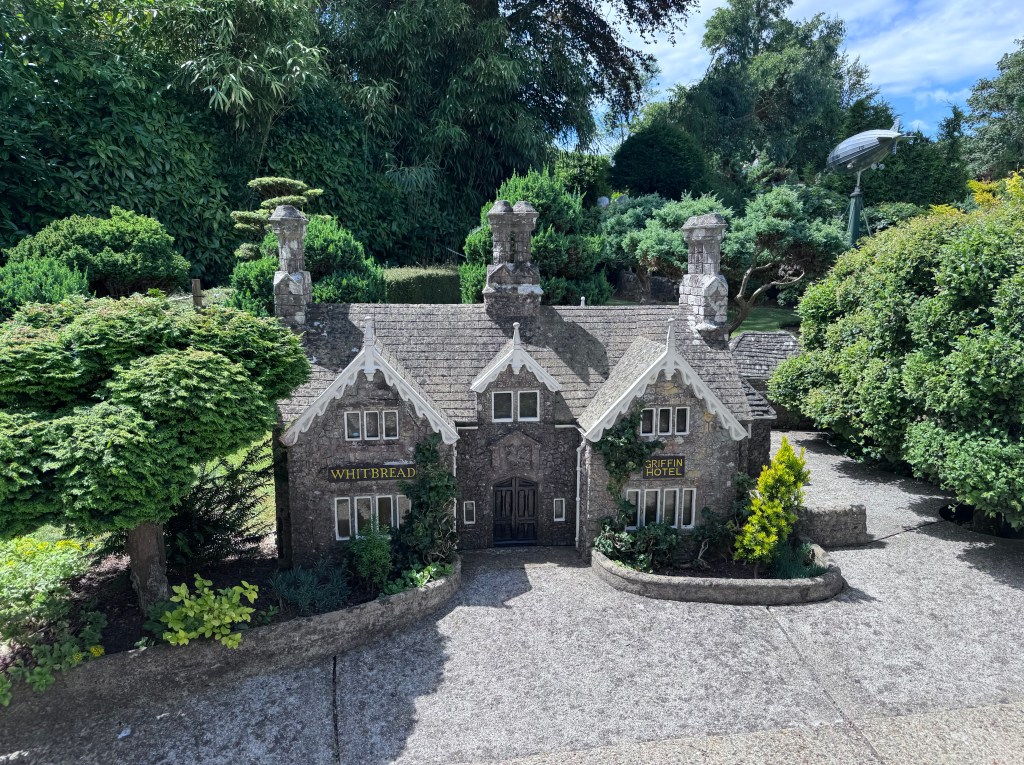
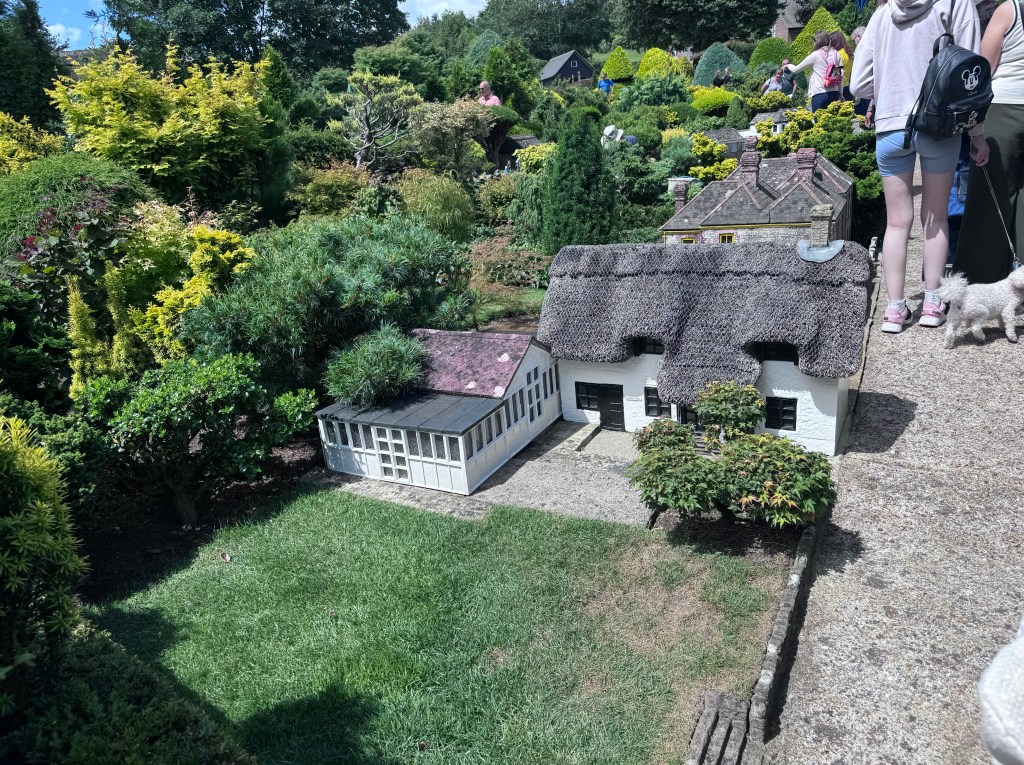
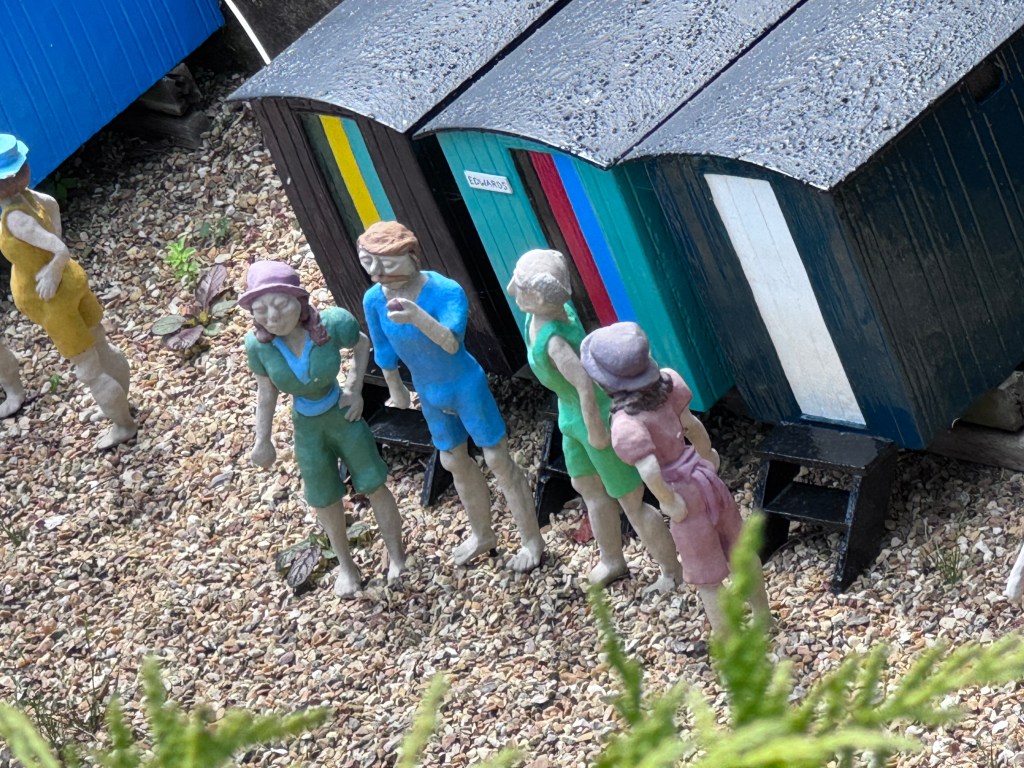
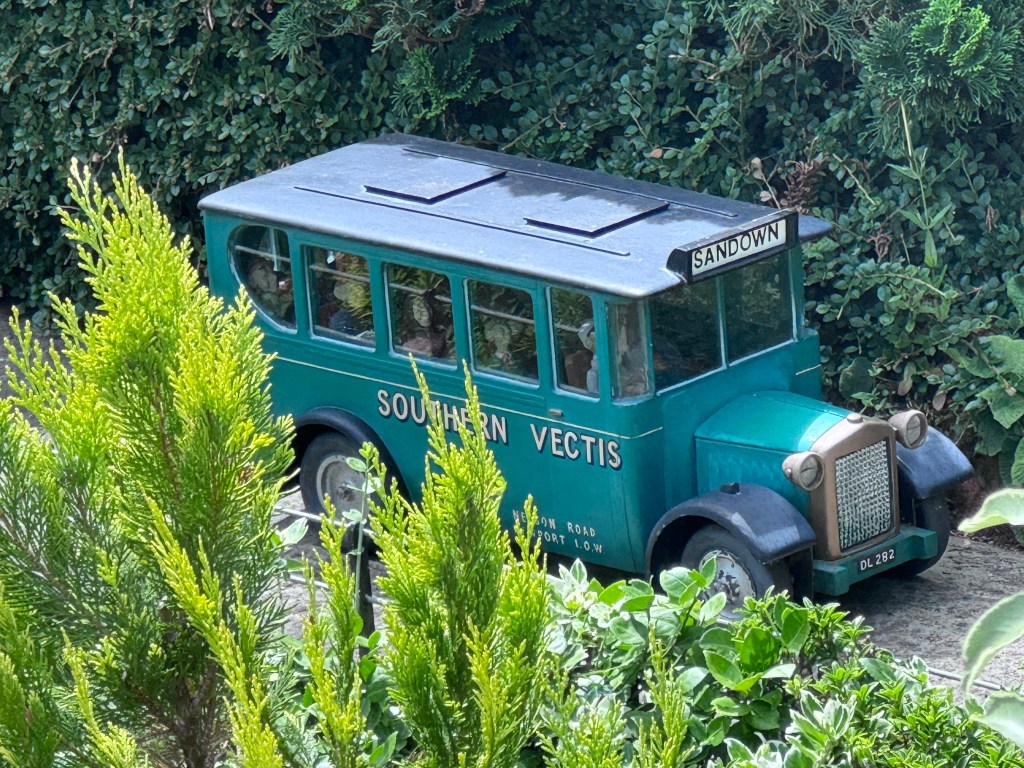
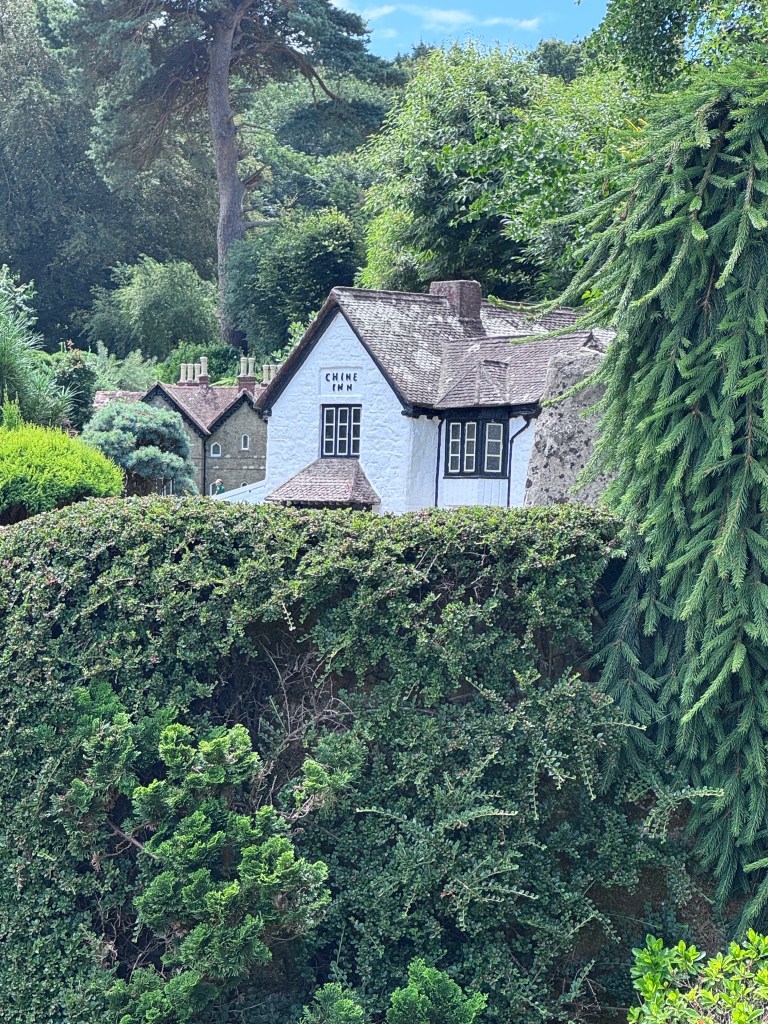
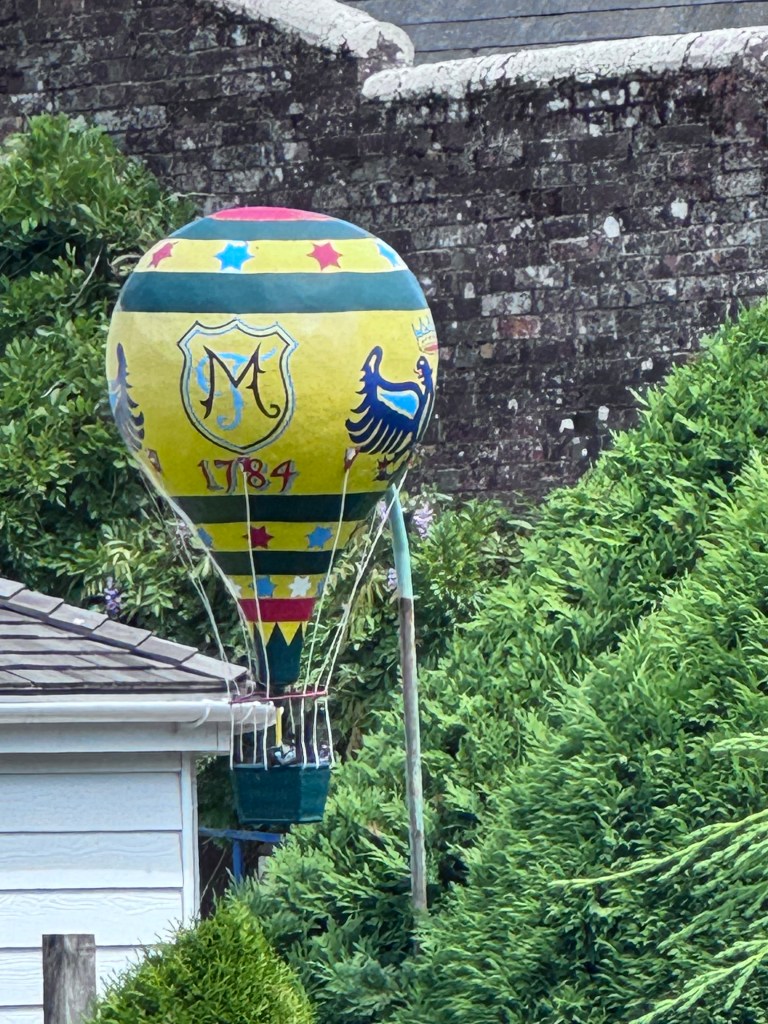
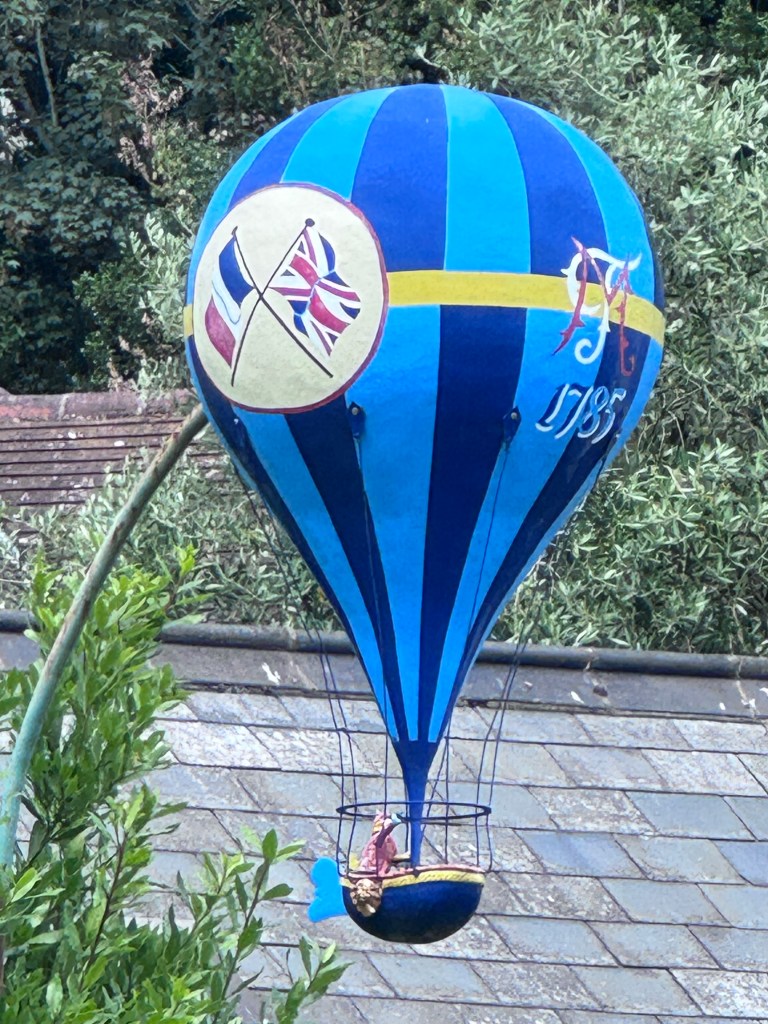
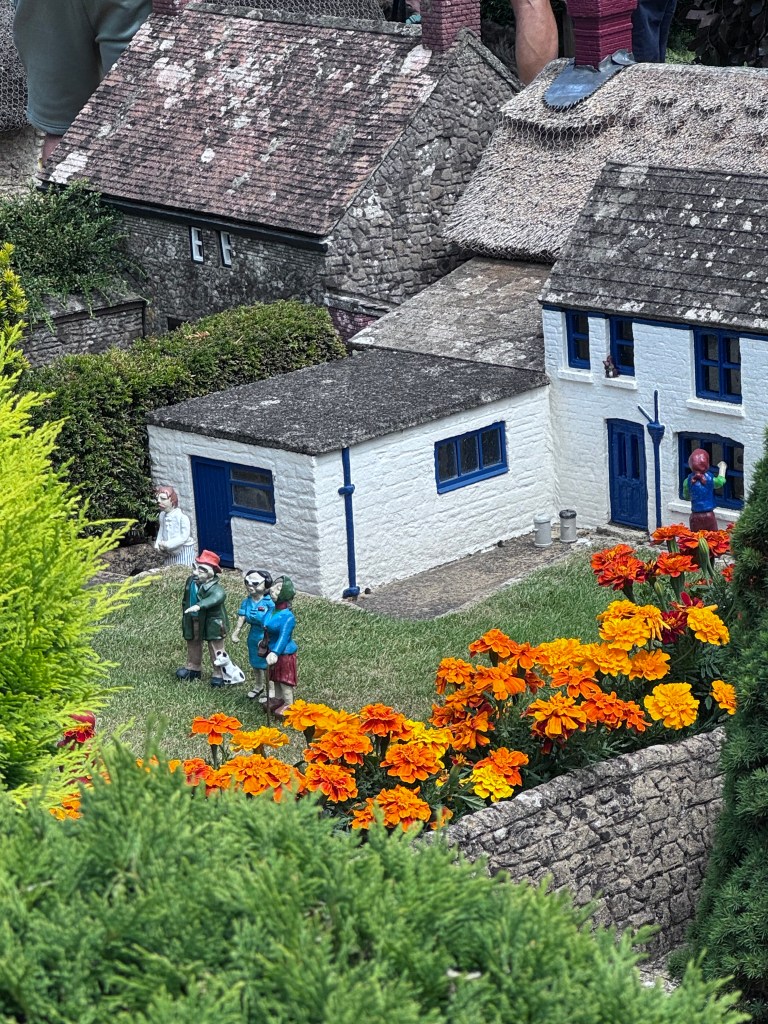
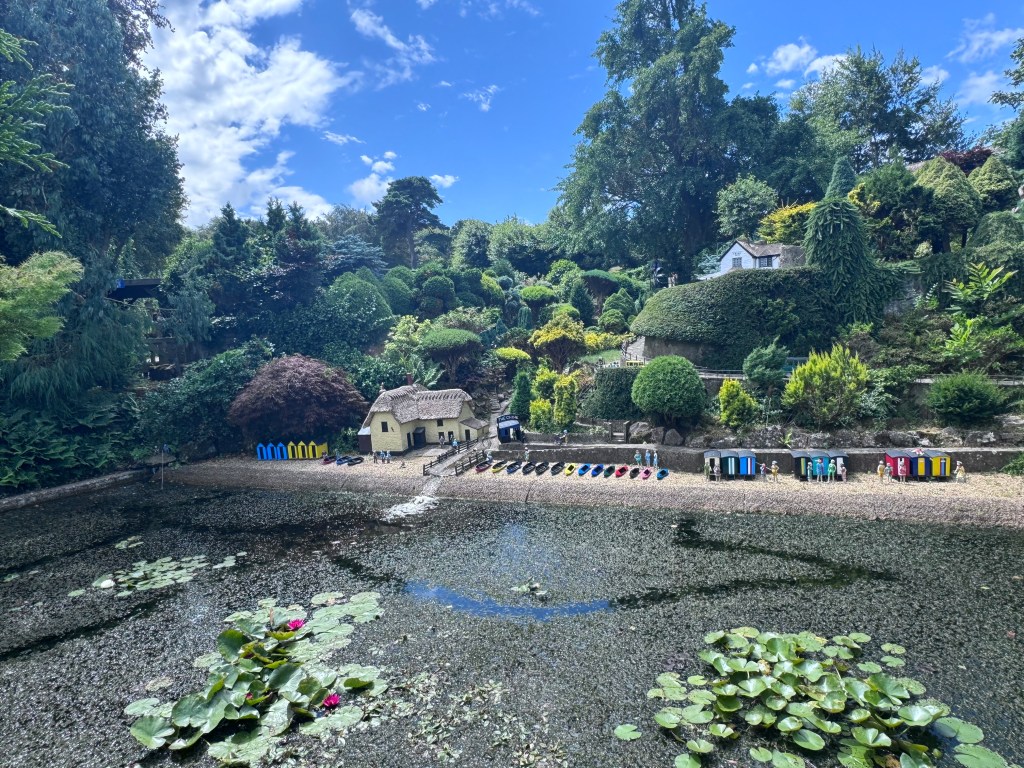
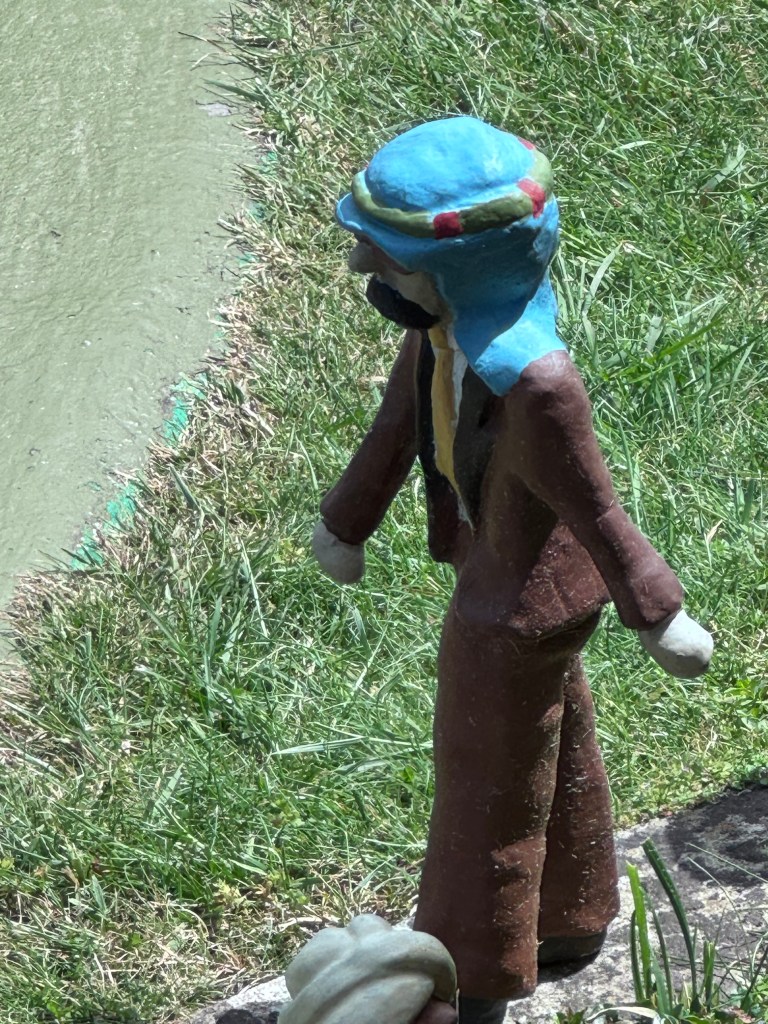
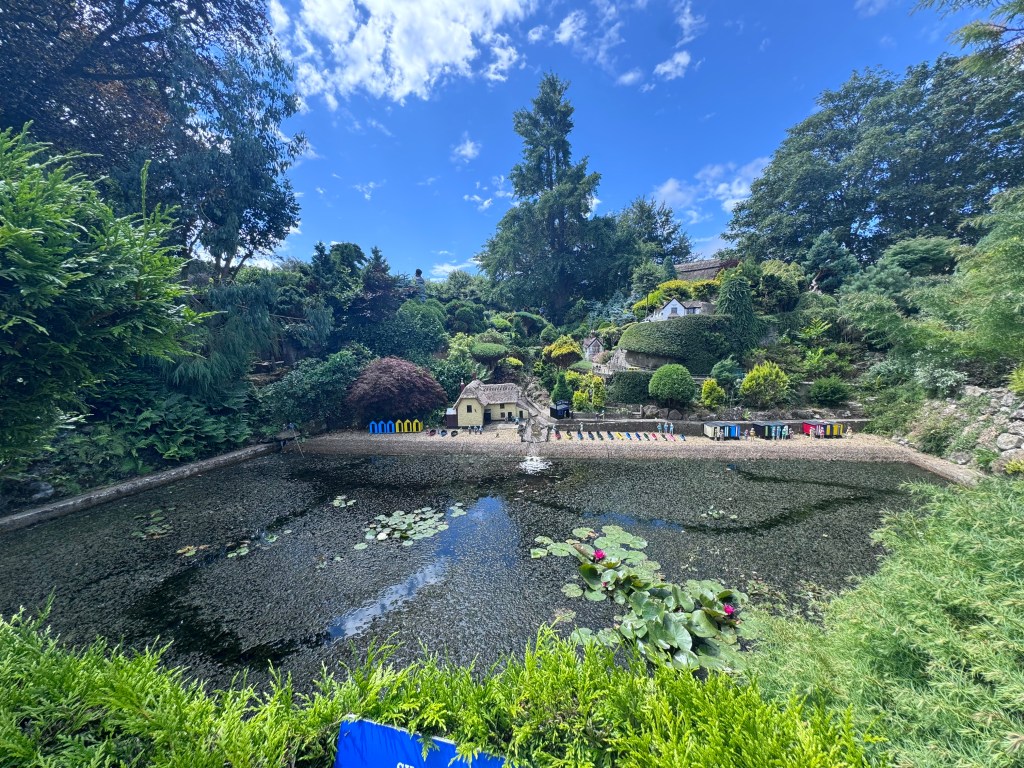
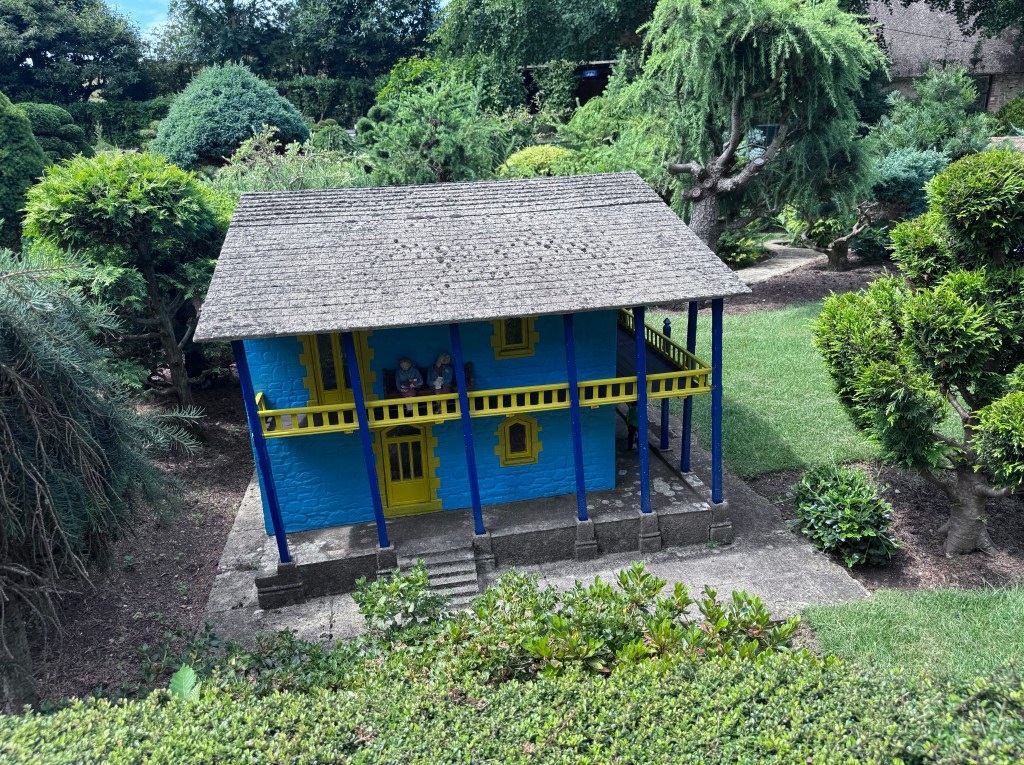
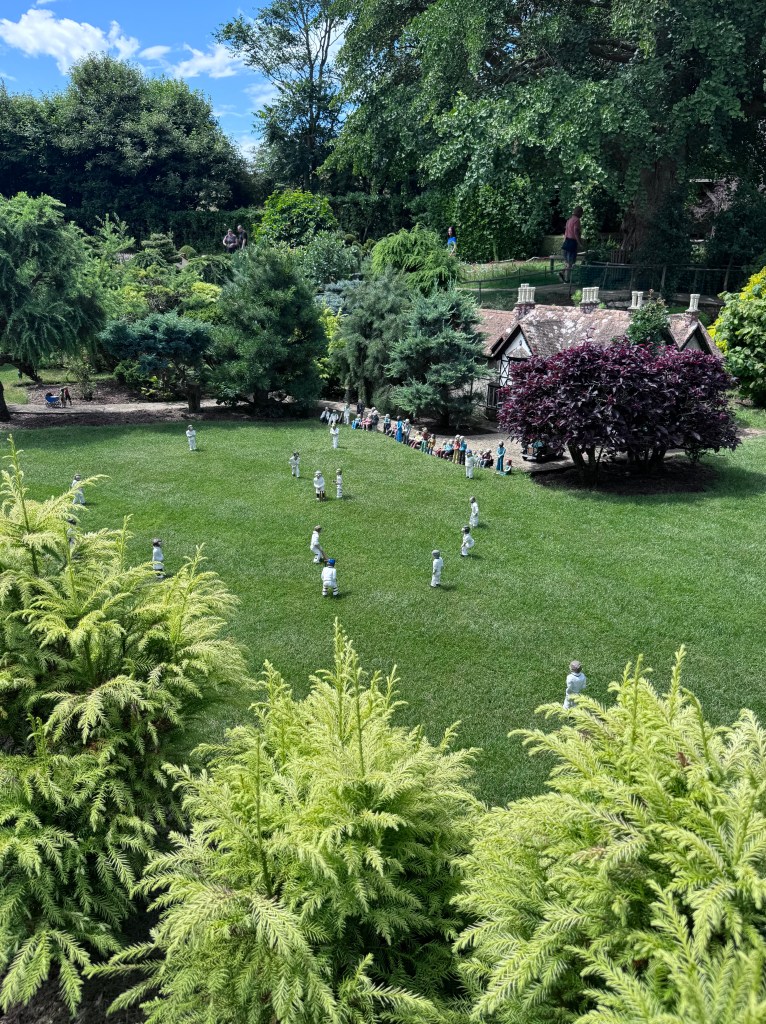
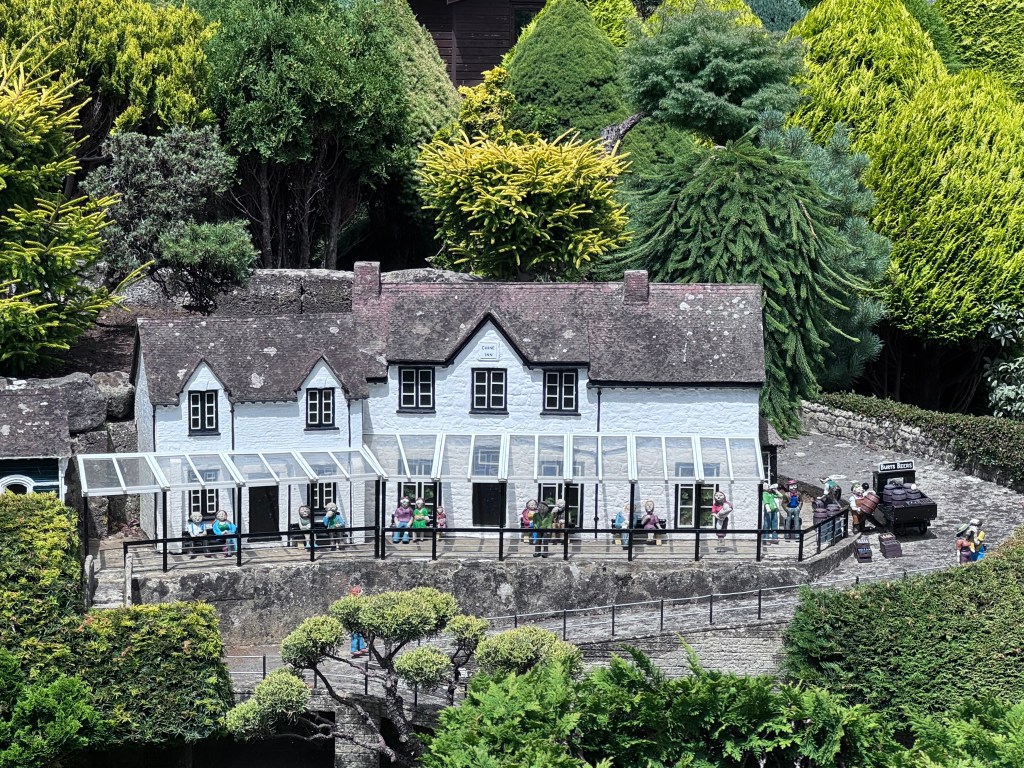
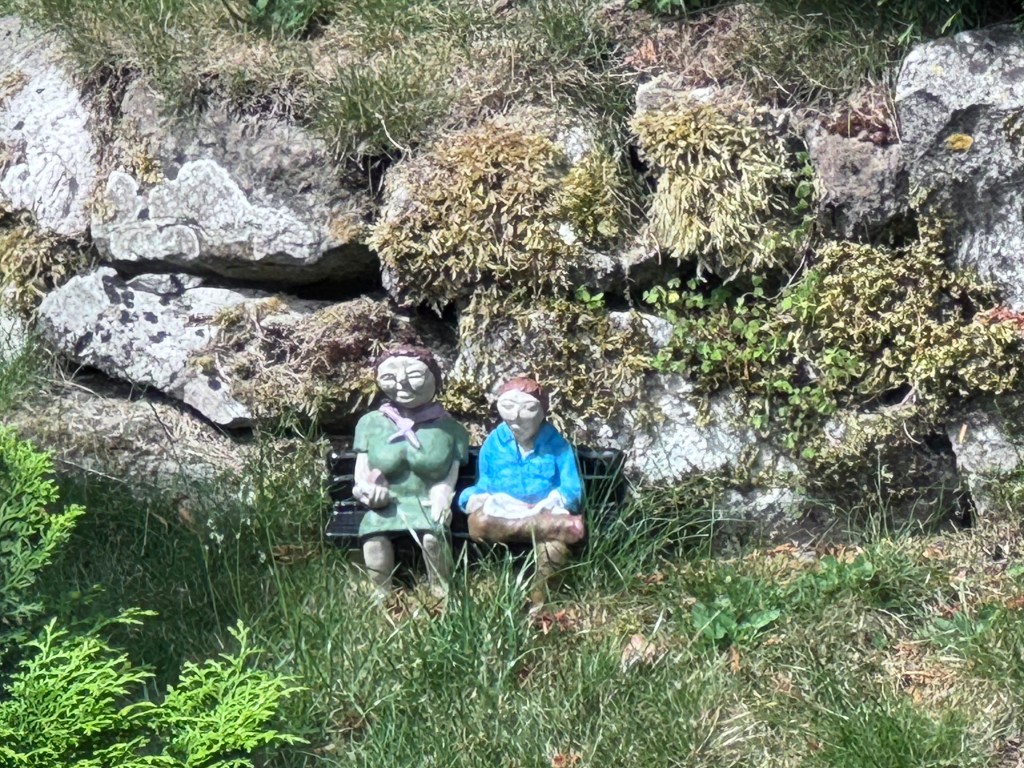
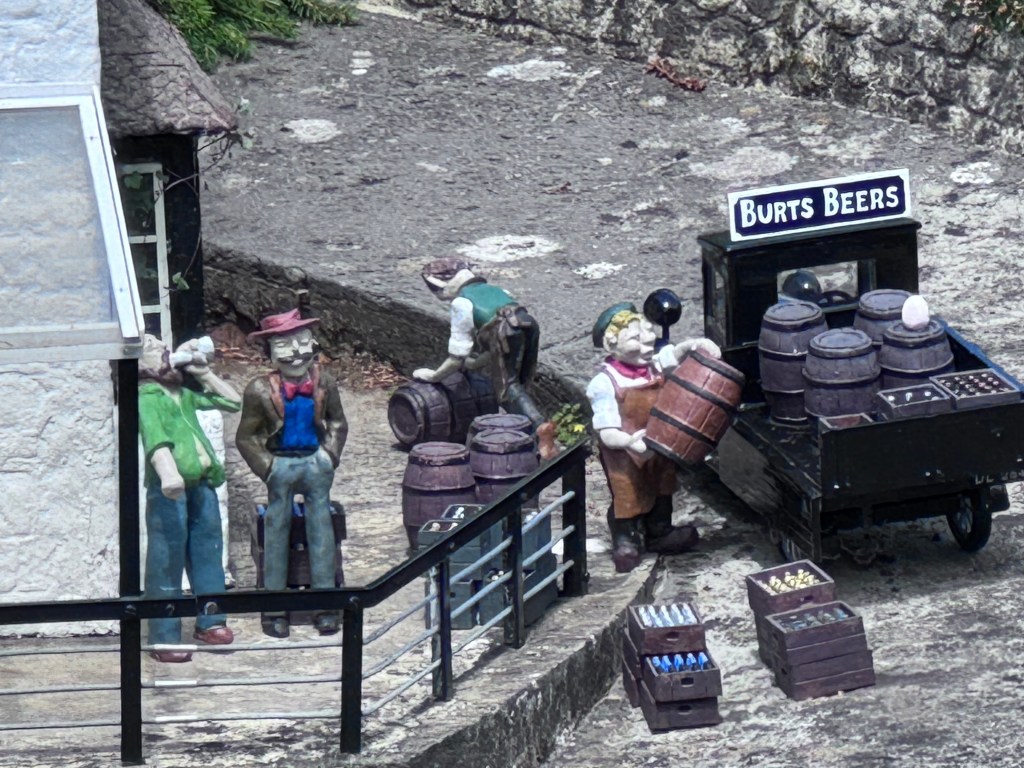
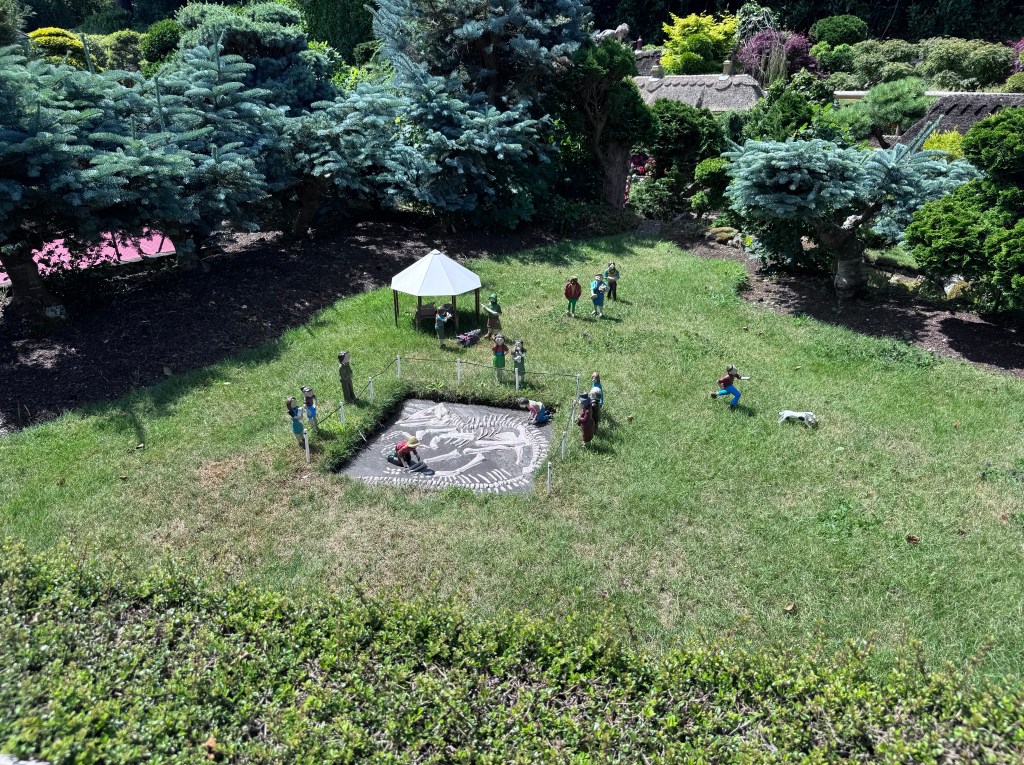
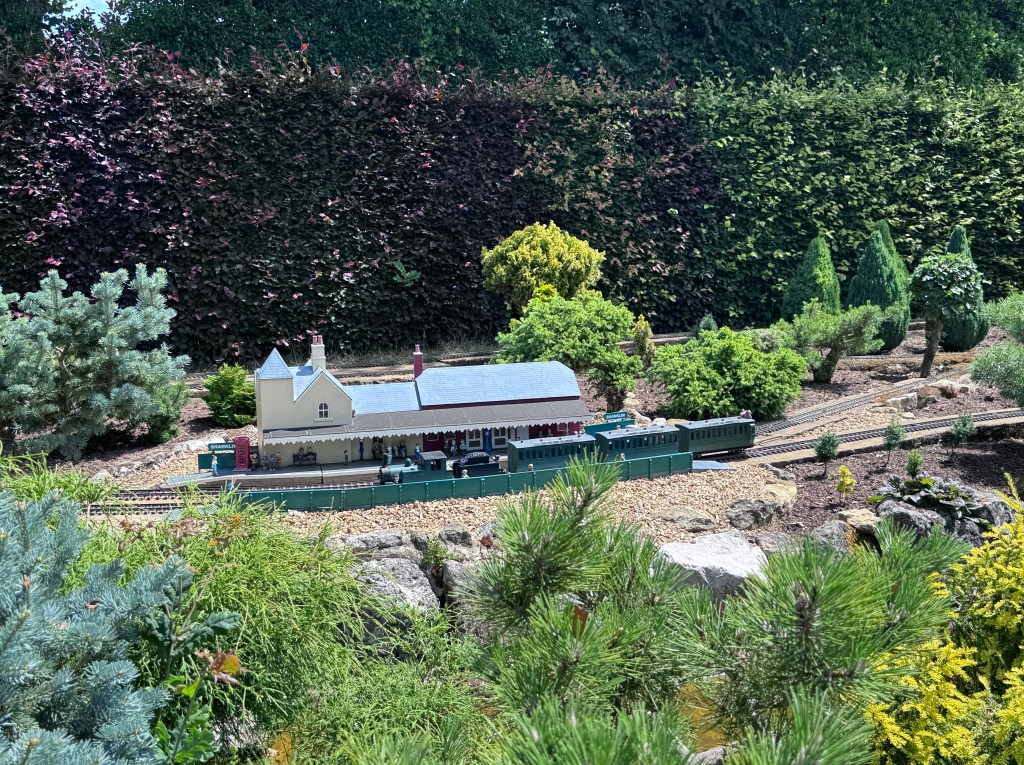
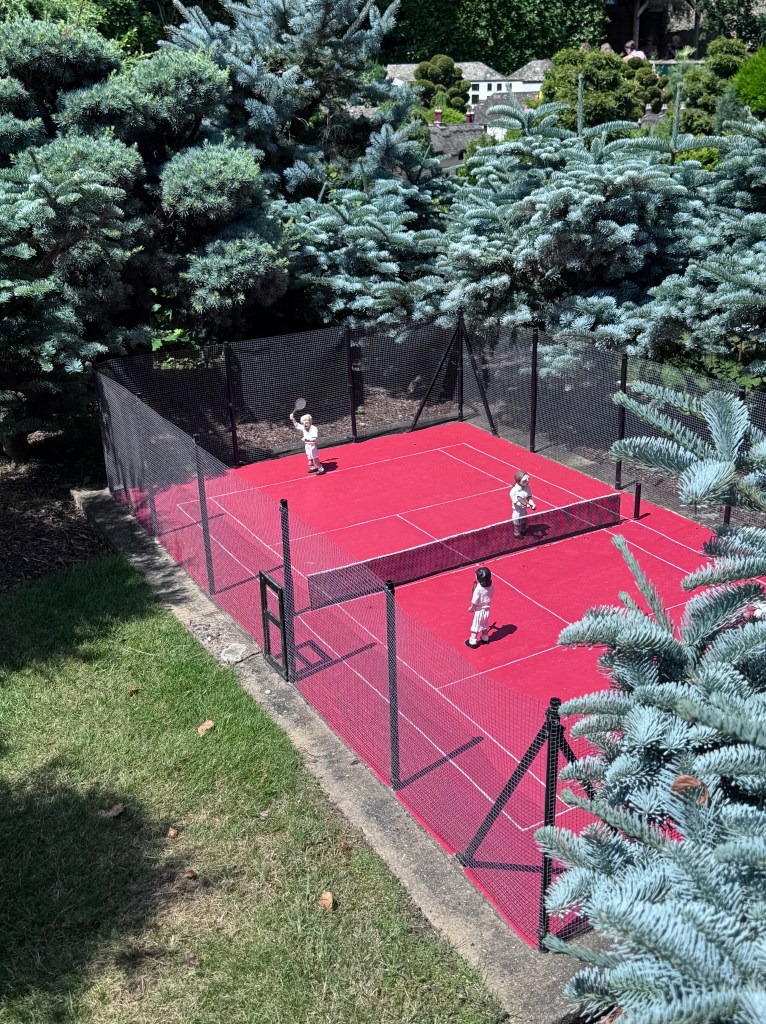
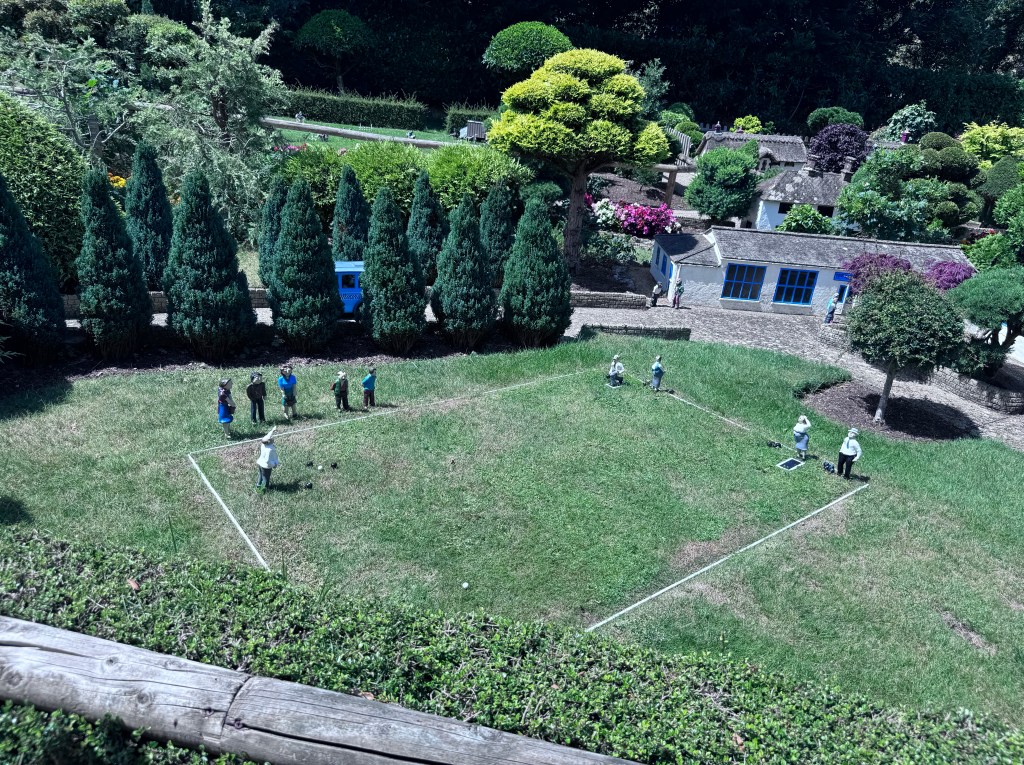
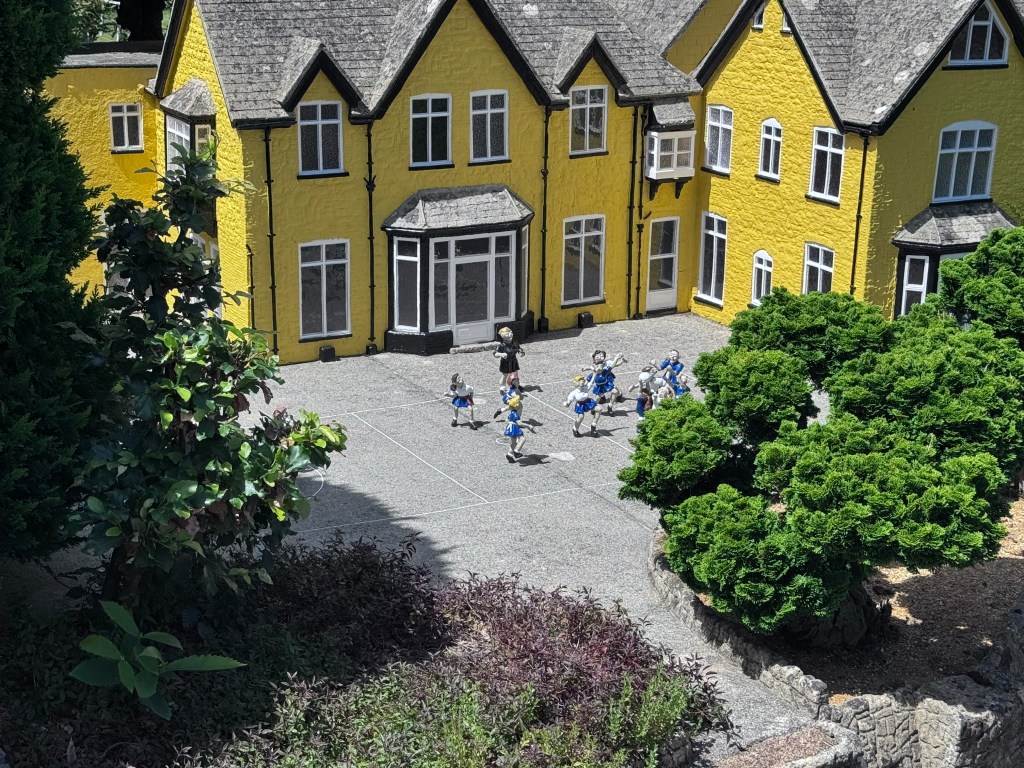
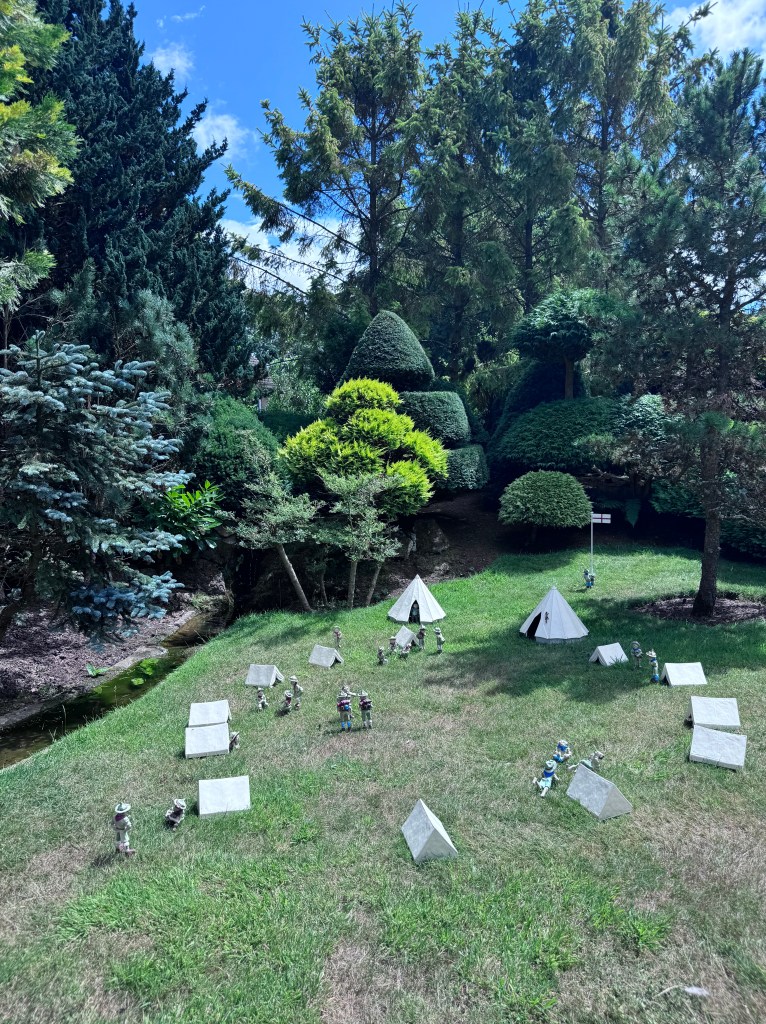
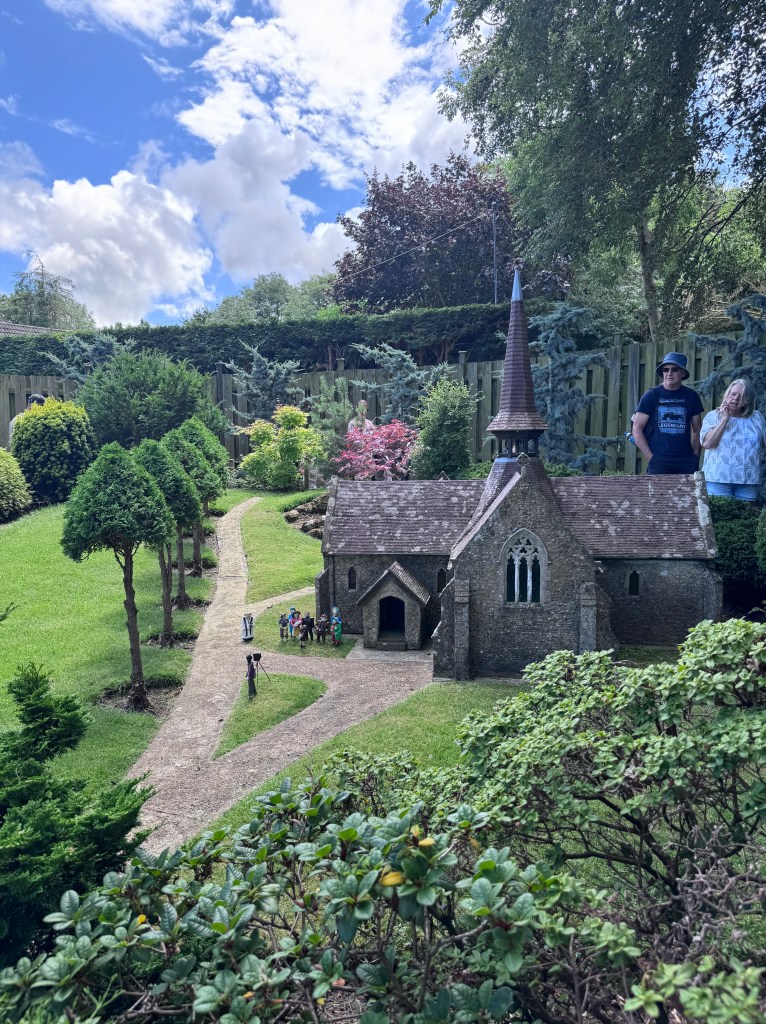
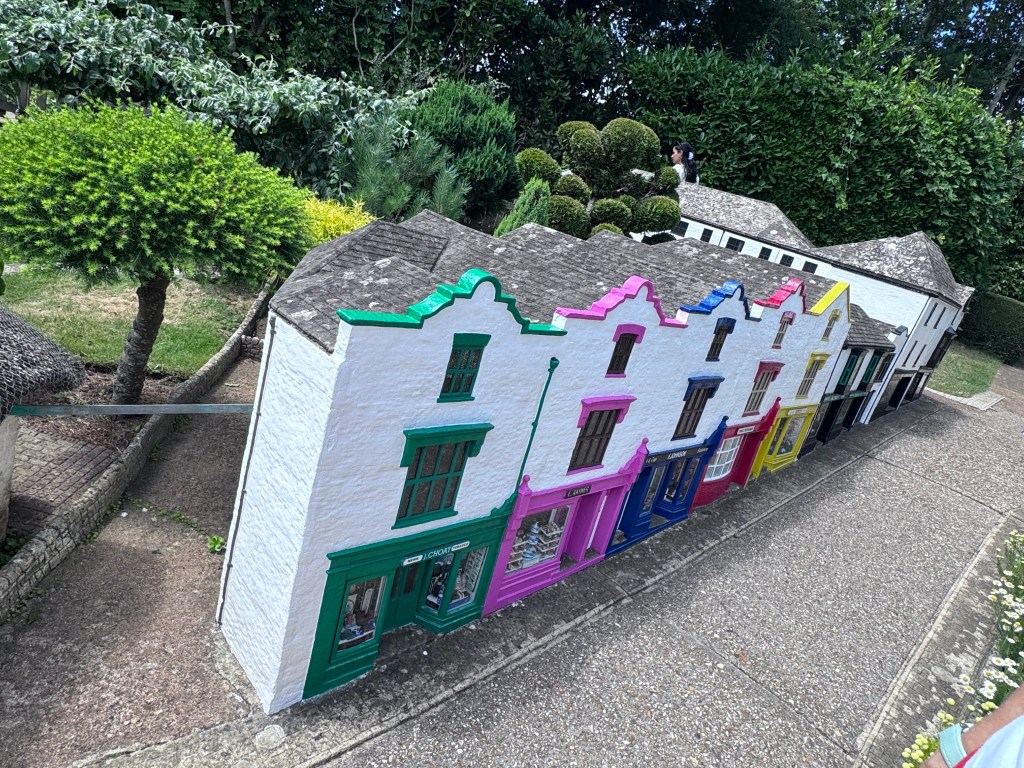
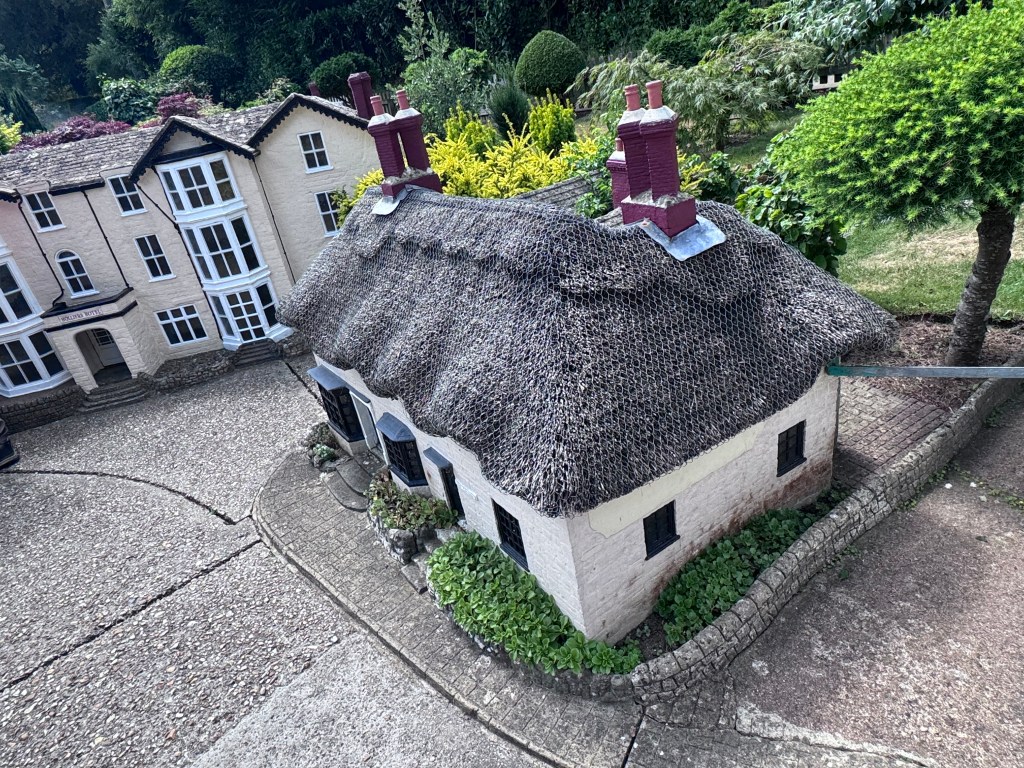
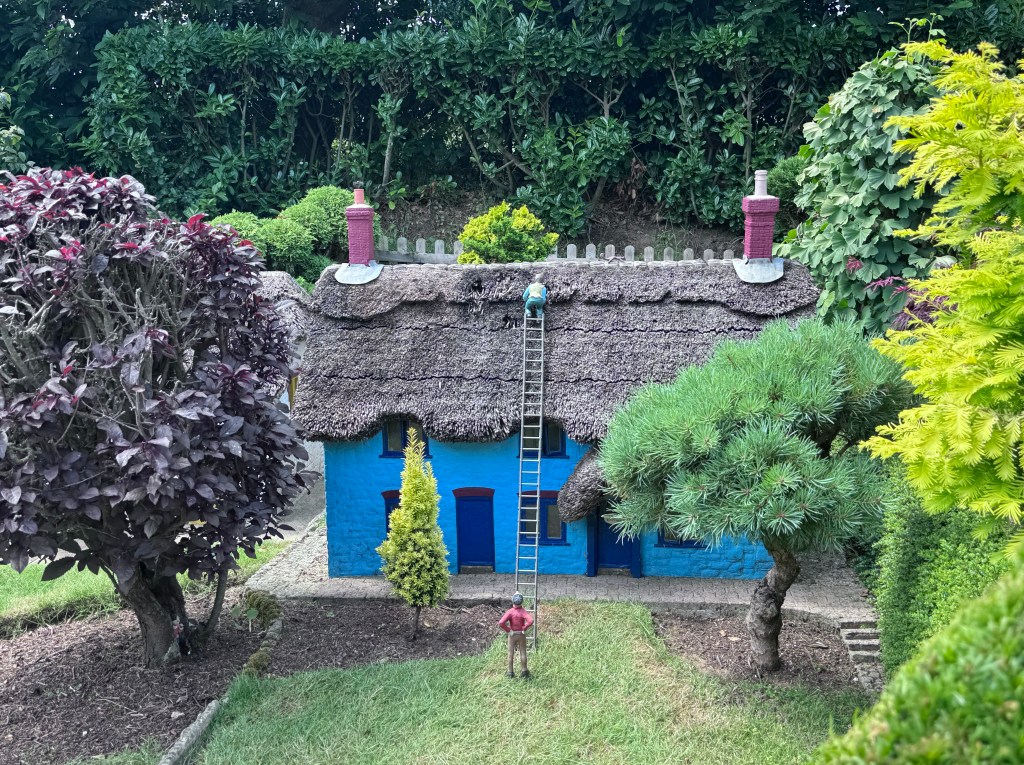
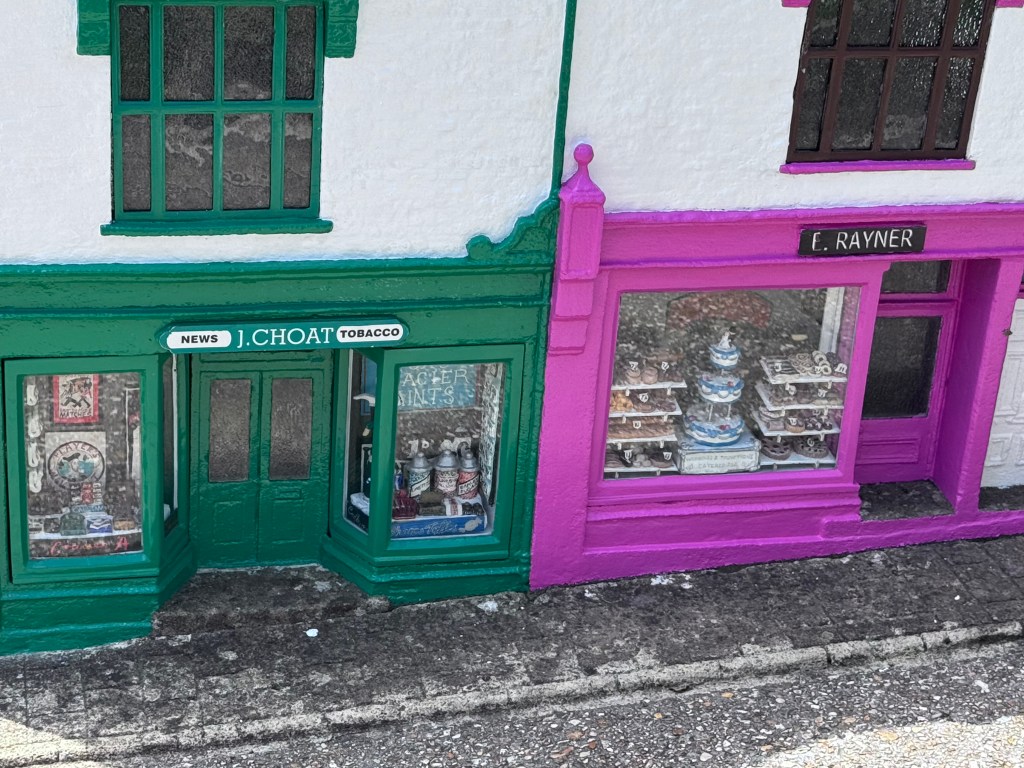
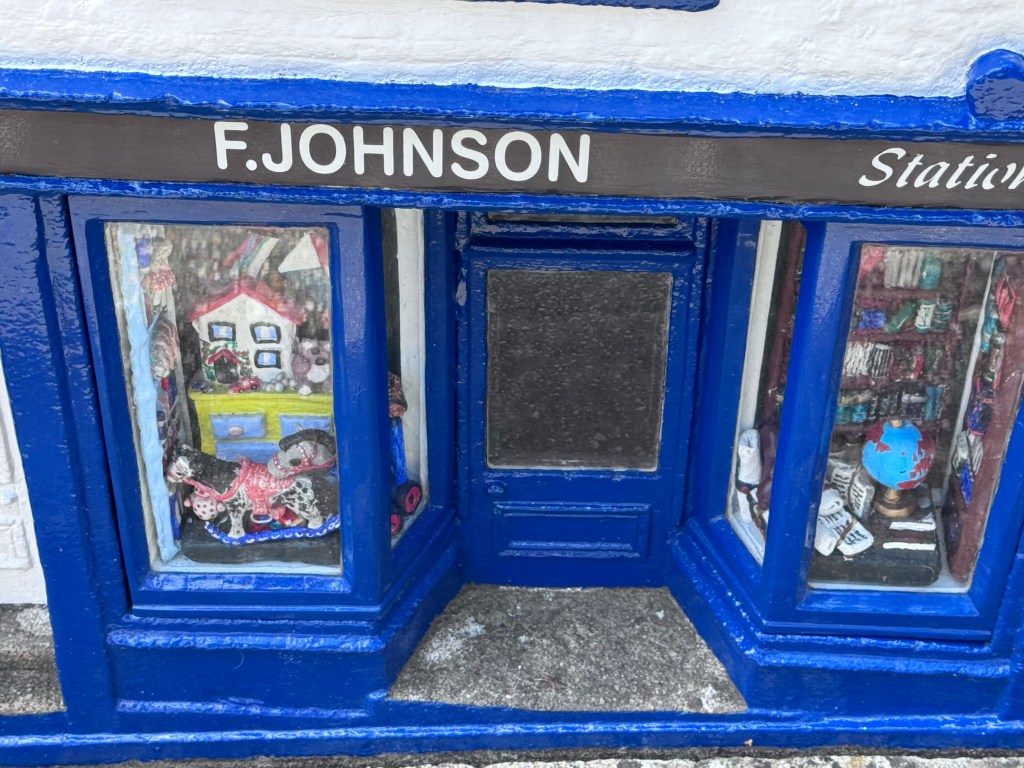
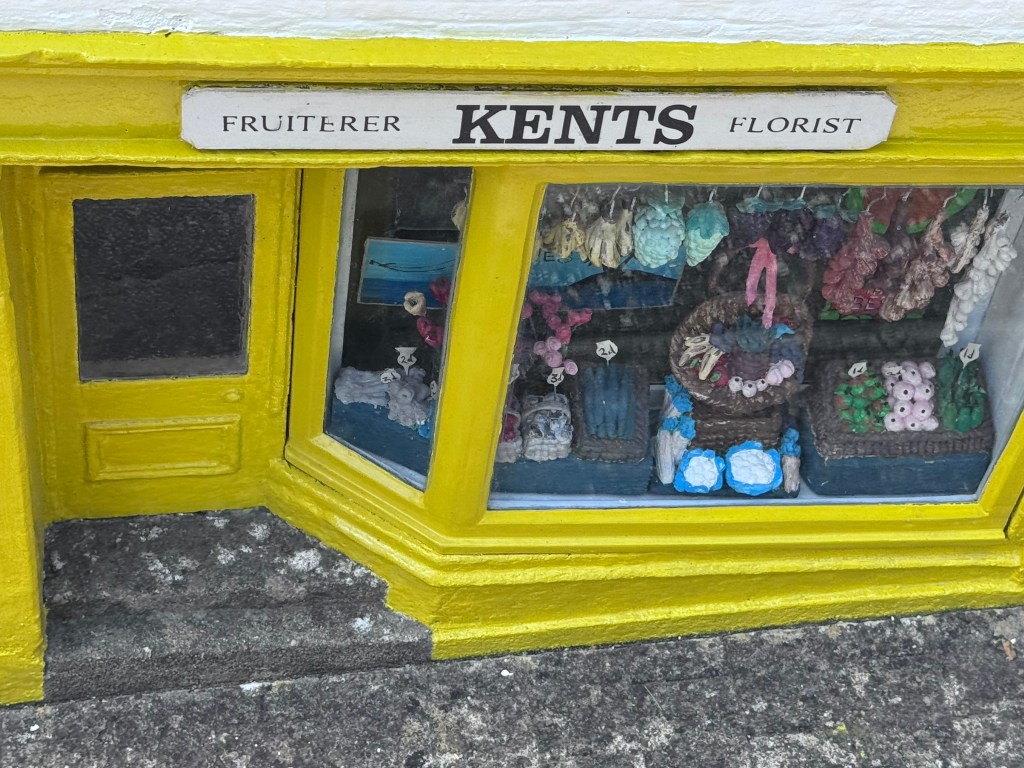
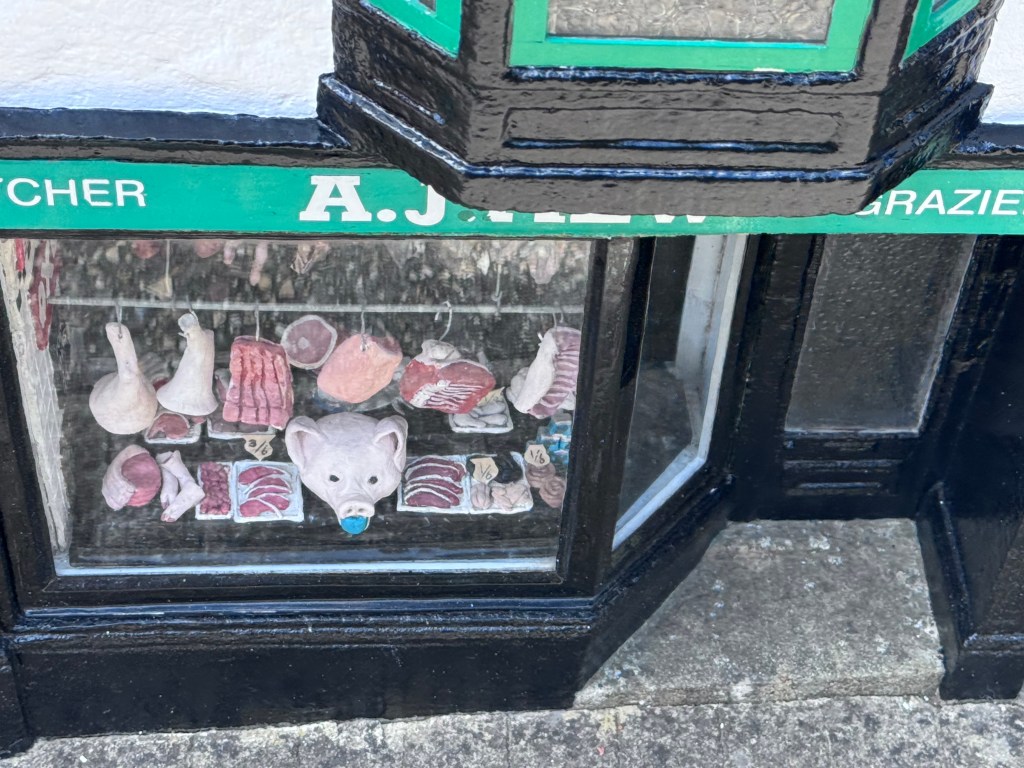
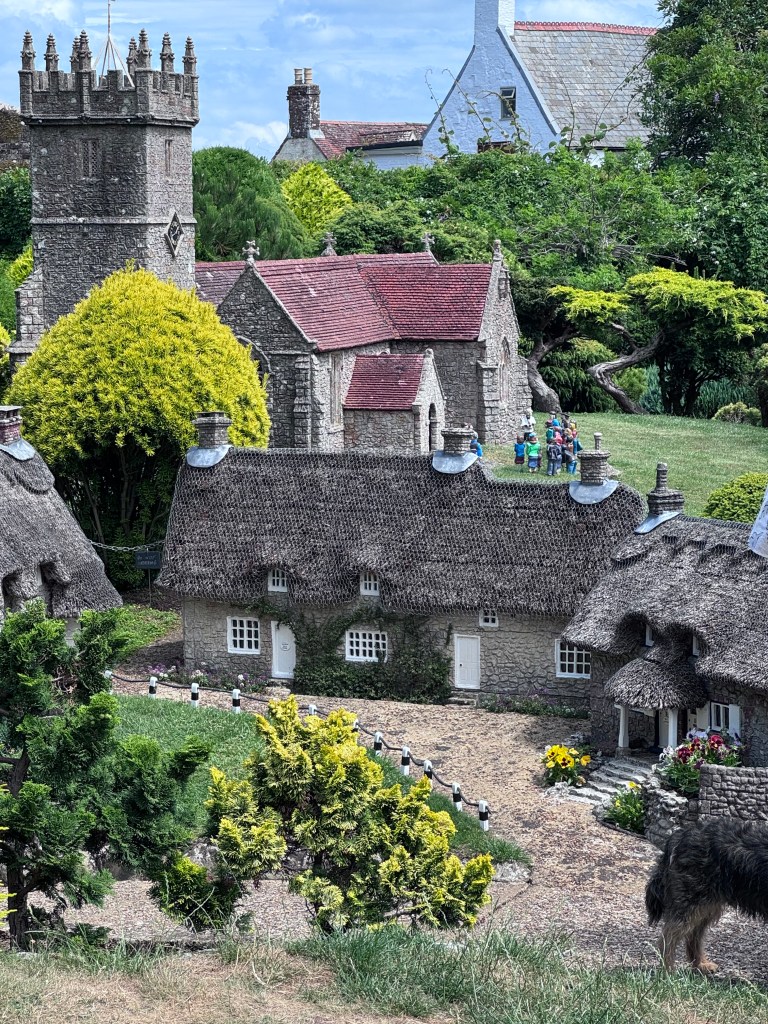
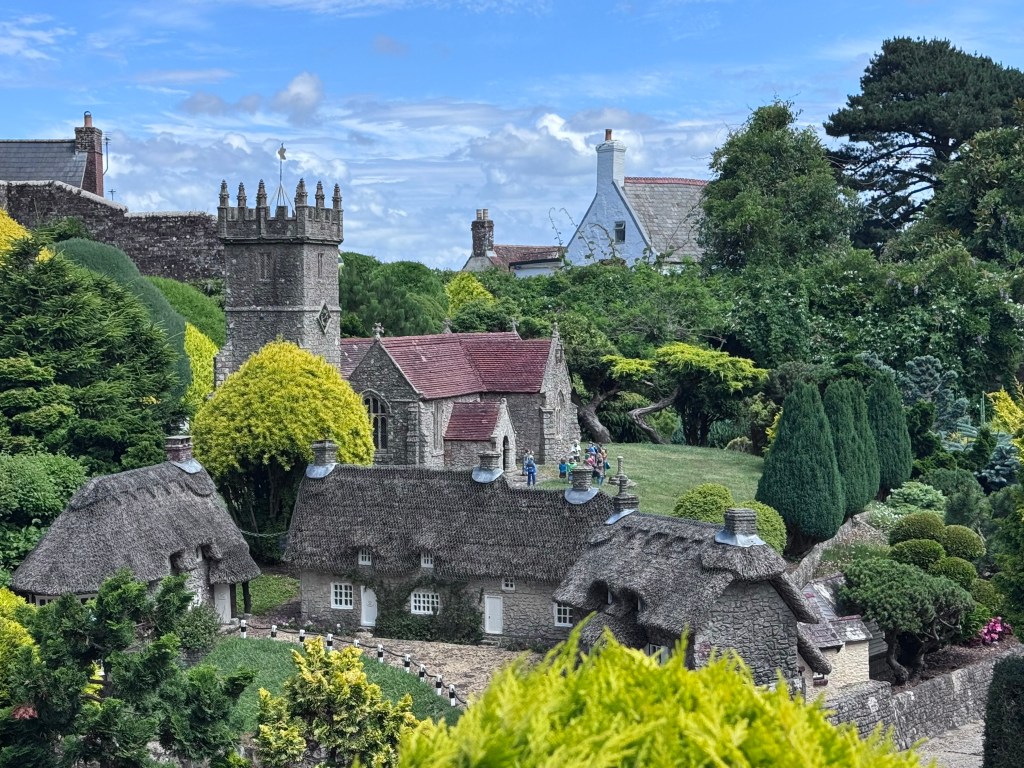
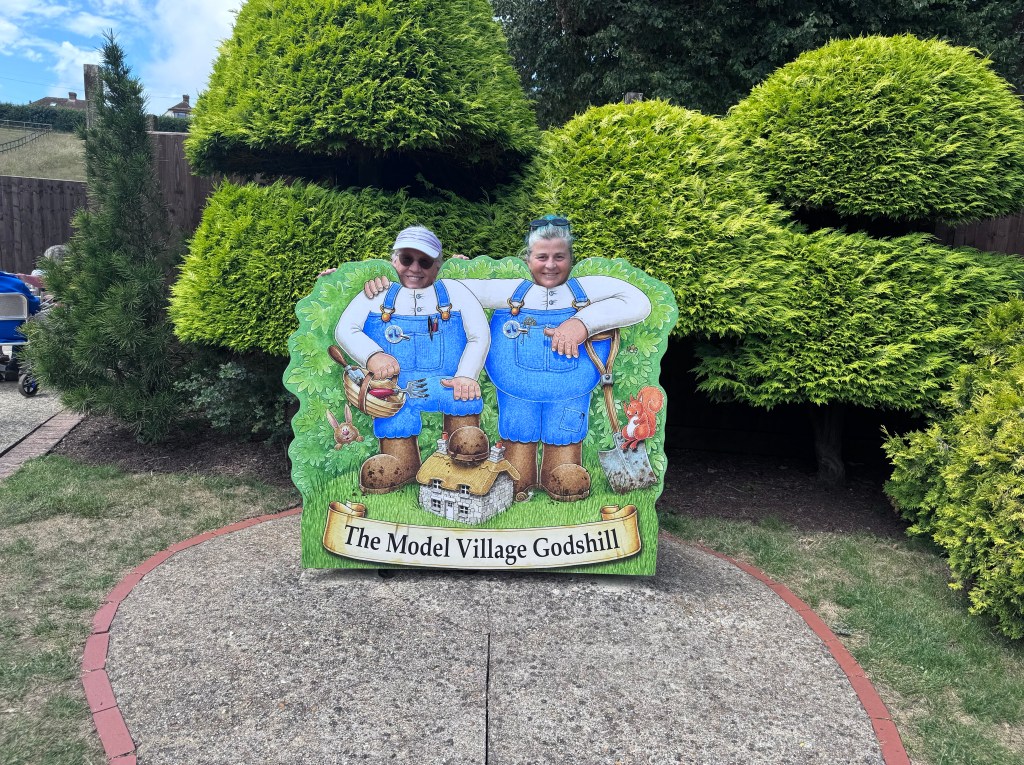
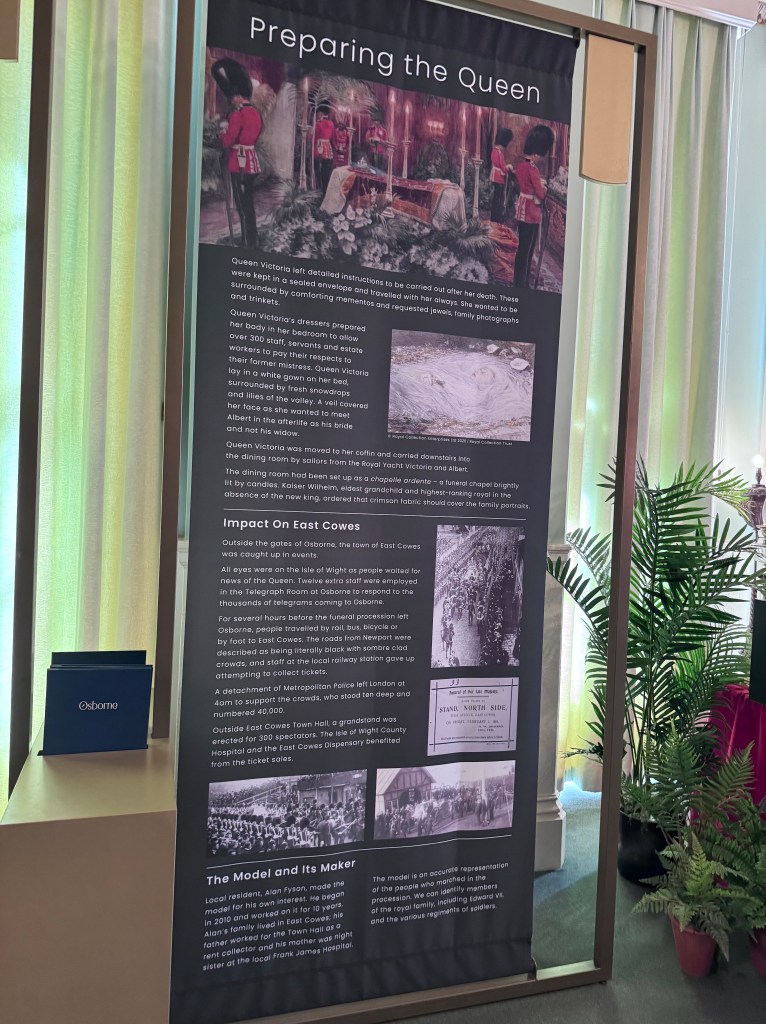
Together we visited the delightful Godshill Model Village, one of the Isle of Wight’s most beloved attractions. Opened in 1952, the model village is a remarkably detailed 1:10 scale replica of Godshill and nearby Shanklin as they appeared in the 1920s and 1930s. Built by local craftsmen, the miniature village has continued to grow over the decades, with new buildings and scenes added as the real villages have changed. Every tiny cottage, church, garden, shop, and winding lane has been recreated with incredible attention to detail.

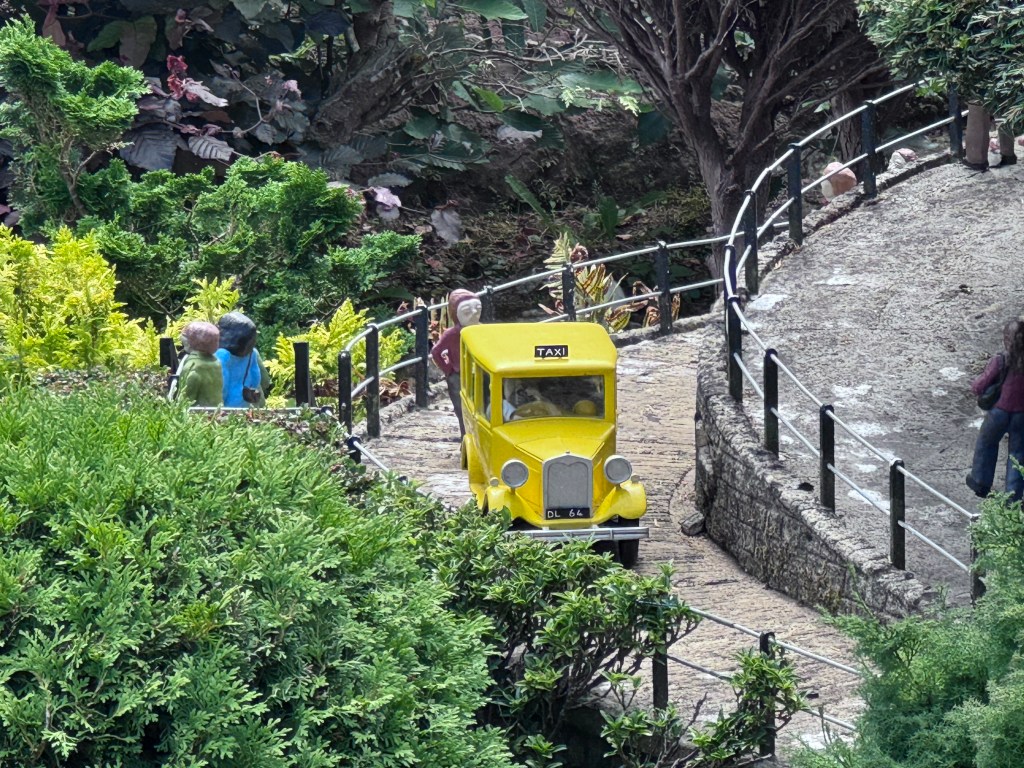
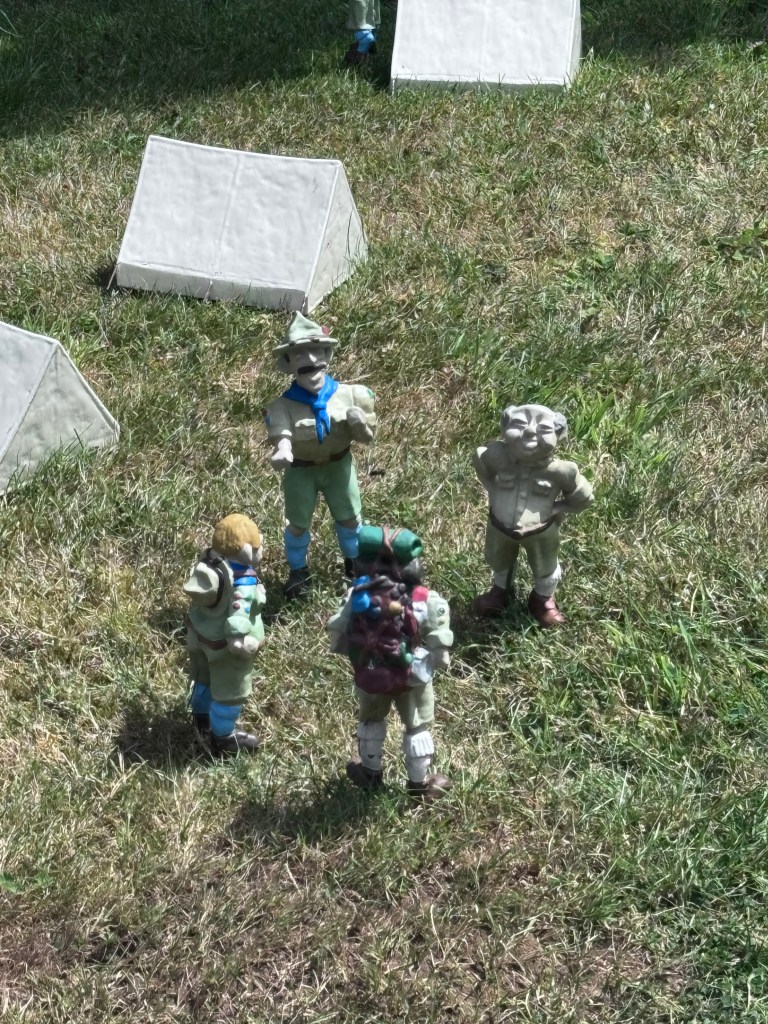
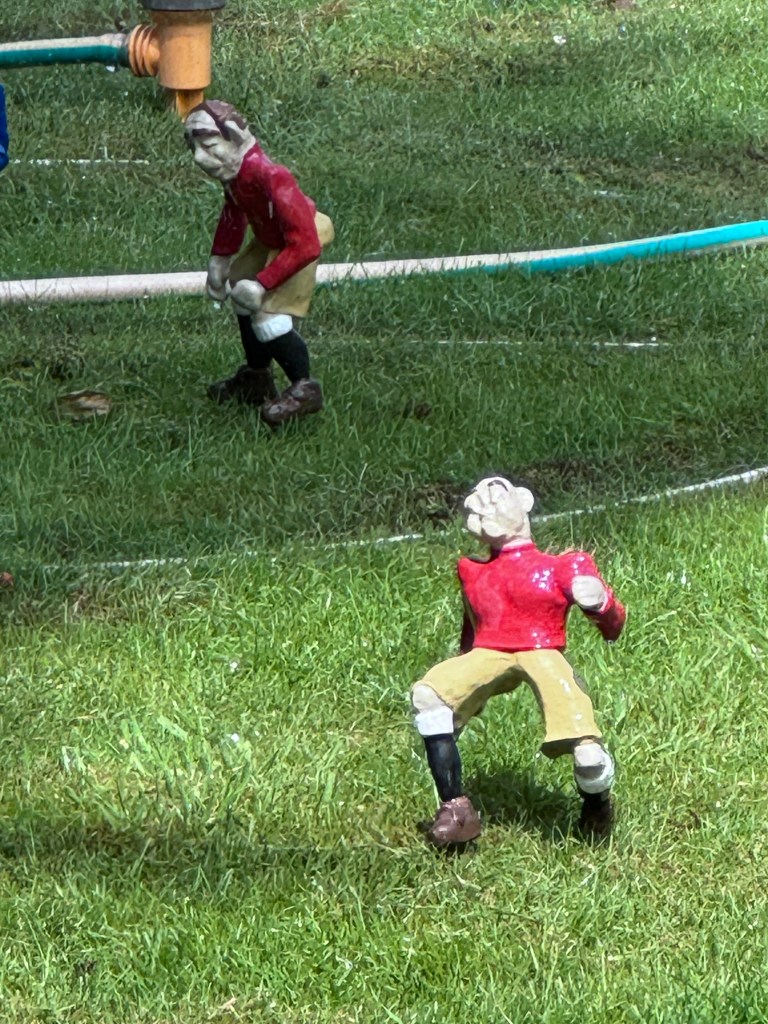
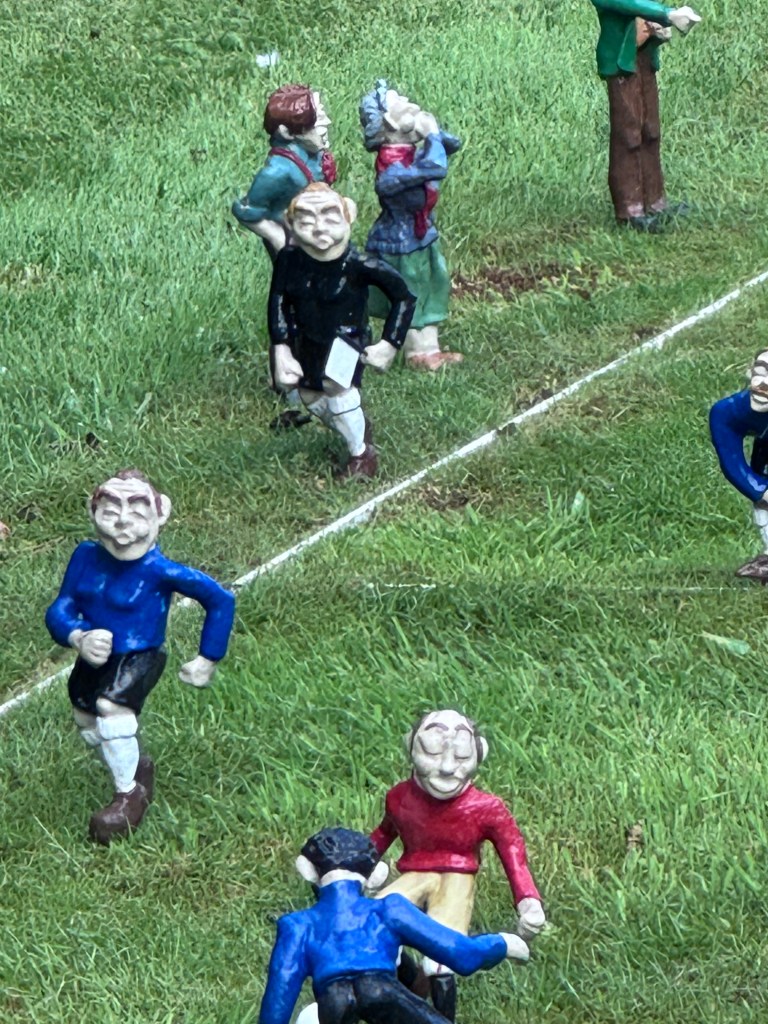
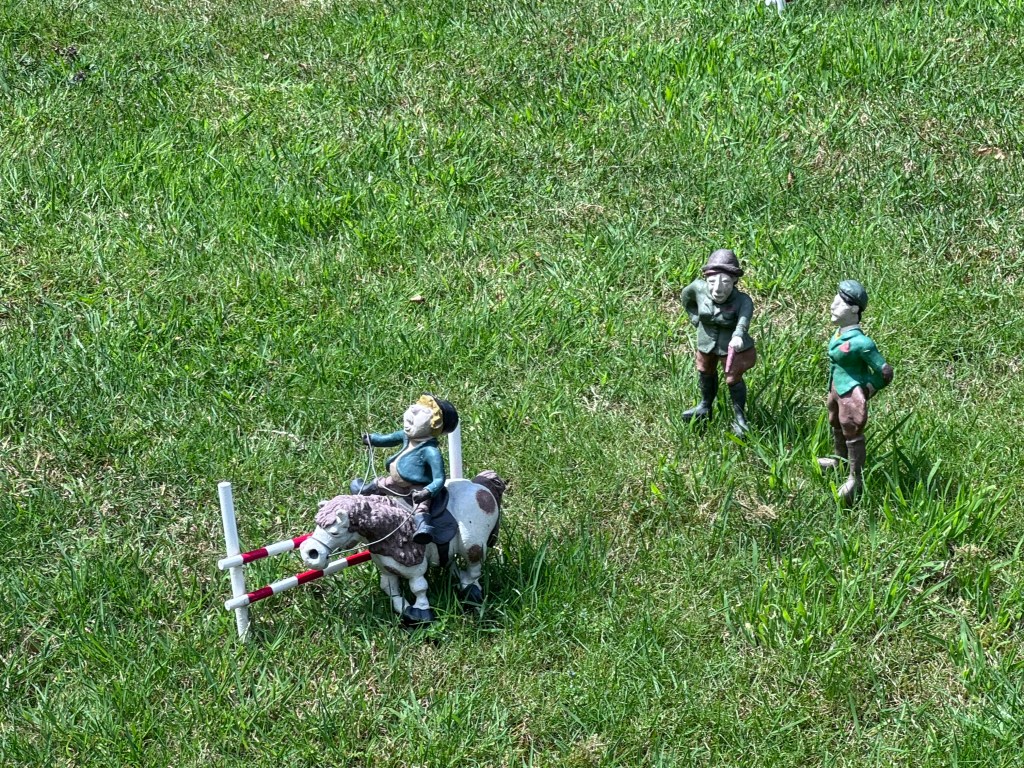
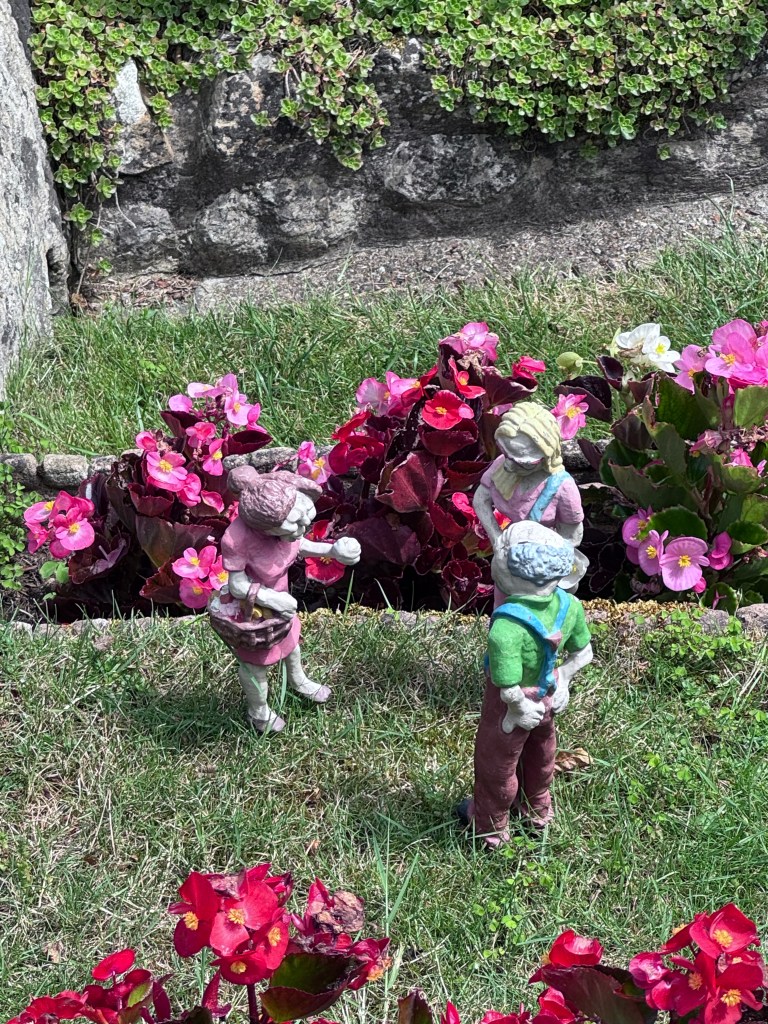
One of the things I appreciated most was the thoughtful design of the gardens. As you wandered from one section to another, carefully trimmed hedges, miniature trees, and flowering shrubs separated each area so you couldn’t immediately see the next scene. It made every turn feel like discovering something new. Tiny people, horses, vintage automobiles, shops, and homes brought the village to life, and Alan, Pauline, and Jane shared stories about many of the real buildings, local traditions, and games represented throughout the displays. Their stories added so much meaning to what we were seeing.

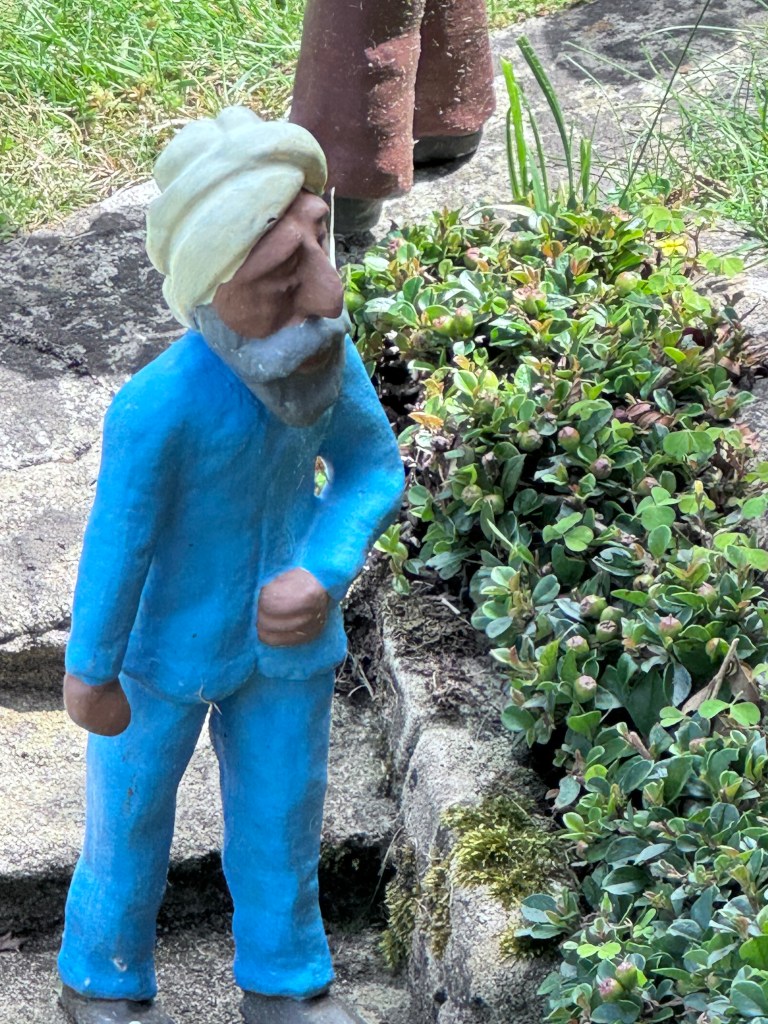
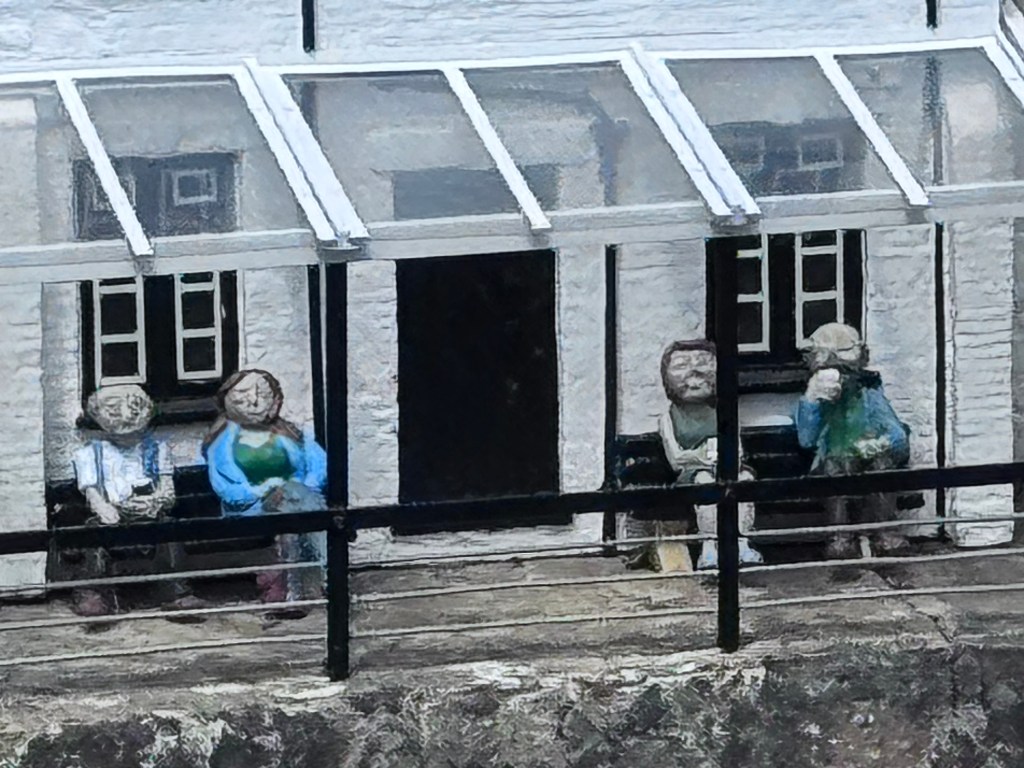
Alan and Pauline had told us the night before that the artist hired to make the caricatures of the people needed to stop being so accurate with the people and start making them a little less recognizable. No matter, she did an excellent job.

Perhaps the most entertaining surprise was discovering that inside the Model Village is… another Model Village! The designers have recreated the attraction itself in miniature, complete with tiny visitors looking at an even tinier version of the village. It’s a clever bit of humor that perfectly matches the whimsical spirit of the attraction.

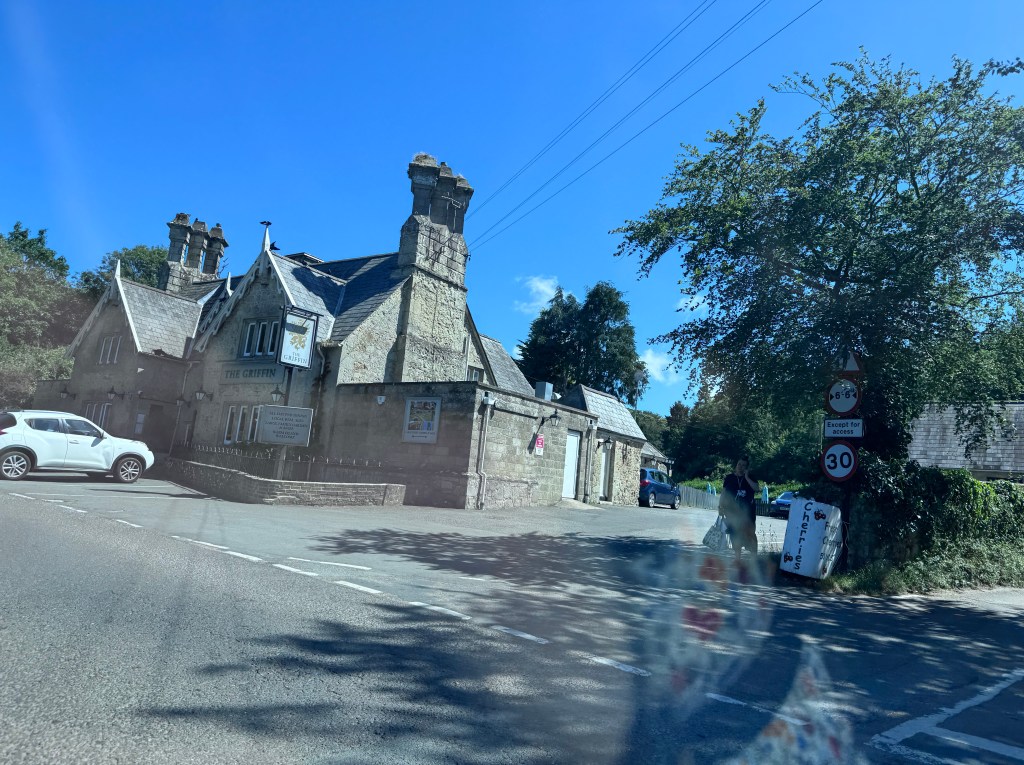
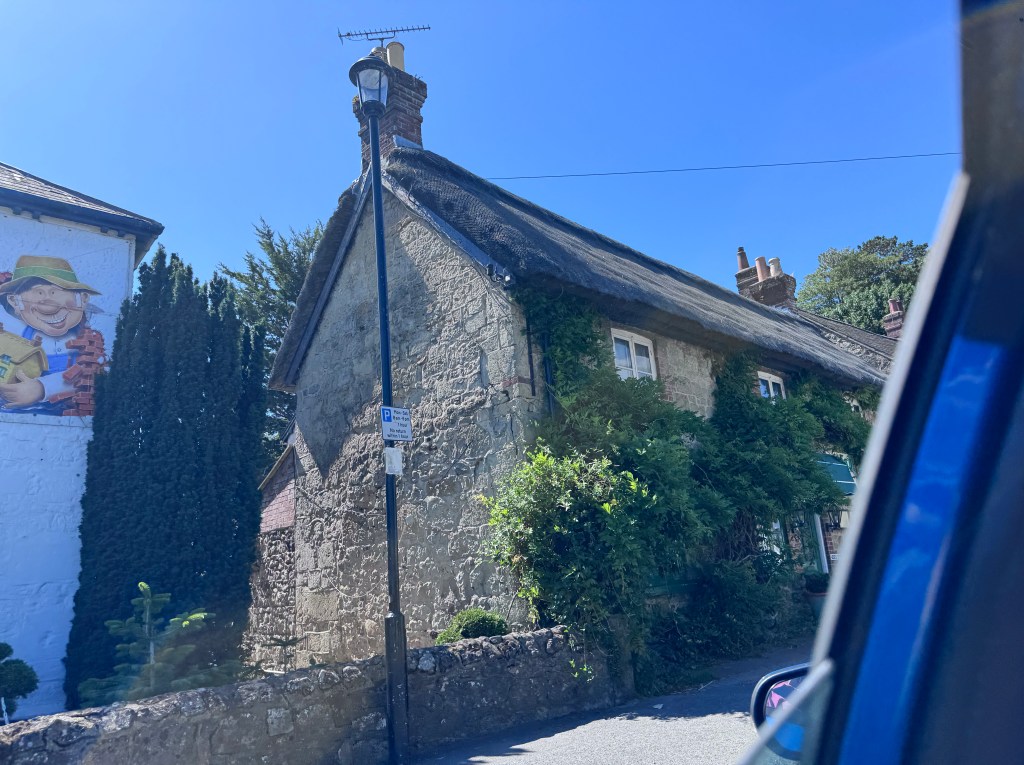
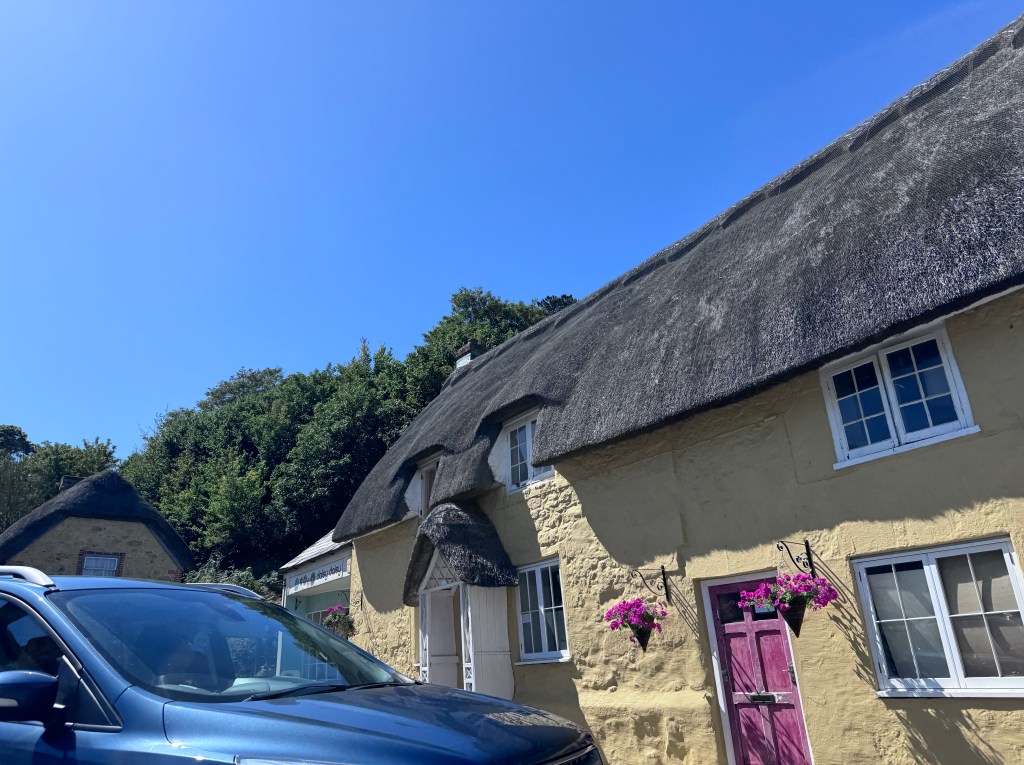
After exploring, we enjoyed lunch together before strolling through the village of Godshill itself. The village is known for its picturesque cottages with traditional thatched roofs, many dating back several hundred years. I hadn’t expected to see so many thatched cottages, and they quickly became one of my favorite sights. Their thick straw roofs, colorful gardens, and winding lanes made it feel like stepping into the pages of a storybook.

Later that afternoon, Alan and Pauline drove us back to Cowes. After several busy days of sightseeing, the quiet evening was exactly what we needed. Kiya quickly curled up on the couch and fell asleep, Mom settled in with a good book, and I took one last walk around the waterfront, soaking in the atmosphere of this charming seaside town. As I wandered through the harbor one final time, I reflected on the incredible kindness and hospitality Alan, Pauline, and their friends had shown us during our stay.

That evening we packed our suitcases and prepared for the next chapter of our adventure—London.

Friendship Force, Flowers, and a Royal Estate

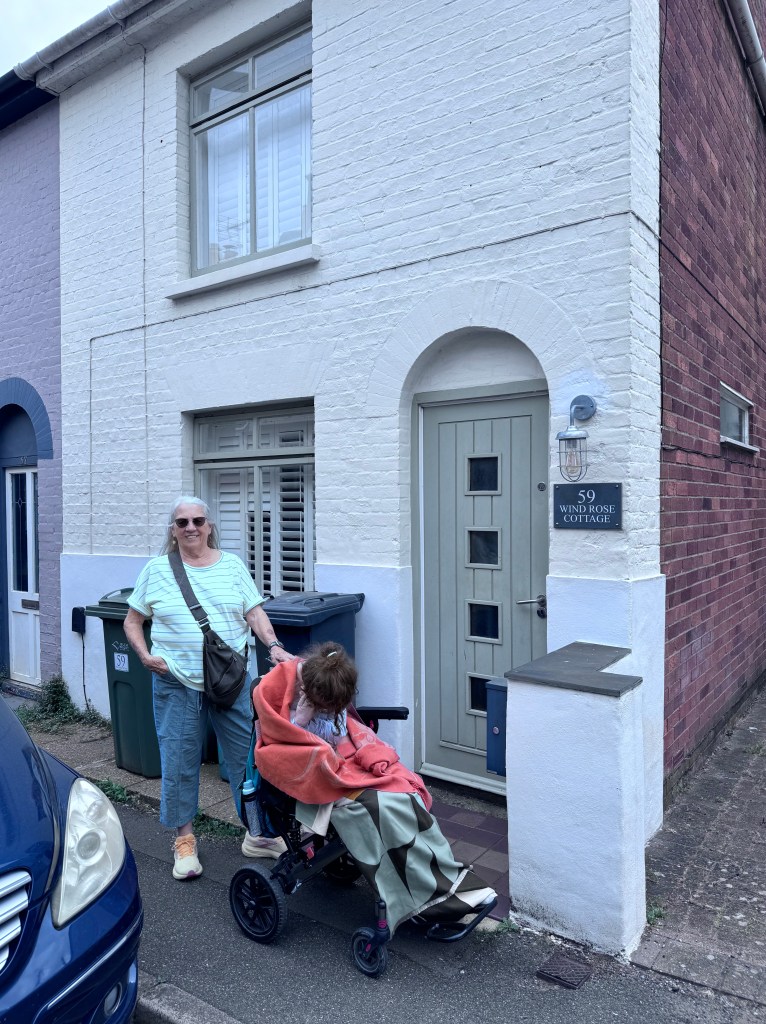
Our first evening on the Isle of Wight was a wonderful introduction to island life. Our Friendship Force hosts, Alan and Pauline, welcomed us into their home with incredible hospitality. Before we had even settled in, Alan made a quick trip to the grocery store to pick up bread, cereal, milk, butter, and other breakfast essentials so we would have everything we needed for the next morning. It was such a thoughtful gesture and made us feel right at home.

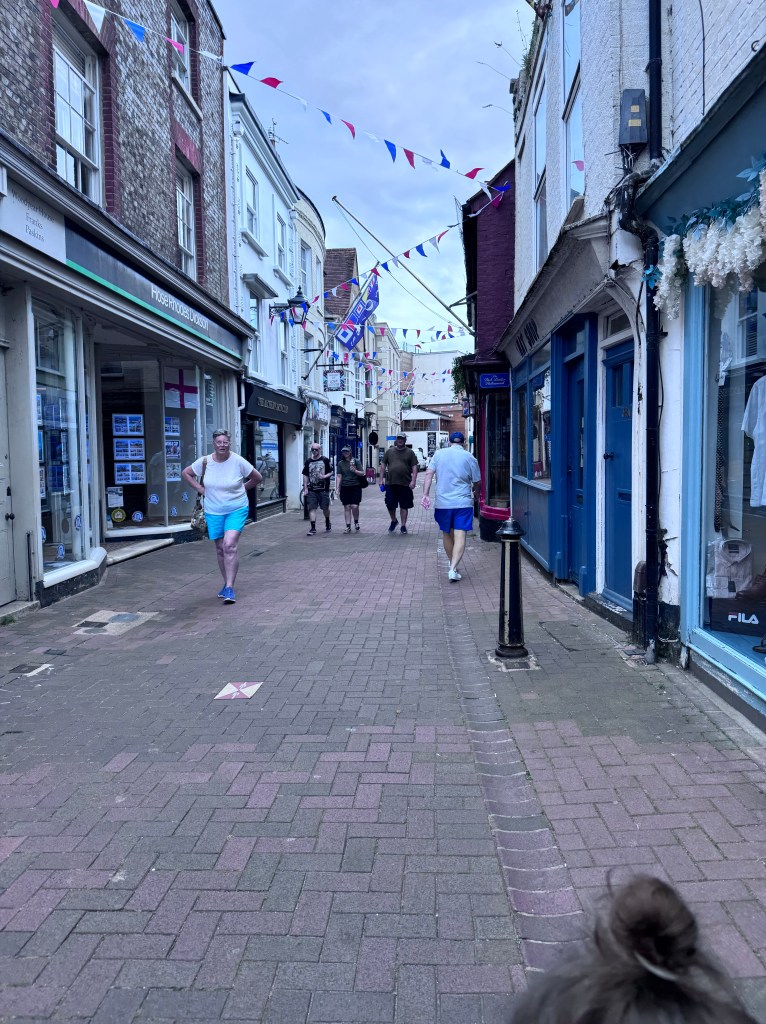
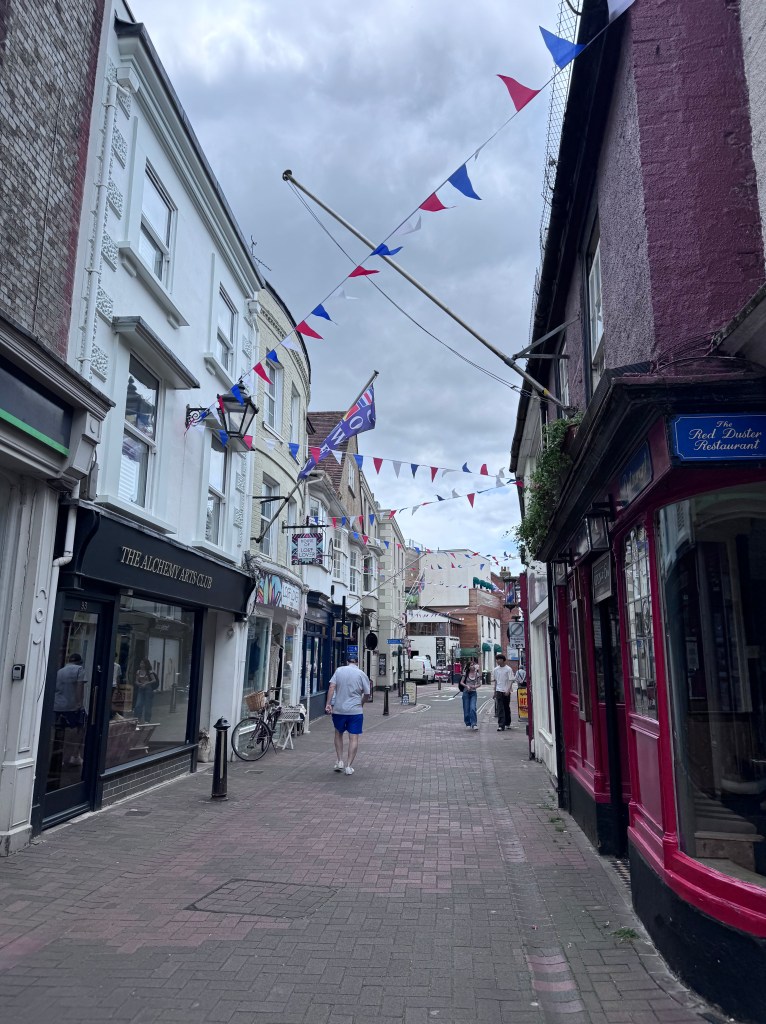
We made plans to meet Alan and Pauline the following afternoon at Osborne House, along with another Friendship Force friend, Sonja, who only had that afternoon available to visit with us. We let Kiya sleep in before setting off to explore the town. Since we were staying just two blocks from the main shopping street, we spent the morning wandering through the charming shops and enjoying the relaxed pace of the Isle of Wight.

Our only hiccup came when it was time to catch a taxi. We quickly discovered that our international phone plan wasn’t working, leaving us unable to call a taxi company. Most taxi stands simply displayed a phone number to arrange a pickup. After a bit of scrambling, I was finally able to download a local taxi app and request a ride. Unfortunately, we arrived at Osborne House nearly an hour later than planned, but we were determined to connect with Sonja since it was our only opportunity to spend time together.

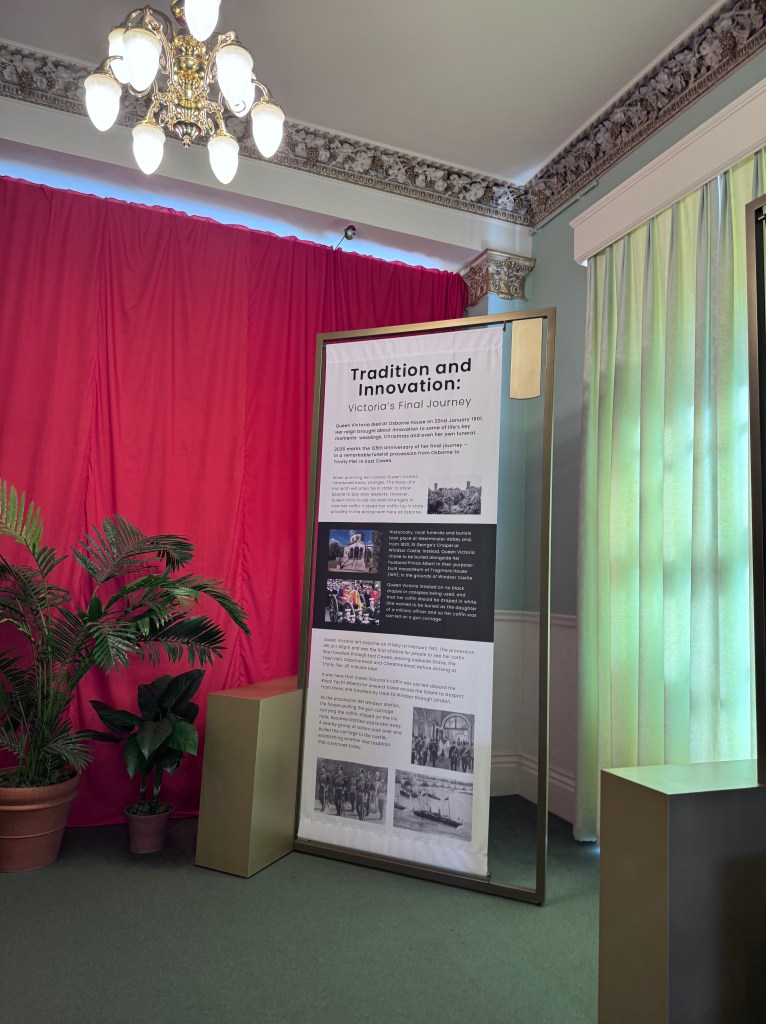
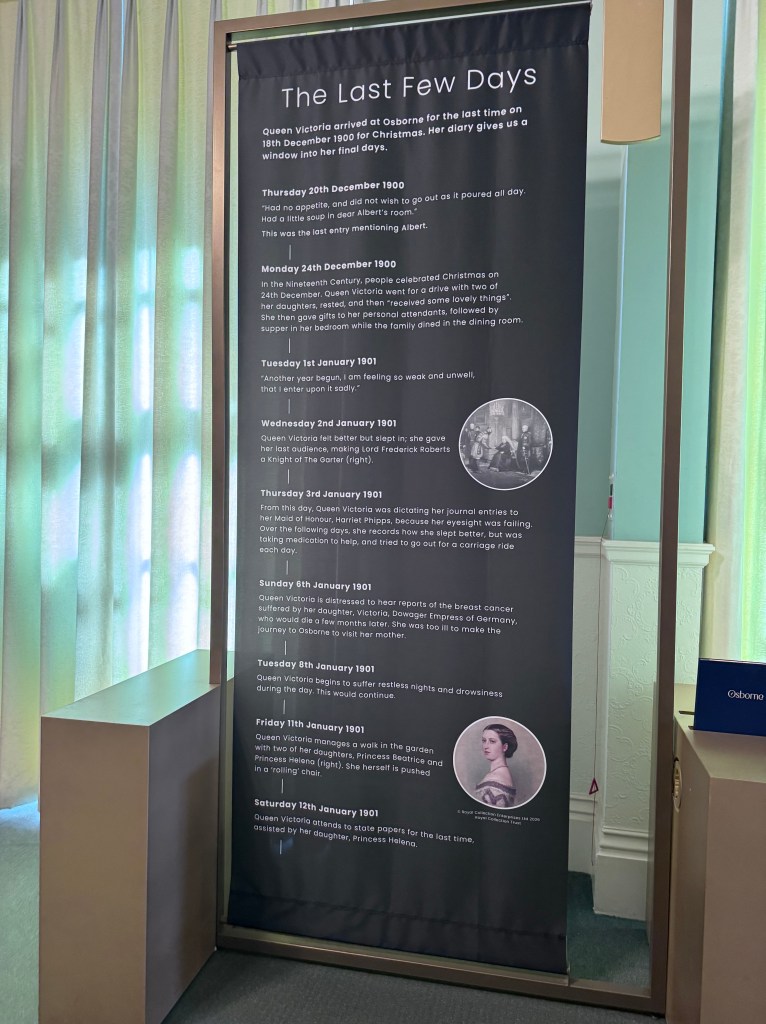
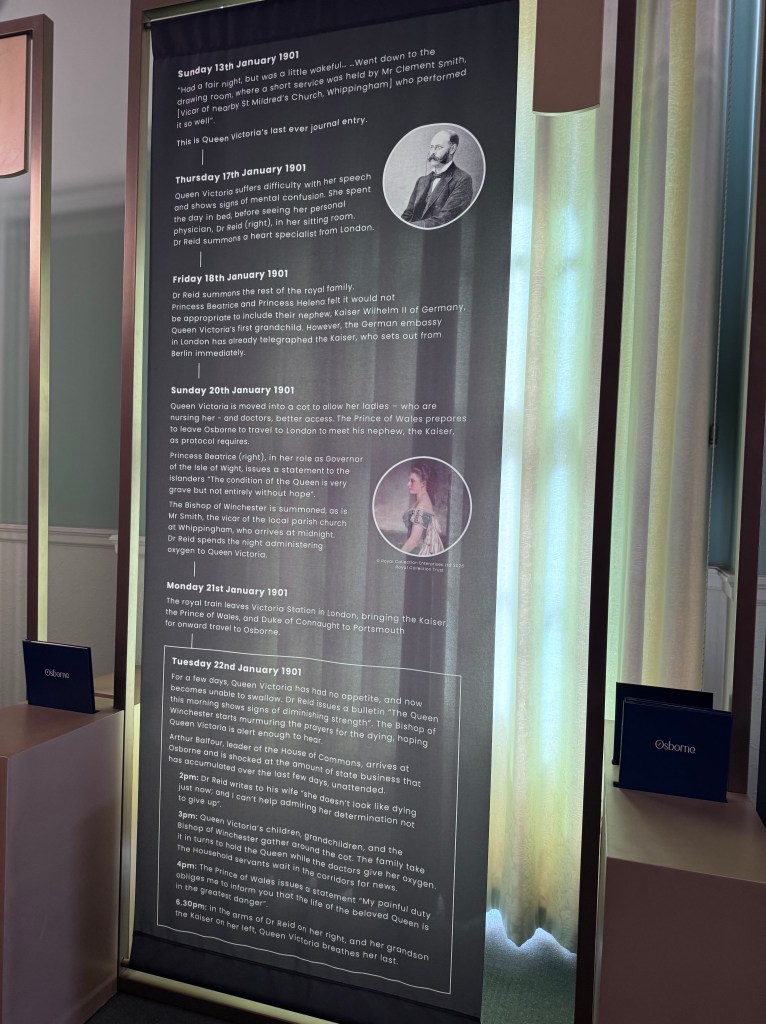
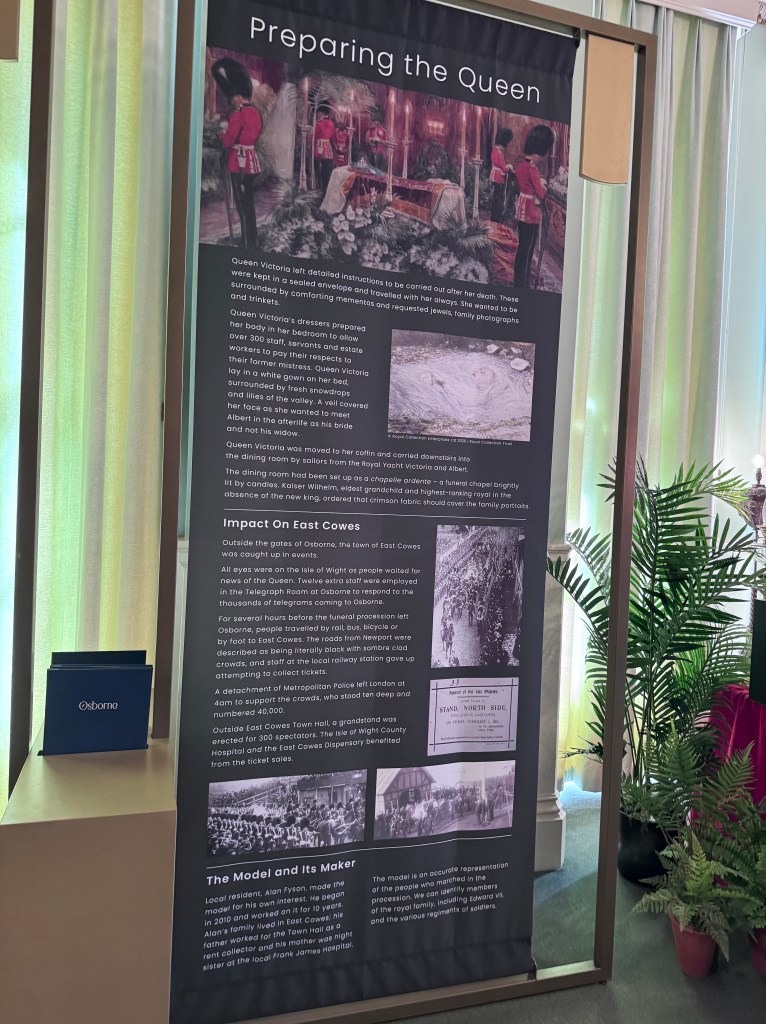
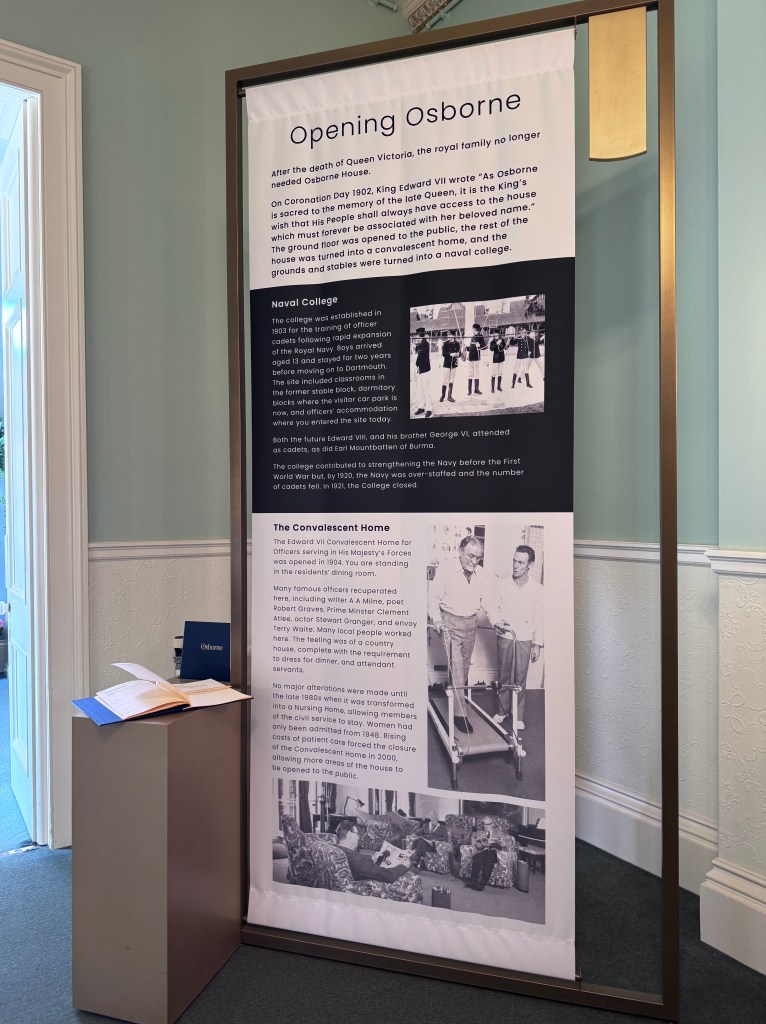
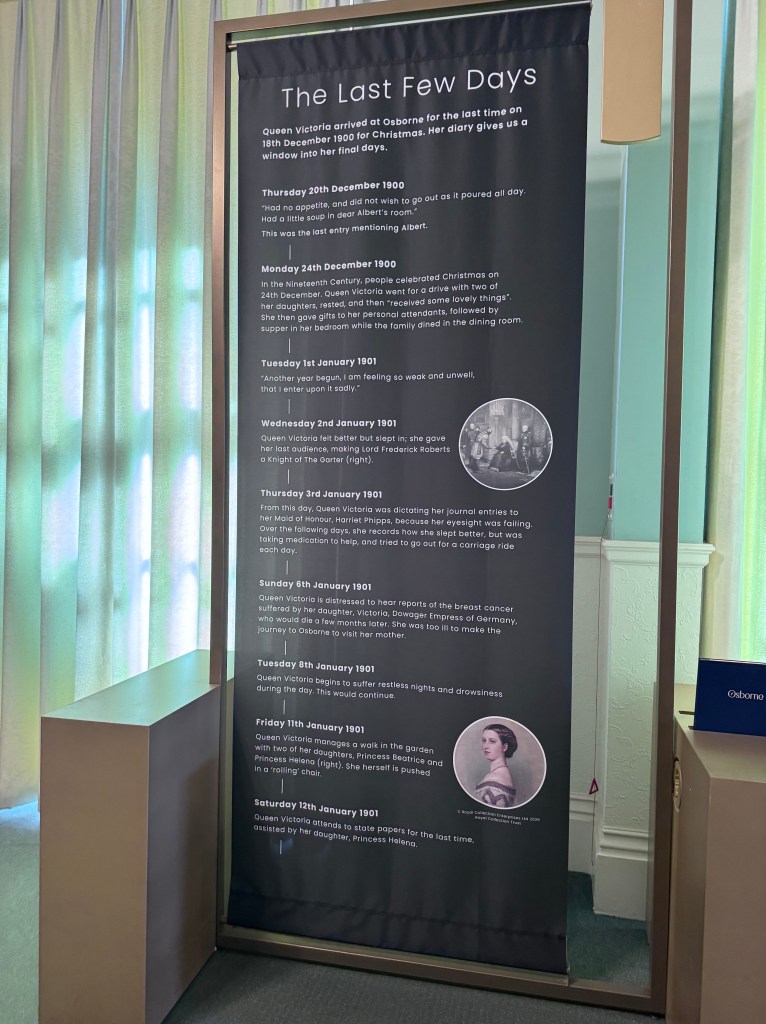
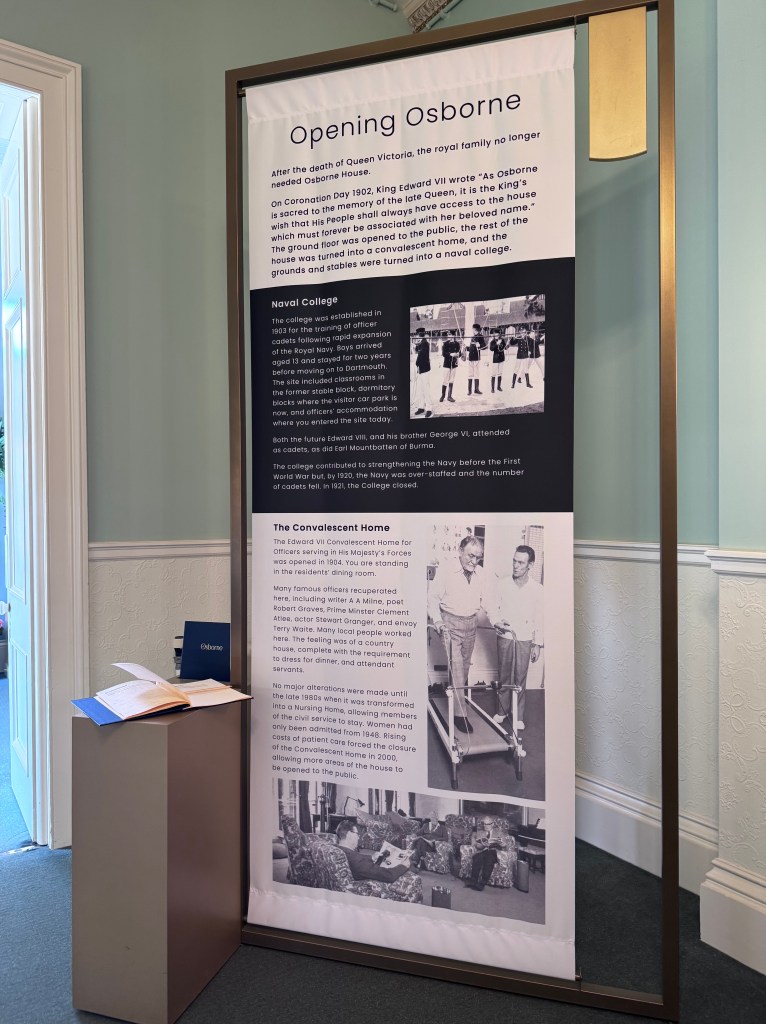
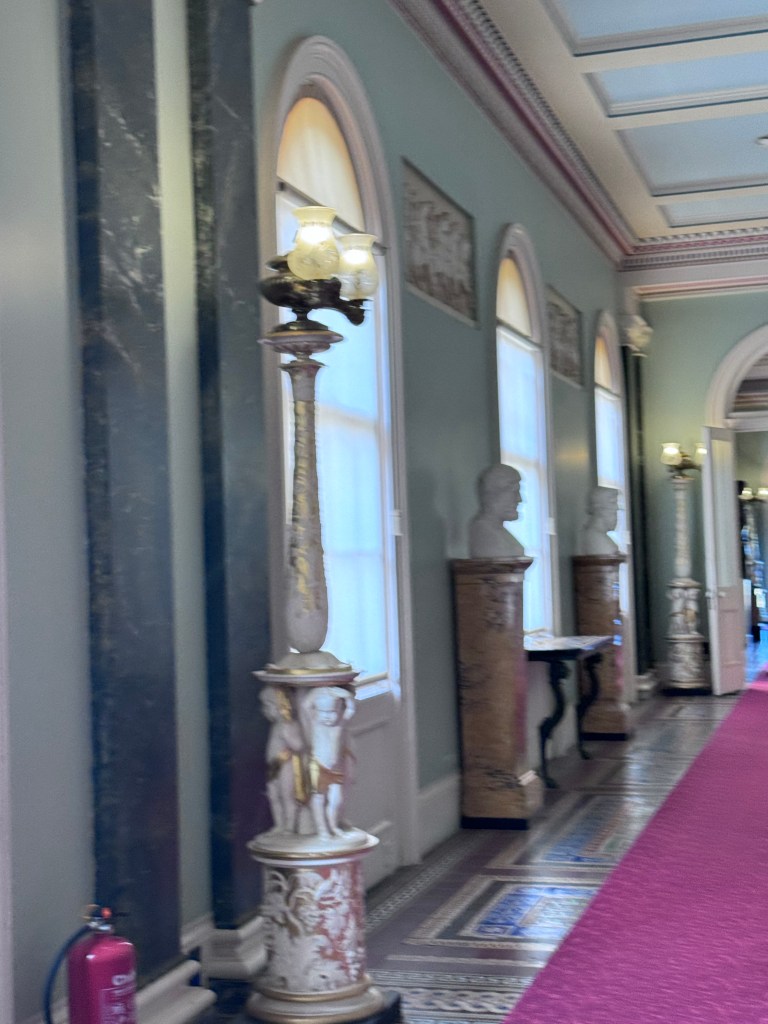
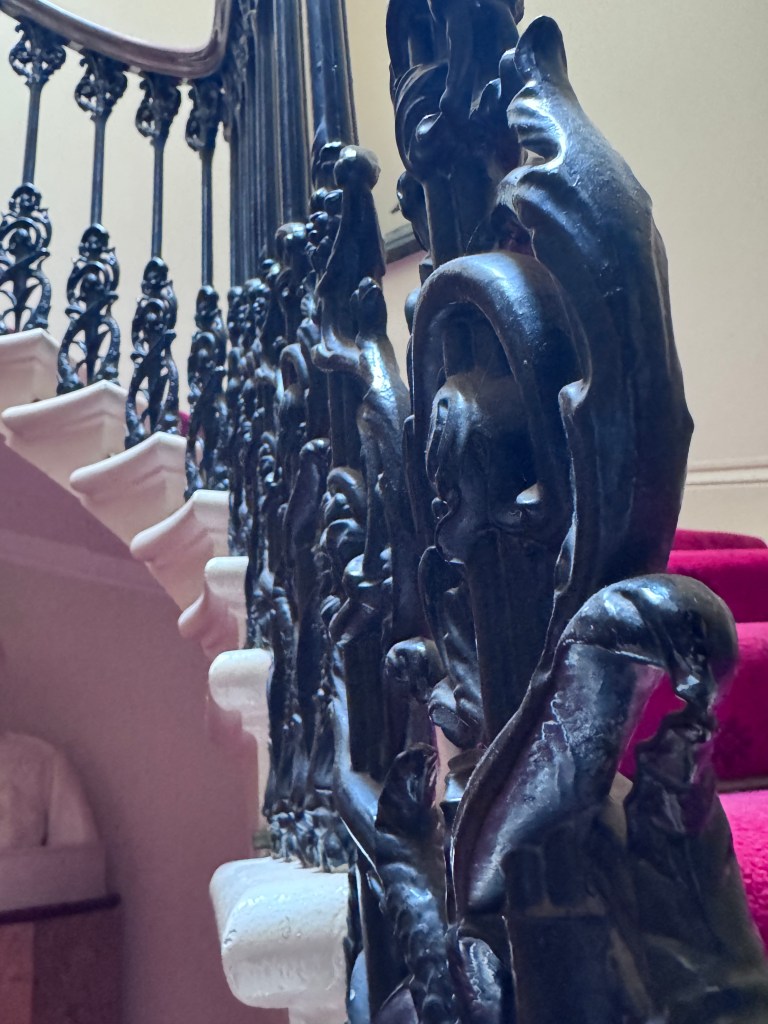
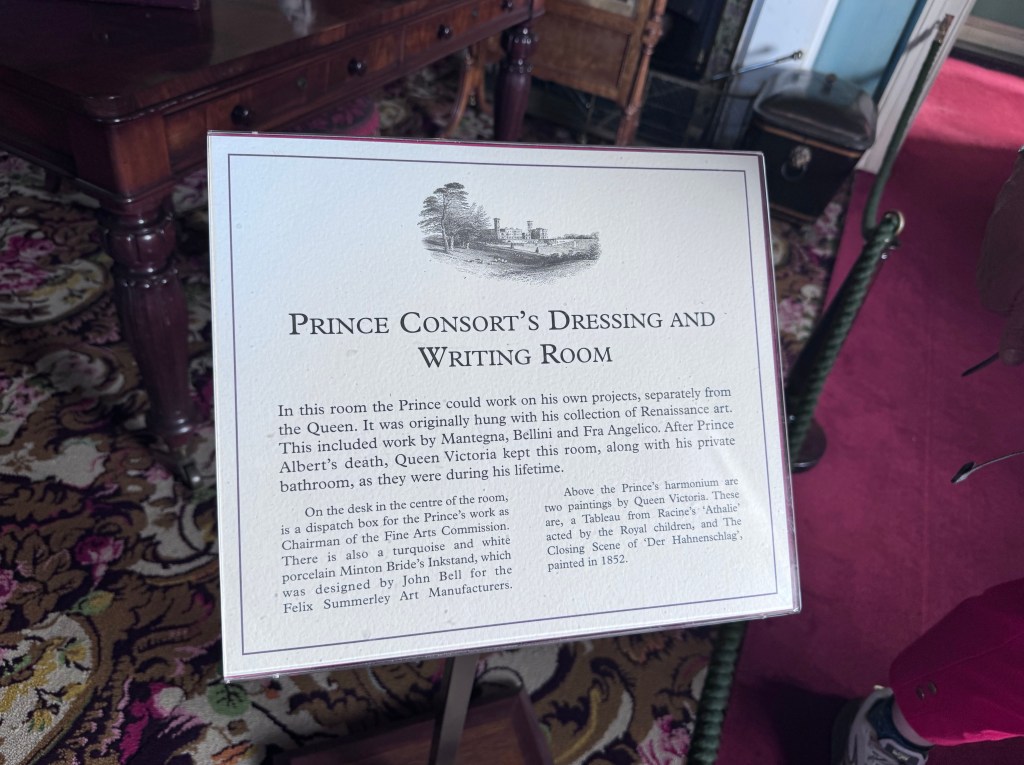
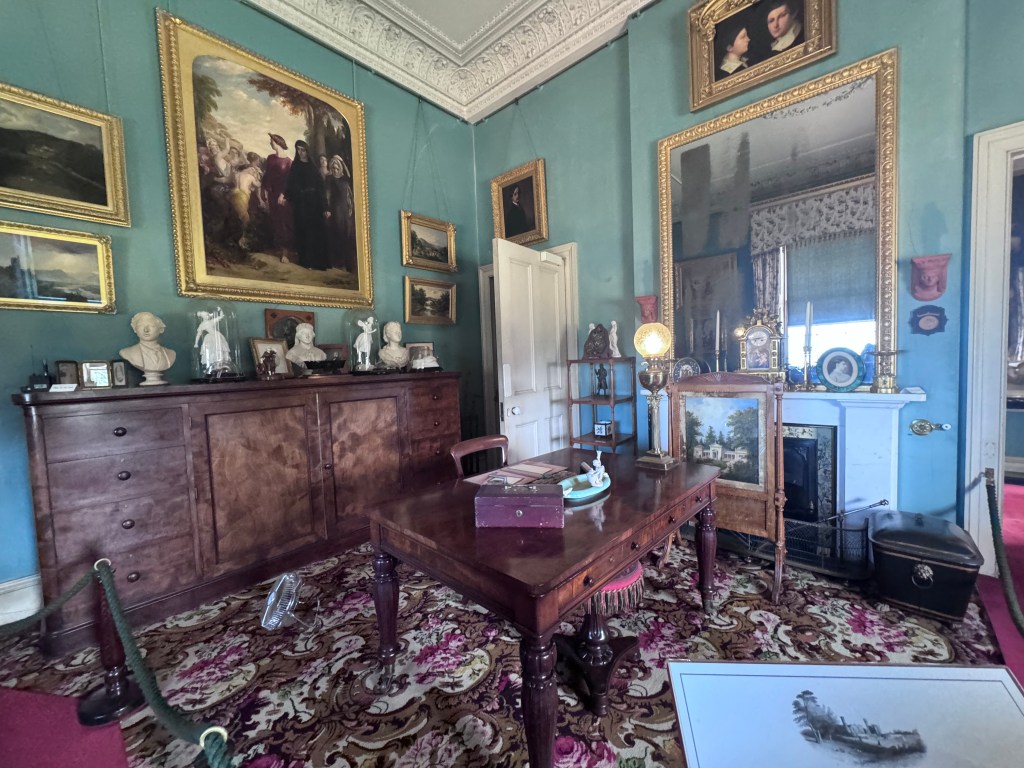
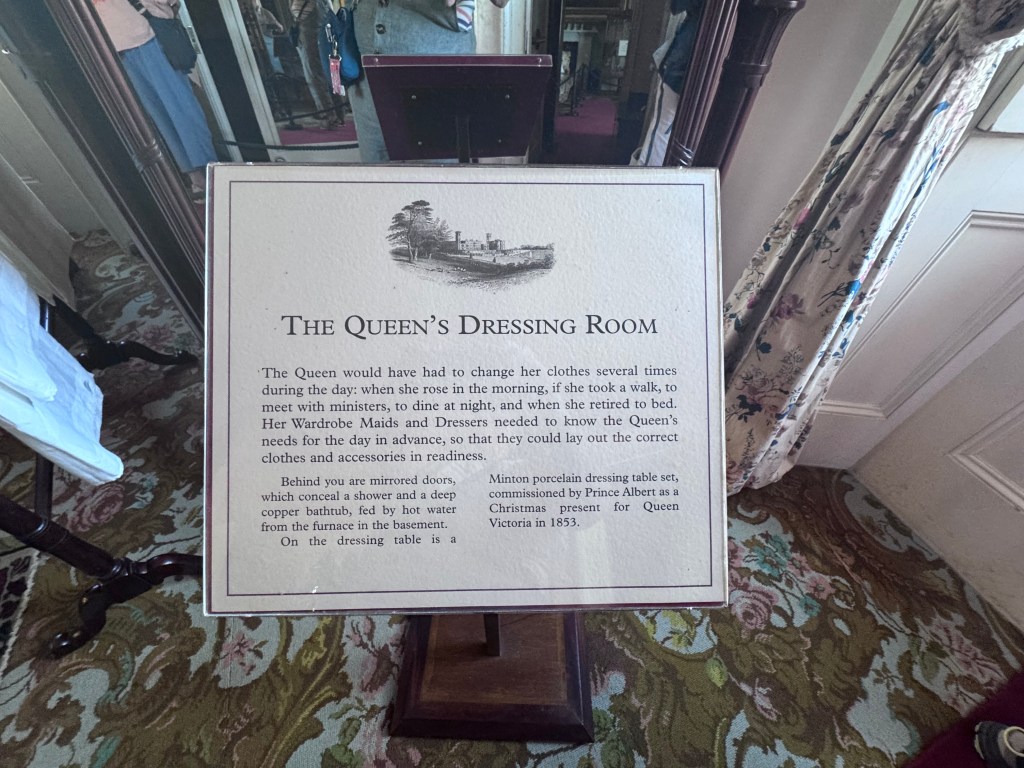
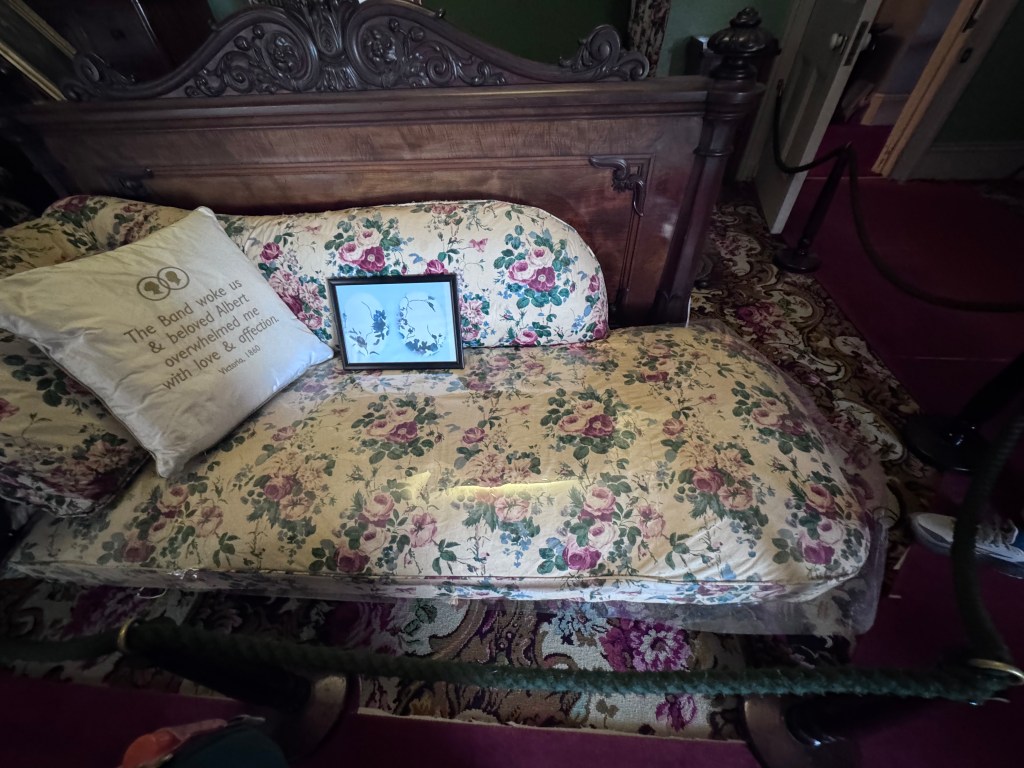
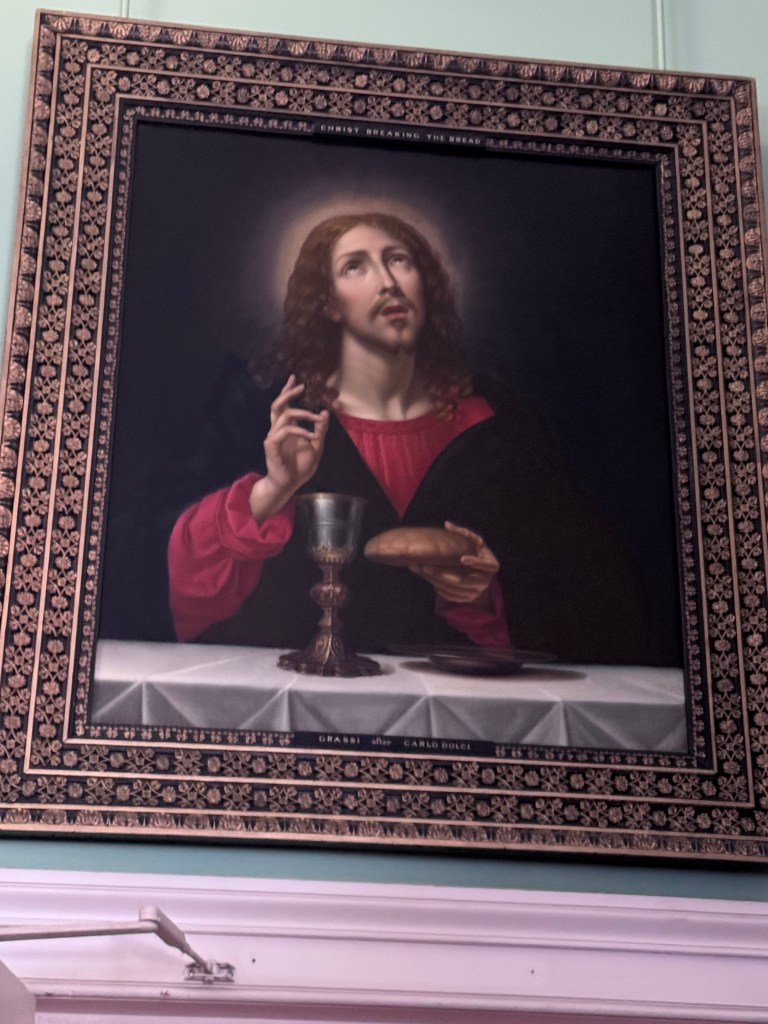
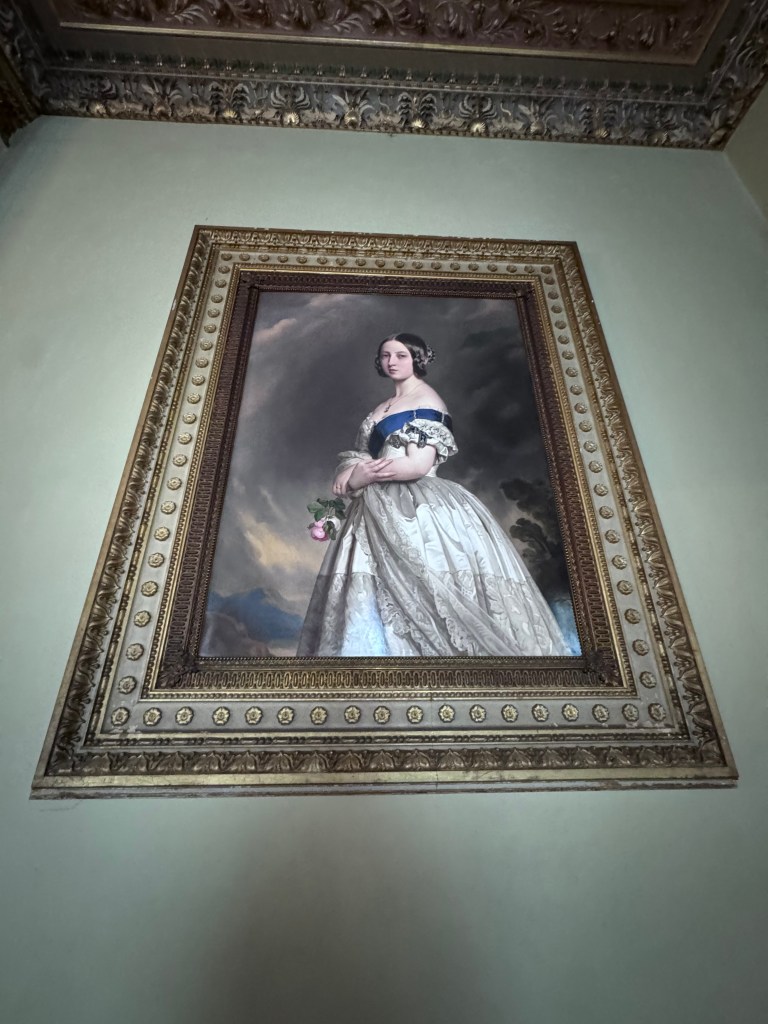
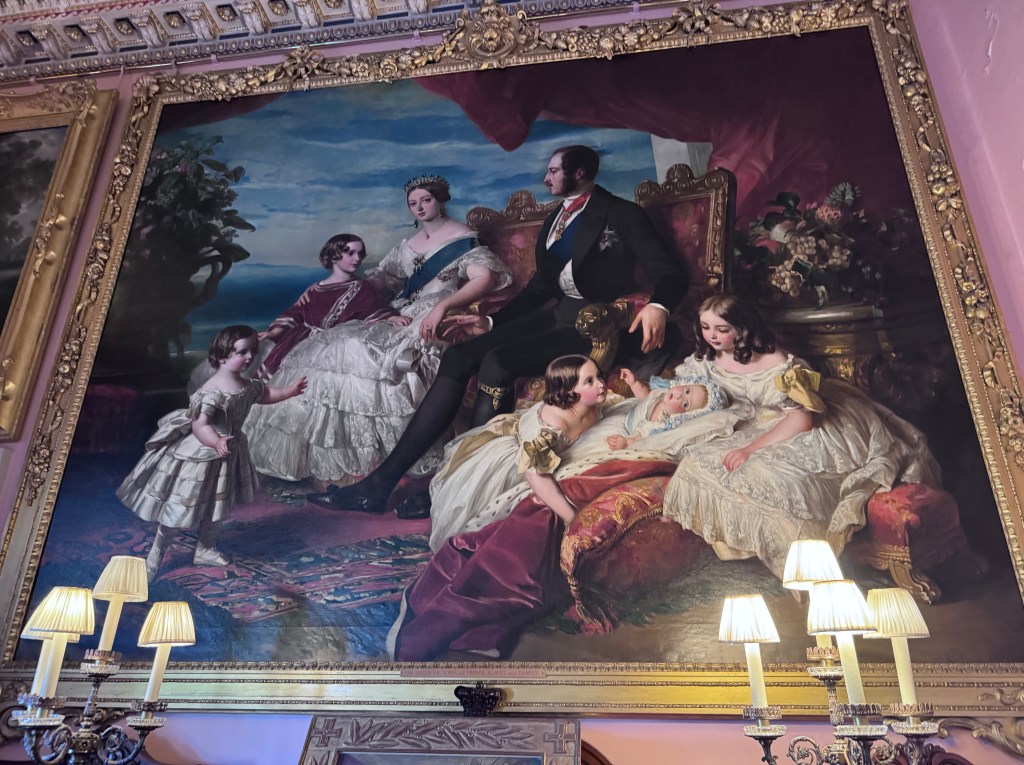
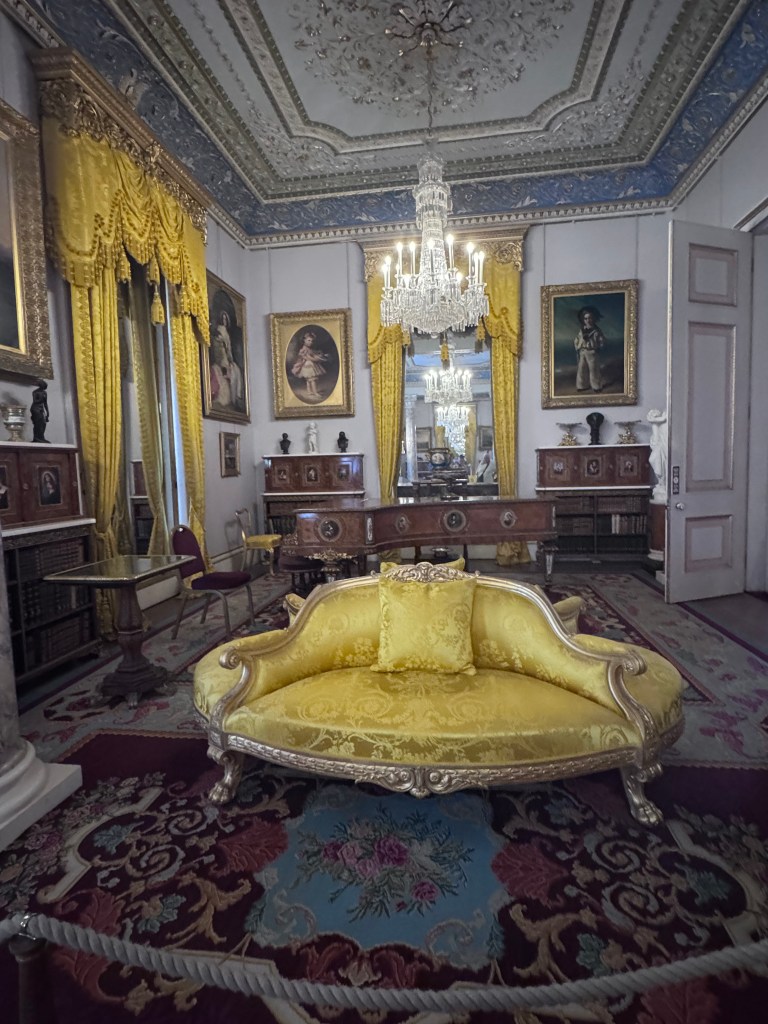
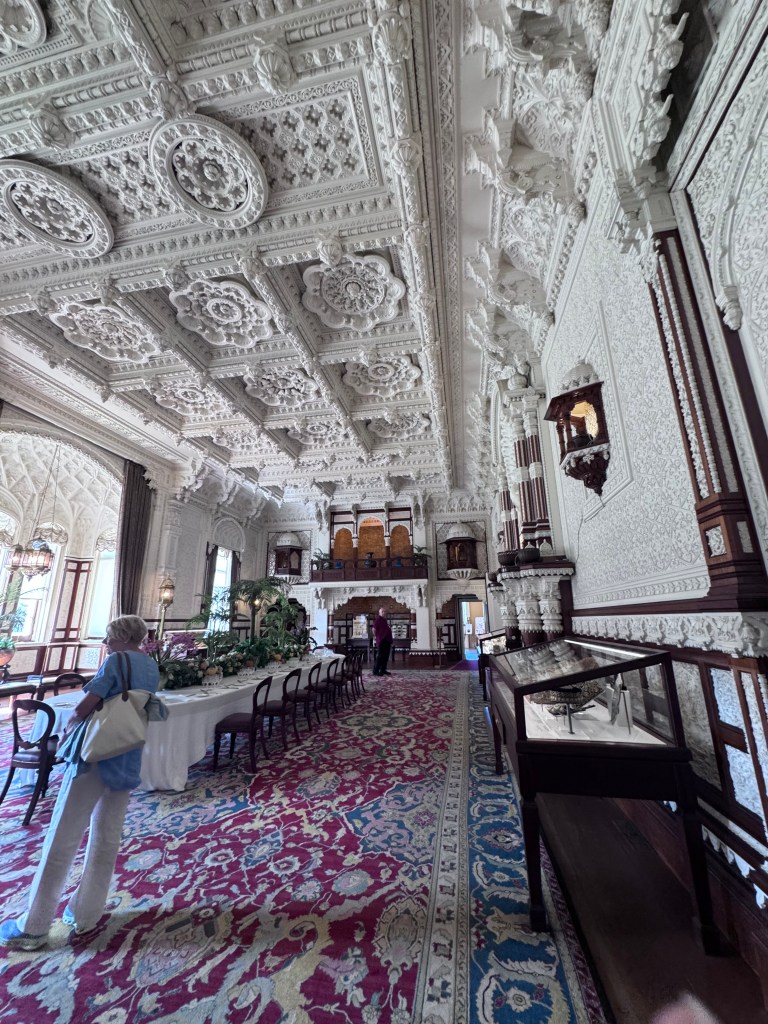
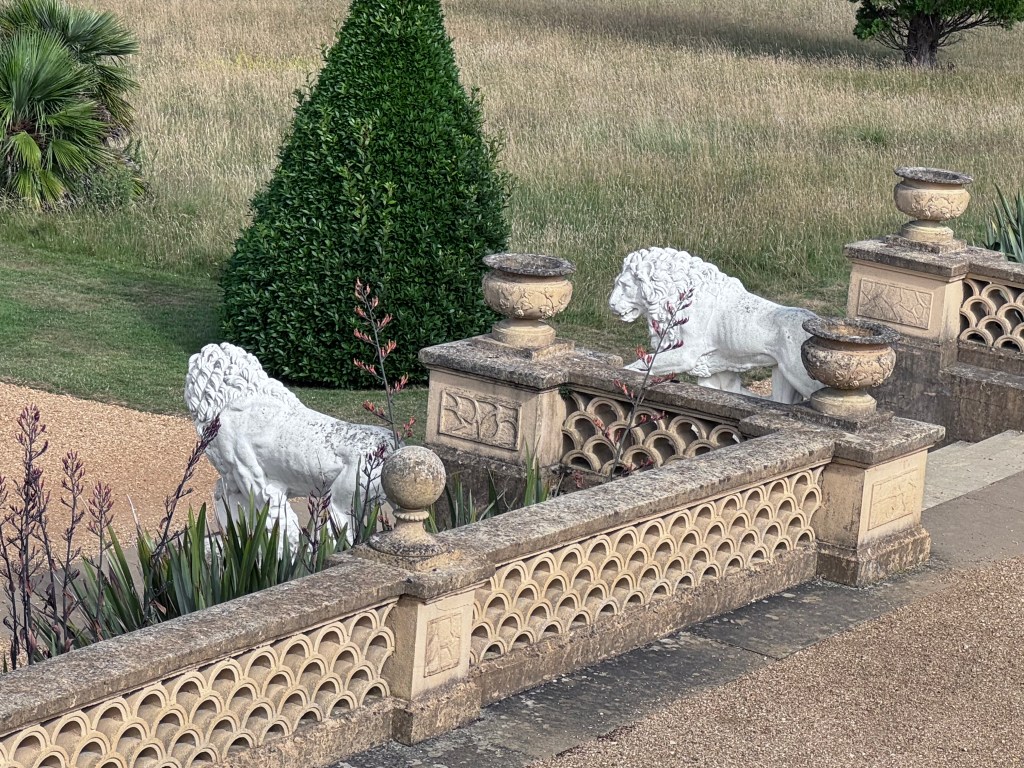
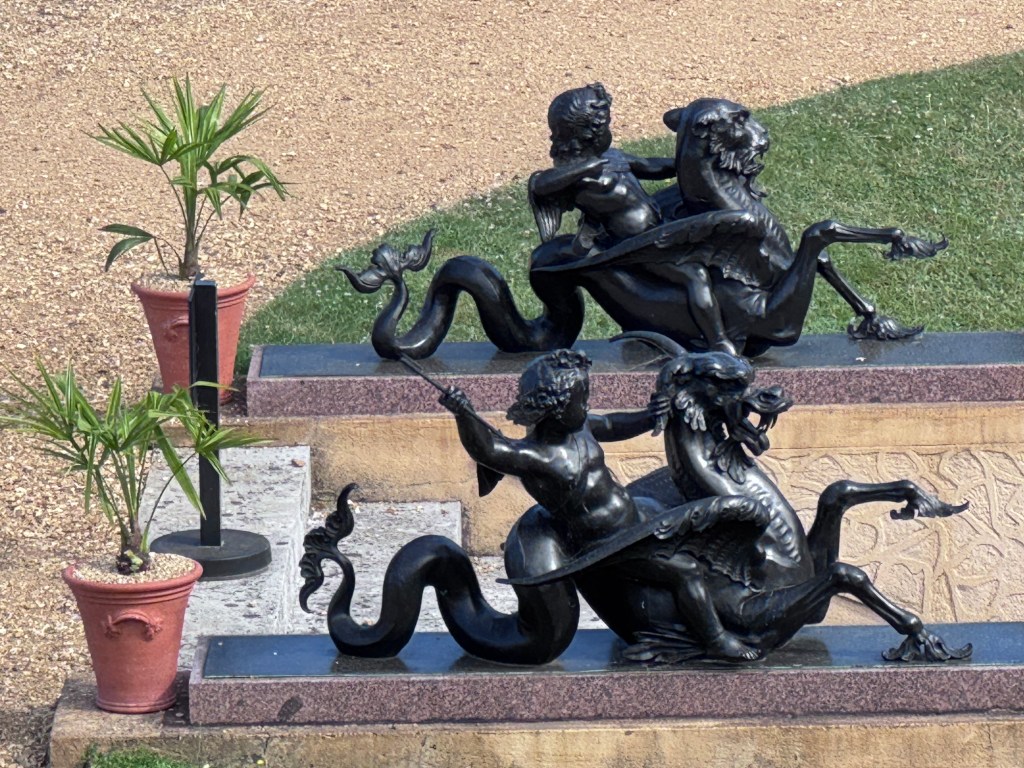
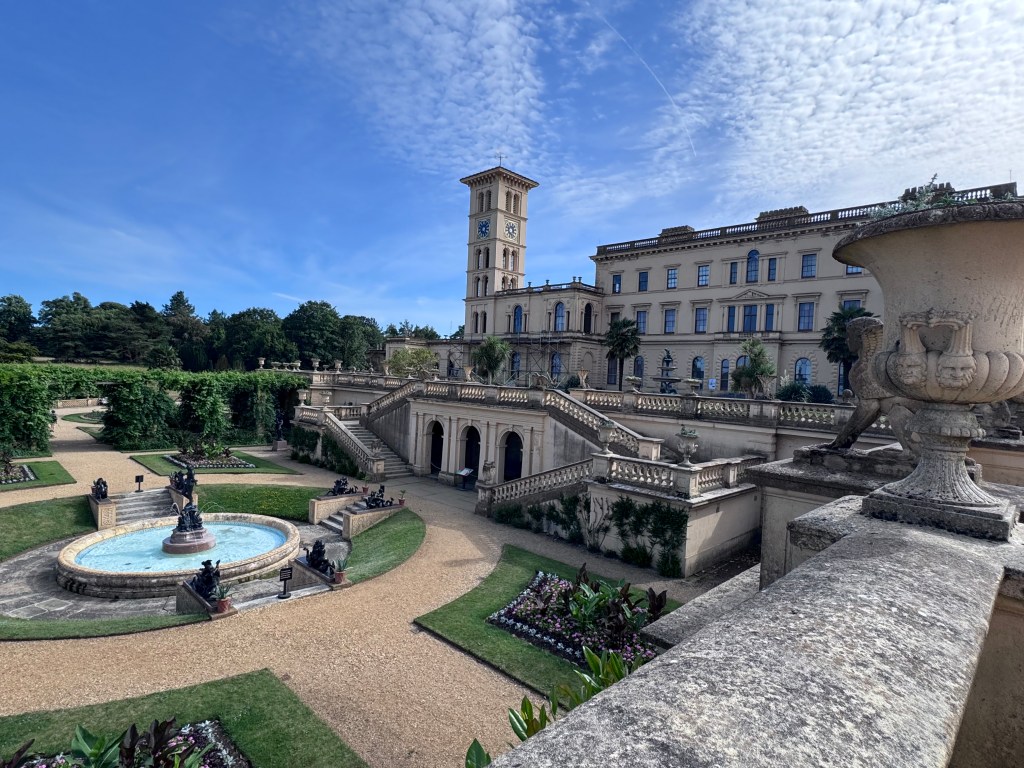
After meeting up, we enjoyed lunch before touring the magnificent Osborne House. Built between 1845 and 1851, Osborne House was the beloved summer residence of Queen Victoria and Prince Albert. Designed in the style of an Italian Renaissance villa, it became the place where the royal family could escape the formality of court life and enjoy time together. Queen Victoria loved the estate so much that she famously wrote, “It is impossible to imagine a prettier spot.”

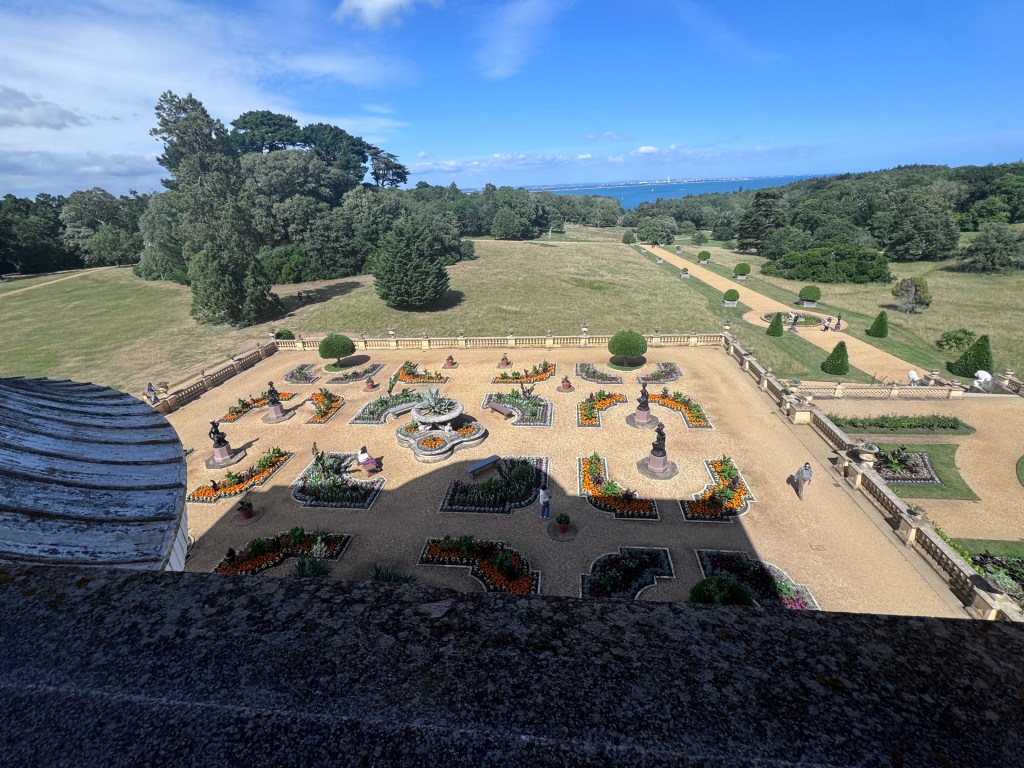
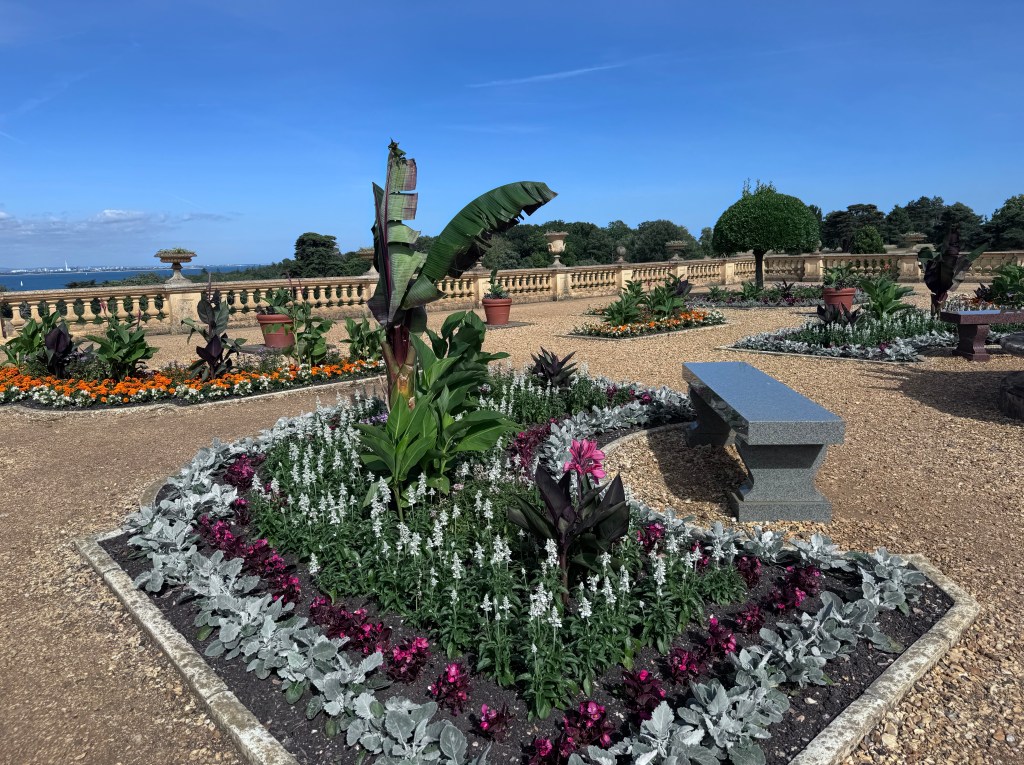
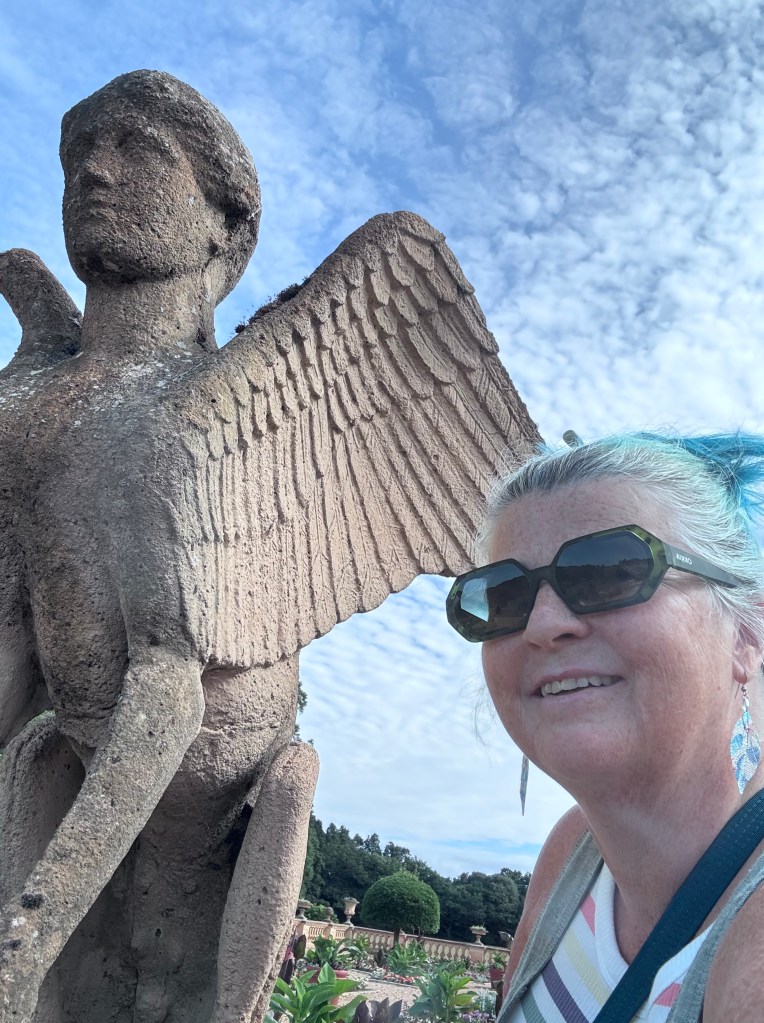
The estate is truly grand, surrounded by beautifully landscaped gardens and overlooking the Solent. What impressed me most was learning that much of what you see inside is original, giving visitors an authentic glimpse into royal family life during the Victorian era.

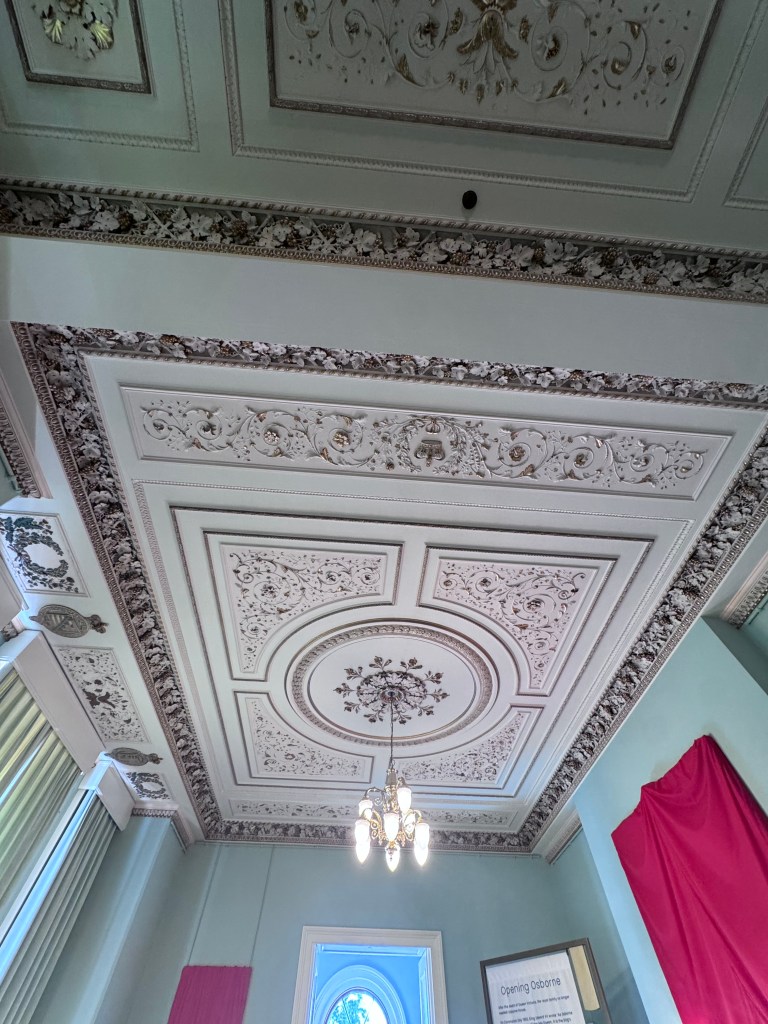
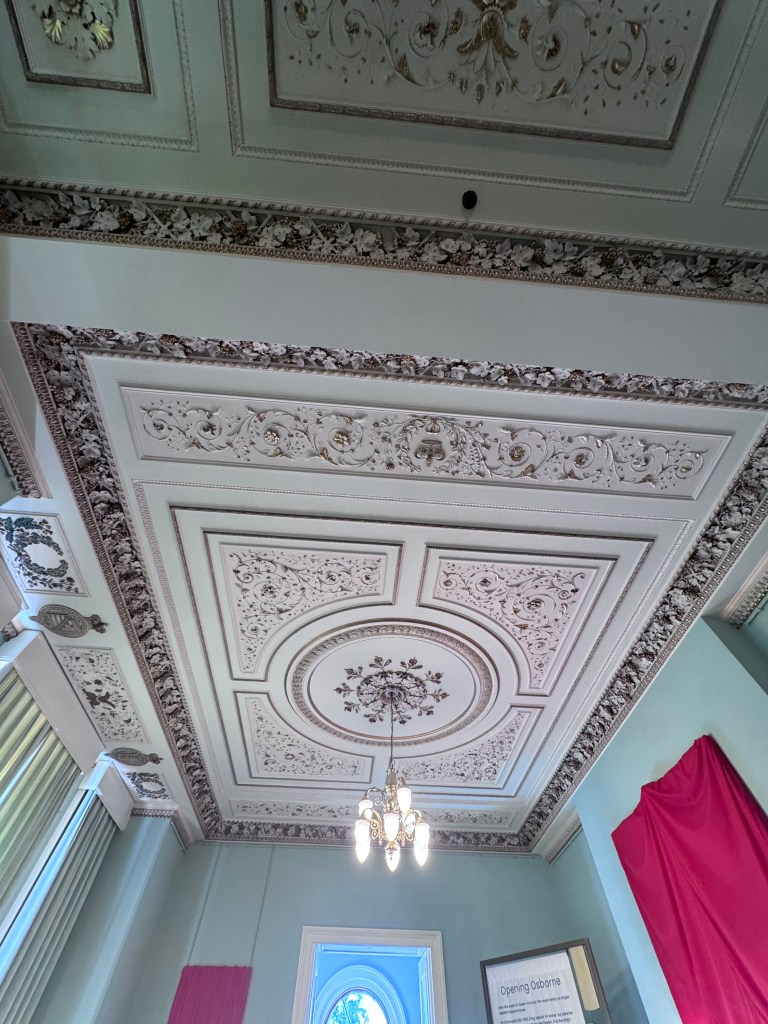
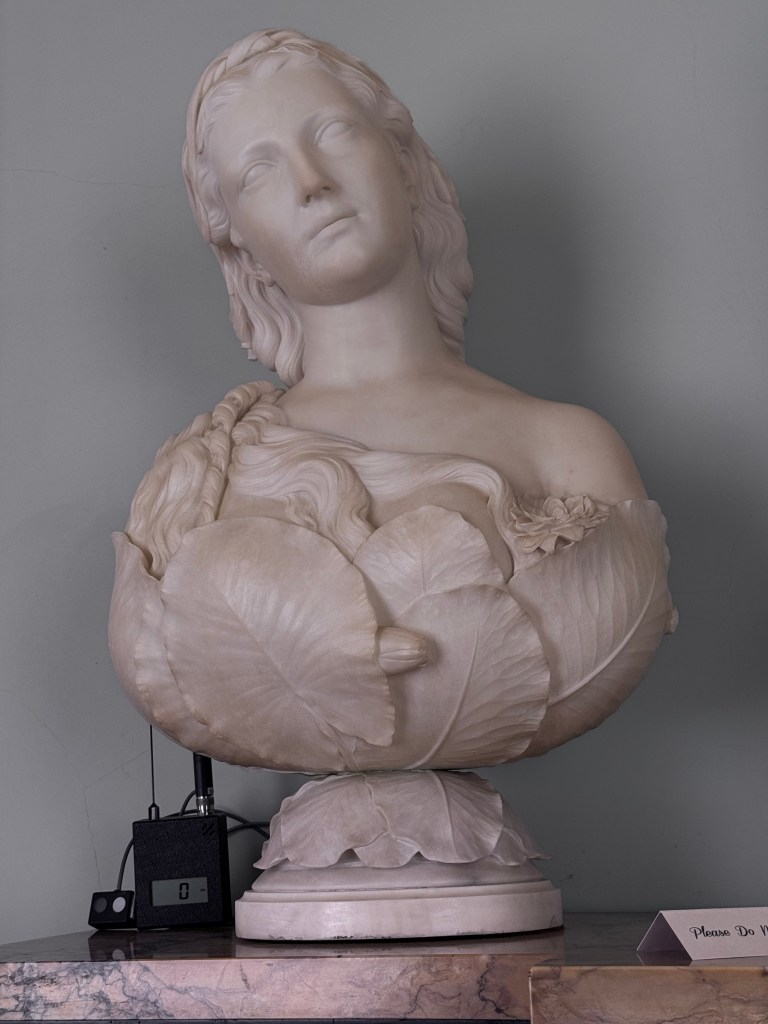
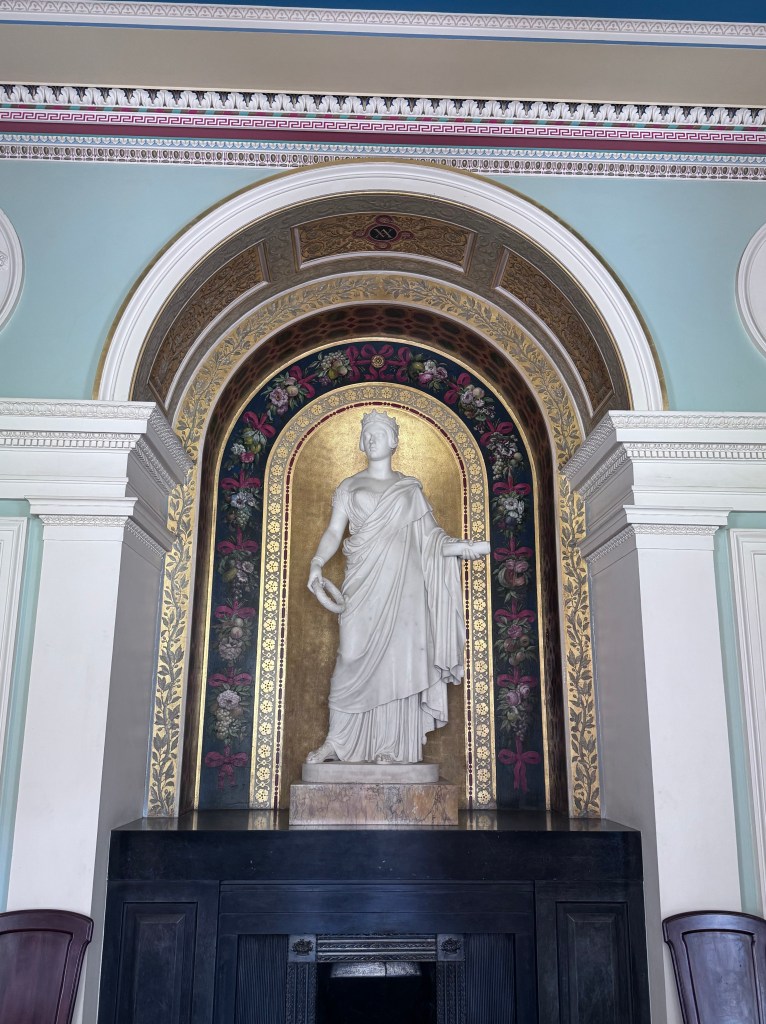
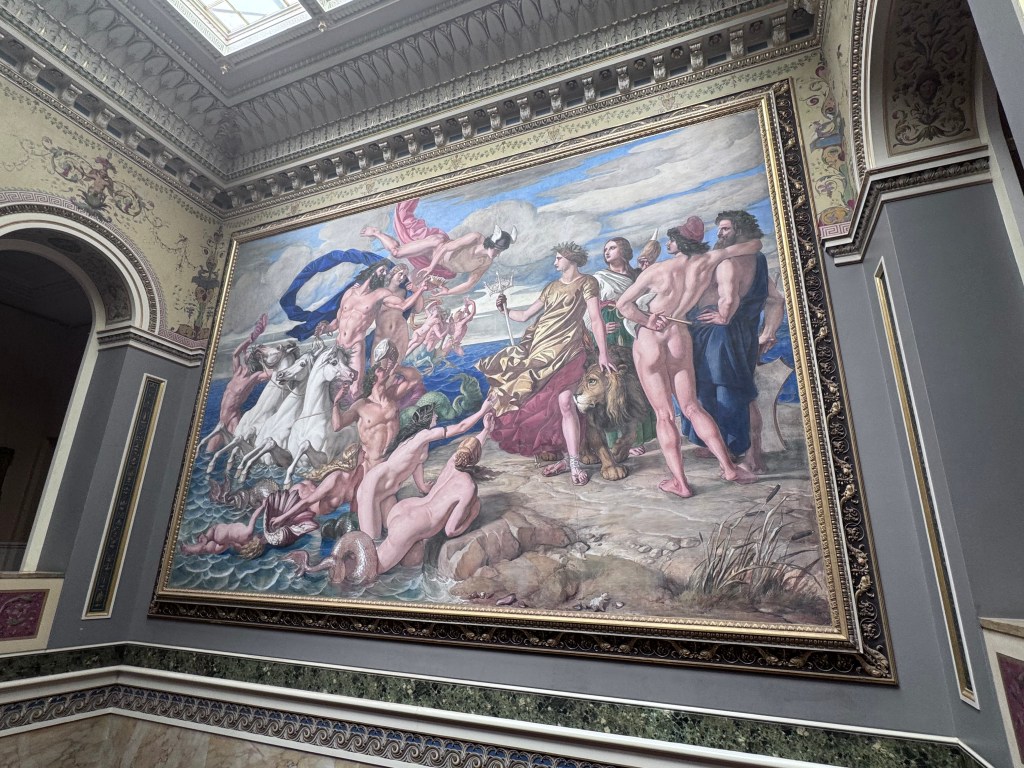
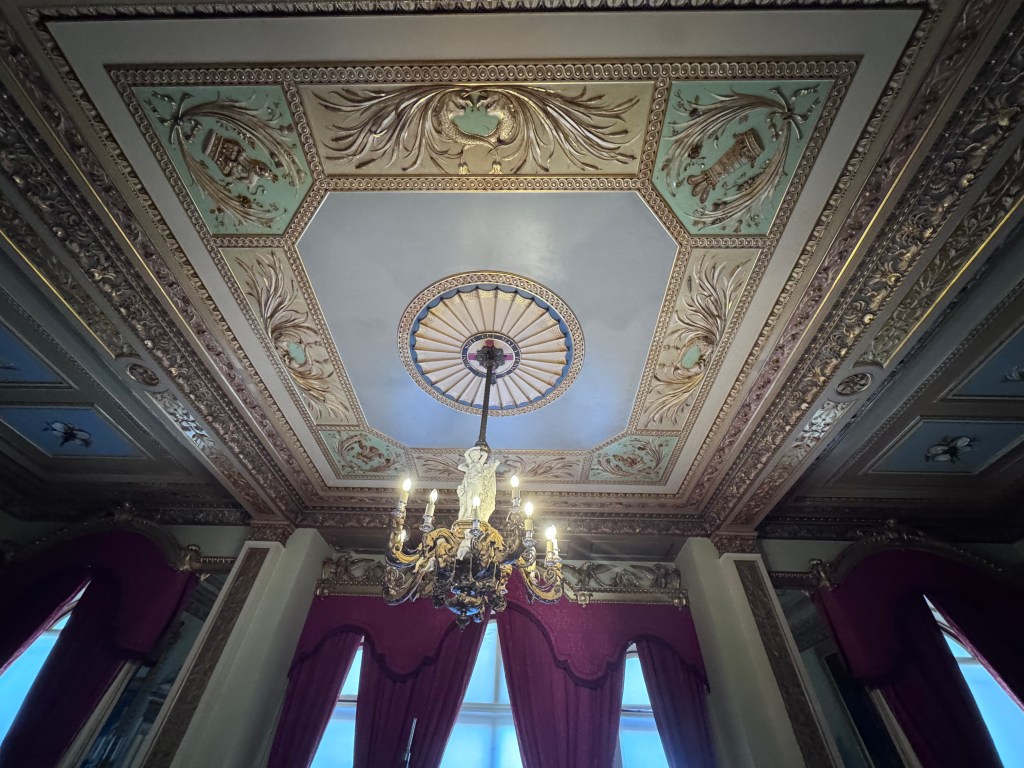
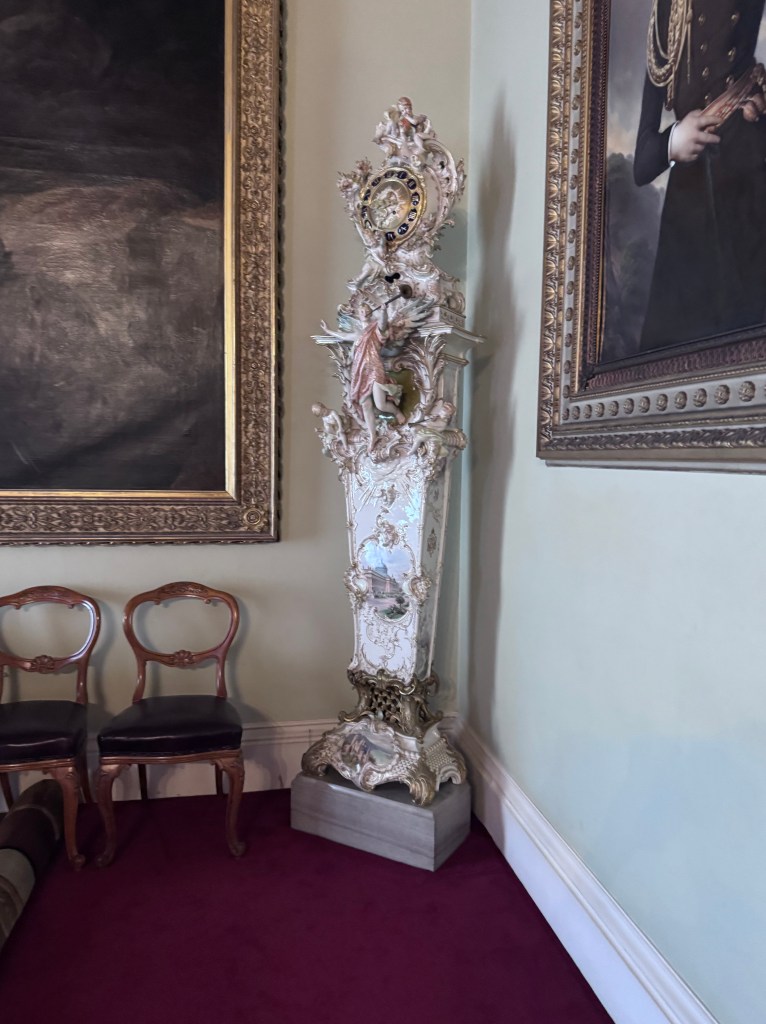
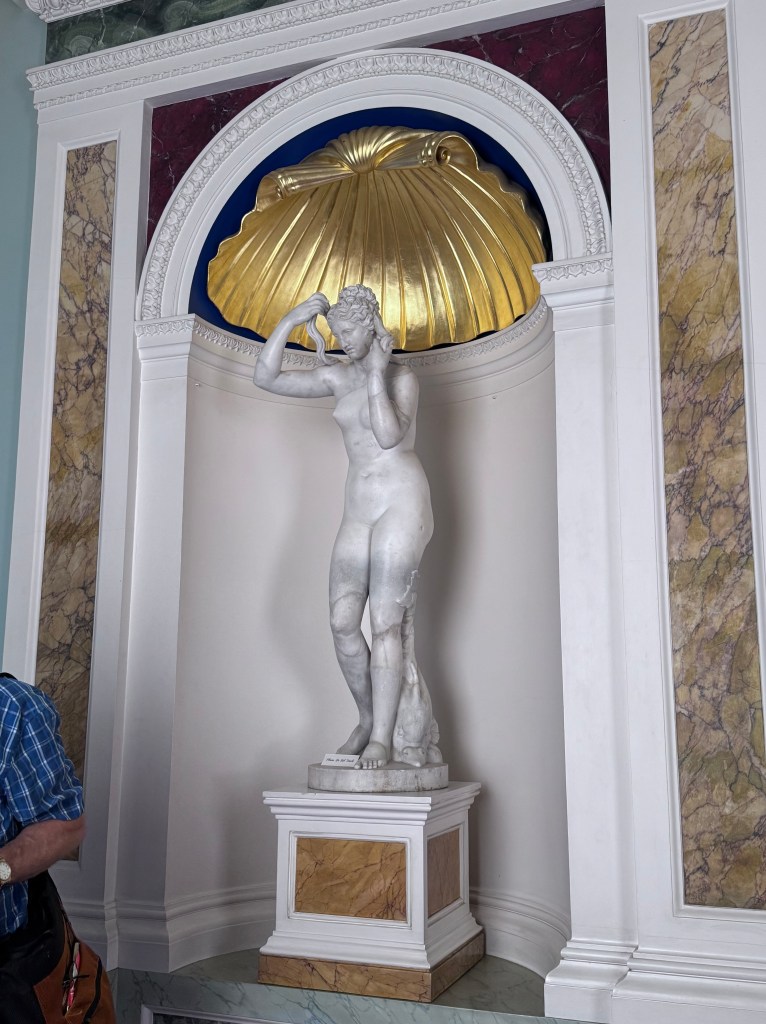
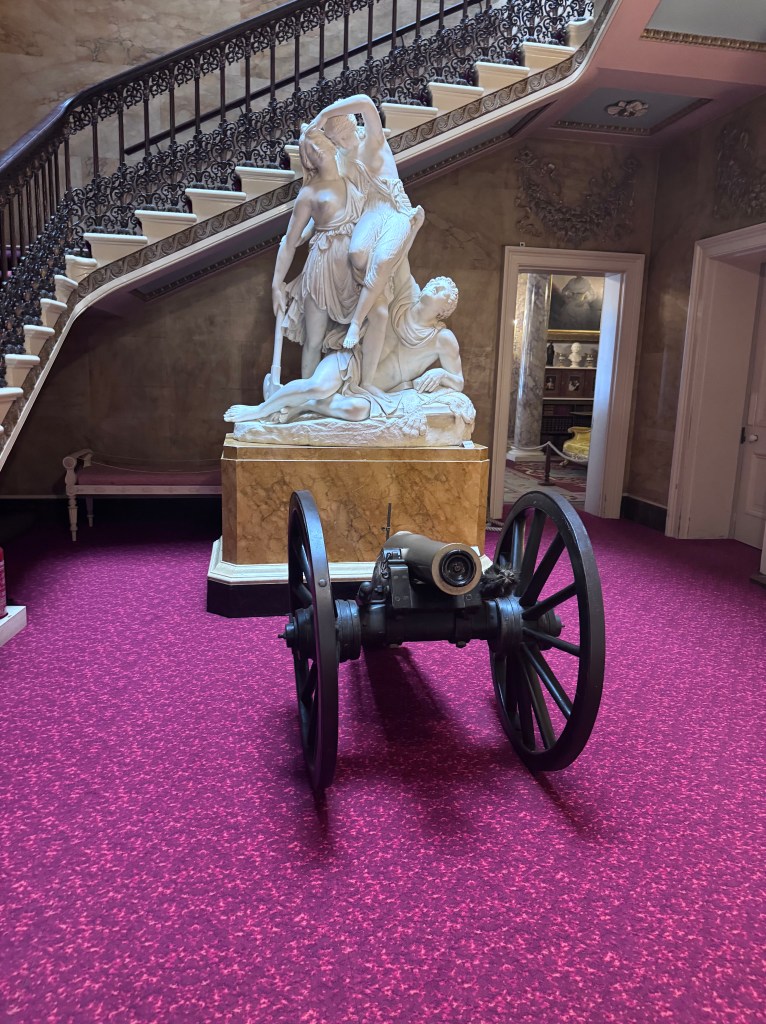
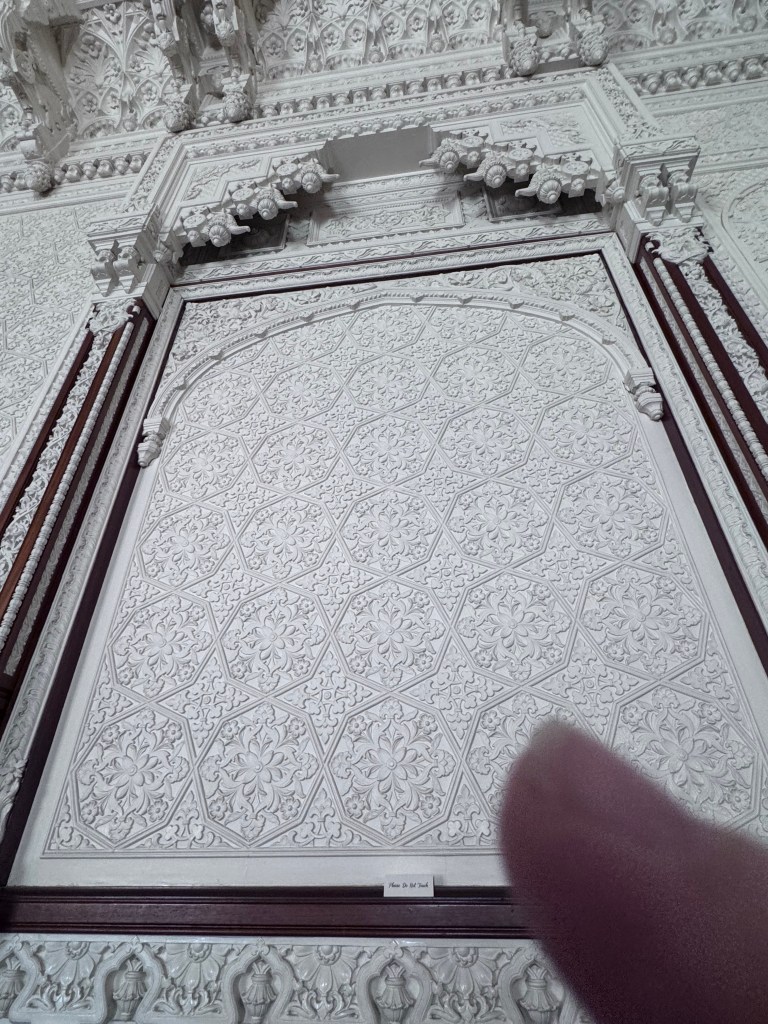
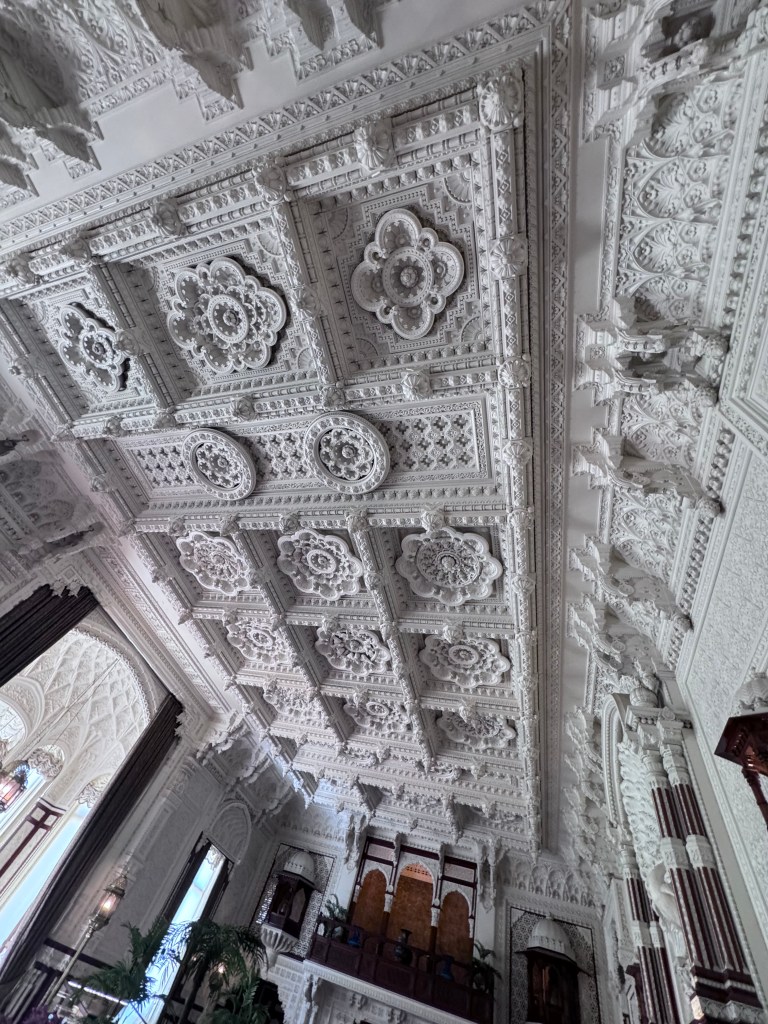
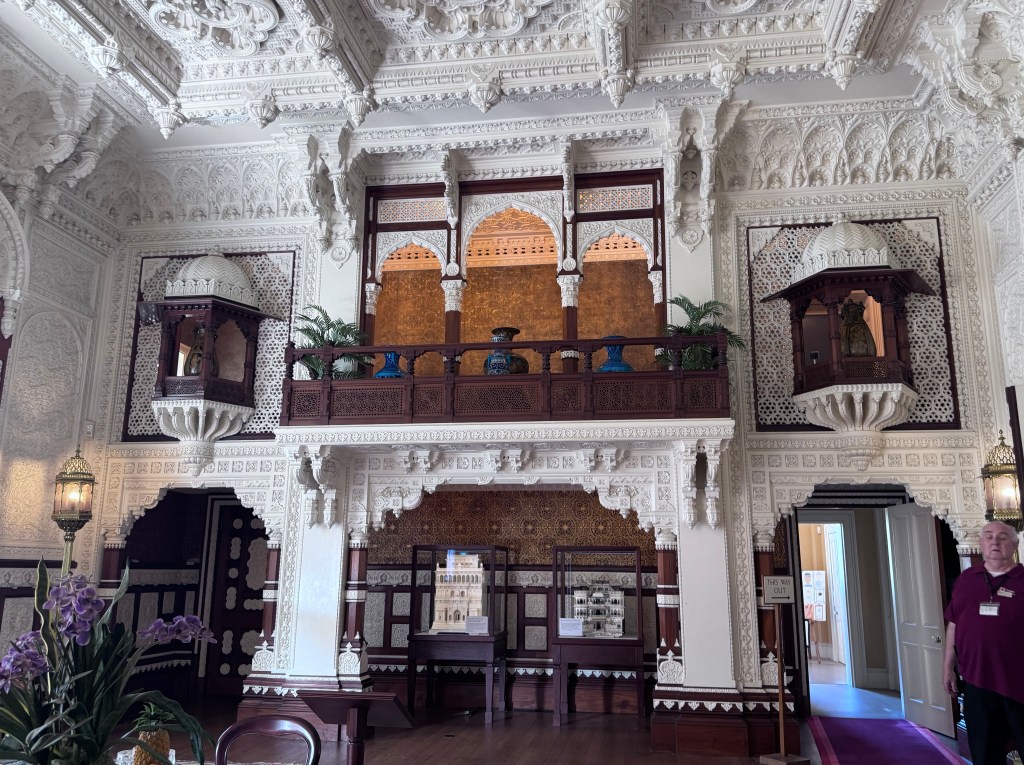
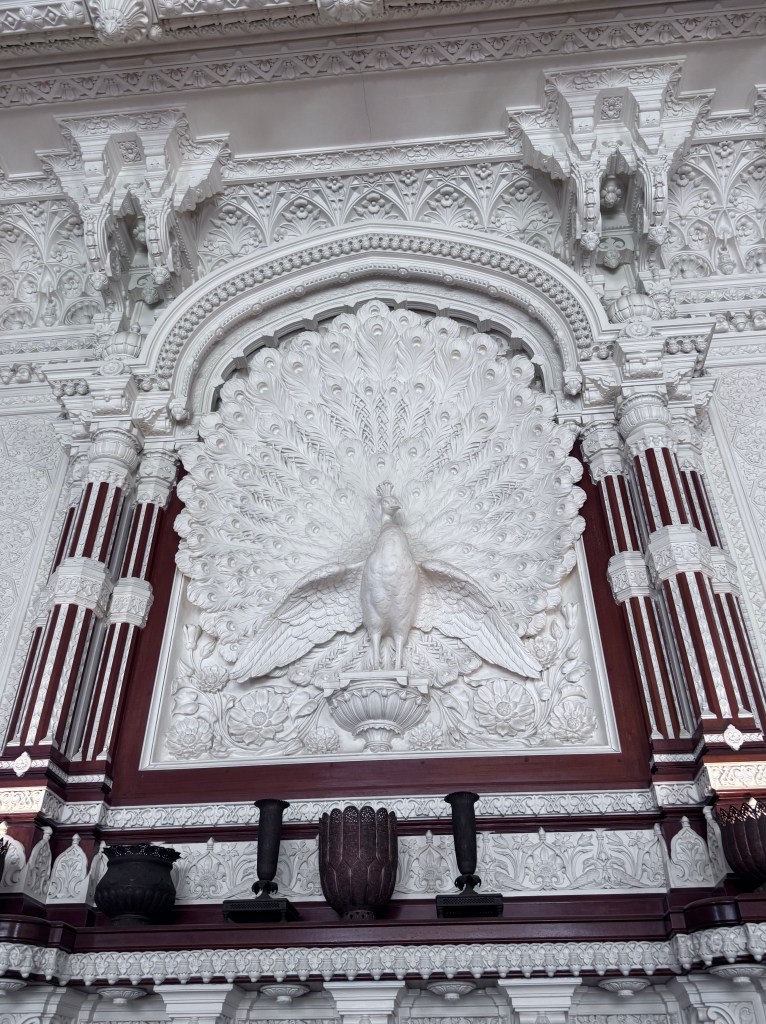
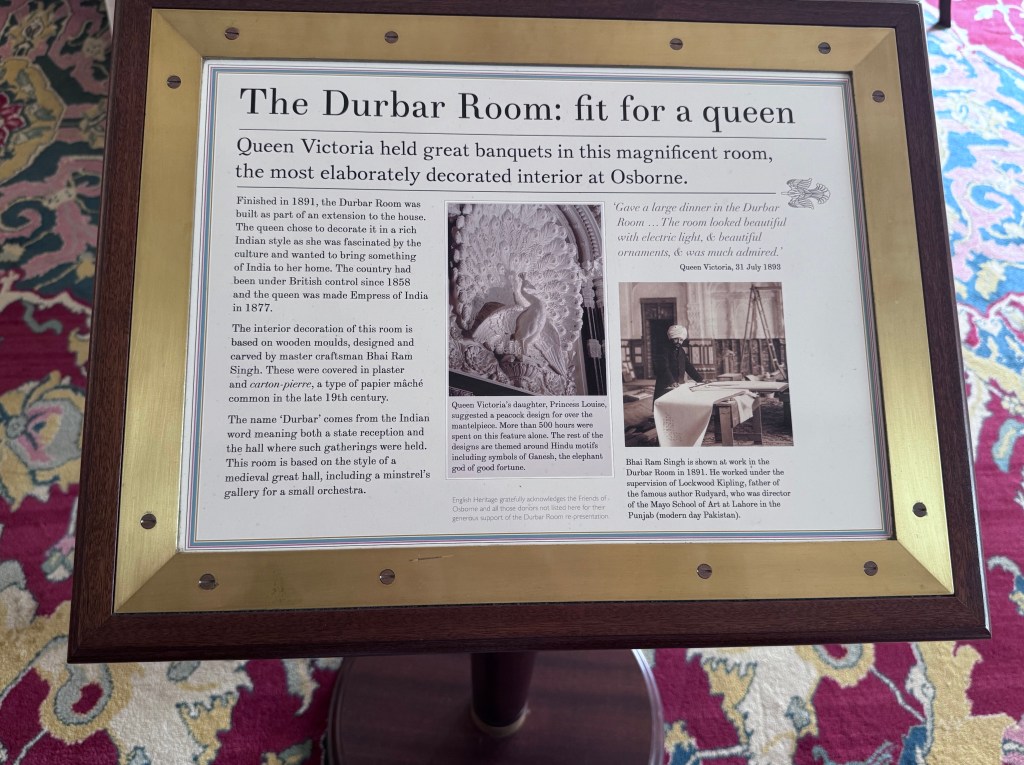
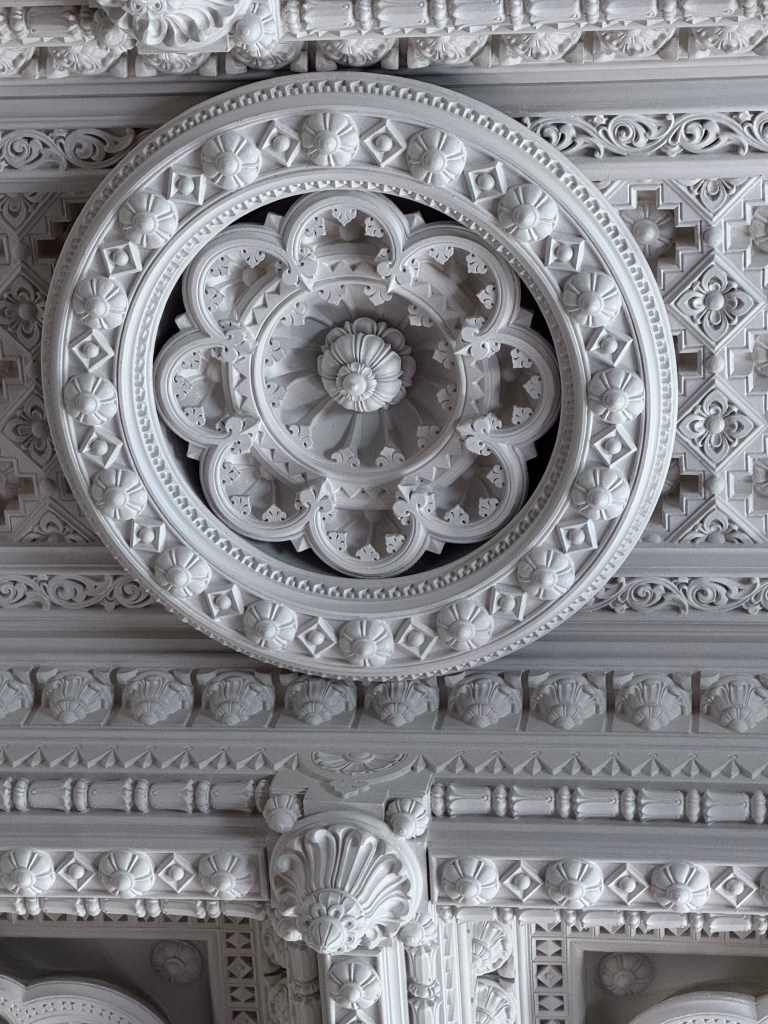
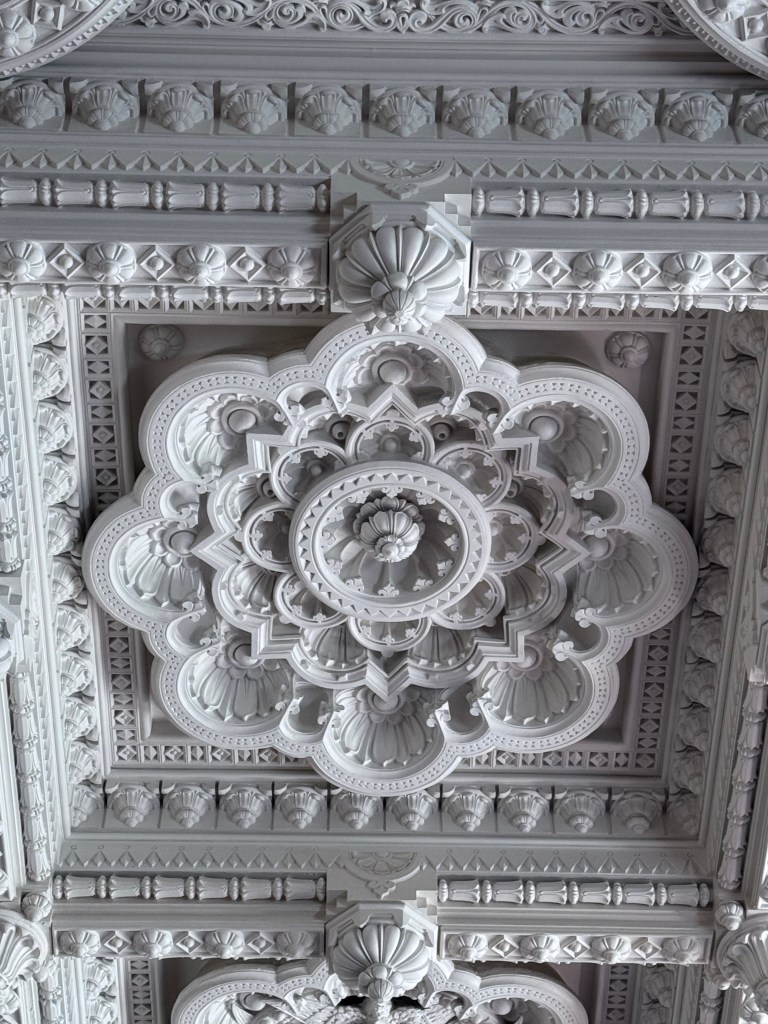
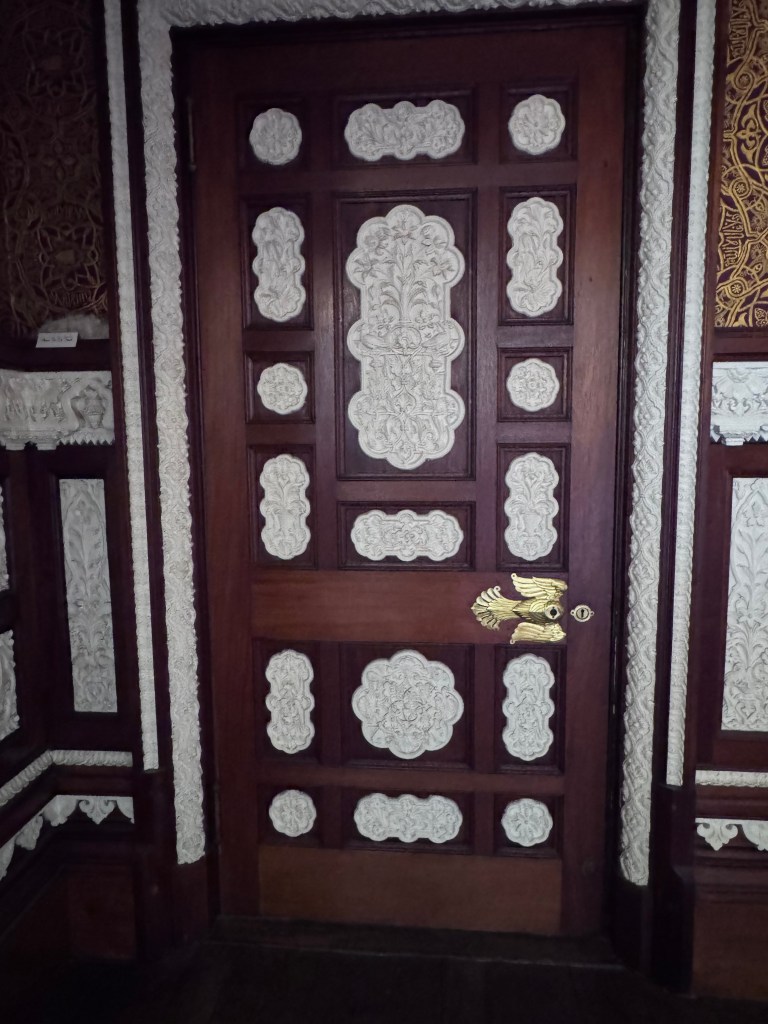
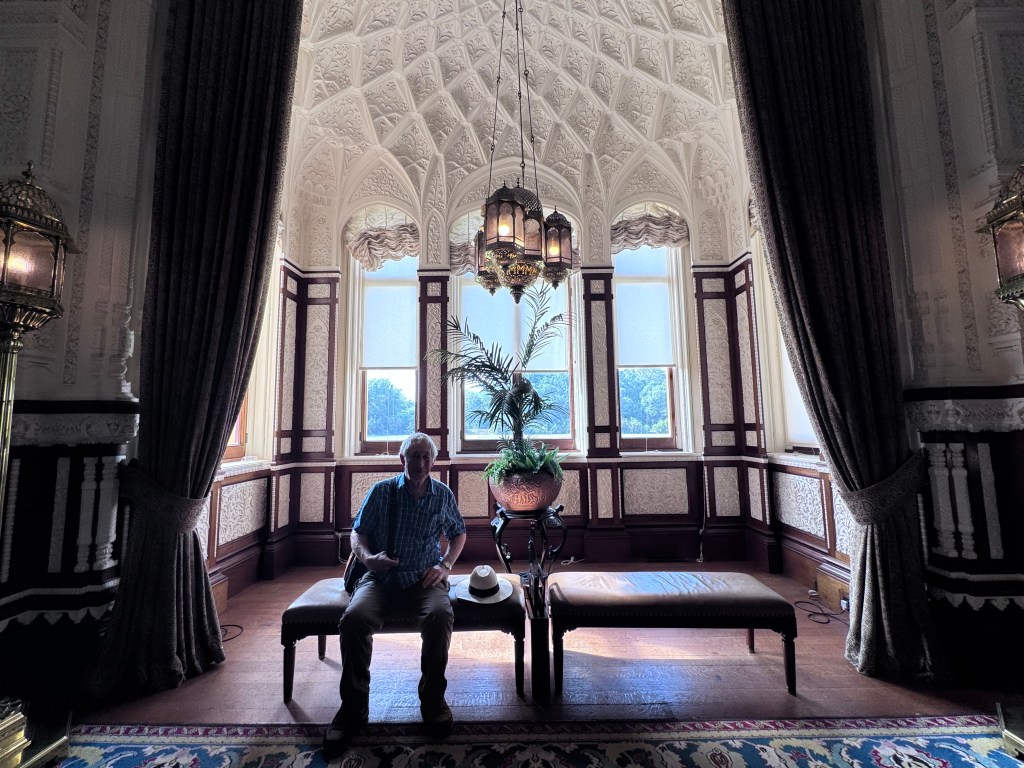
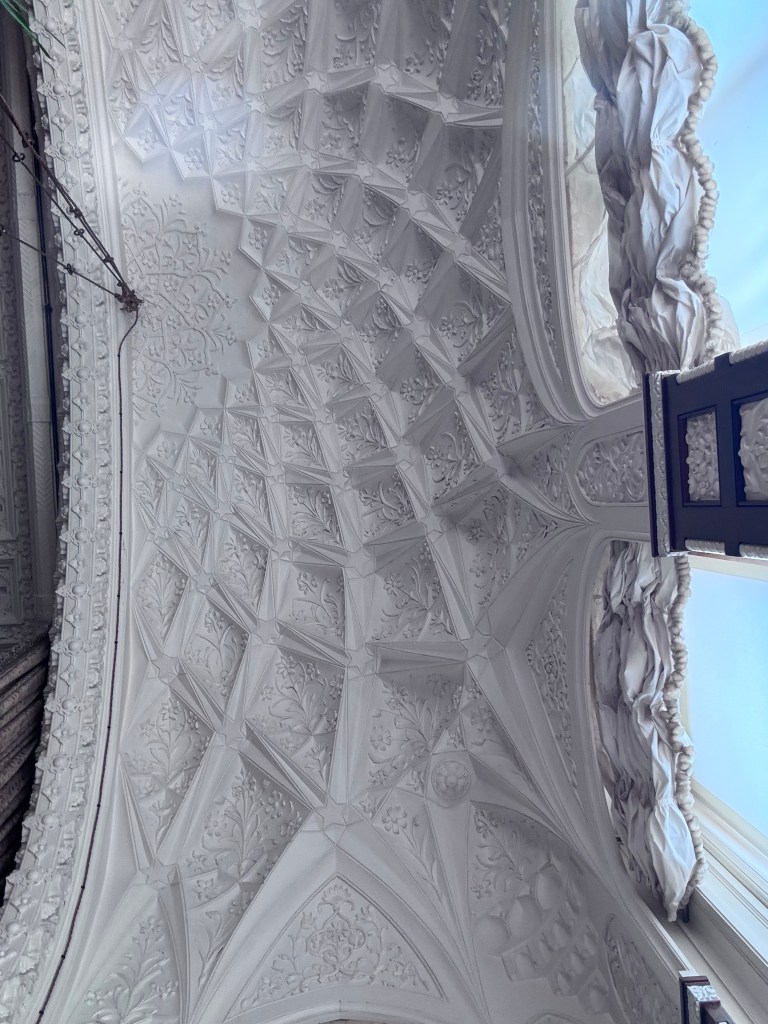
One of the most fascinating discoveries was that even the royal family made practical financial decisions while creating such an elegant home. Many of the grand marble columns and decorative features are actually expertly painted plaster designed to resemble expensive marble. The spectacular Durbar Room ceiling, with its intricate decorative work, was crafted from lightweight plaster of Paris rather than heavier materials to reduce the structural load on the building. Throughout the house are beautiful marble statues, but only one is genuine—the statue of Venus standing beneath a seashell canopy. The others are carefully crafted replicas. Queen Victoria and Prince Albert would visit museums such as the Louvre in Paris, select sculptures they admired, and commission high-quality reproductions for Osborne House. It was a fascinating reminder that beauty and practicality often went hand in hand, even in a royal residence.

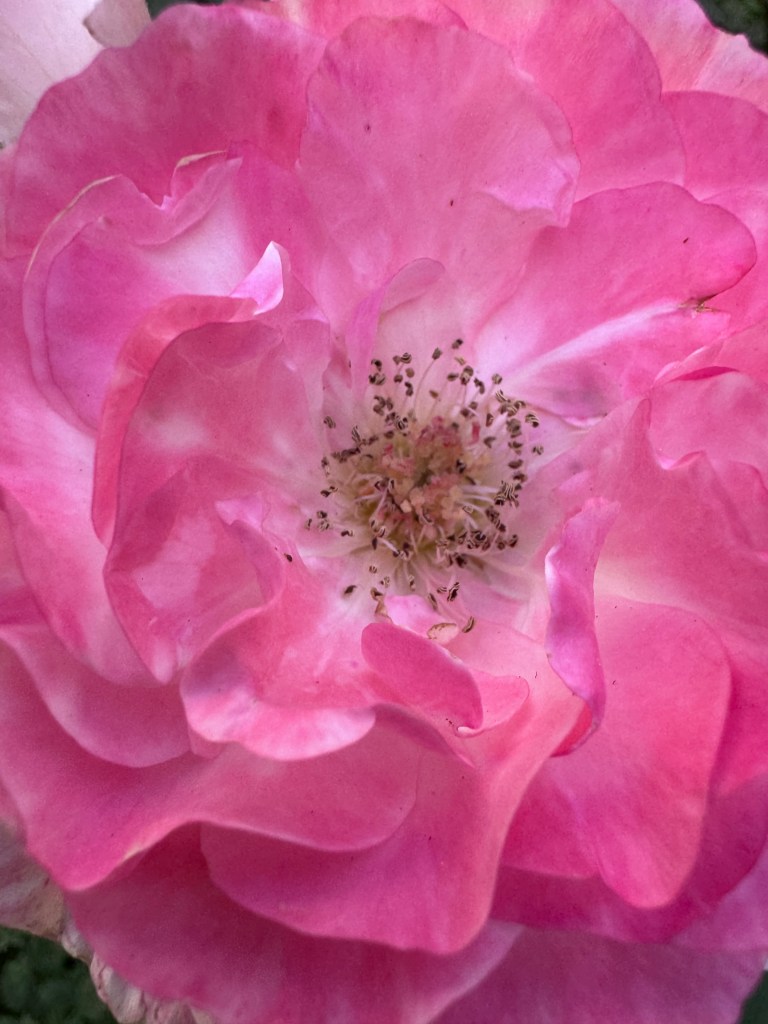
After our tour, we returned to Alan and Pauline’s home for an incredible home-cooked dinner. We spent the evening visiting, laughing, and enjoying their beautiful backyard garden. The flowers were in full bloom, and I couldn’t resist taking dozens of photographs. It was the perfect ending to a wonderful day filled with history, friendship, and warm hospitality.

Before saying goodnight, we made plans for another adventure together the following day—a visit to the Isle of Wight’s famous Model Village.

Canals, Countryside, and Clarkson’s Farm

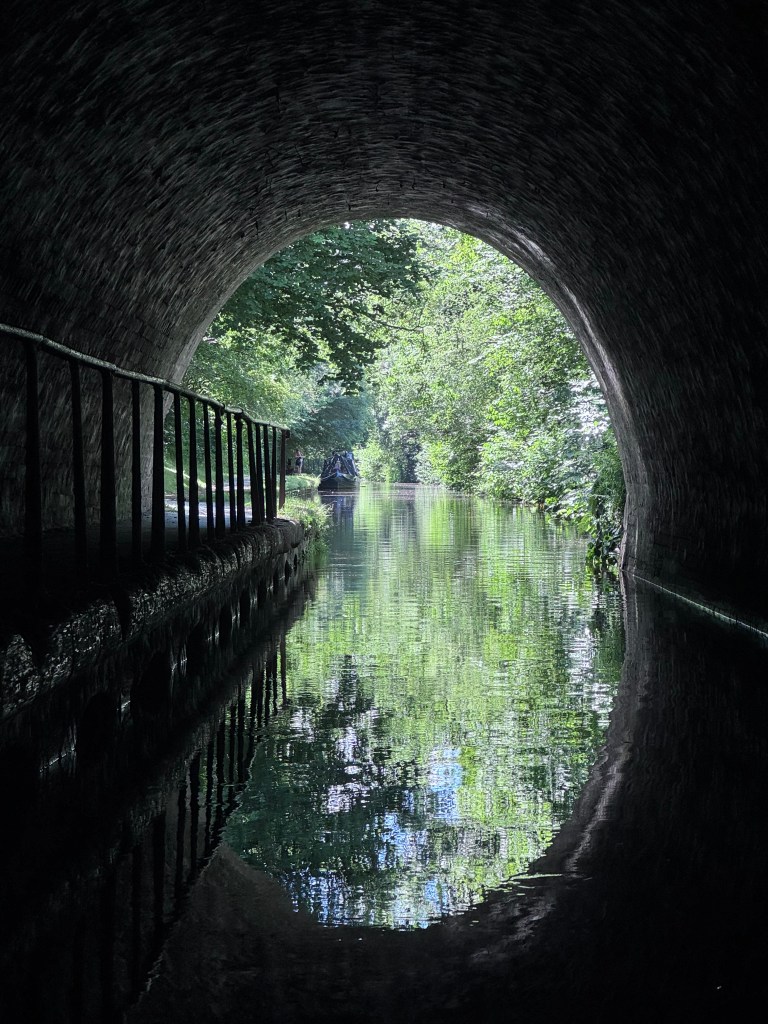
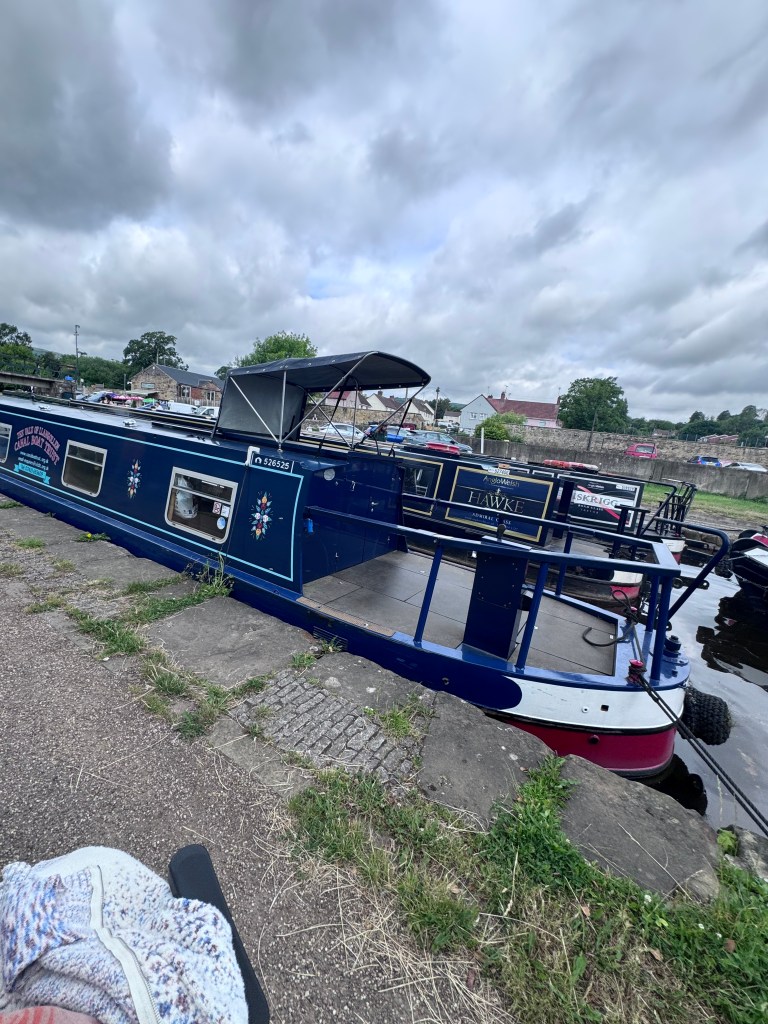
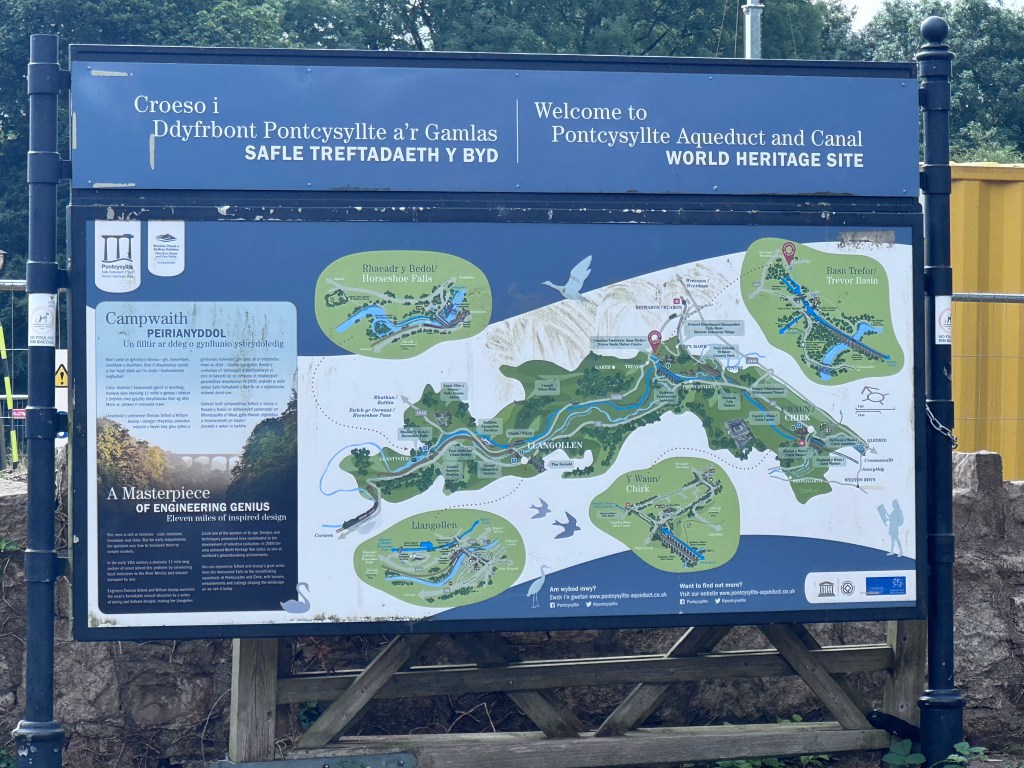
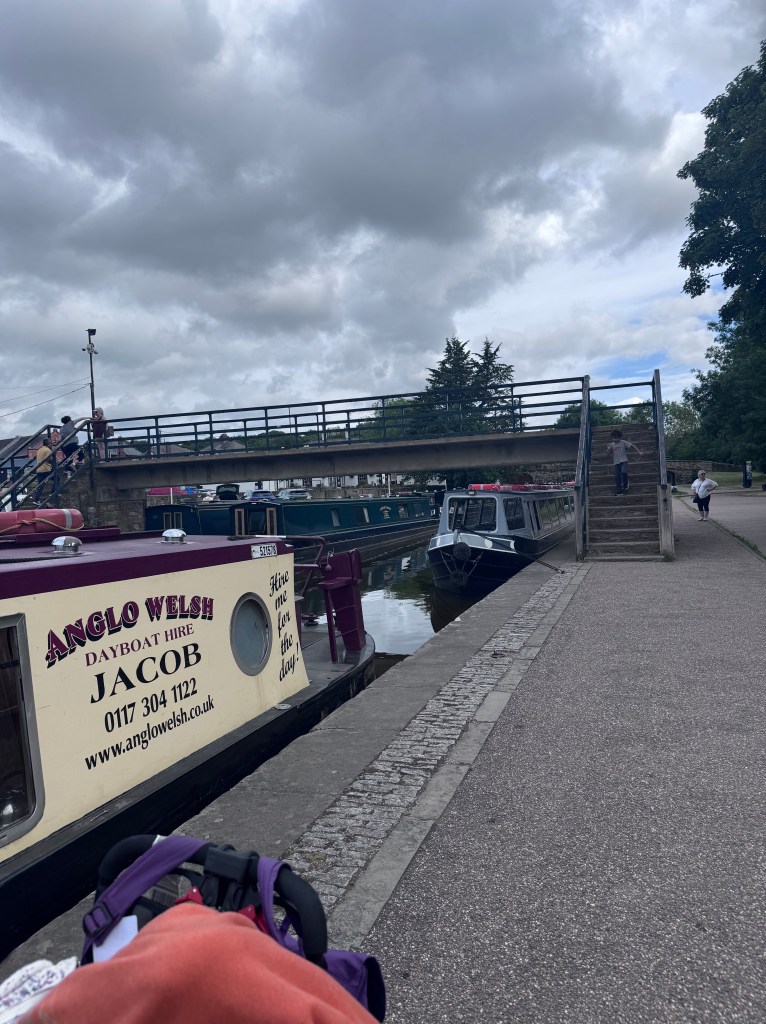
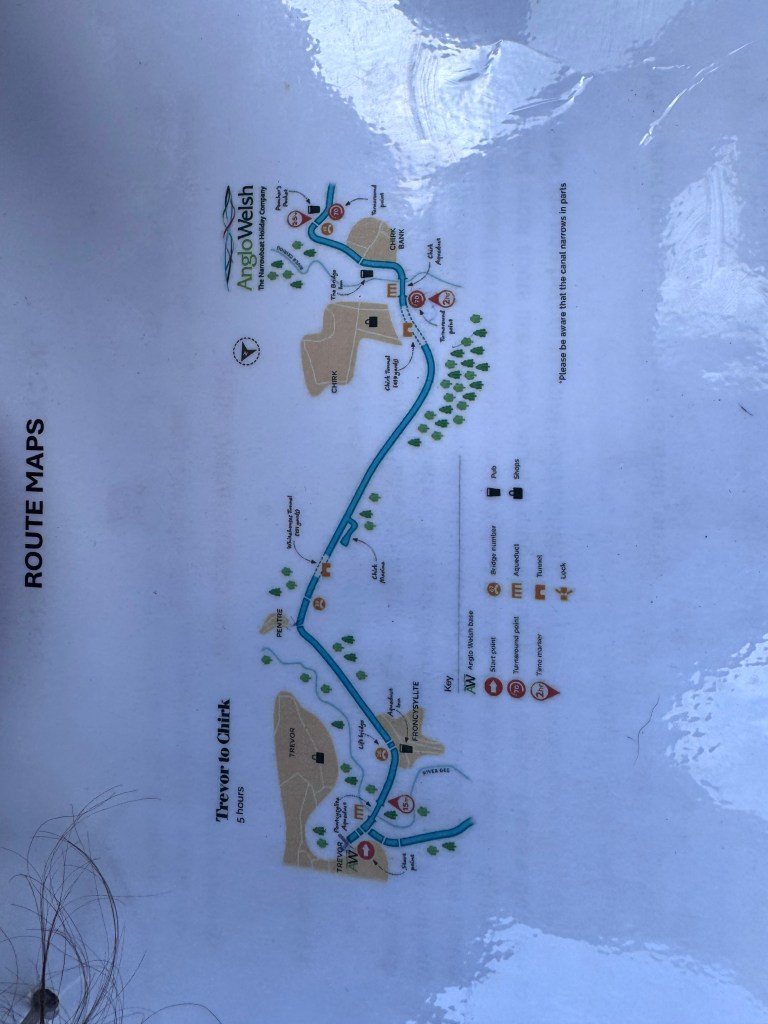
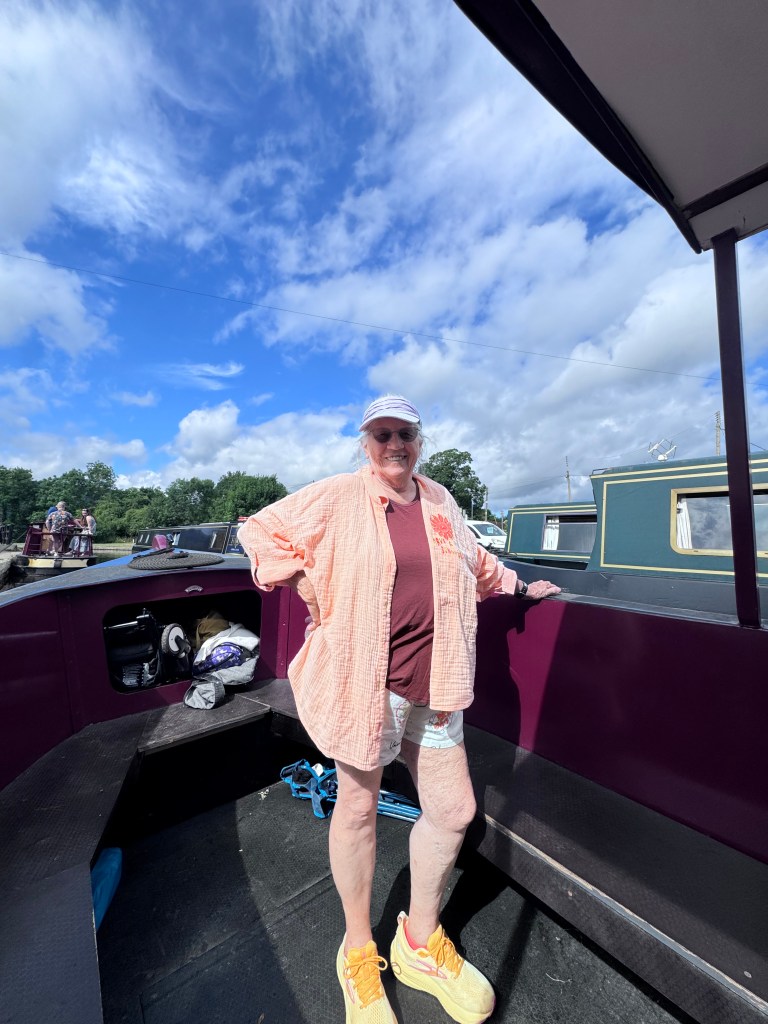
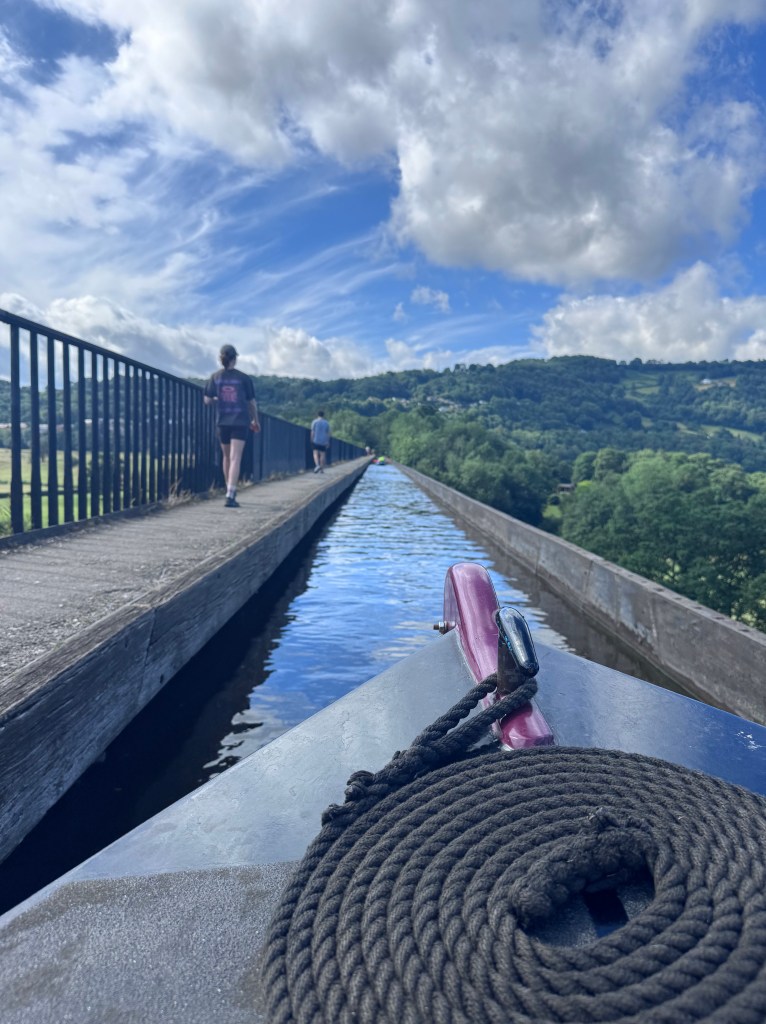
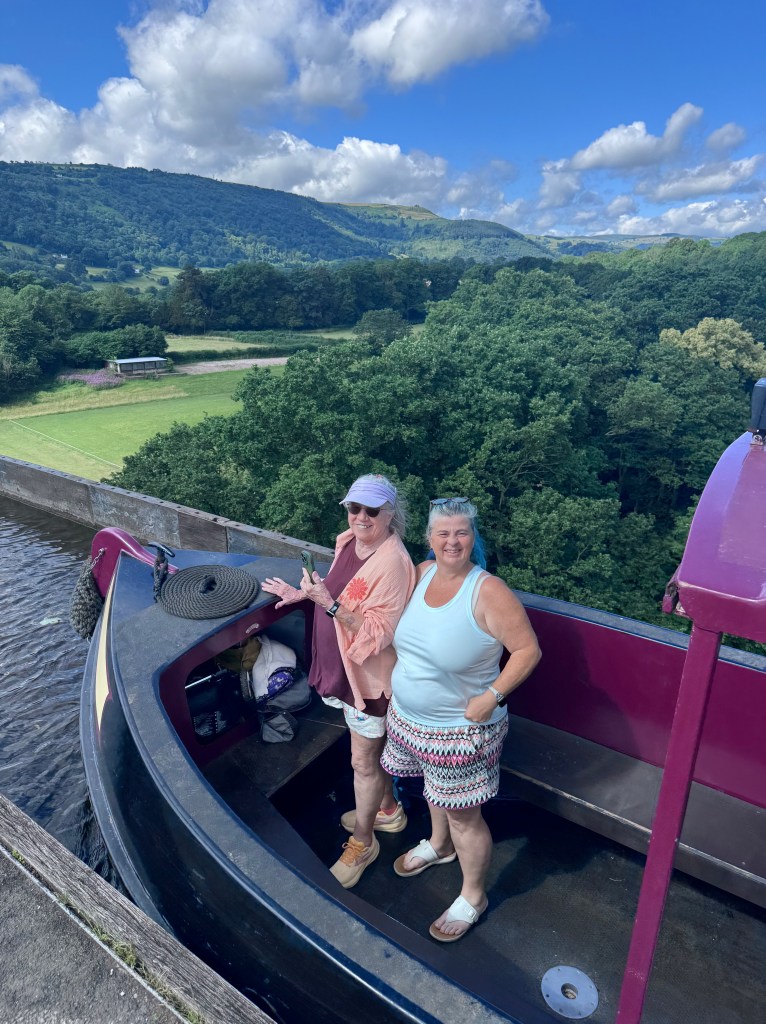
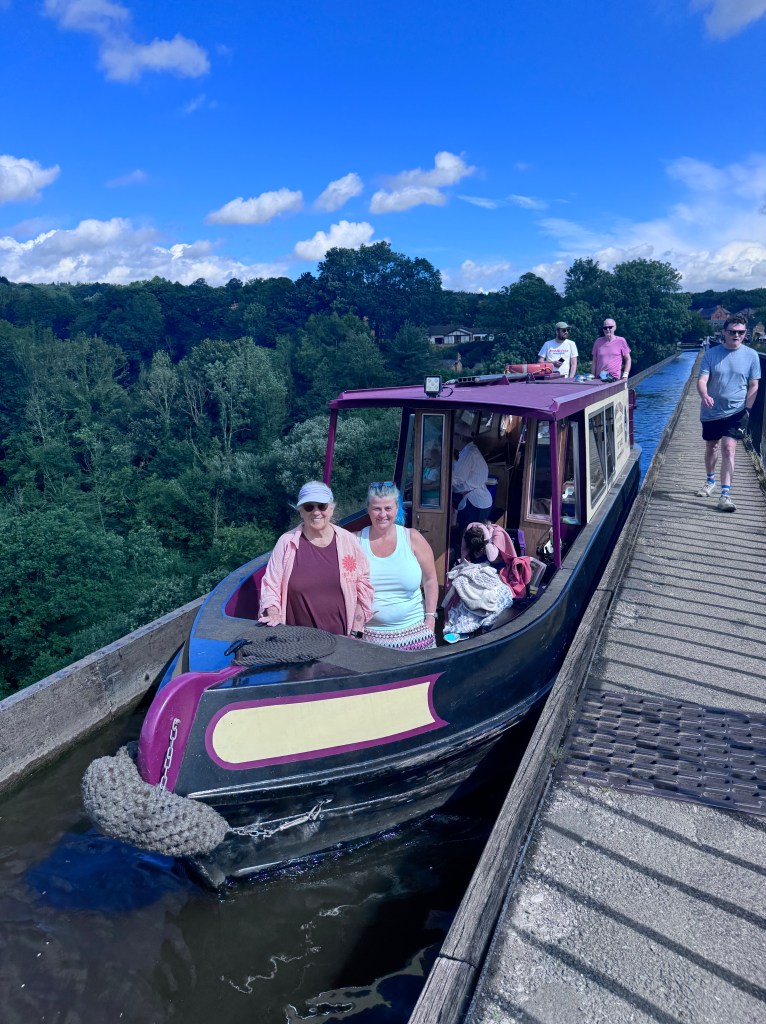
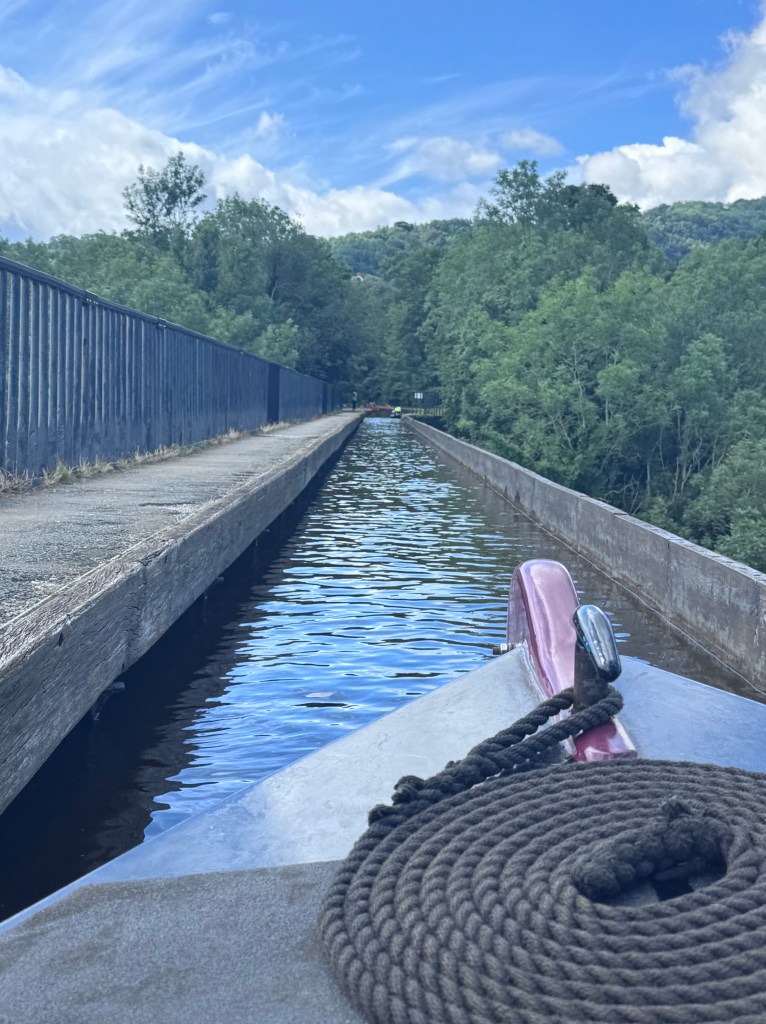
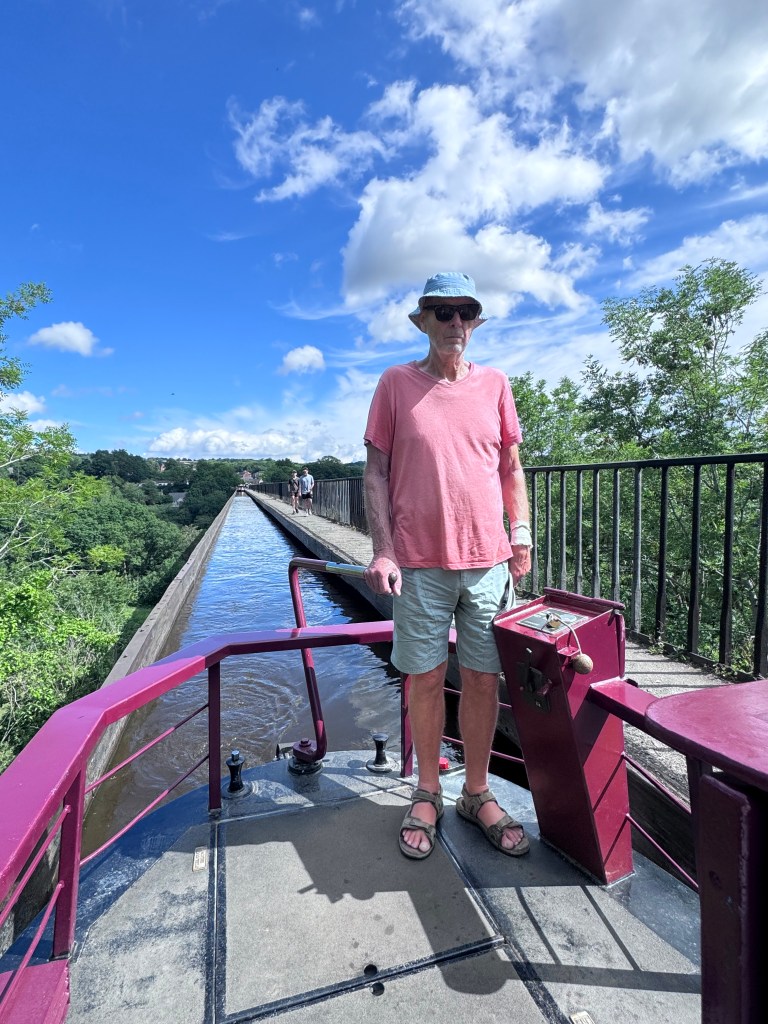
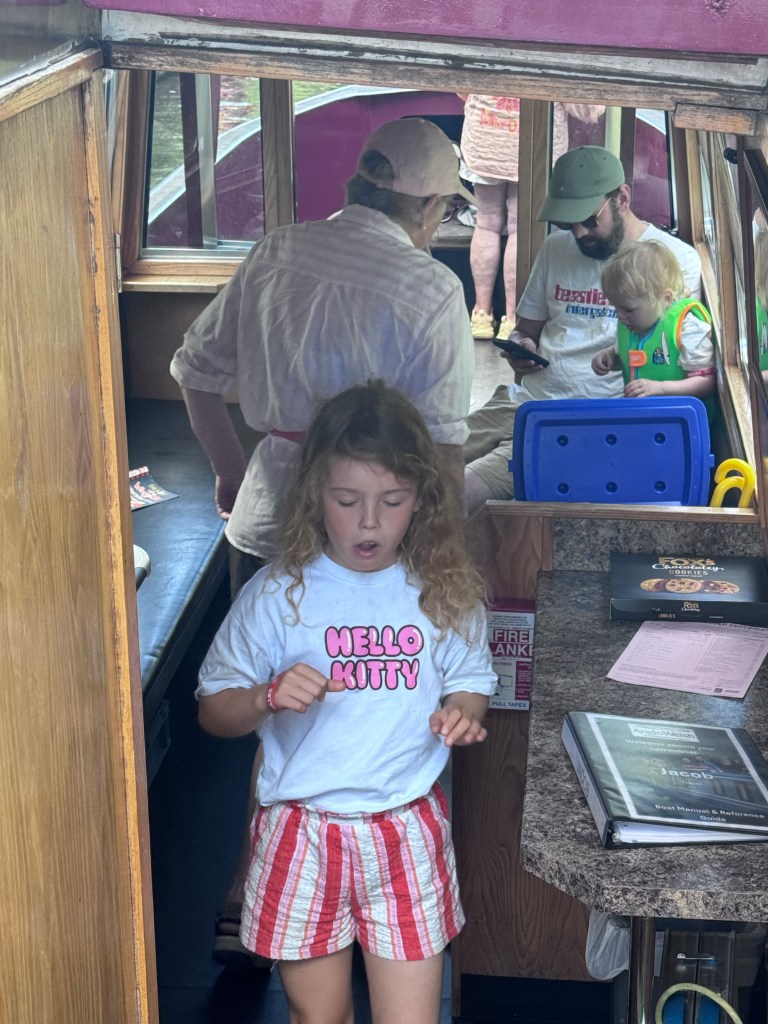
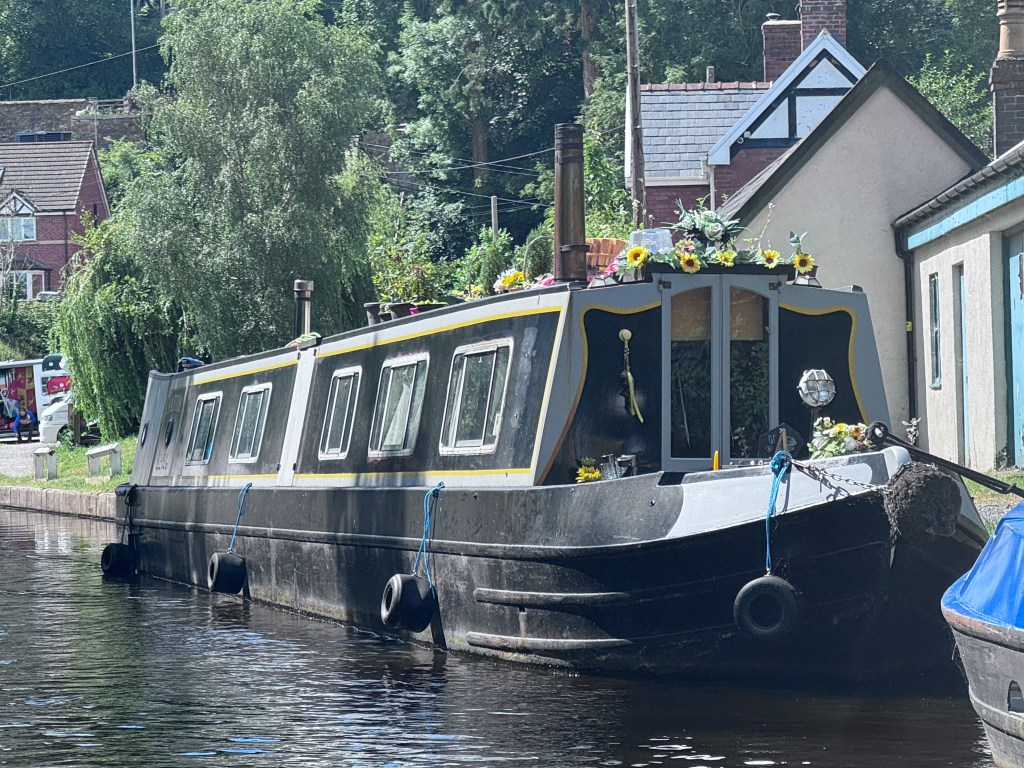
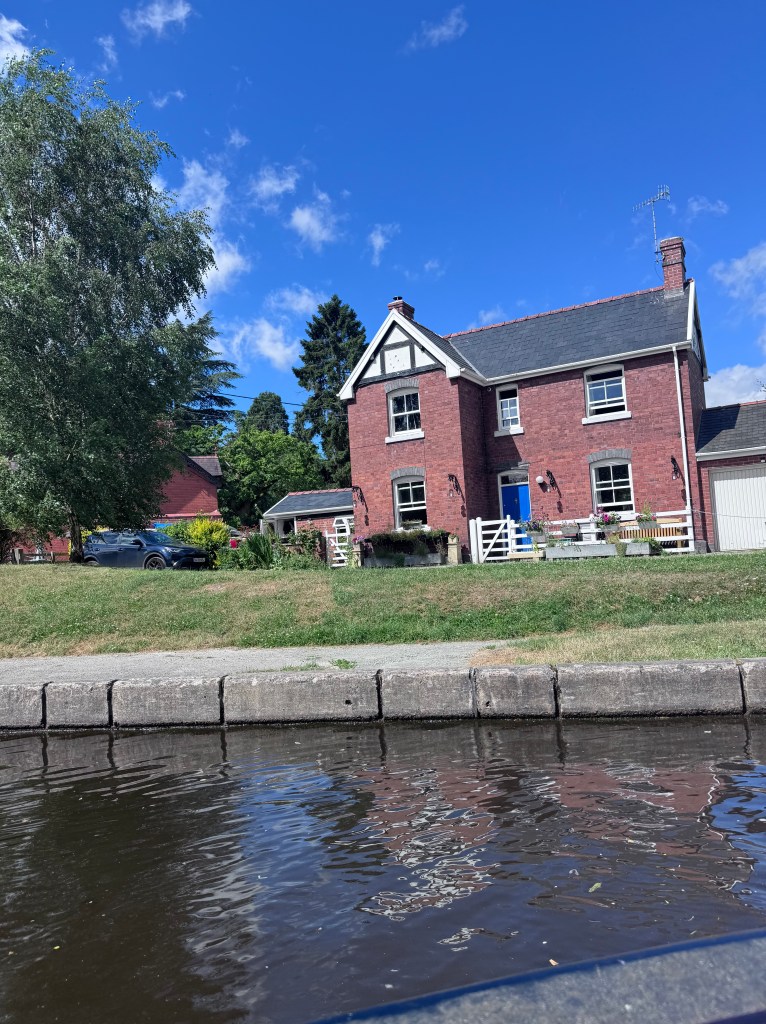
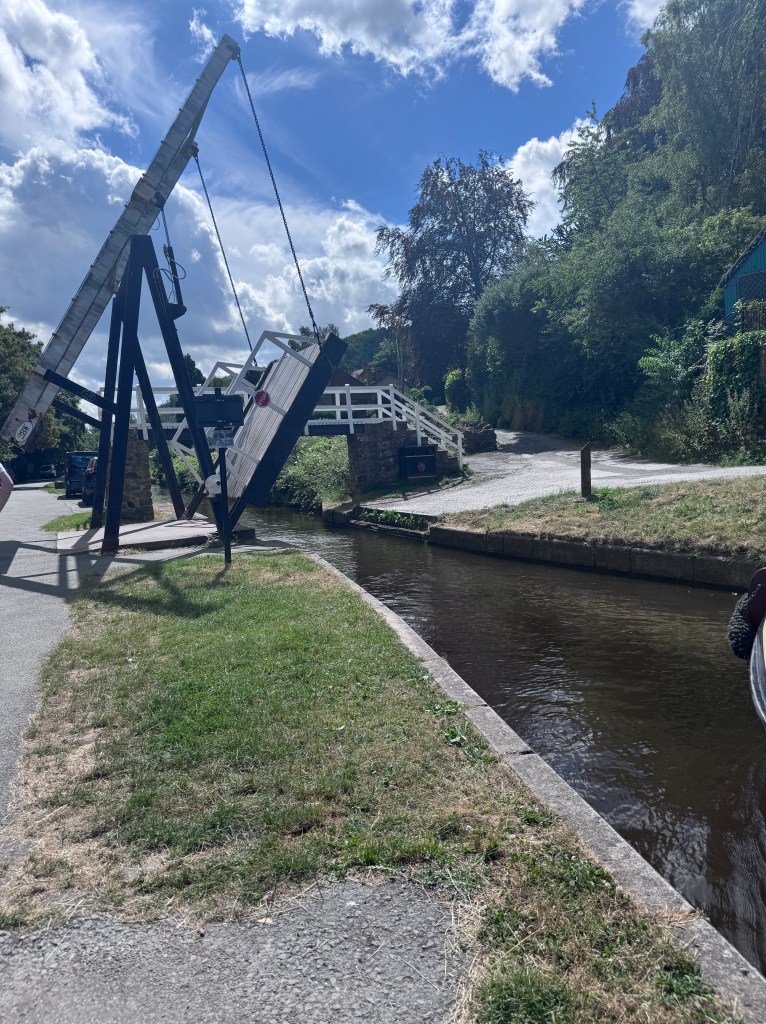
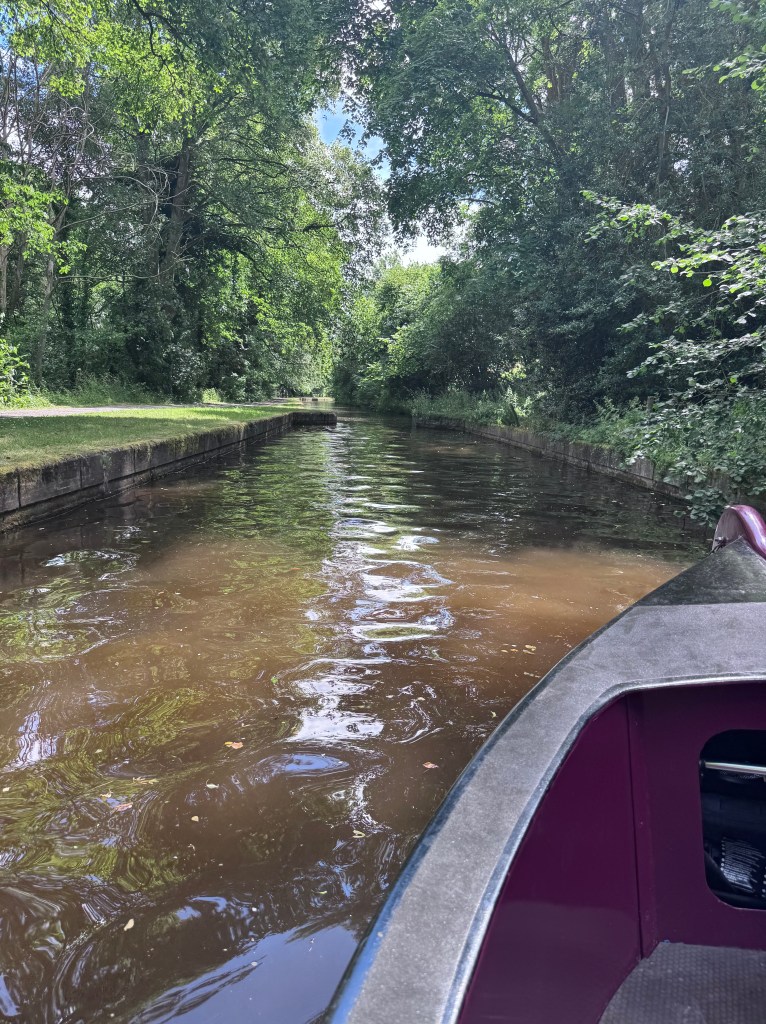
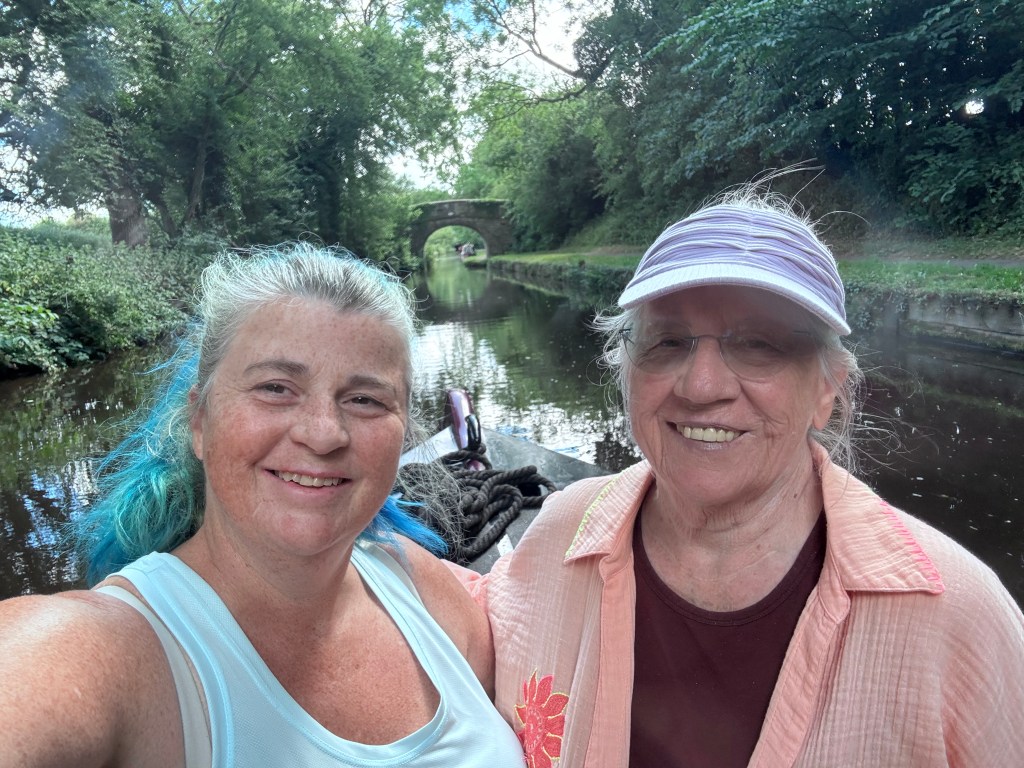
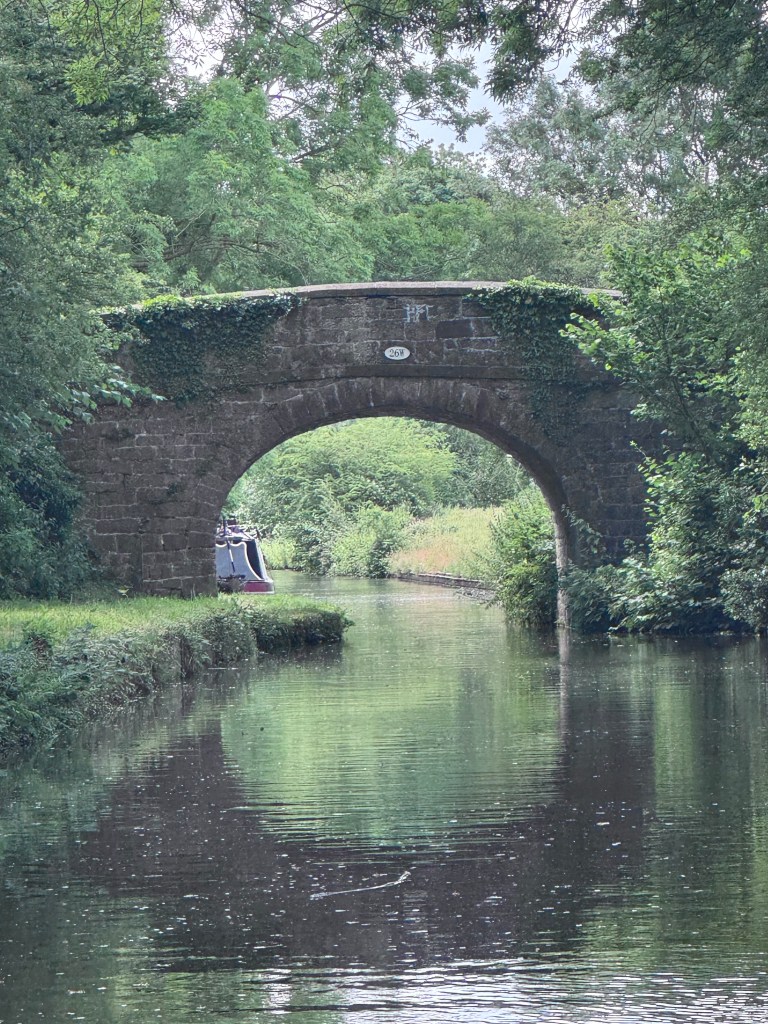
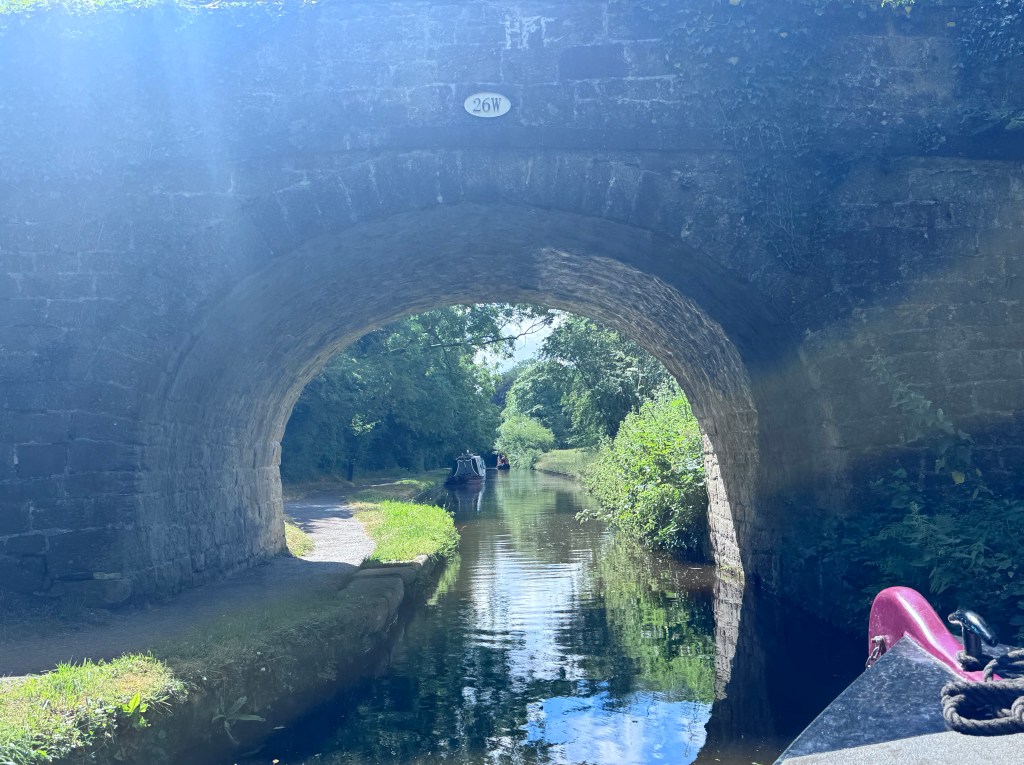
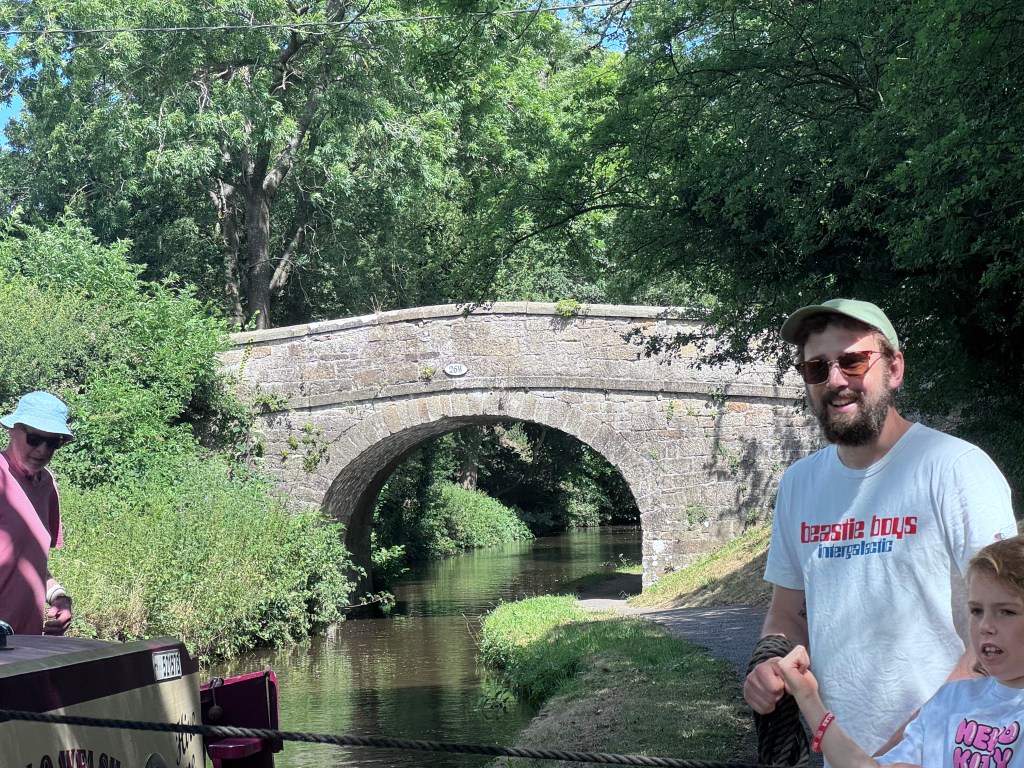
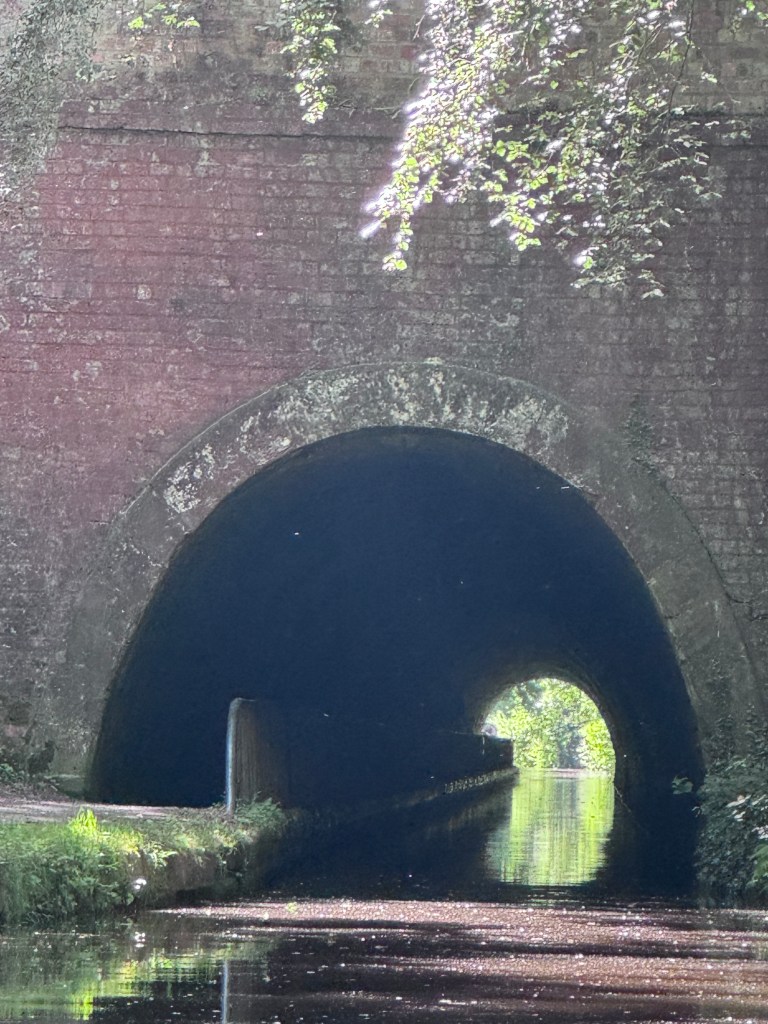
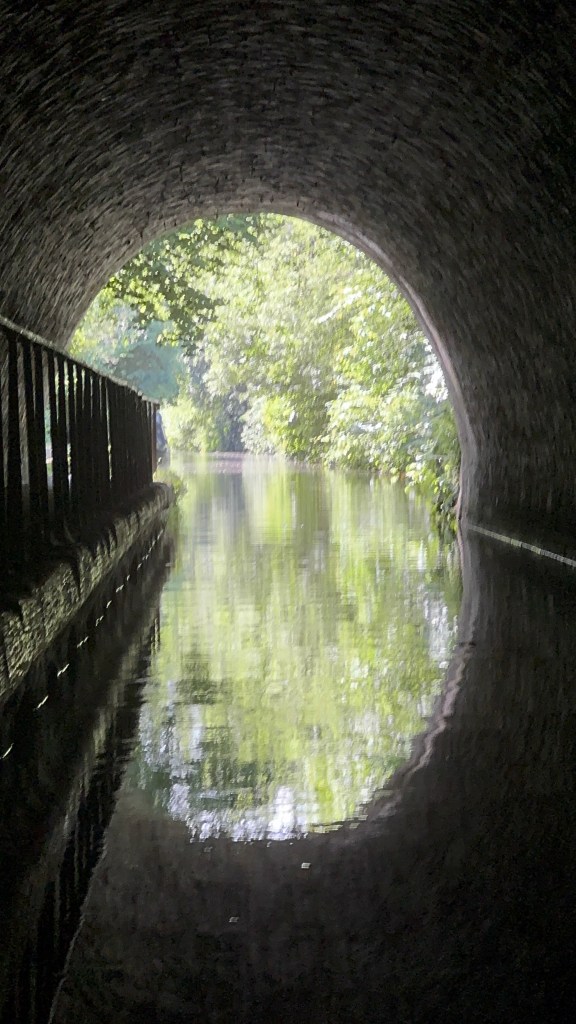
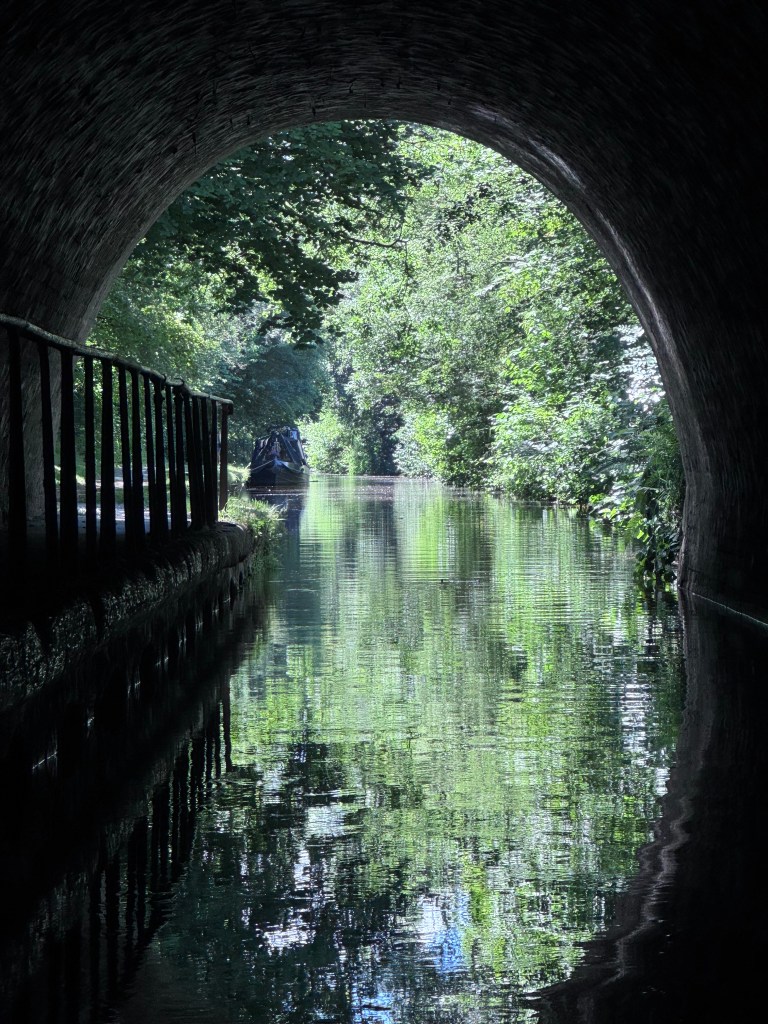
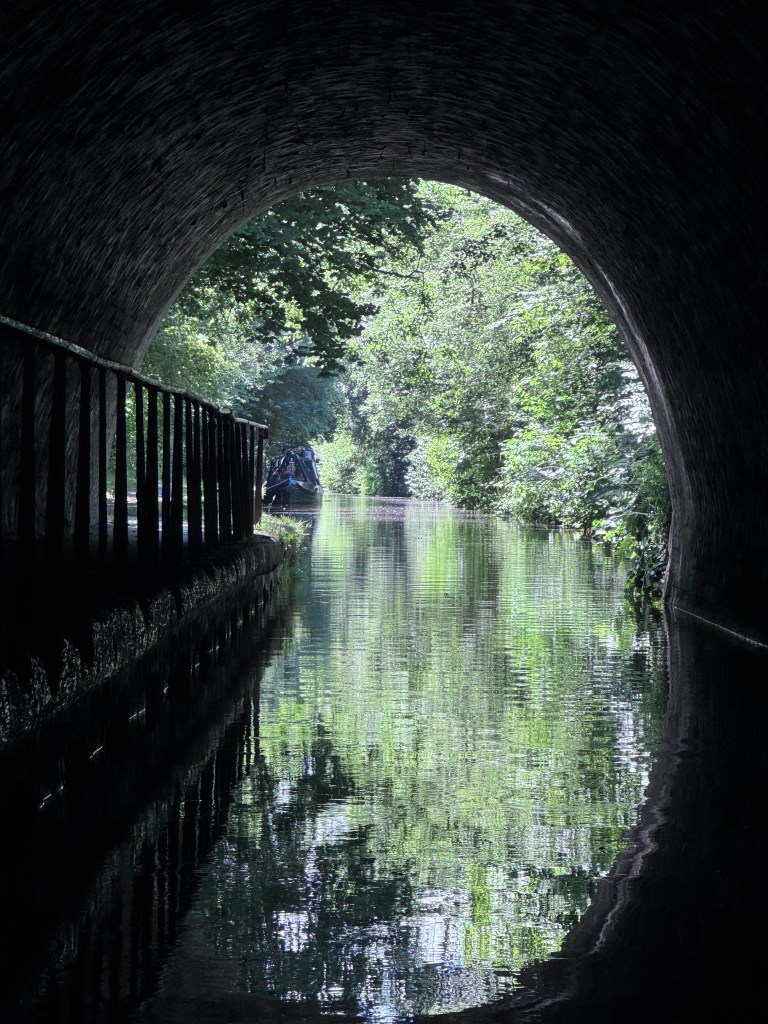
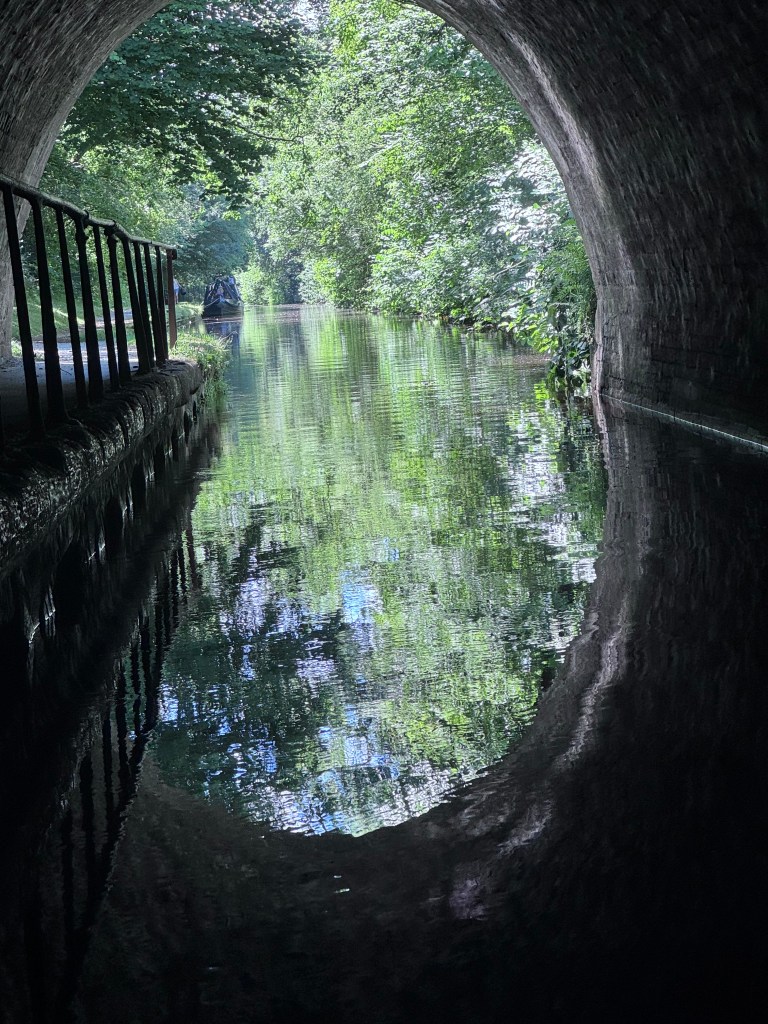
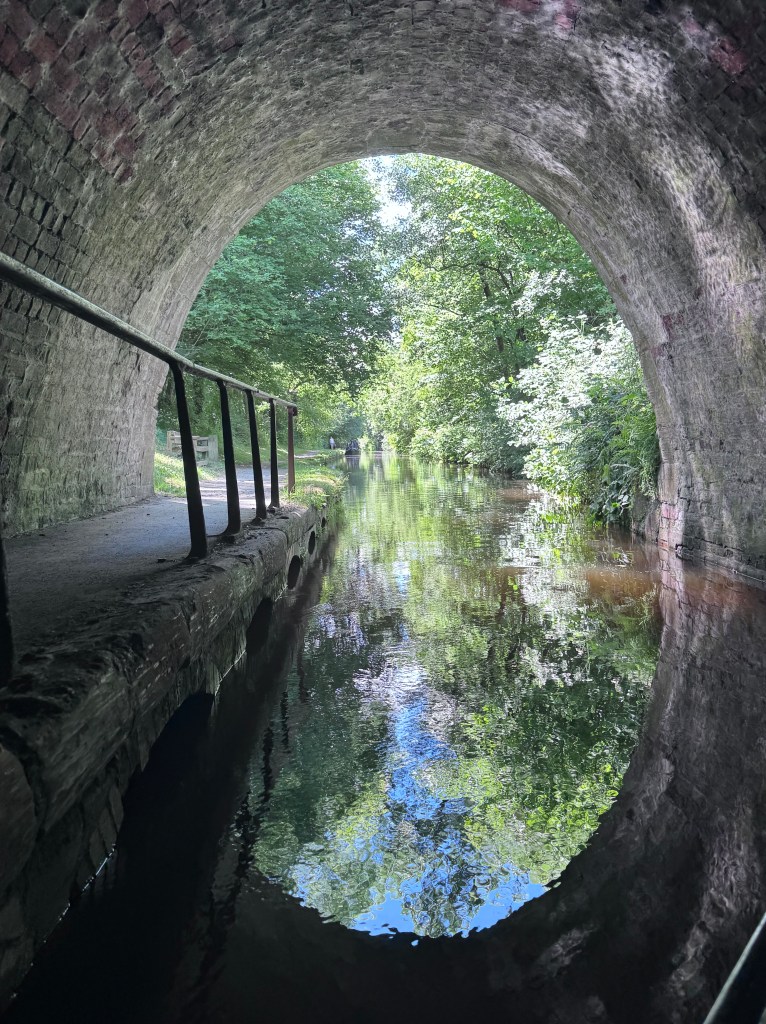
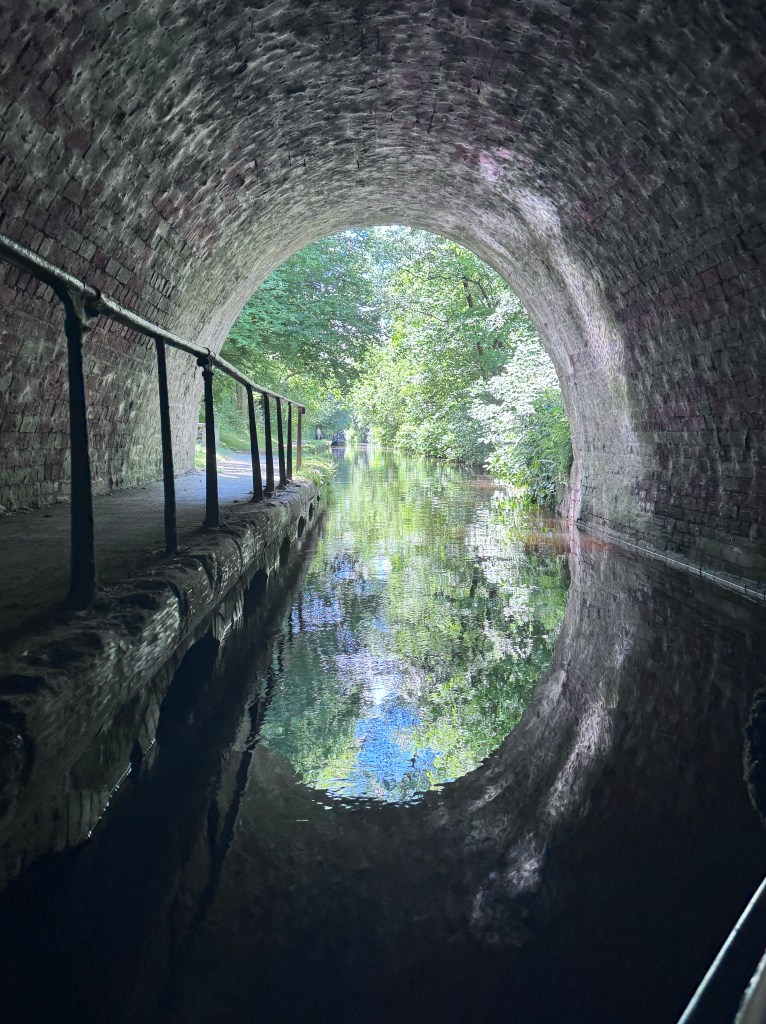
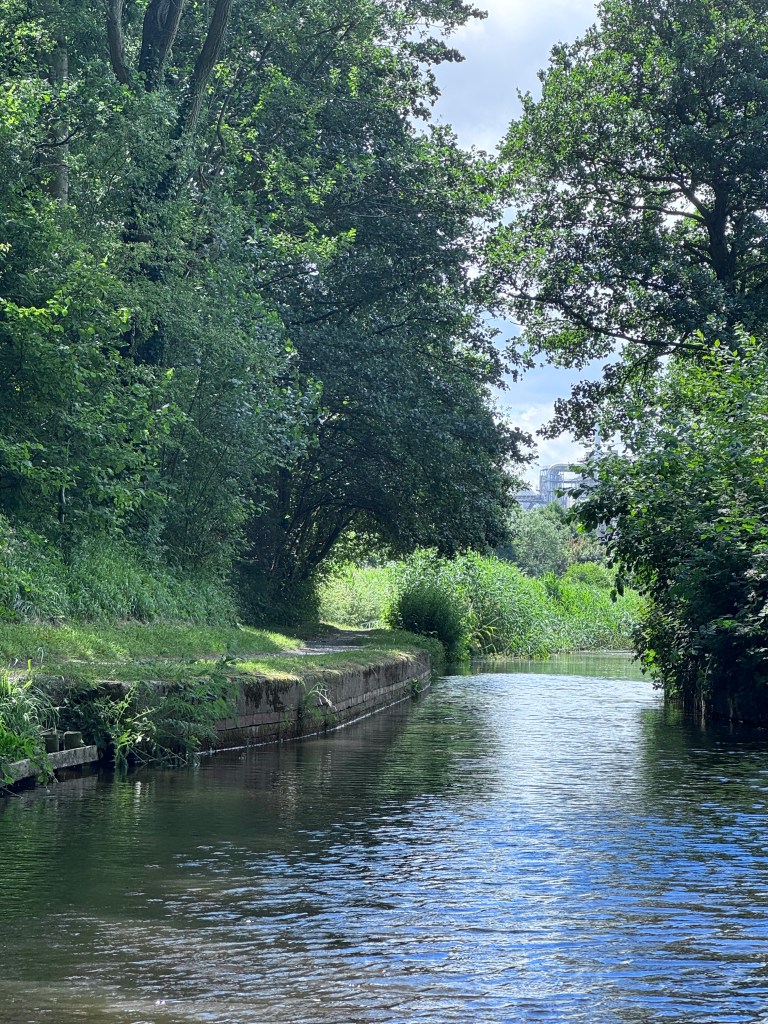
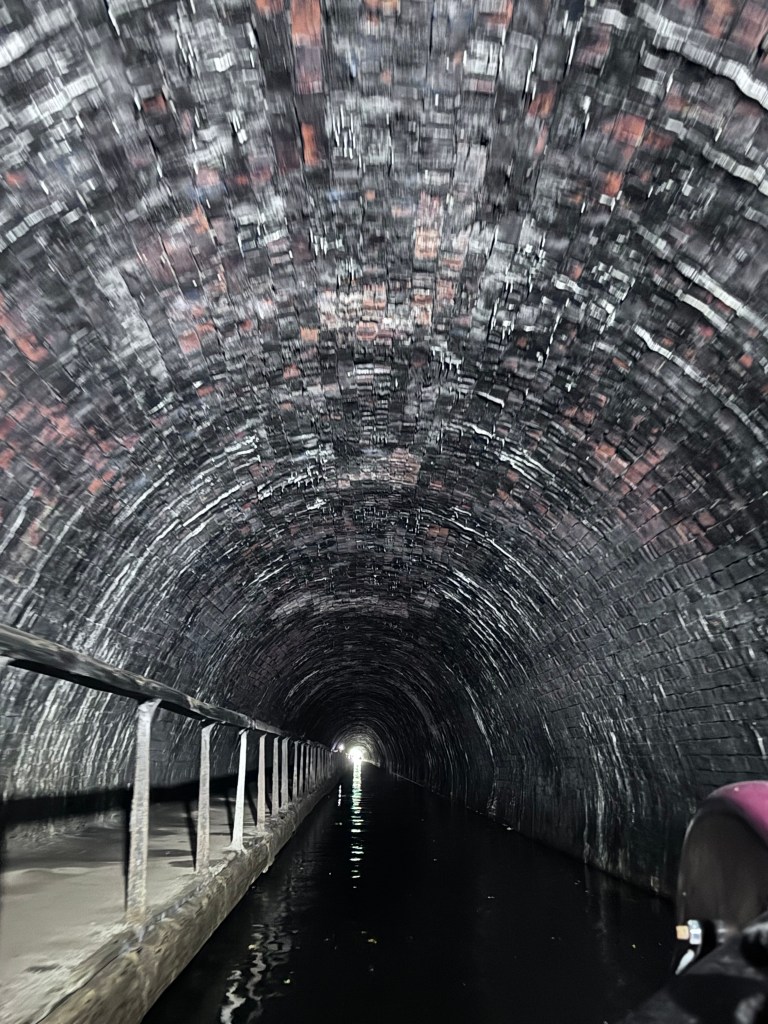
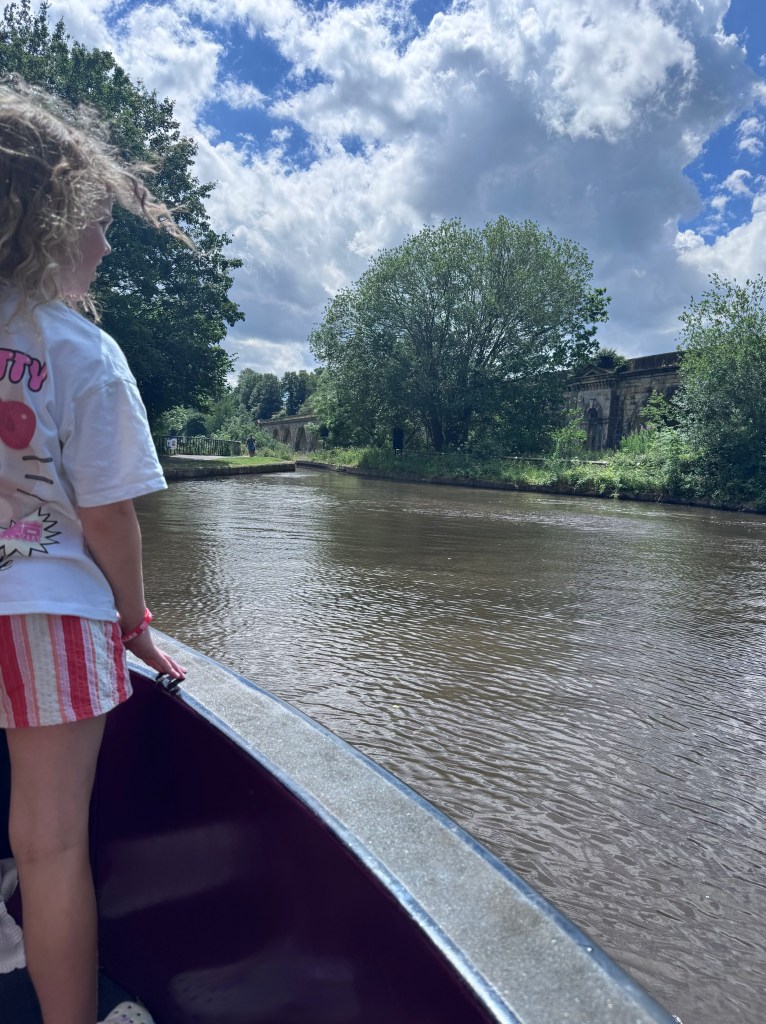
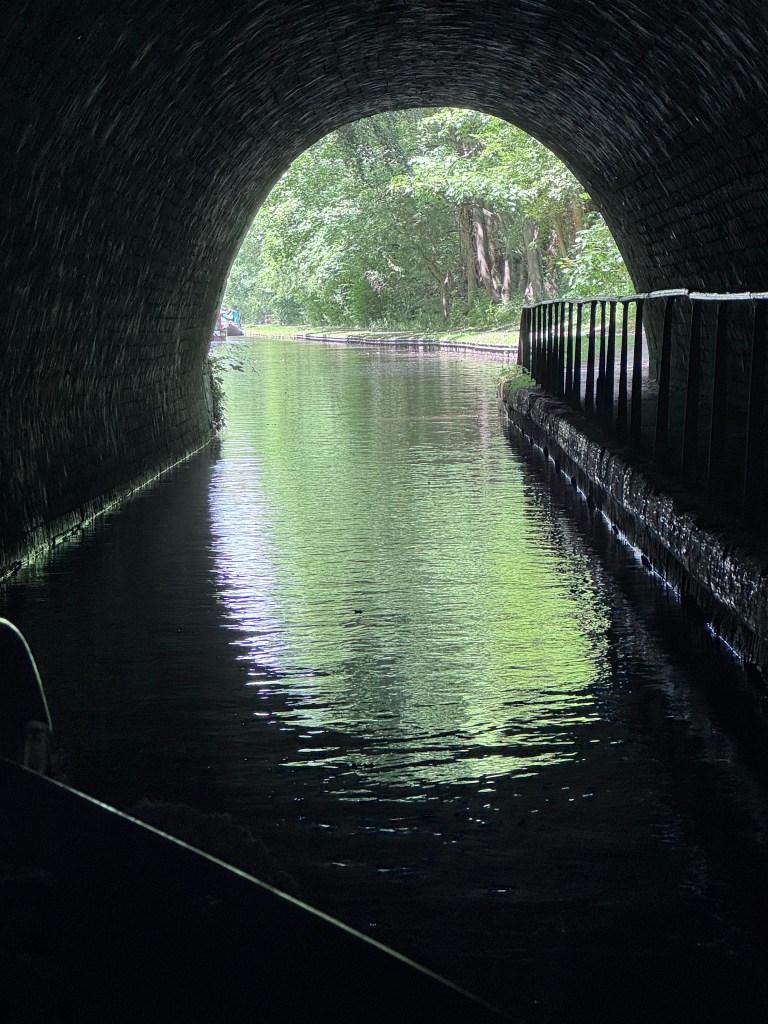
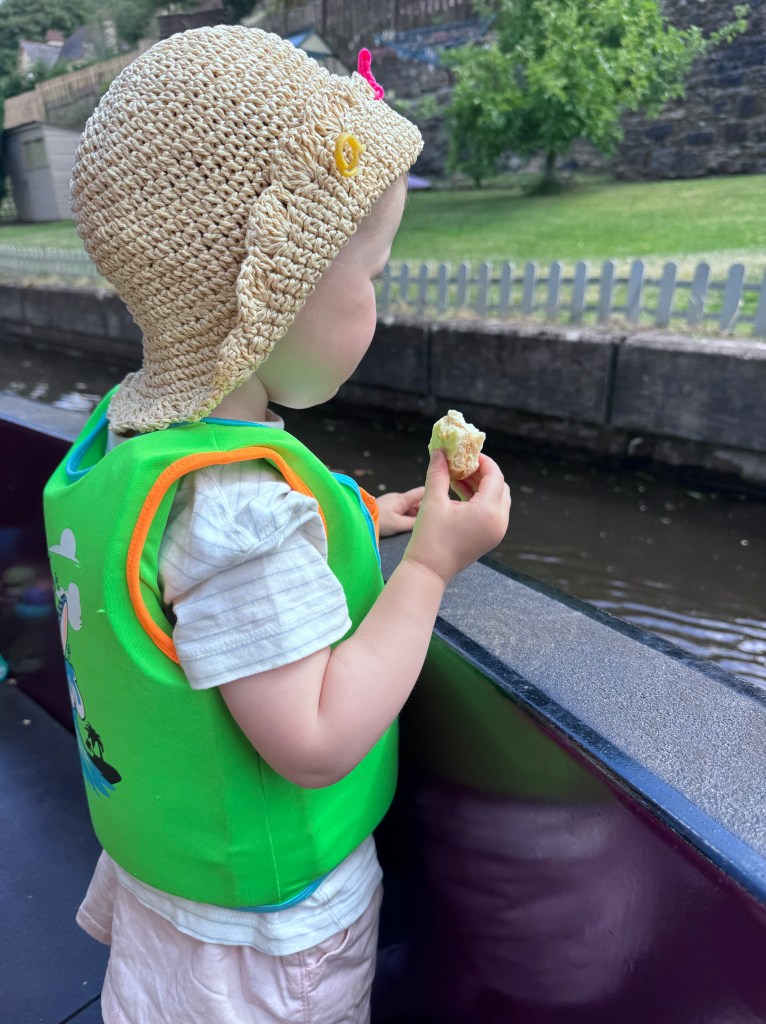
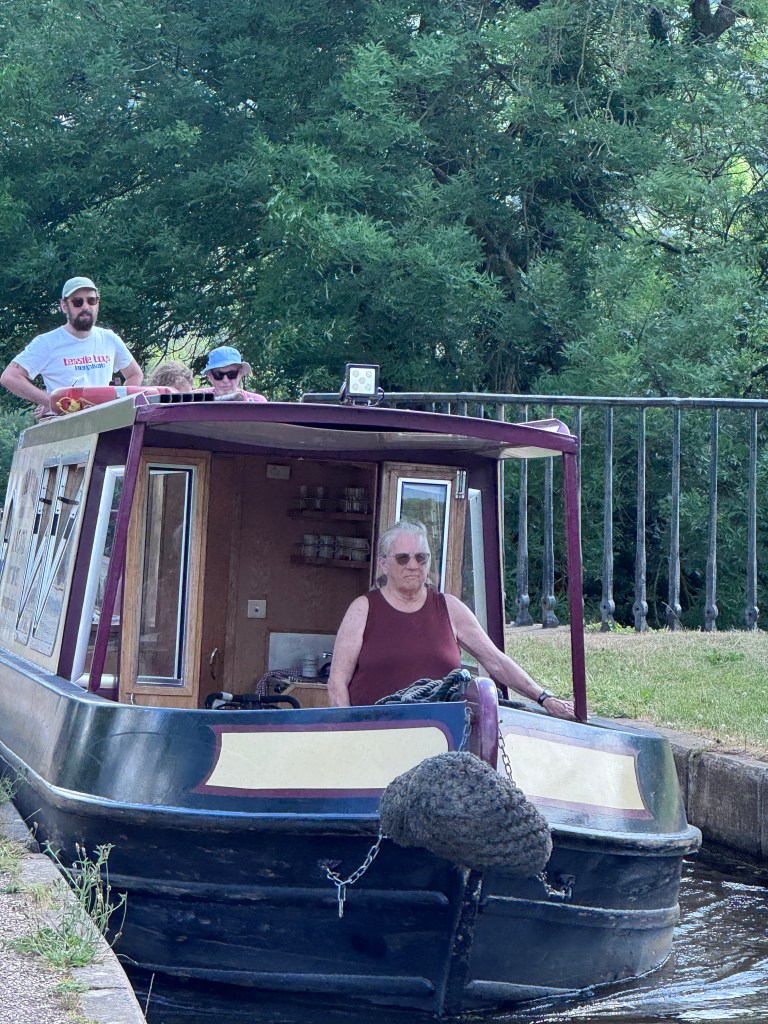
Our final full day with Alan and Moira was spent enjoying one of Britain’s most iconic experiences—a leisurely cruise on a narrowboat along the Pontcysyllte Aqueduct and Llangollen canal. Alan and Moira had rented the boat for the day, and we were joined by their son, Adrian, his daughter, Edie, and Eva, another granddaughter, making it a wonderful family outing.

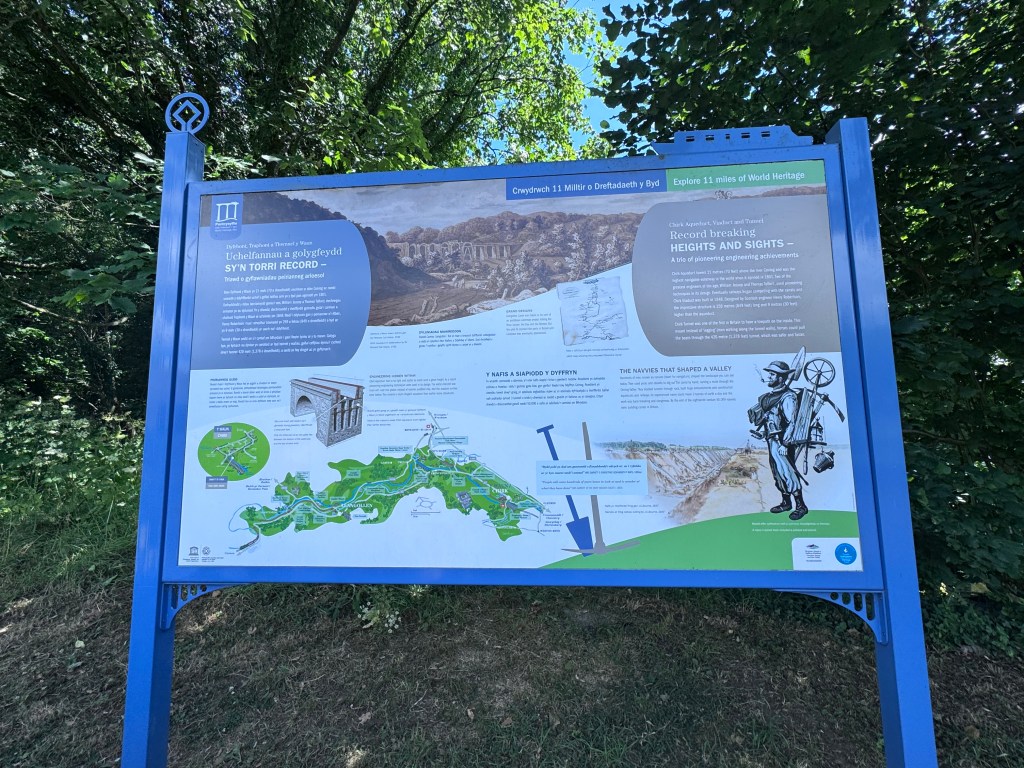
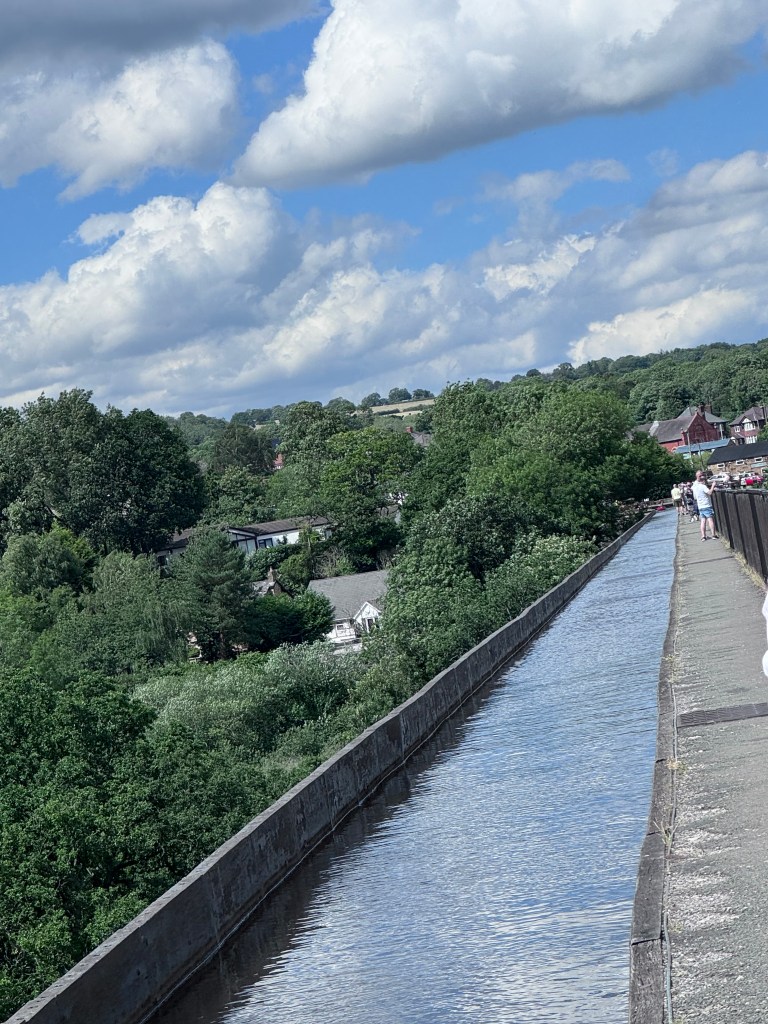
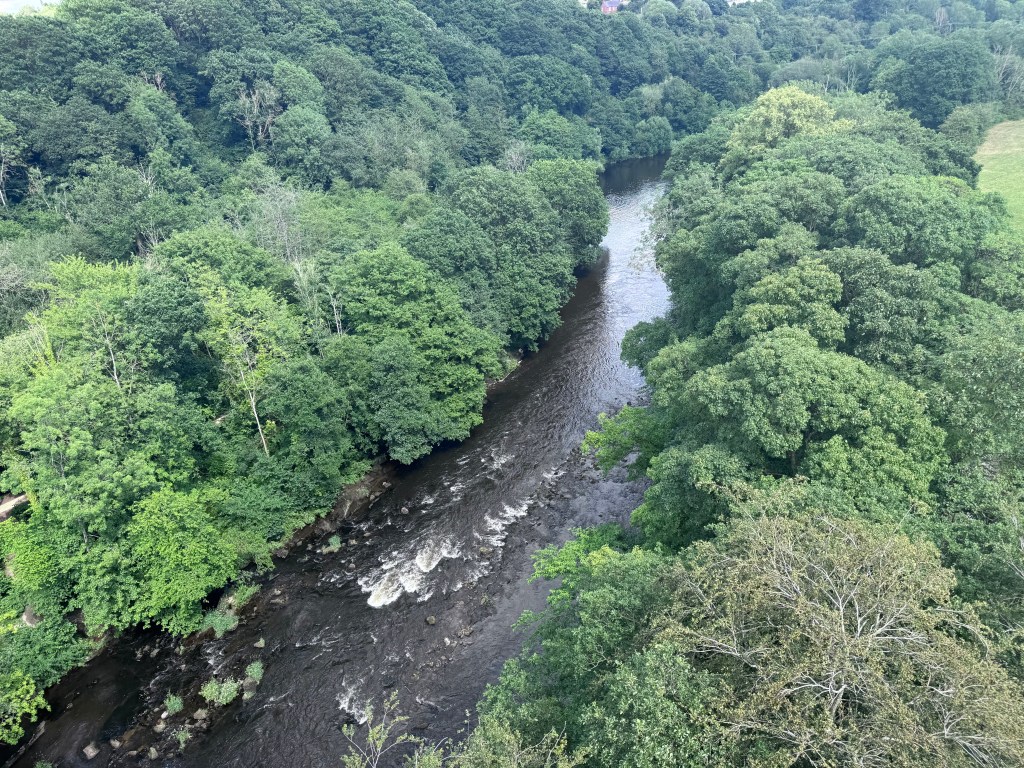
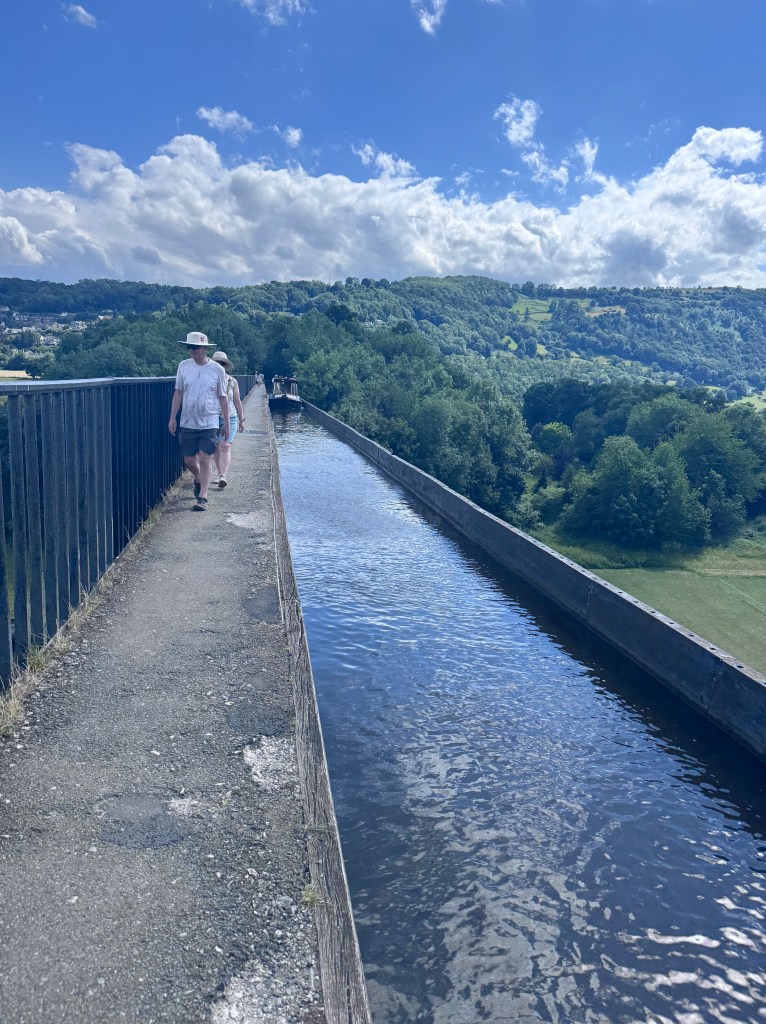
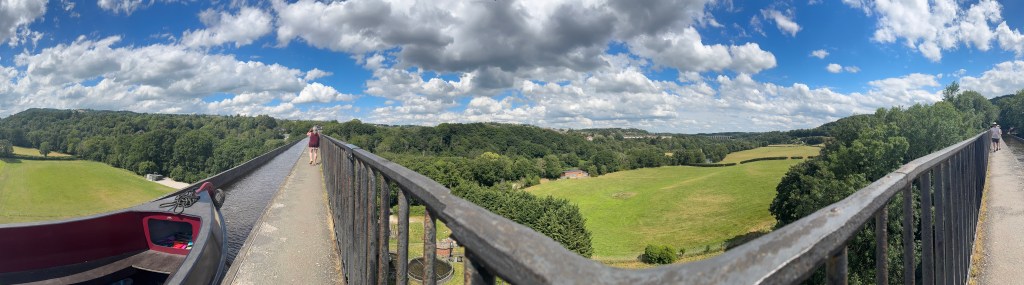
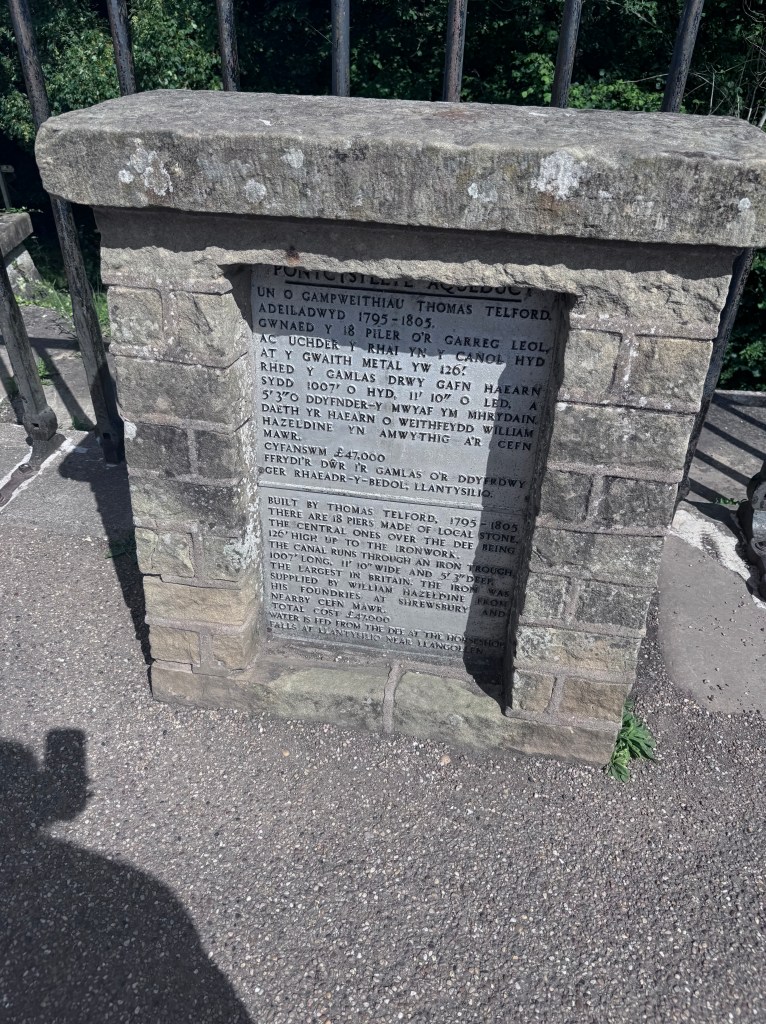
Built by renowned engineer Thomas Telford and completed in 1805, the Pontcysyllte Aqueduct is the highest navigable aqueduct in the world, standing 126 feet (38 meters) above the River Dee. Stretching over 1,000 feet long, it carries both narrowboats and pedestrians high above the valley below. It was designated a UNESCO World Heritage Site in 2009 and is considered one of the greatest achievements of the Industrial Revolution.

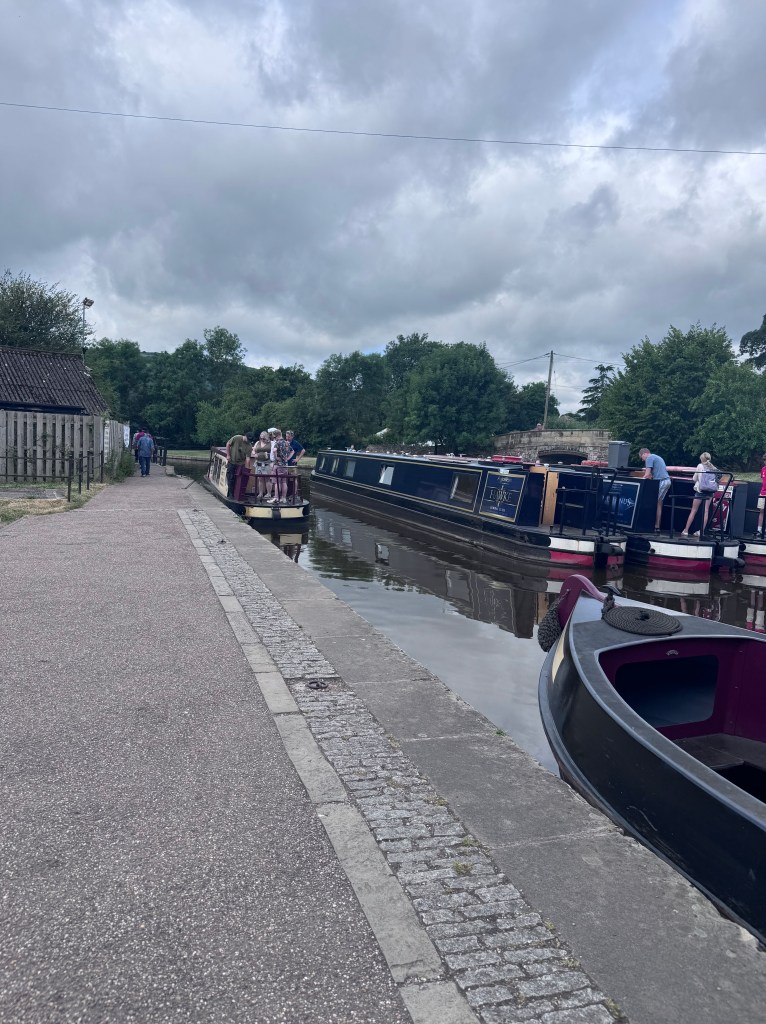
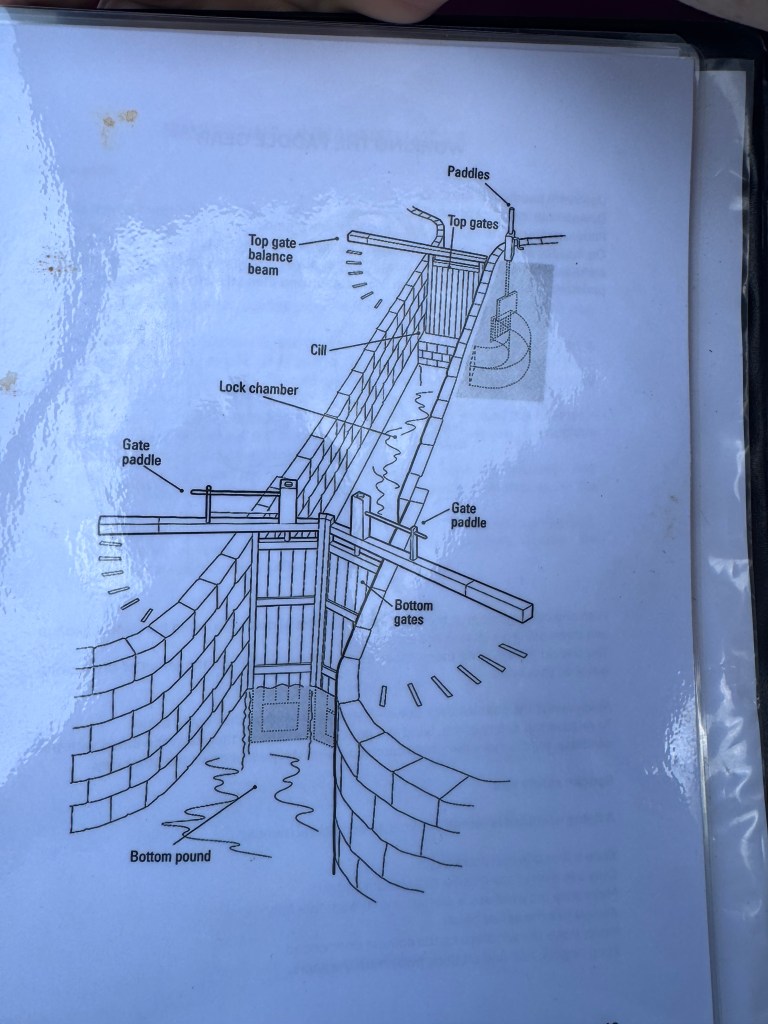
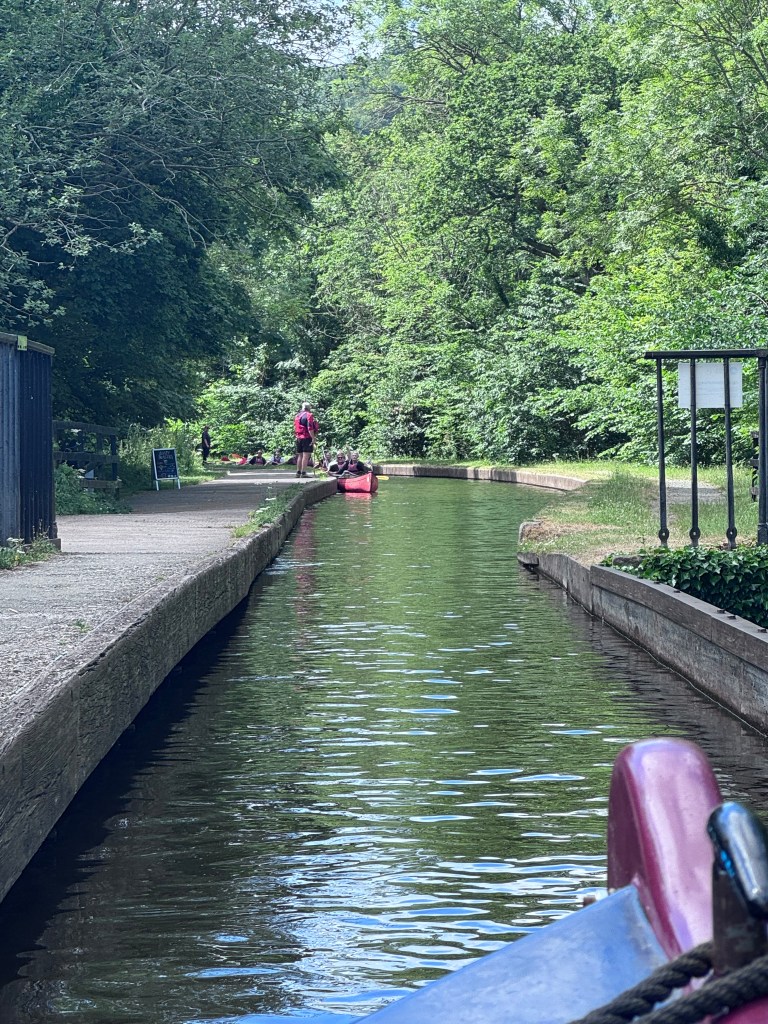
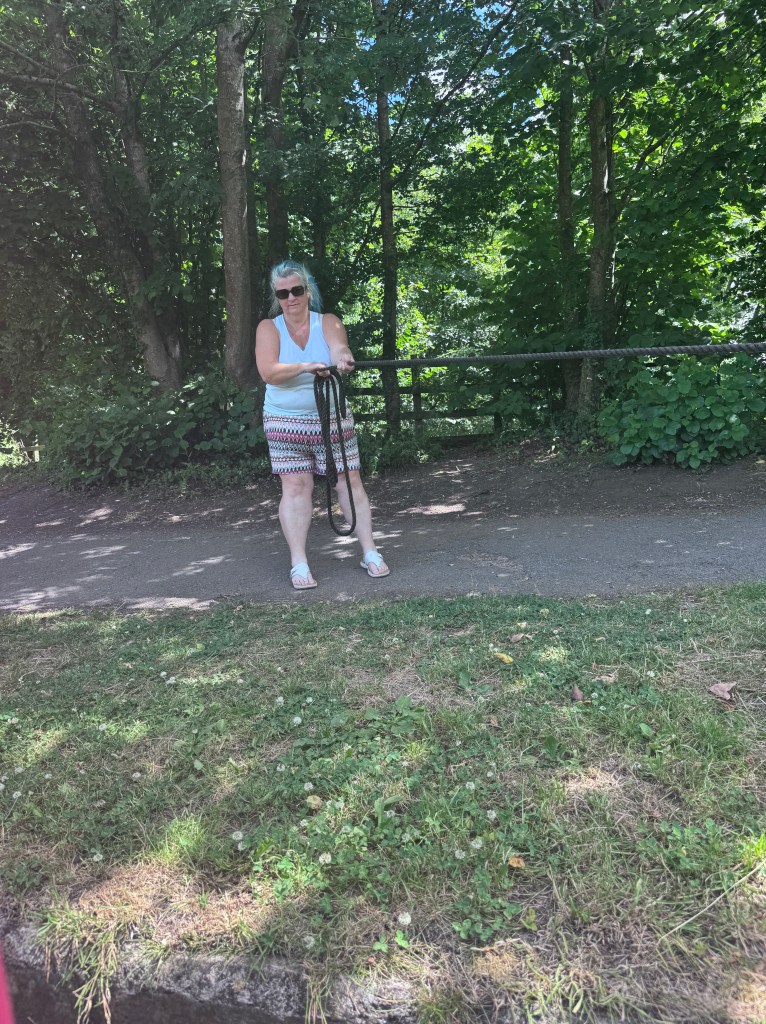
It took a little while to get everyone aboard and go through the safety instructions, although Alan already knew how to operate a canal boat. Before long we encountered our first adventure—a true boat traffic jam! Canoe tours, boats returning to the marina, and our boat all trying to pass through the same narrow stretch created quite the bottleneck. We moored for a short while as everyone worked together to figure out the best way to maneuver around one another. There was plenty of smiling, waving, and patient waiting, reminding us that canal life moves at its own peaceful pace.

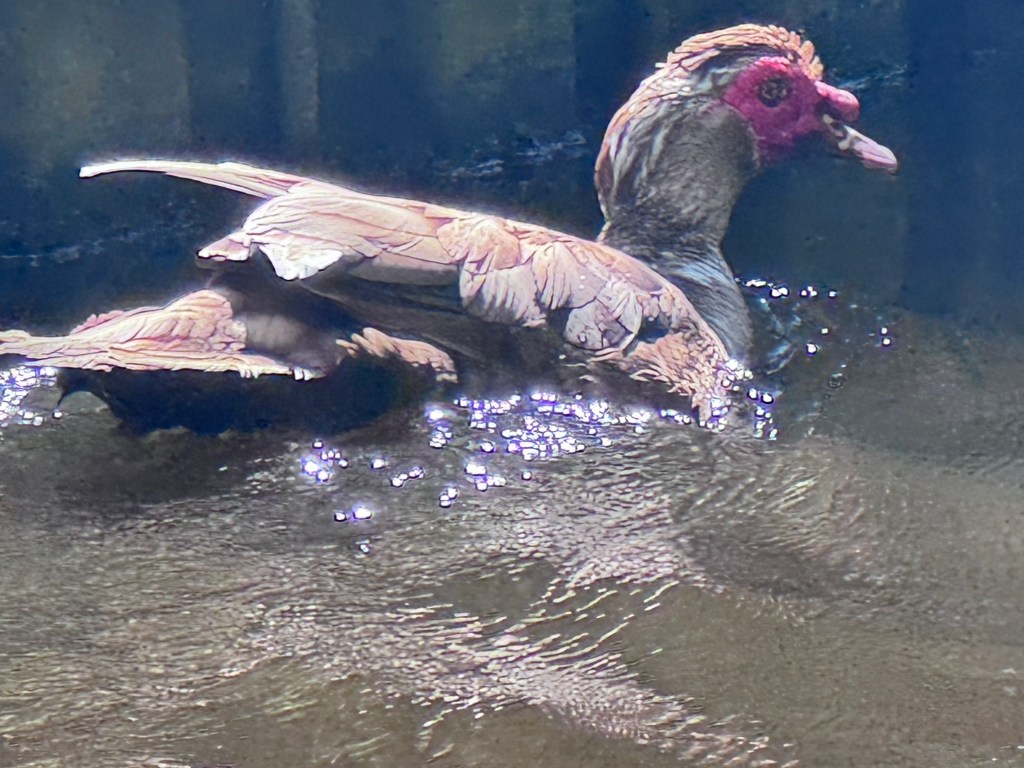
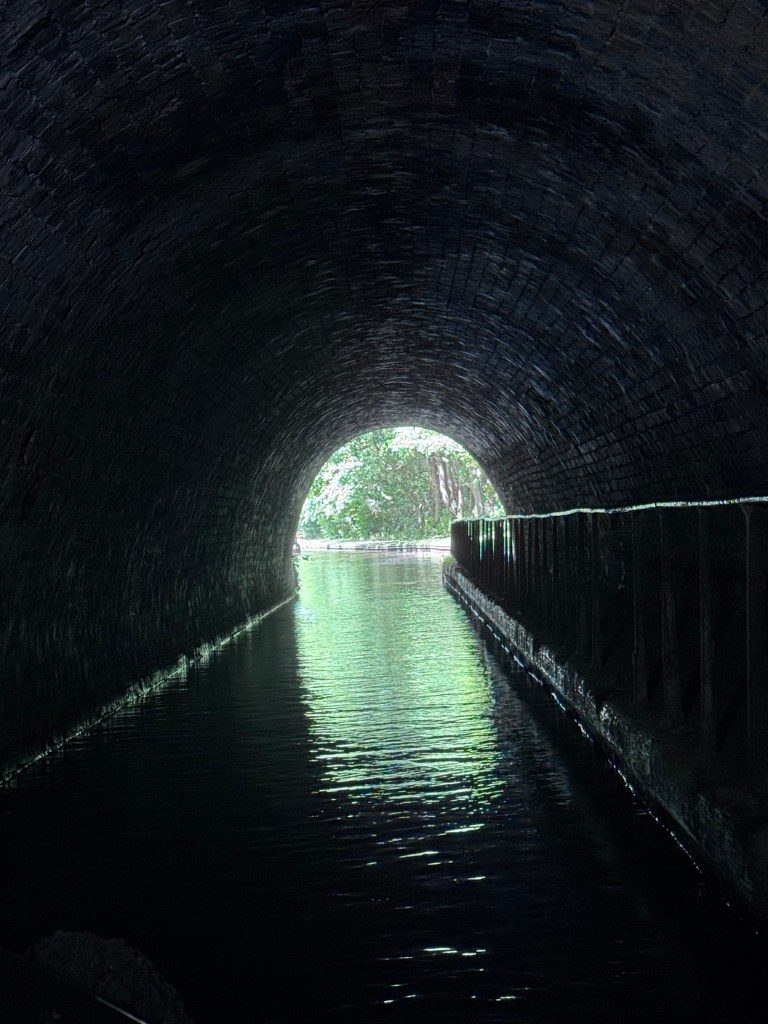
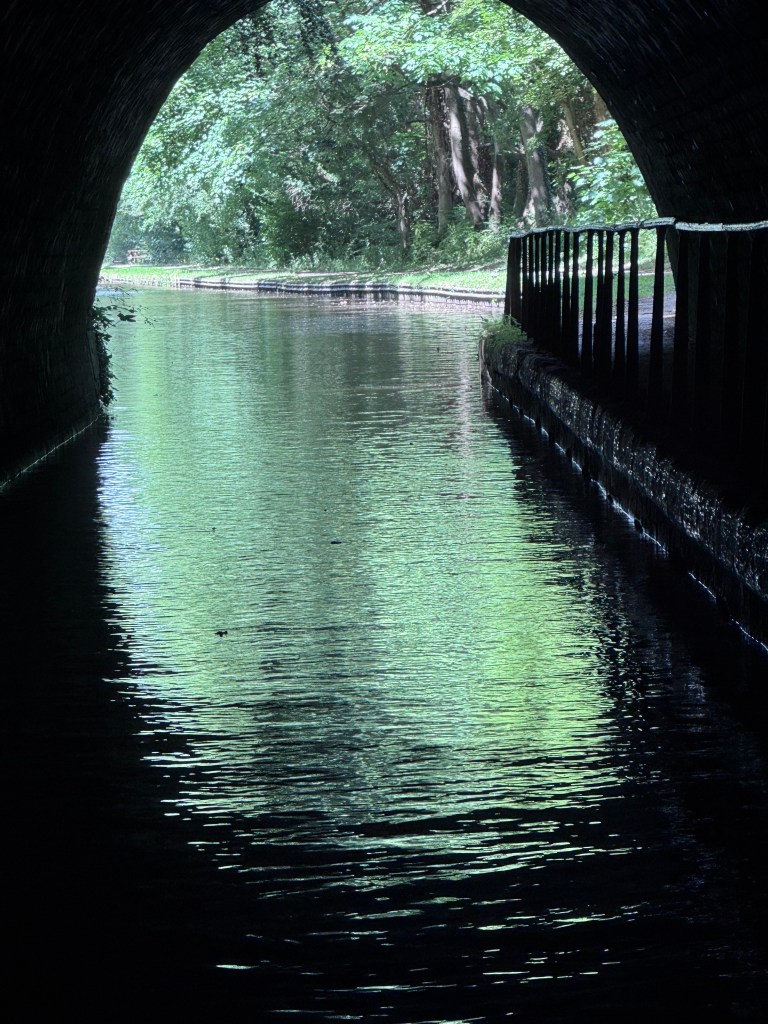
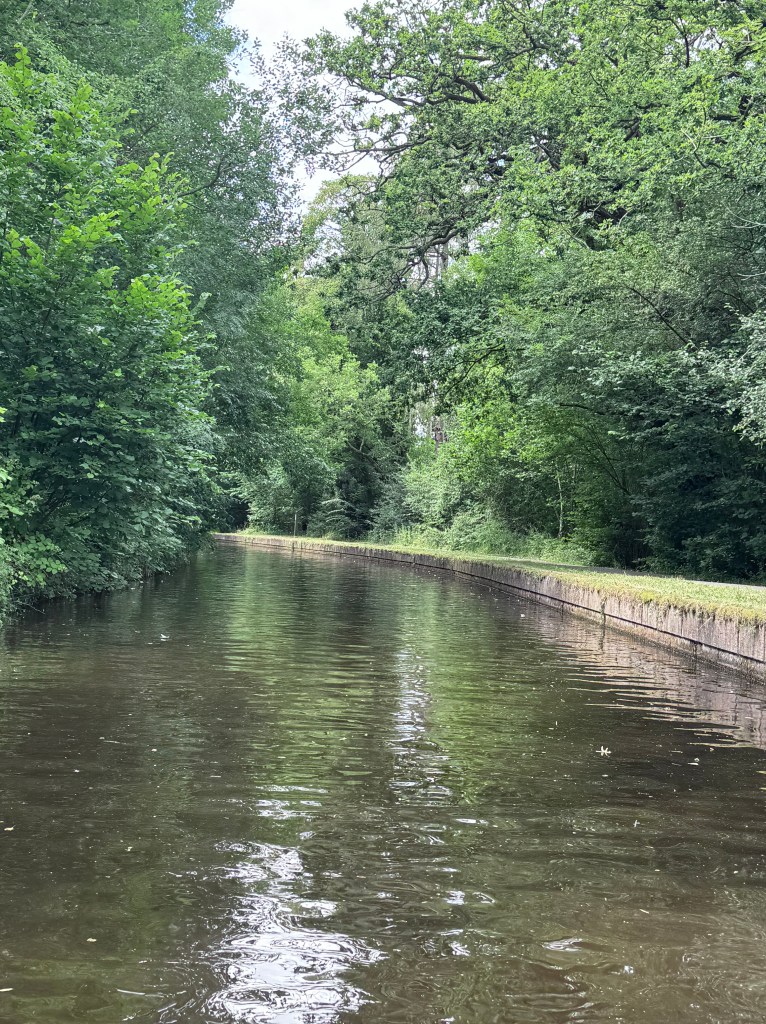
Once underway, the canal became incredibly tranquil. We slowly glided through the lush green countryside with birds singing overhead while ducks and graceful swans floated alongside us. It was easy to forget about schedules and simply enjoy the beauty surrounding us. Moira had packed a wonderful picnic lunch, which we enjoyed aboard as we drifted through the Welsh countryside.

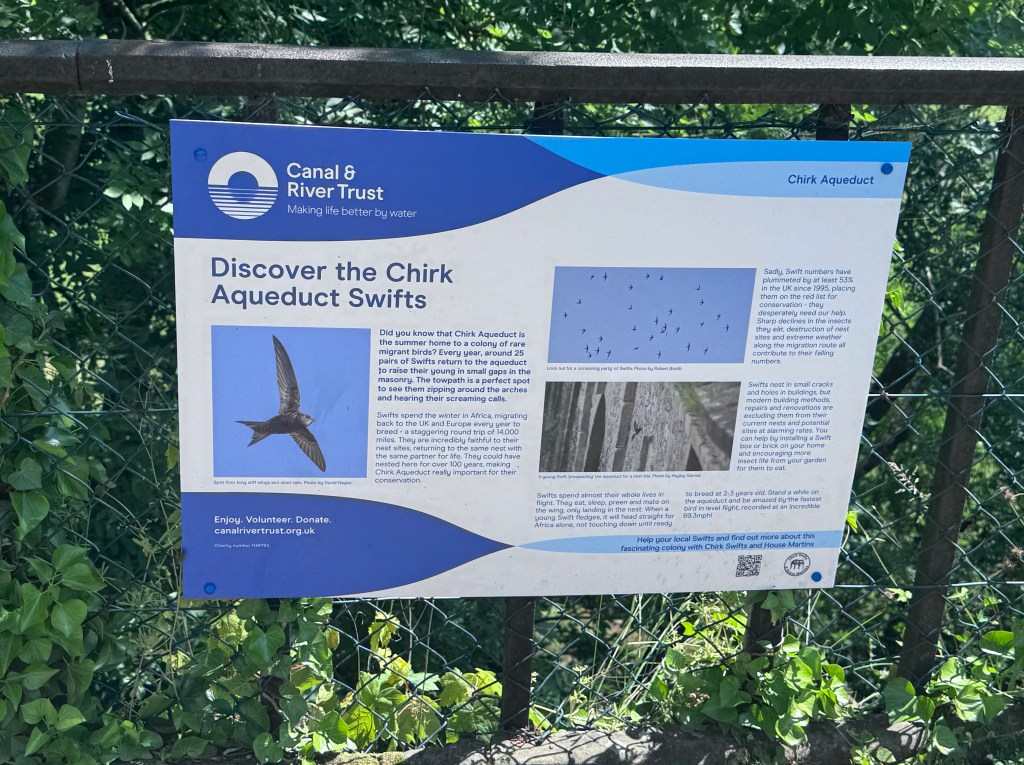
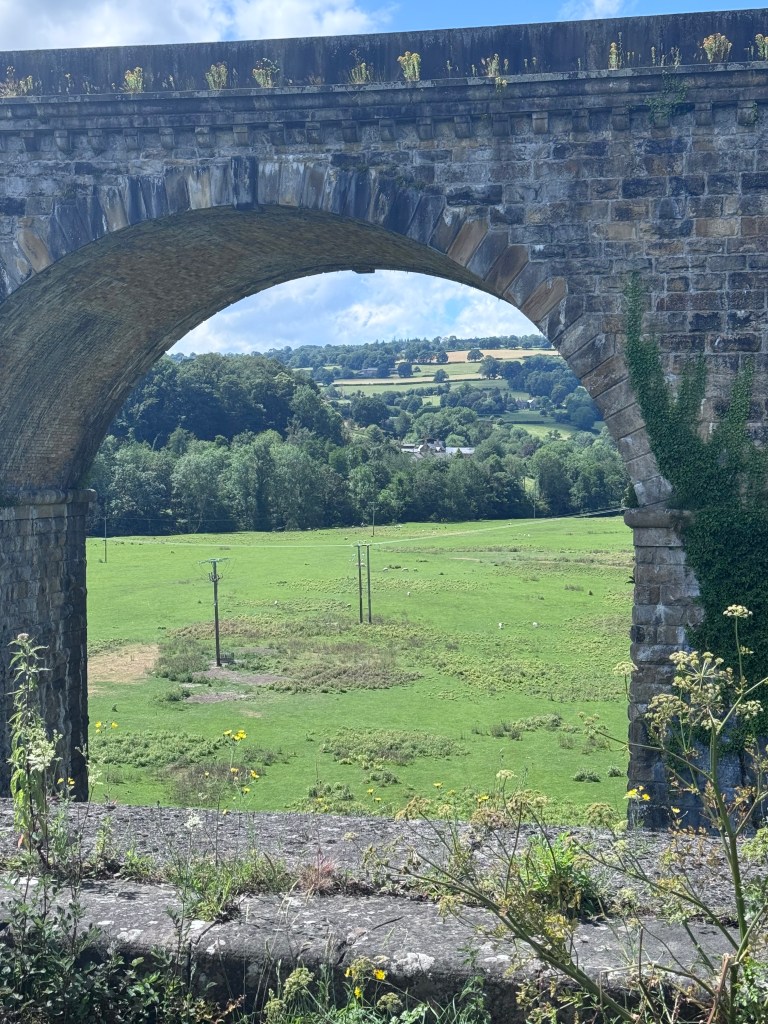
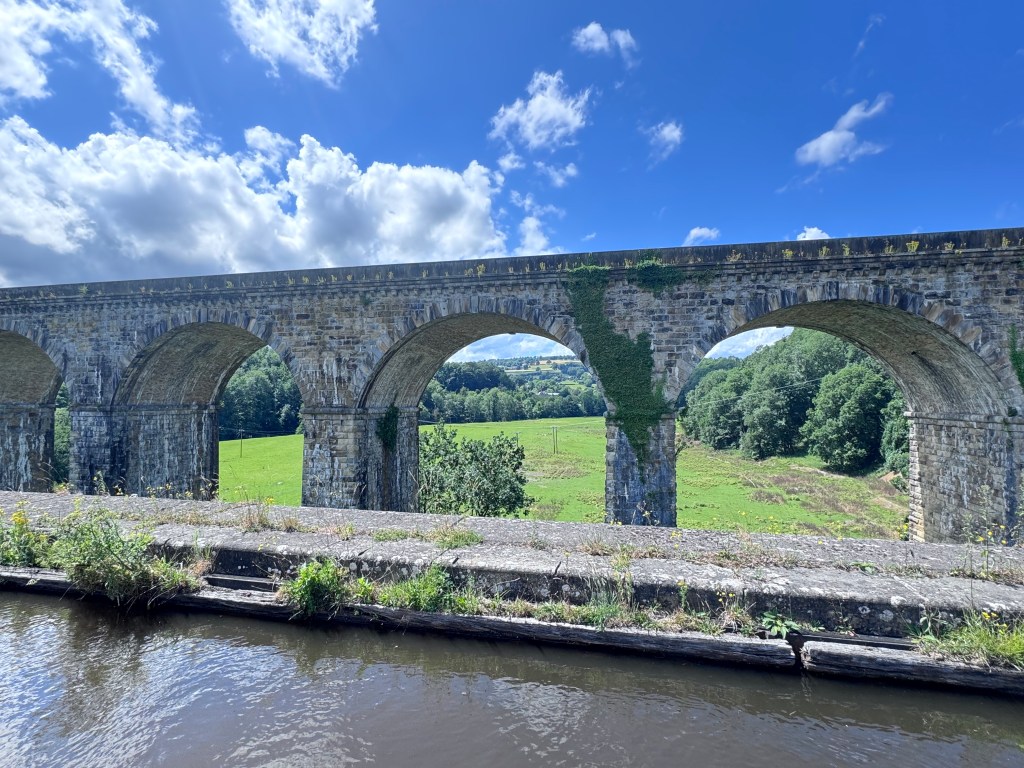
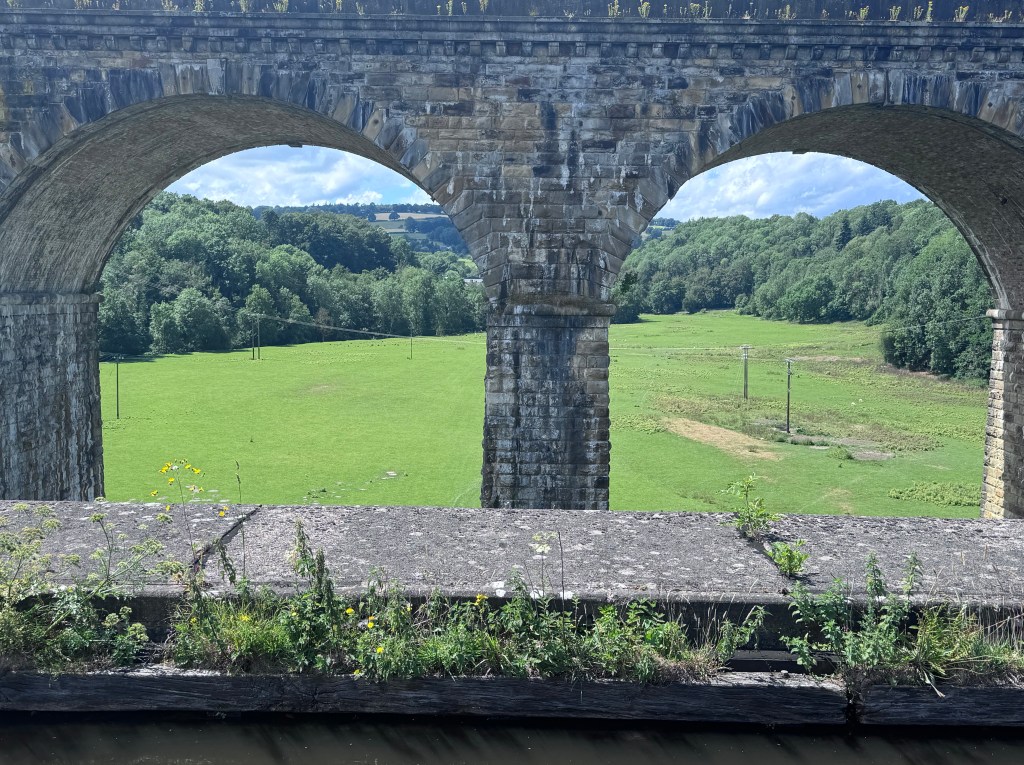
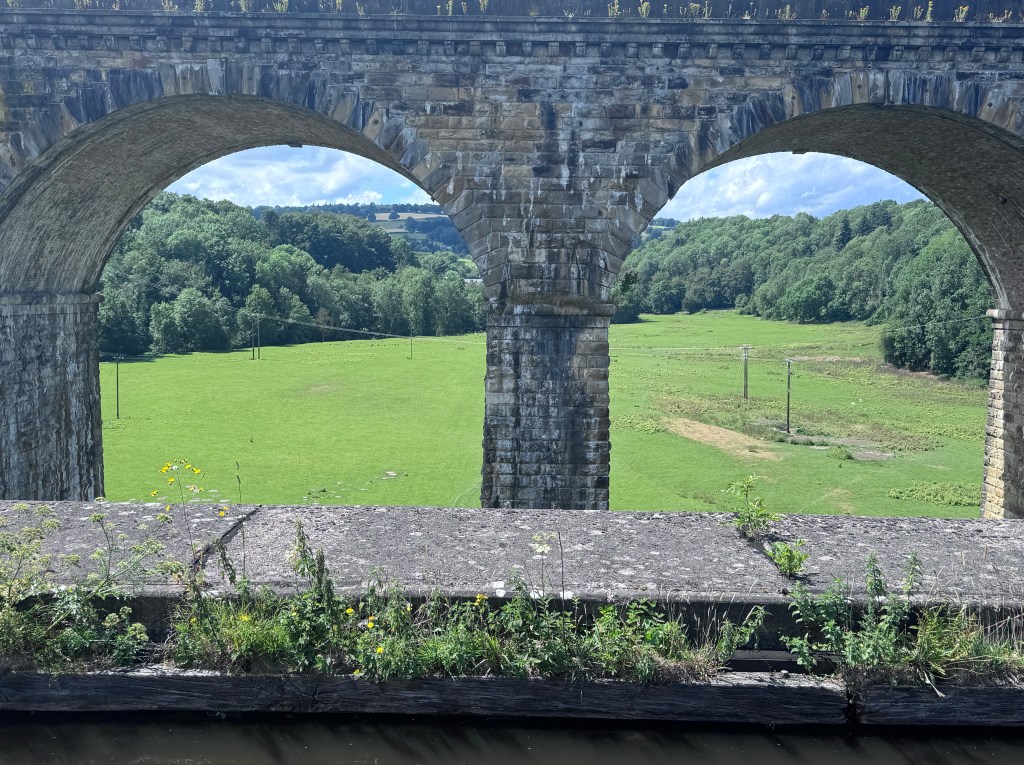
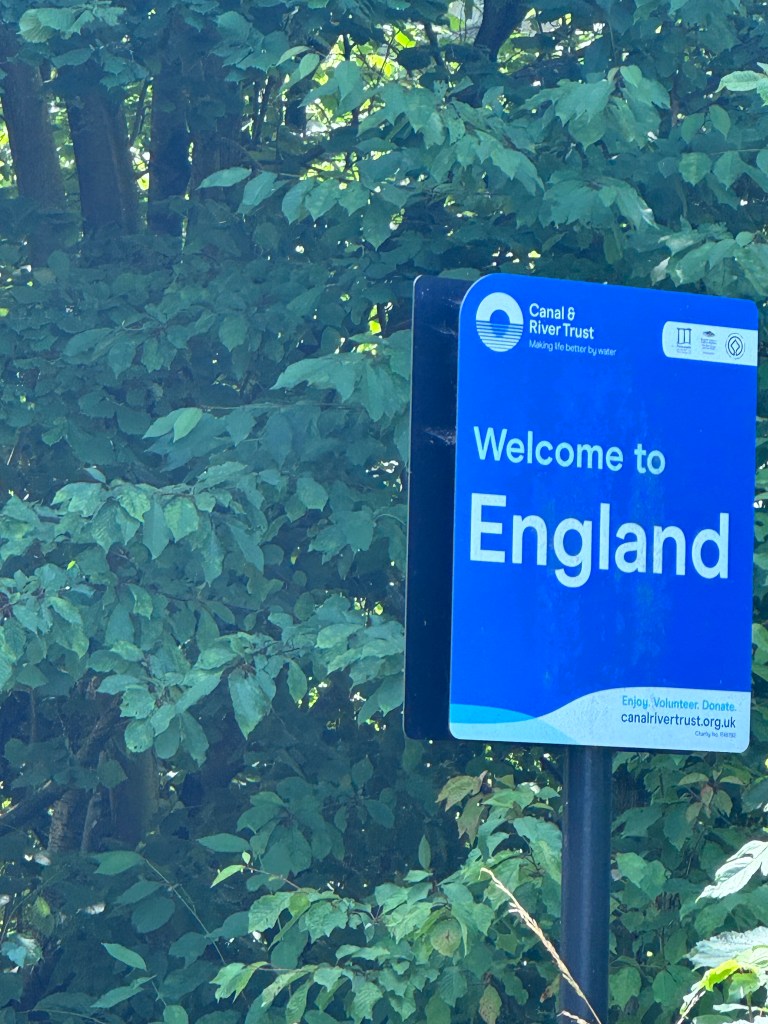
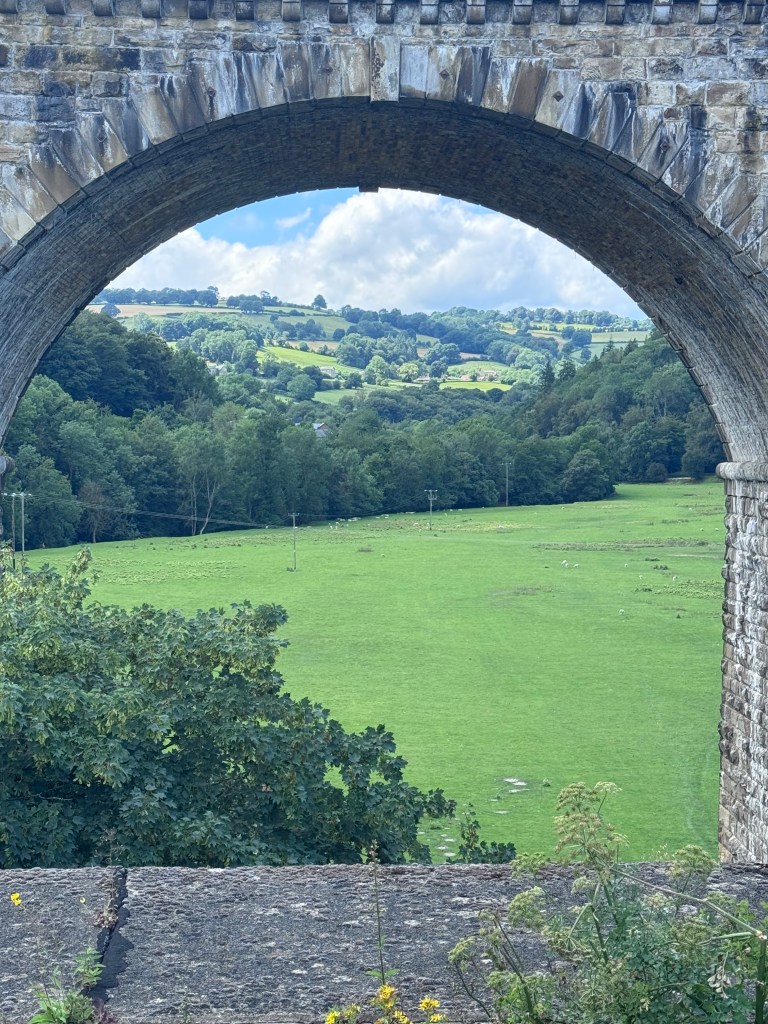
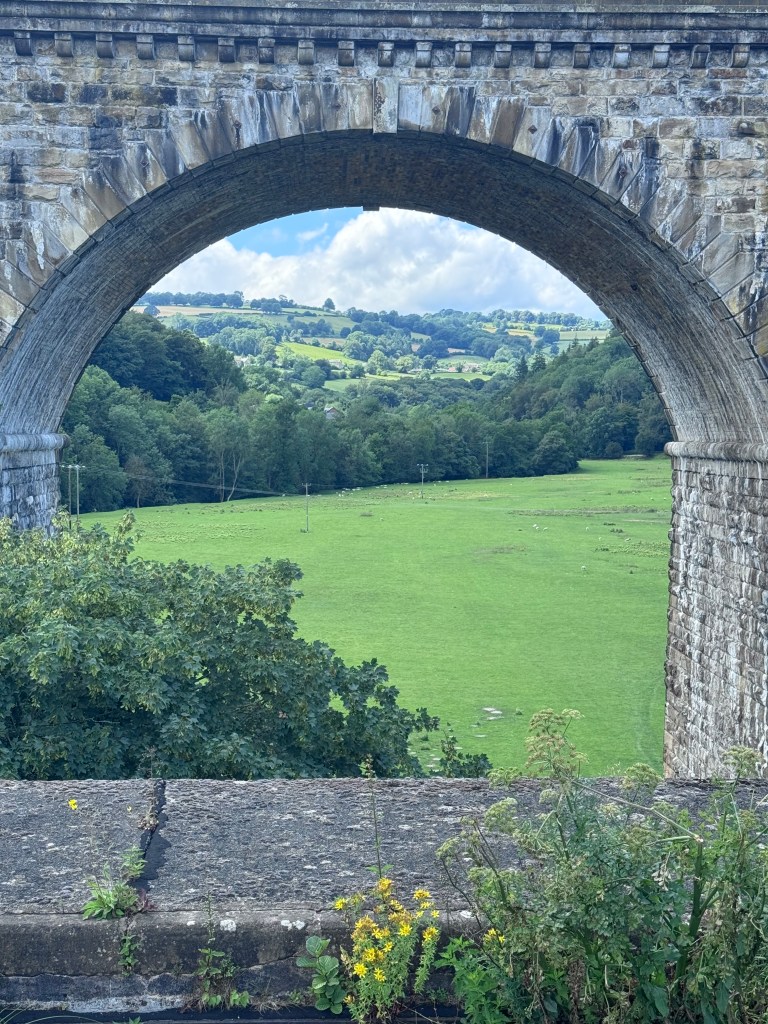
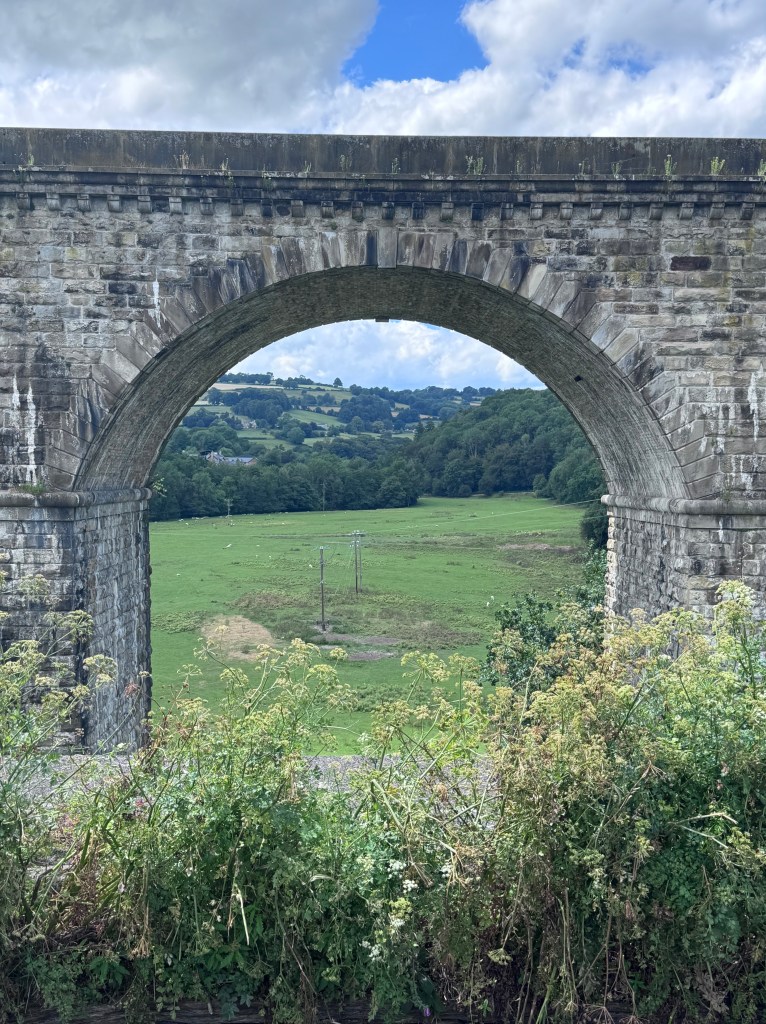
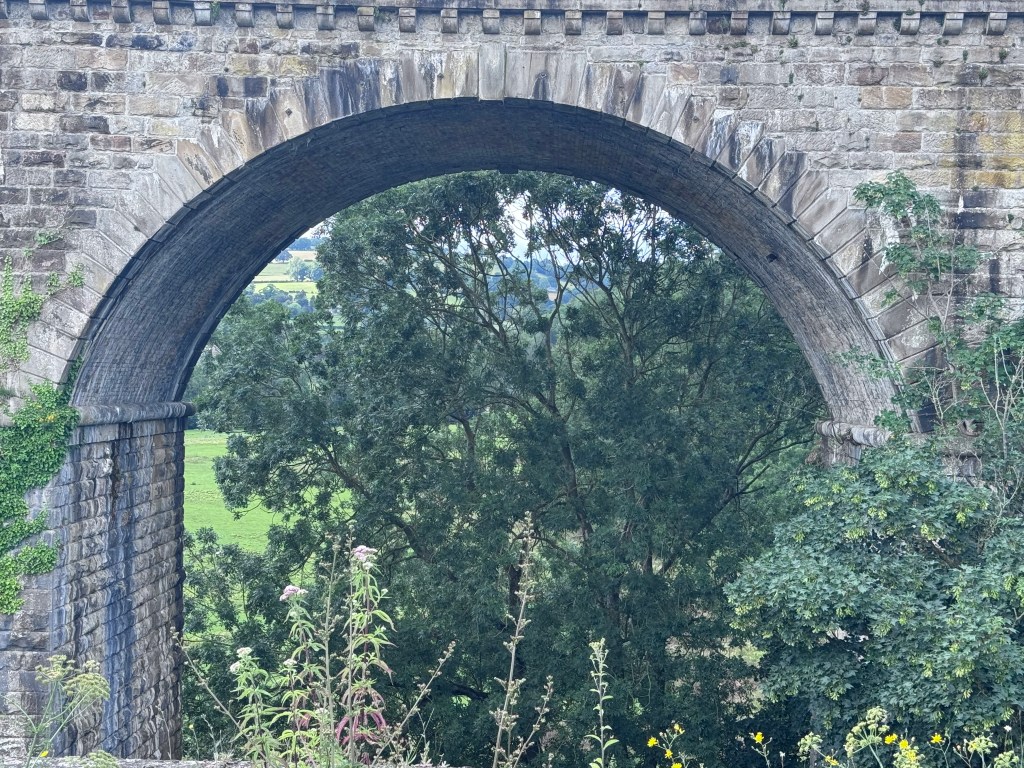
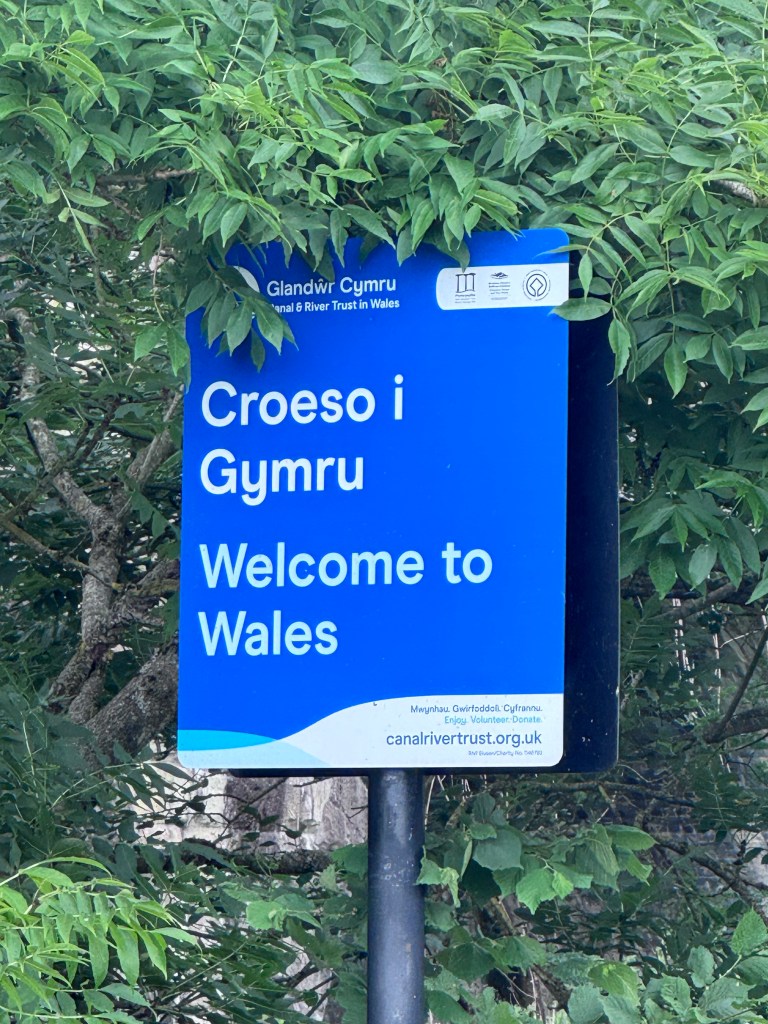
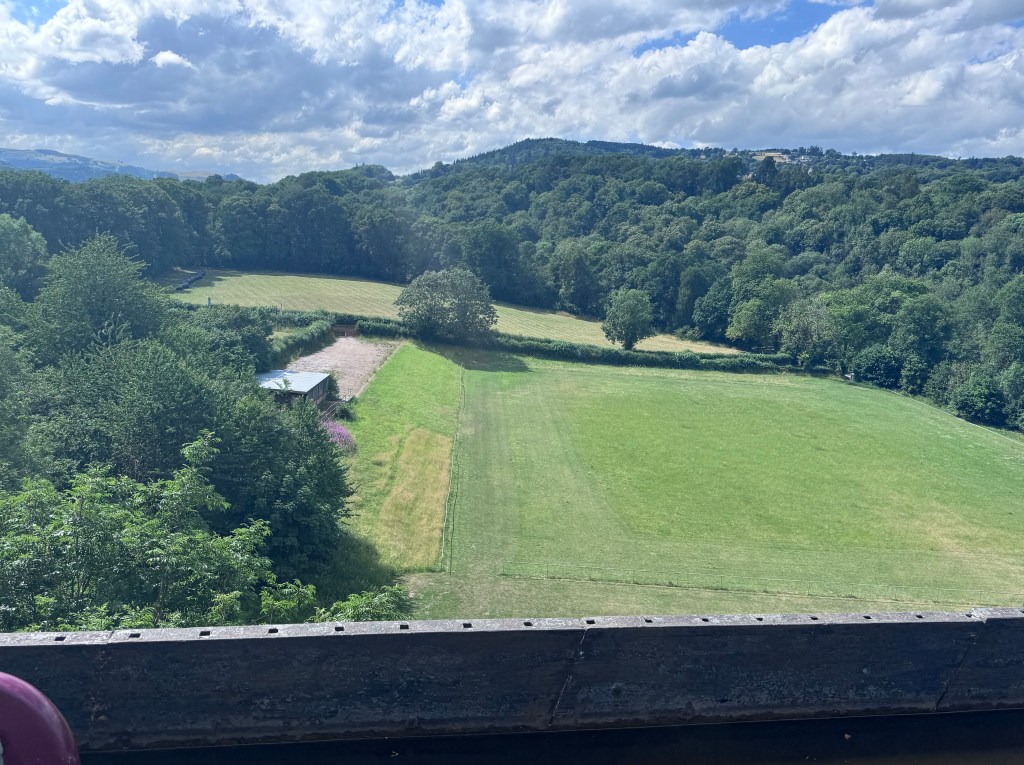
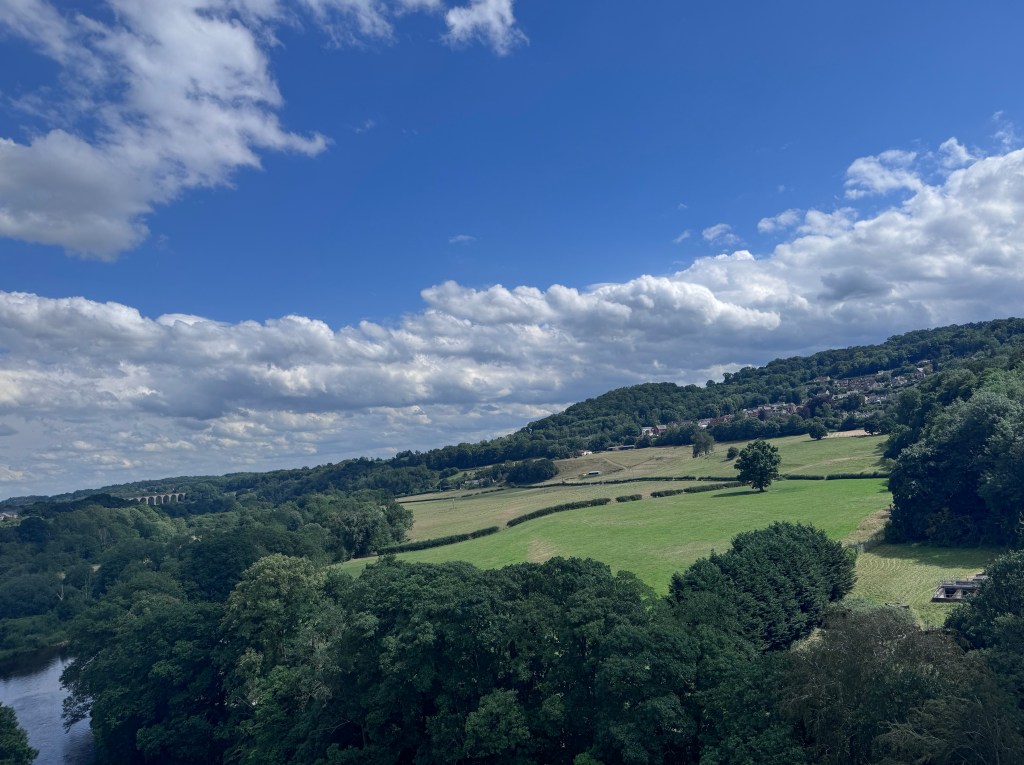
After lunch, Mom and I walked across the magnificent Chirk Aqueduct, not realizing until we reached the opposite end that we had actually walked from Wales into England! The Chirk Aqueduct is a 70 foot (21 m) high and 710 foot (220 m) long navigable aqueduct that carries what is now the Llangollen Canal across the Ceiriog Valley near Chirk, on the England-Wales border, spanning two countries.
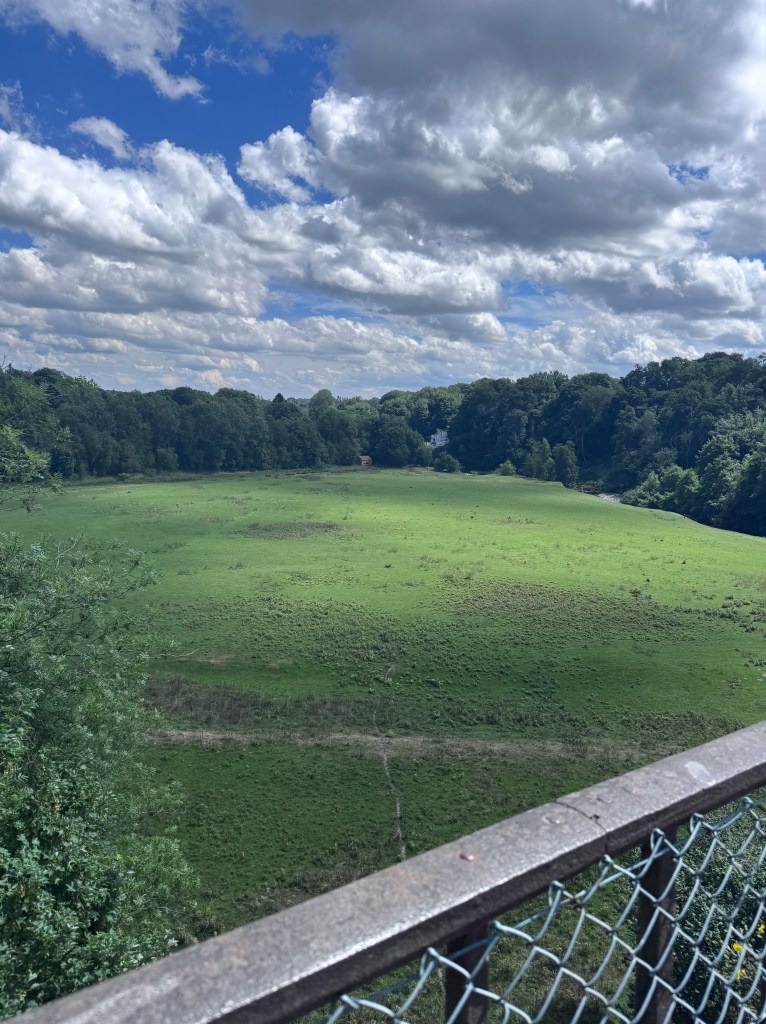
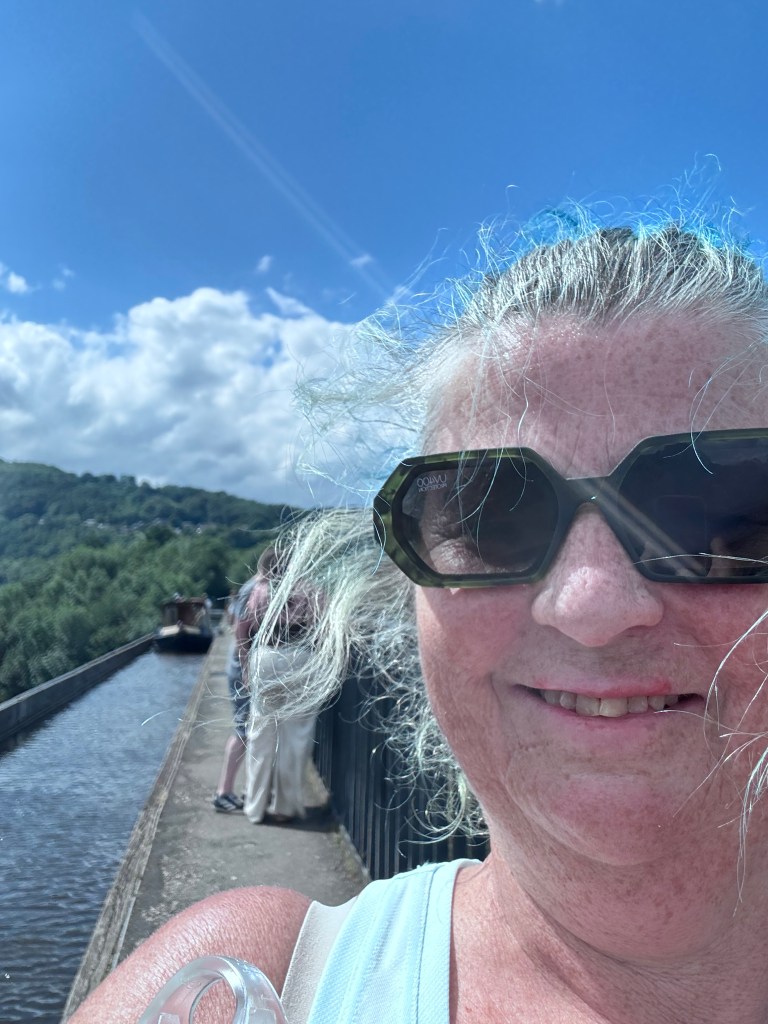
Standing on the narrow footpath with nothing but a railing separating us from the dramatic drop below was both exhilarating and unforgettable. The views across the valley were breathtaking, and I captured a couple of photographs that I already know will be framed when we get home.

We spent nearly six hours on the canal, from 10:00 a.m. until 4:00 p.m., before cooling off with some well-earned ice cream. Afterward we returned to Alan and Moira’s home for dinner and spent the evening packing for the next leg of our adventure.

The following morning a hired driver picked us up for our journey from Manchester to Southampton. We had originally planned to travel by train, but engineering work had closed the line we needed. Our only rail option would have required traveling all the way to London before heading back south to Southampton, so hiring a driver made much more sense.

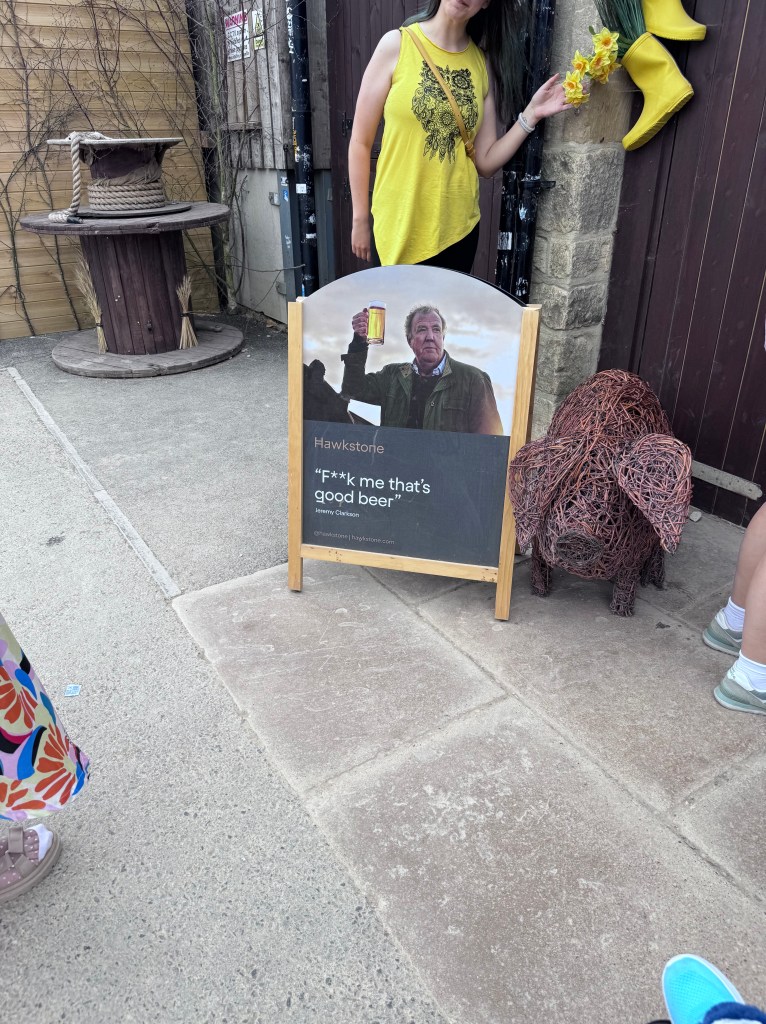
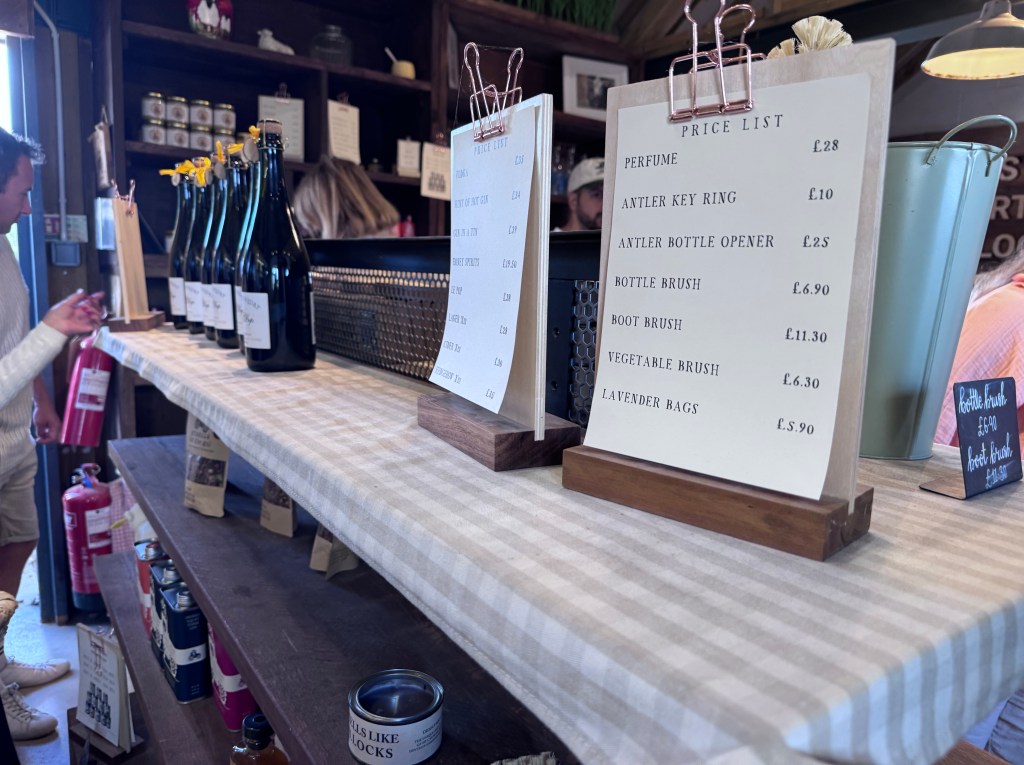
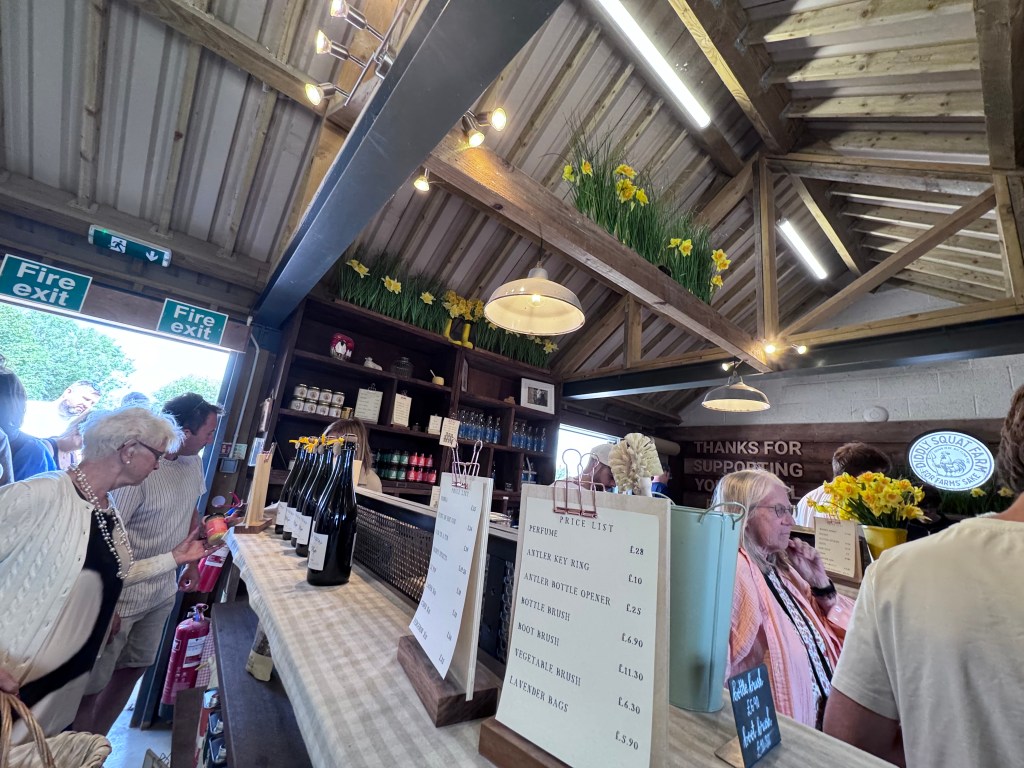
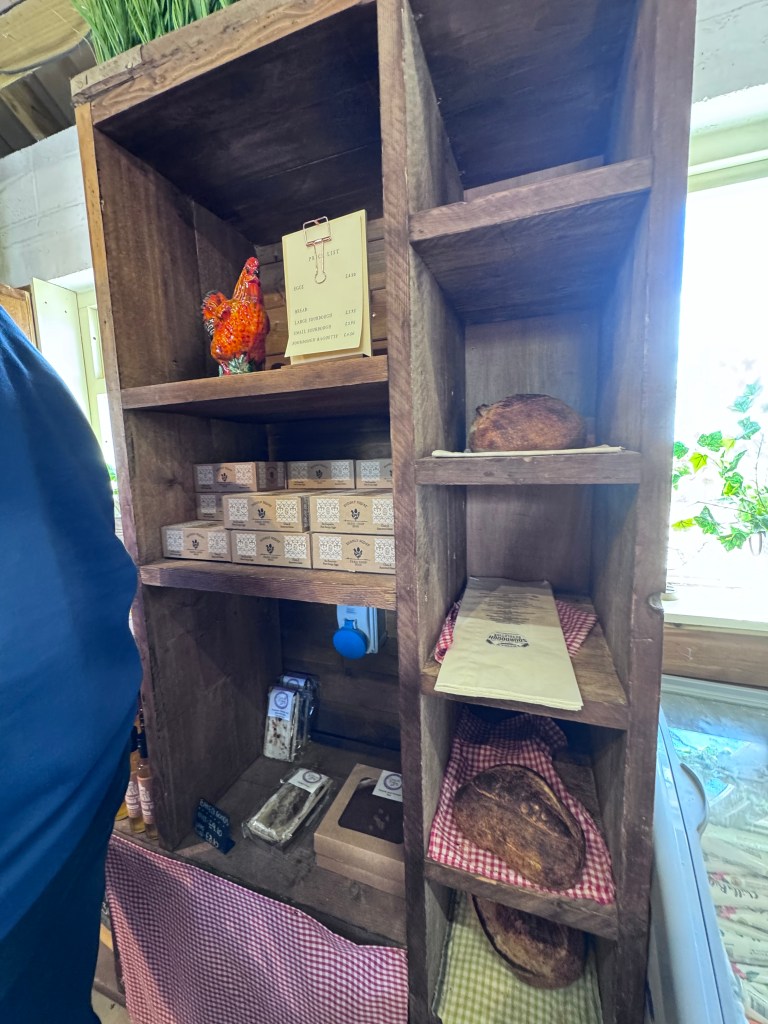
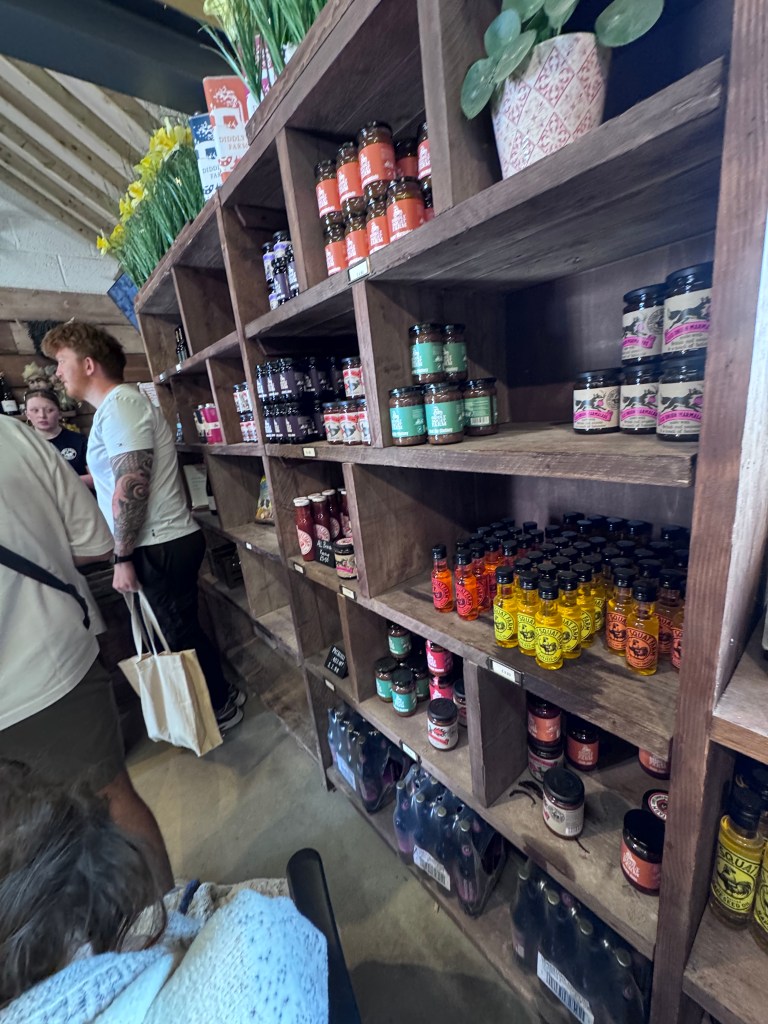
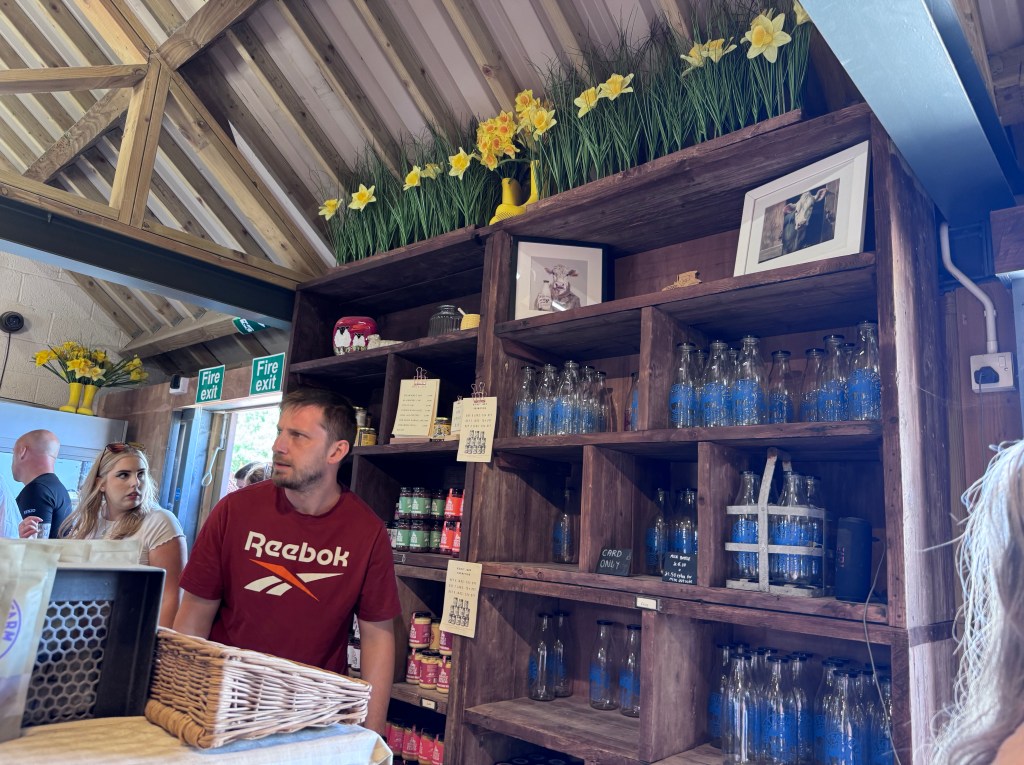
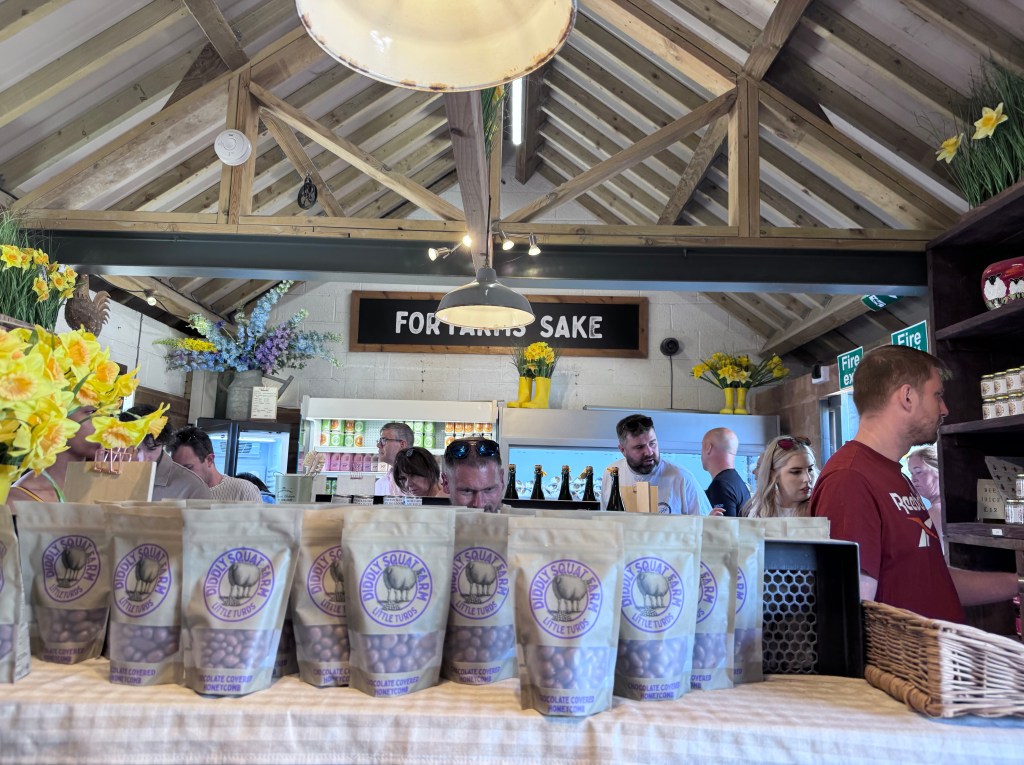
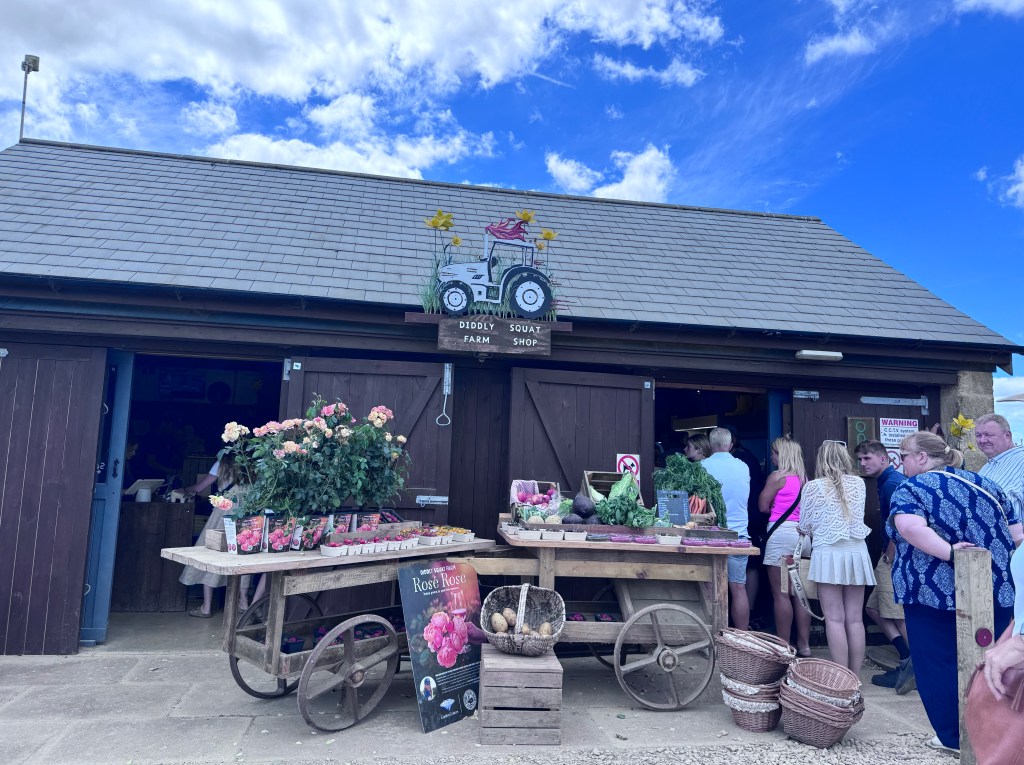
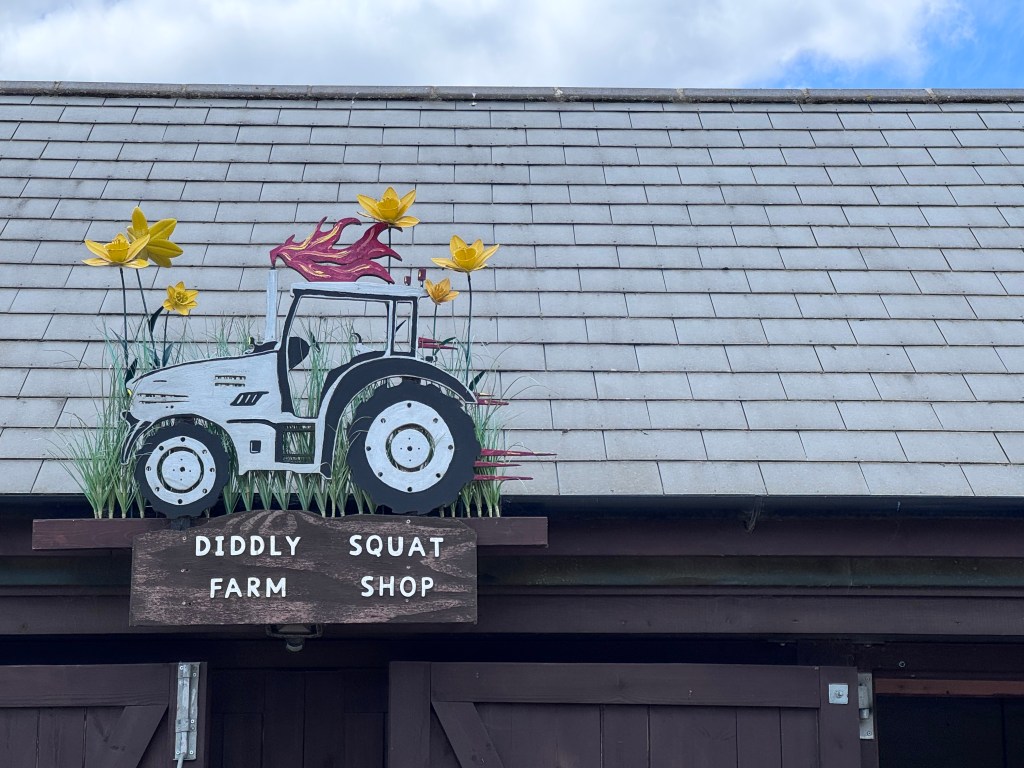
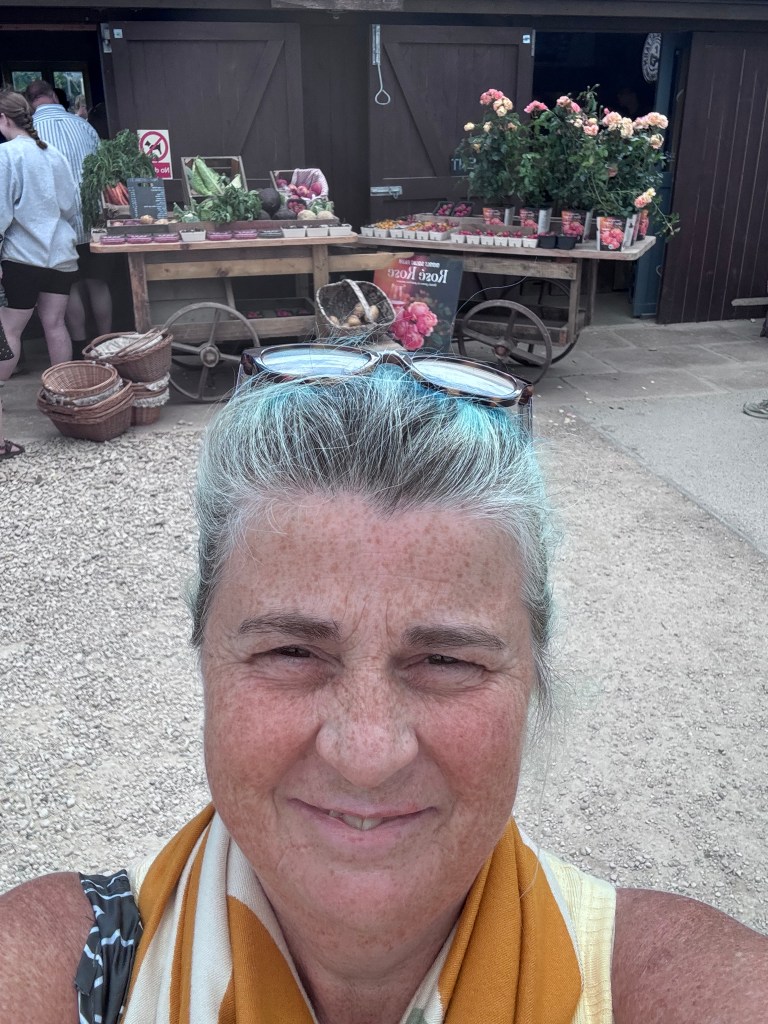
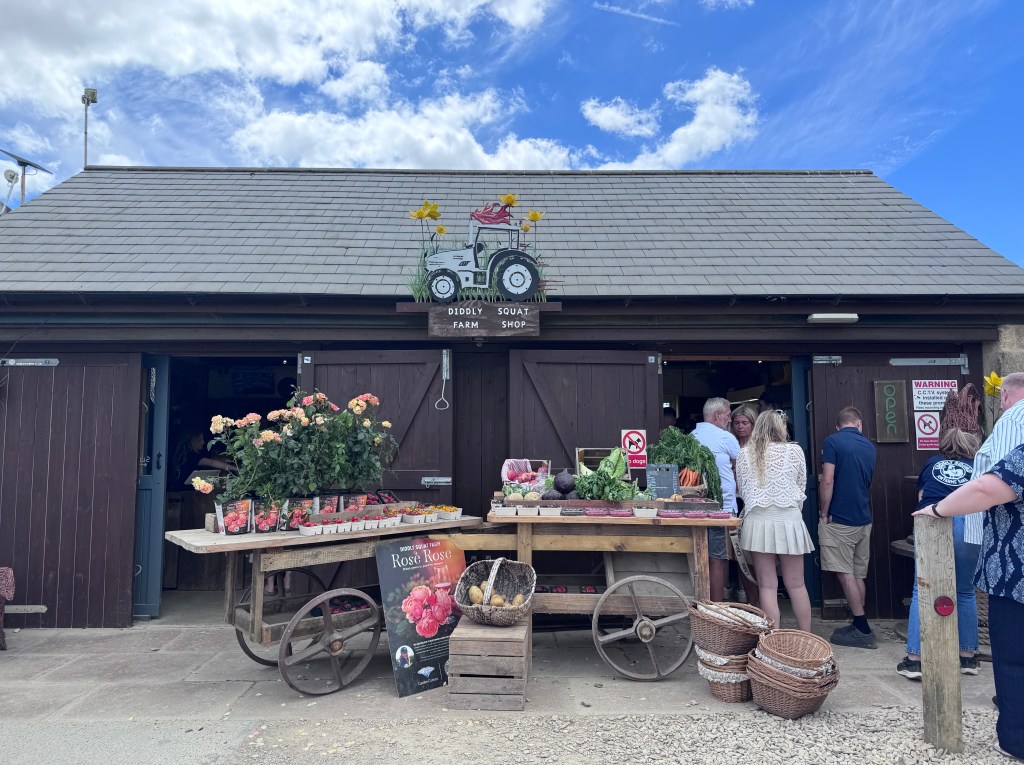
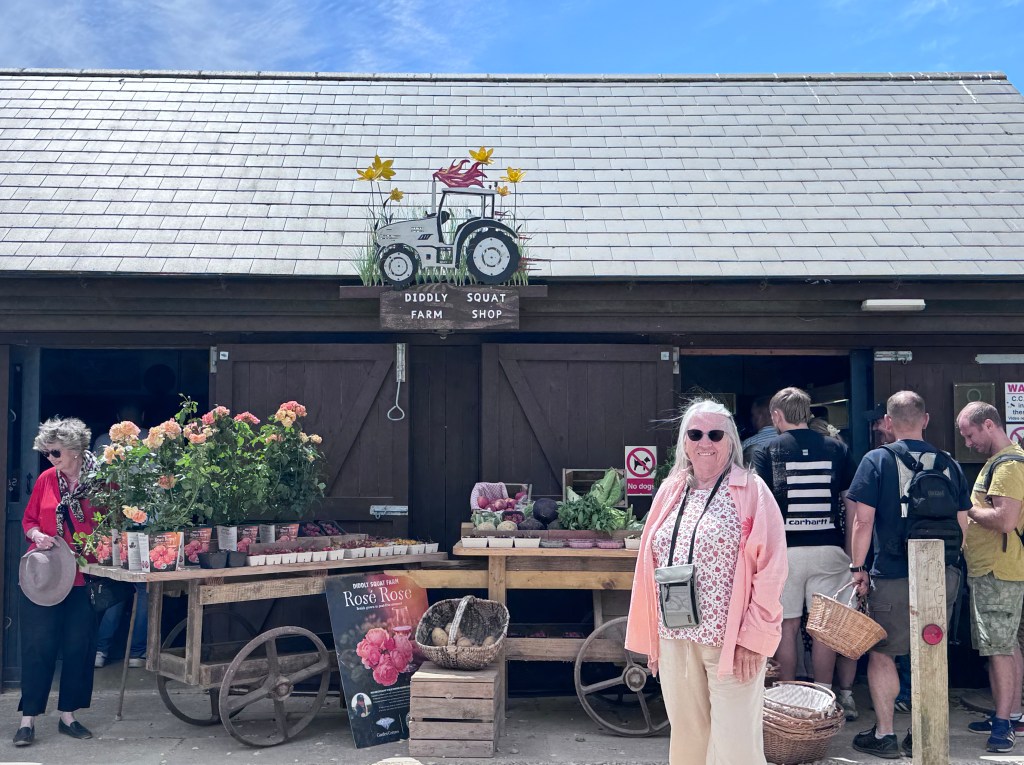
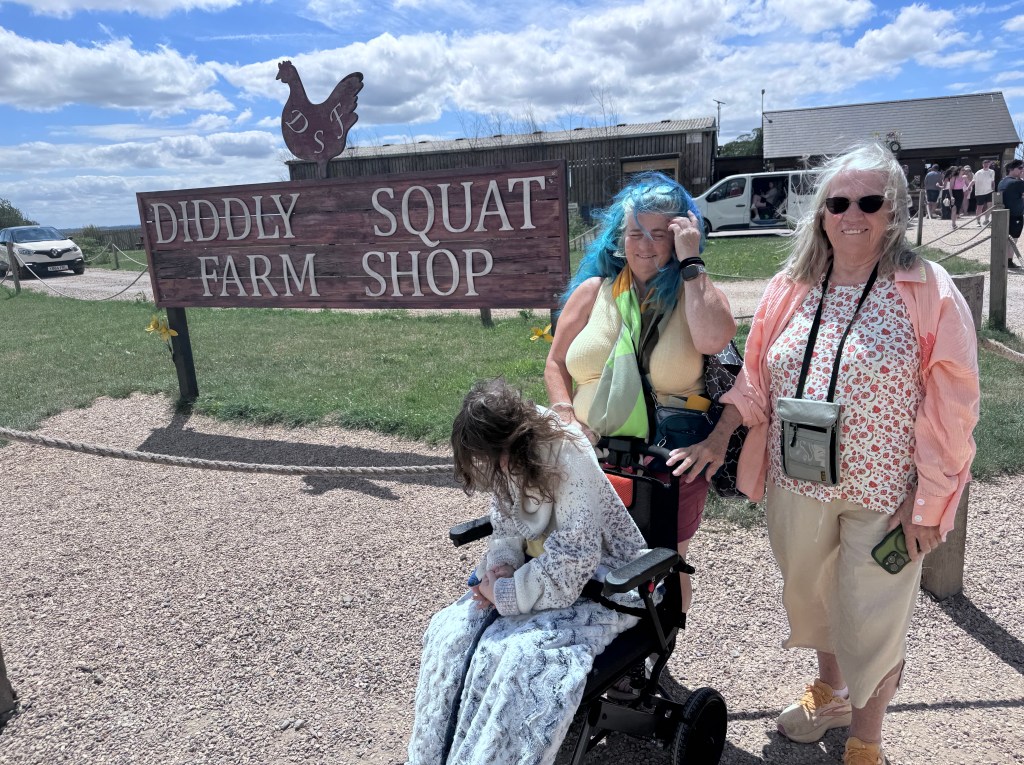
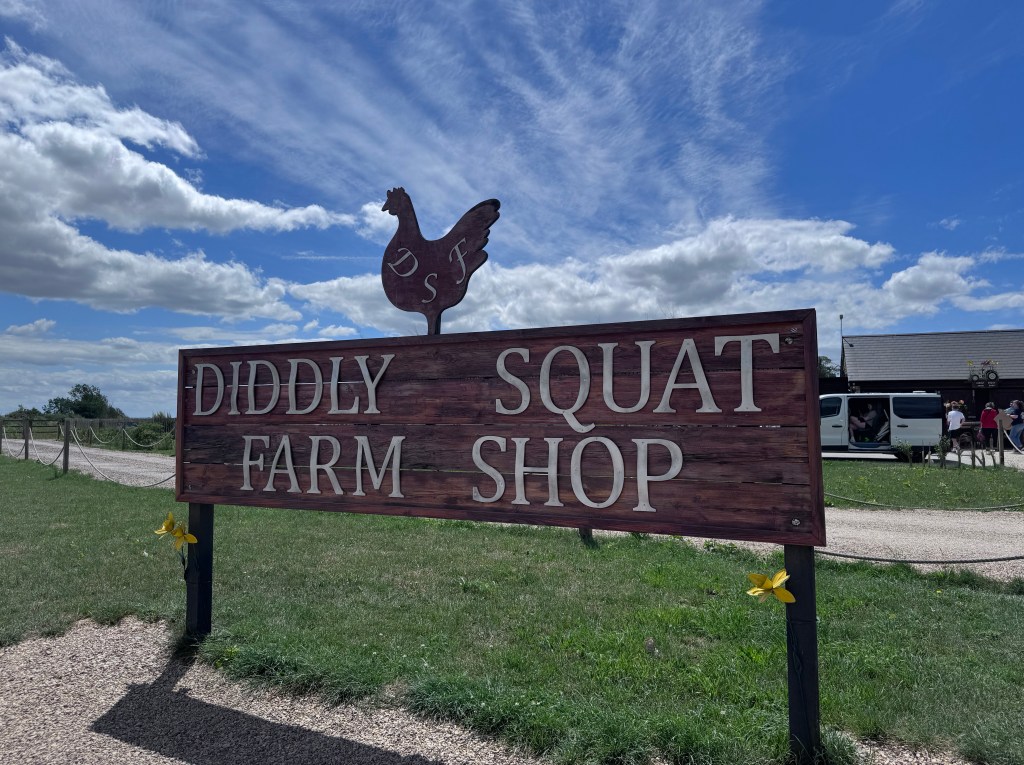
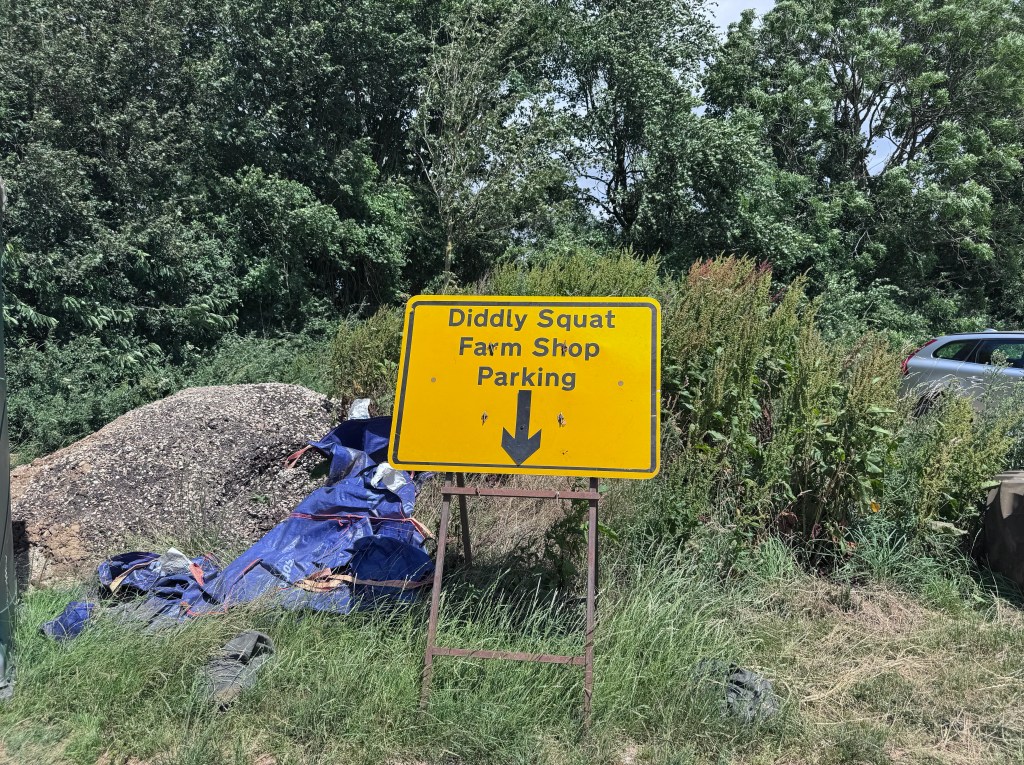
Since we were traveling by road, I asked if we could drive through the beautiful Cotswolds and stop at Diddly Squat Farm Shop, made famous by Jeremy Clarkson’s television series Clarkson’s Farm. The farm shop has become an unexpected tourist destination, selling produce and products made on the farm, including milk, cheese, honey, jams, sauces, beer, cider, and souvenirs. I wasn’t sure we would even make it into the parking lot, let alone inside the shop.
When we arrived, the queue stretched well beyond the entrance. I quickly realized there was no way we would get inside during the hour we had allowed. Our driver suggested speaking with the staff about Kiya’s wheelchair. After showing our Montana disability parking placard, they kindly allowed us to enter through the accessible queue. We were incredibly grateful for their understanding.

While waiting inside, a young man—probably around 18 or 20 years old—stood in front of me with an armful of products. He had grabbed nearly one of everything: milk, cheese, pasta sauce, crisps, and more. At one point he apologized for taking so long. I smiled and told him, “No need to apologize. You may only get here once, so make the most of it.” His excitement was contagious, and it perfectly captured how special the experience felt for so many visitors. We picked up a few souvenirs, snapped some photos, and continued our journey.

Along the drive we also passed through the historic city of Oxford, home to the world-famous University of Oxford, whose colleges have educated scholars, scientists, writers, and world leaders for nearly a thousand years. Even from the car, the city’s beautiful stone buildings and historic architecture were impressive.

We arrived in Southampton with plenty of time to grab a coffee and relax before boarding the ferry. Soon we were crossing the Solent toward the Isle of Wight, excited to begin another chapter of our adventure.