We all slept in a bit this morning.
I think all of us needed it.
The air conditioning in our apartment is incredible. Poor Kiya about froze sleeping next to me! After weeks of battling heat waves across Europe, though, I wasn’t about to complain.
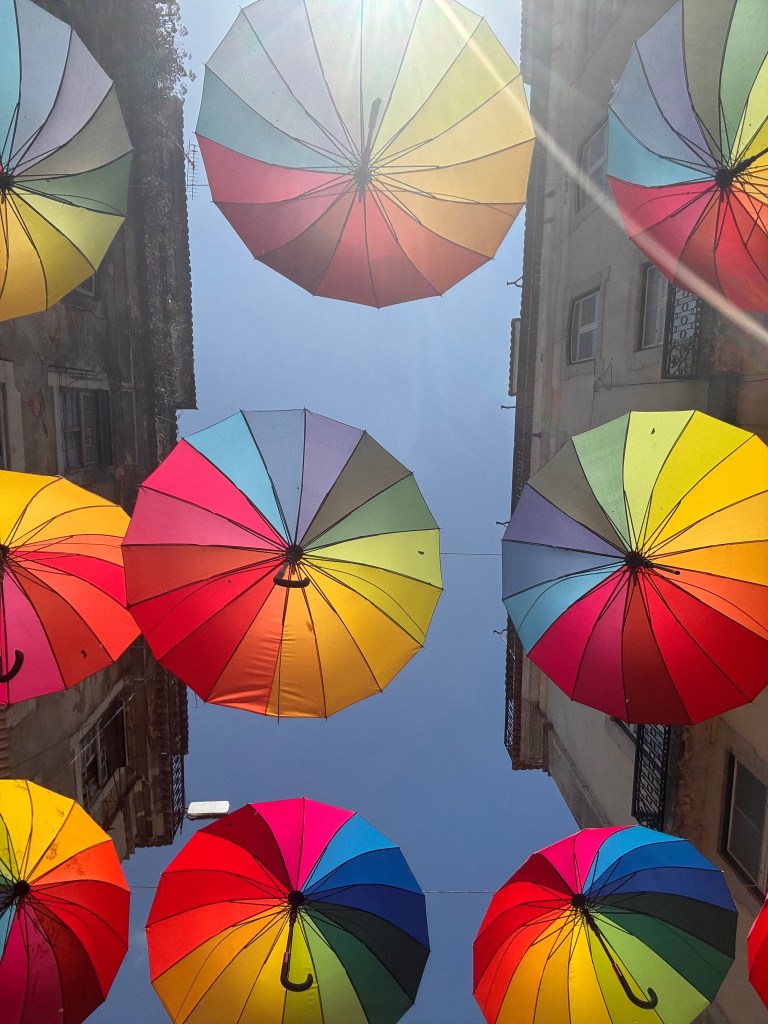
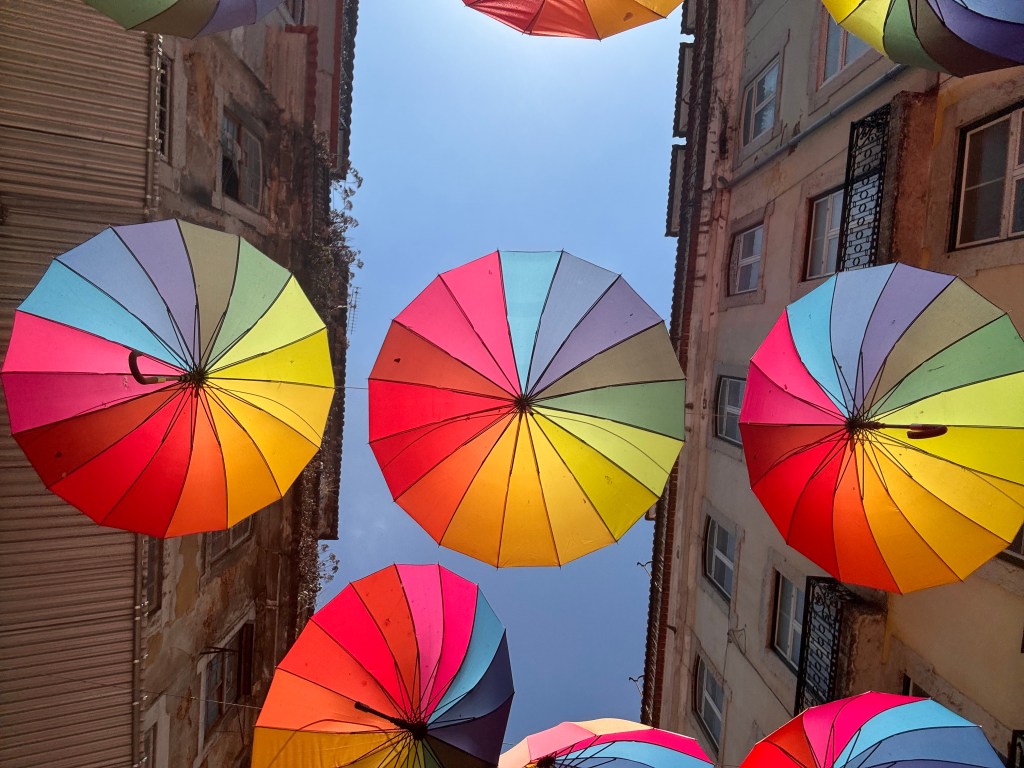
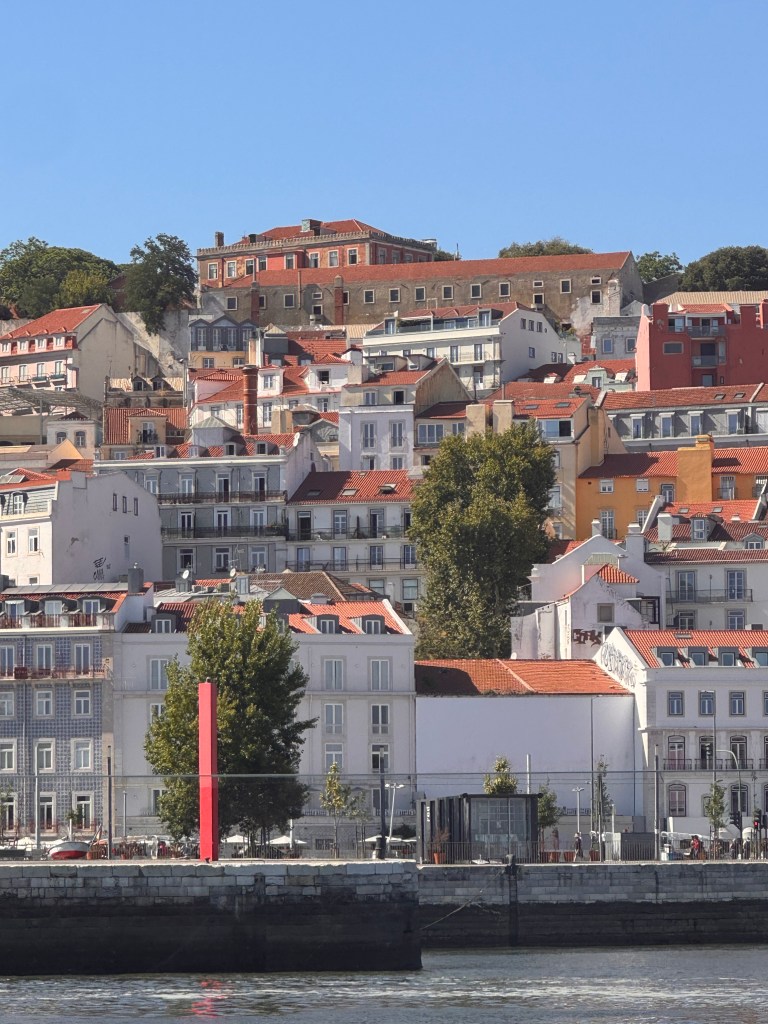
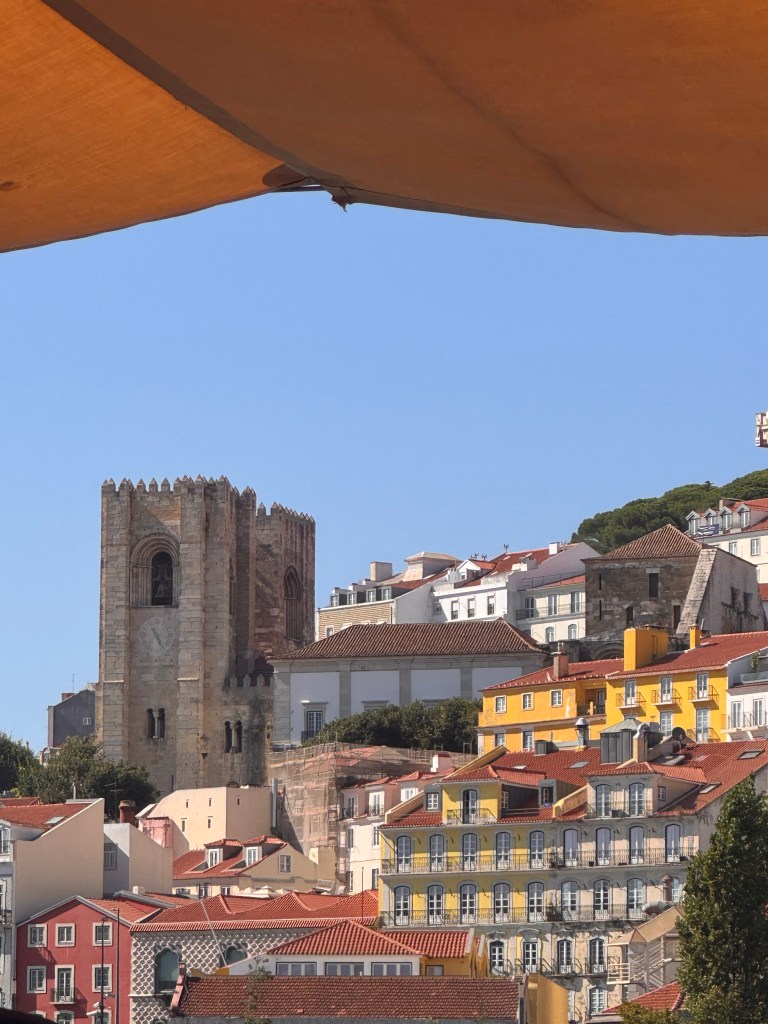
We took our time getting ready and headed out with no real agenda other than exploring the neighborhood around us. One of the things we’ve learned on this trip is that some of the best memories happen when you aren’t rushing from one attraction to the next.
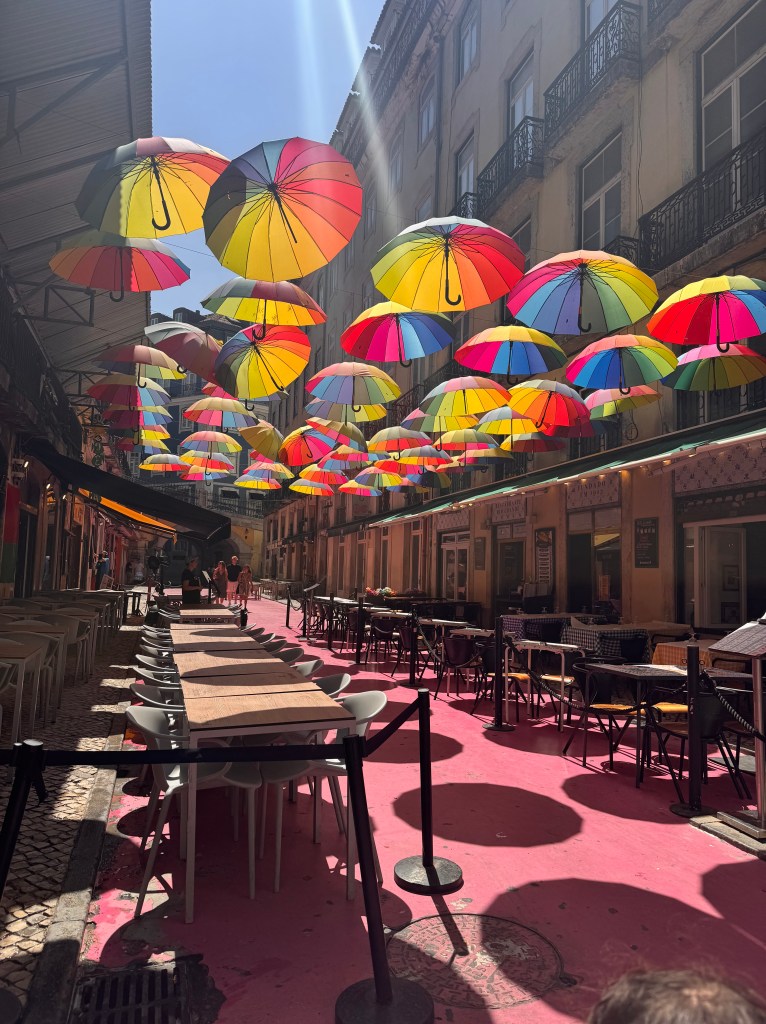
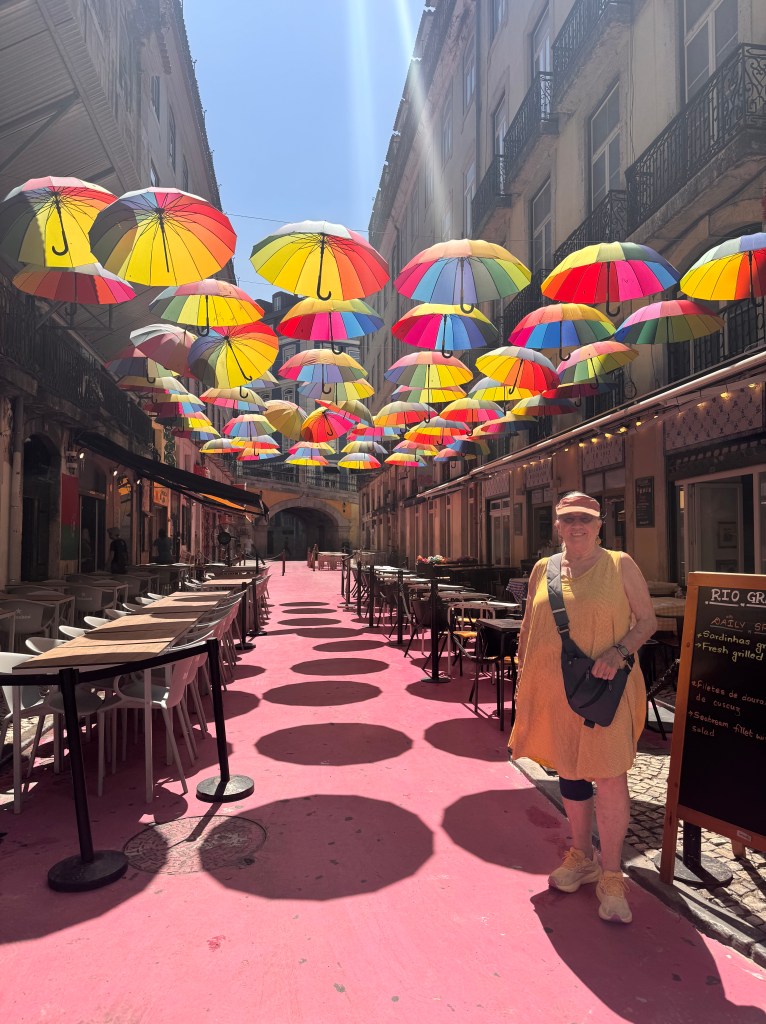
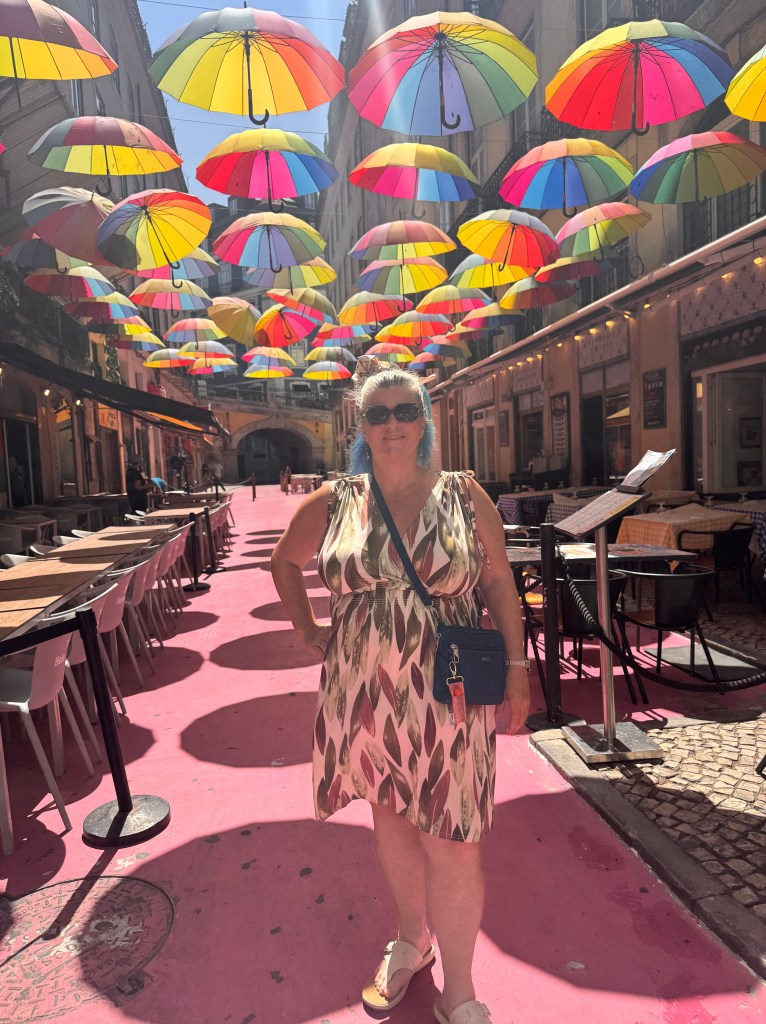
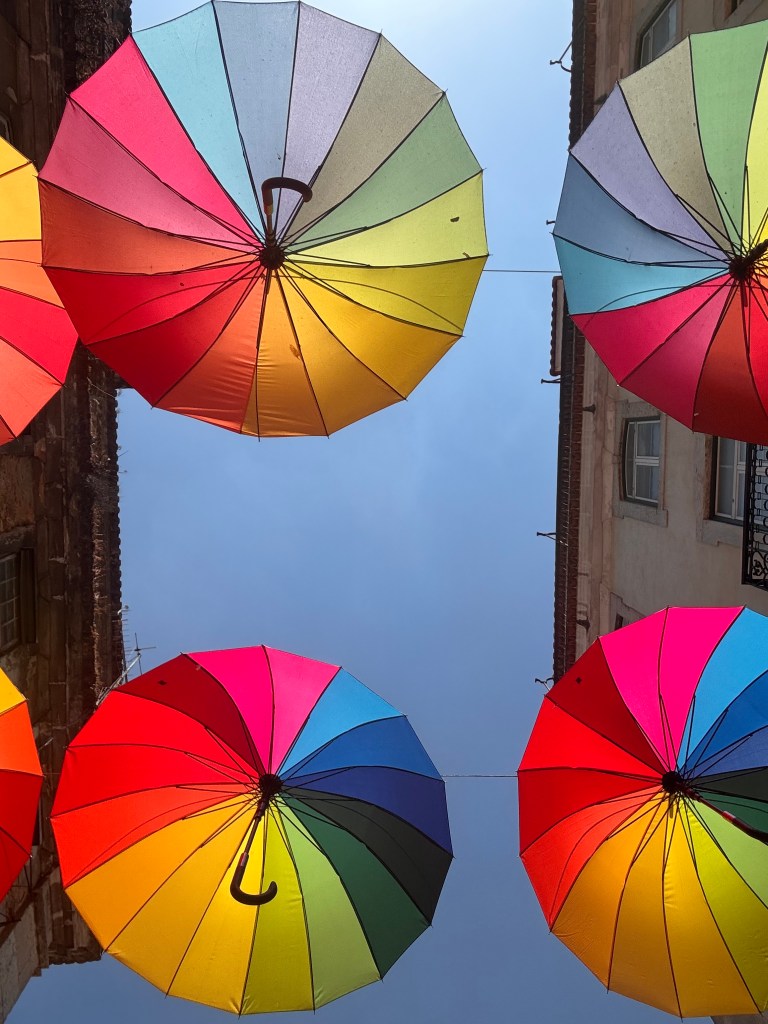
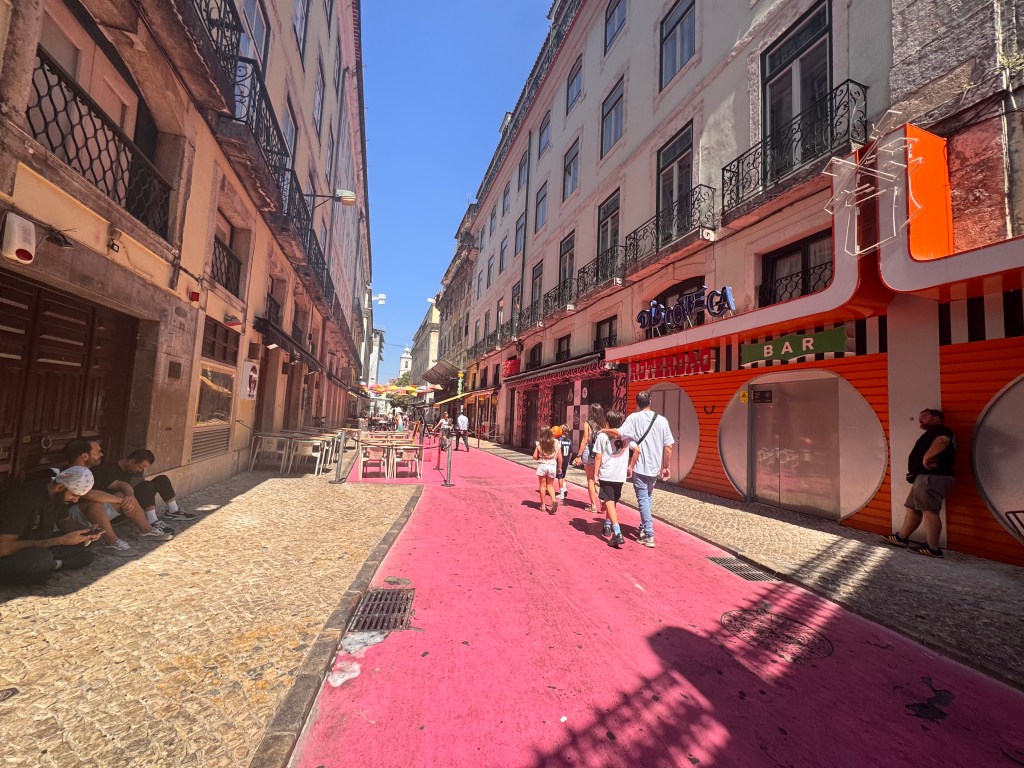
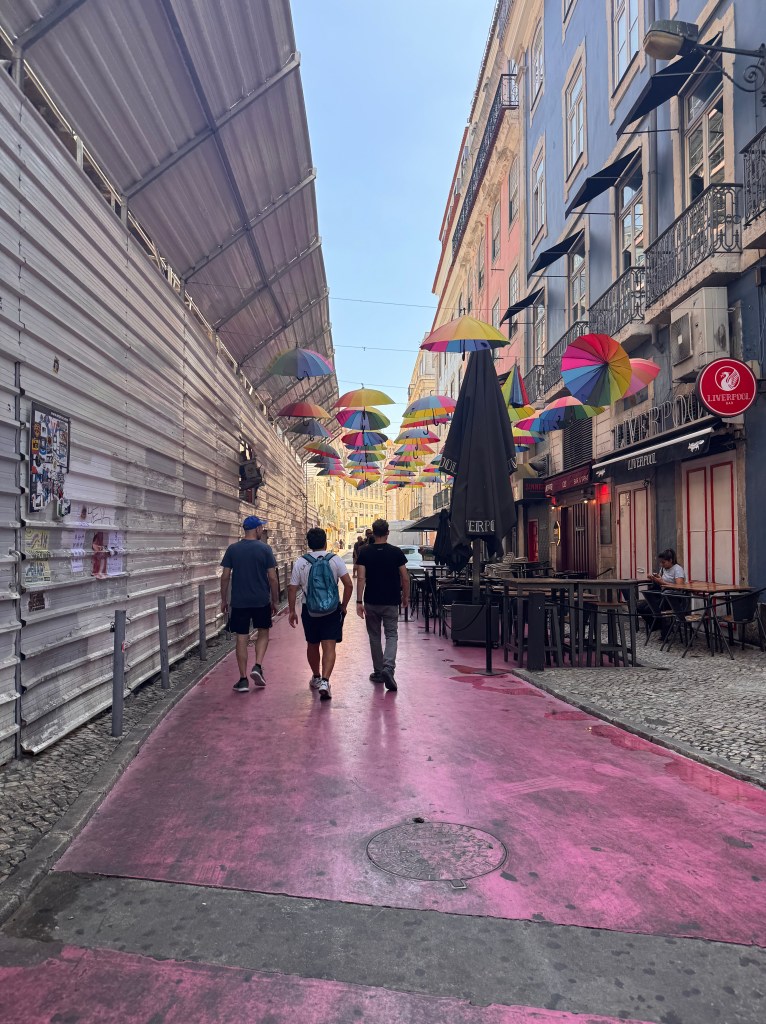
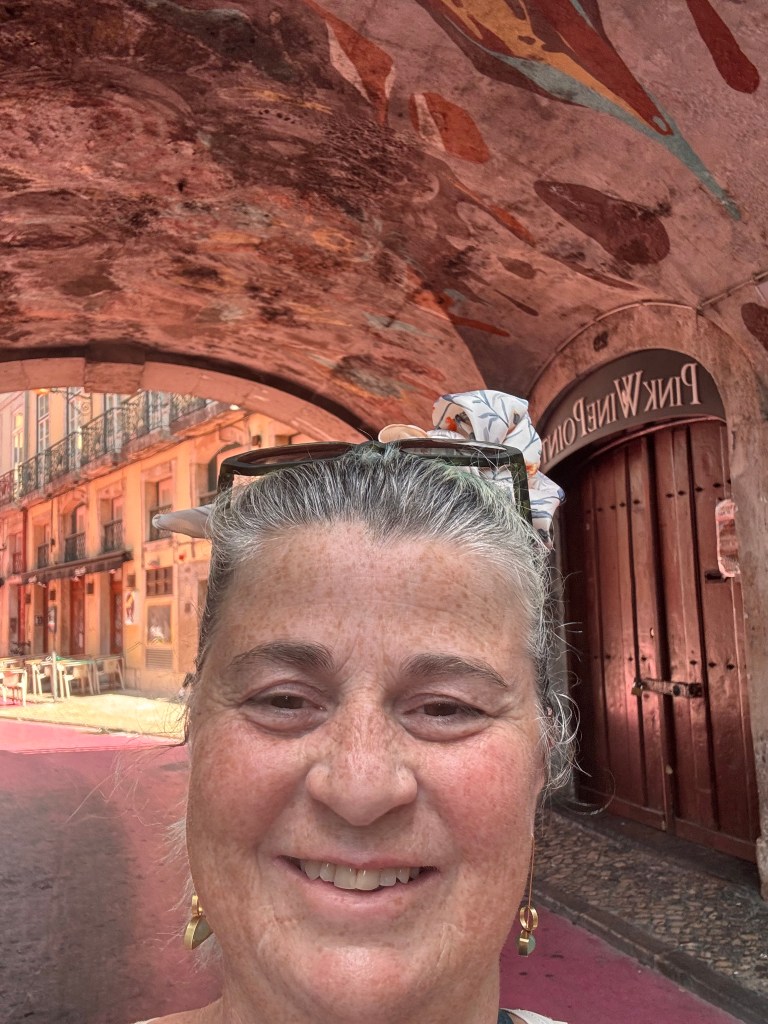
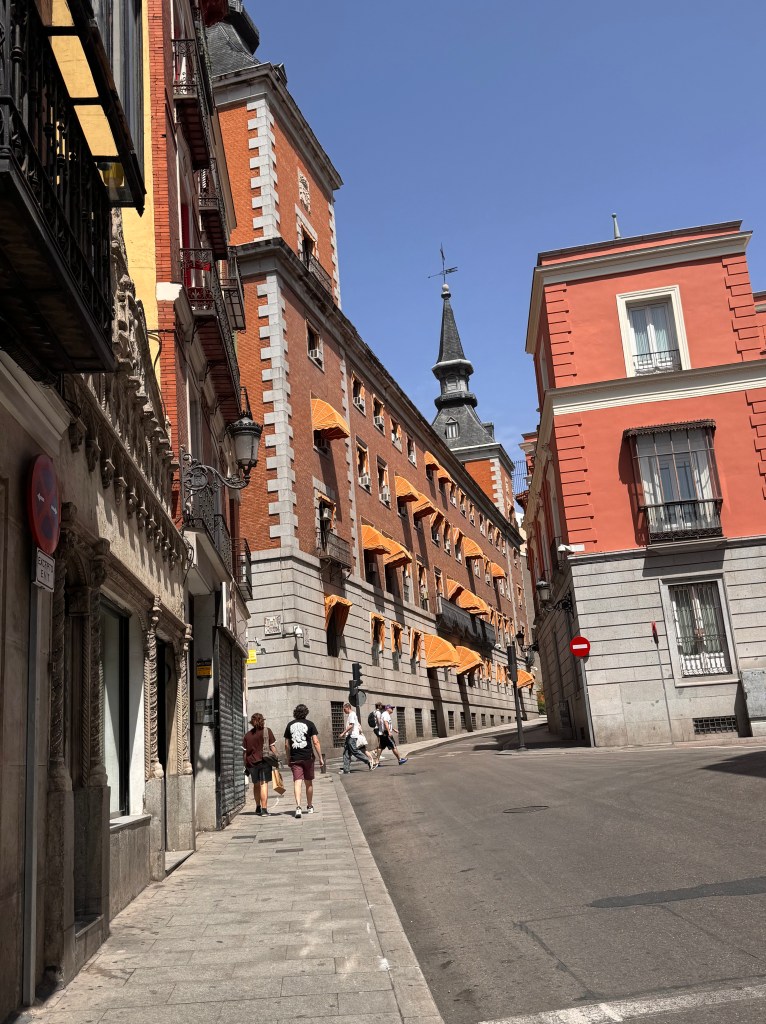
Our apartment is just a short walk from the famous Pink Street, so we took advantage of the quiet morning before the crowds arrived to snap some photos. By later in the day, the street would be packed with people enjoying the cafés, restaurants, and nightlife, but early in the morning we almost had it to ourselves.
From there, we wandered in and out of little shops.
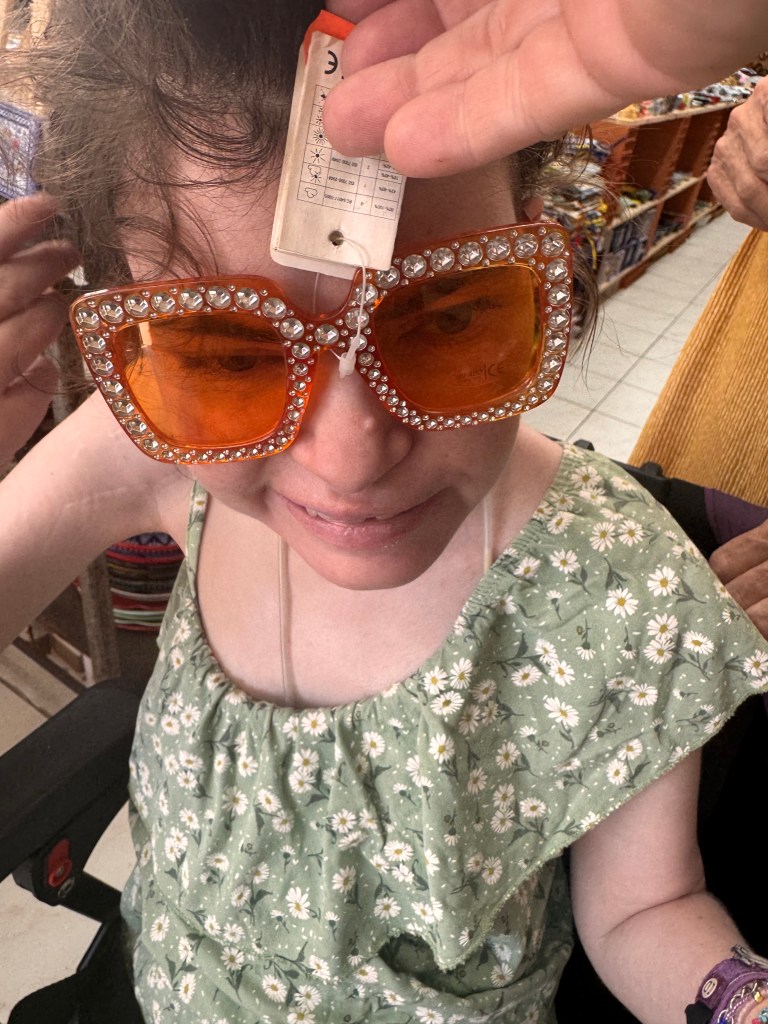
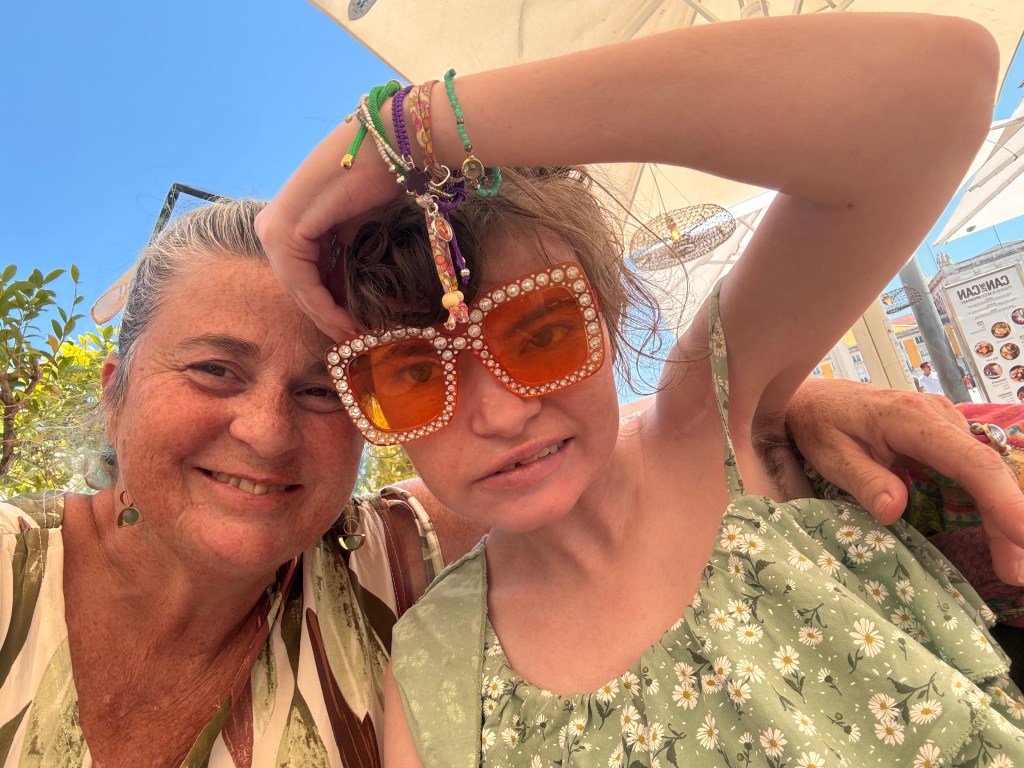
Kiya kept putting her hand in front of her eyes every time we stepped into the bright sunshine, so we decided it was time to find her a pair of sunglasses.
The first couple we tried on weren’t winners. She immediately dropped her head.
Then we found them.
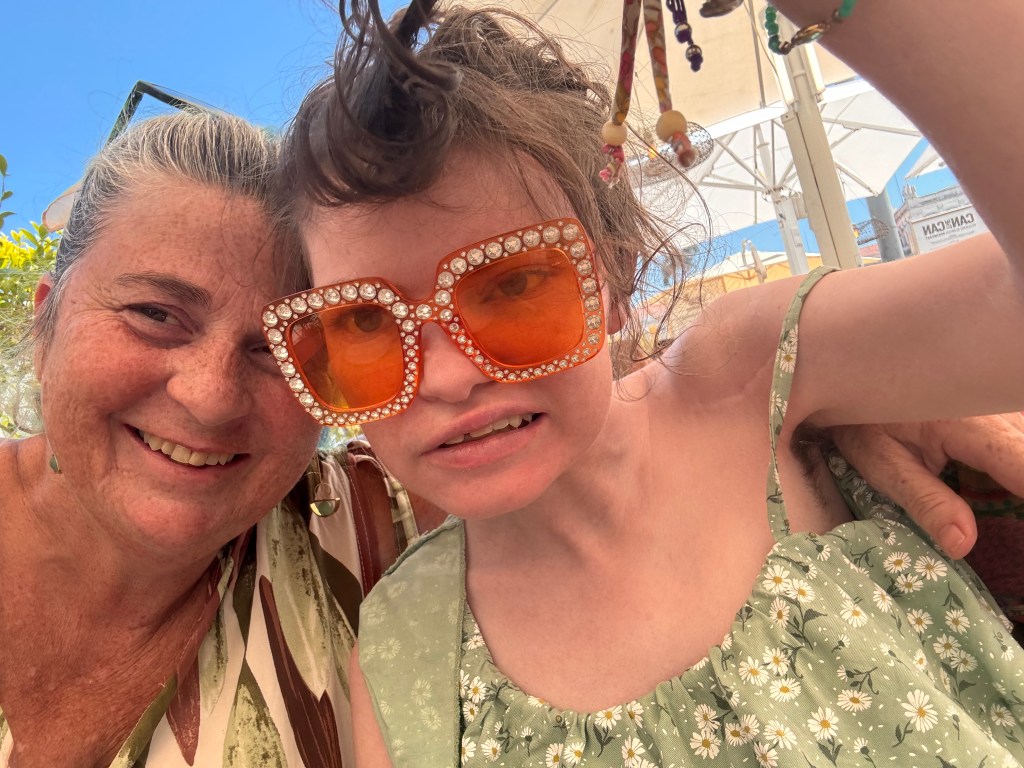
Bright orange with little diamond accents.
She lifted her head, smiled, and never tried to take them off.
When we finished paying for the rest of our purchases, the shop owner smiled and said he wanted to give us a deal.
Then he handed Kiya the sunglasses for free.
Those little acts of kindness are something we’ll remember long after we’ve forgotten what we bought.
As we continued exploring, we noticed something that seemed to be everywhere—sardines and colorful roosters.
Portugal is famous for both. Sardines have been an important part of Portuguese life for centuries and are especially celebrated during Lisbon’s June festivals honoring Saint Anthony, when they’re grilled on nearly every street corner. Shops throughout the city sell beautifully decorated sardine tins that have become iconic souvenirs. The colorful rooster, known as the Rooster of Barcelos, is one of Portugal’s national symbols. According to legend, a rooster miraculously crowed to prove an innocent man had been wrongly accused, making it a symbol of honesty, faith, justice, and good luck.
We wandered into one of the sardine shops, and honestly, the artwork on the tins was almost too pretty to open. Each can looked like a tiny work of art. While browsing, we picked up a couple pairs of earrings and some anklets before continuing on our way.
By then Kiya was ready for lunch.
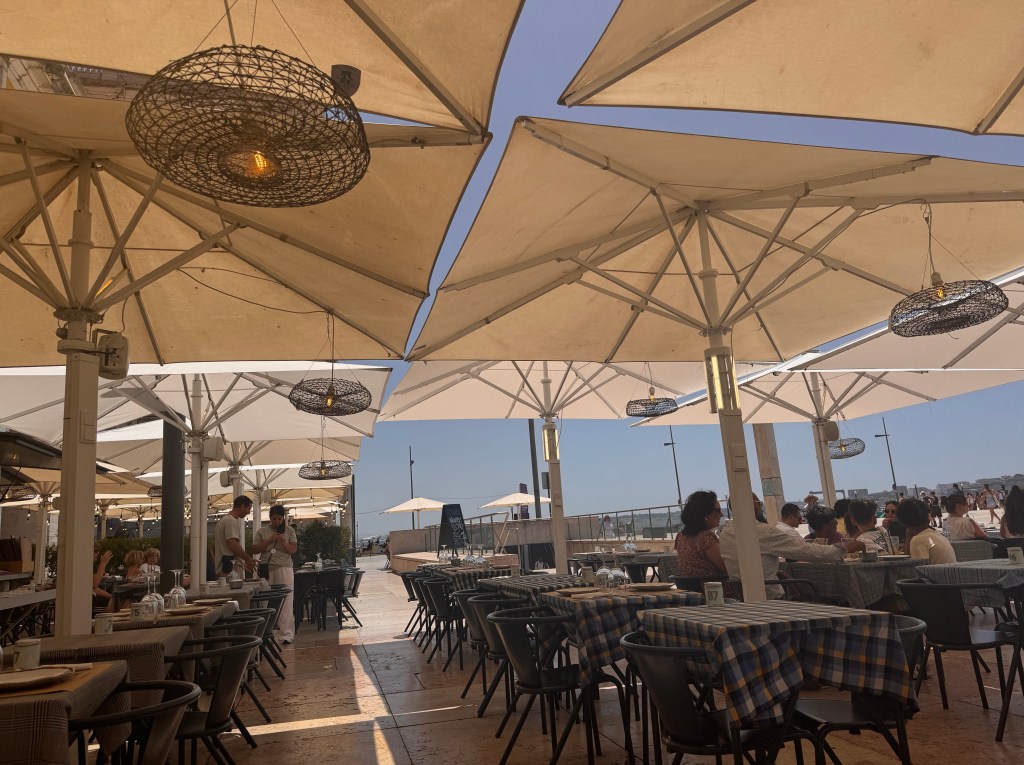
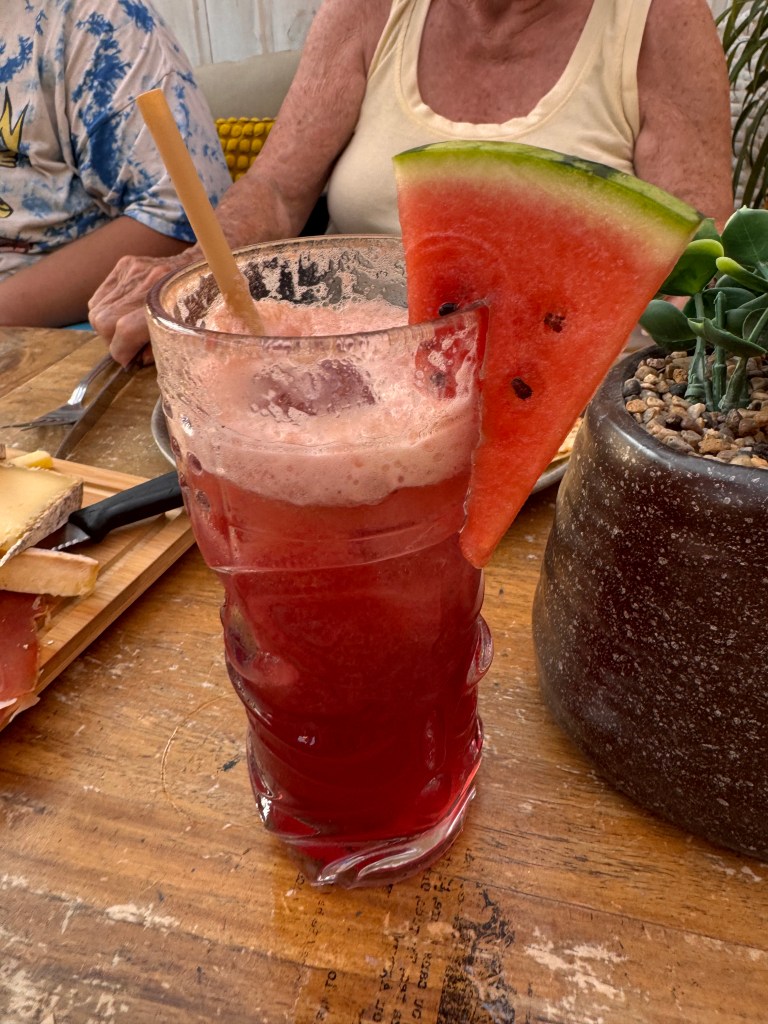
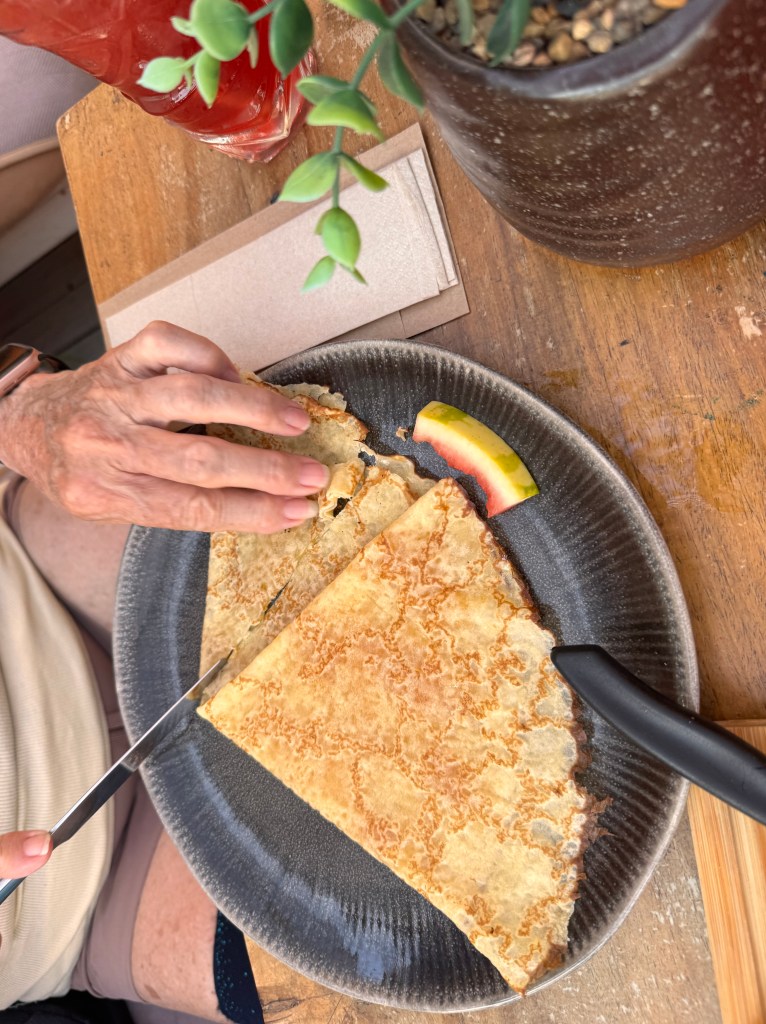
We stopped at a little café where we enjoyed fresh lemonade and a fruit bowl unlike any we’d had before. The fruit was served in fresh orange juice with a drizzle of honey over the top.
Simple.
Fresh.
Absolutely delicious.
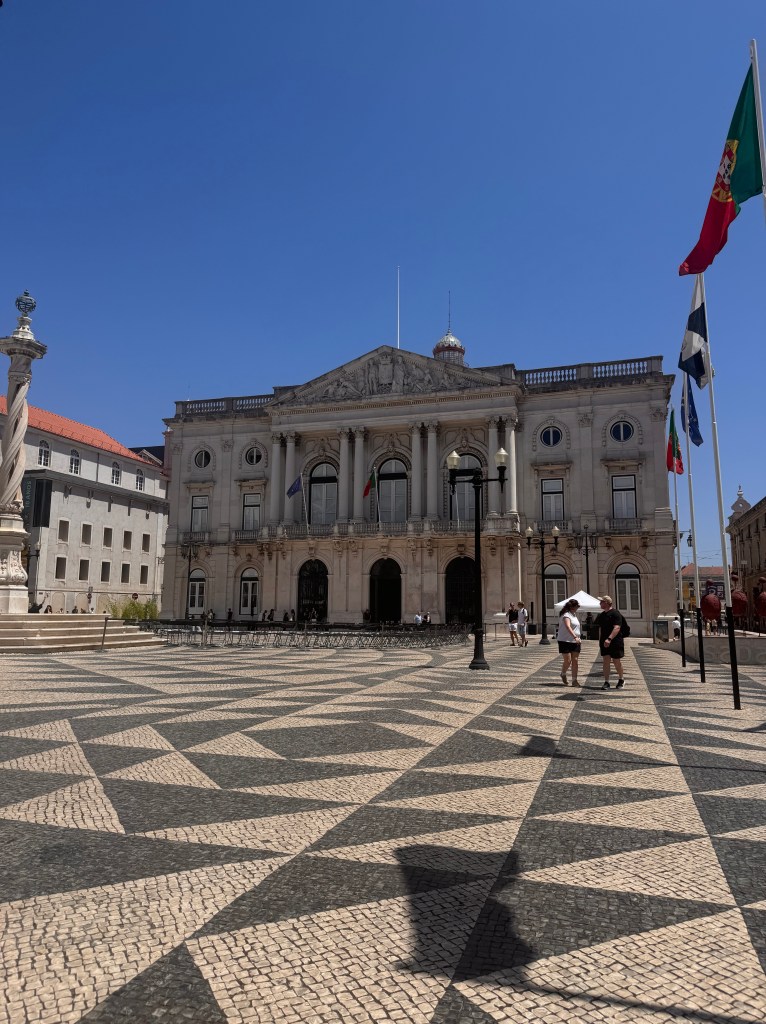
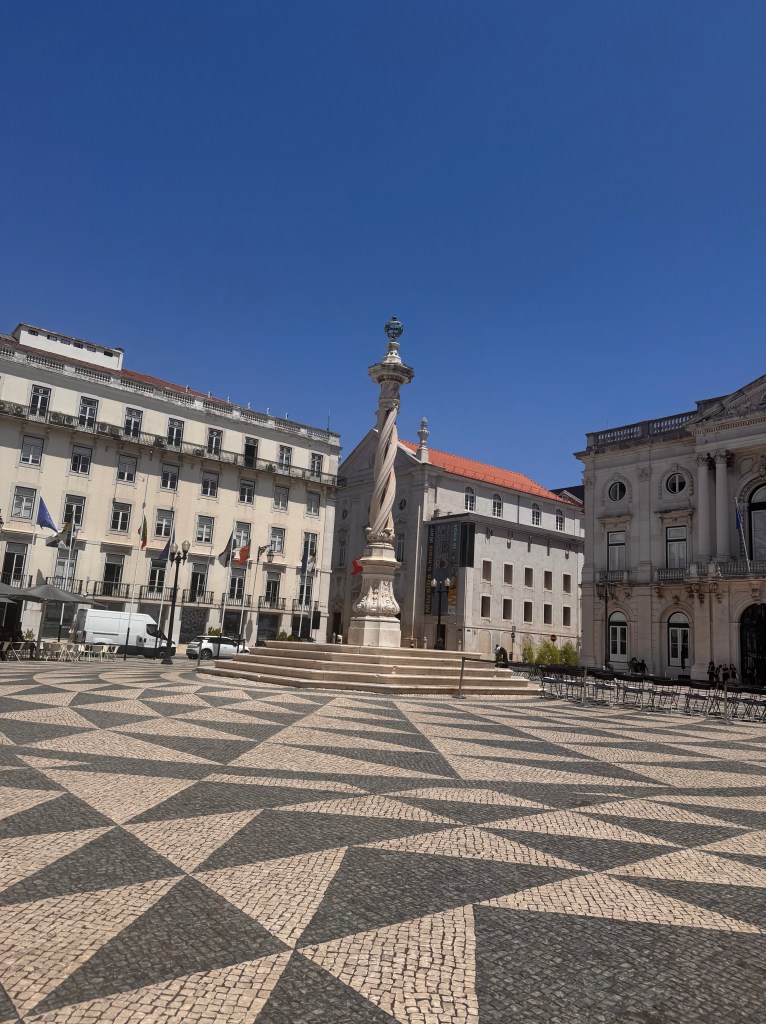
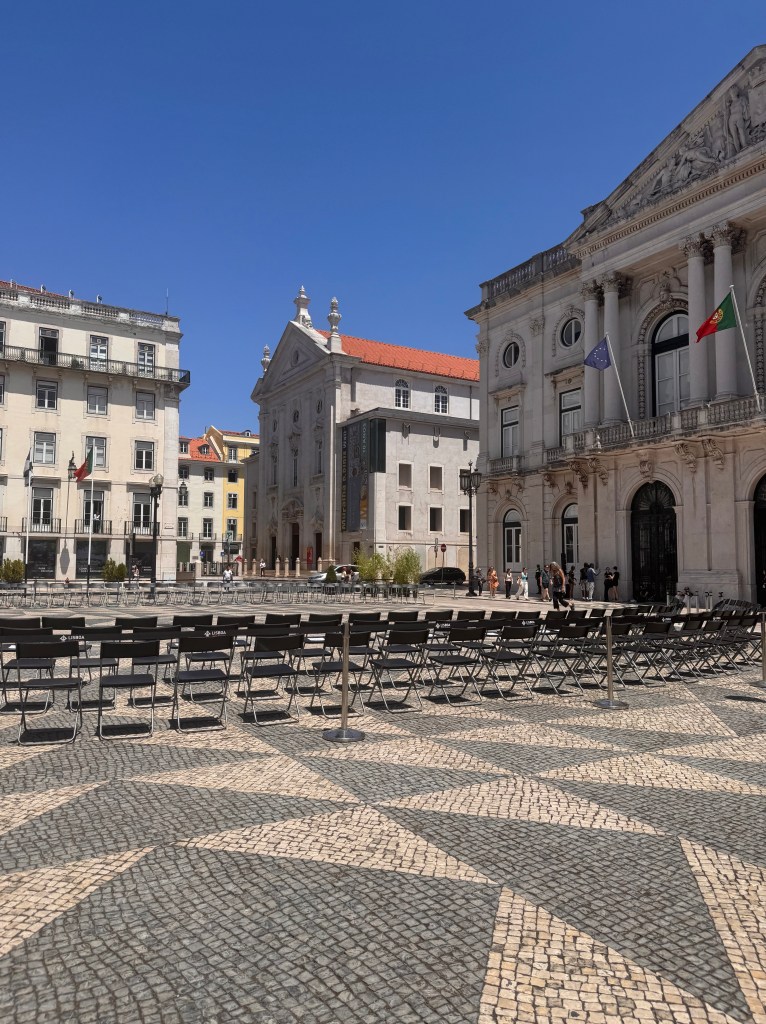
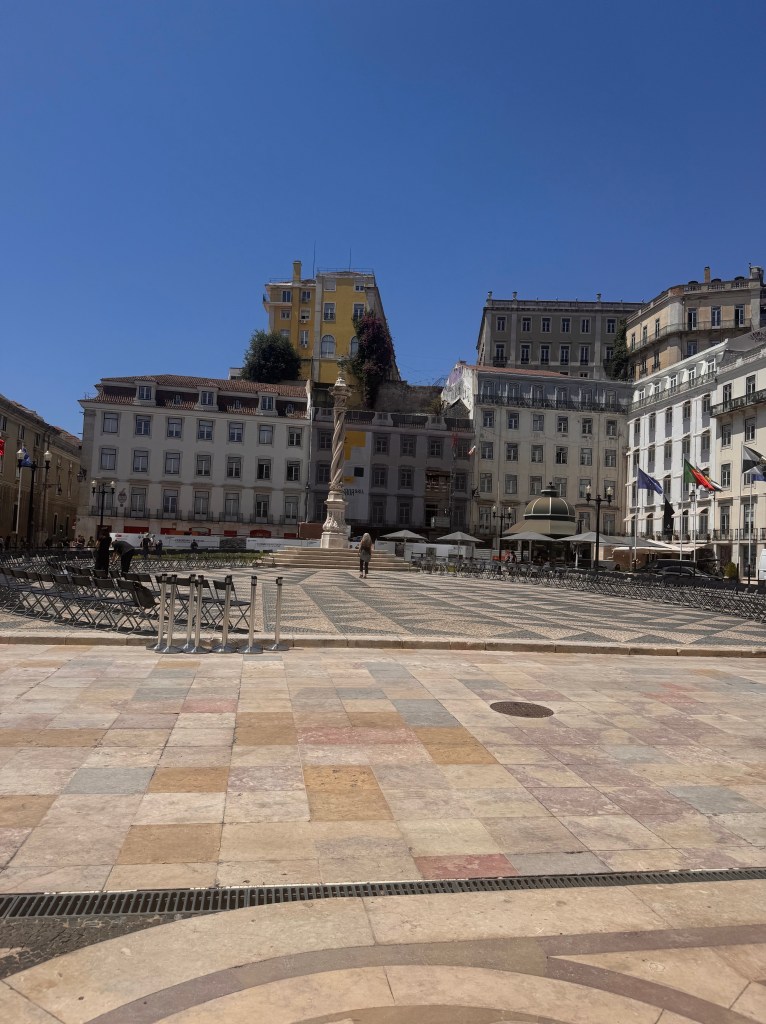
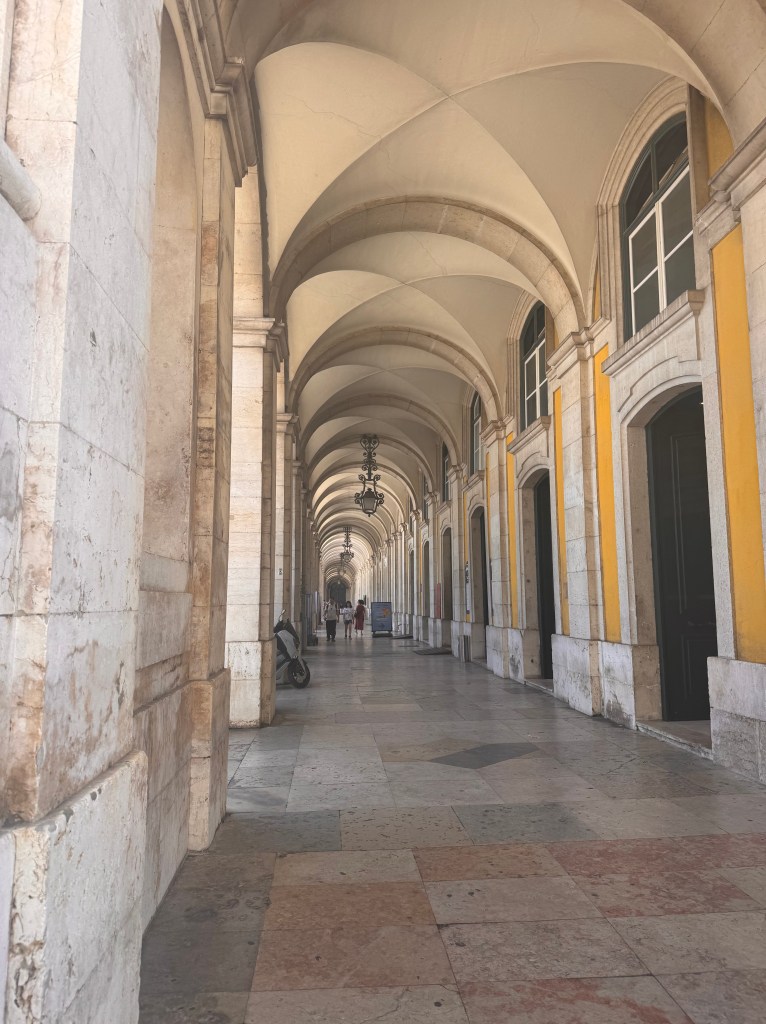
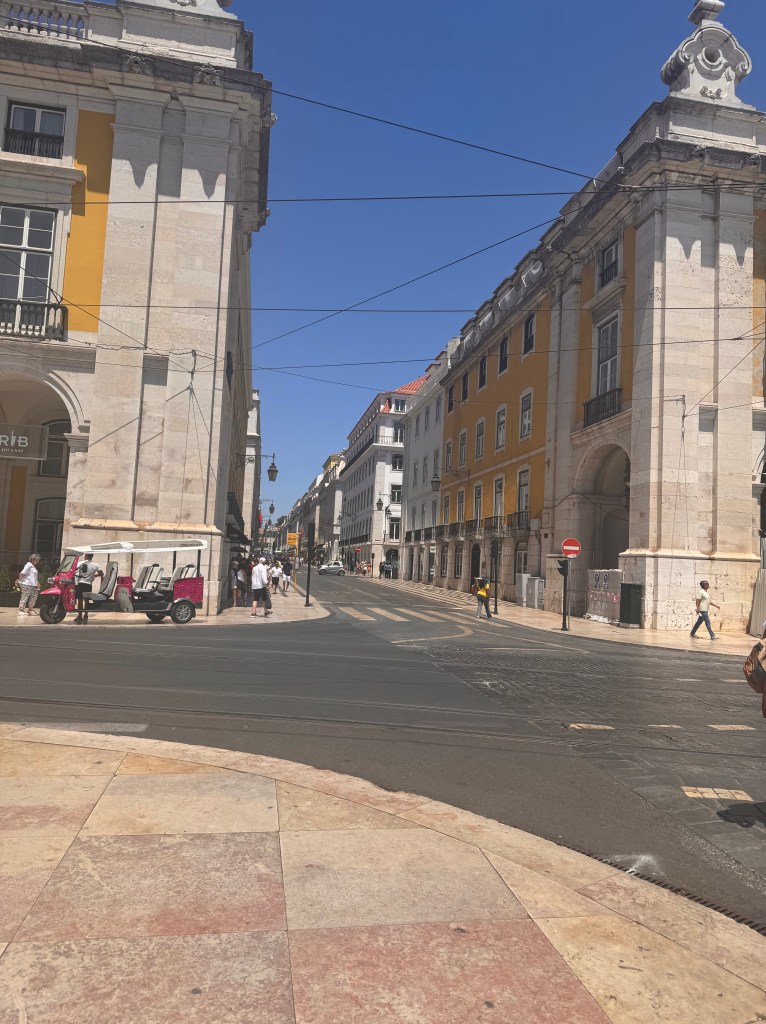
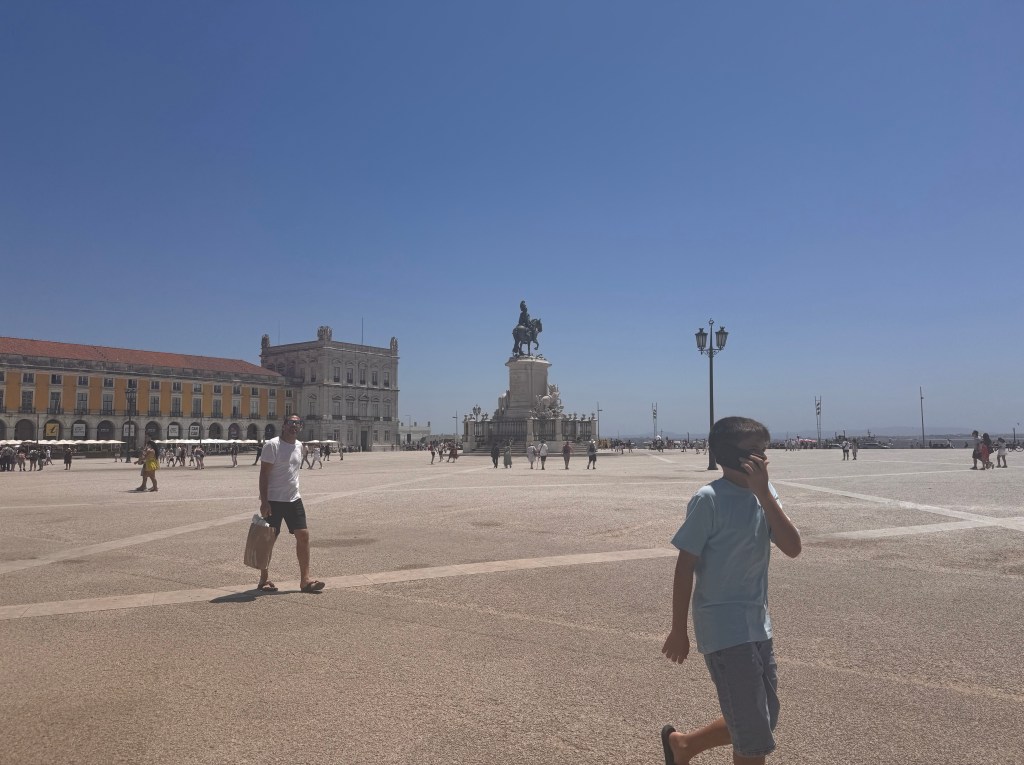
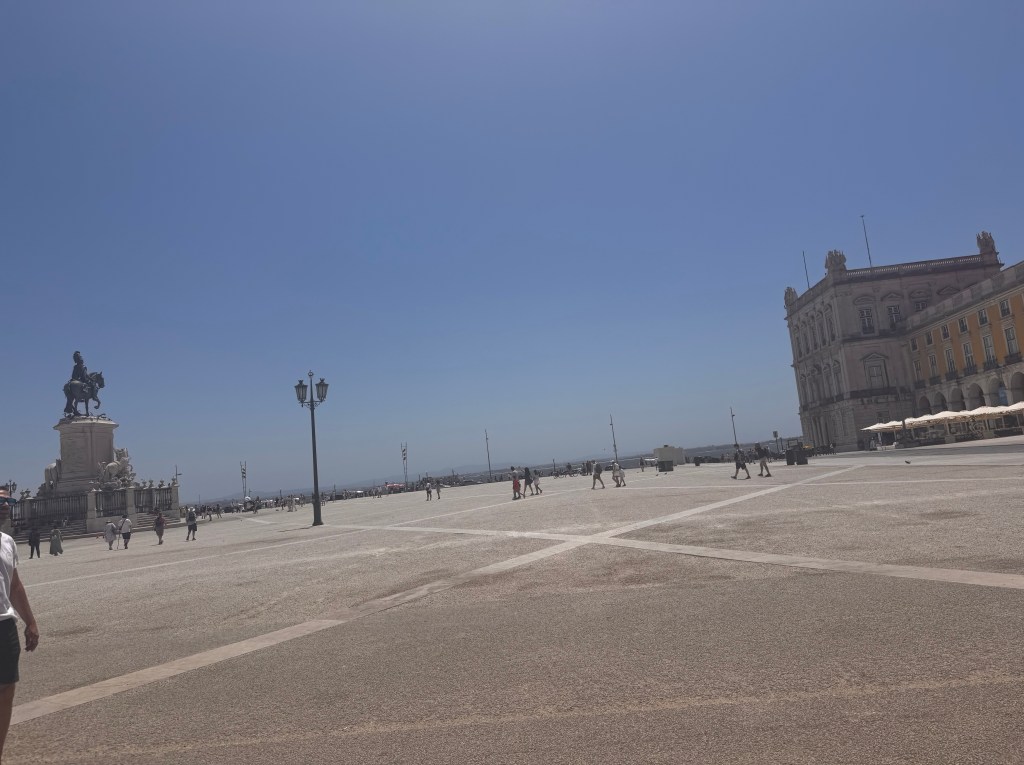
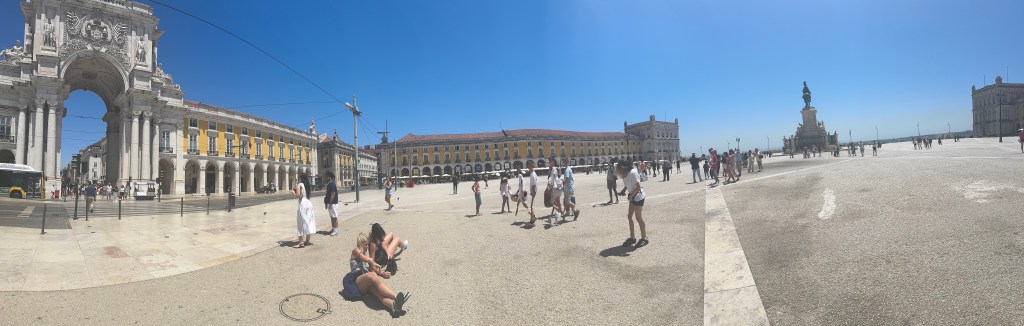
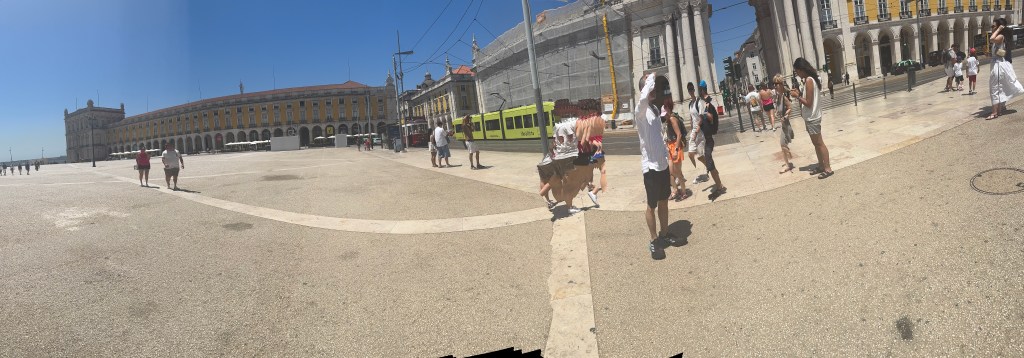
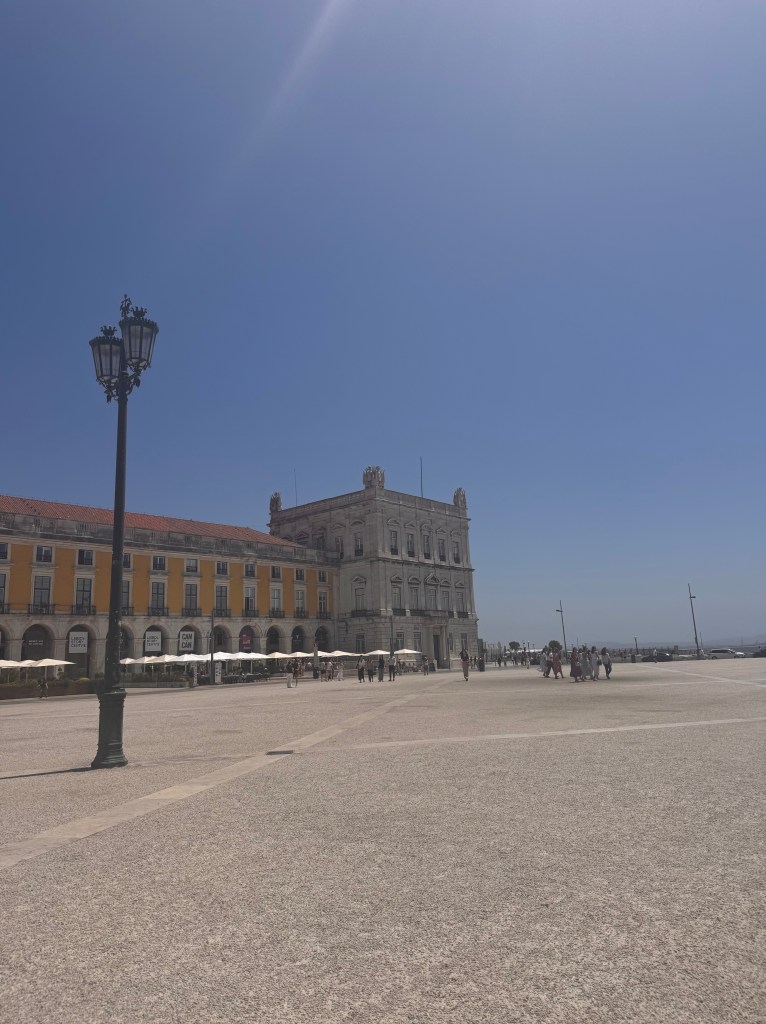
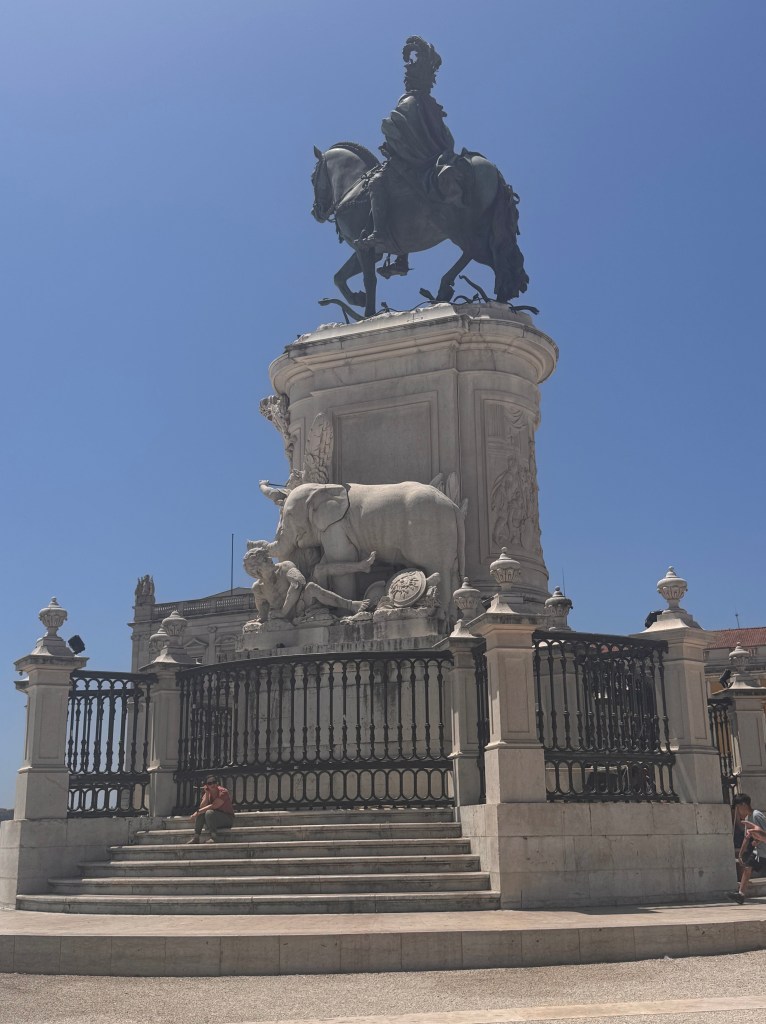
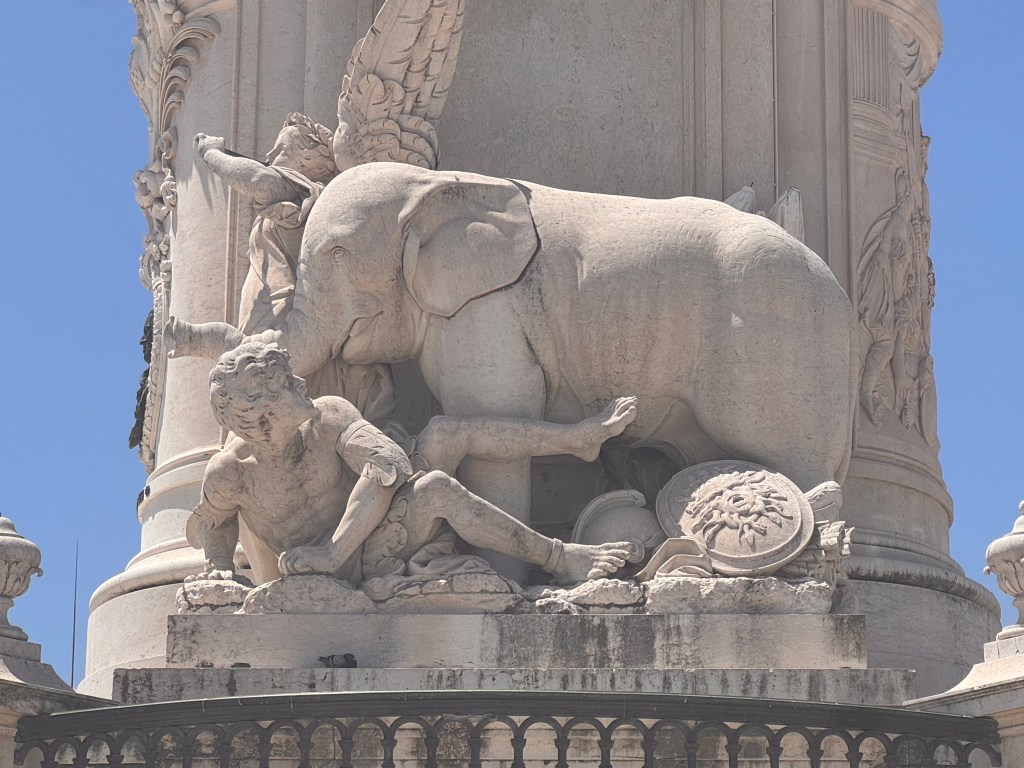
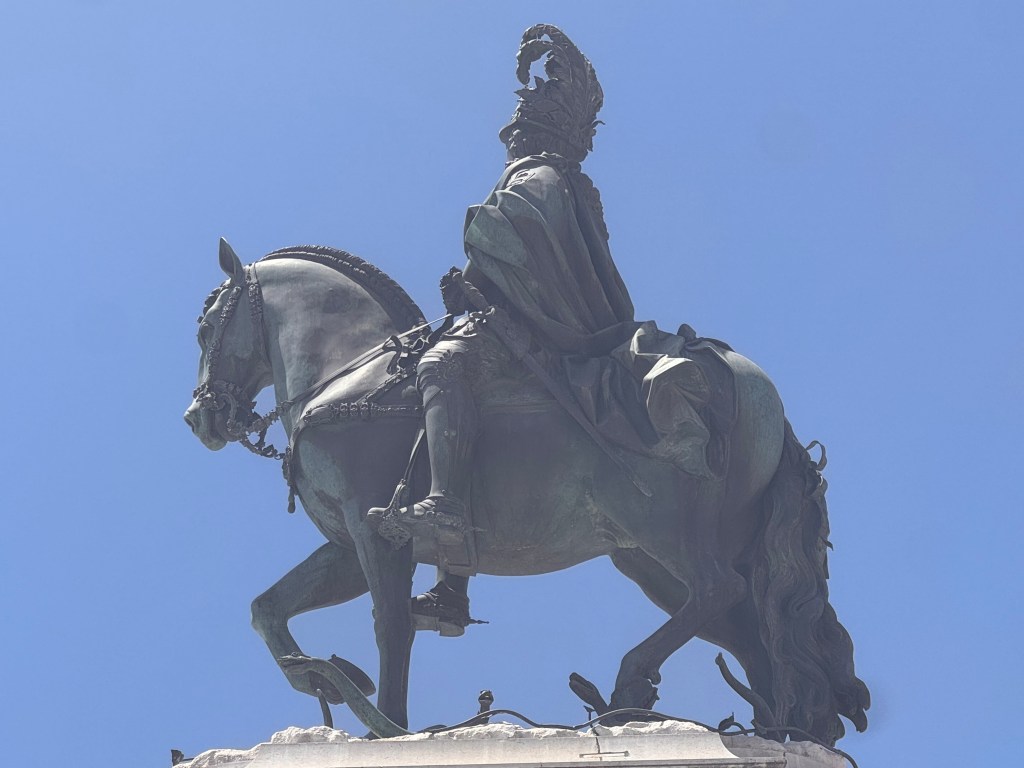
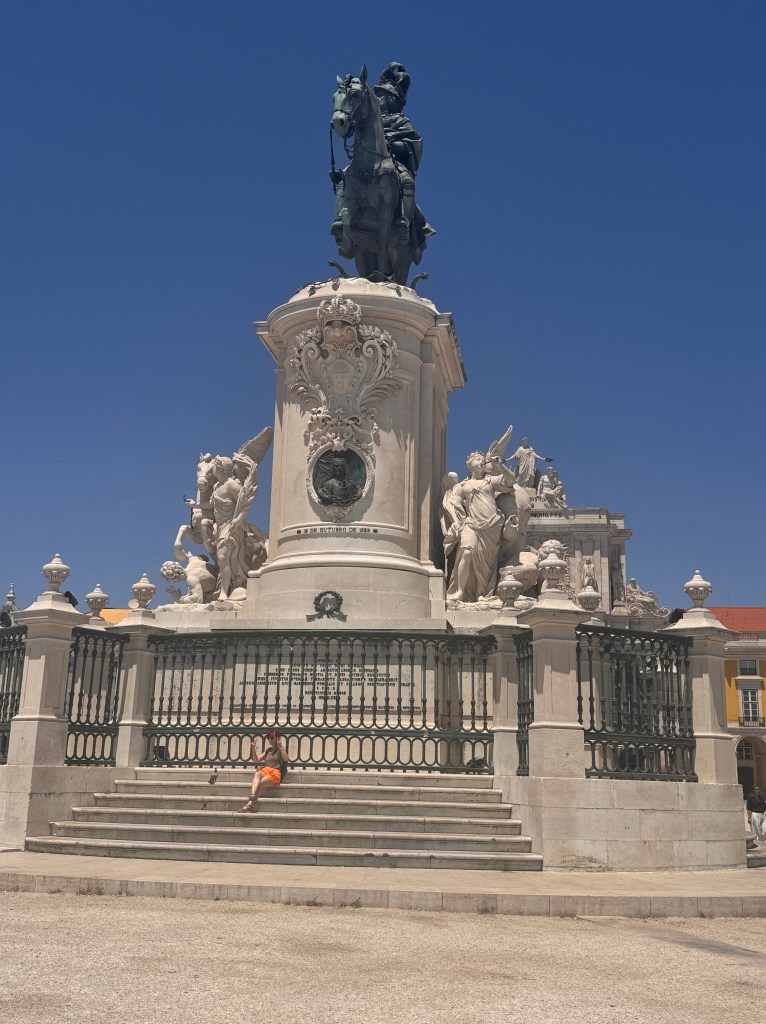
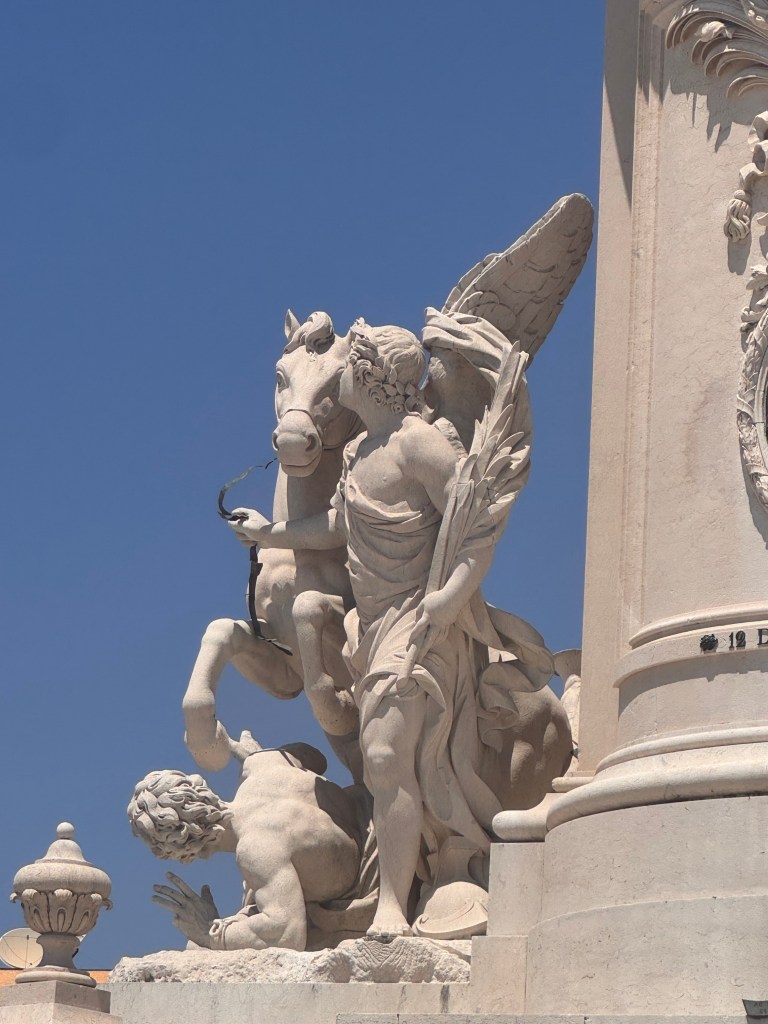
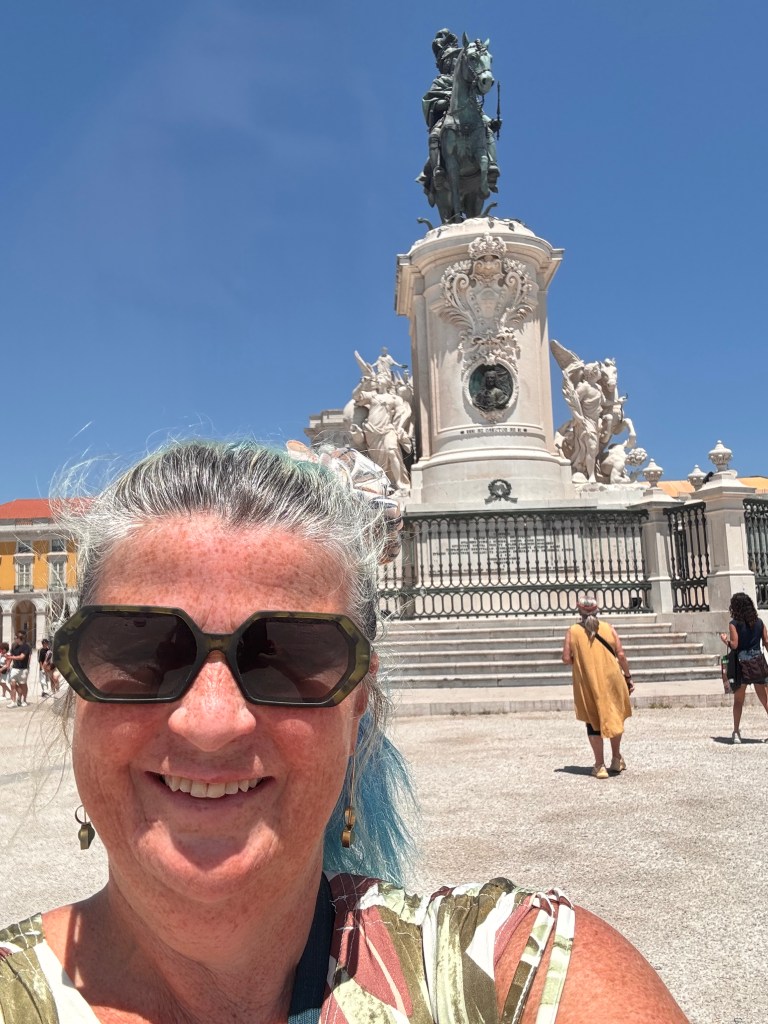
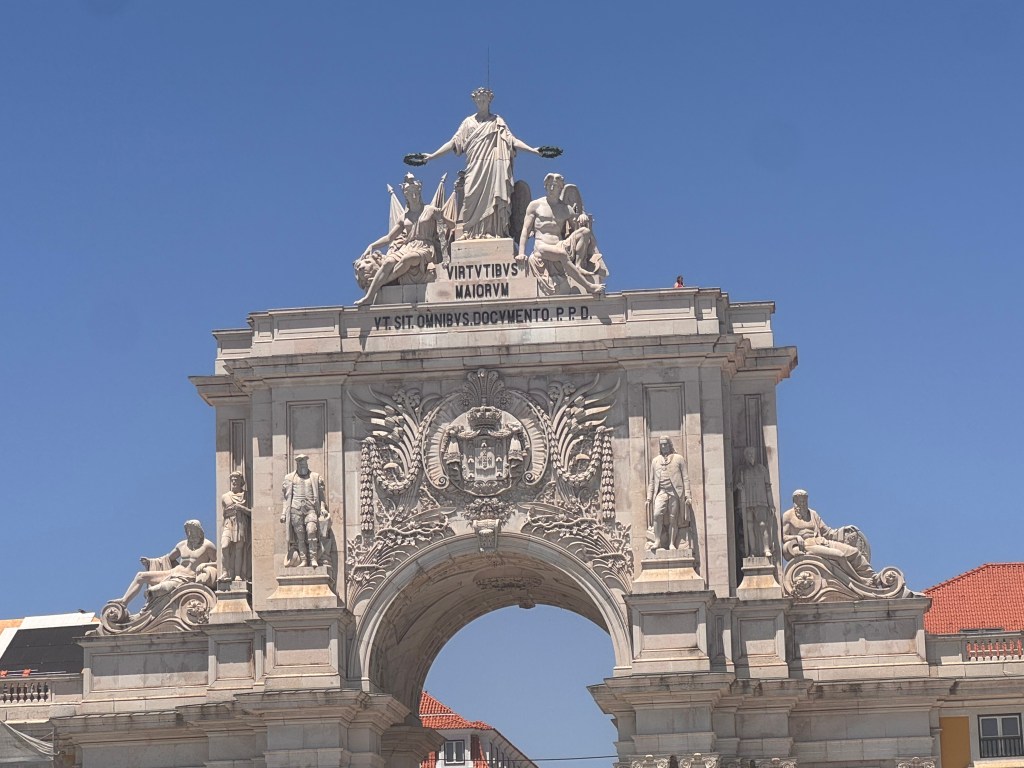
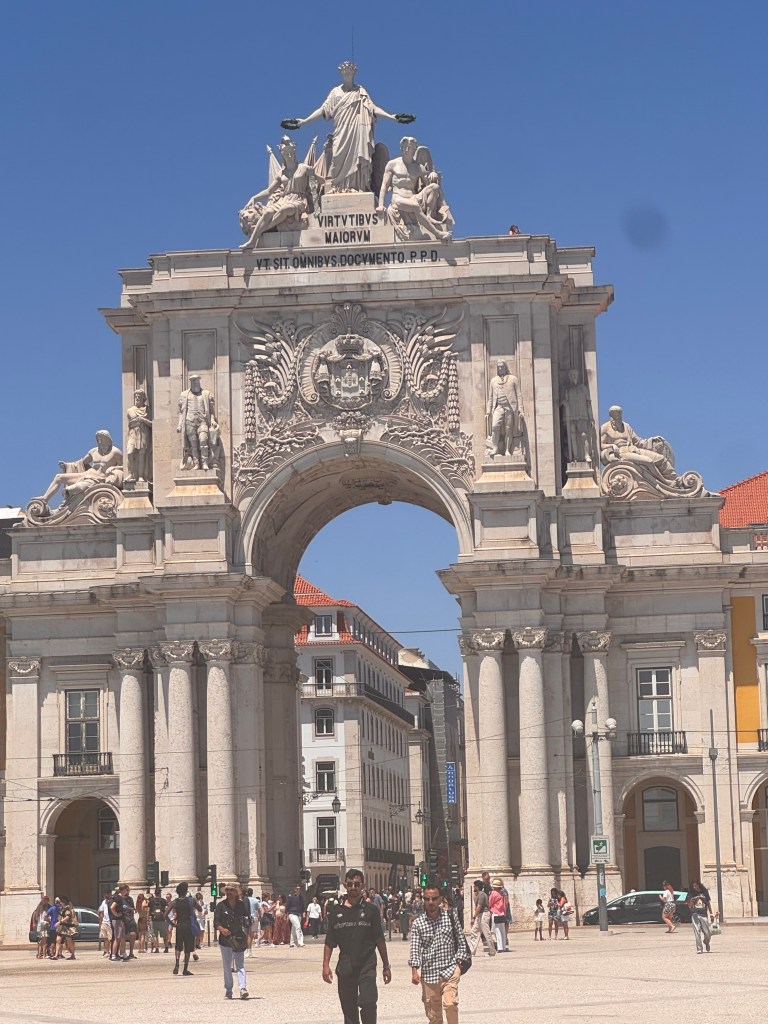
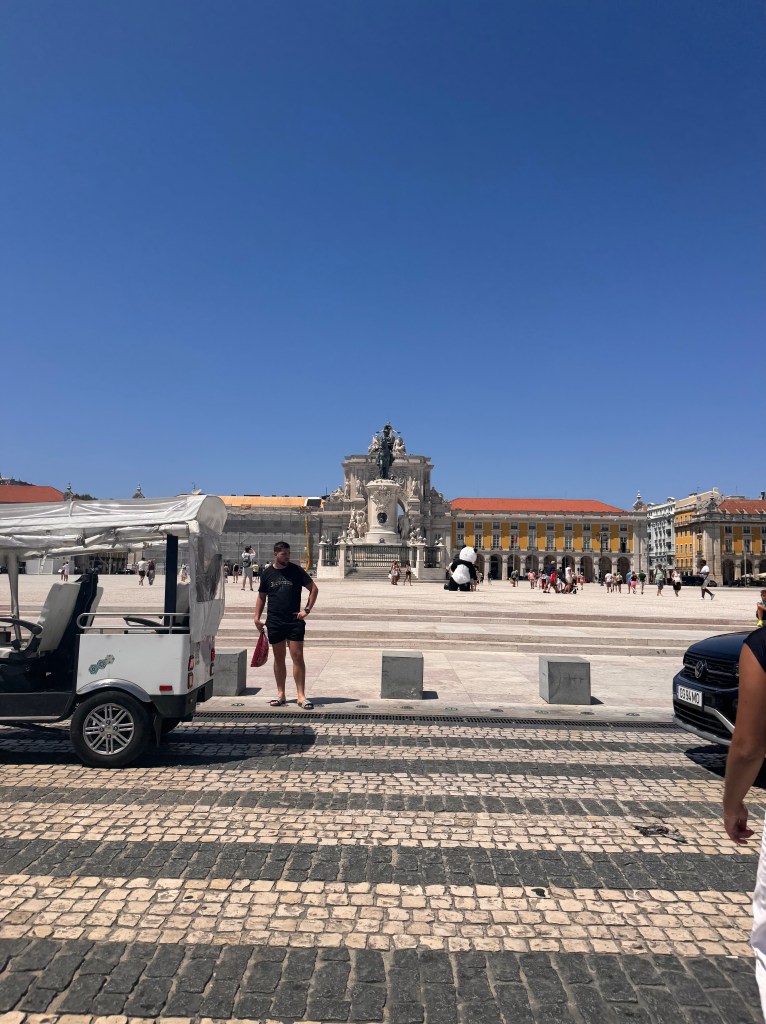
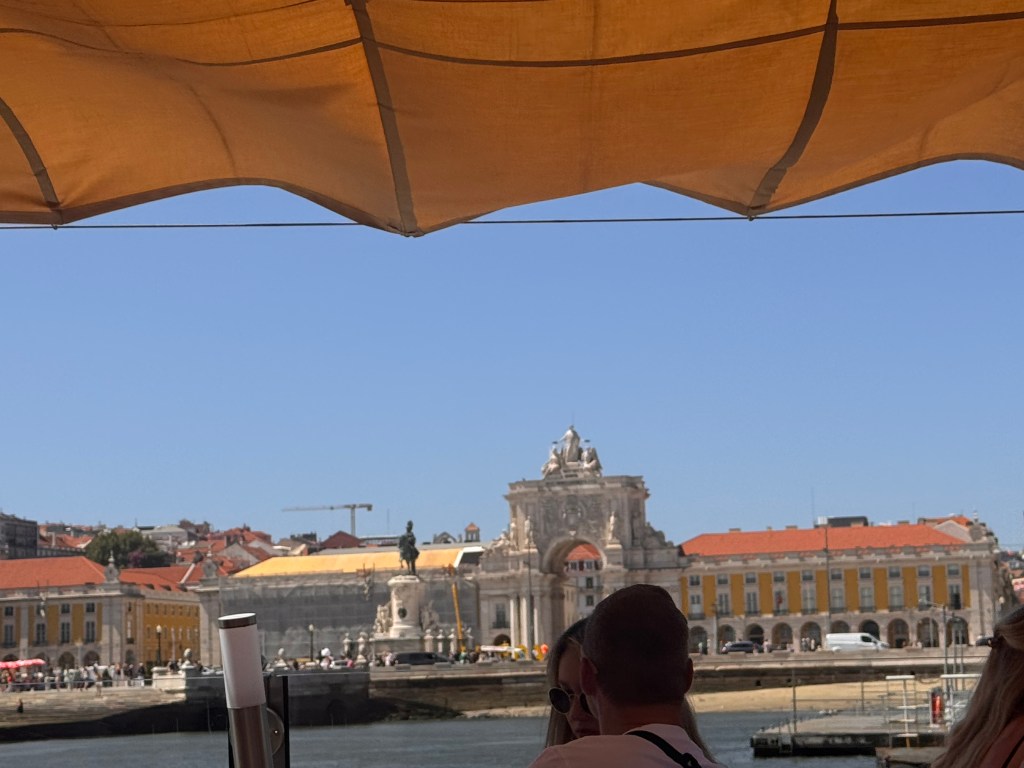
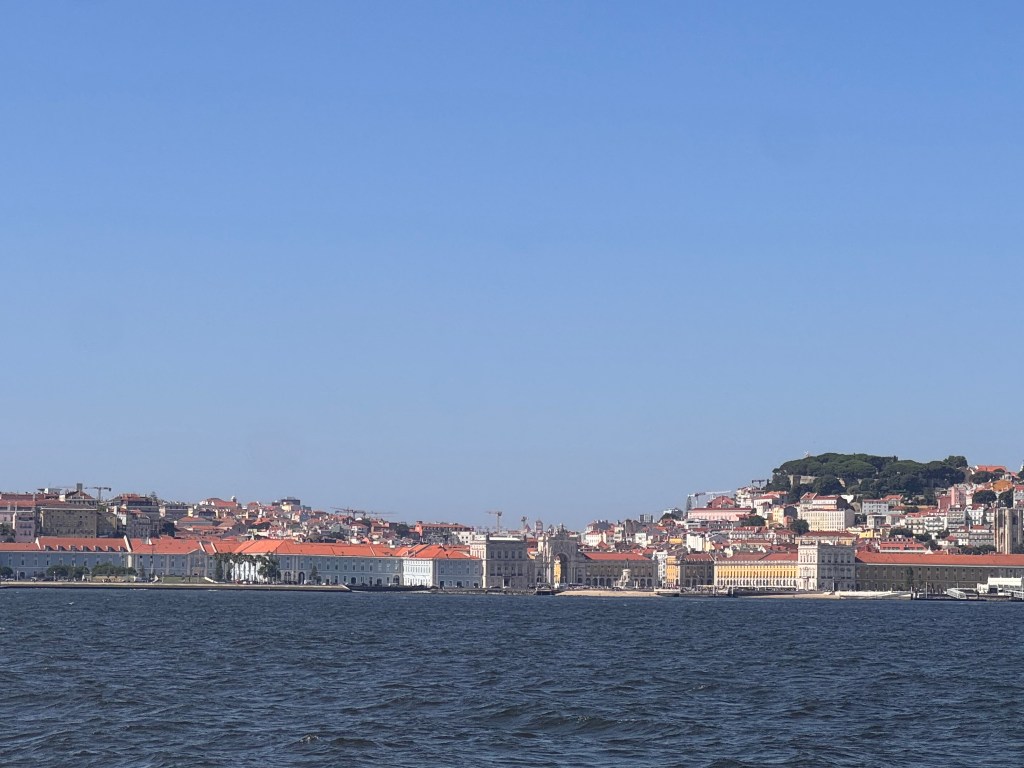
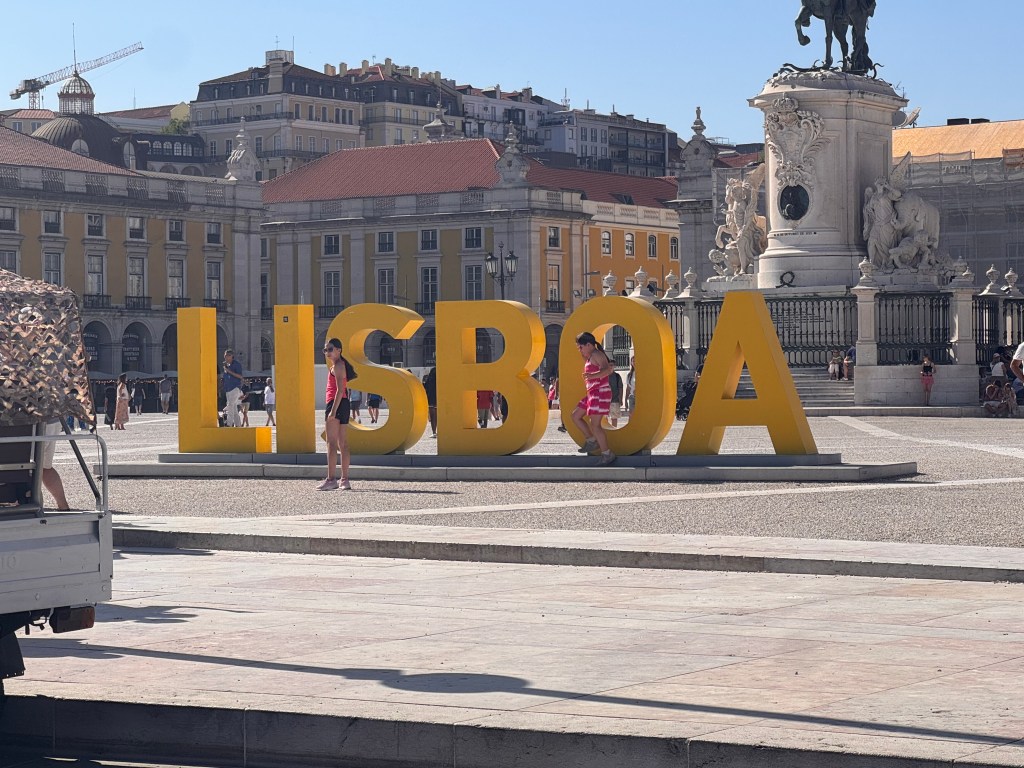
From there we made our way to Praça do Comércio, one of Lisbon’s most famous squares. Once the site of Portugal’s royal palace before it was destroyed in the devastating 1755 earthquake, today the enormous plaza opens directly onto the Tagus River. At its center stands a grand equestrian statue of King José I, who led Portugal during the rebuilding of Lisbon after the earthquake.
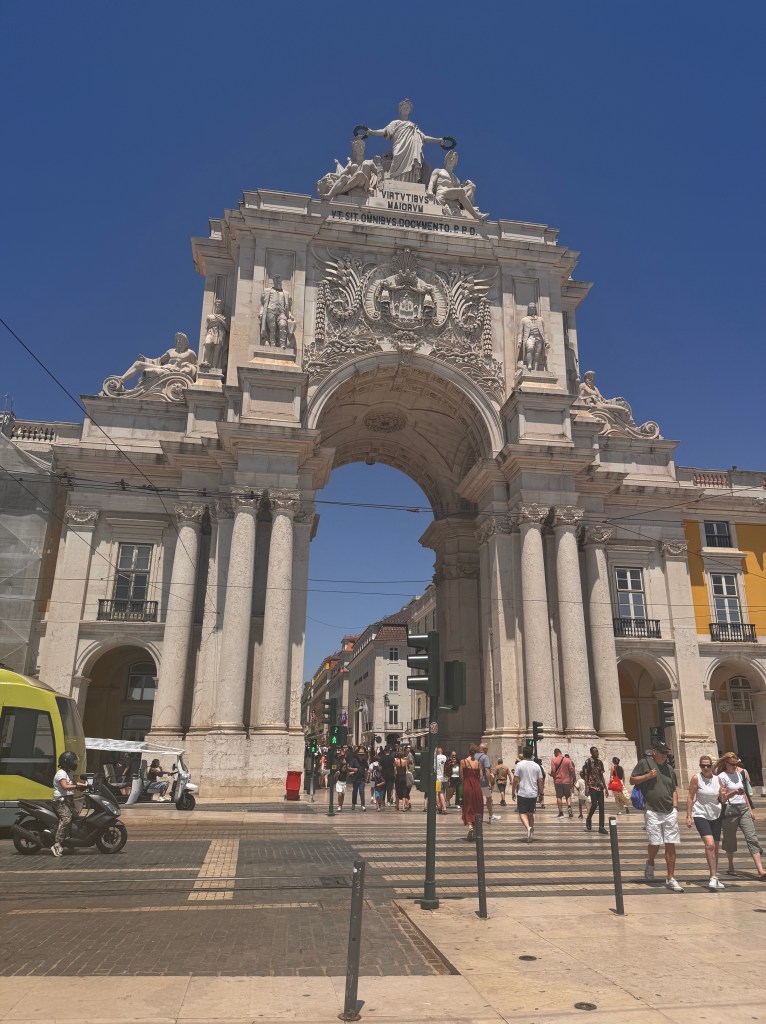
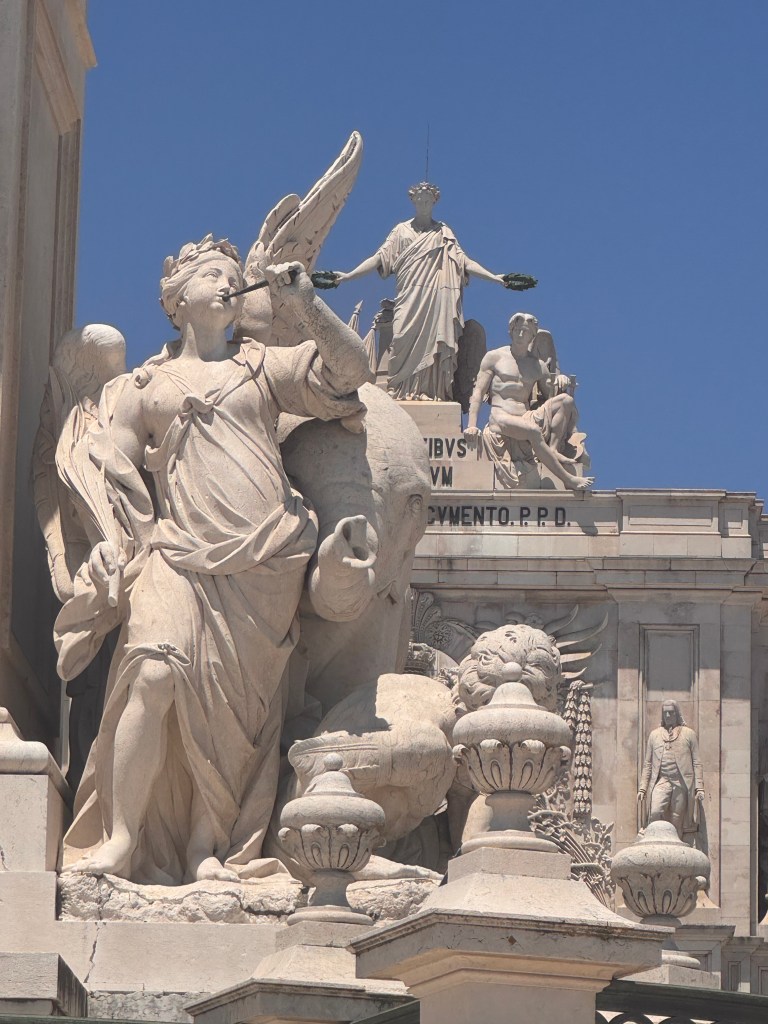
Standing at the northern end of the square is the magnificent Rua Augusta Arch. Built to celebrate Lisbon’s reconstruction, the arch is decorated with sculptures representing Glory, Valor, and Genius, along with important figures from Portuguese history. Walking beneath it feels like stepping through a grand gateway into the heart of the city.
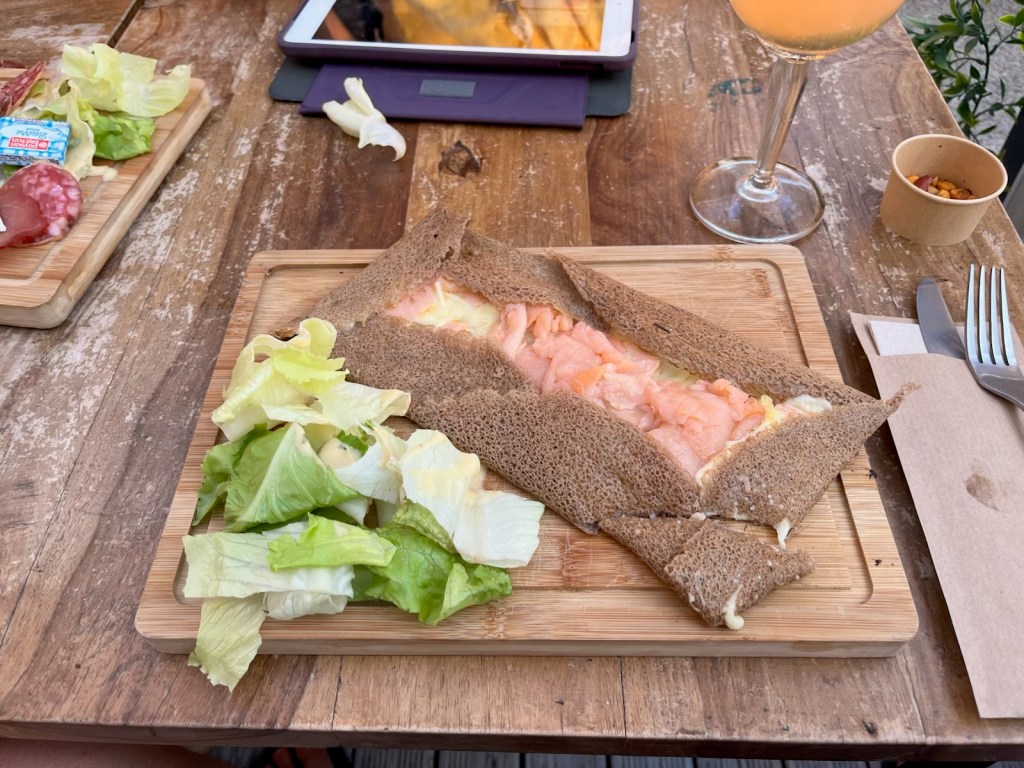
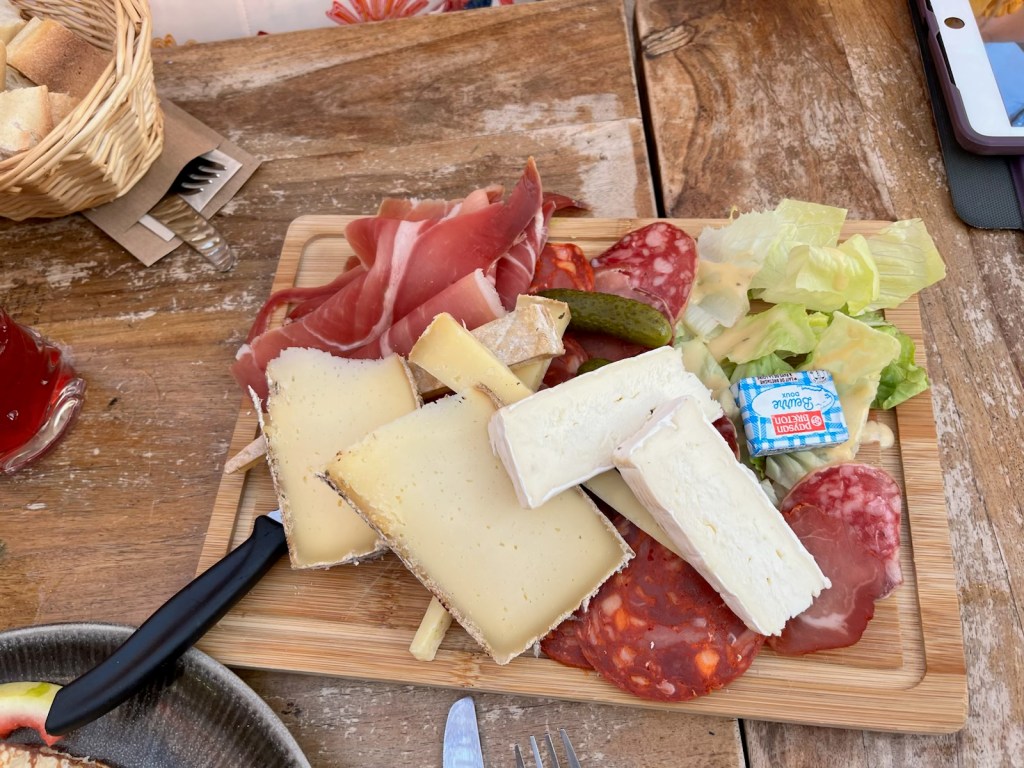
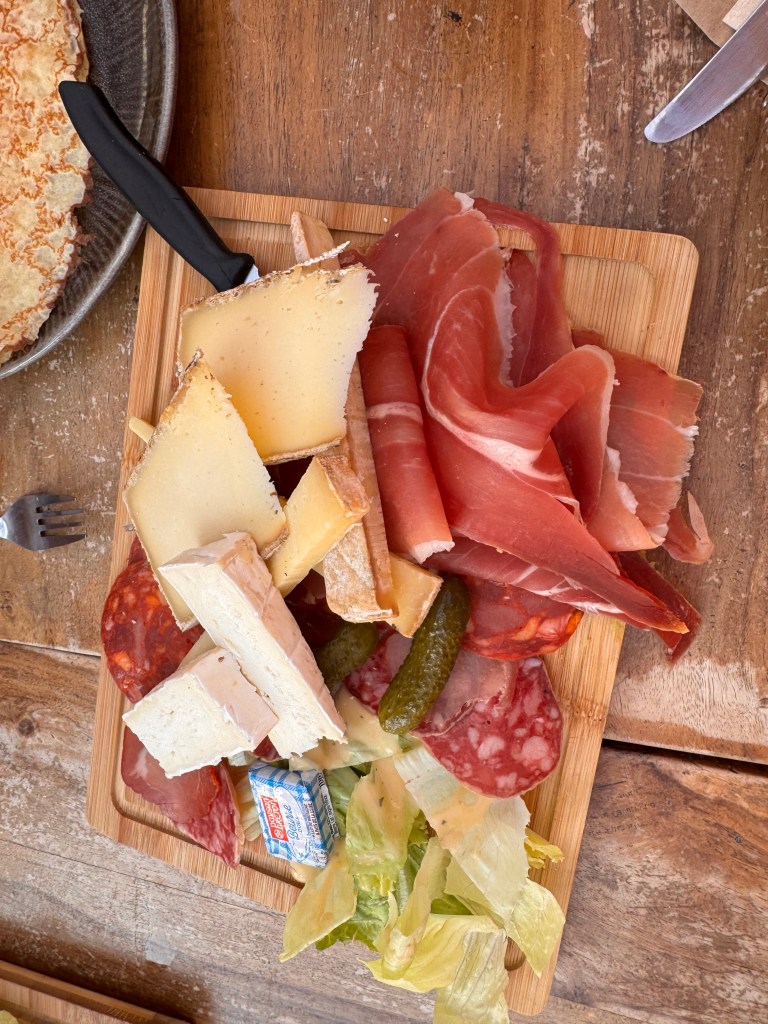
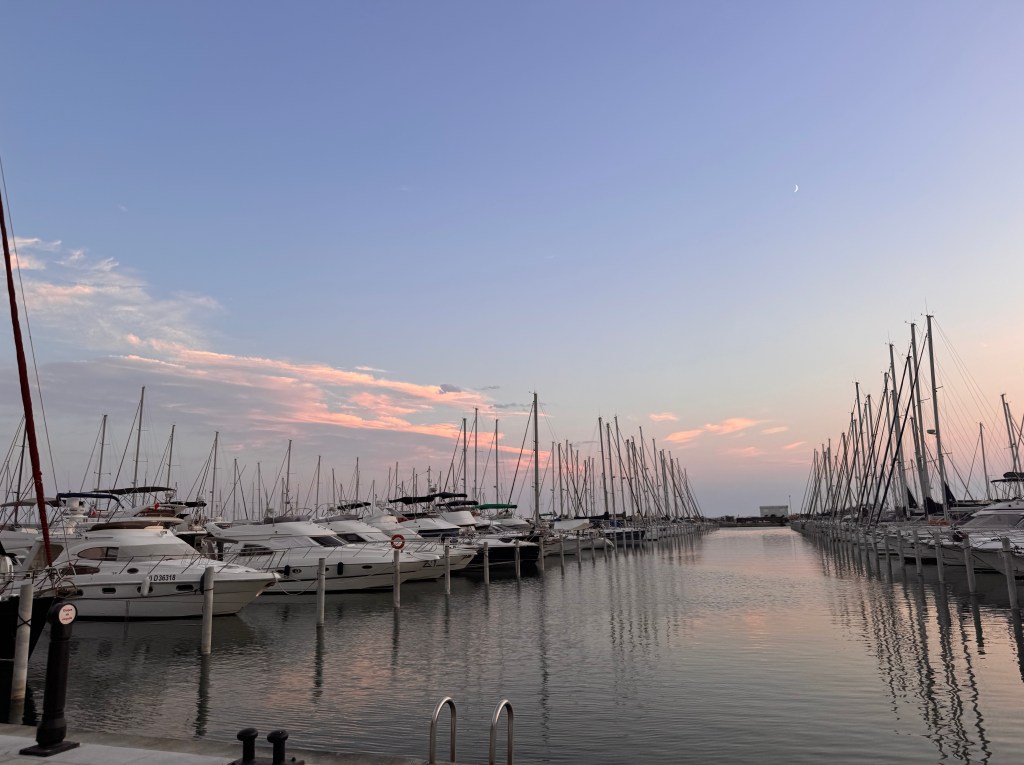
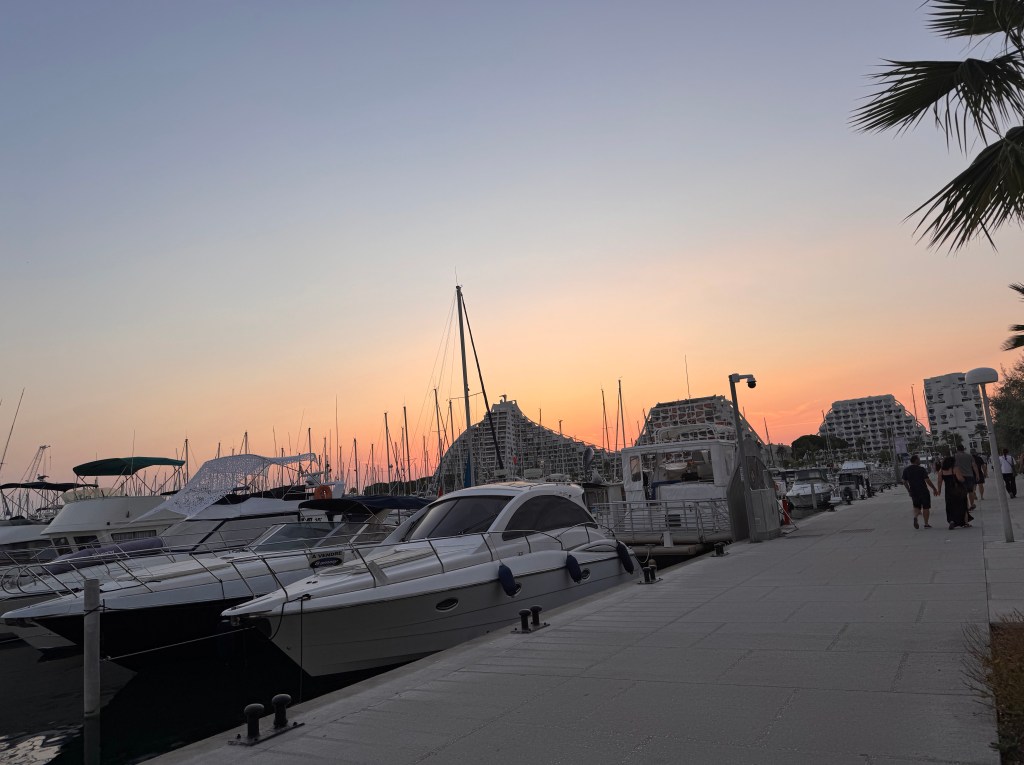
After stopping for another wonderful lunch, we made our way to the marina for our afternoon cruise along the Tagus River.
What a relaxing afternoon.
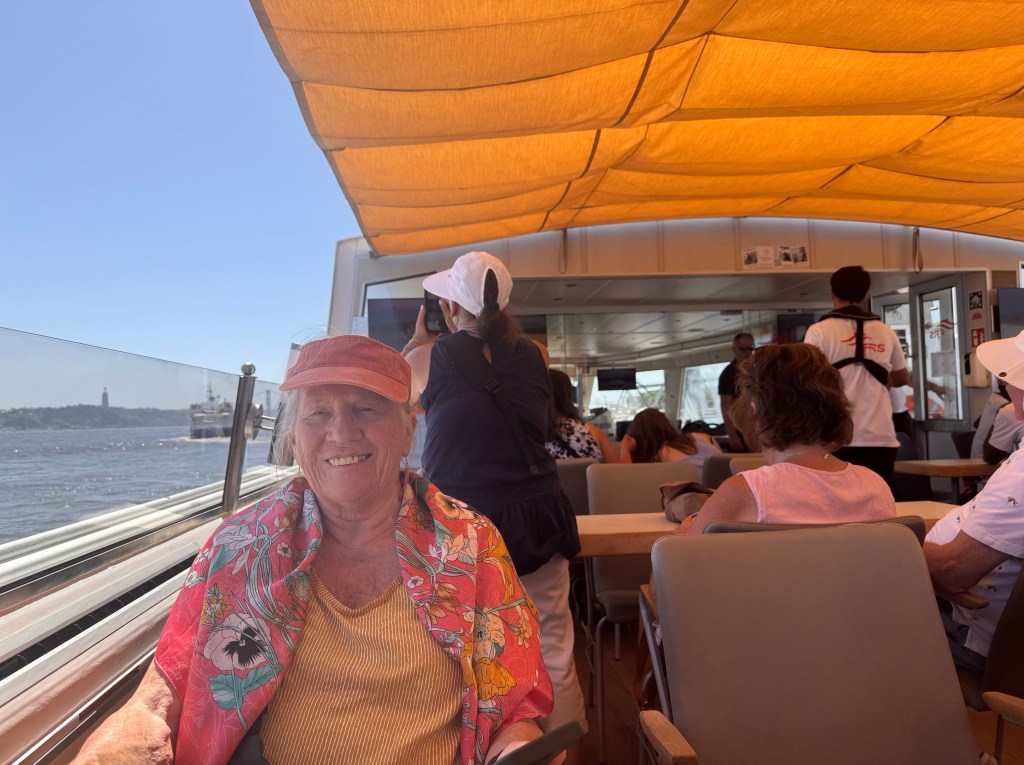
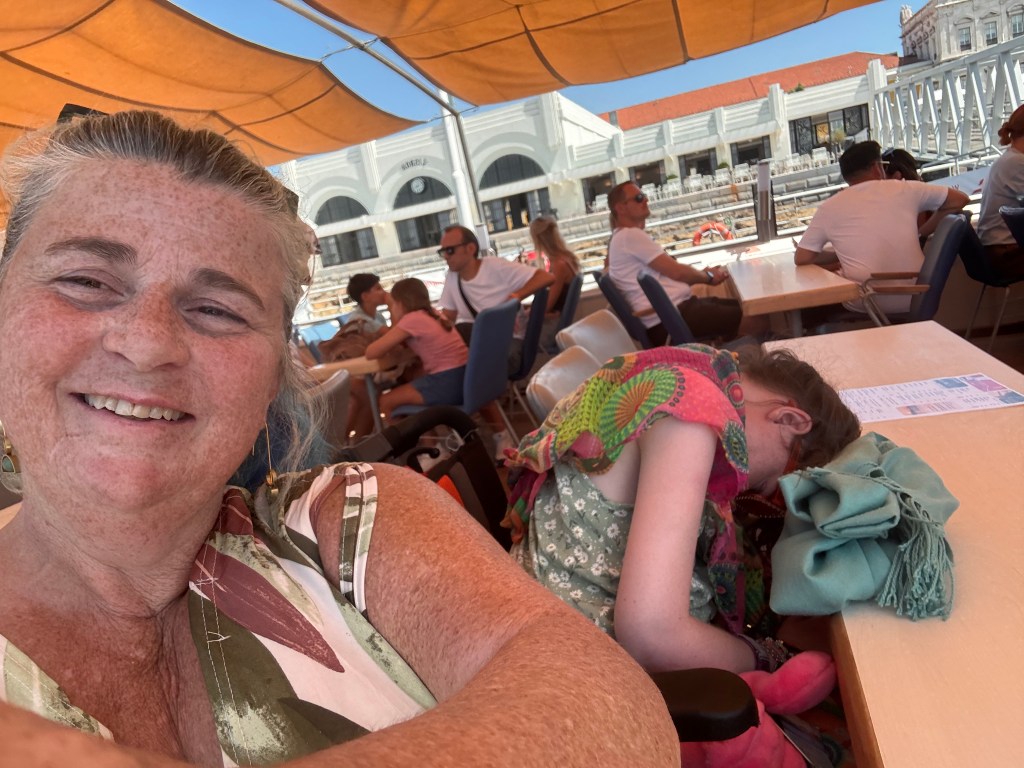
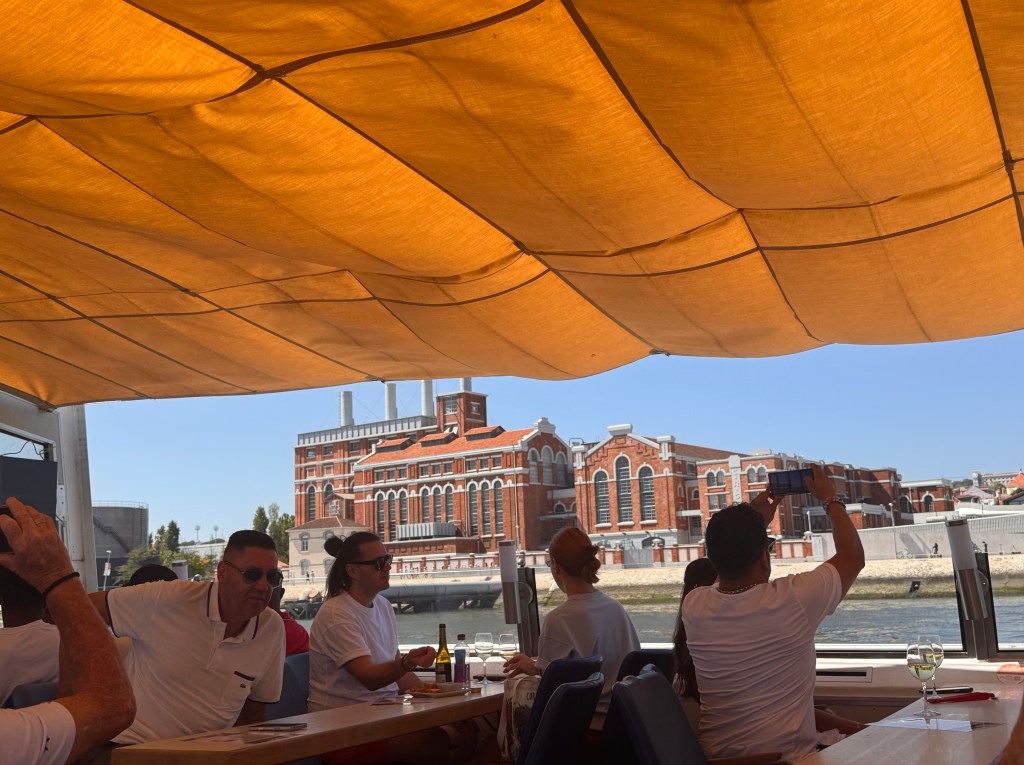
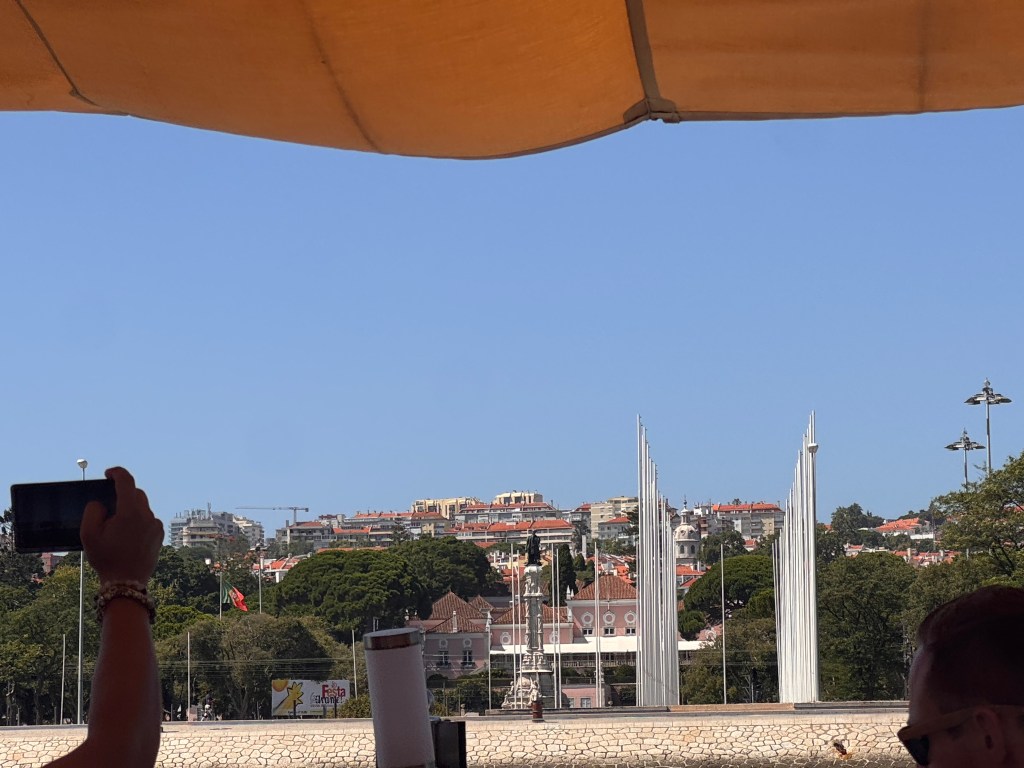
There weren’t very many people onboard, so everyone had plenty of room to spread out. We found seats on the upper deck where there was plenty of shade, open windows, and a wonderful breeze blowing off the water.
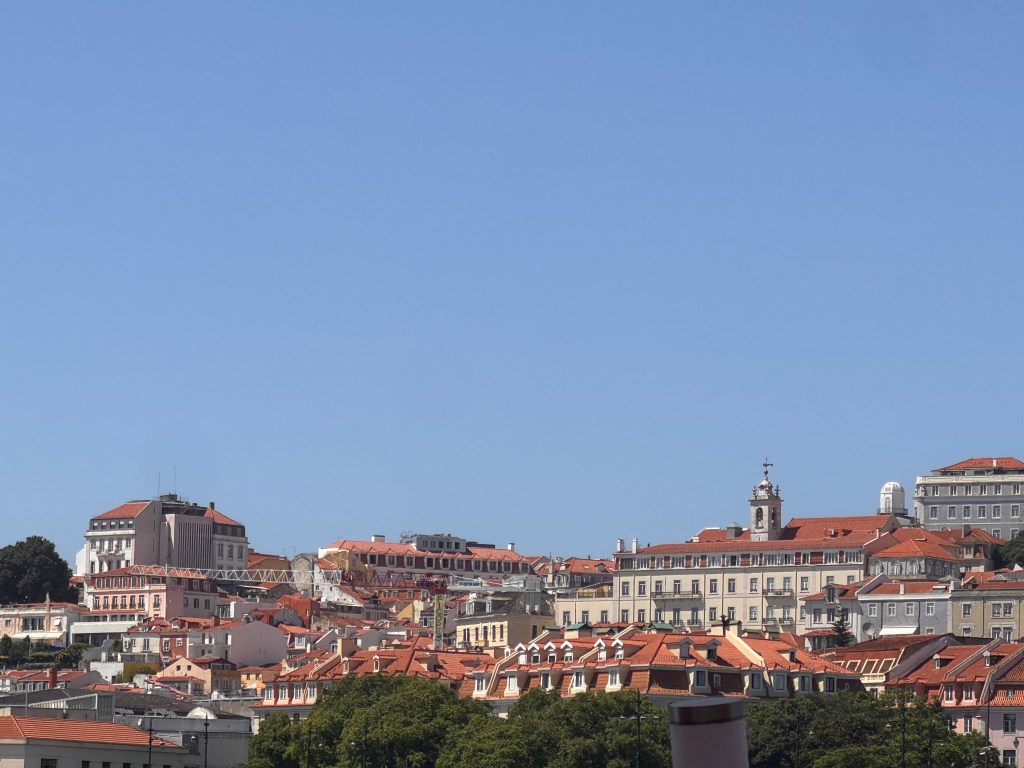
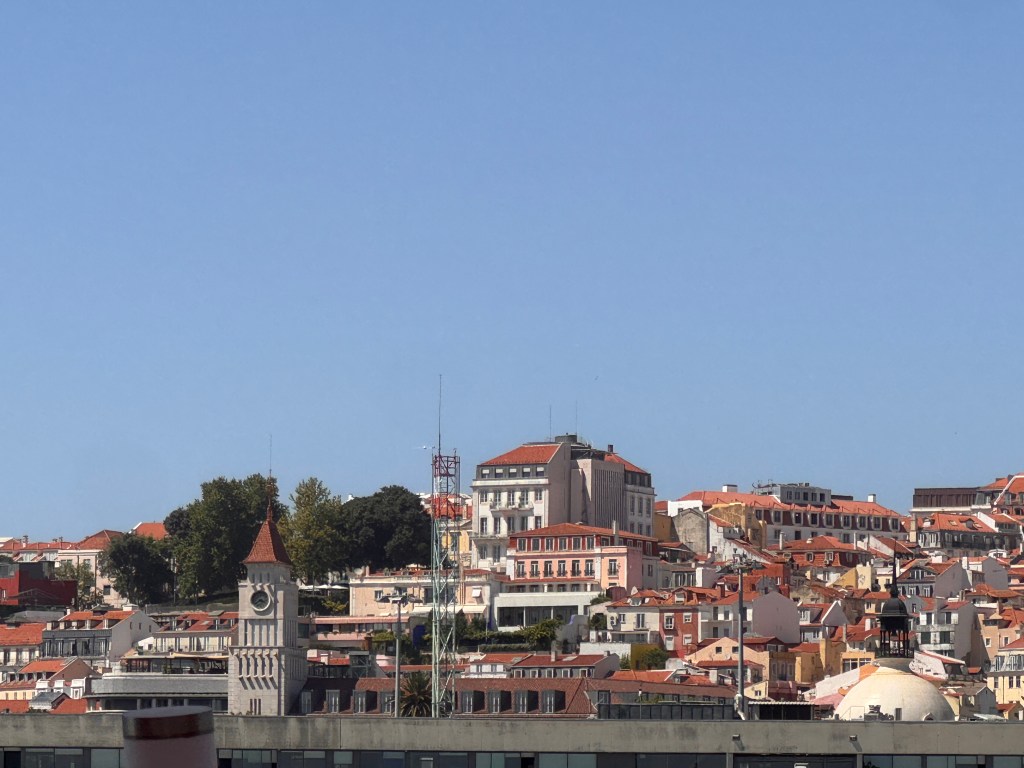
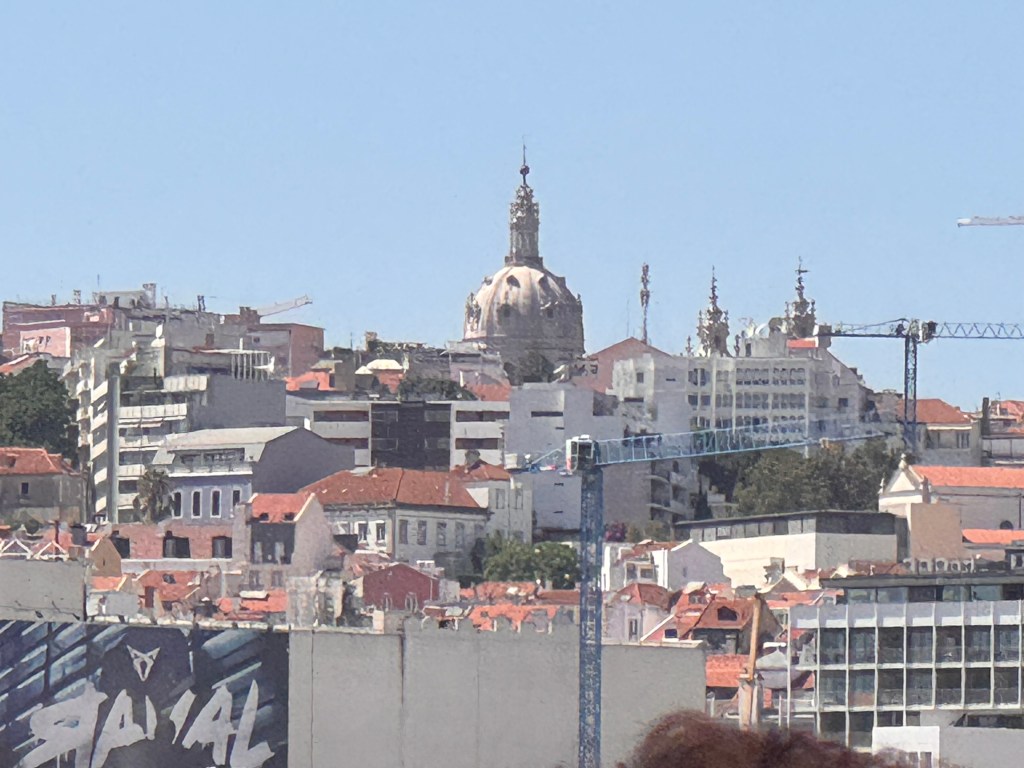
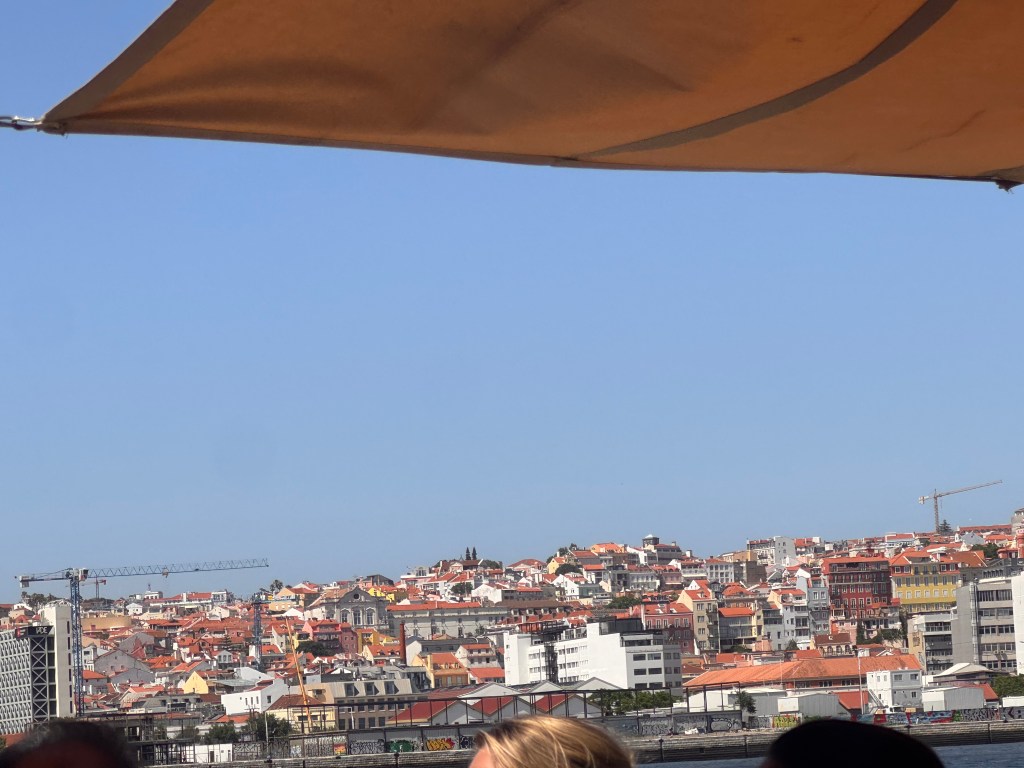
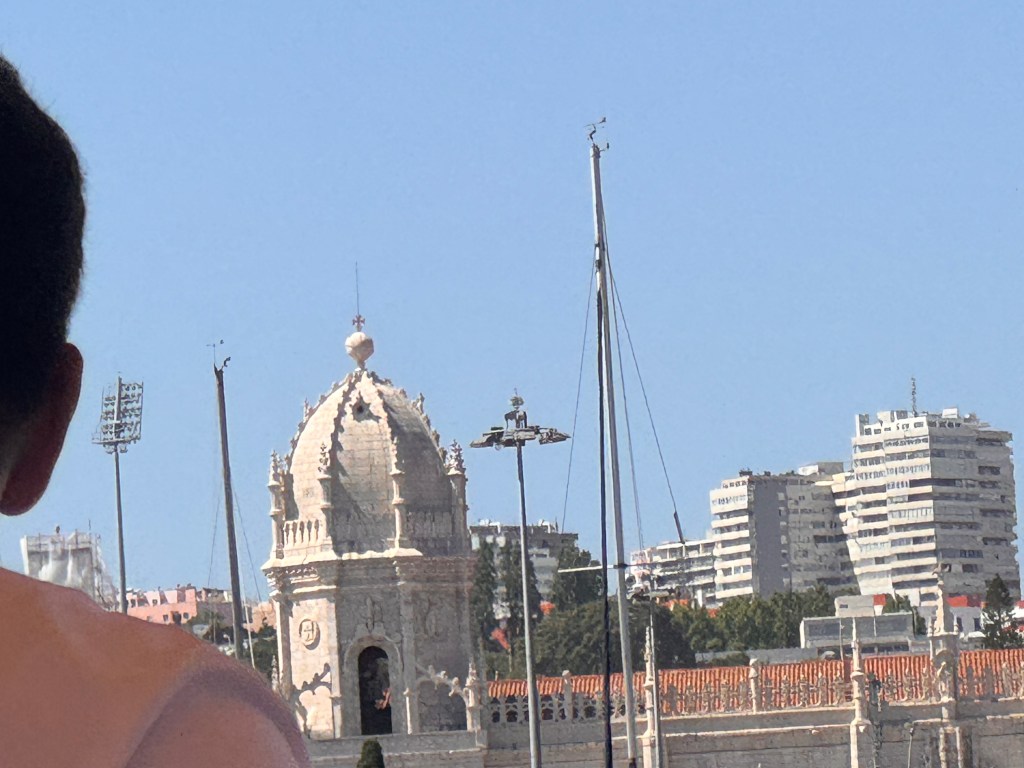
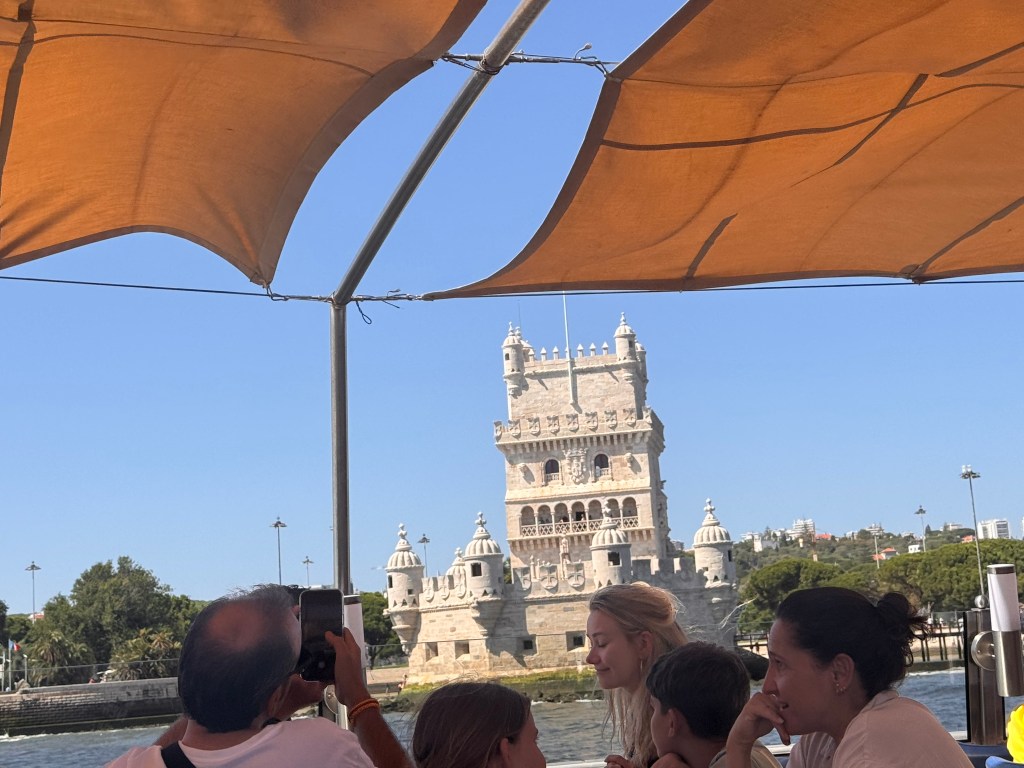
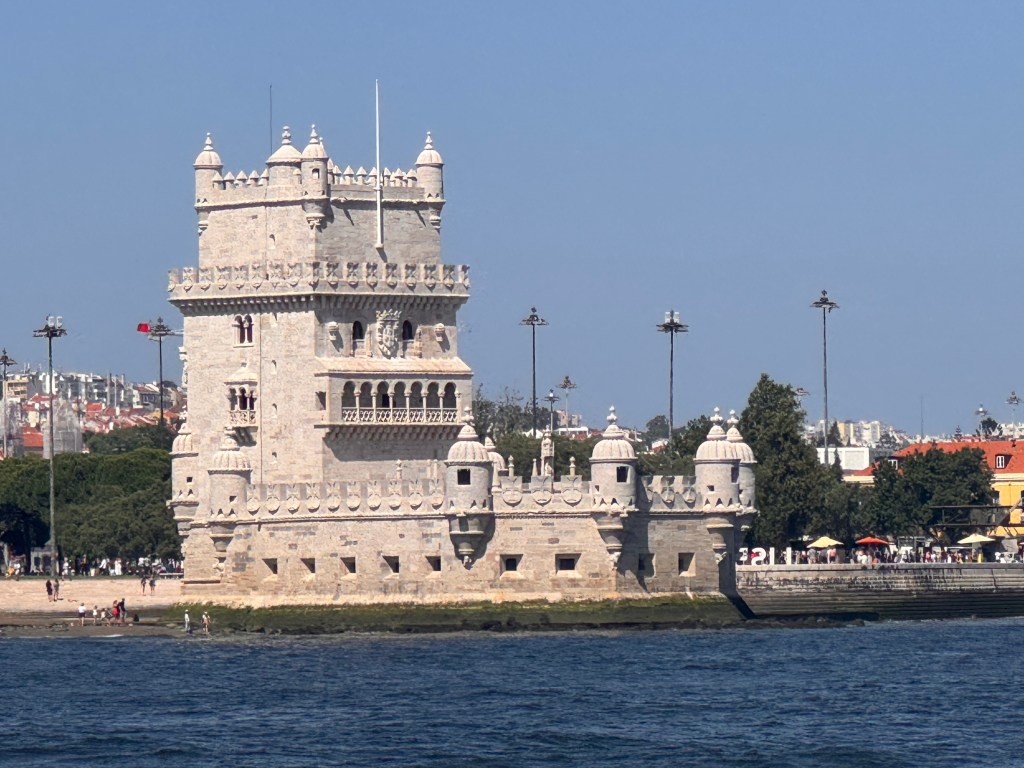
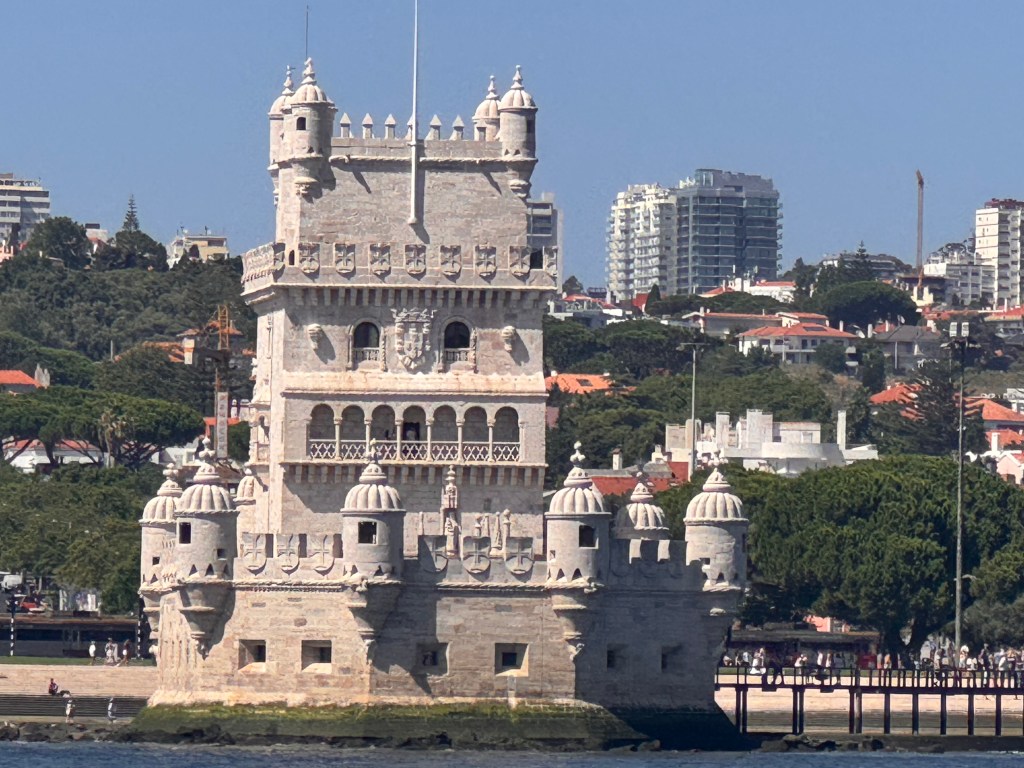
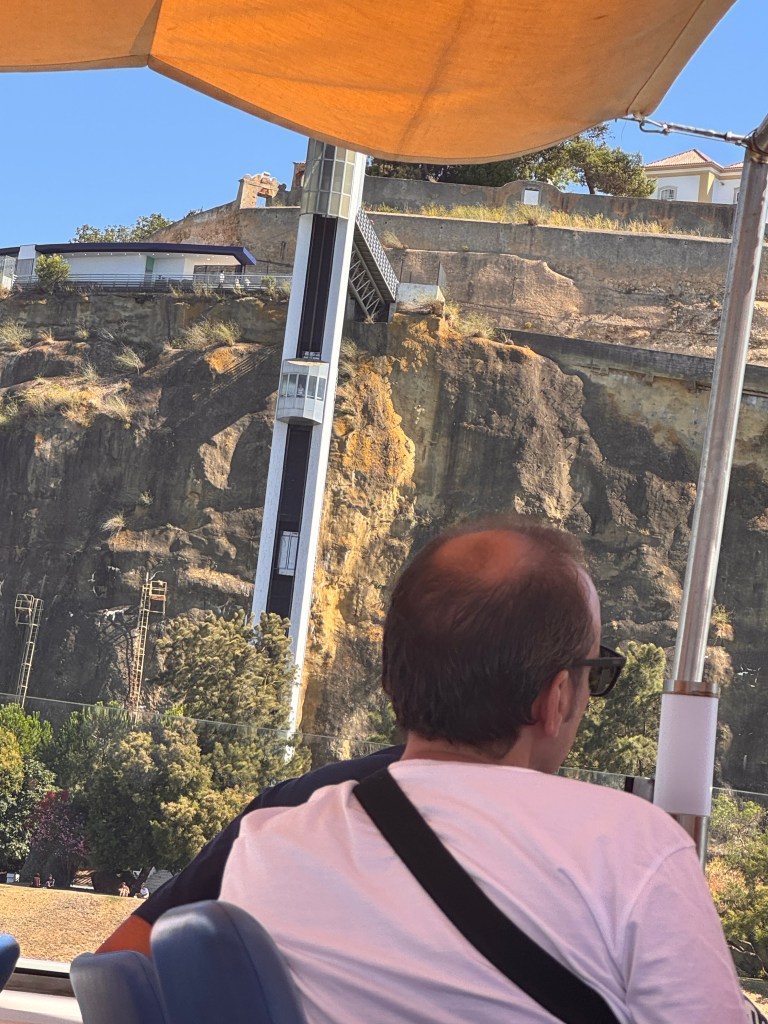
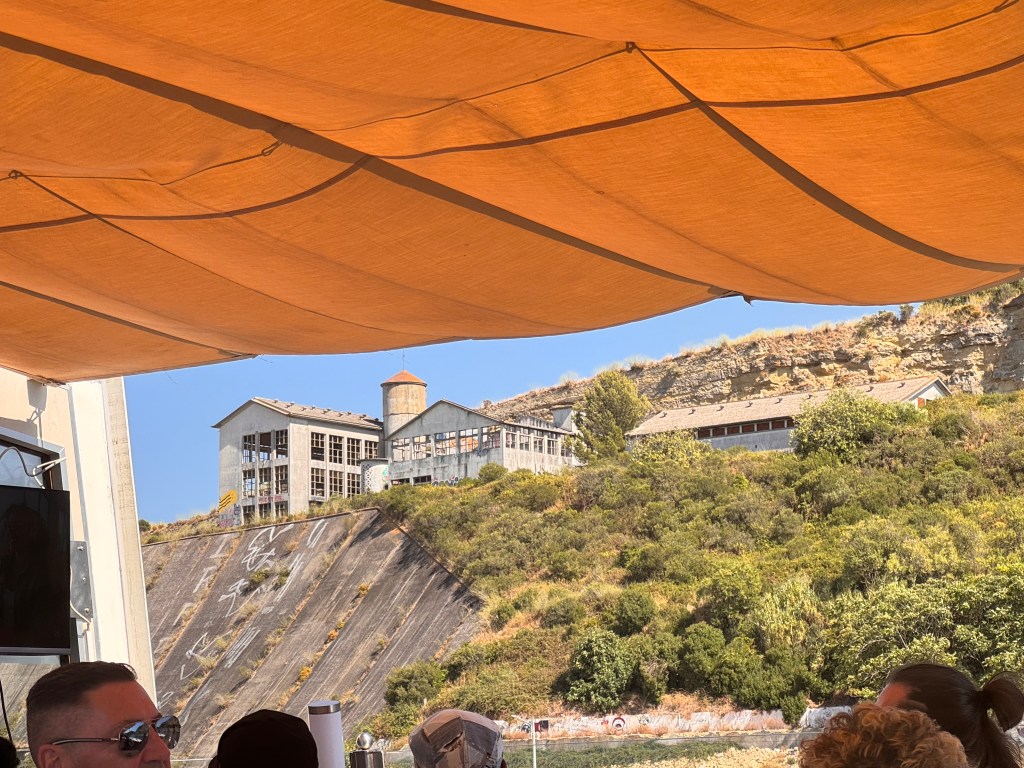
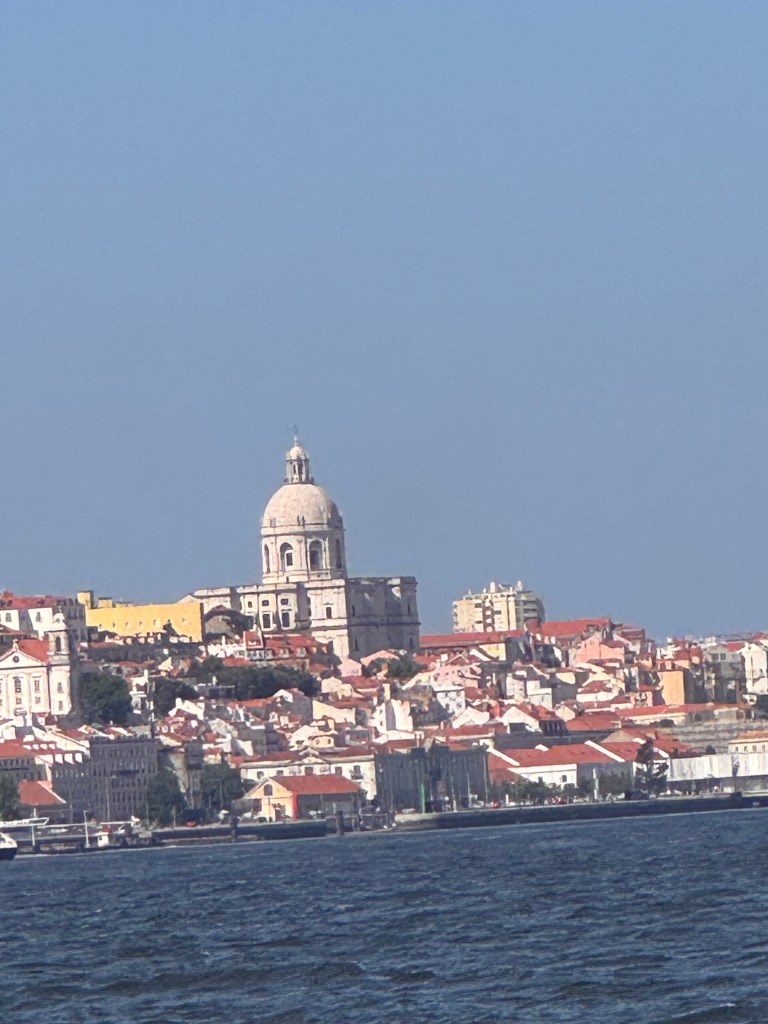
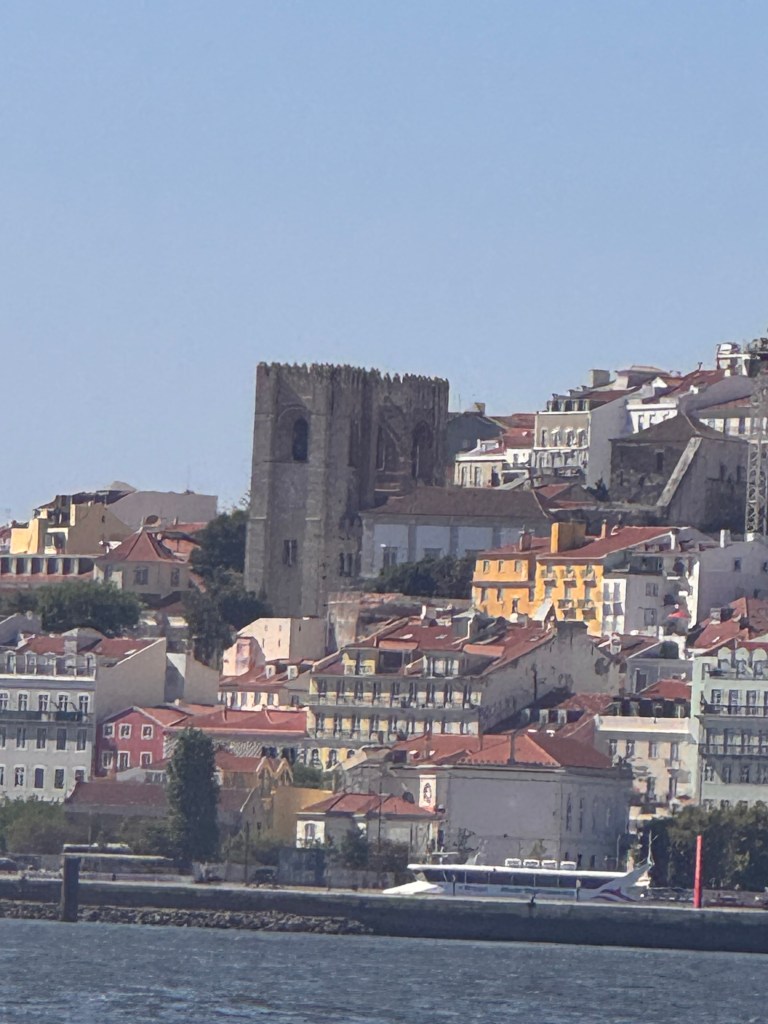
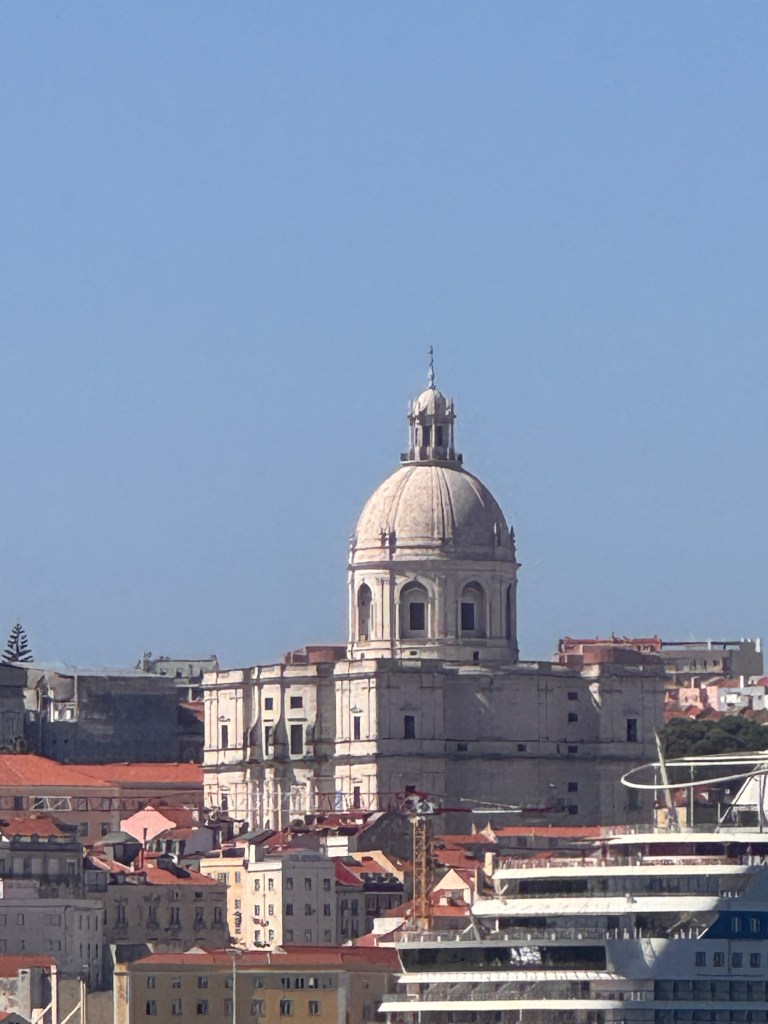
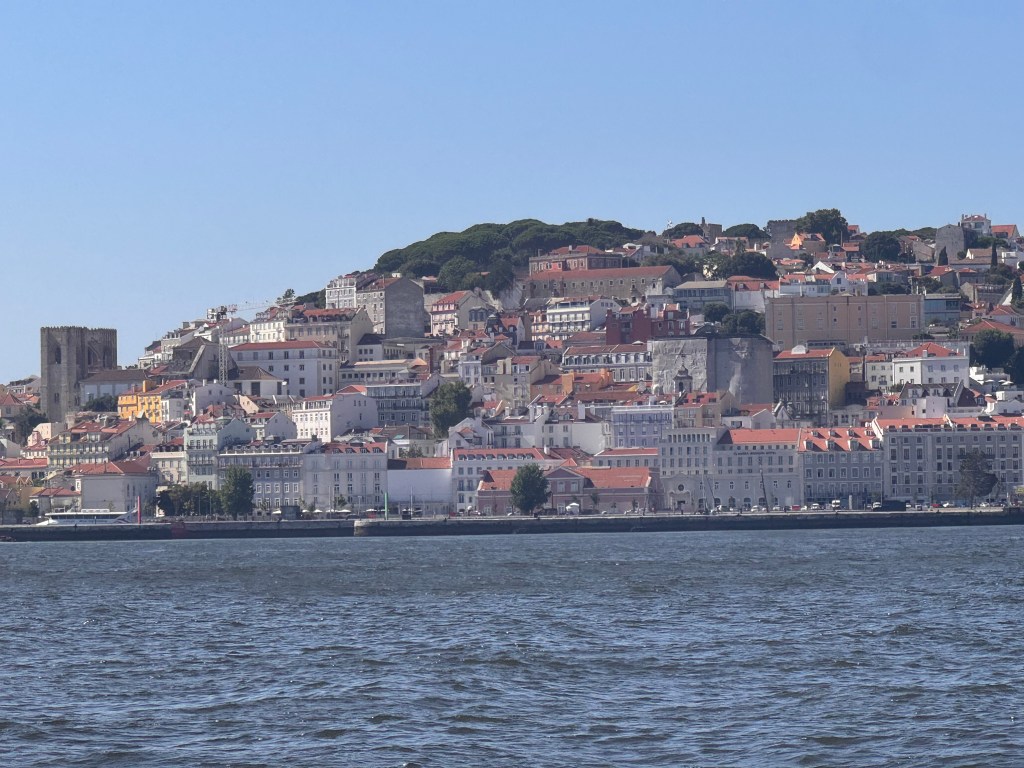
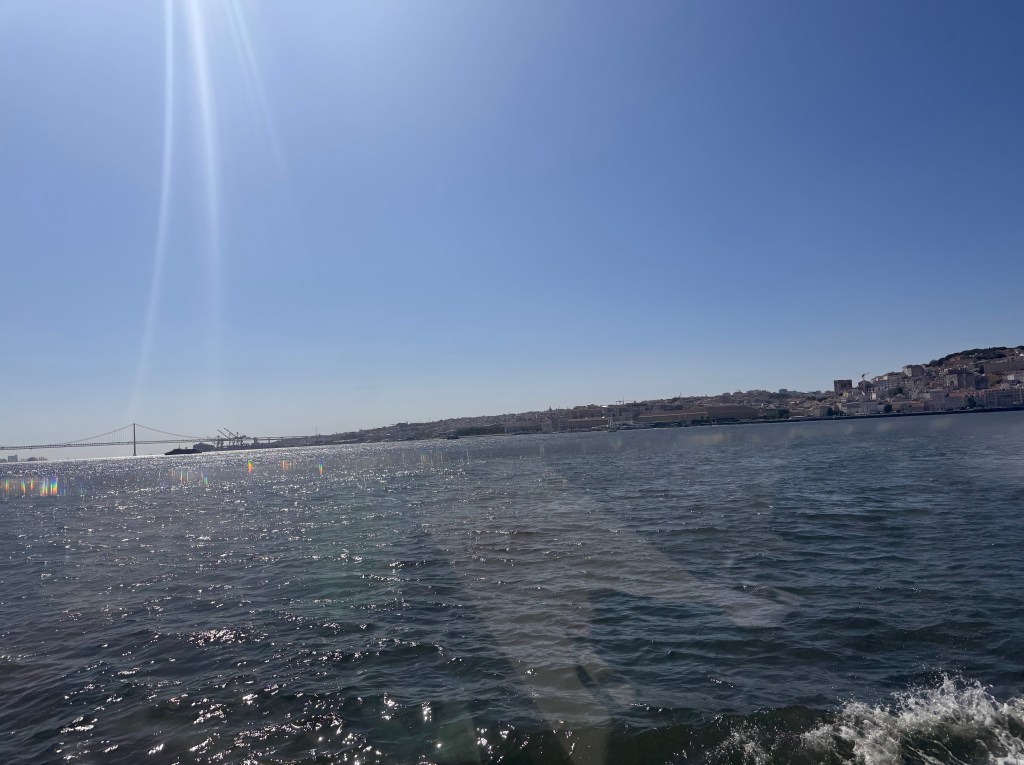
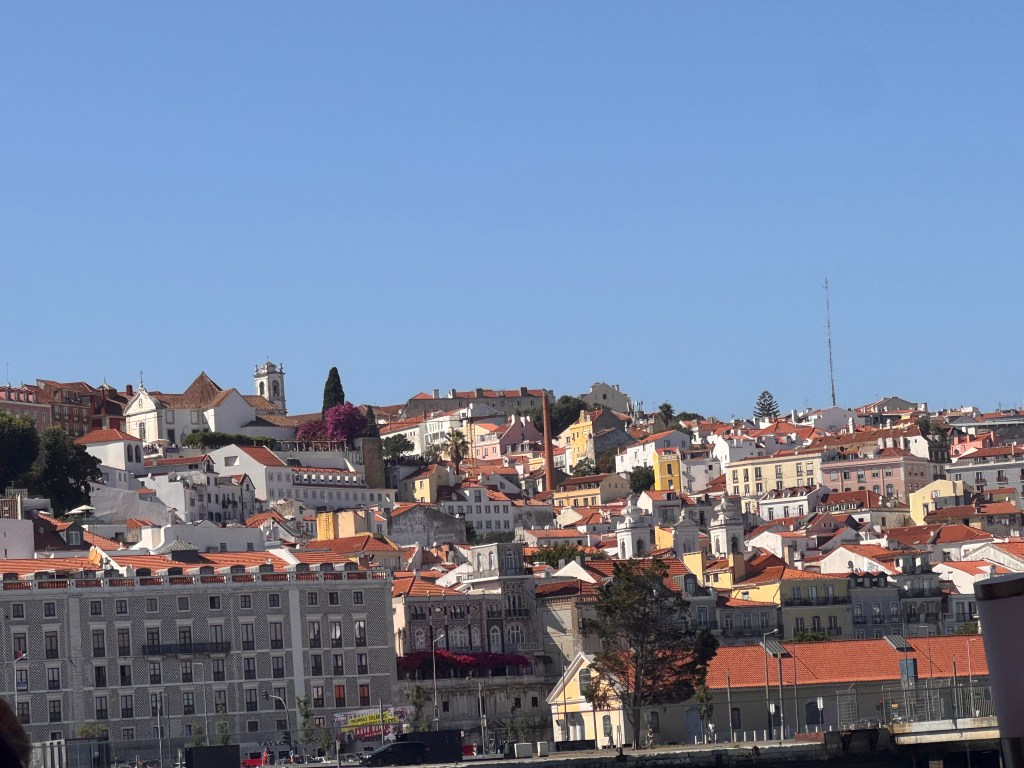
As we sailed down the river, we passed one famous landmark after another.
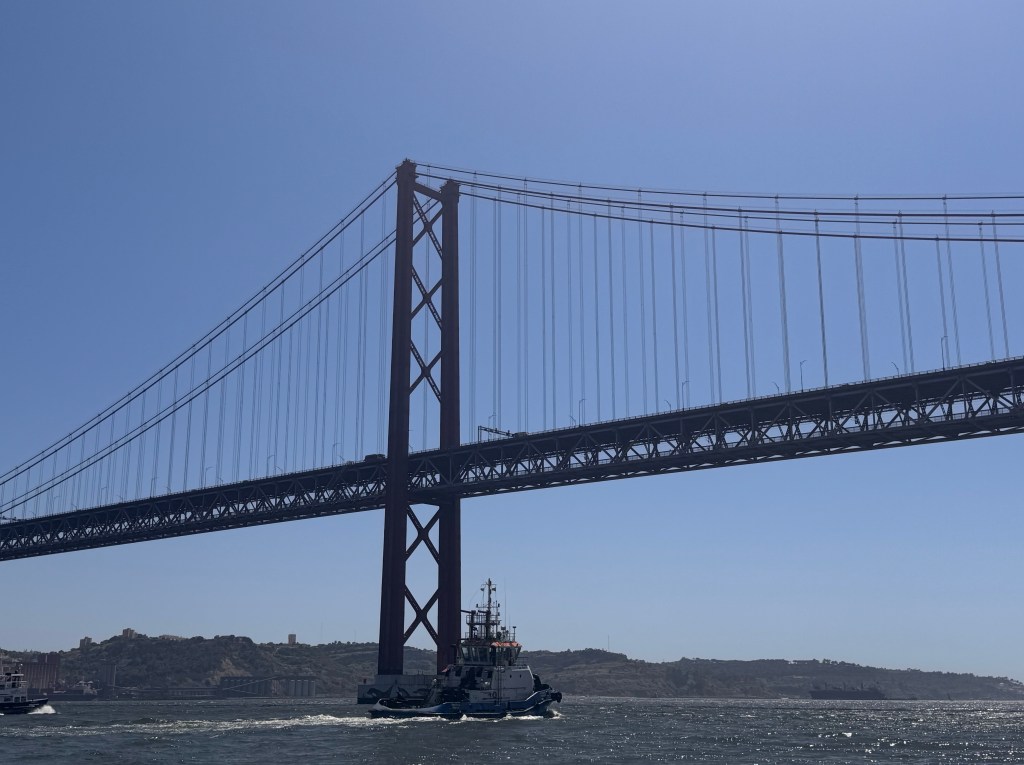
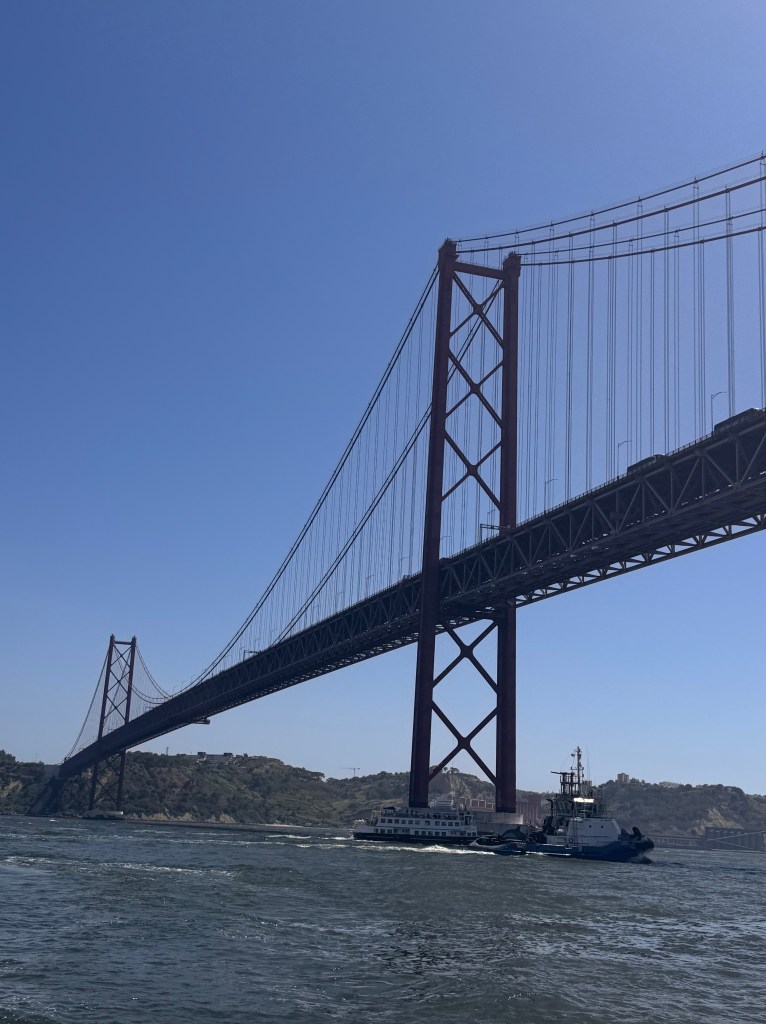
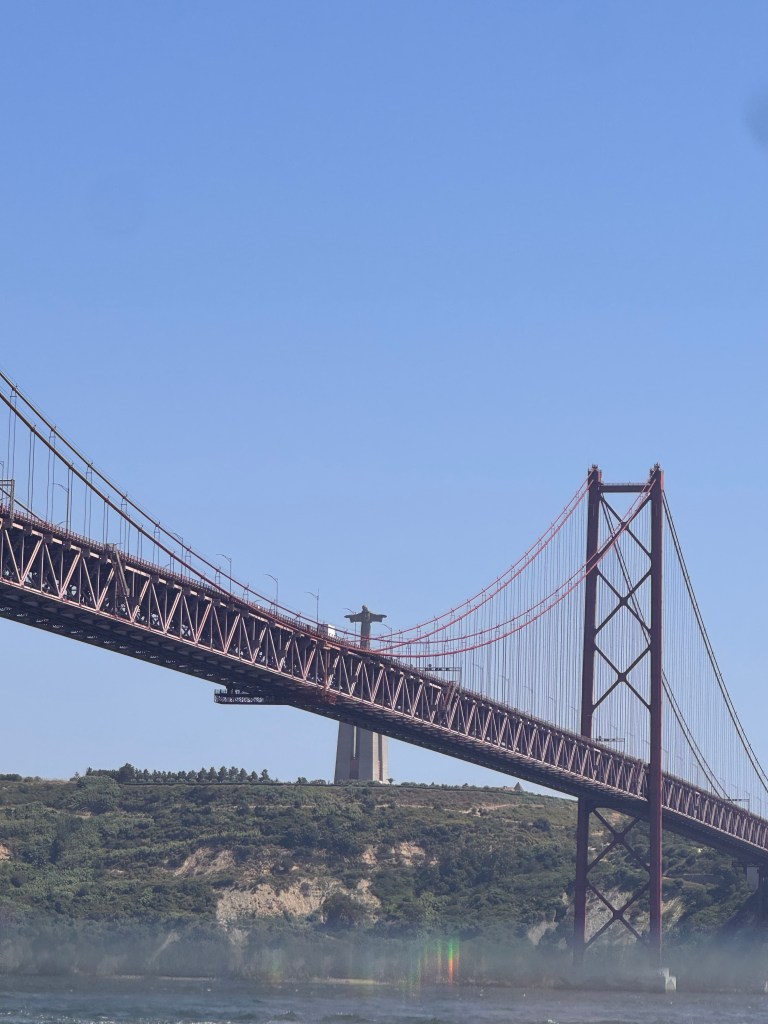
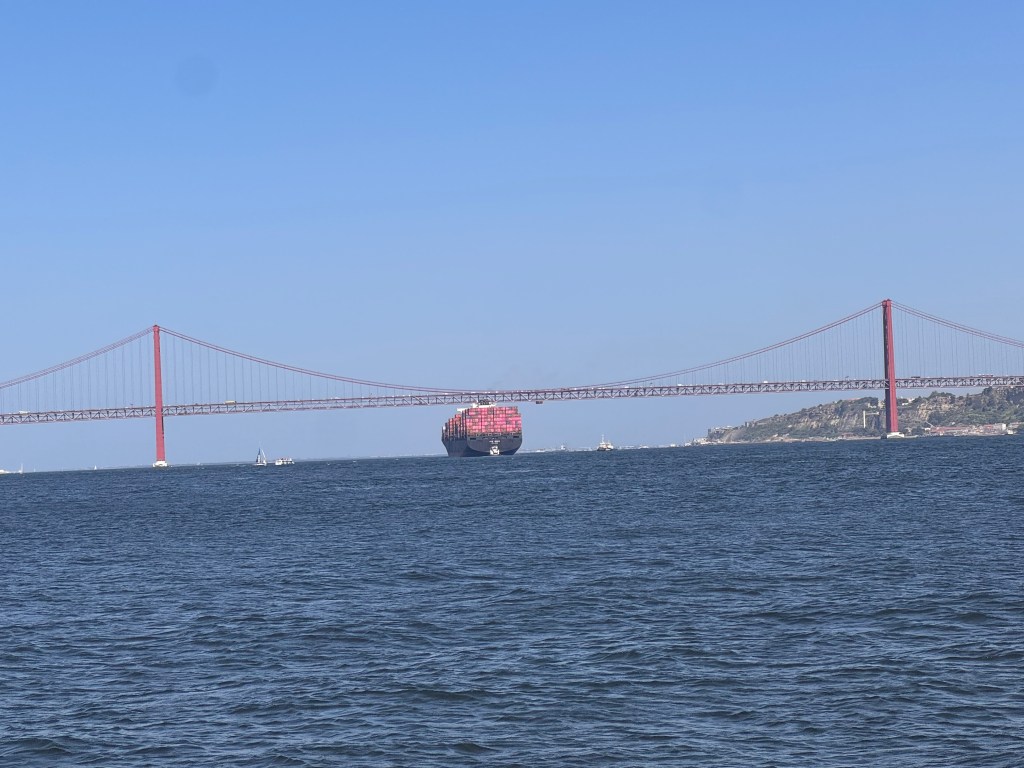
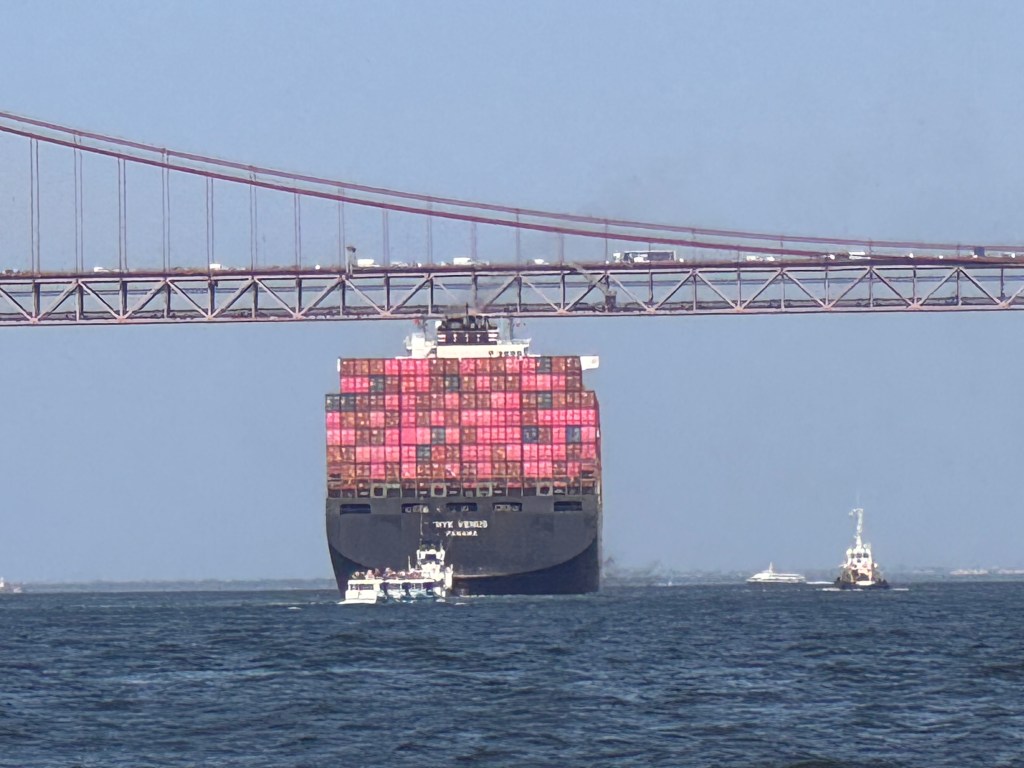
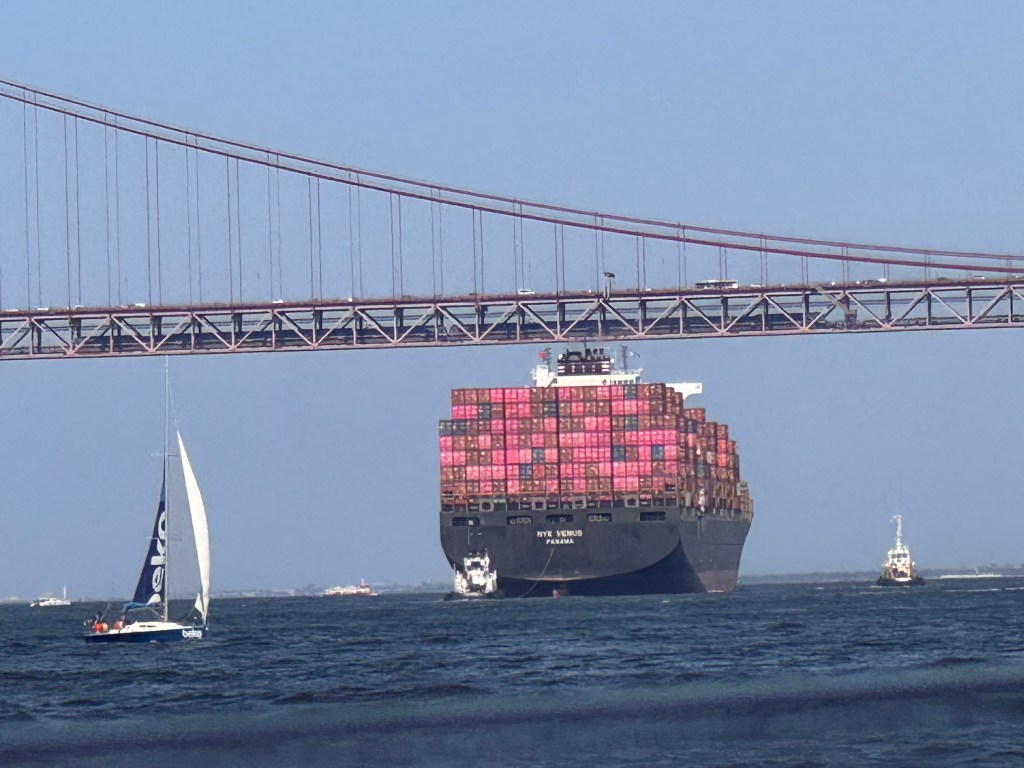
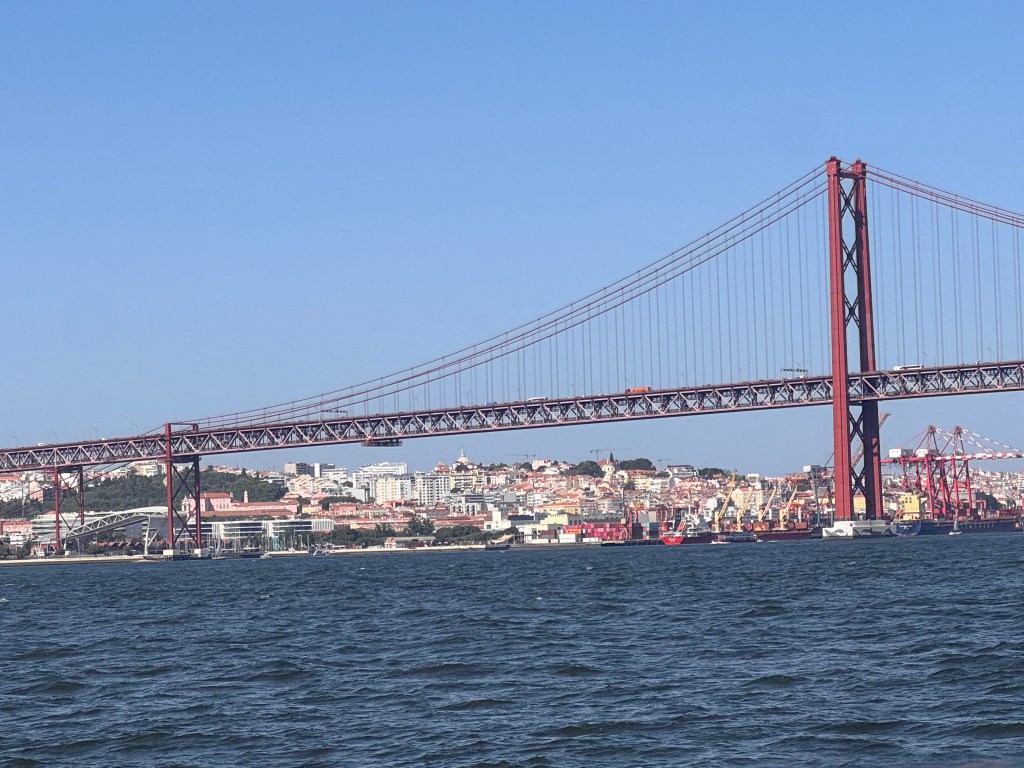
The 25 de Abril Bridge stretched across the Tagus, its bright red color often reminding visitors of San Francisco’s Golden Gate Bridge. Opened in 1966, it connects Lisbon with the southern side of the river and has become one of the city’s most recognizable landmarks.
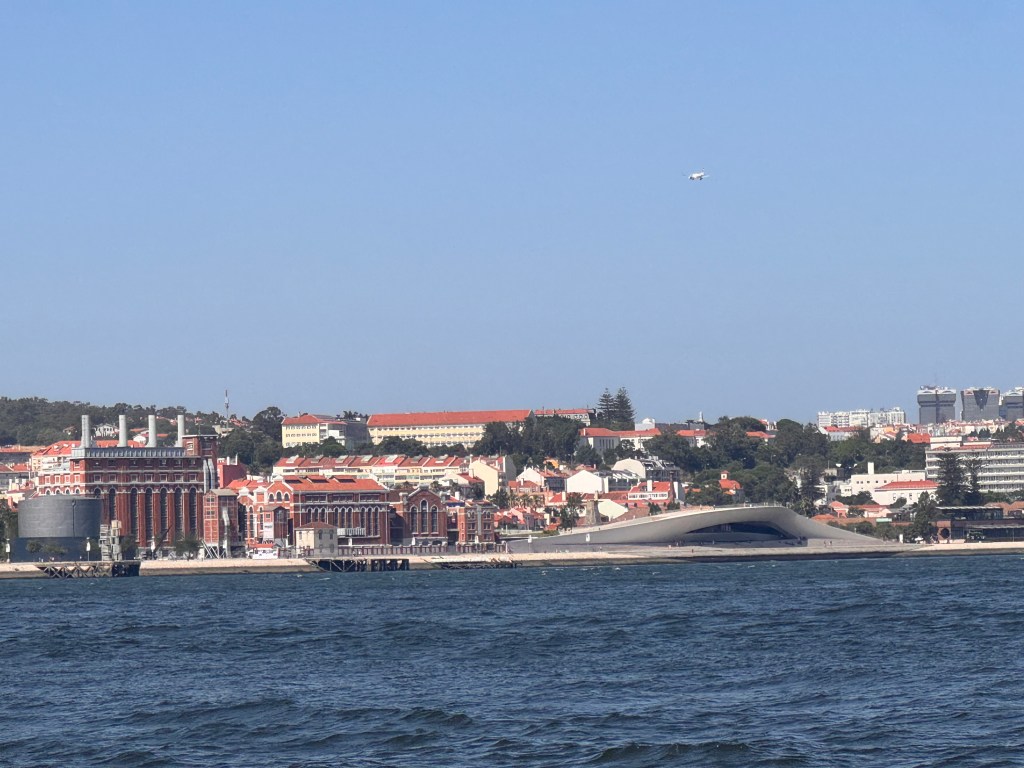
Next came the MAAT—the Museum of Art, Architecture and Technology. Its modern flowing design almost looks like a wave rising out of the riverbank, beautifully contrasting with Lisbon’s historic buildings.
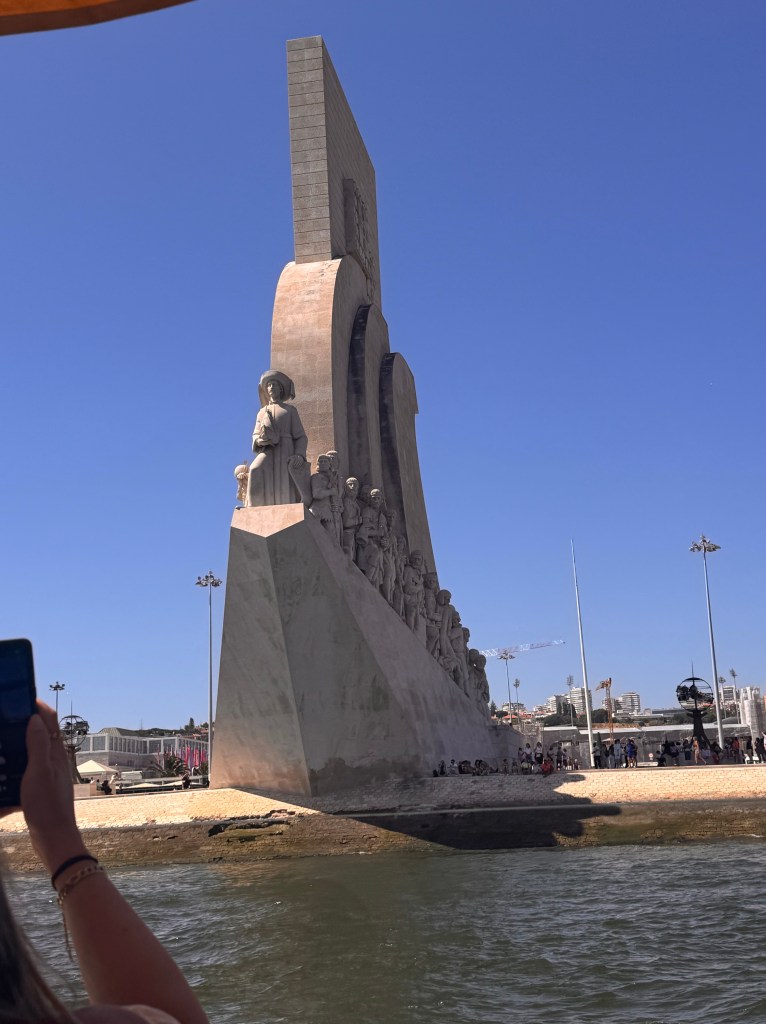
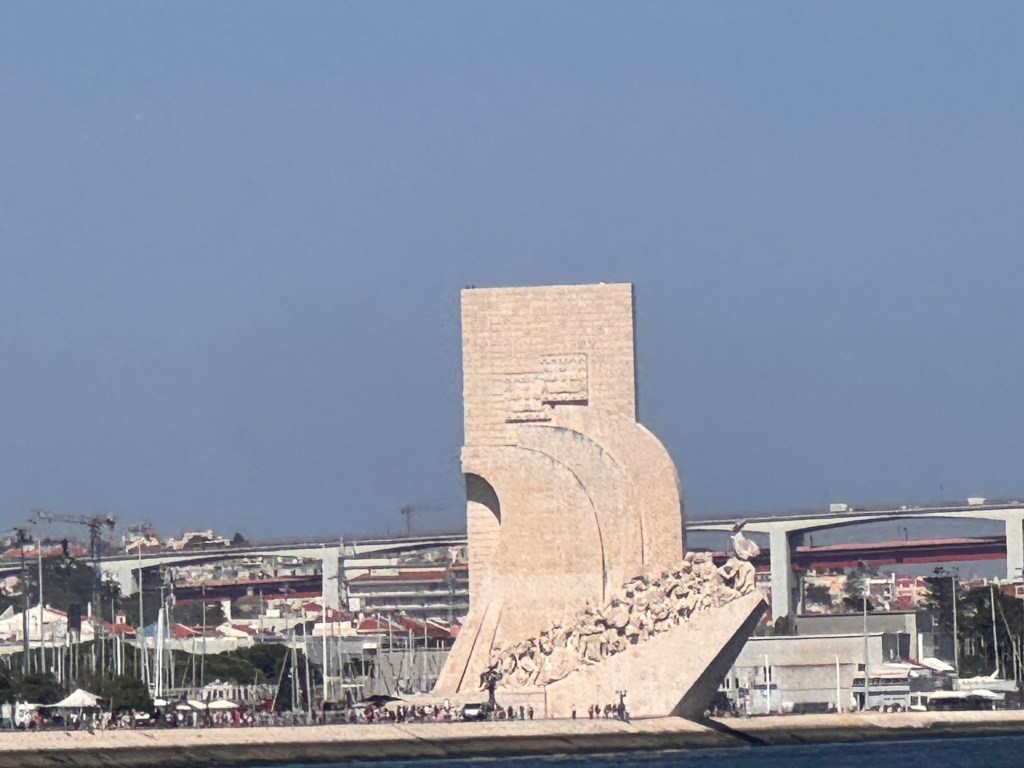
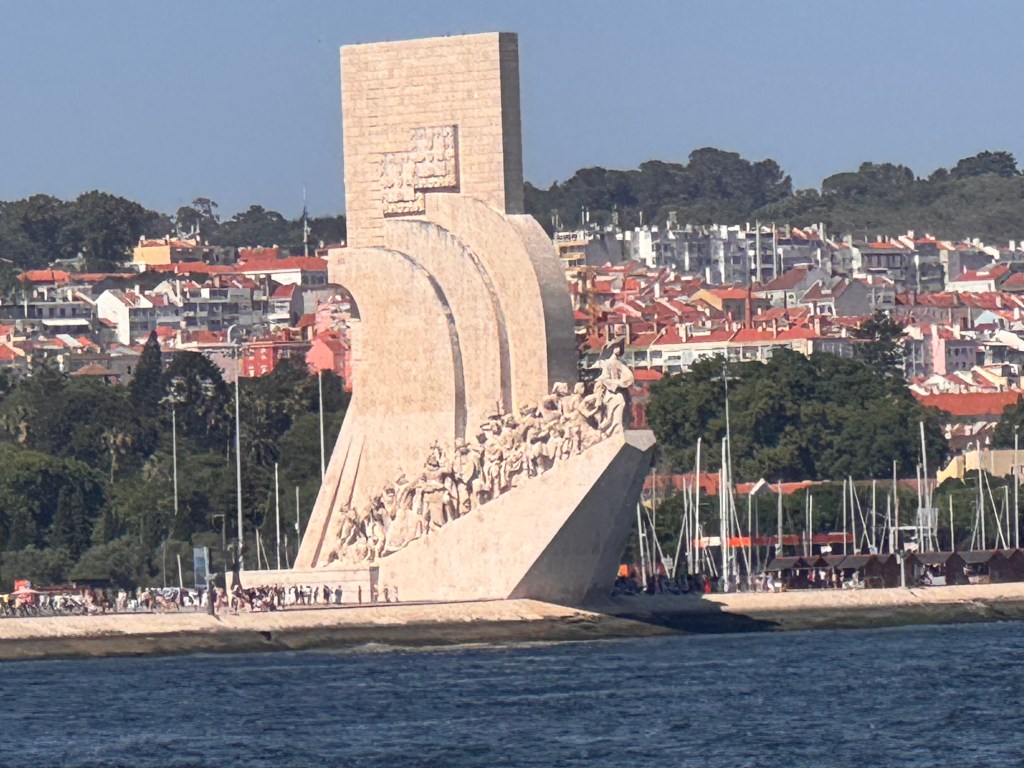
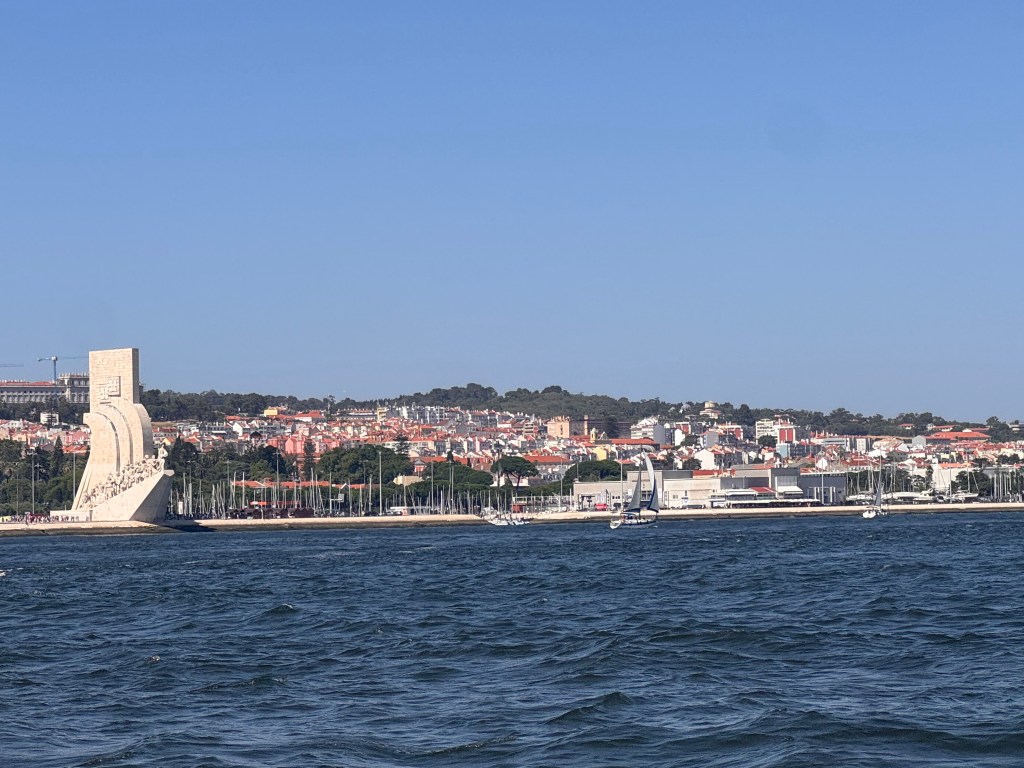
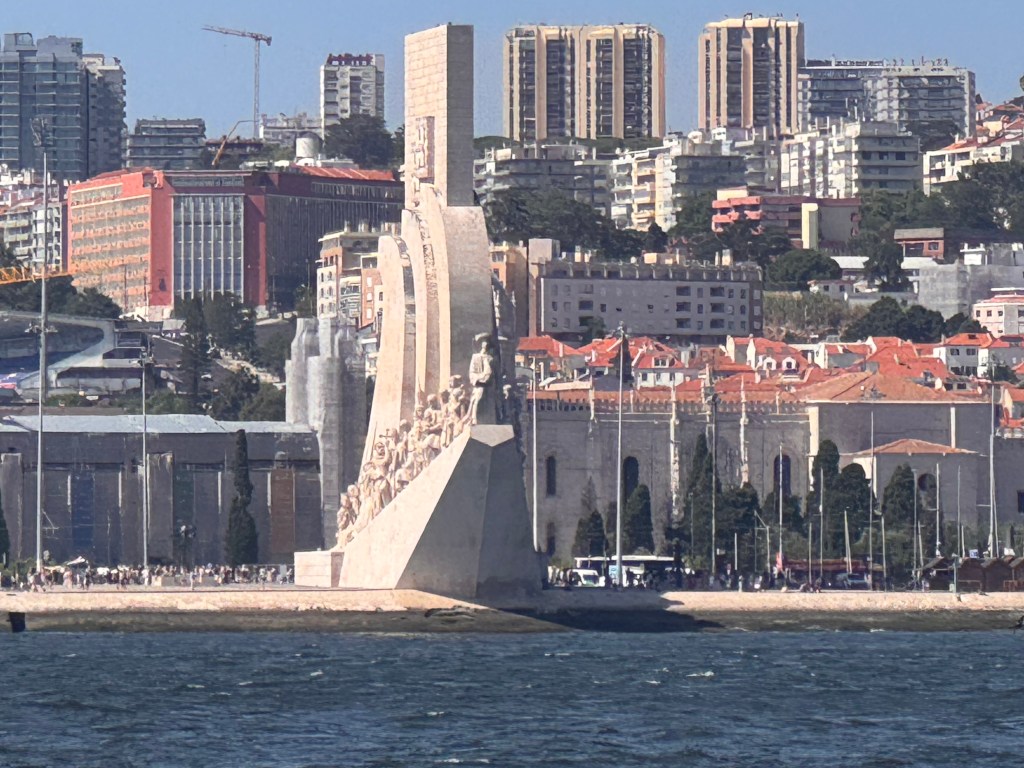
We cruised past the Padrão dos Descobrimentos, or Monument to the Discoveries, built to honor Portugal’s great Age of Exploration. Prince Henry the Navigator stands proudly at the front, followed by explorers, cartographers, missionaries, and other important figures who helped shape Portugal’s maritime history.
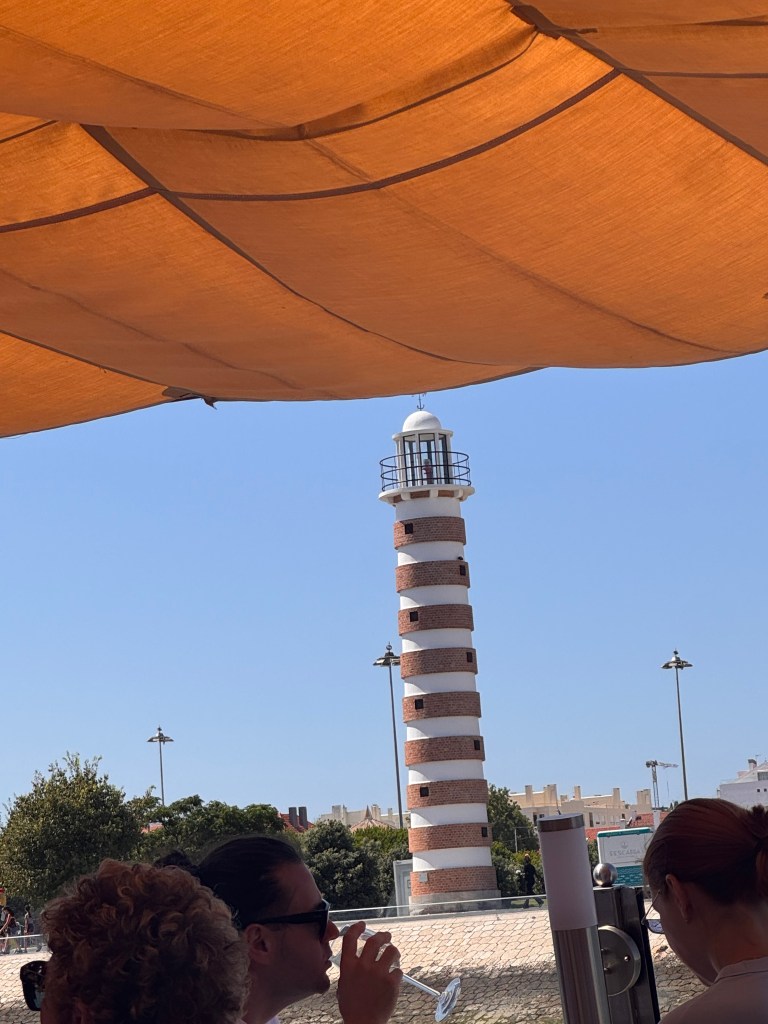
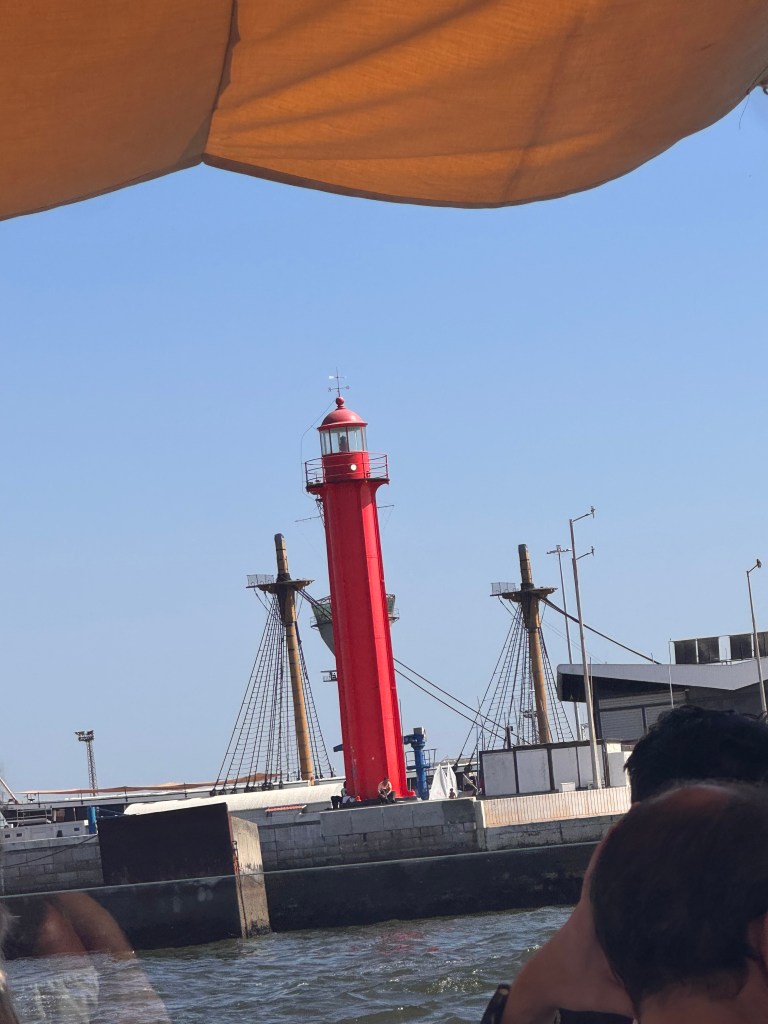
Nearby stood the elegant Belém Lighthouse, marking the entrance to one of Portugal’s most historic waterways.
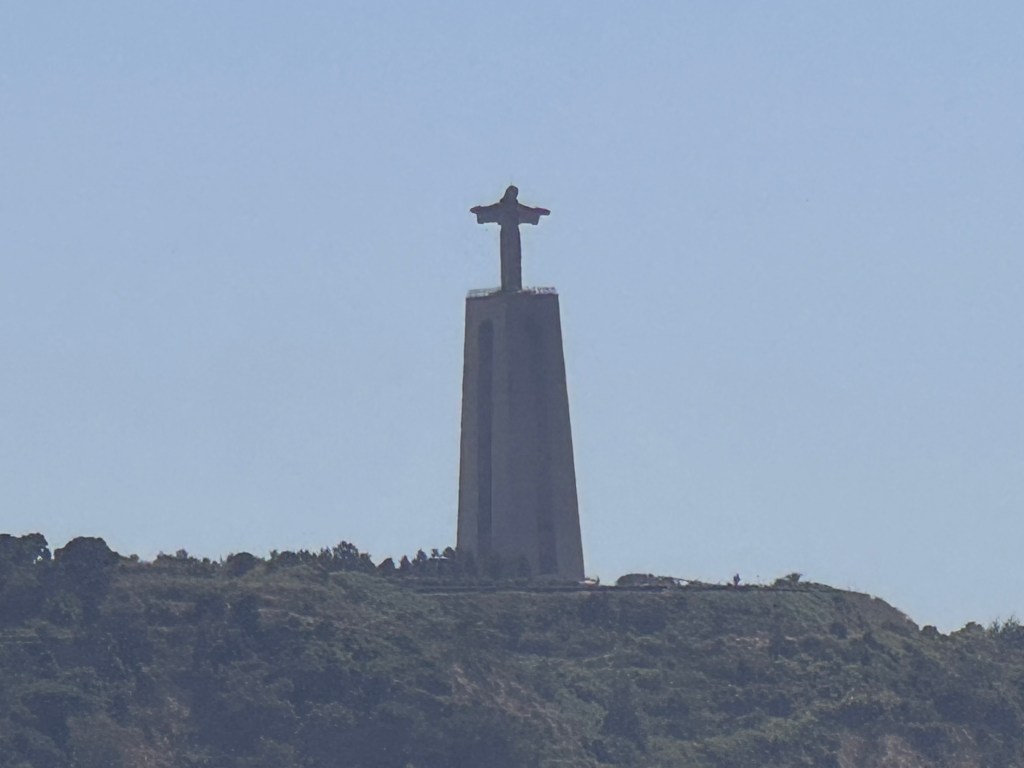
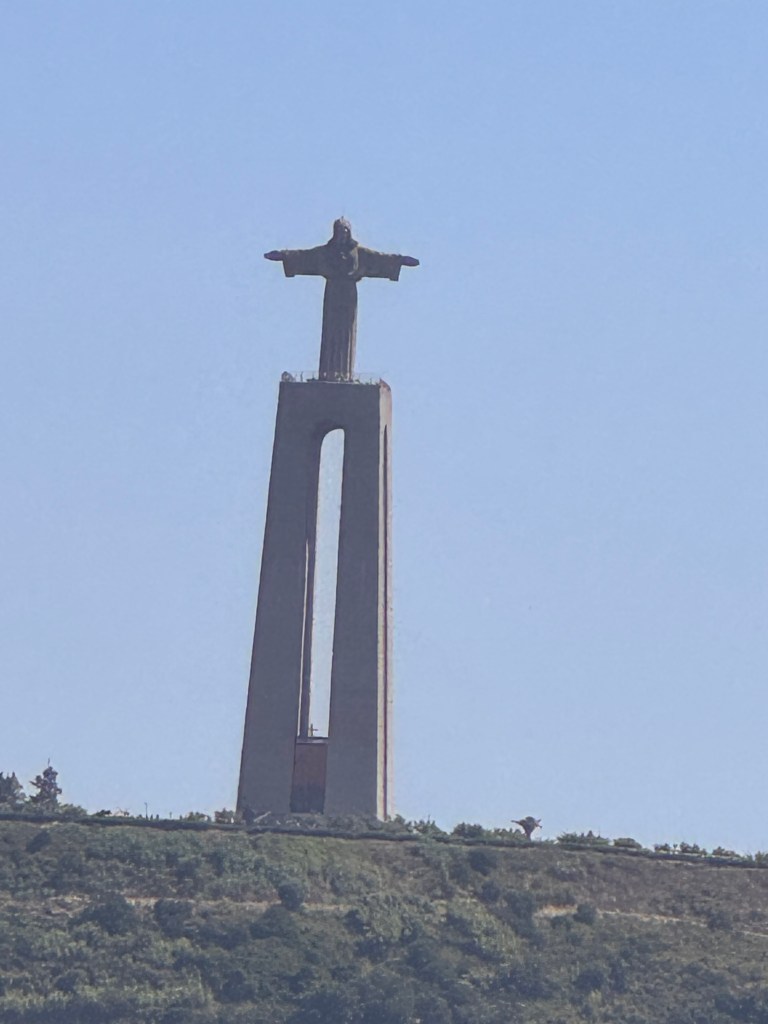
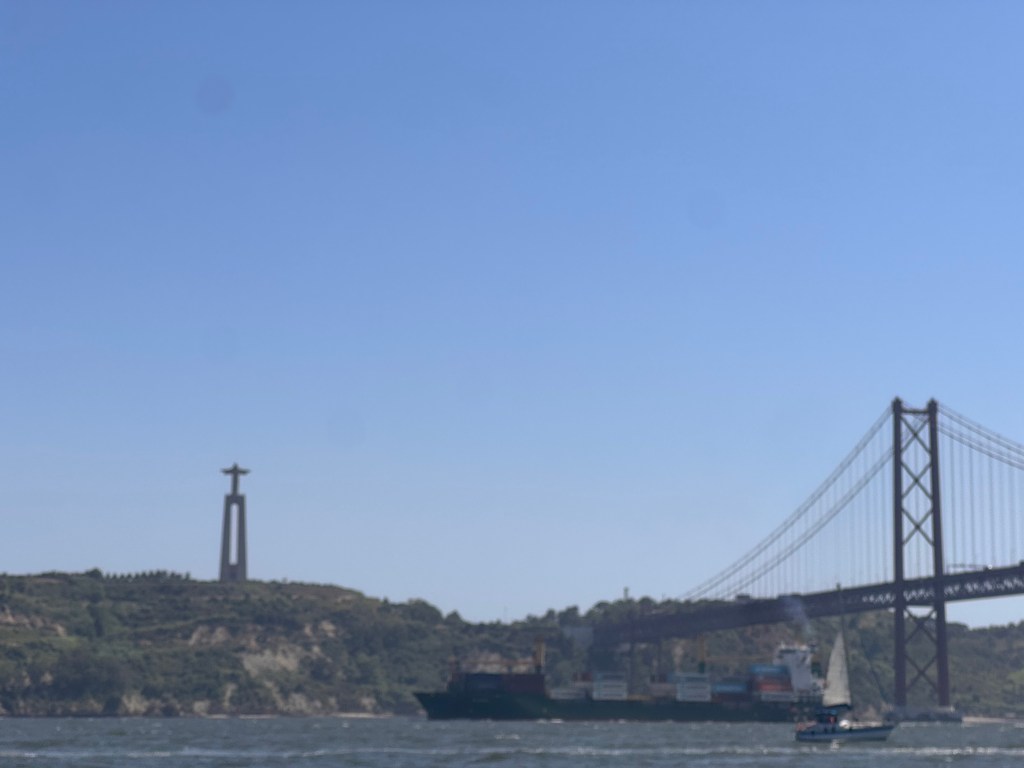
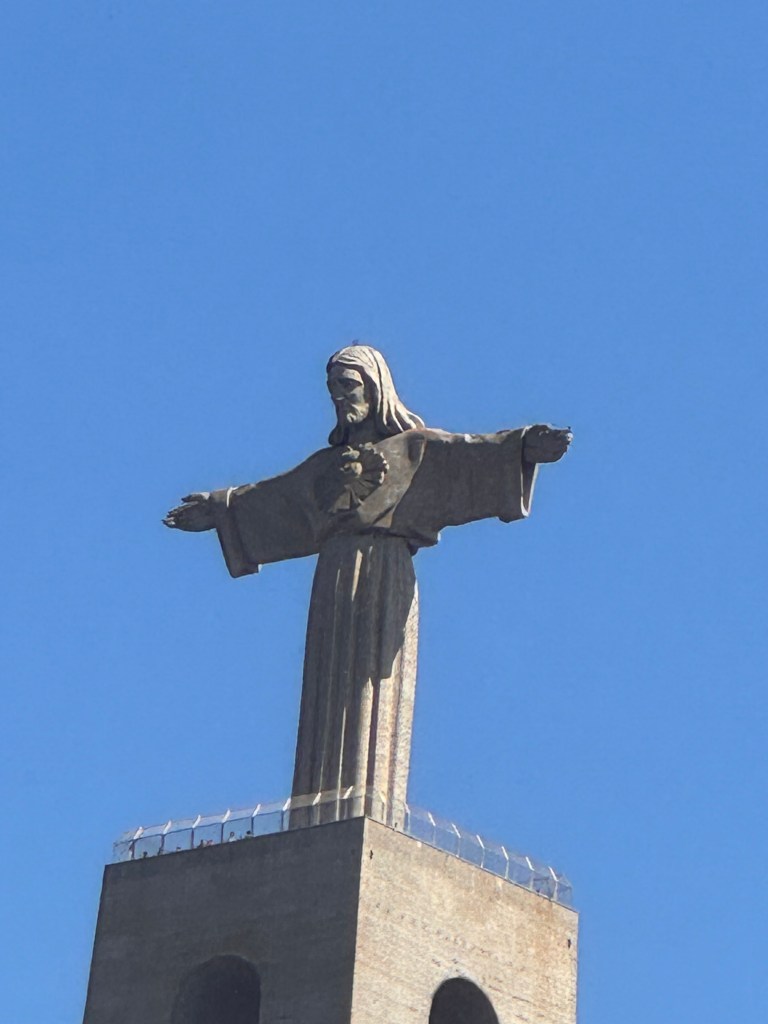
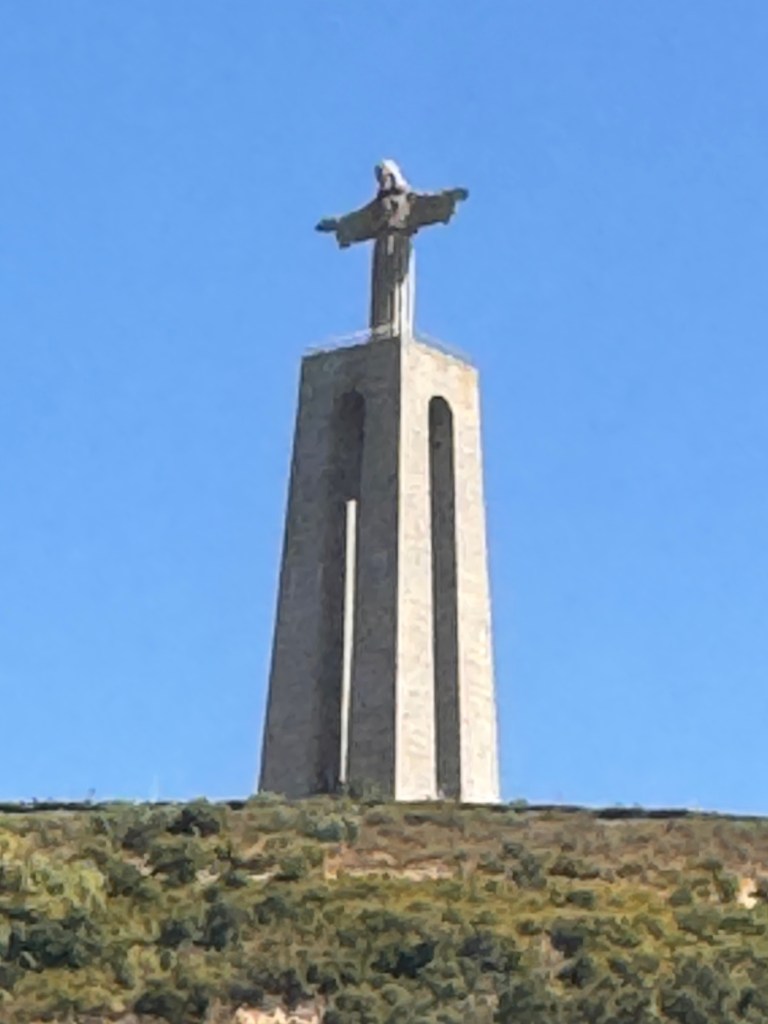
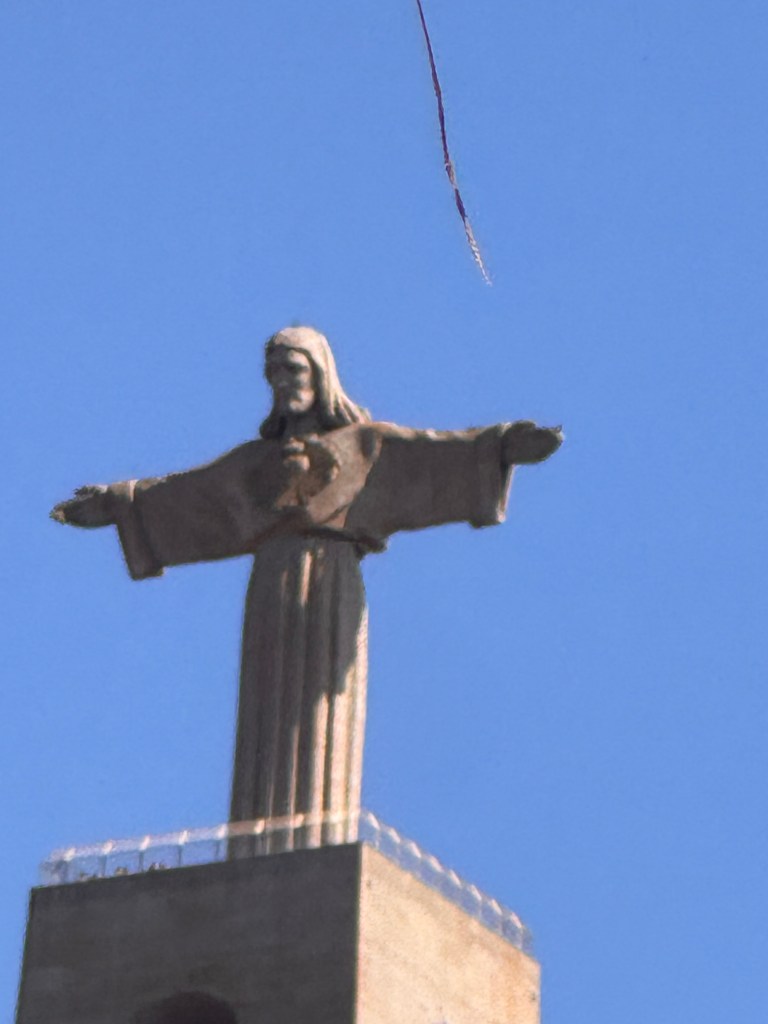
Across the river we could see the towering Sanctuary of Christ the King. Inspired by Rio de Janeiro’s famous Christ the Redeemer statue, the monument overlooks Lisbon with outstretched arms and has become a symbol of peace and hope since its completion in 1959.
One of the most fascinating sights wasn’t a monument at all.
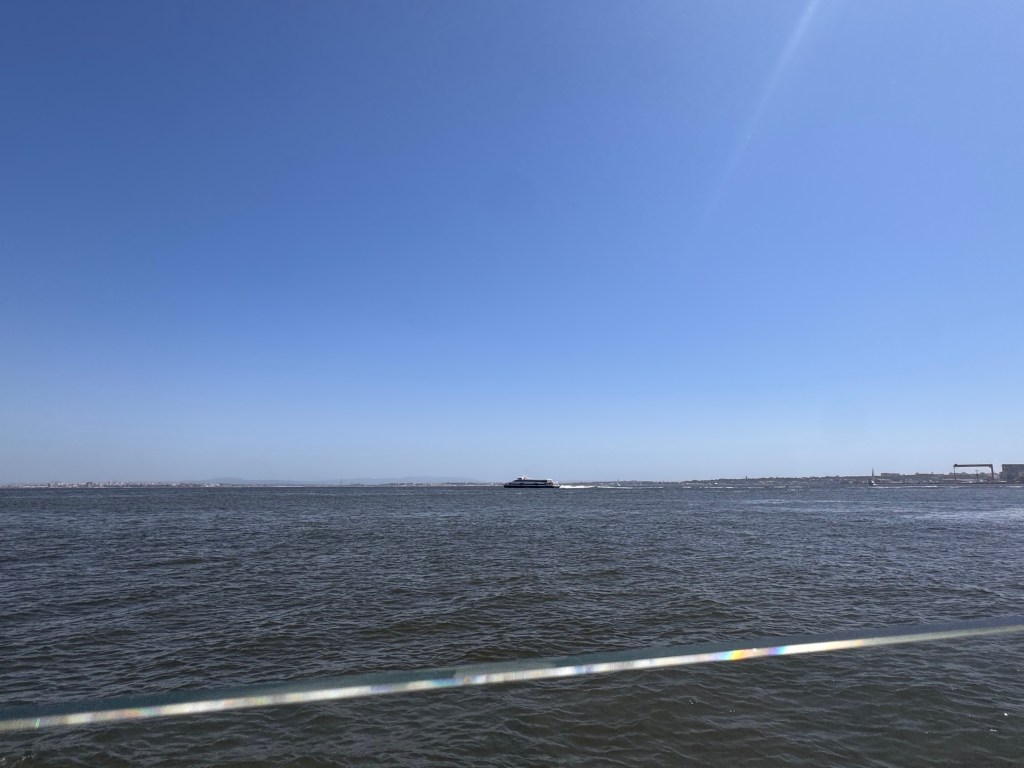
We watched an enormous cargo ship loaded high with shipping containers slowly make its way into port while several tugboats carefully maneuvered it into position. Watching those tiny boats control something so massive was impressive.
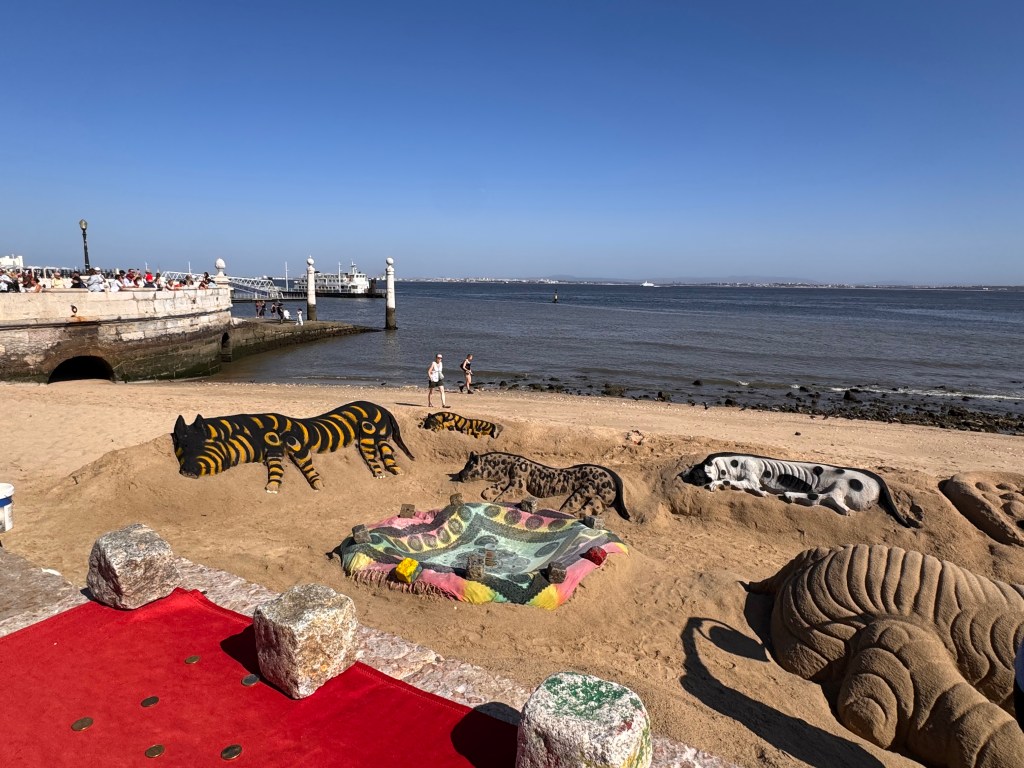
After returning to shore, we wandered back along the waterfront boardwalk, browsing the local artisan booths. We found several beautiful photographs that we thought would look perfect hanging on a wall back home, a wonderful reminder of our time in Portugal.
Before heading back to the apartment, we made one more stop at the bakery just around the corner.
Their version of pain aux raisins was absolutely delicious, so naturally we bought more.
While we were there, we couldn’t leave without picking up Portugal’s most famous pastry—the pastel de nata. These little custard tarts date back over 300 years to the Jerónimos Monastery in Belém, where Catholic monks originally created them. Because the monks used large quantities of egg whites to starch their robes, they searched for ways to use up the leftover yolks. Their solution was a rich, creamy custard baked inside flaky pastry. The recipe eventually spread throughout Portugal and has become one of the country’s most beloved treats.
We also picked up a pizza for dinner before heading back to the apartment.
After another full day of wandering, exploring, cruising, eating, and discovering the charm of Lisbon, we were more than happy to relax in the wonderful air conditioning and call it a night.