Bastille Day and the Masterpieces of the Musée d’Orsay

The next morning we all allowed ourselves to sleep in a little. After several busy days of sightseeing, it felt good not to rush.

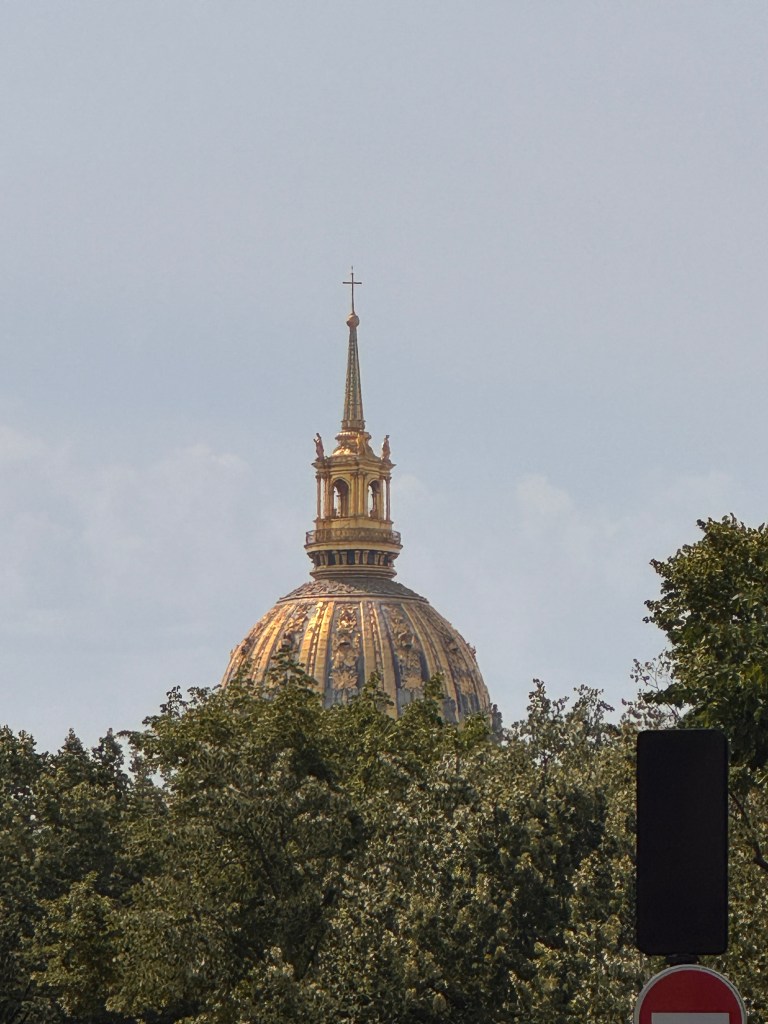
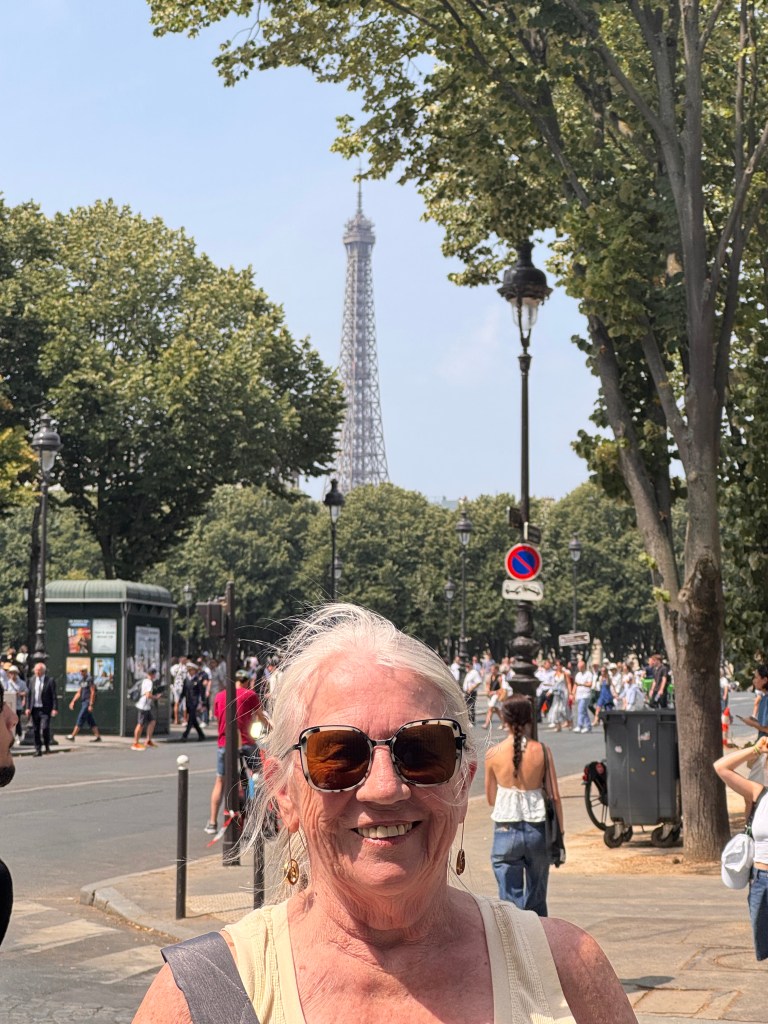
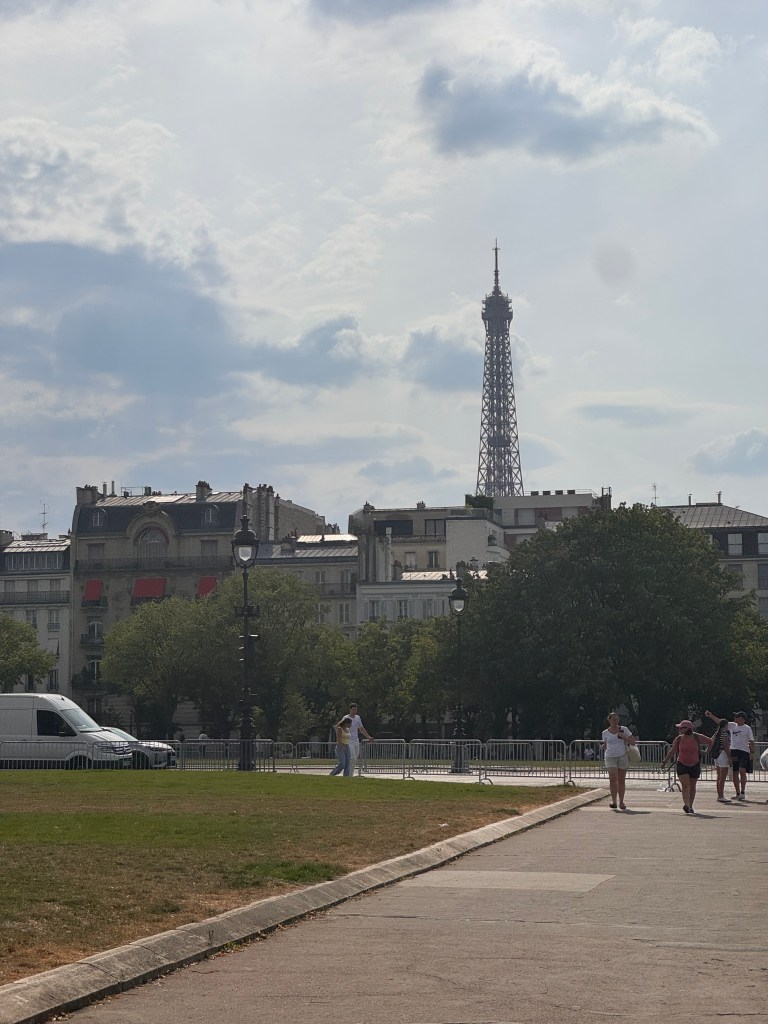
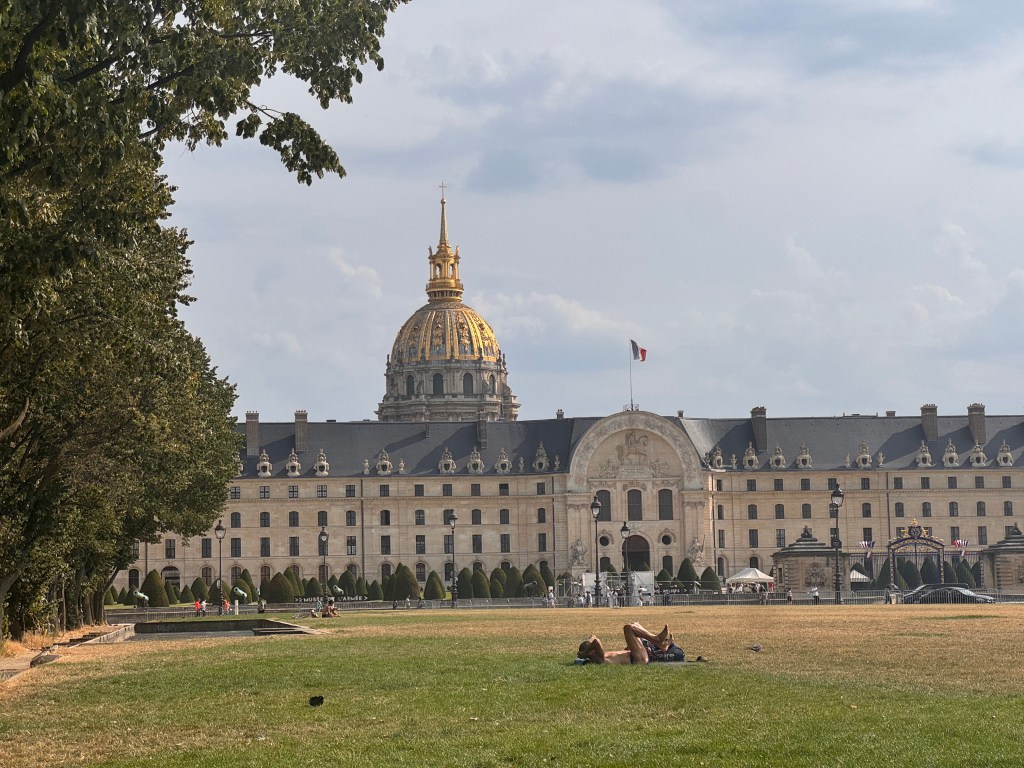
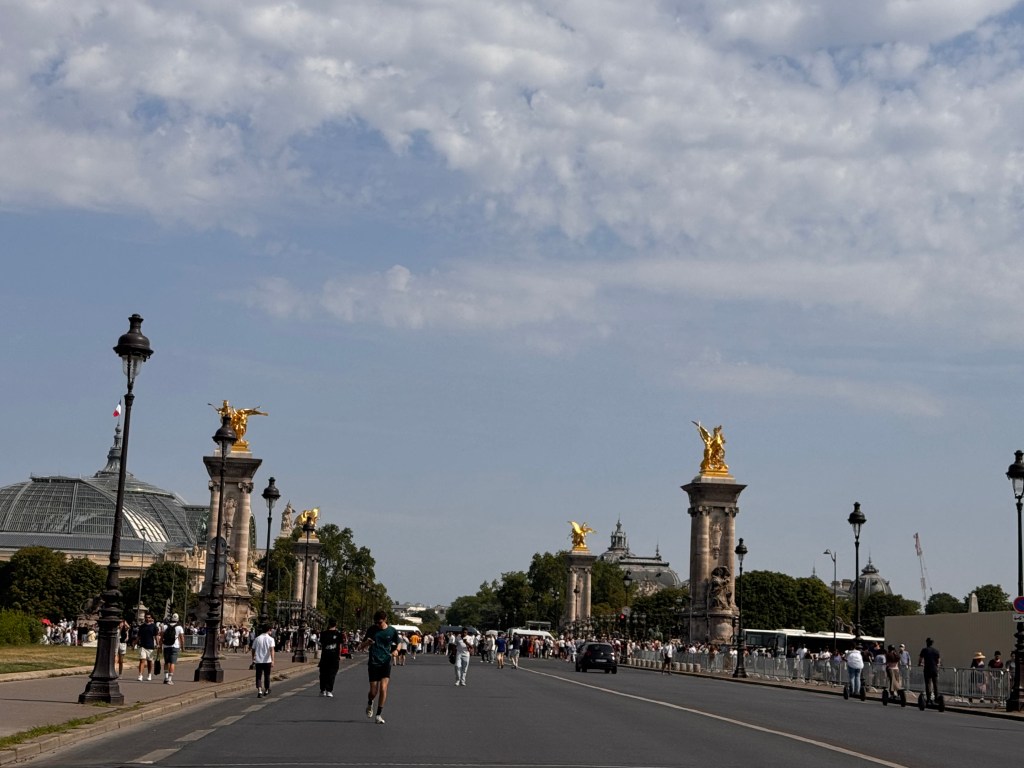
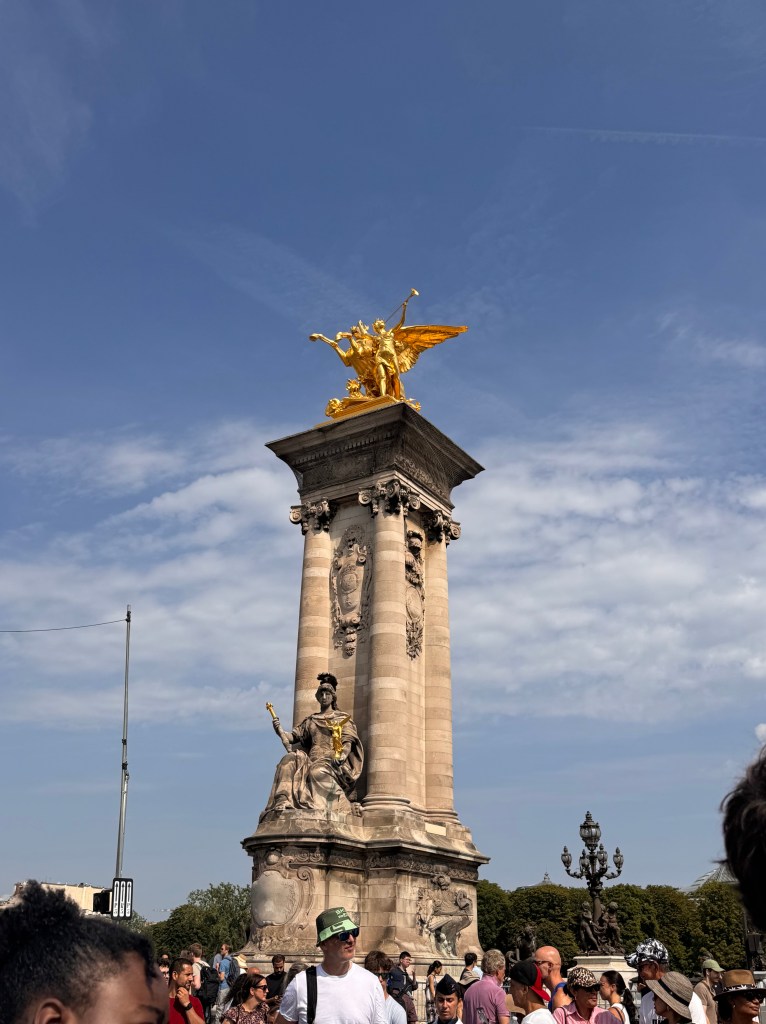
We headed out on foot toward the Musée d’Orsay, walking through the beautiful Esplanade des Invalides. Stretching between the Seine River and the Hôtel des Invalides, the wide lawns and tree-lined walkways offered wonderful views of one of Paris’s most historic landmarks. Originally commissioned by King Louis XIV in the 1600s as a hospital and retirement home for wounded soldiers, Les Invalides is now home to several military museums and Napoleon Bonaparte’s magnificent tomb beneath its golden dome.

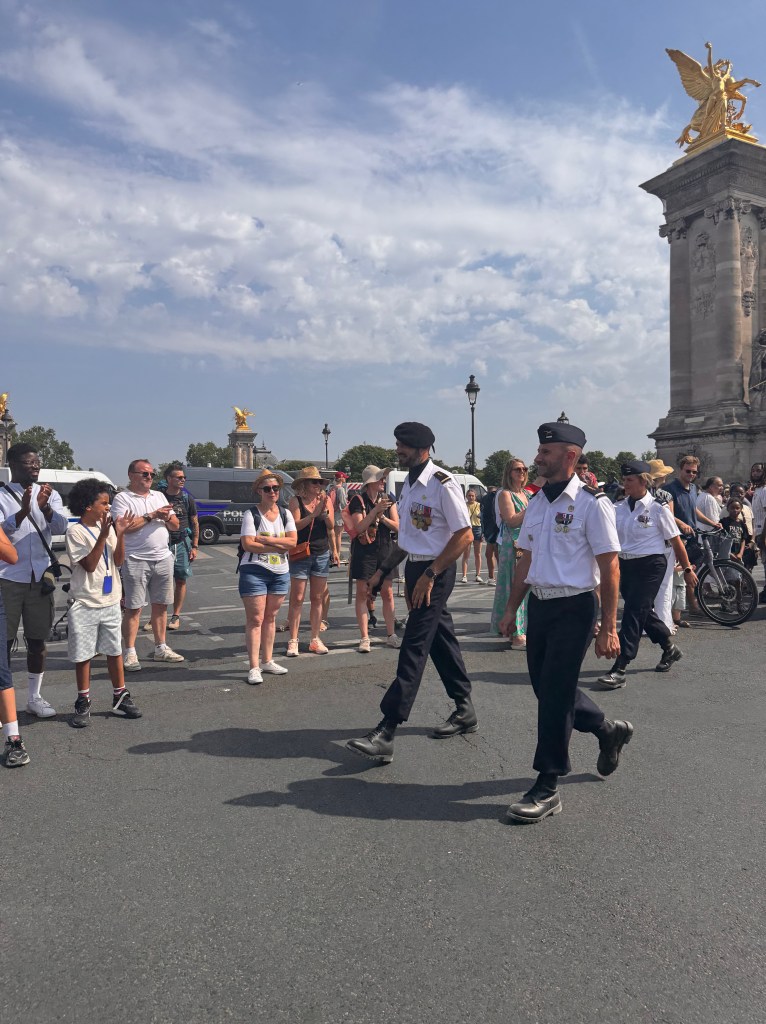
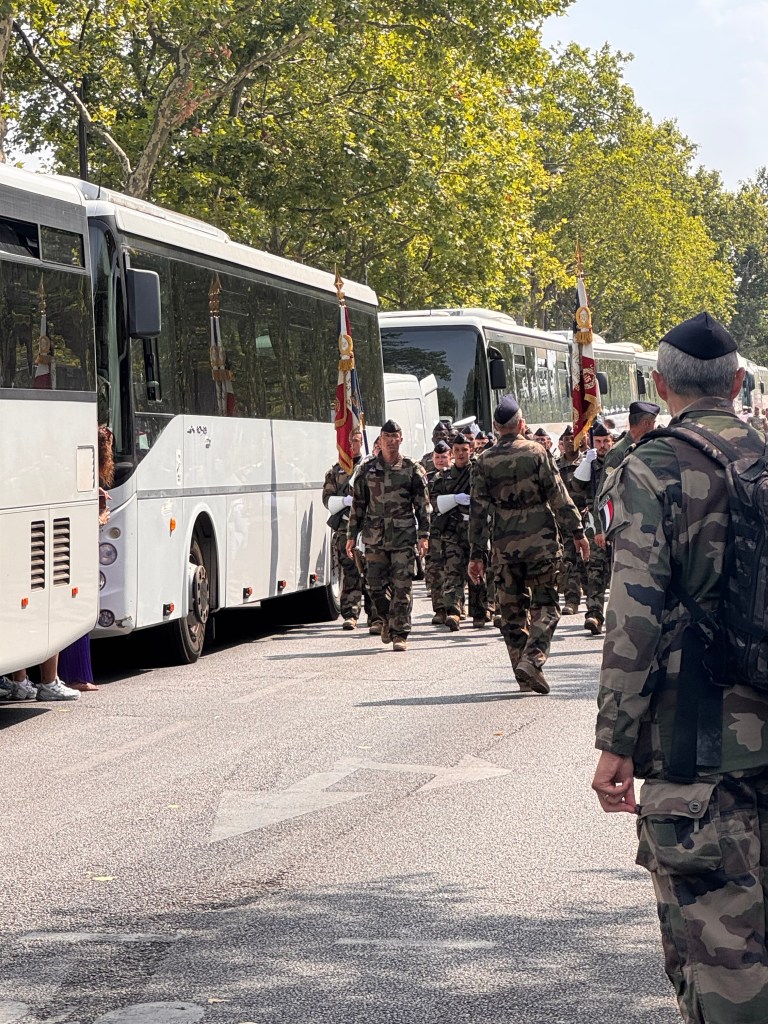
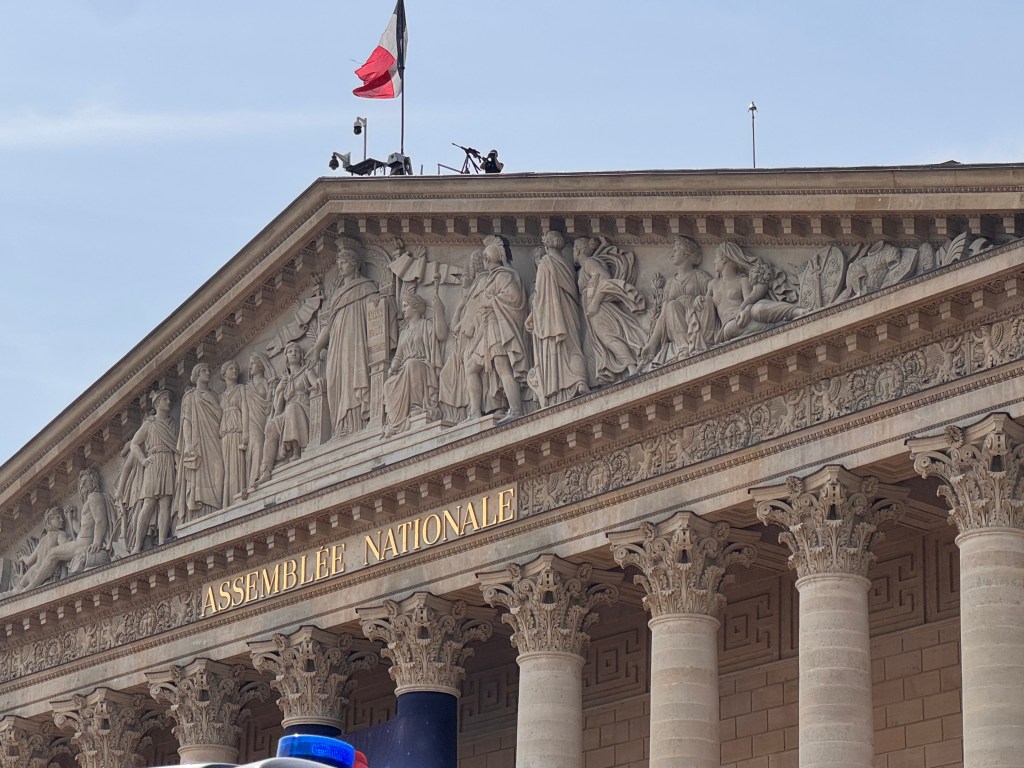
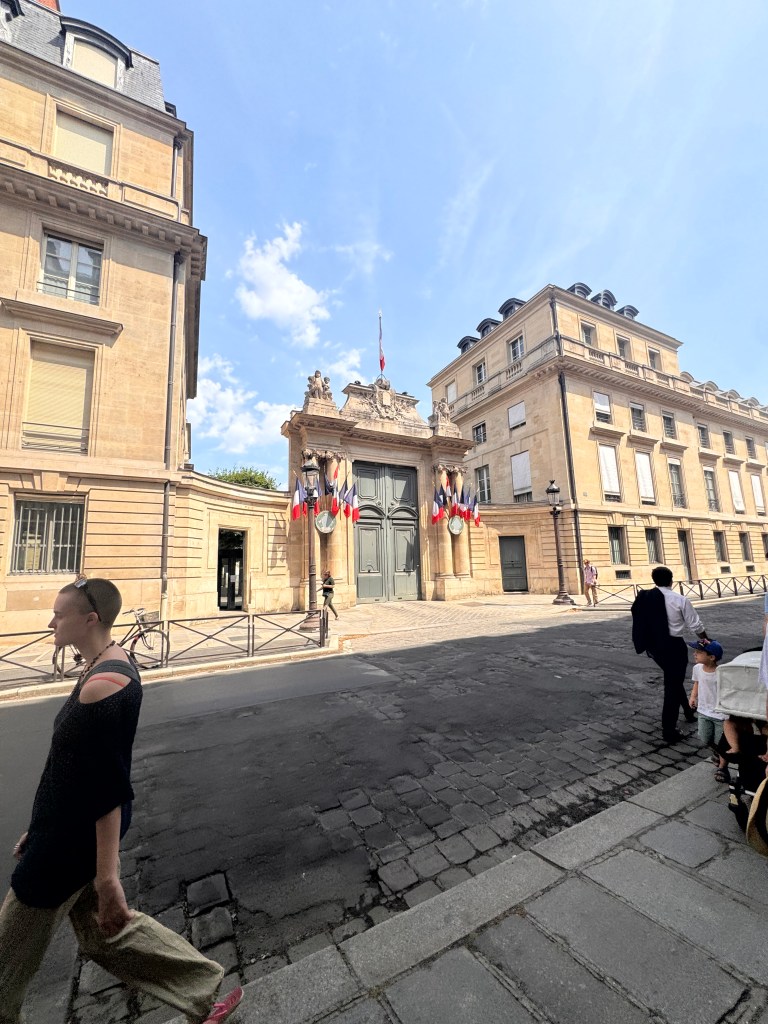
As we walked, we realized we had unknowingly found ourselves along part of the Bastille Day festivities.

What incredible timing!

Bastille Day, celebrated every July 14, commemorates the storming of the Bastille prison in 1789, one of the defining moments of the French Revolution. Today it serves as France’s national holiday and is marked by one of the world’s largest military parades.

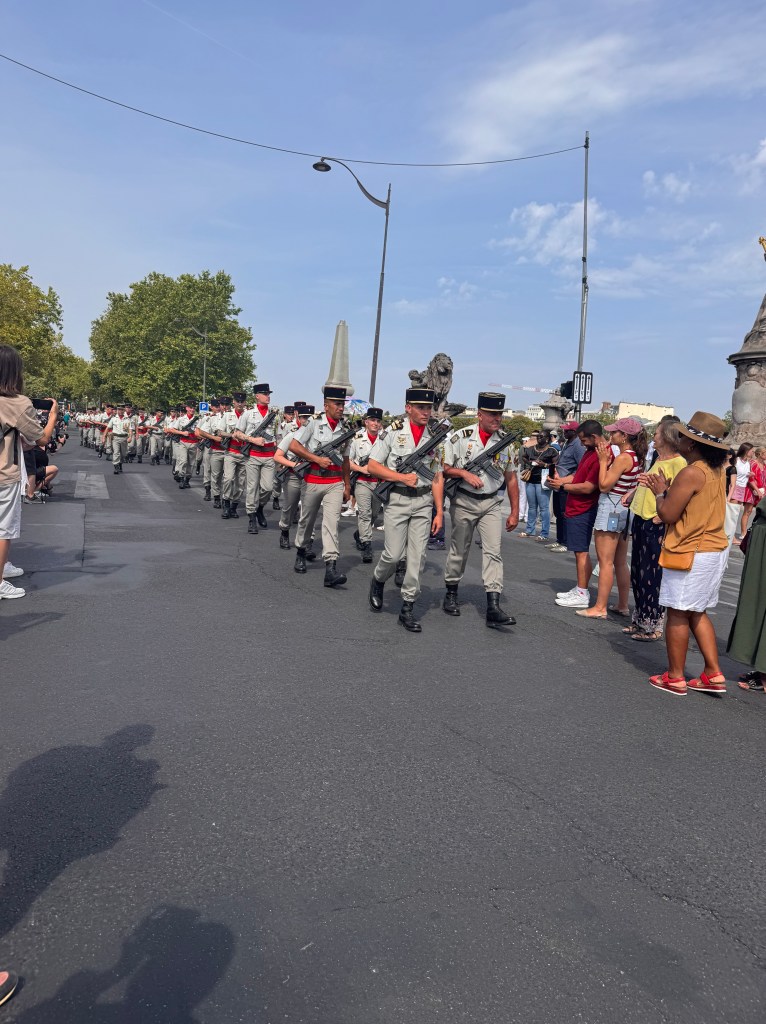
This year’s celebration was especially significant. Nearly 6,700 troops, 98 aircraft, 31 helicopters, and more than 300 military vehicles participated in what was reported to be the largest Bastille Day parade ever held. France also highlighted its solidarity with its allies, welcoming Ukraine’s president as the guest of honor while showcasing its commitment to European security.

It was exciting to watch units from across the French Armed Forces marching through Paris. We saw soldiers, military vehicles, helicopters overhead, and aircraft flying as part of the celebration. While watching, one of the commanders walked over and presented us with a commemorative patch from Base Aérienne 702 (BA 702) at Avord.

The patch featured a fire-breathing dragon, a symbol traditionally representing strength, determination, and formidable power. BA 702 is one of France’s most important Air and Space Force bases and plays a key role in the country’s strategic defense. Receiving the patch completely by surprise made it an unexpected souvenir that will always remind us of spending Bastille Day in Paris.

Eventually we continued our walk to the Musée d’Orsay.

Although our timed tickets were for 9:00 a.m. and we were running a little behind, the staff welcomed us without any difficulty.

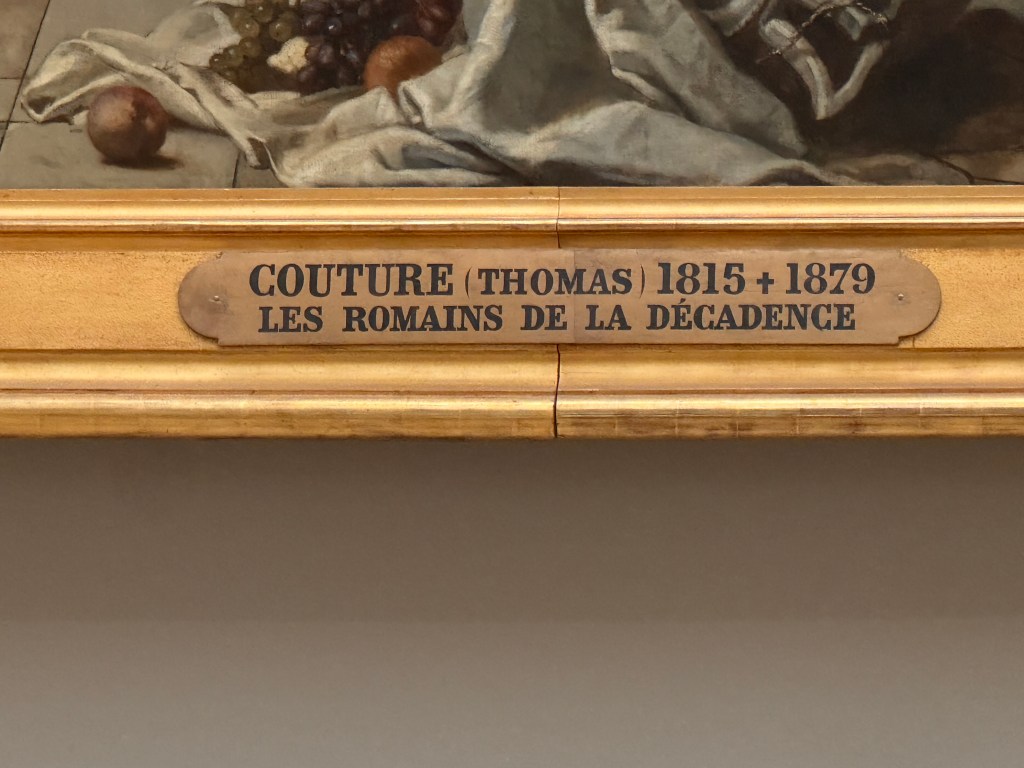
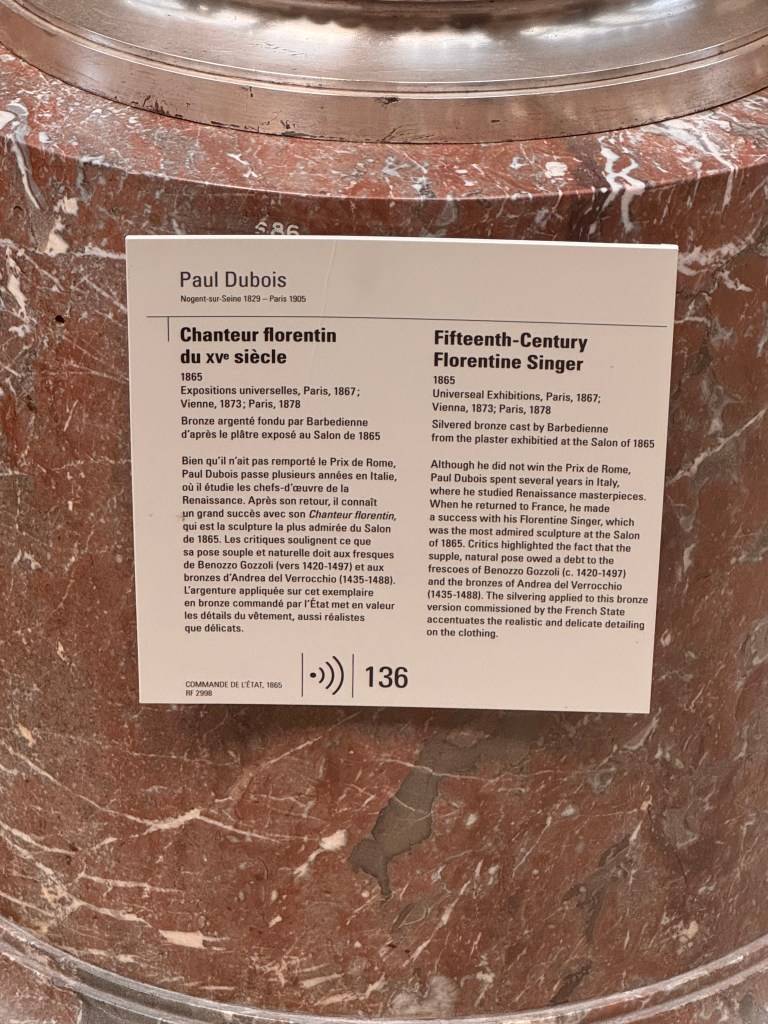
The Musée d’Orsay quickly became one of my favorite museums of the entire trip.

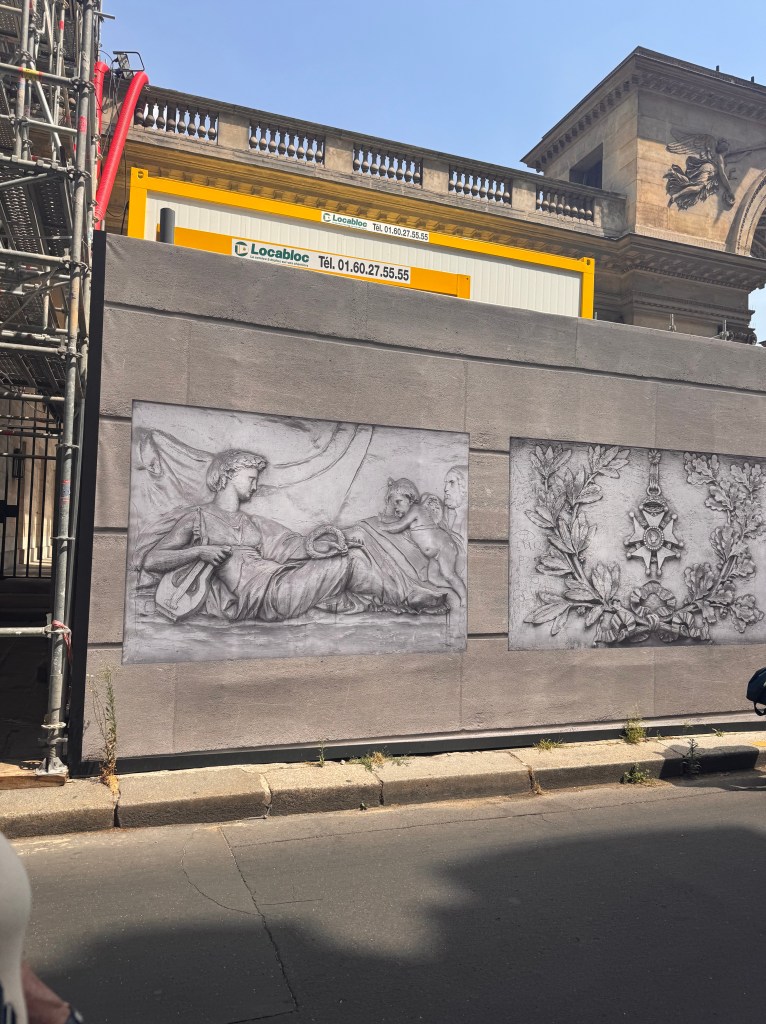
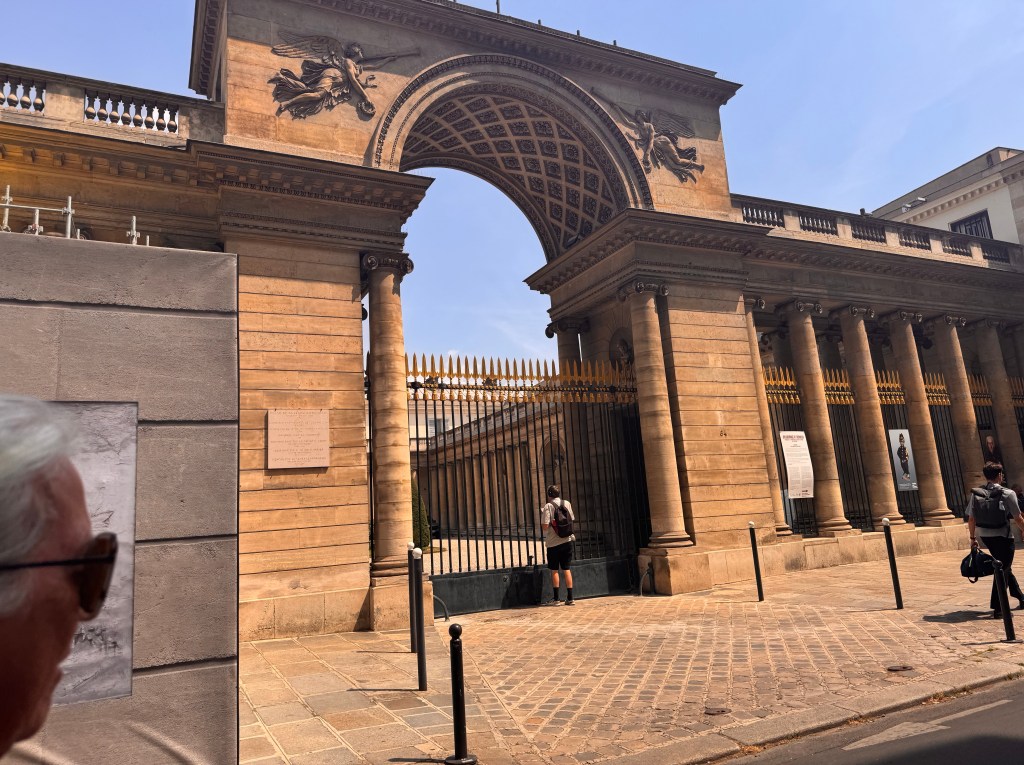
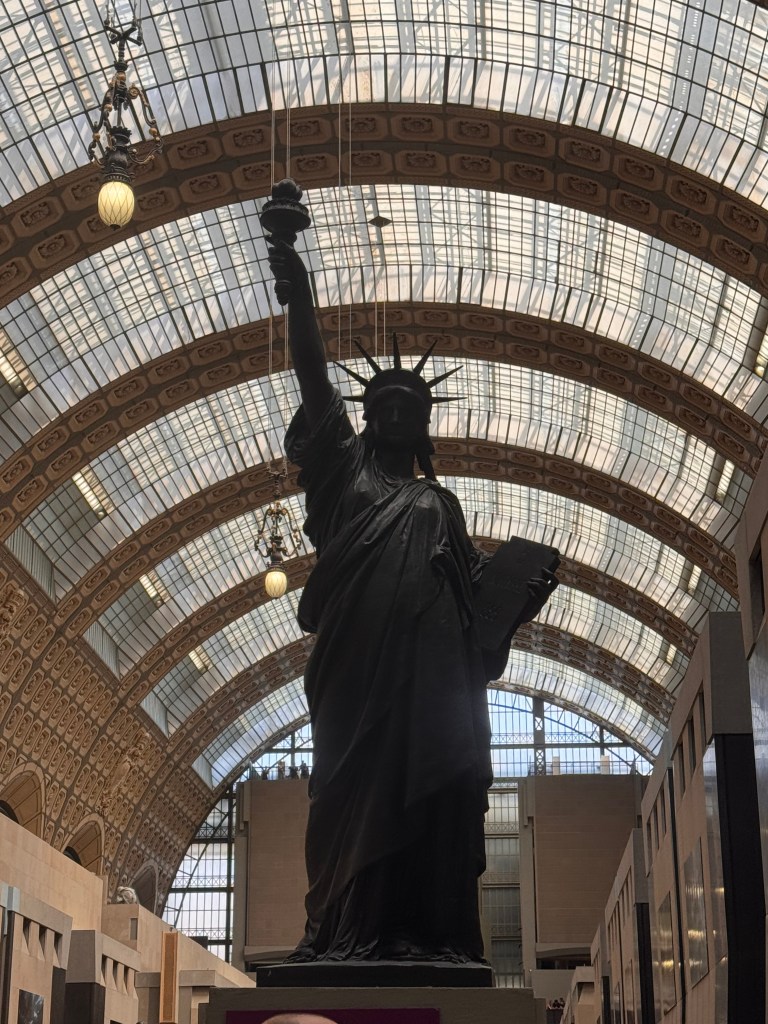
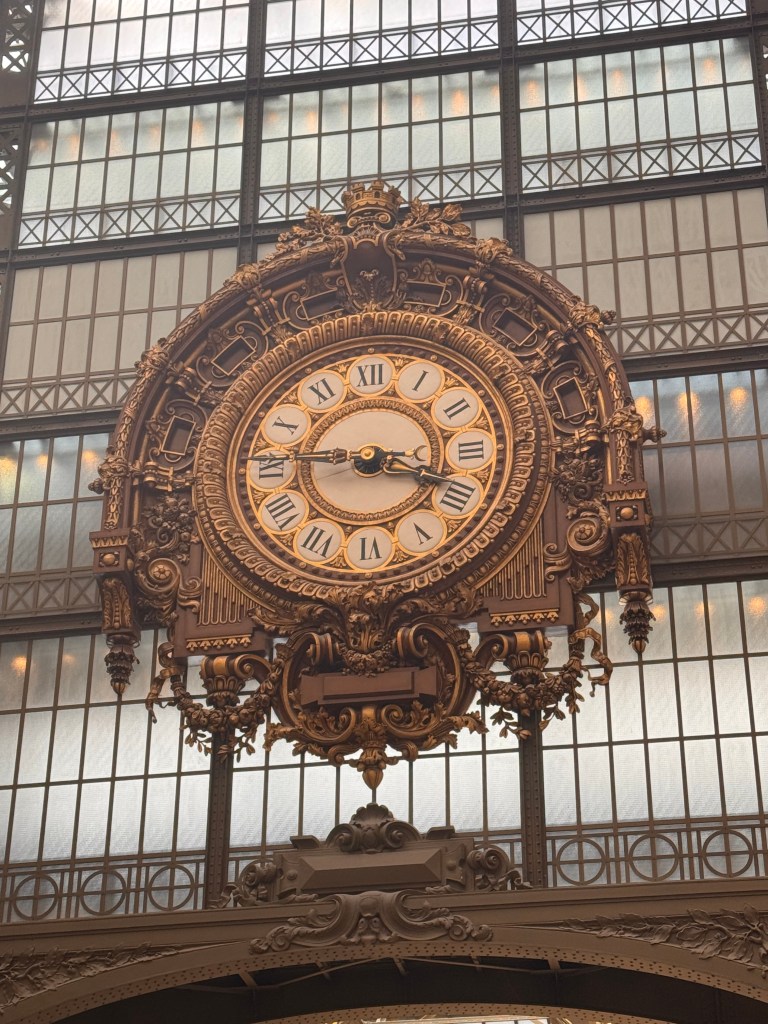
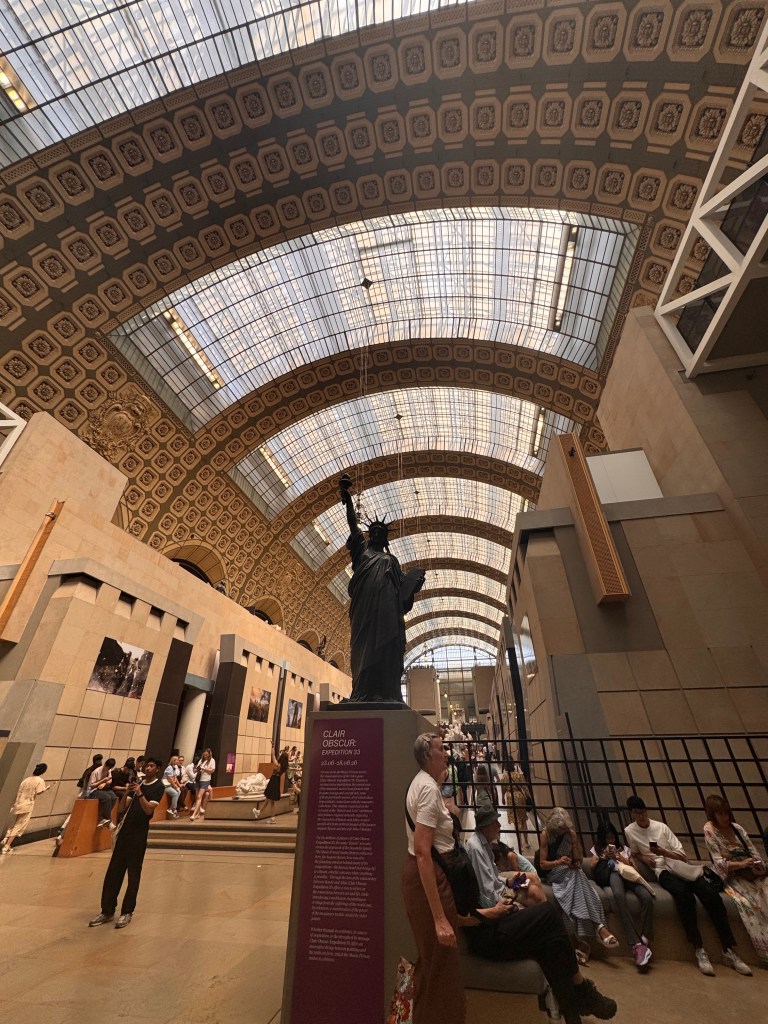
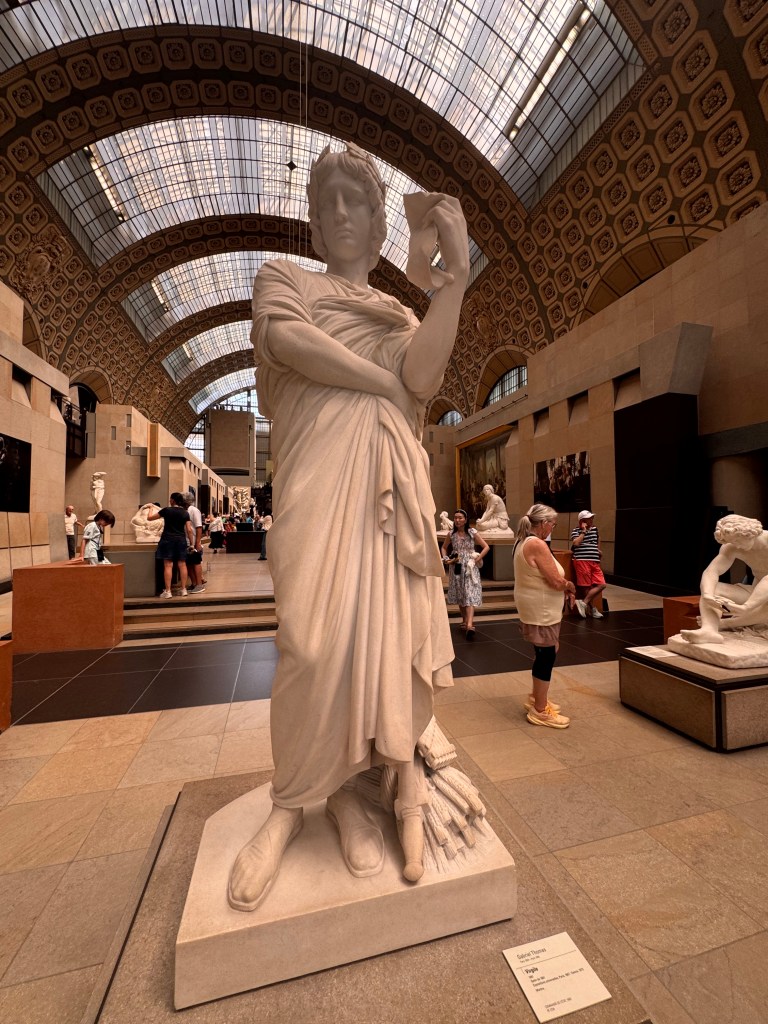
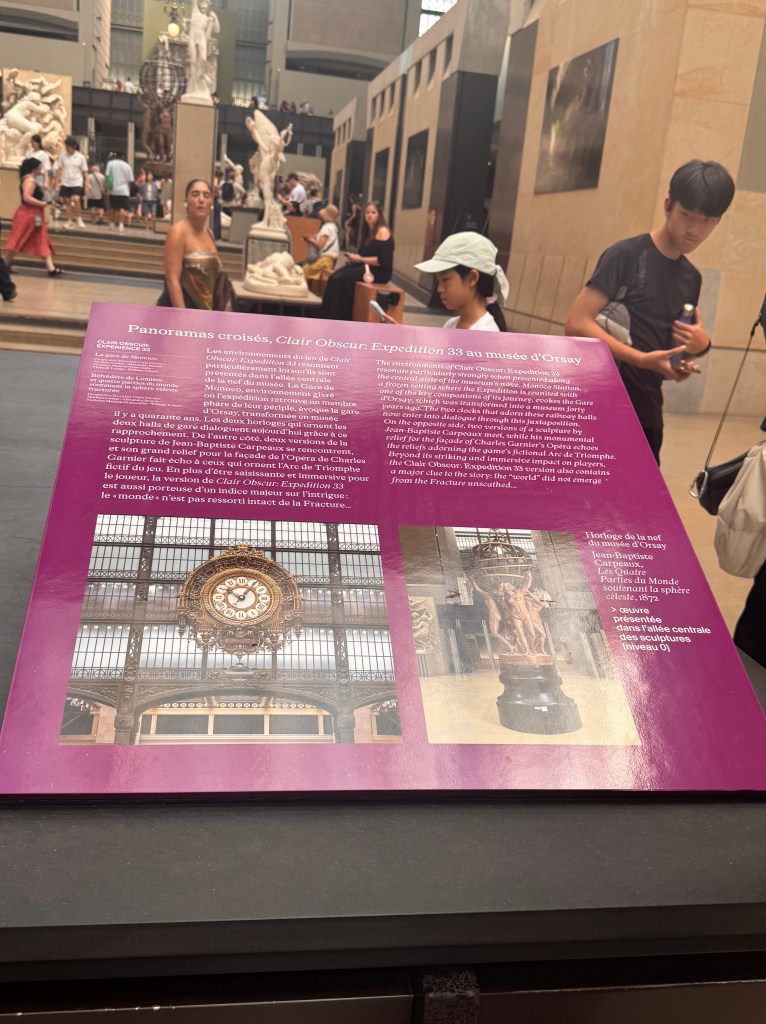
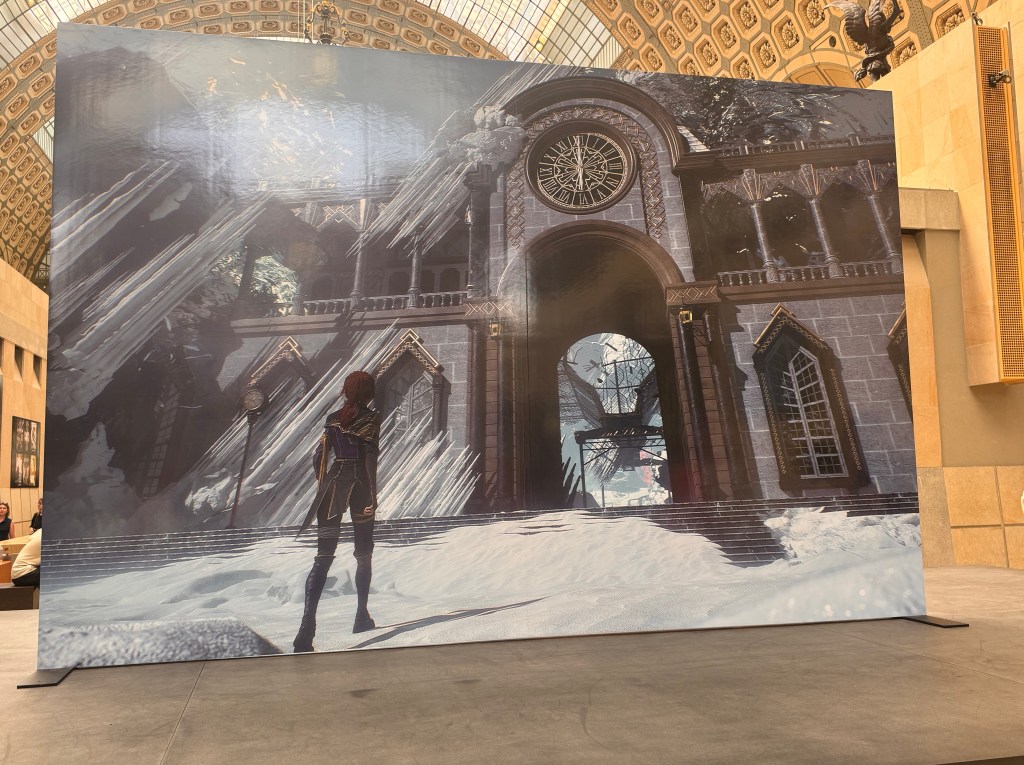
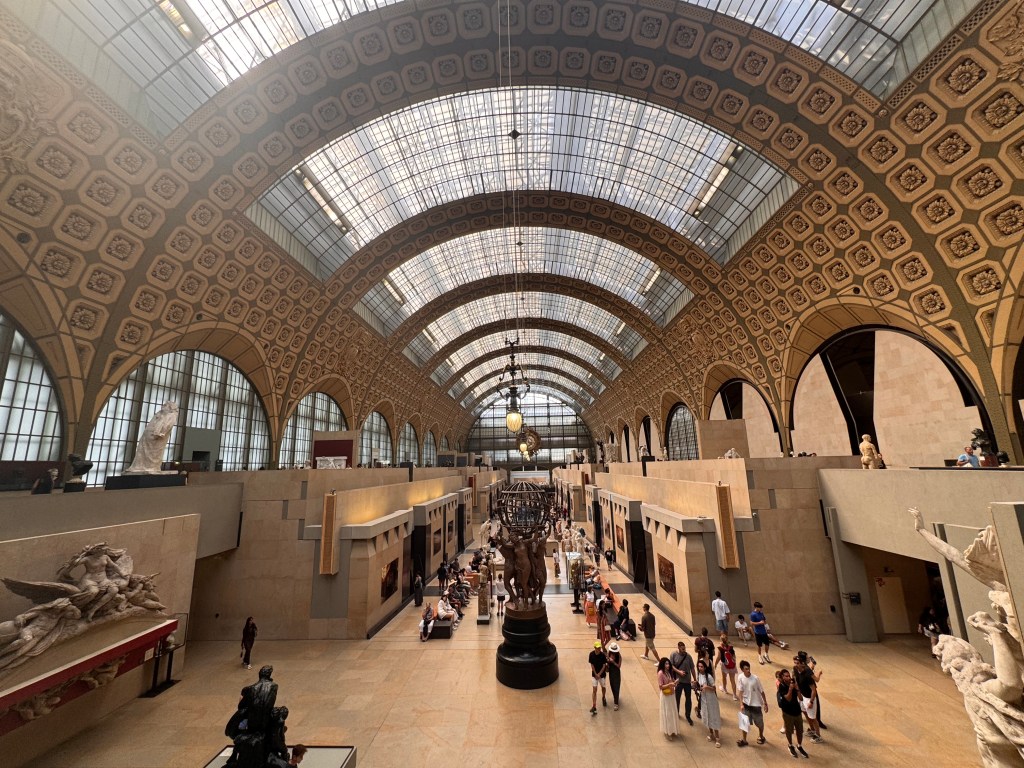
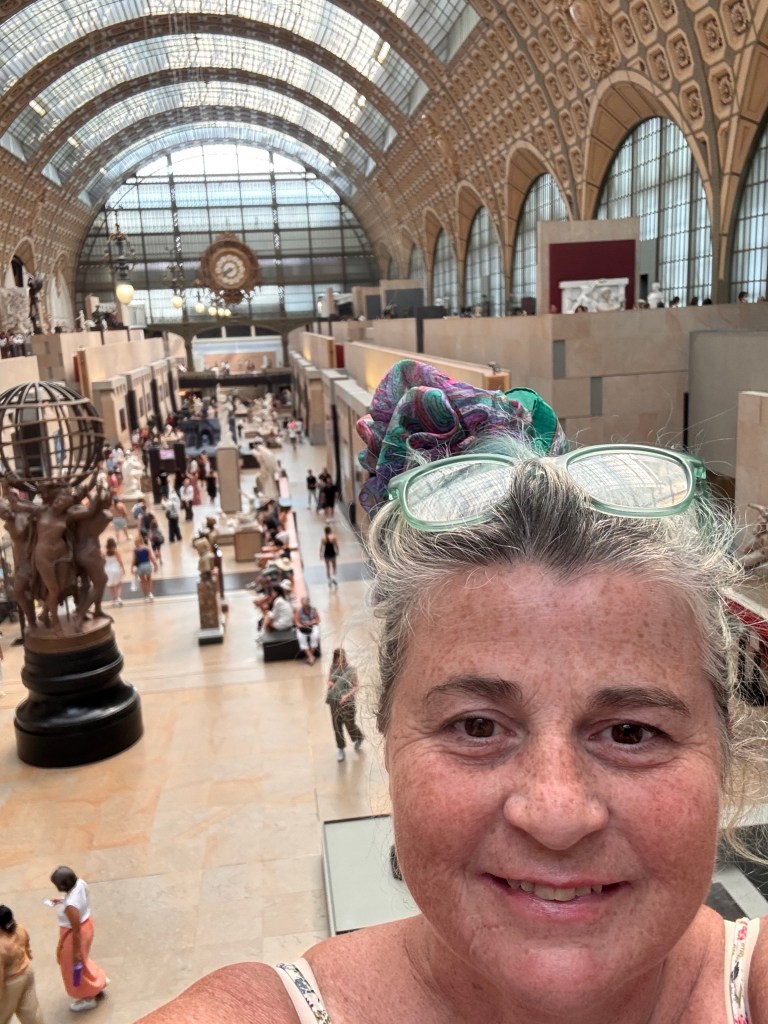
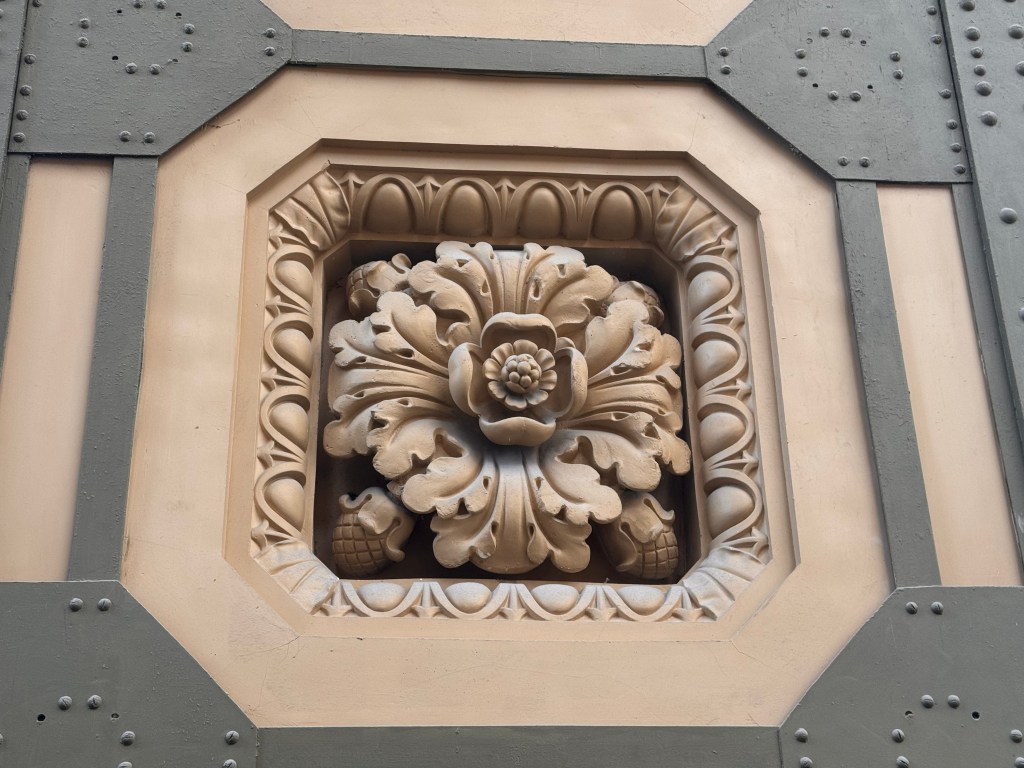
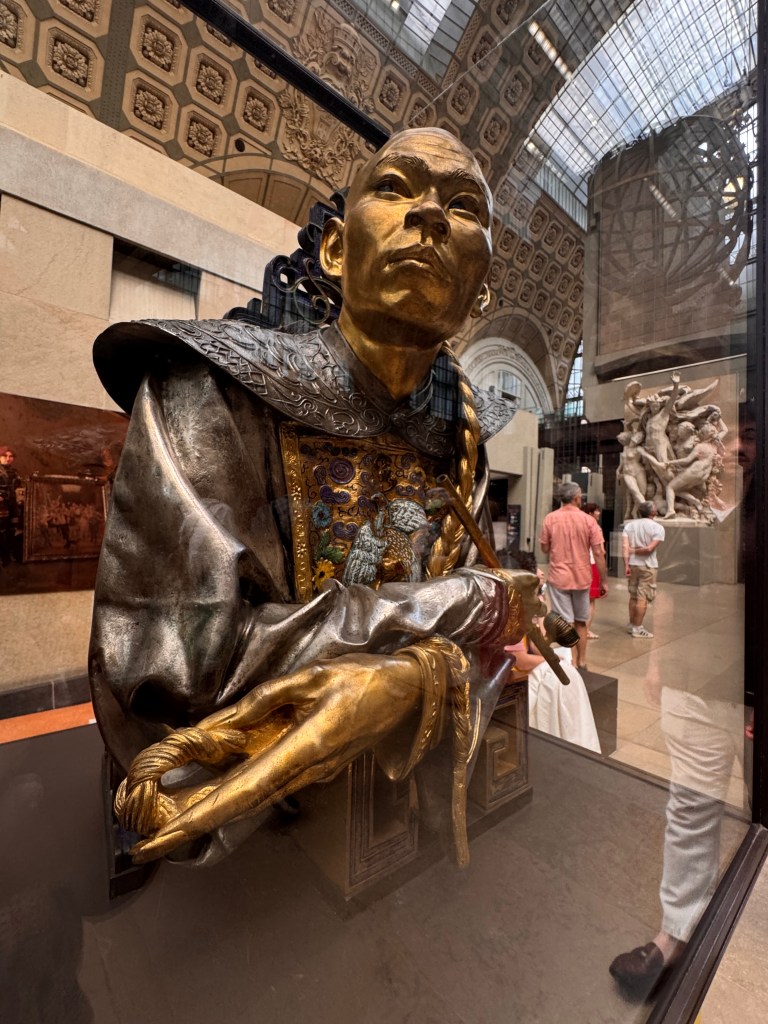
Housed inside the beautifully restored Gare d’Orsay railway station, built for the 1900 World’s Fair, the museum itself is a masterpiece. The soaring glass roof, enormous clock faces, and grand Beaux-Arts architecture are almost as impressive as the artwork hanging on the walls.

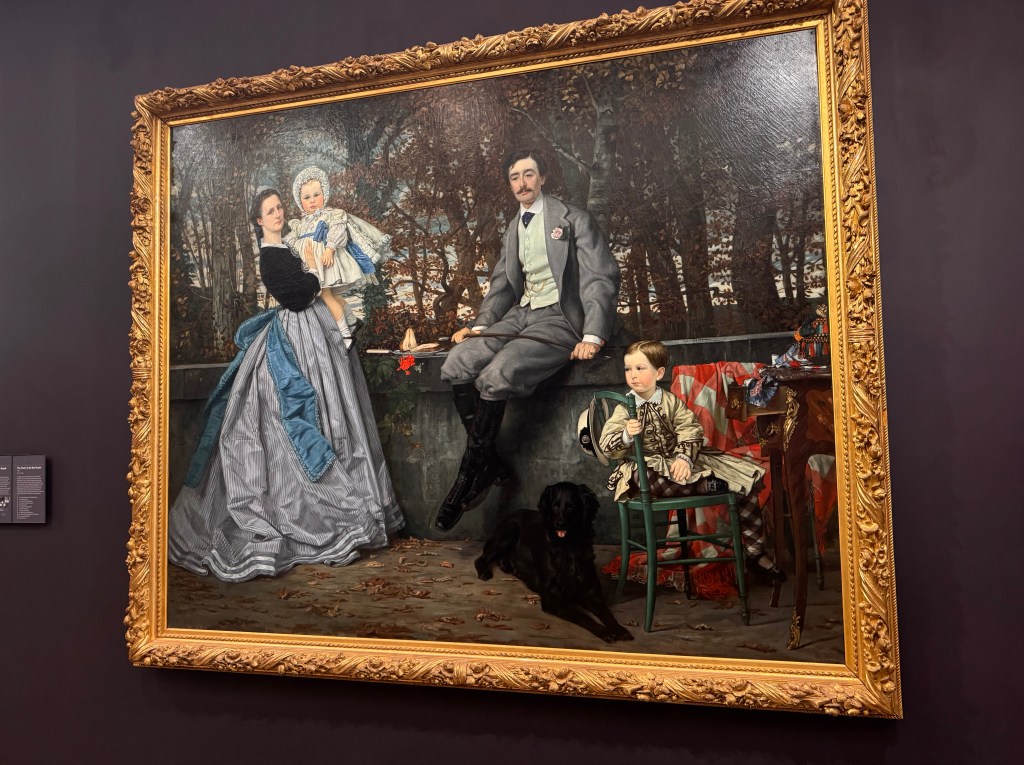
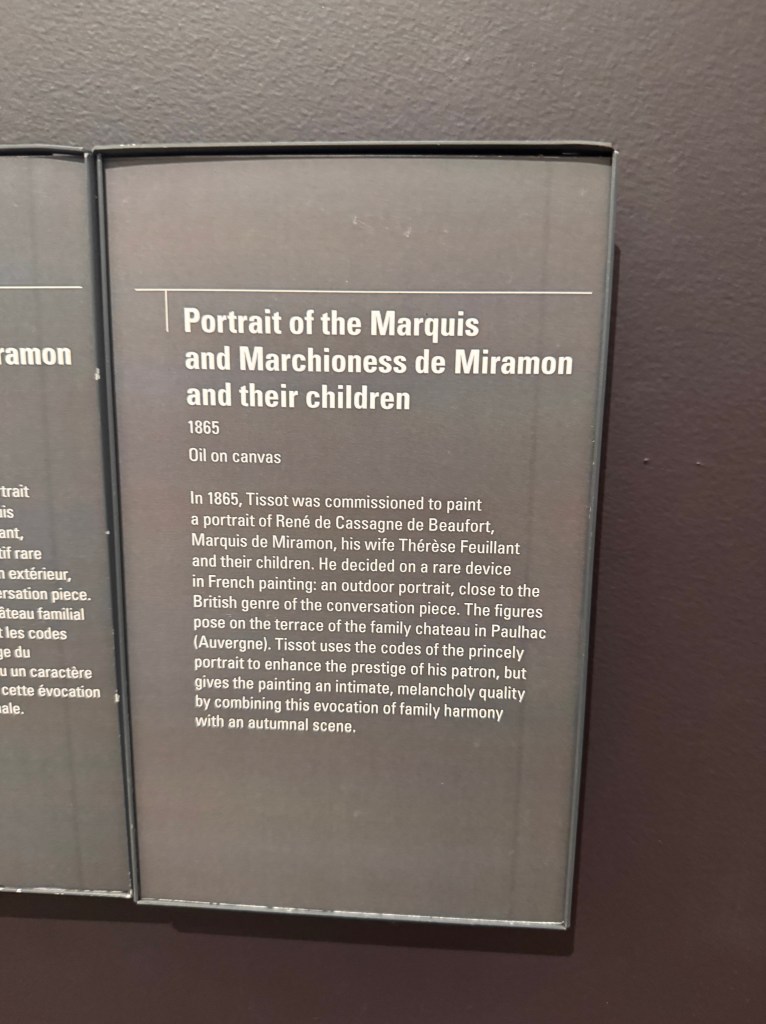
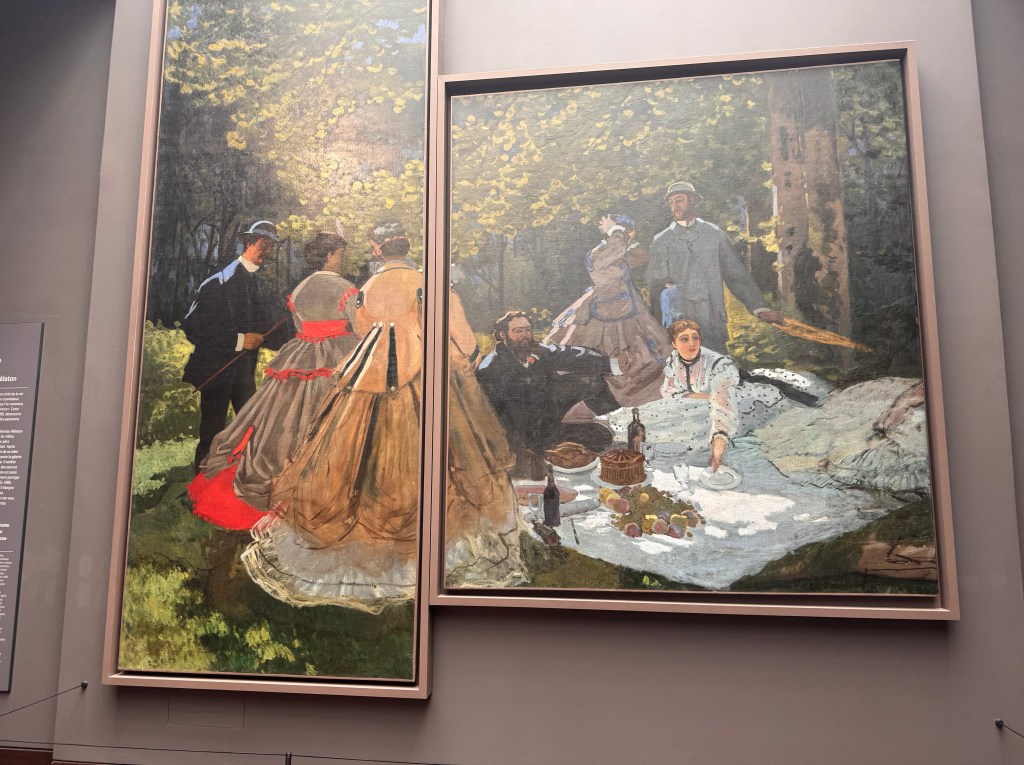
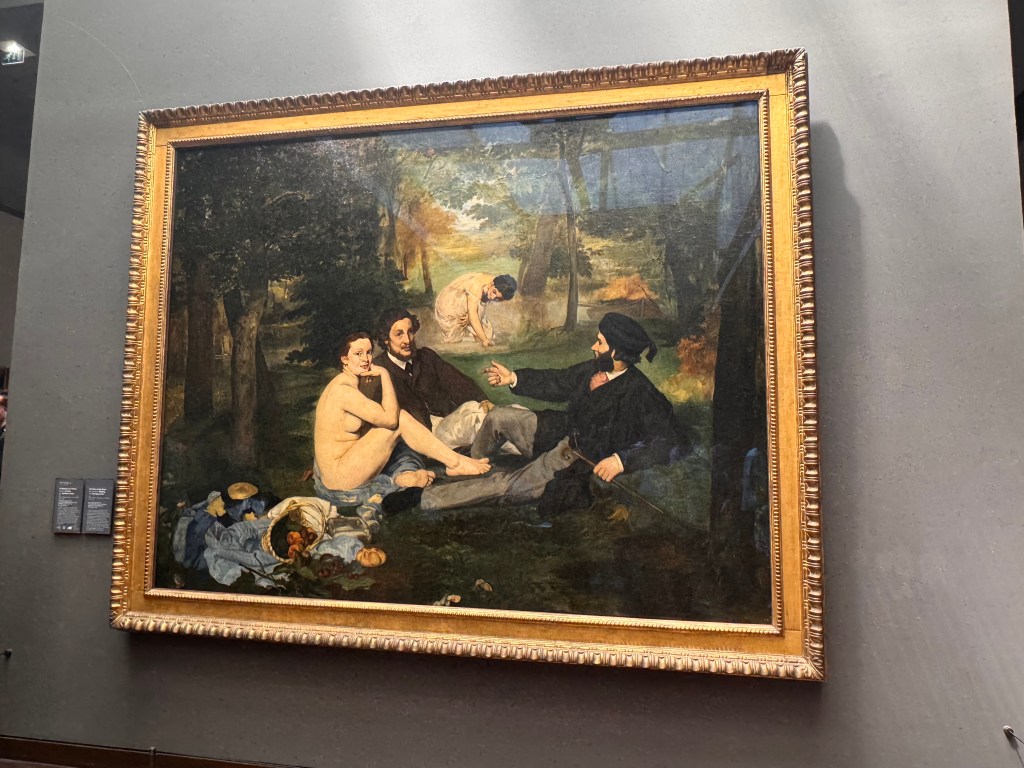
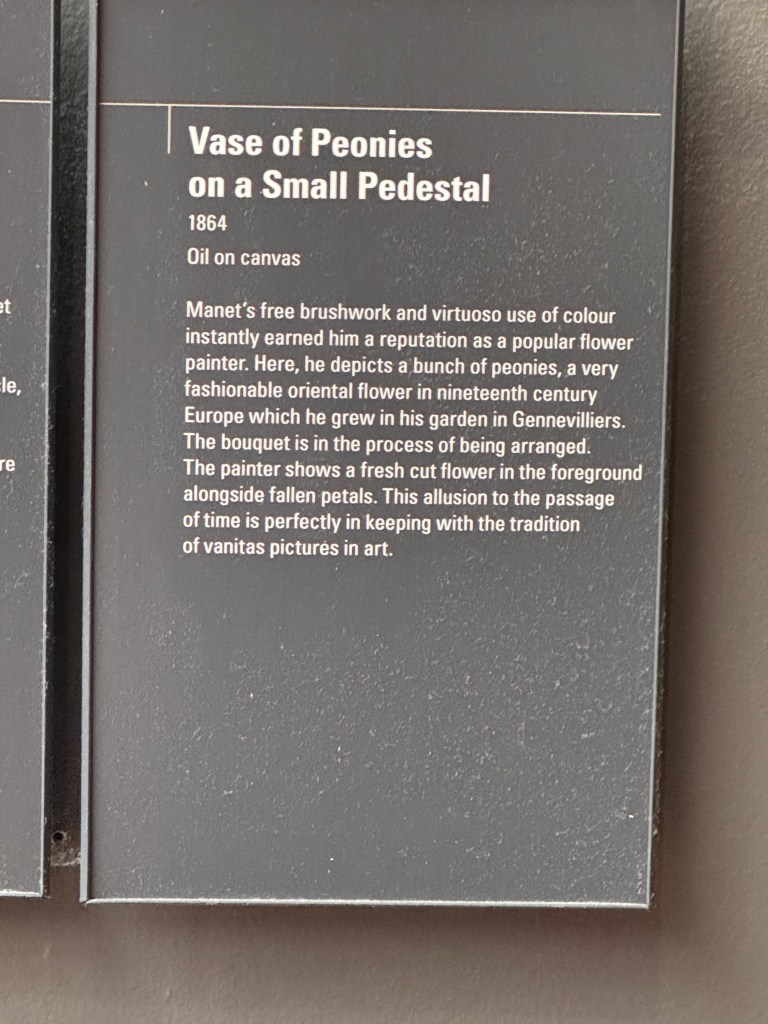
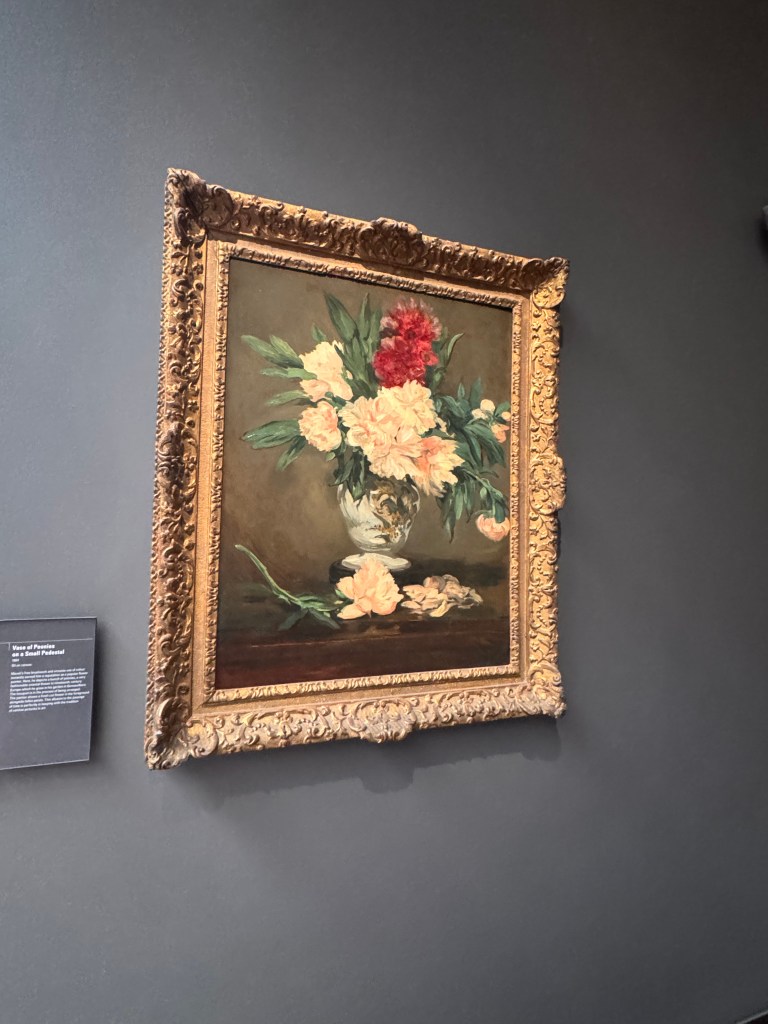
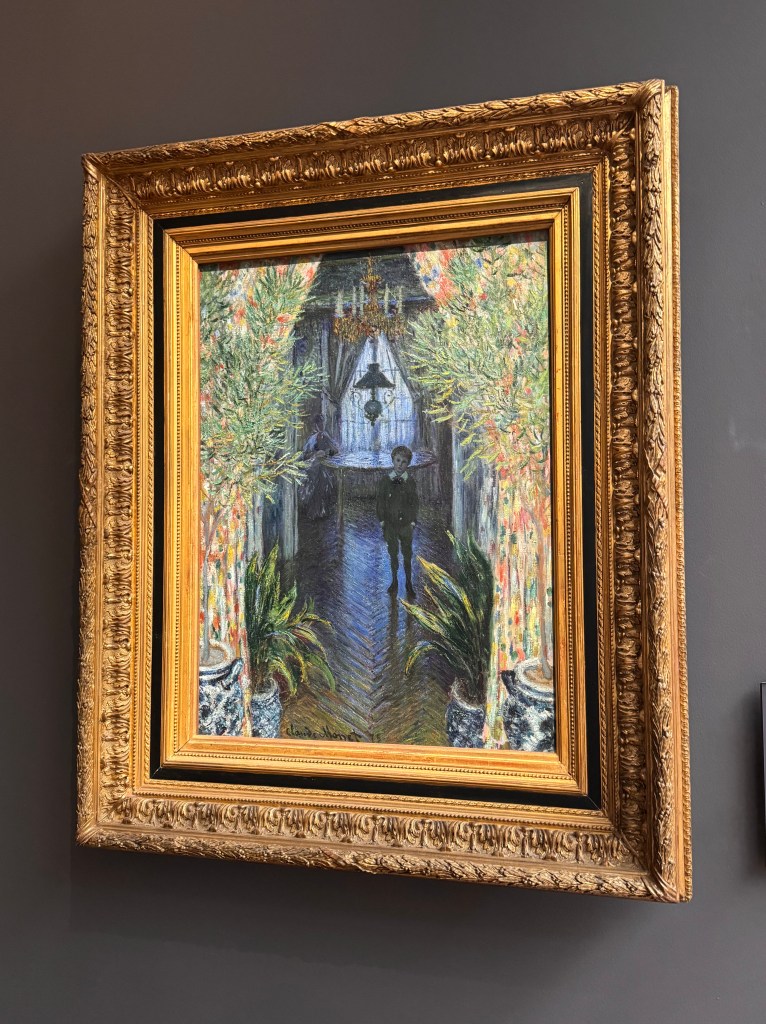
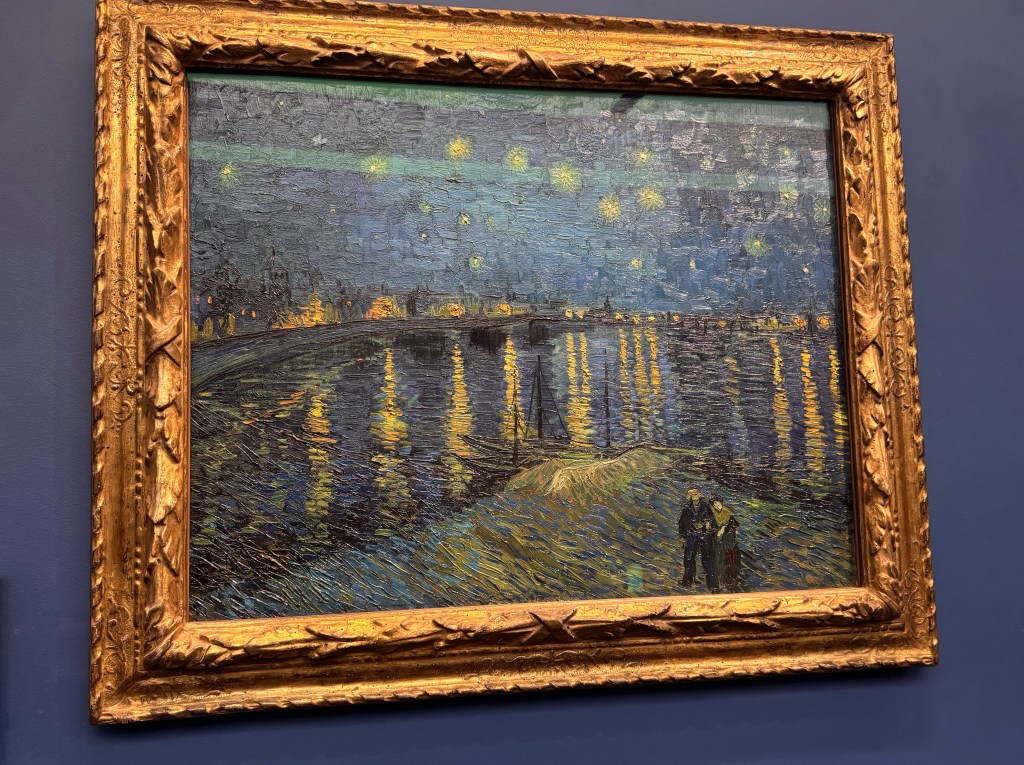
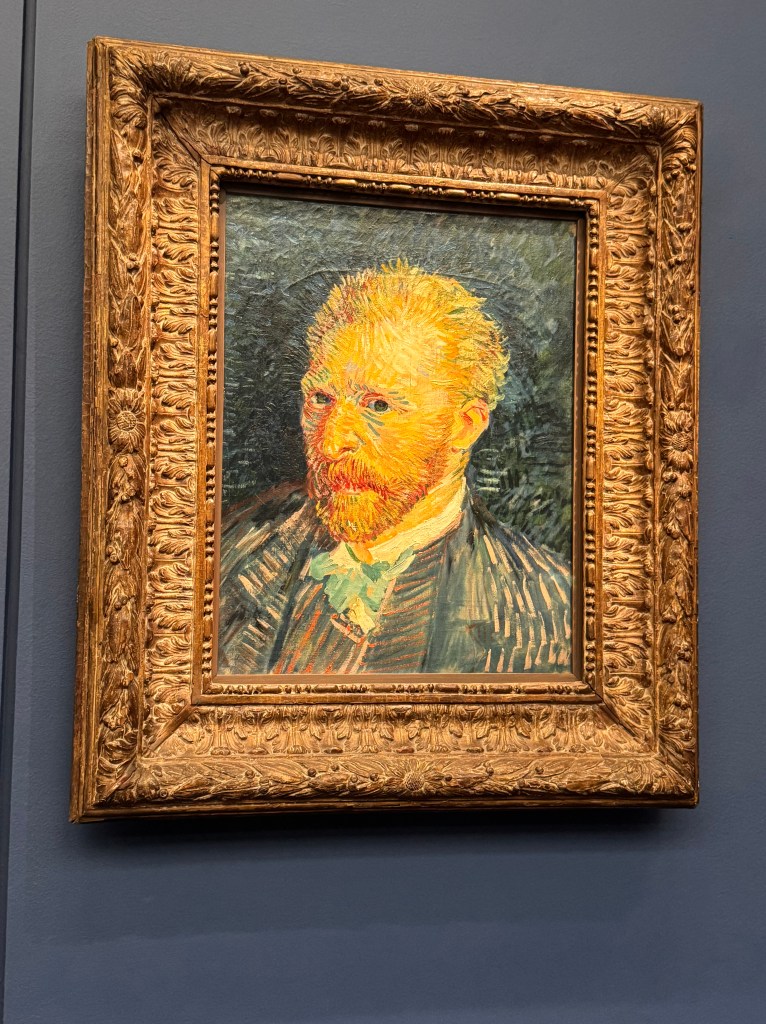
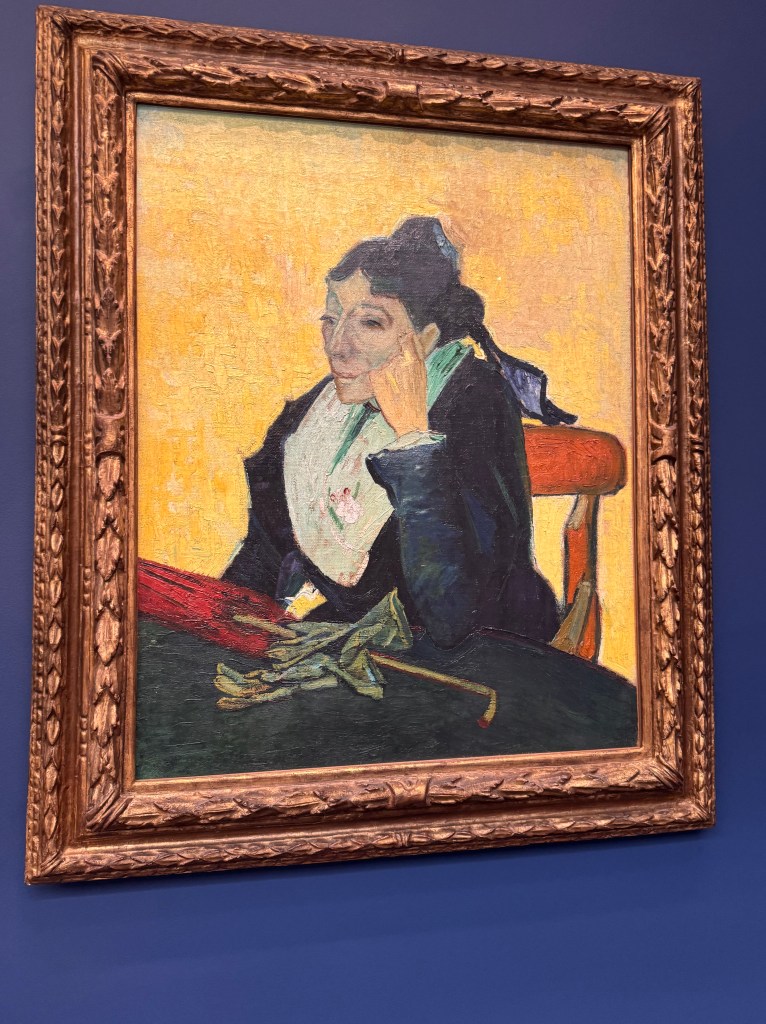
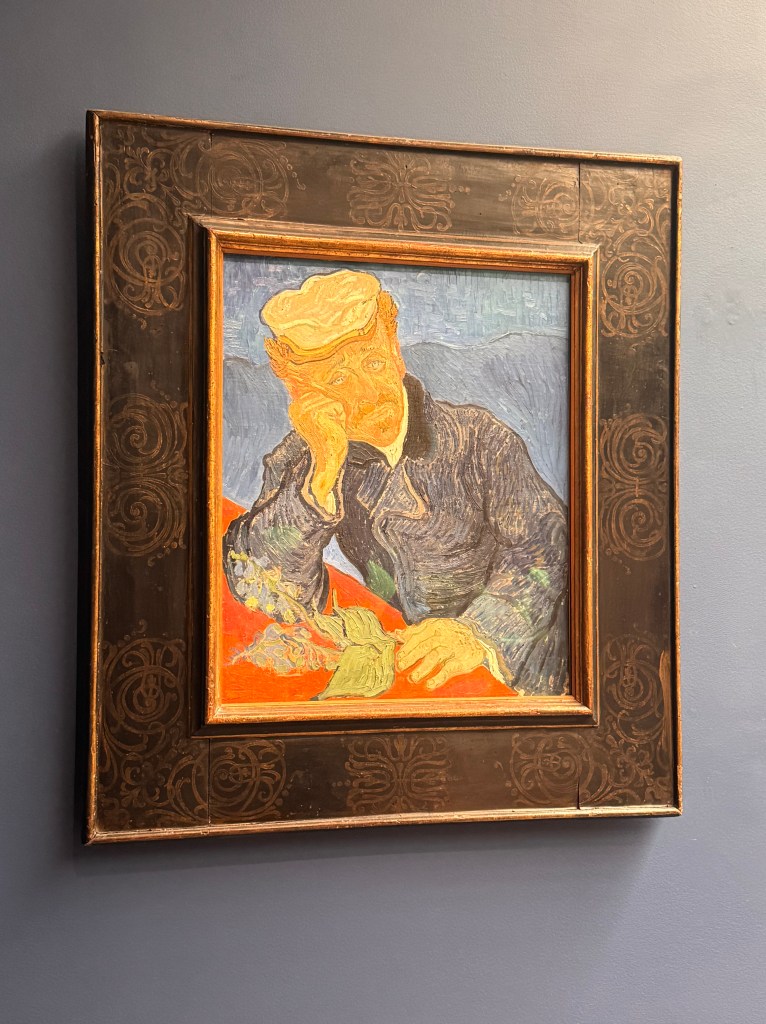
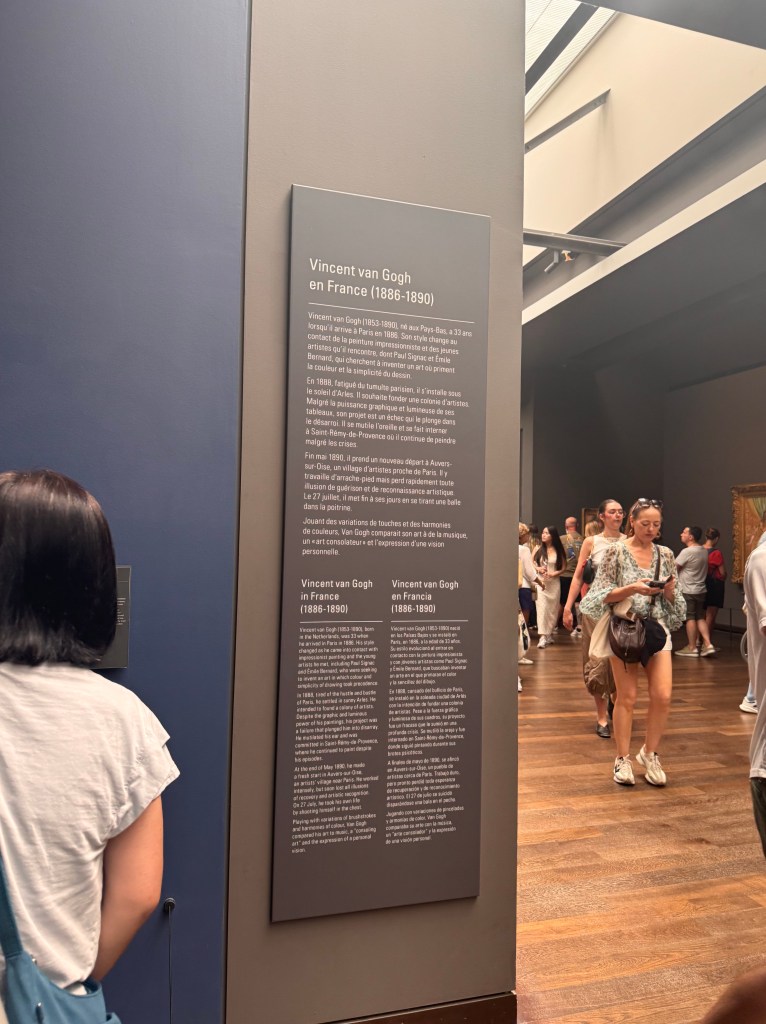
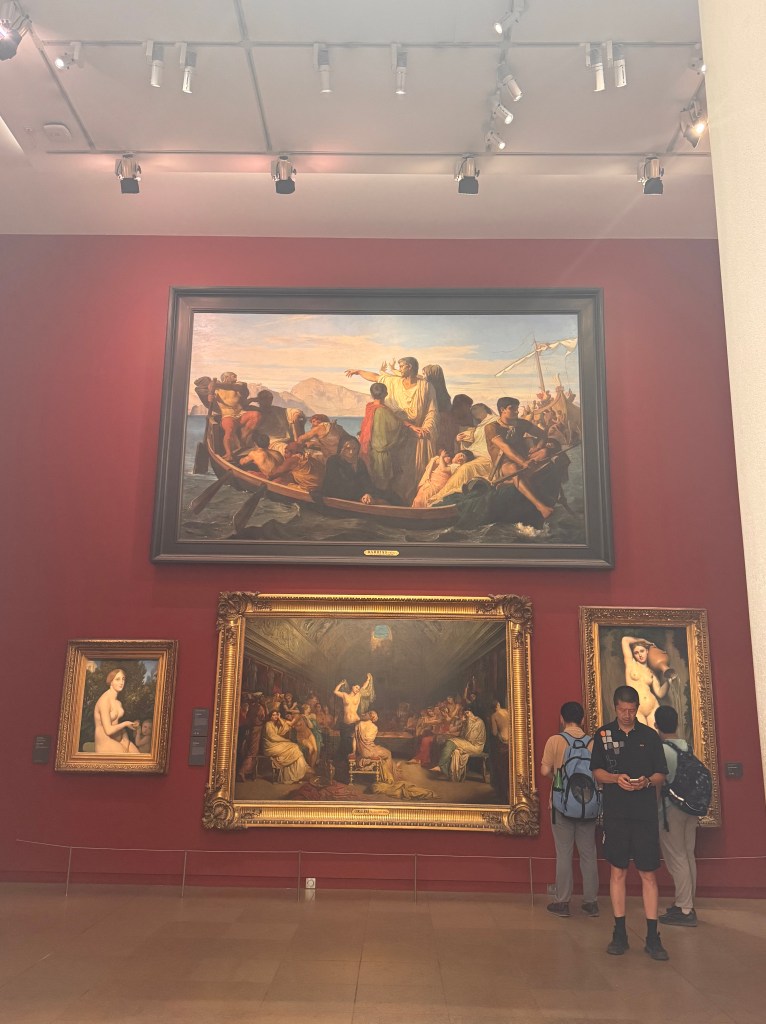
Its collection focuses primarily on the artistic revolution of the late 19th century, and room after room was filled with masterpieces.

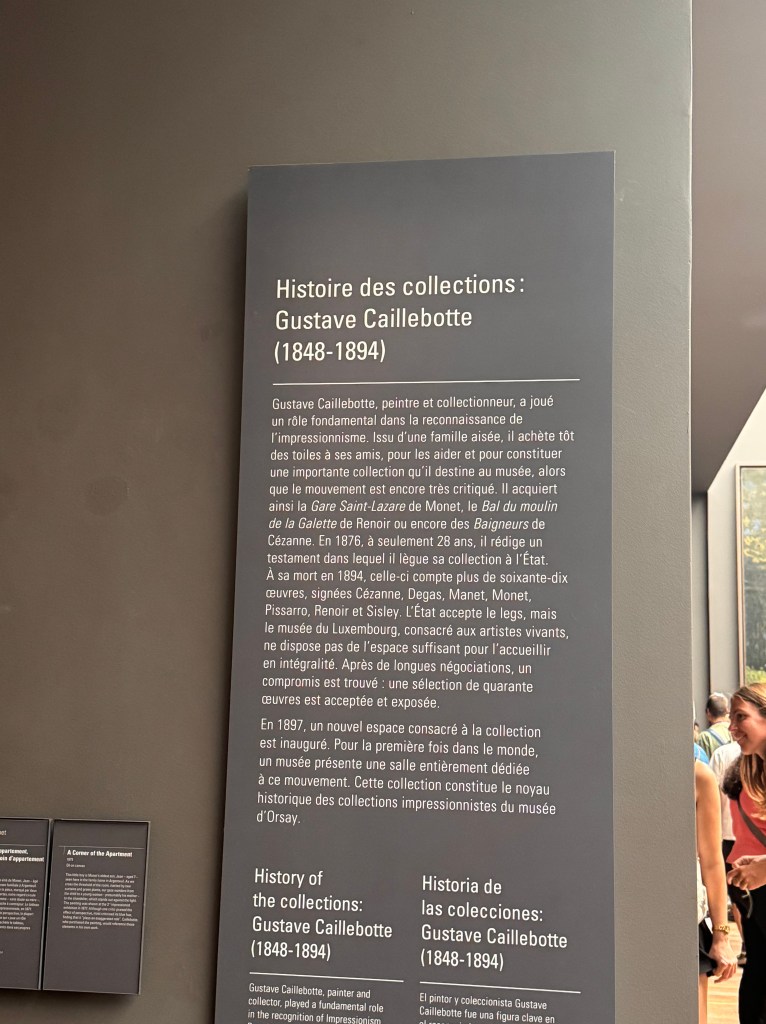
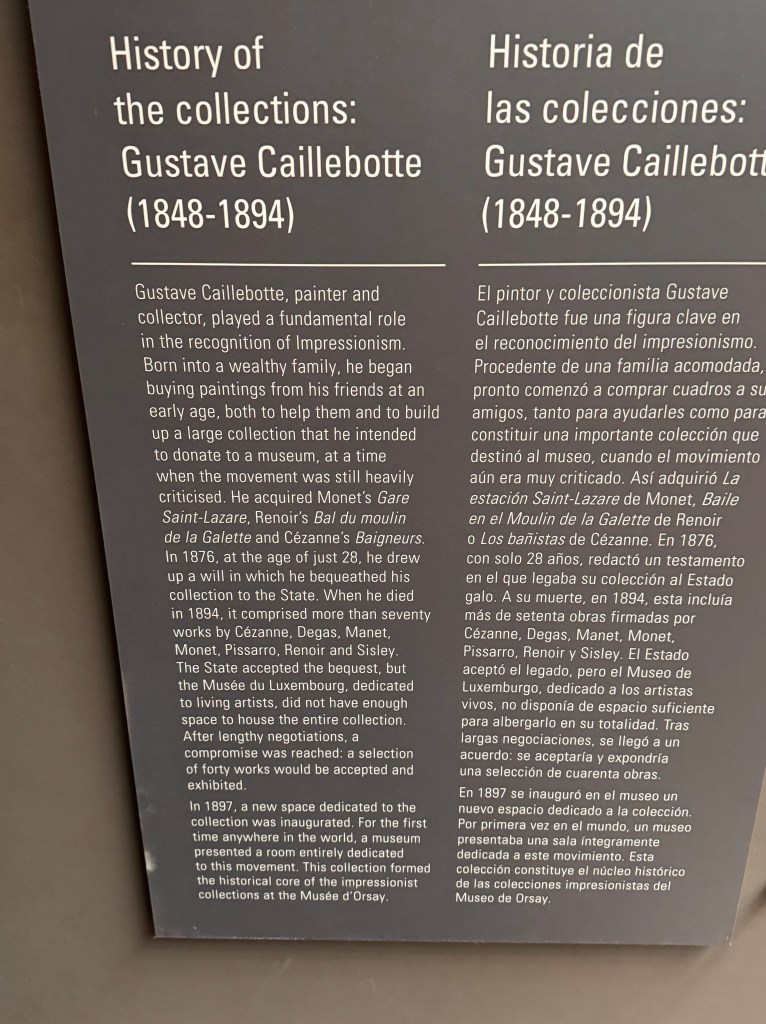
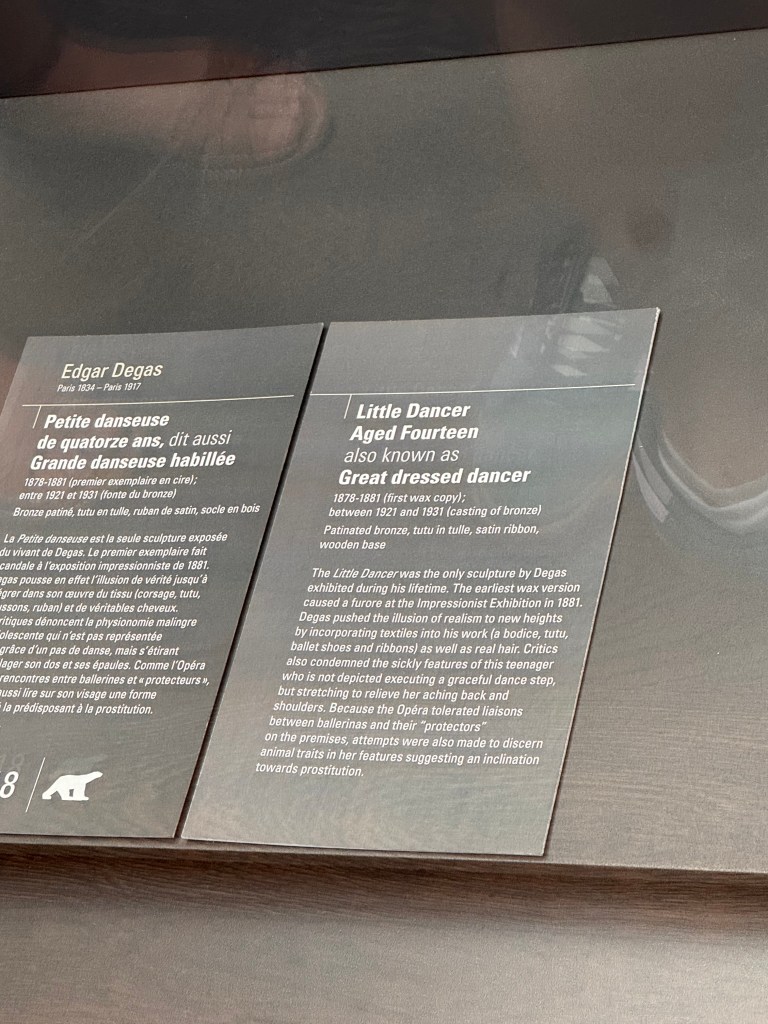
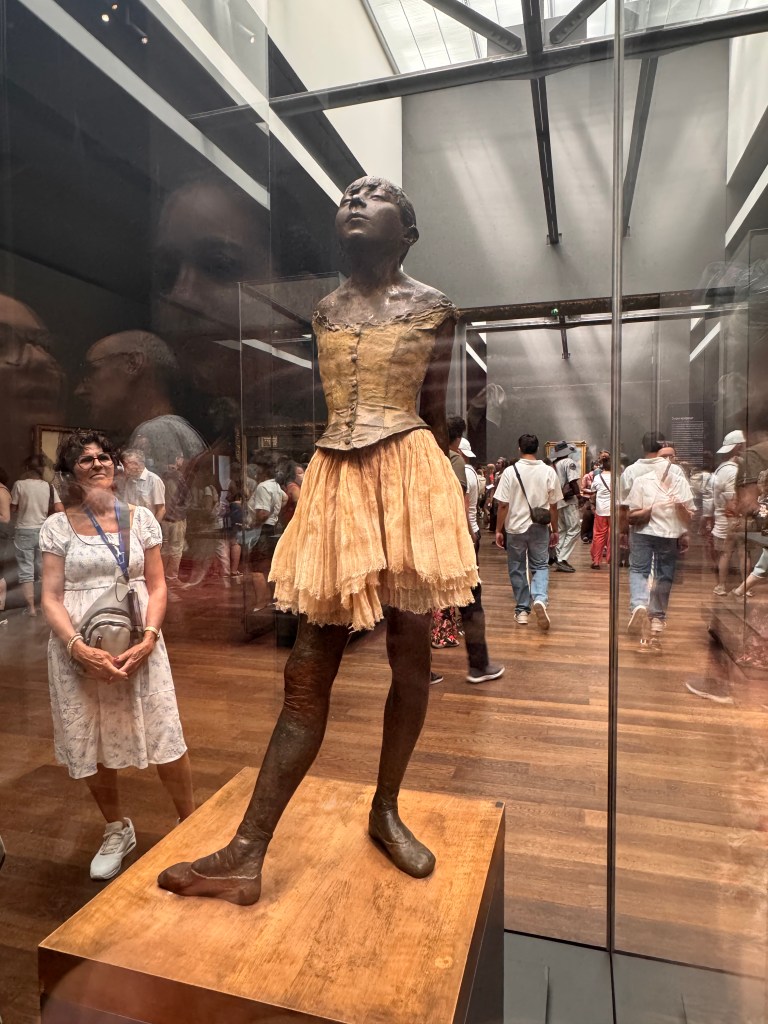
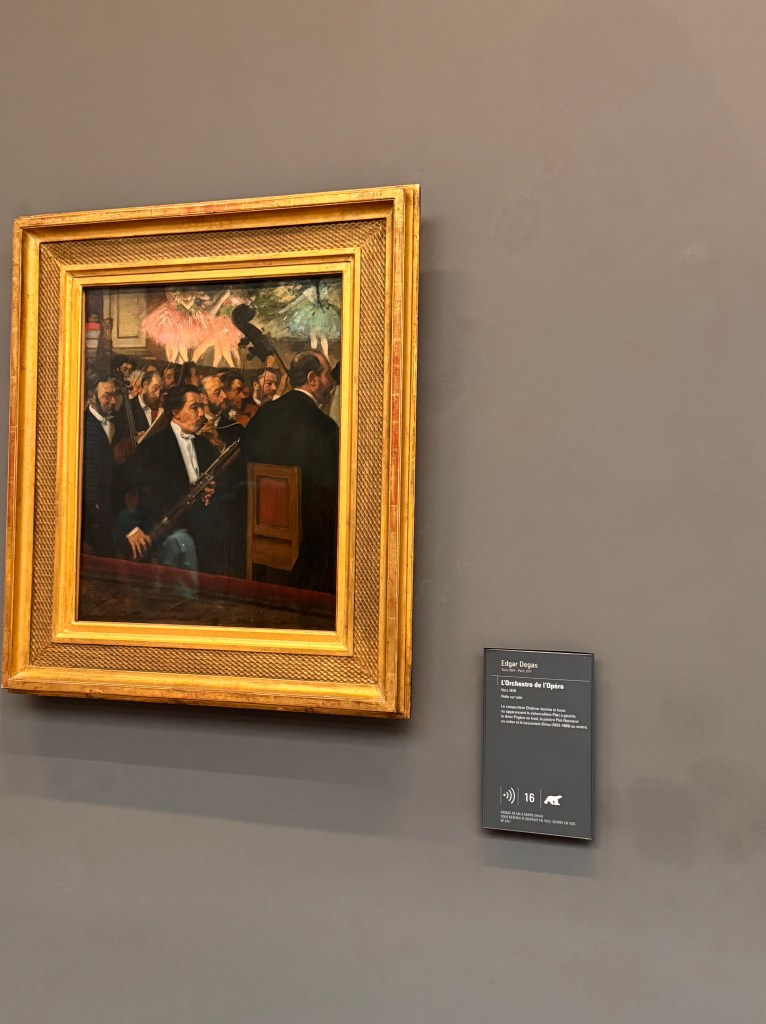
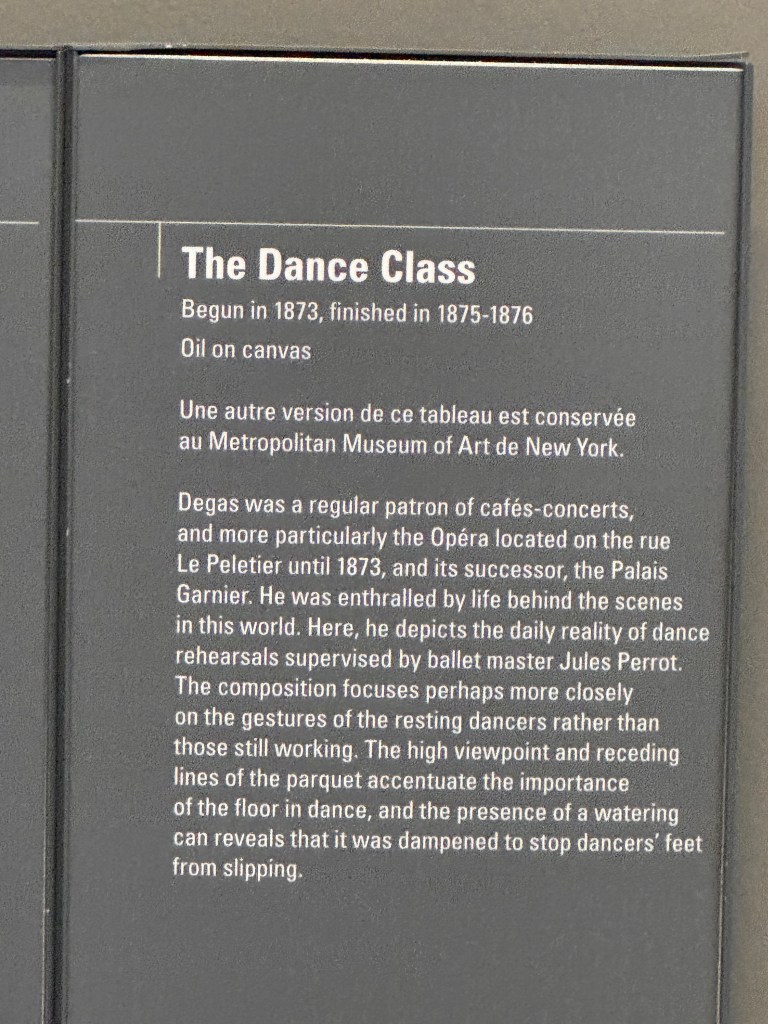
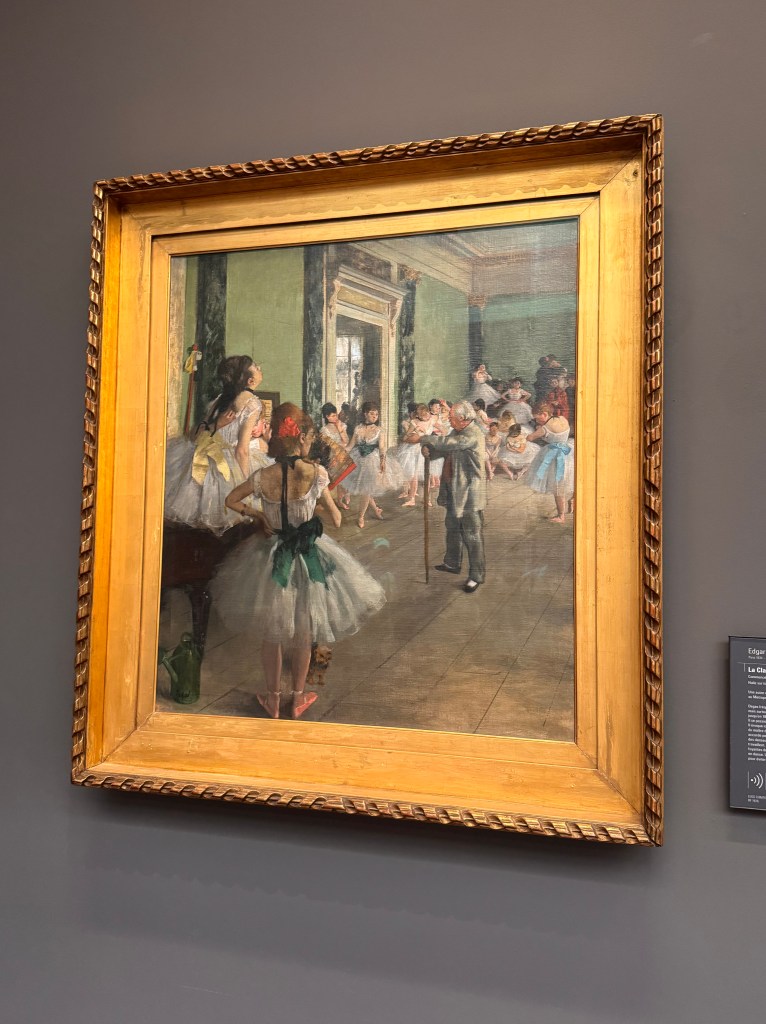
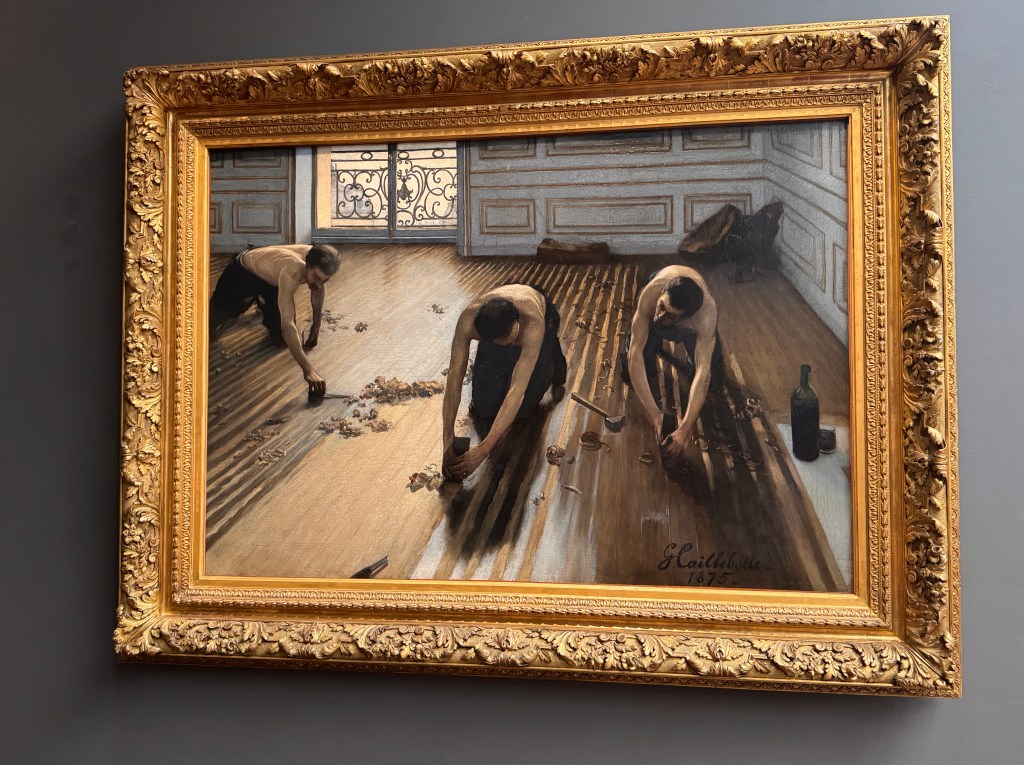
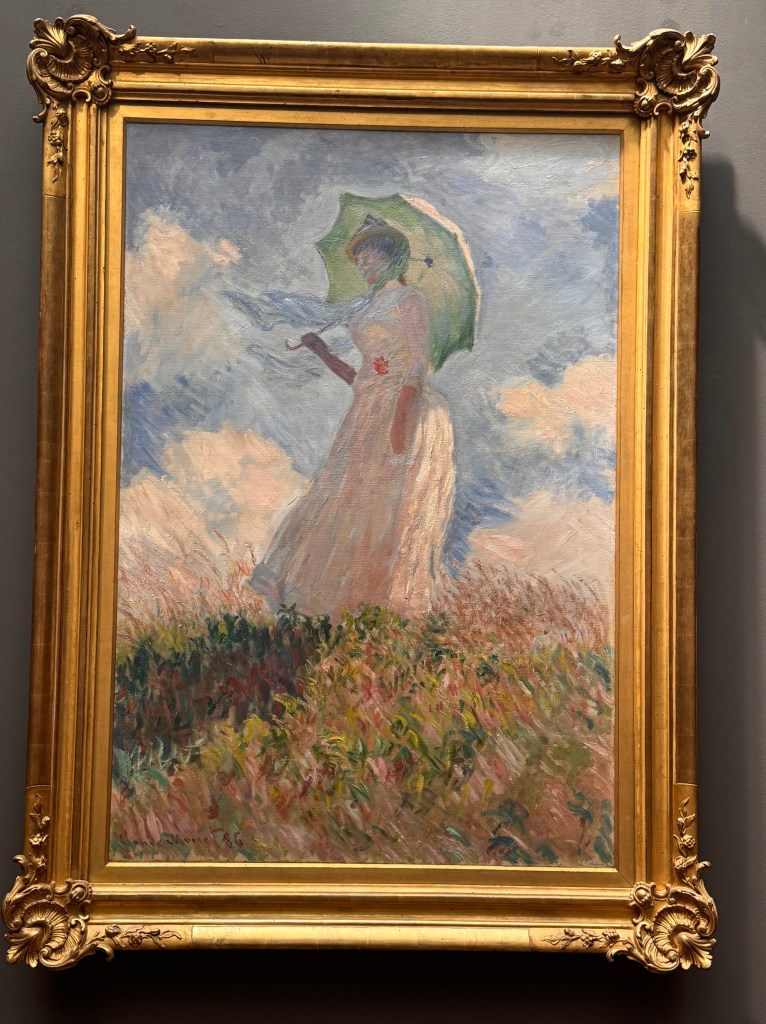
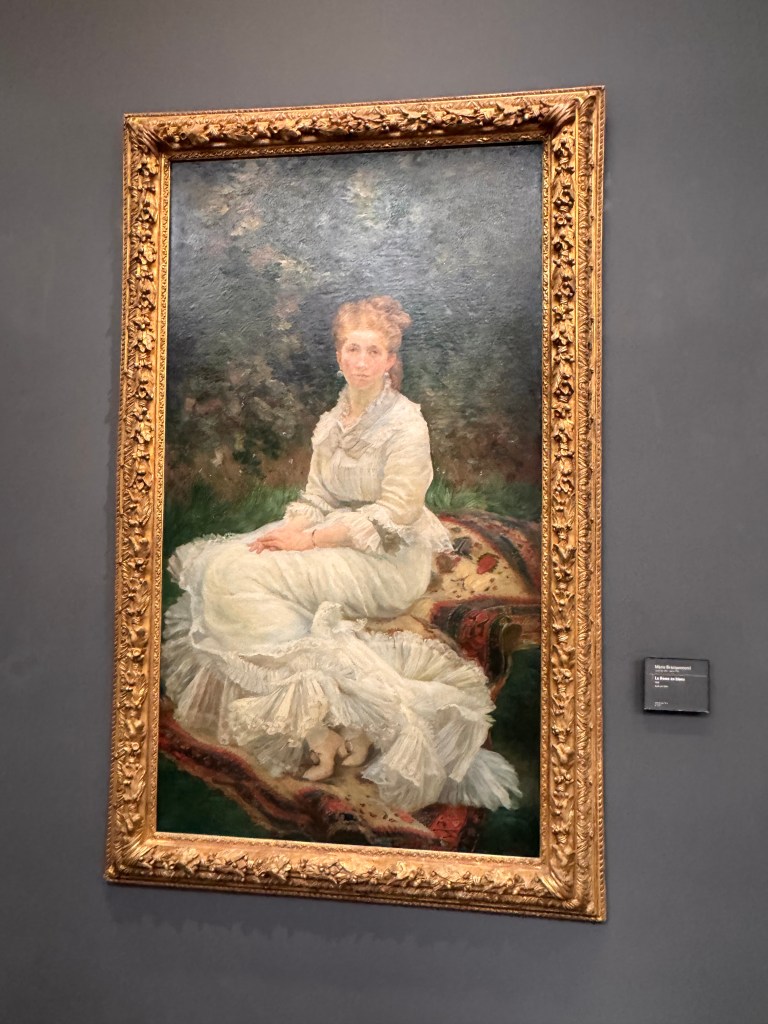
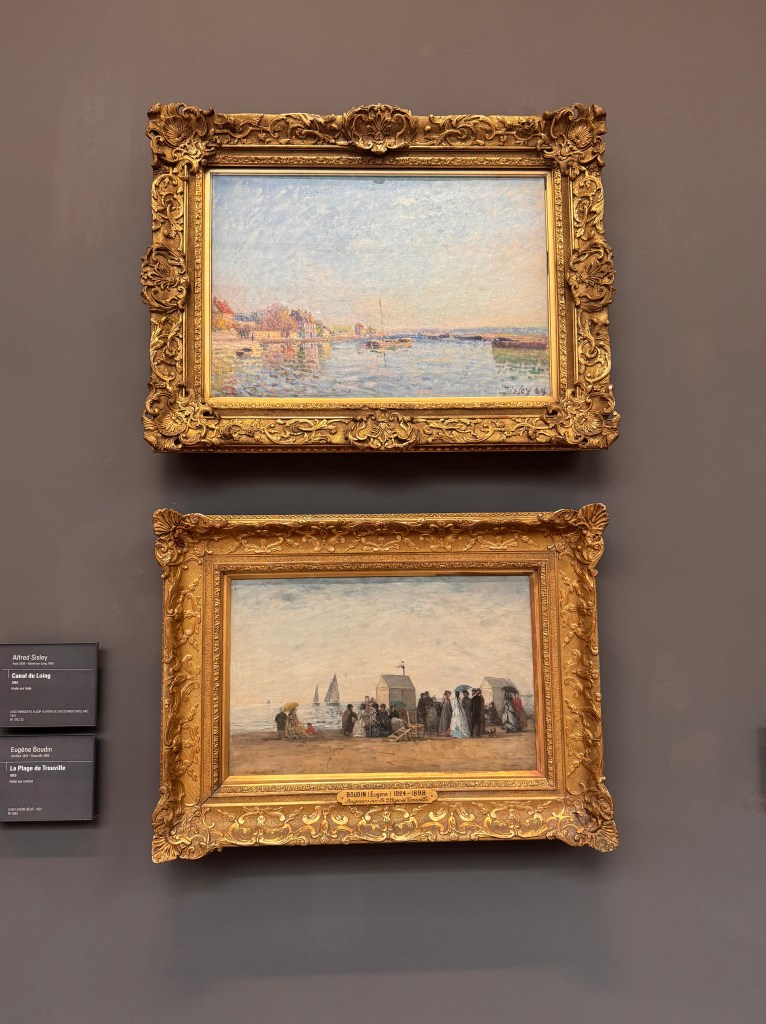
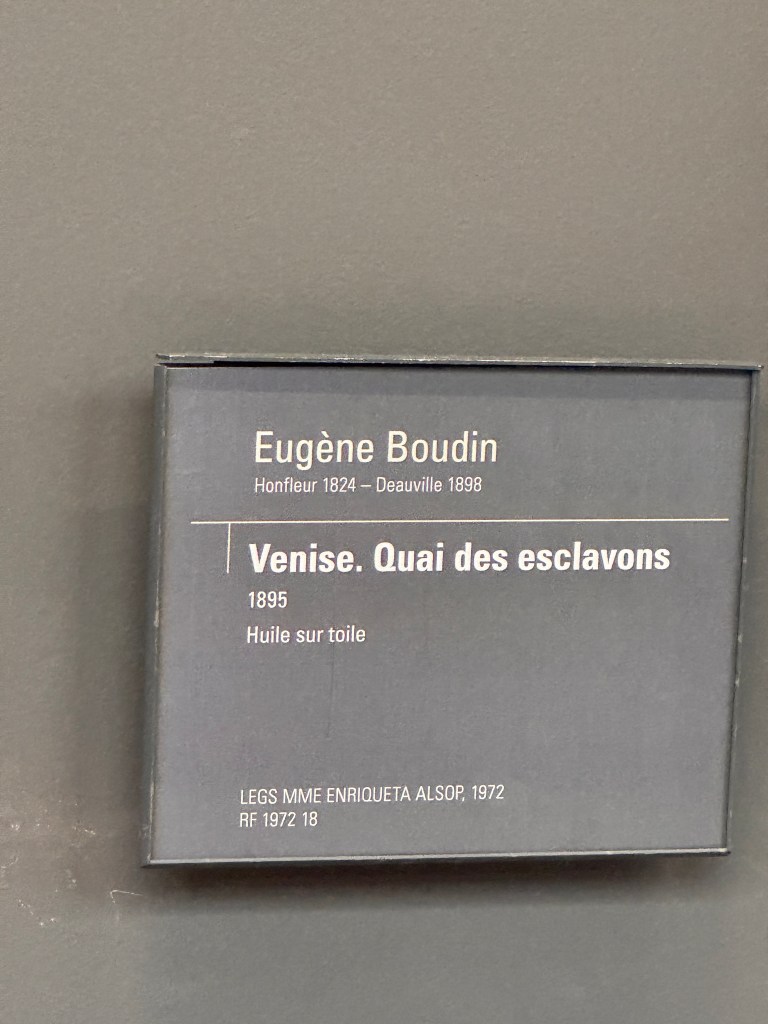
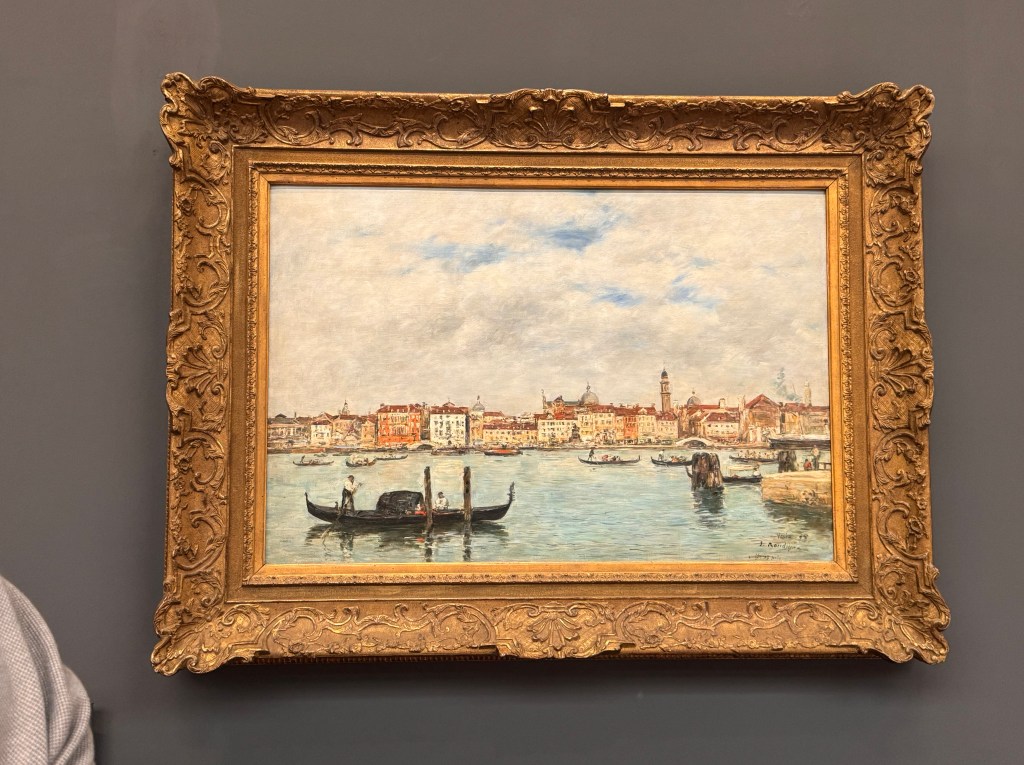
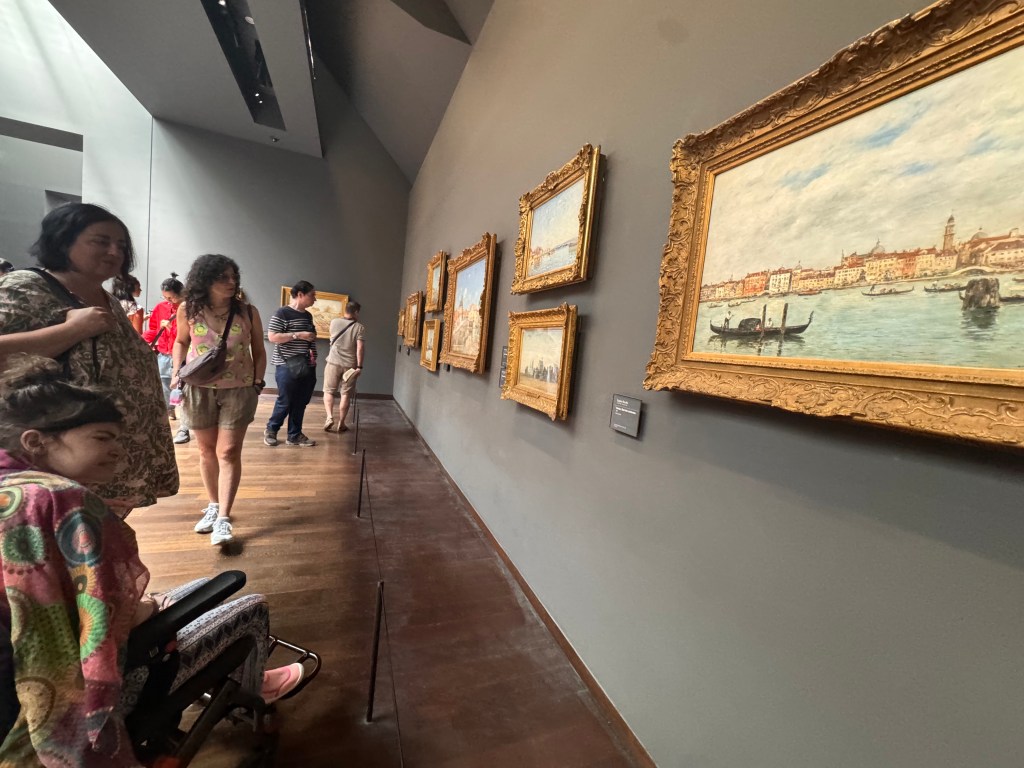
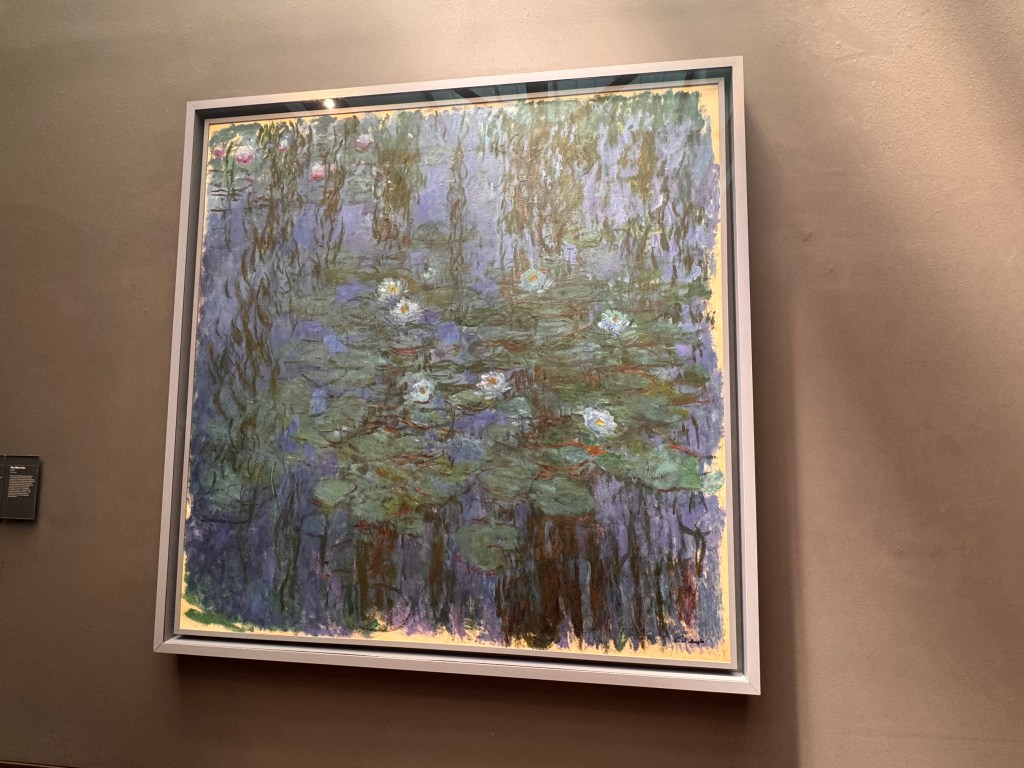
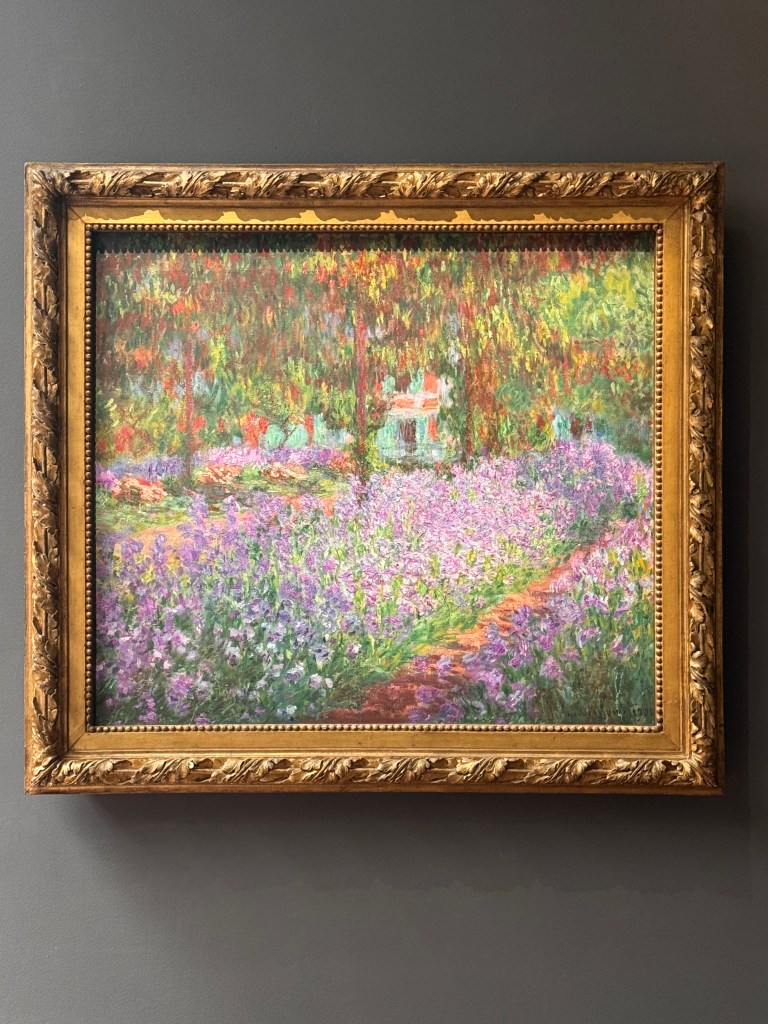
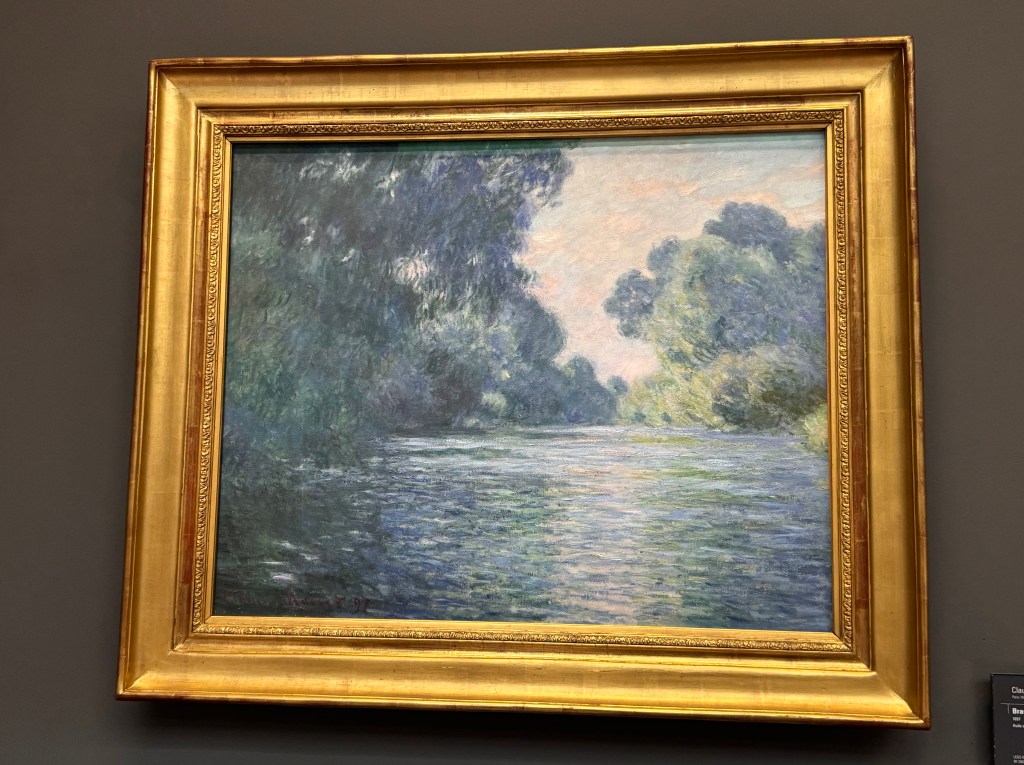
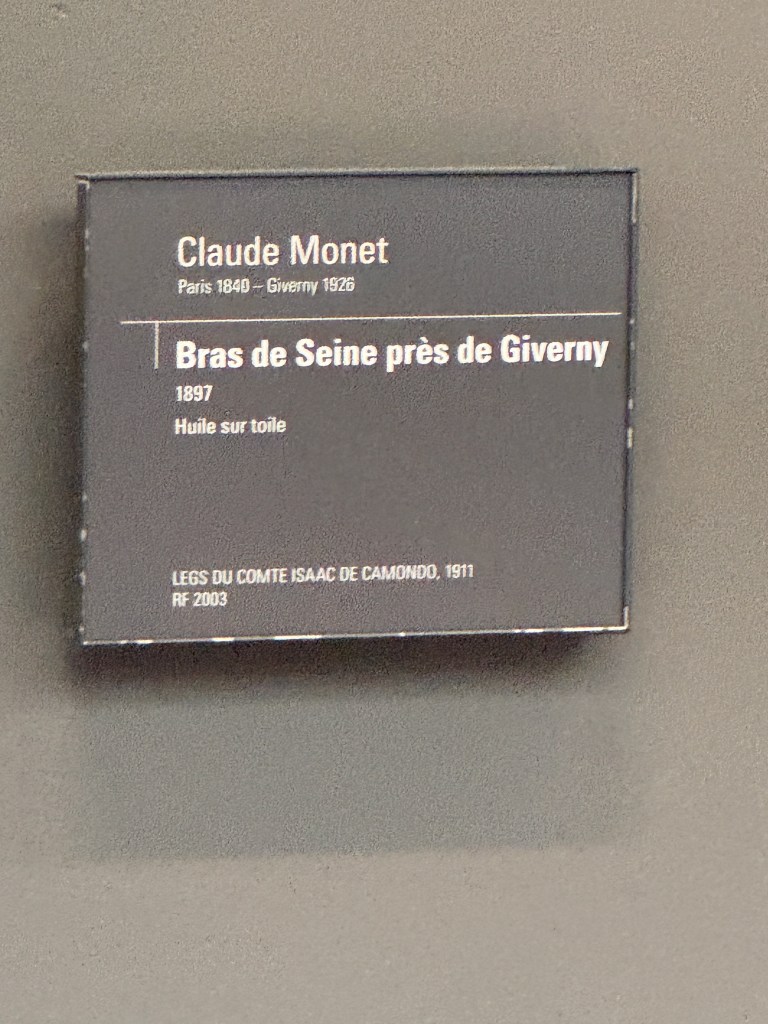
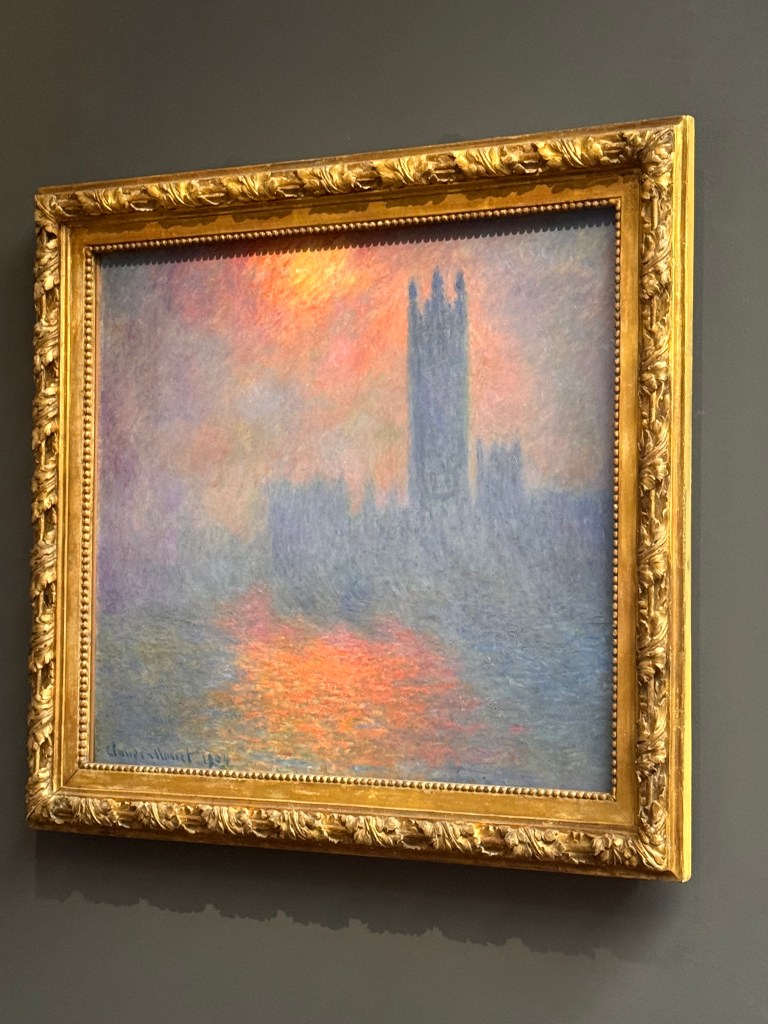
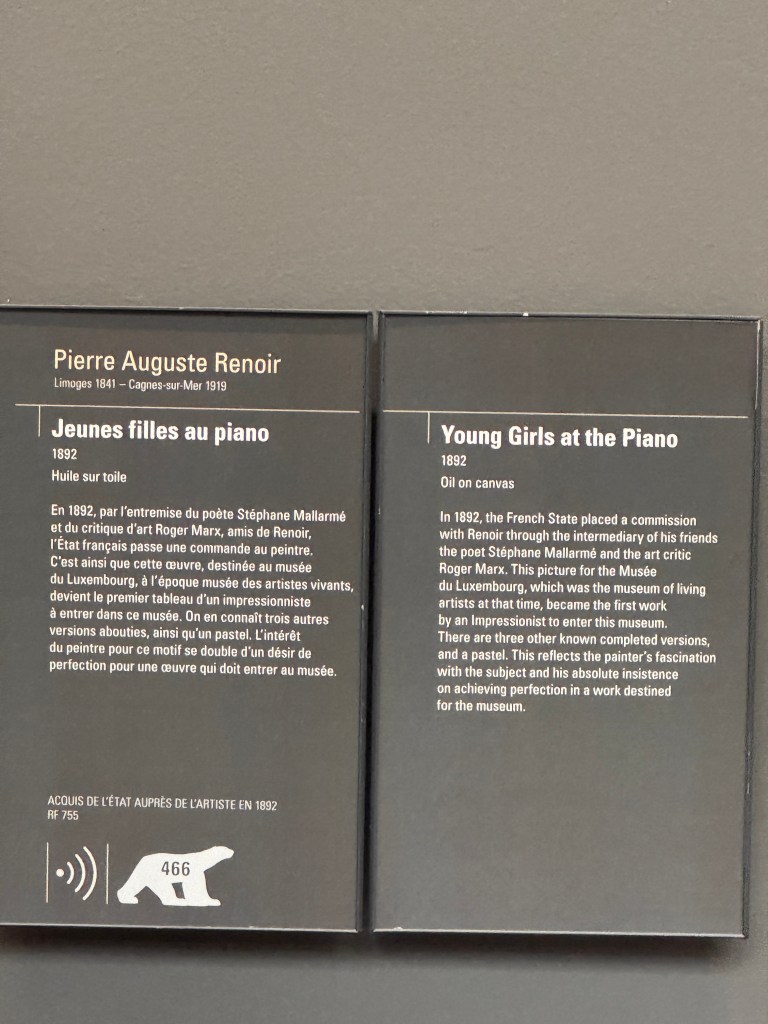
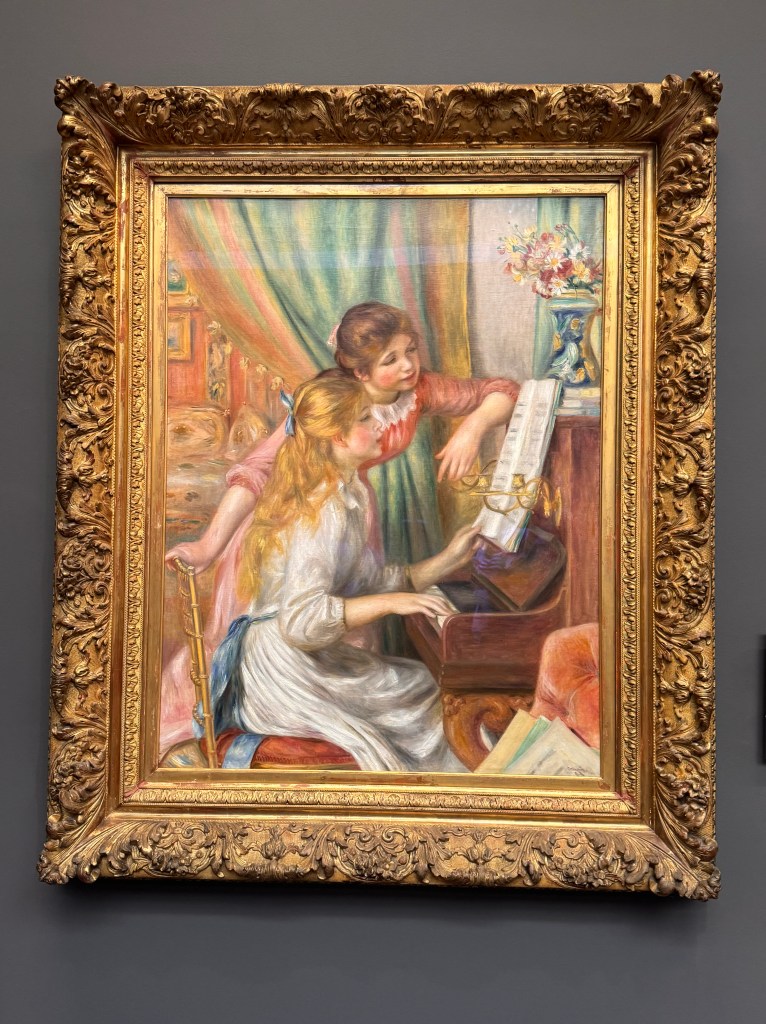
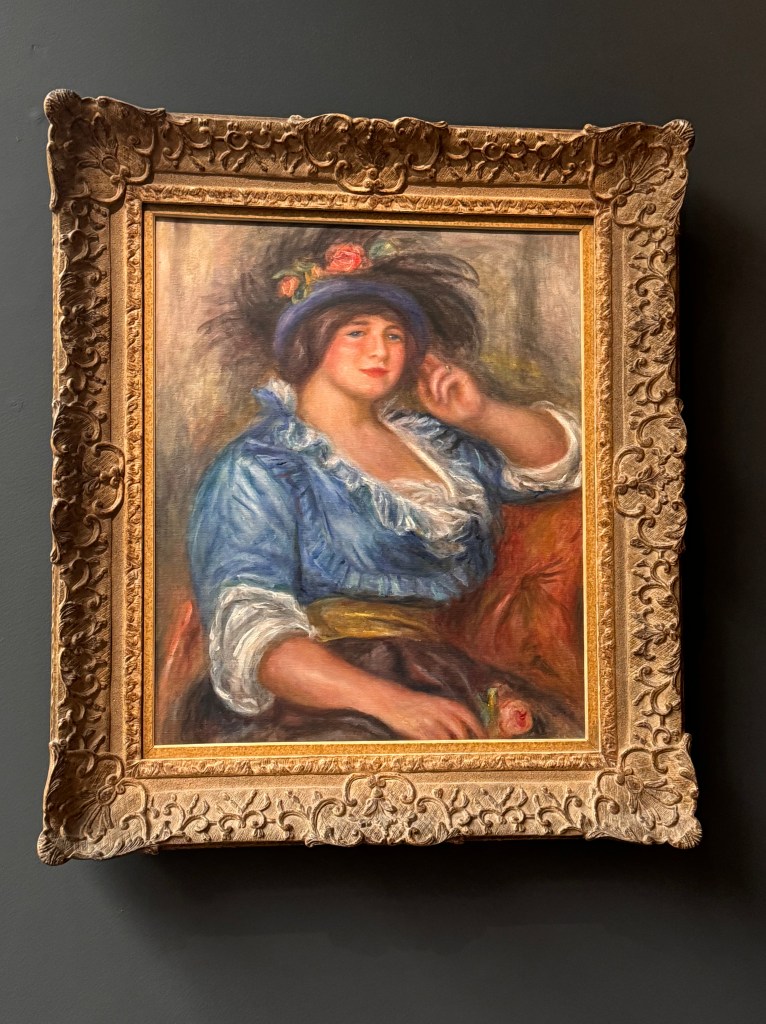
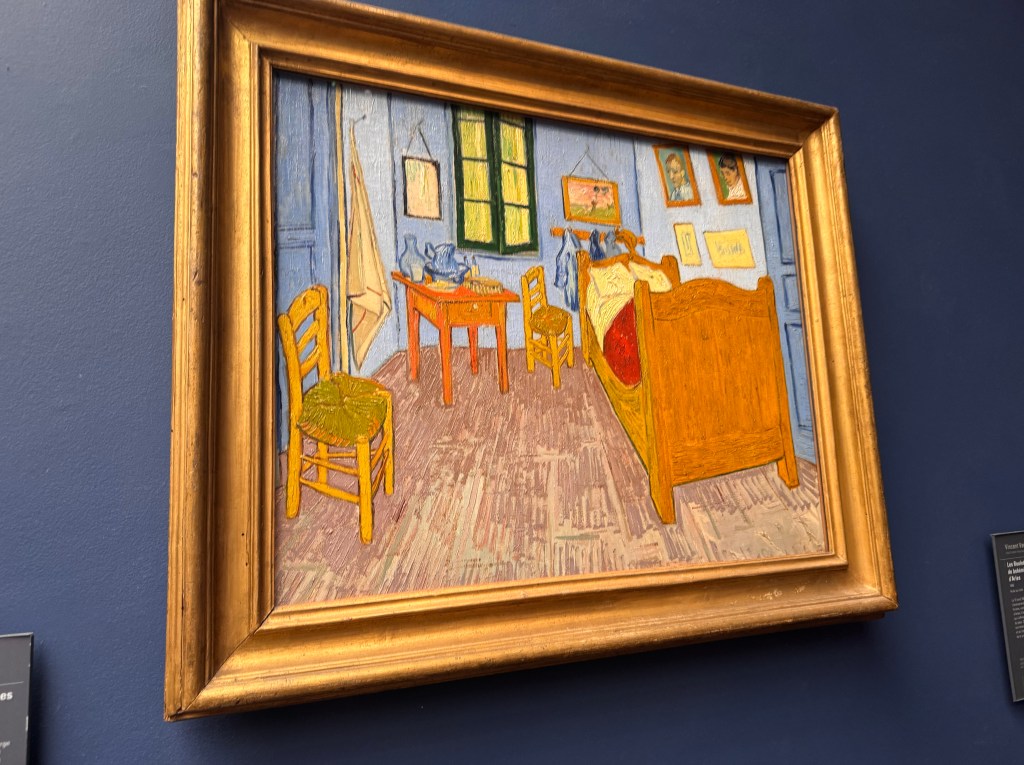
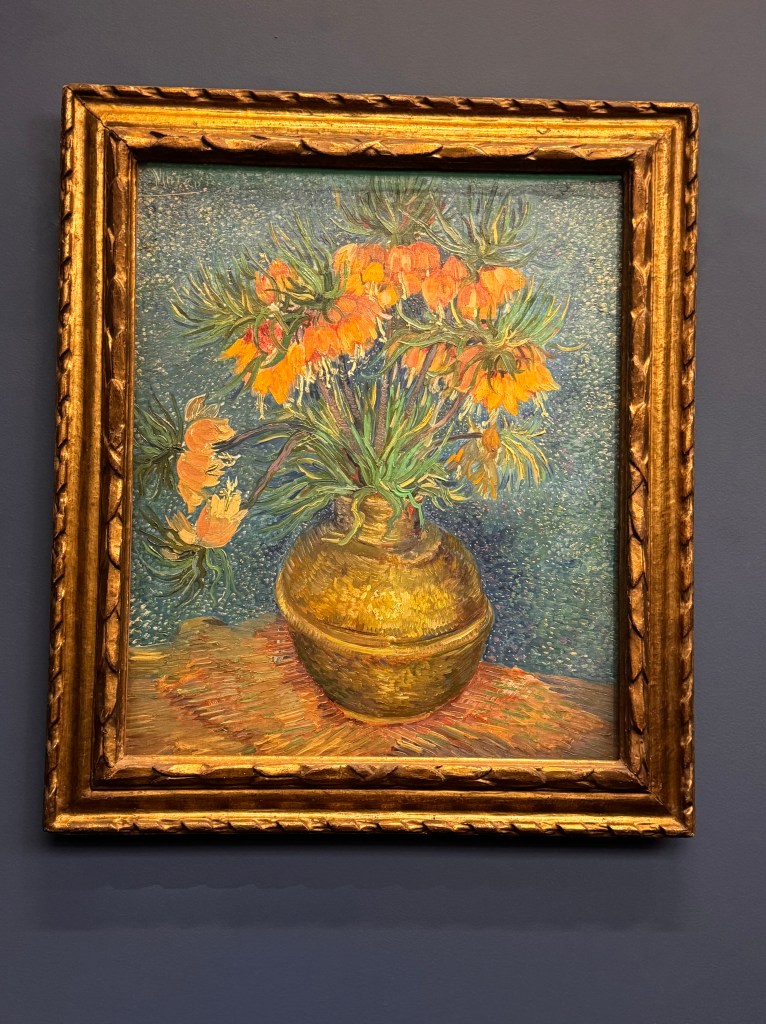
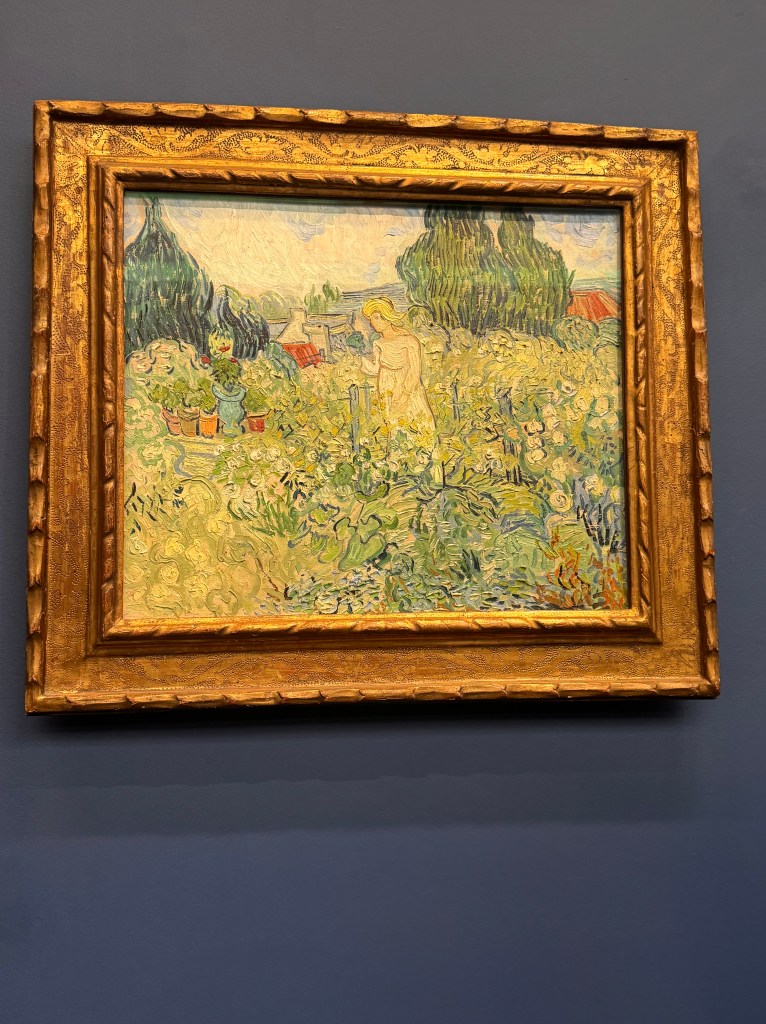
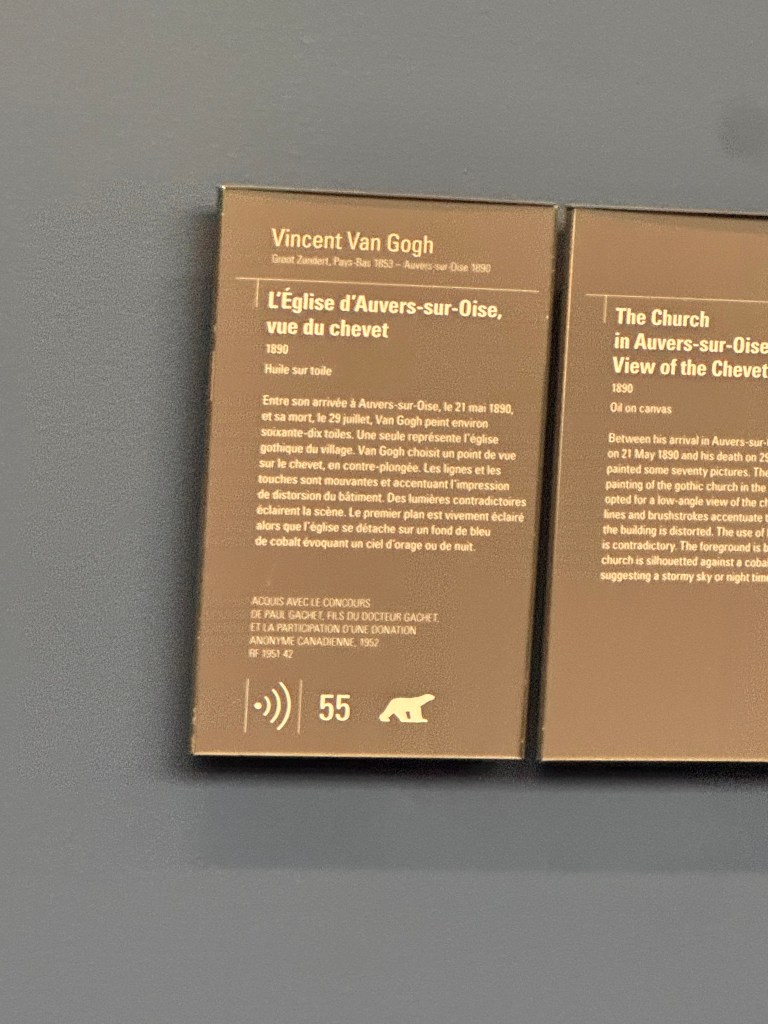
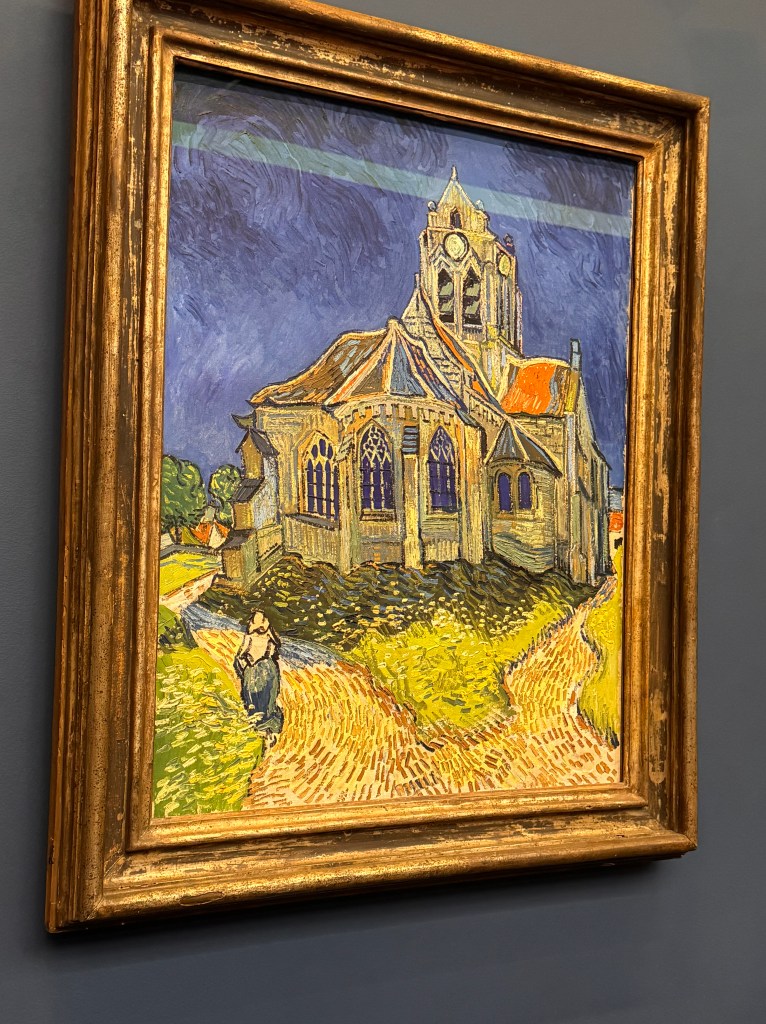
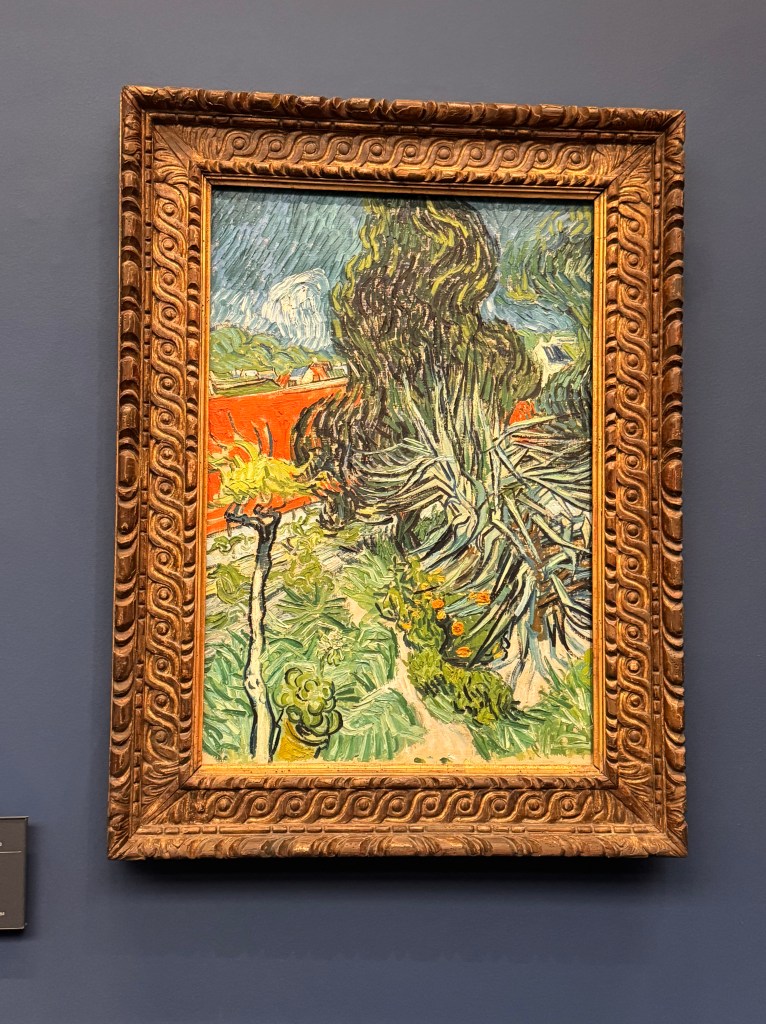
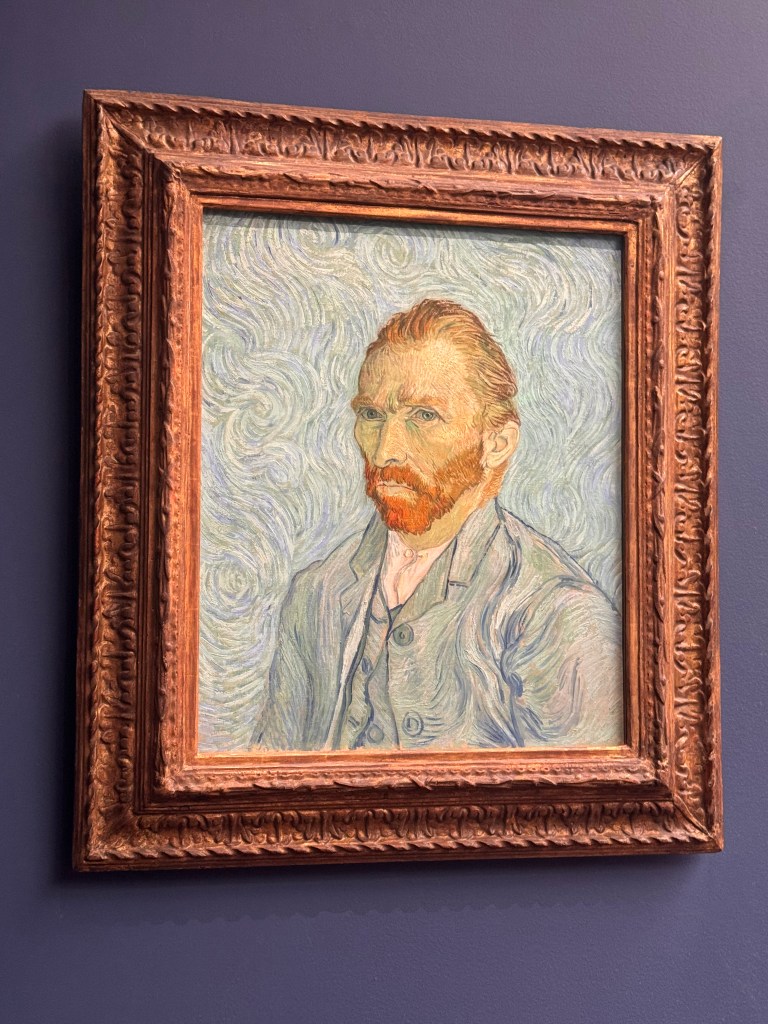
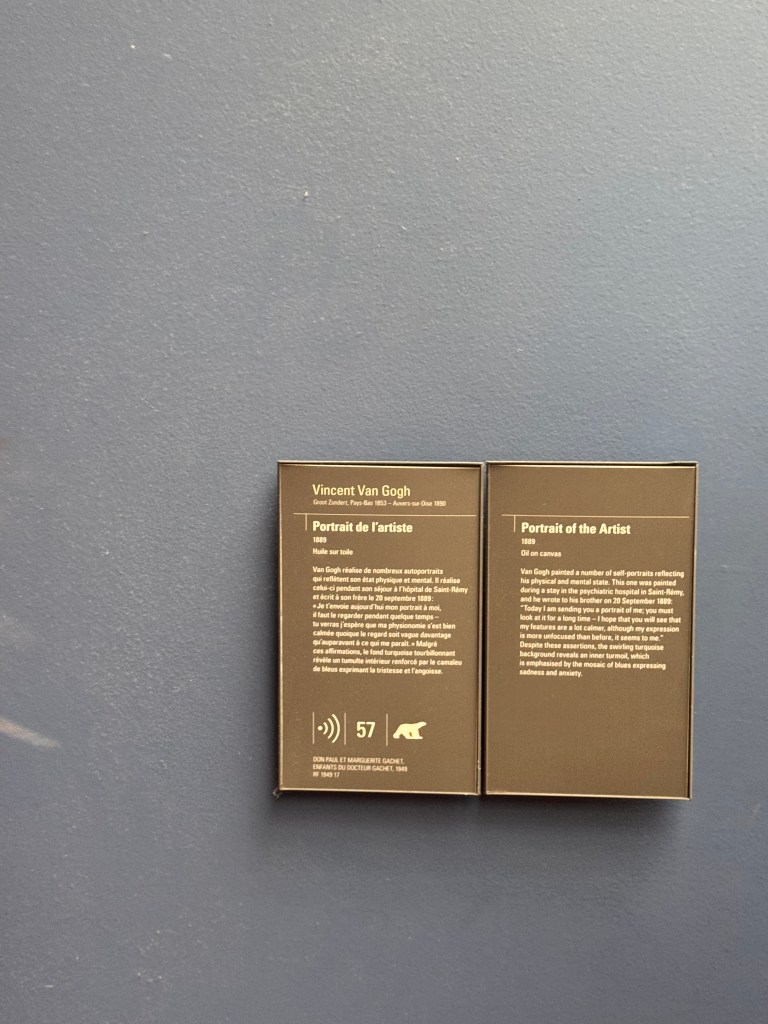
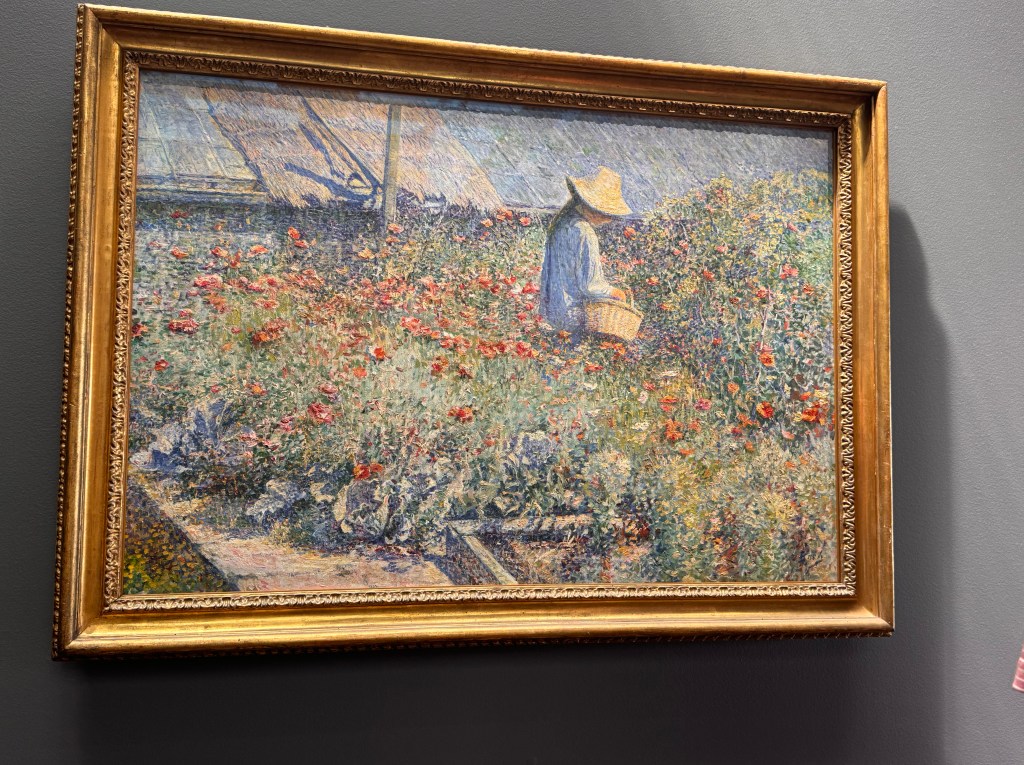
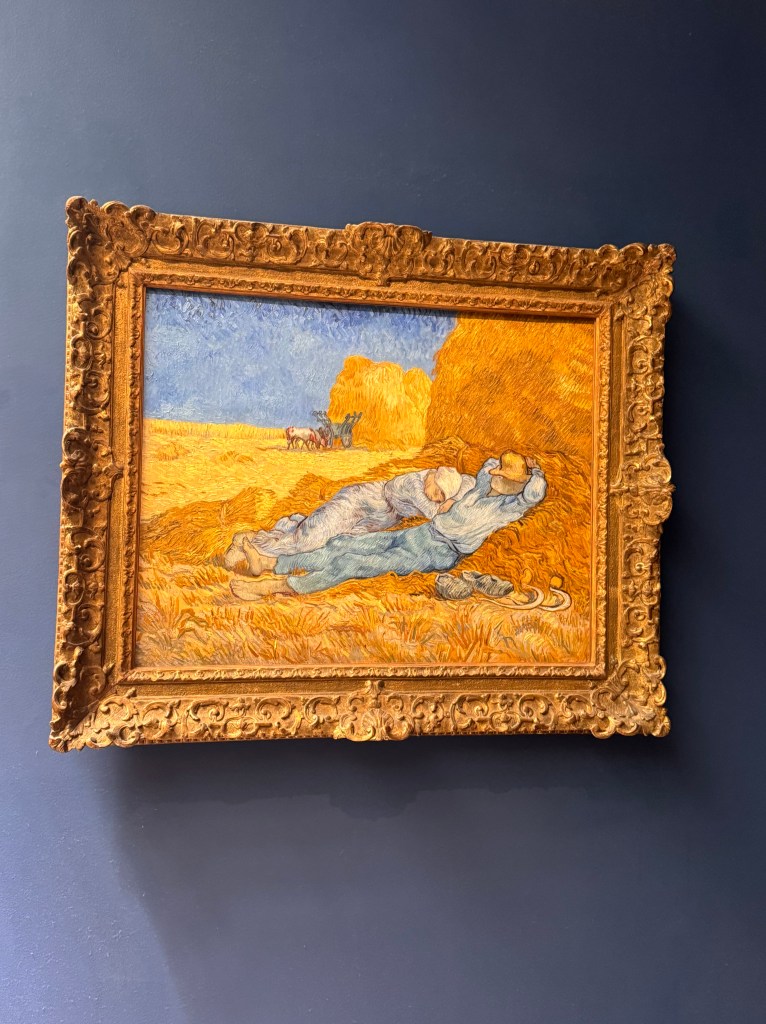
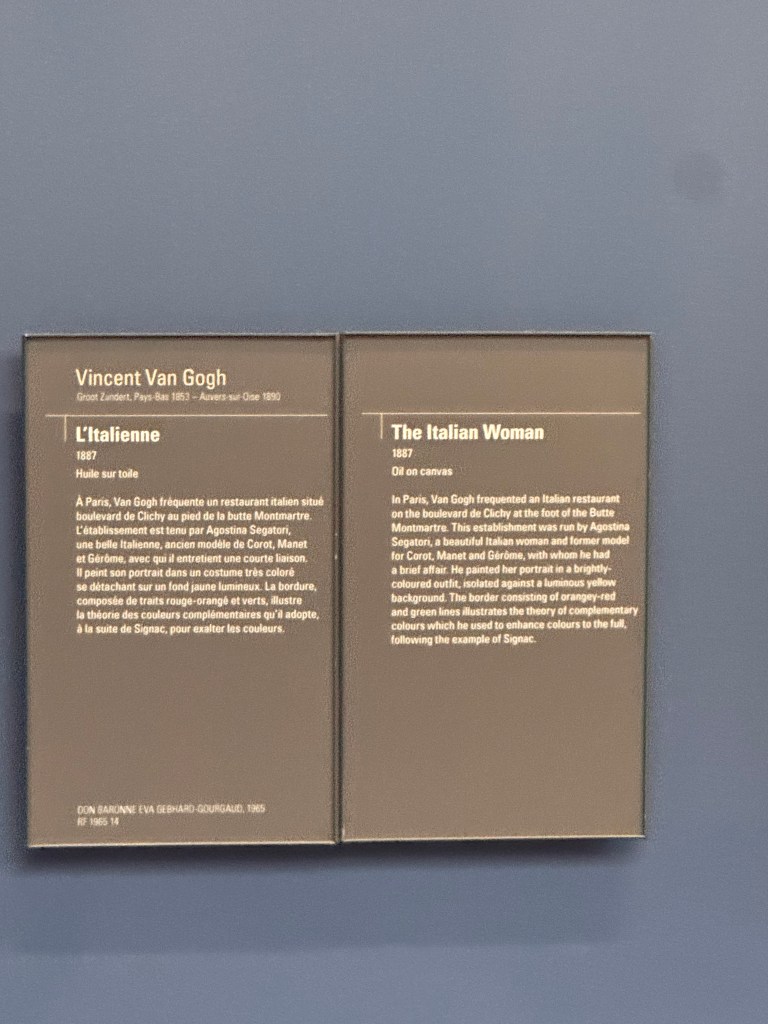
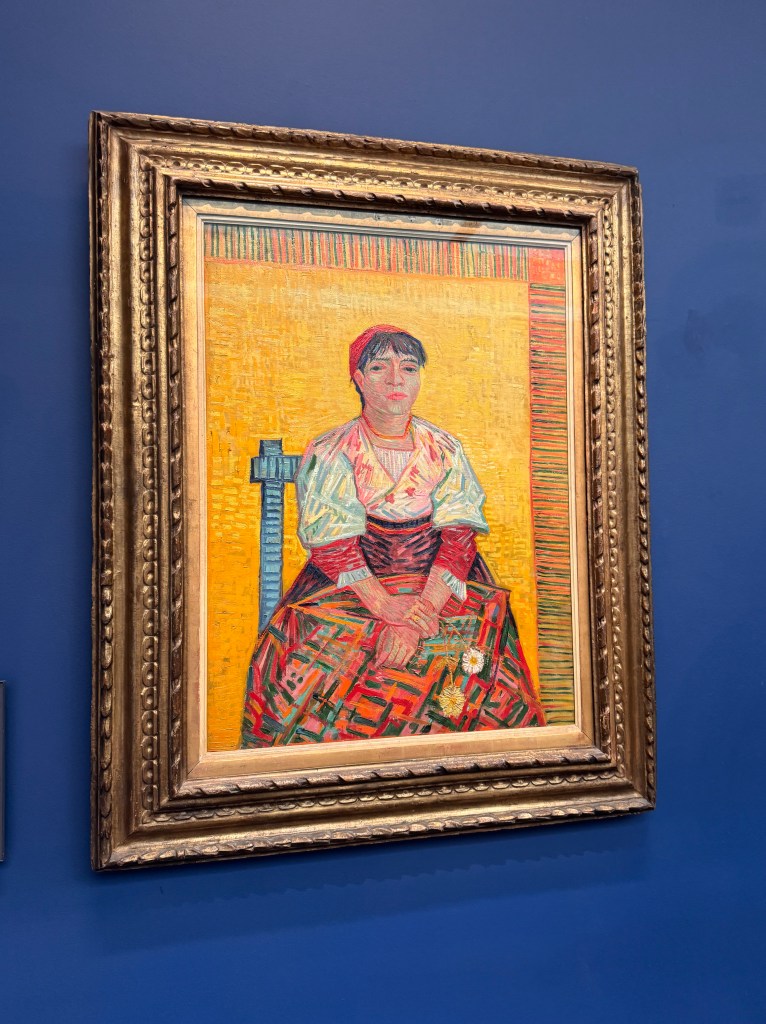
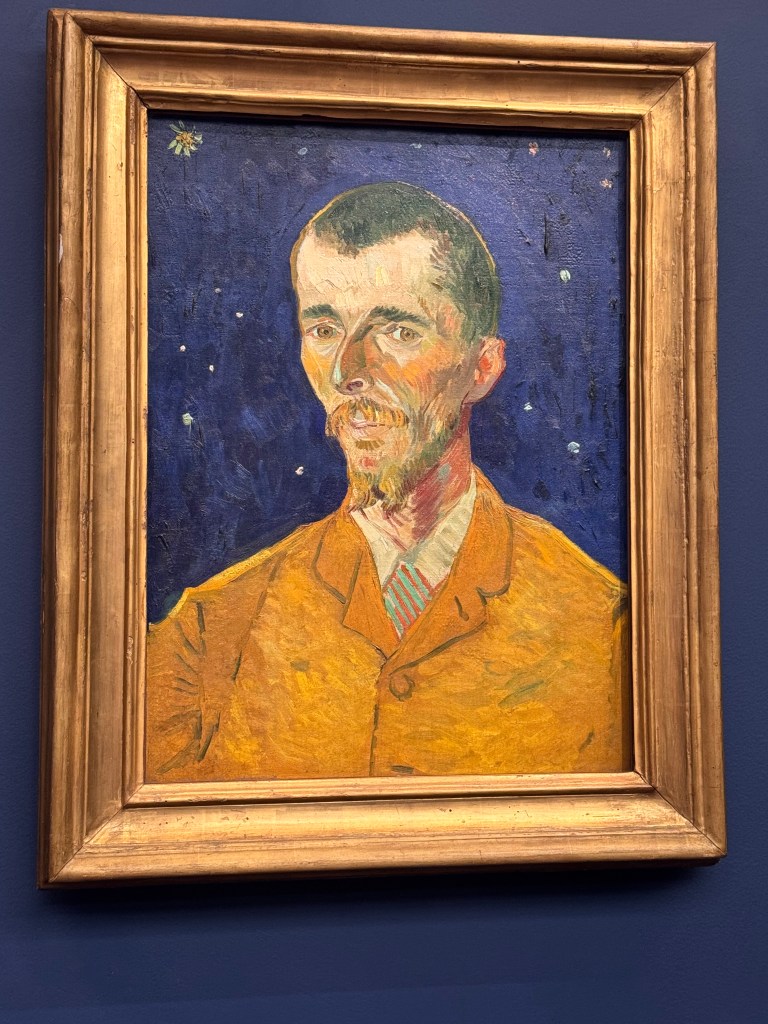
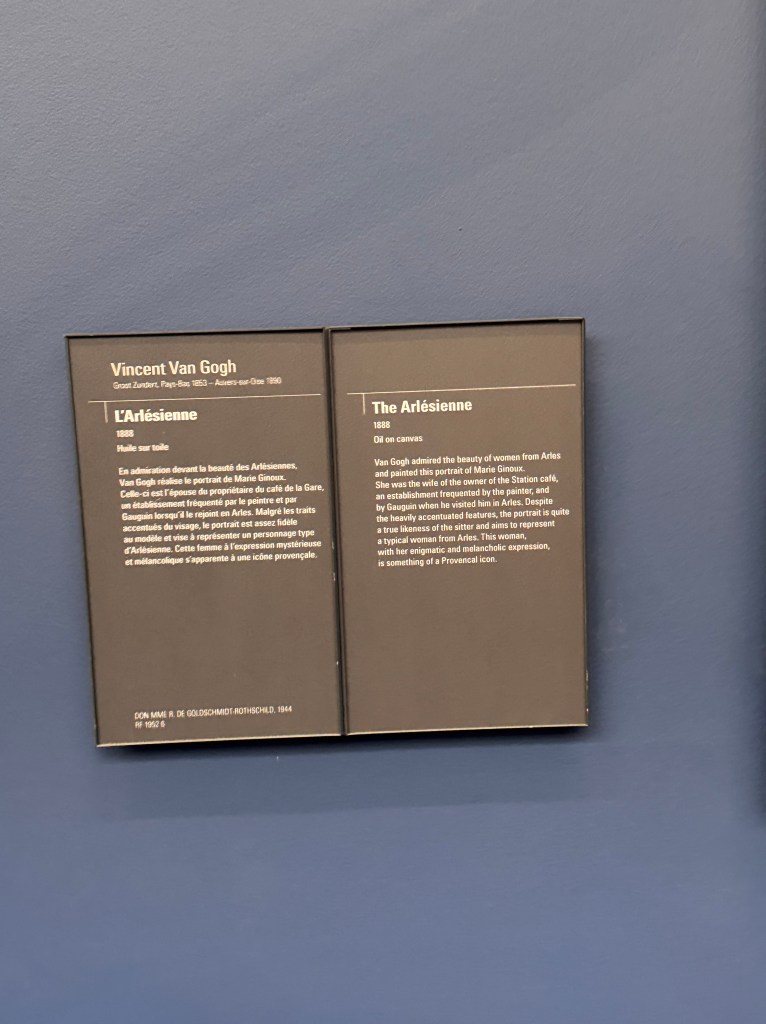
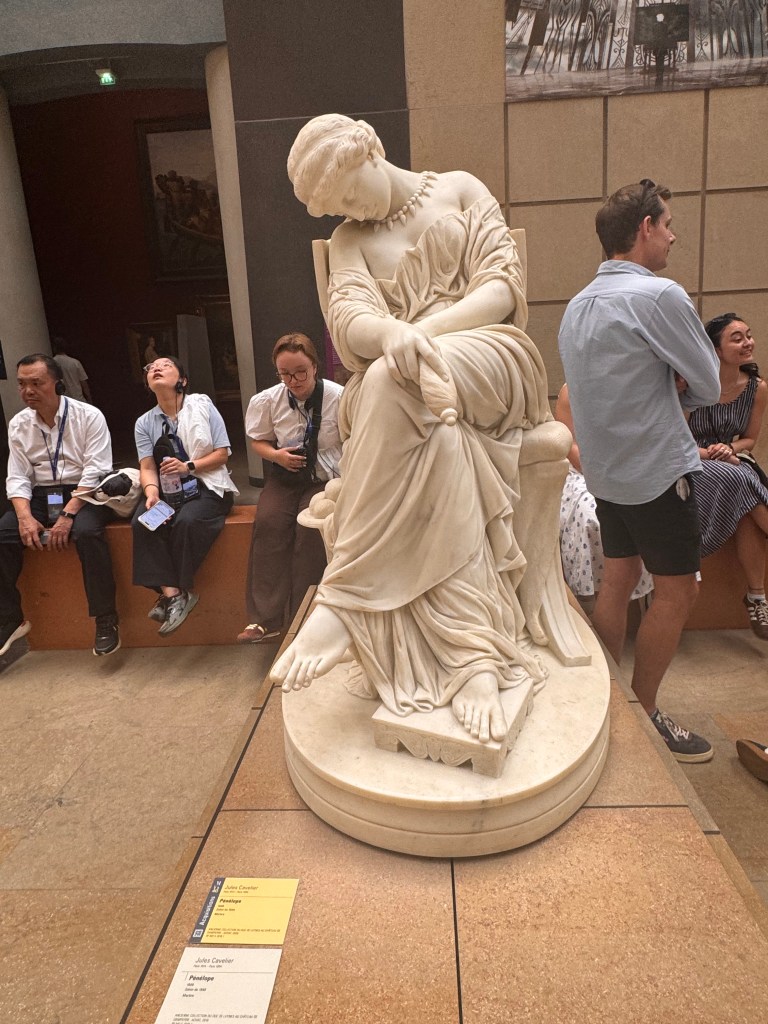
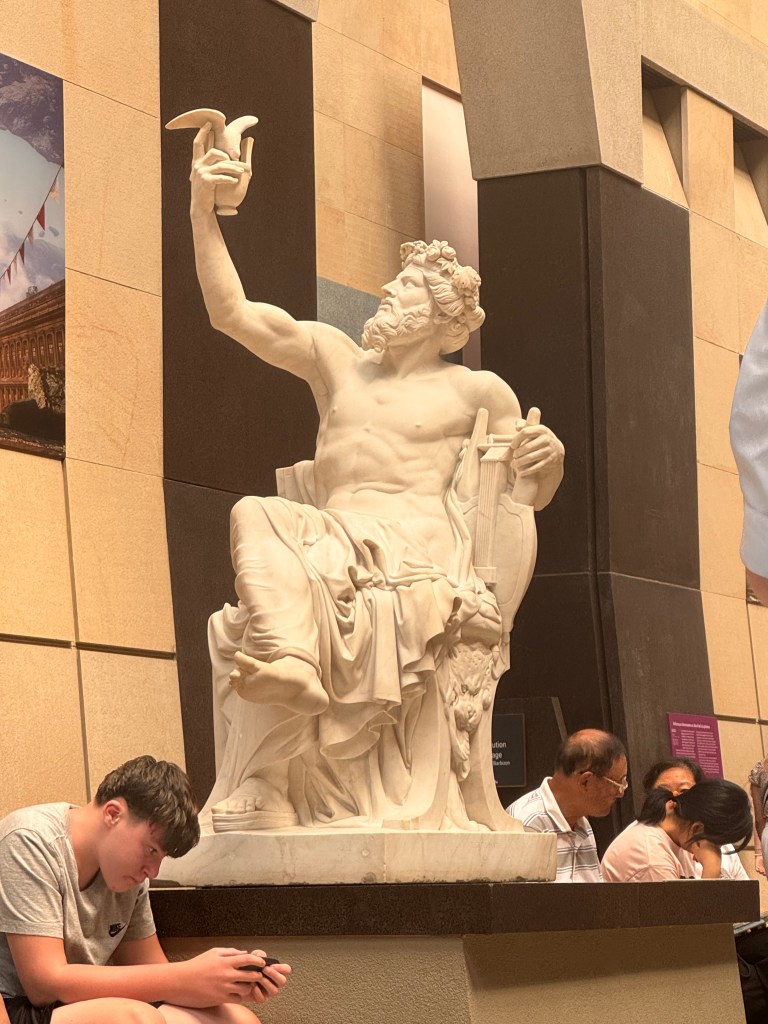
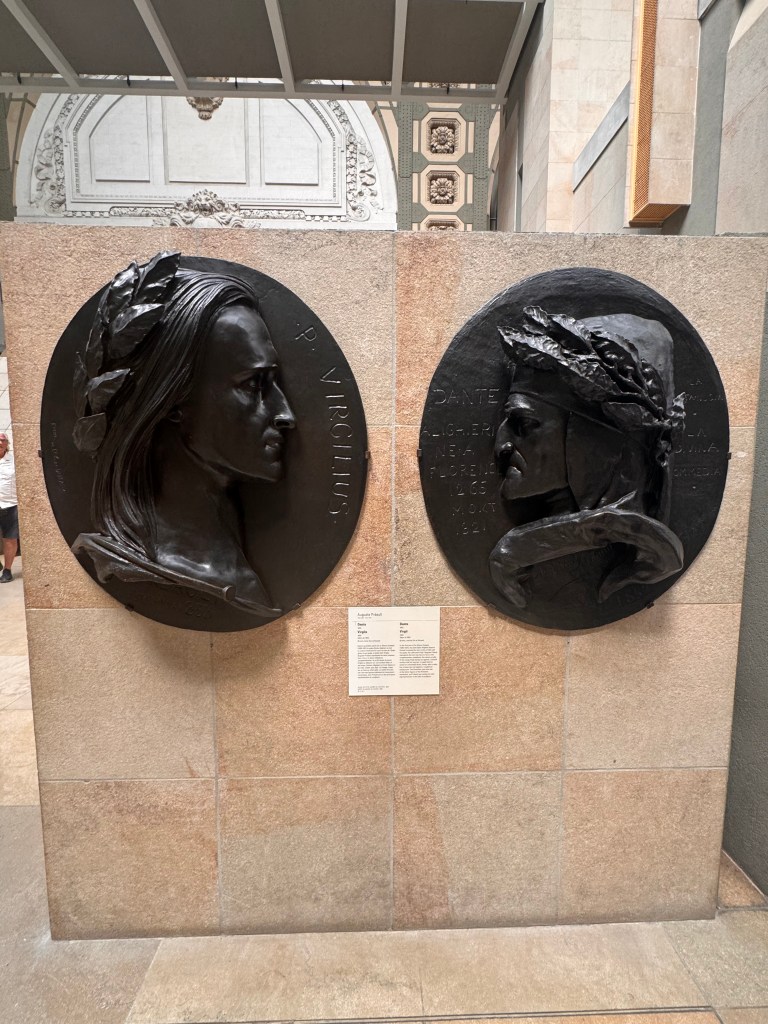
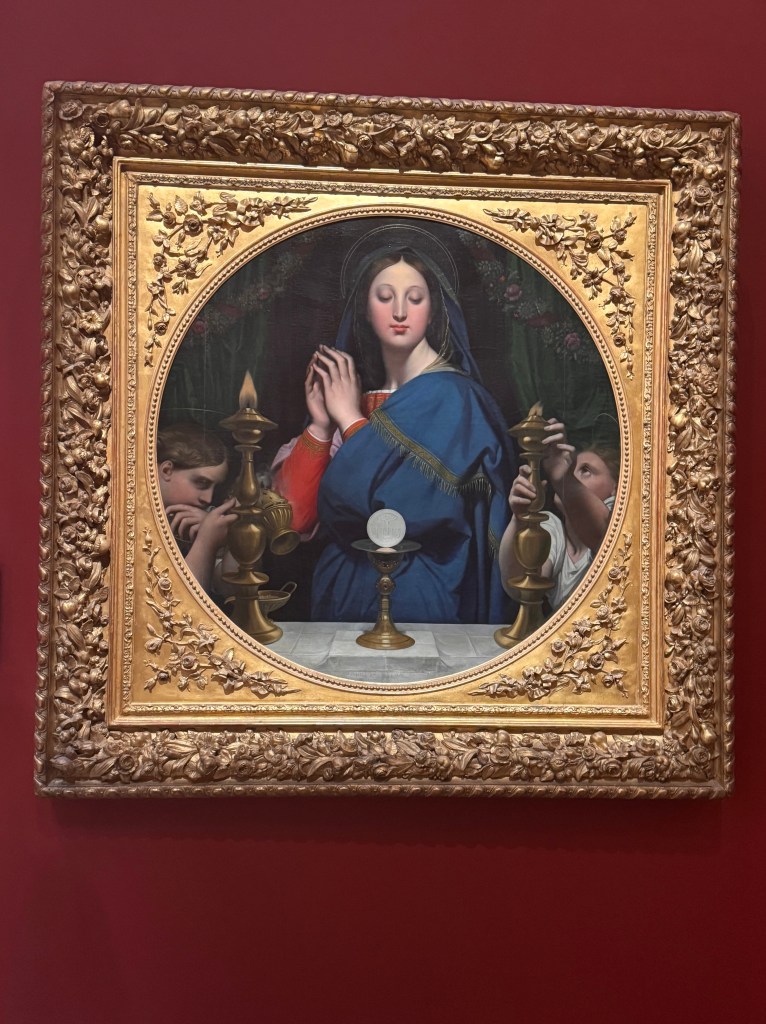
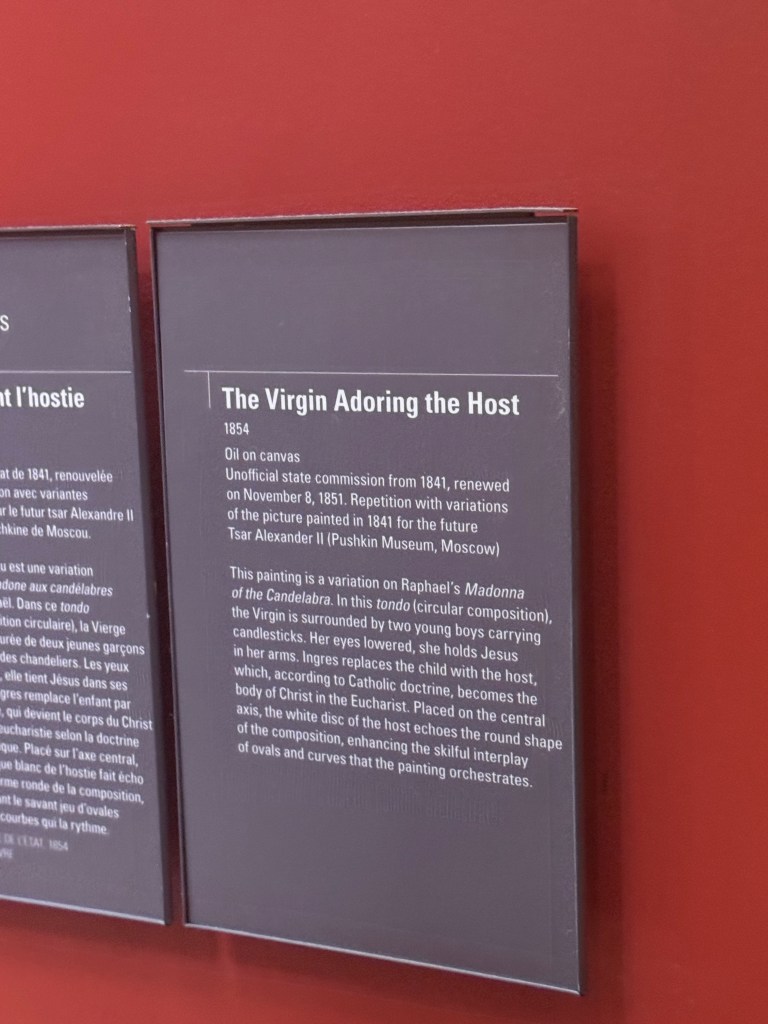
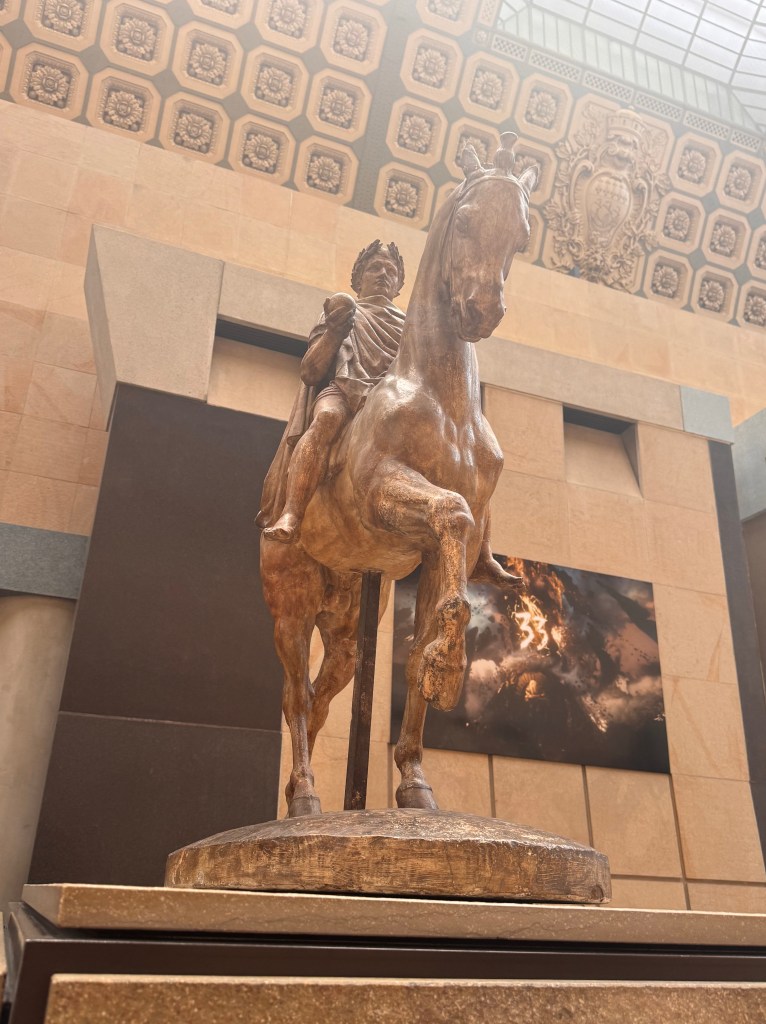
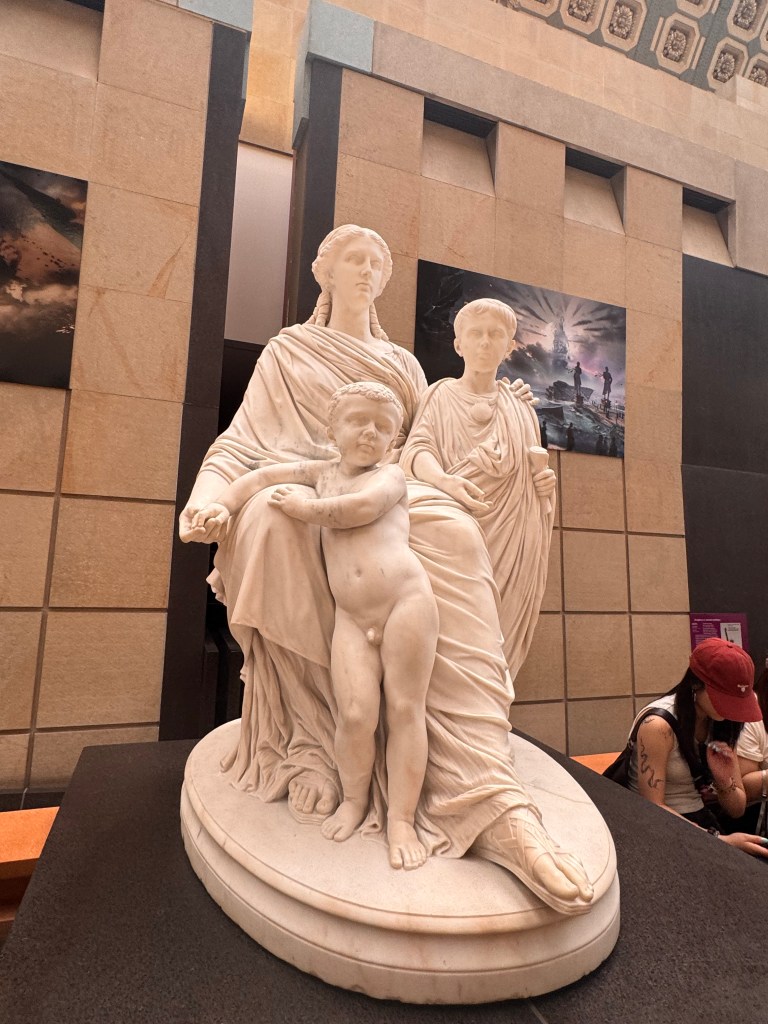
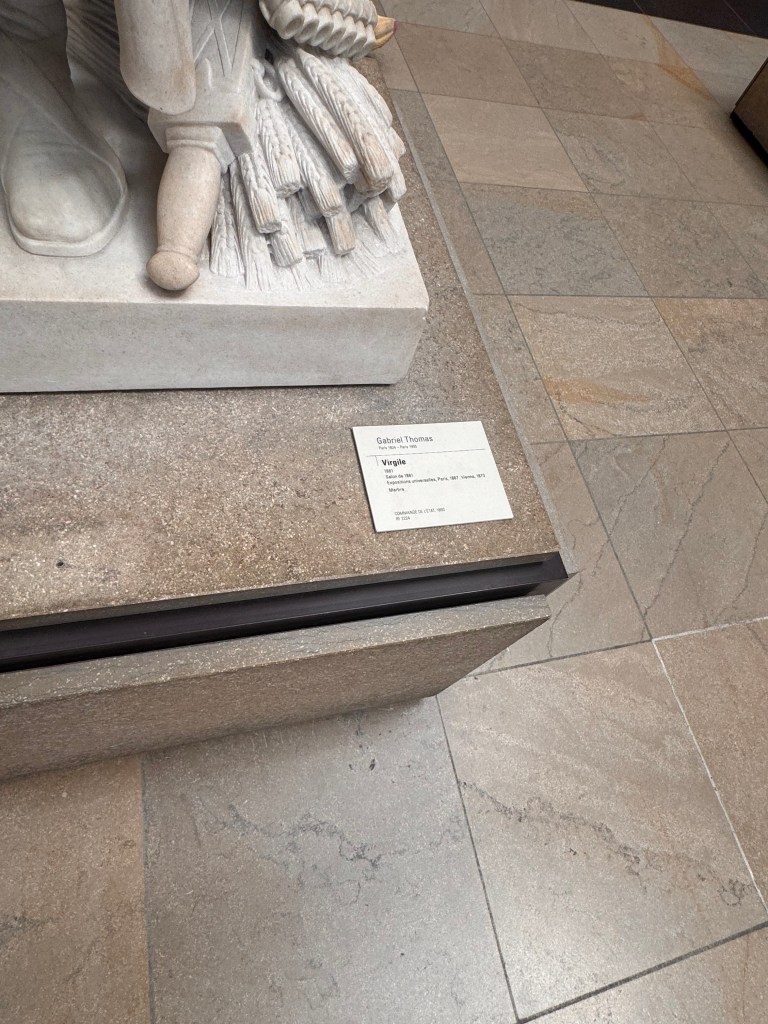
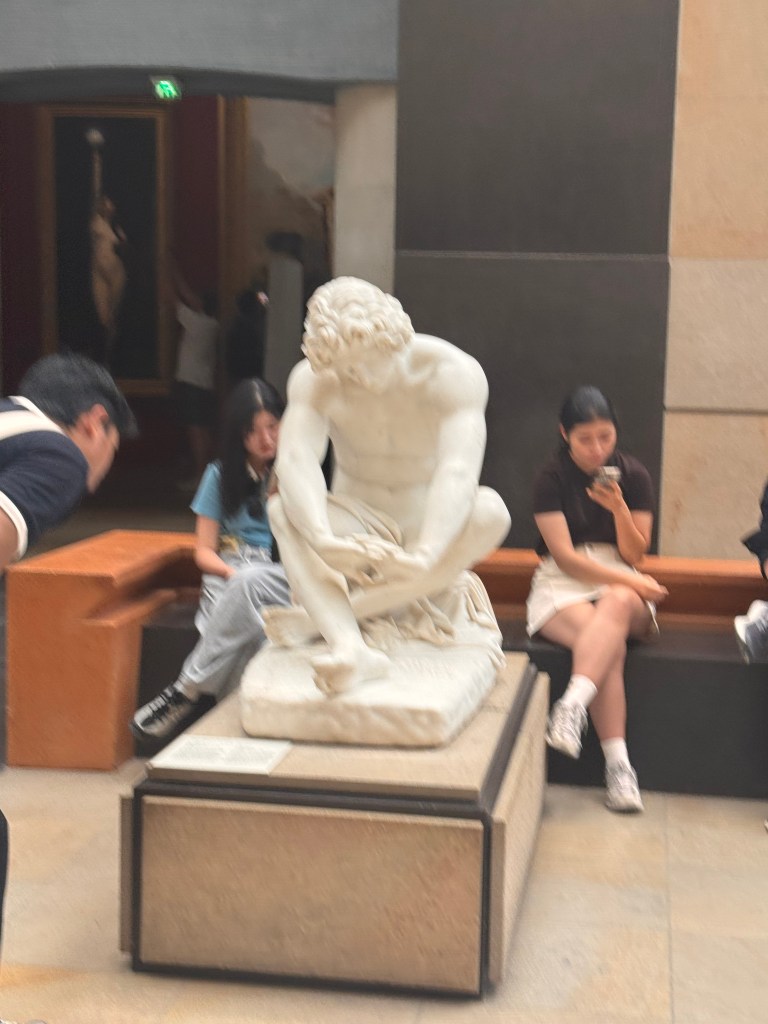
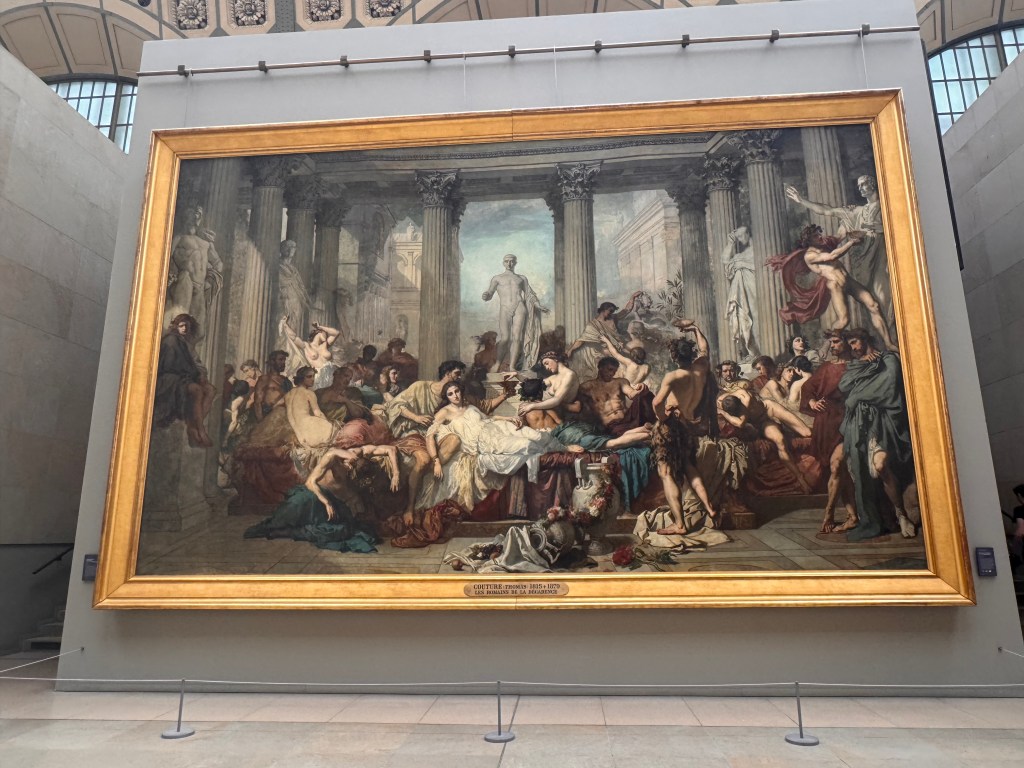
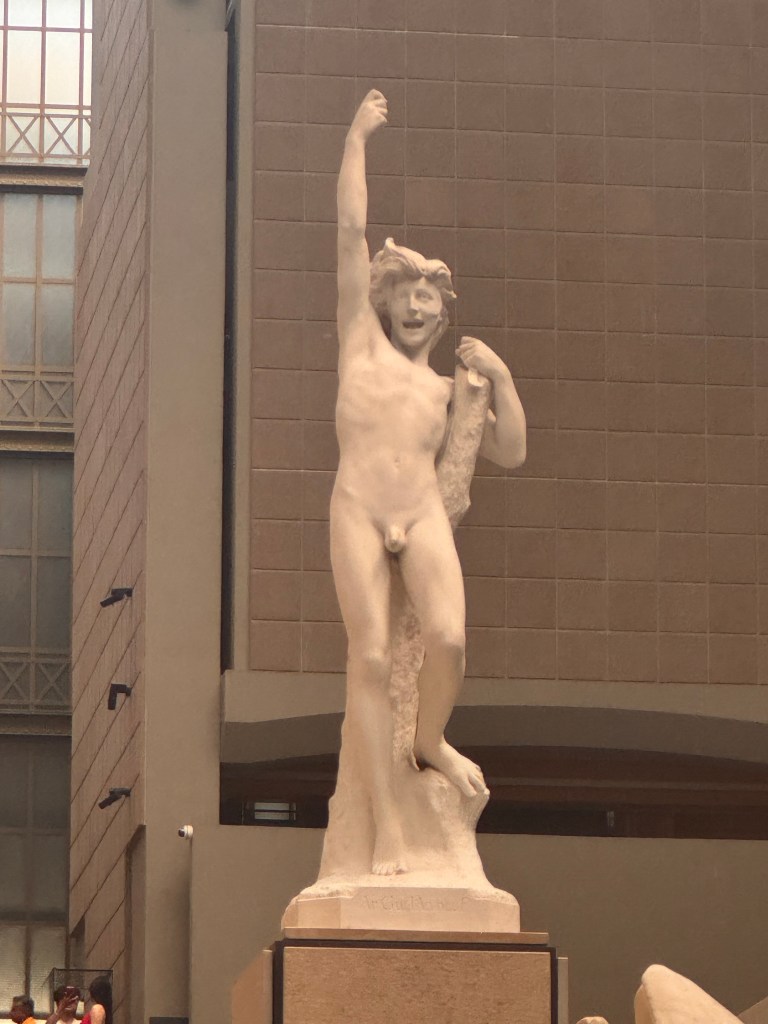
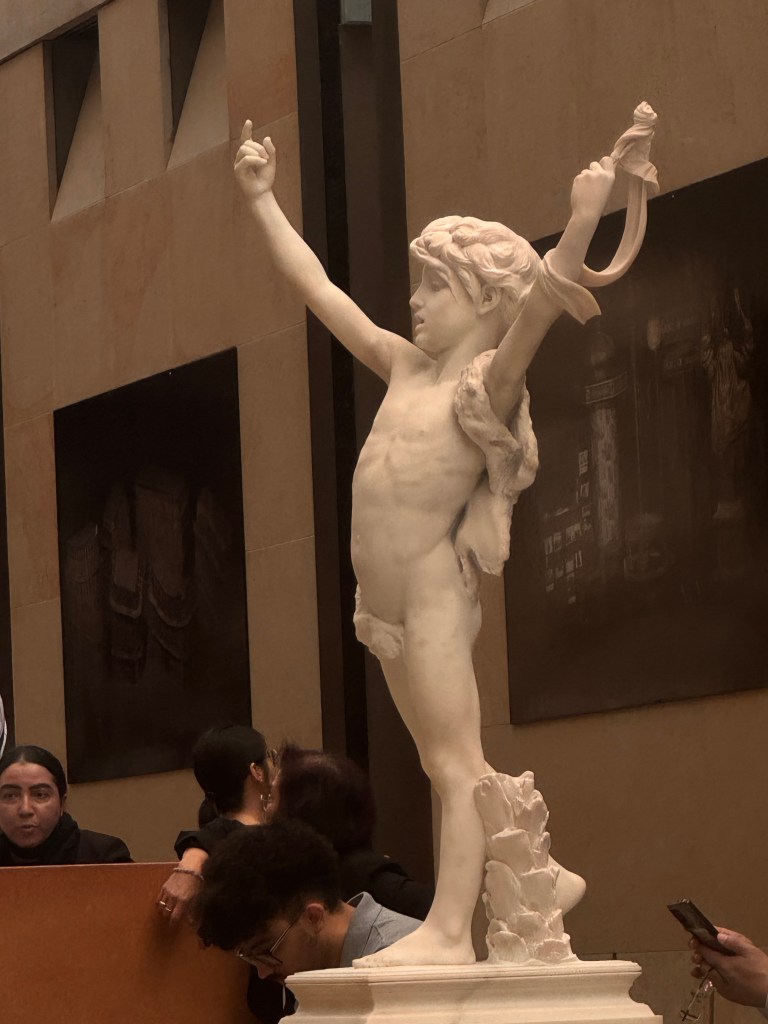
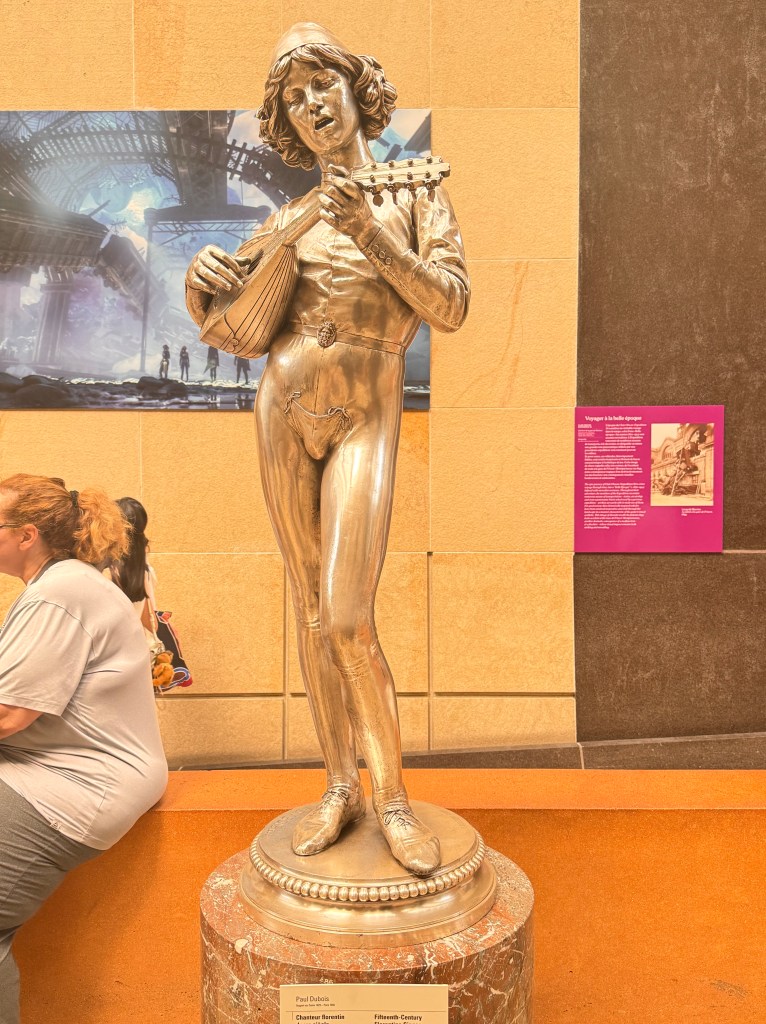
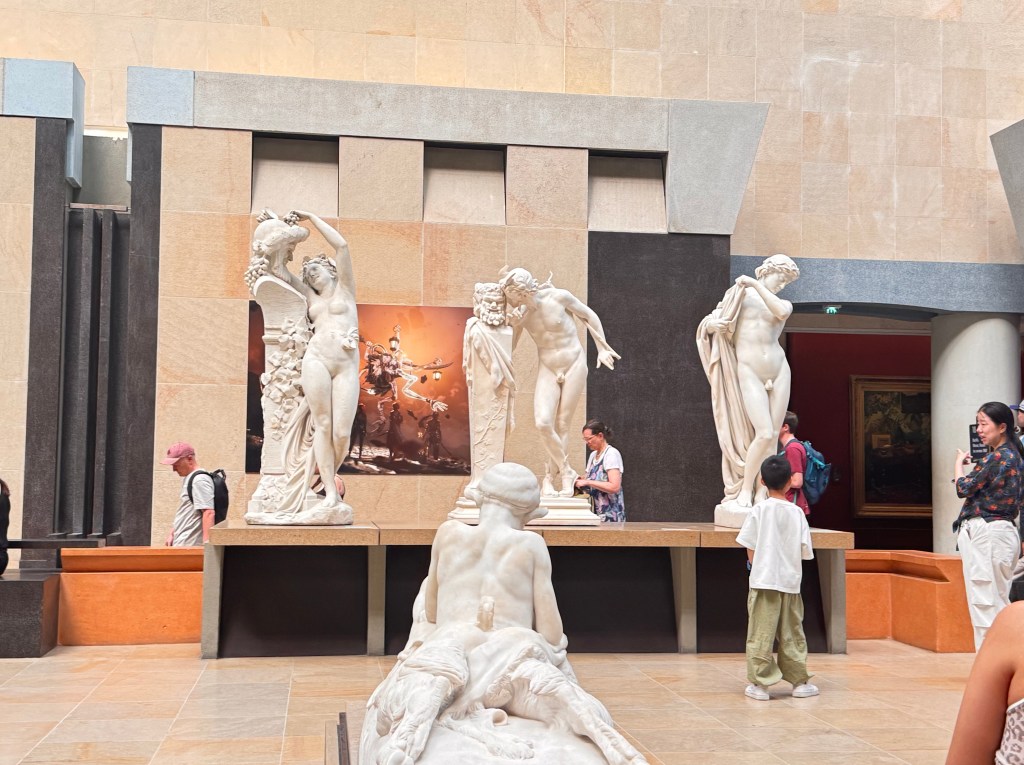
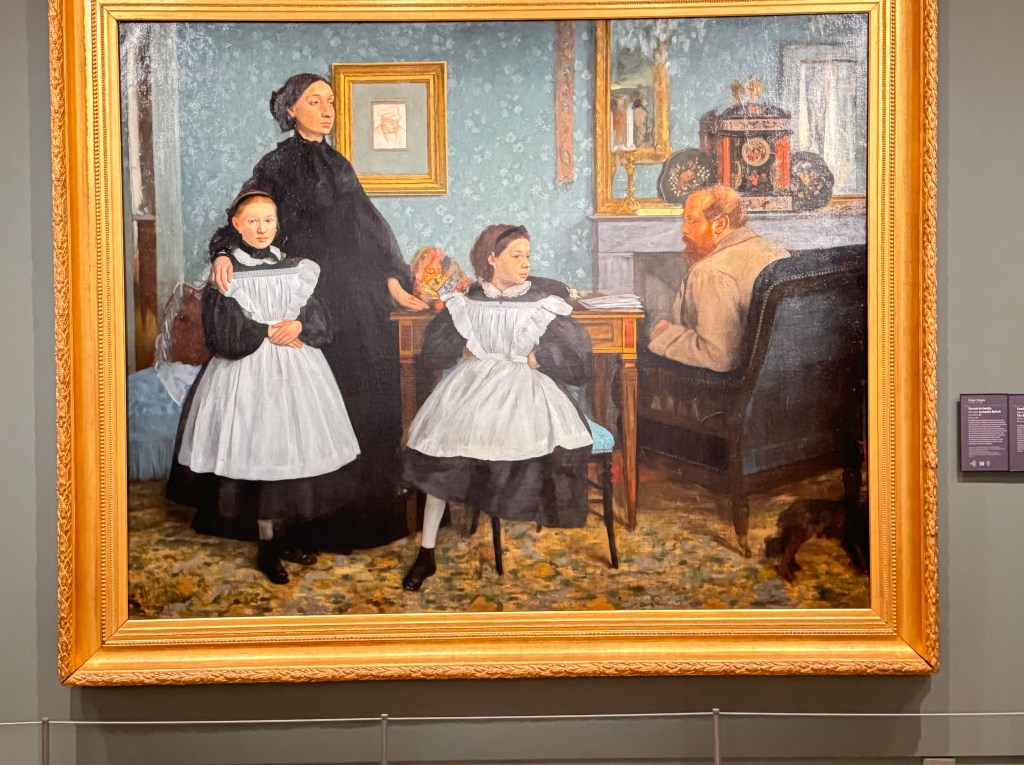
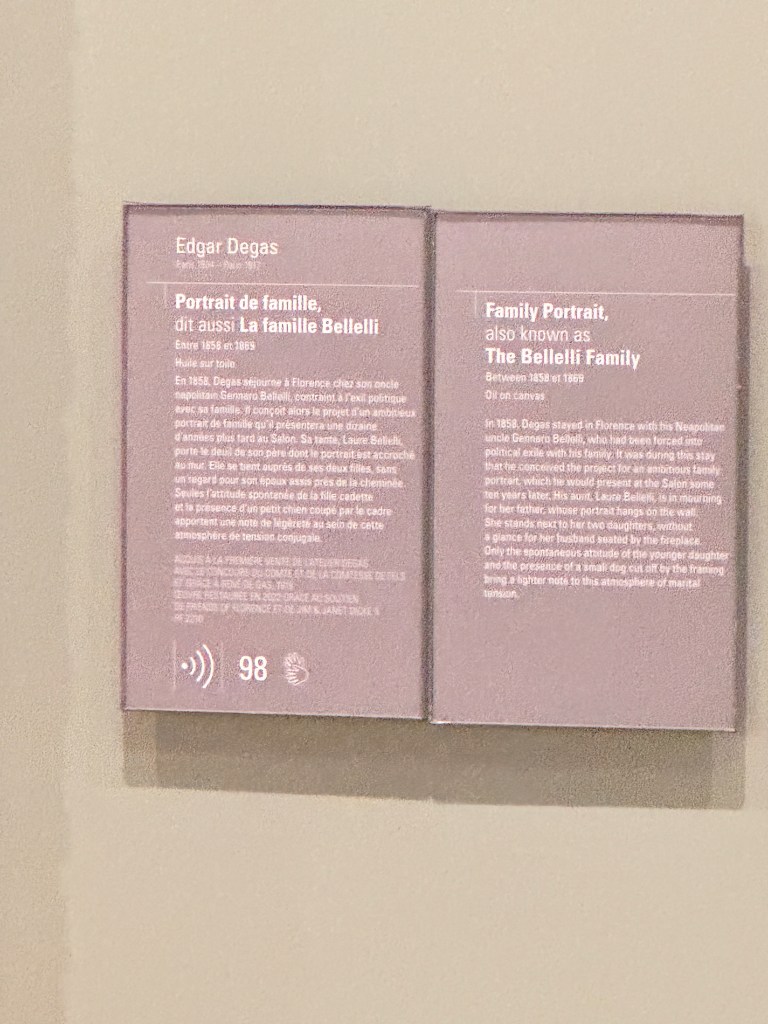
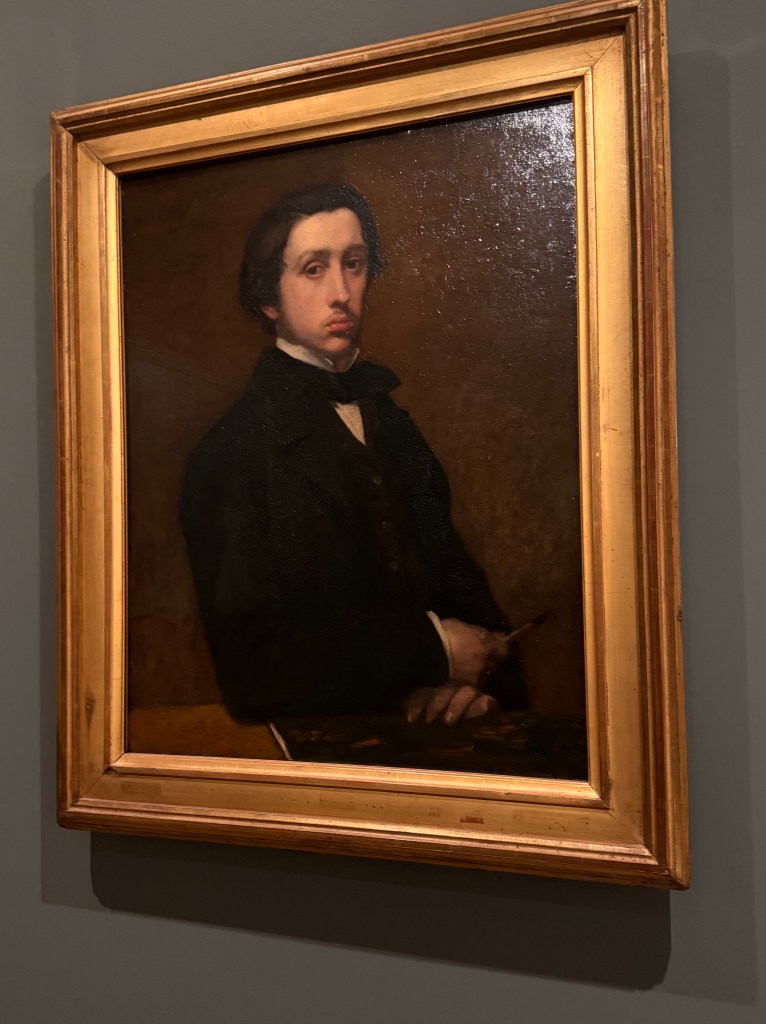
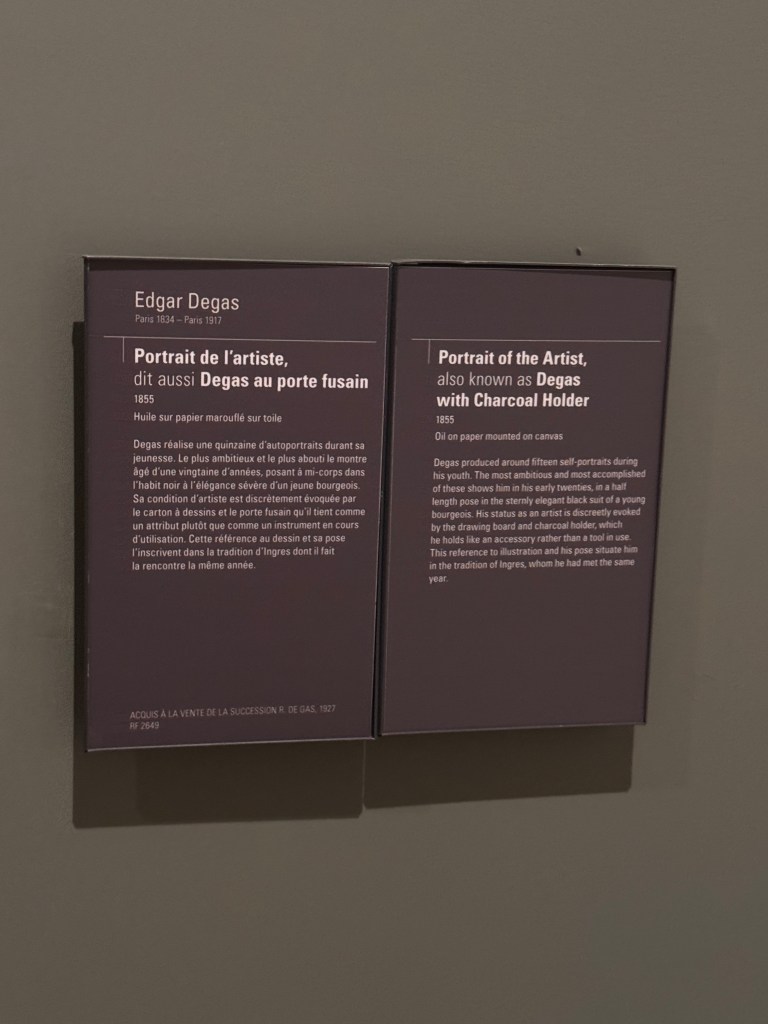
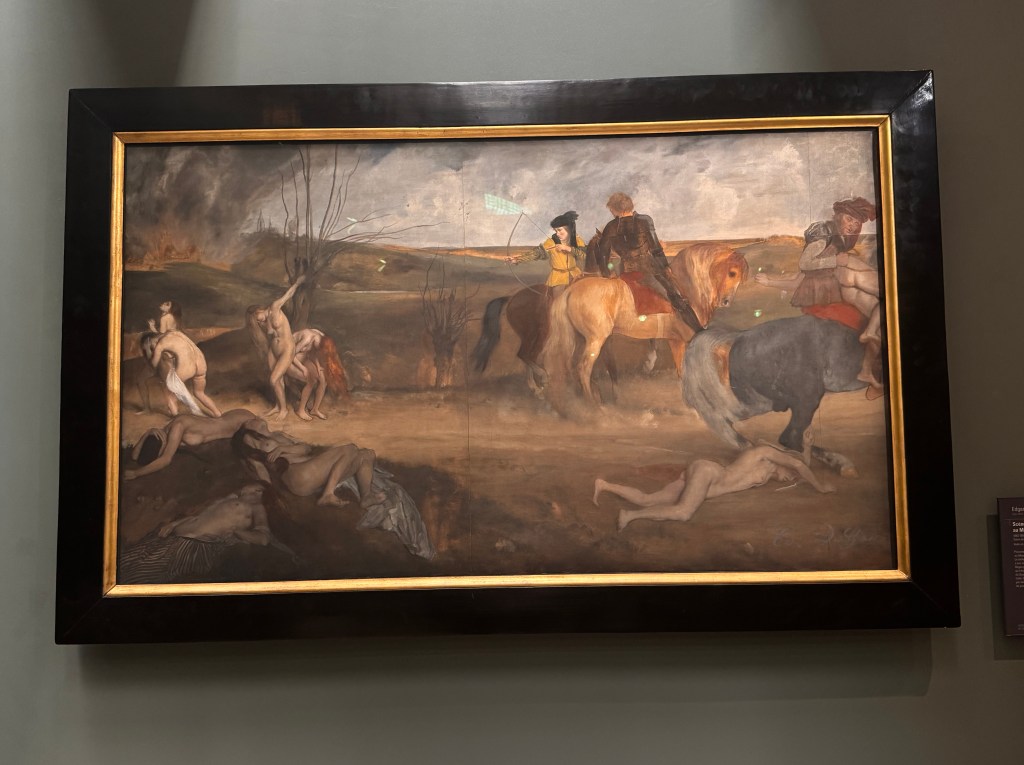
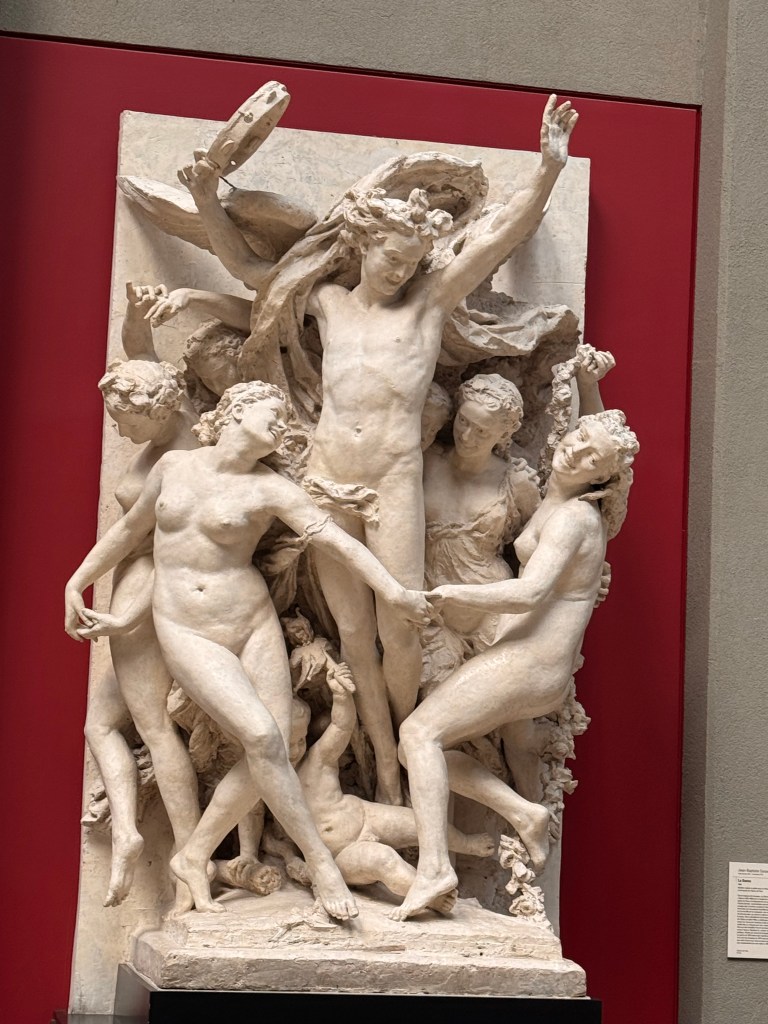
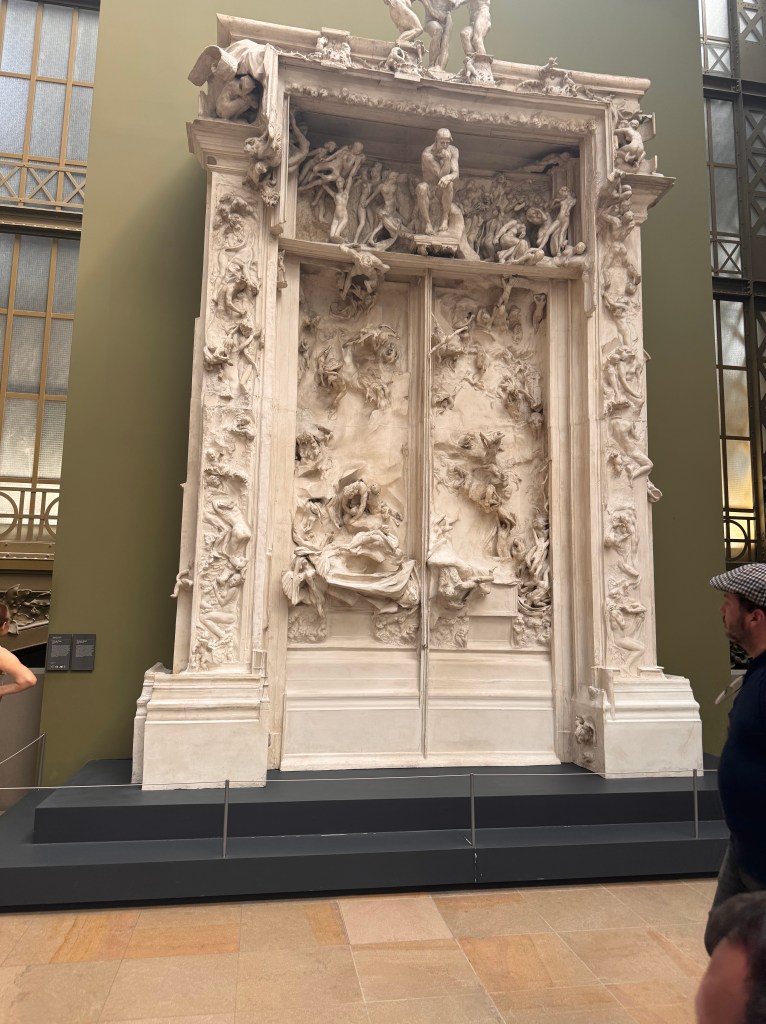
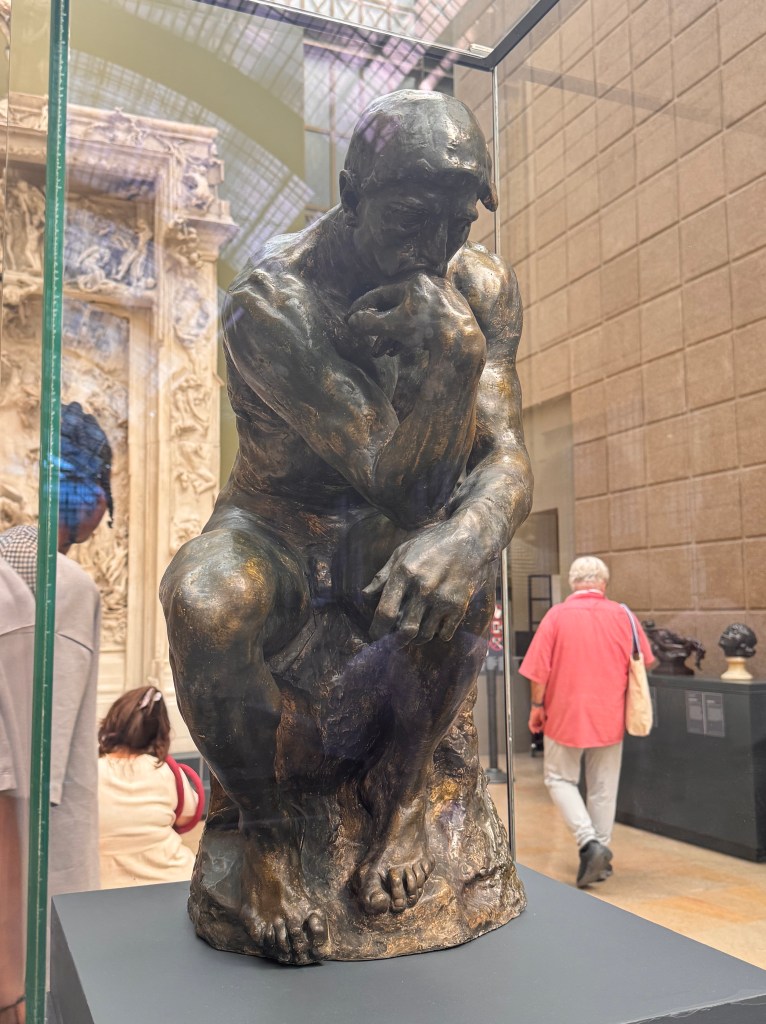
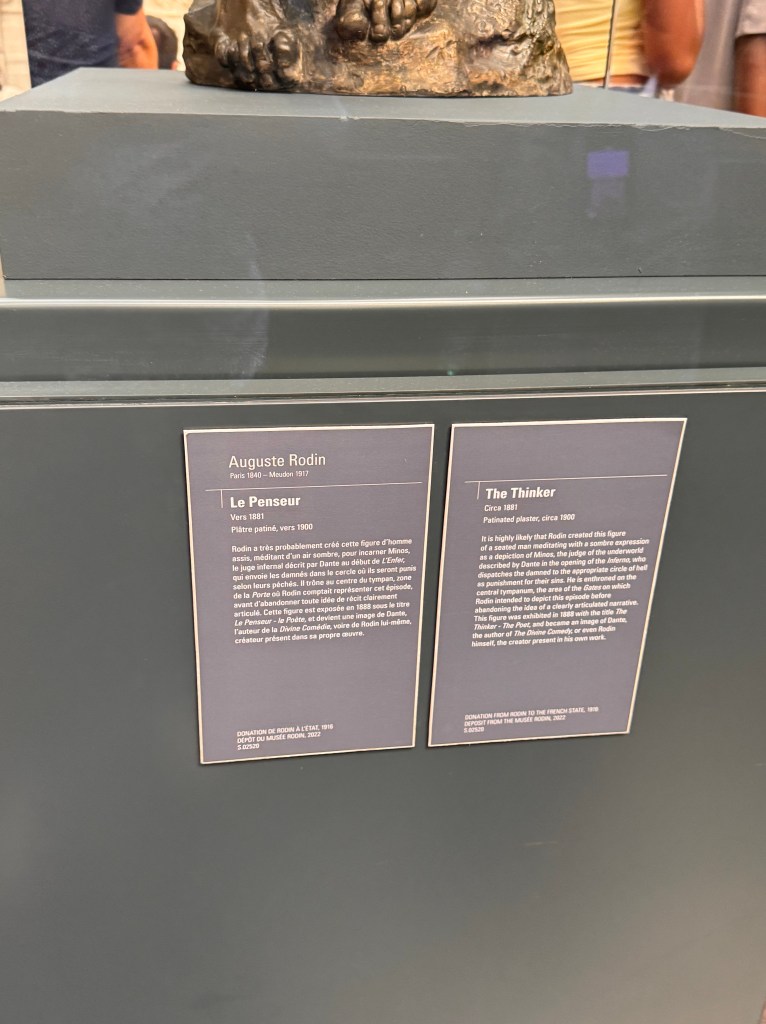
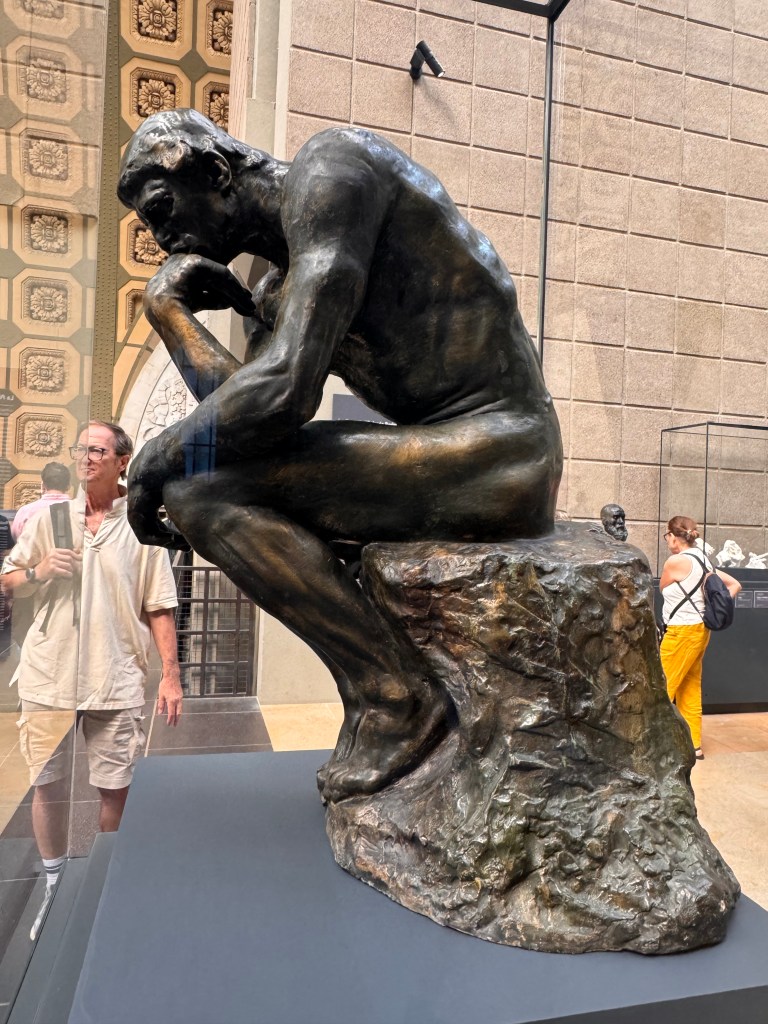
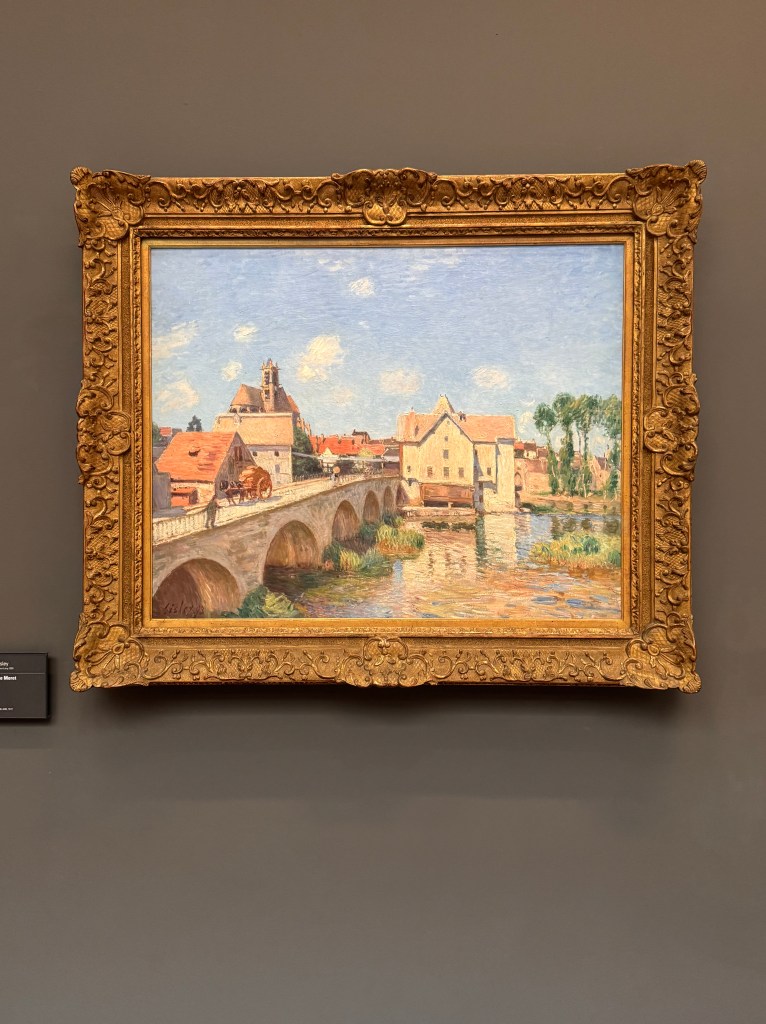
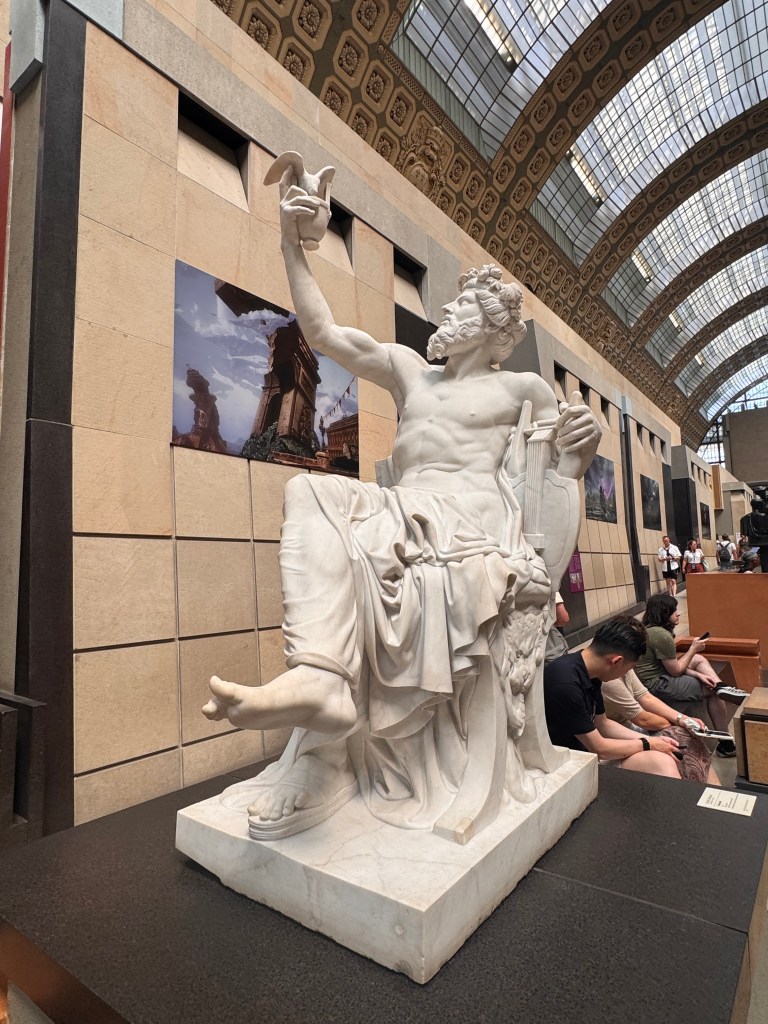
We stood before paintings by Van Gogh, Monet, Renoir, Degas, Cézanne, and countless other artists whose works I had only ever seen in books. The museum’s sculpture galleries were equally breathtaking, filled with marble and bronze masterpieces displayed in beautifully lit open spaces.

Everywhere we turned there seemed to be another world-famous painting waiting around the next corner.

We wandered through gallery after gallery until closing time at 4:00 p.m.

Alan would have been so proud of us for staying until they practically had to usher us out!

After another full day of exploring, we walked back to our apartment, still trying to work through the ongoing issues with GuestReady and VRBO. Unfortunately, the apartment never really improved, and it remained one of the few disappointments of our entire European adventure.

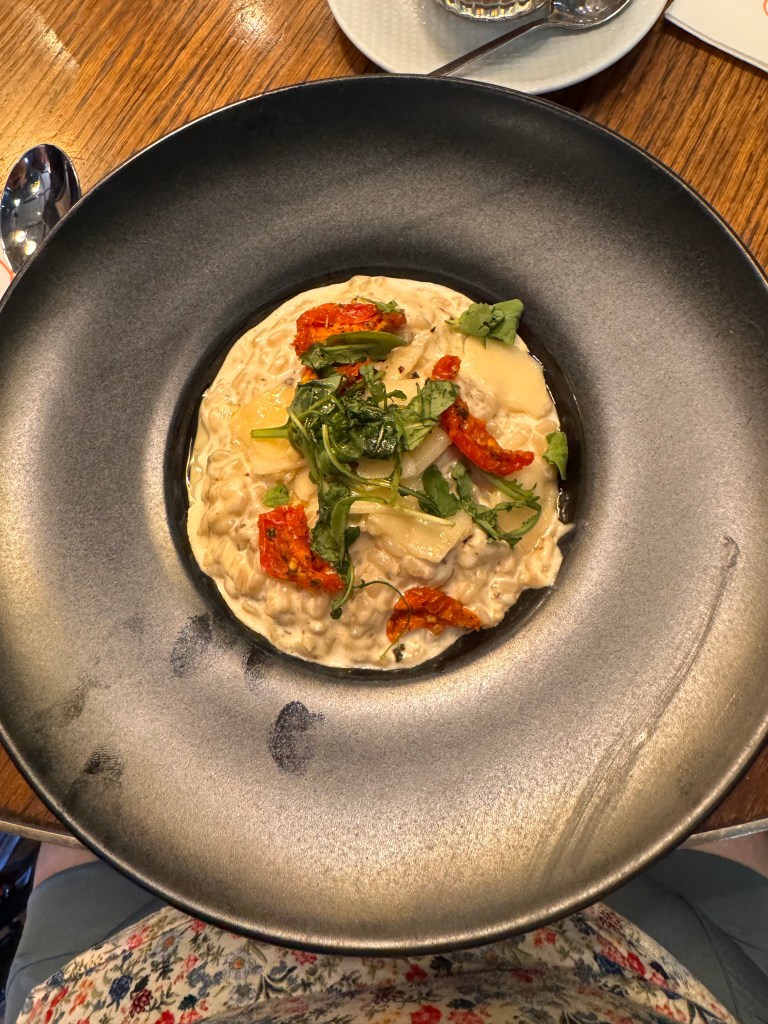
Dinner that evening was simple but perfect.

We finished the leftovers from our delicious meat and cheese board, paired them with some incredibly sweet French nectarines, and enjoyed a quiet evening together.

Then it was time to repack our suitcases once again.

The next morning, our wonderful driver Nesrine would be picking us up to take us to the train station as we said goodbye to Paris and began the next chapter of our journey—heading south to the Mediterranean and the beautiful seaside town of La Grande-Motte.
Canals, Countryside, and Clarkson’s Farm

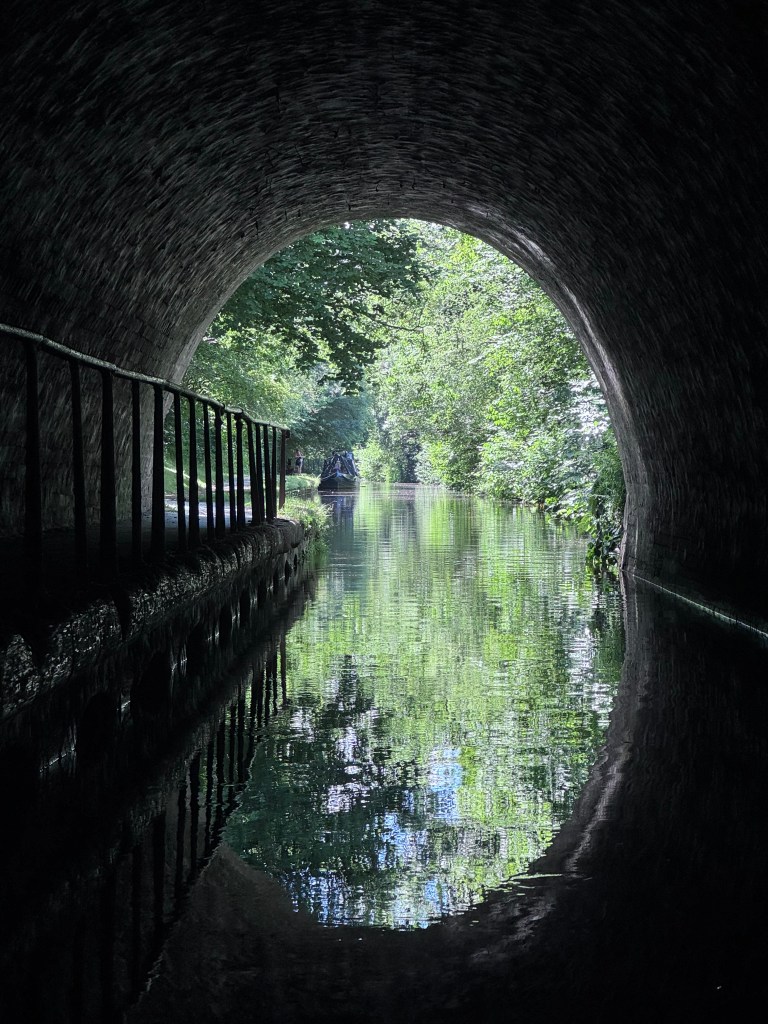
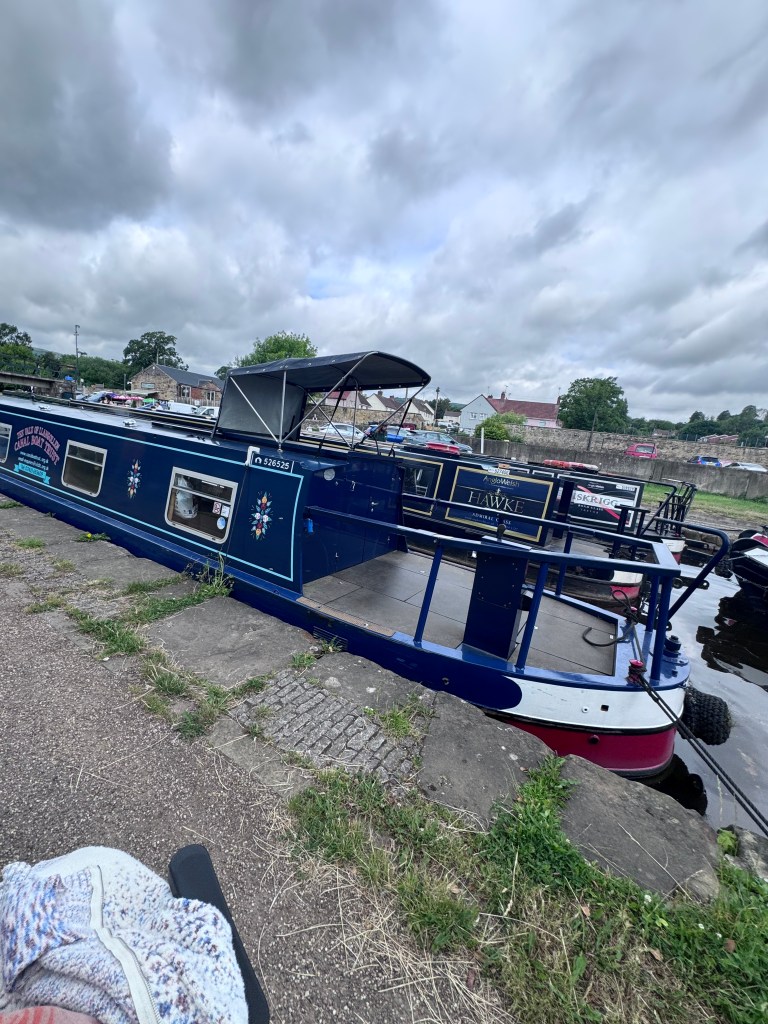
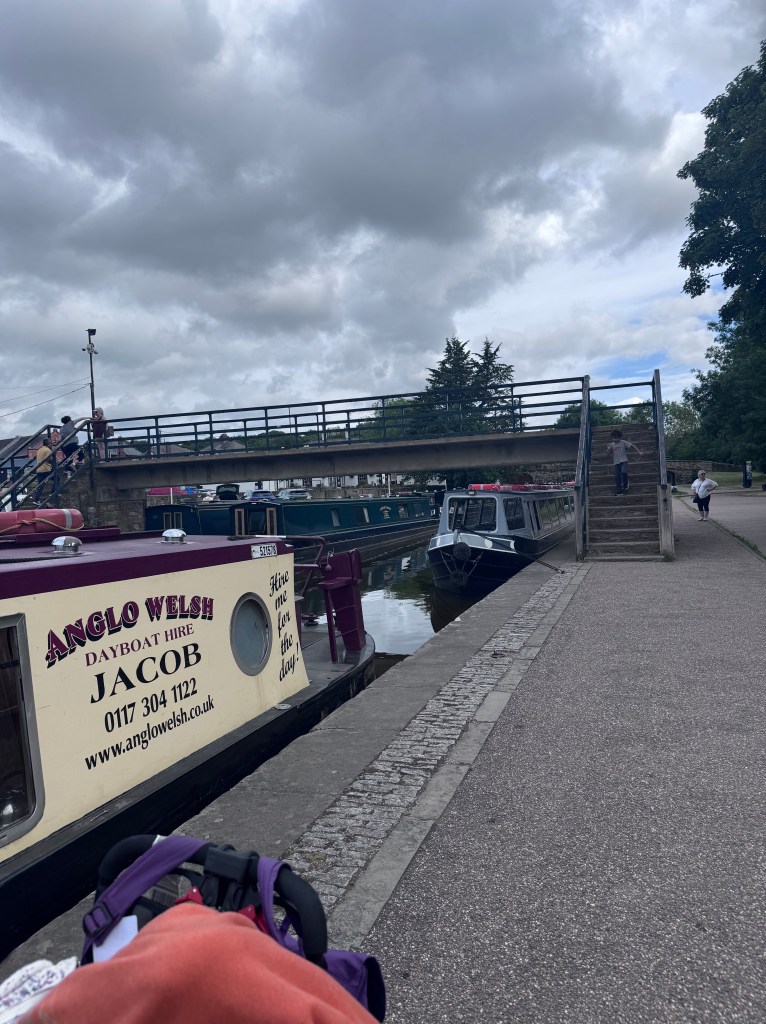
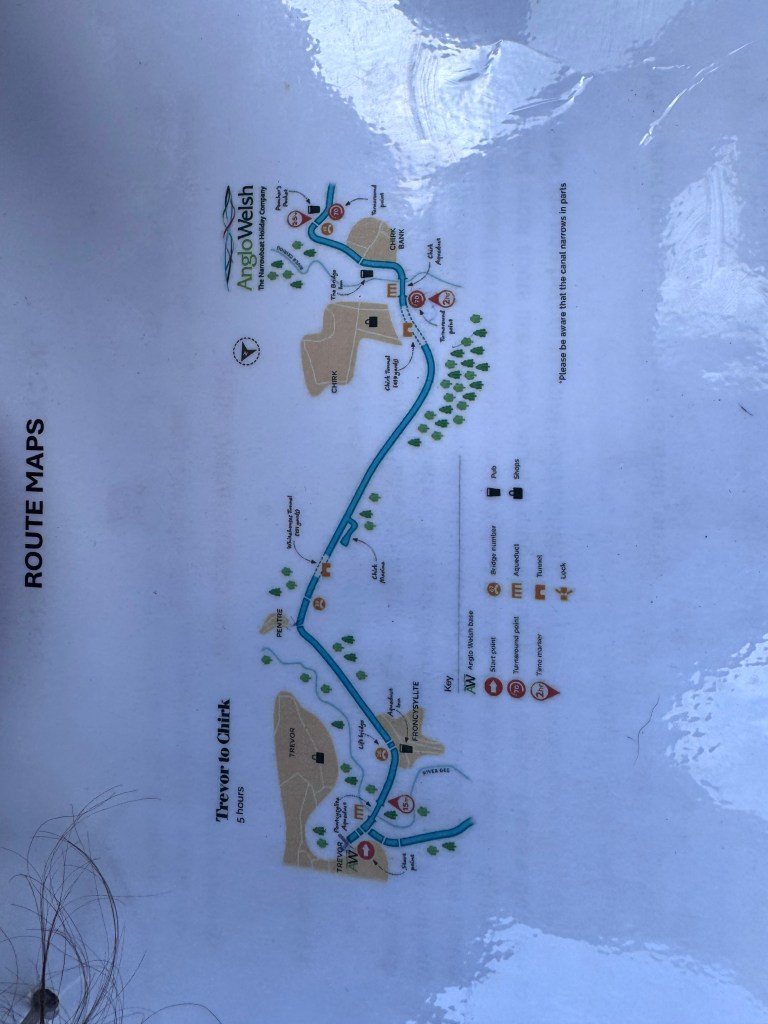
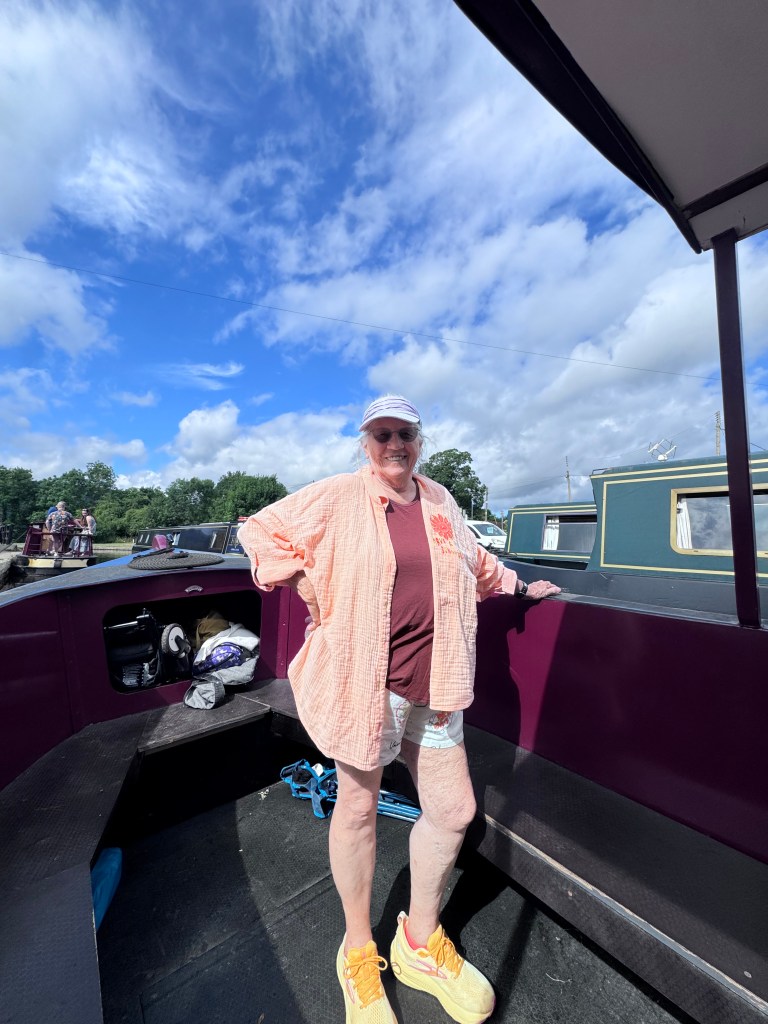
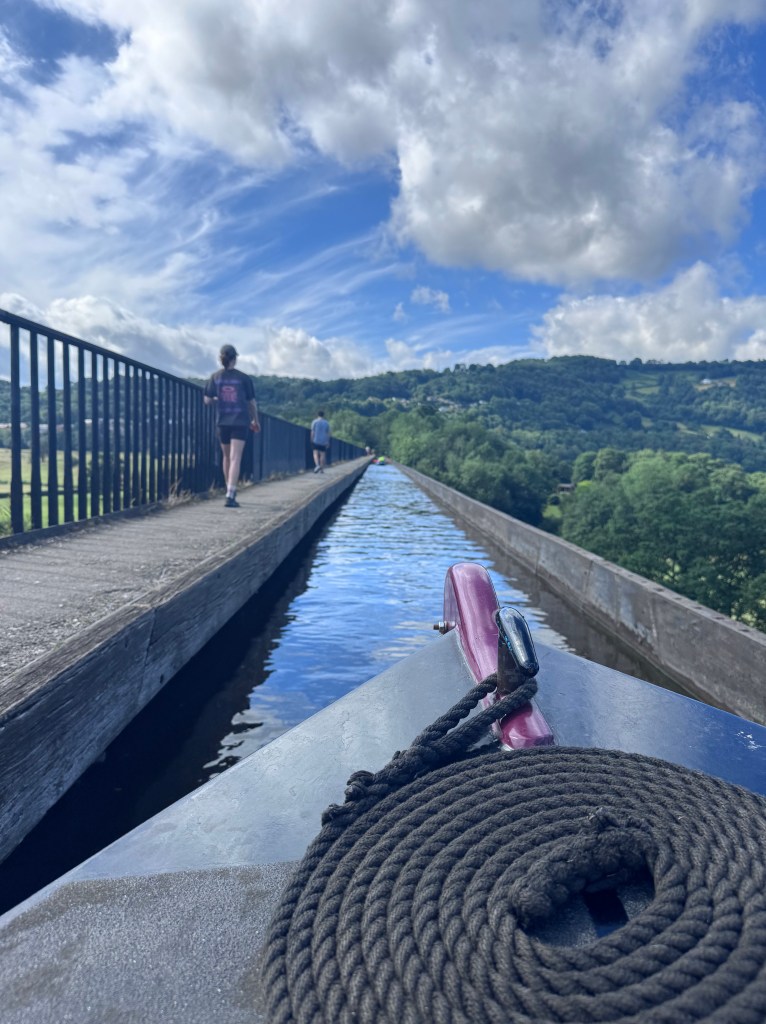
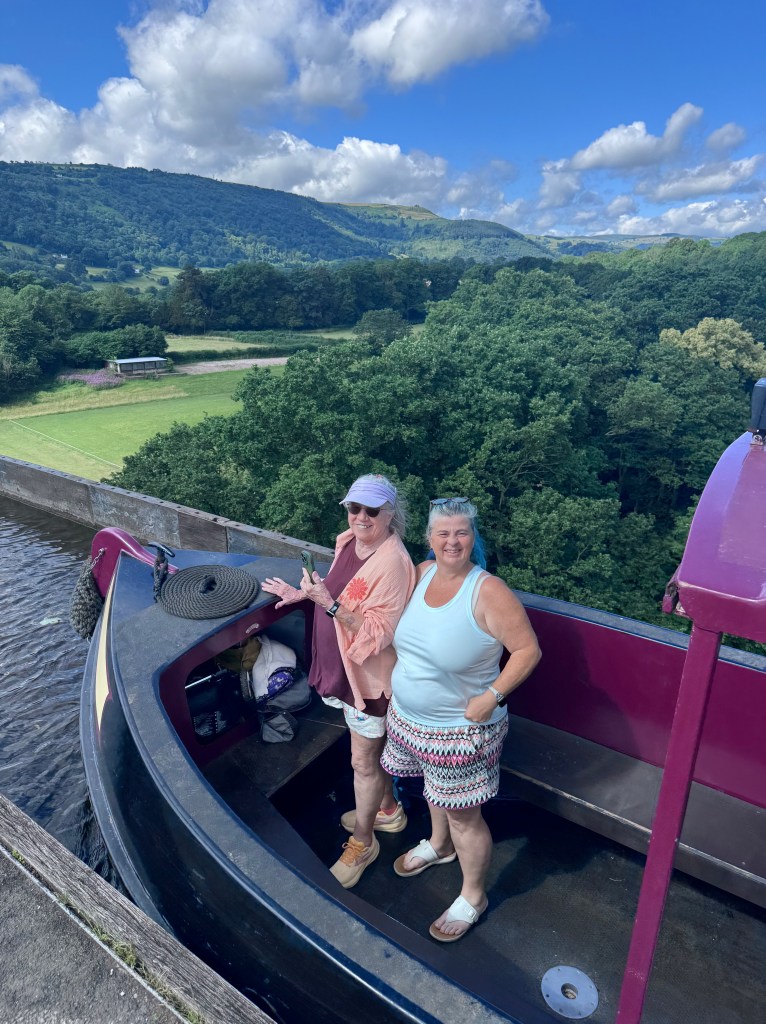
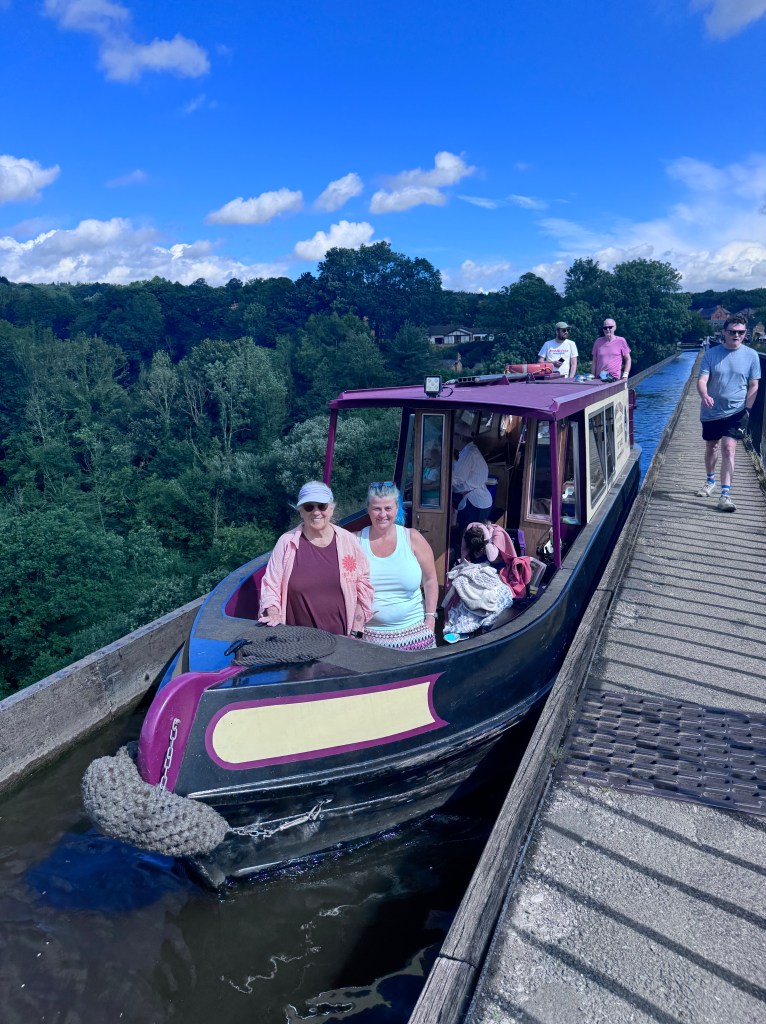
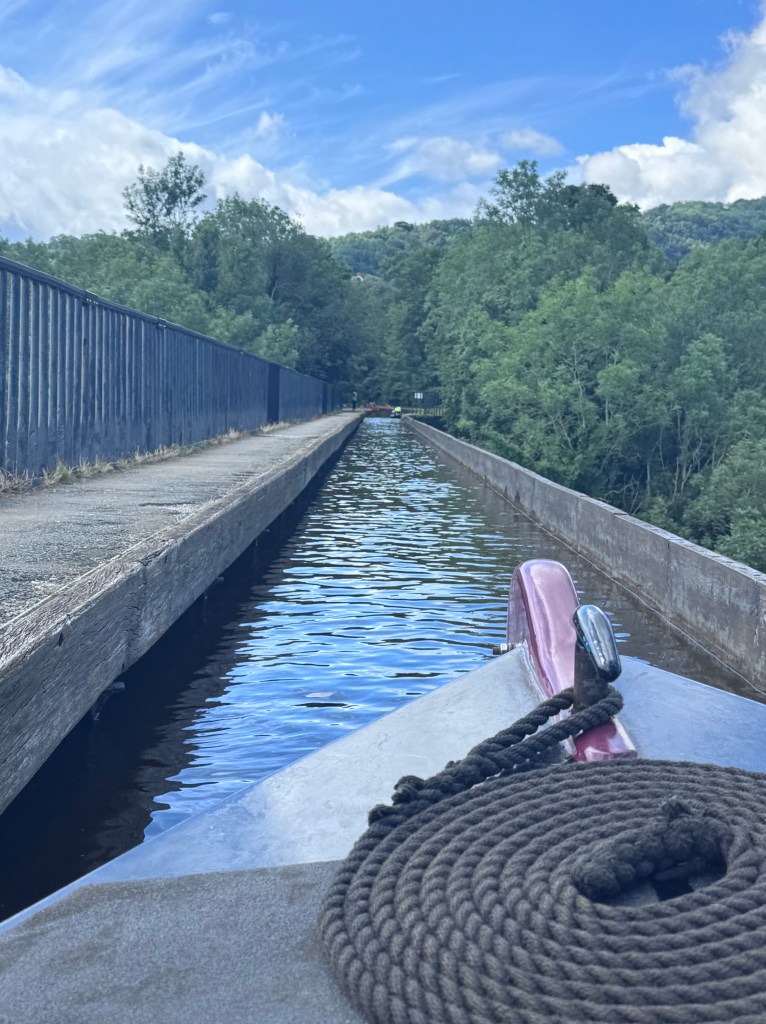
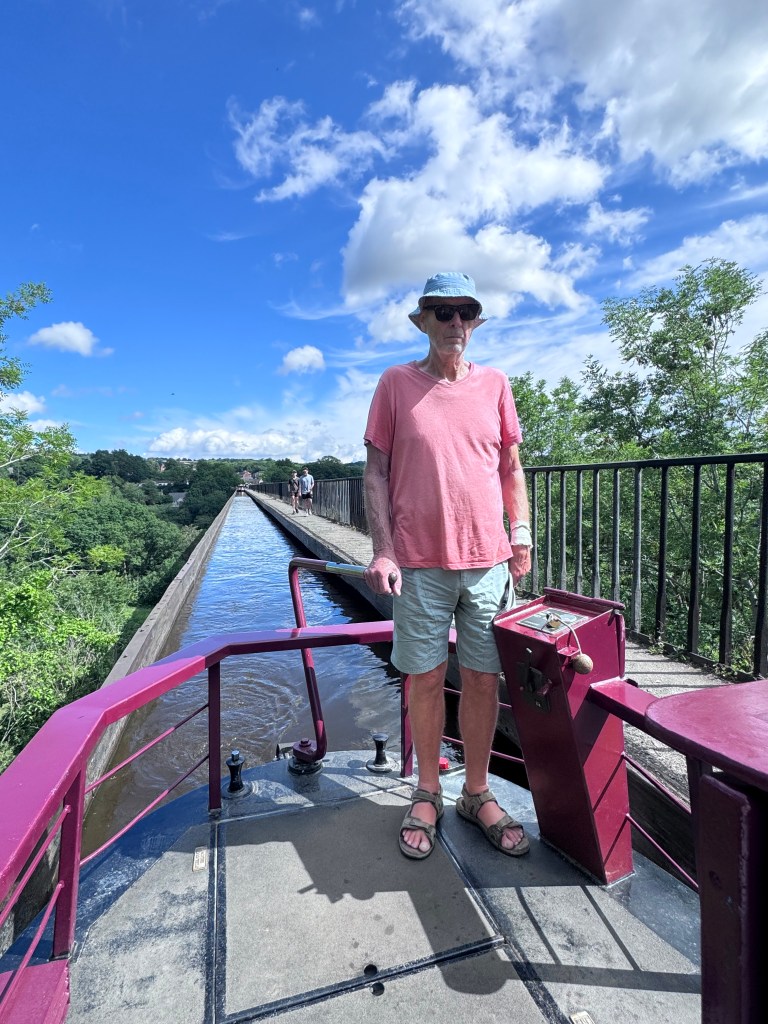
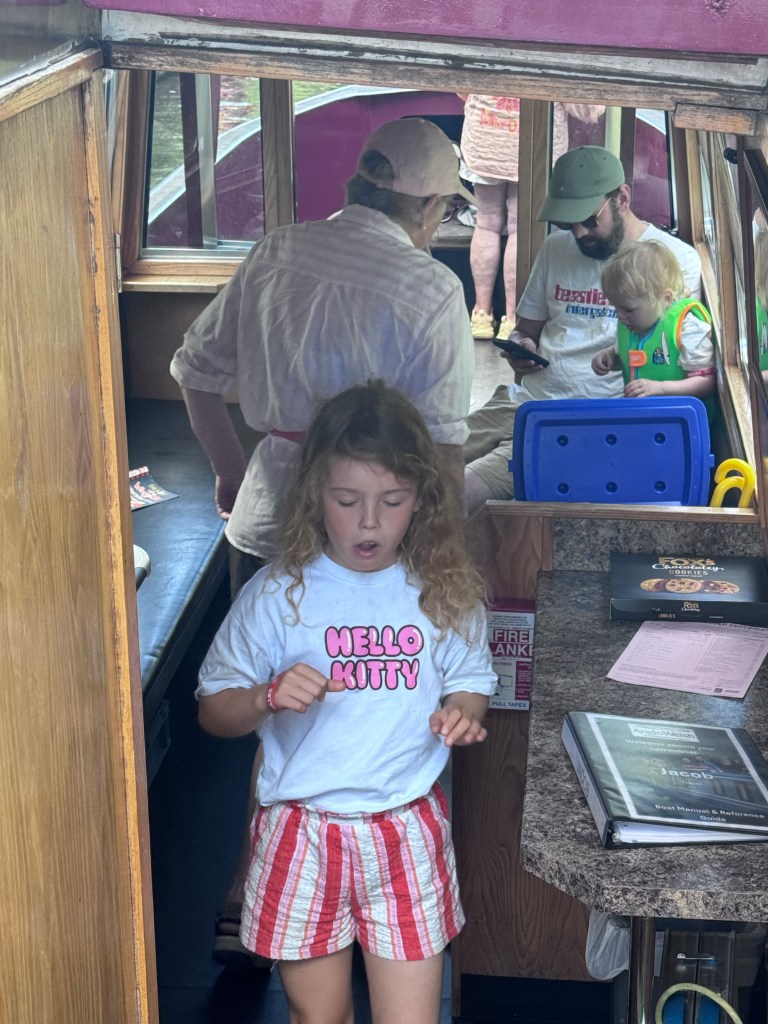
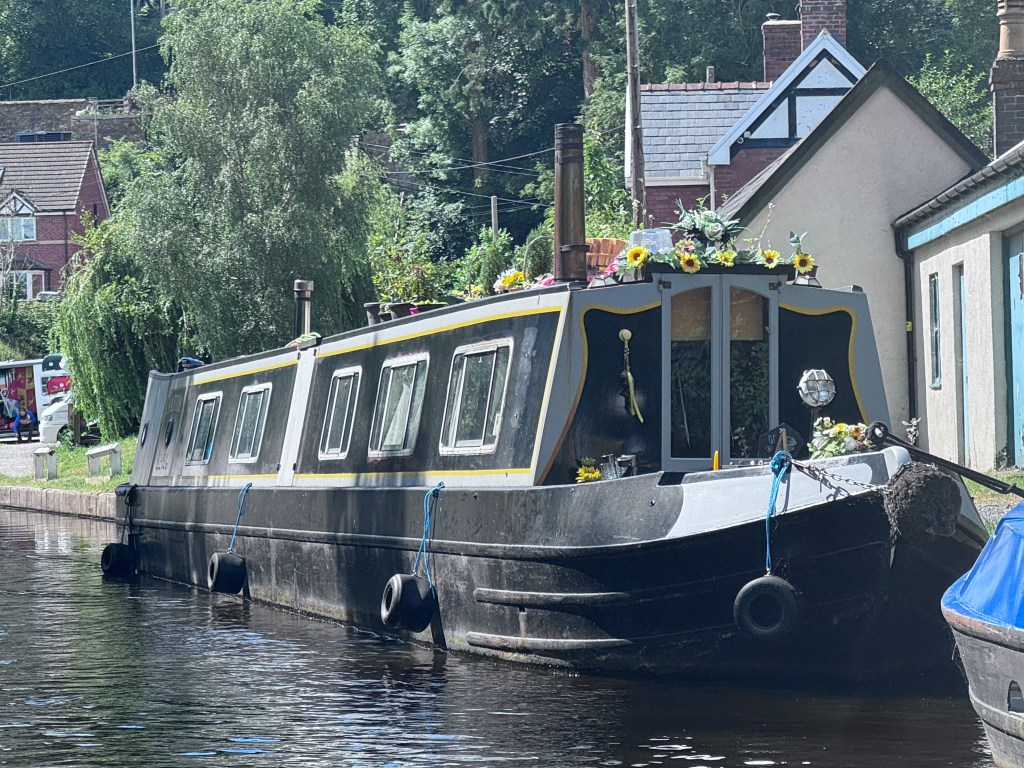
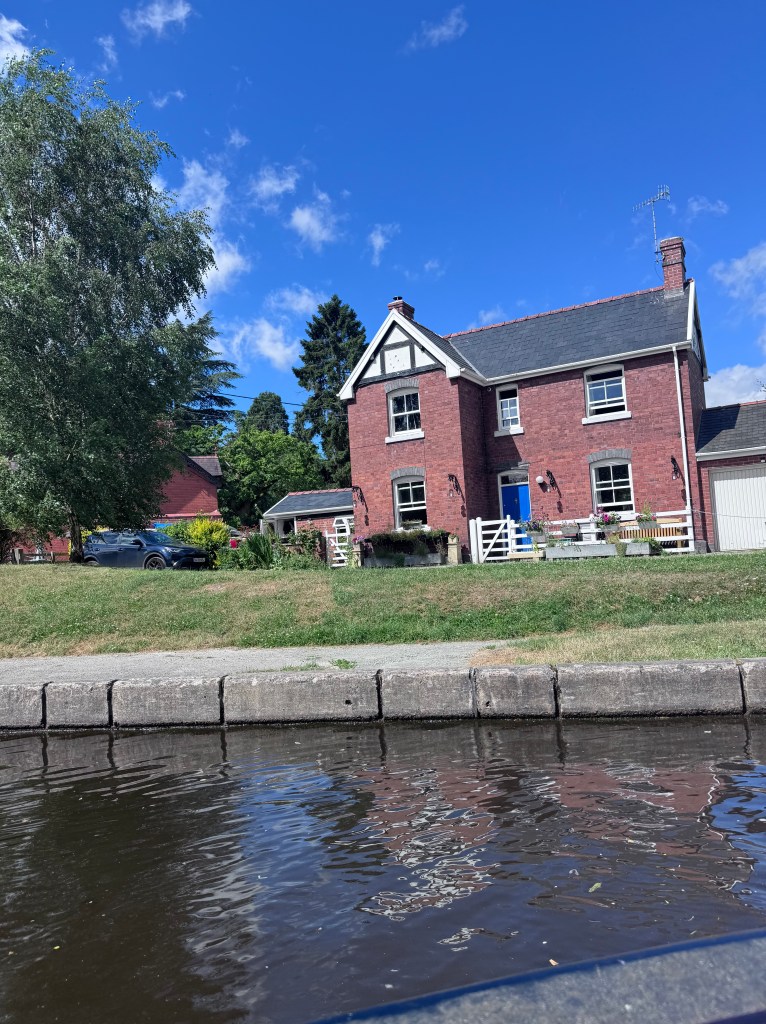
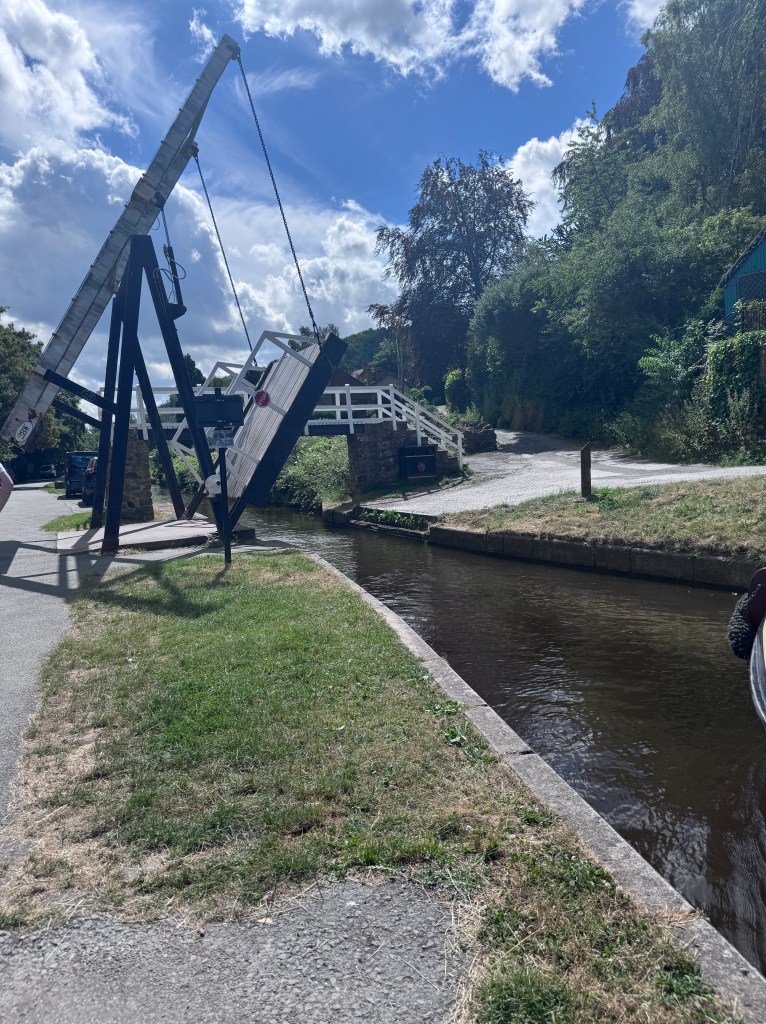
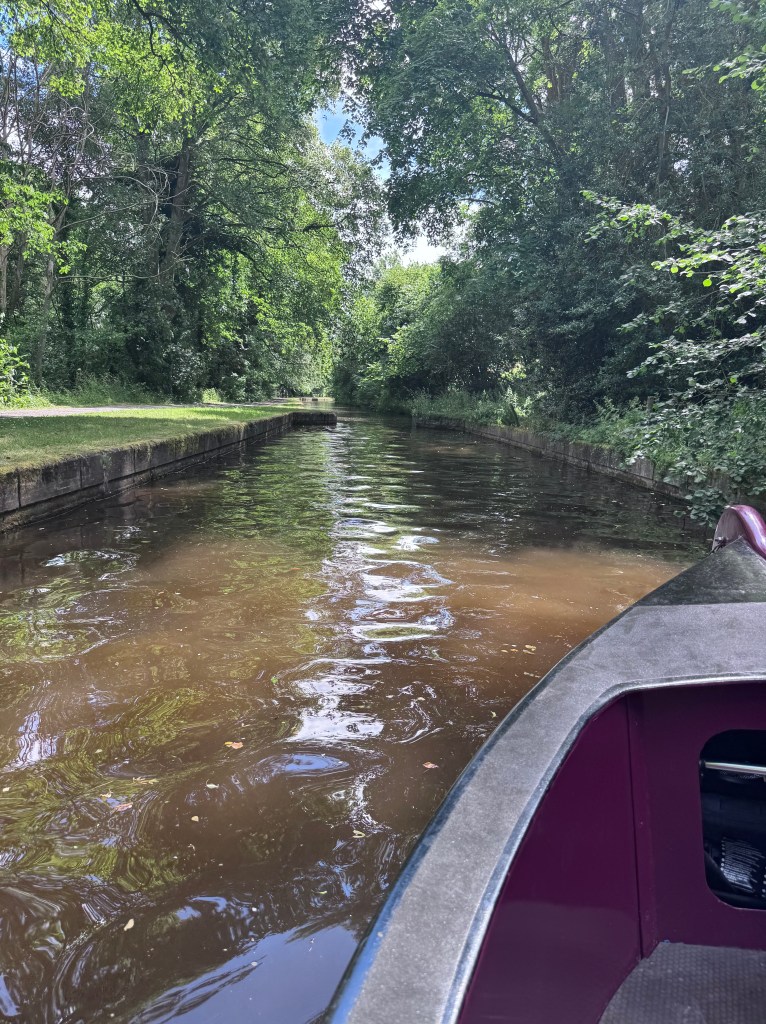
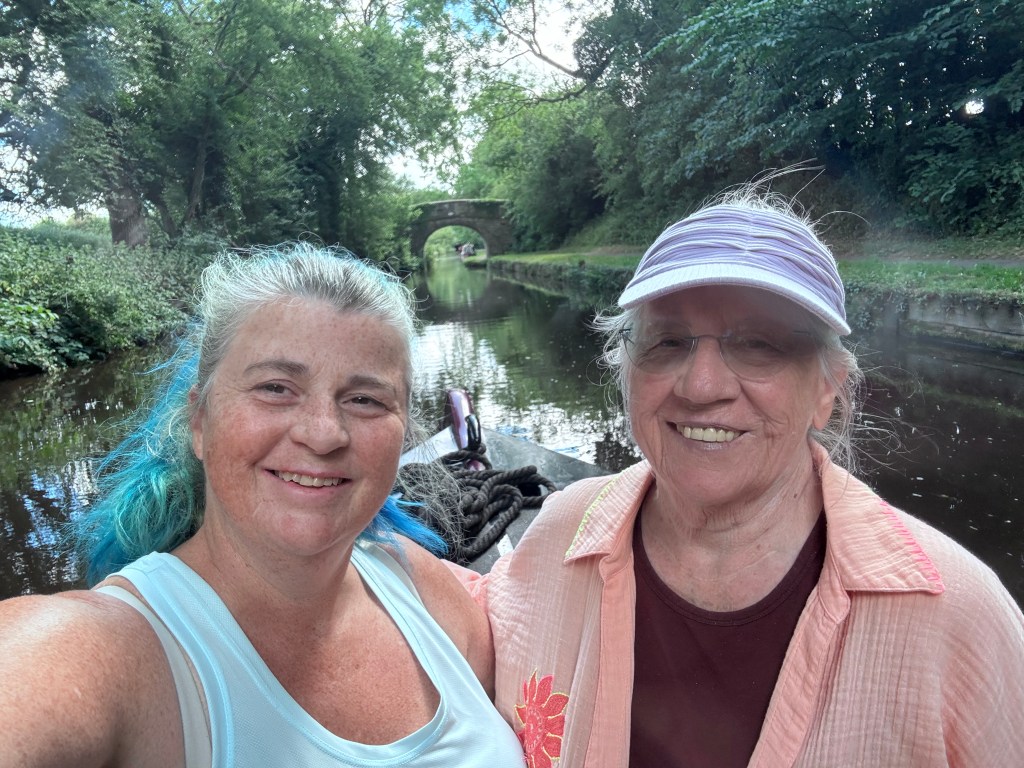
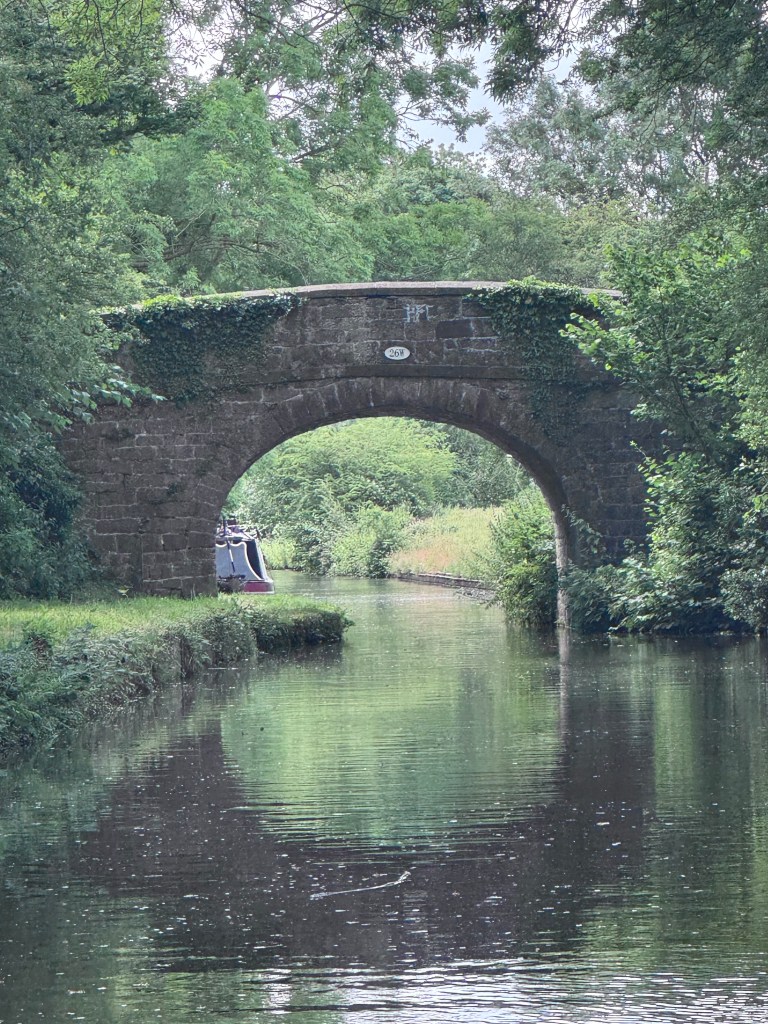
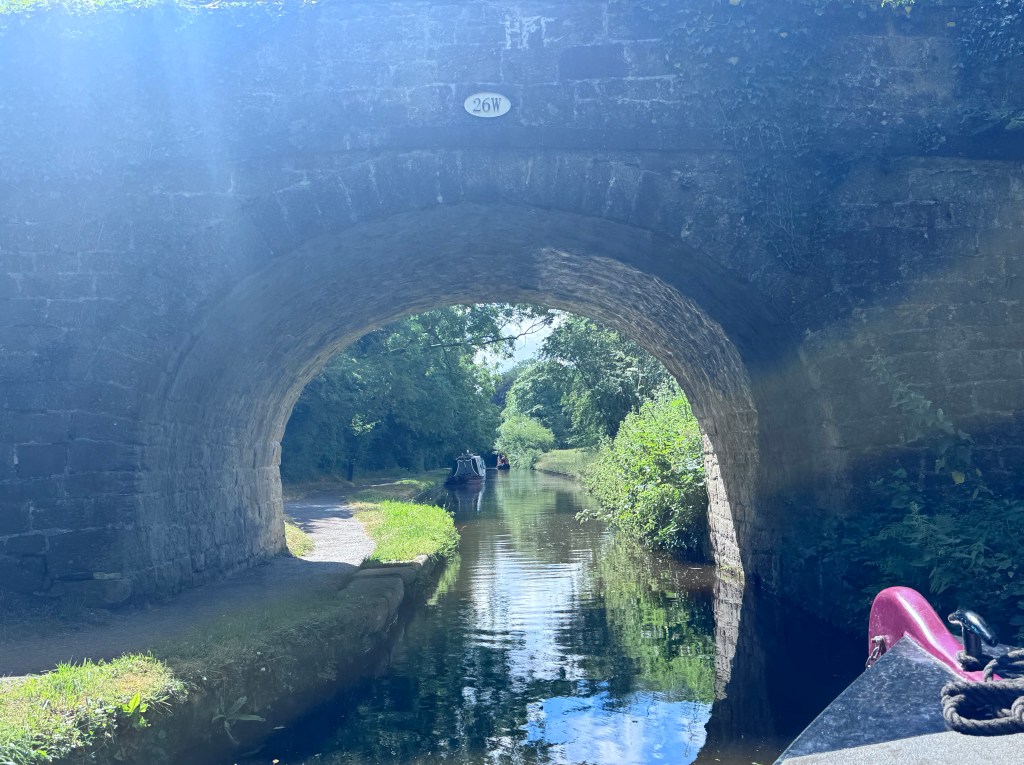
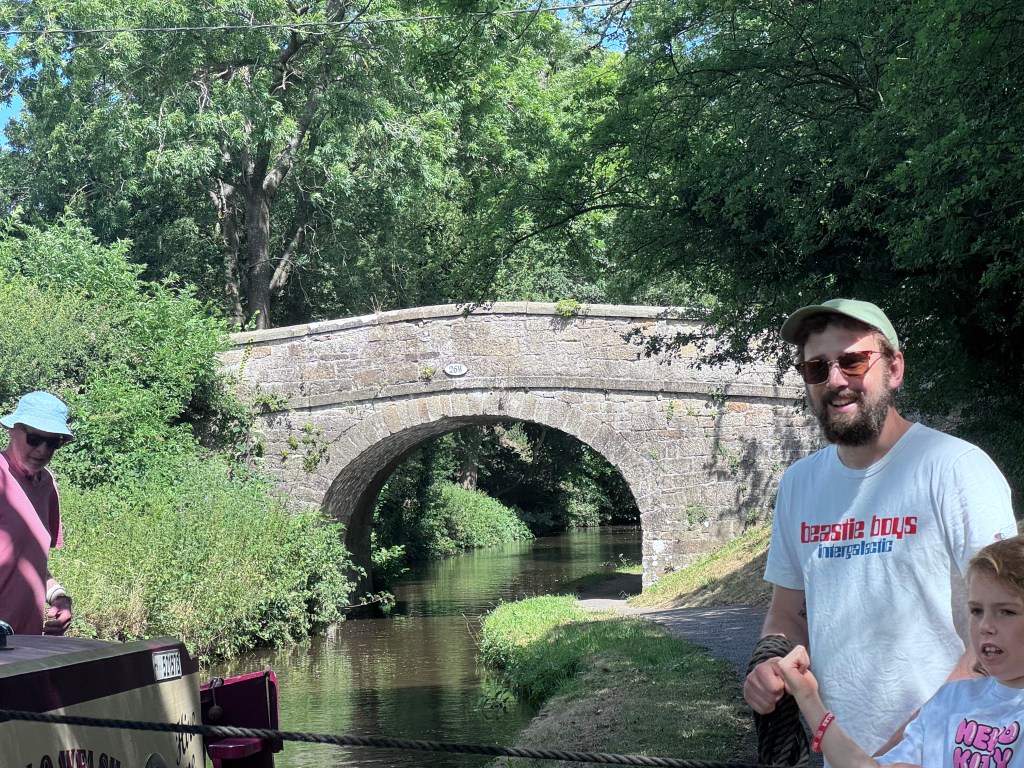
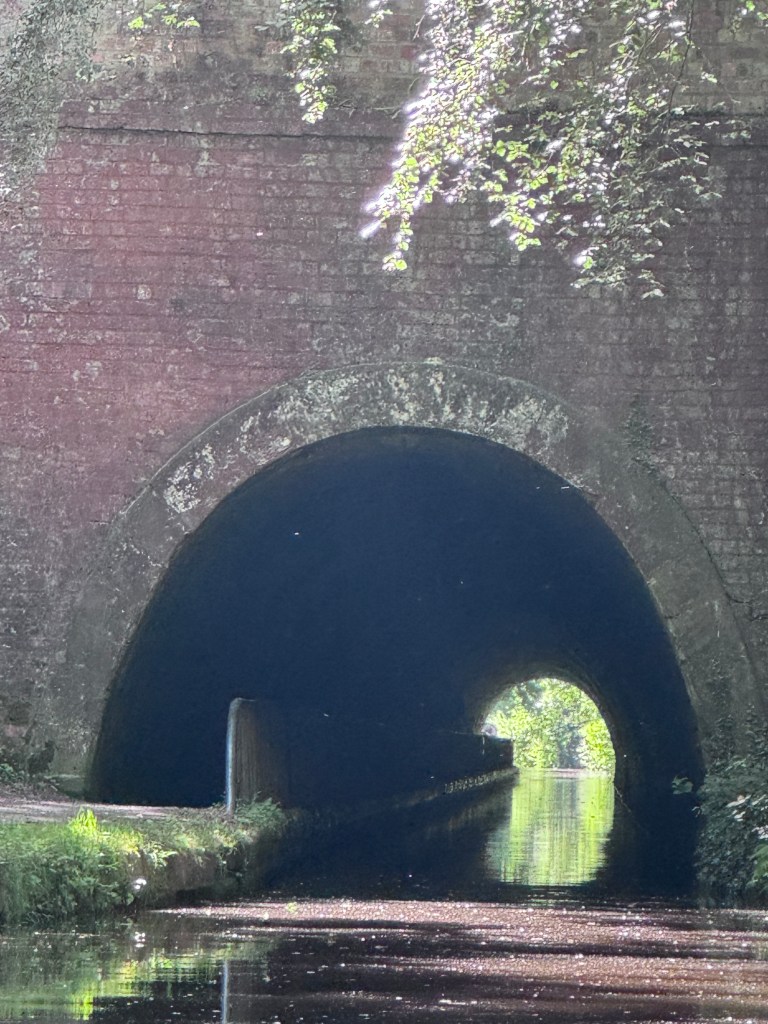
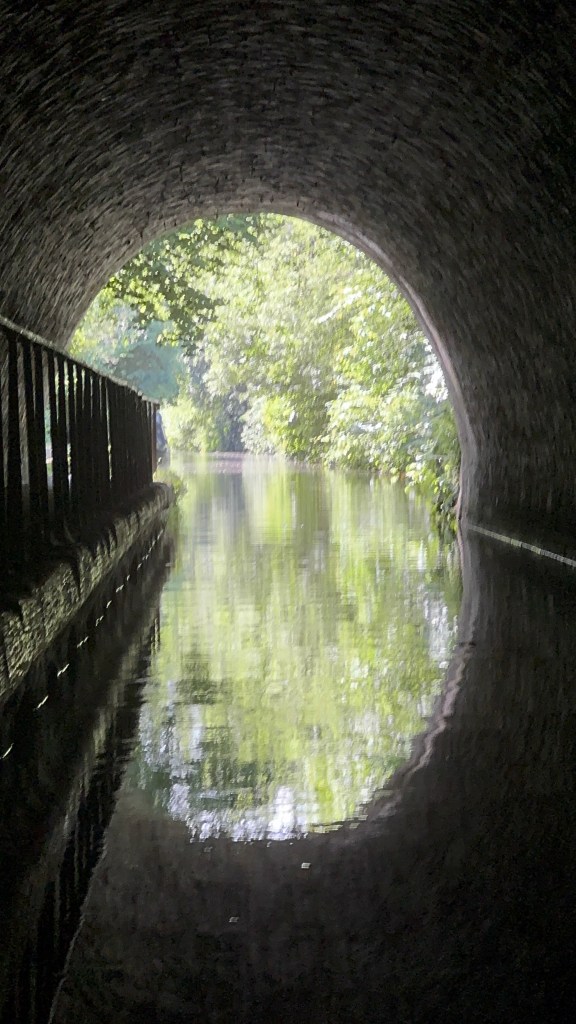
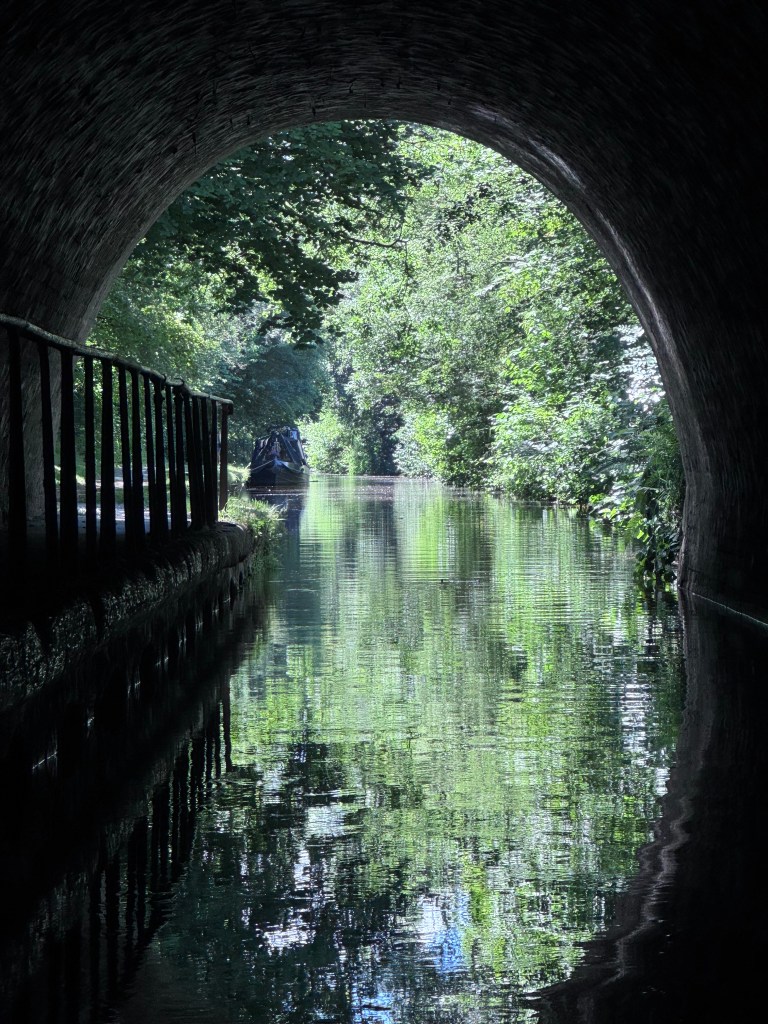
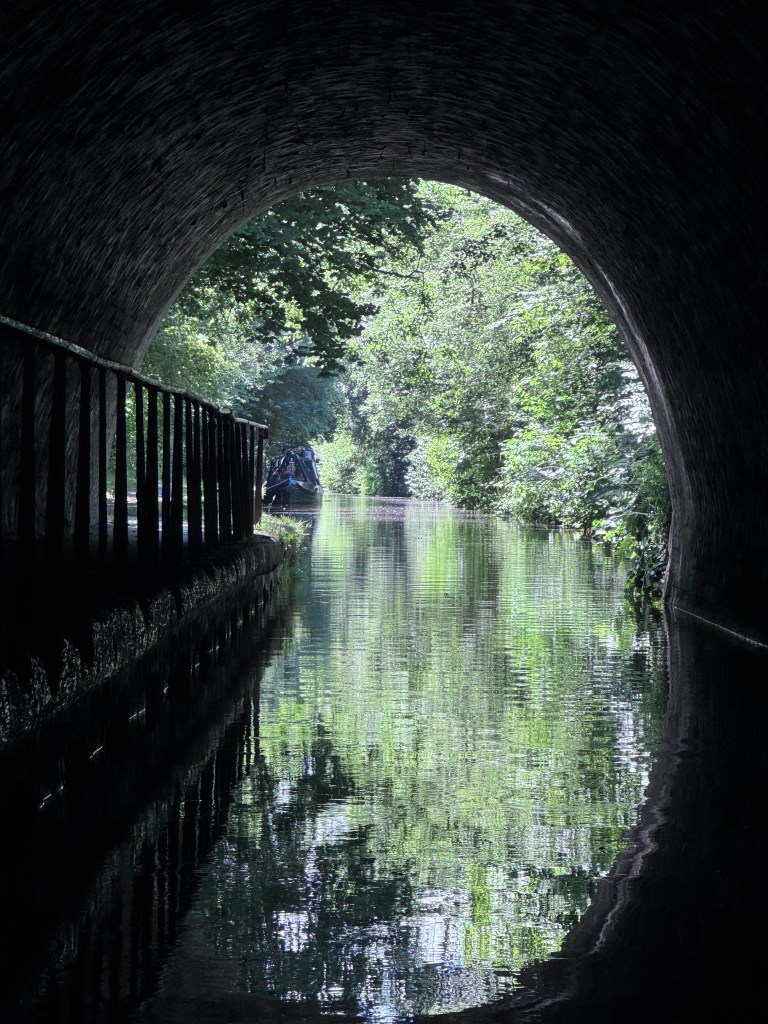
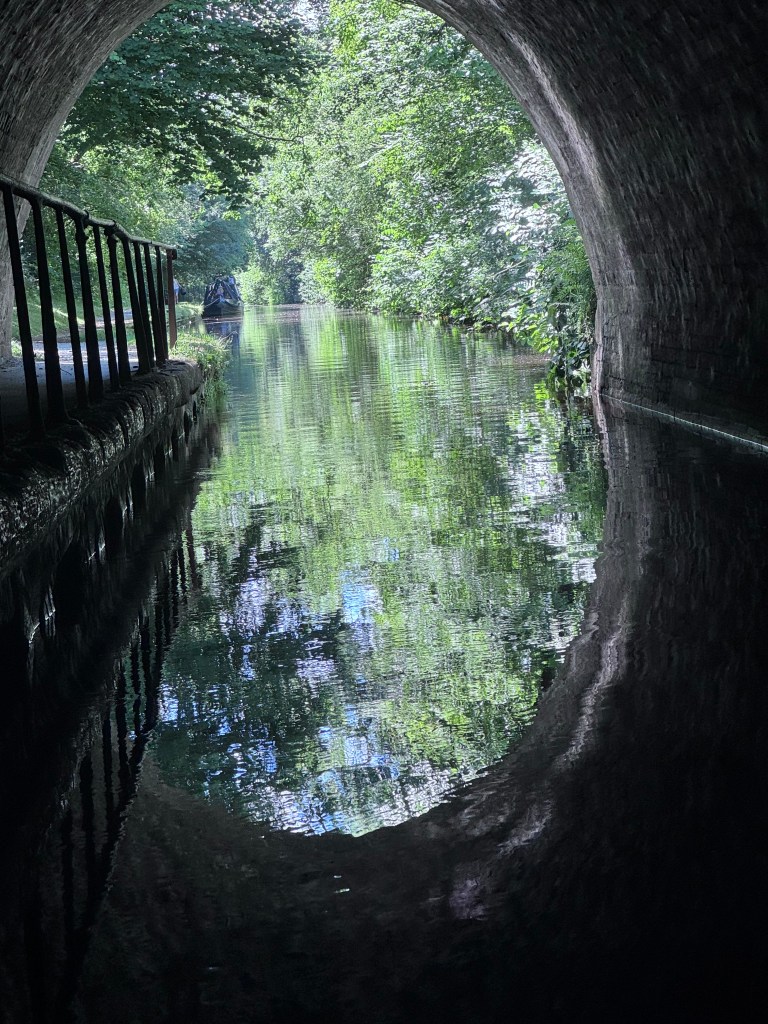
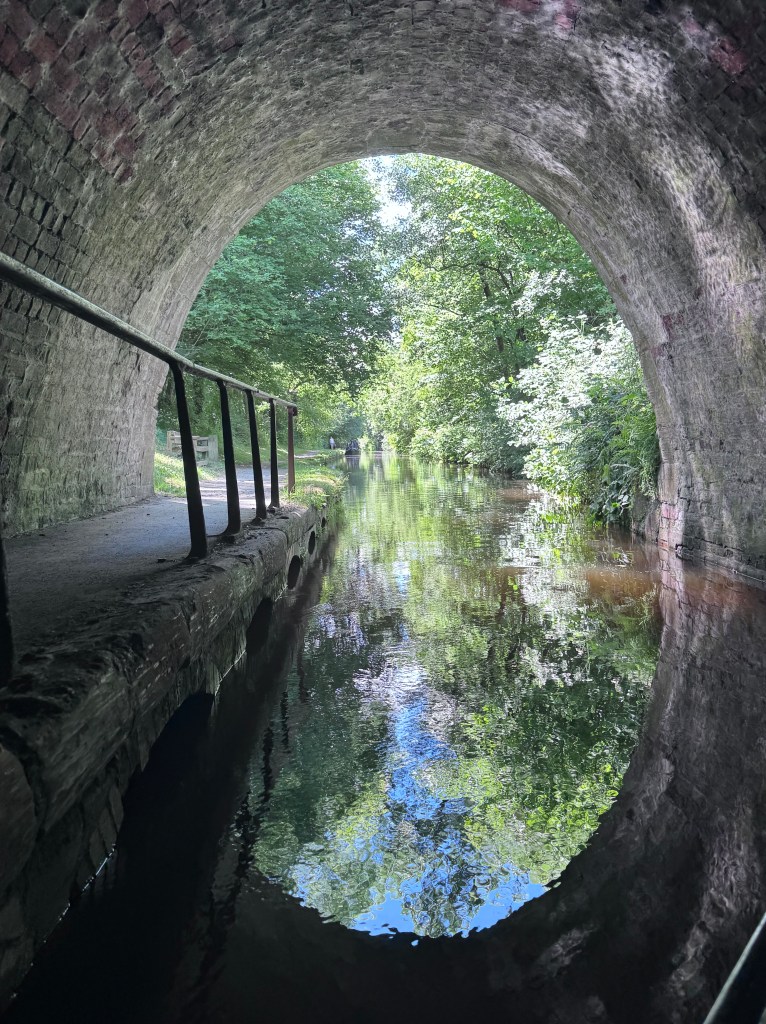
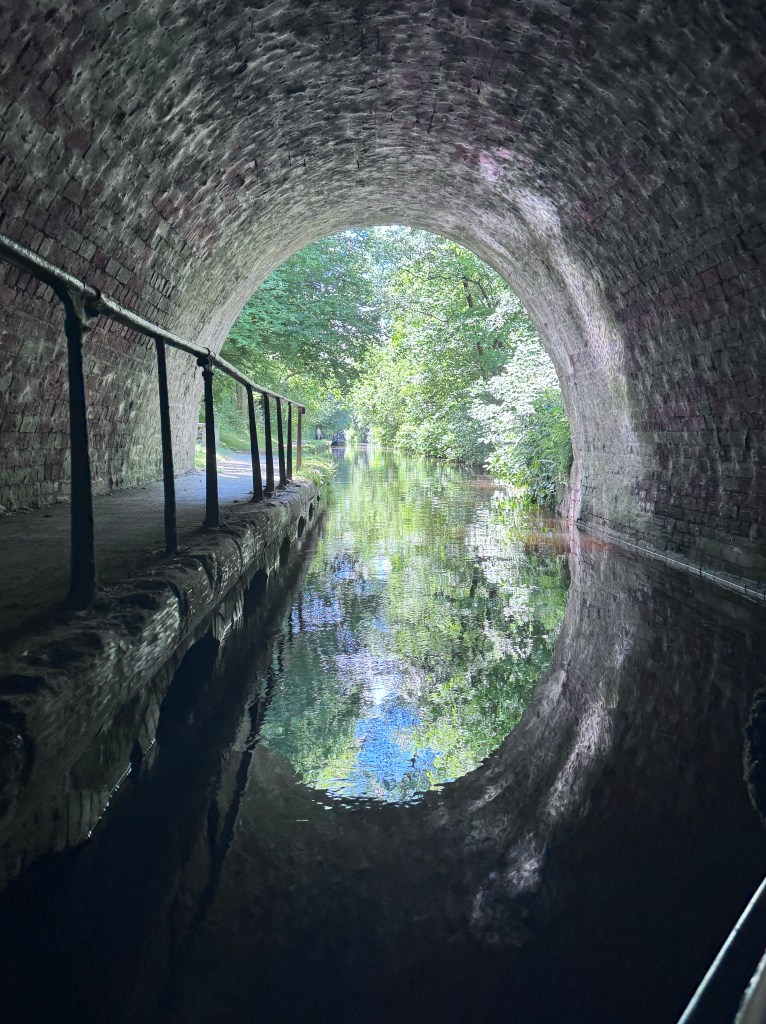
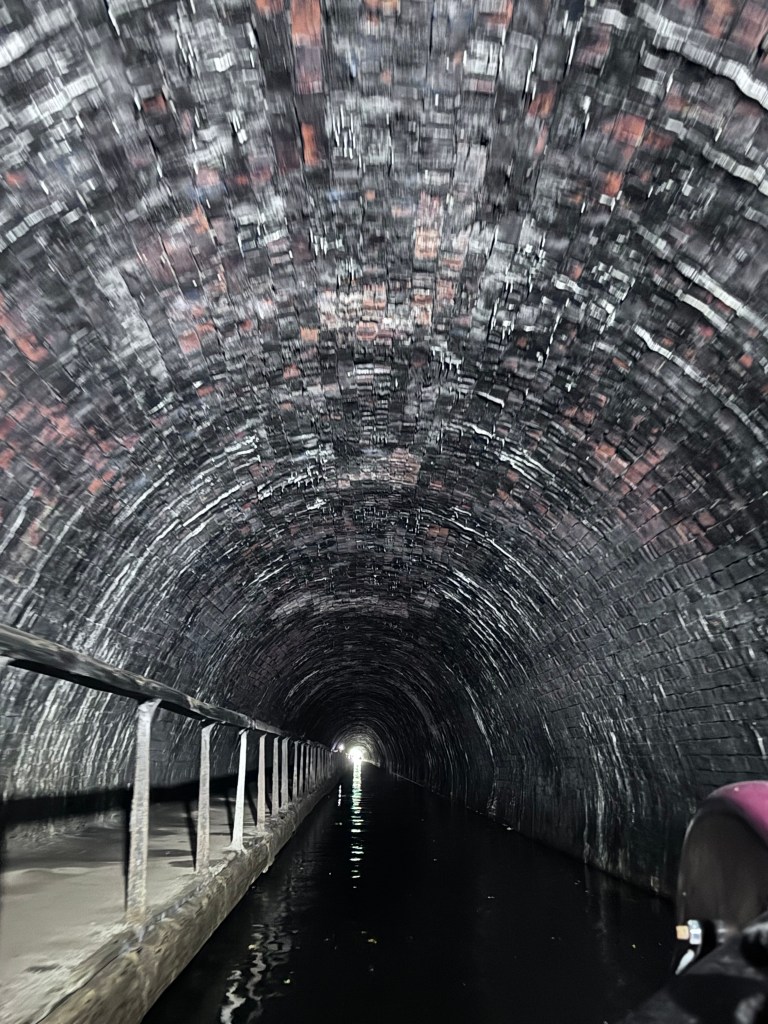
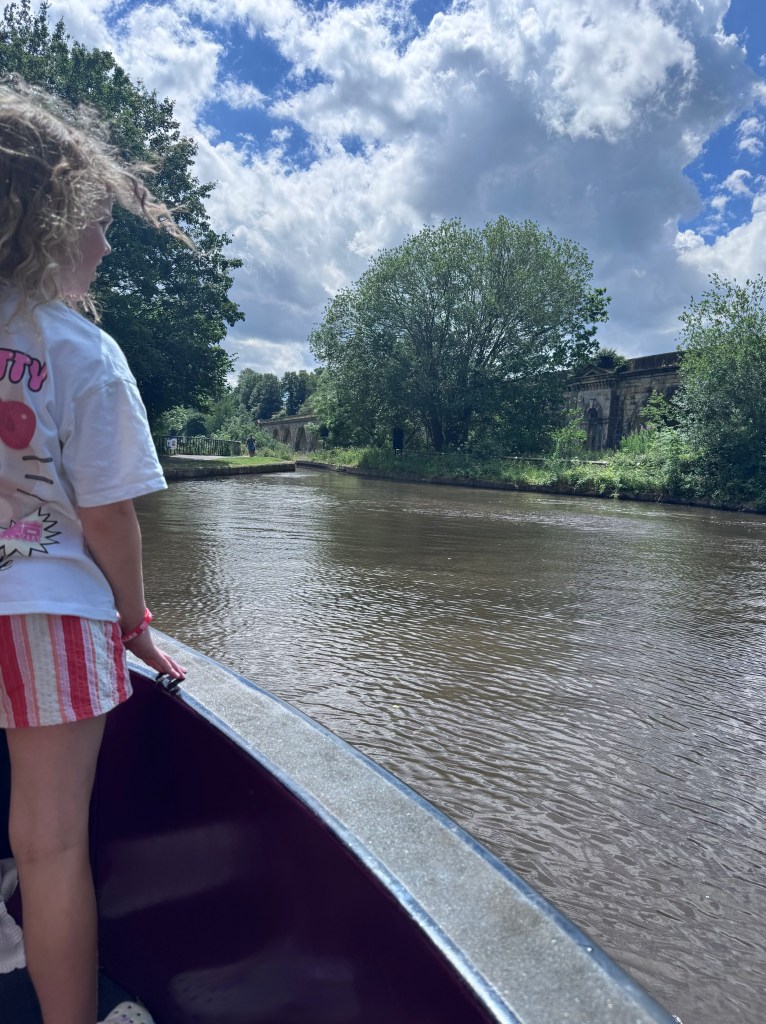
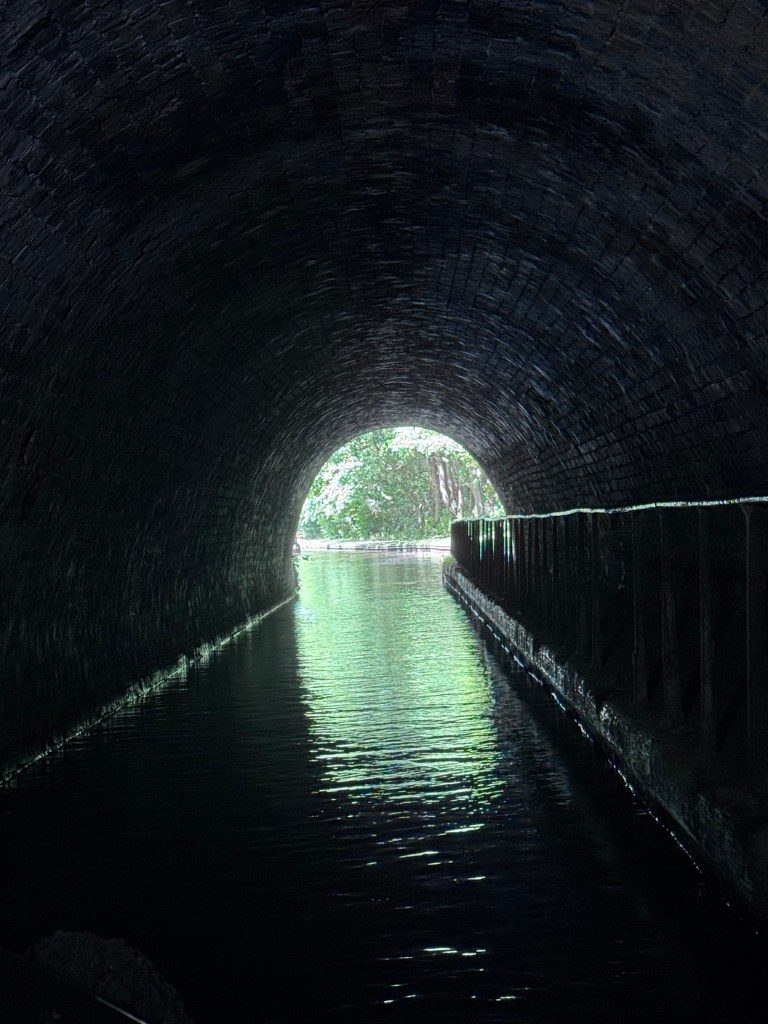
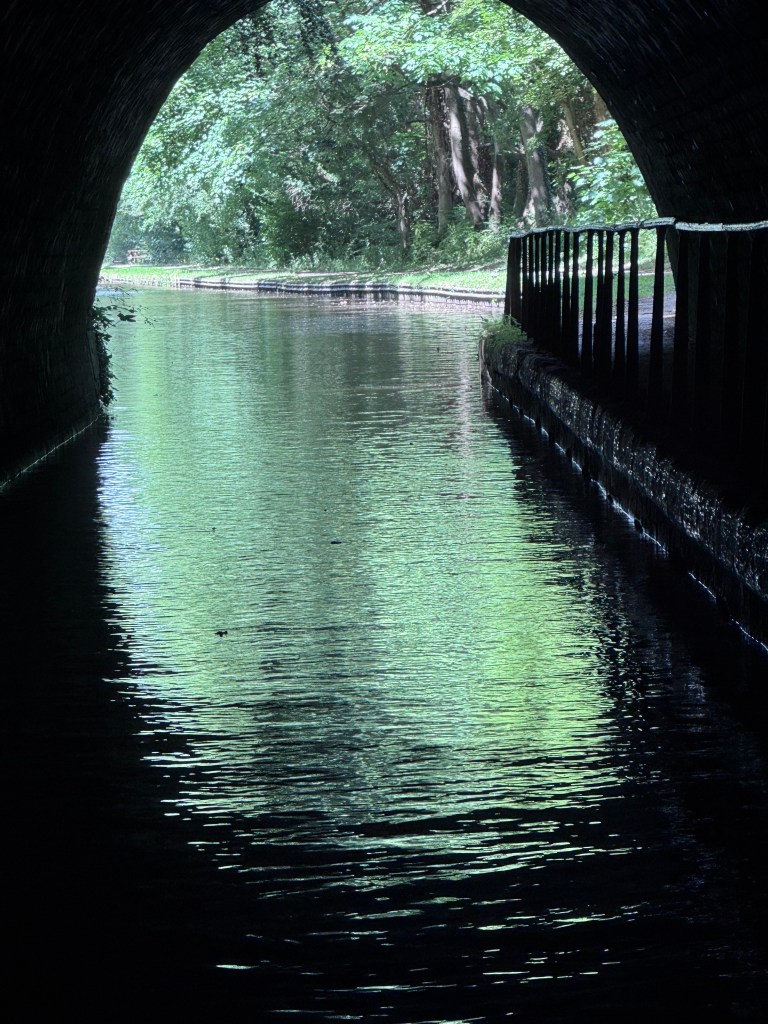
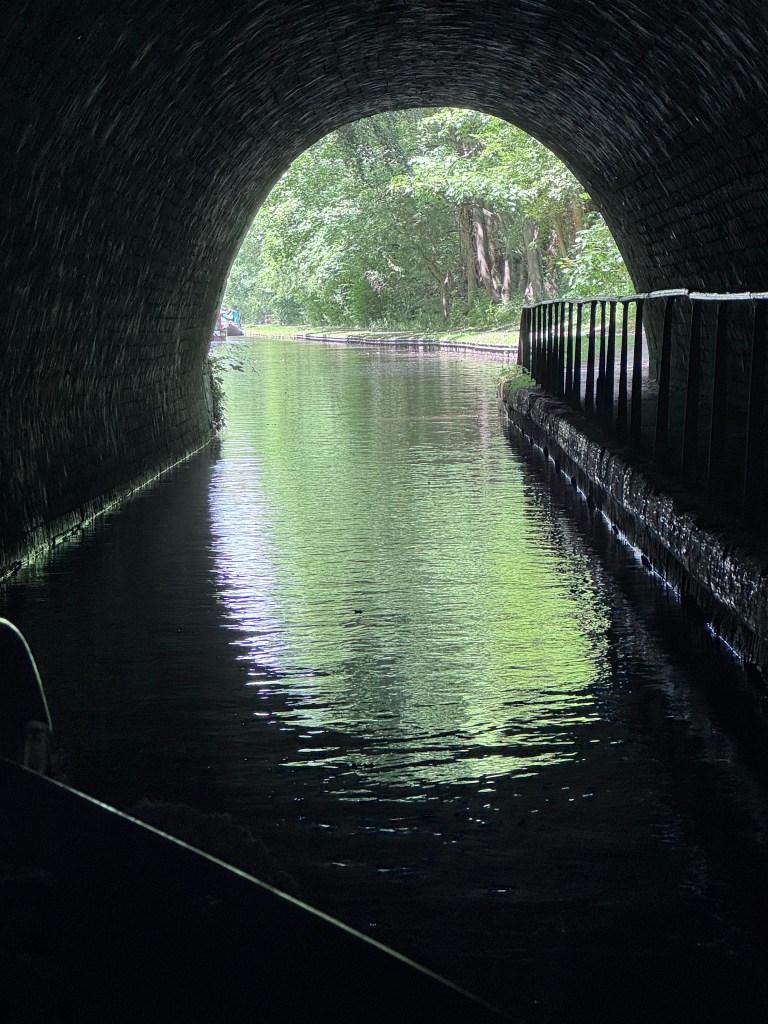
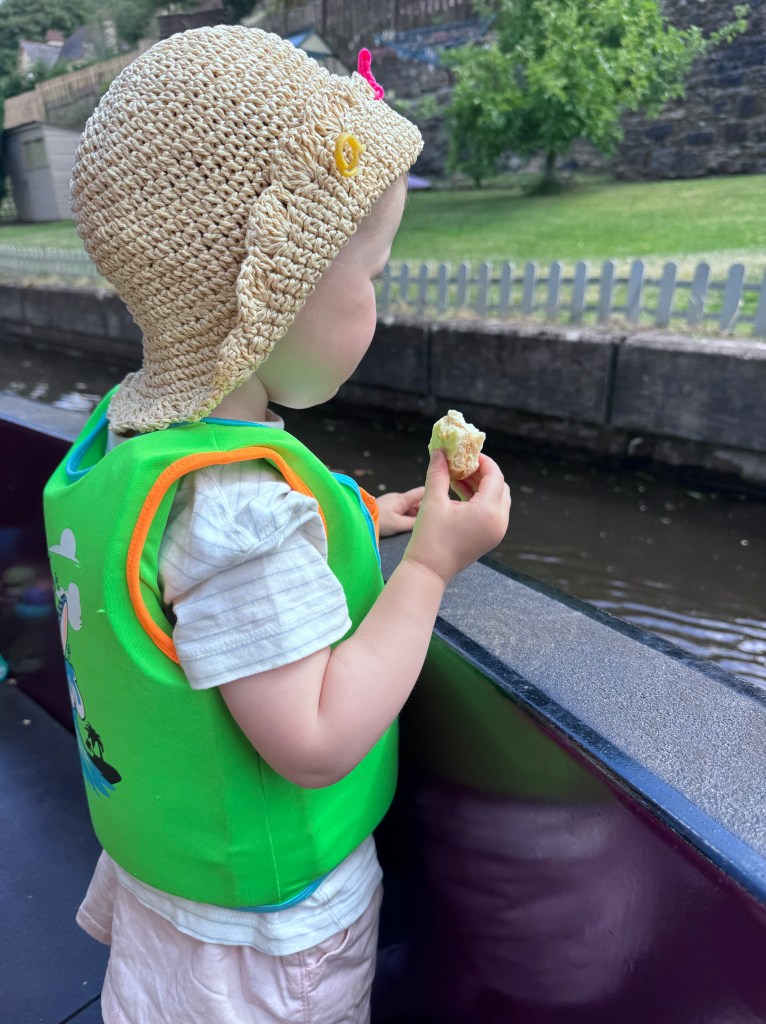
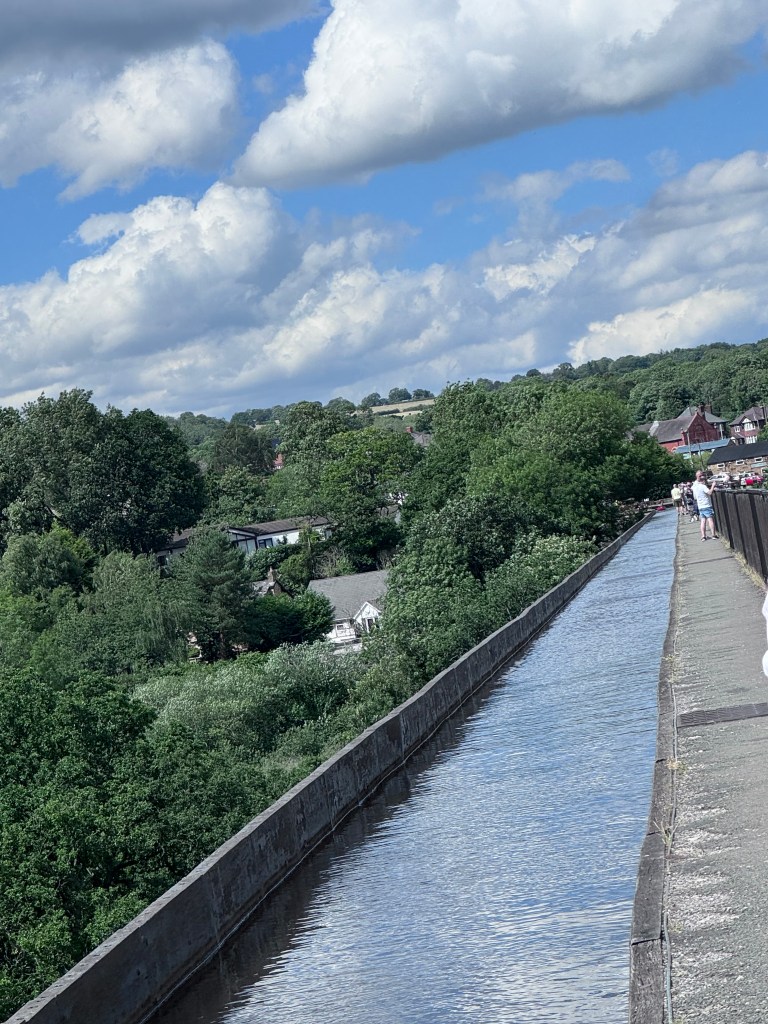
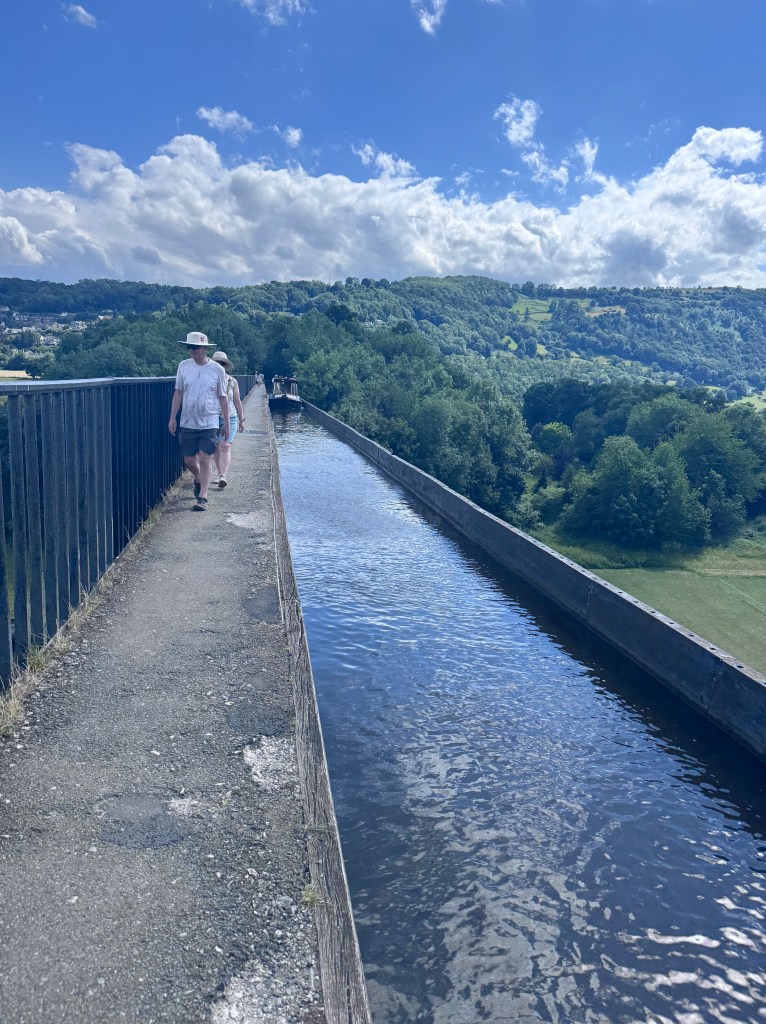
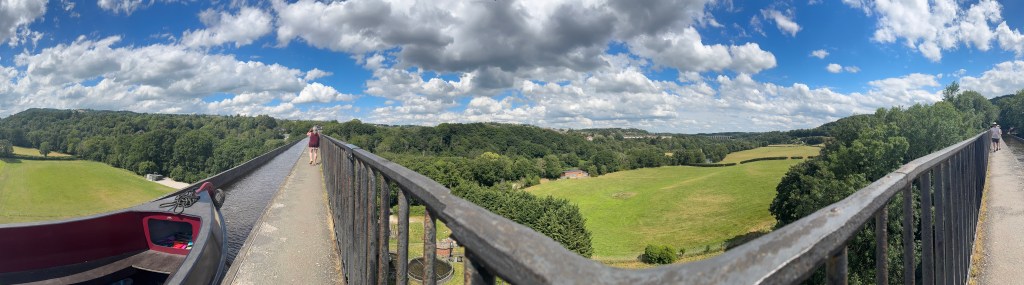
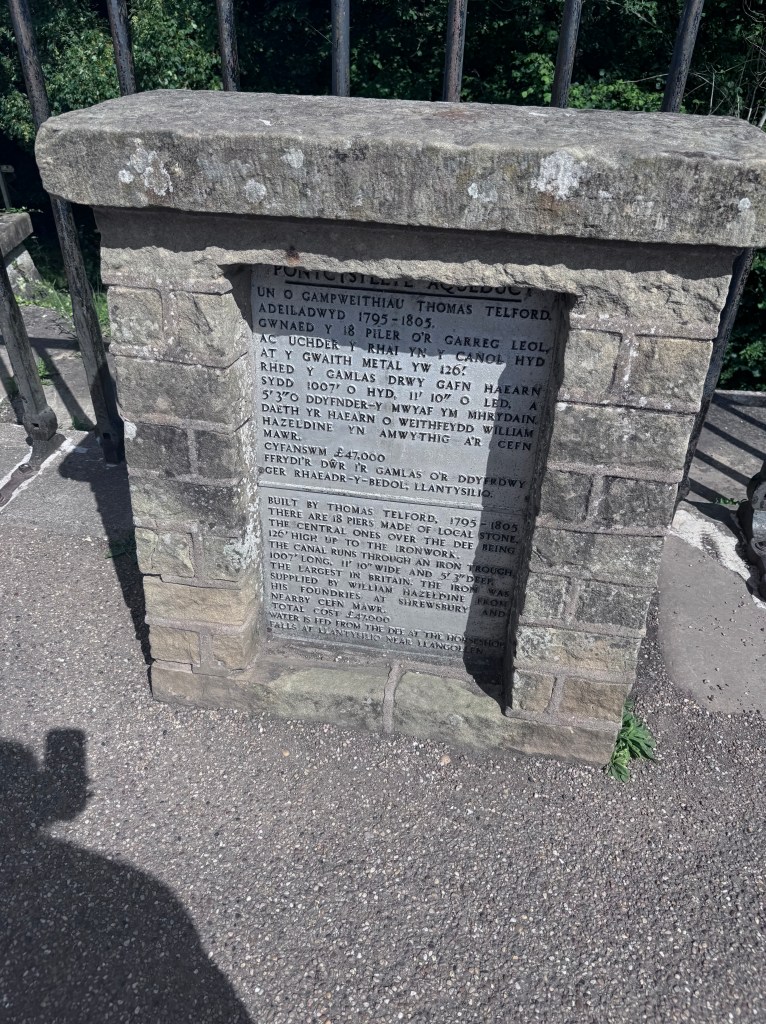
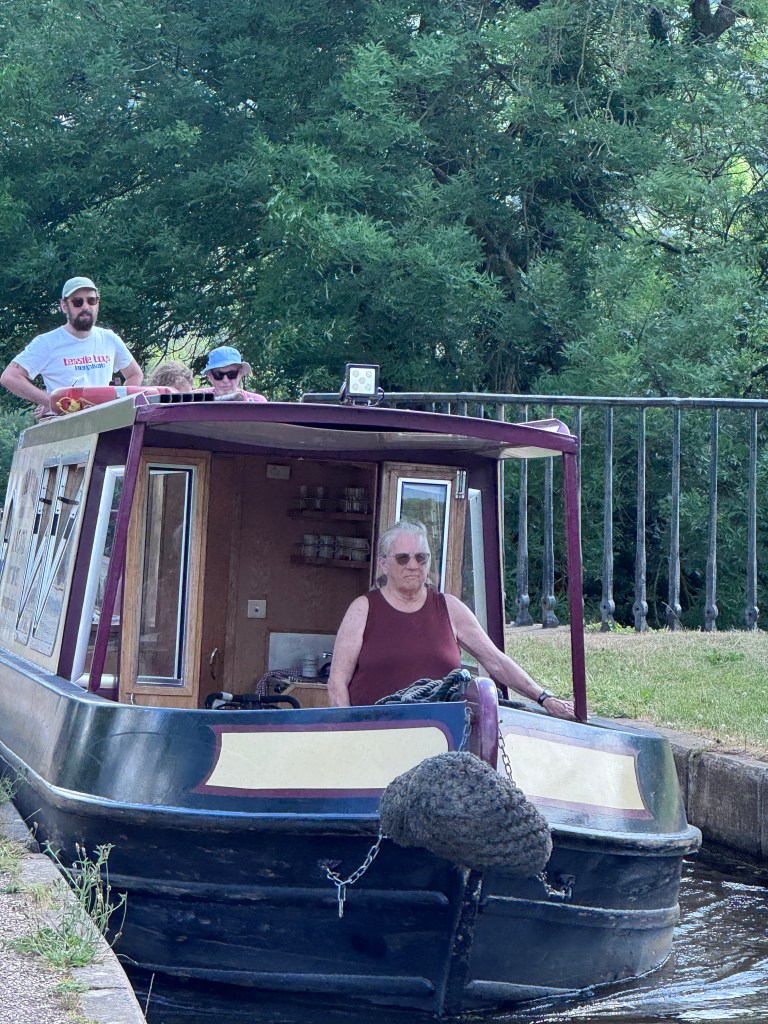
Our final full day with Alan and Moira was spent enjoying one of Britain’s most iconic experiences—a leisurely cruise on a narrowboat along the Pontcysyllte Aqueduct and Llangollen canal. Alan and Moira had rented the boat for the day, and we were joined by their son, Adrian, his daughter, Edie, and Eva, another granddaughter, making it a wonderful family outing.

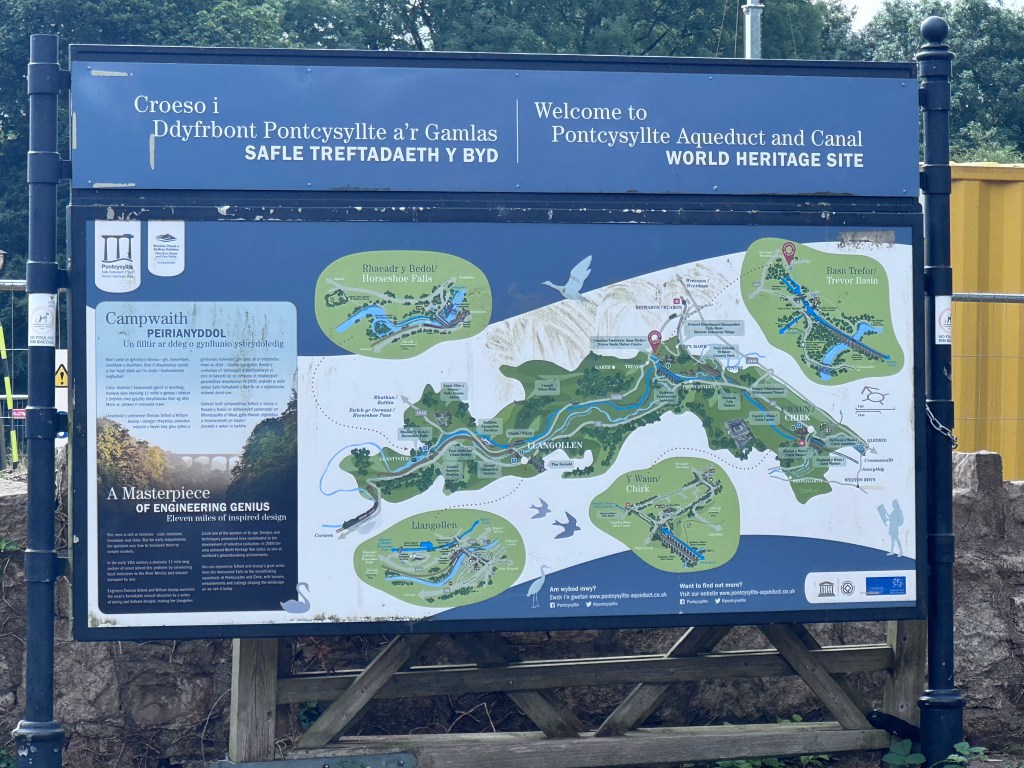
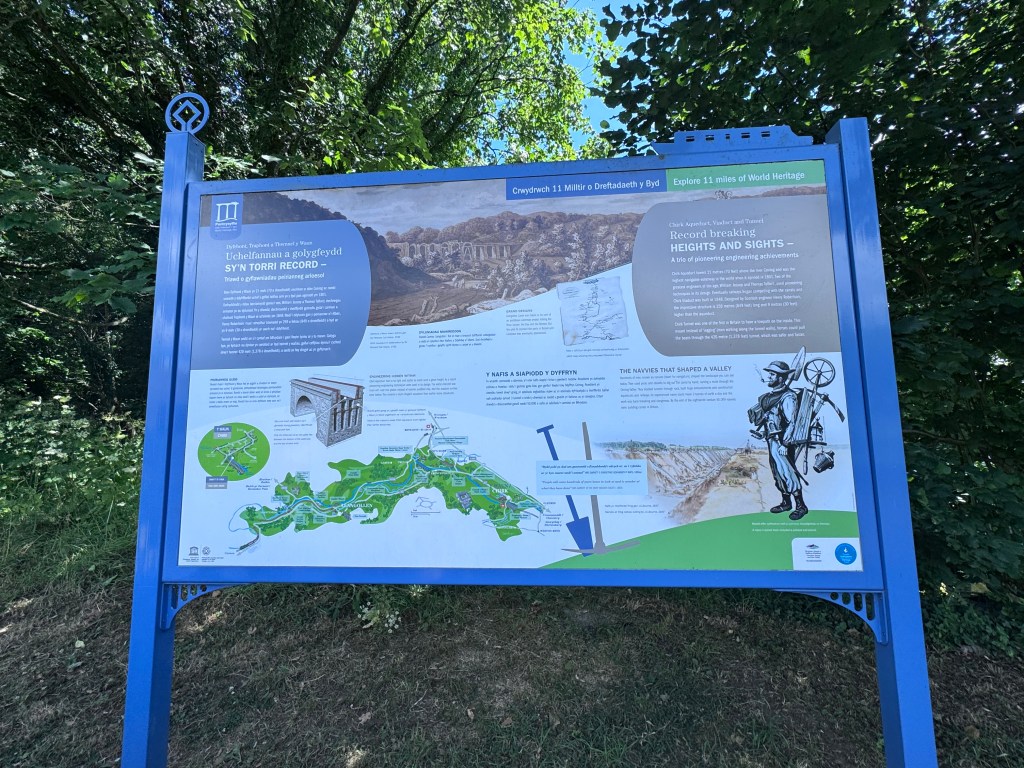
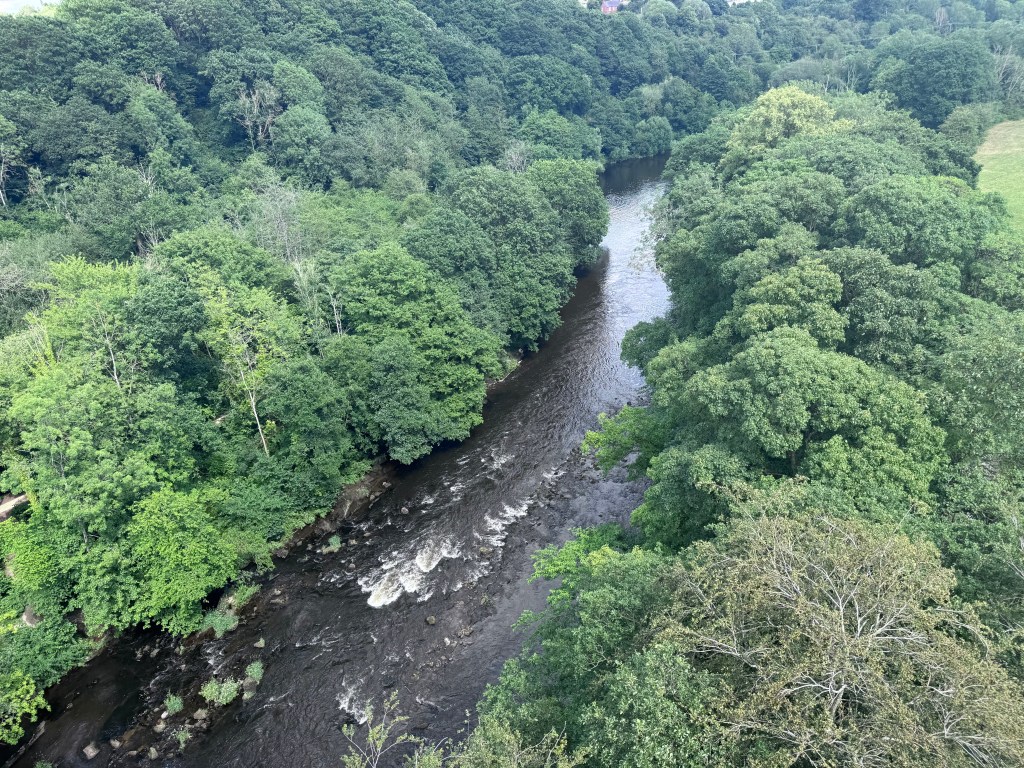
Built by renowned engineer Thomas Telford and completed in 1805, the Pontcysyllte Aqueduct is the highest navigable aqueduct in the world, standing 126 feet (38 meters) above the River Dee. Stretching over 1,000 feet long, it carries both narrowboats and pedestrians high above the valley below. It was designated a UNESCO World Heritage Site in 2009 and is considered one of the greatest achievements of the Industrial Revolution.

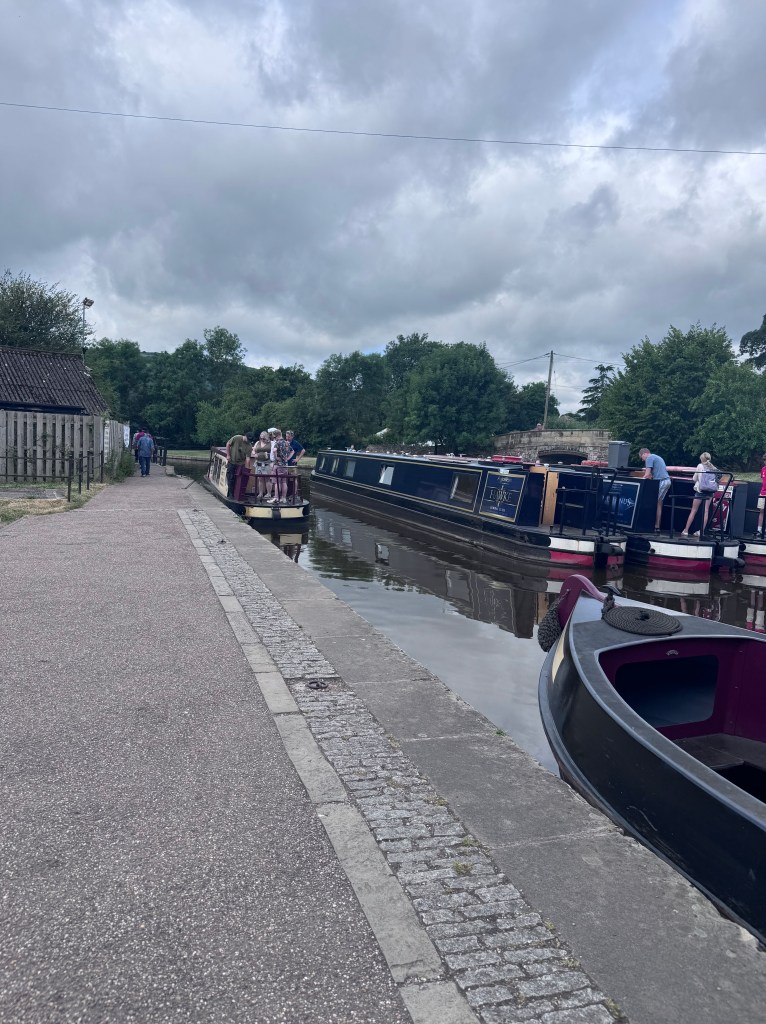
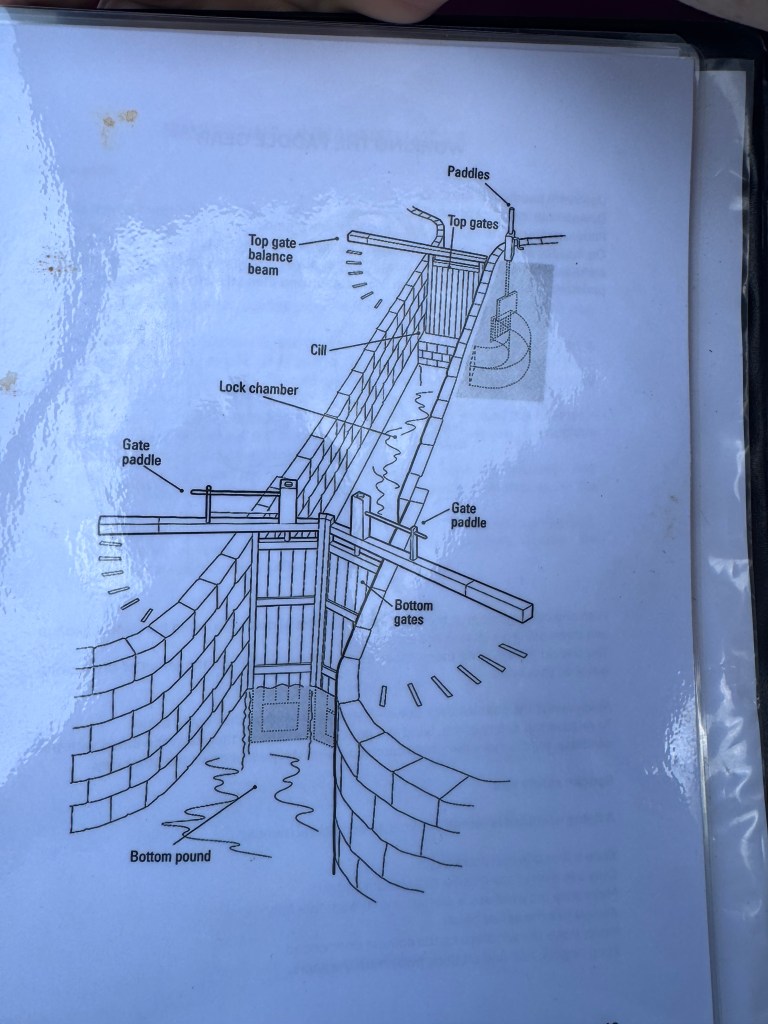
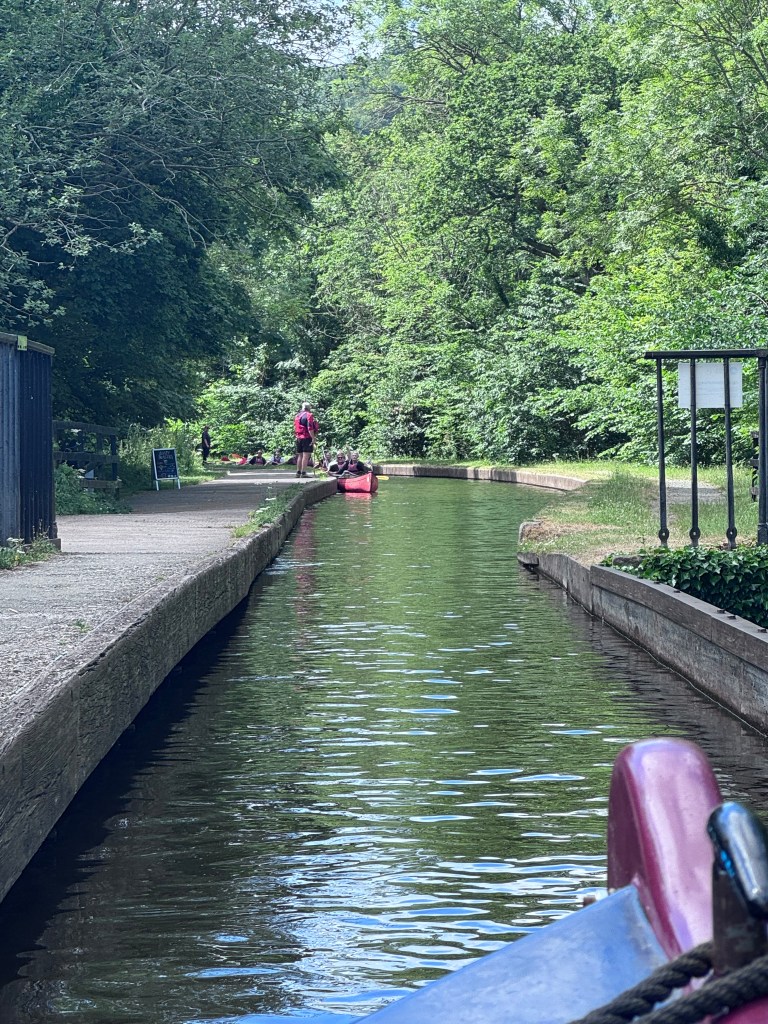
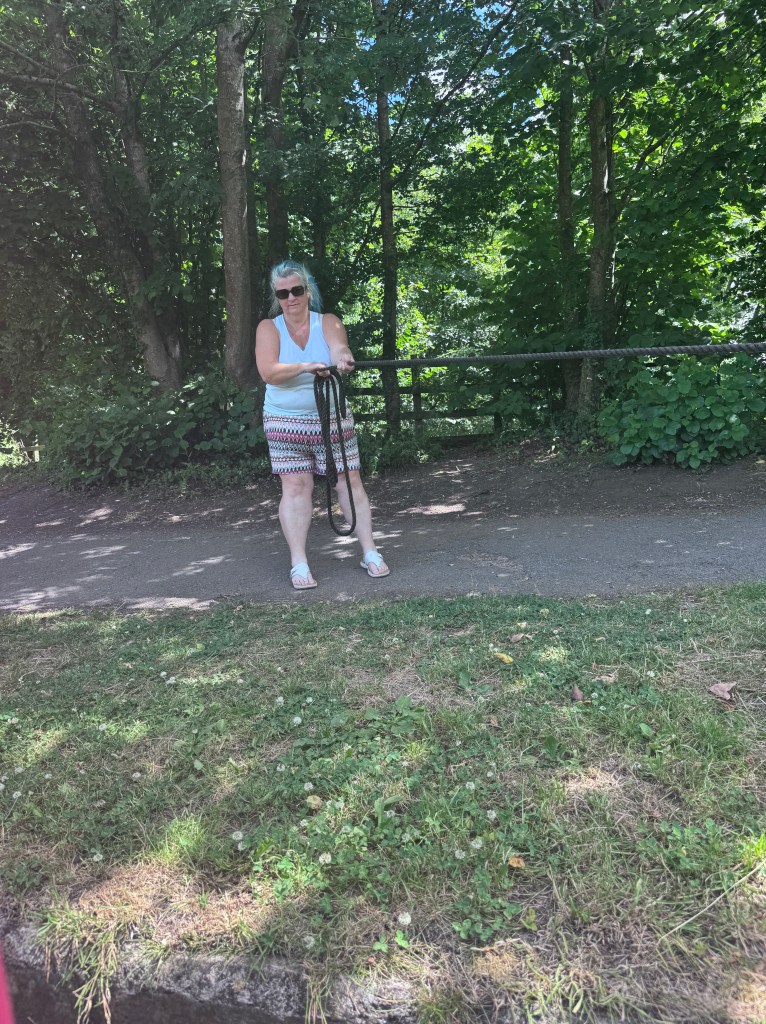
It took a little while to get everyone aboard and go through the safety instructions, although Alan already knew how to operate a canal boat. Before long we encountered our first adventure—a true boat traffic jam! Canoe tours, boats returning to the marina, and our boat all trying to pass through the same narrow stretch created quite the bottleneck. We moored for a short while as everyone worked together to figure out the best way to maneuver around one another. There was plenty of smiling, waving, and patient waiting, reminding us that canal life moves at its own peaceful pace.

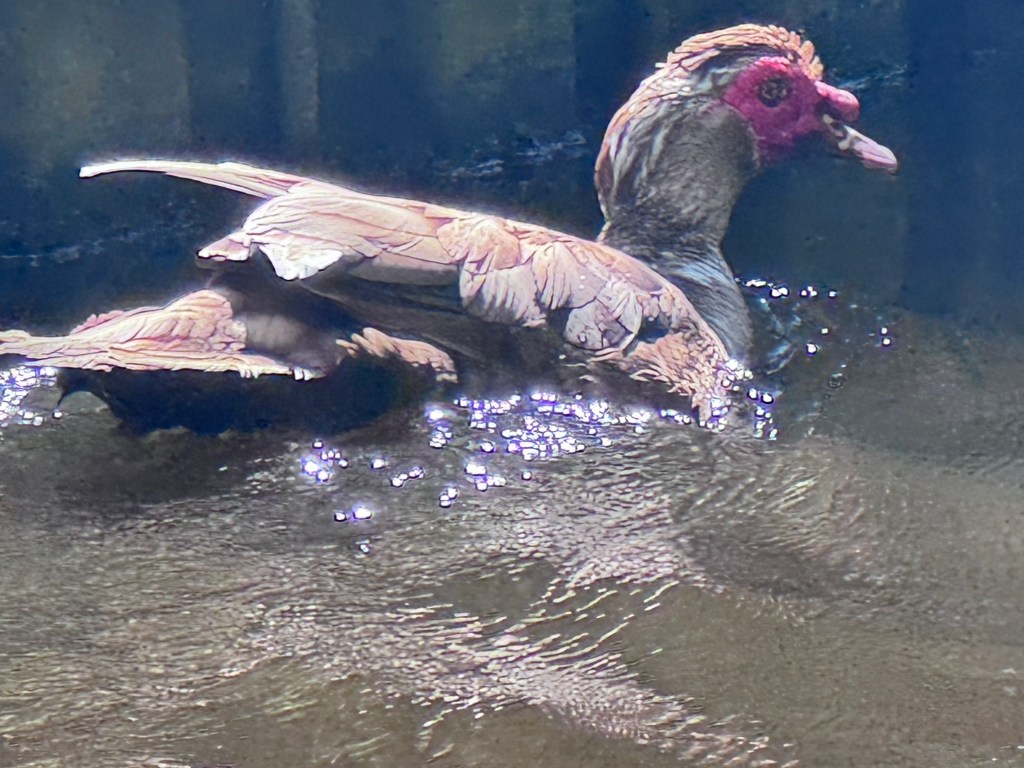
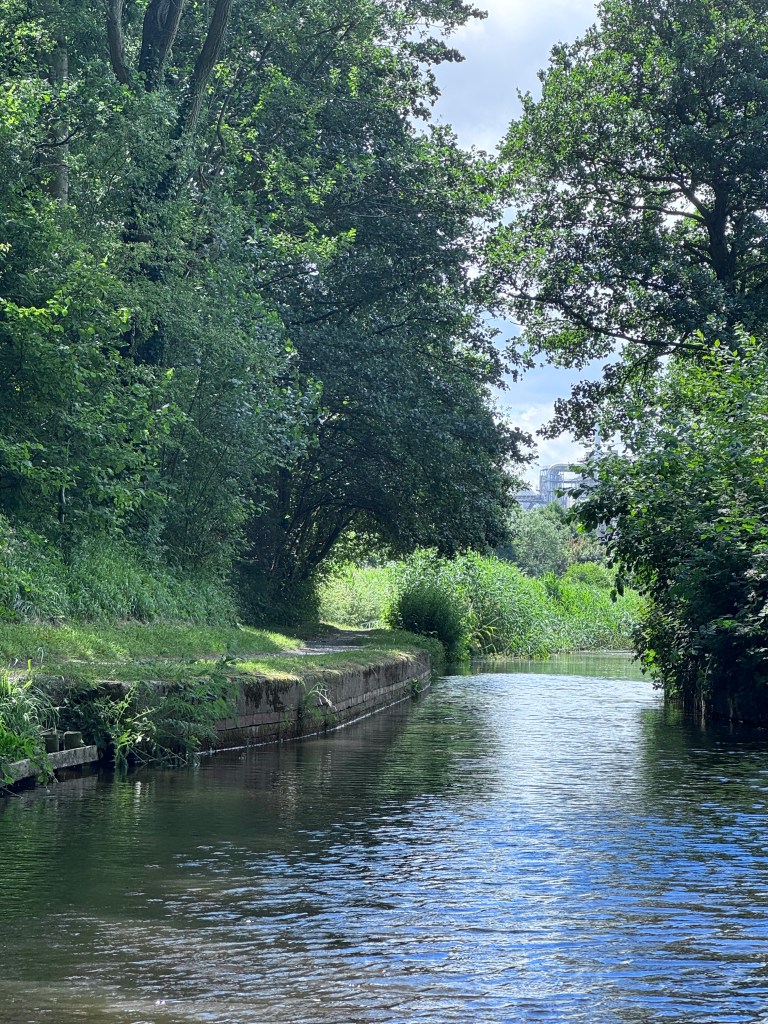
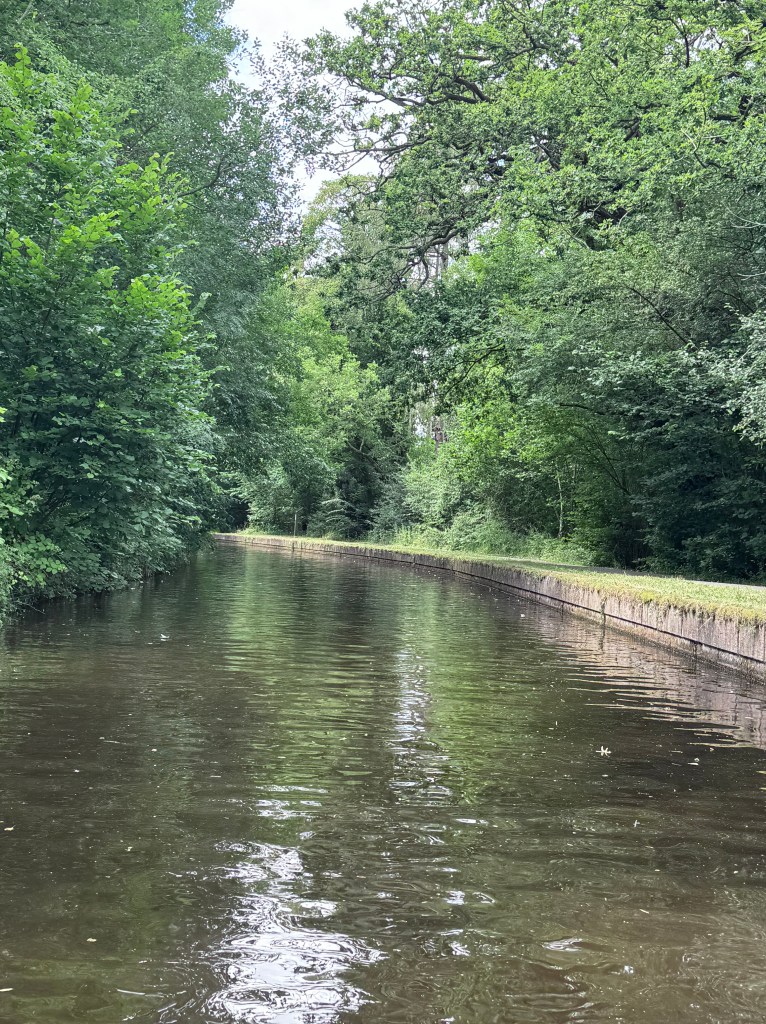
Once underway, the canal became incredibly tranquil. We slowly glided through the lush green countryside with birds singing overhead while ducks and graceful swans floated alongside us. It was easy to forget about schedules and simply enjoy the beauty surrounding us. Moira had packed a wonderful picnic lunch, which we enjoyed aboard as we drifted through the Welsh countryside.

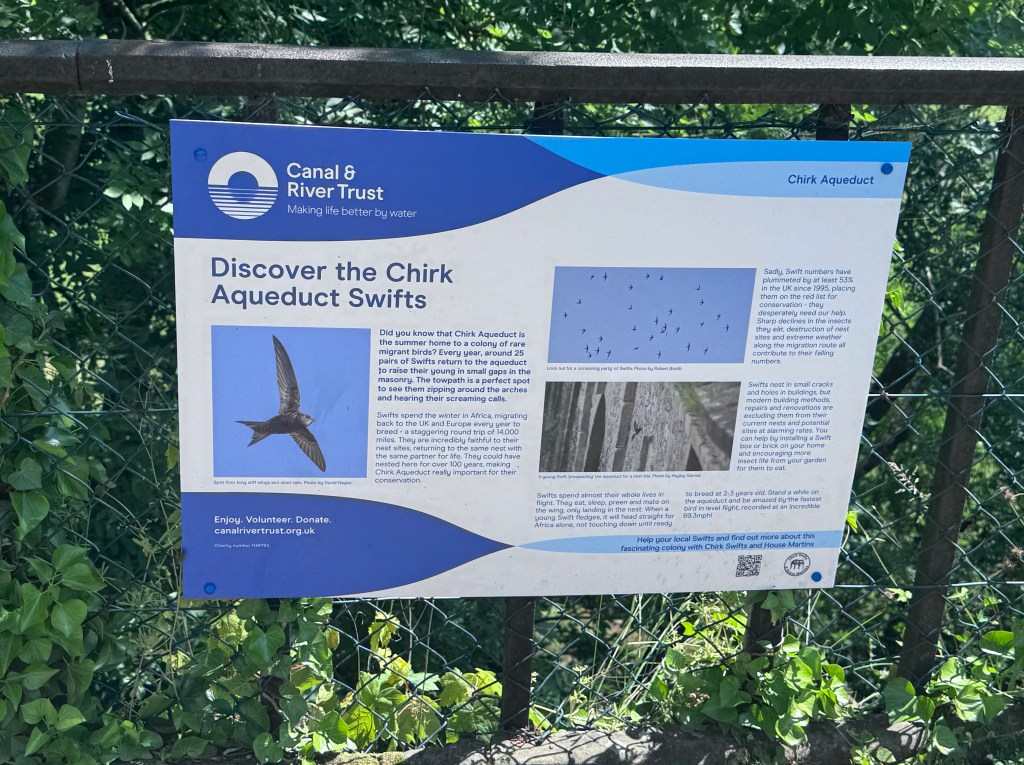
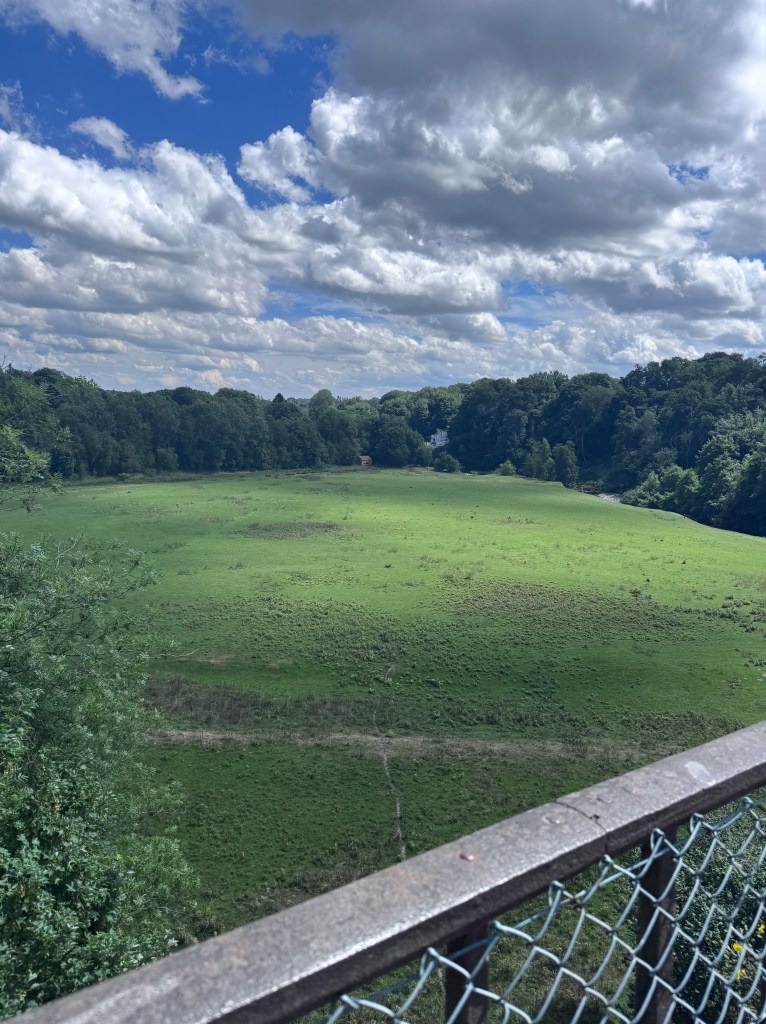
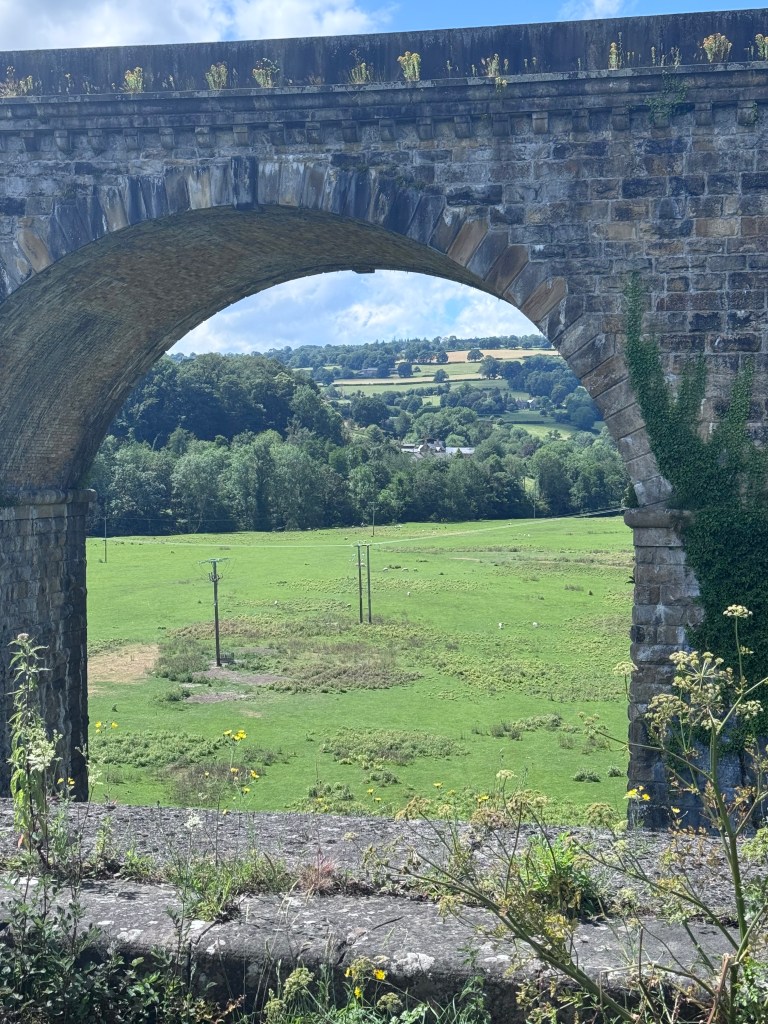
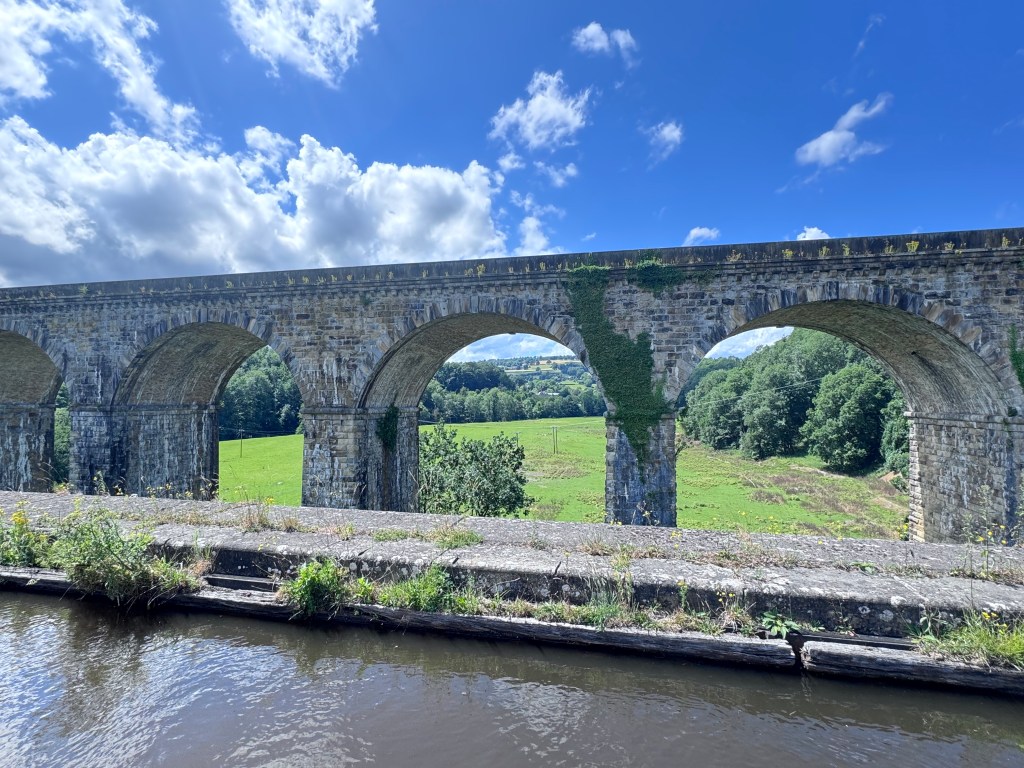
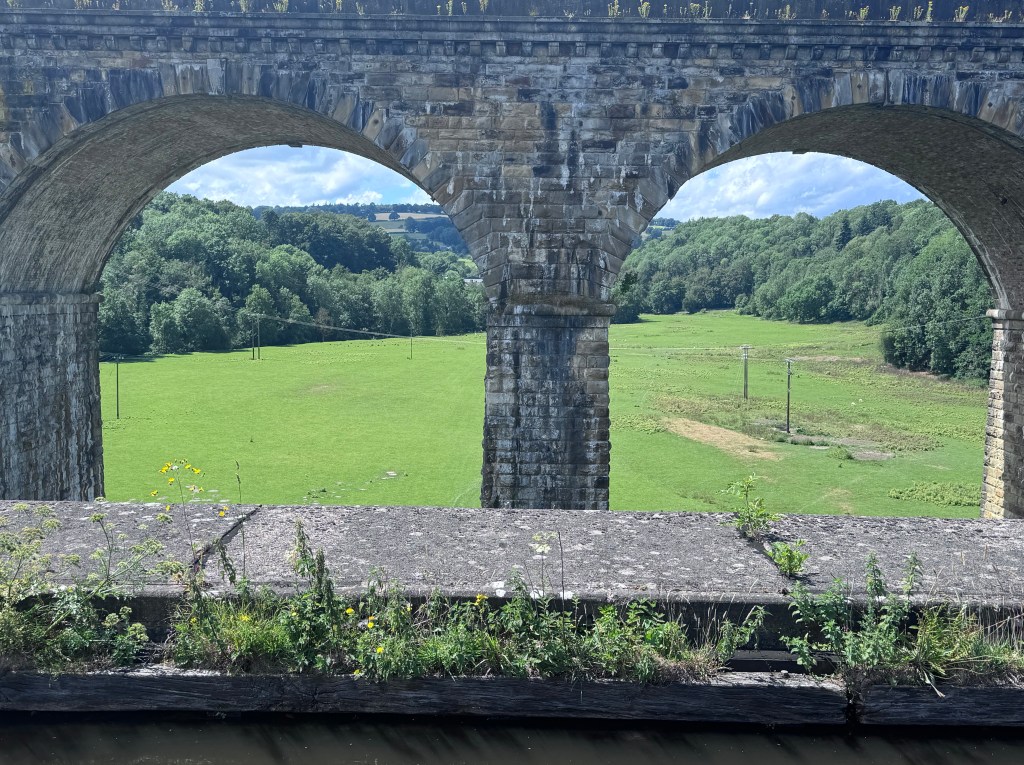
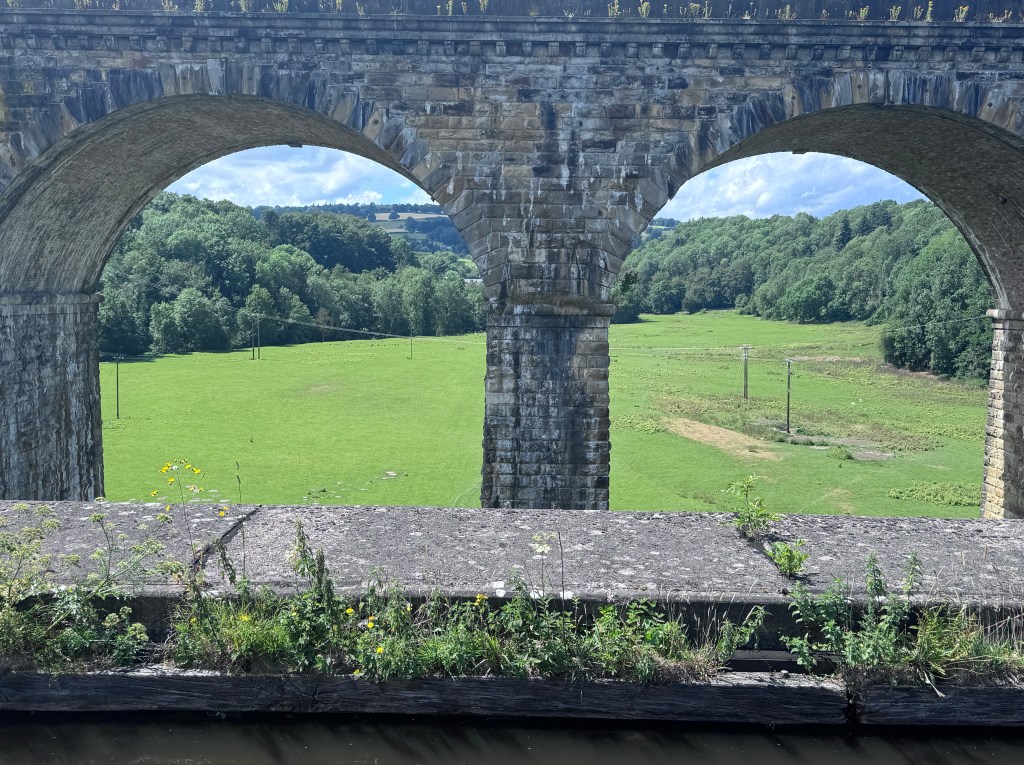
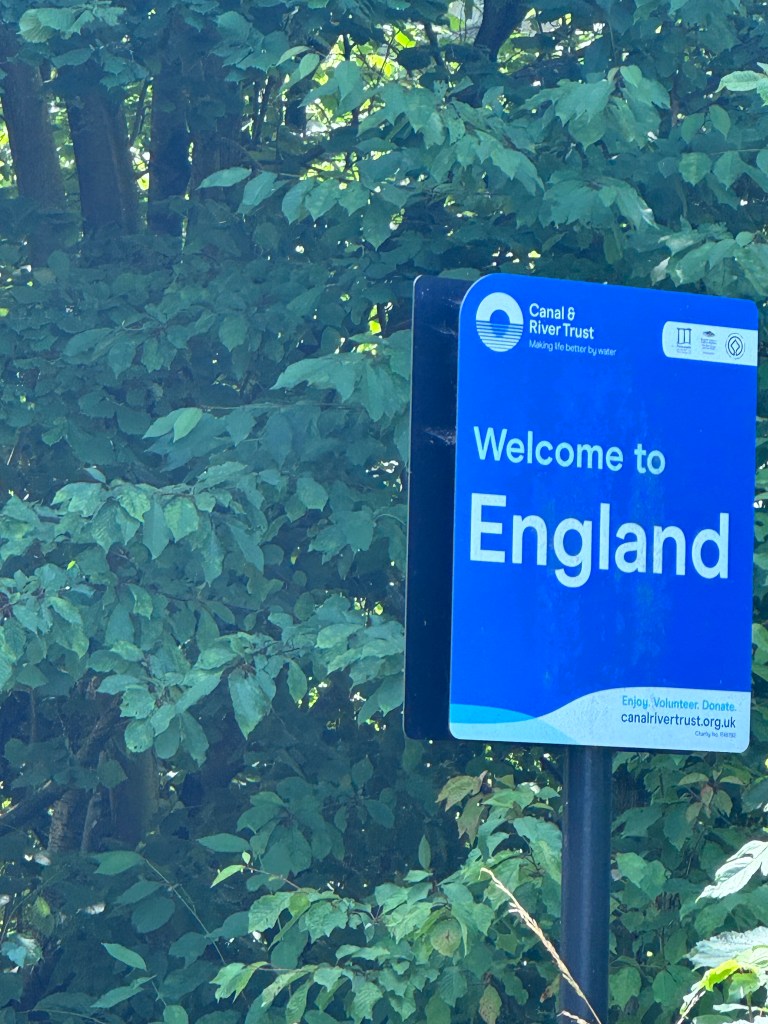
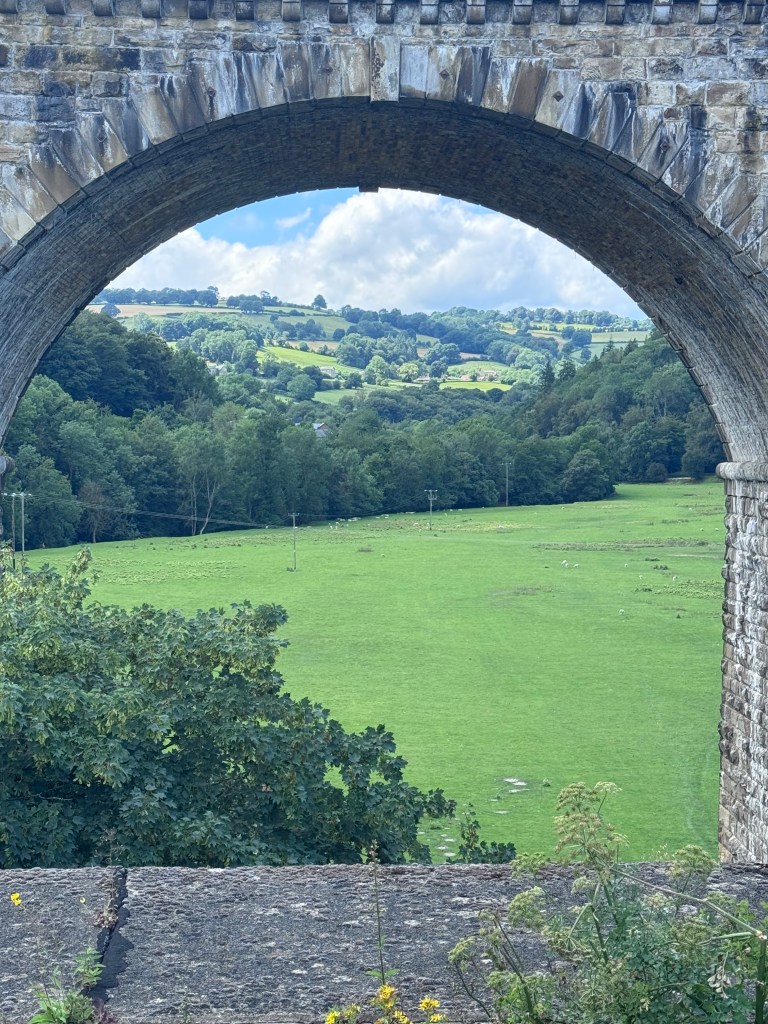
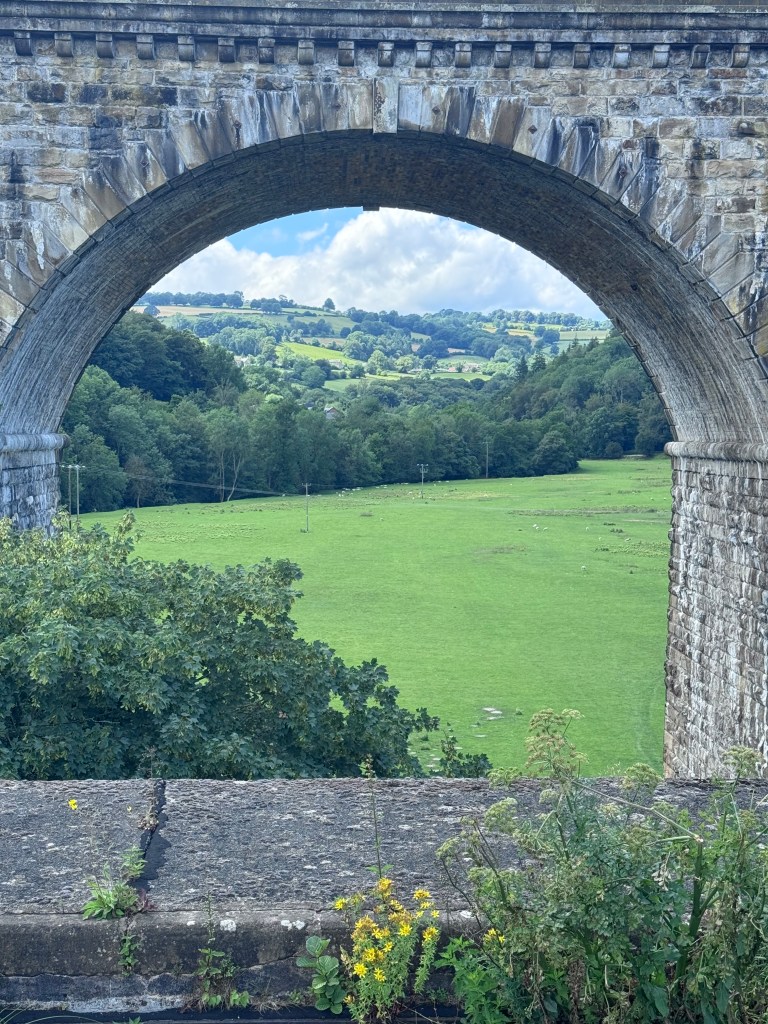
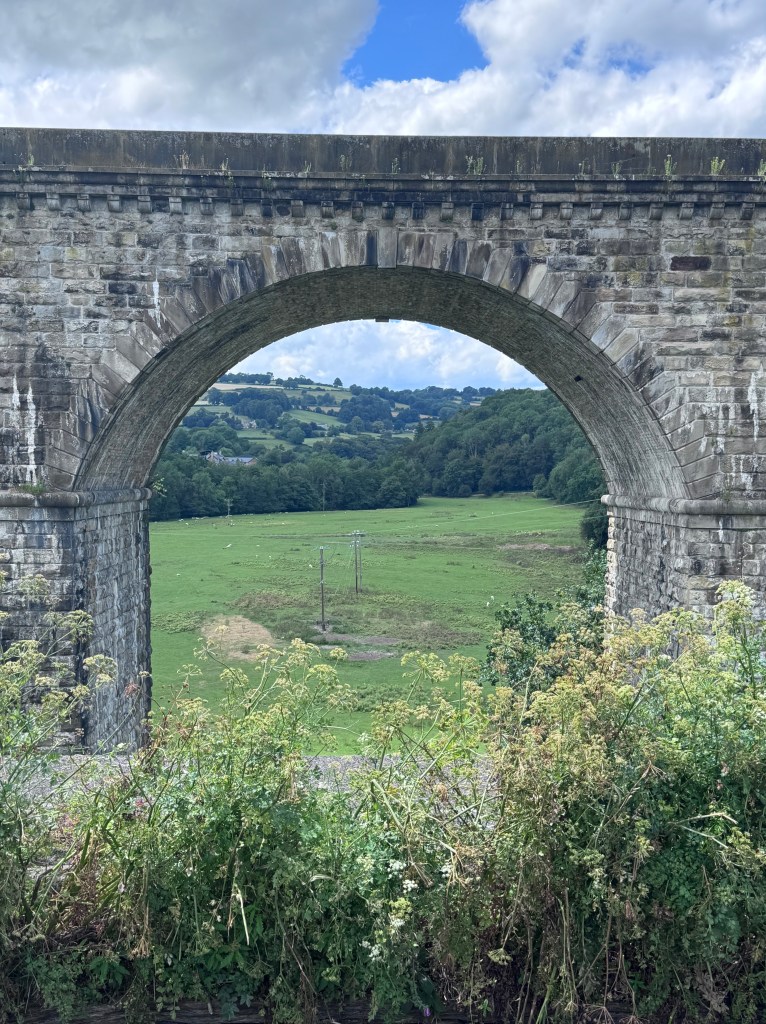
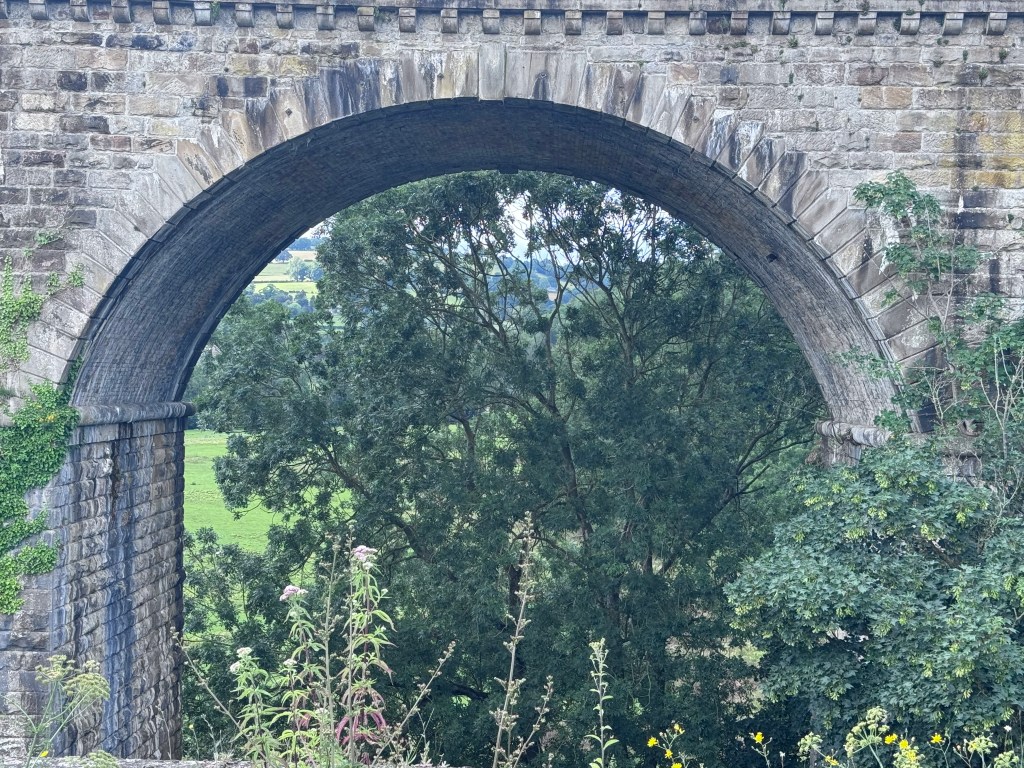
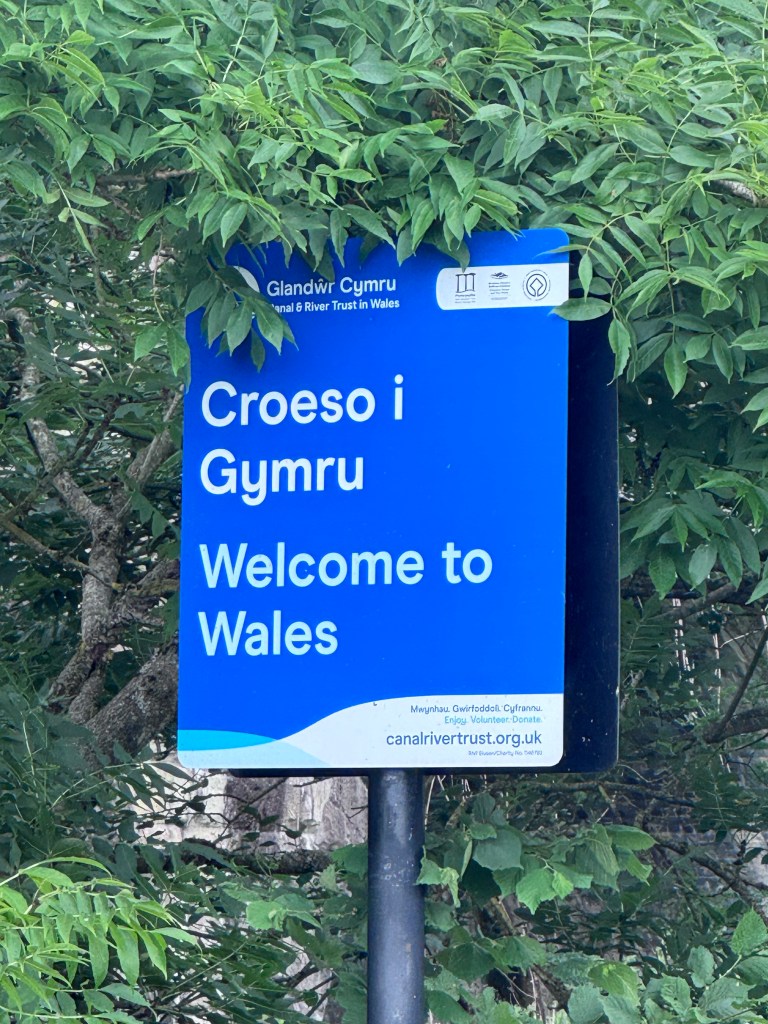
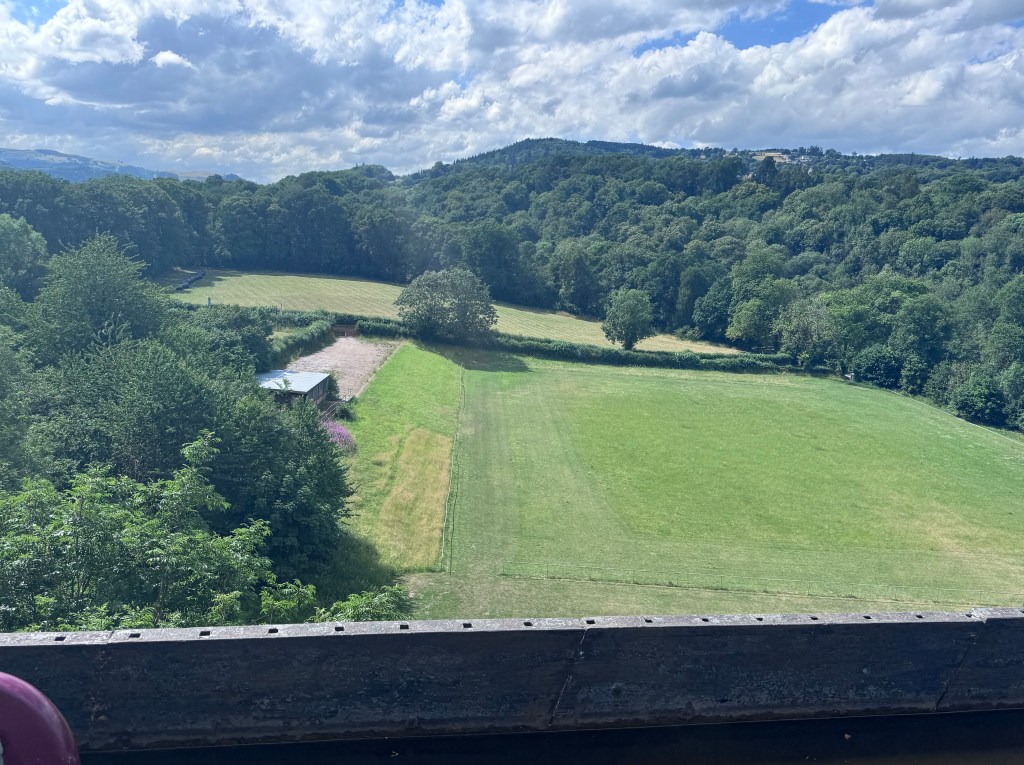
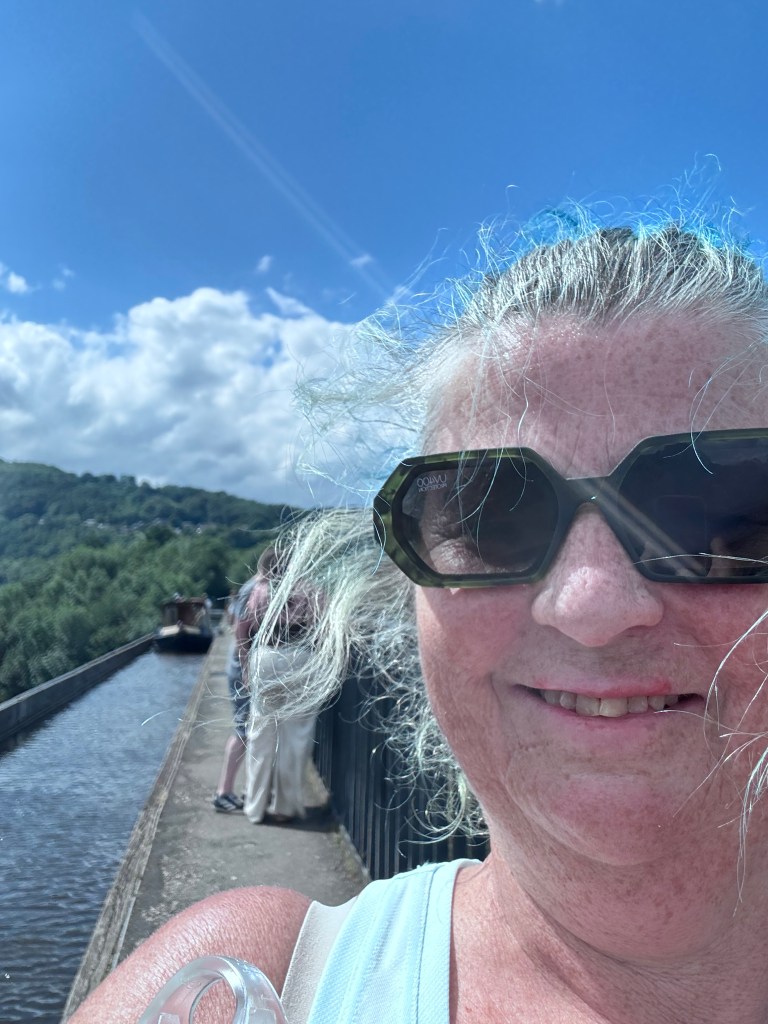
After lunch, Mom and I walked across the magnificent Chirk Aqueduct, not realizing until we reached the opposite end that we had actually walked from Wales into England! The Chirk Aqueduct is a 70 foot (21 m) high and 710 foot (220 m) long navigable aqueduct that carries what is now the Llangollen Canal across the Ceiriog Valley near Chirk, on the England-Wales border, spanning two countries.

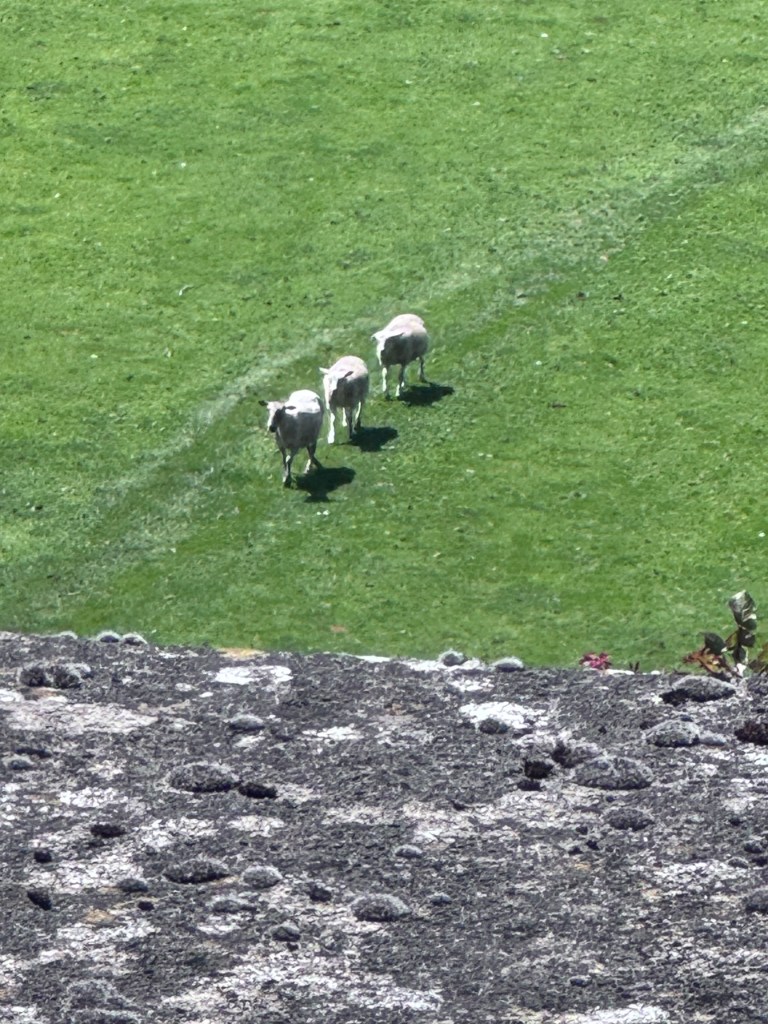
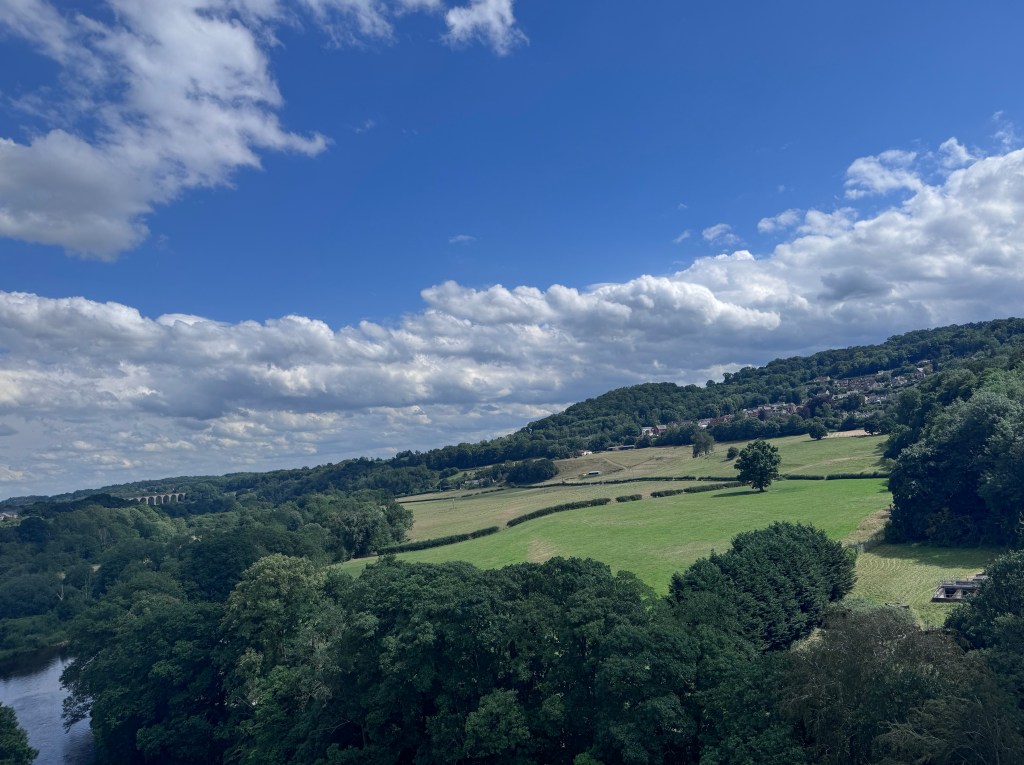
Standing on the narrow footpath with nothing but a railing separating us from the dramatic drop below was both exhilarating and unforgettable. The views across the valley were breathtaking, and I captured a couple of photographs that I already know will be framed when we get home.

We spent nearly six hours on the canal, from 10:00 a.m. until 4:00 p.m., before cooling off with some well-earned ice cream. Afterward we returned to Alan and Moira’s home for dinner and spent the evening packing for the next leg of our adventure.

The following morning a hired driver picked us up for our journey from Manchester to Southampton. We had originally planned to travel by train, but engineering work had closed the line we needed. Our only rail option would have required traveling all the way to London before heading back south to Southampton, so hiring a driver made much more sense.

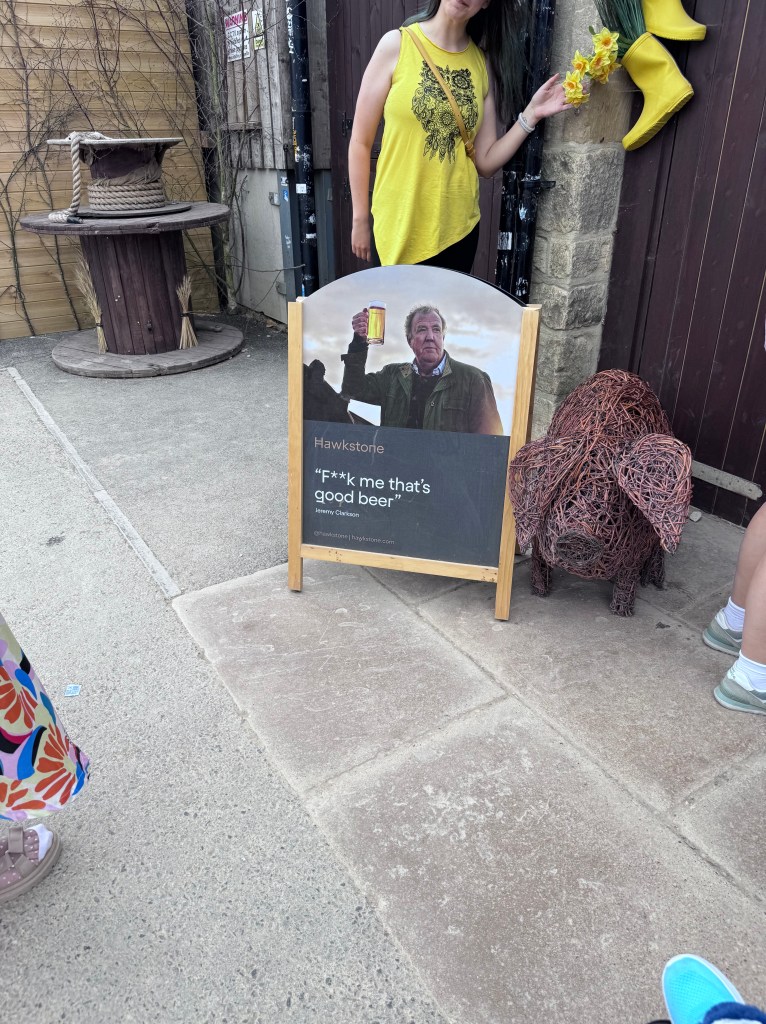
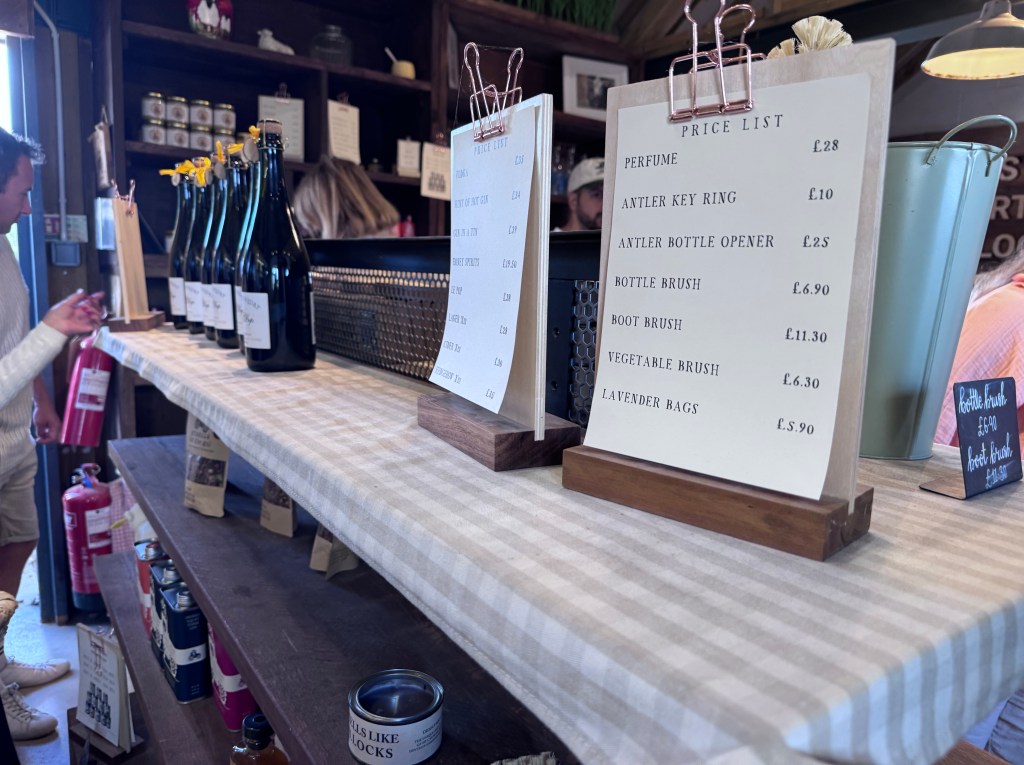
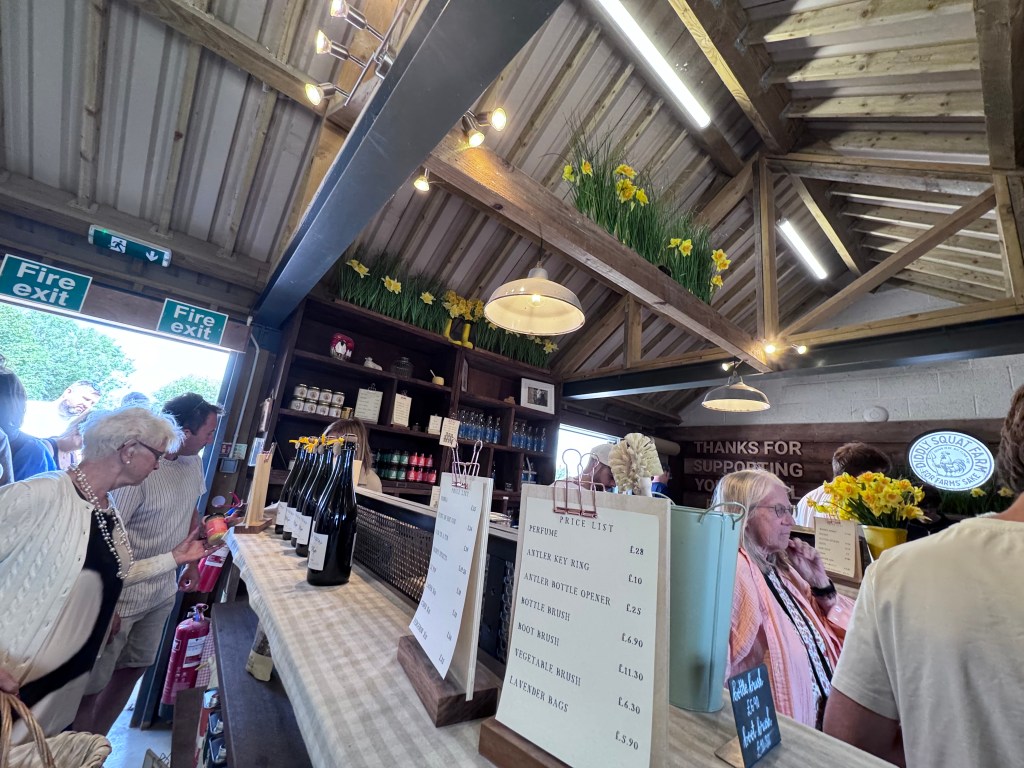
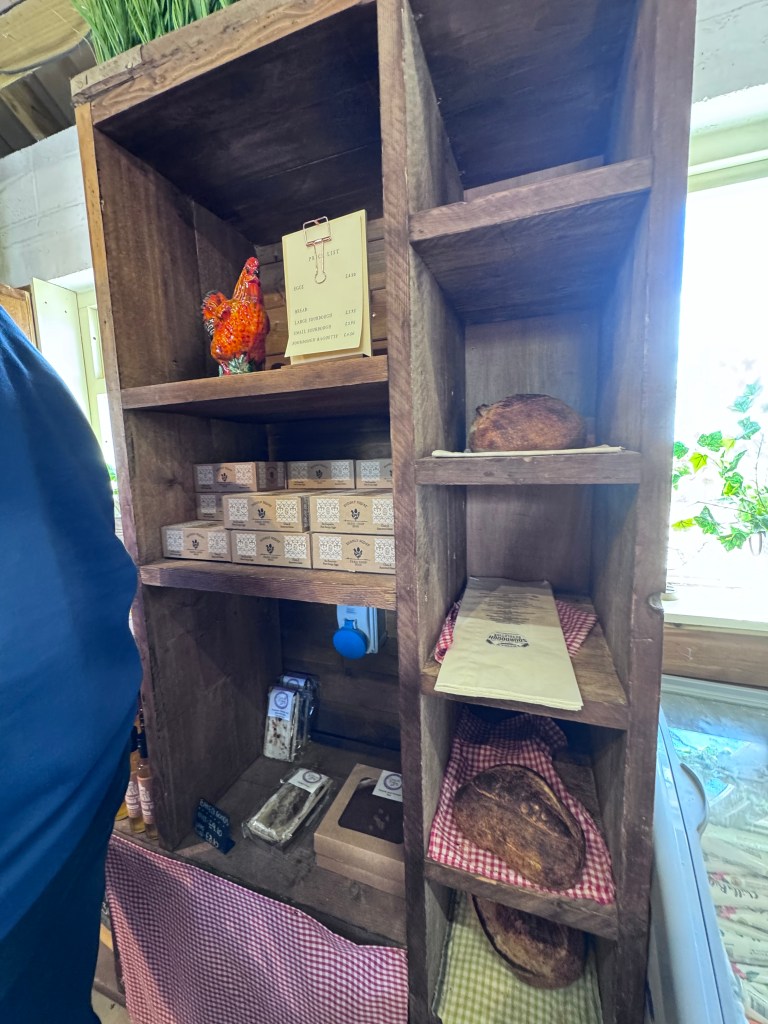
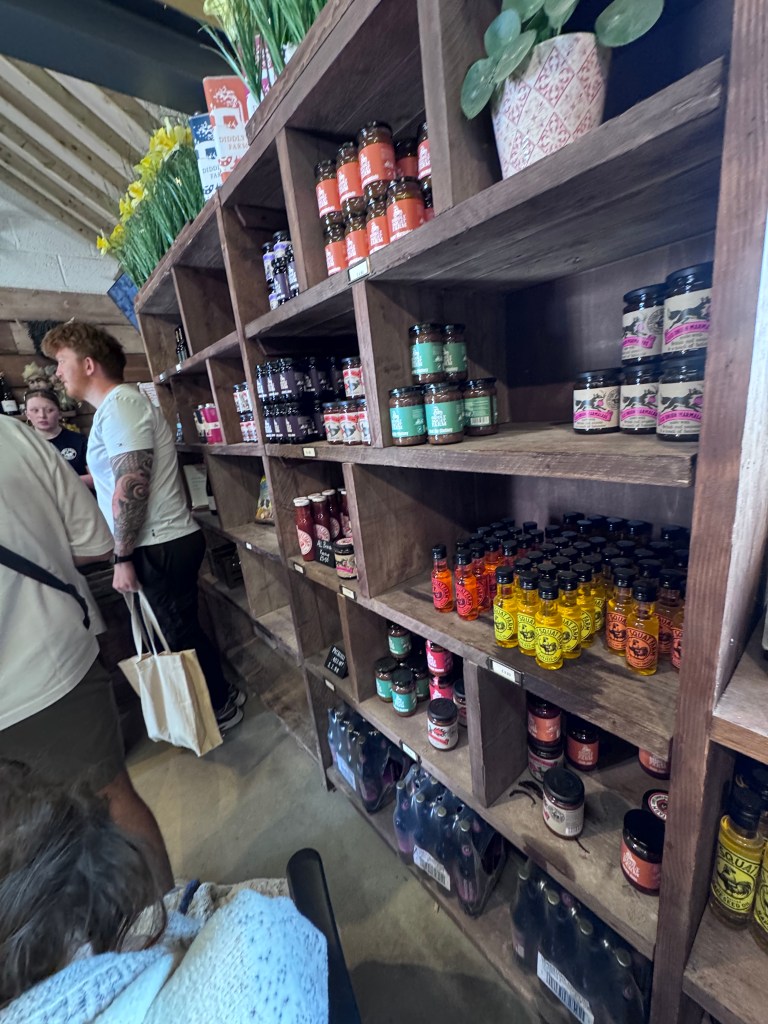
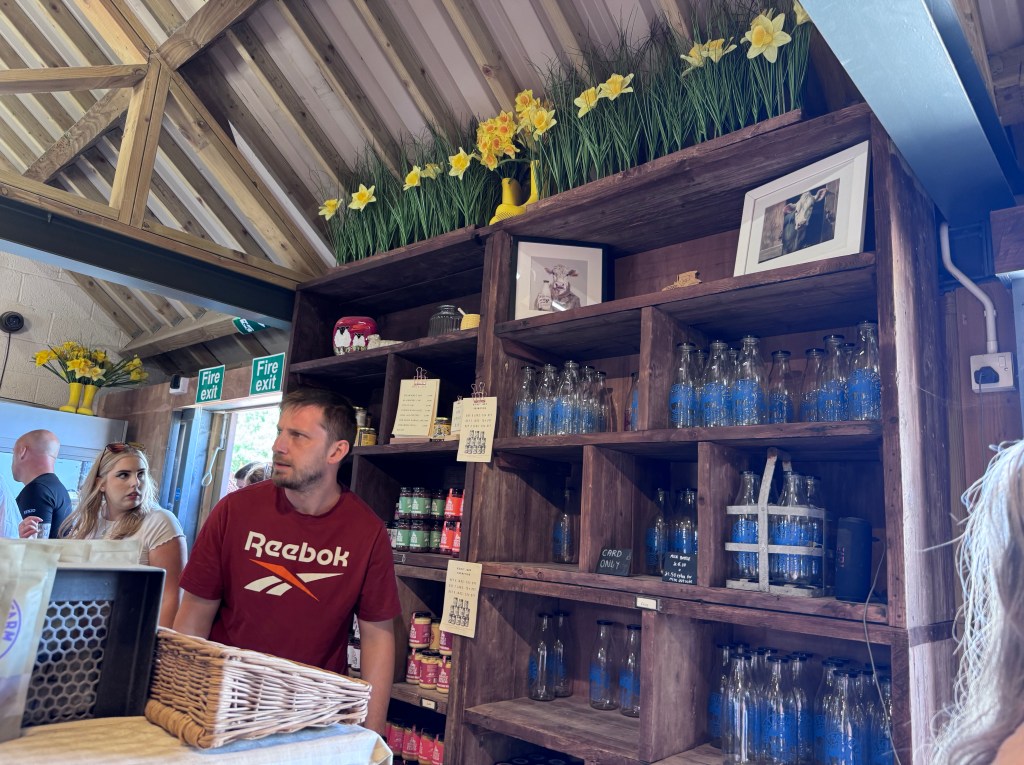
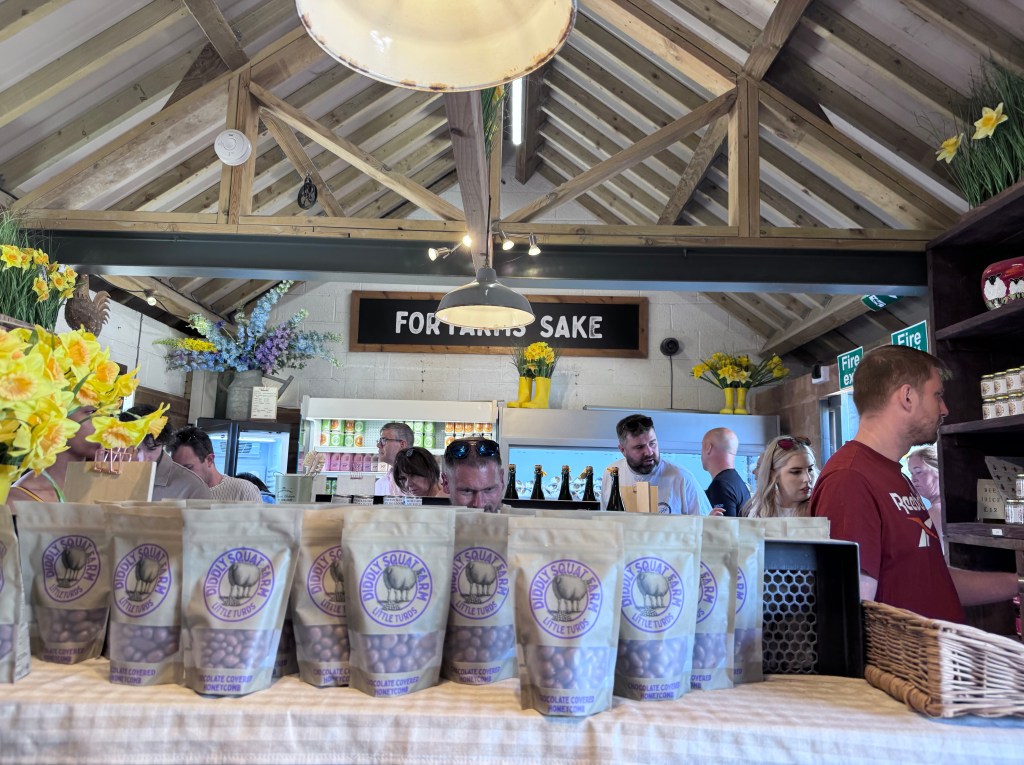
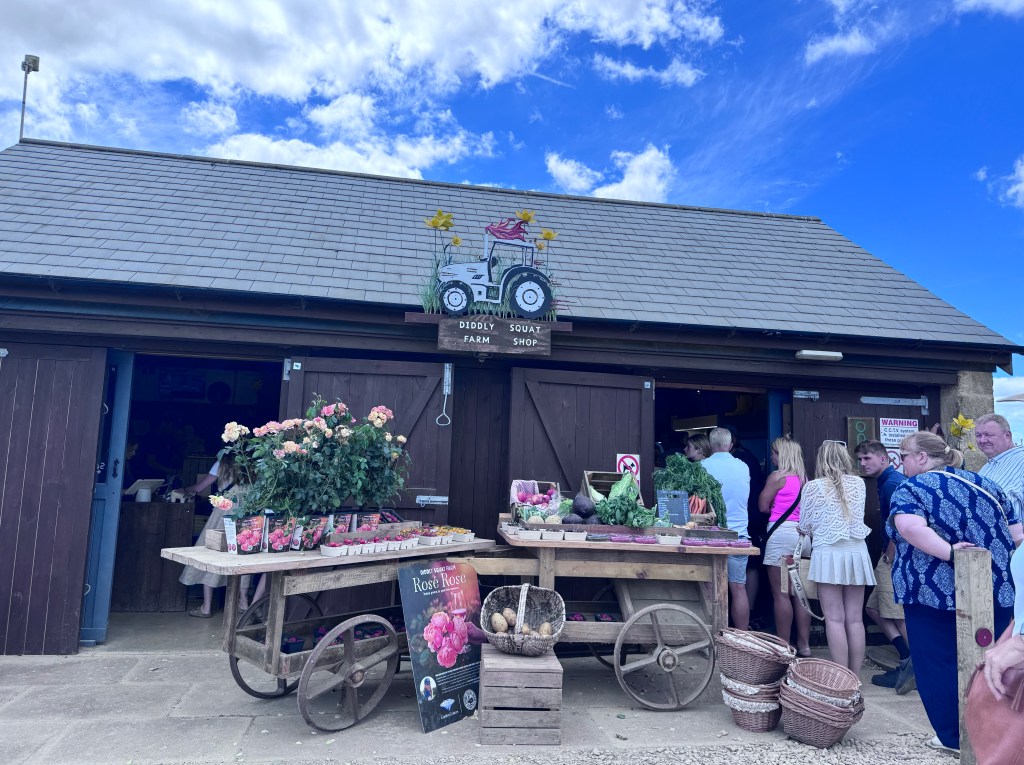
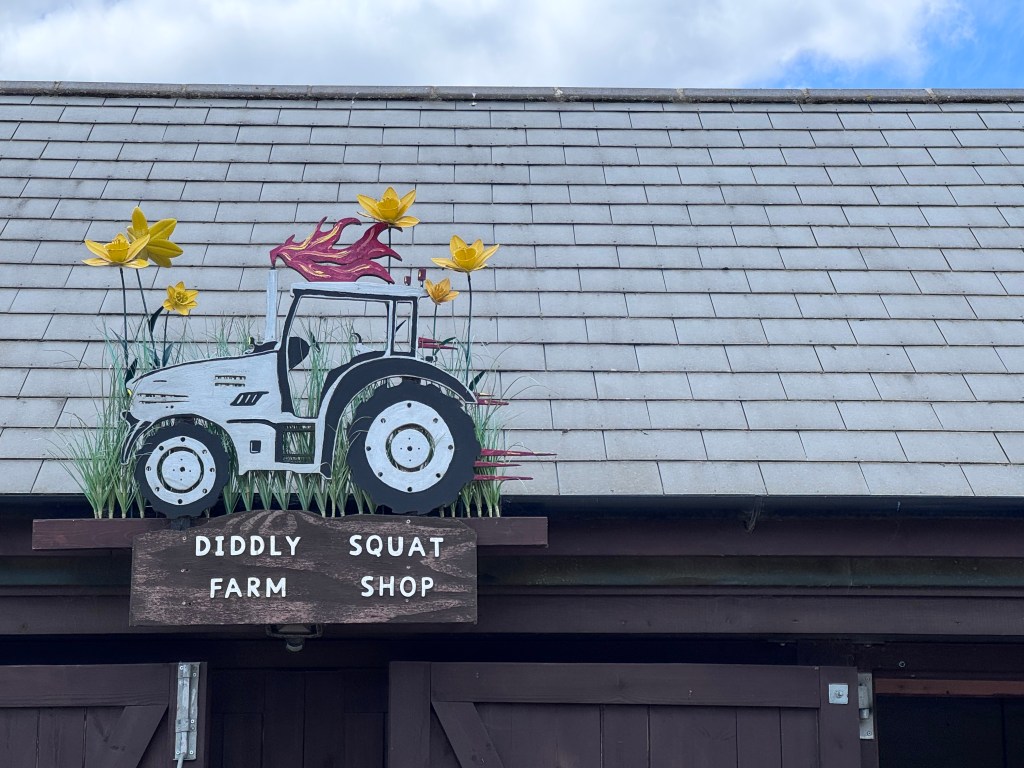
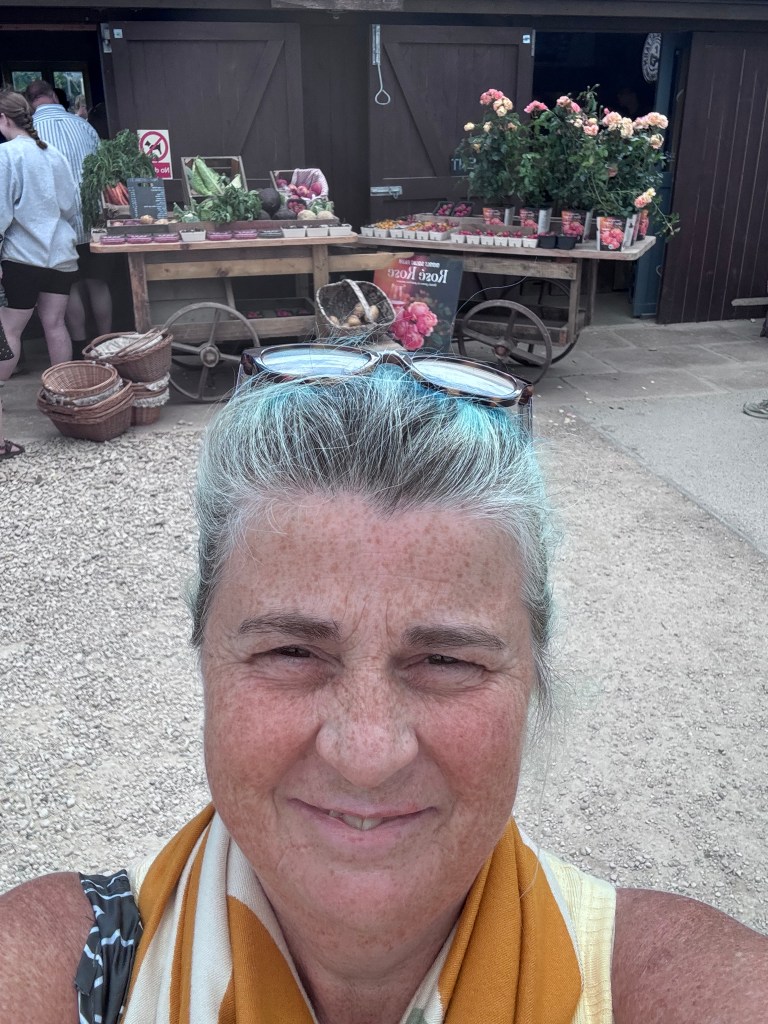
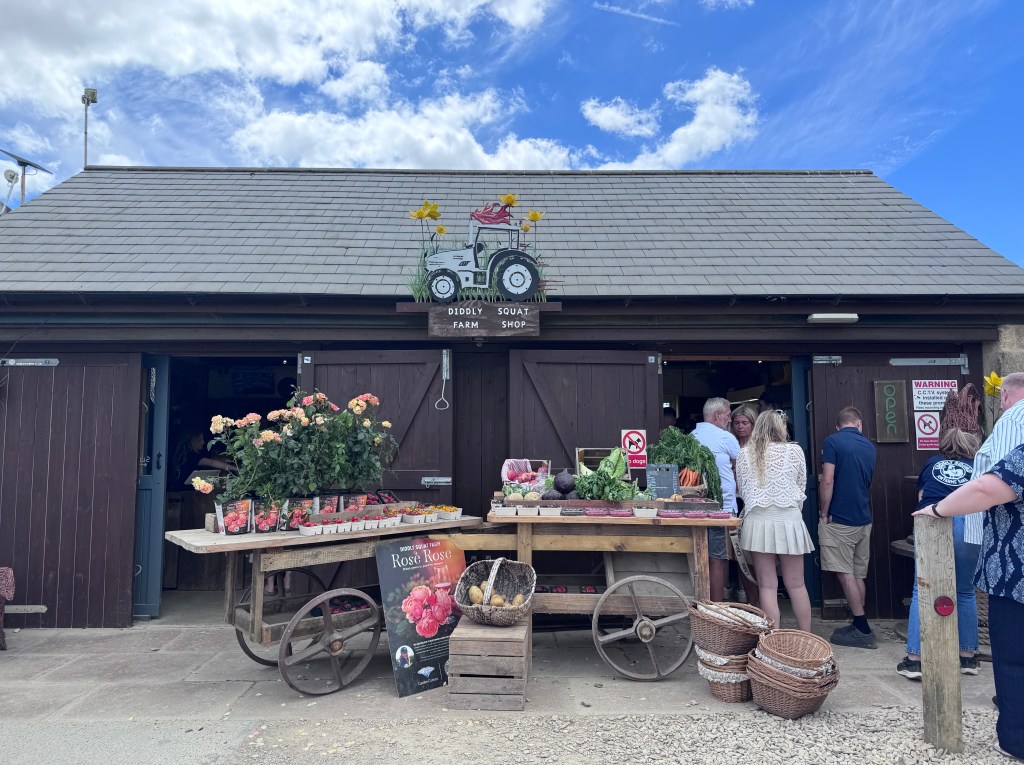
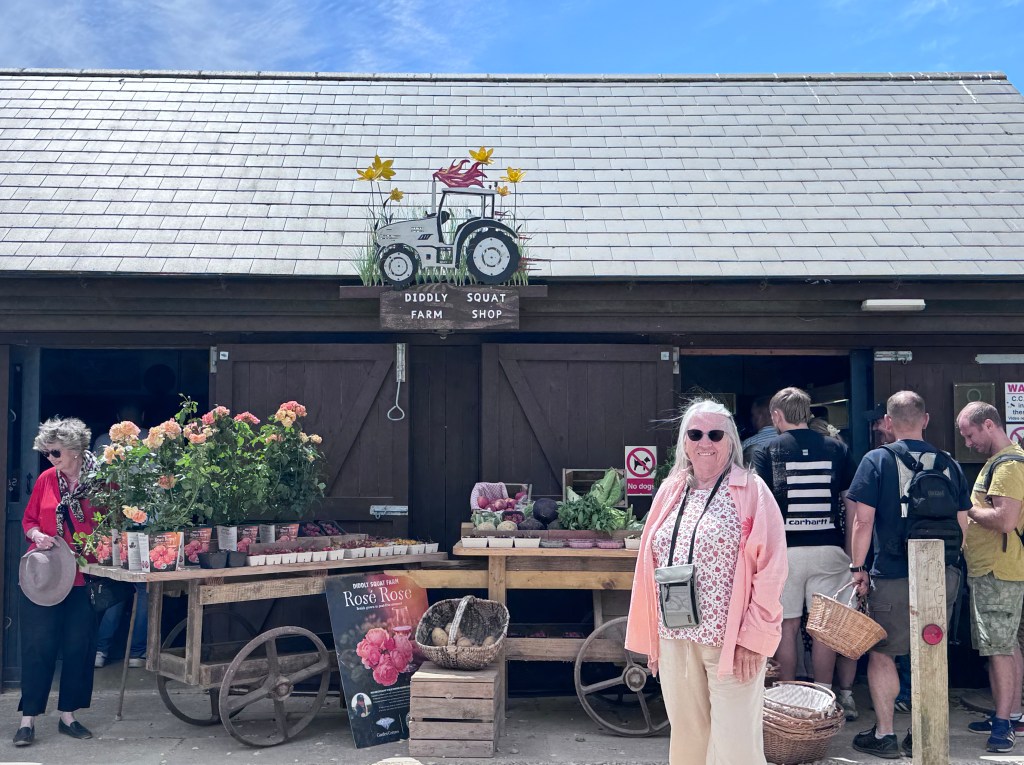
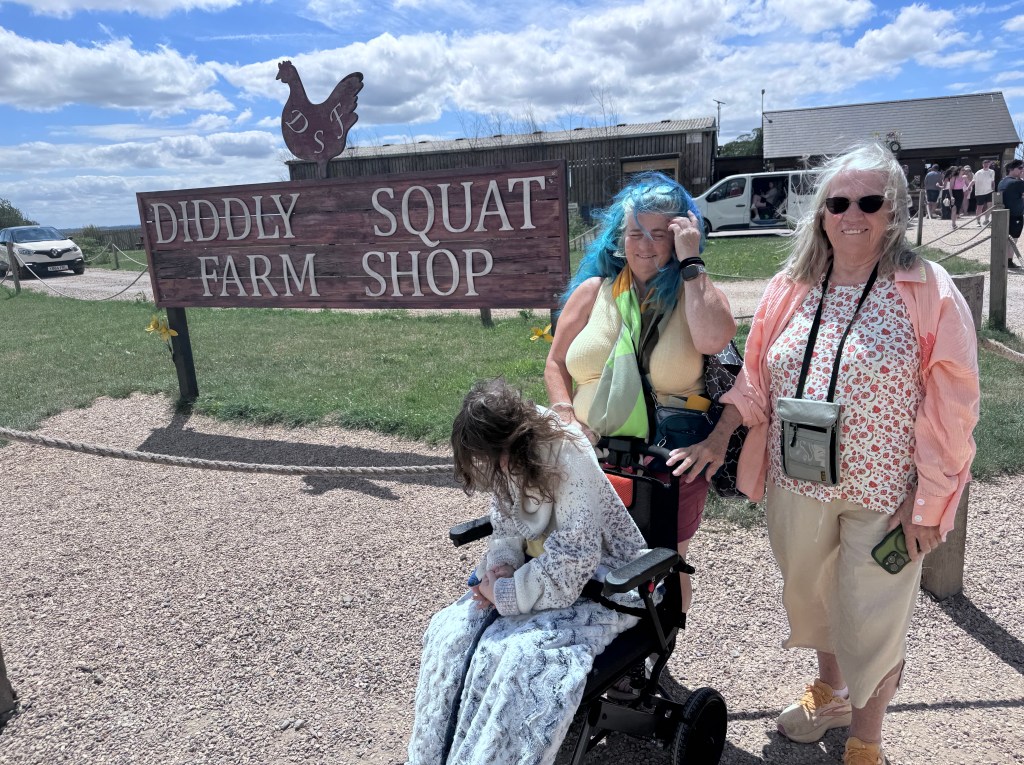
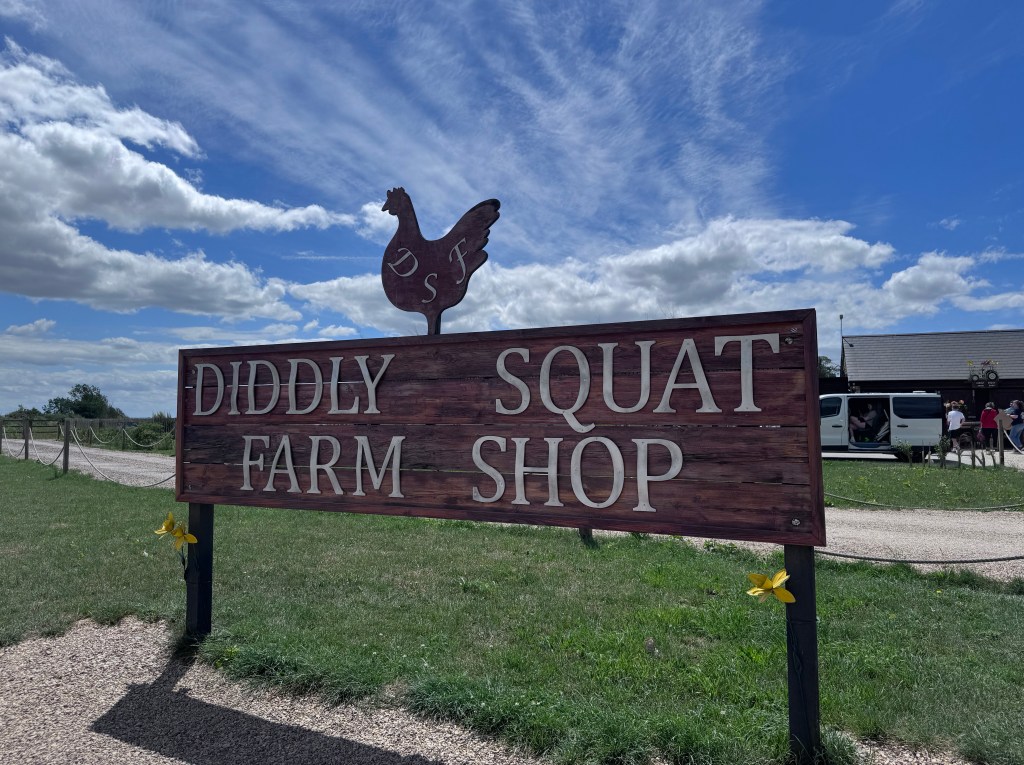
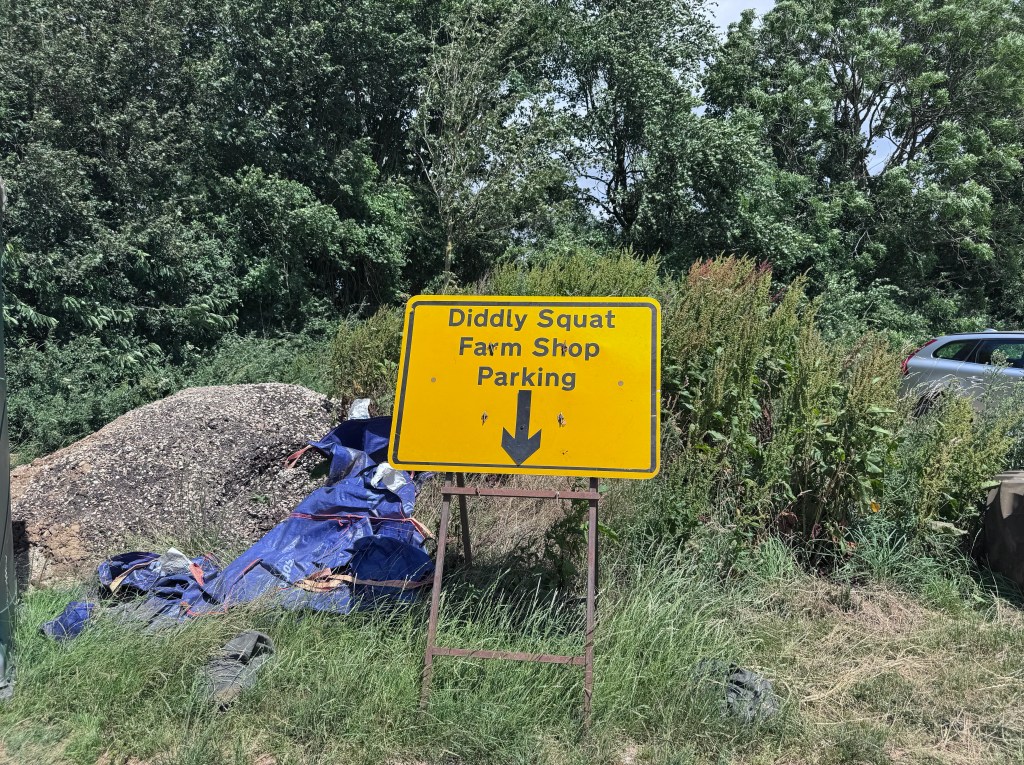
Since we were traveling by road, I asked if we could drive through the beautiful Cotswolds and stop at Diddly Squat Farm Shop, made famous by Jeremy Clarkson’s television series Clarkson’s Farm. The farm shop has become an unexpected tourist destination, selling produce and products made on the farm, including milk, cheese, honey, jams, sauces, beer, cider, and souvenirs. I wasn’t sure we would even make it into the parking lot, let alone inside the shop.

When we arrived, the queue stretched well beyond the entrance. I quickly realized there was no way we would get inside during the hour we had allowed. Our driver suggested speaking with the staff about Kiya’s wheelchair. After showing our Montana disability parking placard, they kindly allowed us to enter through the accessible queue. We were incredibly grateful for their understanding.

While waiting inside, a young man—probably around 18 or 20 years old—stood in front of me with an armful of products. He had grabbed nearly one of everything: milk, cheese, pasta sauce, crisps, and more. At one point he apologized for taking so long. I smiled and told him, “No need to apologize. You may only get here once, so make the most of it.” His excitement was contagious, and it perfectly captured how special the experience felt for so many visitors. We picked up a few souvenirs, snapped some photos, and continued our journey.

Along the drive we also passed through the historic city of Oxford, home to the world-famous University of Oxford, whose colleges have educated scholars, scientists, writers, and world leaders for nearly a thousand years. Even from the car, the city’s beautiful stone buildings and historic architecture were impressive.

We arrived in Southampton with plenty of time to grab a coffee and relax before boarding the ferry. Soon we were crossing the Solent toward the Isle of Wight, excited to begin another chapter of our adventure.

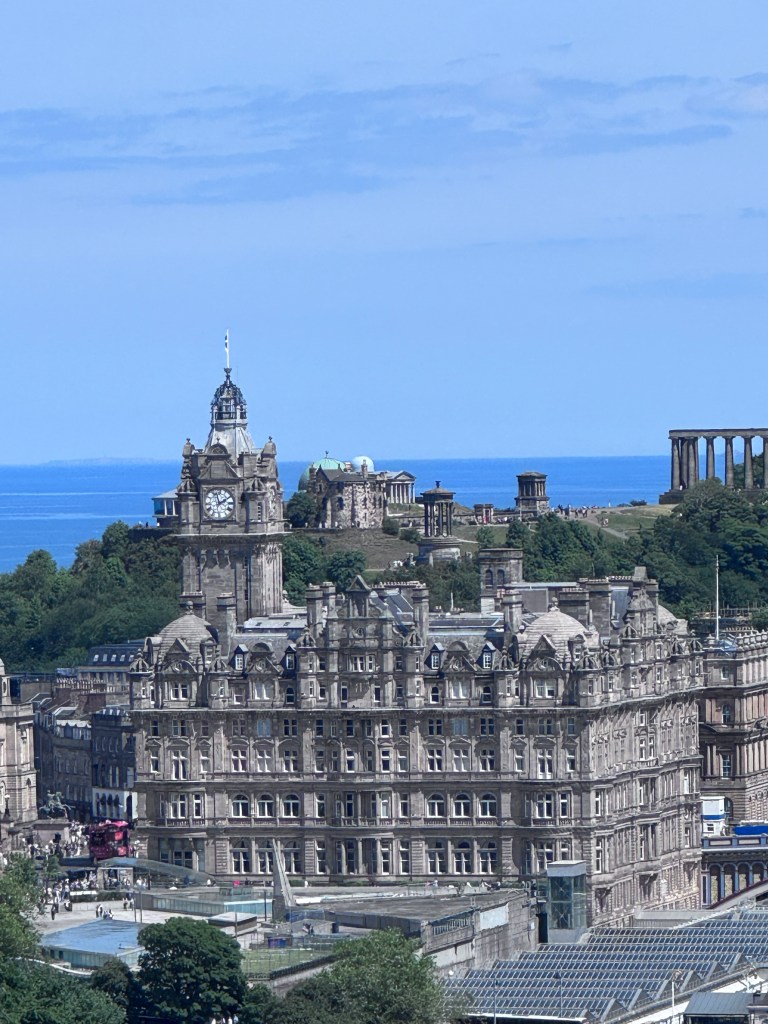
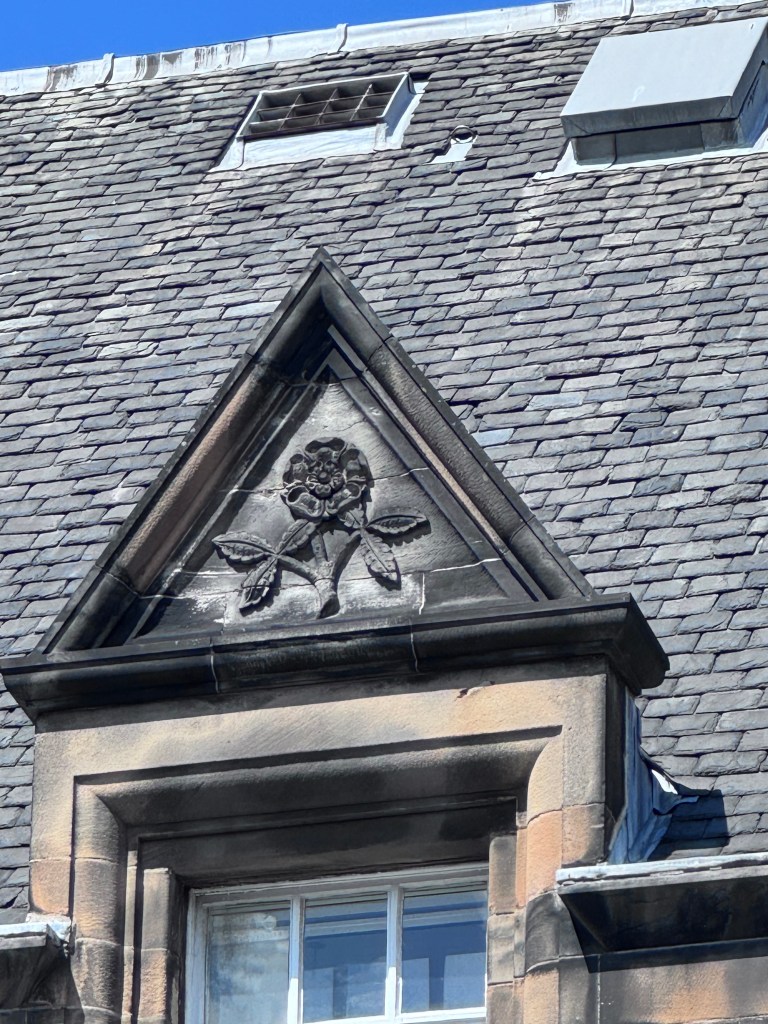
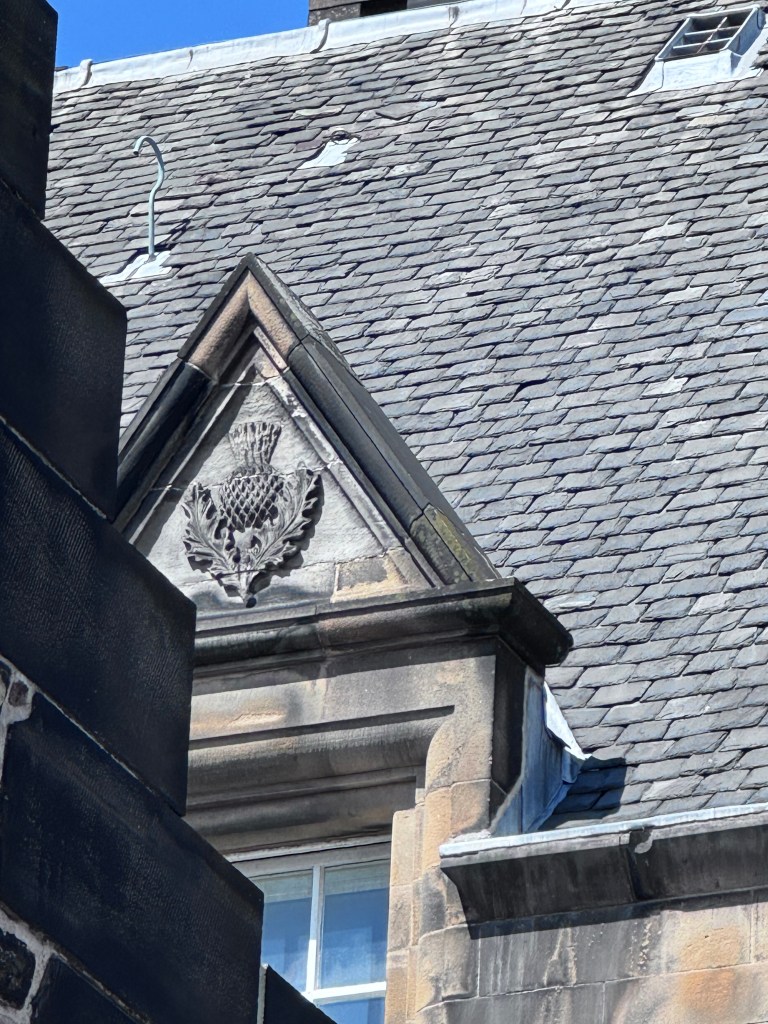
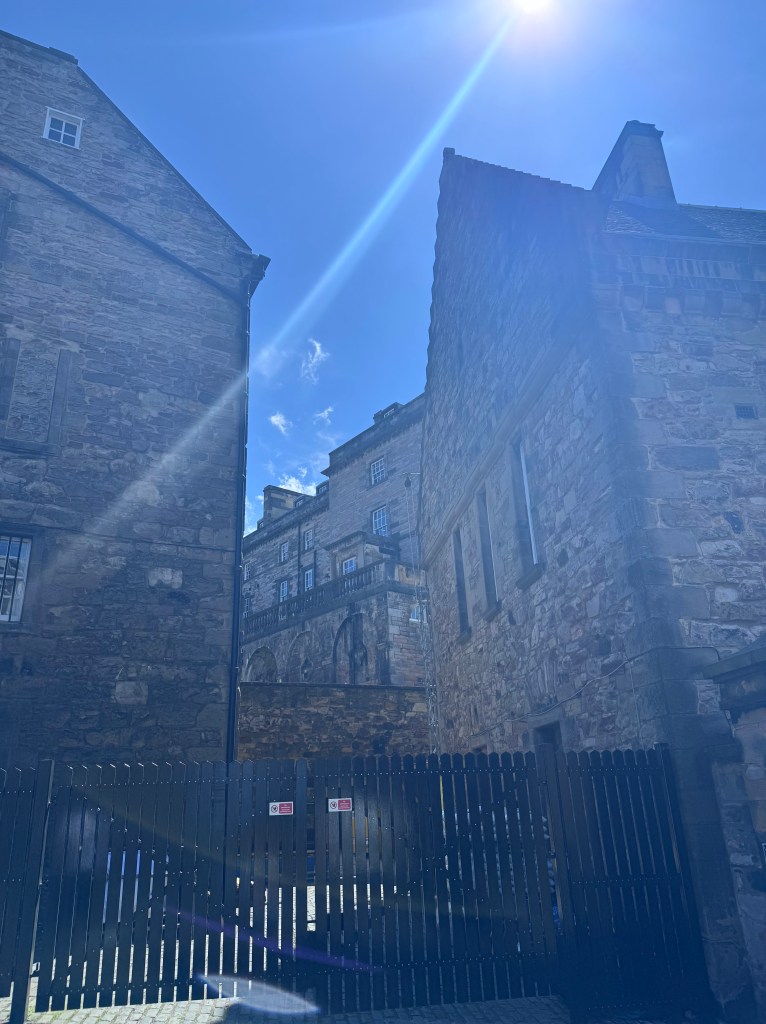
Edinburgh Castle and the Royal Mile – Crowns, Castles, and a Perfect Scottish Day

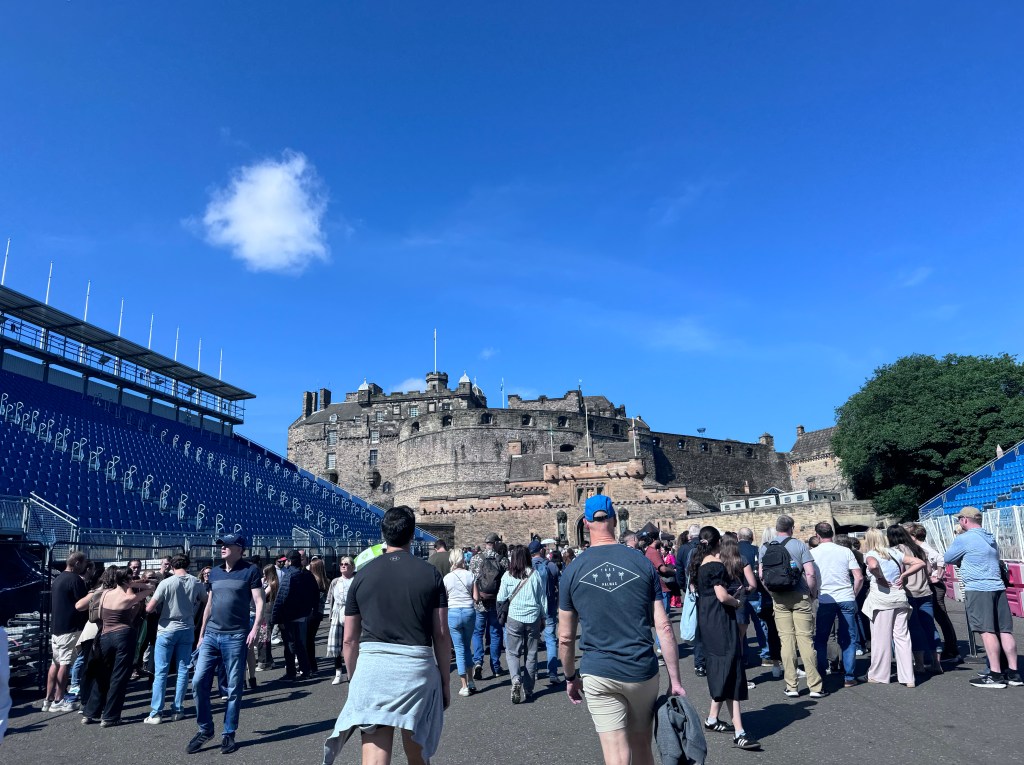
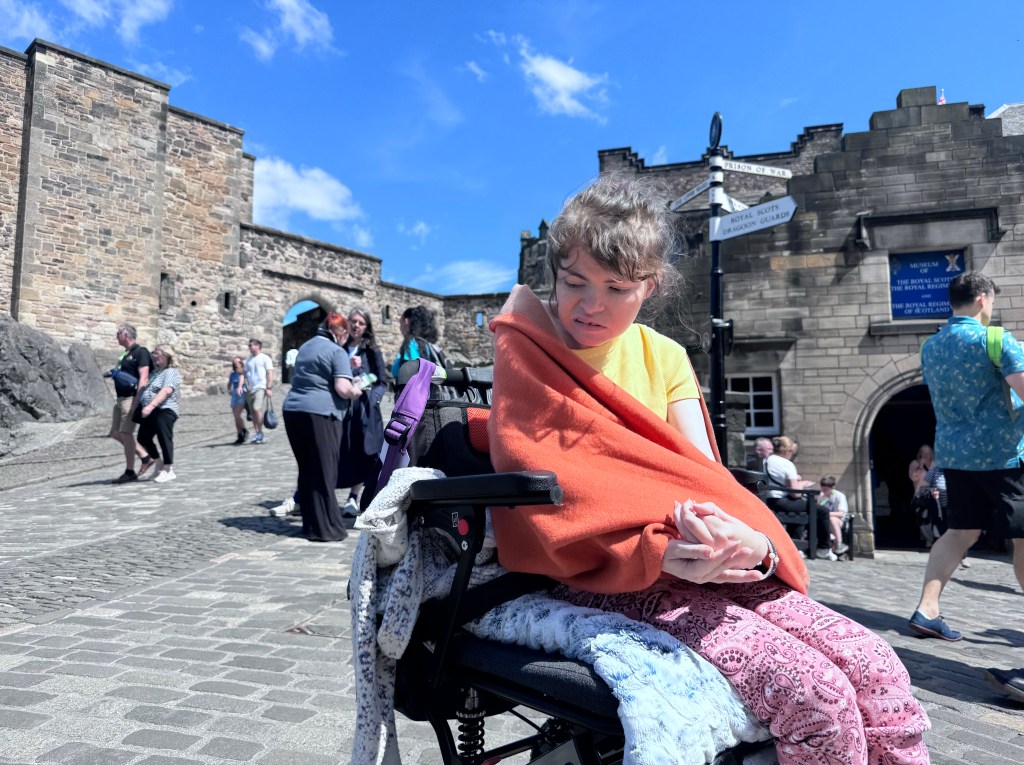
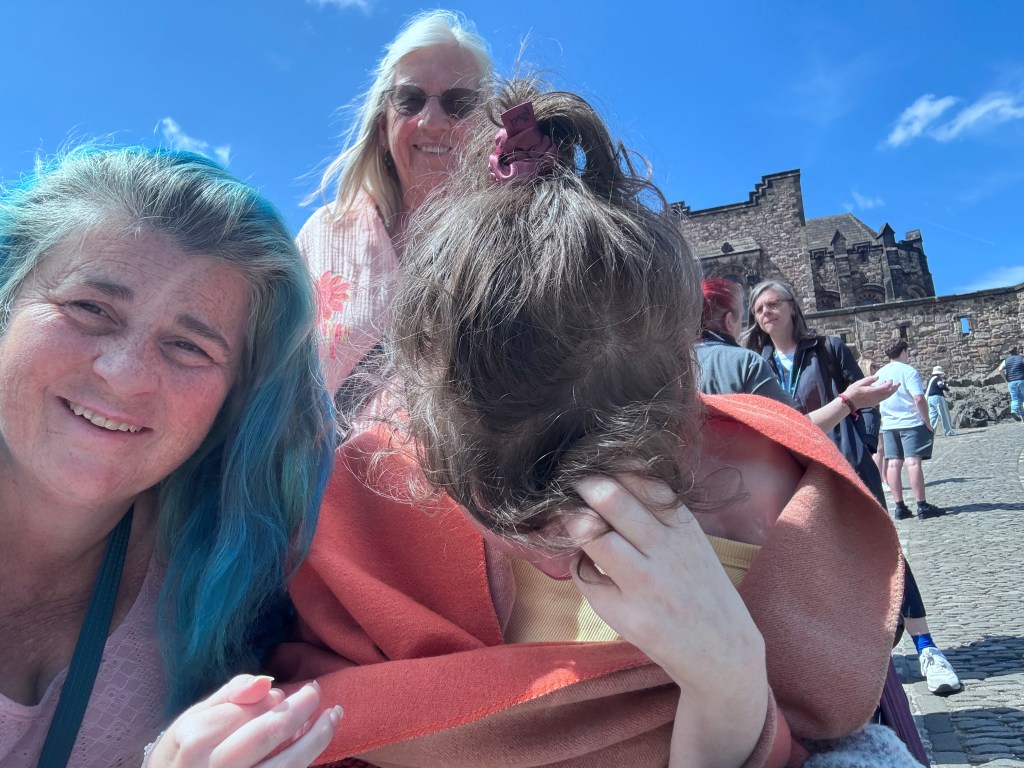
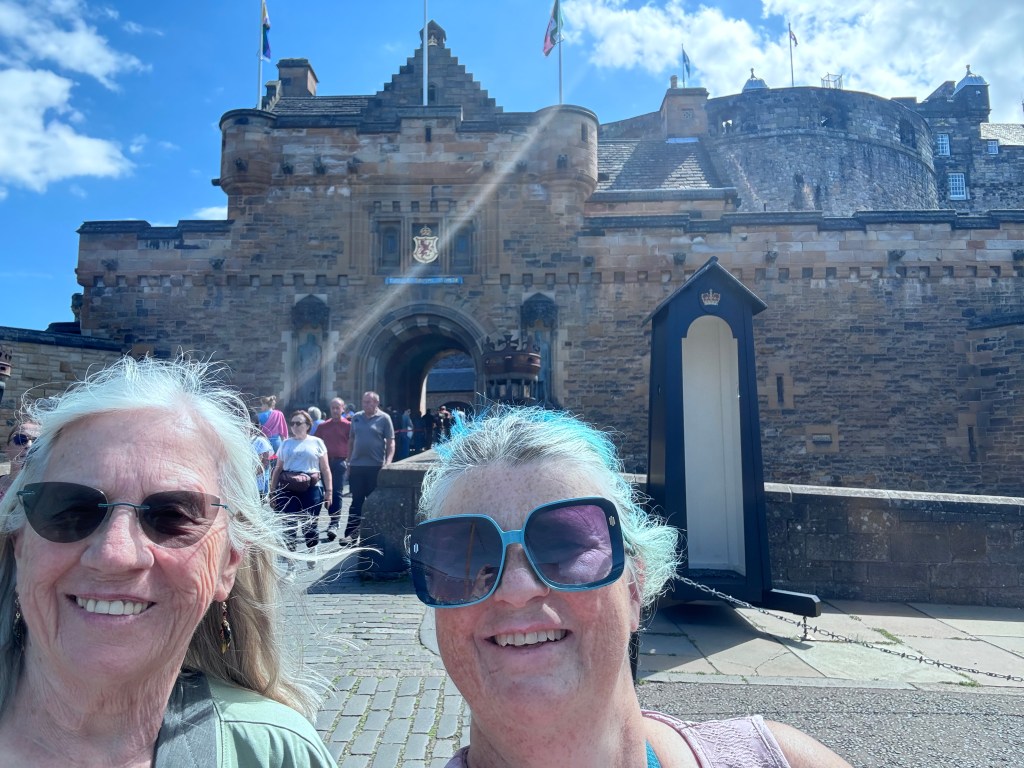
Today we took the train from Dundee into Edinburgh to visit the magnificent Edinburgh Castle and wander down the famous Royal Mile. Once again, I have to say how impressed we are with ScotRail and the people of Scotland. Everyone is so kind and helpful, making sure Kiya safely gets on and off the train with the ramps. Their kindness has made traveling with a wheelchair so much easier than we ever imagined.

After arriving in Edinburgh, our next challenge was finding a taxi. The castle is actually quite close to the train station, but it sits high on Castle Rock, making the steep climb difficult with Kiya’s wheelchair. We waited nearly 30–40 minutes before finally finding a driver willing to take us. He dropped us only about a block from the entrance, which was perfect.

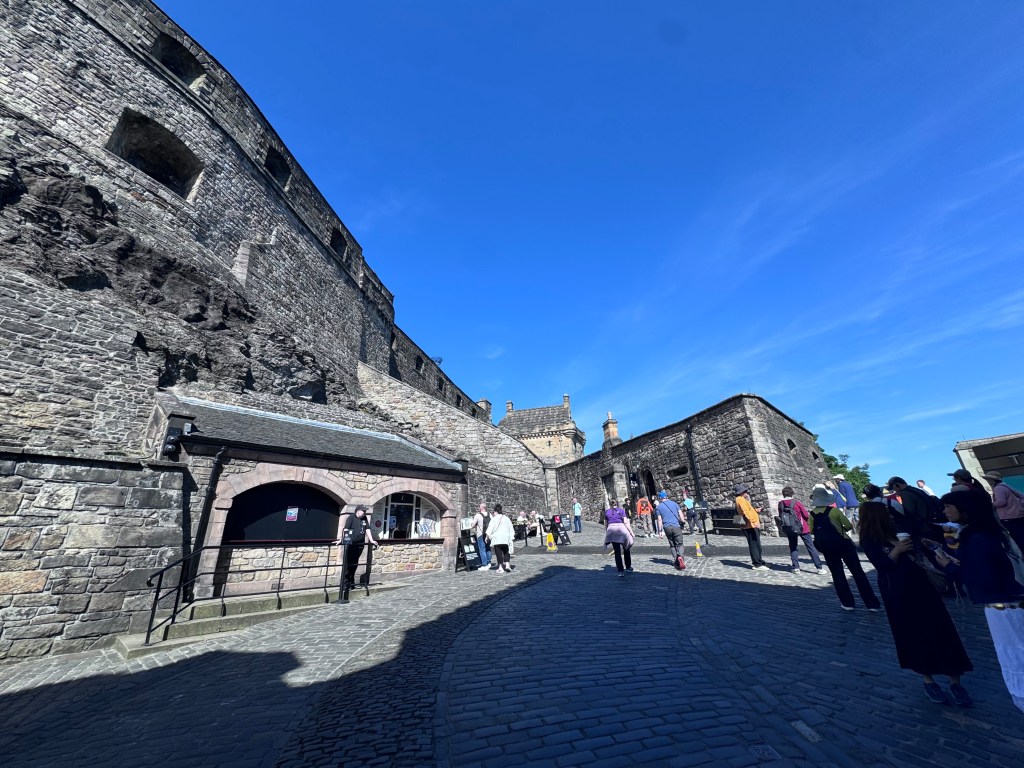
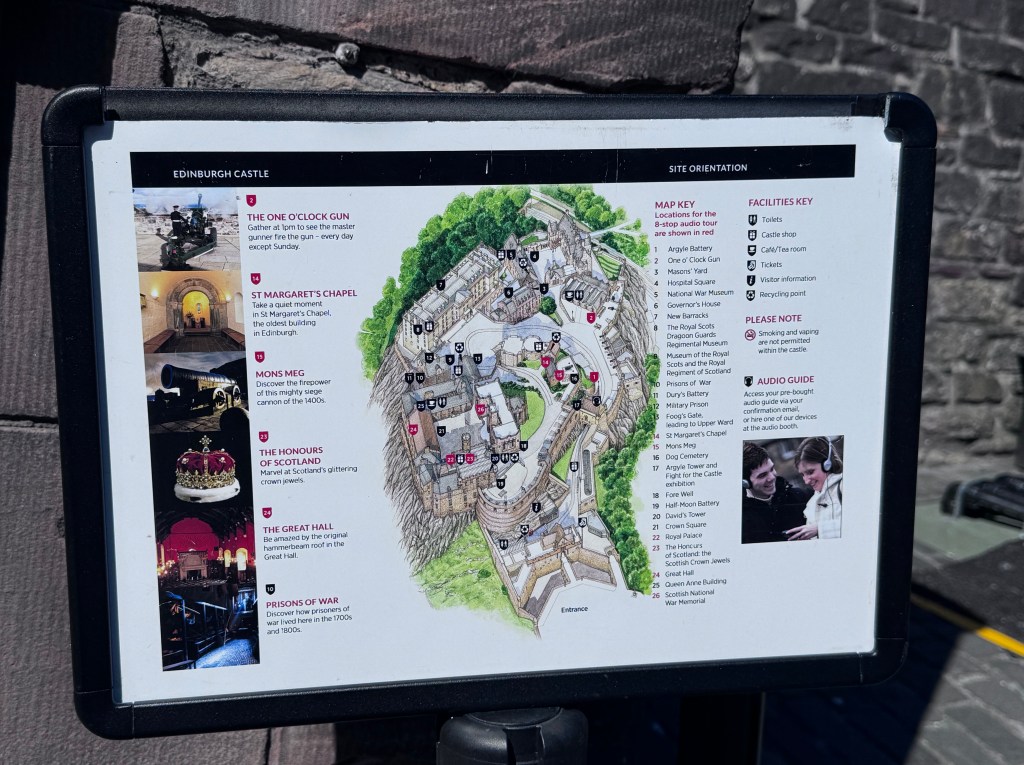
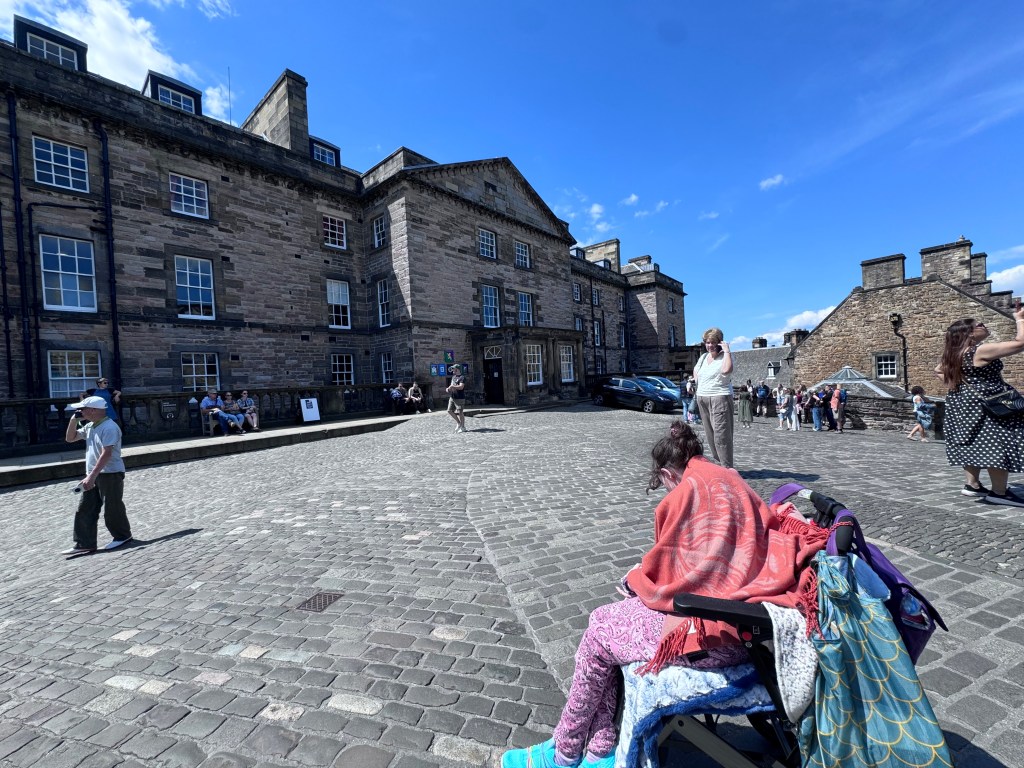
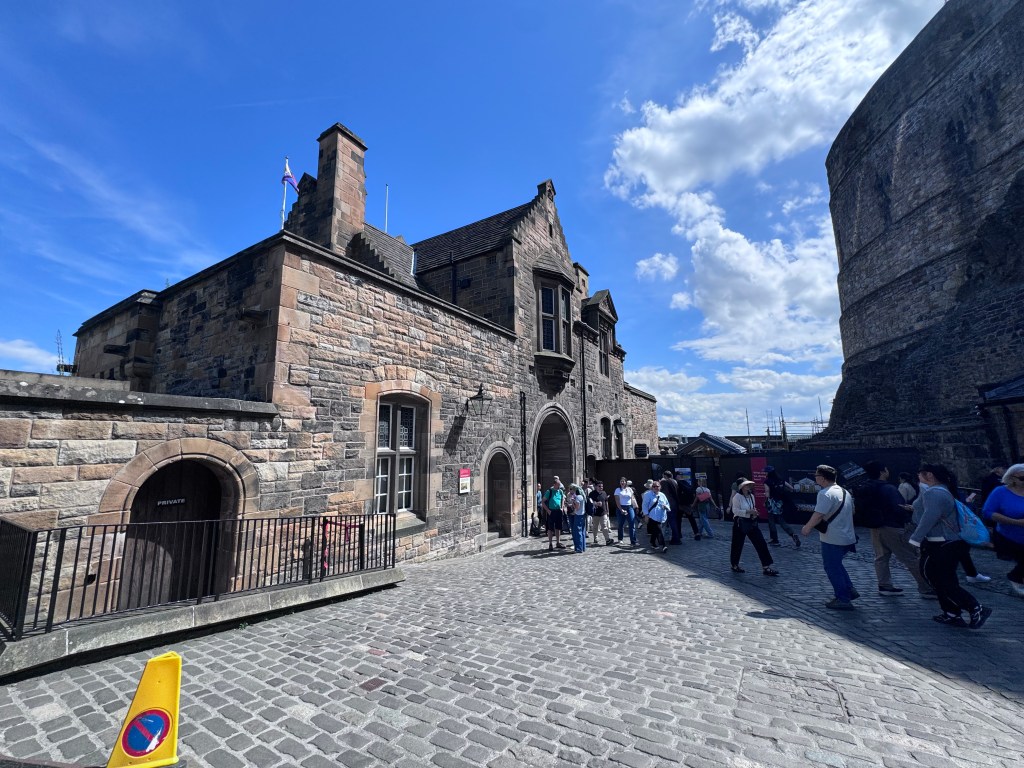
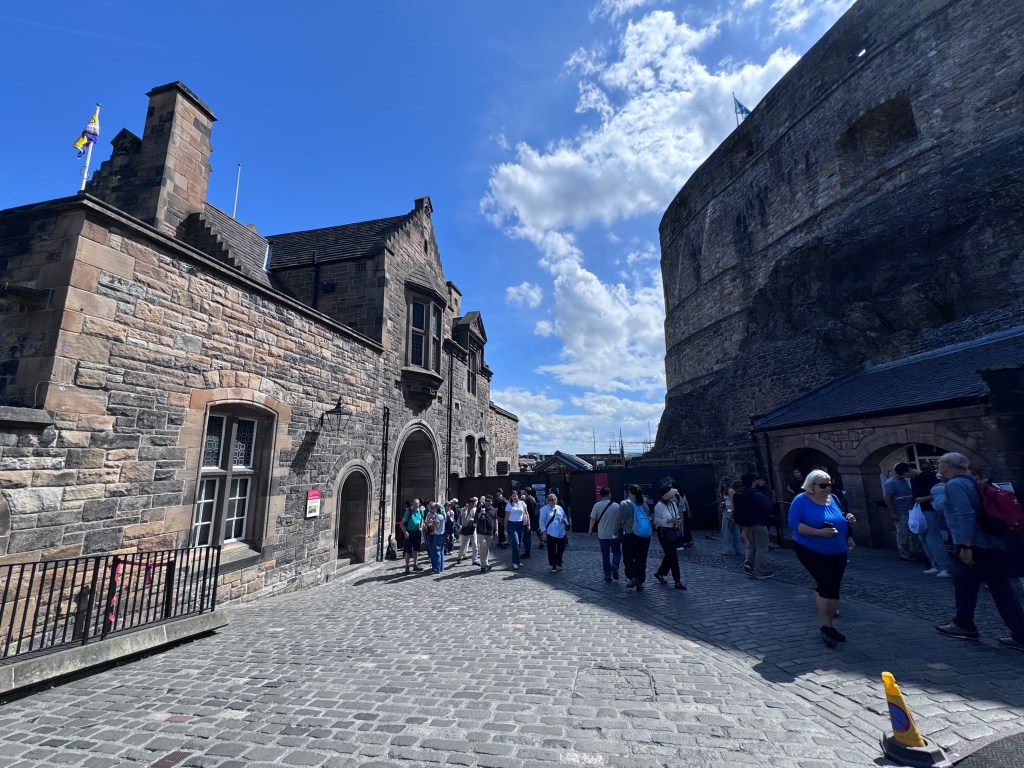
One thing Edinburgh Castle does exceptionally well is accessibility. After checking in, we met the mobility assistance staff, who transported us by vehicle to the top of the castle. They have an outstanding program where they can either drop visitors off at the top or drive them between the major buildings throughout the grounds. We decided to let our taxi go and simply enjoy walking our way down through the castle after exploring. It was a wonderful decision.

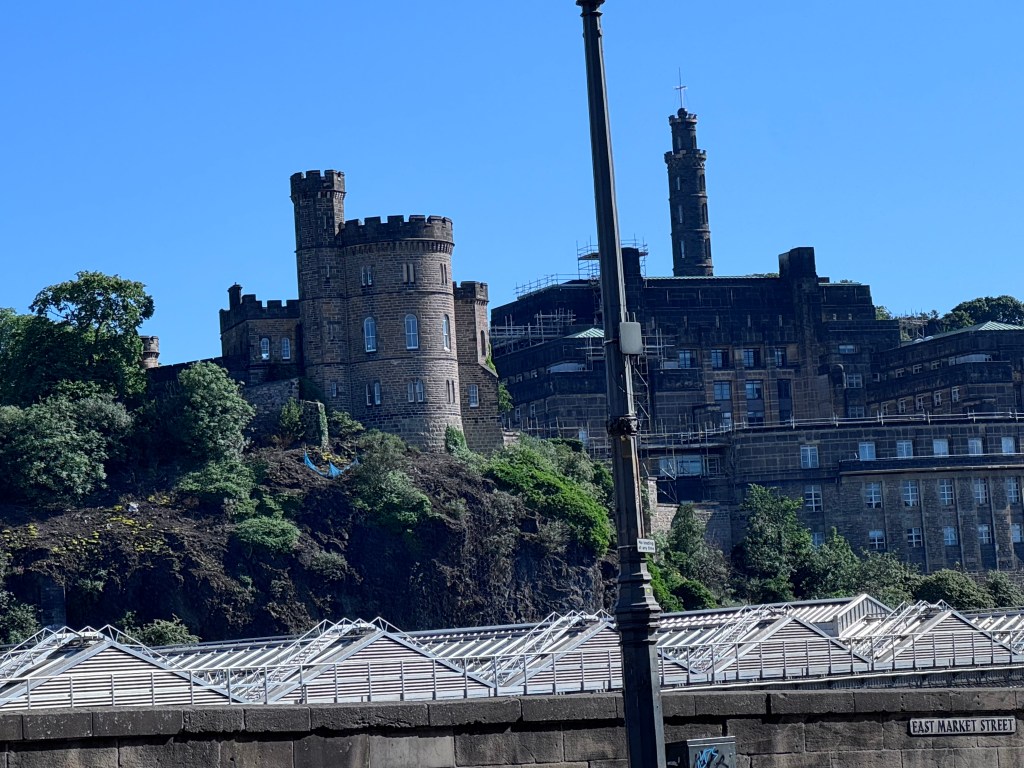
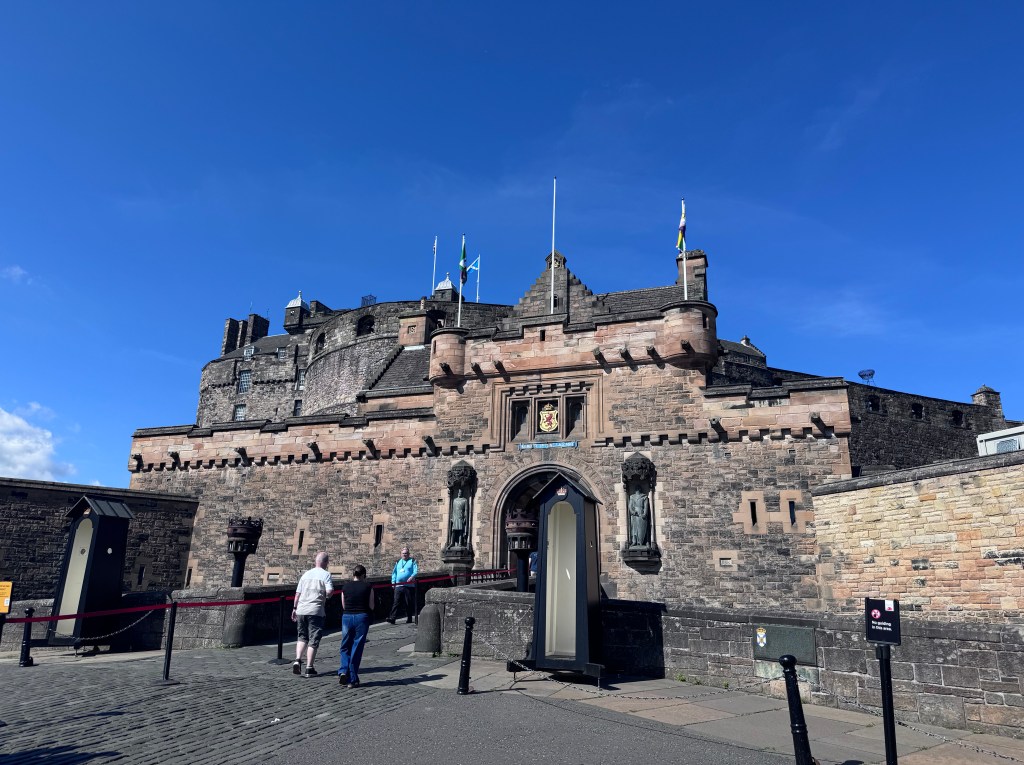
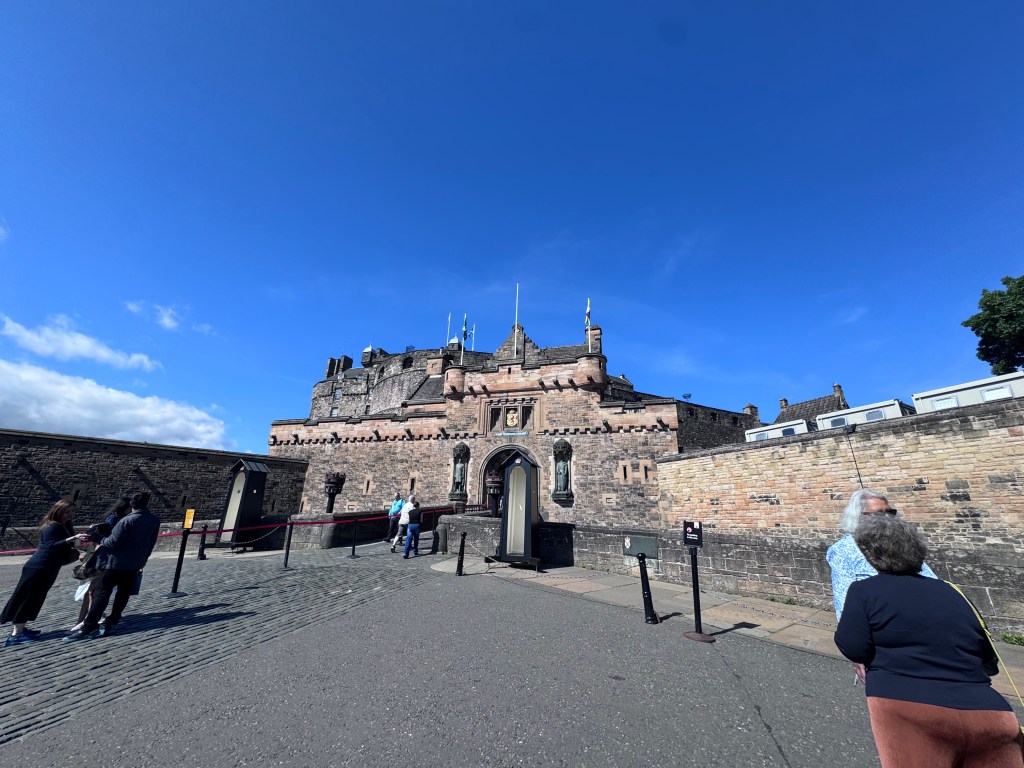
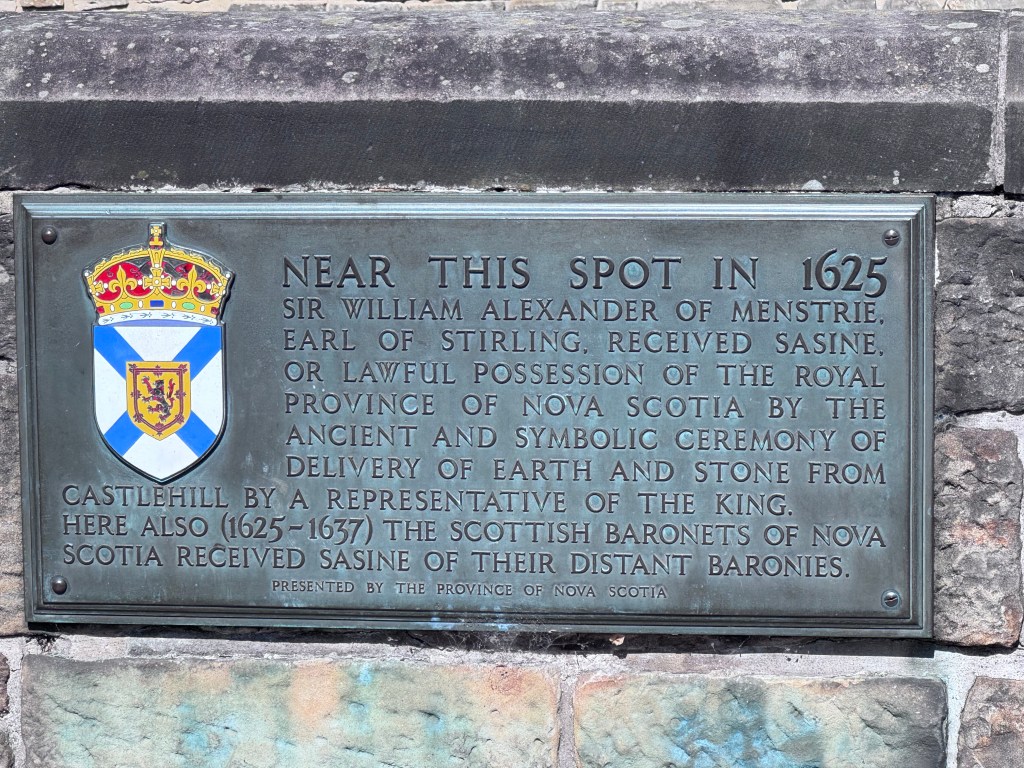
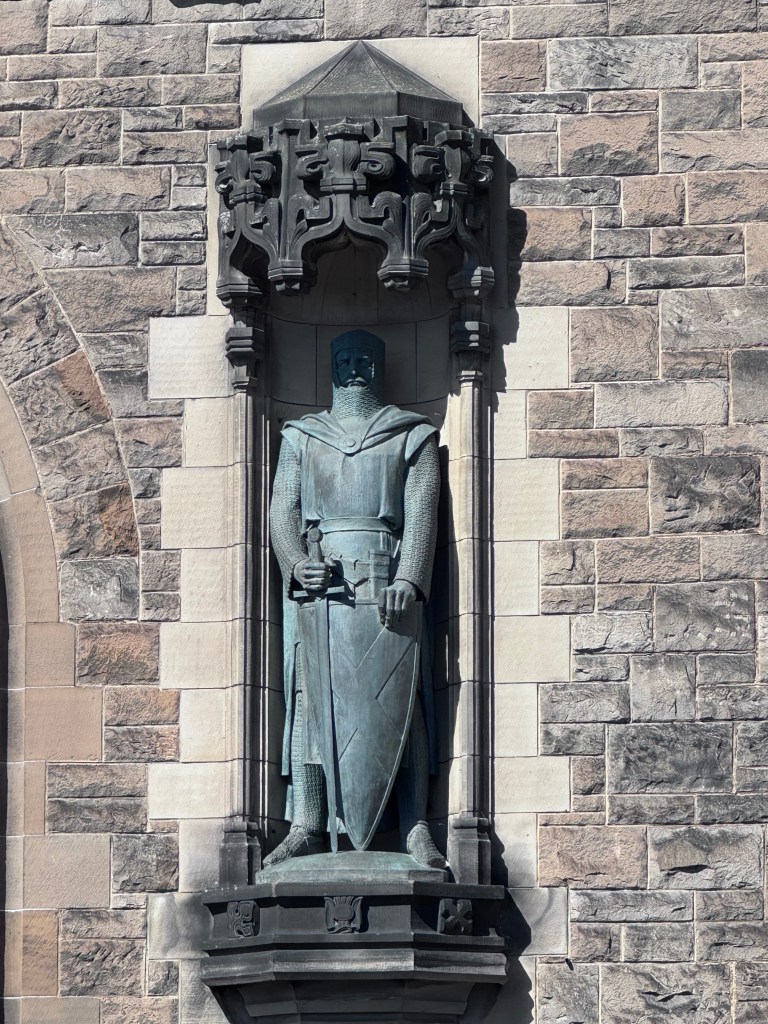
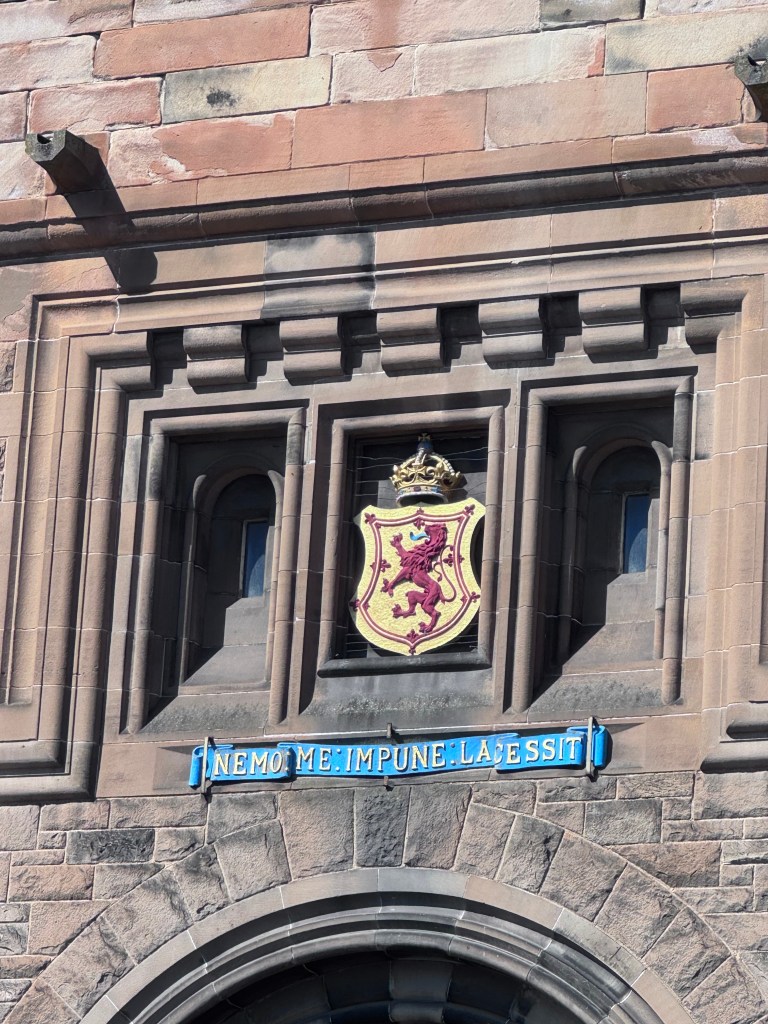
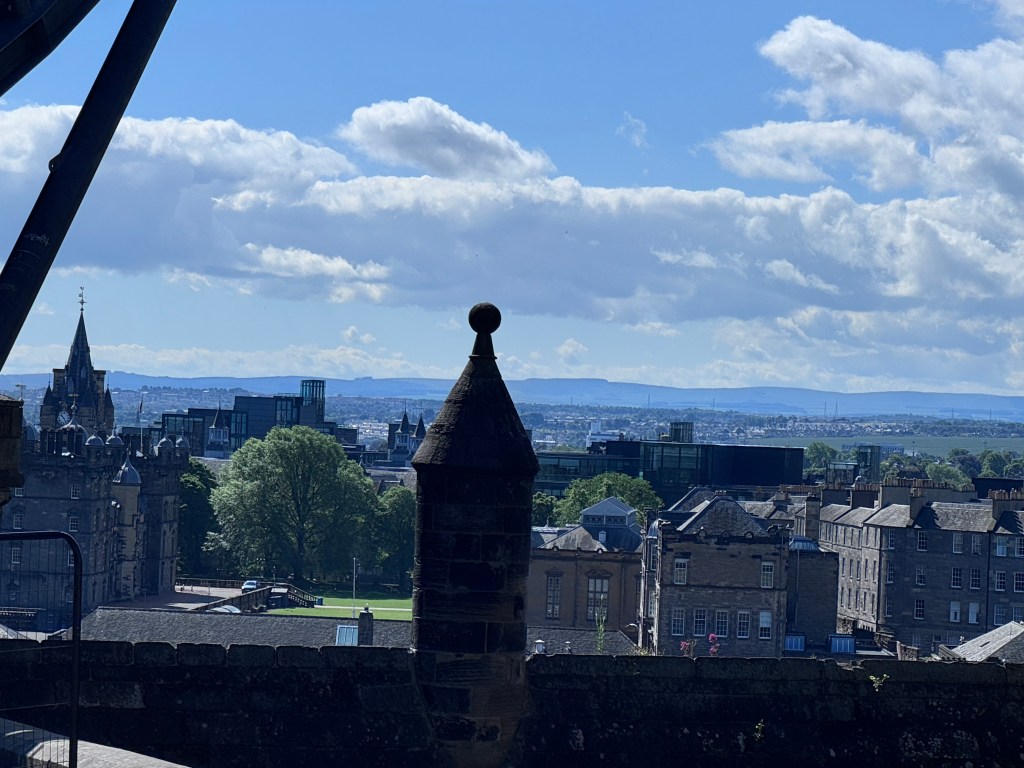
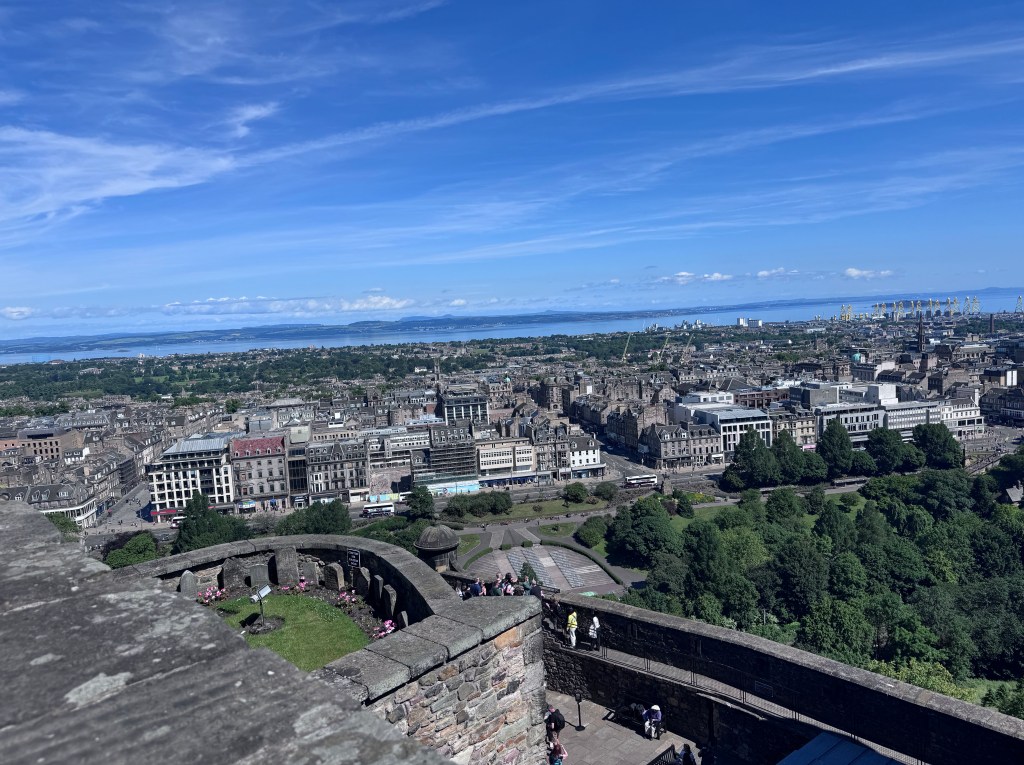
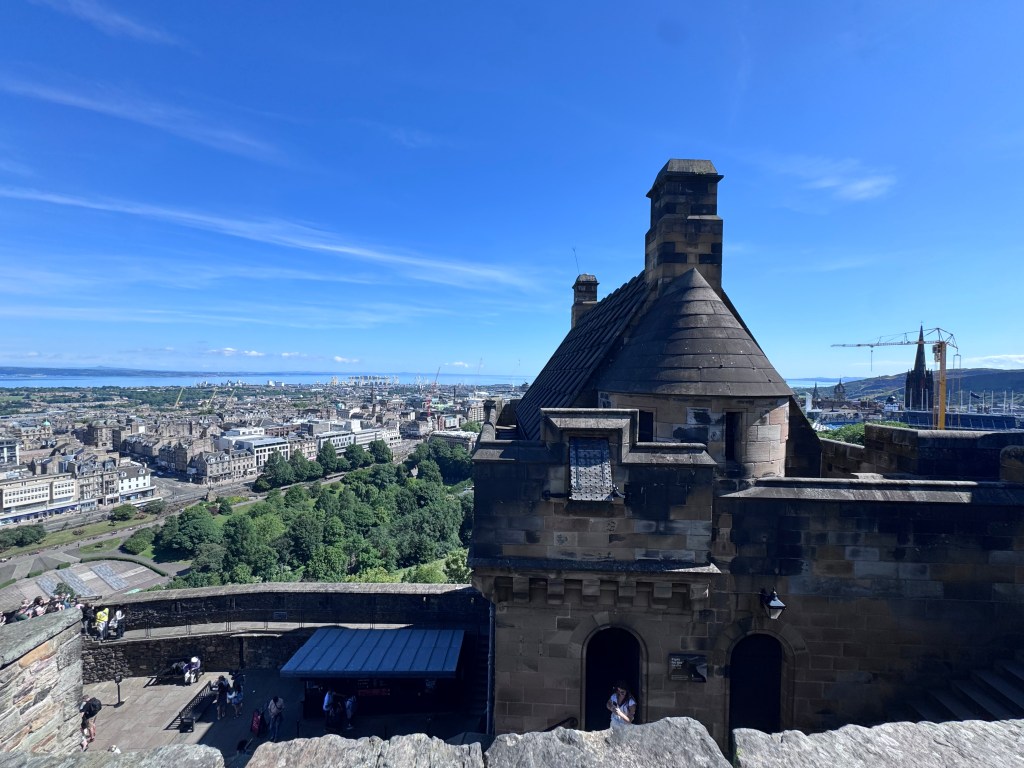
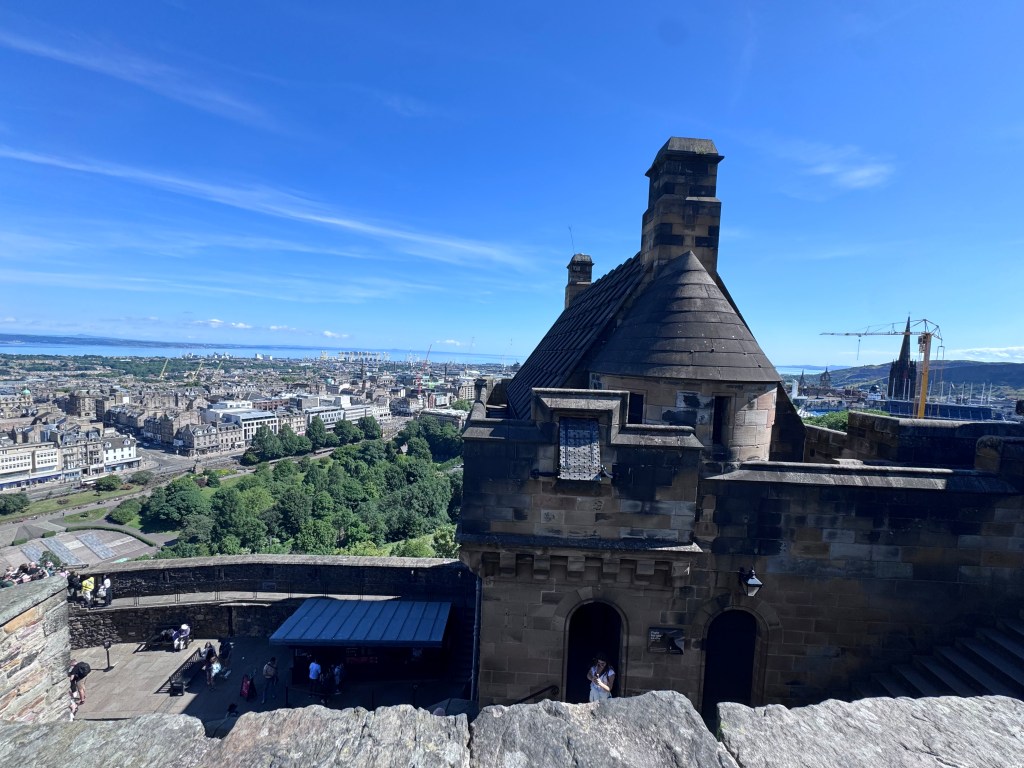
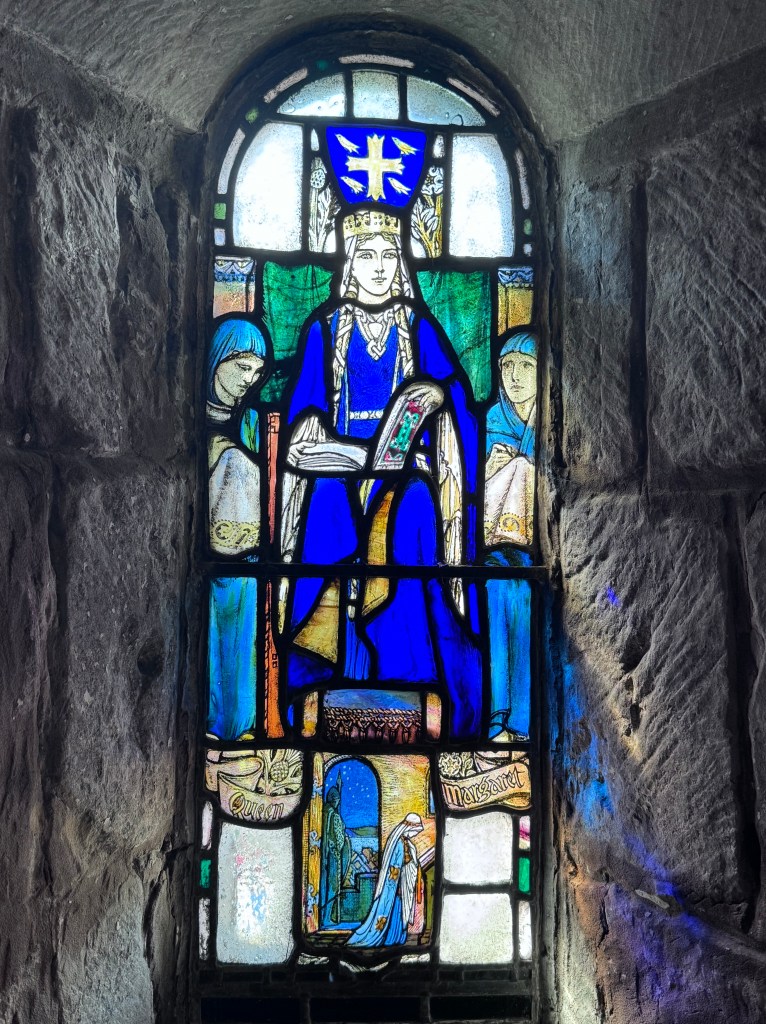
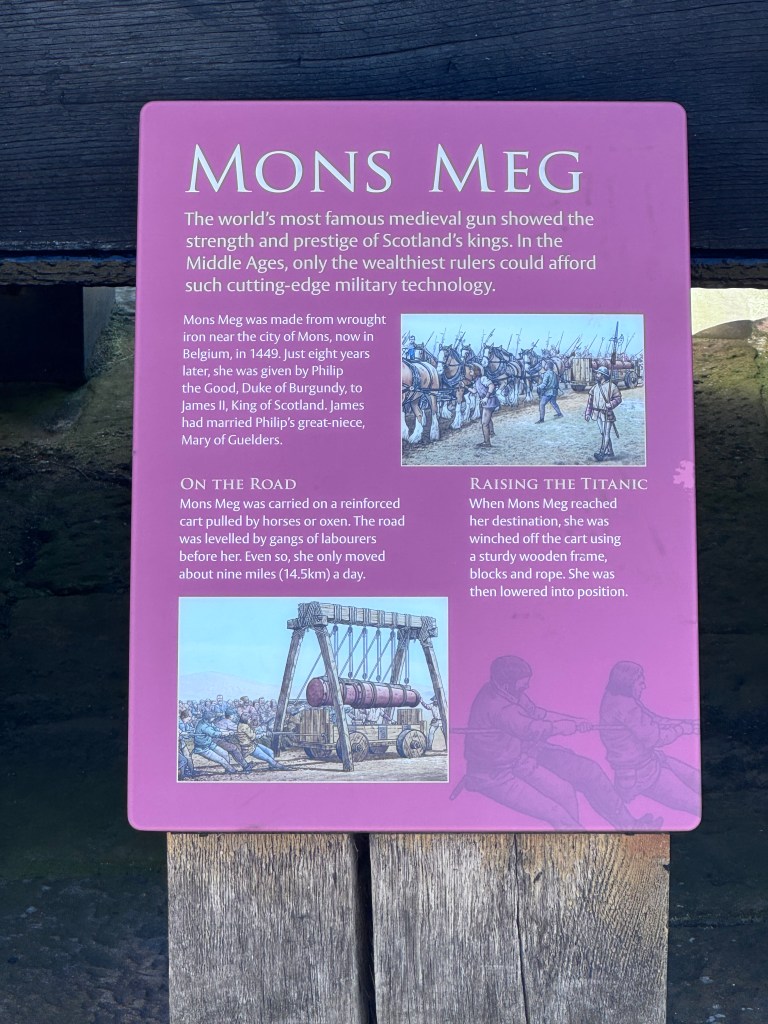
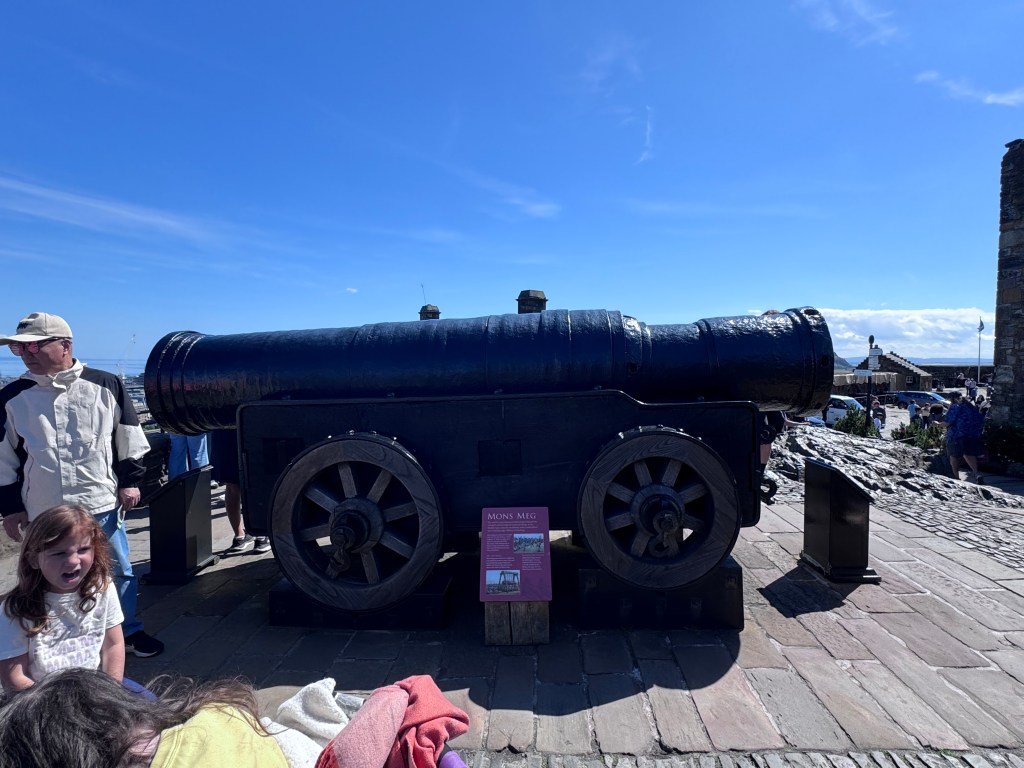
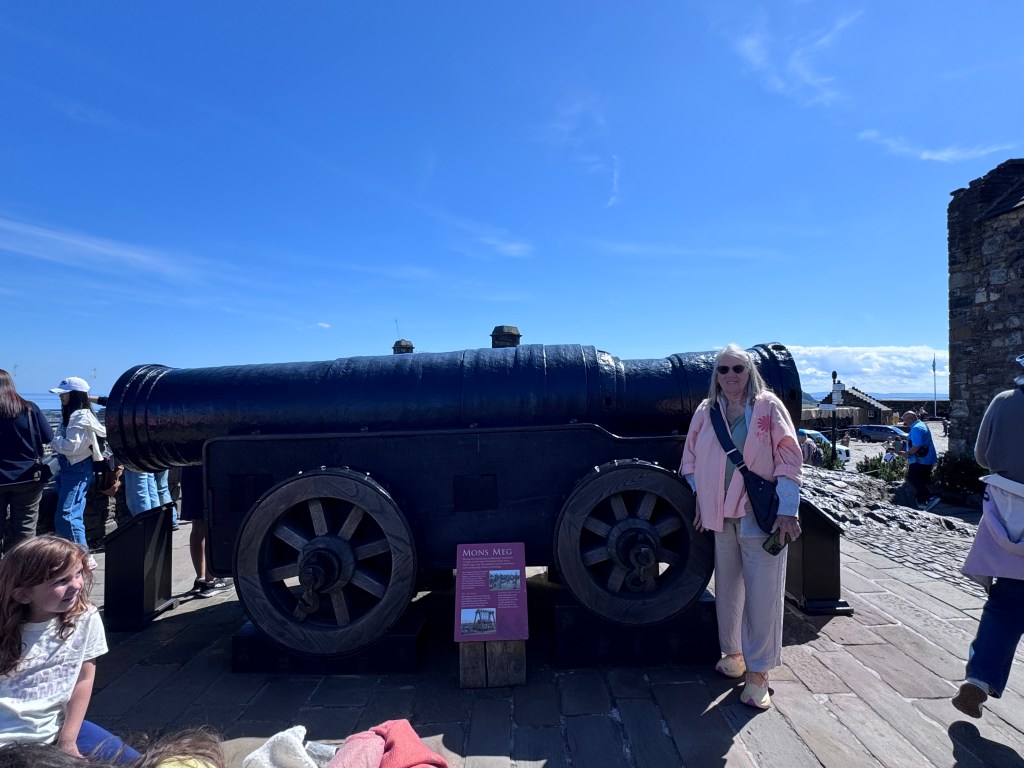
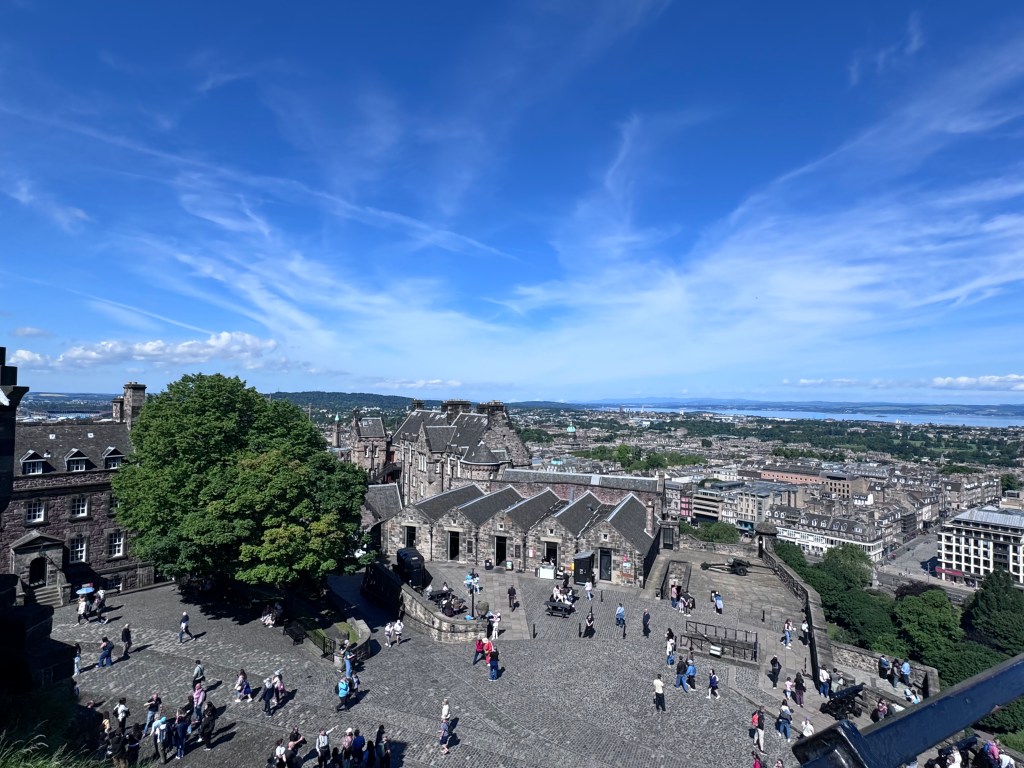
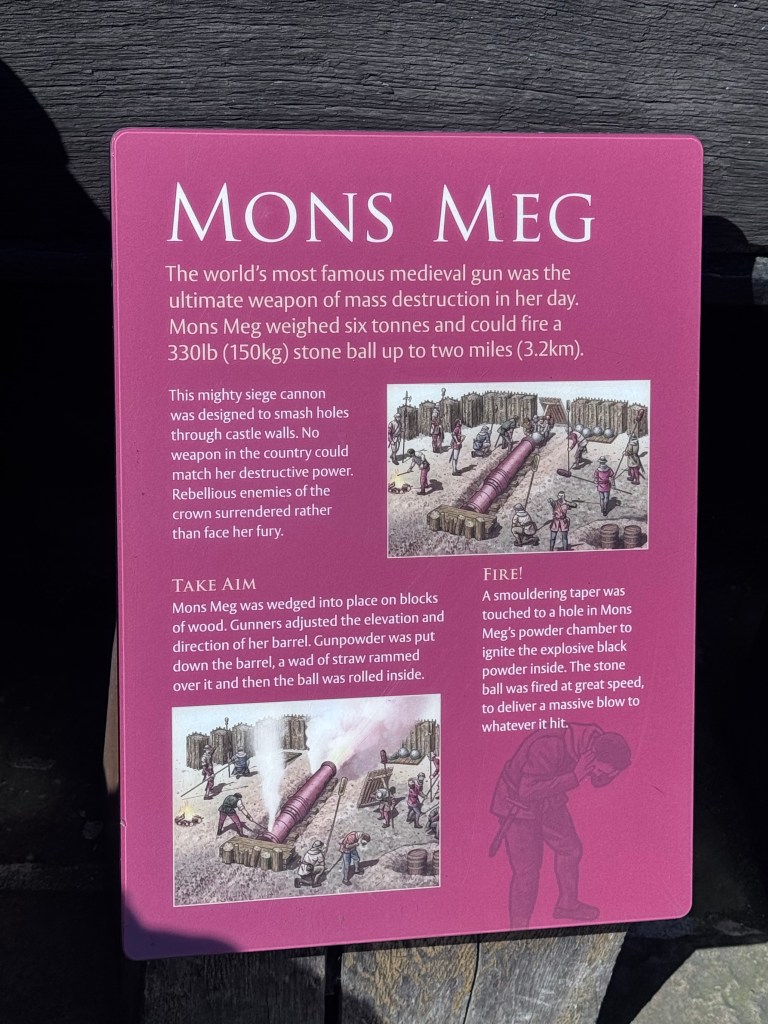
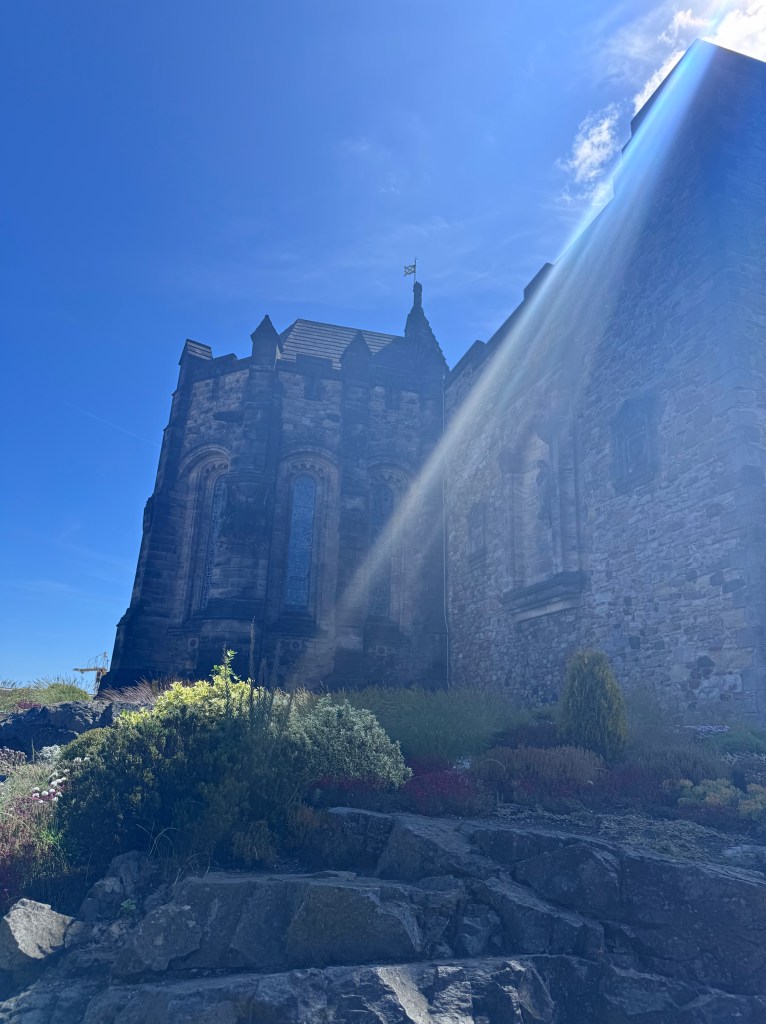
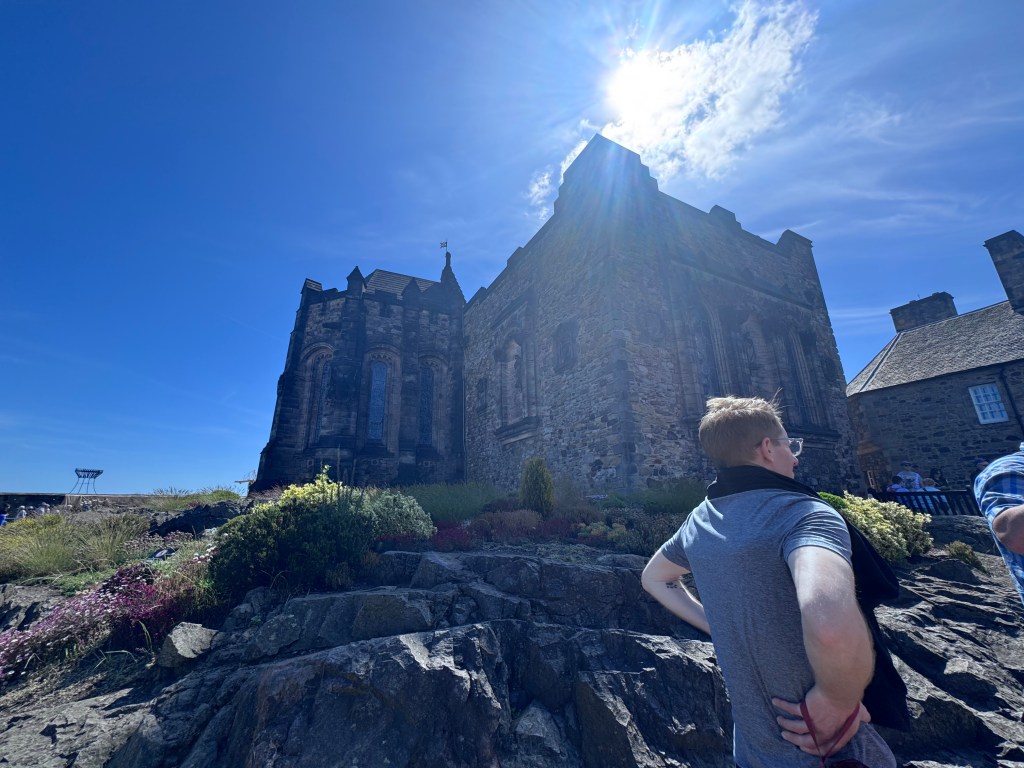
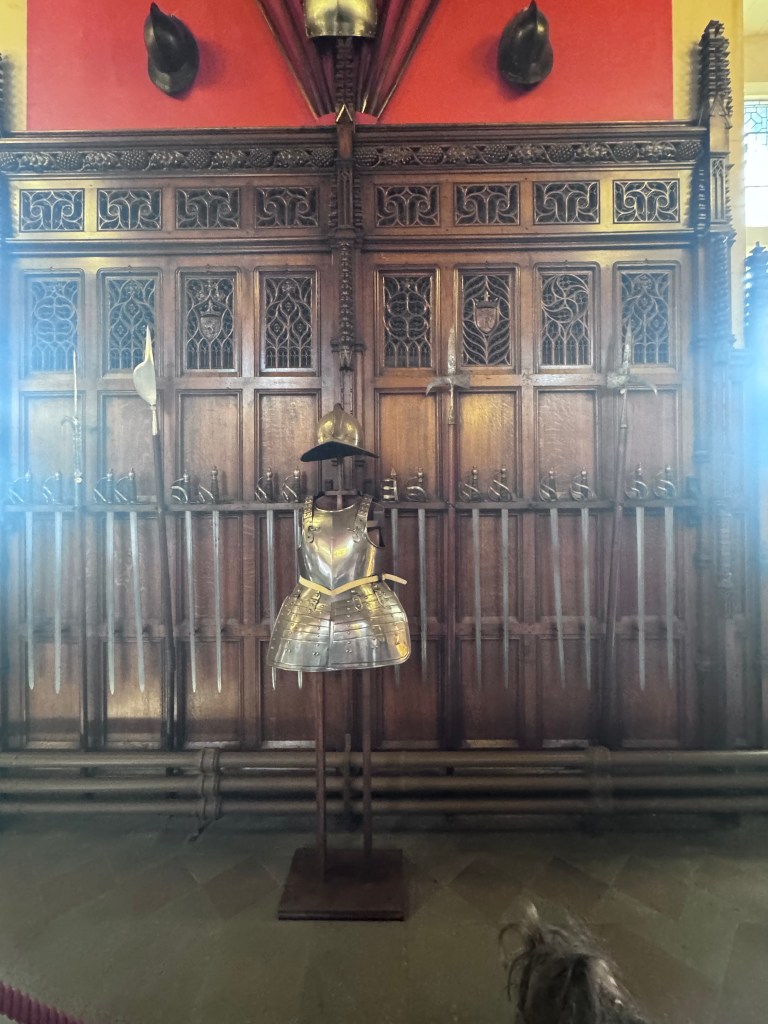
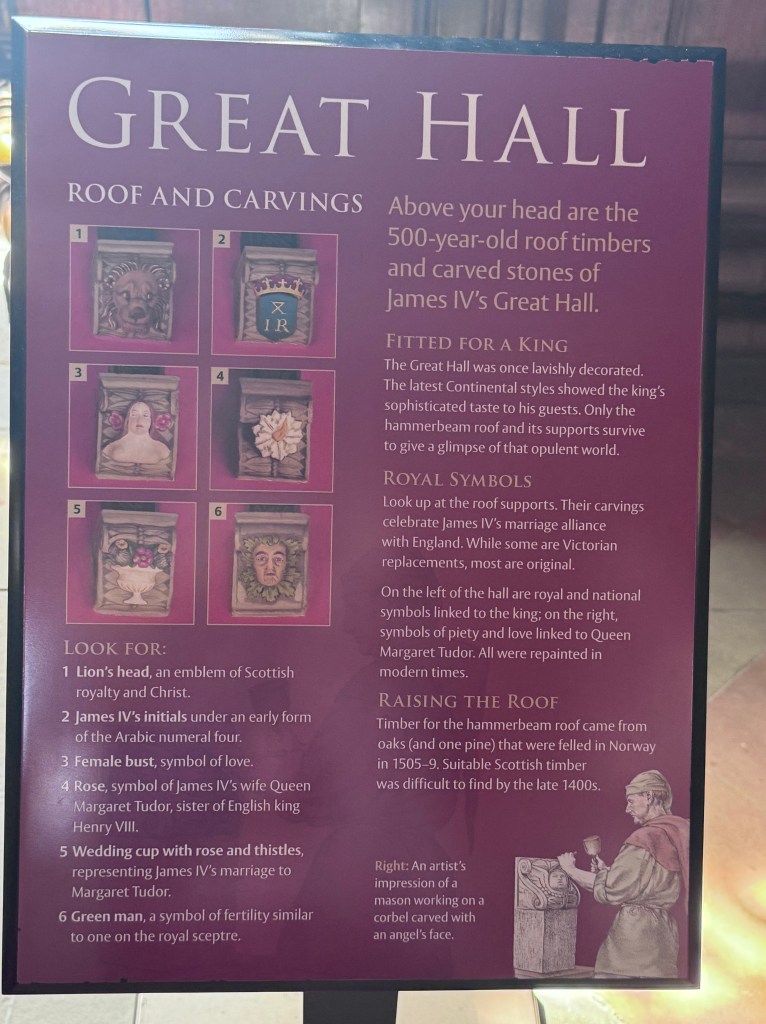
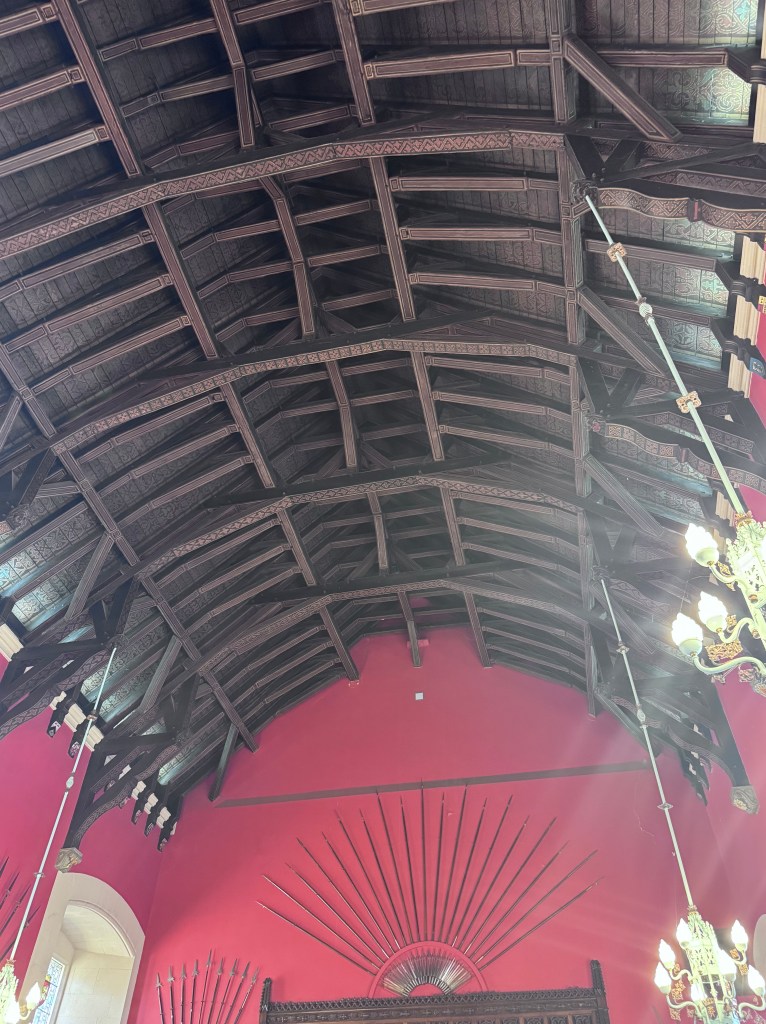
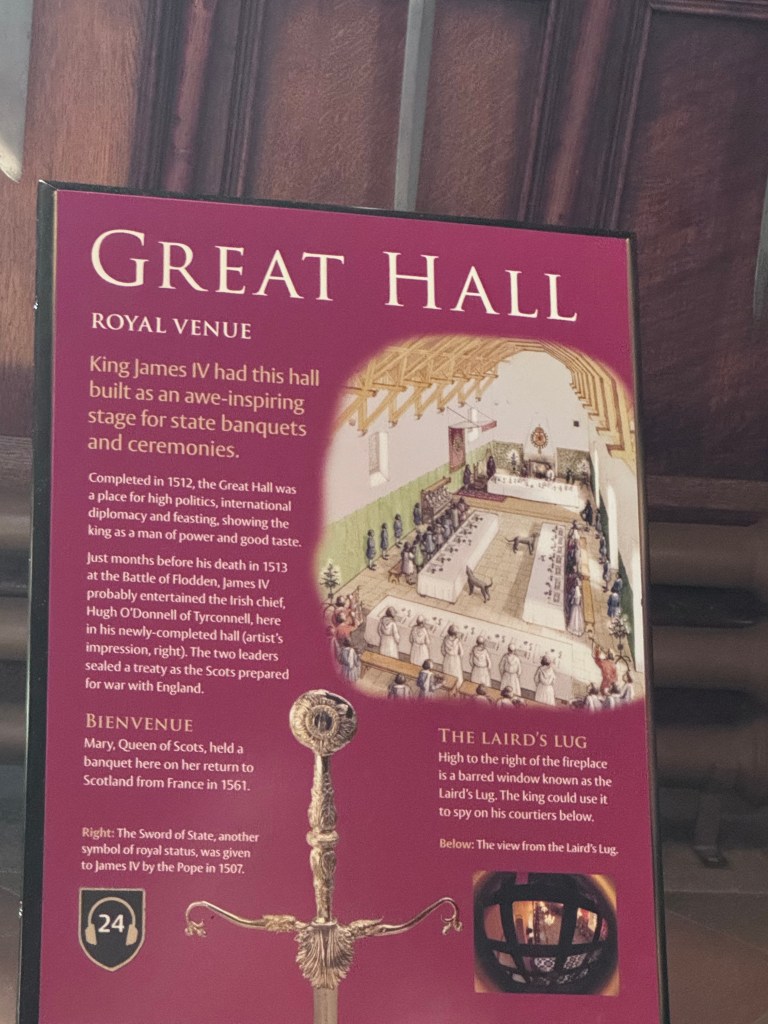
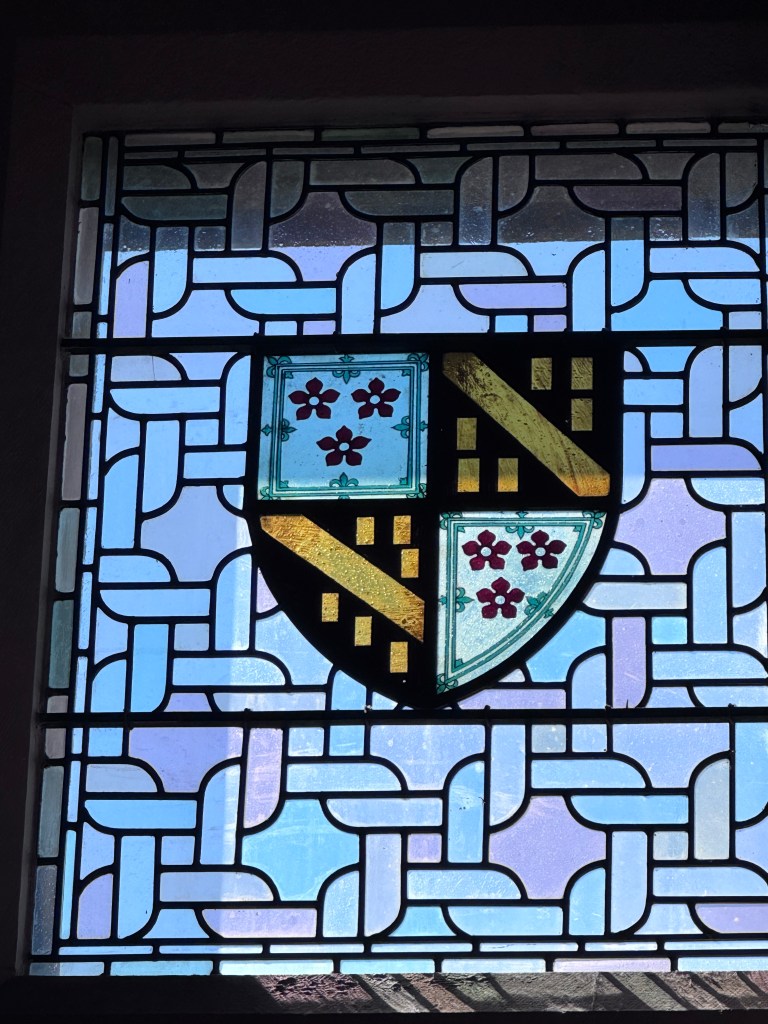
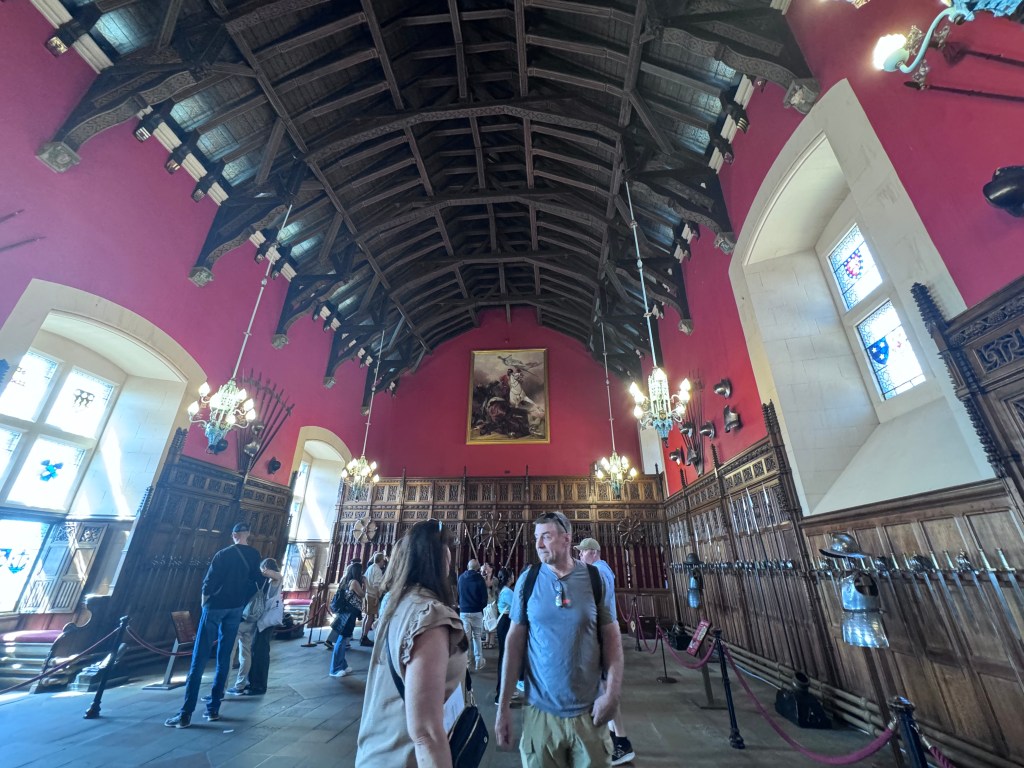
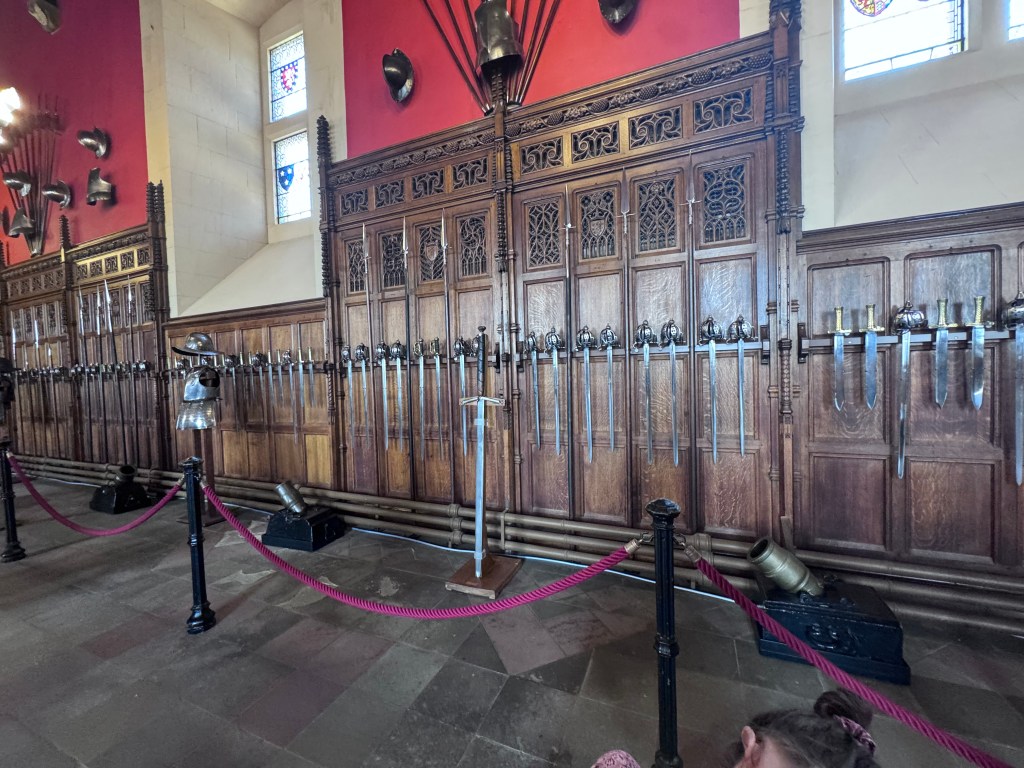
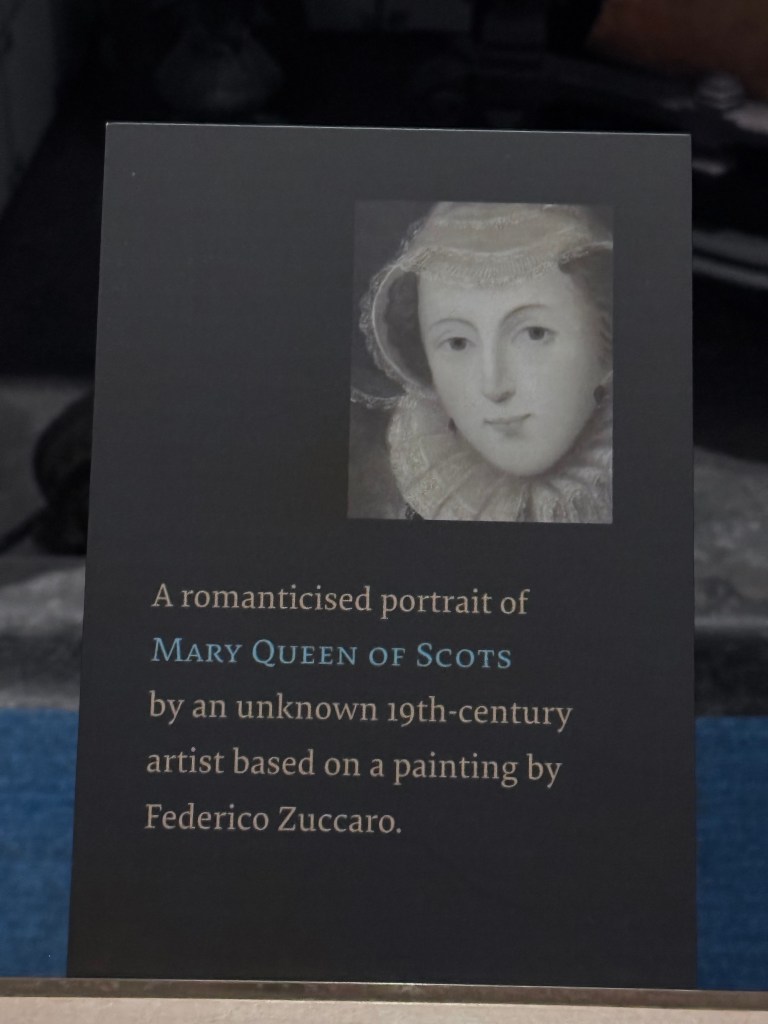
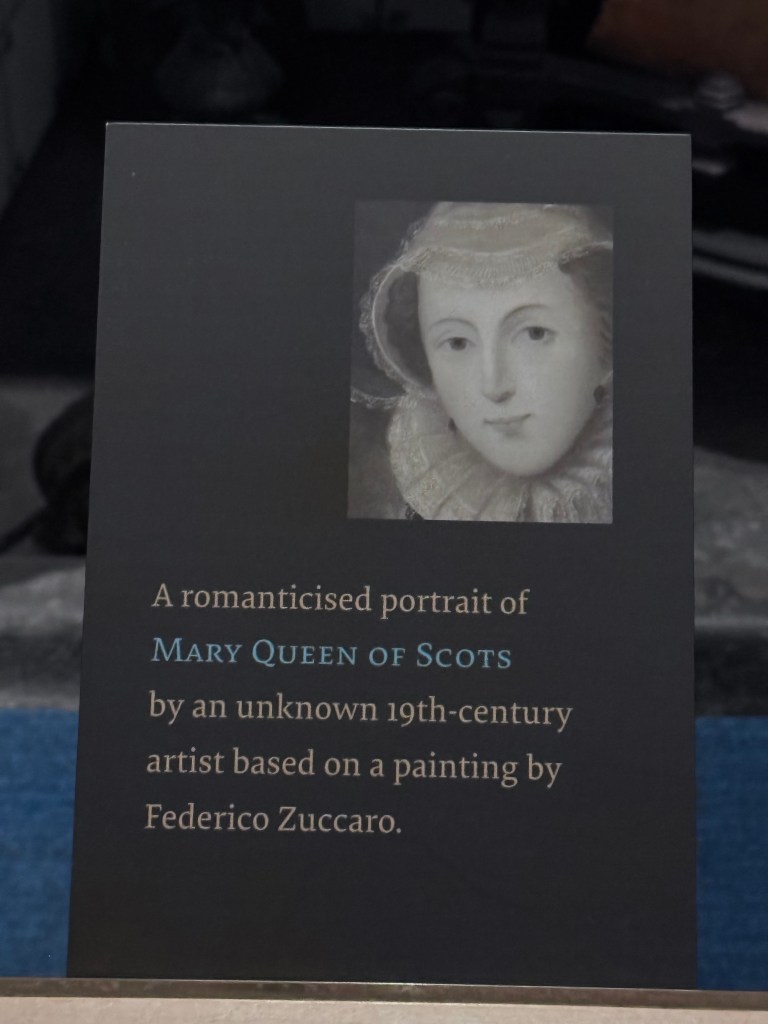
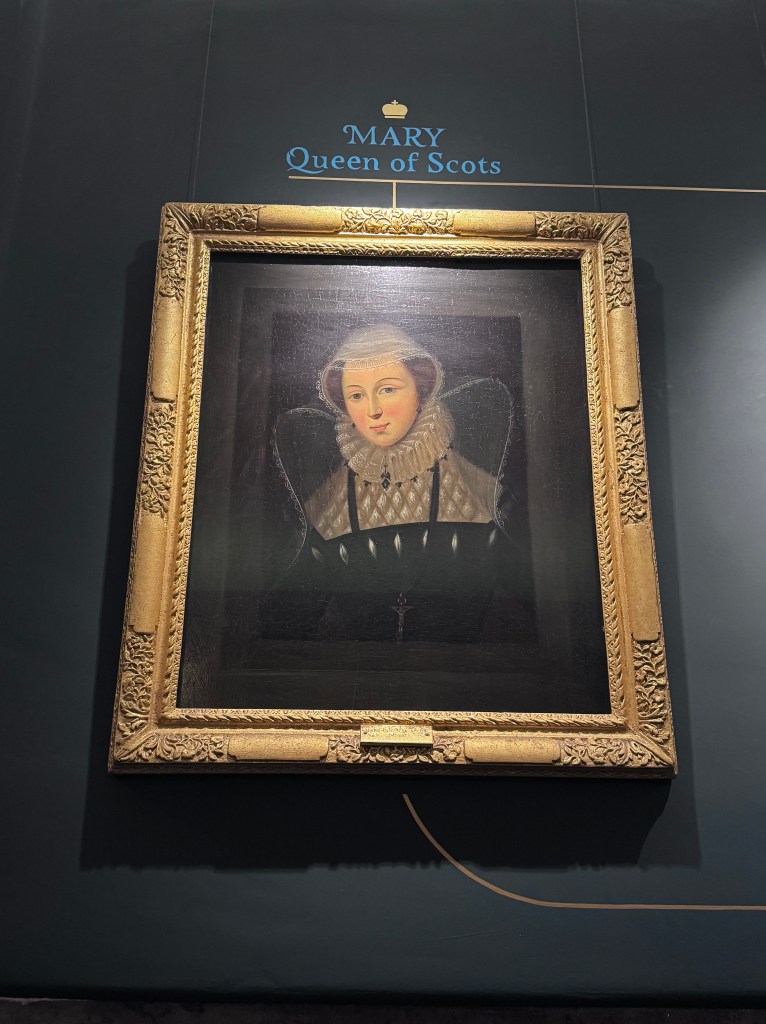
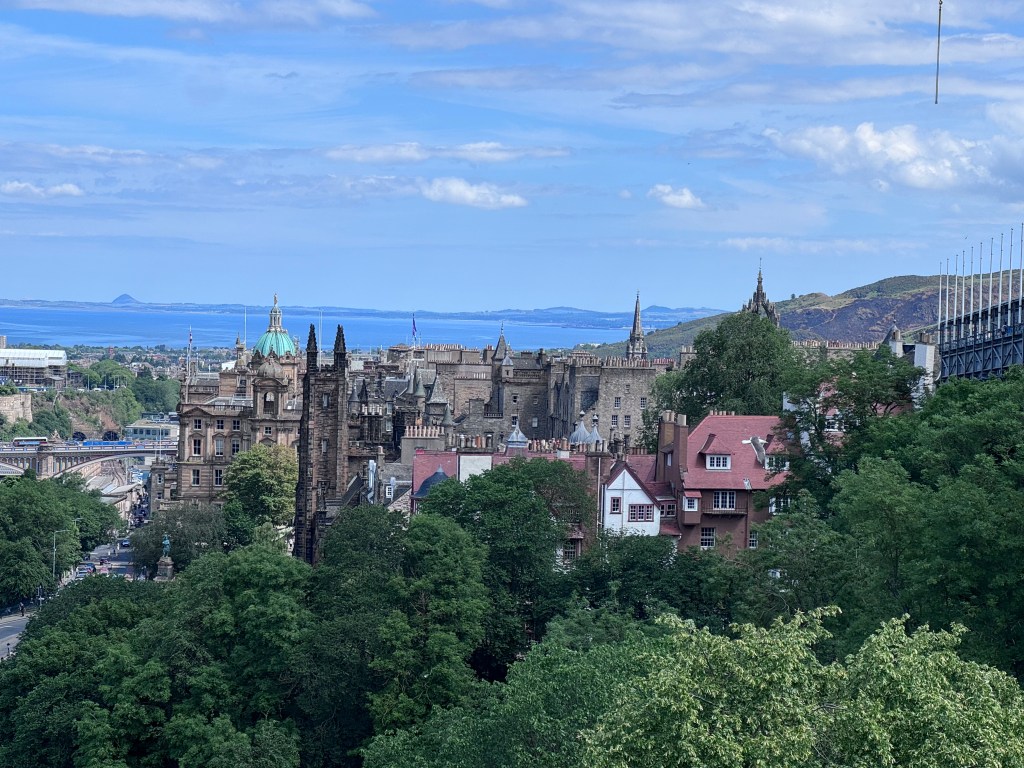
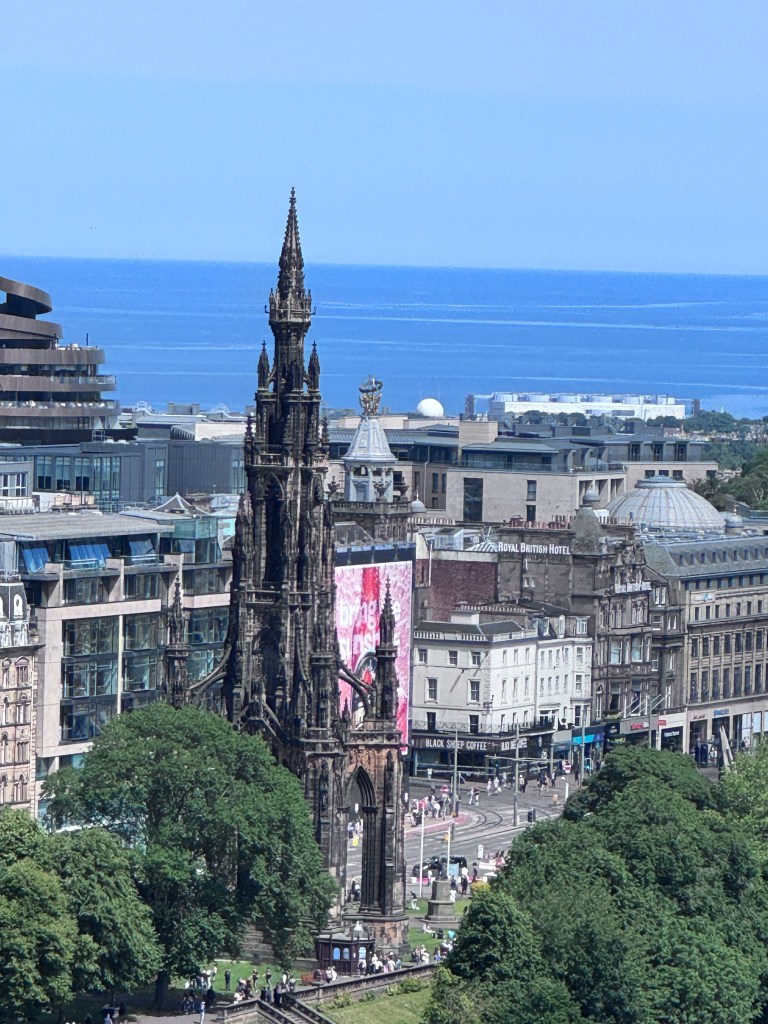
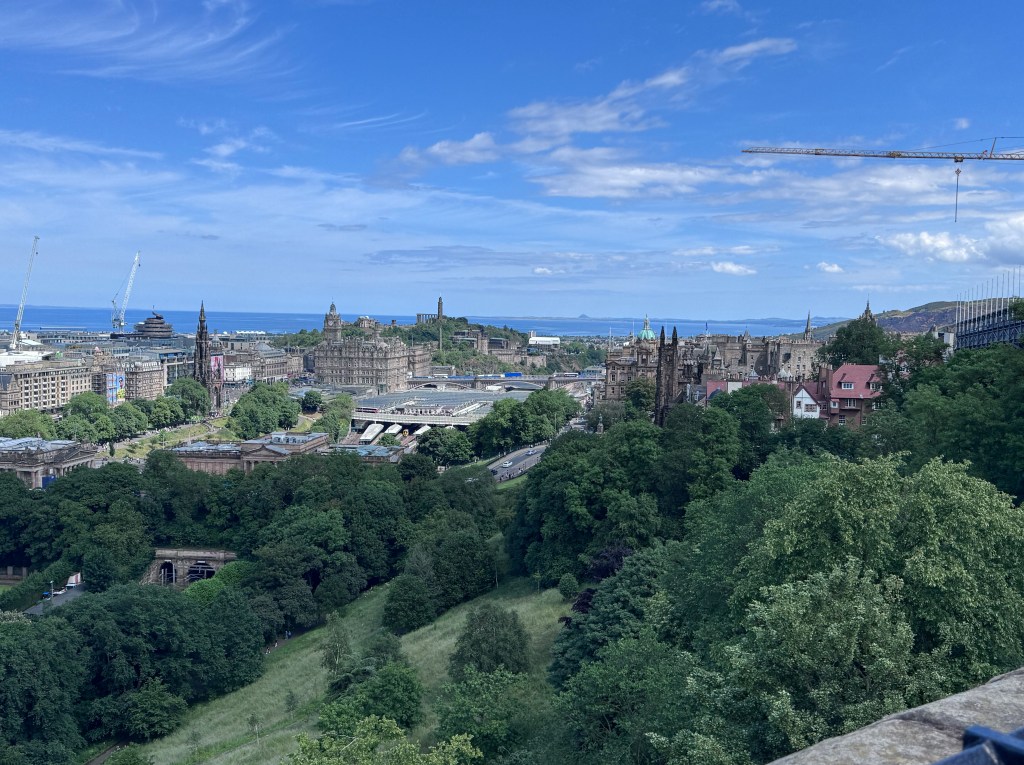
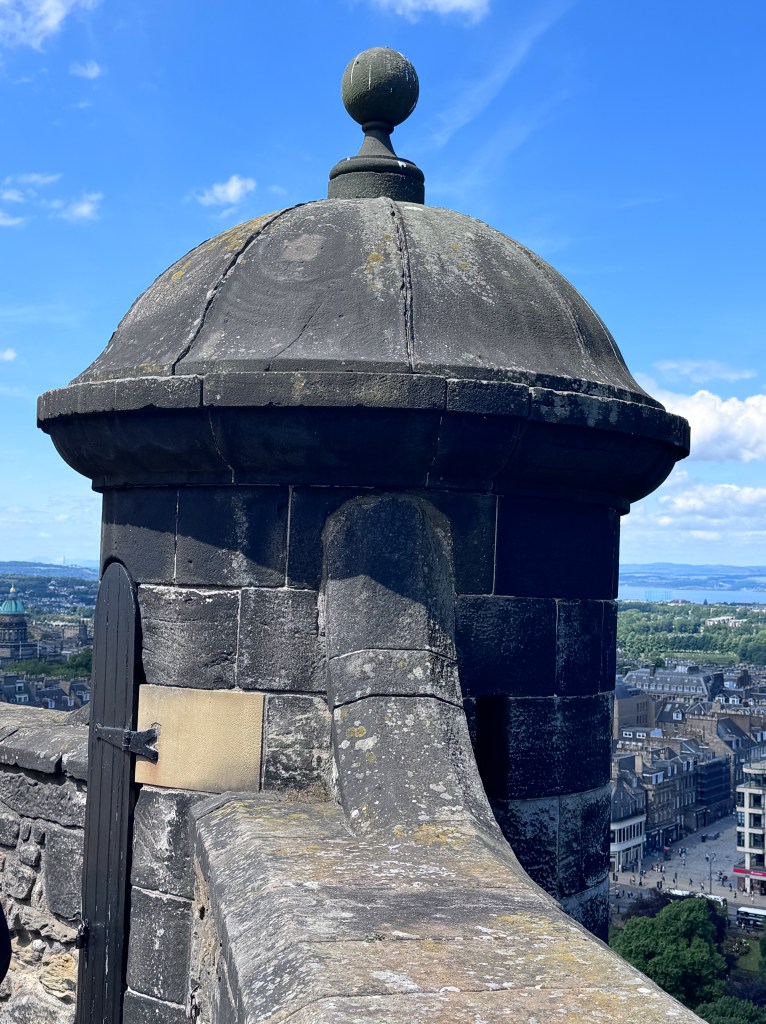
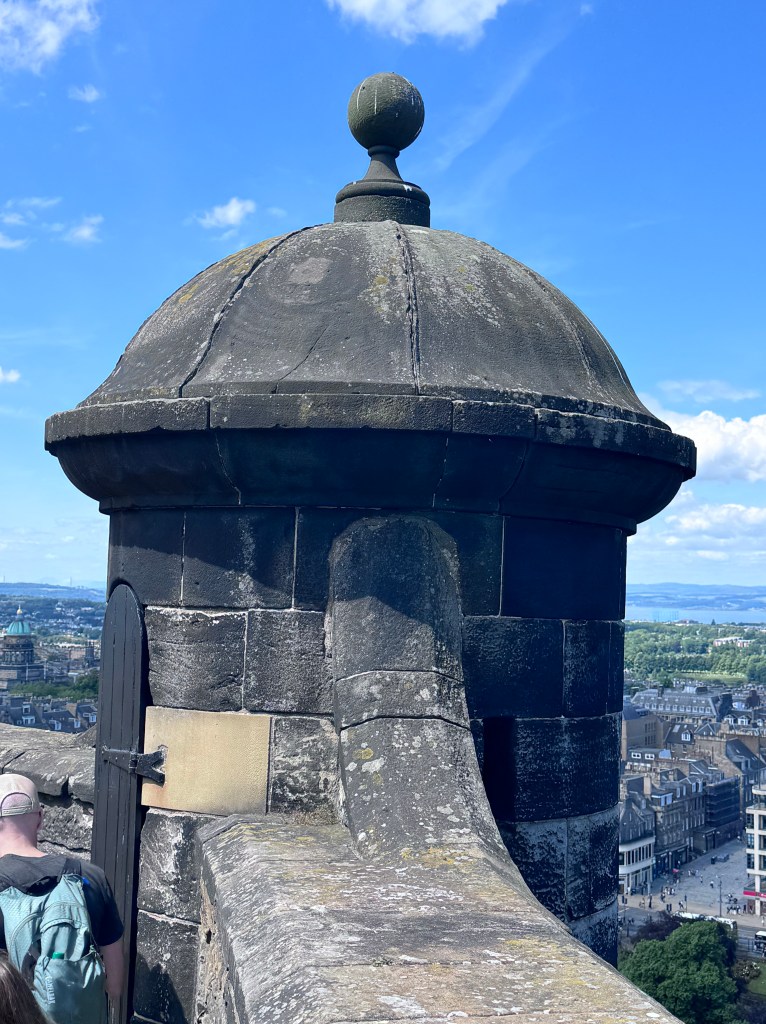
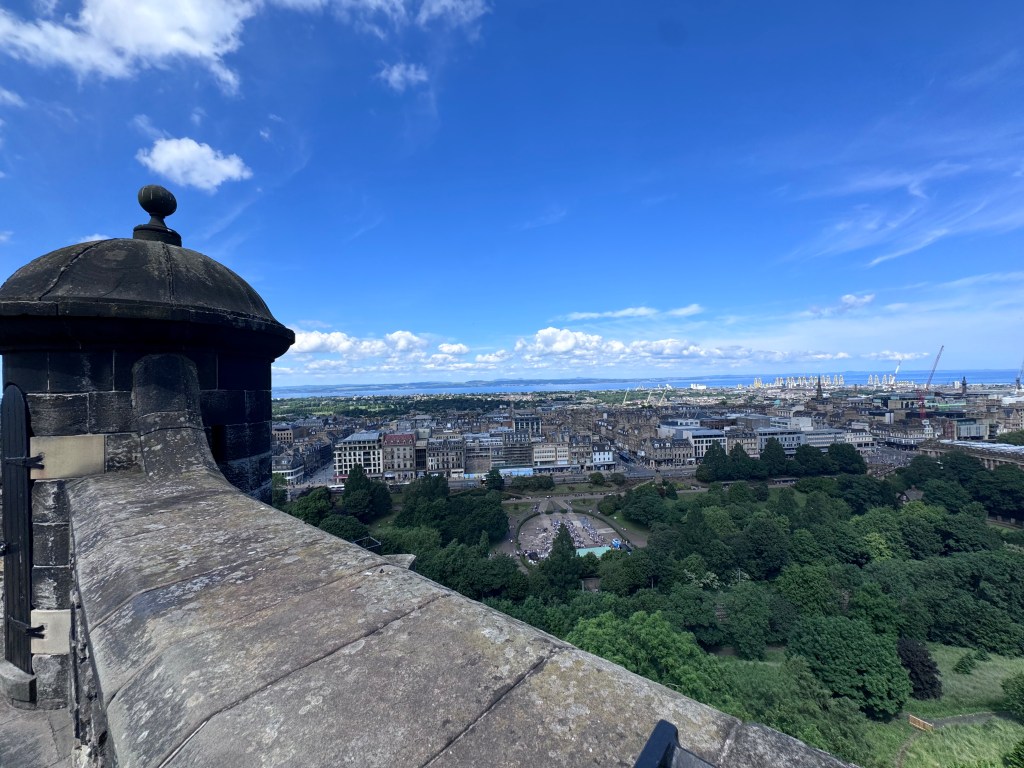
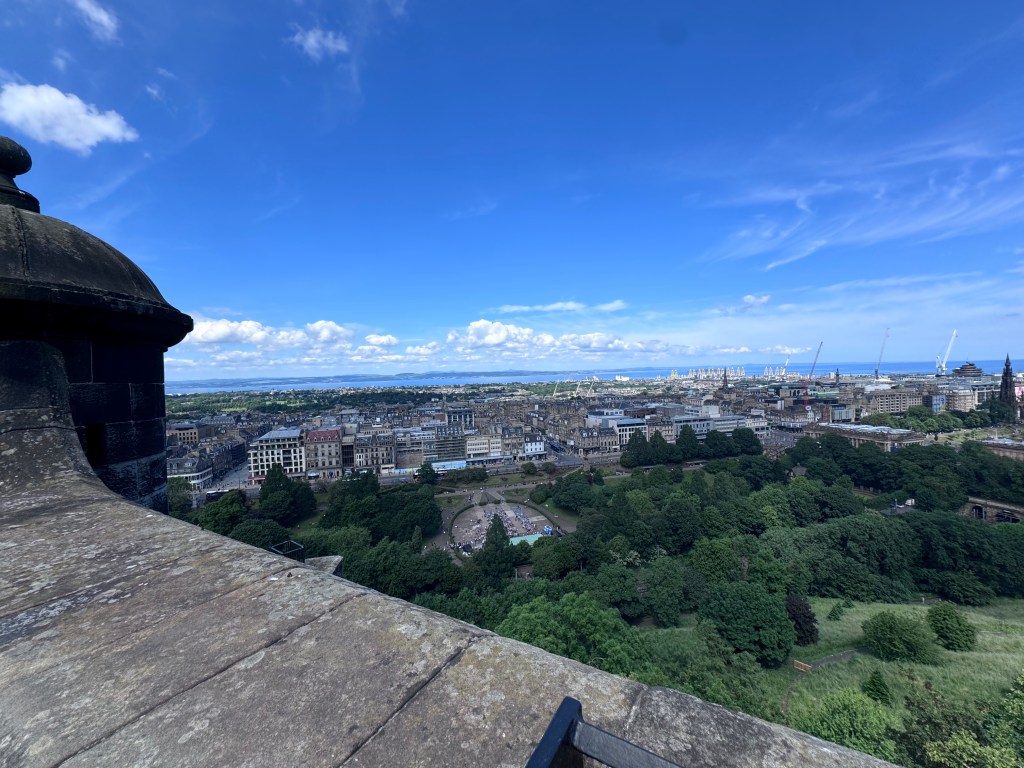
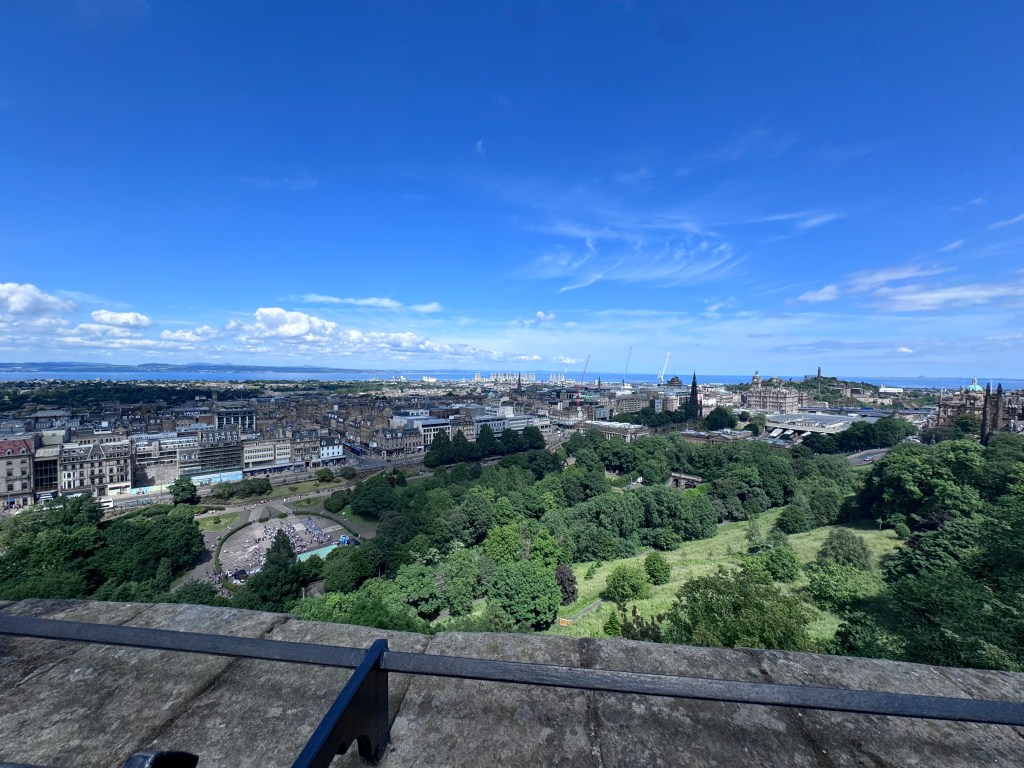
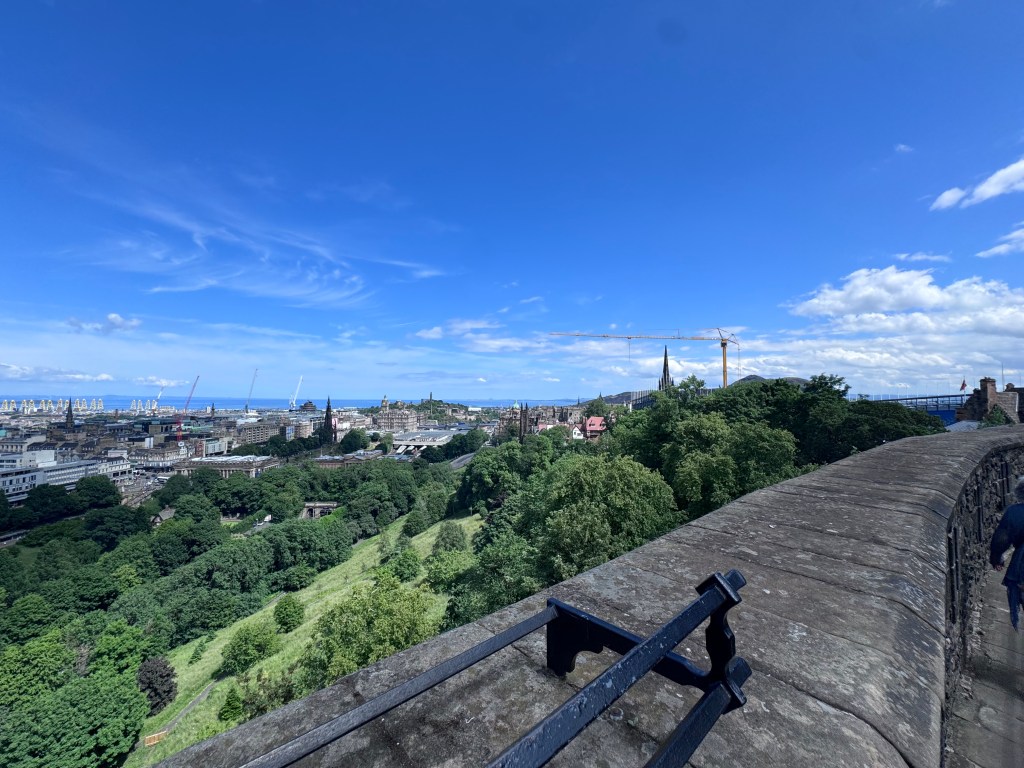
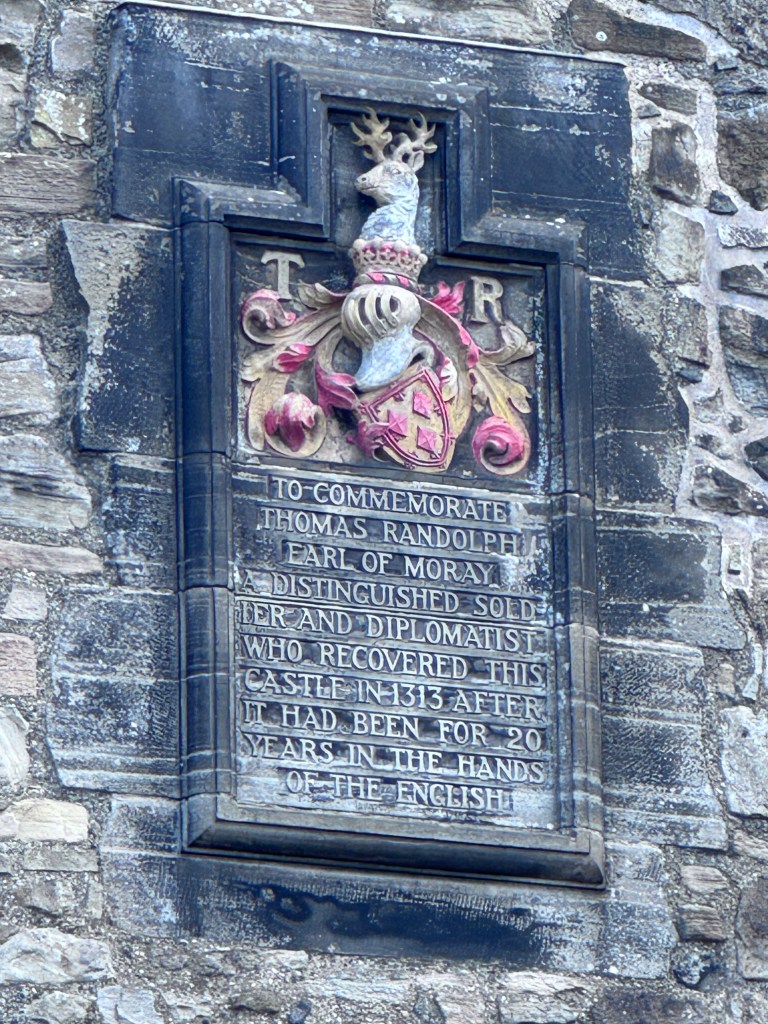
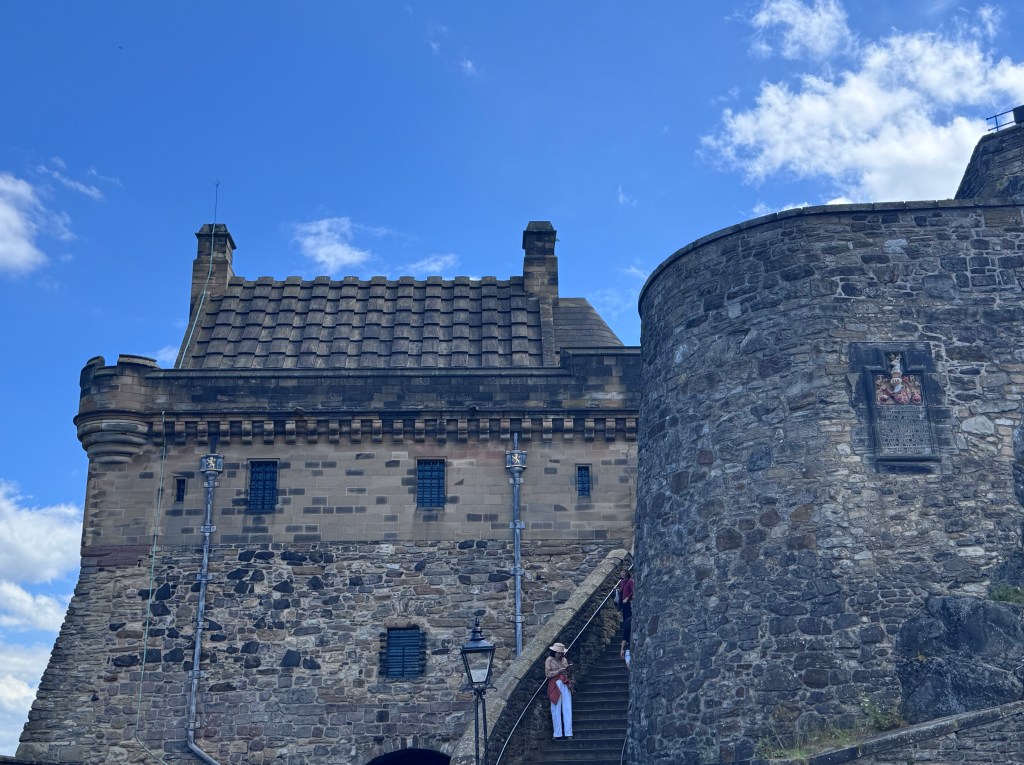
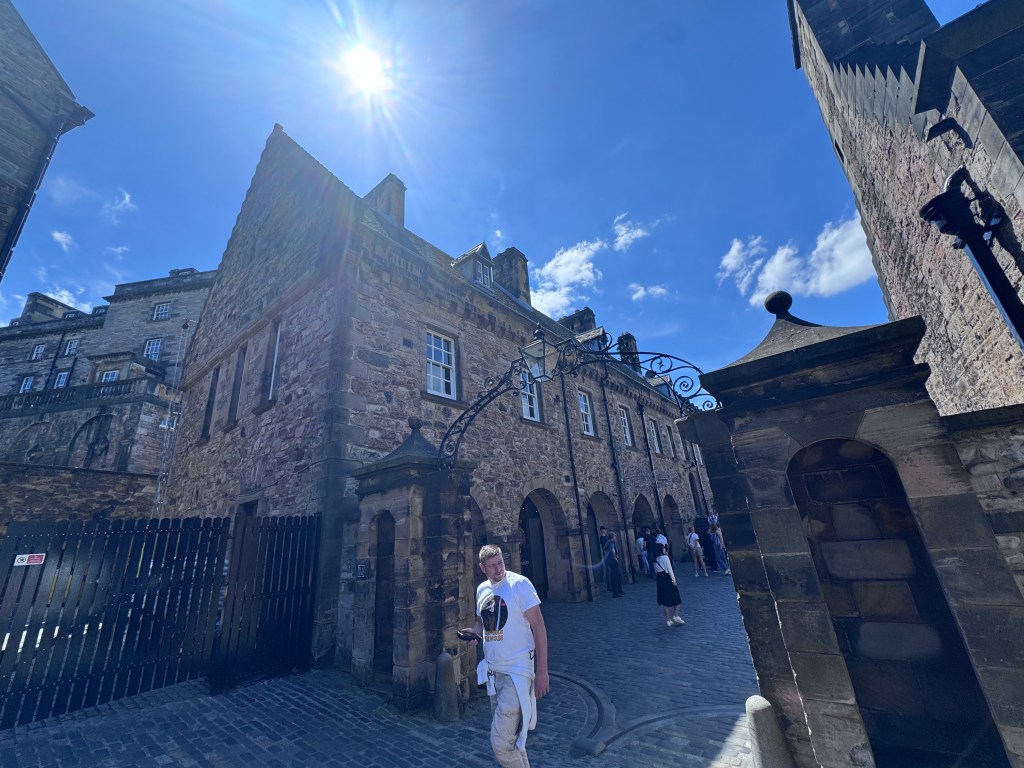
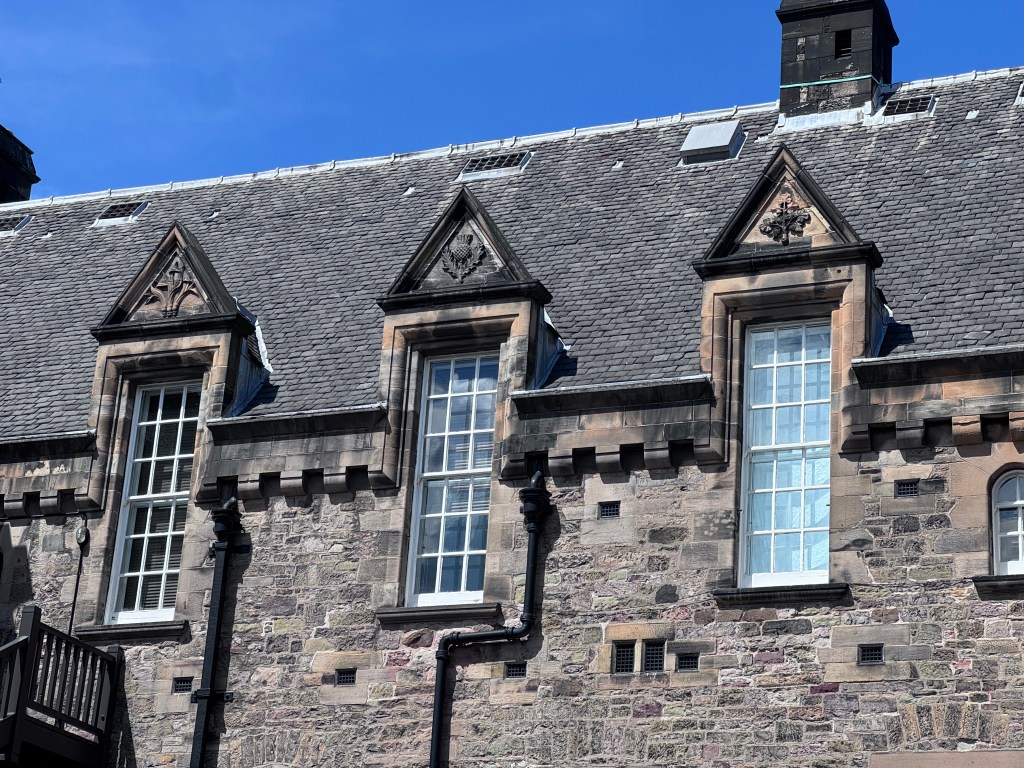
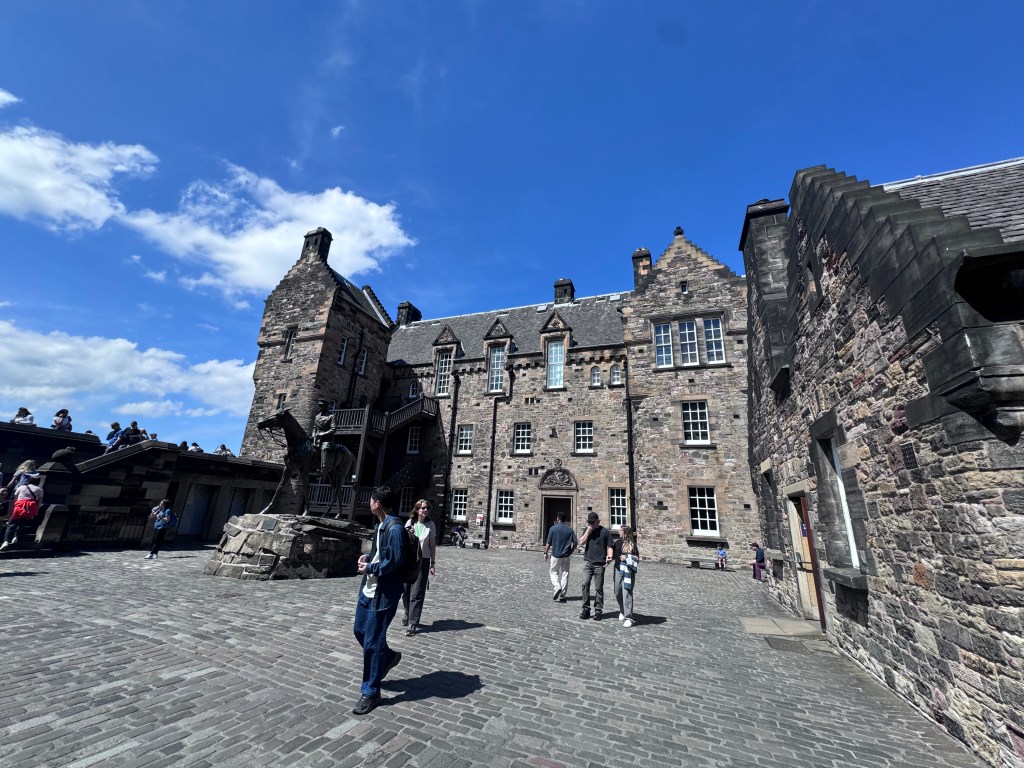
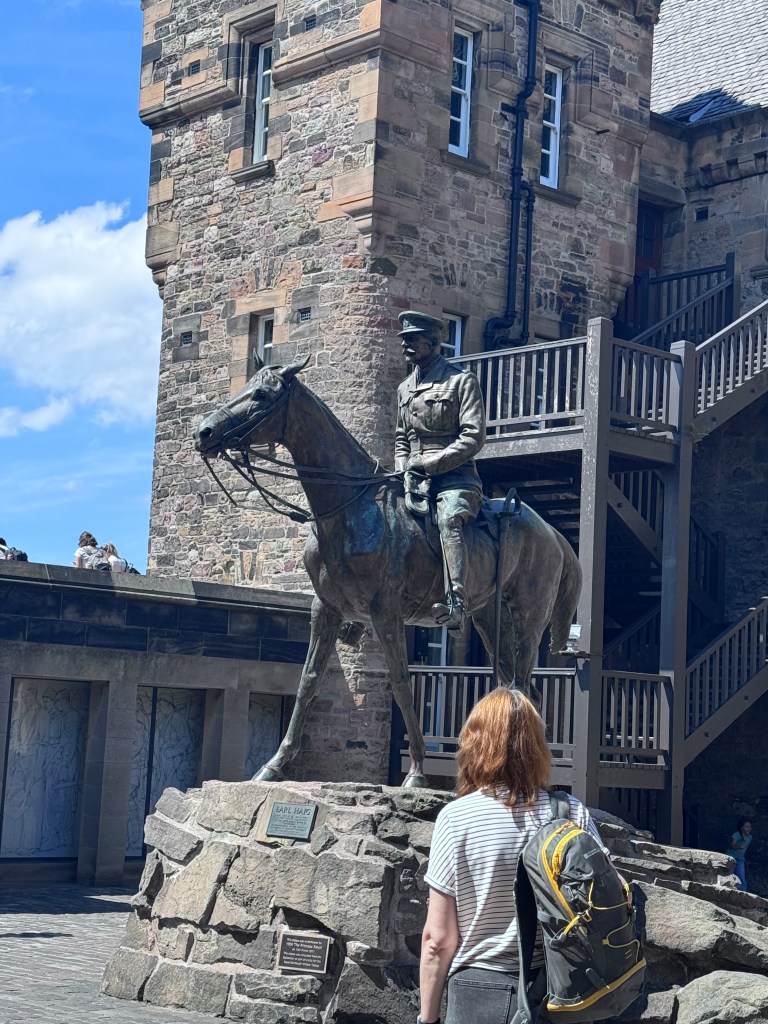
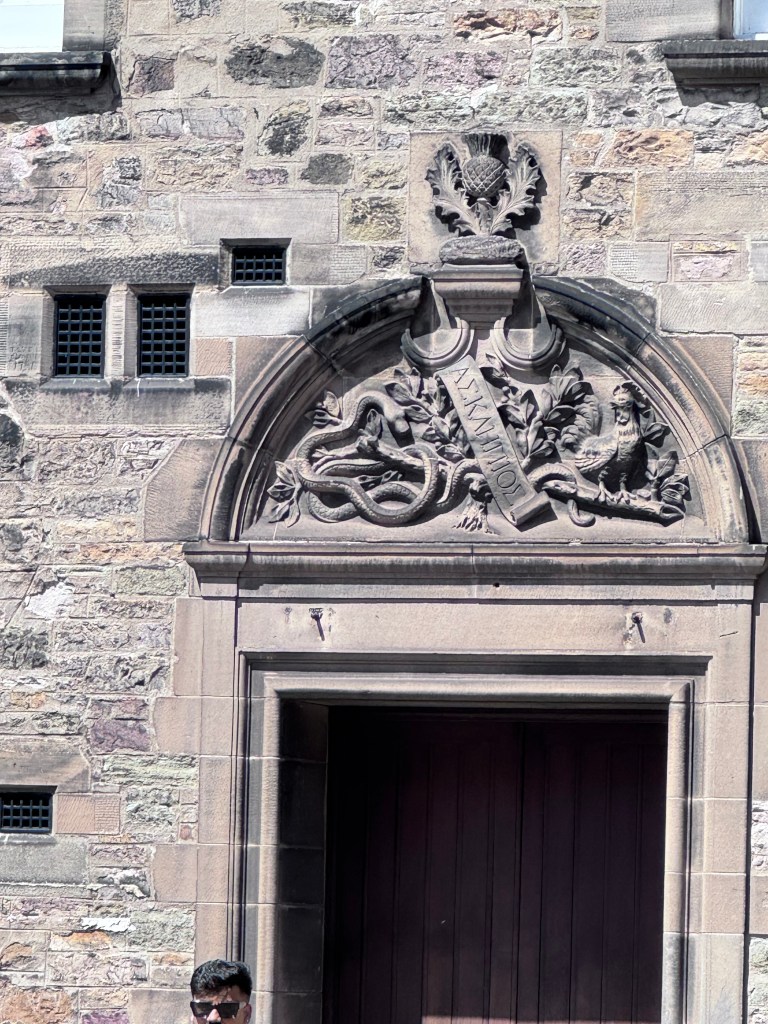
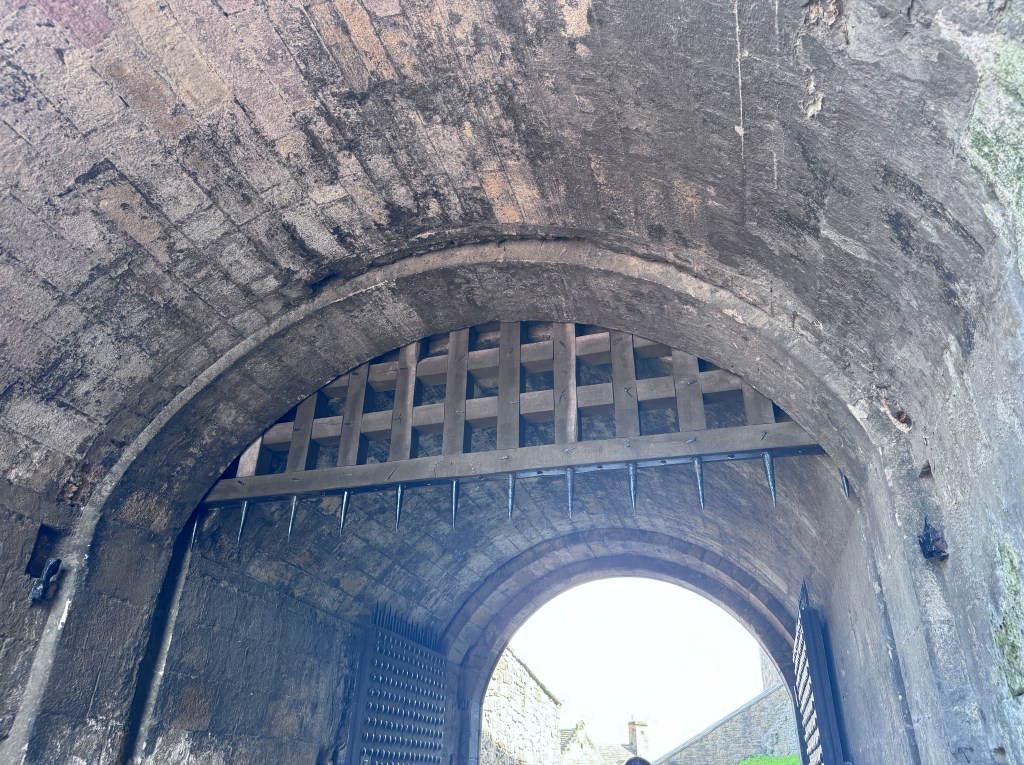
Perched atop an extinct volcano, Edinburgh Castle has watched over Scotland for nearly 900 years. It has served as a royal residence, military fortress, prison, and symbol of Scottish independence. Some of Scotland’s most famous monarchs, including Mary, Queen of Scots, lived within its walls, and the castle has endured countless sieges throughout its remarkable history. Standing on its ancient stone walls while looking across the city, it is easy to understand why this fortress has become one of Scotland’s most recognizable landmarks.

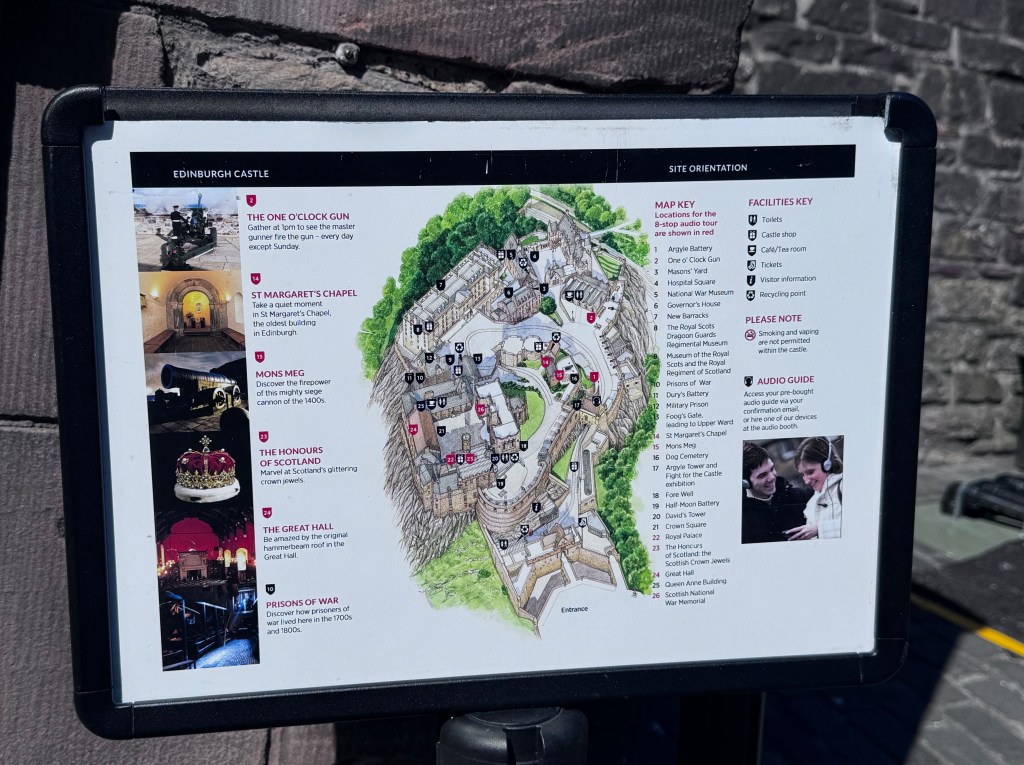
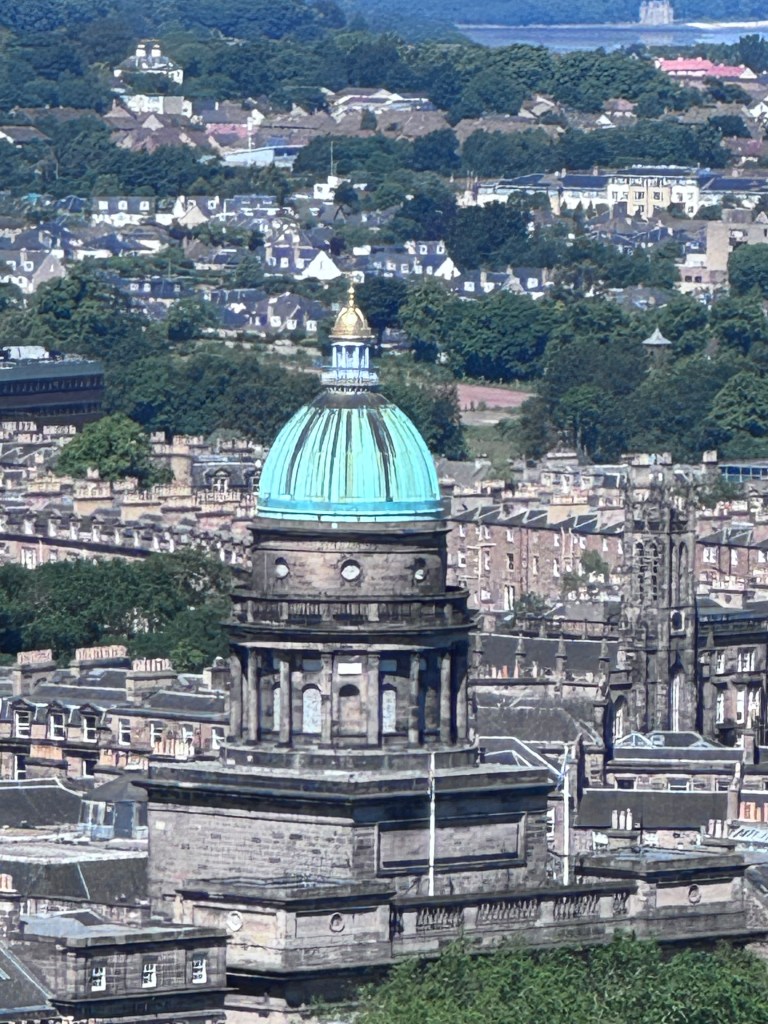
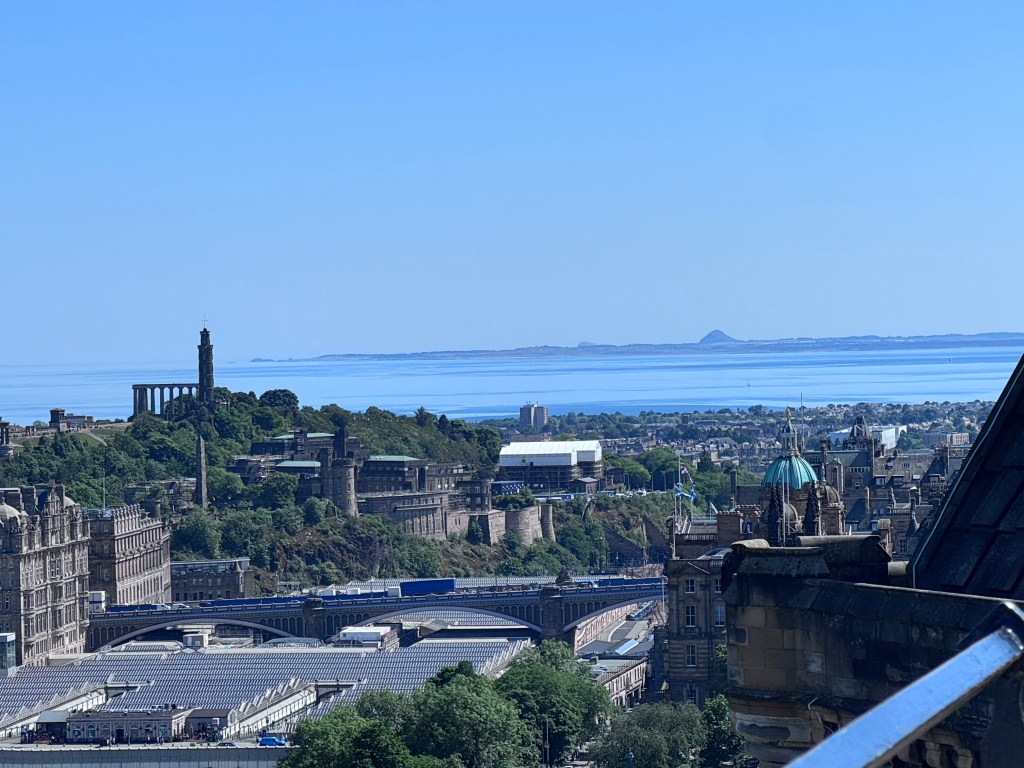
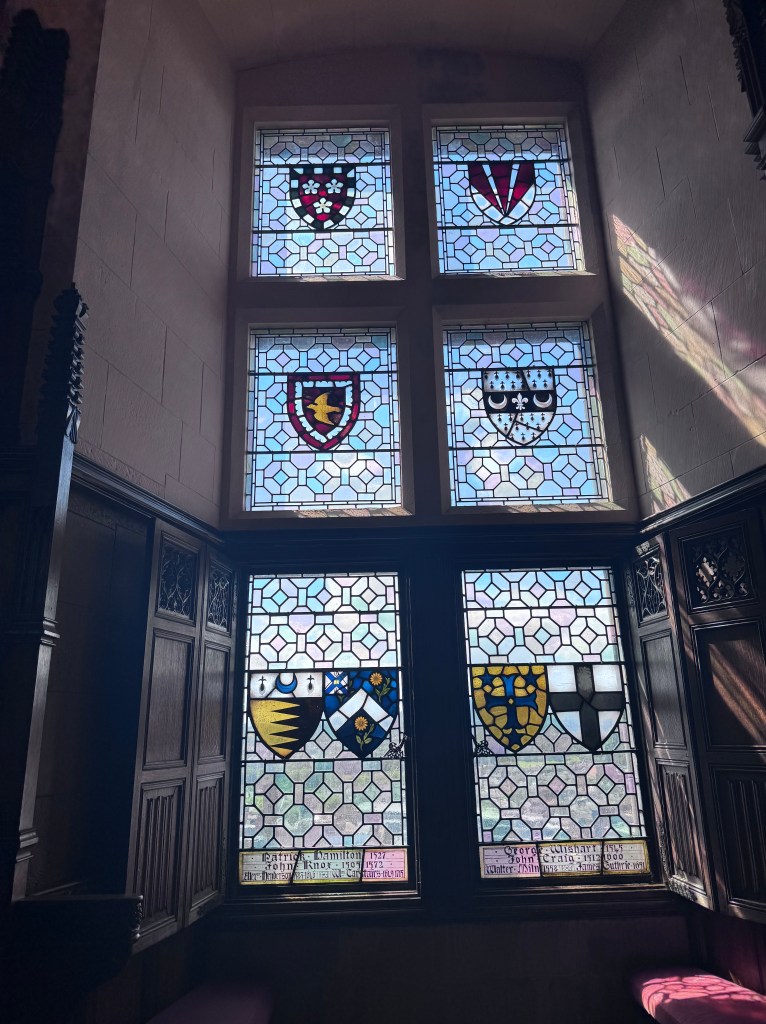
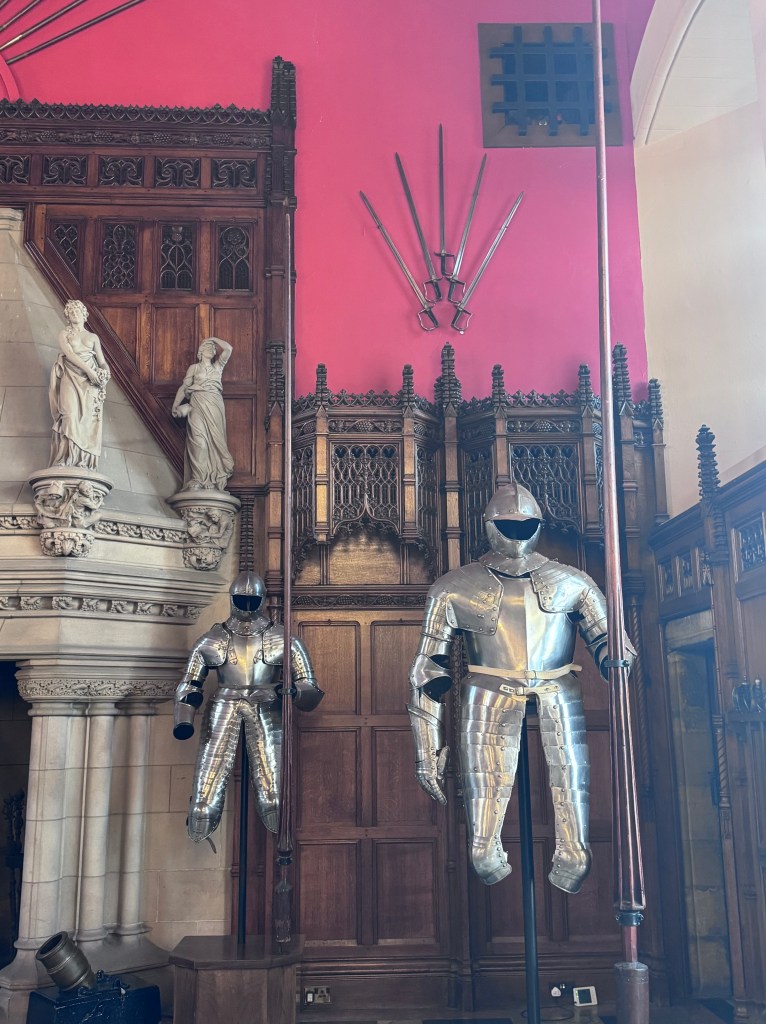
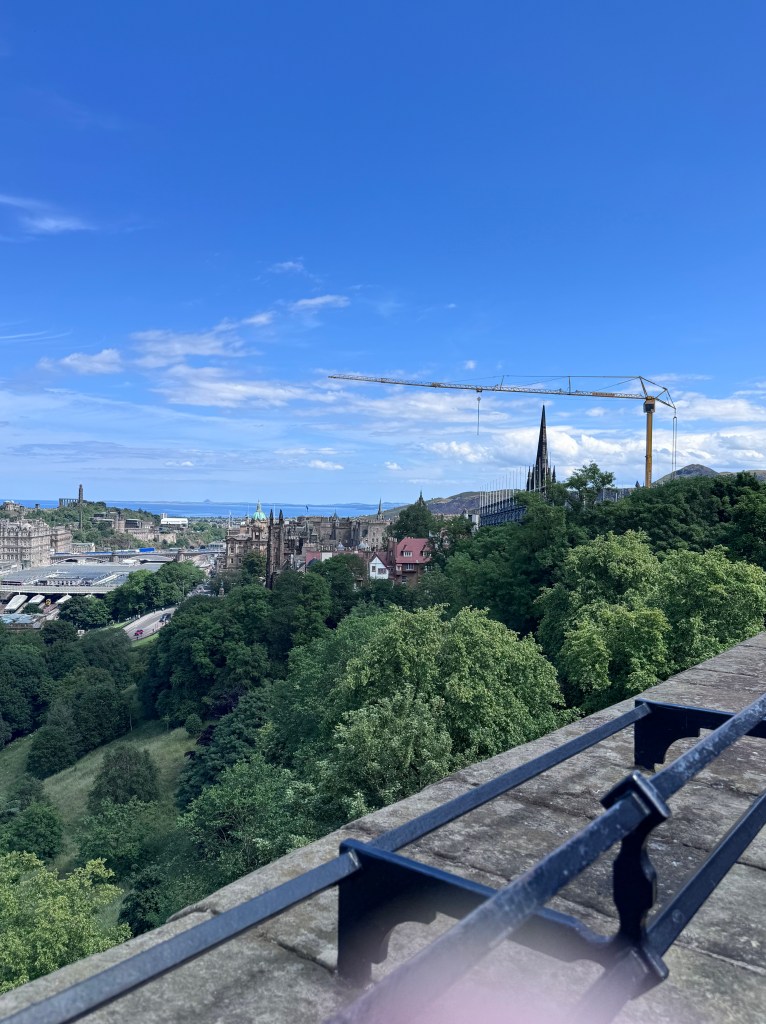
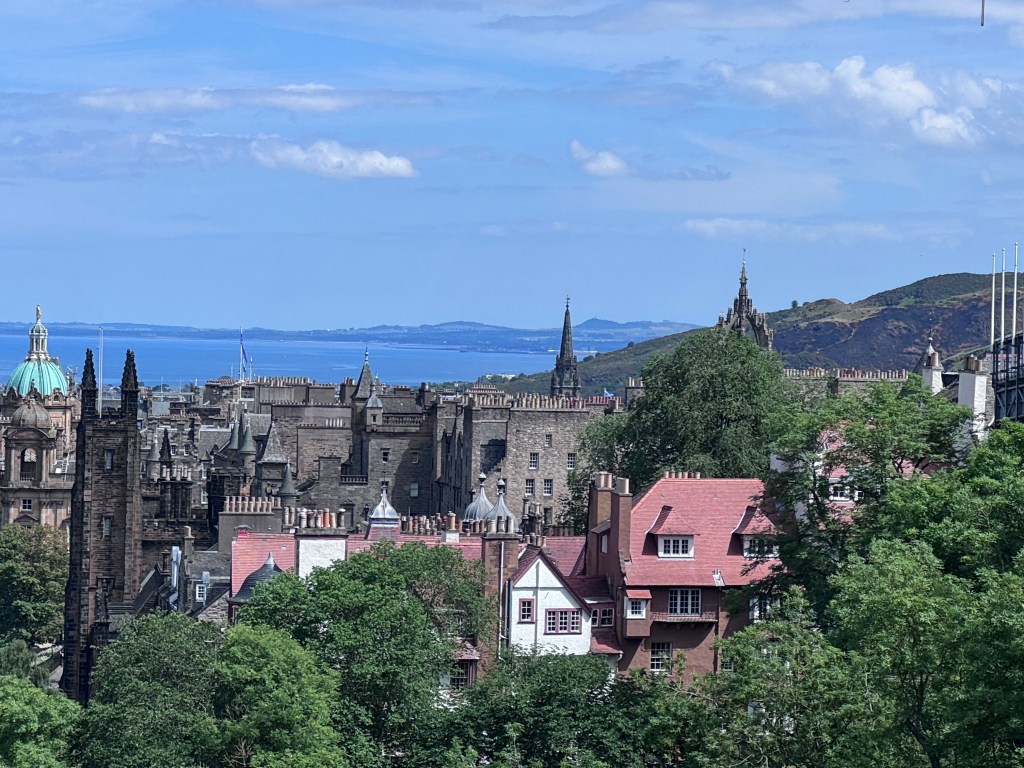
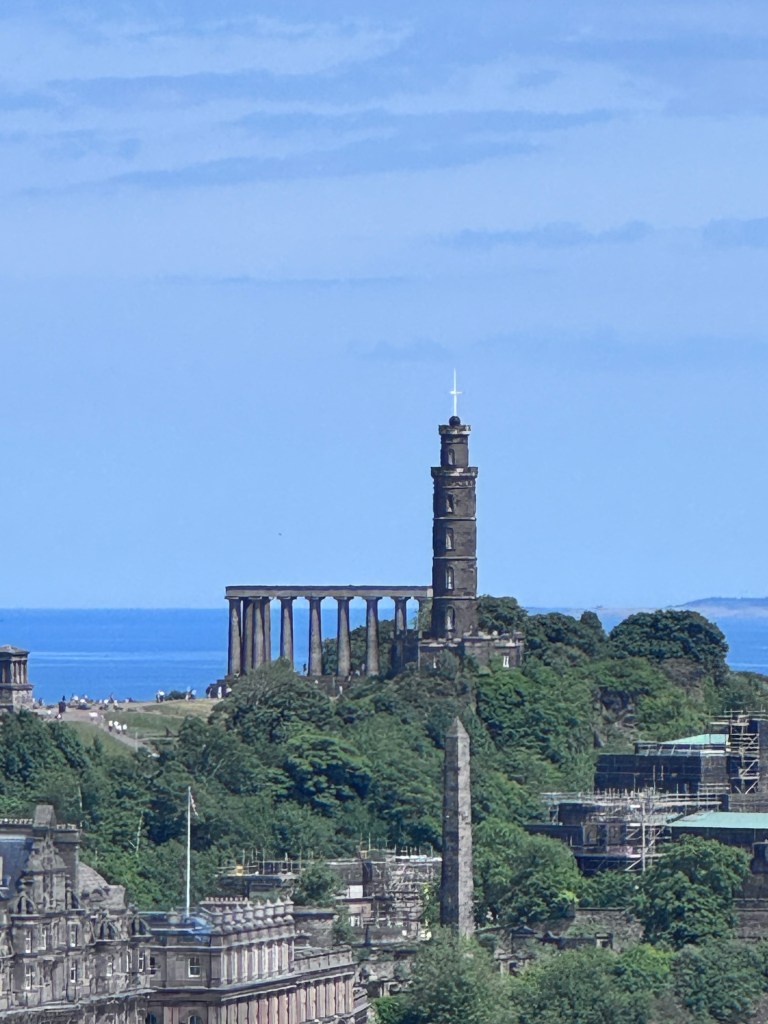
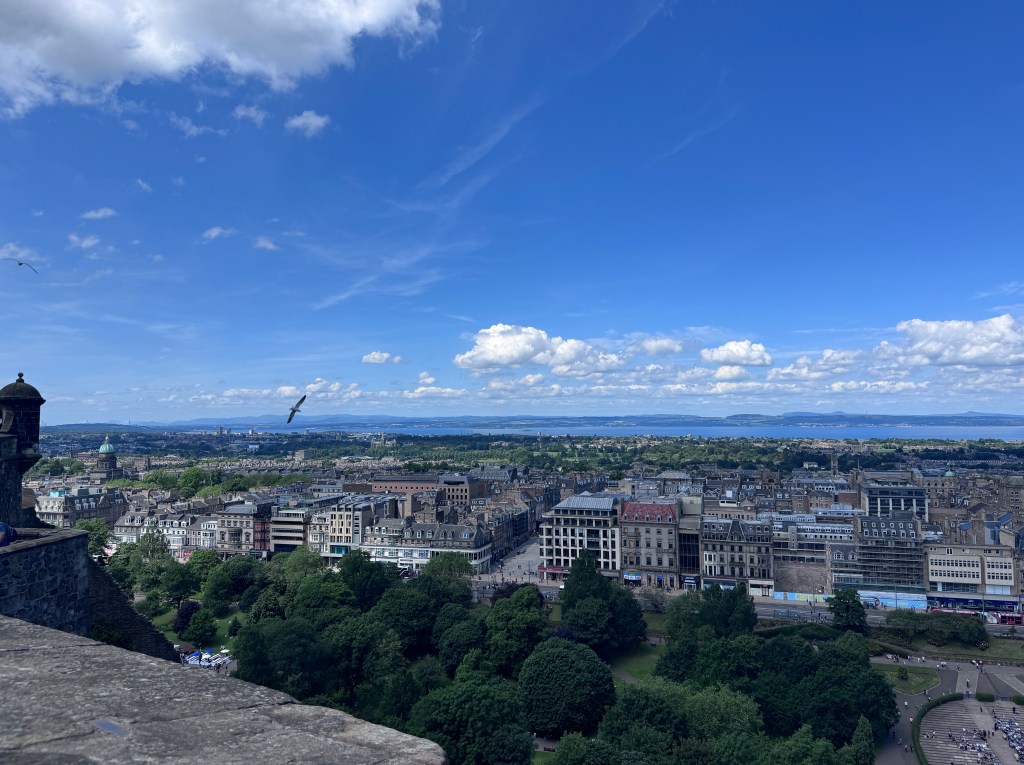
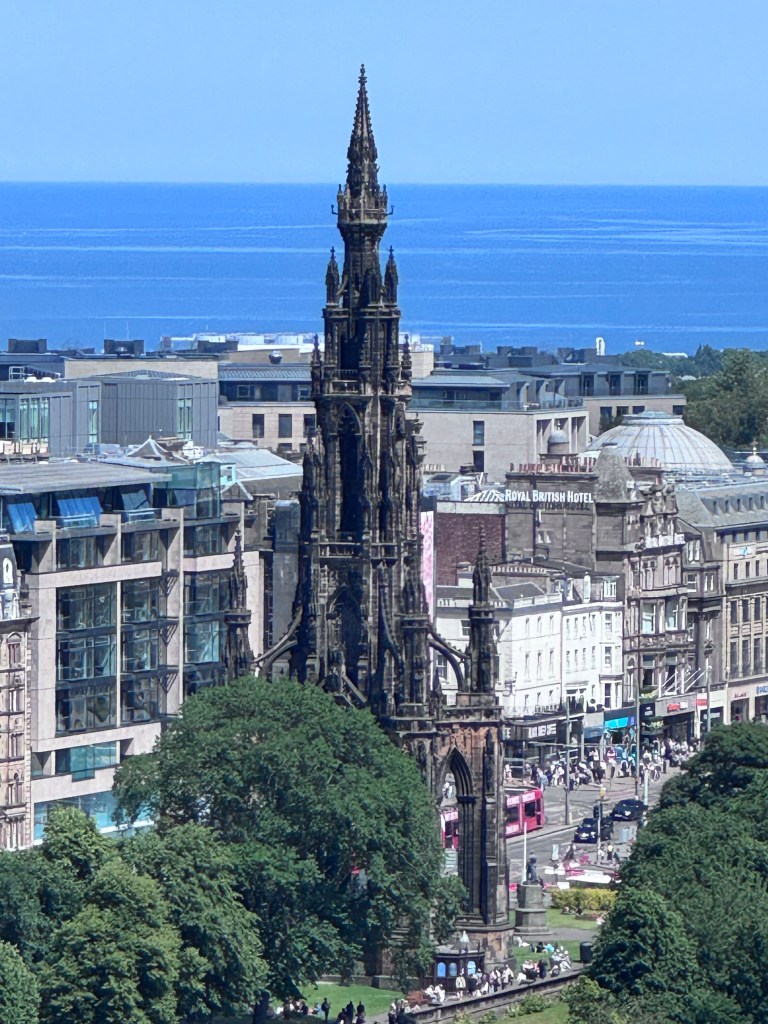
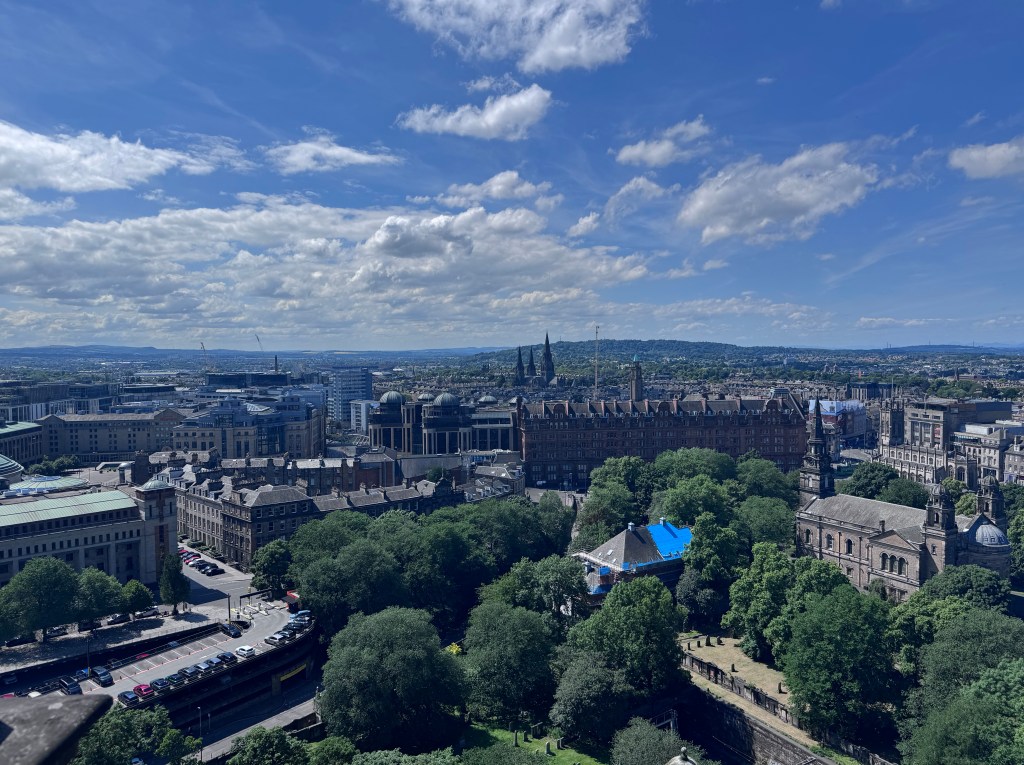
The castle itself is spread across four different levels, each filled with fascinating buildings, museums, monuments, and breathtaking viewpoints overlooking Edinburgh. Everywhere we turned there seemed to be another incredible view of the city below. The architecture and engineering of the fortress are simply remarkable.

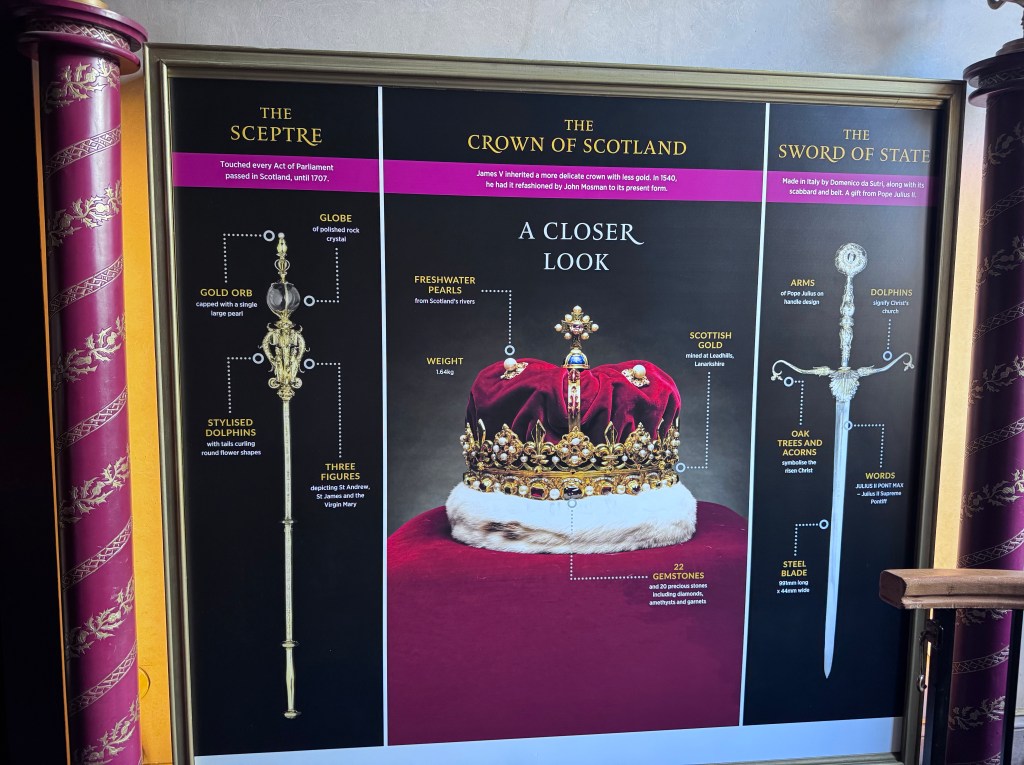
One place we absolutely wanted to visit was the Crown Room to see the Honours of Scotland—the Crown, Sceptre, and Sword of State. These are the oldest Crown Jewels in Britain and remain priceless symbols of Scotland’s history. The gold crown, adorned with precious gems, was created for King James V and first worn in 1540. Mary, Queen of Scots, became the first monarch to be crowned using both the crown and sceptre together in 1543. During Oliver Cromwell’s invasion, the Honours were secretly hidden to keep them from falling into enemy hands. After the 1707 Act of Union, they were locked away and forgotten until the famous author Sir Walter Scott rediscovered them in 1818.
There was an enormous line waiting to enter the Crown Room, but once again accessibility made all the difference. We were told to find a staff member wearing a black shirt and name tag. Because Kiya uses a wheelchair and could not navigate the stairs, they escorted us to an elevator that brought us directly behind the Crown Jewels exhibit. We were able to take our time, quietly admire the treasures without feeling rushed, and then they escorted us back down the lift.
No matter how many words I try to use, they simply don’t do justice to what we saw. The crown and sceptre were mind-blowingly beautiful—majestic, exquisite, and unlike anything I have ever seen. The brilliance of the jewels, the rich colors, and the incredible craftsmanship made them feel almost unreal. It was one of those moments that photographs simply cannot capture. I feel incredibly fortunate to have seen them in person.
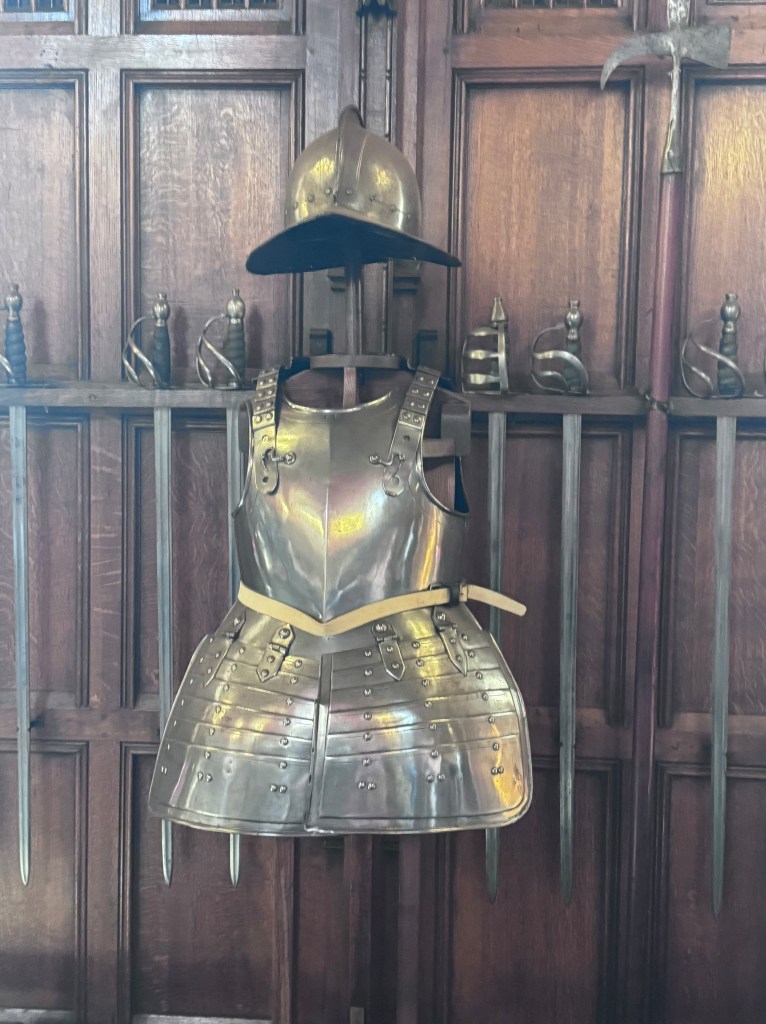
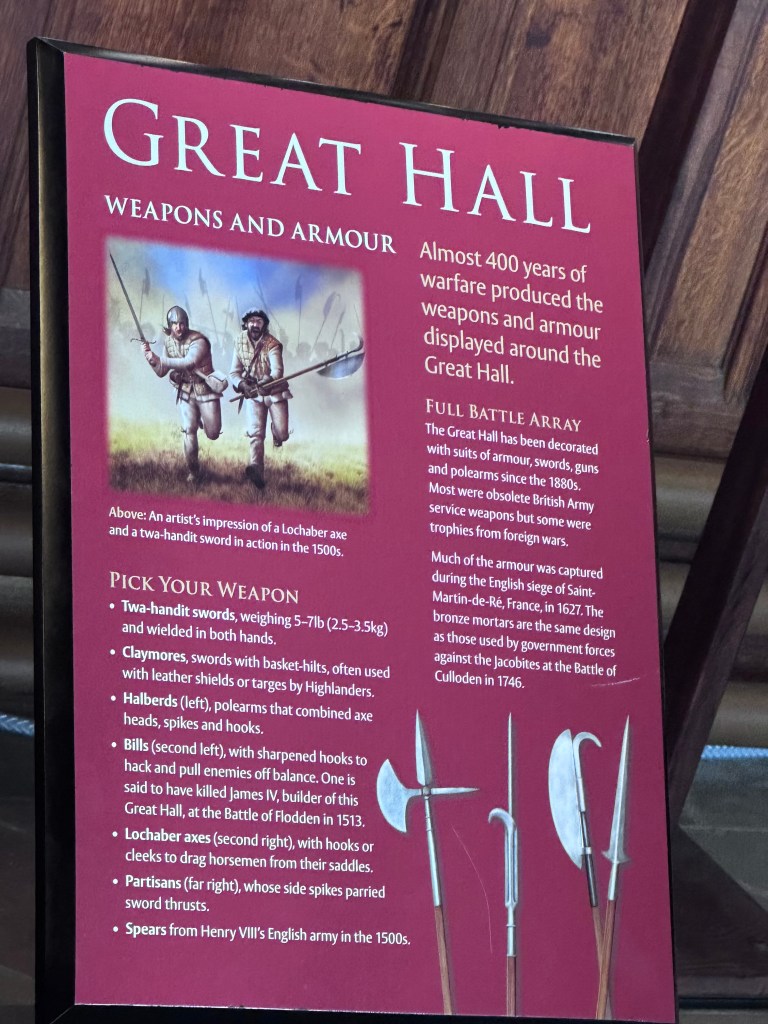
We continued wandering through the castle grounds, and Kiya had a wonderful day. We also visited the National War Museum of Scotland. It was filled with fascinating military history, although the close crowds inside made Kiya quickly decide she was ready to move on. Sometimes that’s just how traveling goes!

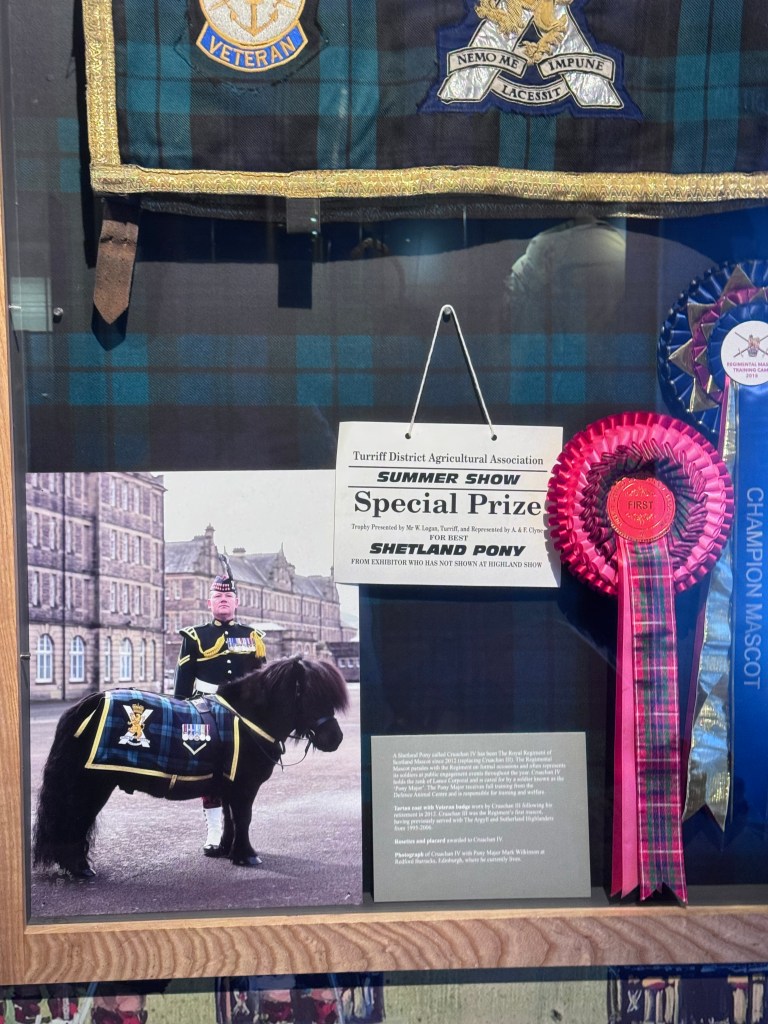
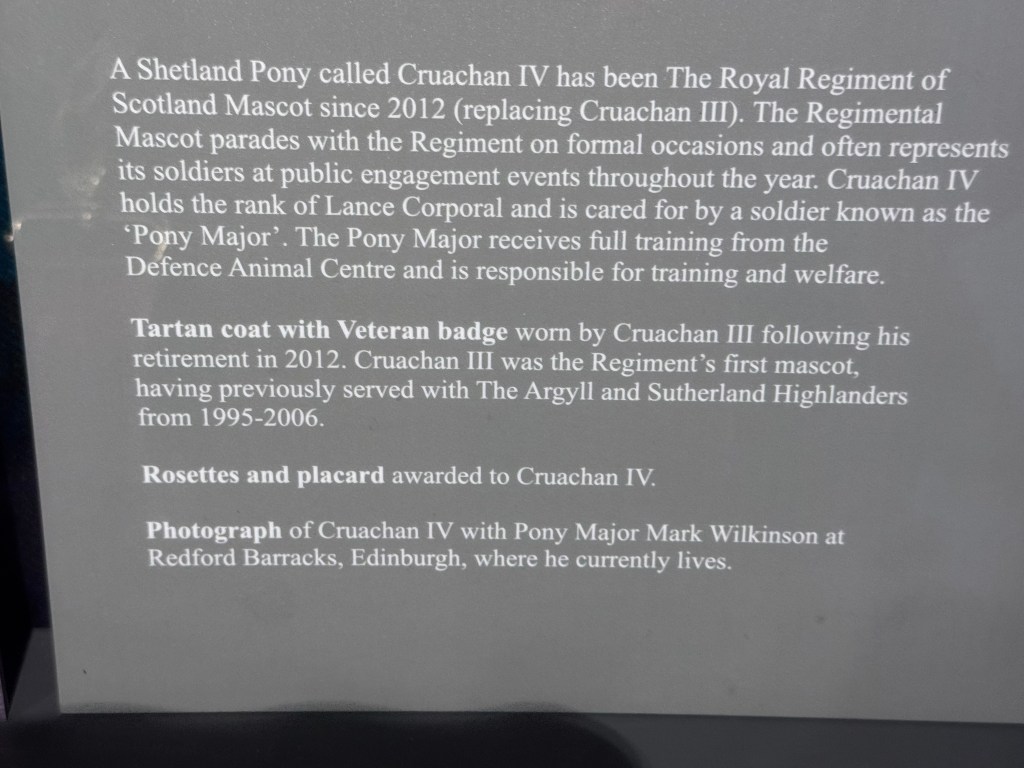
One fun surprise during my very quick walk through the museum was finding information about Sergeant Shetland, the miniature horse whose military service we had learned about while visiting Dundee. It was completely unexpected and made me smile to see another connection between our adventures across Scotland.

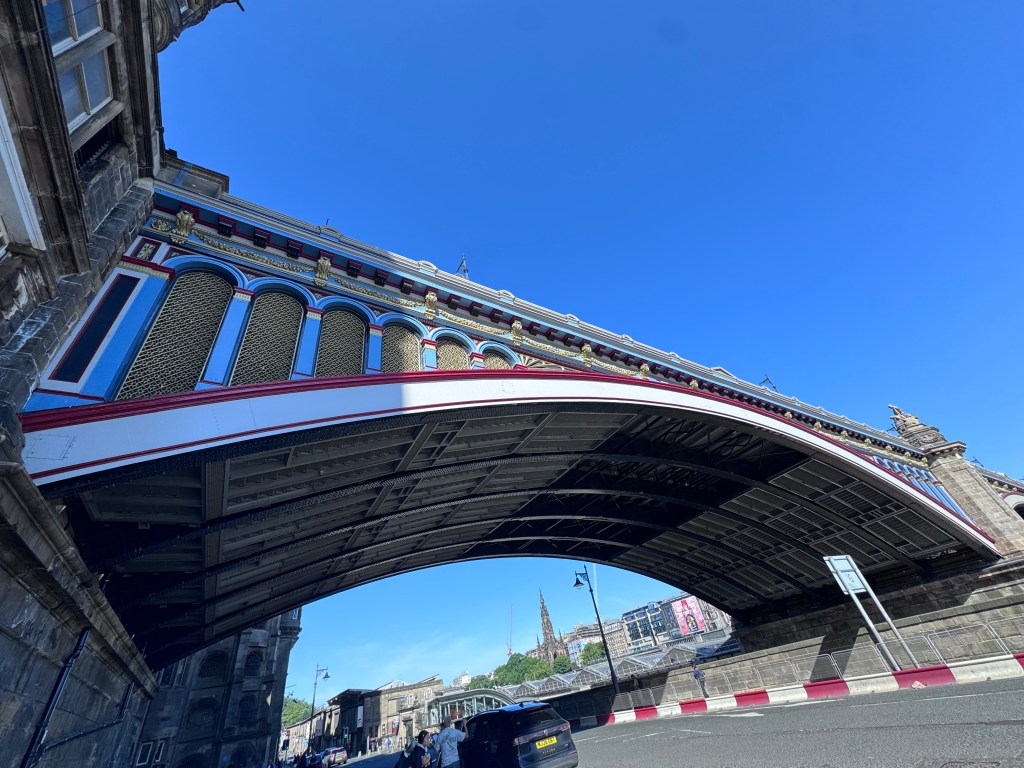
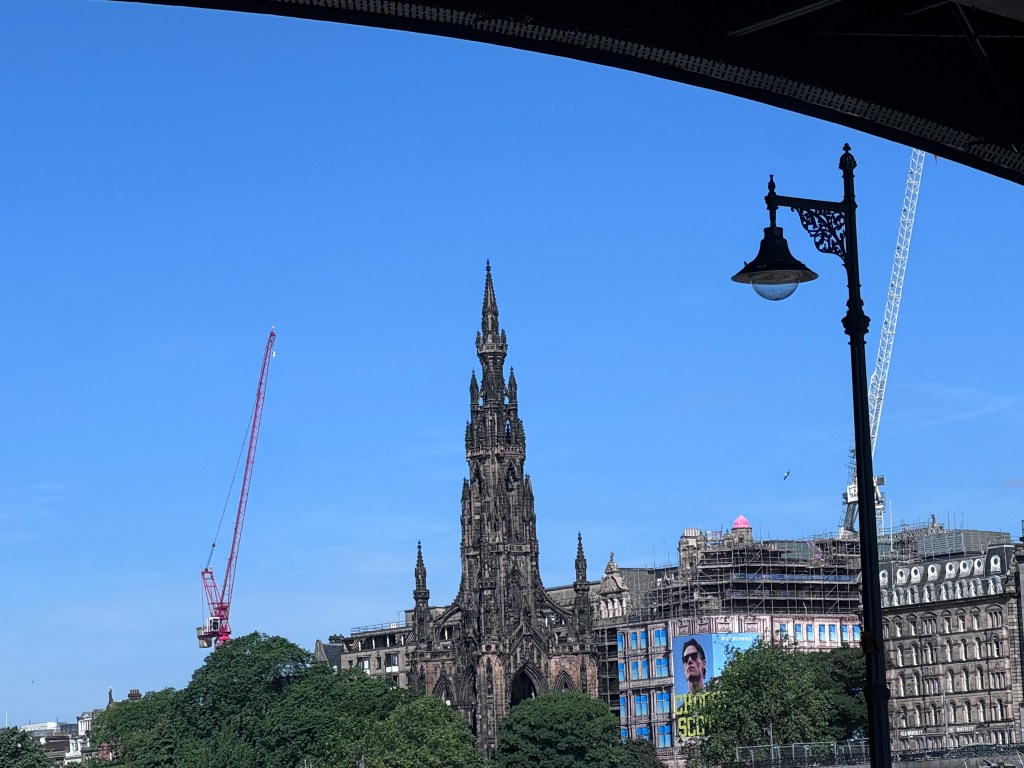
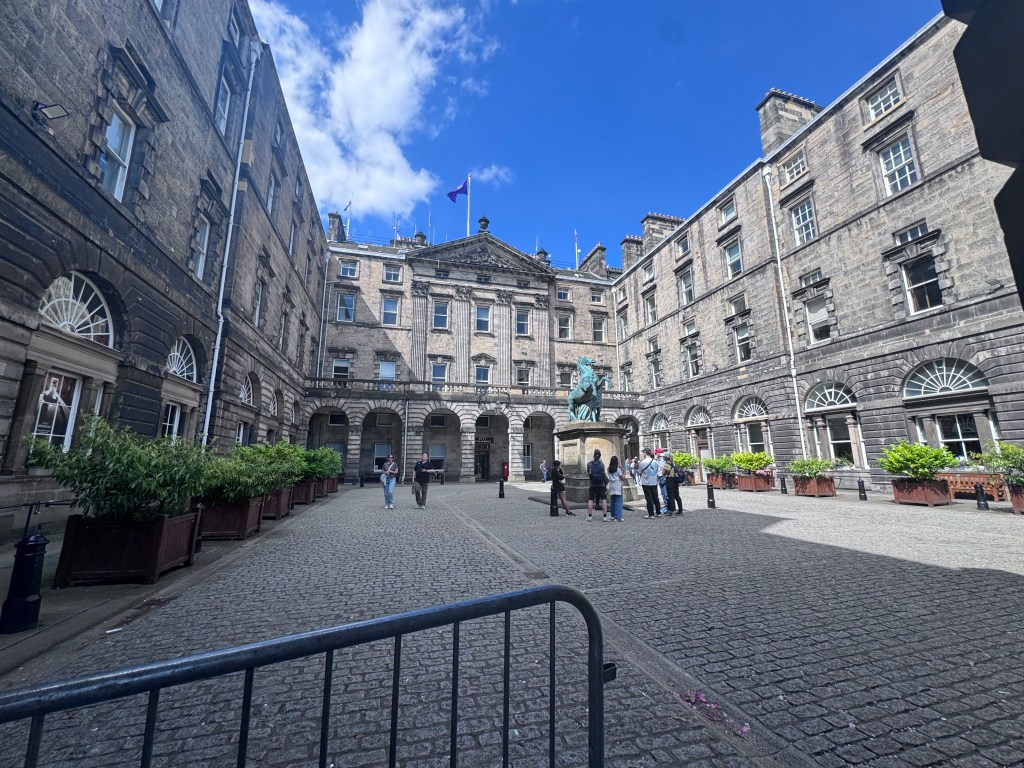
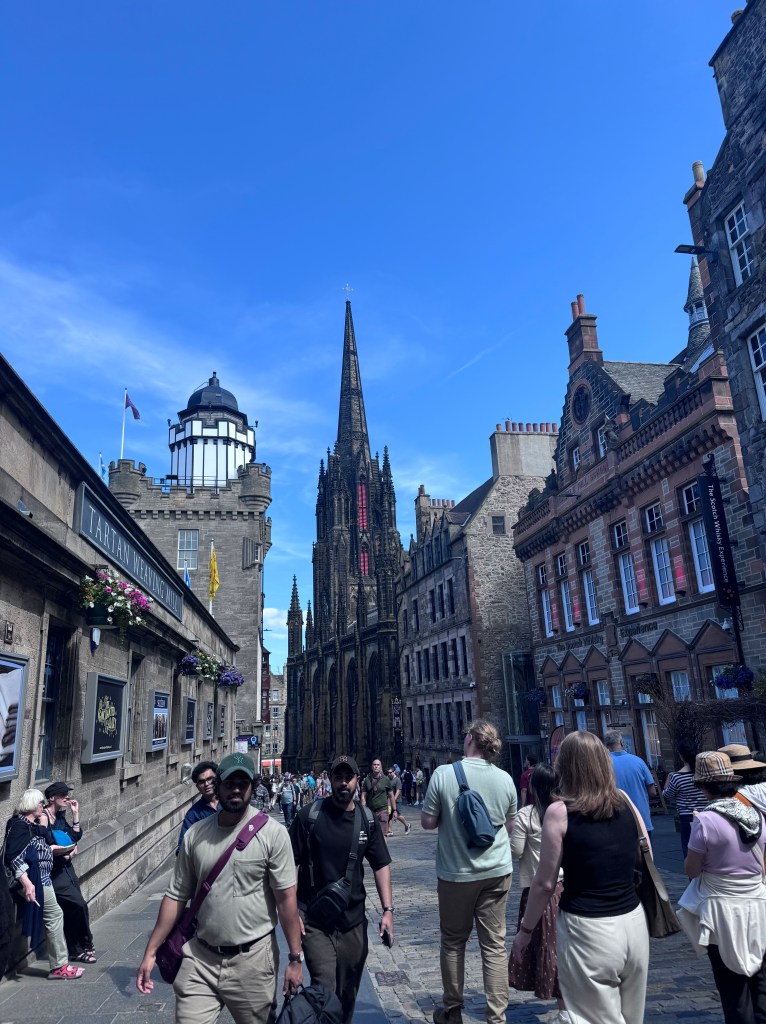
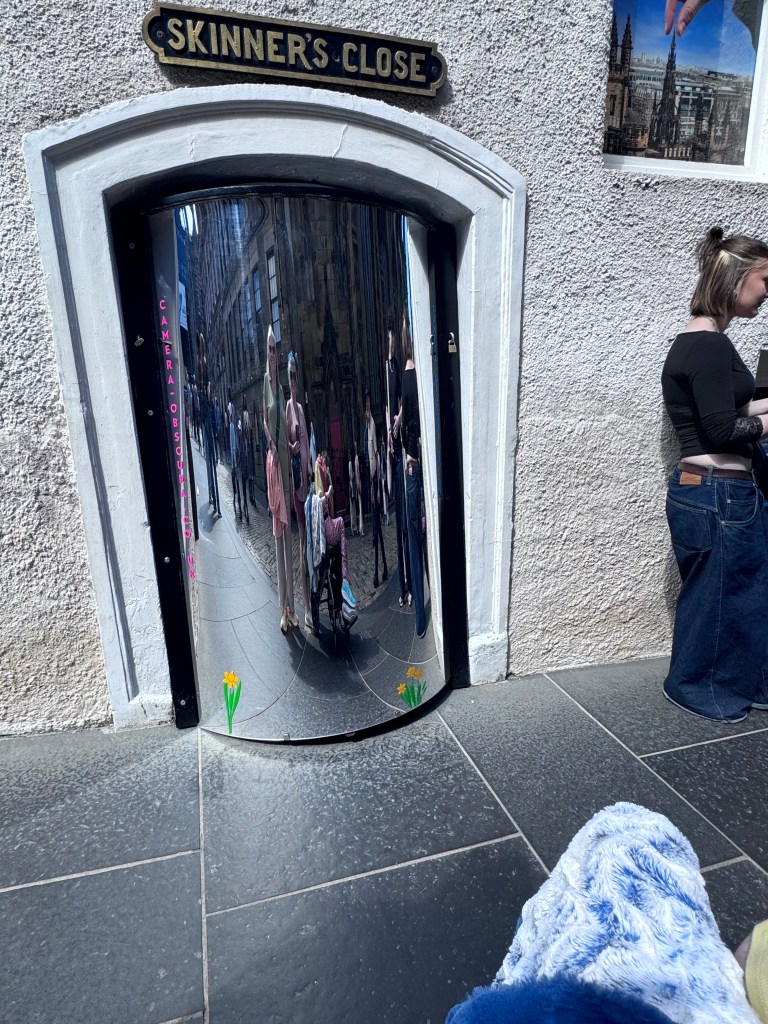
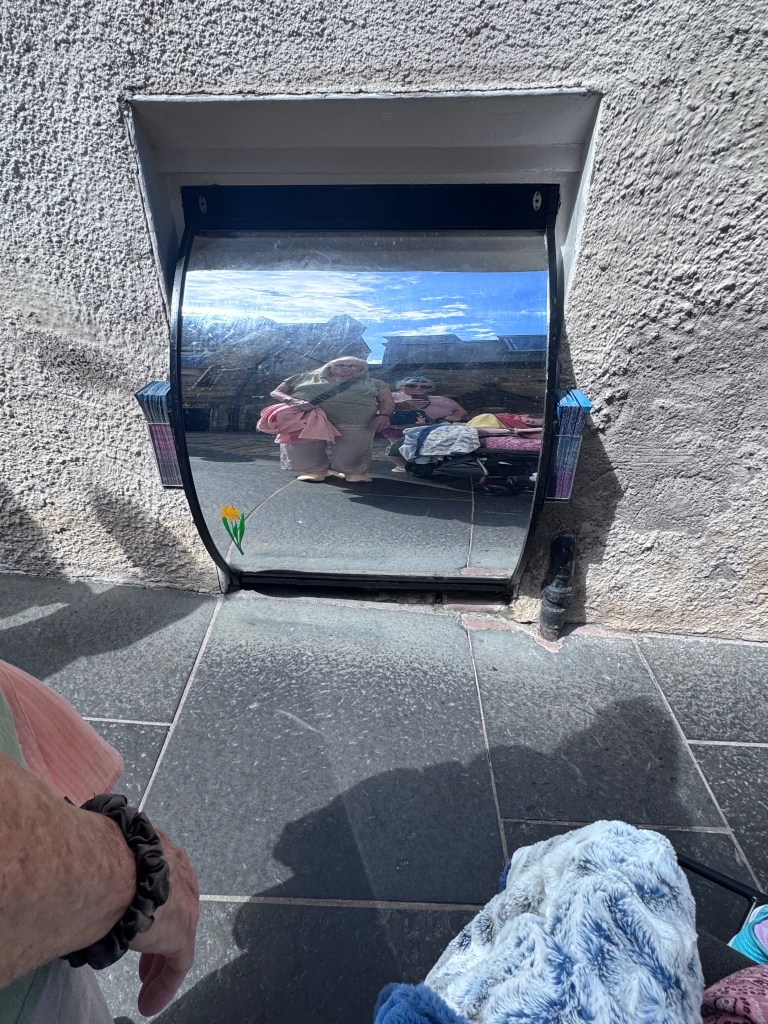
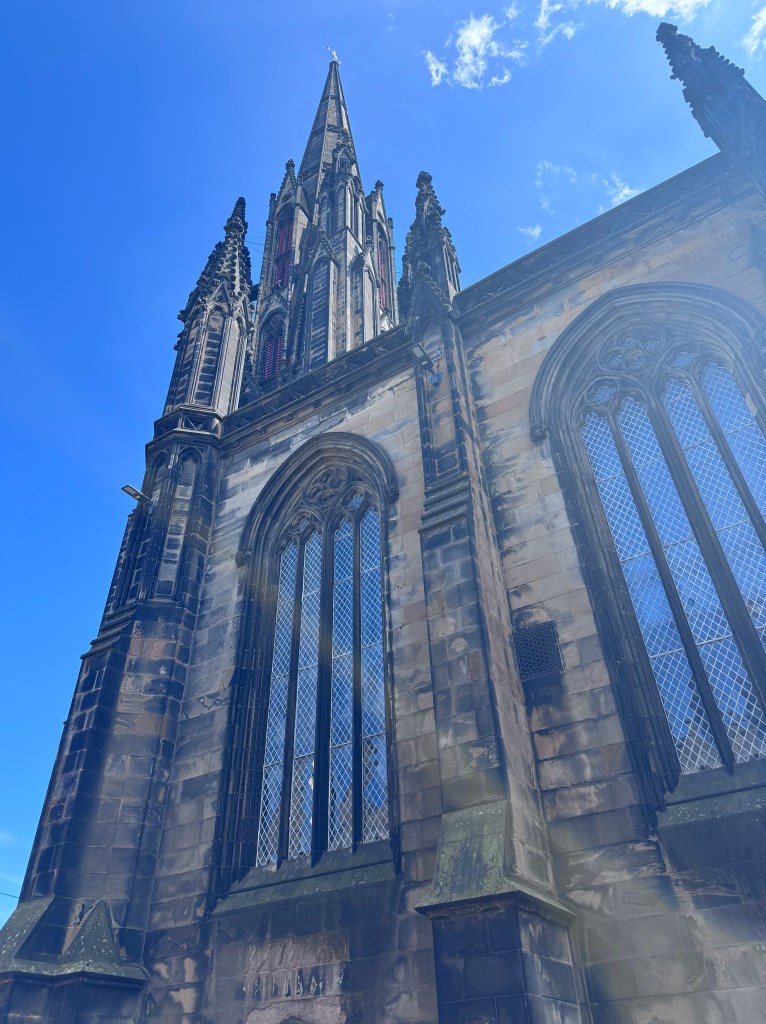
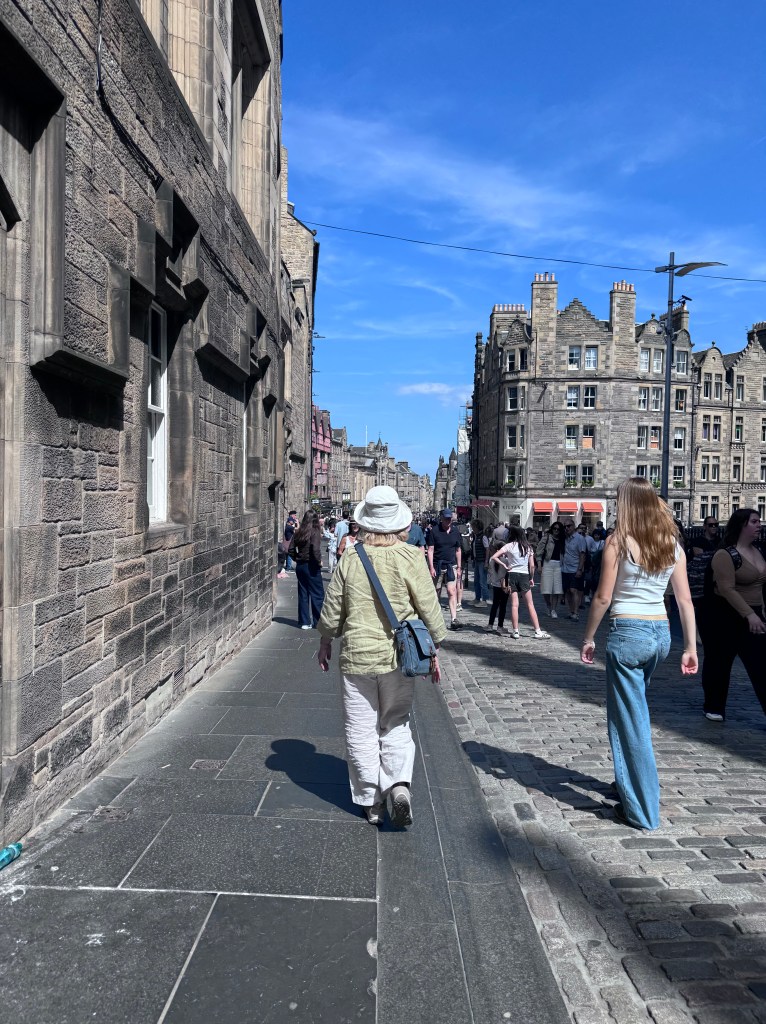
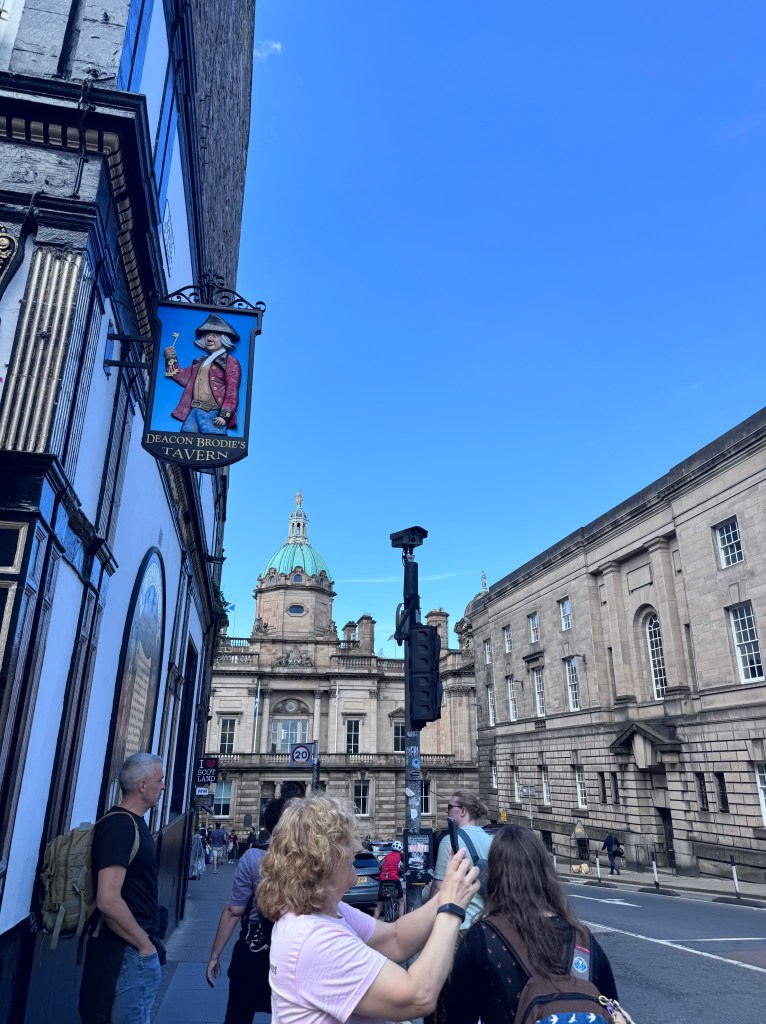
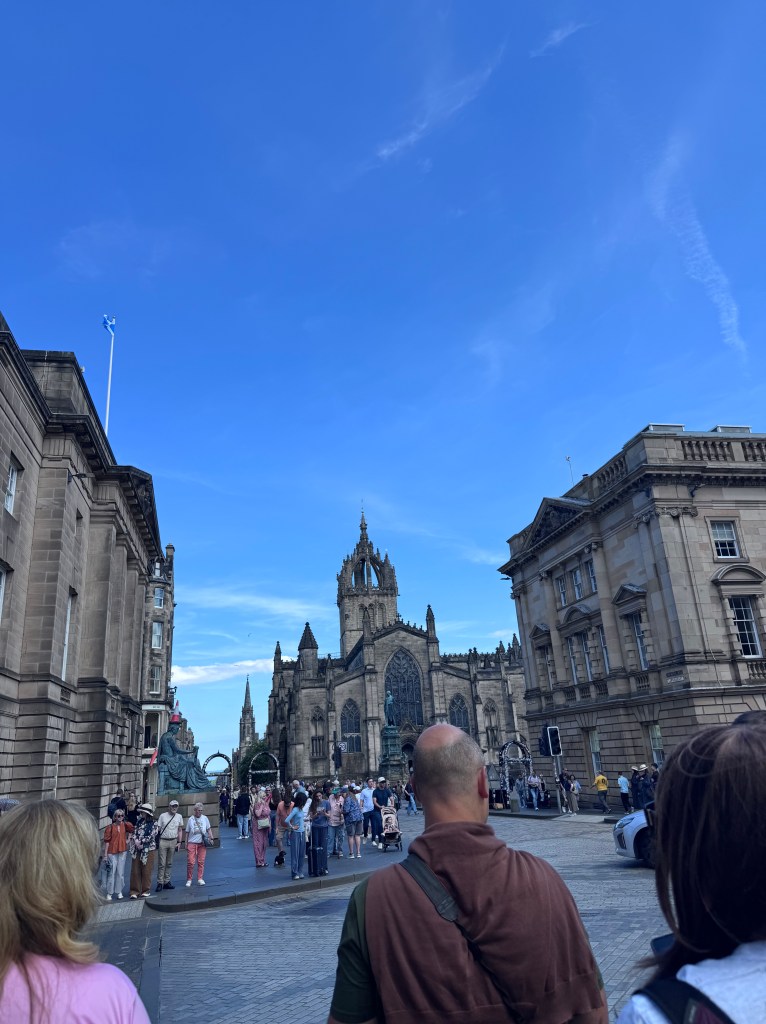
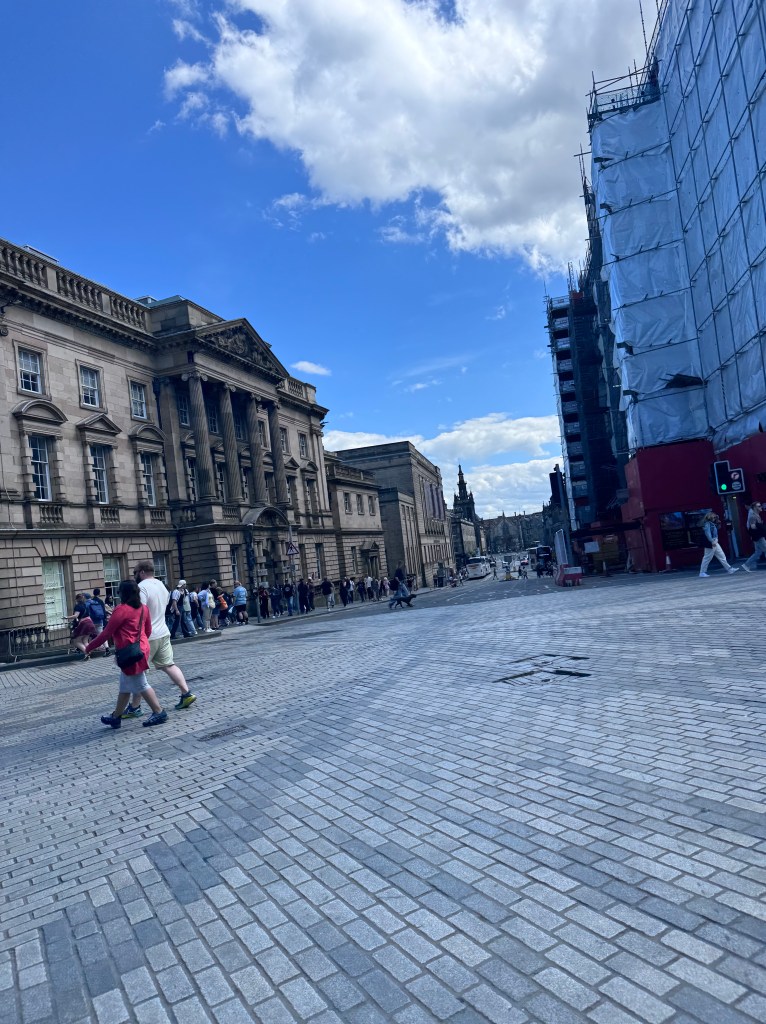
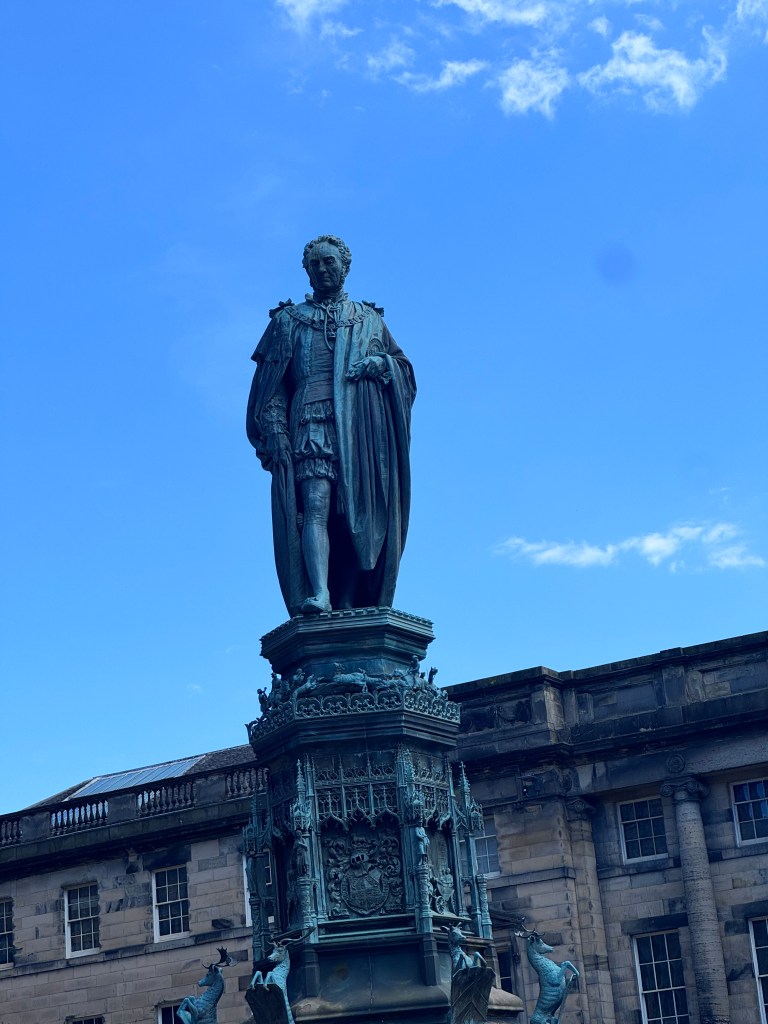
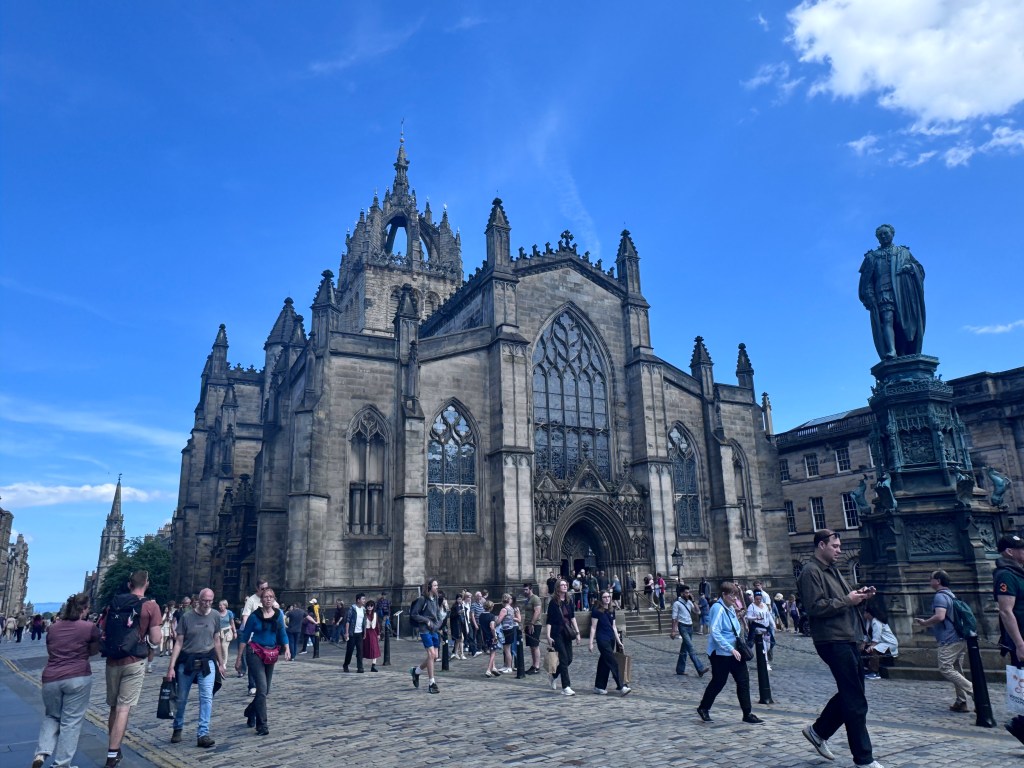
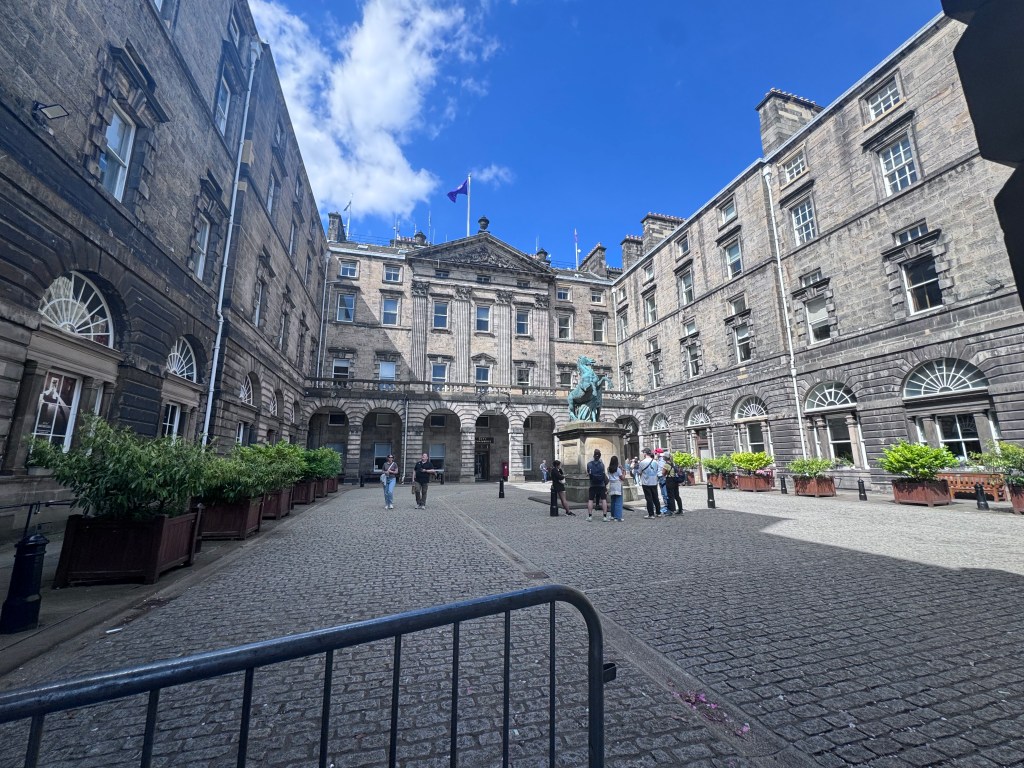
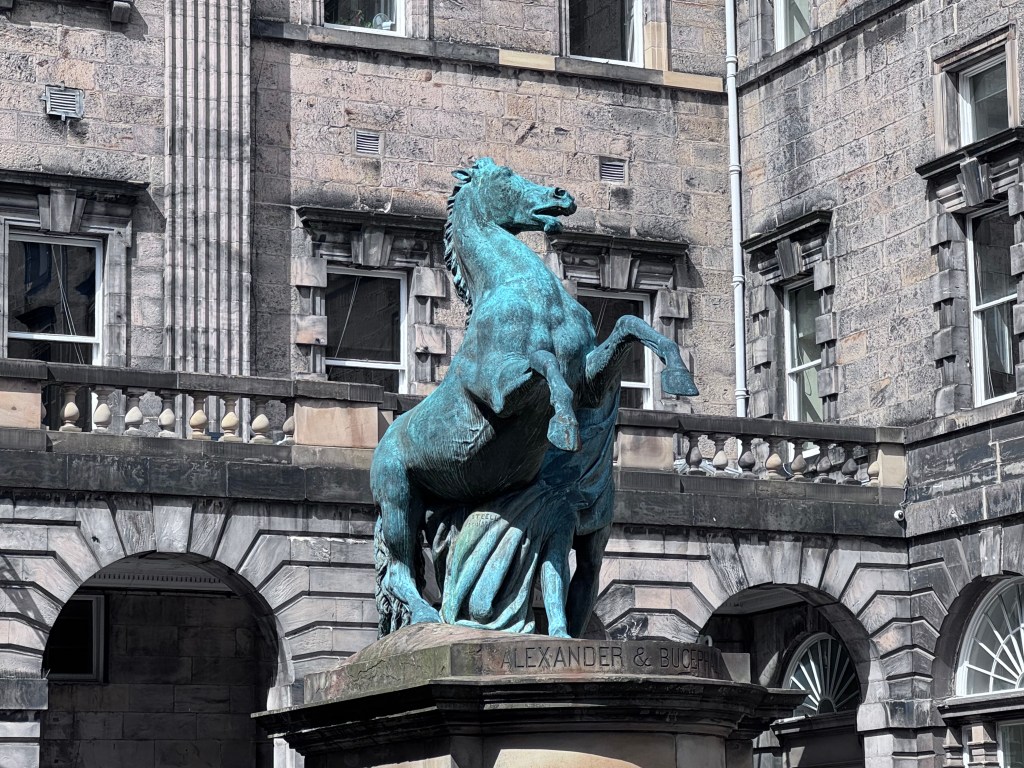
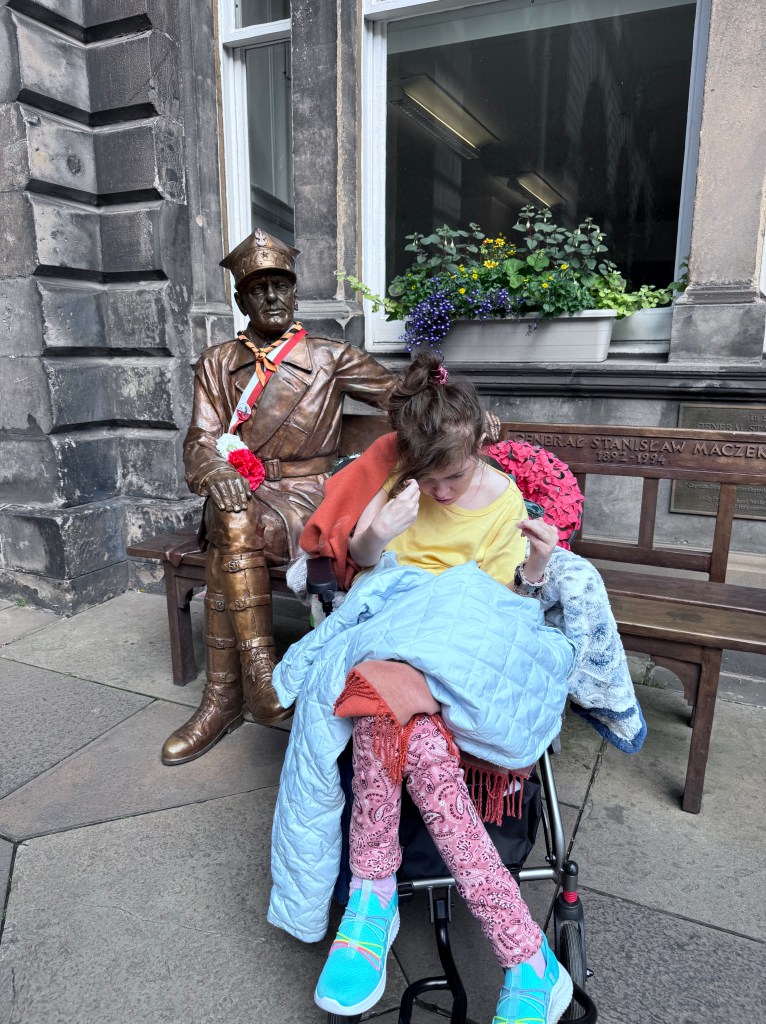
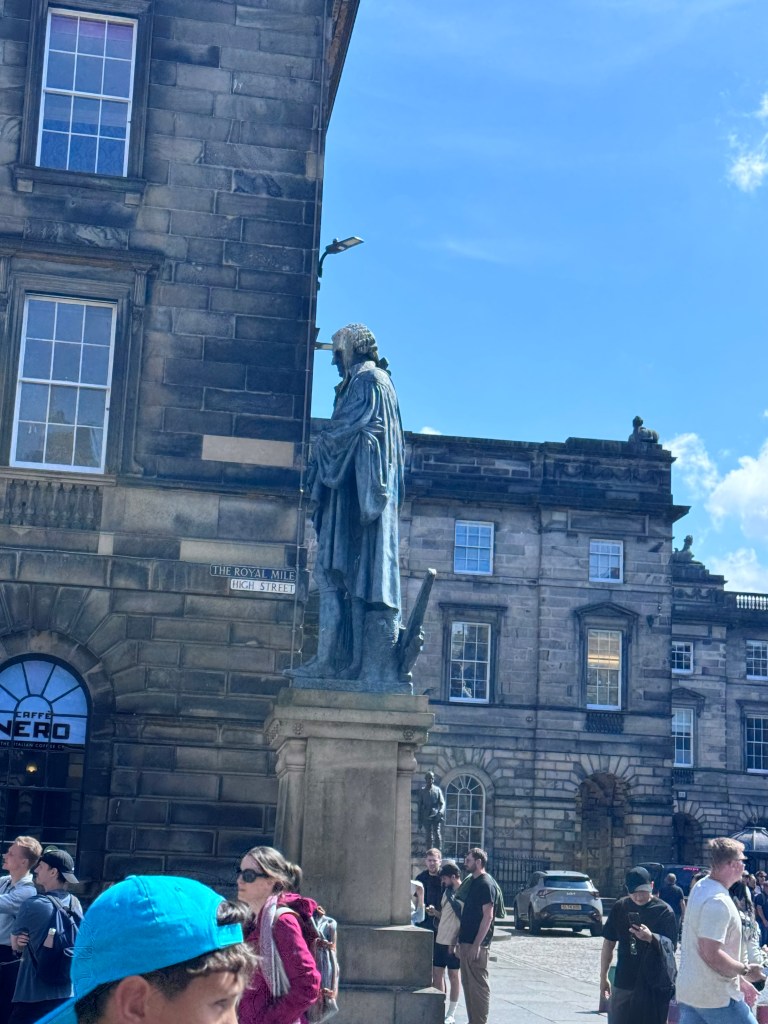
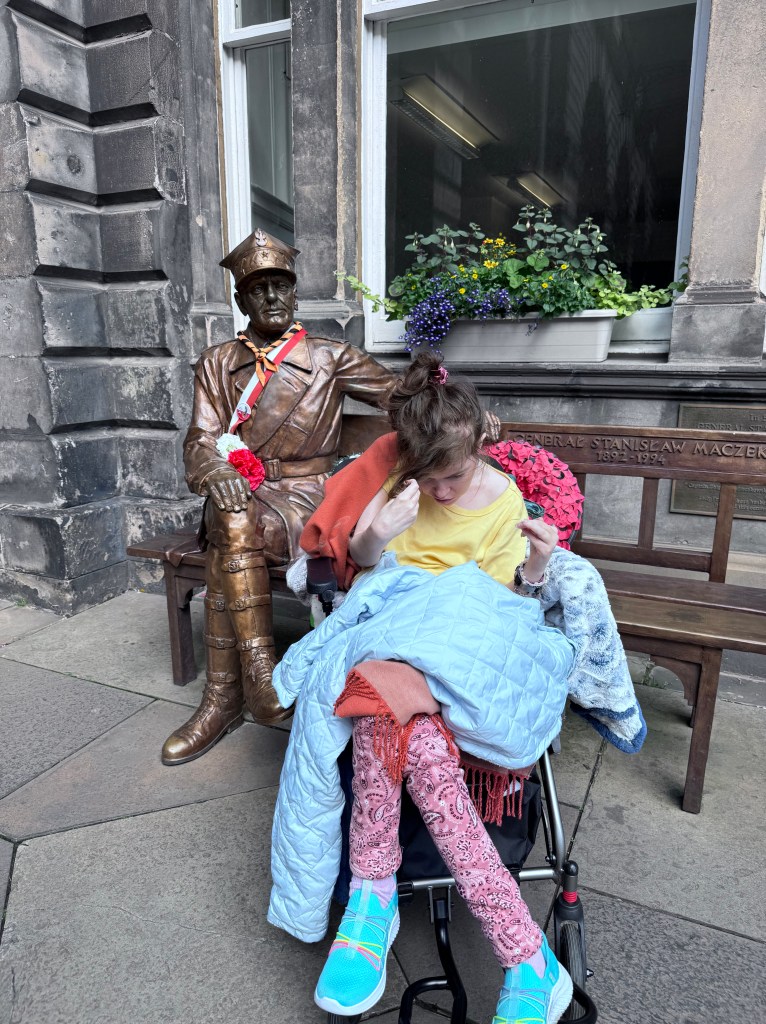
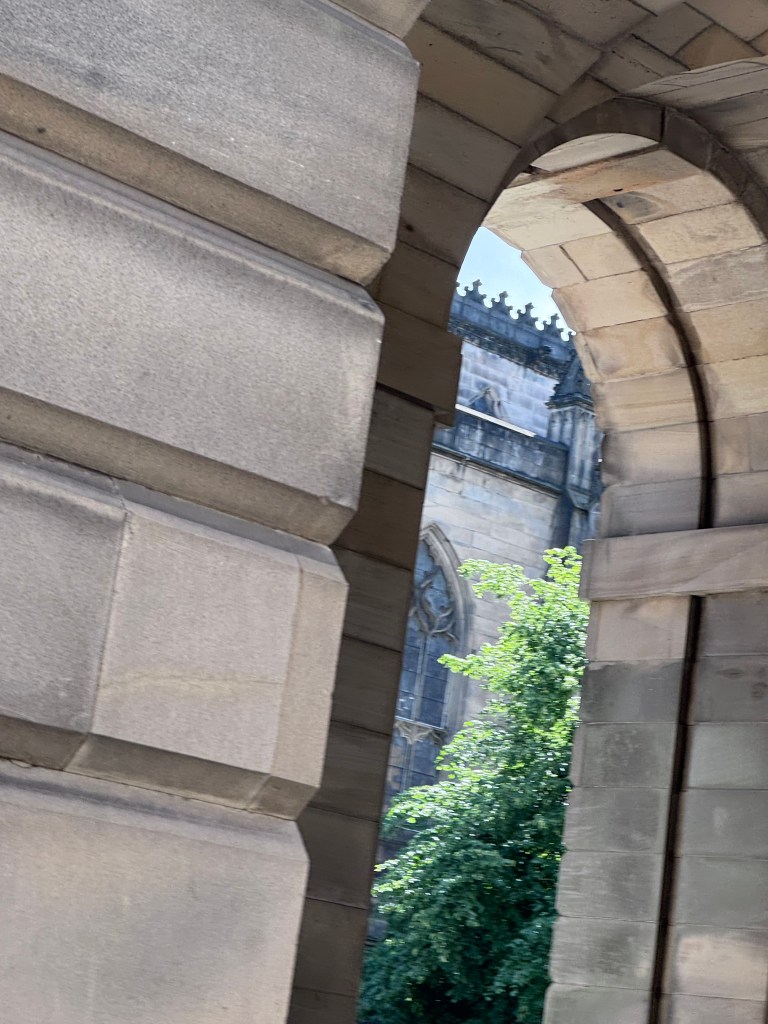
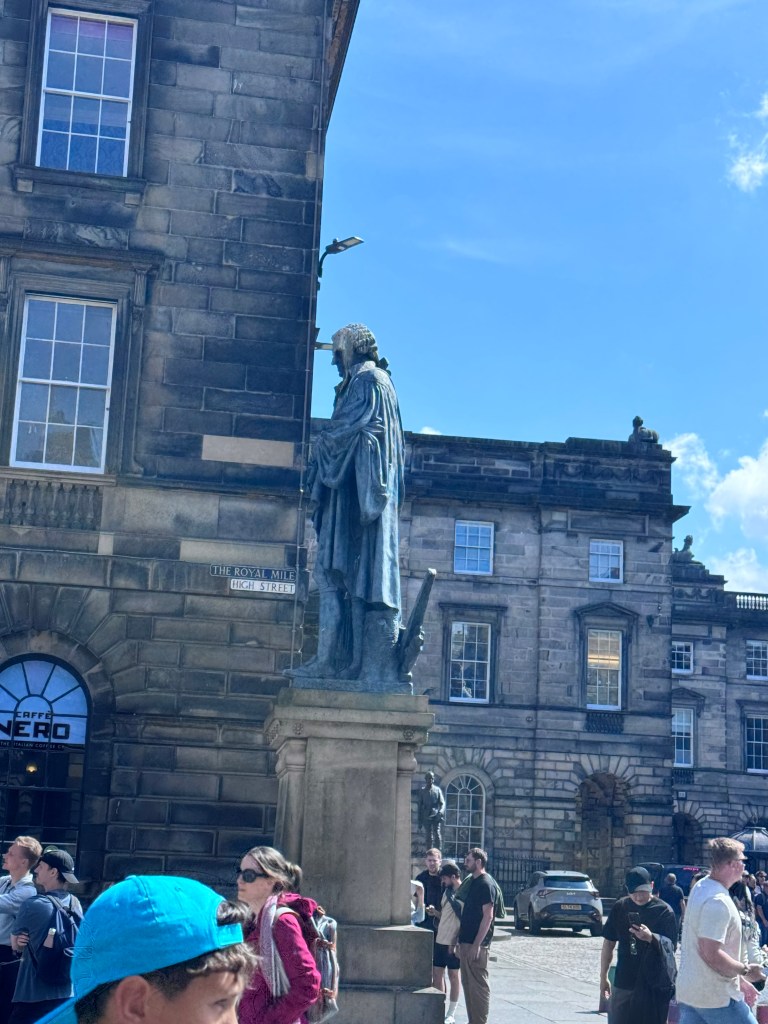
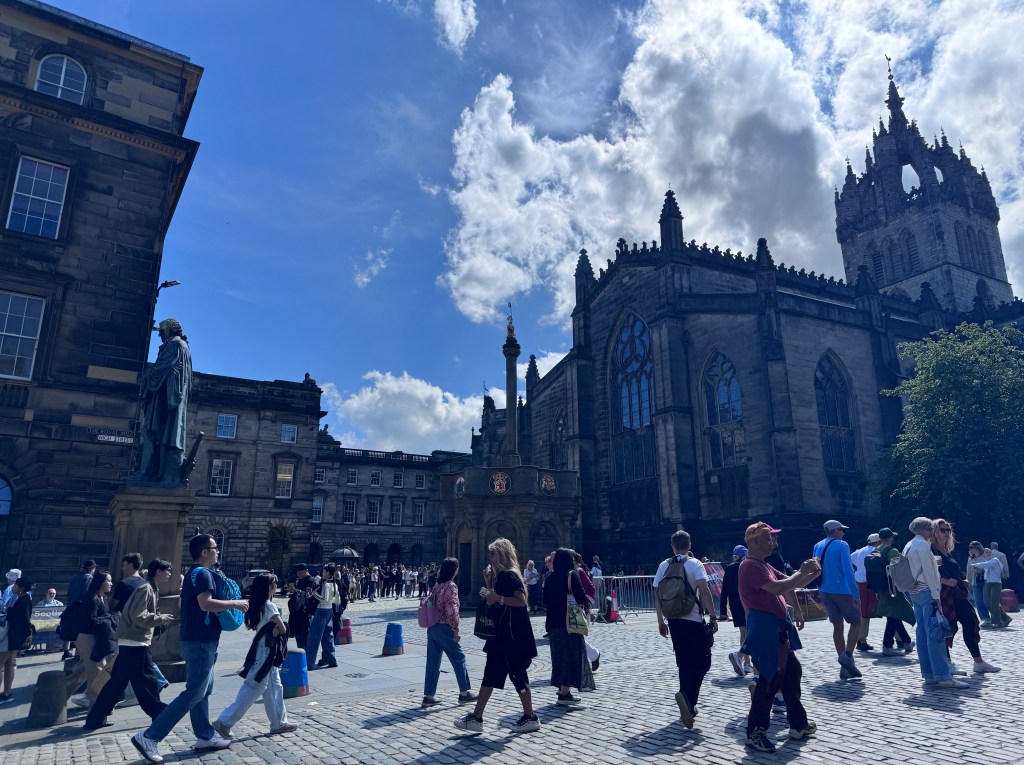
After several hours exploring the castle, we slowly made our way down the Royal Mile. The centuries-old buildings, statues, closes, and beautiful architecture lined every step. We wandered through several gift shops, soaking in the atmosphere before eventually making our way back to Waverley Station for the train ride home to Dundee.

Another day filled with history, breathtaking scenery, wonderful people, and memories that will stay with us forever.