Bastille Day and the Masterpieces of the Musée d’Orsay

The next morning we all allowed ourselves to sleep in a little. After several busy days of sightseeing, it felt good not to rush.

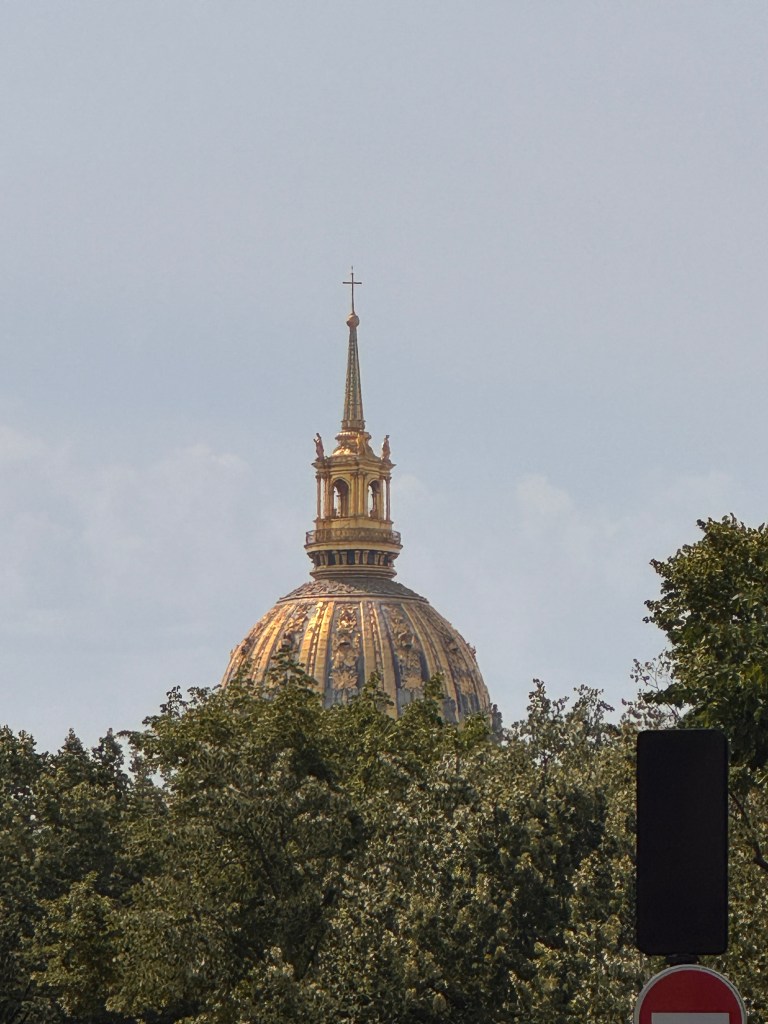
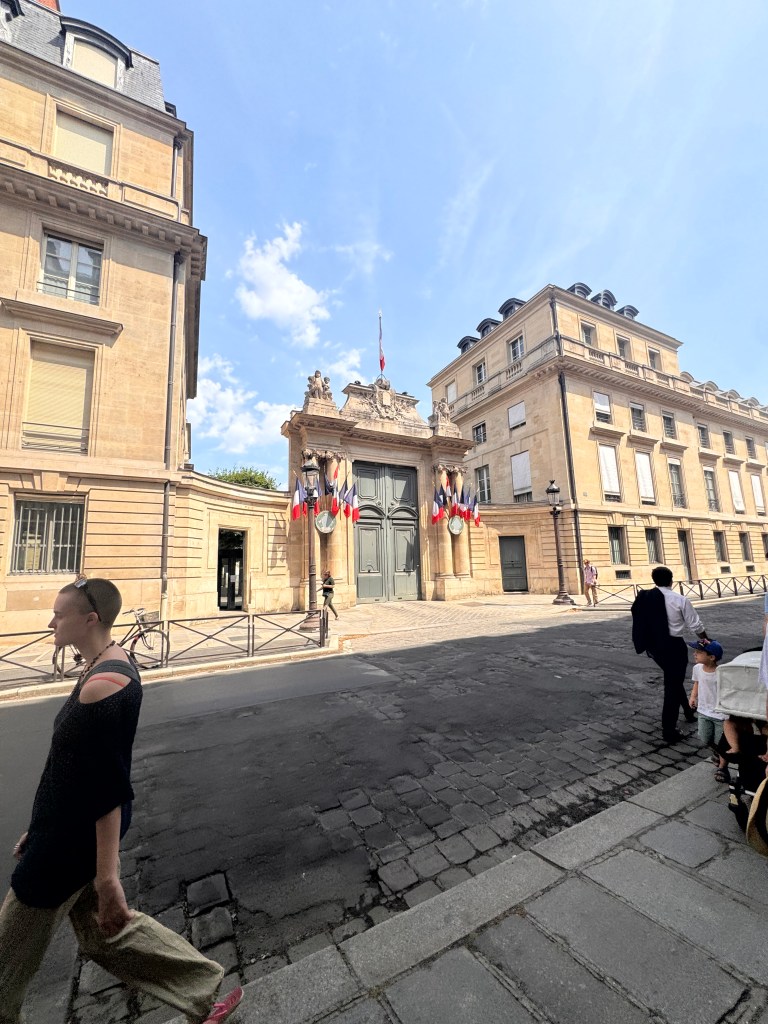
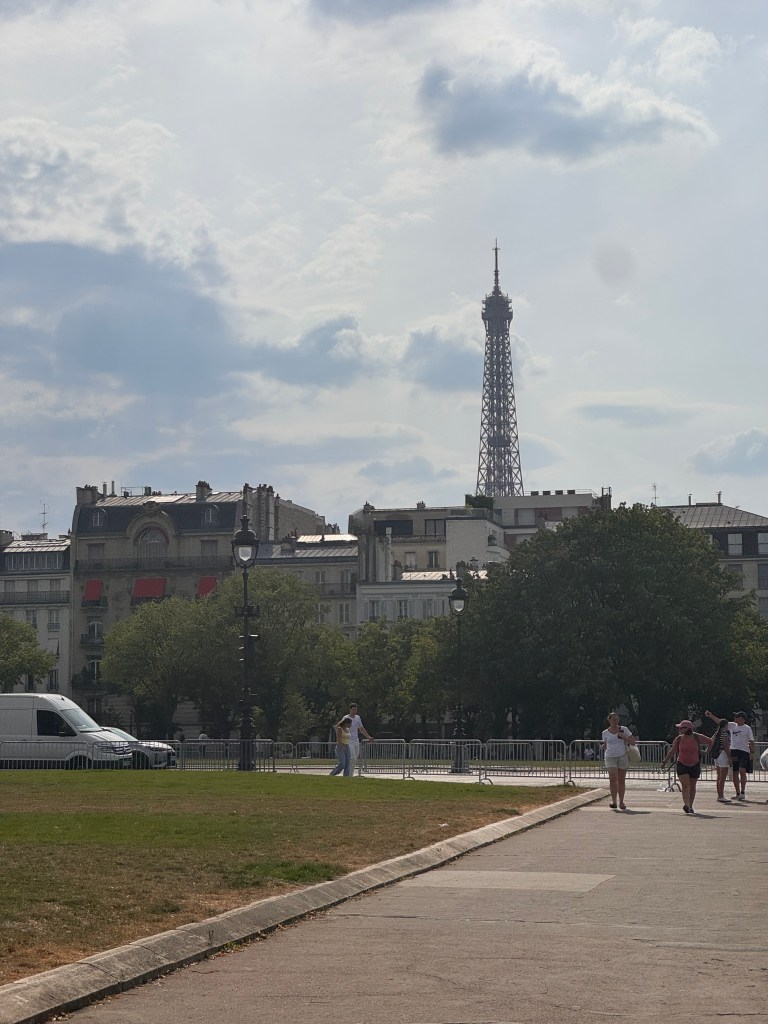
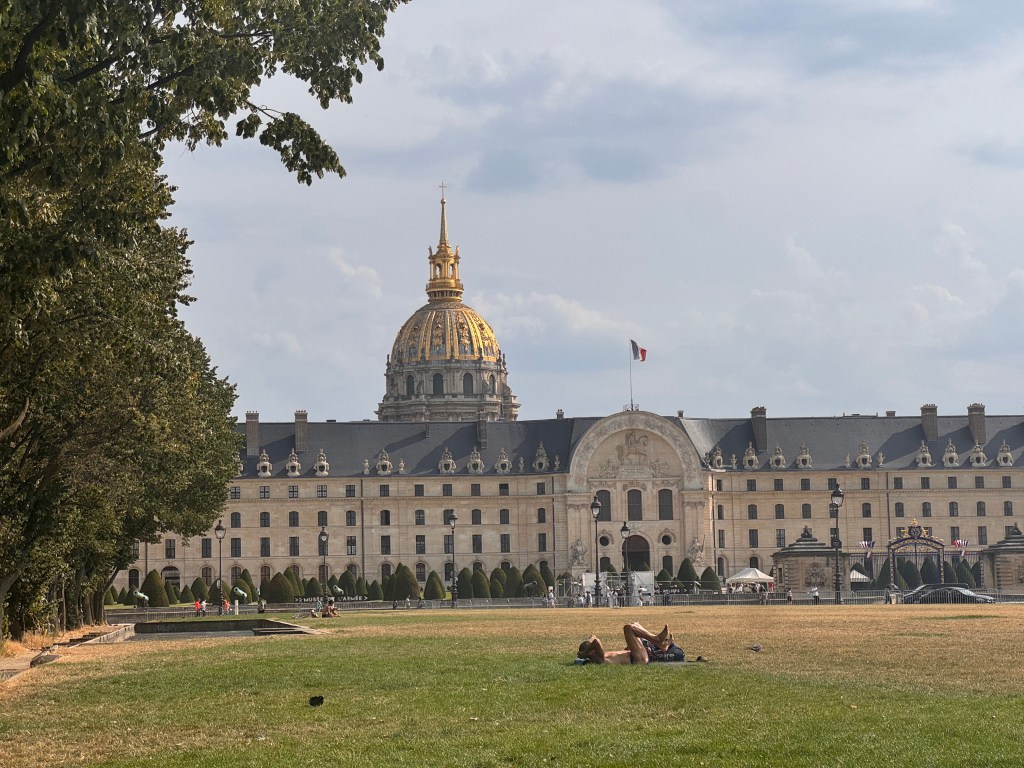
We headed out on foot toward the Musée d’Orsay, walking through the beautiful Esplanade des Invalides. Stretching between the Seine River and the Hôtel des Invalides, the wide lawns and tree-lined walkways offered wonderful views of one of Paris’s most historic landmarks. Originally commissioned by King Louis XIV in the 1600s as a hospital and retirement home for wounded soldiers, Les Invalides is now home to several military museums and Napoleon Bonaparte’s magnificent tomb beneath its golden dome.

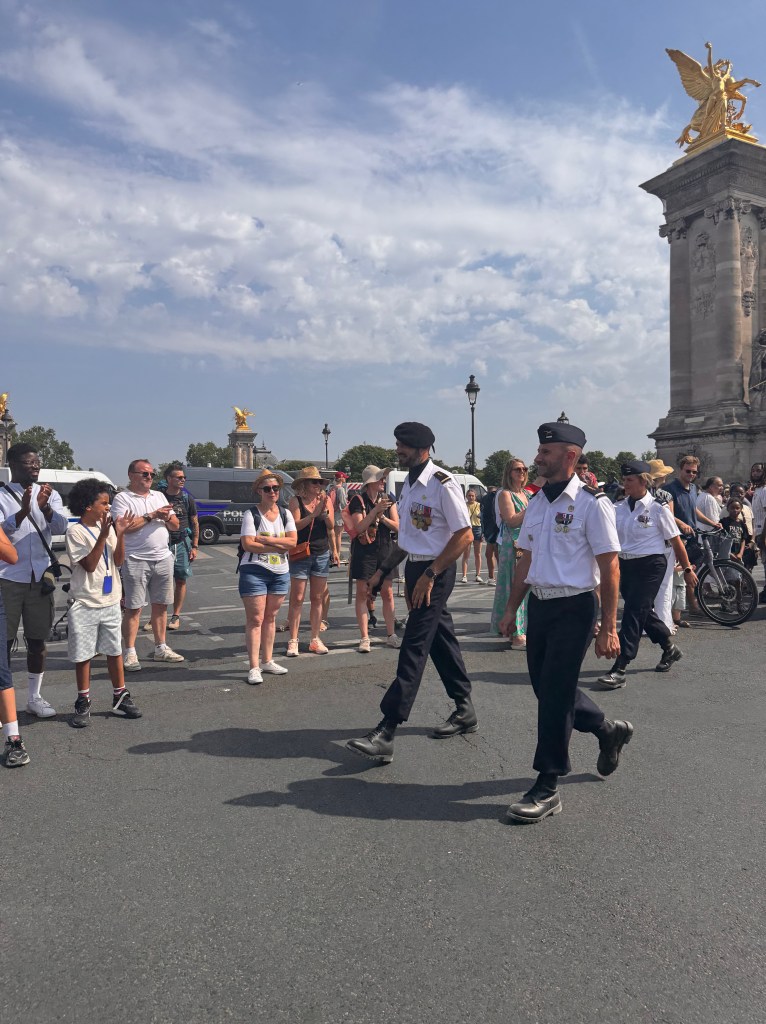
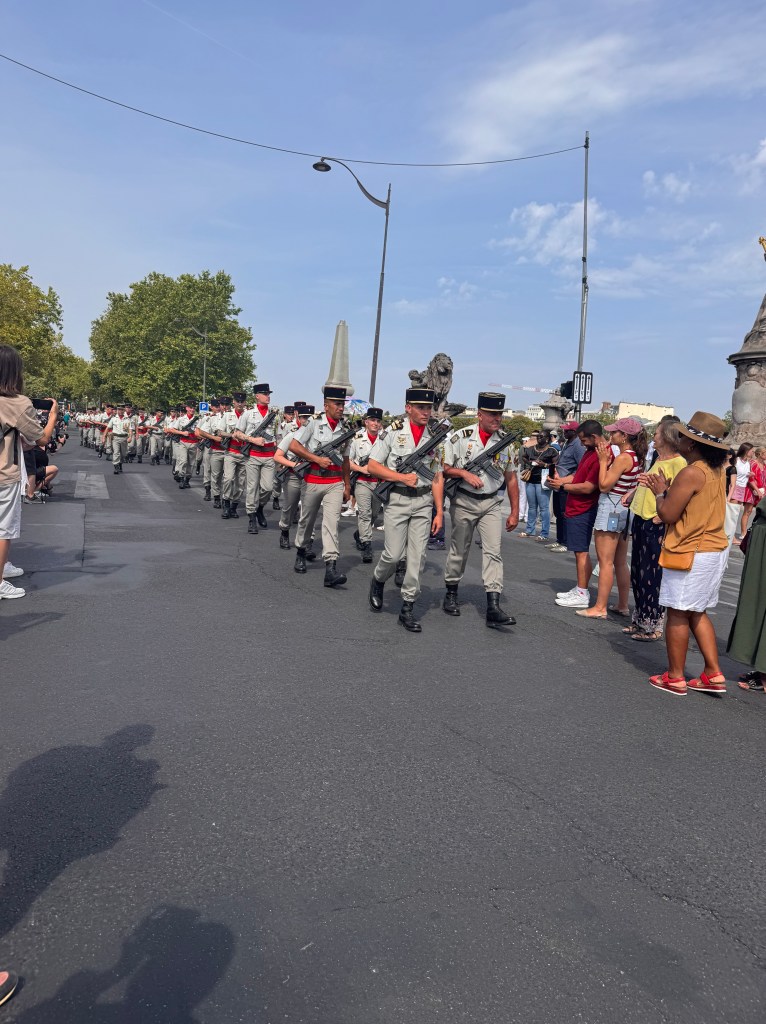
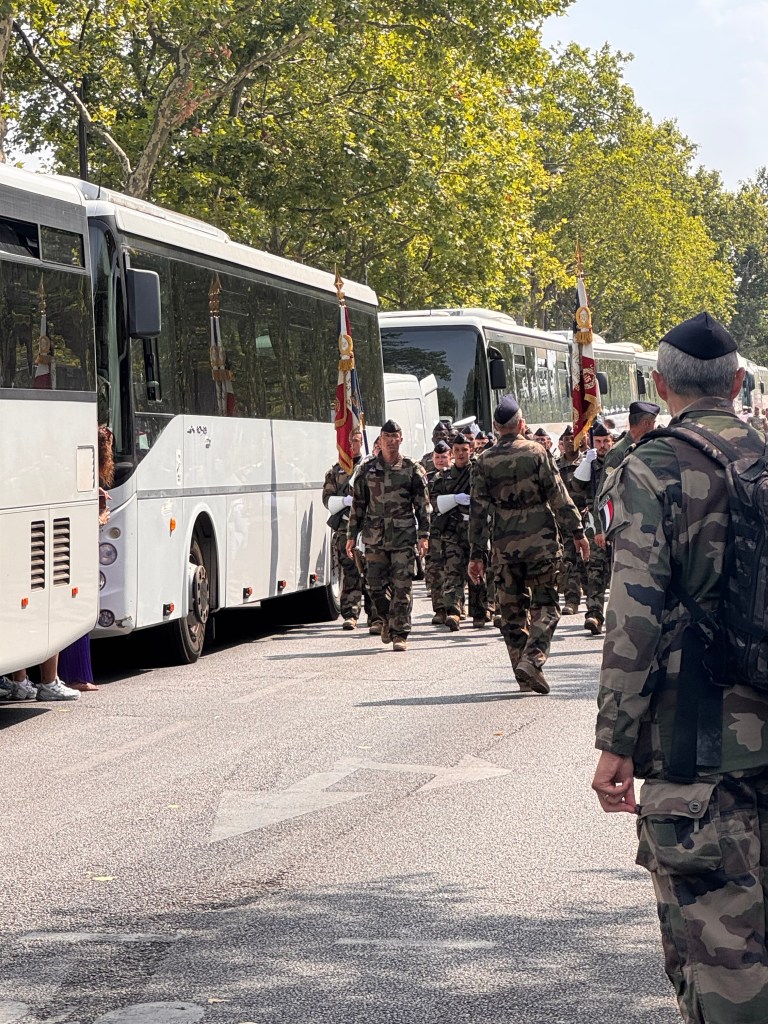
As we walked, we realized we had unknowingly found ourselves along part of the Bastille Day festivities.

What incredible timing!

Bastille Day, celebrated every July 14, commemorates the storming of the Bastille prison in 1789, one of the defining moments of the French Revolution. Today it serves as France’s national holiday and is marked by one of the world’s largest military parades.

This year’s celebration was especially significant. Nearly 6,700 troops, 98 aircraft, 31 helicopters, and more than 300 military vehicles participated in what was reported to be the largest Bastille Day parade ever held. France also highlighted its solidarity with its allies, welcoming Ukraine’s president as the guest of honor while showcasing its commitment to European security.

It was exciting to watch units from across the French Armed Forces marching through Paris. We saw soldiers, military vehicles, helicopters overhead, and aircraft flying as part of the celebration. While watching, one of the commanders walked over and presented us with a commemorative patch from Base Aérienne 702 (BA 702) at Avord.

The patch featured a fire-breathing dragon, a symbol traditionally representing strength, determination, and formidable power. BA 702 is one of France’s most important Air and Space Force bases and plays a key role in the country’s strategic defense. Receiving the patch completely by surprise made it an unexpected souvenir that will always remind us of spending Bastille Day in Paris.

Eventually we continued our walk to the Musée d’Orsay.

Although our timed tickets were for 9:00 a.m. and we were running a little behind, the staff welcomed us without any difficulty.

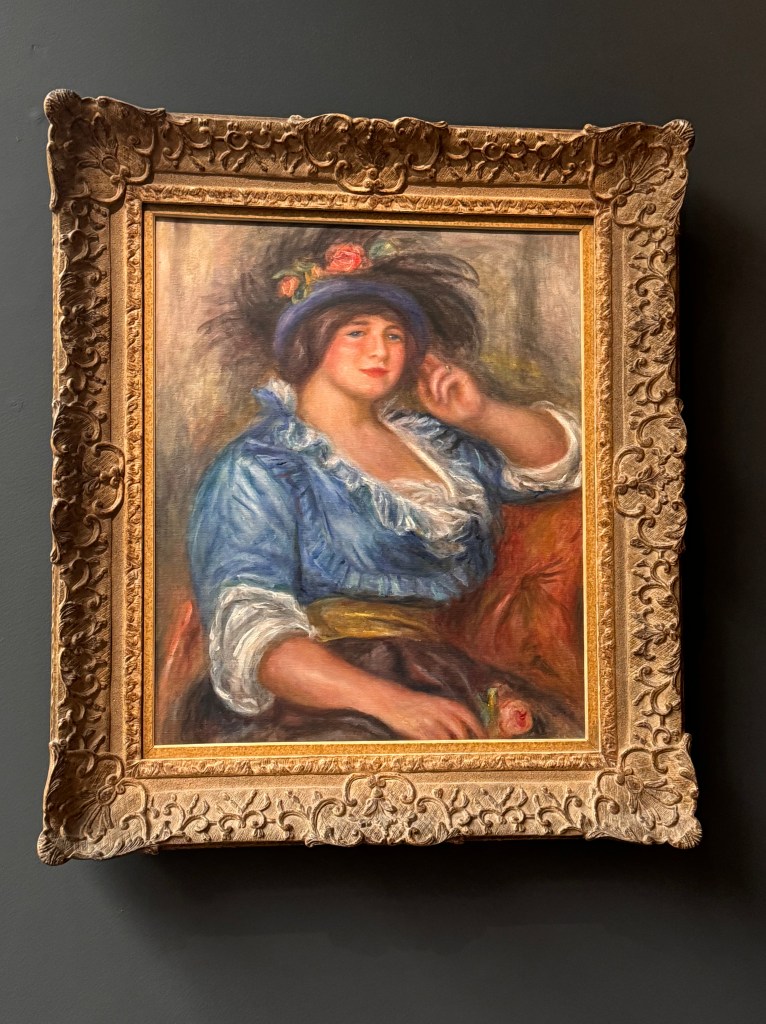
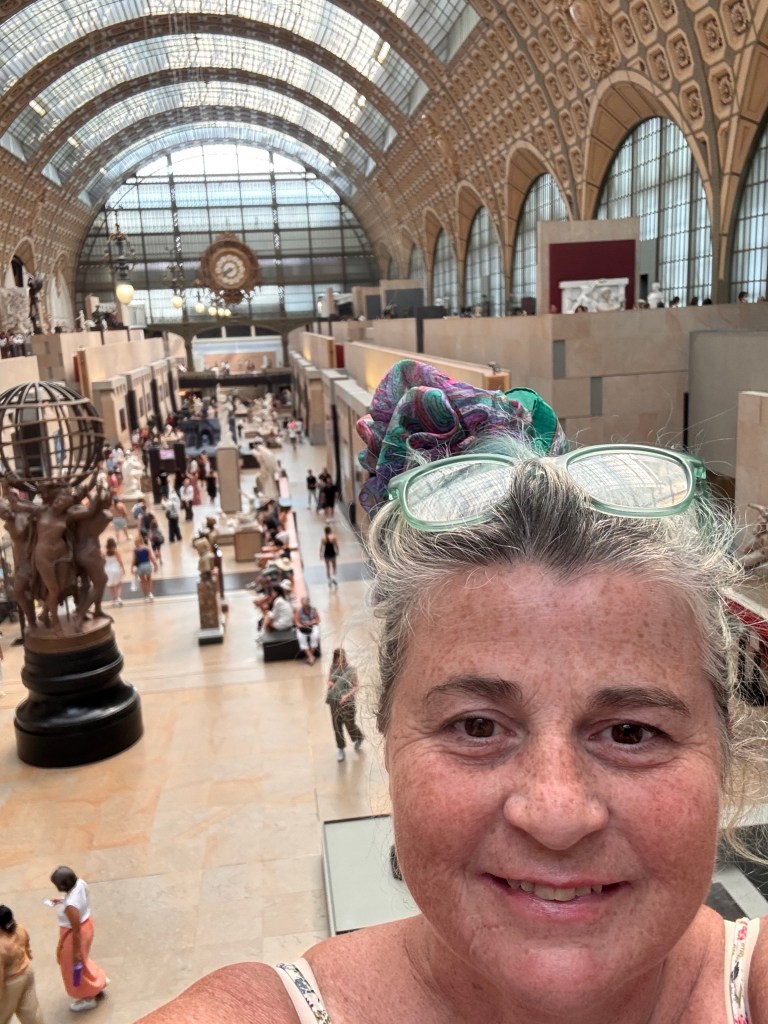
The Musée d’Orsay quickly became one of my favorite museums of the entire trip.

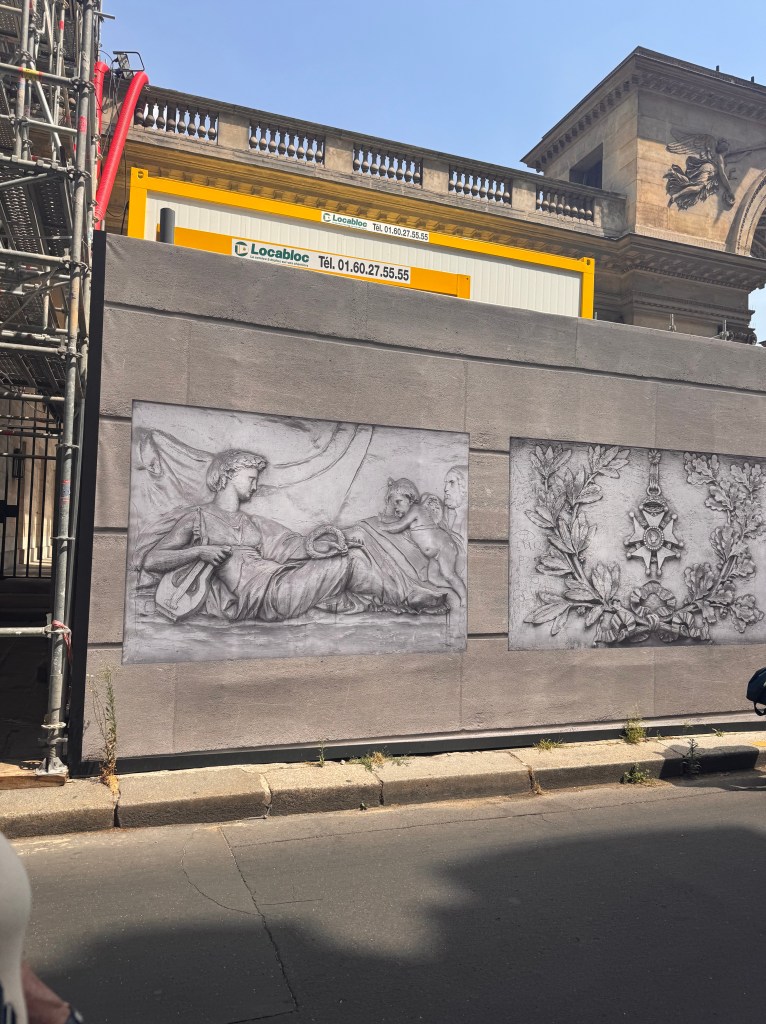
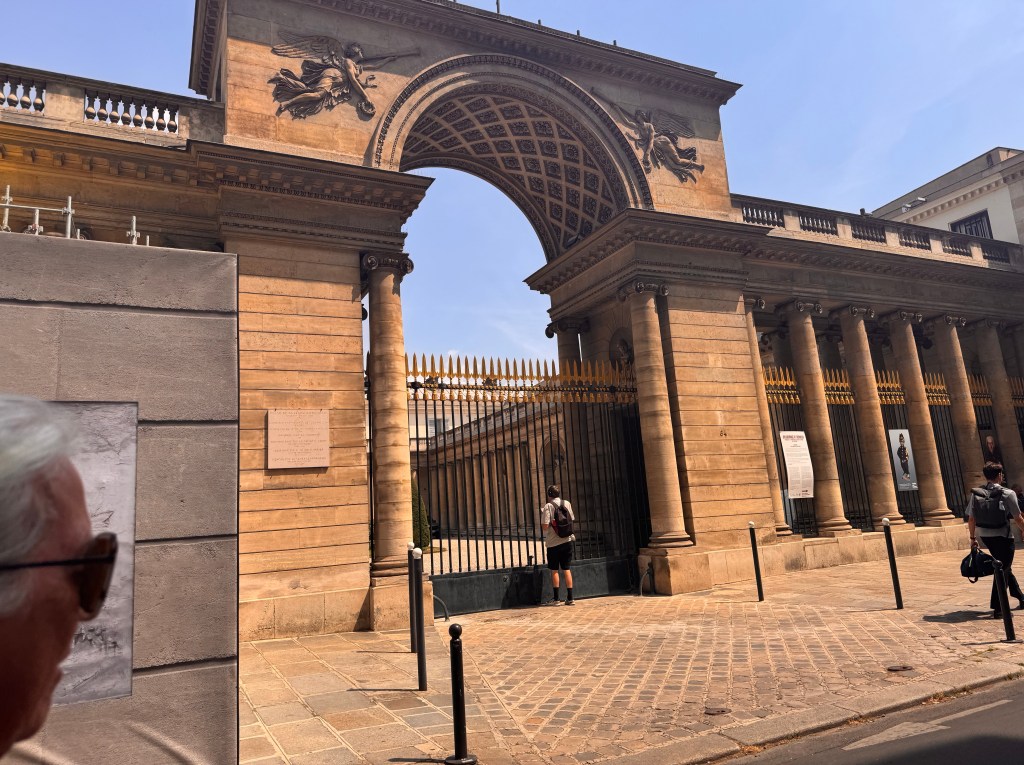
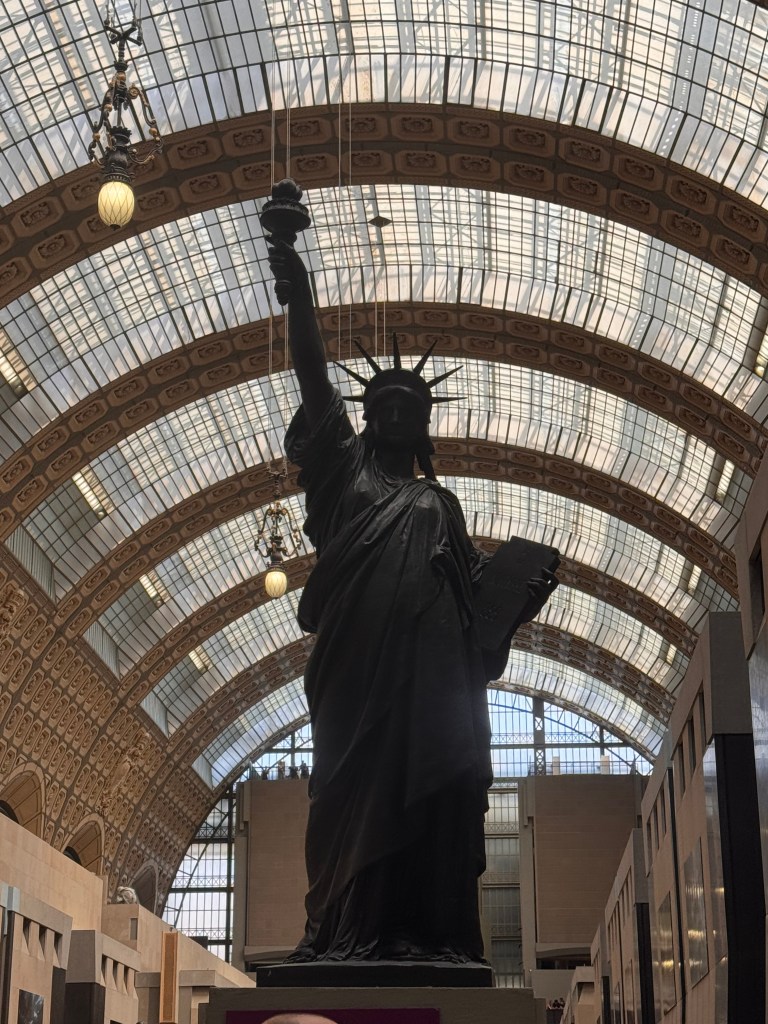
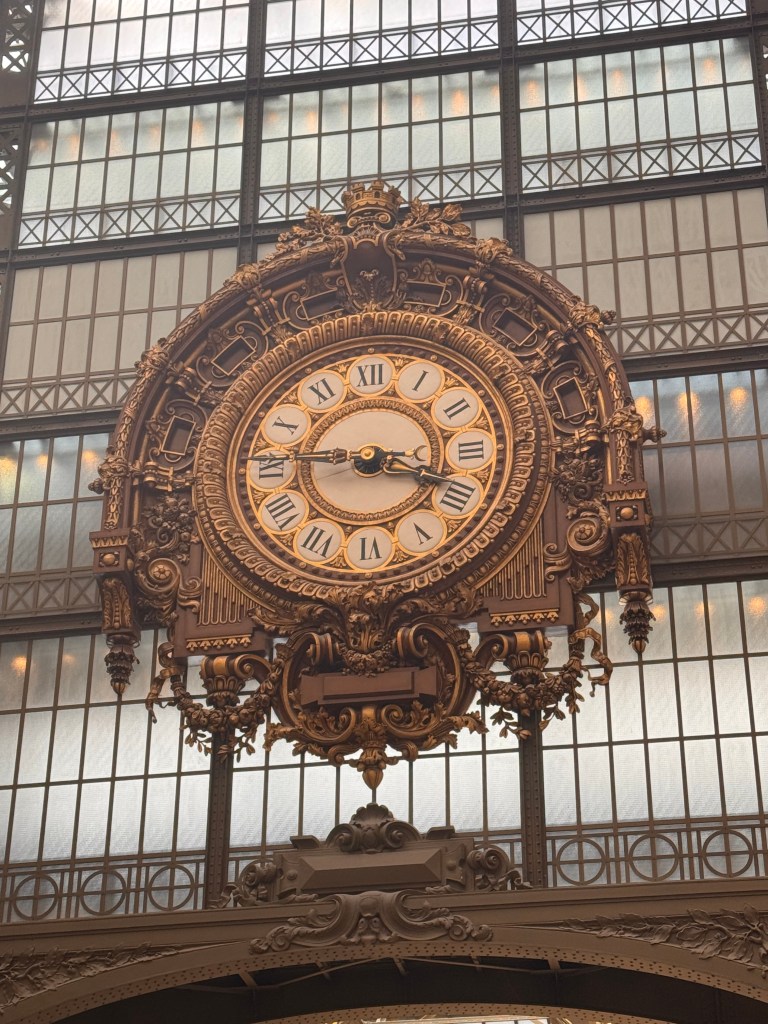
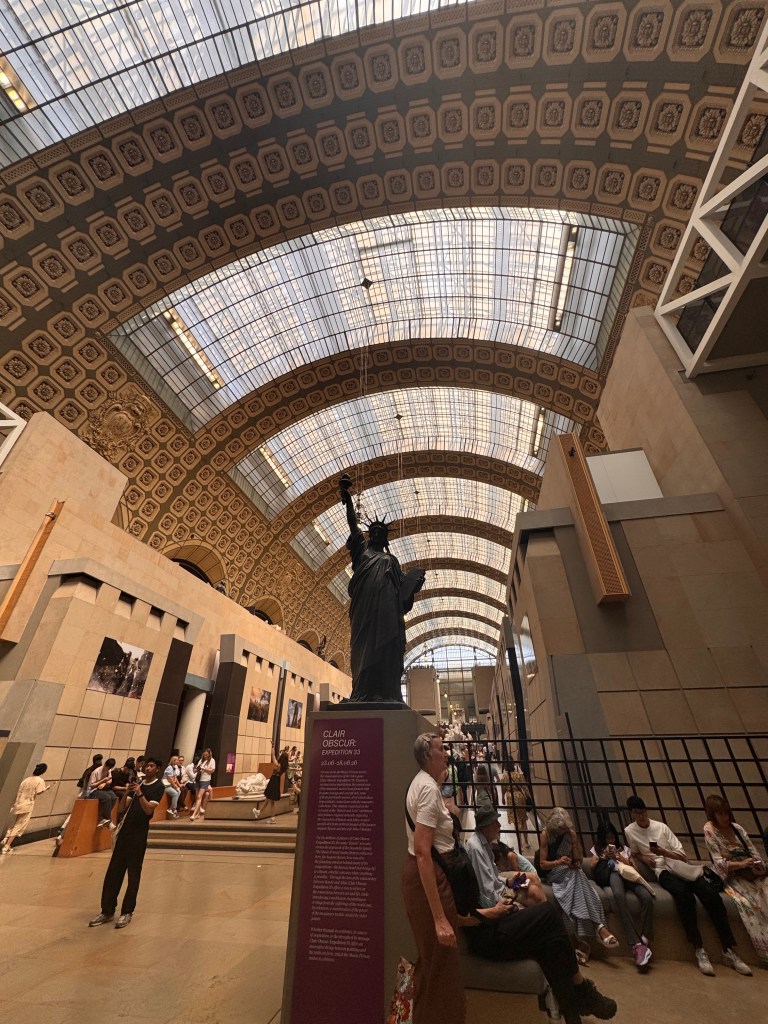
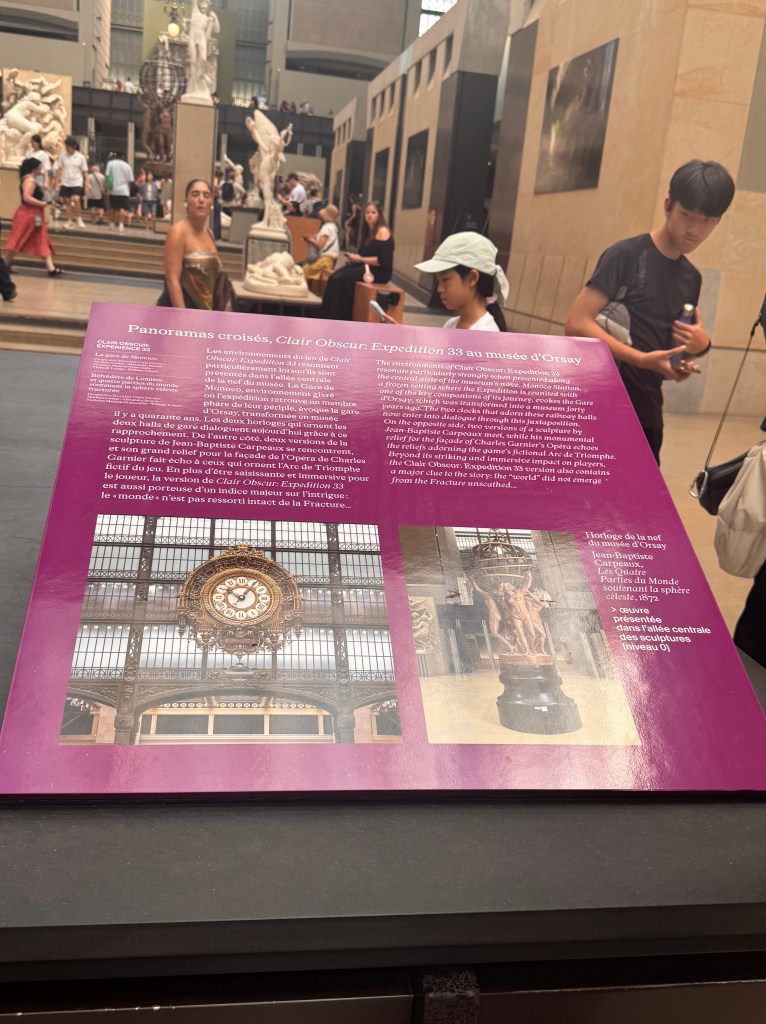
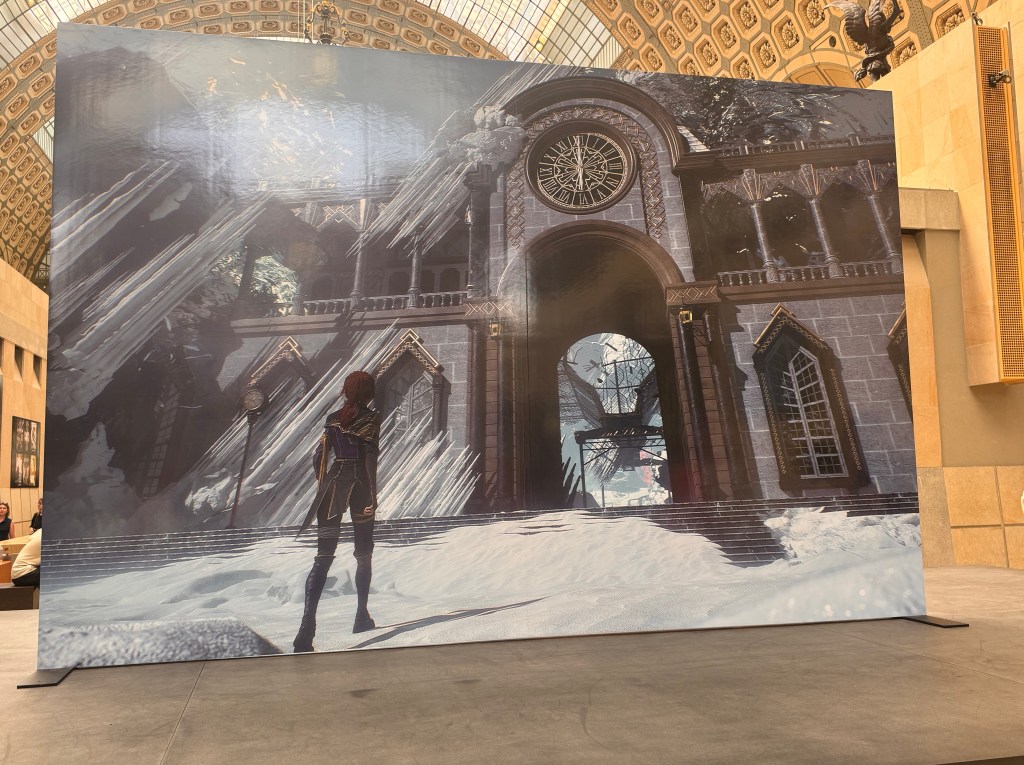
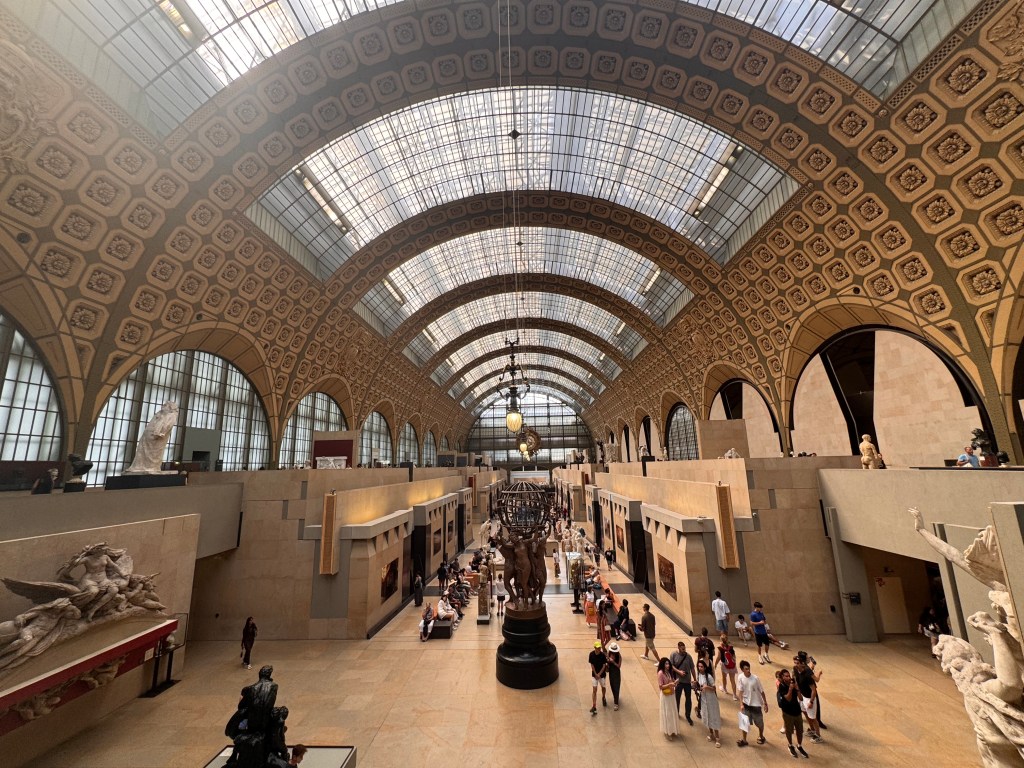
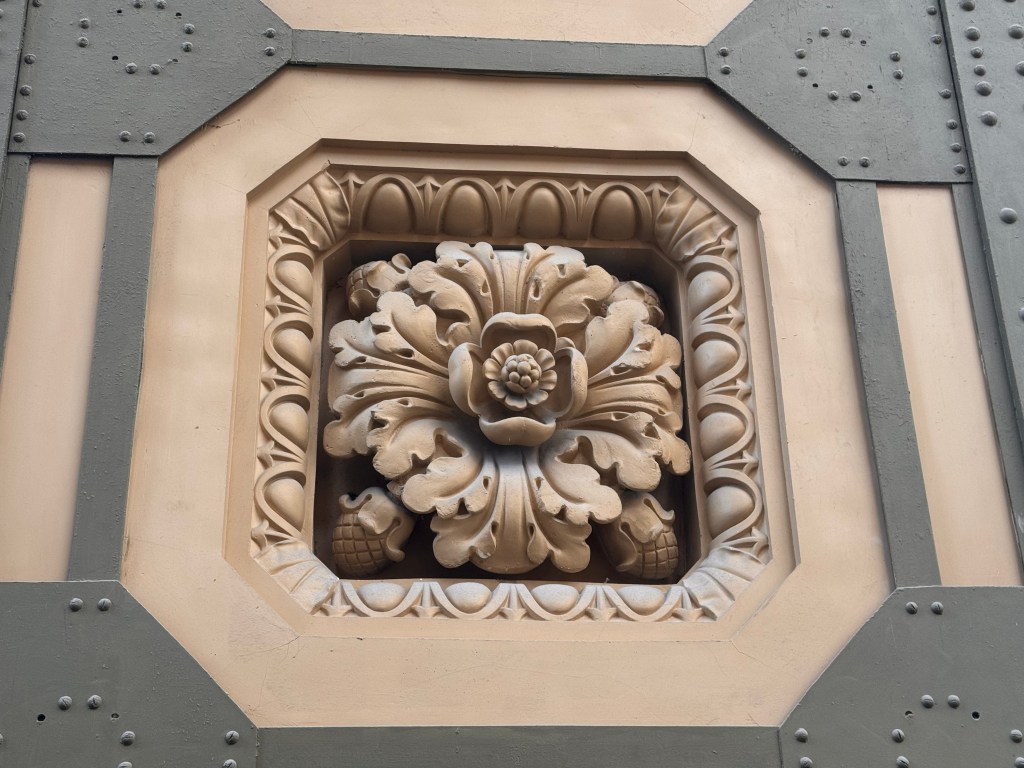
Housed inside the beautifully restored Gare d’Orsay railway station, built for the 1900 World’s Fair, the museum itself is a masterpiece. The soaring glass roof, enormous clock faces, and grand Beaux-Arts architecture are almost as impressive as the artwork hanging on the walls.

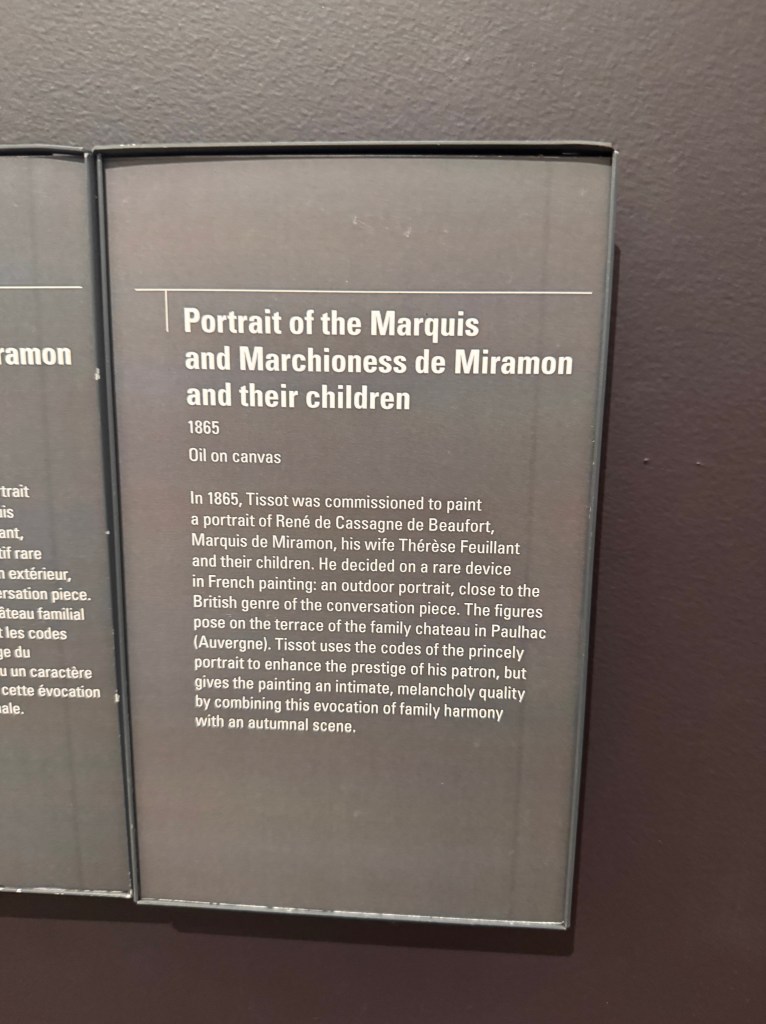
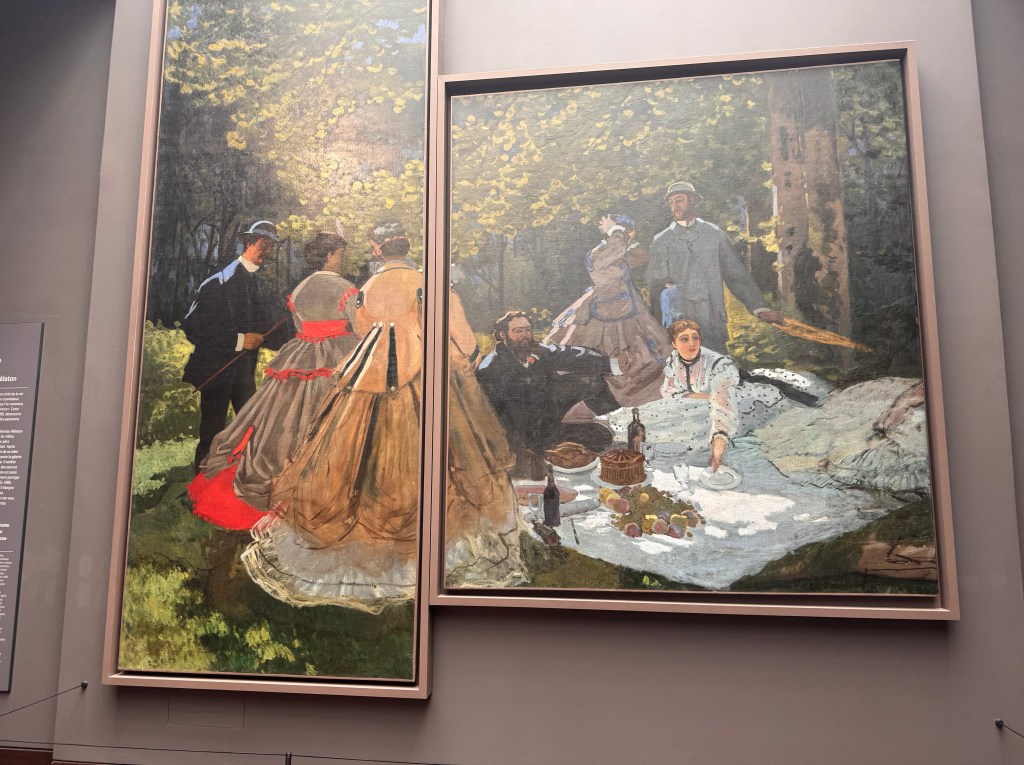
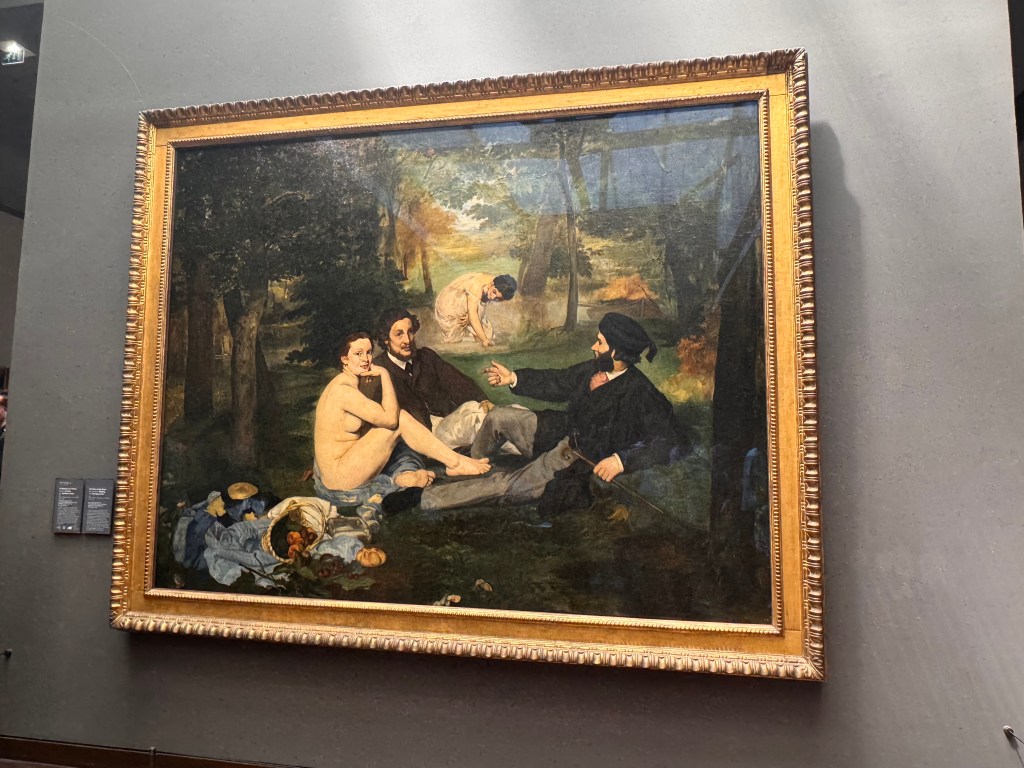
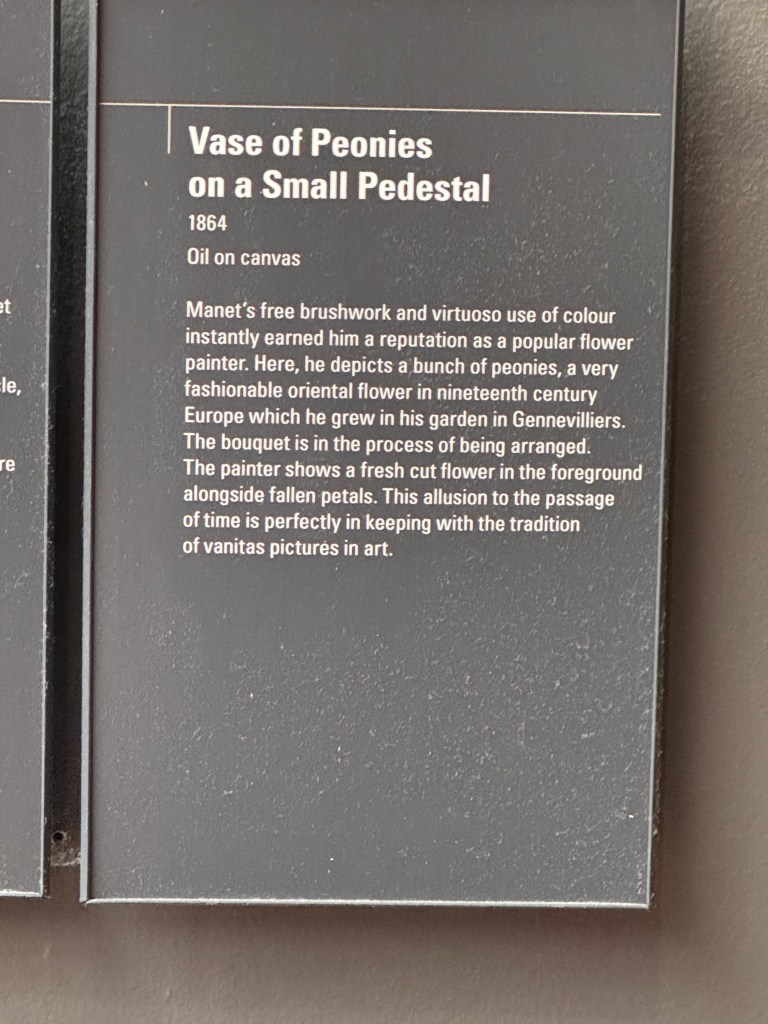
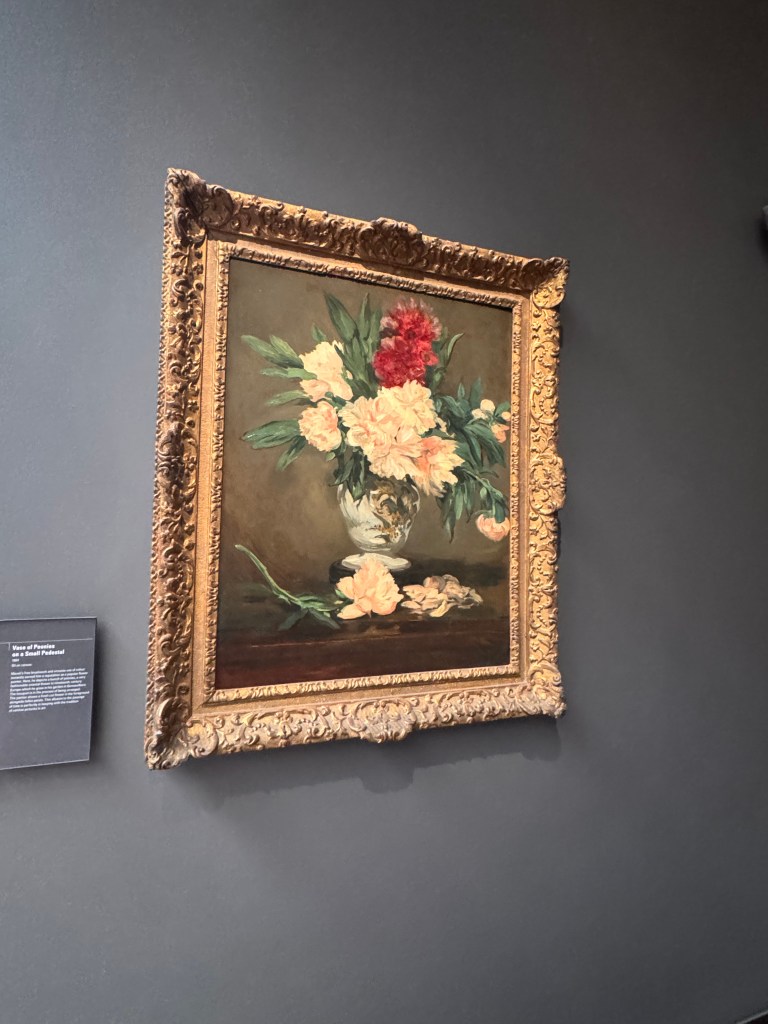
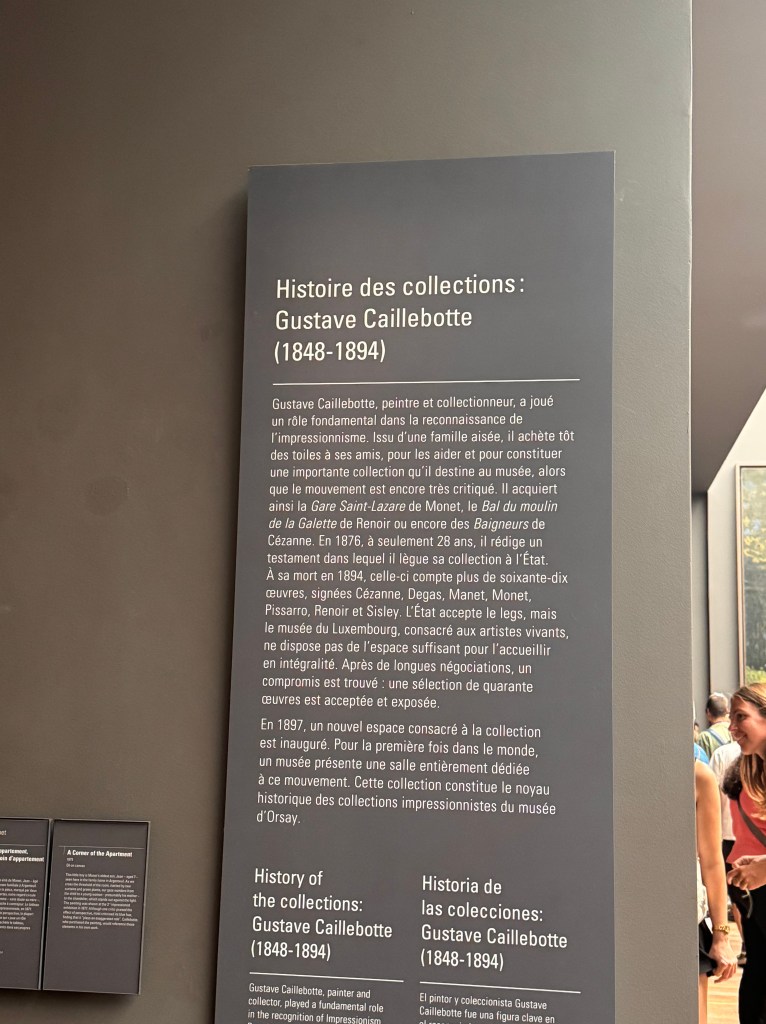
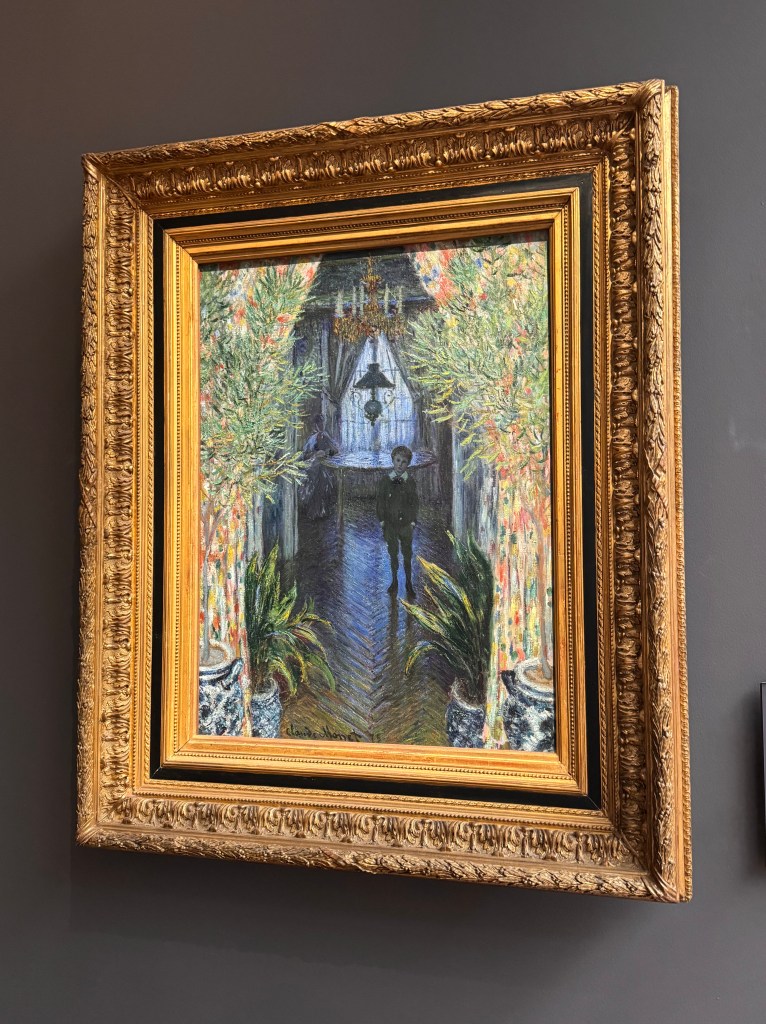
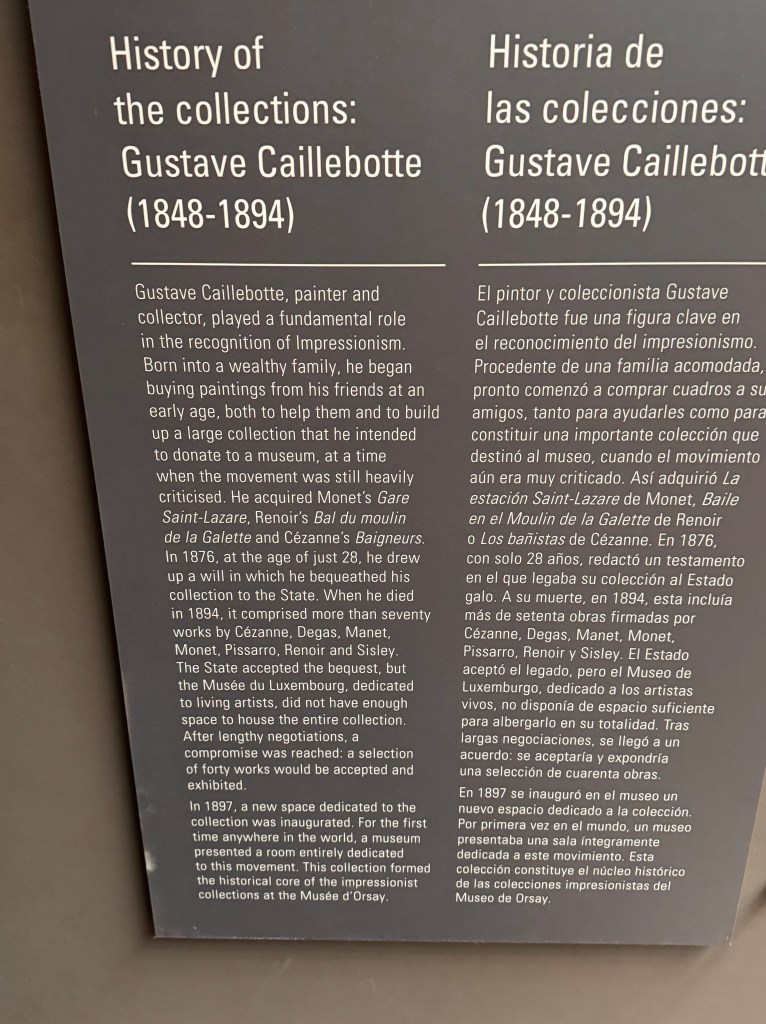
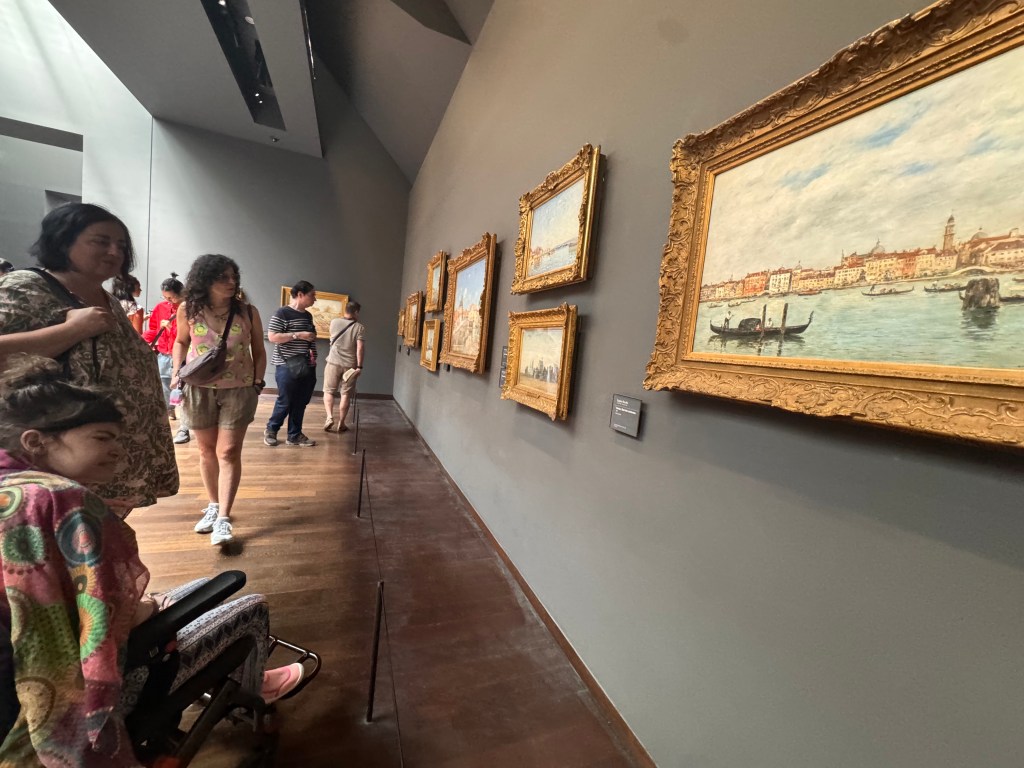
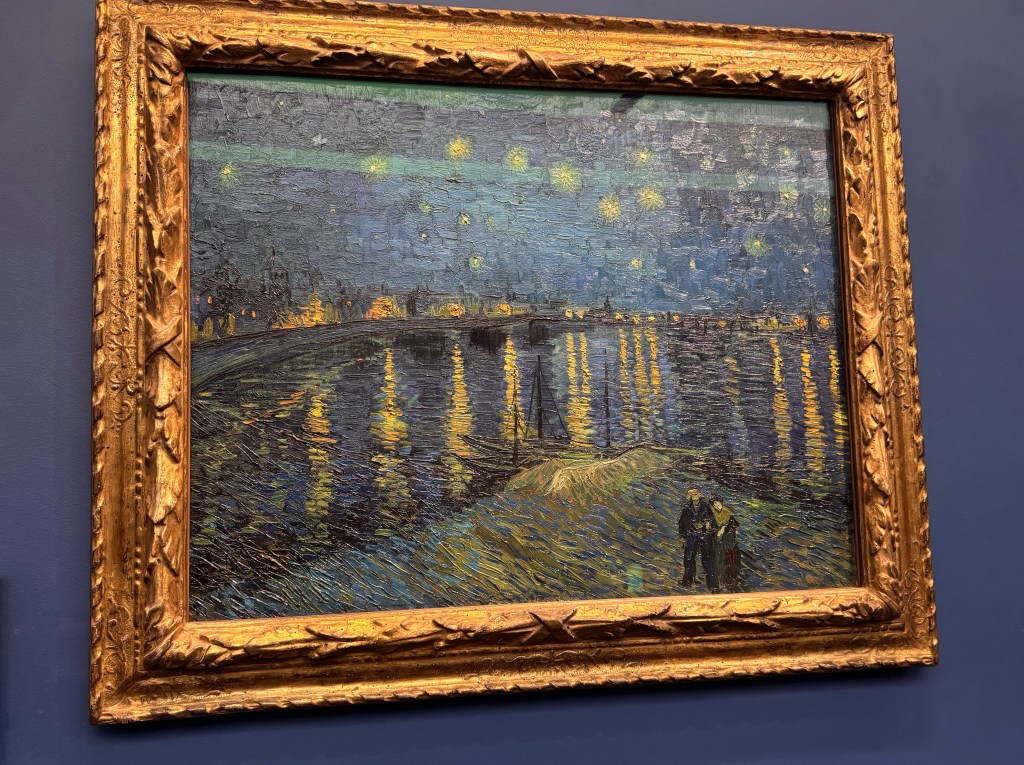
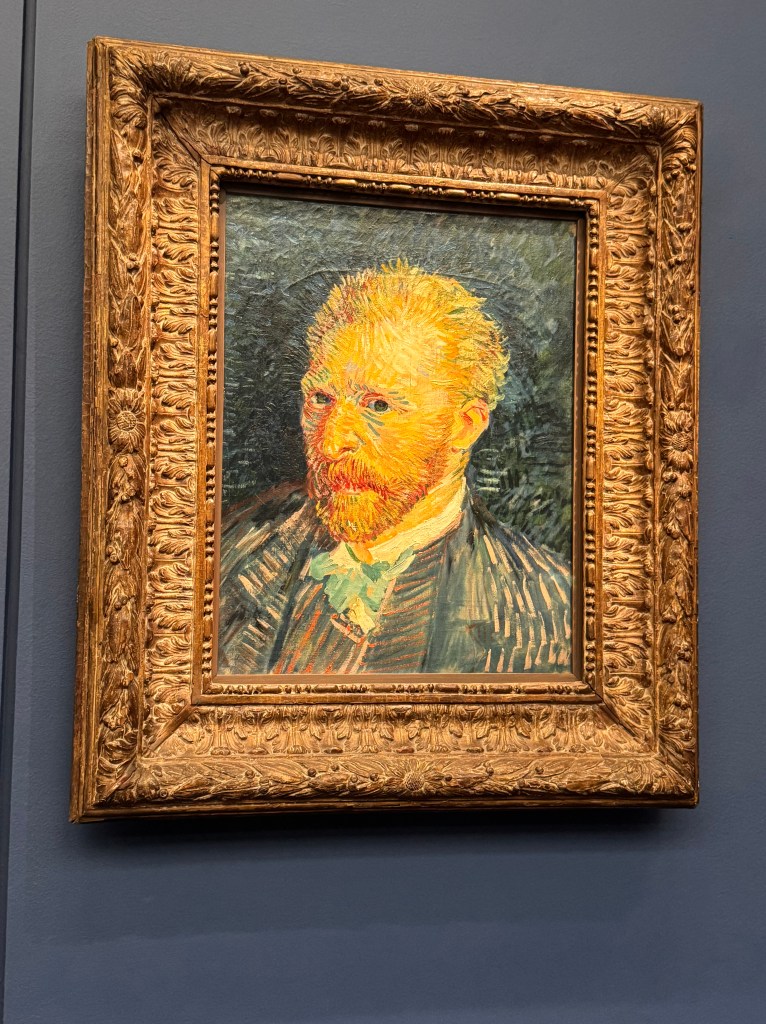
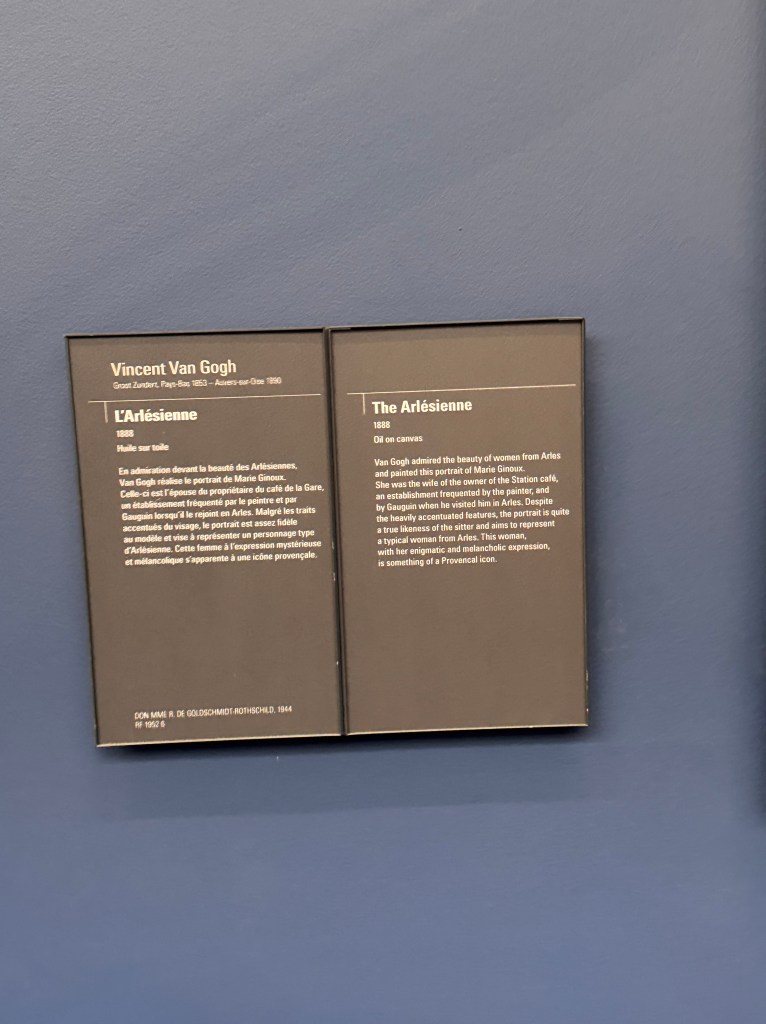
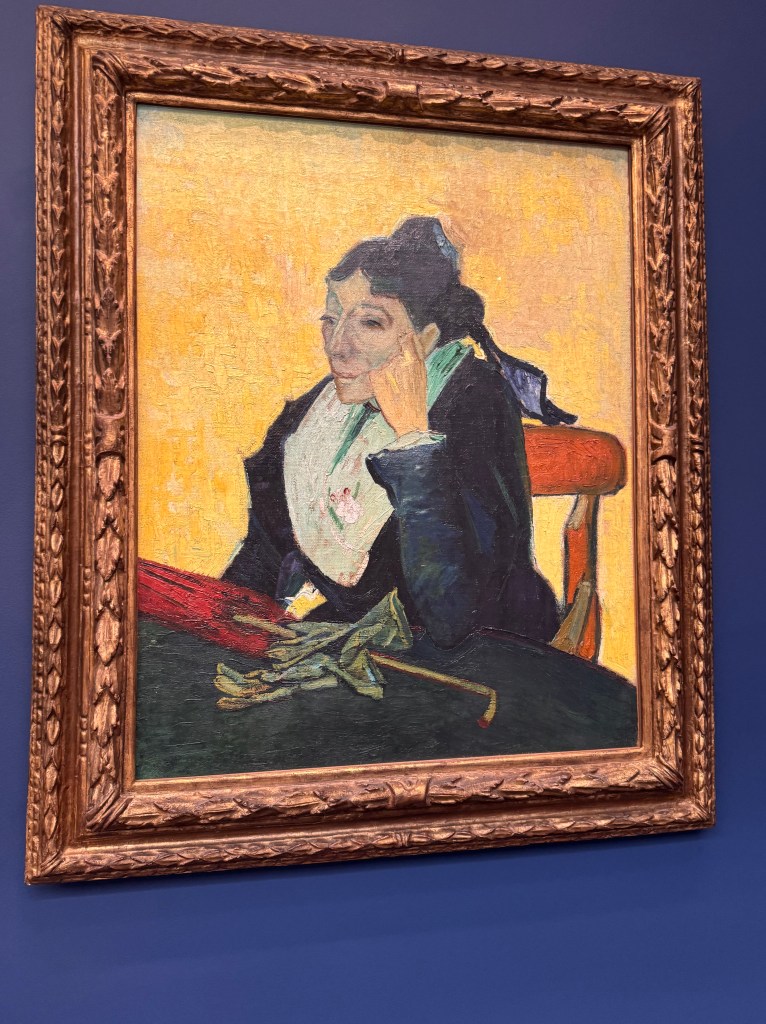
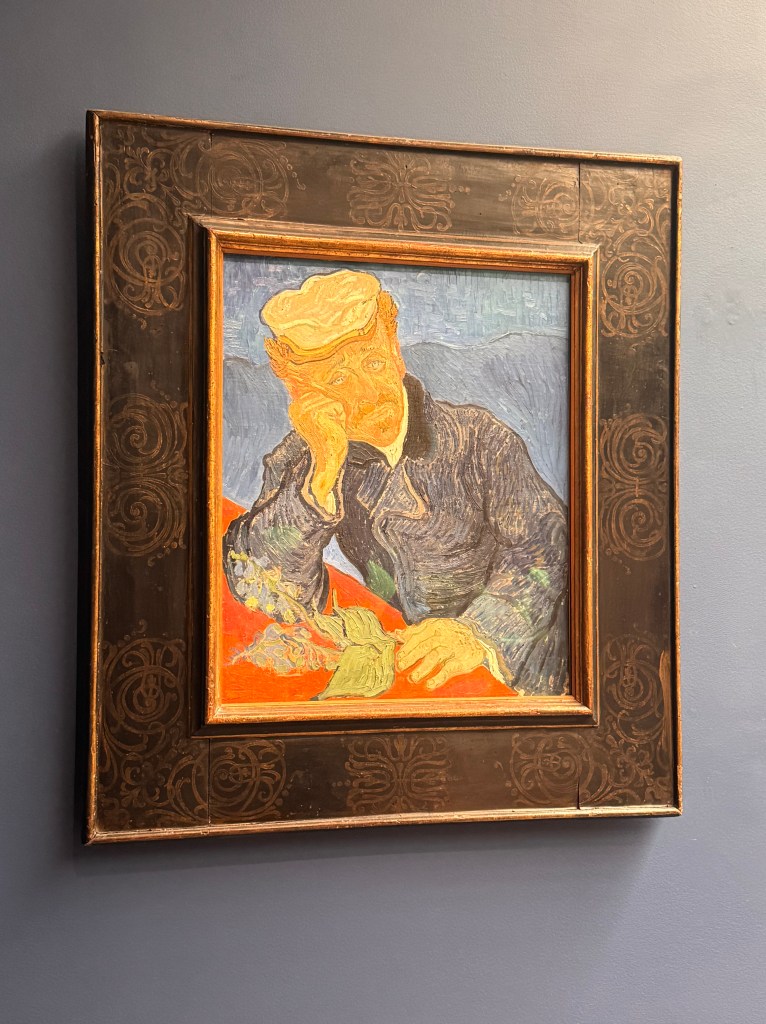
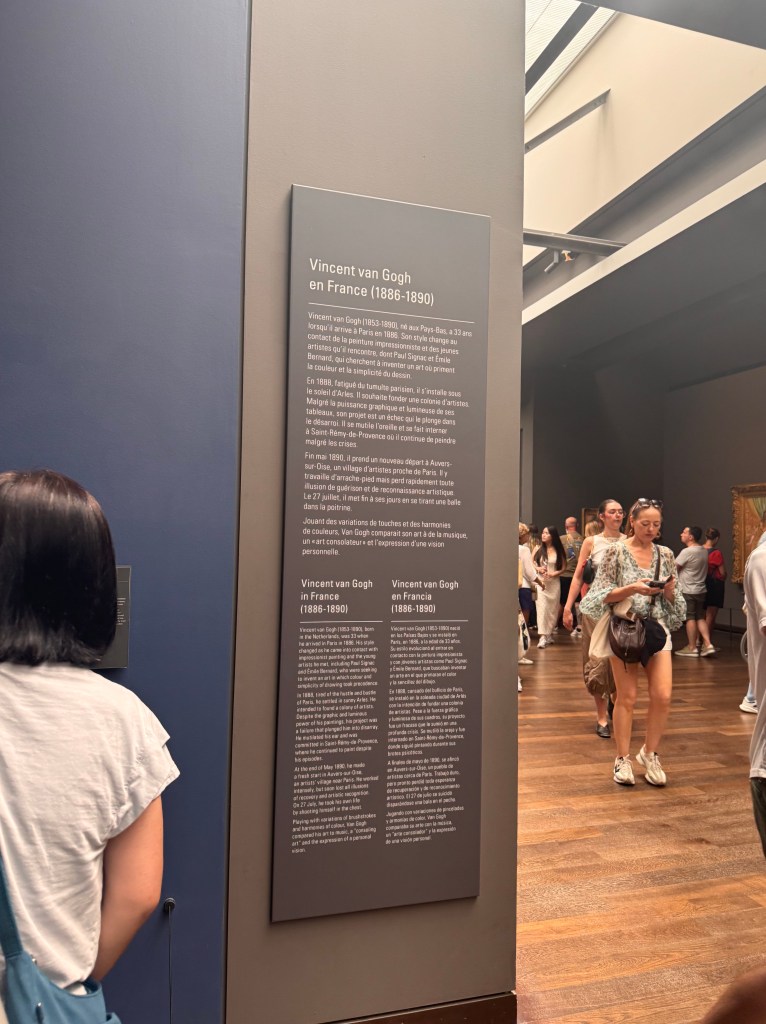
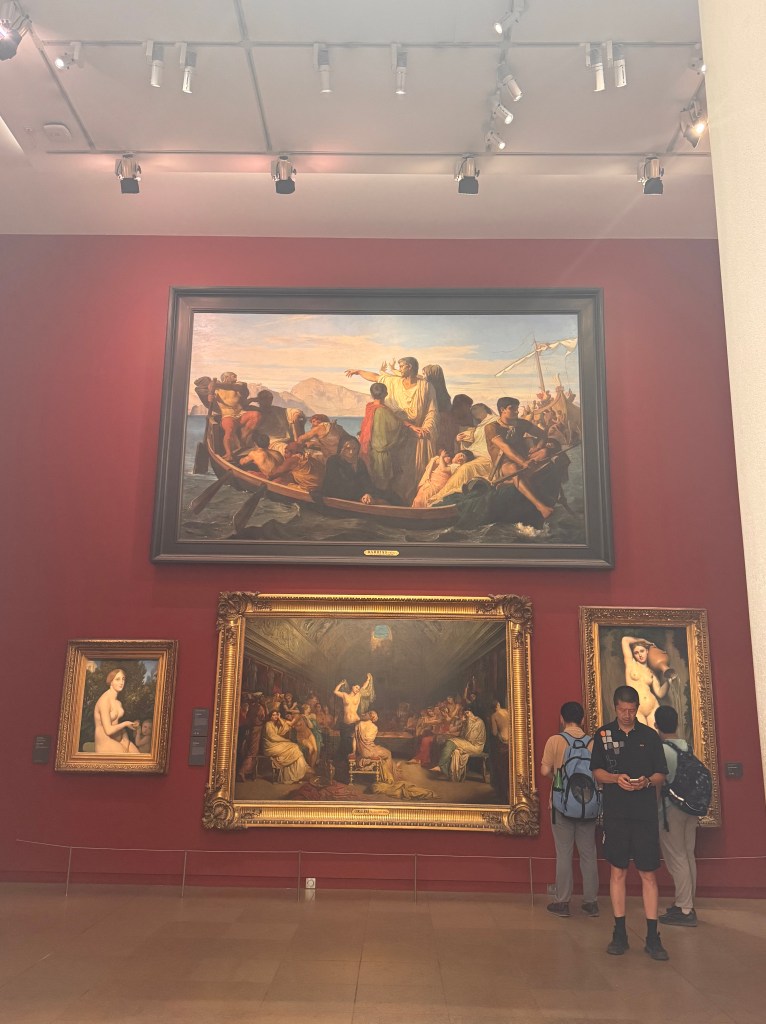
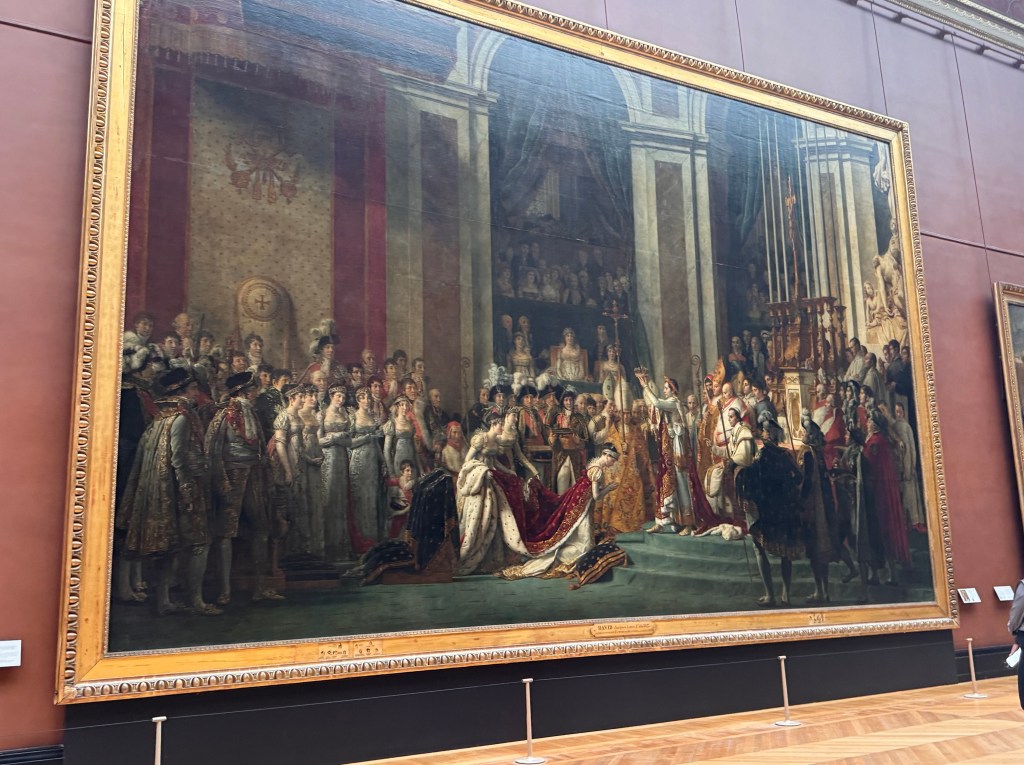
Its collection focuses primarily on the artistic revolution of the late 19th century, and room after room was filled with masterpieces.

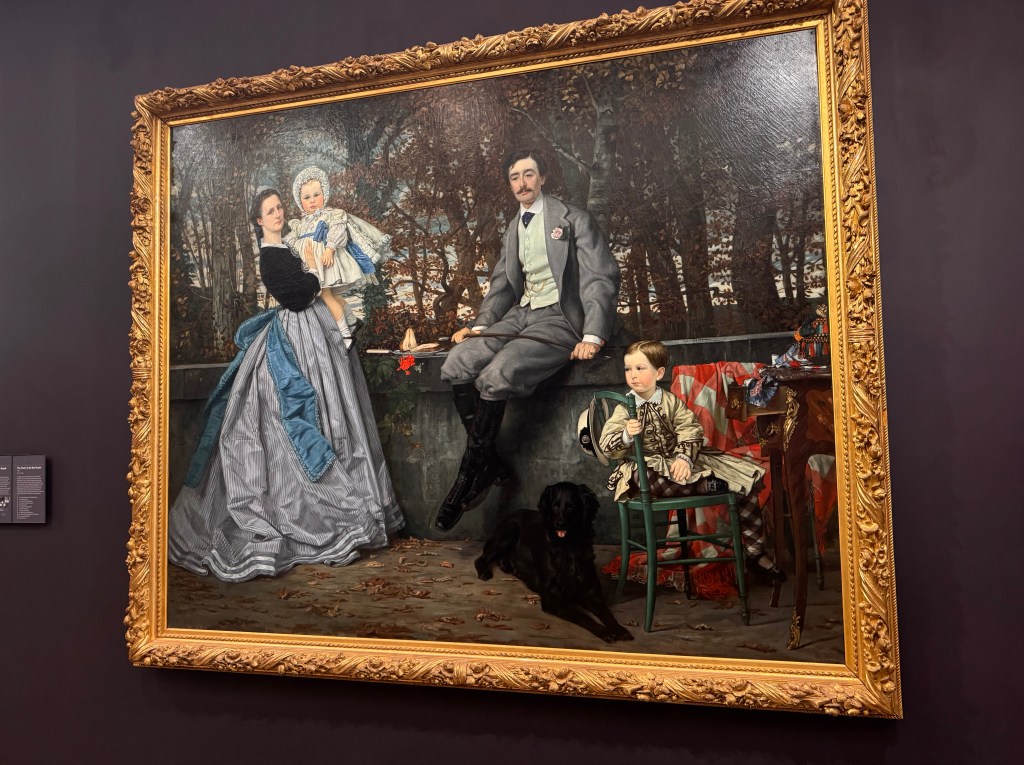
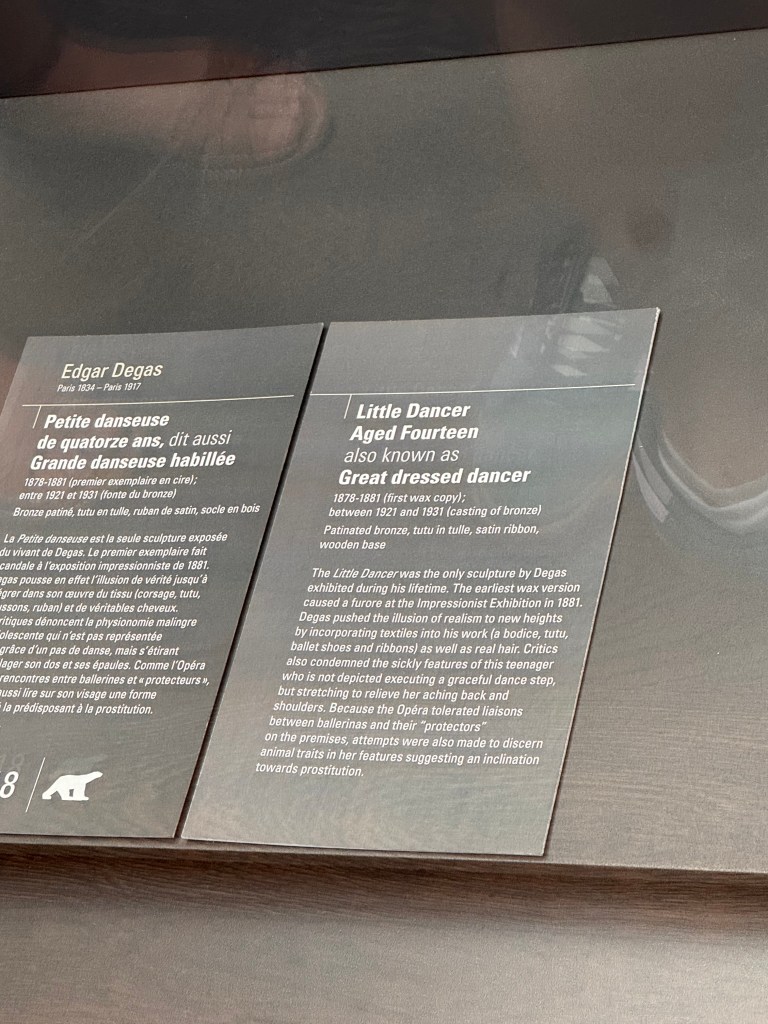
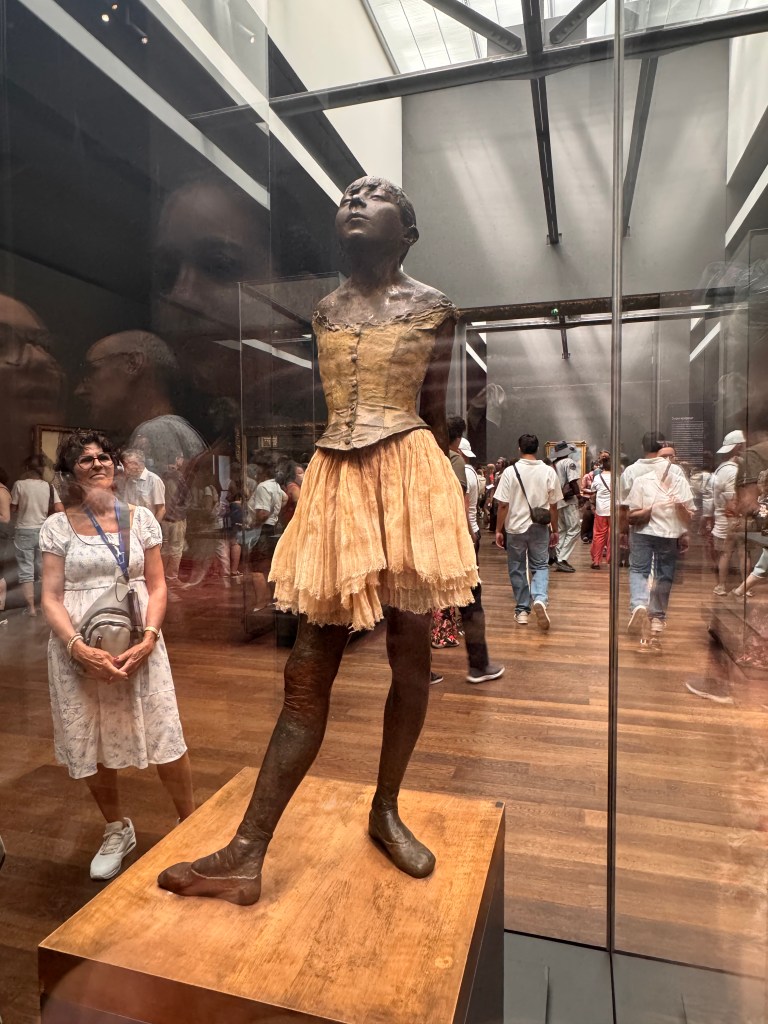
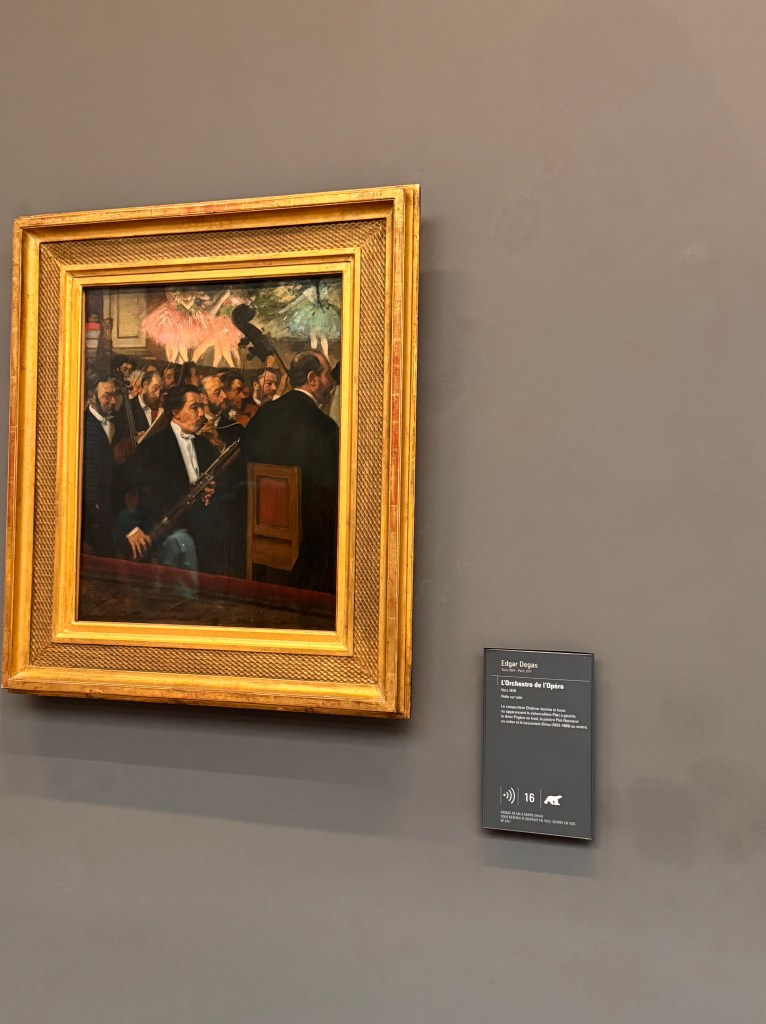
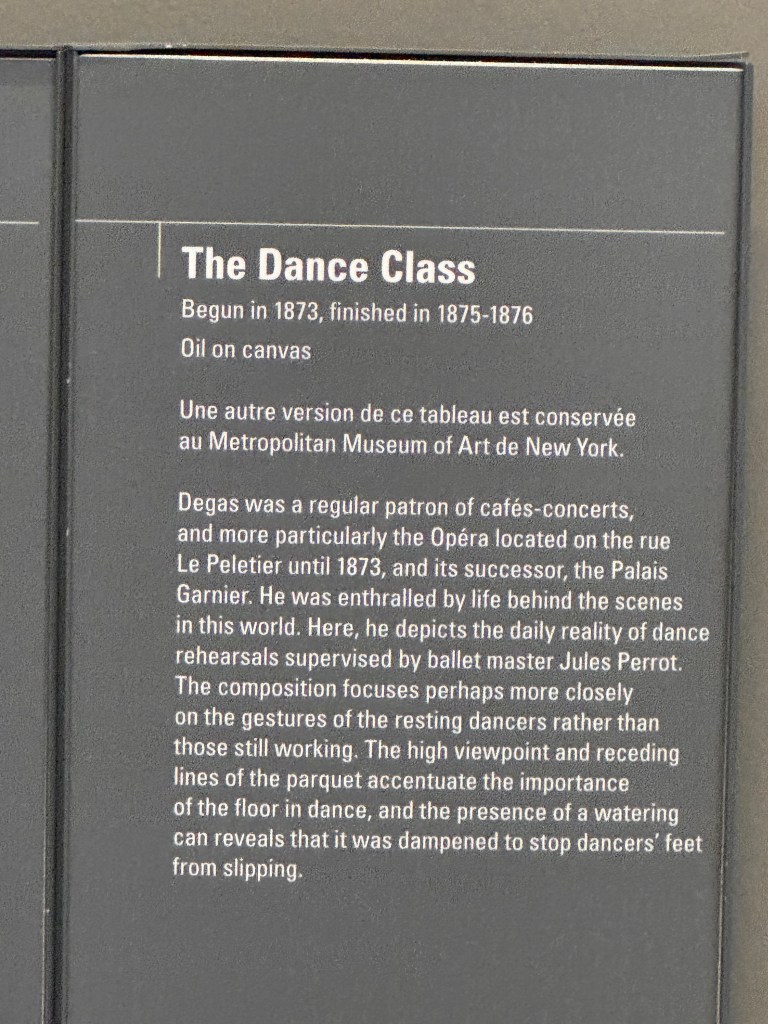
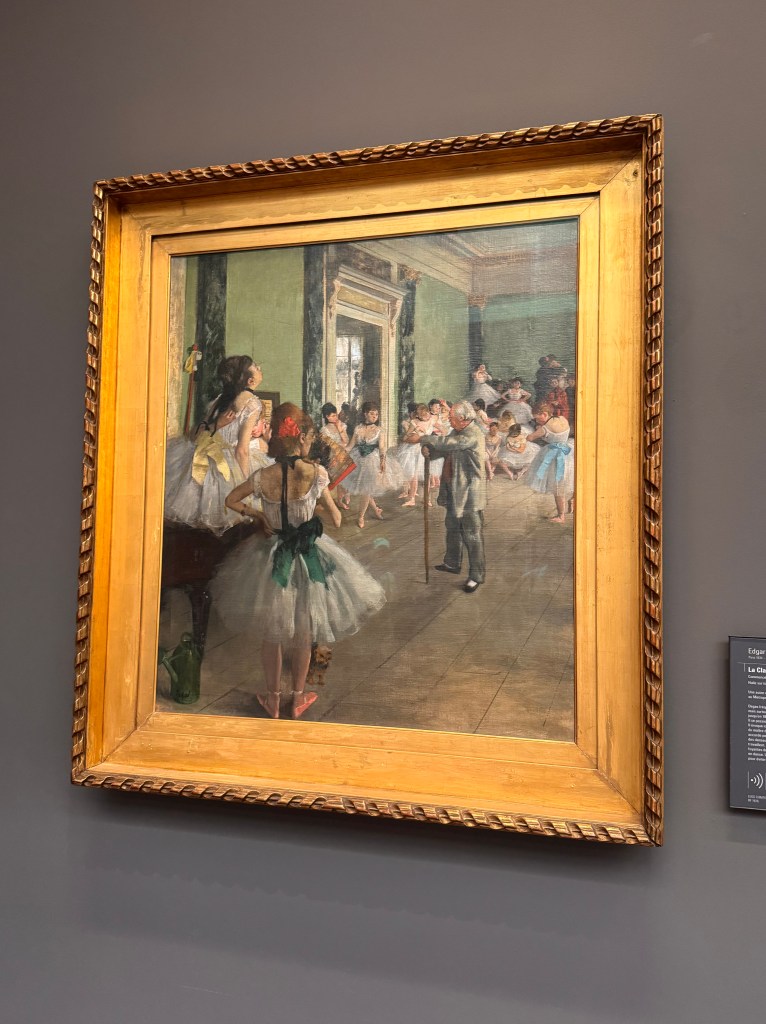
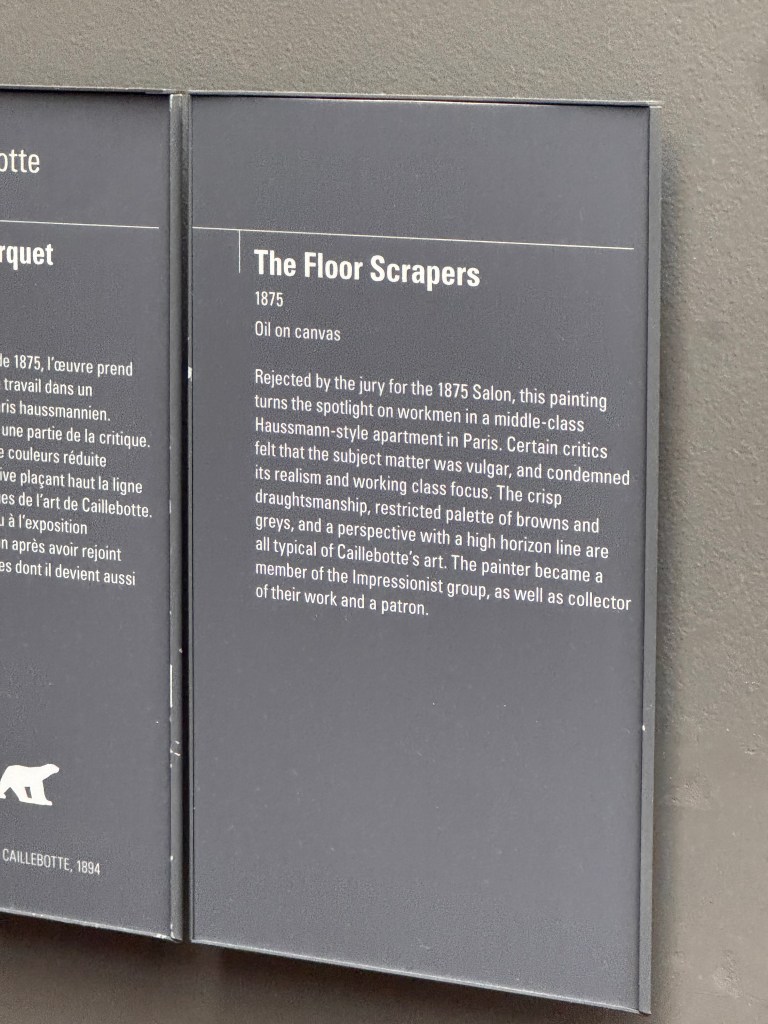
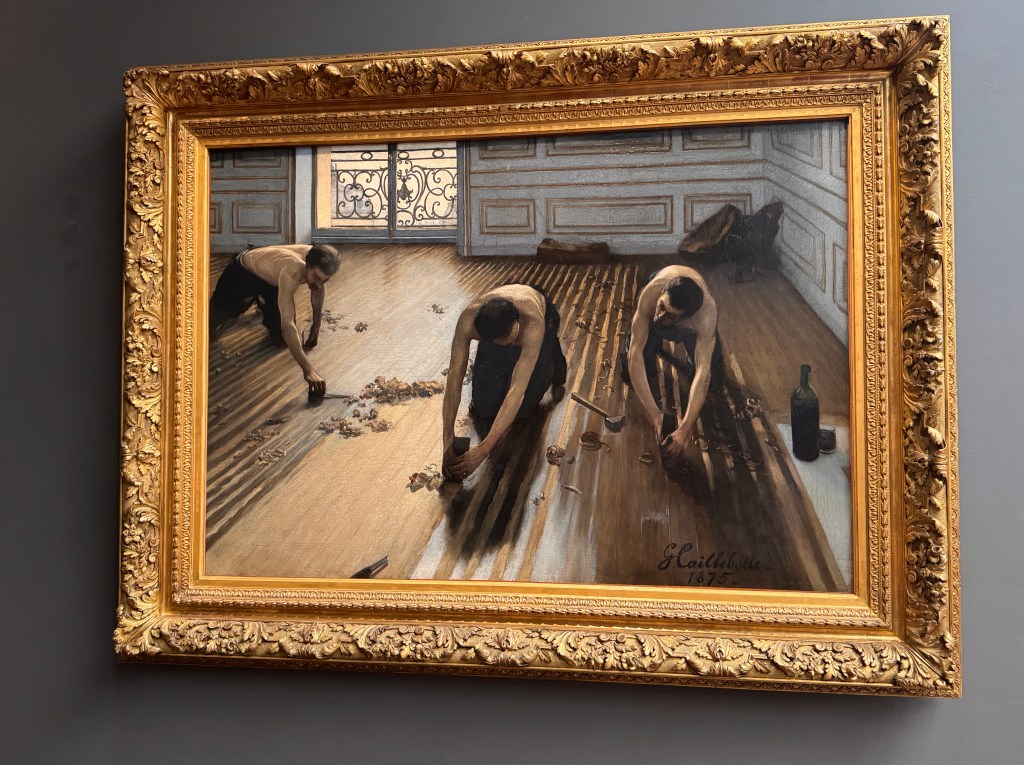
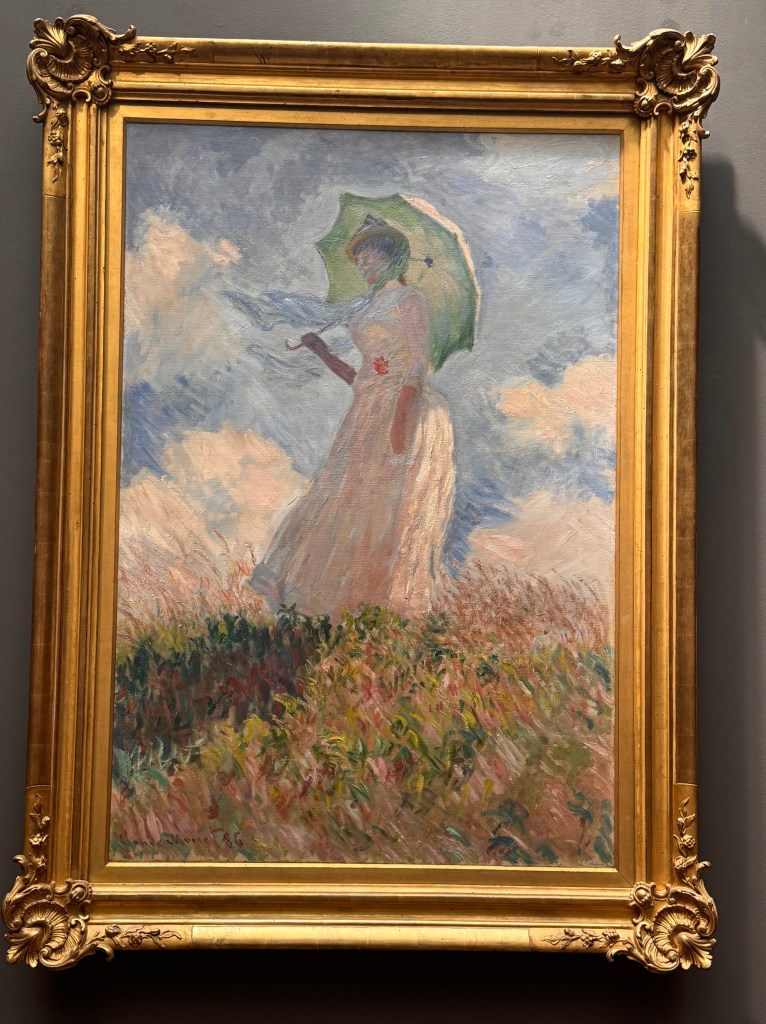
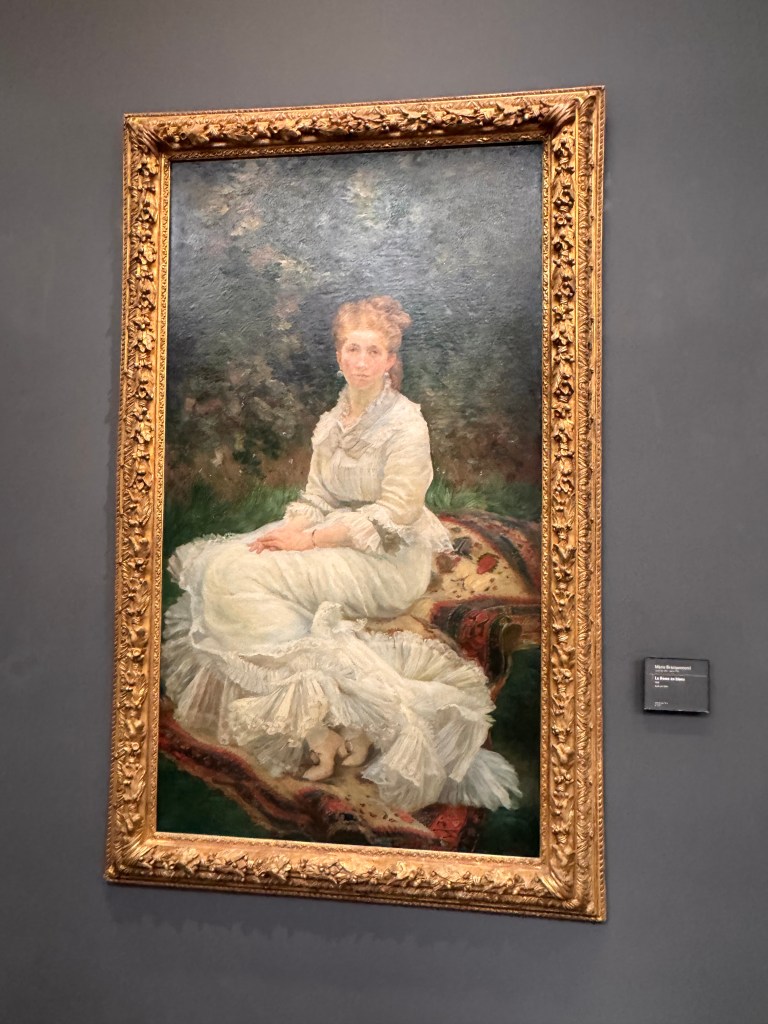
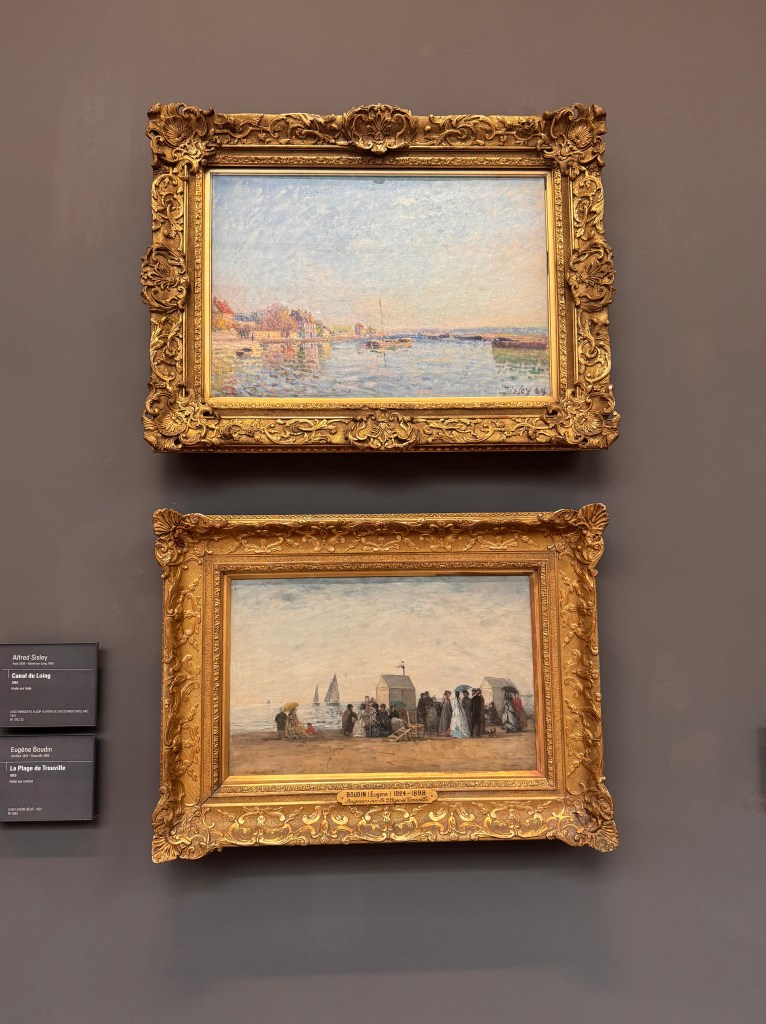
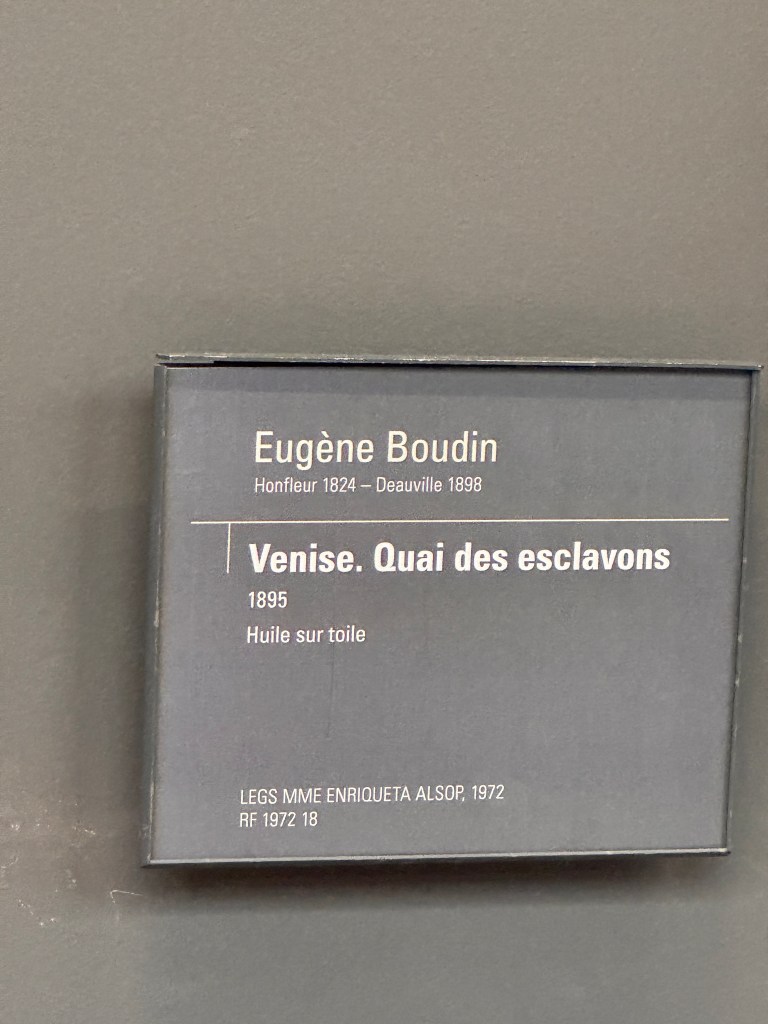
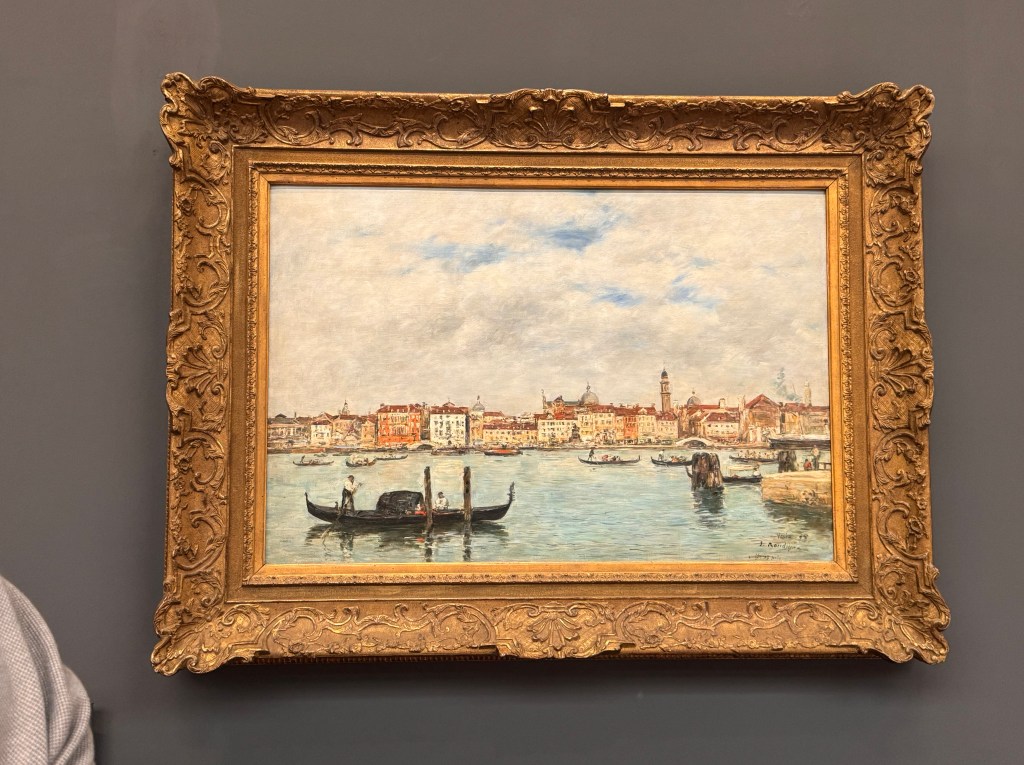
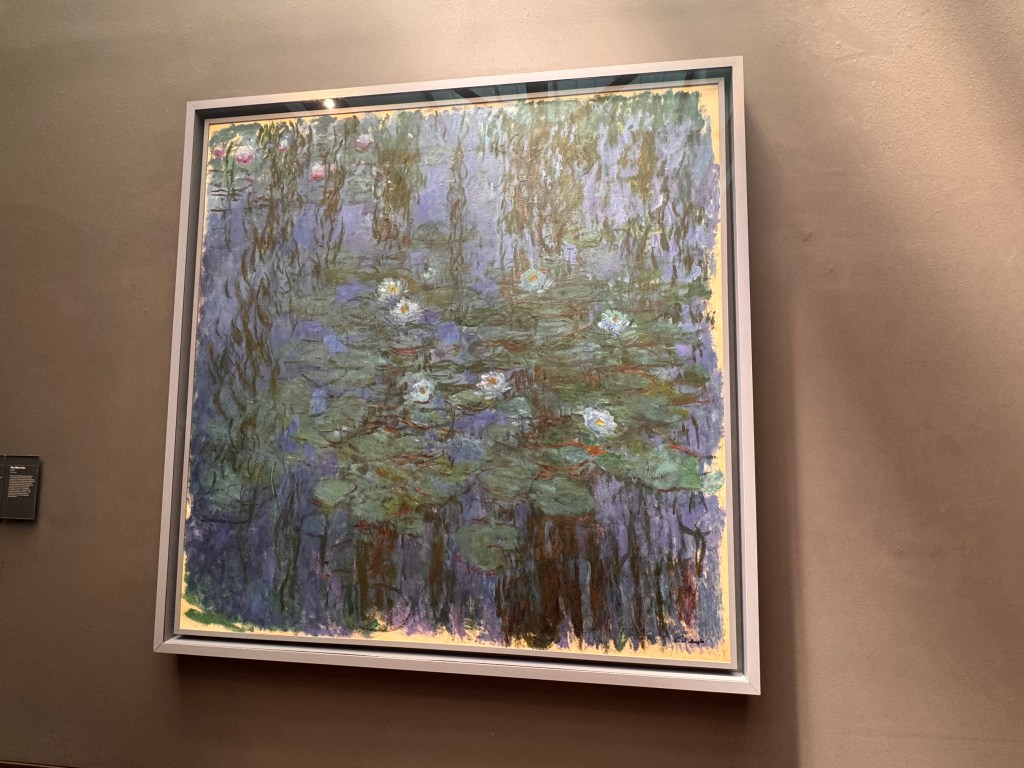
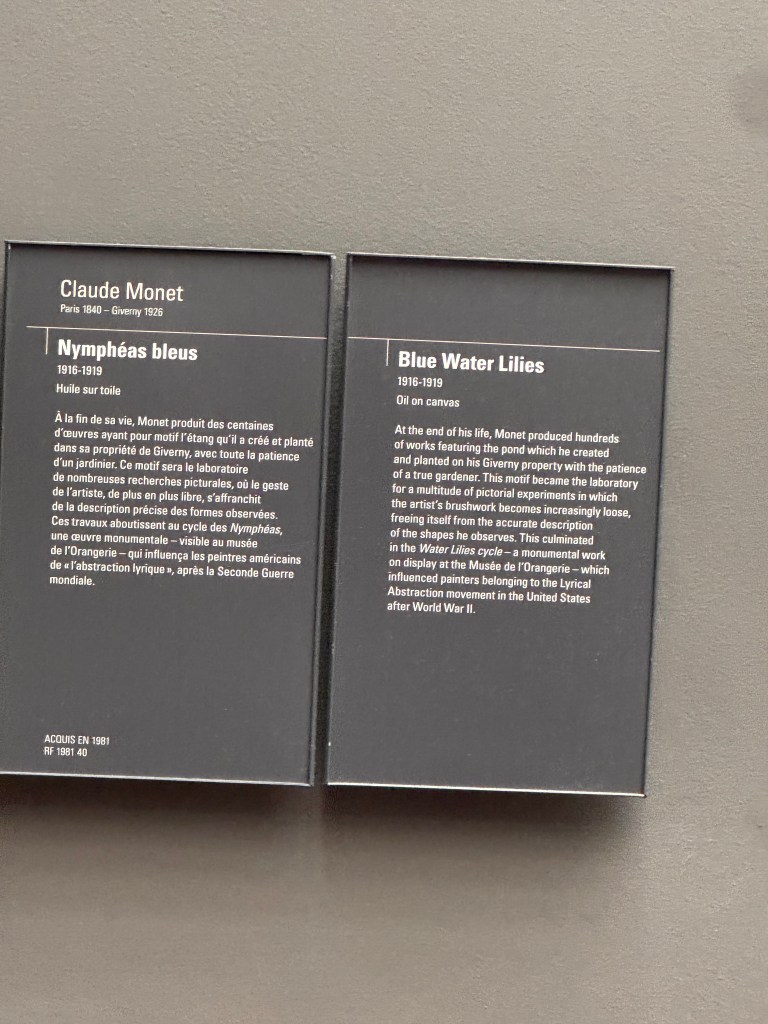
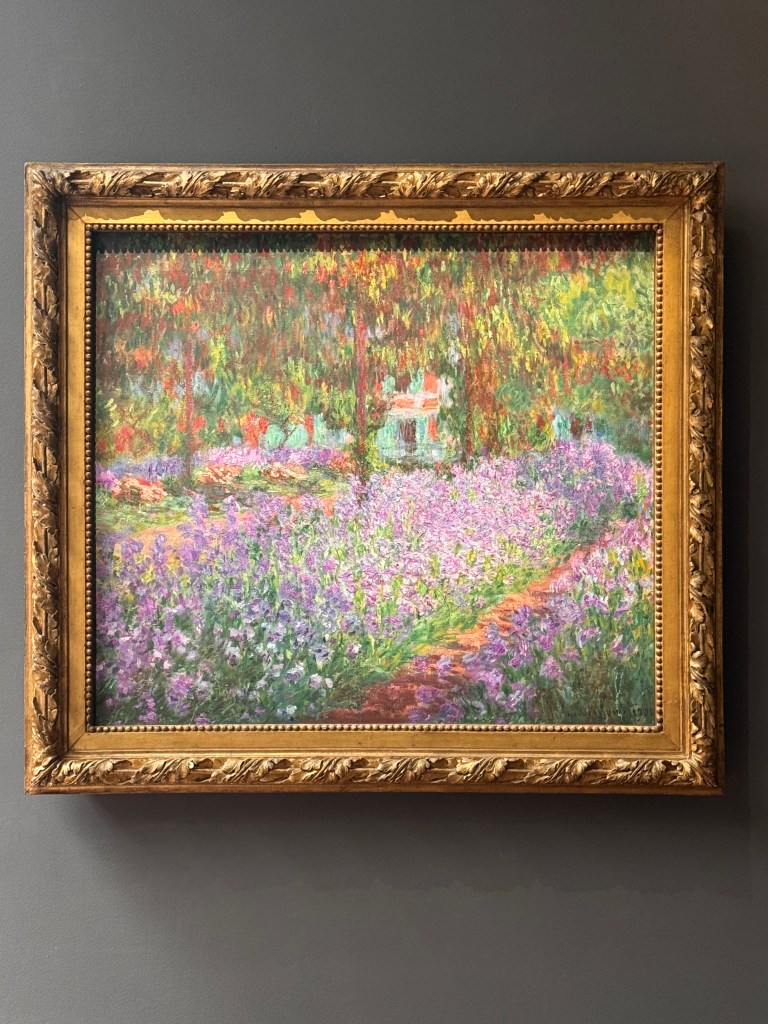
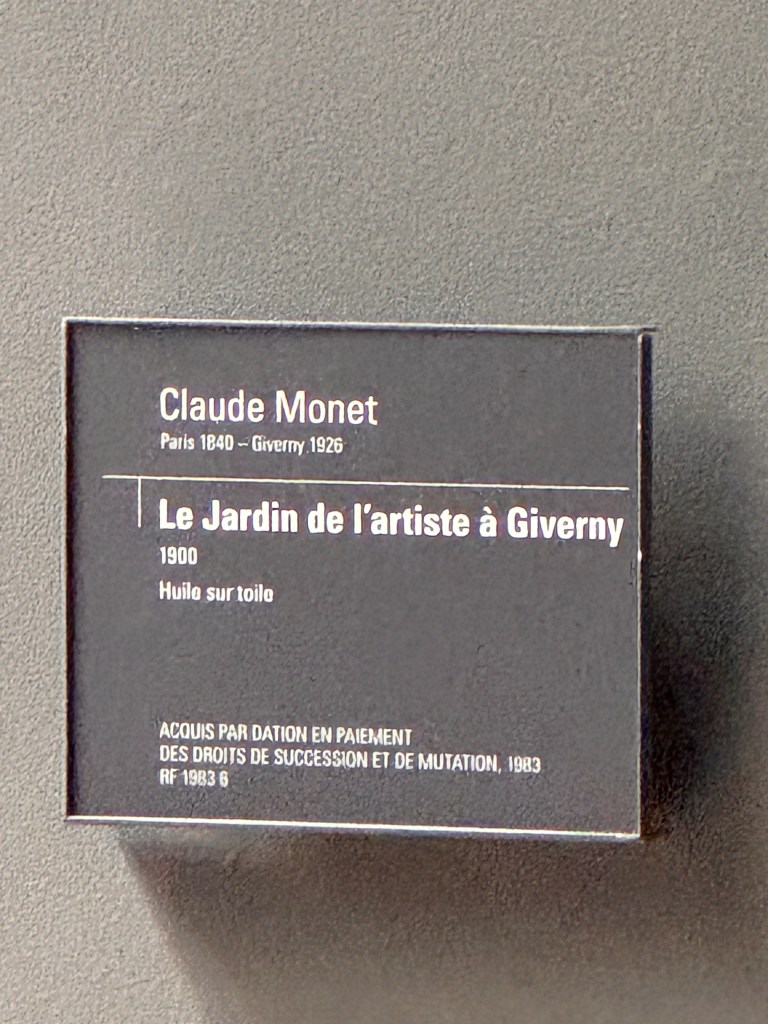
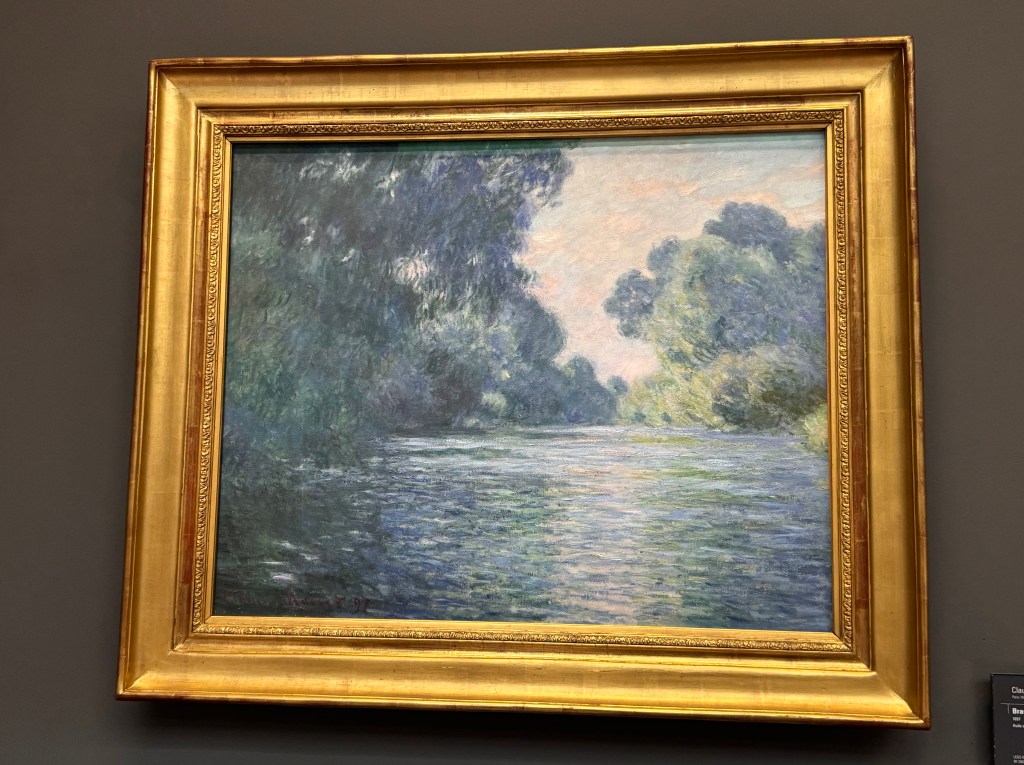
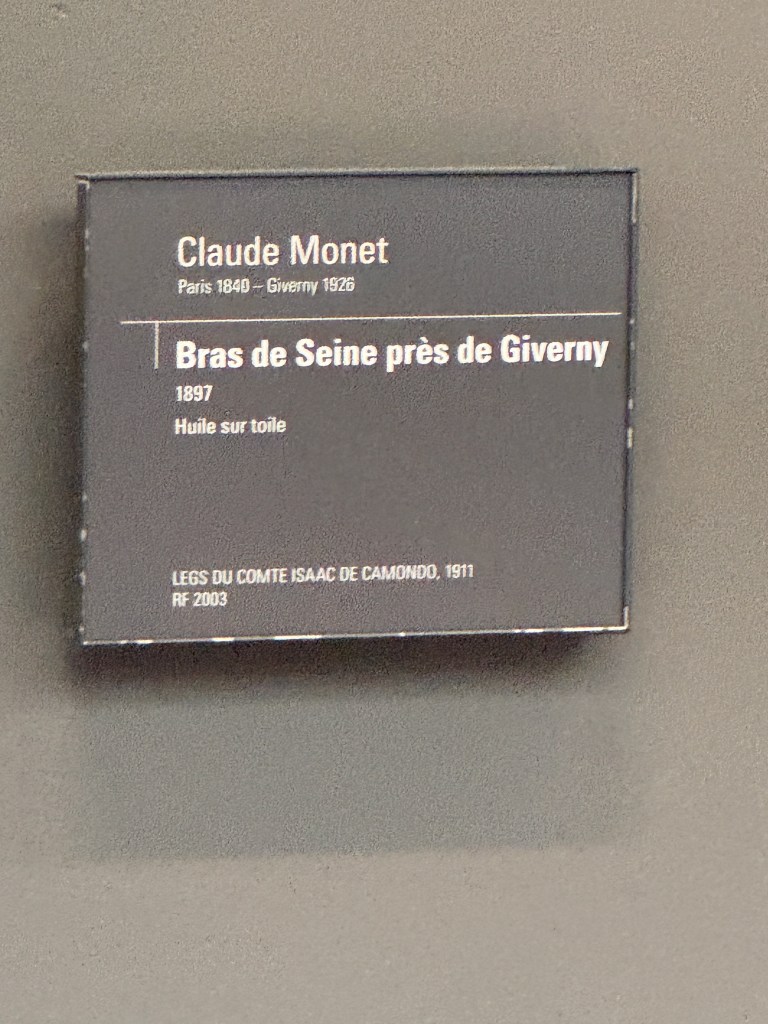
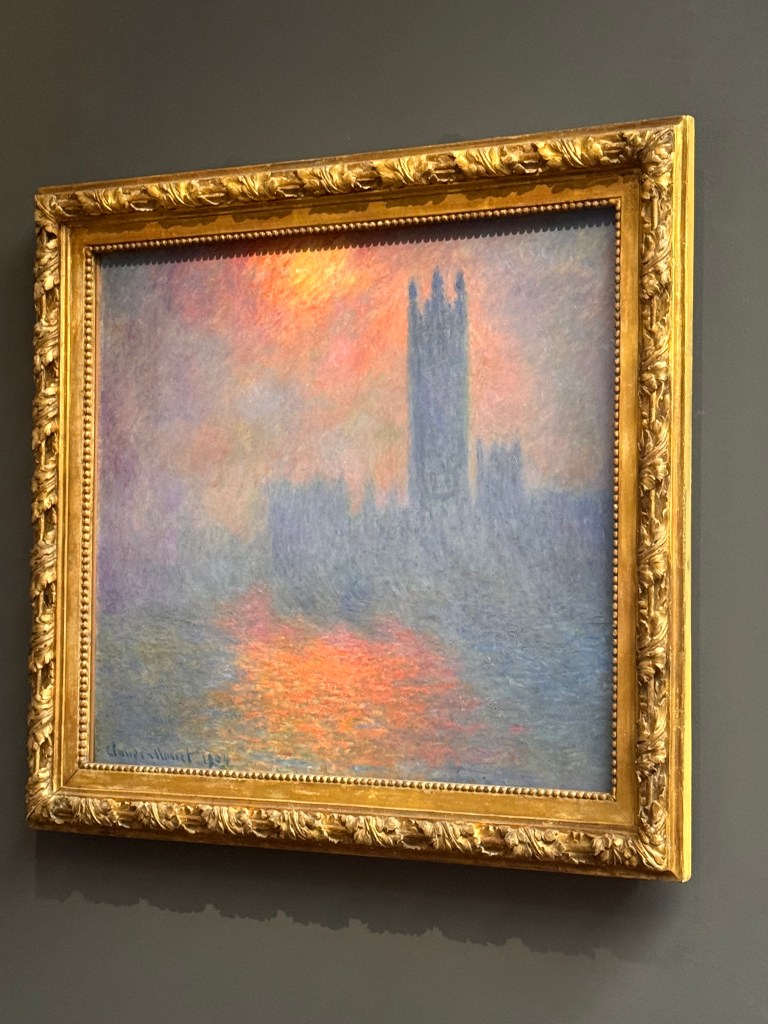
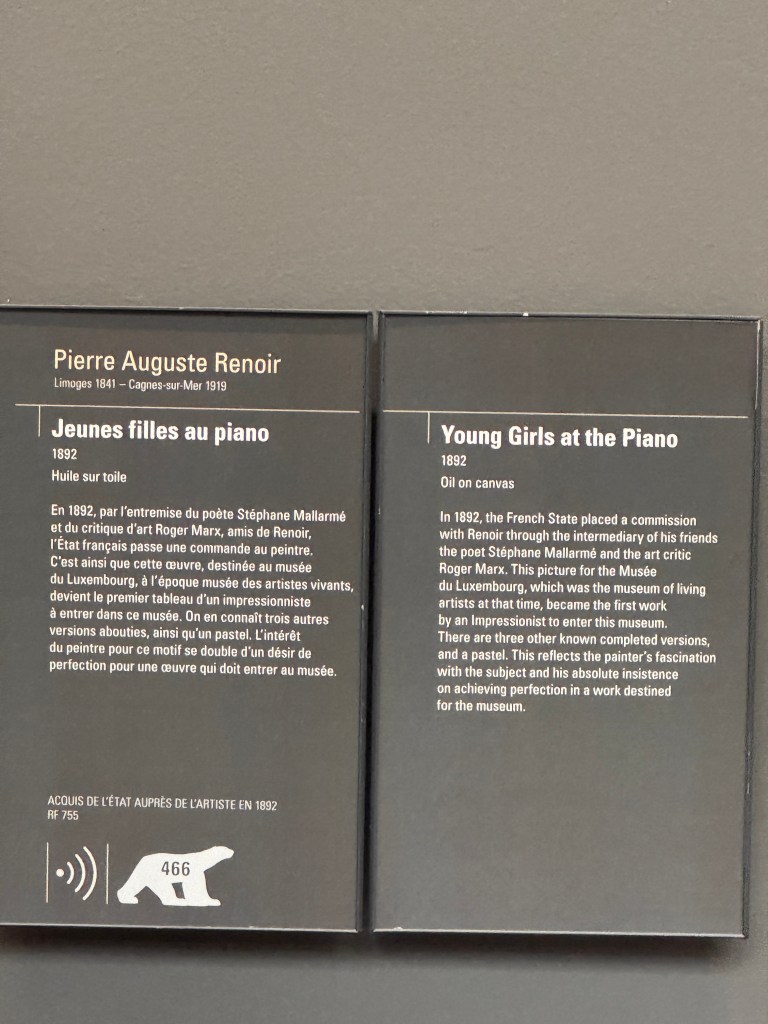
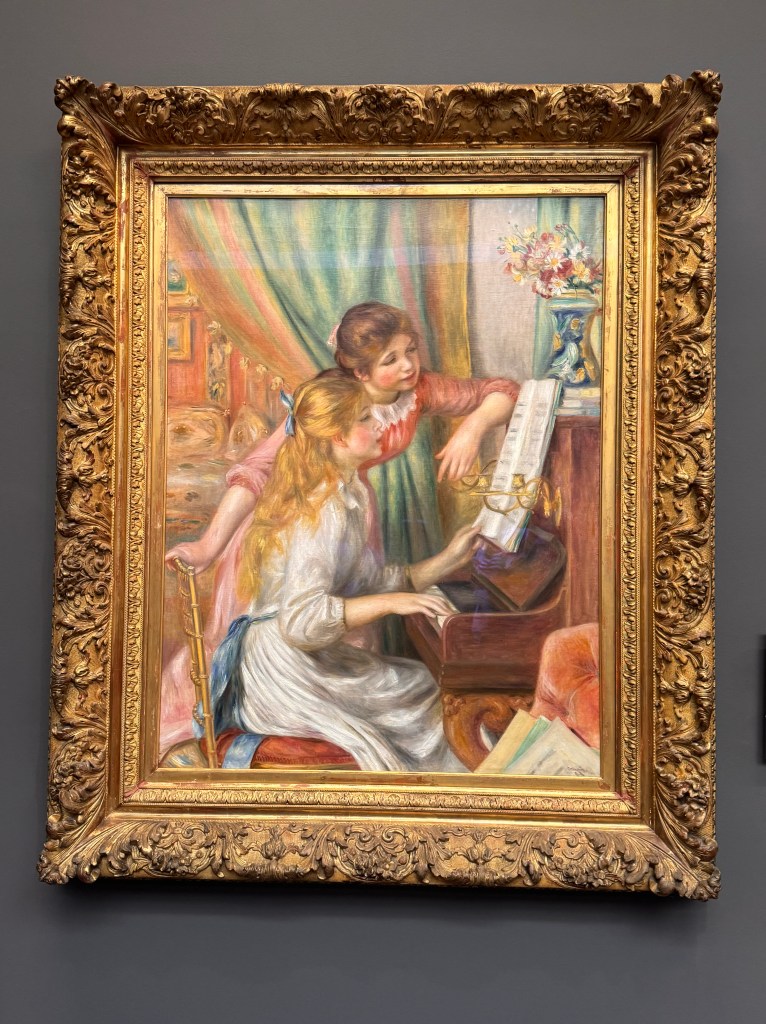
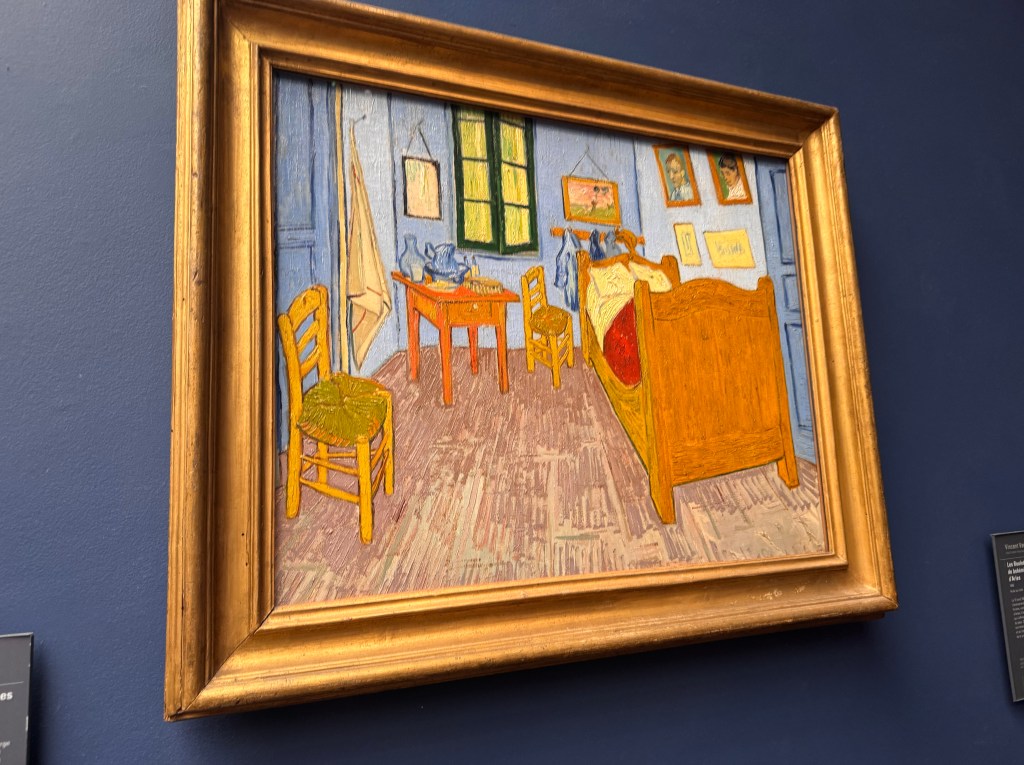
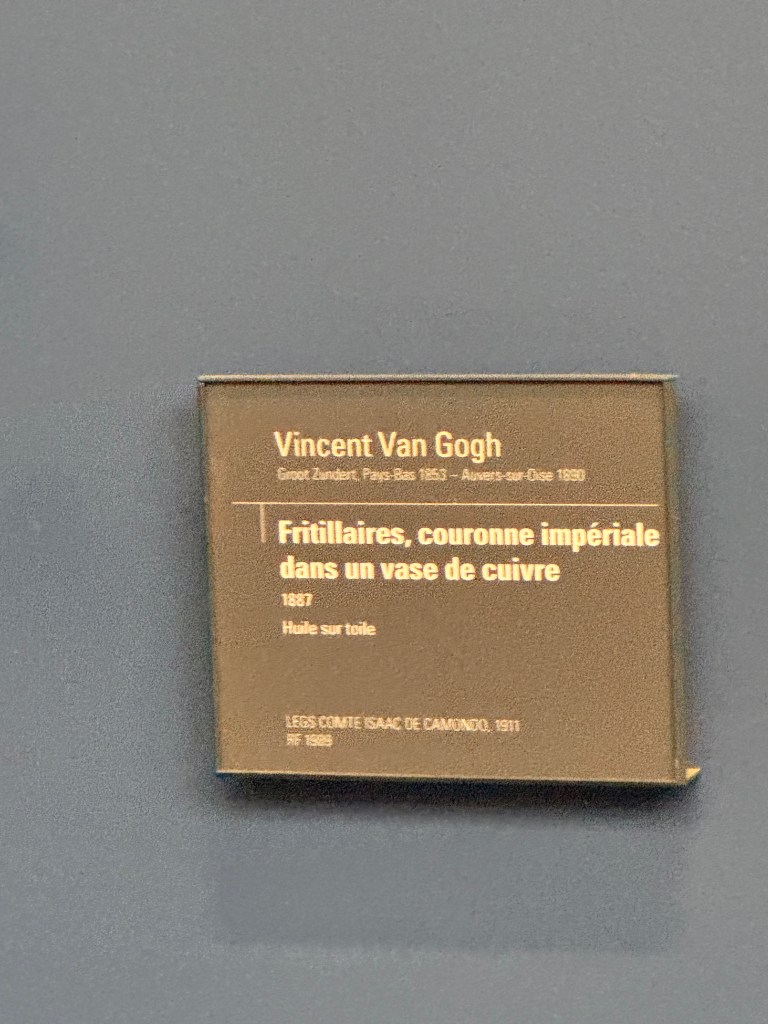
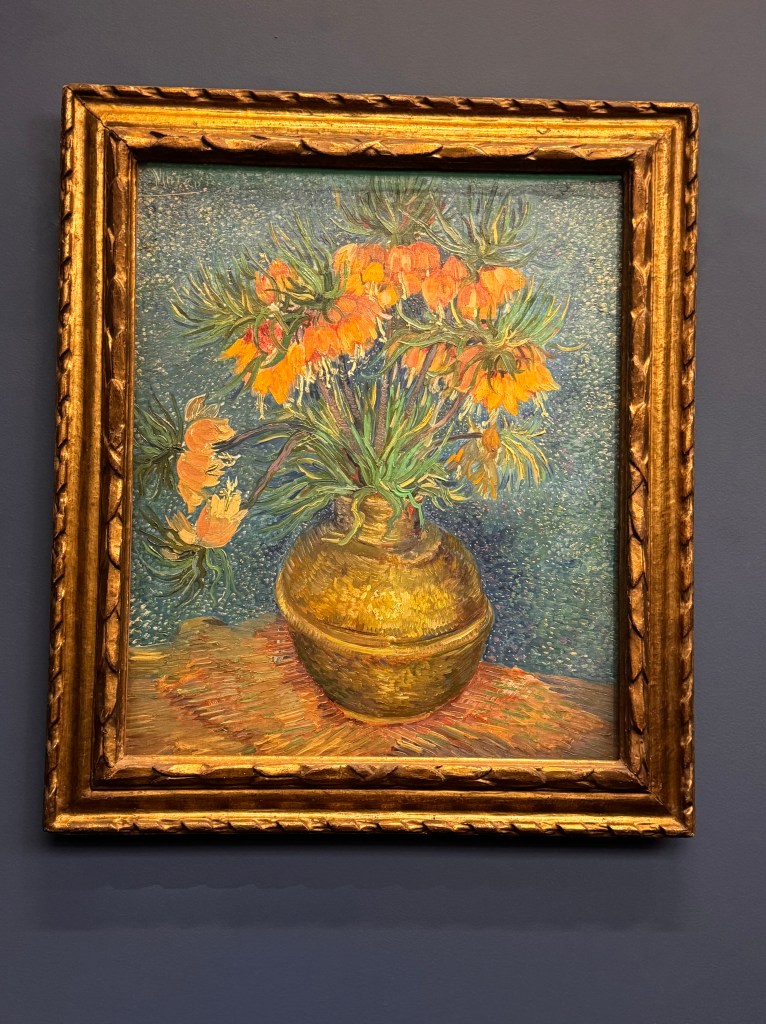
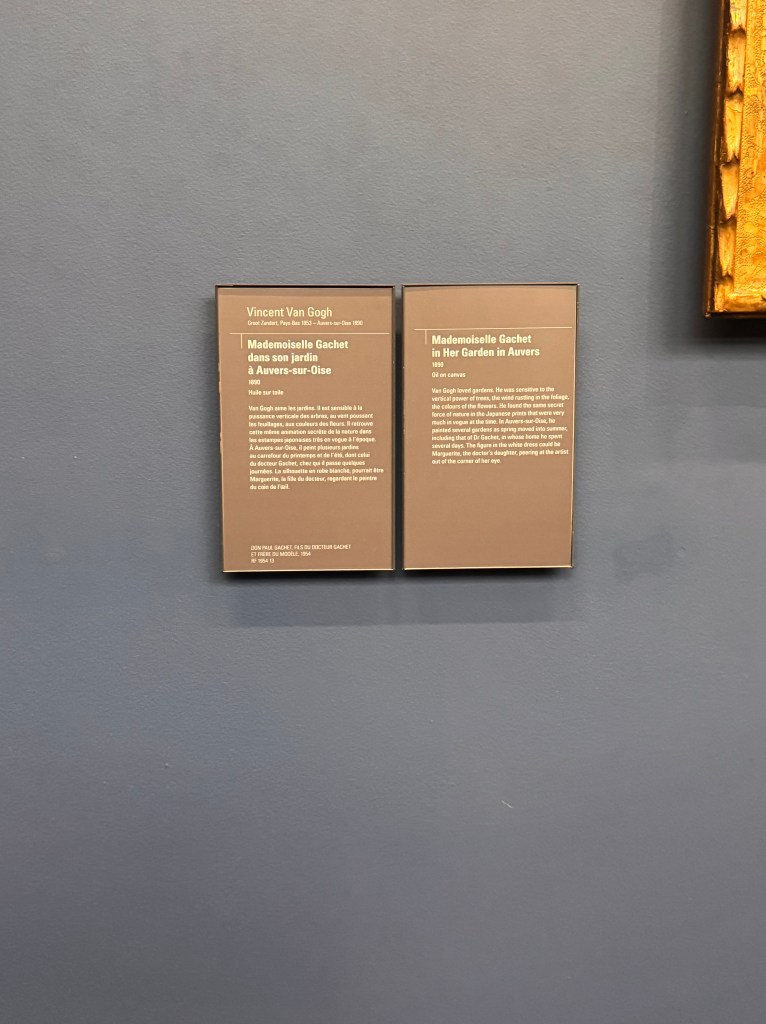
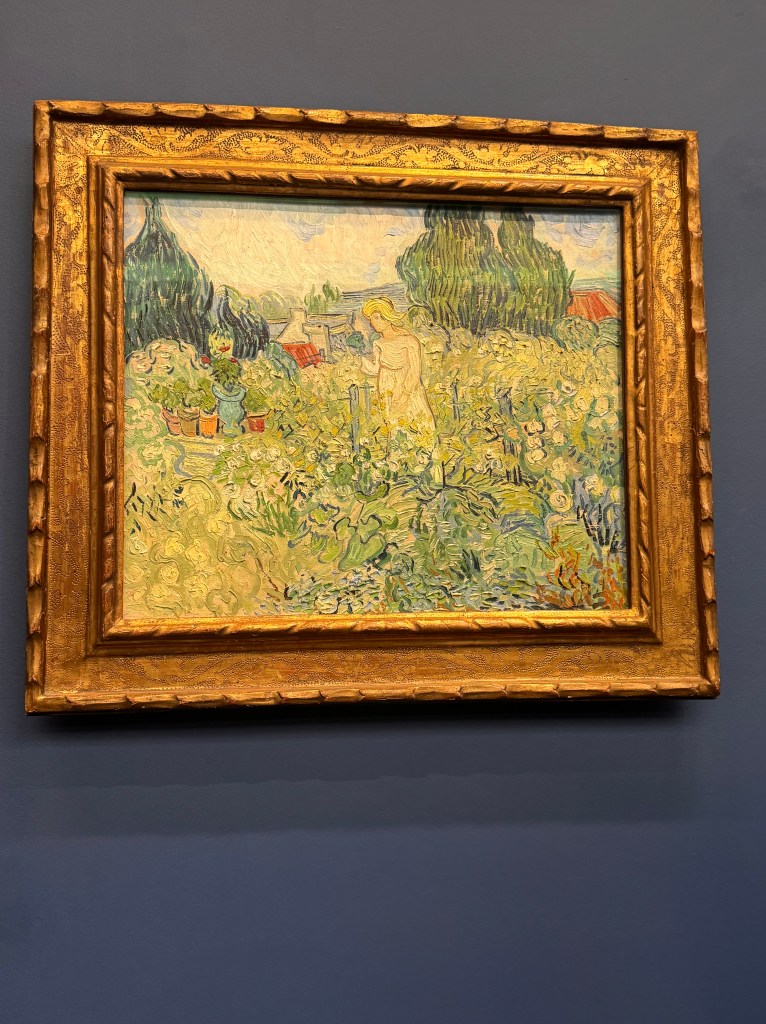
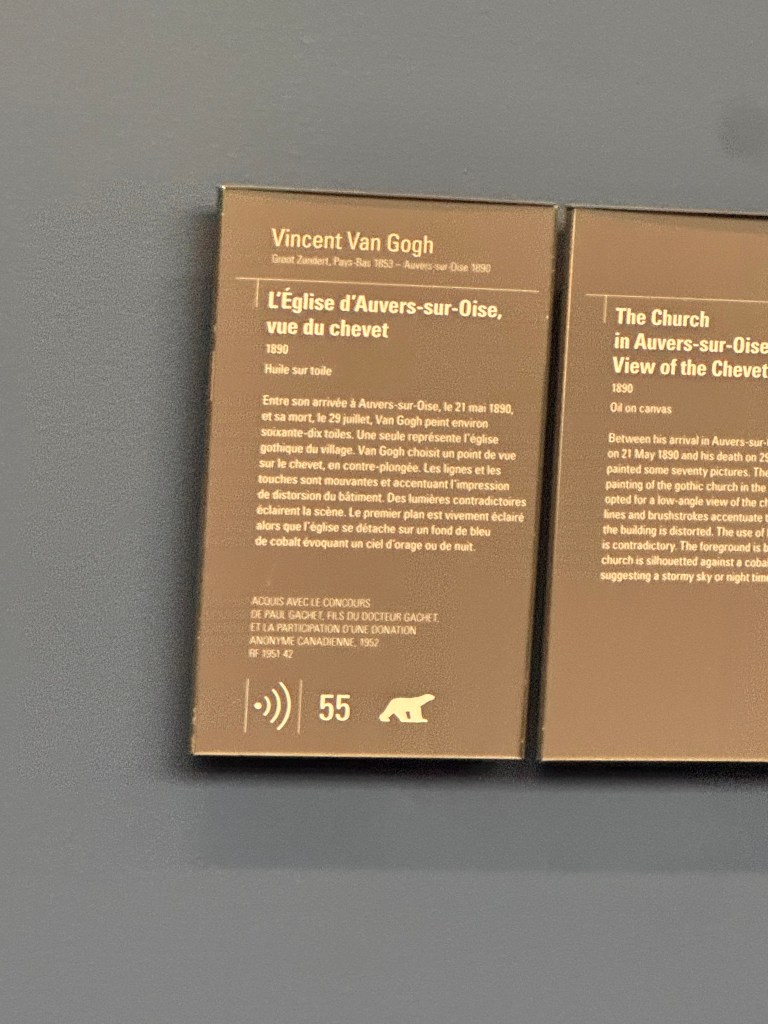
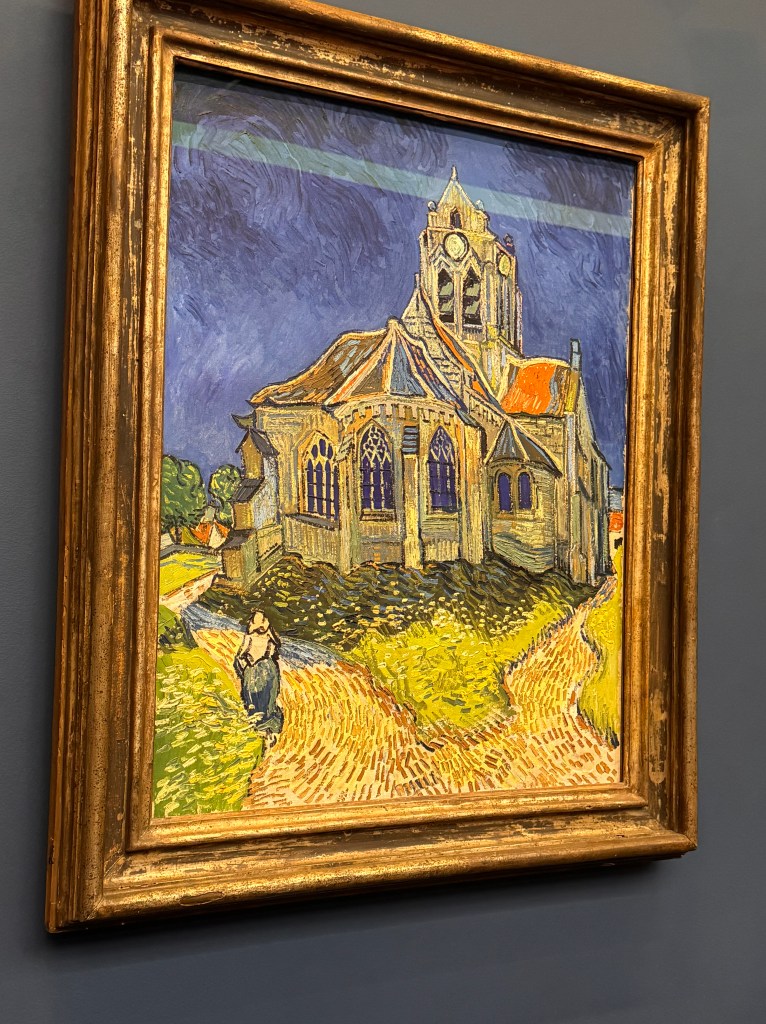
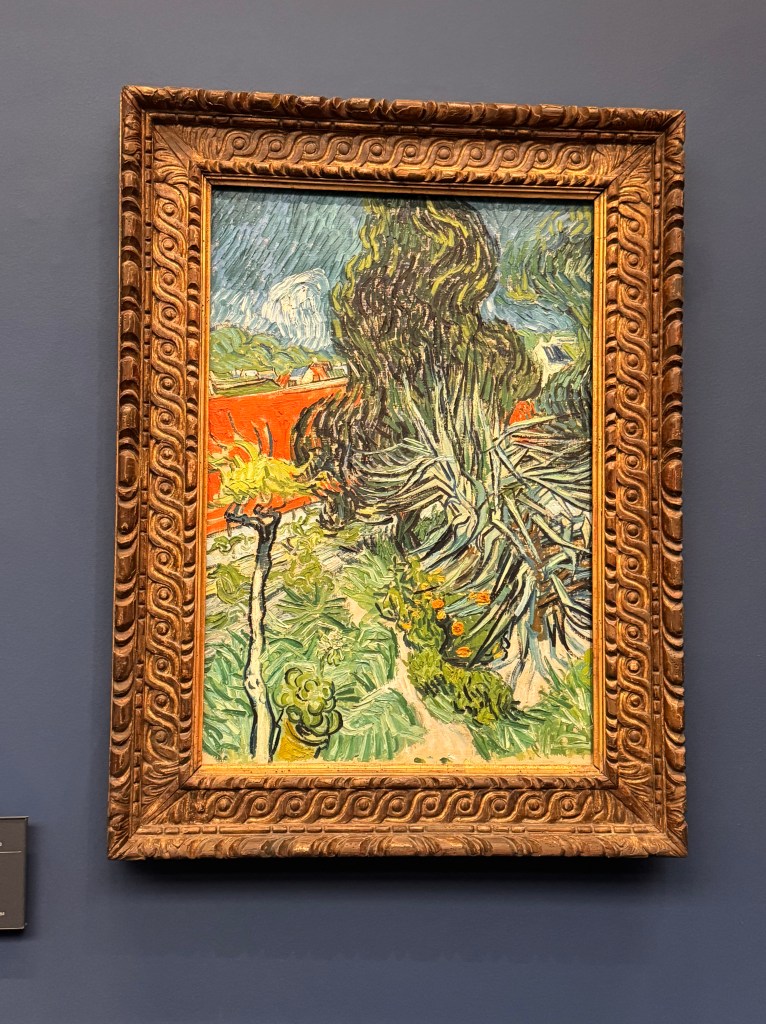
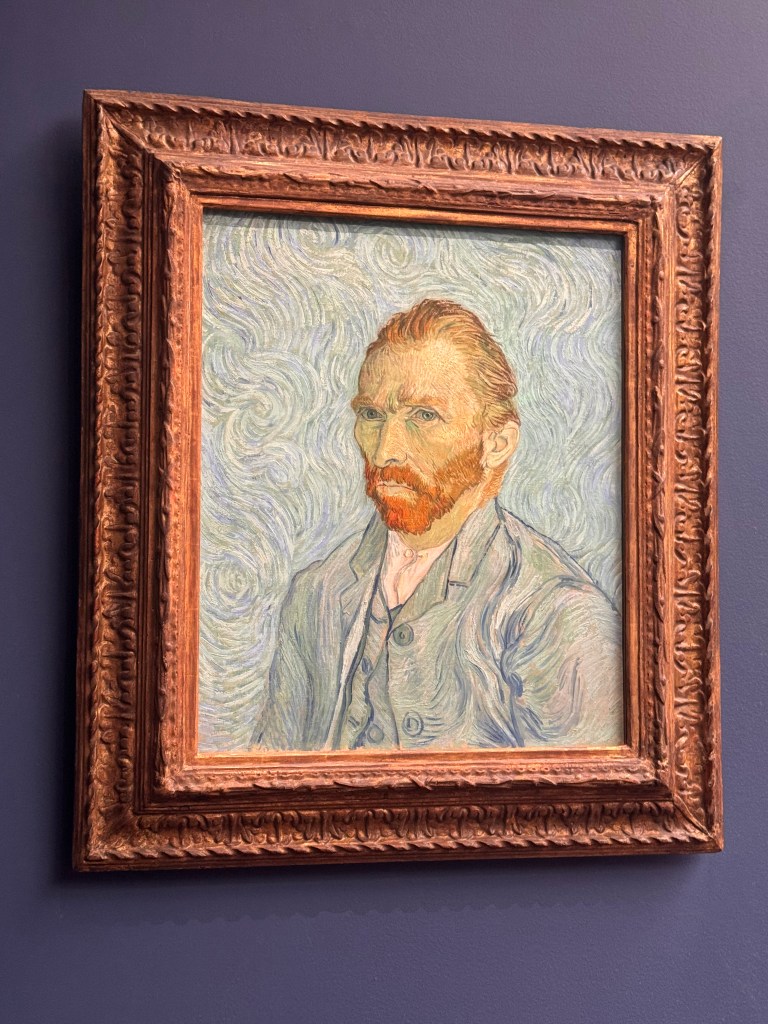
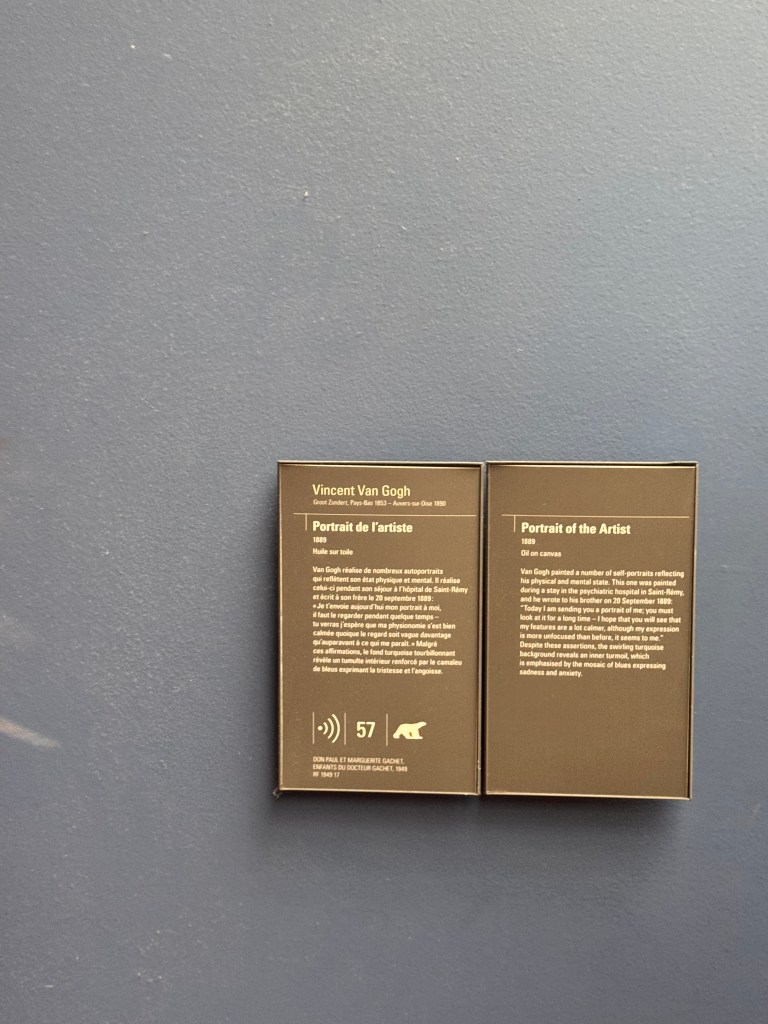
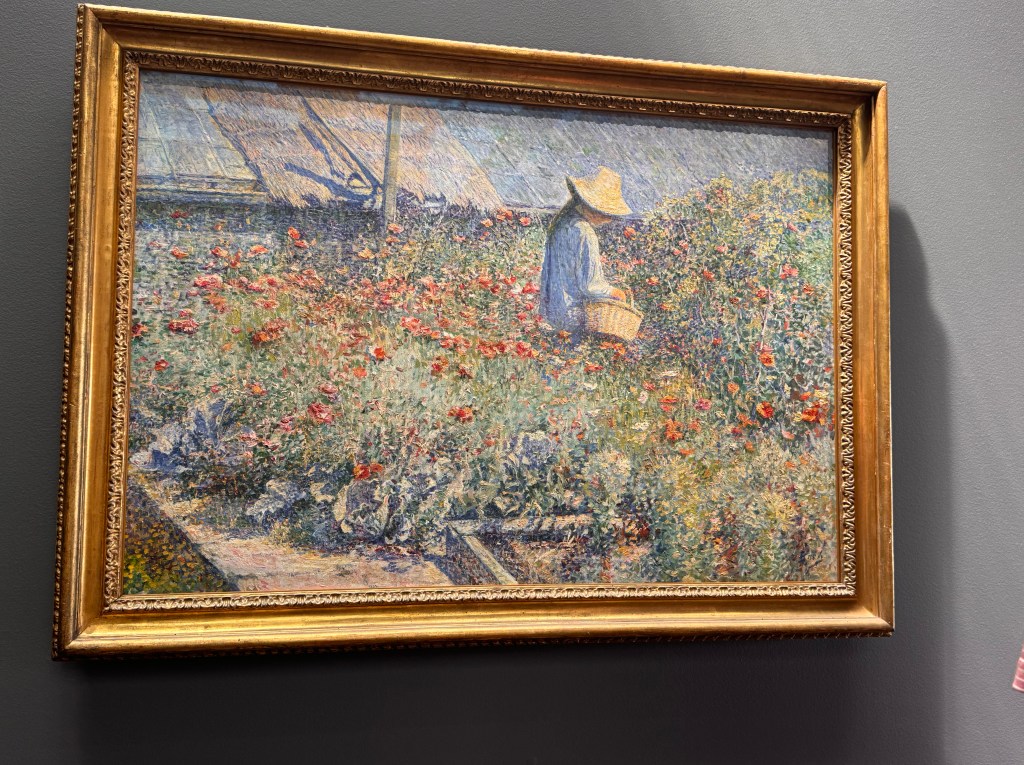
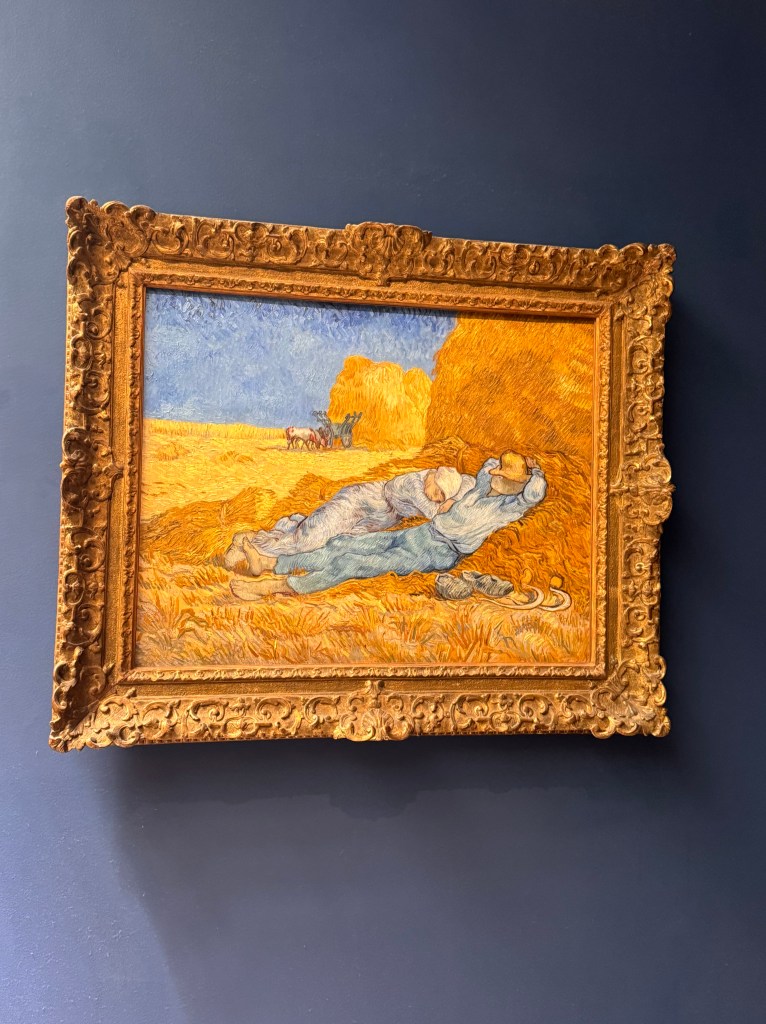
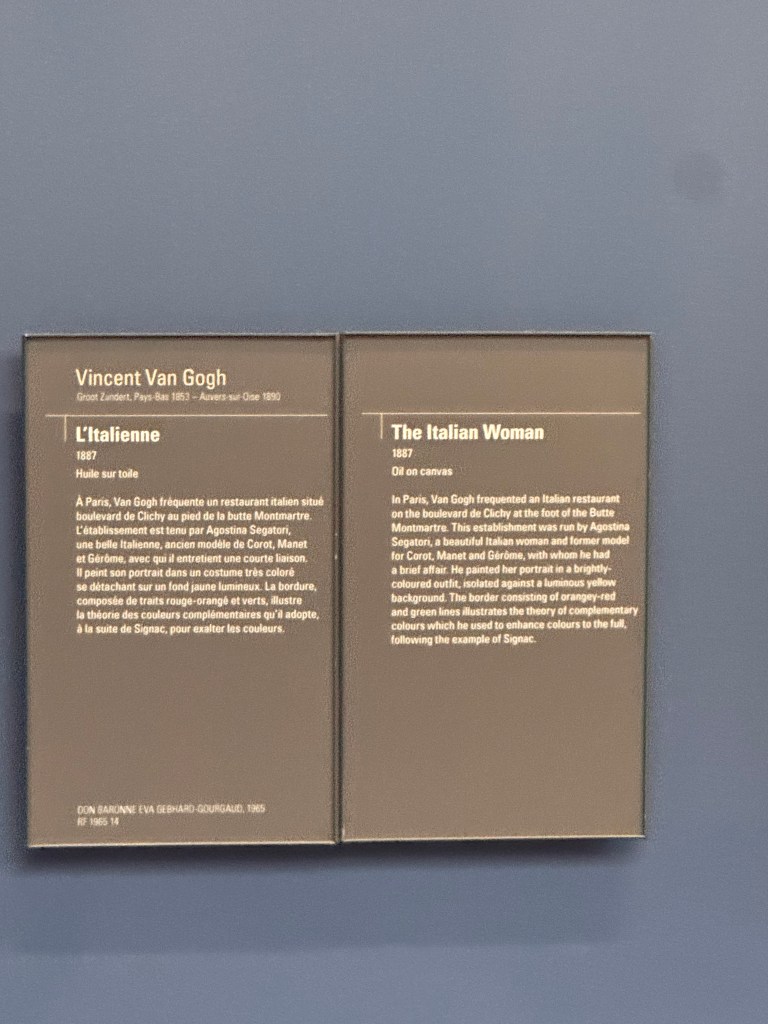
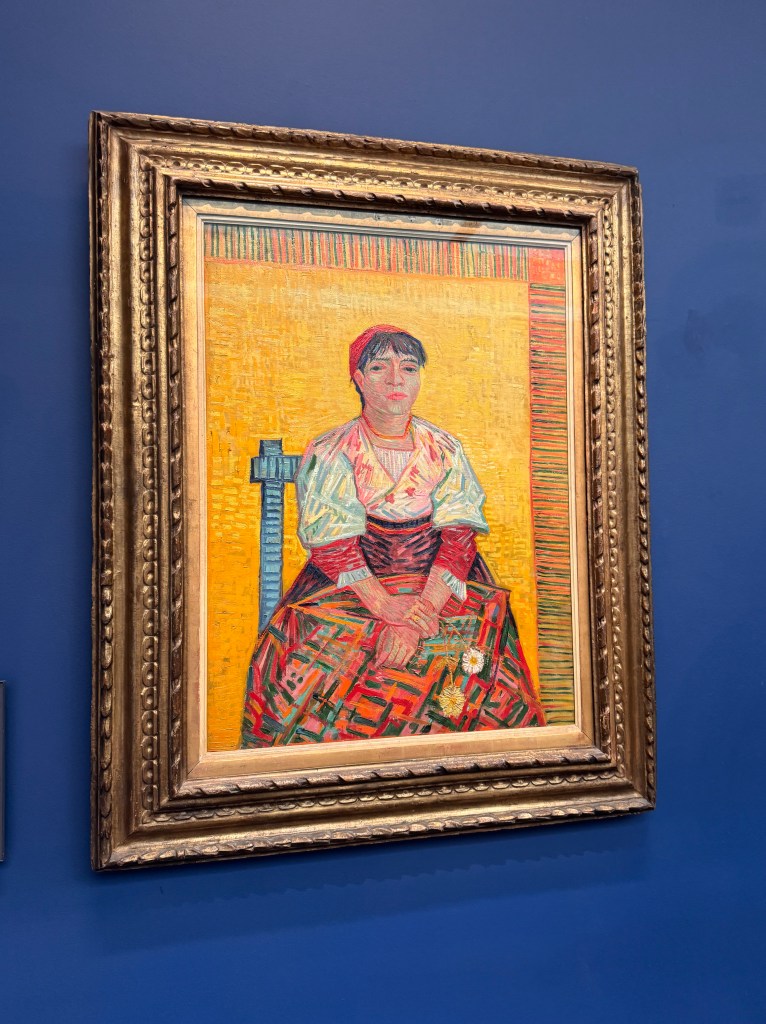
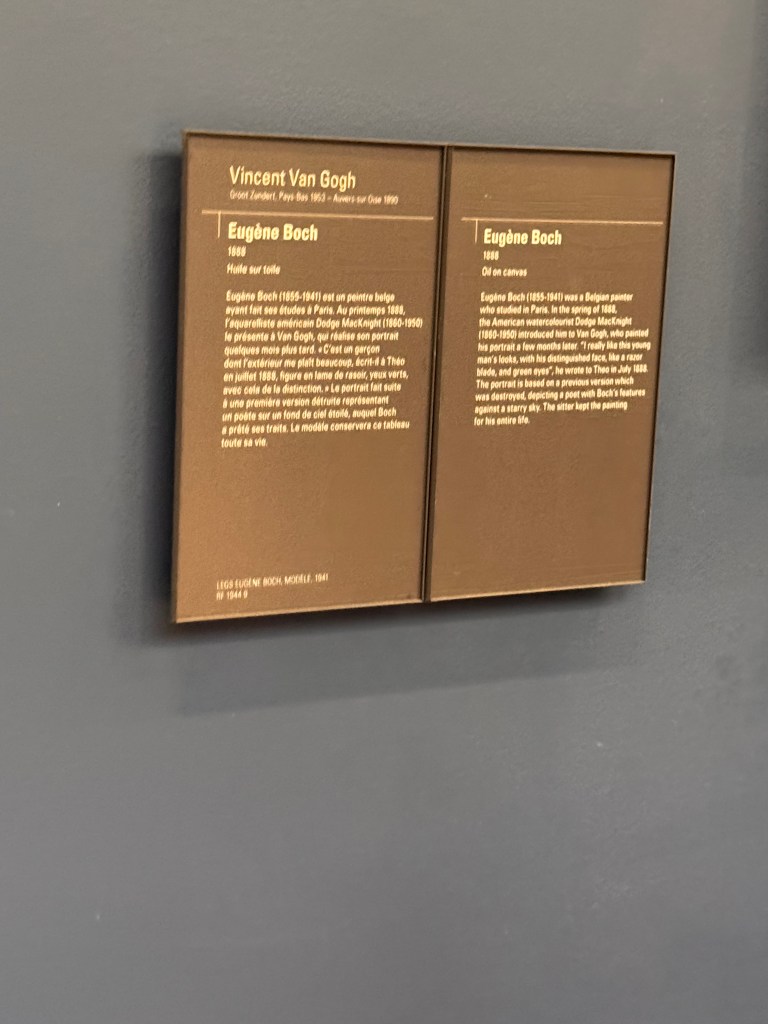
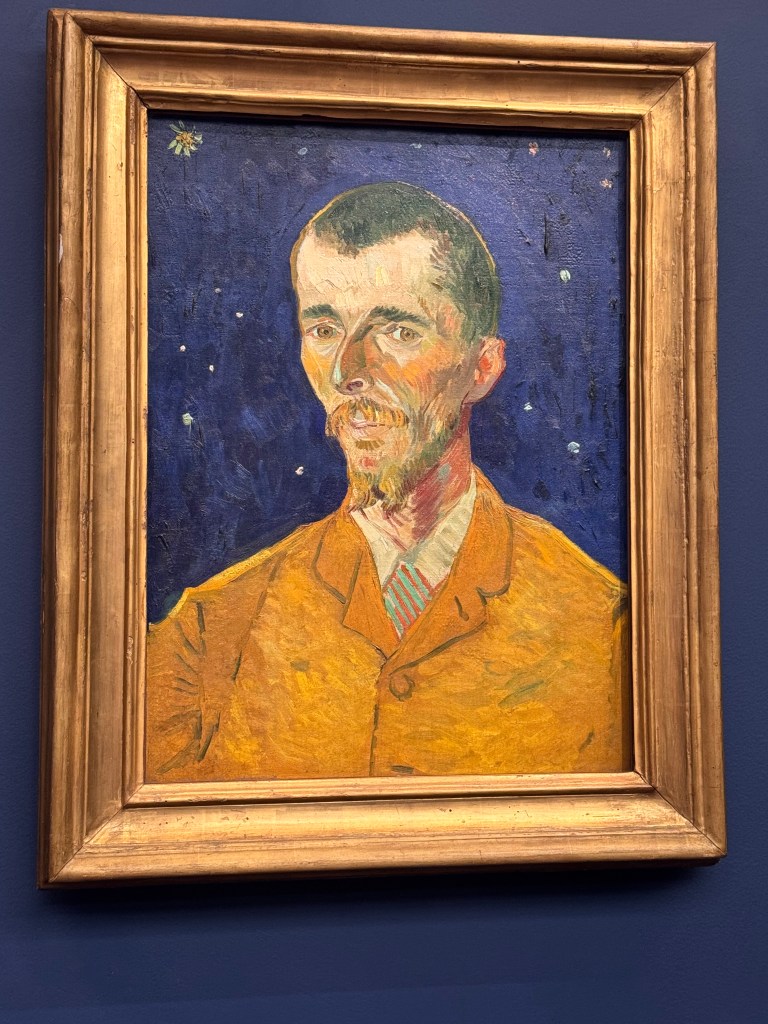
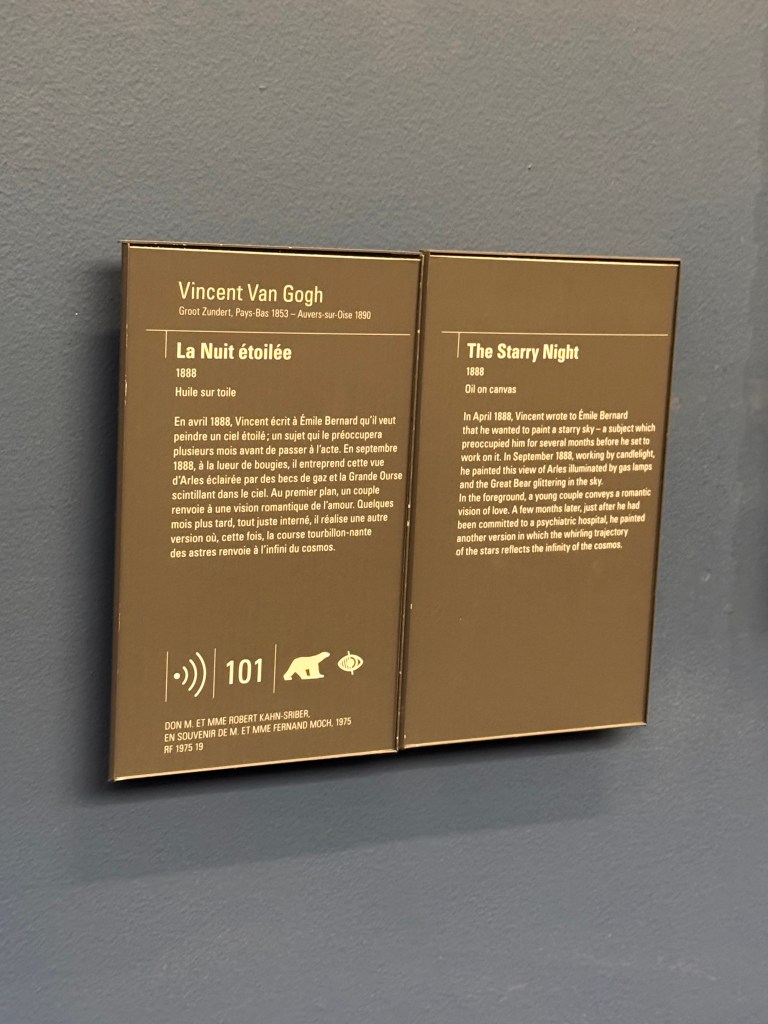
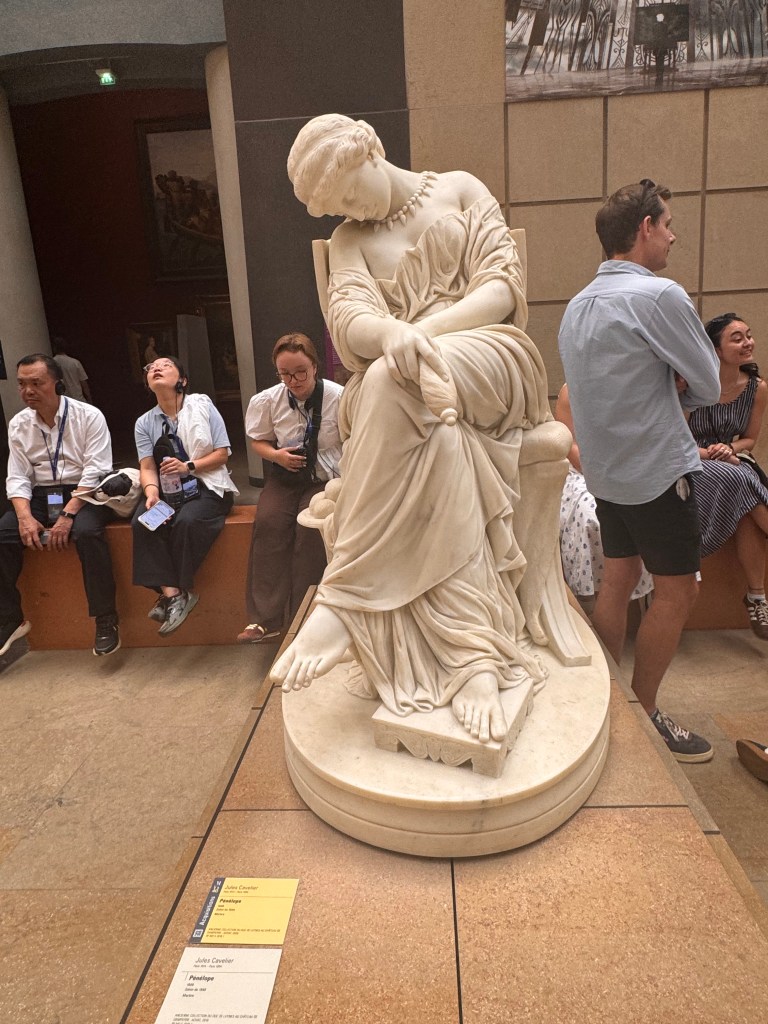
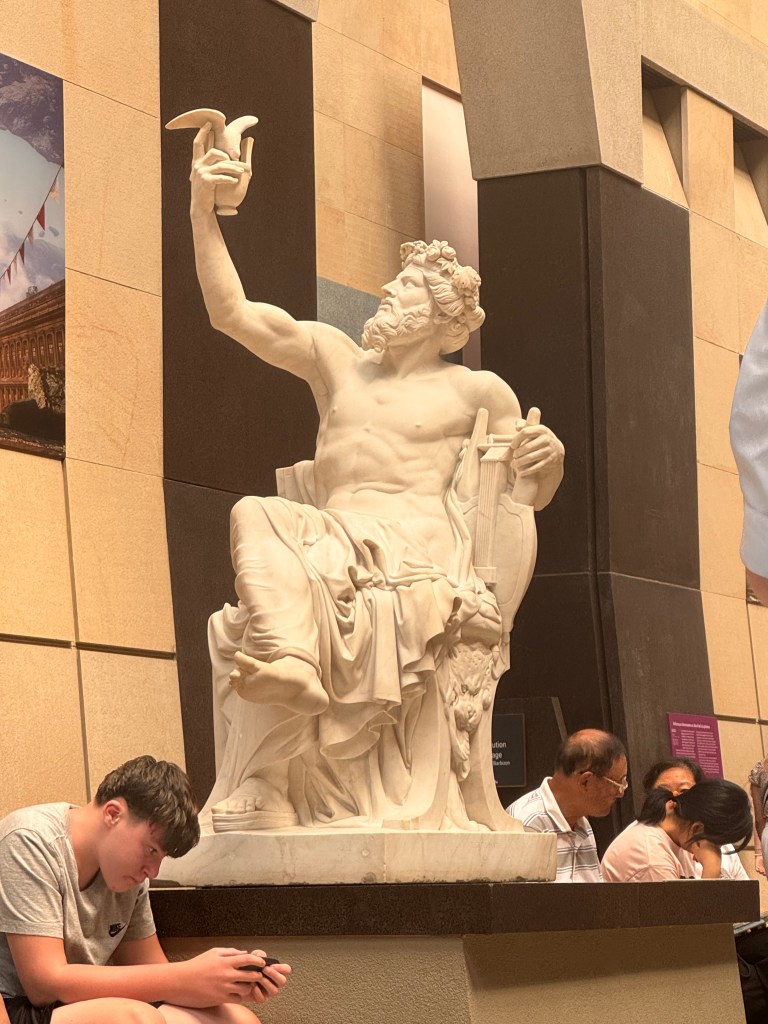
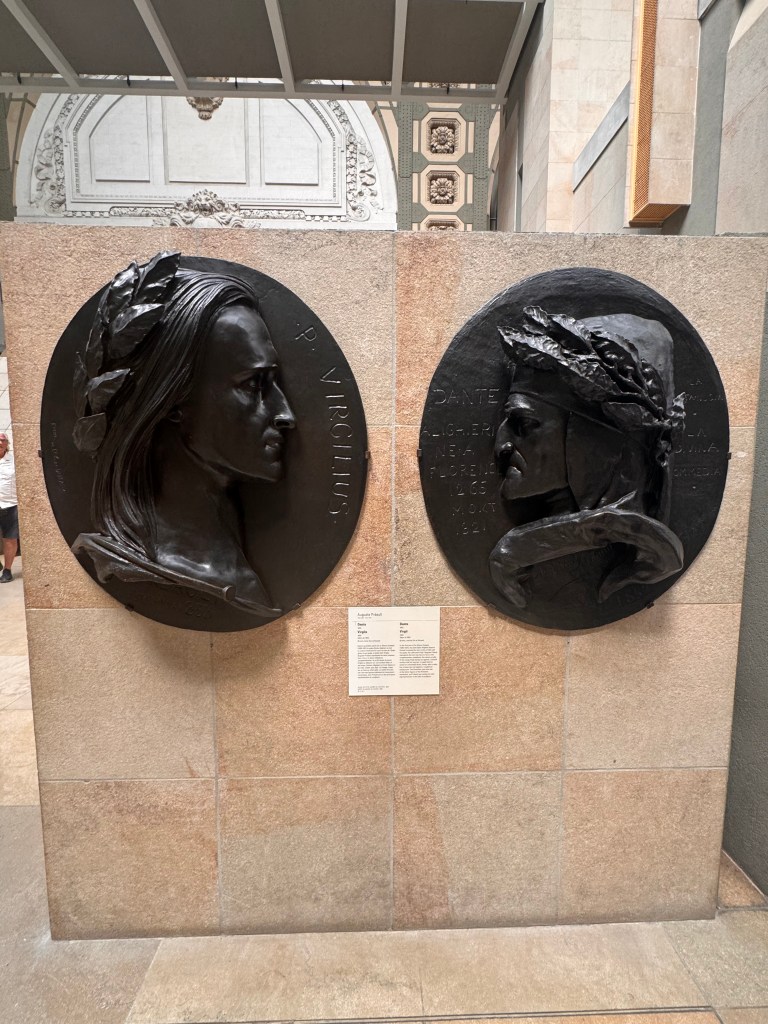
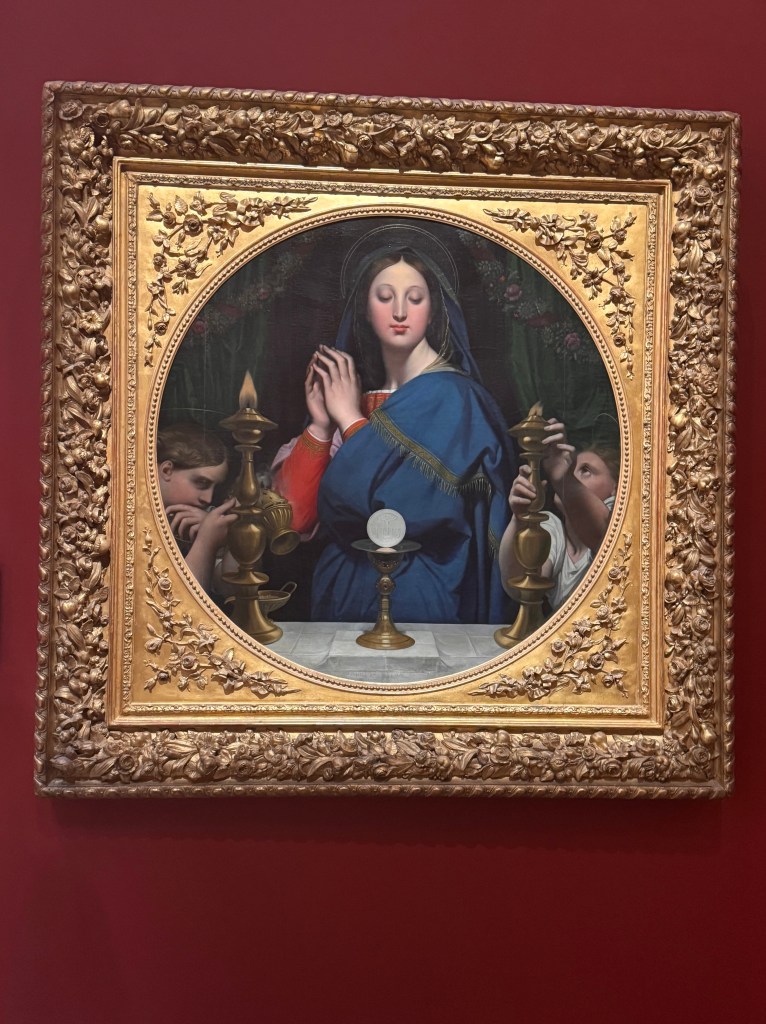
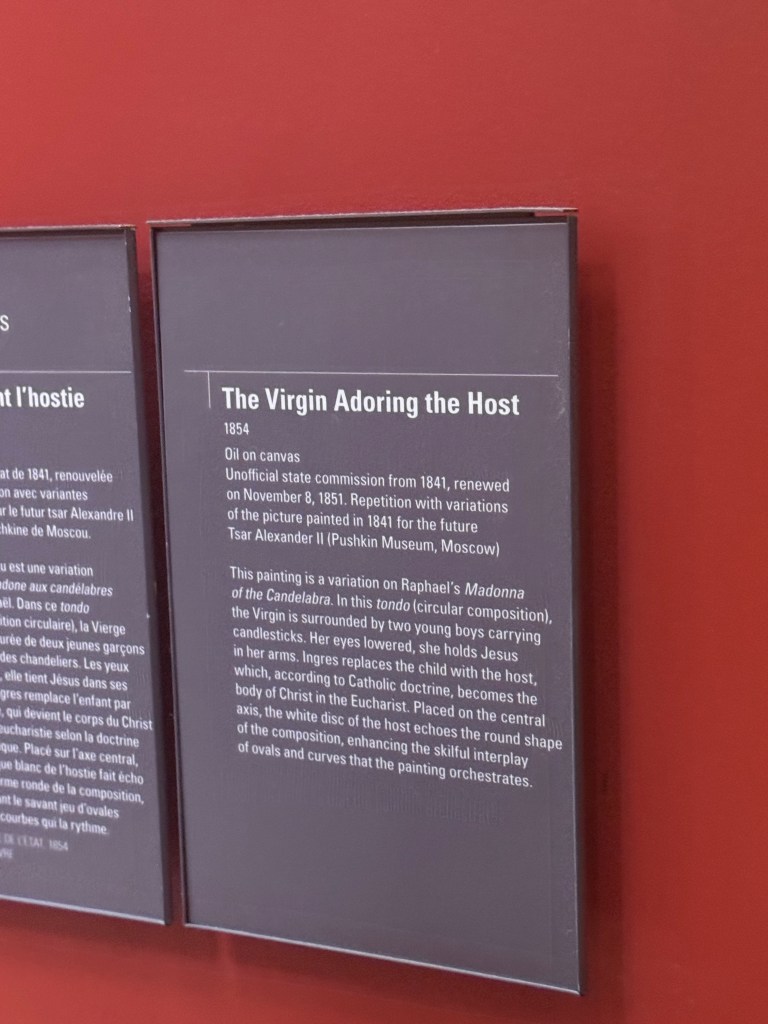
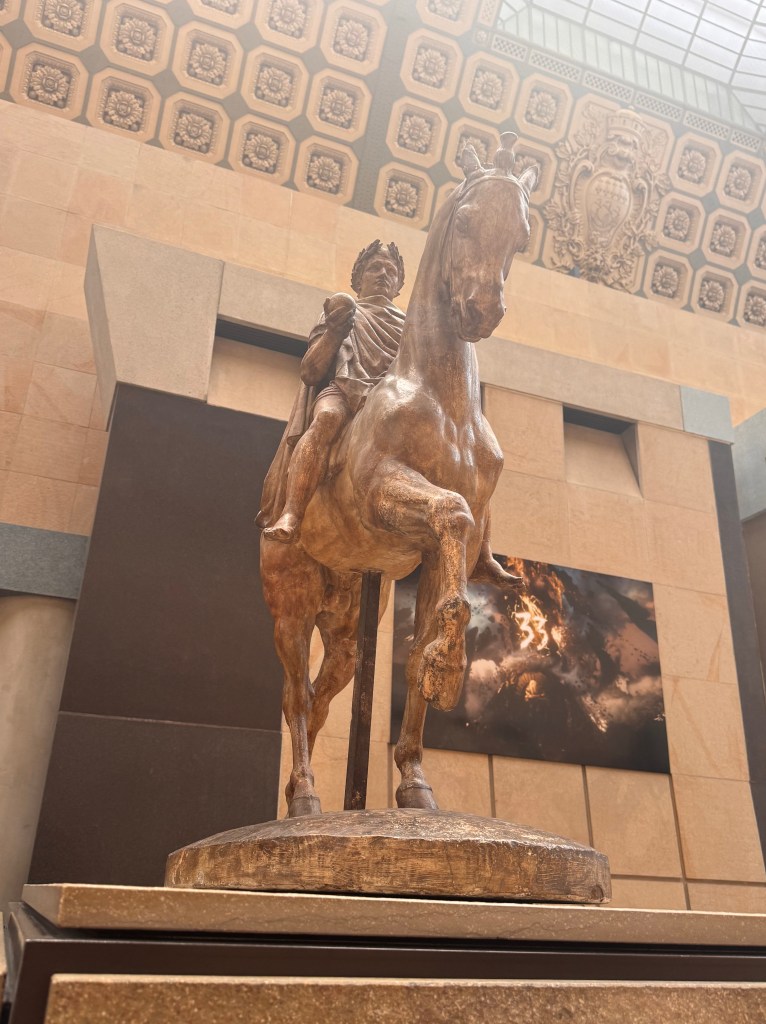
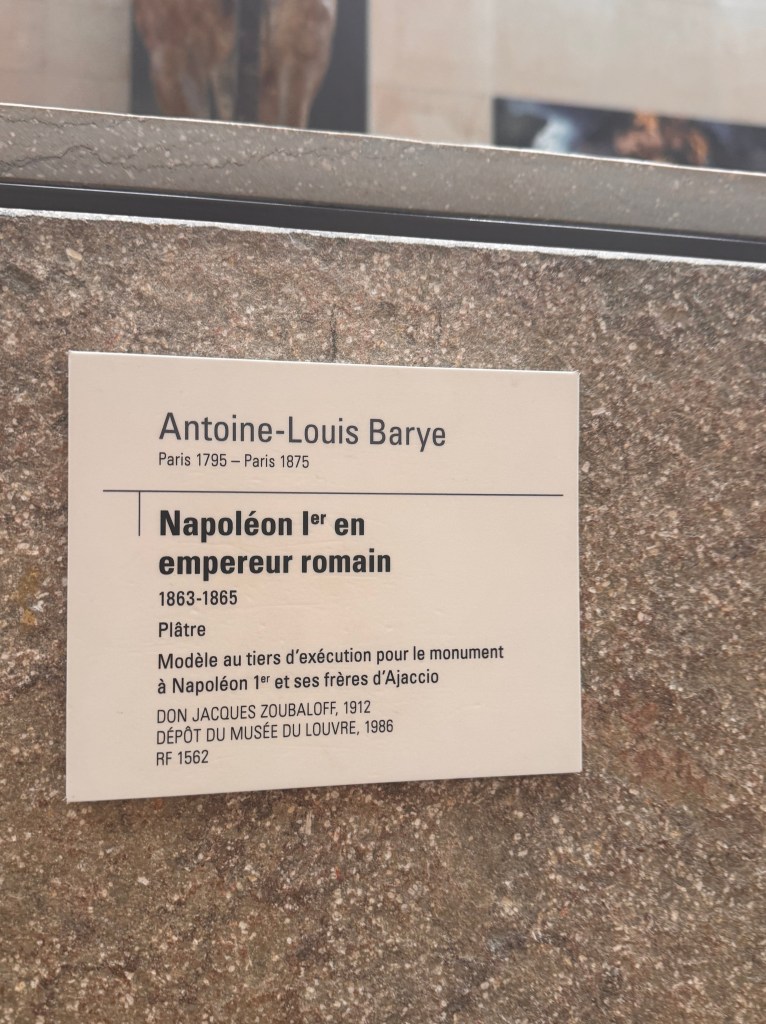
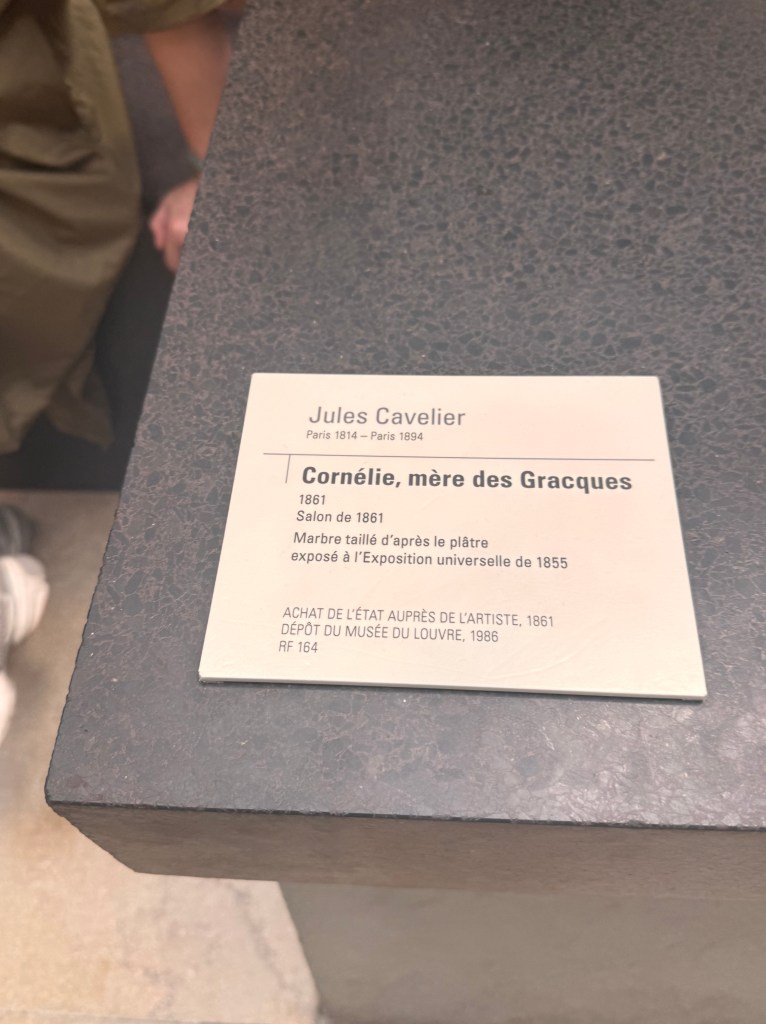
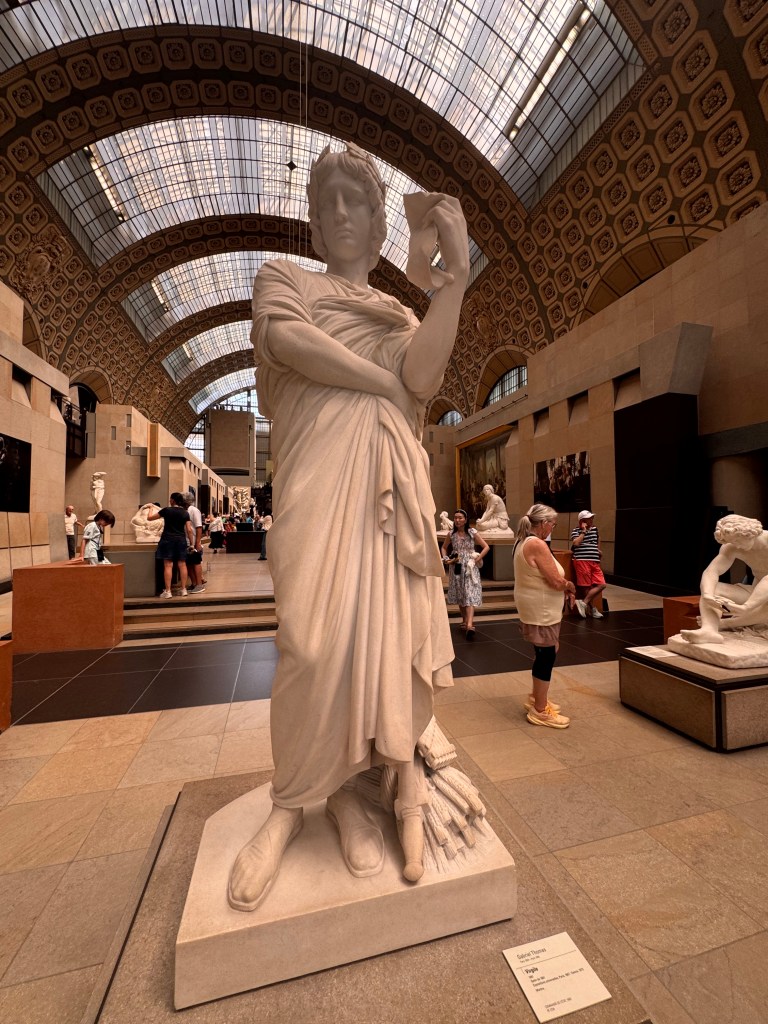
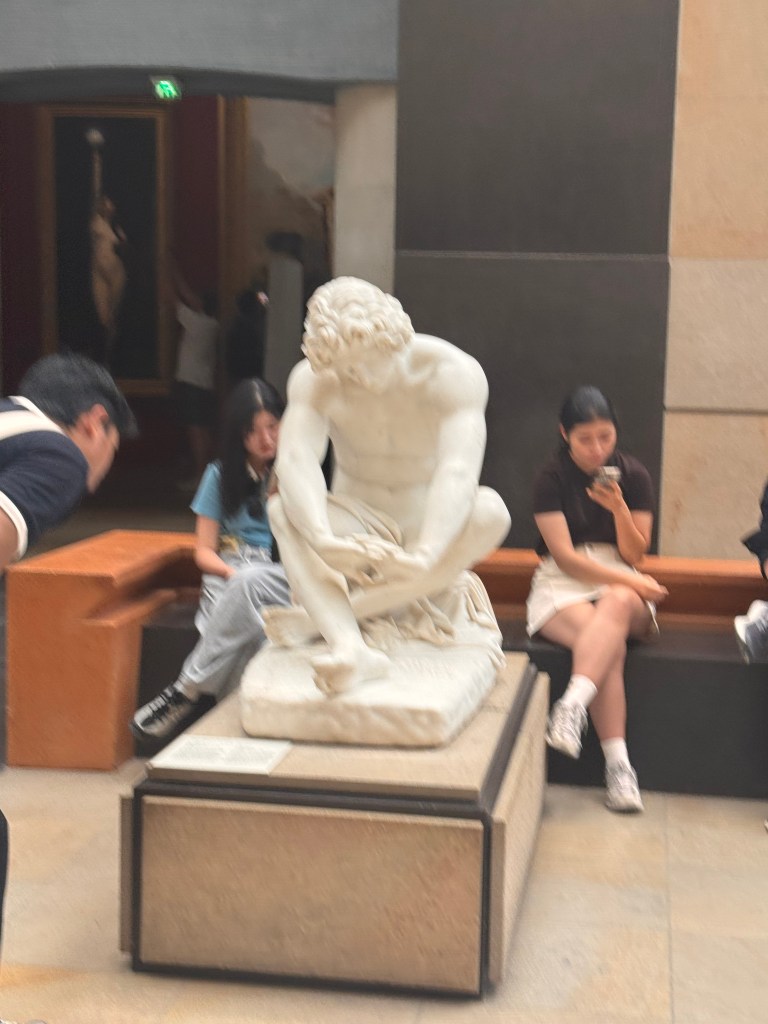
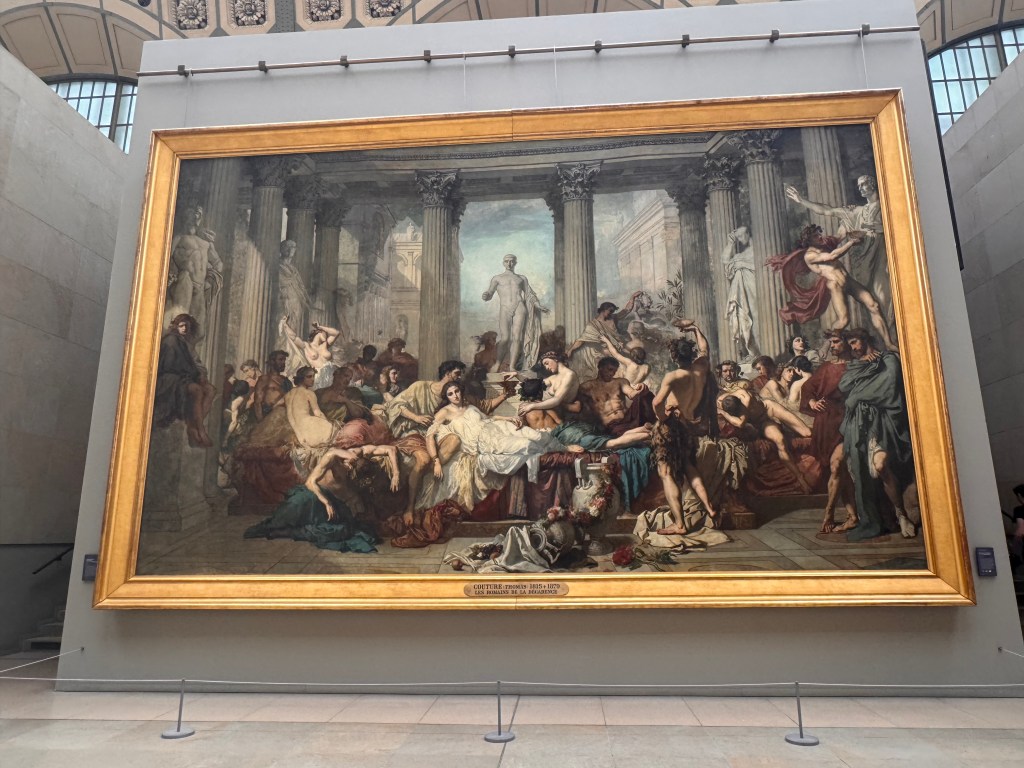
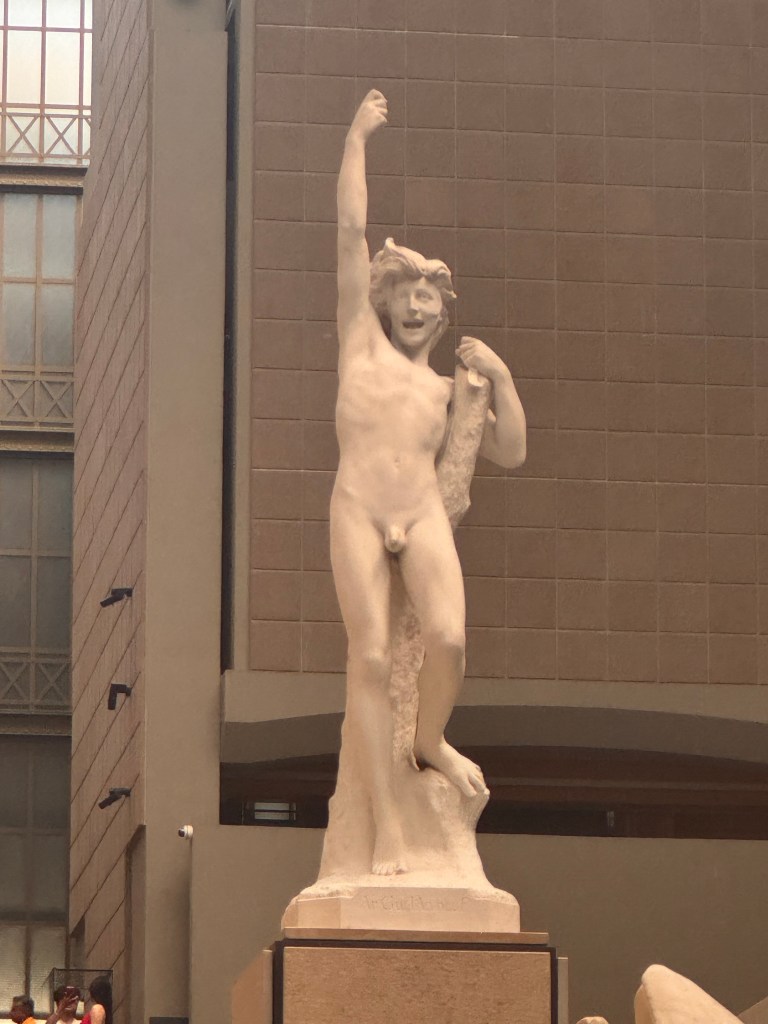
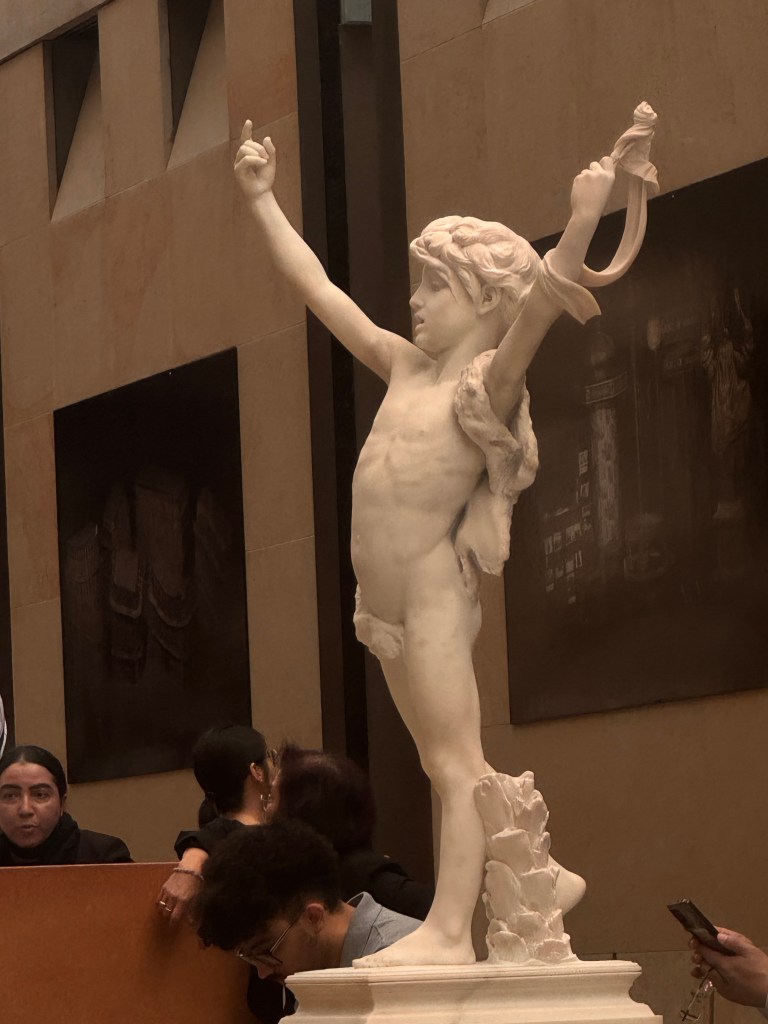
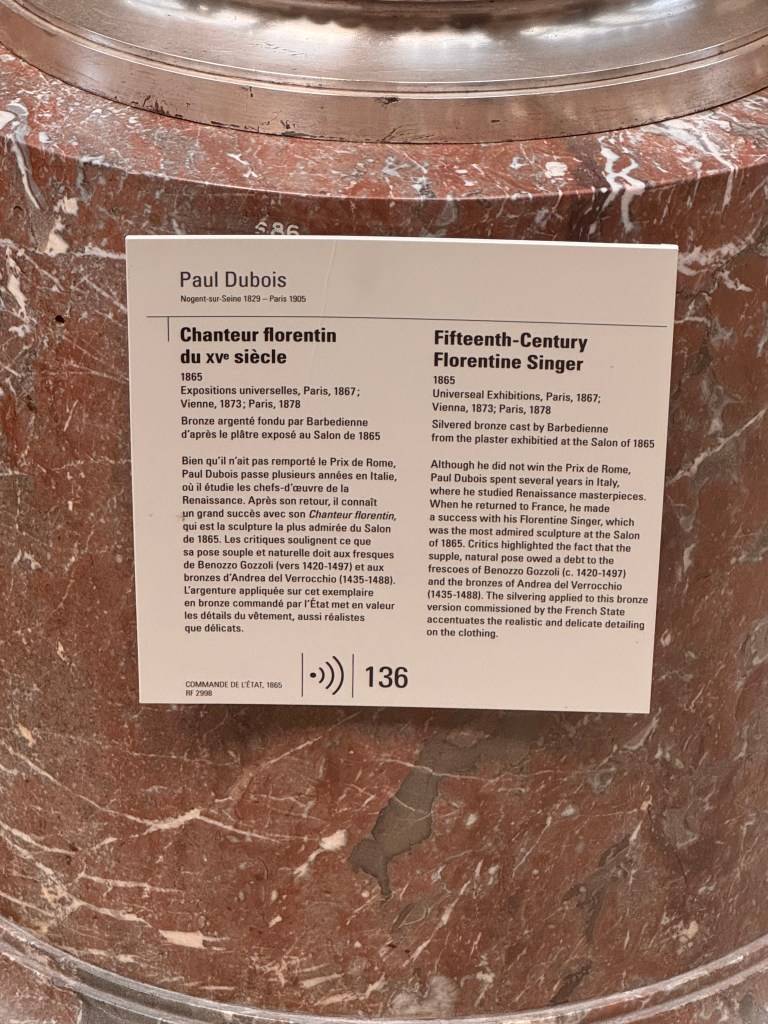
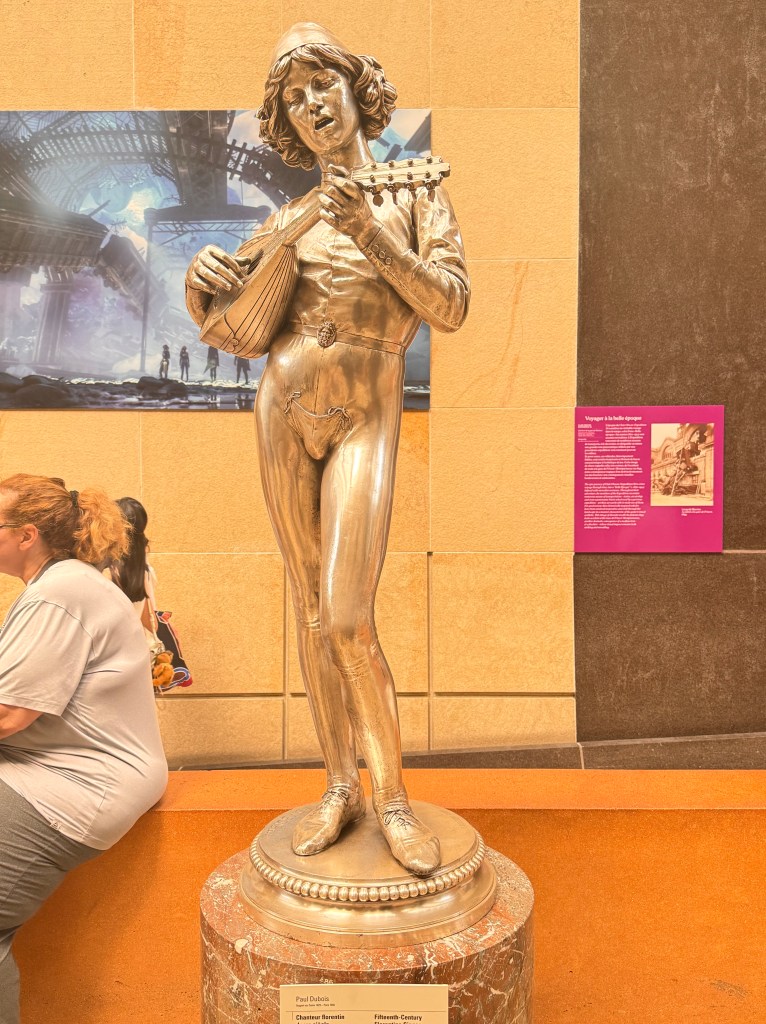
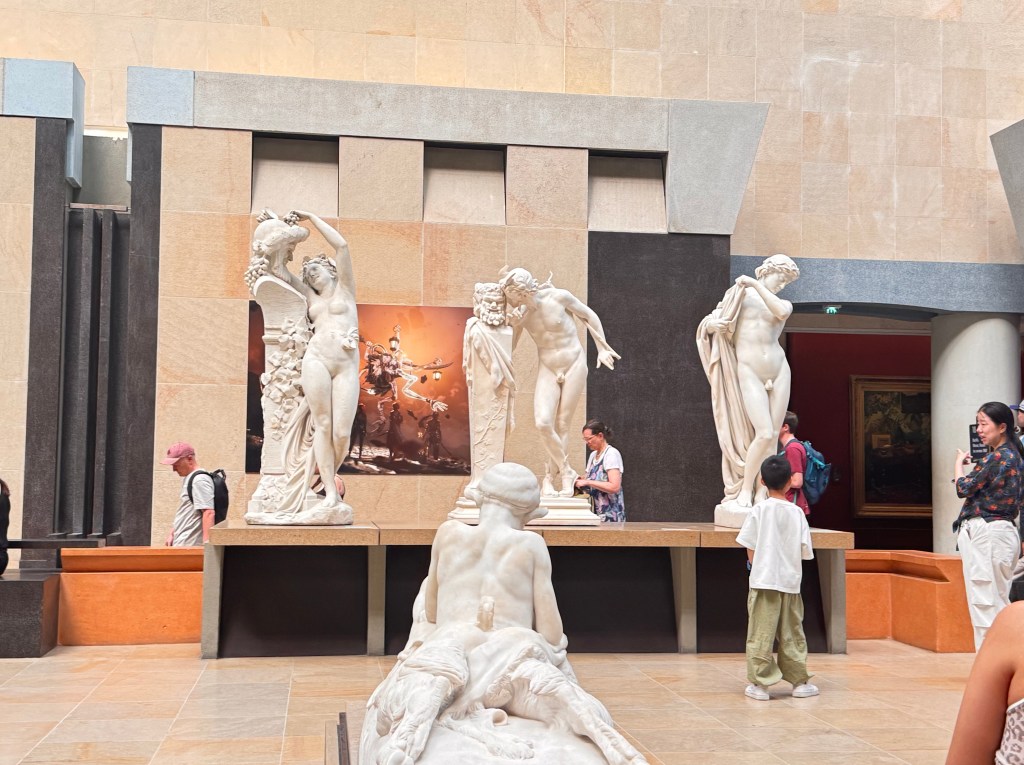
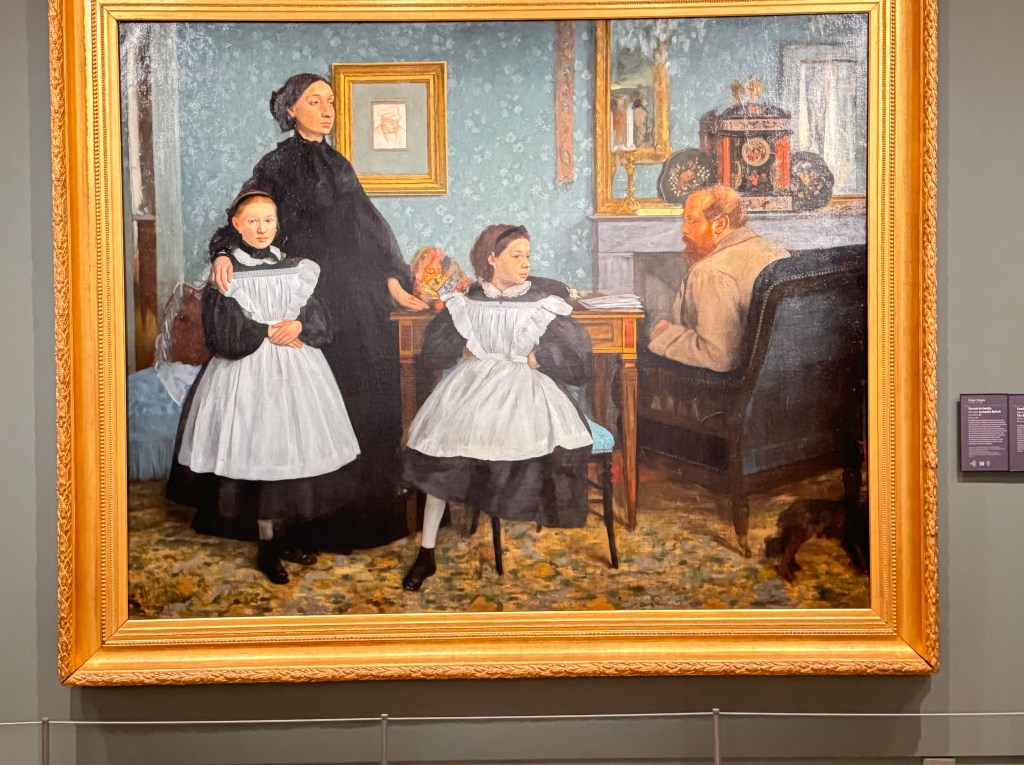
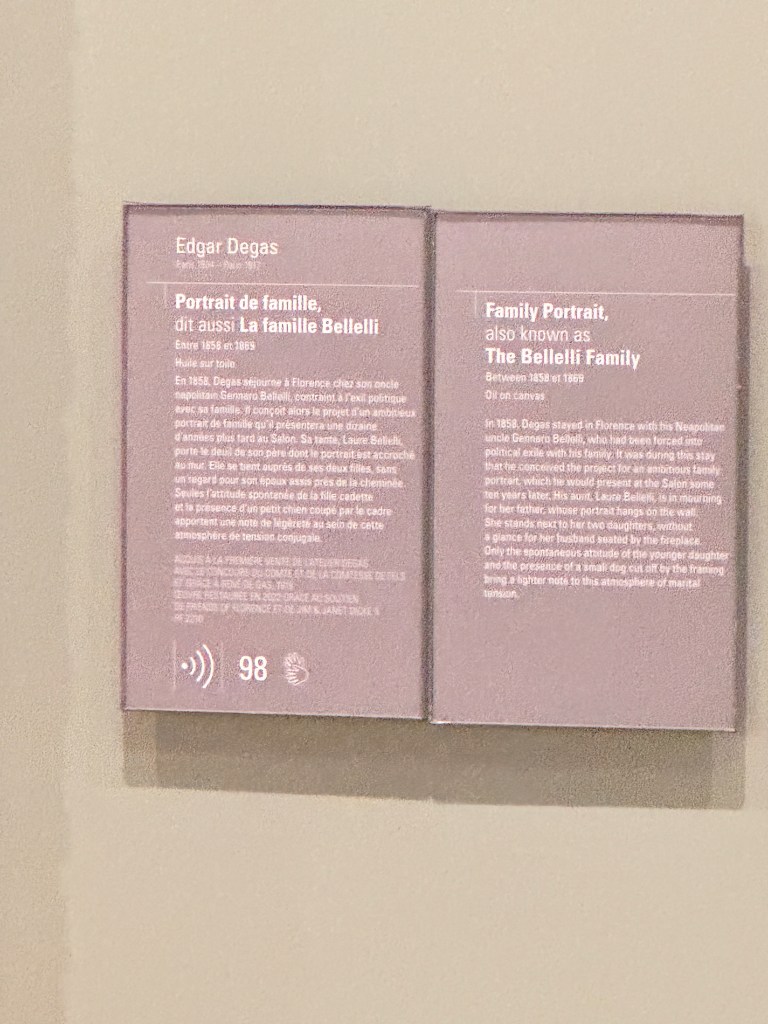
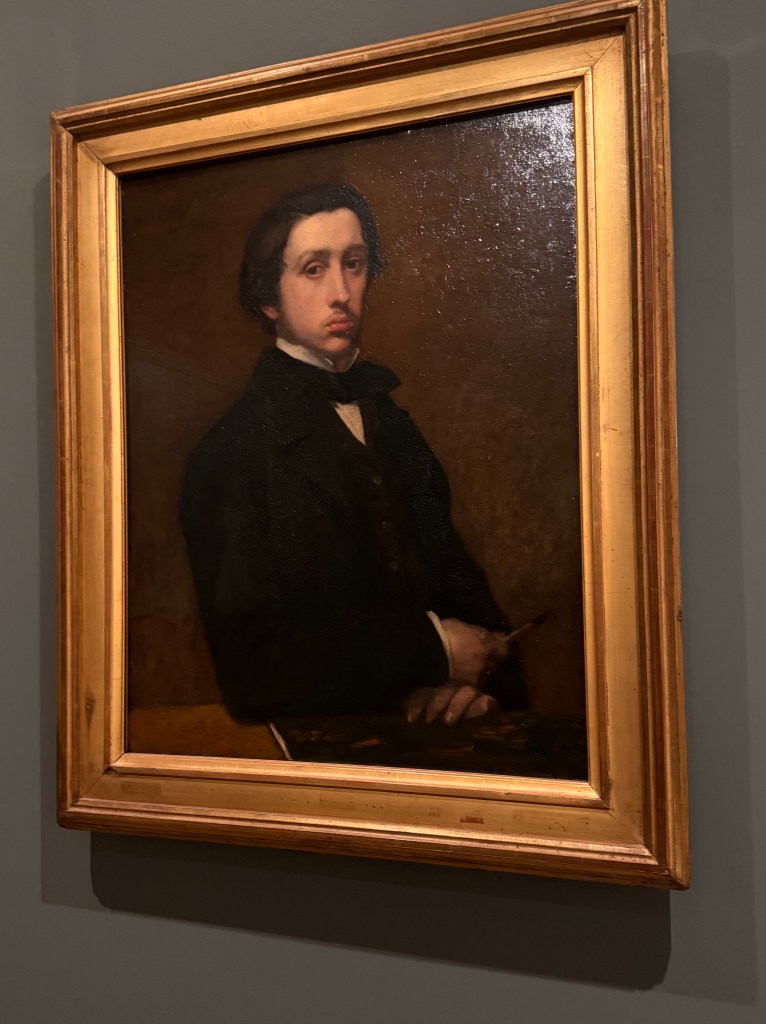
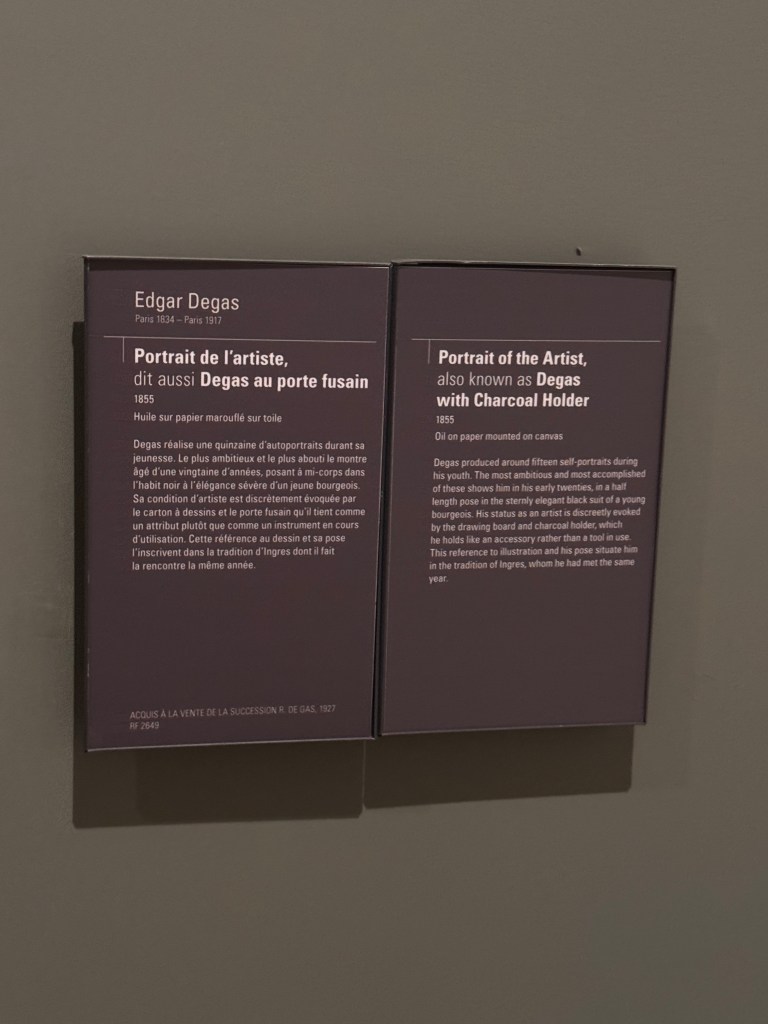
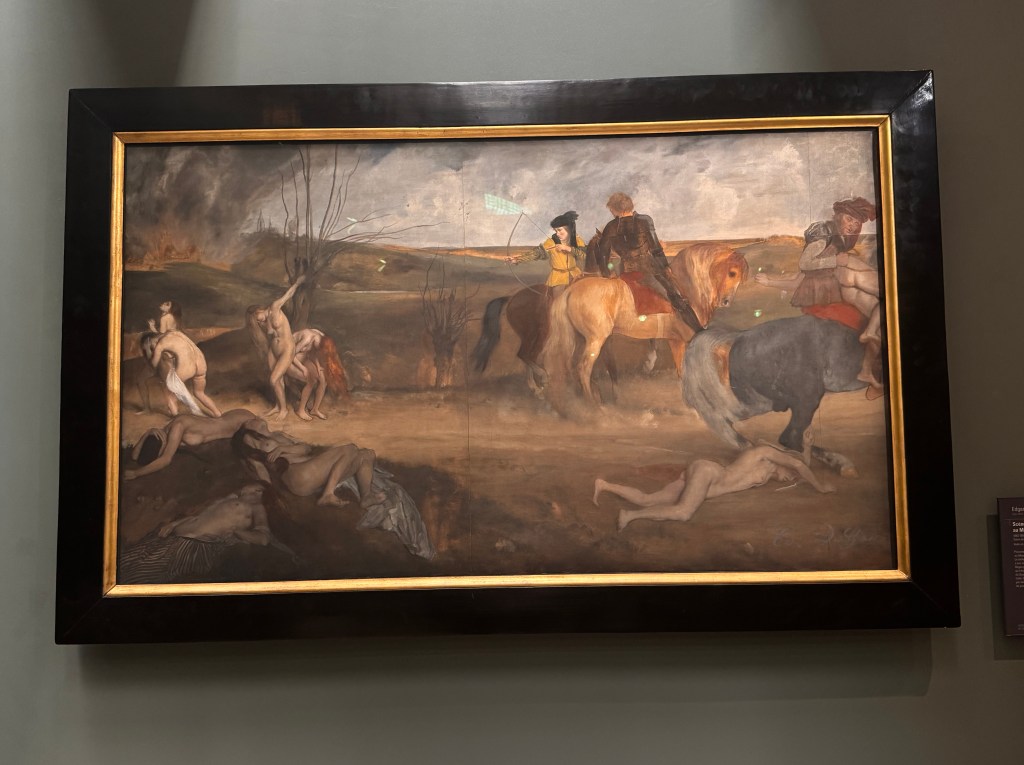
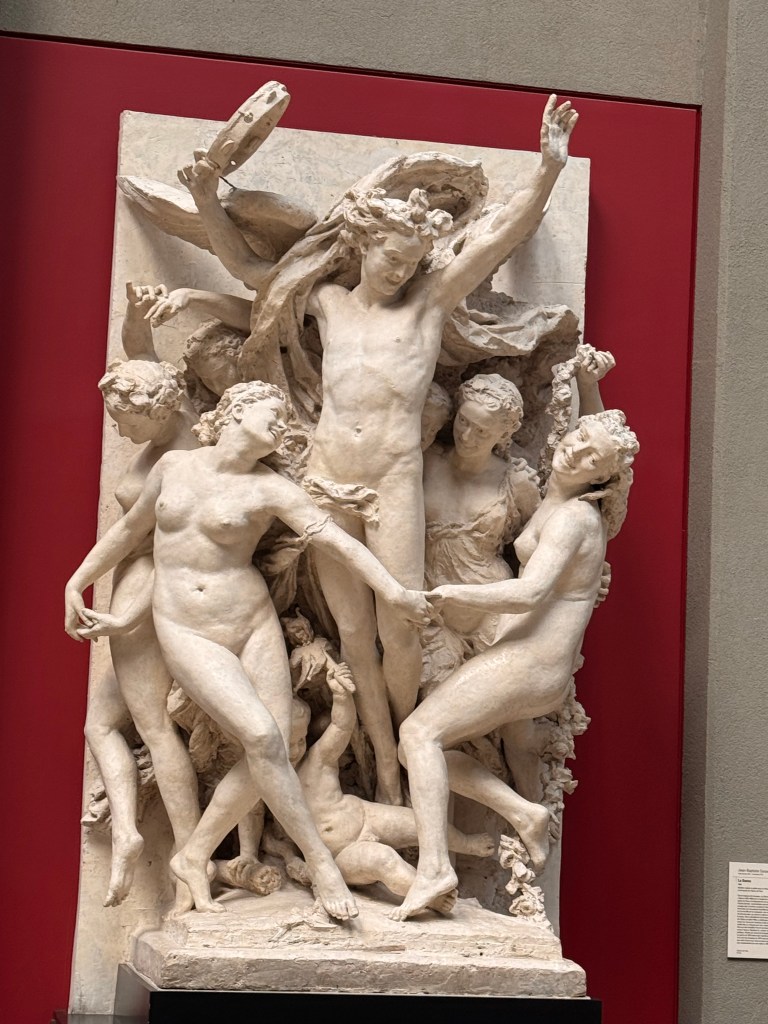
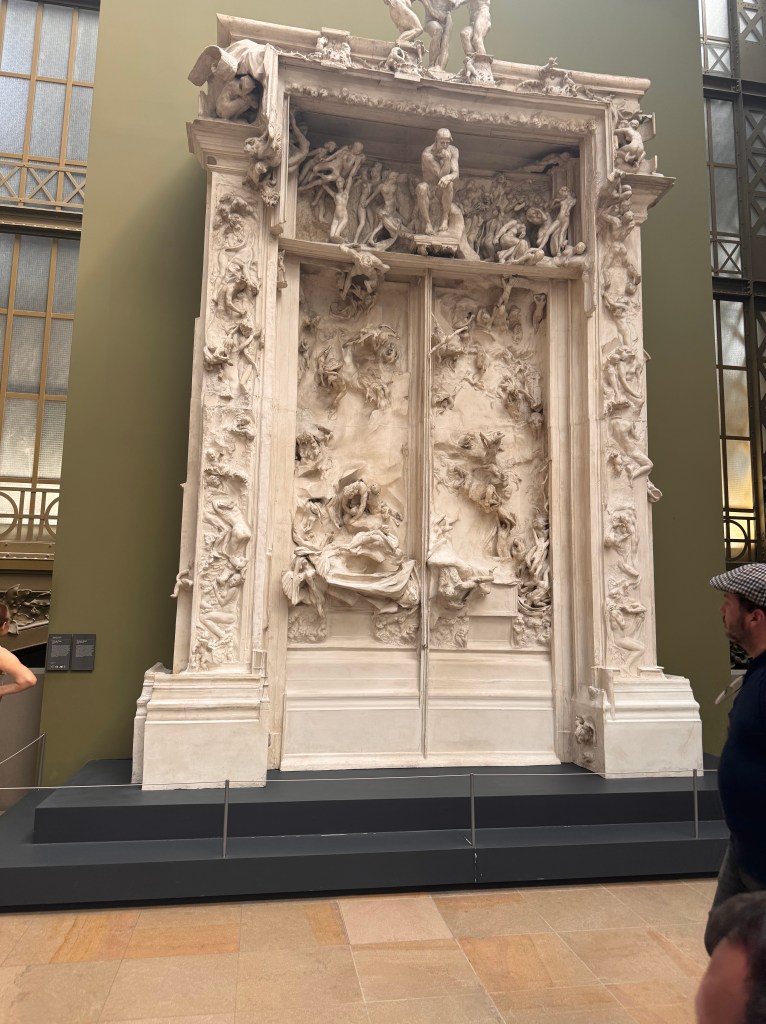
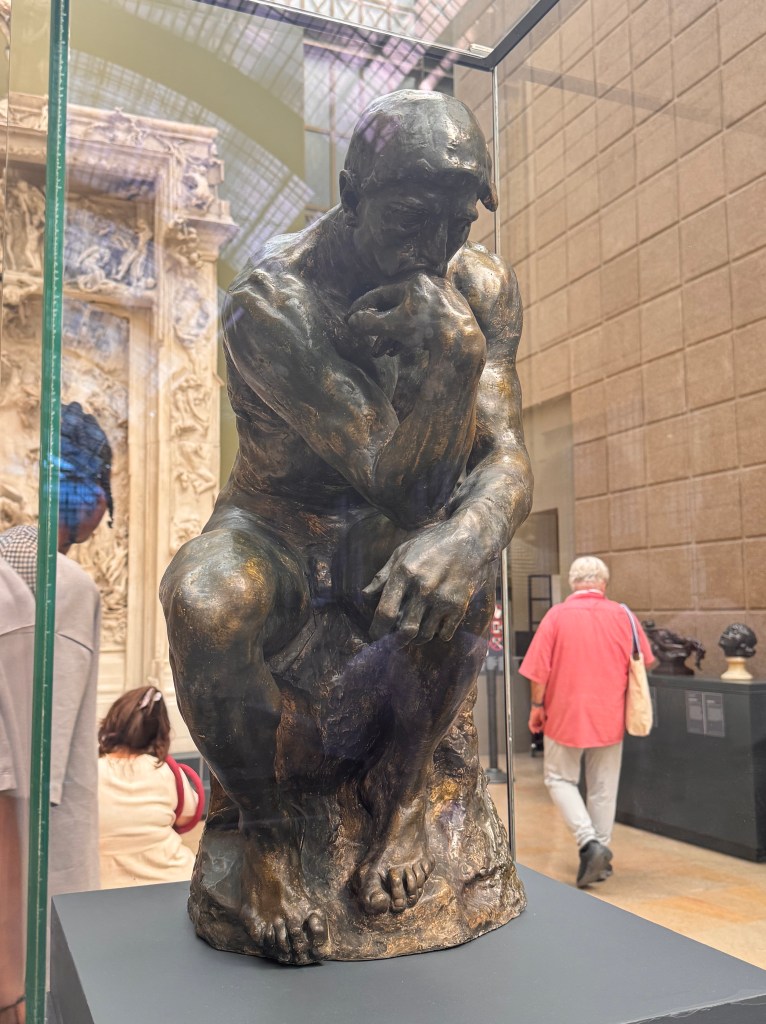
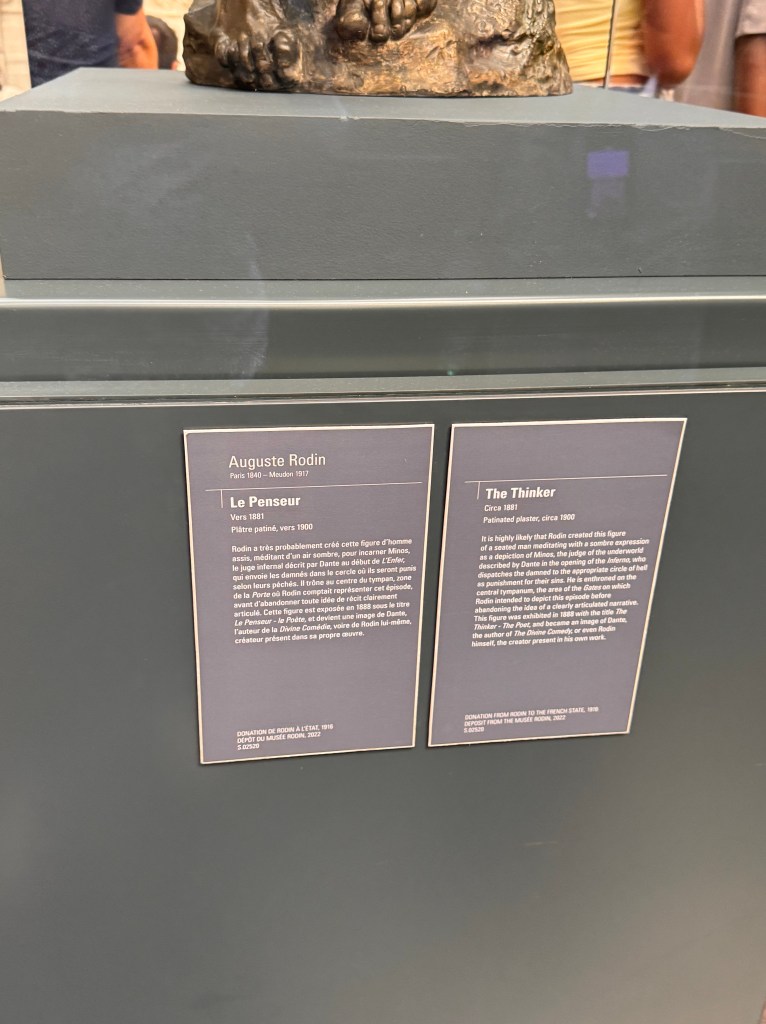
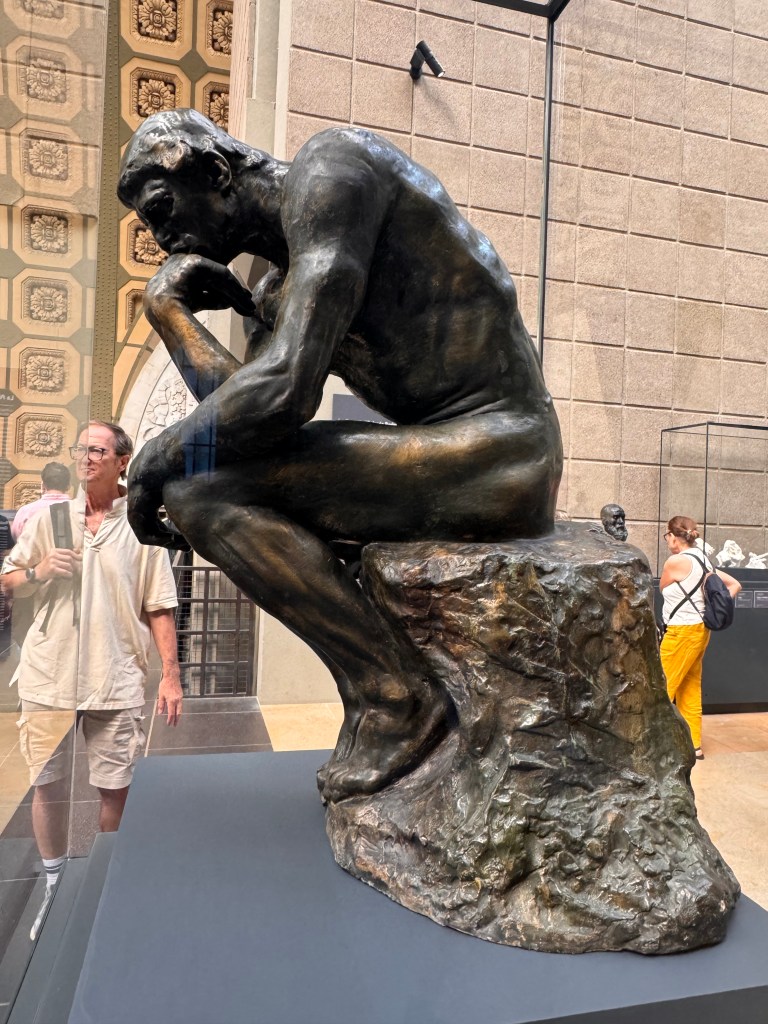
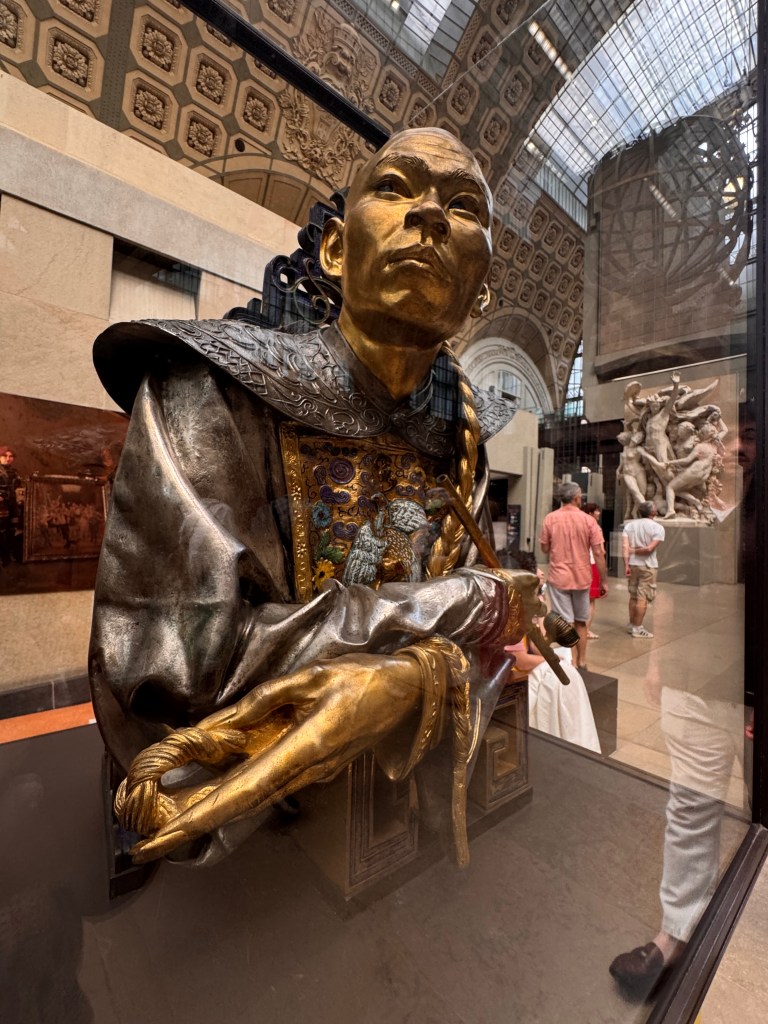
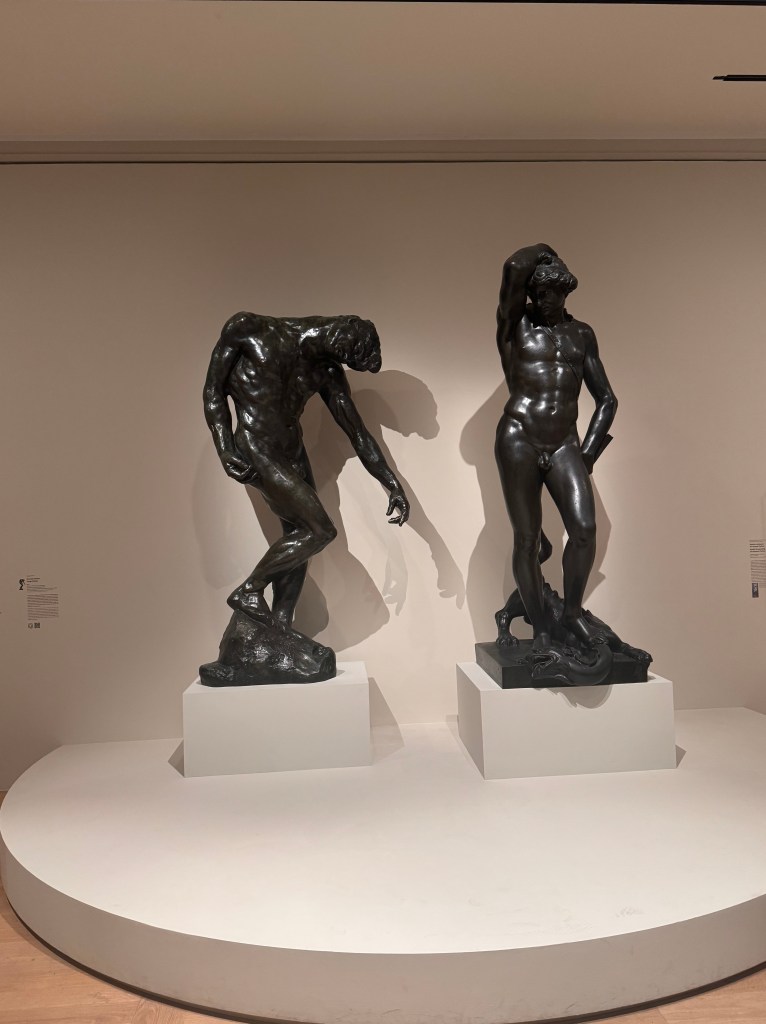
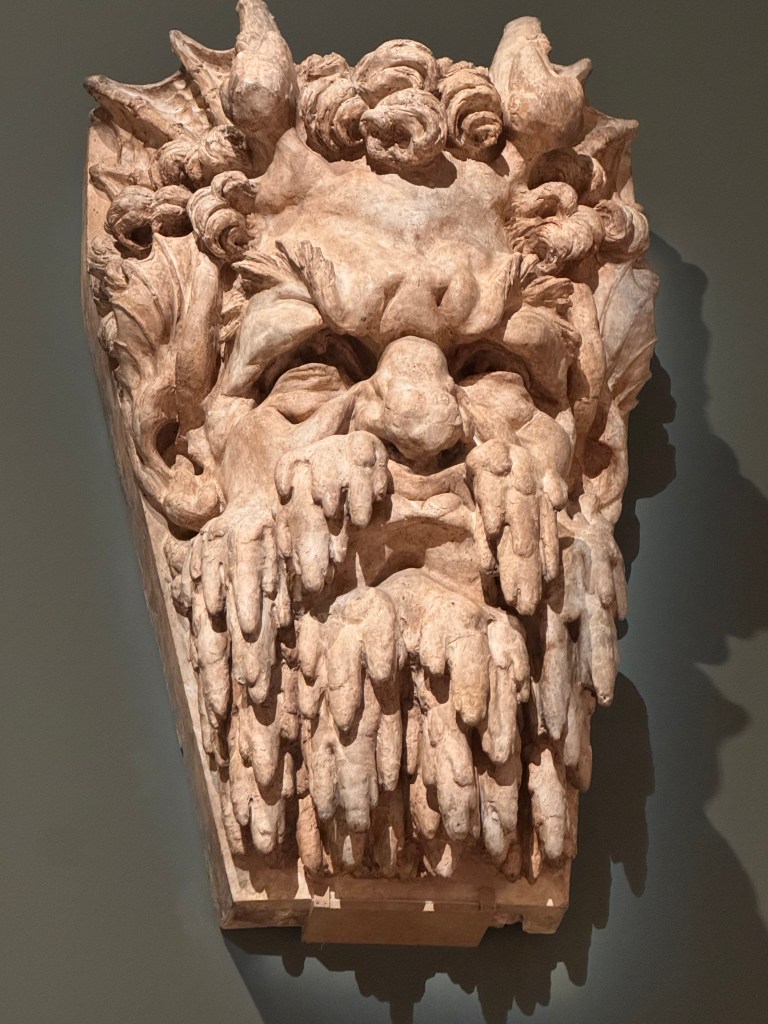
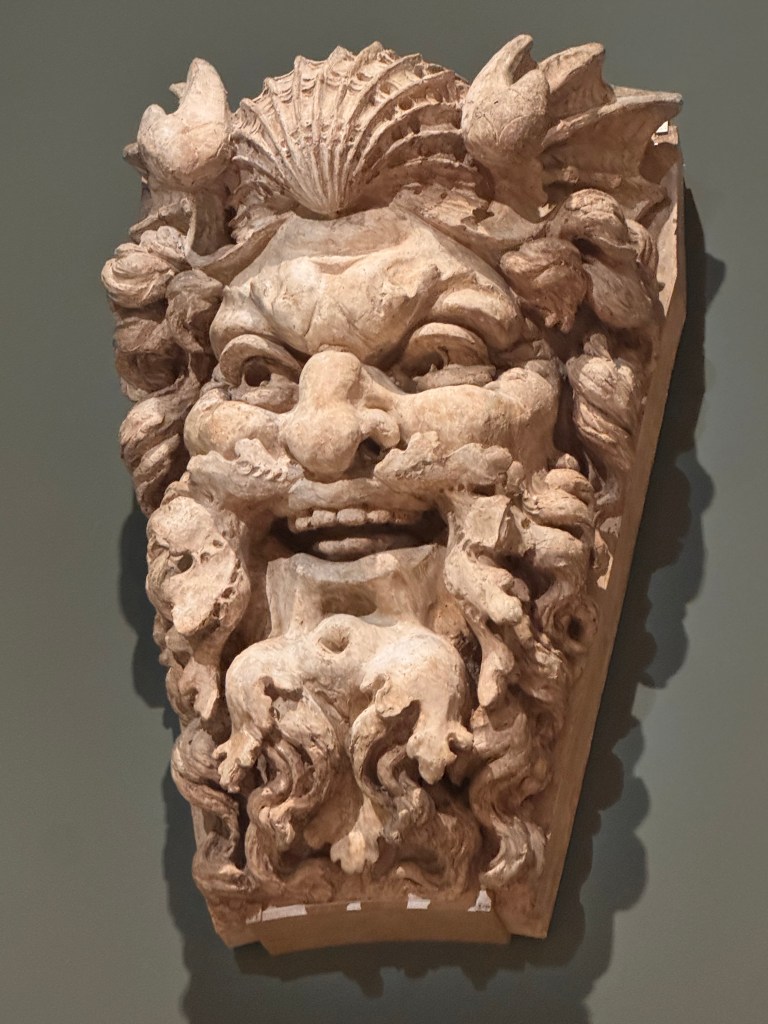
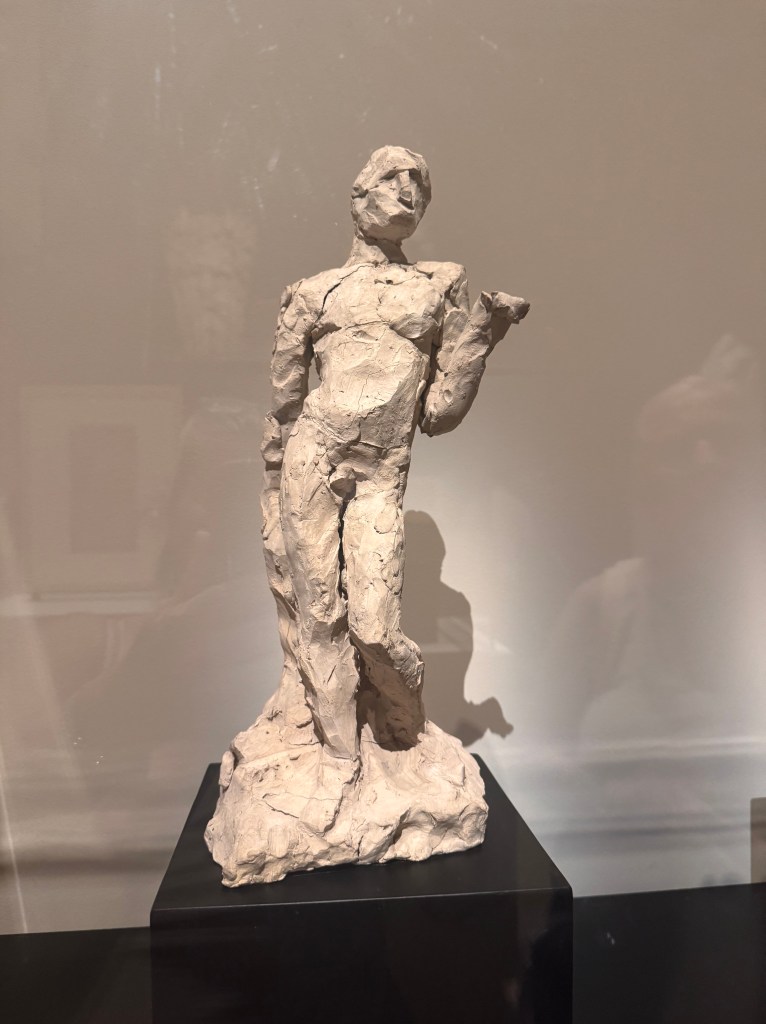
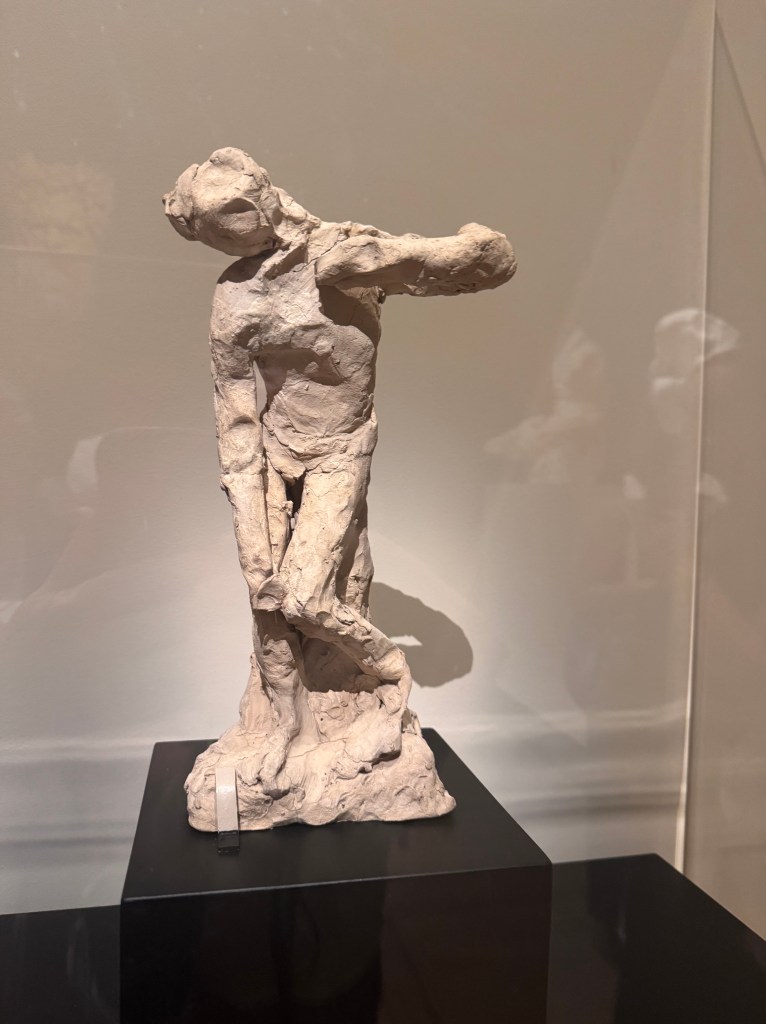
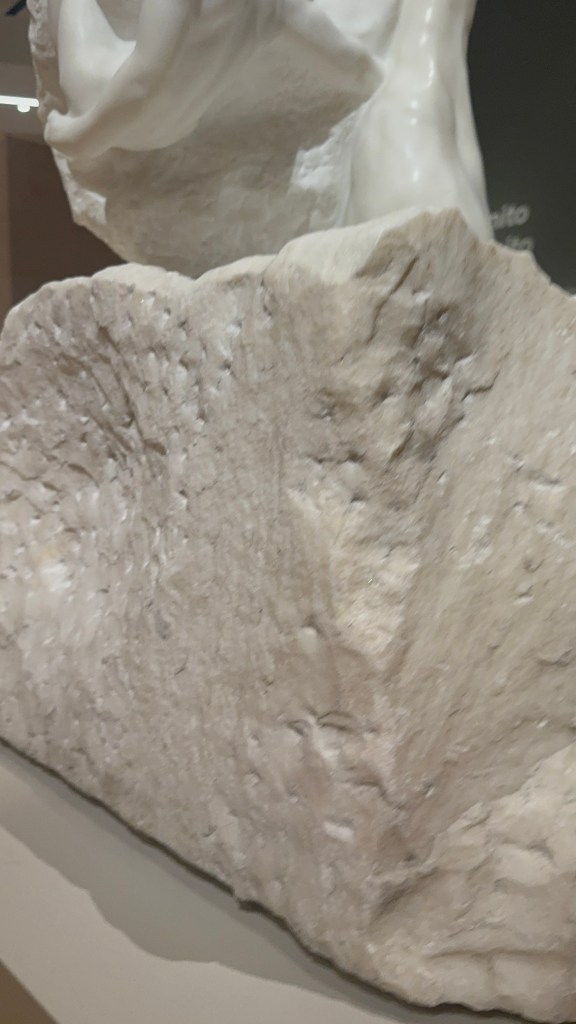
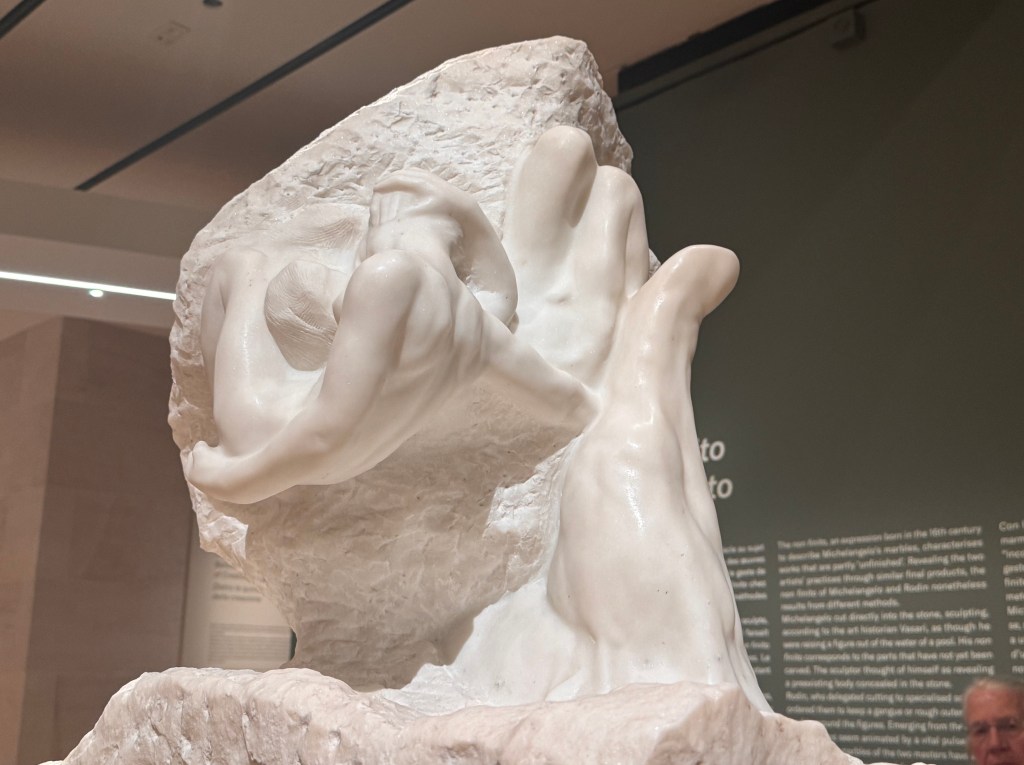
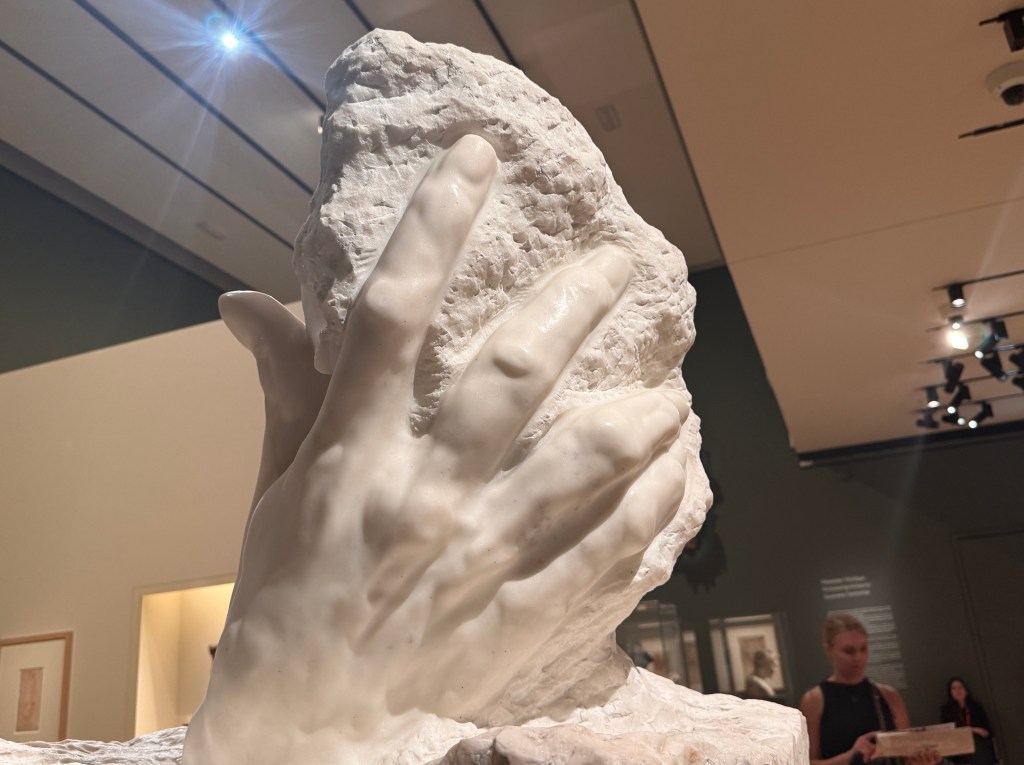
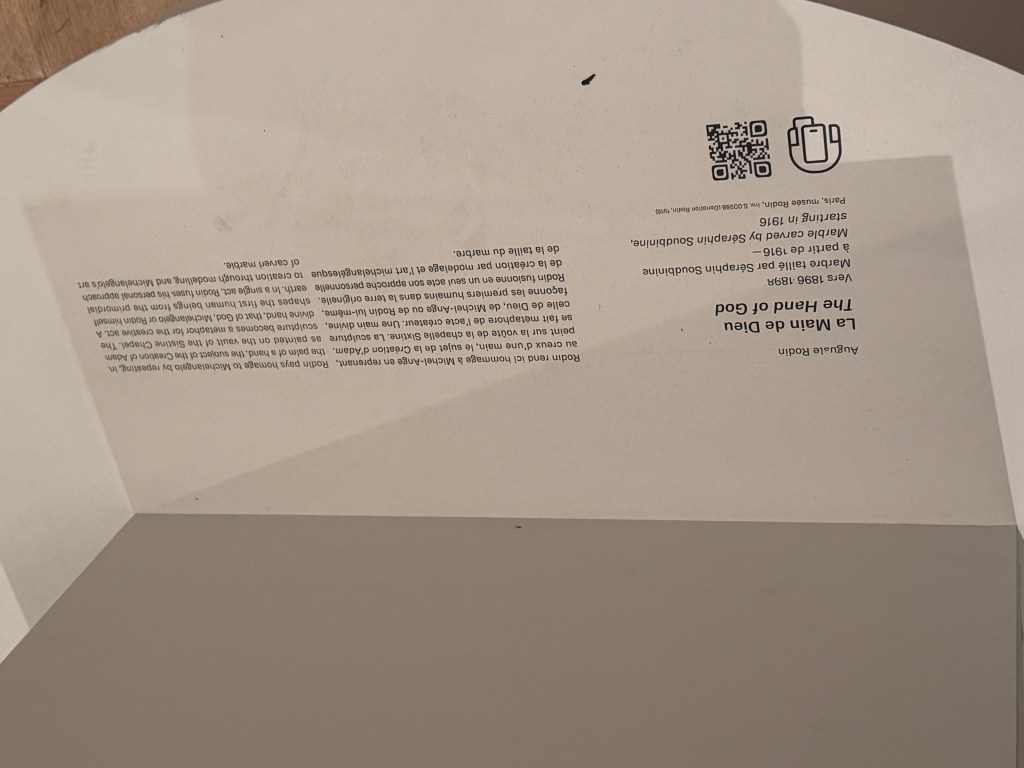
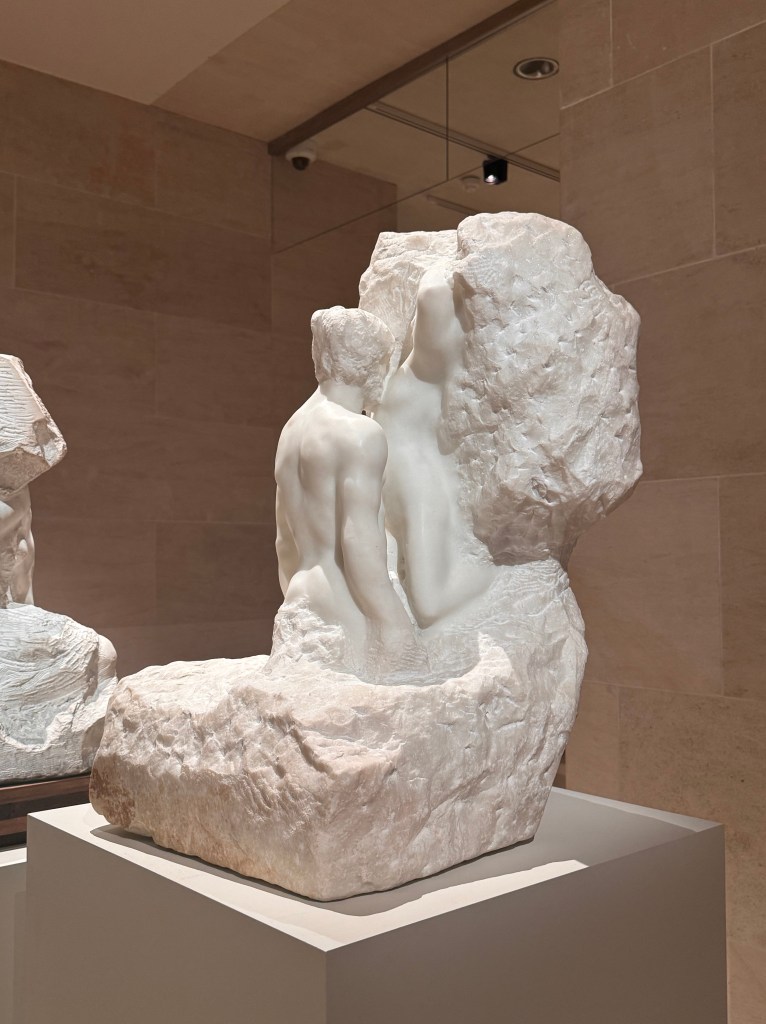
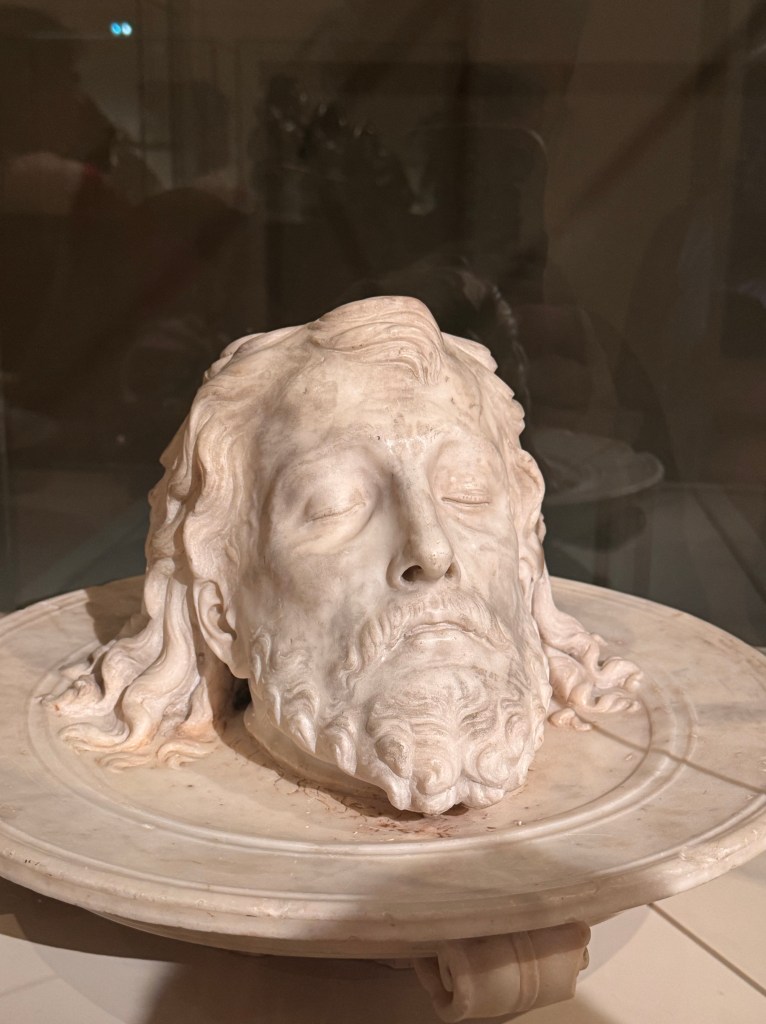
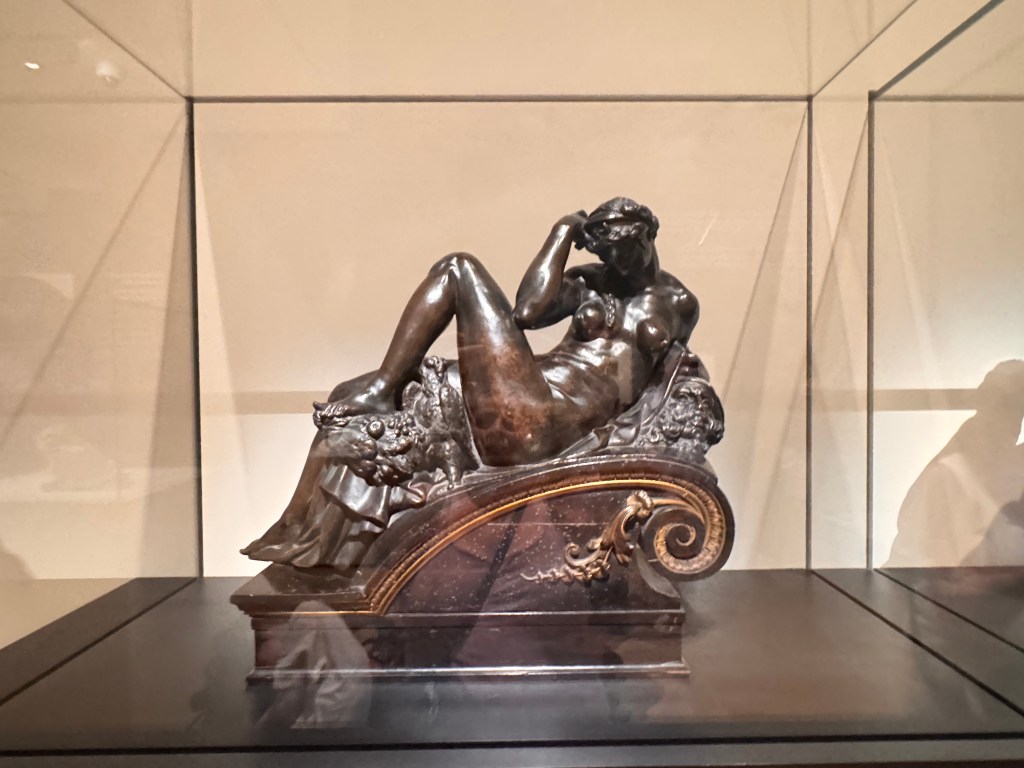
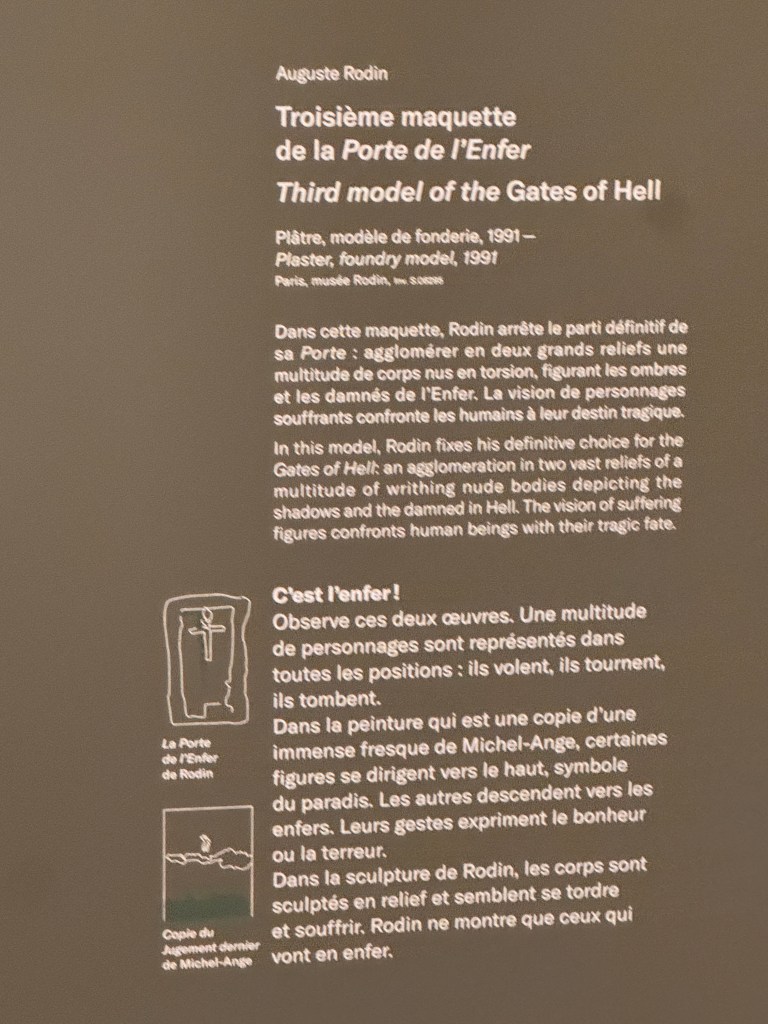
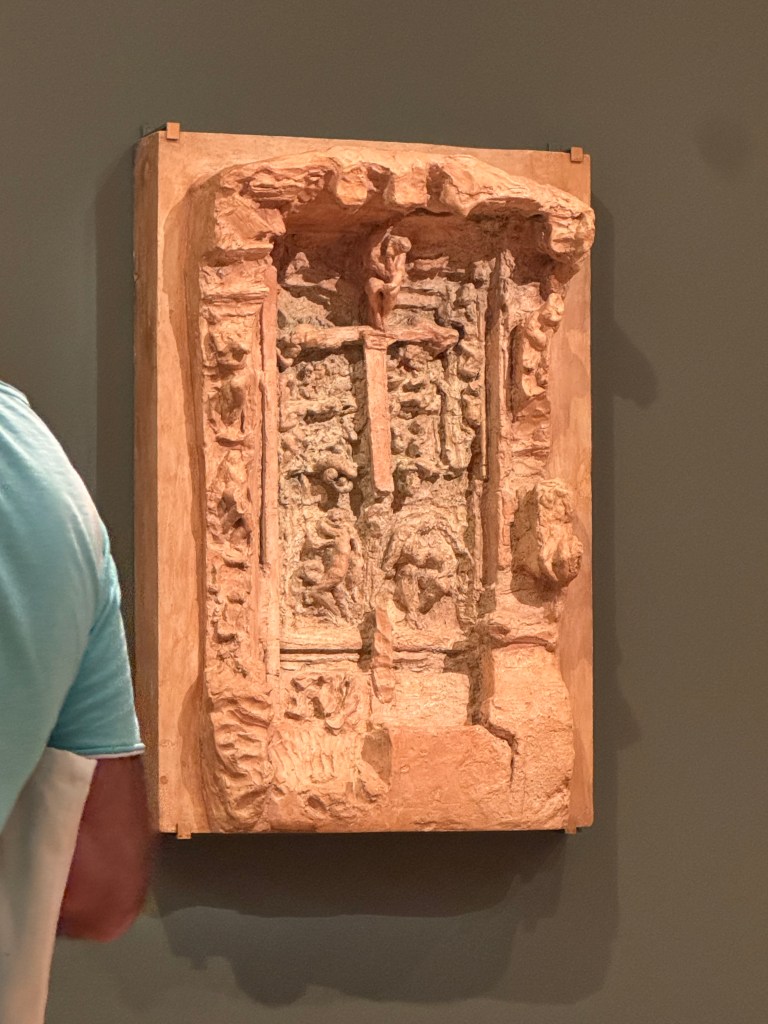
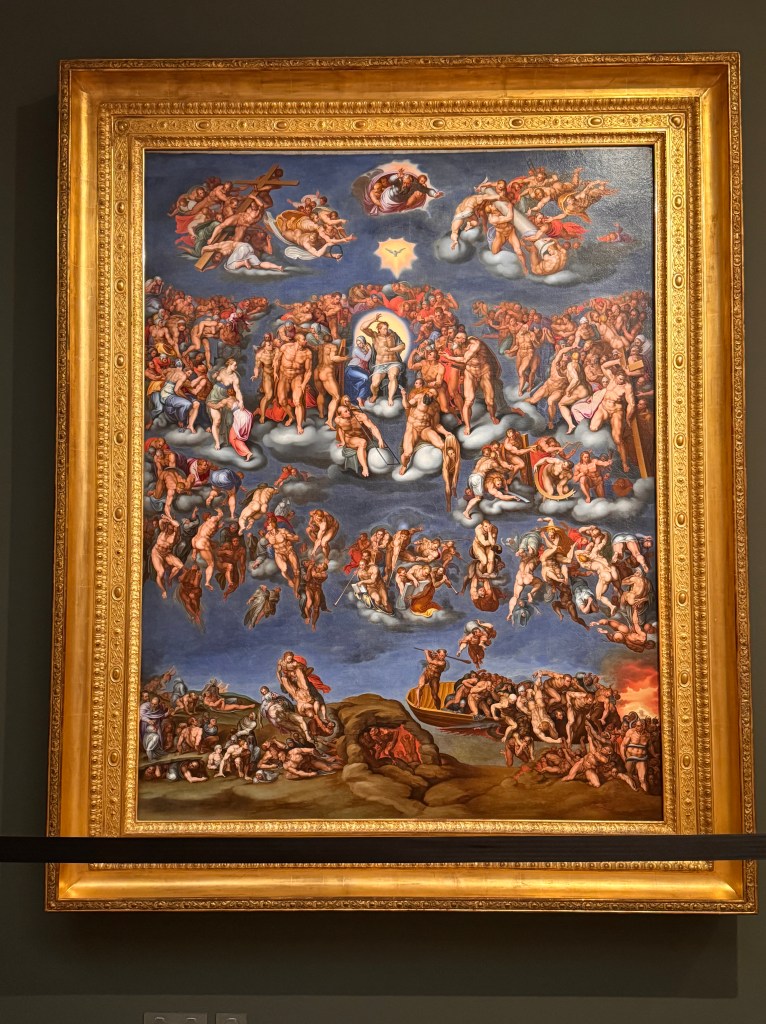
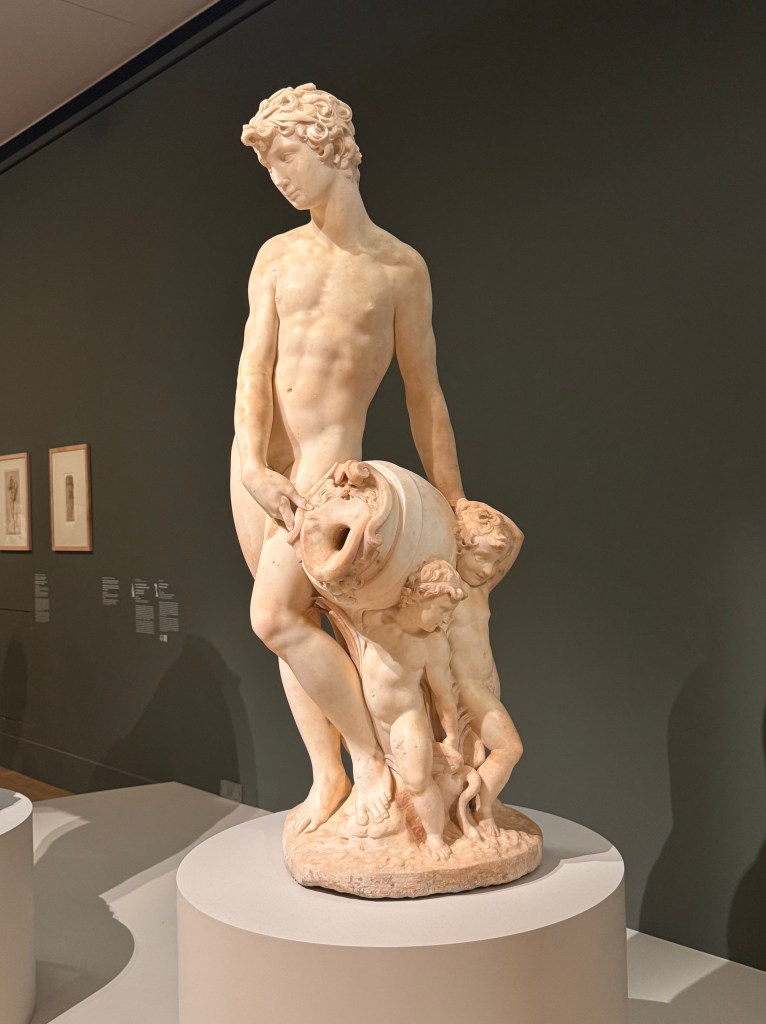
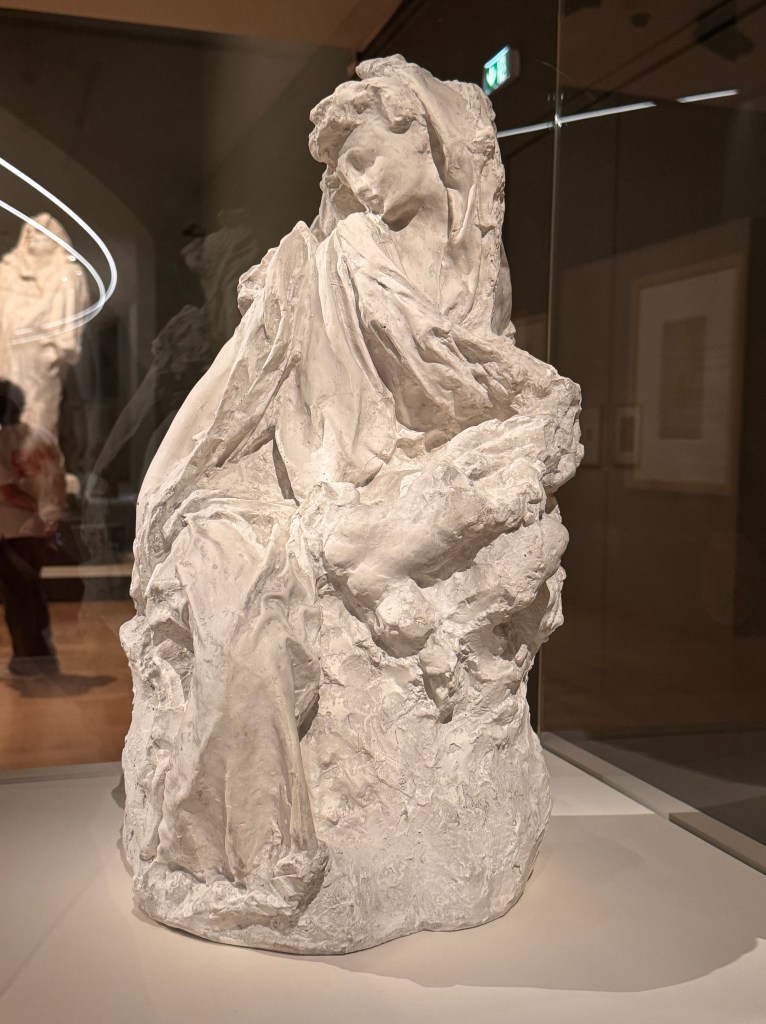
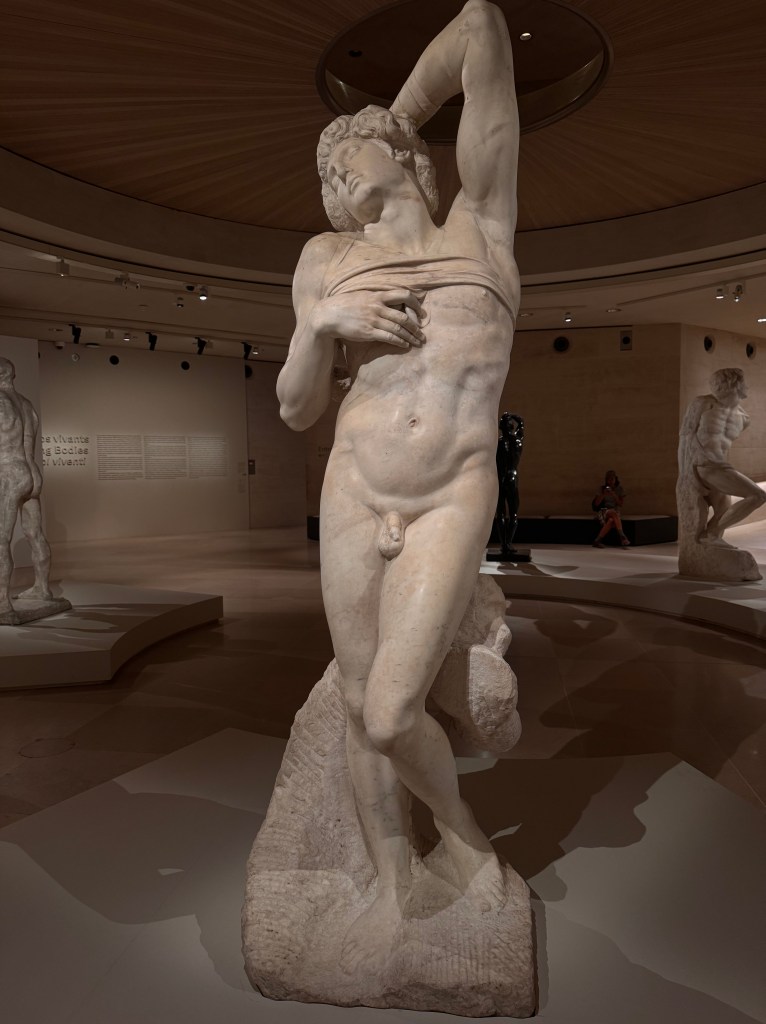
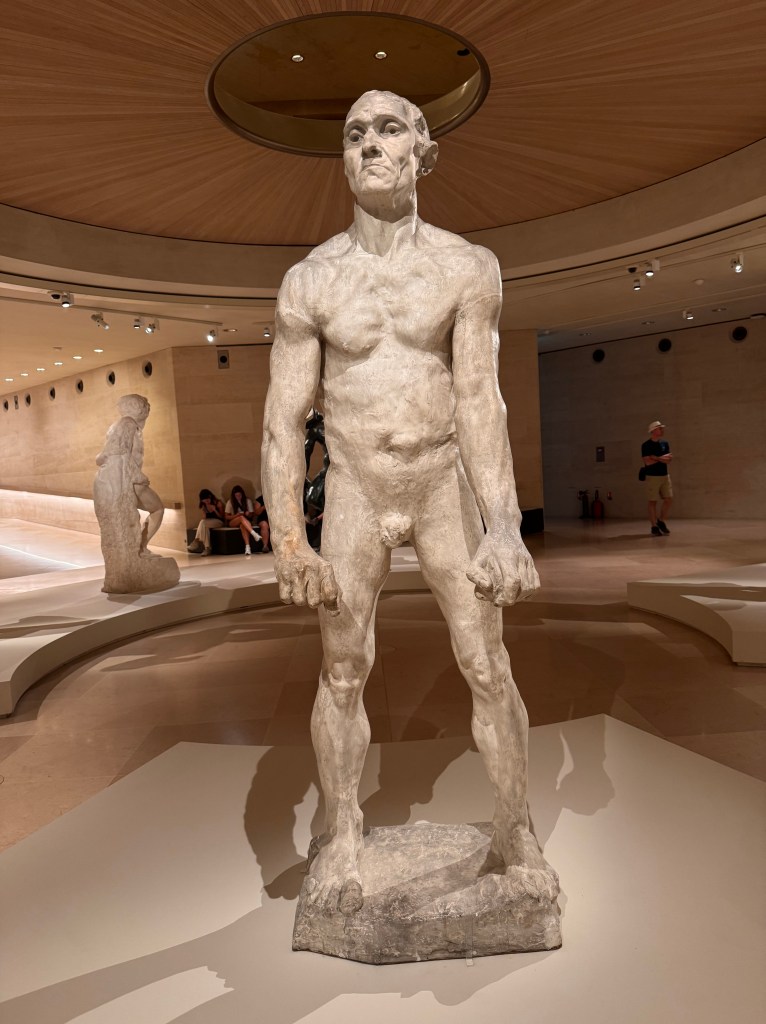
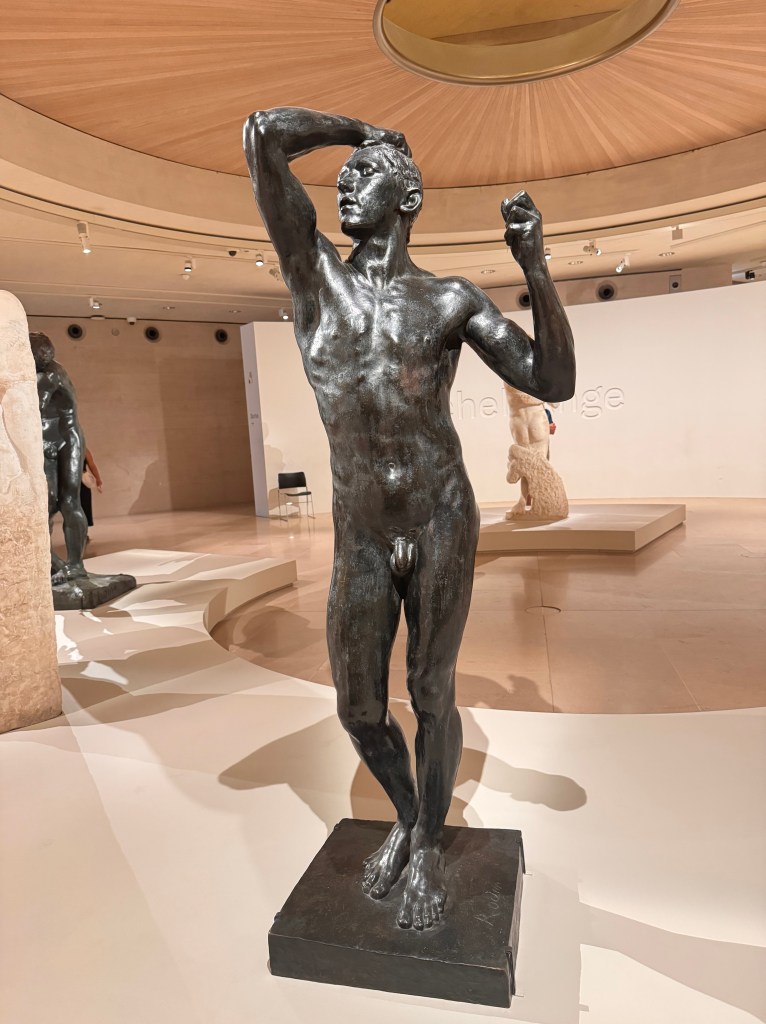
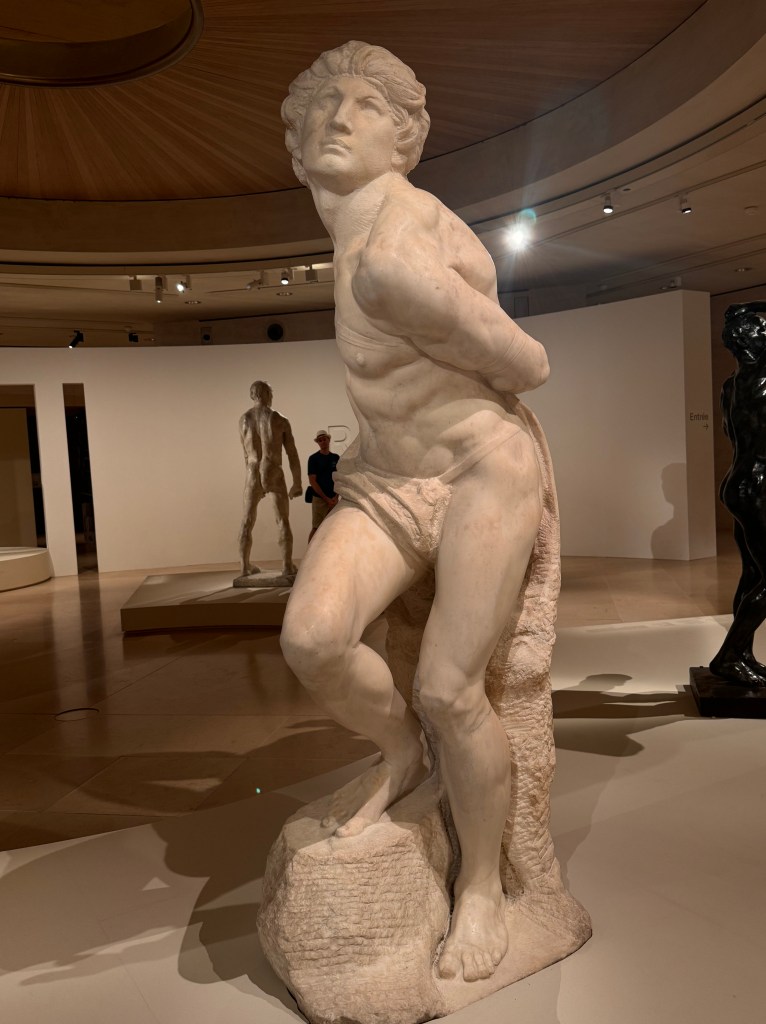
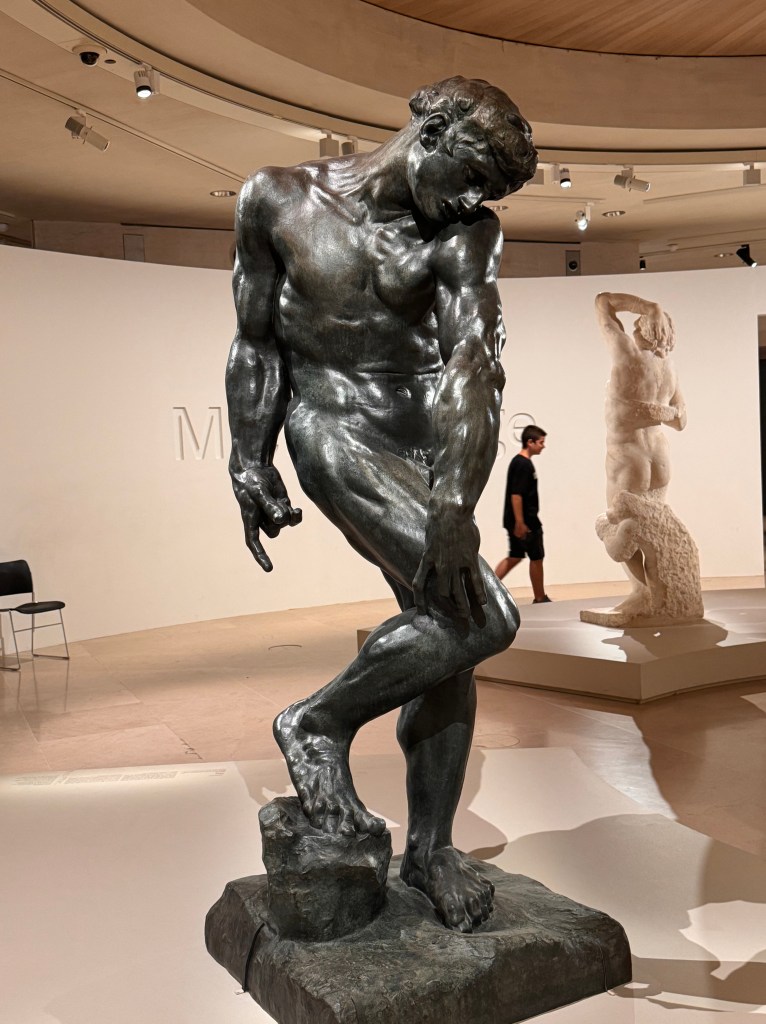
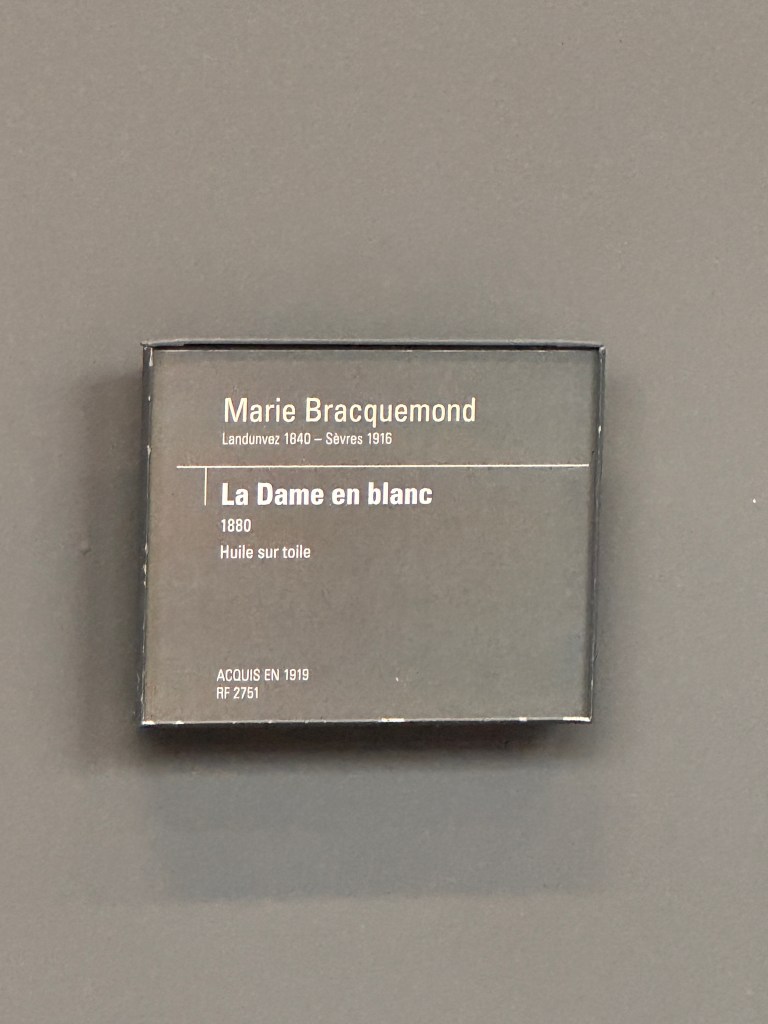
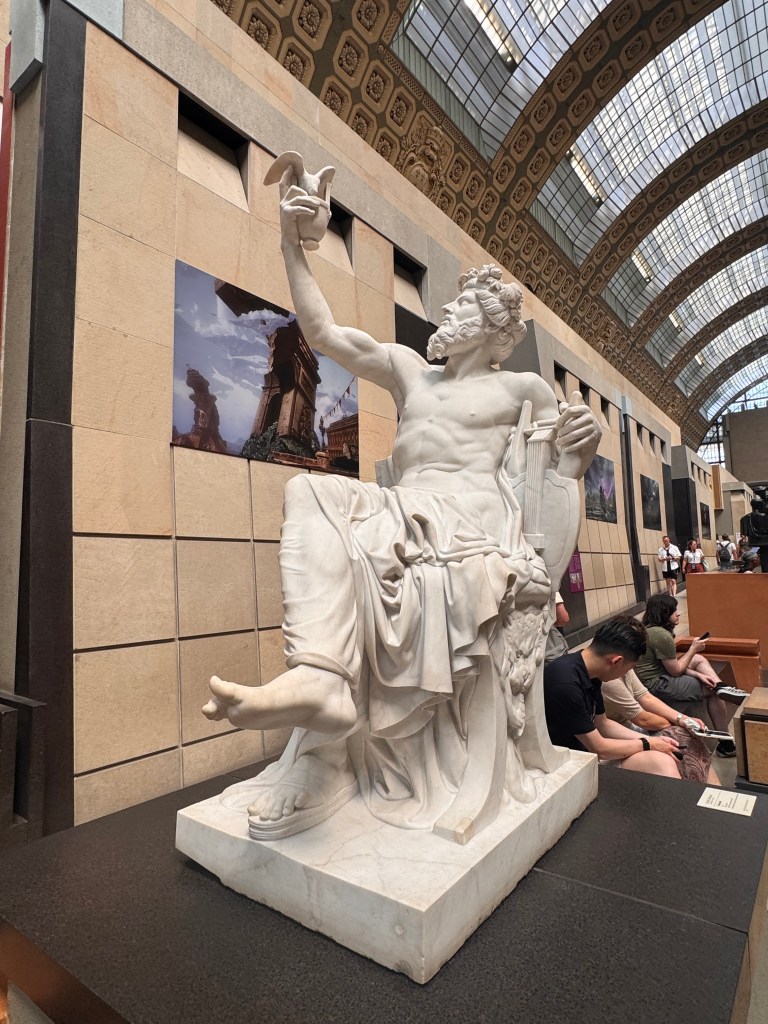
We stood before paintings by Van Gogh, Monet, Renoir, Degas, Cézanne, and countless other artists whose works I had only ever seen in books. The museum’s sculpture galleries were equally breathtaking, filled with marble and bronze masterpieces displayed in beautifully lit open spaces.

Everywhere we turned there seemed to be another world-famous painting waiting around the next corner.

We wandered through gallery after gallery until closing time at 4:00 p.m.

Alan would have been so proud of us for staying until they practically had to usher us out!

After another full day of exploring, we walked back to our apartment, still trying to work through the ongoing issues with GuestReady and VRBO. Unfortunately, the apartment never really improved, and it remained one of the few disappointments of our entire European adventure.

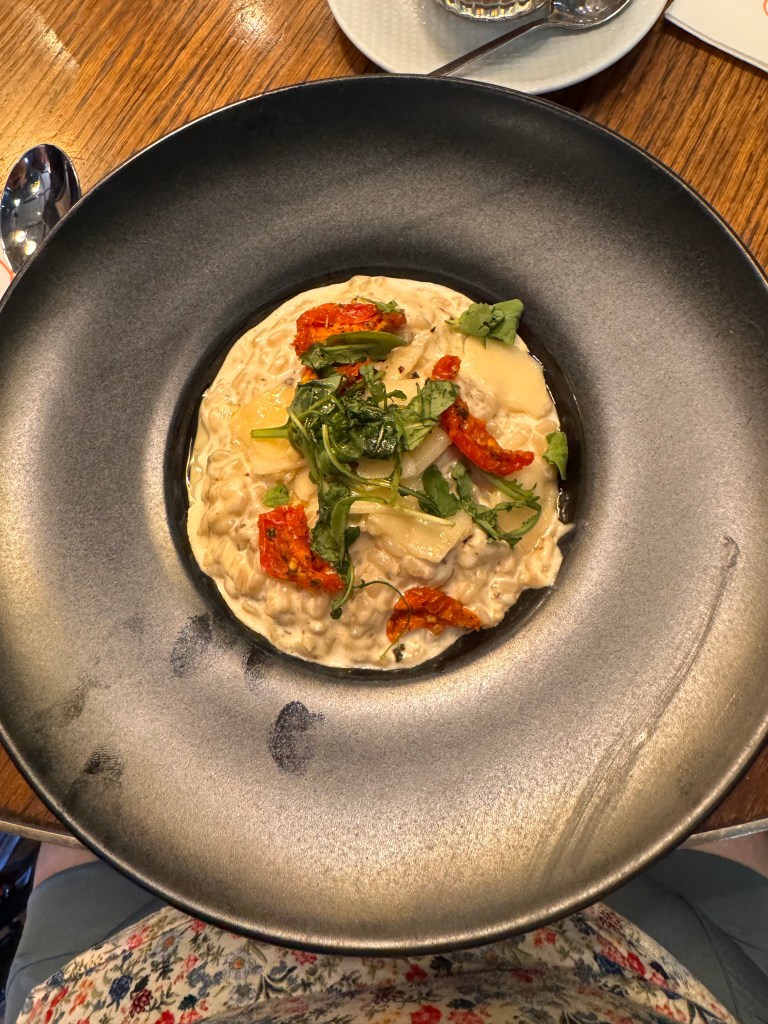
Dinner that evening was simple but perfect.

We finished the leftovers from our delicious meat and cheese board, paired them with some incredibly sweet French nectarines, and enjoyed a quiet evening together.

Then it was time to repack our suitcases once again.

The next morning, our wonderful driver Nesrine would be picking us up to take us to the train station as we said goodbye to Paris and began the next chapter of our journey—heading south to the Mediterranean and the beautiful seaside town of La Grande-Motte.
The Louvre, Mona Lisa, and Rodin

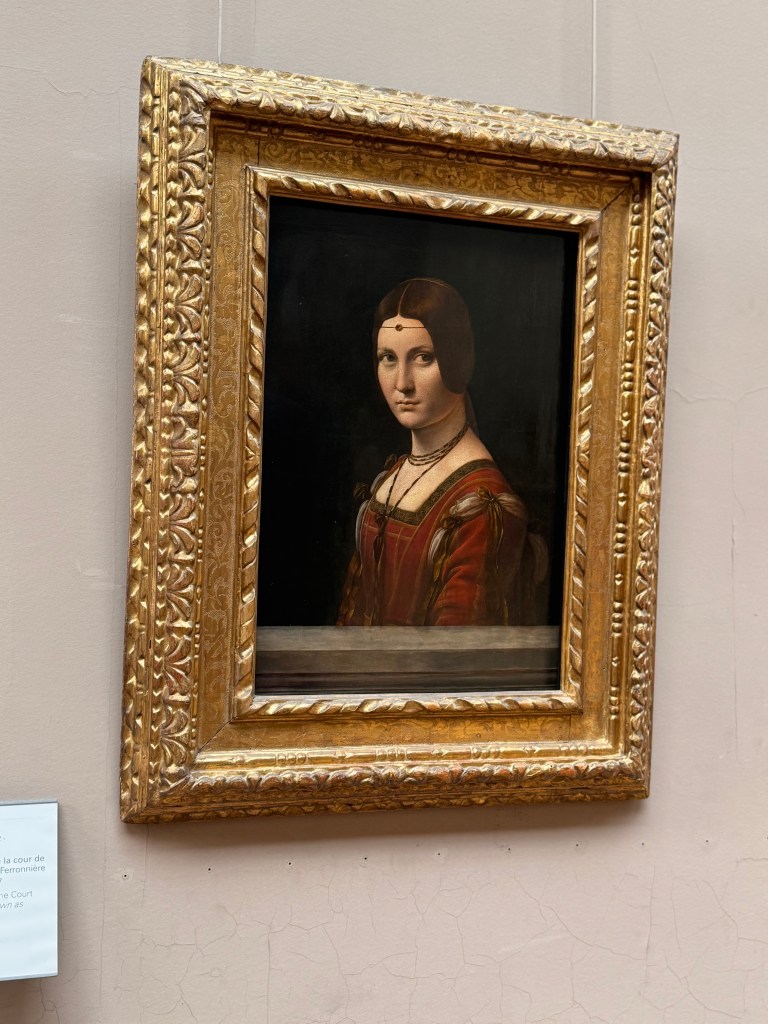
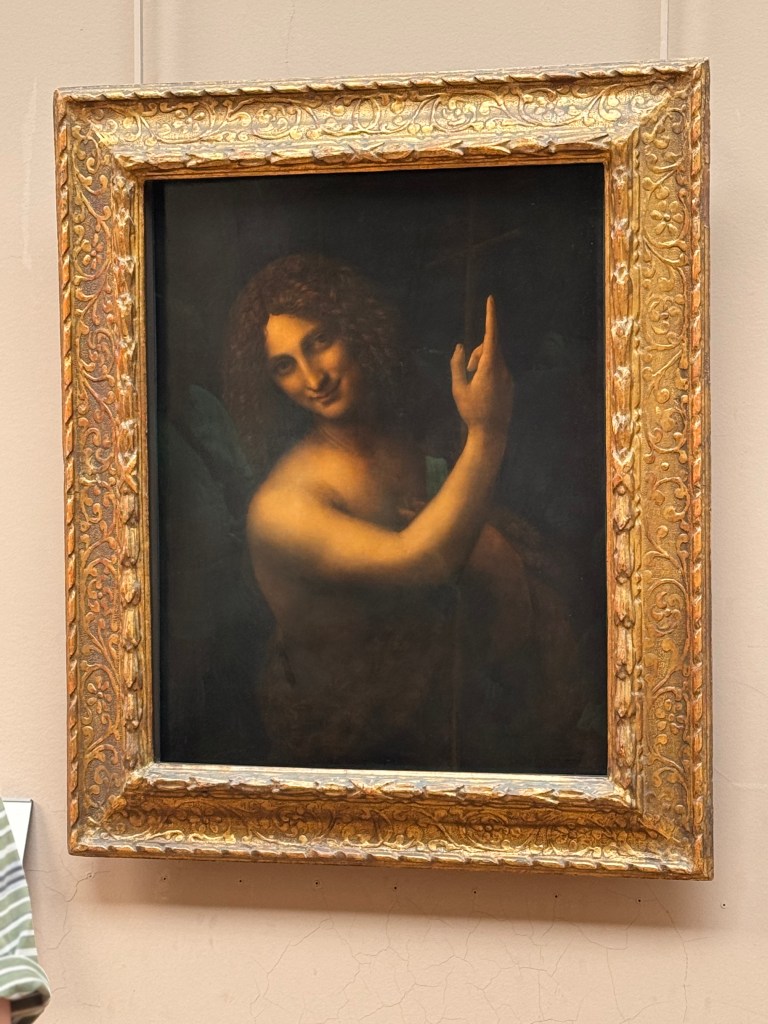
Our next adventure was one I had been looking forward to for years—the Louvre.

The day didn’t exactly start smoothly. We had arranged for a taxi, but instead of pulling up where we were waiting, the driver parked somewhere else and expected us to find him. With a 9:00 a.m. timed entry reservation, every minute mattered, and we were beginning to think we were going to miss it.

Fortunately, we arrived just in time. Once the staff saw Kiya’s transport chair, they graciously moved us to the front of the entry line, and within minutes we were inside the world’s largest art museum.

I had one goal to start the day—head straight to the Mona Lisa before the museum filled with visitors.

The Louvre is enormous, and it took a bit of navigating through elevators and long hallways before we finally reached her gallery. At first, we joined the regular line and slowly made our way toward the viewing area. Then Mom noticed a small sign indicating accessible access for wheelchair users.

As we made our way toward it, one of the attendants came over to meet us.

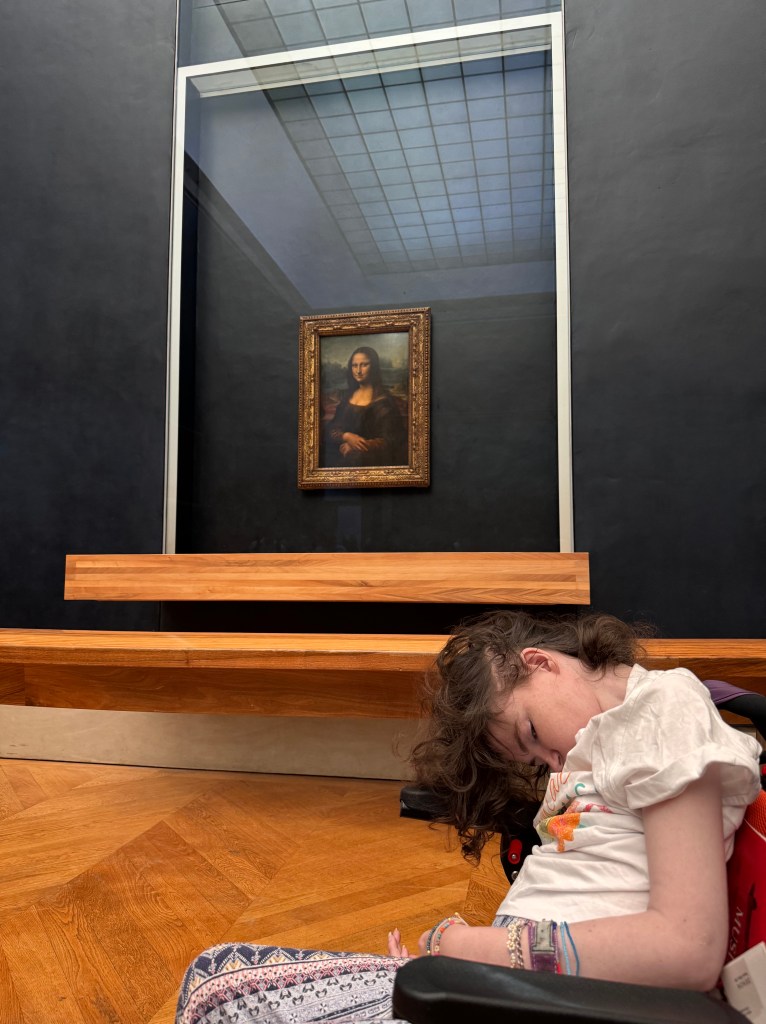
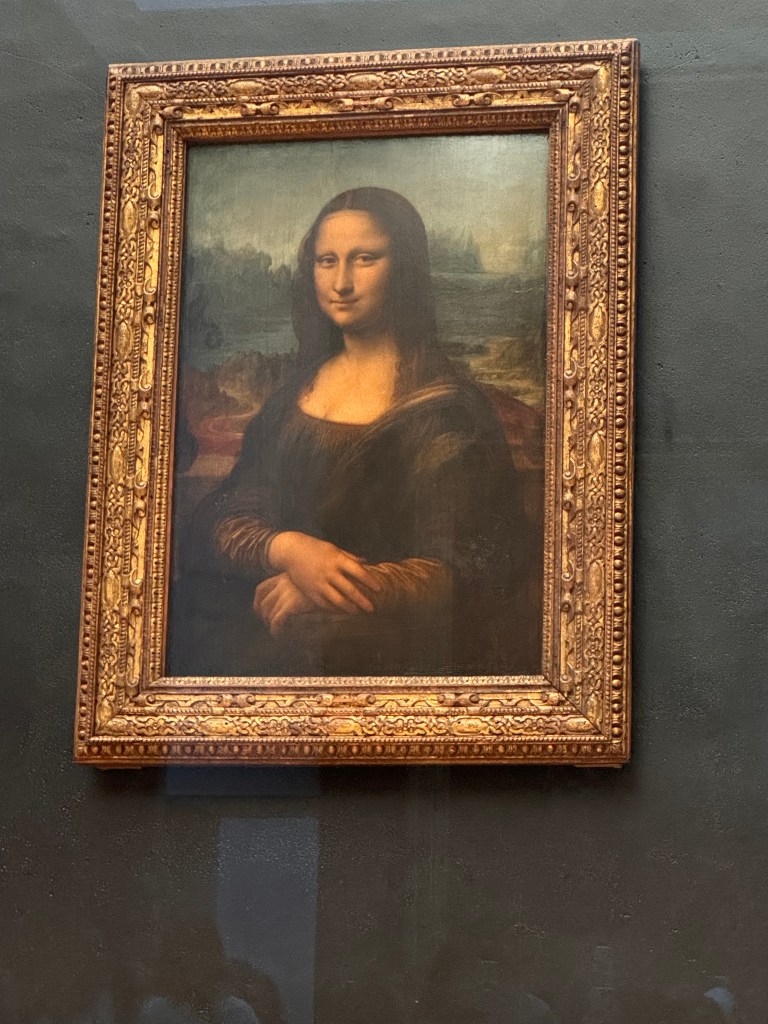
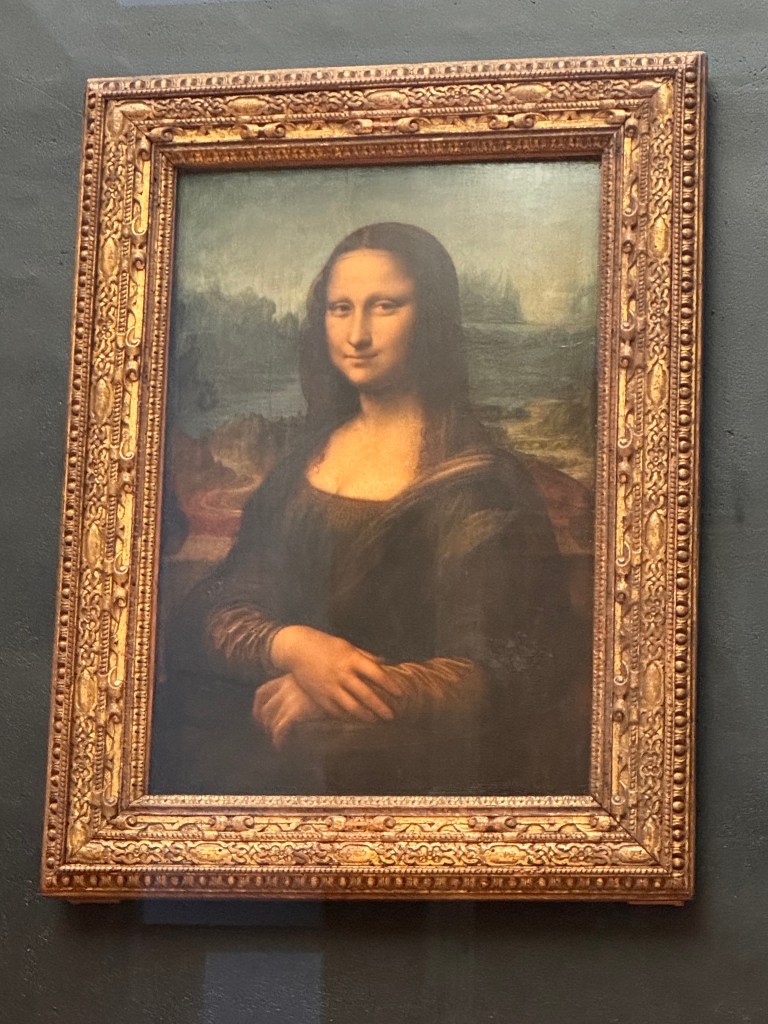
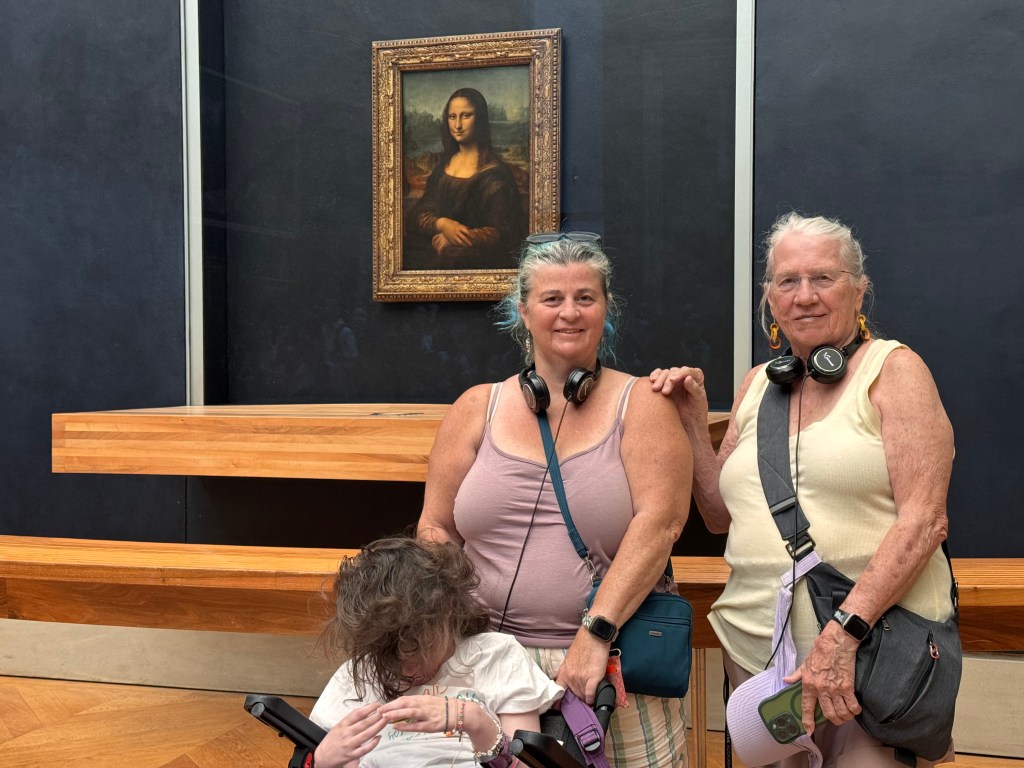
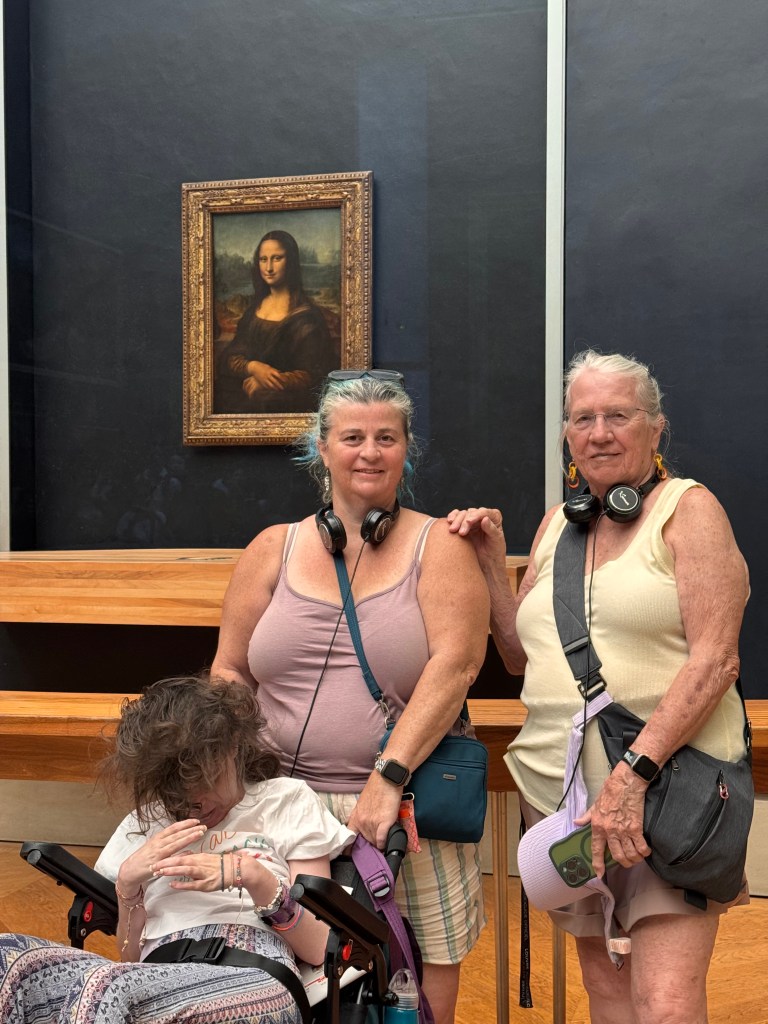
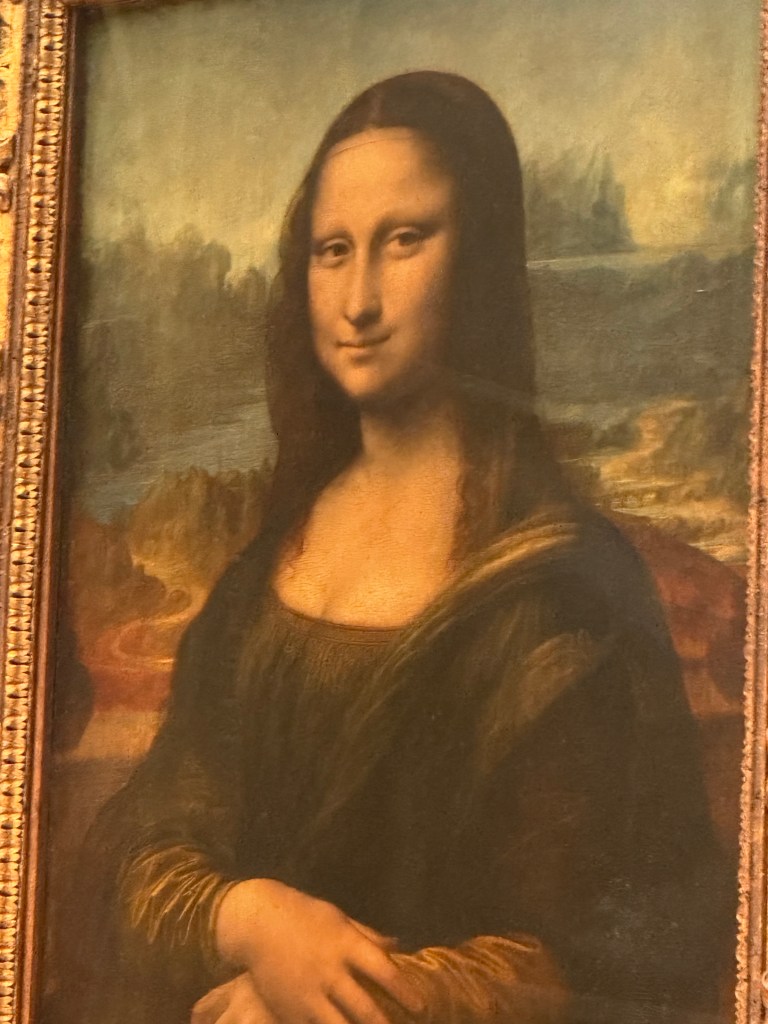
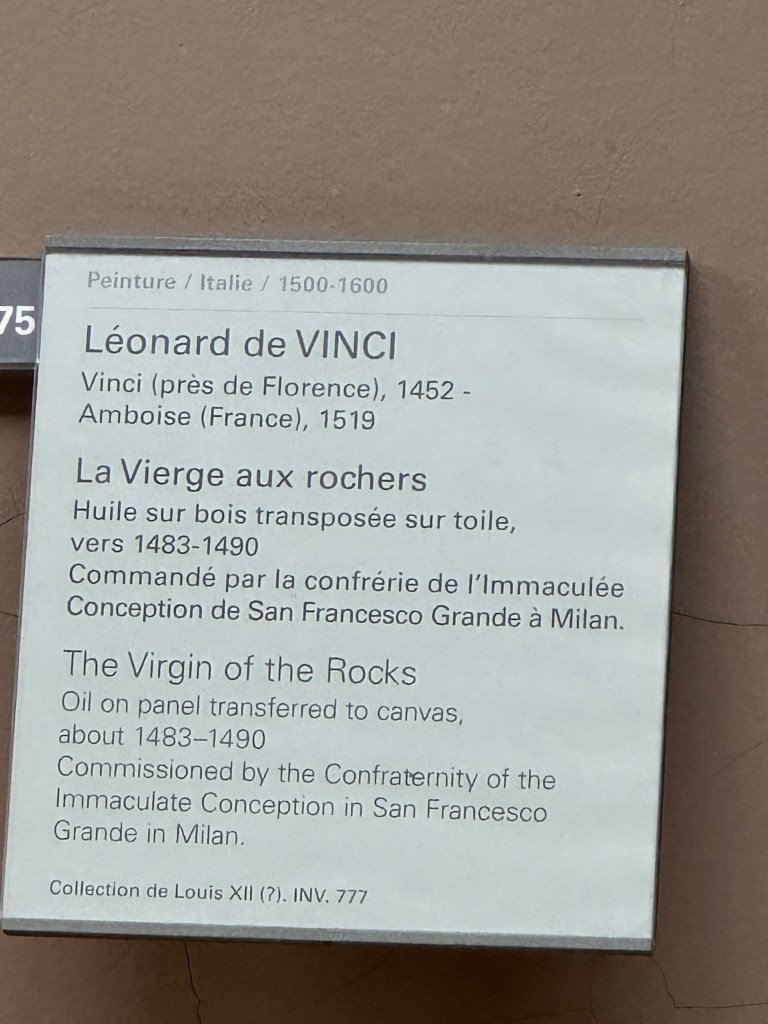
She smiled and led us around the crowds to the accessible viewing area, where we were able to stand only about five feet from Leonardo da Vinci’s Mona Lisa. Behind us, the general crowd was held back roughly fifteen feet from the painting.

The attendant told us to take all the time we wanted.

She even offered to take our family photos, making sure we had pictures together in front of one of the most famous paintings in the world. It was such a thoughtful act of kindness, and it transformed what could have been a stressful experience into one of the highlights of our trip.

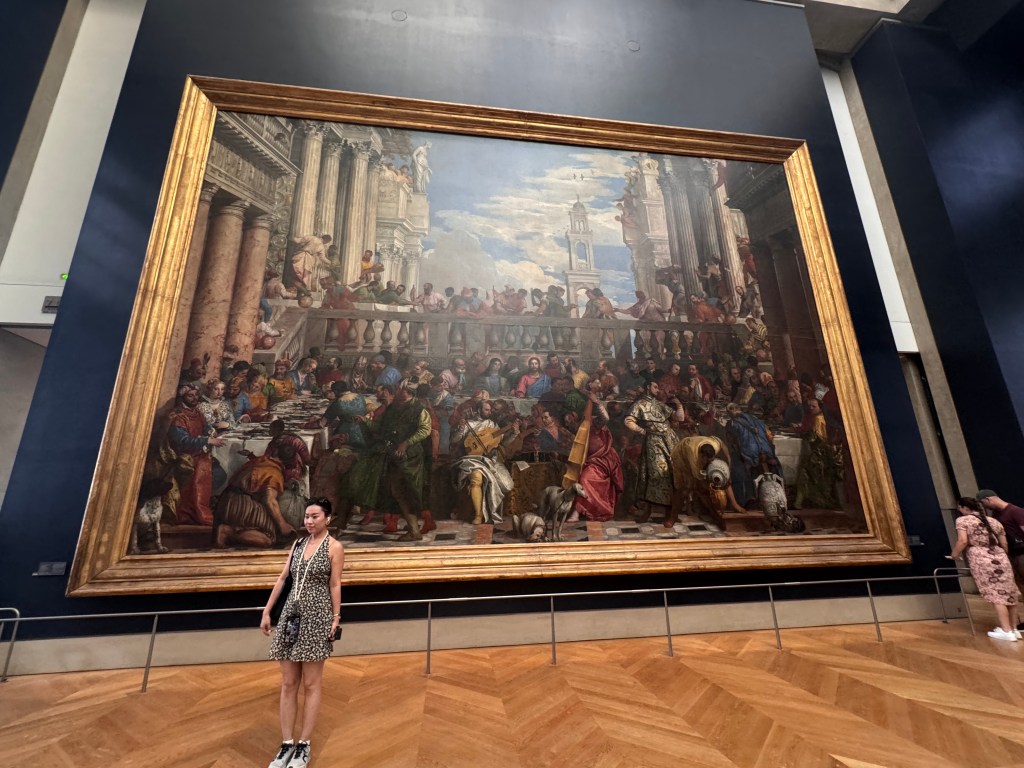
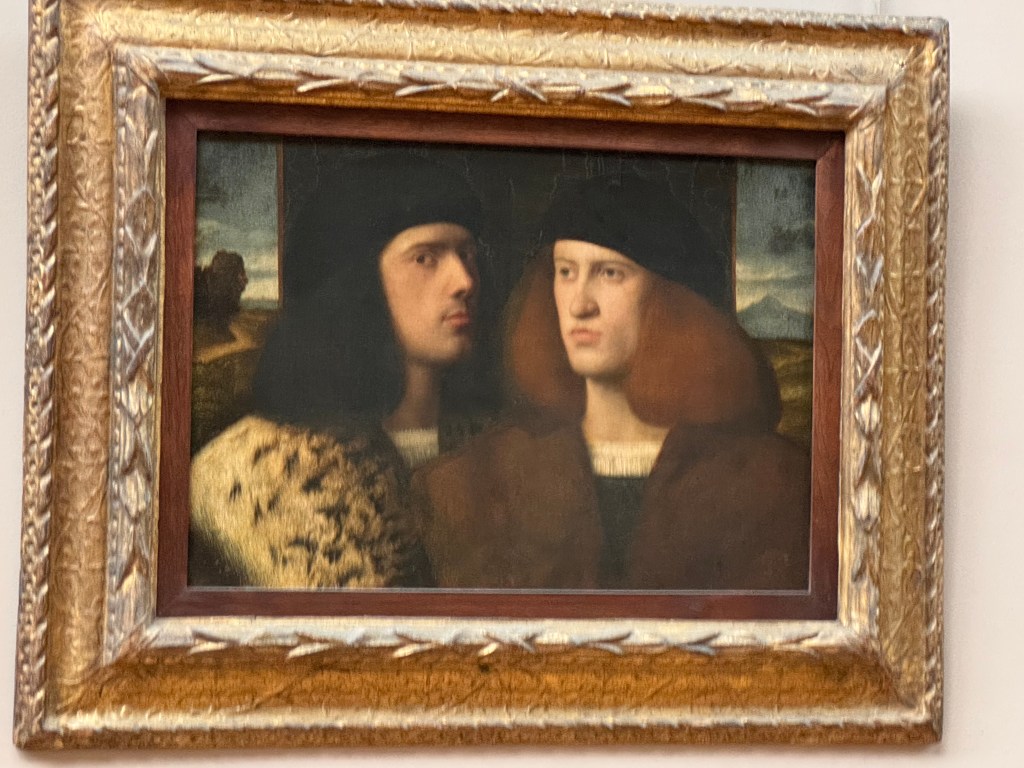
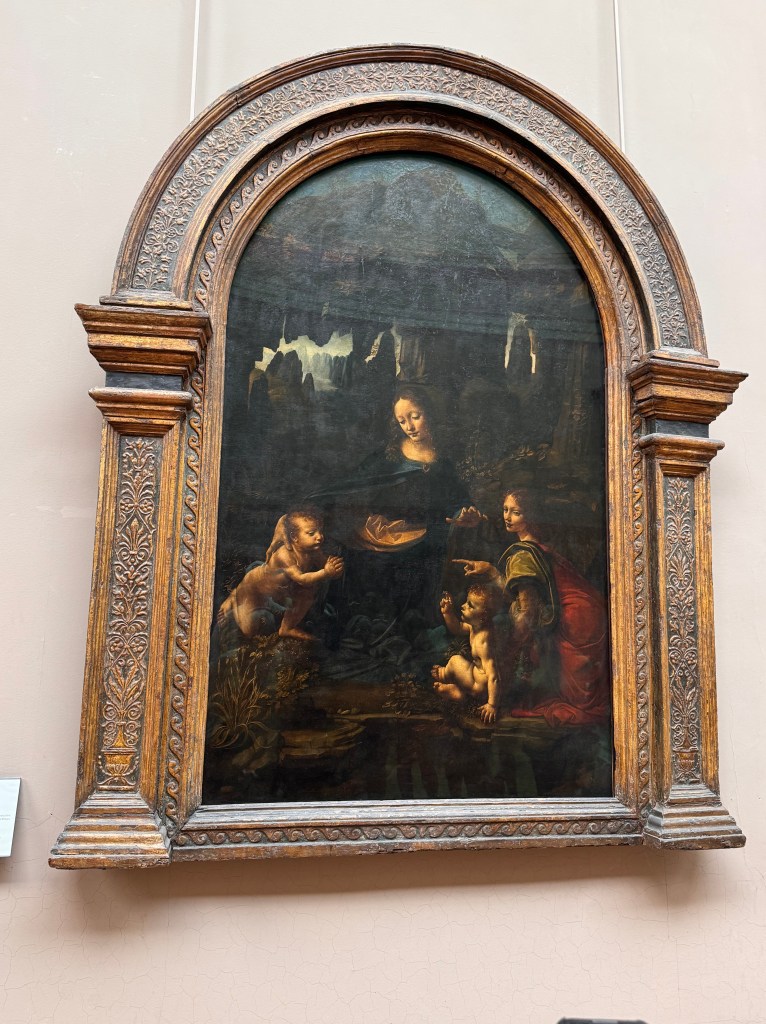
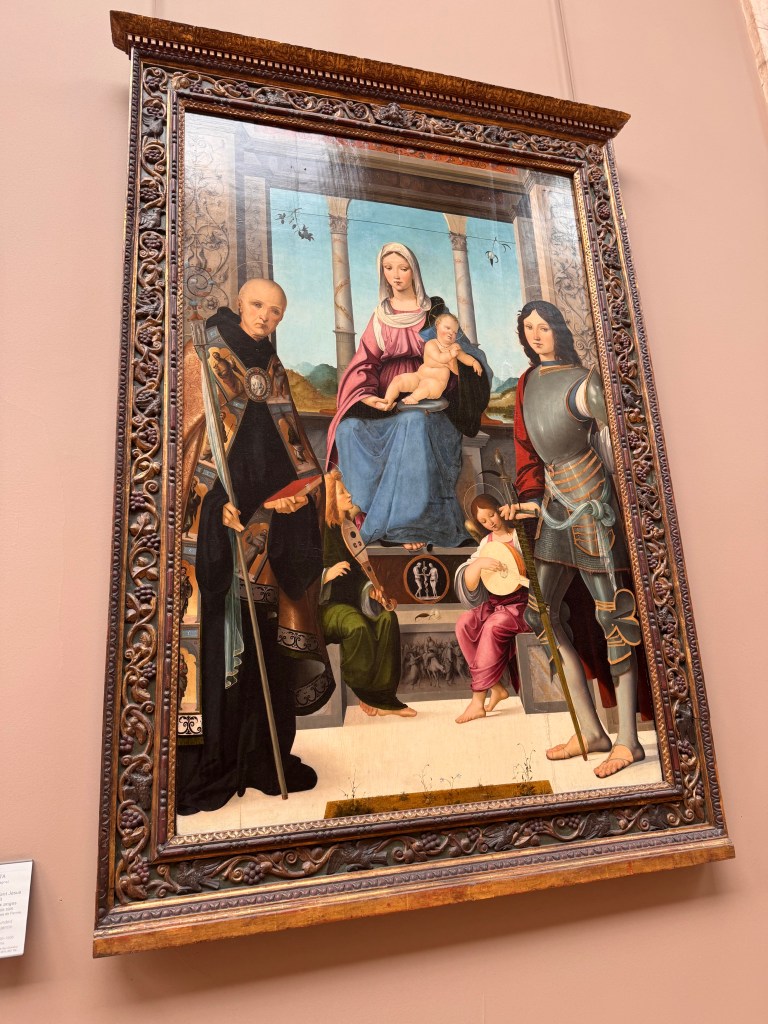
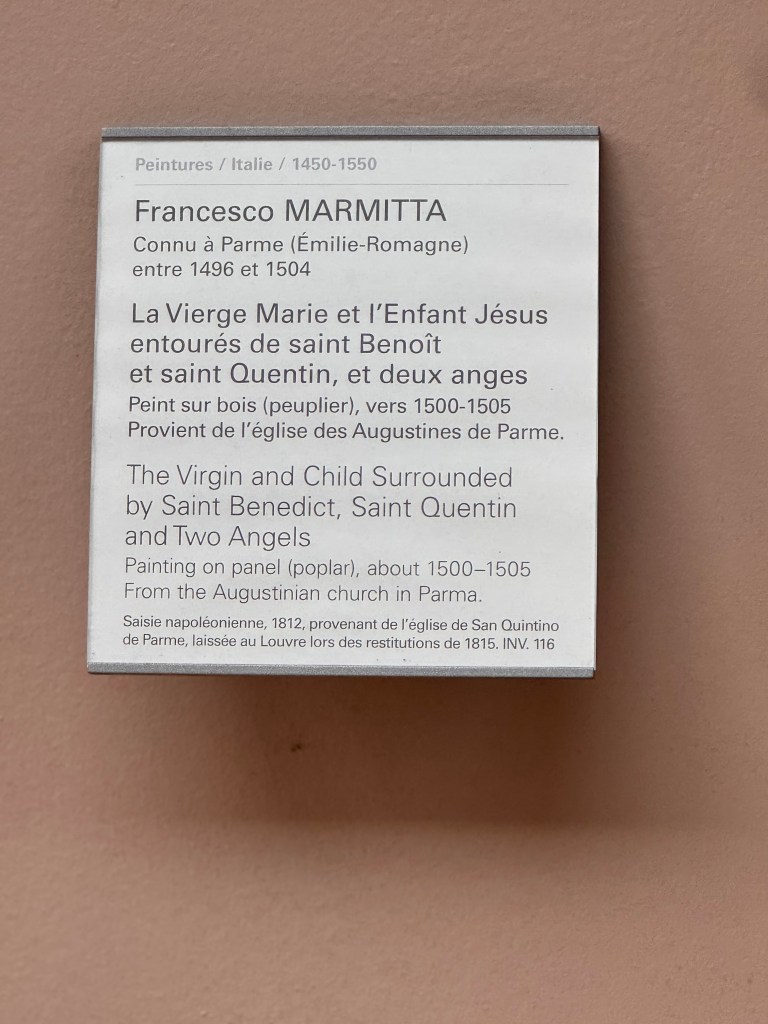
After spending time with the Mona Lisa, we wandered through gallery after gallery for the next several hours.

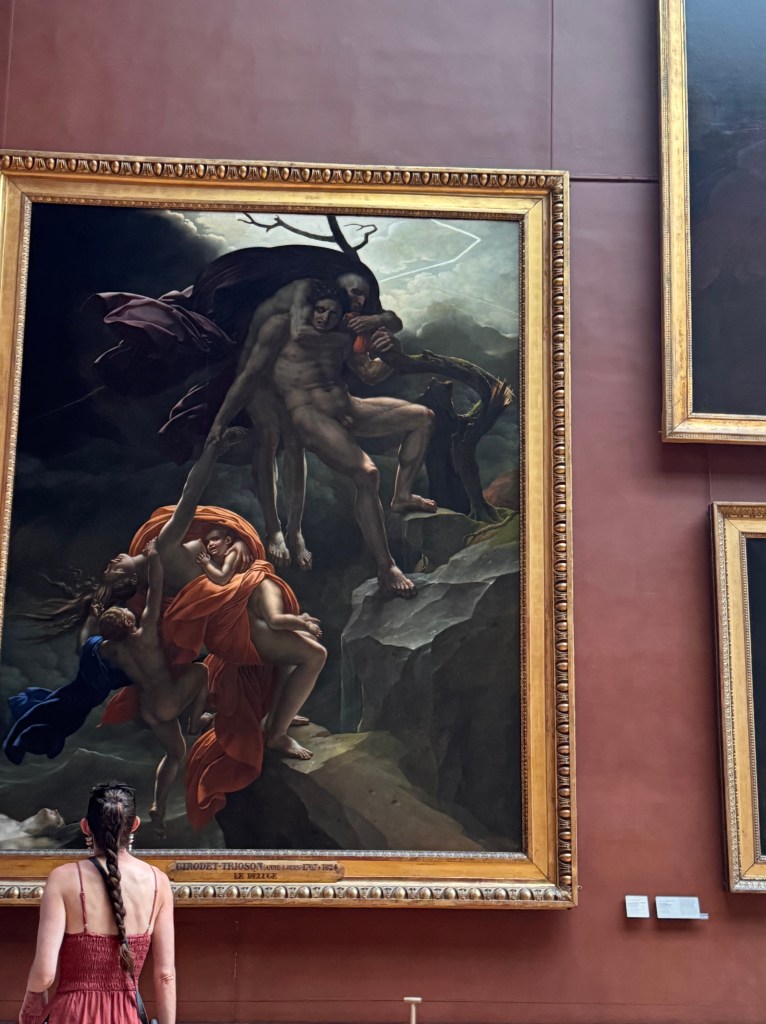
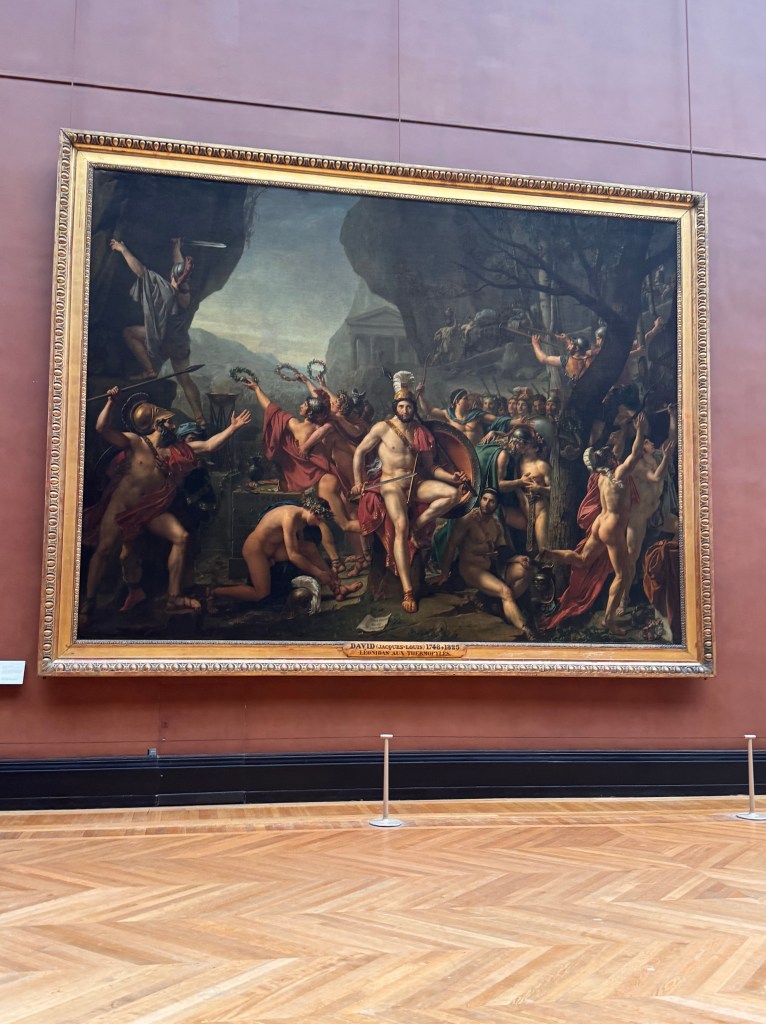
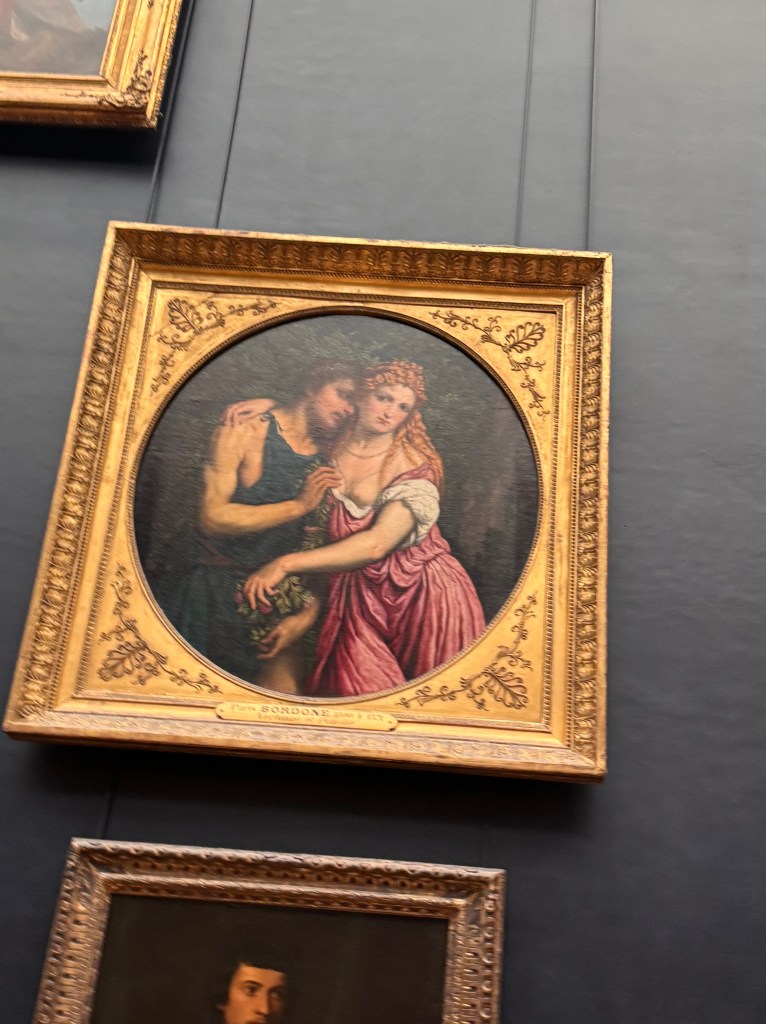
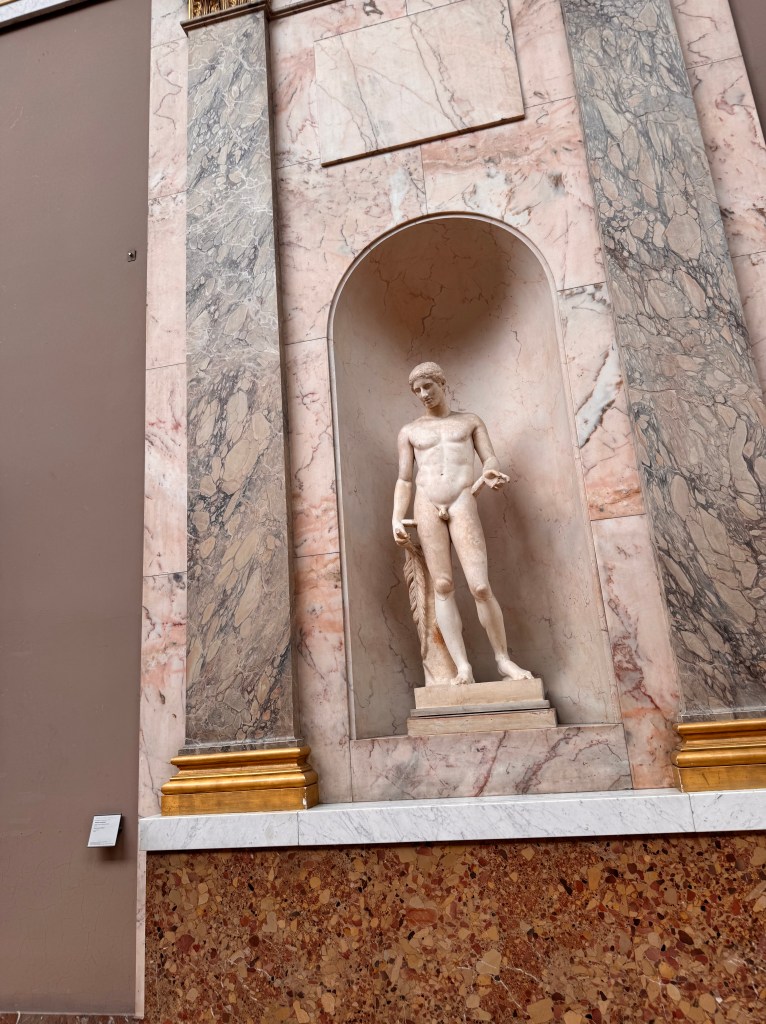
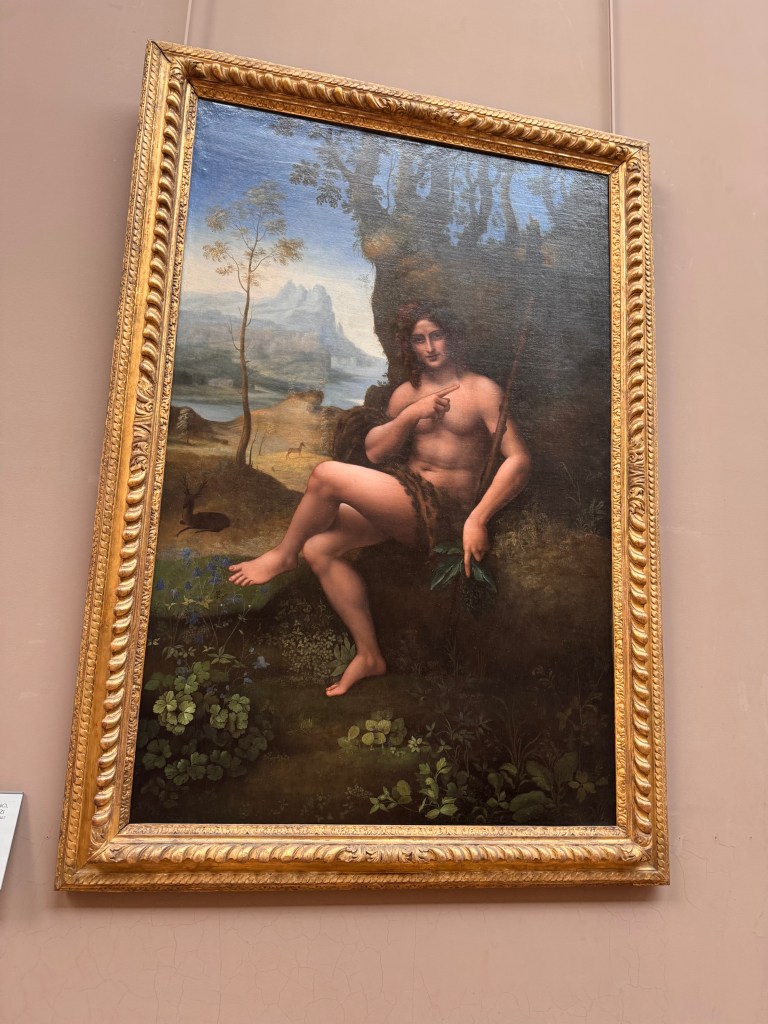
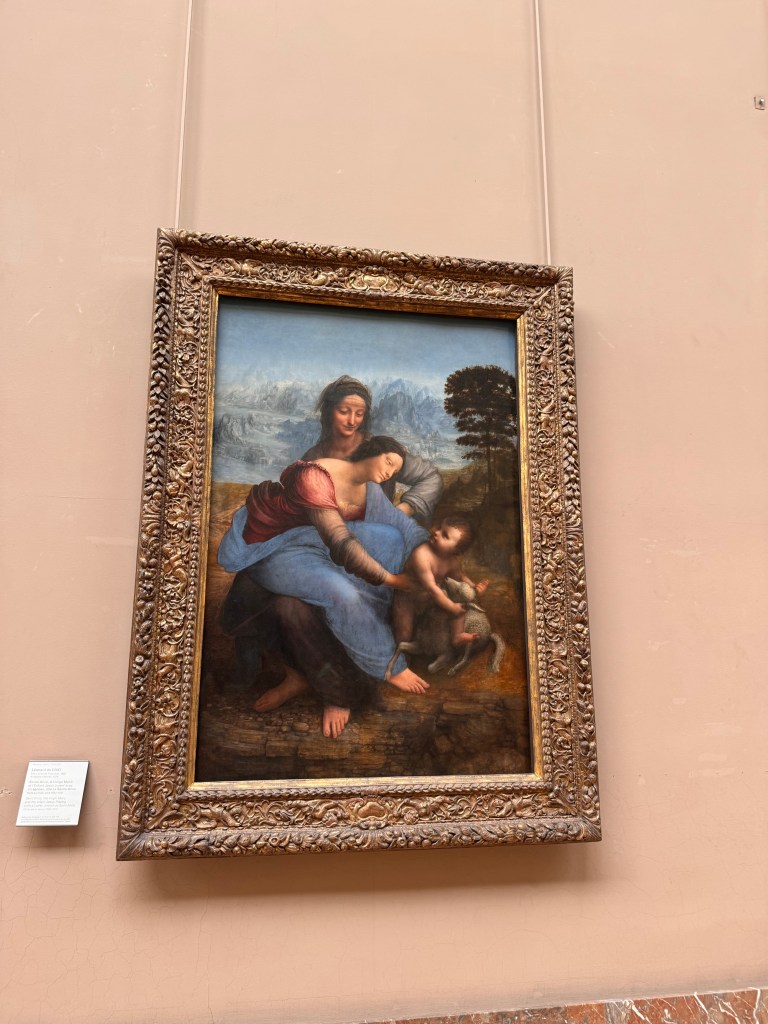
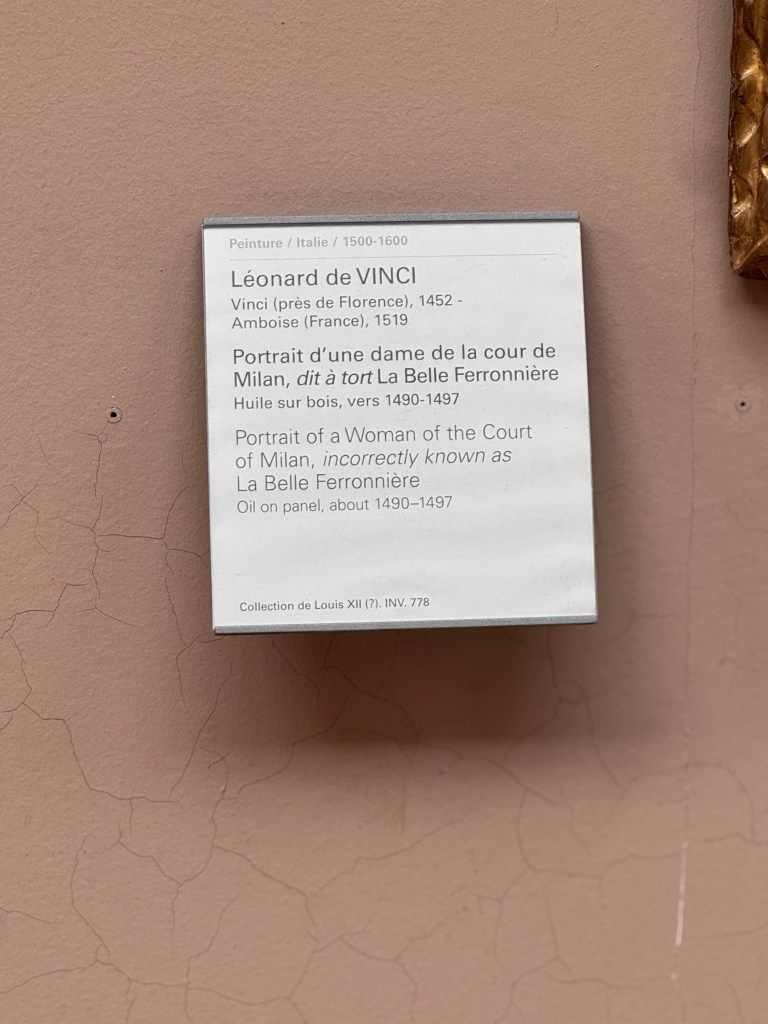
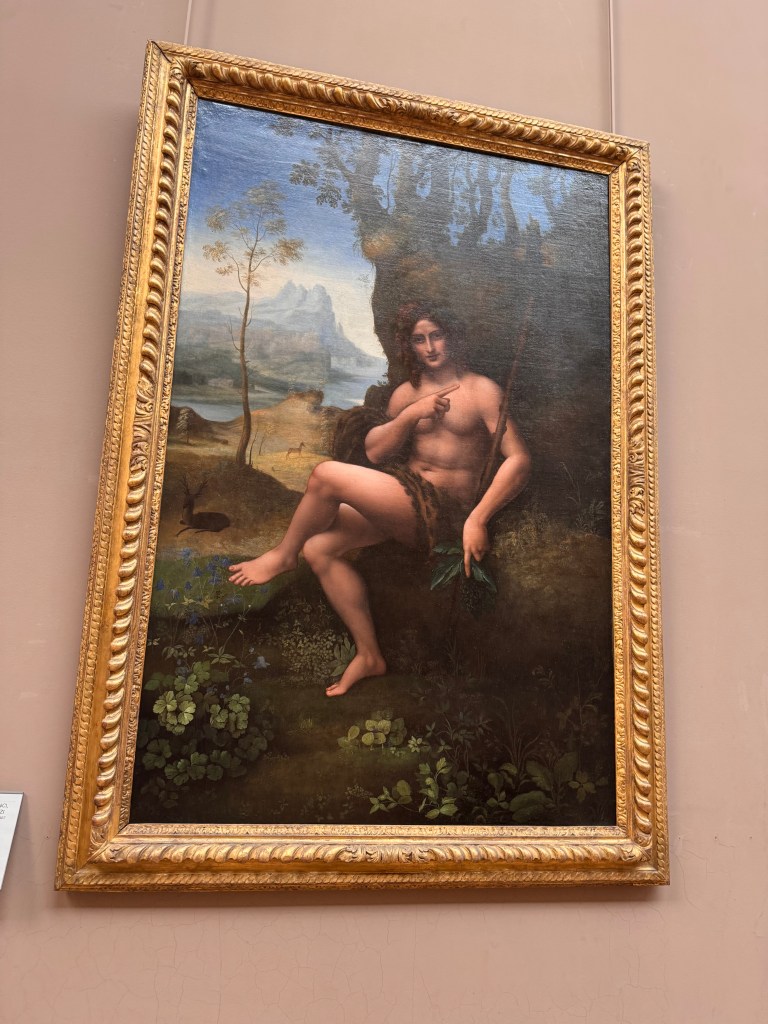
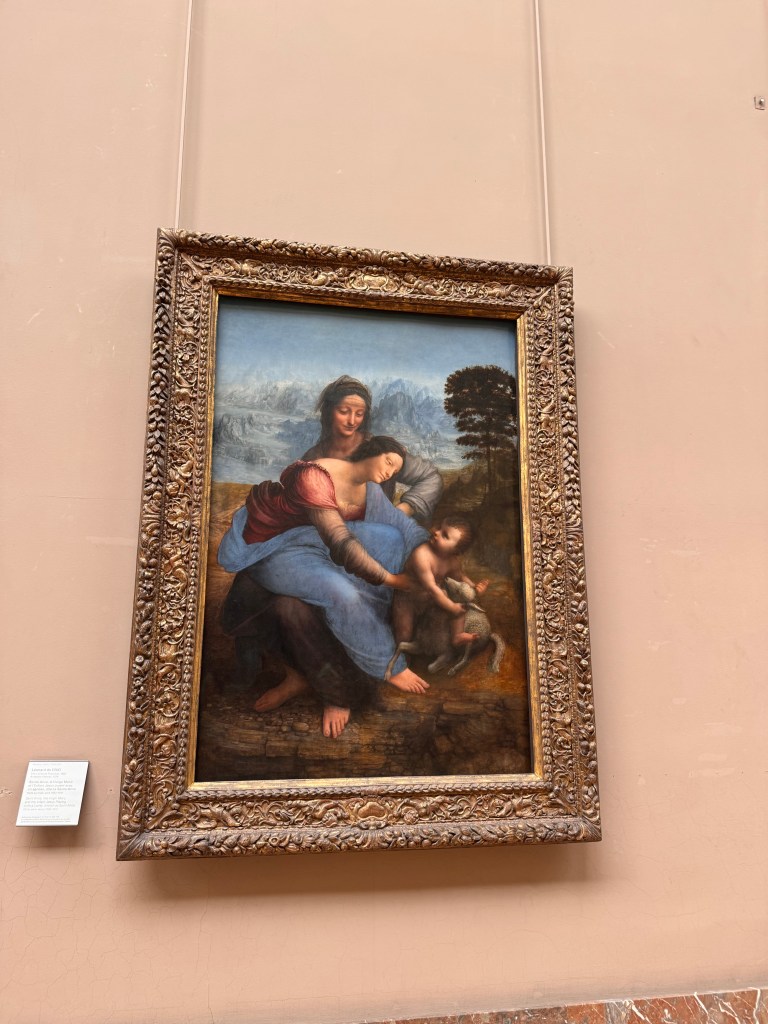
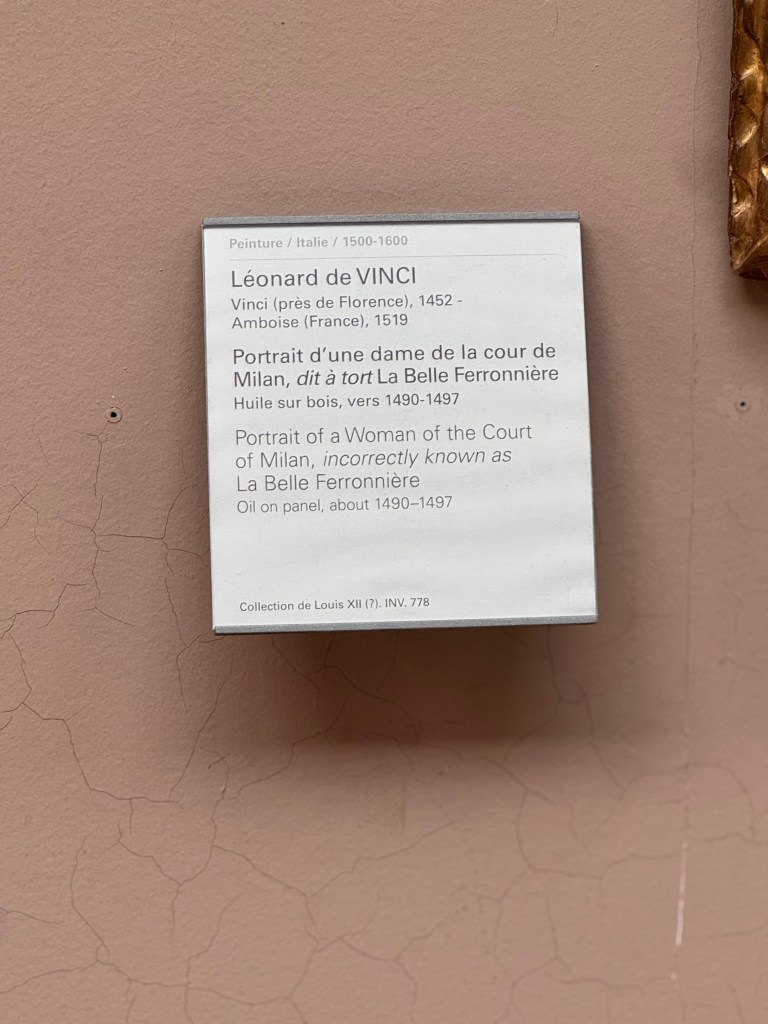
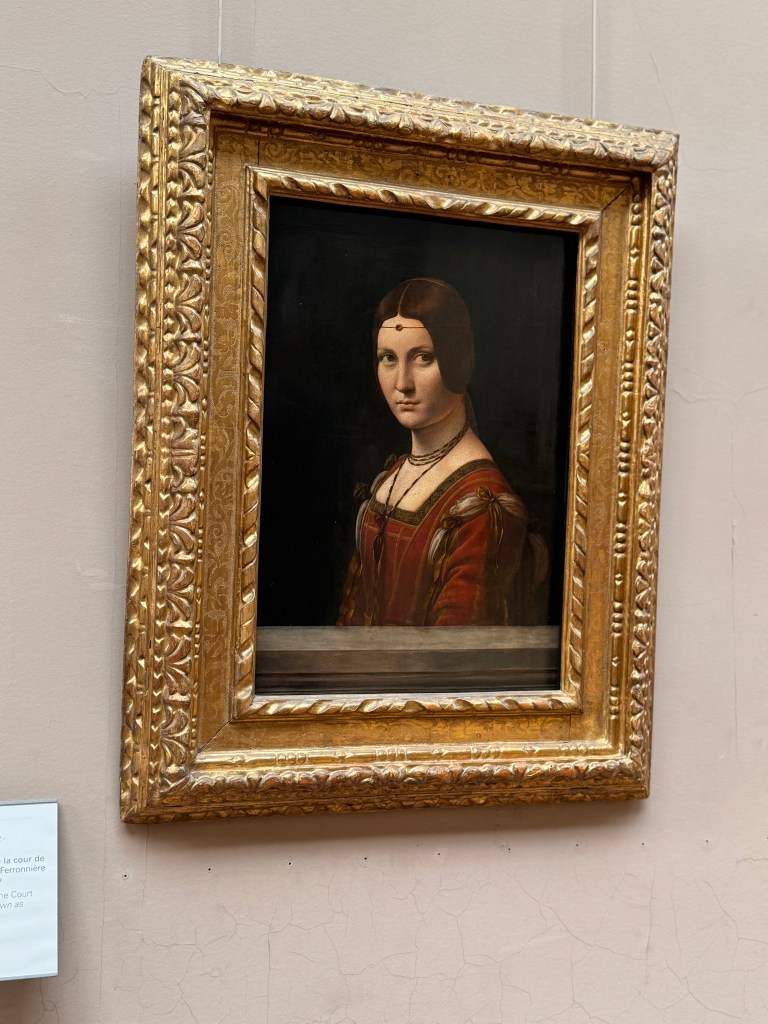
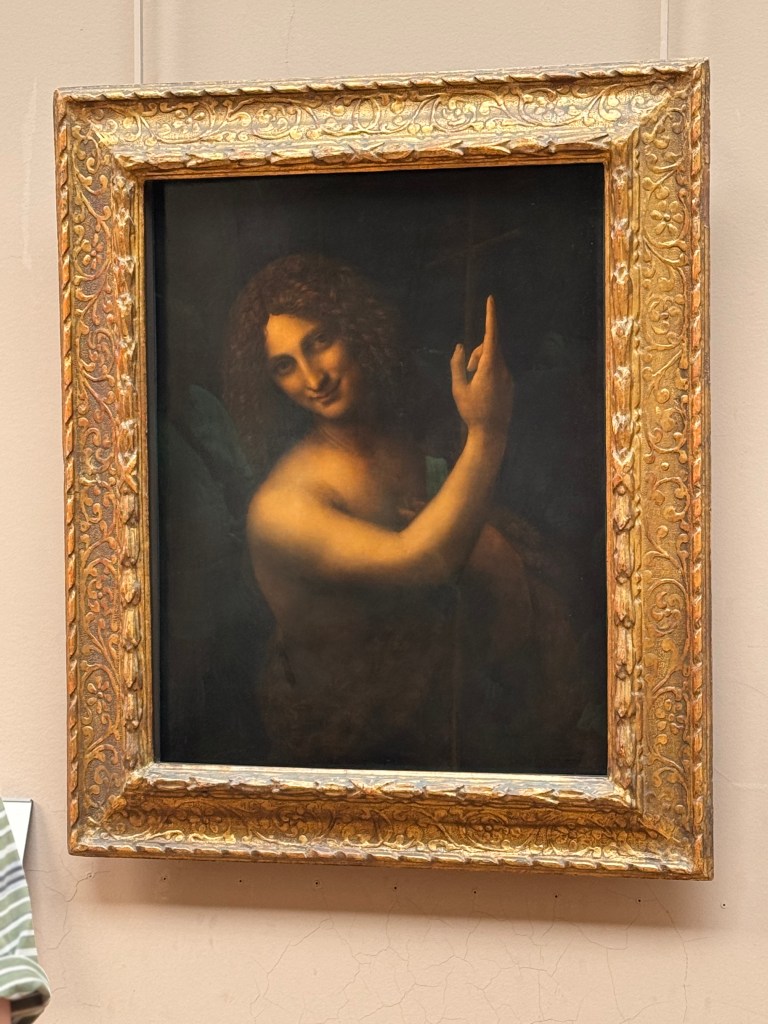
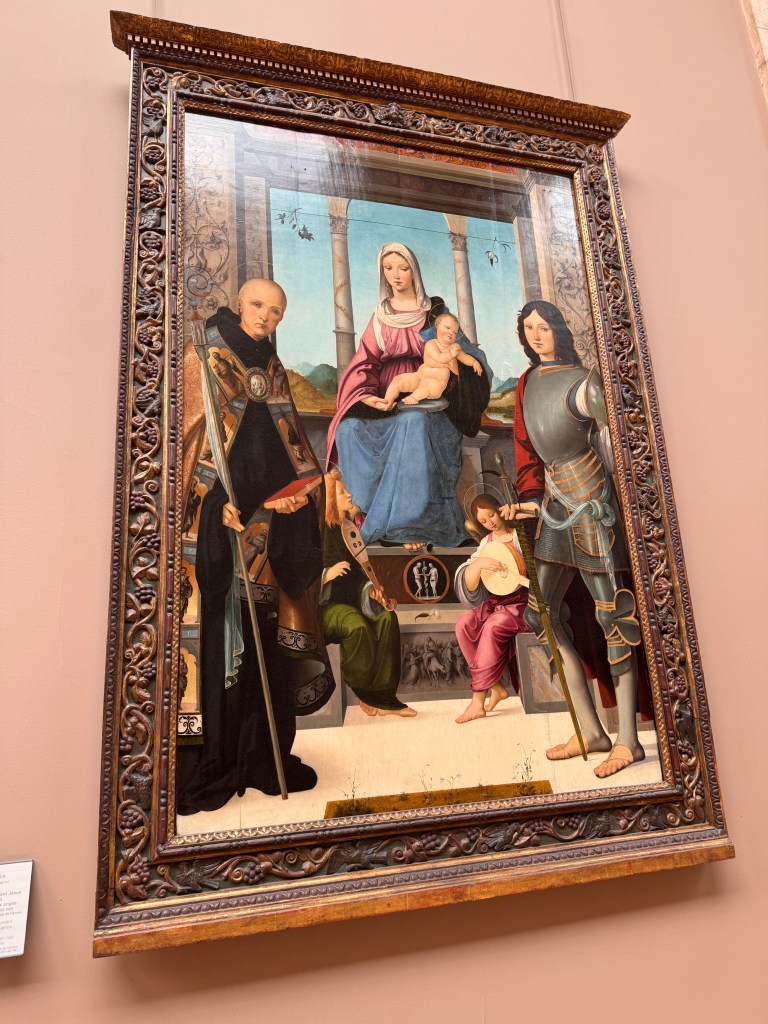
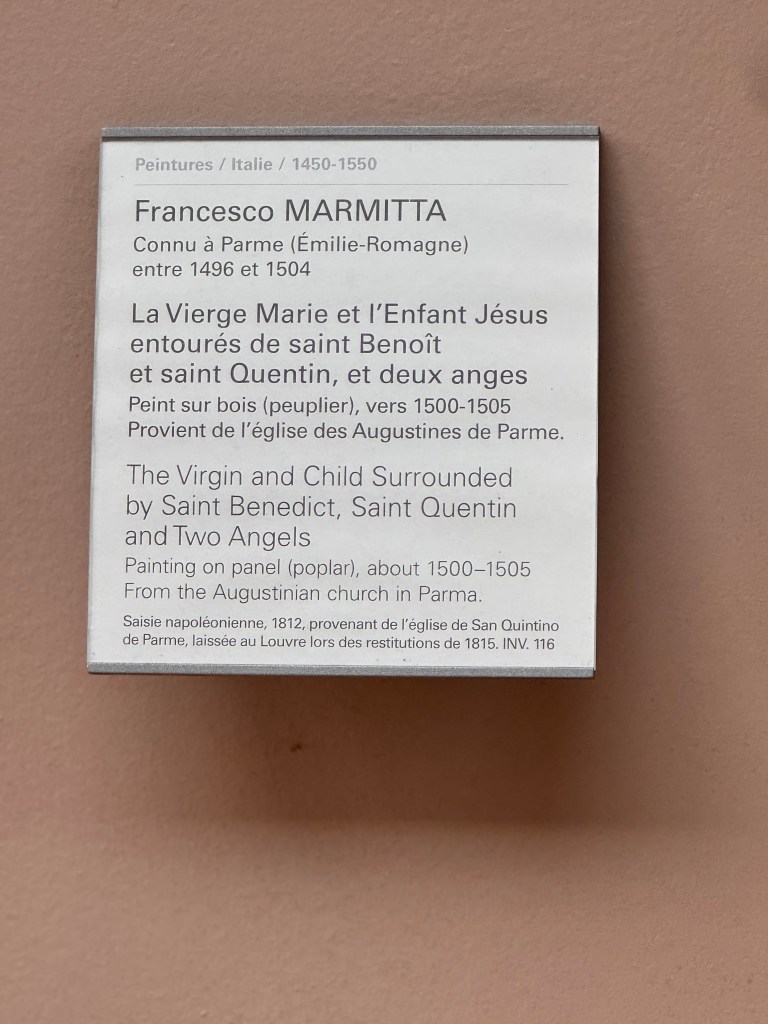
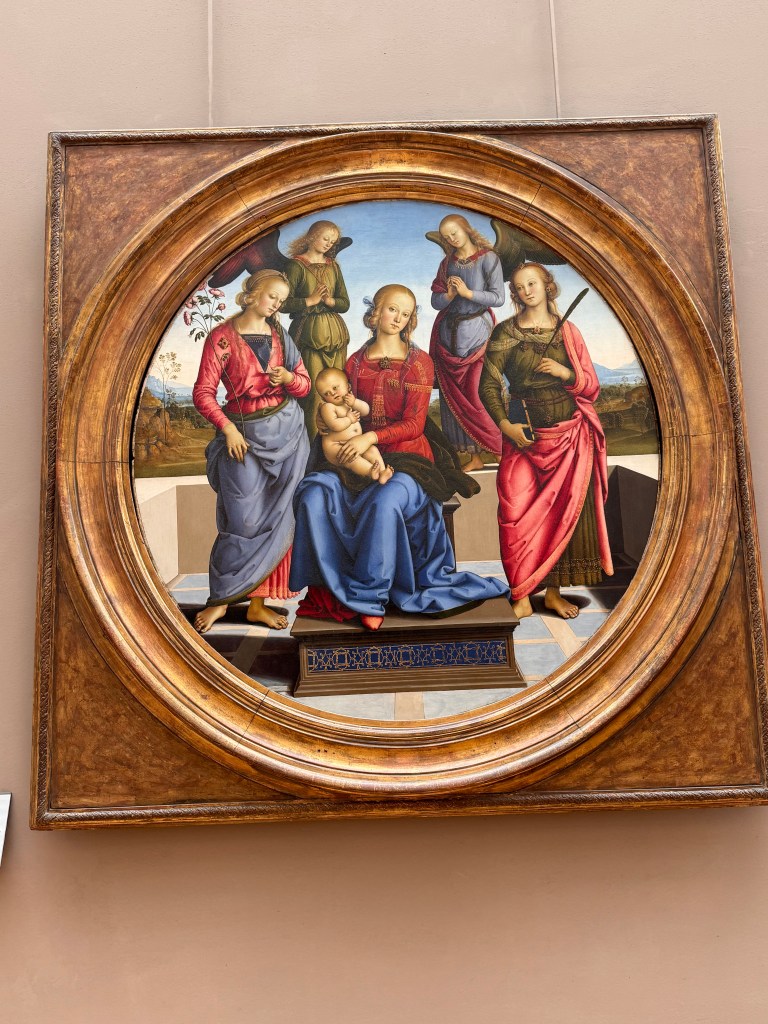
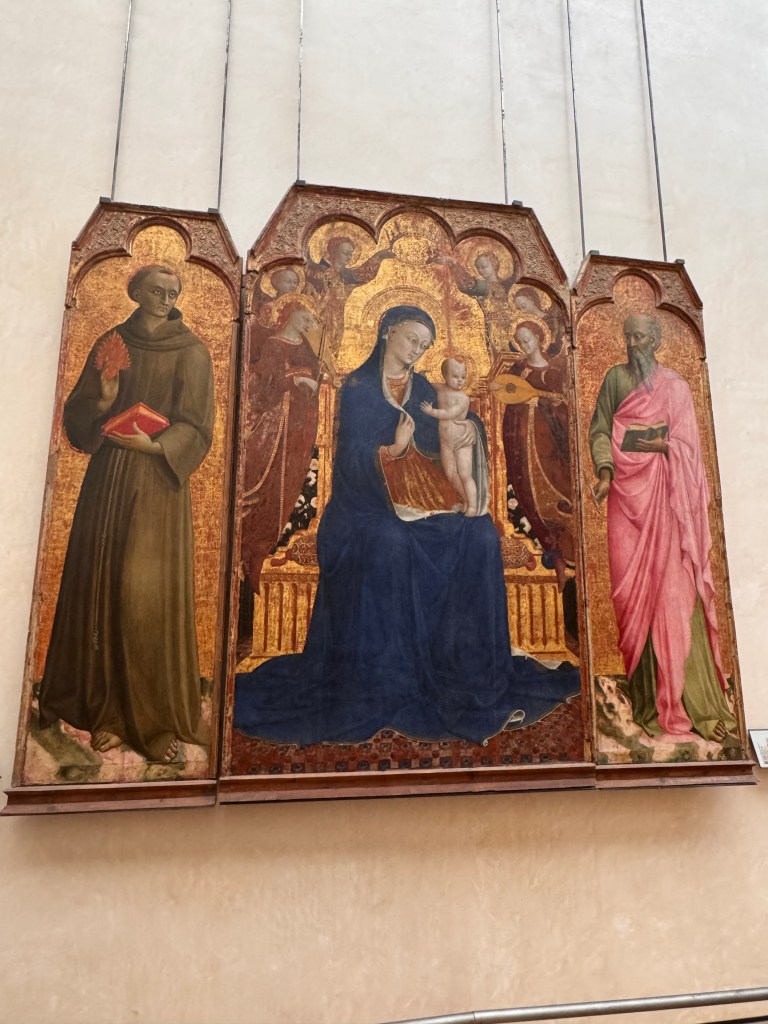
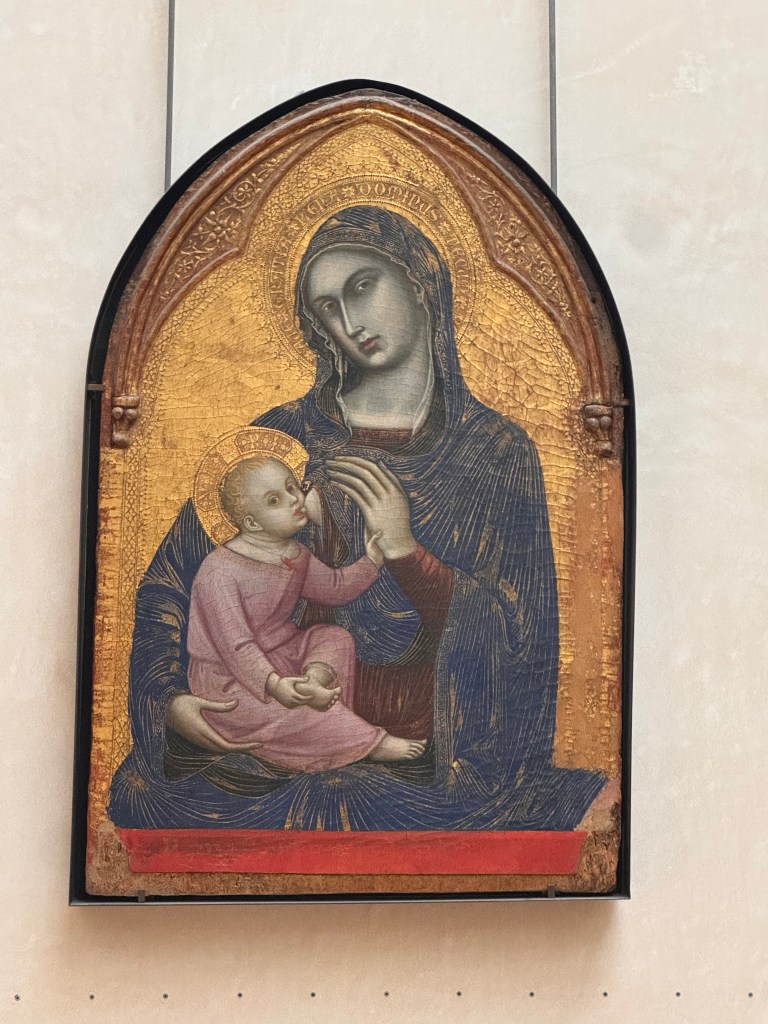
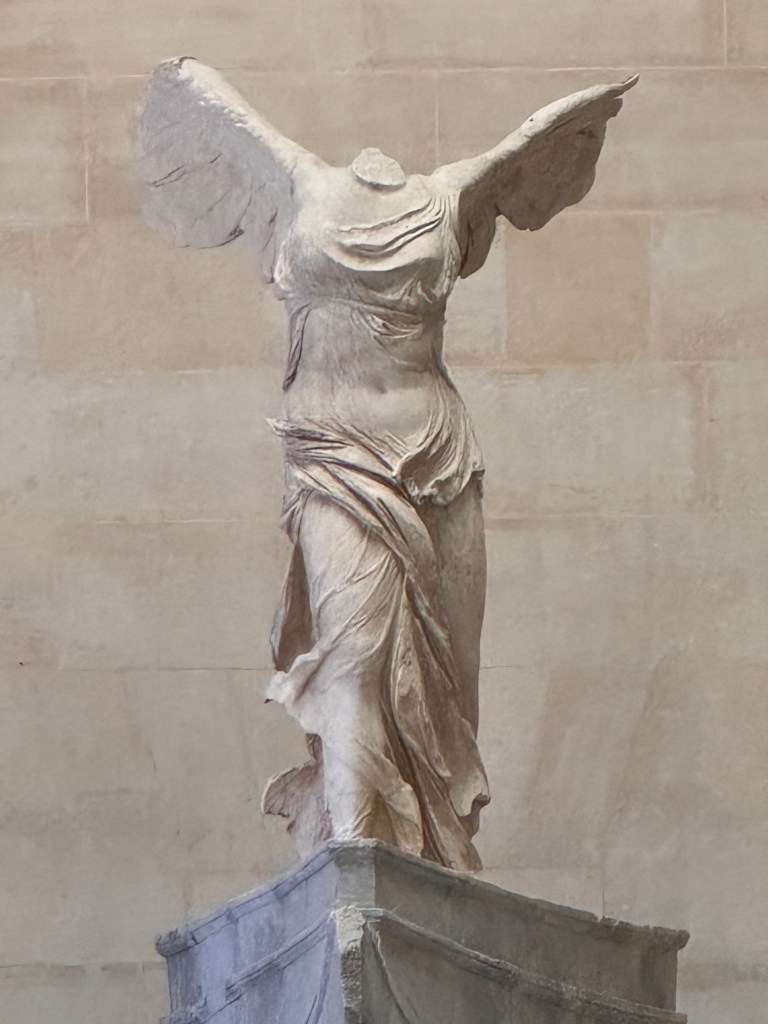
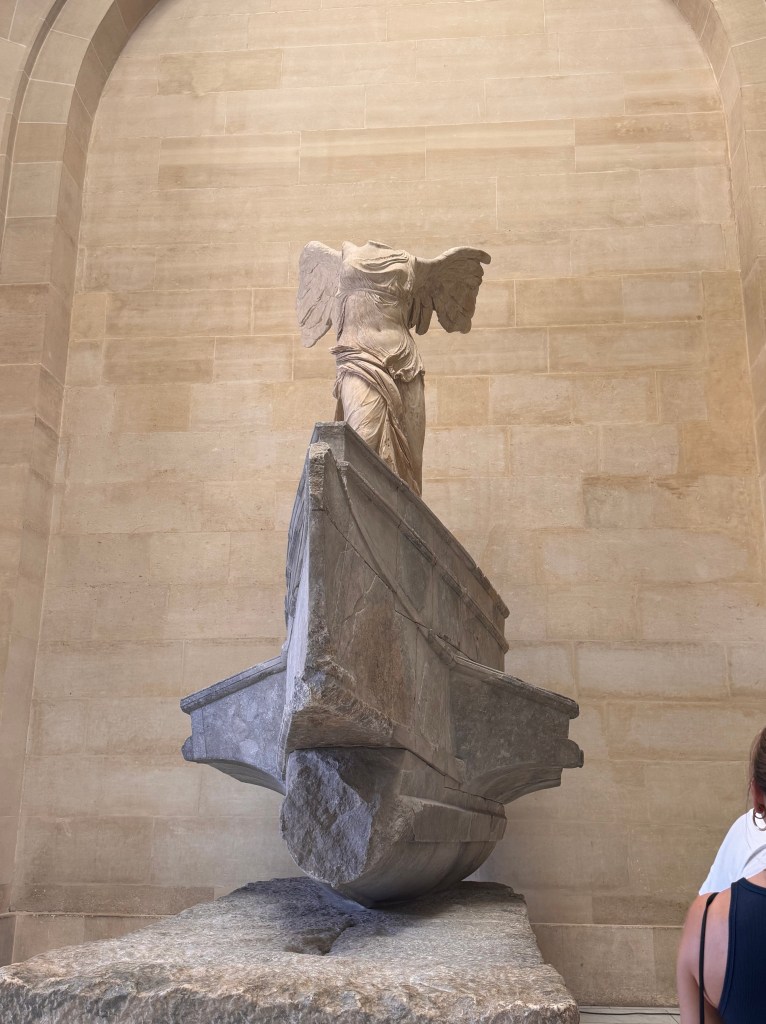
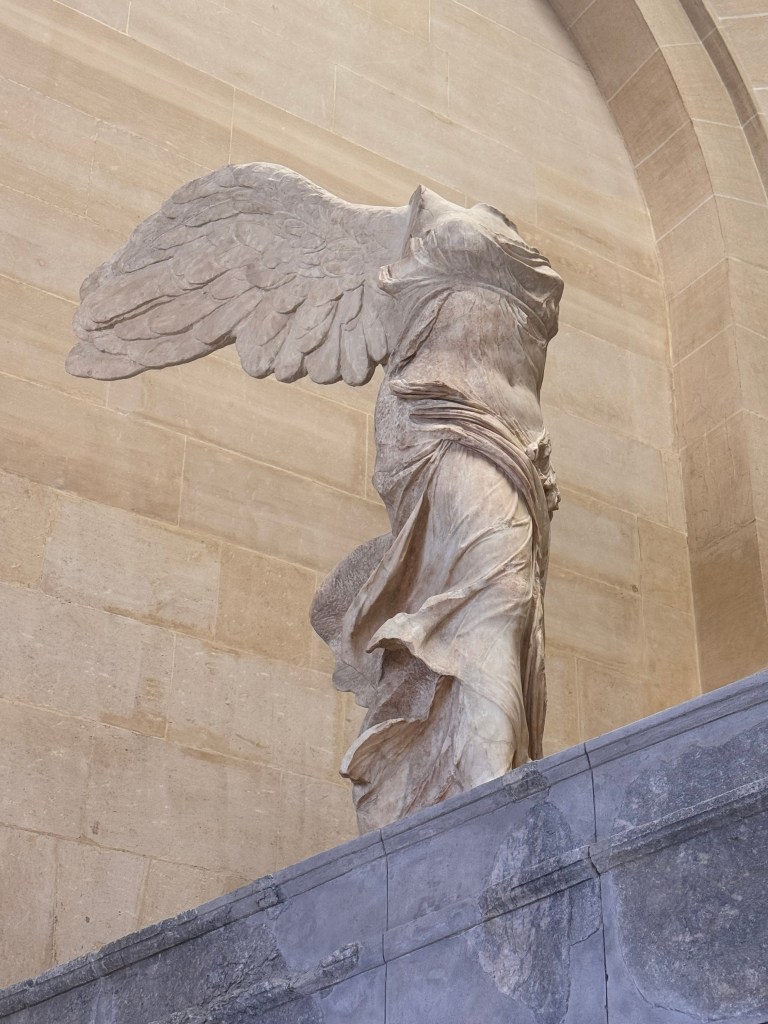
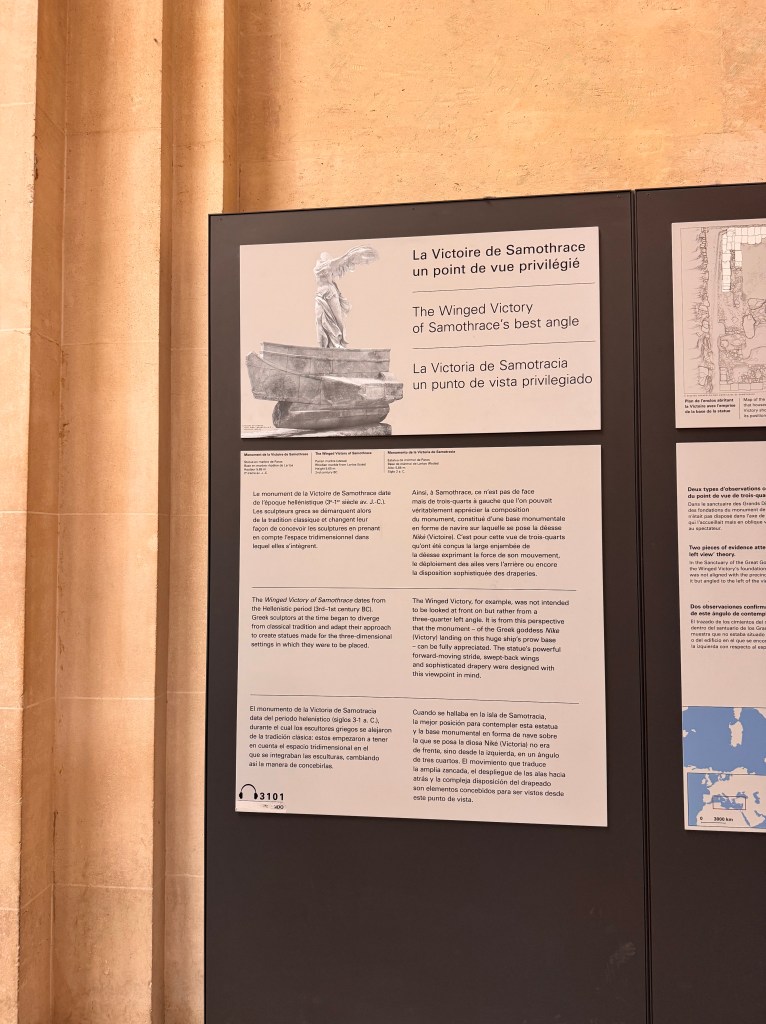
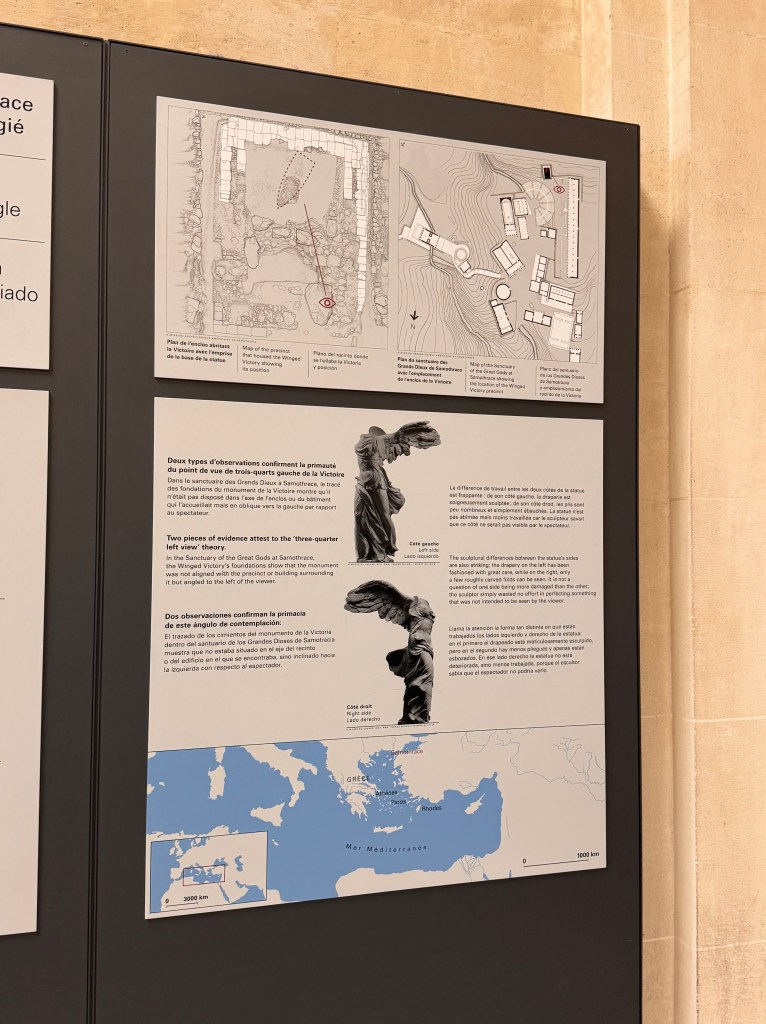
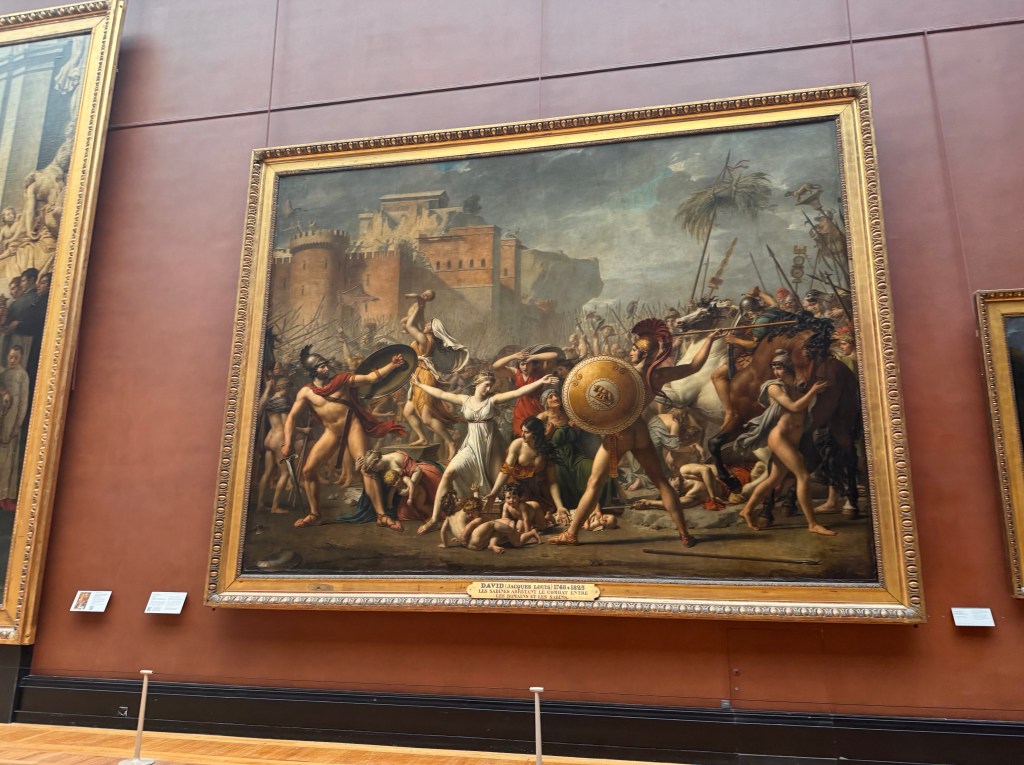
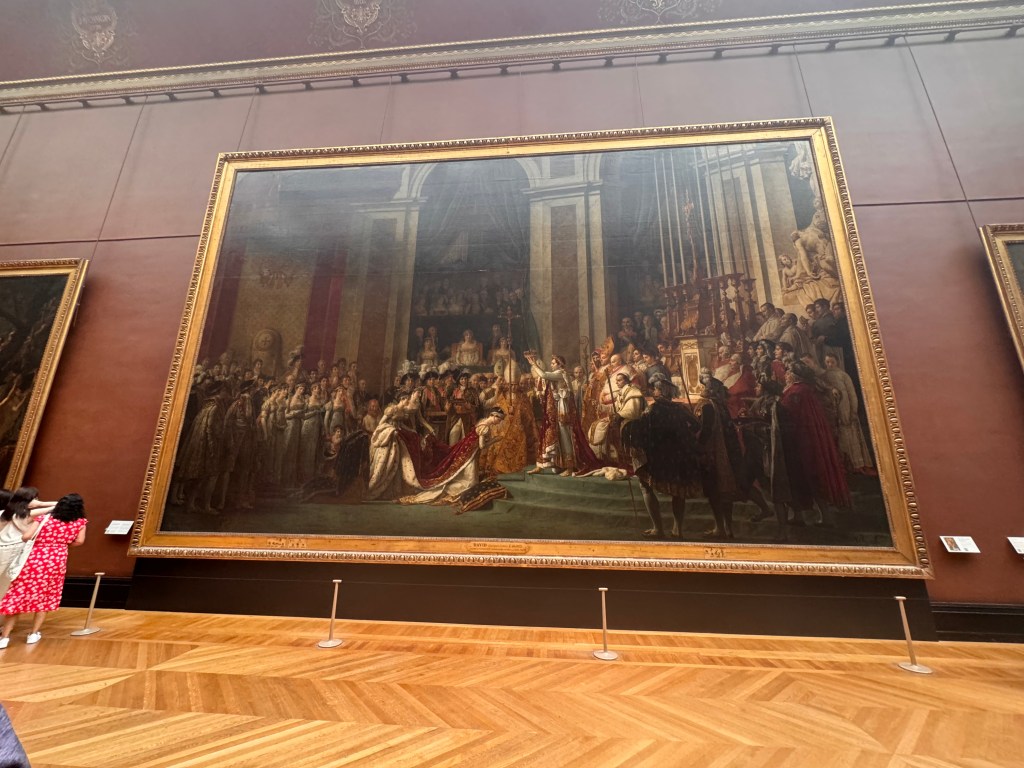
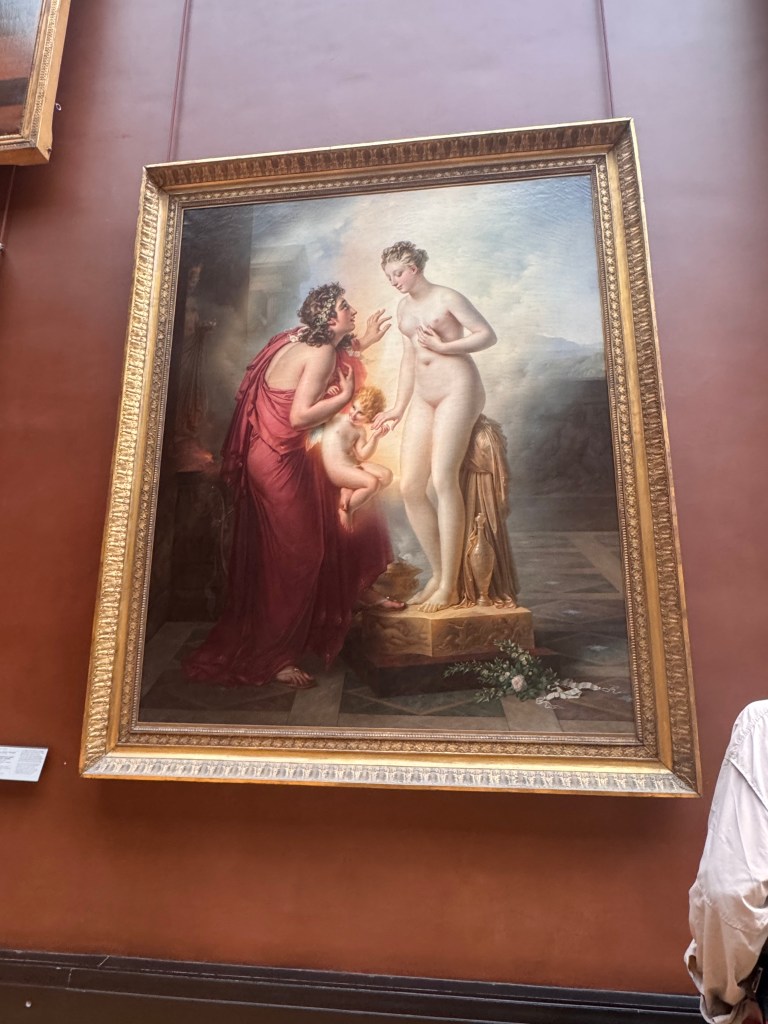
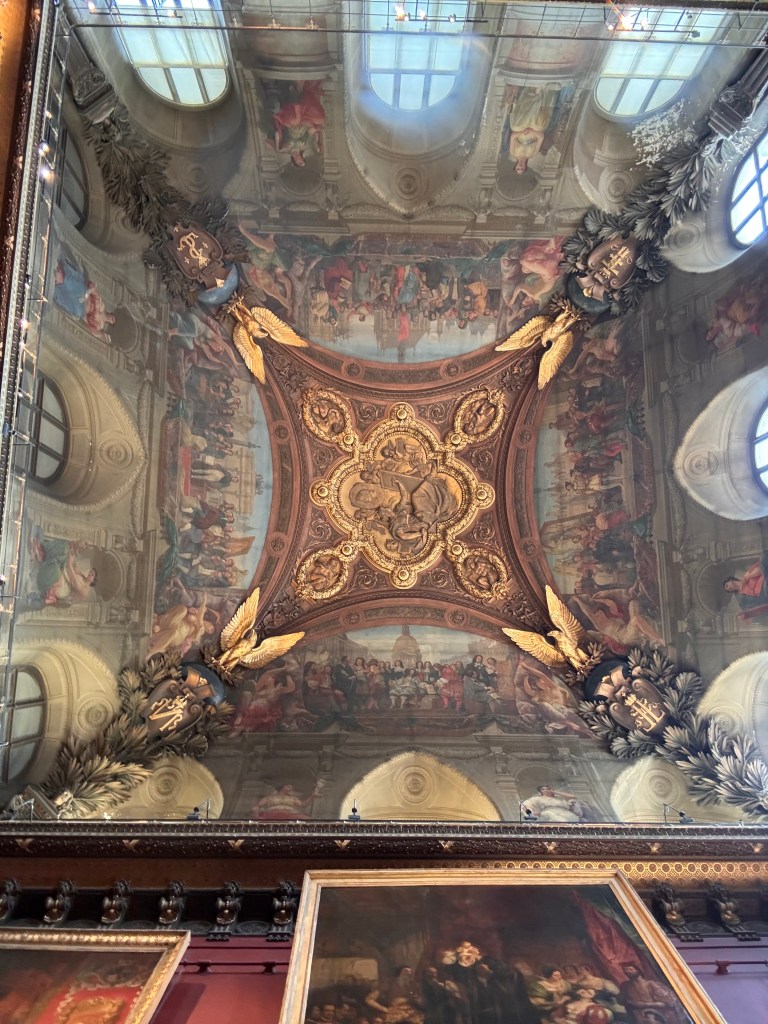
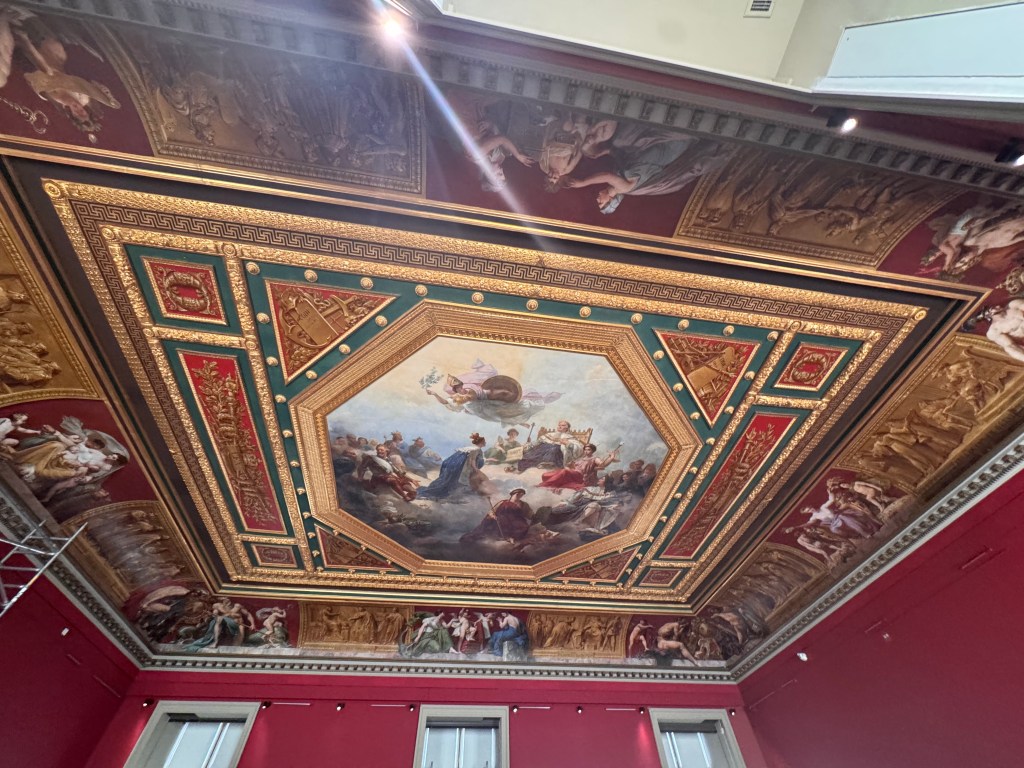
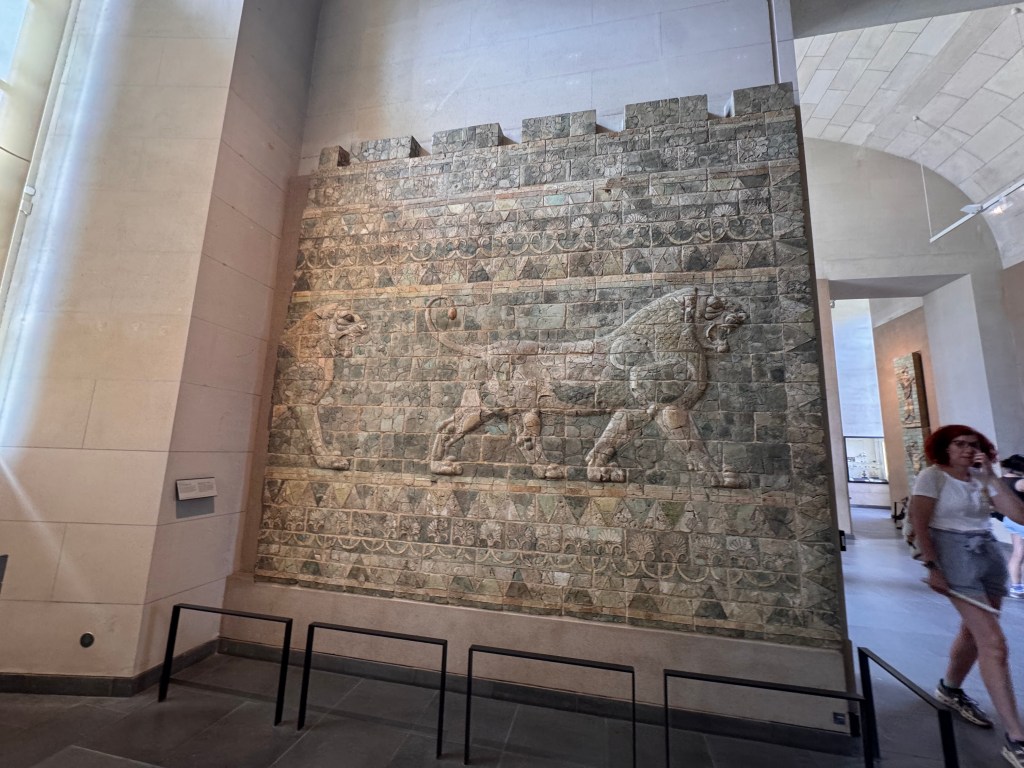
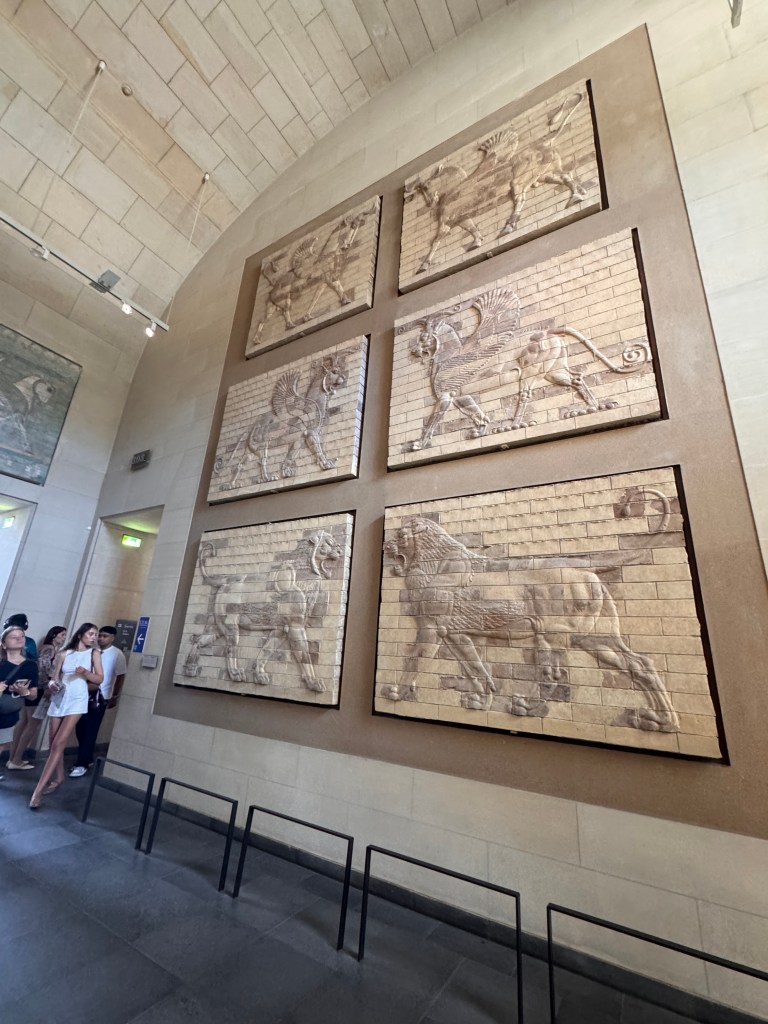
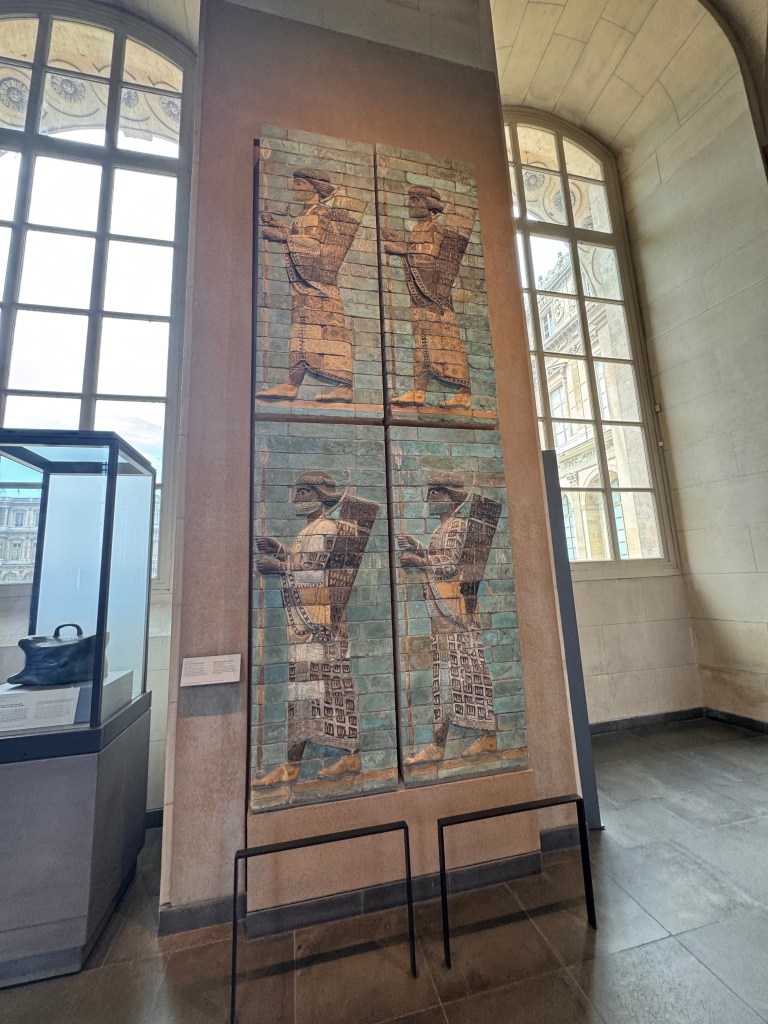
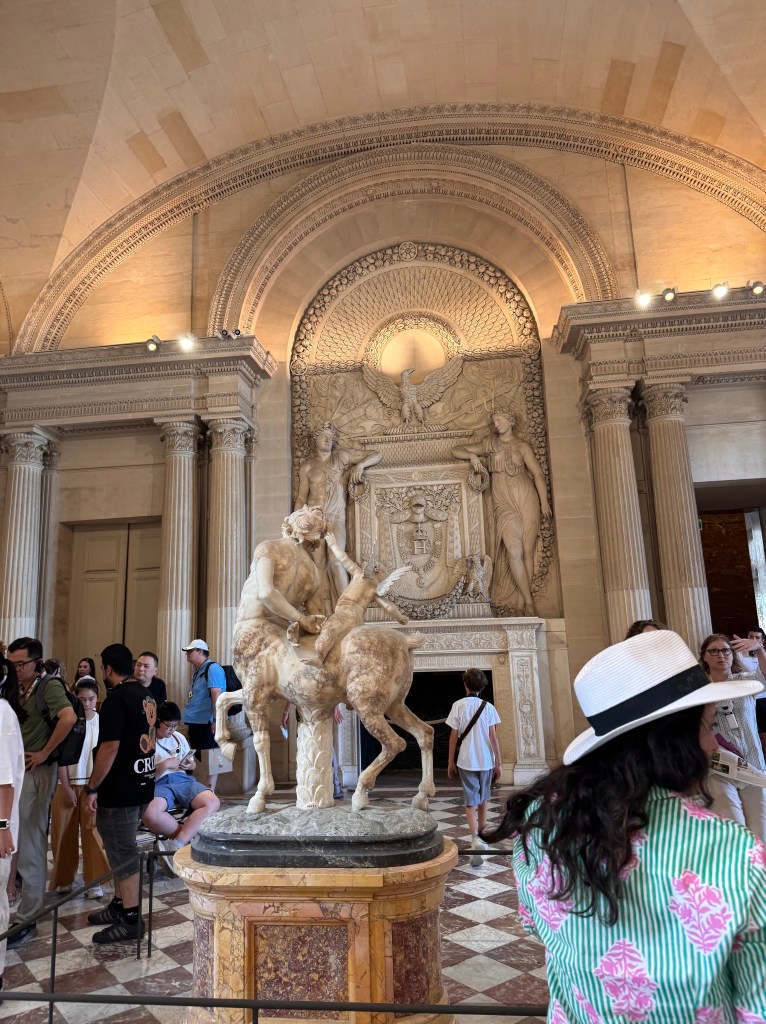
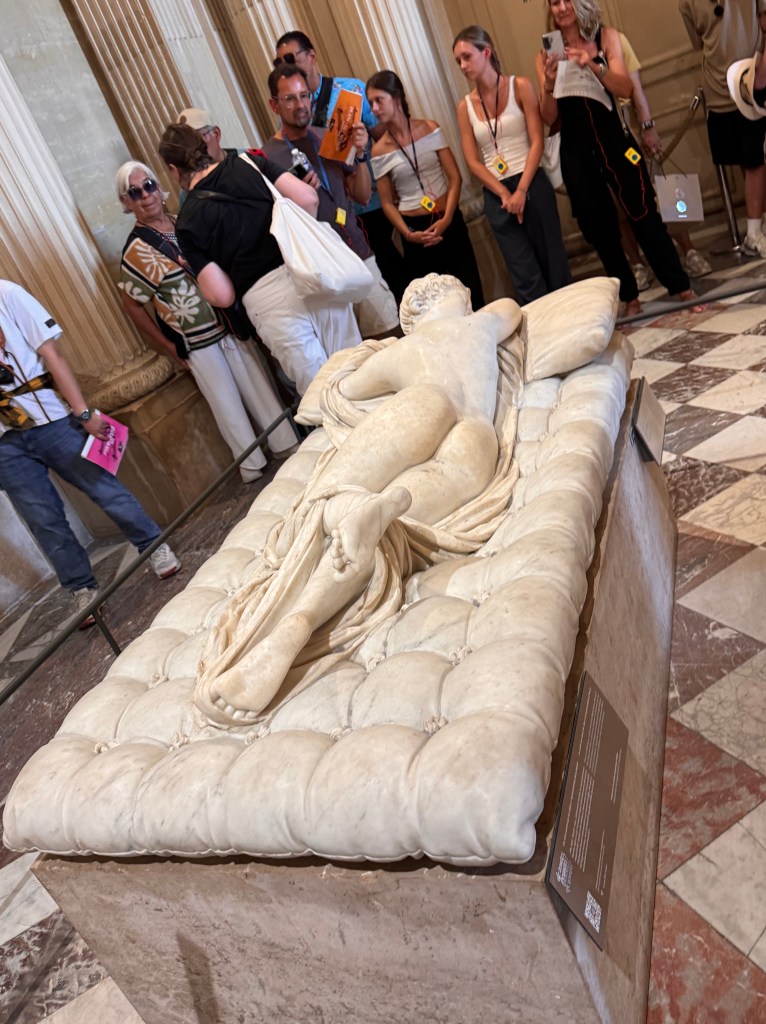
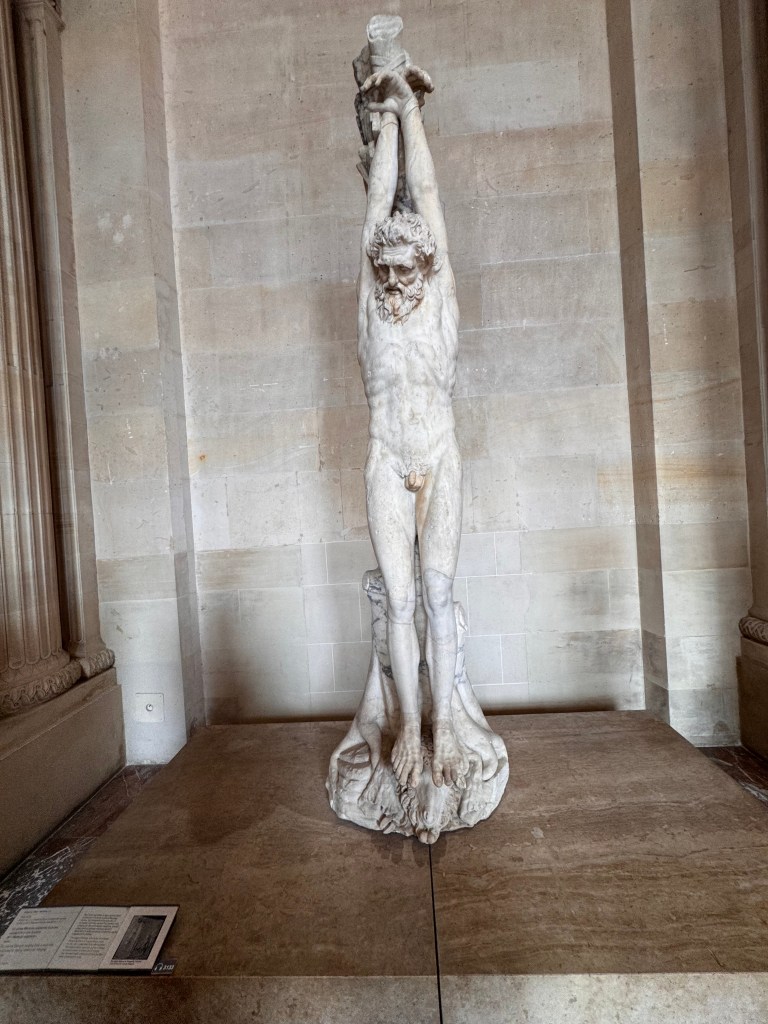
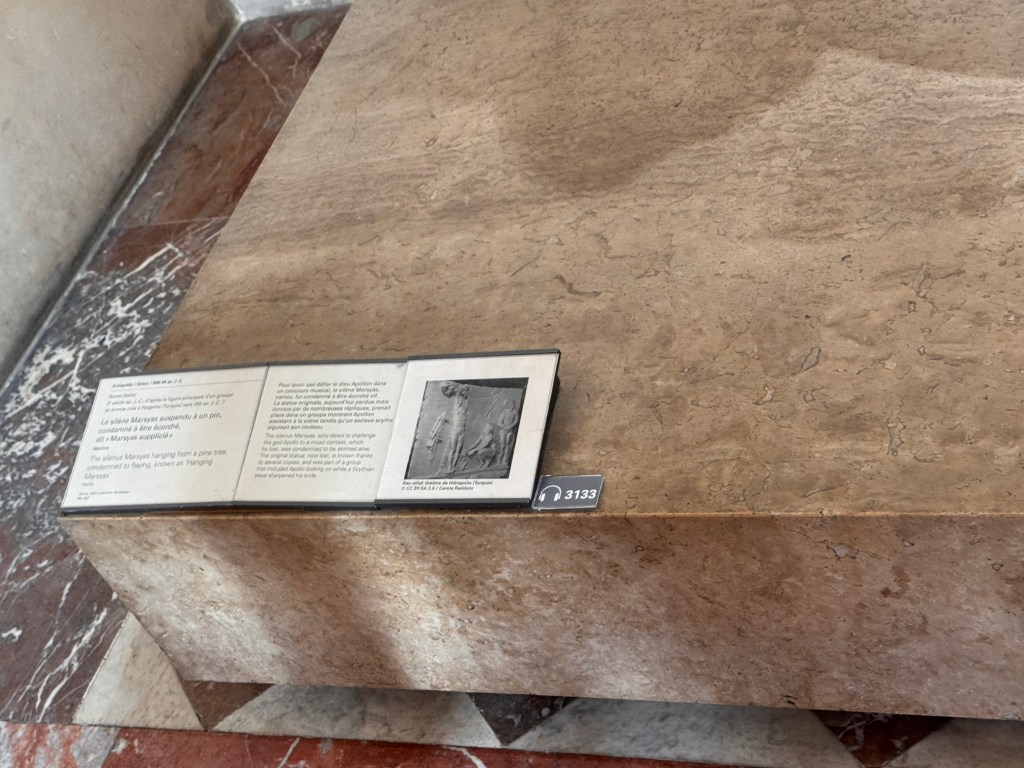
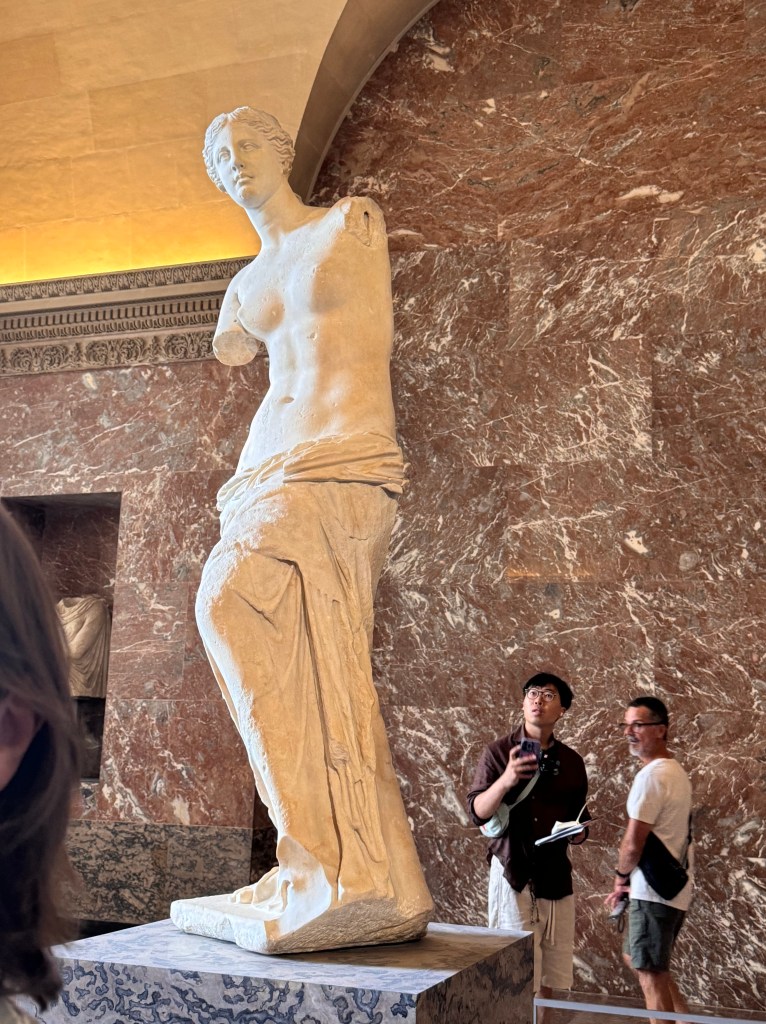
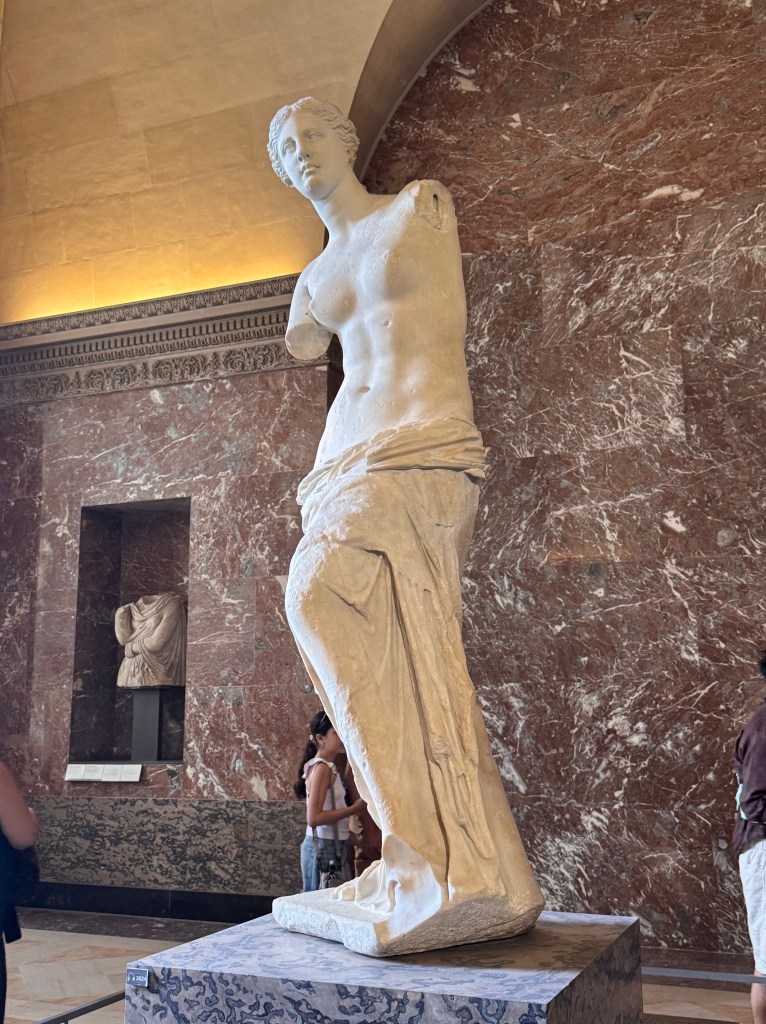
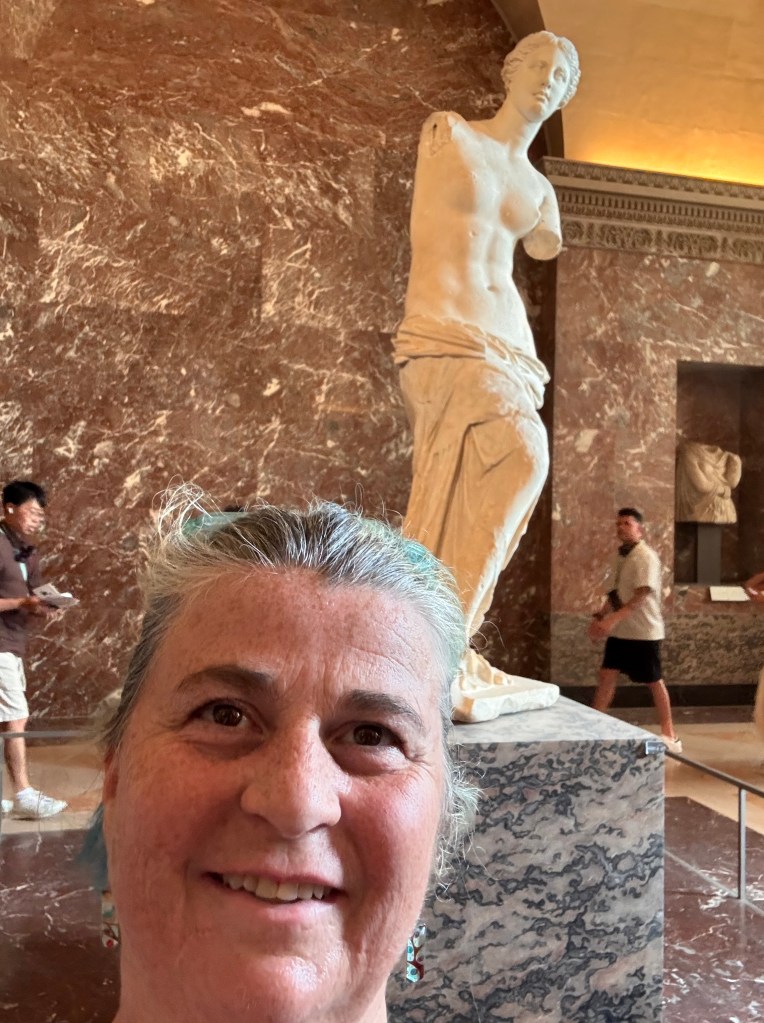
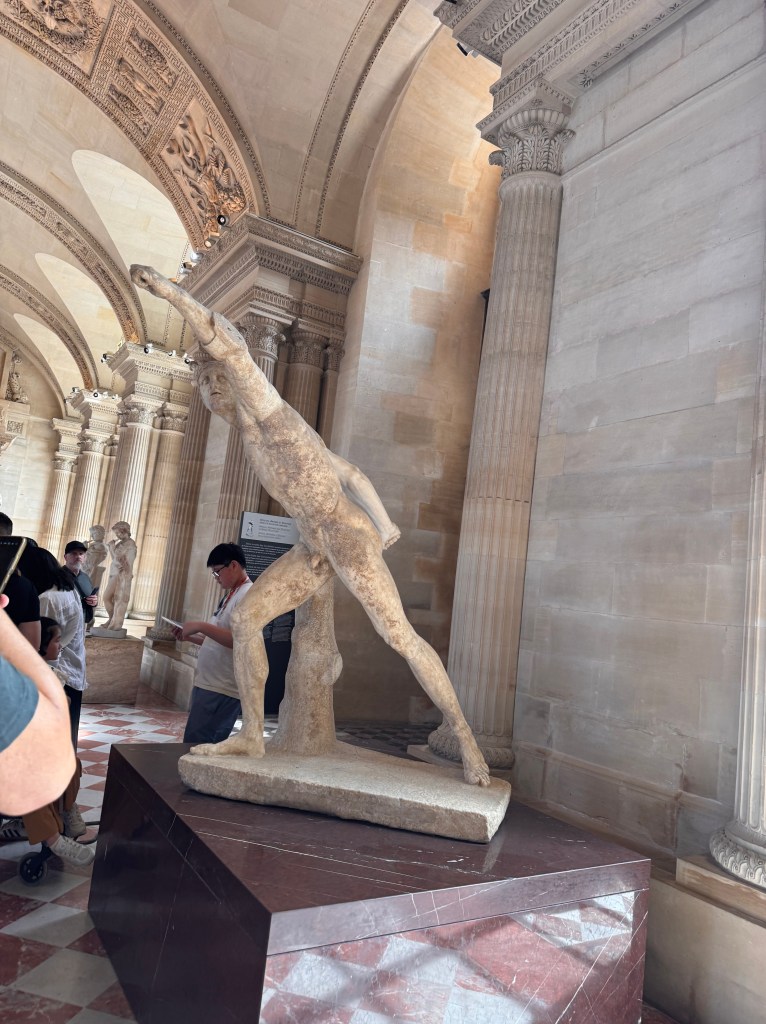
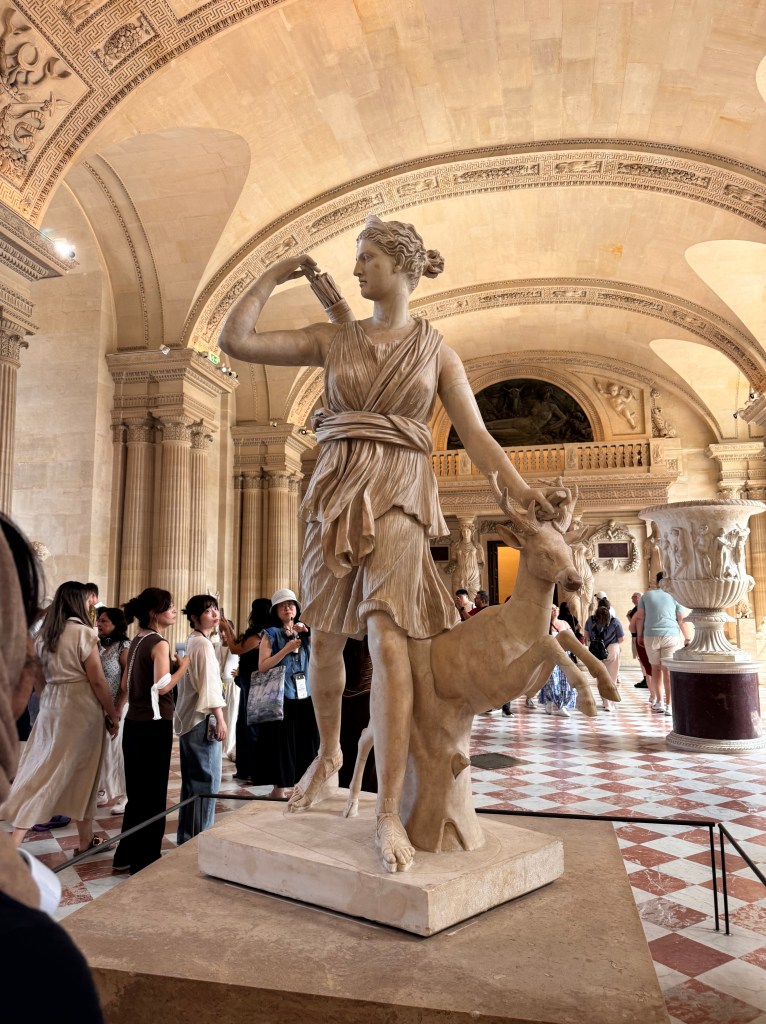
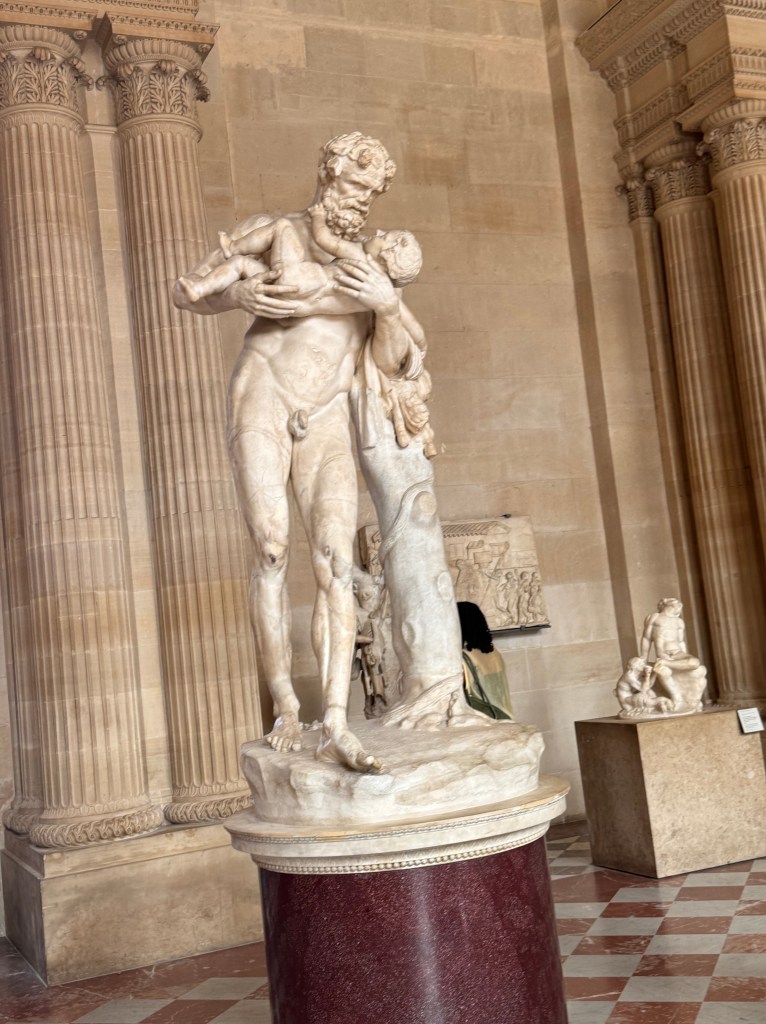
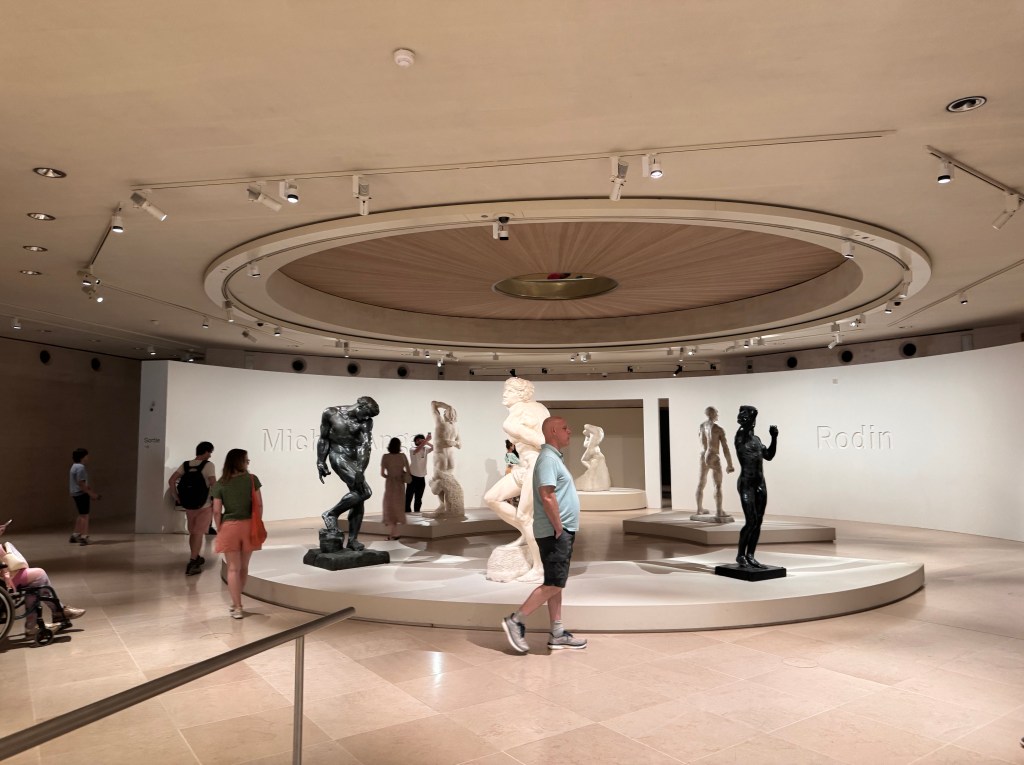
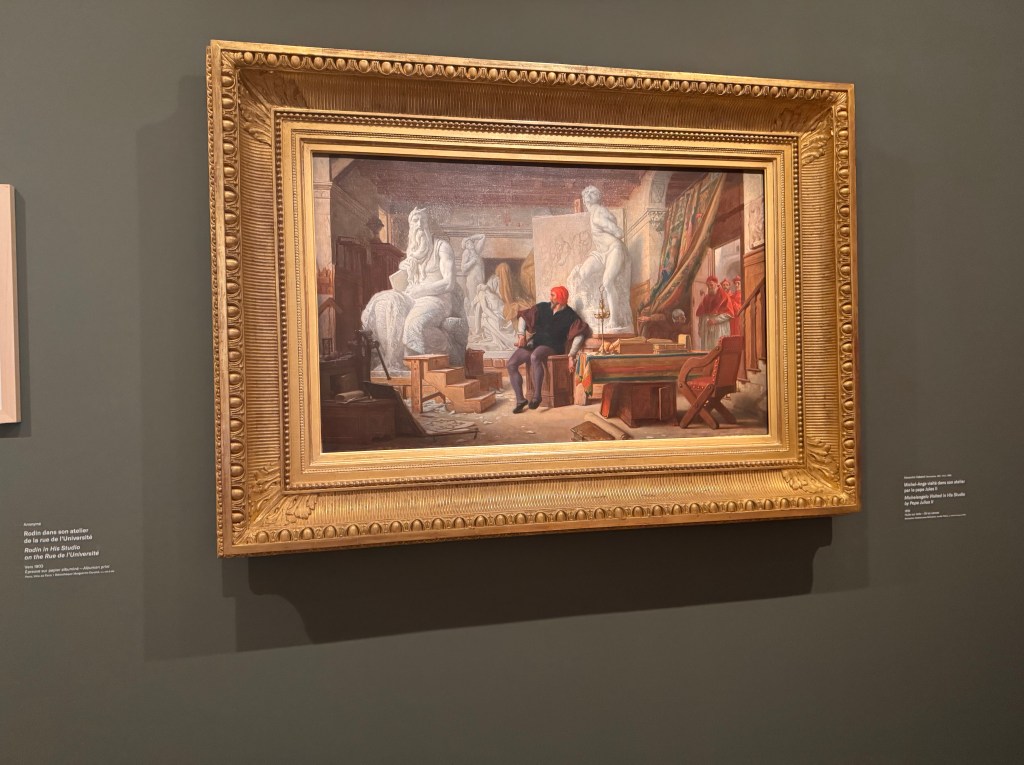
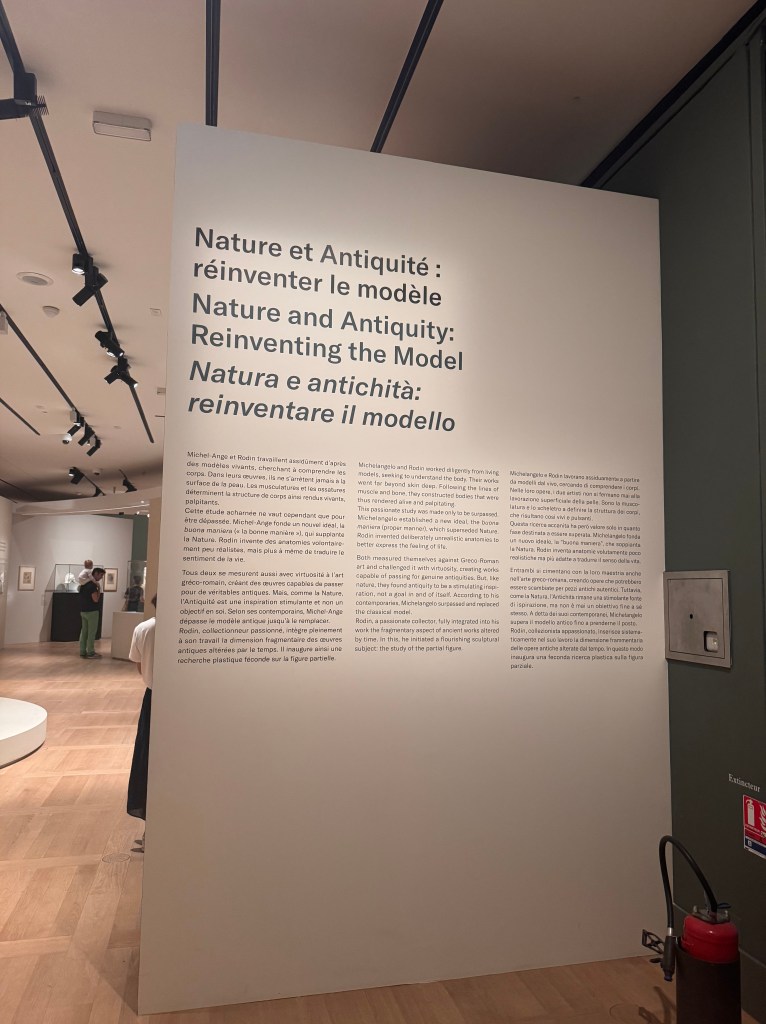
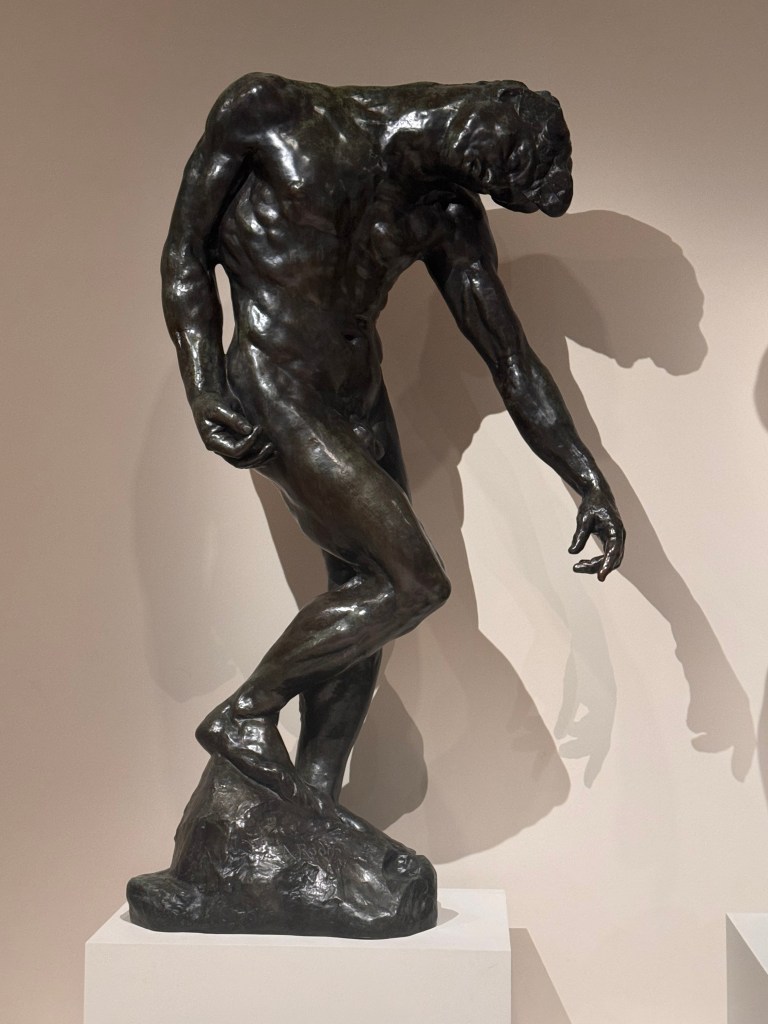
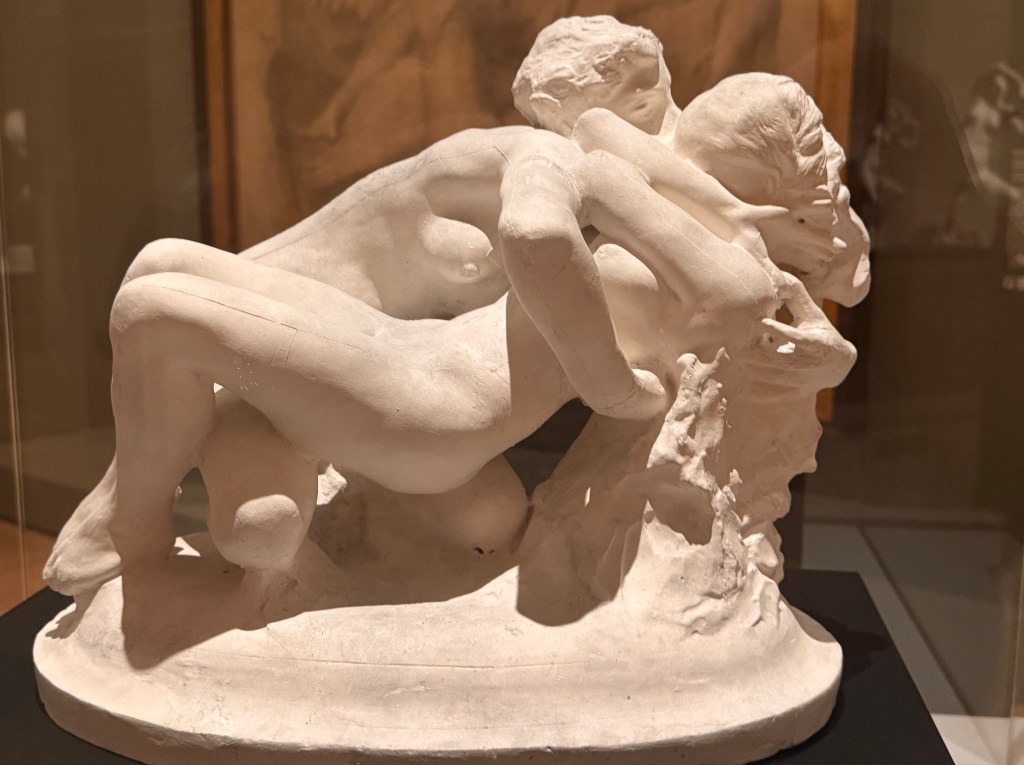
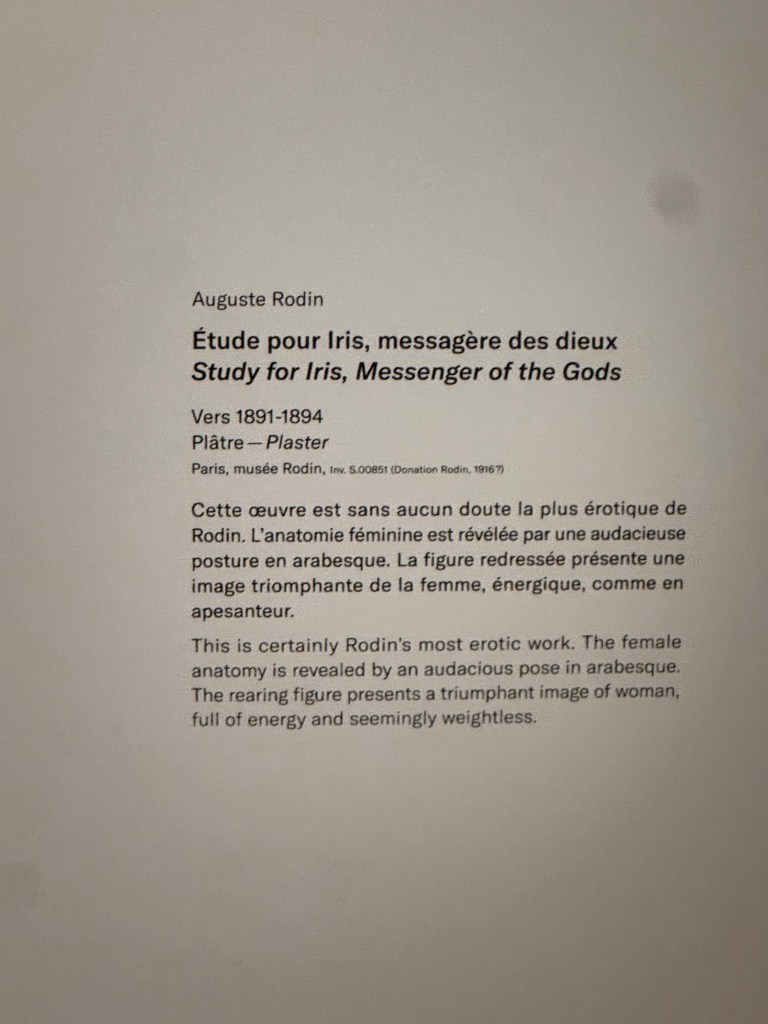
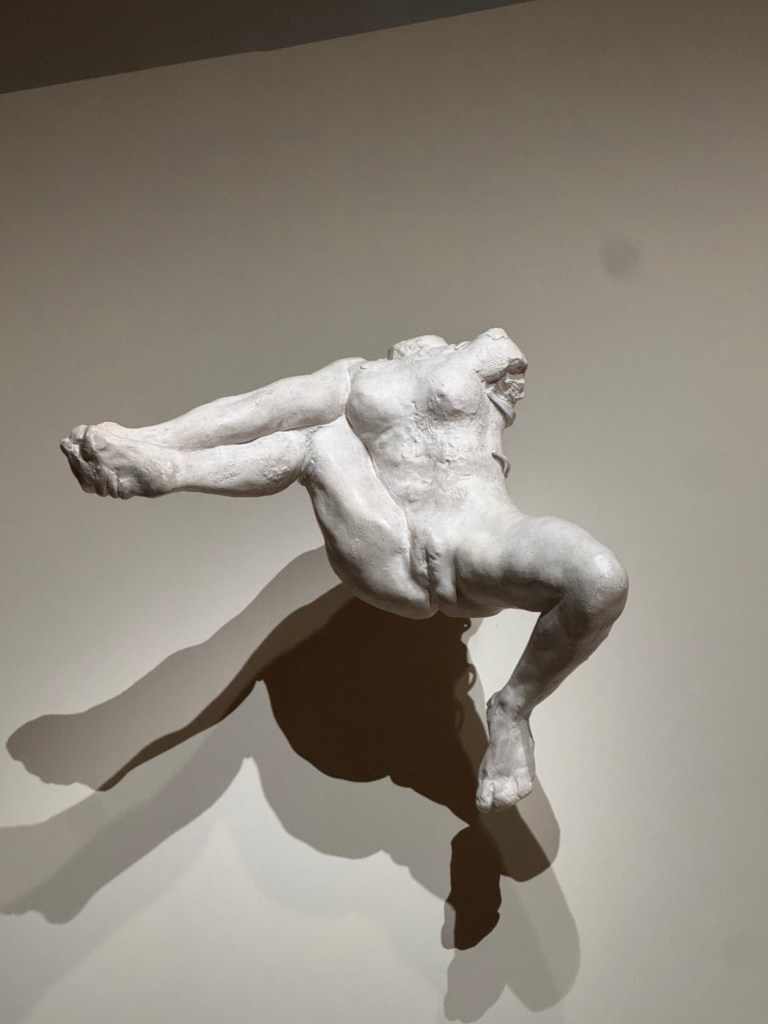
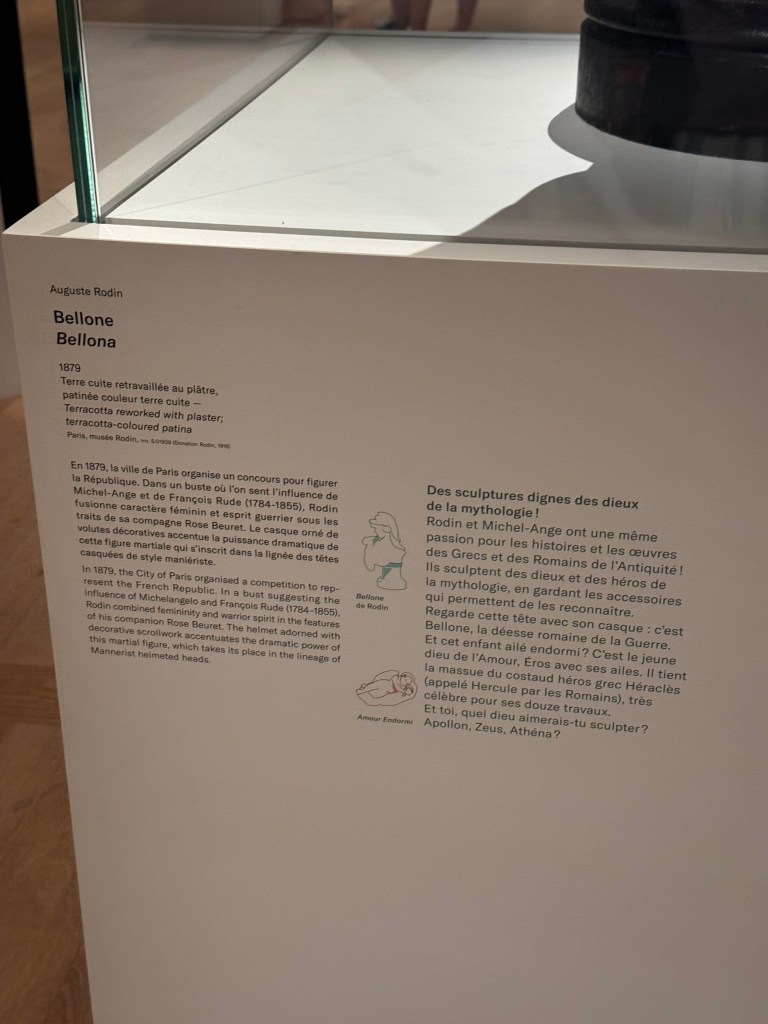
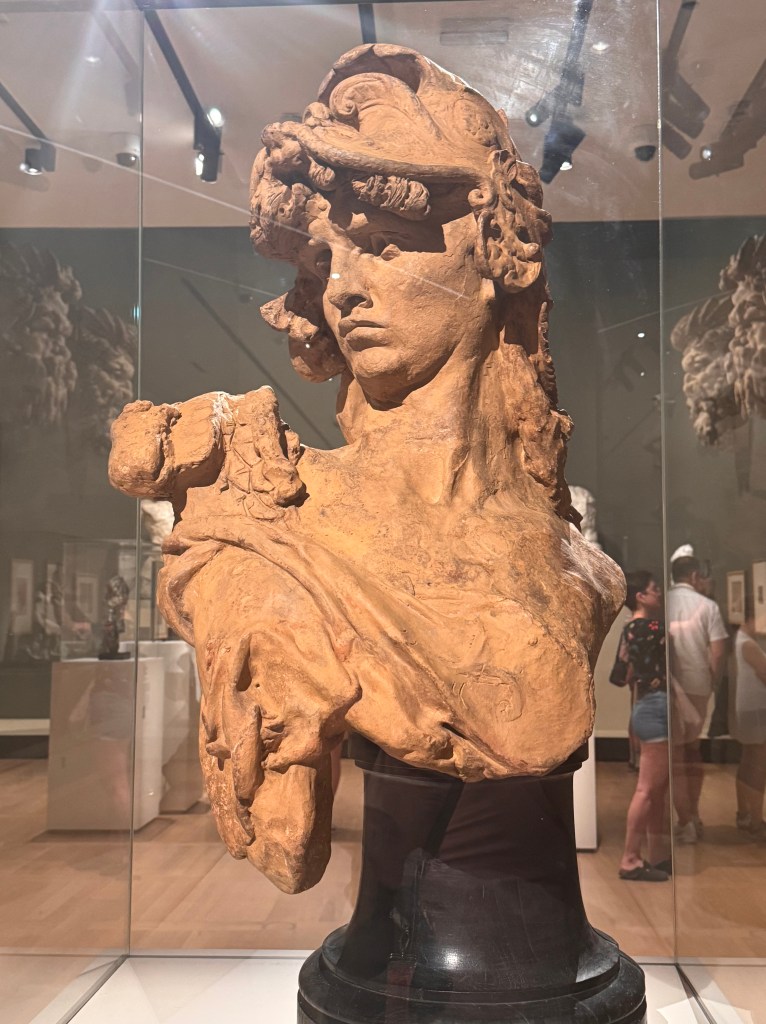
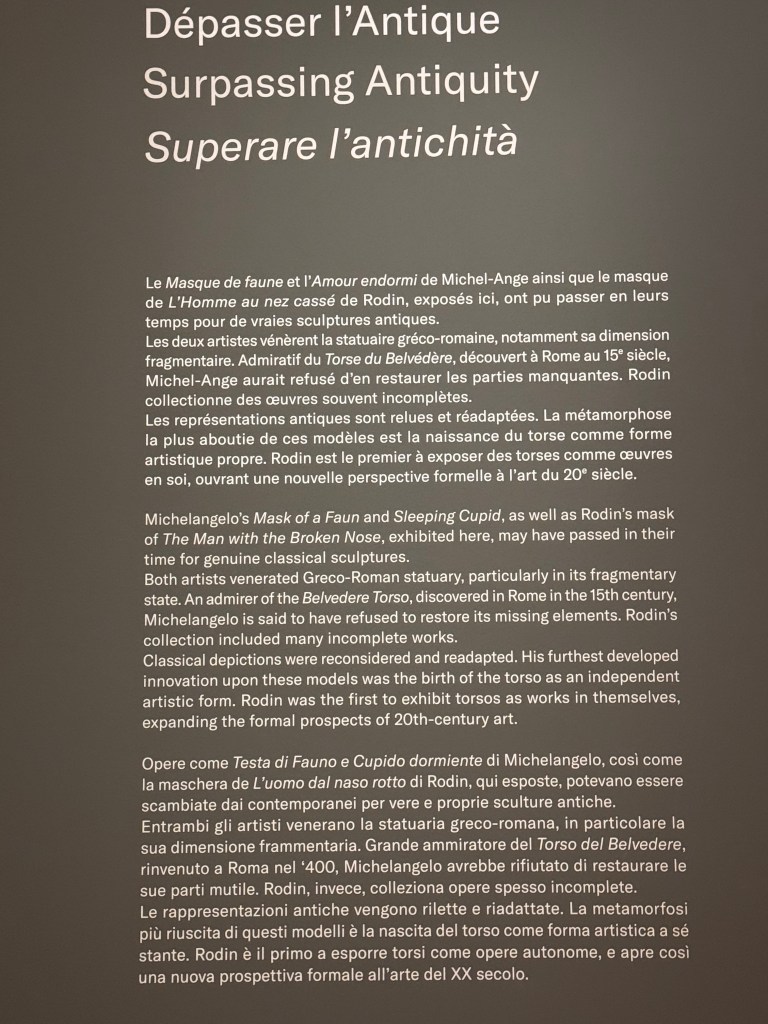
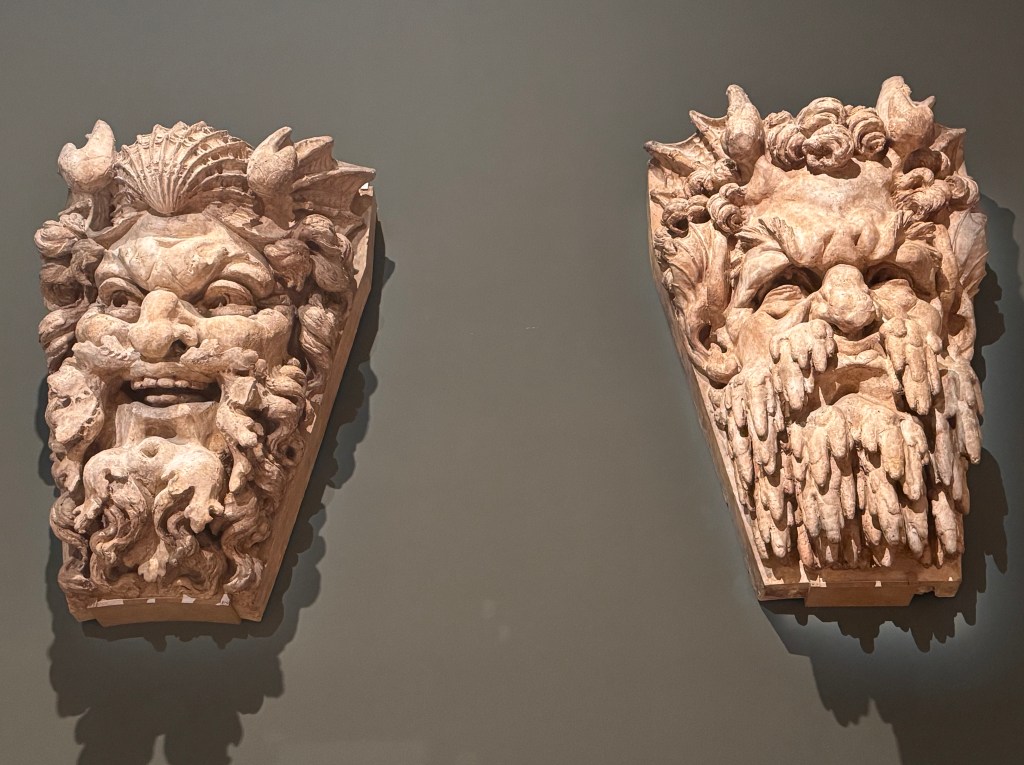
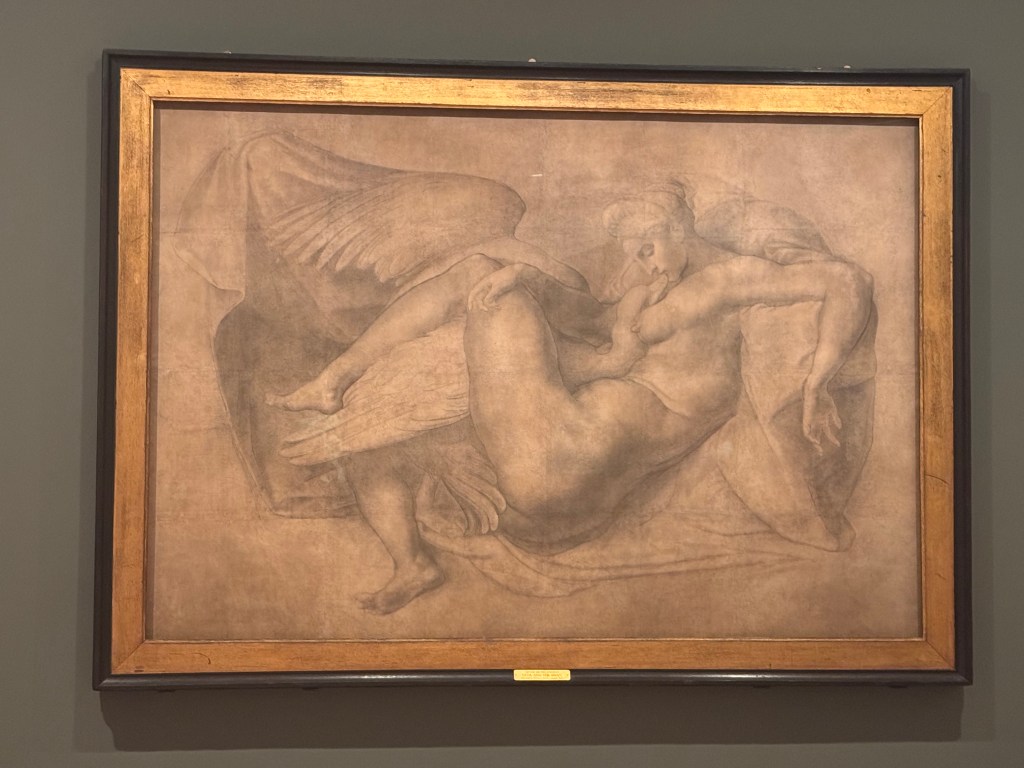
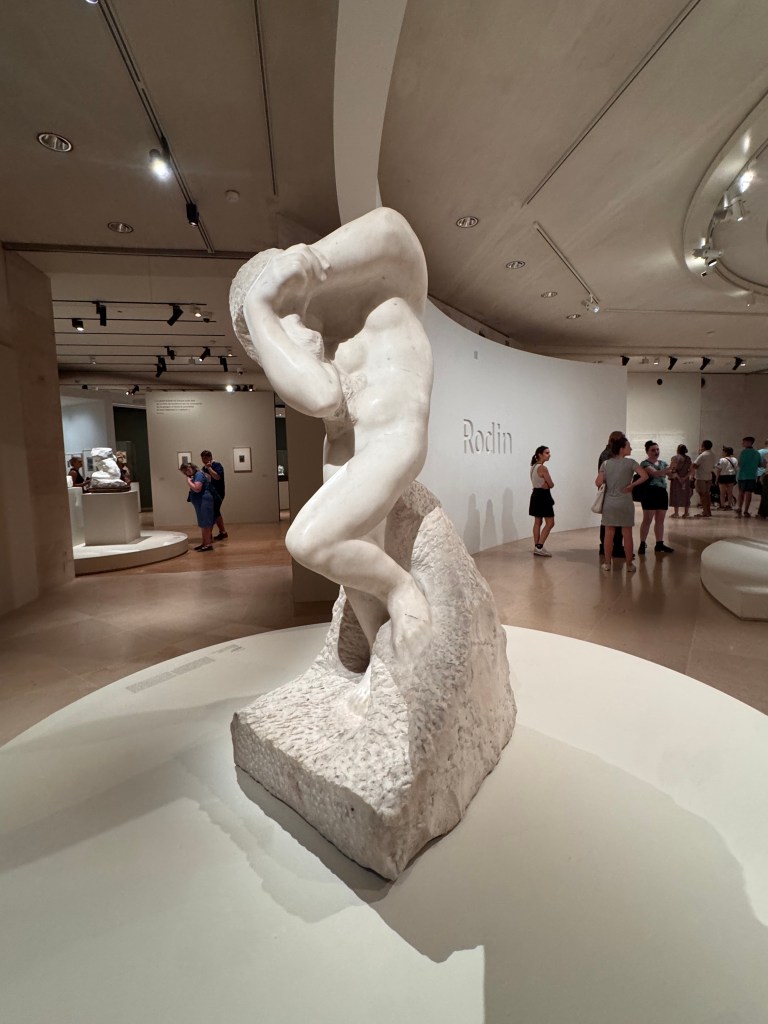
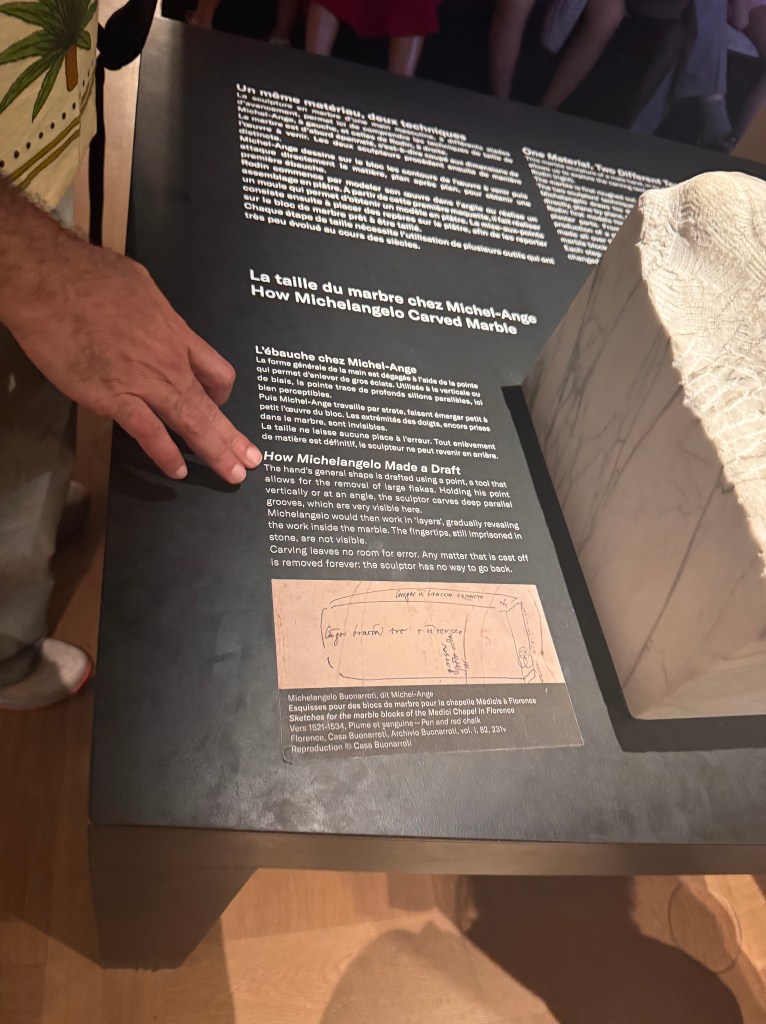
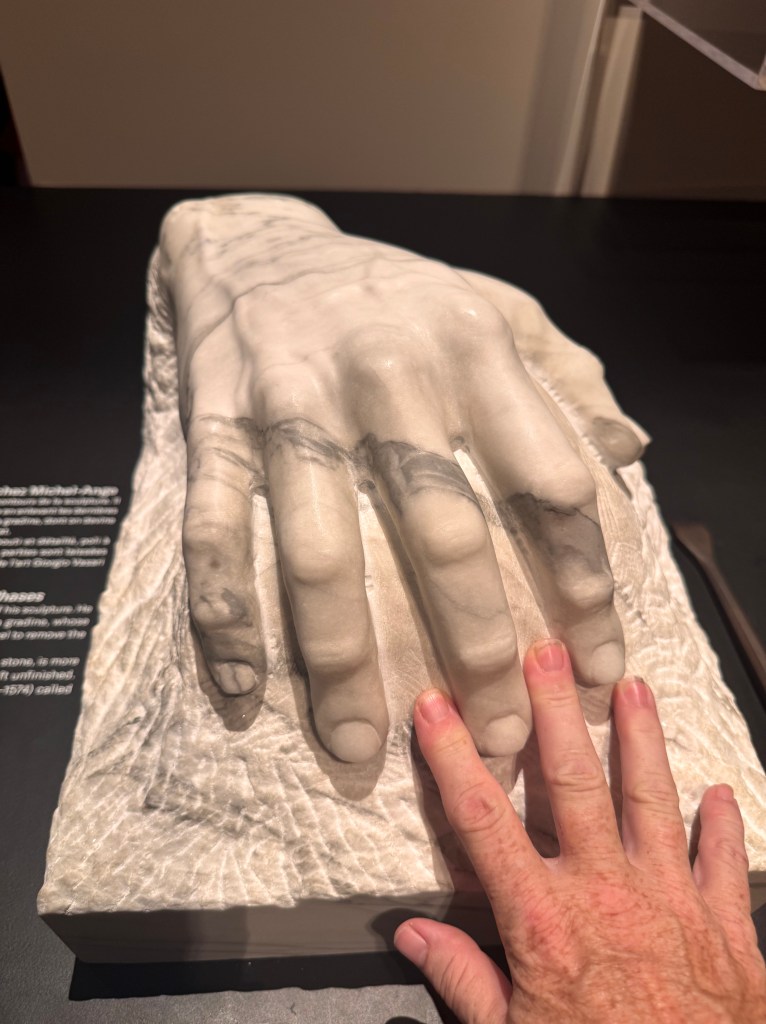
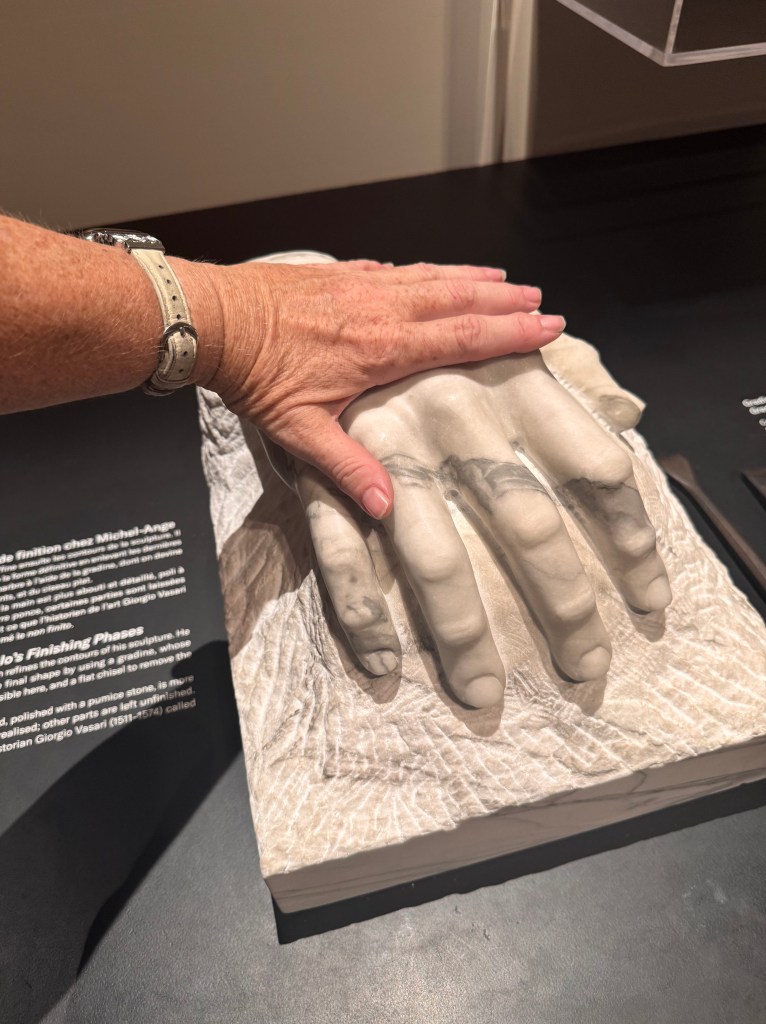
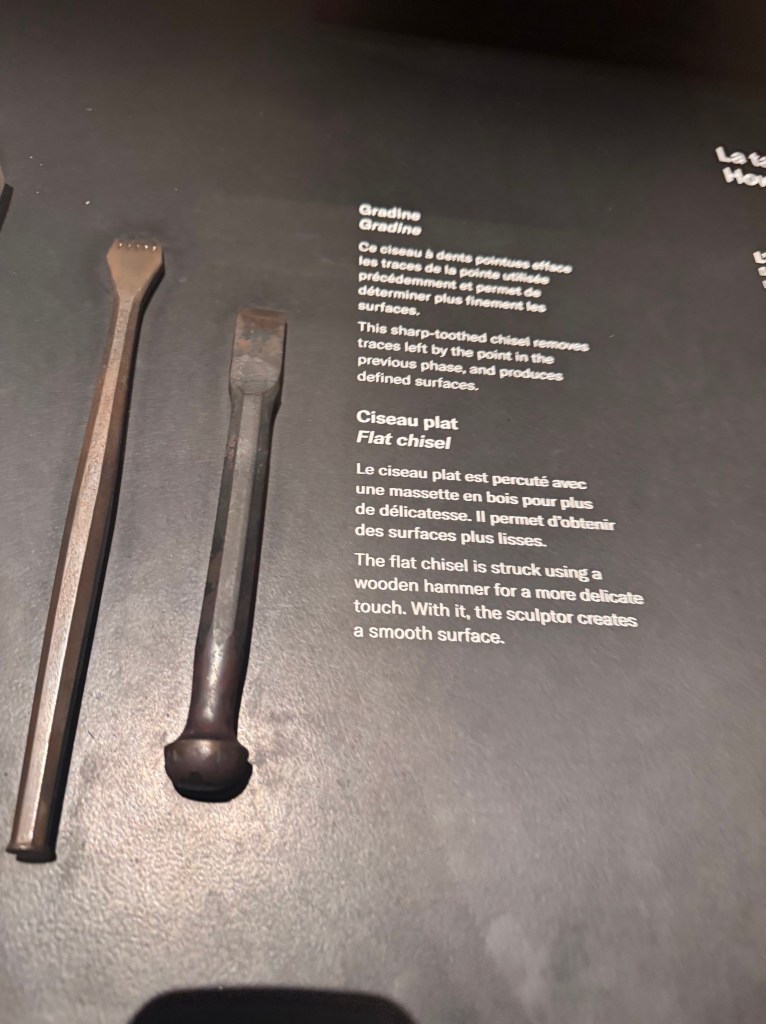
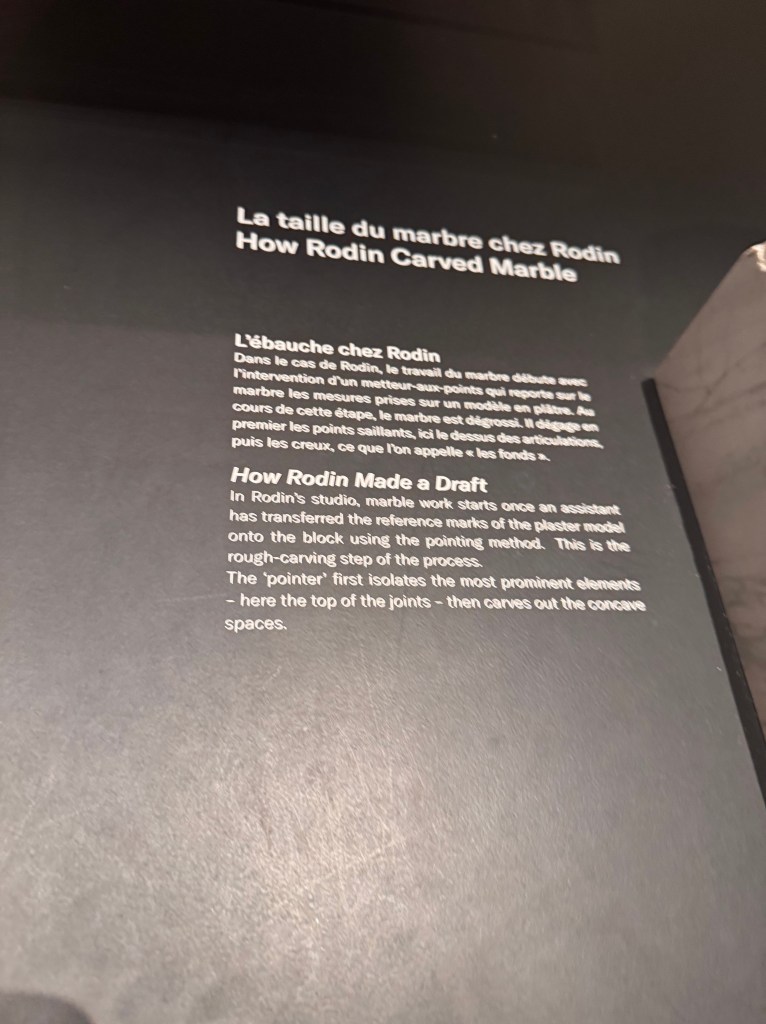
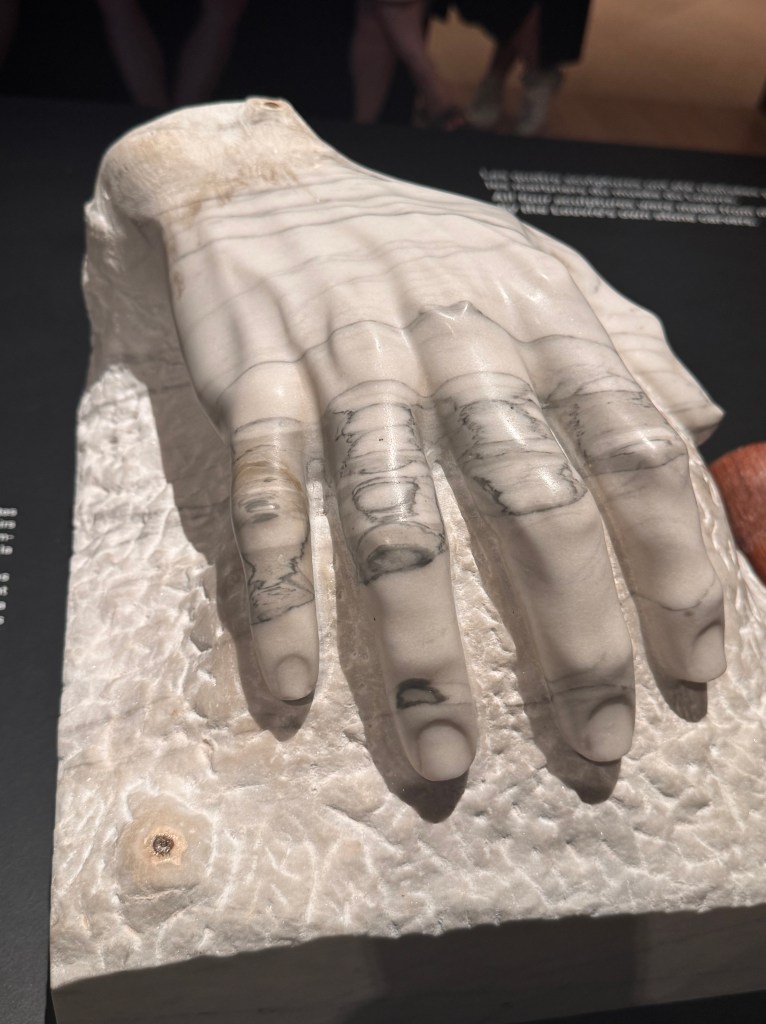
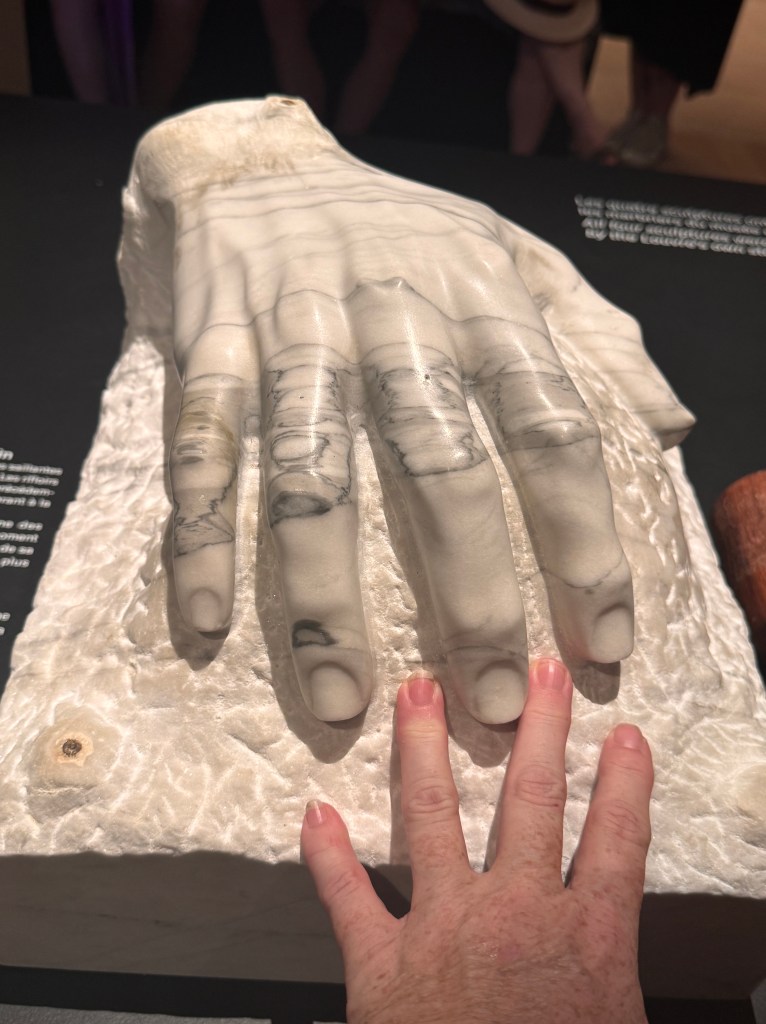
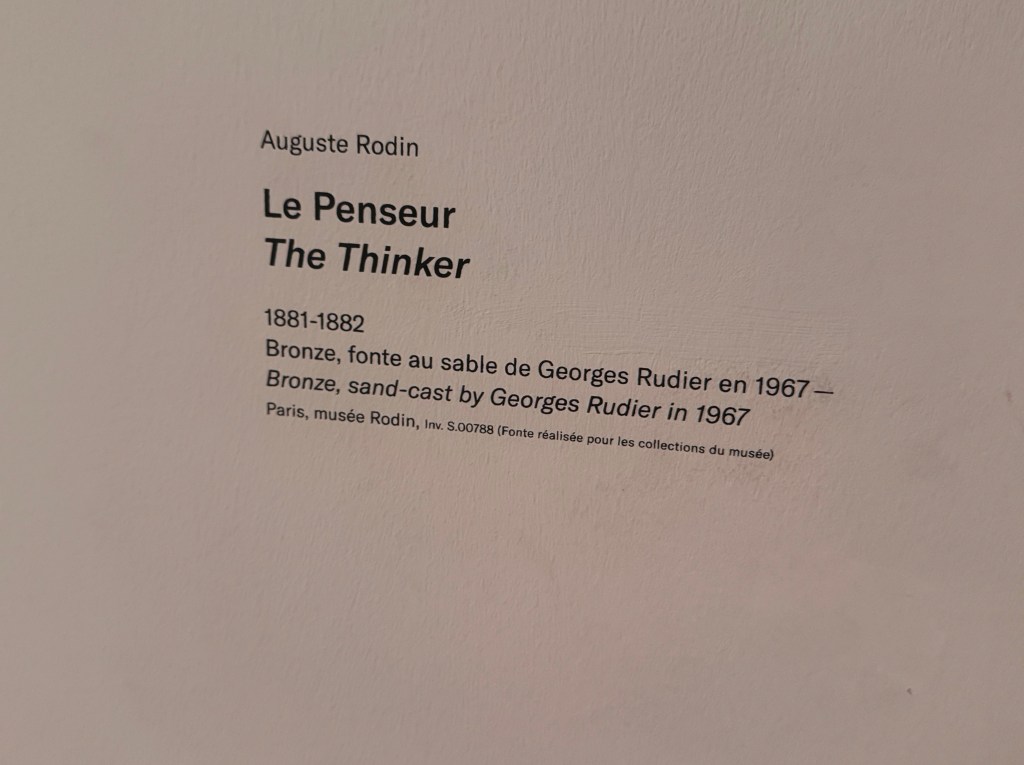
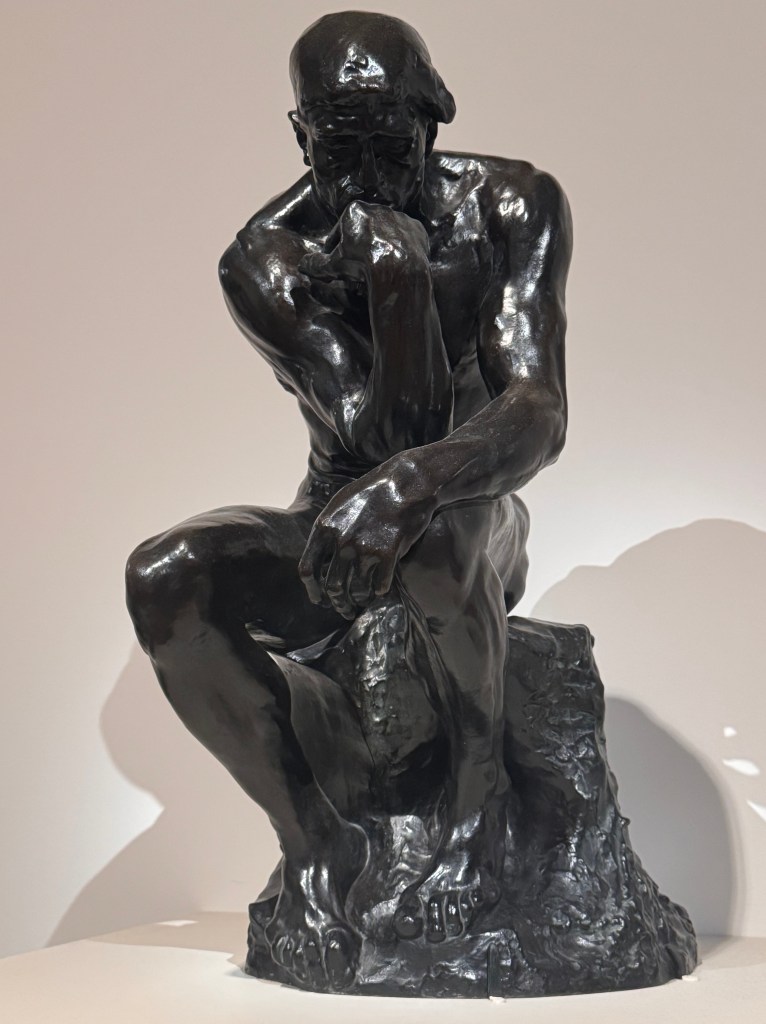
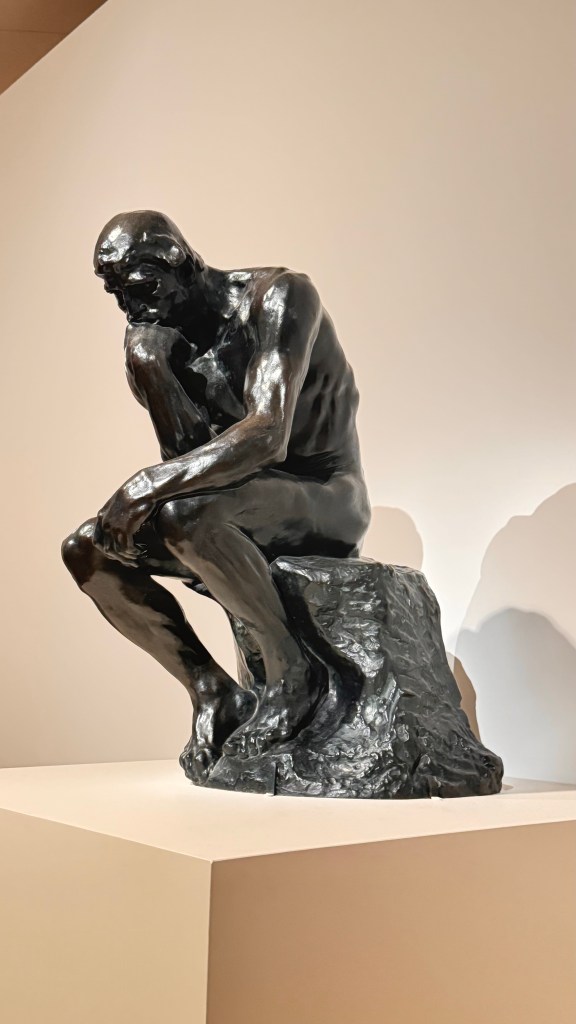
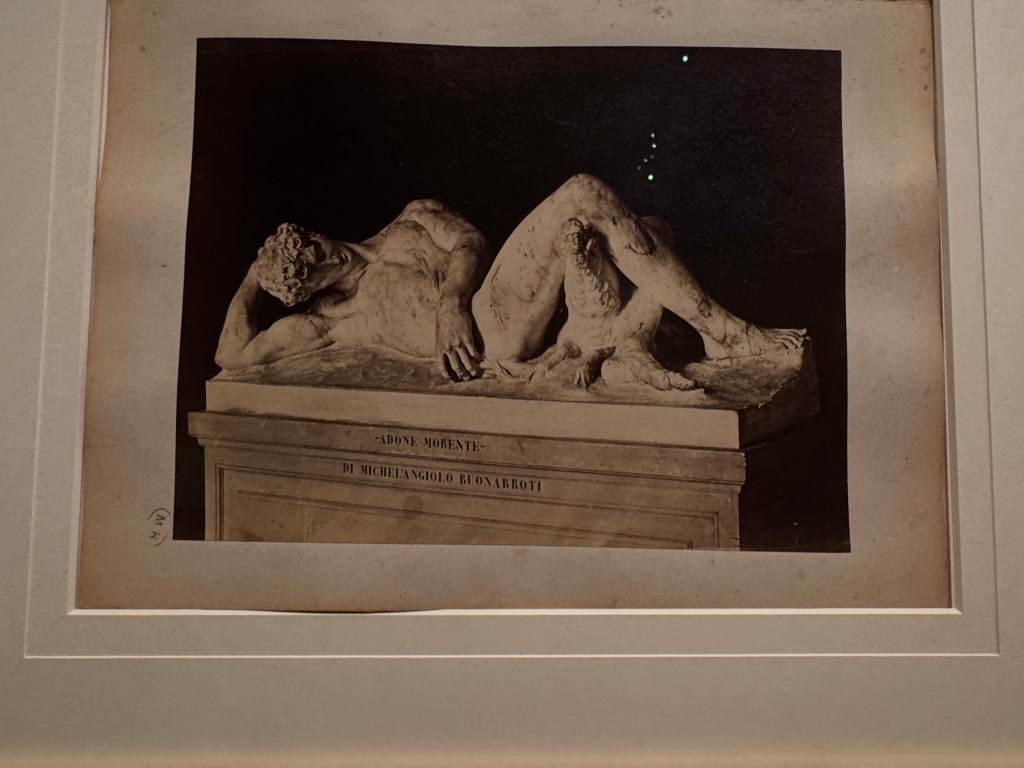
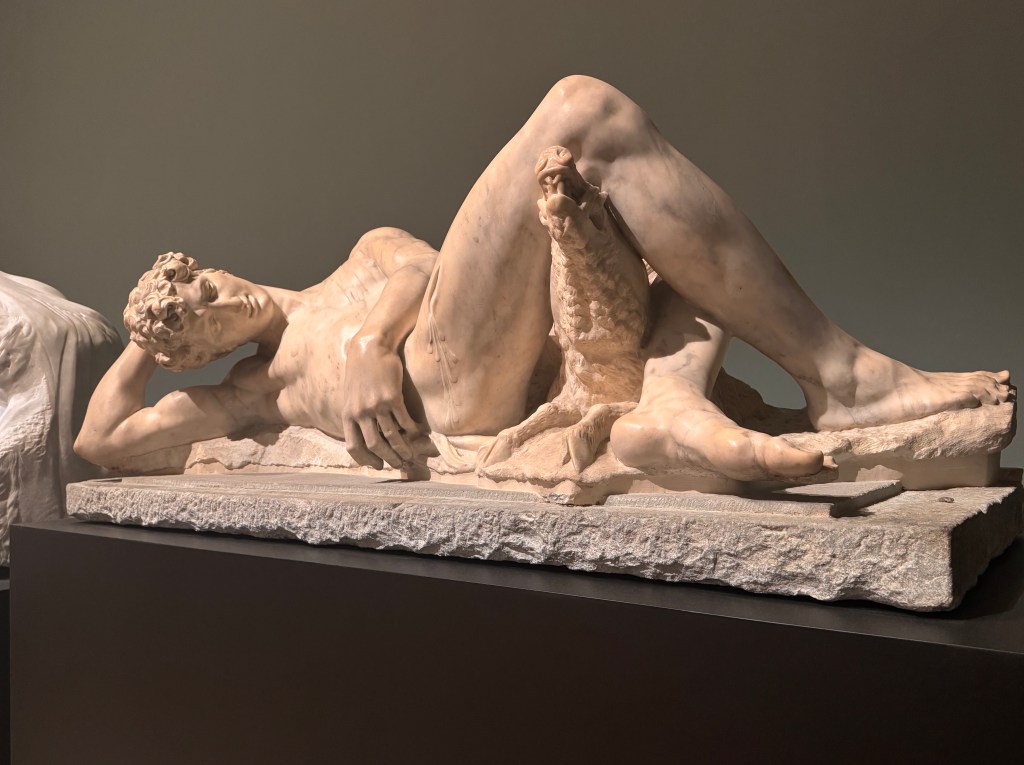
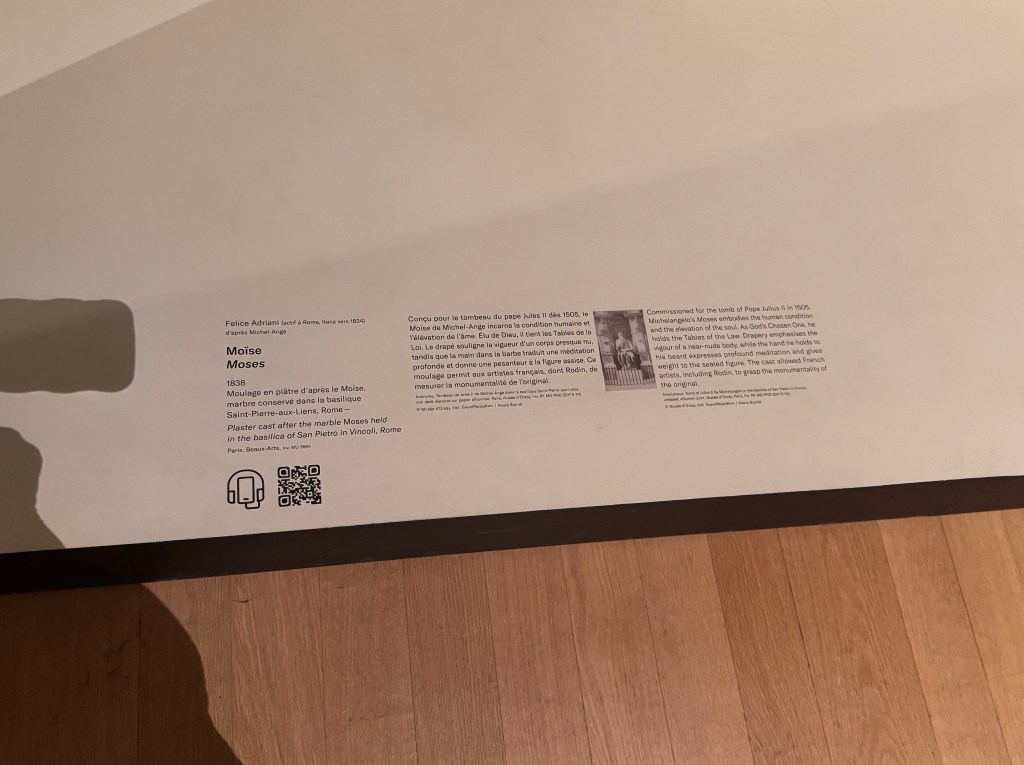
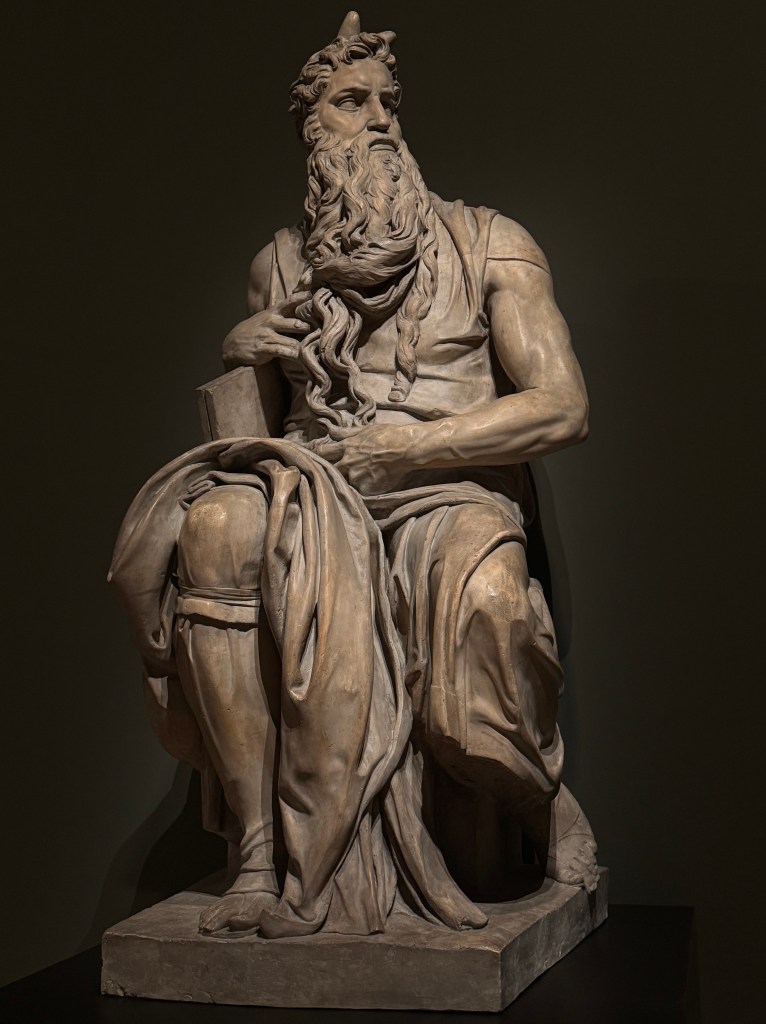
The Louvre is almost overwhelming in both its size and its collection. We searched for masterpieces by Michelangelo, admired works by Rodin, found paintings by Van Gogh, and eventually made our way to one of the museum’s most famous sculptures—the Venus de Milo.

Finding her turned into a bit of an adventure.

Several elevators had been shut down because of the extreme heat, so we found ourselves taking detours through different wings of the museum before finally arriving at the gallery. Like so much of the Louvre, the journey itself introduced us to countless unexpected works of art along the way.

The heat became such a concern that the Louvre announced it would close early at 4:00 p.m. to help protect both visitors and staff. We ended up being among the very last visitors to leave the museum that afternoon.

Before heading home, we wandered through the shops surrounding the Louvre and treated ourselves to refreshing sorbet—a perfect way to cool down after hours of walking through galleries.

Then another unexpected adventure began.

Rather than taking the underground passage, we tried to exit through one of the shopping areas, only to discover that the elevators we needed were no longer operating. We were told to return to the Louvre and use its elevators instead.

The security guards weren’t entirely convinced that was allowed.

After several conversations, they checked with the Louvre staff, who graciously welcomed us back inside.

Walking back into the museum after it had closed was one of the most surreal moments of our entire trip.

The galleries were silent.

The crowds were gone.

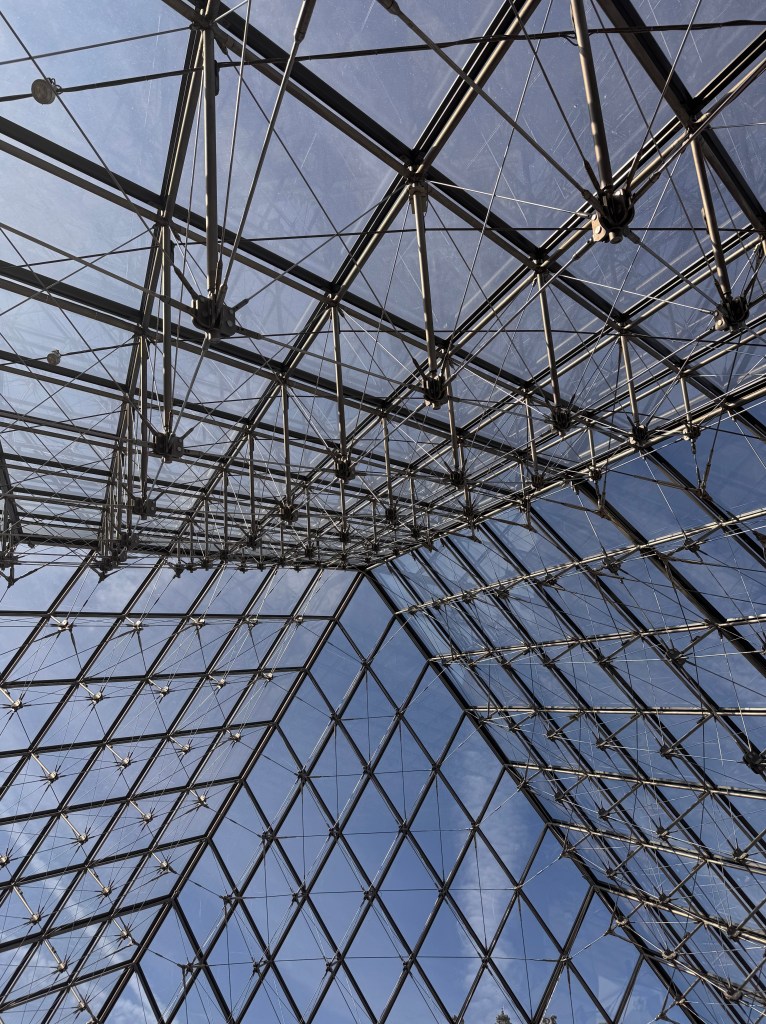
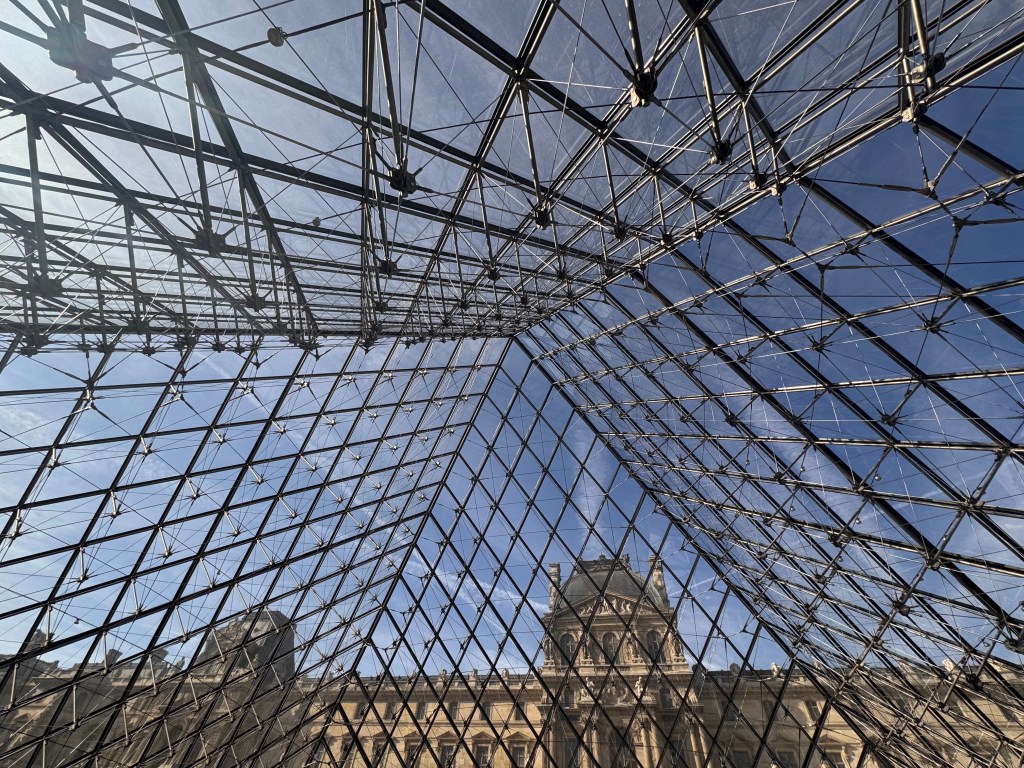
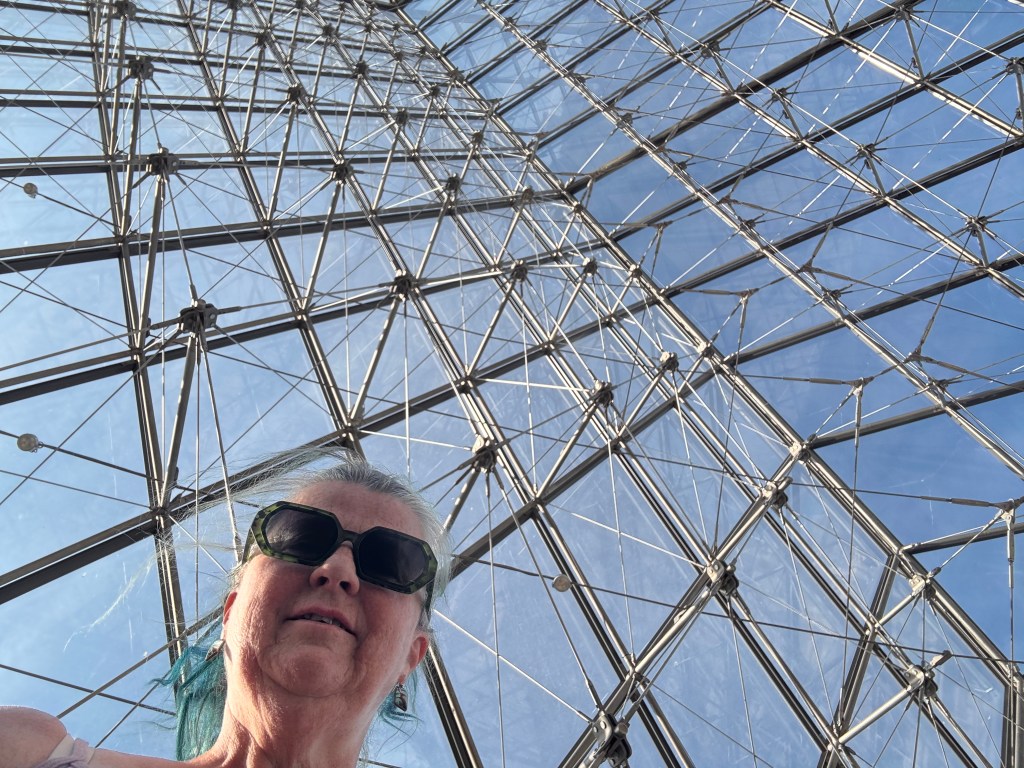
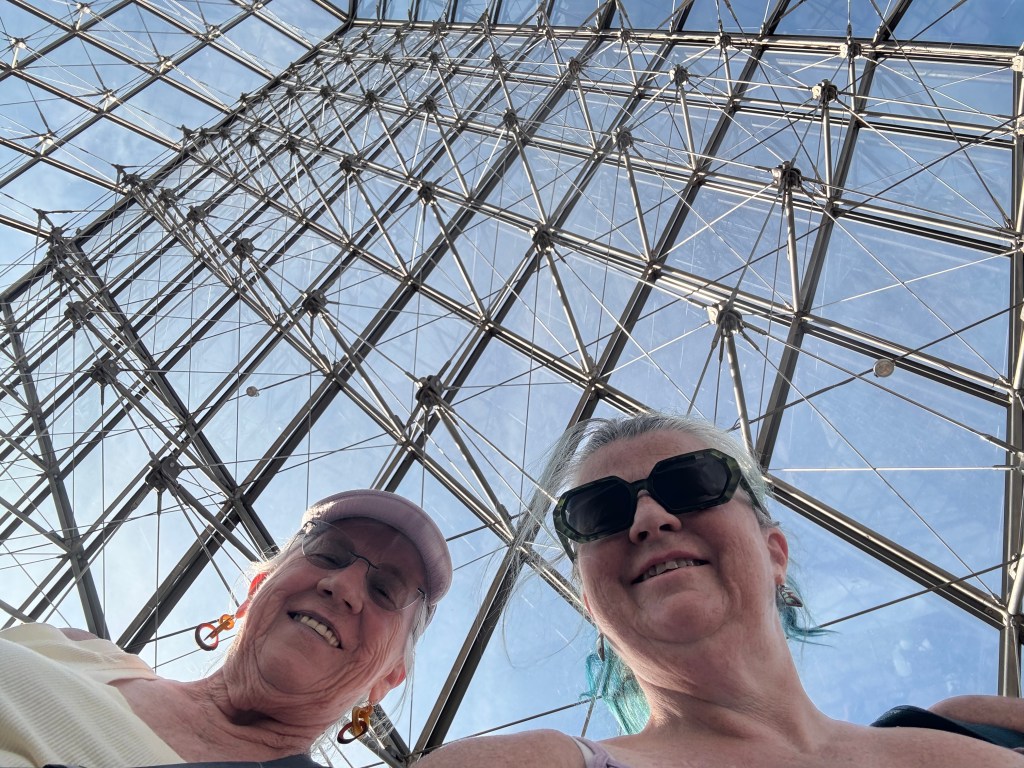
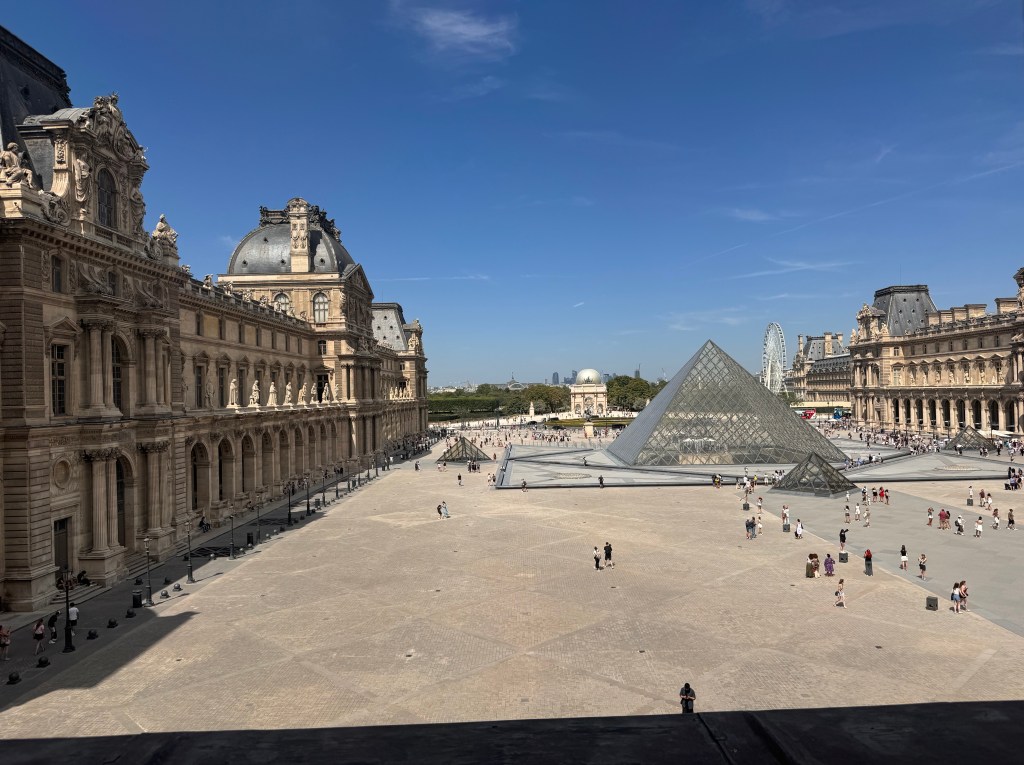
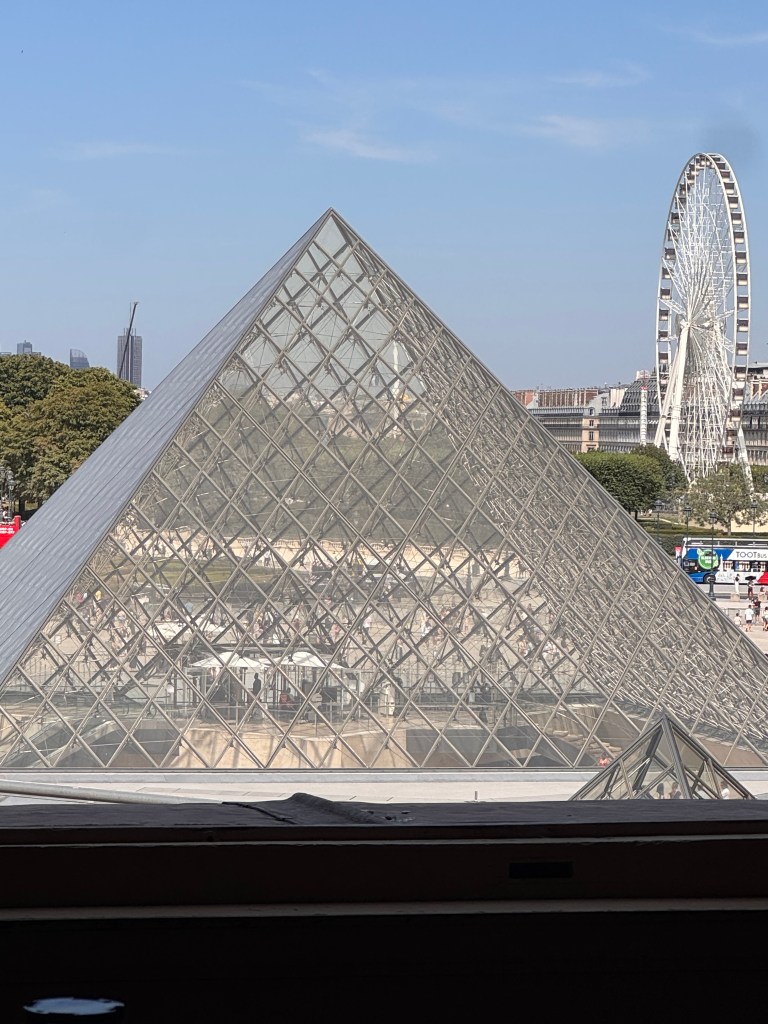
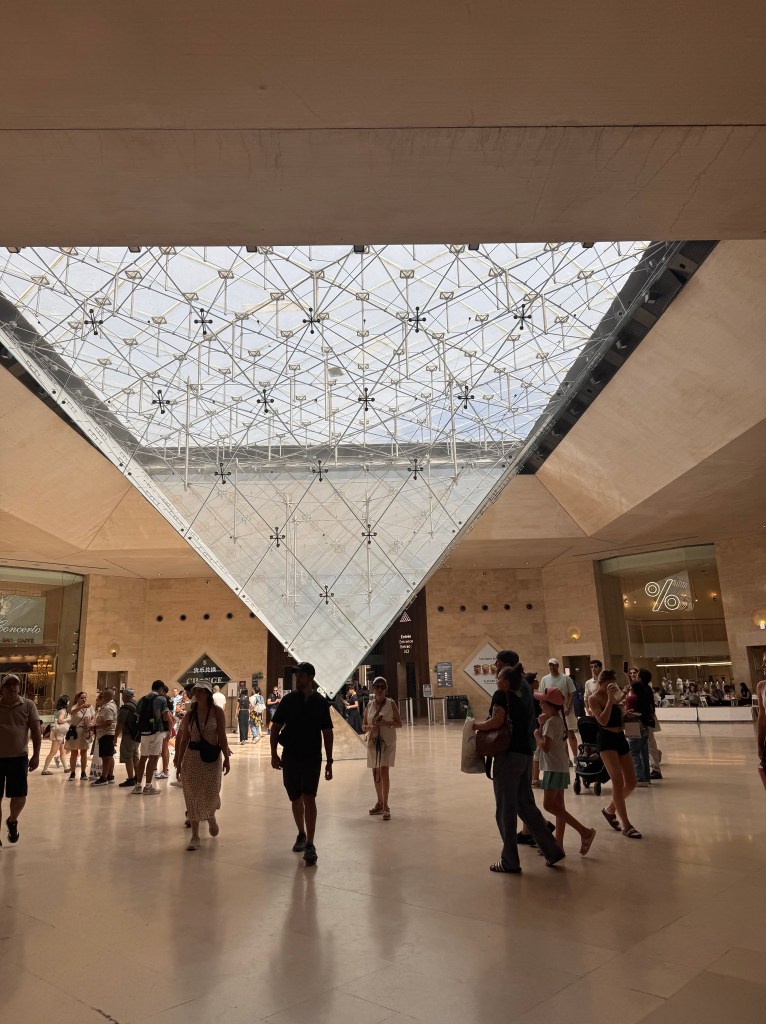
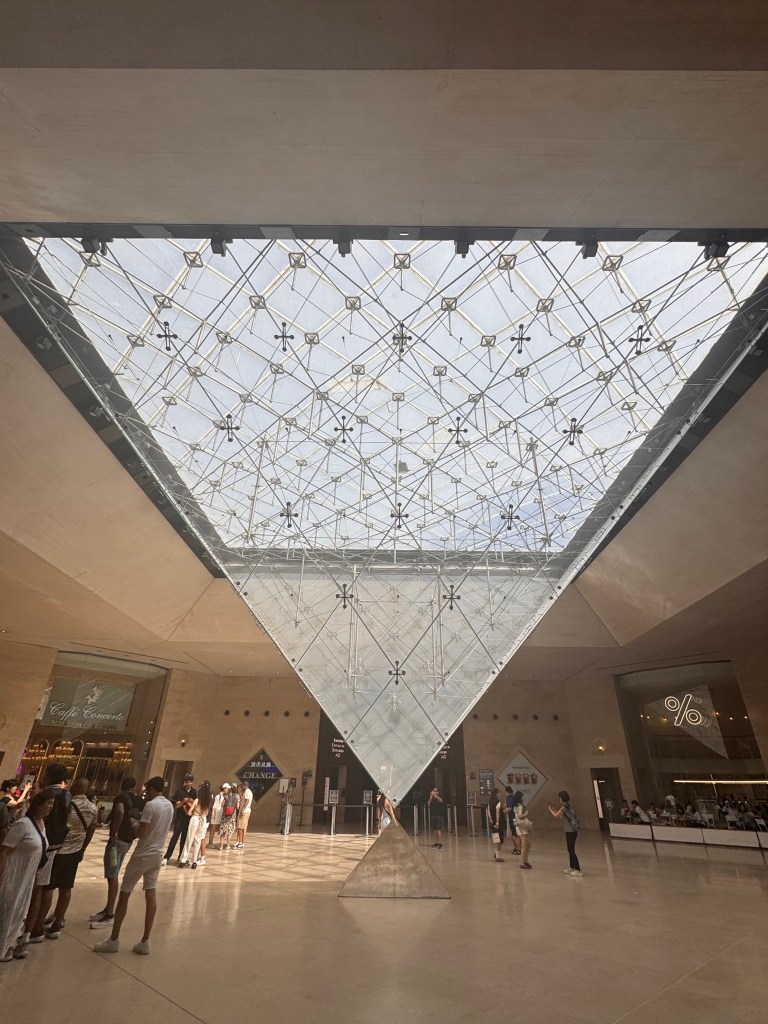
We rode the elevators back up beneath the famous glass pyramid, and for the first time all day there was no one around. Looking up through the pyramid without hundreds of tourists filling the space was something very few visitors ever experience. I was able to take some incredible photographs of the pyramid completely unobstructed—pictures that would have been impossible just an hour earlier.

Outside, we noticed quite a few disappointed visitors arriving for afternoon entry, unaware that the museum had already closed because of the extreme temperatures.

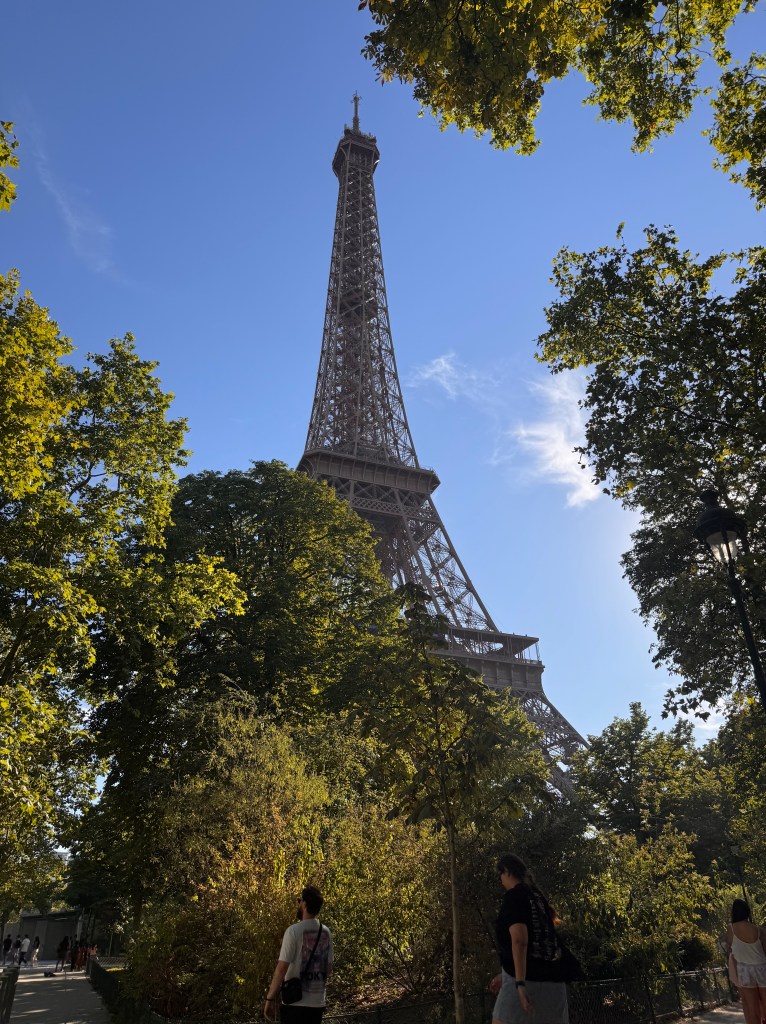
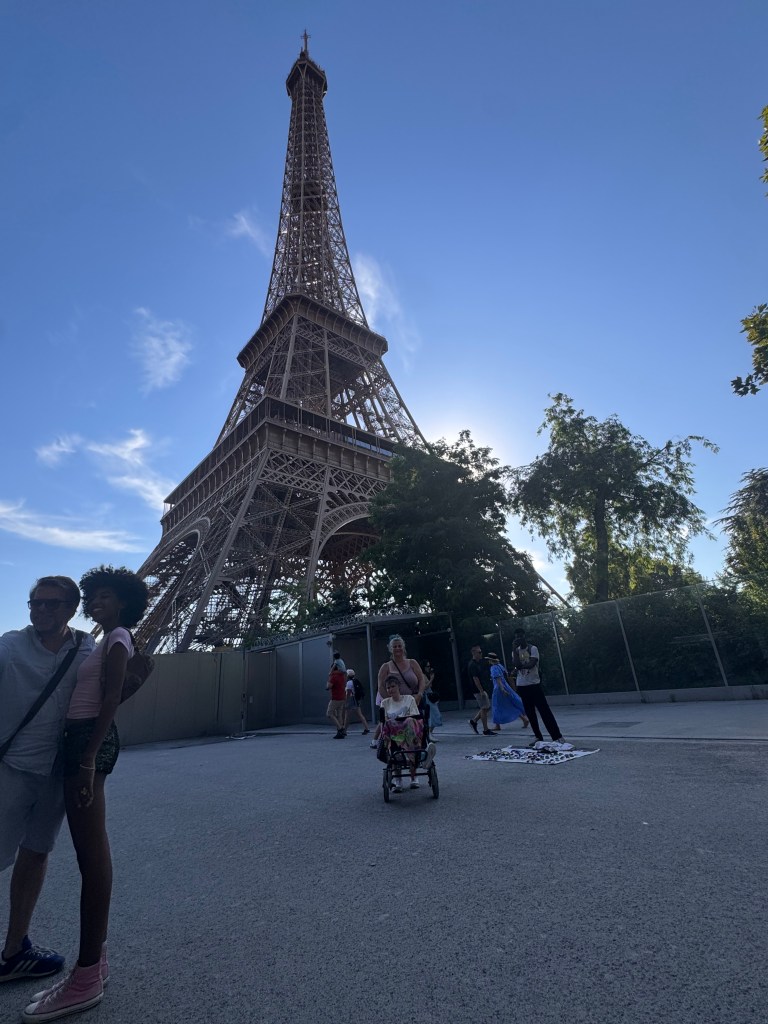
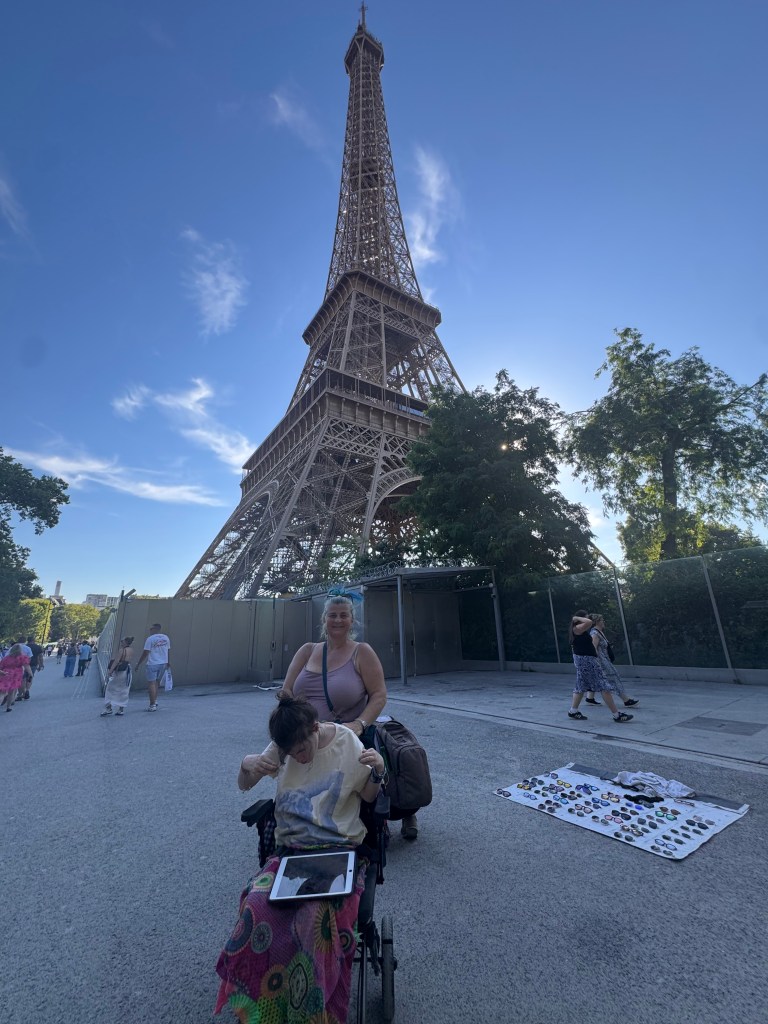
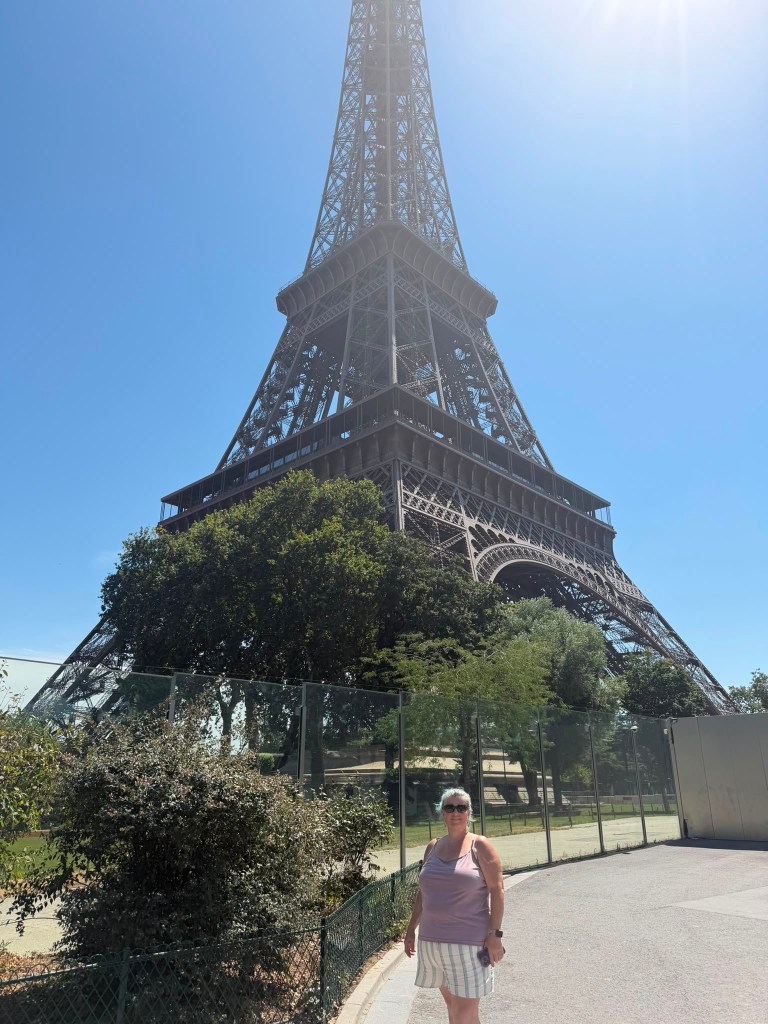
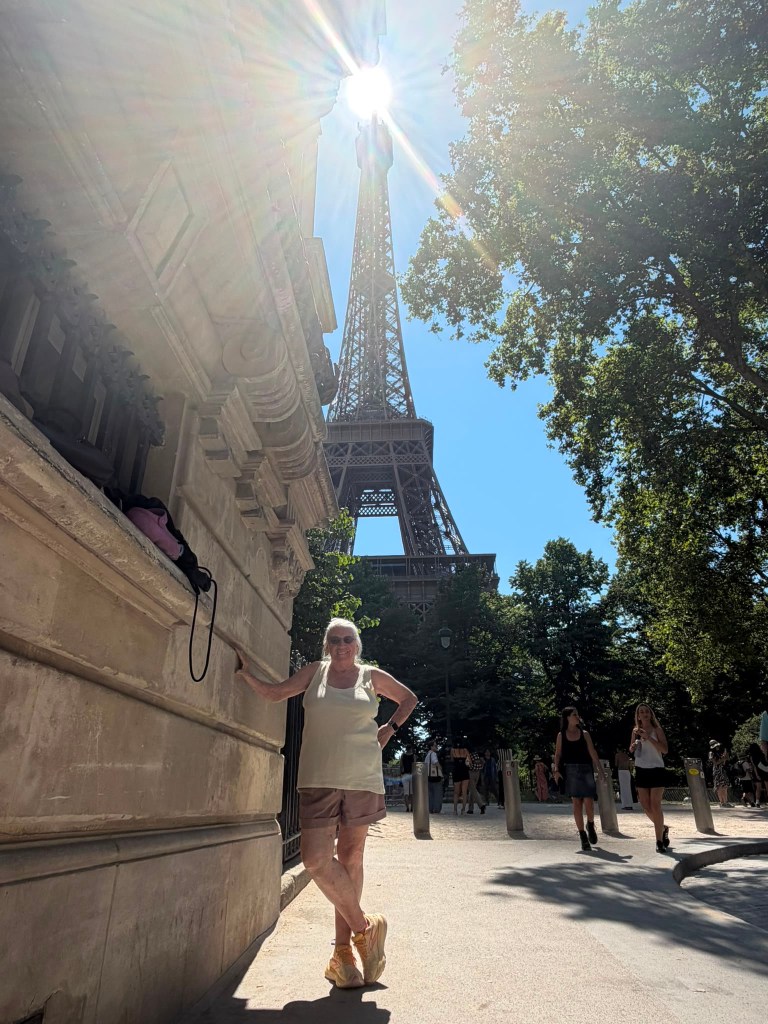
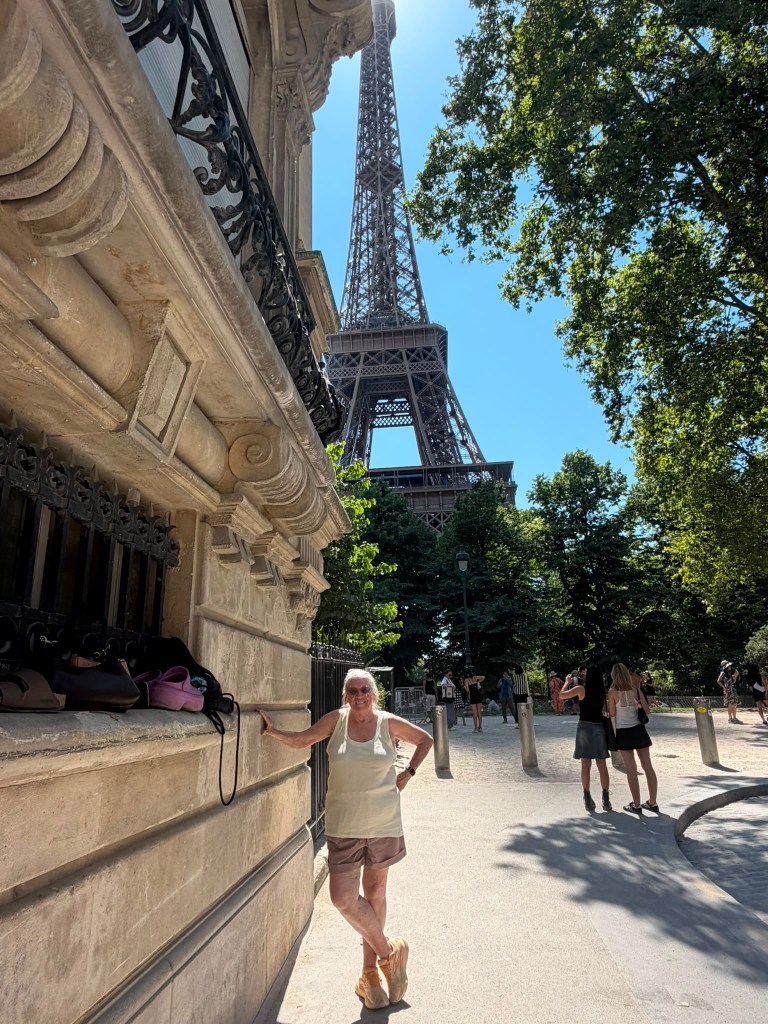
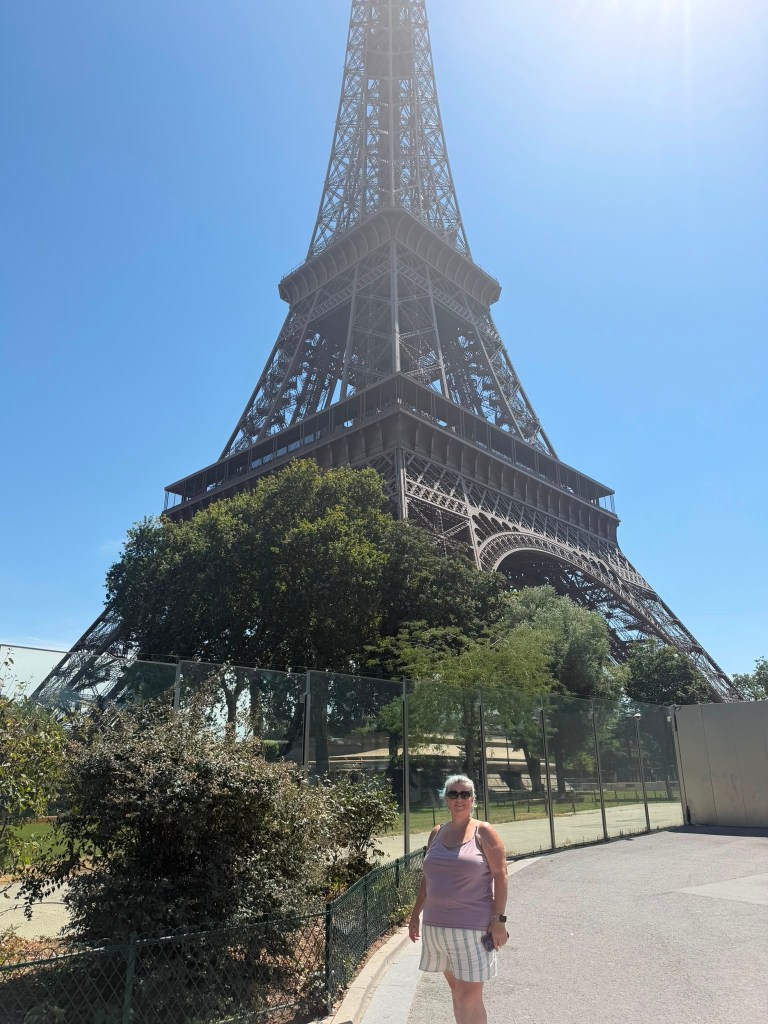
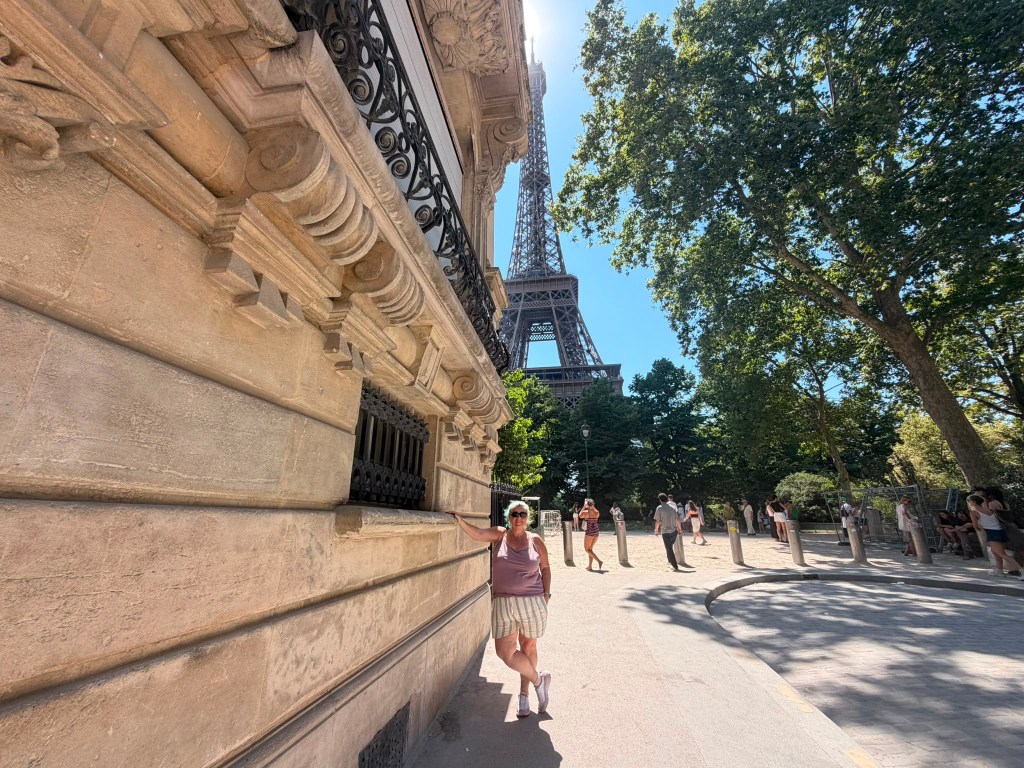
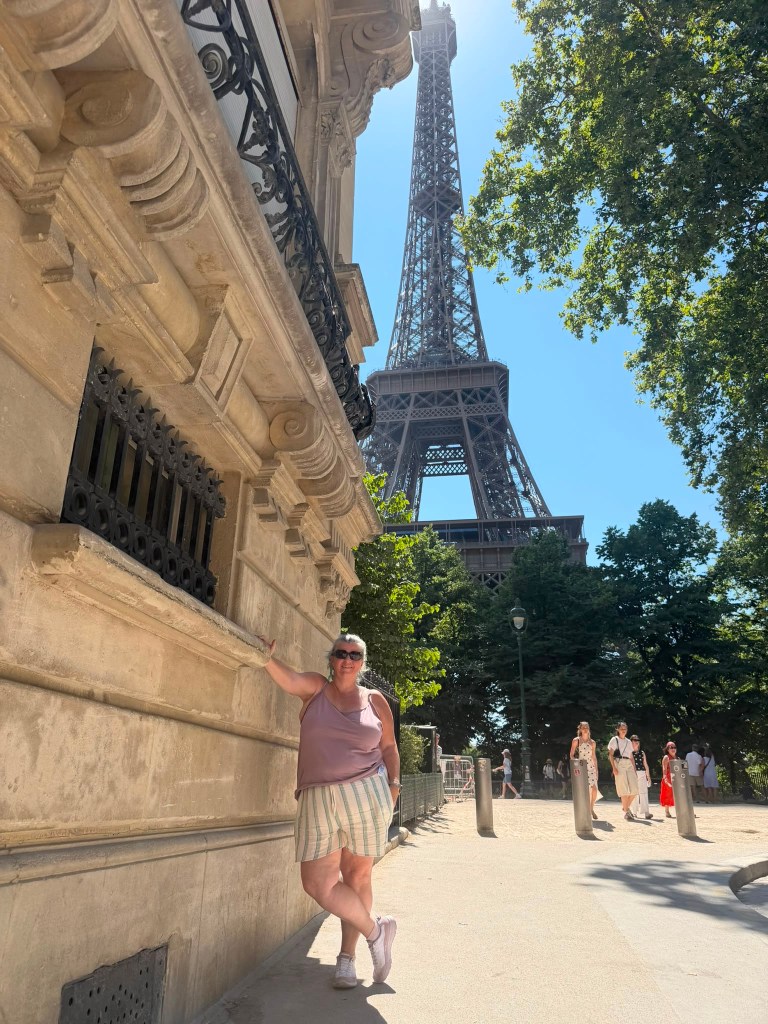
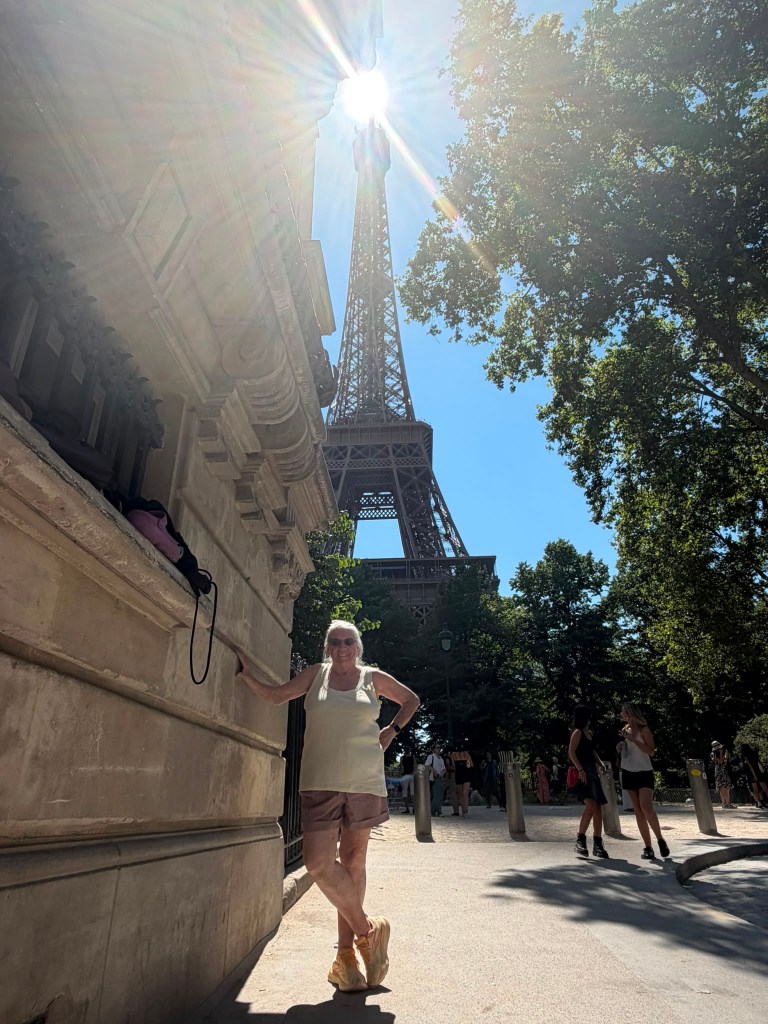
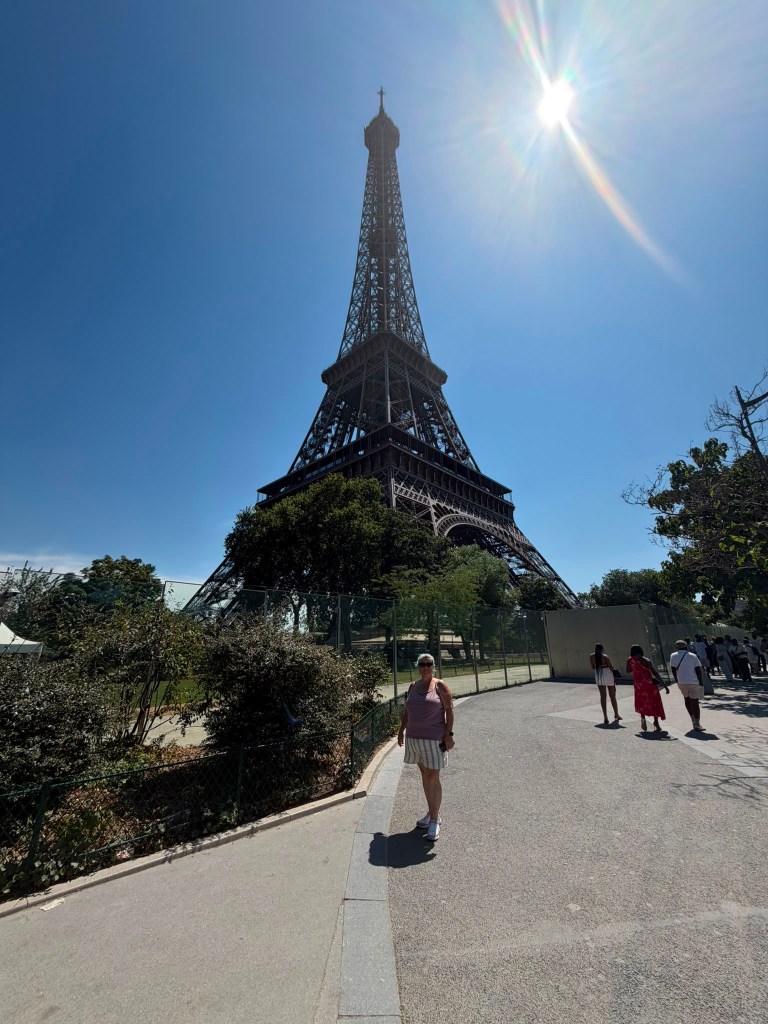
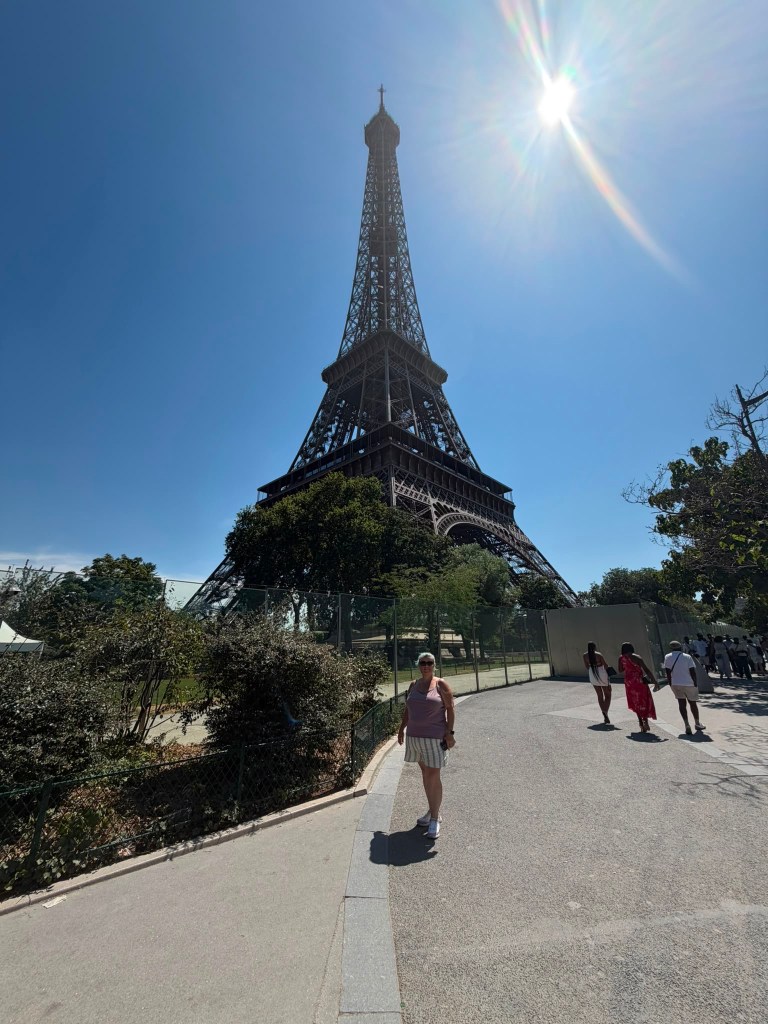
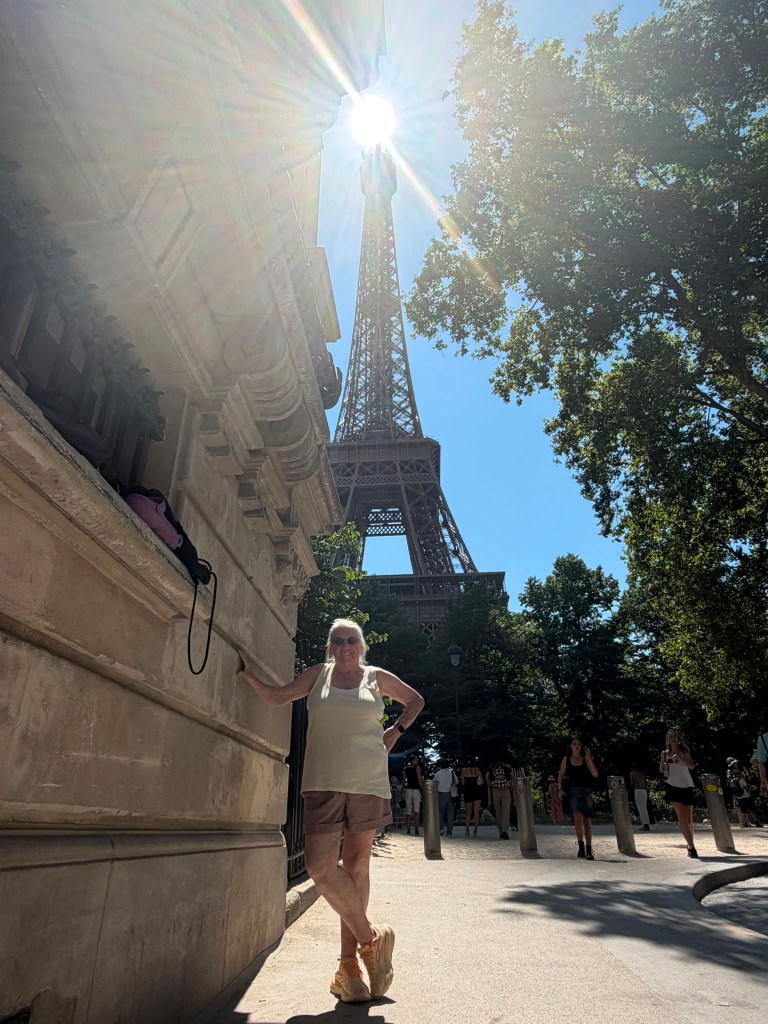
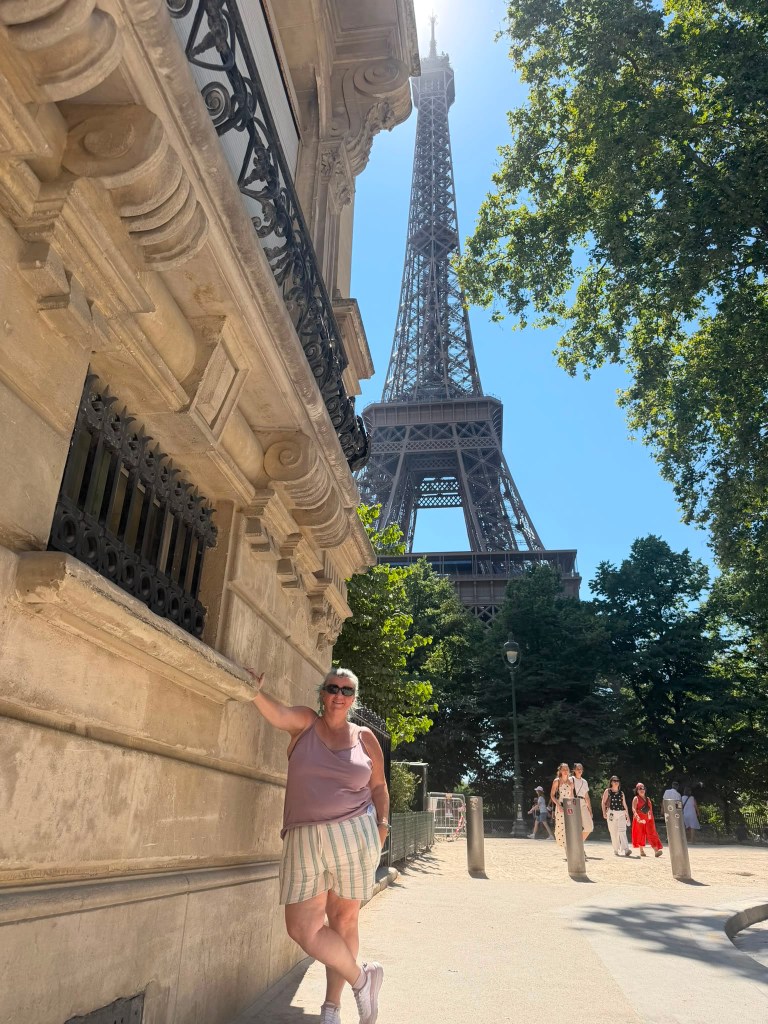
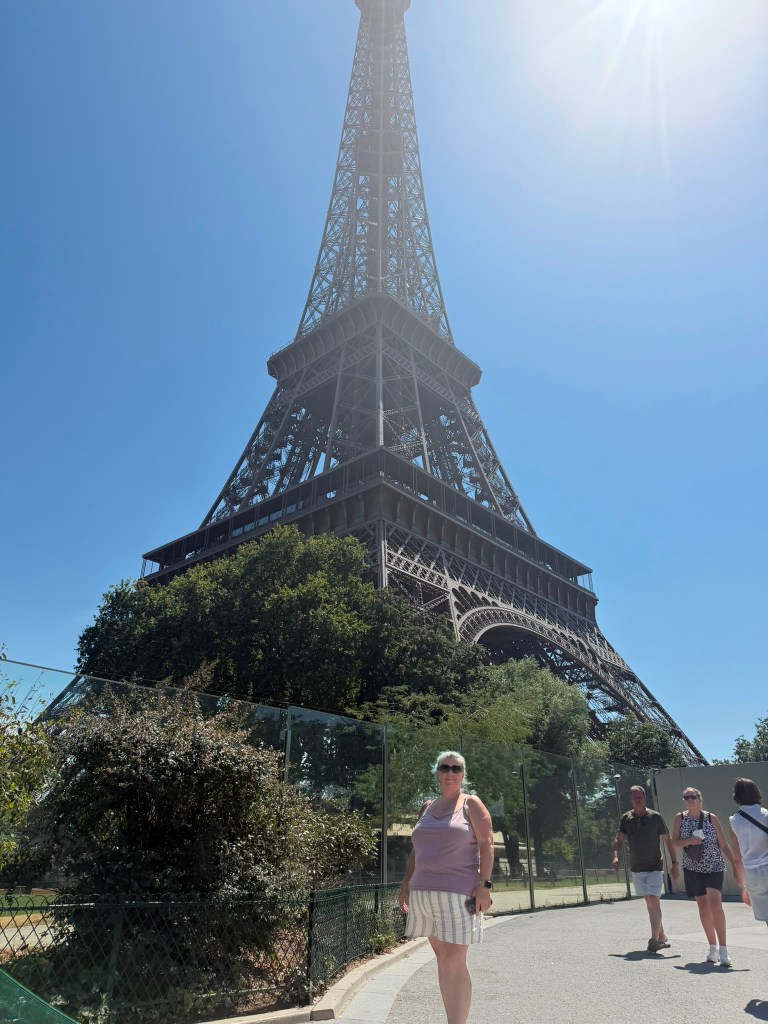
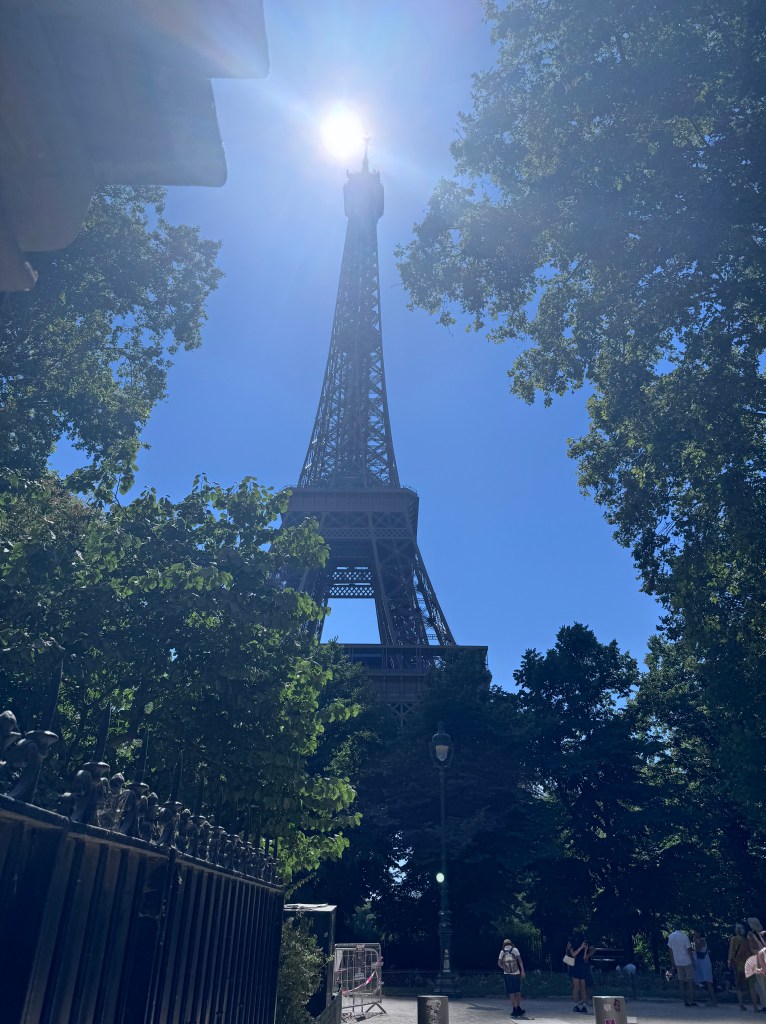
From there we began the long walk back toward our apartment, making our way via the Eiffel Tower. Along the way we found a restaurant just a short walk from its base and enjoyed dinner while admiring one of the world’s most recognizable landmarks. We took plenty of photographs, knowing that the following day the tower and surrounding area would be closed for Bastille Day celebrations and the evening fireworks.

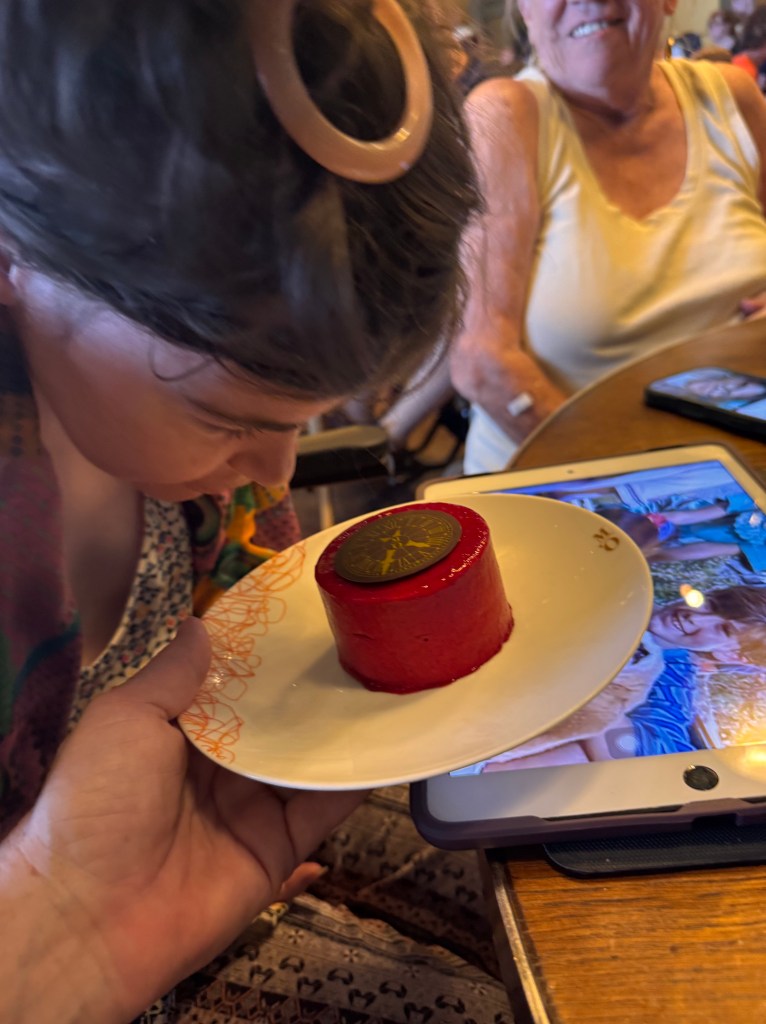
We decided we needed to eat a meal out and treat ourselves. There was a restaurant on the corner by our apartment. We walked in the door and almost walked right back out. All the wait staff was dress in fancy black suits and dresses. The place had mirrors and lighting everywhere. Everyone else is dressed in very nice dinner clothes. We stumble in hot sweaty and in our street clothes. They were so gracious and served us like we were in formal wear. We had an amazing meal and had a berry pavlova for desert. After dinner we continued our walk back to the apartment.

Unfortunately, our apartment remained the biggest disappointment of our stay in Paris. It stayed unbearably hot no matter what we tried, making it difficult to relax after long days of sightseeing. We found ourselves spending as little time there as possible, treating it simply as a place to sleep before heading back out to explore another corner of this remarkable city.

A Grand Welcome to Paris

After our wonderful time in Brussels, it was time to board the train for Paris.

Of course, no travel day would be complete without a little excitement.

We had several snafus trying to get a taxi to the train station and were convinced we had missed our train. Just when we were resigning ourselves to figuring out new tickets, I received an email saying our train had been delayed. Talk about relief!

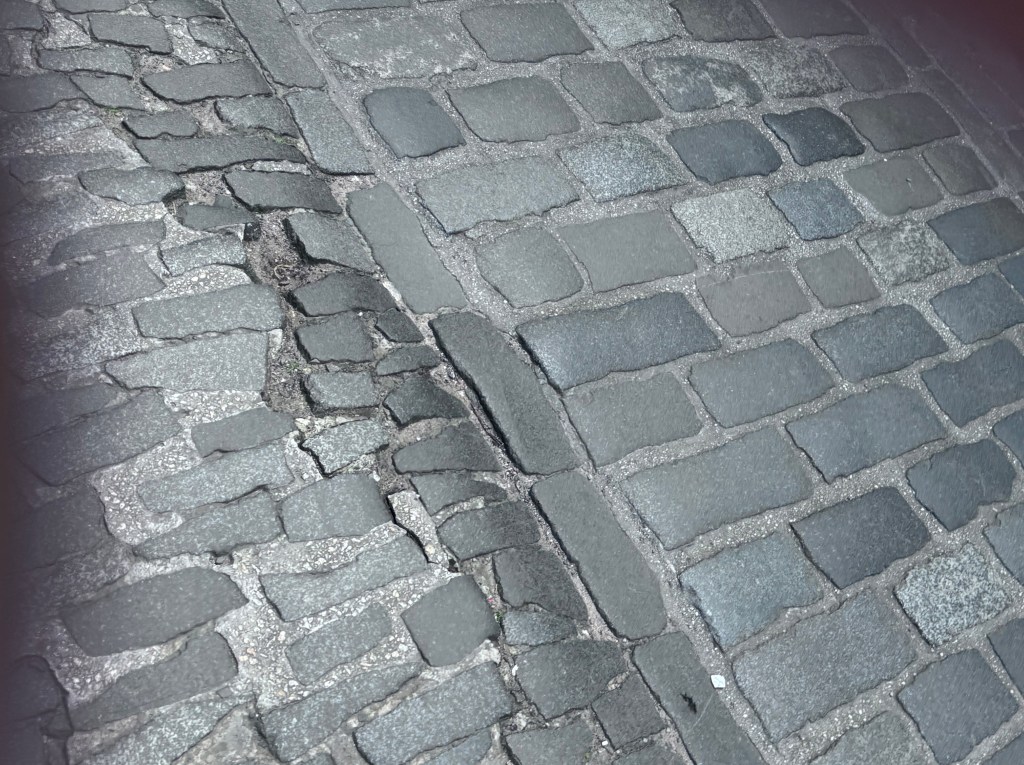
The taxi driver was wonderful. Knowing we had a mountain of luggage and that the train station entrance was surrounded by uneven cobblestones, I asked if he could help us get everything closer to the door. He happily did, saving us a great deal of effort.

As it turned out, our train was delayed nearly 50 minutes. Then, just before boarding, the railway combined two completely full trains into one. It instantly became a mad dash for seats. Mom quickly found a set of seats while I loaded all of our luggage aboard. Had she not claimed them when she did, we would have been standing for the entire two-hour journey to Paris.

When we arrived, we were greeted by our wonderful driver and guide, Nesrine. Instead of simply taking us to our apartment, we had arranged for her to spend the afternoon showing us some of Paris’s most famous landmarks. Considering the oppressive summer heat, climbing into her wonderfully air-conditioned van felt like heaven.

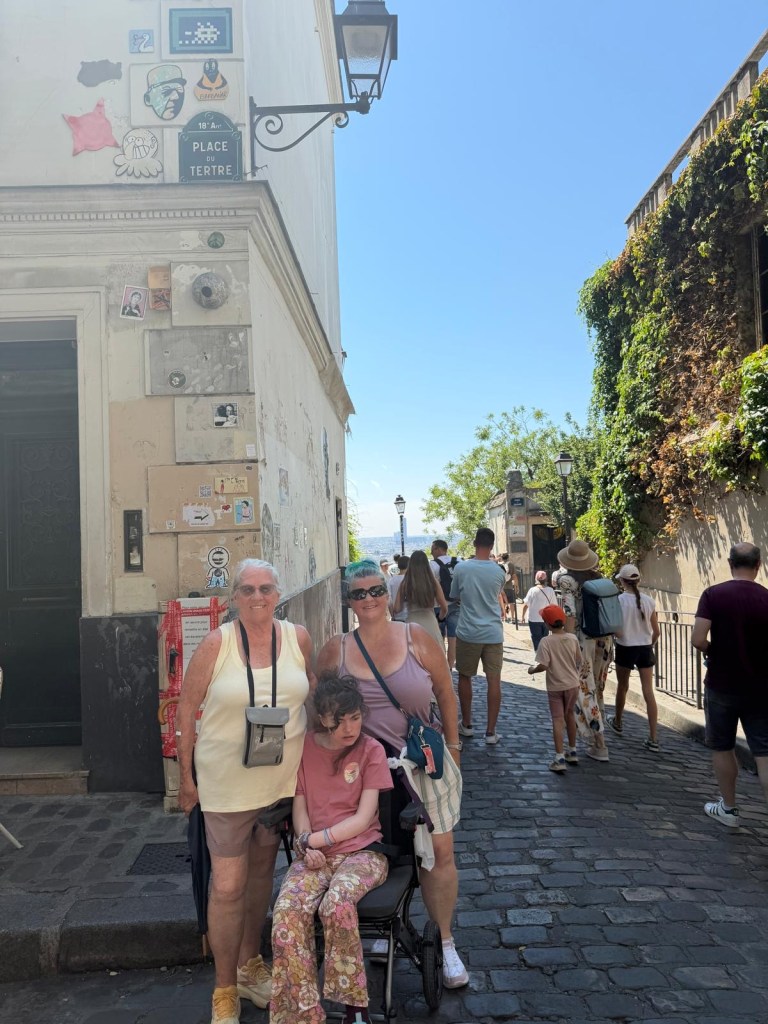
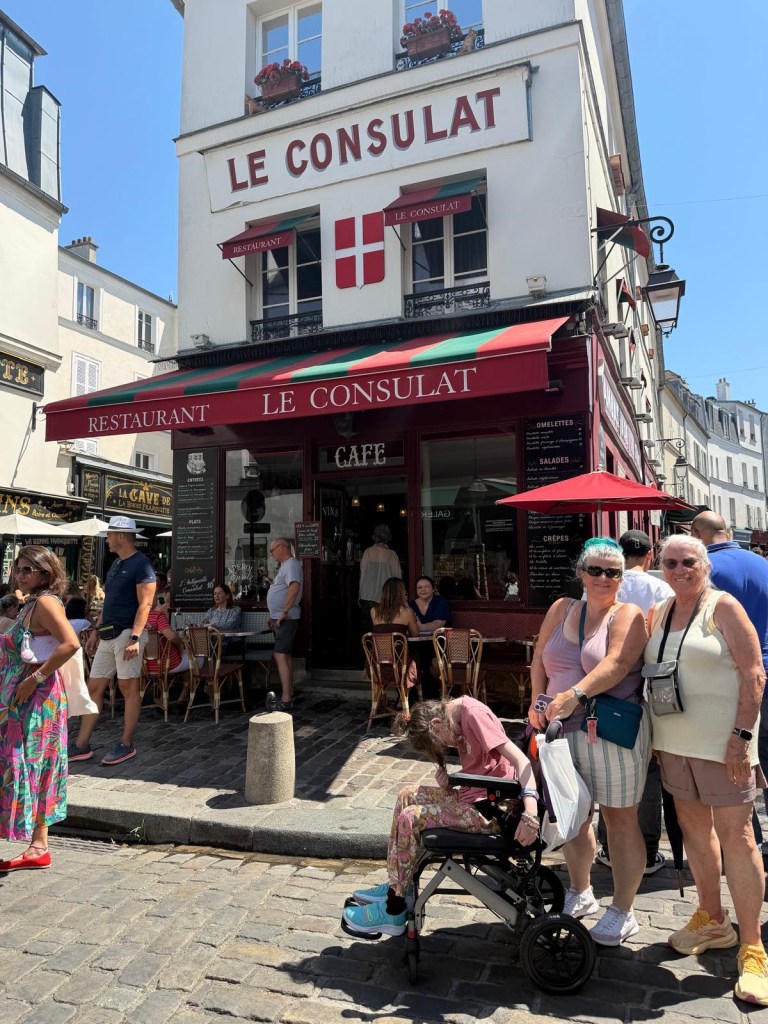
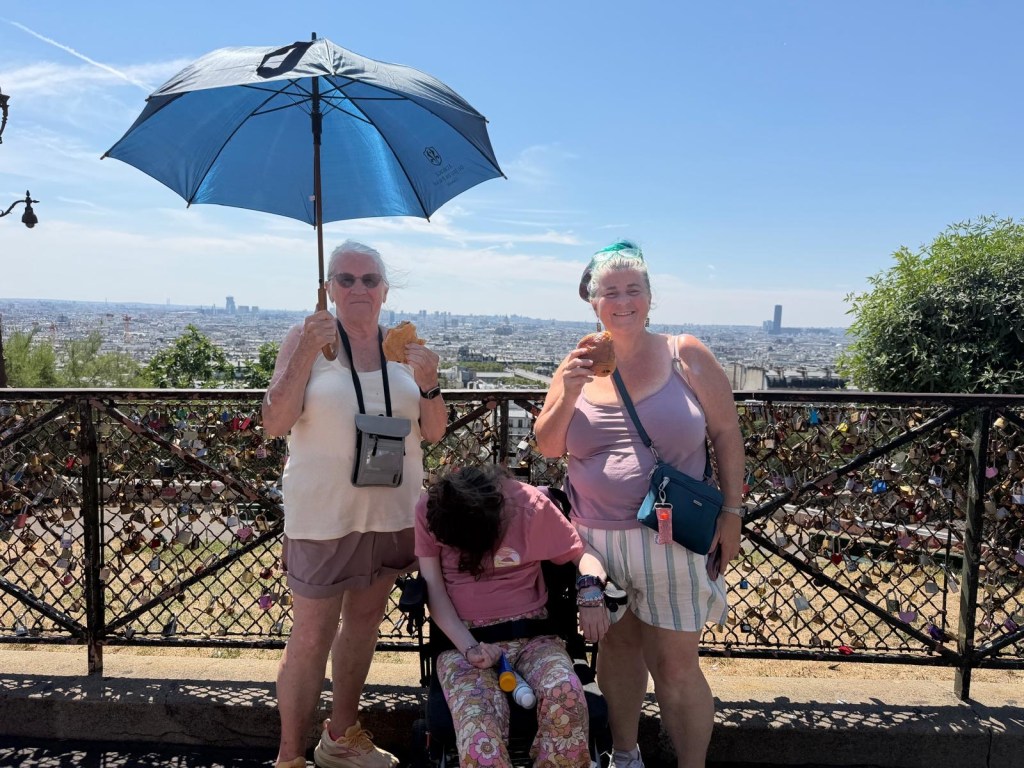
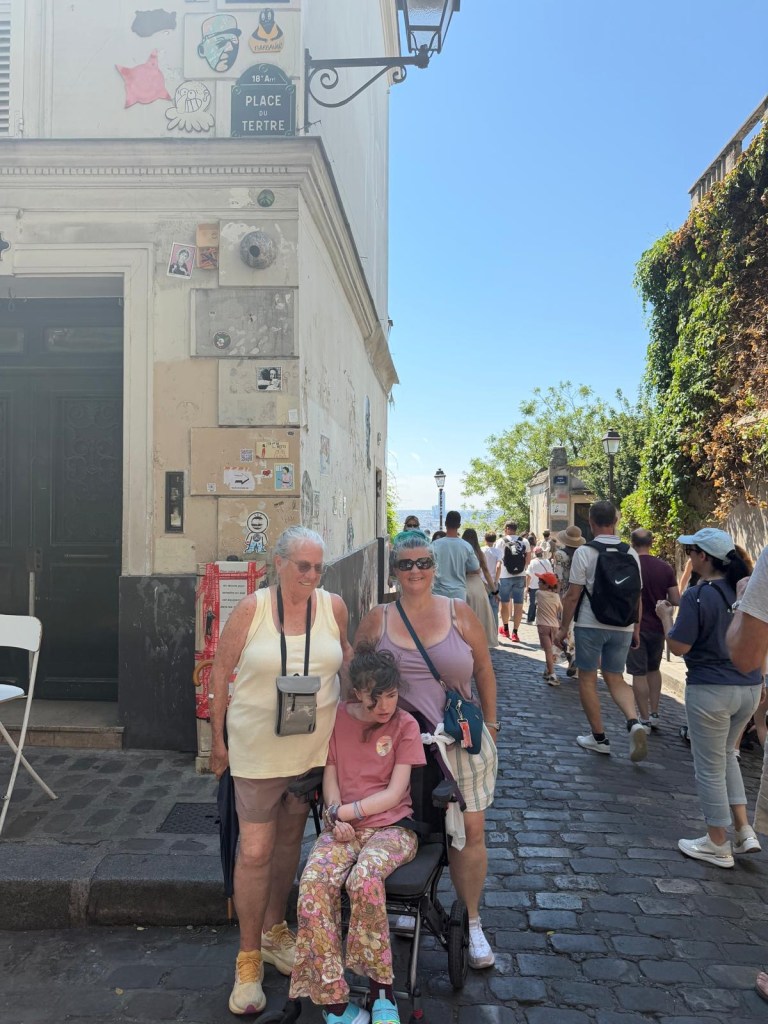
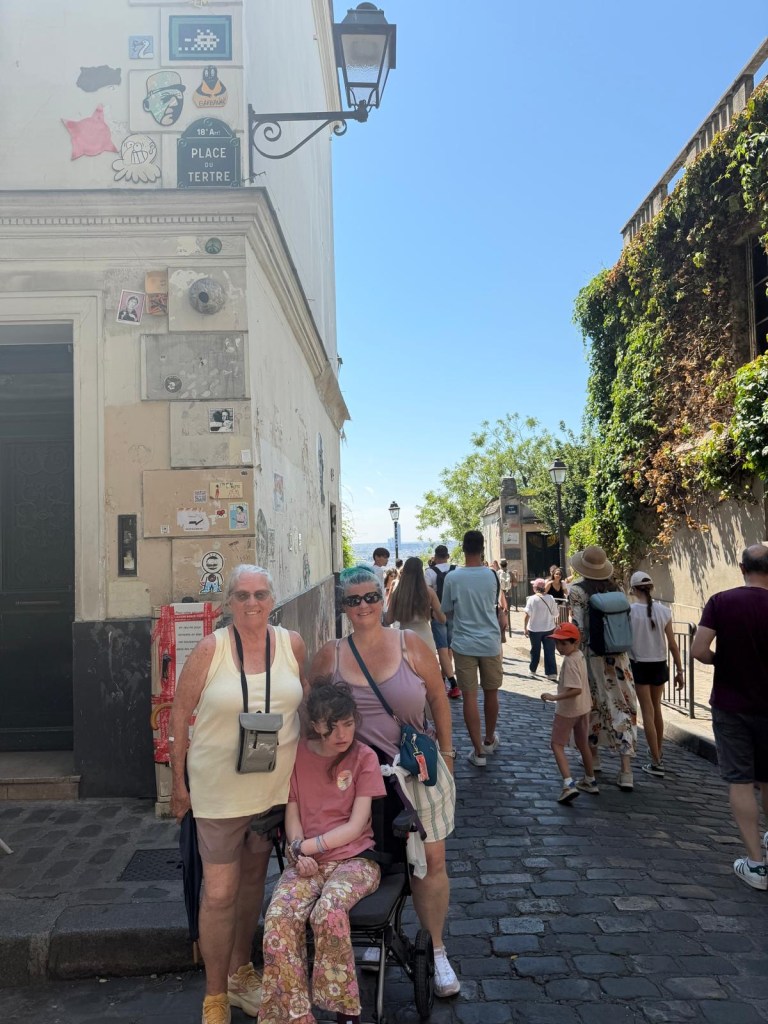
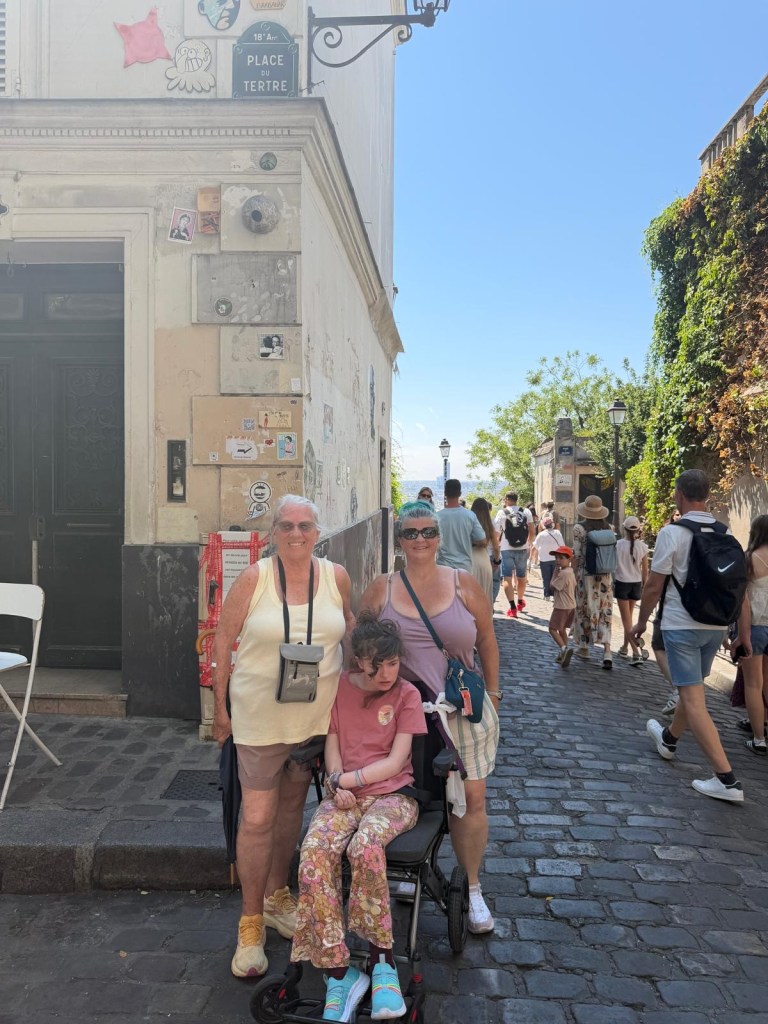
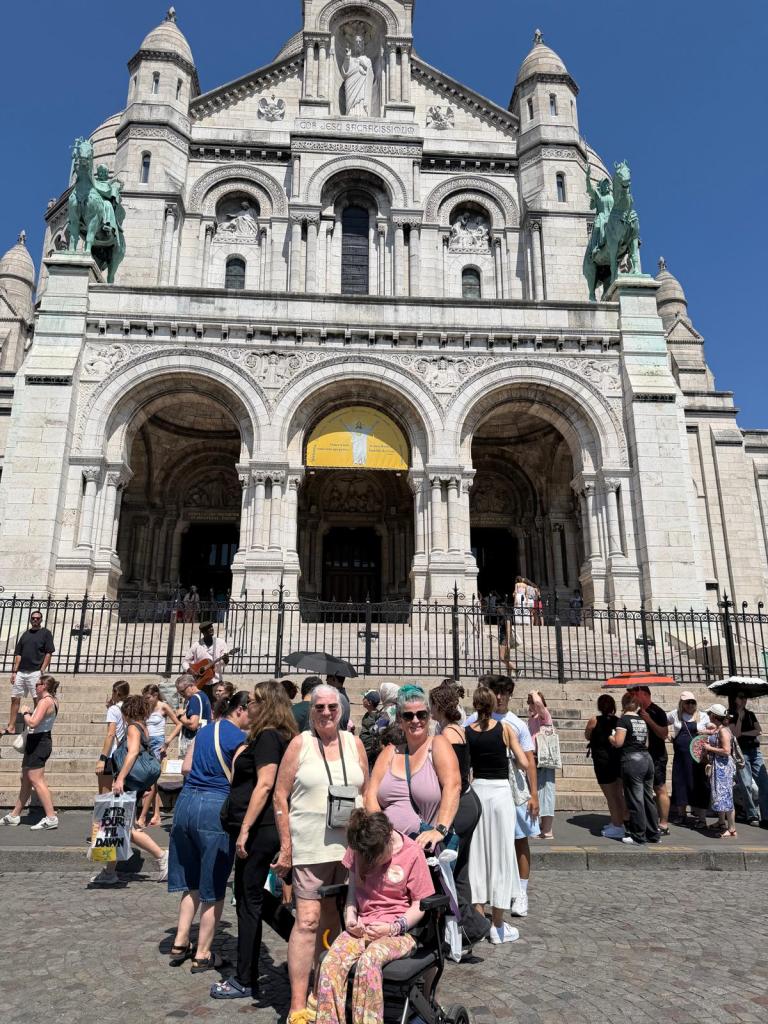
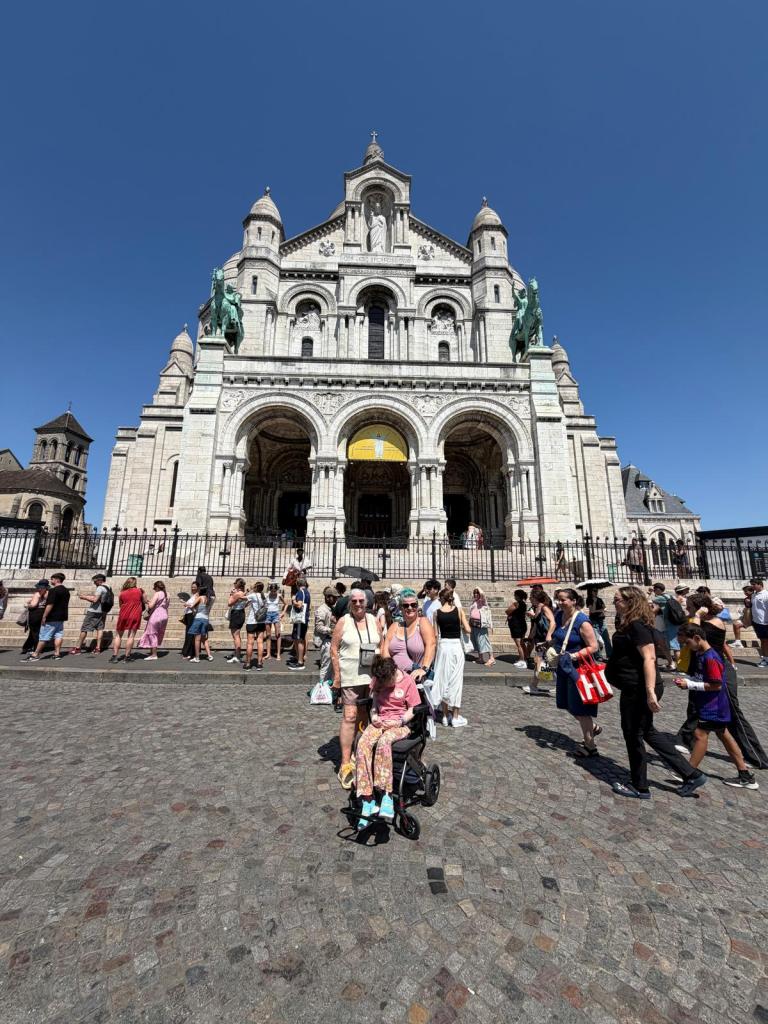
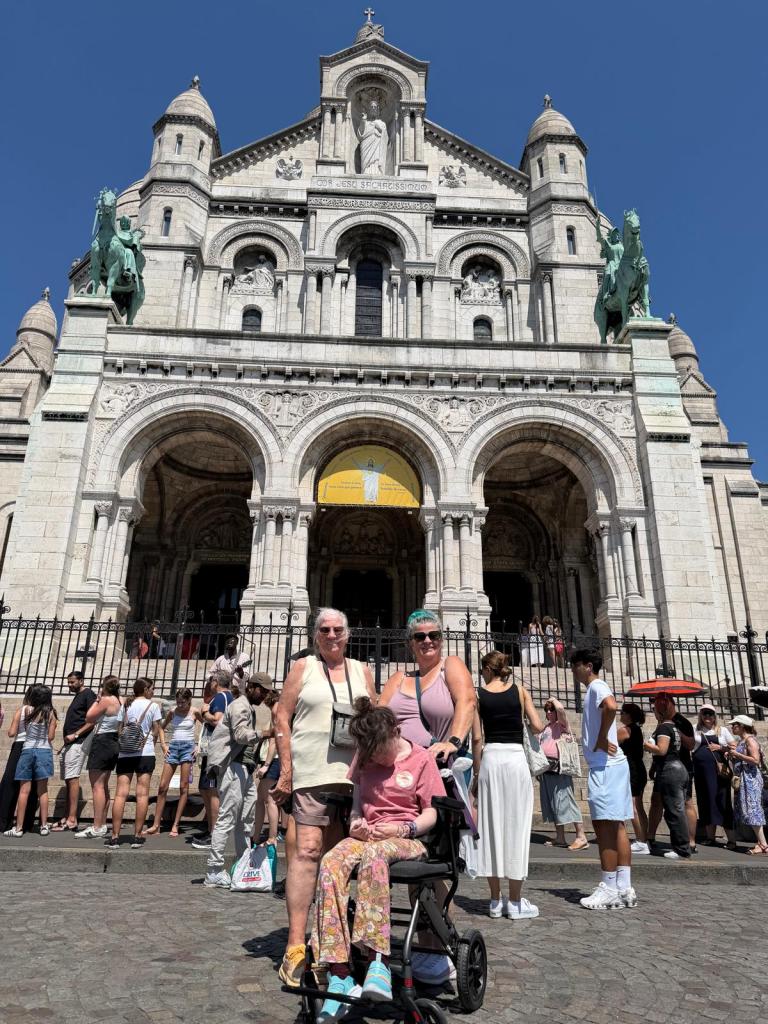
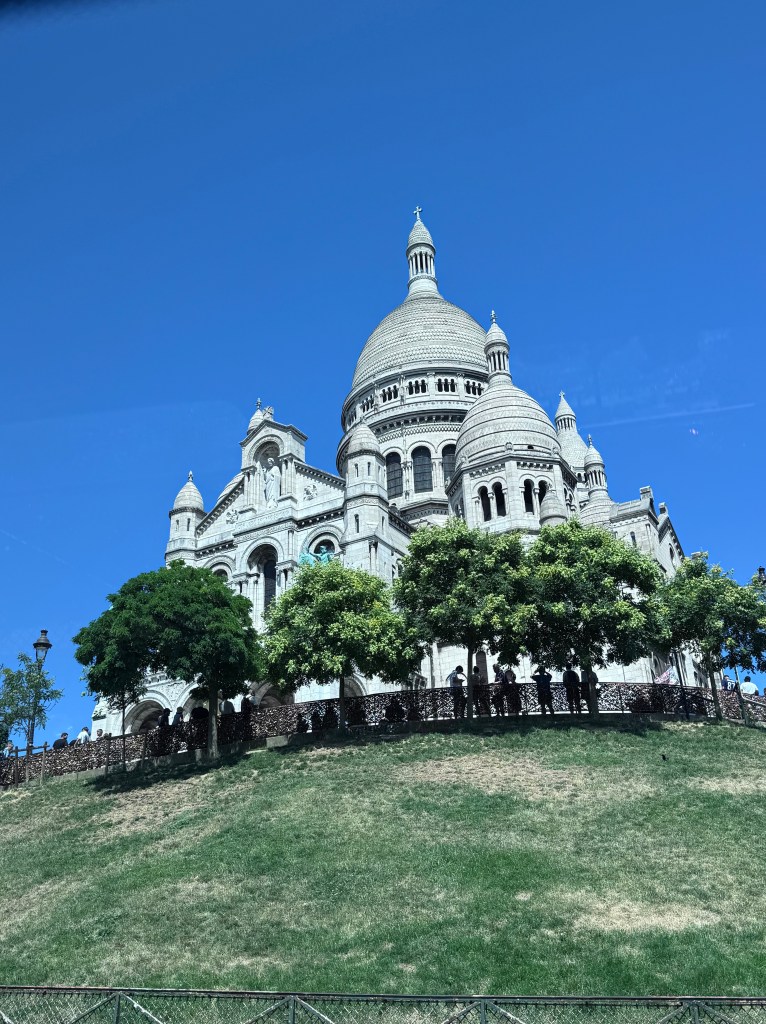
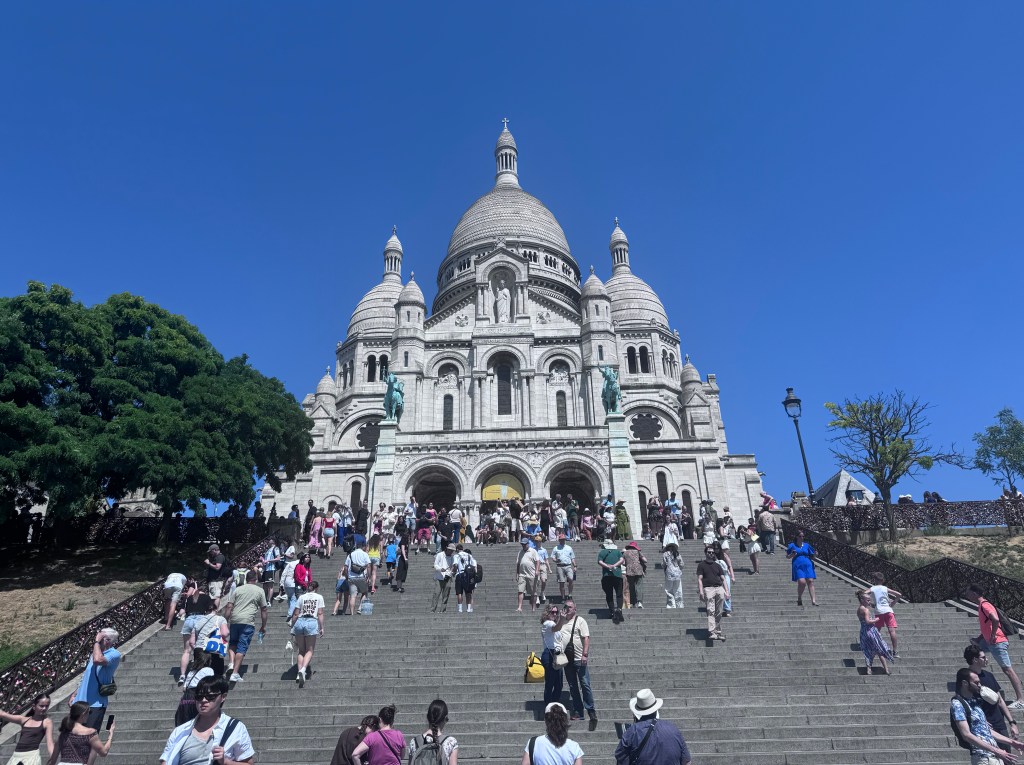
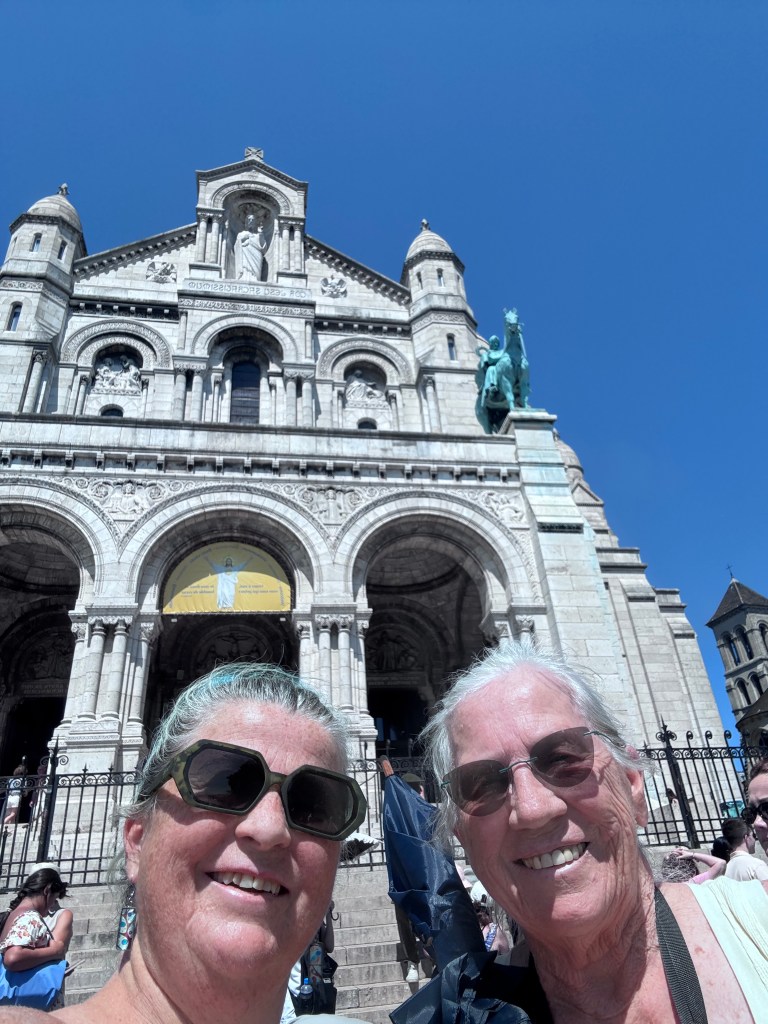
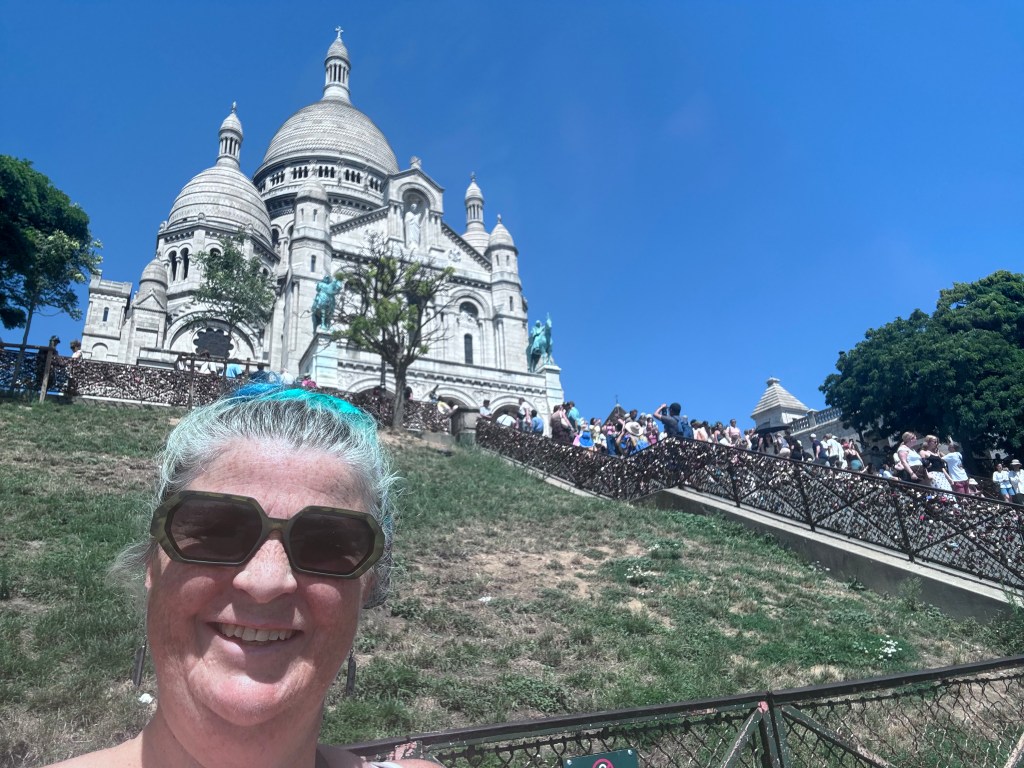
Our first stop was Montmartre.

I had hoped we would somehow make it to this famous hilltop neighborhood but wasn’t quite sure how we would manage it with Kiya and all of our transportation needs. Thanks to Nesrine, we didn’t have to worry about any of that.

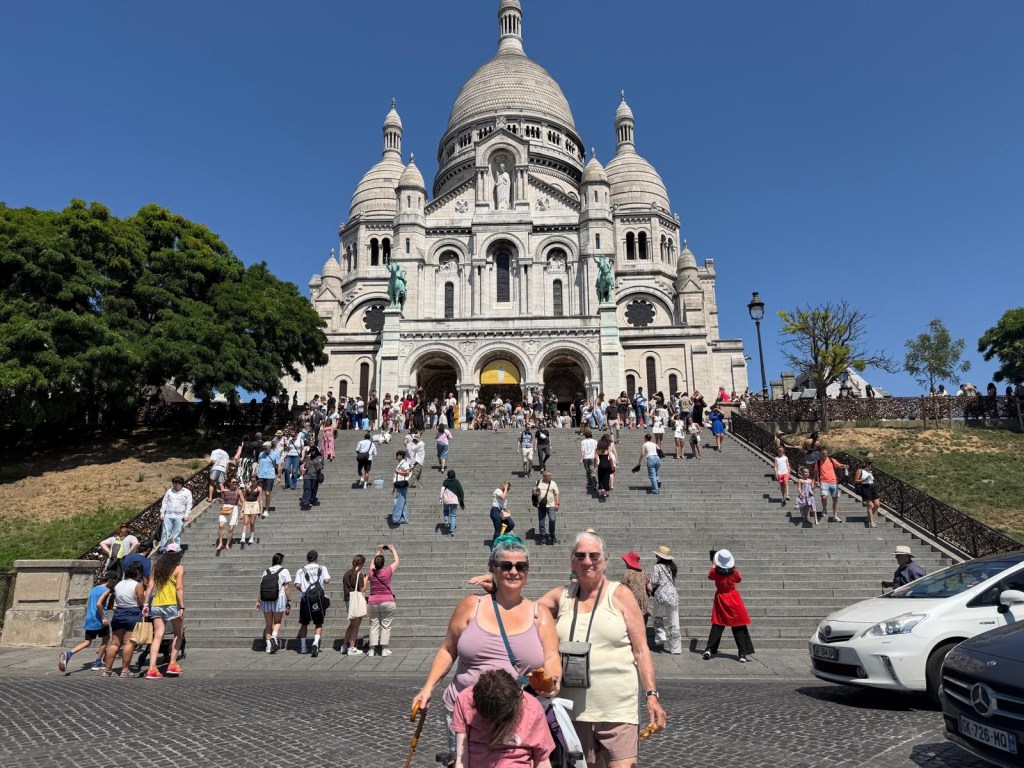
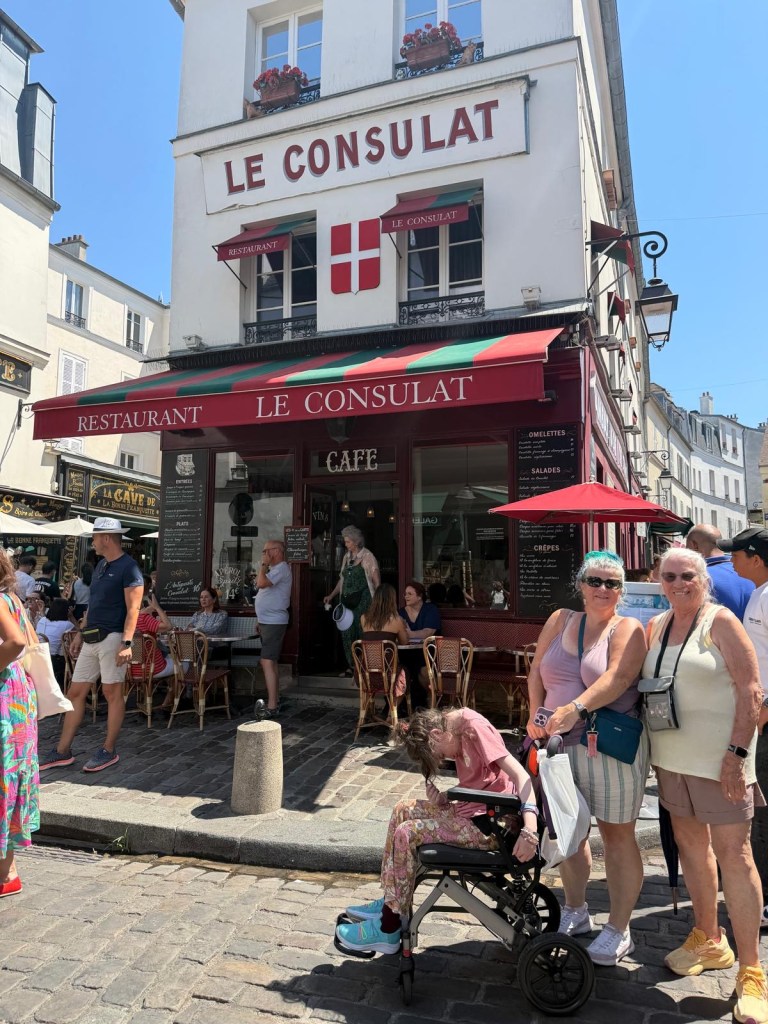
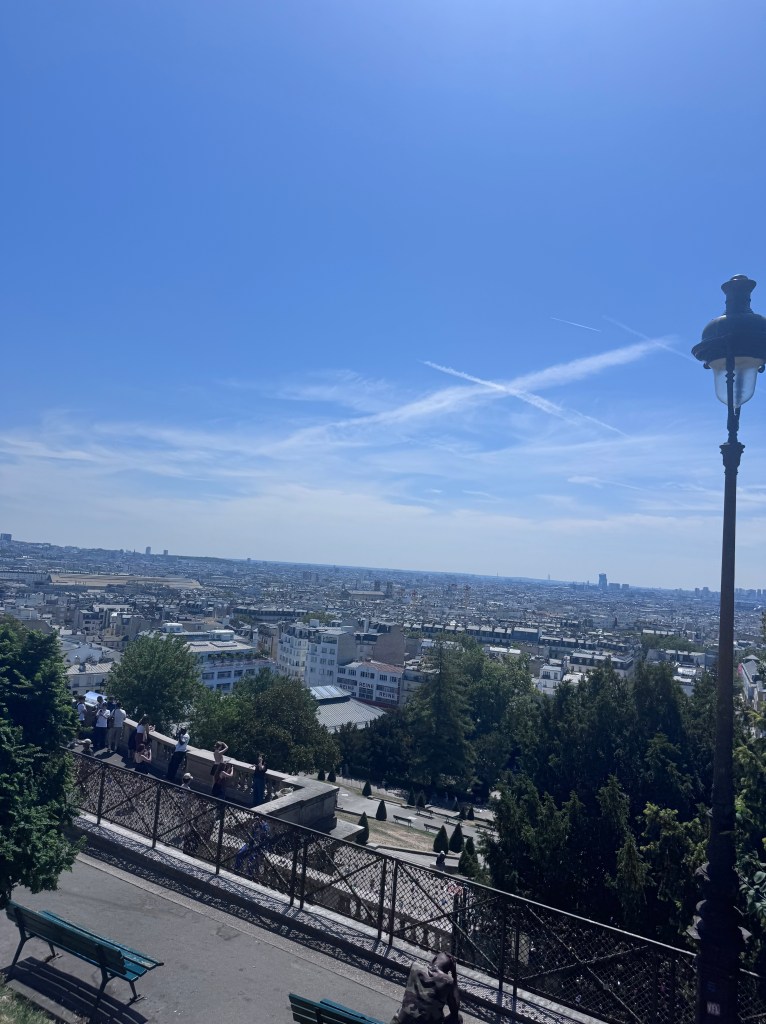
Montmartre has been the artistic heart of Paris for centuries, once home to famous painters such as Picasso, Renoir, and Van Gogh. Its winding cobblestone streets, cafés, artists painting portraits in the square, and panoramic views over Paris make it one of the city’s most beloved neighborhoods.

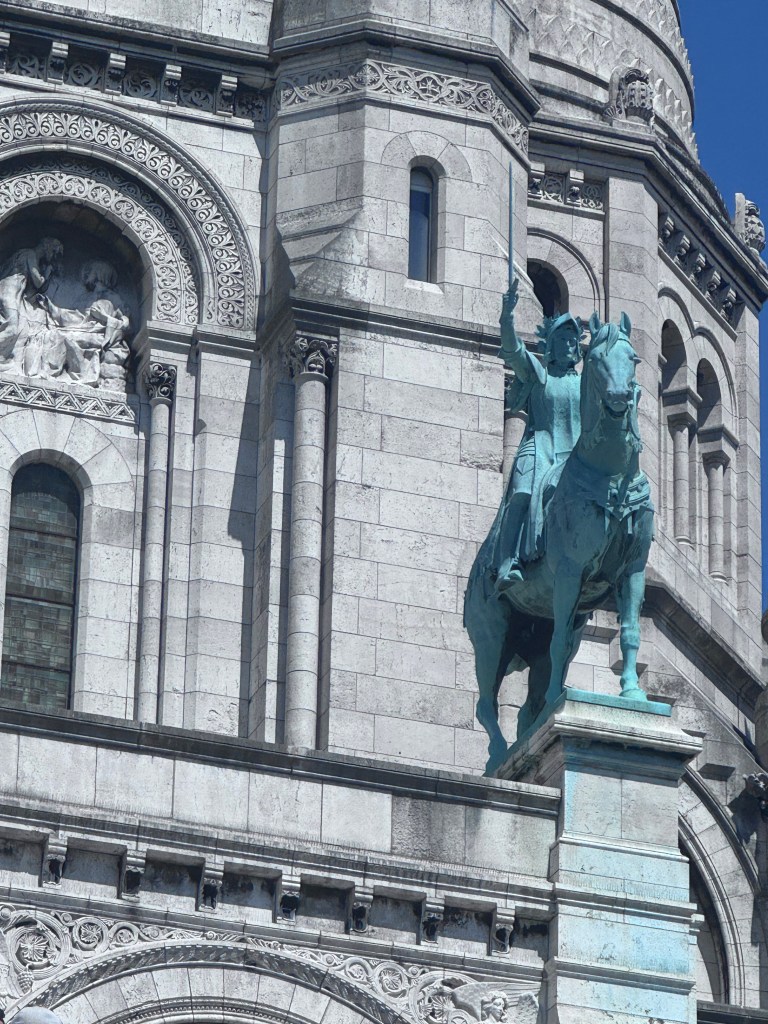
At the summit stands the magnificent Basilica of Sacré-Cœur. Construction began in 1875 and was completed in 1914. Built from a unique white travertine stone that actually becomes brighter over time, the basilica almost glows against the Paris skyline. Inside, one of the world’s largest mosaics depicts Christ in Majesty, and visitors from around the world come to admire both its beauty and its breathtaking views across the city.

One thing I particularly enjoyed was all of the outdoor cafés equipped with cooling mist systems. With temperatures soaring, the gentle mist made sitting outside surprisingly comfortable.

One fascinating thing we learned was about the guest rooms operated by the basilica. Pilgrims and visitors can stay overnight for a modest donation—far less than a typical Paris hotel. The accommodations are intentionally simple, often consisting of little more than a bed and basic furnishings, providing an affordable option for travelers and those seeking a quiet place for reflection in one of the world’s most expensive cities.

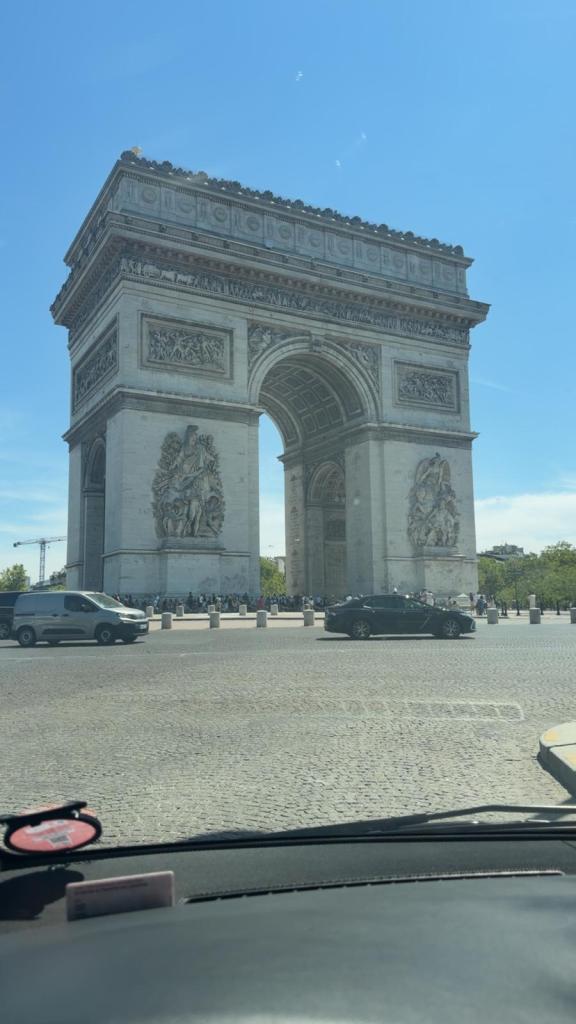
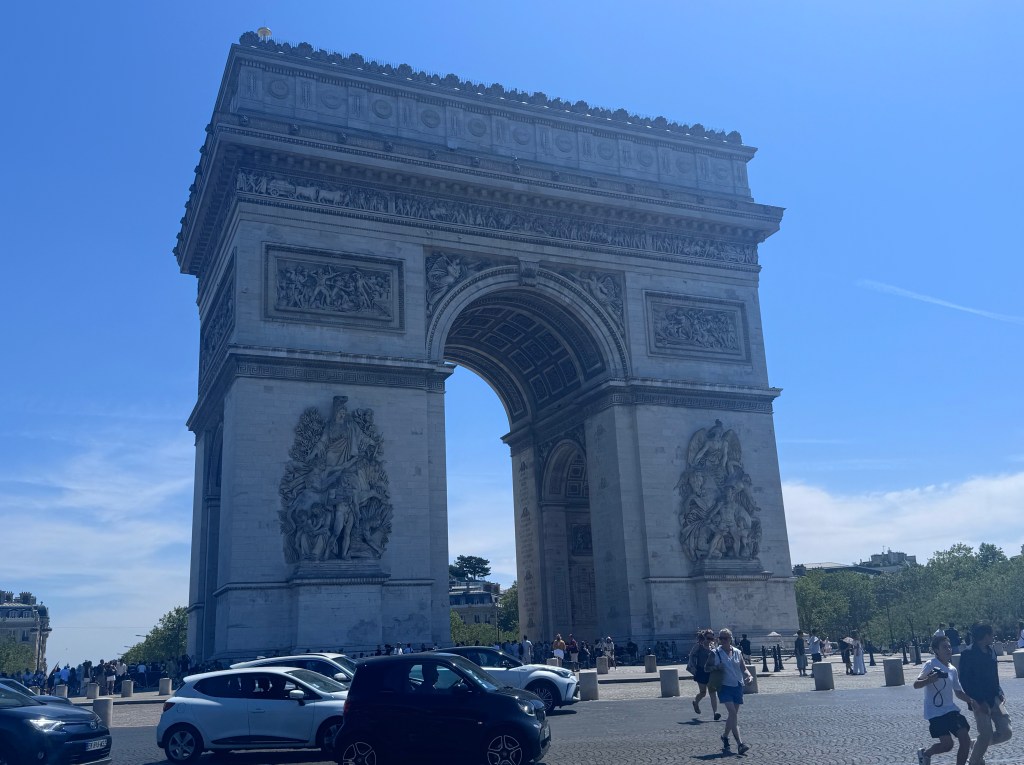
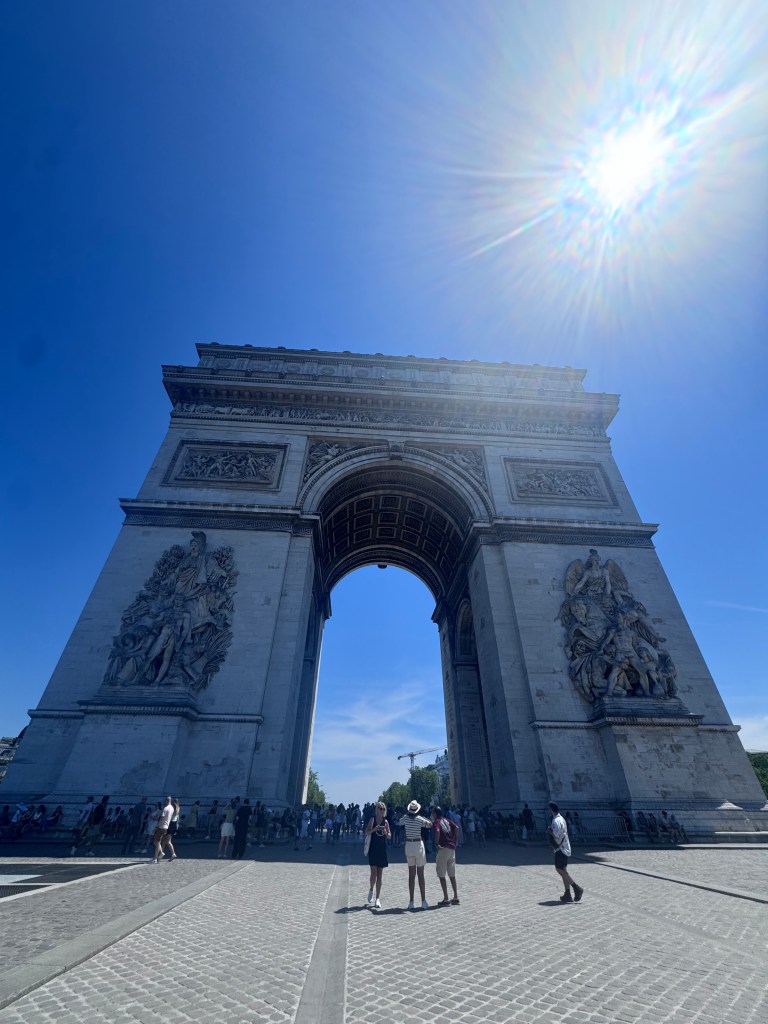
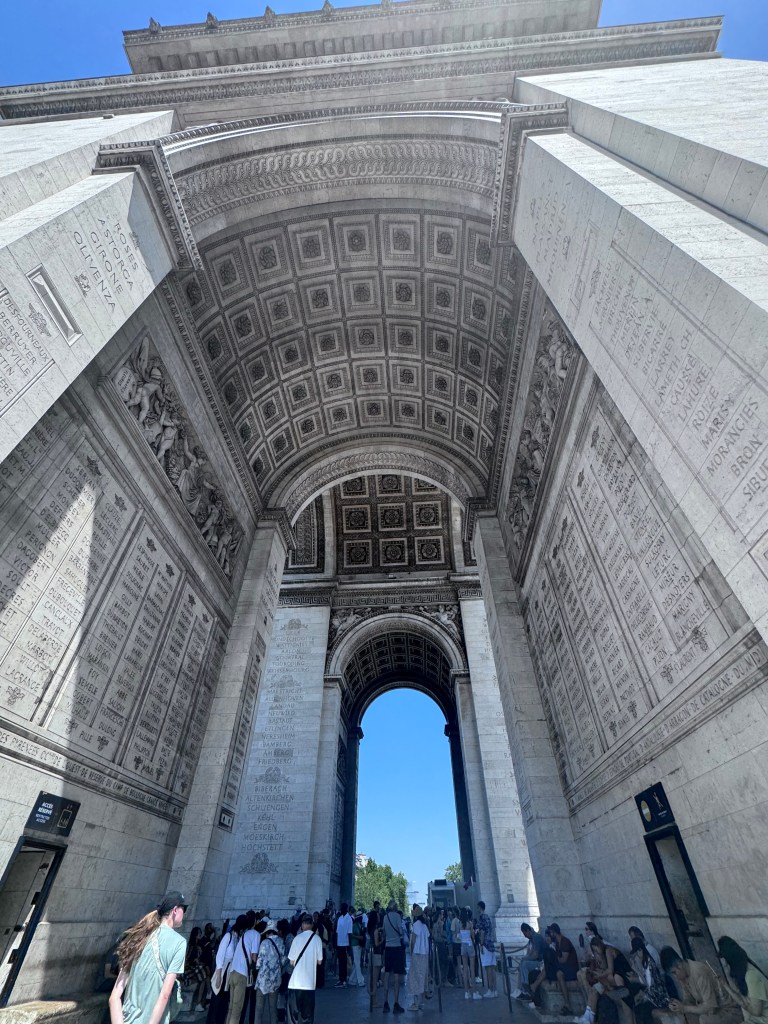
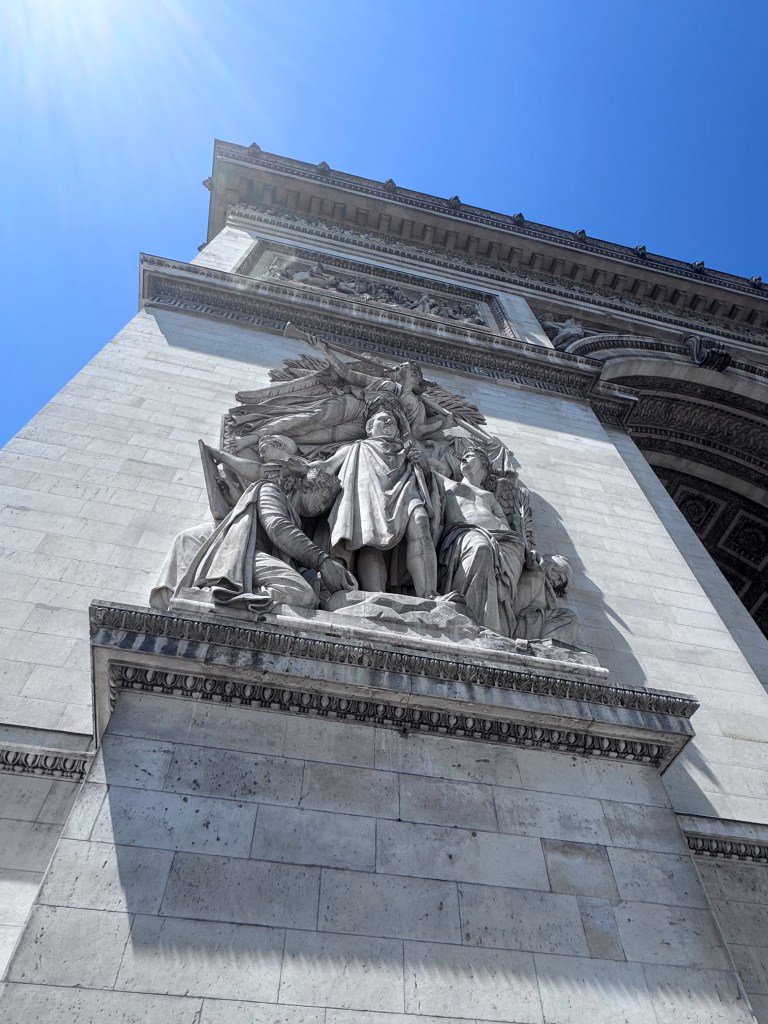
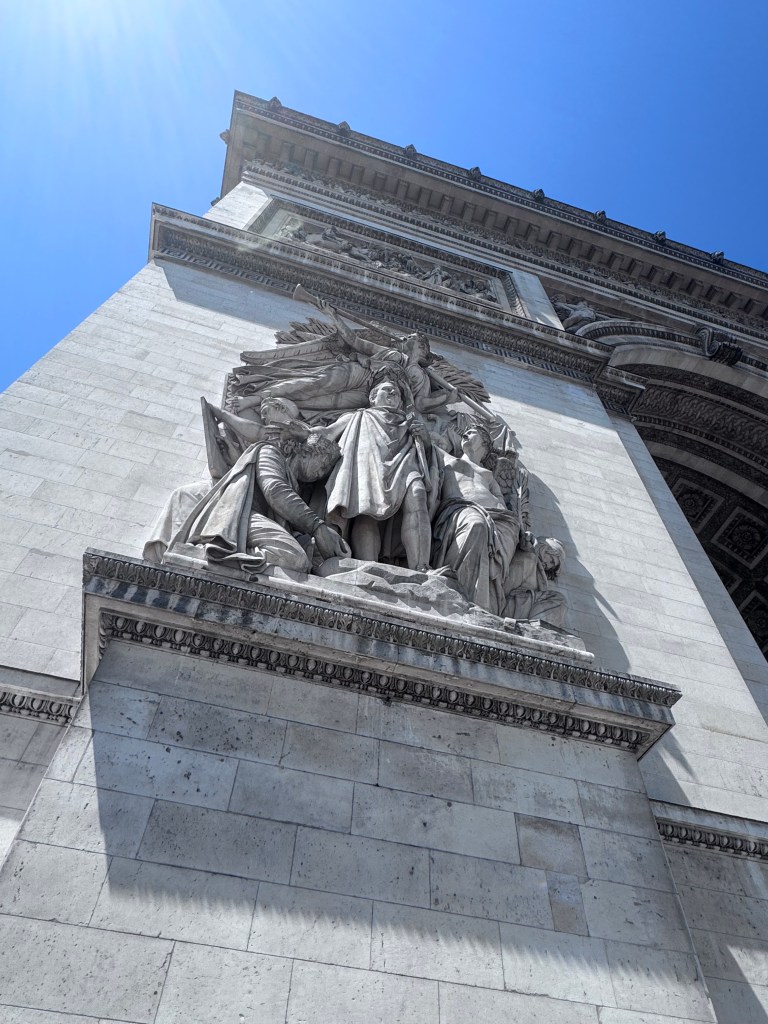
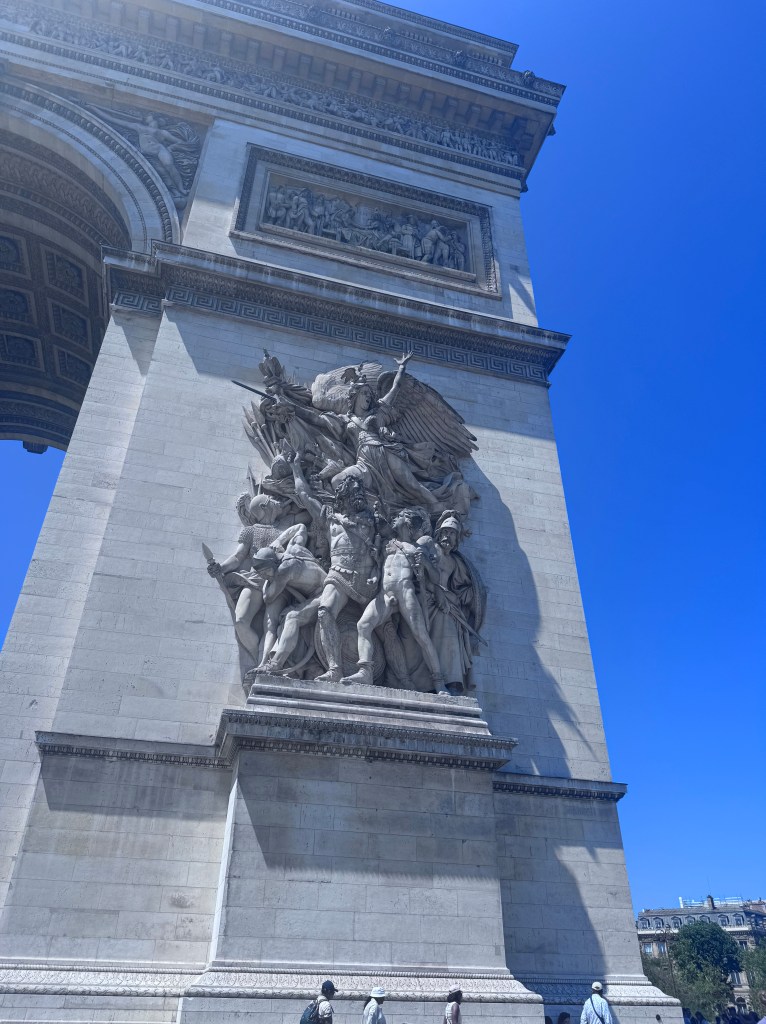
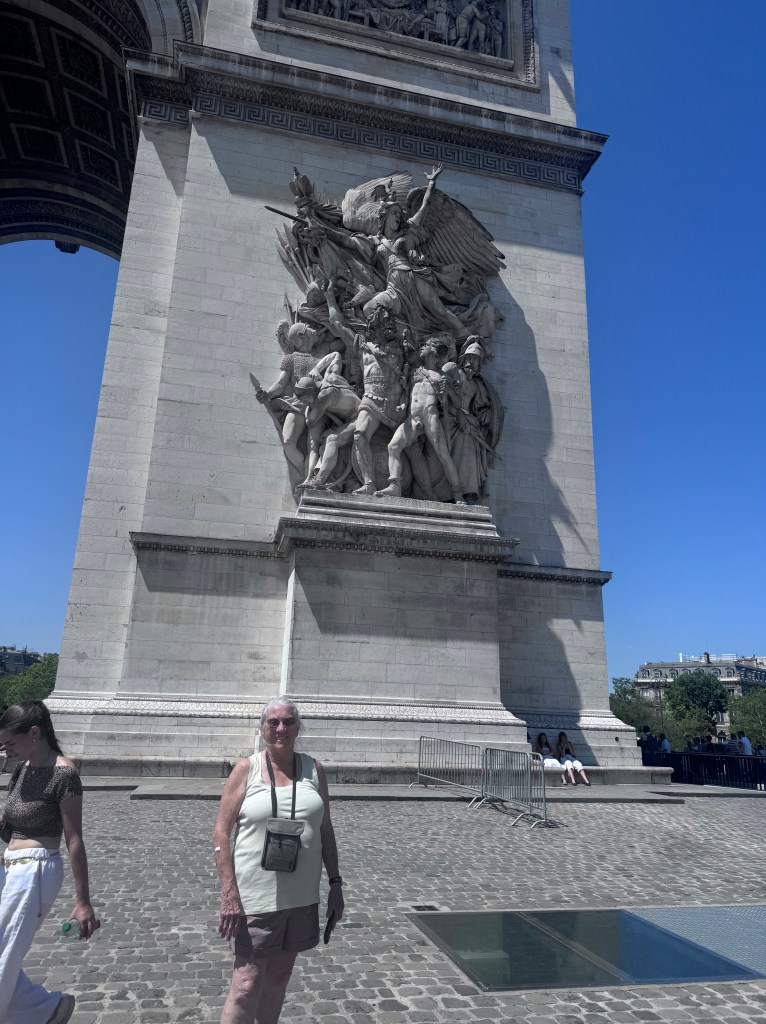
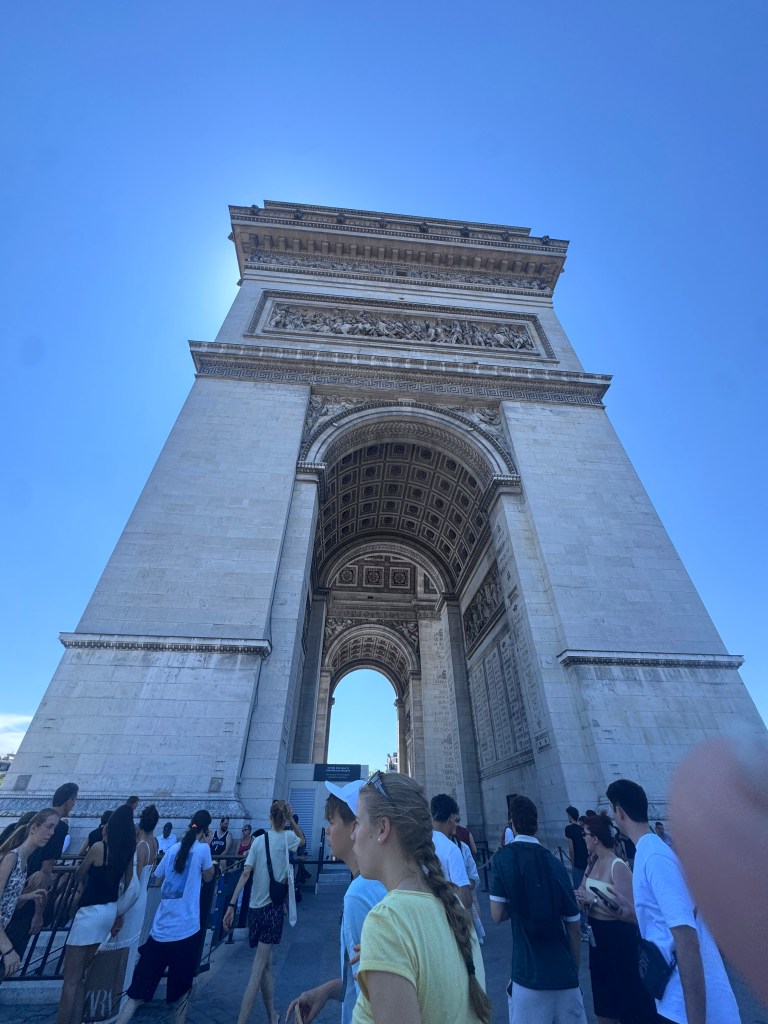
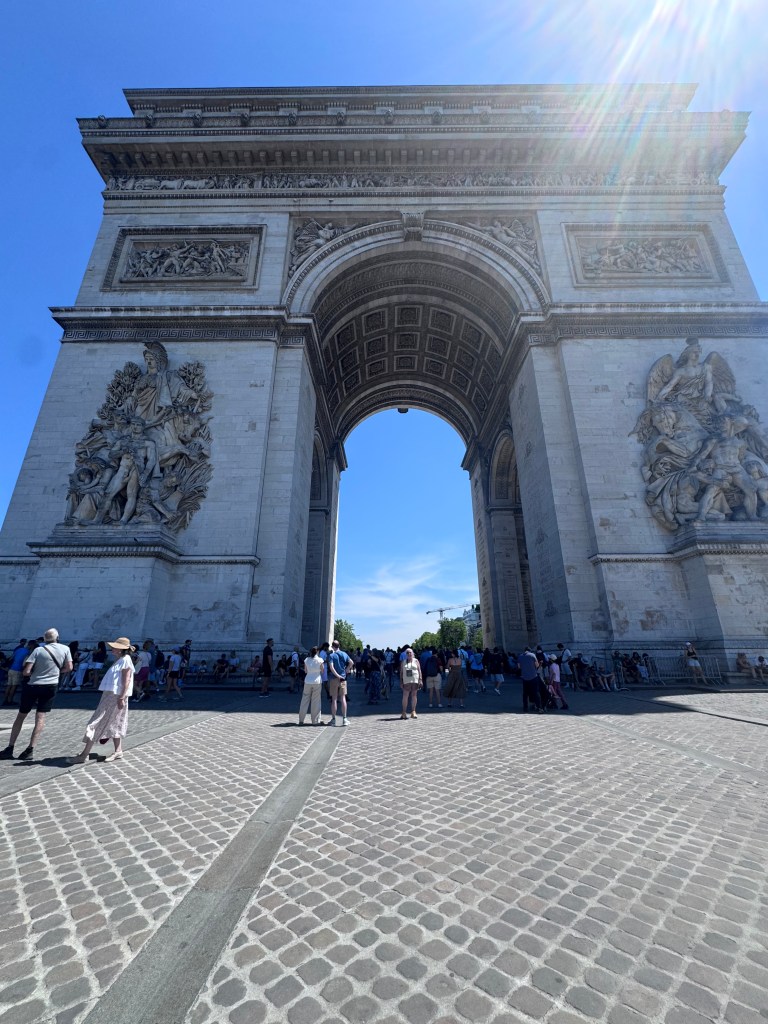
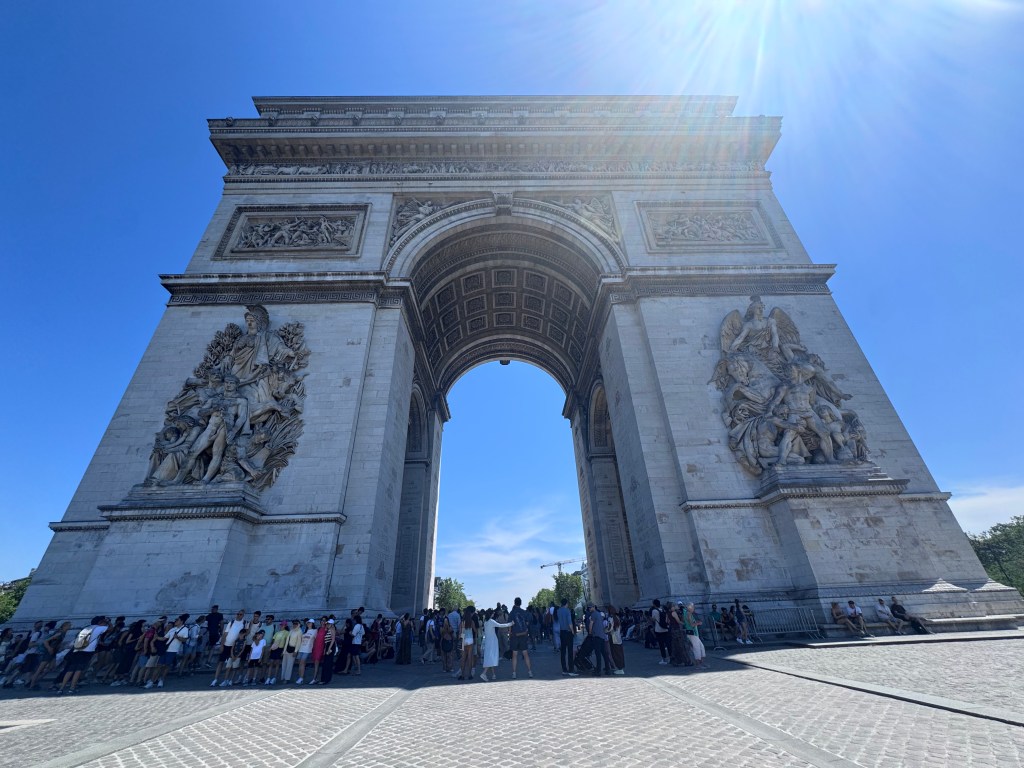
From there, Nesrine drove us to the Arc de Triomphe.

Pictures simply cannot prepare you for its size.

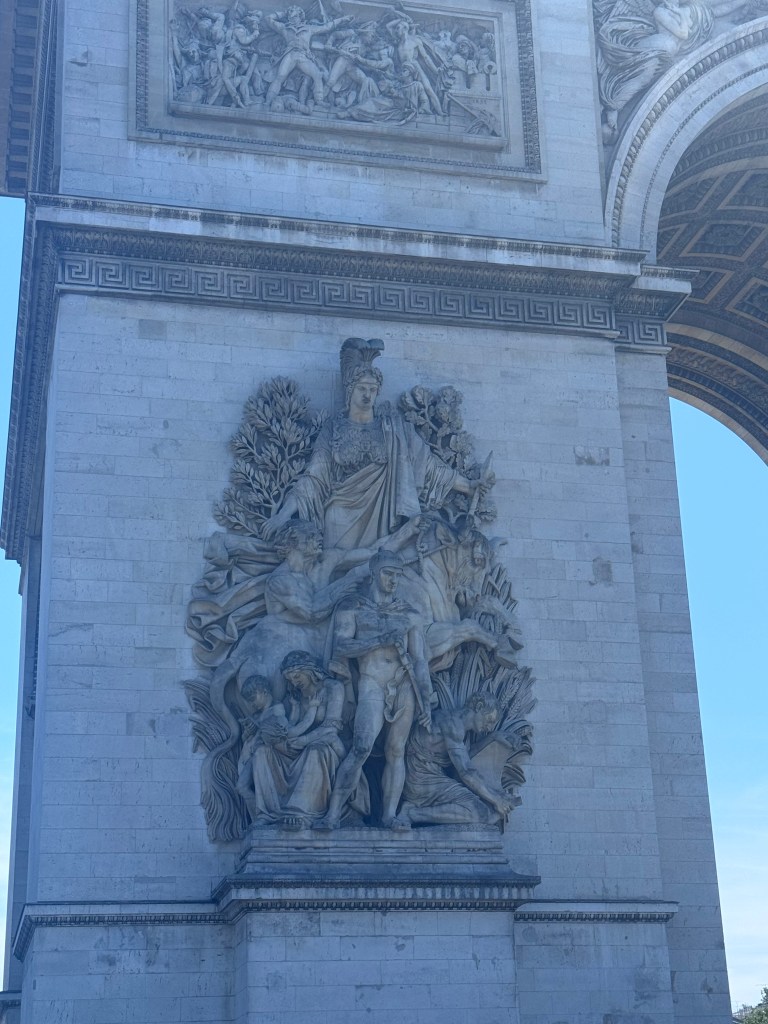
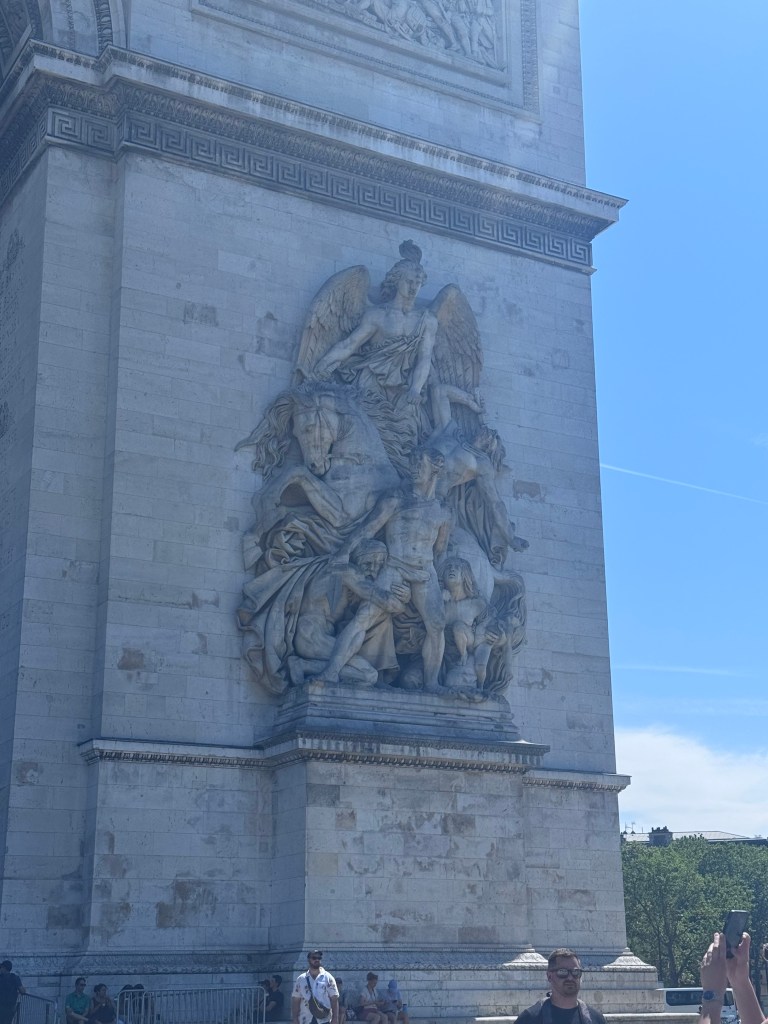
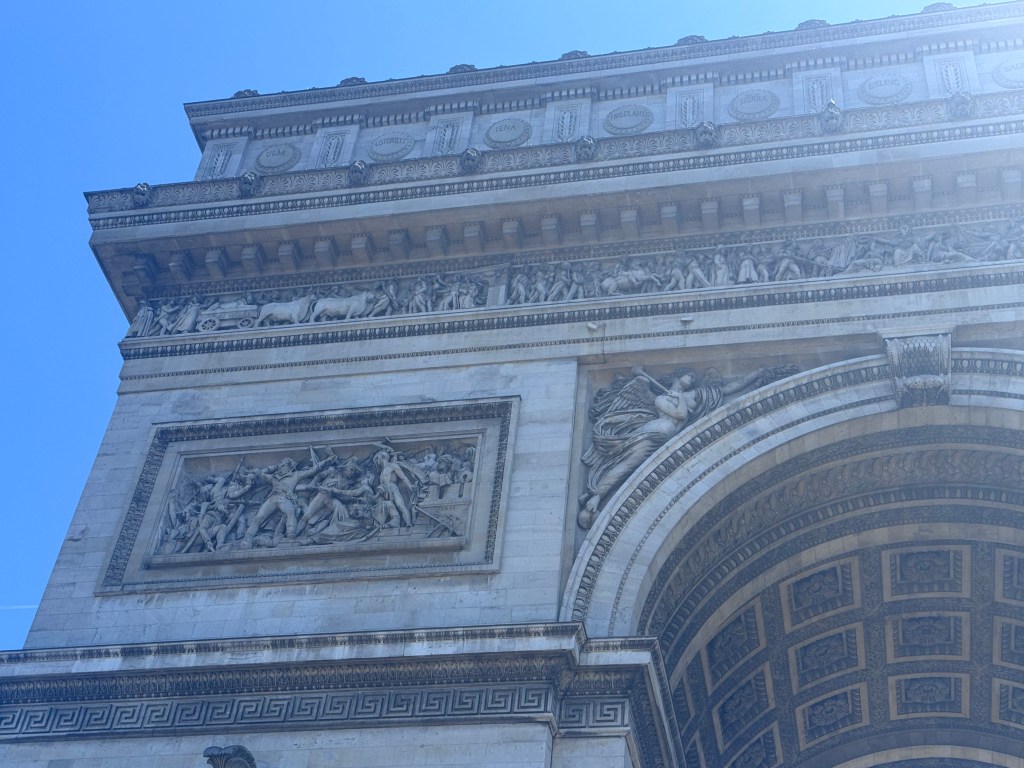
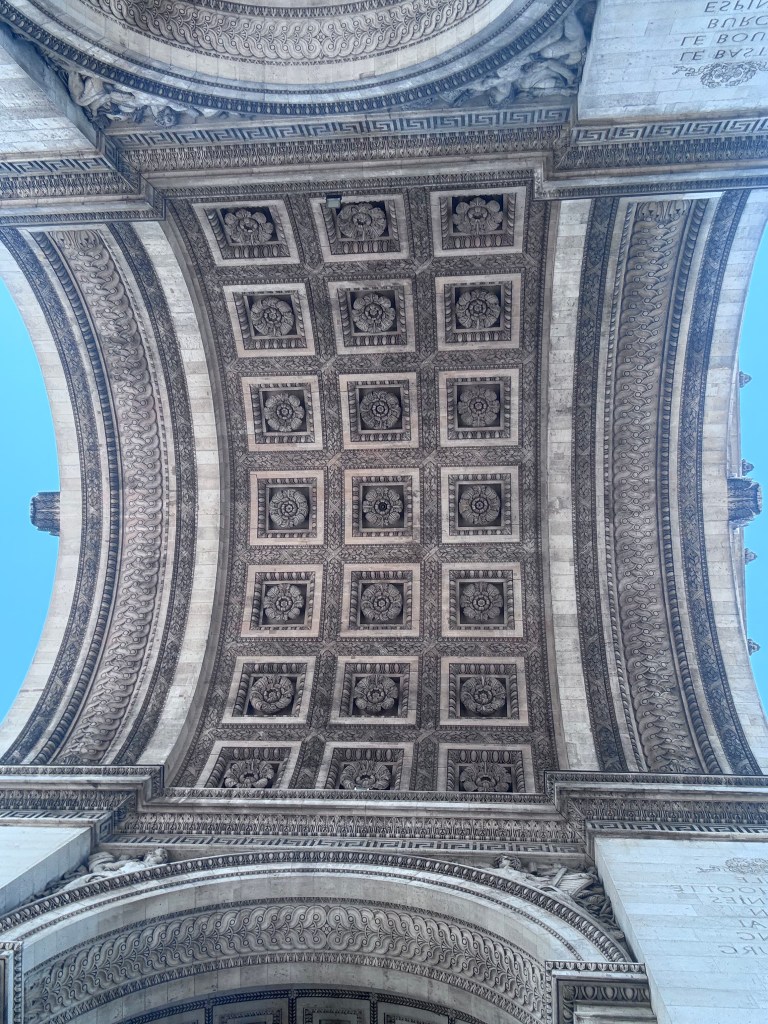
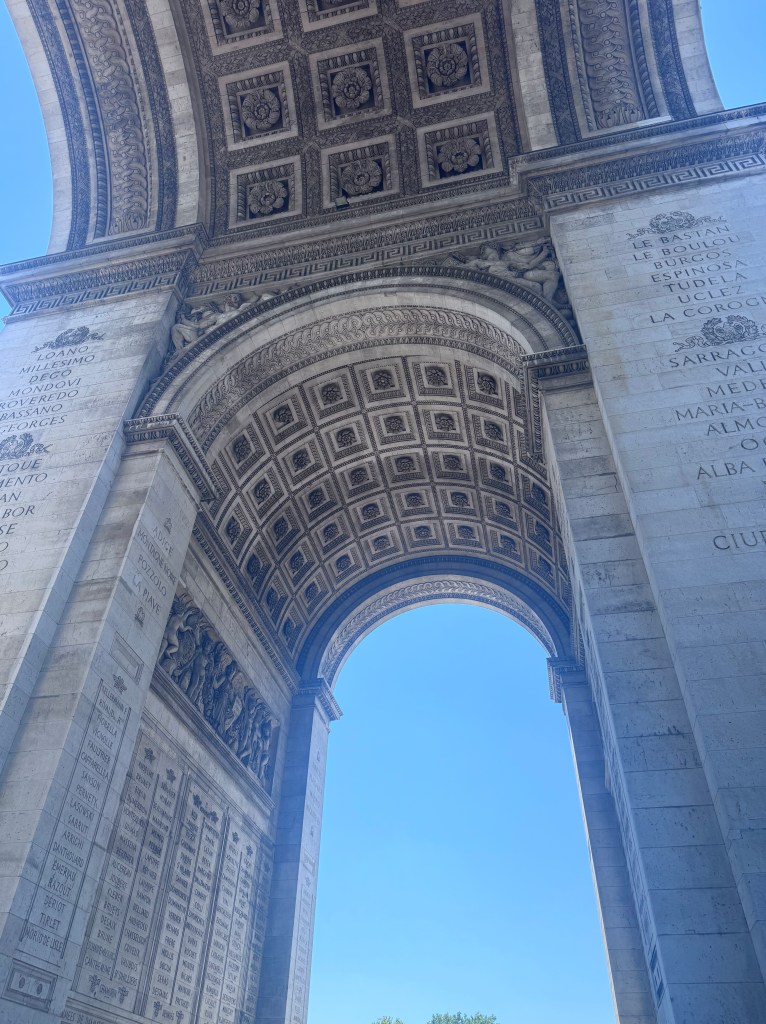
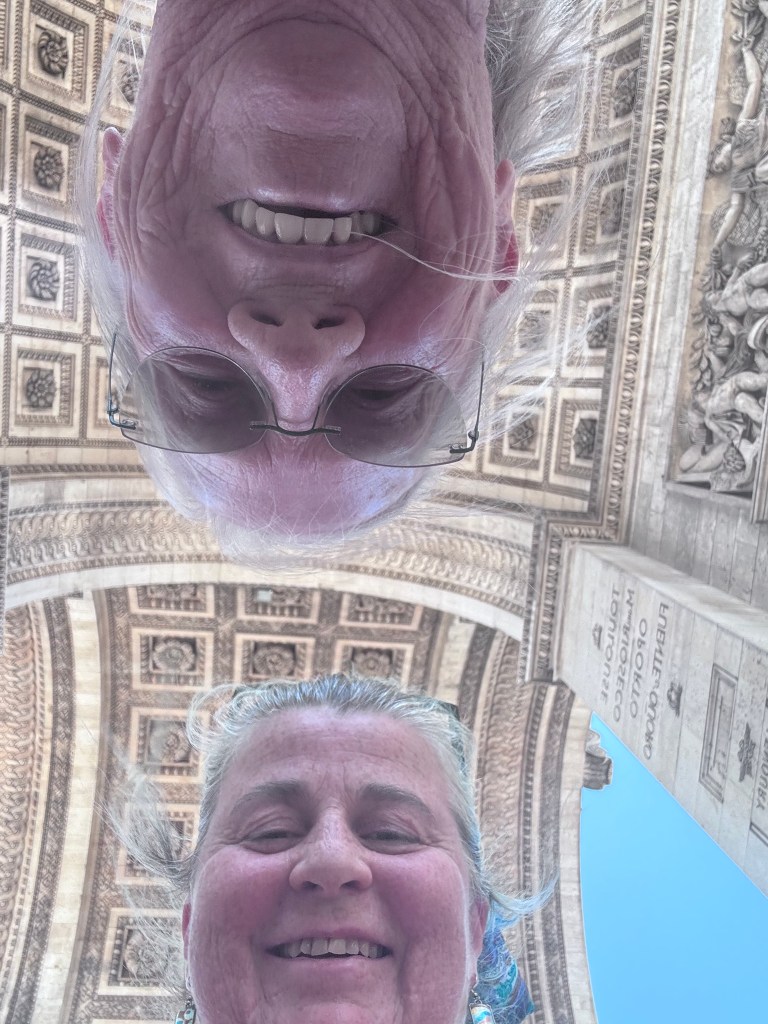
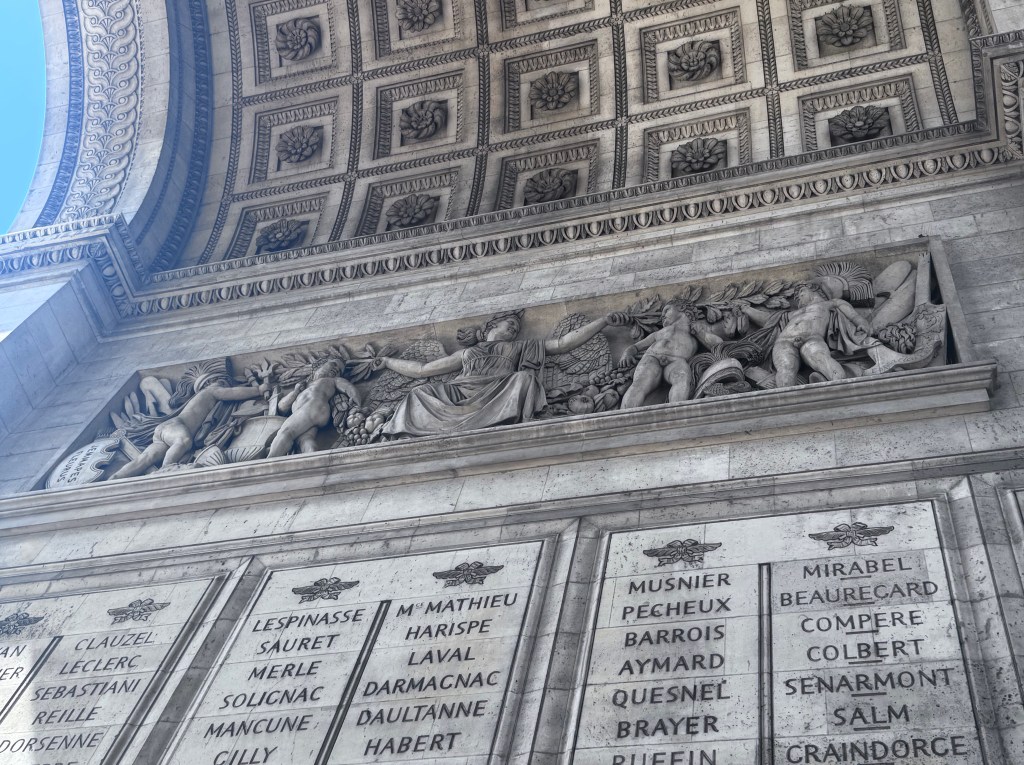
Commissioned by Napoleon in 1806 after his victory at Austerlitz, the monument honors those who fought and died for France during the French Revolutionary and Napoleonic Wars. The massive relief sculptures carved into each side depict scenes of courage, sacrifice, and victory, while the names of hundreds of French generals are engraved into the stone. Beneath the arch lies the Tomb of the Unknown Soldier from World War I, where the Eternal Flame has burned continuously since 1923 in remembrance of those who never returned home. Standing beneath the enormous vaulted ceiling and looking up at the intricate carvings was truly awe-inspiring.

The rest of the afternoon felt like a whirlwind tour of Paris.

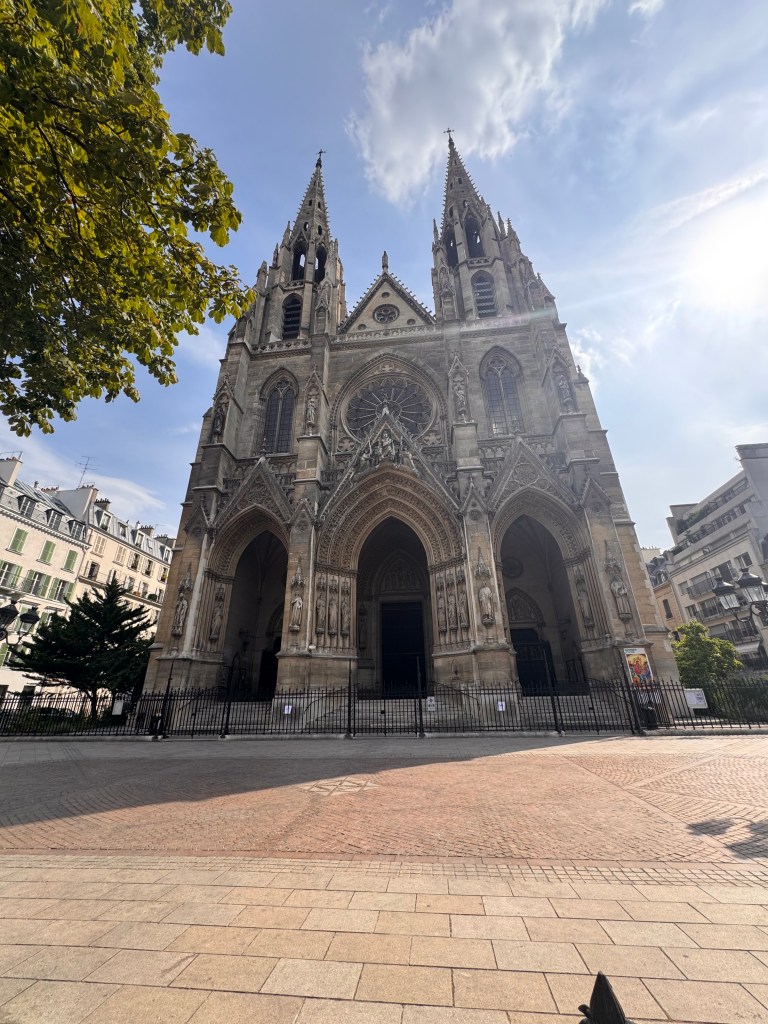
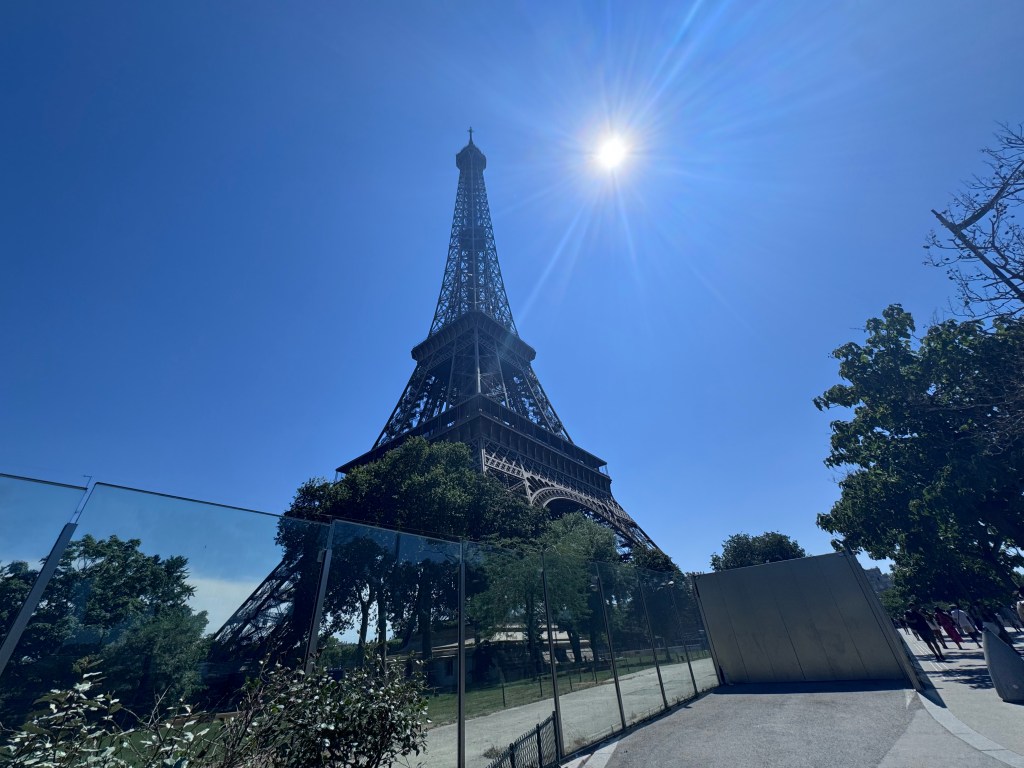
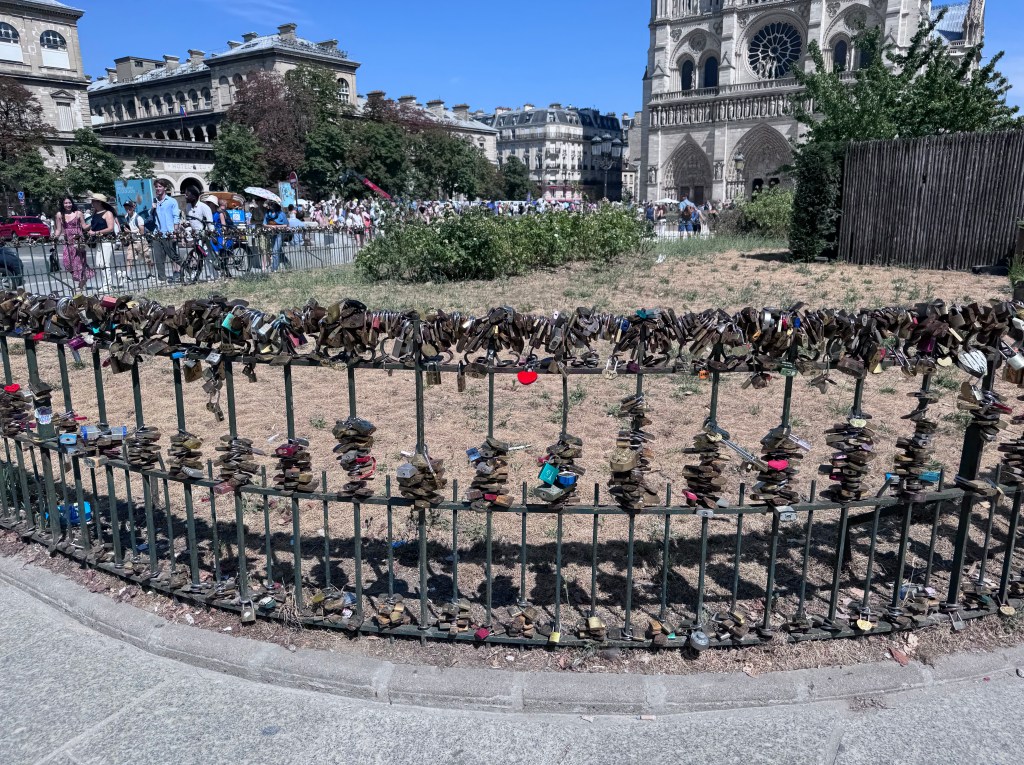
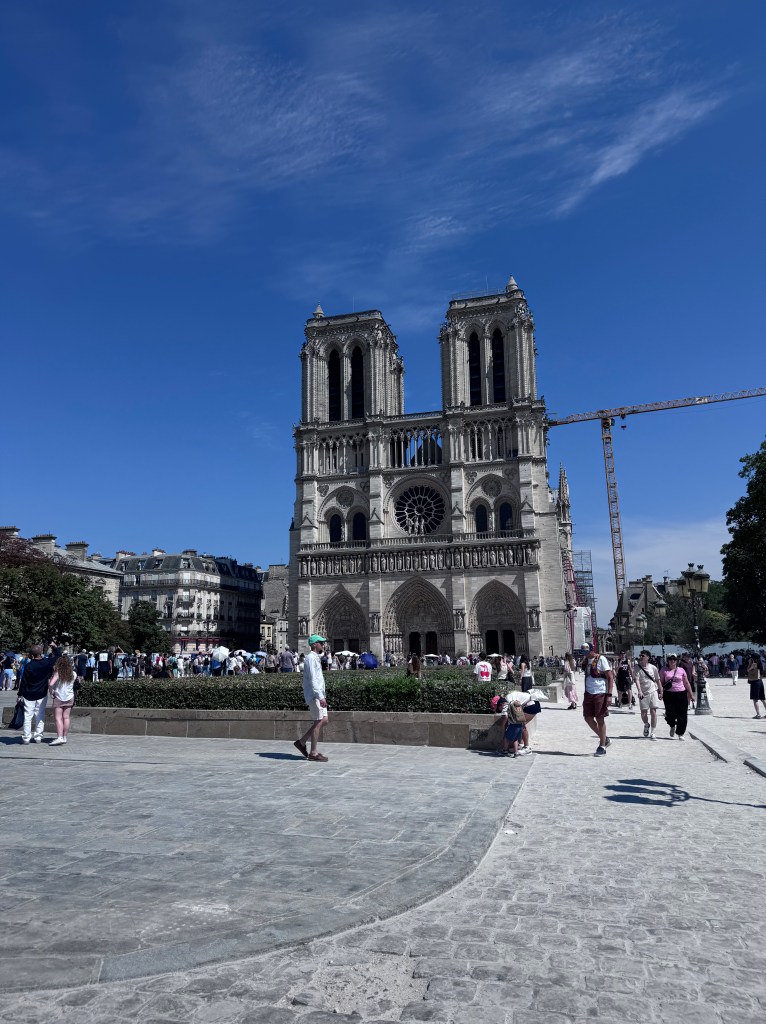
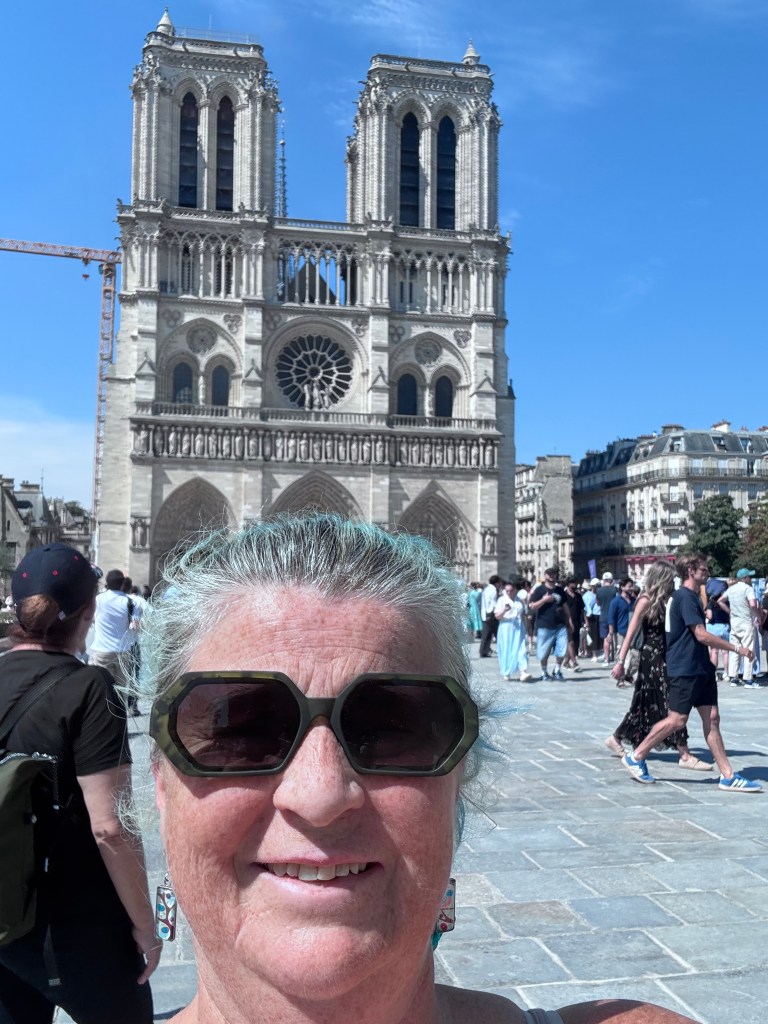
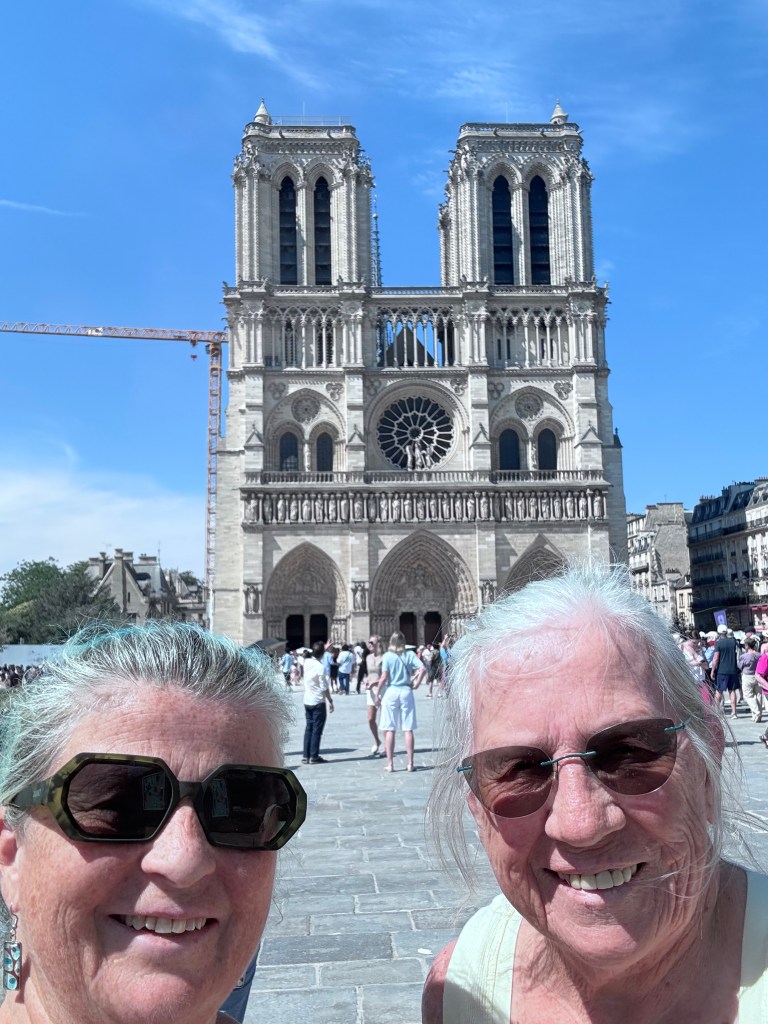
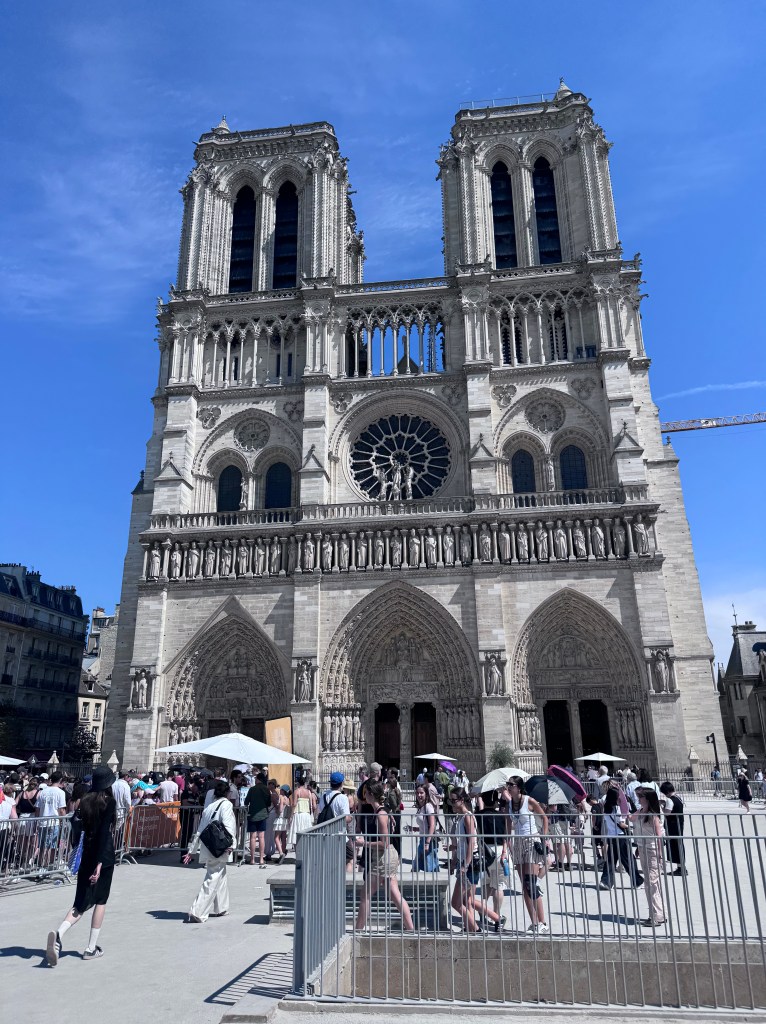
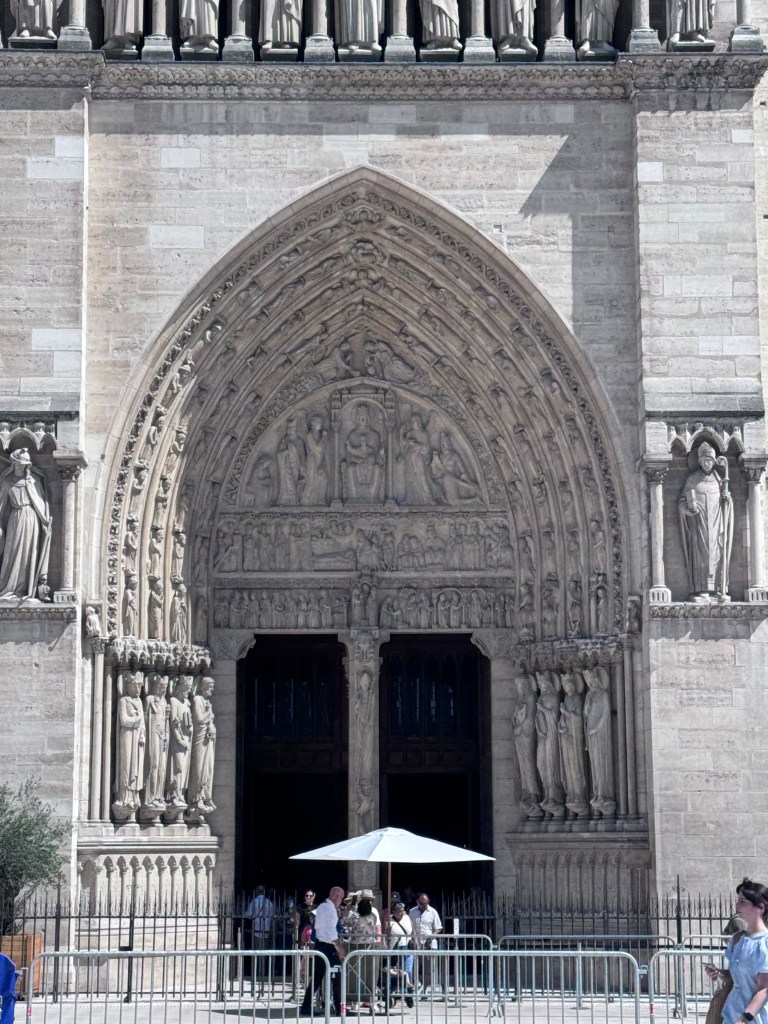
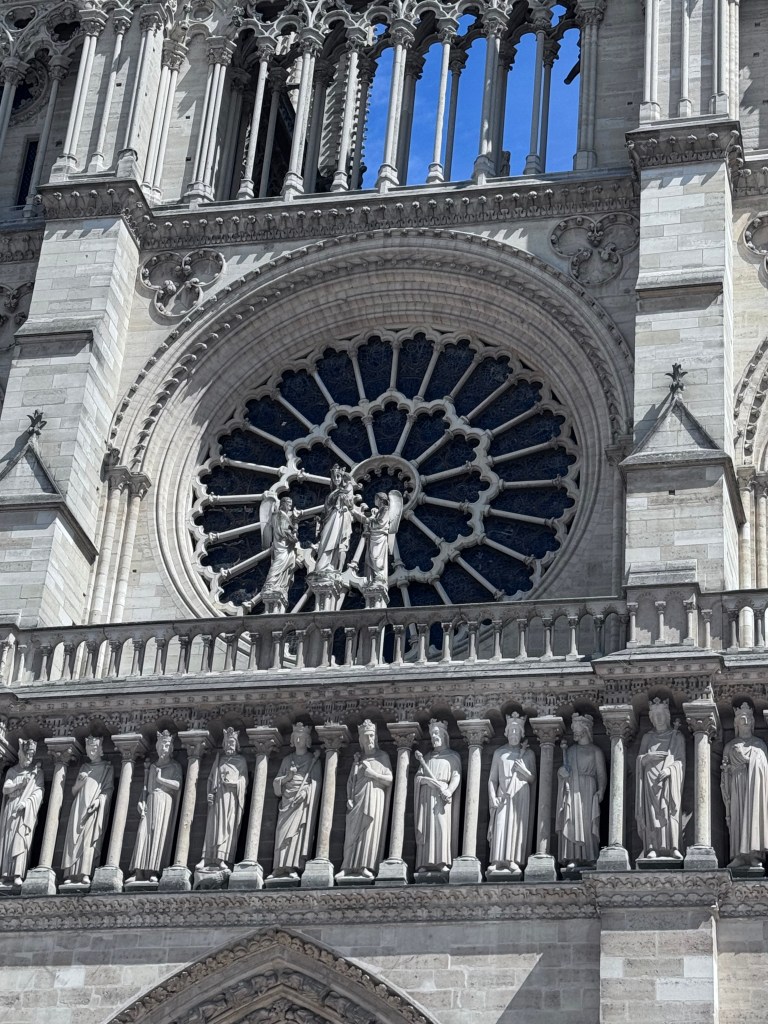
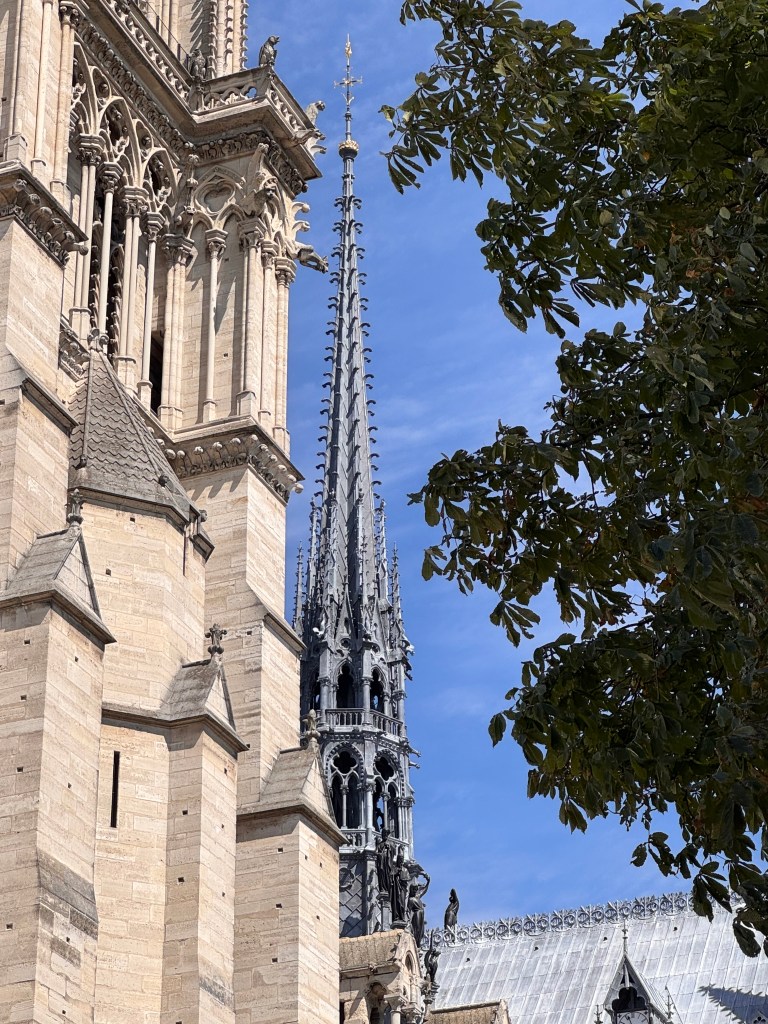
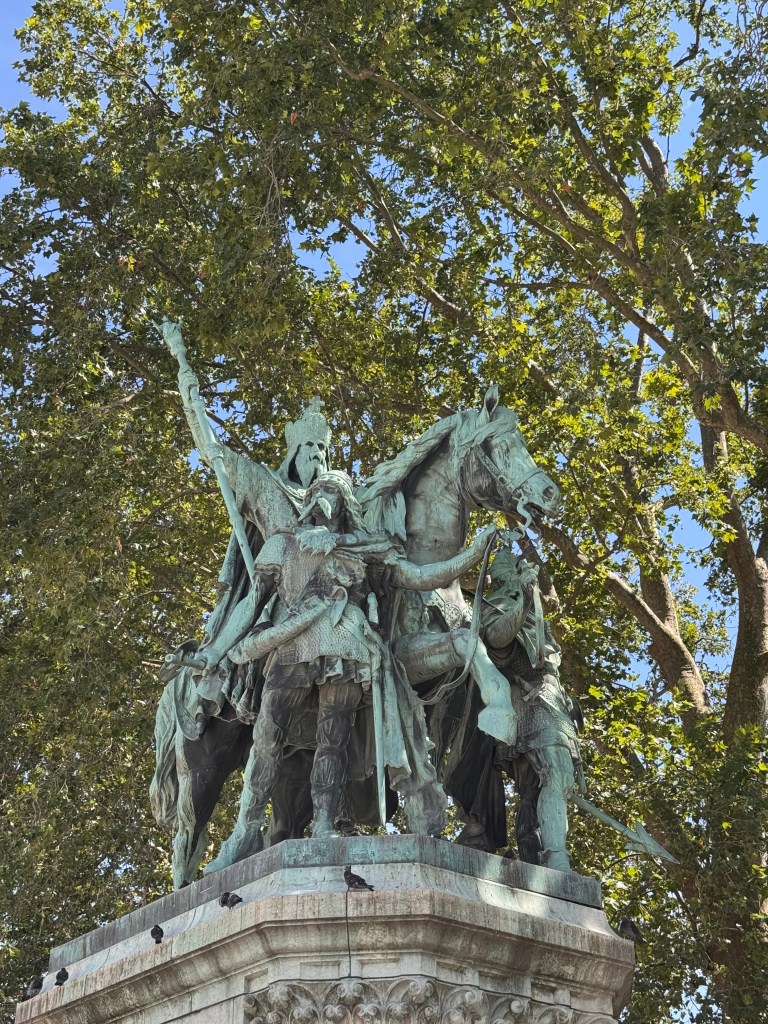
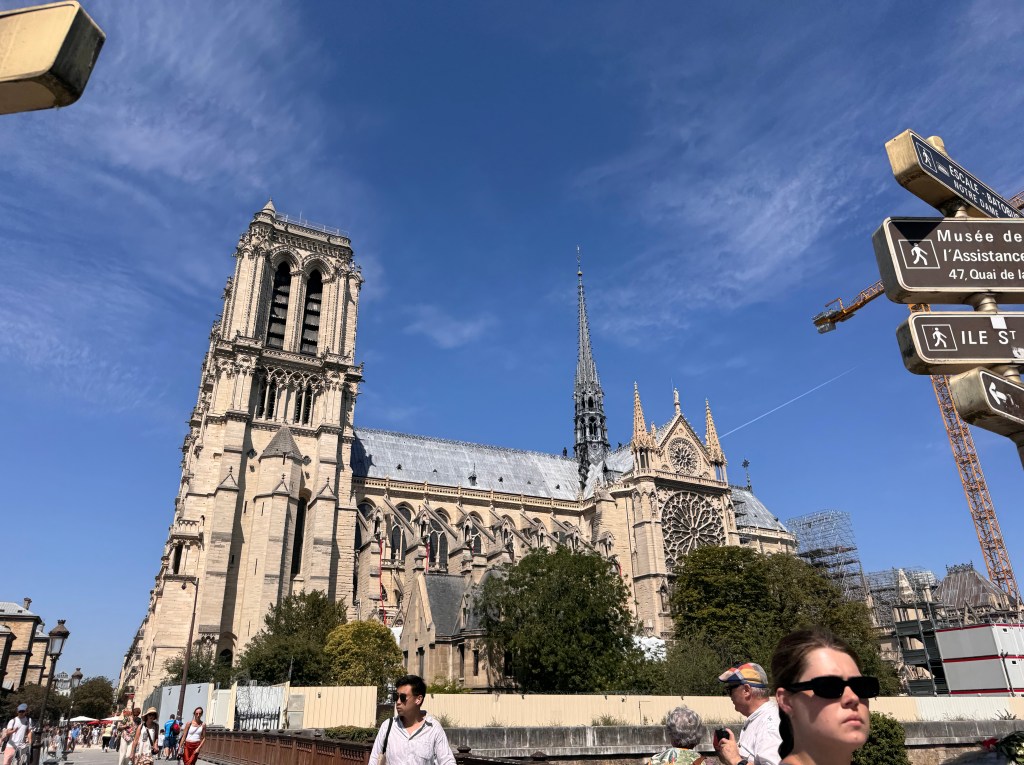
We admired the newly restored Notre-Dame Cathedral, whose stunning Gothic architecture once again dominates the Île de la Cité after years of restoration. We stopped at the Eiffel Tower, which somehow manages to be even more impressive in person than in photographs.

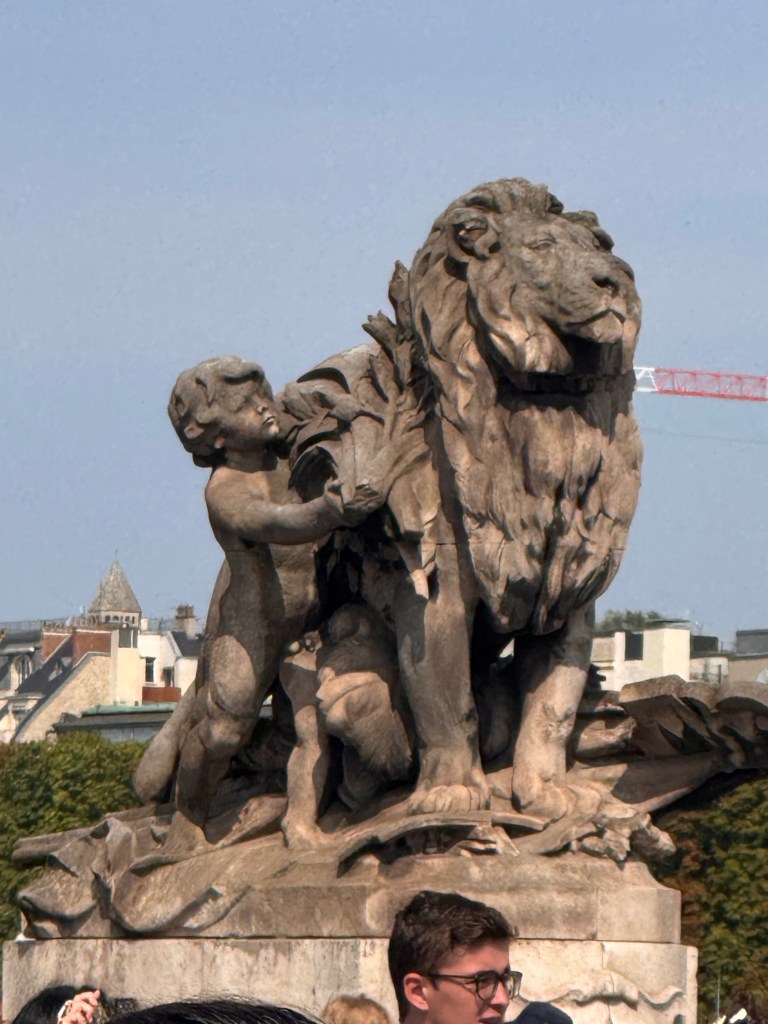
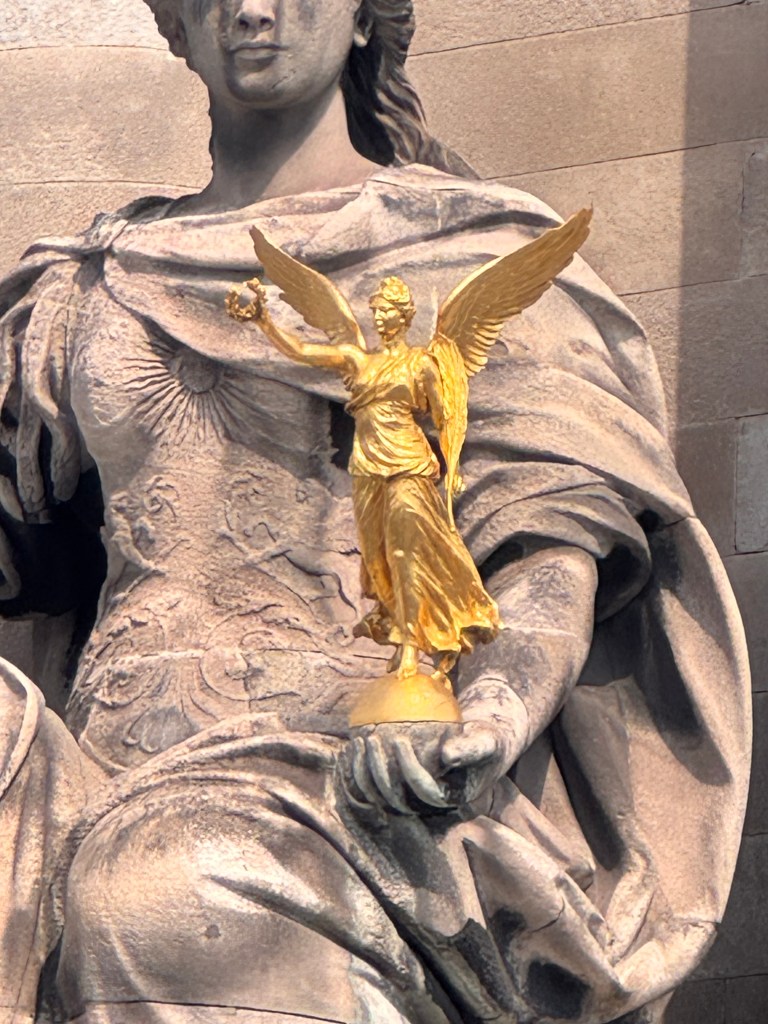
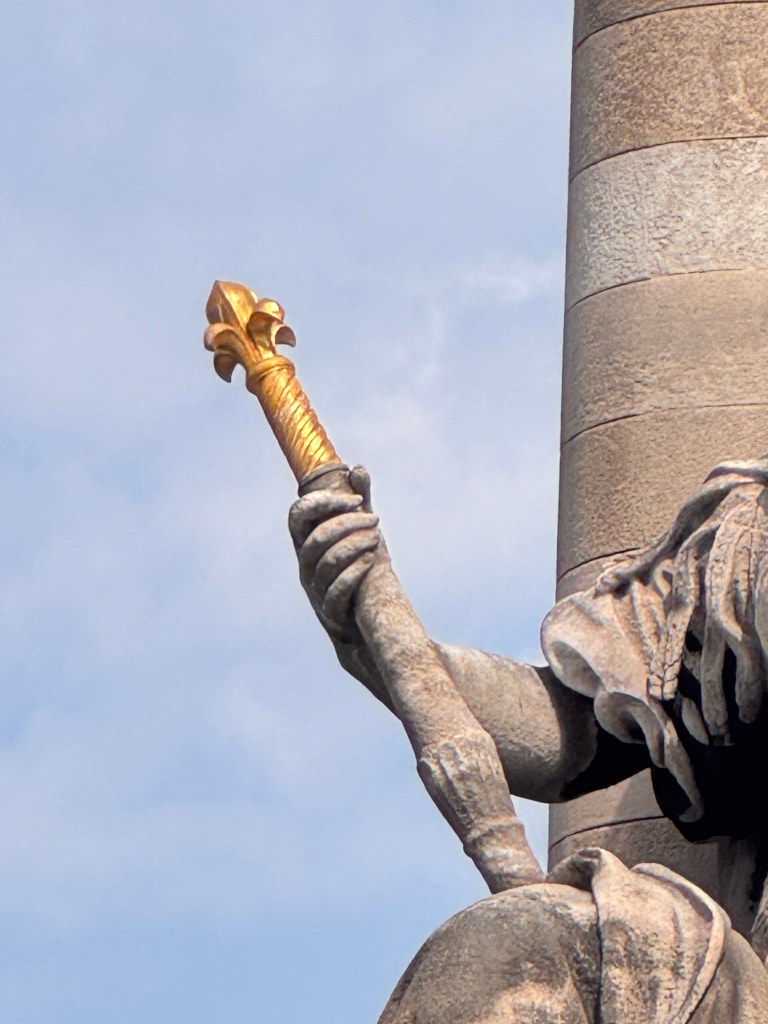
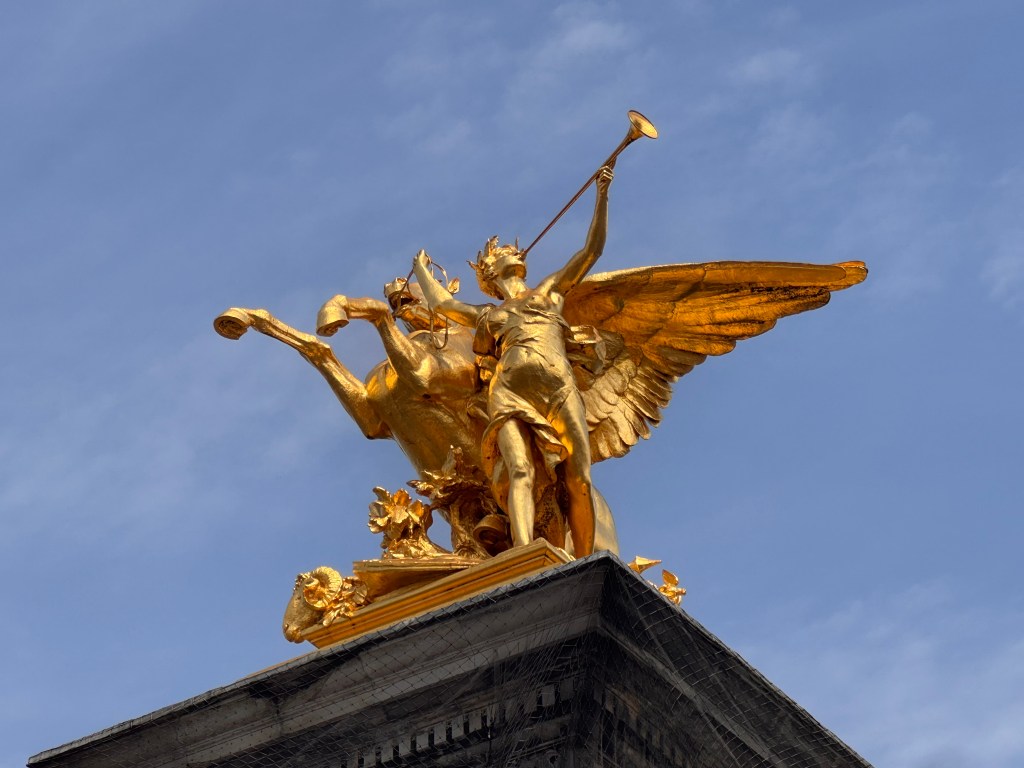
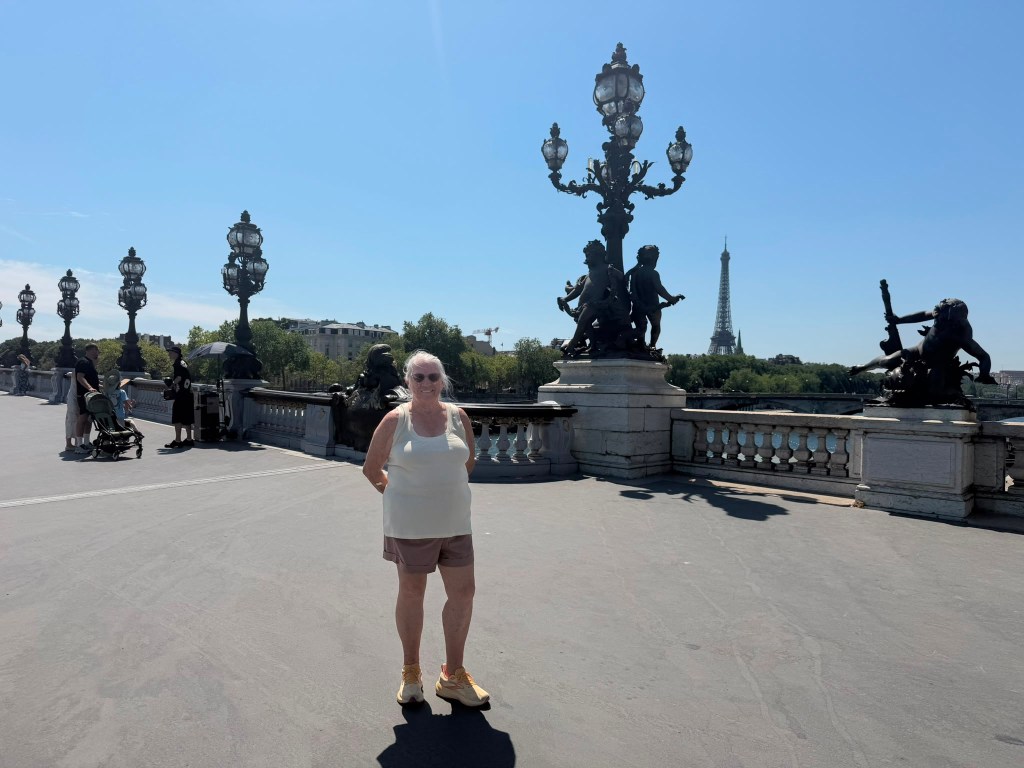
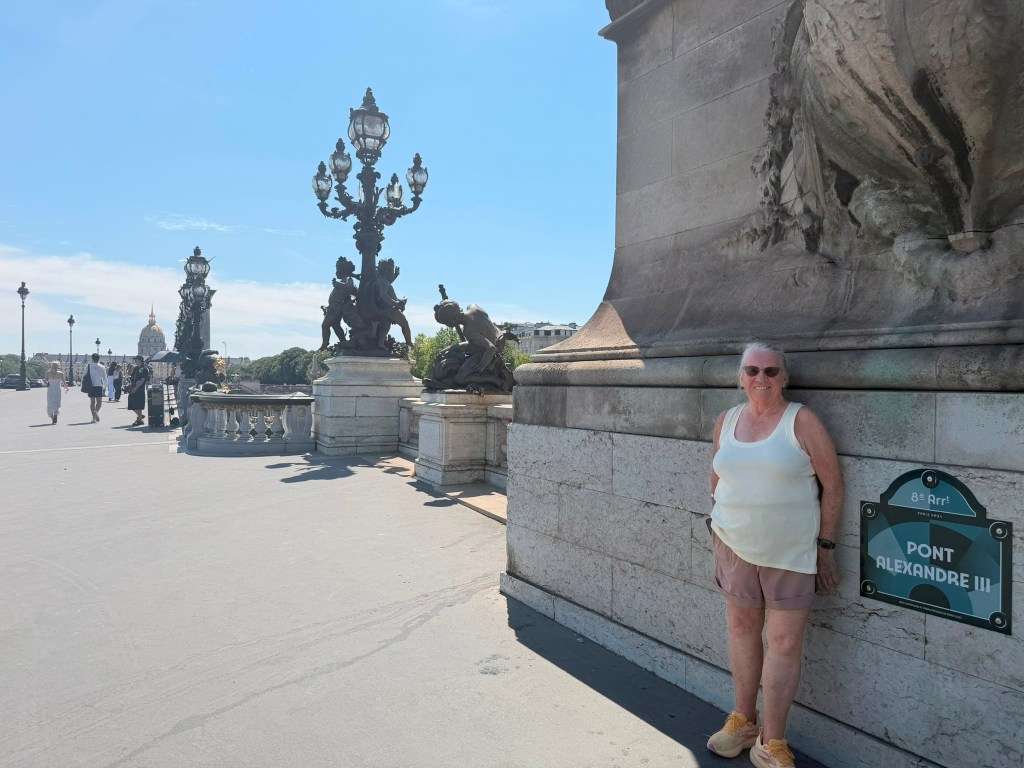
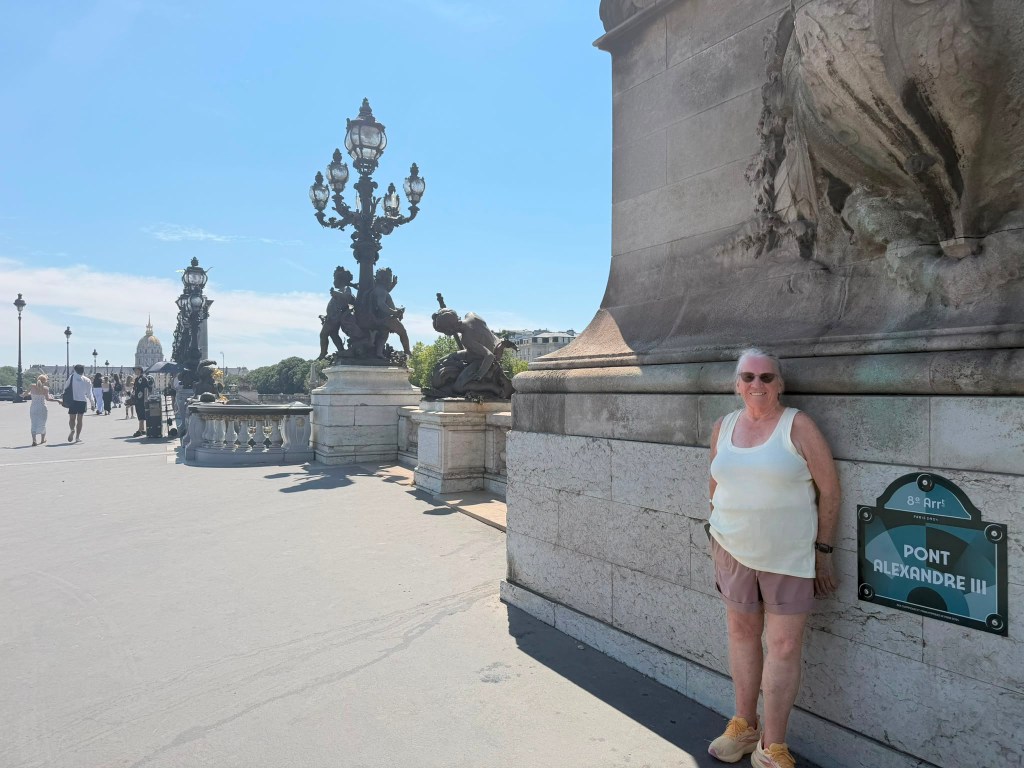
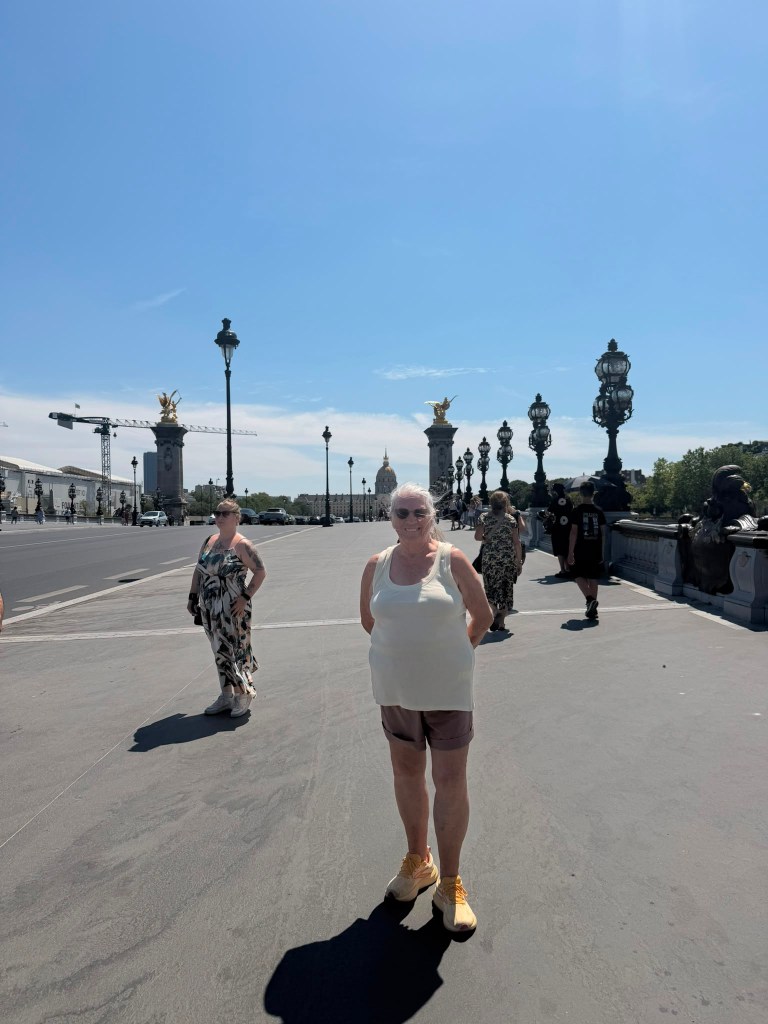
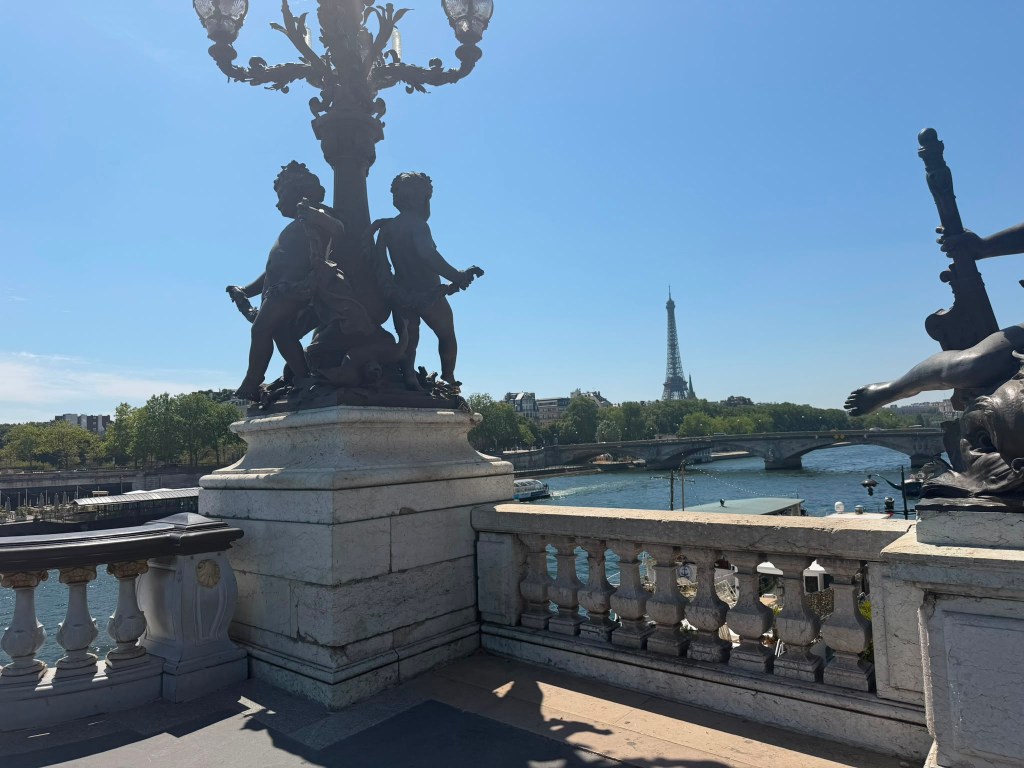
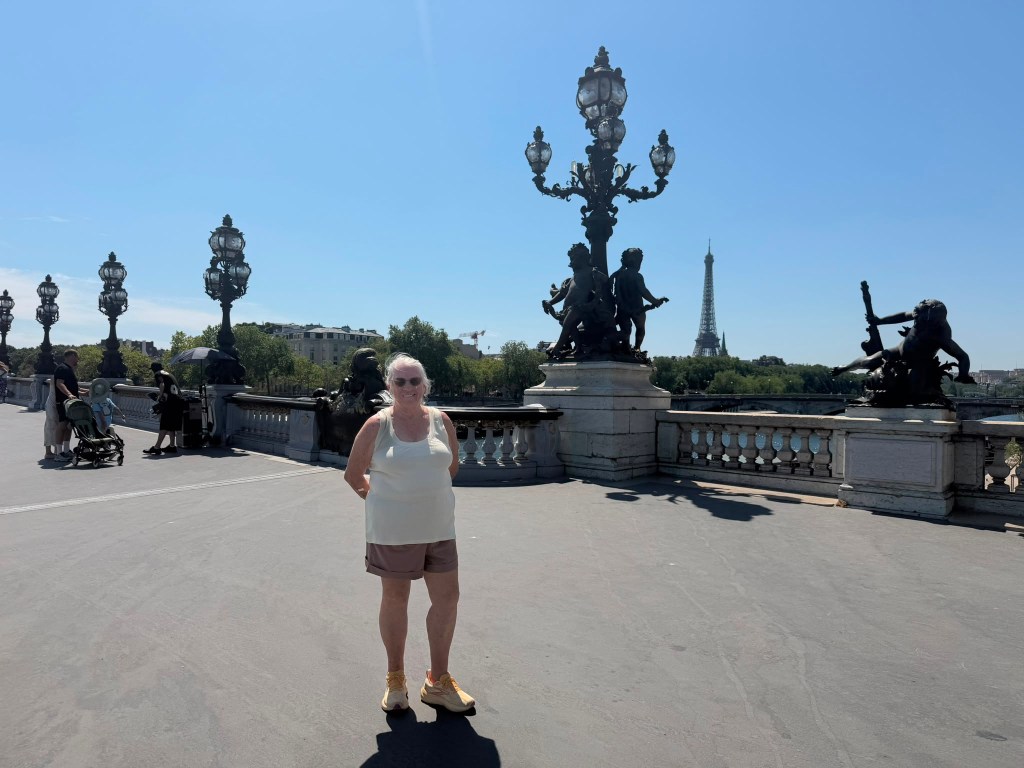
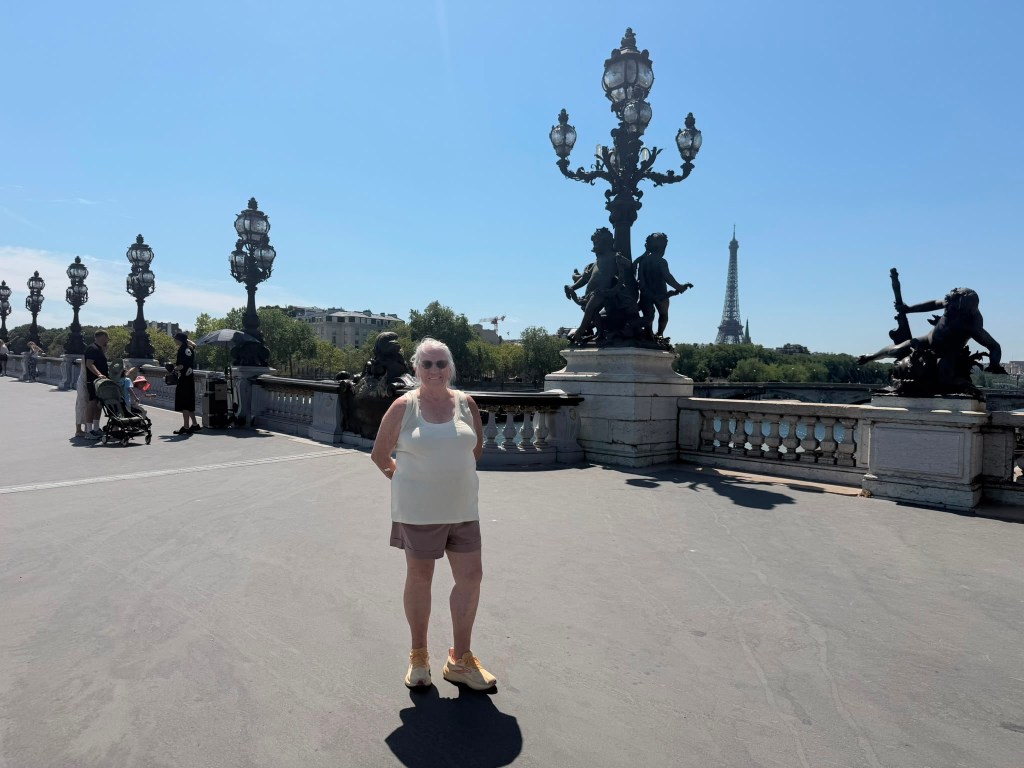
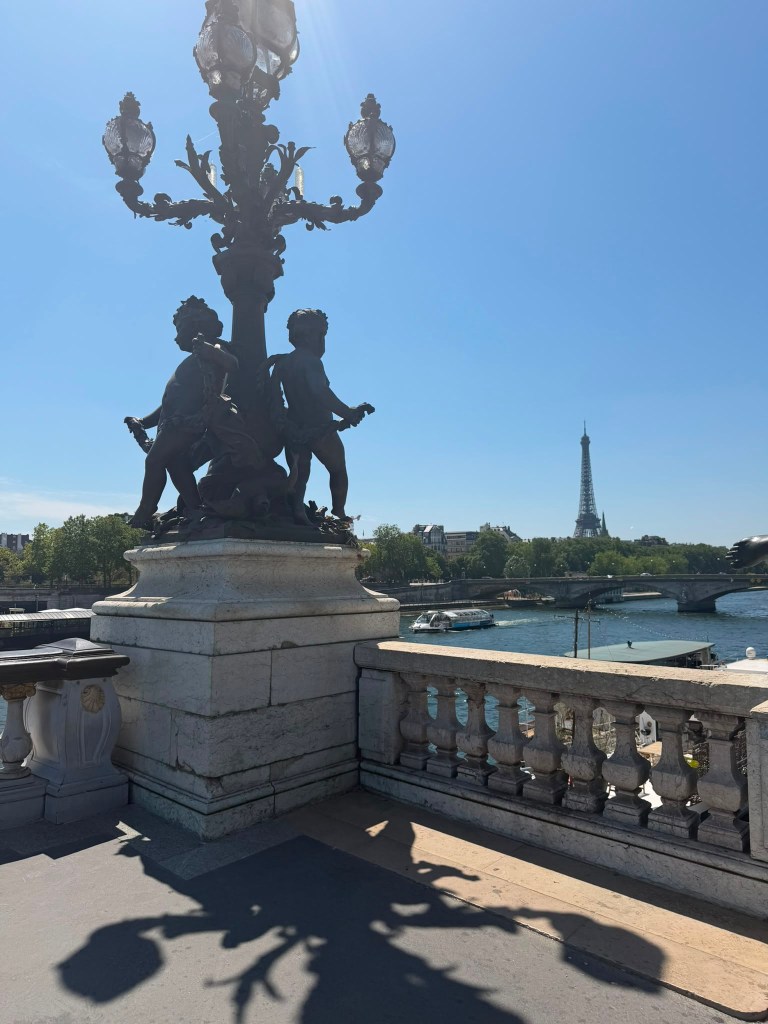
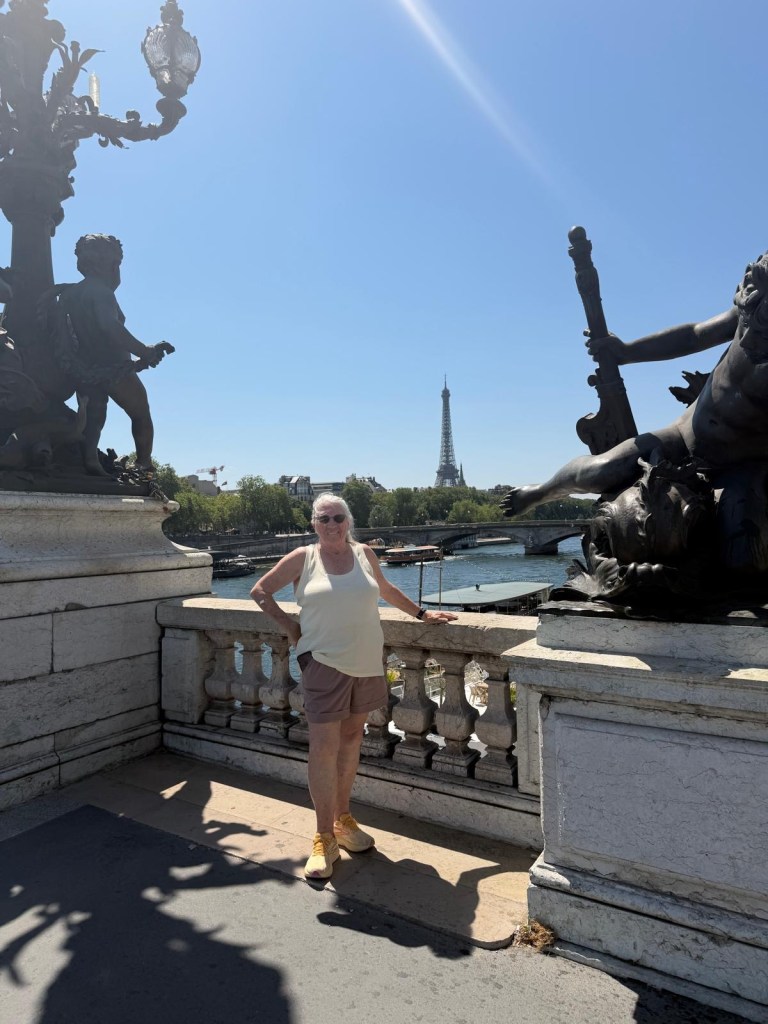
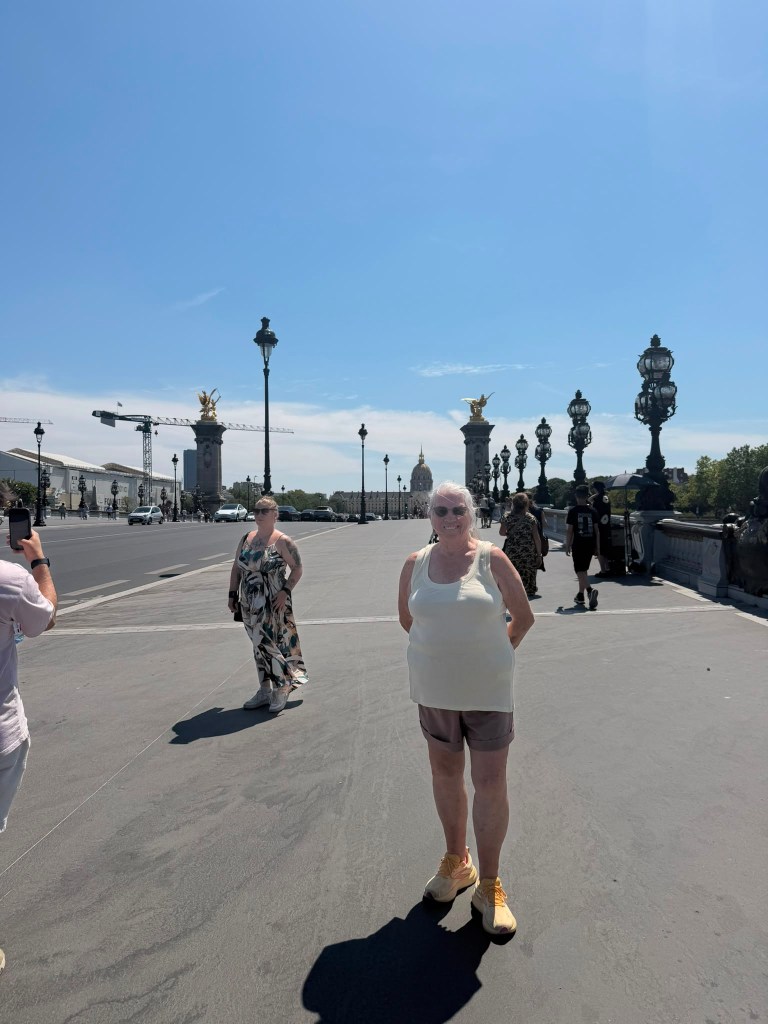
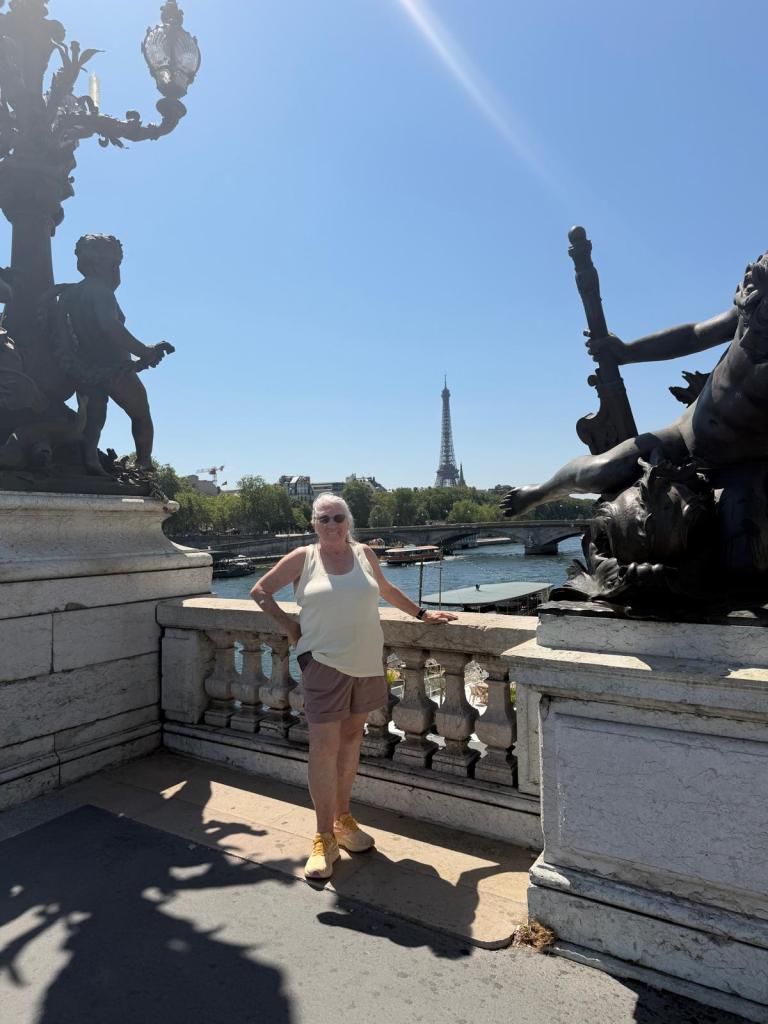
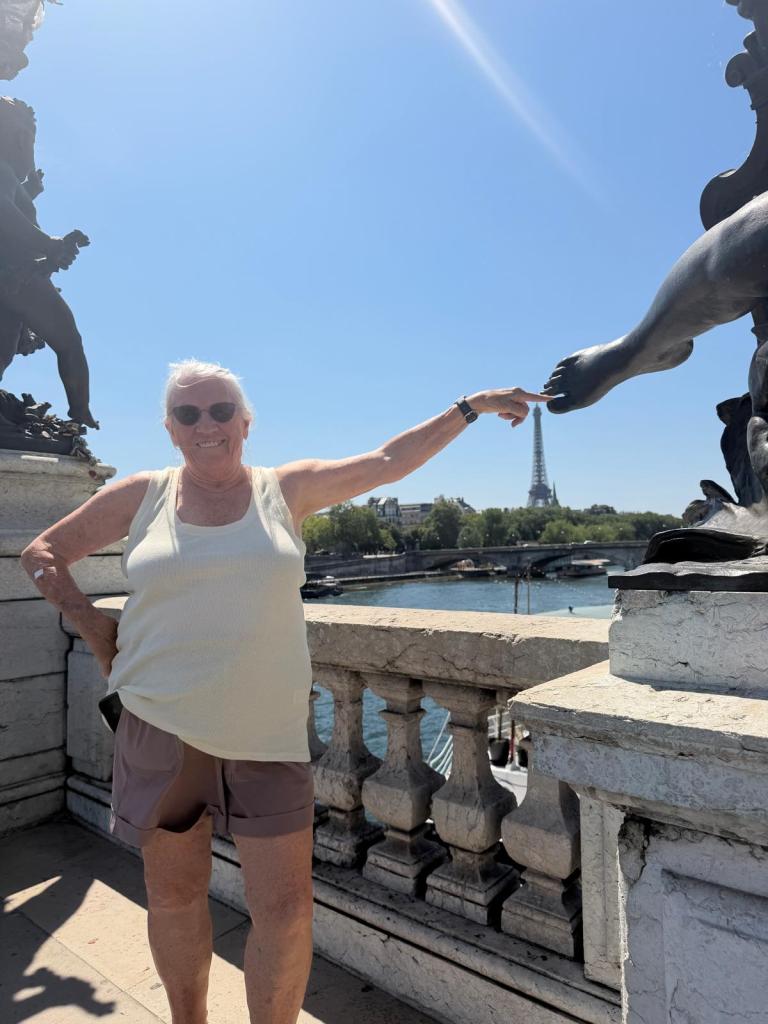
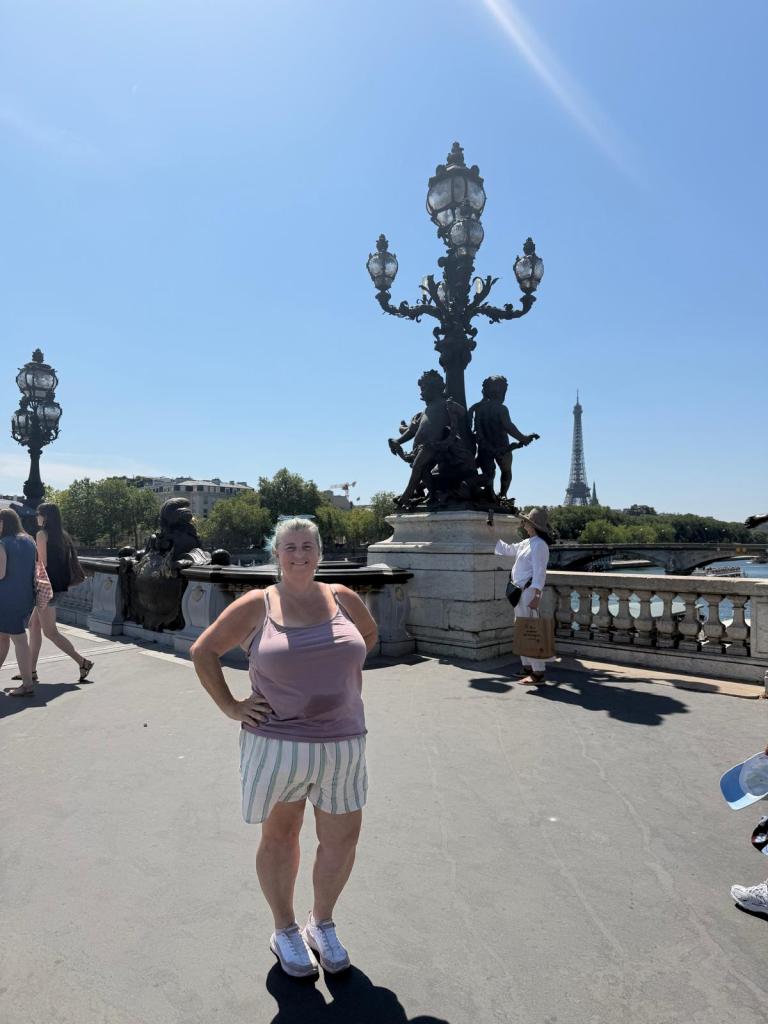
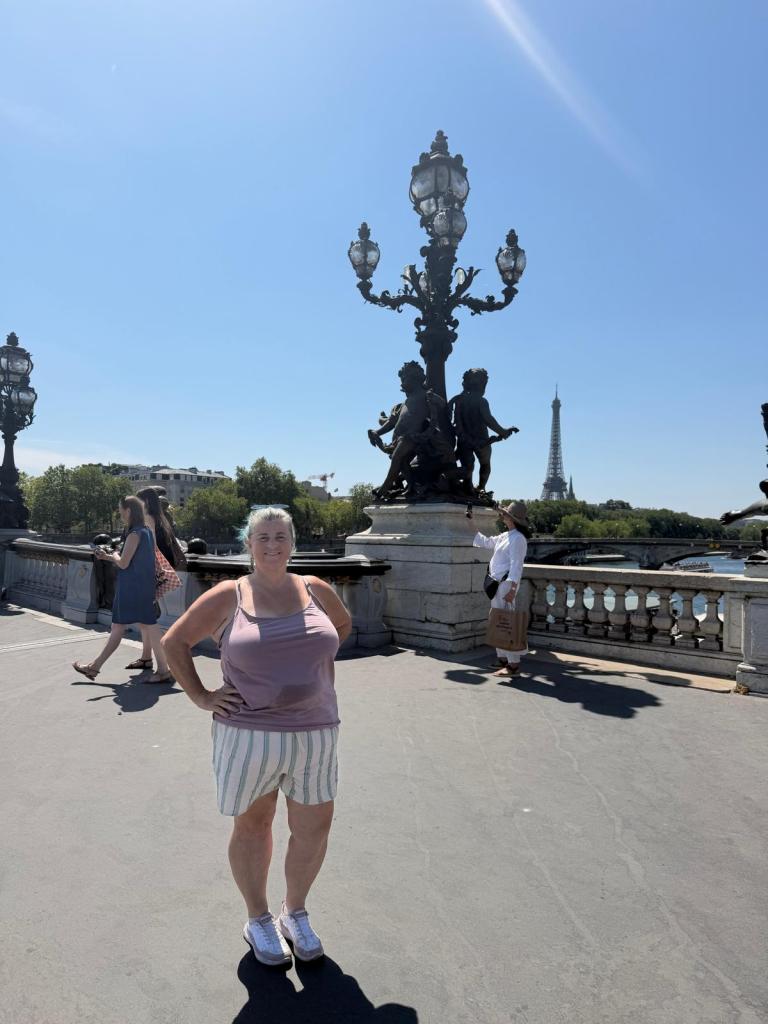
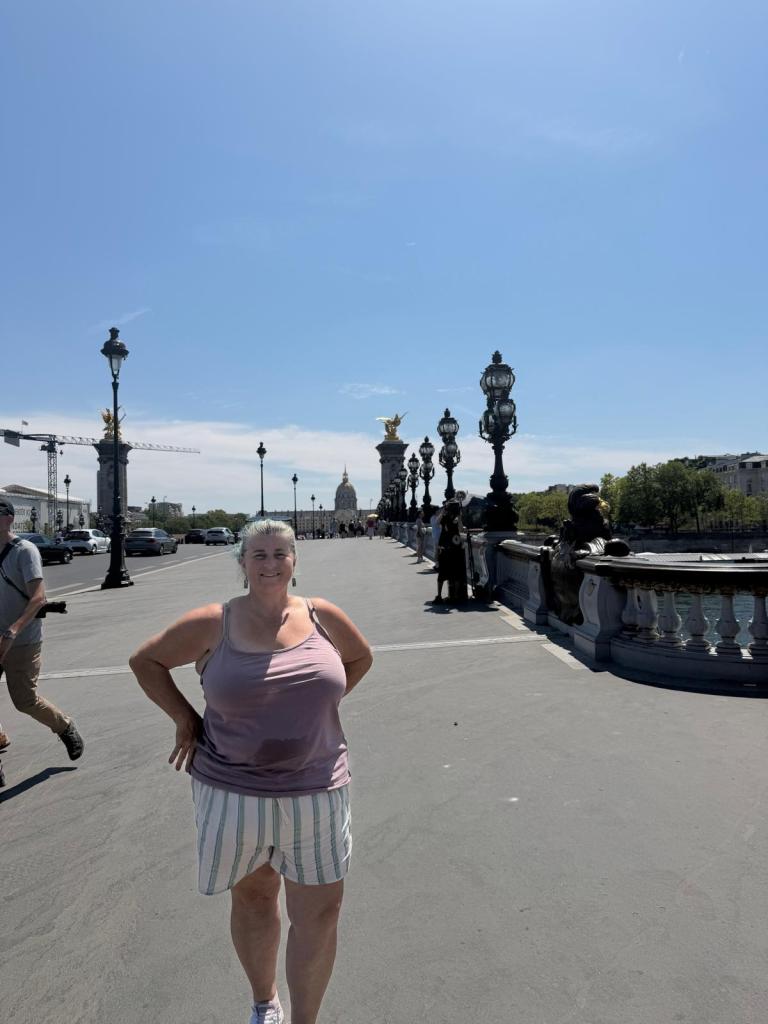
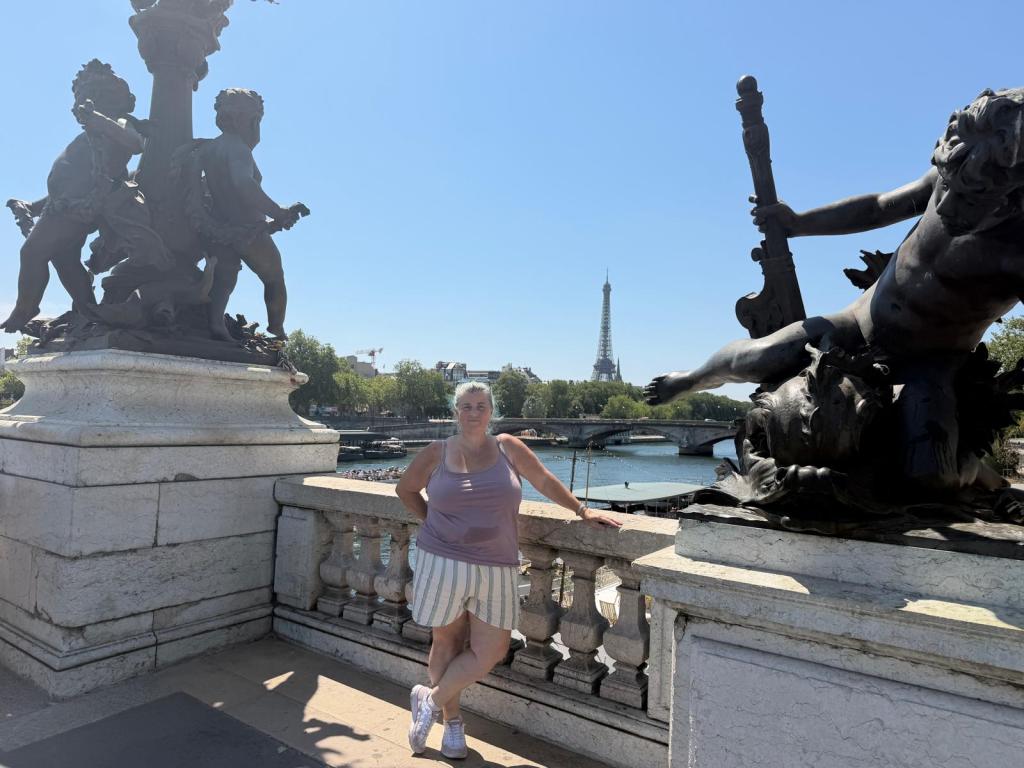
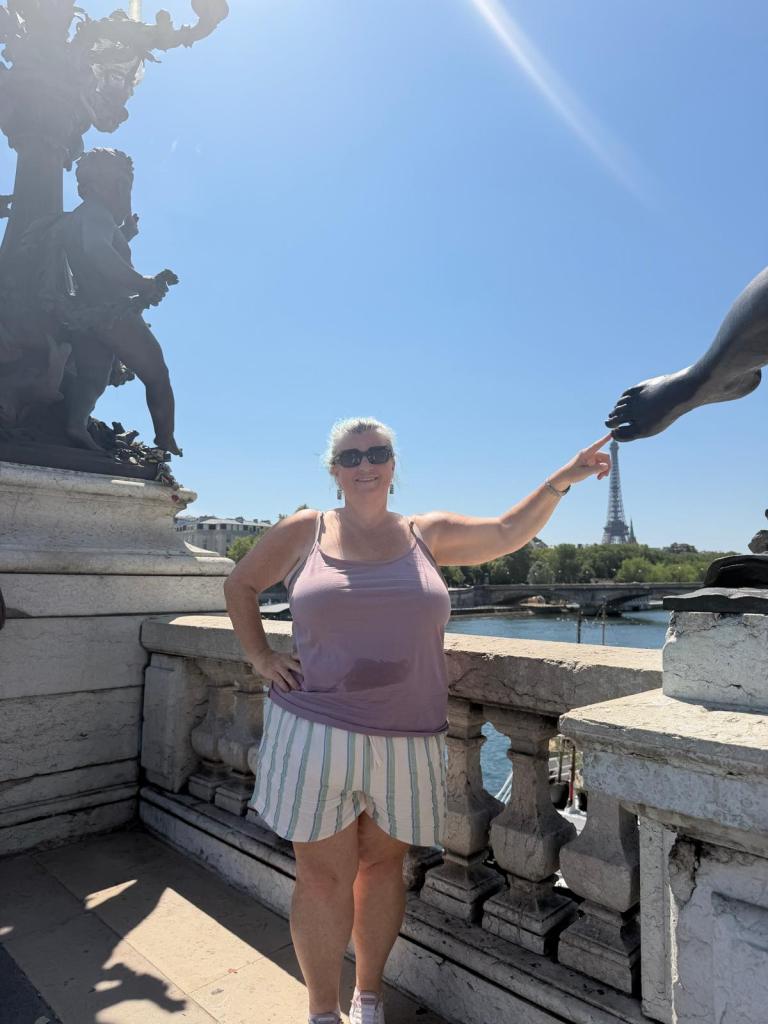
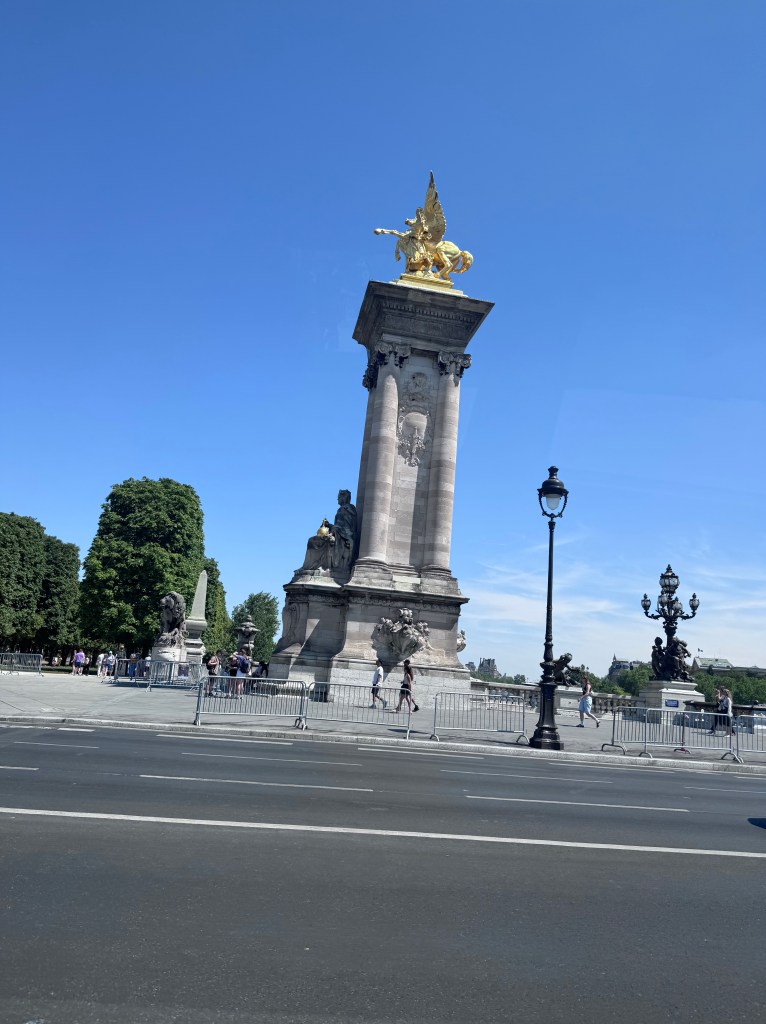
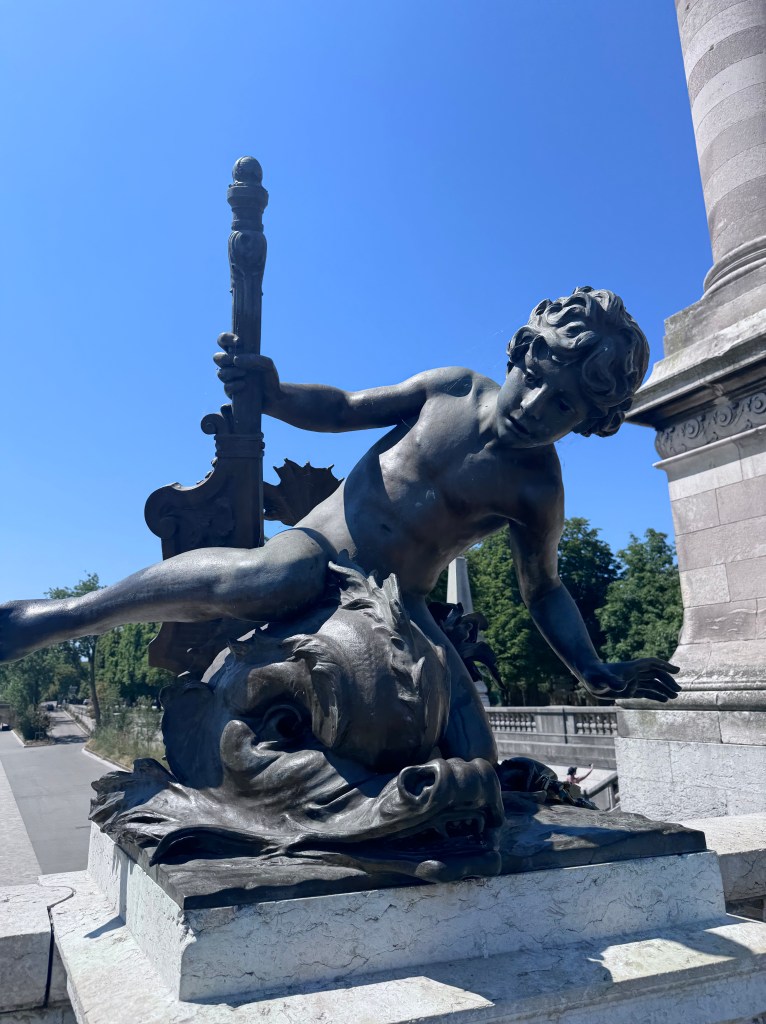
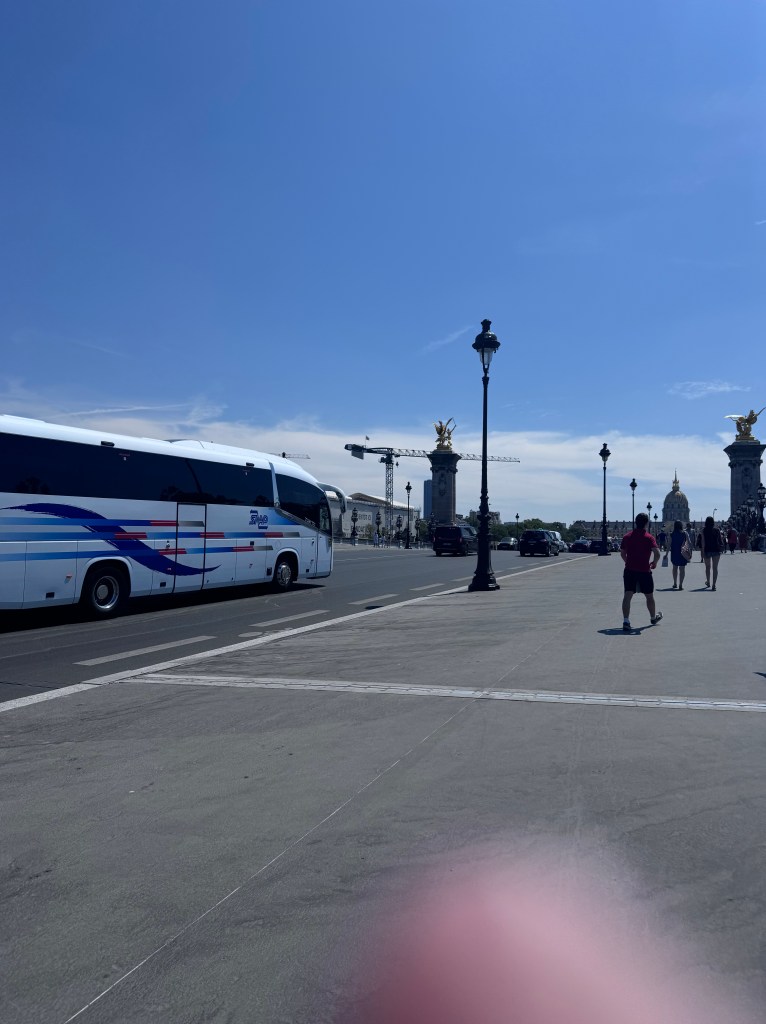
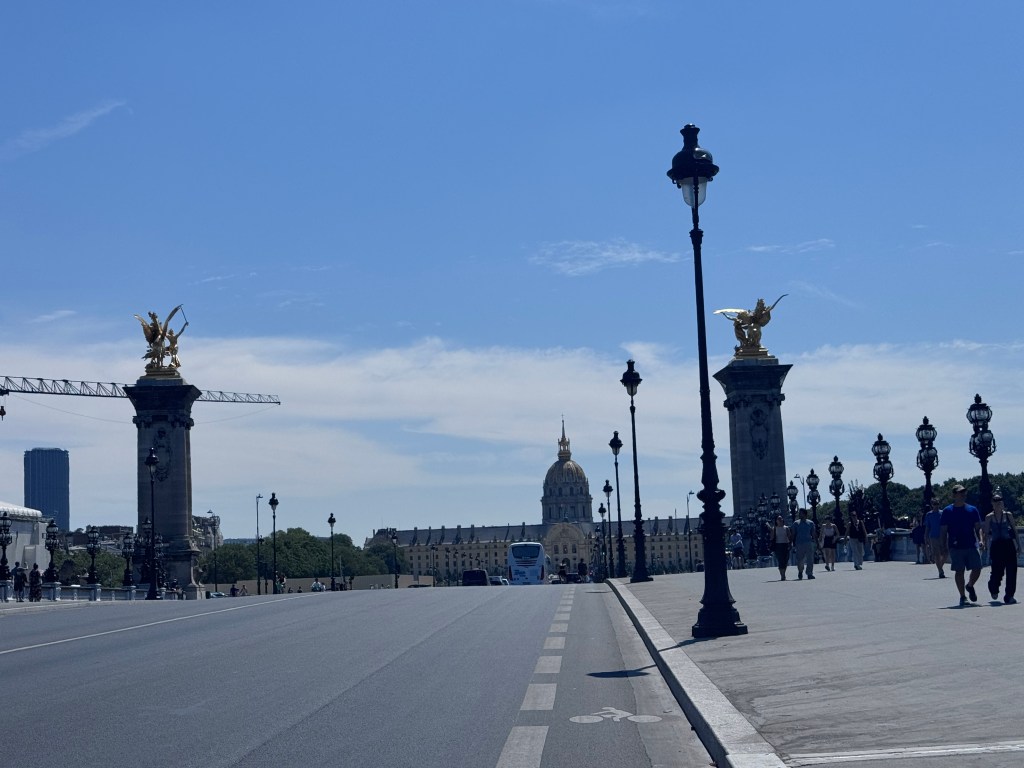
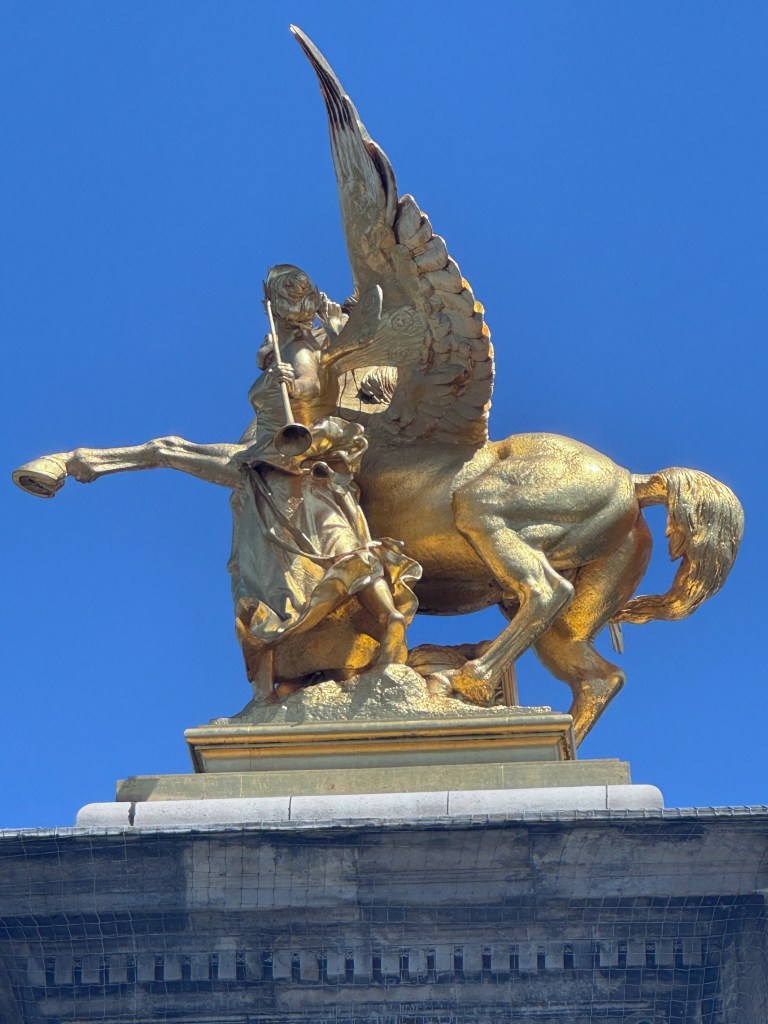
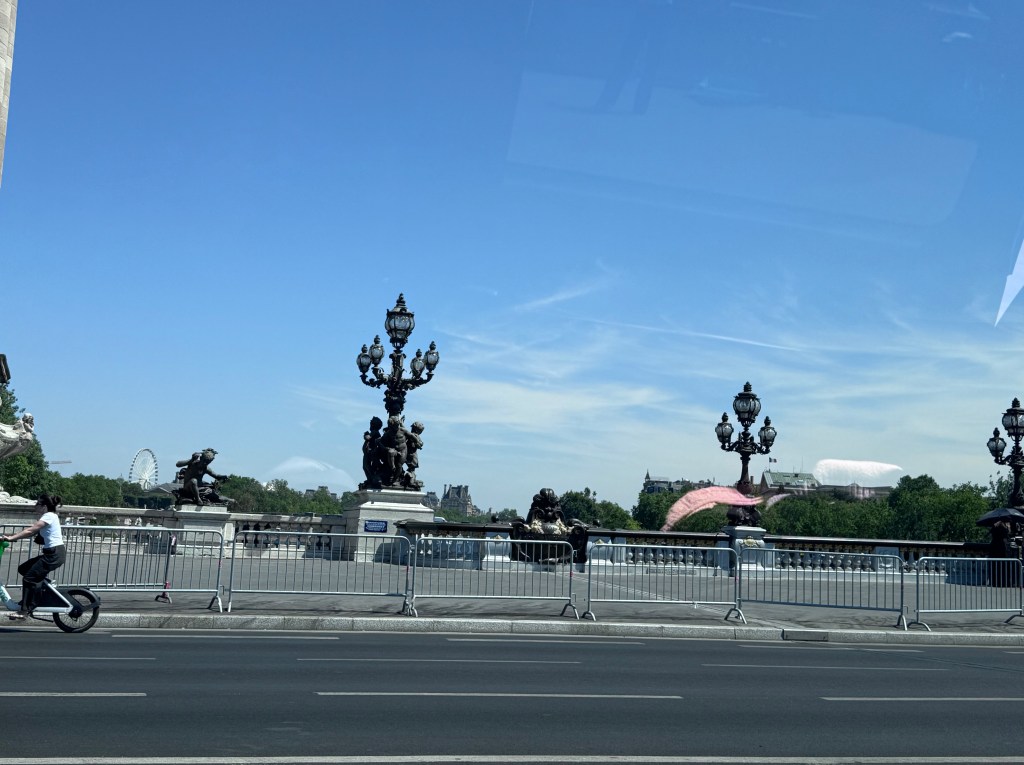
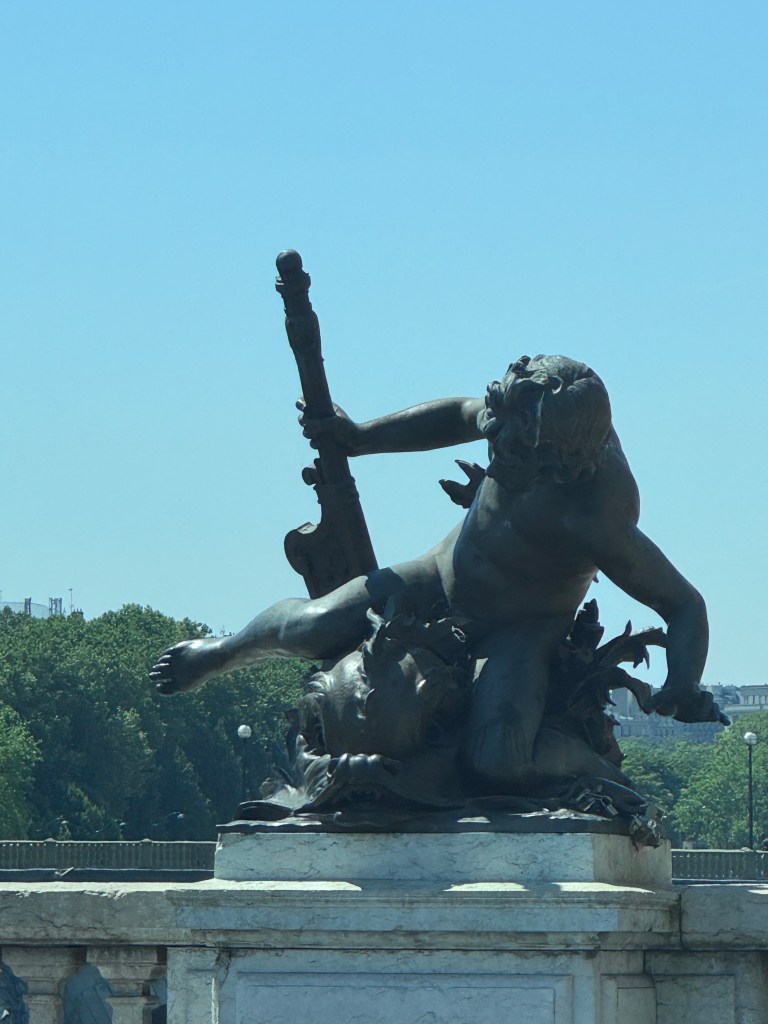
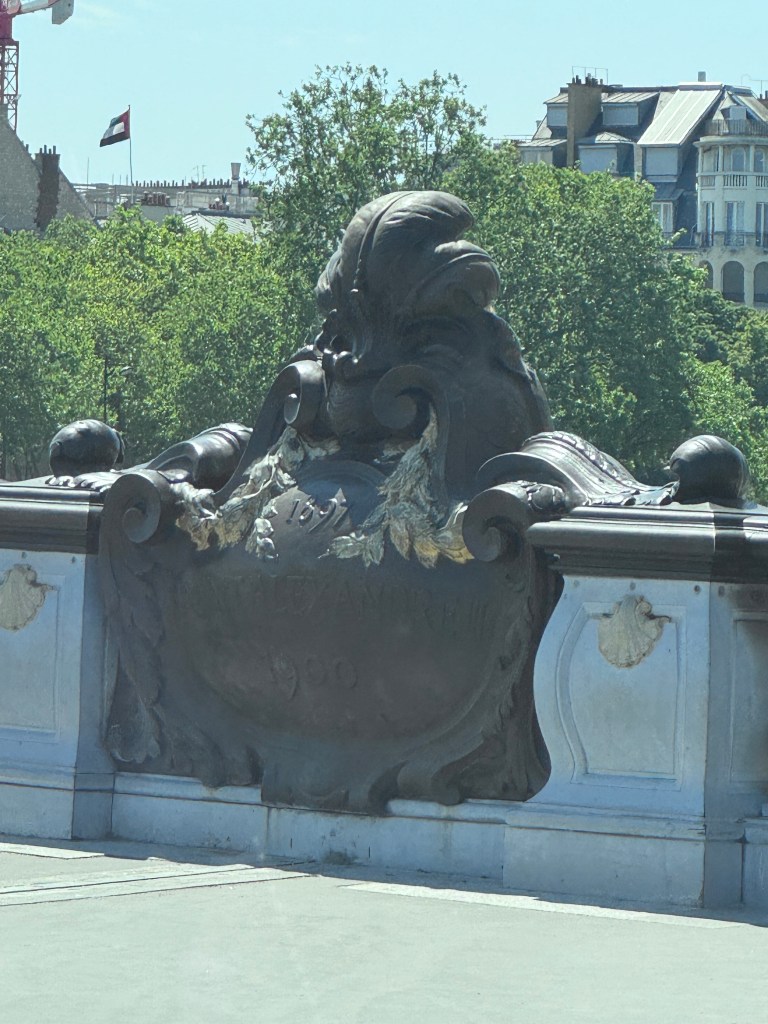
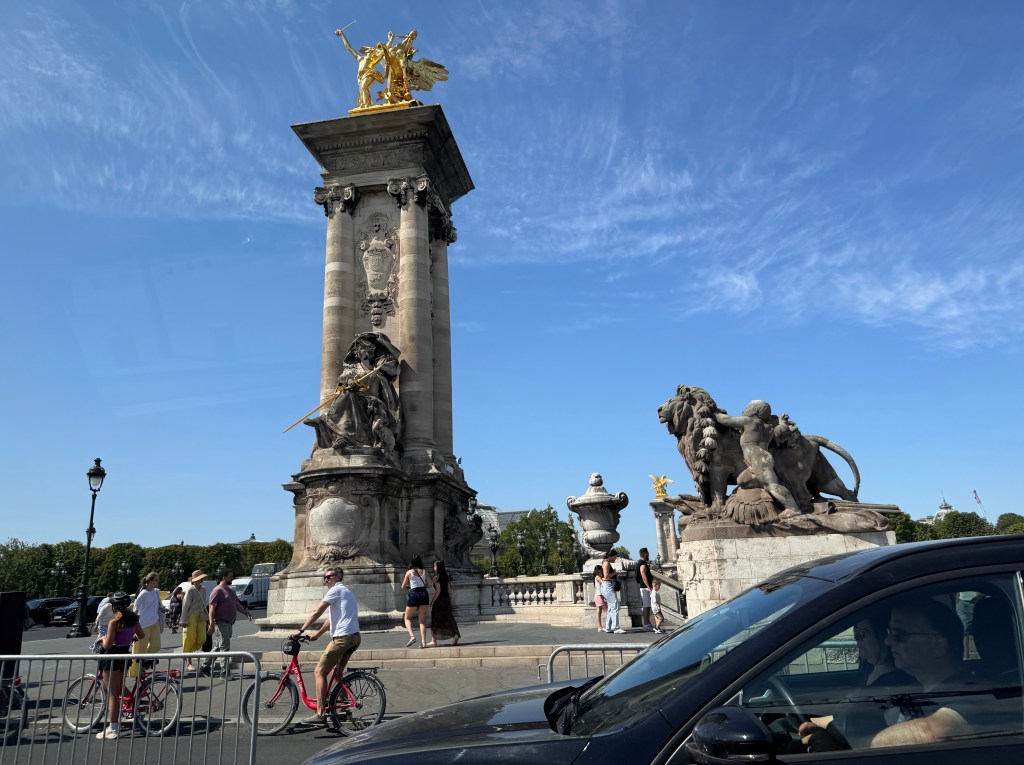
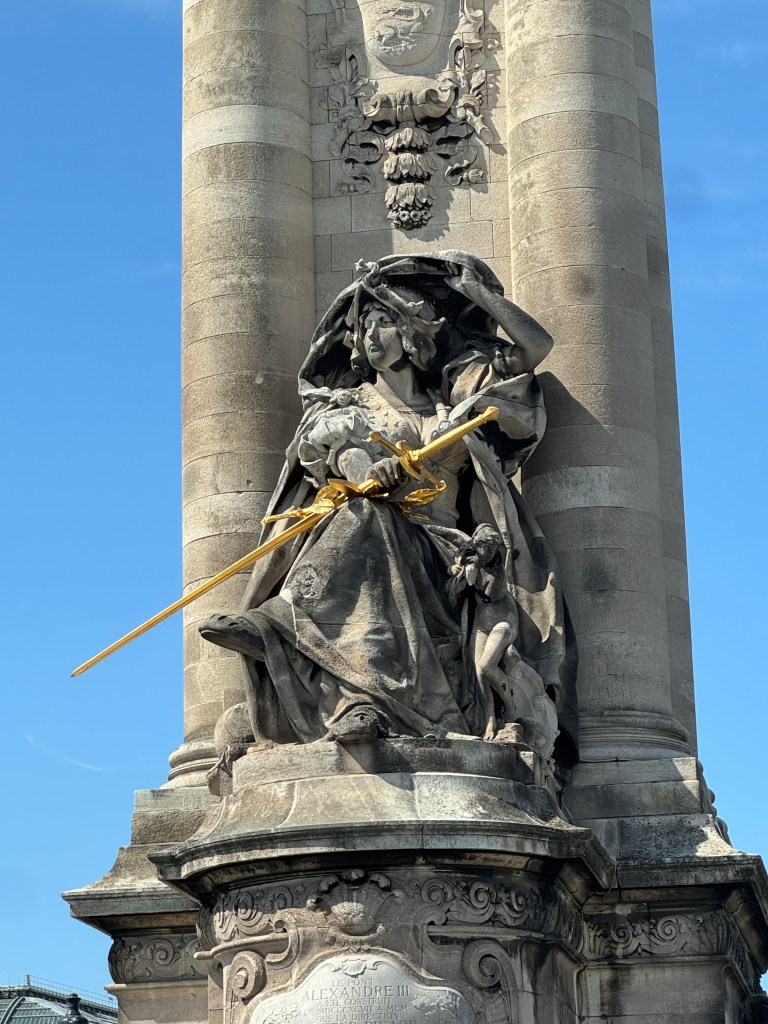
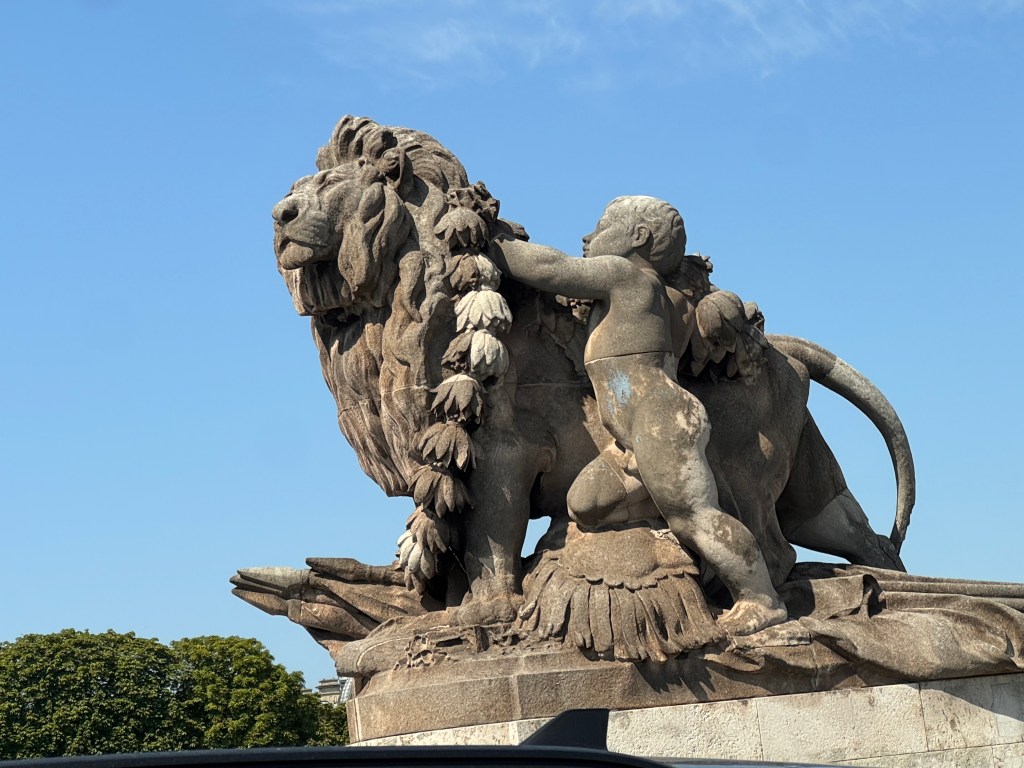
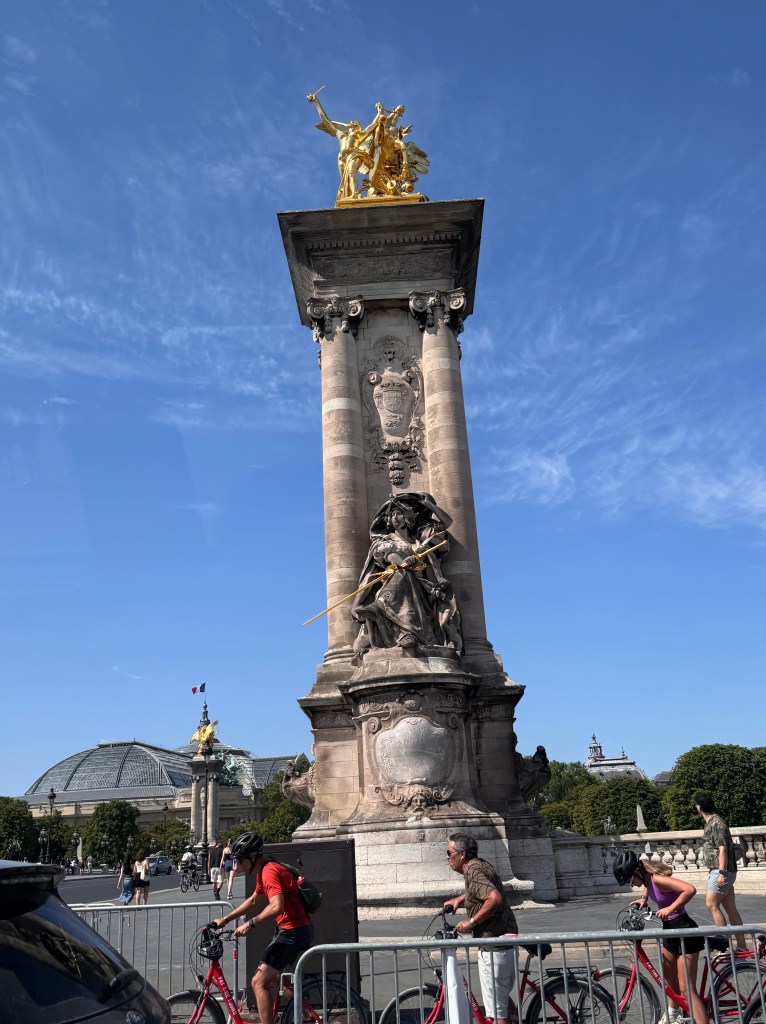
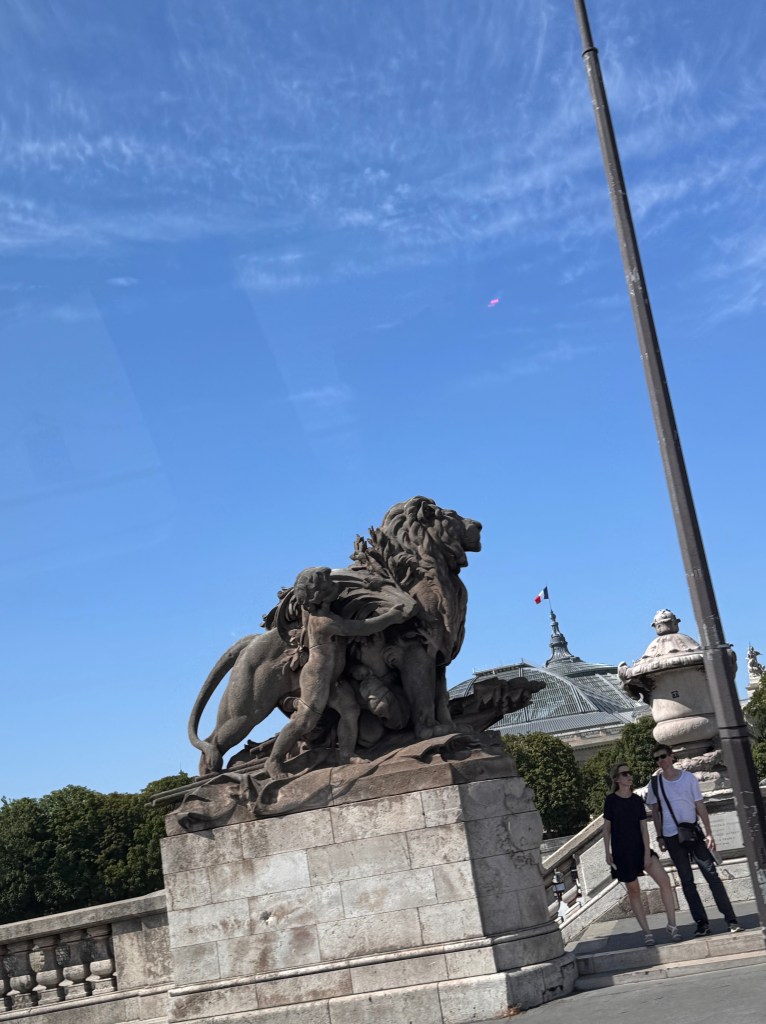
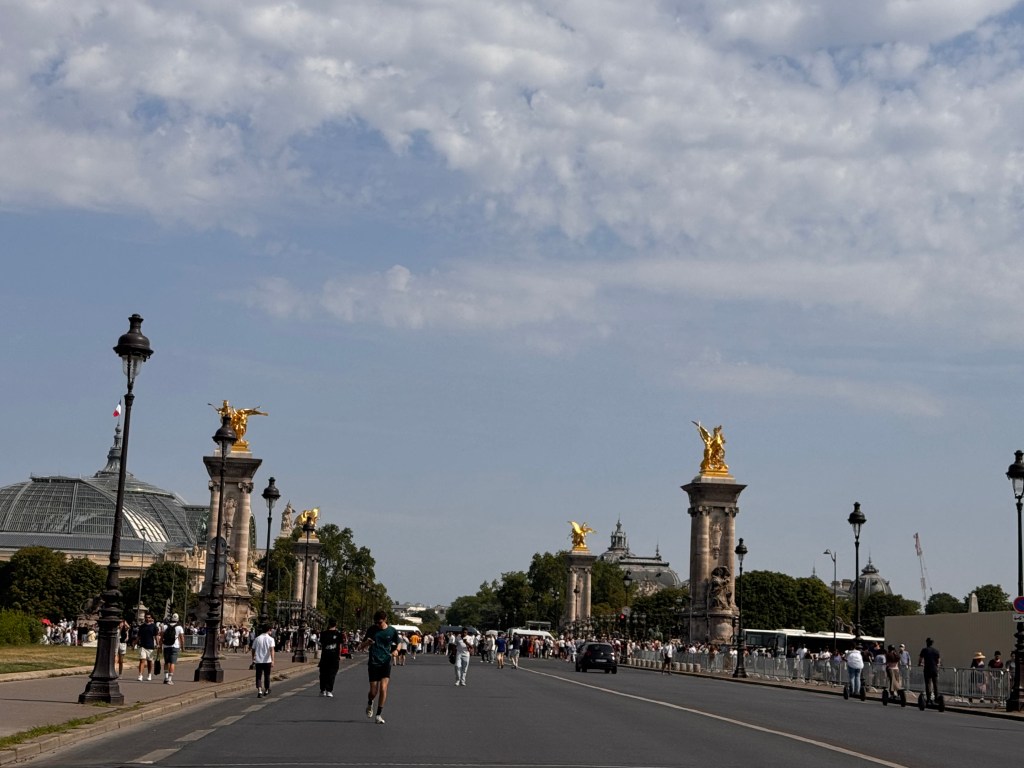
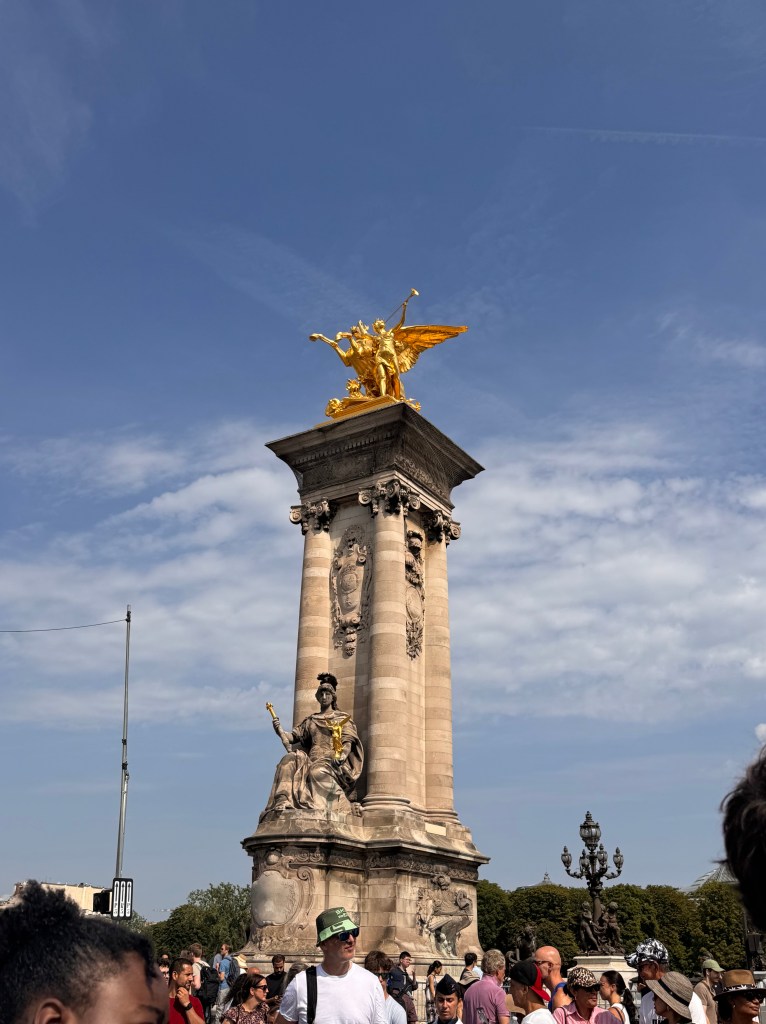
We crossed the beautiful Pont Alexandre III, often considered Paris’s most ornate bridge. Built for the 1900 World’s Fair, it is famous for its gilded winged horses, elaborate Art Nouveau lamps, and magnificent sculptures celebrating French art, science, commerce, and industry.

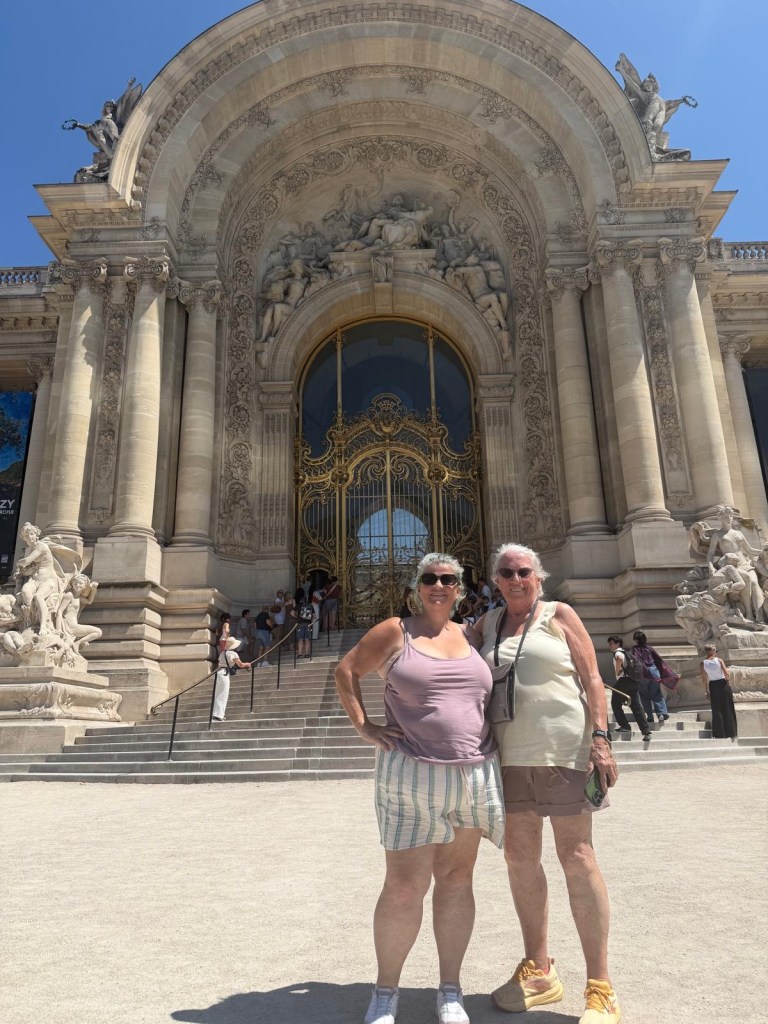
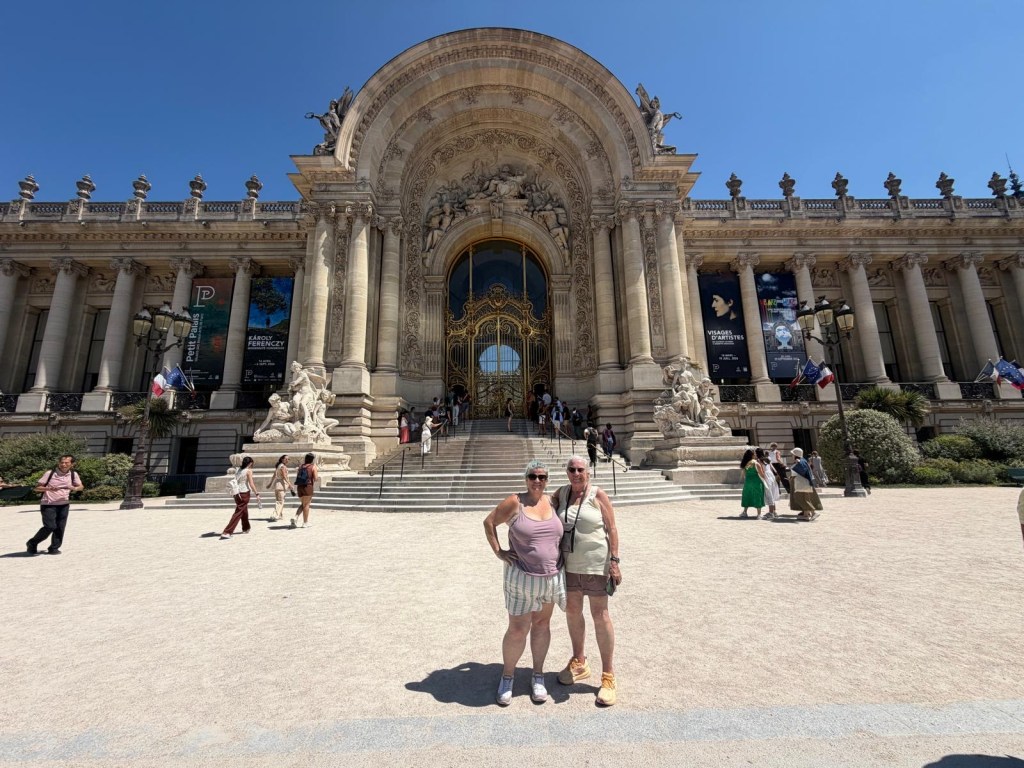
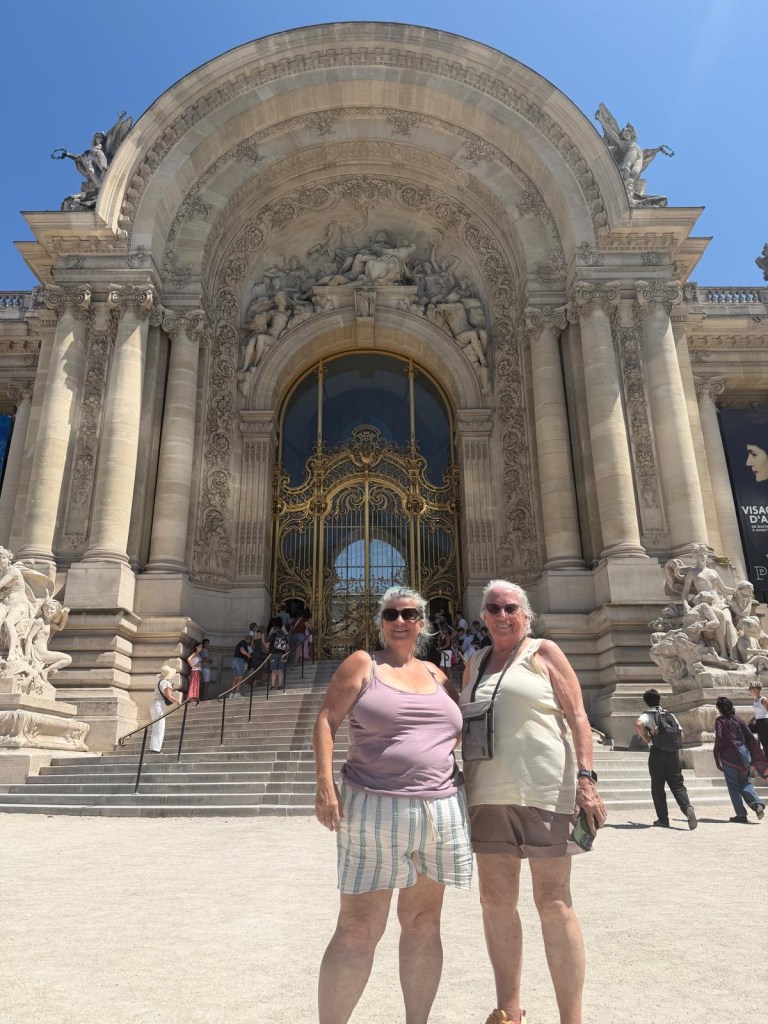
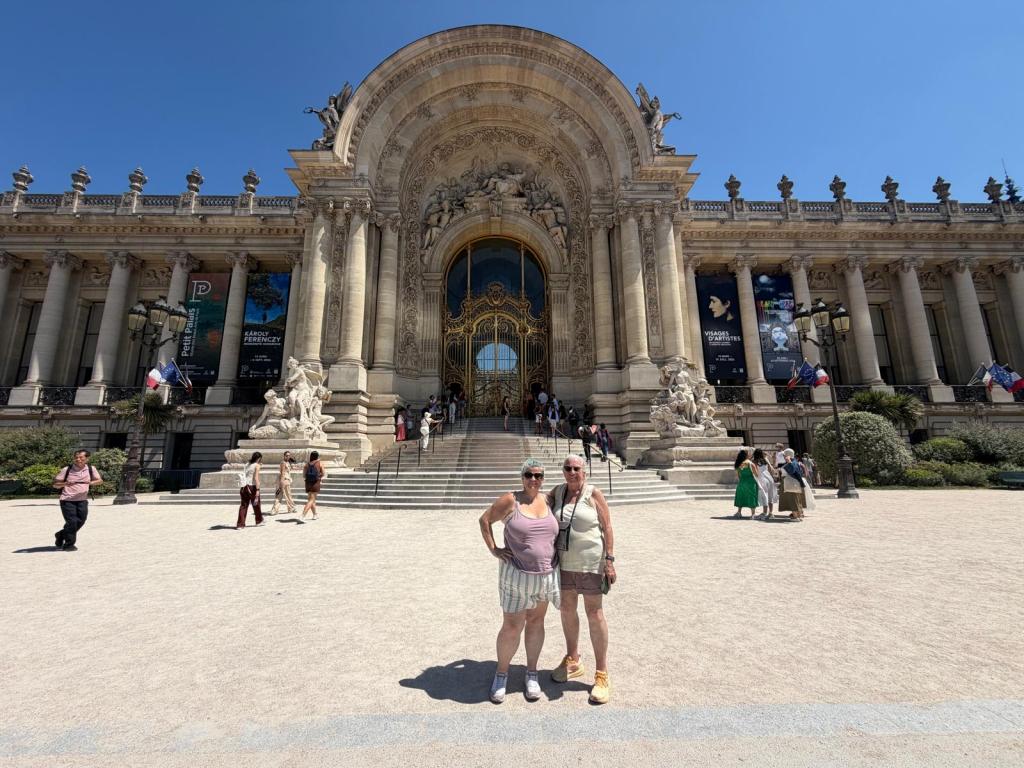
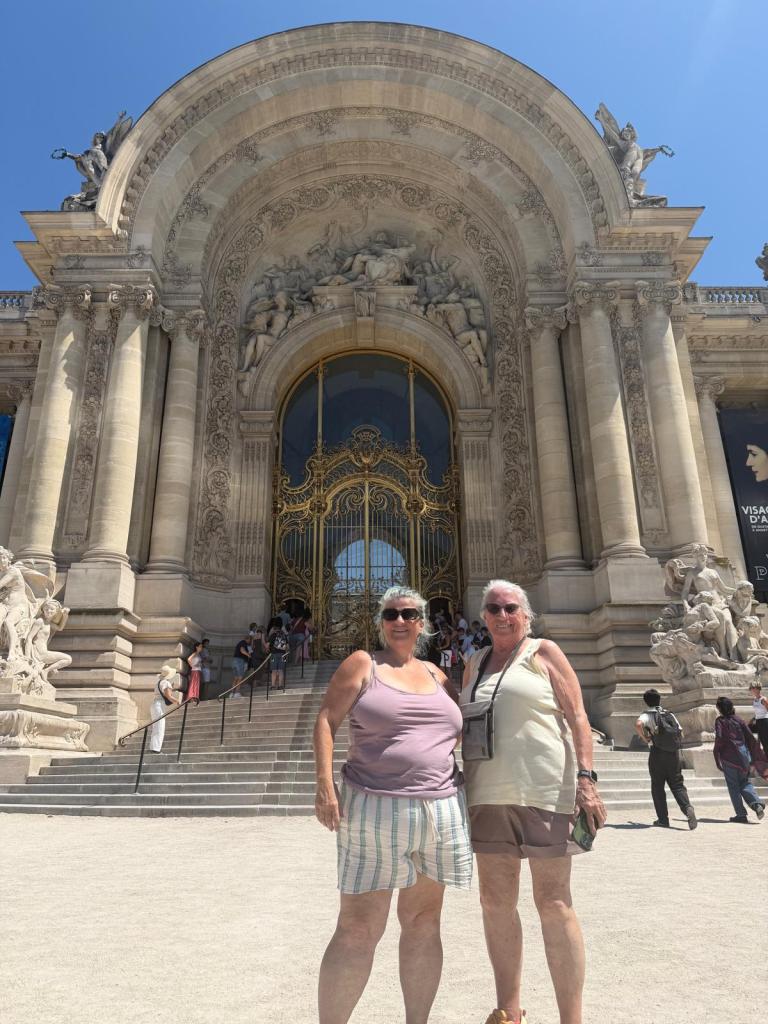
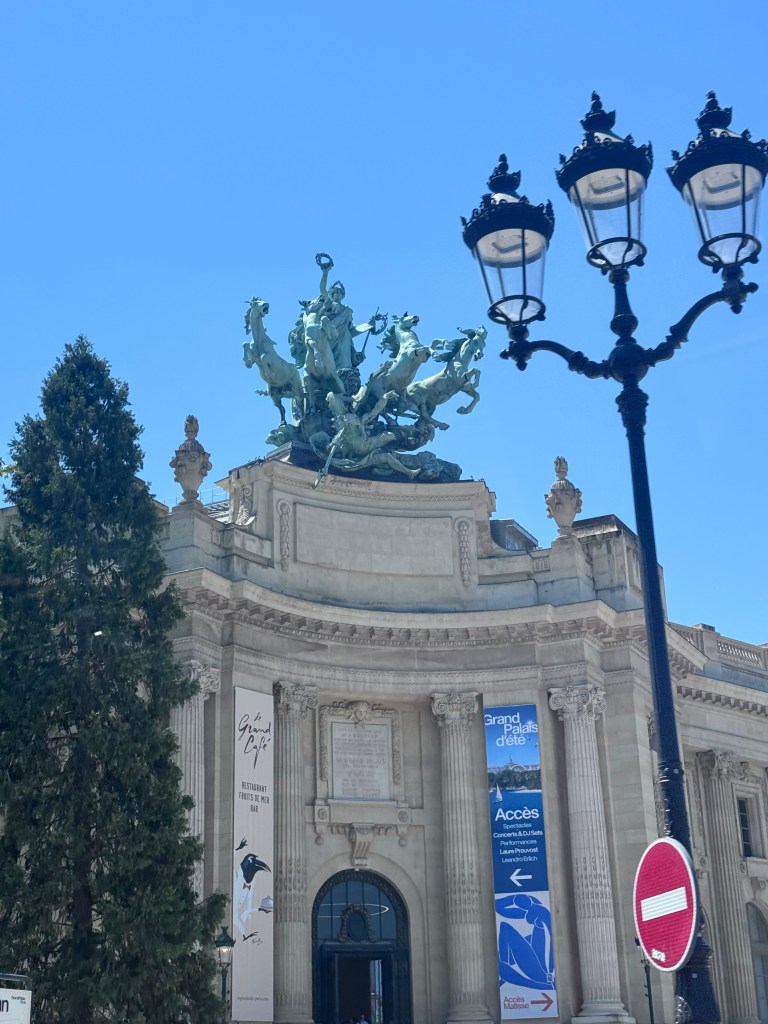
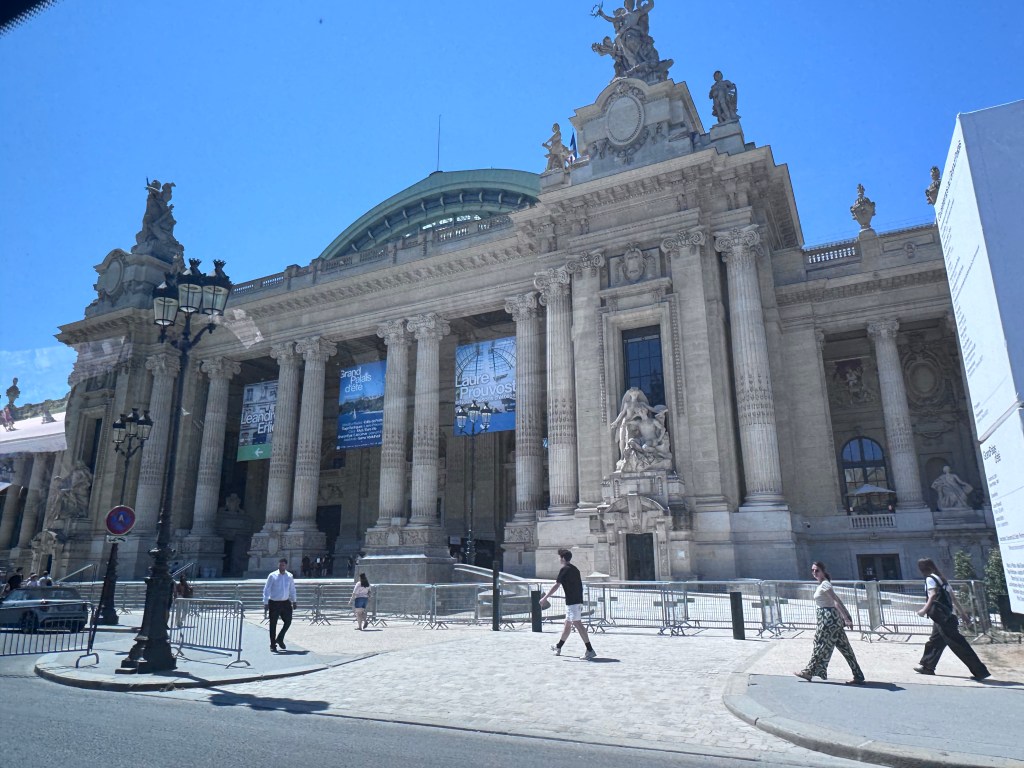
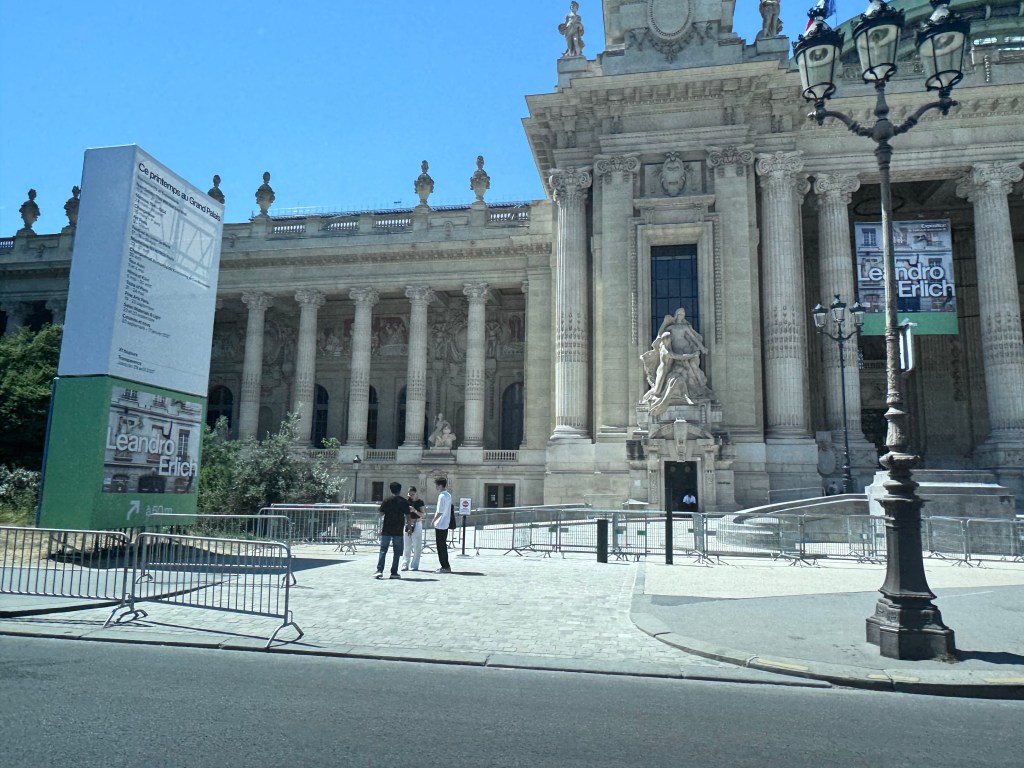
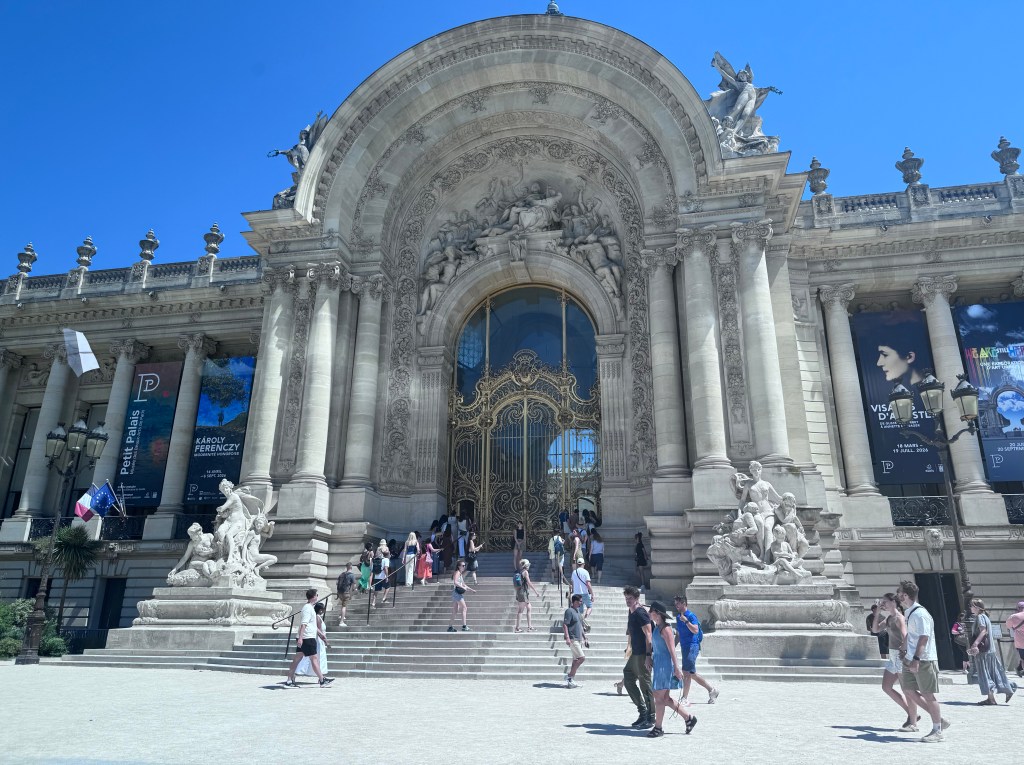
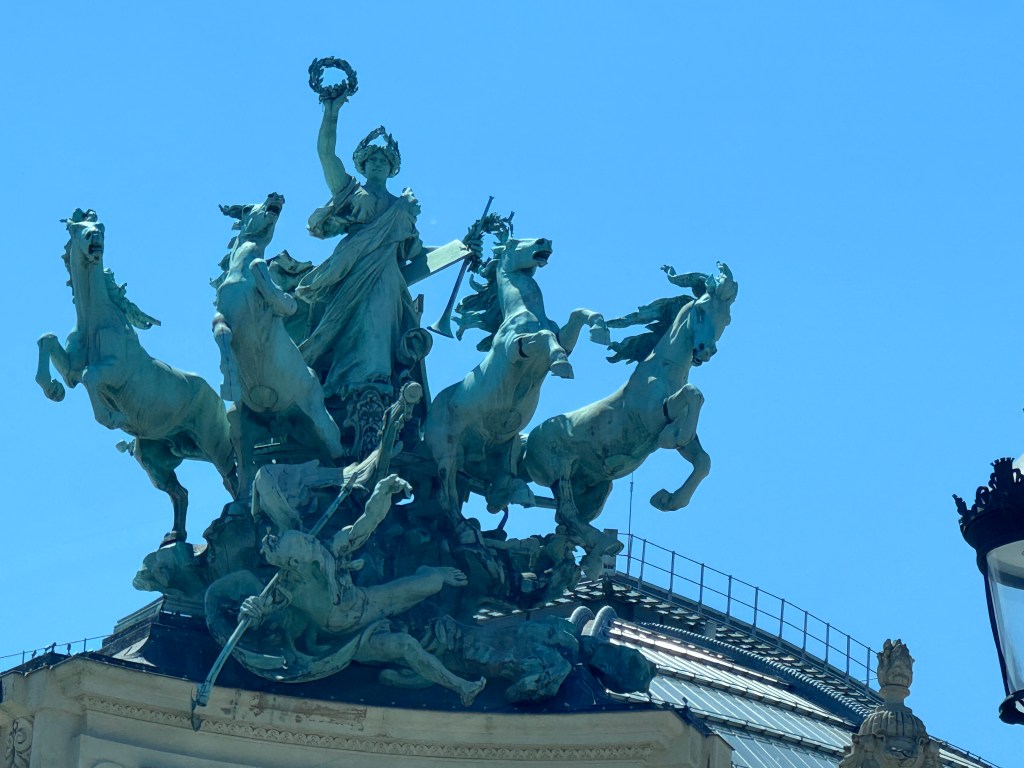
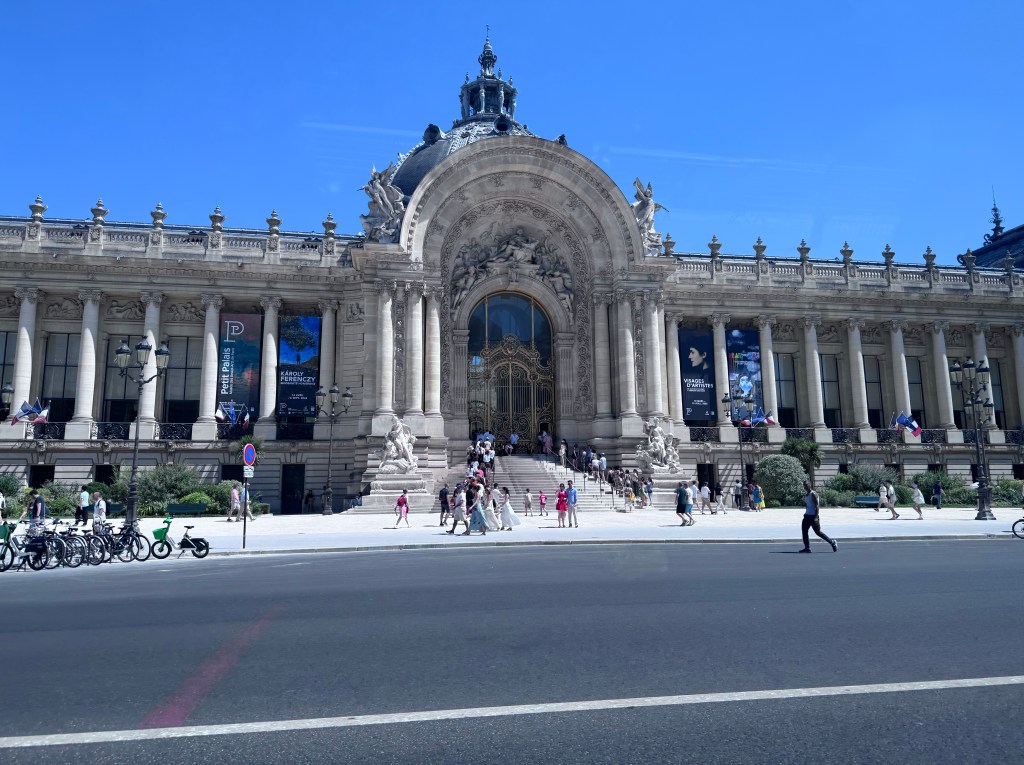
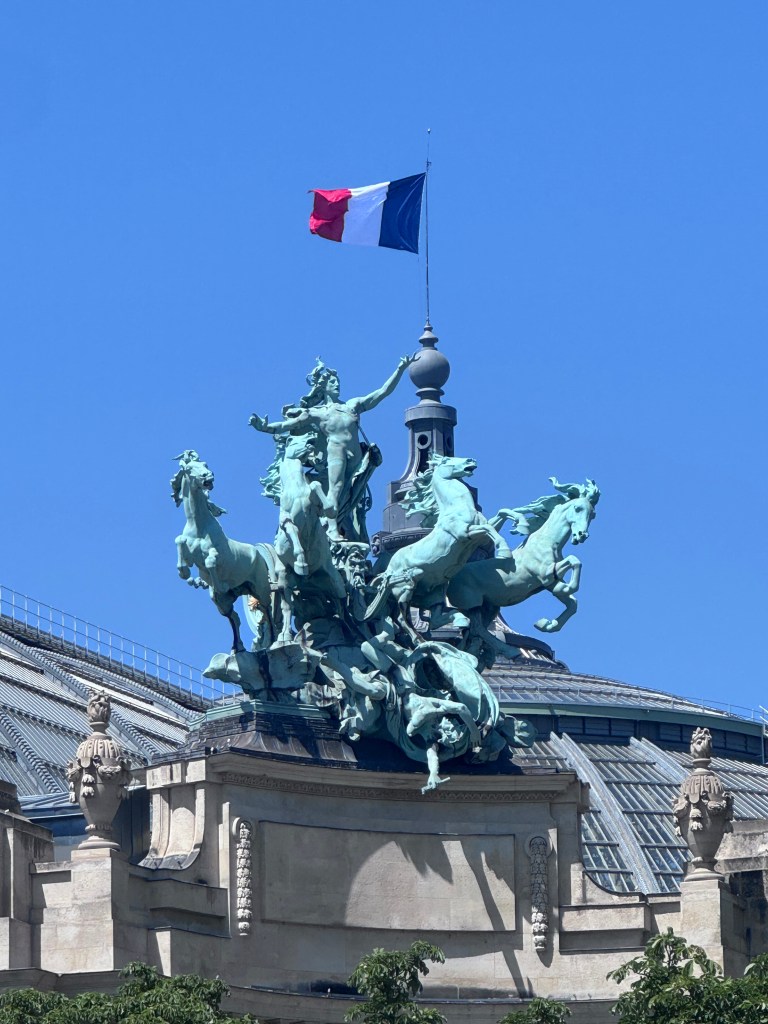
We also drove past both the Grand Palais and Petit Palais, two architectural masterpieces also built for the 1900 World’s Fair. Their magnificent glass roofs, grand columns, and richly decorated façades showcase the elegance of Paris during the Belle Époque.

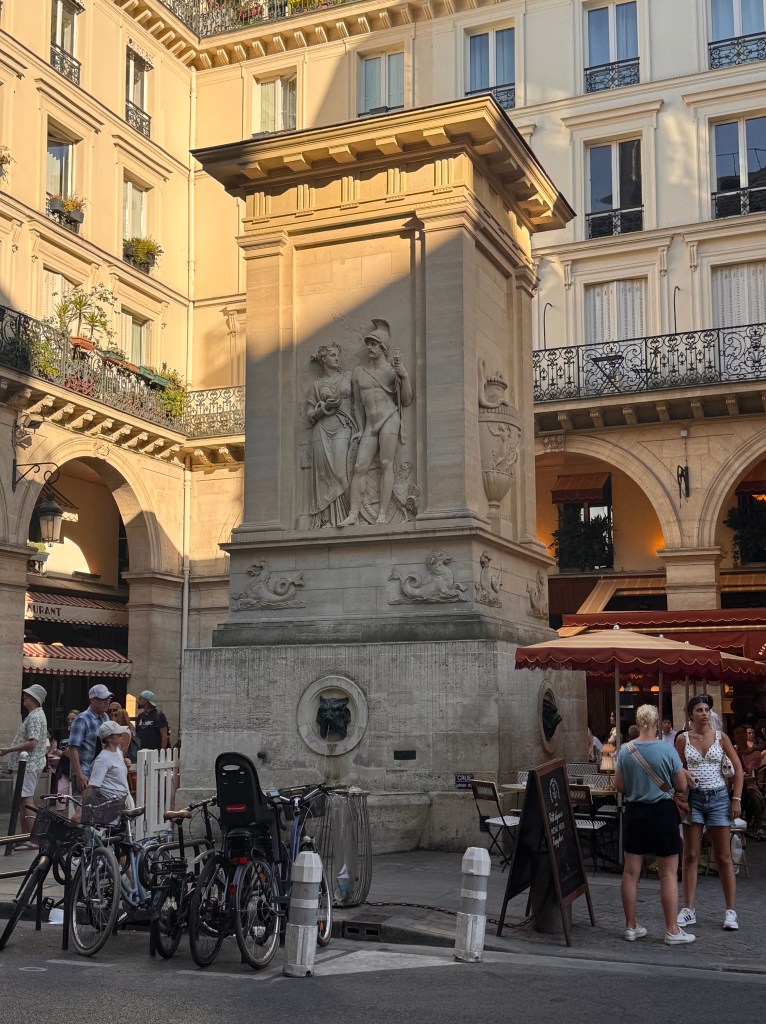
Everywhere we looked there seemed to be another famous monument, another beautiful boulevard, or another breathtaking building. It was an incredible introduction to one of the world’s great cities.

Eventually Nesrine dropped us off at our VRBO.

Unfortunately, the apartment itself was a disappointment. It was extremely hot, and we quickly discovered there were several issues—including not having any toilet paper for three of our four days there. More on that adventure later.

After such a long day of travel and sightseeing, we were exhausted. Rather than heading back out into the heat, I ordered groceries and dinner through Uber Eats, and we settled in for the evening.

Despite the apartment’s shortcomings, our first afternoon in Paris had been unforgettable. Thanks to Nesrine, we had already fallen a little in love with the City of Light before we’d even unpacked our suitcases.

Brussels: Chocolate, Gold, and Grand Places

After leaving Amsterdam, which we absolutely loved—well, we definitely loved the cheese!—we headed south to Brussels. It was a short train ride, and before long we had arrived at our apartment just a block from the famous Grand Place.

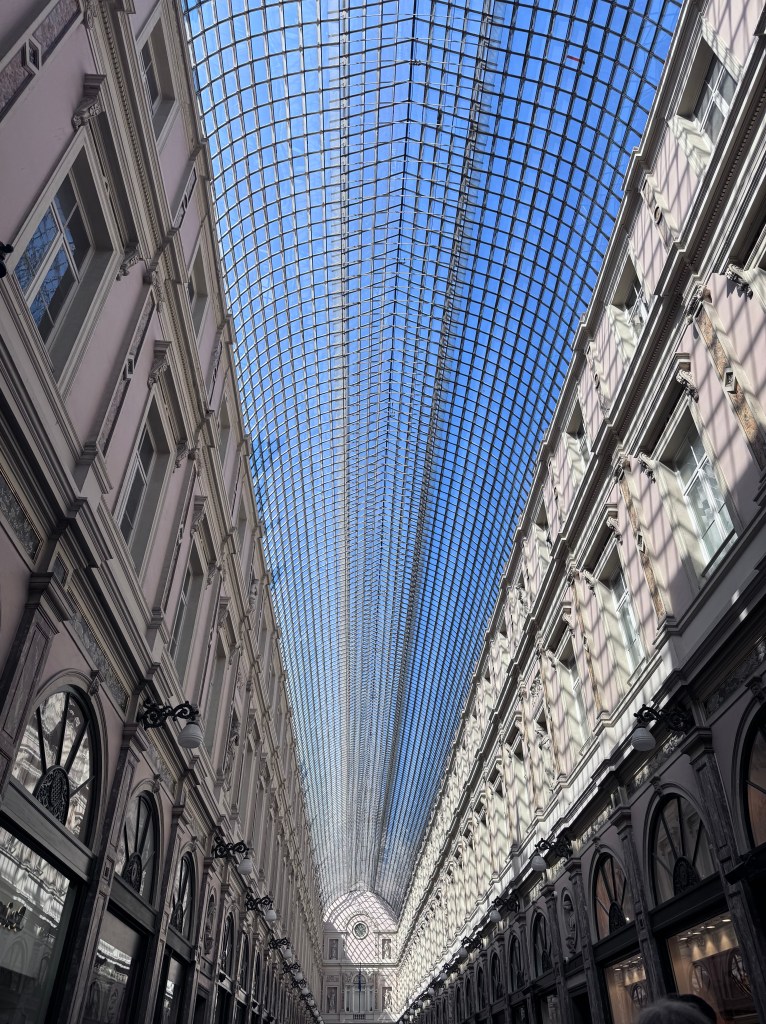
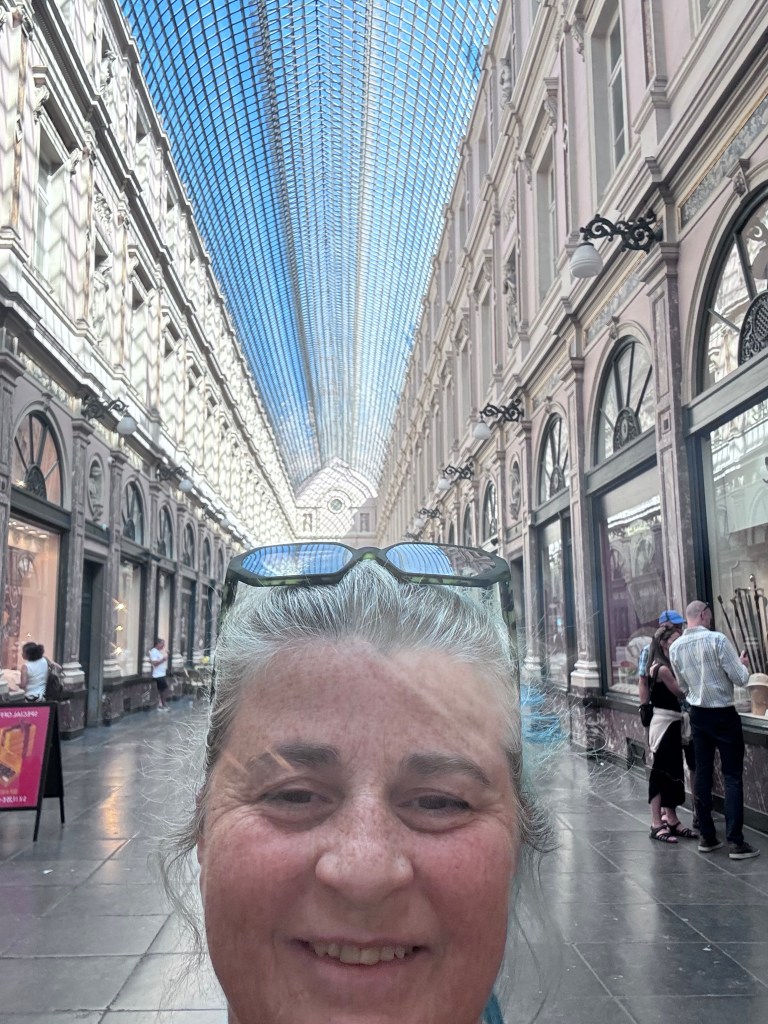
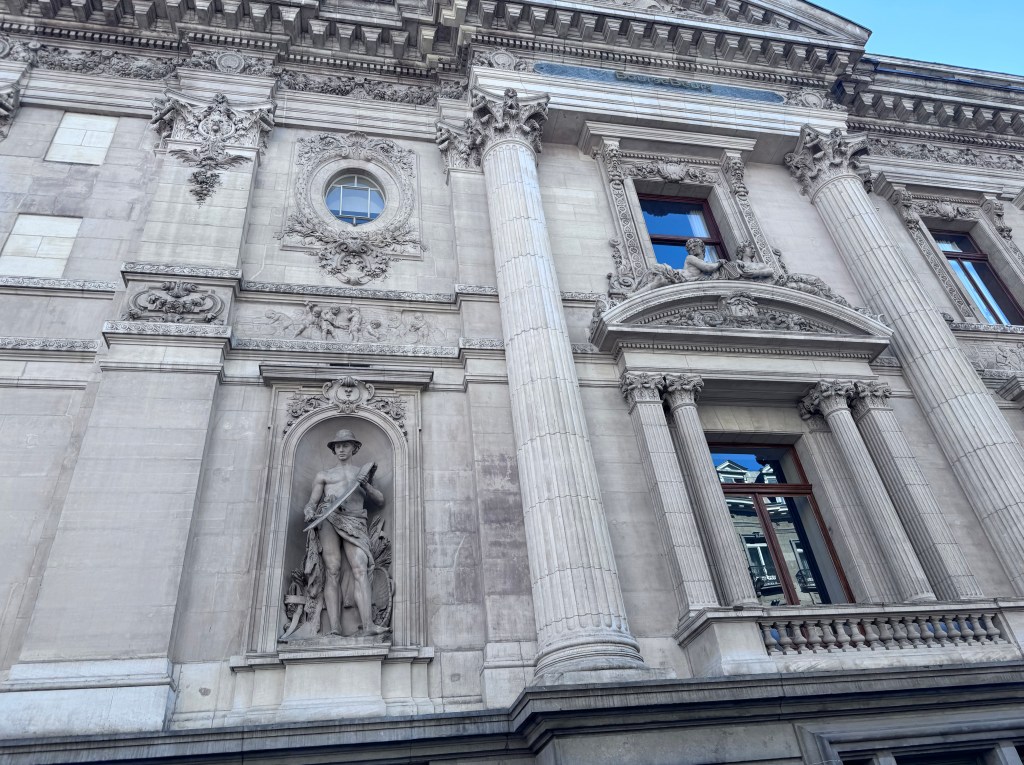
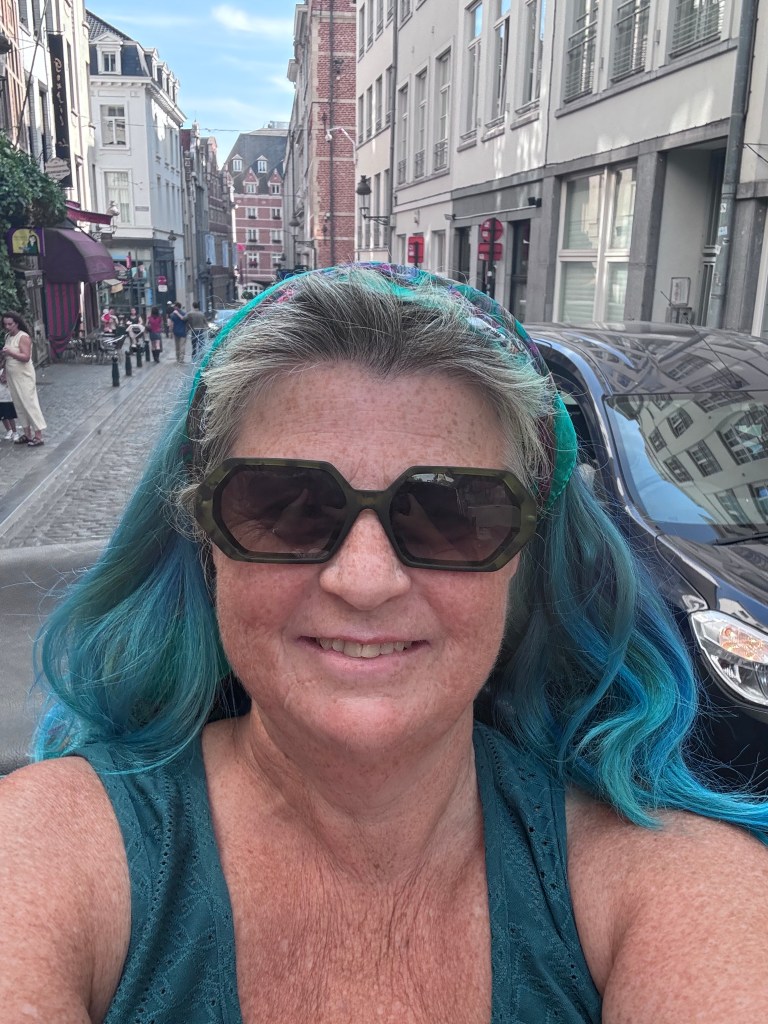
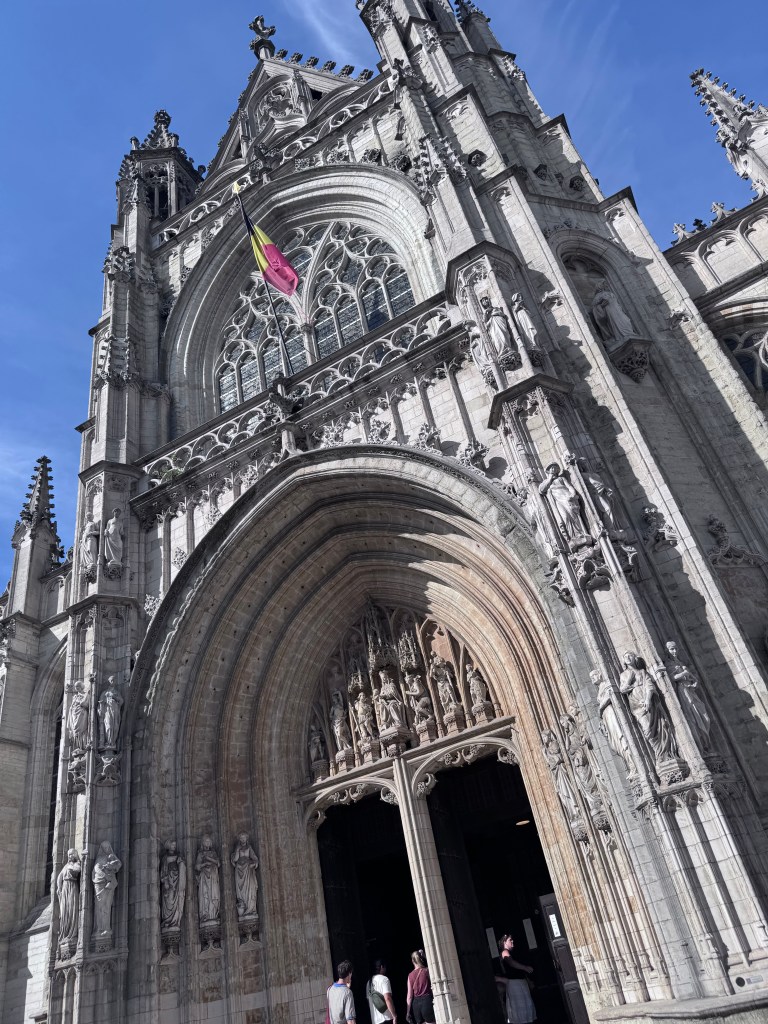
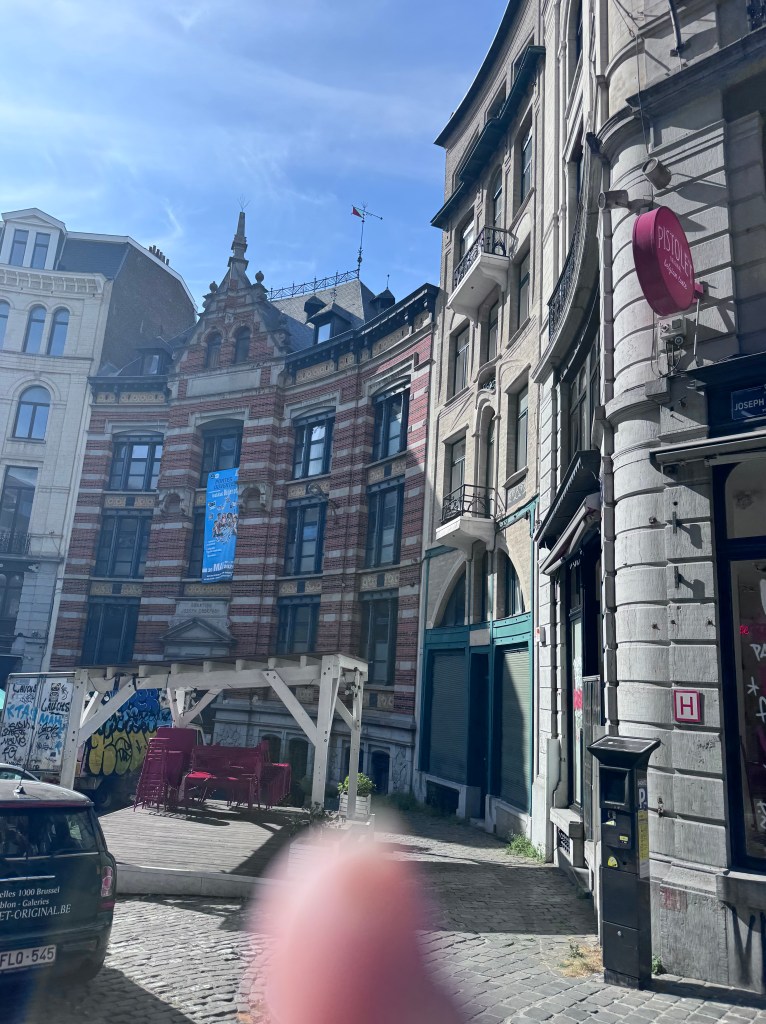
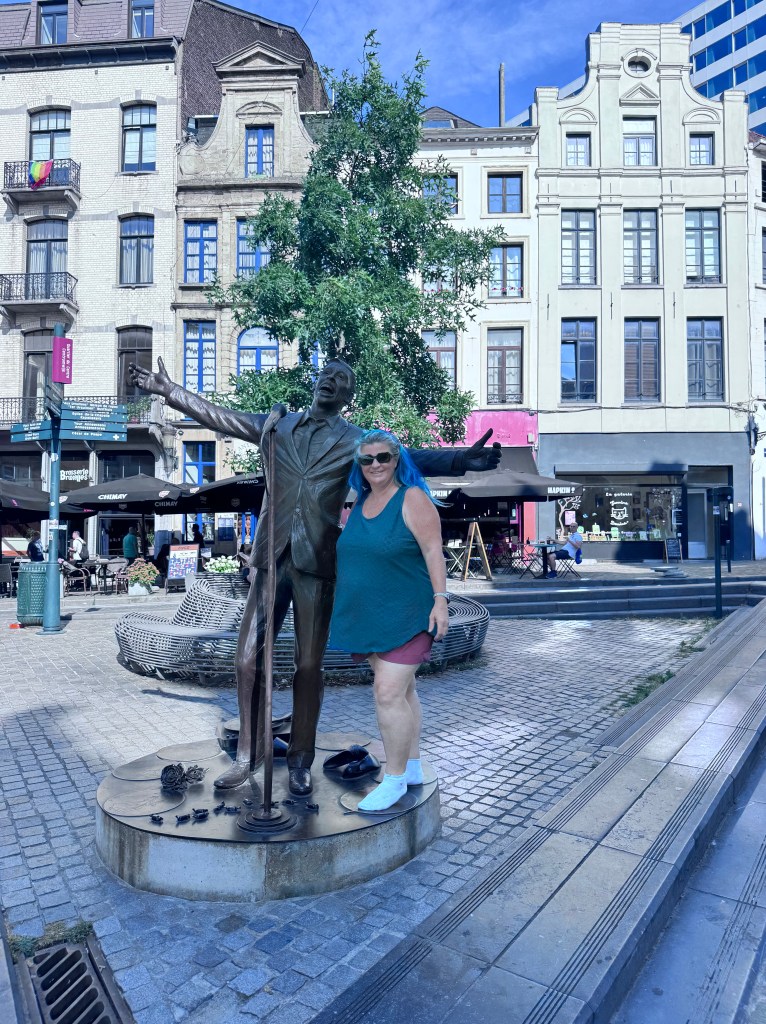
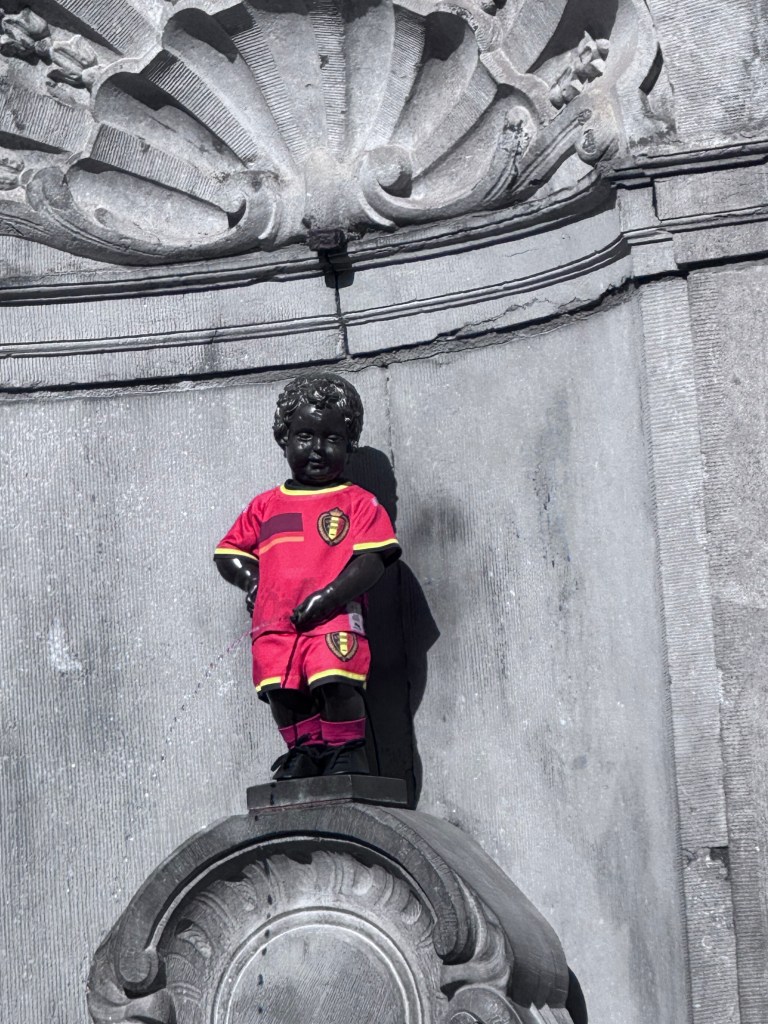
Once we got settled, we let Kiya take a well-earned nap while Mom rested. Since she was sleeping peacefully, I took about an hour to wander through the surrounding neighborhoods on my own. Brussels is a city that invites you to get wonderfully lost. The streets are narrow and packed tightly together, with every block lined by cafés, restaurants, chocolate shops, boutiques, and little alleyways that seem to hide even more treasures. Everywhere I turned there was another beautiful building or another shop calling me inside.

When Kiya woke up, we headed out for dinner, only to discover the apartment elevator had stopped working. Unfortunately, we were staying four flights up. We immediately contacted our host and hoped it would be repaired quickly.

Fortunately, getting Kiya downstairs wasn’t too difficult. Getting her back up those four flights afterward would have been another story entirely.

Mom walked to a restaurant just up the street and explained our predicament. She told them our granddaughter was essentially stranded because of the broken elevator. They couldn’t have been kinder. They prepared our meals to go and, while chatting with Mom, shared one of the best recommendations of our stay—they told us that the Royal Palace was open to visitors.

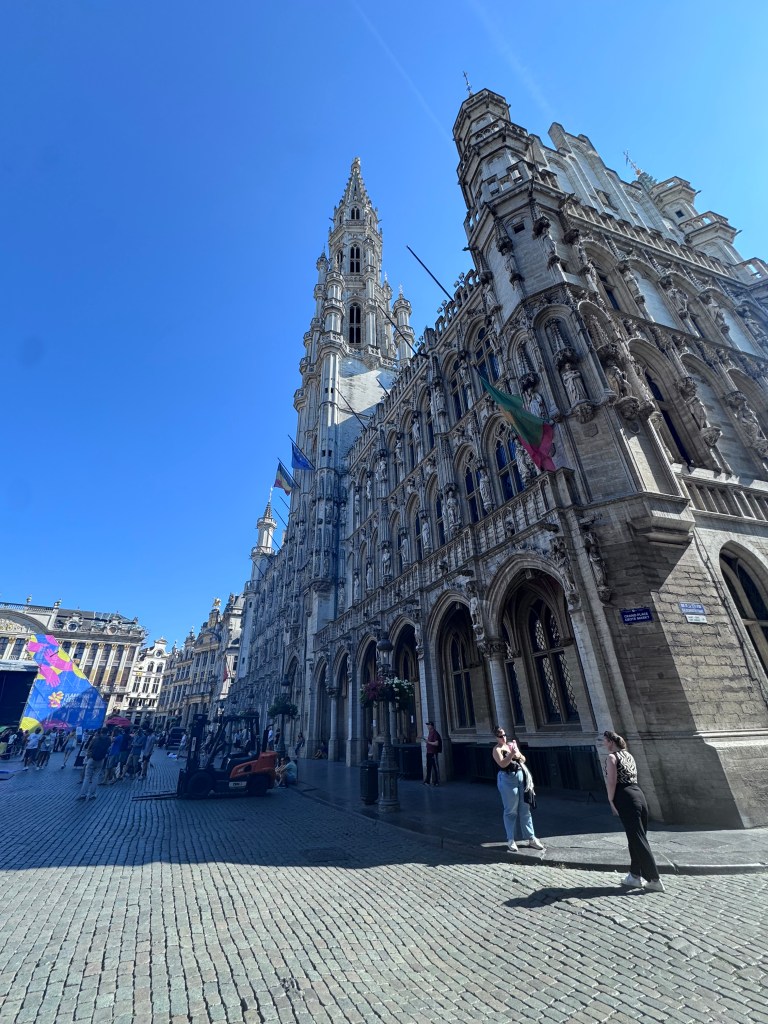
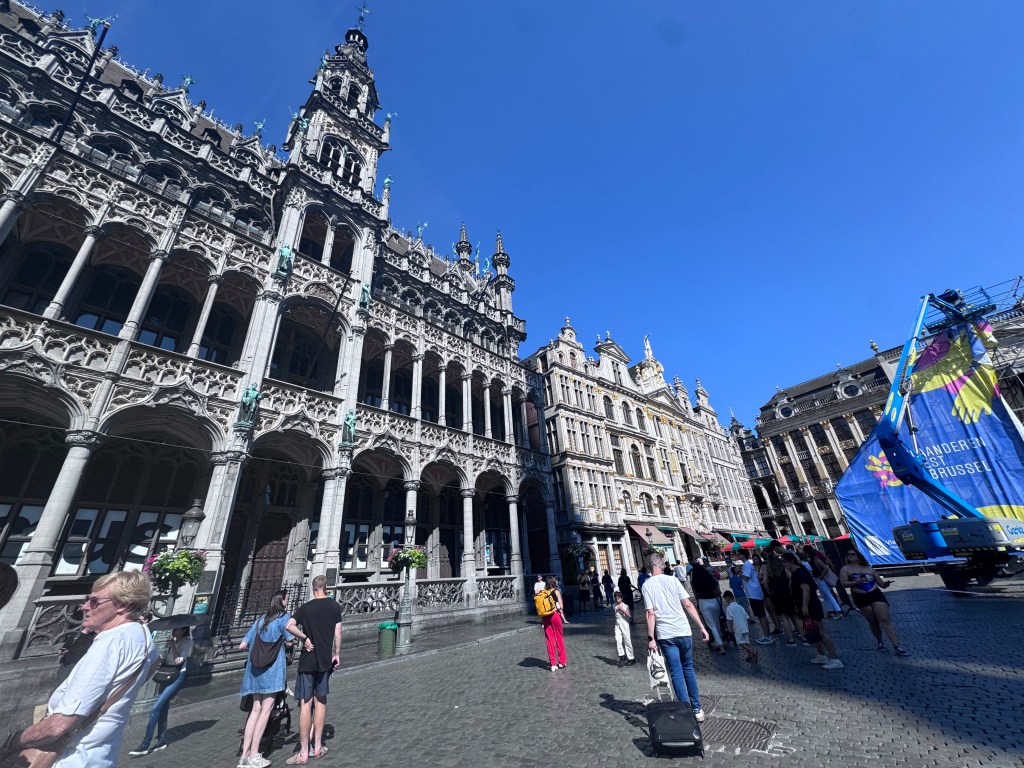
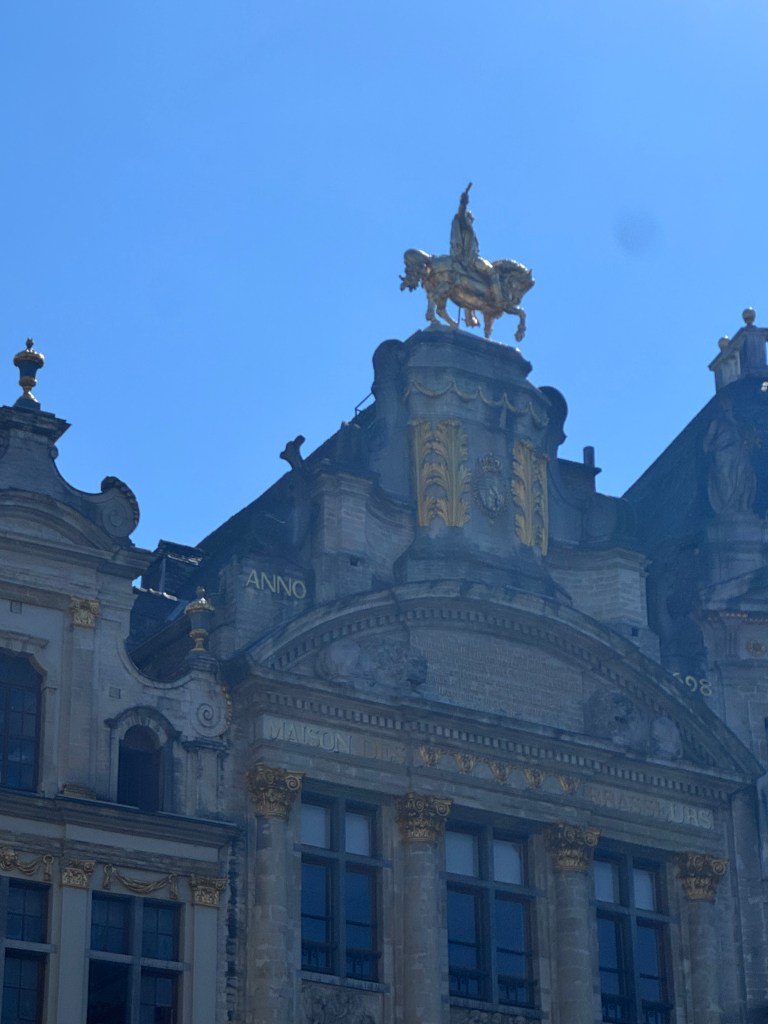
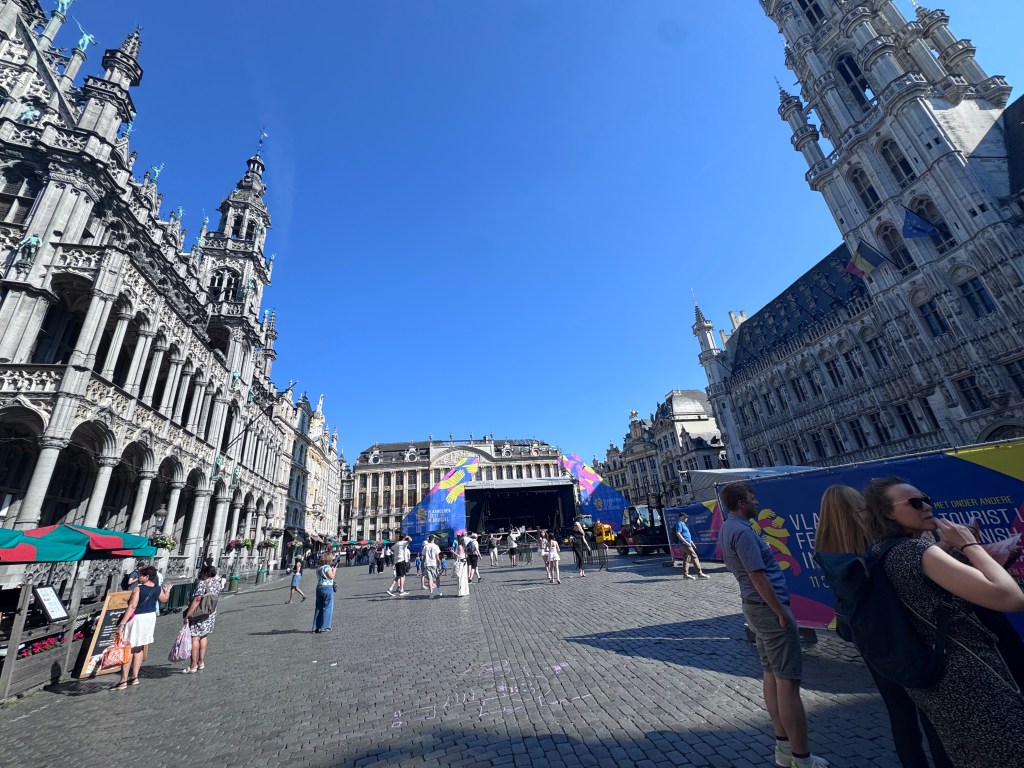
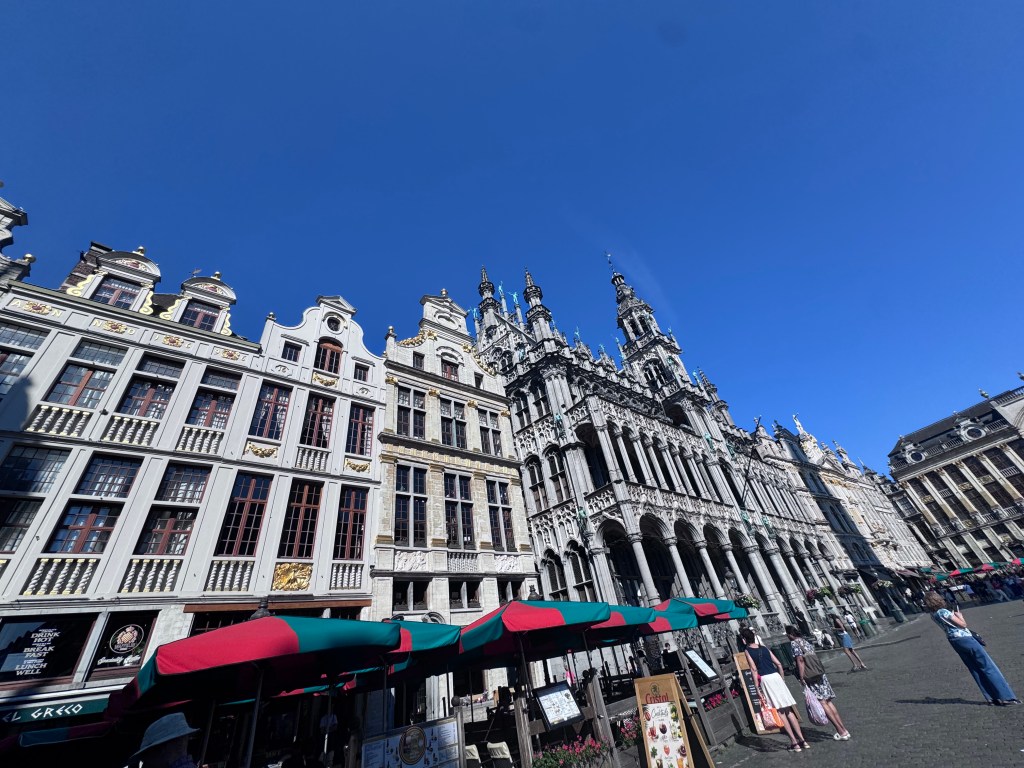
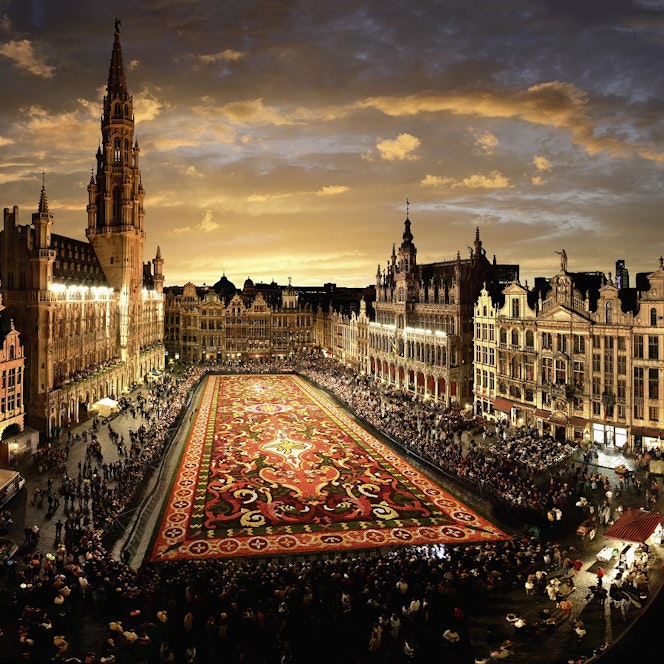
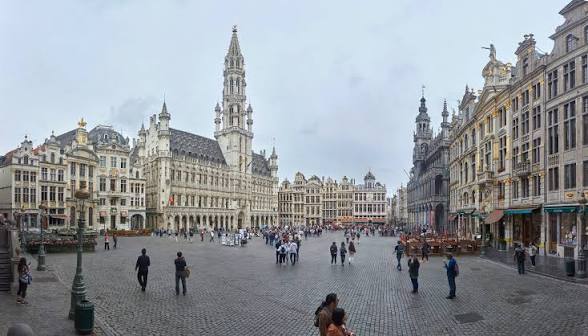
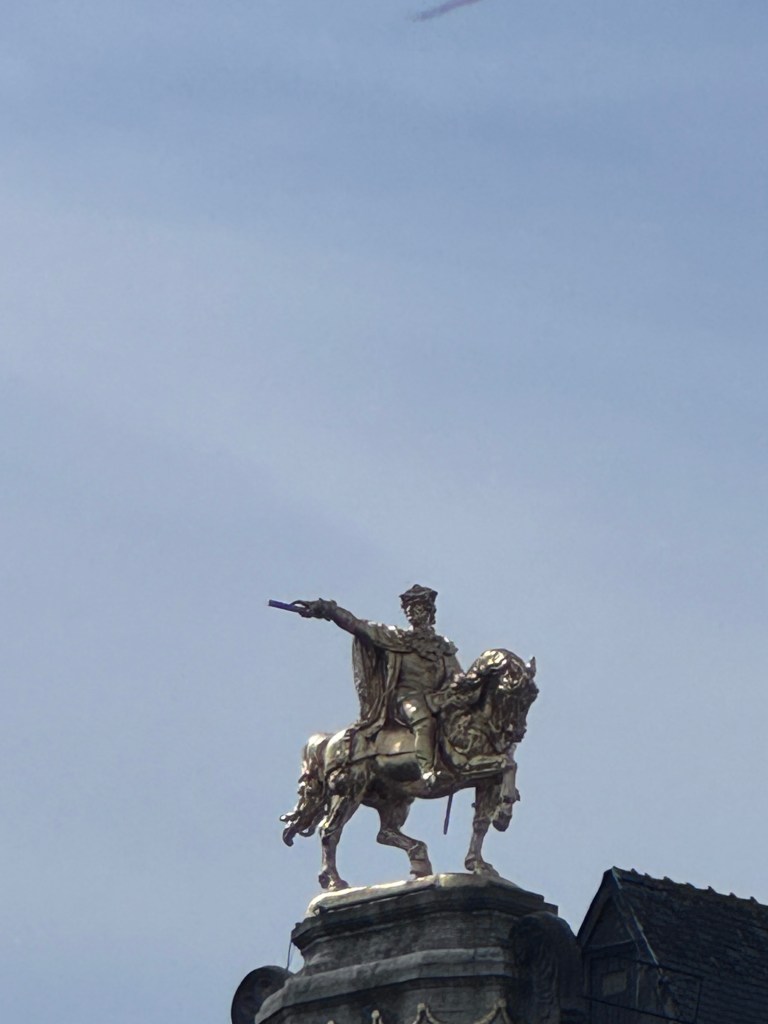
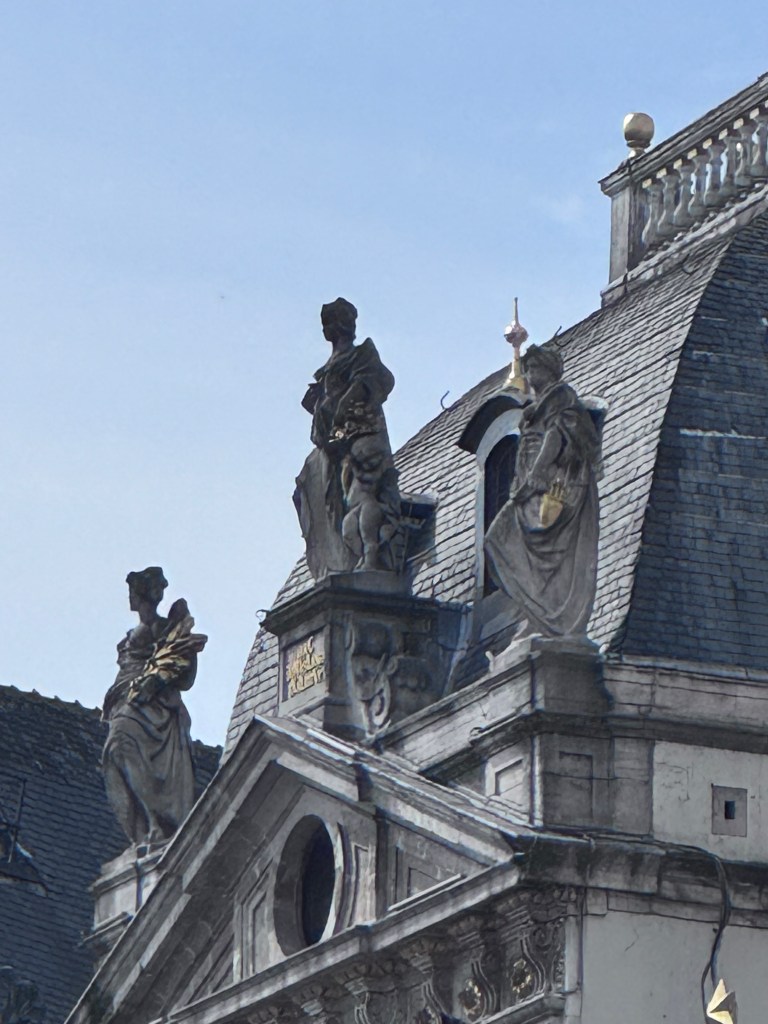
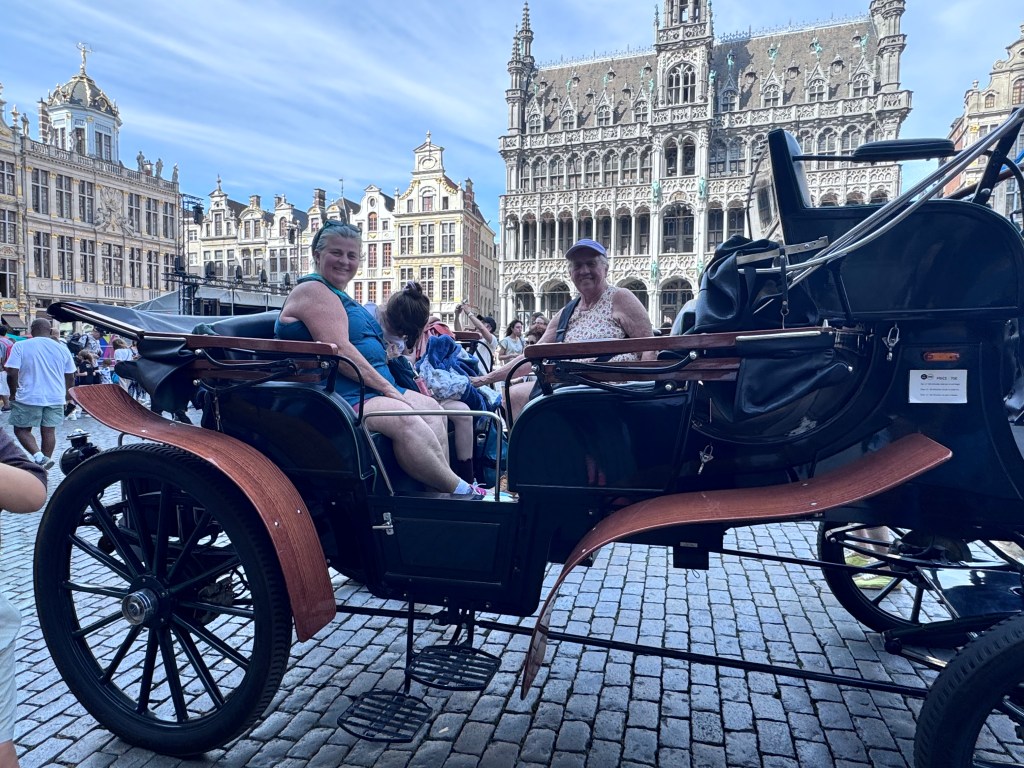
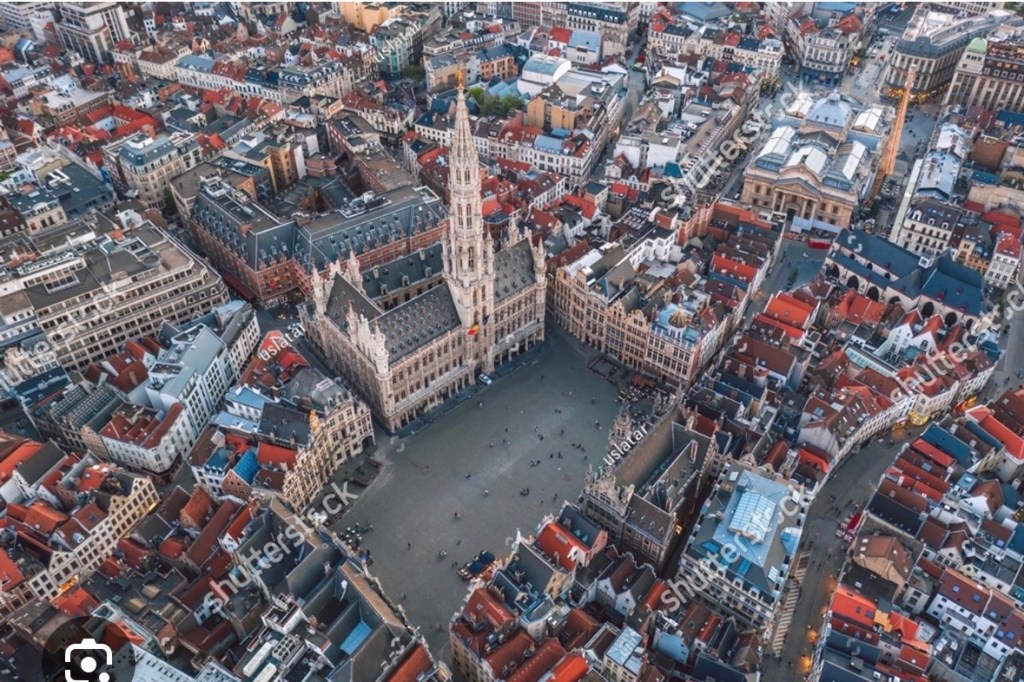
That evening we also wandered through the Grand Place. I had seen countless photographs before arriving, but nothing compares to standing there in person. Dating back to the 11th century, the Grand Place has been the heart of Brussels for nearly a thousand years and is recognized as a UNESCO World Heritage Site. It is surrounded by magnificent guildhalls whose richly decorated facades are covered in gold leaf, sculptures, and elaborate carvings. The Gothic Town Hall, with its soaring spire, dominates one side of the square, while the King’s House (Maison du Roi) stands opposite. As the evening light reflected off the gold detailing, the entire square seemed to glow. It is easily one of the most beautiful city squares we have visited anywhere in Europe.
The elevator, however, still wasn’t fixed when we returned to the apartment.

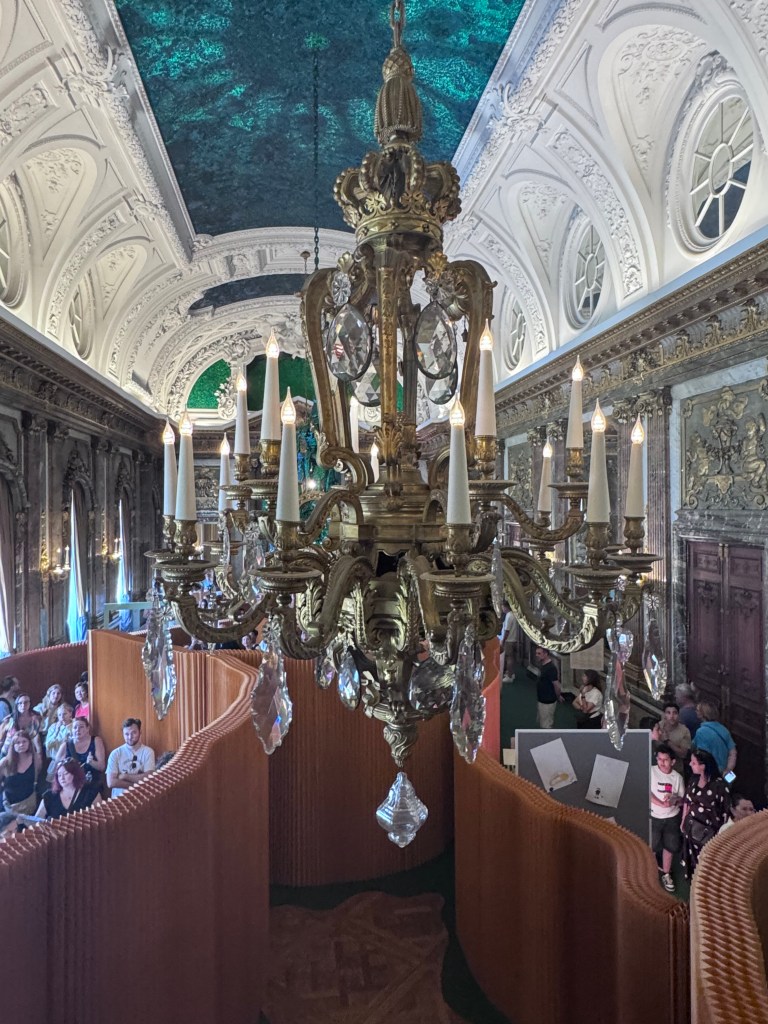
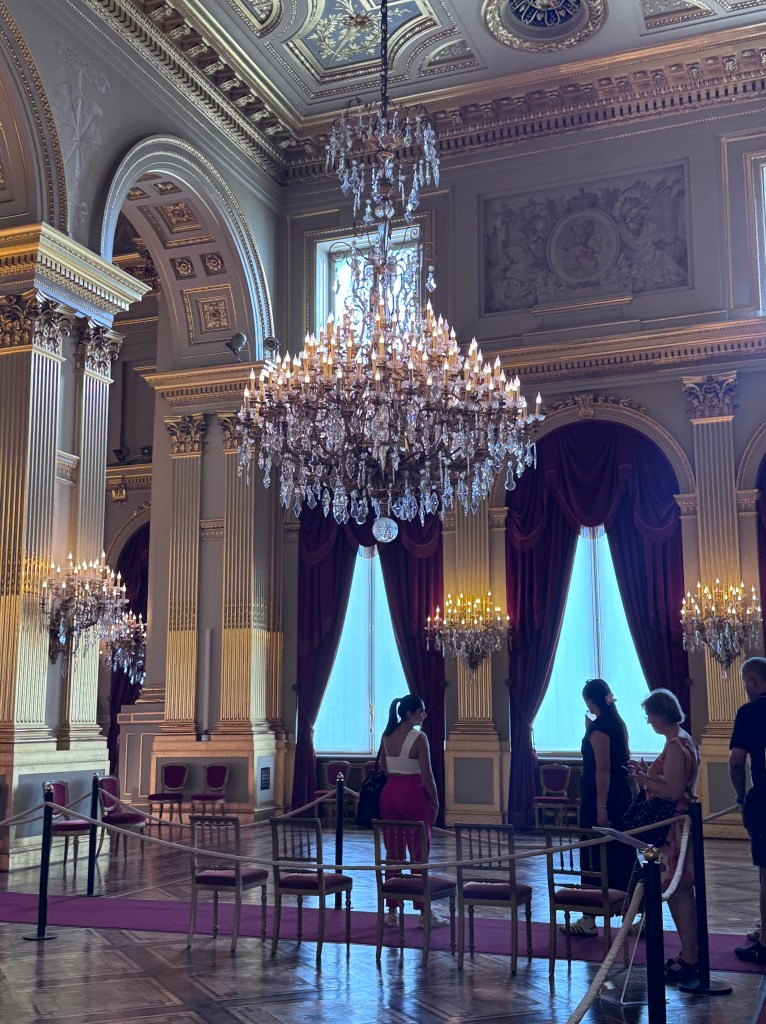
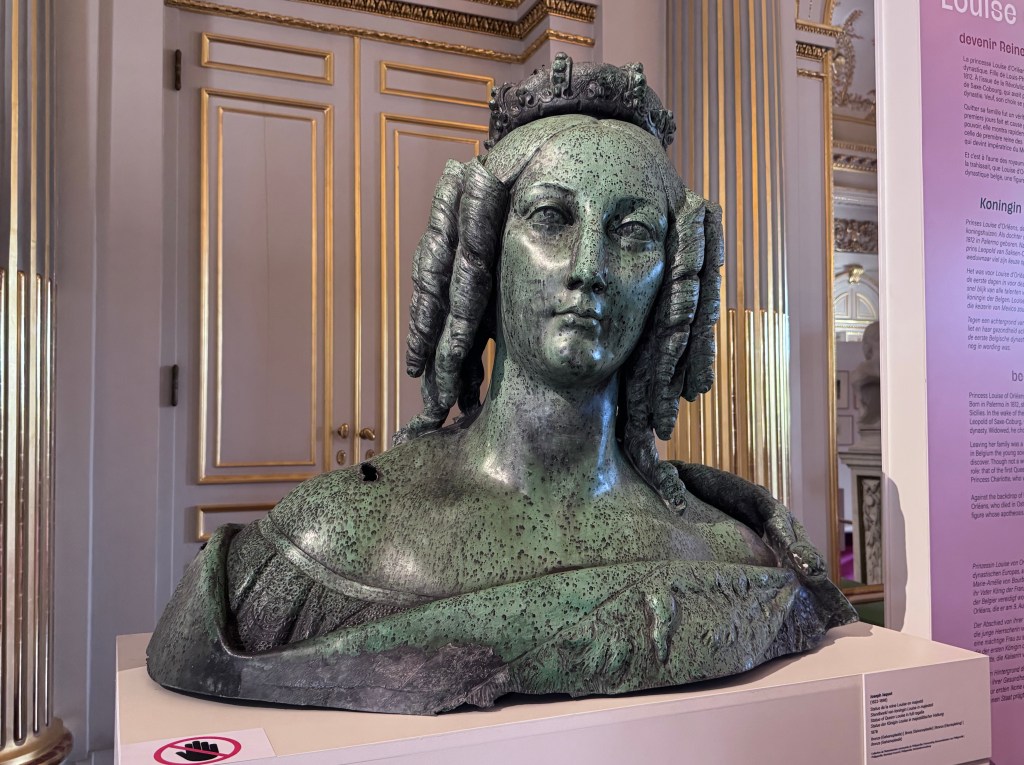
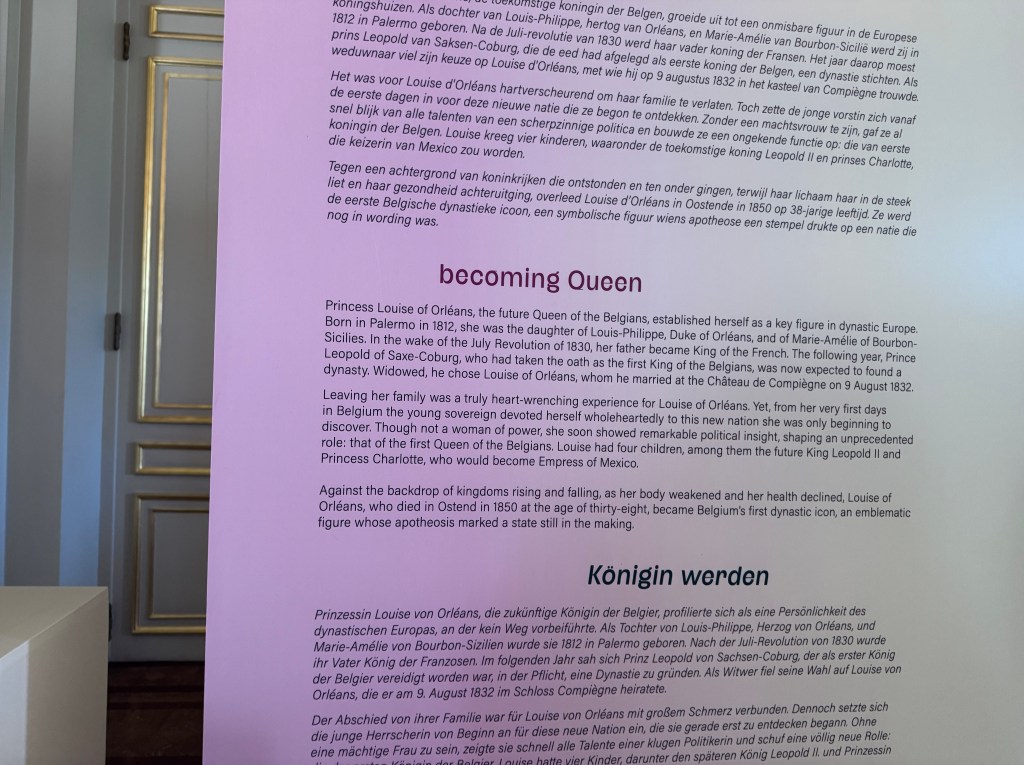
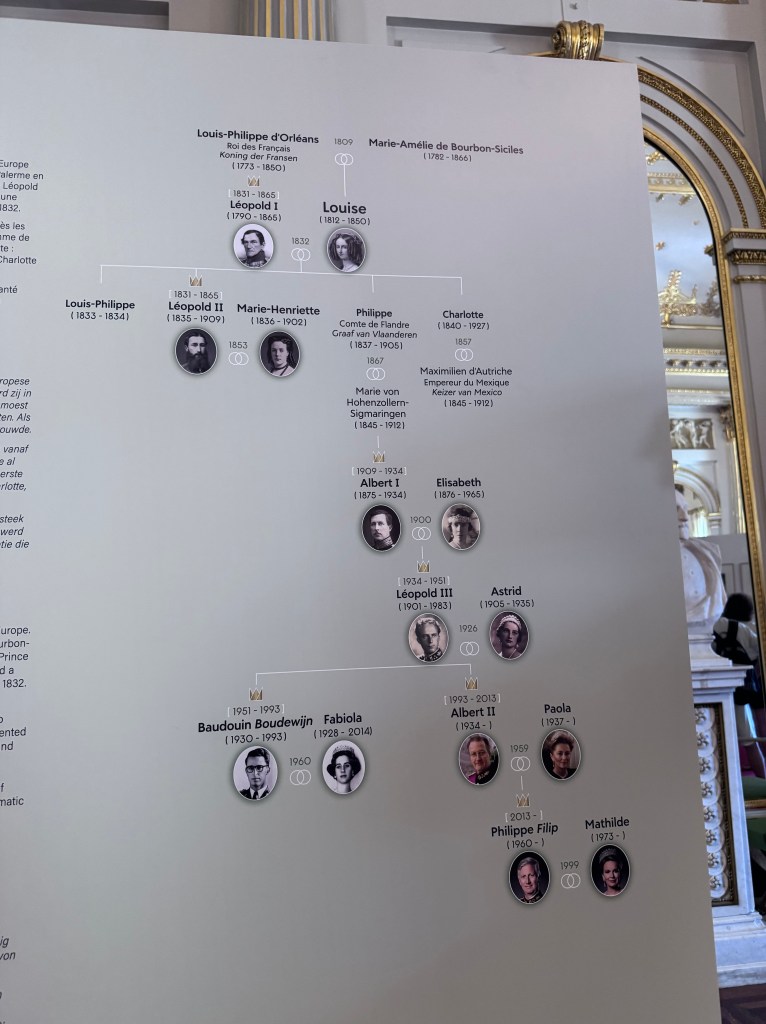
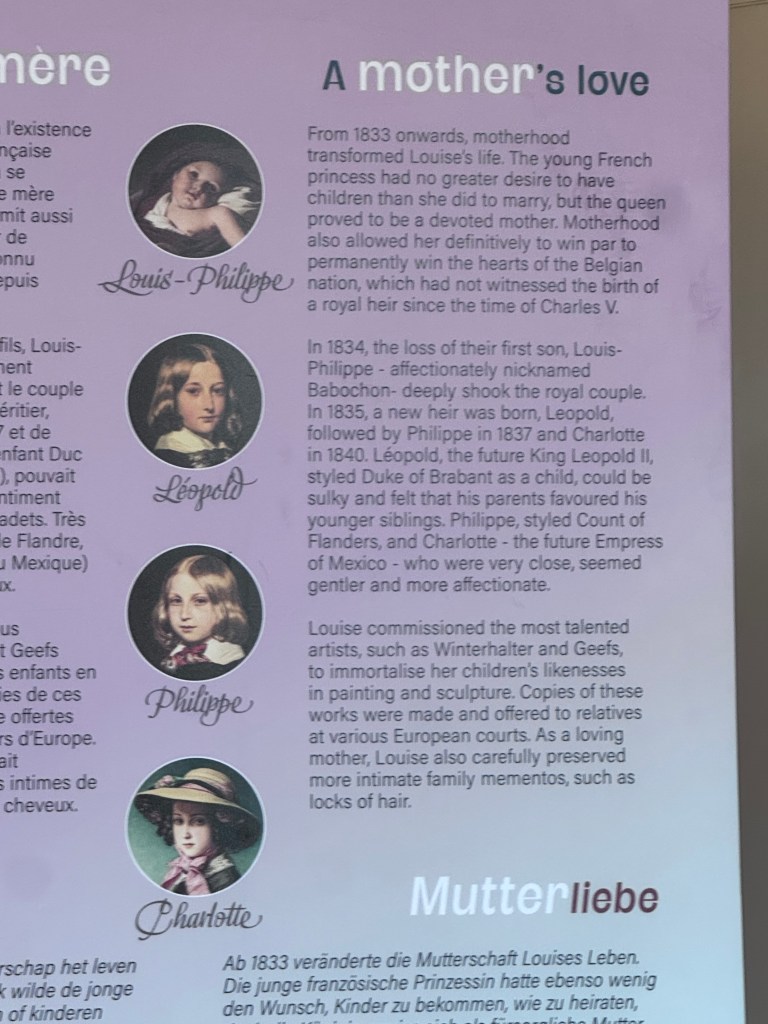
The next morning we took an Uber to the Royal Palace of Brussels. Each summer, after Belgium’s King and Queen leave for their summer residence, the palace opens its doors to the public for several weeks. Although it remains the King’s official administrative residence and is used for state ceremonies and official receptions, the royal family does not actually live there.

Walking through the palace was almost beyond comprehension.

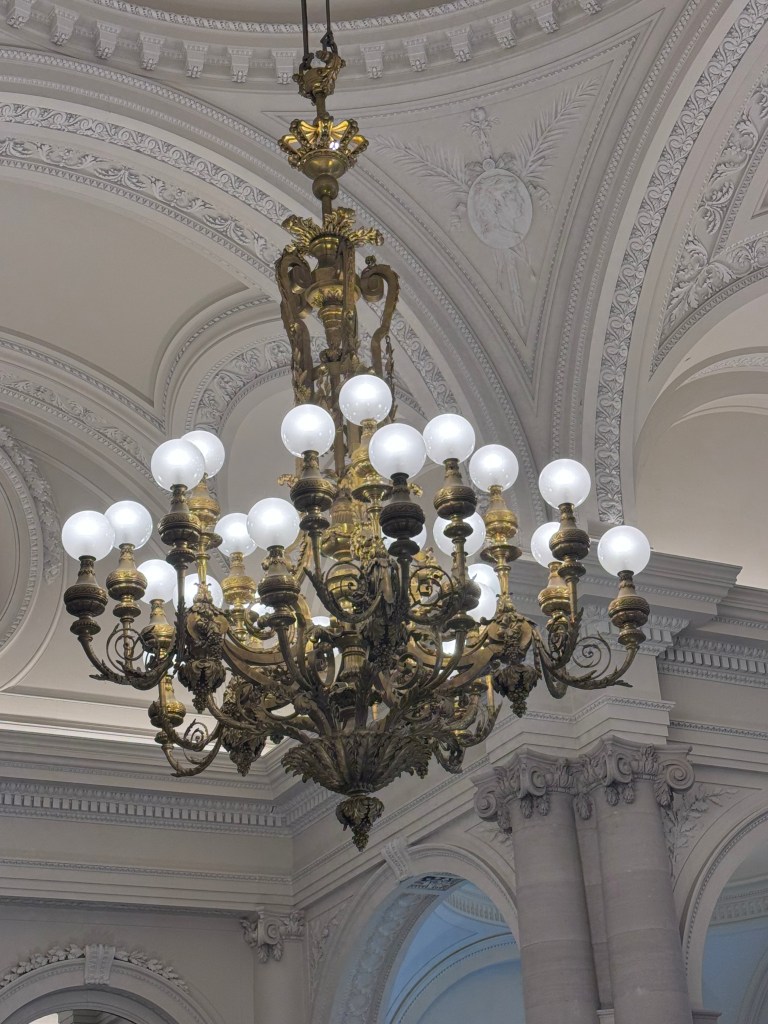
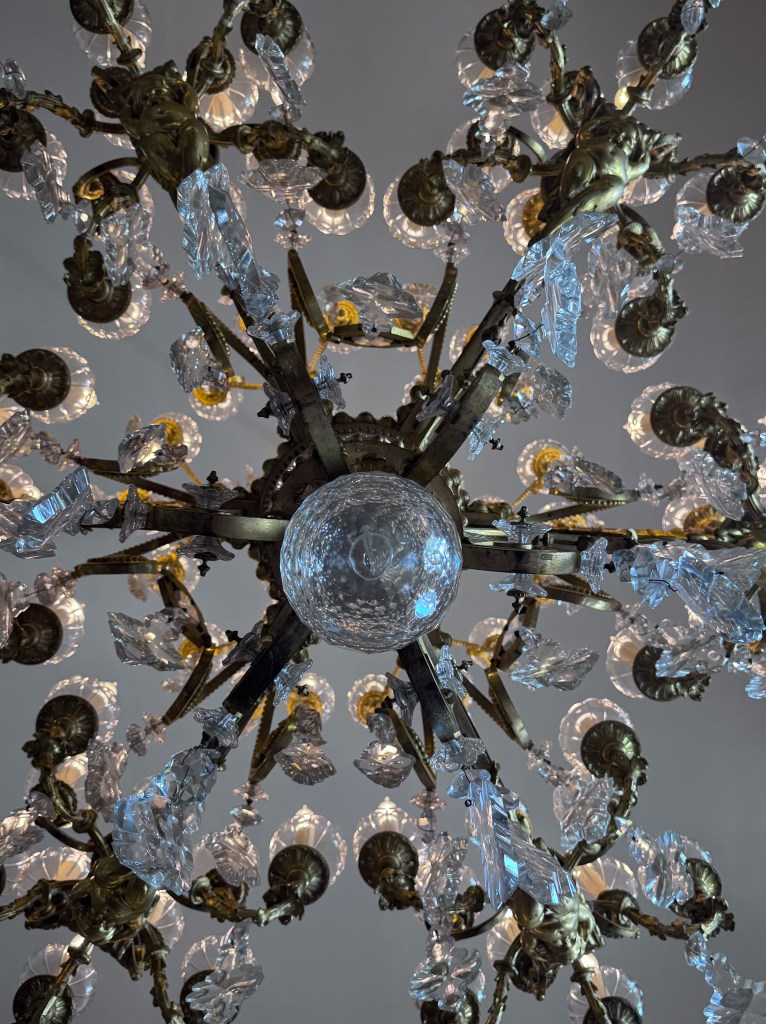
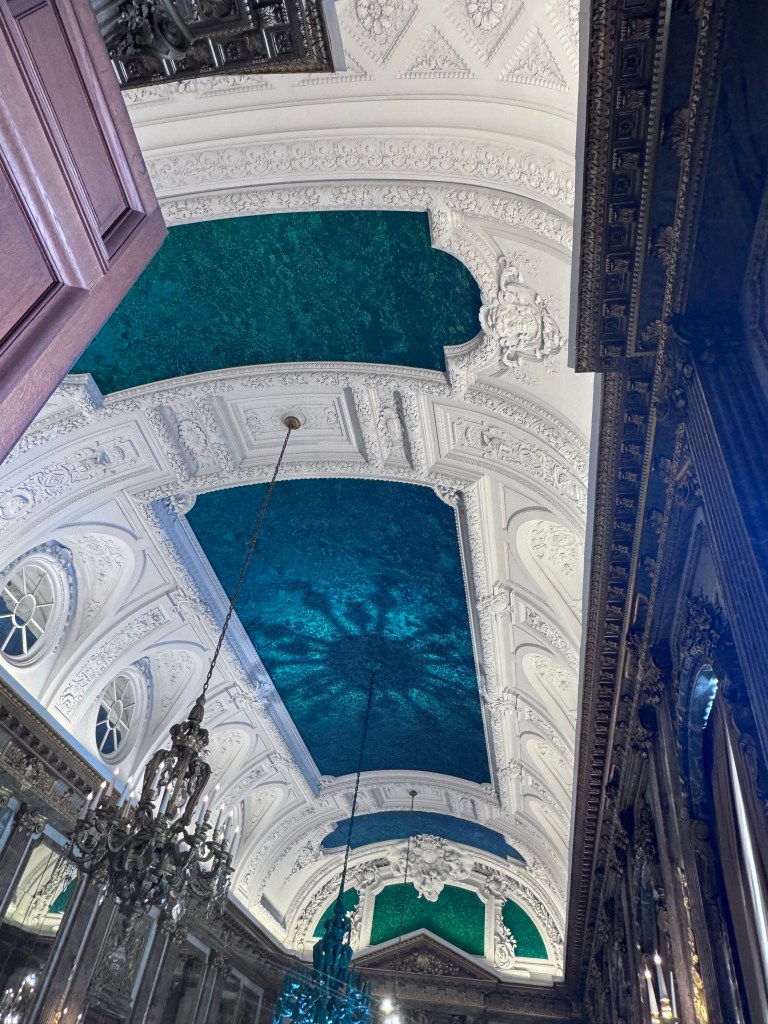
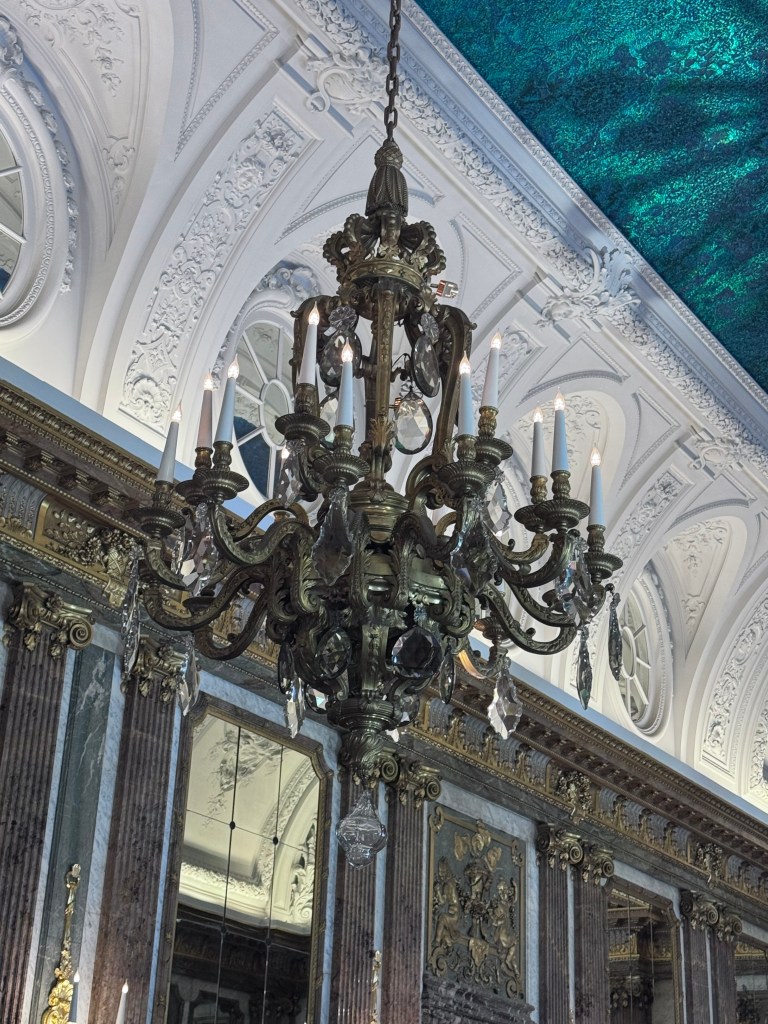
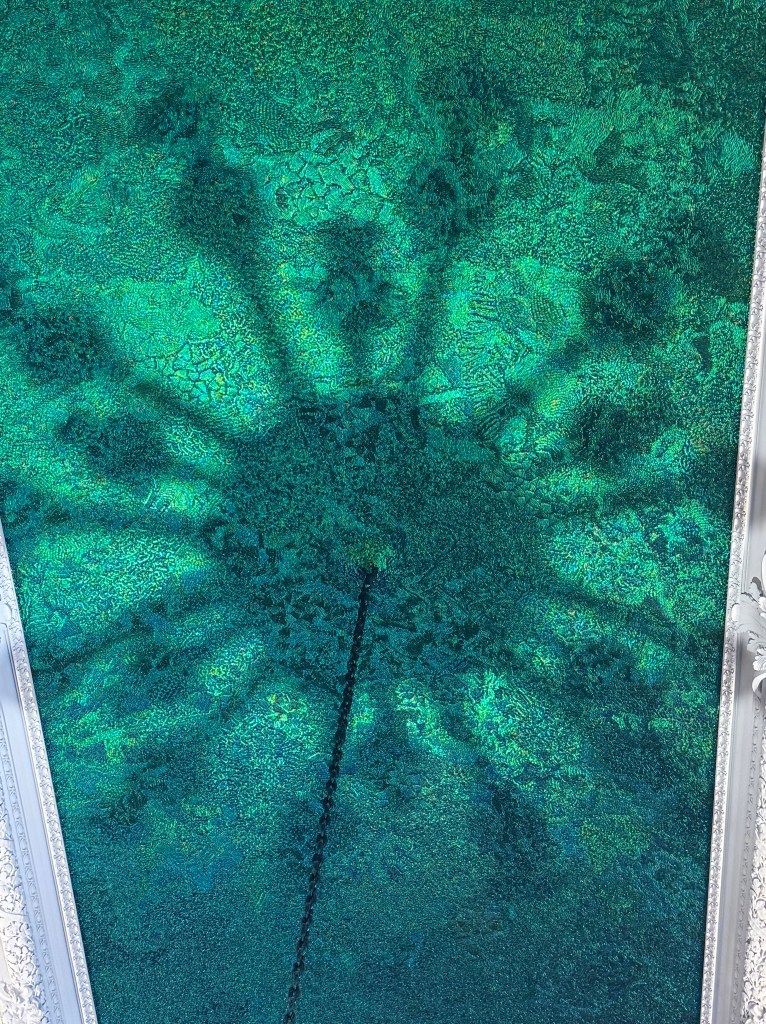
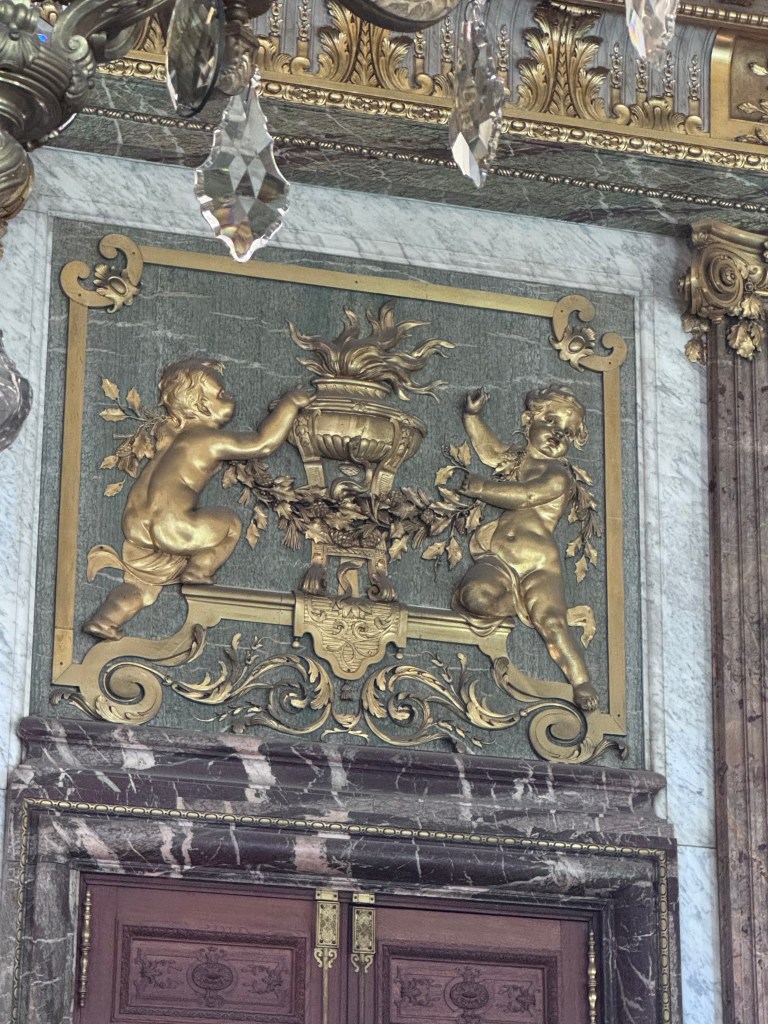
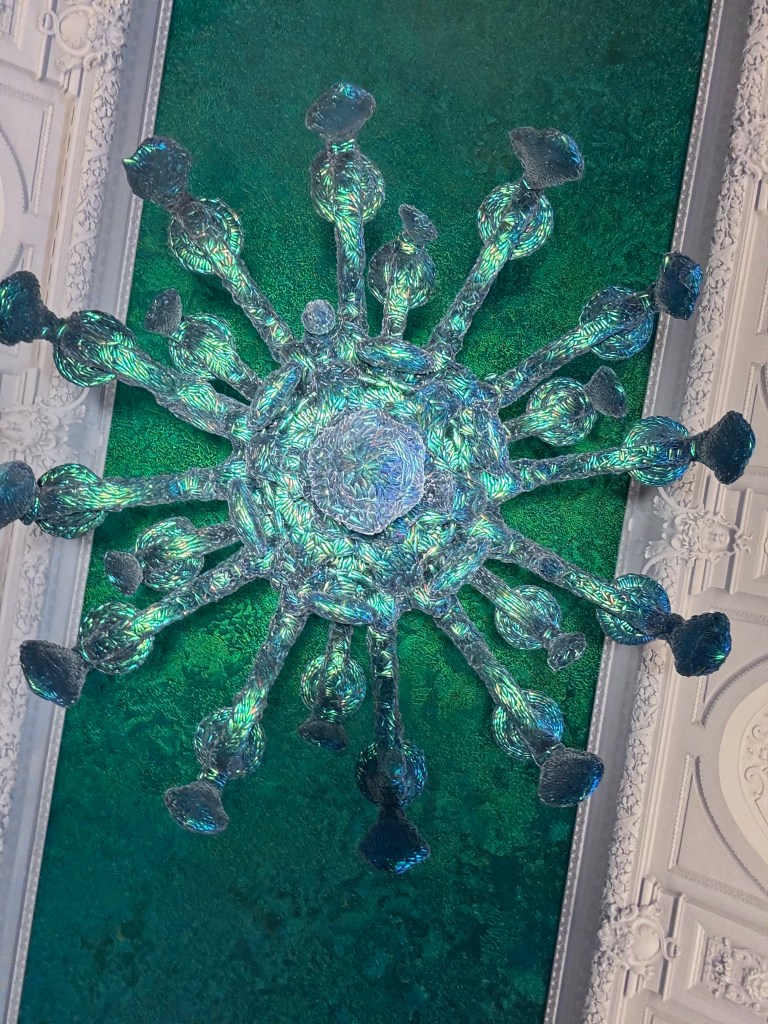
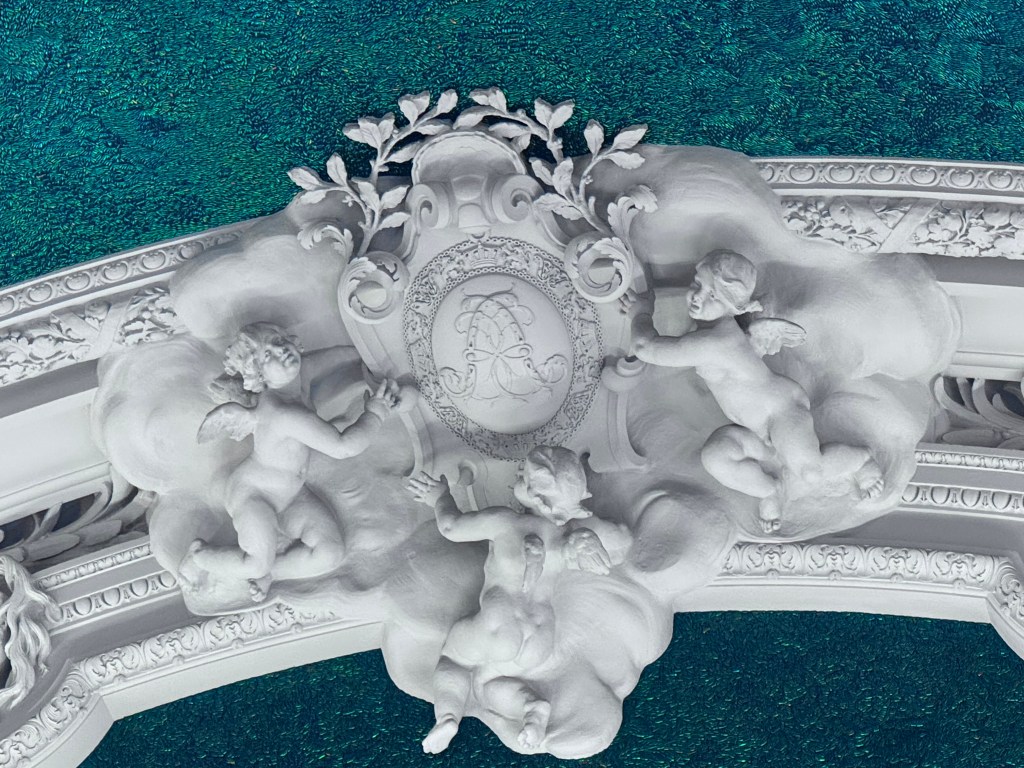
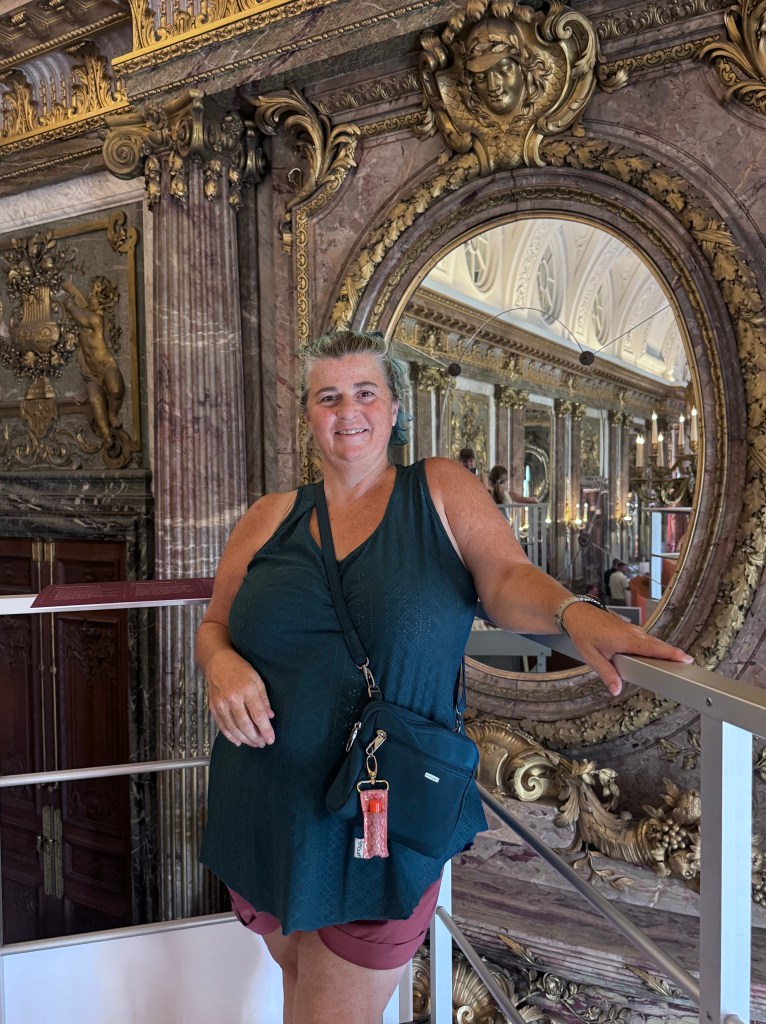
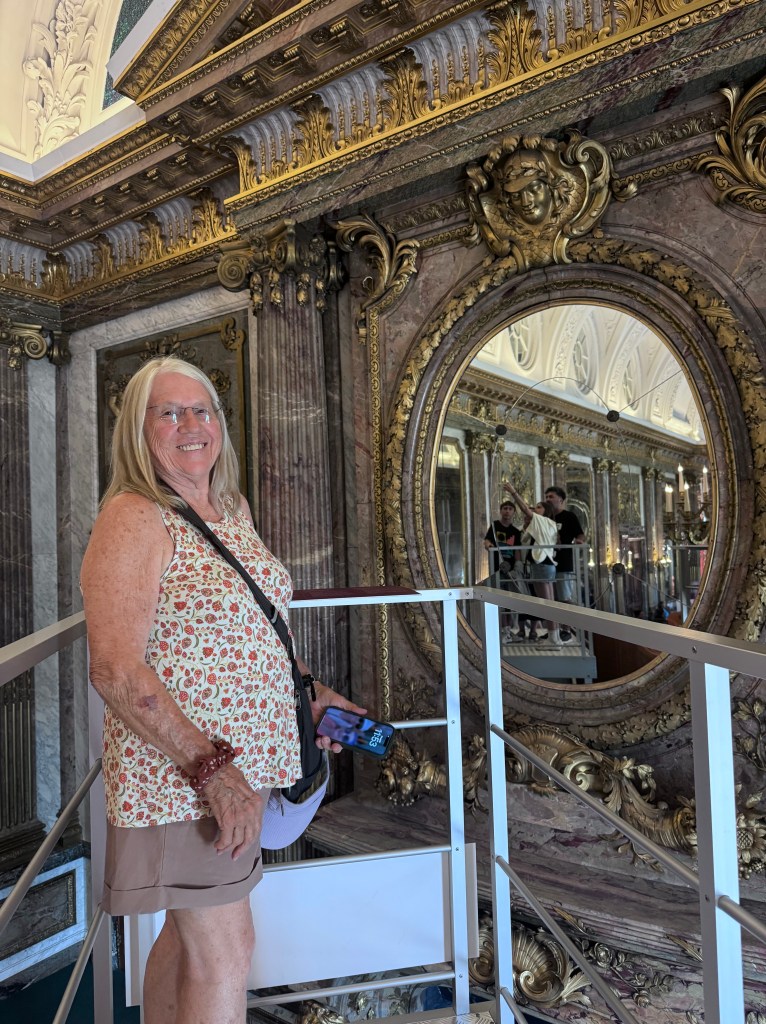
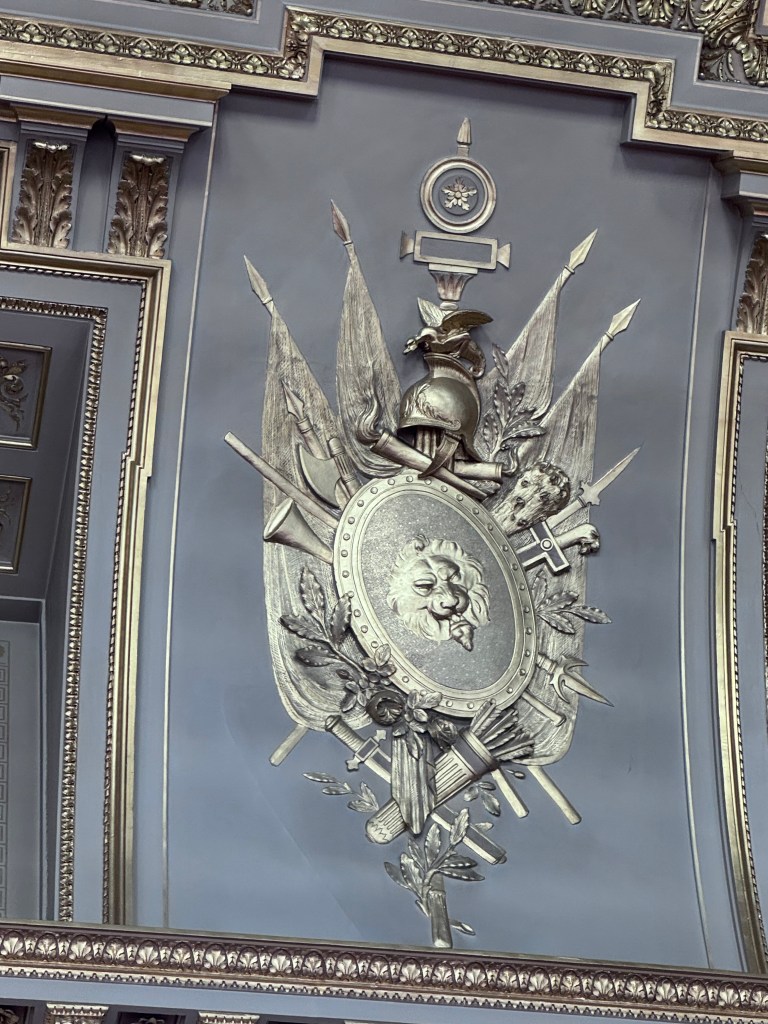
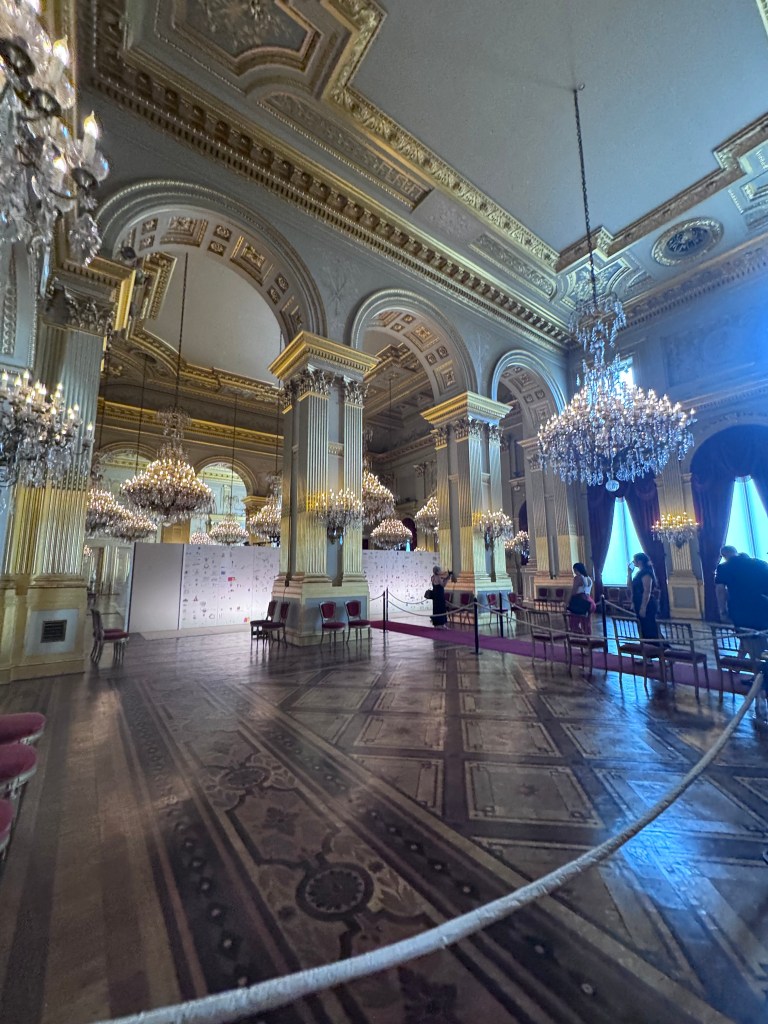
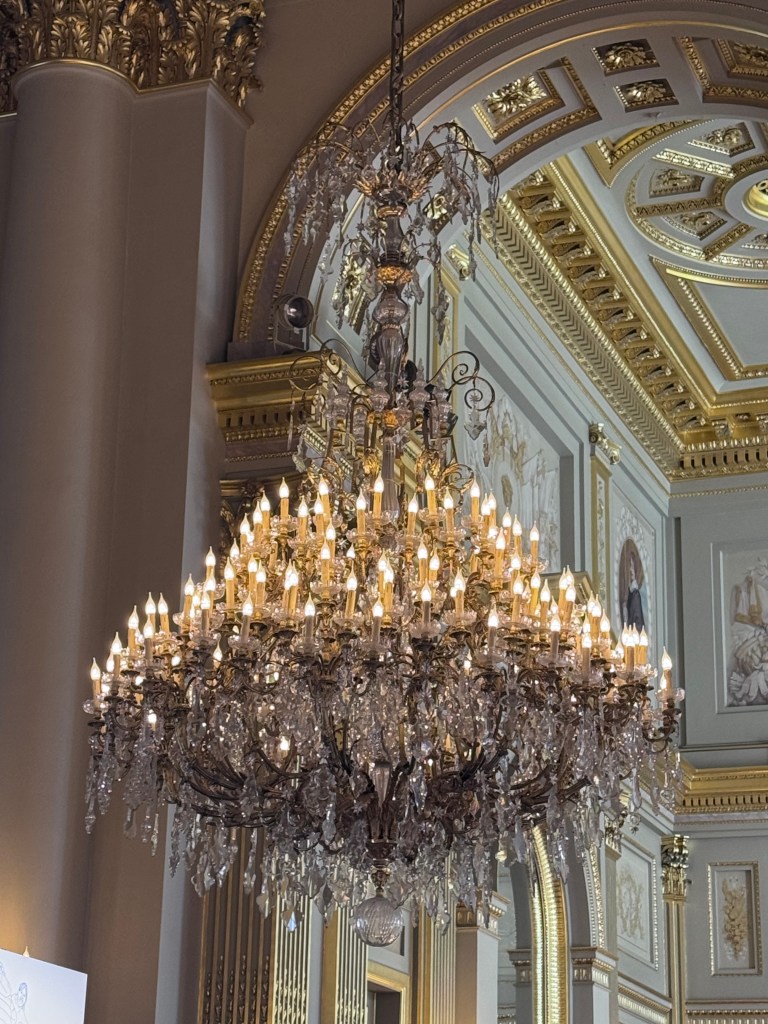
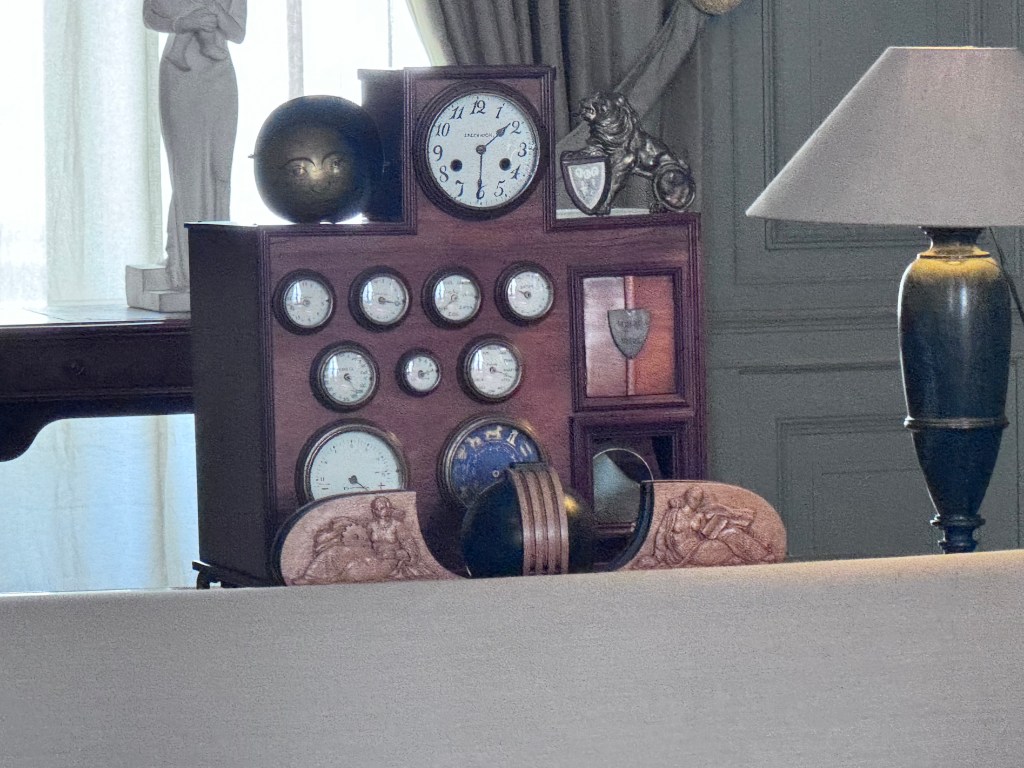
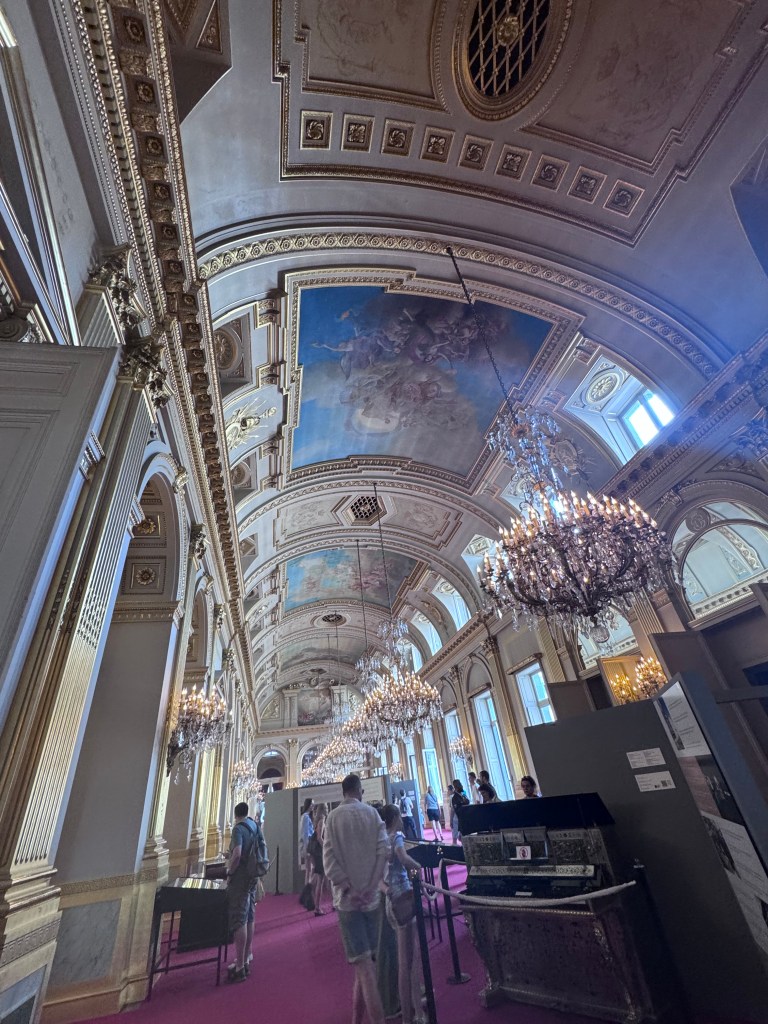
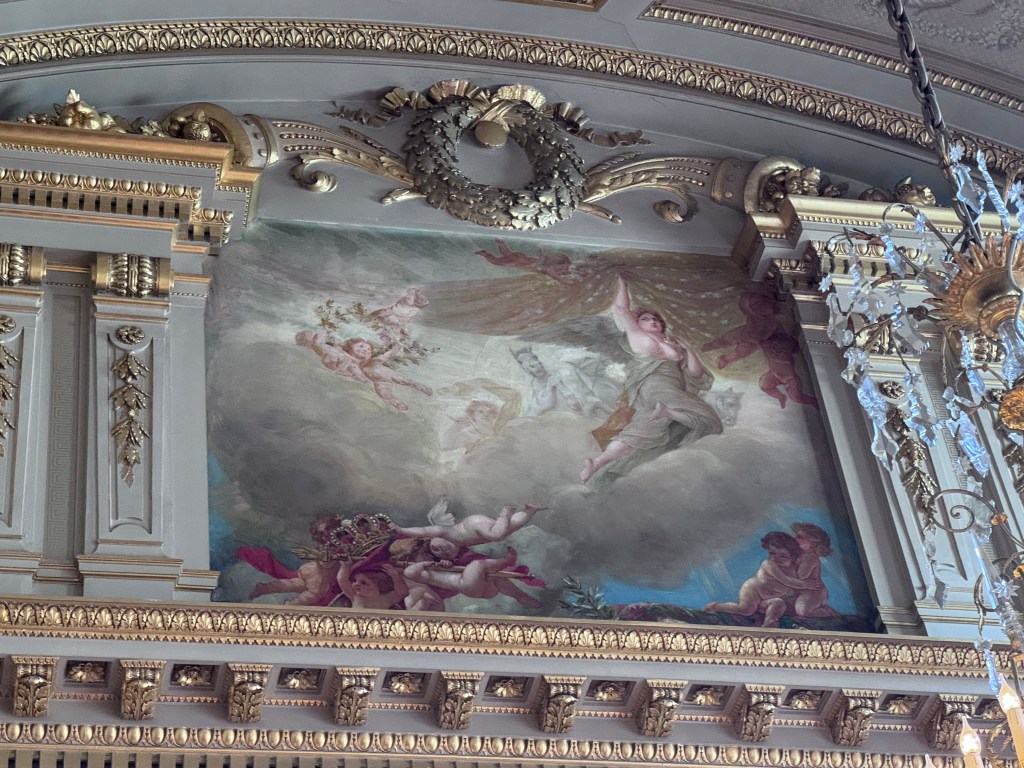
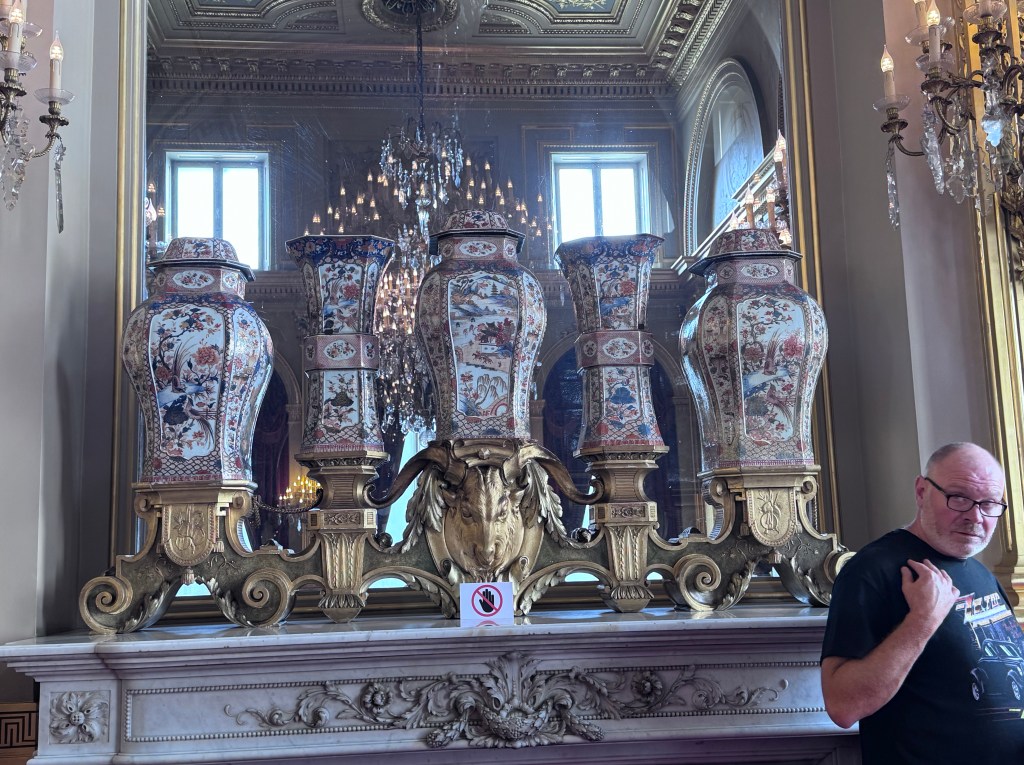
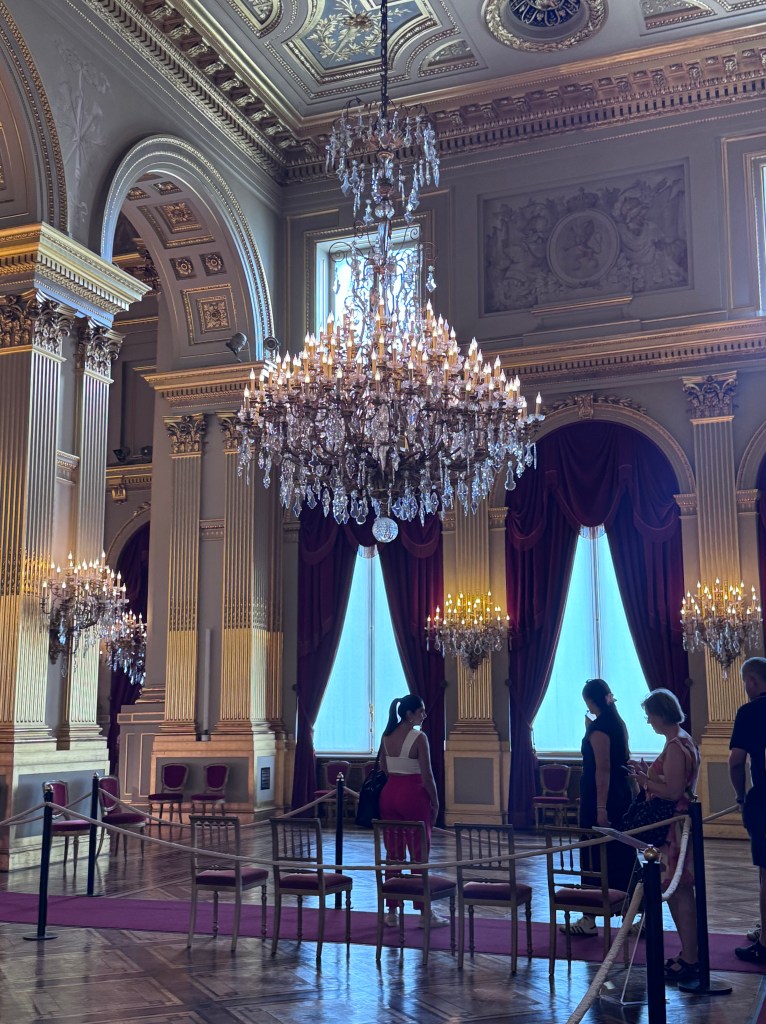
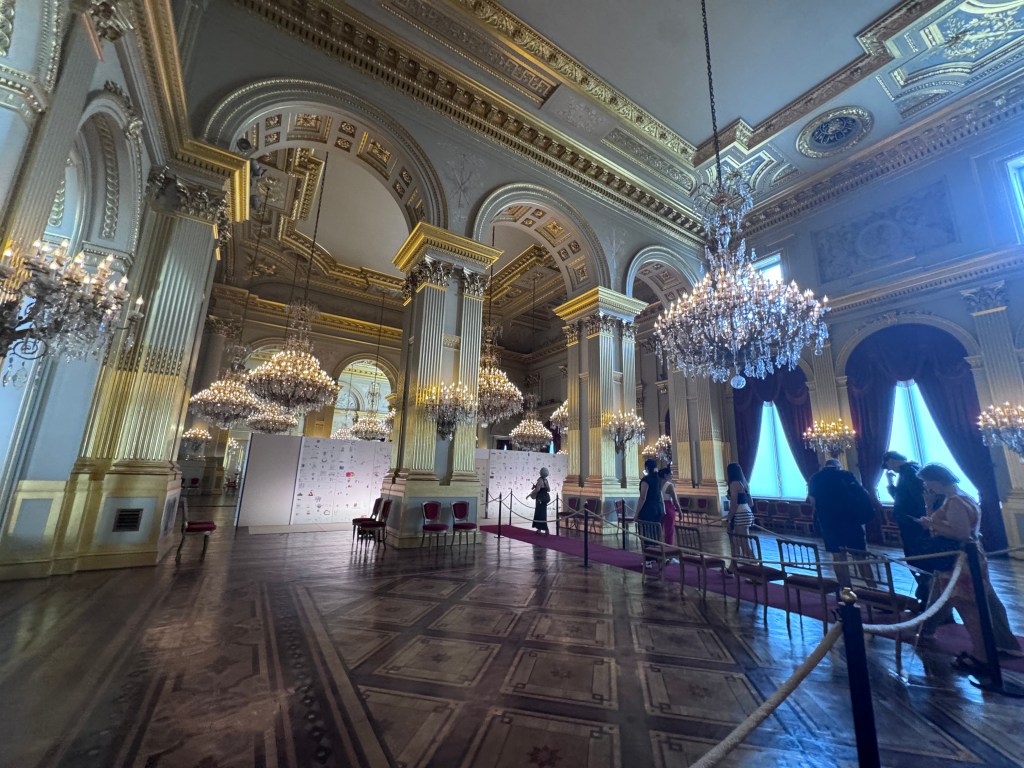
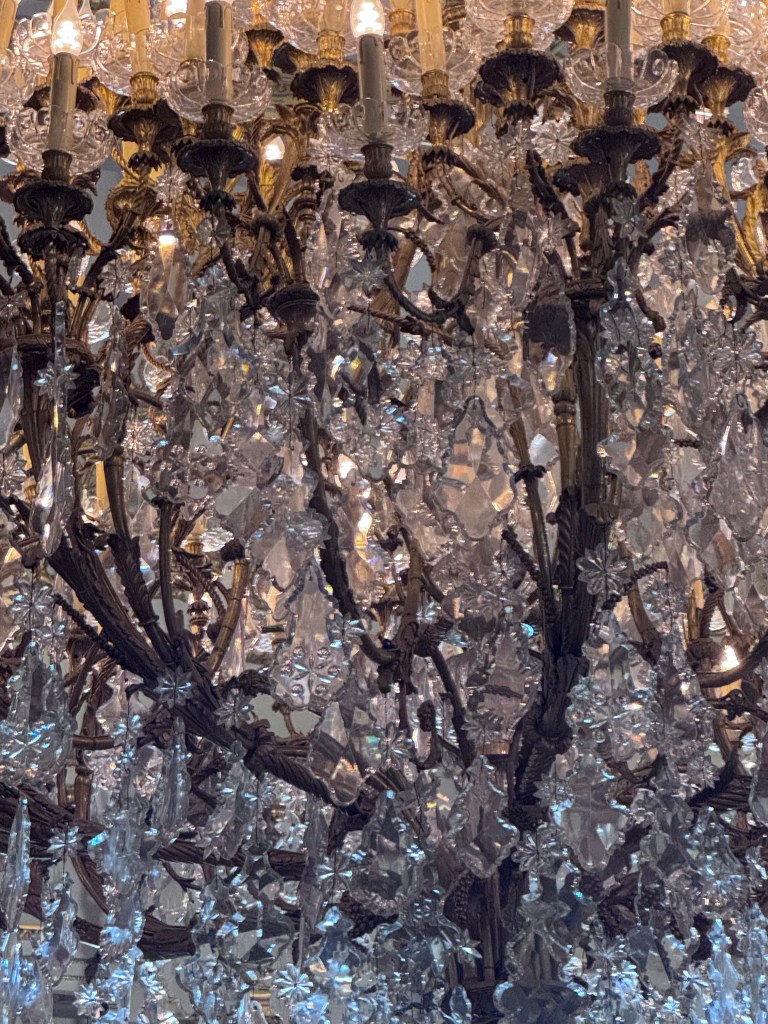
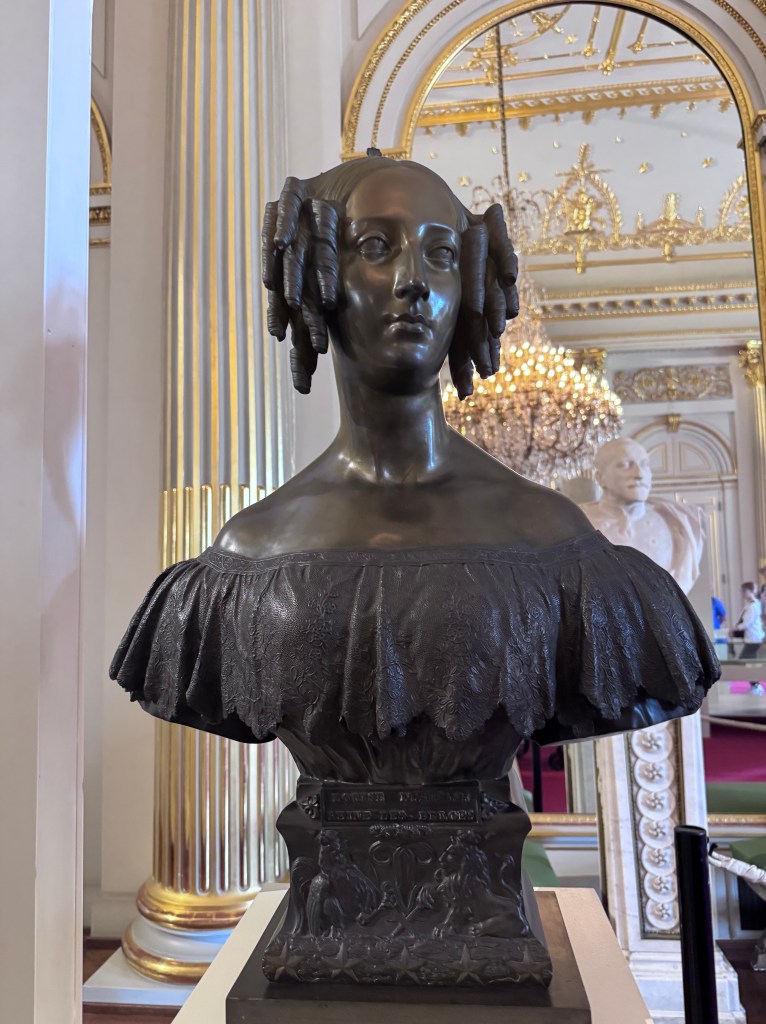
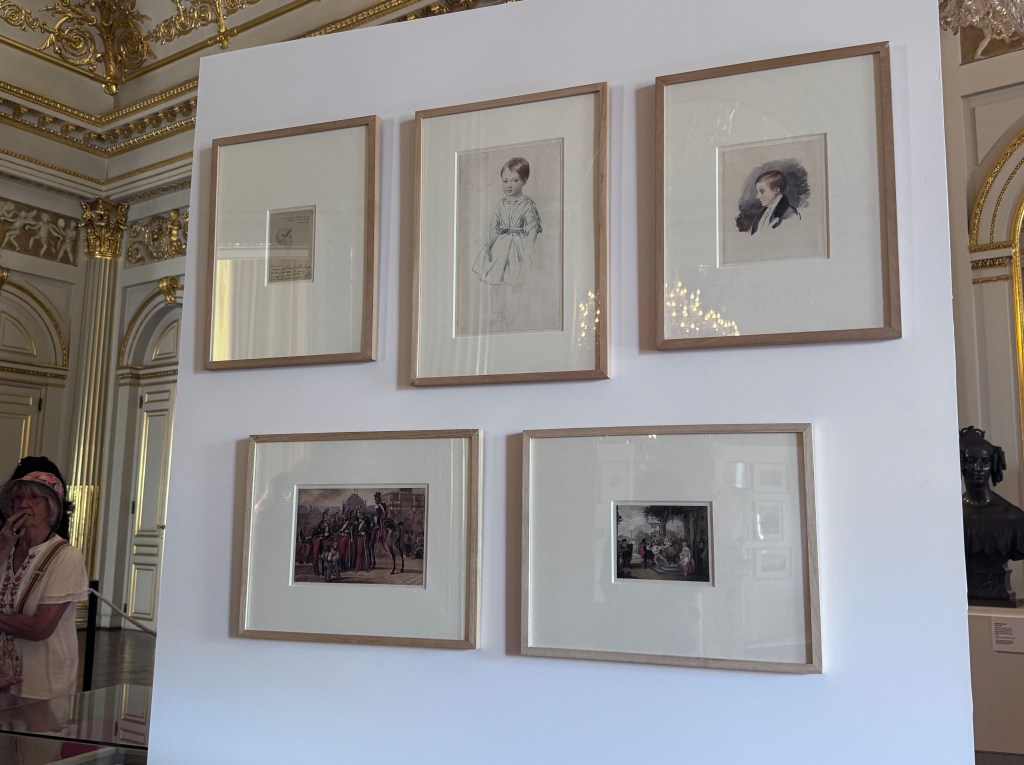
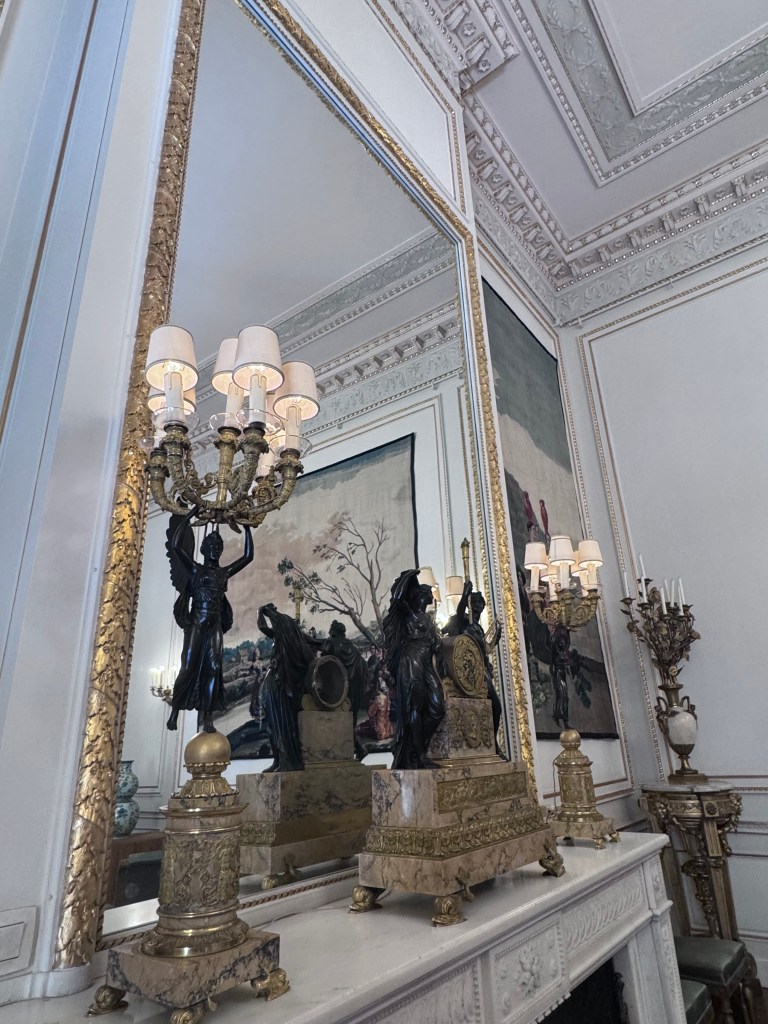
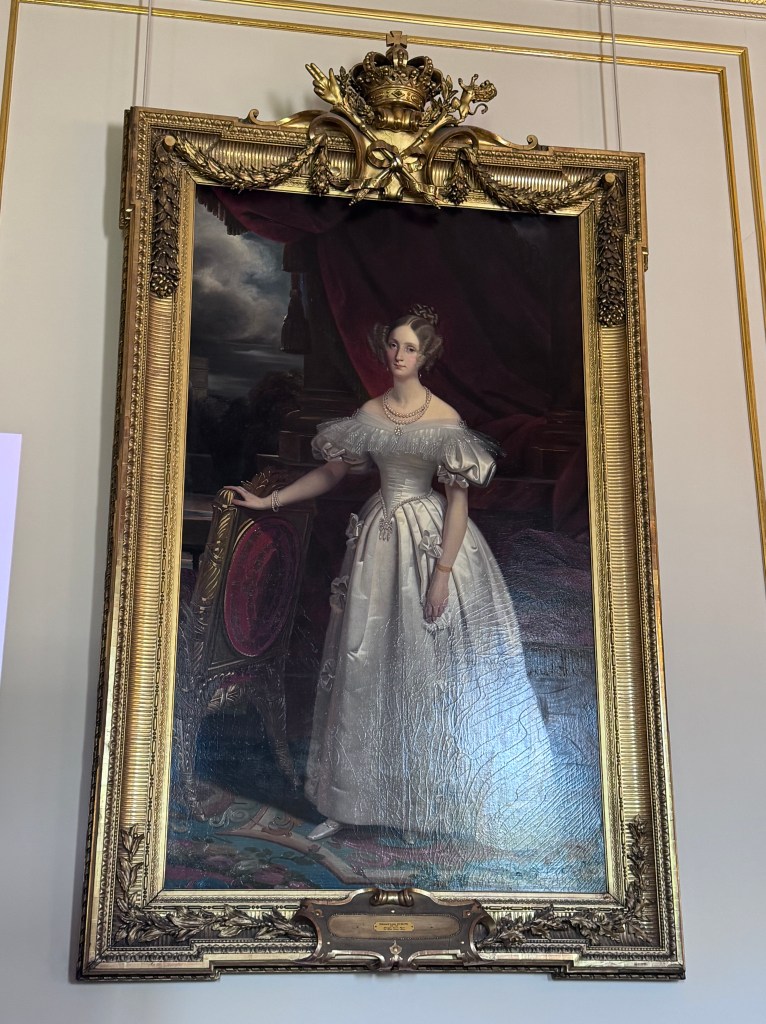
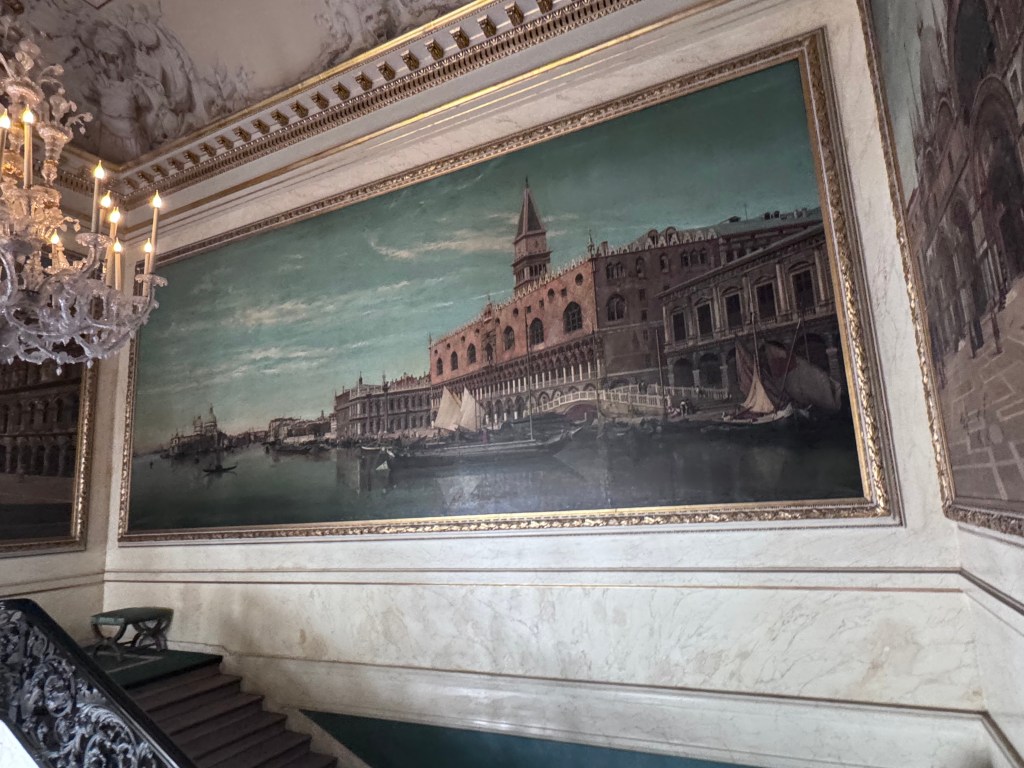
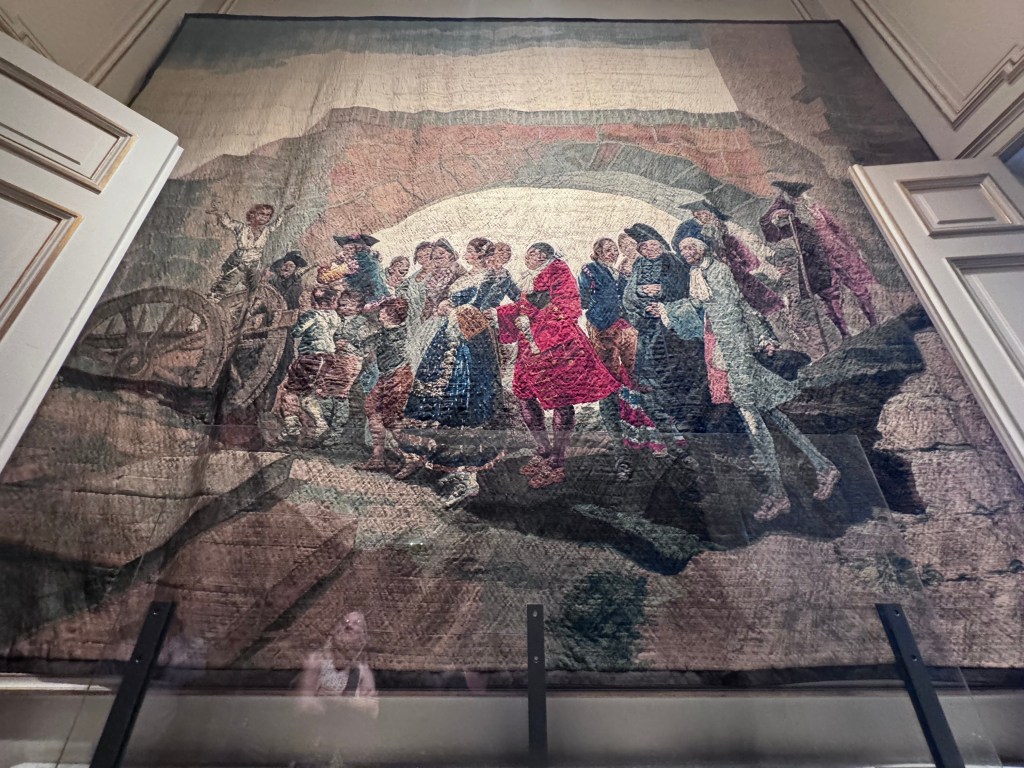
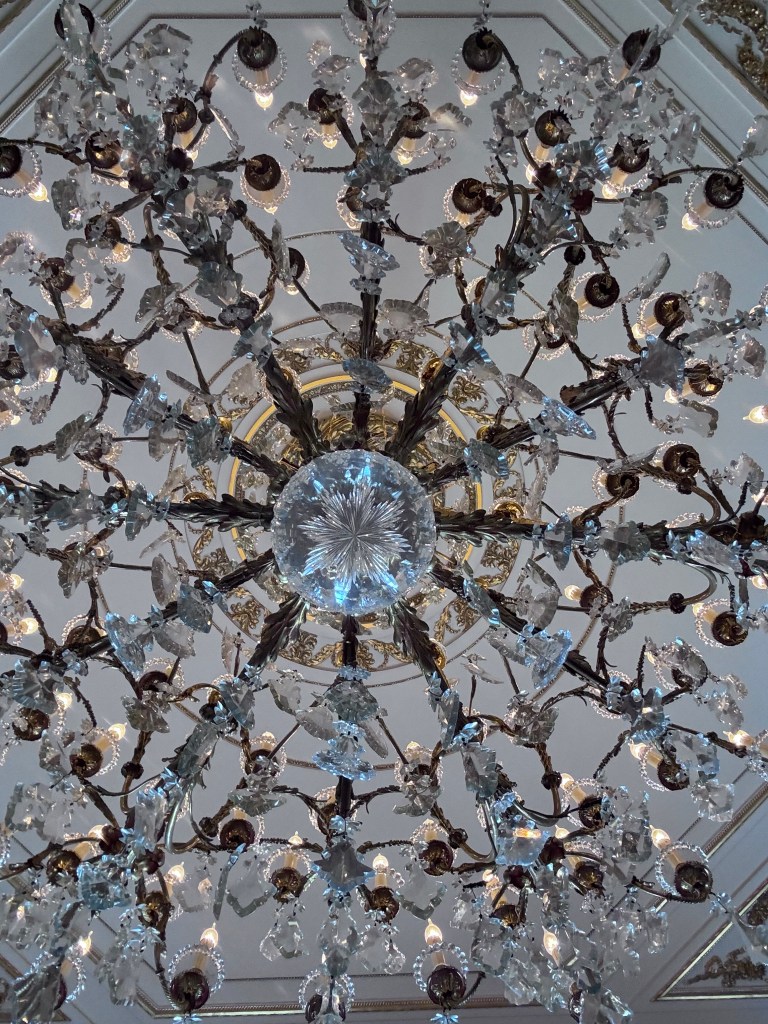
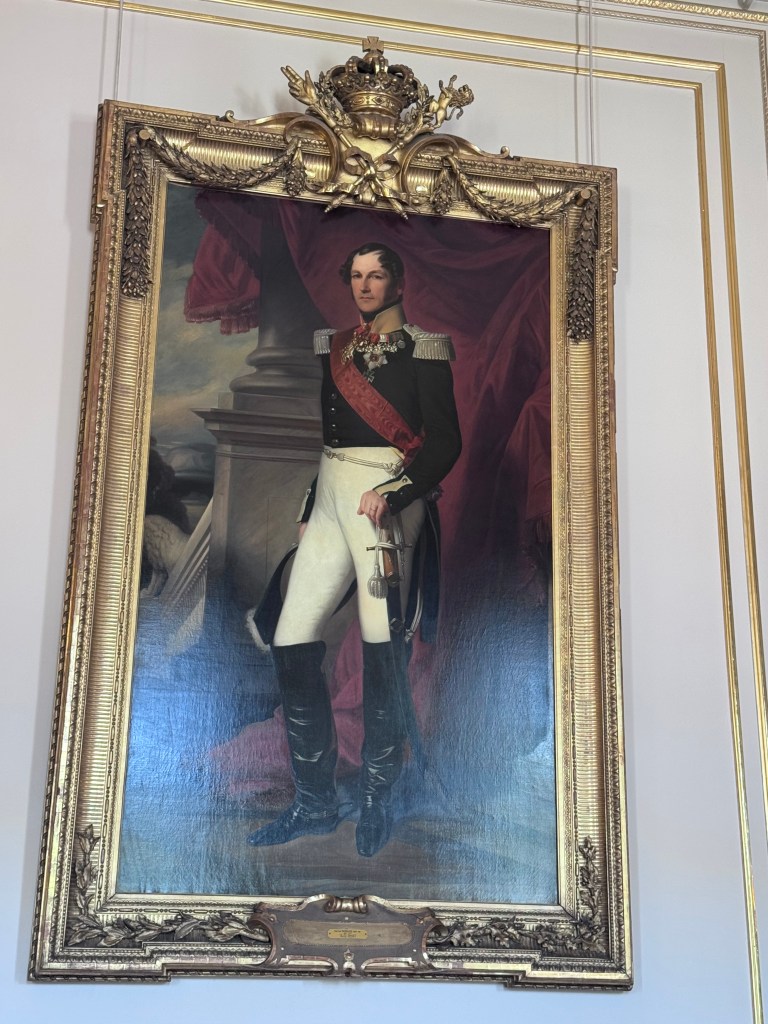
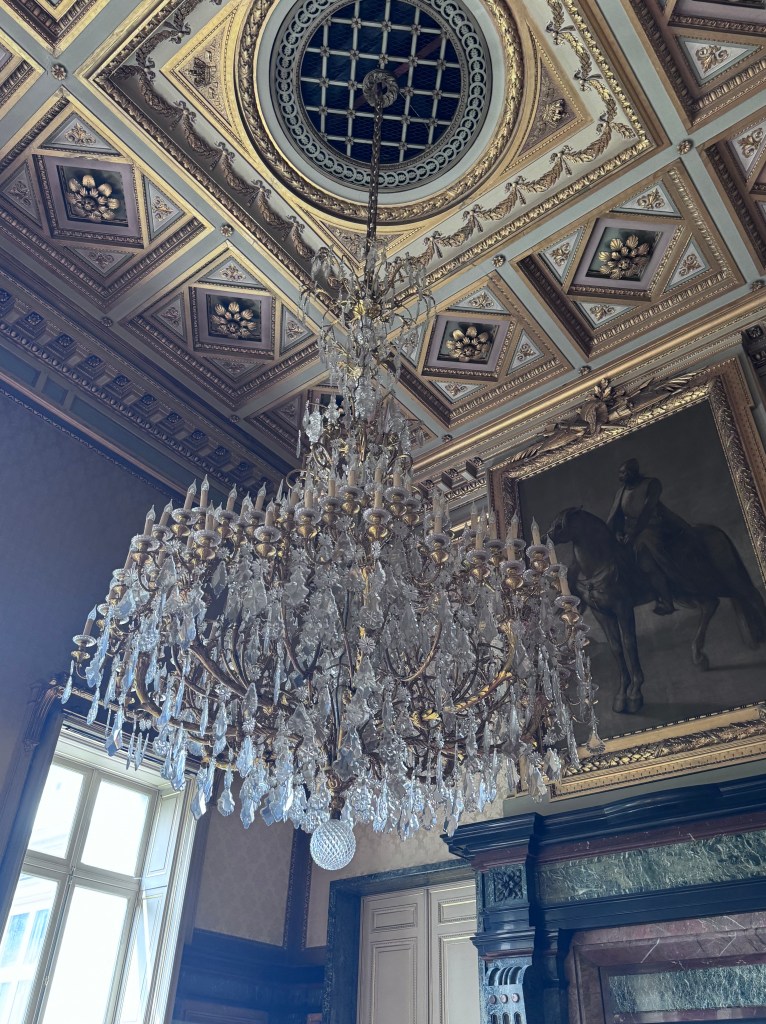
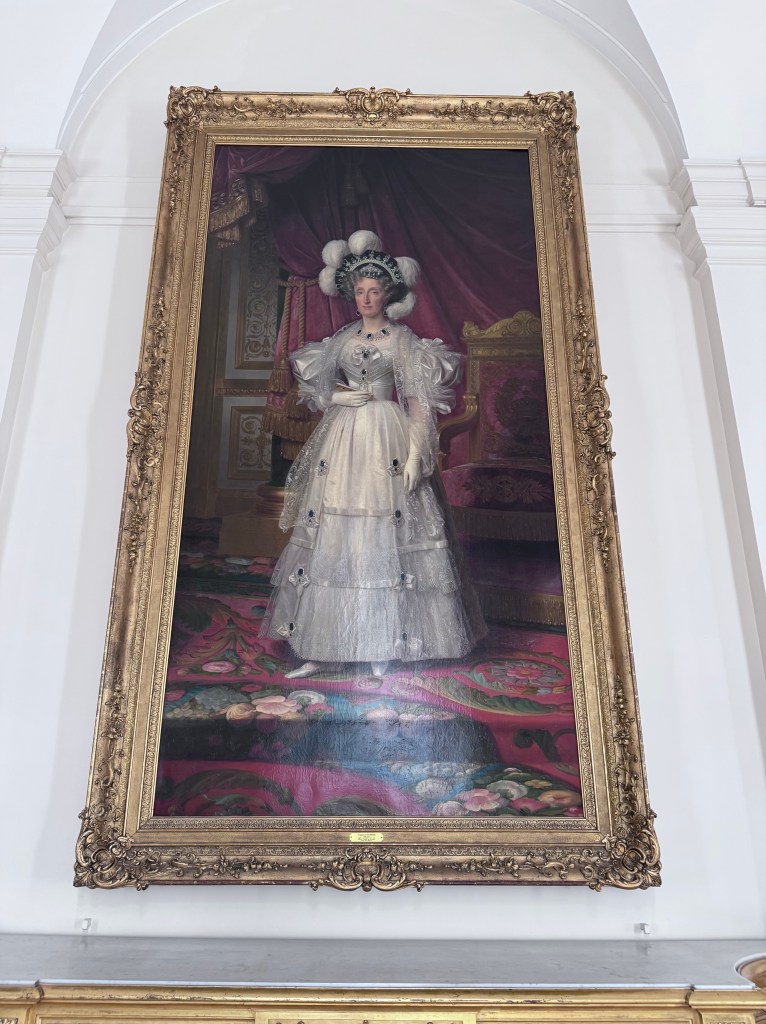
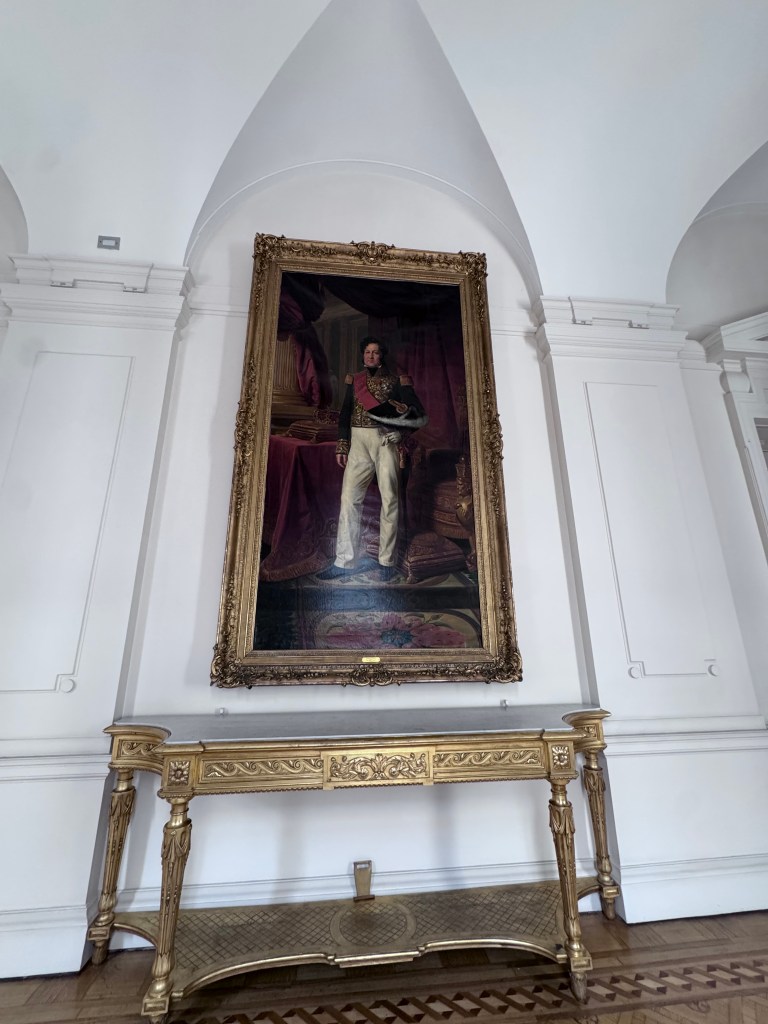
Room after room revealed soaring ceilings, enormous crystal chandeliers, elaborate fireplaces, priceless paintings, intricate tapestries, and beautifully set dining tables. Every room seemed grander than the last. One of the most fascinating spaces was the Hall of Mirrors, whose ceiling was decorated with thousands of shimmering jewel beetle wing cases, creating an iridescent work of art unlike anything we had ever seen.

Because Kiya uses a transport chair, we were able to access areas of the palace that required using a lift. The staff could not have been more gracious, patiently guiding us through the accessible routes and making sure we were able to enjoy as much of the palace as possible. Their kindness made the visit even more memorable.

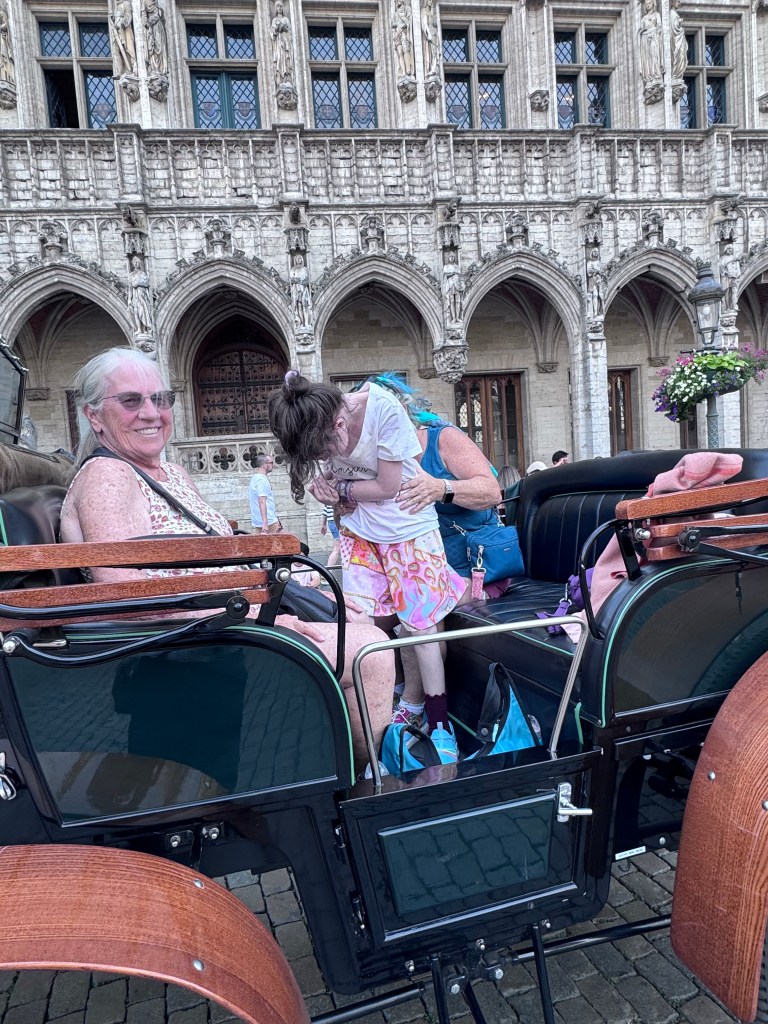
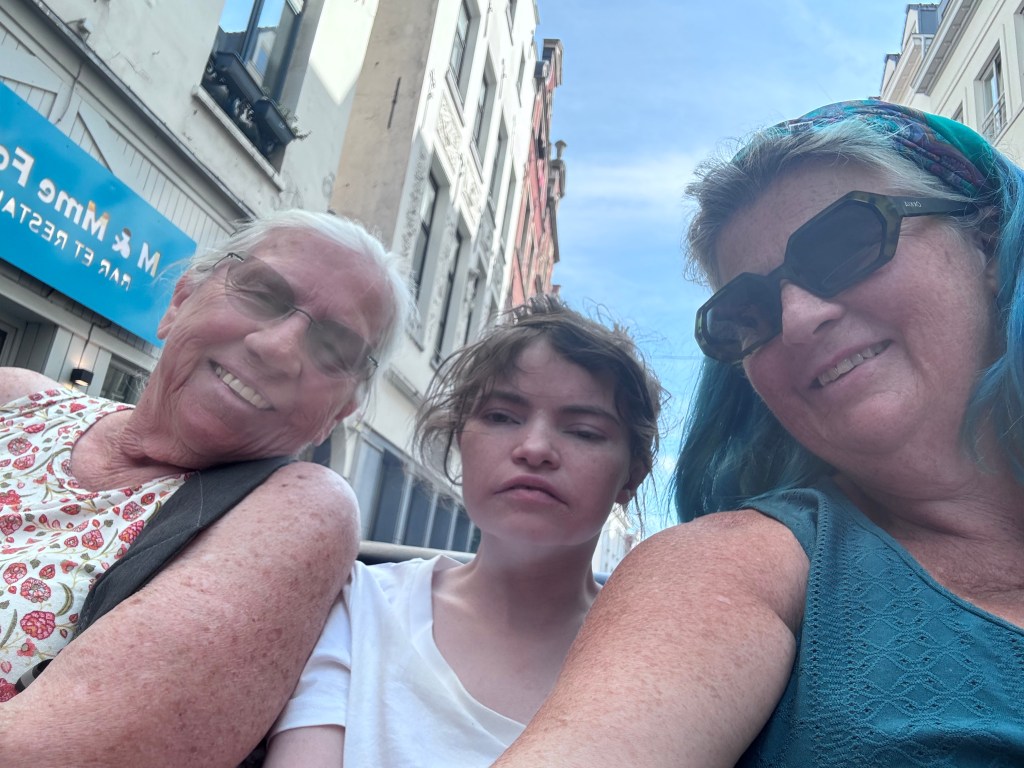
After spending several hours exploring the palace, we returned to the Grand Place. Along the way we noticed people being driven around the city in small electric sightseeing cars. It looked like so much fun that we tracked them down and booked a ride ourselves. It turned out to be one of the best ways to see Brussels. We cruised through neighborhoods we might never have found on foot while learning interesting bits of history from our driver.

Back on foot, we spent the rest of the afternoon doing what Brussels does best—chocolate tasting! If Amsterdam had been all about cheese, Brussels was all about chocolate. Nearly every chocolate shop welcomed visitors with generous samples, making it nearly impossible to walk past without stopping. We happily accepted the challenge, tasting pralines, truffles, dark chocolate, milk chocolate, and several Belgian specialties before picking out a few favorites to bring home.
We wandered through the shopping districts, browsed boutiques, and discovered another little cultural difference. In many of the shops, especially those selling scarves, jewelry, and accessories, the items on display are simply samples. When you decide what you’d like to purchase, the shopkeeper retrieves a brand-new one from storage rather than handing you the display item. It was a shopping experience we hadn’t encountered before.
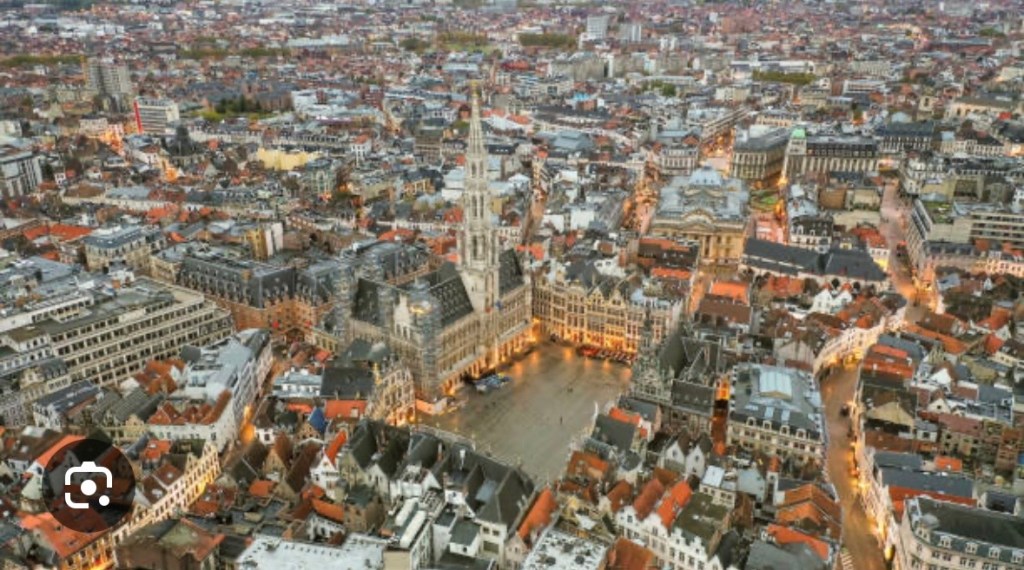
We finished the day with dinner at a wonderful Greek restaurant before taking one last stroll through the neighborhoods surrounding the Grand Place. Brussels is an incredibly compact city, making it easy to explore on foot. I’ll include an aerial photo because it’s the best way to appreciate just how closely everything is woven together. Street after street is filled with beautiful architecture, inviting shops, cafés, and hidden courtyards just waiting to be explored.

Looking back, we probably could have spent another day or two in Brussels. We certainly packed every minute full, but there was still so much left to see. That evening we returned to the apartment, repacked the few bags we had opened, and prepared for our next destination—Paris.

Stepping Back in Time at Godshill Model Village

Our final day on the Isle of Wight was spent in one of its most charming villages. We caught a taxi up to the Old Smithy Car Park in Godshill, where we met Alan, Pauline, and Jane—another Friendship Force member whom Aunt Jane had spent time with during her visit to the Isle of Wight last November. It was wonderful to see everyone again before continuing on to London.

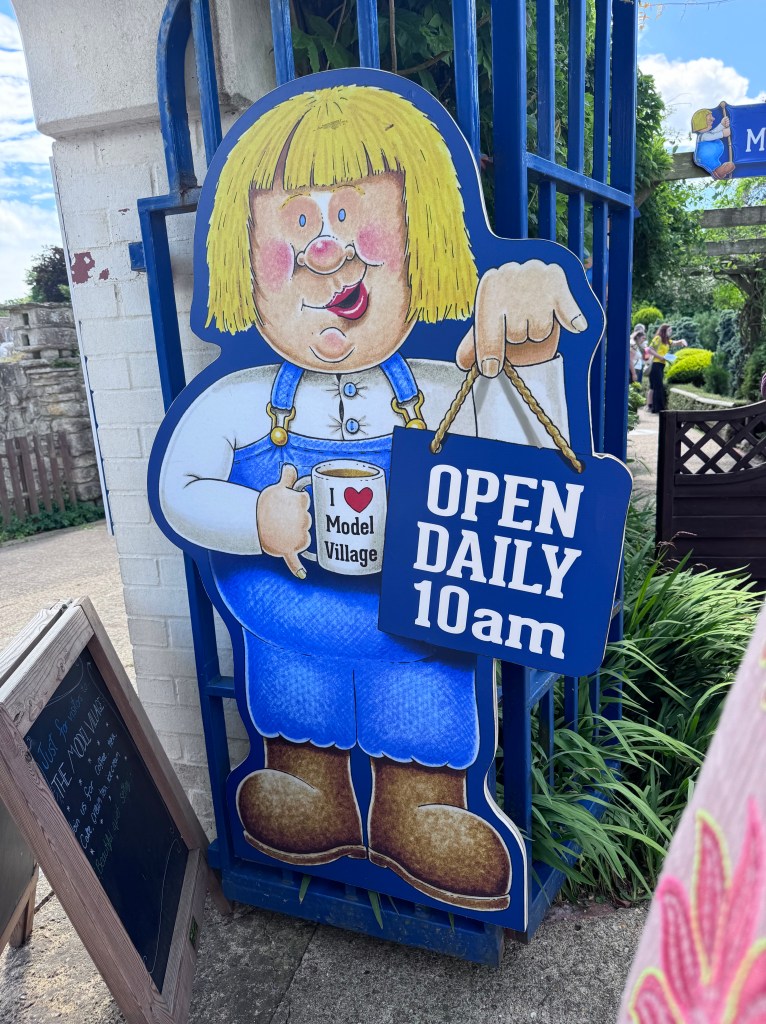
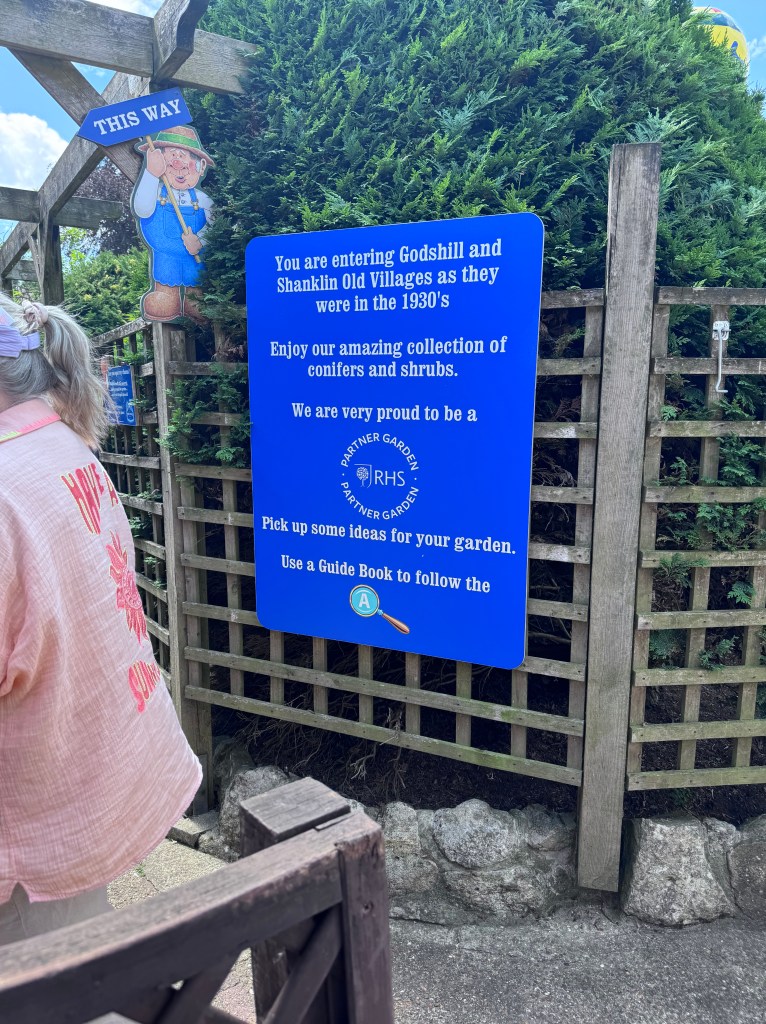
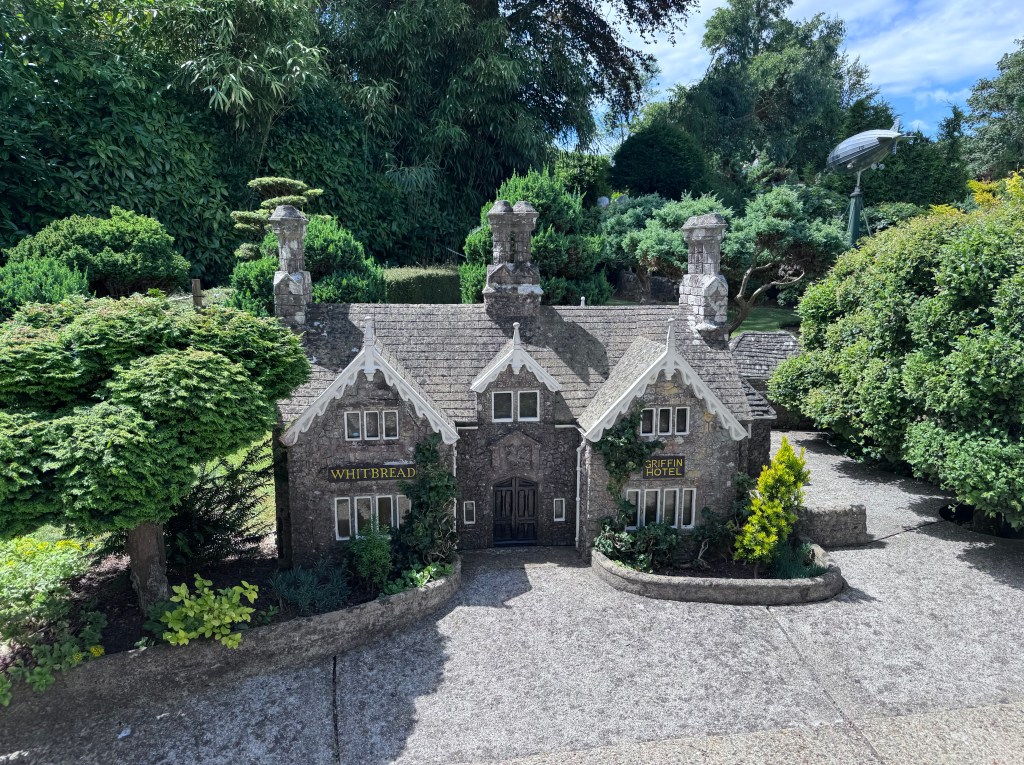
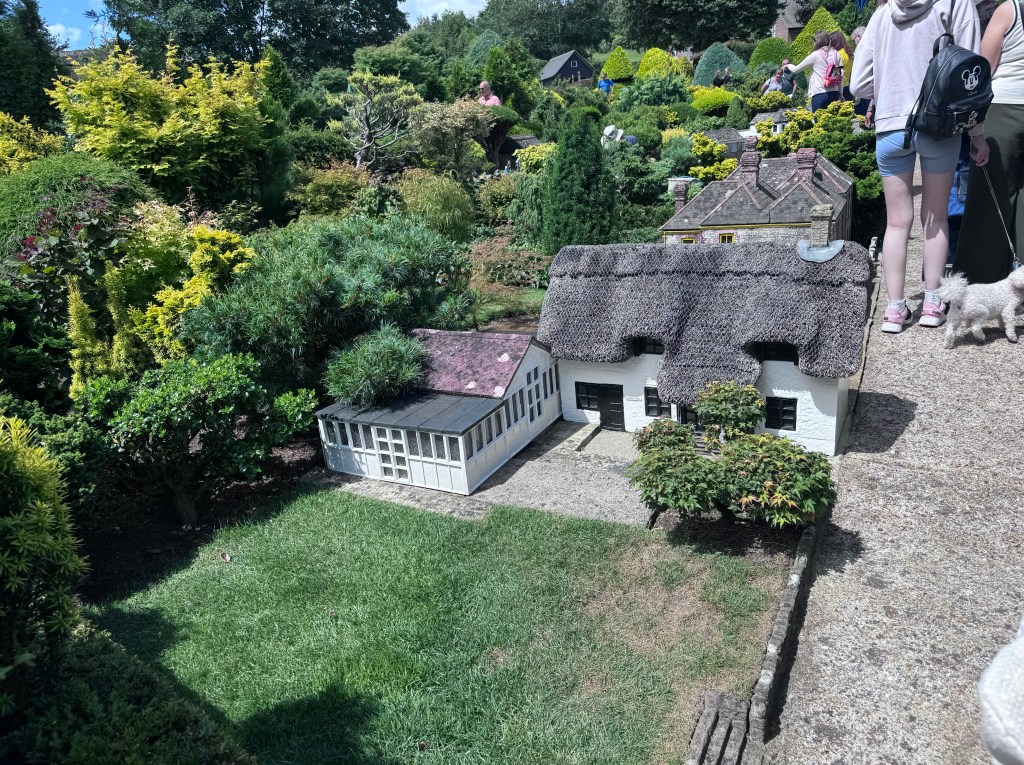
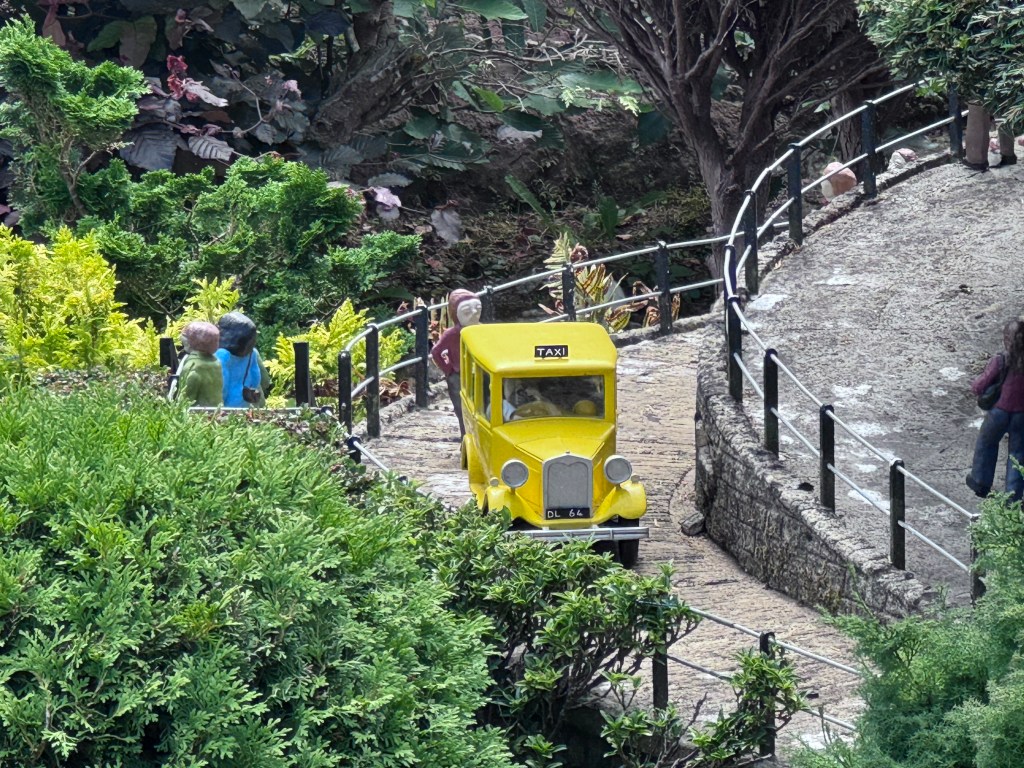
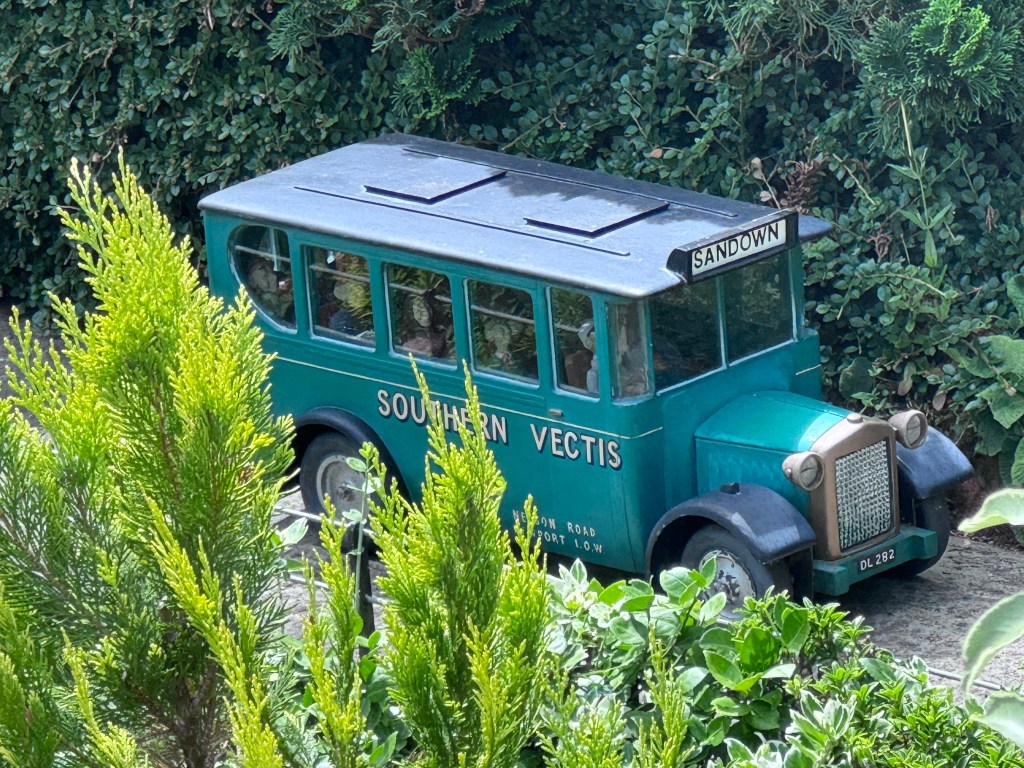
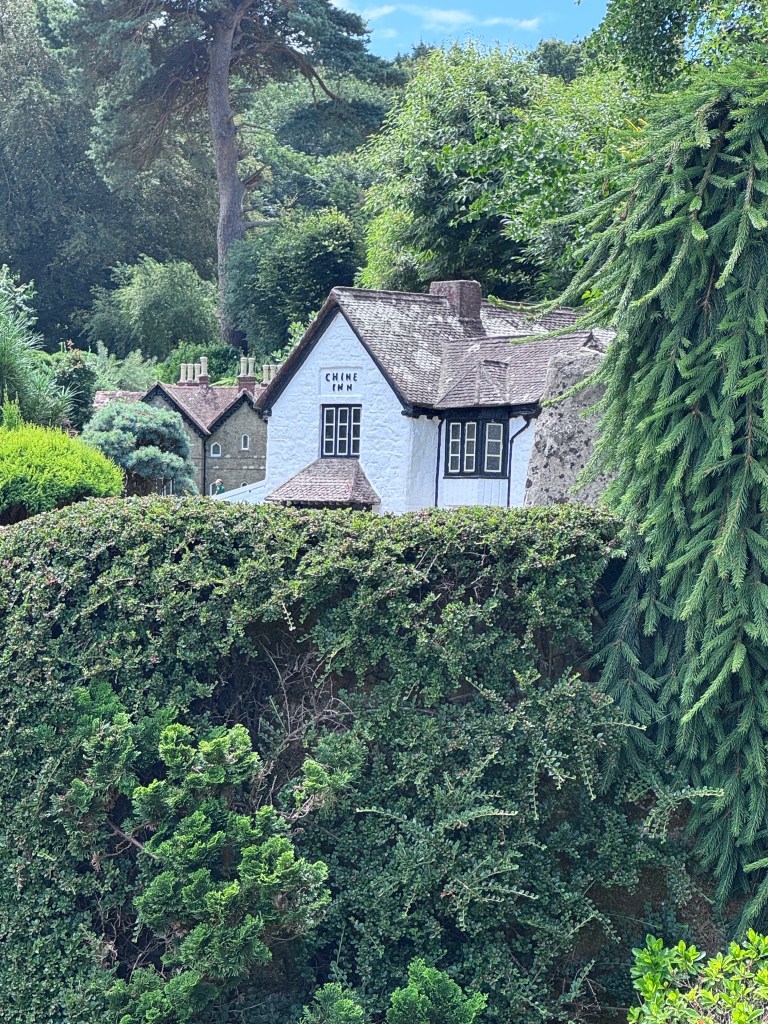
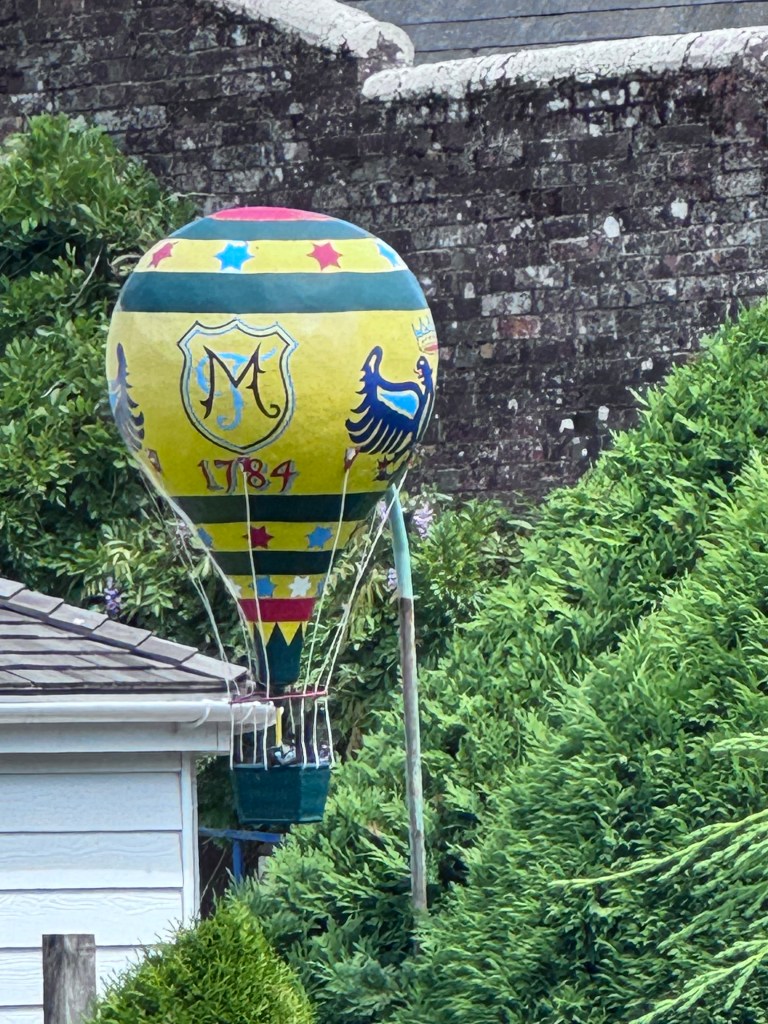
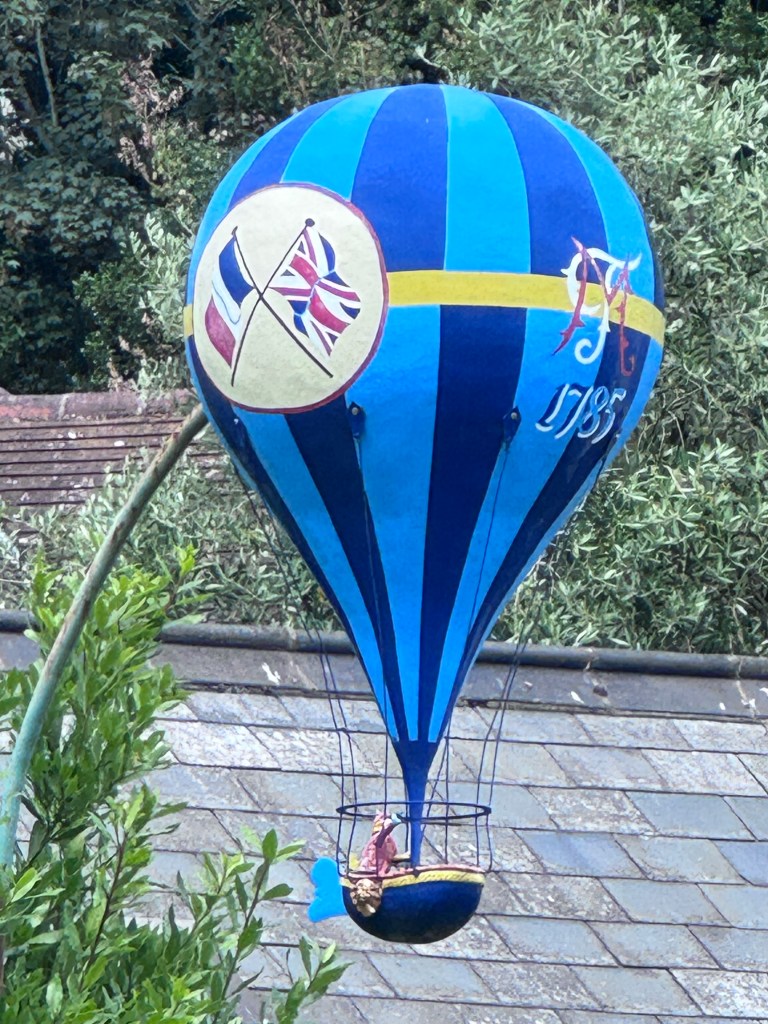
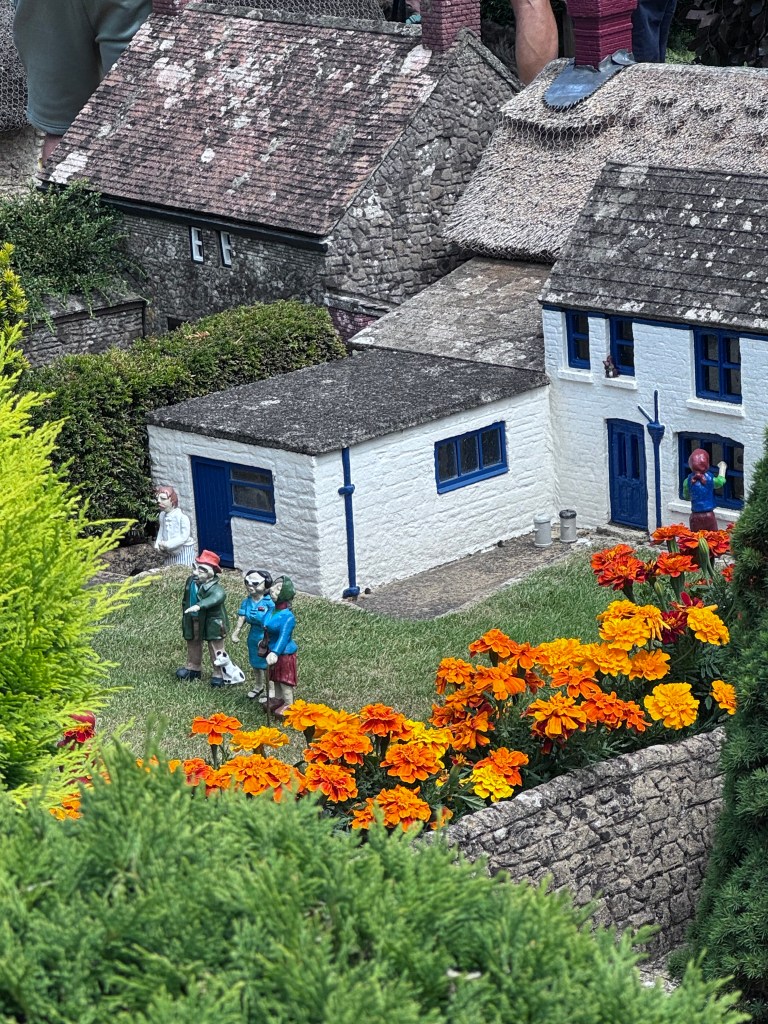
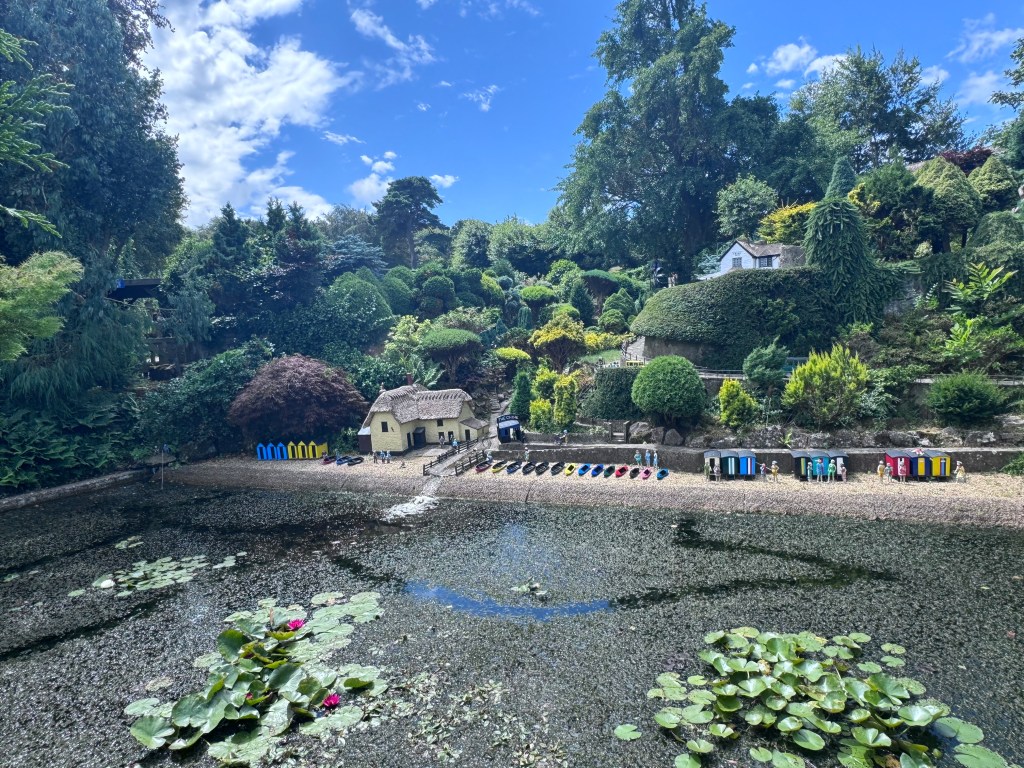
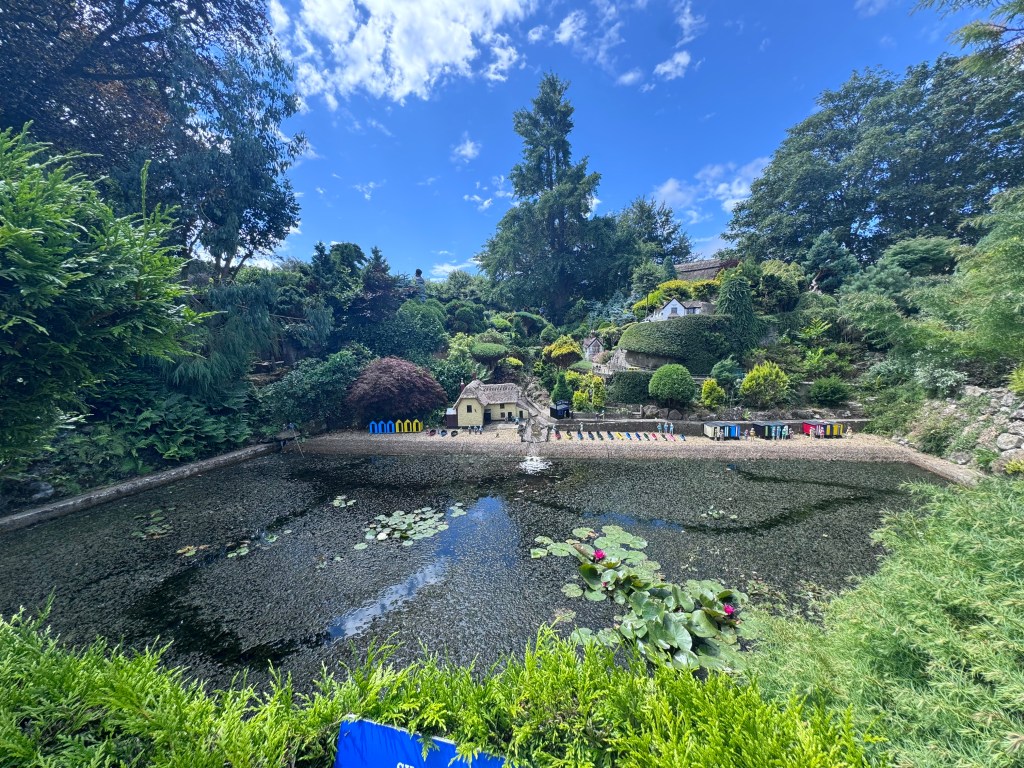
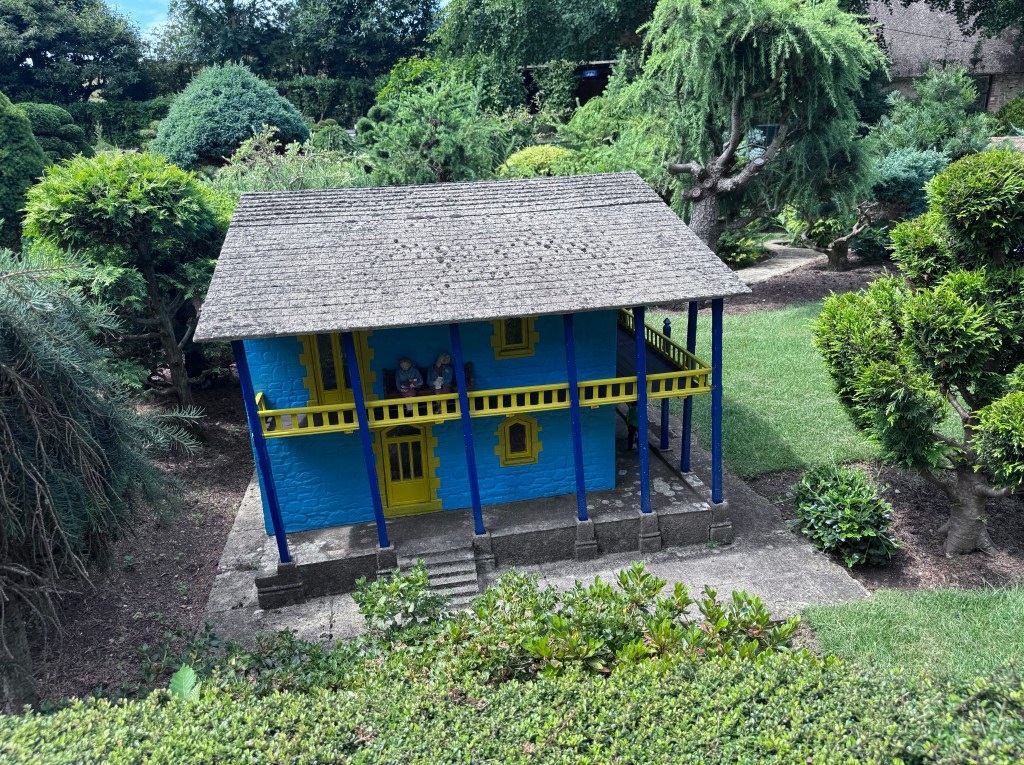
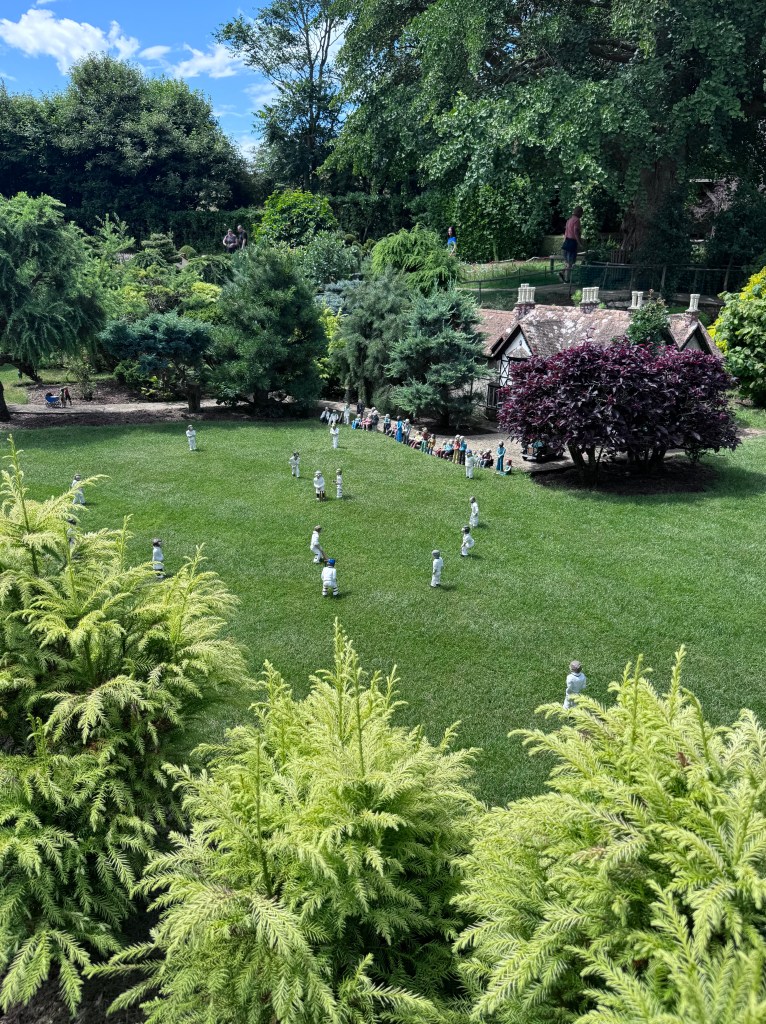
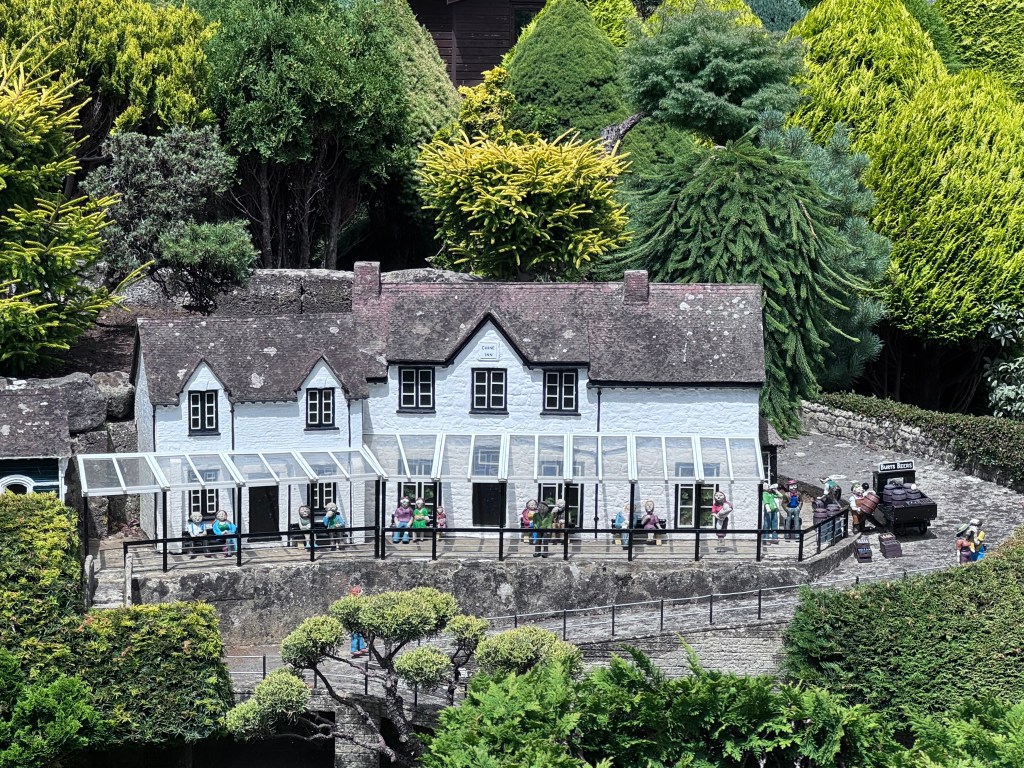
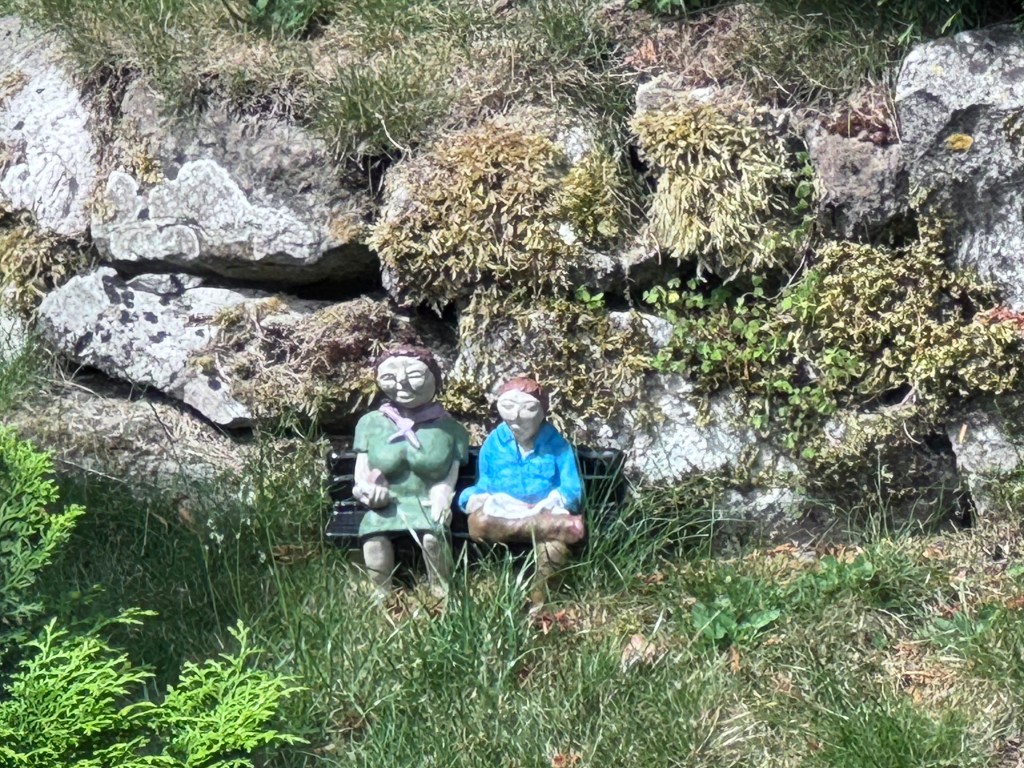
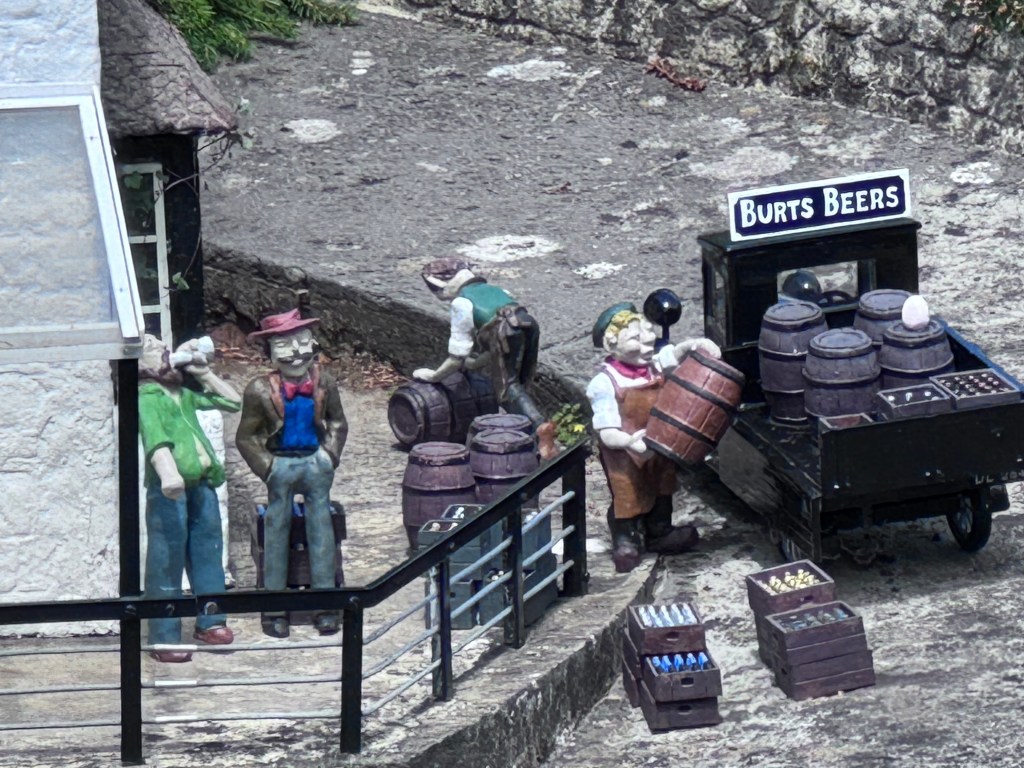
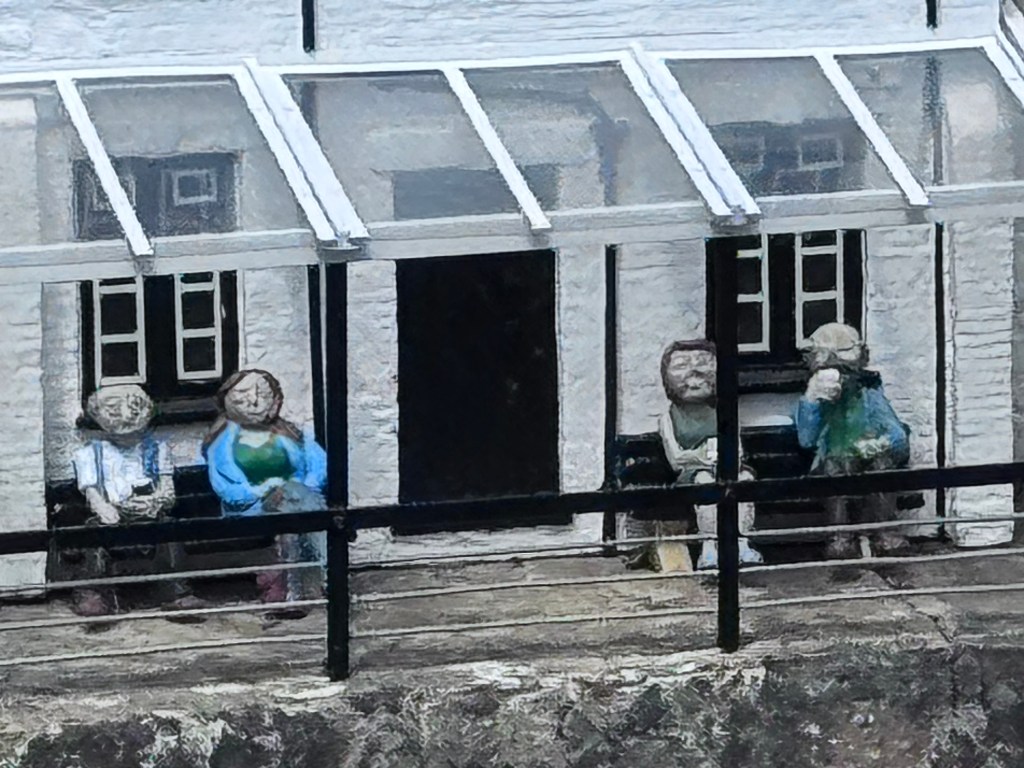
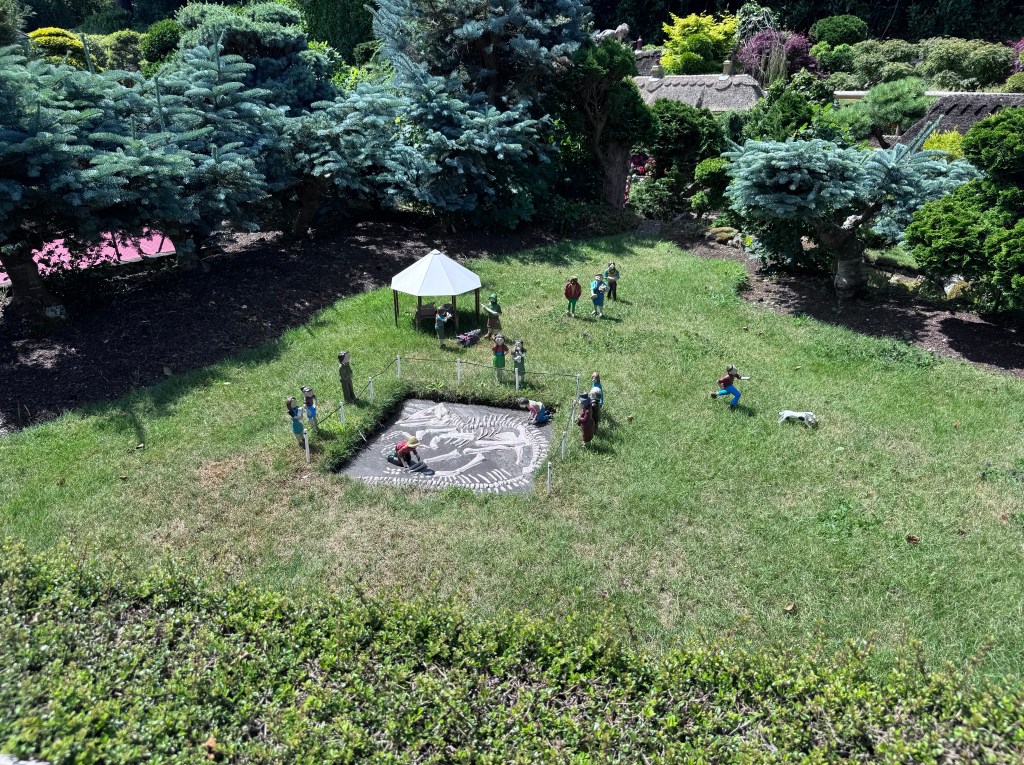
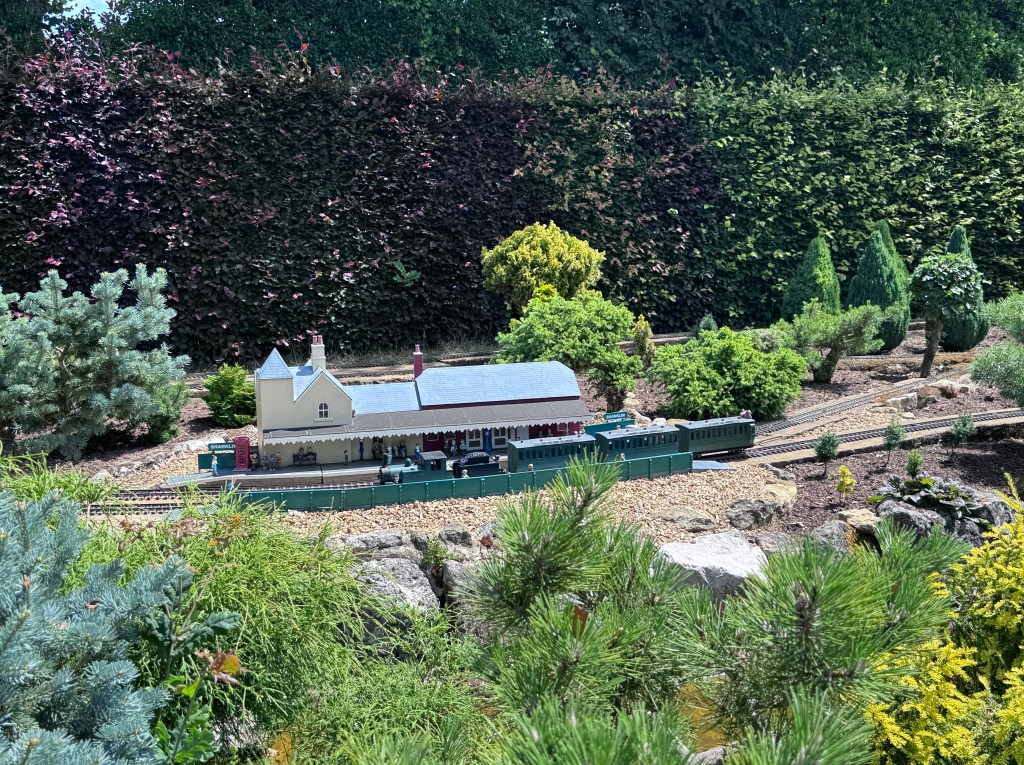
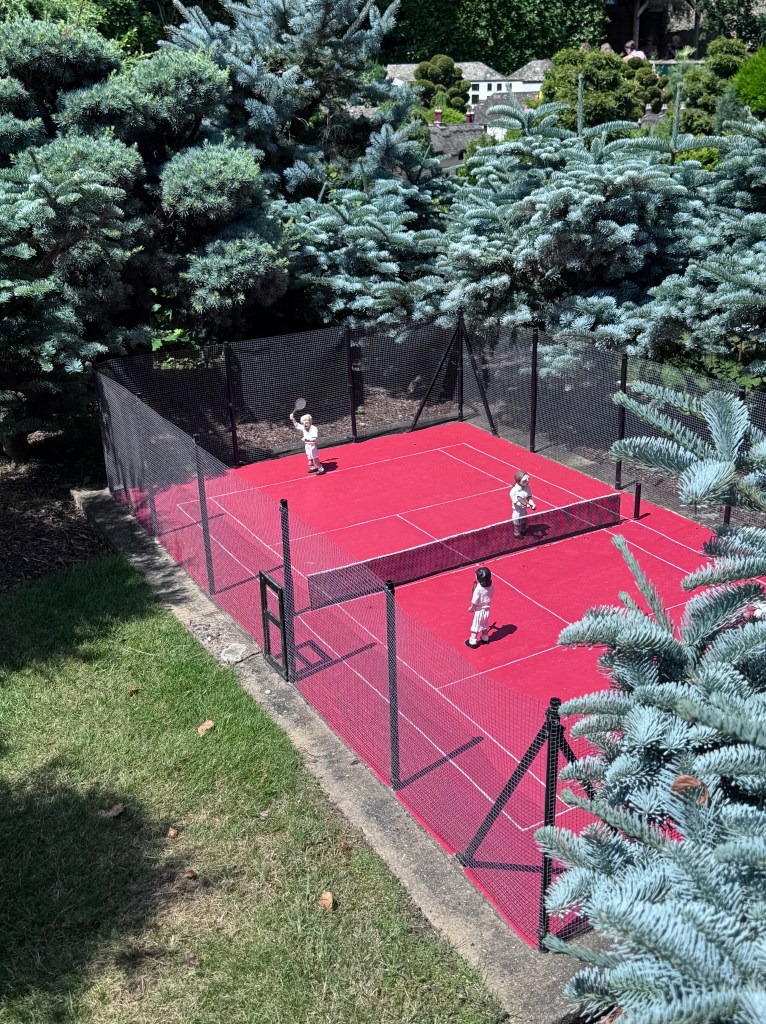
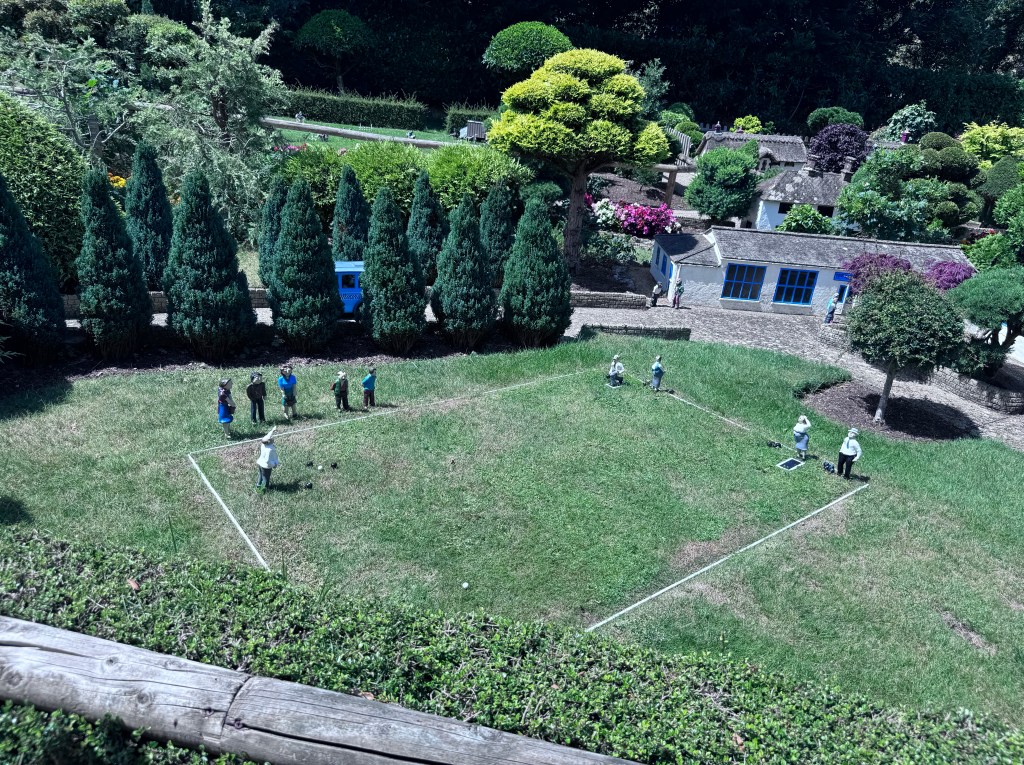
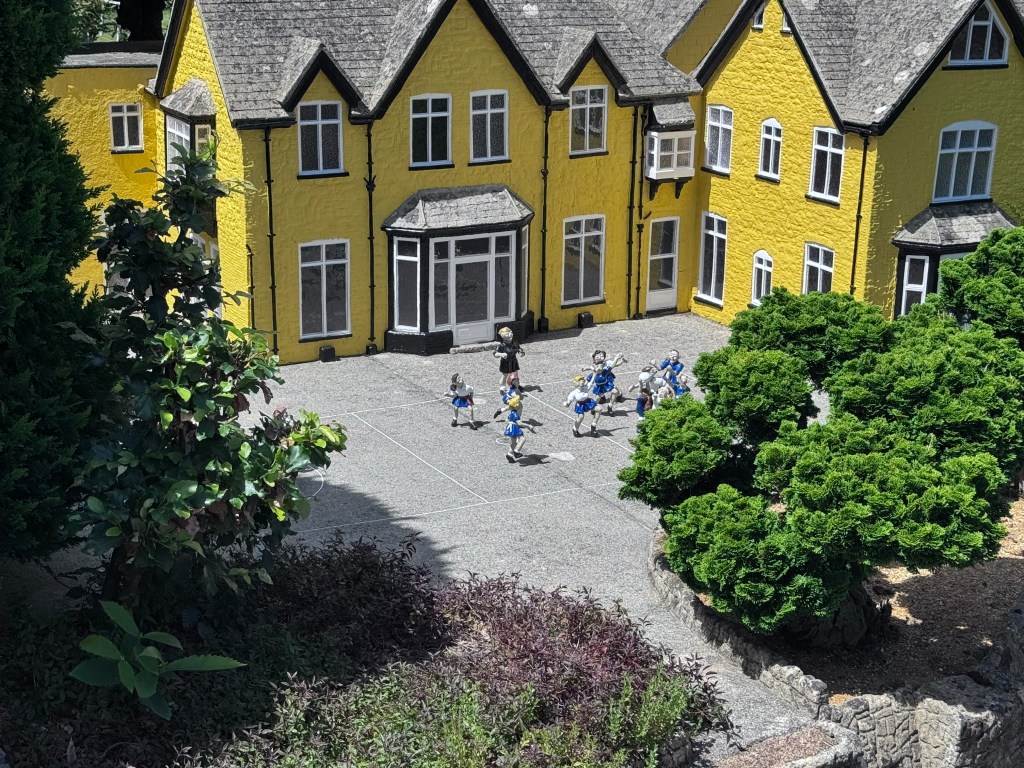
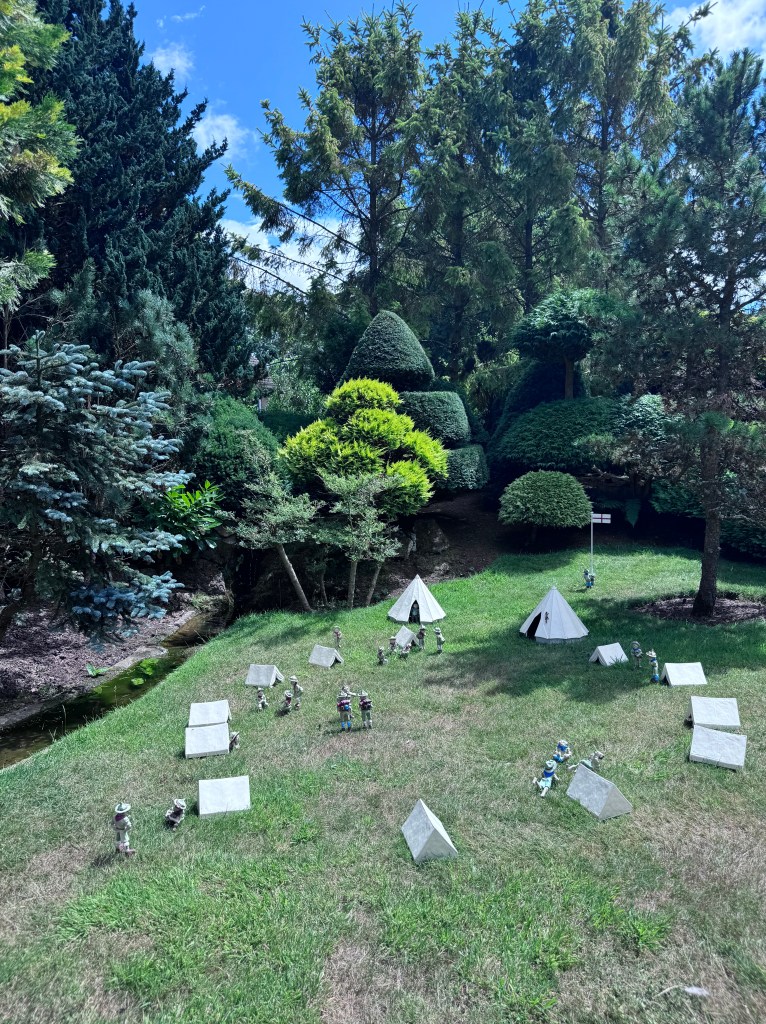
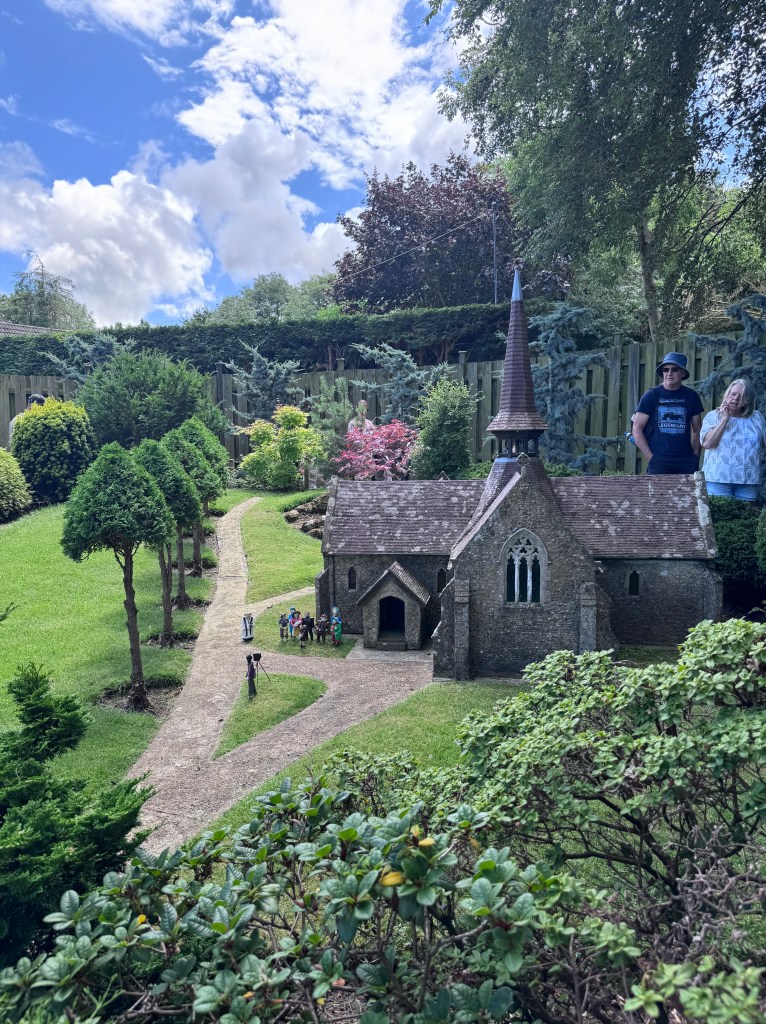
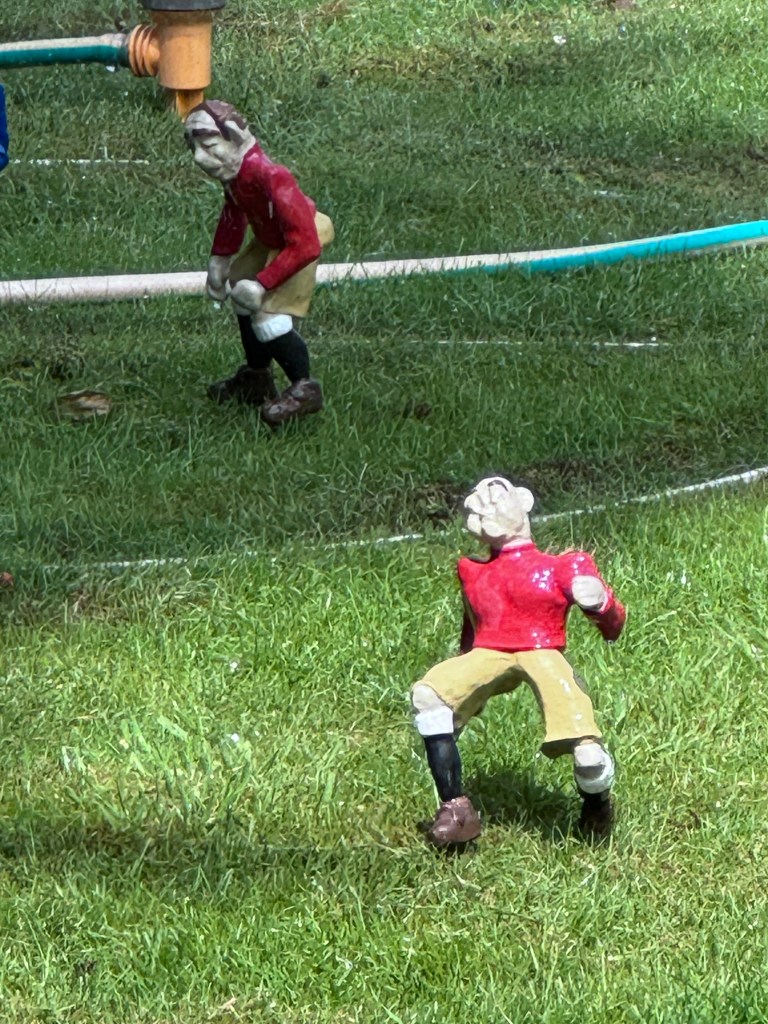
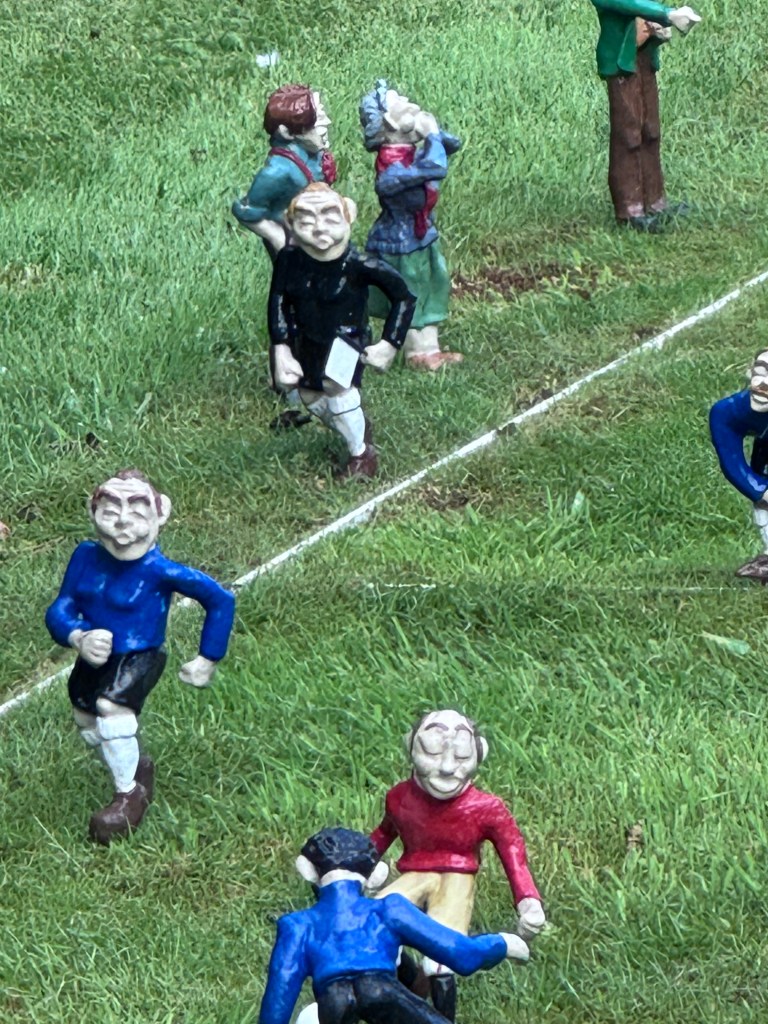
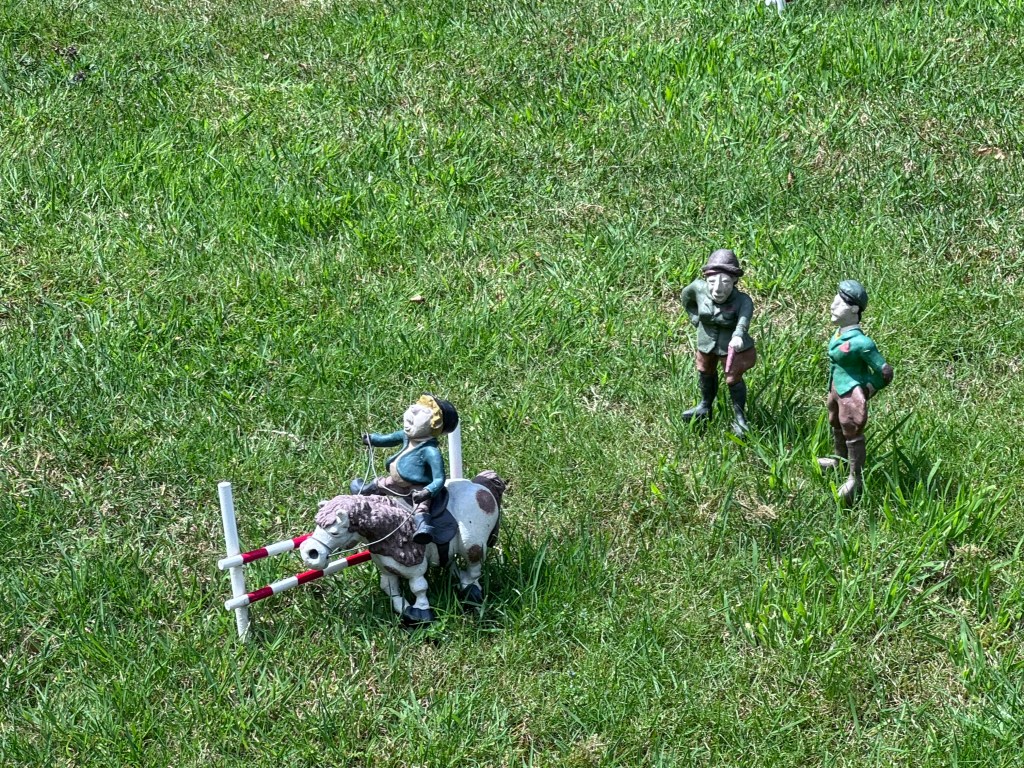
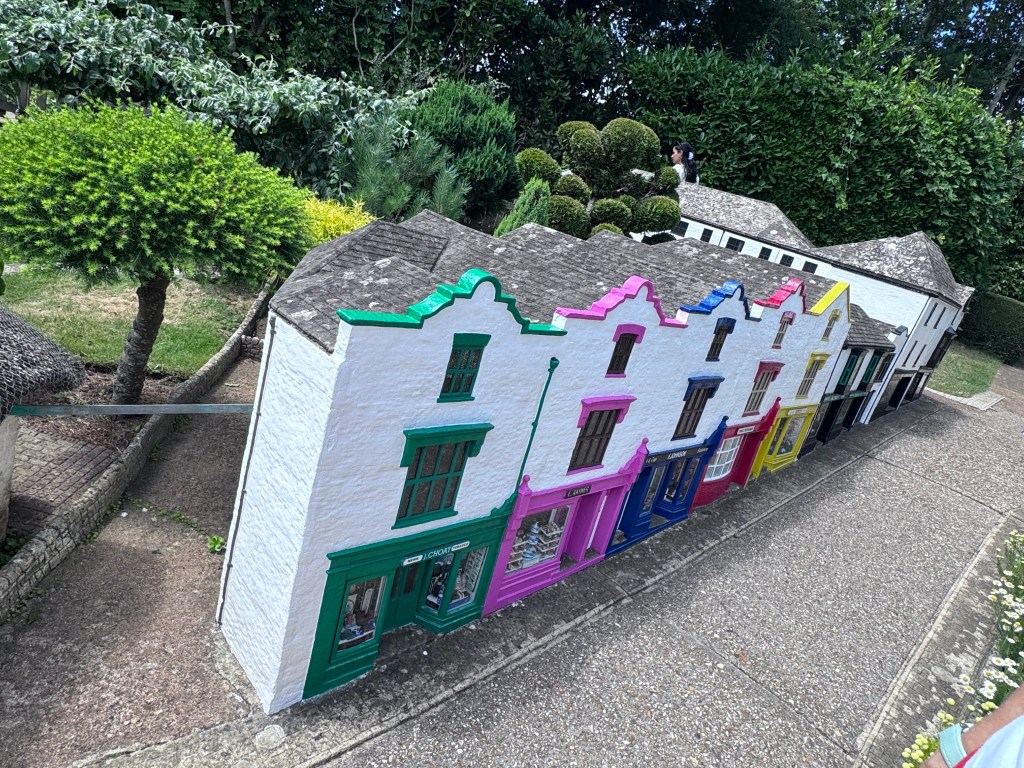
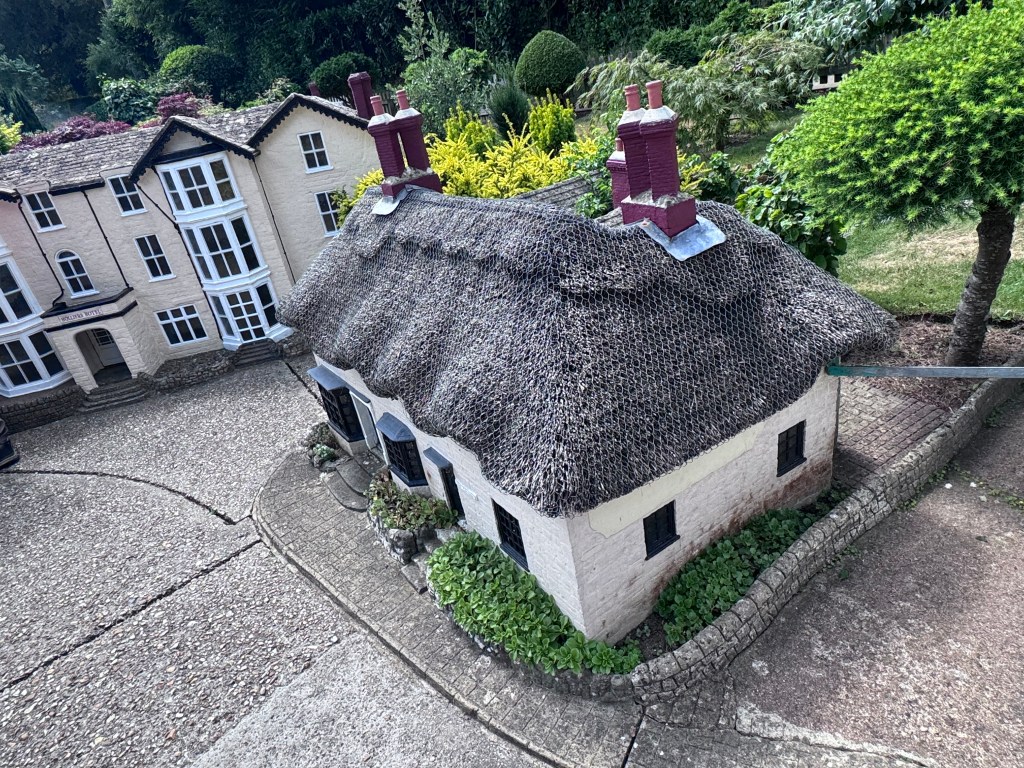
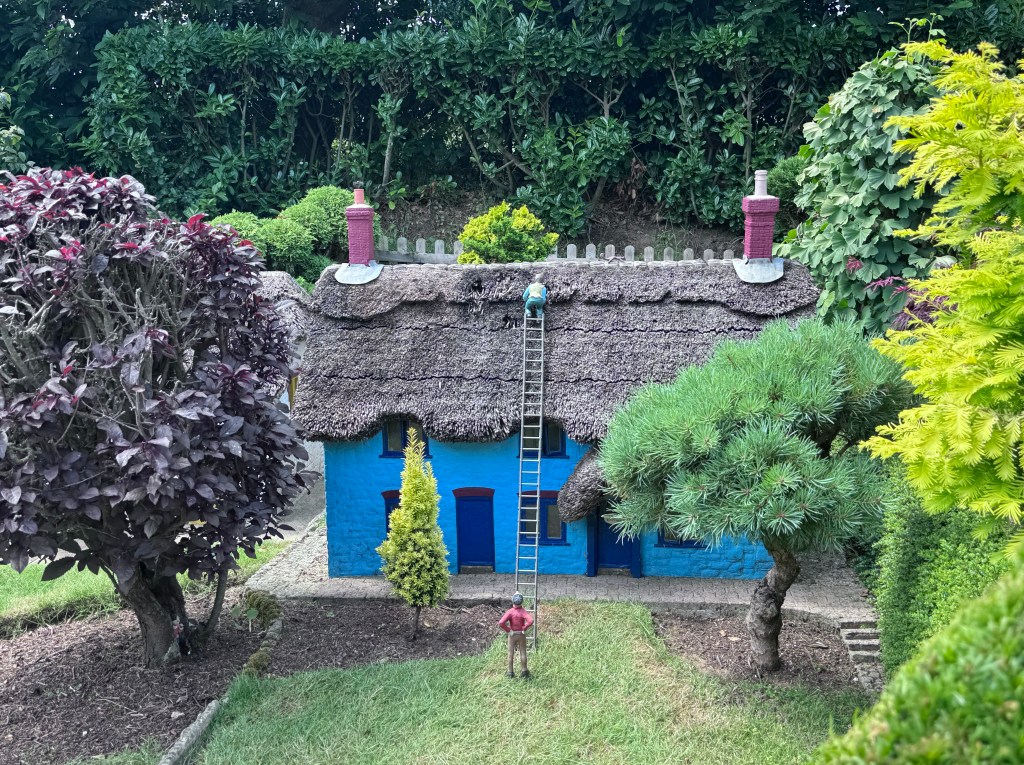
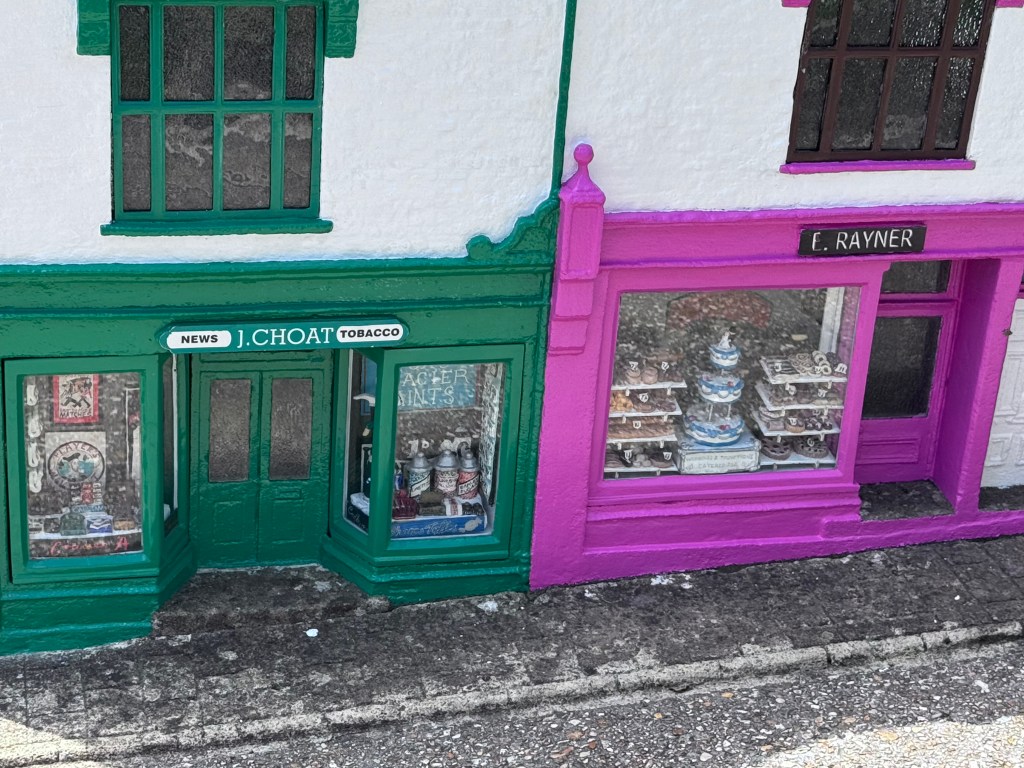
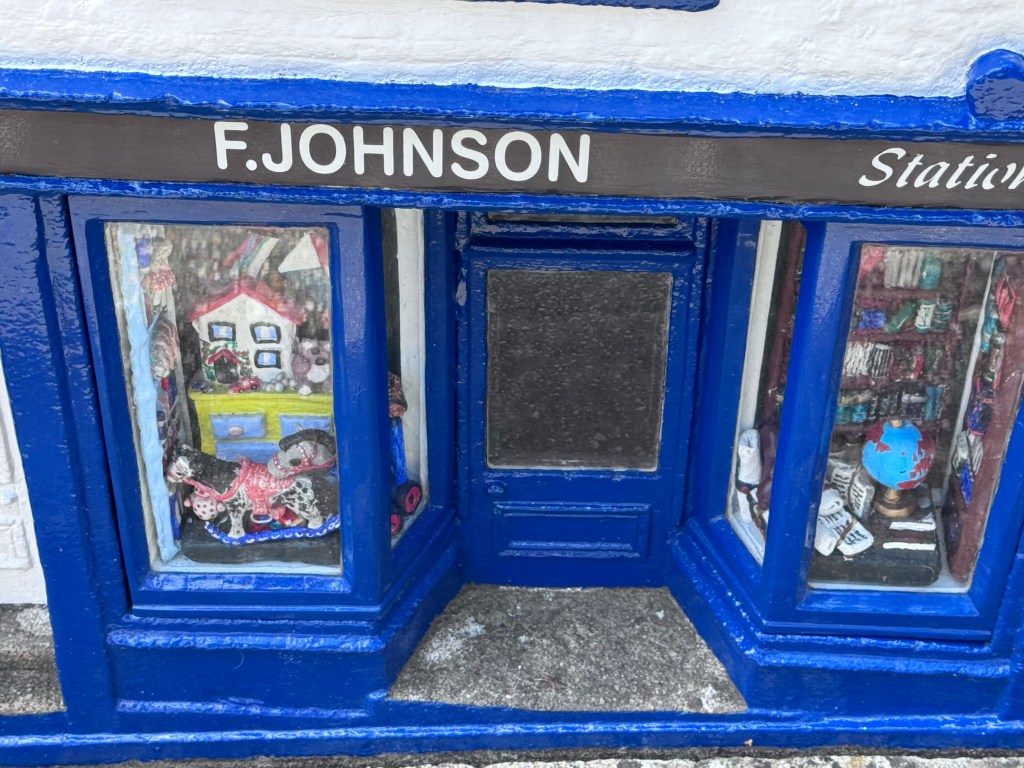
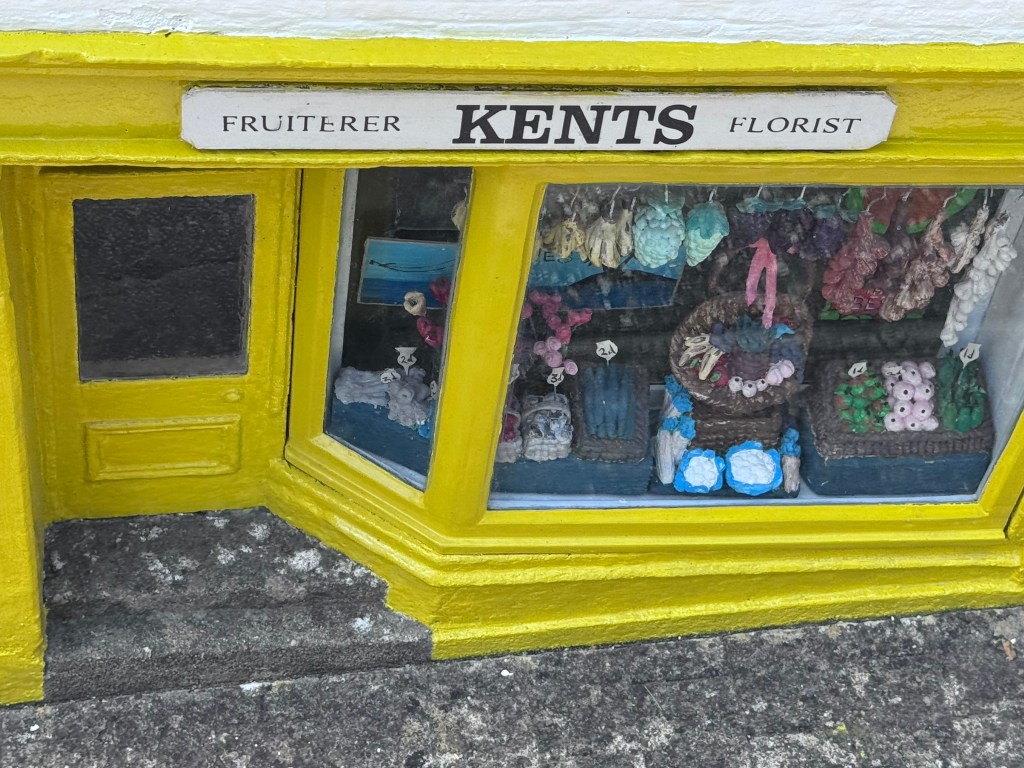
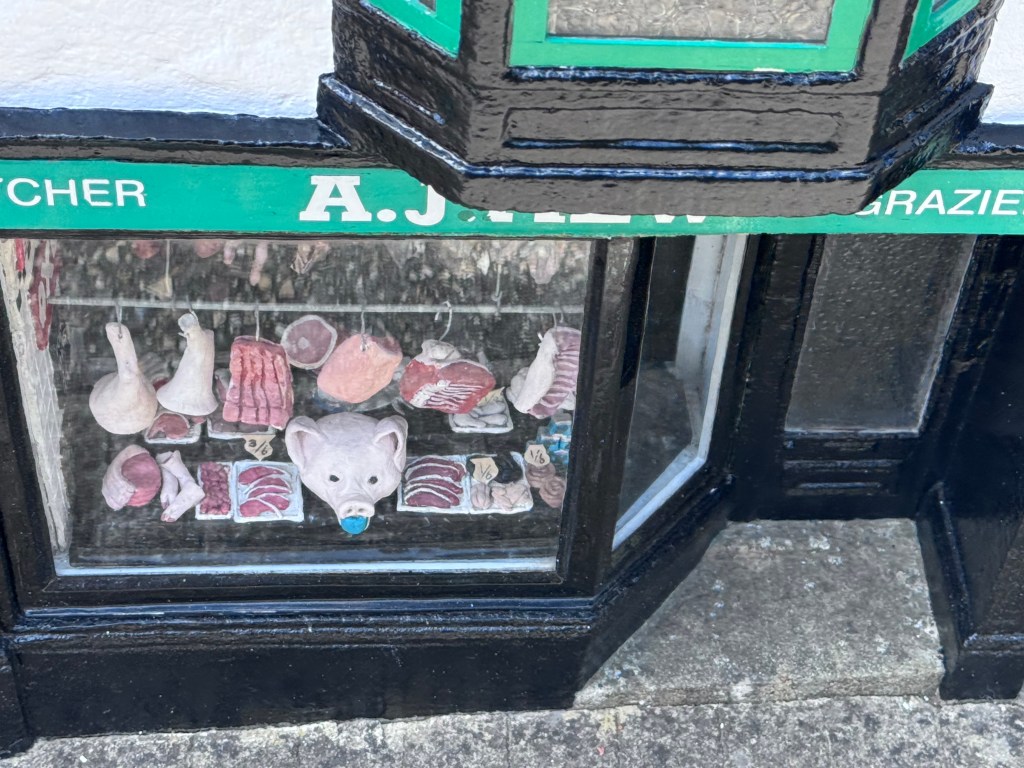
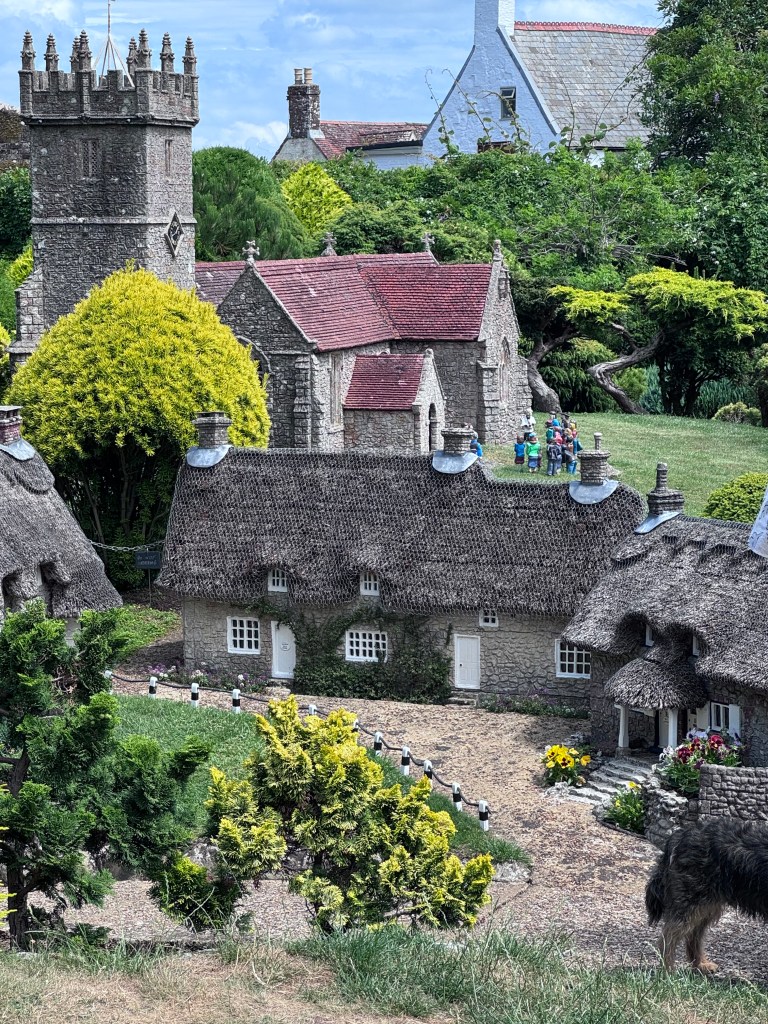
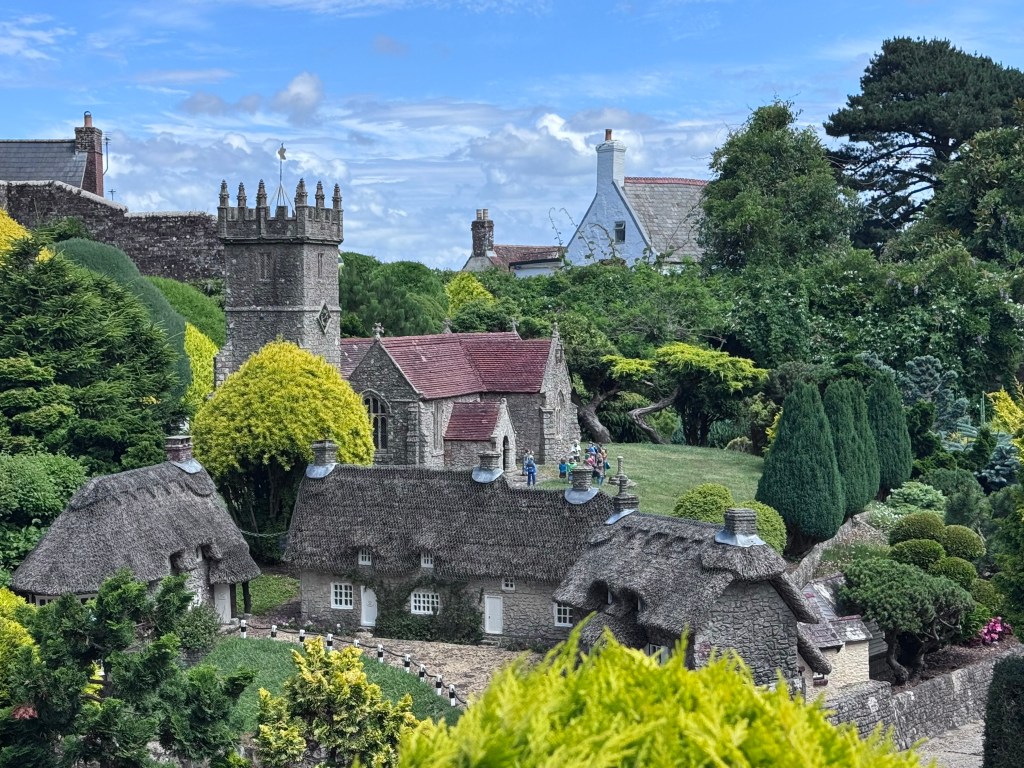
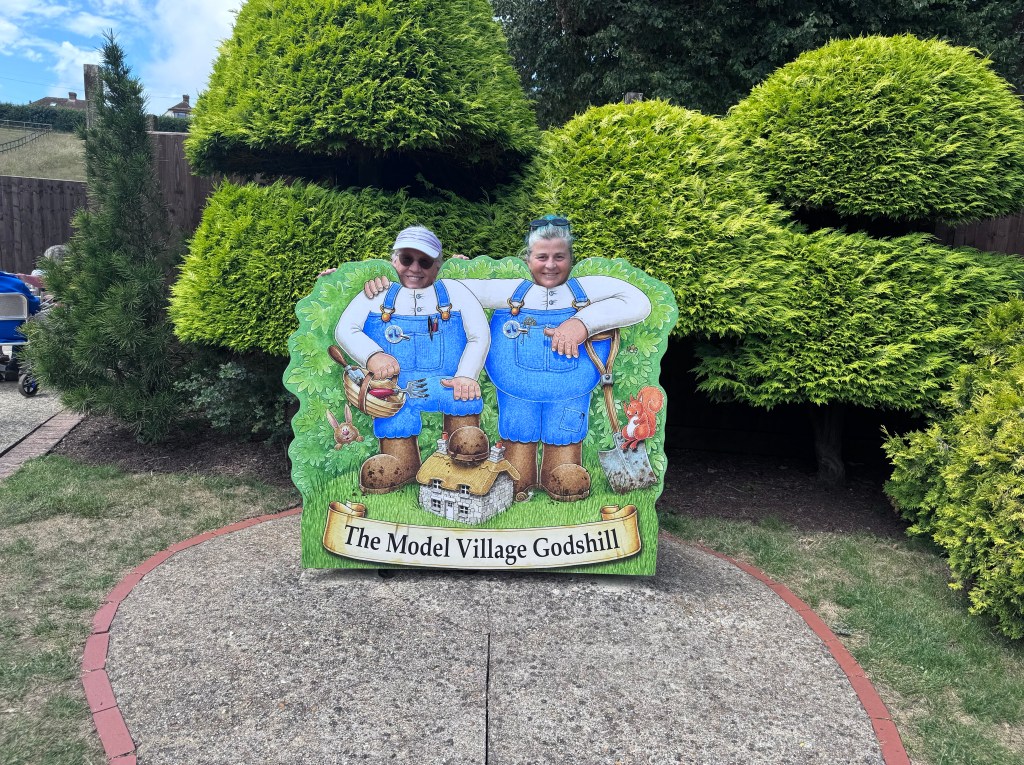
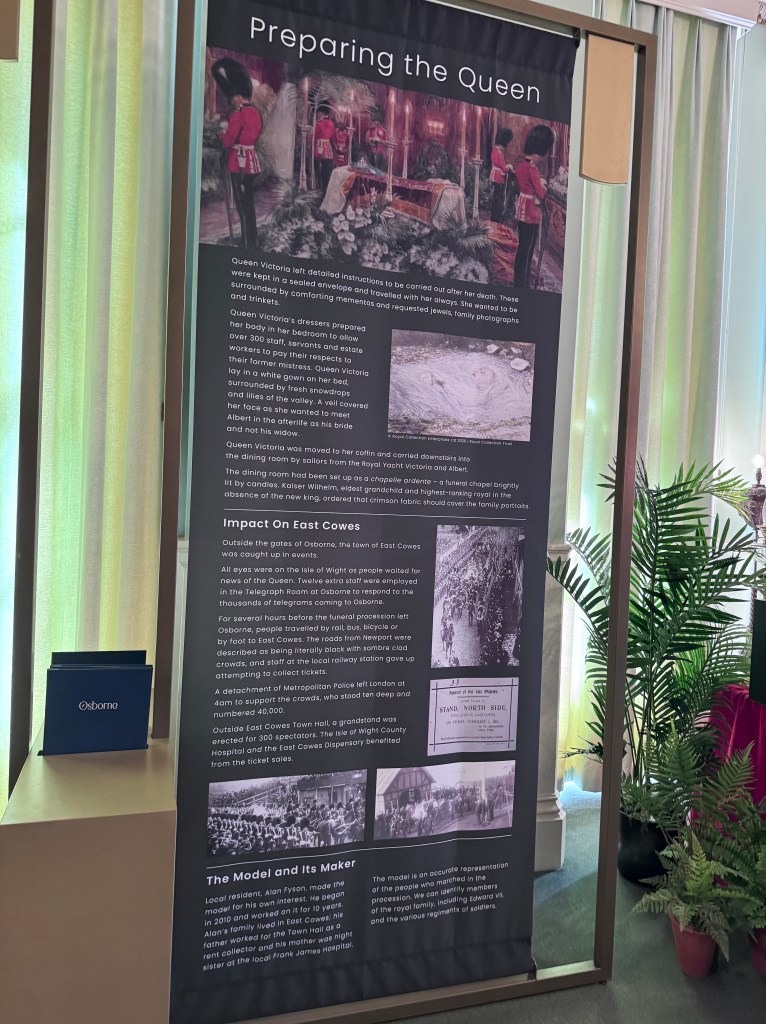
Together we visited the delightful Godshill Model Village, one of the Isle of Wight’s most beloved attractions. Opened in 1952, the model village is a remarkably detailed 1:10 scale replica of Godshill and nearby Shanklin as they appeared in the 1920s and 1930s. Built by local craftsmen, the miniature village has continued to grow over the decades, with new buildings and scenes added as the real villages have changed. Every tiny cottage, church, garden, shop, and winding lane has been recreated with incredible attention to detail.

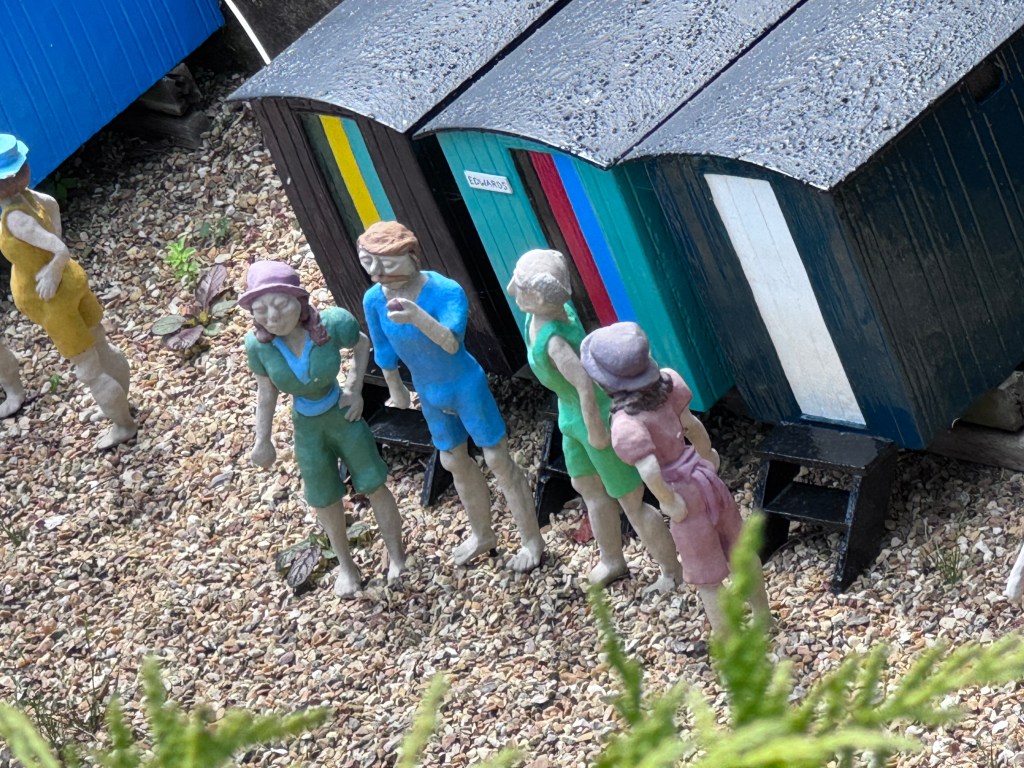
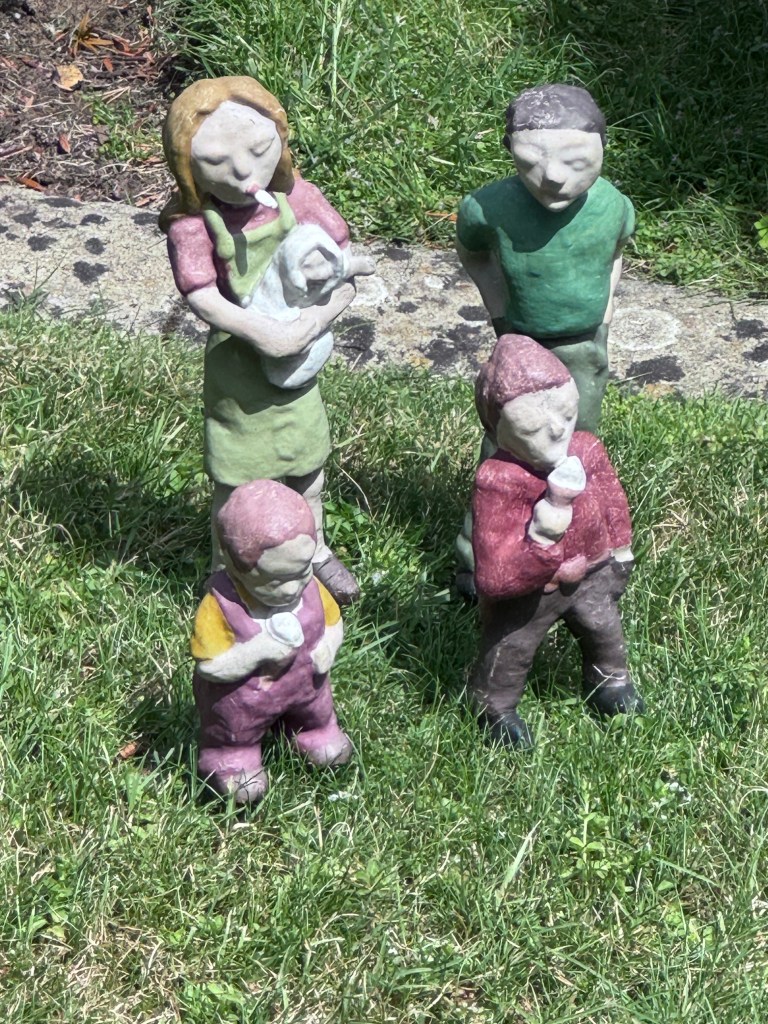
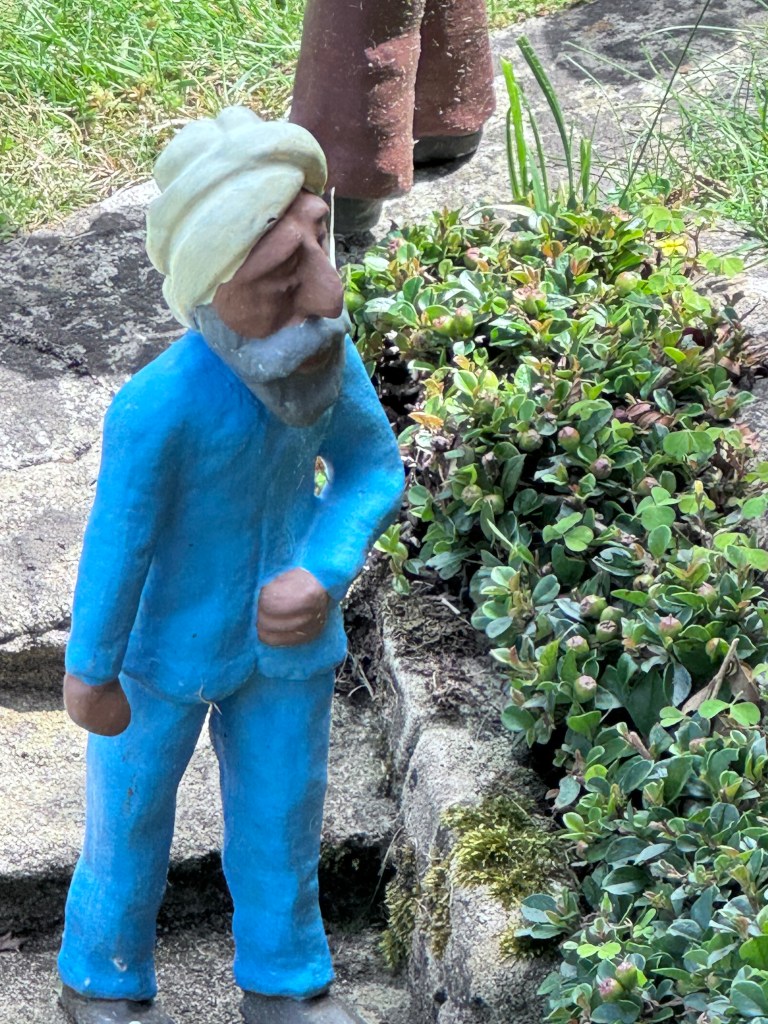
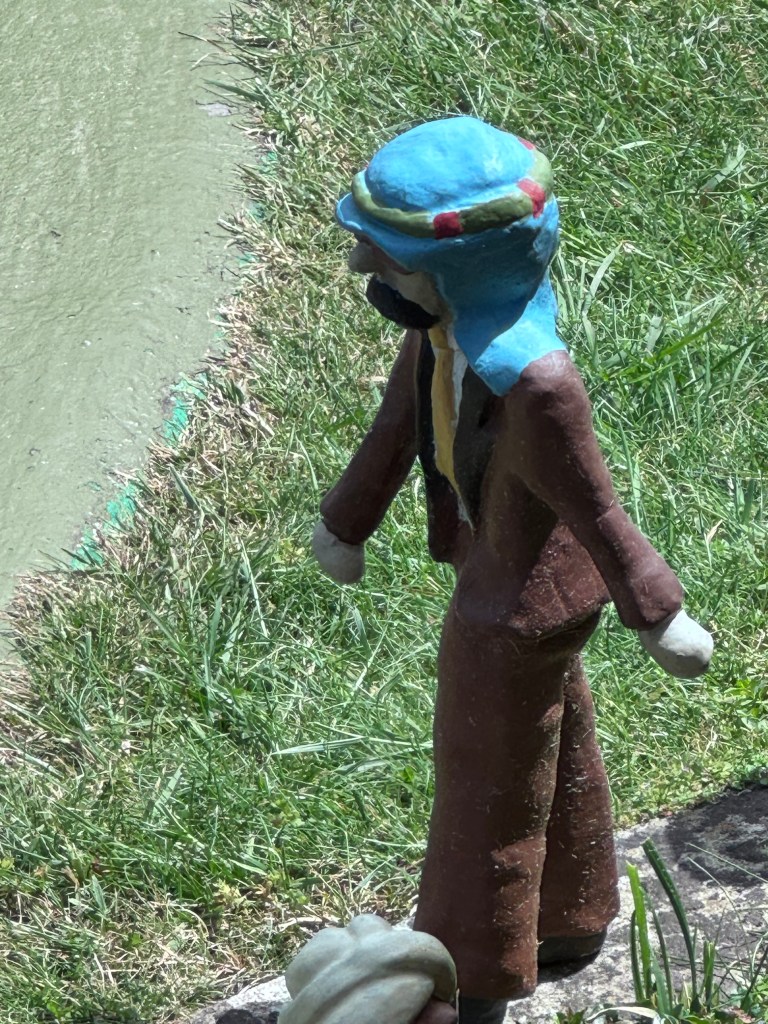
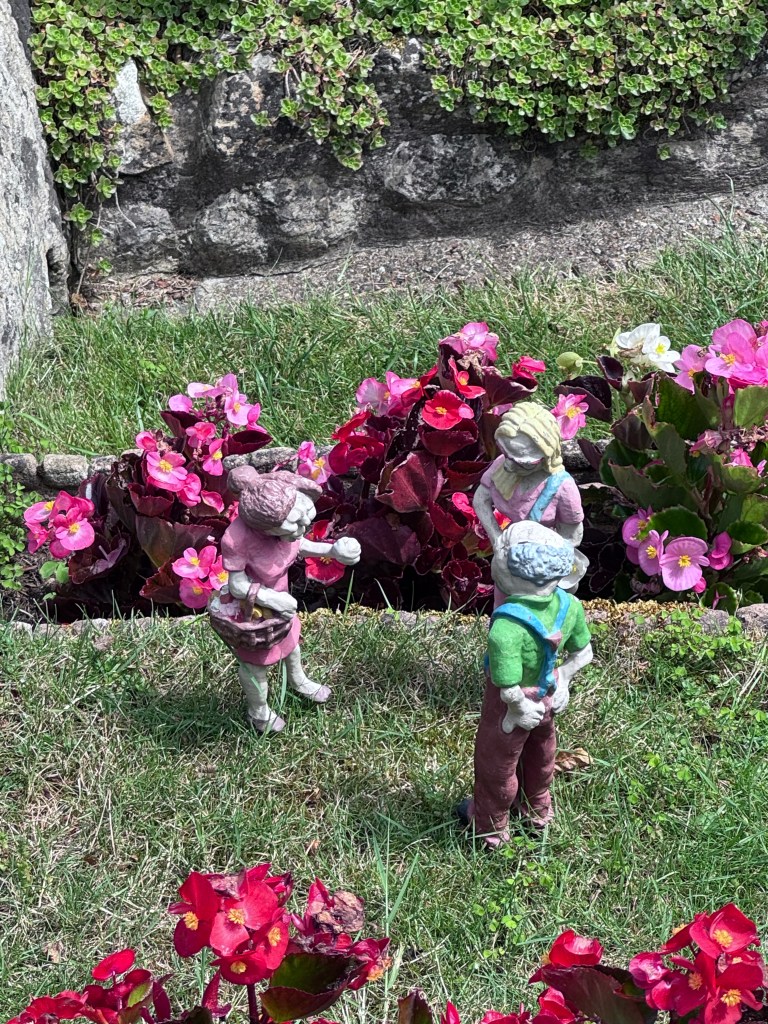
One of the things I appreciated most was the thoughtful design of the gardens. As you wandered from one section to another, carefully trimmed hedges, miniature trees, and flowering shrubs separated each area so you couldn’t immediately see the next scene. It made every turn feel like discovering something new. Tiny people, horses, vintage automobiles, shops, and homes brought the village to life, and Alan, Pauline, and Jane shared stories about many of the real buildings, local traditions, and games represented throughout the displays. Their stories added so much meaning to what we were seeing.

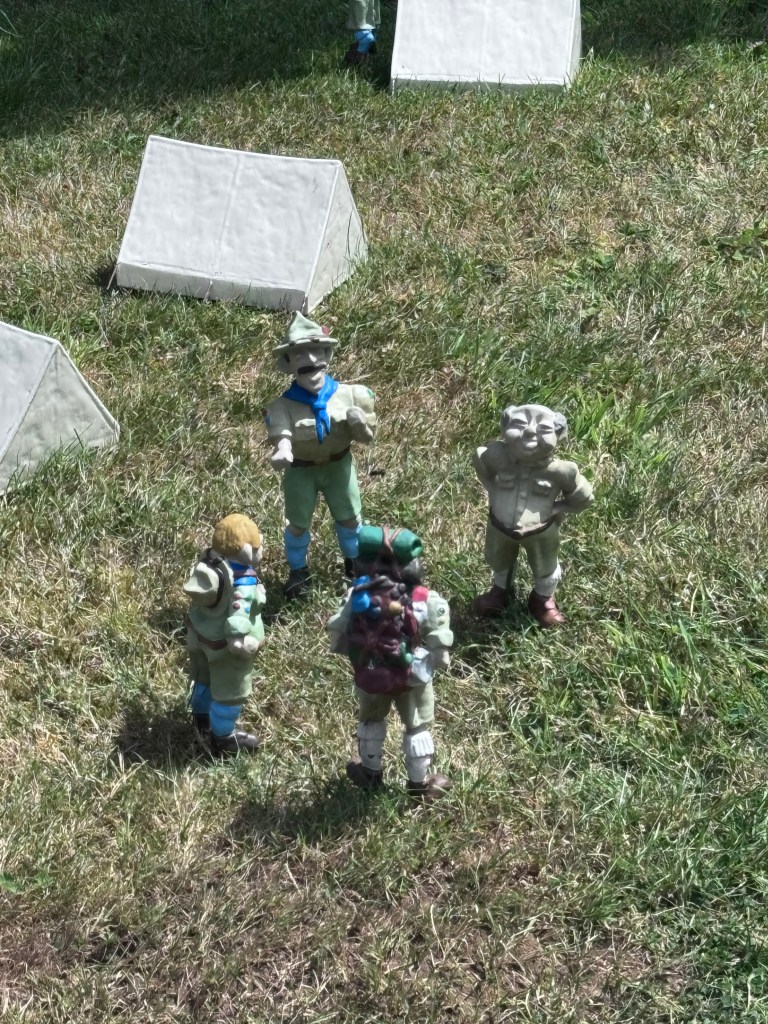
Alan and Pauline had told us the night before that the artist hired to make the caricatures of the people needed to stop being so accurate with the people and start making them a little less recognizable. No matter, she did an excellent job.

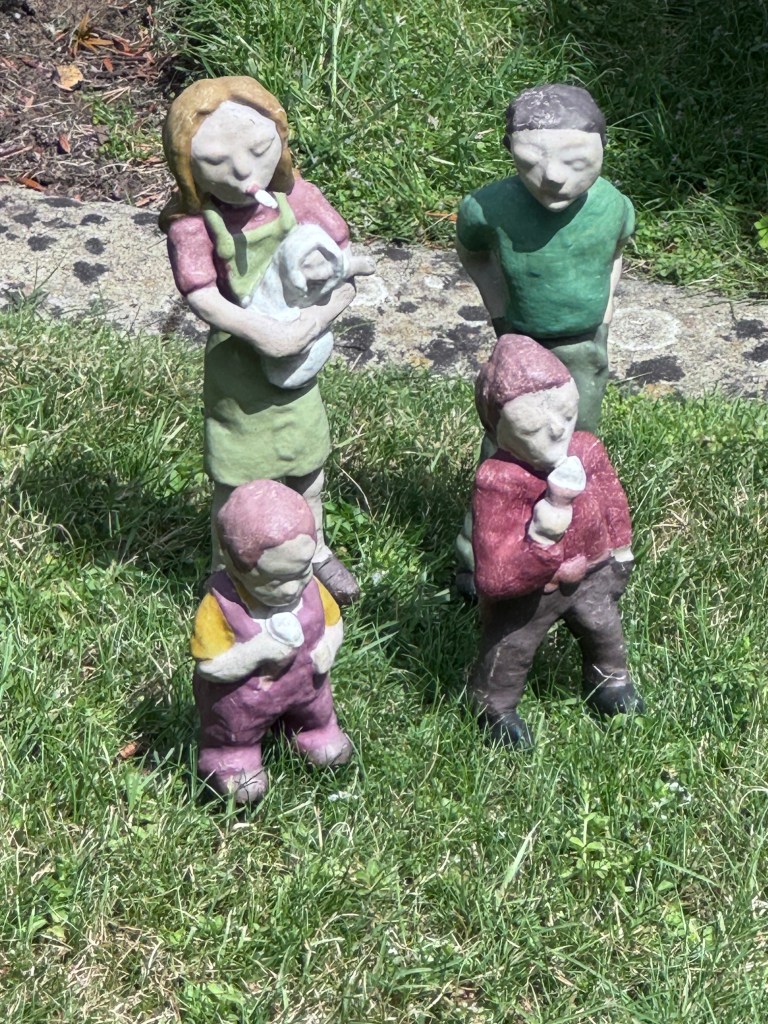
Perhaps the most entertaining surprise was discovering that inside the Model Village is… another Model Village! The designers have recreated the attraction itself in miniature, complete with tiny visitors looking at an even tinier version of the village. It’s a clever bit of humor that perfectly matches the whimsical spirit of the attraction.

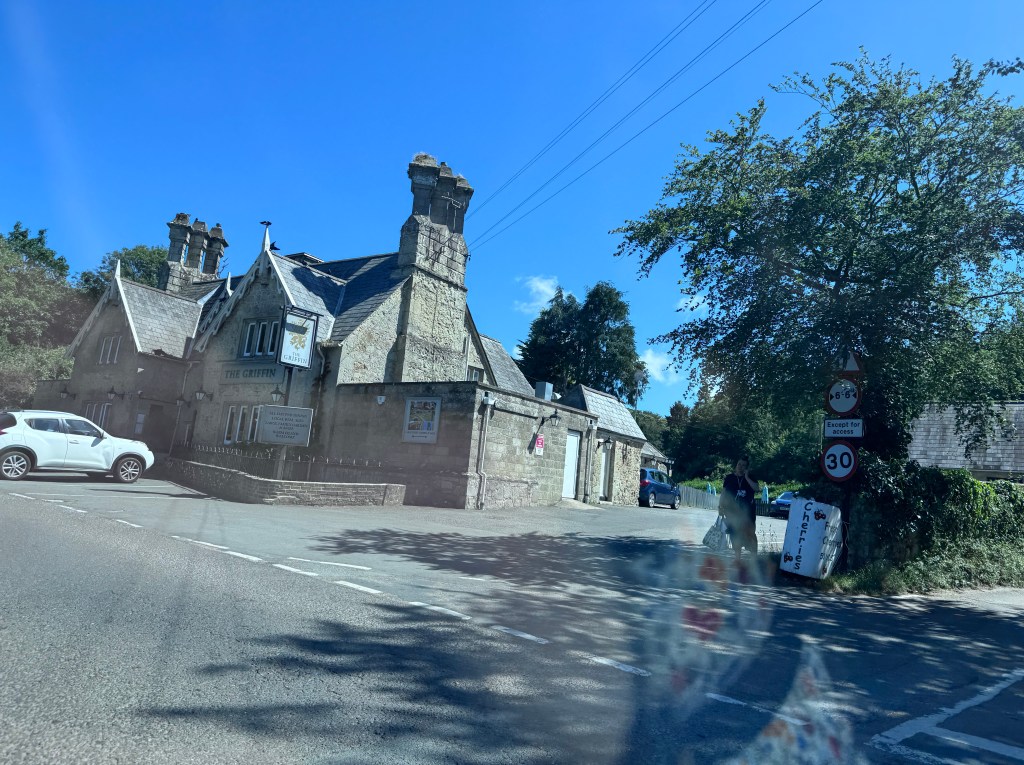
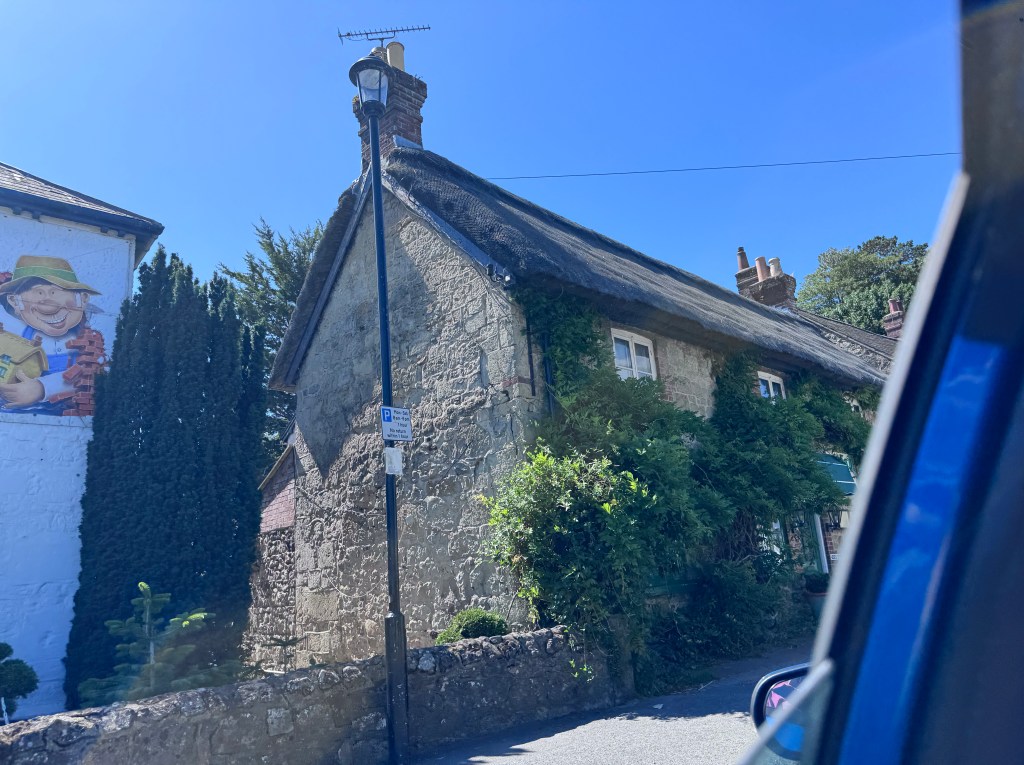
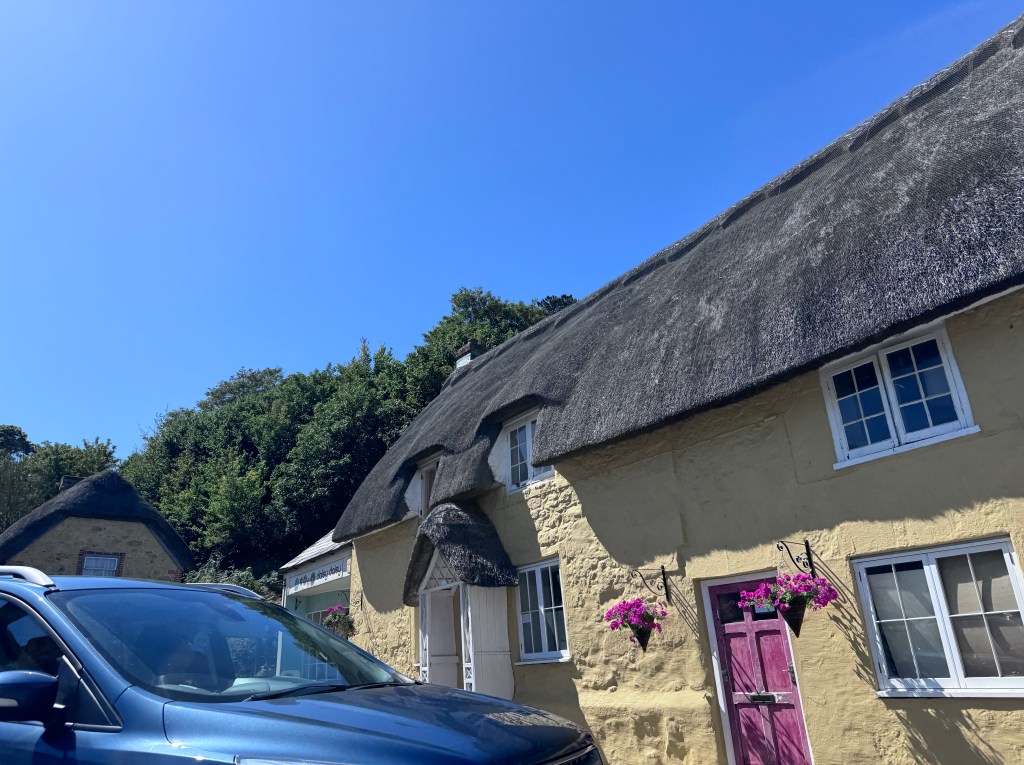
After exploring, we enjoyed lunch together before strolling through the village of Godshill itself. The village is known for its picturesque cottages with traditional thatched roofs, many dating back several hundred years. I hadn’t expected to see so many thatched cottages, and they quickly became one of my favorite sights. Their thick straw roofs, colorful gardens, and winding lanes made it feel like stepping into the pages of a storybook.

Later that afternoon, Alan and Pauline drove us back to Cowes. After several busy days of sightseeing, the quiet evening was exactly what we needed. Kiya quickly curled up on the couch and fell asleep, Mom settled in with a good book, and I took one last walk around the waterfront, soaking in the atmosphere of this charming seaside town. As I wandered through the harbor one final time, I reflected on the incredible kindness and hospitality Alan, Pauline, and their friends had shown us during our stay.

That evening we packed our suitcases and prepared for the next chapter of our adventure—London.

Friendship Force, Flowers, and a Royal Estate

Our first evening on the Isle of Wight was a wonderful introduction to island life. Our Friendship Force hosts, Alan and Pauline, welcomed us into their home with incredible hospitality. Before we had even settled in, Alan made a quick trip to the grocery store to pick up bread, cereal, milk, butter, and other breakfast essentials so we would have everything we needed for the next morning. It was such a thoughtful gesture and made us feel right at home.

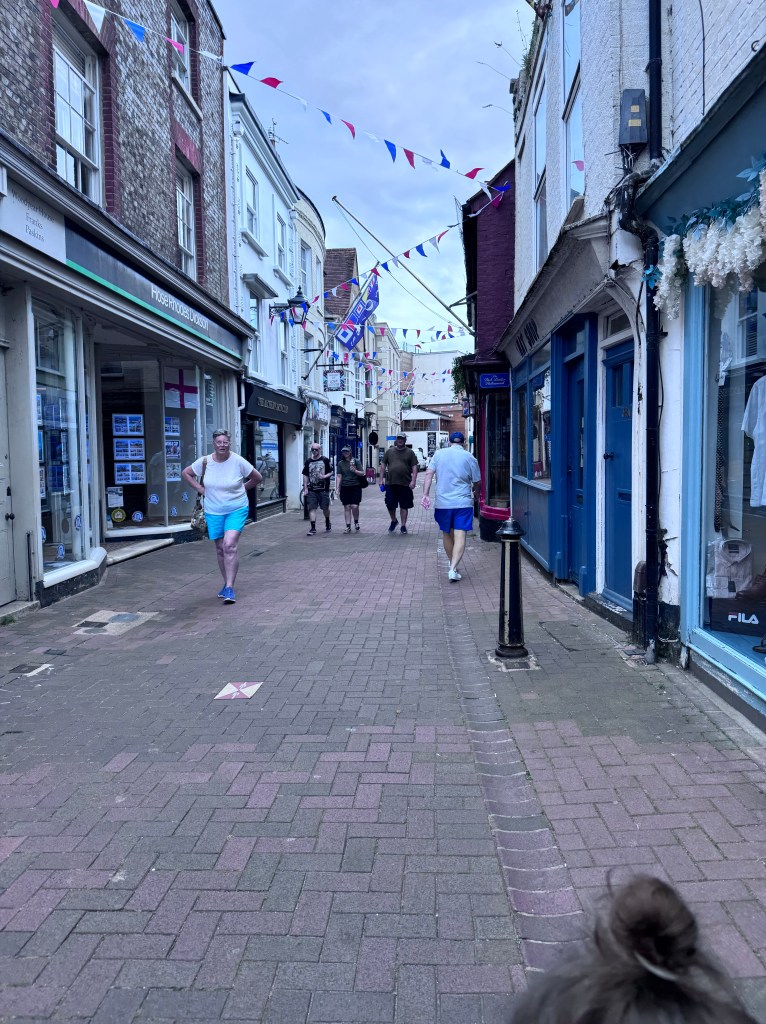
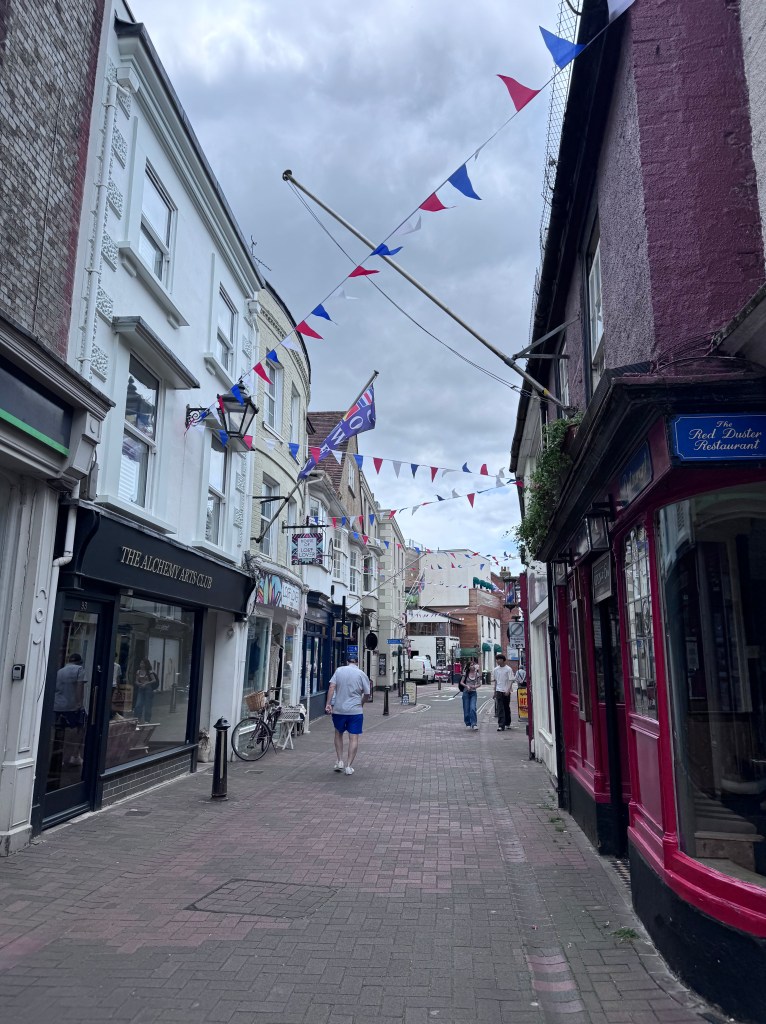
We made plans to meet Alan and Pauline the following afternoon at Osborne House, along with another Friendship Force friend, Sonja, who only had that afternoon available to visit with us. We let Kiya sleep in before setting off to explore the town. Since we were staying just two blocks from the main shopping street, we spent the morning wandering through the charming shops and enjoying the relaxed pace of the Isle of Wight.

Our only hiccup came when it was time to catch a taxi. We quickly discovered that our international phone plan wasn’t working, leaving us unable to call a taxi company. Most taxi stands simply displayed a phone number to arrange a pickup. After a bit of scrambling, I was finally able to download a local taxi app and request a ride. Unfortunately, we arrived at Osborne House nearly an hour later than planned, but we were determined to connect with Sonja since it was our only opportunity to spend time together.

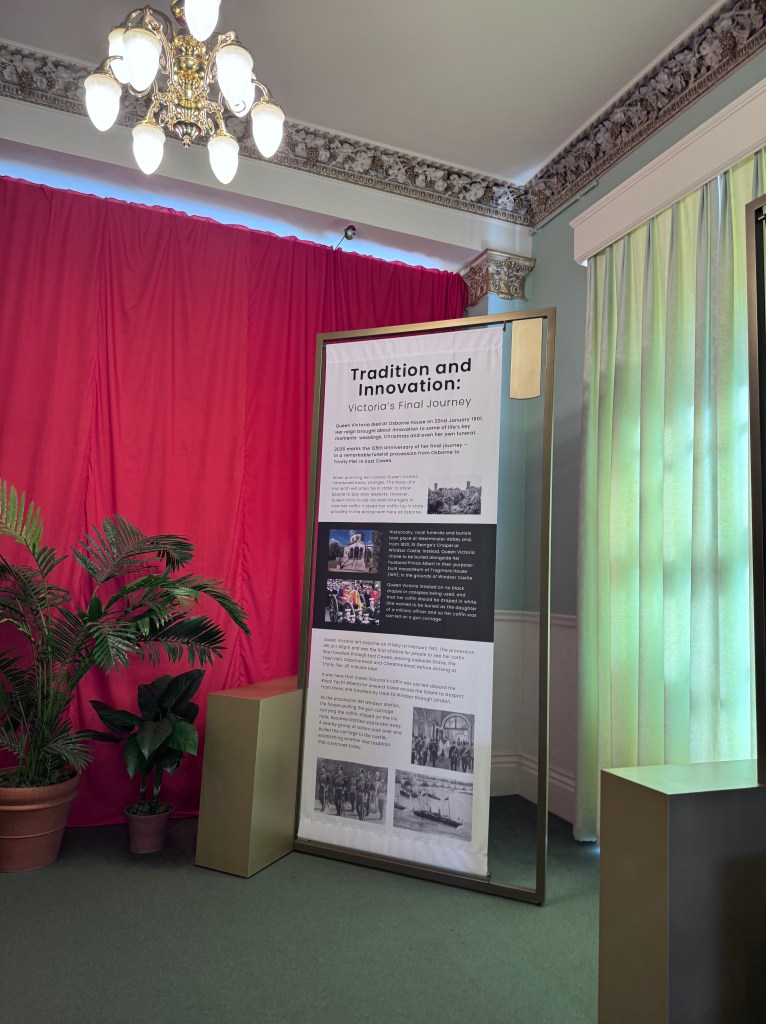
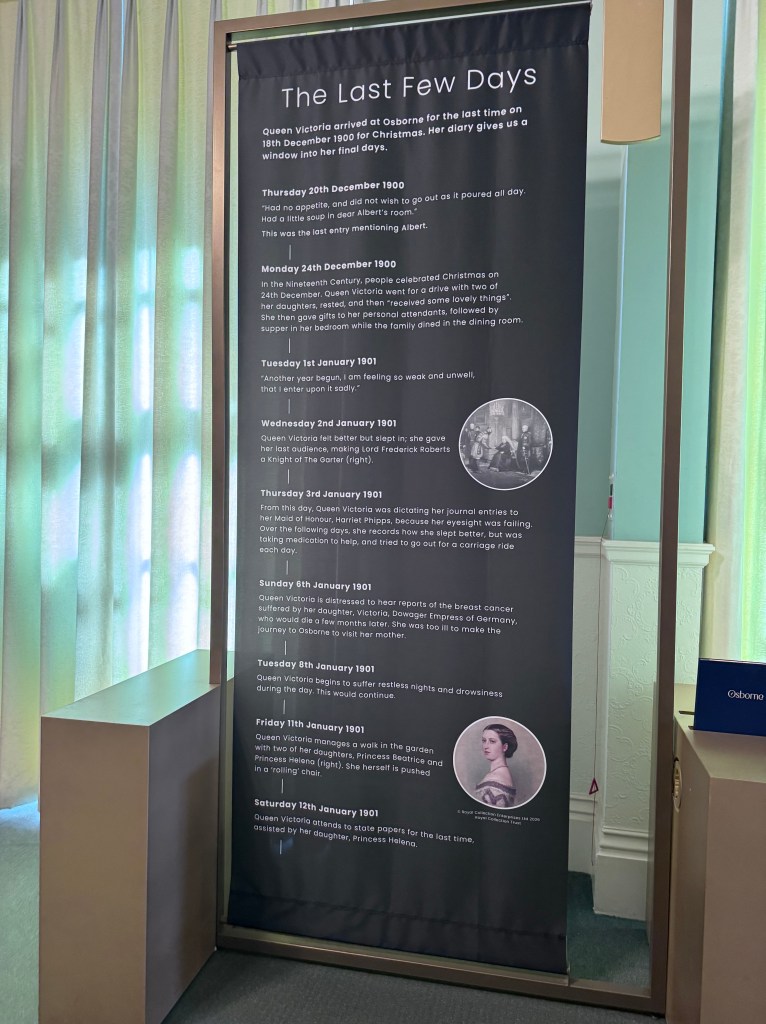
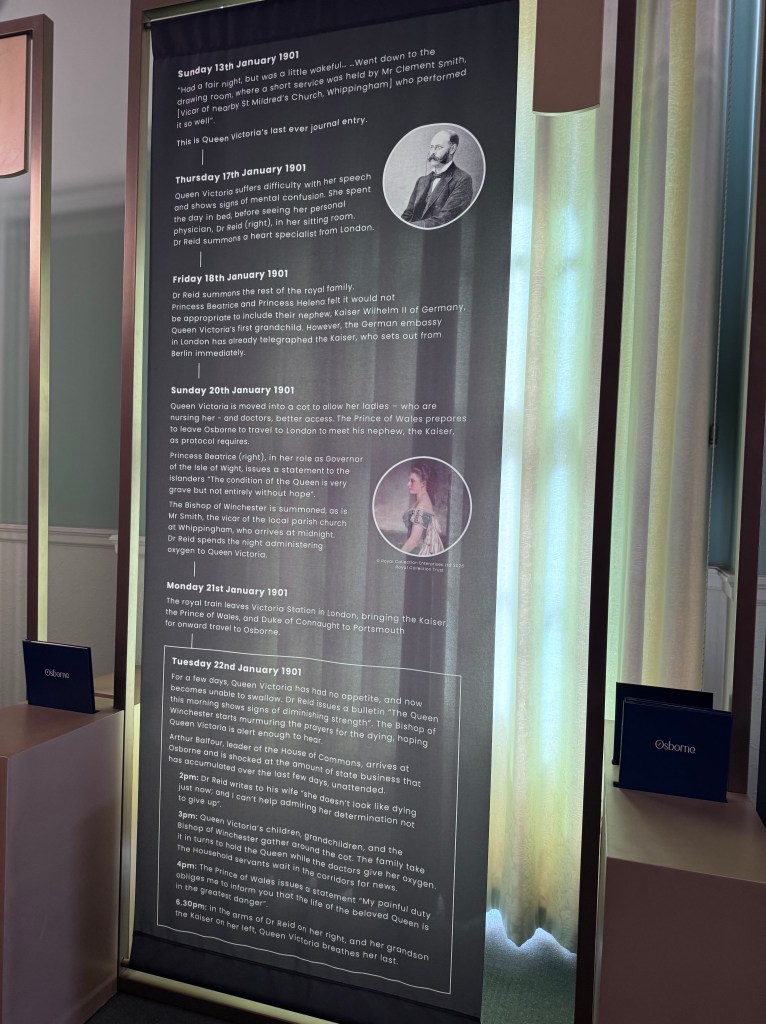
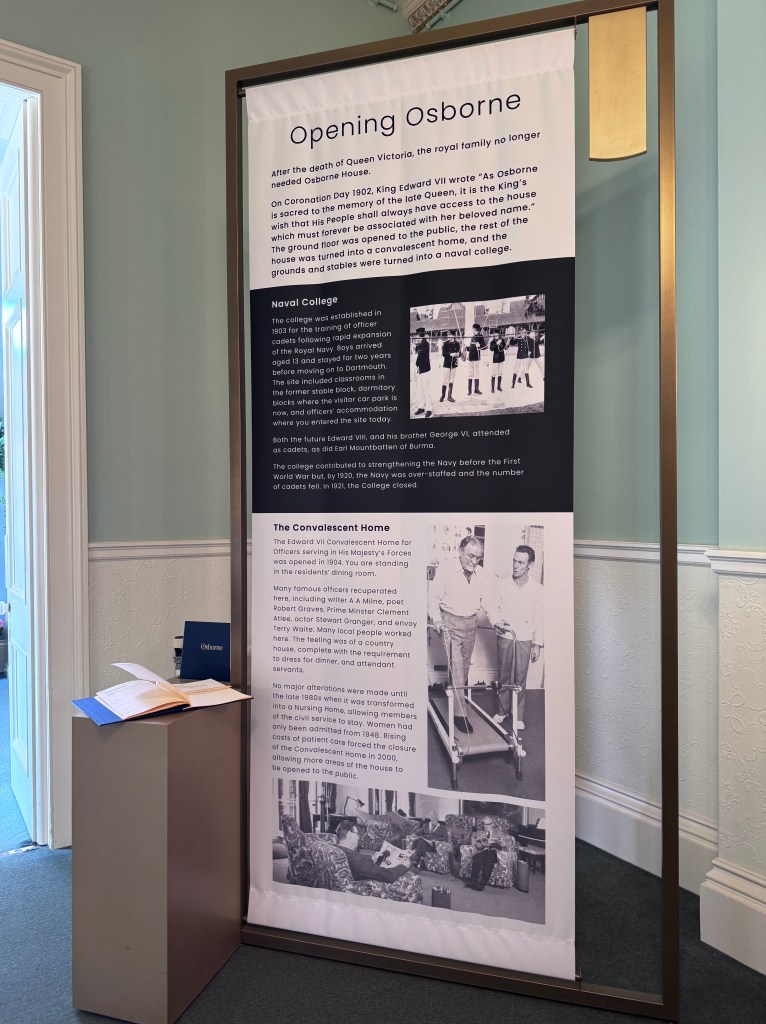
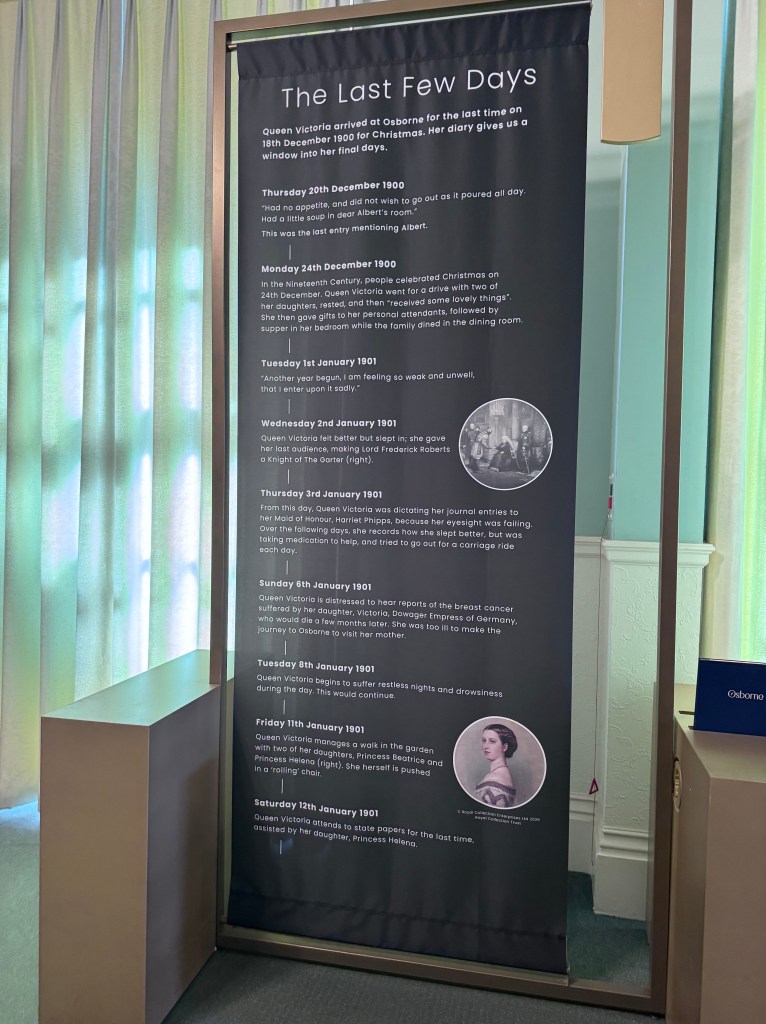
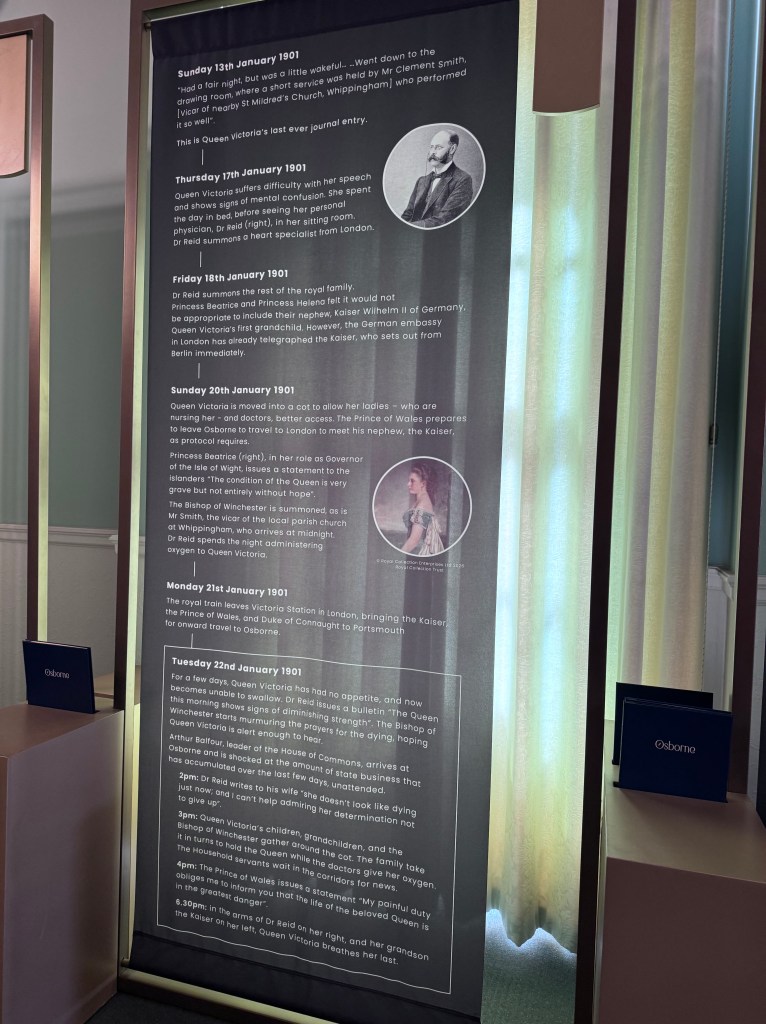
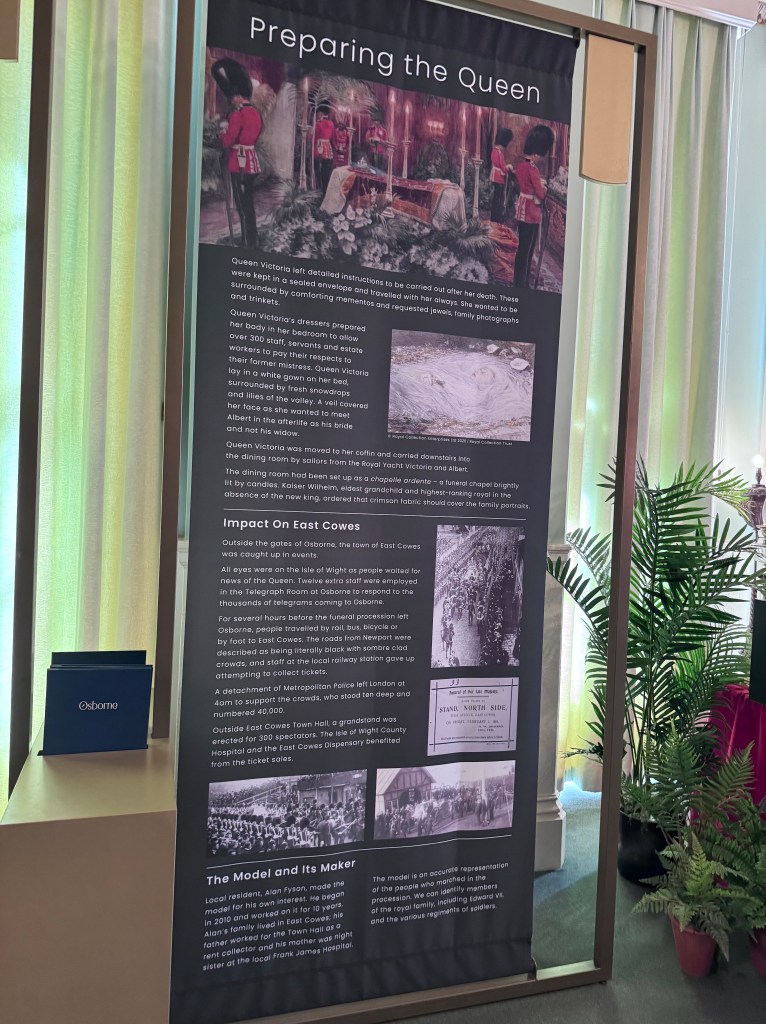
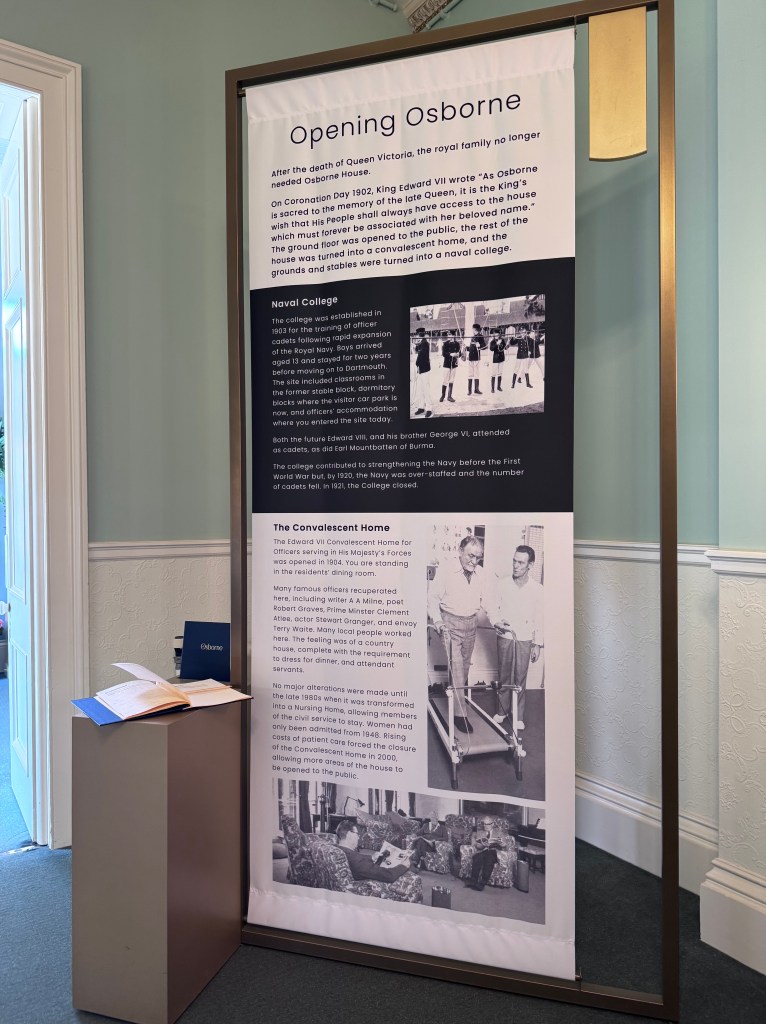
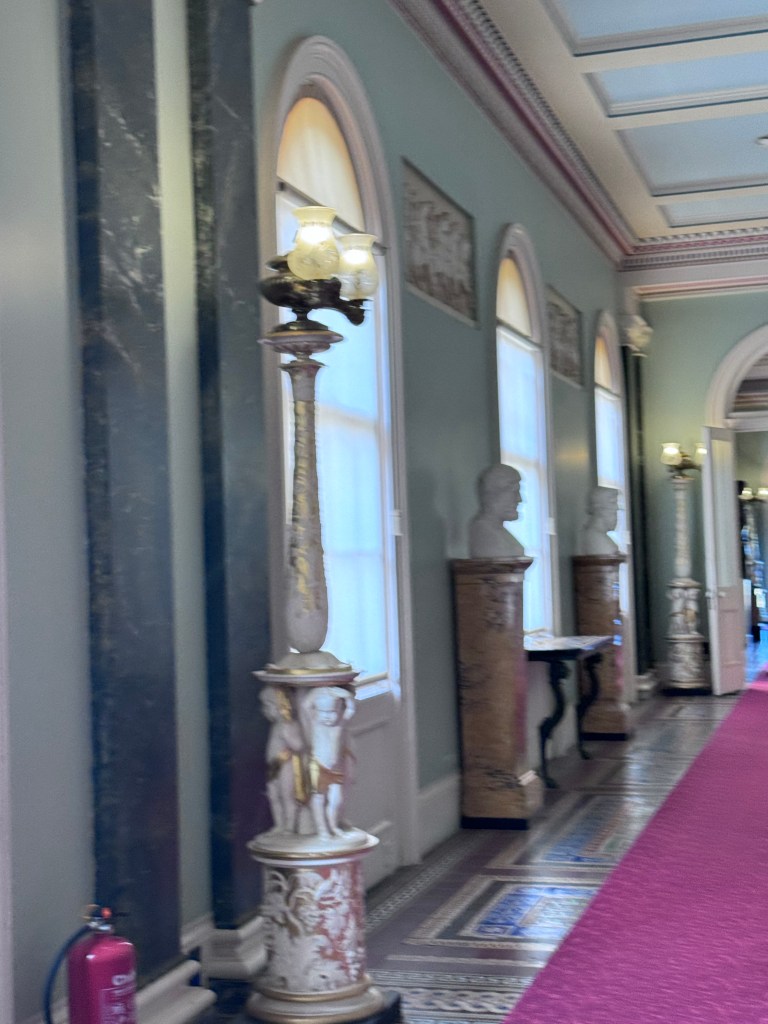
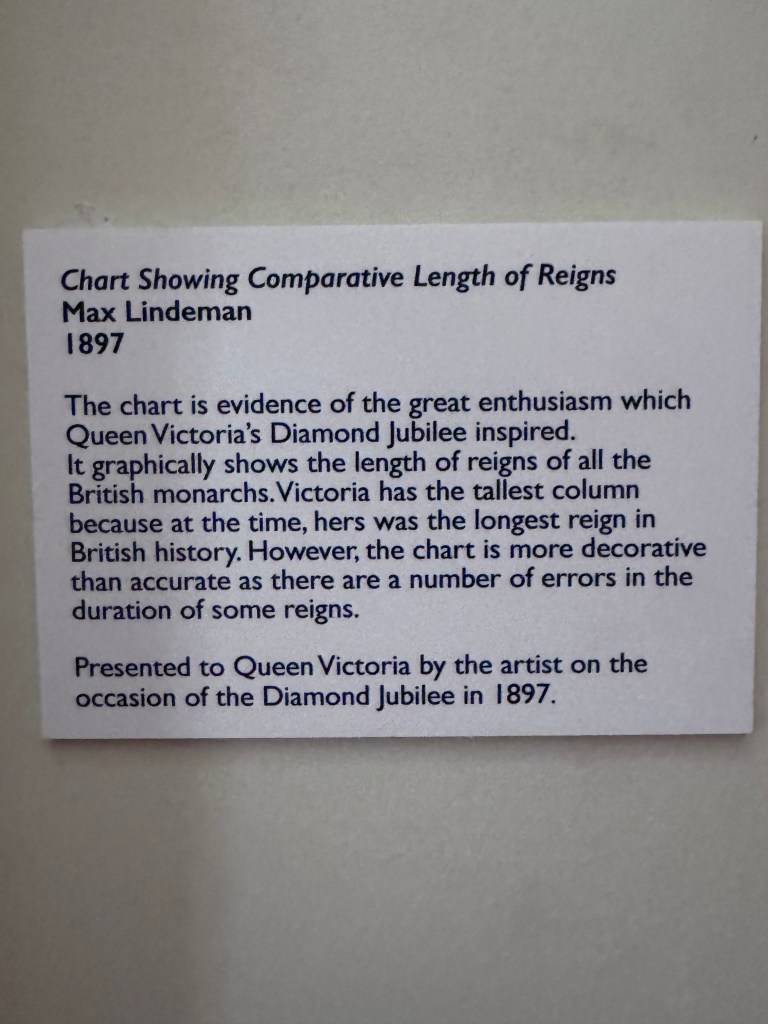
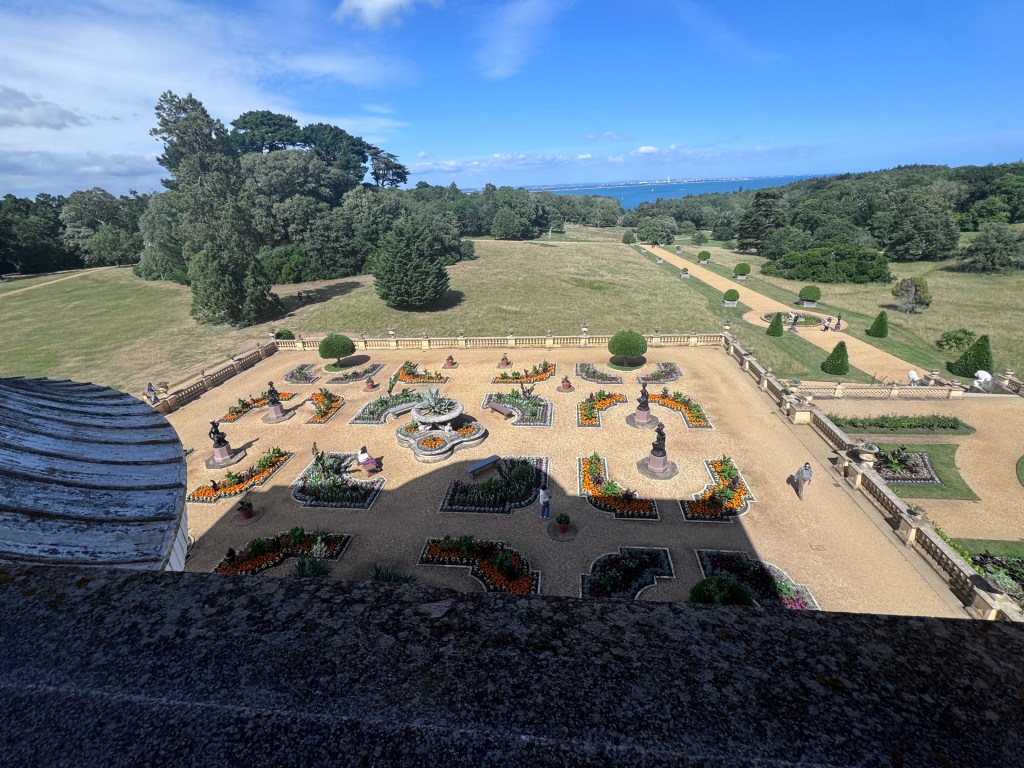
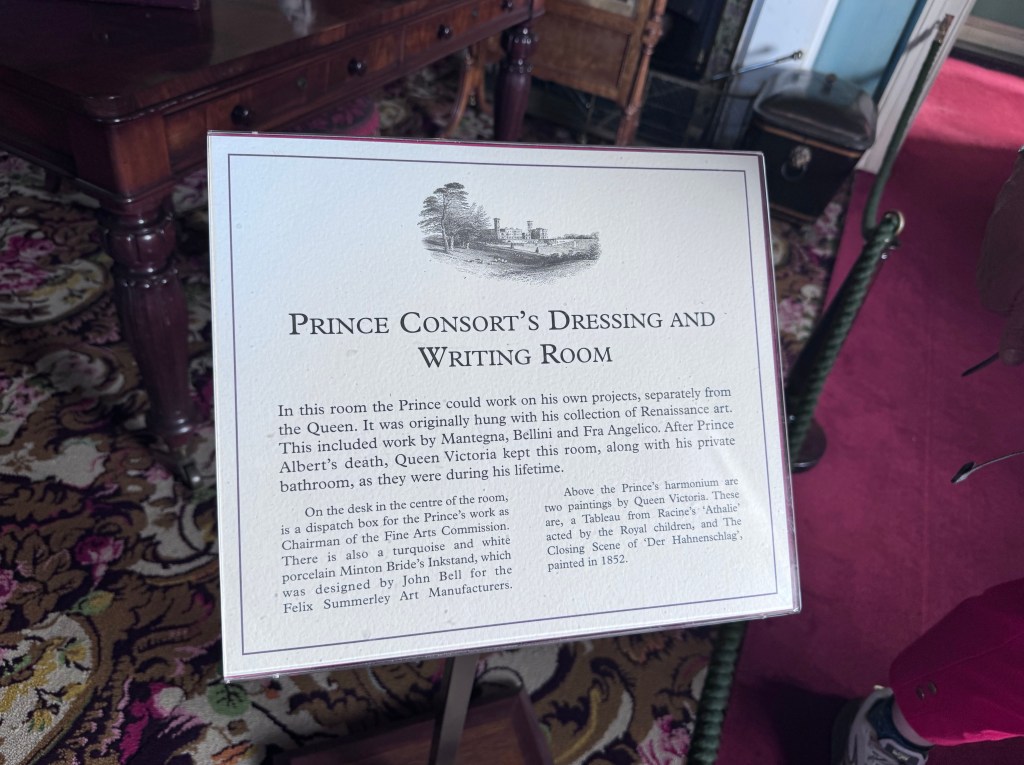
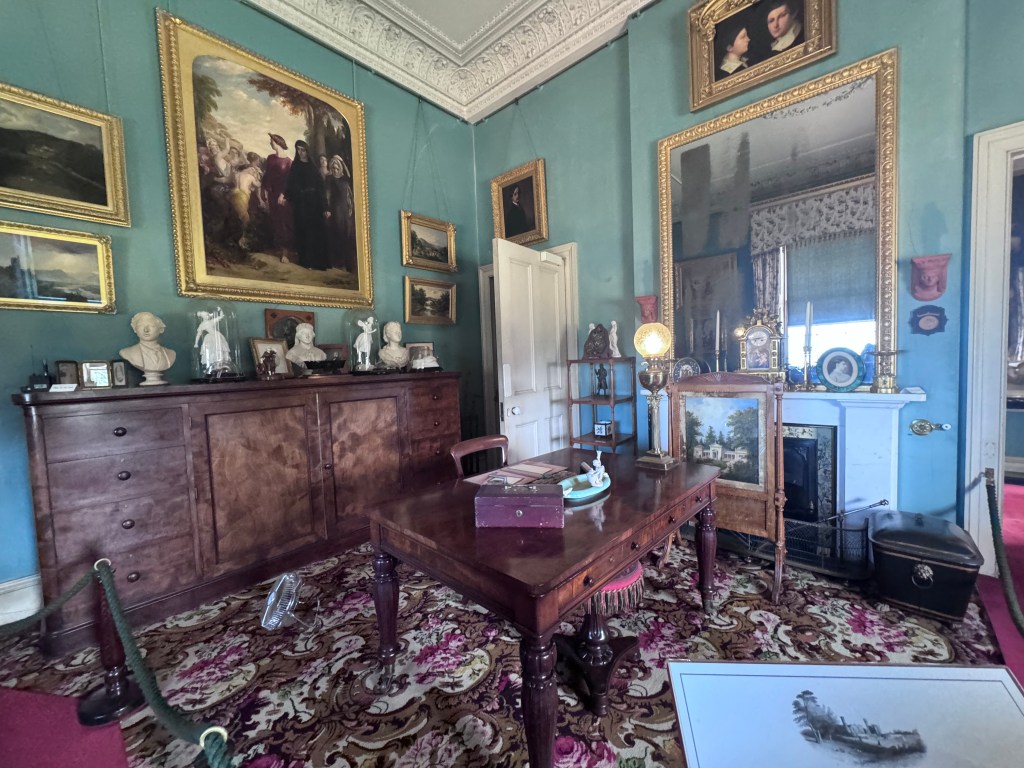
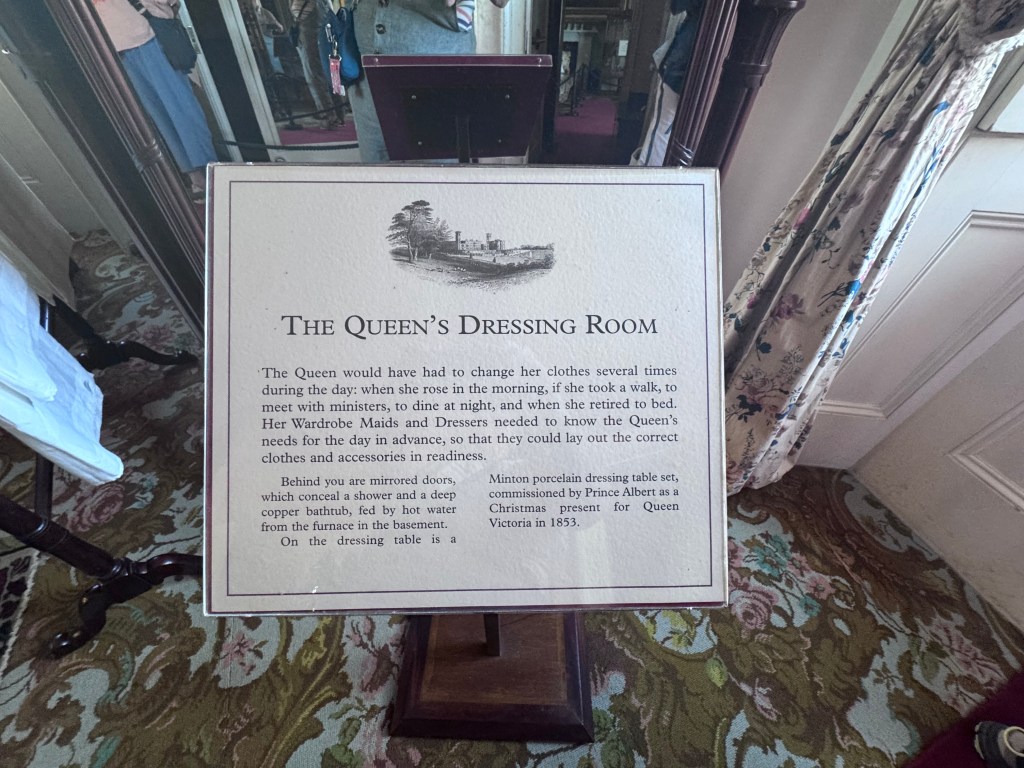
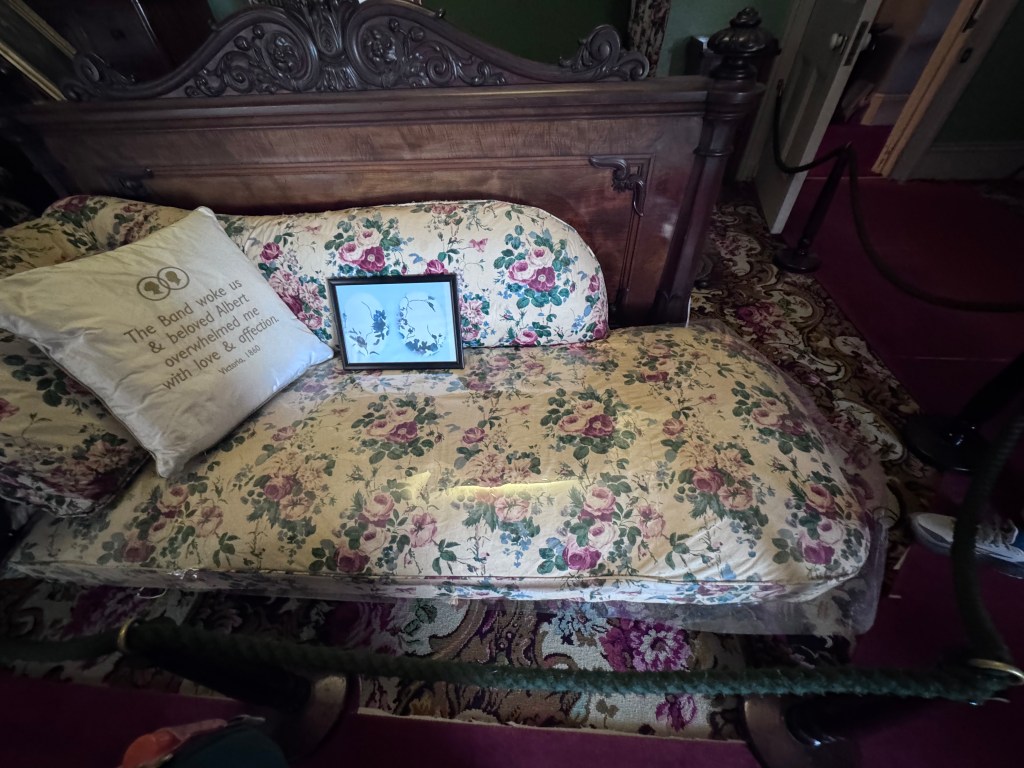
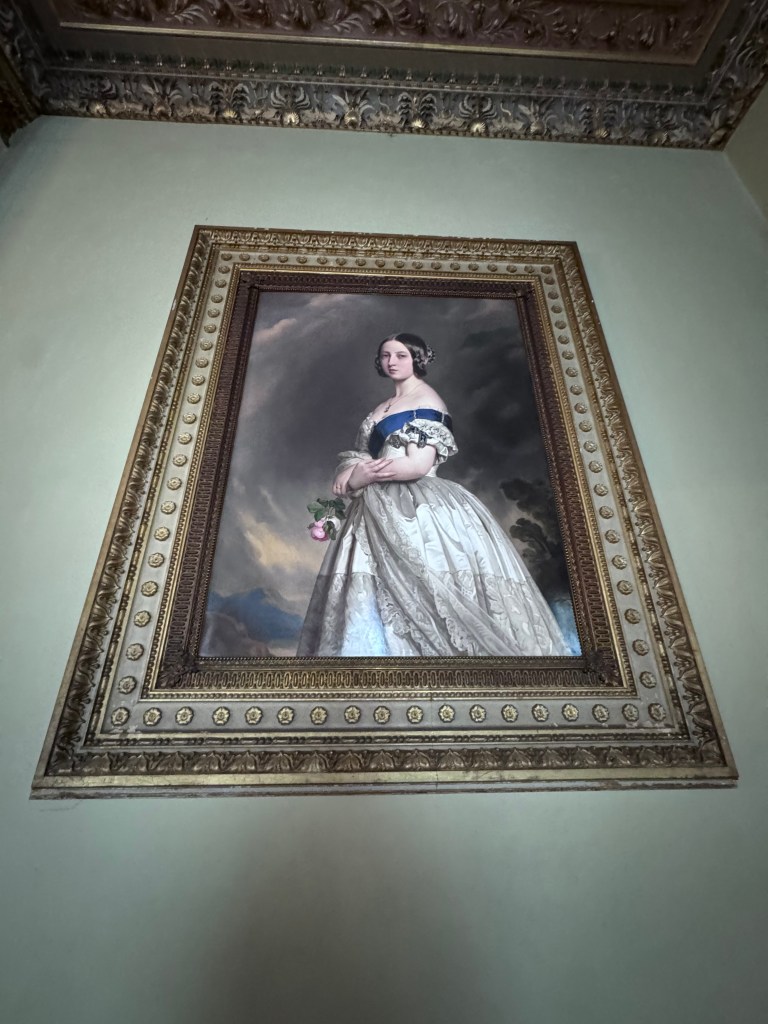
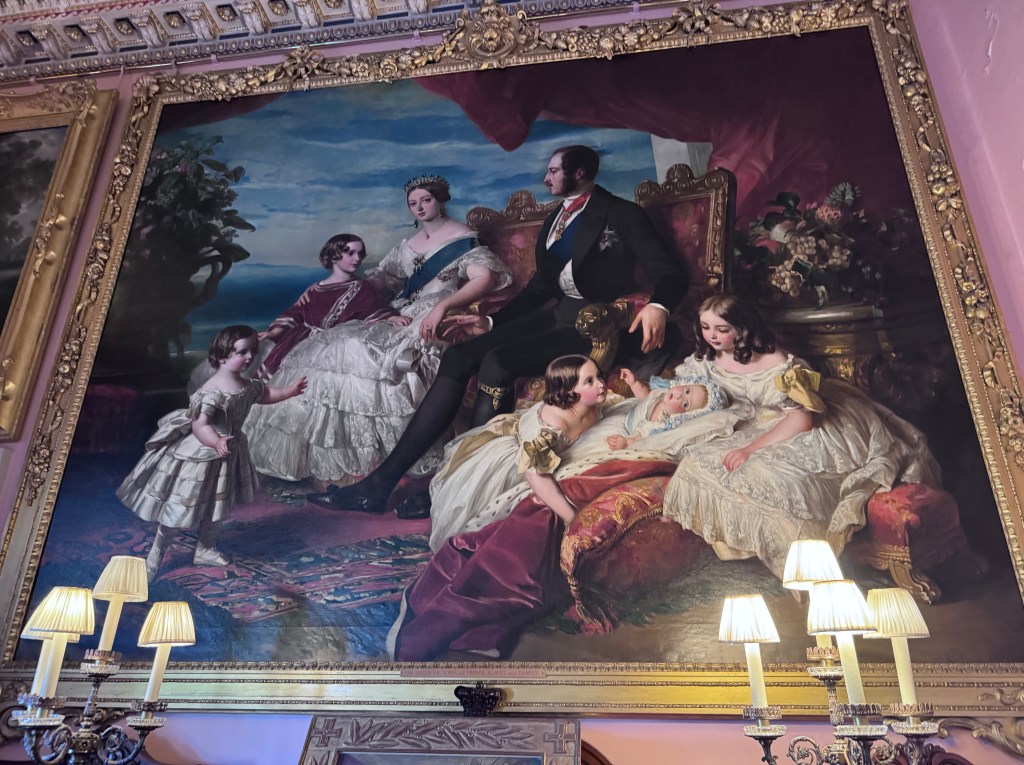
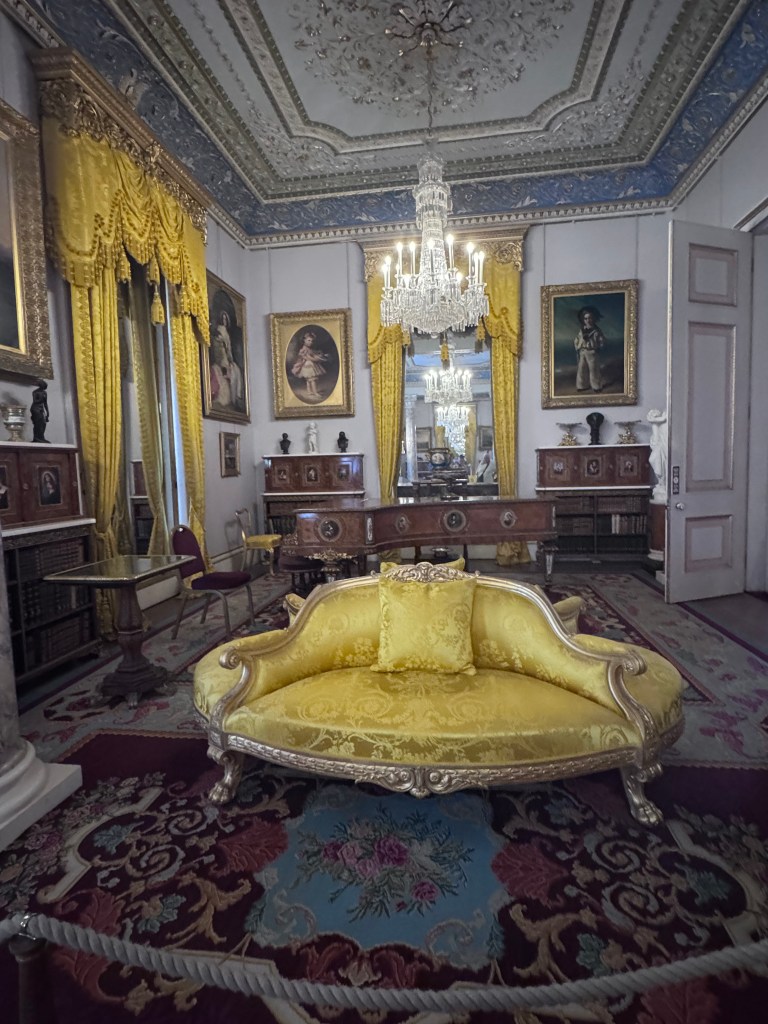
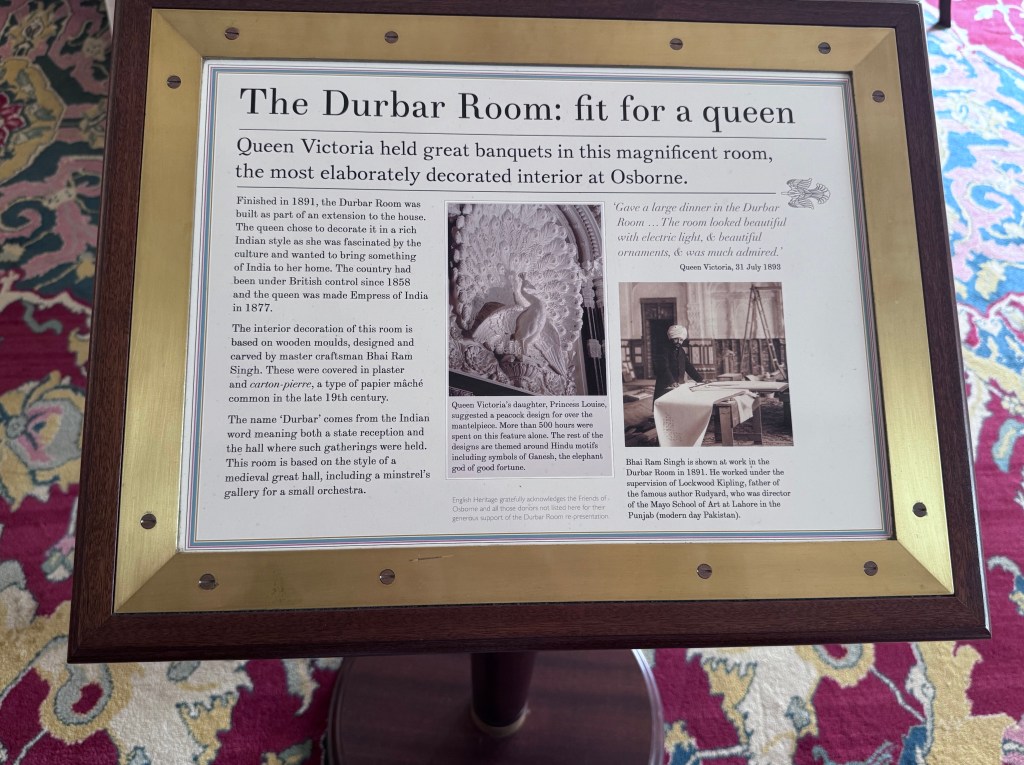
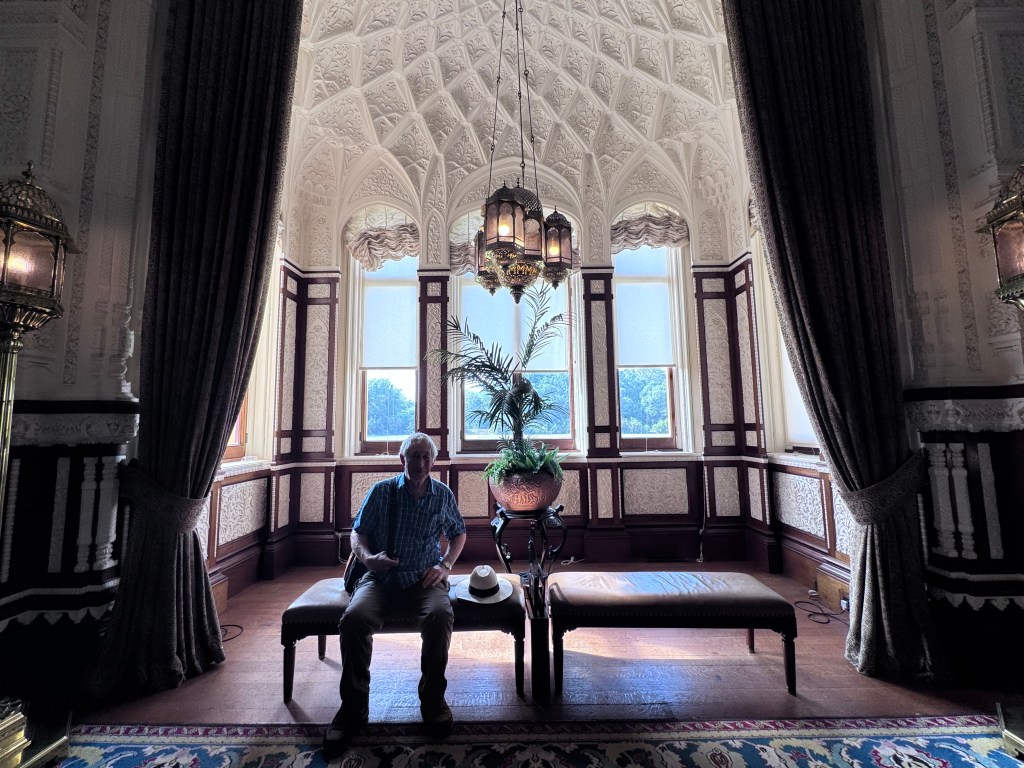
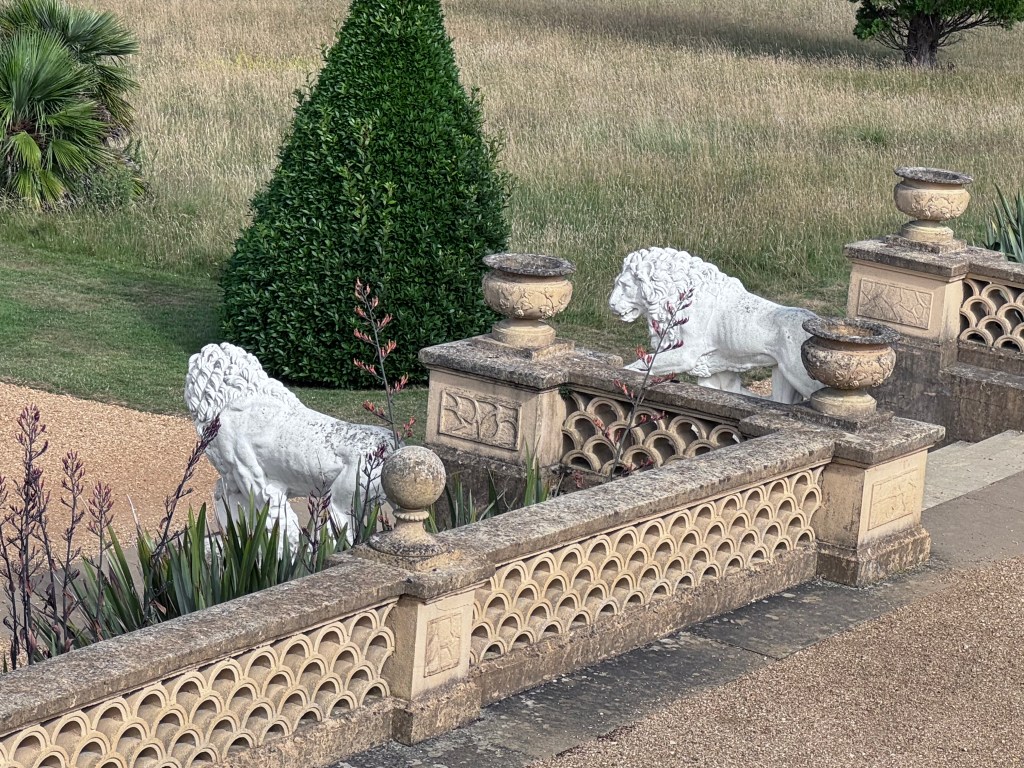
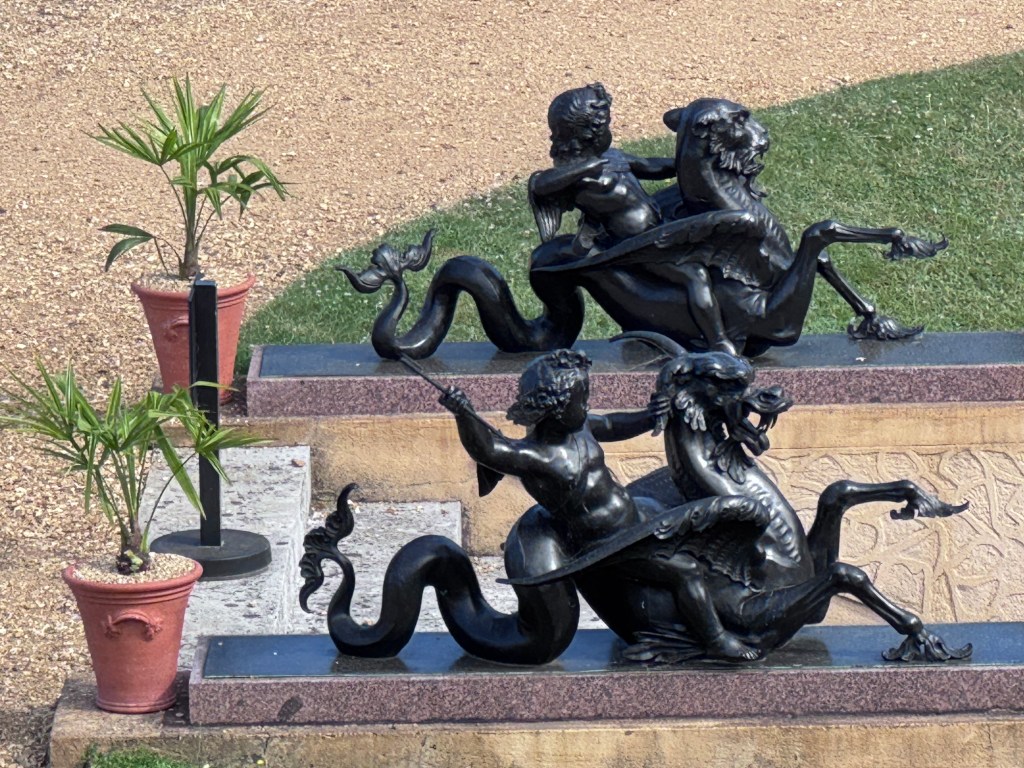
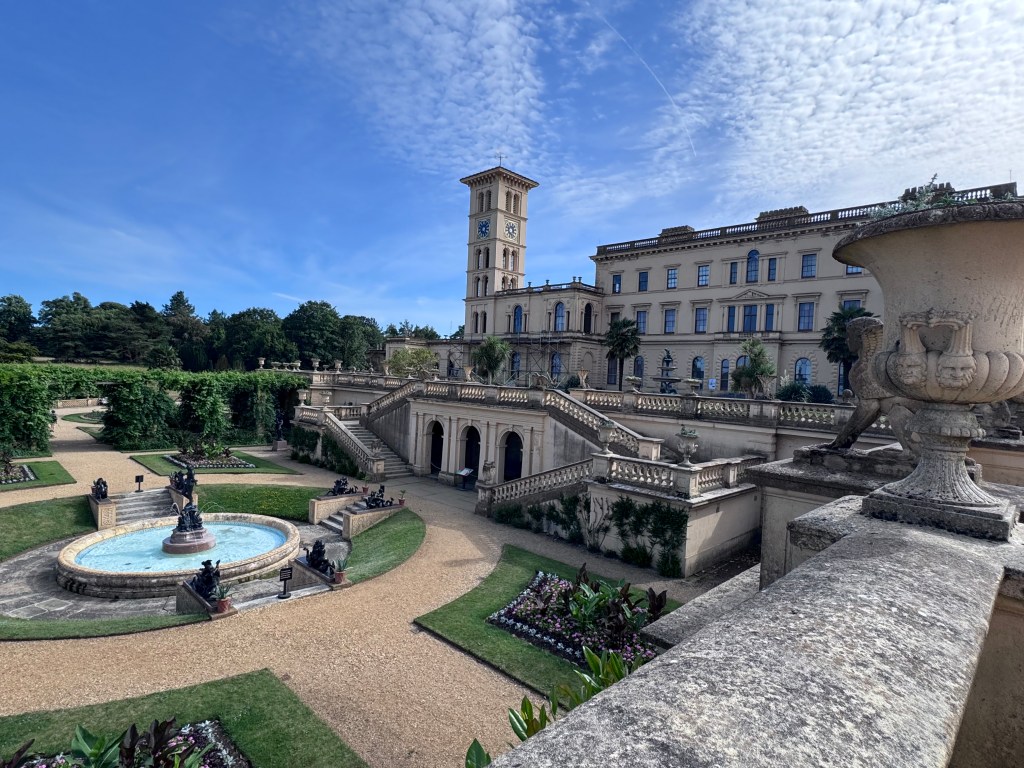
After meeting up, we enjoyed lunch before touring the magnificent Osborne House. Built between 1845 and 1851, Osborne House was the beloved summer residence of Queen Victoria and Prince Albert. Designed in the style of an Italian Renaissance villa, it became the place where the royal family could escape the formality of court life and enjoy time together. Queen Victoria loved the estate so much that she famously wrote, “It is impossible to imagine a prettier spot.”

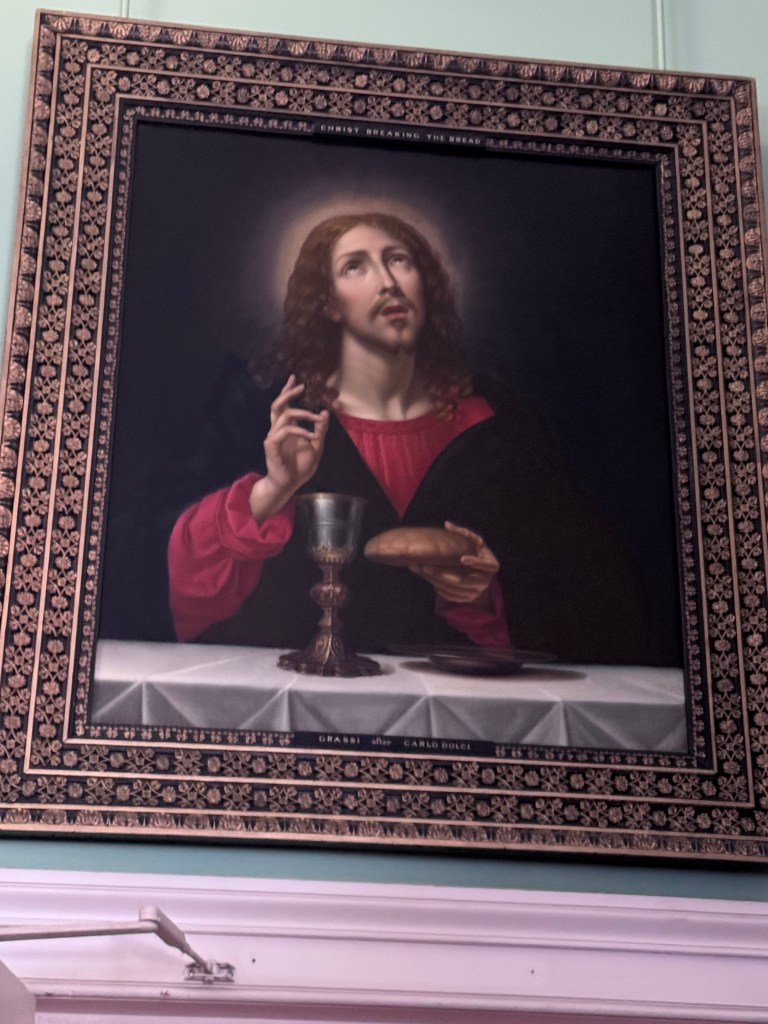
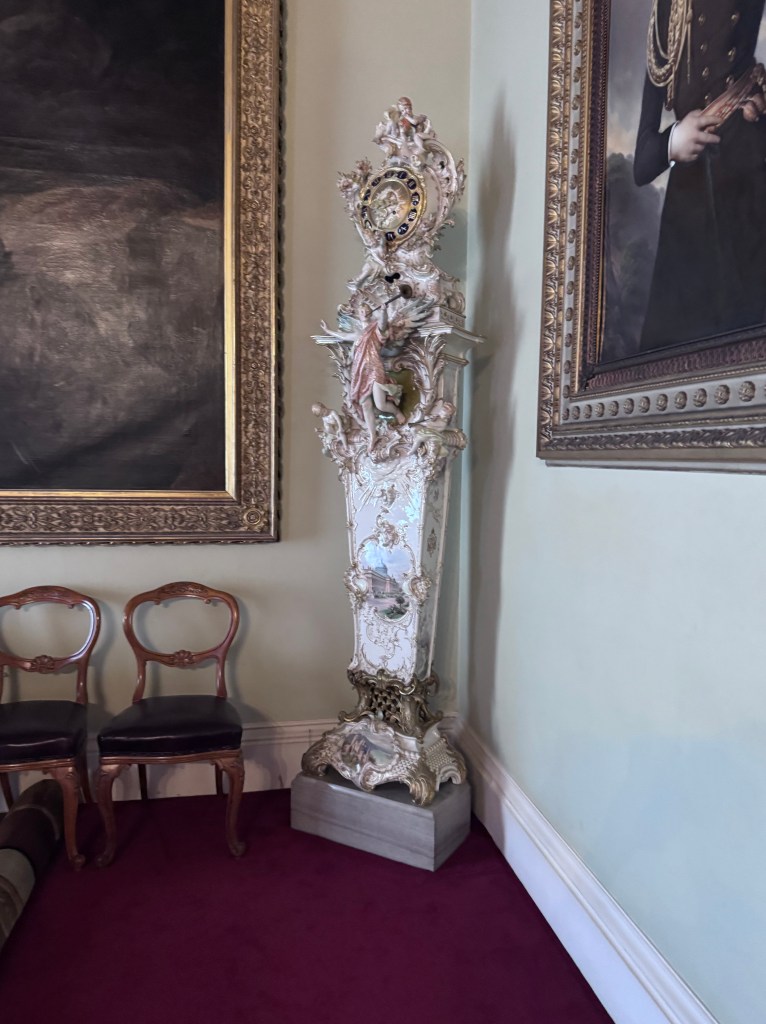
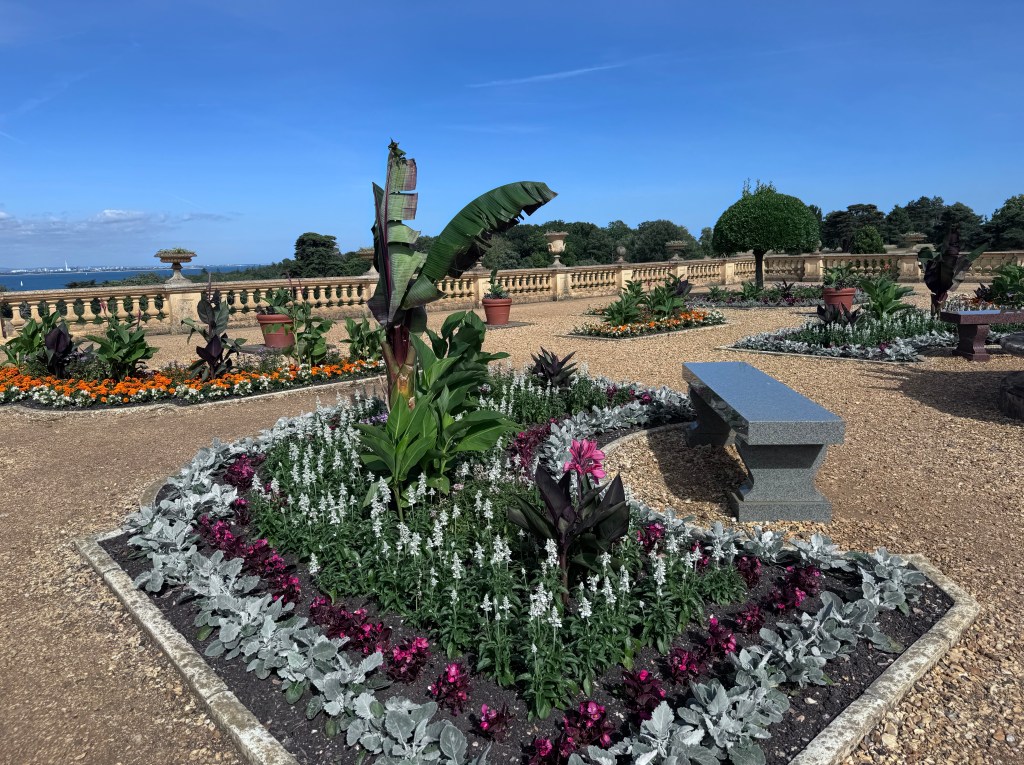
The estate is truly grand, surrounded by beautifully landscaped gardens and overlooking the Solent. What impressed me most was learning that much of what you see inside is original, giving visitors an authentic glimpse into royal family life during the Victorian era.

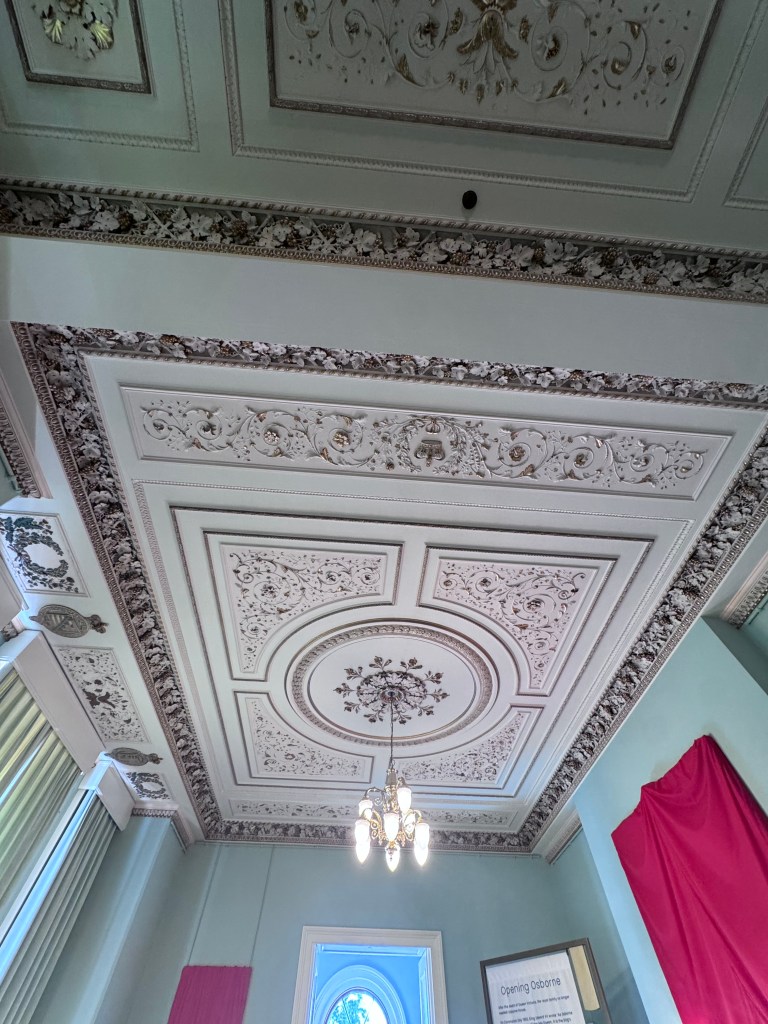
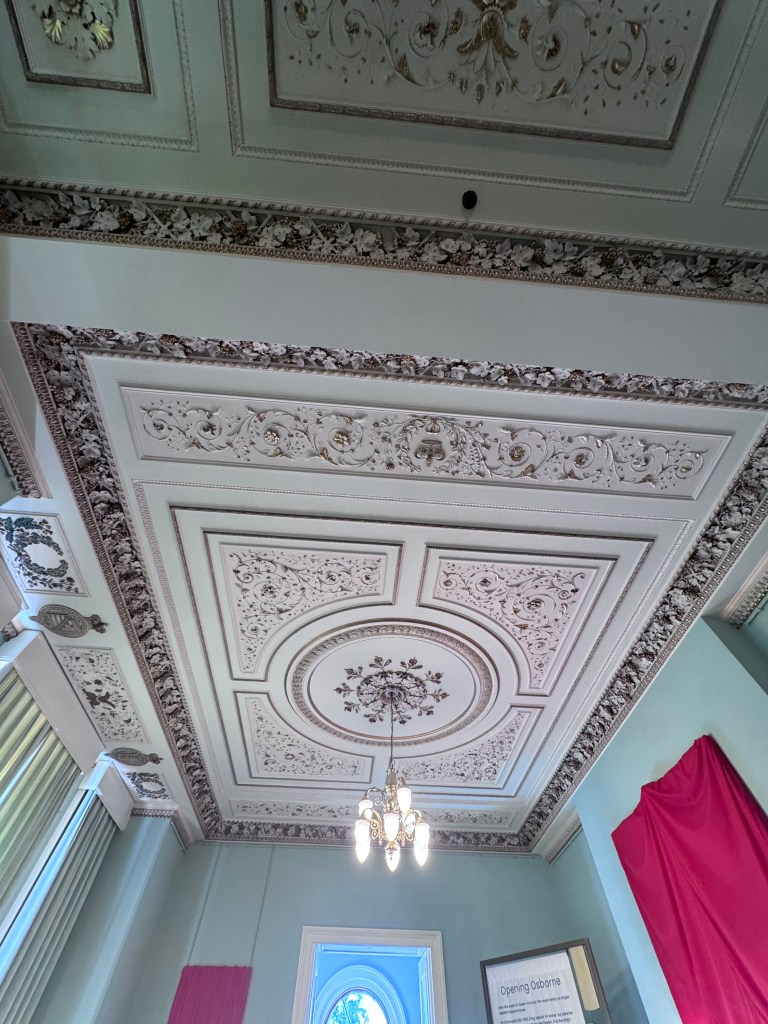
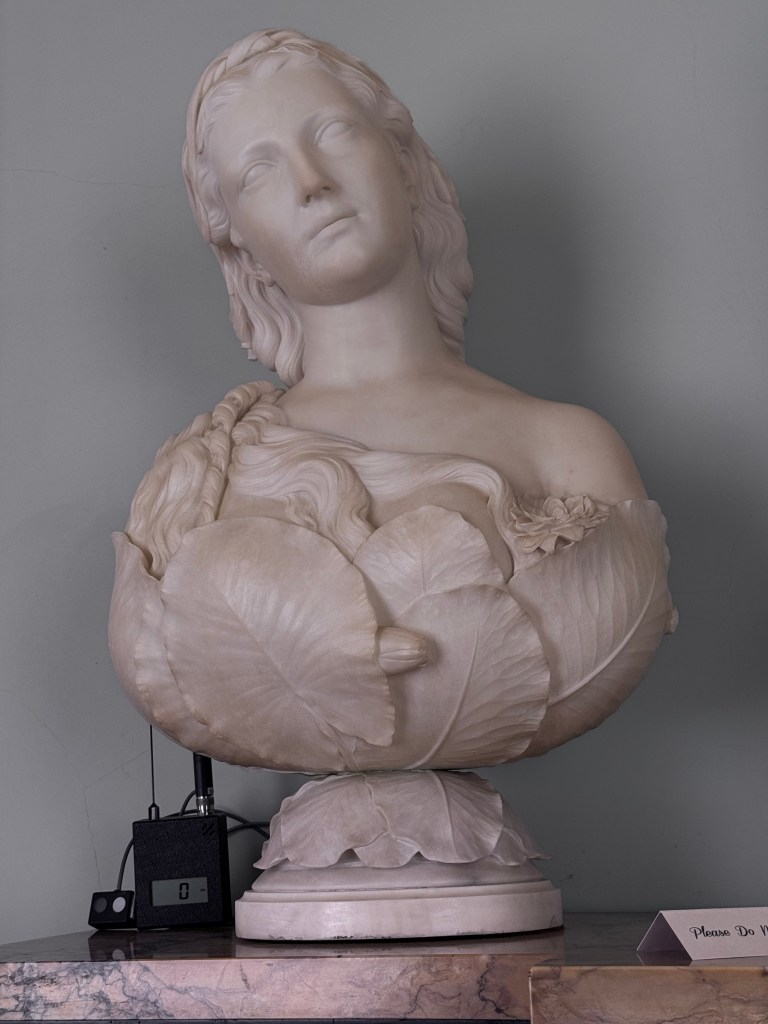
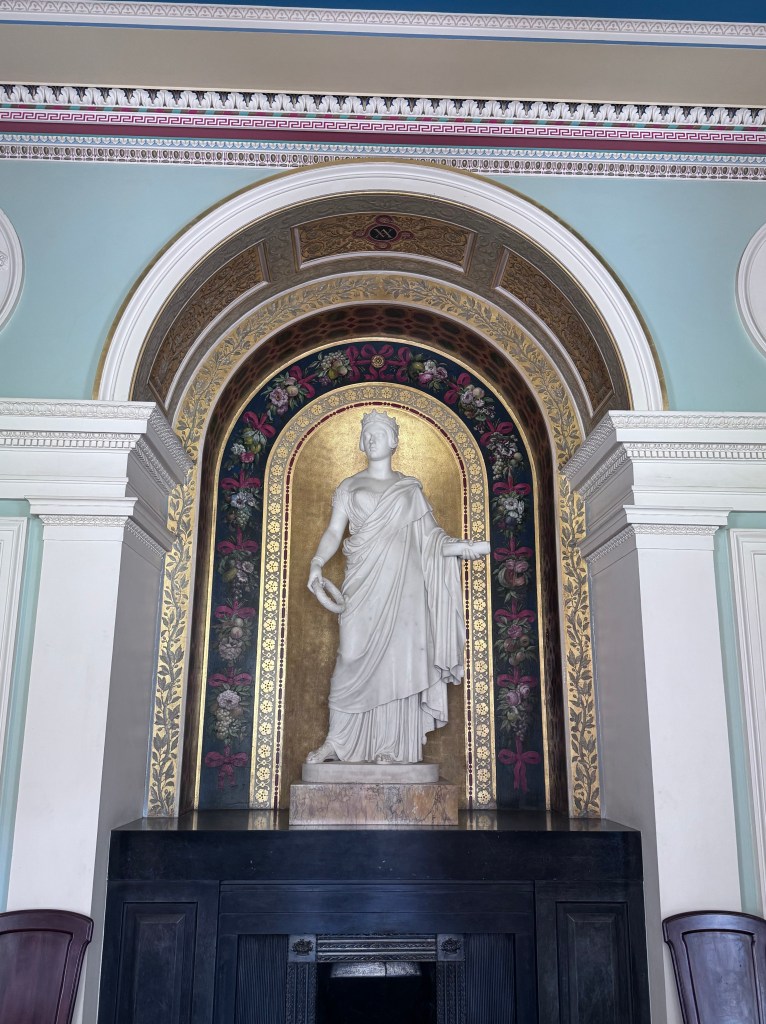
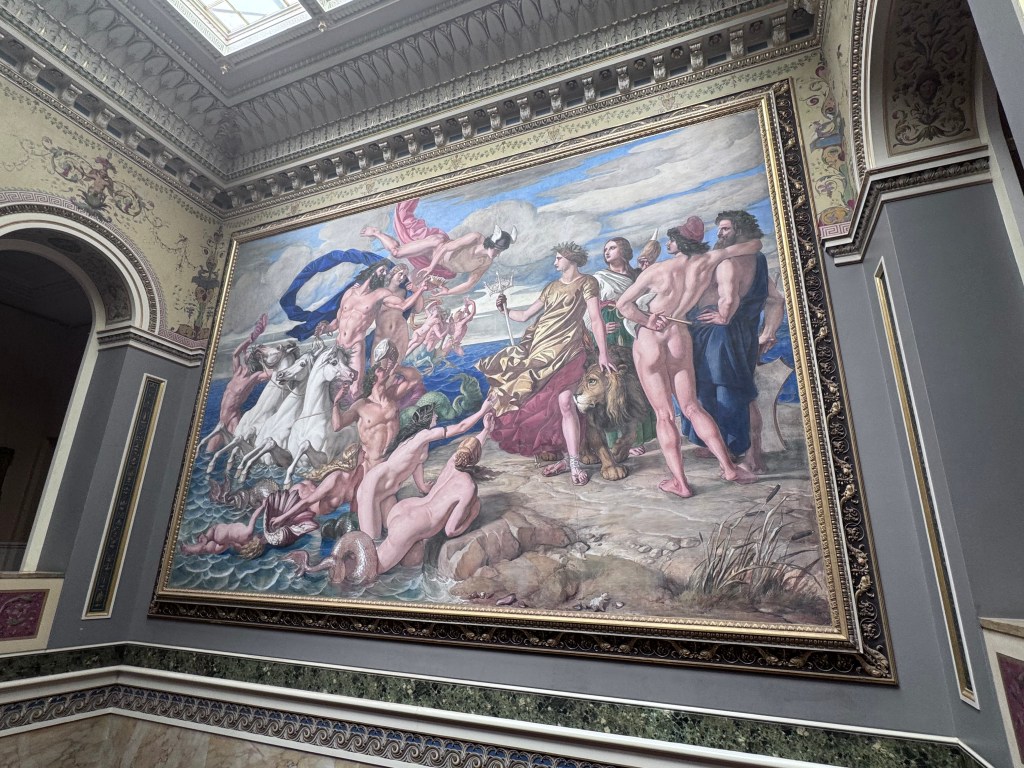
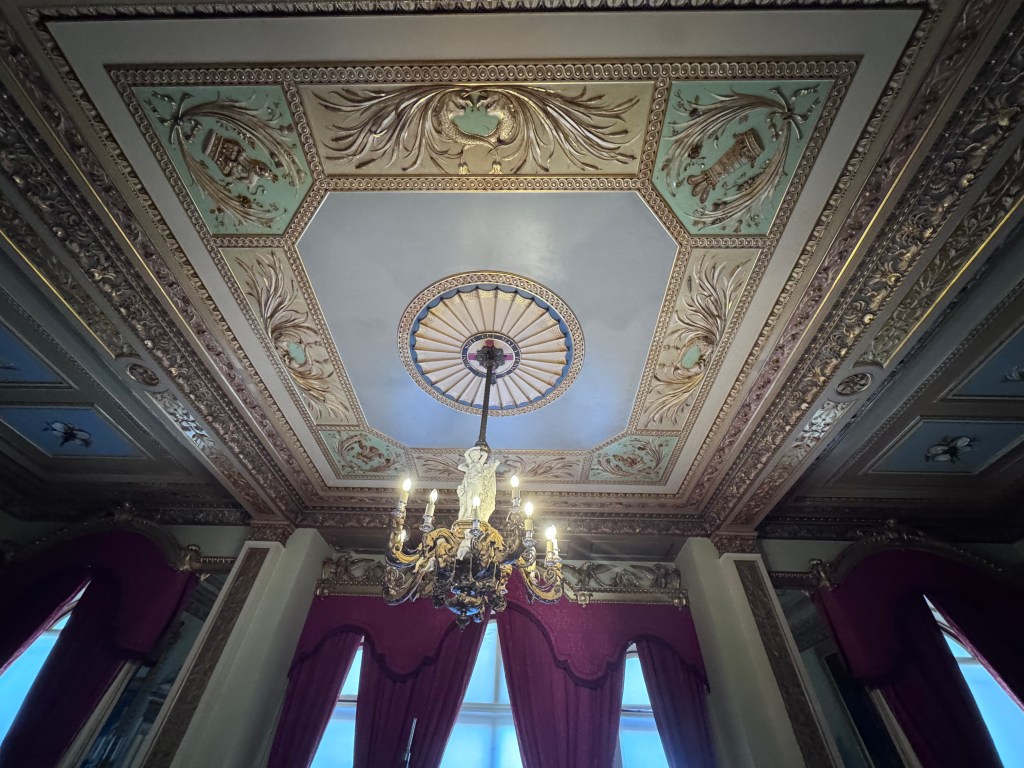
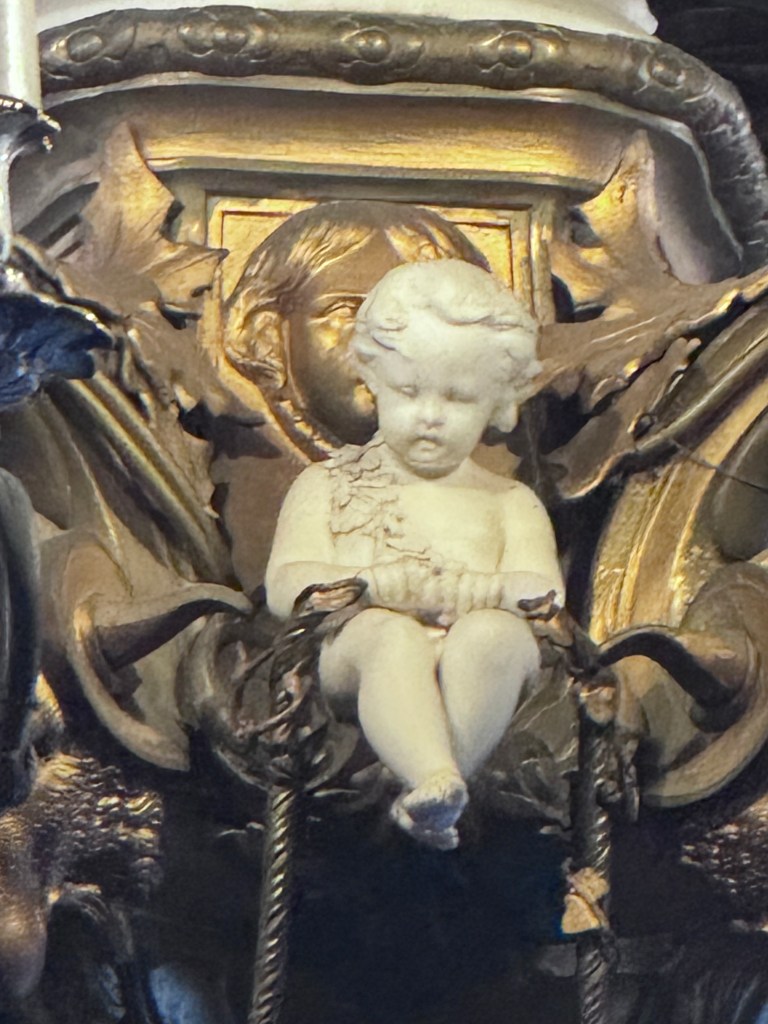
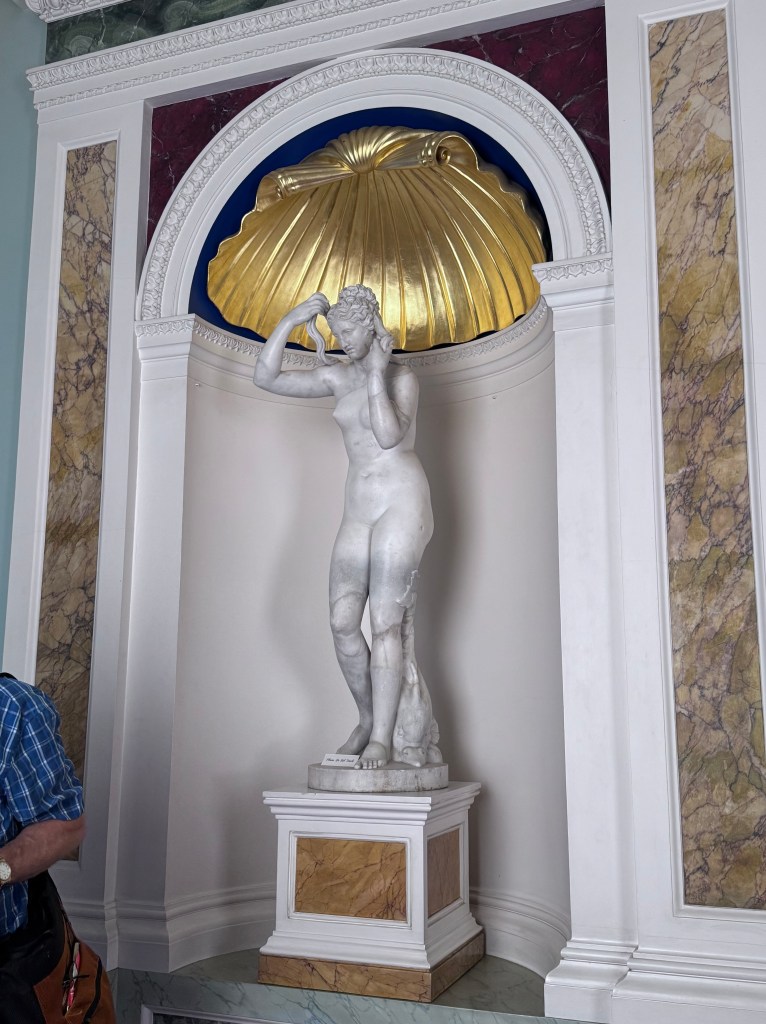
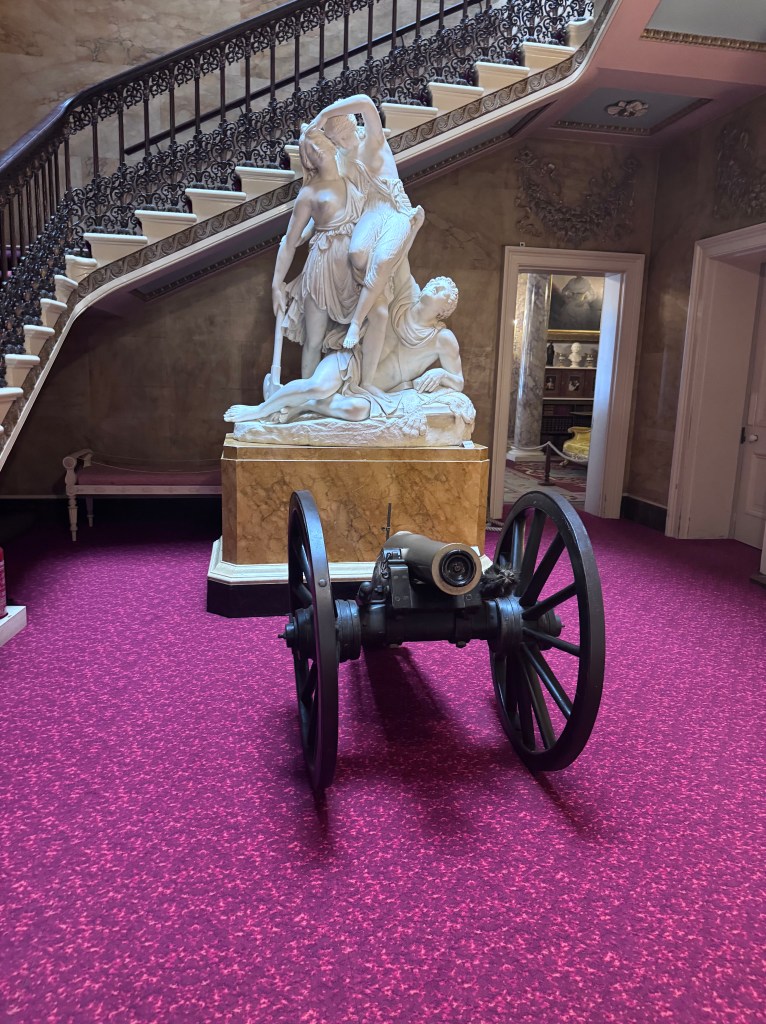
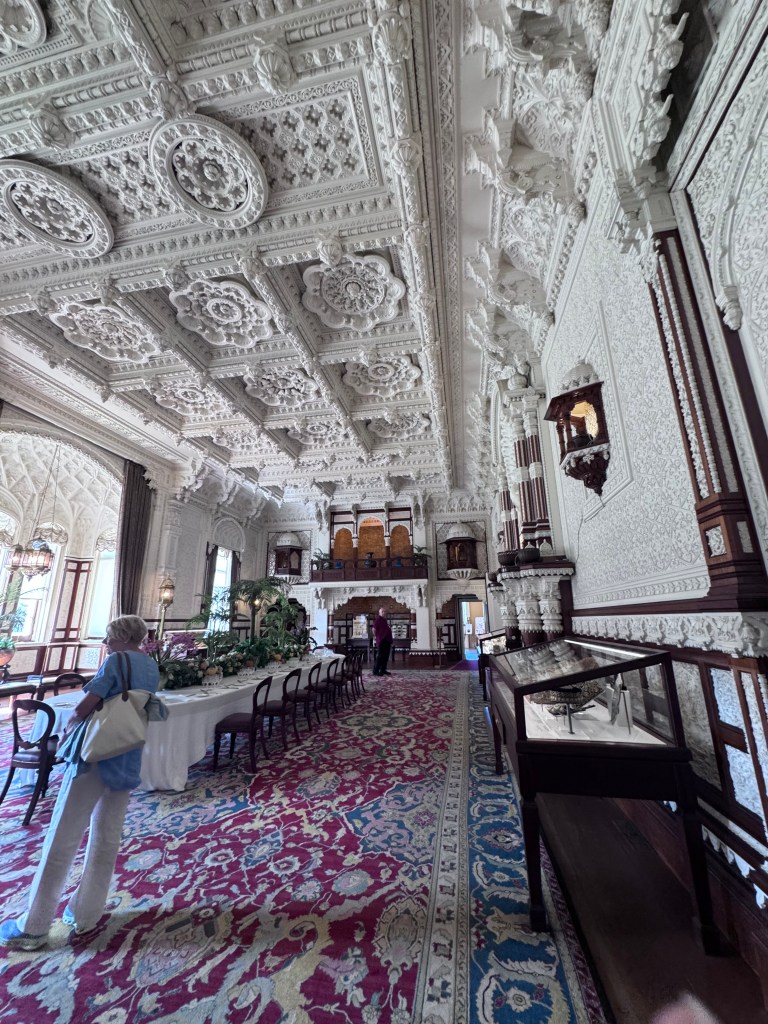
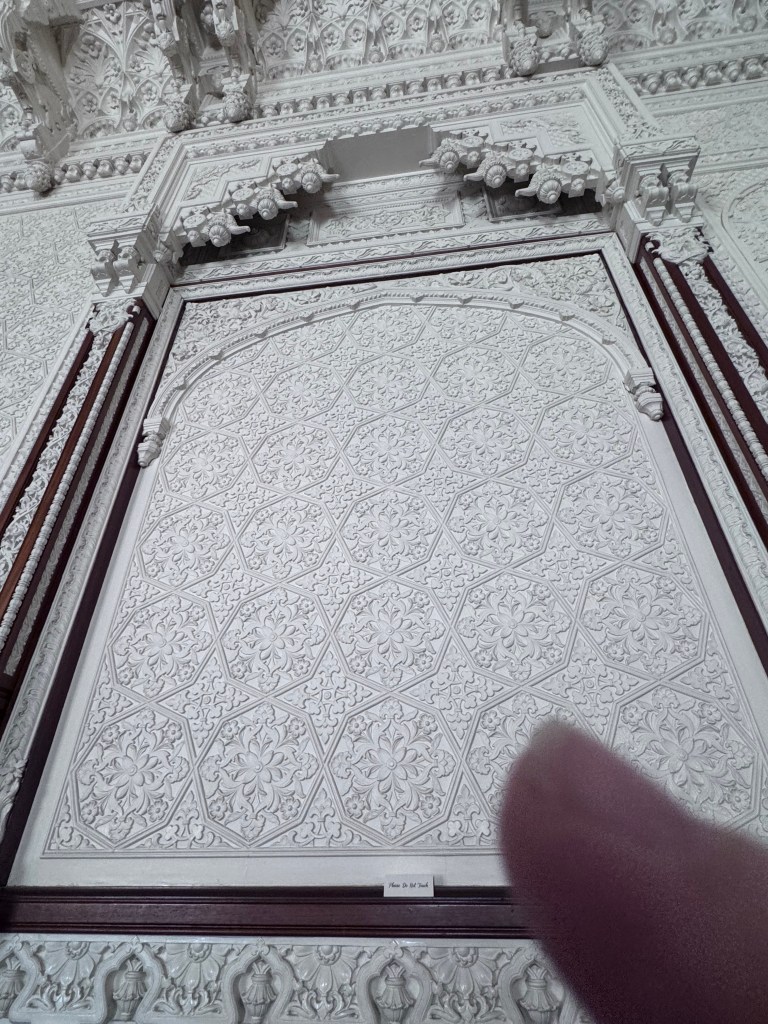
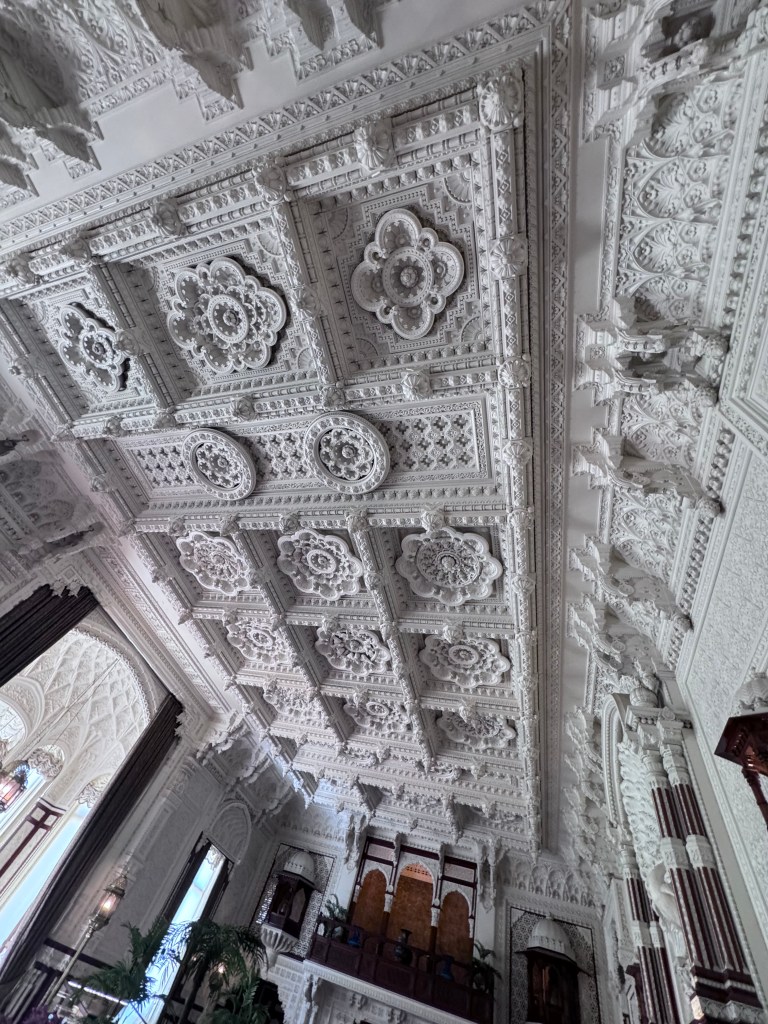
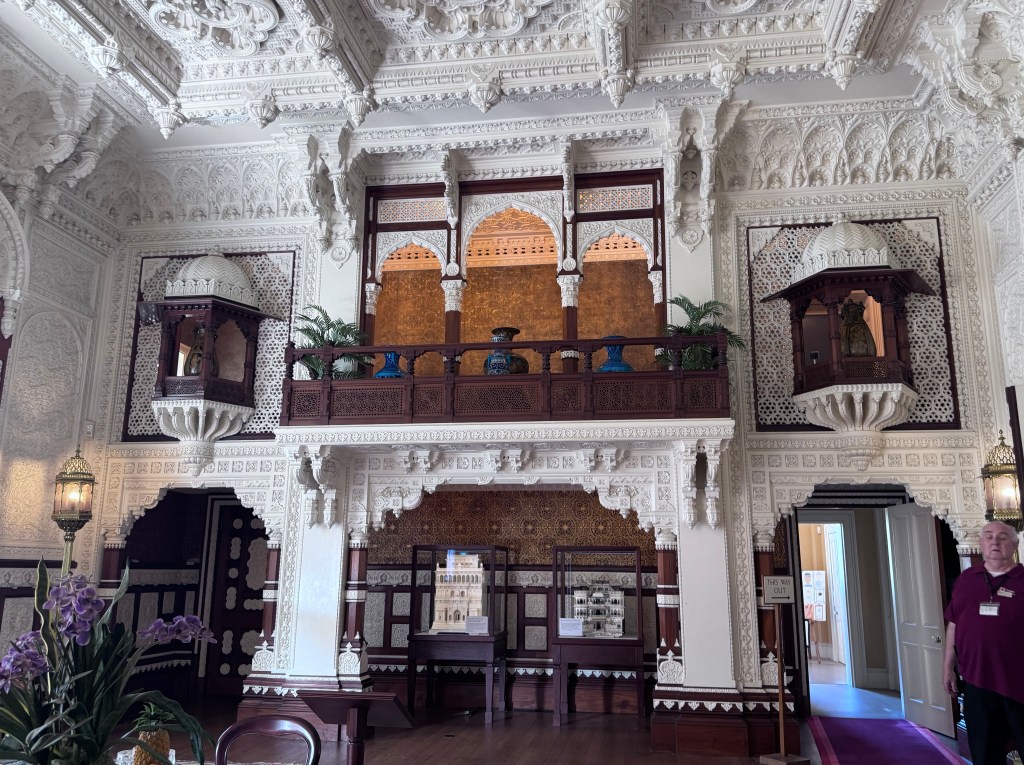
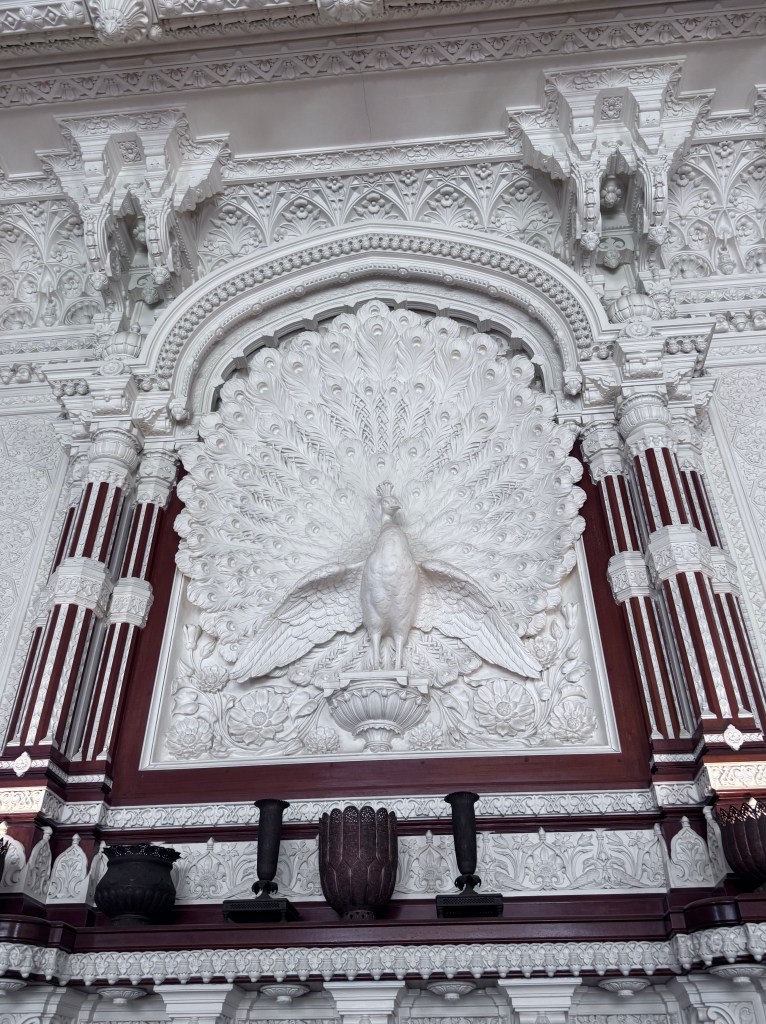
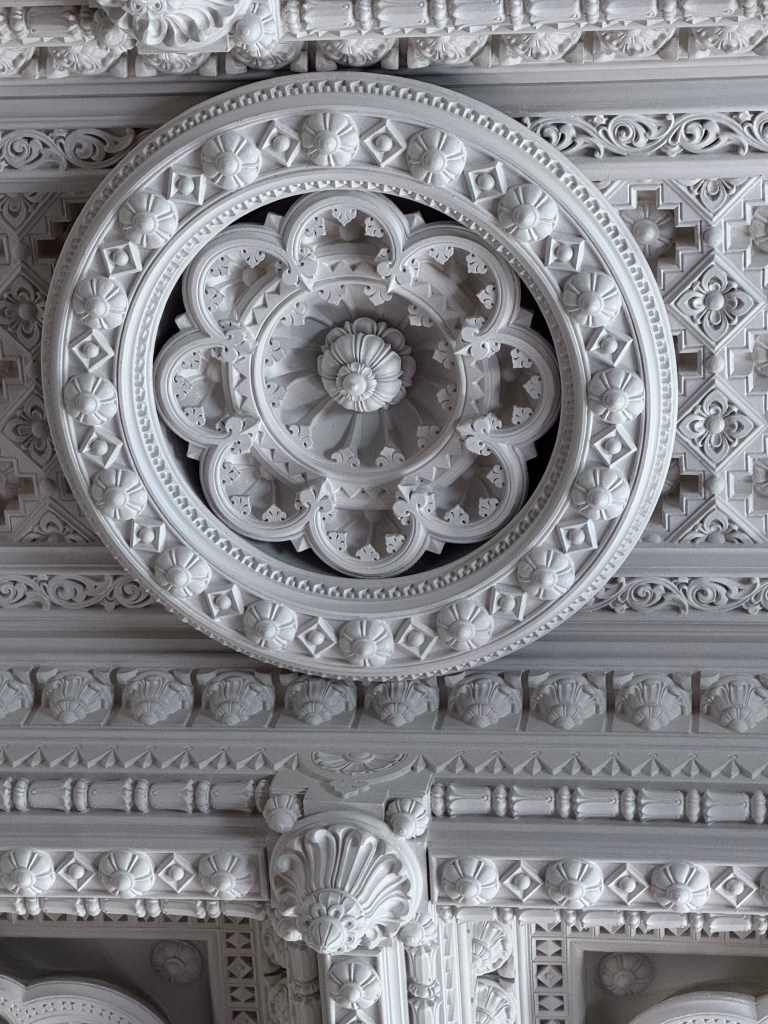
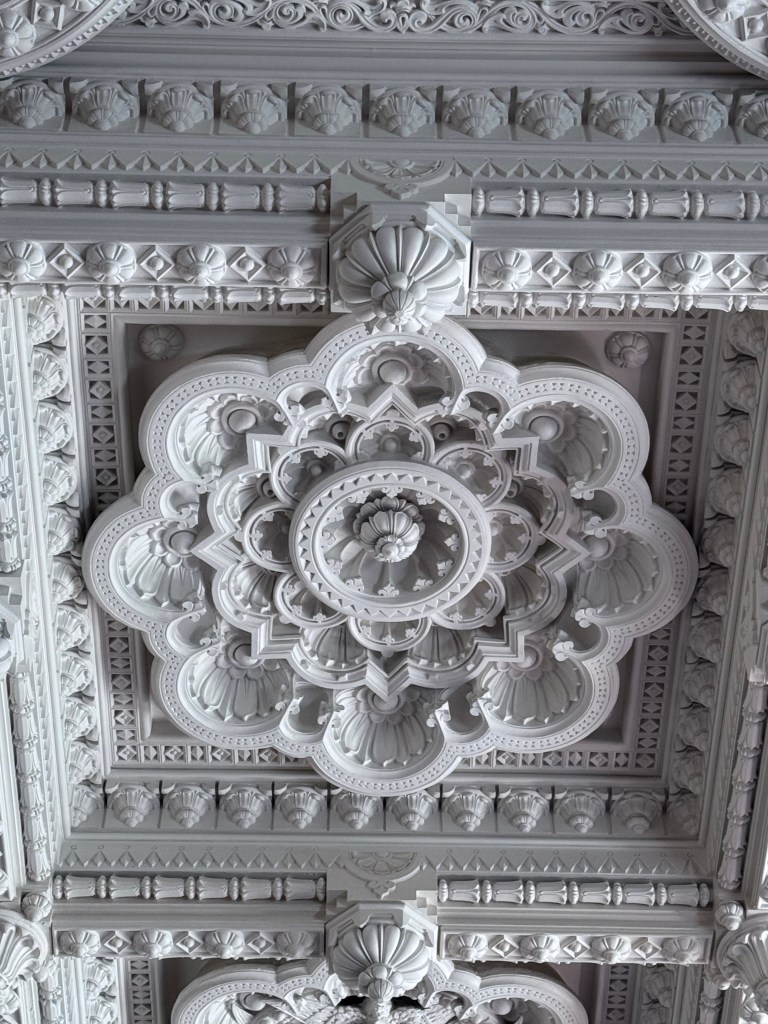
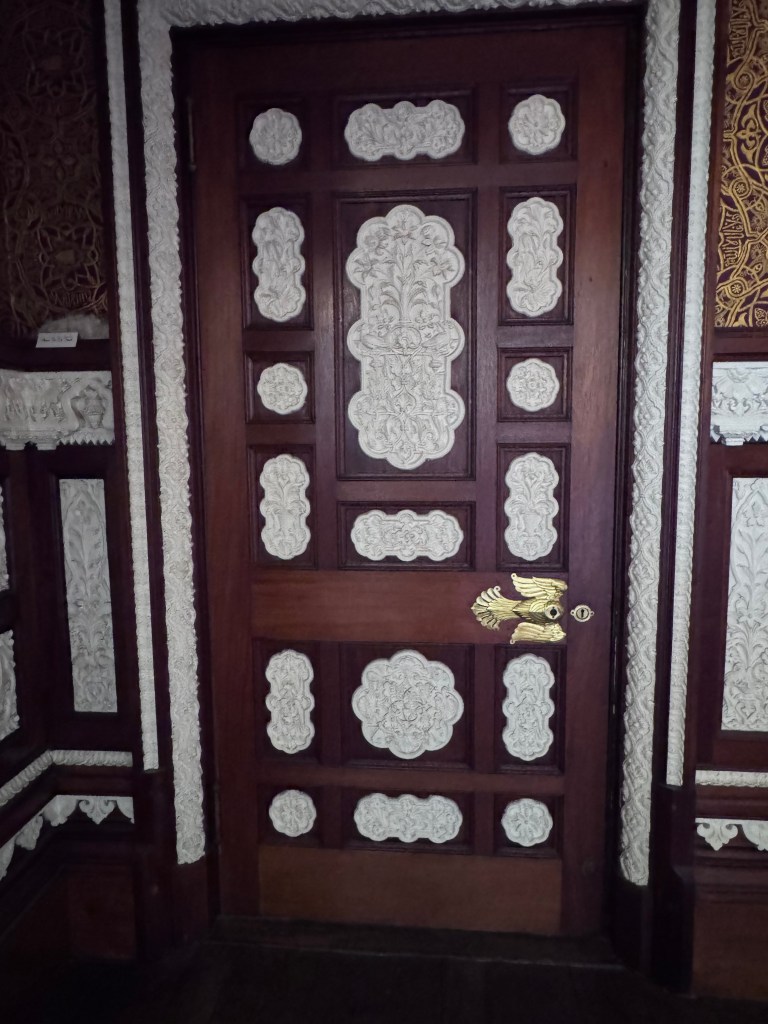
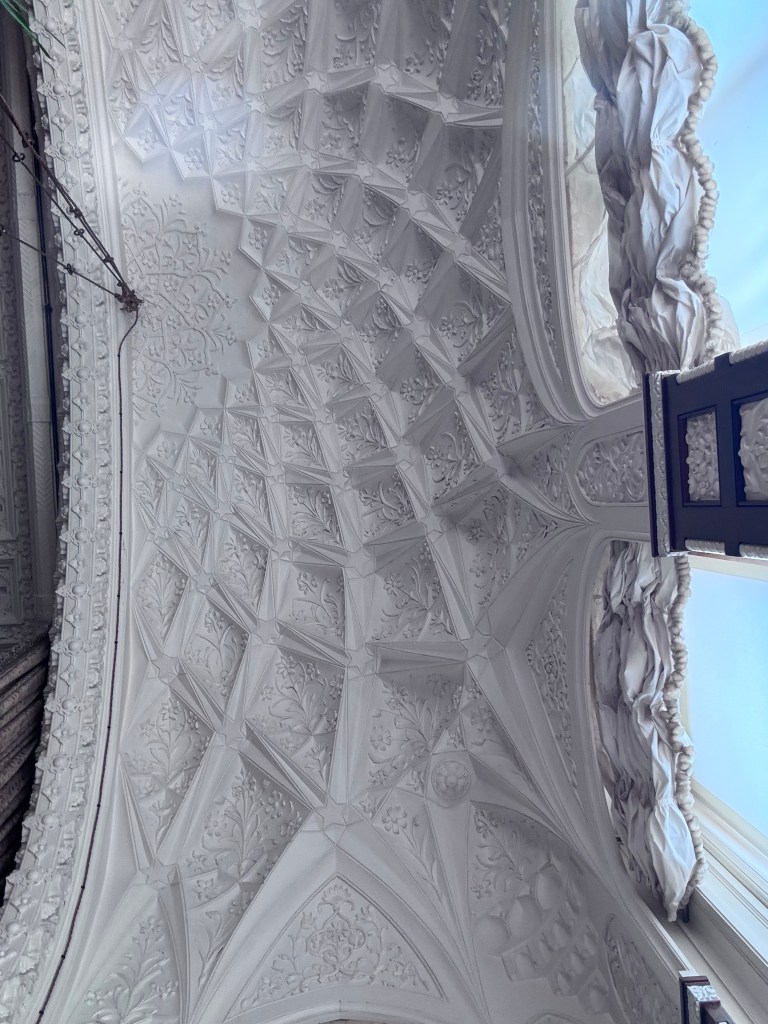
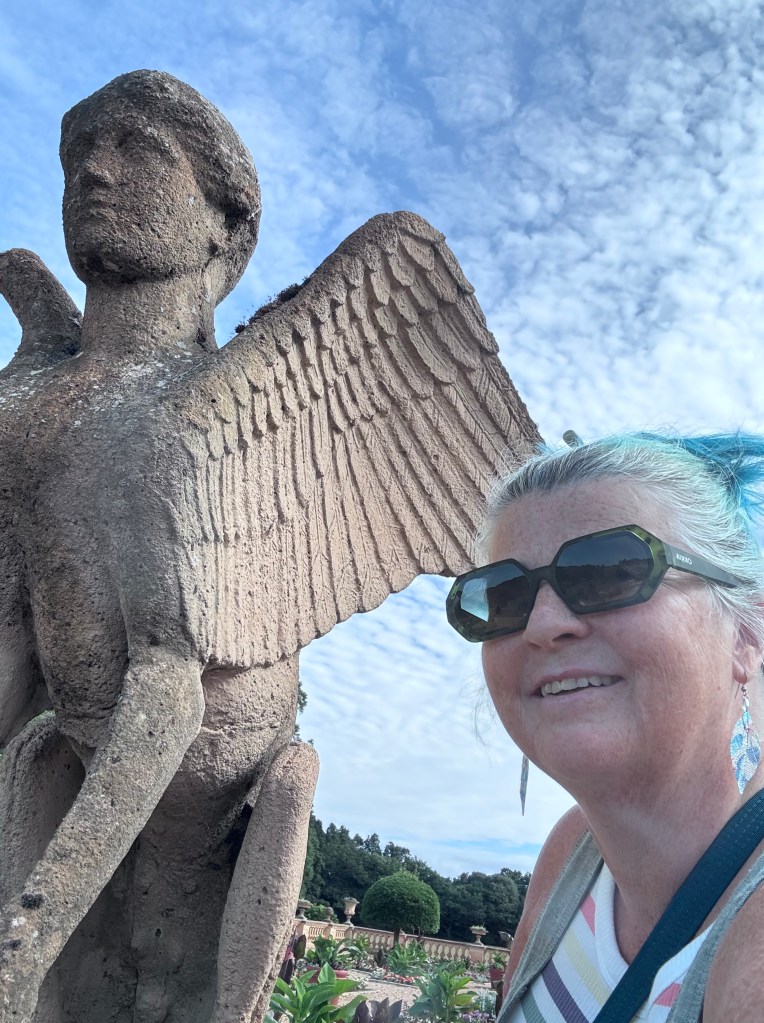
One of the most fascinating discoveries was that even the royal family made practical financial decisions while creating such an elegant home. Many of the grand marble columns and decorative features are actually expertly painted plaster designed to resemble expensive marble. The spectacular Durbar Room ceiling, with its intricate decorative work, was crafted from lightweight plaster of Paris rather than heavier materials to reduce the structural load on the building. Throughout the house are beautiful marble statues, but only one is genuine—the statue of Venus standing beneath a seashell canopy. The others are carefully crafted replicas. Queen Victoria and Prince Albert would visit museums such as the Louvre in Paris, select sculptures they admired, and commission high-quality reproductions for Osborne House. It was a fascinating reminder that beauty and practicality often went hand in hand, even in a royal residence.

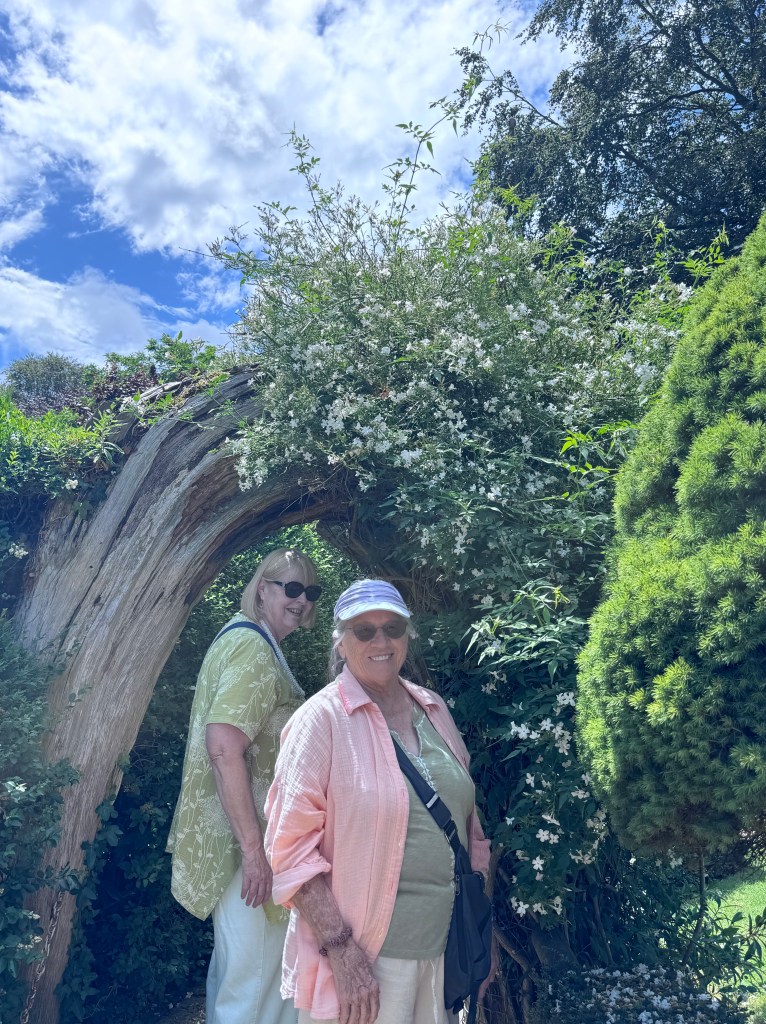
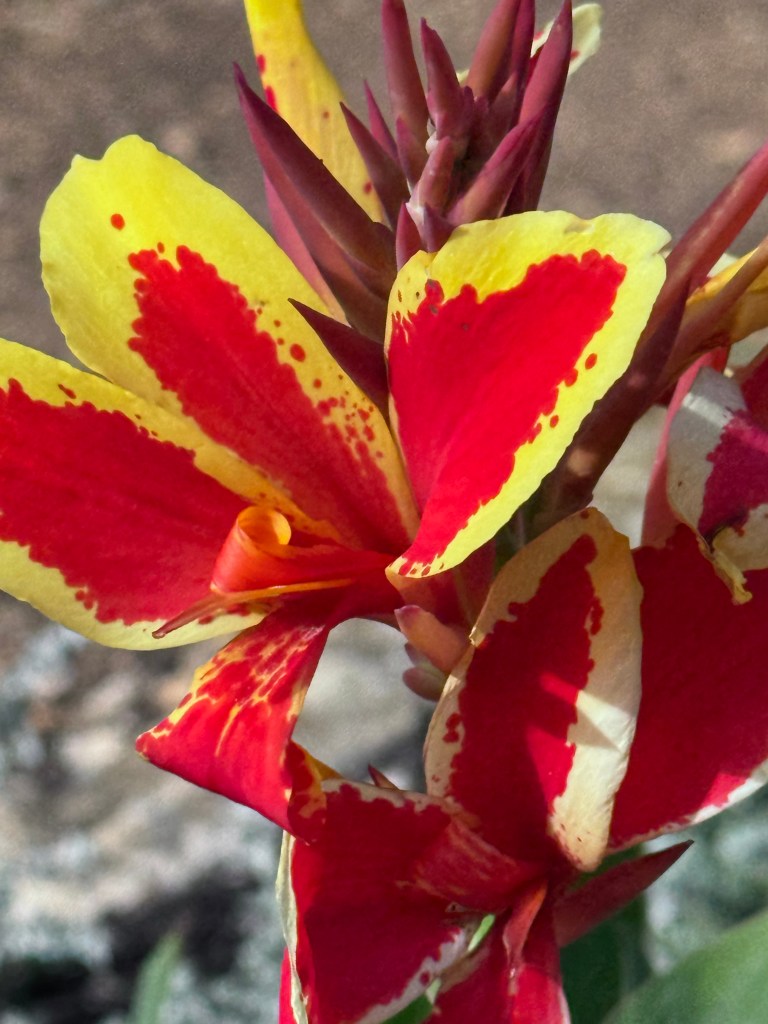
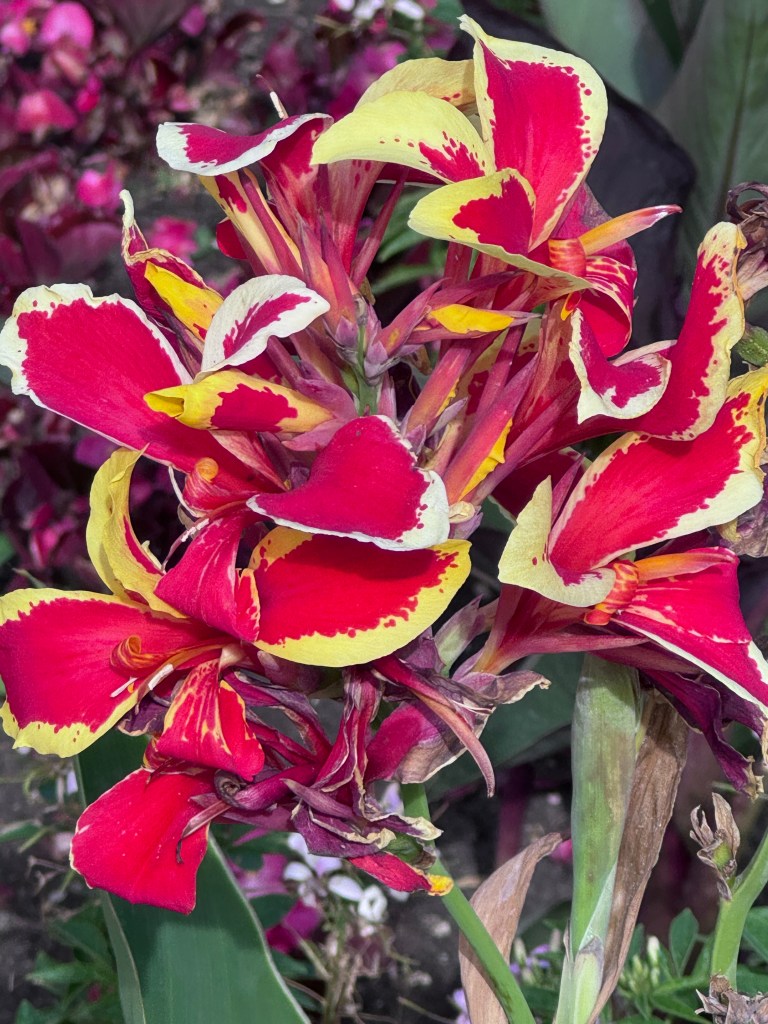
After our tour, we returned to Alan and Pauline’s home for an incredible home-cooked dinner. We spent the evening visiting, laughing, and enjoying their beautiful backyard garden. The flowers were in full bloom, and I couldn’t resist taking dozens of photographs. It was the perfect ending to a wonderful day filled with history, friendship, and warm hospitality.

Before saying goodnight, we made plans for another adventure together the following day—a visit to the Isle of Wight’s famous Model Village.

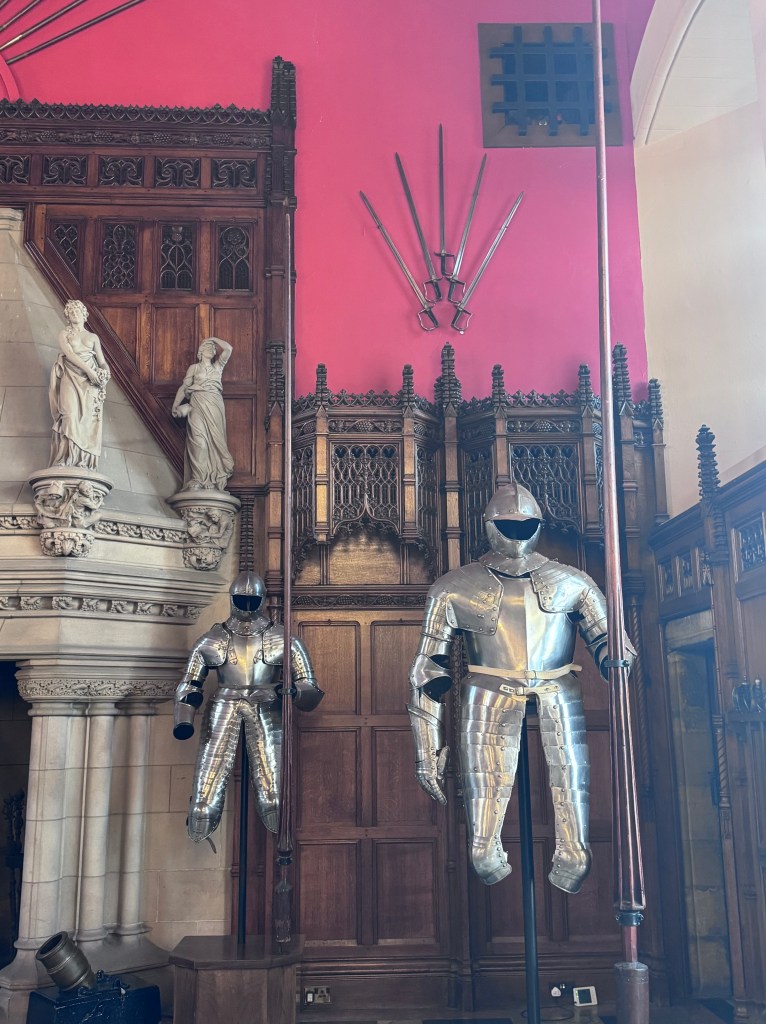
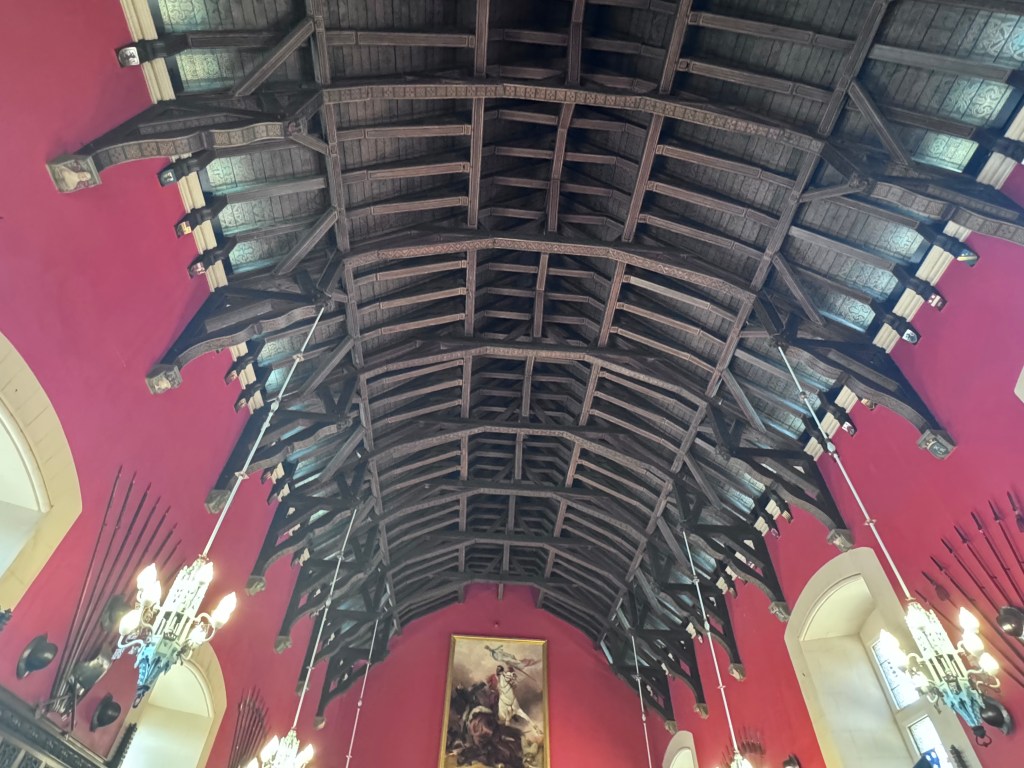
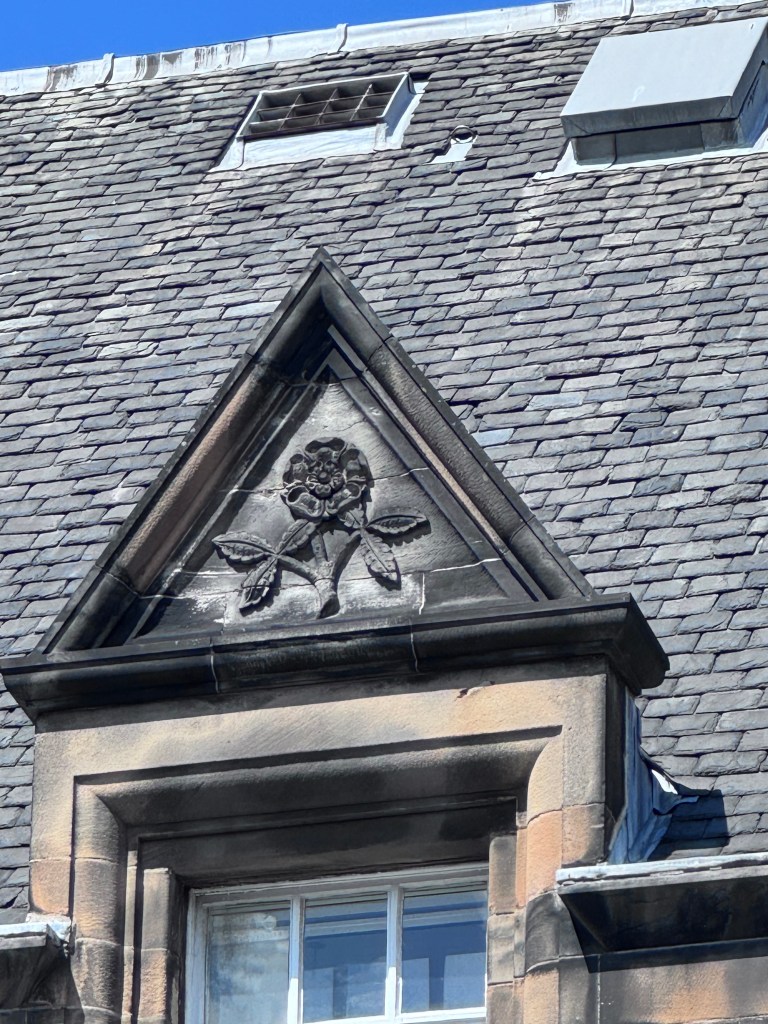
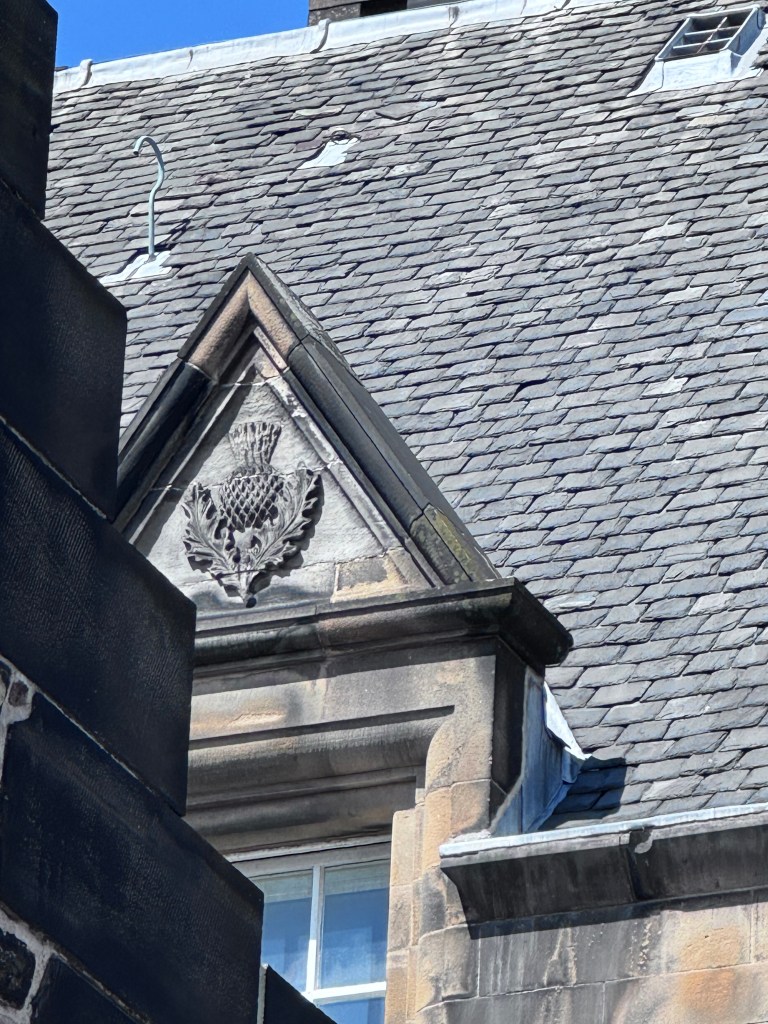
Edinburgh Castle and the Royal Mile – Crowns, Castles, and a Perfect Scottish Day

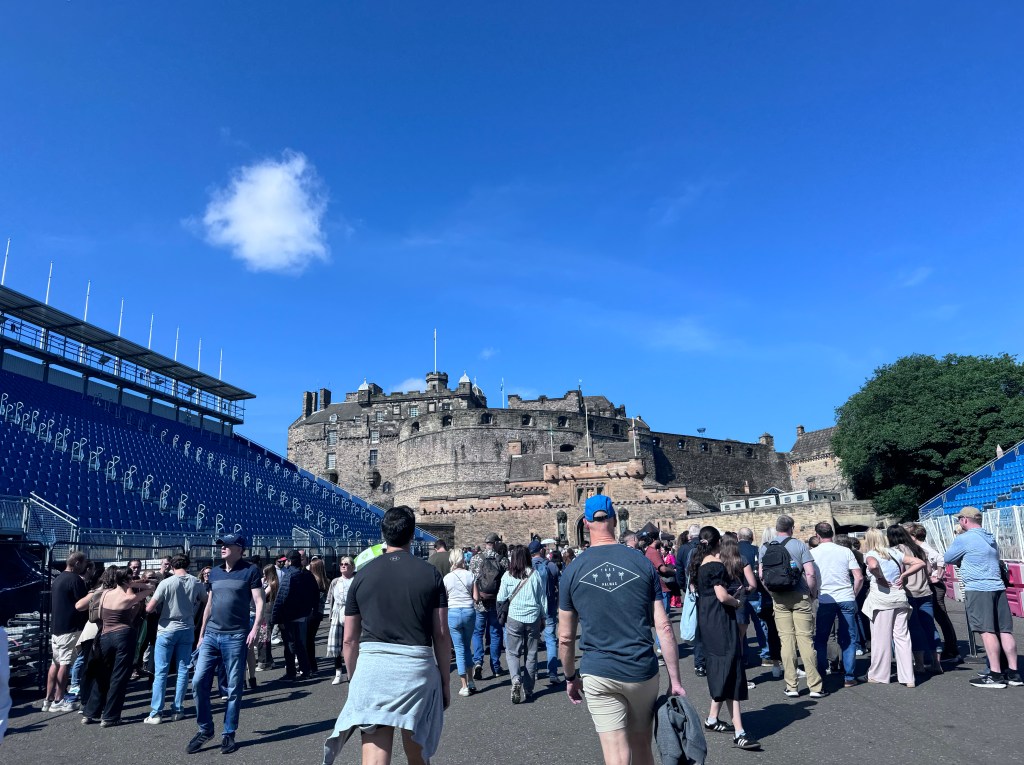
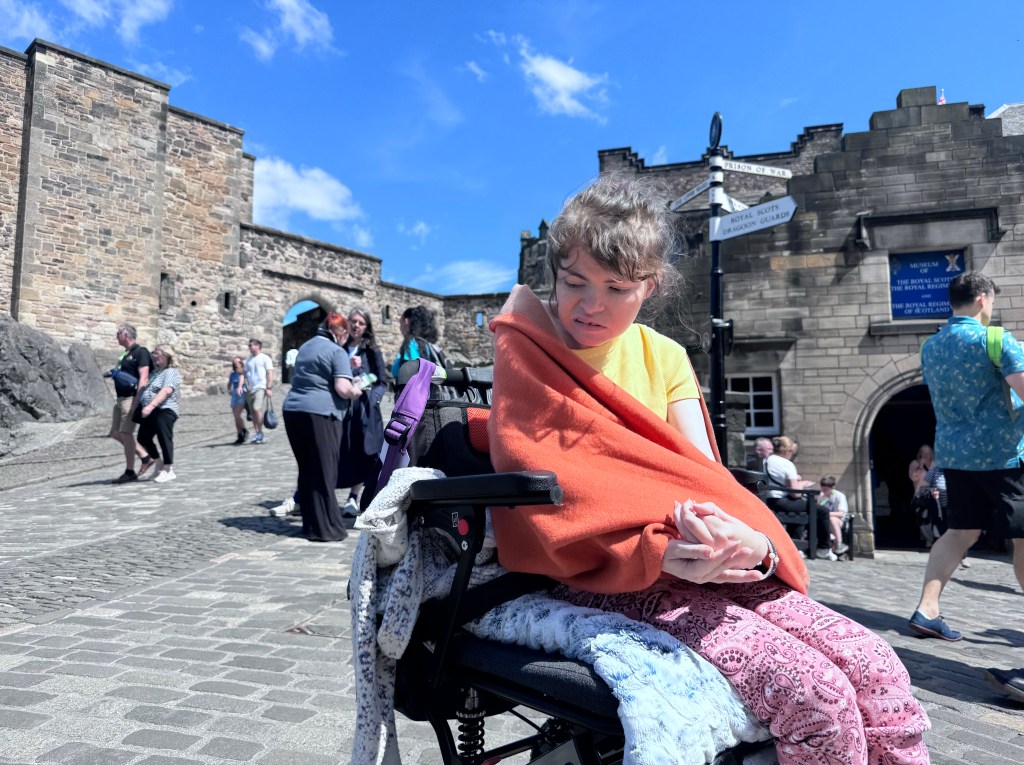
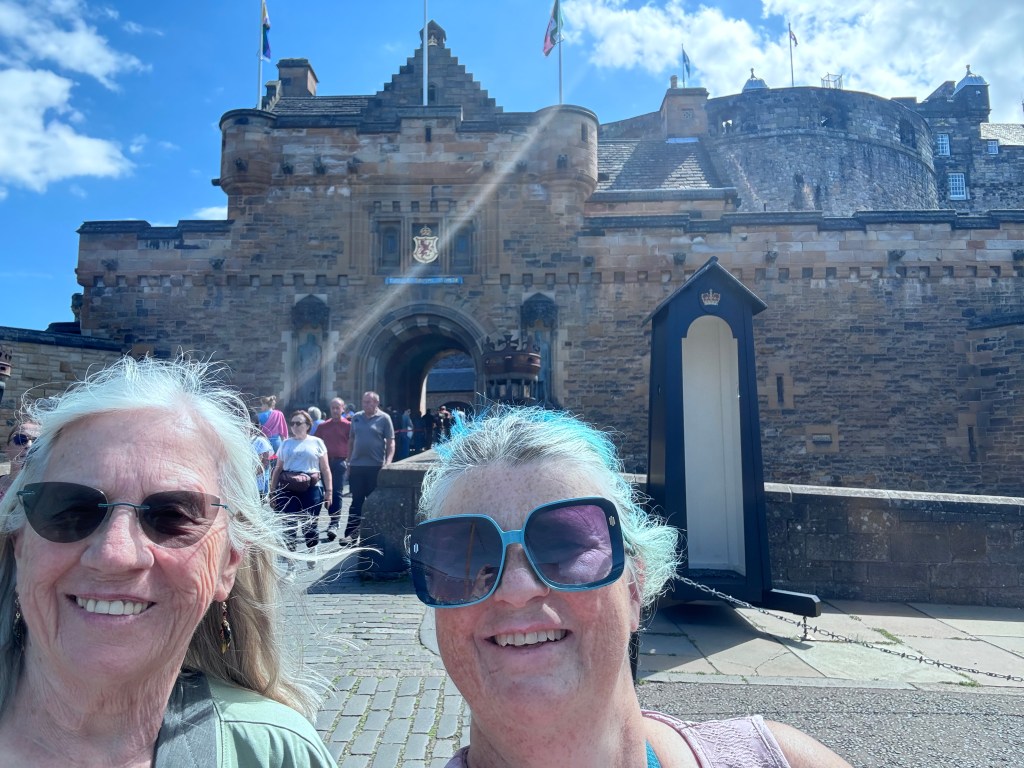
Today we took the train from Dundee into Edinburgh to visit the magnificent Edinburgh Castle and wander down the famous Royal Mile. Once again, I have to say how impressed we are with ScotRail and the people of Scotland. Everyone is so kind and helpful, making sure Kiya safely gets on and off the train with the ramps. Their kindness has made traveling with a wheelchair so much easier than we ever imagined.

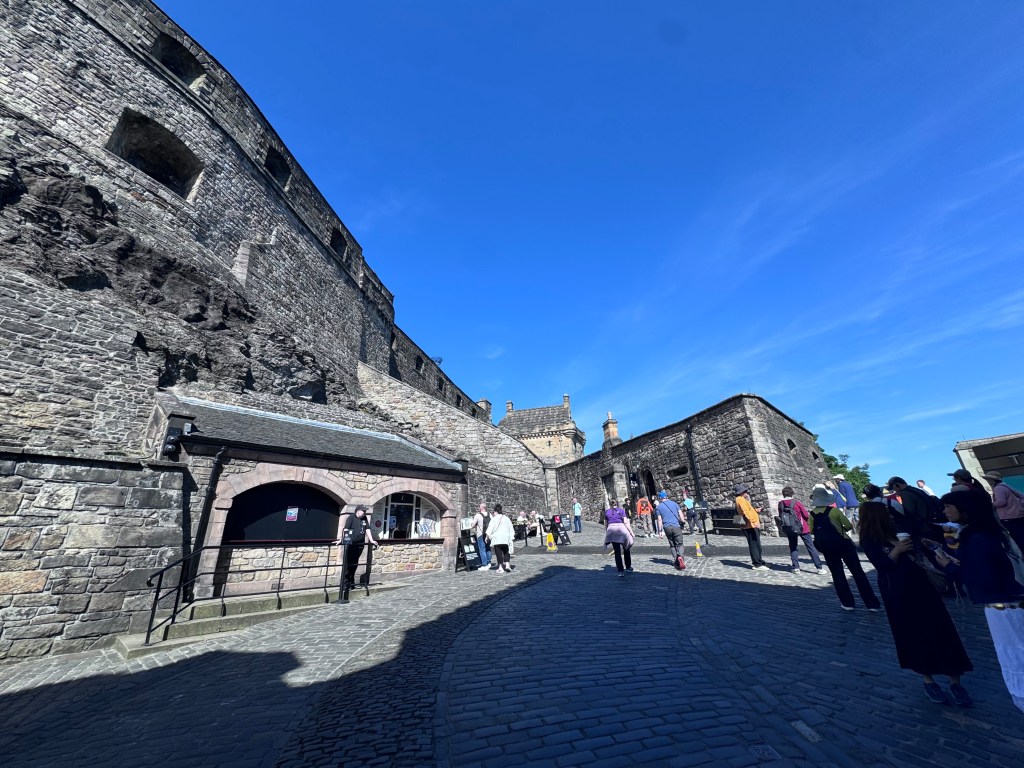
After arriving in Edinburgh, our next challenge was finding a taxi. The castle is actually quite close to the train station, but it sits high on Castle Rock, making the steep climb difficult with Kiya’s wheelchair. We waited nearly 30–40 minutes before finally finding a driver willing to take us. He dropped us only about a block from the entrance, which was perfect.

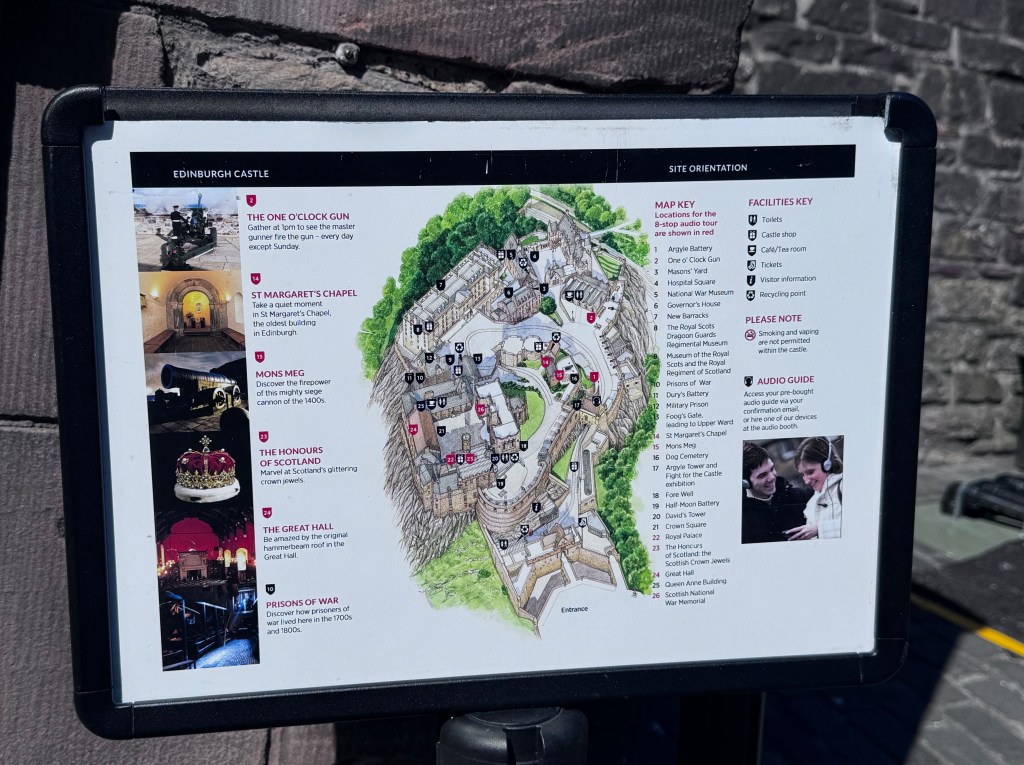
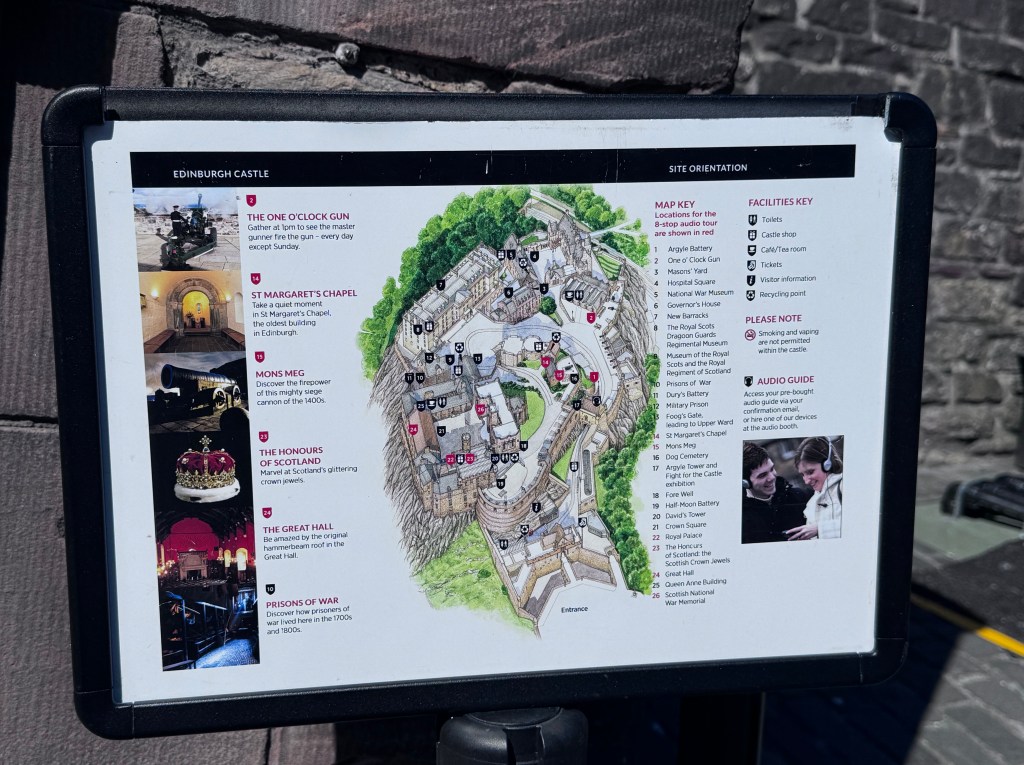
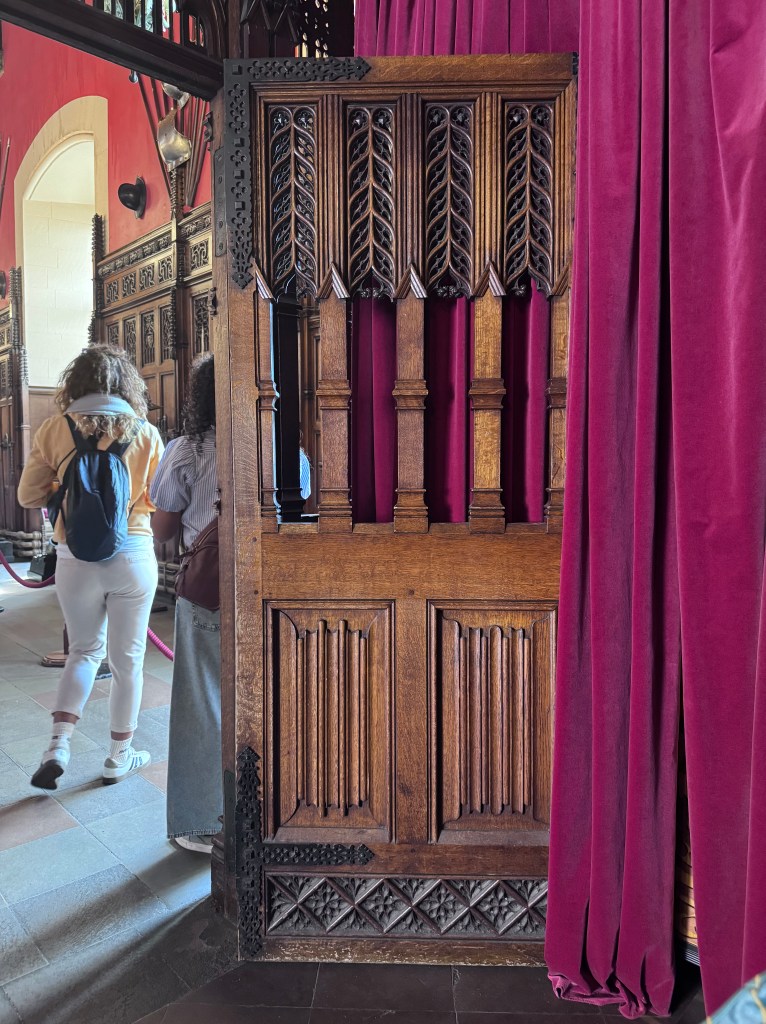
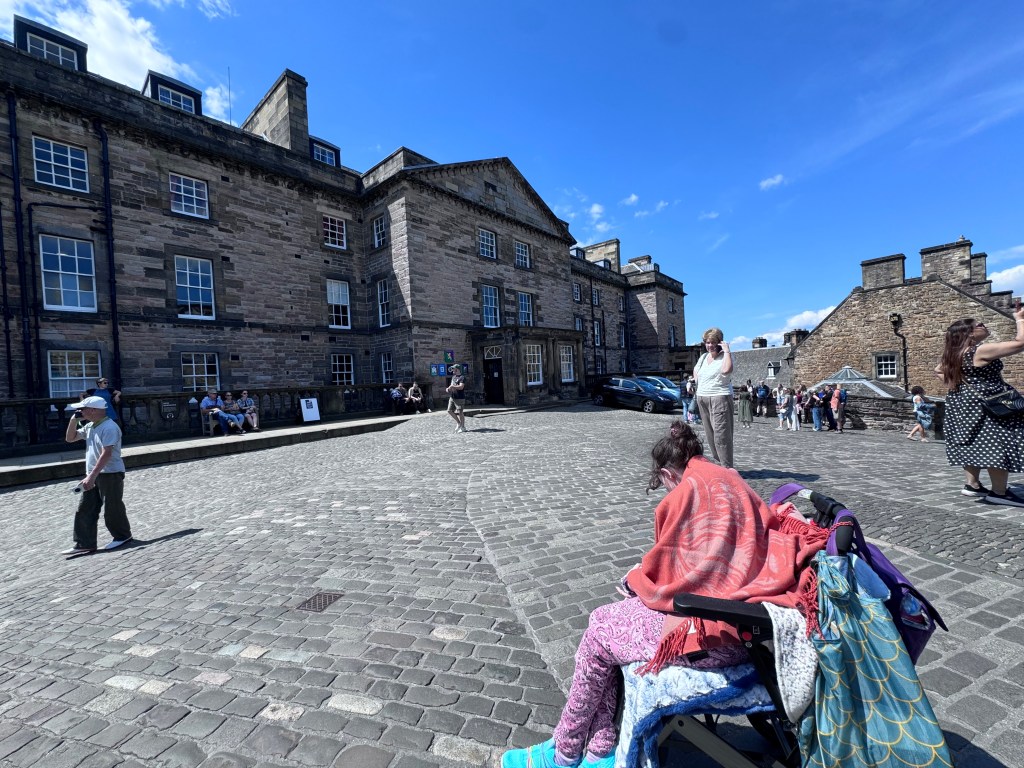
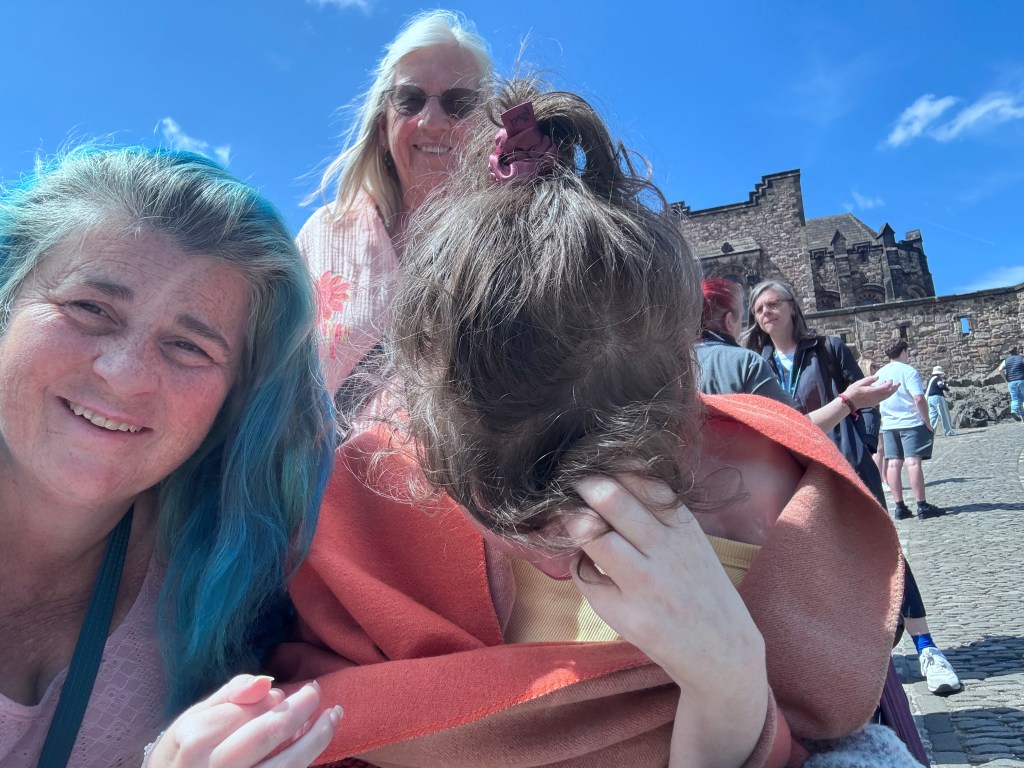
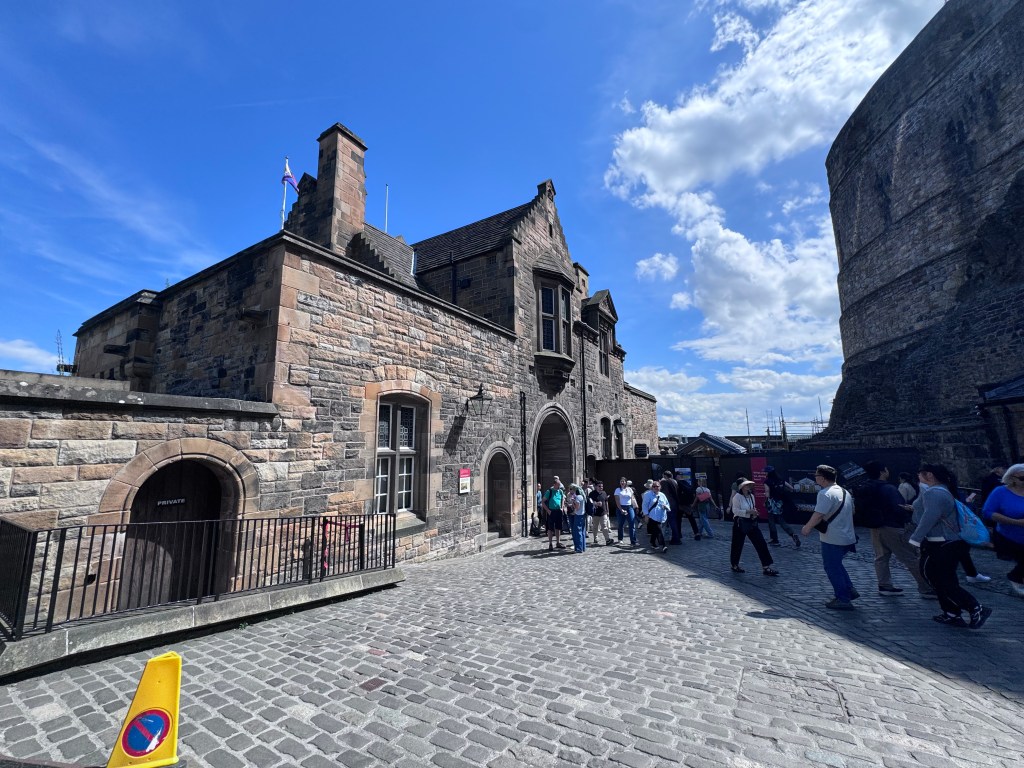
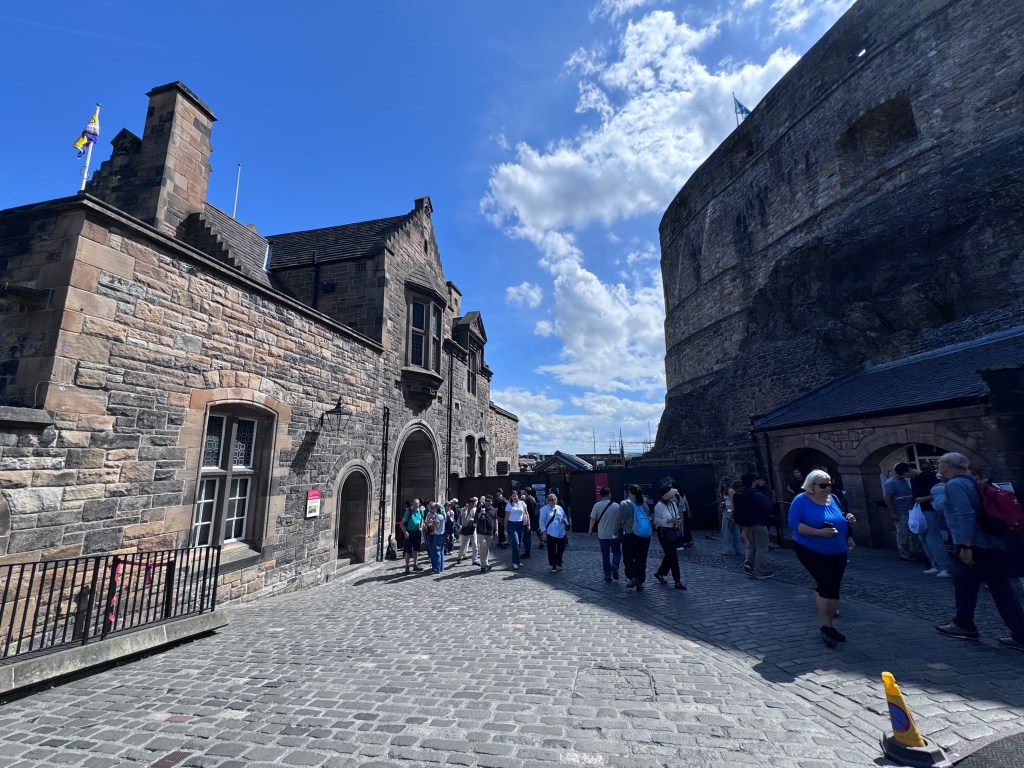
One thing Edinburgh Castle does exceptionally well is accessibility. After checking in, we met the mobility assistance staff, who transported us by vehicle to the top of the castle. They have an outstanding program where they can either drop visitors off at the top or drive them between the major buildings throughout the grounds. We decided to let our taxi go and simply enjoy walking our way down through the castle after exploring. It was a wonderful decision.

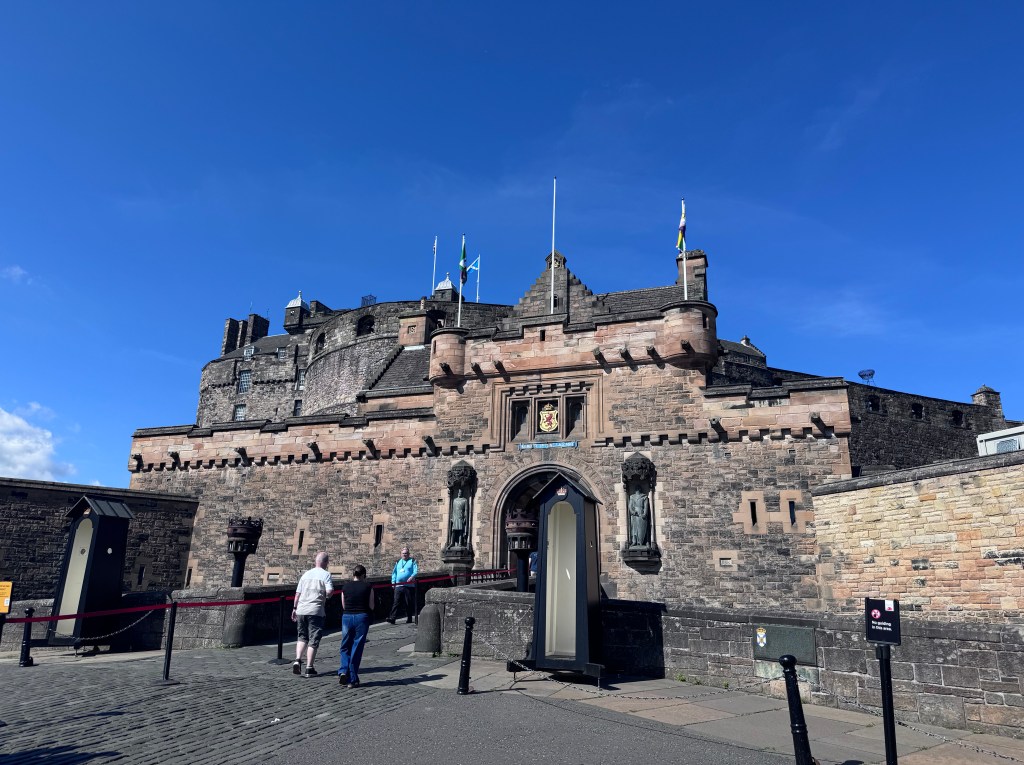
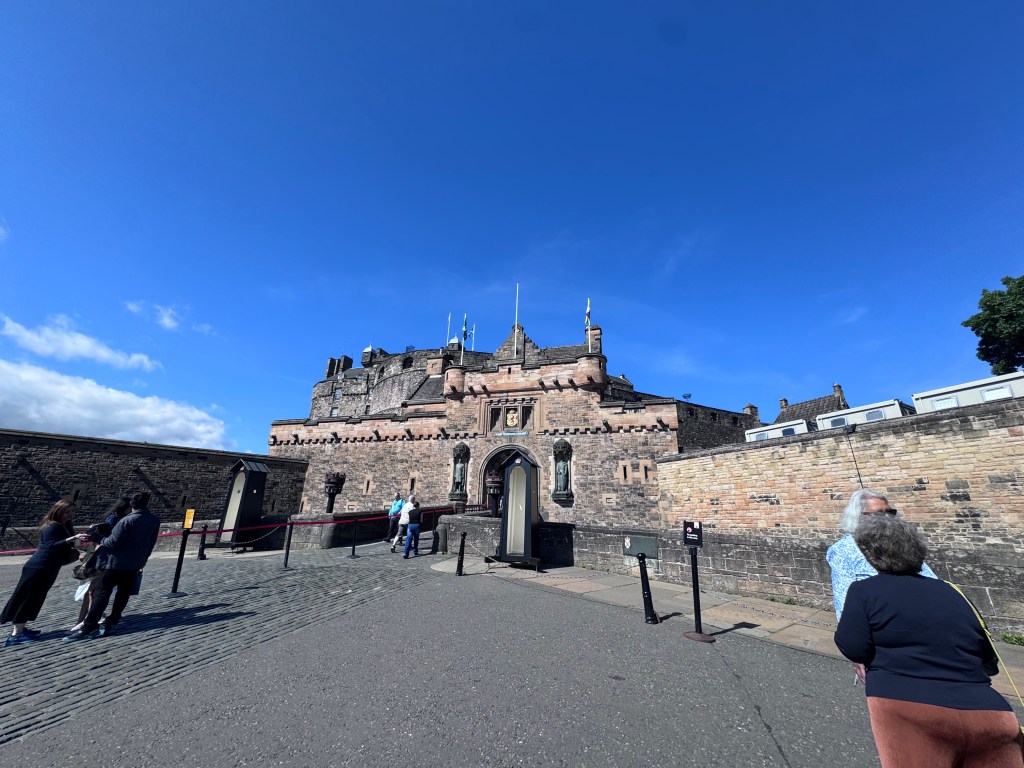
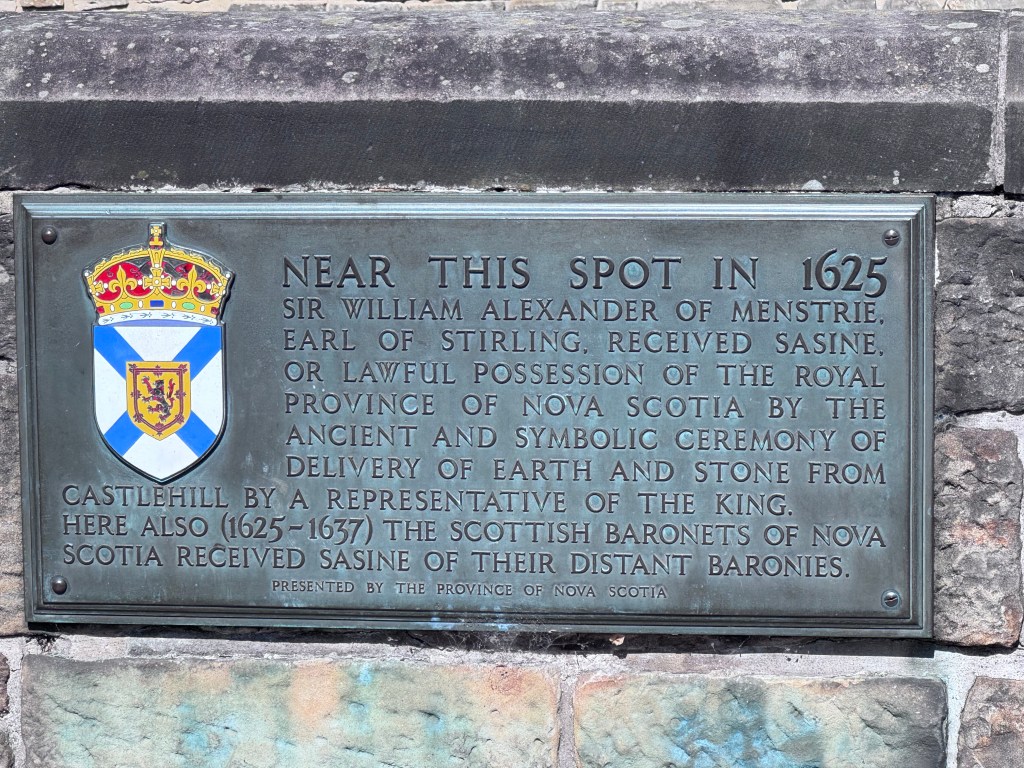
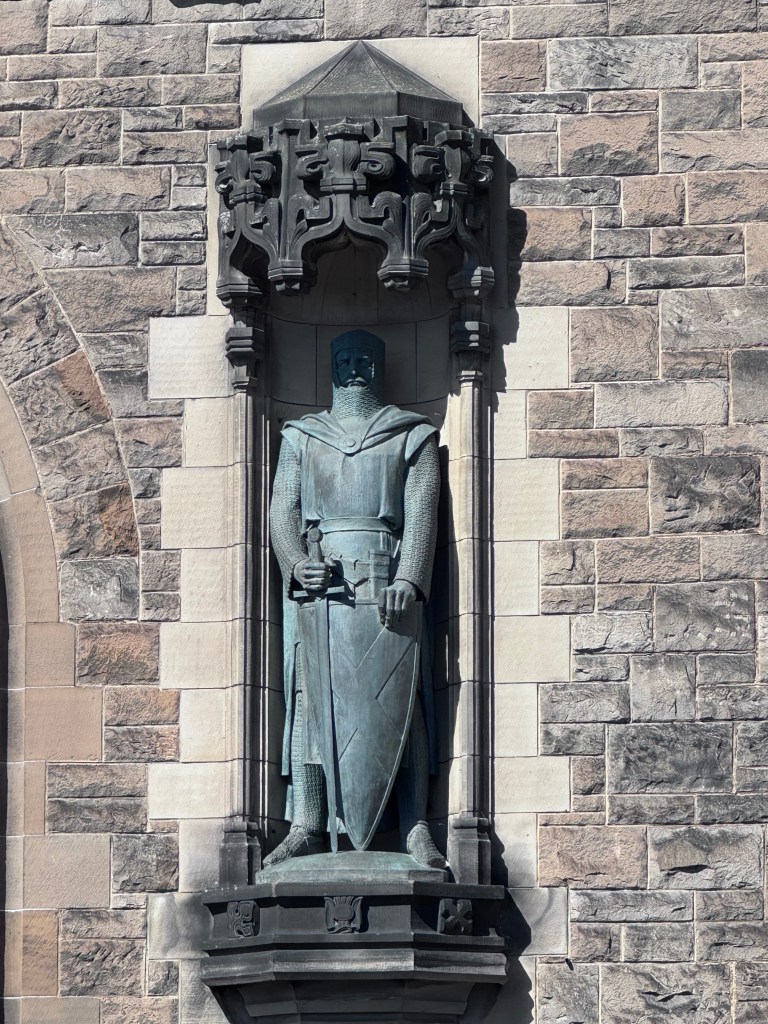
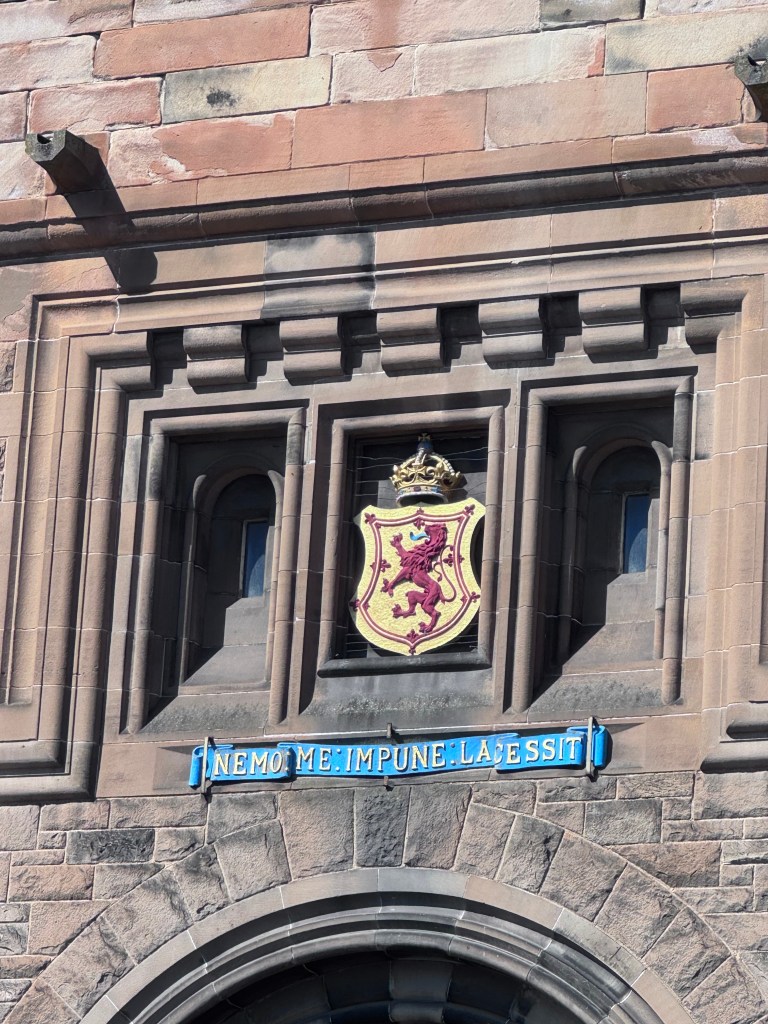
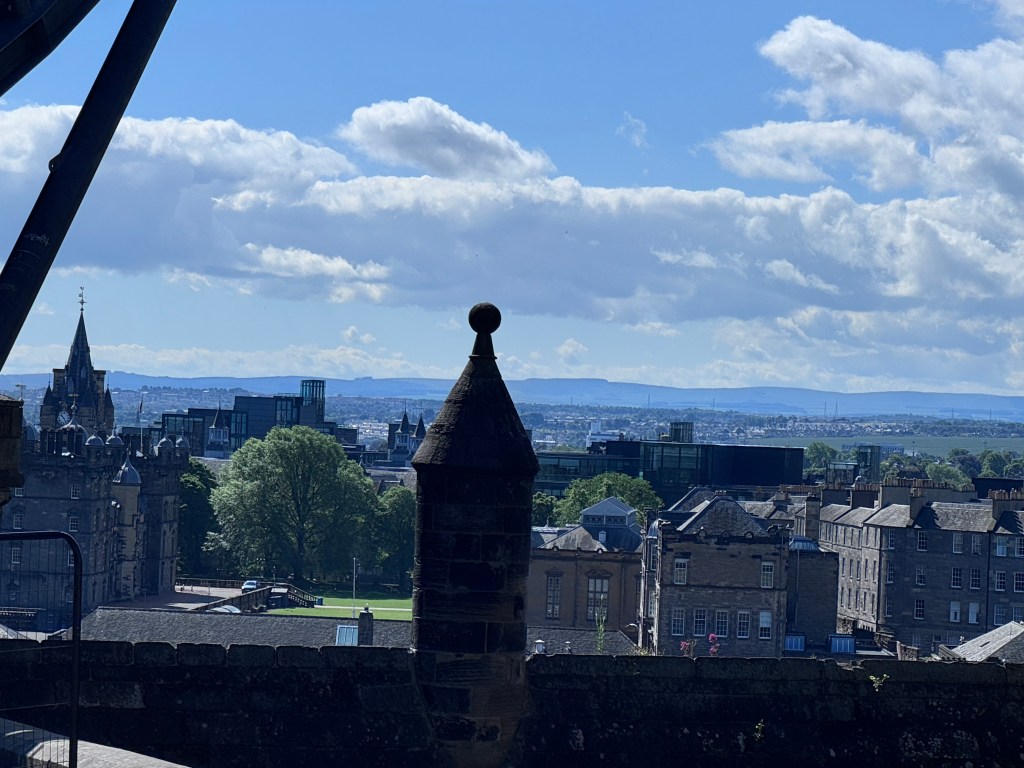
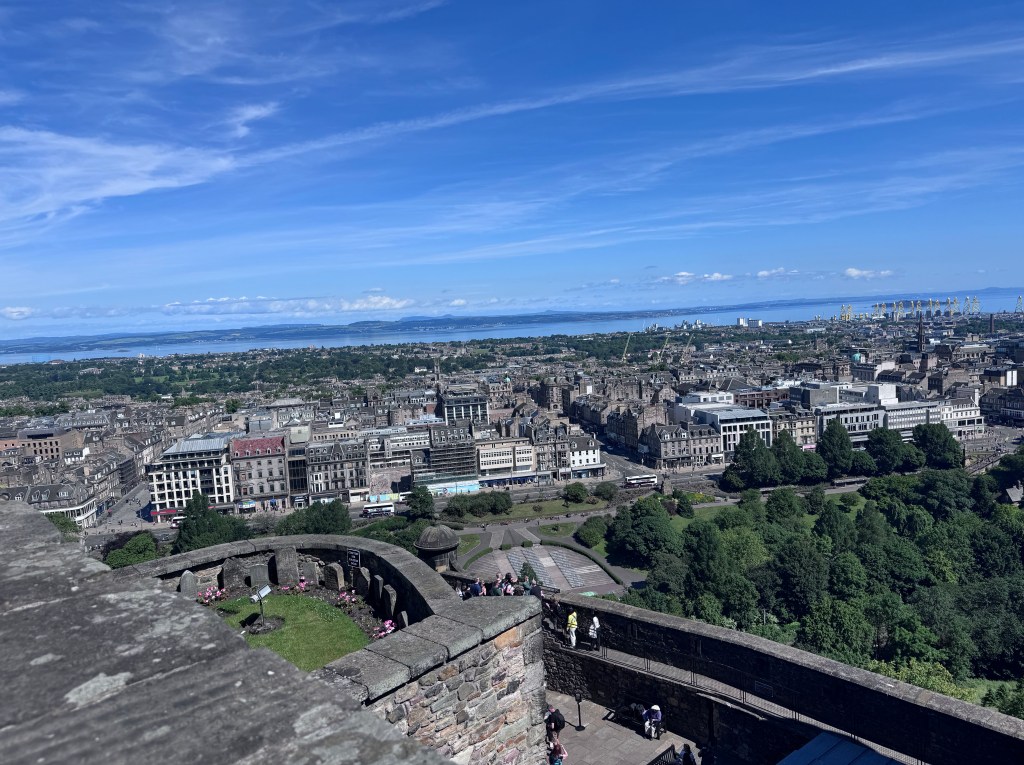
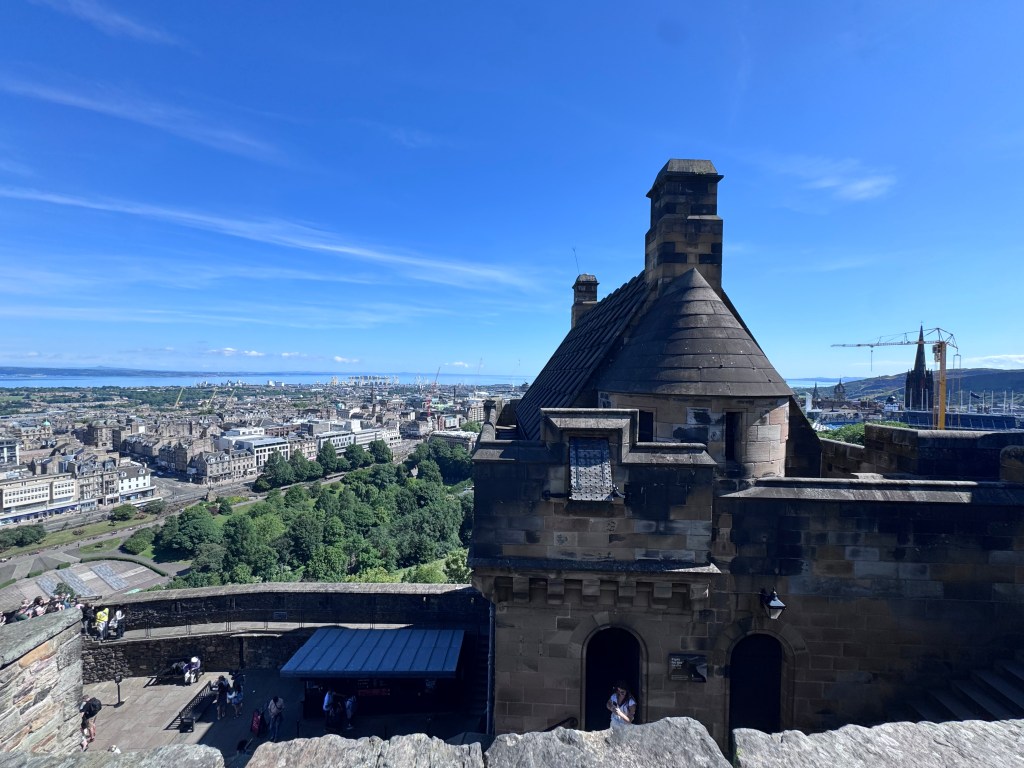
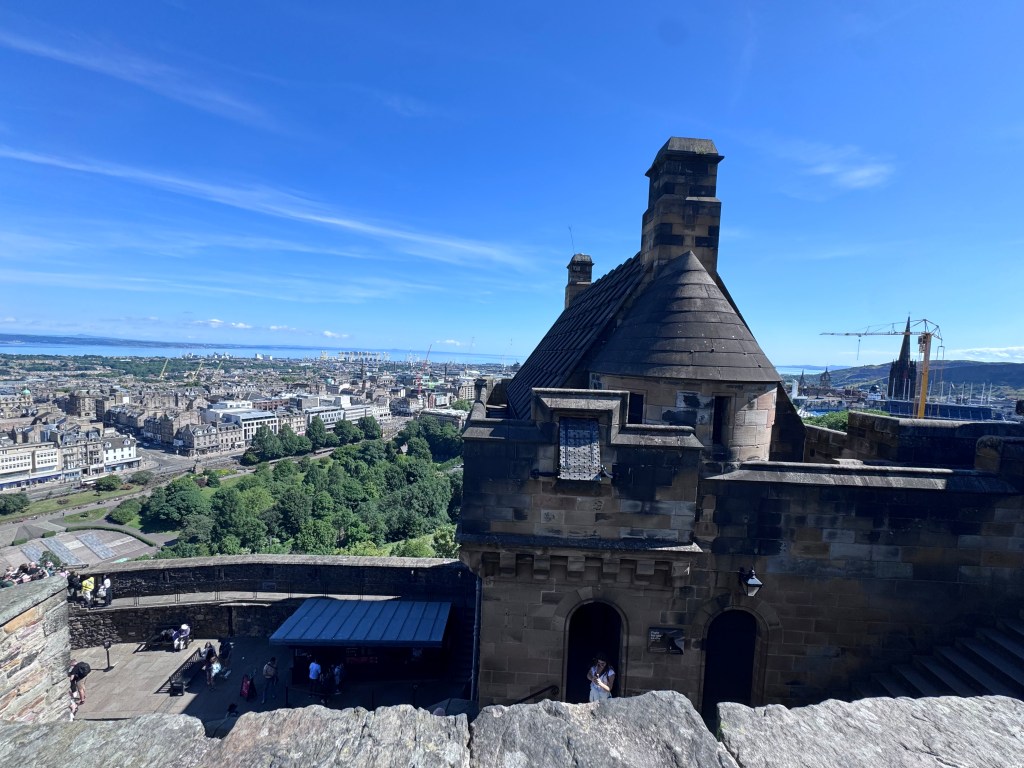
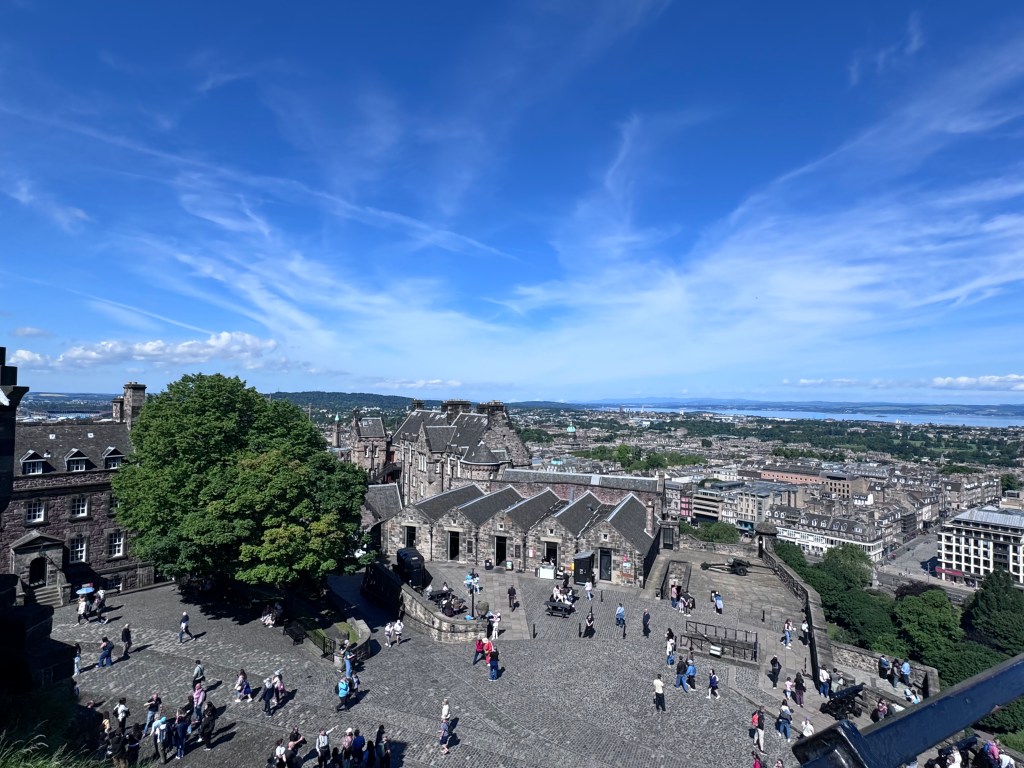
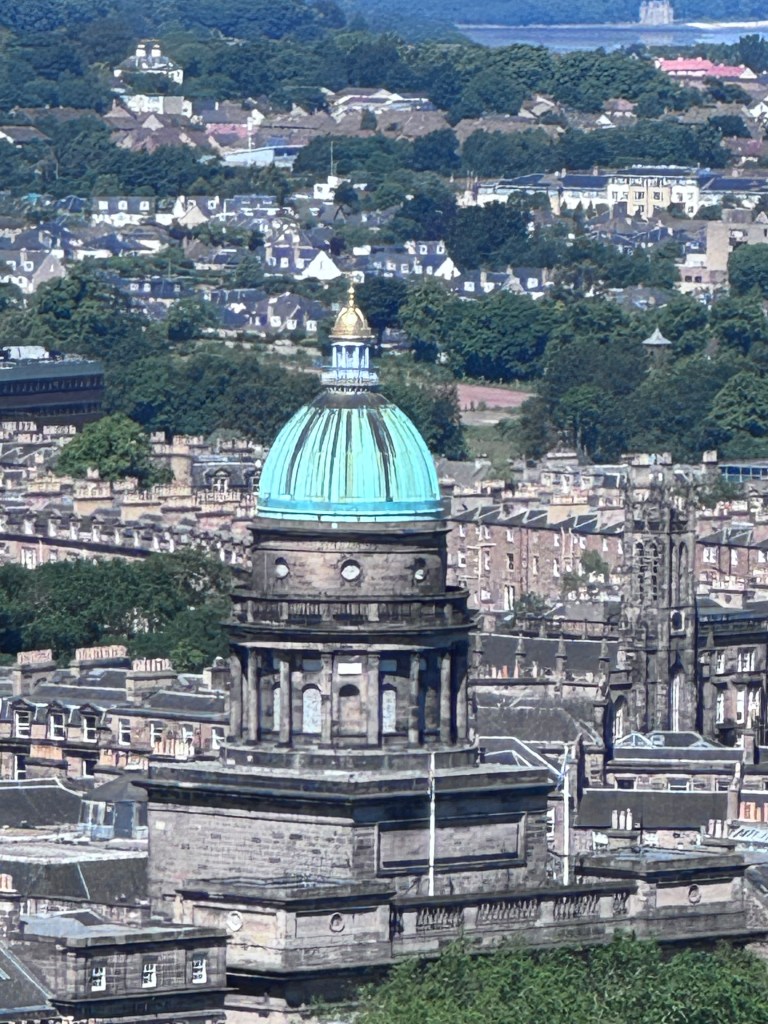
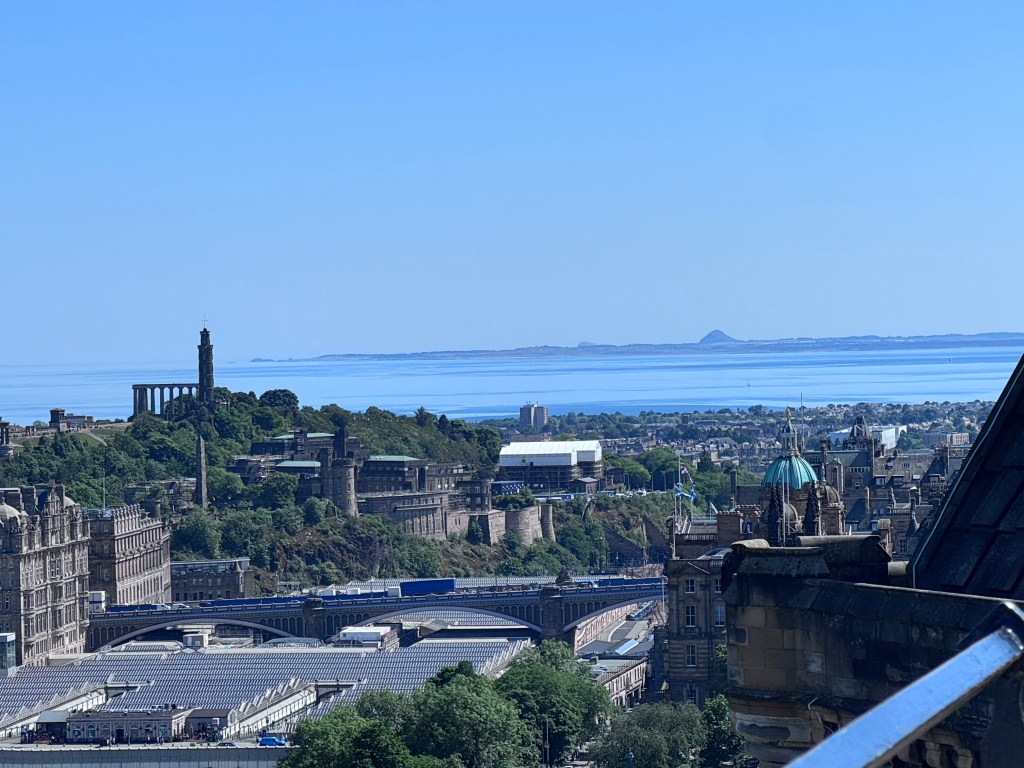
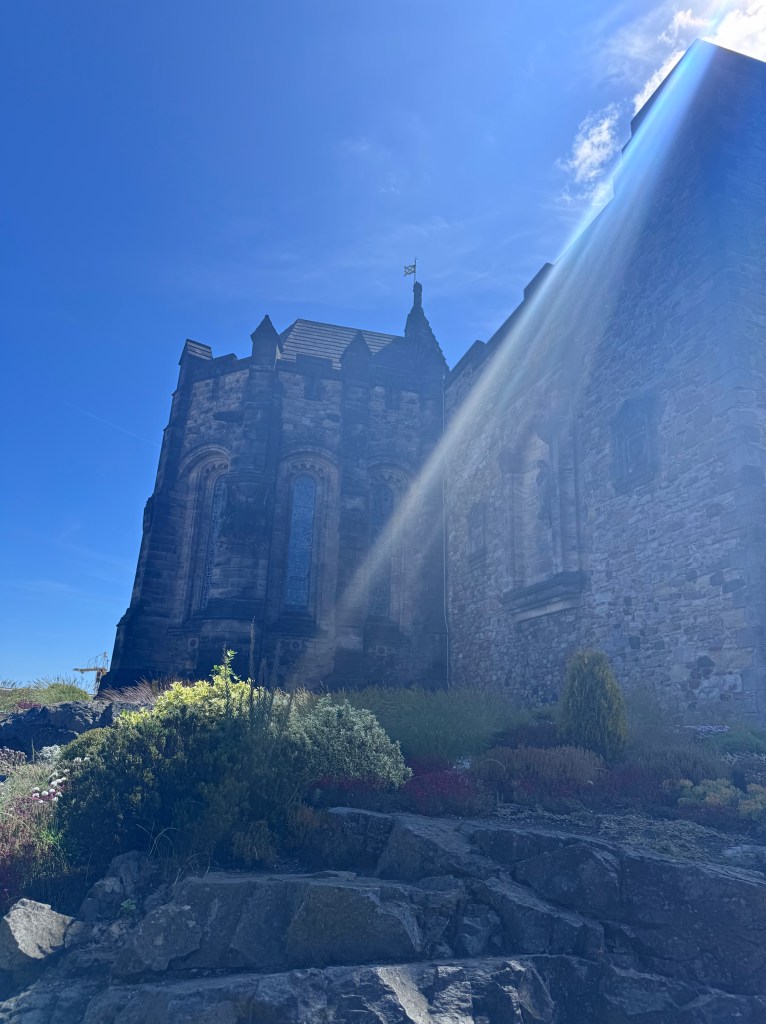
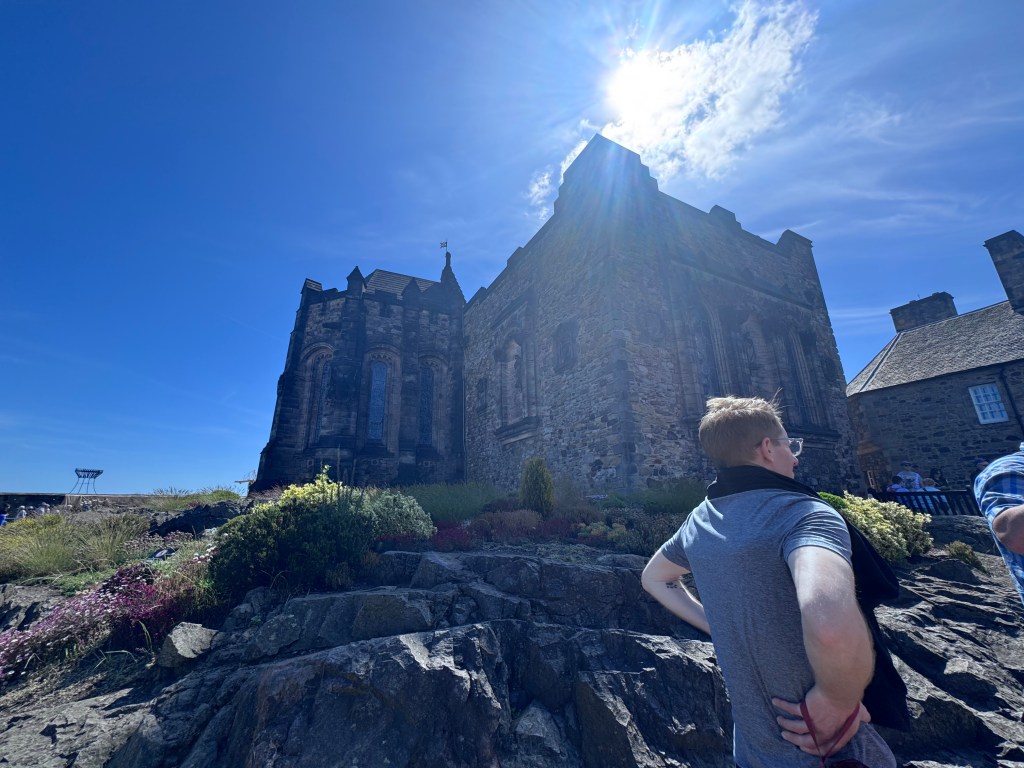
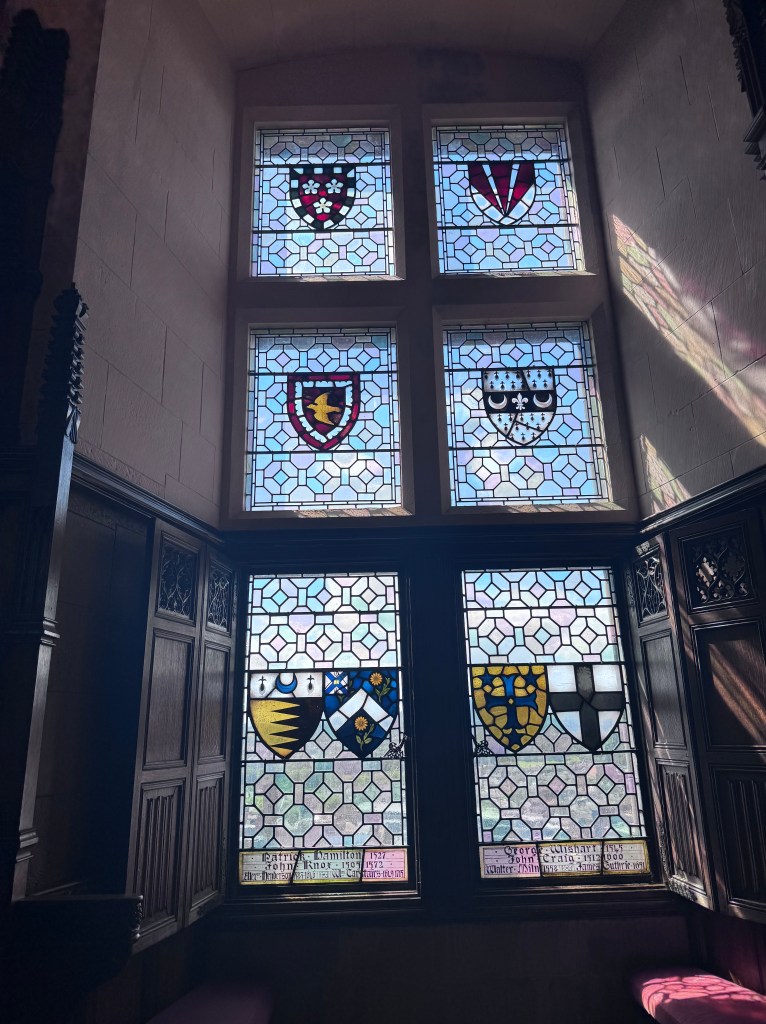
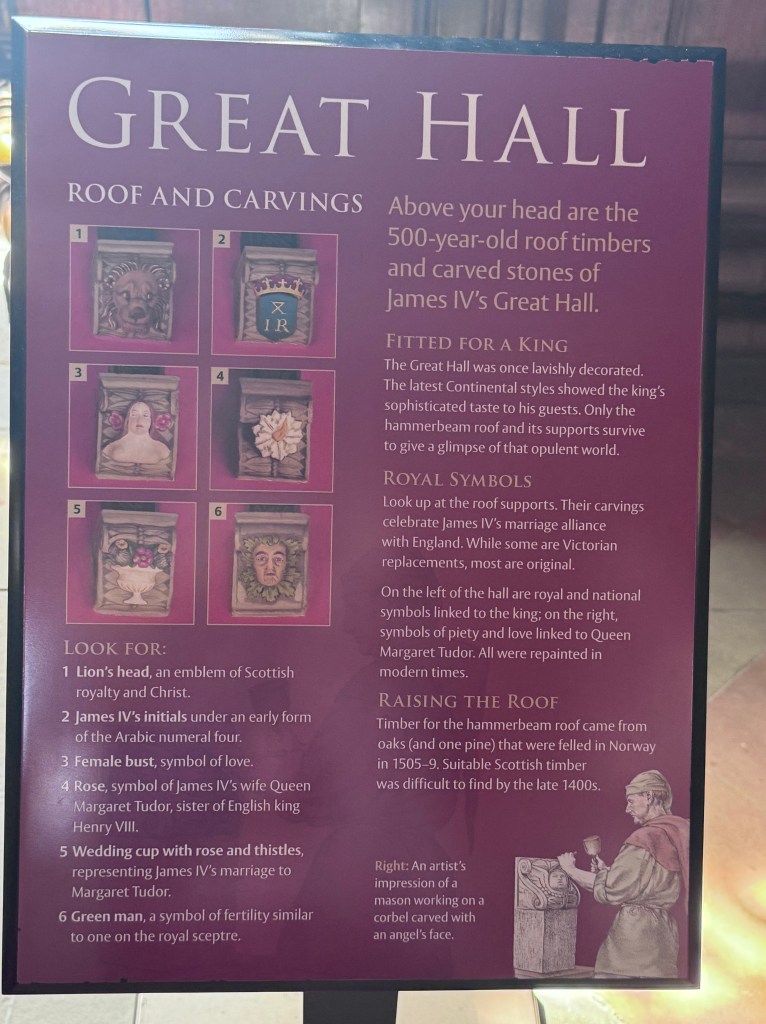
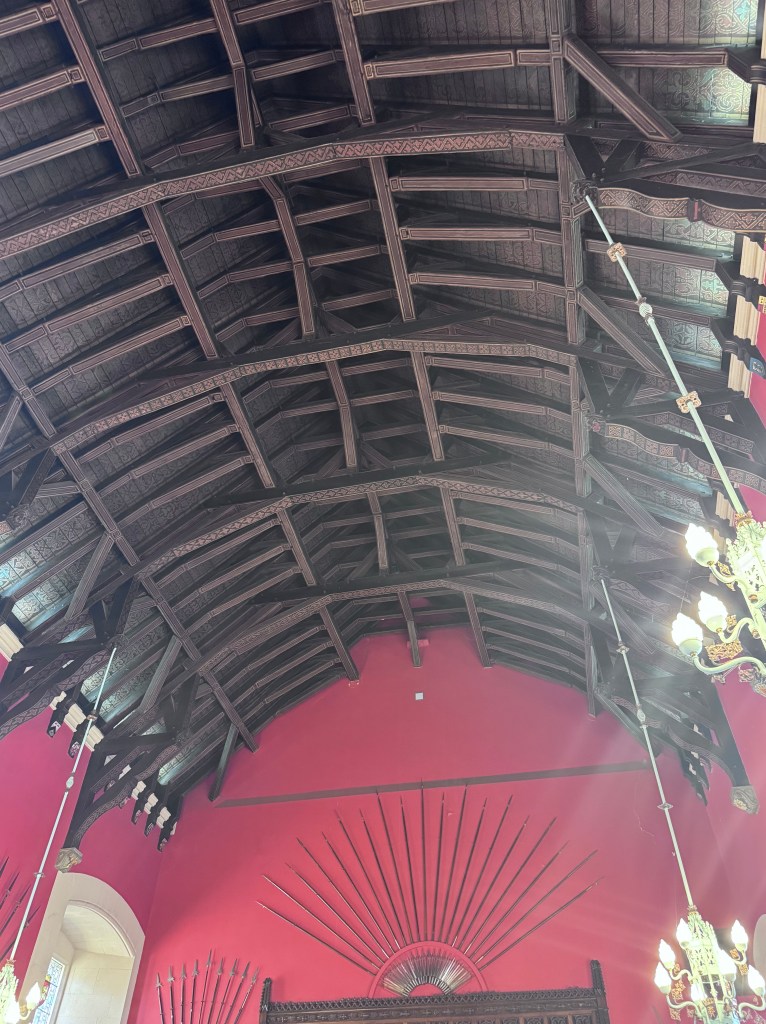
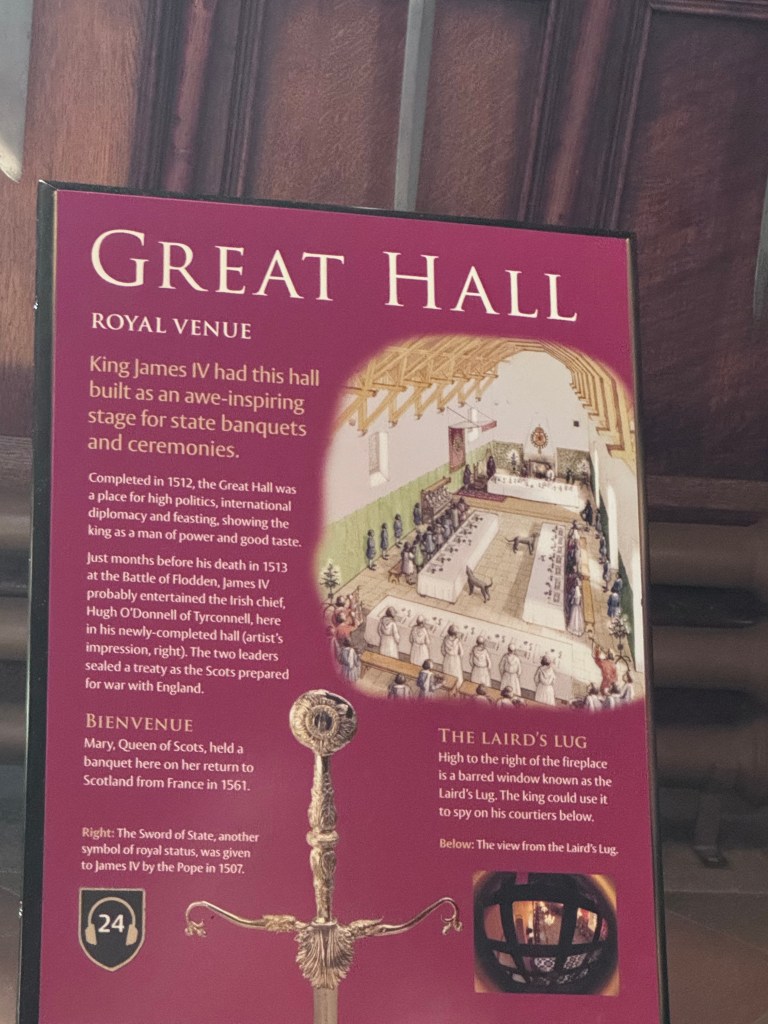
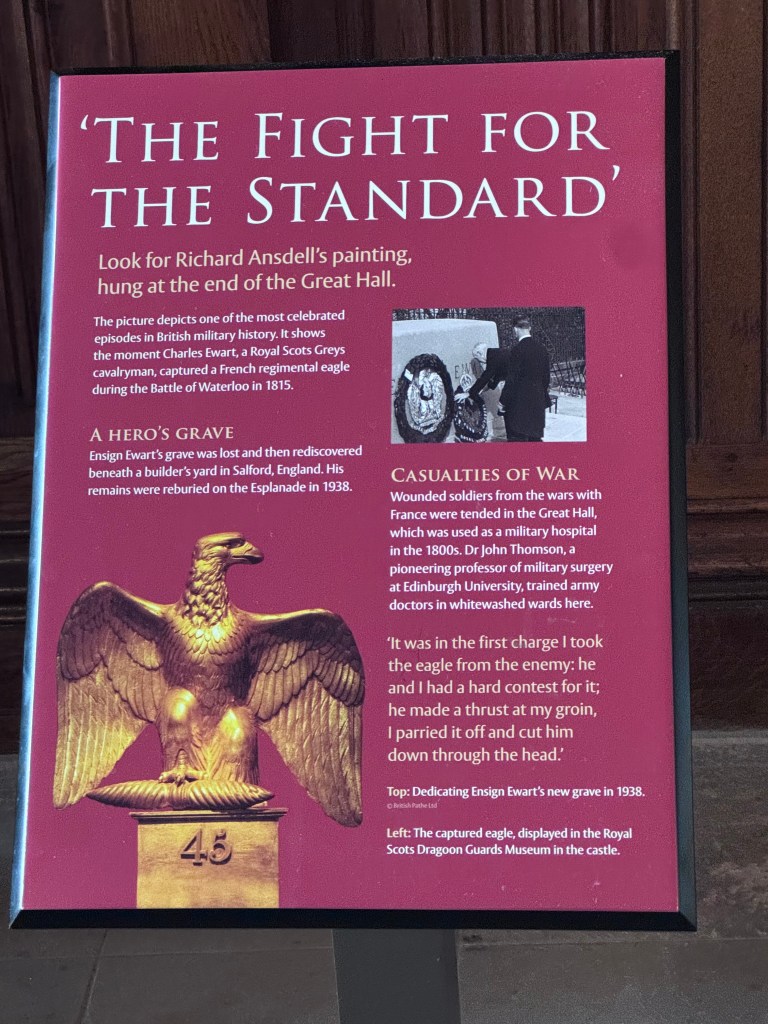
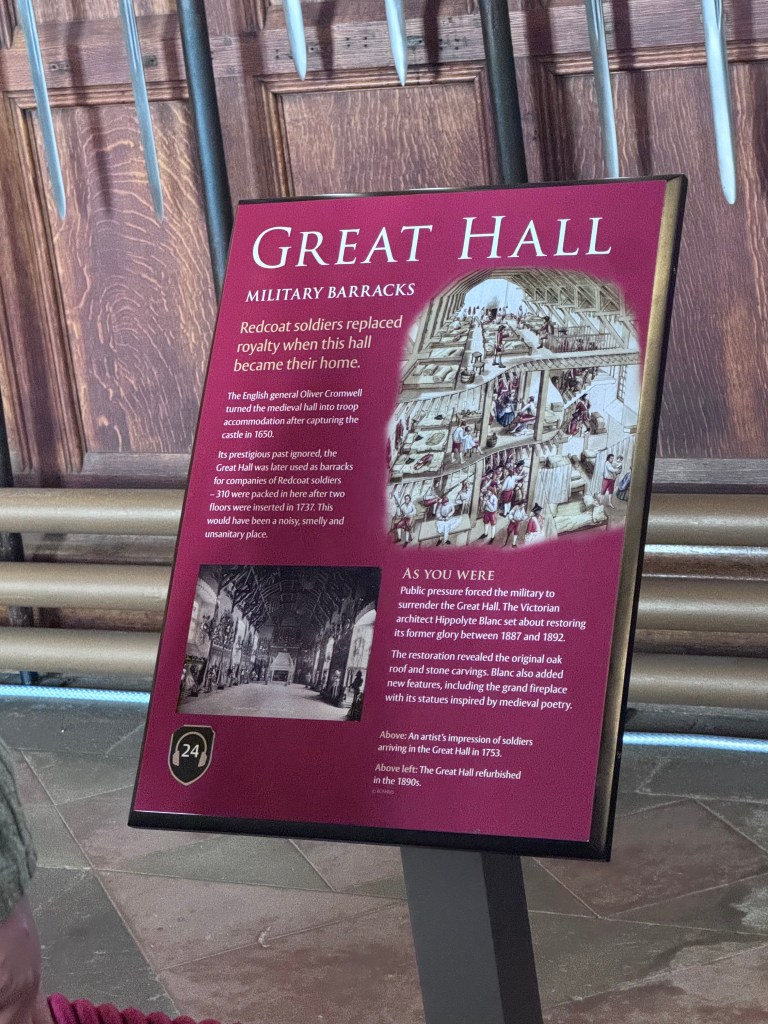
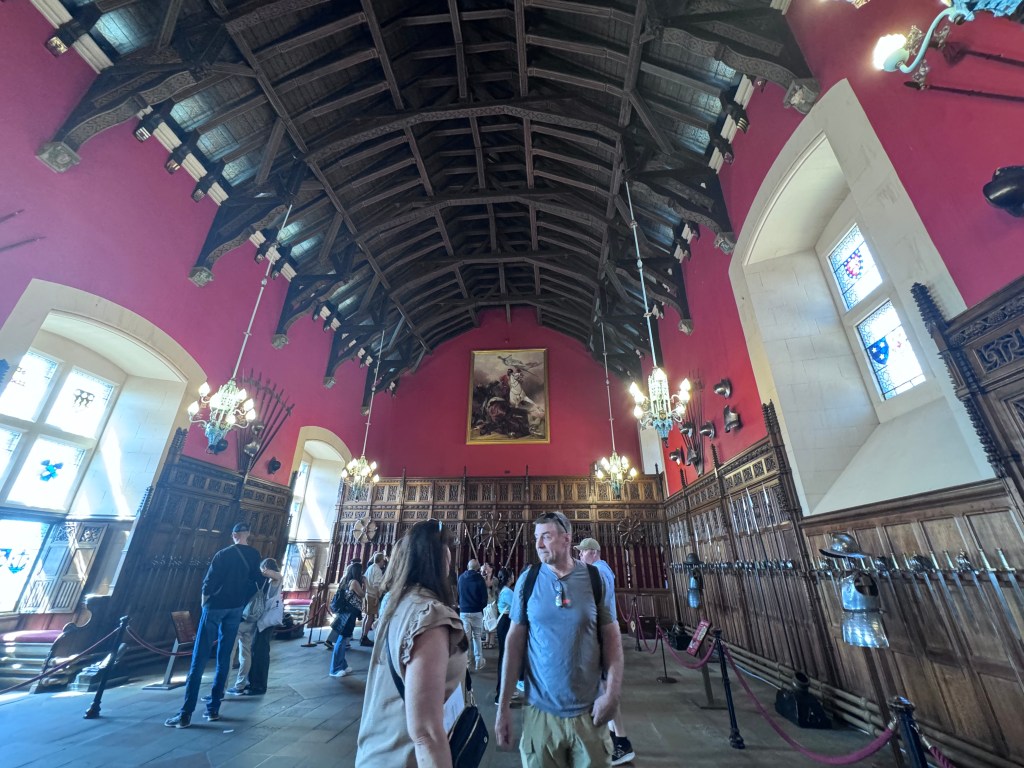
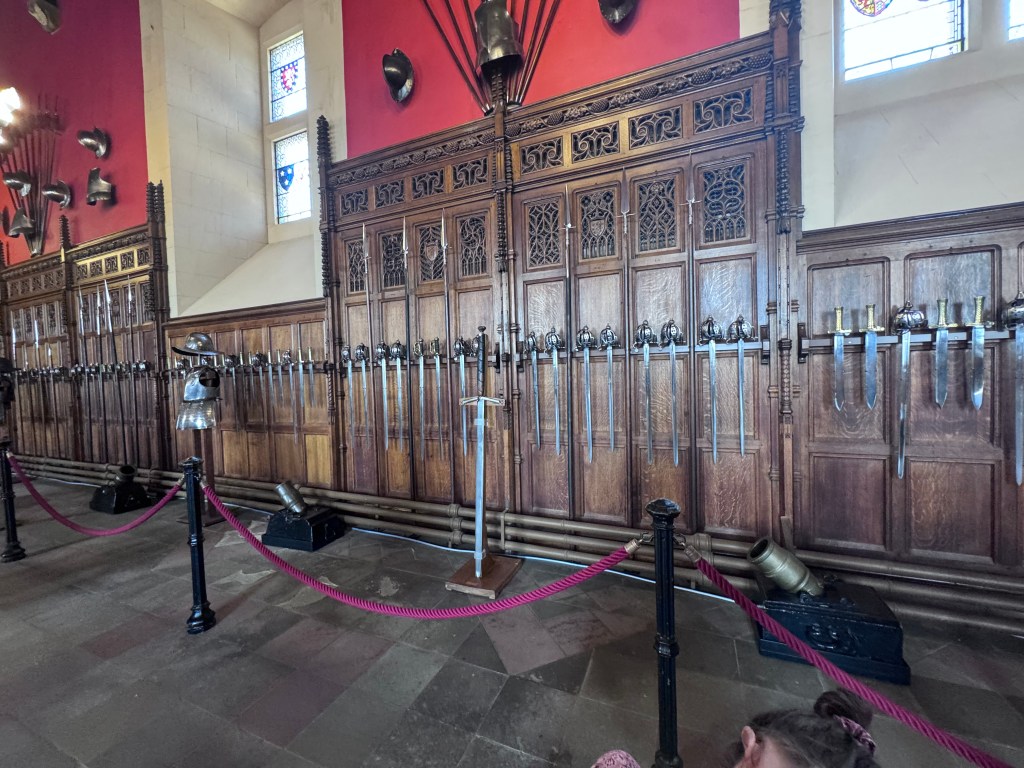
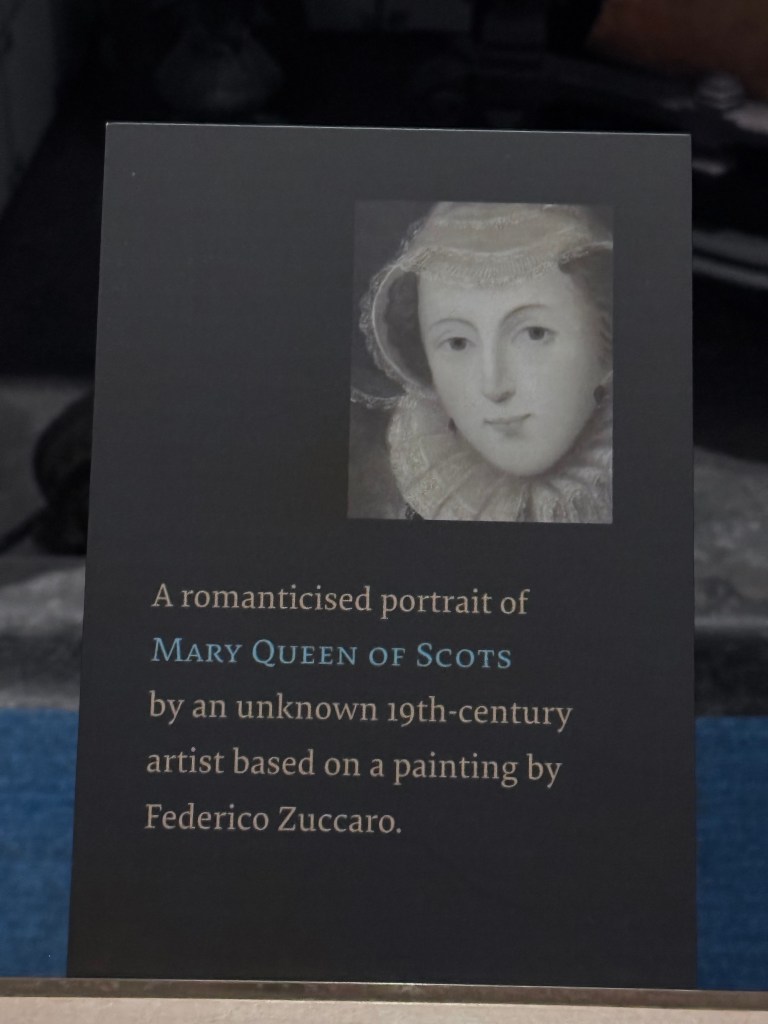
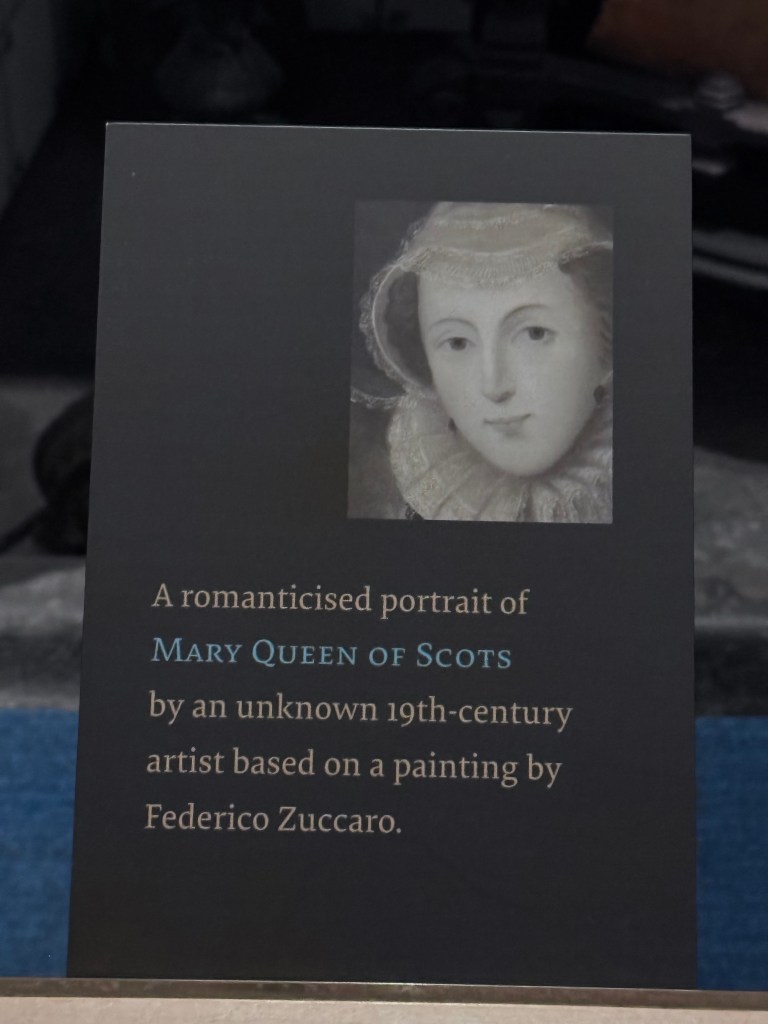
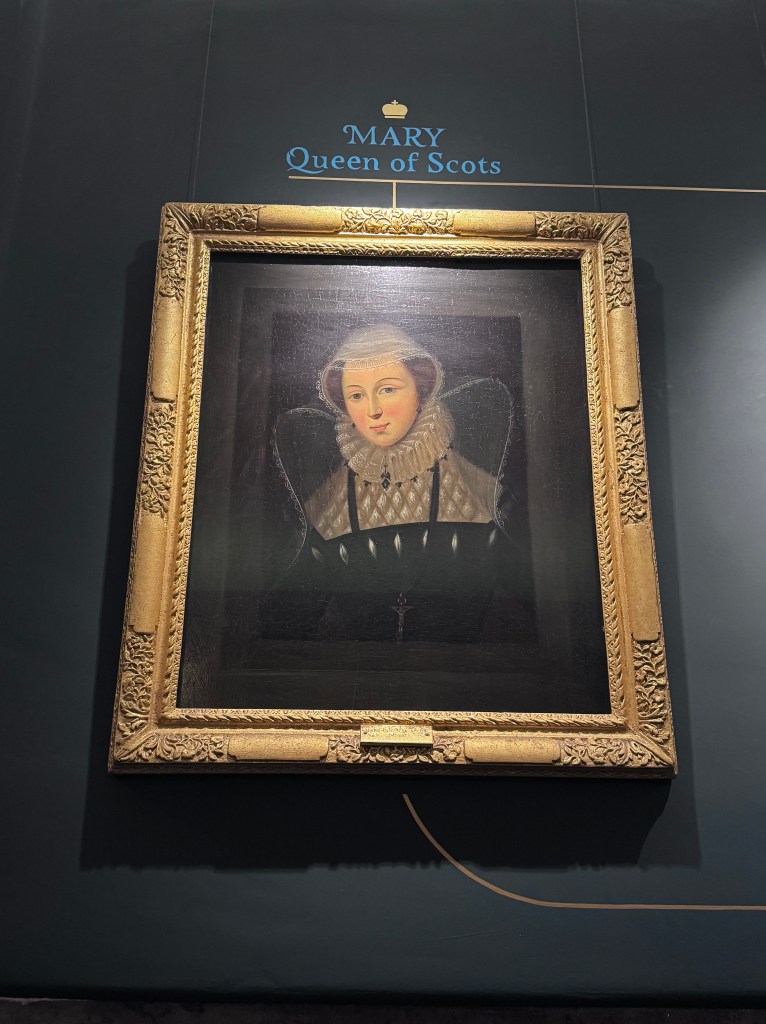
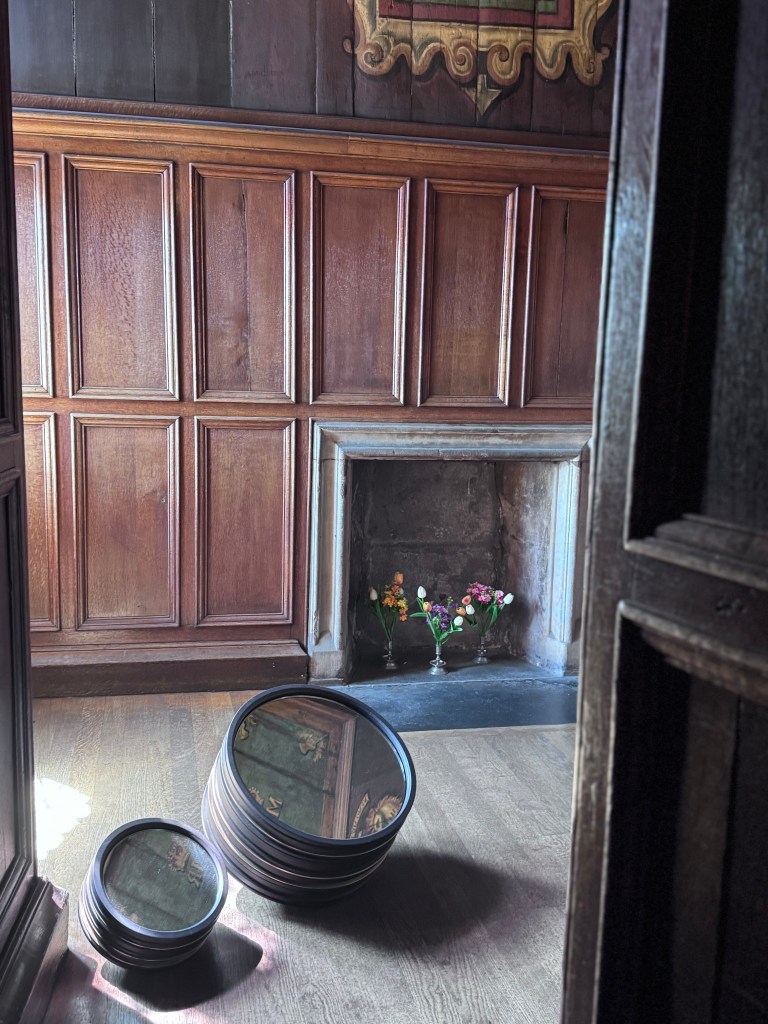
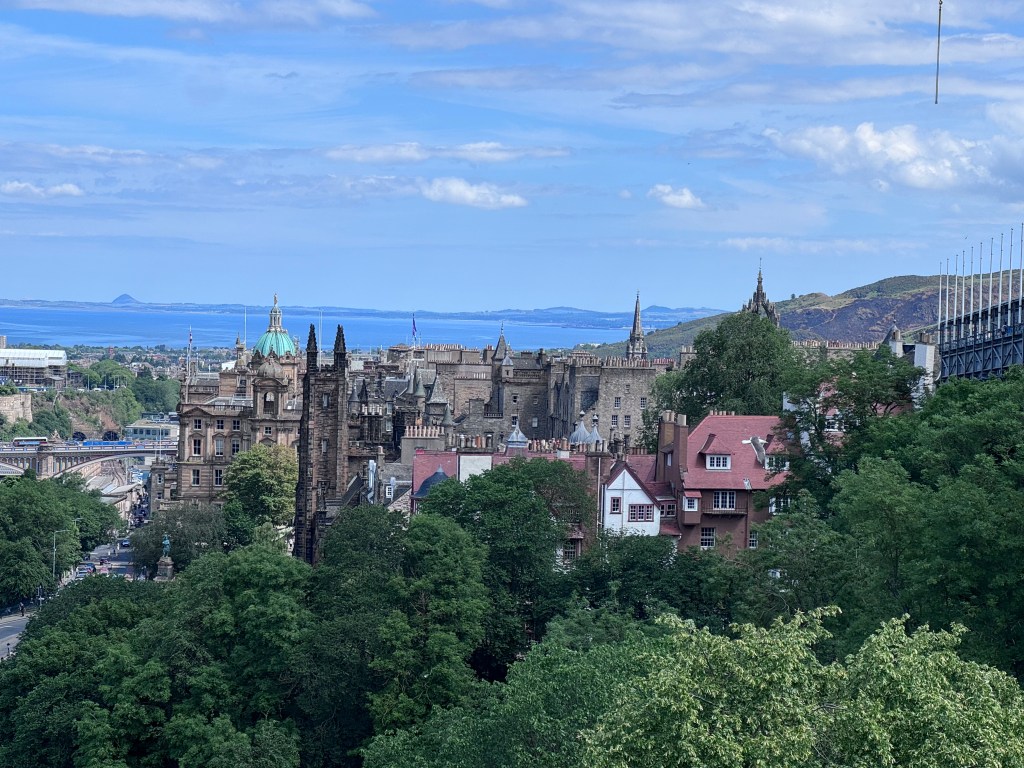
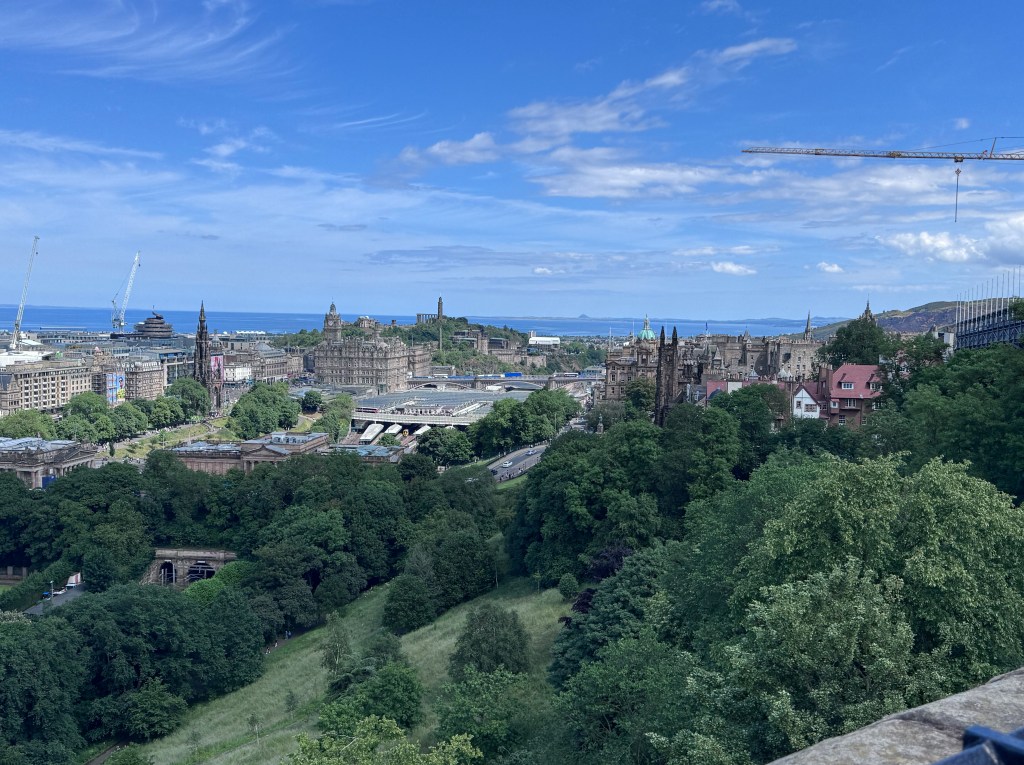
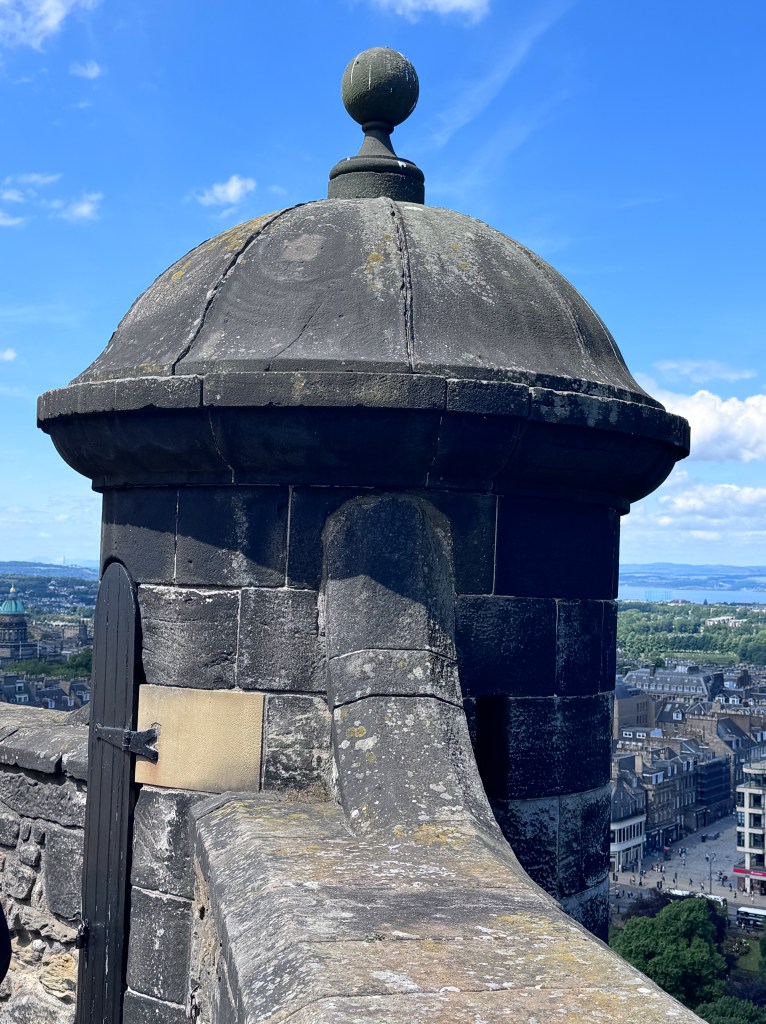
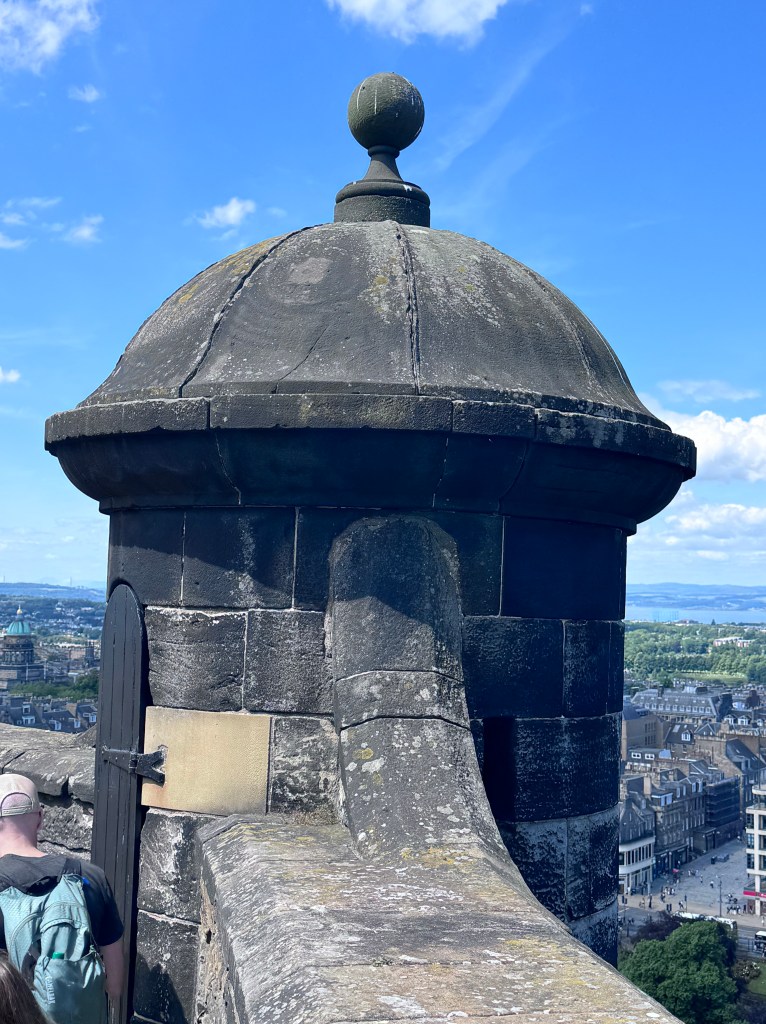
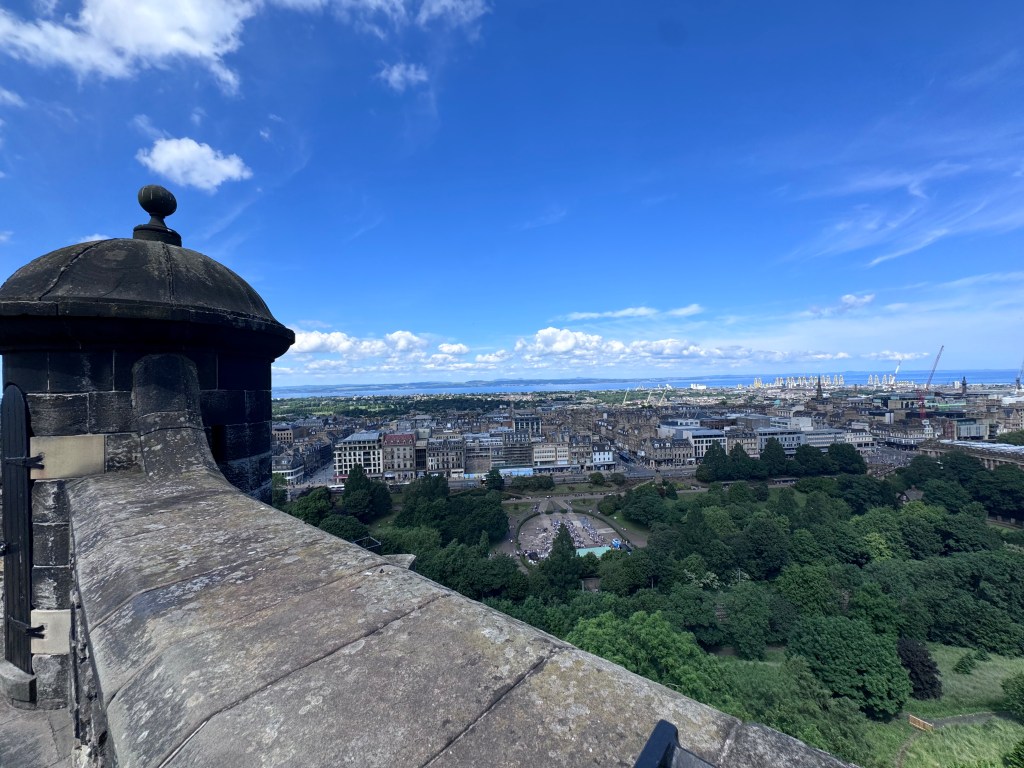
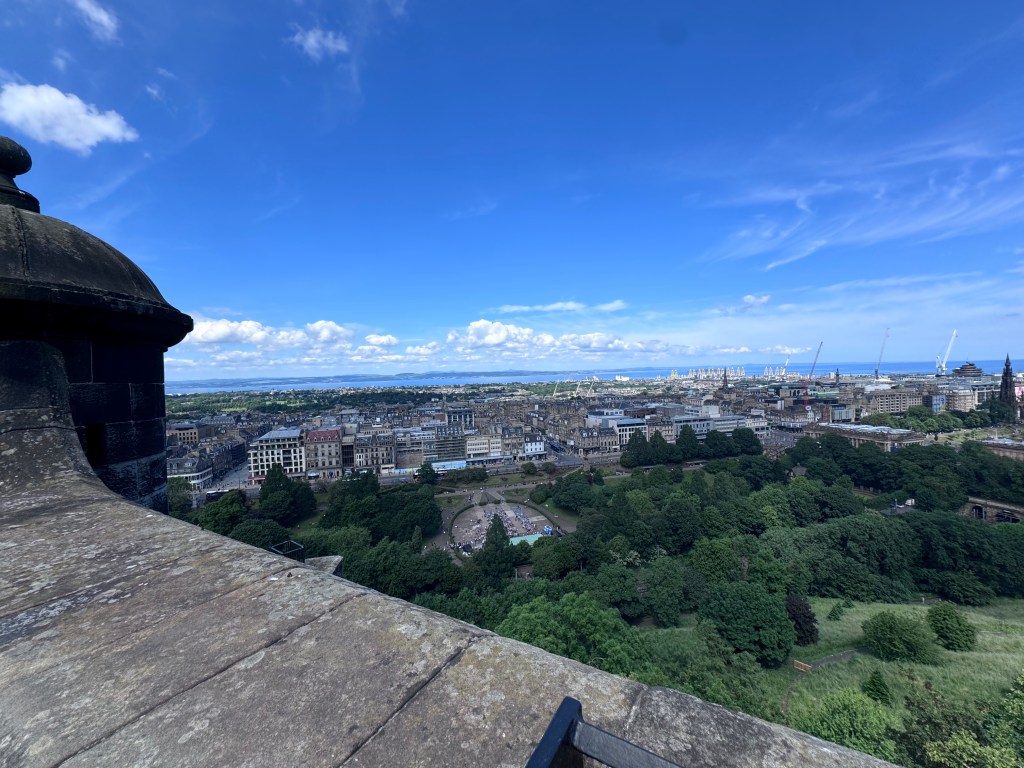
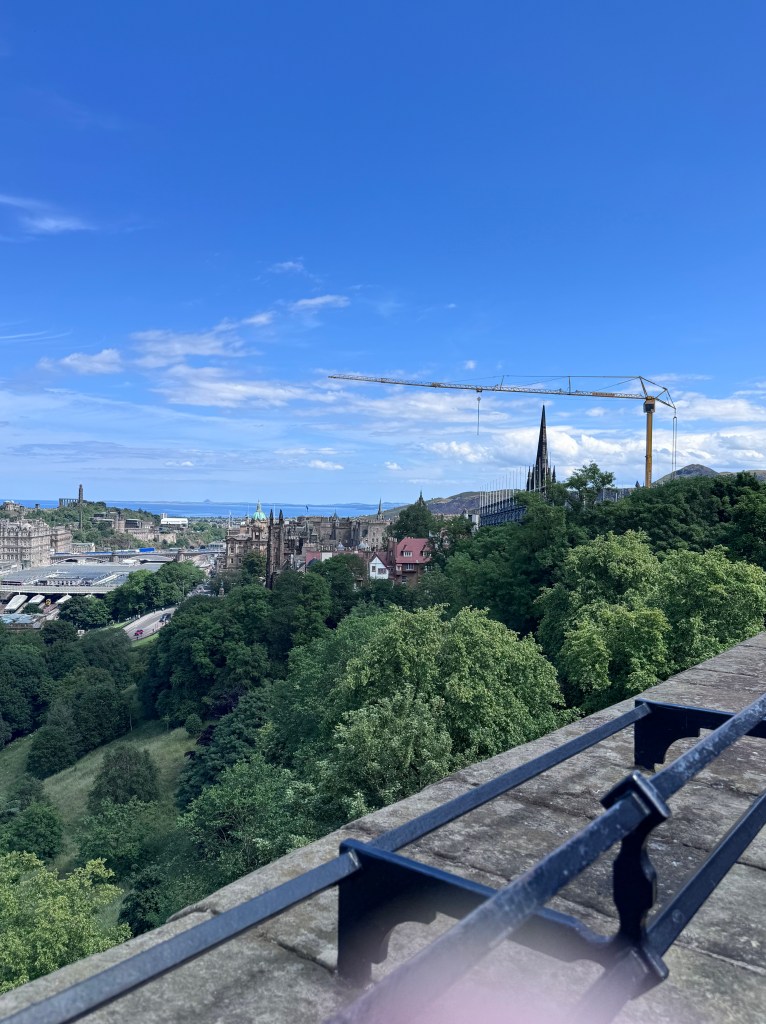
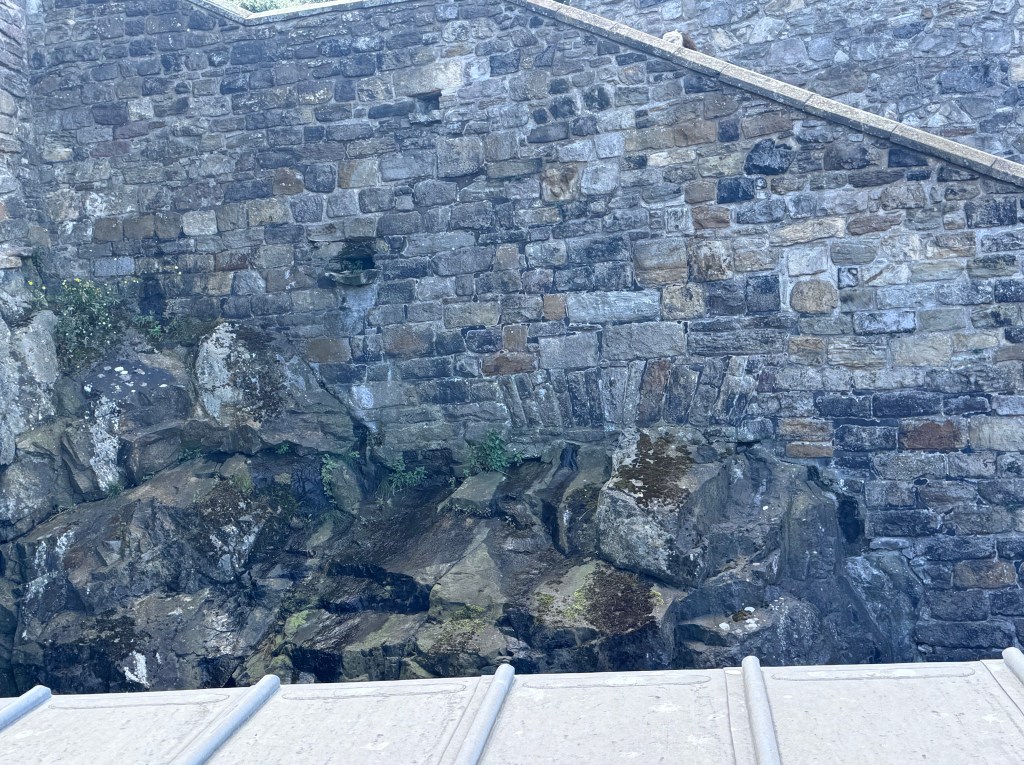
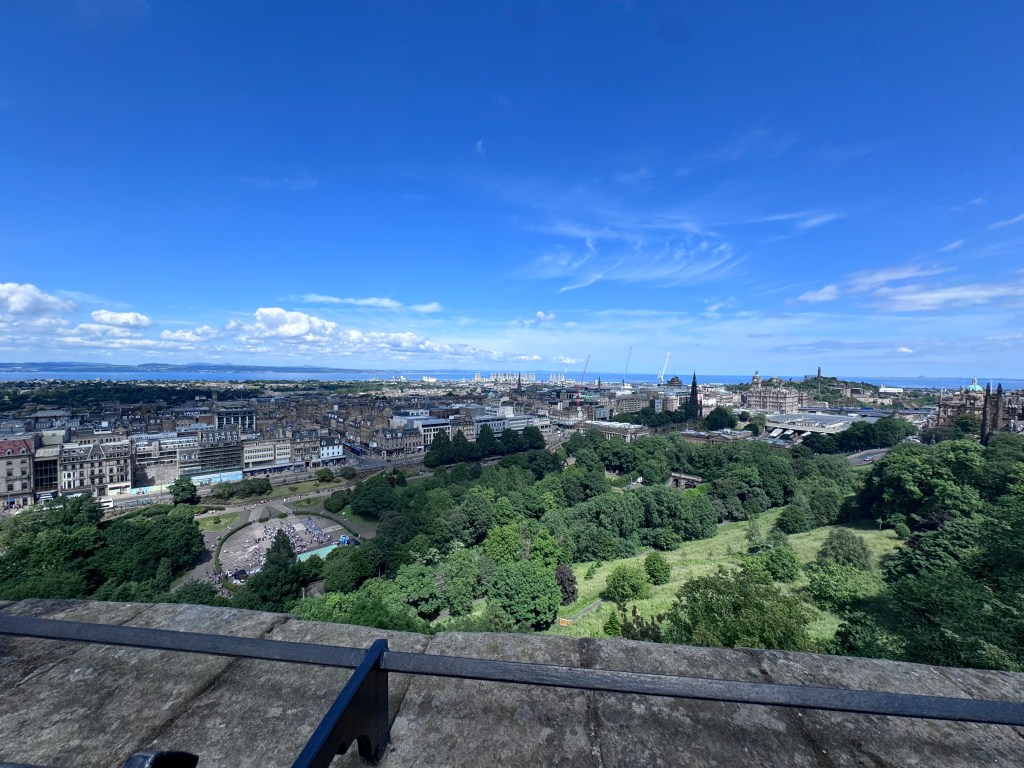
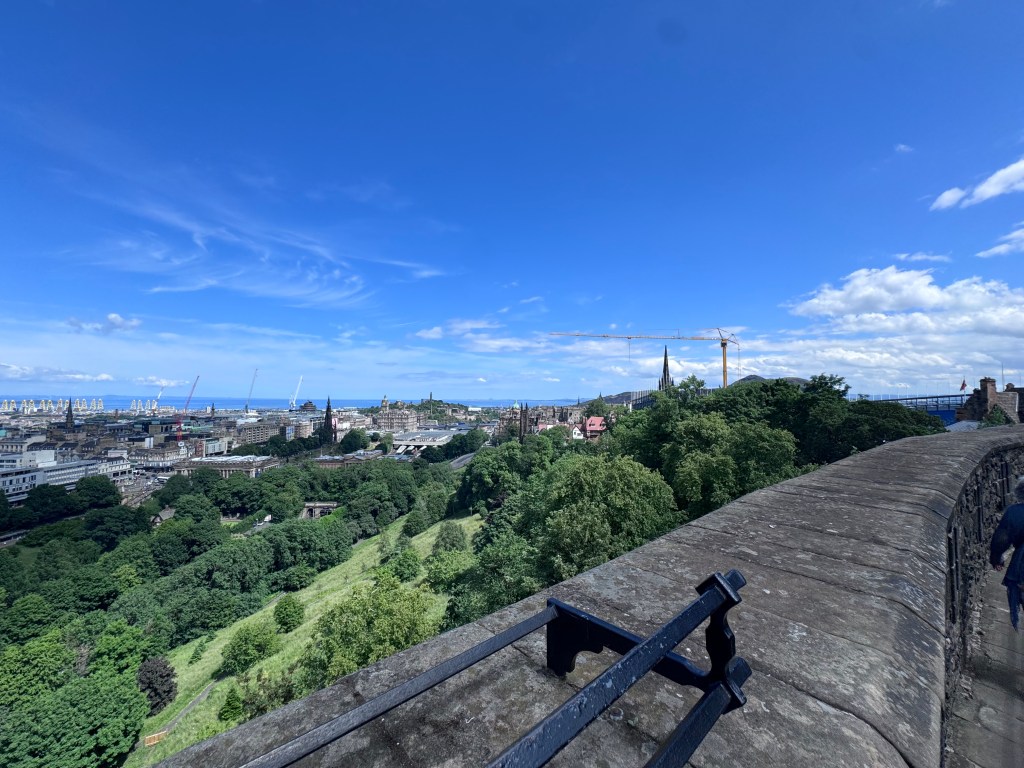
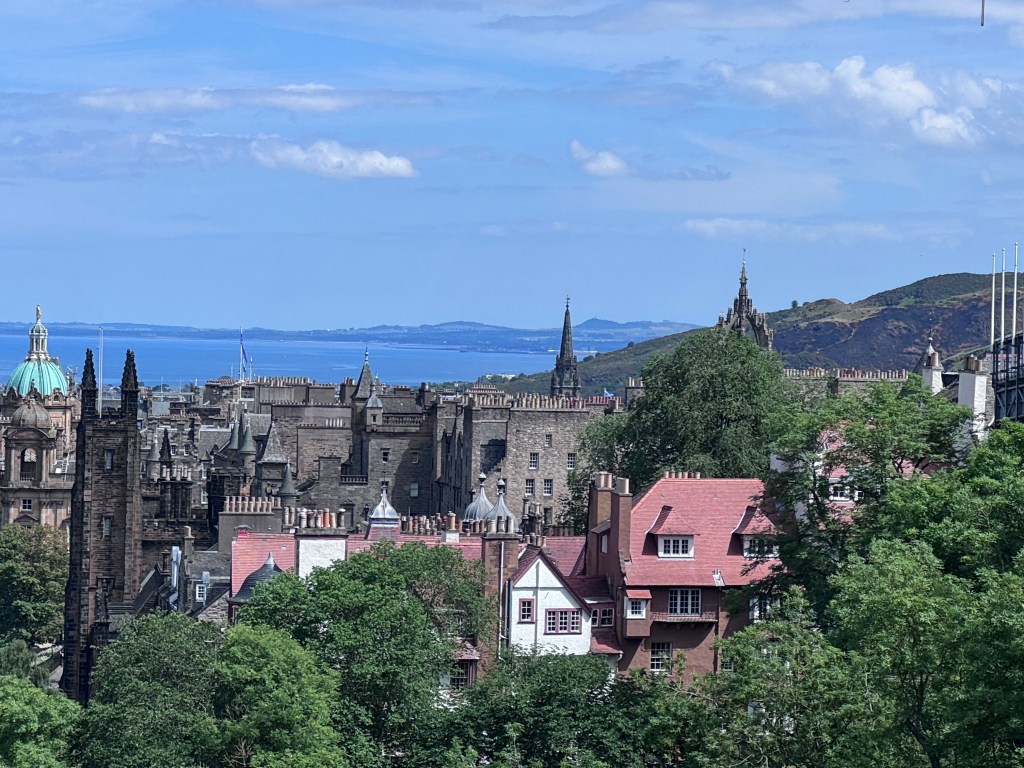
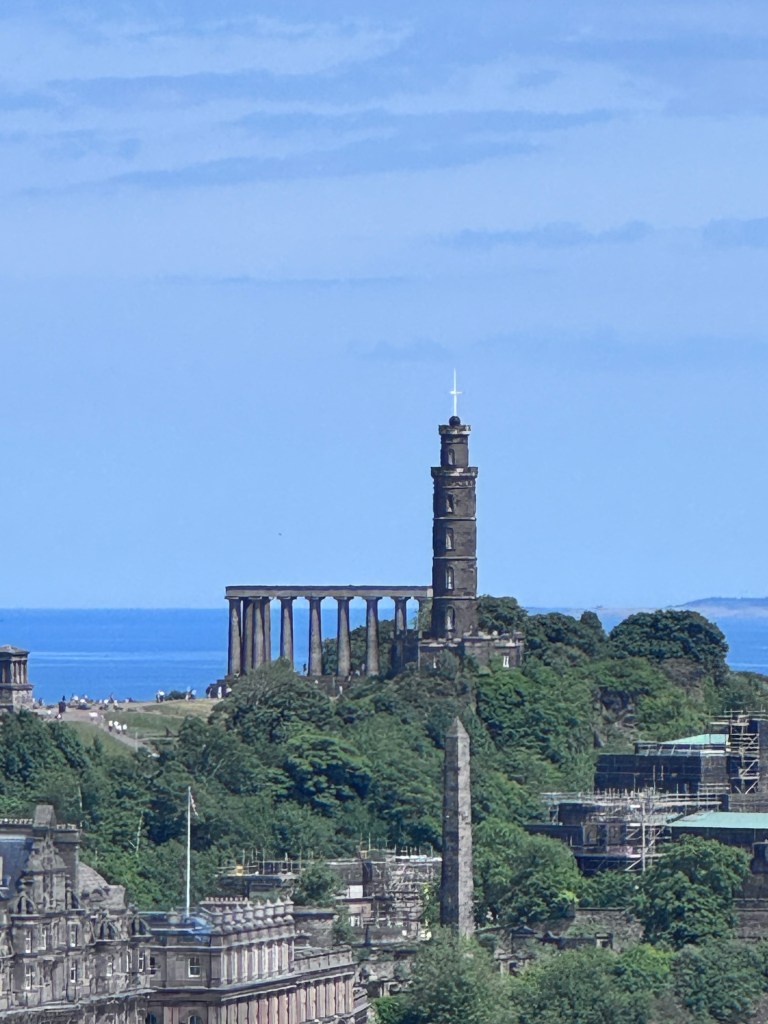
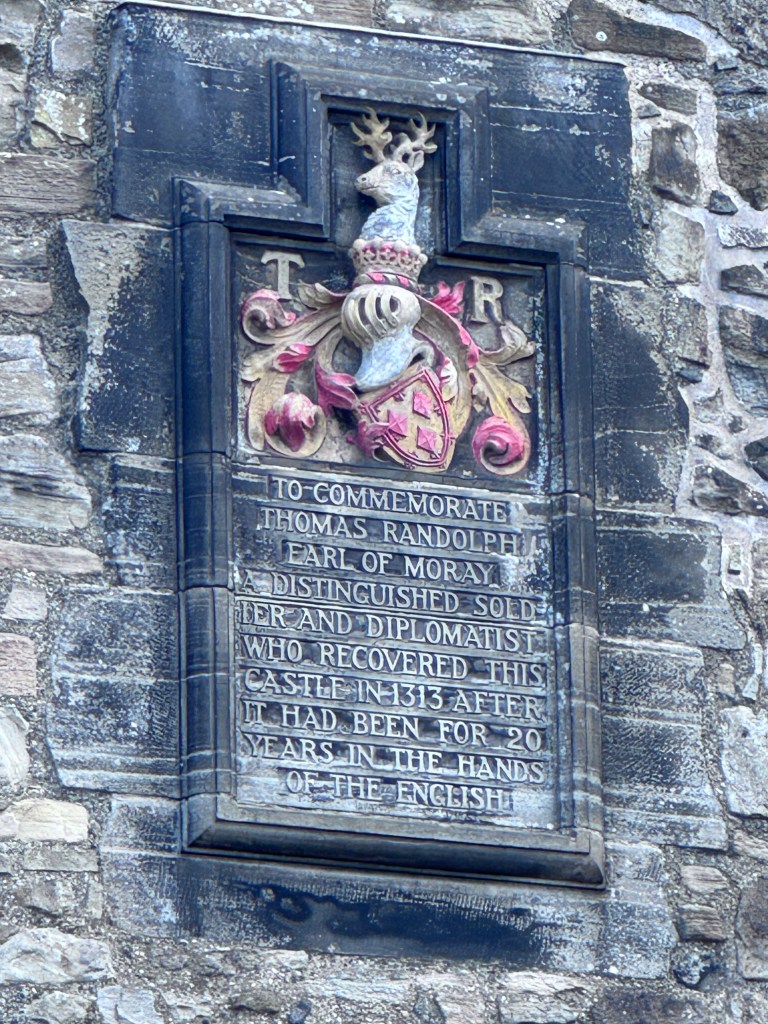
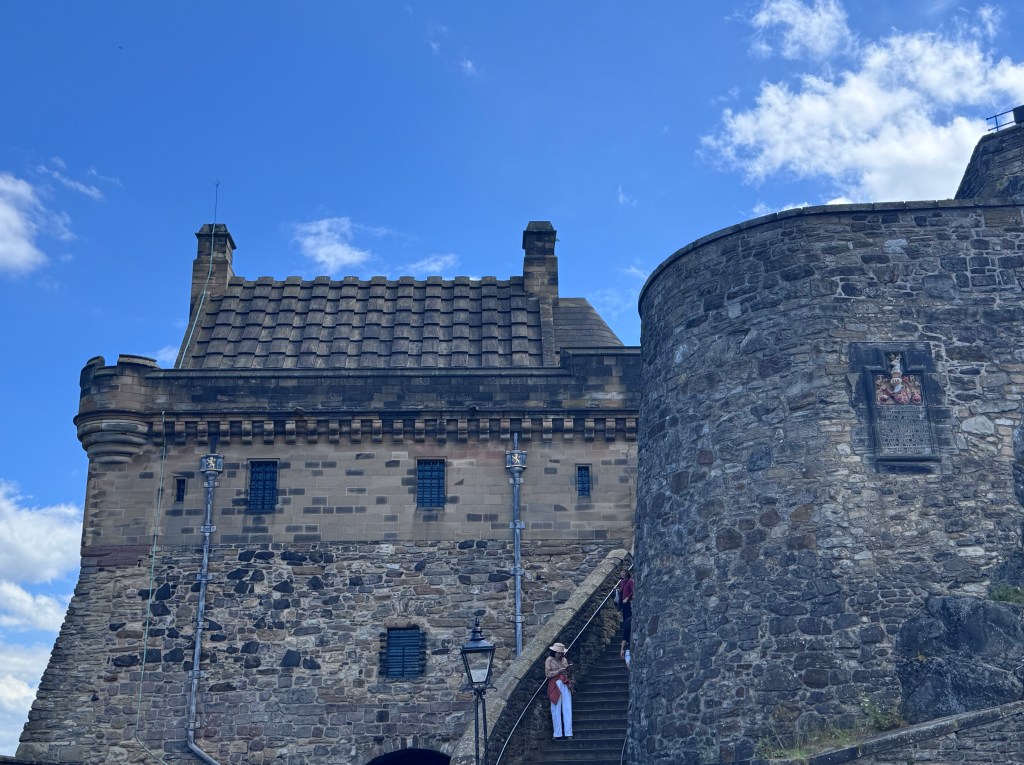
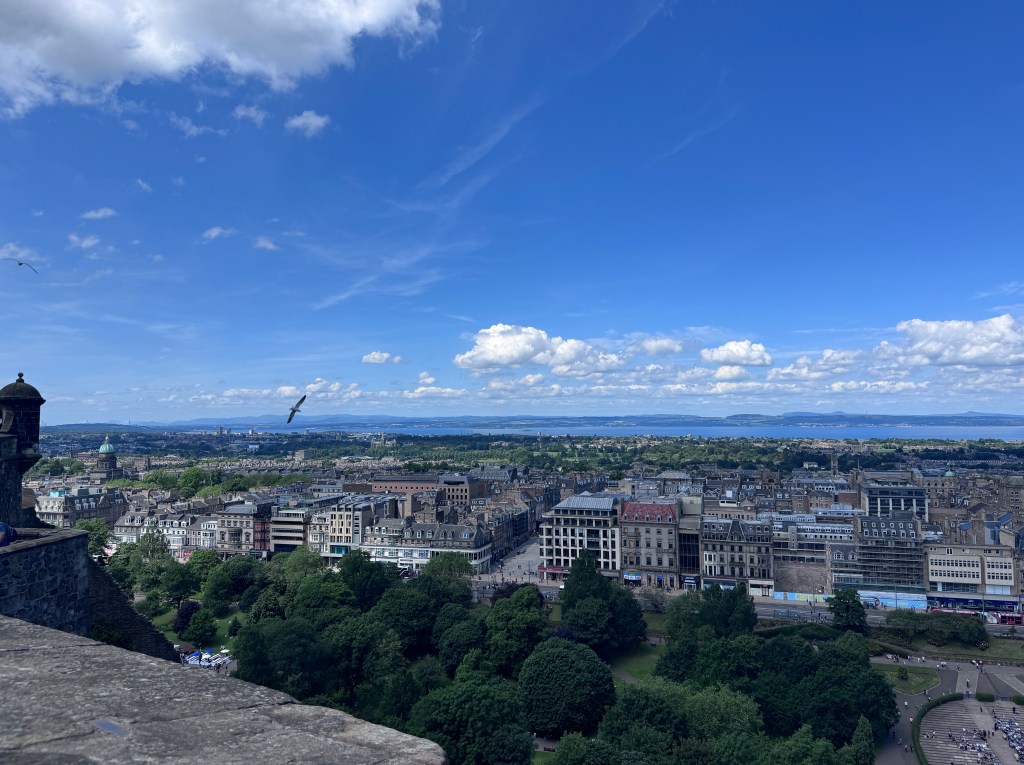
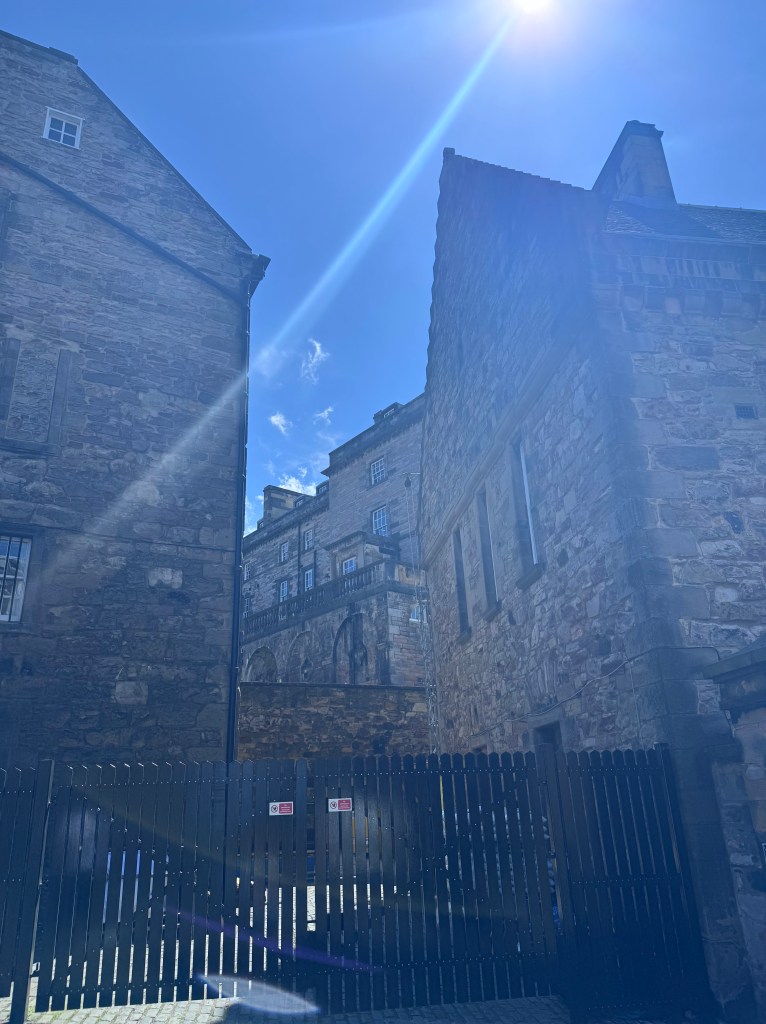
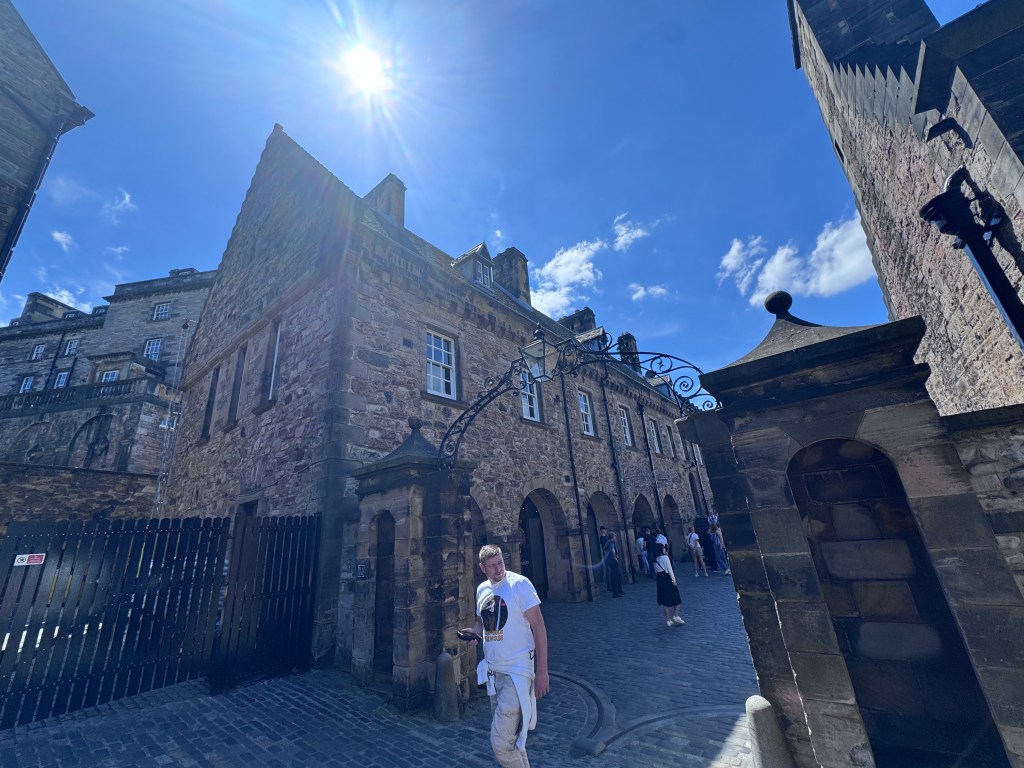
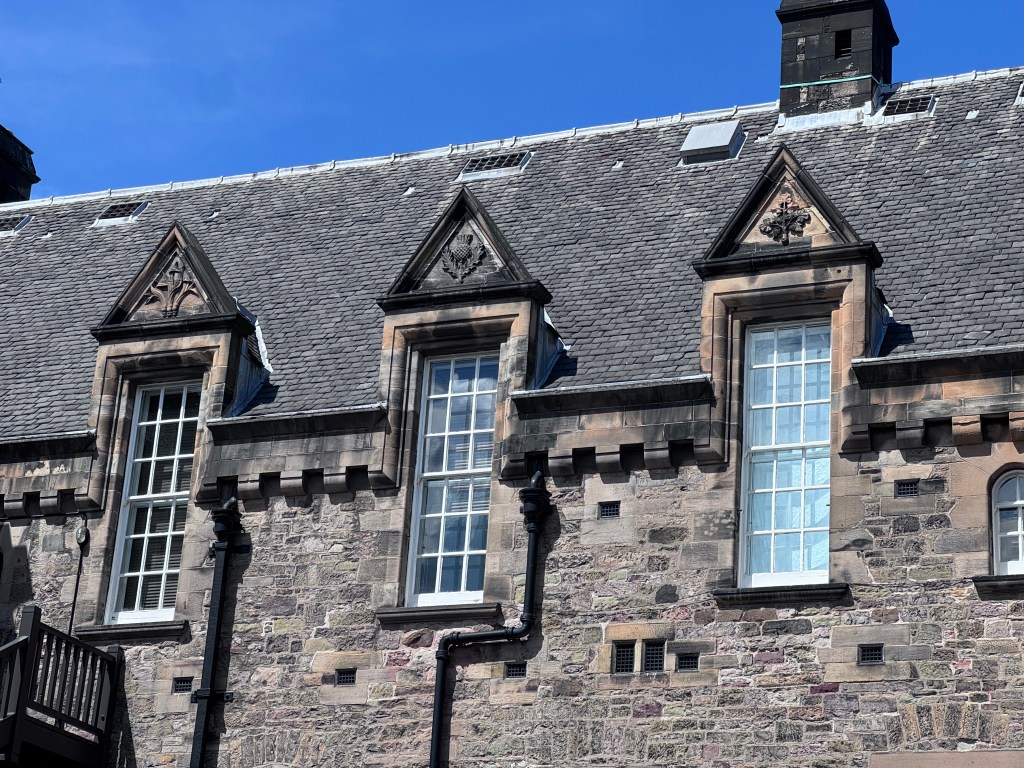
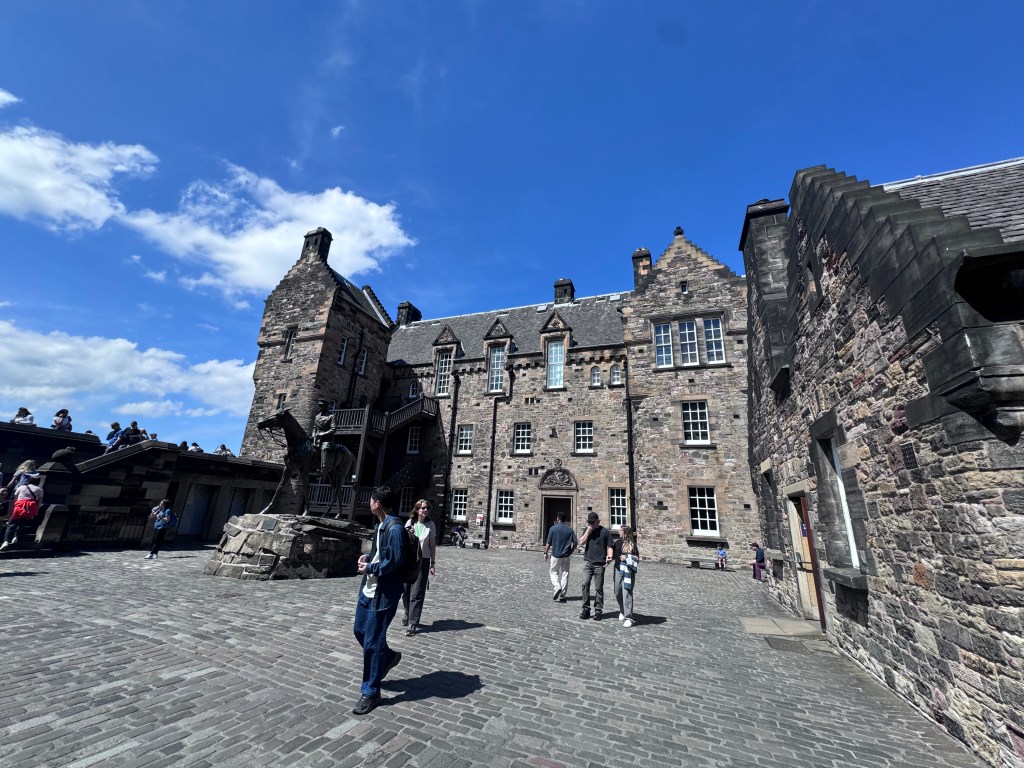
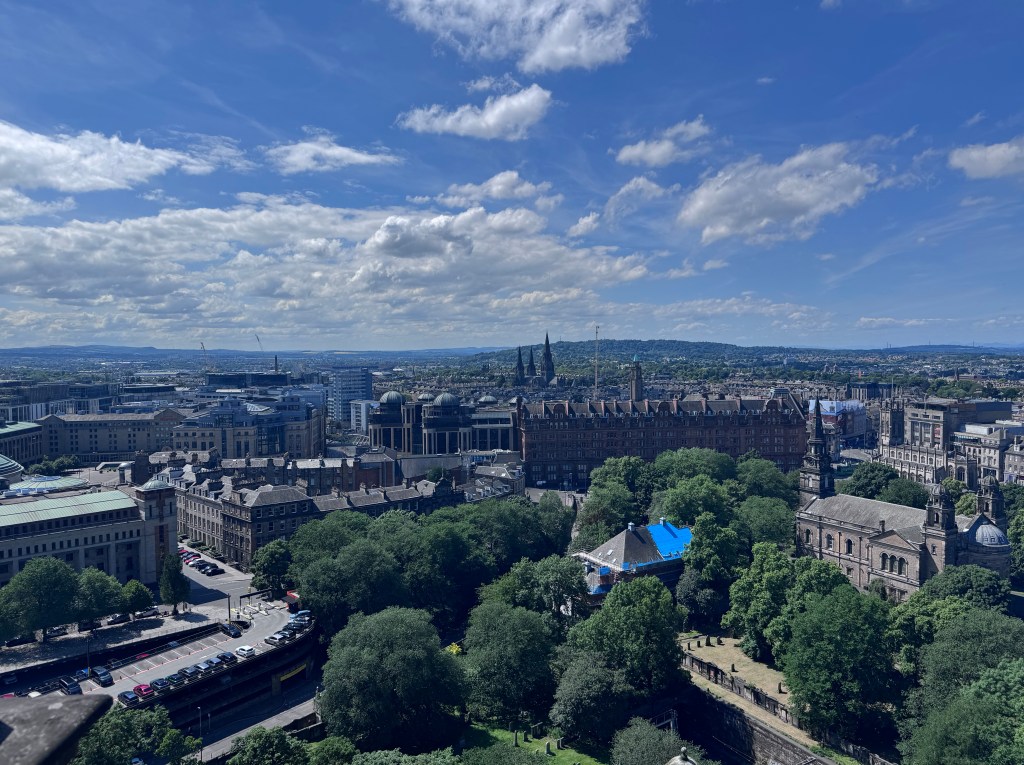
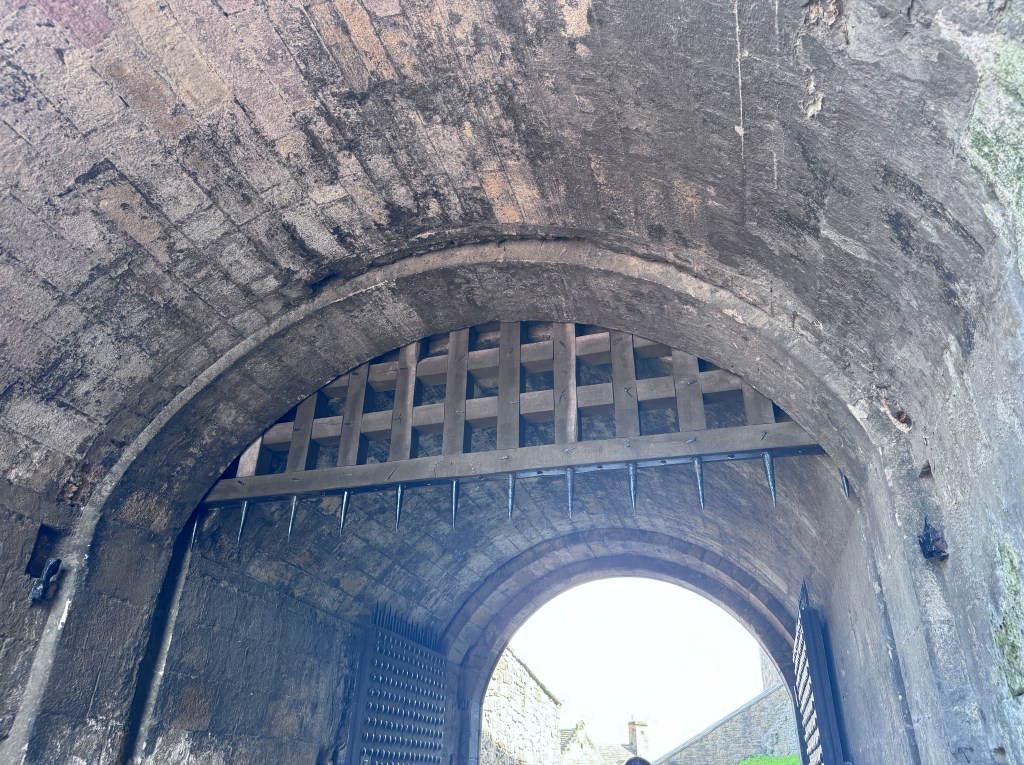
Perched atop an extinct volcano, Edinburgh Castle has watched over Scotland for nearly 900 years. It has served as a royal residence, military fortress, prison, and symbol of Scottish independence. Some of Scotland’s most famous monarchs, including Mary, Queen of Scots, lived within its walls, and the castle has endured countless sieges throughout its remarkable history. Standing on its ancient stone walls while looking across the city, it is easy to understand why this fortress has become one of Scotland’s most recognizable landmarks.

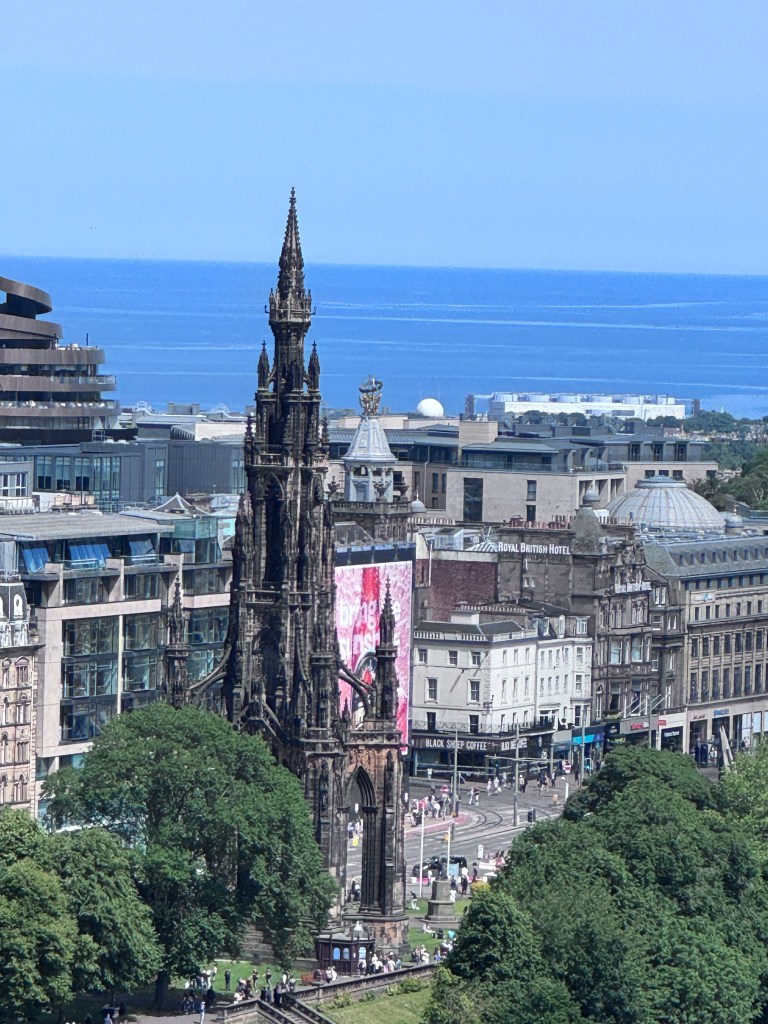
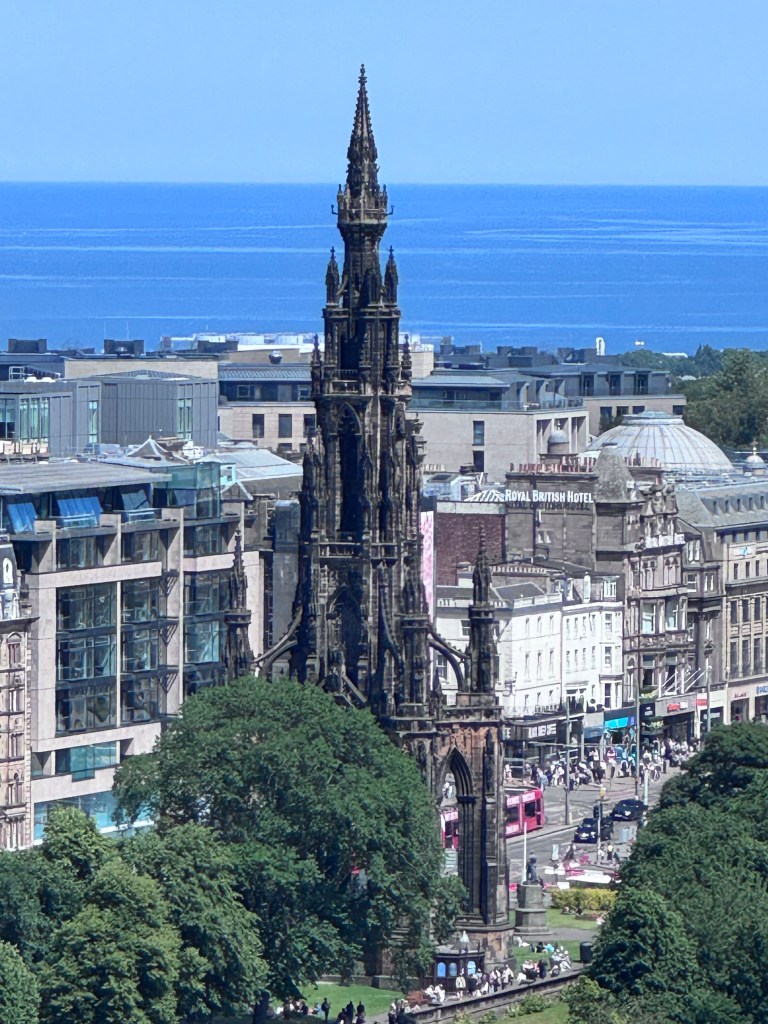
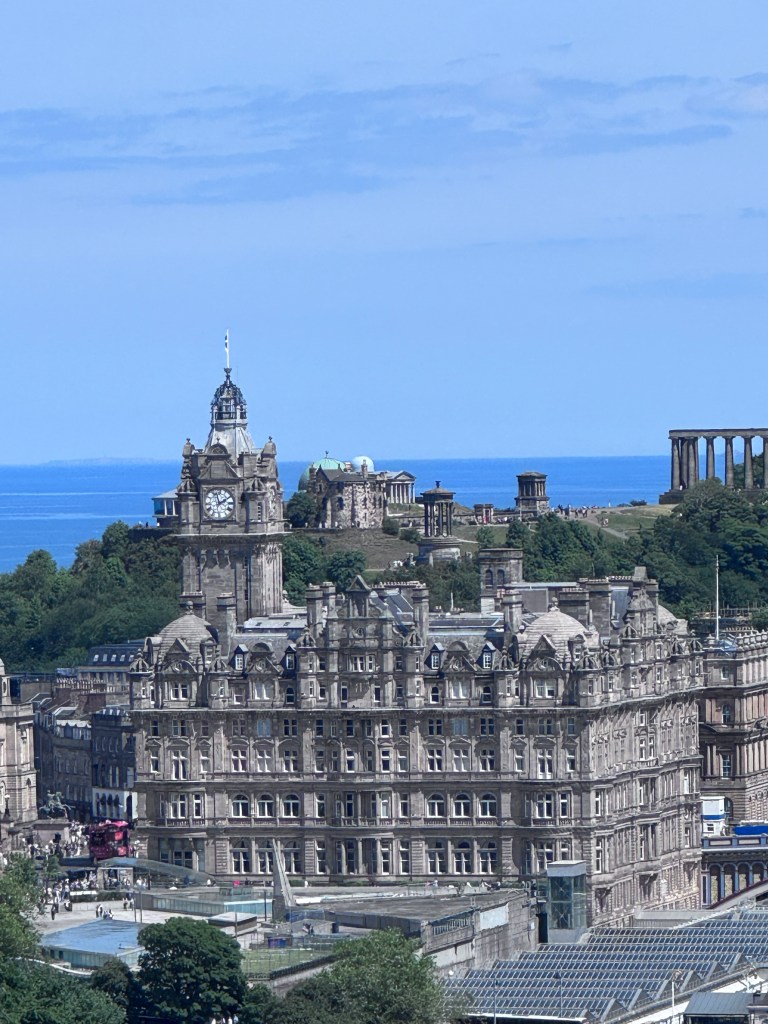
The castle itself is spread across four different levels, each filled with fascinating buildings, museums, monuments, and breathtaking viewpoints overlooking Edinburgh. Everywhere we turned there seemed to be another incredible view of the city below. The architecture and engineering of the fortress are simply remarkable.

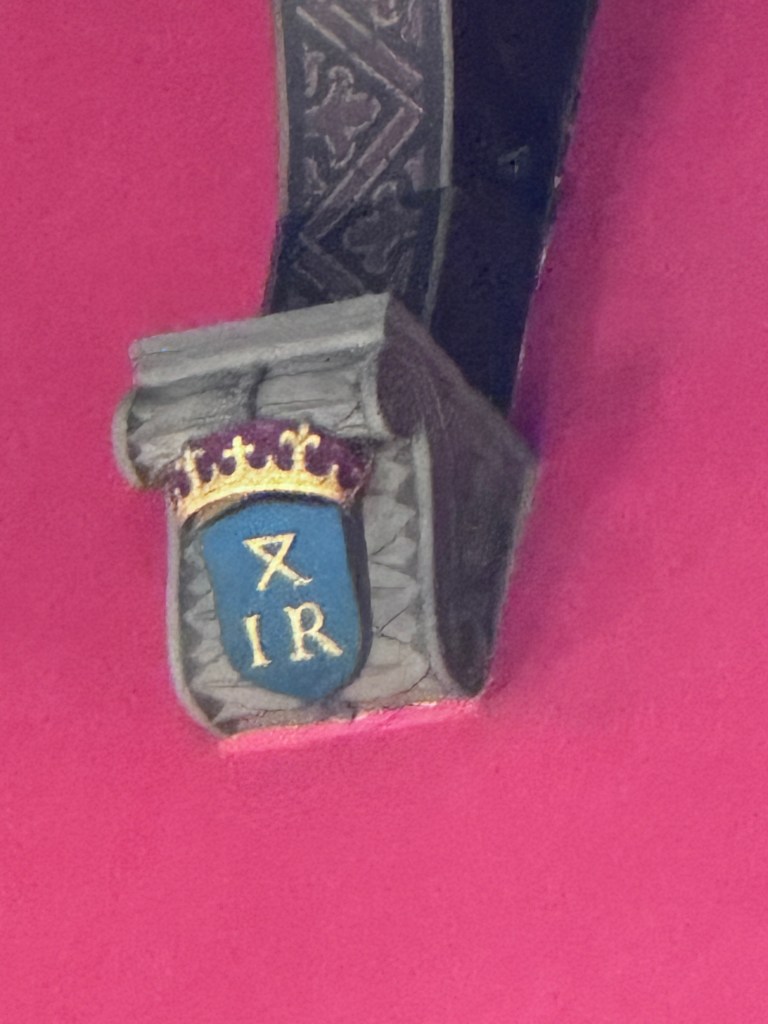
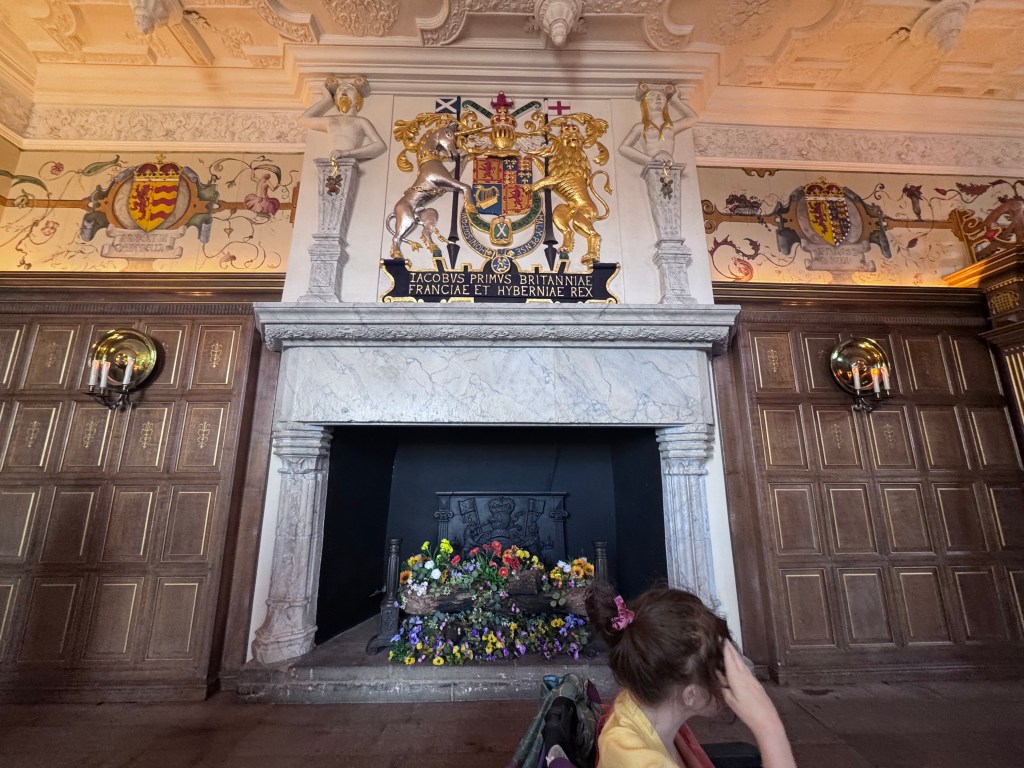
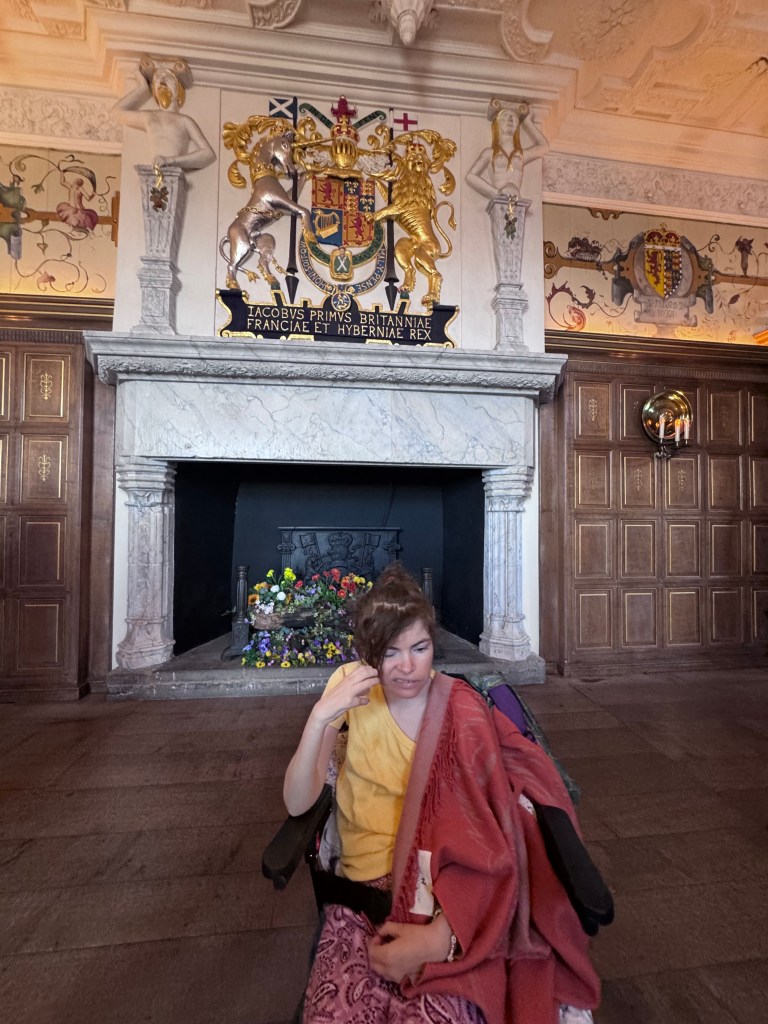
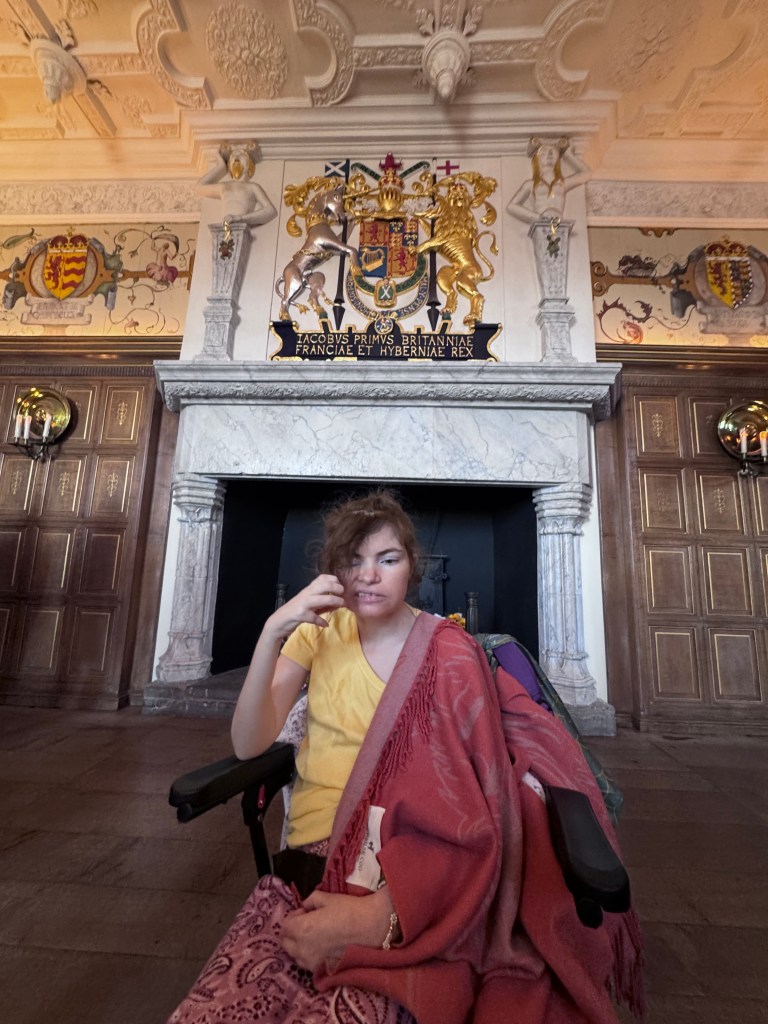
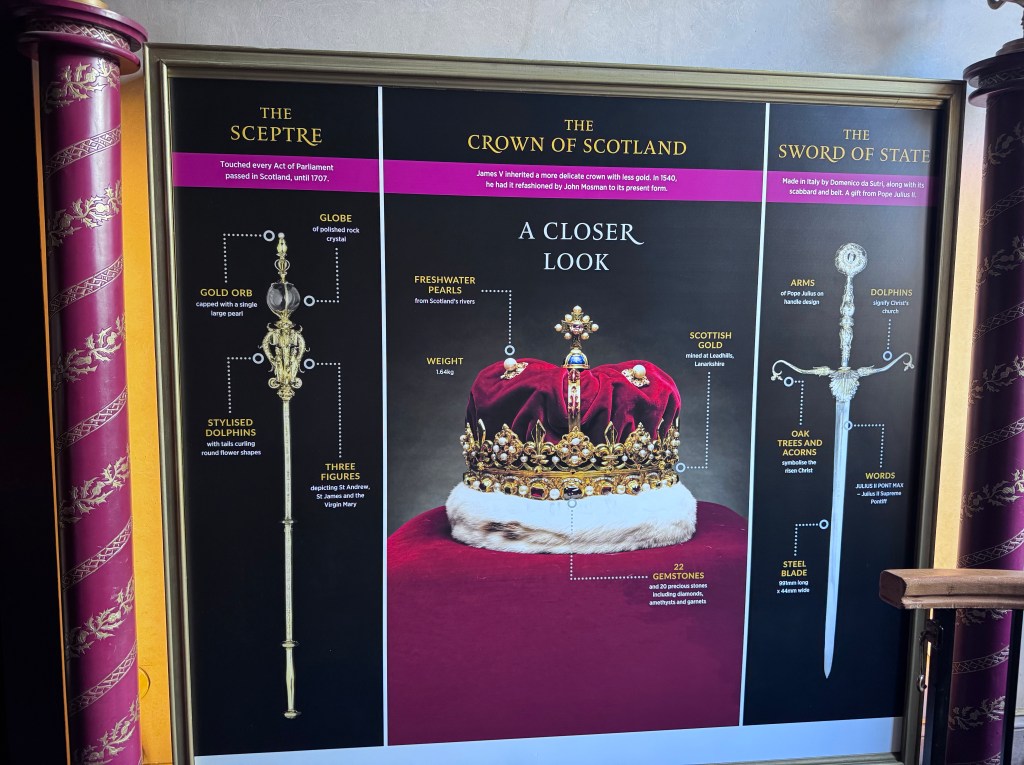
One place we absolutely wanted to visit was the Crown Room to see the Honours of Scotland—the Crown, Sceptre, and Sword of State. These are the oldest Crown Jewels in Britain and remain priceless symbols of Scotland’s history. The gold crown, adorned with precious gems, was created for King James V and first worn in 1540. Mary, Queen of Scots, became the first monarch to be crowned using both the crown and sceptre together in 1543. During Oliver Cromwell’s invasion, the Honours were secretly hidden to keep them from falling into enemy hands. After the 1707 Act of Union, they were locked away and forgotten until the famous author Sir Walter Scott rediscovered them in 1818.

There was an enormous line waiting to enter the Crown Room, but once again accessibility made all the difference. We were told to find a staff member wearing a black shirt and name tag. Because Kiya uses a wheelchair and could not navigate the stairs, they escorted us to an elevator that brought us directly behind the Crown Jewels exhibit. We were able to take our time, quietly admire the treasures without feeling rushed, and then they escorted us back down the lift.

No matter how many words I try to use, they simply don’t do justice to what we saw. The crown and sceptre were mind-blowingly beautiful—majestic, exquisite, and unlike anything I have ever seen. The brilliance of the jewels, the rich colors, and the incredible craftsmanship made them feel almost unreal. It was one of those moments that photographs simply cannot capture. I feel incredibly fortunate to have seen them in person.

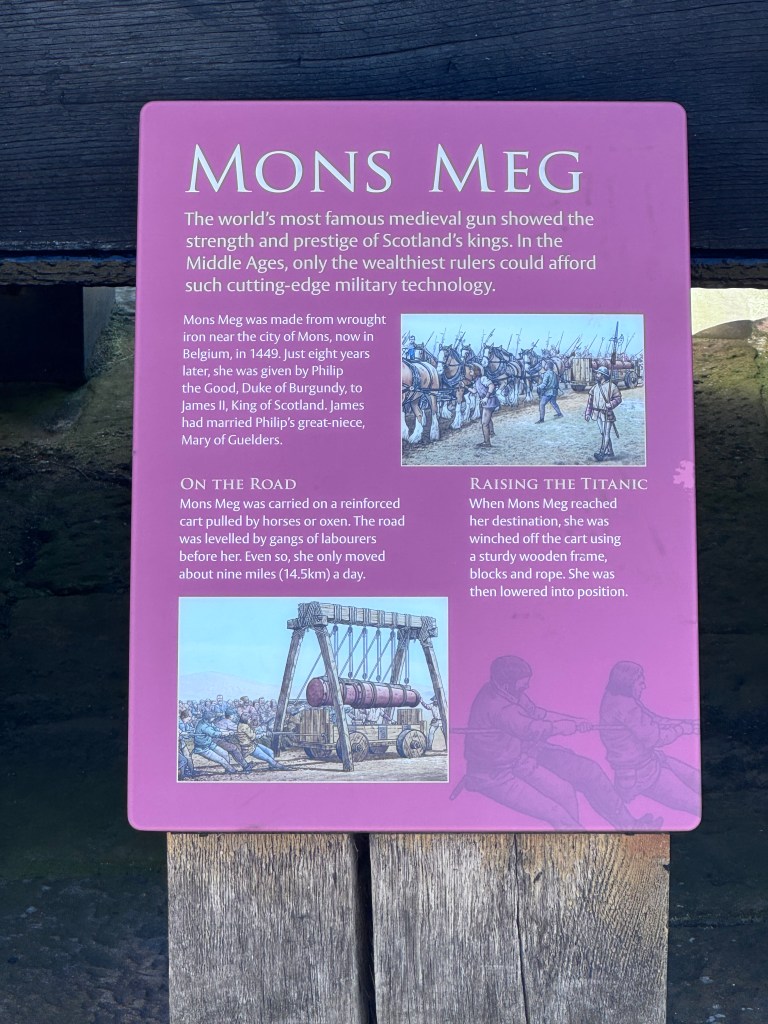
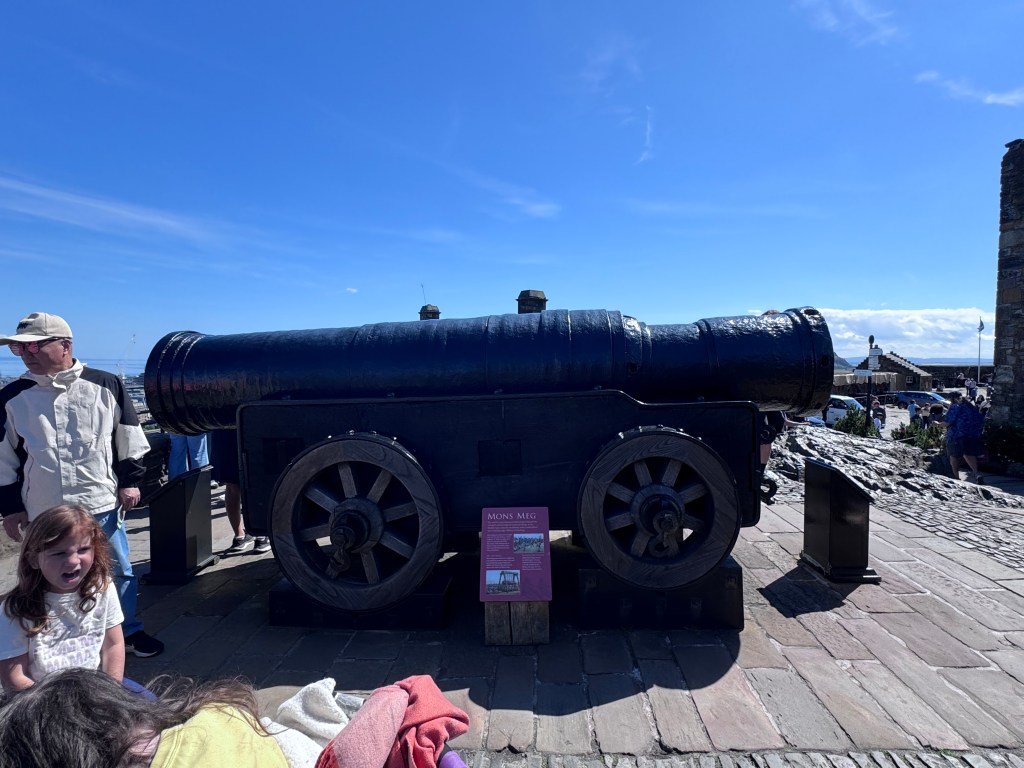
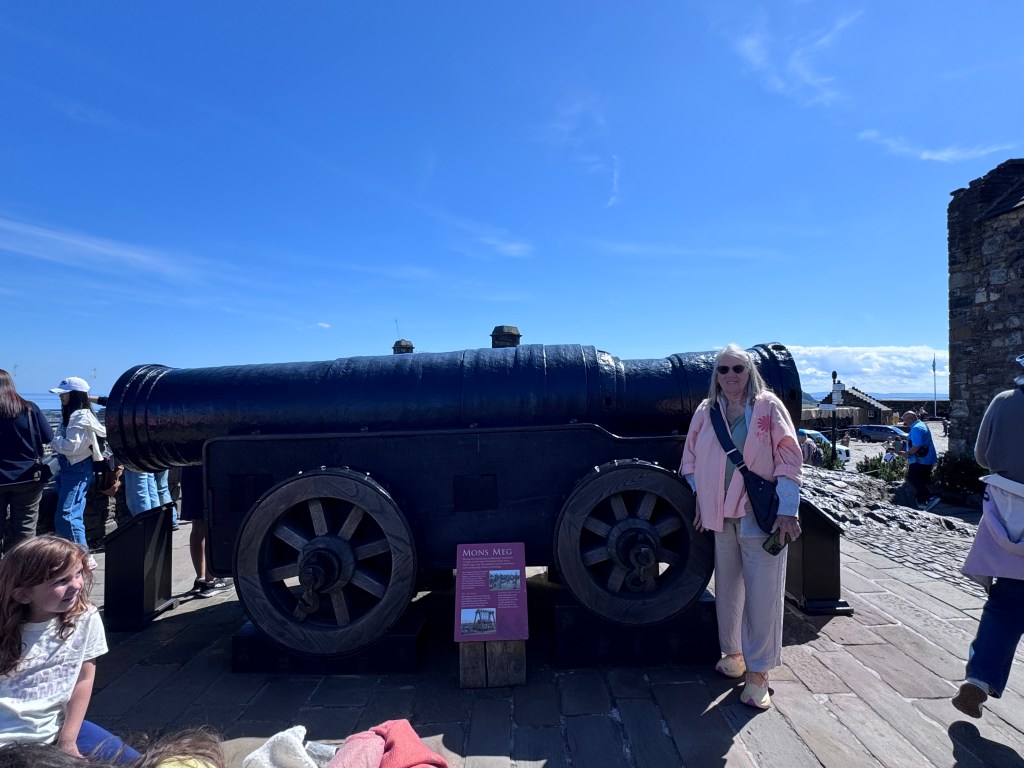
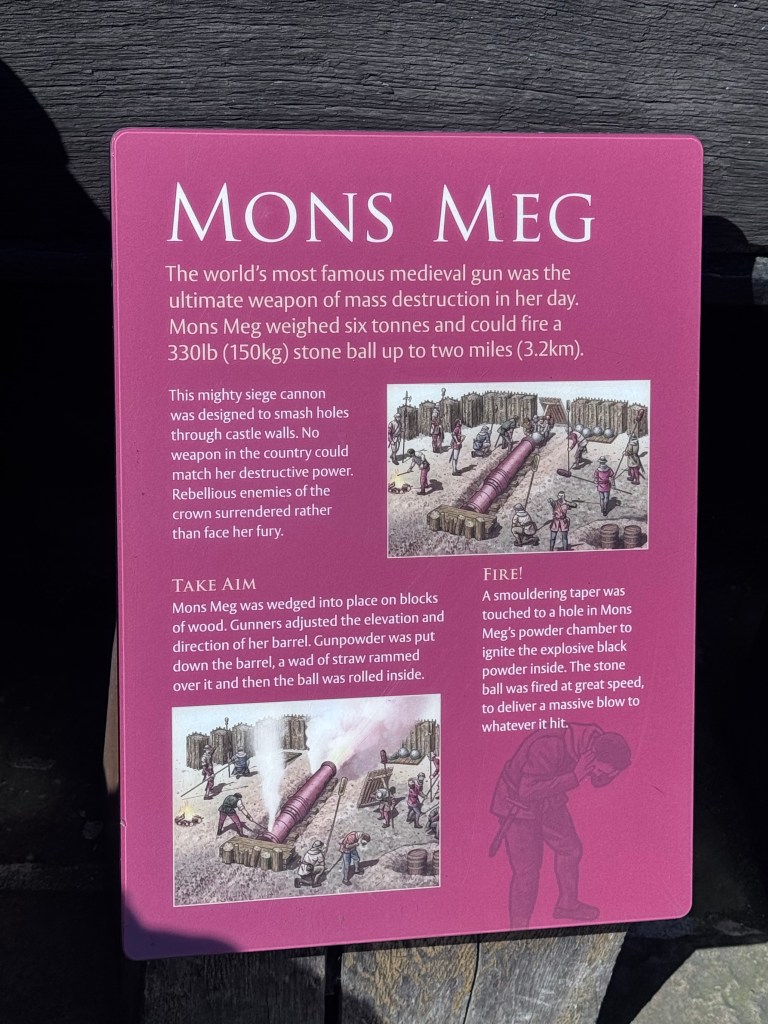
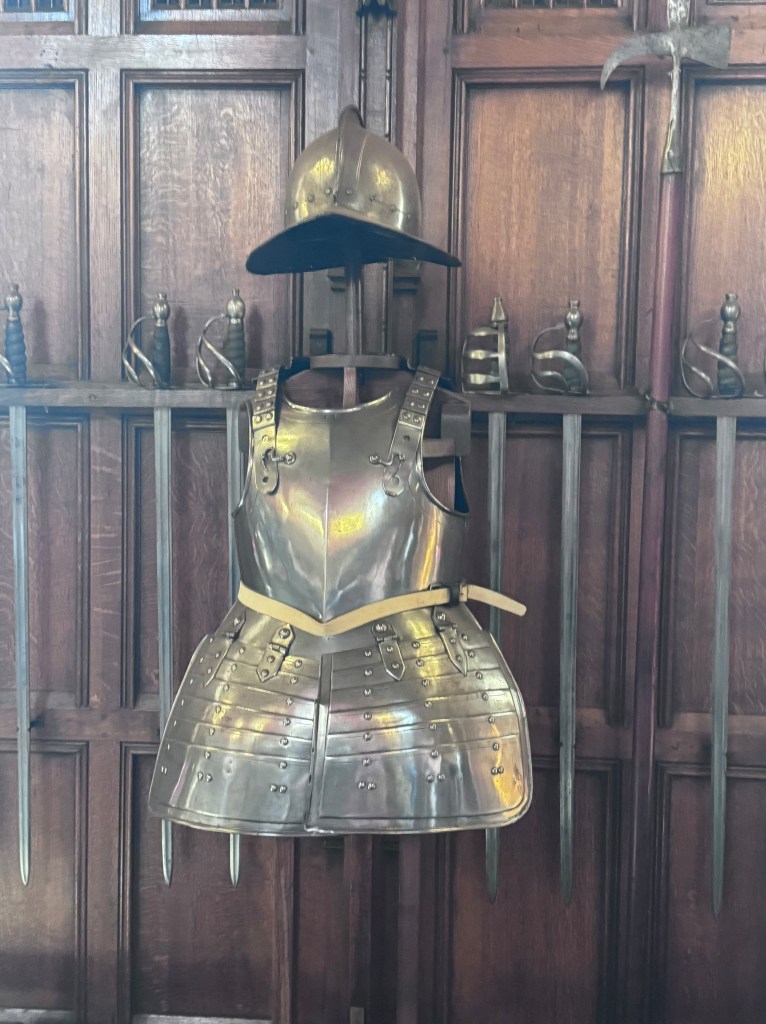
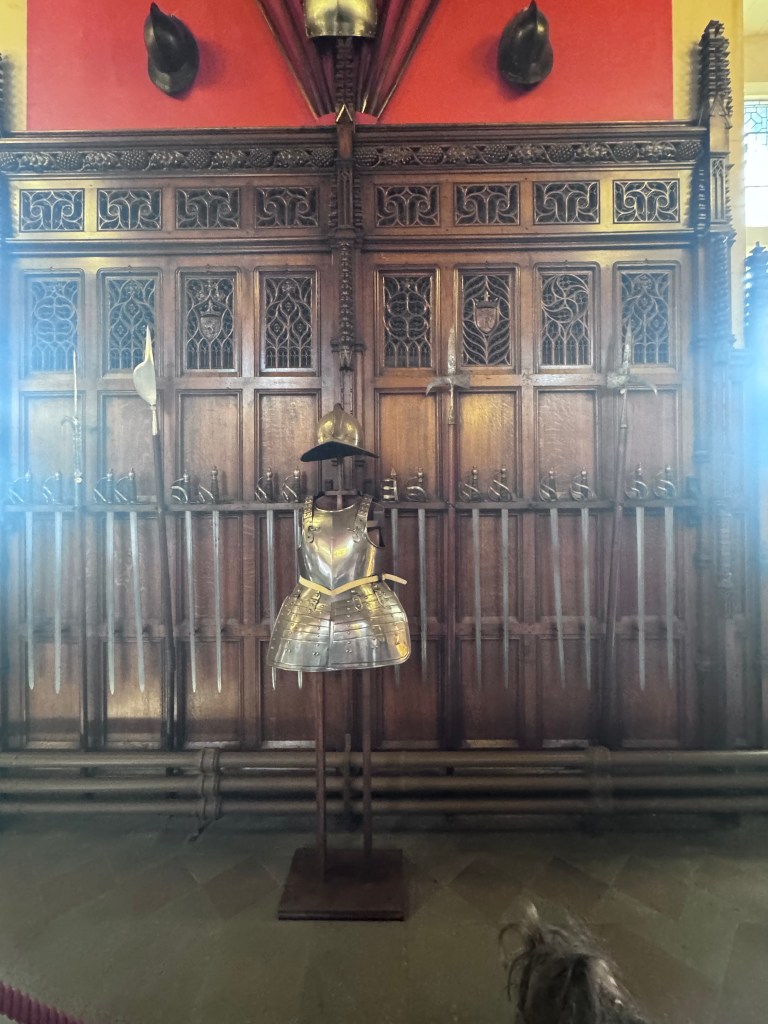
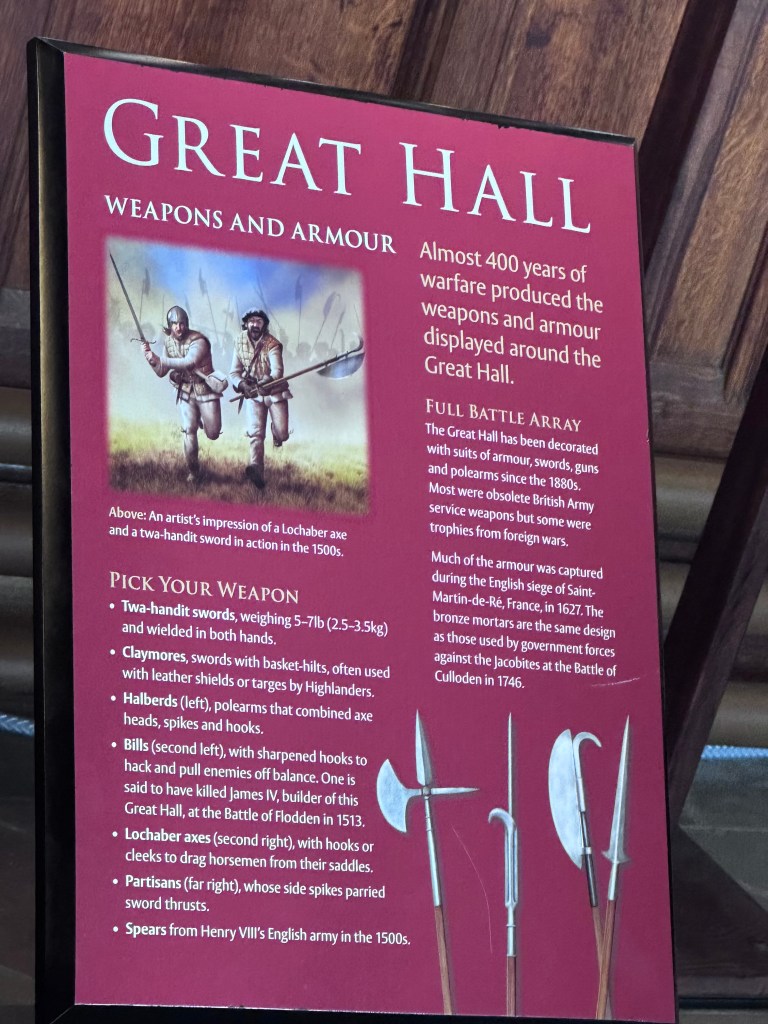
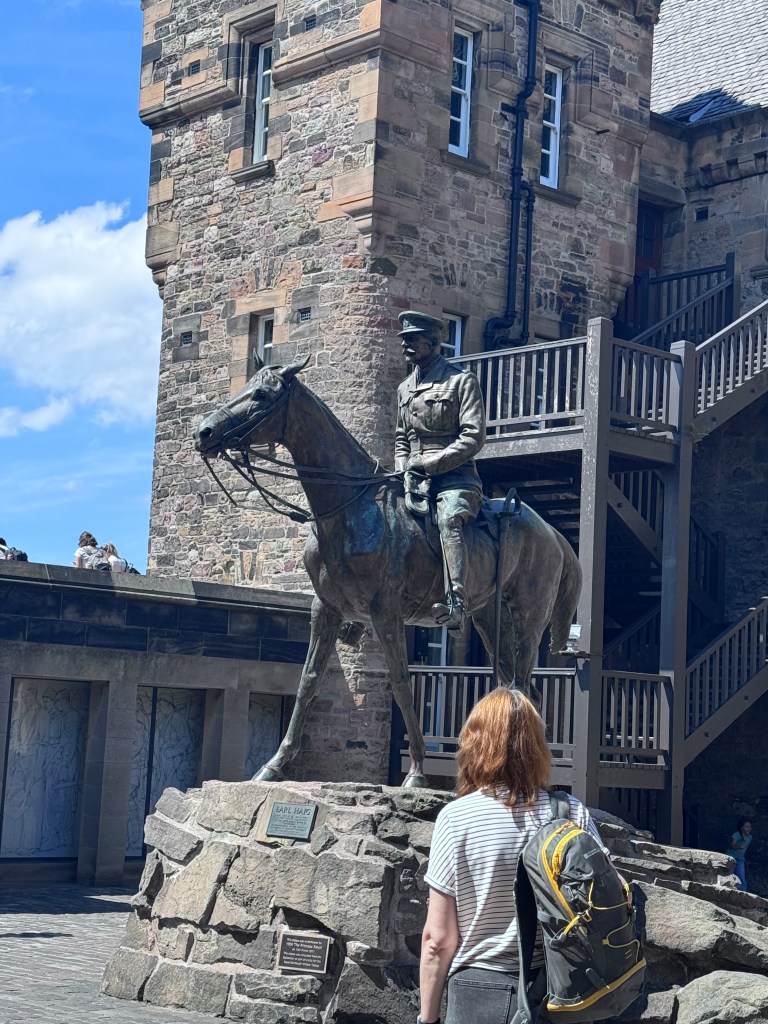
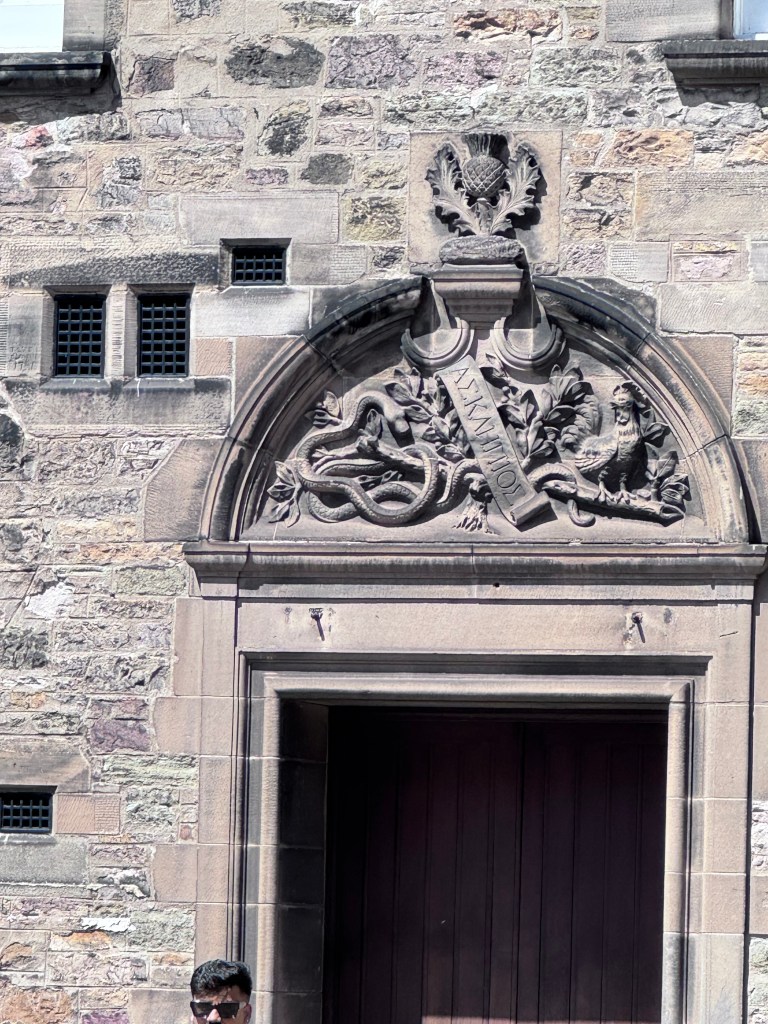
We continued wandering through the castle grounds, and Kiya had a wonderful day. We also visited the National War Museum of Scotland. It was filled with fascinating military history, although the close crowds inside made Kiya quickly decide she was ready to move on. Sometimes that’s just how traveling goes!

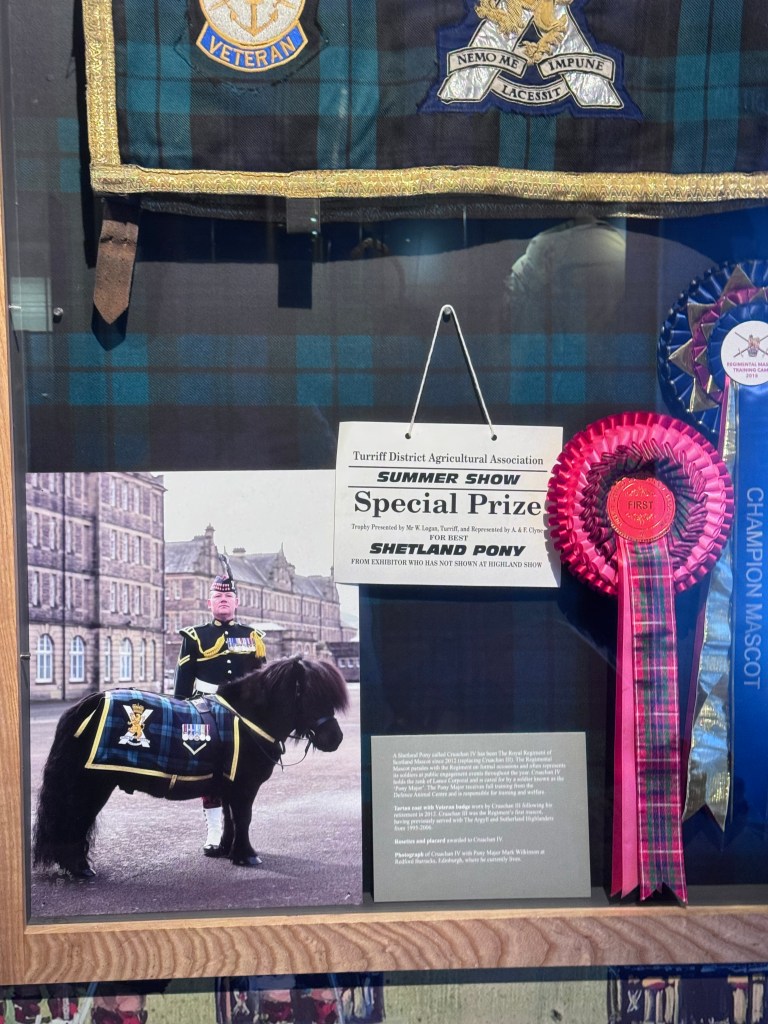
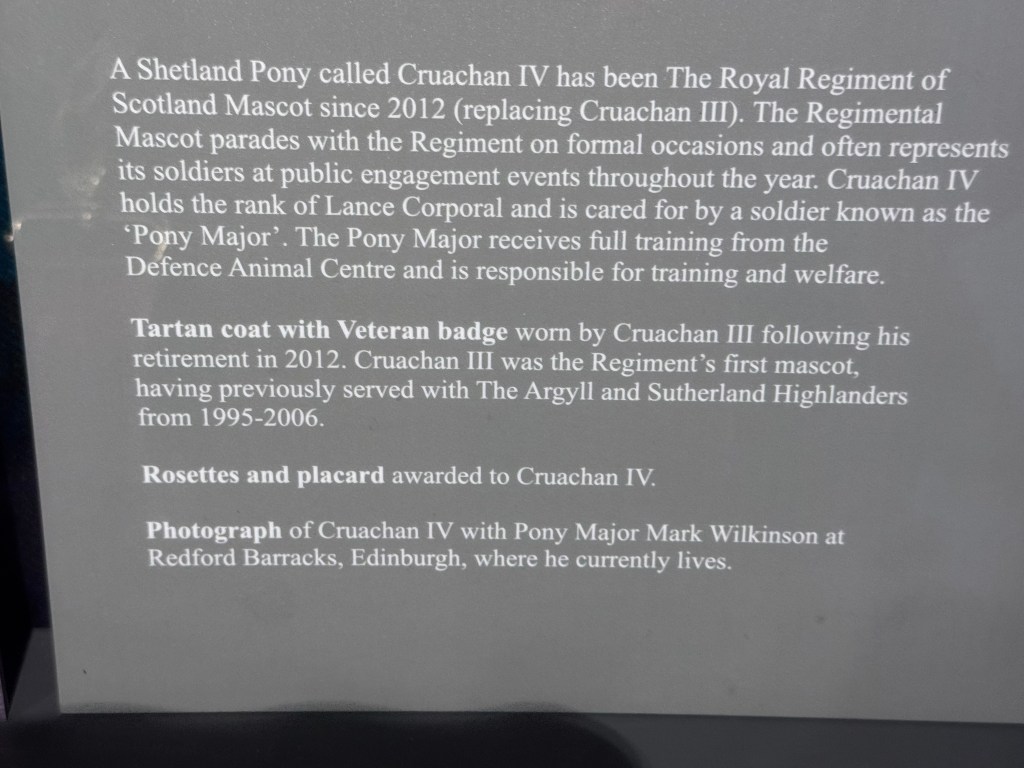
One fun surprise during my very quick walk through the museum was finding information about Sergeant Shetland, the miniature horse whose military service we had learned about while visiting Dundee. It was completely unexpected and made me smile to see another connection between our adventures across Scotland.

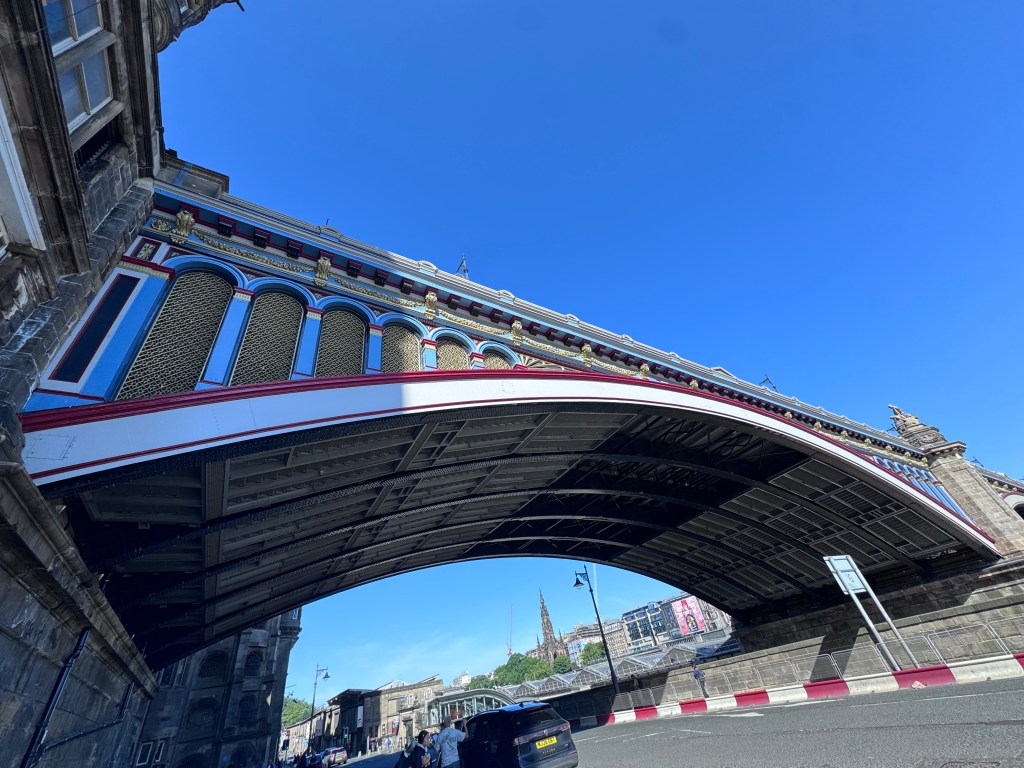
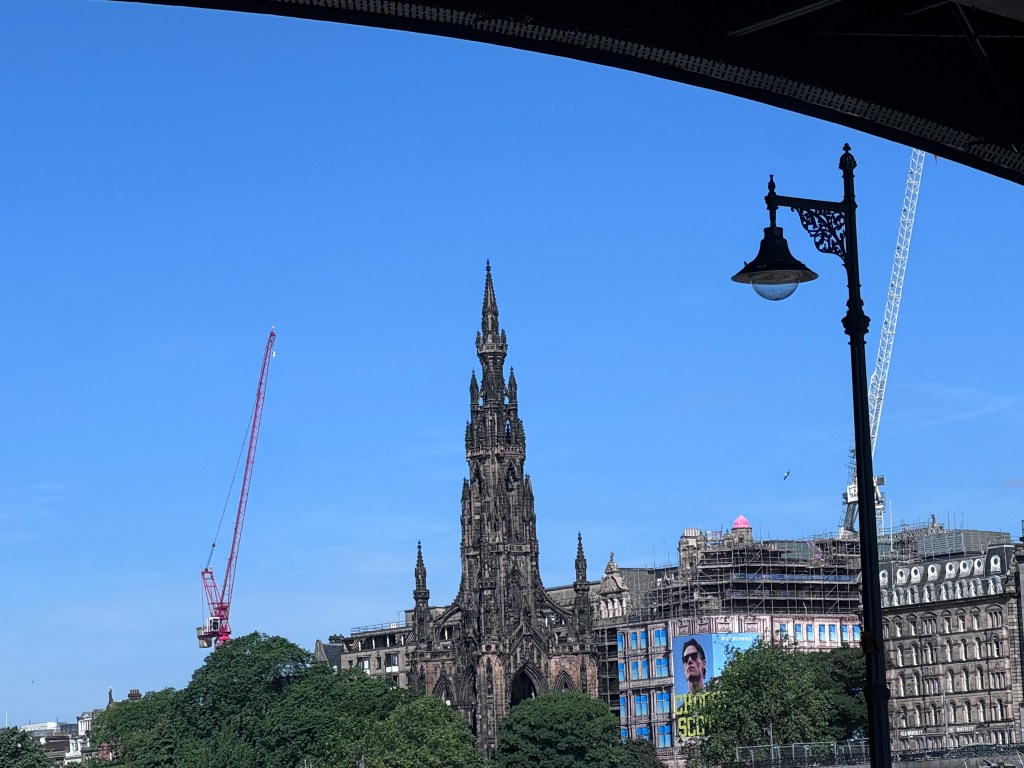
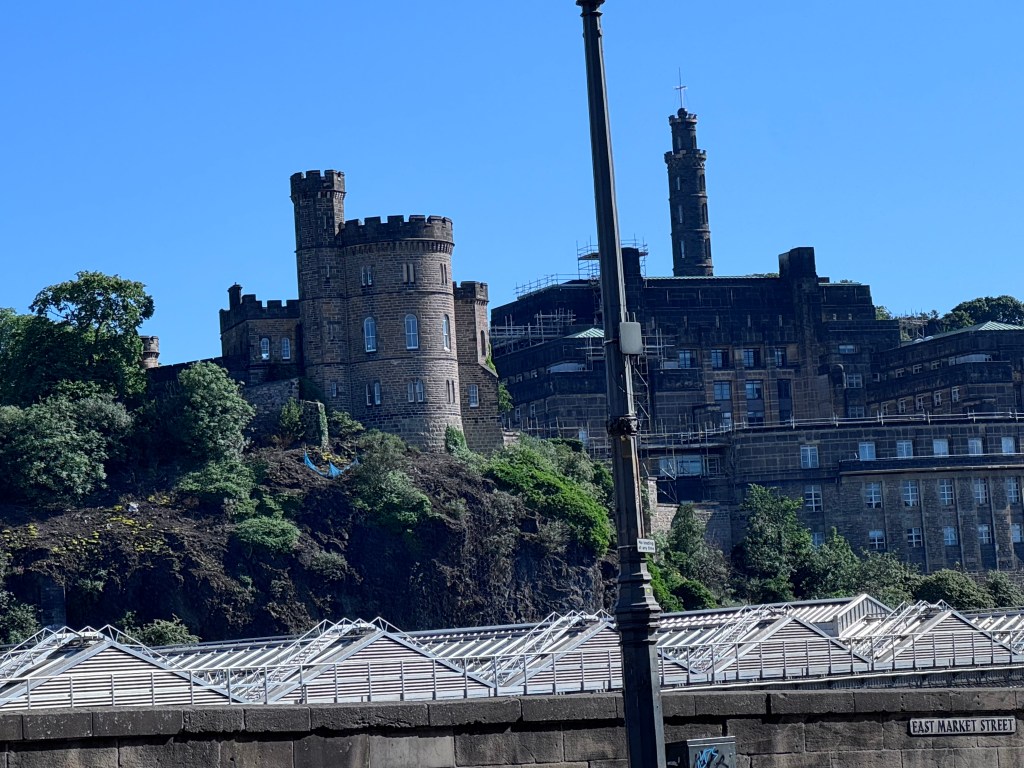
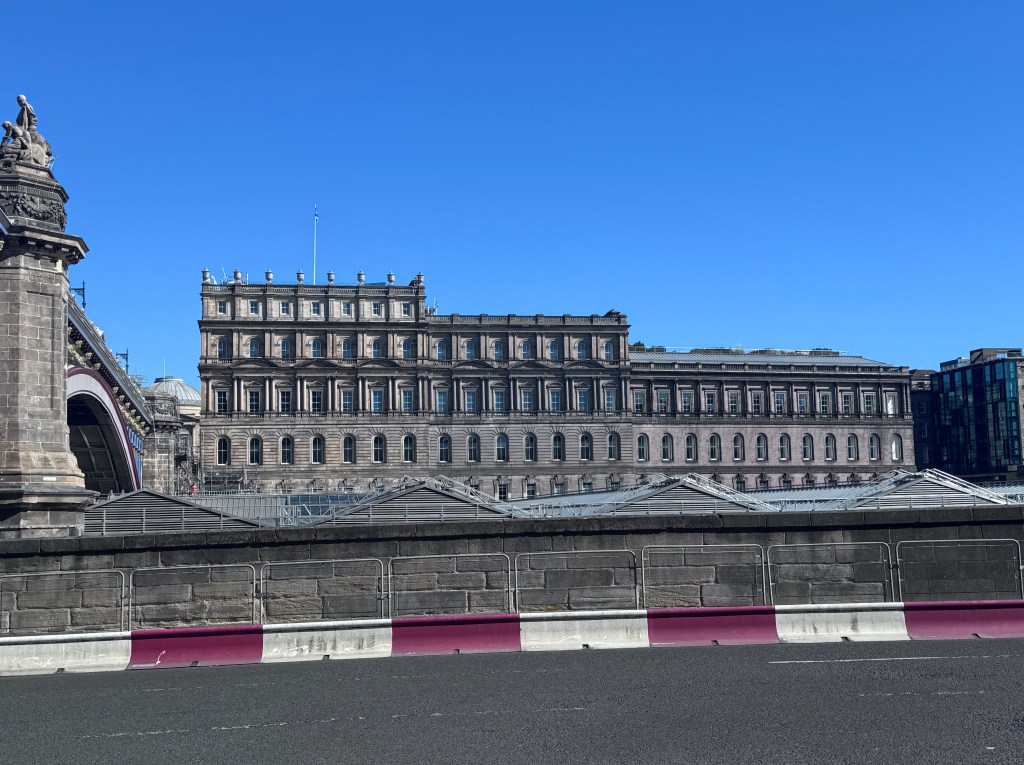
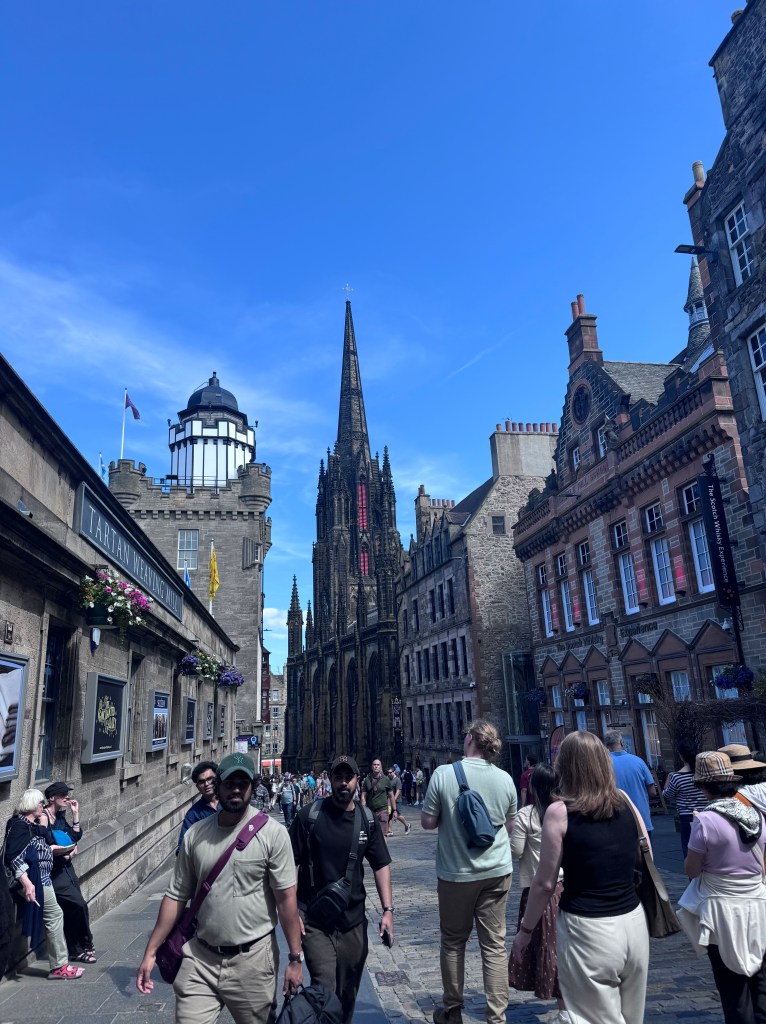
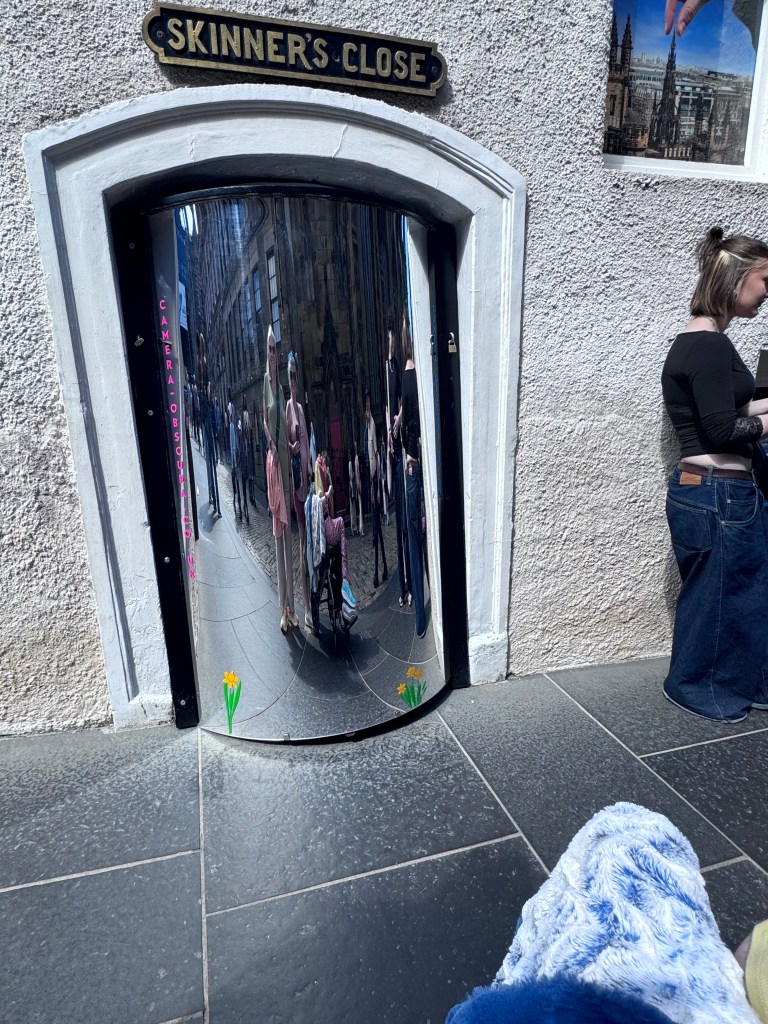
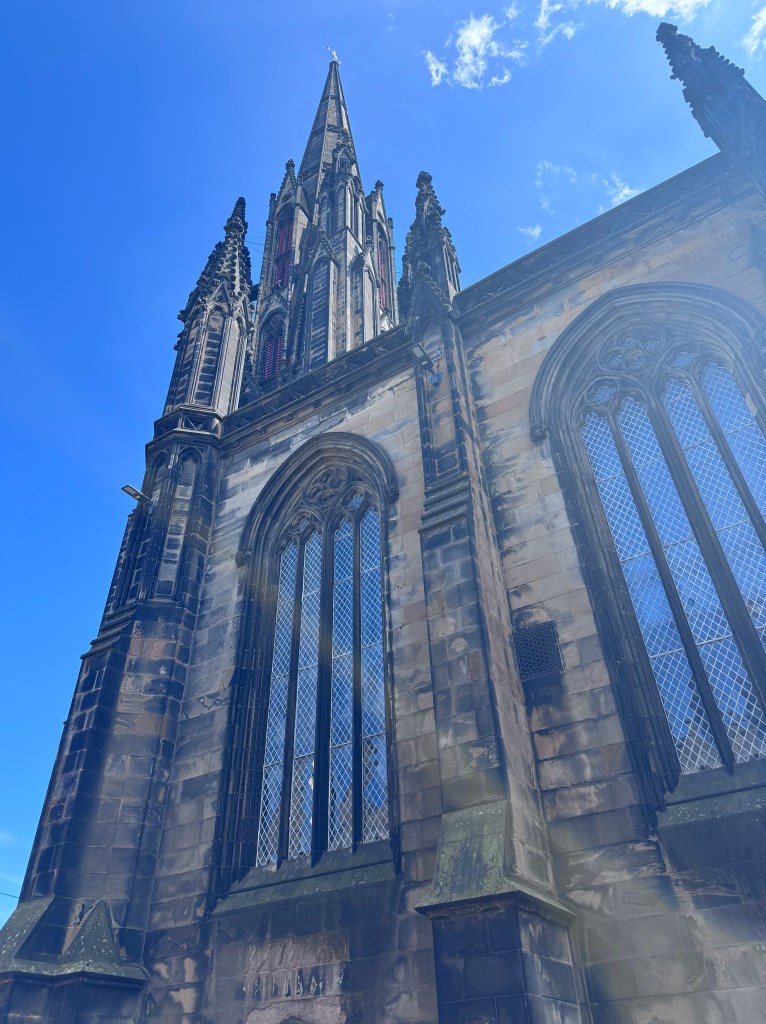
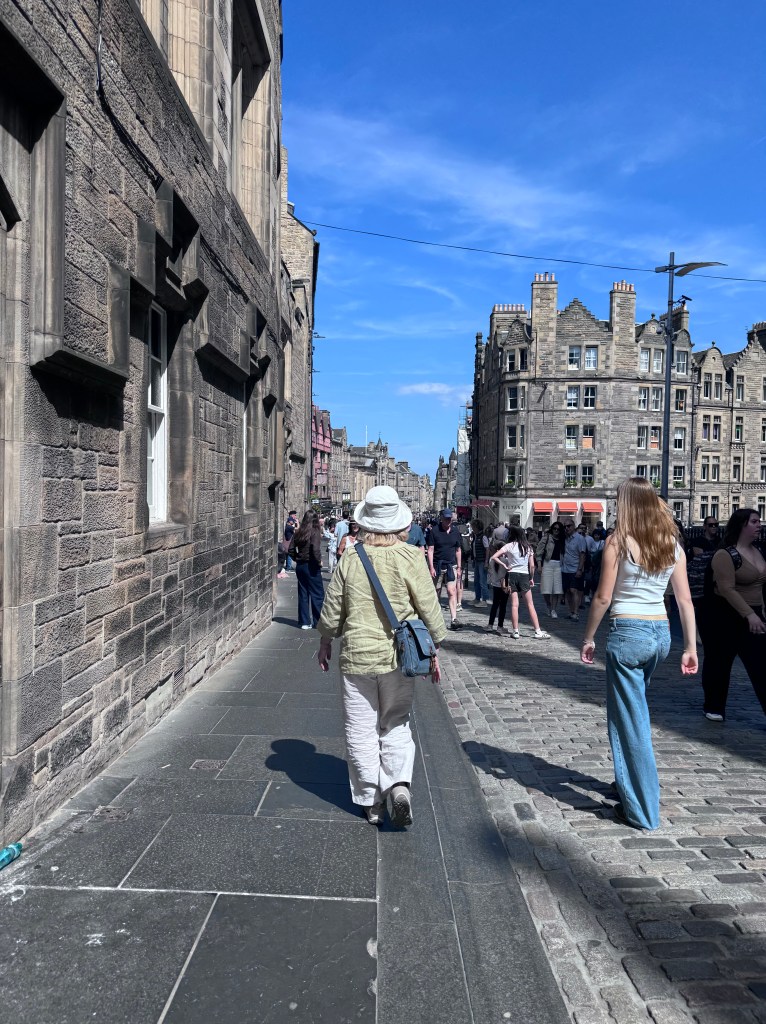
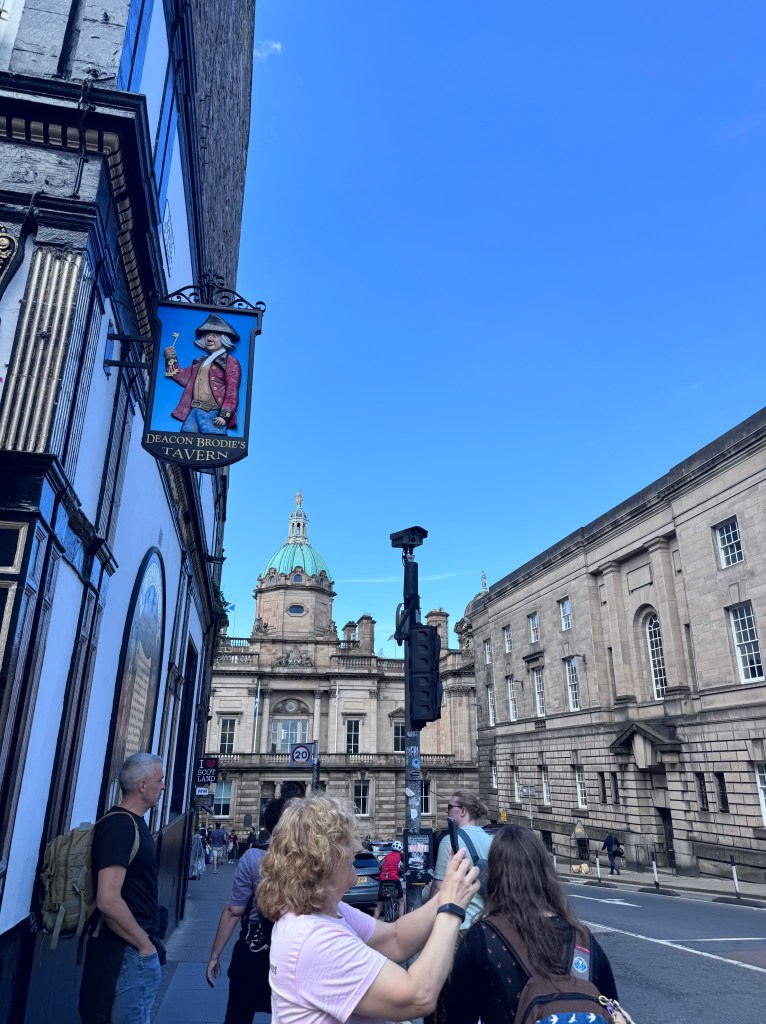
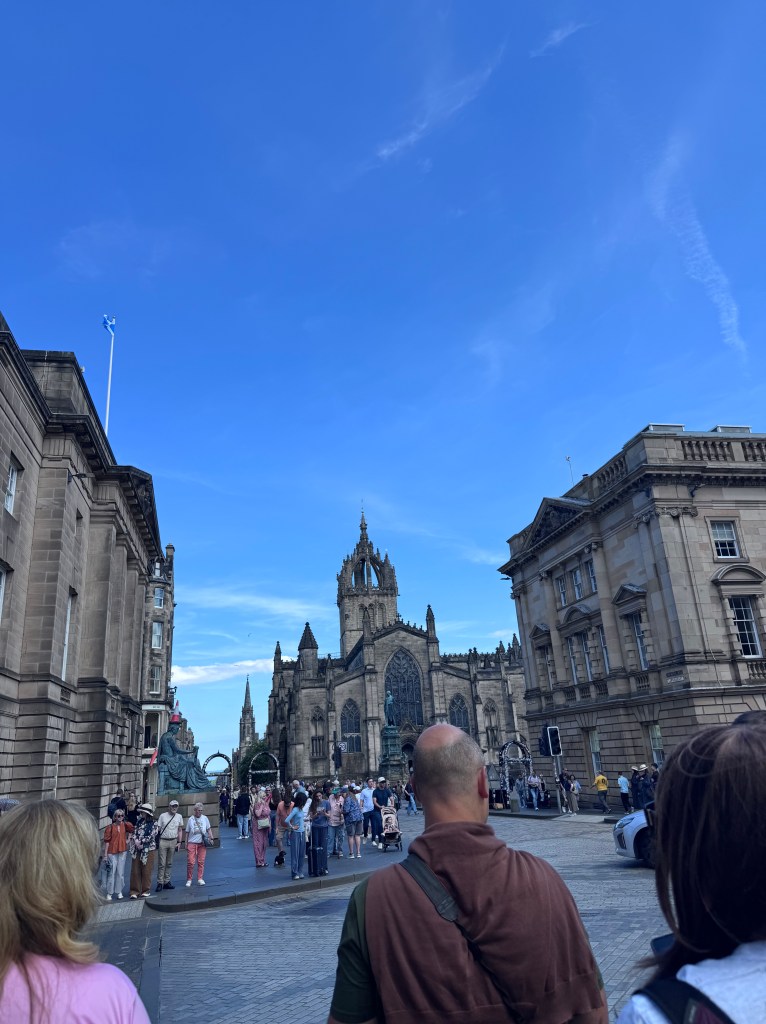
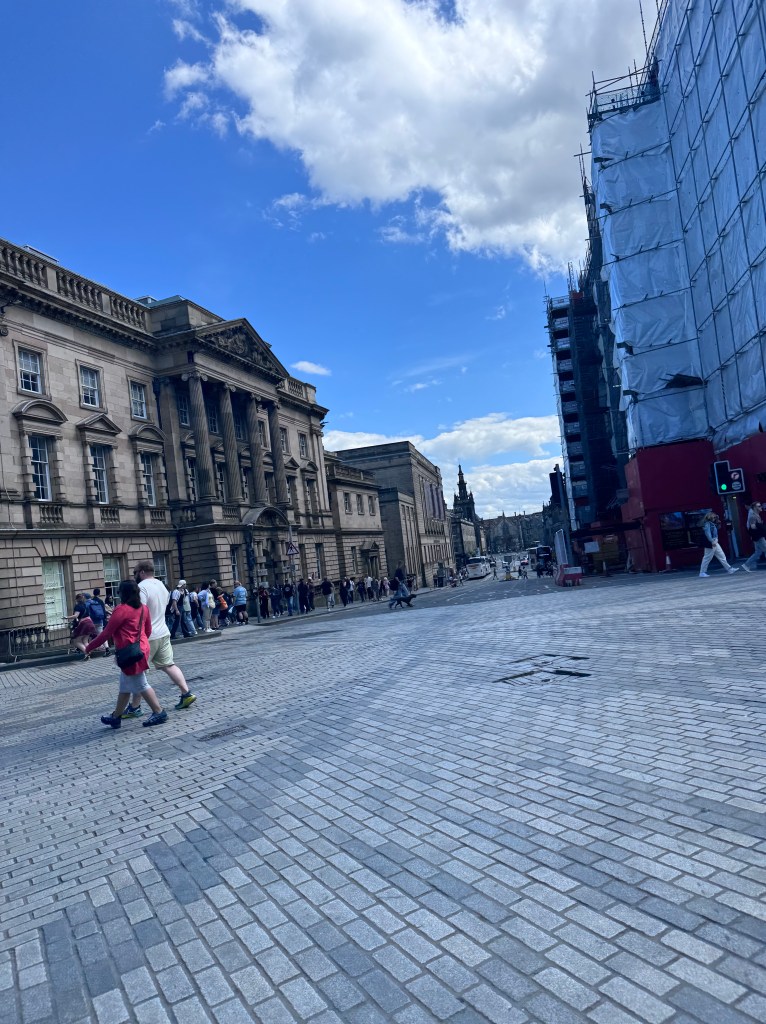
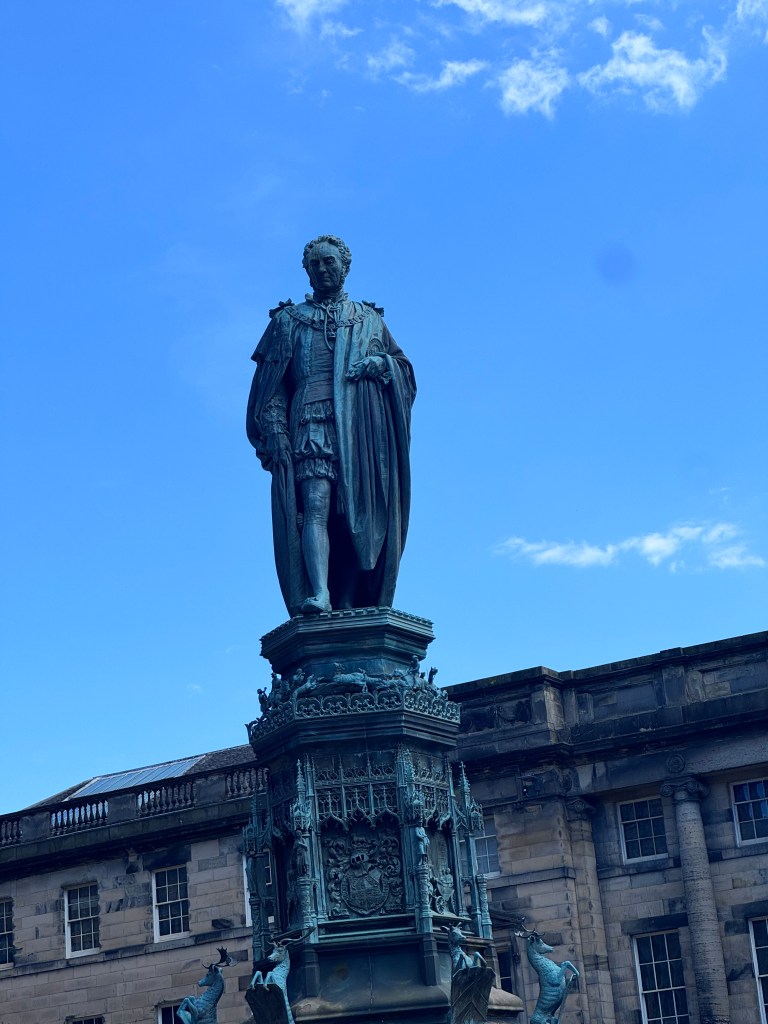
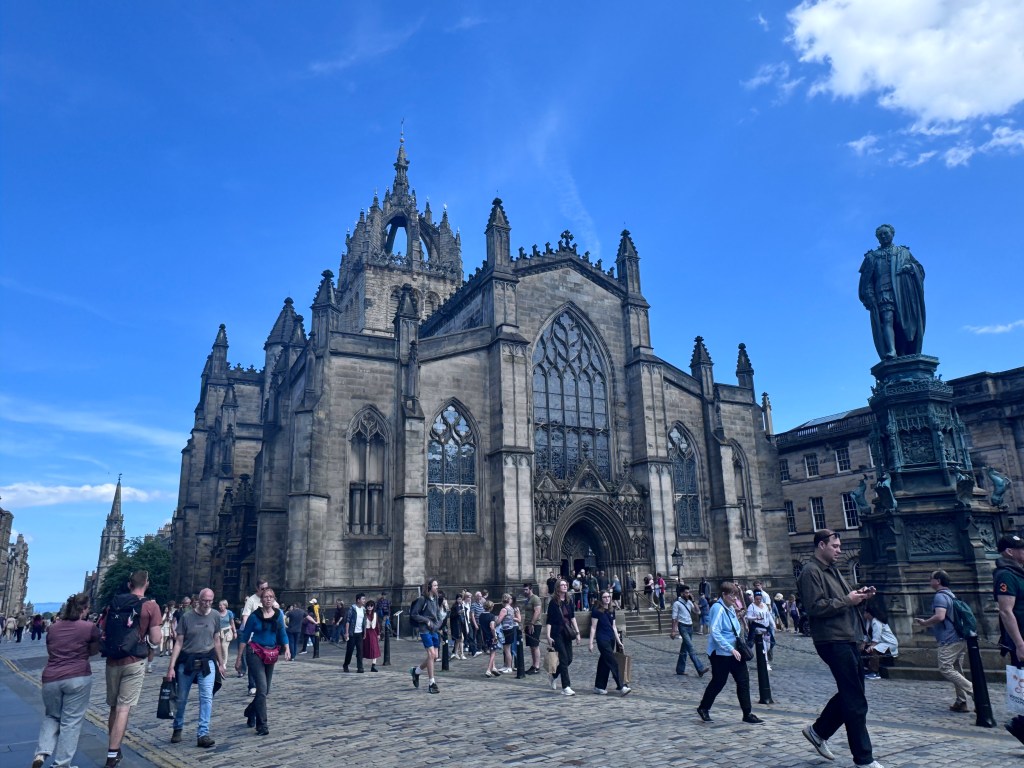
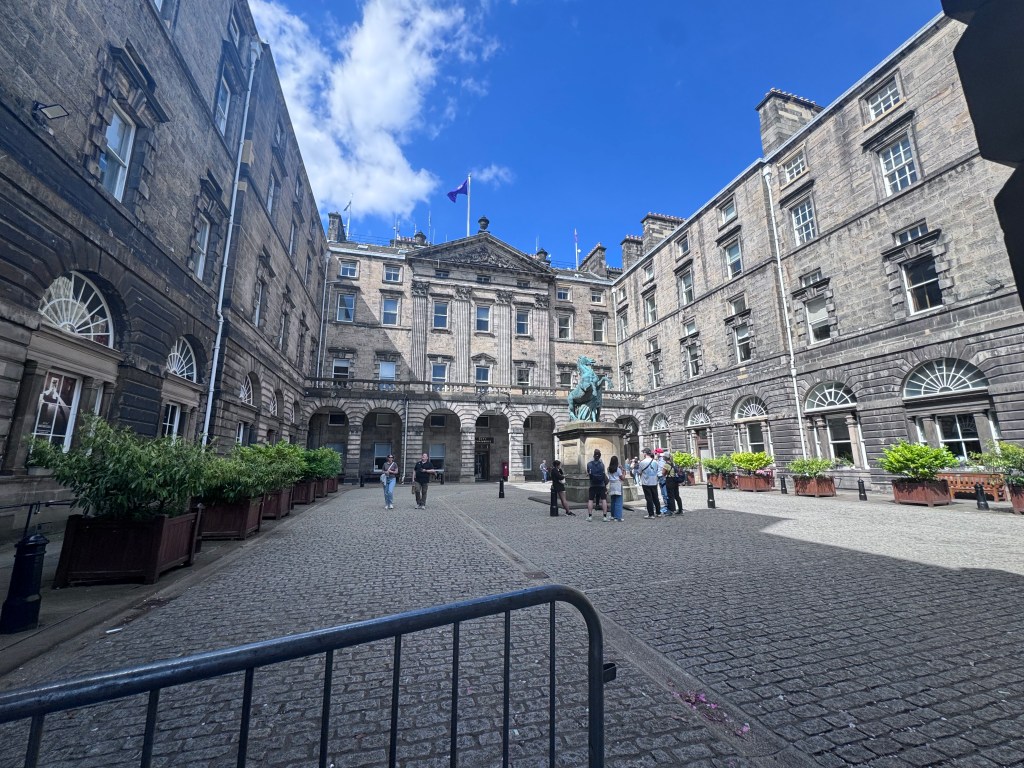
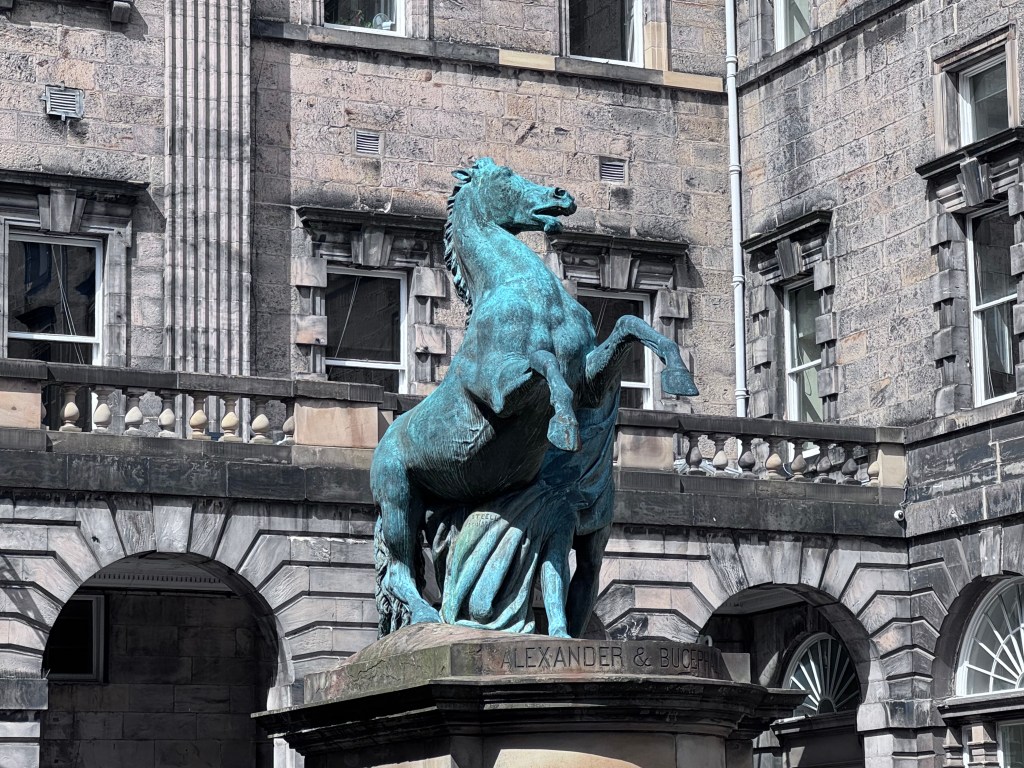
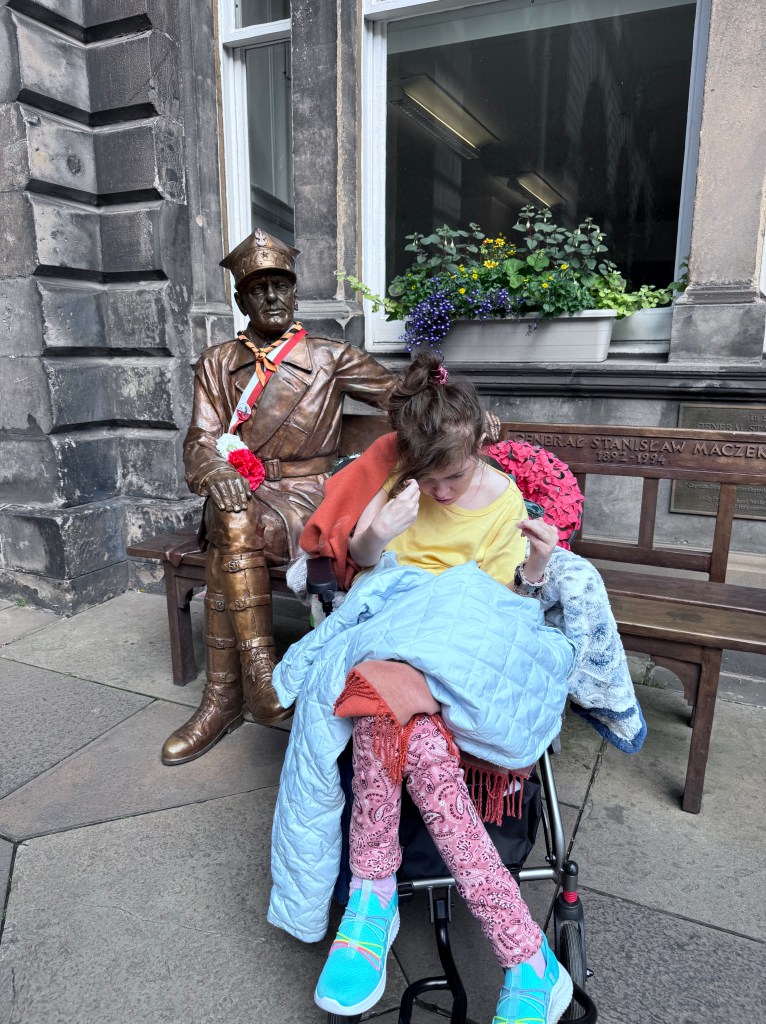
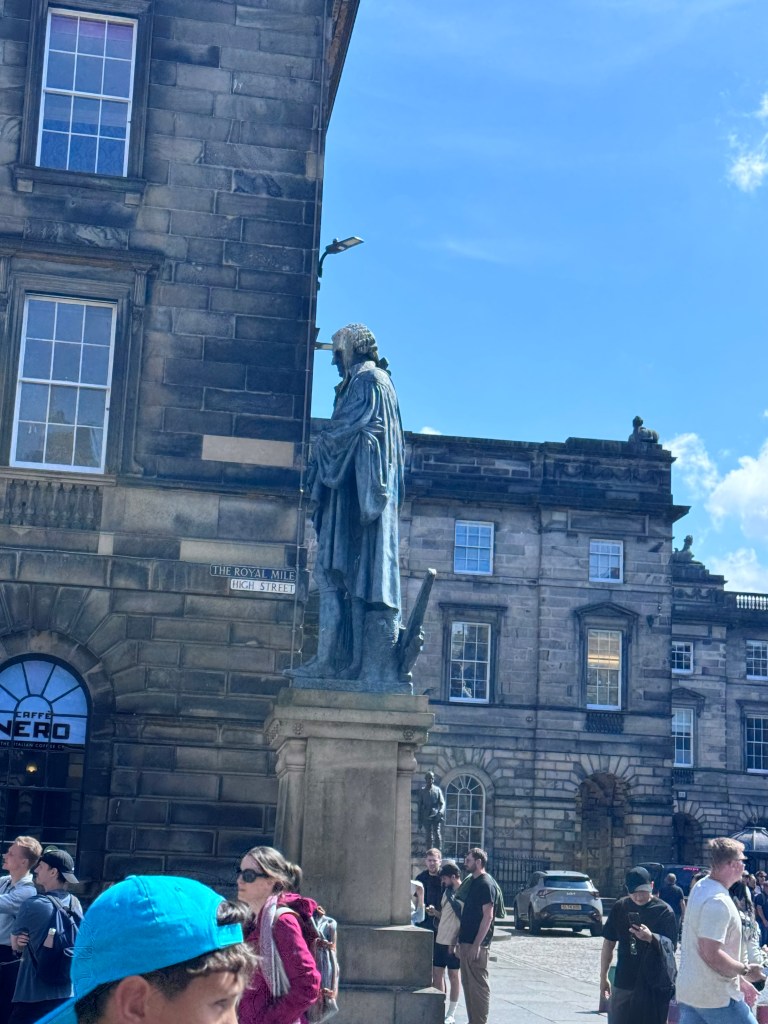
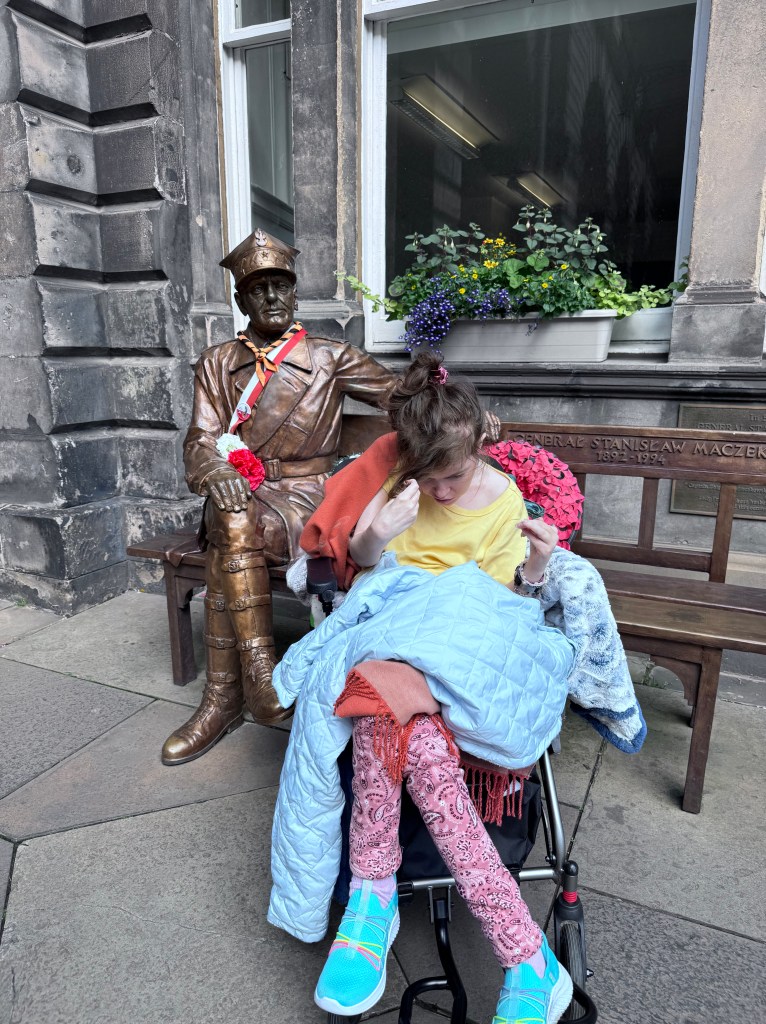
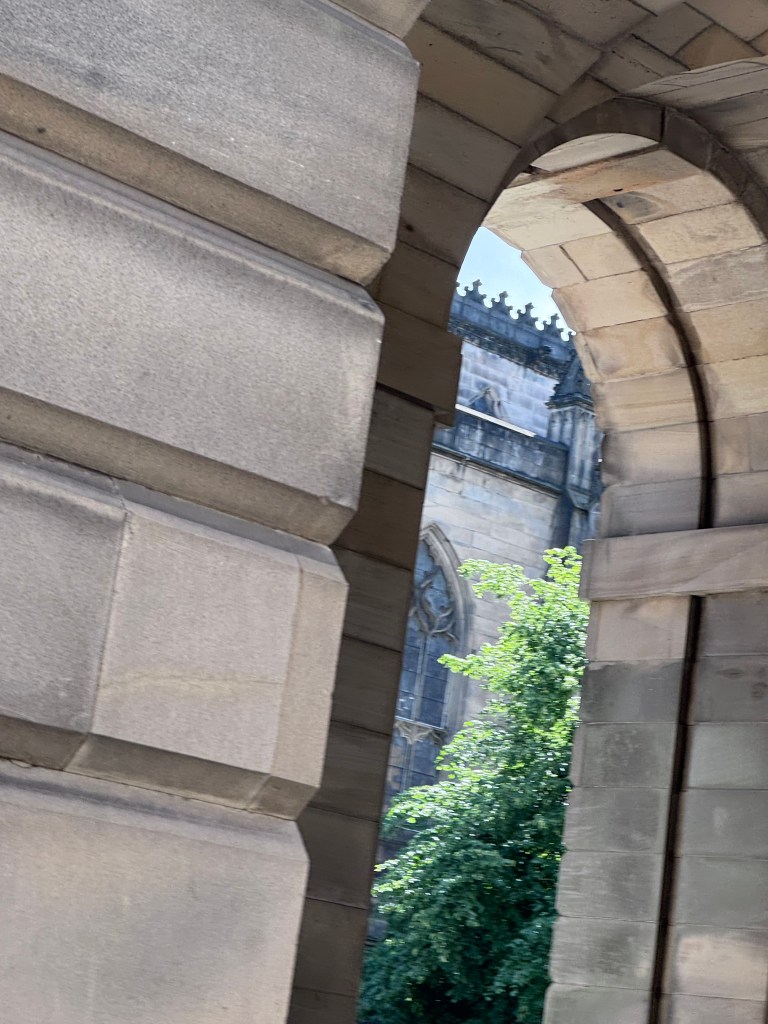
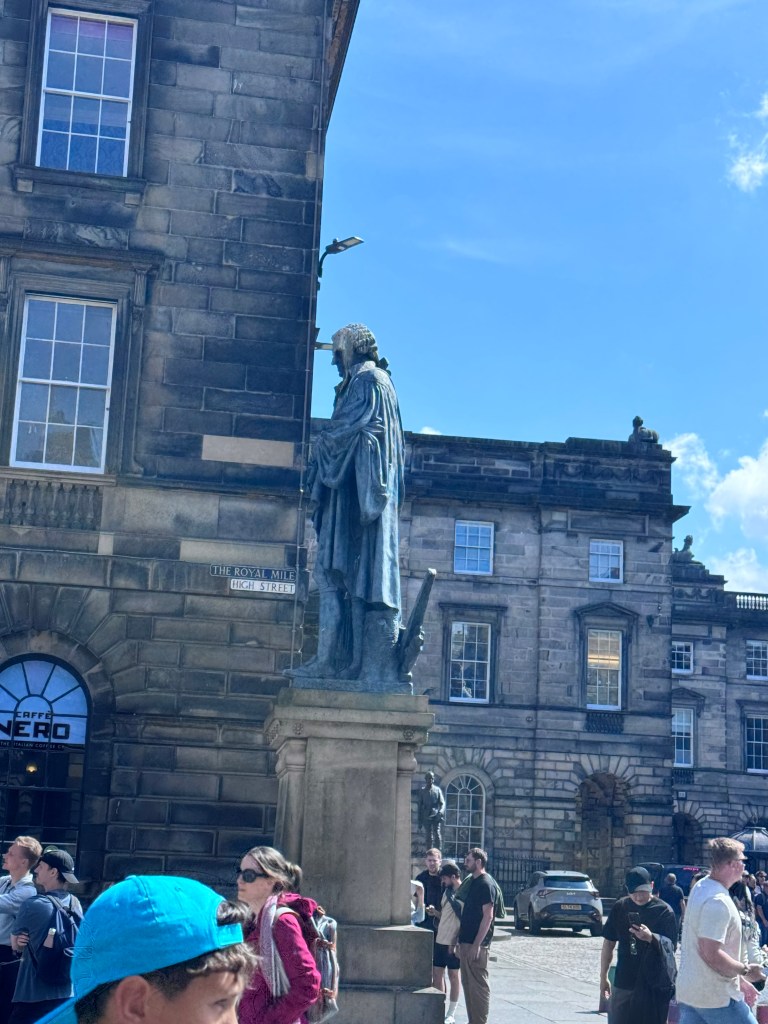
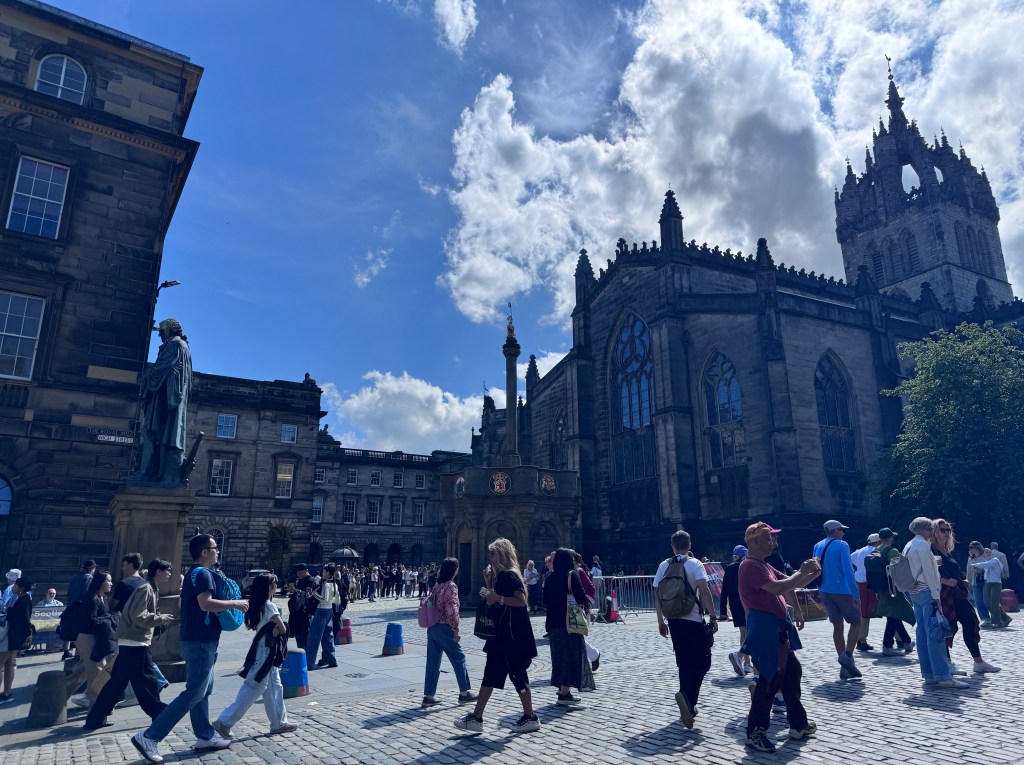
After several hours exploring the castle, we slowly made our way down the Royal Mile. The centuries-old buildings, statues, closes, and beautiful architecture lined every step. We wandered through several gift shops, soaking in the atmosphere before eventually making our way back to Waverley Station for the train ride home to Dundee.

Another day filled with history, breathtaking scenery, wonderful people, and memories that will stay with us forever.