Kissing the Blarney Stone
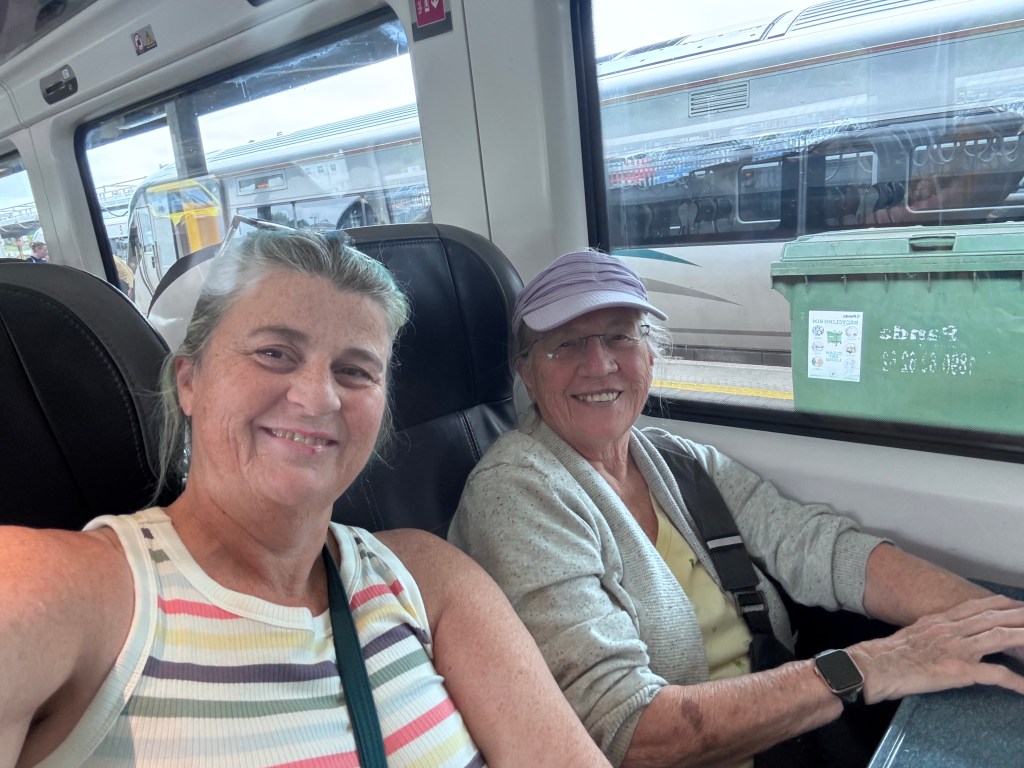
We were up early again, navigating the Irish train system. One thing that continues to amaze us is how incredibly helpful everyone has been. The railway staff are always ready with ramps to help Kiya on and off the trains, and if a worker isn’t immediately available, complete strangers step in to help. The kindness we’ve experienced has been overwhelming.
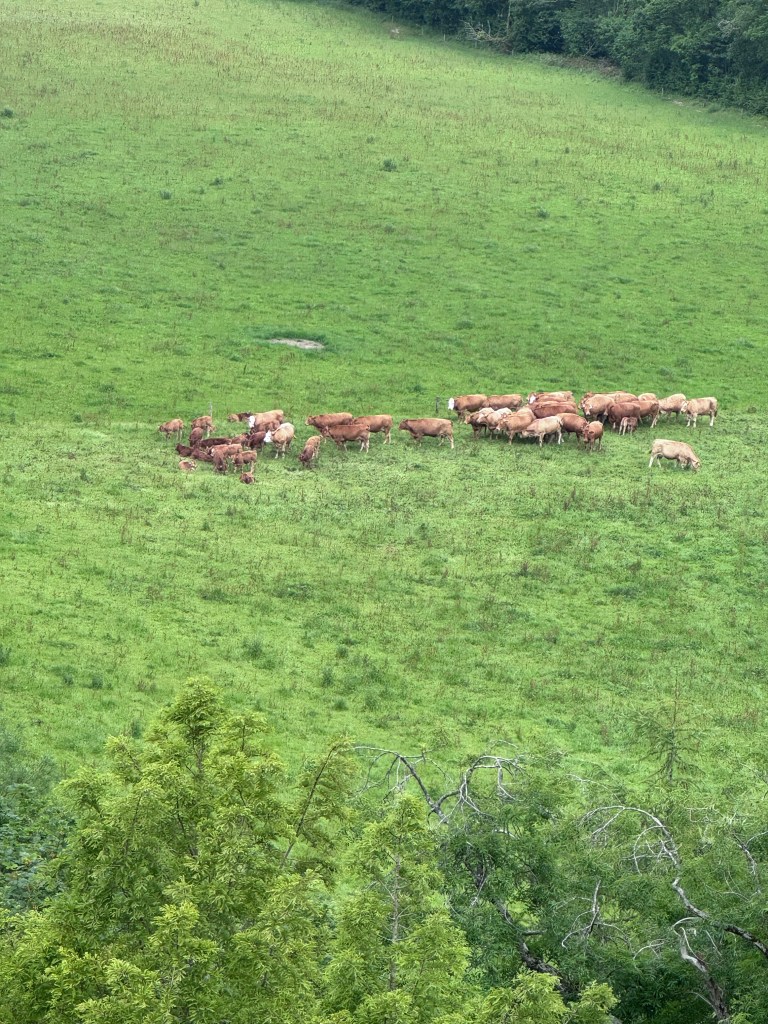
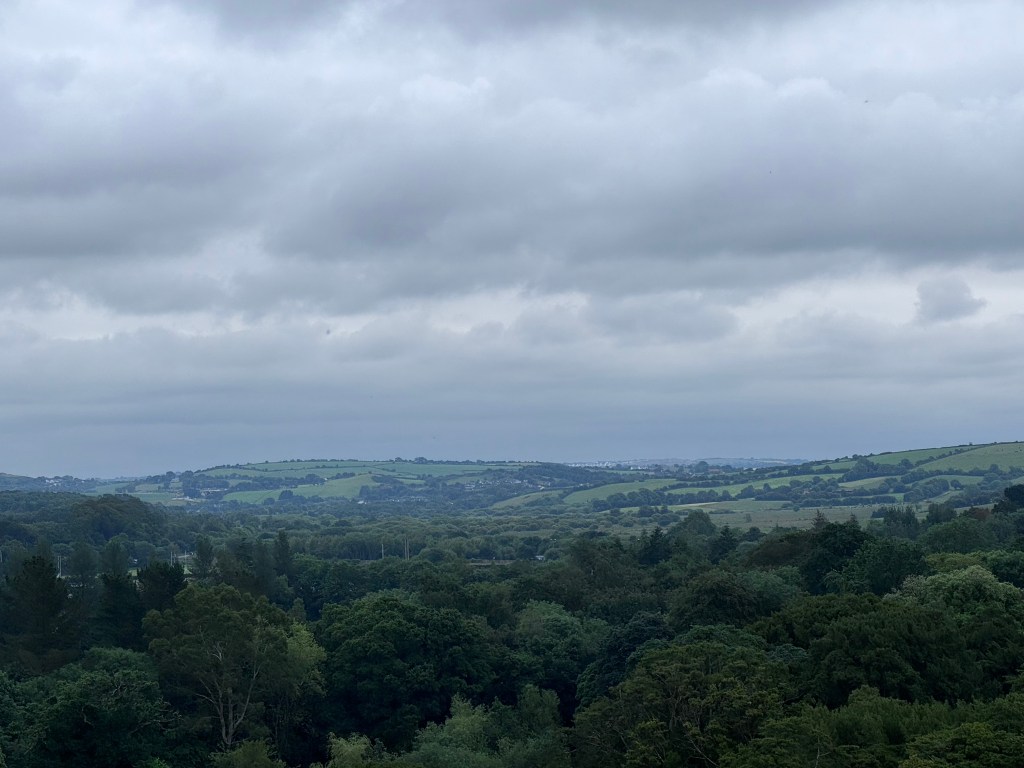
The train ride through the Irish countryside was absolutely gorgeous. Rolling green fields stretched for miles, dotted with sheep, cattle, and stone fences. It felt like something straight out of a postcard.
We were lucky enough to have an amazing taxi driver named Greg, who had us laughing the entire ride up to Blarney Castle. By the time we arrived, our cheeks hurt from smiling. He has five daughters ranging from 27-8
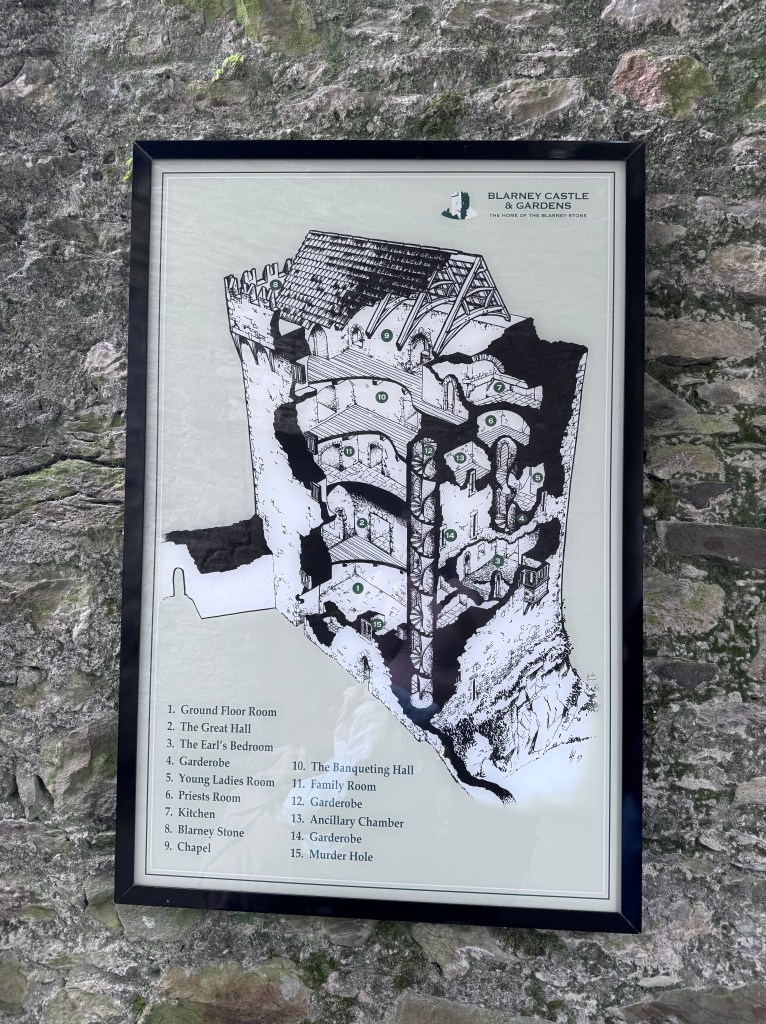
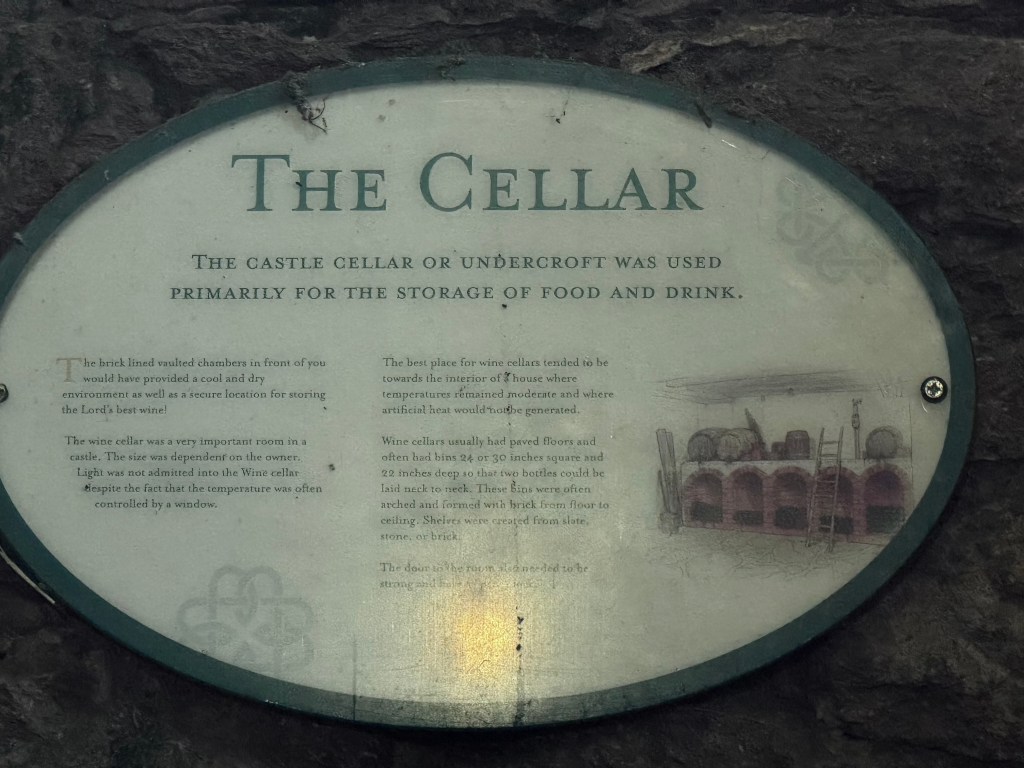
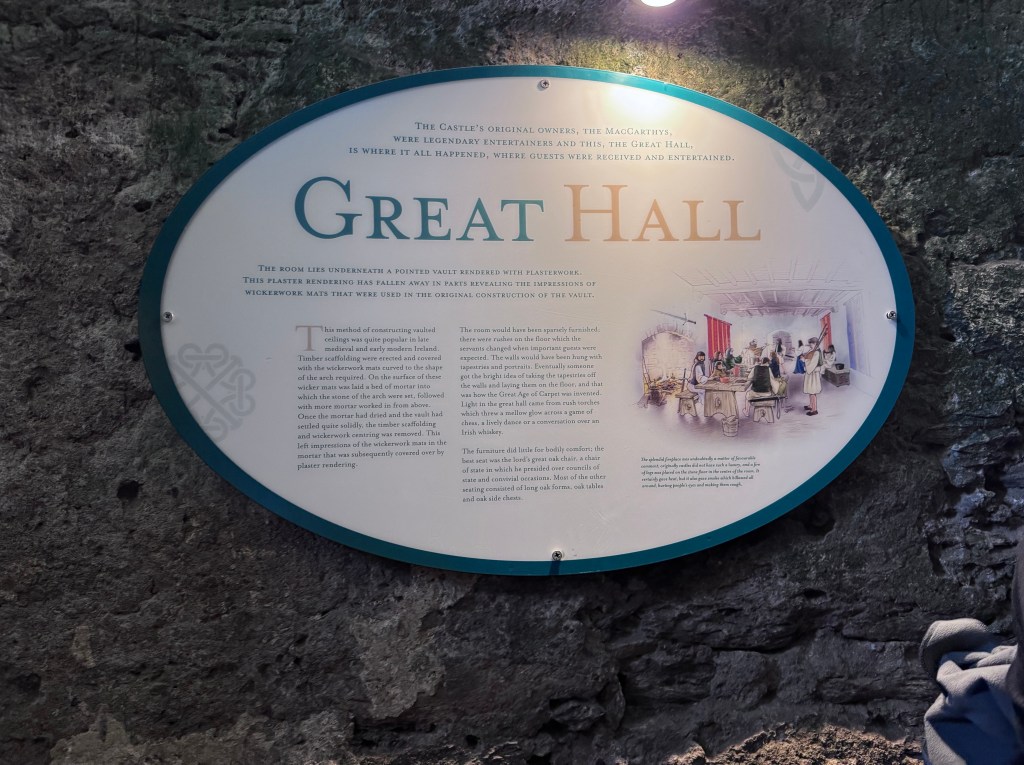
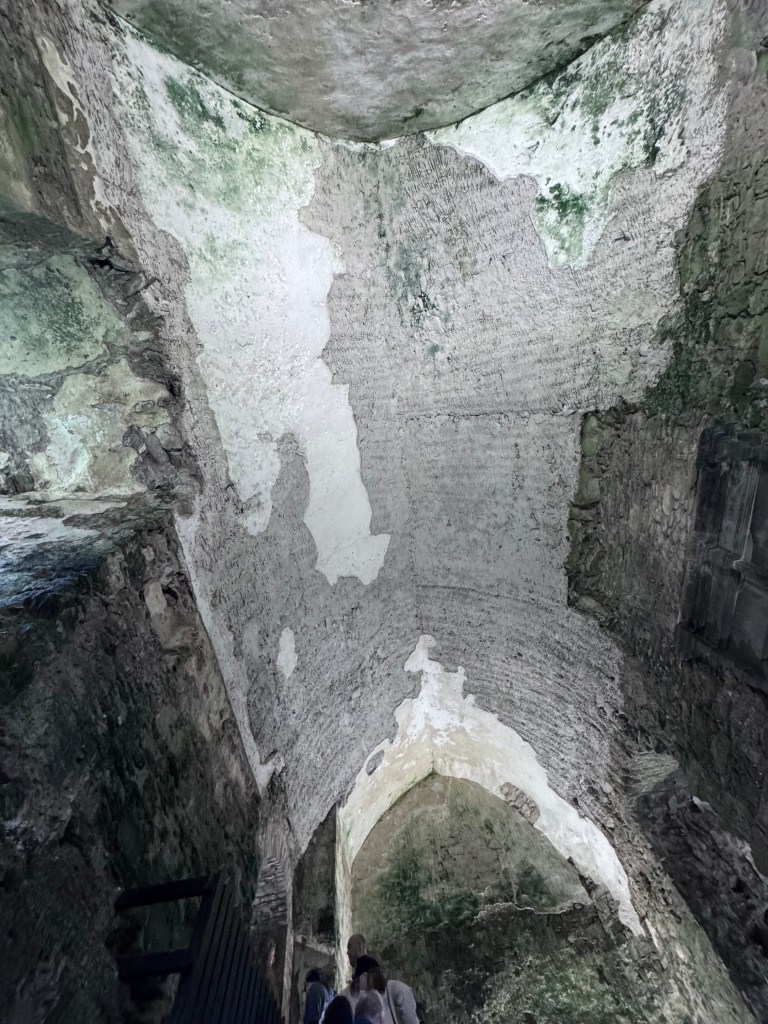
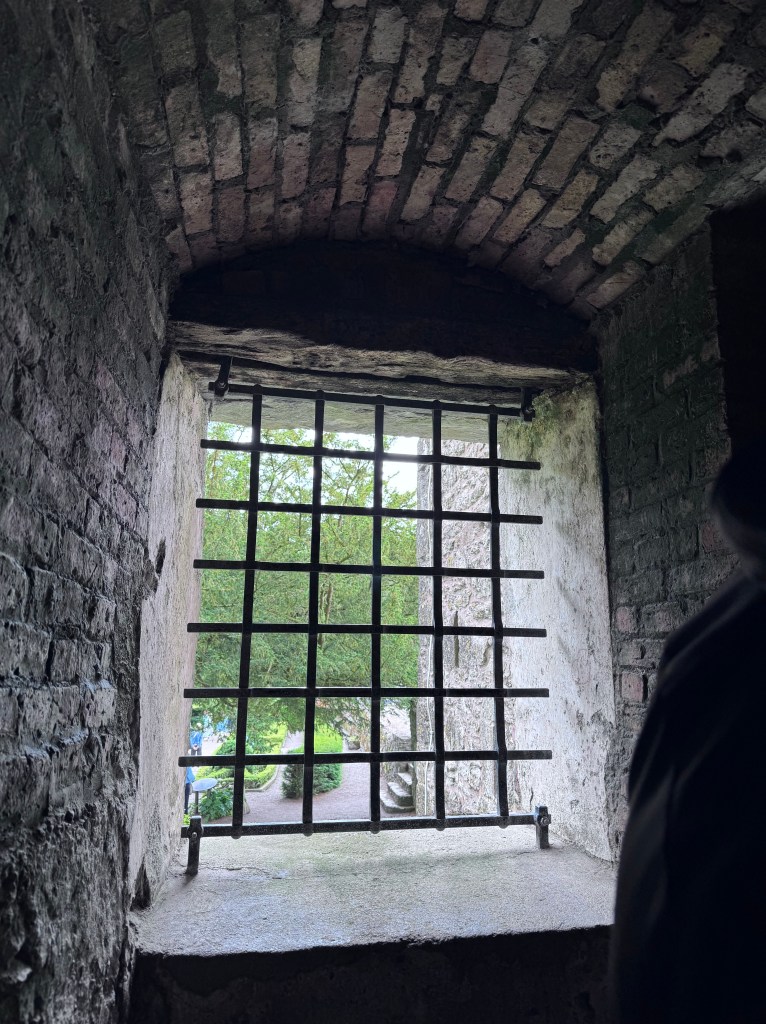
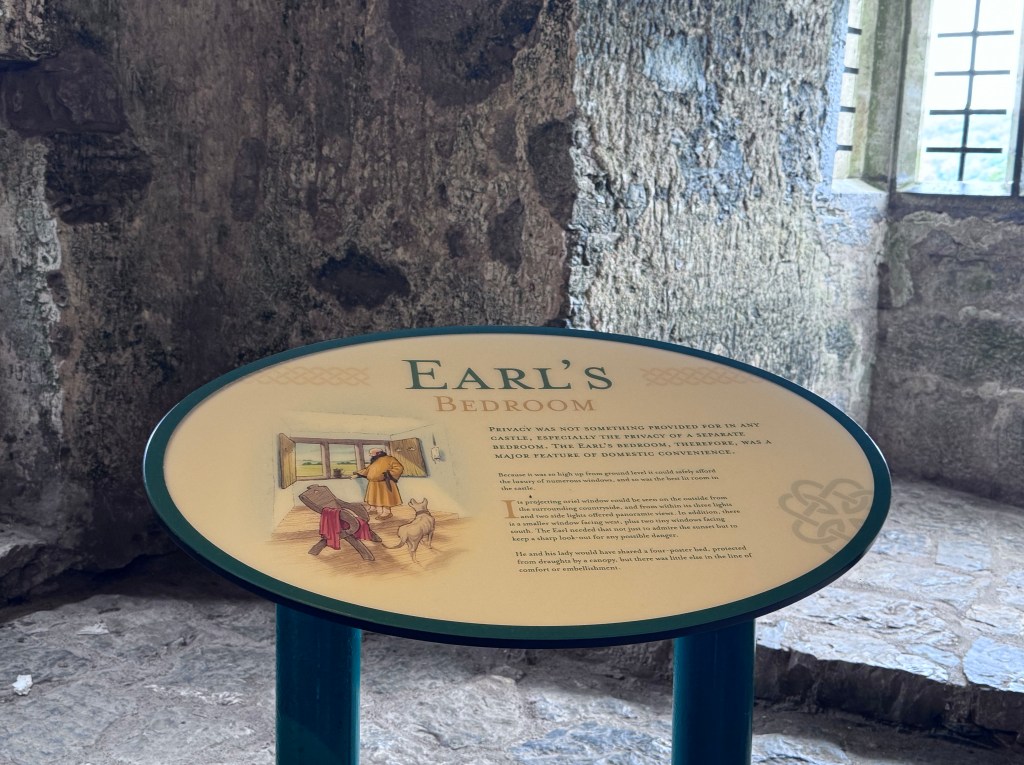
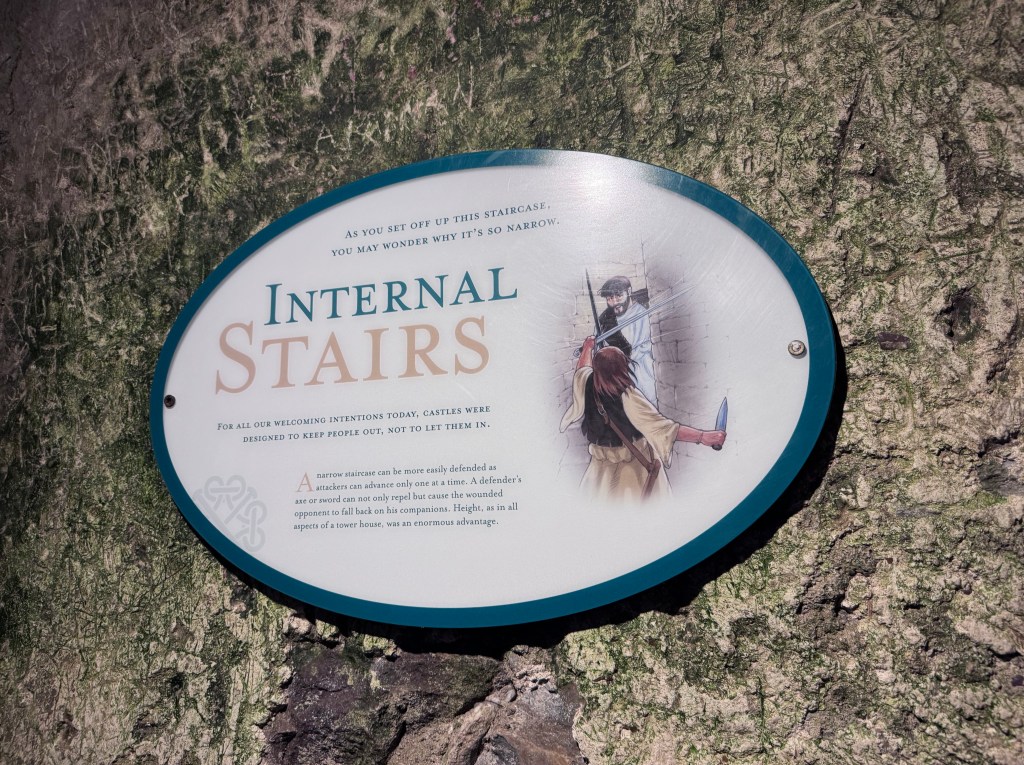
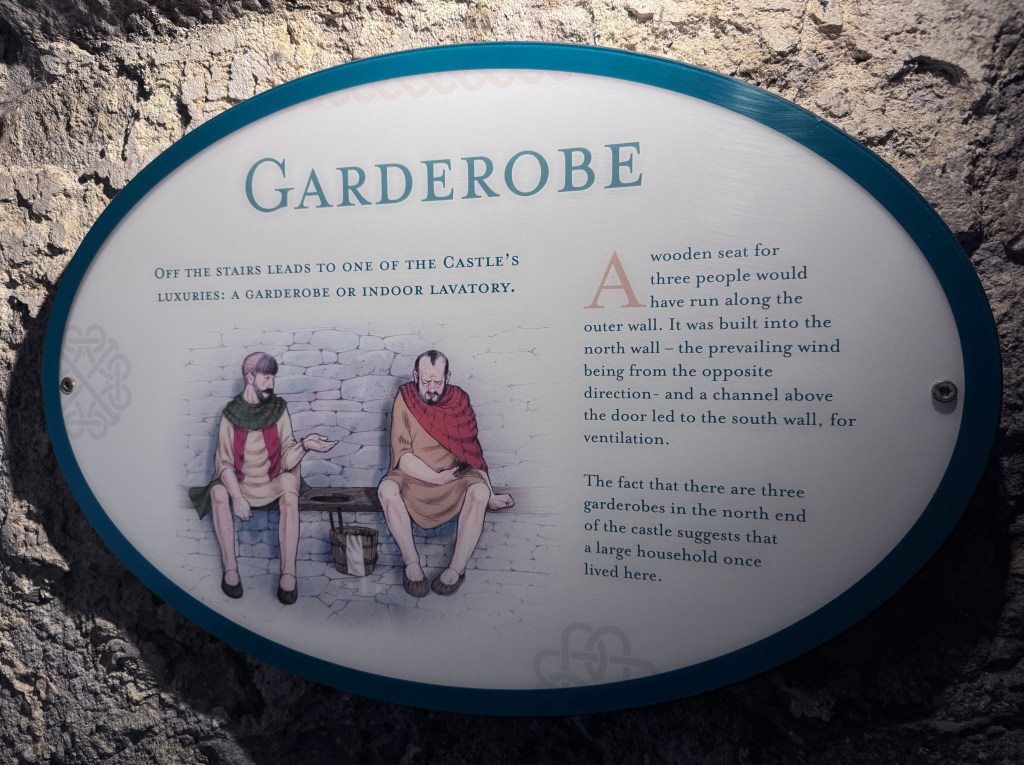
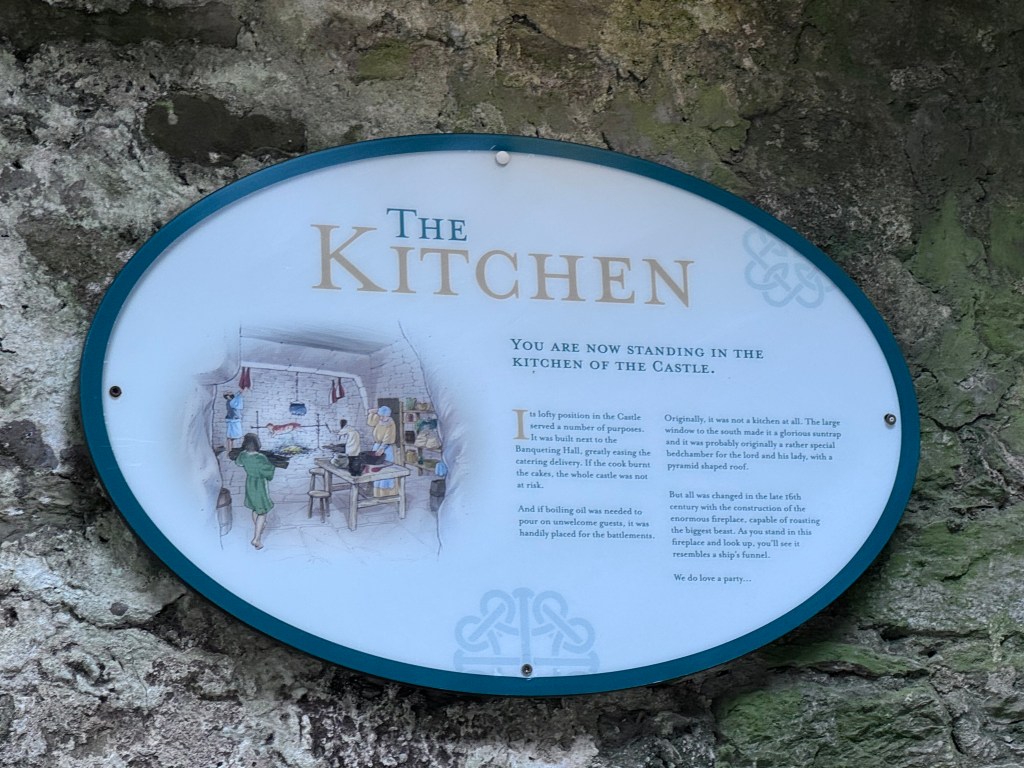
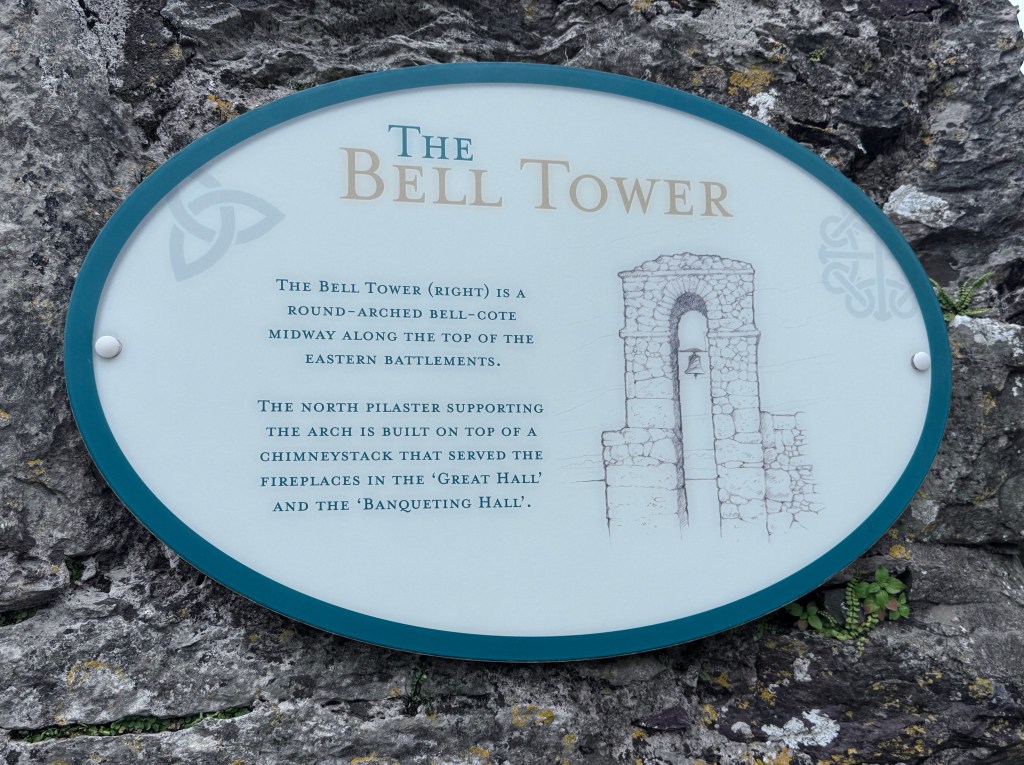
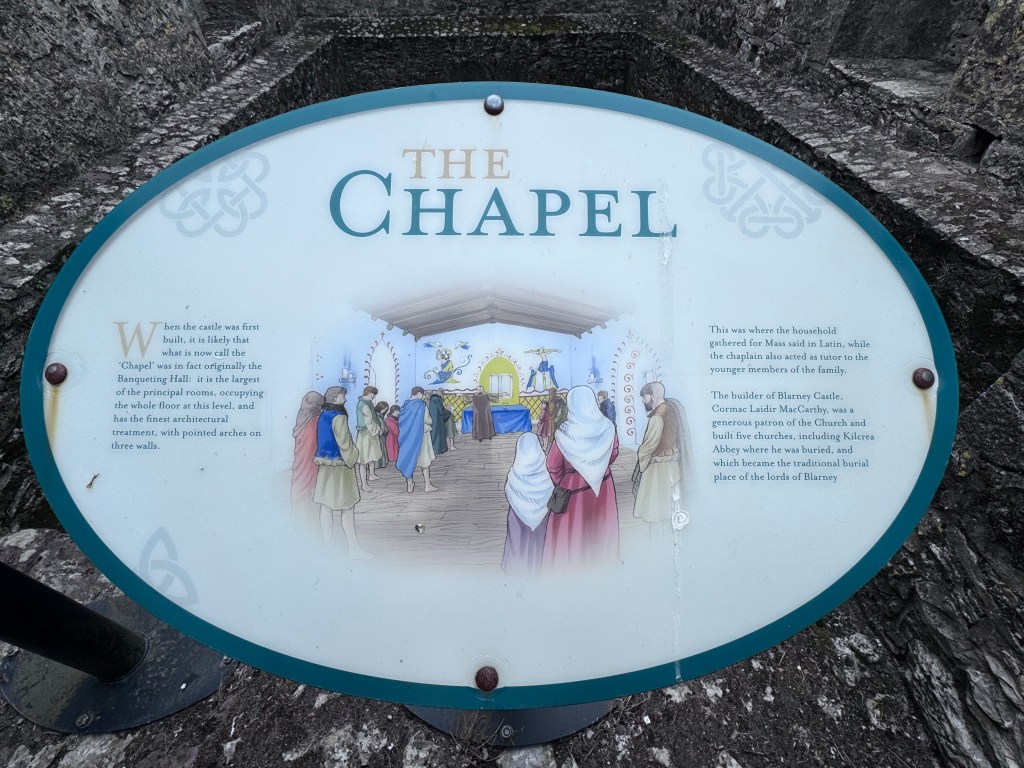
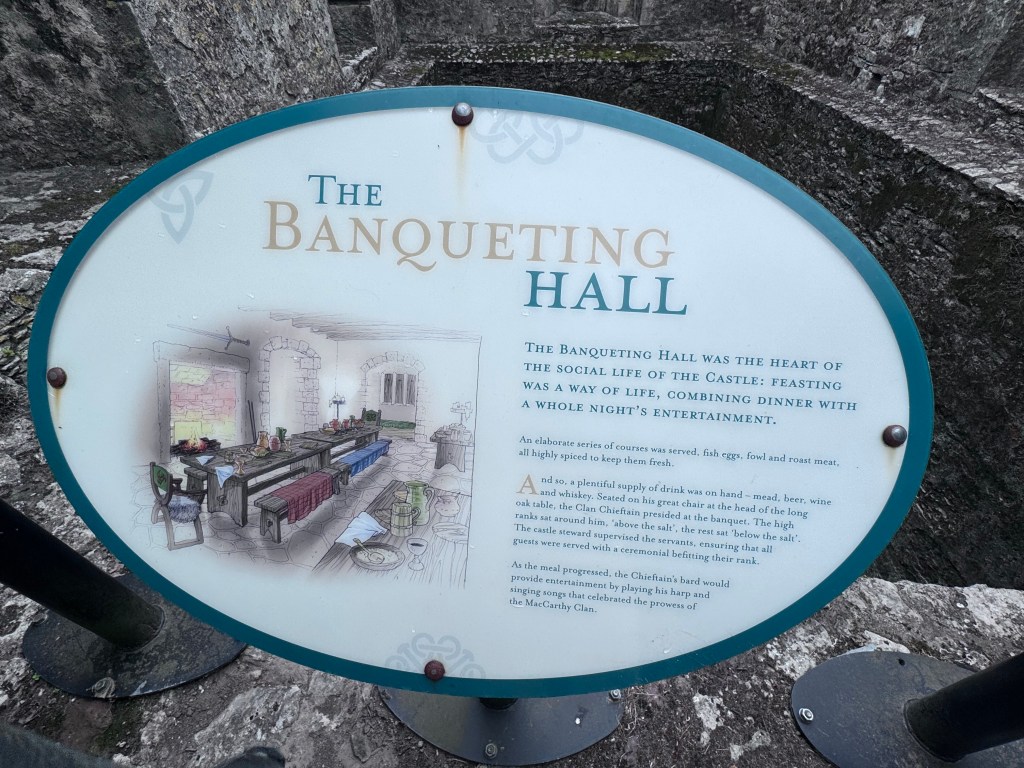
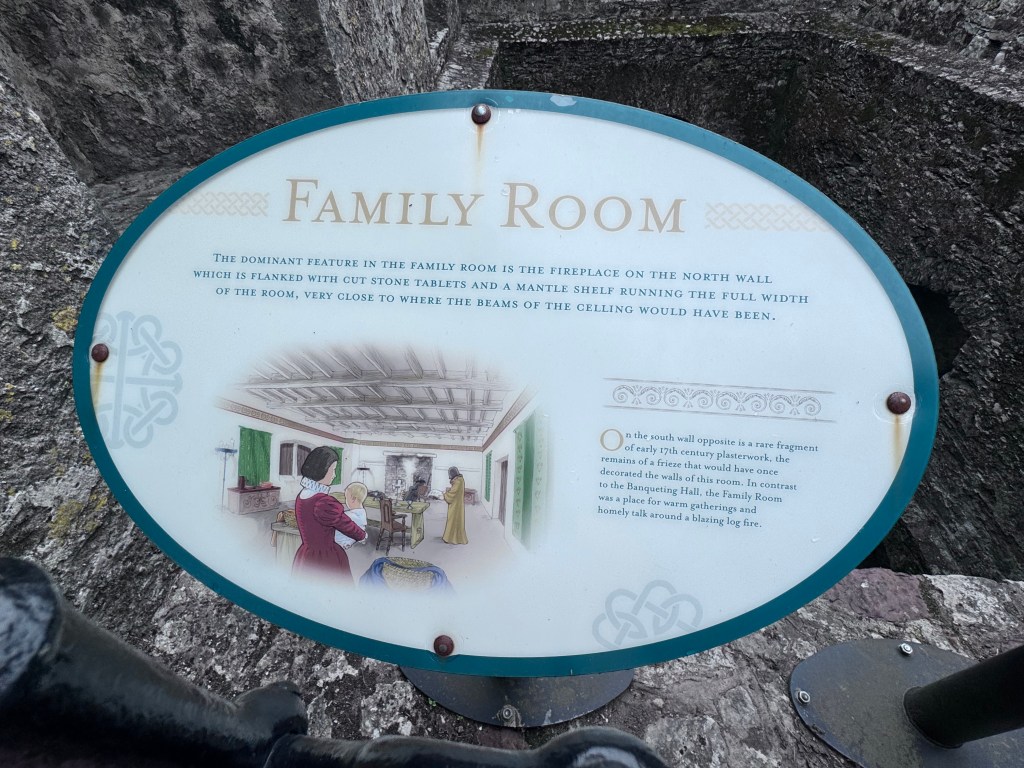
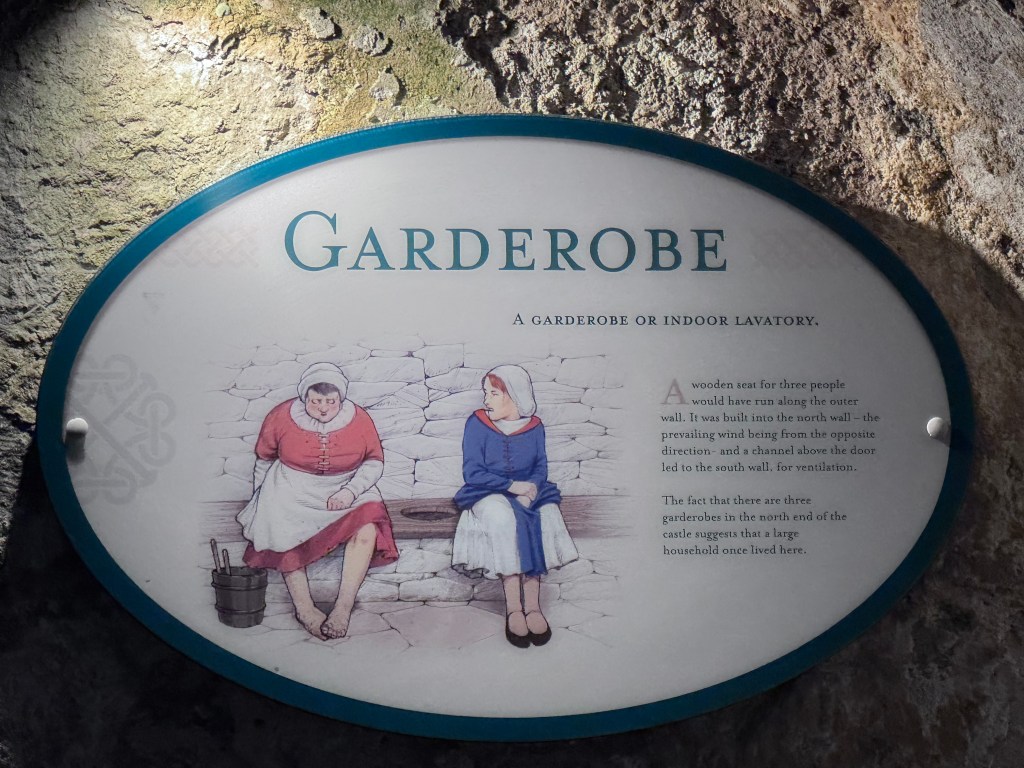
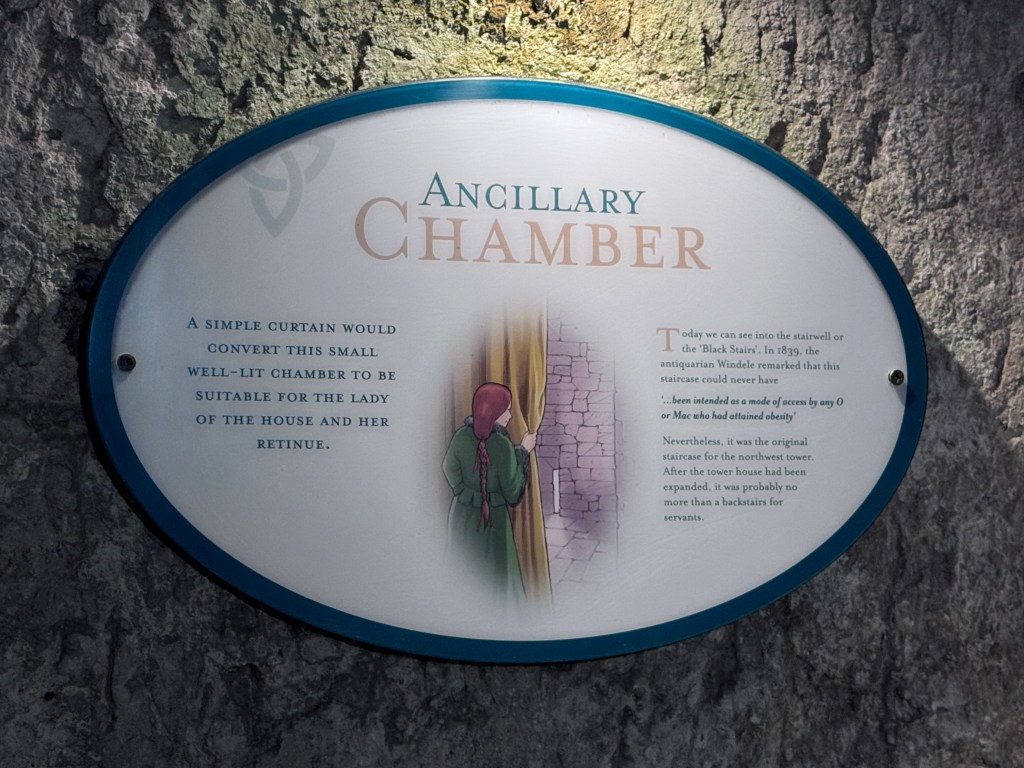
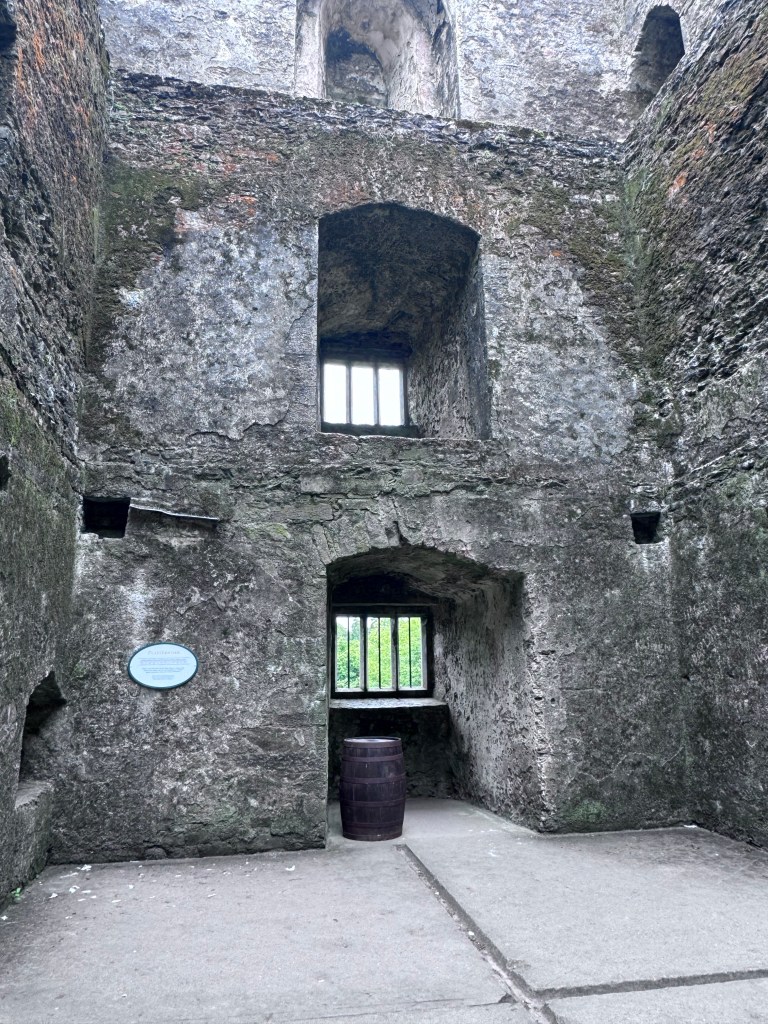
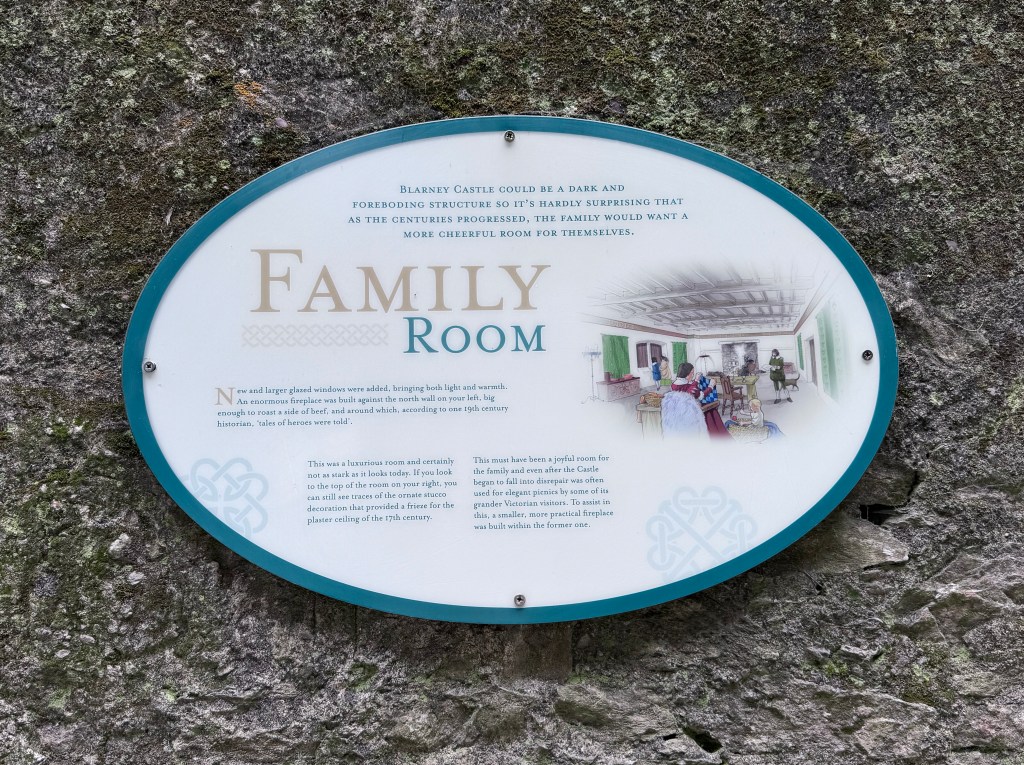
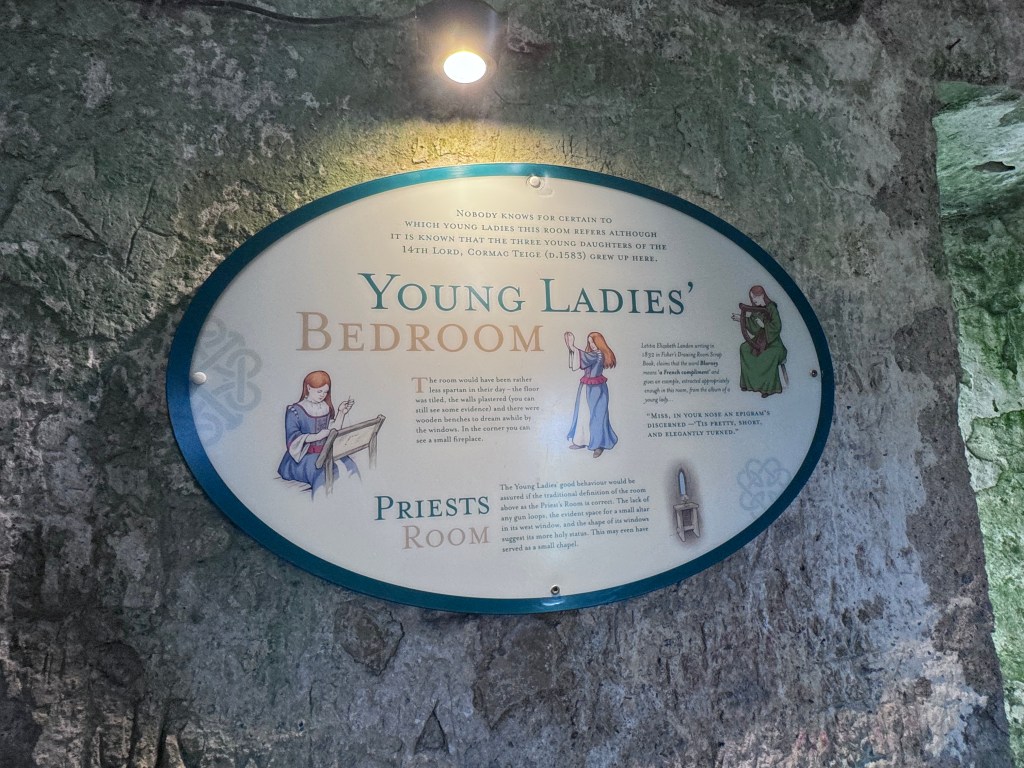
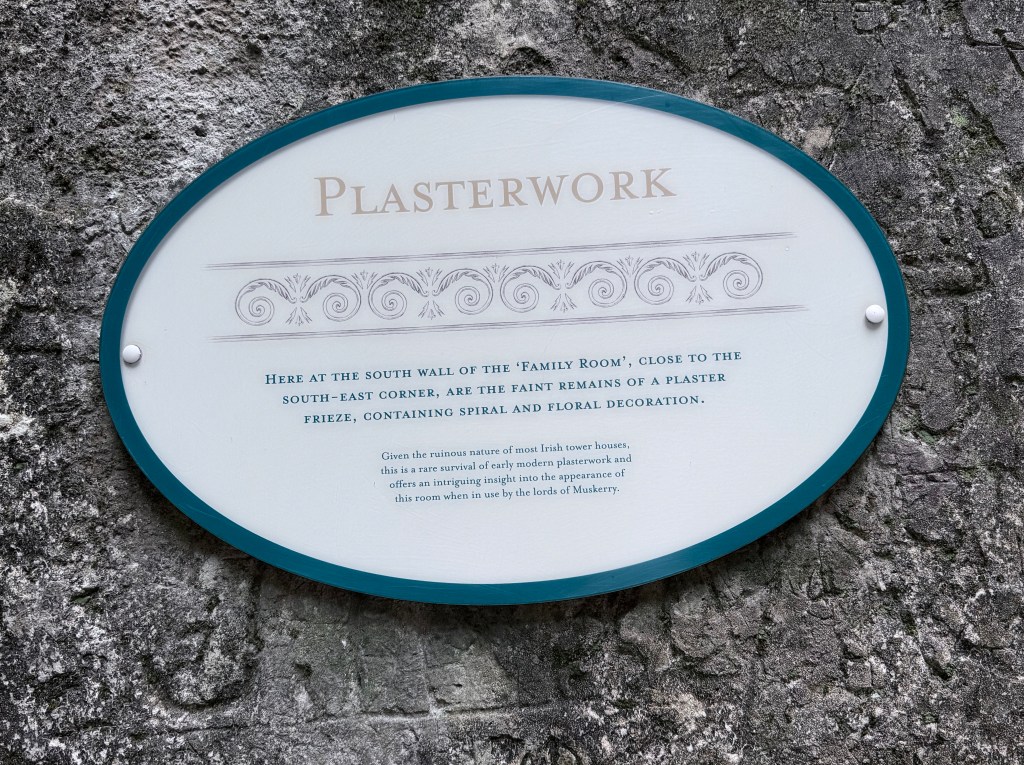
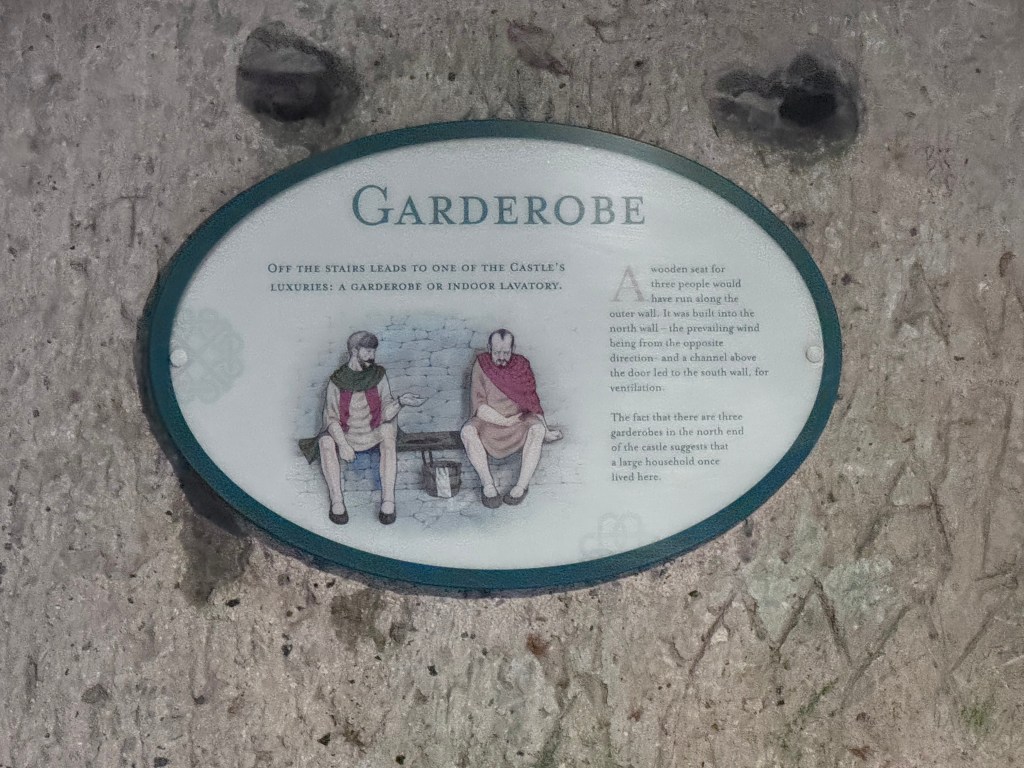
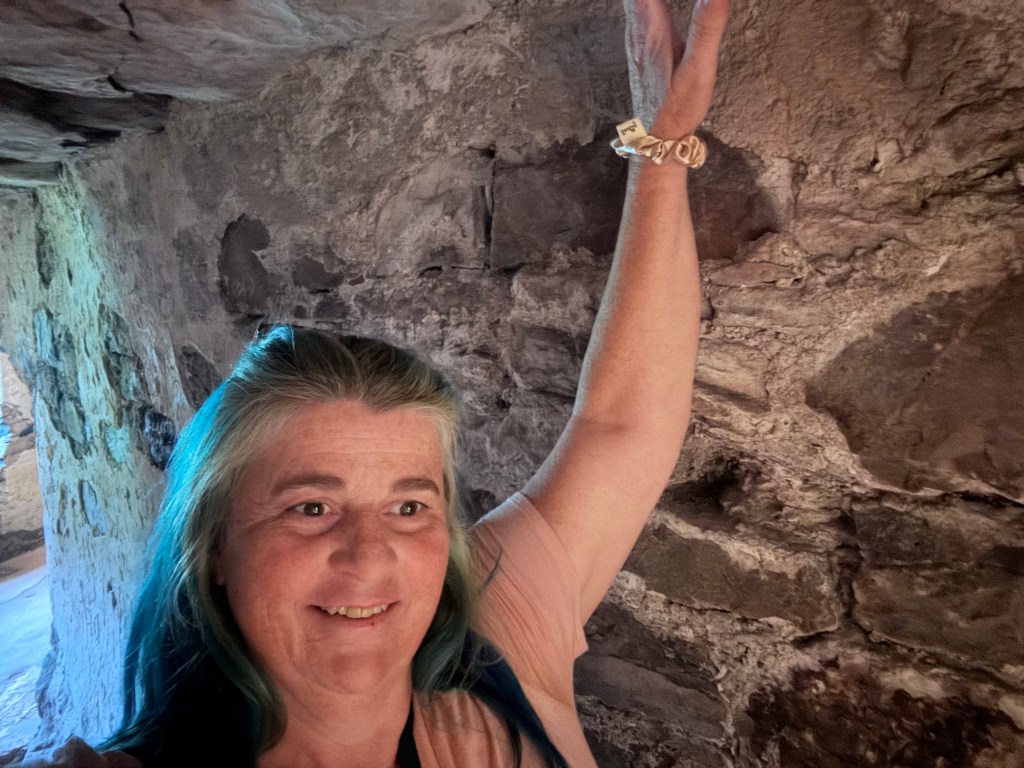
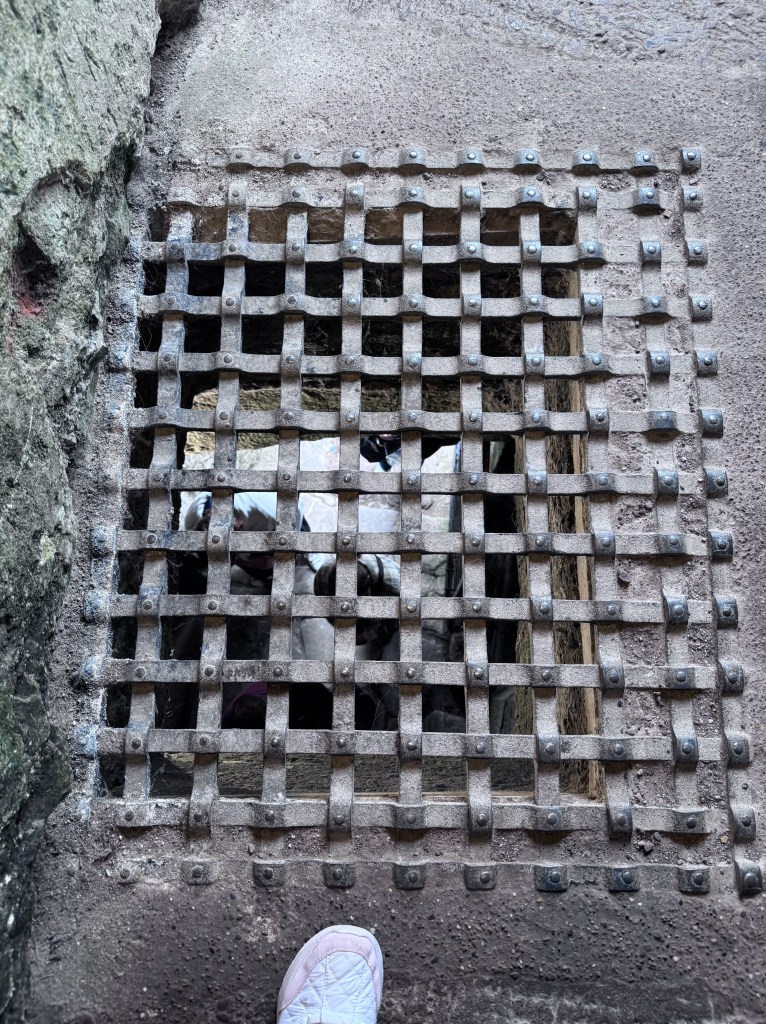
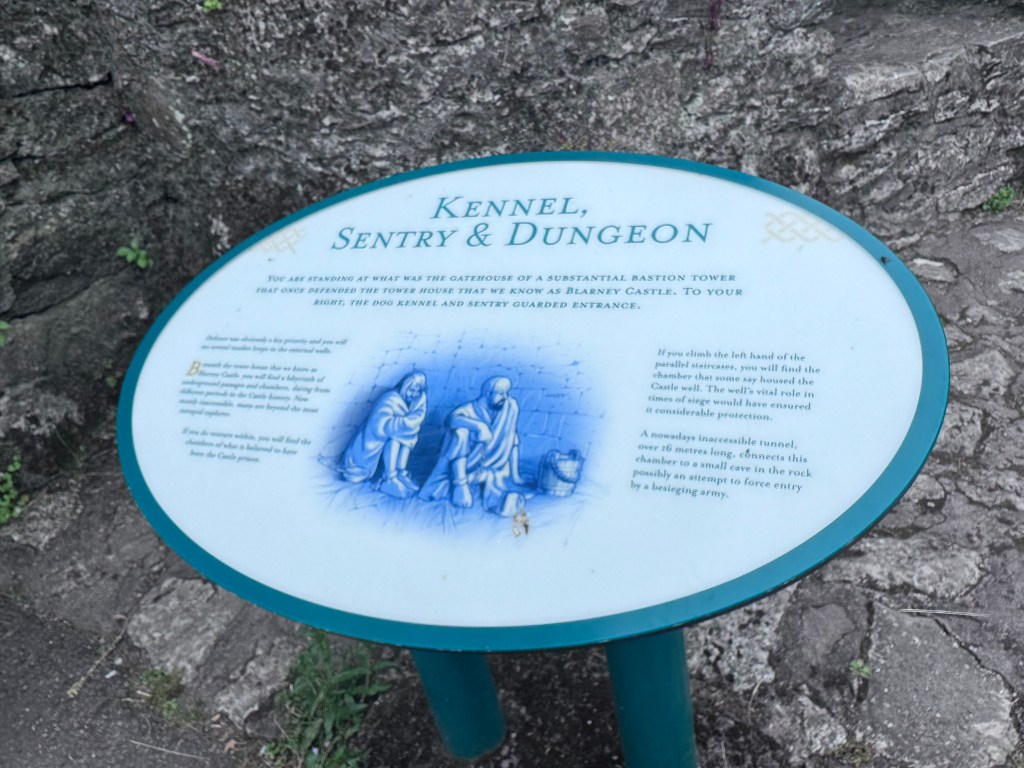
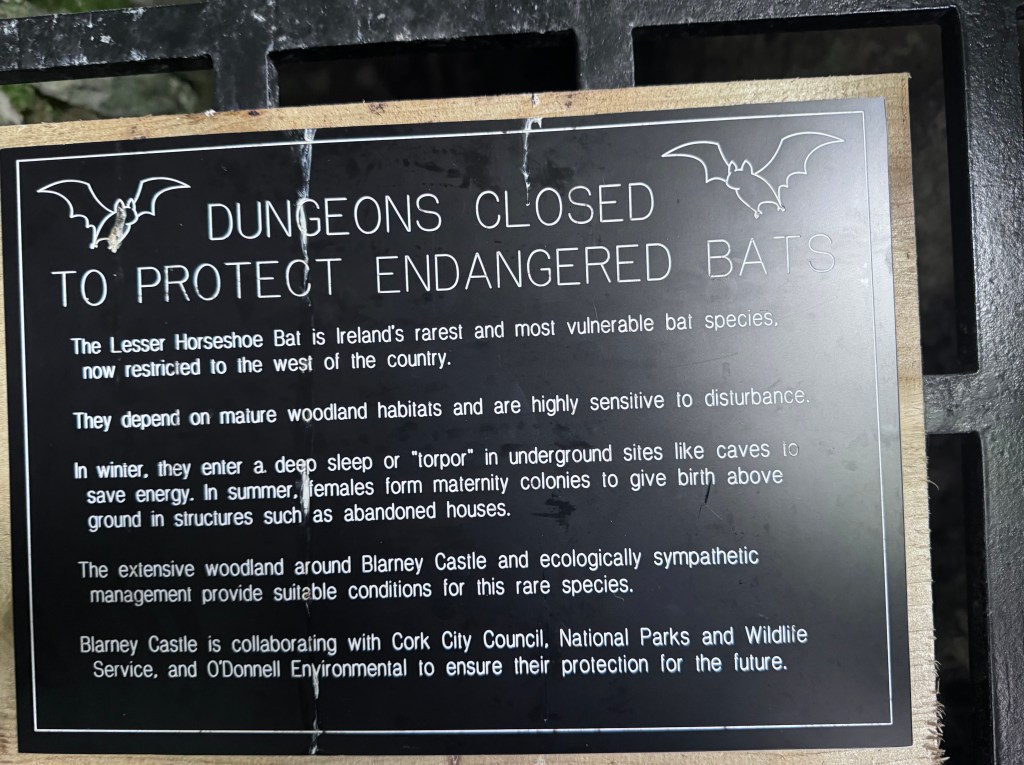
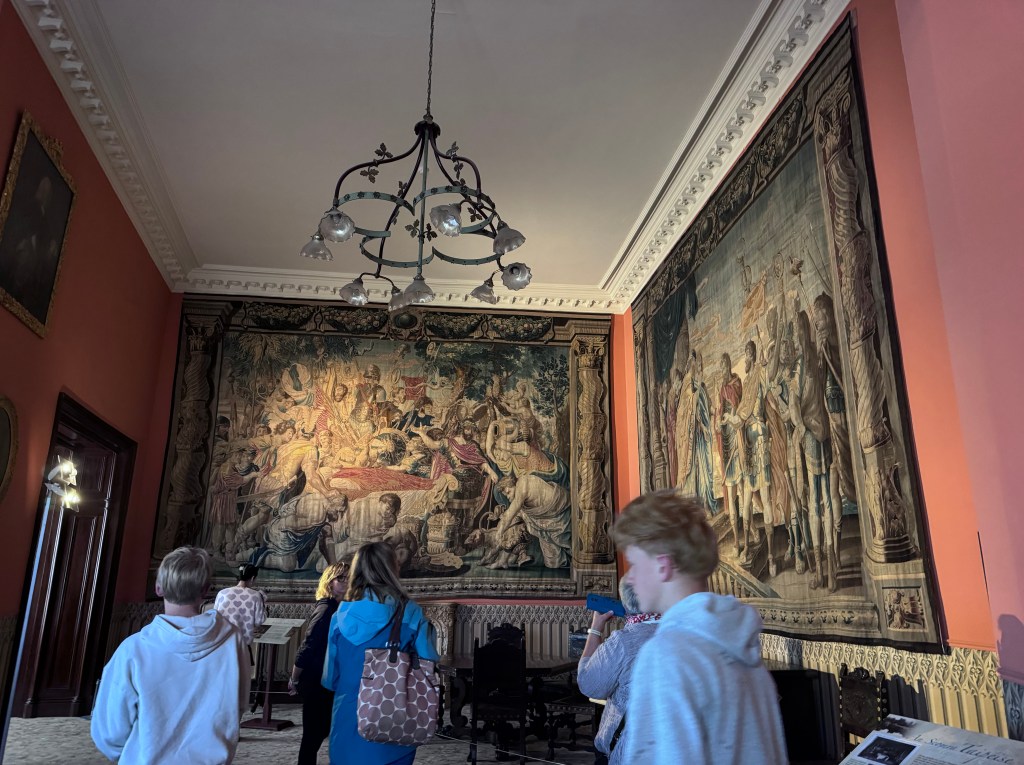
There was a small line at the castle entrance, so Mom, Kiya, and I waited together. Mom had visited Blarney Castle before, so she stayed below with Kiya while I made the climb. I could hear a few comments and notice some curious looks while we waited, as I am sure they were wondering how the wheelchair was going up into the castle. Once inside, I took photos of every sign on the way up and explored every room I could find on the way down.
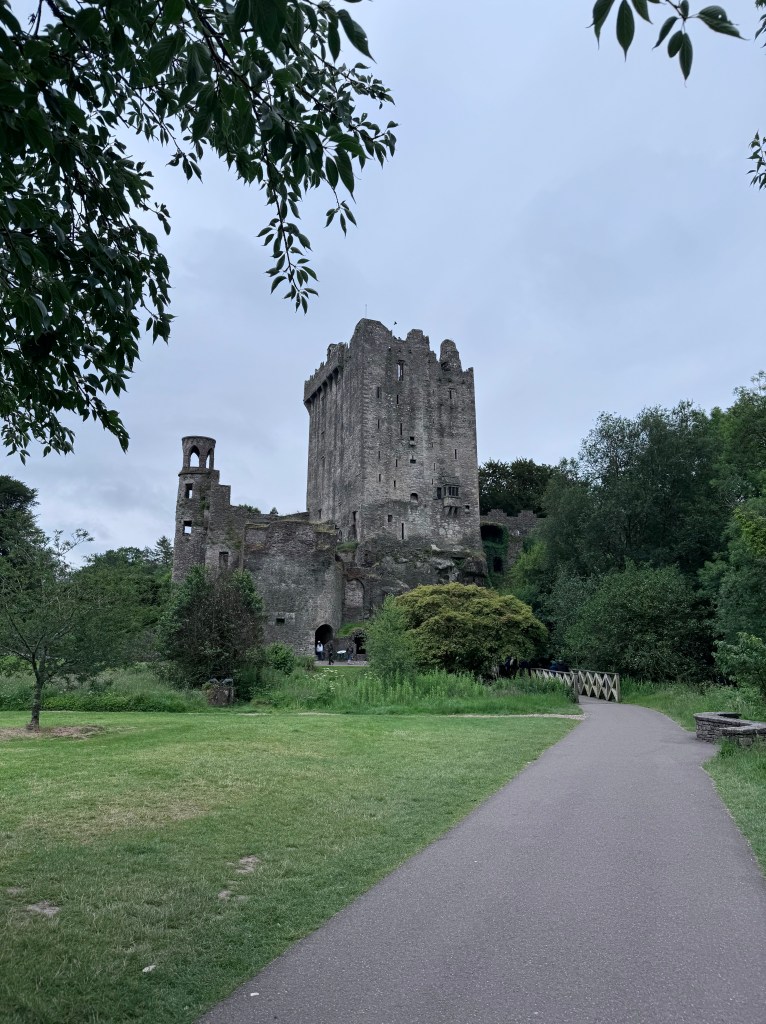
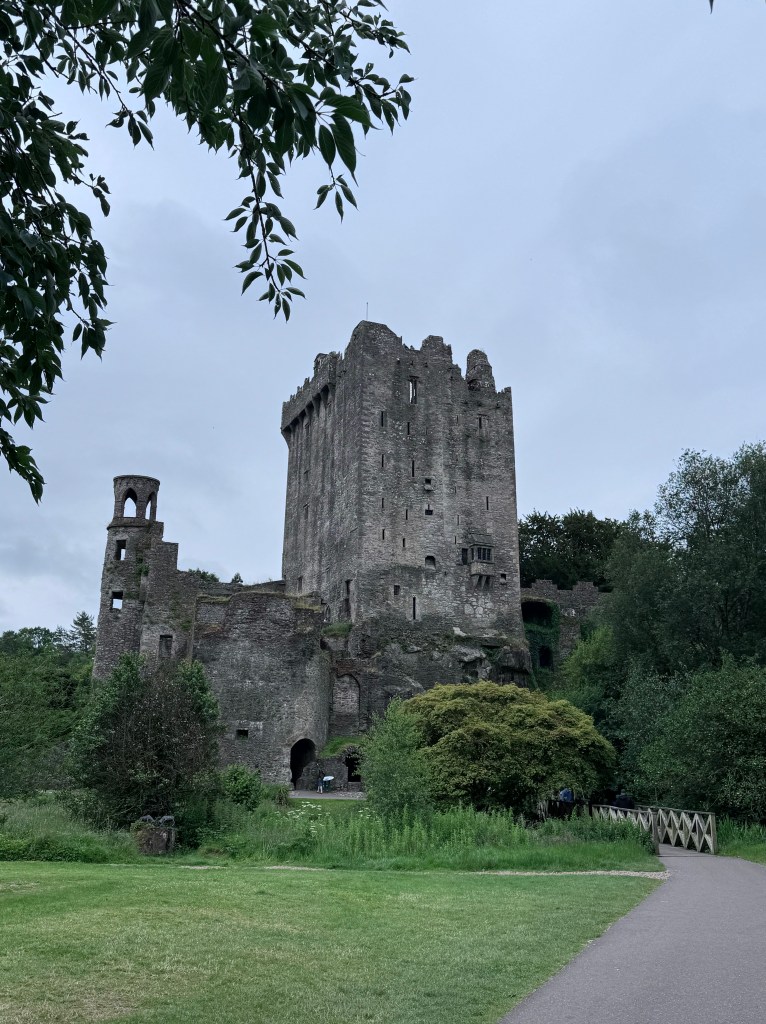
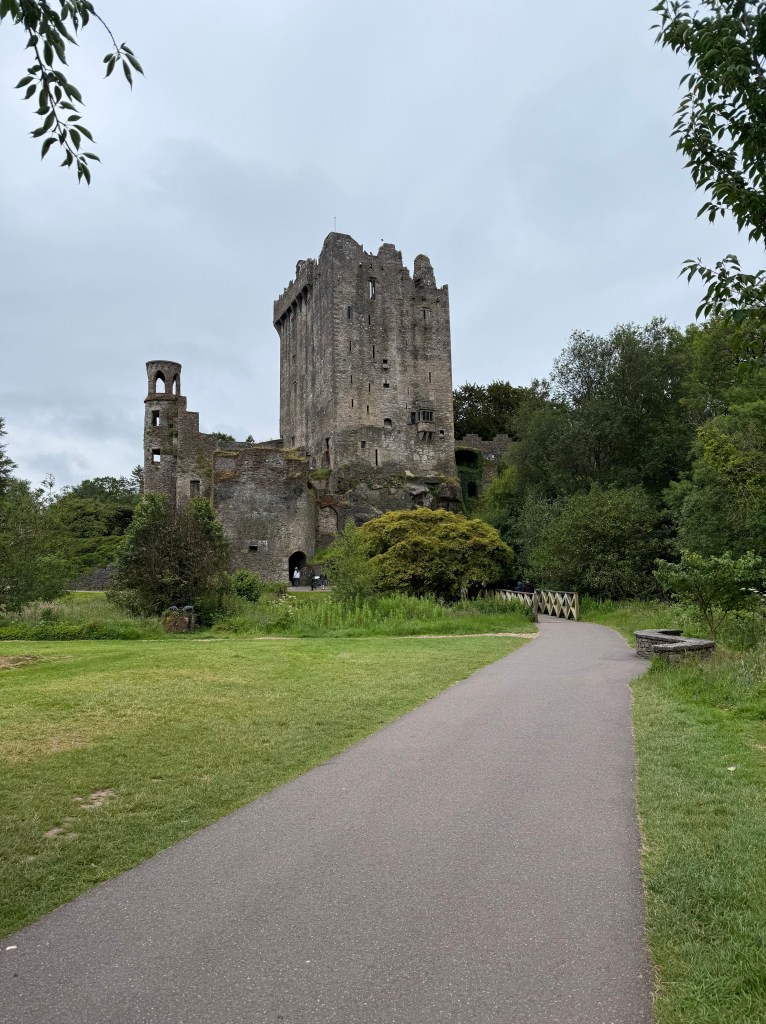
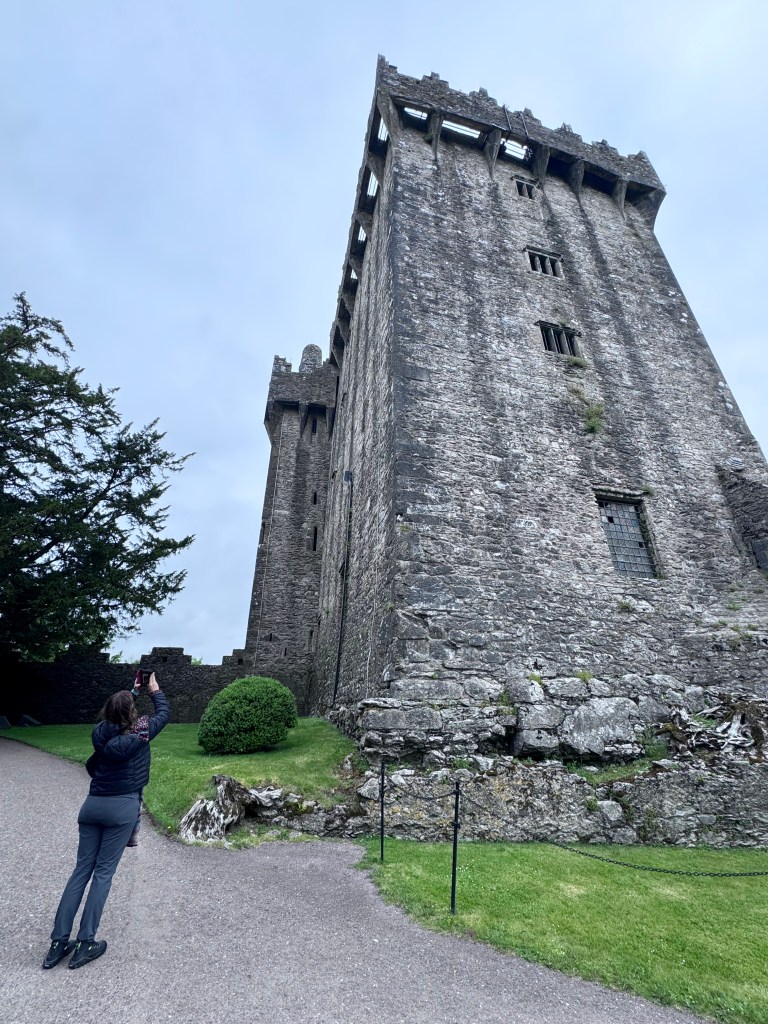
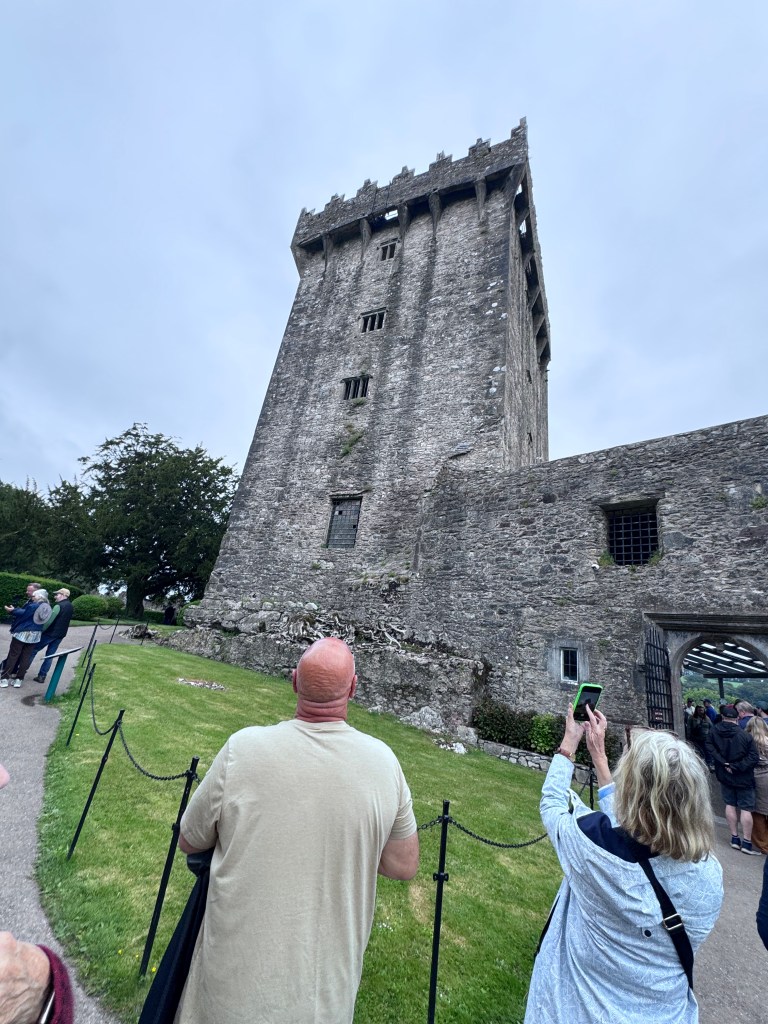
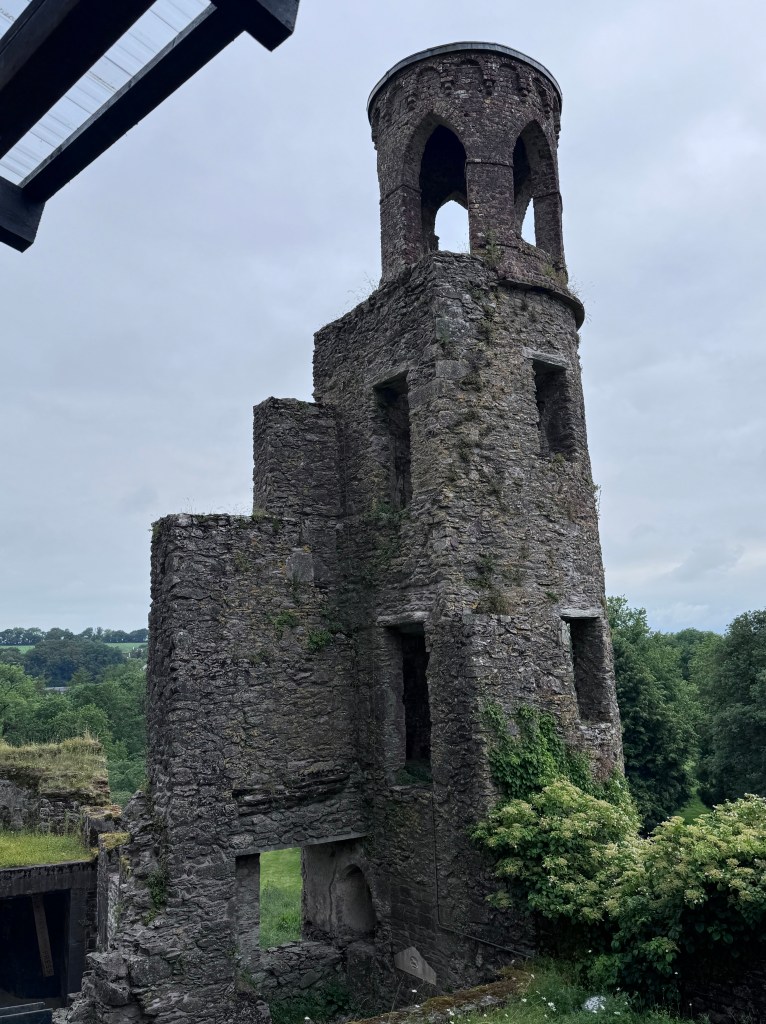
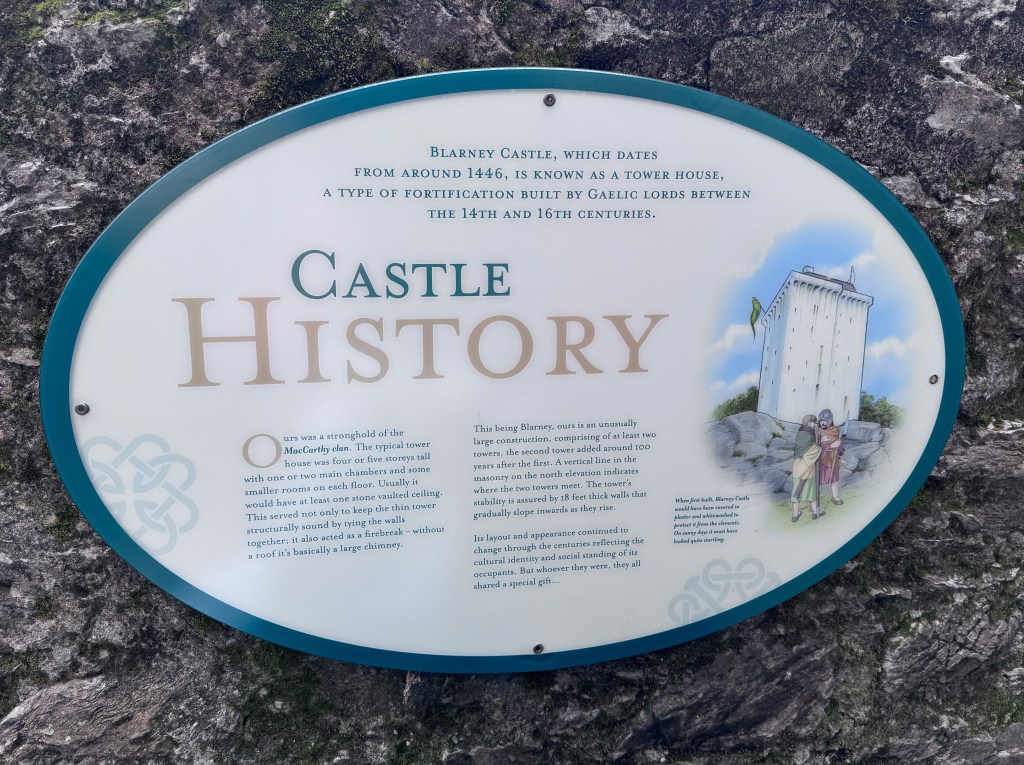
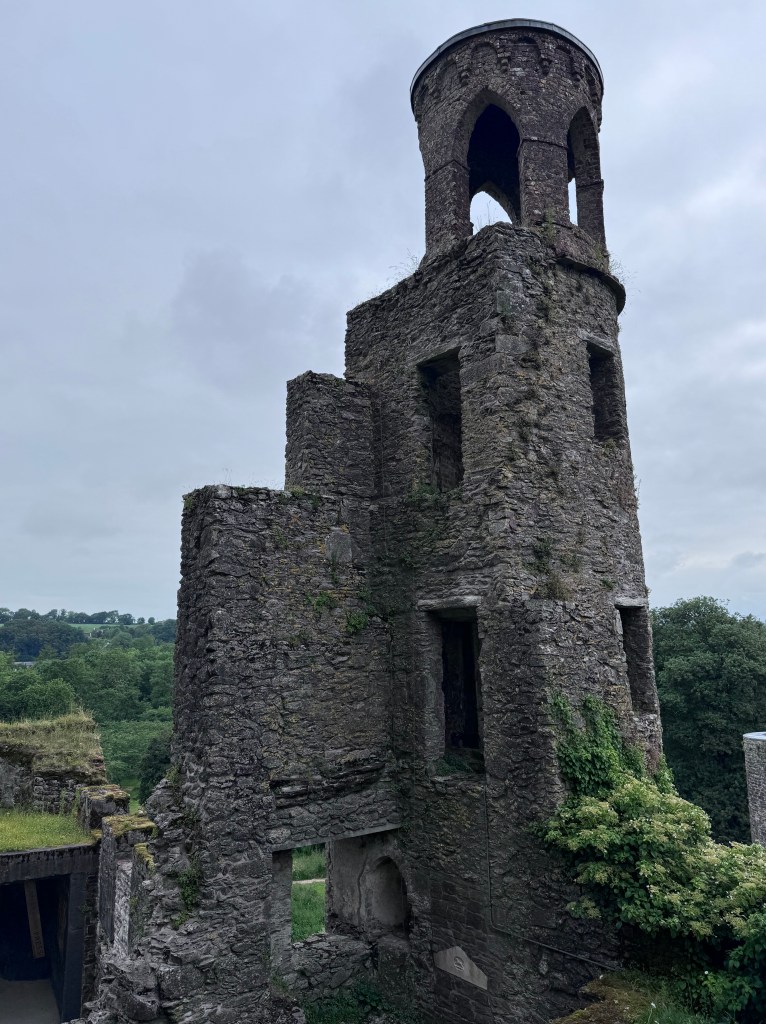
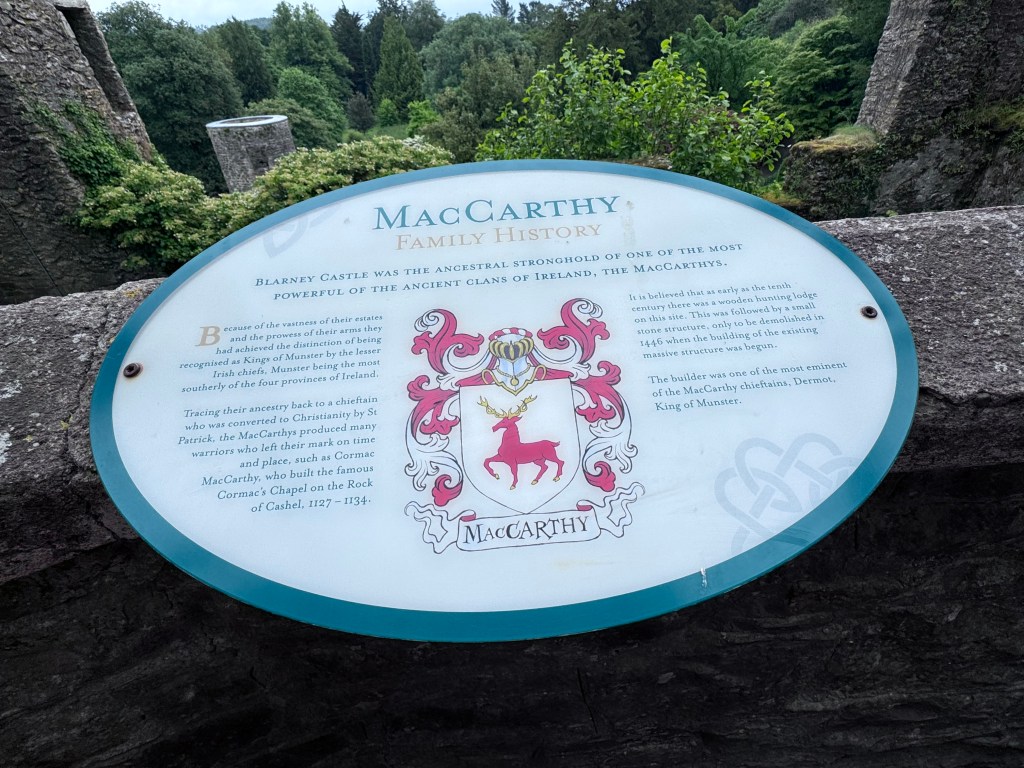
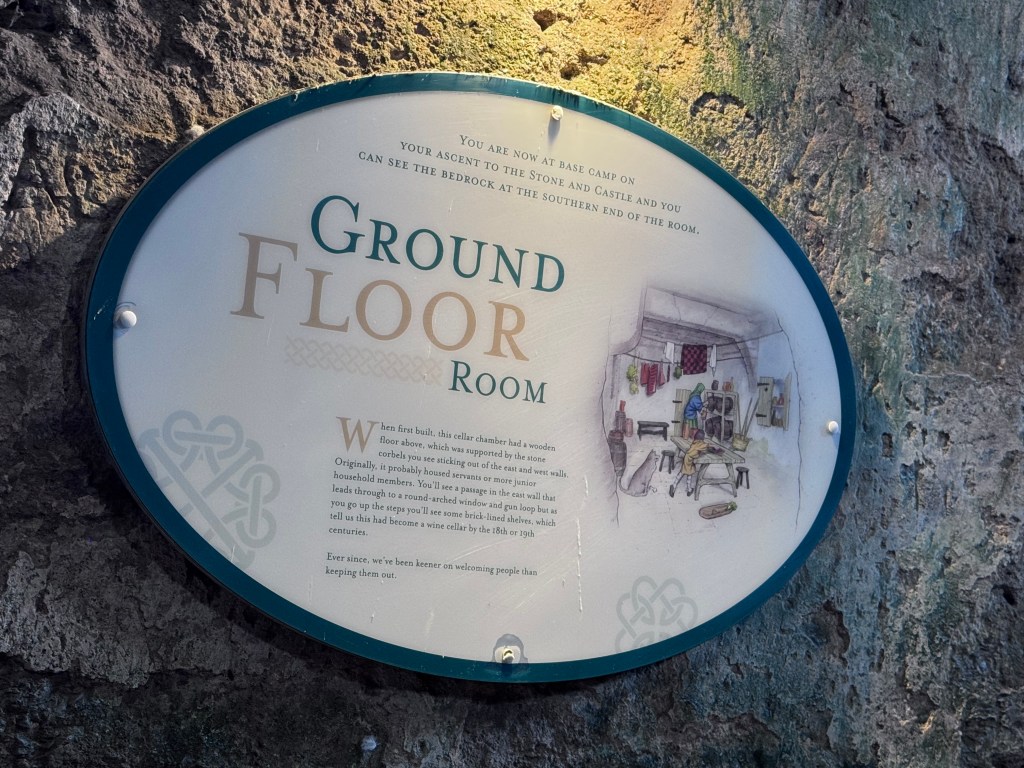
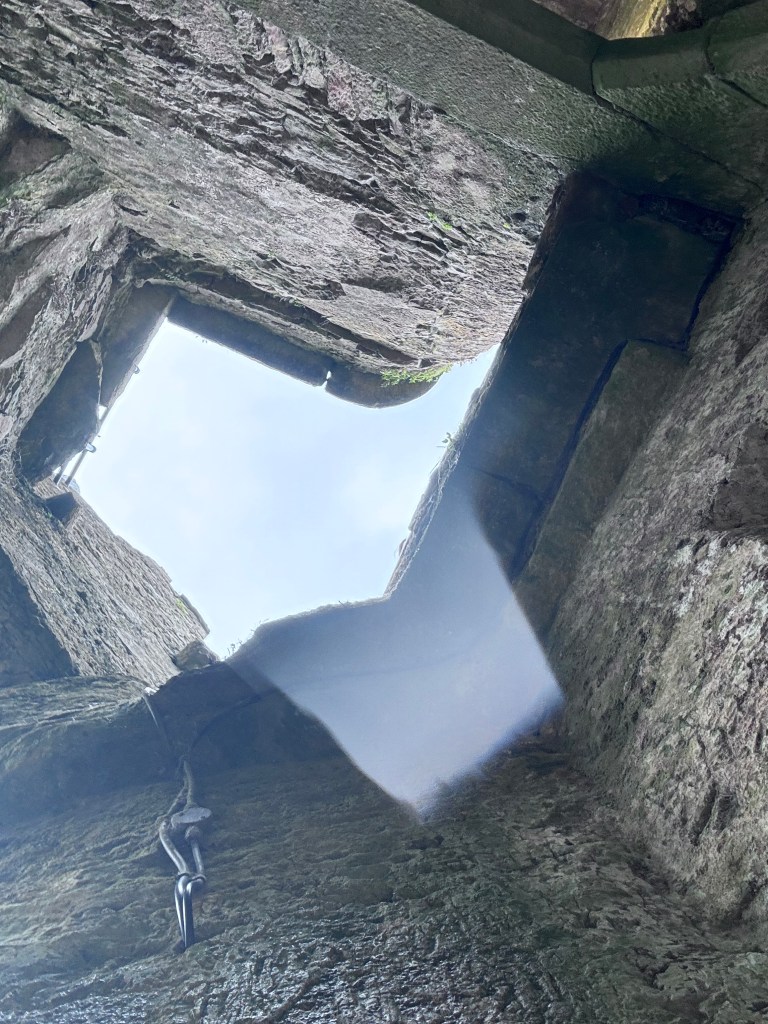
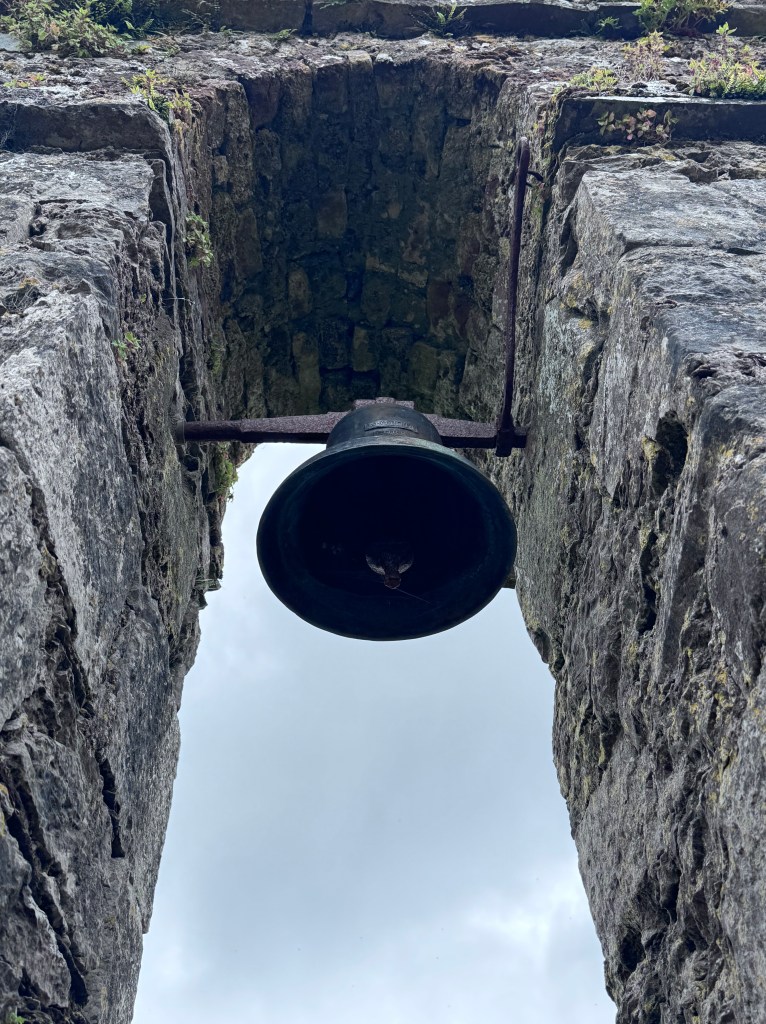
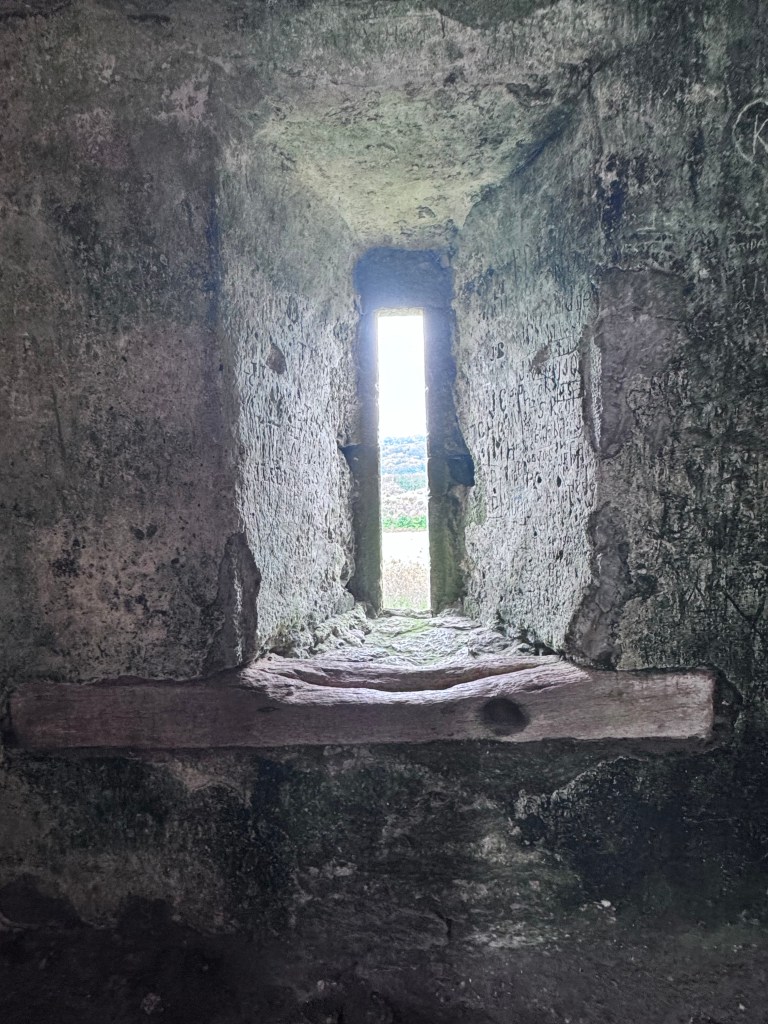
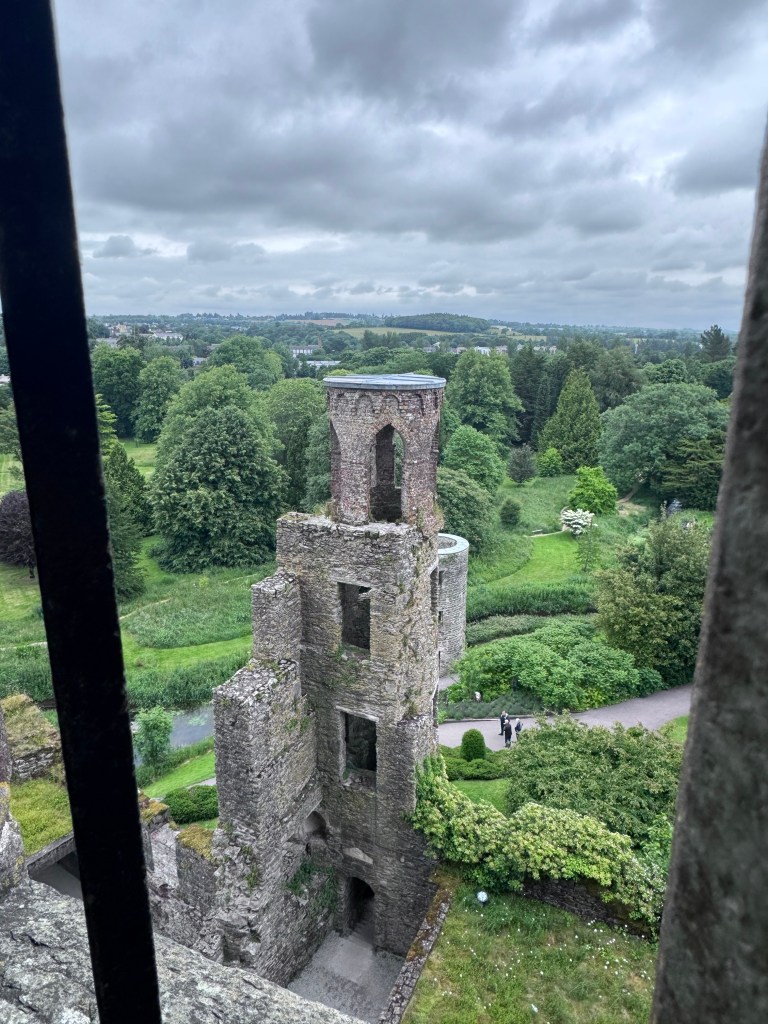
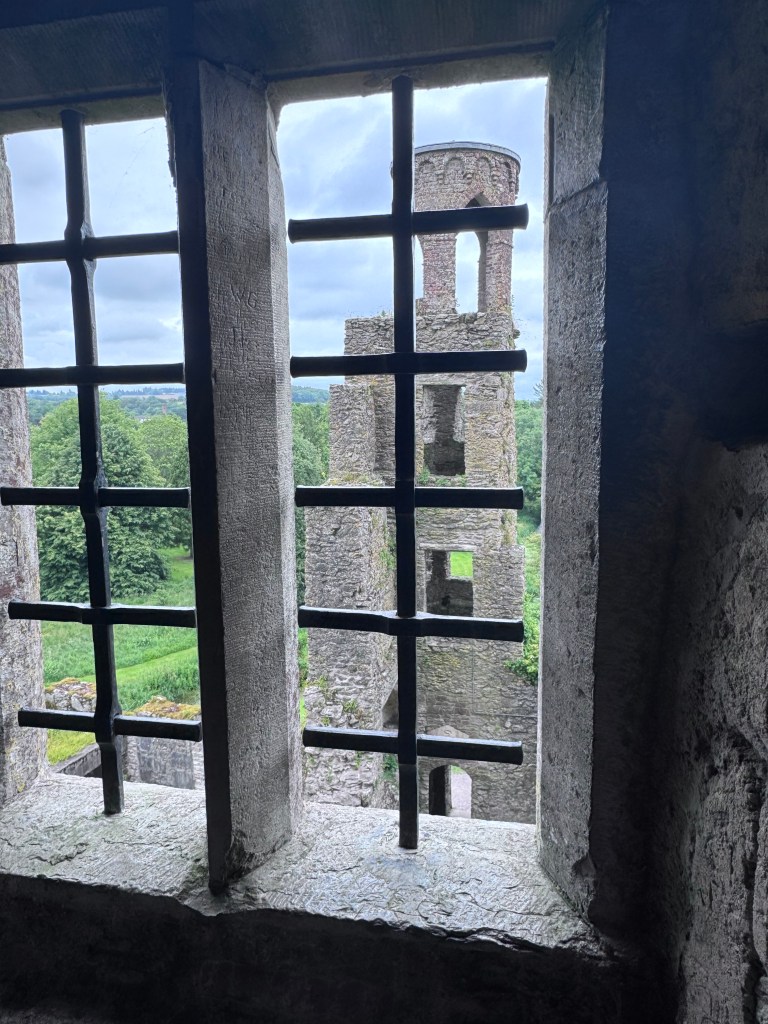
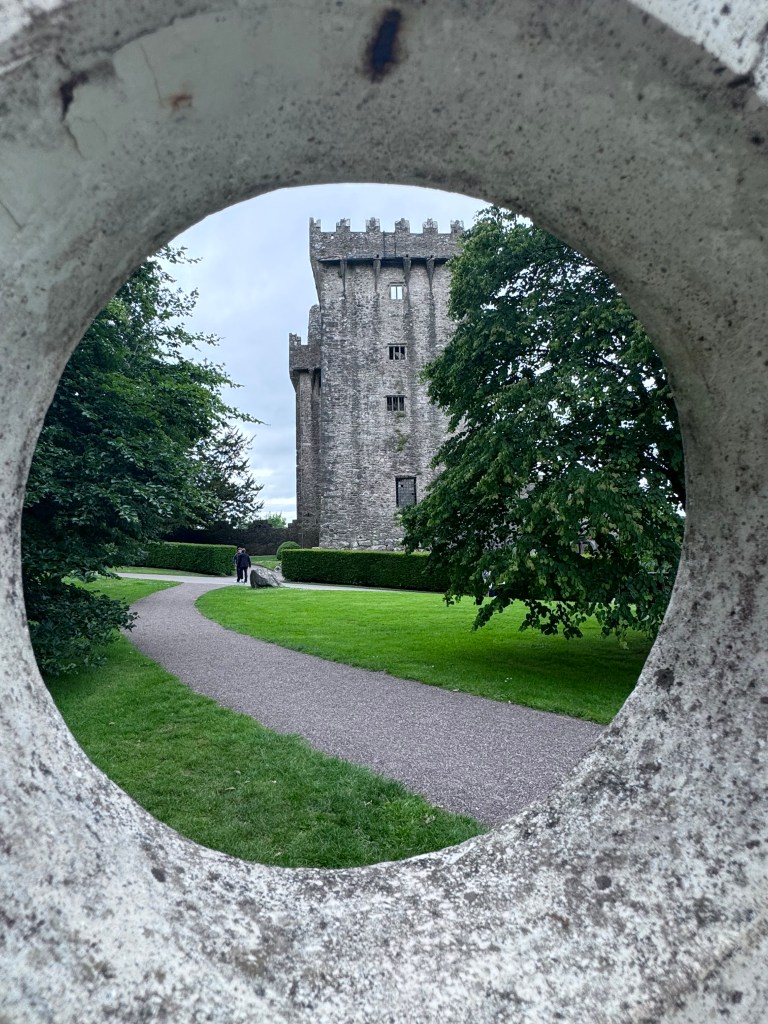
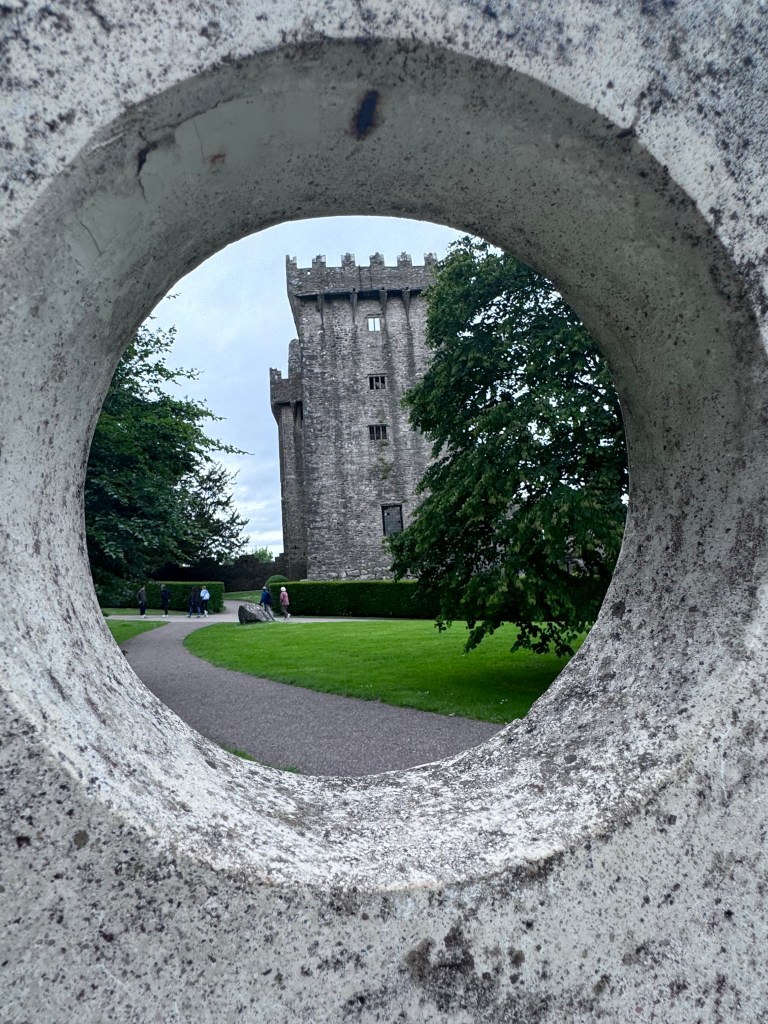
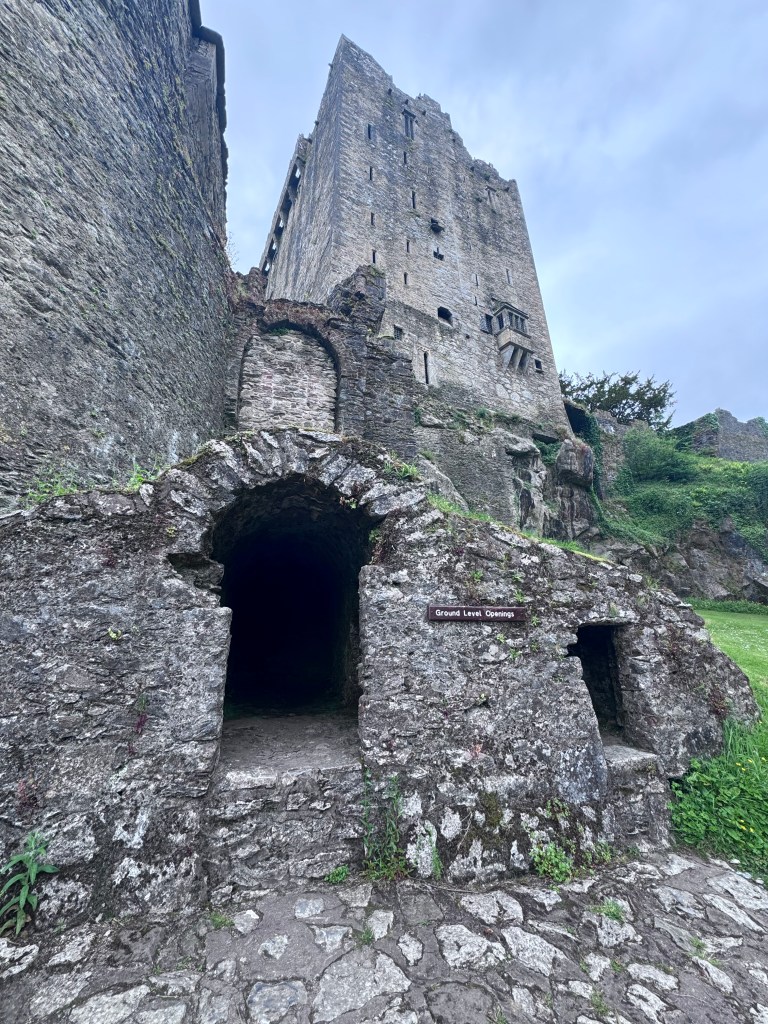
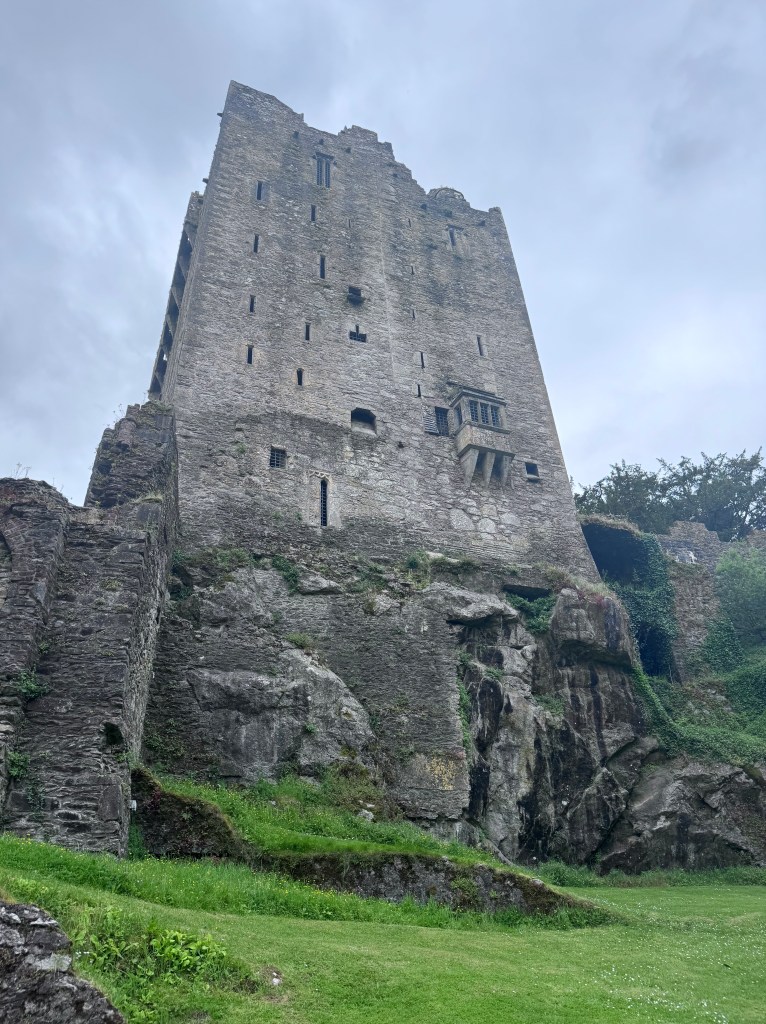
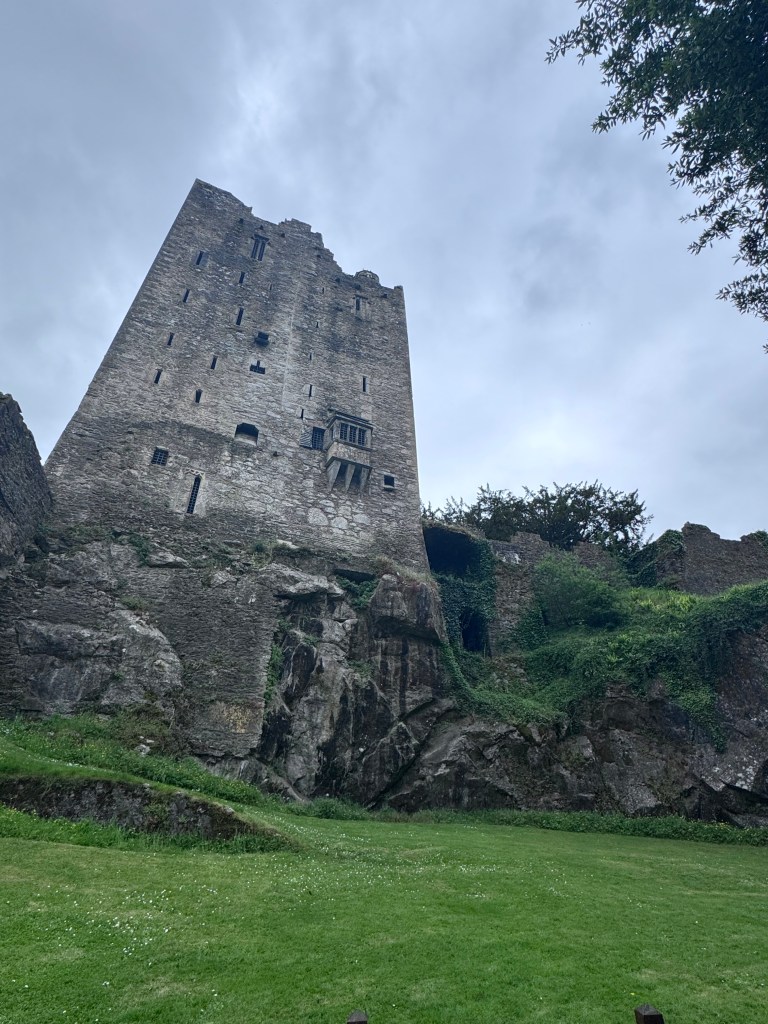
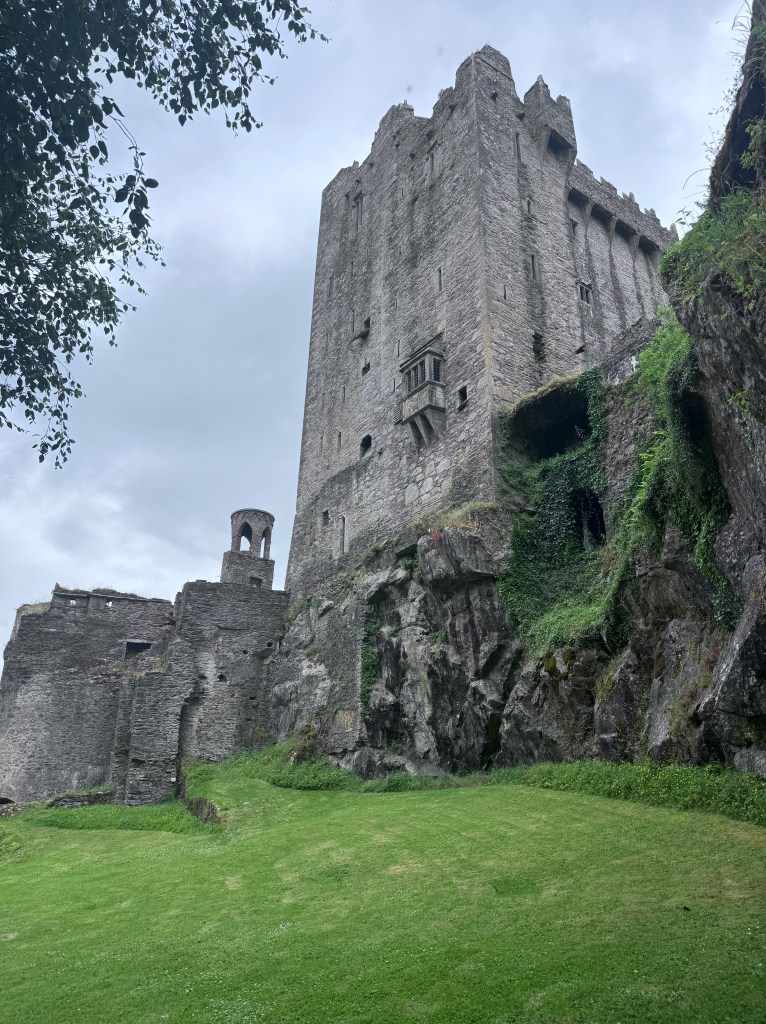
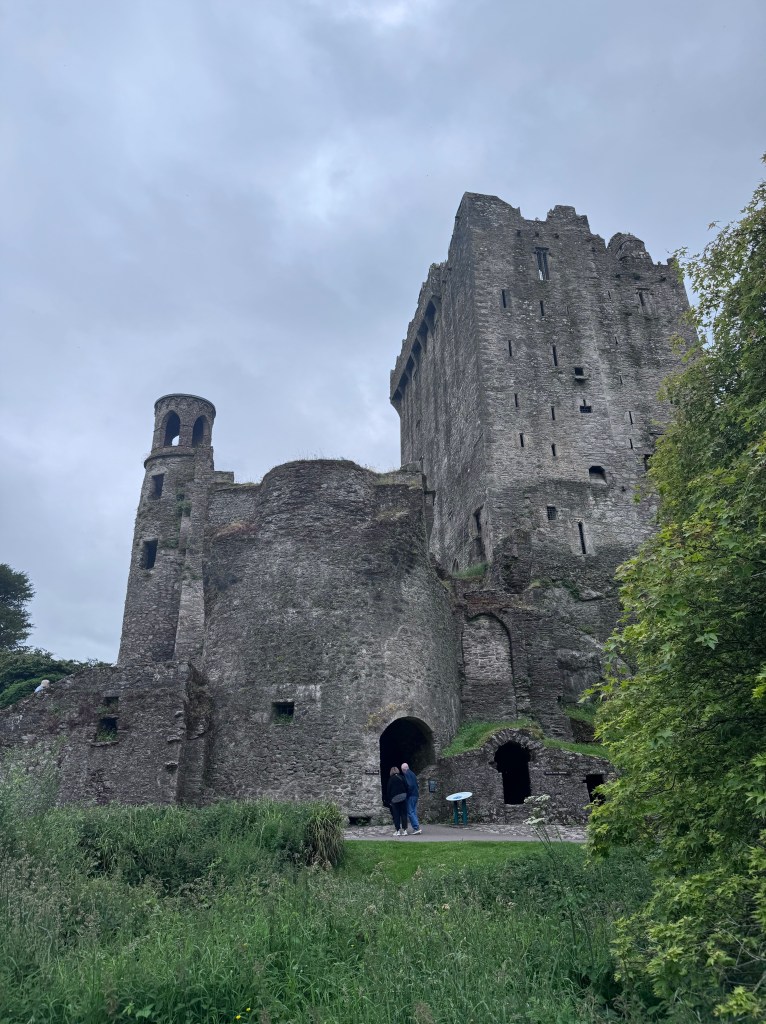
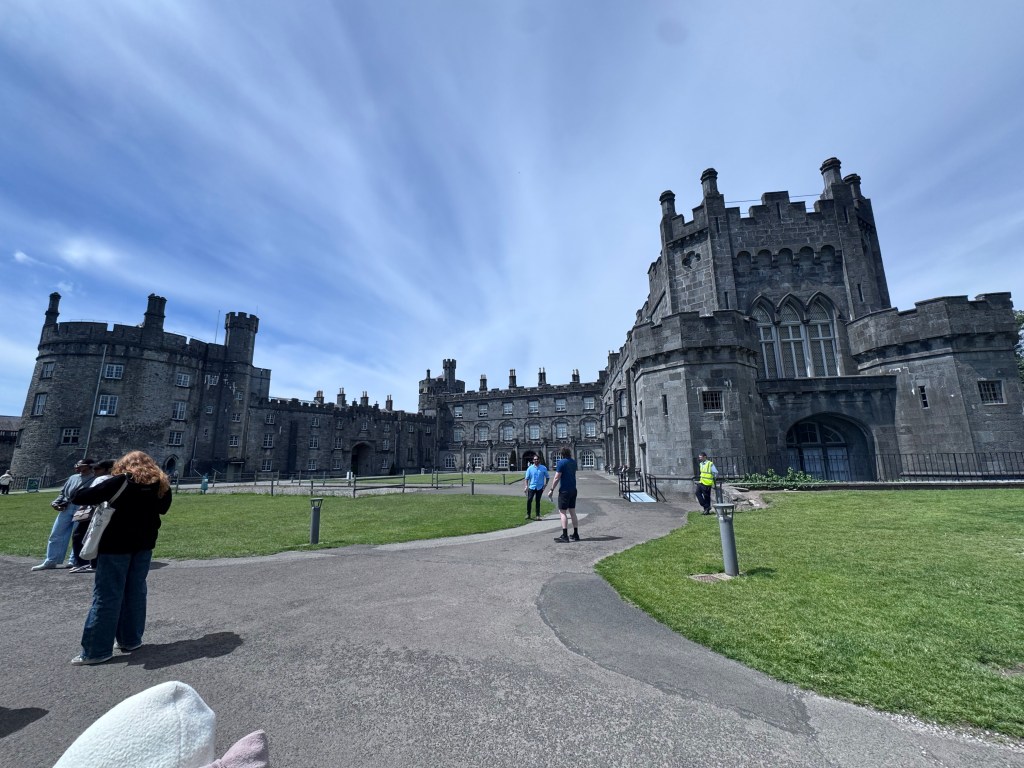
As I climbed through the castle, I learned that Blarney Castle has a remarkable history stretching back more than 800 years. A stone fortification is believed to have first been built on the site around 1200. After that structure was destroyed, the castle we see today was rebuilt in 1446 by Cormac Láidir MacCarthy, King of Munster. Blarney Castle is a tower house, a type of fortified residence built by Gaelic lords and the Anglo-Irish between the 15th and 17th centuries. Most tower houses were four or five stories tall and contained one or two main chambers along with several smaller rooms on each floor. What makes Blarney Castle unique is its size. It is an unusually large tower house and actually consists of at least two towers. The second tower was added during the 1500s, and if you know where to look, you can still see where the two phases meet as a vertical line in the stonework.
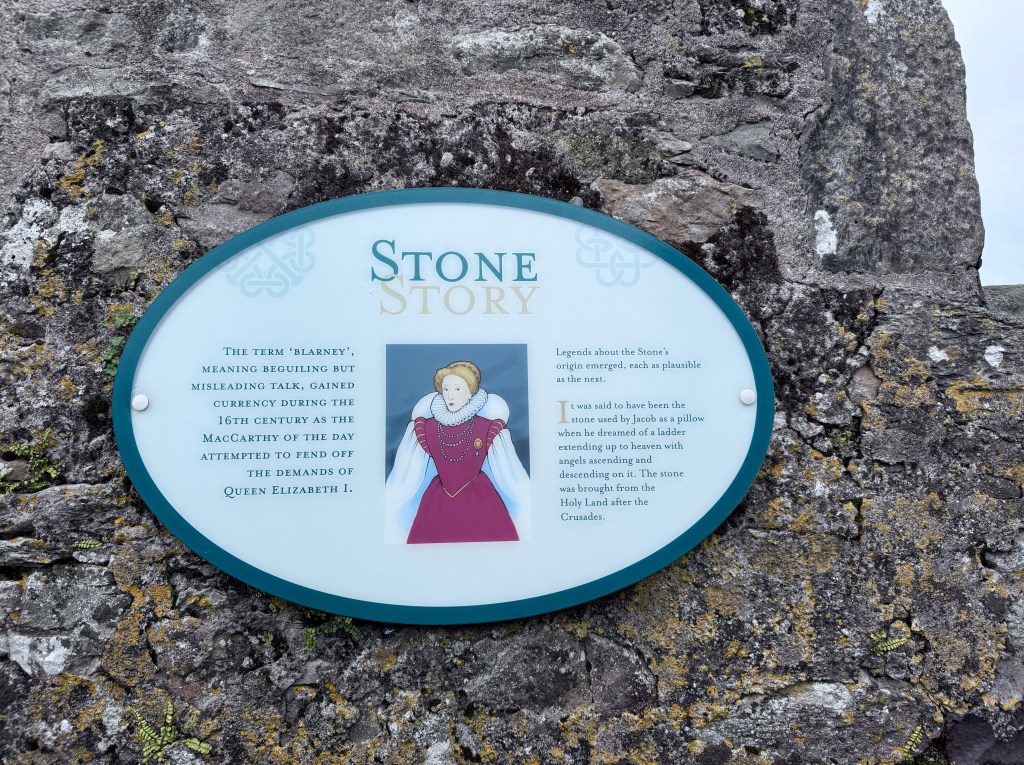
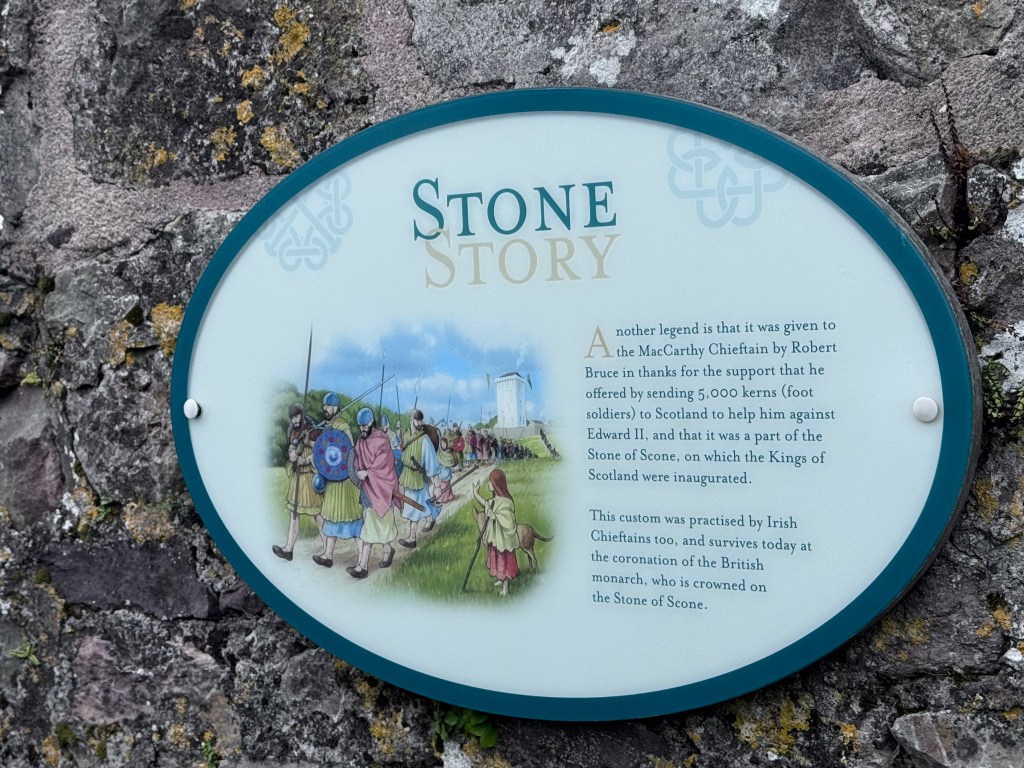
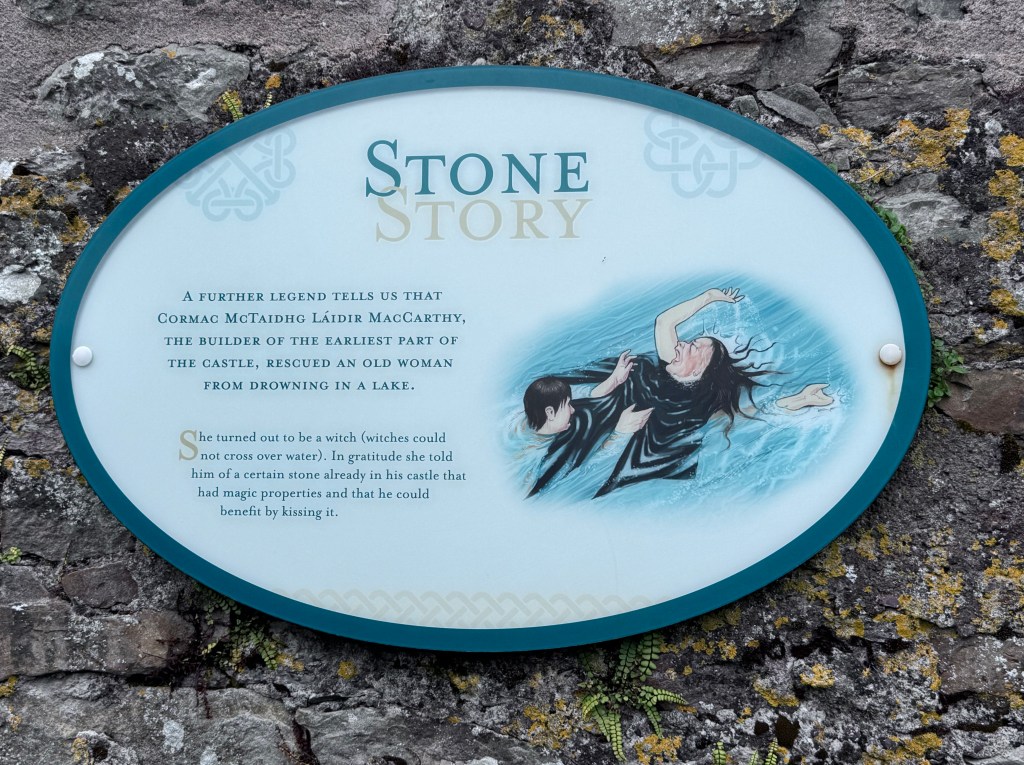
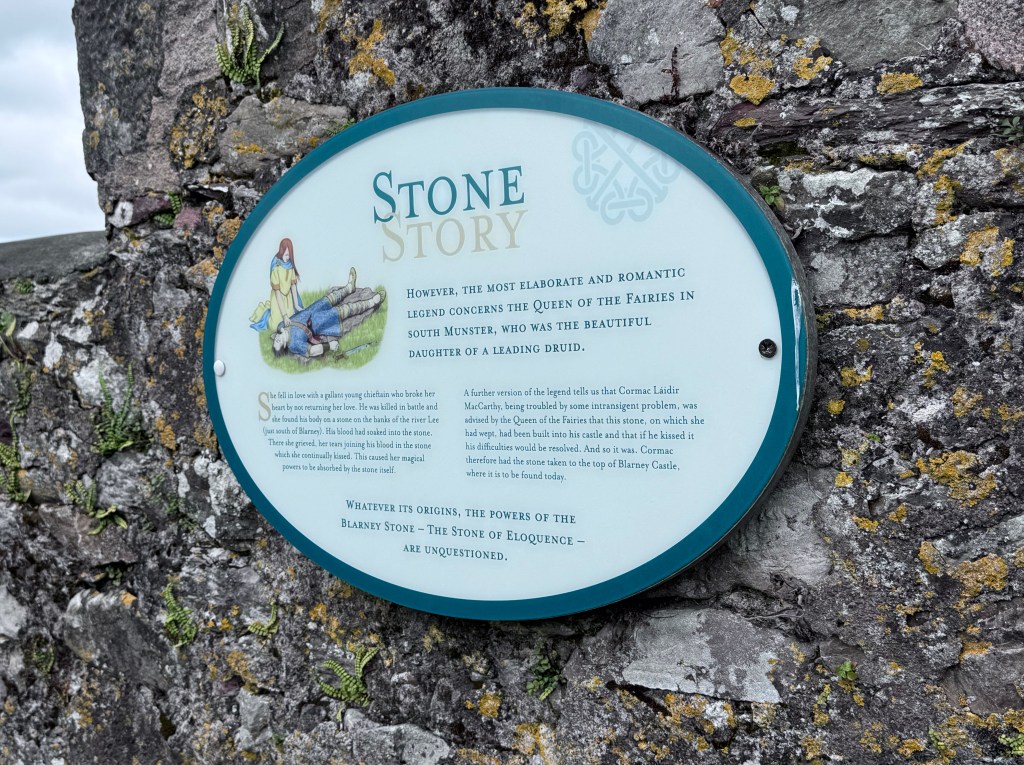
One of the most intriguing legends connected to the castle involves the famous Blarney Stone. According to folklore, 4,000 men from Munster were sent to help Robert the Bruce fight the English at the Battle of Bannockburn in 1314. As a gesture of gratitude, it is said that half of the Stone of Scone was sent to Blarney and incorporated into the castle’s battlements, eventually becoming the legendary Blarney Stone.
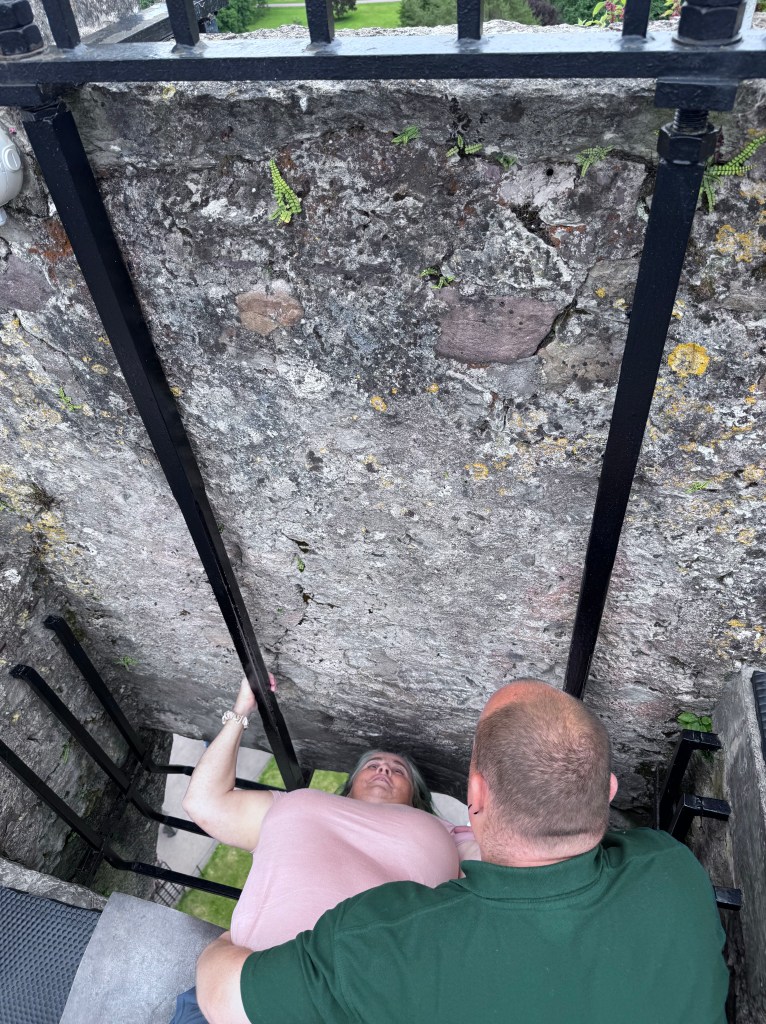
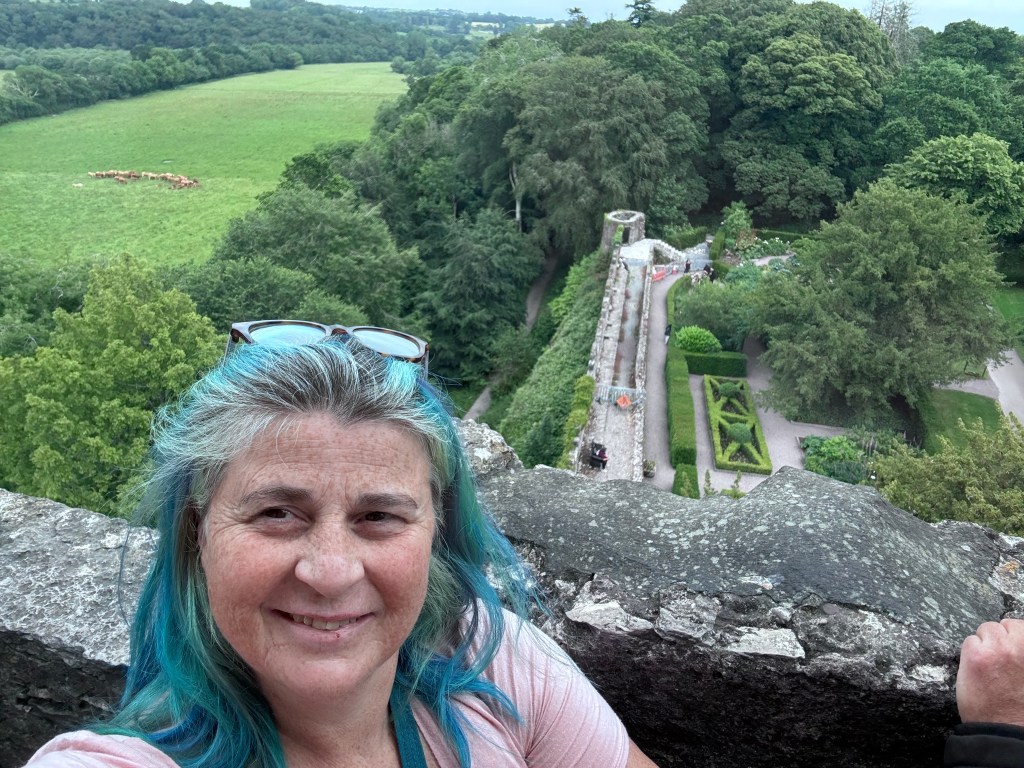
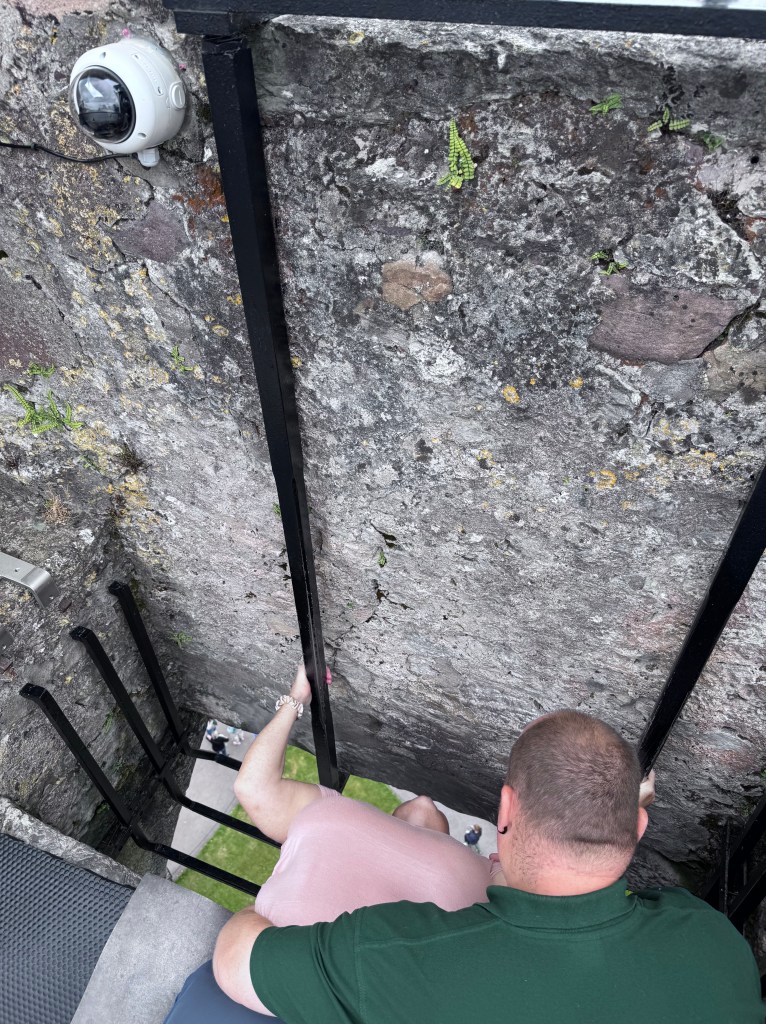
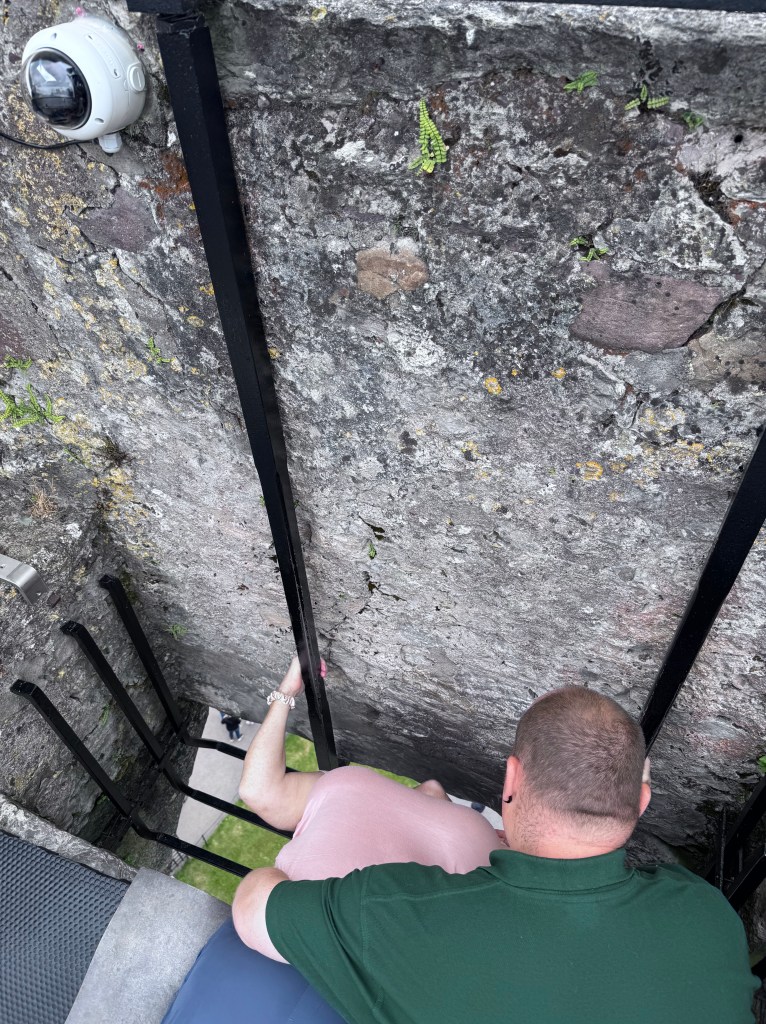
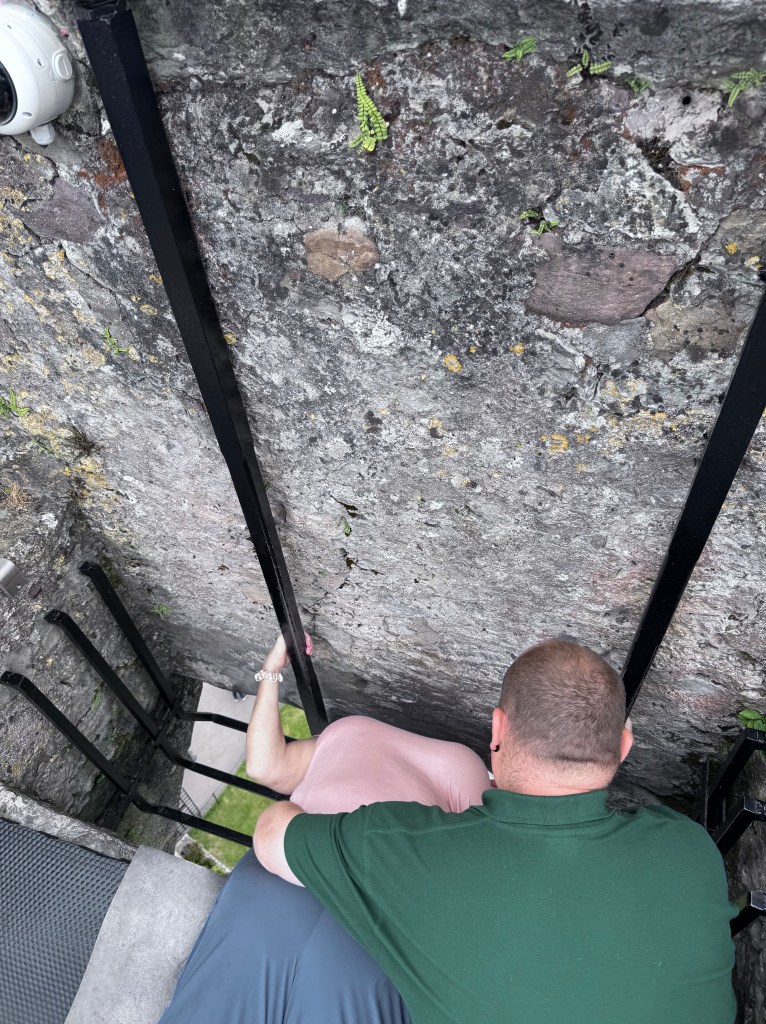
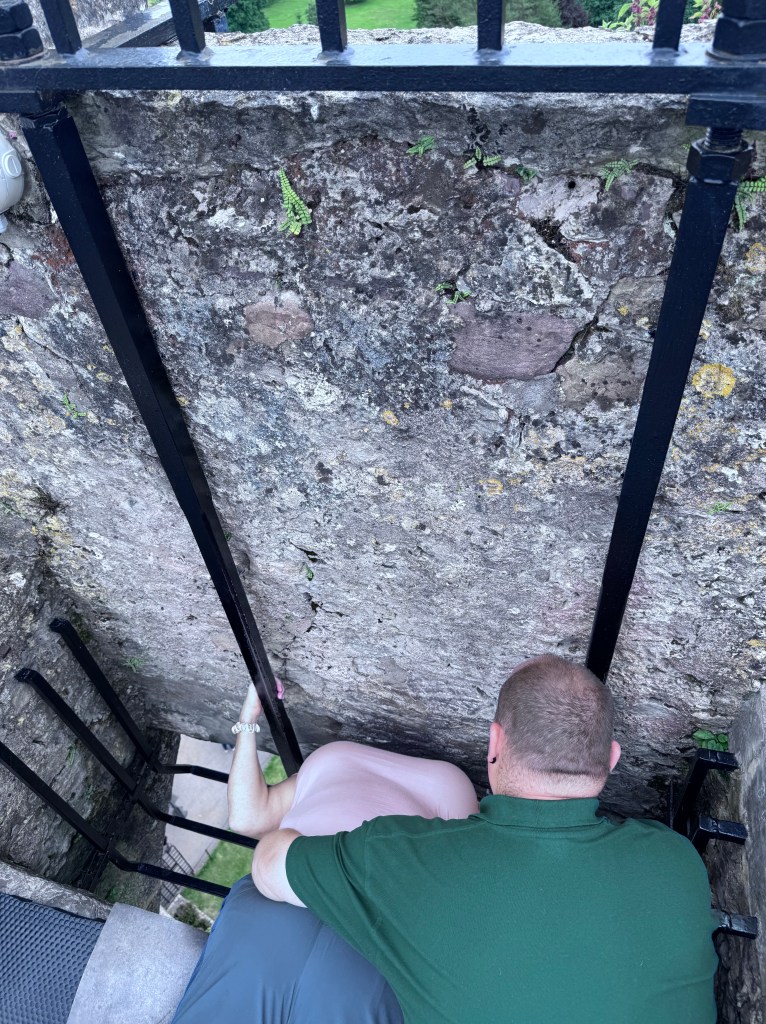
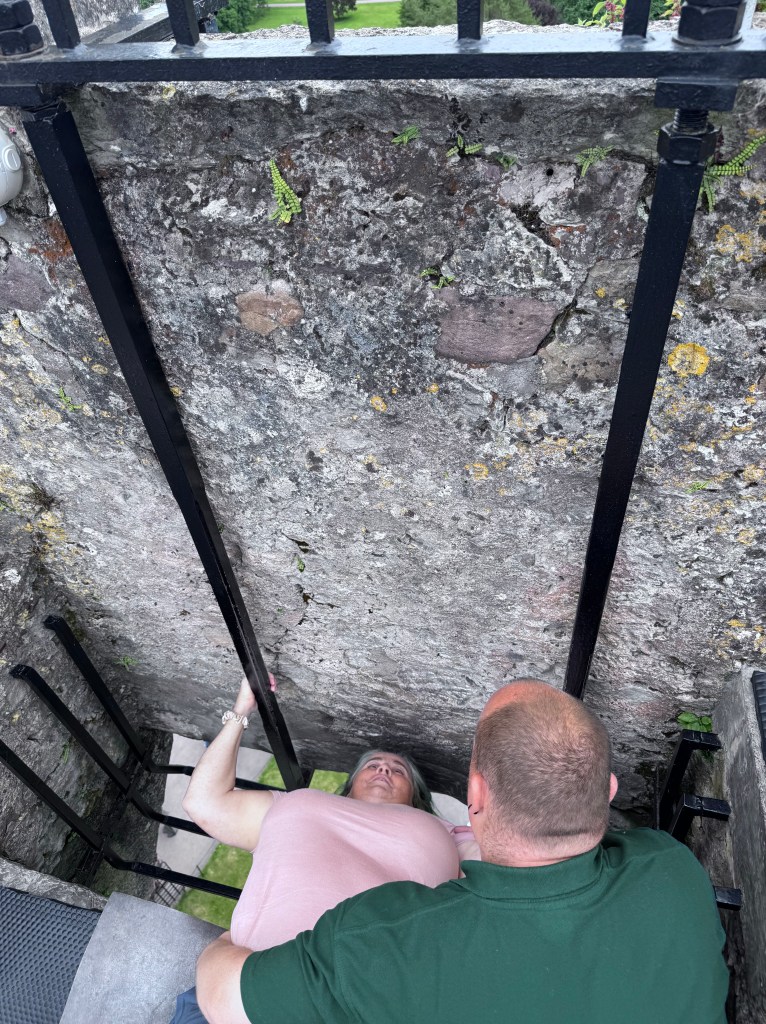
At the top, I was ready. I leaned back, grabbed the rails, and kissed the famous Blarney Stone. Now I’m patiently waiting for all the luck, charm, and gift of eloquence it’s supposed to bring me! We shall see.
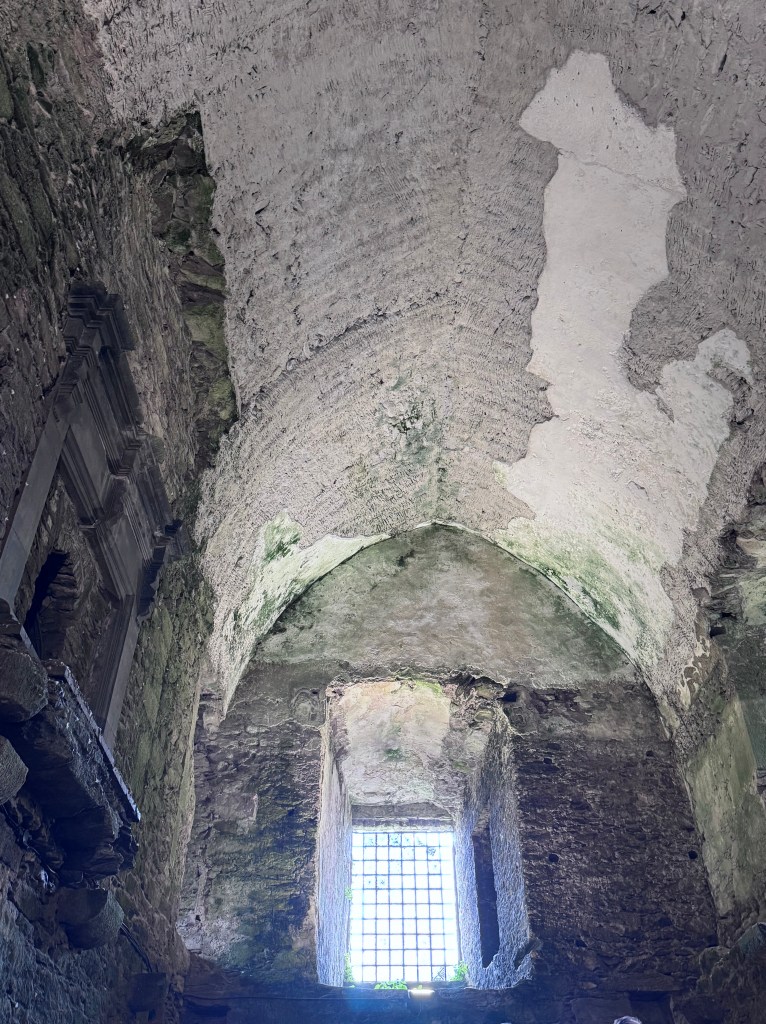
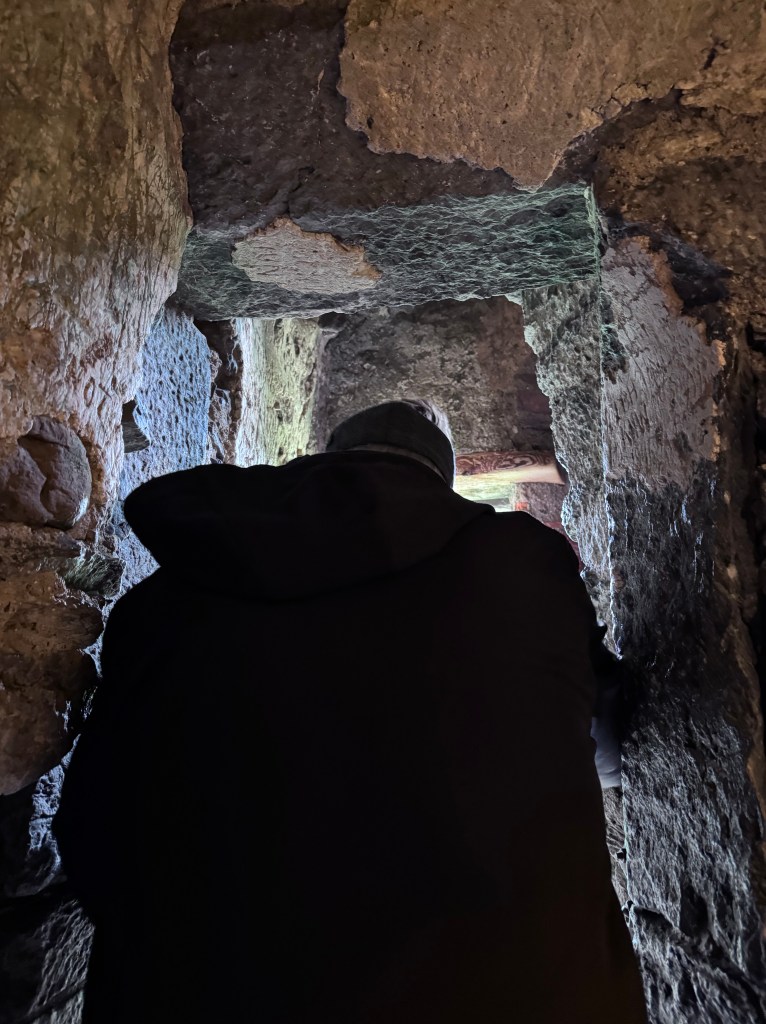
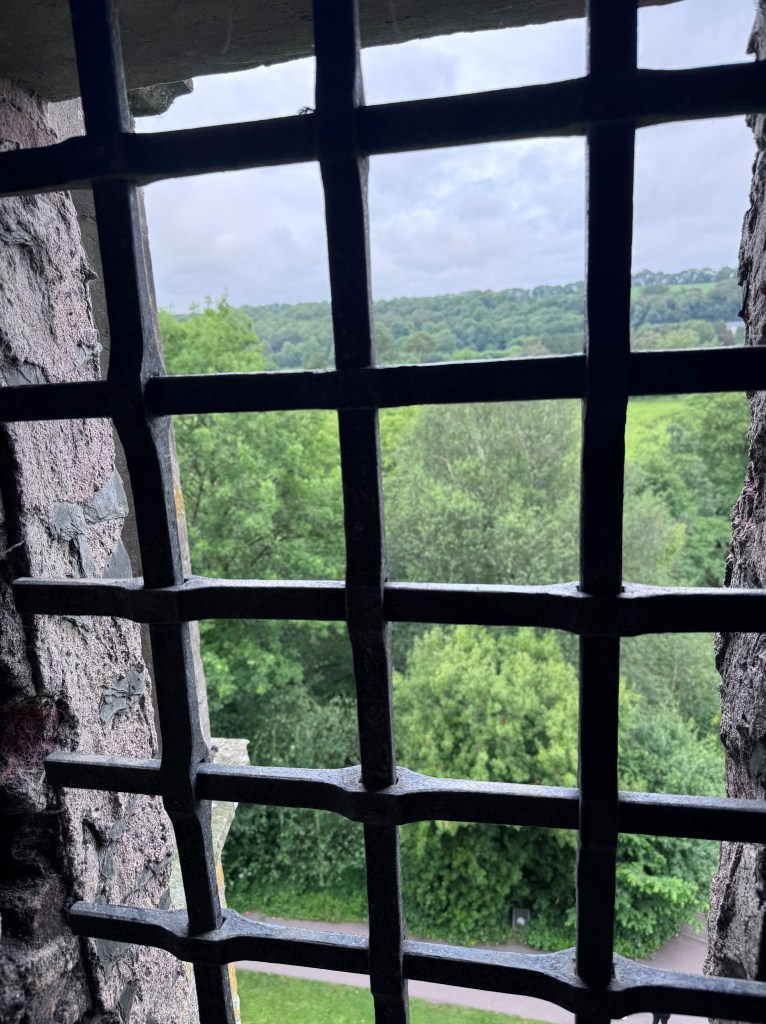
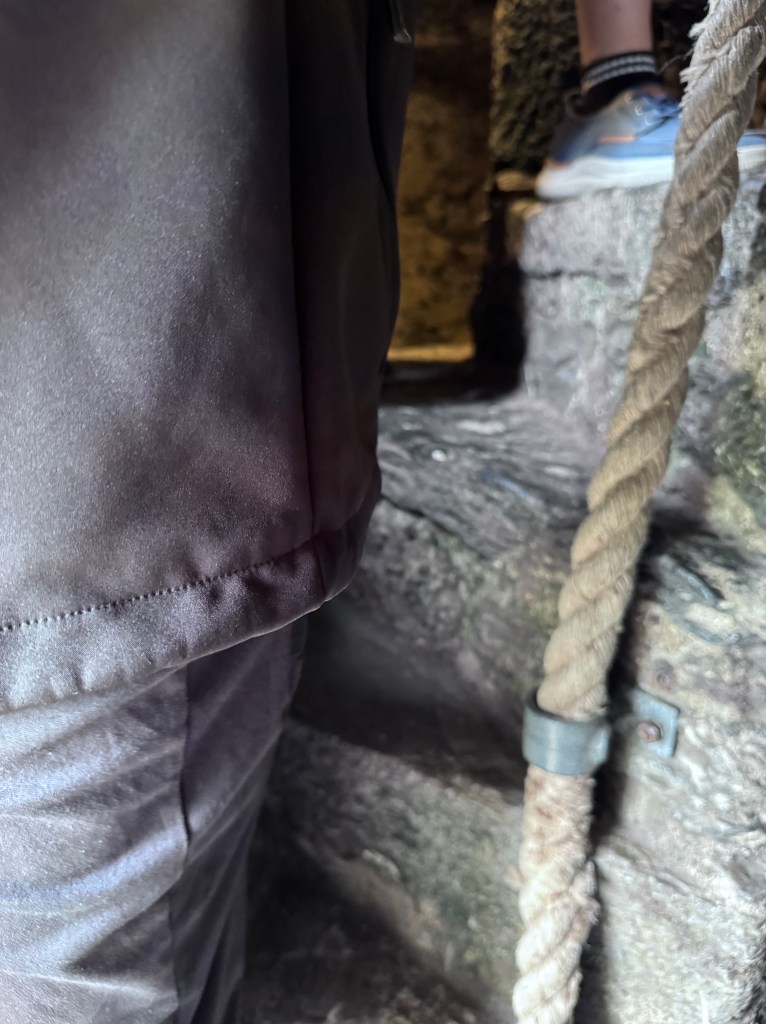
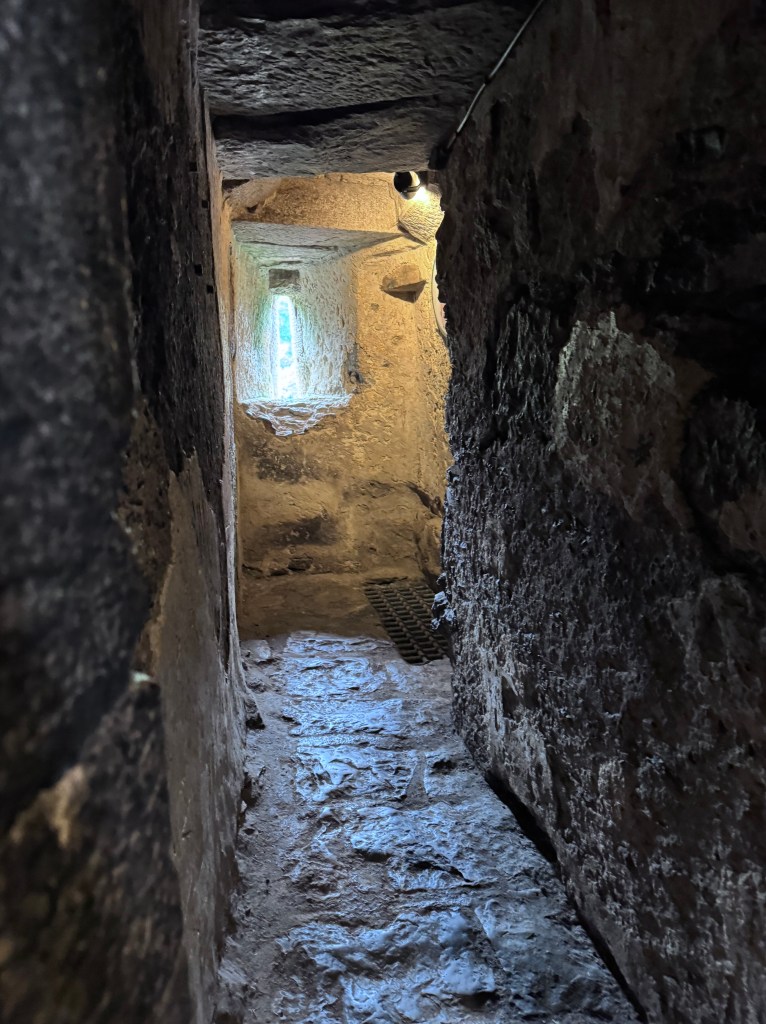
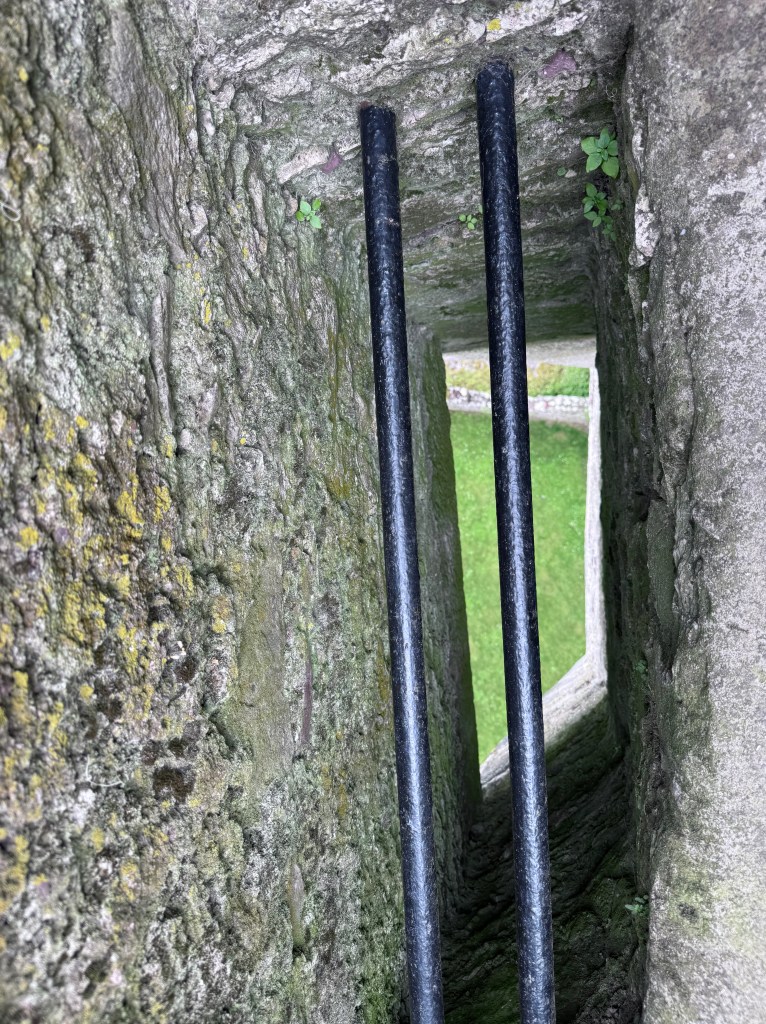
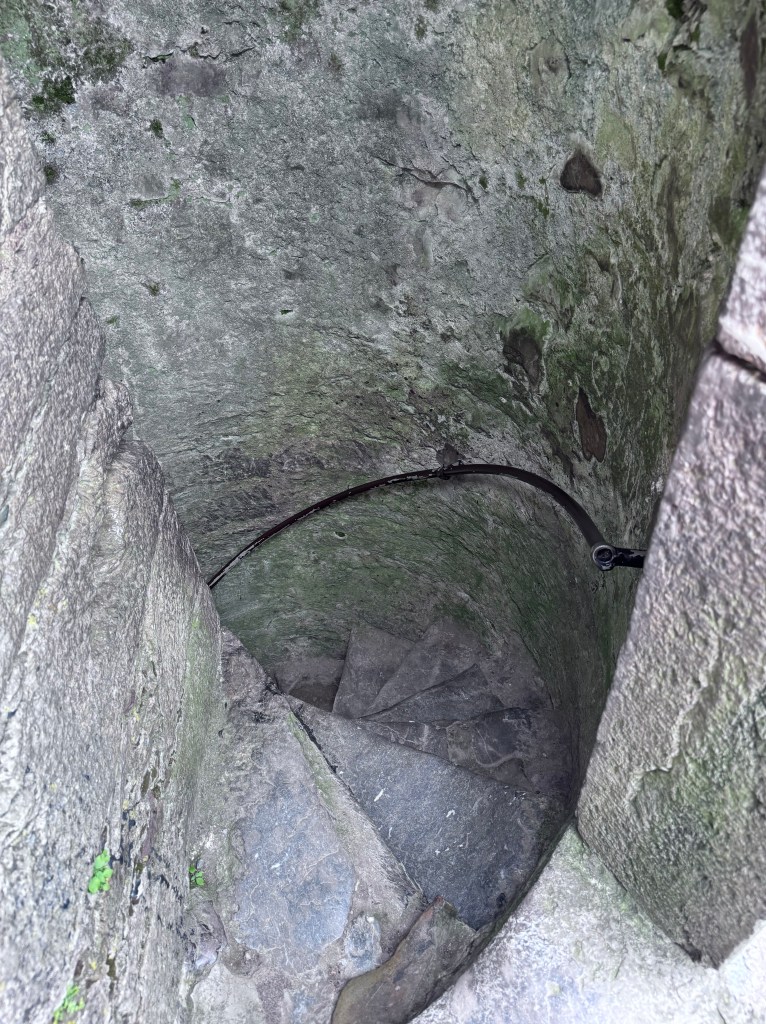
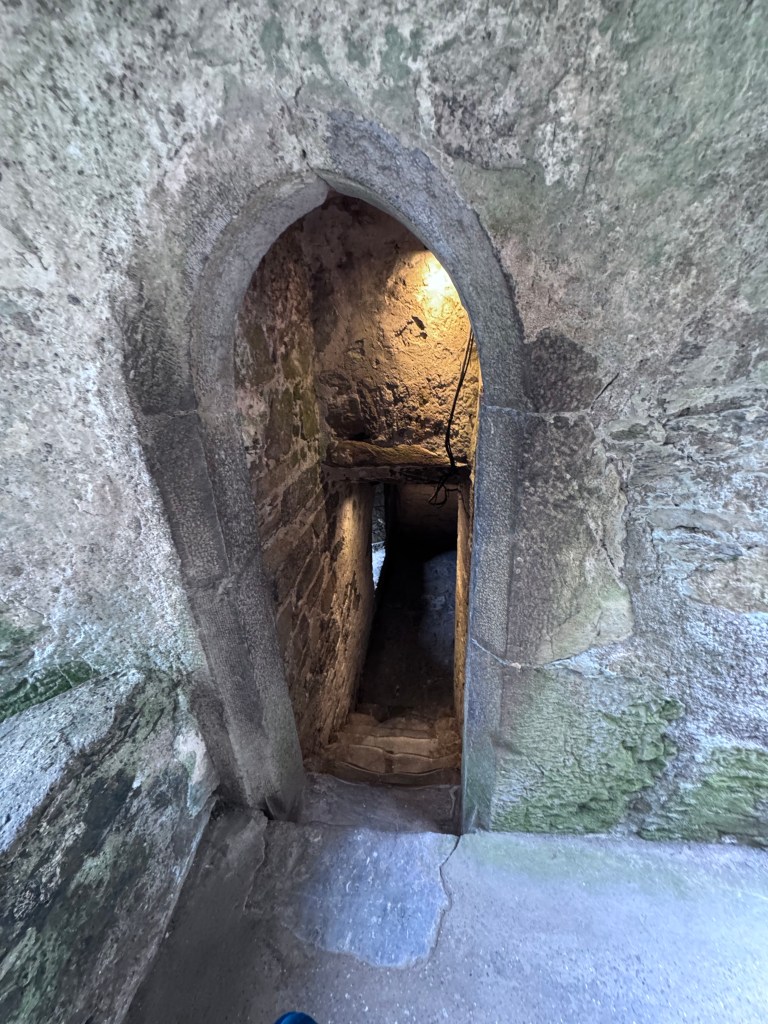
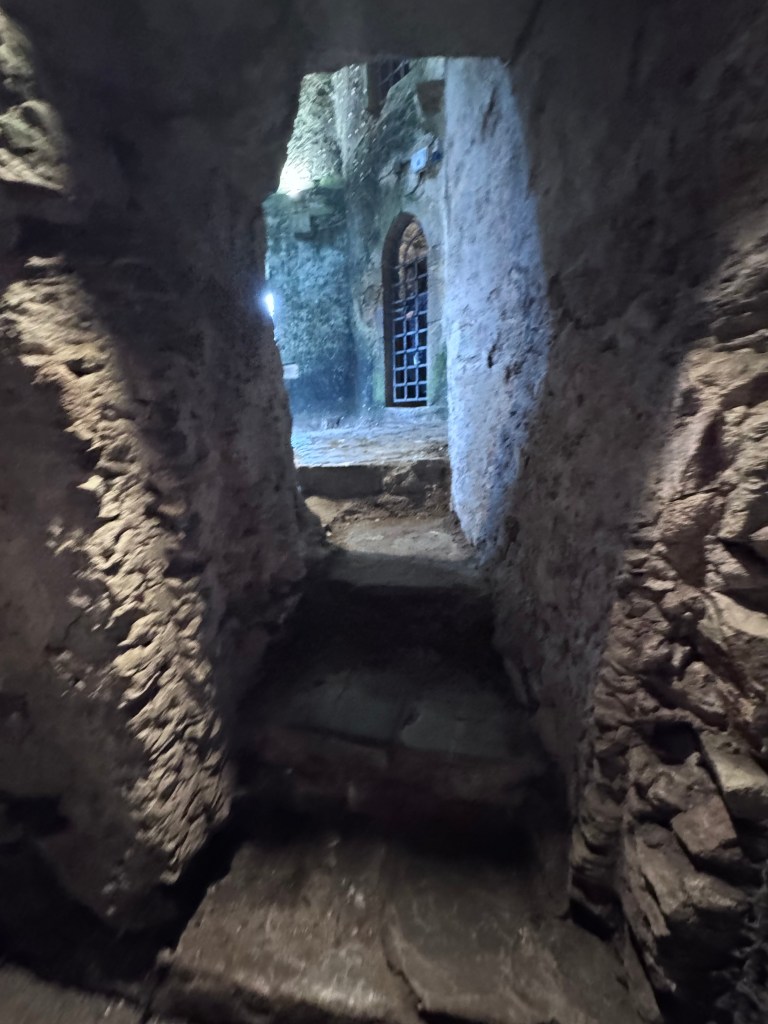
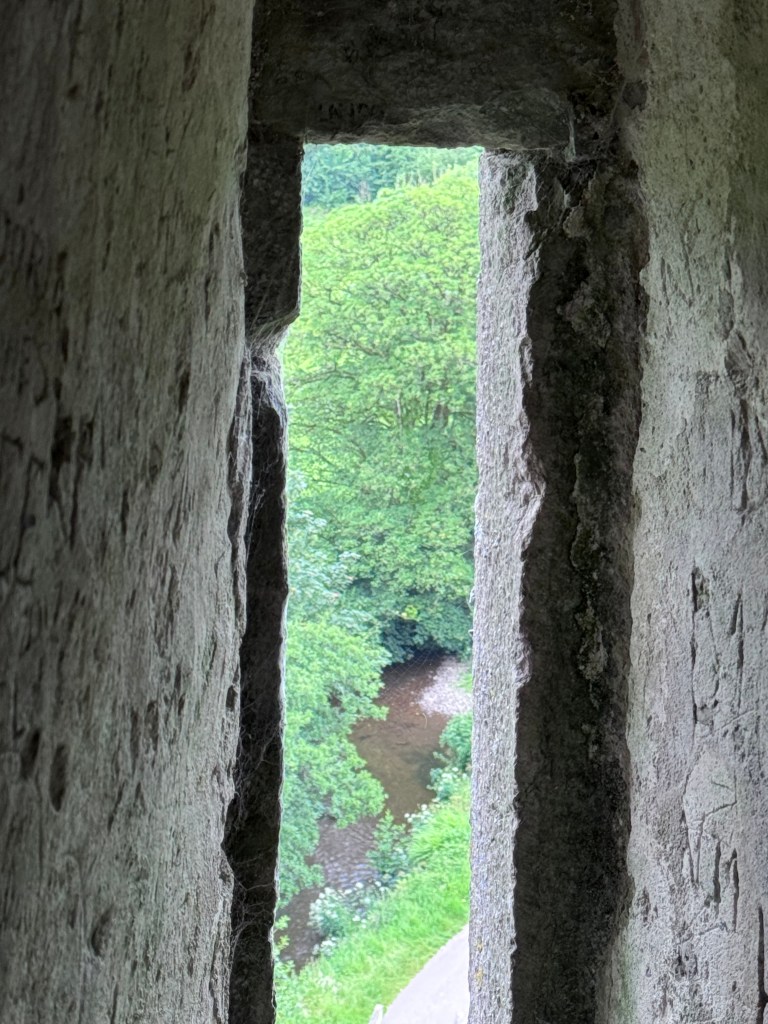
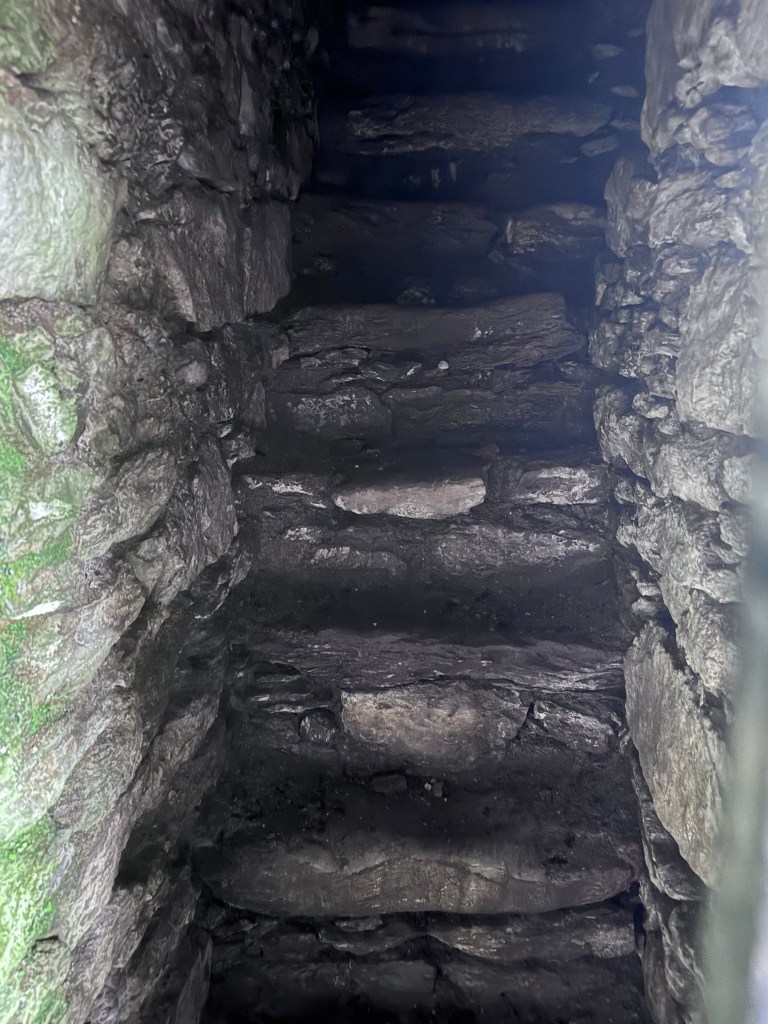
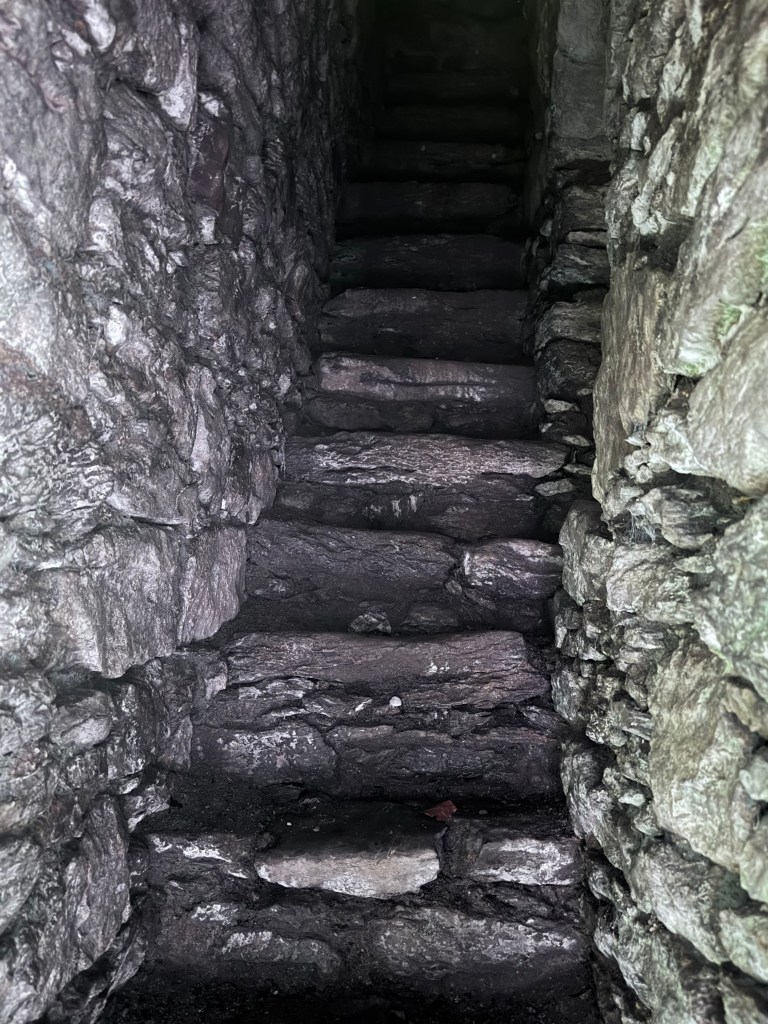
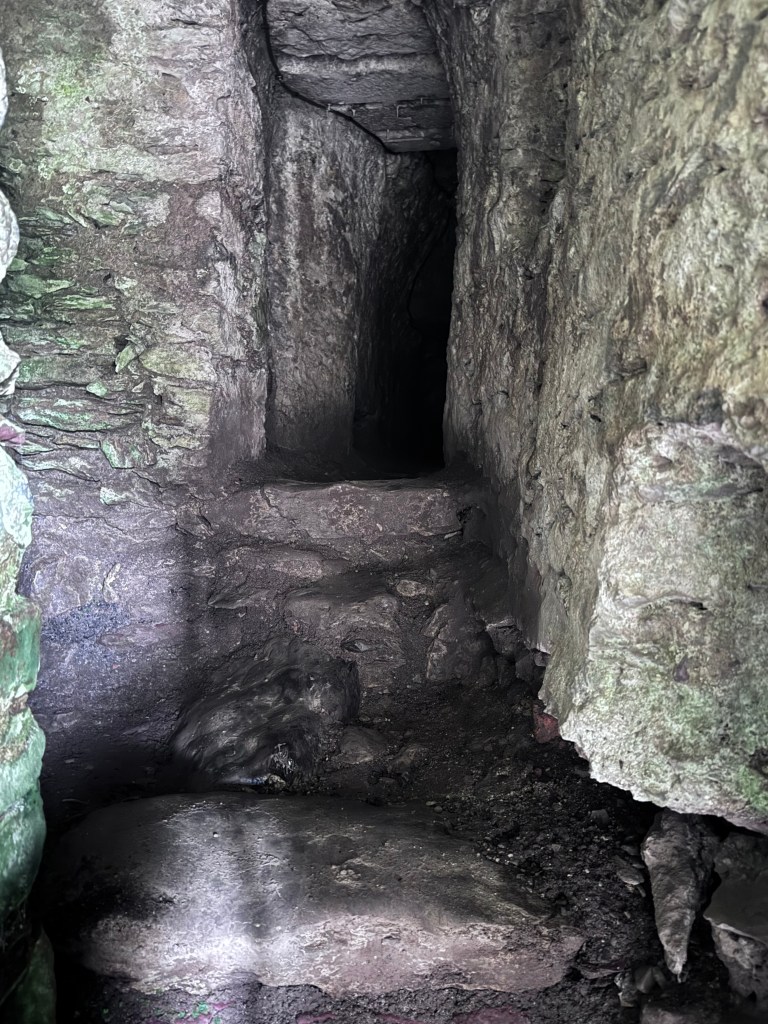
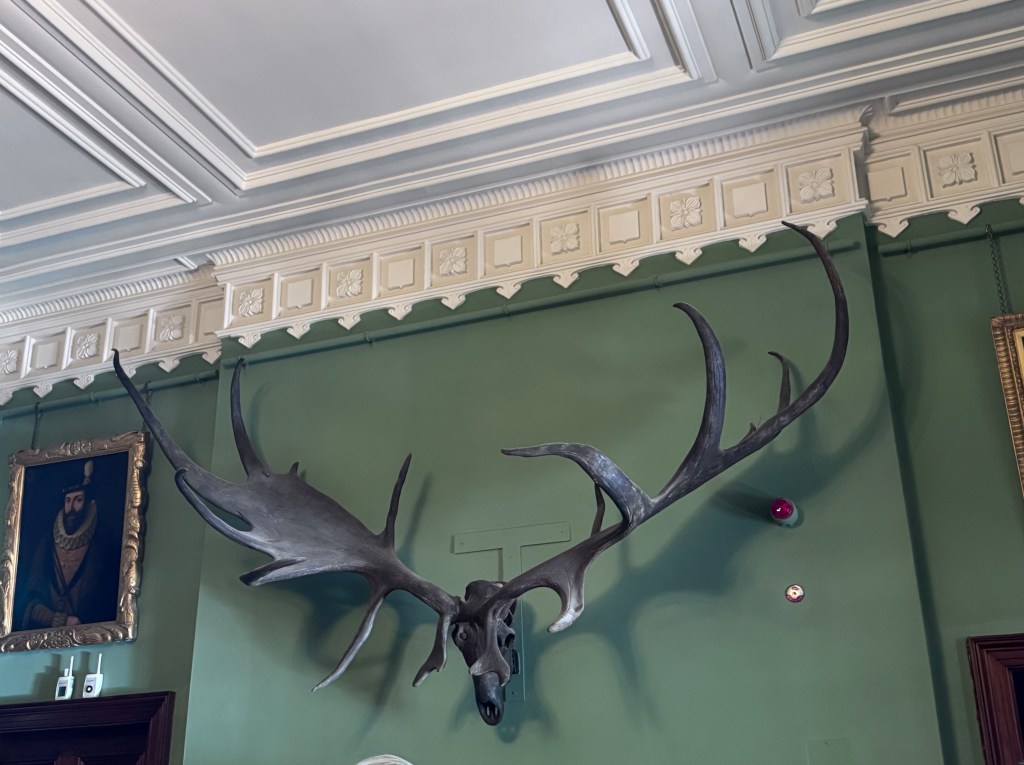
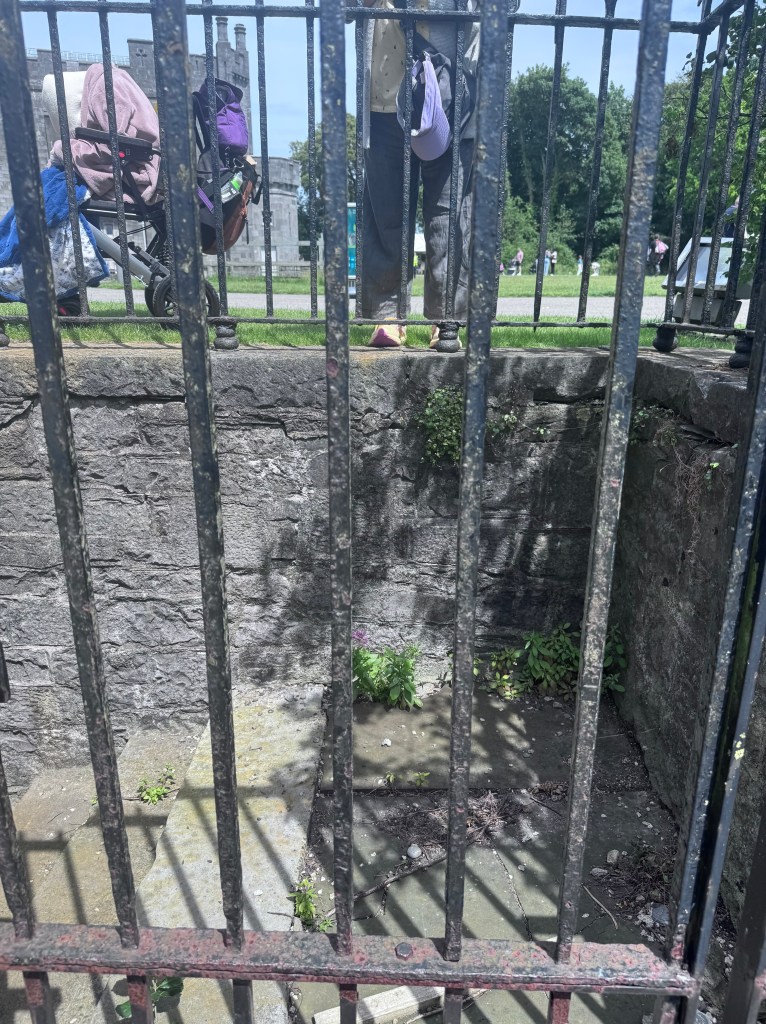
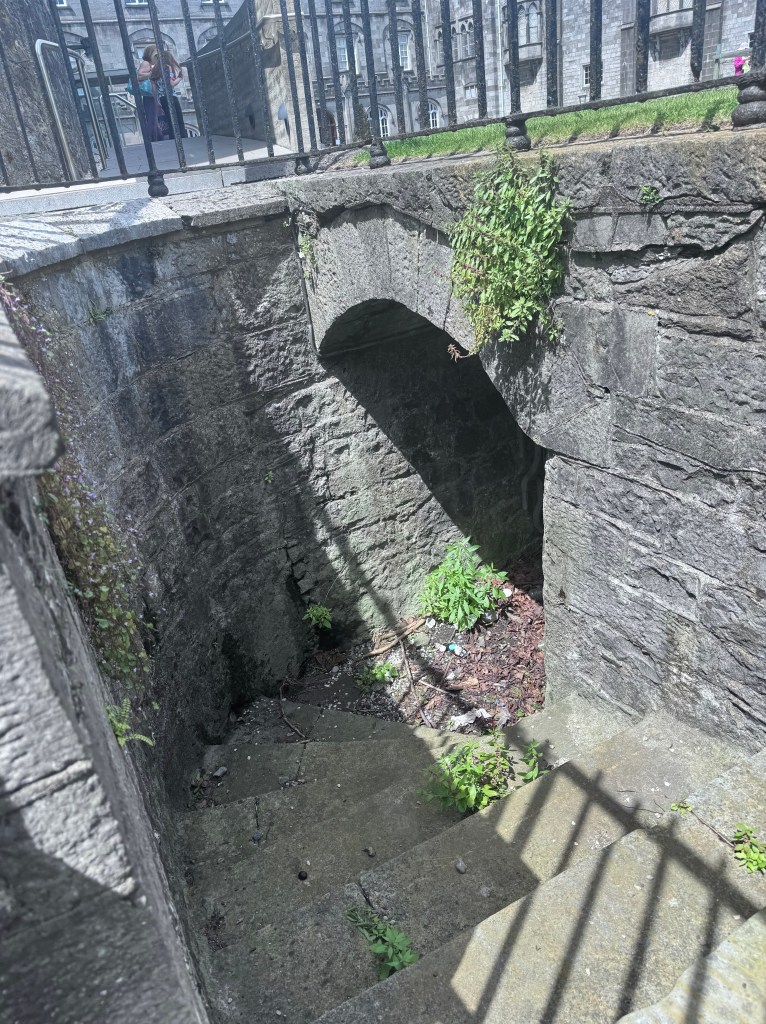
What surprised me most was how high up the castle kitchen was. The stairs were incredibly narrow, steep, and uneven. I couldn’t help but wonder how women managed them while wearing long dresses. Surely there must have been a few unfortunate tumbles over the centuries! I had no trouble with the low ceilings, but many visitors had to bend, duck, and crouch their way through the passages.
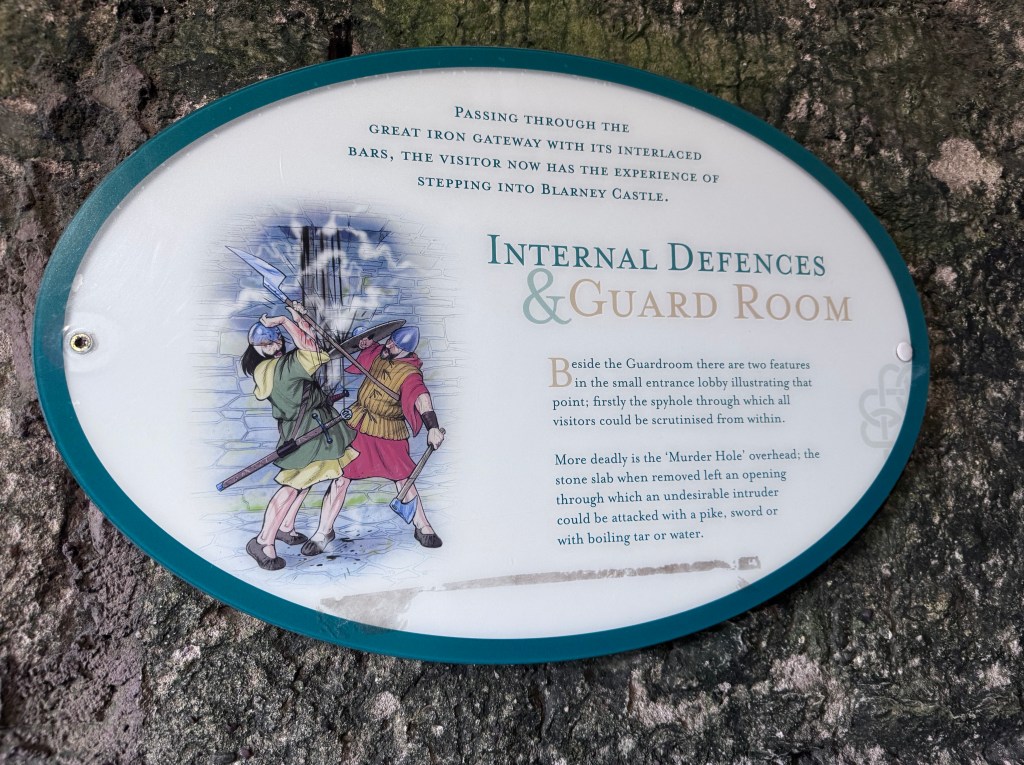
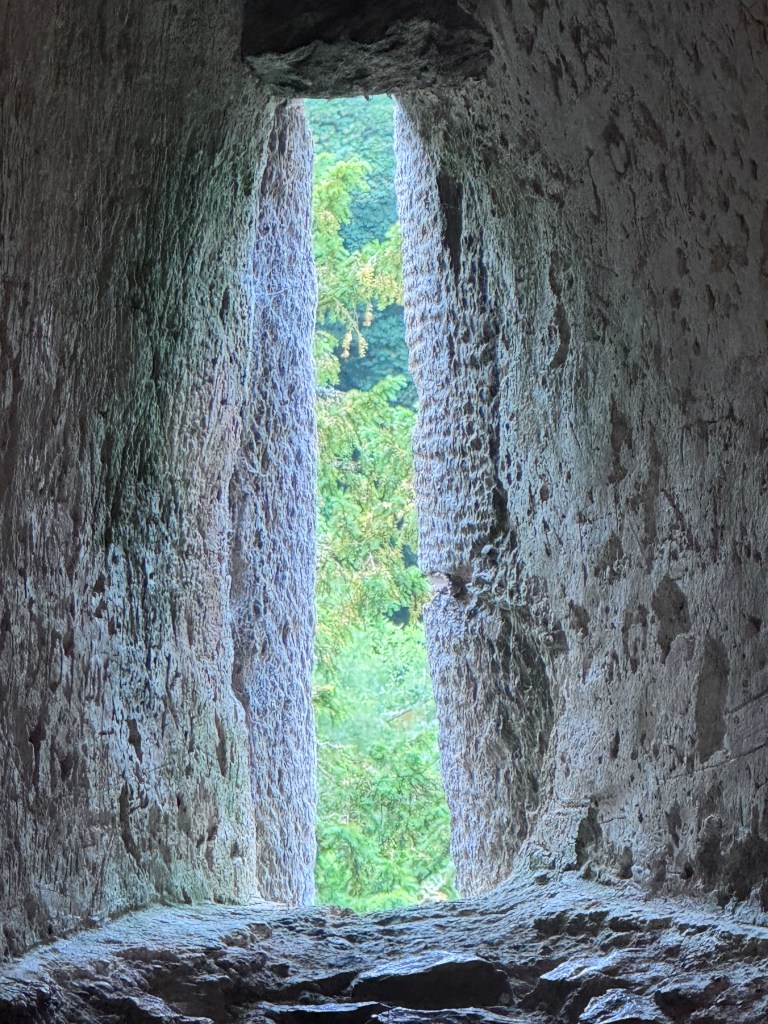
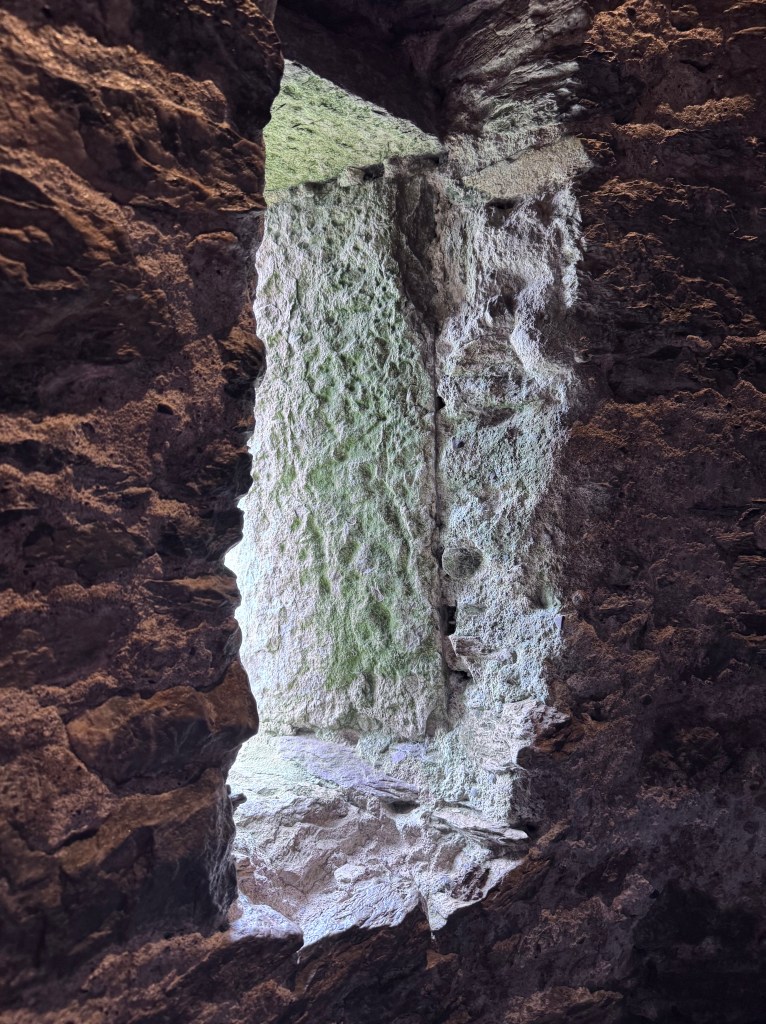
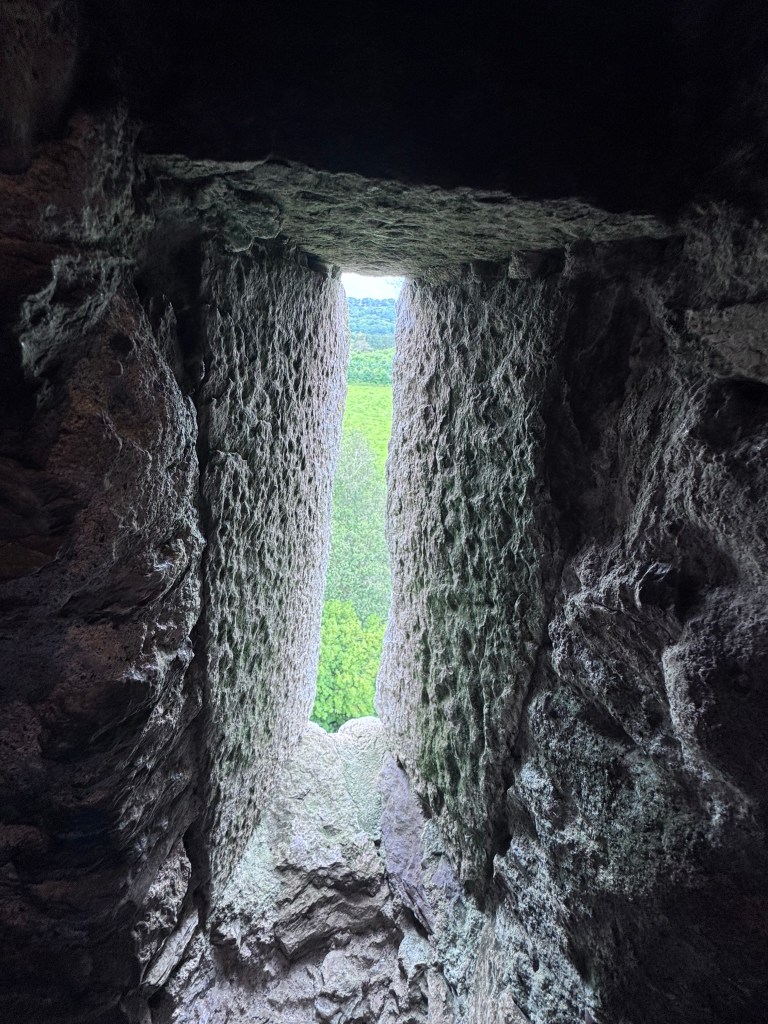
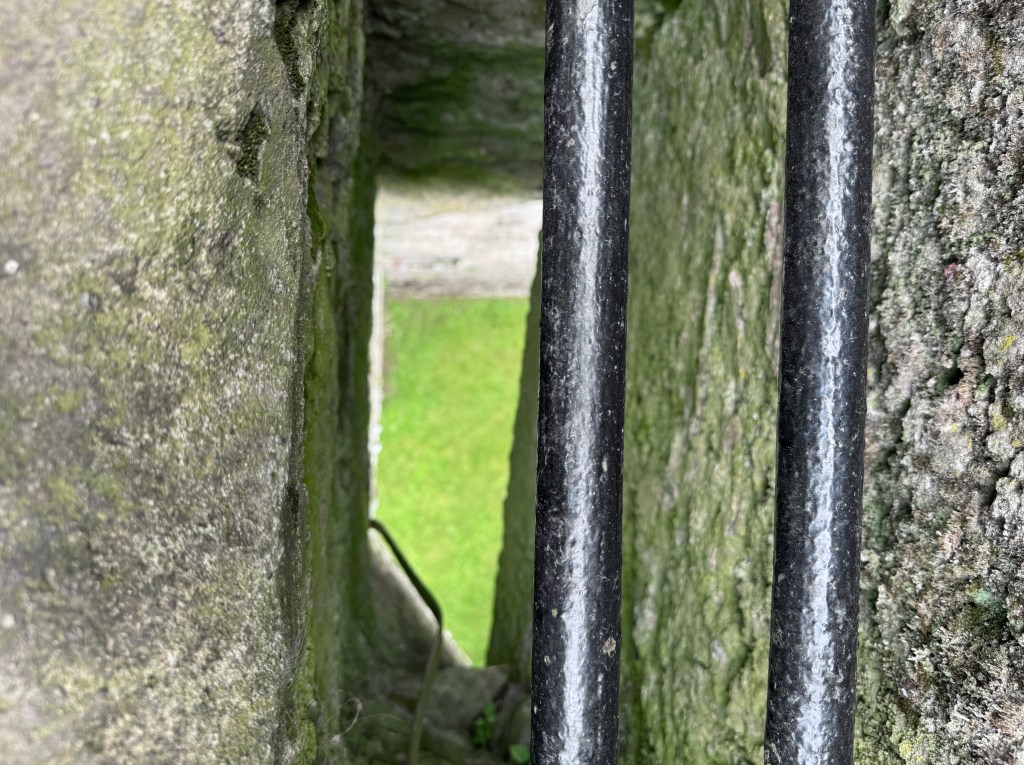
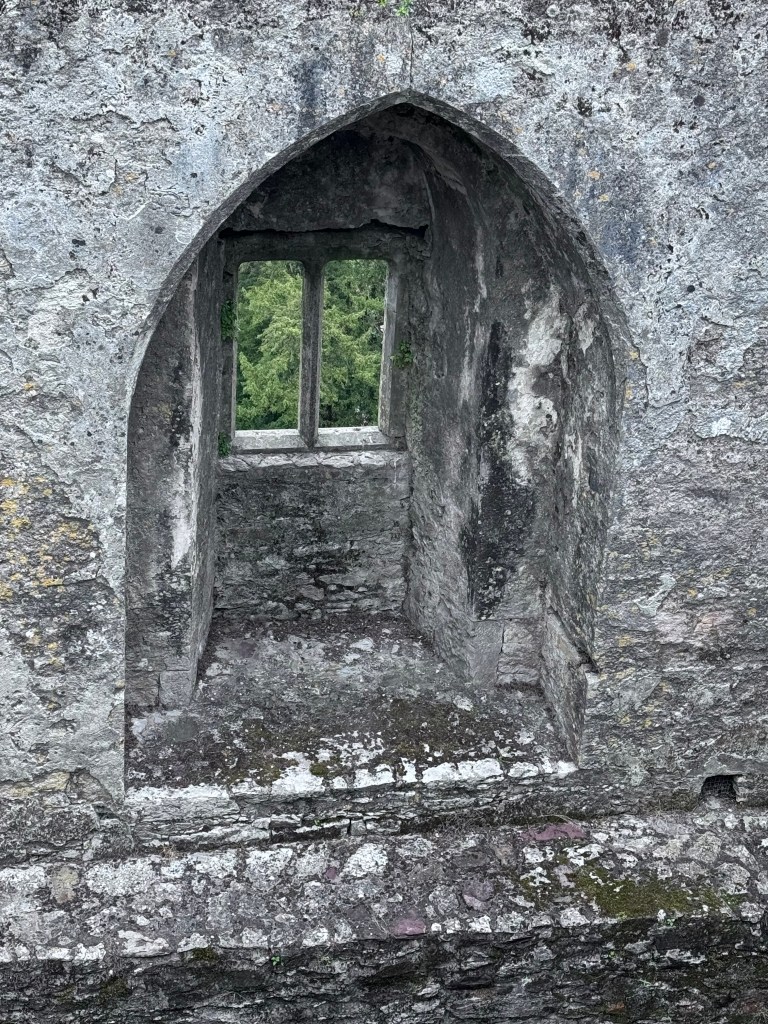
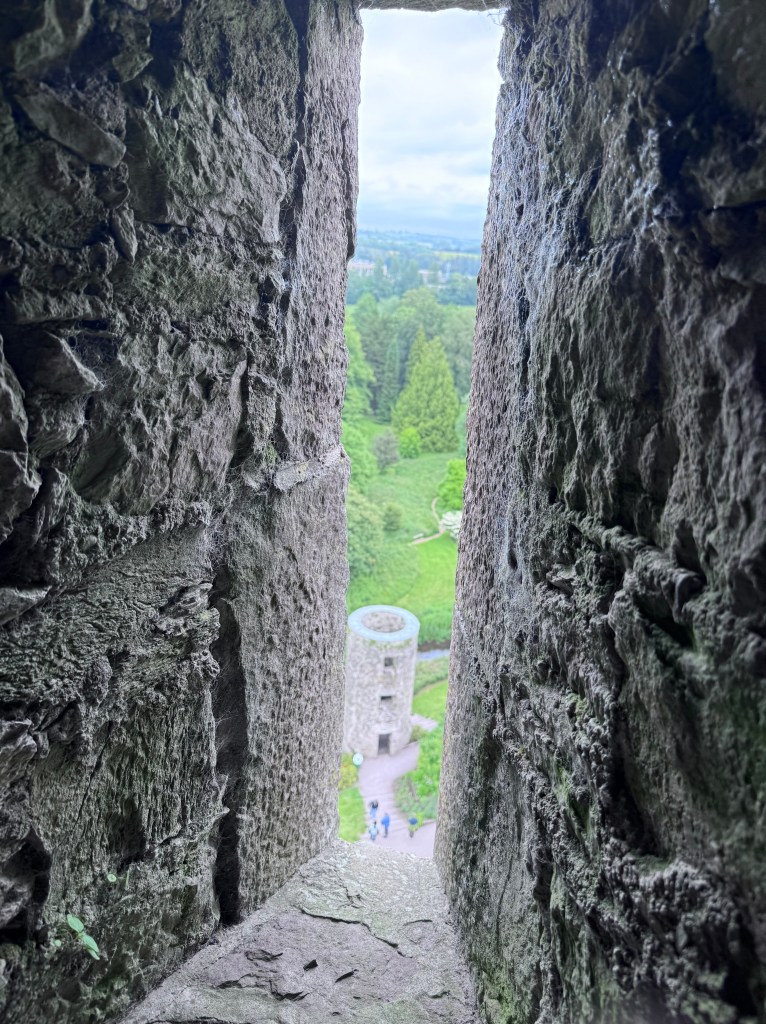
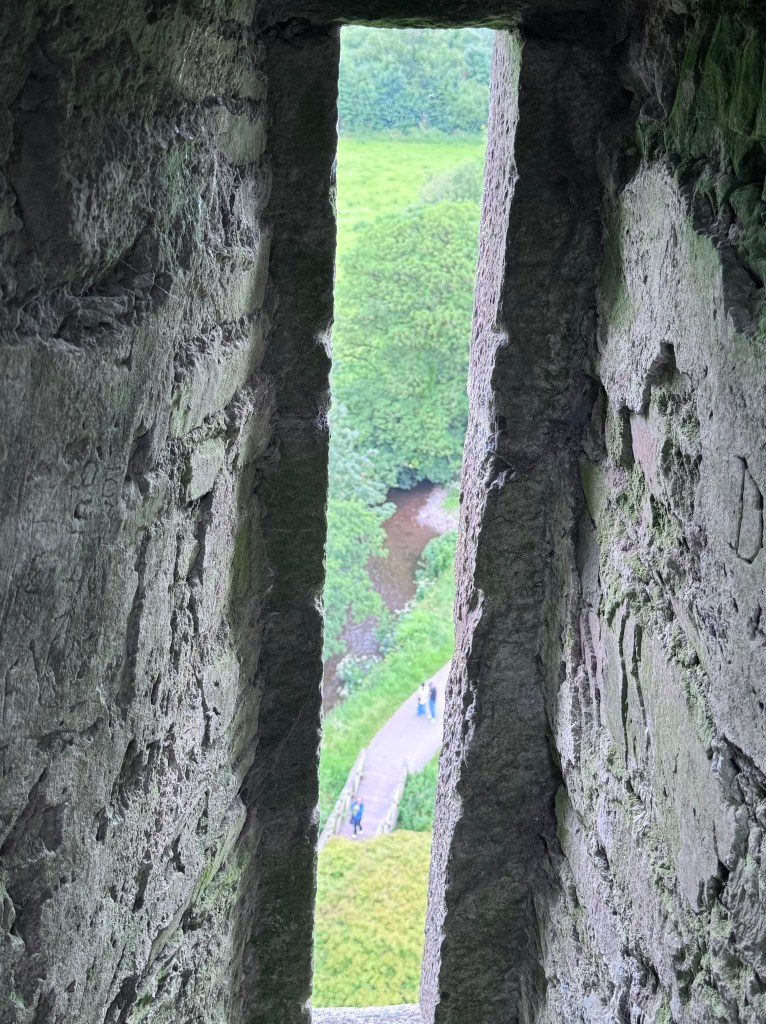
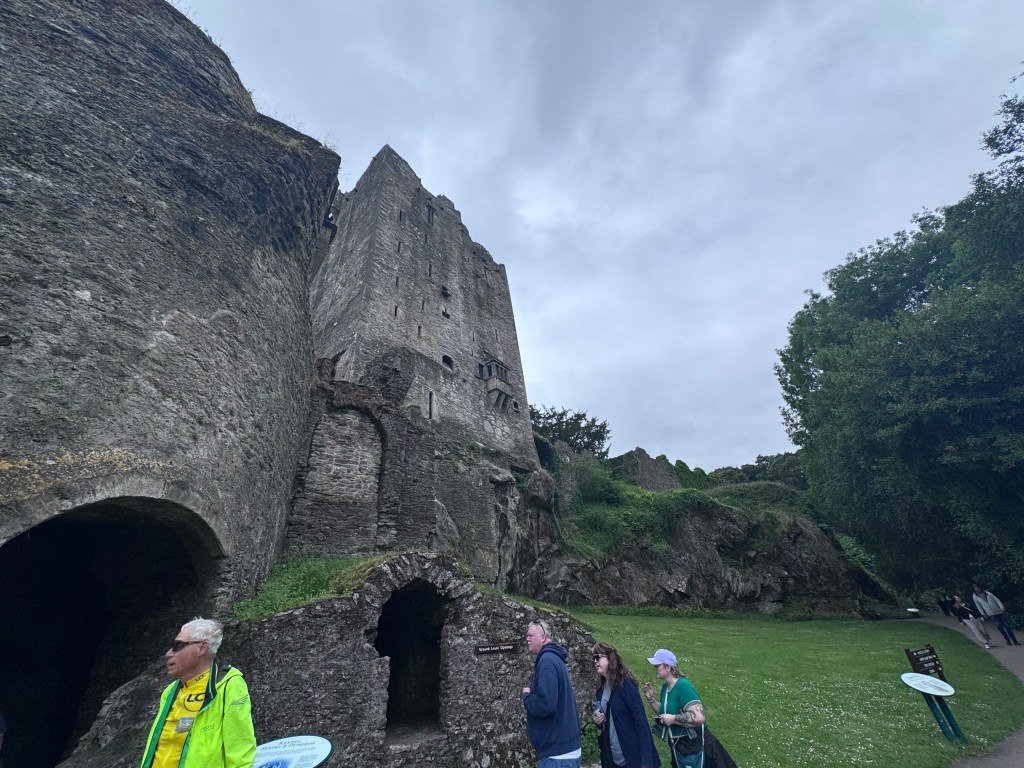
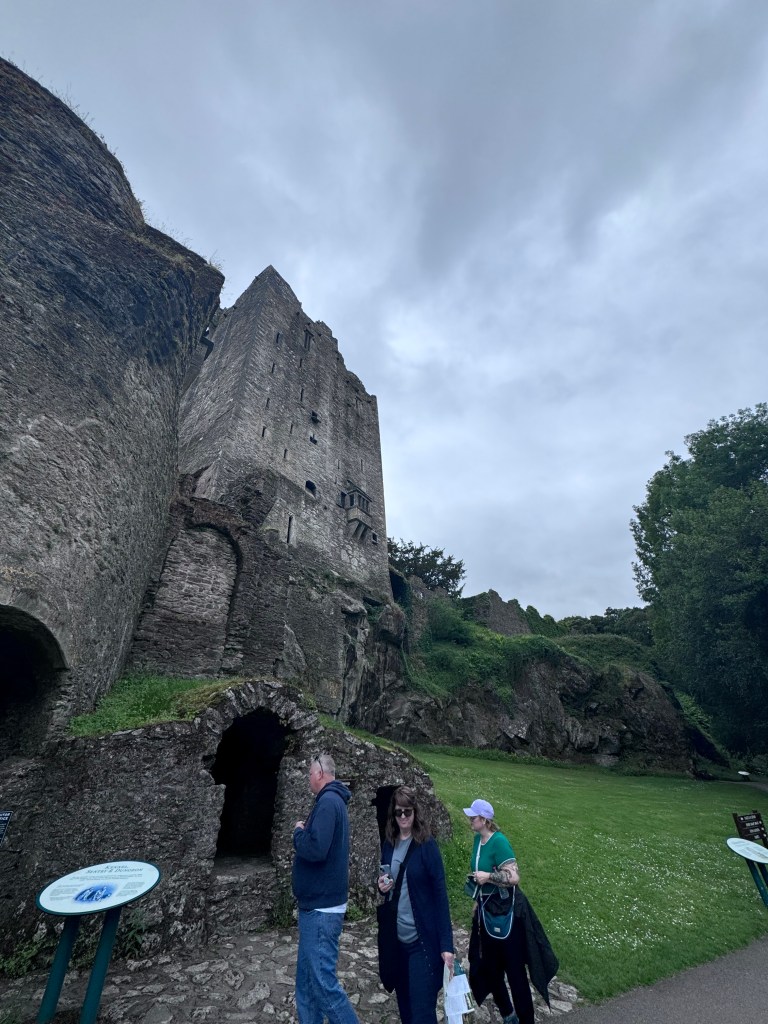
Walking around the castle grounds afterward, I was fascinated by the engineering. The builders found a massive rock outcrop, leveled it with additional stonework, and then constructed the castle directly on top of it. The walls are an astonishing 18 feet thick at the base and gradually slope inward as they rise. This design helped make the structure more stable and has undoubtedly contributed to its survival for centuries. It also served a defensive purpose. If attackers approached the castle walls, defenders could drop objects from above, and the sloping walls would cause those objects to bounce outward, striking enemies farther away from the base of the castle. Standing beneath those massive stone walls and realizing the thought and skill that went into their construction made me appreciate the castle even more.
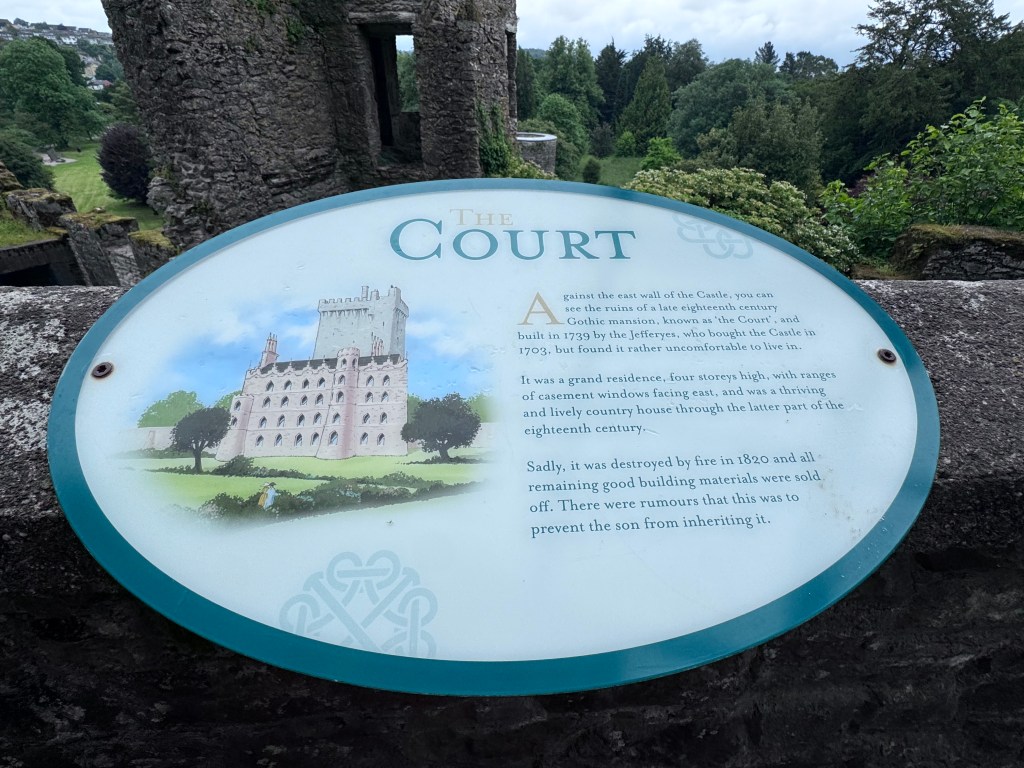
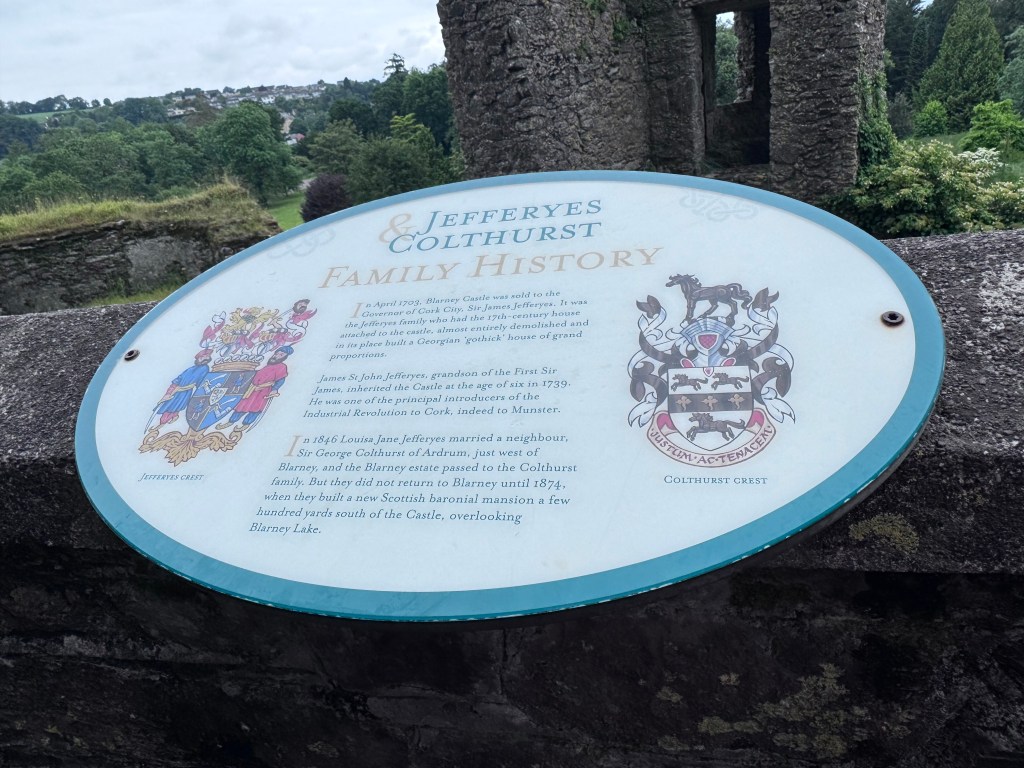
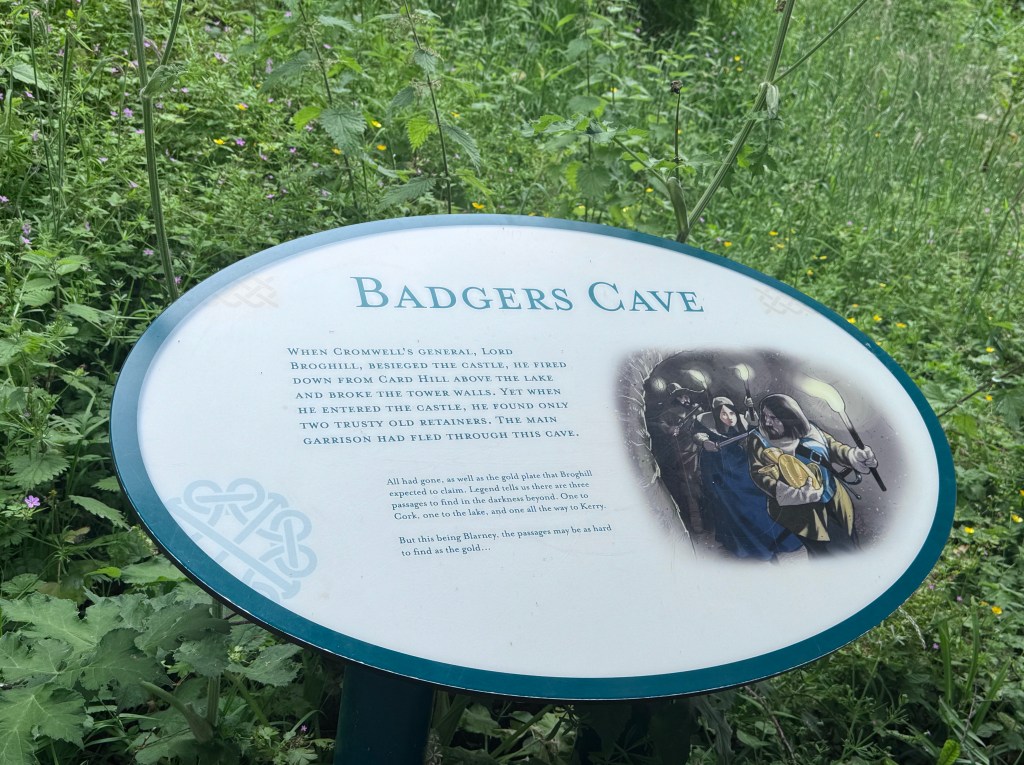
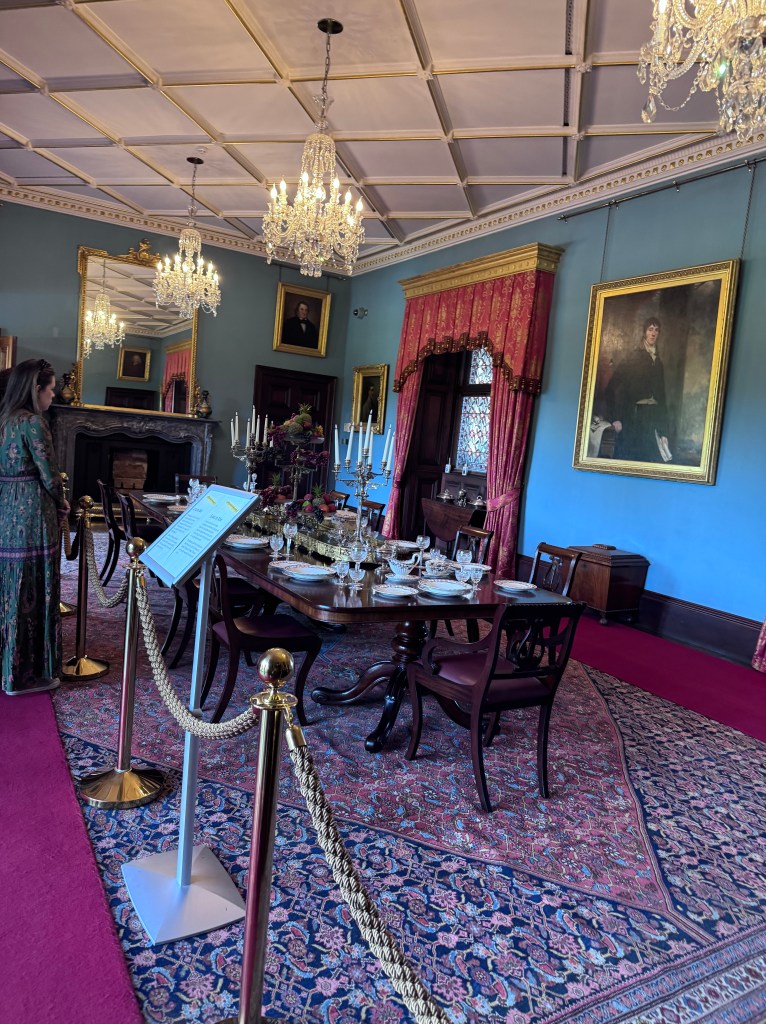
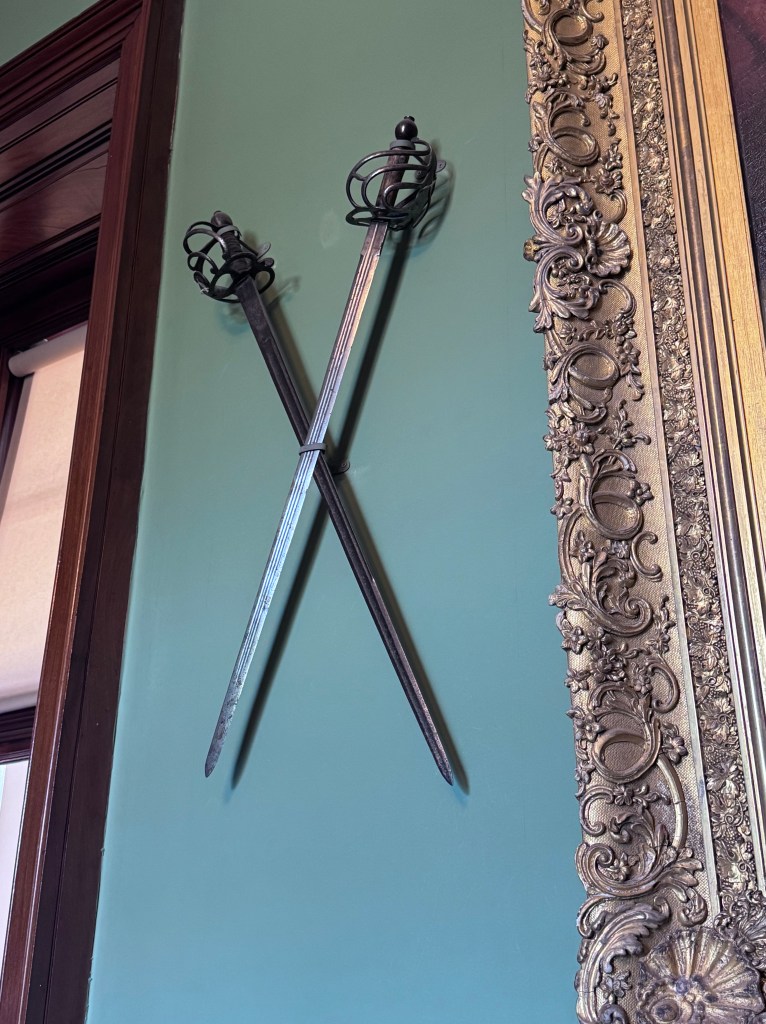
Over the centuries, the castle witnessed its share of conflict and changing ownership. It was besieged and captured by English Parliamentarian forces in 1646 during the English Civil War. The castle was later restored to Donough MacCarty, the Earl of Clancarty, but was eventually confiscated by William of Orange. After passing through several owners, the estate was purchased by Sir James St. John Jefferyes in 1688. The Jefferyes family later built a mansion near the ruined keep, and remarkably, their descendants continue to own and care for the estate today.
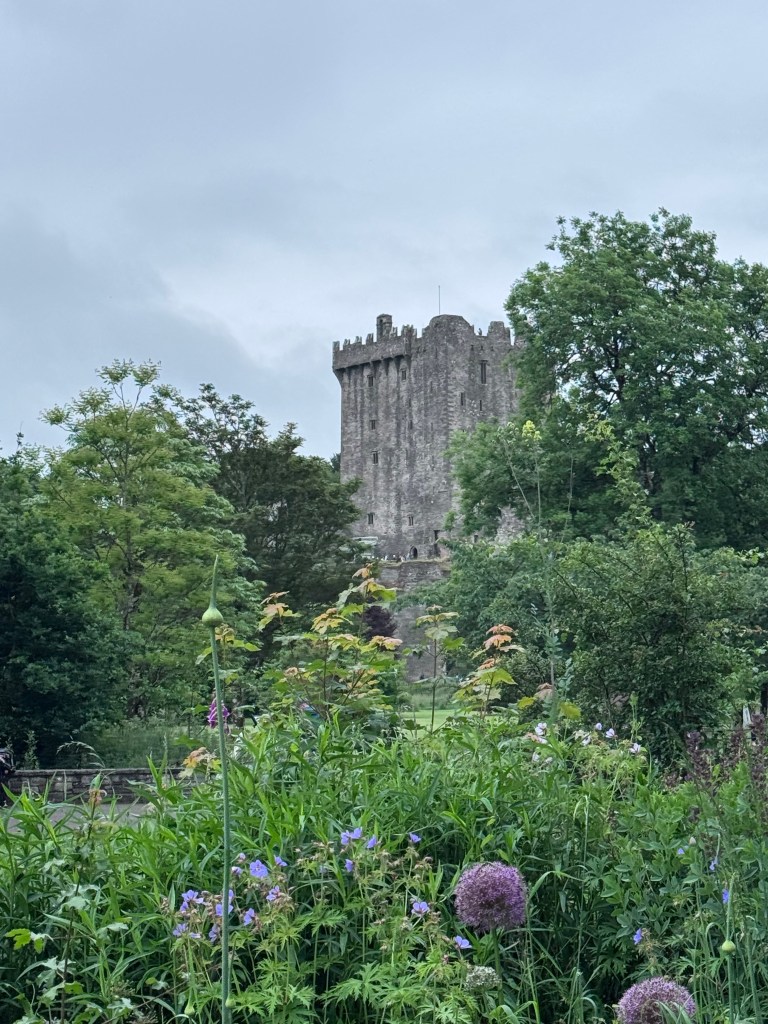
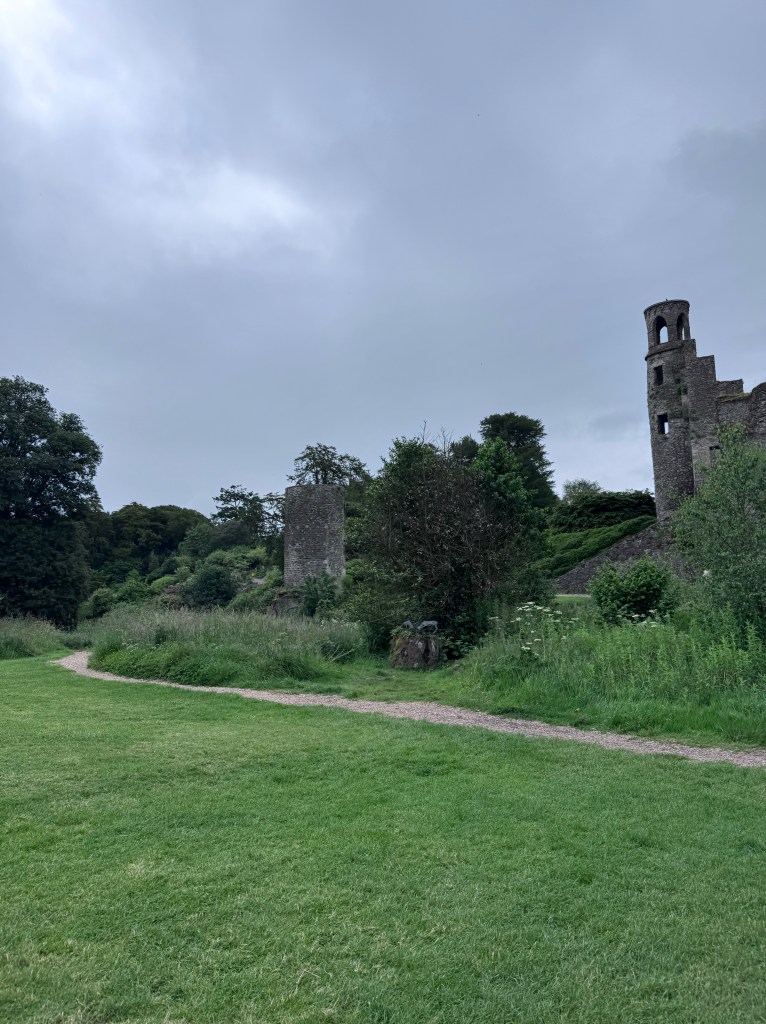
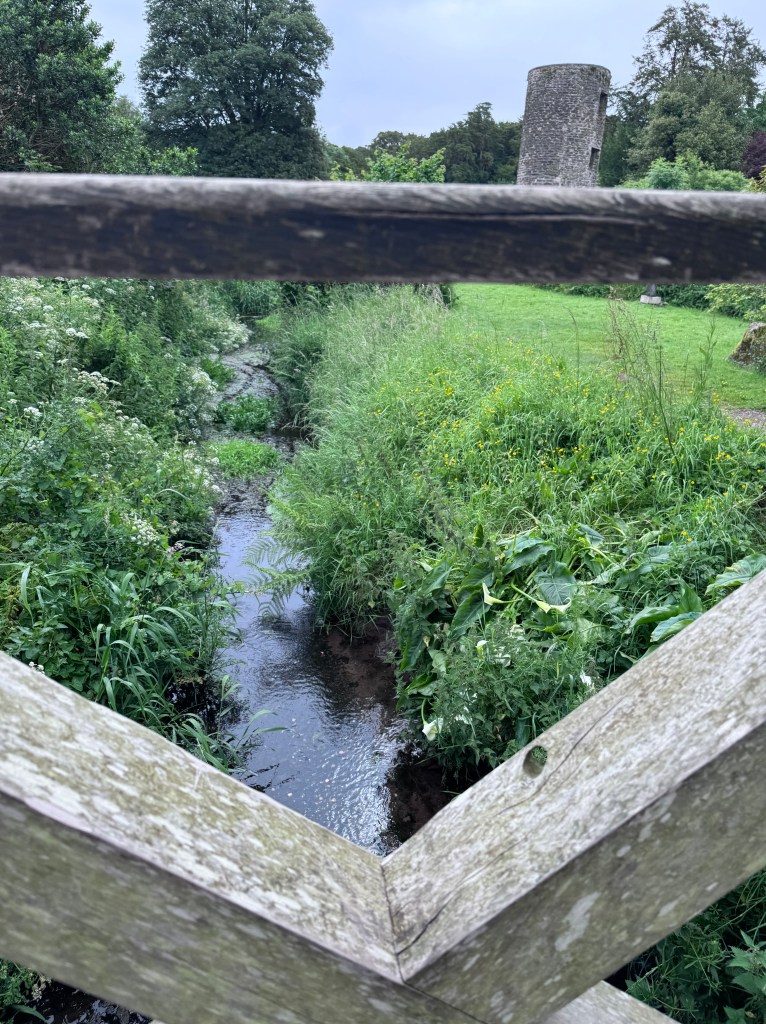
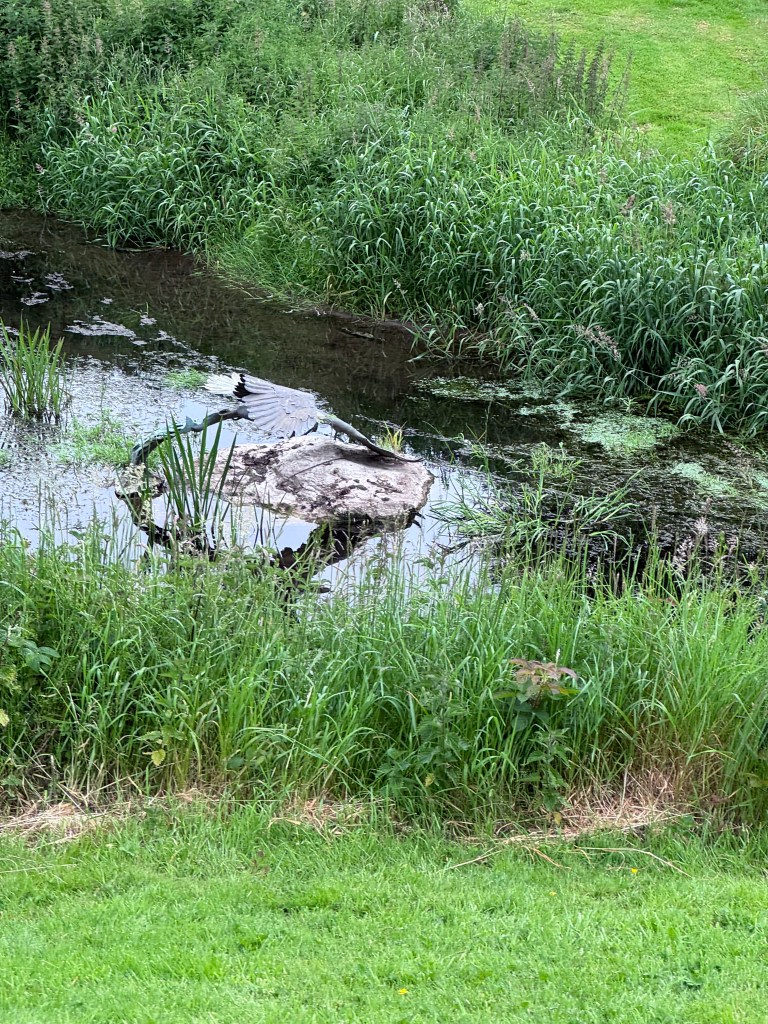
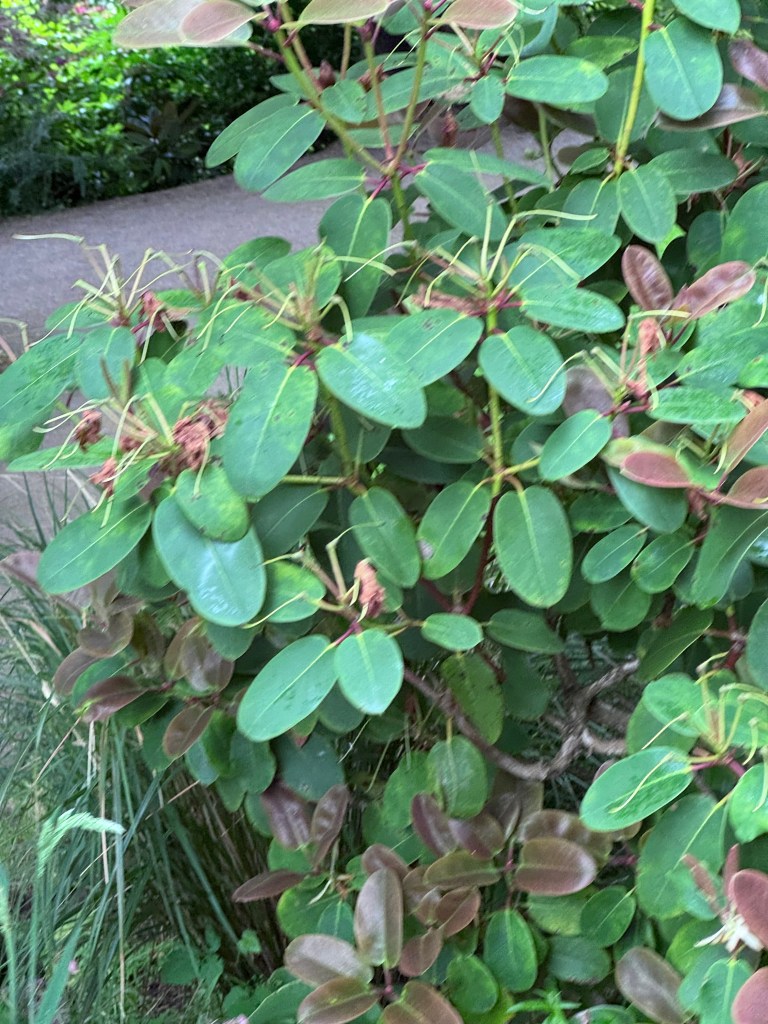
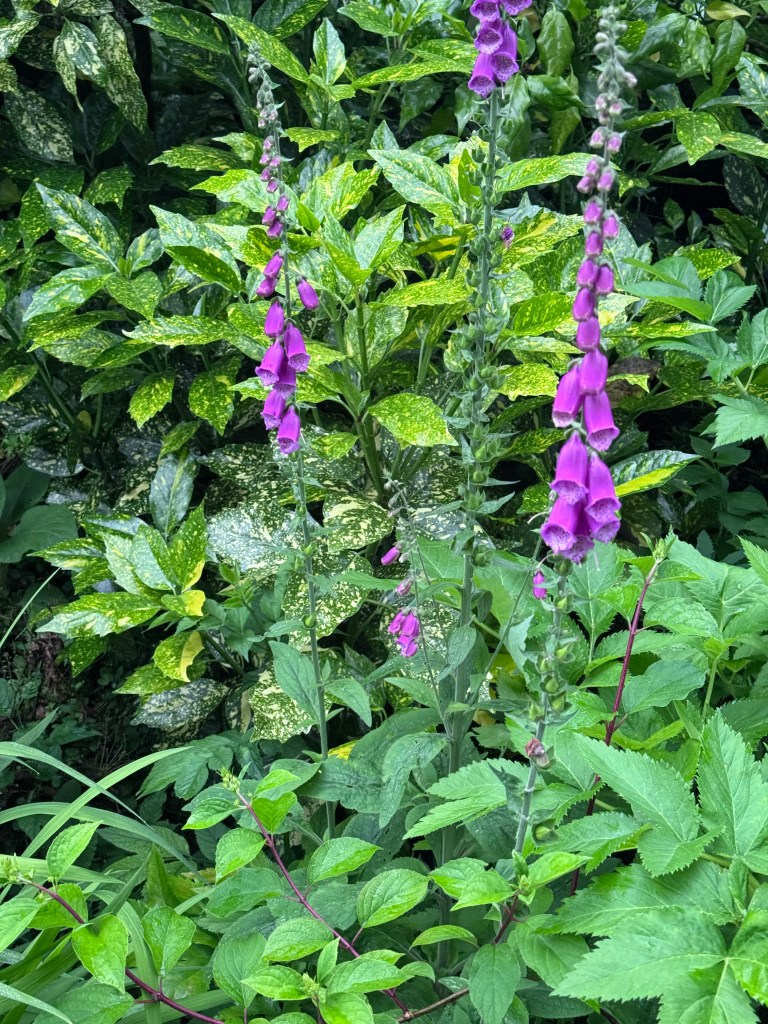
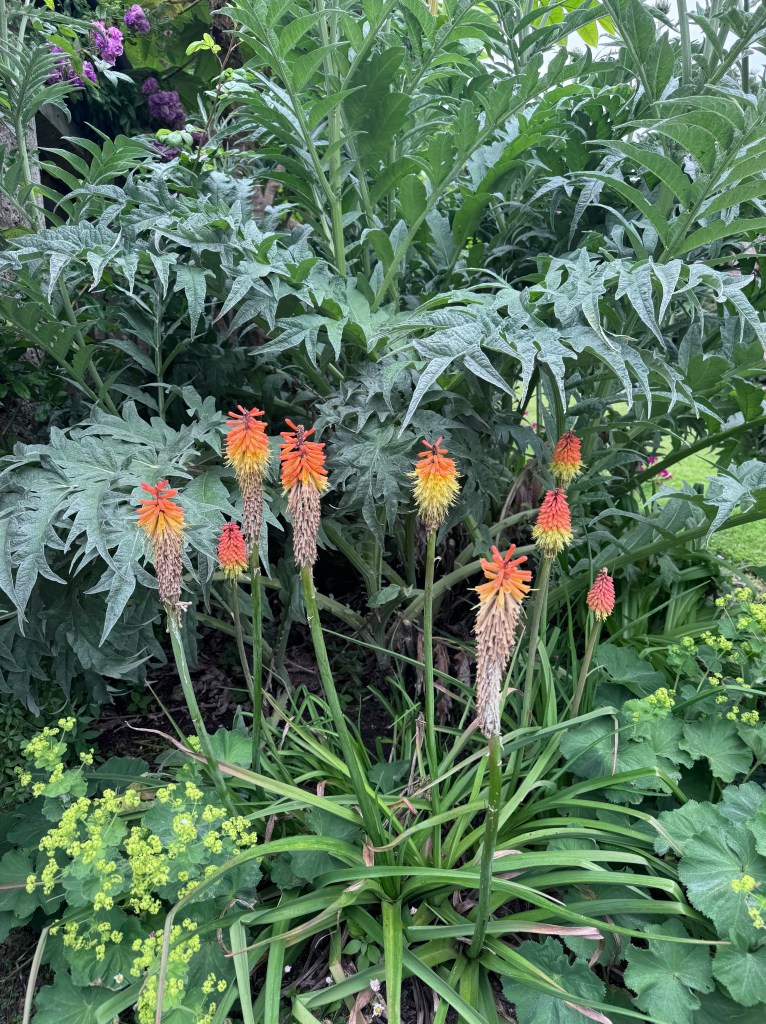
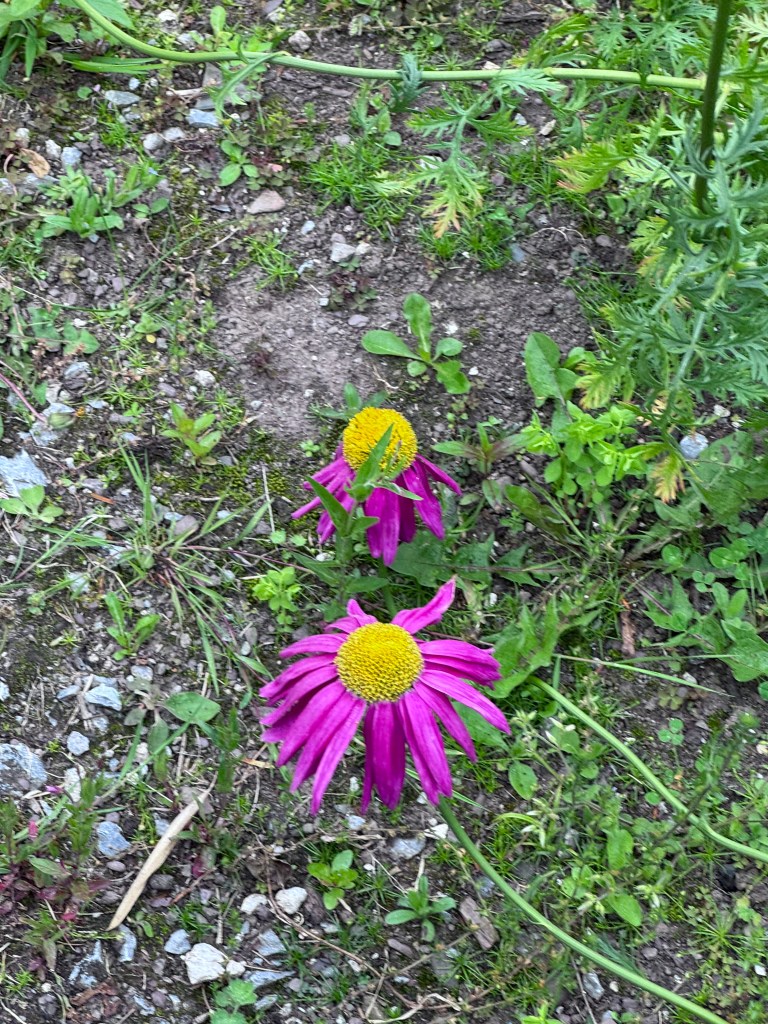
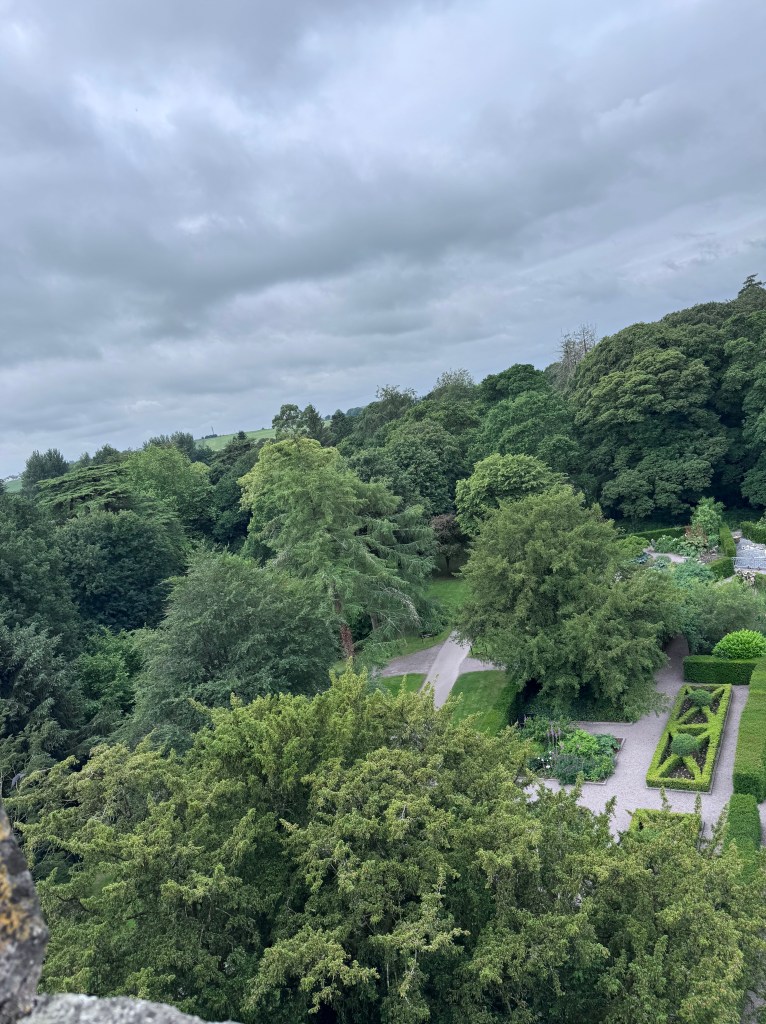
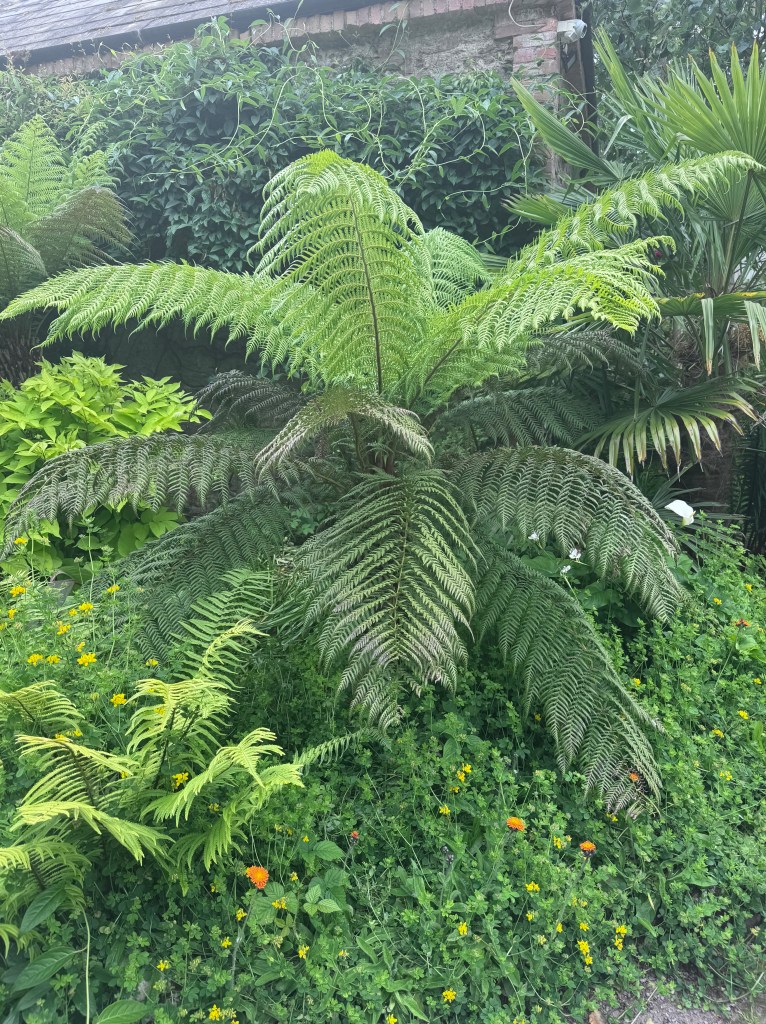
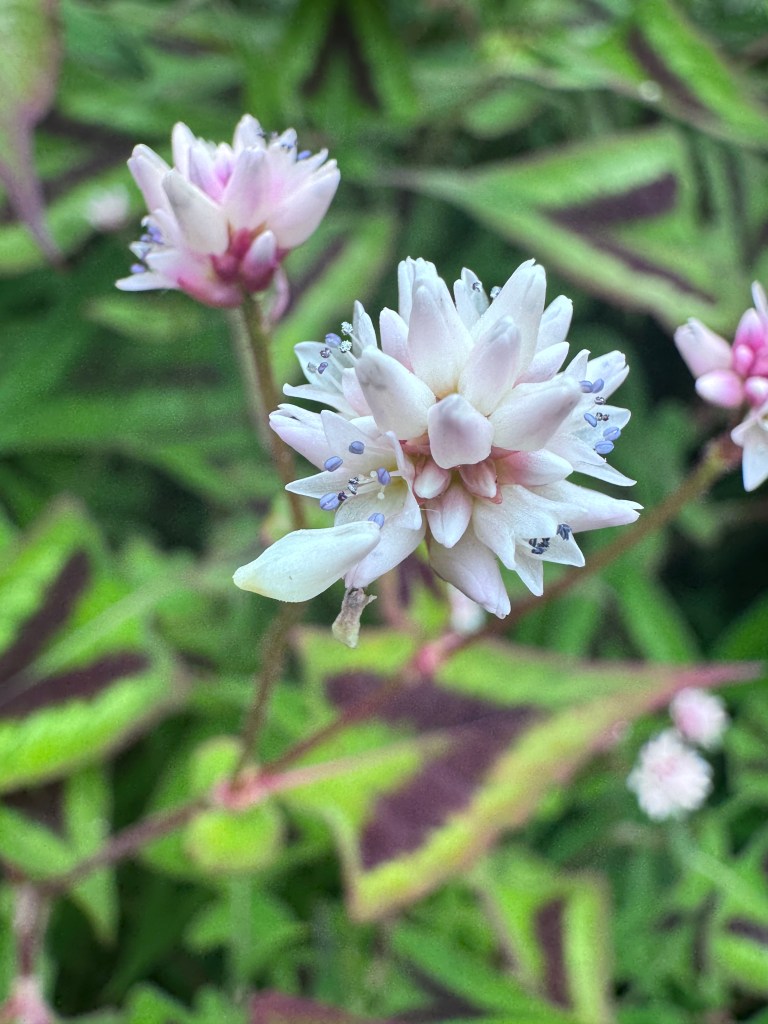
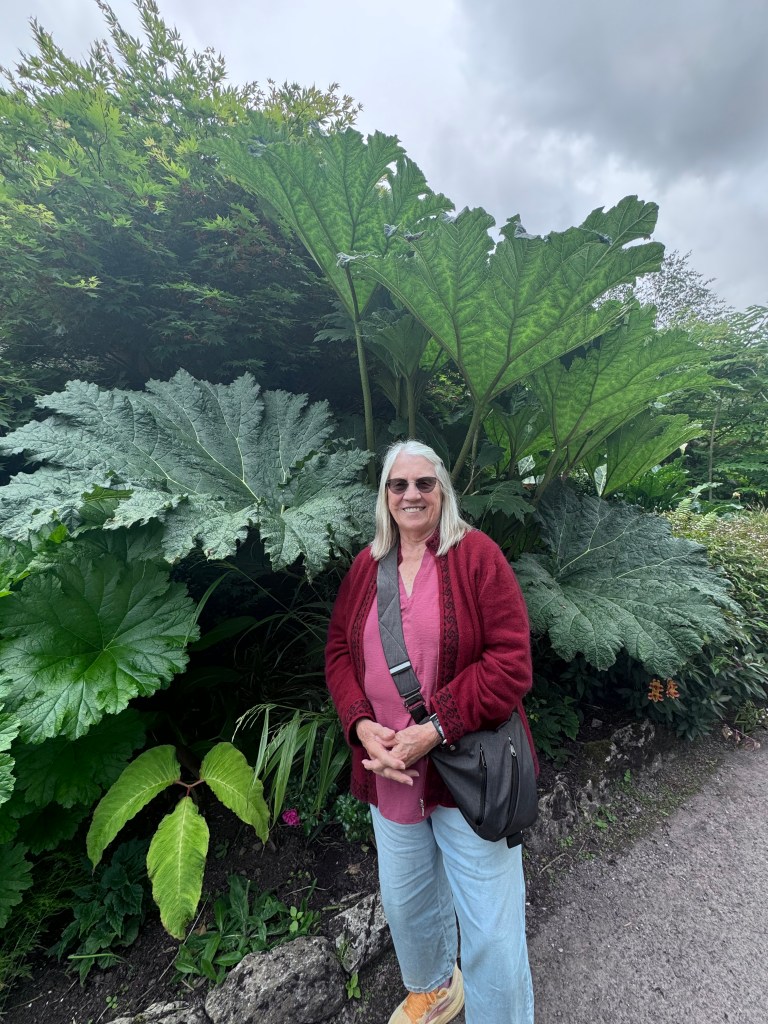
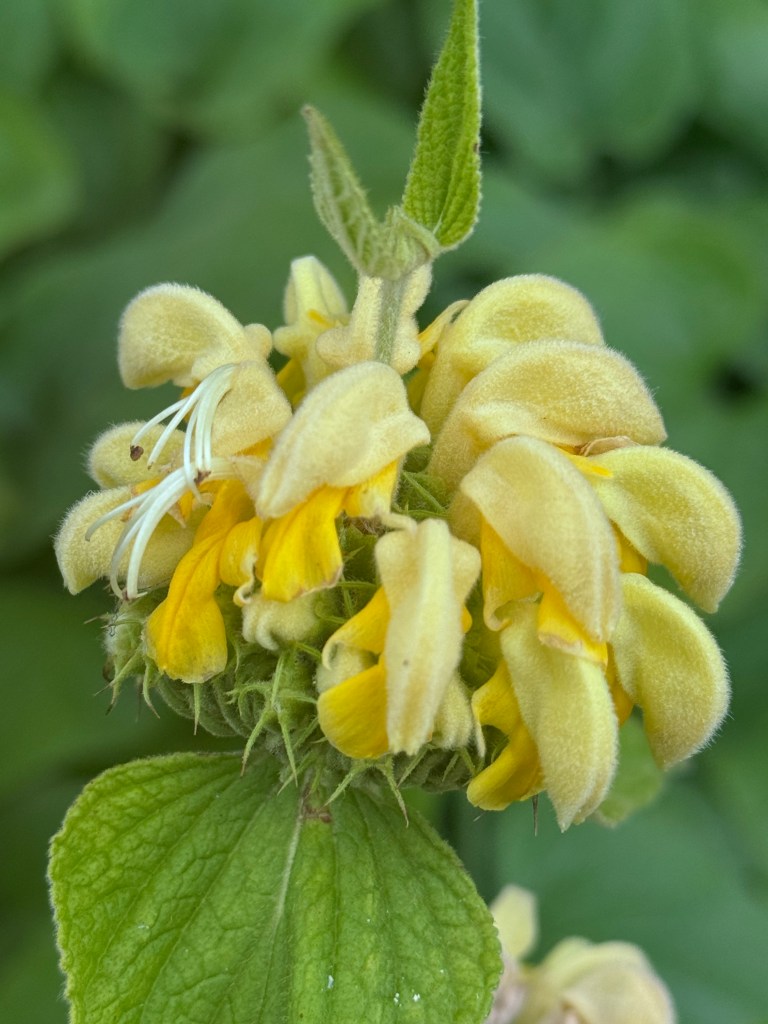
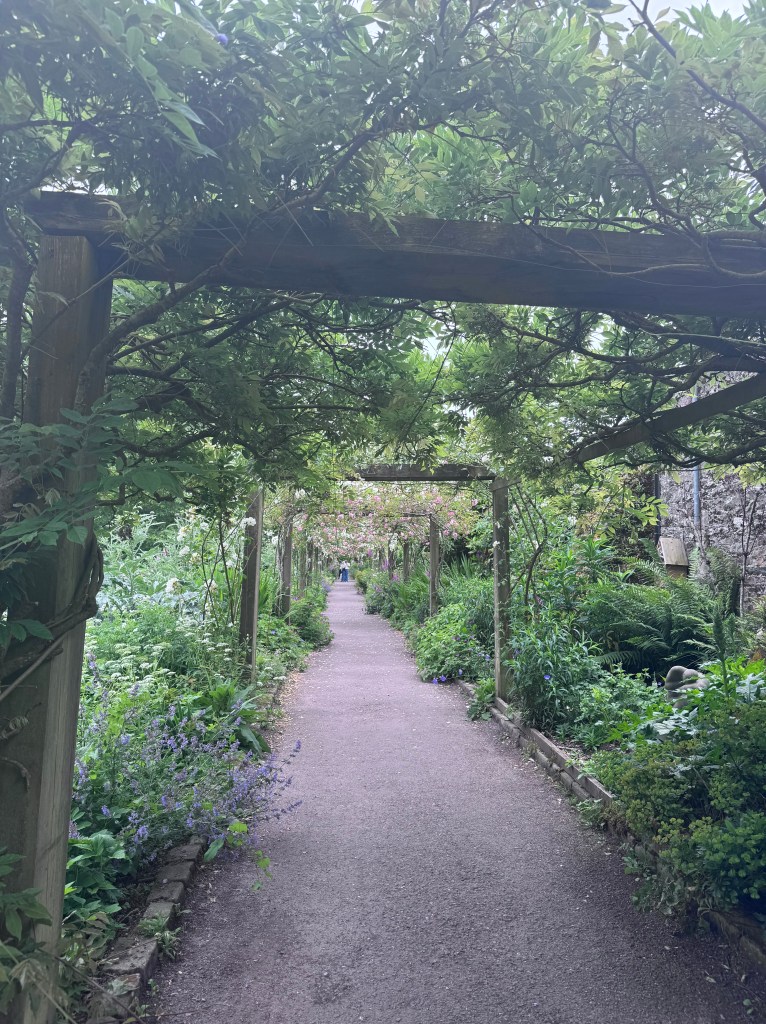
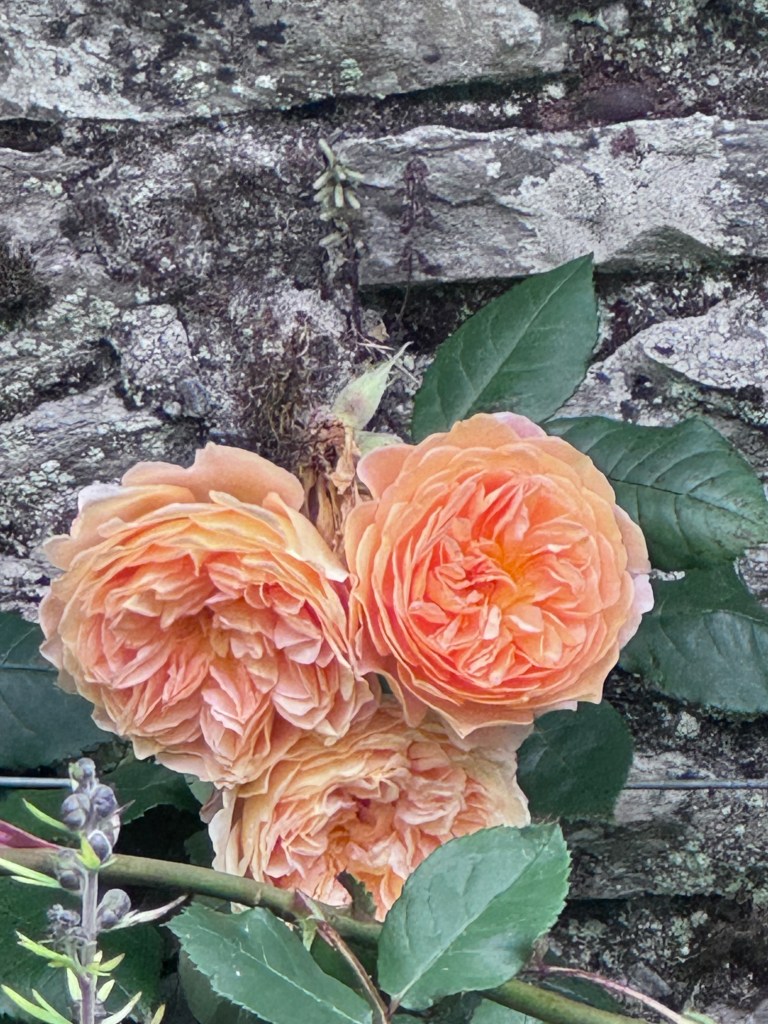
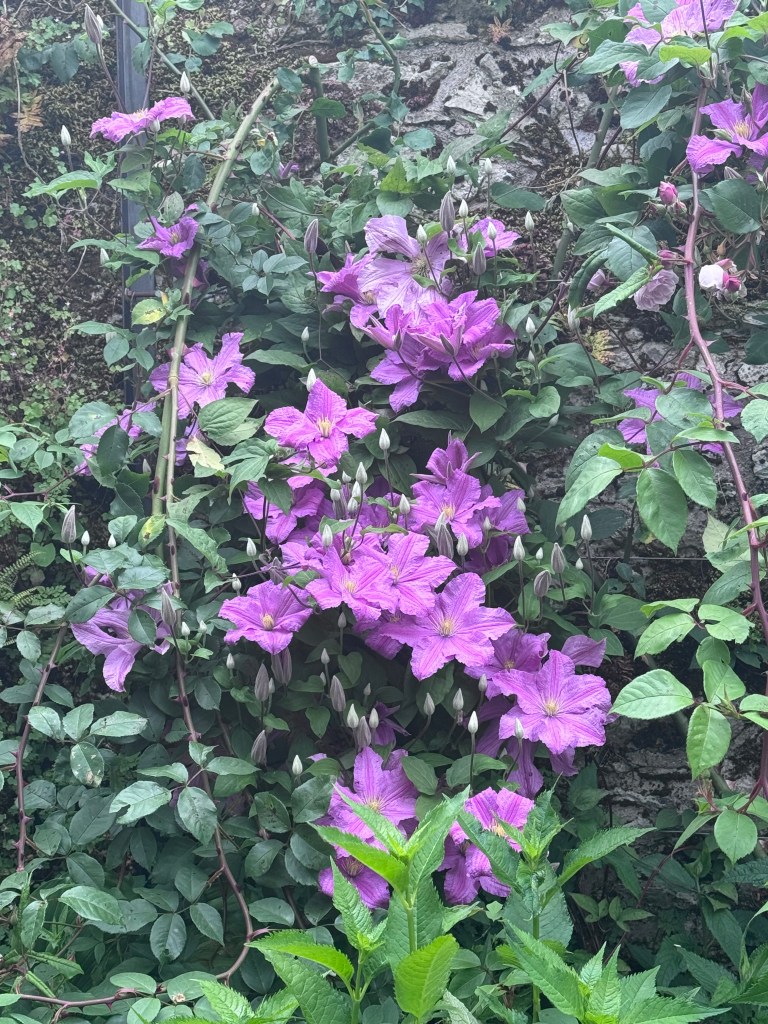
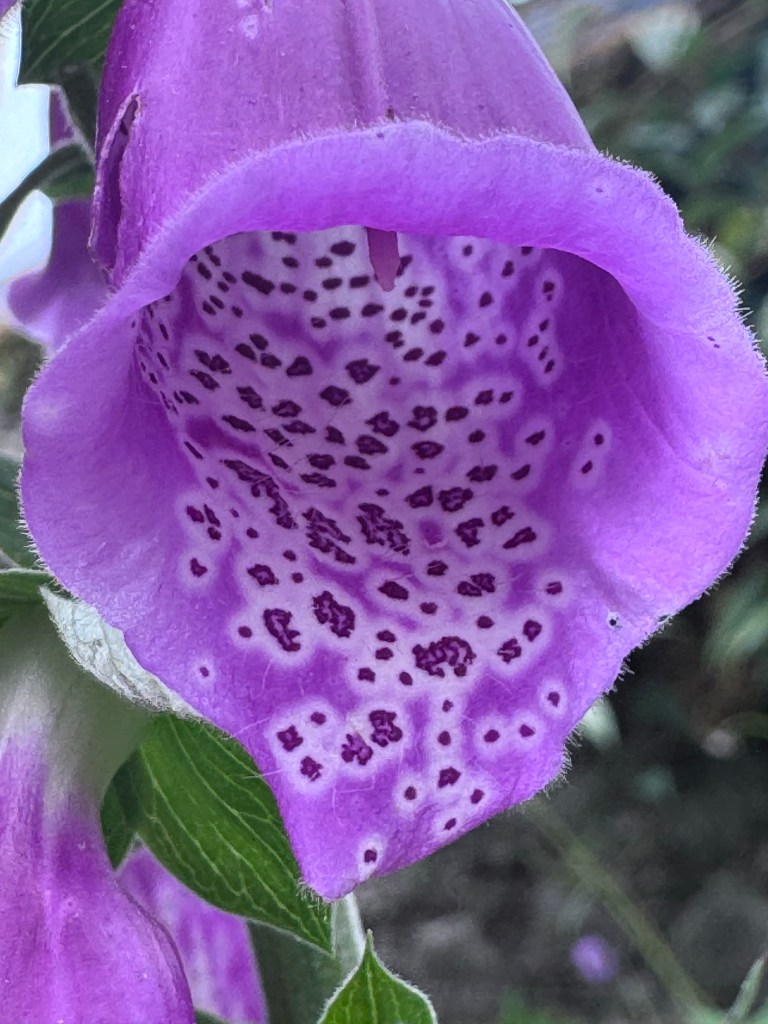
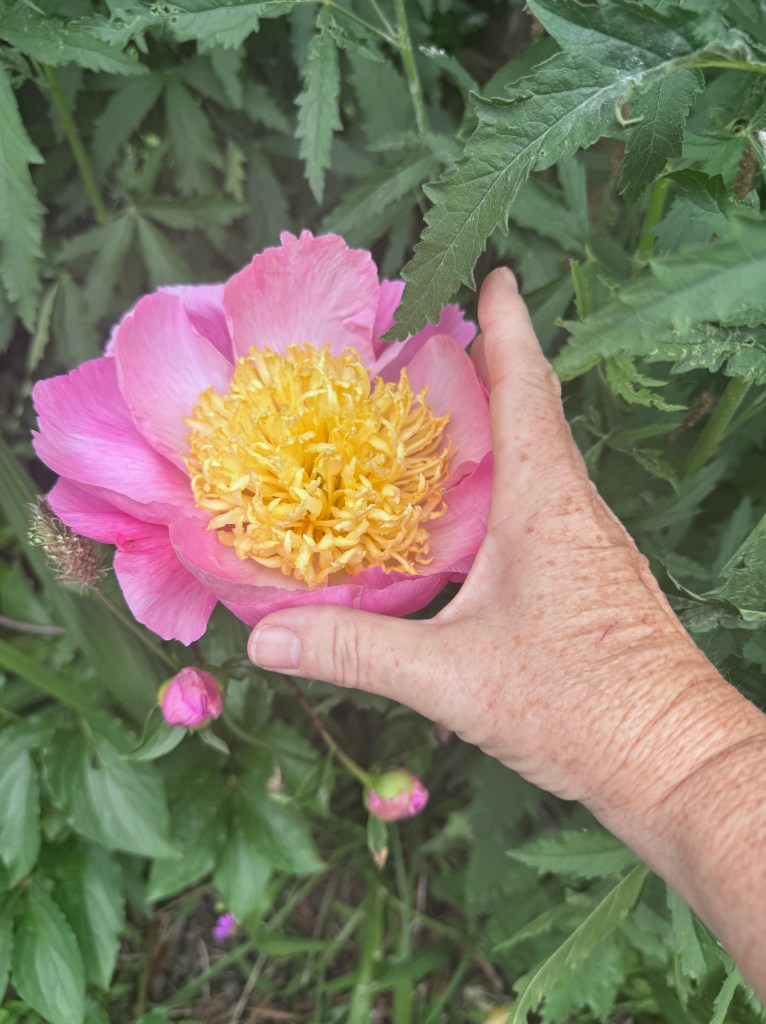
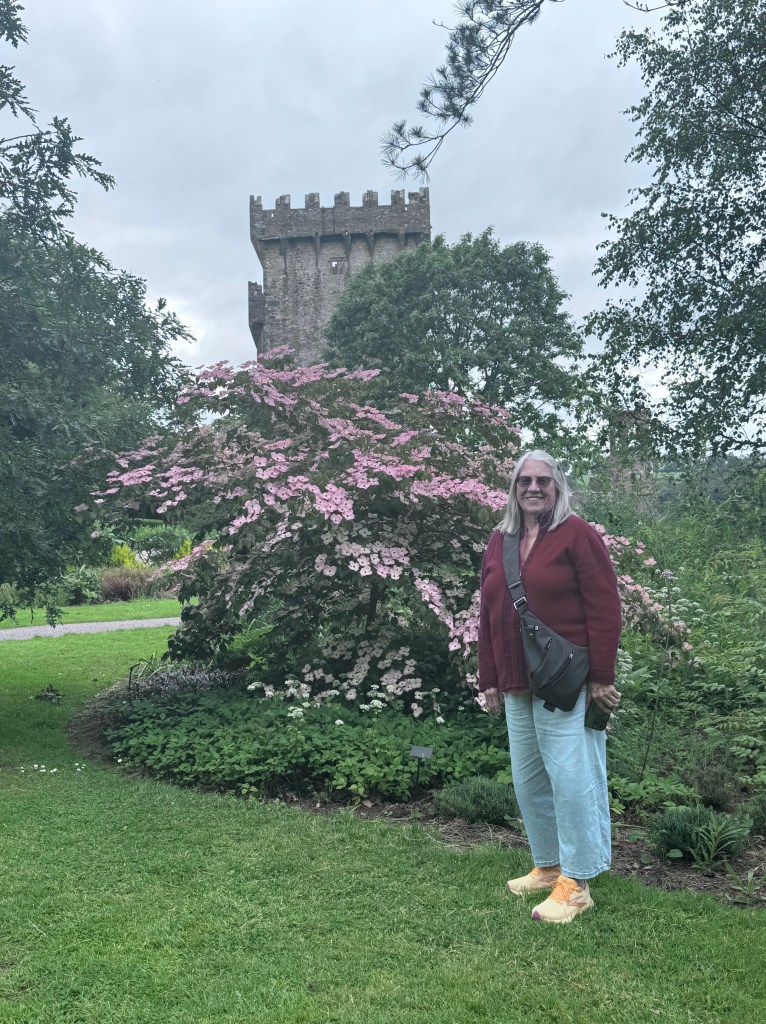
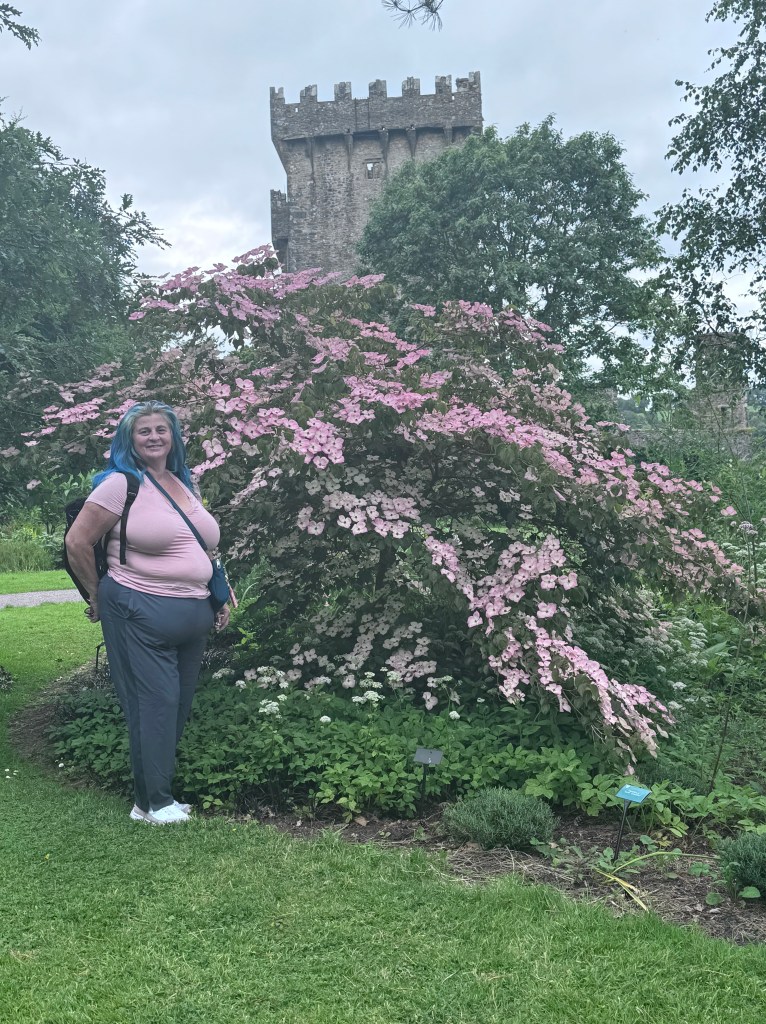
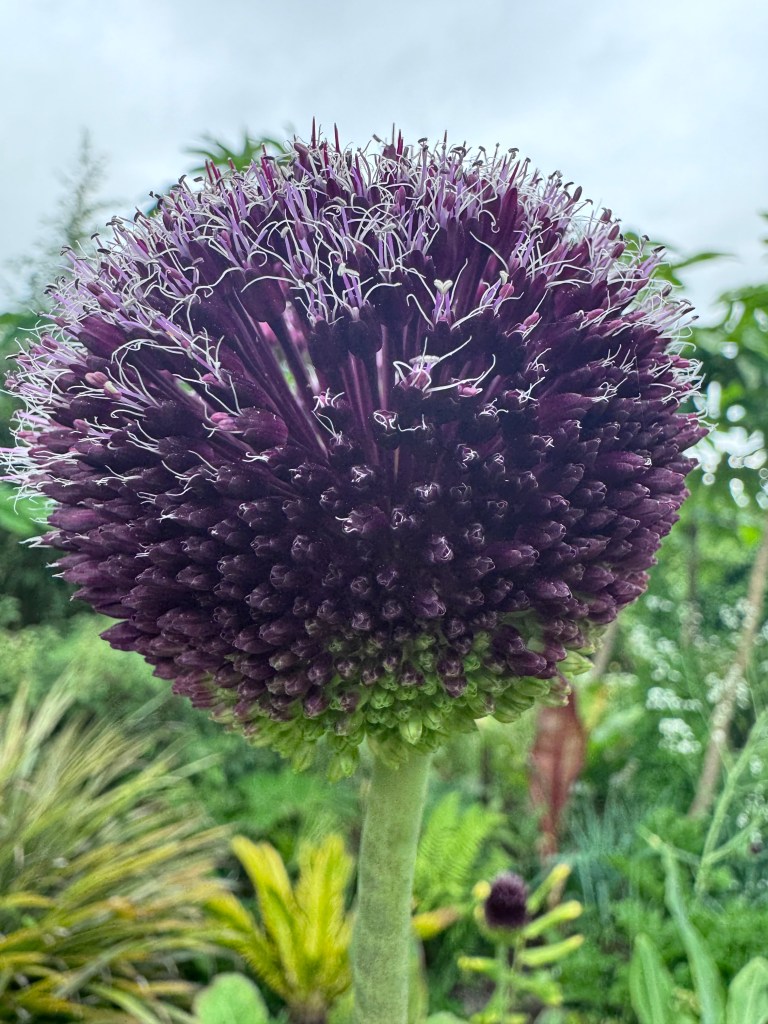
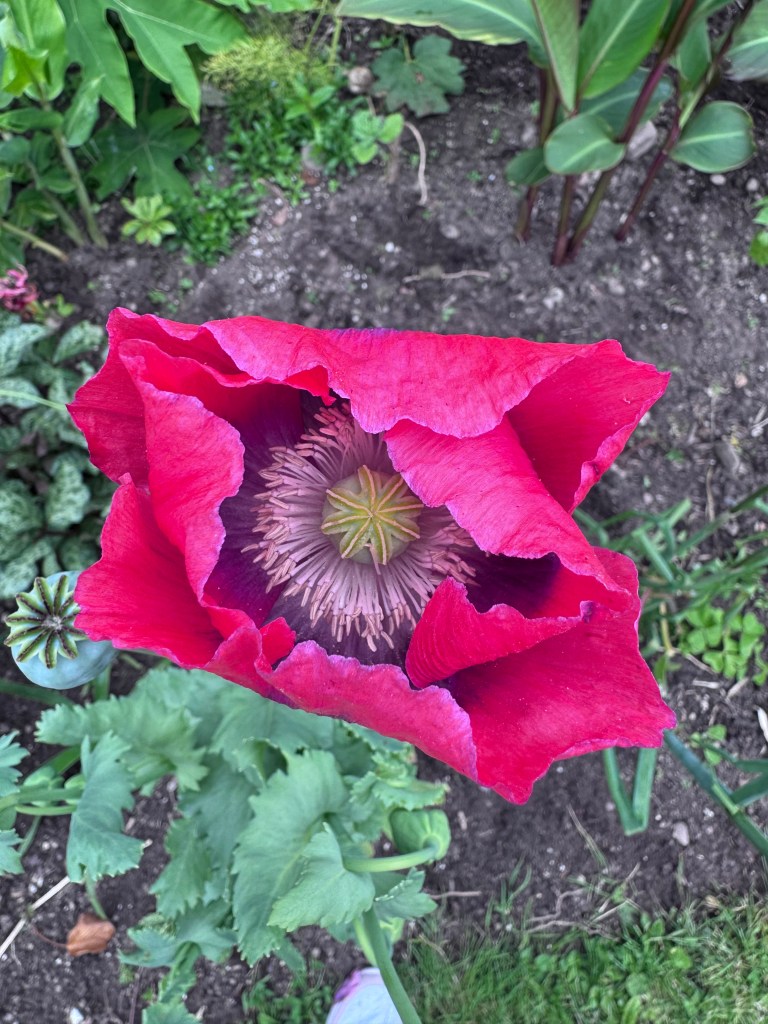
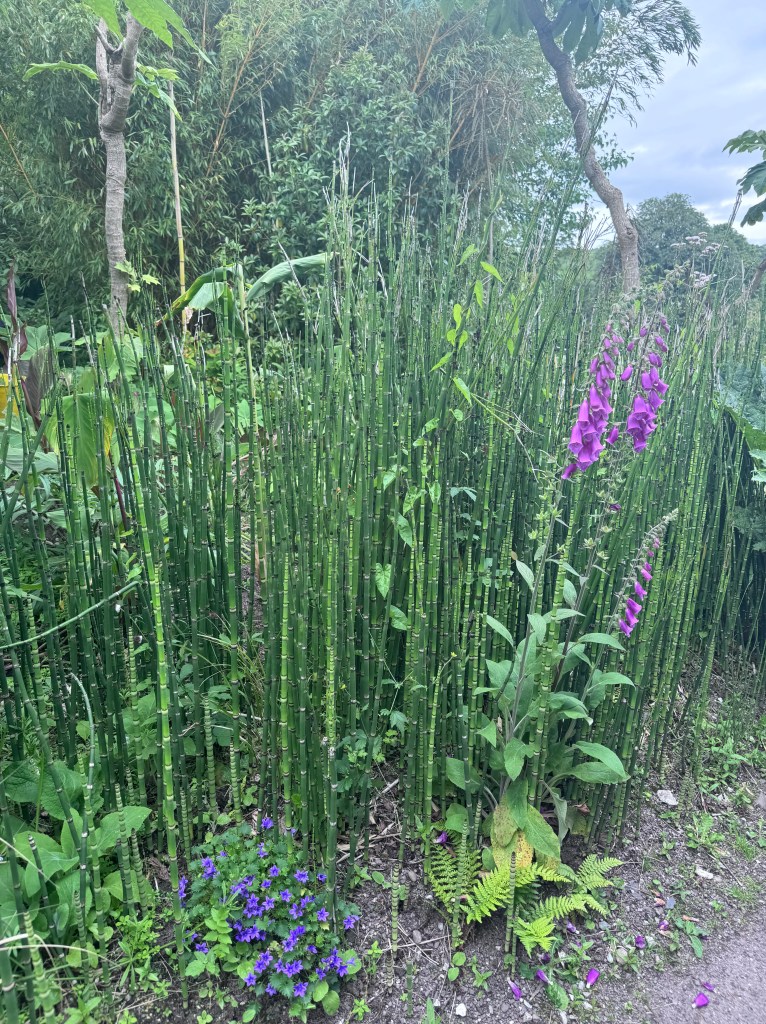
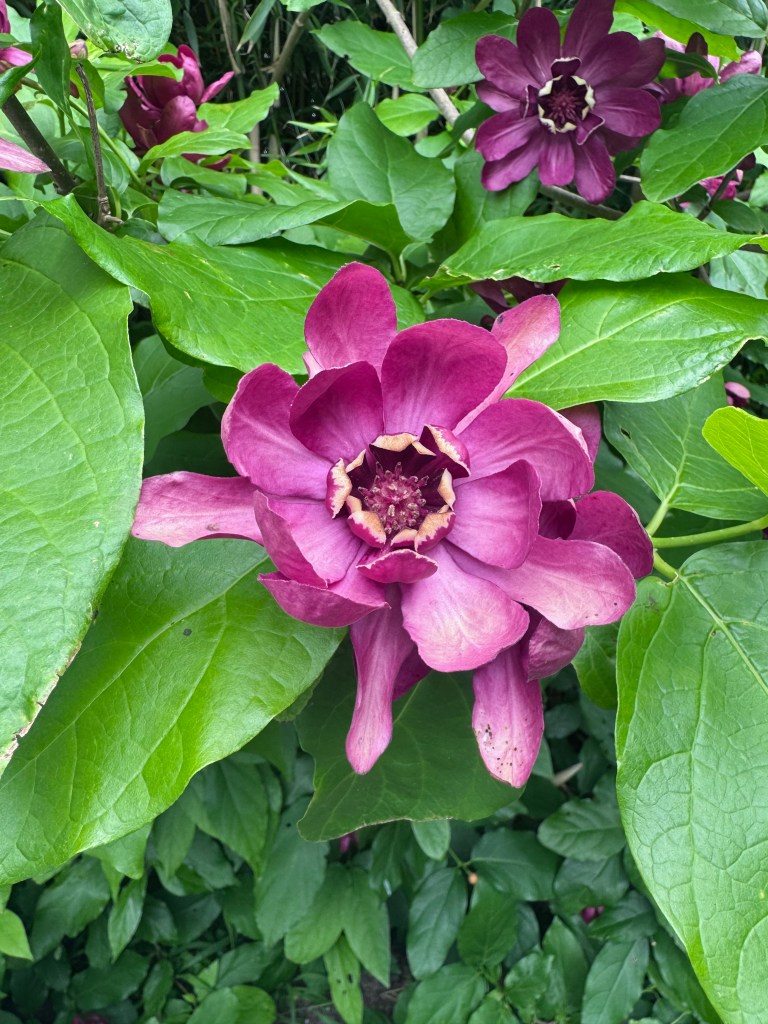
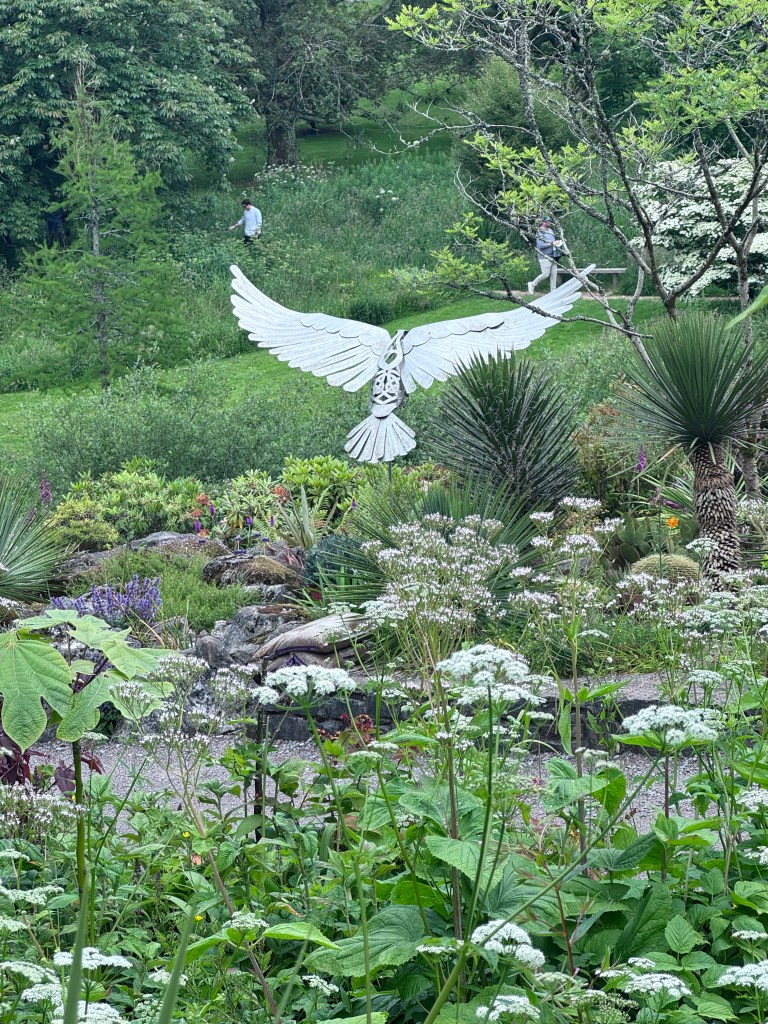
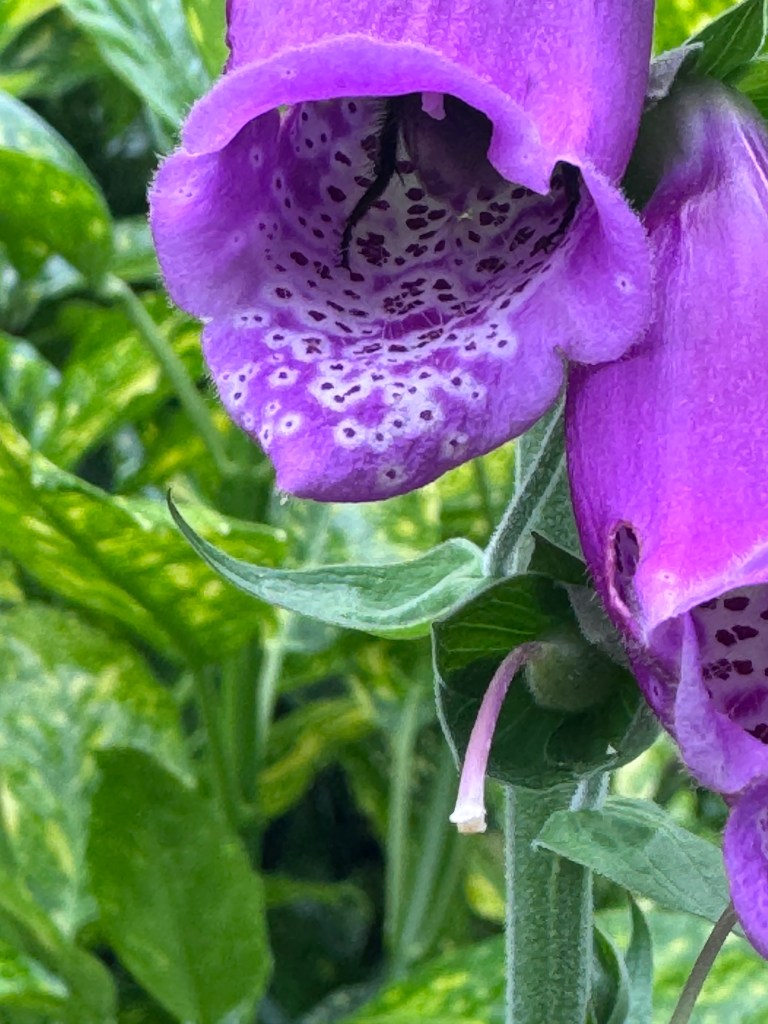
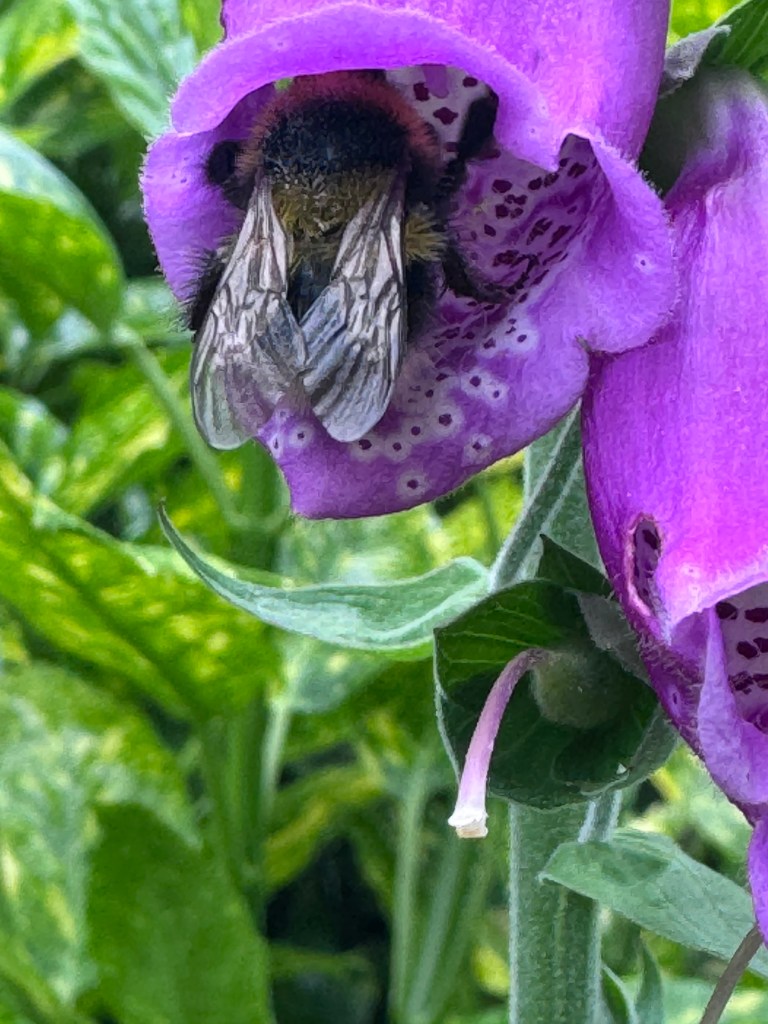
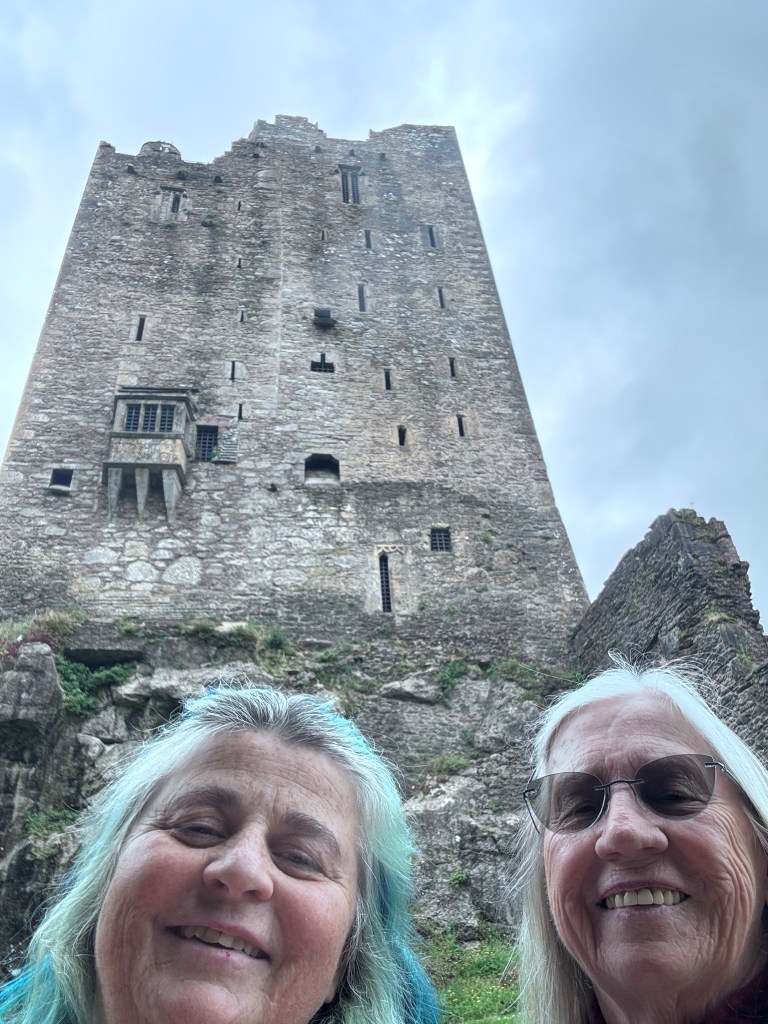
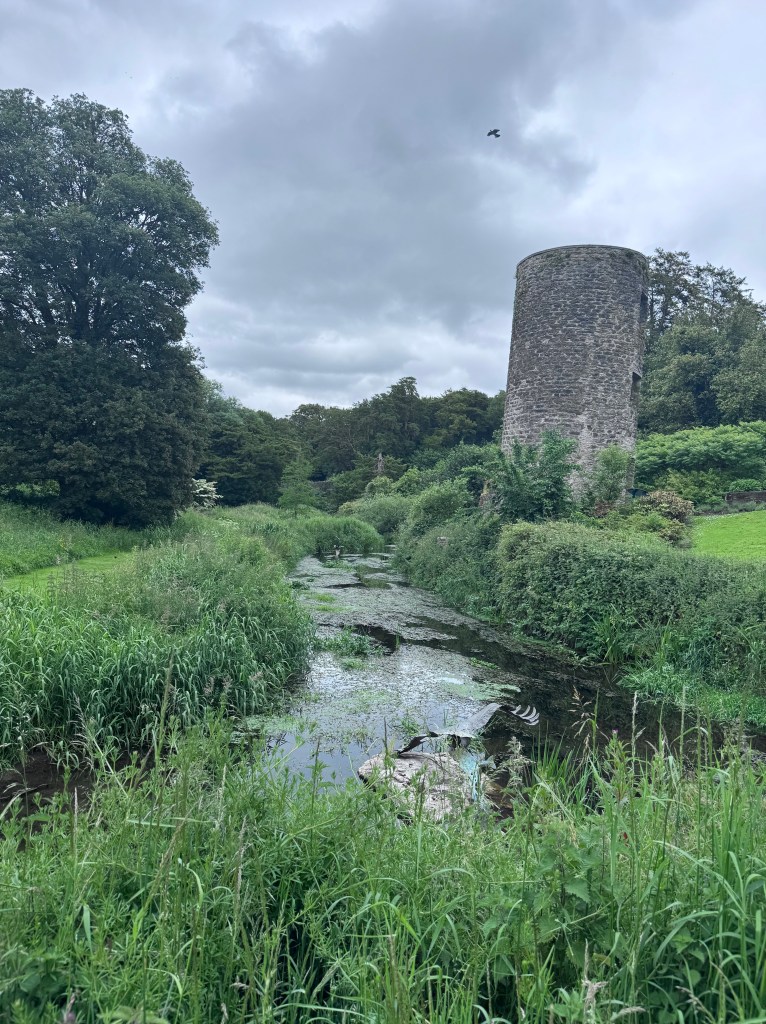
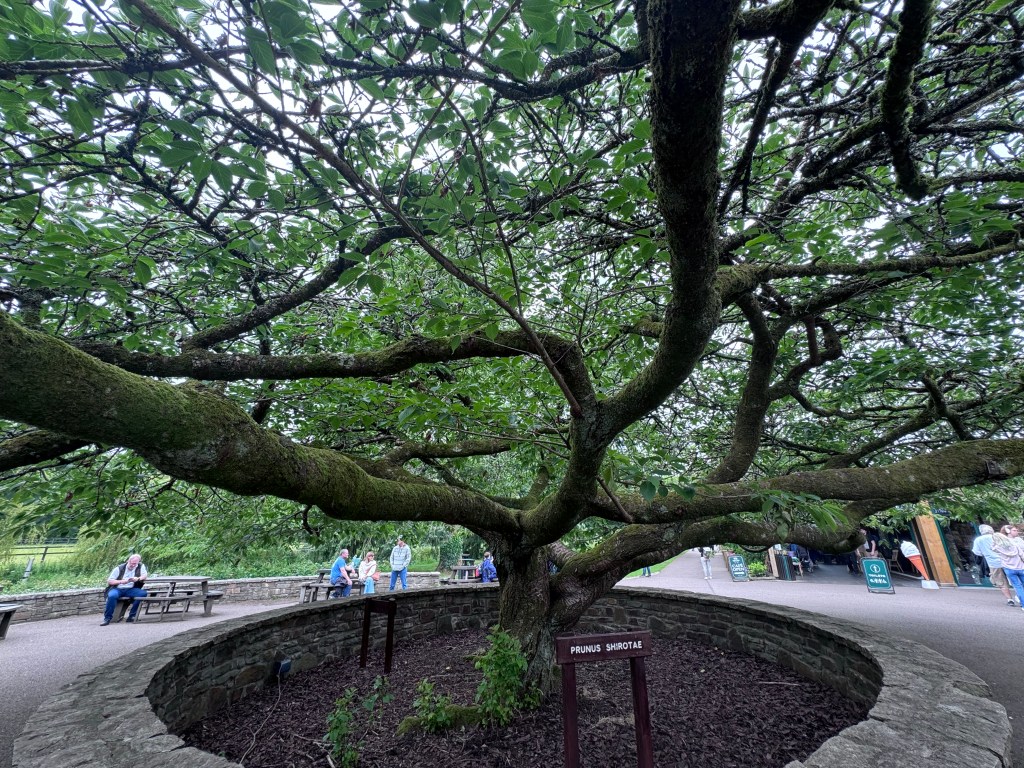
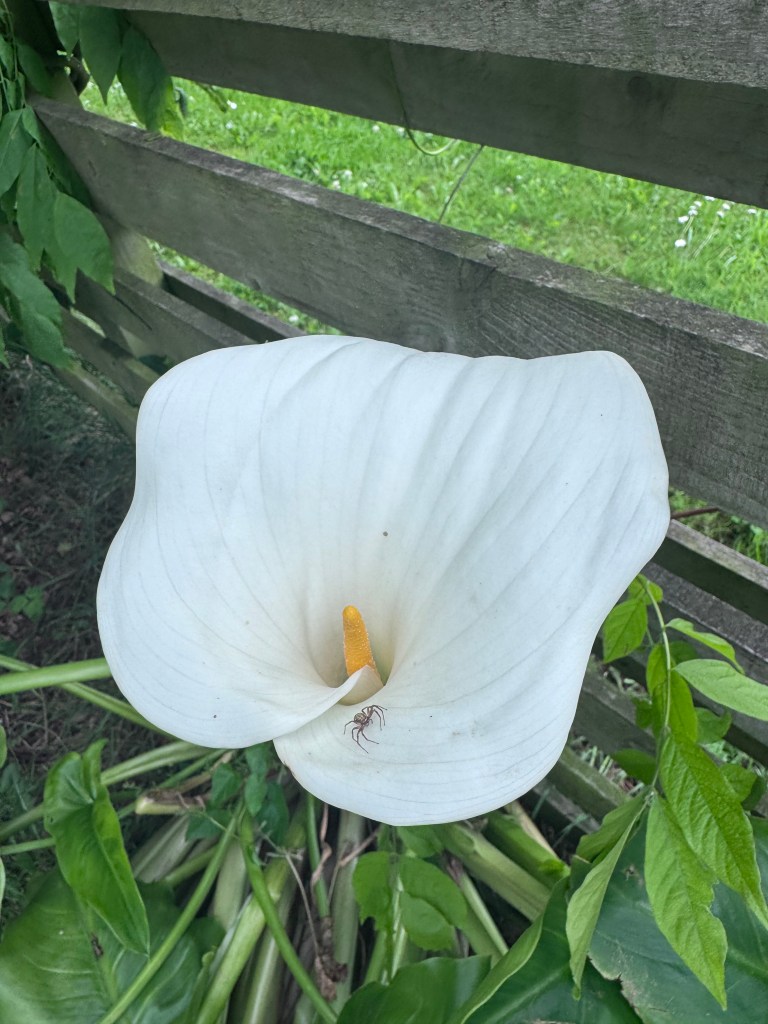
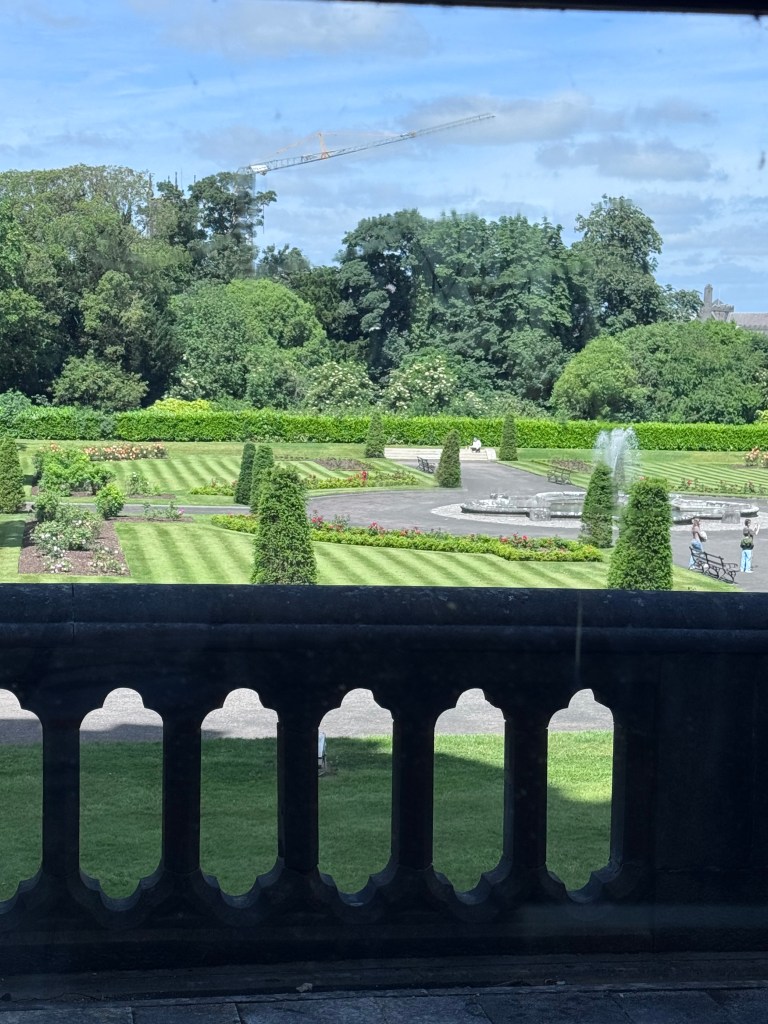
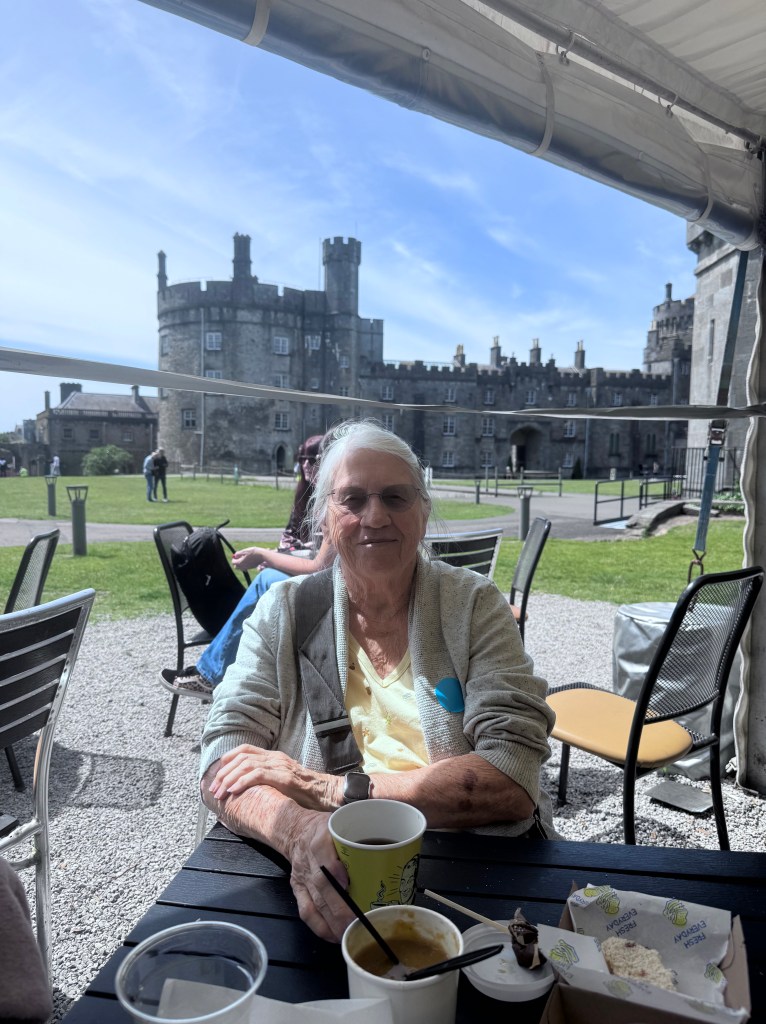
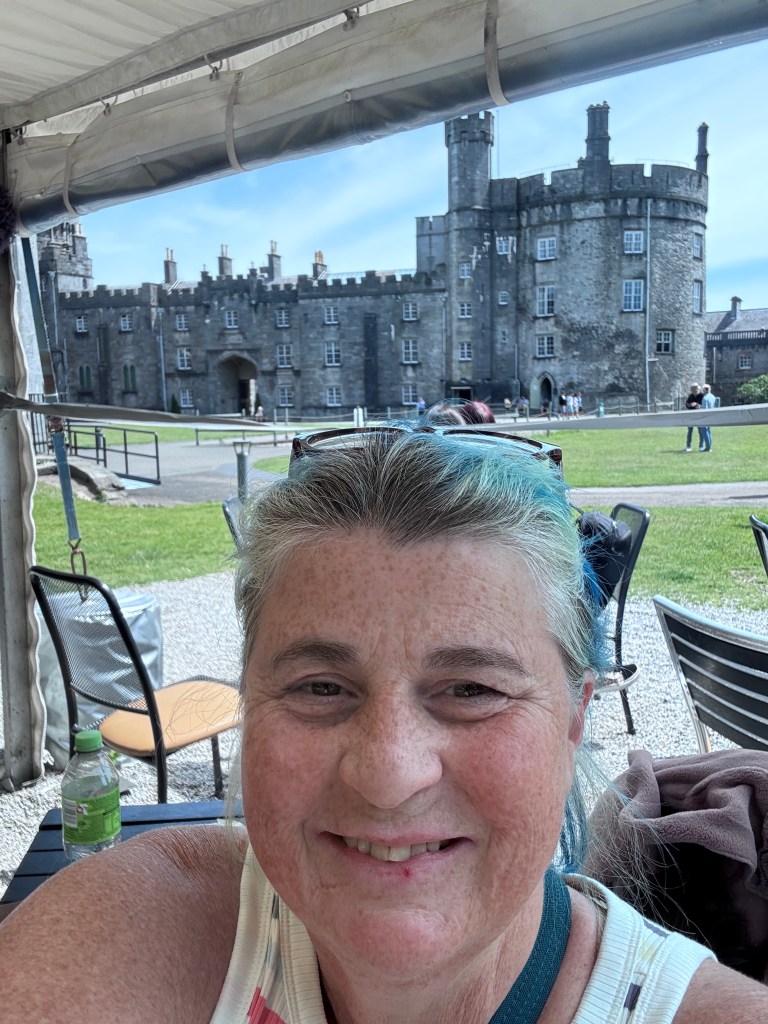
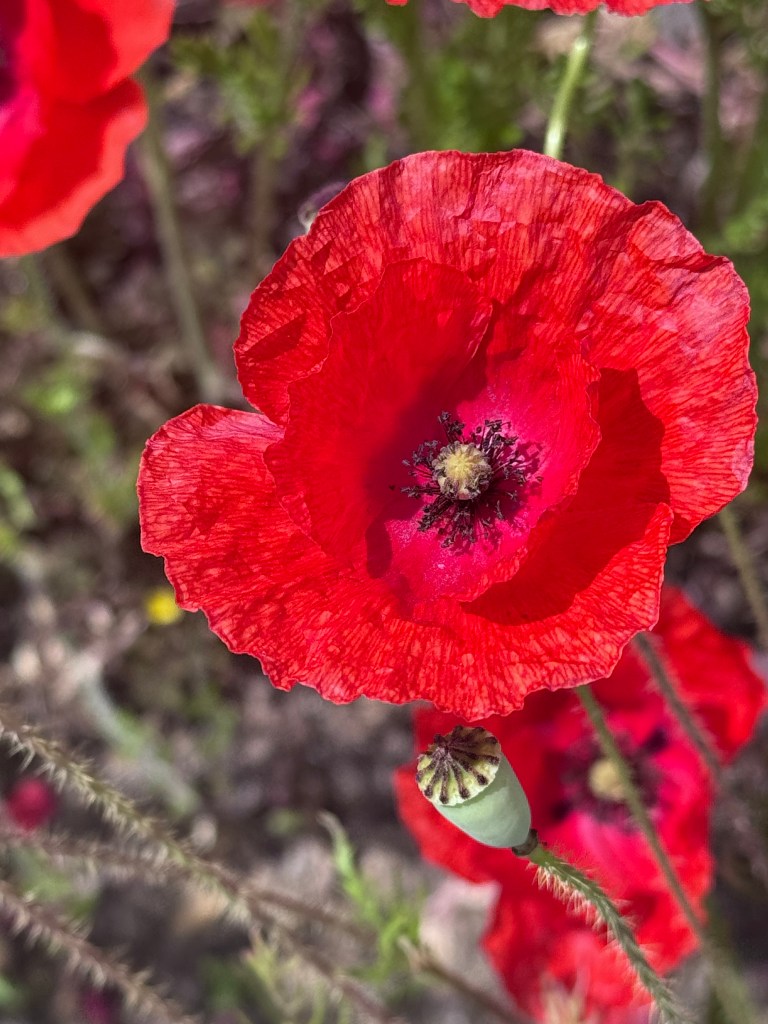
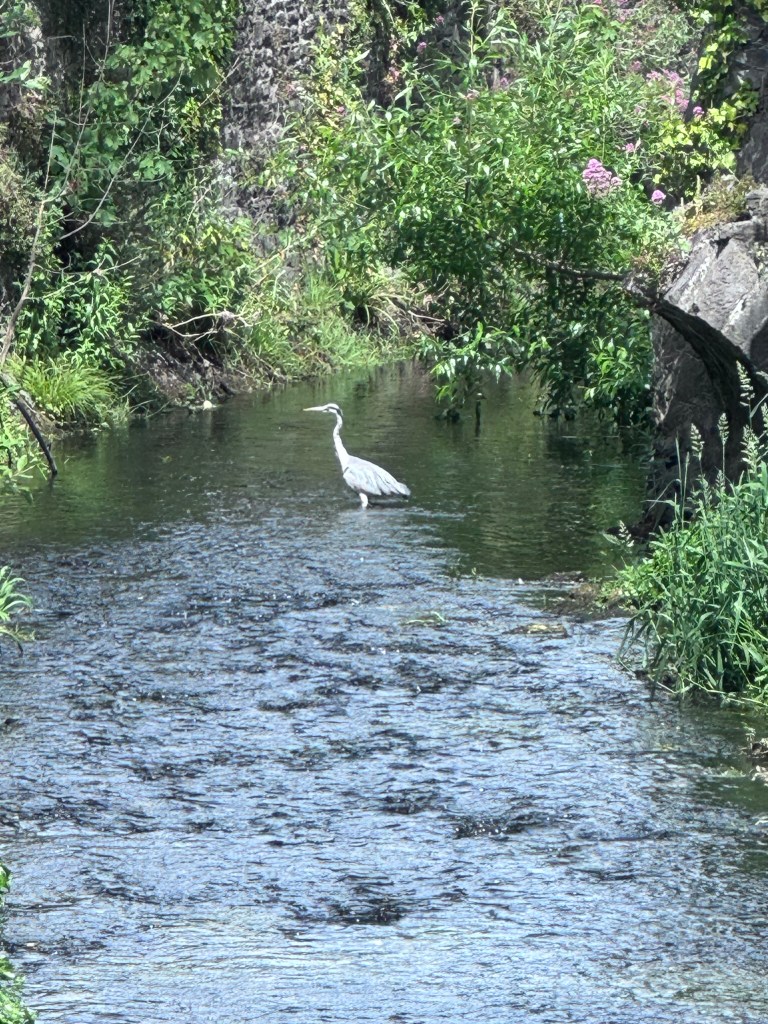
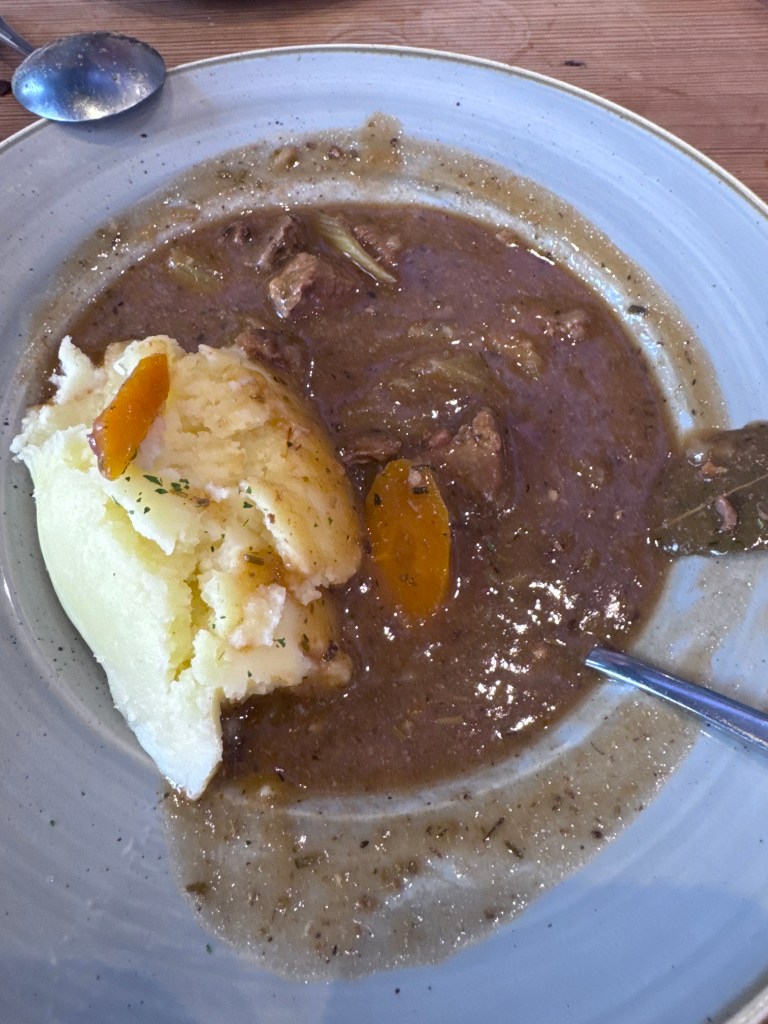
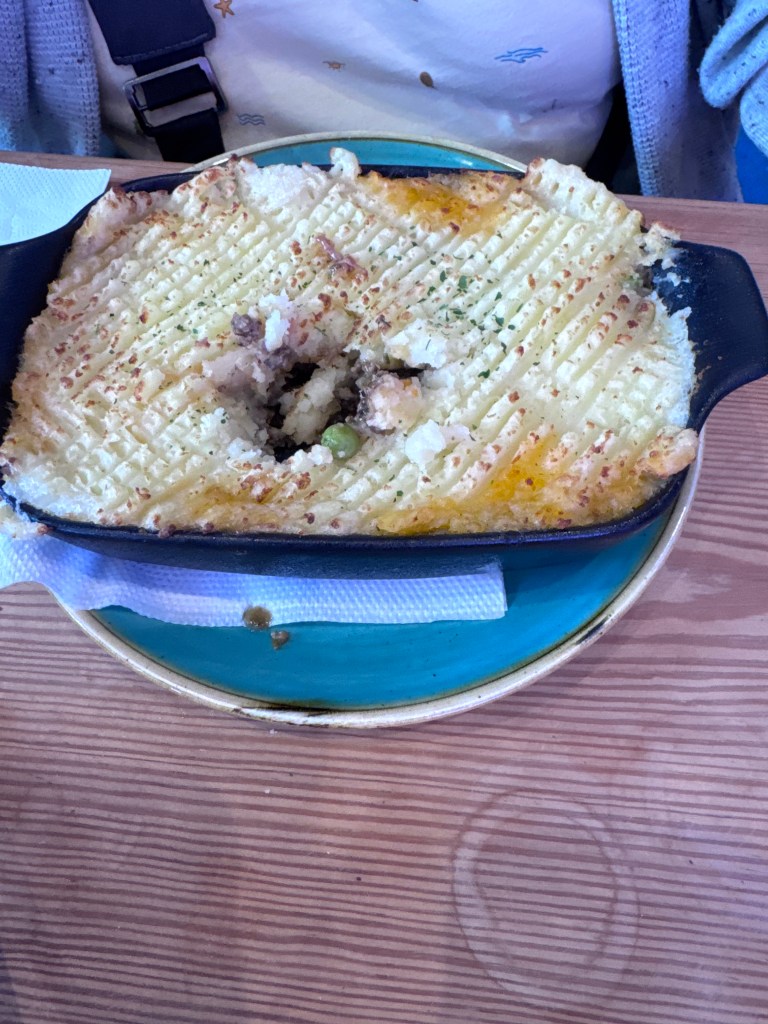
Once my climb was complete, we enjoyed lunch before wandering through the gardens. The flowers were enormous and bursting with color. We spent some time chatting with a lovely couple while taking photographs of the castle and grounds. After exploring a bit more outside the castle walls, it was time to make our way back to the train station.
The ride back was over two hours long, so we settled into our seats and pulled out a deck of cards for a game of cribbage. It was the perfect way to end another wonderful day of adventure in Ireland.
As we watched the Irish countryside roll past our train window, I couldn’t help but think about all the people who had walked those castle halls over the last eight centuries. Blarney Castle is far more than just a place to kiss a famous stone—it is a testament to medieval engineering, Irish resilience, and centuries of history. And if the legend is true, perhaps it has also gifted me with a little extra eloquence to tell this story.