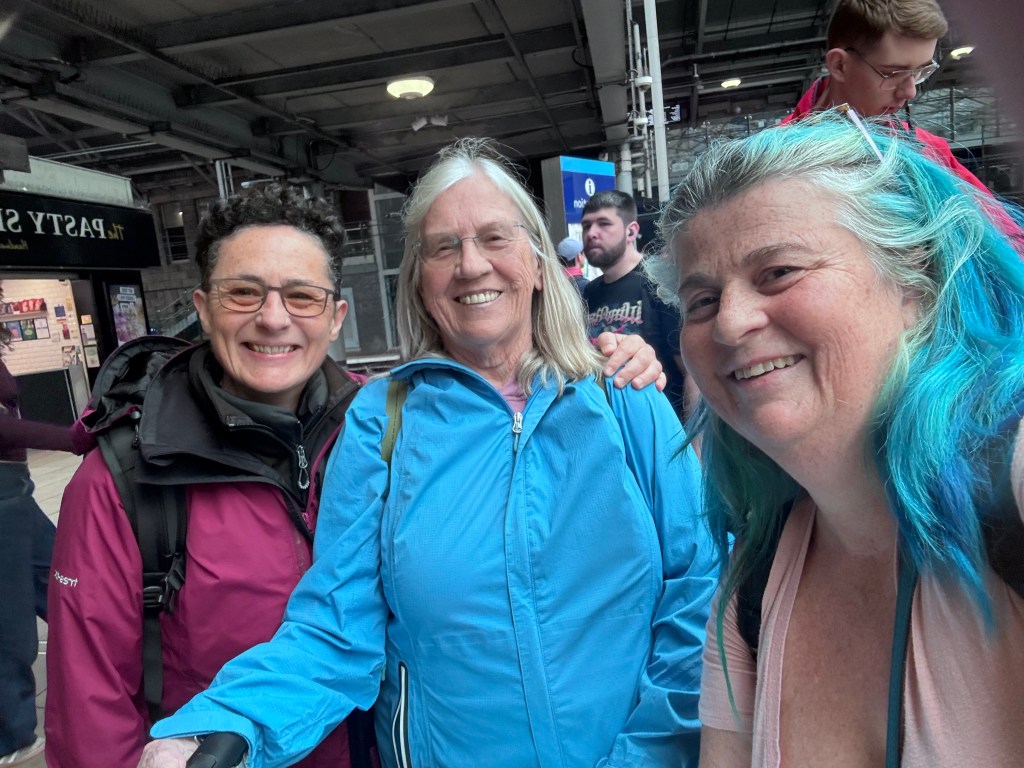
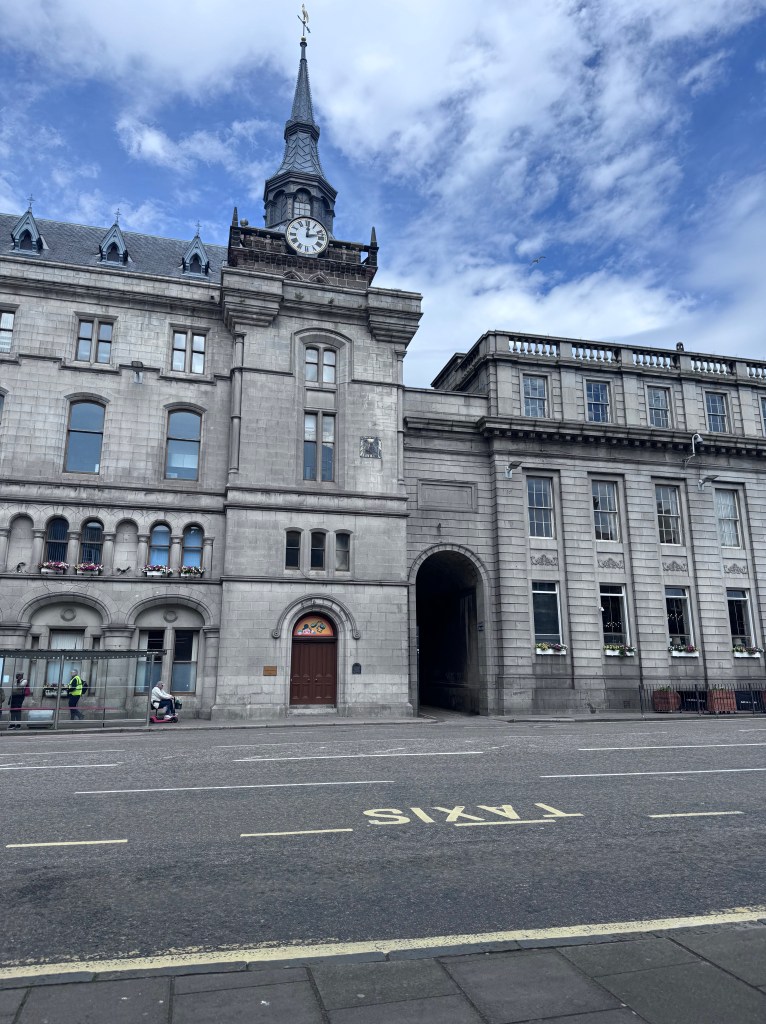
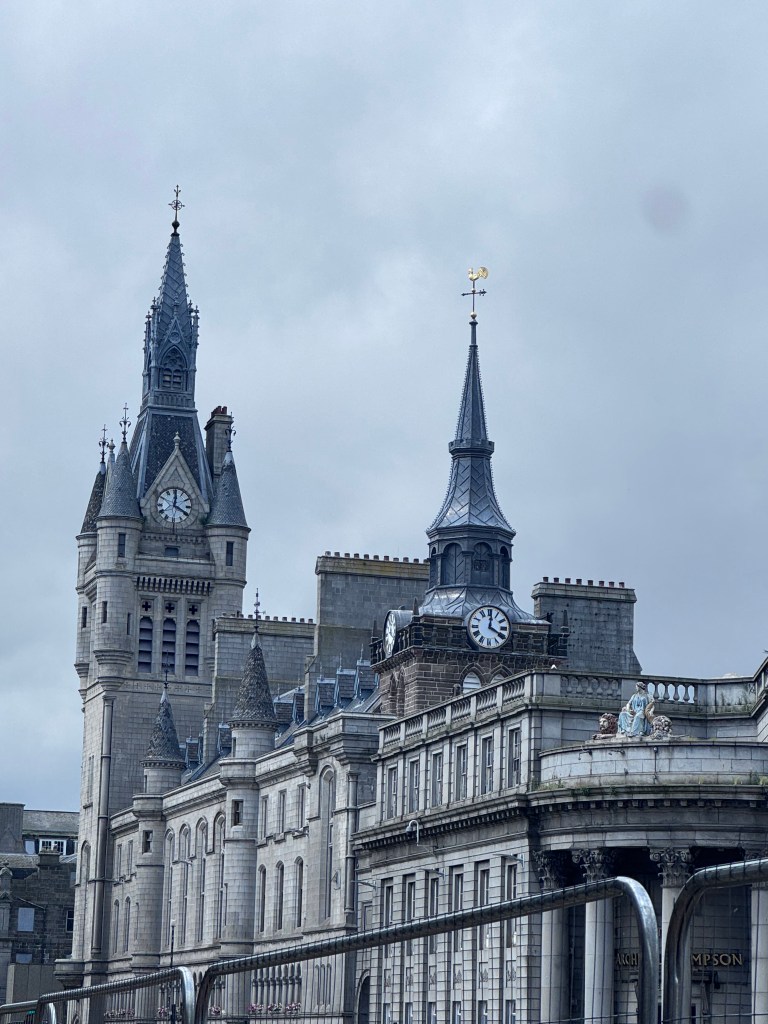
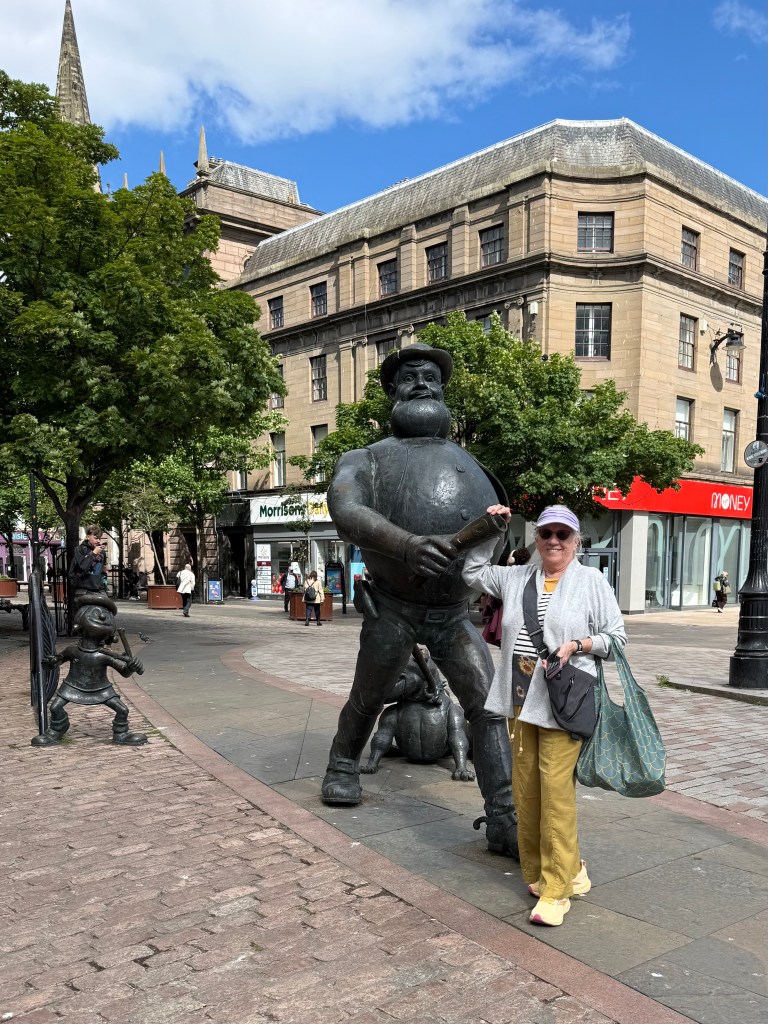
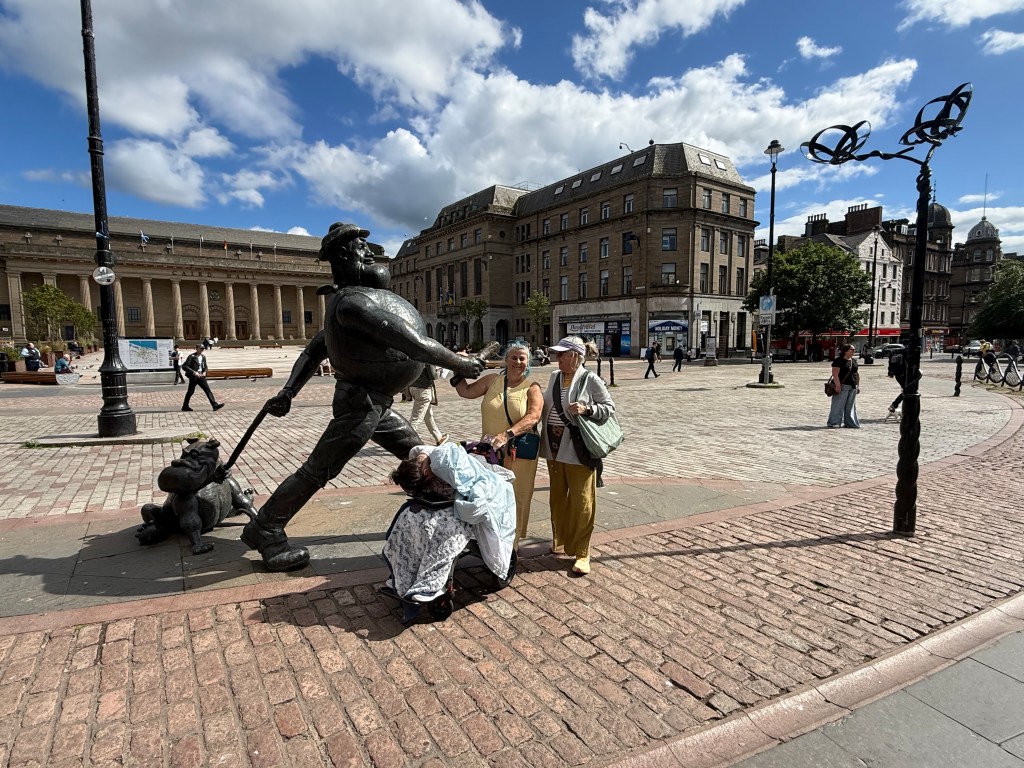
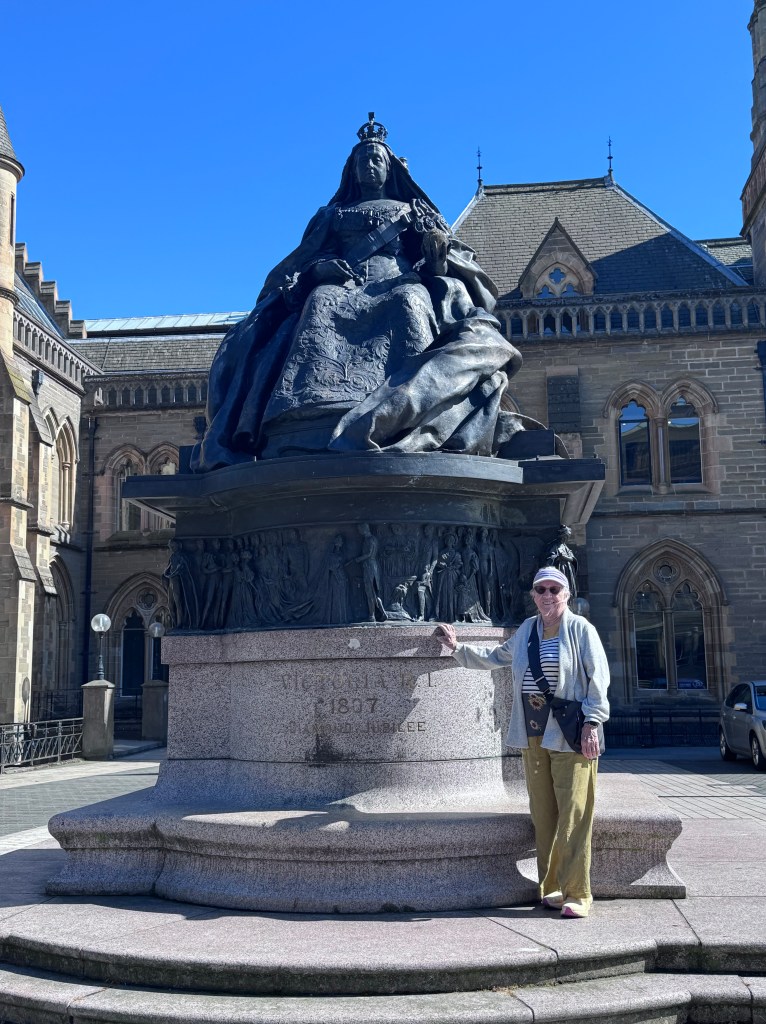
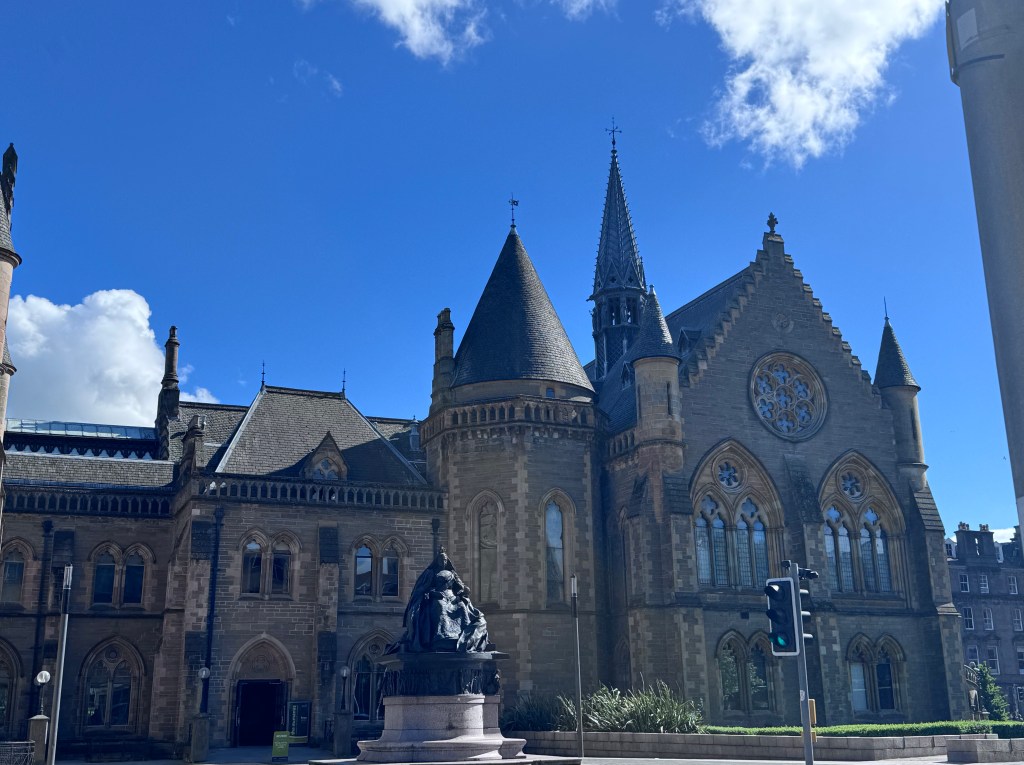
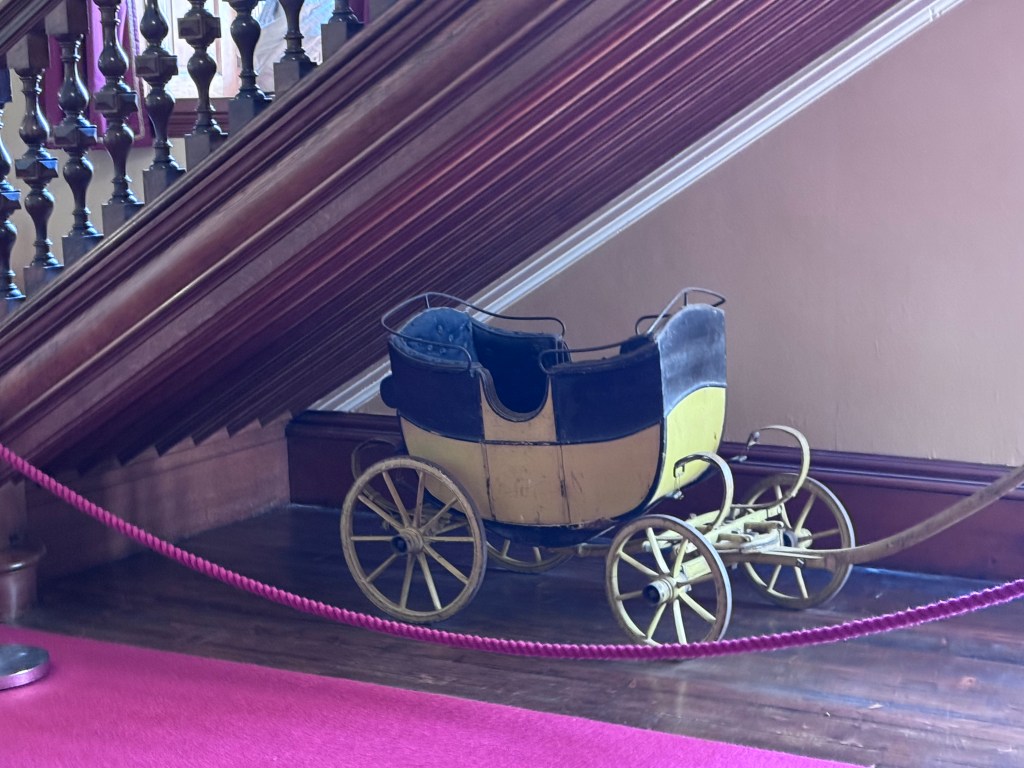
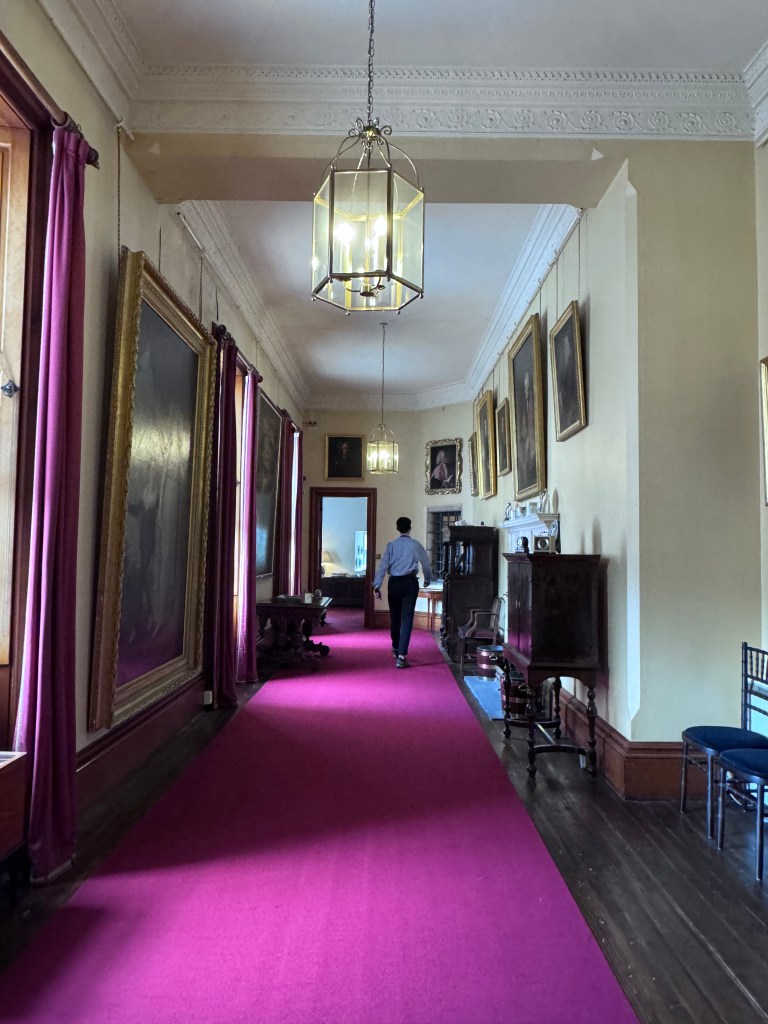
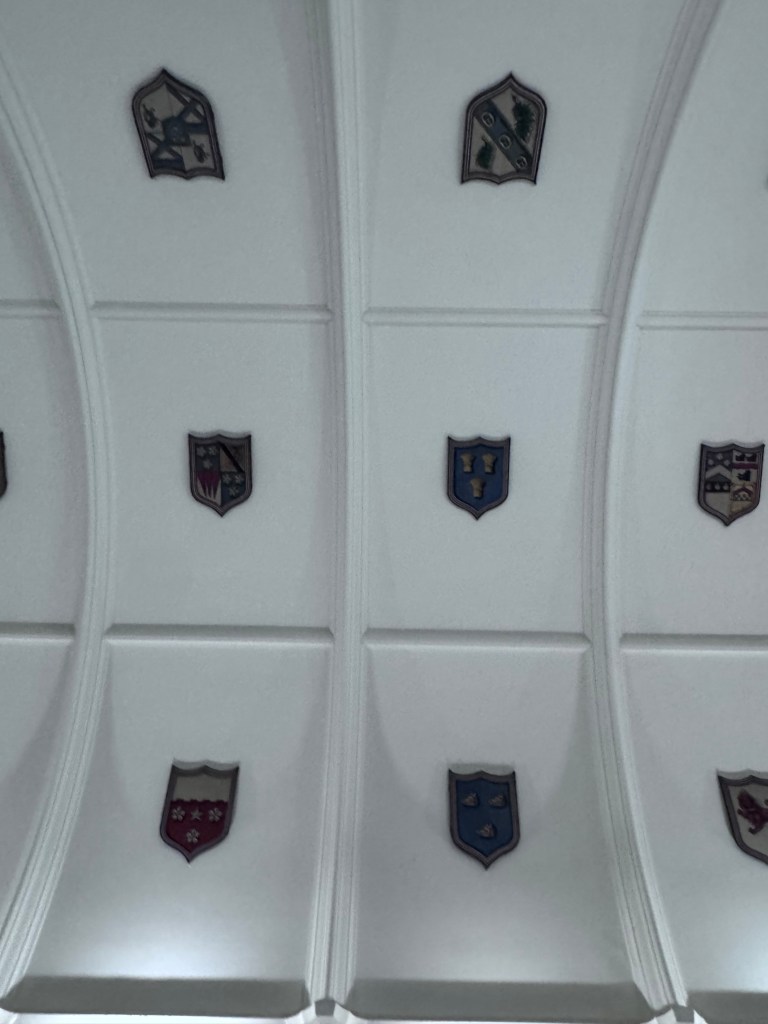
Inverness, Loch Ness, and Our Farewell to Scotland

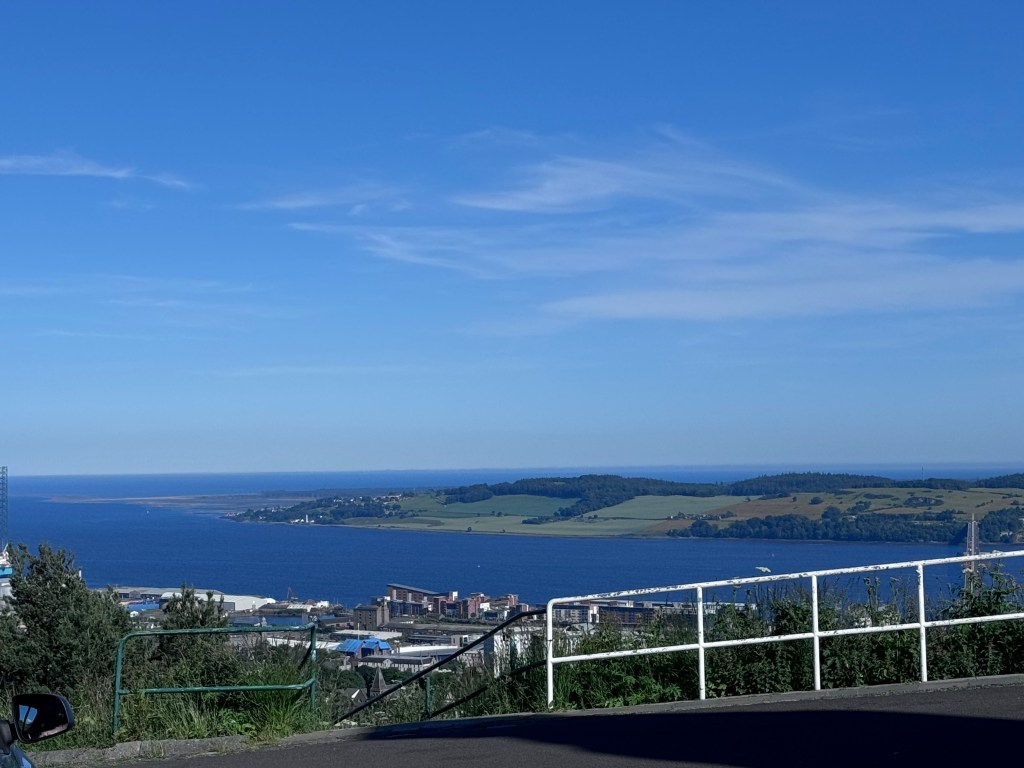
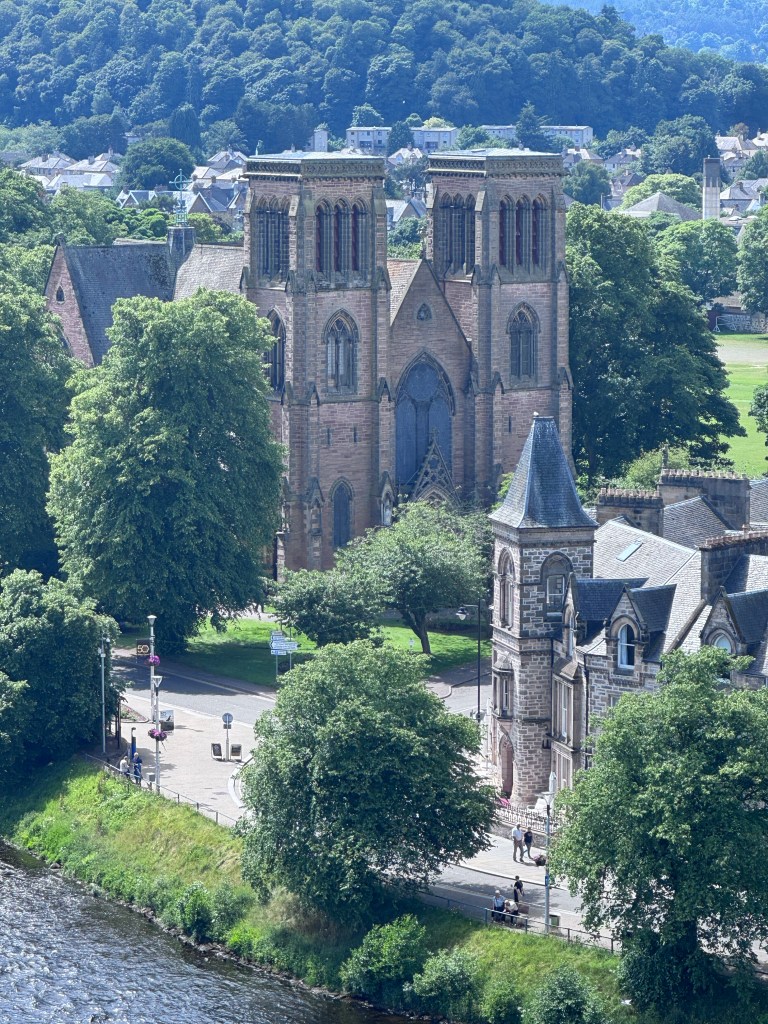
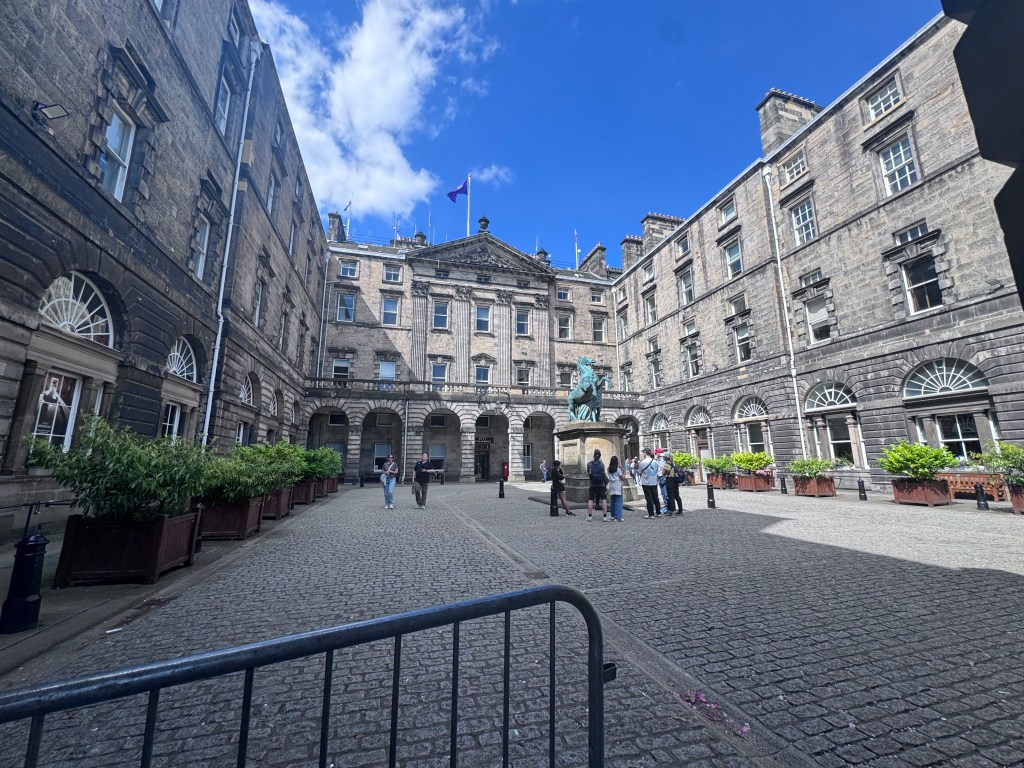
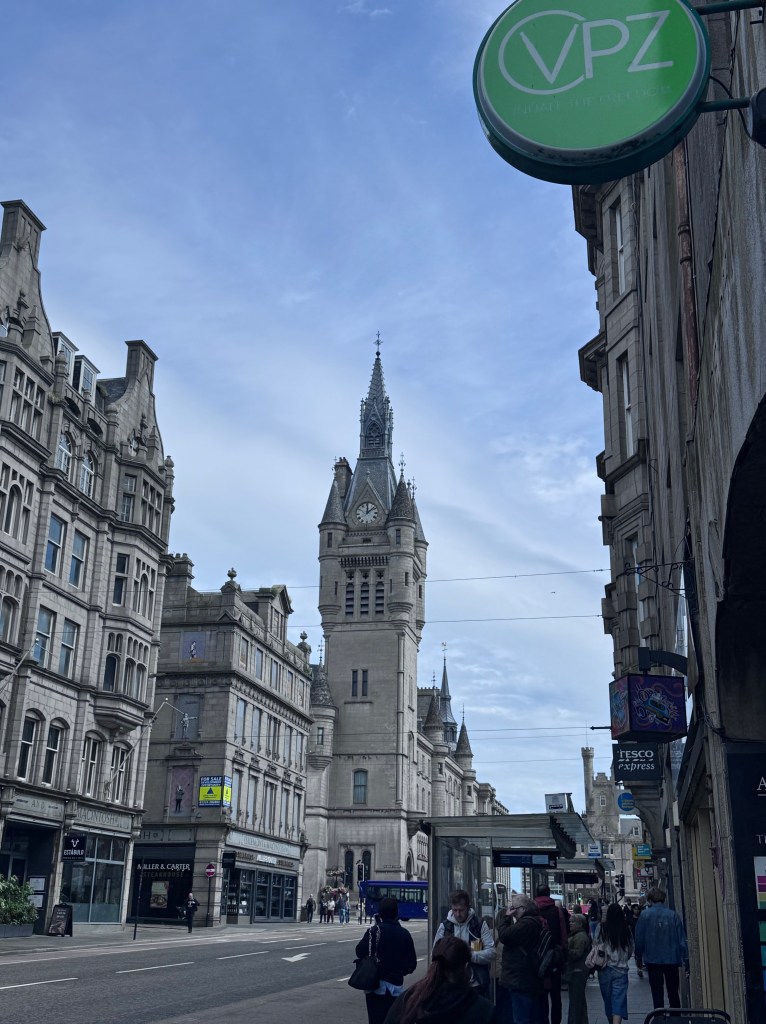
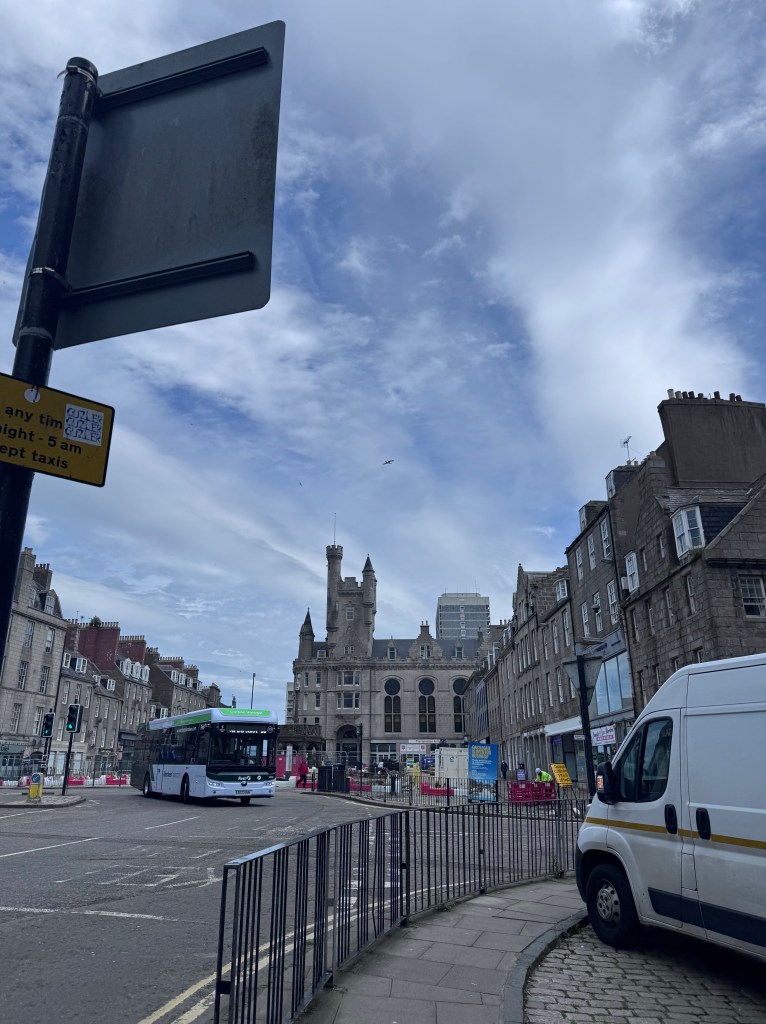
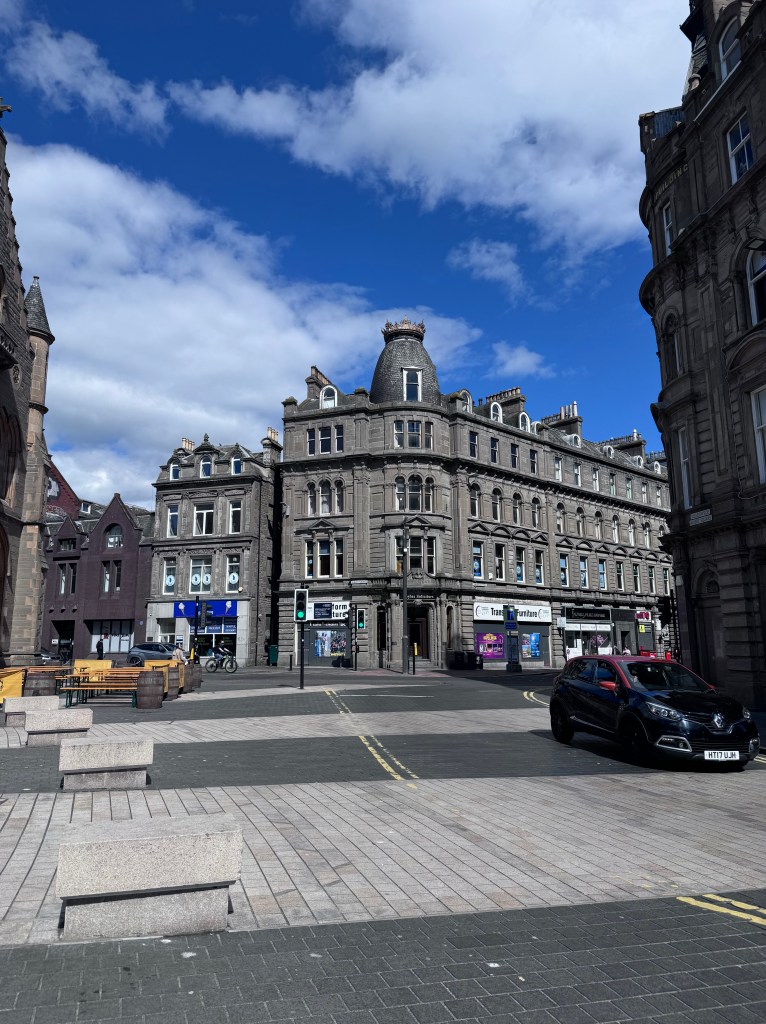
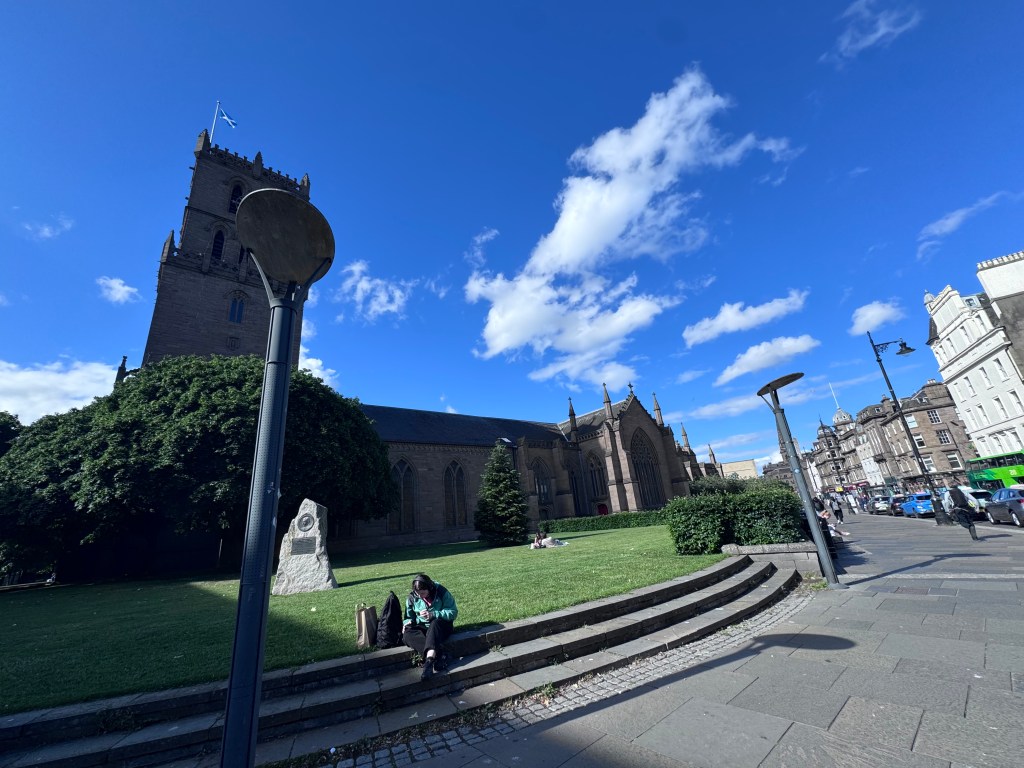
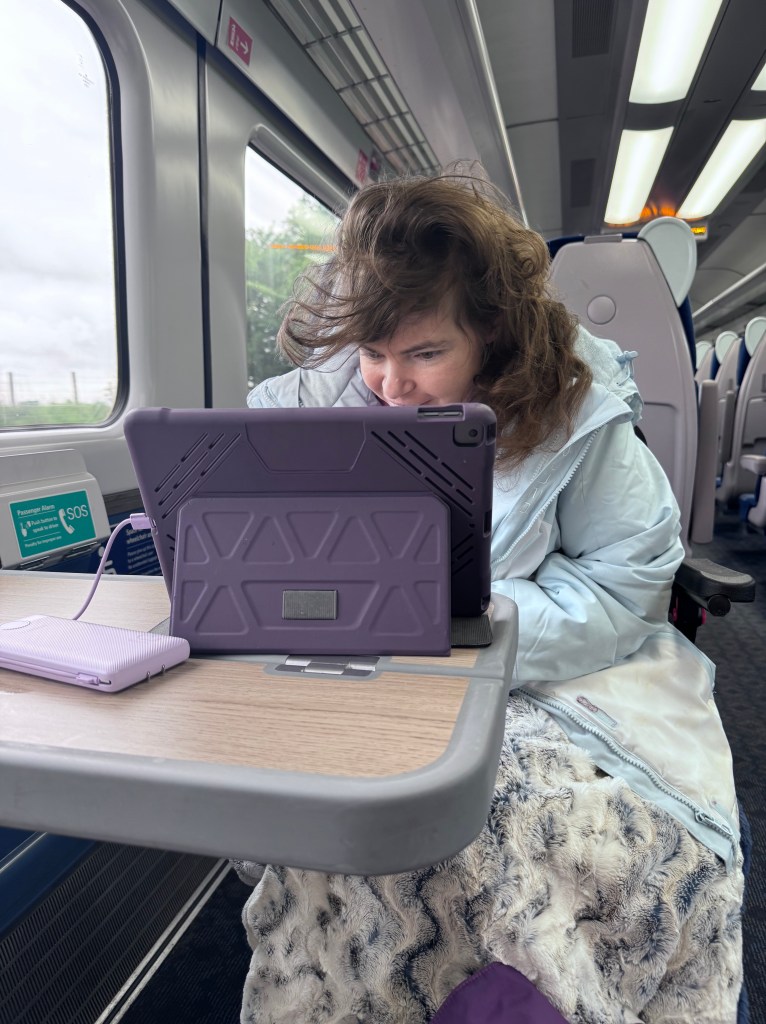
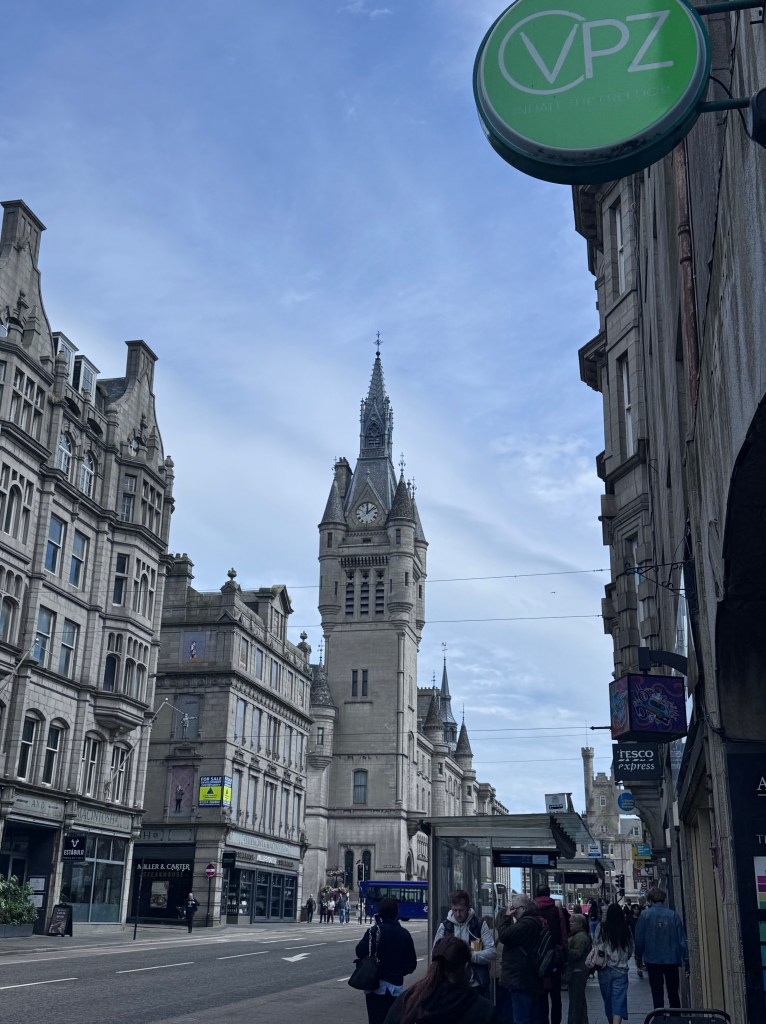
Our final adventure in Scotland took us north to Inverness by way of Aberdeen. The plan was simple—or so we thought! We would spend one night in Inverness, take a cruise on Loch Ness, enjoy afternoon tea at Inverness Castle, tour the castle, wander through town, have dinner, explore a little more the next morning, and then return to Dundee before beginning the next leg of our journey.

Well… somewhere along the way, we completely messed up our dates.

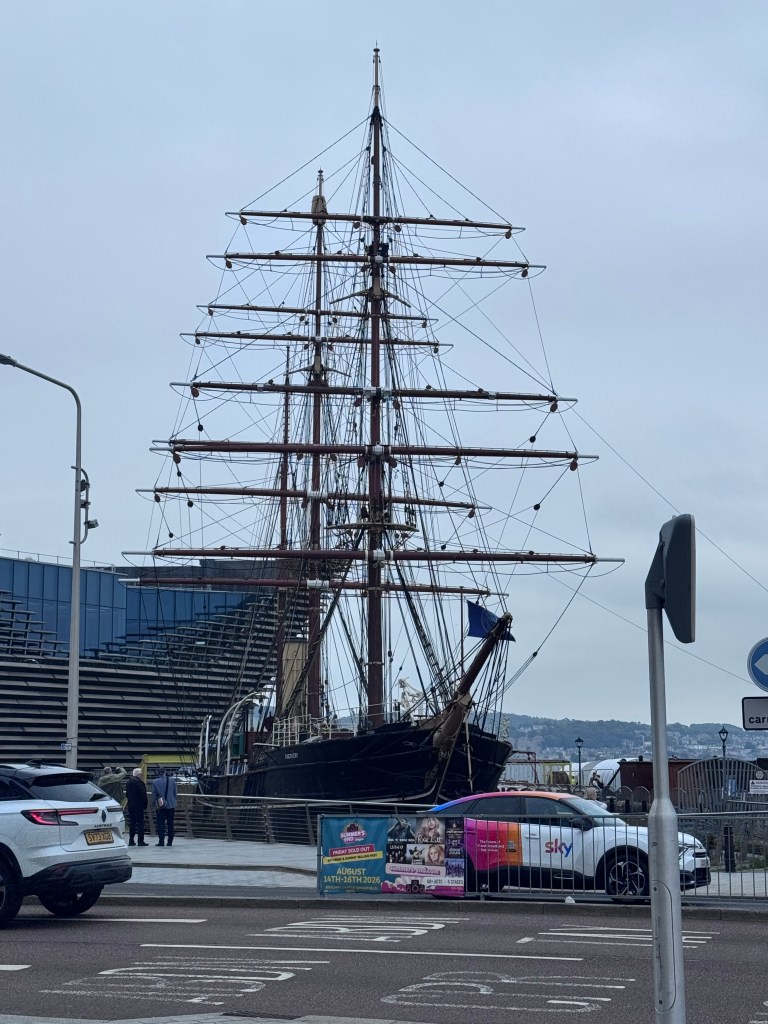
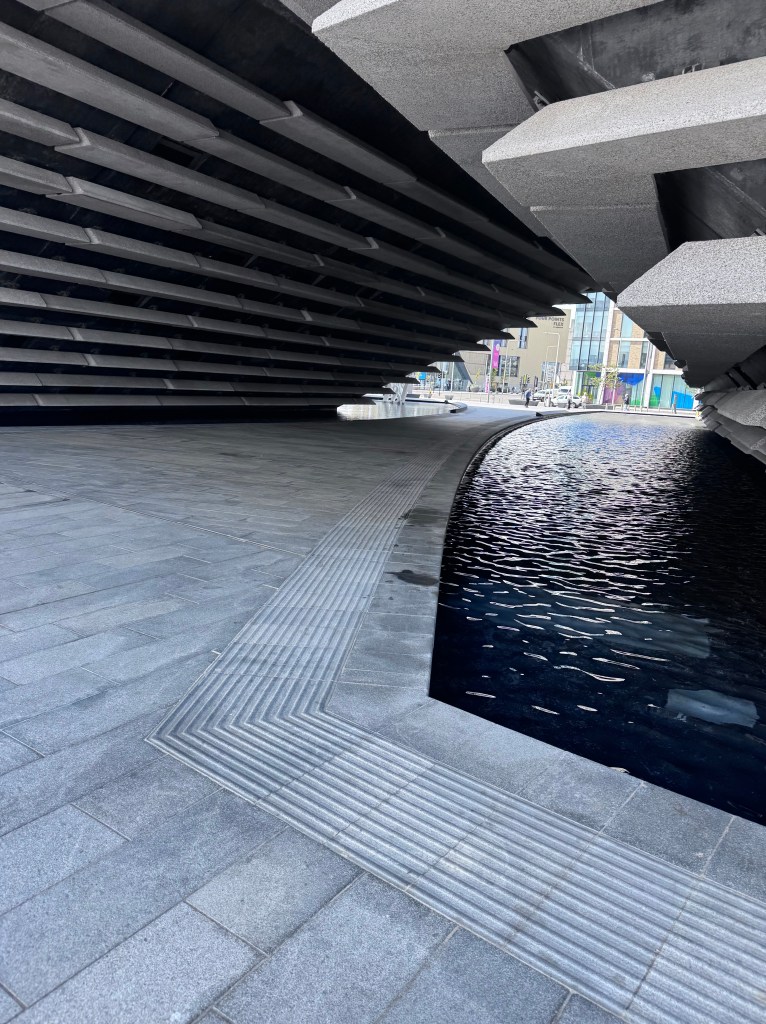
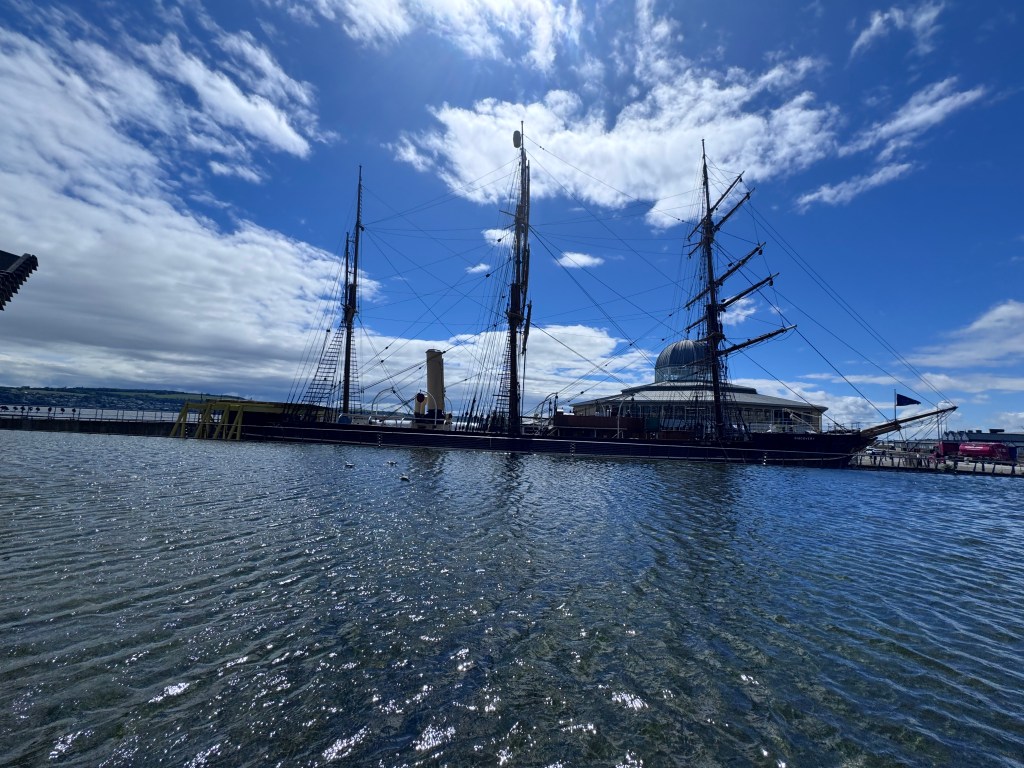
We discovered our mistake when our VRBO sent us checkout instructions for the following morning—even though we hadn’t even arrived yet!  After a few moments of panic, we scrambled to find somewhere to stay for one extra night in Dundee after we returned. Thankfully, we found a room at the Four Points by Sheraton, conveniently located above the train station, and were able to change our train tickets to an earlier departure the next morning so we could make it back before checkout. Unfortunately, Pillow Partners wasn’t very accommodating, but thankfully everything worked out in the end. It certainly wasn’t how we planned to start our adventure!

Once all the logistics were sorted, we settled into enjoying Inverness.

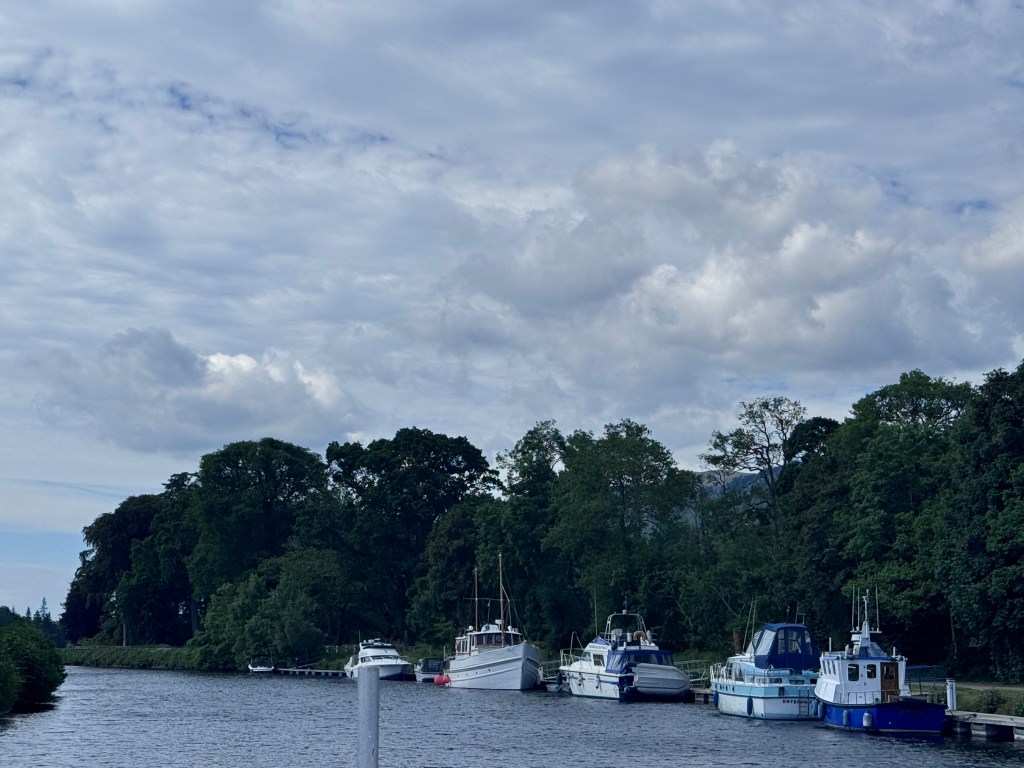
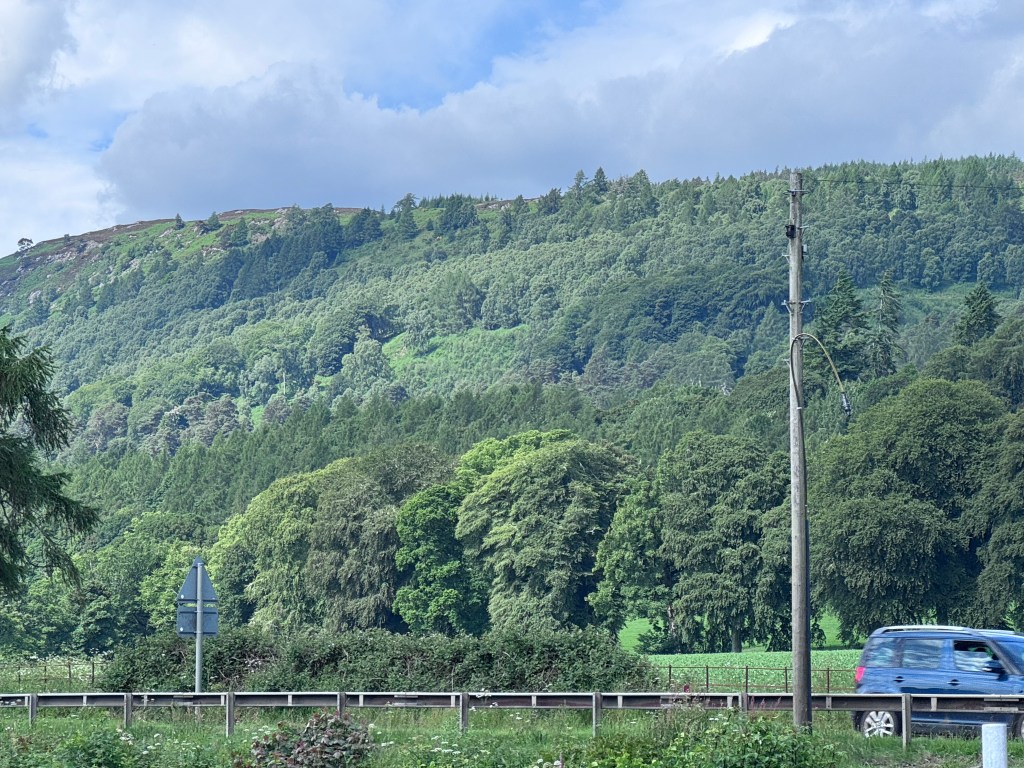
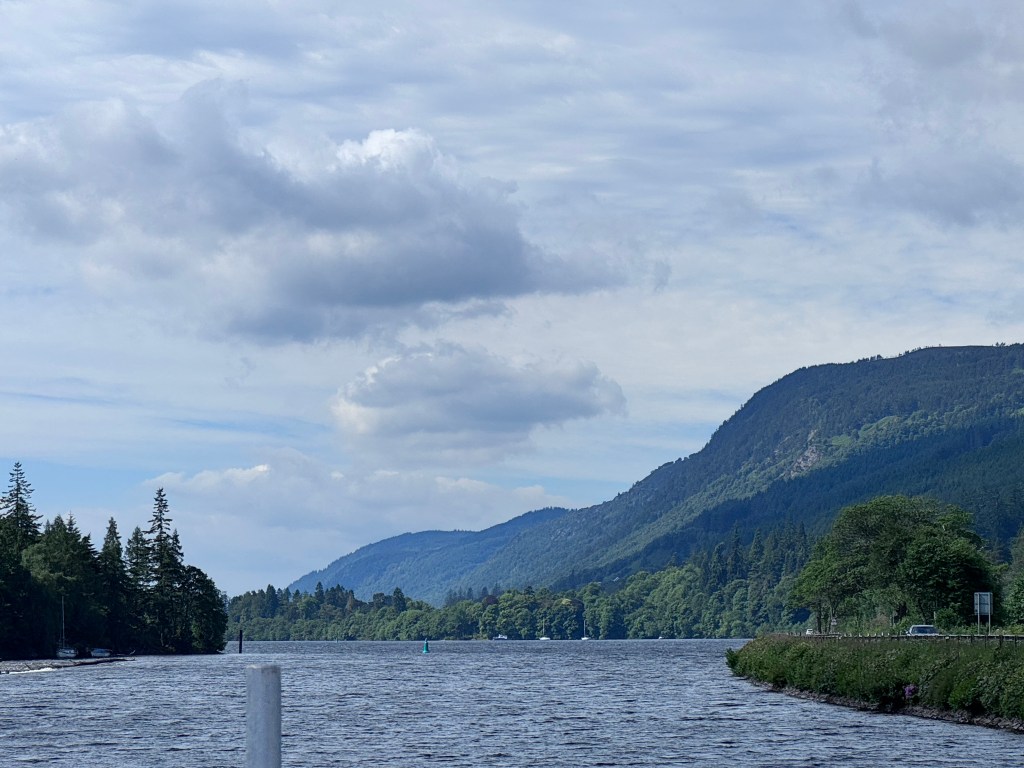
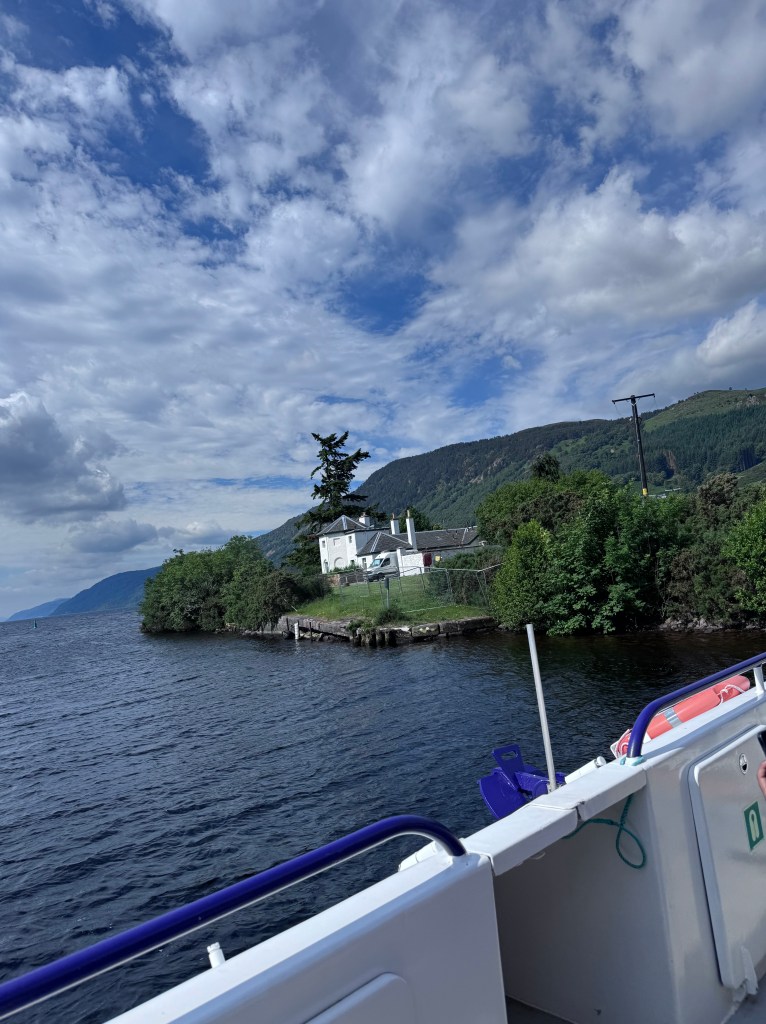
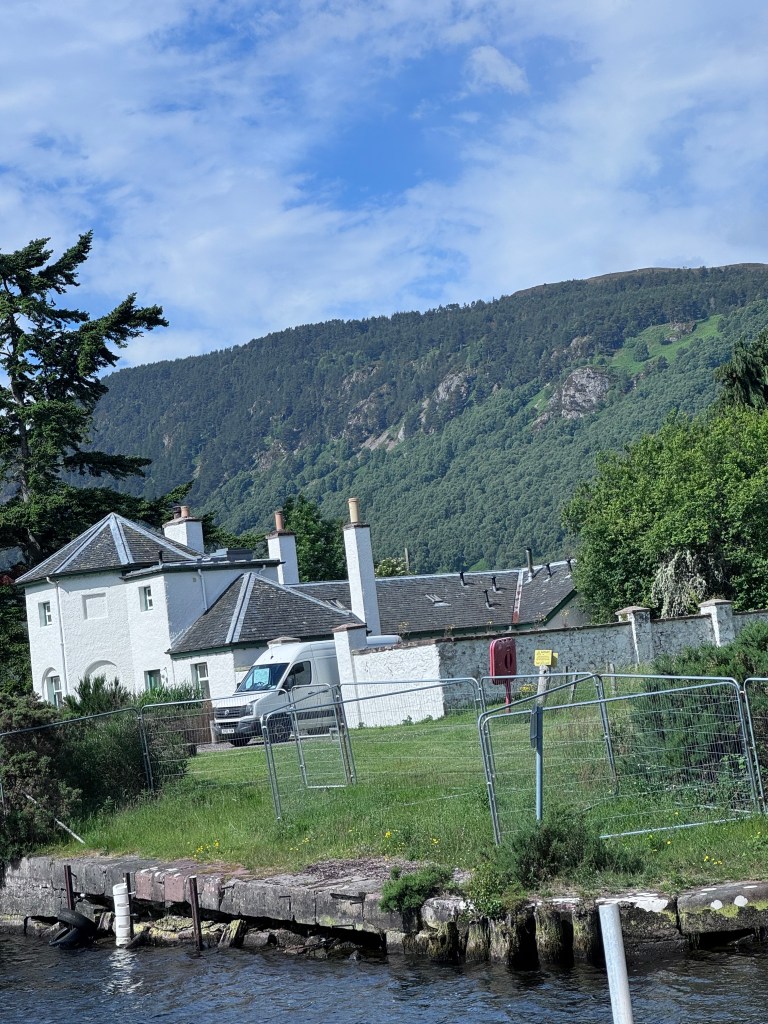
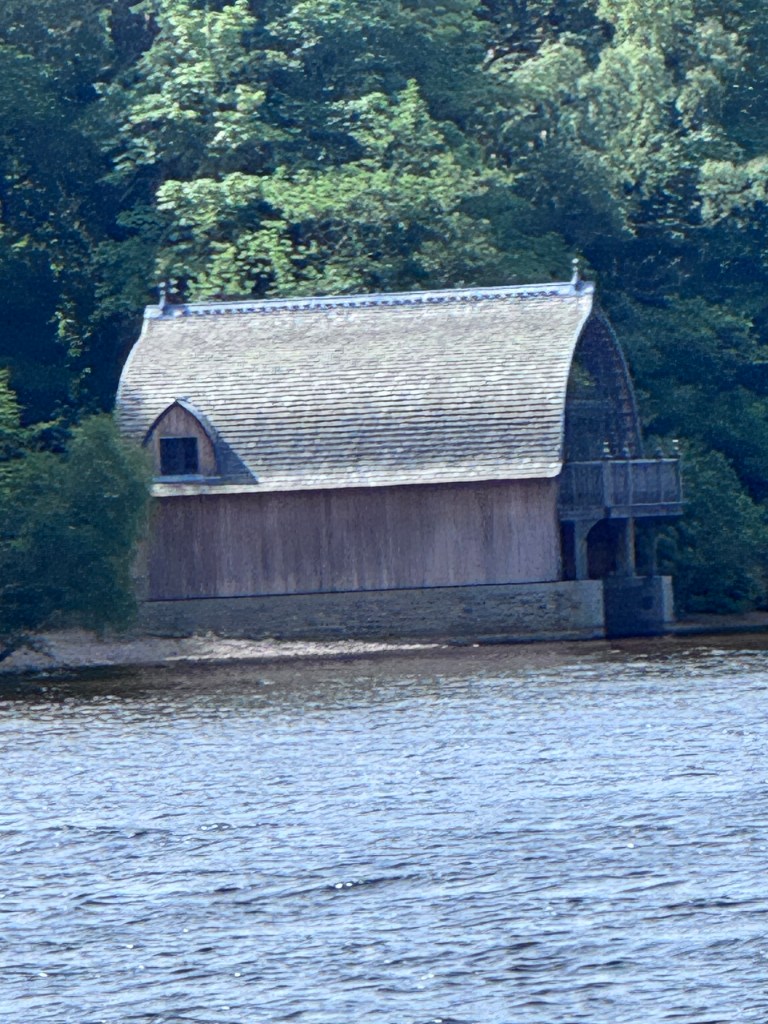
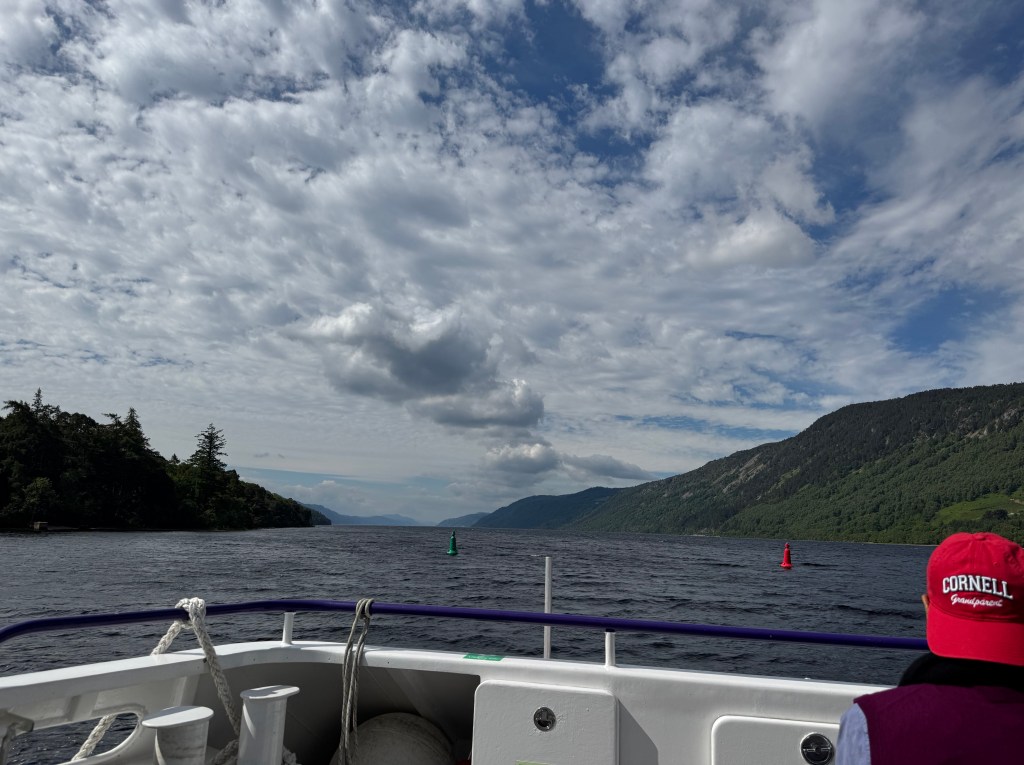
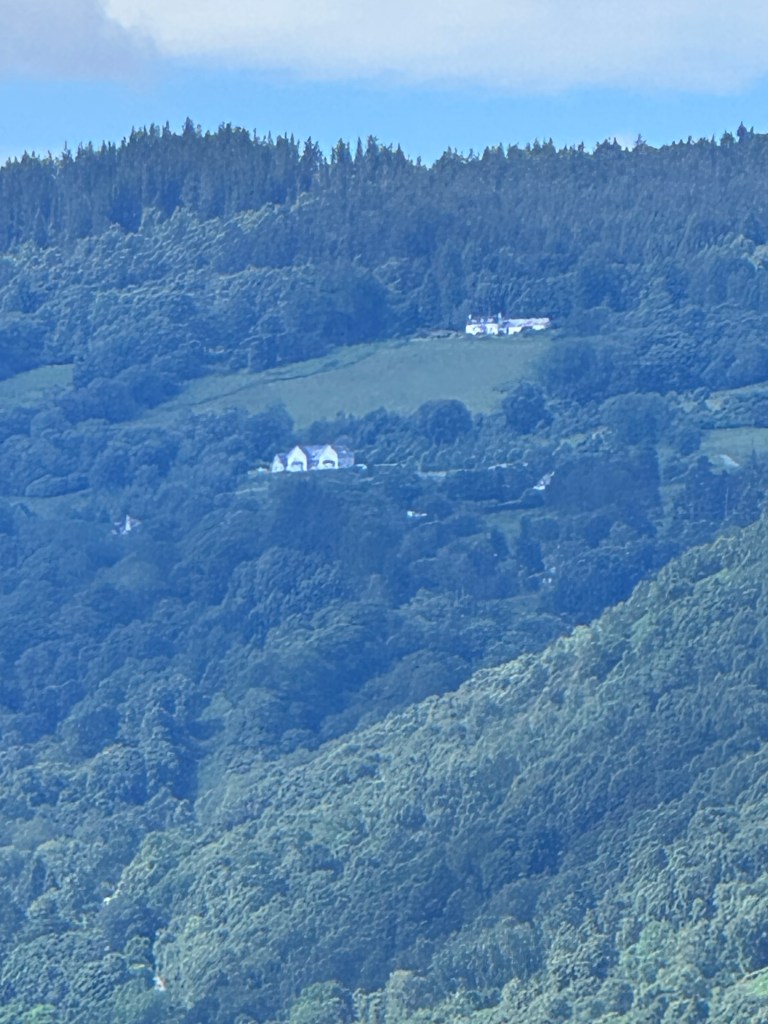
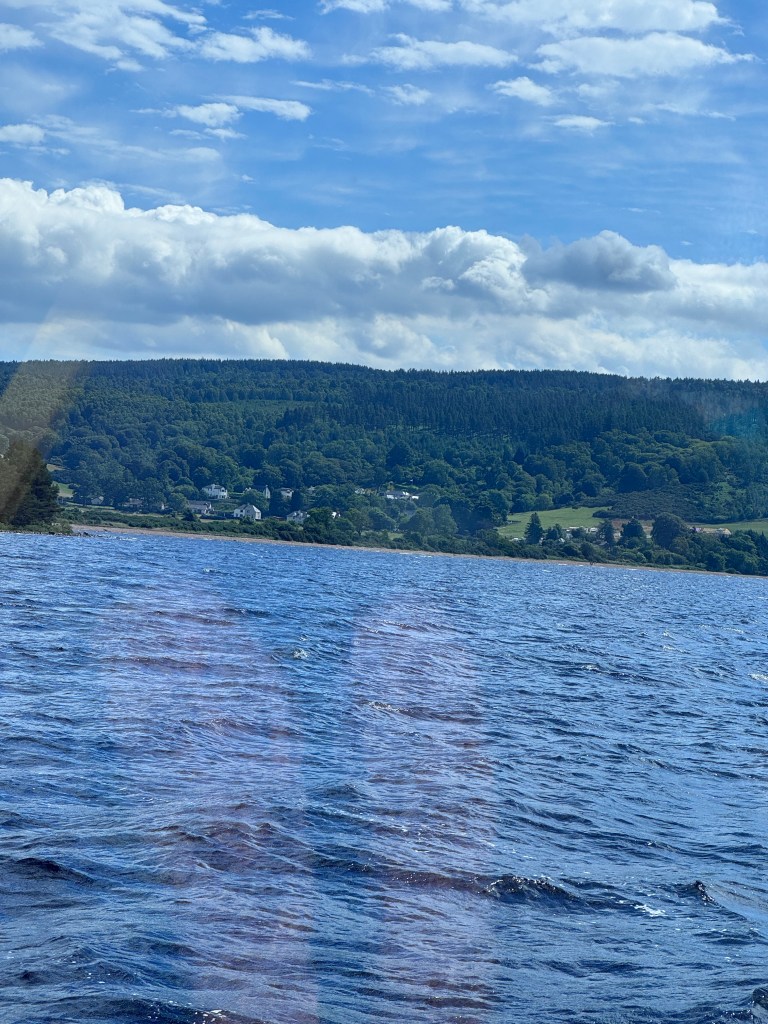
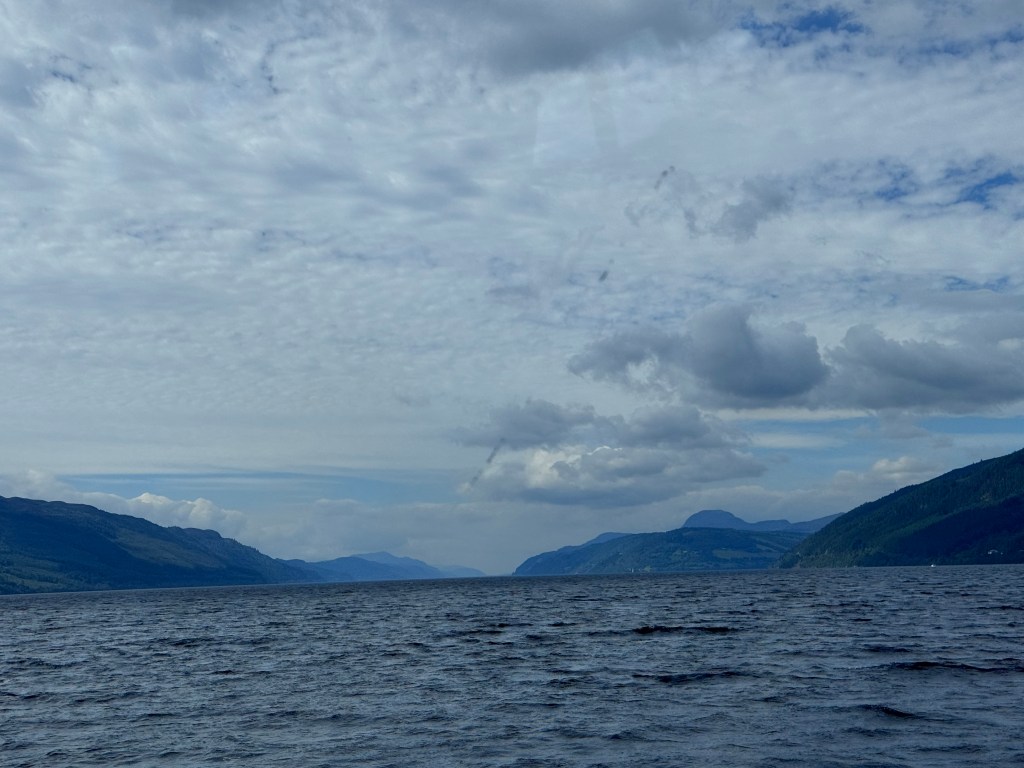
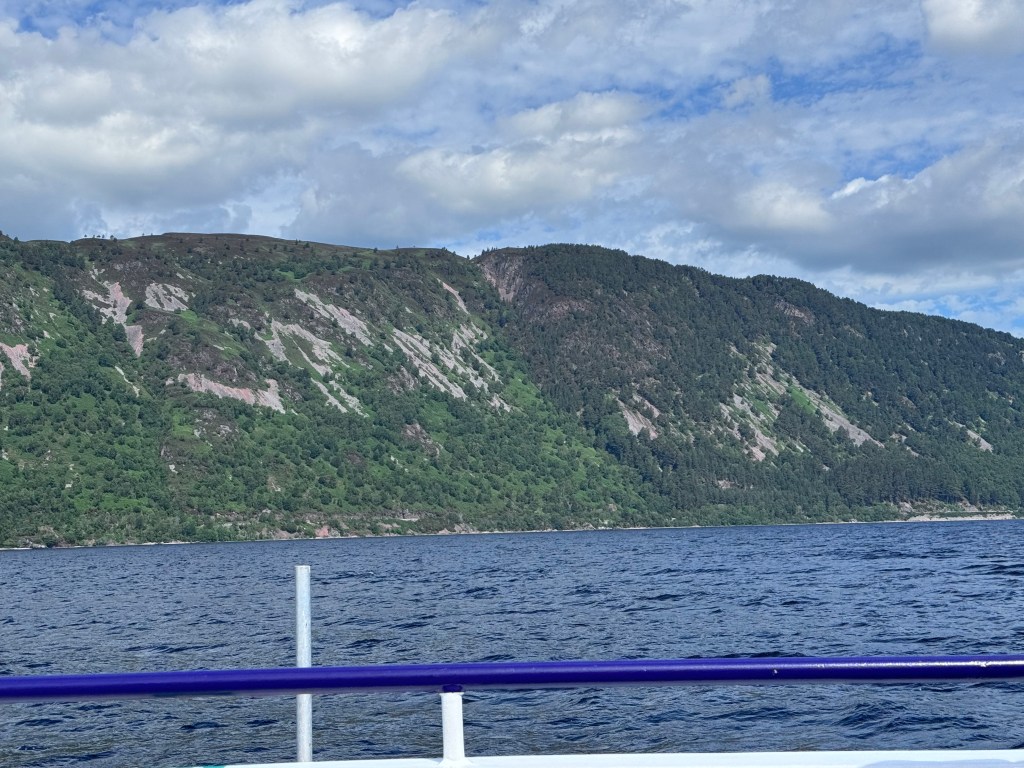
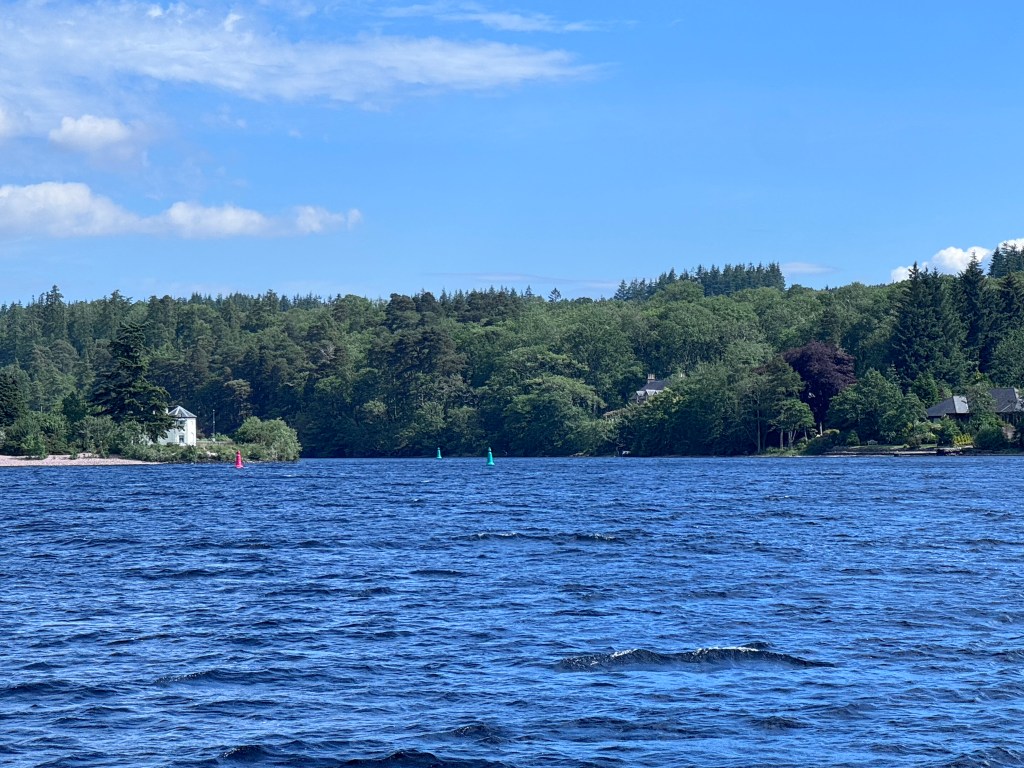
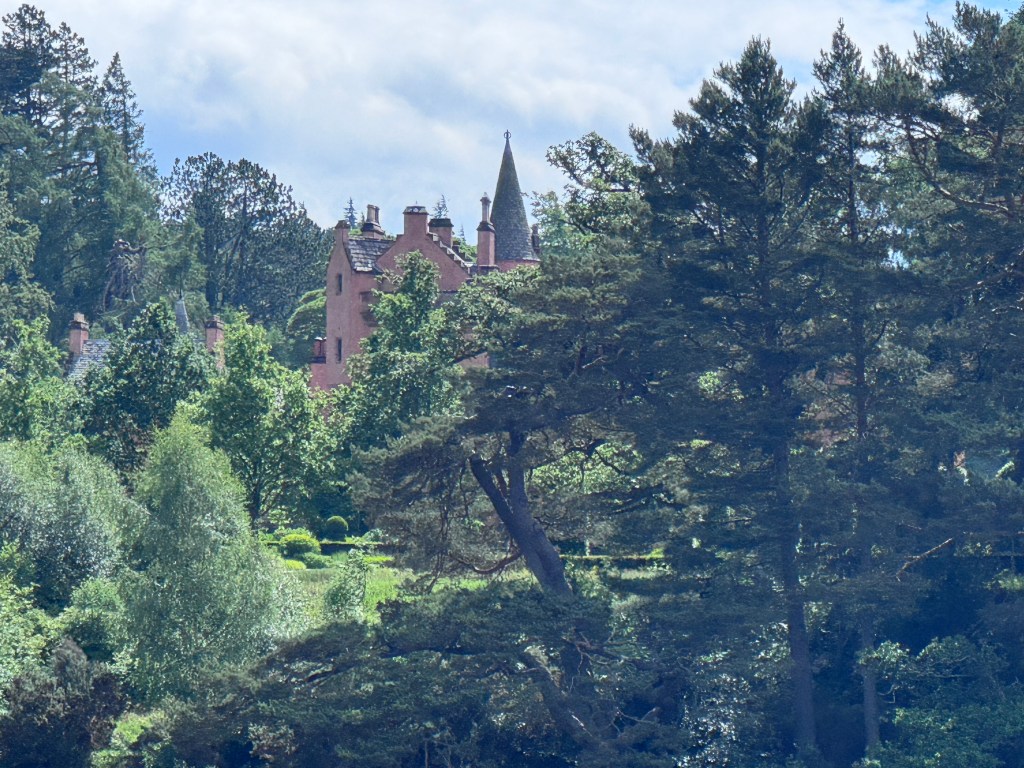
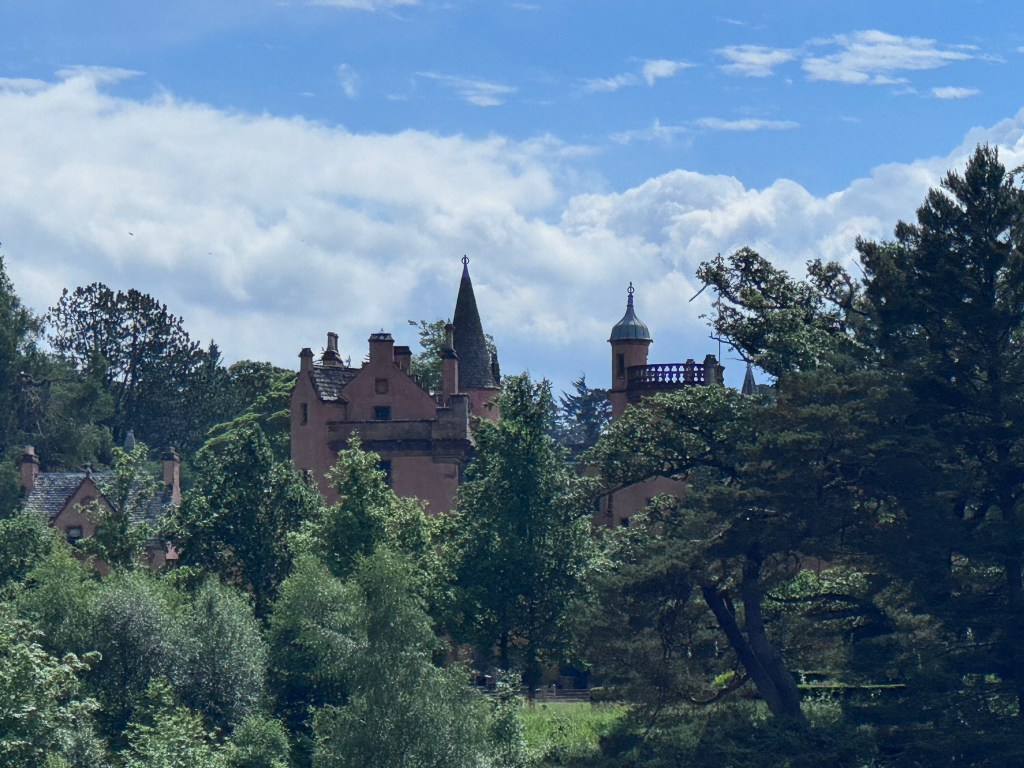
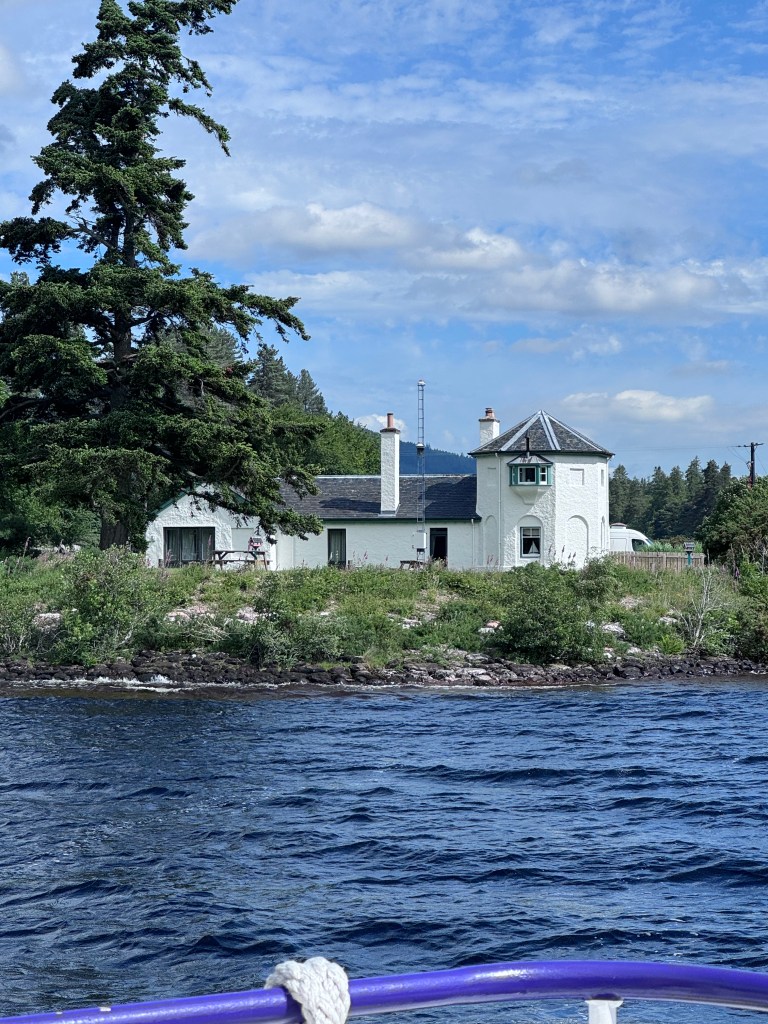
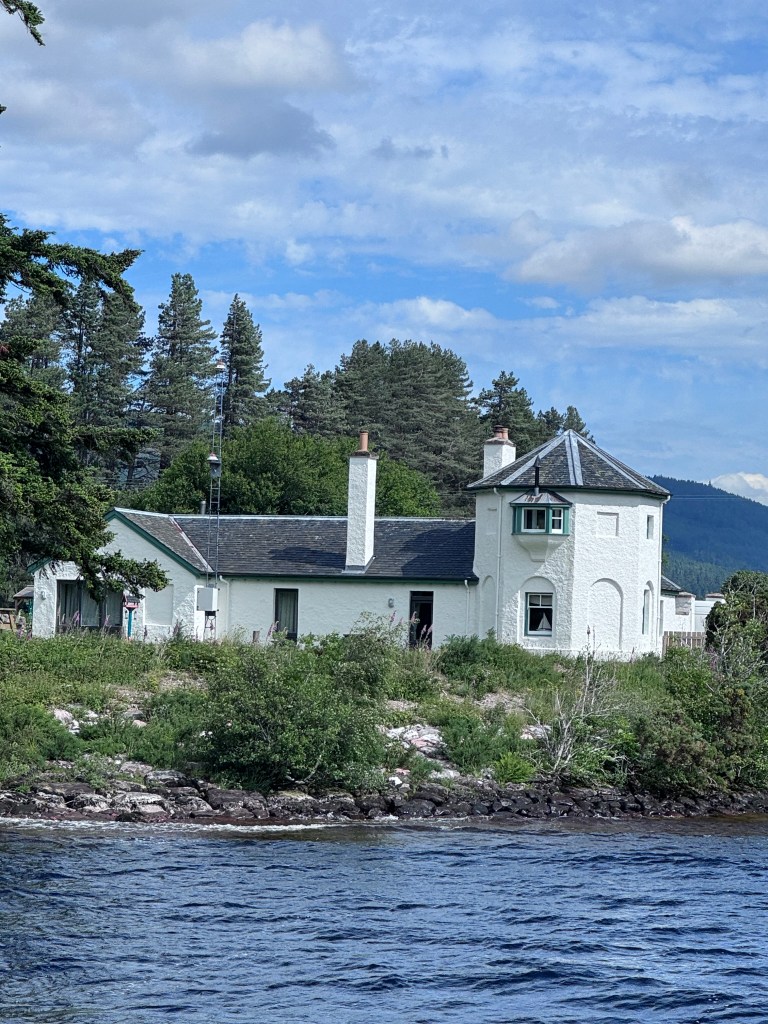
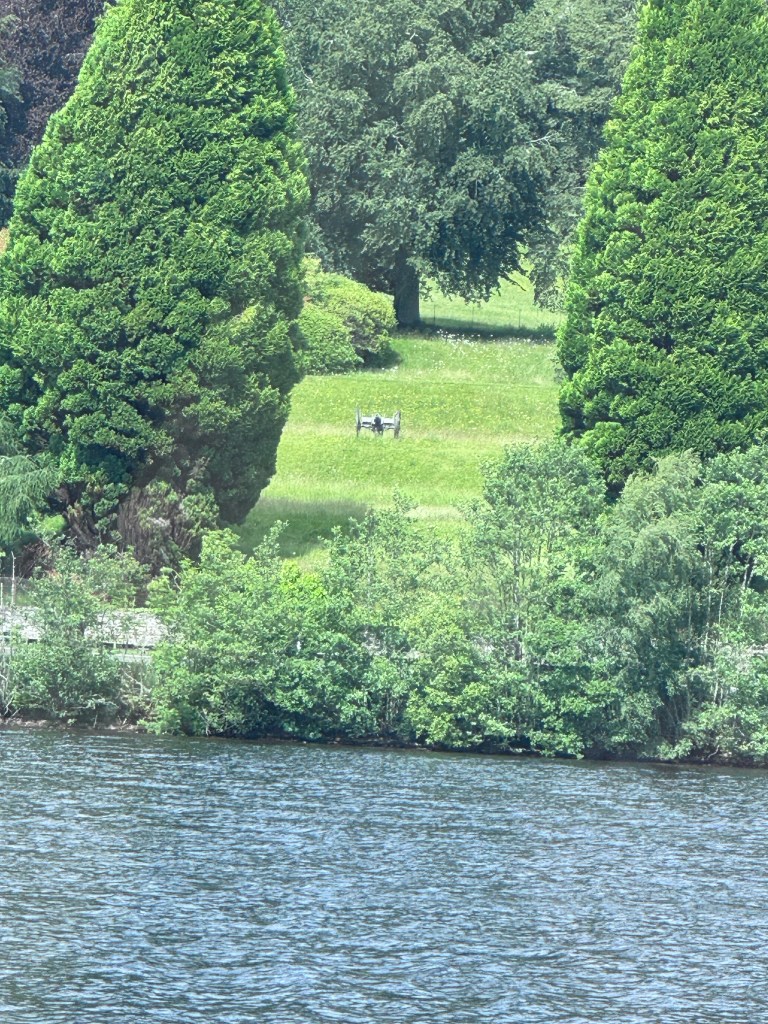
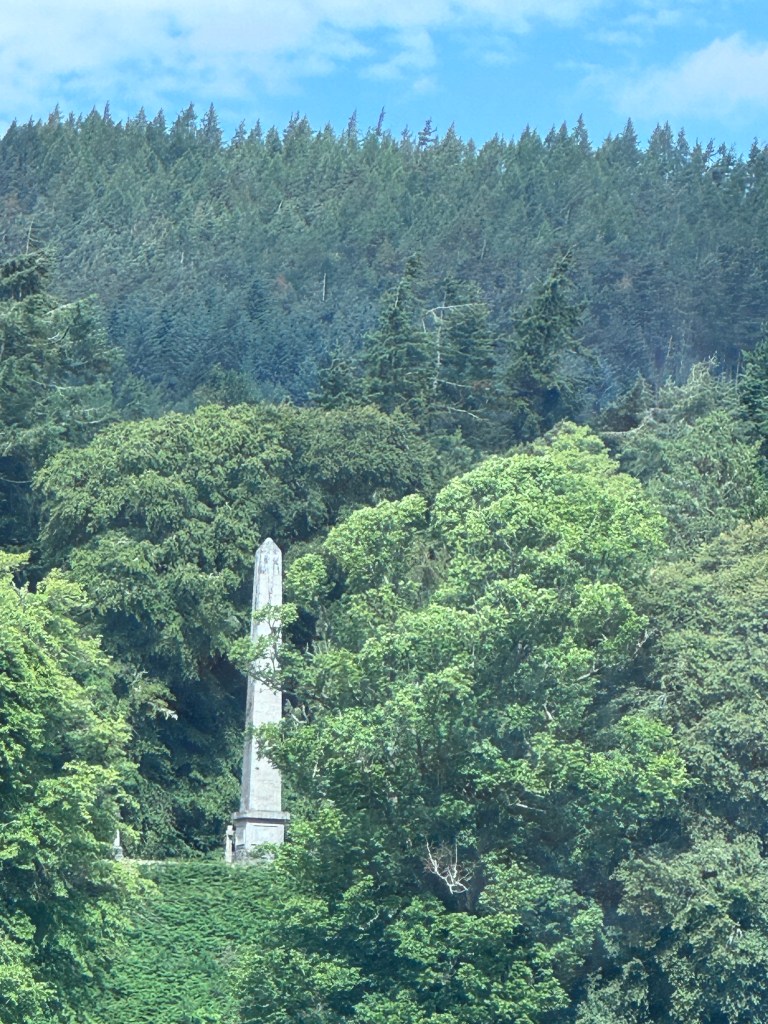
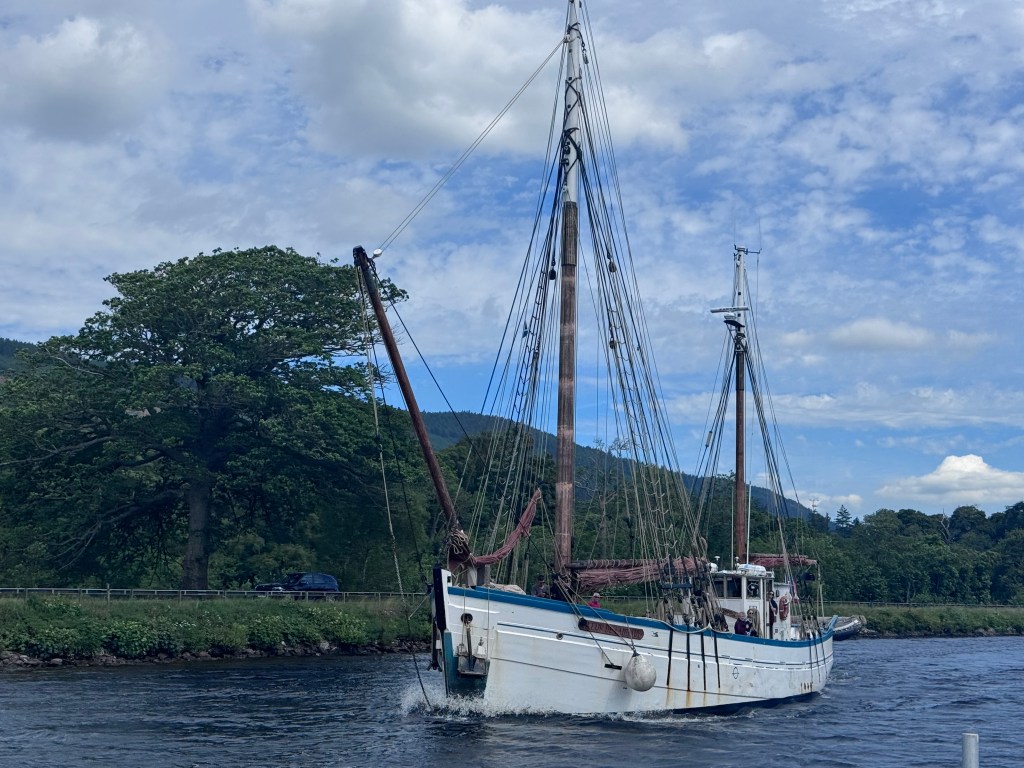
Our cruise on Loch Ness was absolutely beautiful. Loch Ness stretches about 23 miles through the Scottish Highlands and reaches an astonishing depth of around 754 feet, making it one of the deepest lakes in the United Kingdom. Unlike Montana’s crystal-clear Flathead Lake, the waters of Loch Ness are incredibly dark and mysterious. The deep brown color comes from peat washed down from the surrounding hills, giving the loch its famous murky appearance.

It was impossible not to compare it with home.

Loch NessFlathead Lake
Scottish HighlandsNorthwestern Montana
23 miles long30 miles long
Up to 754 feet deepAbout 370 feet deep
Dark, peat-stained waterCrystal-clear mountain water
Home of the legendary NessieHome of “Flessie,” Montana’s own lake monster legend
Surrounded by ancient castles and rolling green hillsFramed by the spectacular Mission Mountains and Wild Horse Island

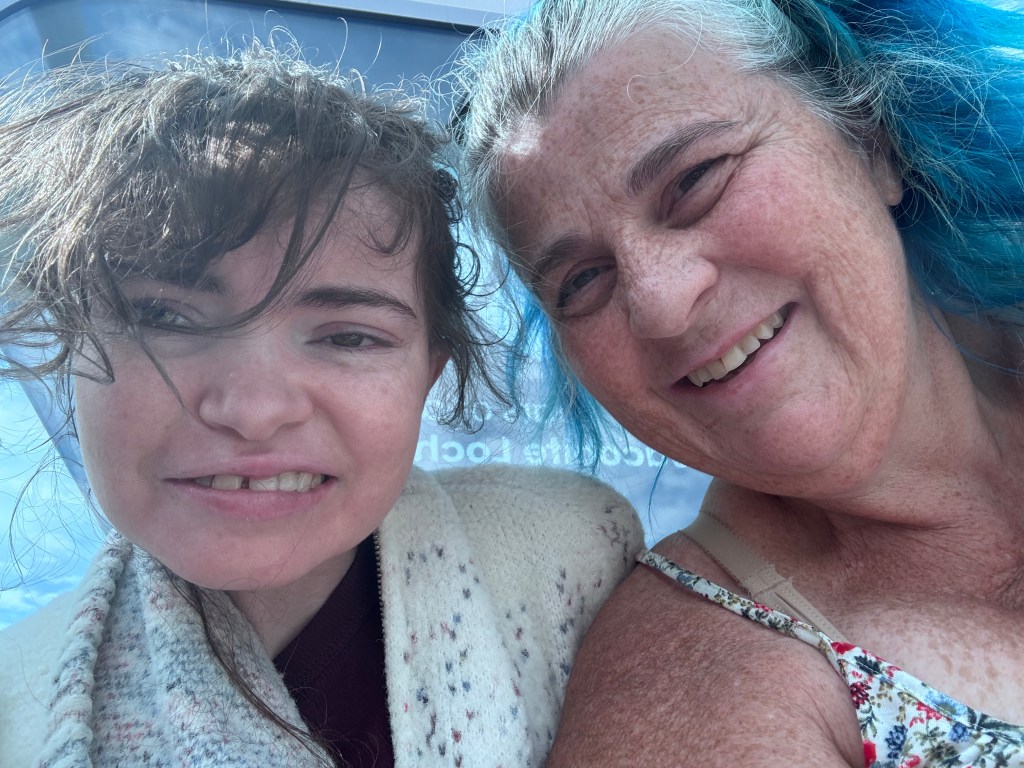
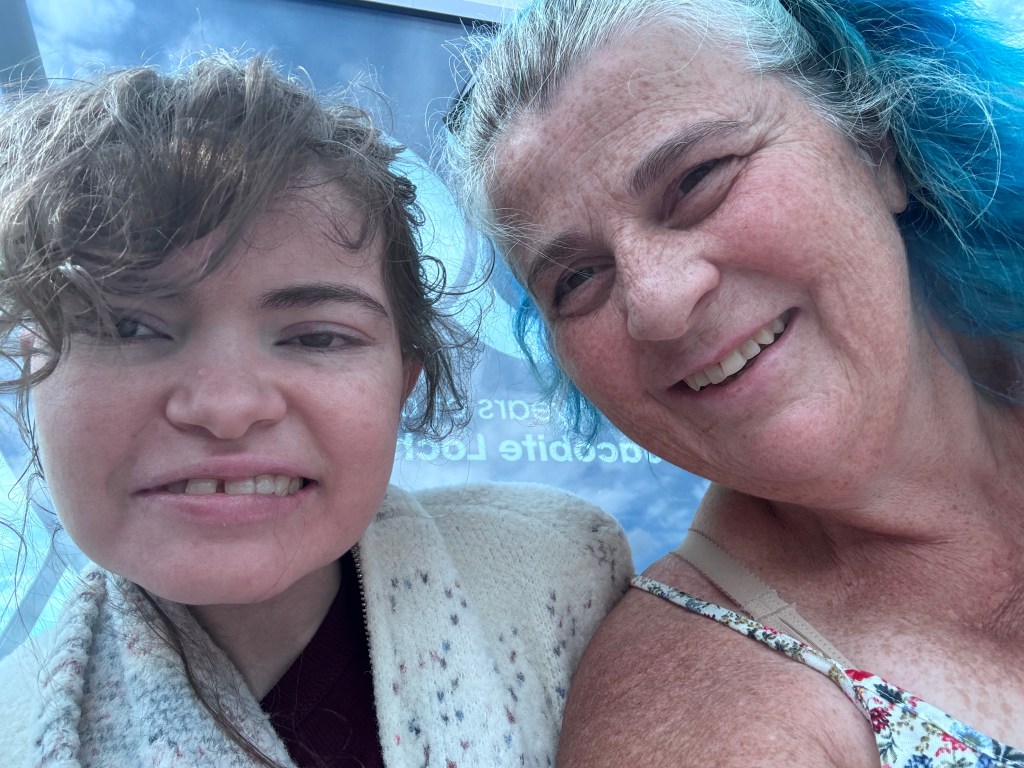
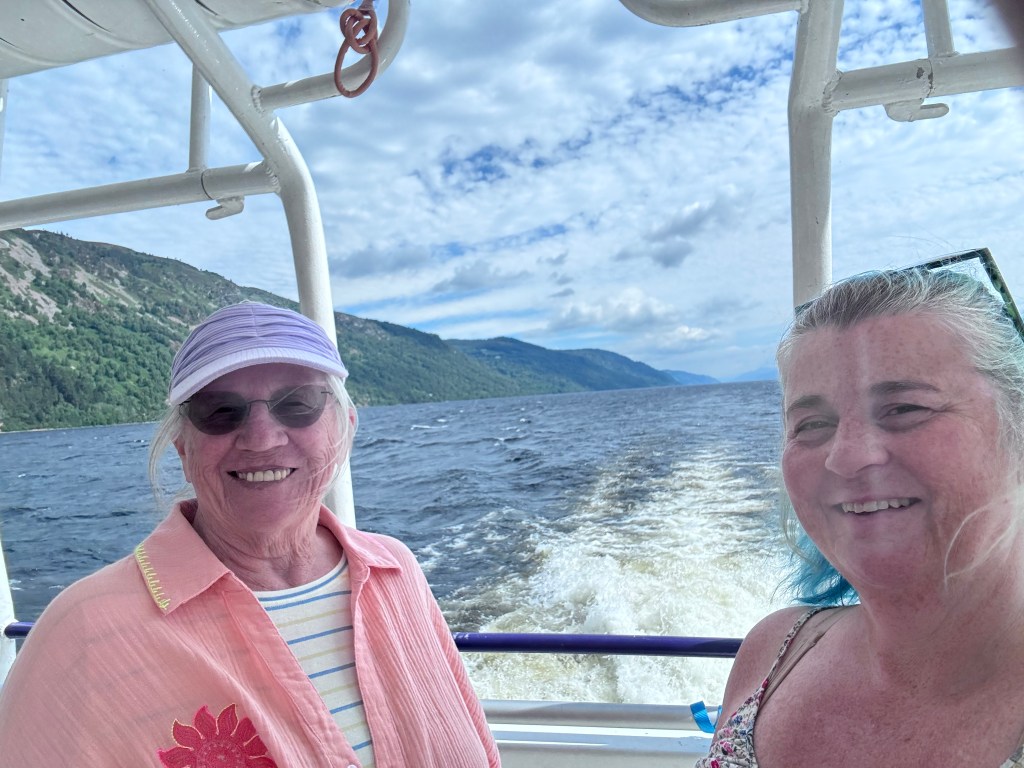
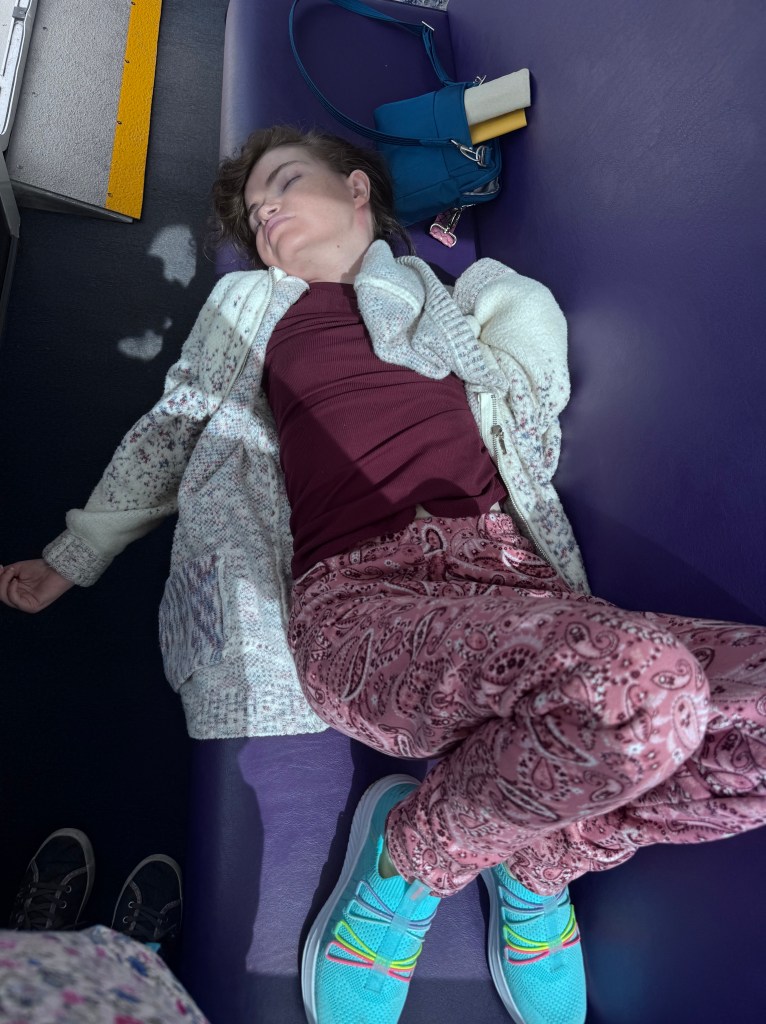
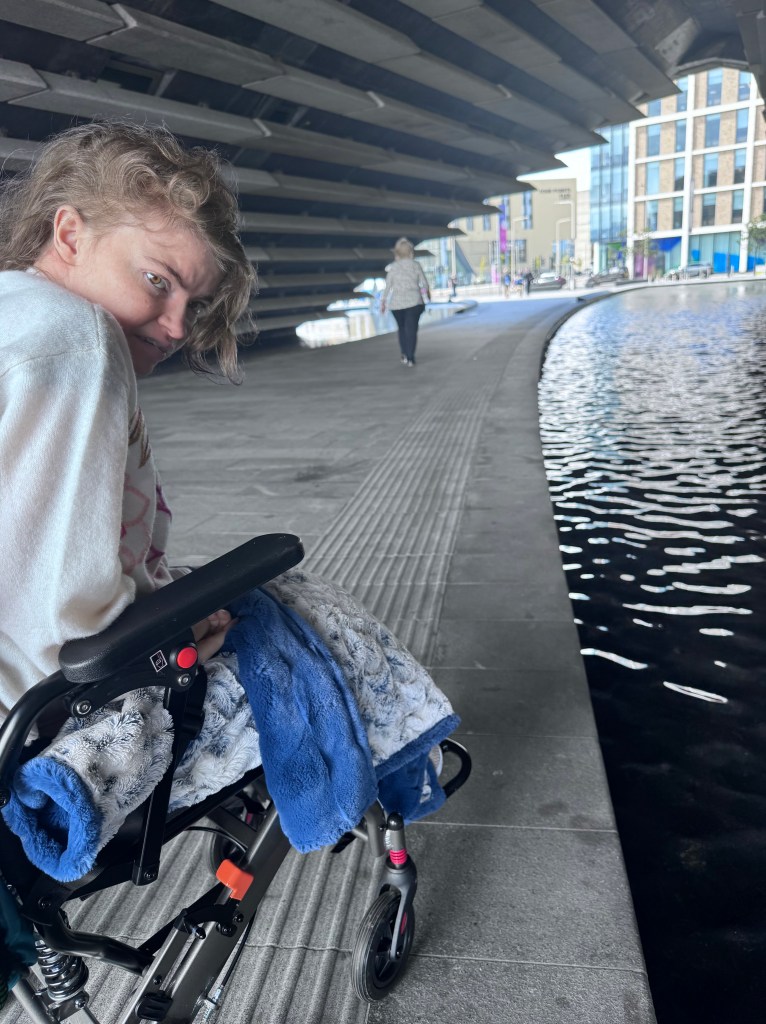
Kiya and I spent much of the cruise sitting on the lower level. We ventured outside for a while, but the Highland wind quickly convinced us to head back indoors. On the return trip, however, the clouds parted, the sun came out, and Kiya enjoyed a peaceful nap while I soaked in the scenery.

Our guide shared fascinating facts about the loch, including that just a few feet below the surface, the water becomes so dark that divers can quickly lose all sense of direction. No wonder legends of the Loch Ness Monster have survived for generations! Whether you believe in Nessie or not, there is certainly something mysterious about looking across that dark, endless water.

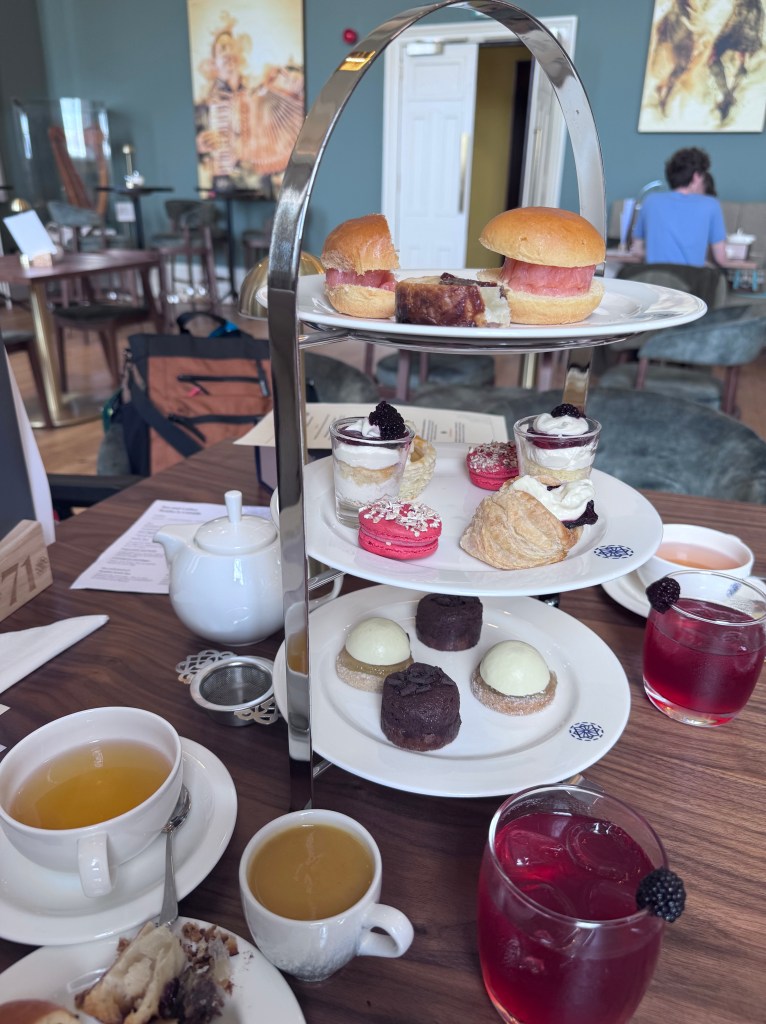
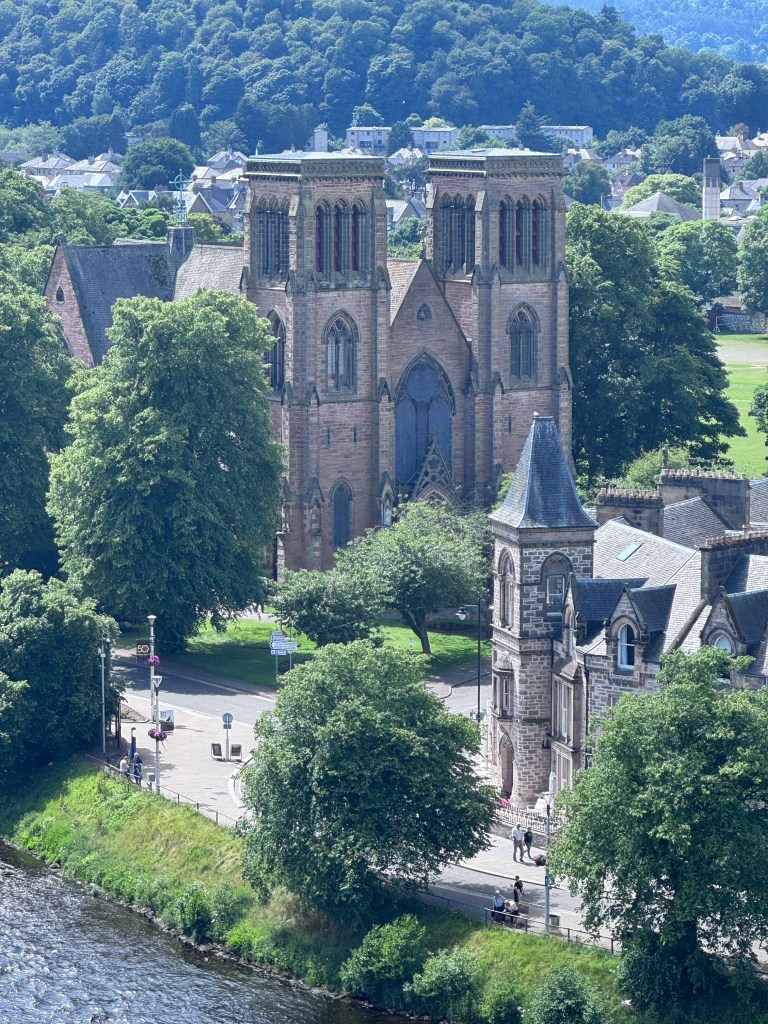
From the loch we hurried to Inverness Castle for afternoon tea.

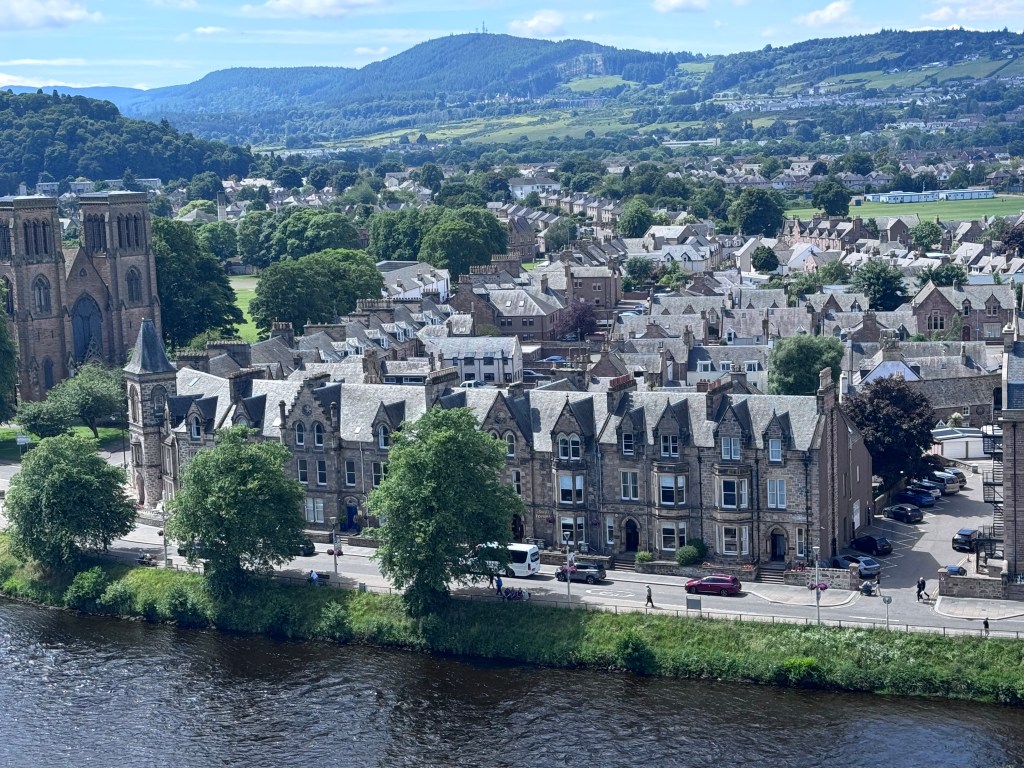
This turned out to be one of my favorite parts of the day. For over an hour, we simply sat together enjoying delicious sandwiches, pastries, cakes, and tea while overlooking the River Ness. After several busy days of sightseeing, it was wonderful to slow down, relax, and simply enjoy being together.

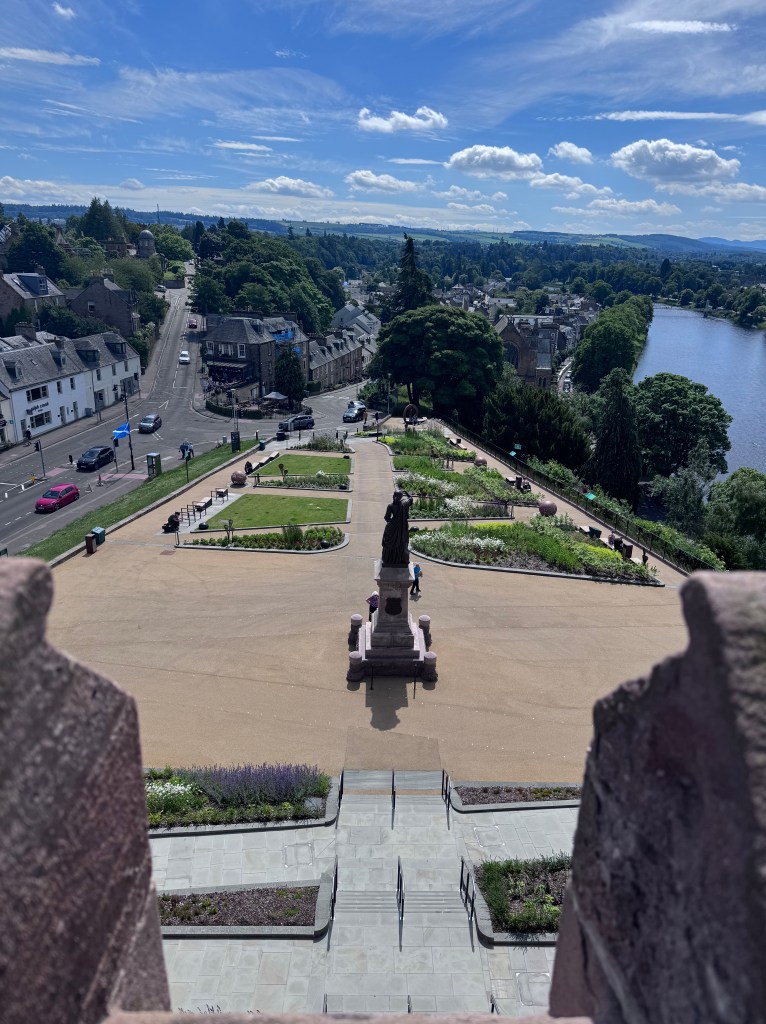
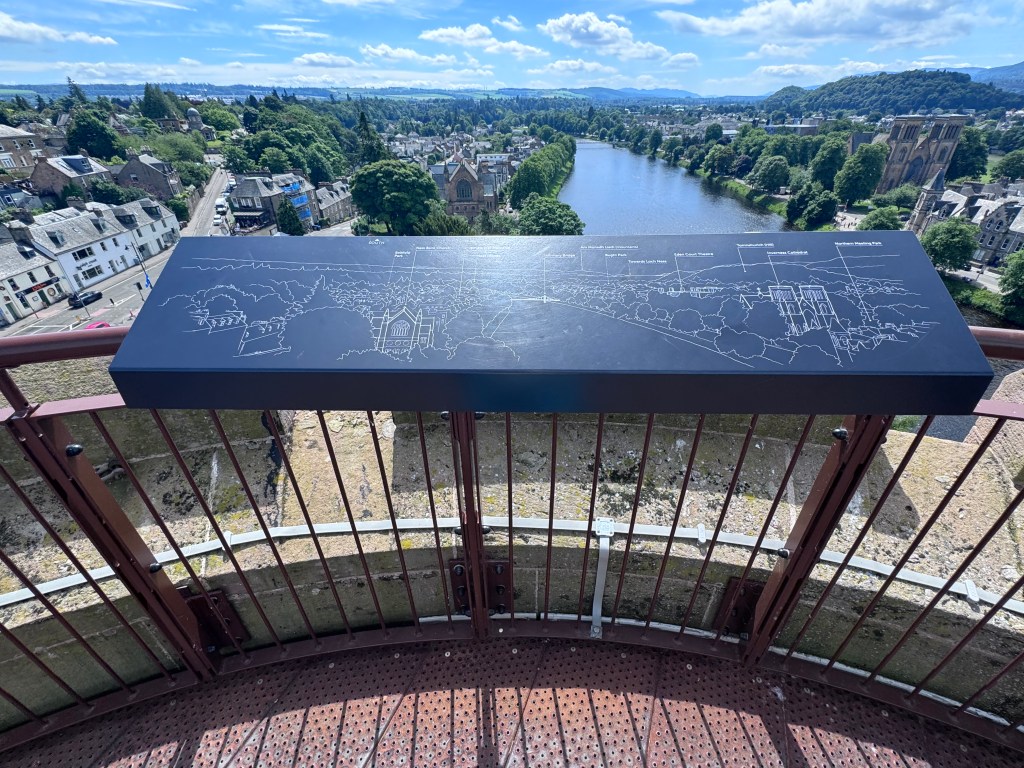
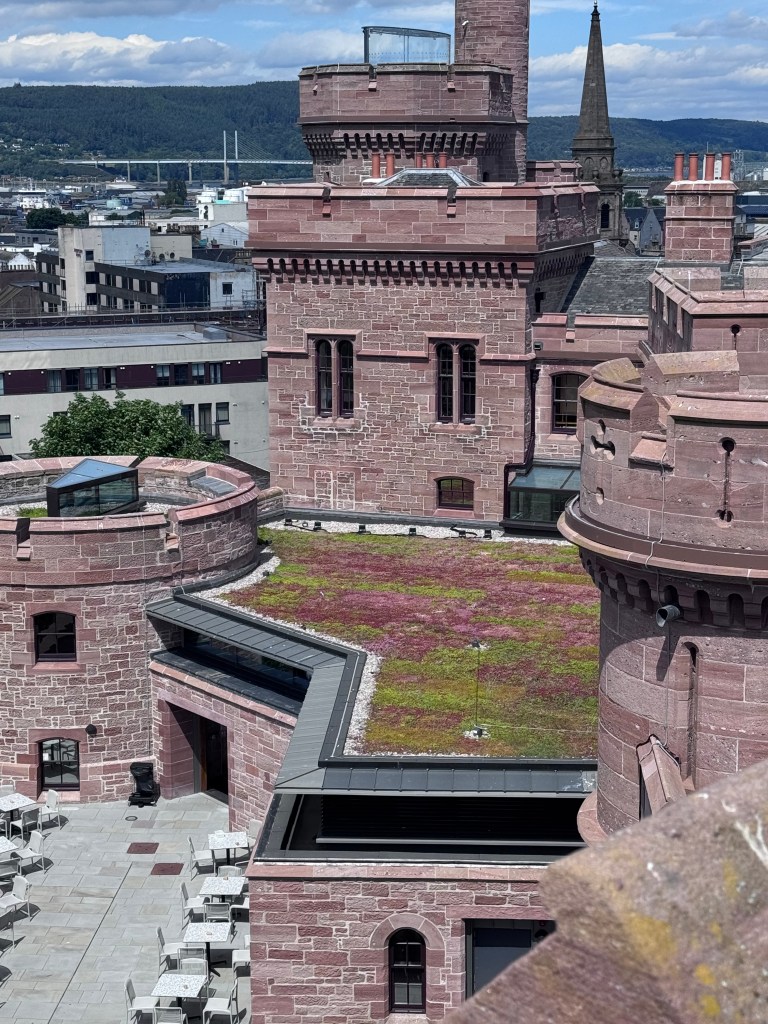
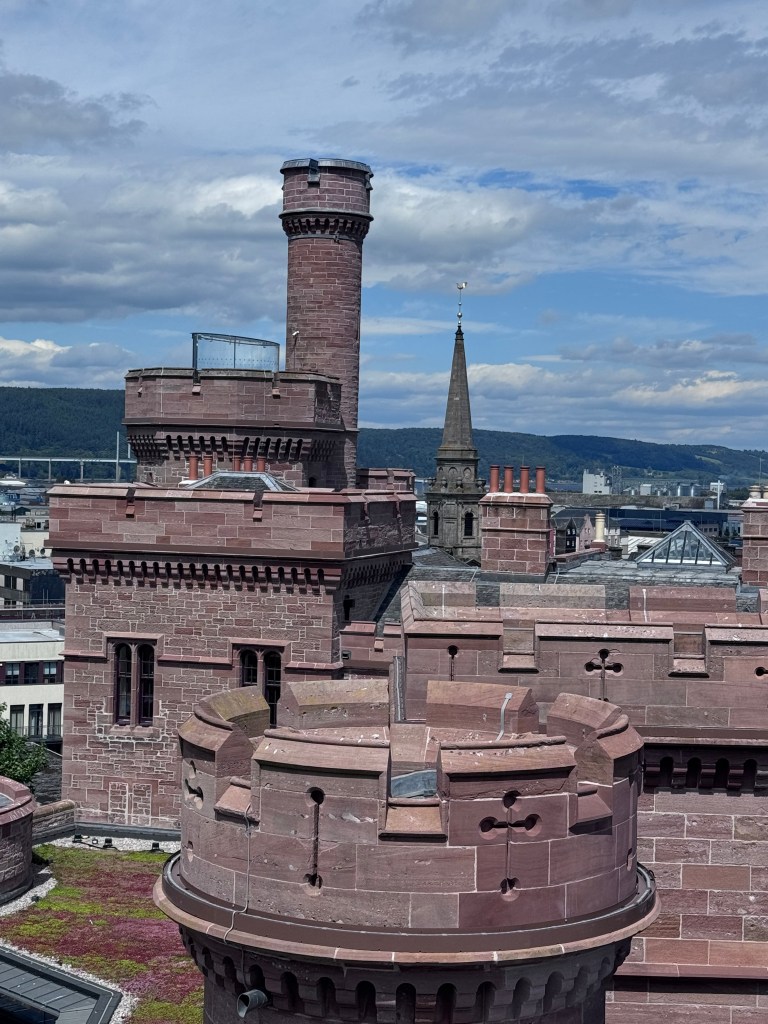
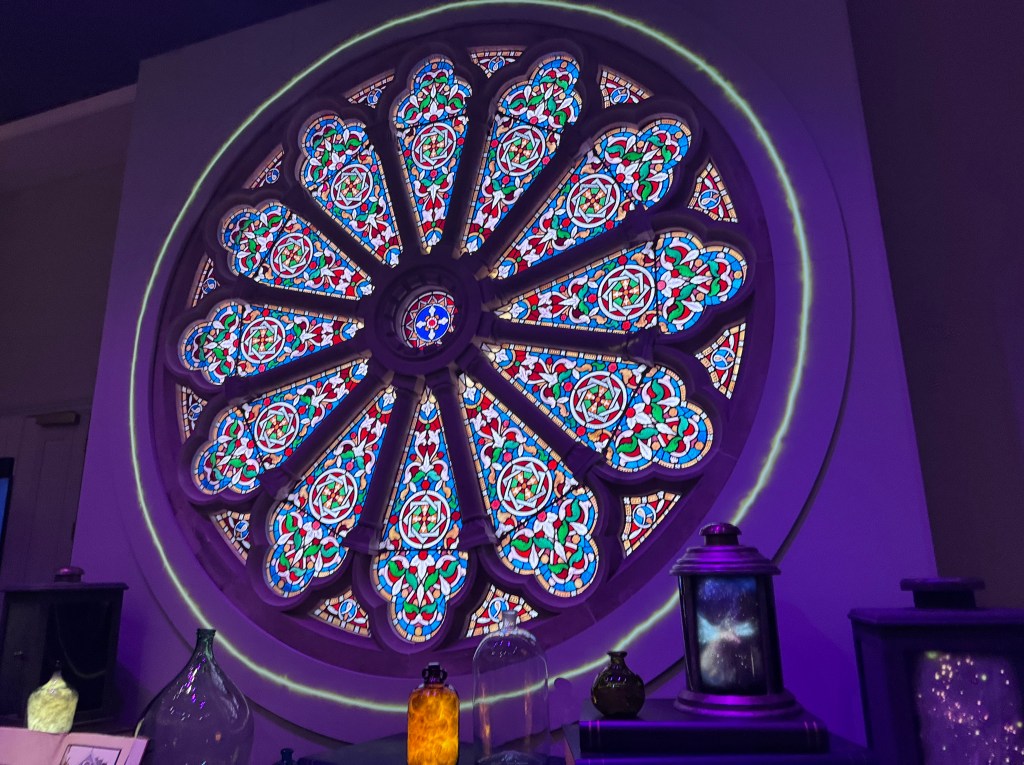
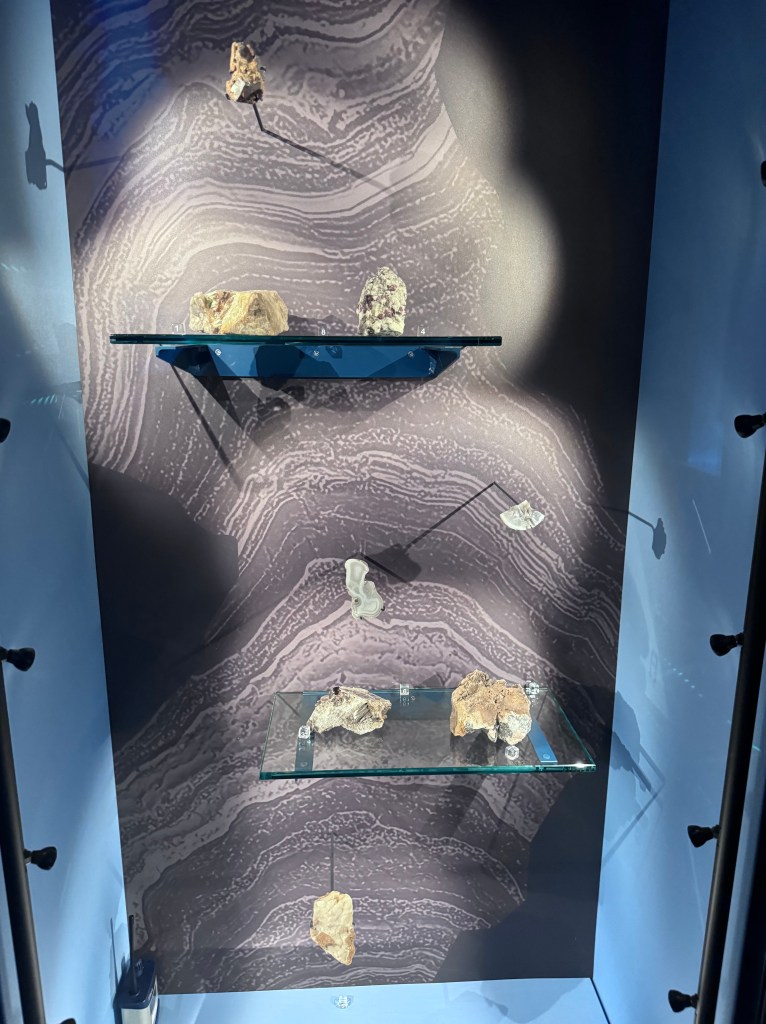
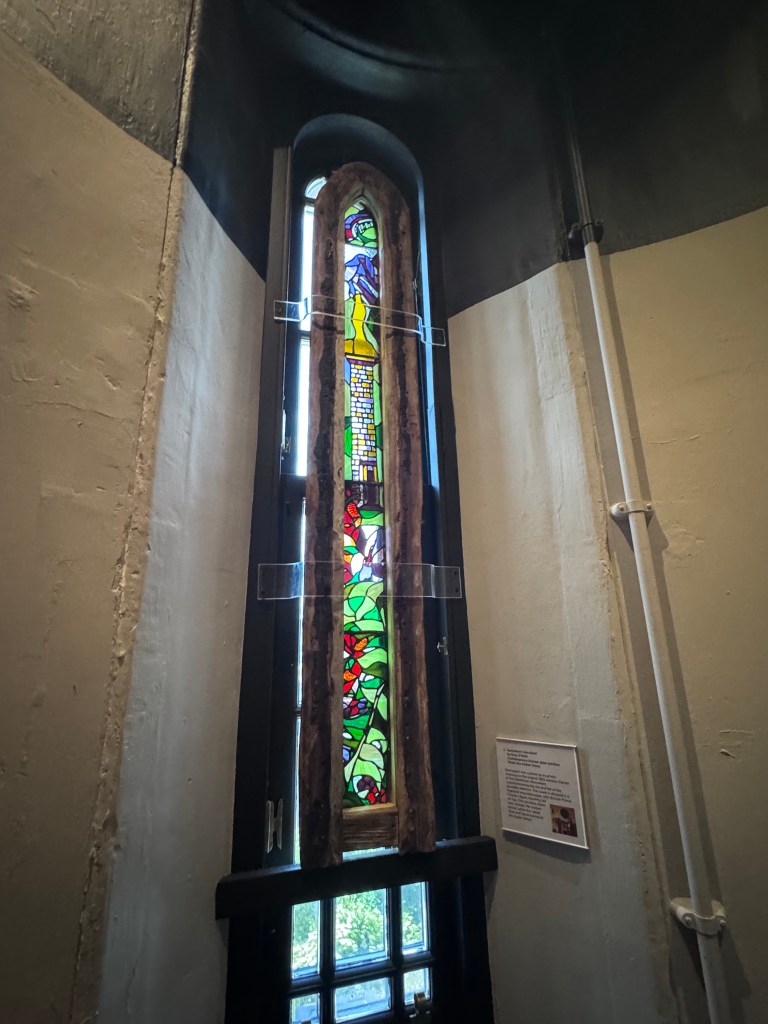
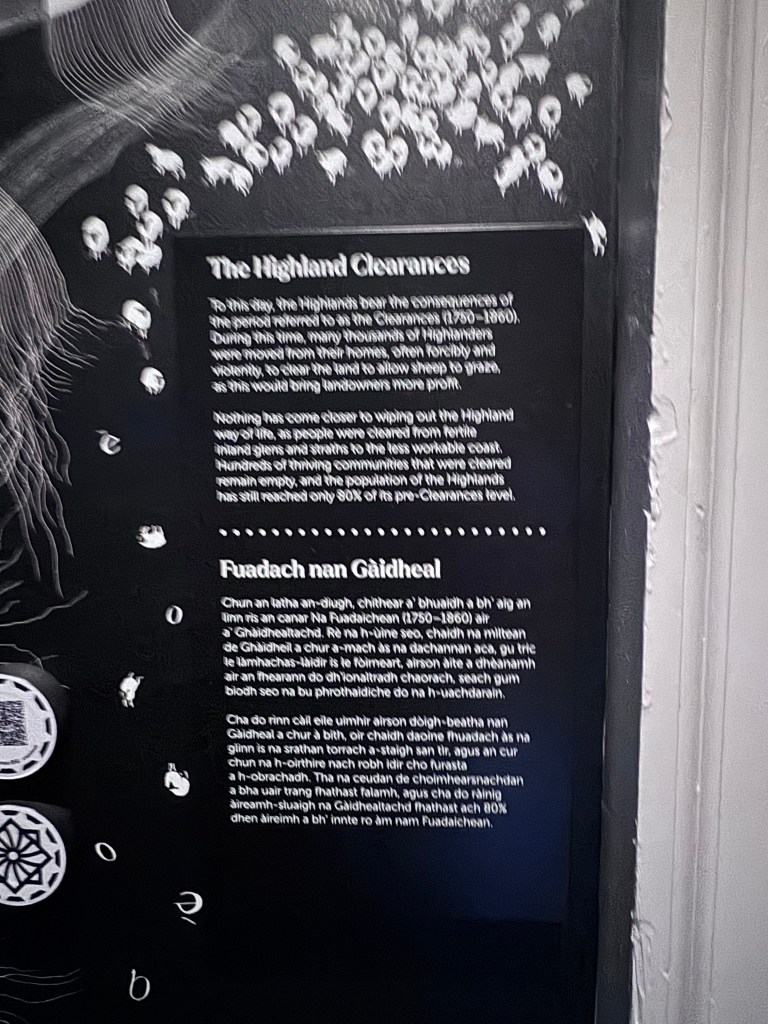
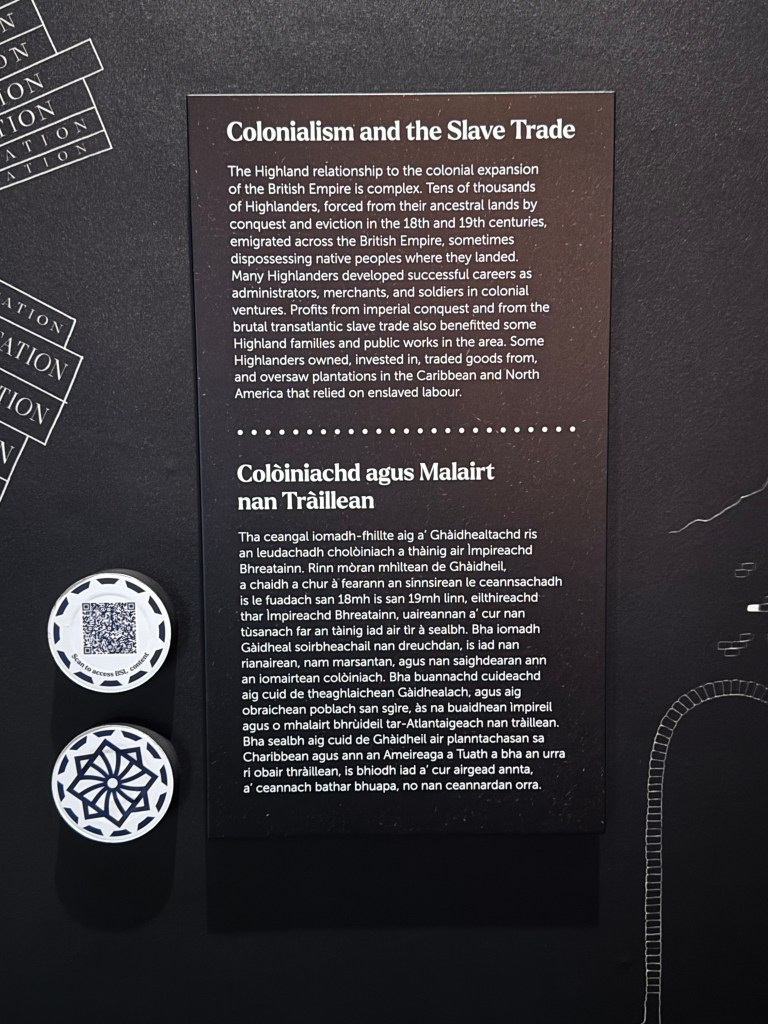
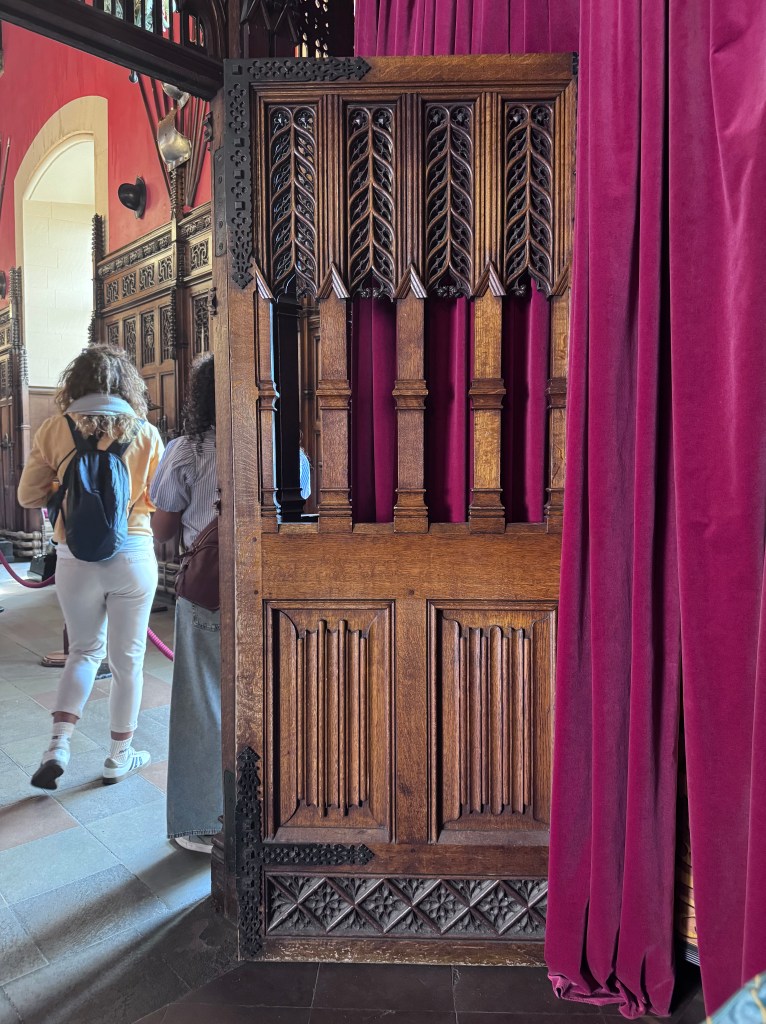
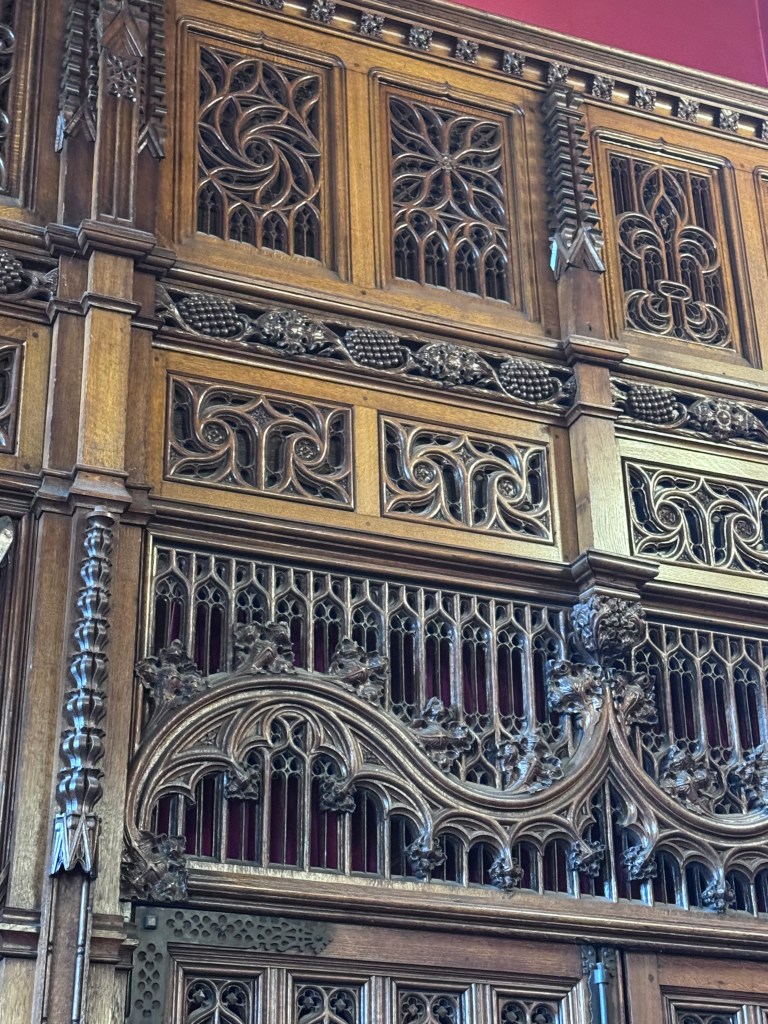
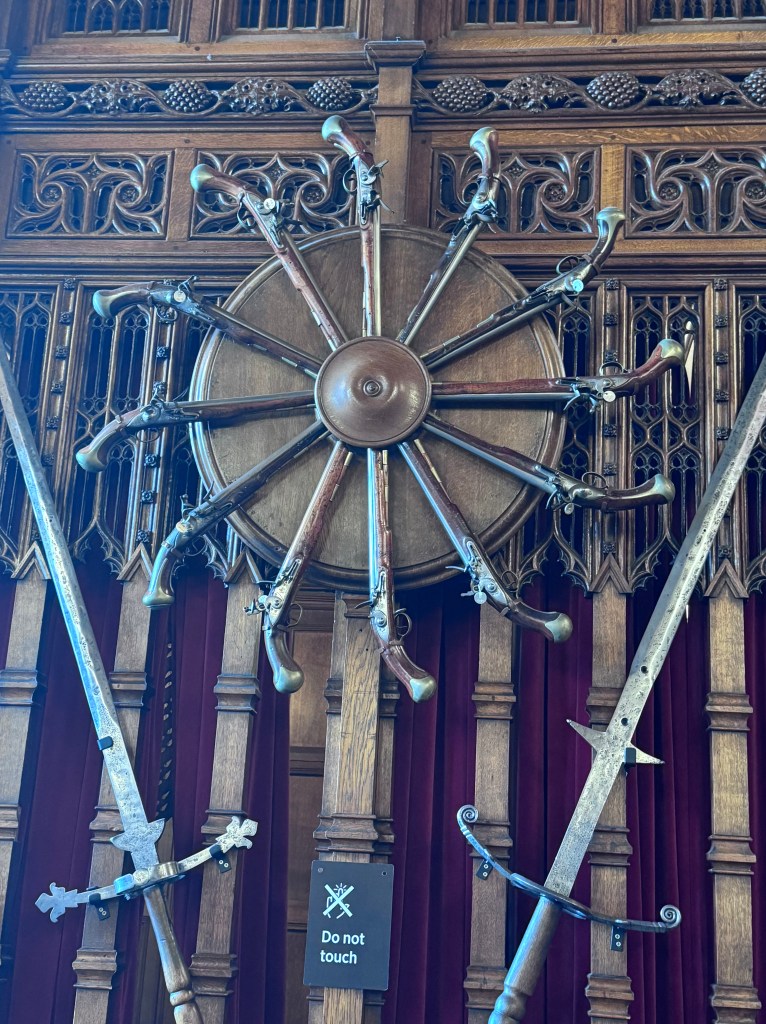
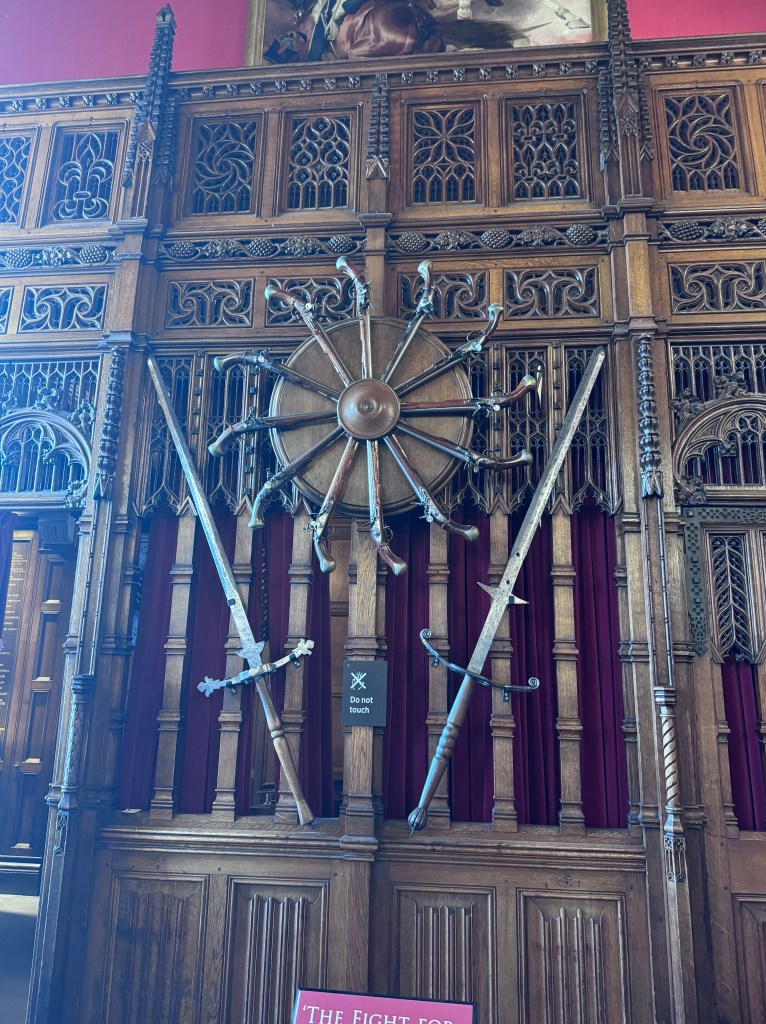
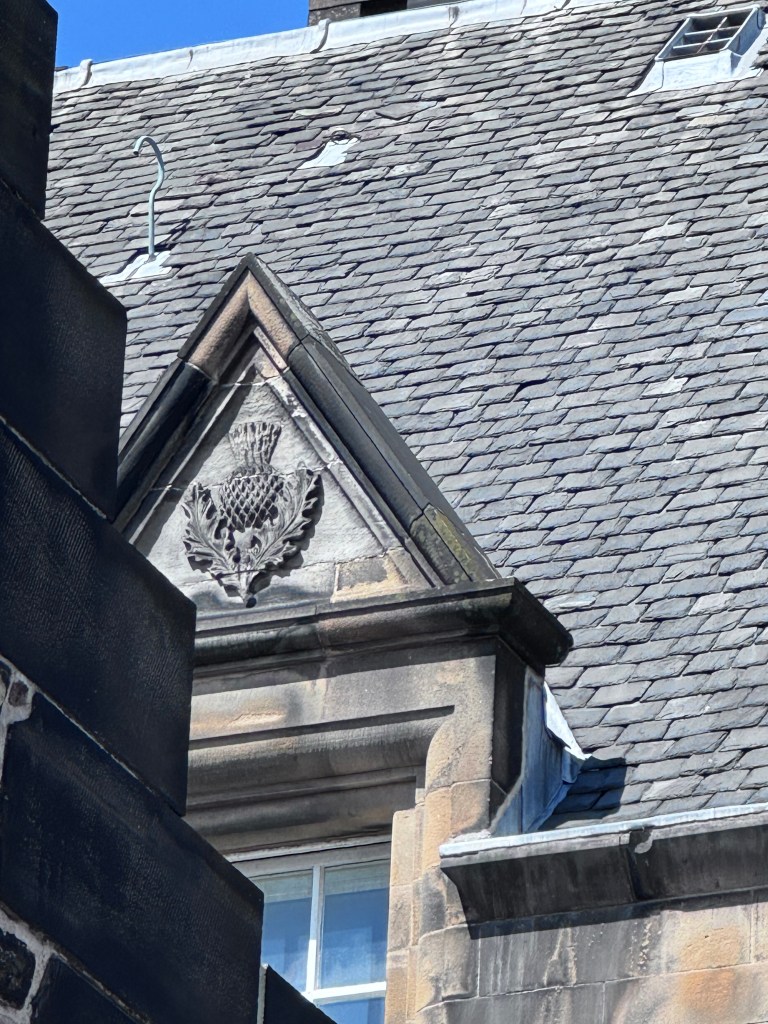
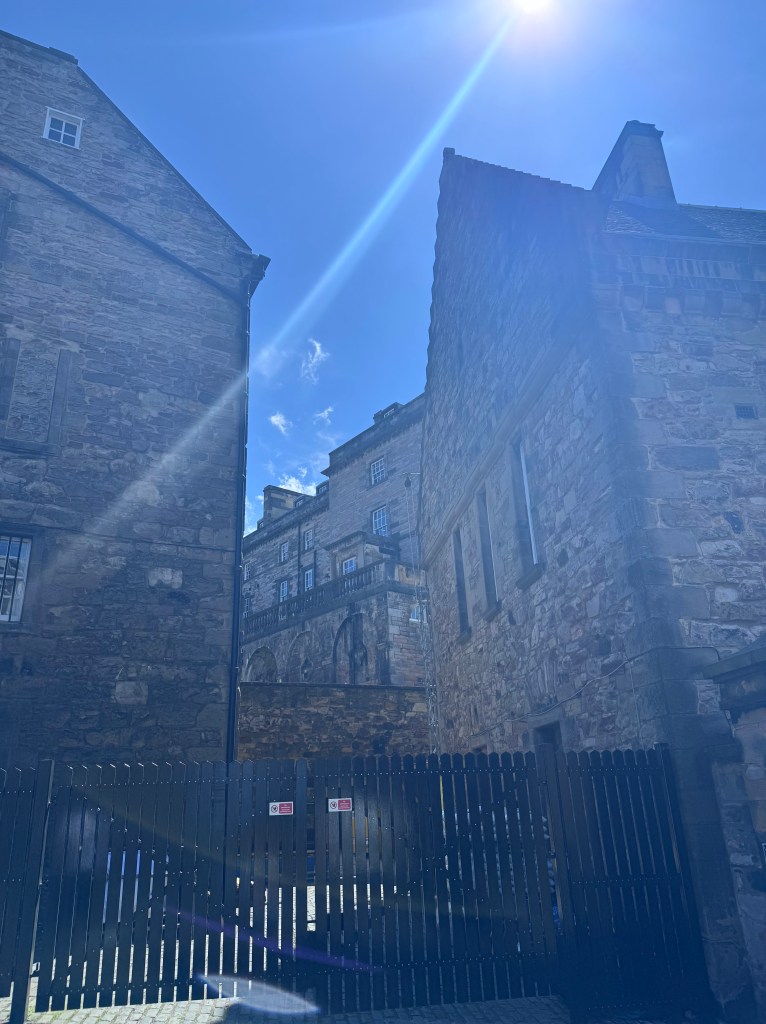
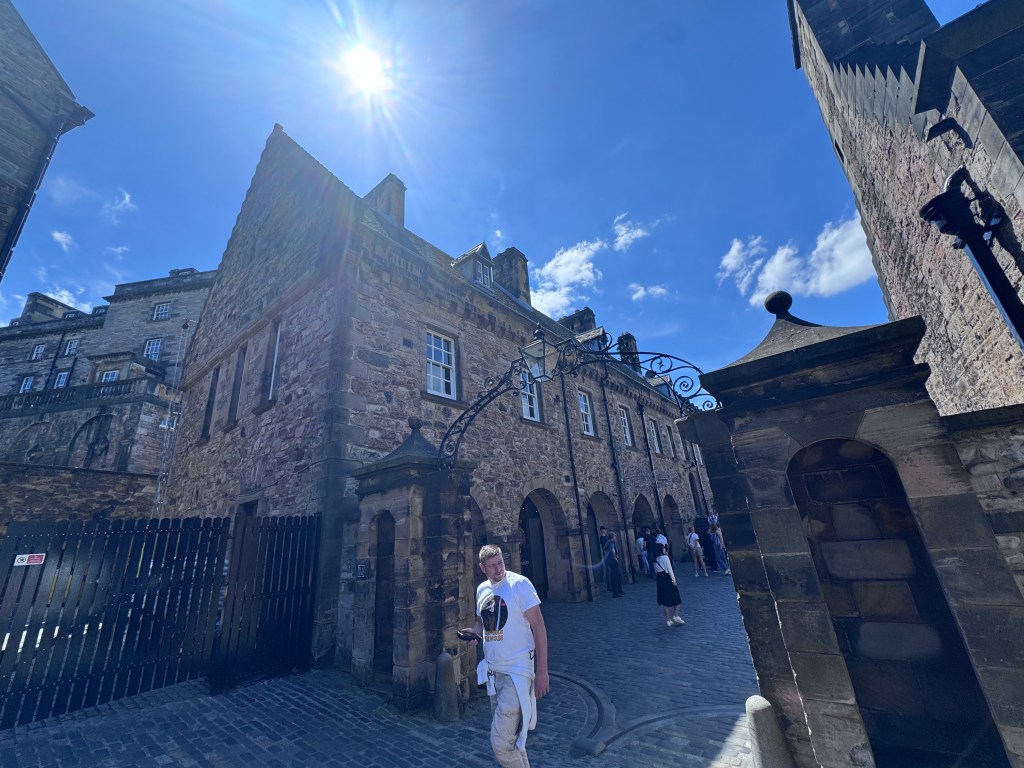
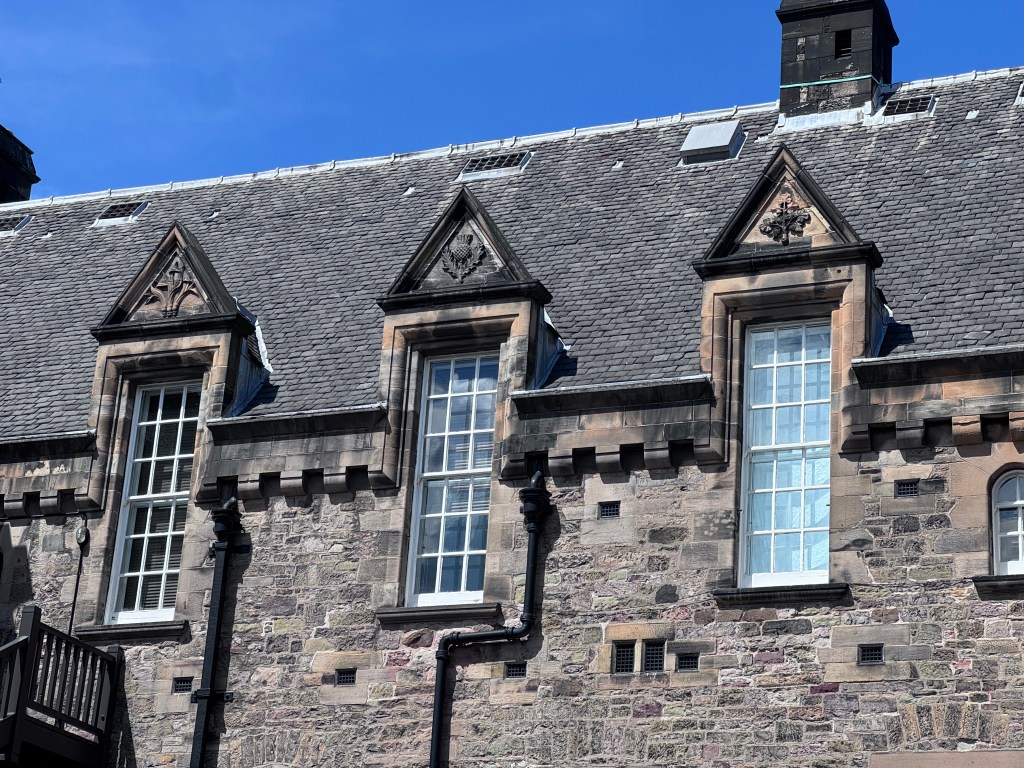
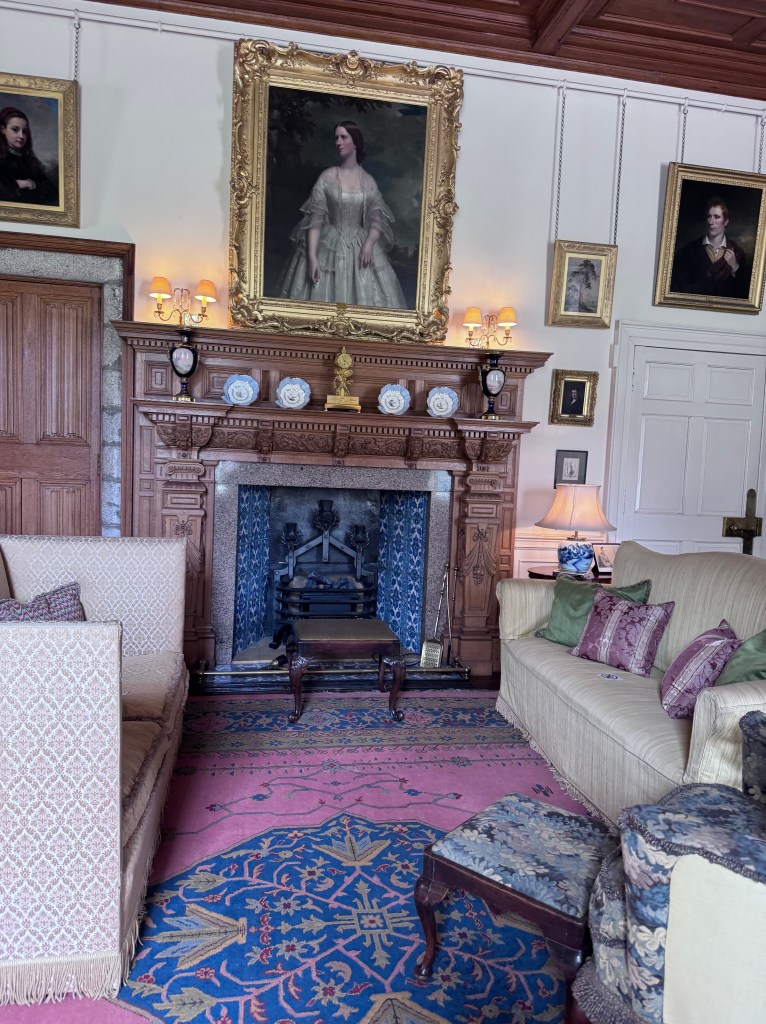
The castle itself was another surprise. Unlike many of the medieval castles we had visited throughout Scotland, Inverness Castle has recently been transformed into a modern visitor experience celebrating the history, culture, and stories of the Highlands. While the outside still looks every bit the historic fortress overlooking the city, the interior has been beautifully renovated with interactive exhibits, immersive displays, and panoramic viewing areas. It was a very different experience from Edinburgh or Drum Castle, but one we thoroughly enjoyed.

After exploring, we walked to our VRBO and were pleasantly surprised—it was even nicer than the pictures! That almost never happens. It was elegantly decorated, had wonderfully comfortable beds and pillows (if you know, you know!), and the most comfortable couch where we relaxed for the evening while watching a little telly.

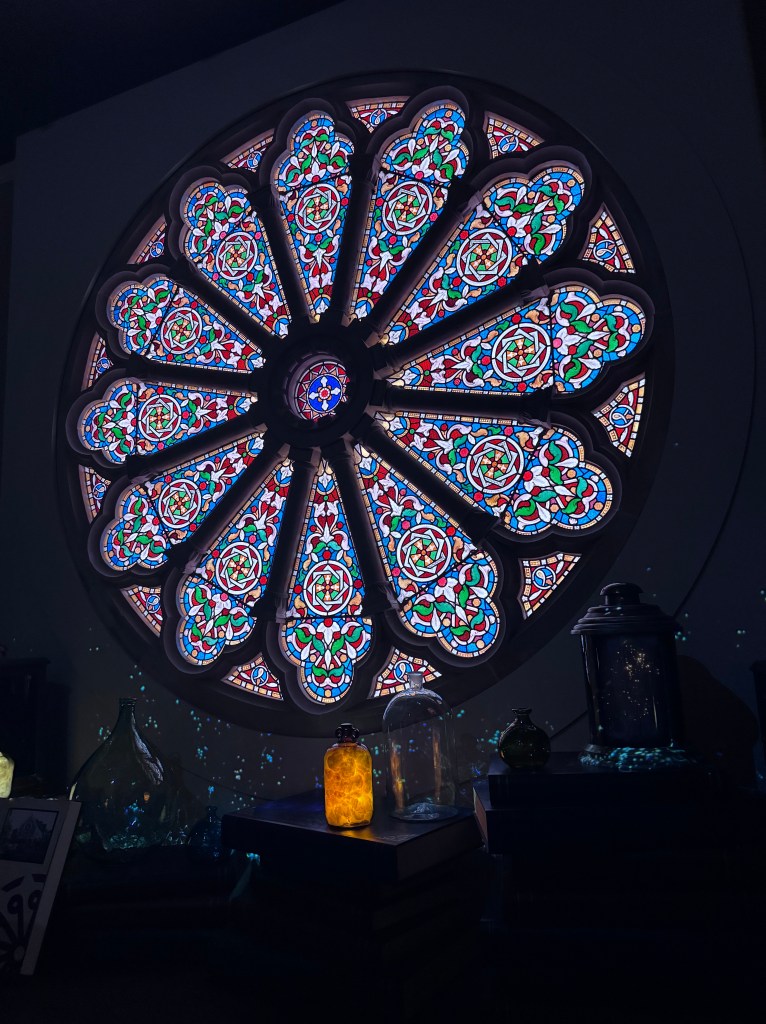
Before settling in for the night, we wandered through the city. We stopped at the famous Leakey’s Bookshop, Scotland’s largest secondhand bookstore, housed inside a converted 18th-century church complete with a roaring wood-burning stove and thousands upon thousands of books. Even though we didn’t buy anything, it was worth visiting just to experience the atmosphere.

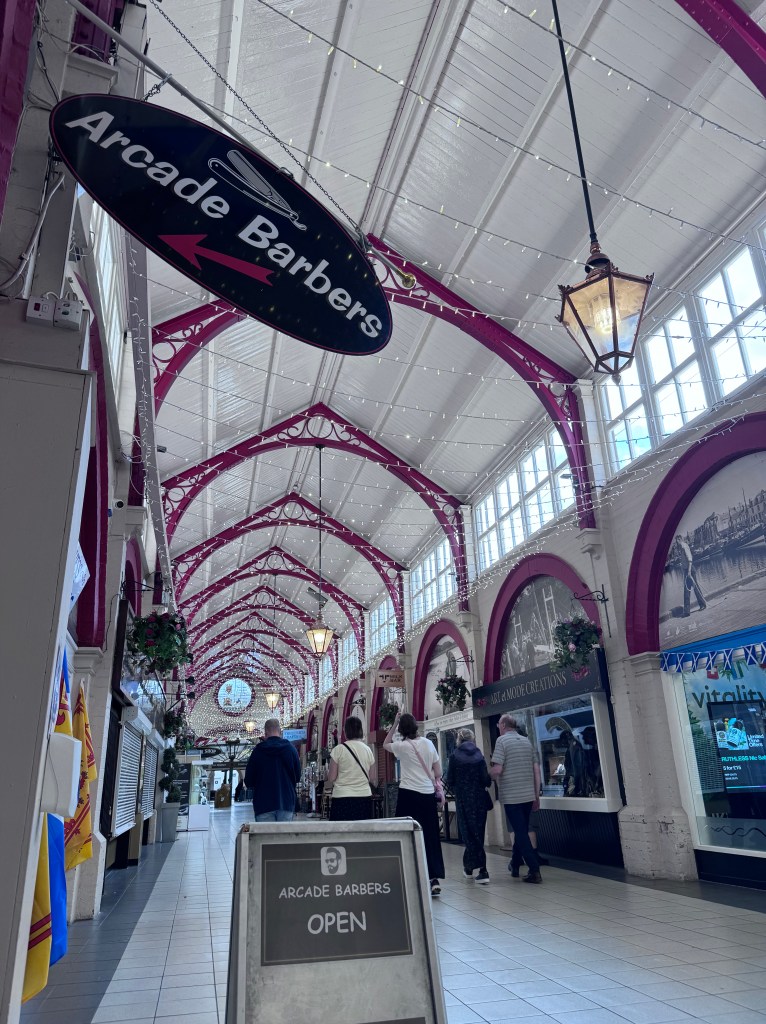
Of course, no summer afternoon is complete without ice cream, so we treated ourselves before strolling through the charming Victorian Market, a beautifully restored indoor shopping arcade filled with local shops and cafés.

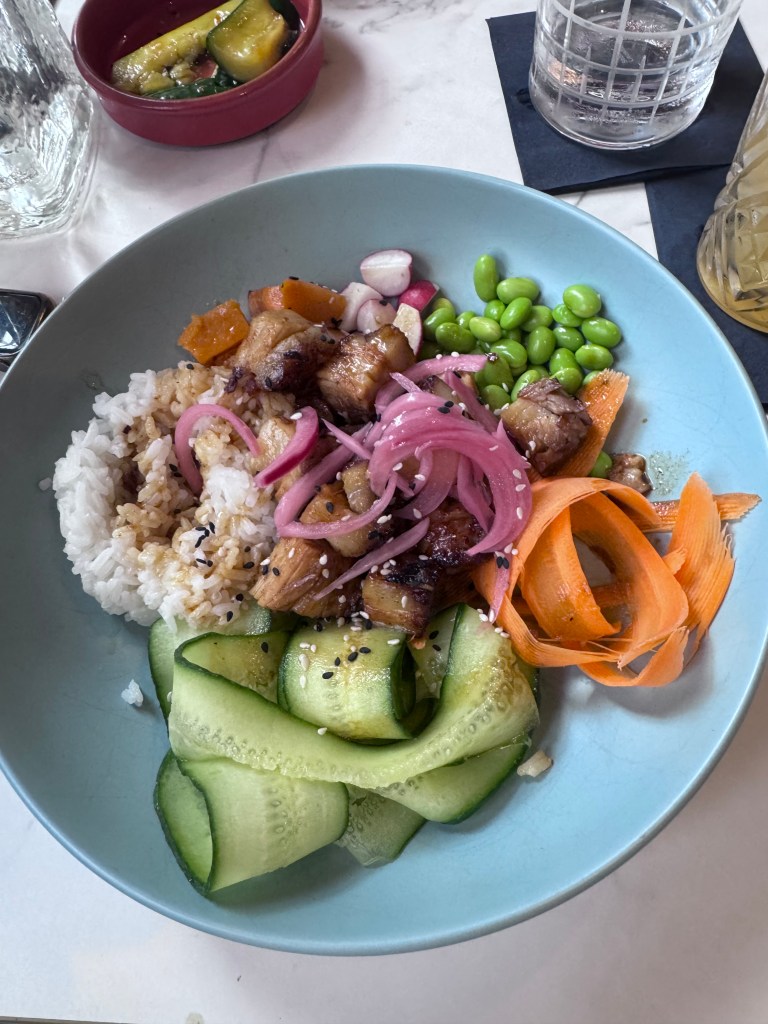
Dinner was another highlight. I had an incredibly delicious pork poke bowl while Mom enjoyed a flavorful stir fry. It was the perfect ending to a wonderful day.

The next morning our alarm came far too early. We caught the 7:00 a.m. train back to Dundee, grabbing coffee and pastries for breakfast before boarding. Because we had thoughtfully packed most of our luggage before leaving for Inverness, we were able to finish packing quickly once we arrived back in Dundee.

Our last-night hotel room at the Four Points was tiny but comfortable. We never did figure out how to adjust the room temperature or find the air conditioning, but after seven weeks of travel, we’ve learned to adapt!

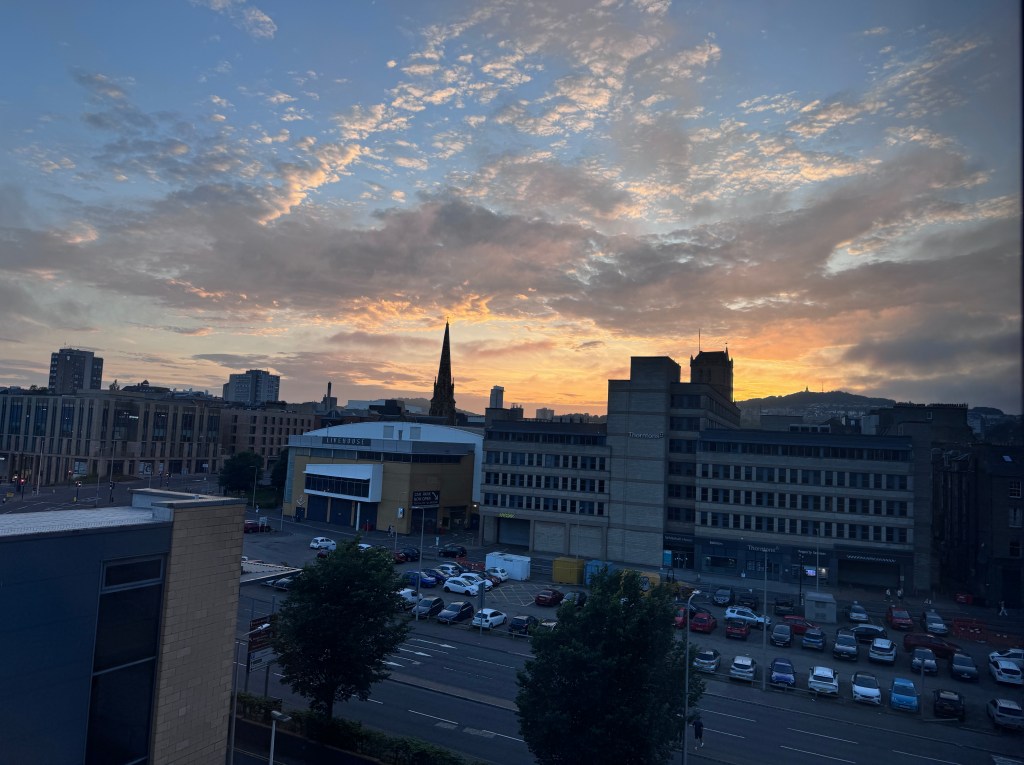
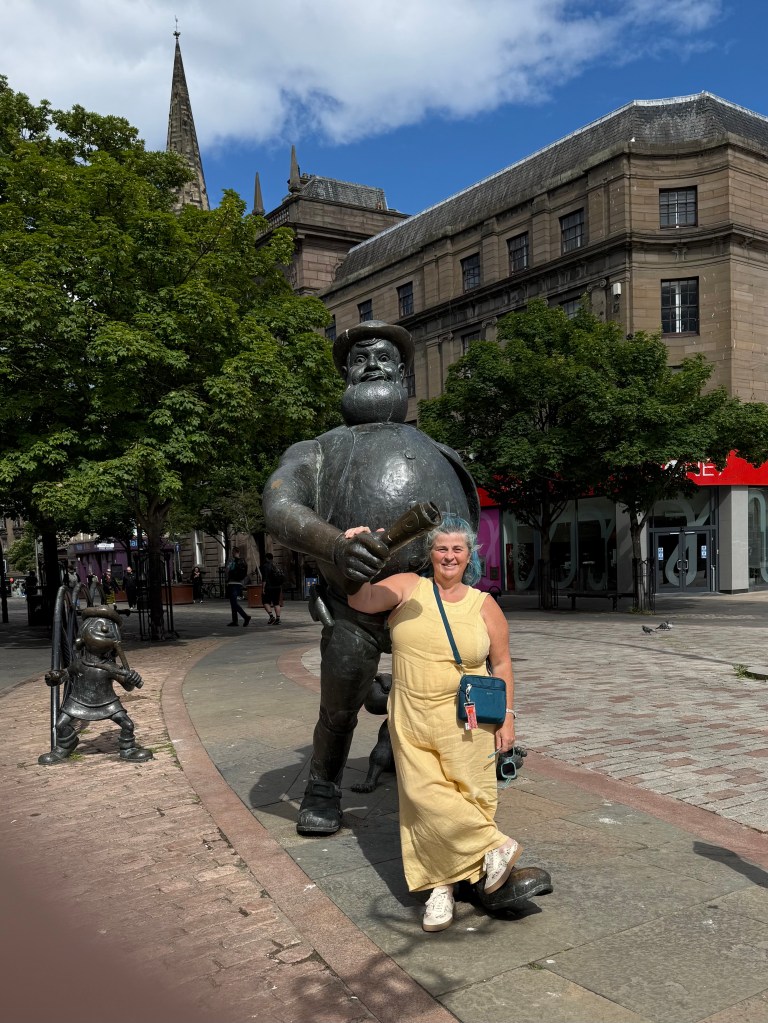
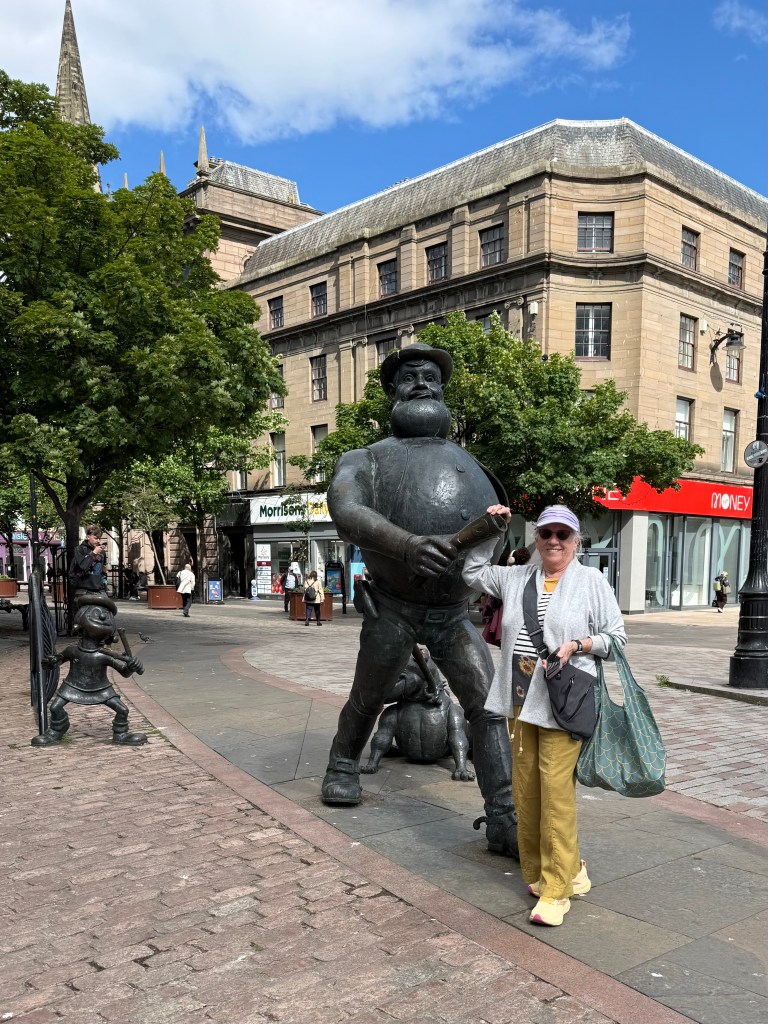
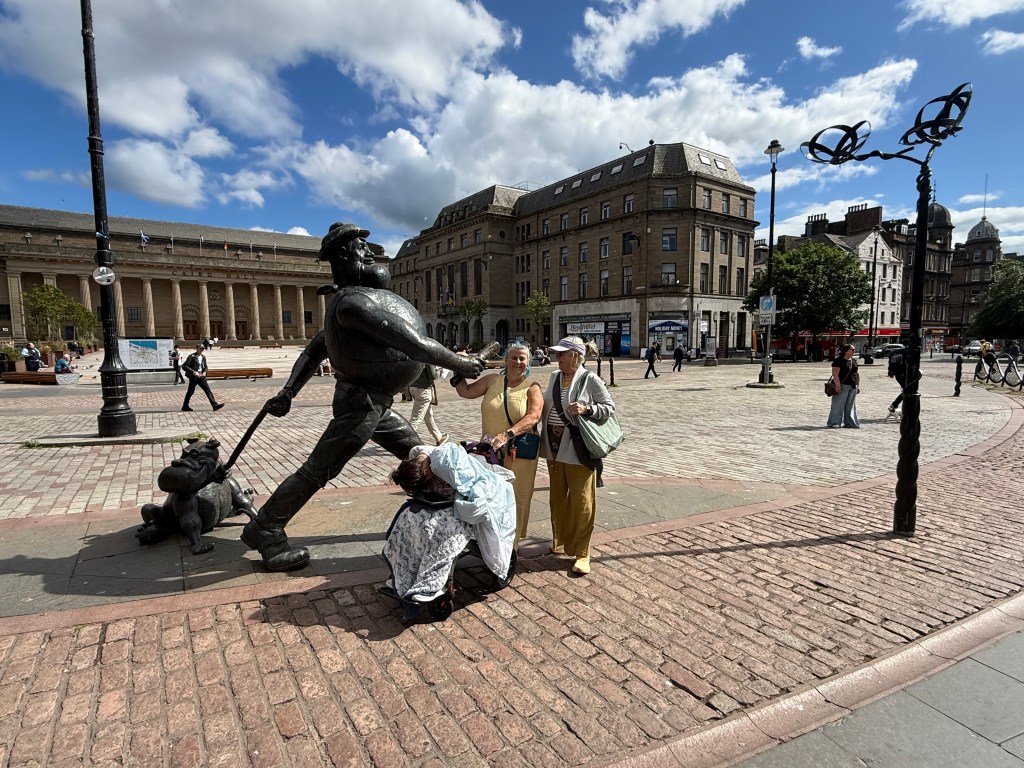
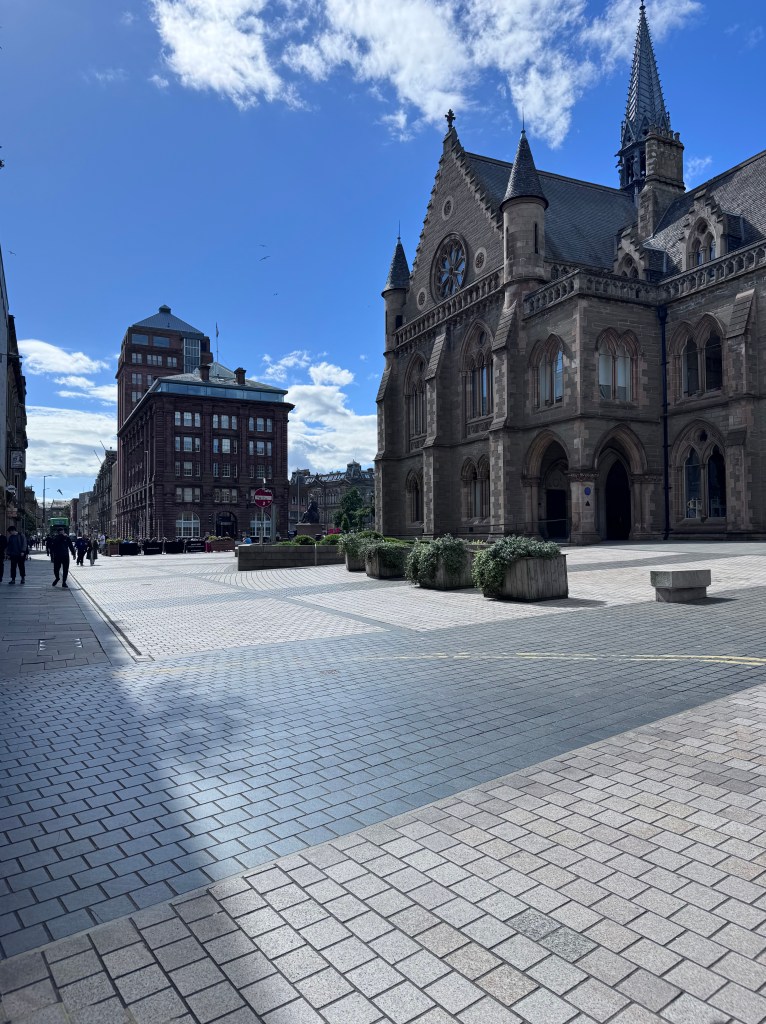
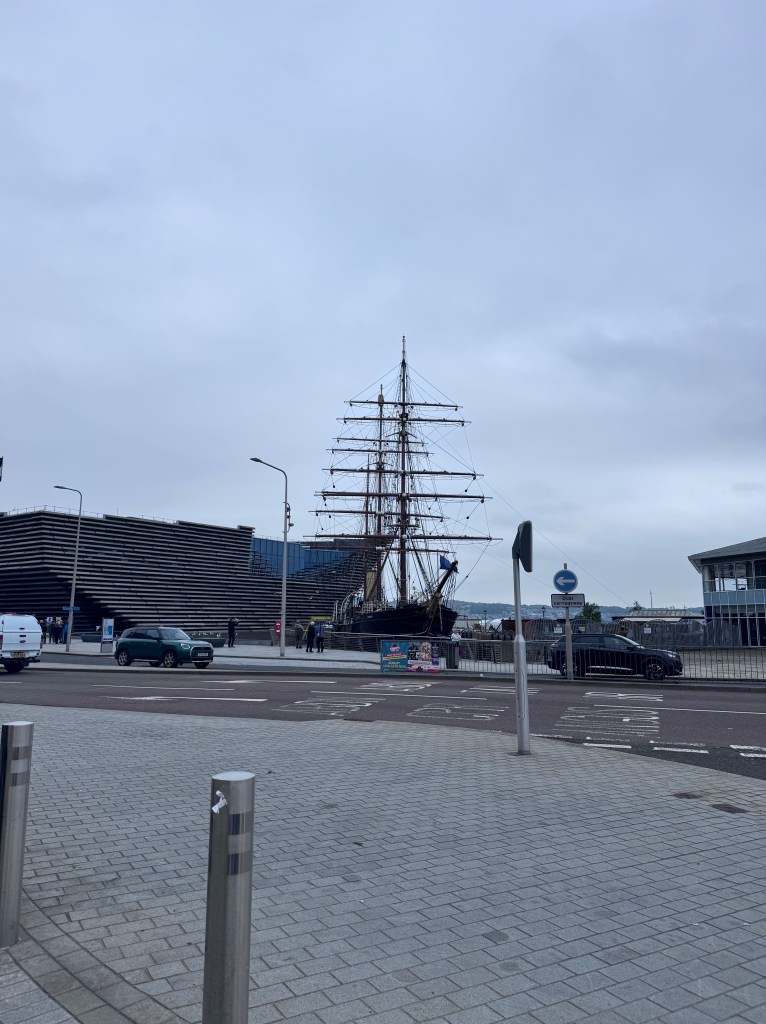
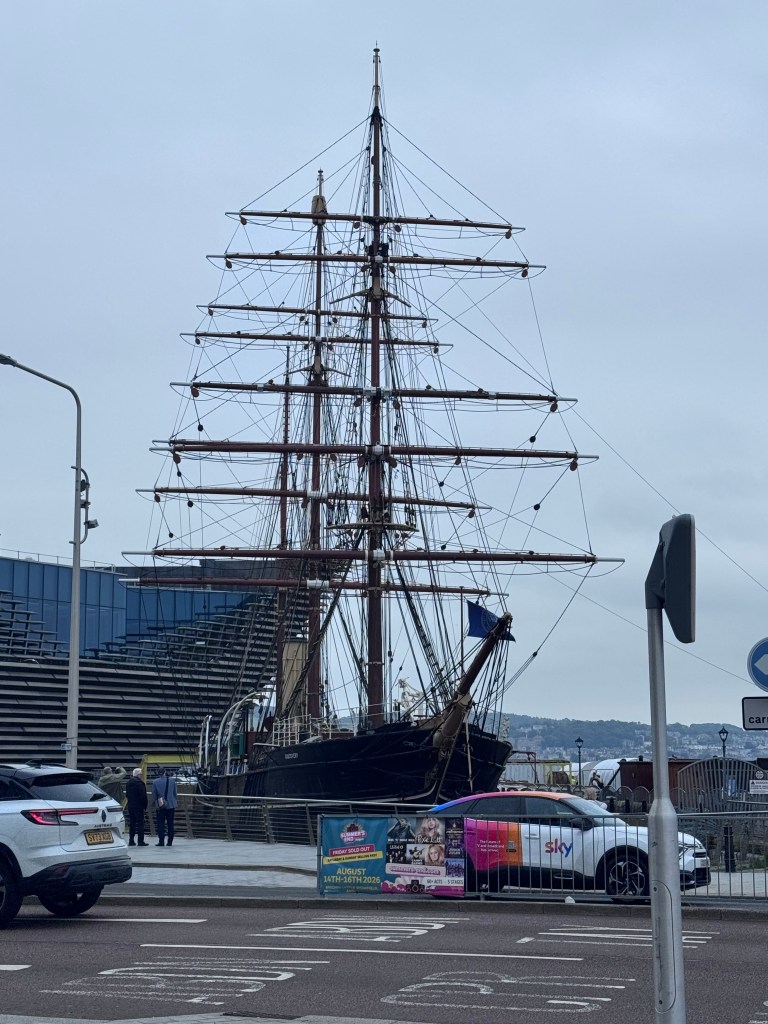
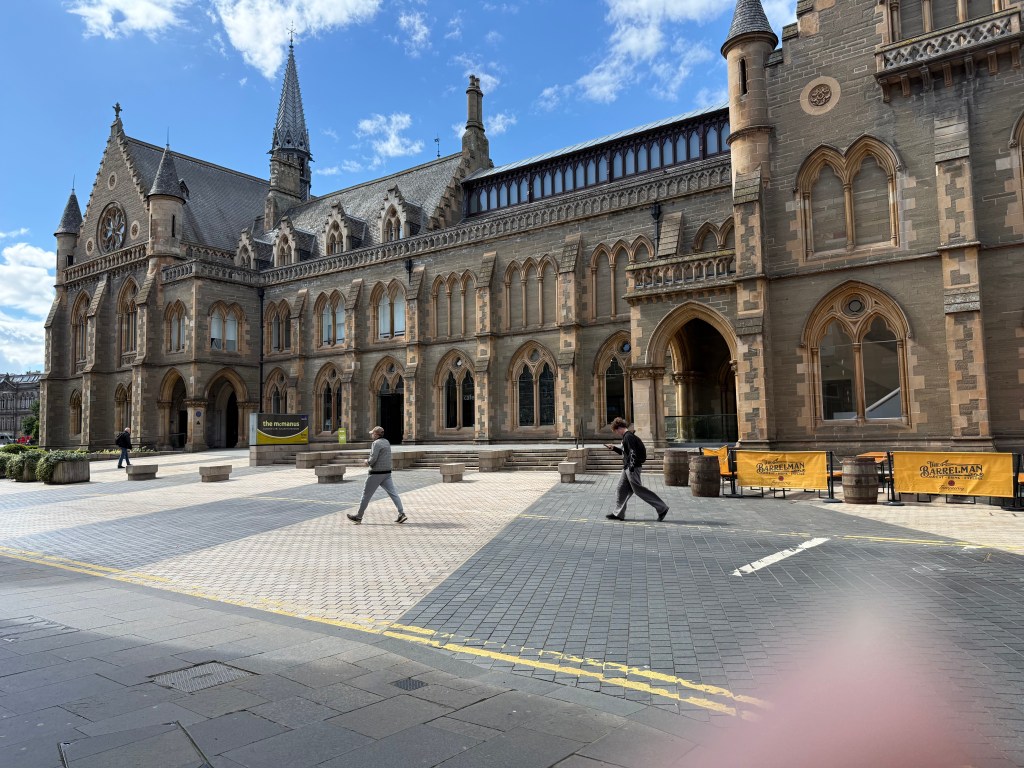
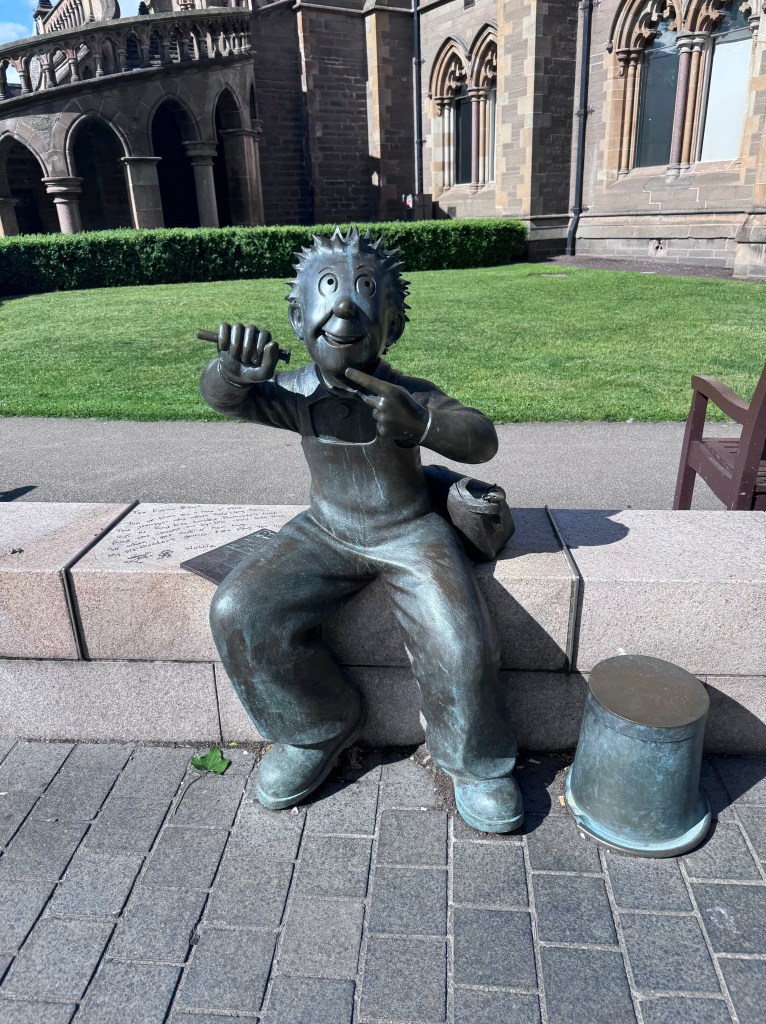
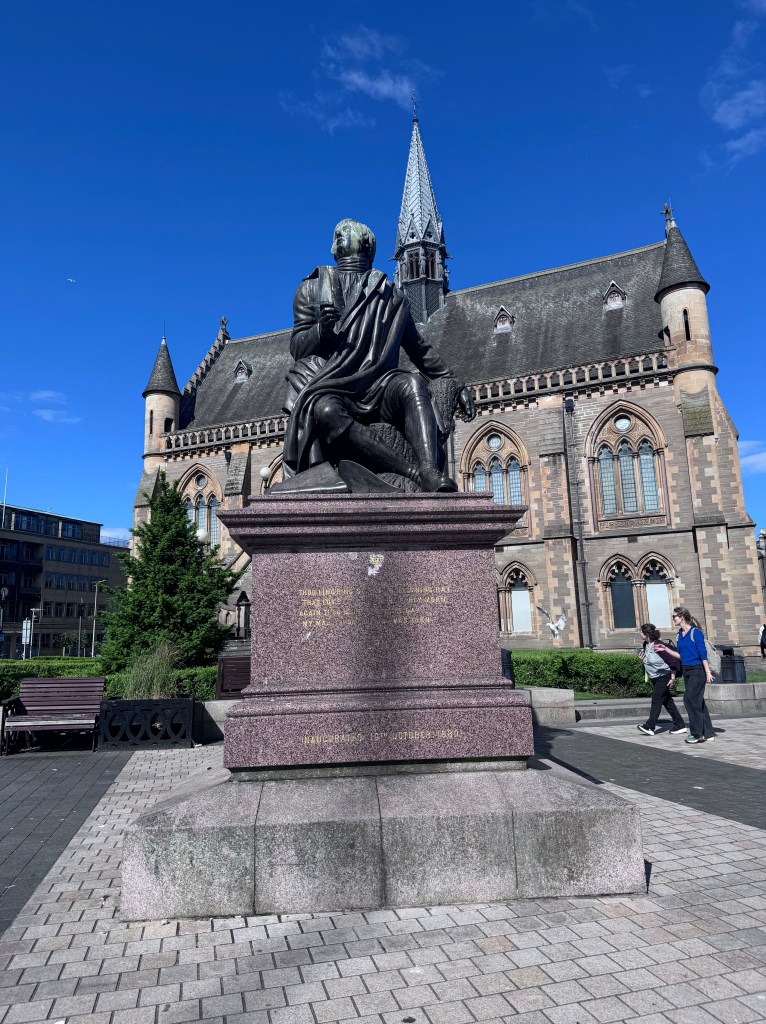
With our bags packed, we spent one final afternoon exploring Dundee. We wandered through the city centre one last time before taking a taxi up to Dundee Law.

We asked our driver if he would wait while we explored and then take us back down, and without hesitation he agreed. Once again, we were reminded how incredibly kind and accommodating the taxi drivers throughout Scotland had been. Dundee has many wheelchair-accessible taxis where a wheelchair can simply roll into the back of the vehicle. Most of the time we transferred Kiya into a seat beside us, but this time she preferred to stay comfortably in her chair, and our driver couldn’t have been more patient.

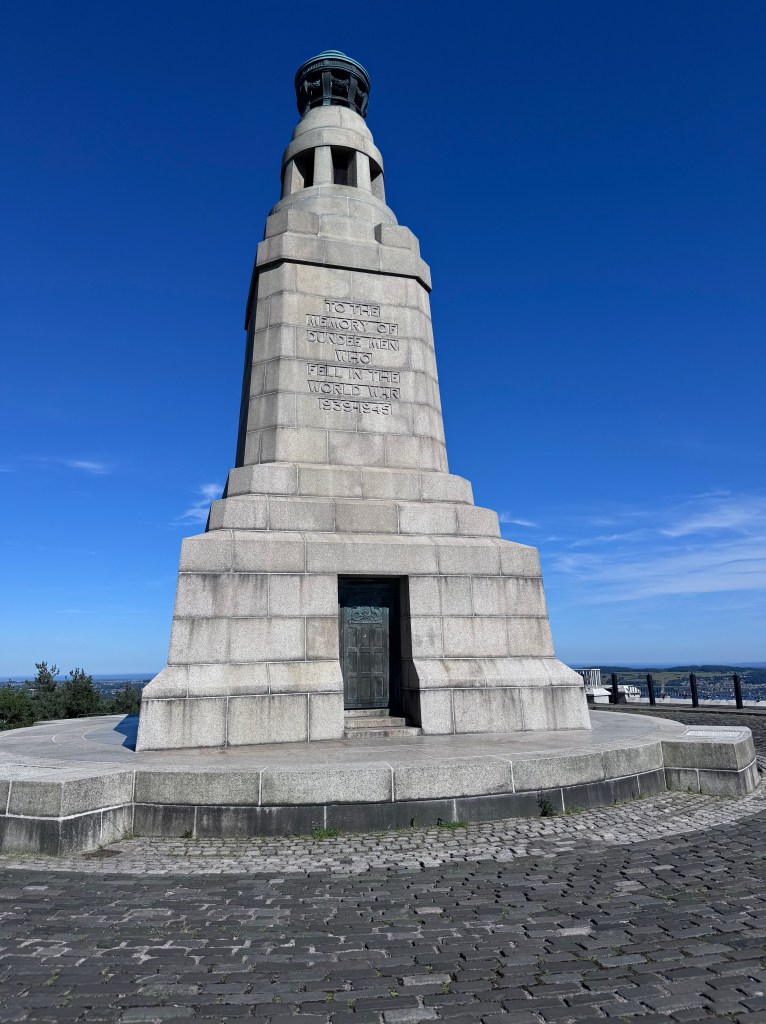
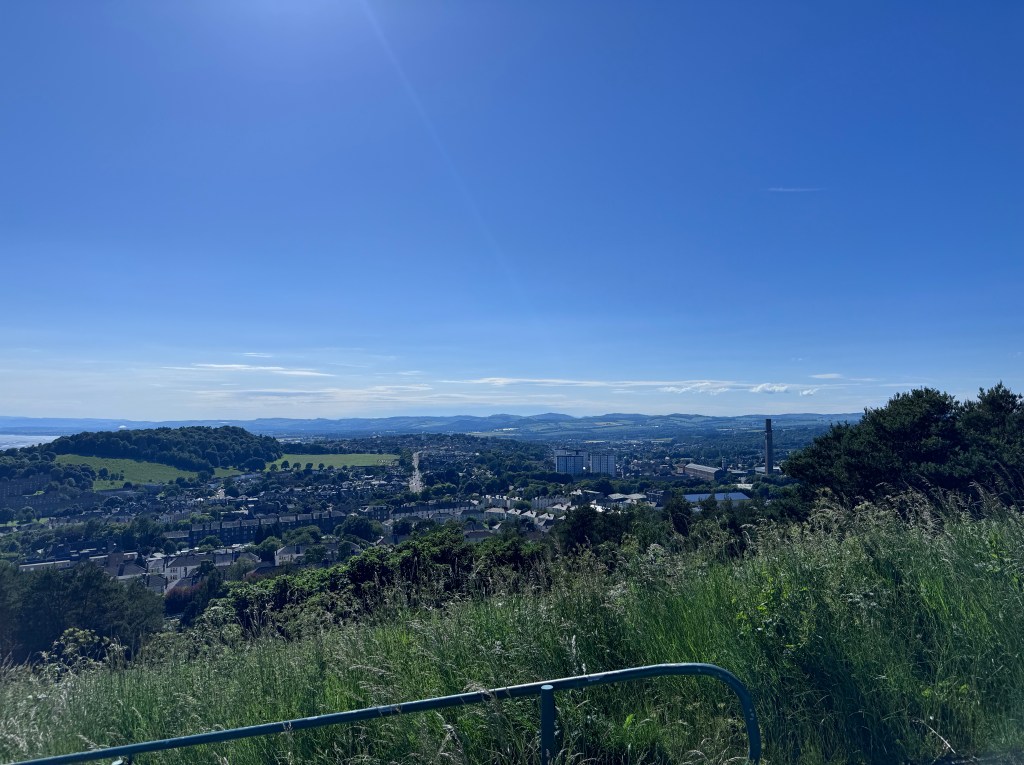
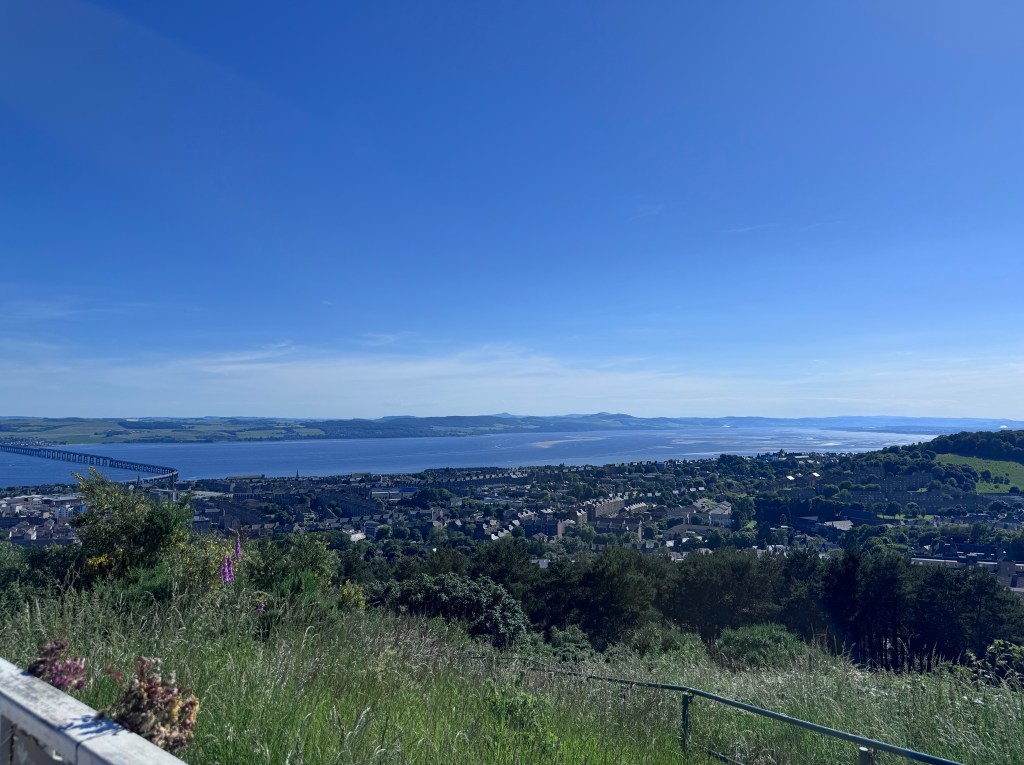
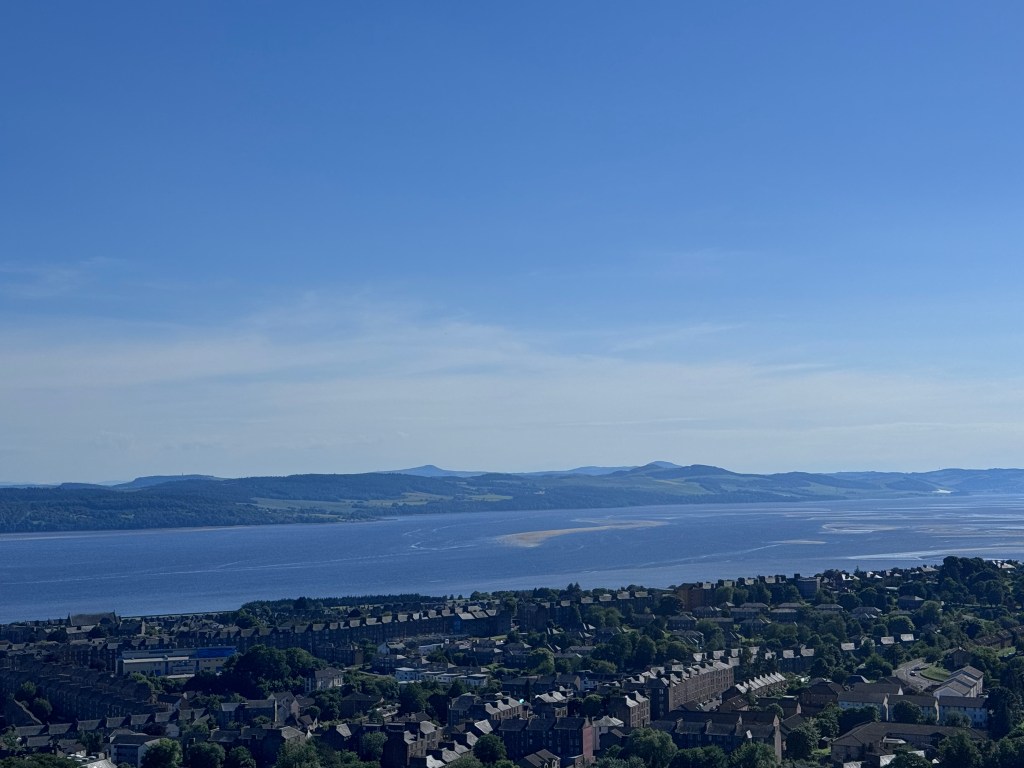
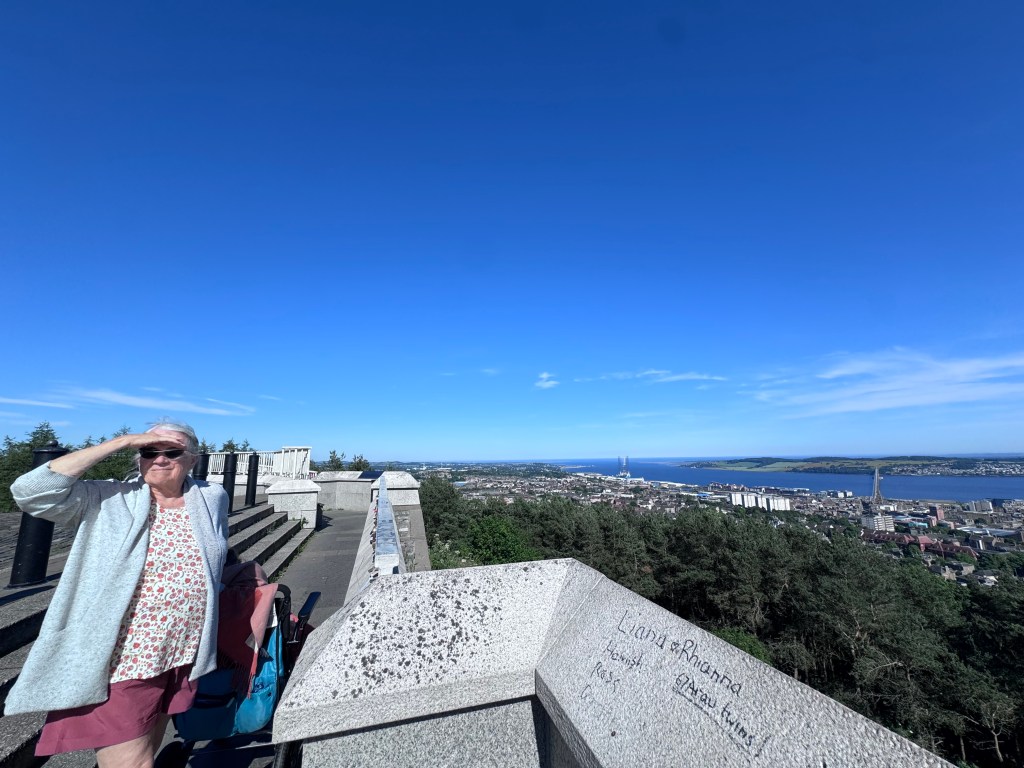
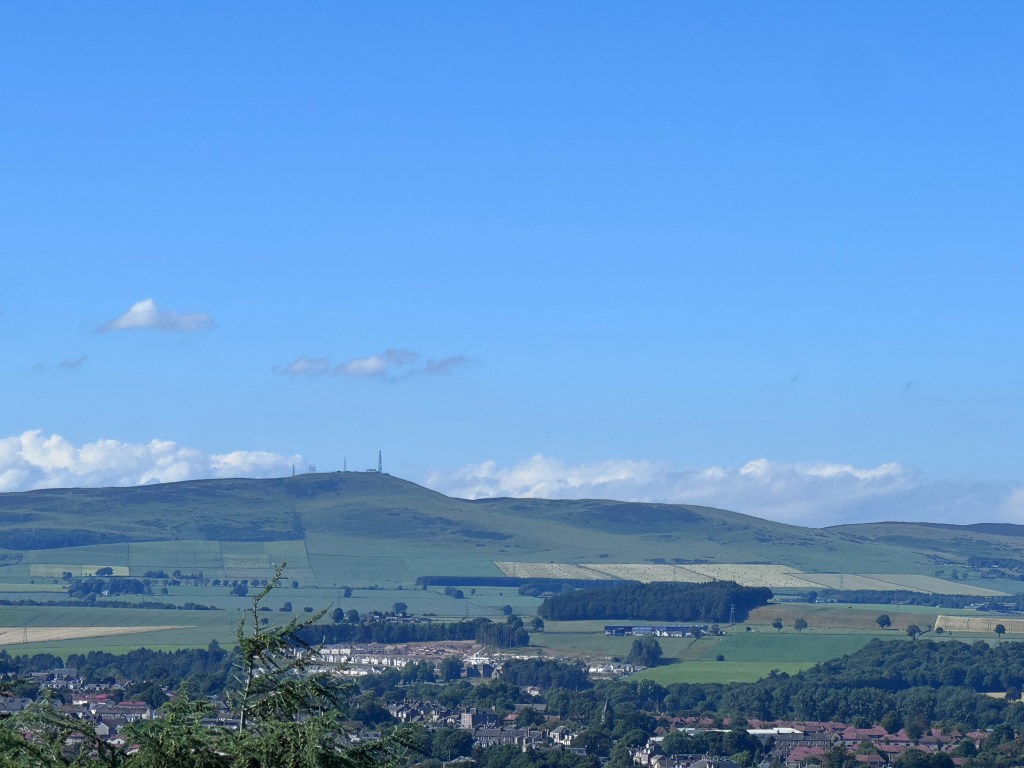
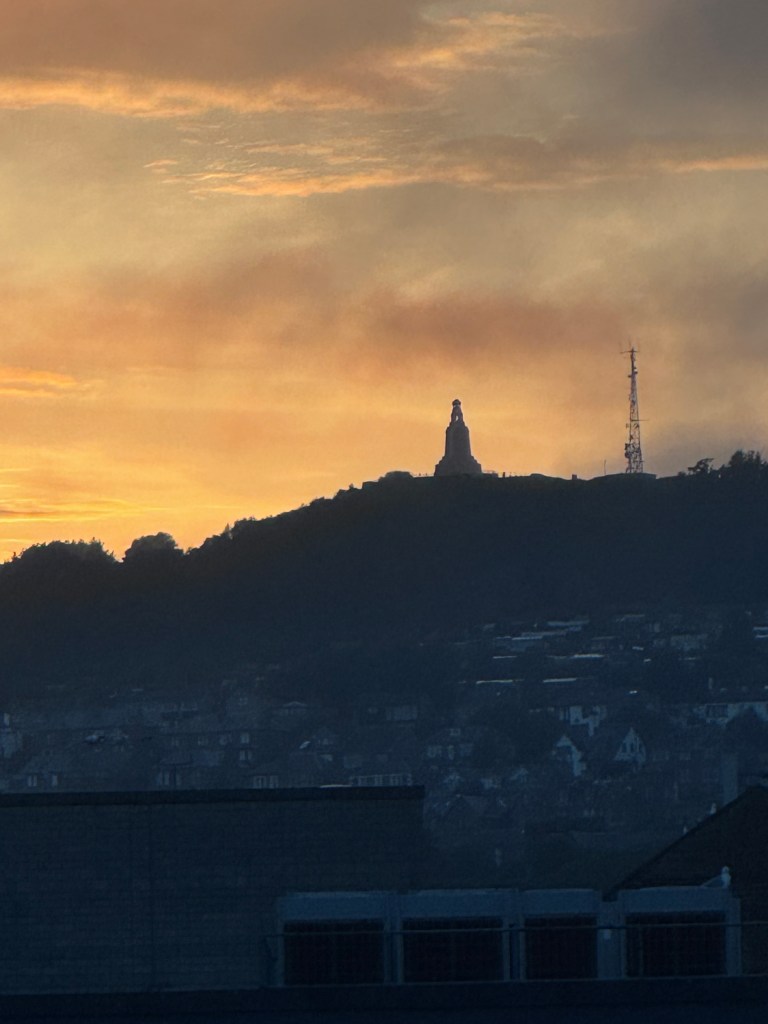
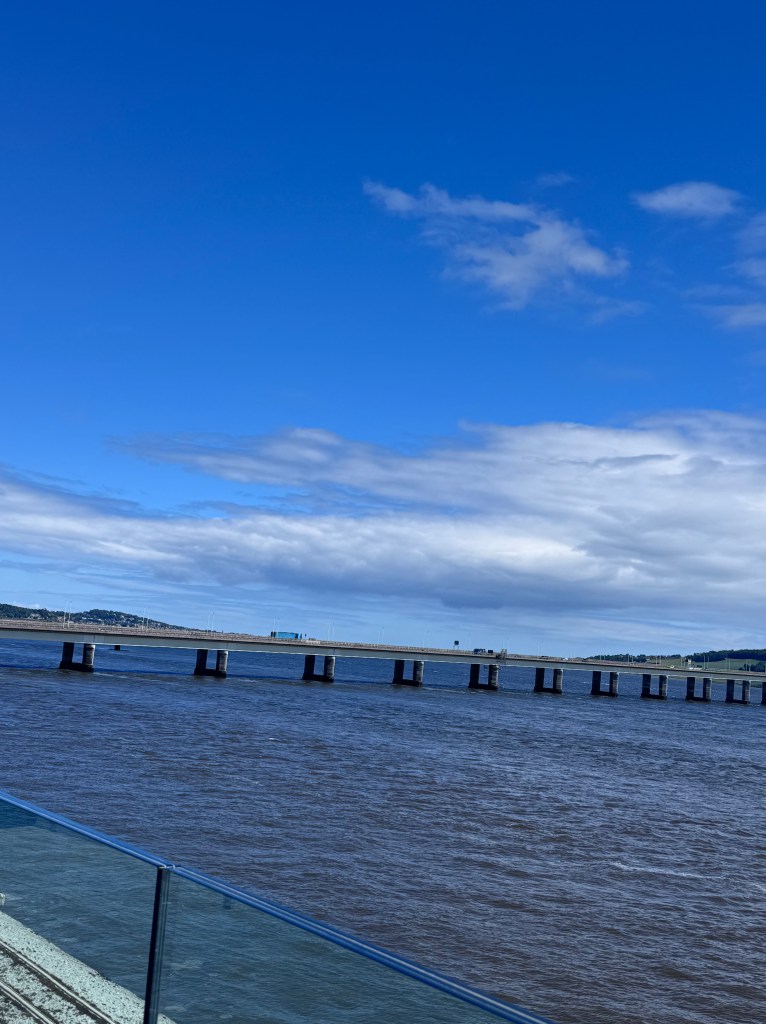
Dundee Law was the perfect place to say goodbye to Scotland. Rising nearly 600 feet above the city, this extinct volcanic hill offers breathtaking 360-degree views across Dundee, the River Tay, and the surrounding countryside. Standing at the summit beside the impressive war memorial, we could see nearly every place we had explored during our stay.

Looking out over the city also reminded us of Dundee’s remarkable history. During the 19th century, Dundee became known as the “City of Jute, Jam, and Journalism.” Jute—a strong natural fiber imported primarily from India—was spun and woven into rope, sacks, and fabric in dozens of mills throughout the city. At one point, Dundee was the world’s largest producer of jute, and that industry shaped both the city’s skyline and its people for generations.

The panoramic views beneath a brilliant blue sky made it the perfect ending to our Scottish adventure.

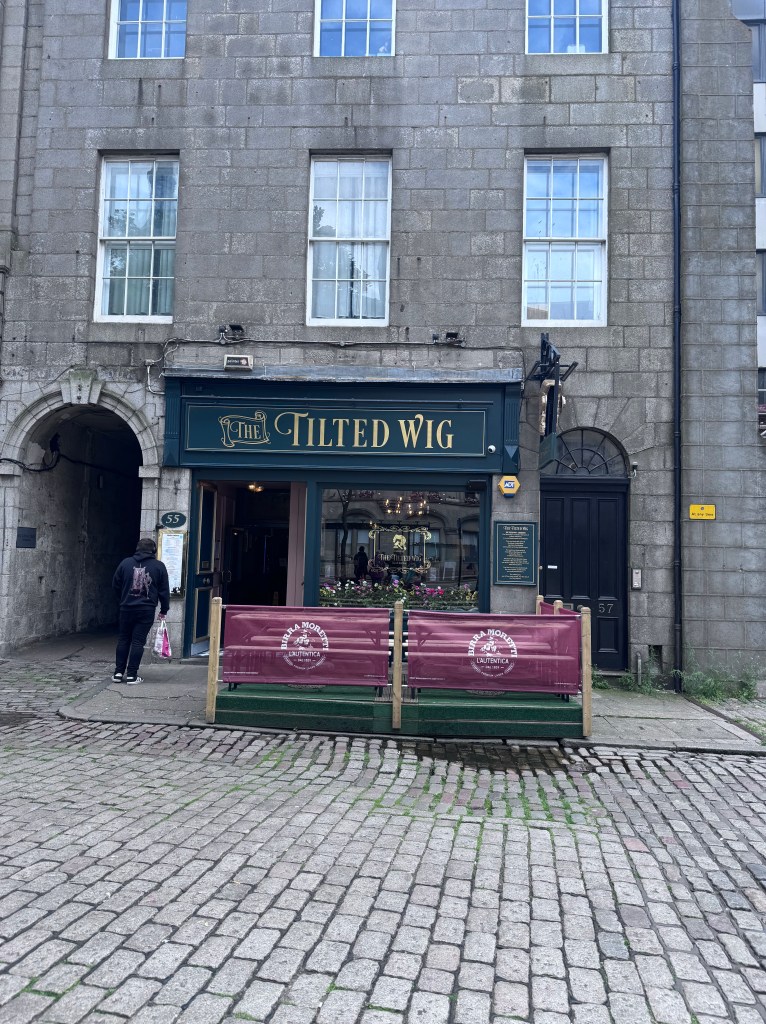
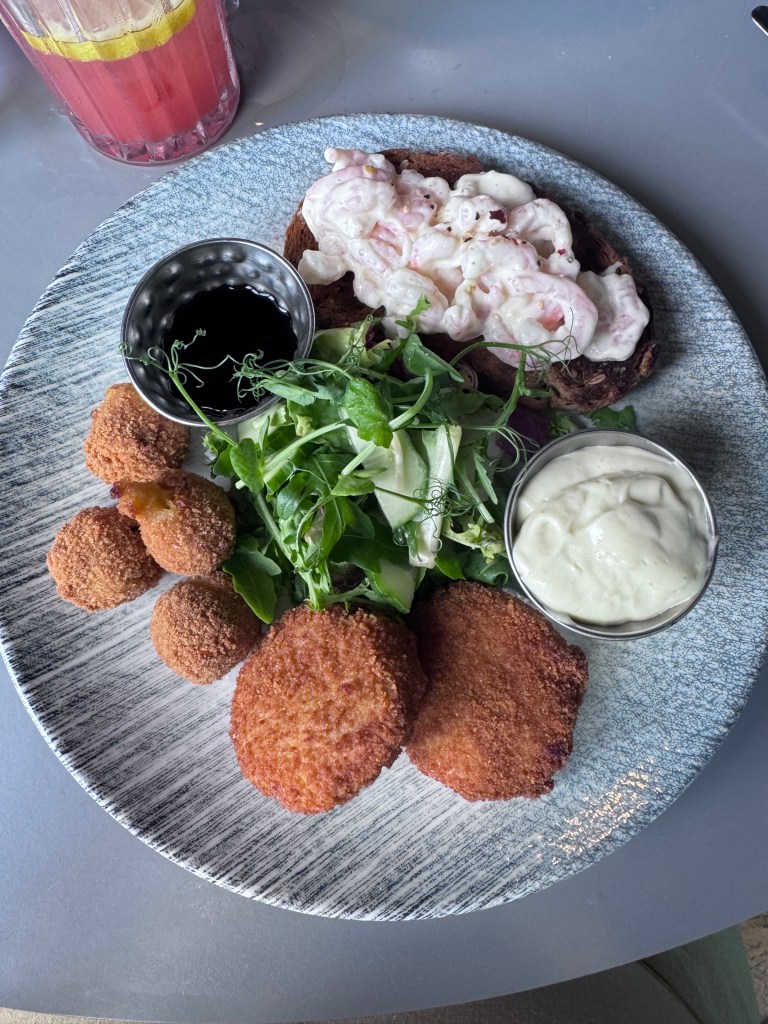
Afterward, our driver dropped us at the Bank Bar for one last Scottish dinner. We enjoyed potato and leek soup along with halloumi fries served with sweet chili sauce.

I have officially become addicted to halloumi fries.

With full stomachs and grateful hearts, we returned to our hotel to prepare for the next chapter of our adventure. The following morning, we would leave Scotland behind and travel south to Manchester to spend time with Alan and Moira.

Scotland exceeded every expectation we had. The breathtaking landscapes, incredible history, friendly people, accessible transportation, and unforgettable experiences made this one of the most special places we have ever visited. While we were excited for what came next, none of us were quite ready to say goodbye.

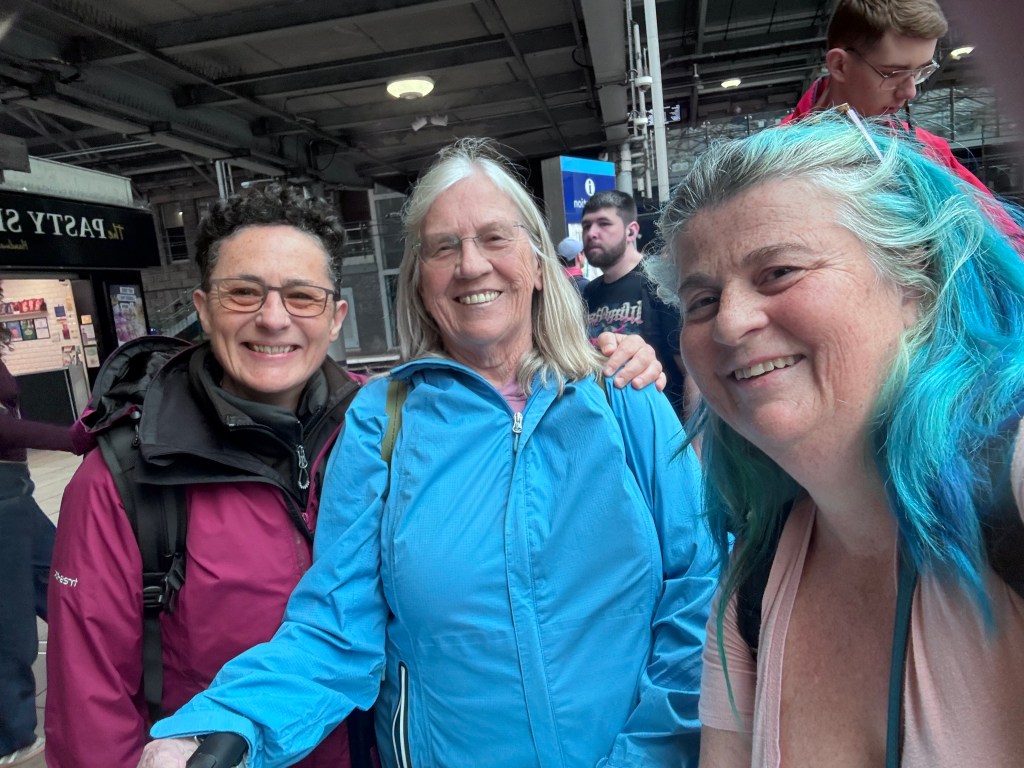
One of our biggest compliments came just before we left. Throughout our stay, people would often ask us where we lived in Dundee. They assumed we were locals rather than visitors. As we stood on the platform with all of our luggage, one of the train attendants looked surprised and said, “I thought you lived here!” We laughed and explained that we had been visiting for the past week. Somehow, over those days, Dundee had begun to feel a little like home. There really couldn’t have been a better compliment or a more fitting way to say goodbye to Scotland.
A Perfect Day in St Andrews and Designing Our Own Islander Bags

Today we took the train from Dundee to the beautiful coastal town of St Andrews, just a short ride away. Best known as the “Home of Golf,” St Andrews is one of Scotland’s oldest and most historic towns. It is home to the world-famous Old Course, where golf has been played for over 600 years, and to the prestigious University of St Andrews, founded in 1413. It is also where Prince William and Catherine Middleton first met while attending university. Beyond golf, St Andrews is filled with medieval streets, charming shops, ancient ruins, beautiful beaches, and a relaxed seaside atmosphere.

Our wonderful taxi driver, Adam, met us at the station and drove us into town. He was absolutely perfect for us. From the moment we climbed into his taxi, we were chatting and laughing like old friends who had known each other for years. It is amazing how quickly genuine kindness can make a place feel like home. Before dropping us off, Adam assured us he would return later to take us back to the train station. Having transportation arranged made the entire day completely stress-free.

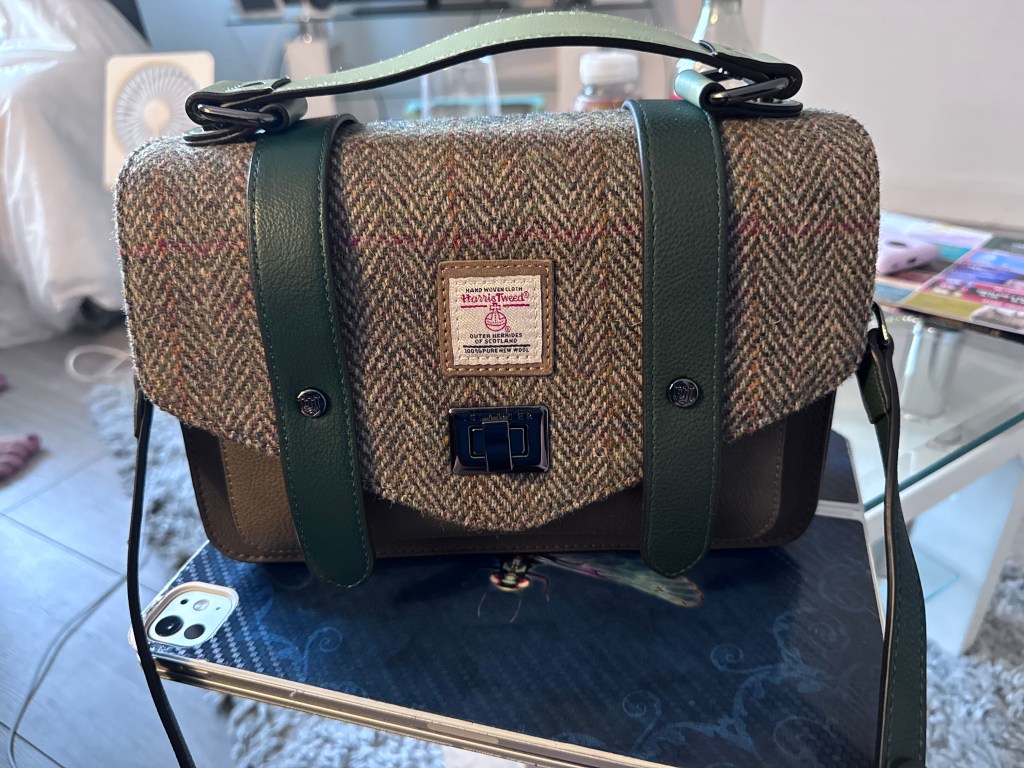
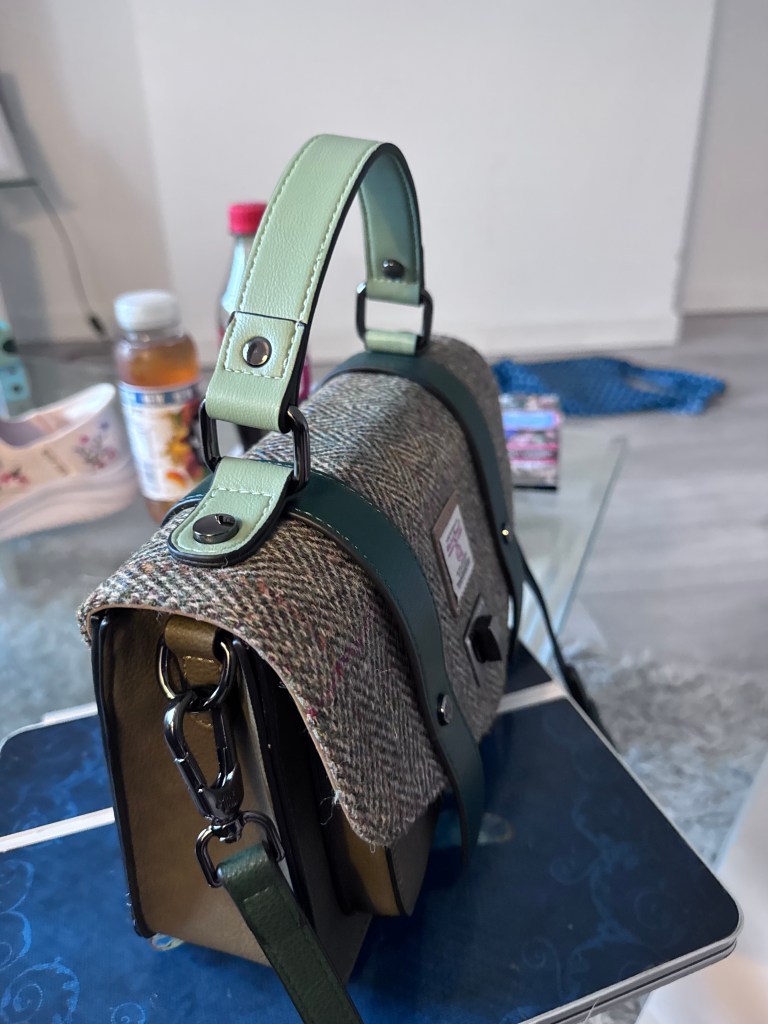
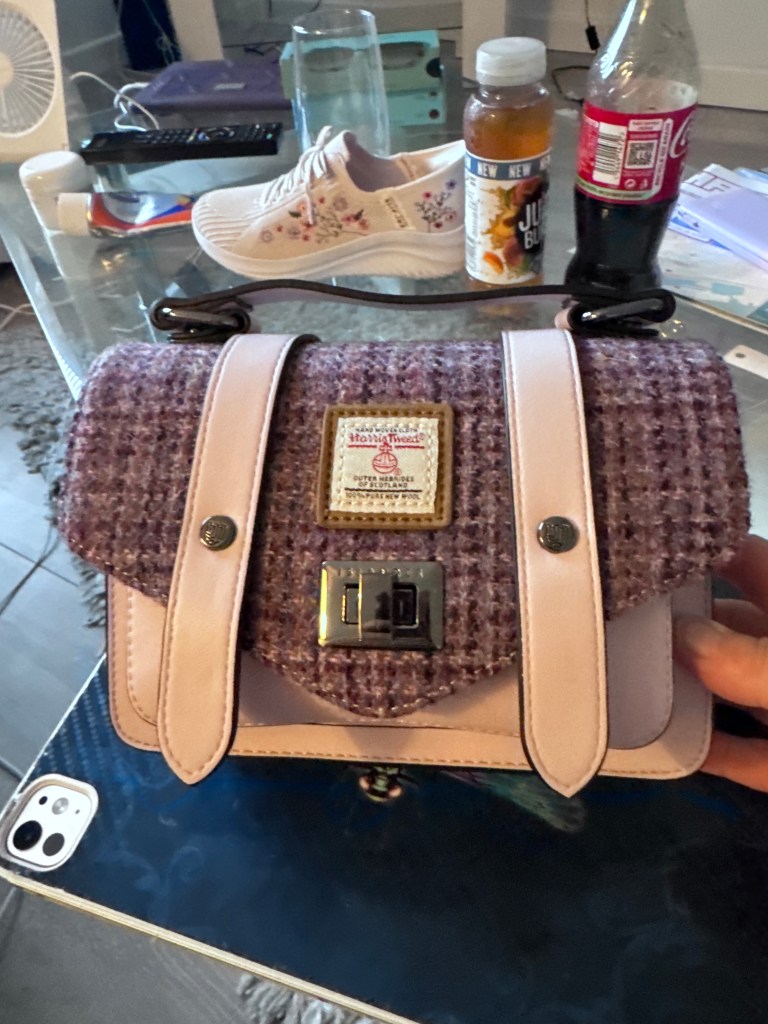
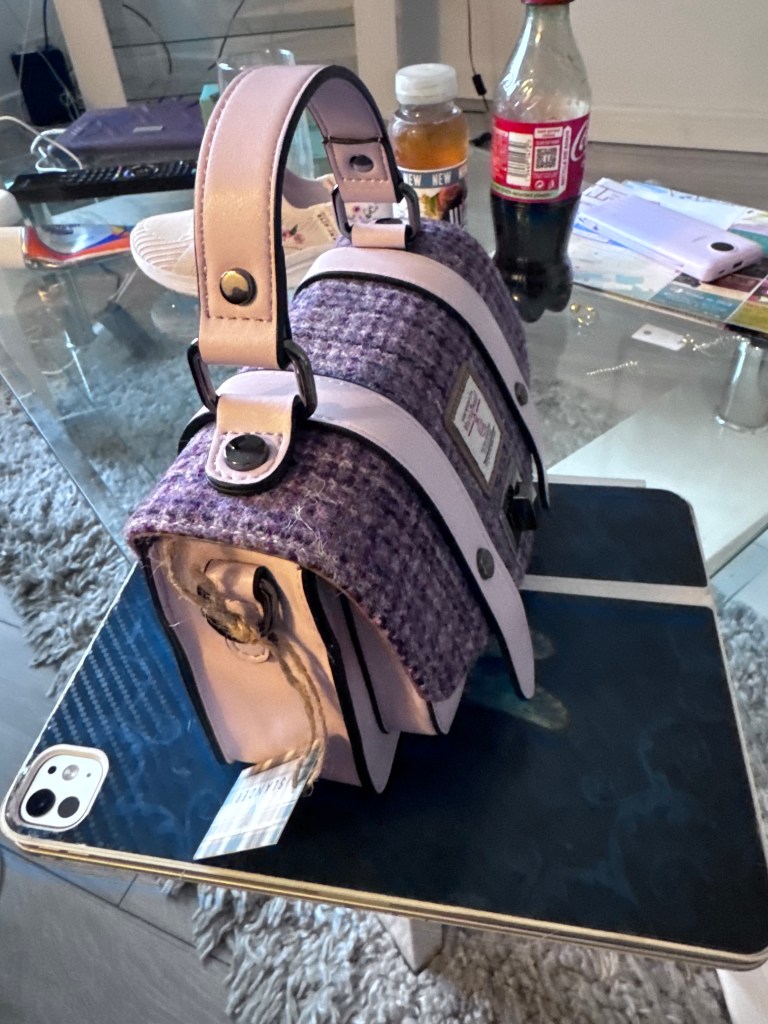
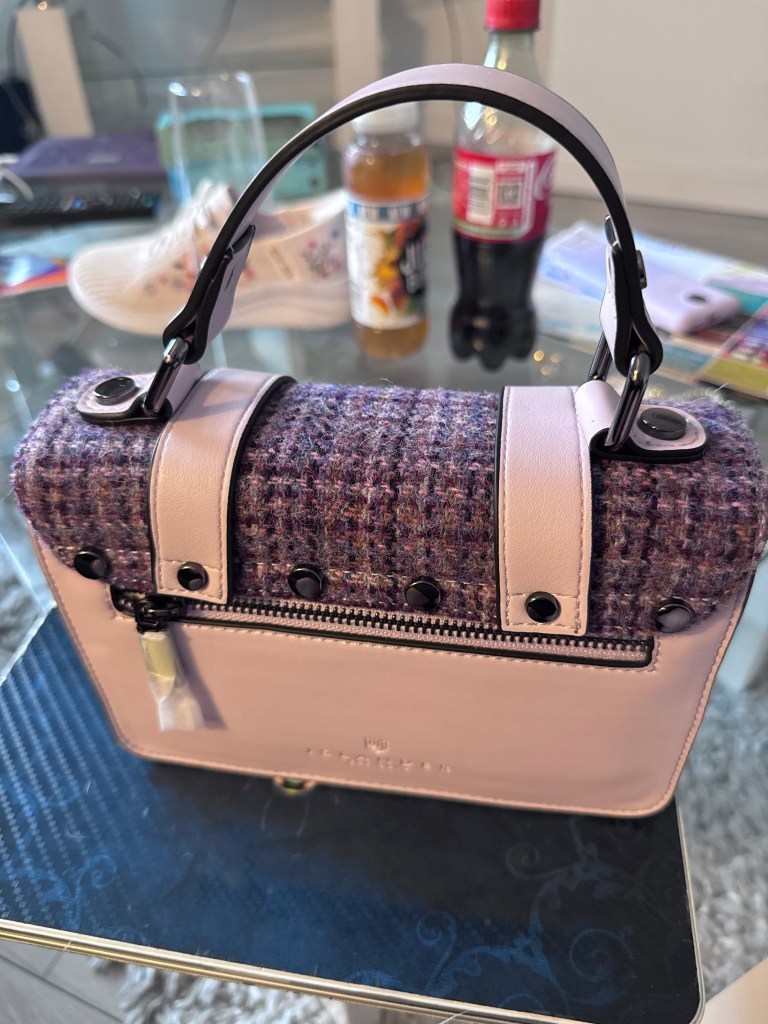
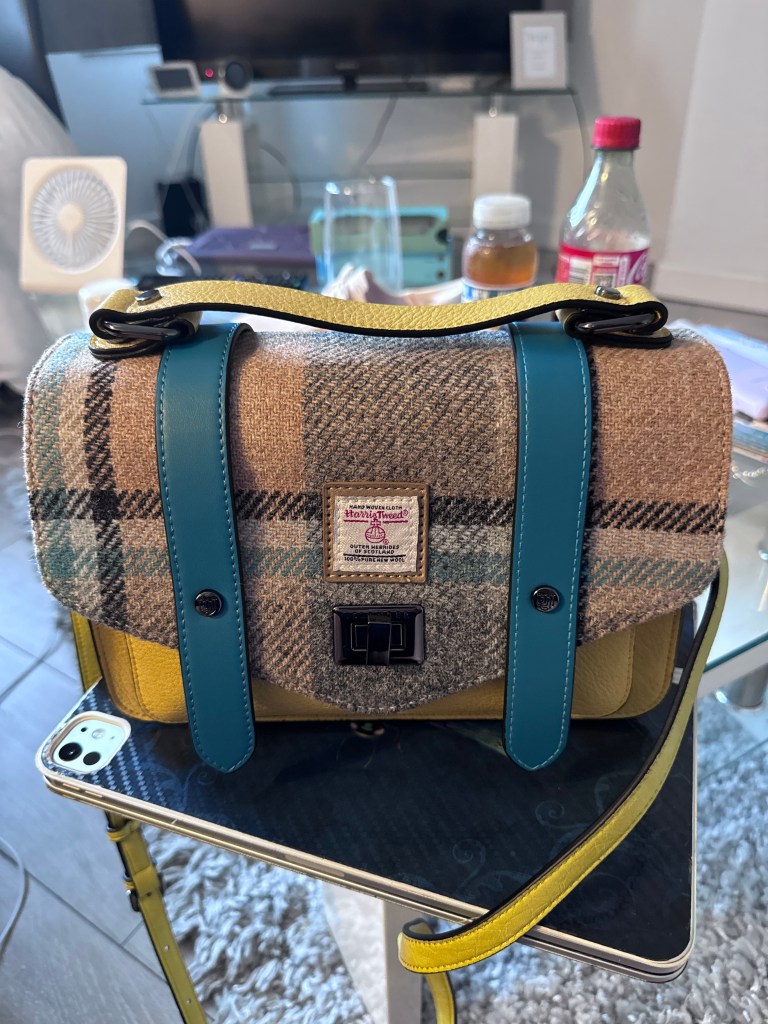
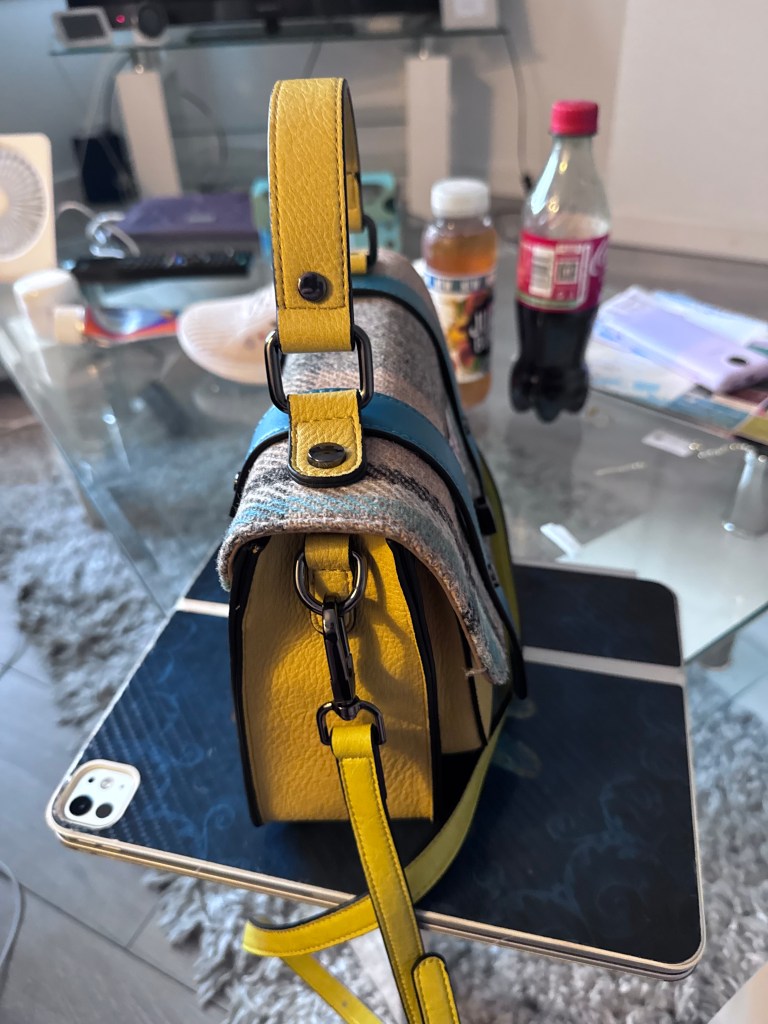
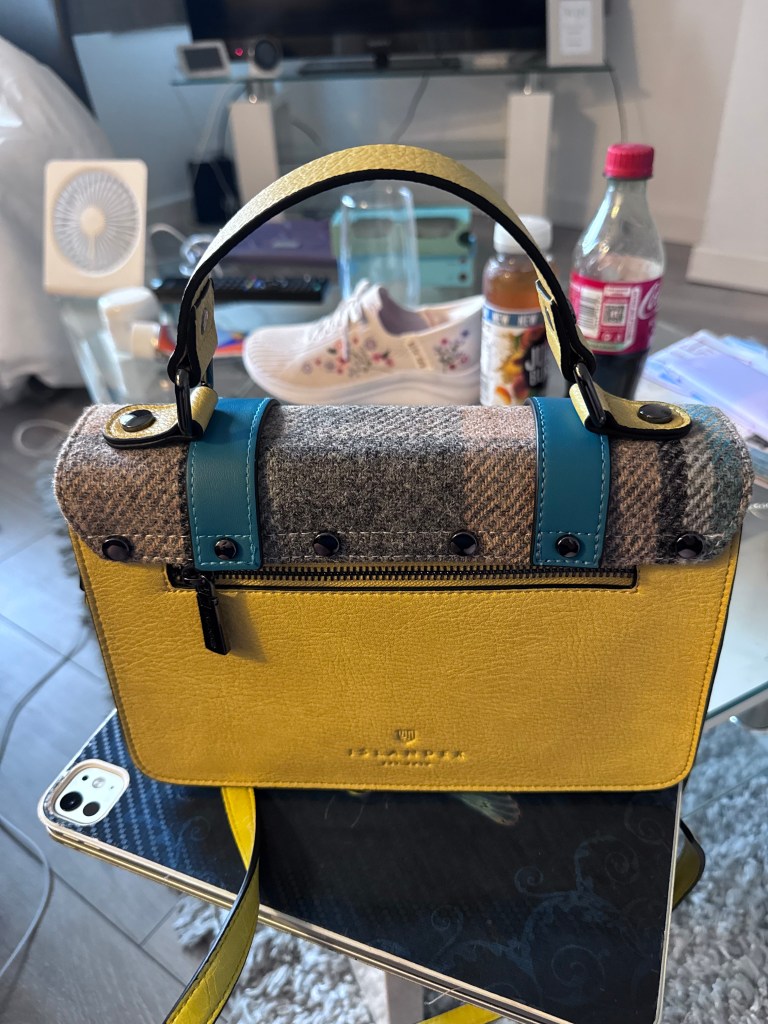
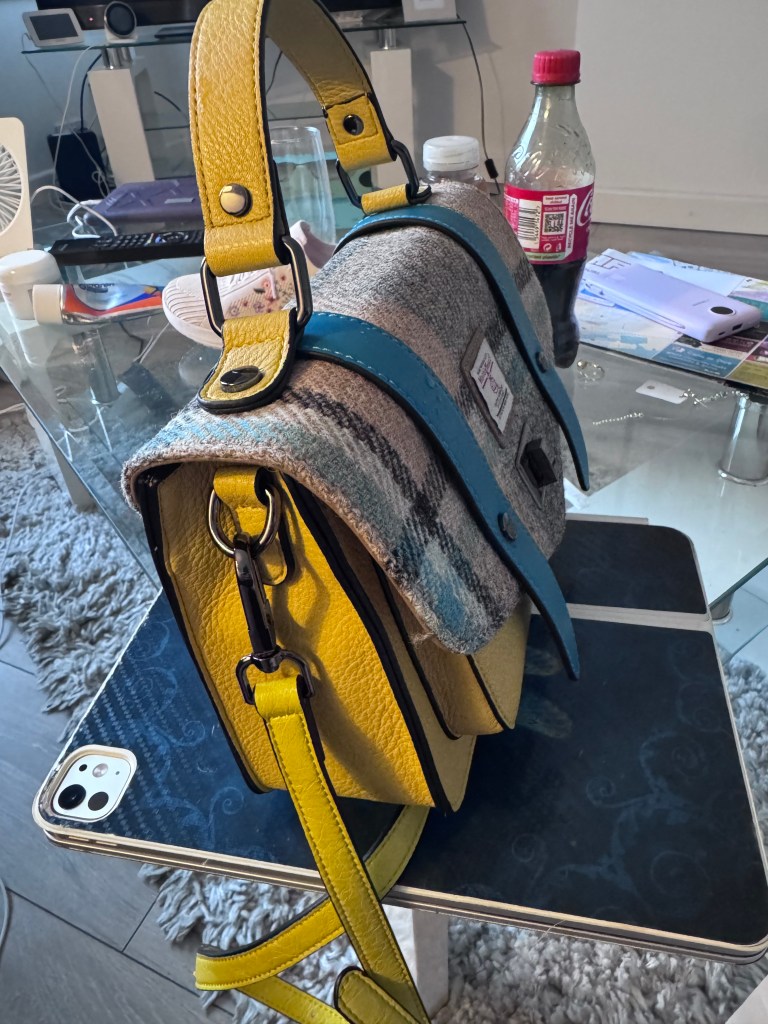
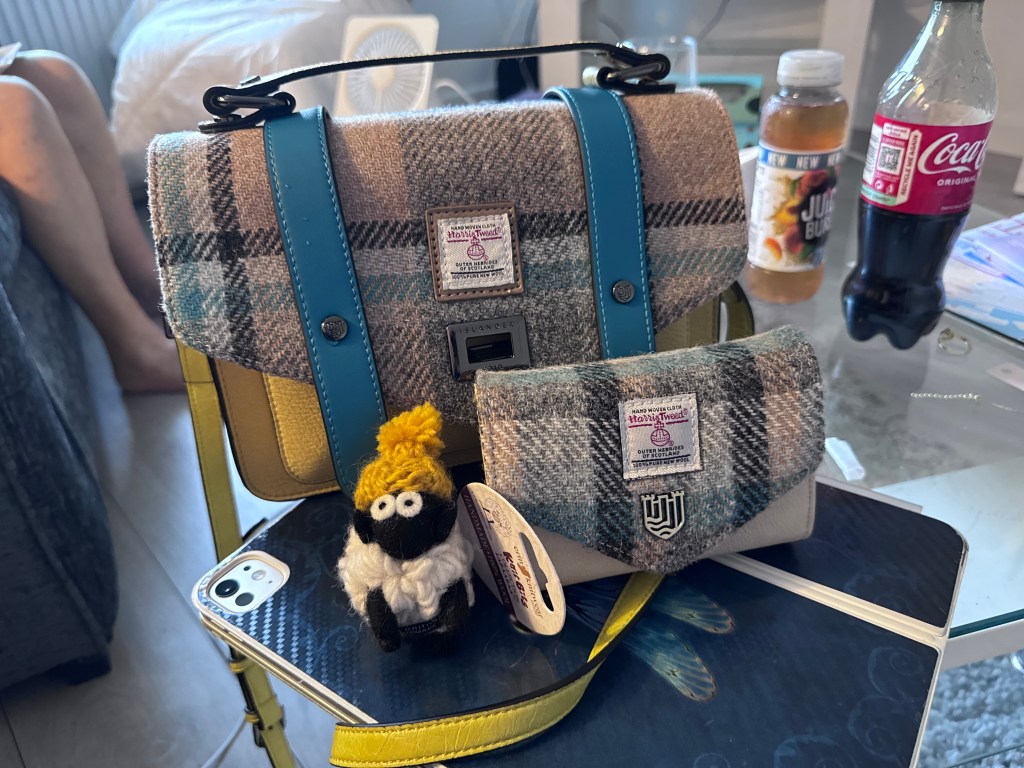
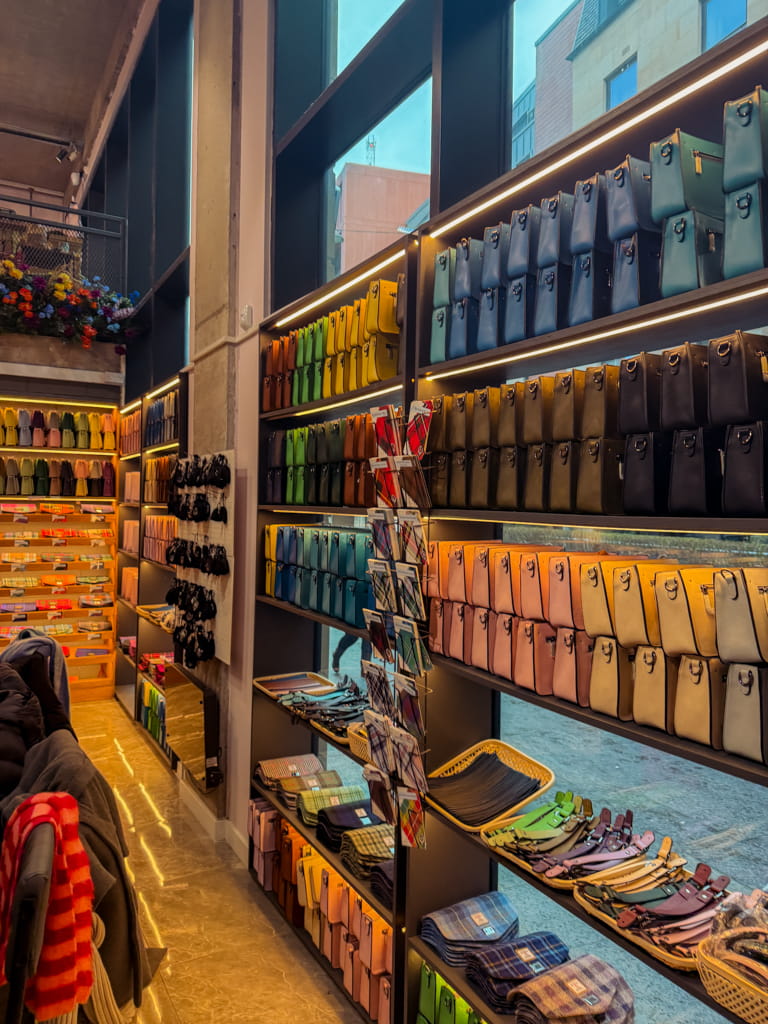
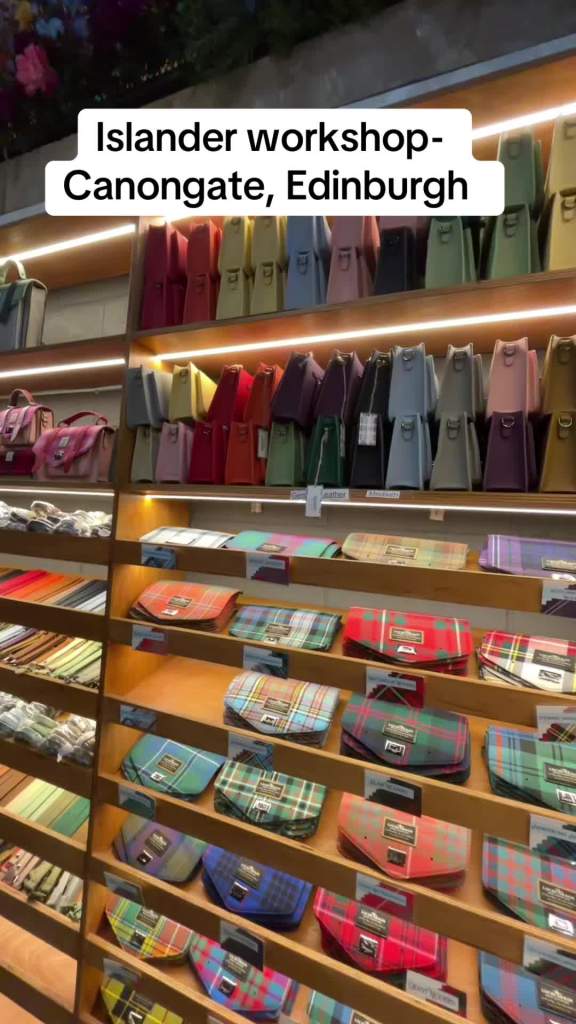
Our main adventure was visiting the Islander workshop to design our very own Harris Tweed bags. Islander is a Scottish company that creates customizable handbags and accessories handcrafted with authentic Harris Tweed—a beautiful wool fabric handwoven by islanders in Scotland’s Outer Hebrides. Every bag is individually designed by the customer, allowing you to choose the body, flap, straps, handles, and hardware to create something completely unique. We choose the St. Andrew’s shop as we figured it would be quieter than the shops in Edinburgh. Boy, was I correct. Besides us there was one other person making a bag.

The moment we walked through the door, Kiya knew exactly what she wanted to do. While Mom and I began the difficult task of choosing colors and styles, Kiya happily settled in to watch one of her movies. It was the perfect outing for her.

Choosing our bags was much harder than we expected! There were so many gorgeous fabrics, leather colors, straps, handles, and hardware combinations that it almost became overwhelming—in the best possible way. I really wish I had taken a picture of the enormous display wall filled with every imaginable color and pattern. I’ve included a few photos from the internet because they give a much better idea of just how many options there were.

We started by selecting the style of bag we wanted before moving on to choosing the Harris Tweed fabric for the body. Next came the leather flap, handles, shoulder strap, and all the finishing touches. Piece by piece, our bags slowly came together into something that was uniquely ours.

It was such a fun experience—not simply buying a souvenir, but creating one that will always remind us of Scotland. If I had more room in my suitcase, I probably would have made several more!
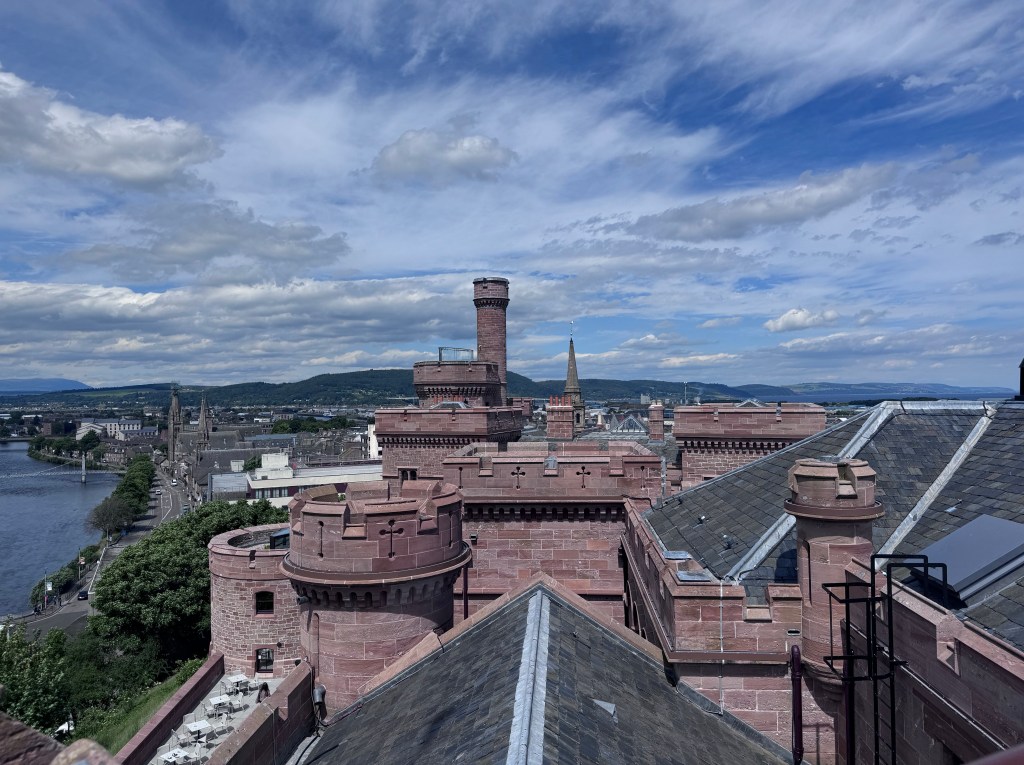
After finishing our bags, we enjoyed lunch and spent the afternoon wandering through the charming streets of St Andrews. The town has such a relaxed pace, with beautiful stone buildings, colorful storefronts, and little shops around every corner. It felt like the kind of place where you could spend days simply exploring.

At the end of the afternoon, true to his word, Adam returned to pick us up and drive us back to the train station. It was one of those wonderfully simple days—good conversation, creative fun, beautiful scenery, and time spent together. Days like this often become the ones you remember most.

Kiya had an absolutely perfect day, and honestly, so did we.

Edinburgh Castle and the Royal Mile – Crowns, Castles, and a Perfect Scottish Day

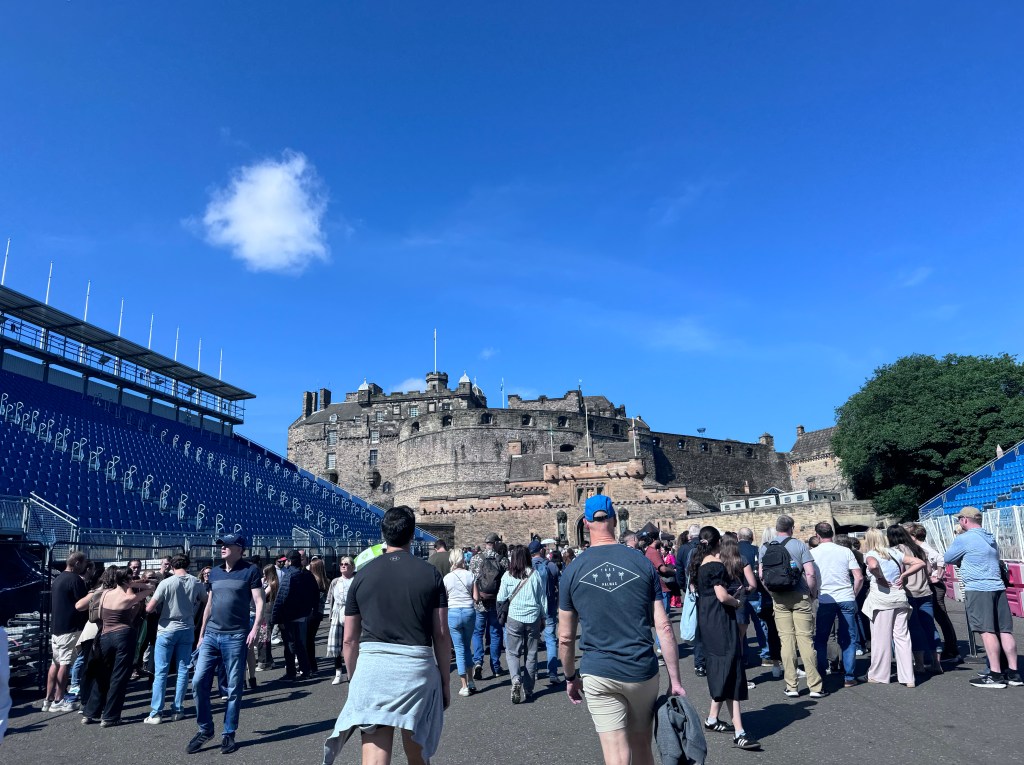
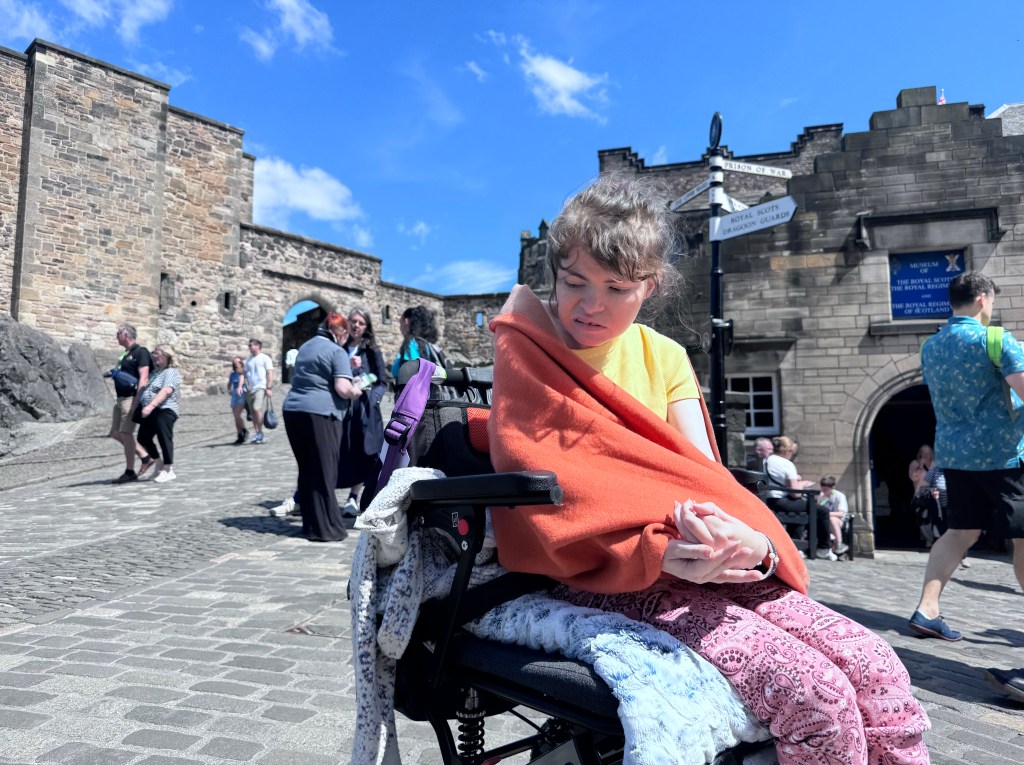
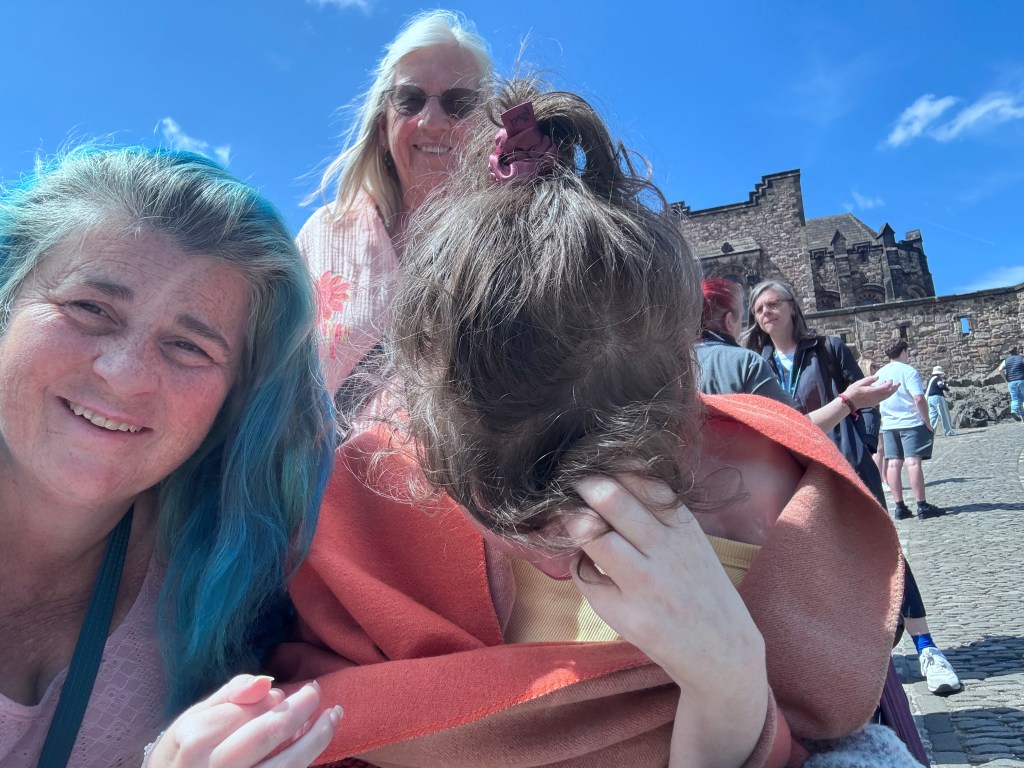
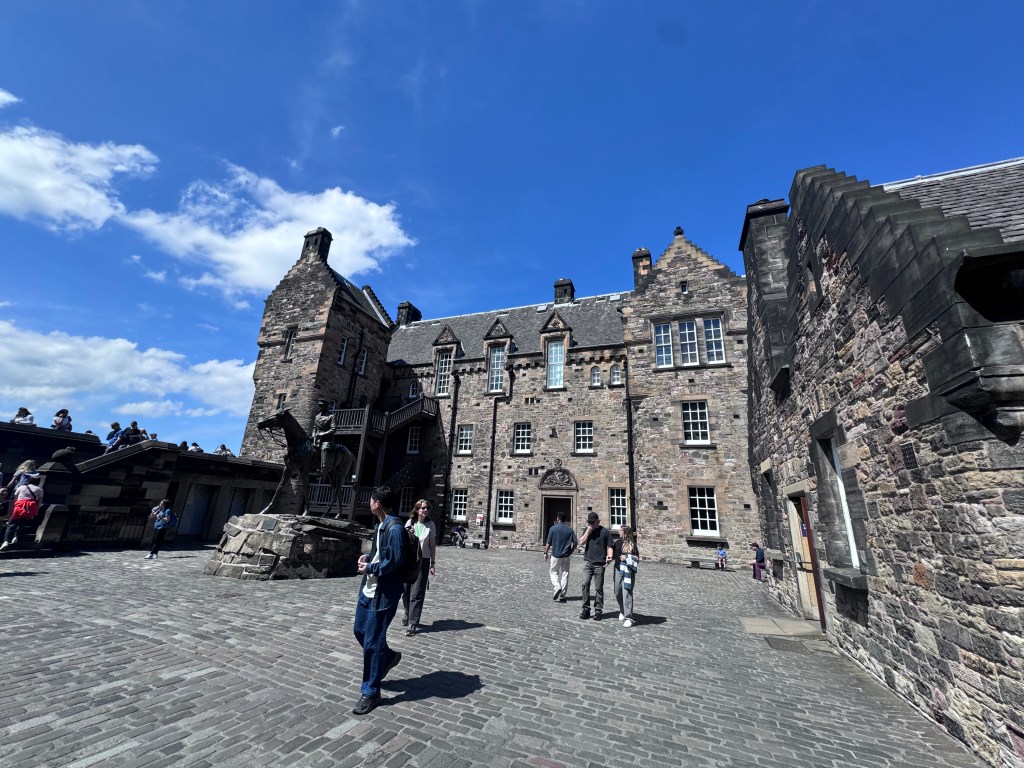
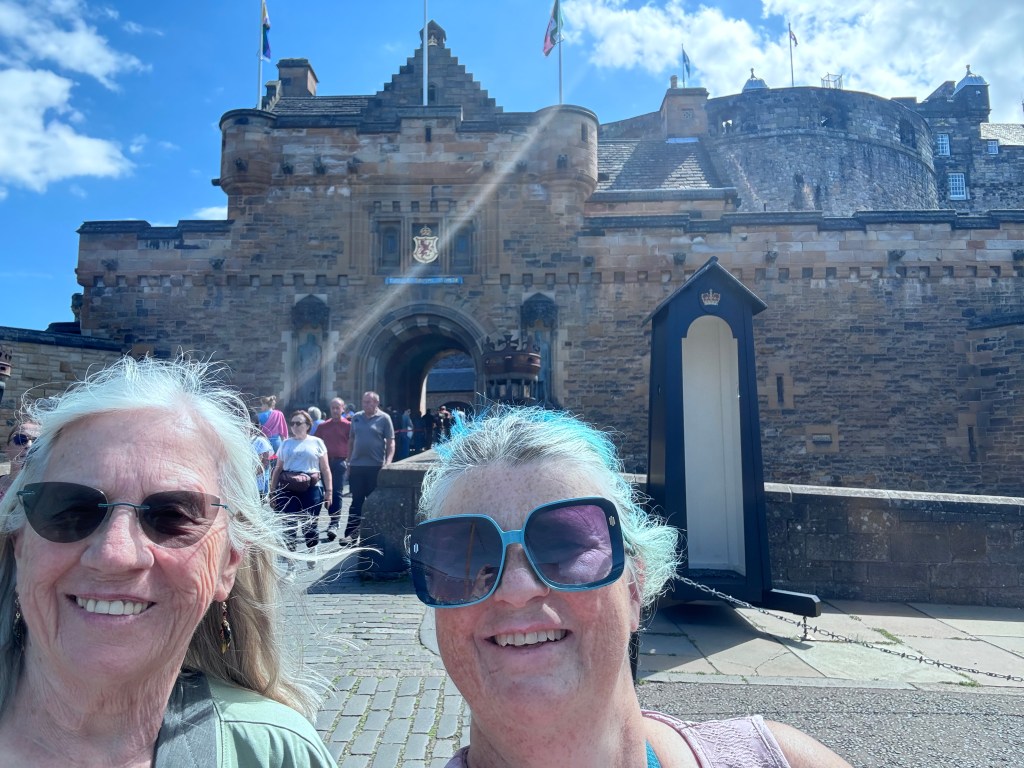
Today we took the train from Dundee into Edinburgh to visit the magnificent Edinburgh Castle and wander down the famous Royal Mile. Once again, I have to say how impressed we are with ScotRail and the people of Scotland. Everyone is so kind and helpful, making sure Kiya safely gets on and off the train with the ramps. Their kindness has made traveling with a wheelchair so much easier than we ever imagined.
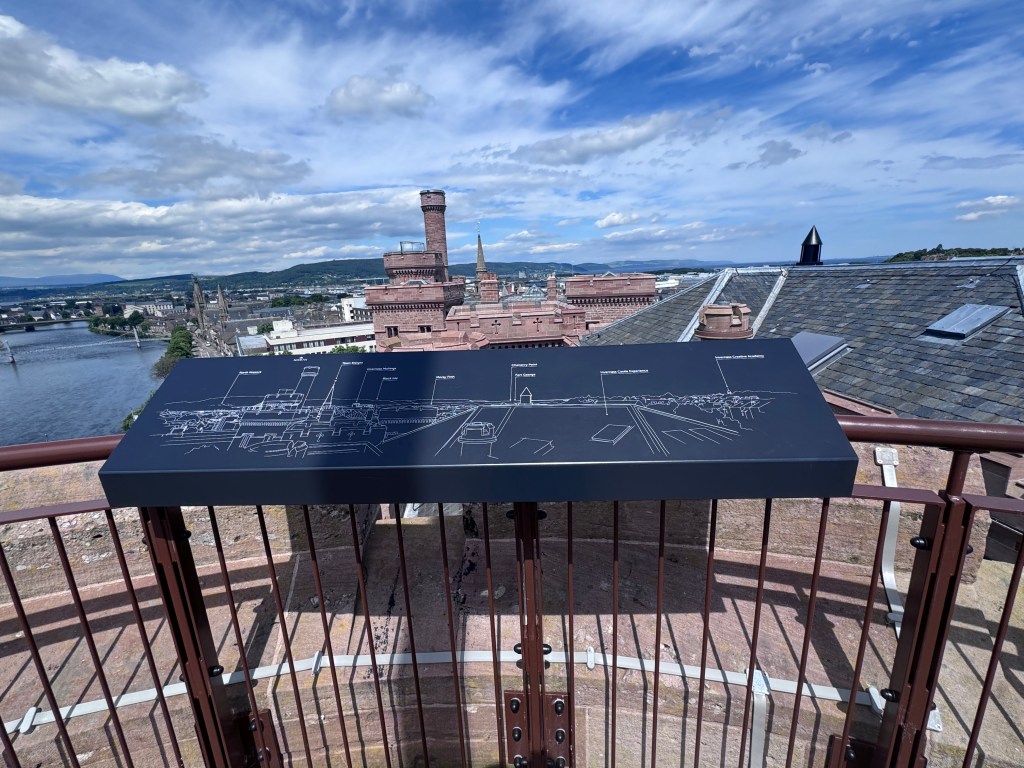
After arriving in Edinburgh, our next challenge was finding a taxi. The castle is actually quite close to the train station, but it sits high on Castle Rock, making the steep climb difficult with Kiya’s wheelchair. We waited nearly 30–40 minutes before finally finding a driver willing to take us. He dropped us only about a block from the entrance, which was perfect.

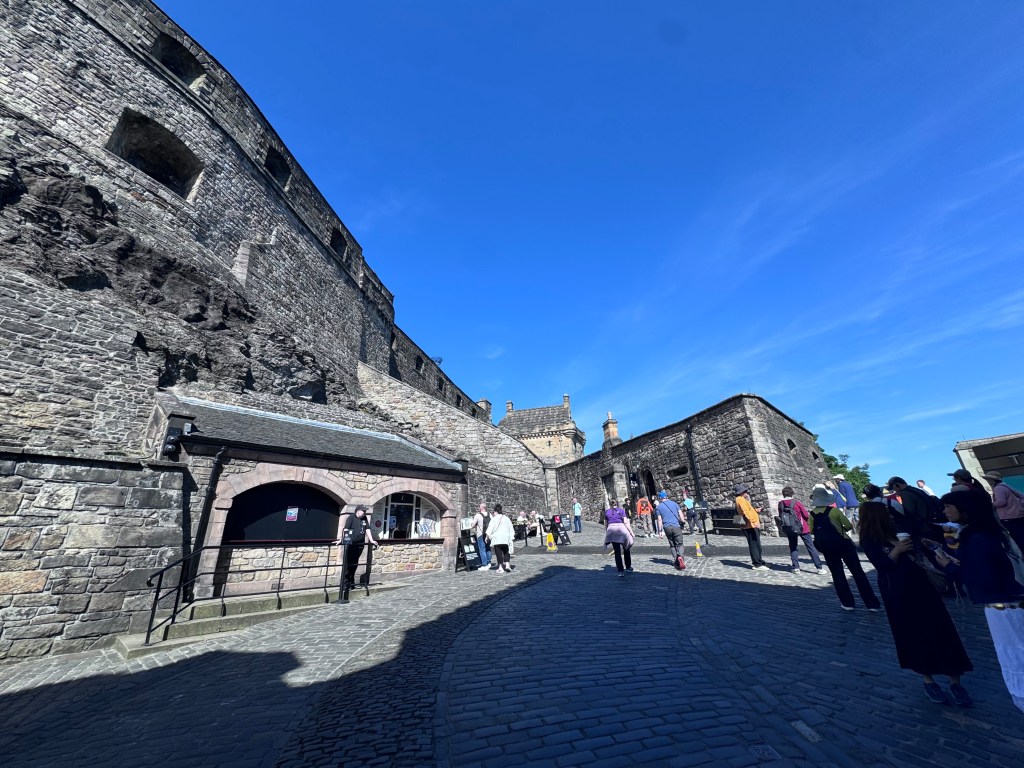
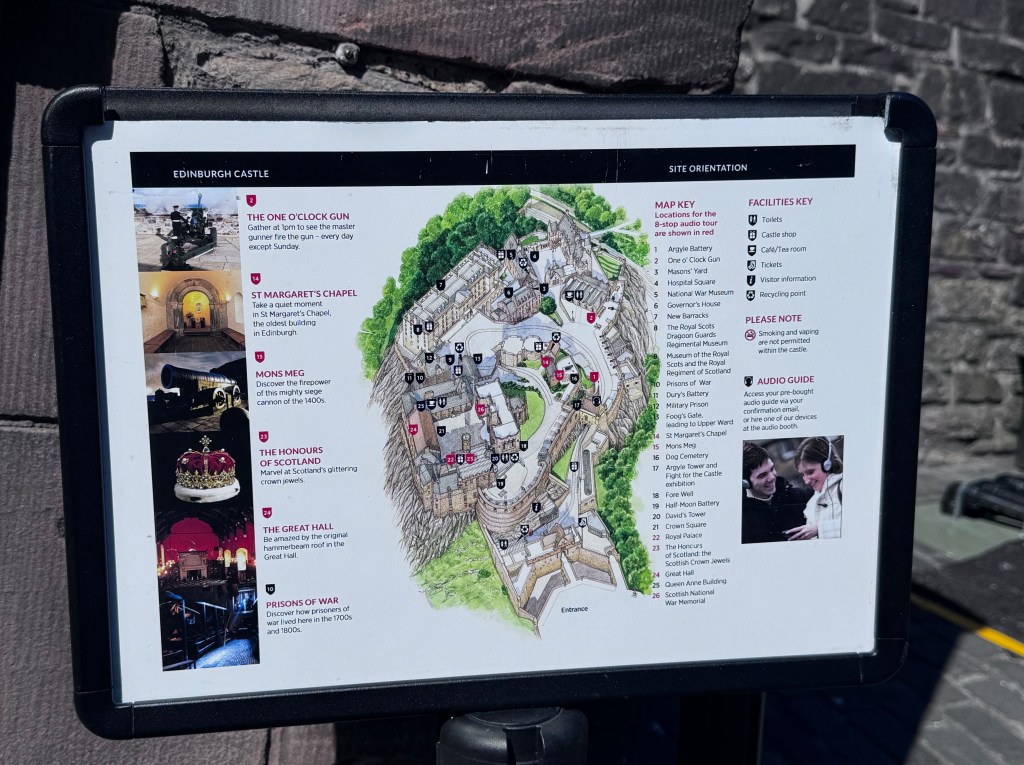
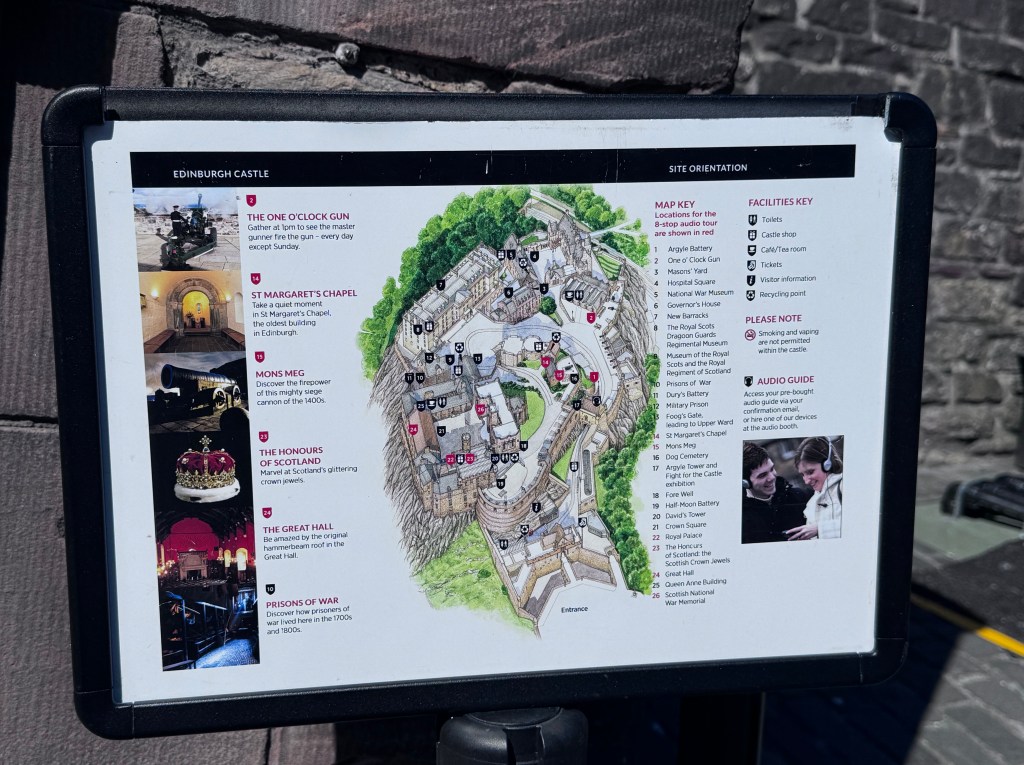
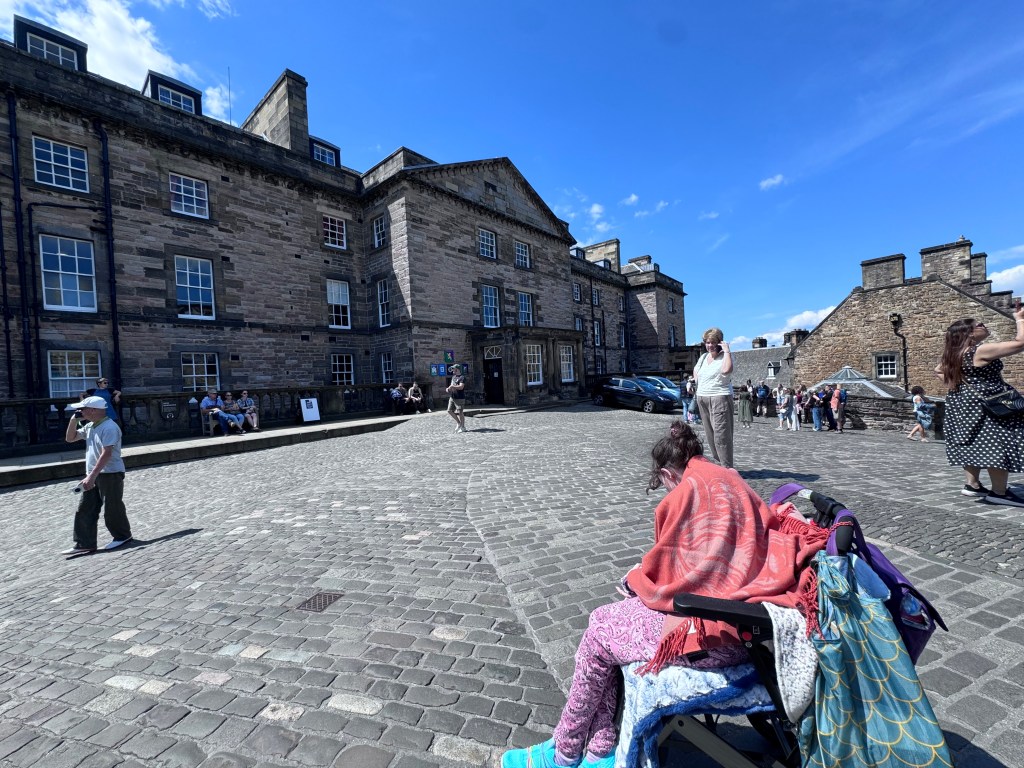
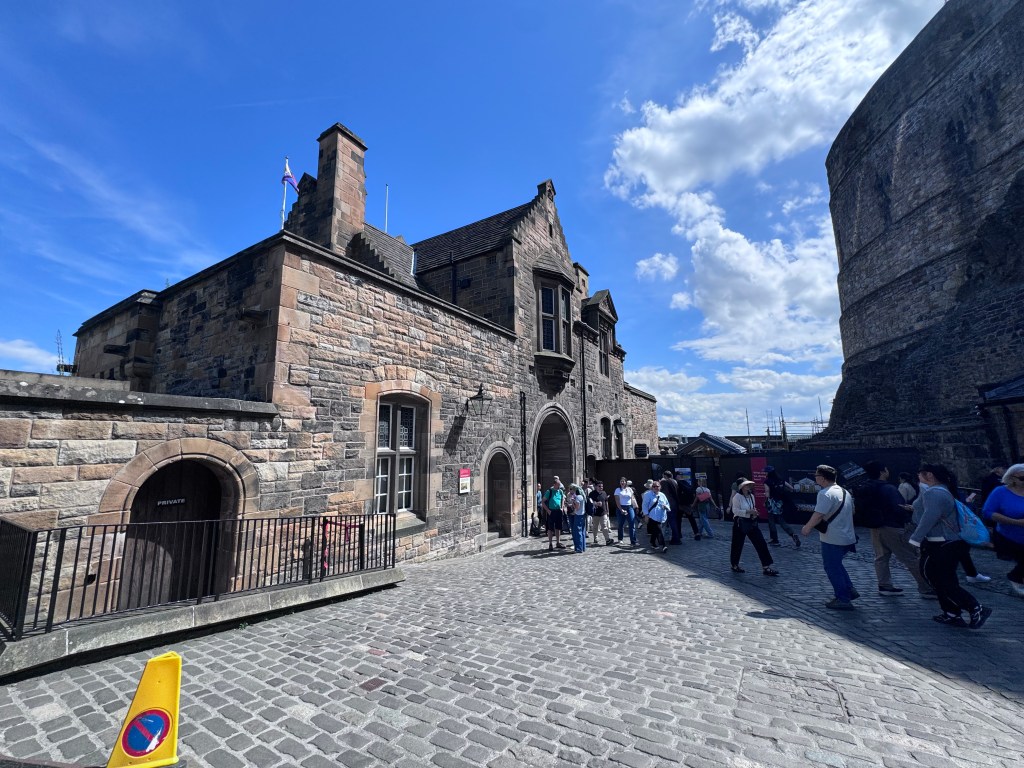
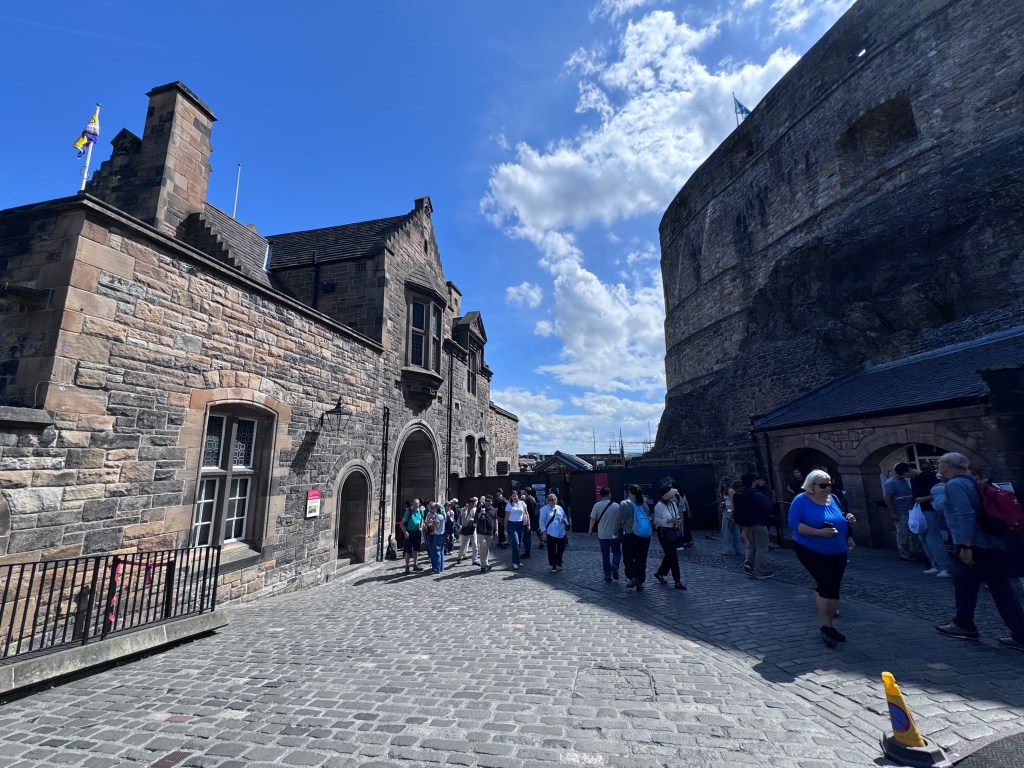
One thing Edinburgh Castle does exceptionally well is accessibility. After checking in, we met the mobility assistance staff, who transported us by vehicle to the top of the castle. They have an outstanding program where they can either drop visitors off at the top or drive them between the major buildings throughout the grounds. We decided to let our taxi go and simply enjoy walking our way down through the castle after exploring. It was a wonderful decision.

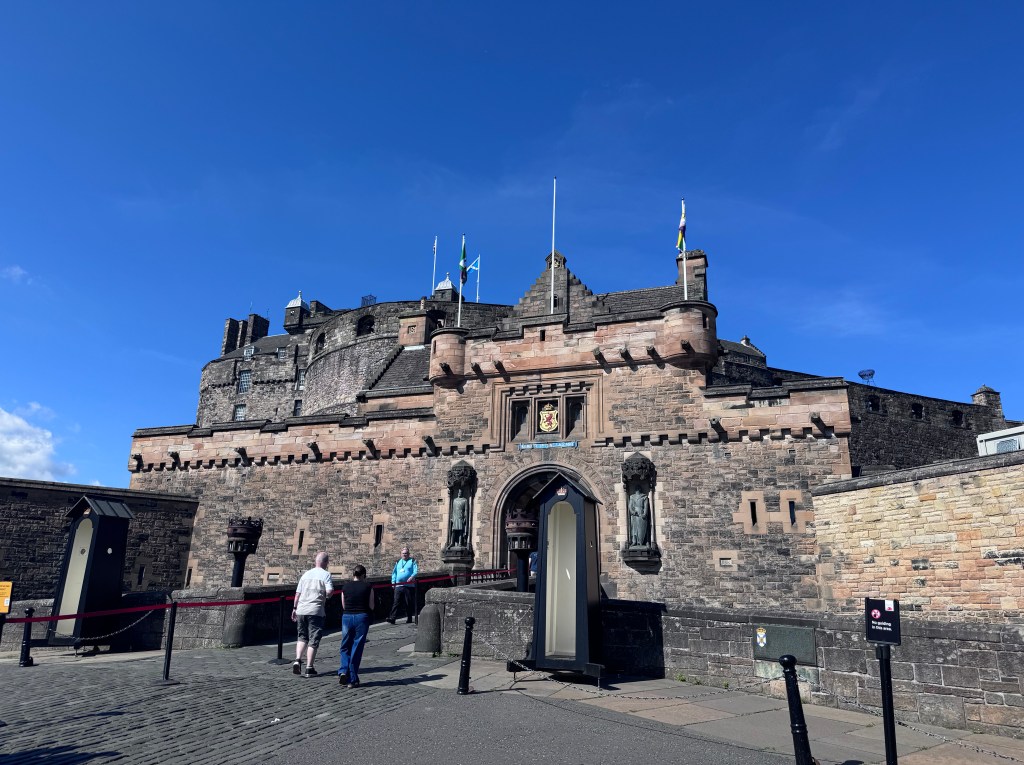
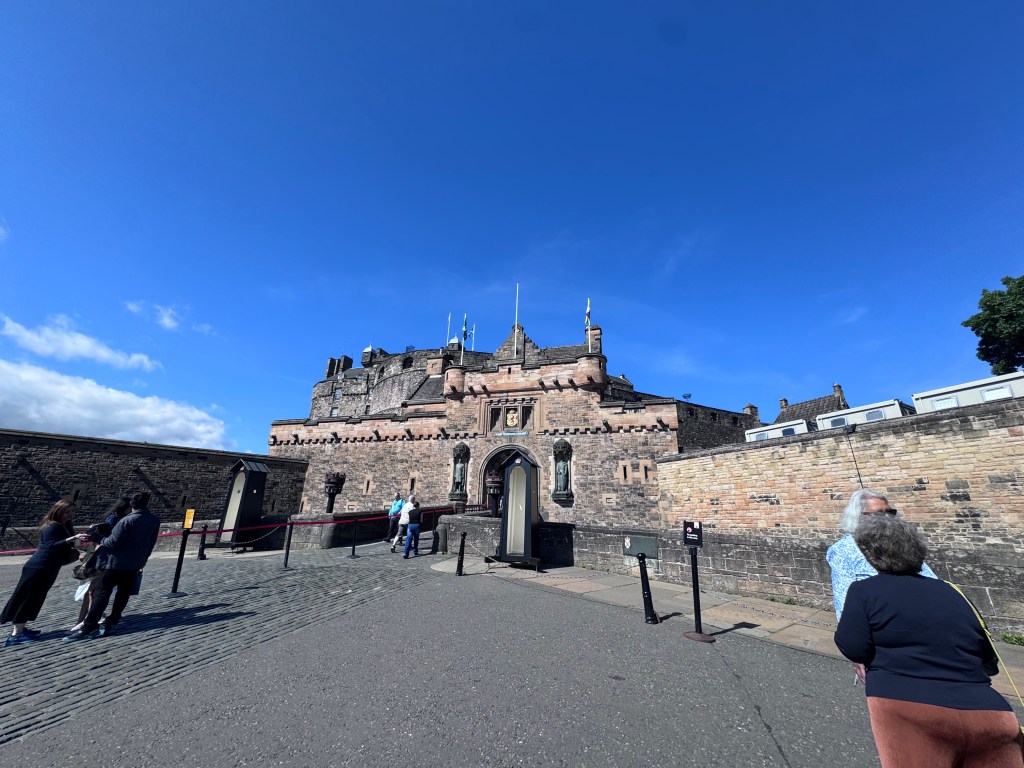
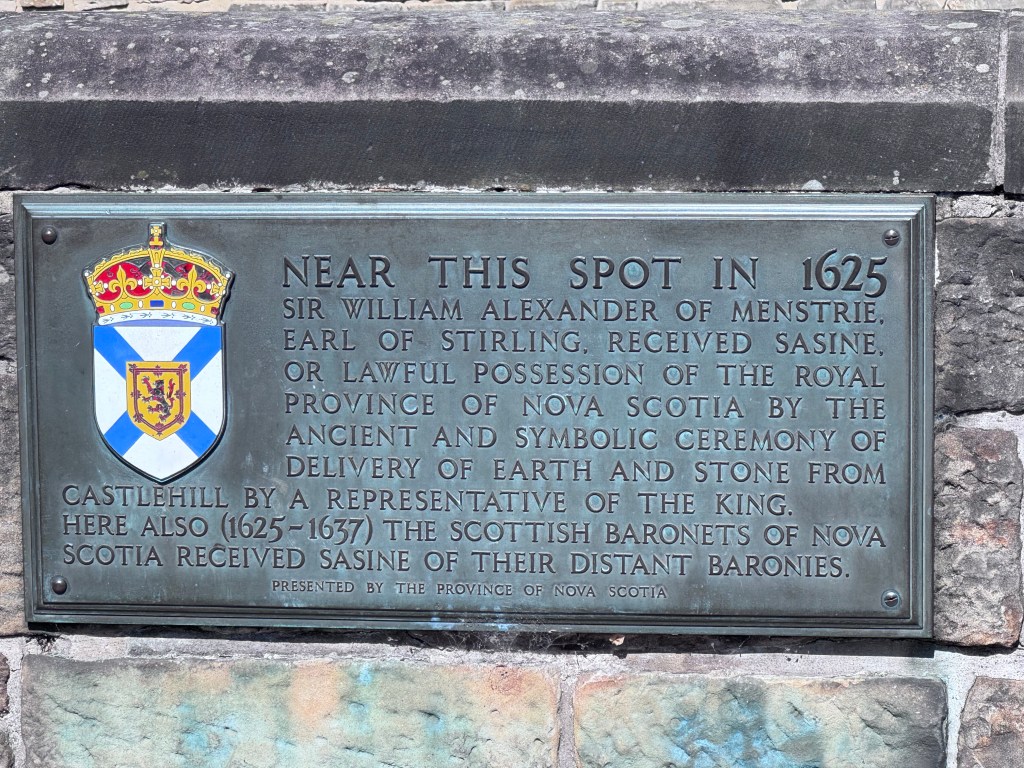
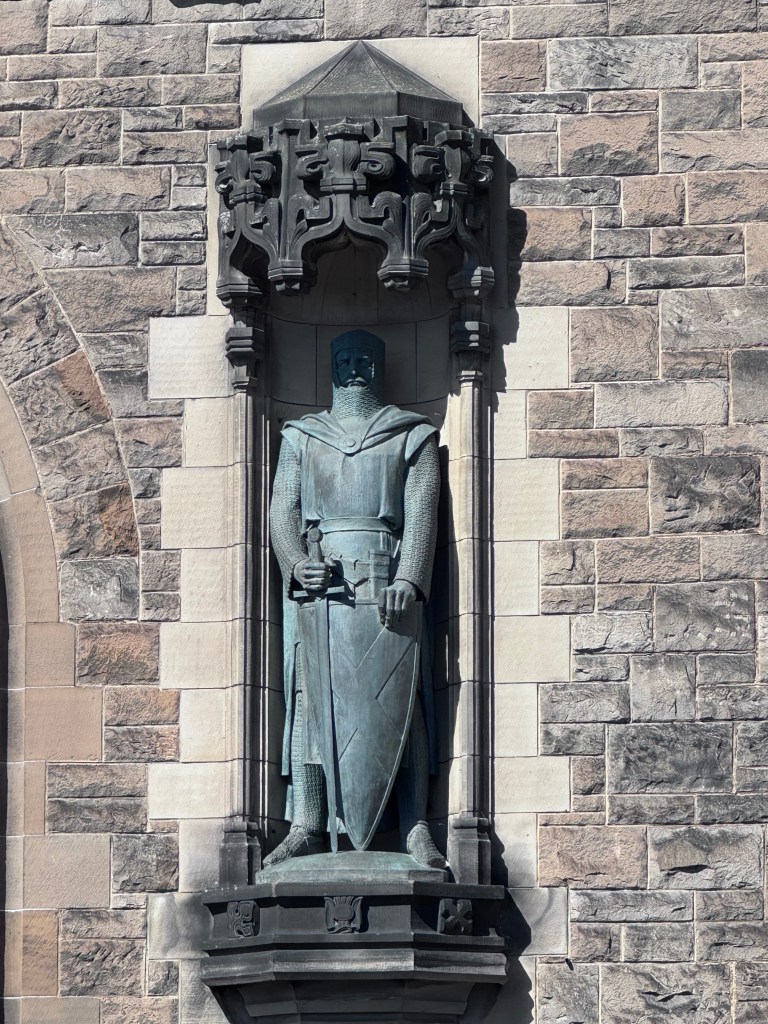
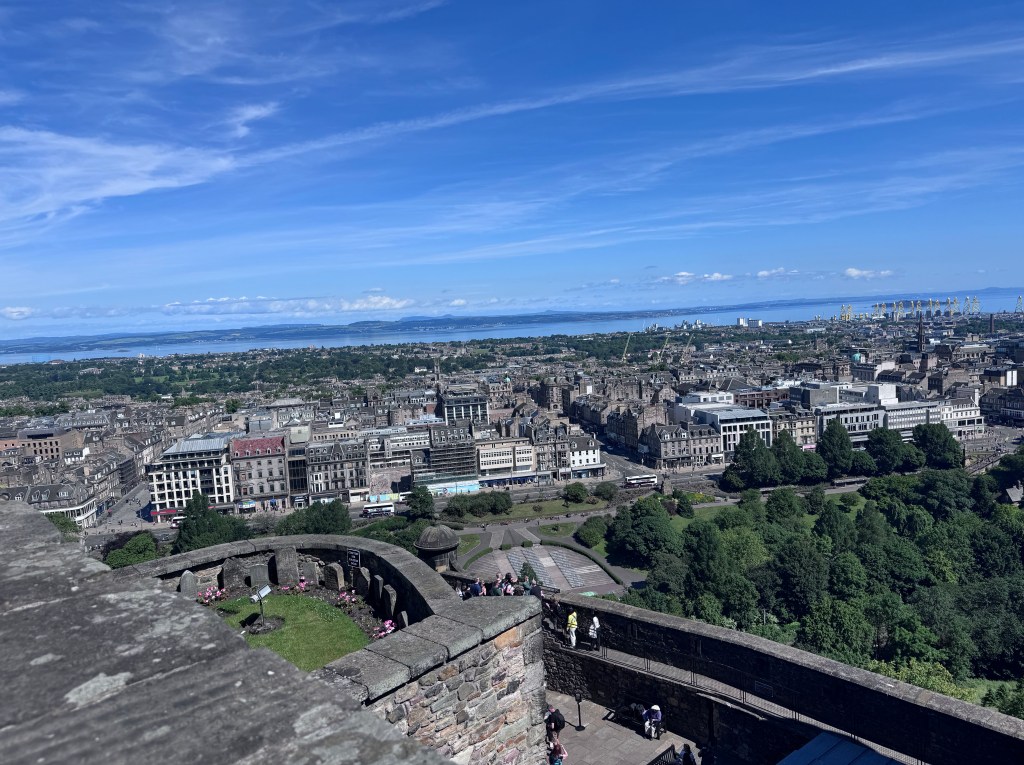
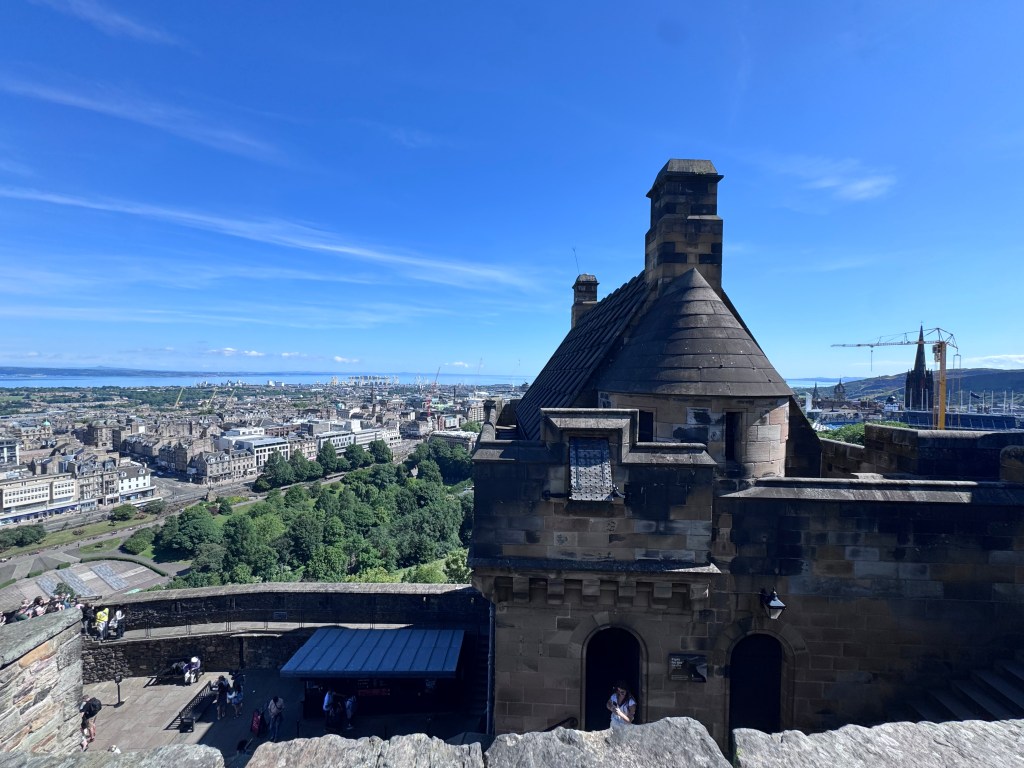
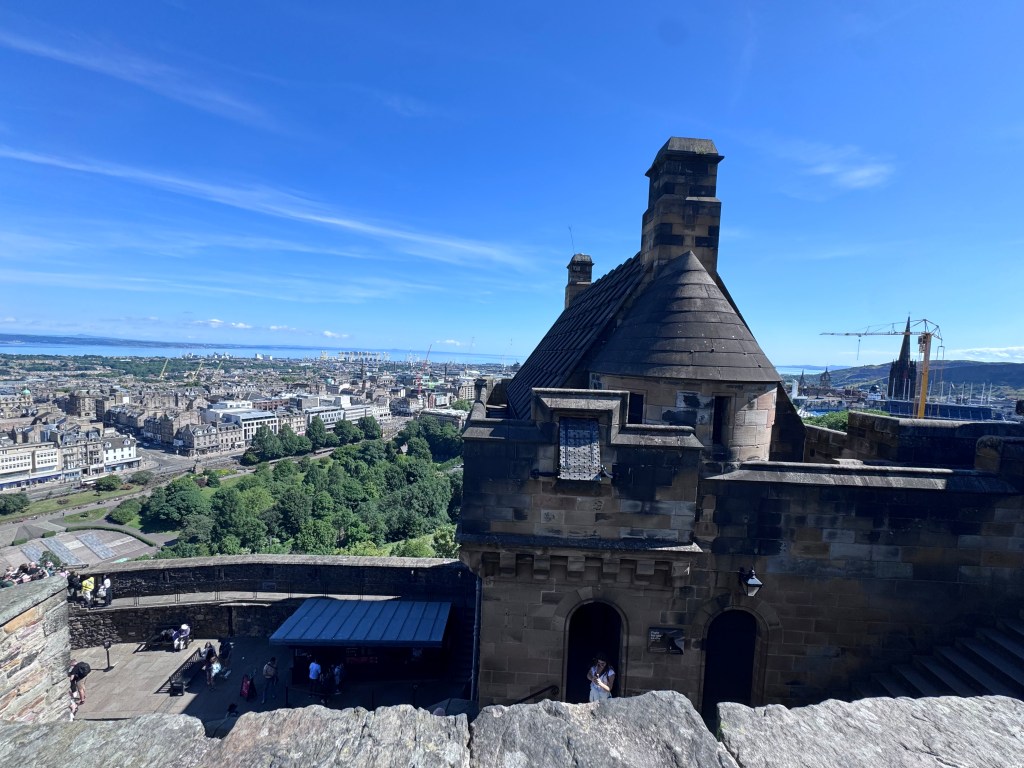
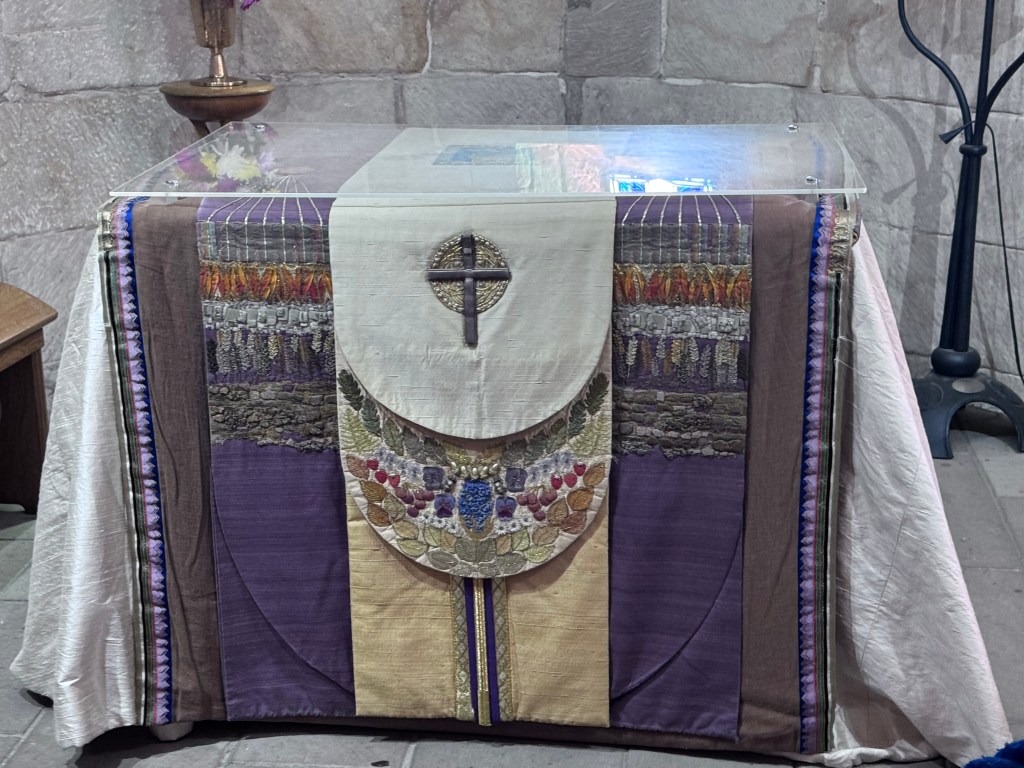
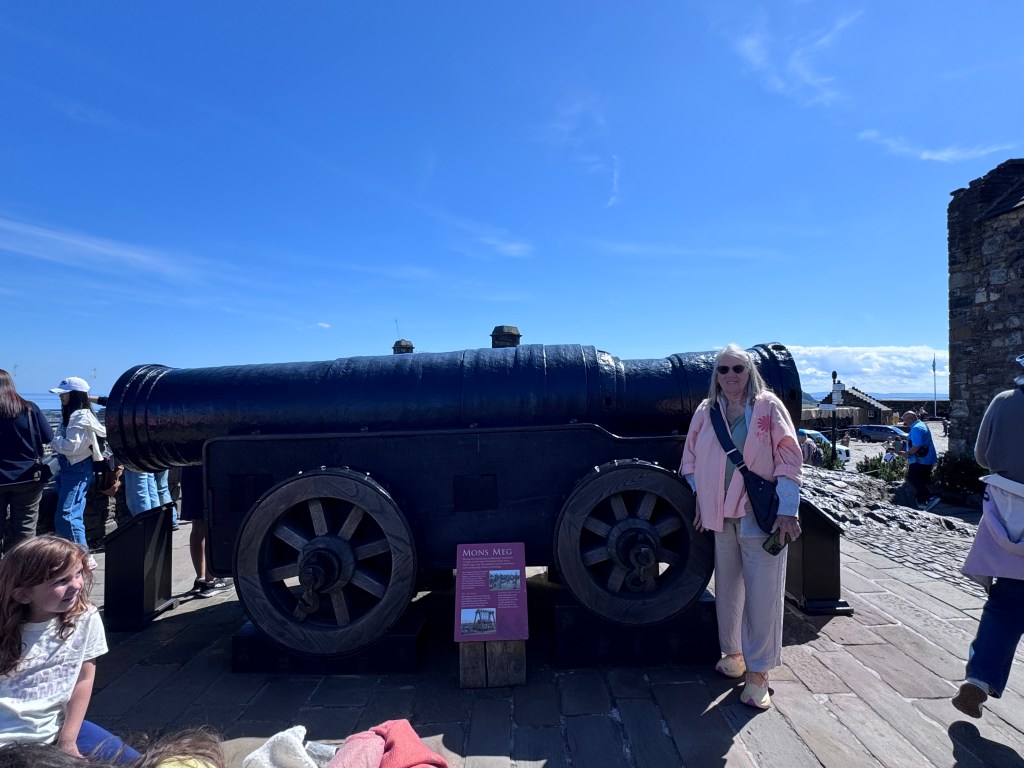
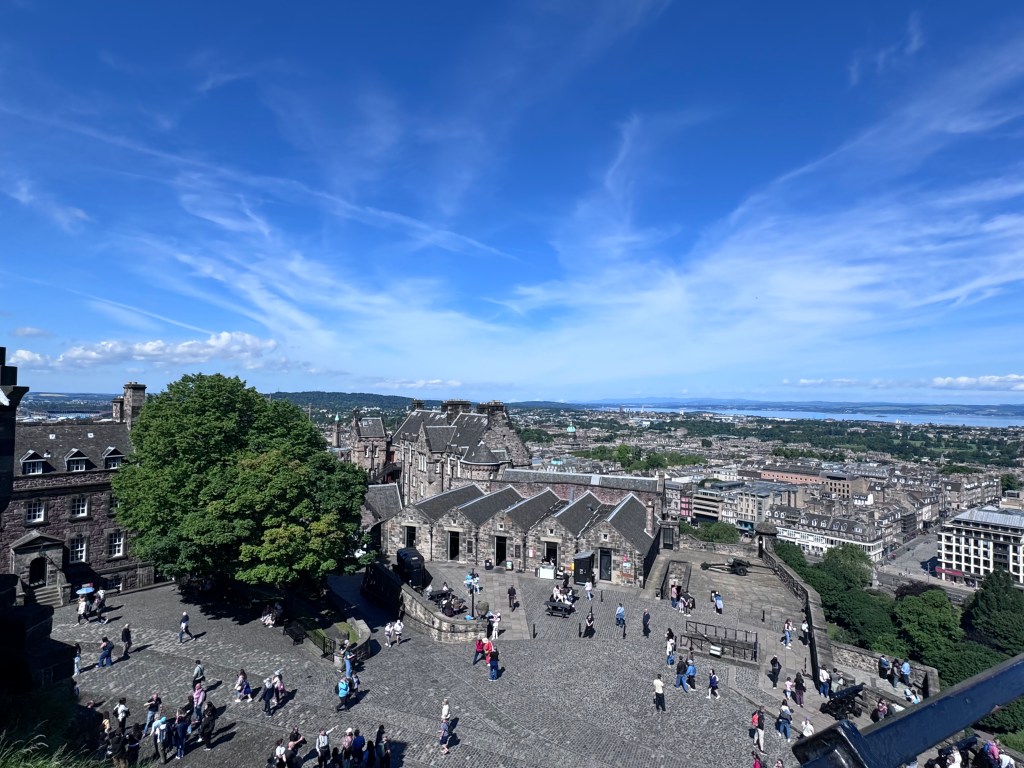
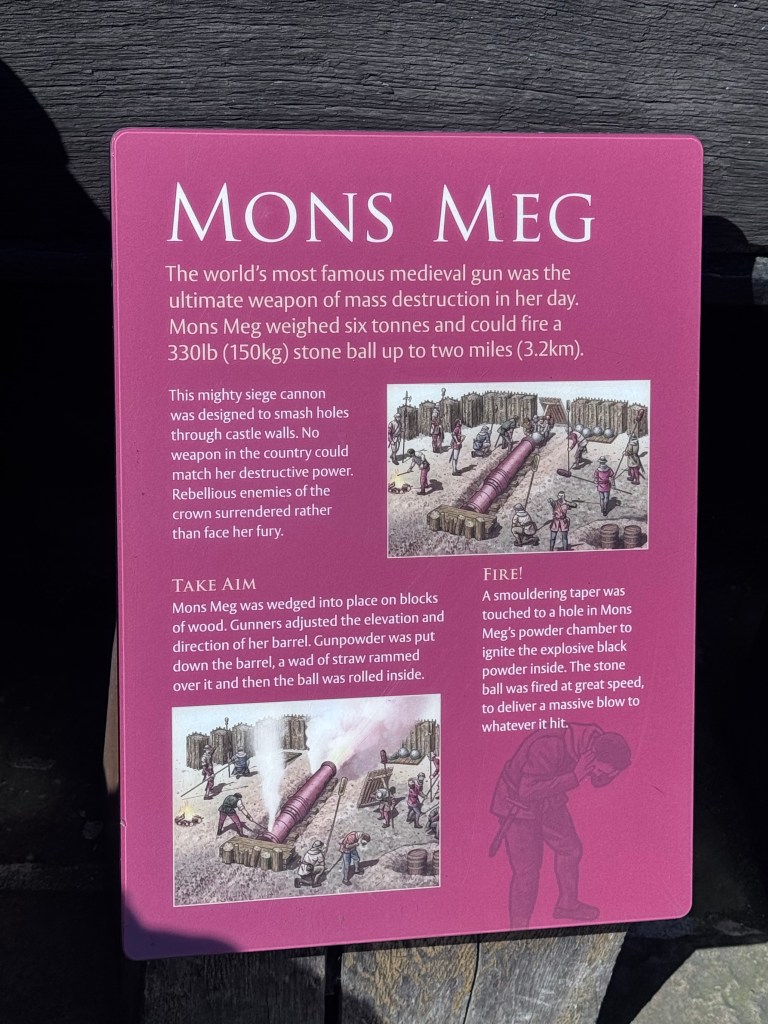
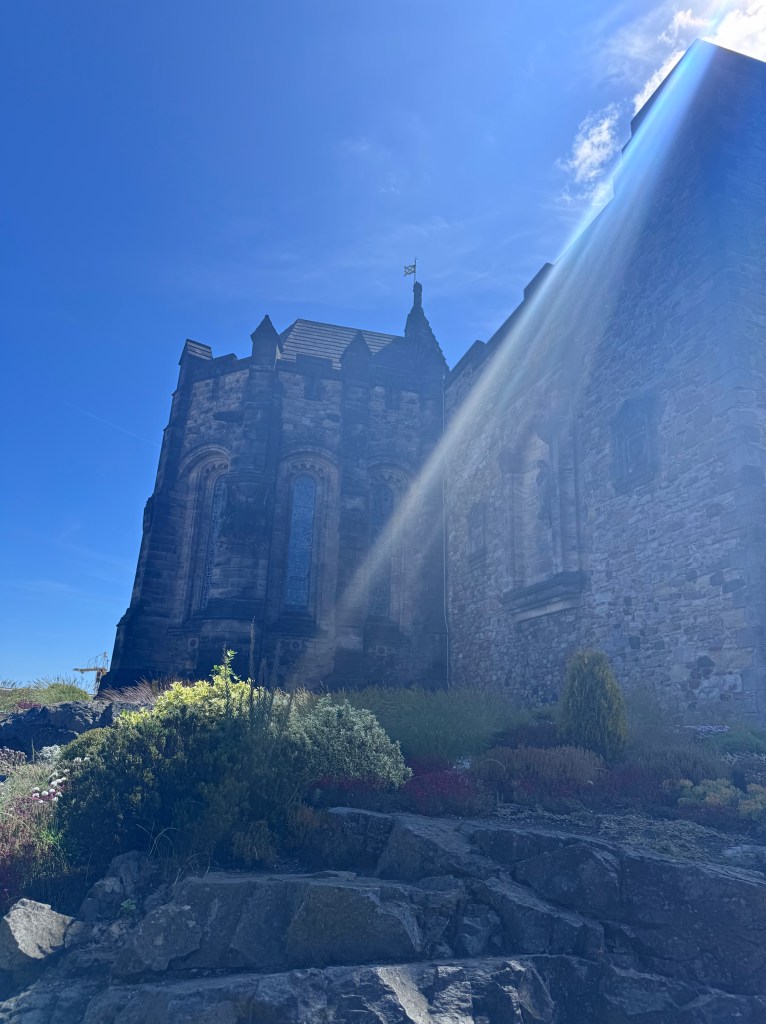
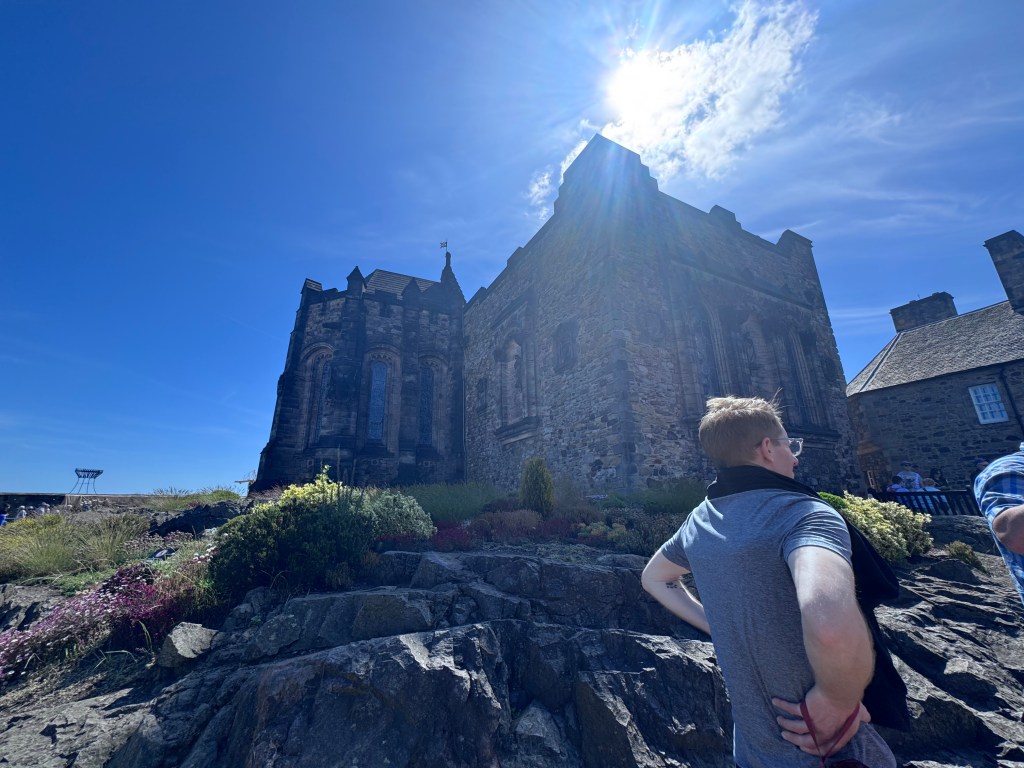
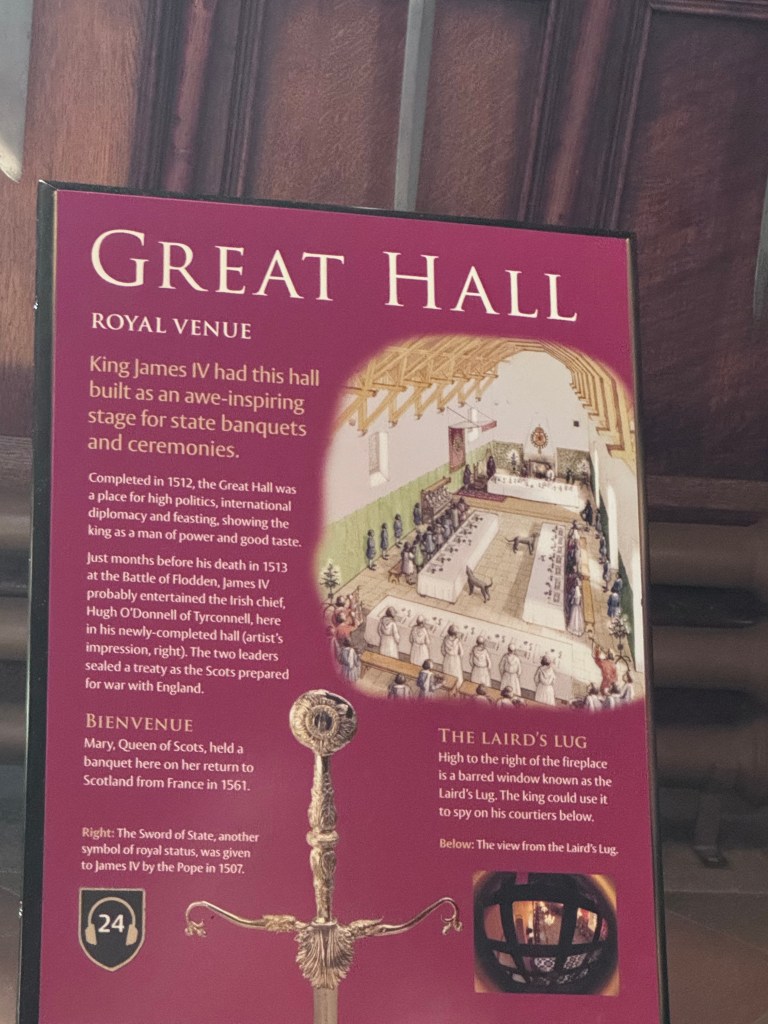
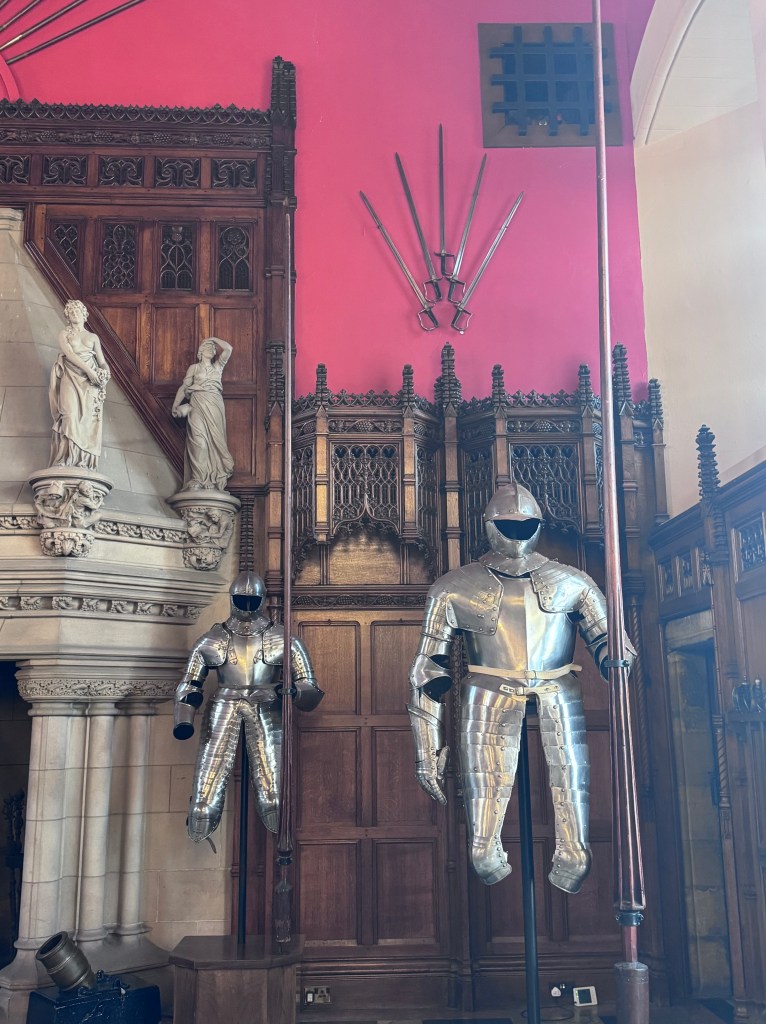
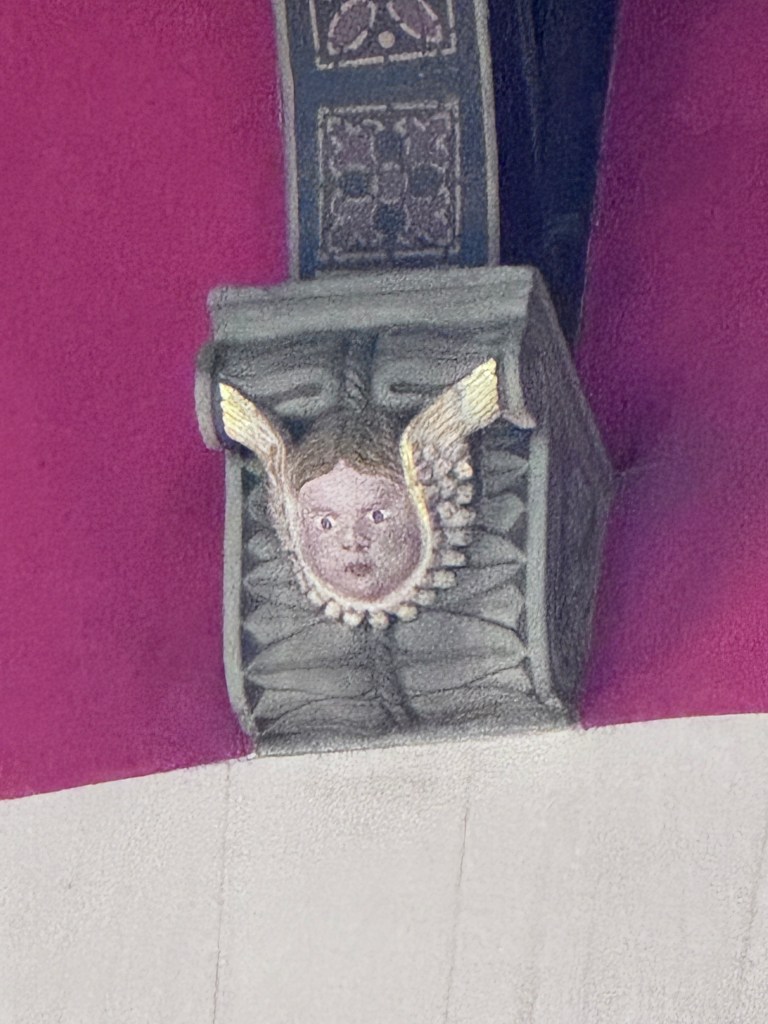
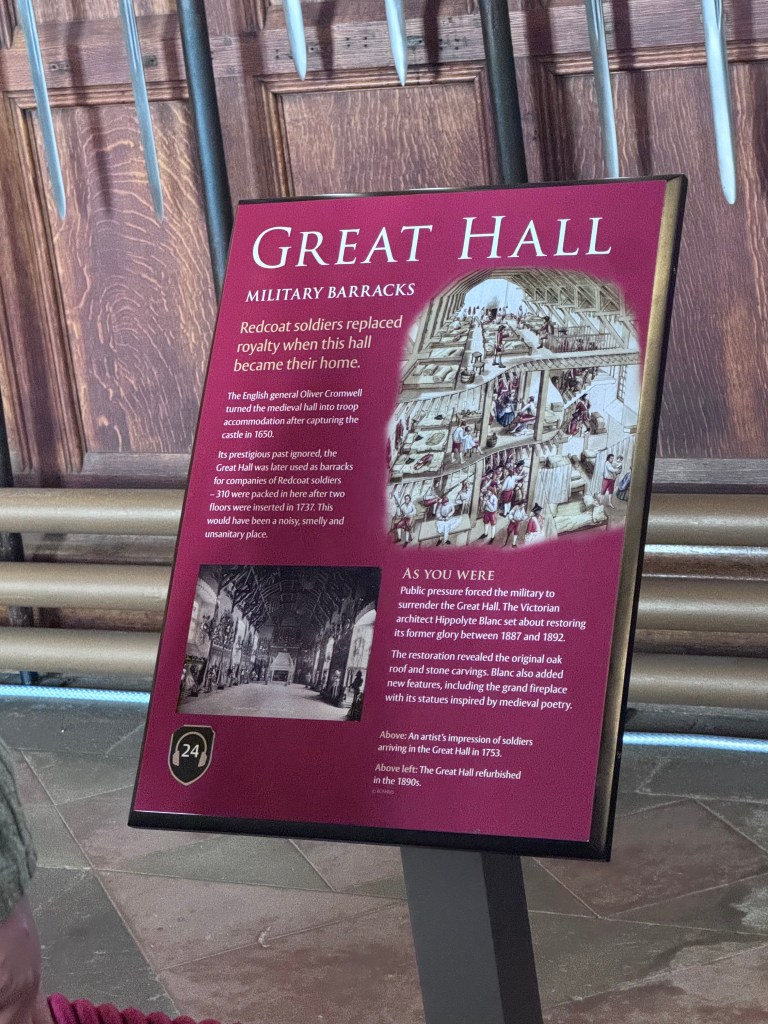
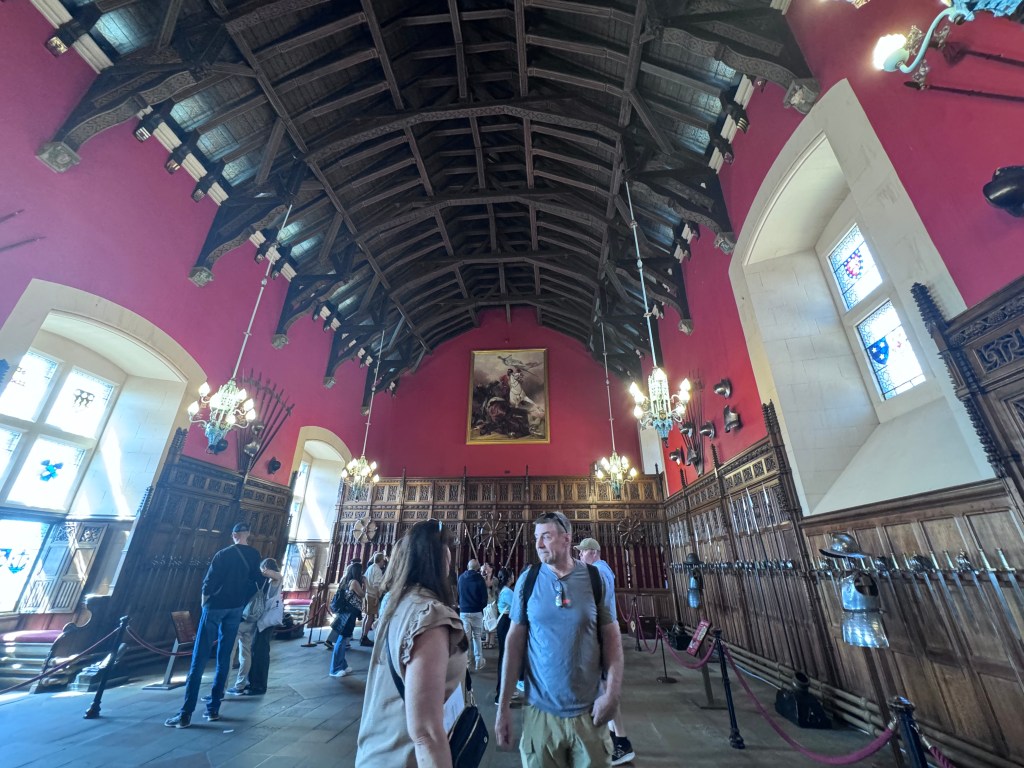
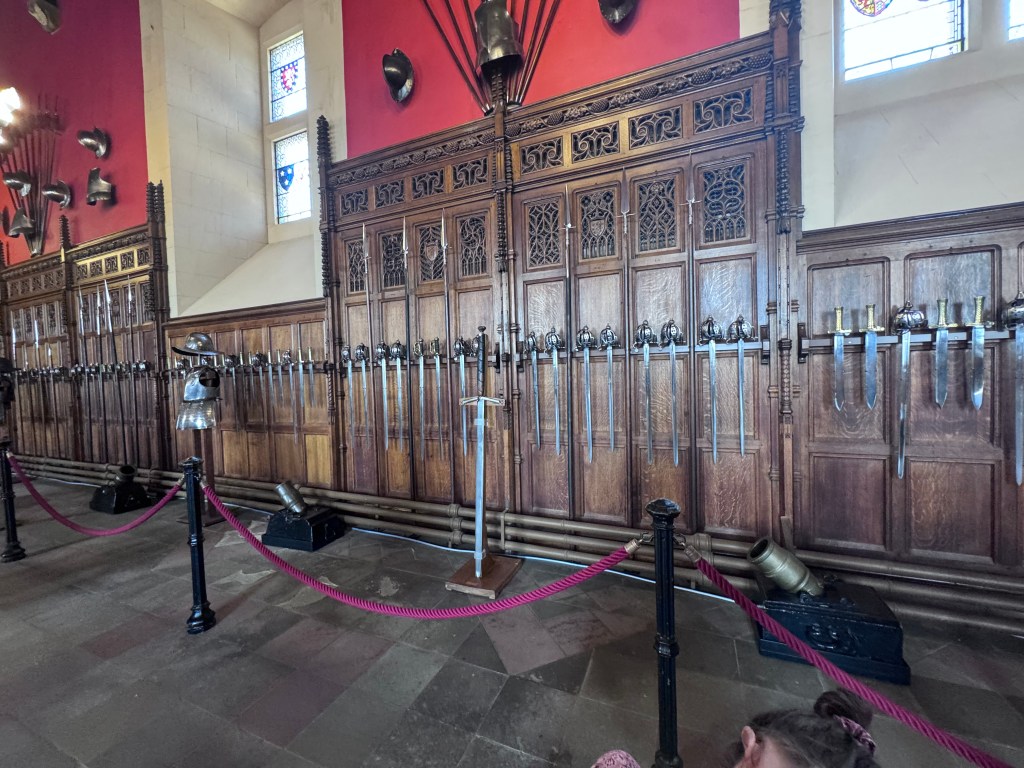
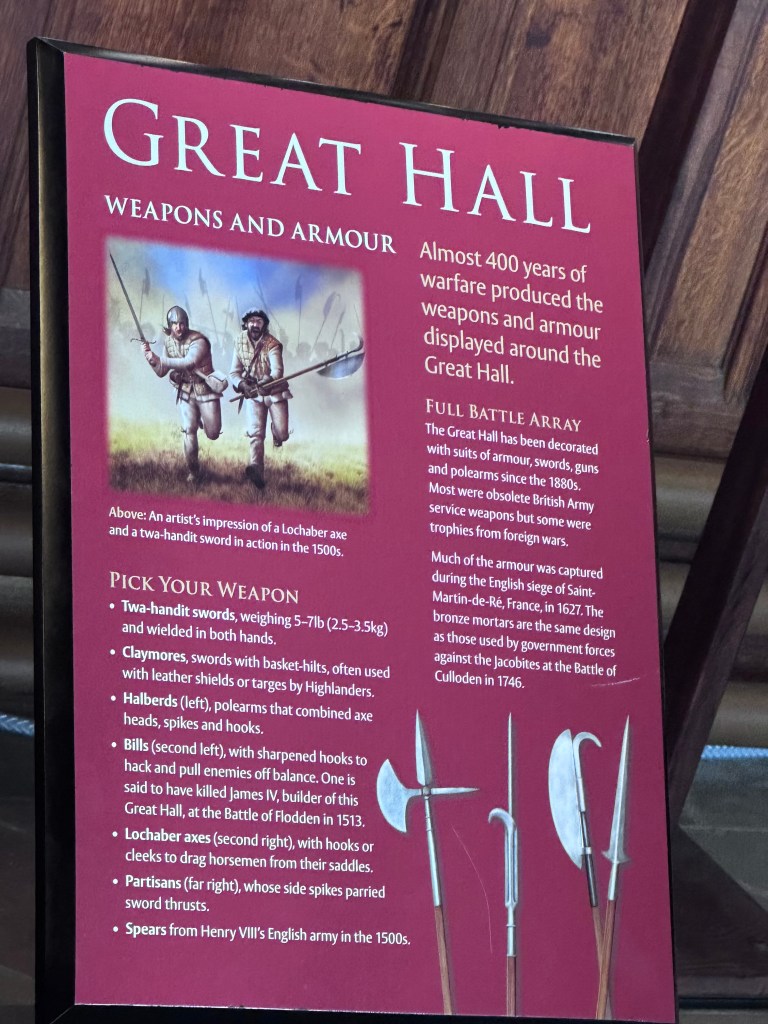
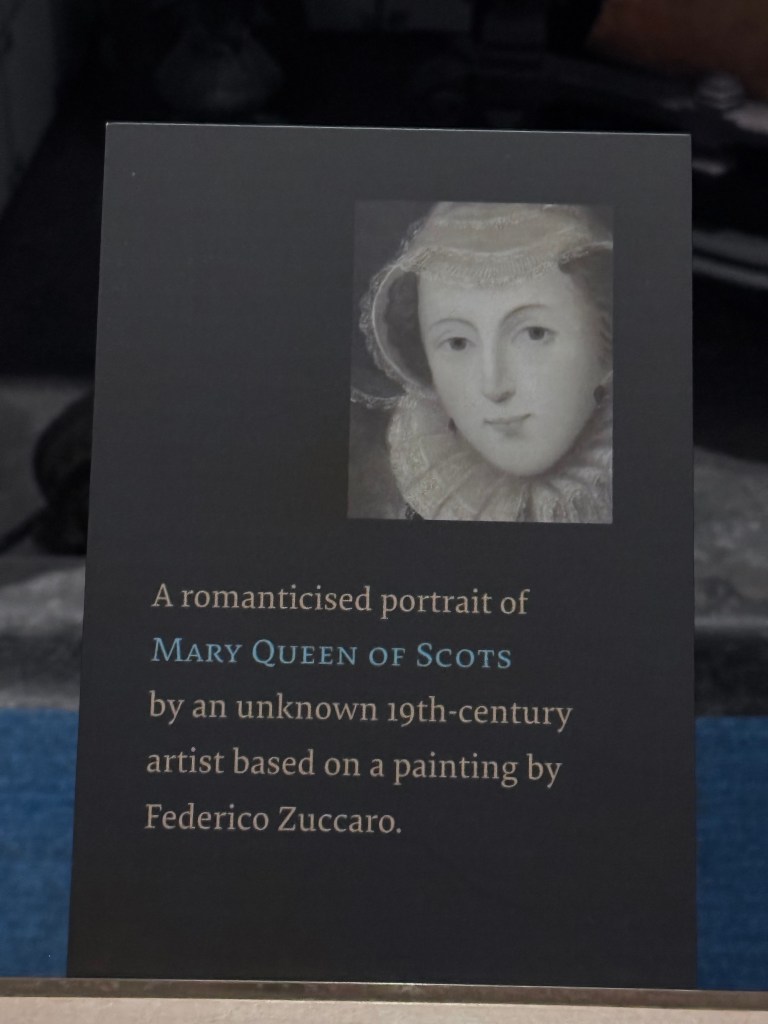
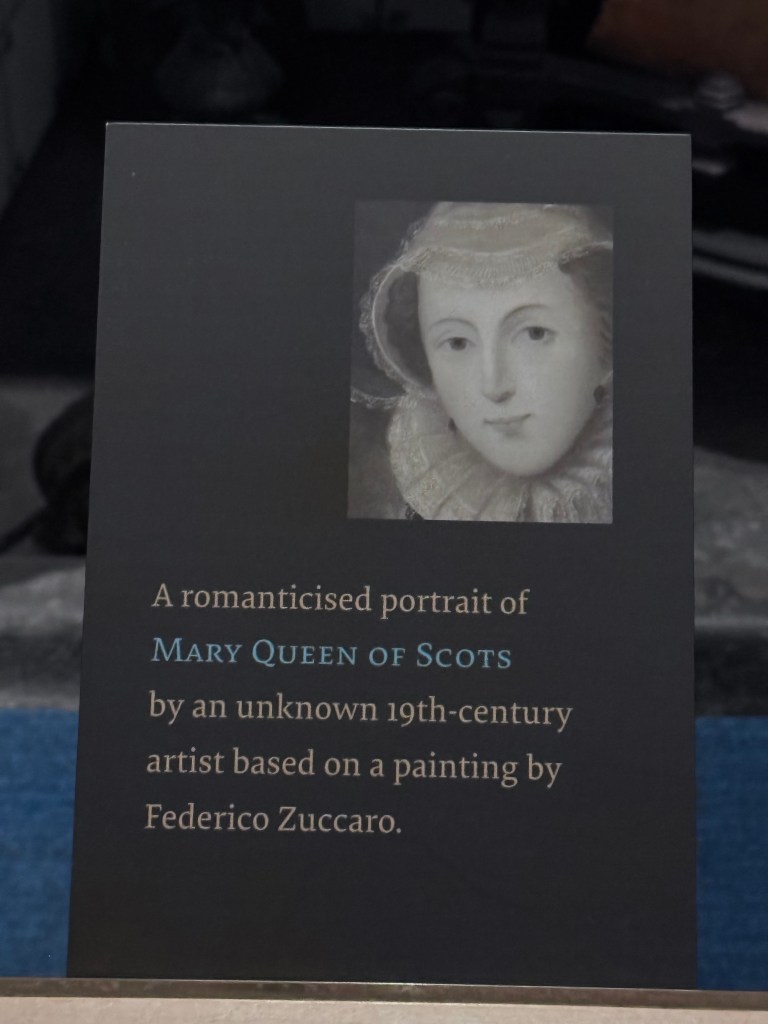
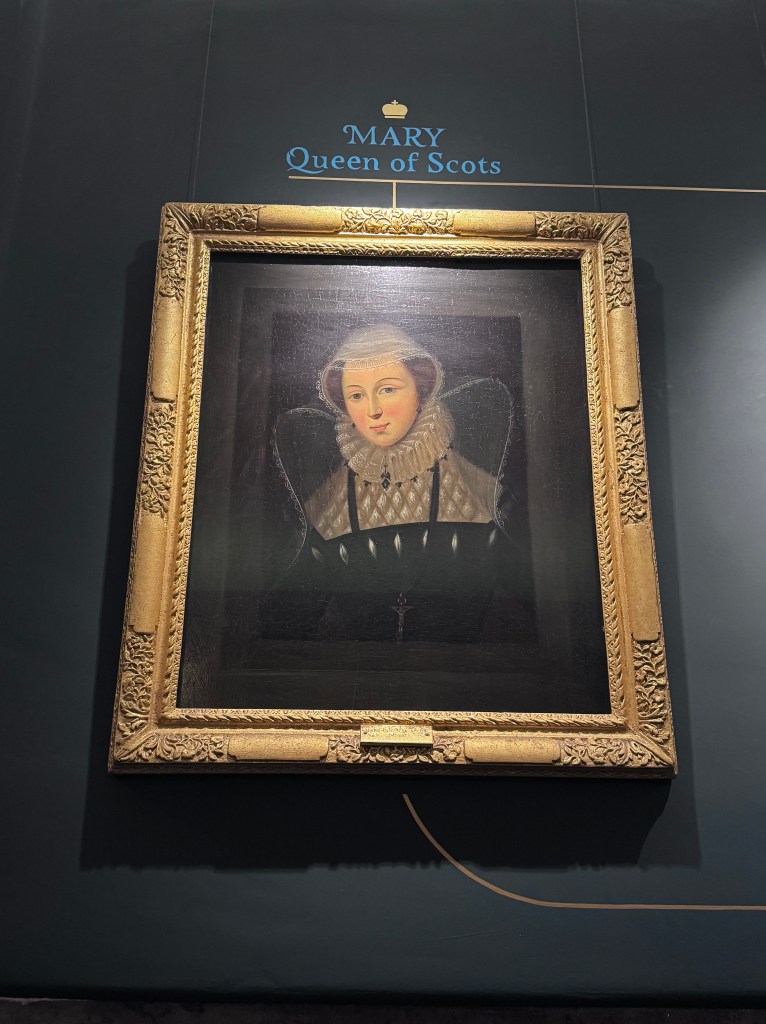
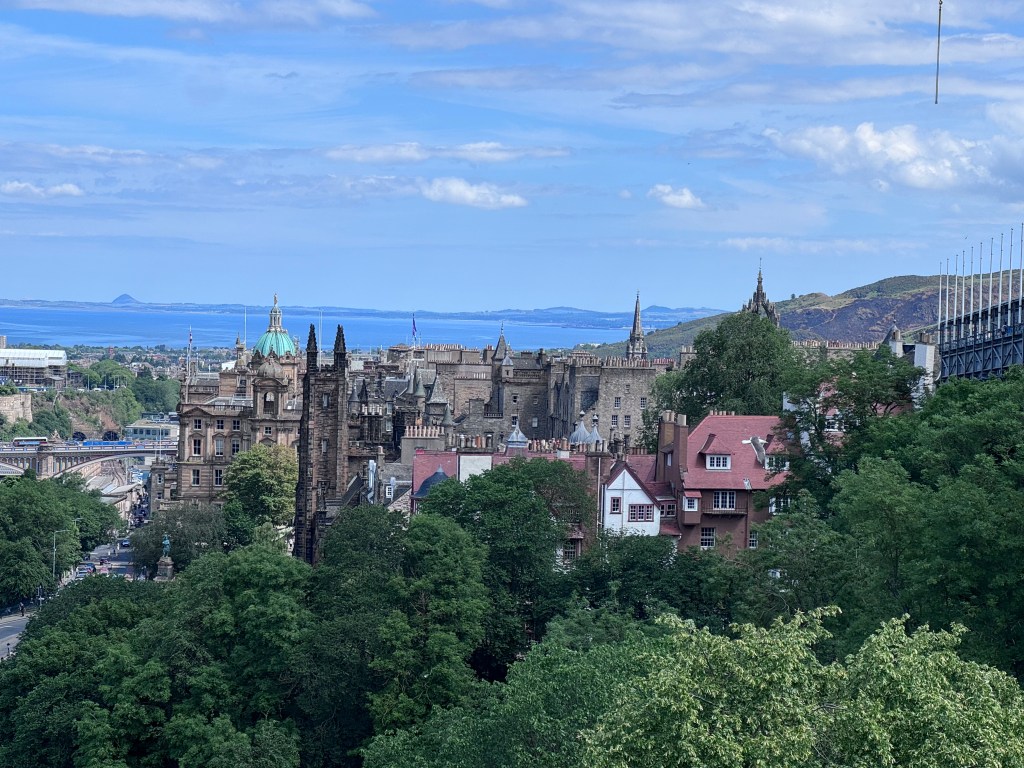
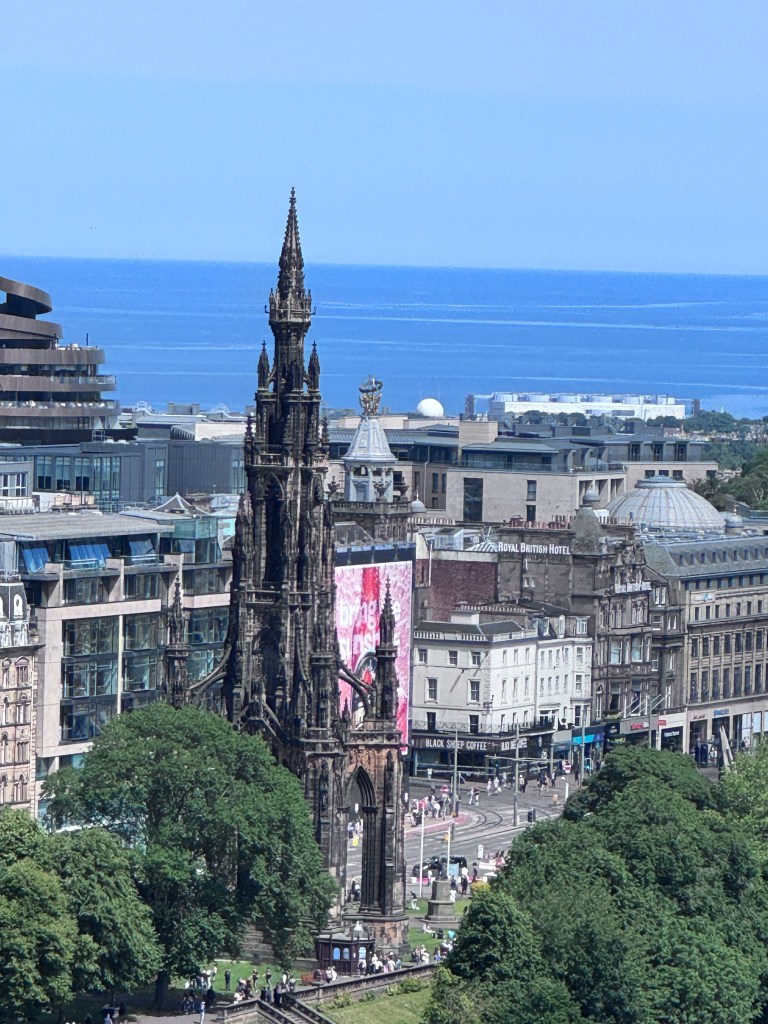
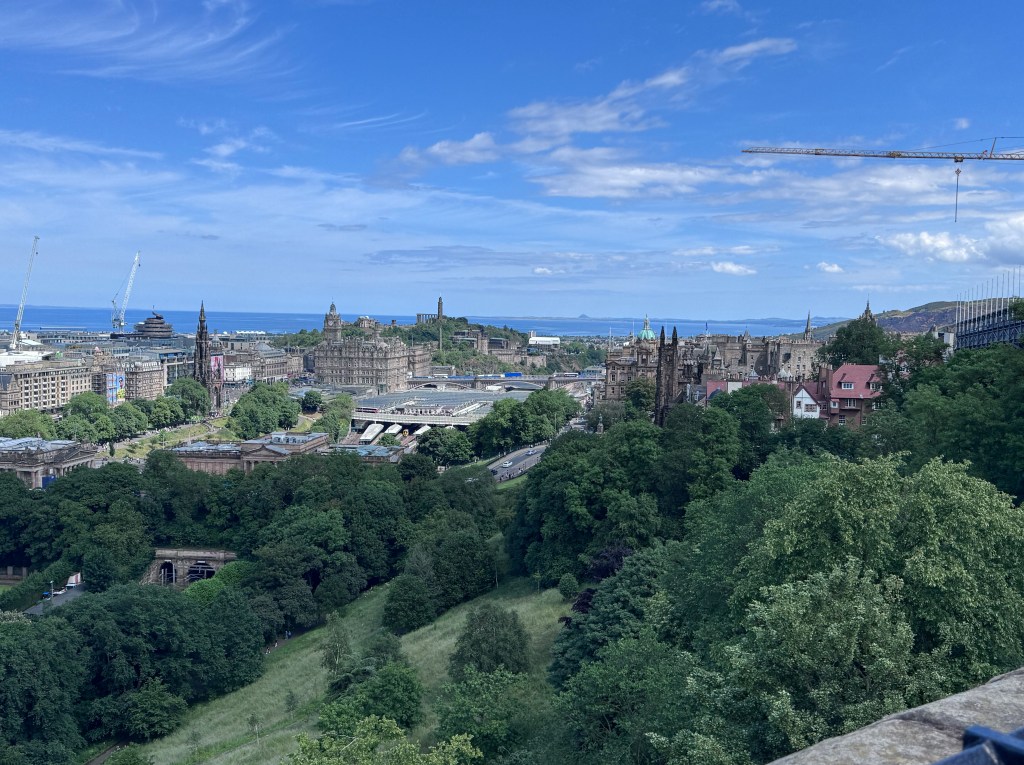
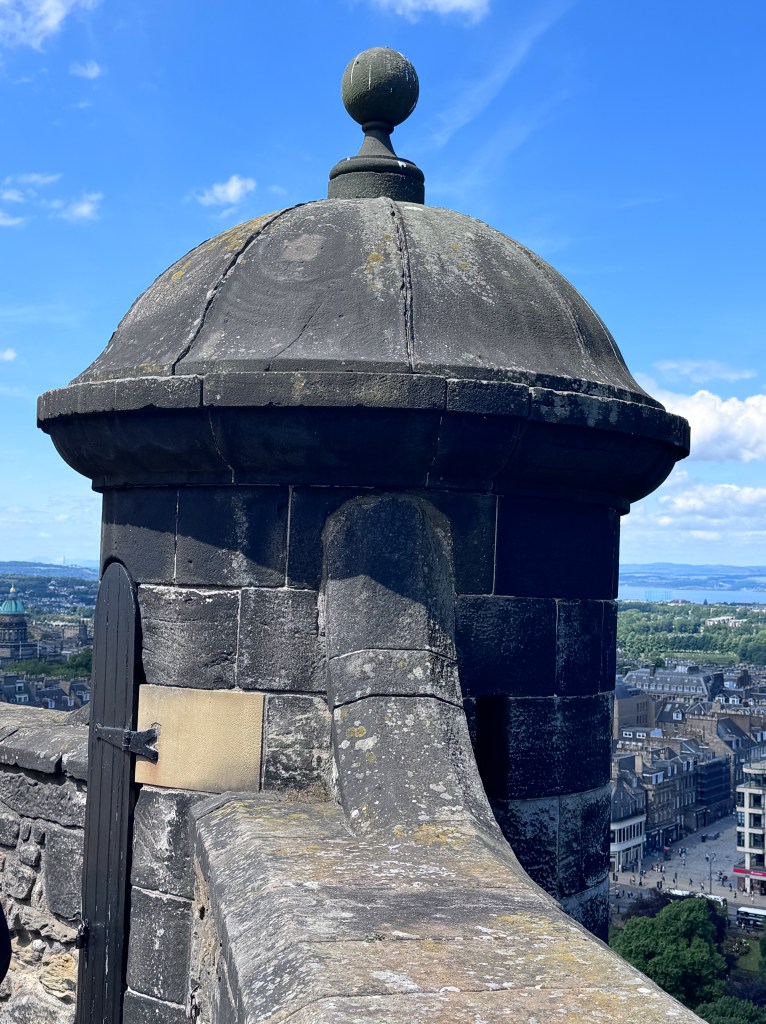
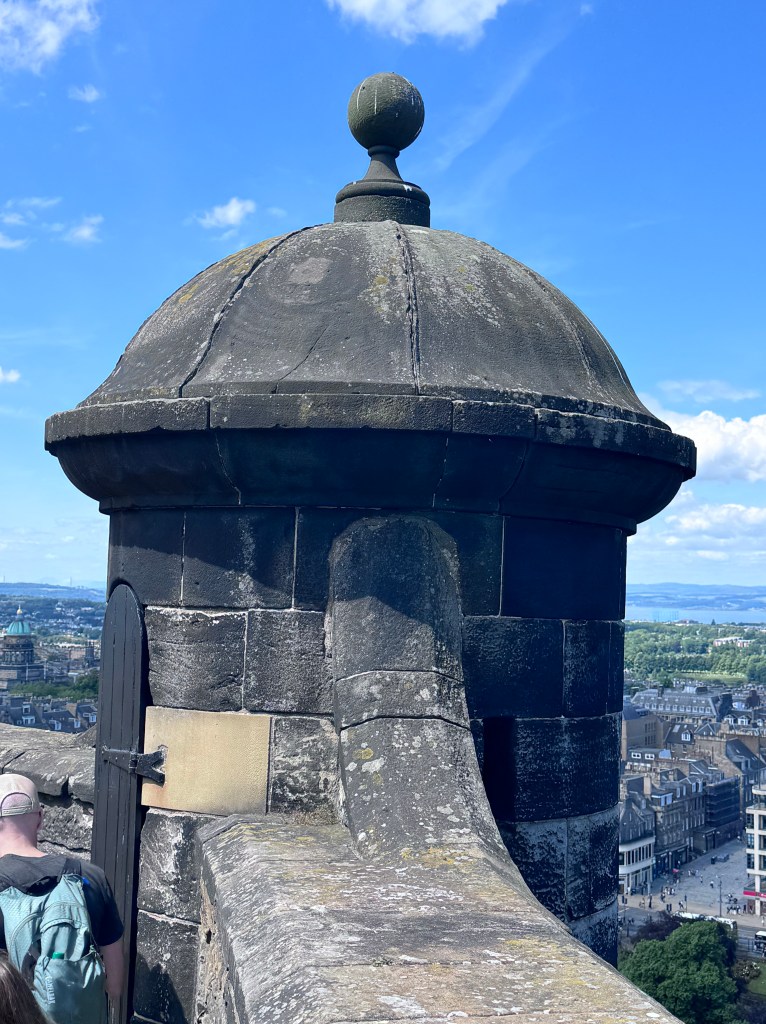
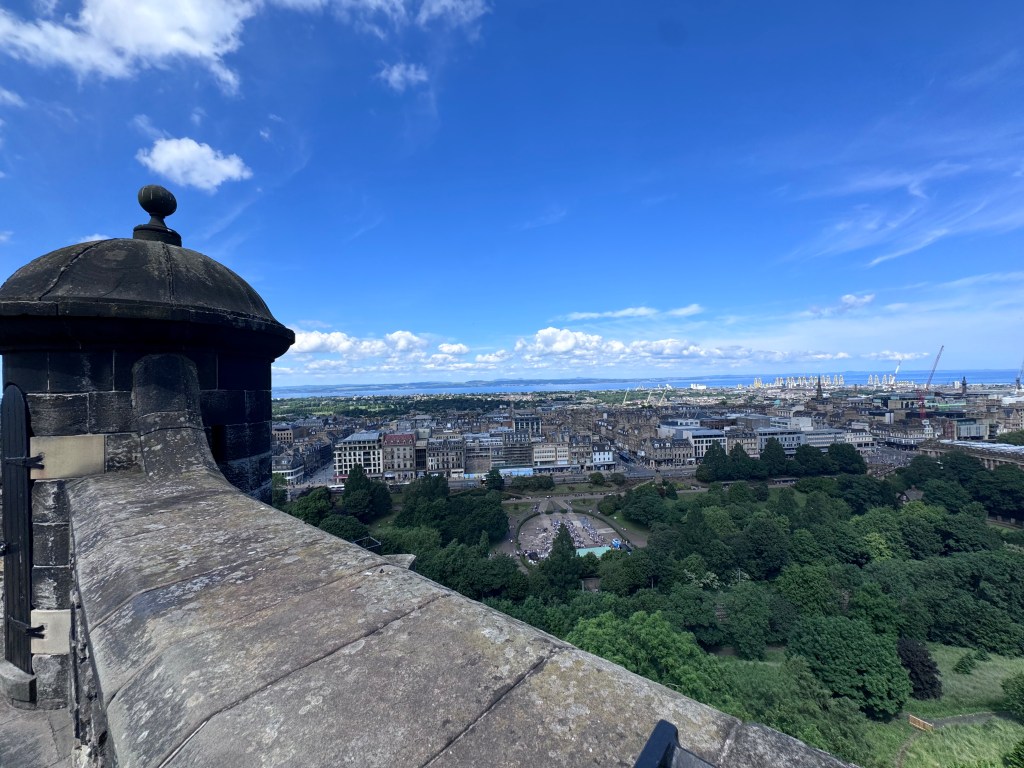
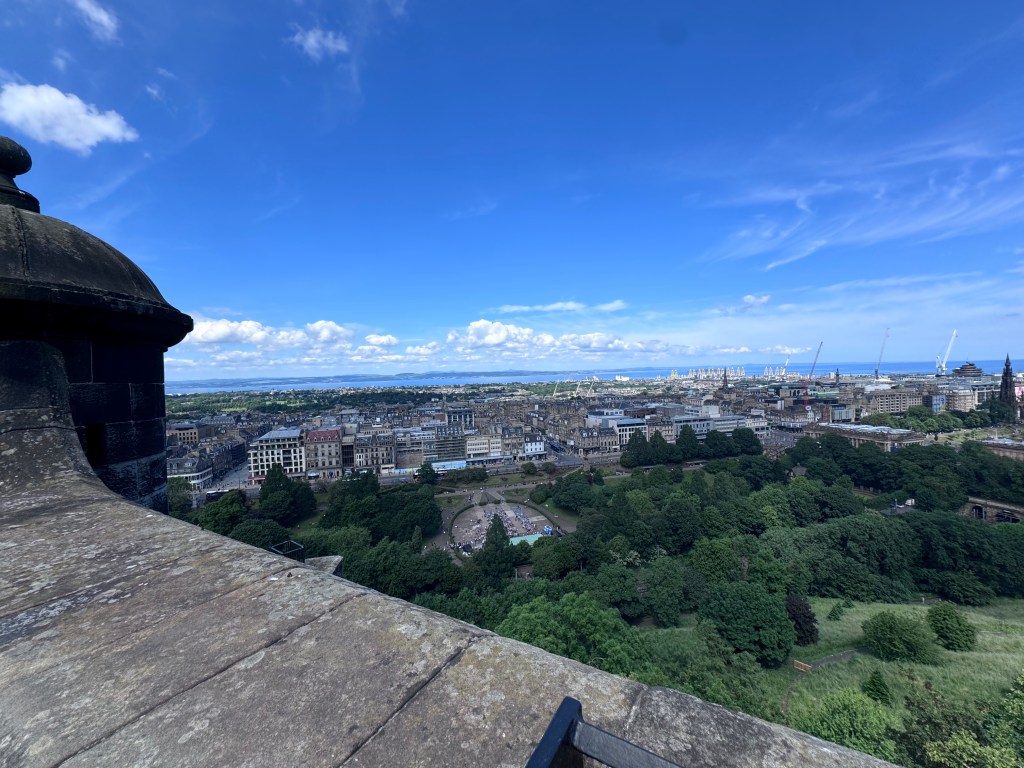
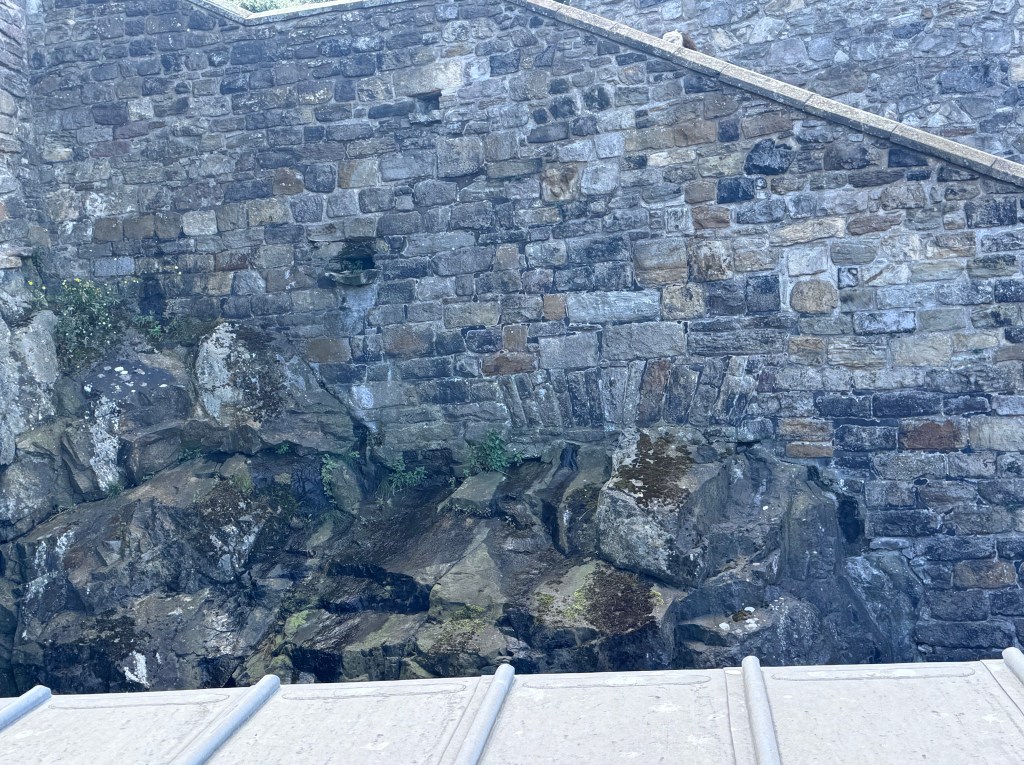
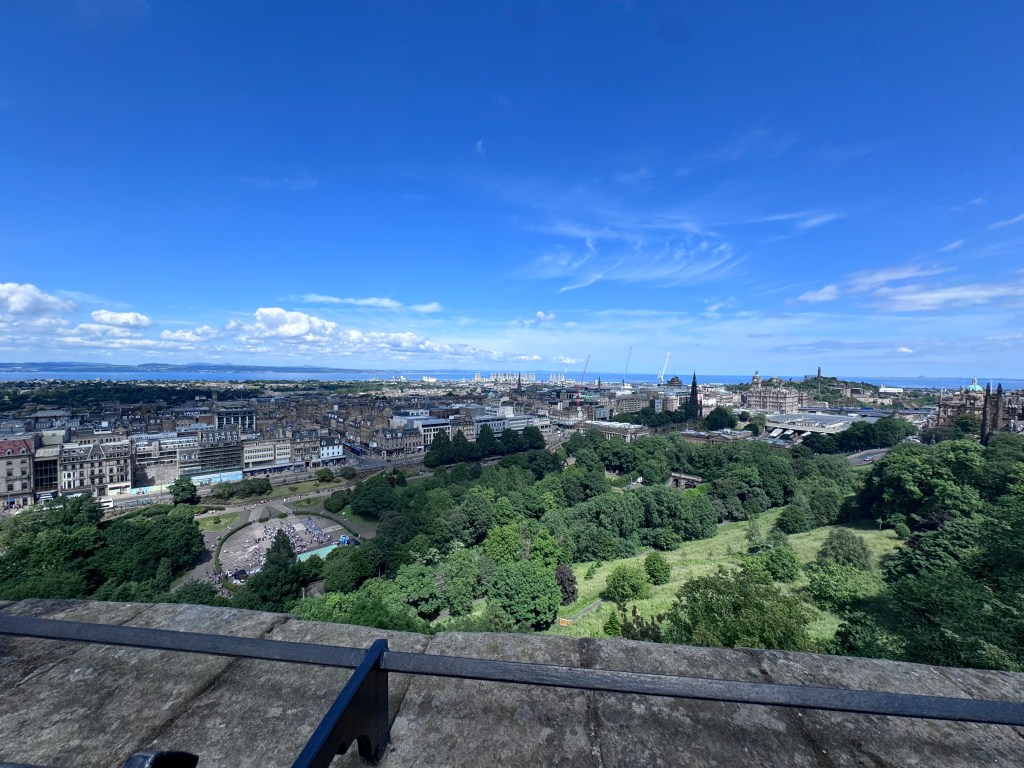
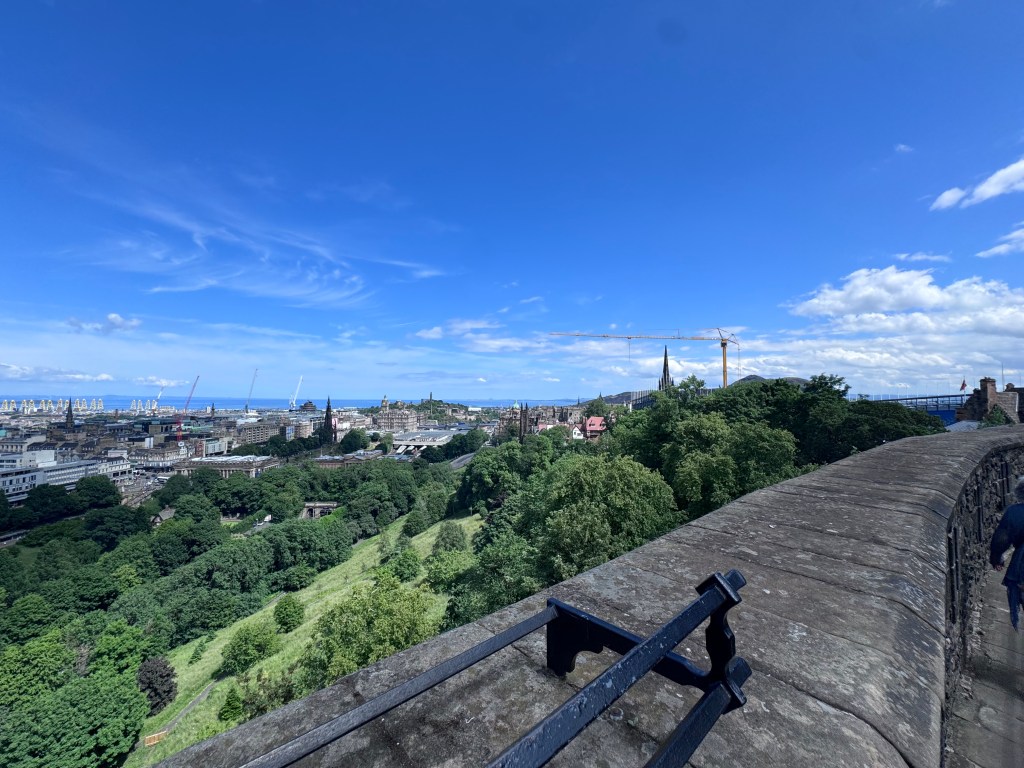
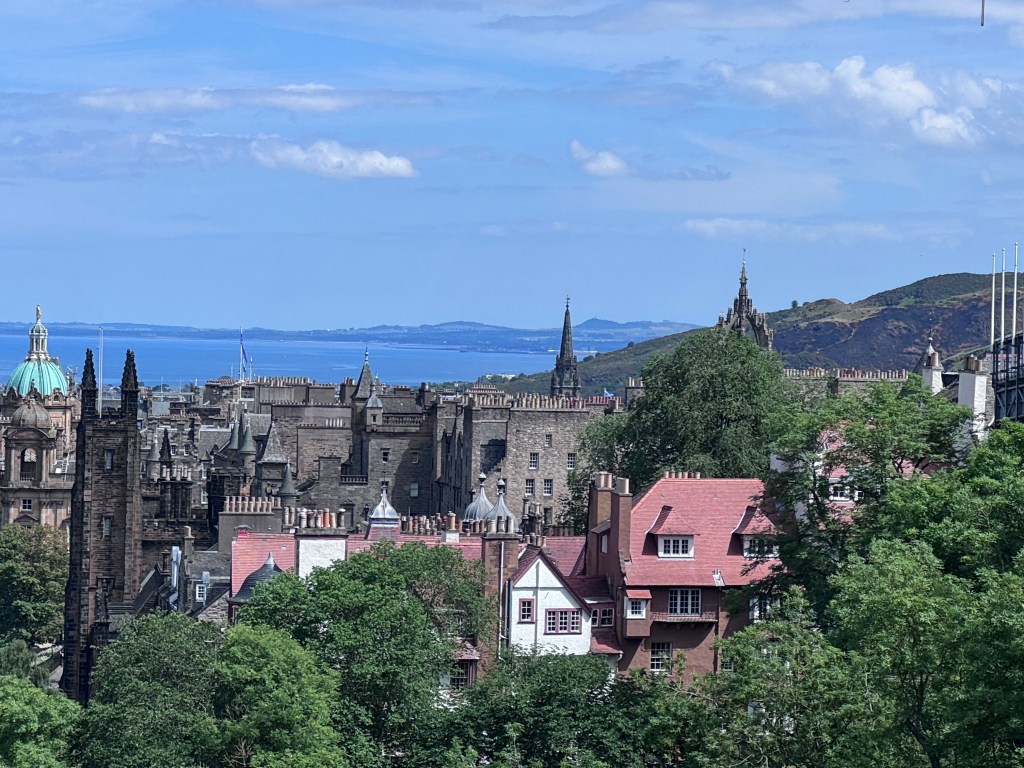
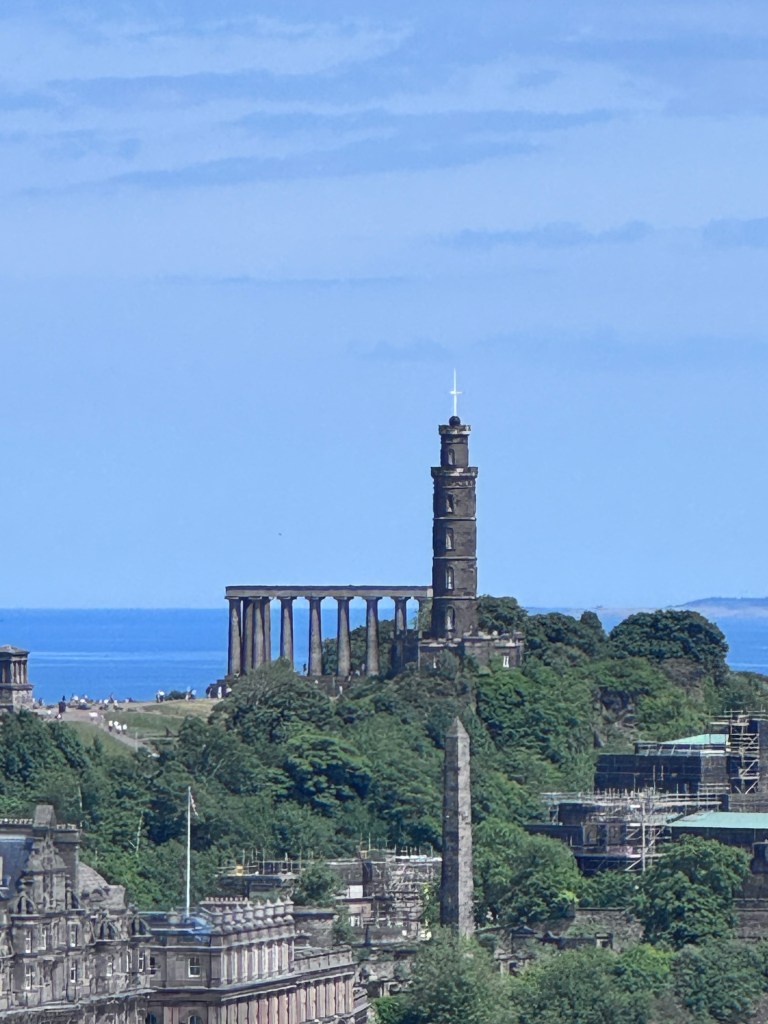
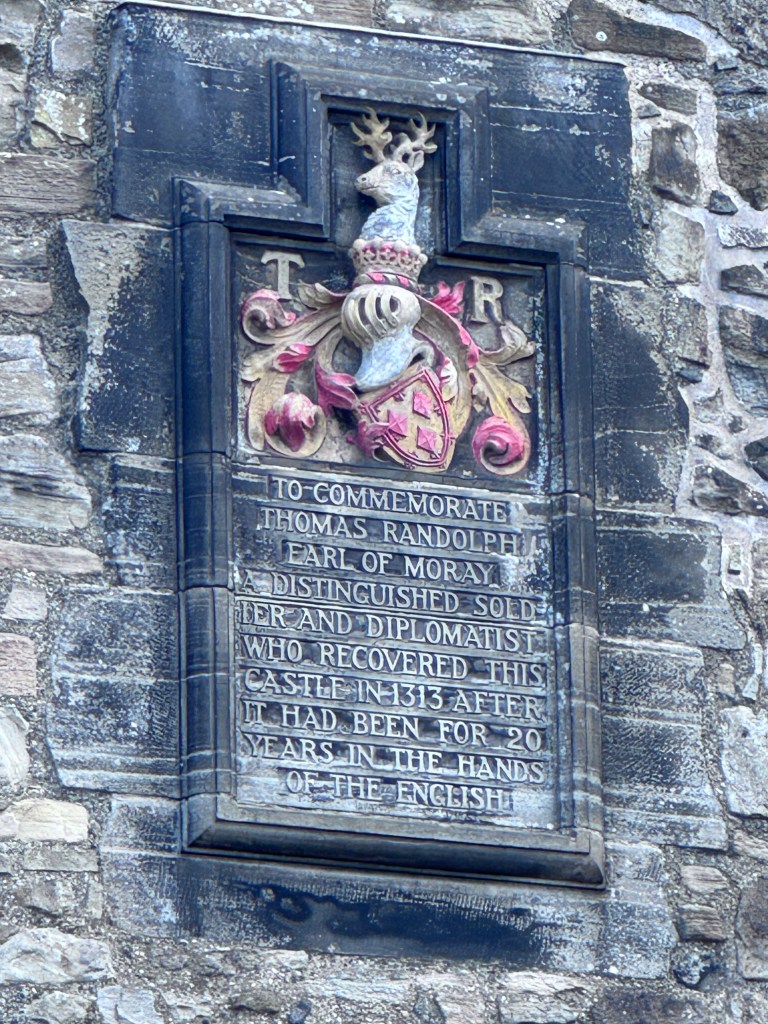
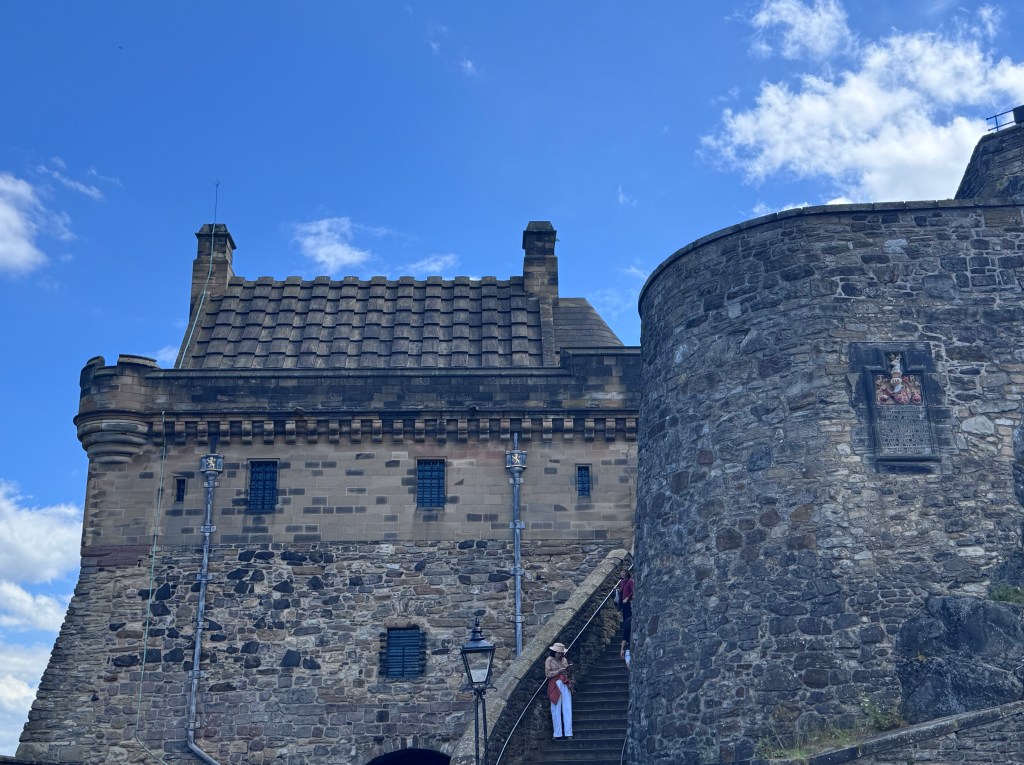
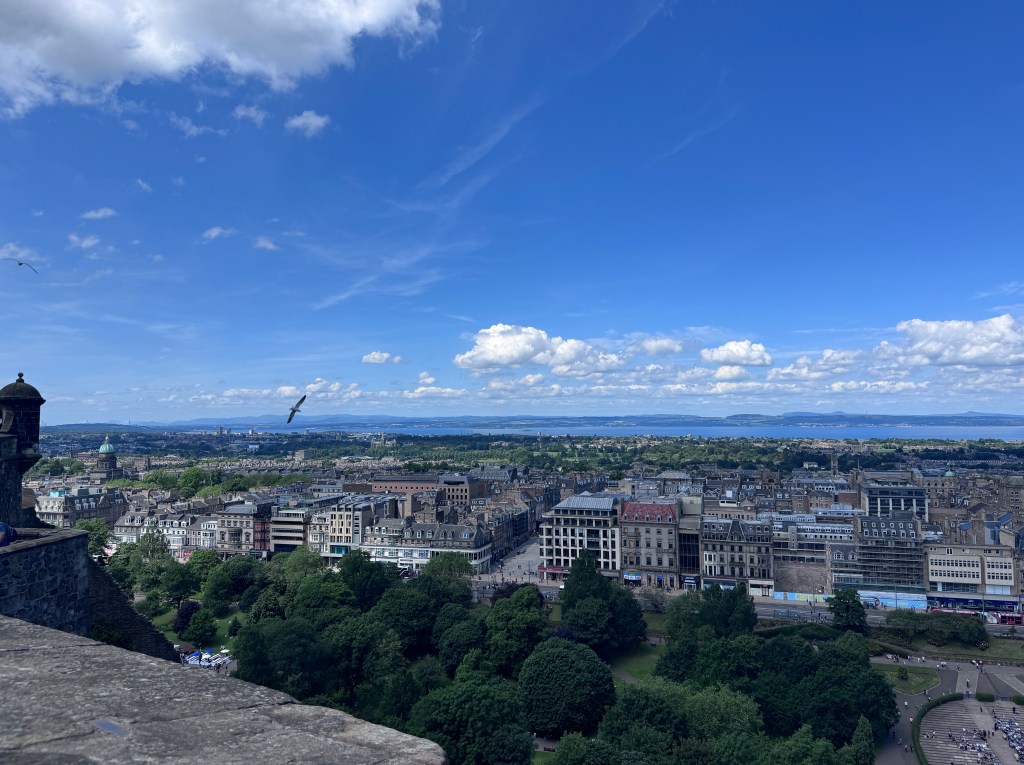
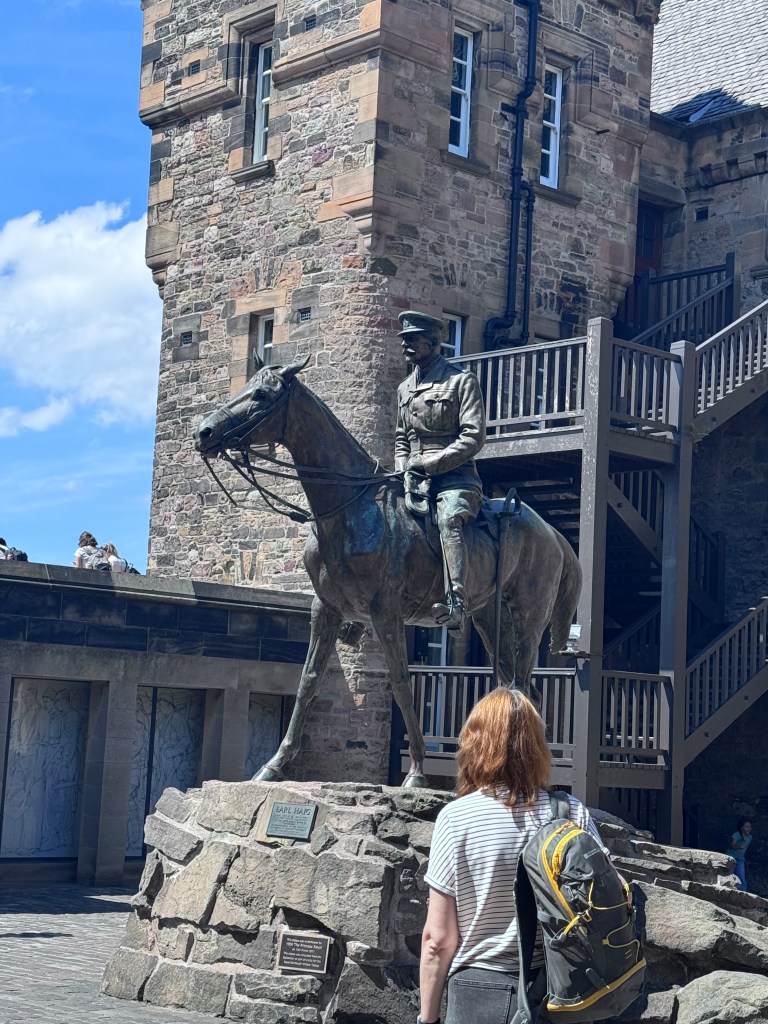
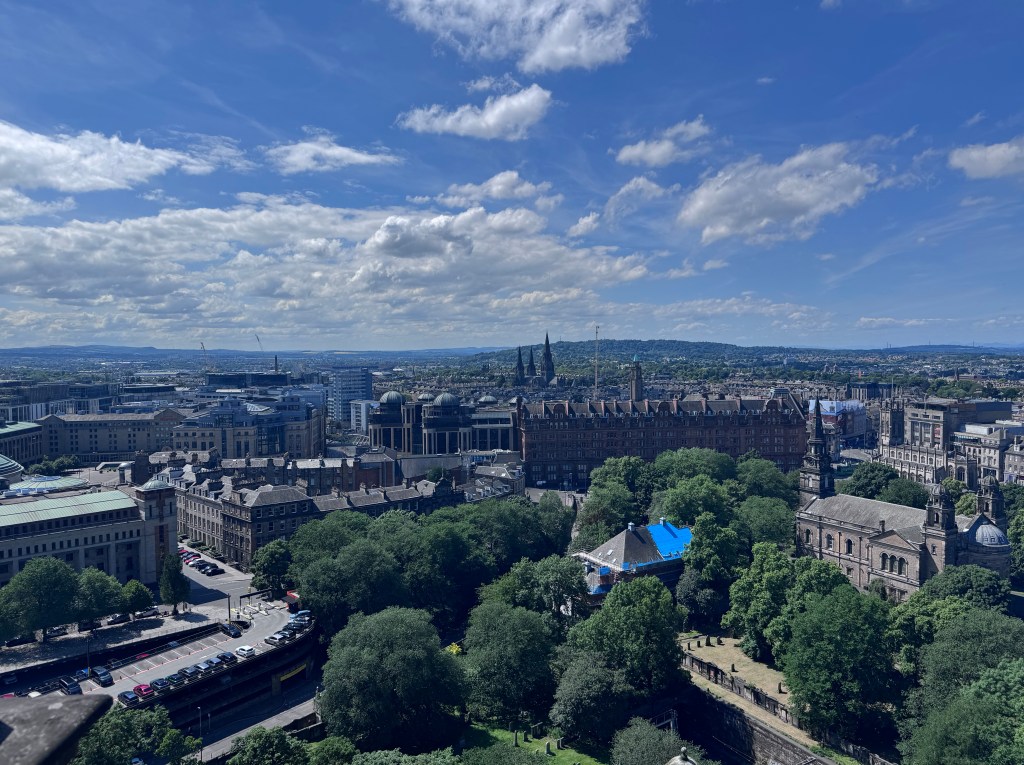
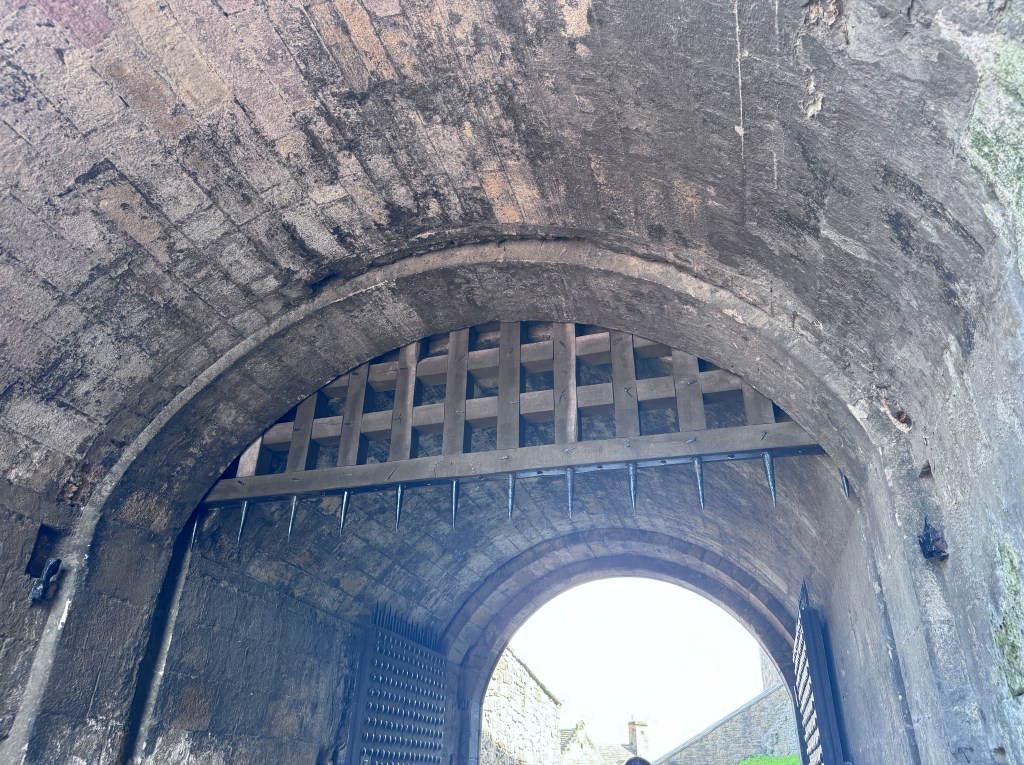
Perched atop an extinct volcano, Edinburgh Castle has watched over Scotland for nearly 900 years. It has served as a royal residence, military fortress, prison, and symbol of Scottish independence. Some of Scotland’s most famous monarchs, including Mary, Queen of Scots, lived within its walls, and the castle has endured countless sieges throughout its remarkable history. Standing on its ancient stone walls while looking across the city, it is easy to understand why this fortress has become one of Scotland’s most recognizable landmarks.

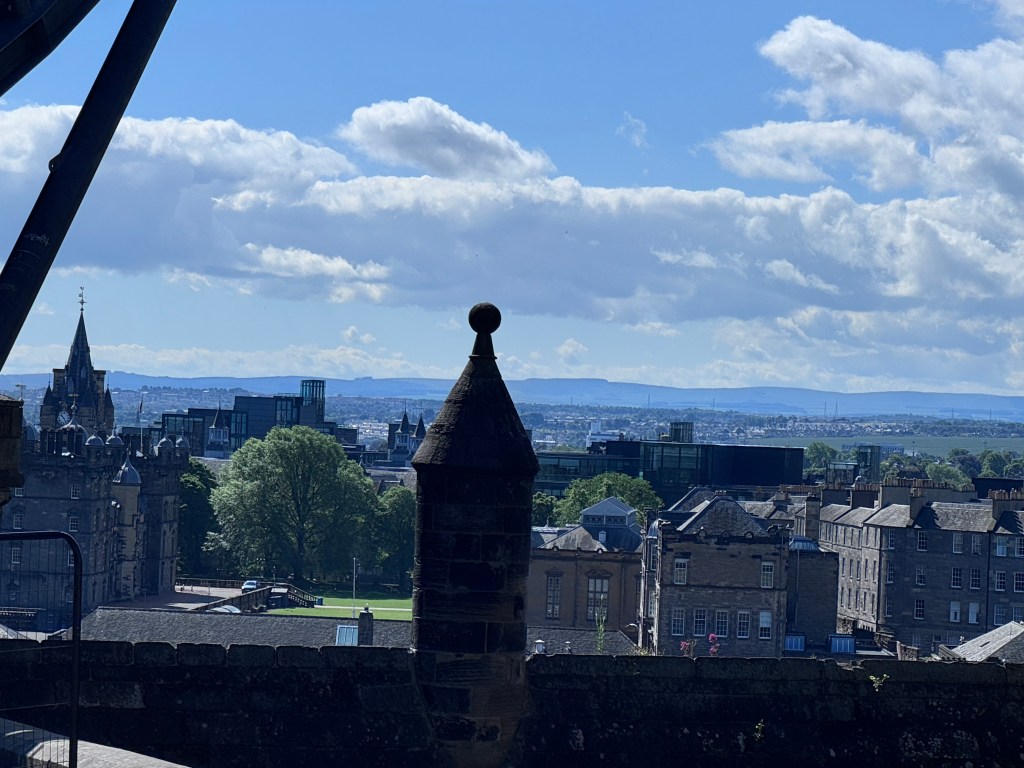
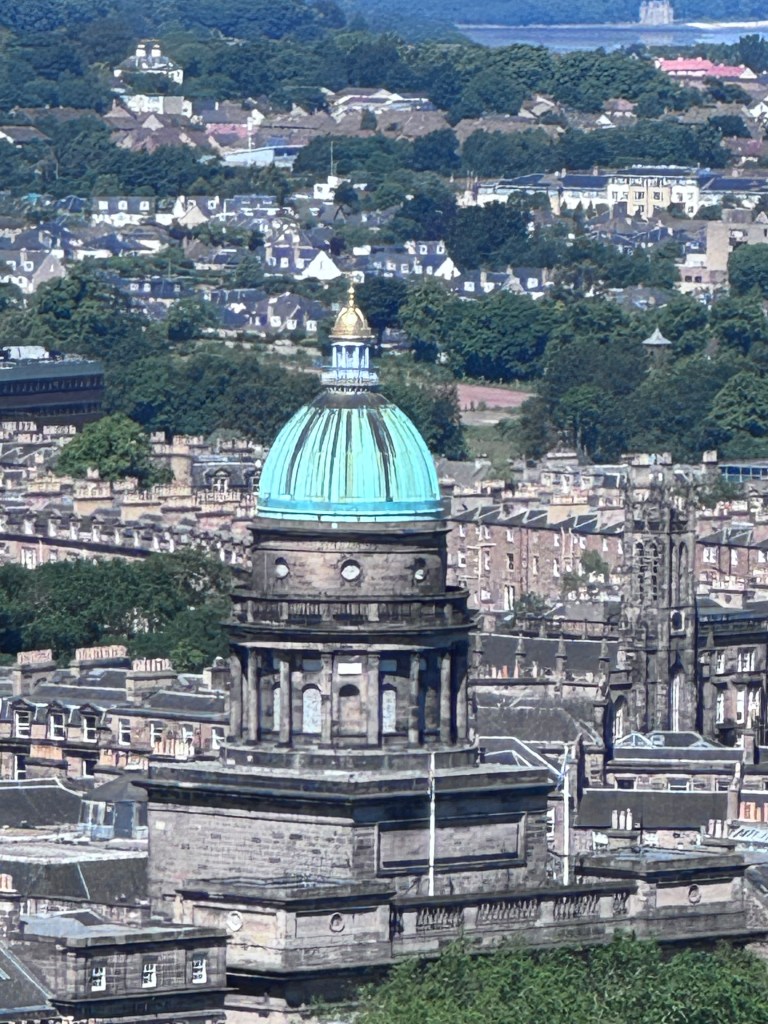
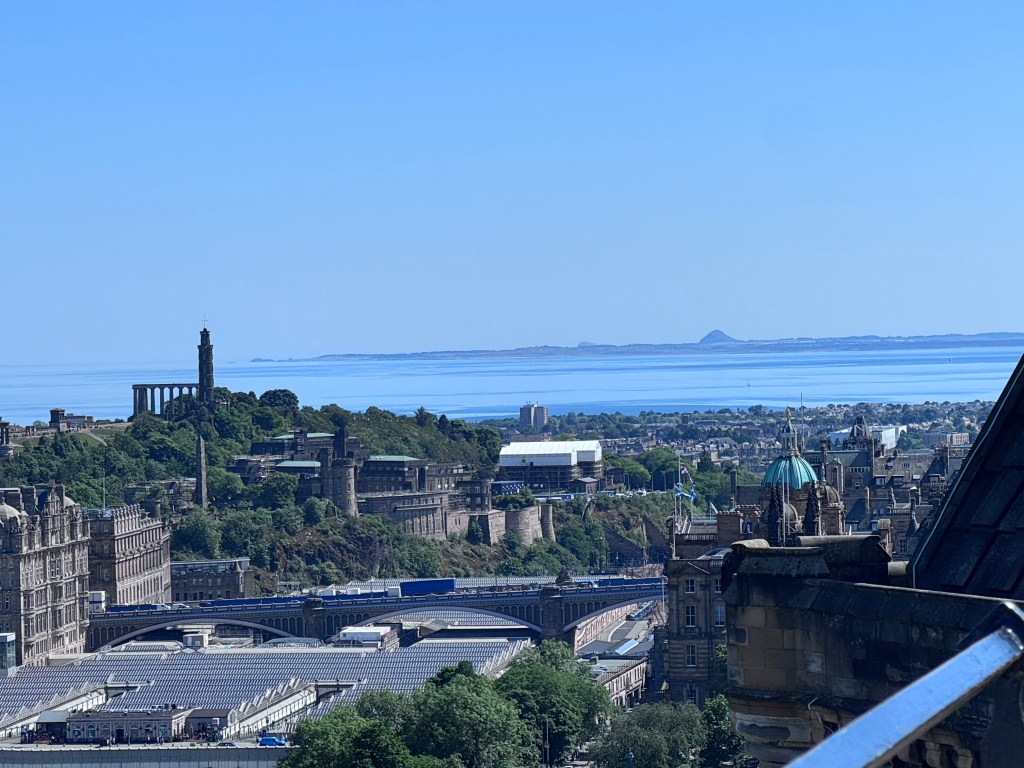
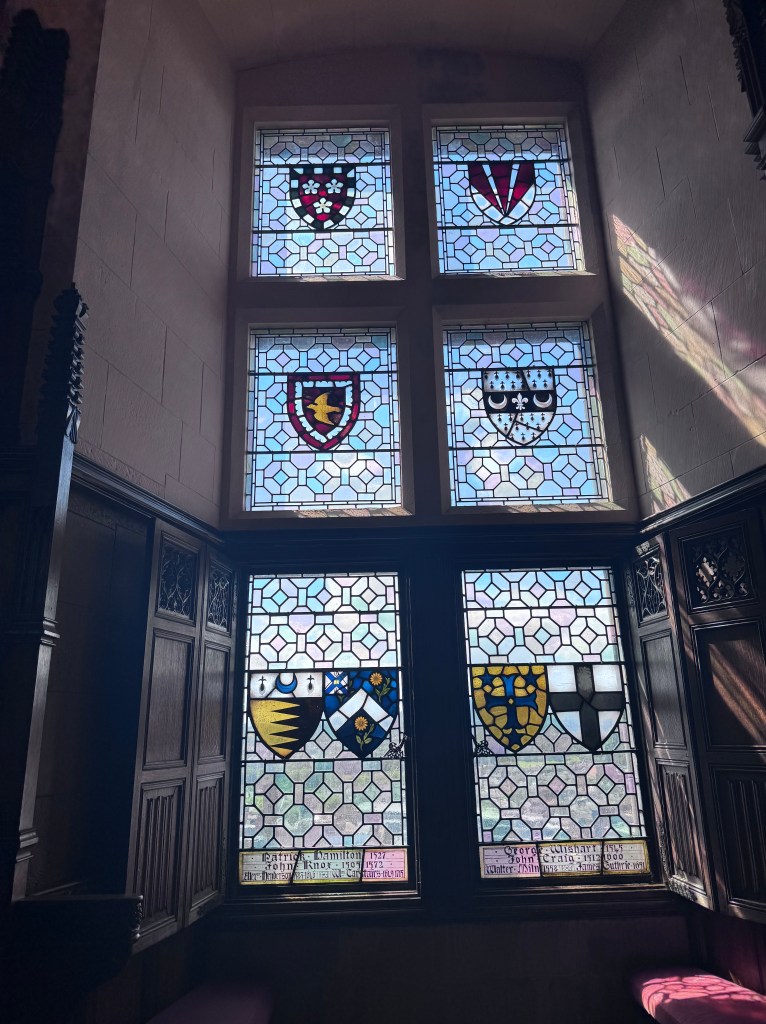
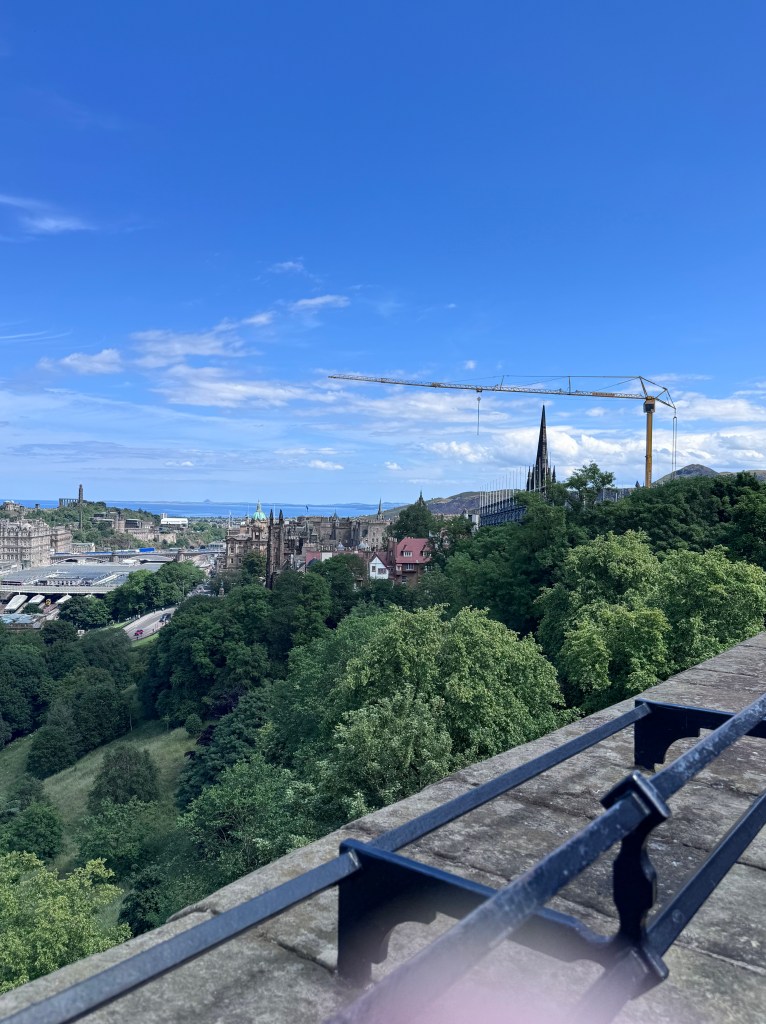
The castle itself is spread across four different levels, each filled with fascinating buildings, museums, monuments, and breathtaking viewpoints overlooking Edinburgh. Everywhere we turned there seemed to be another incredible view of the city below. The architecture and engineering of the fortress are simply remarkable.

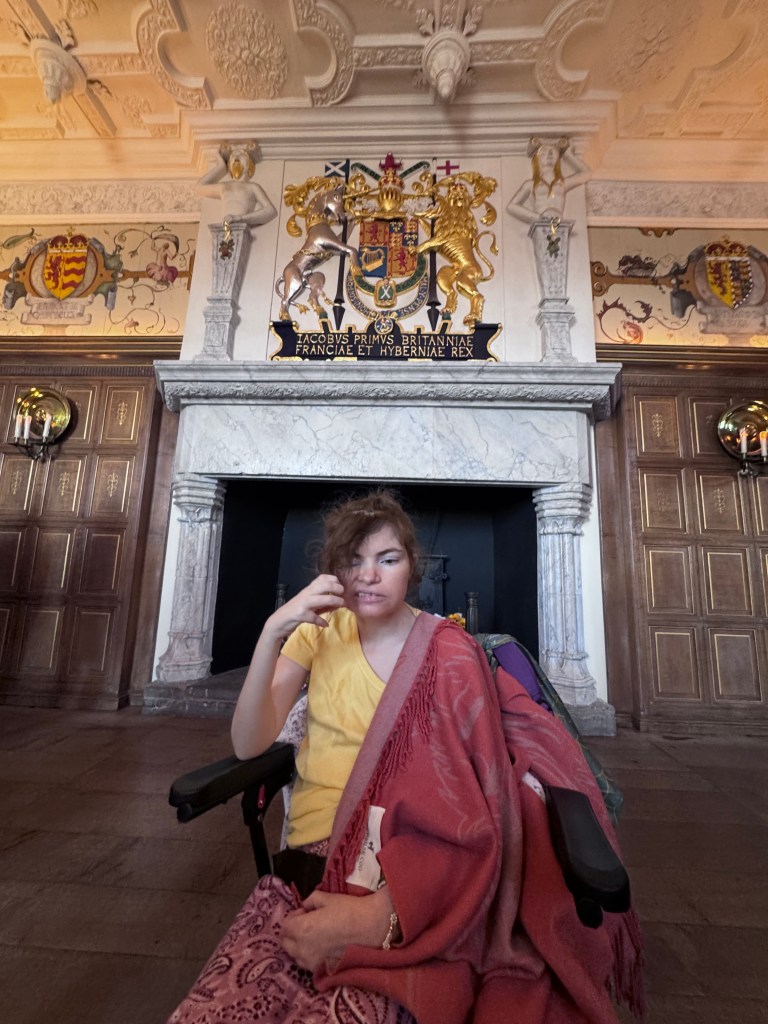
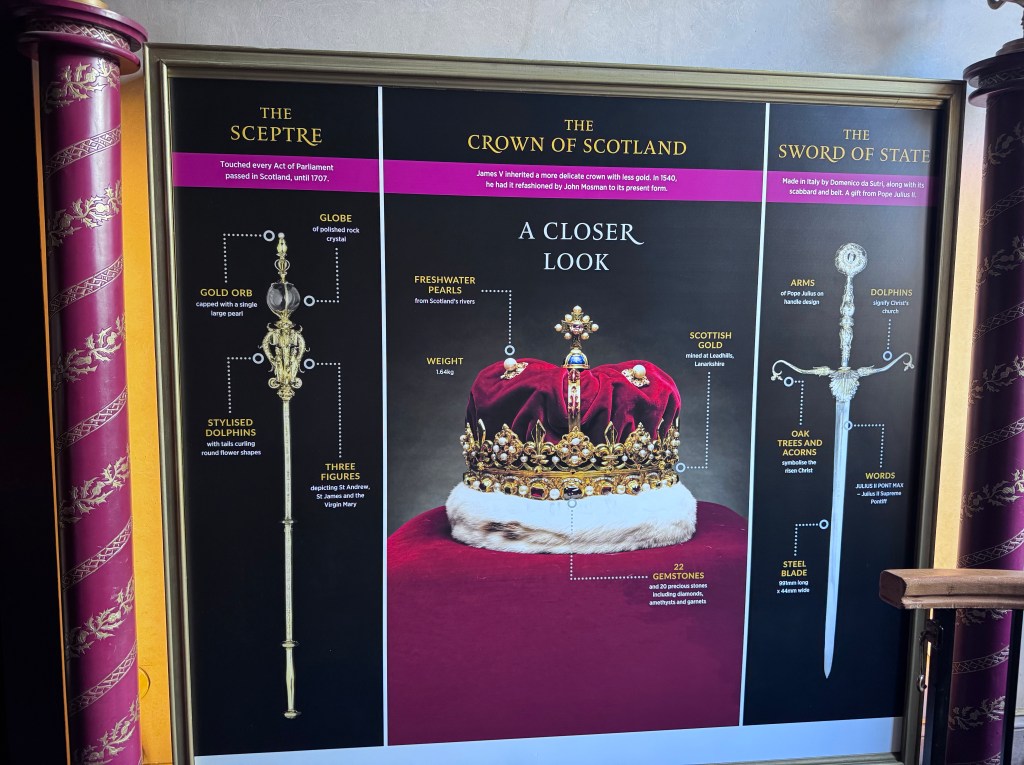
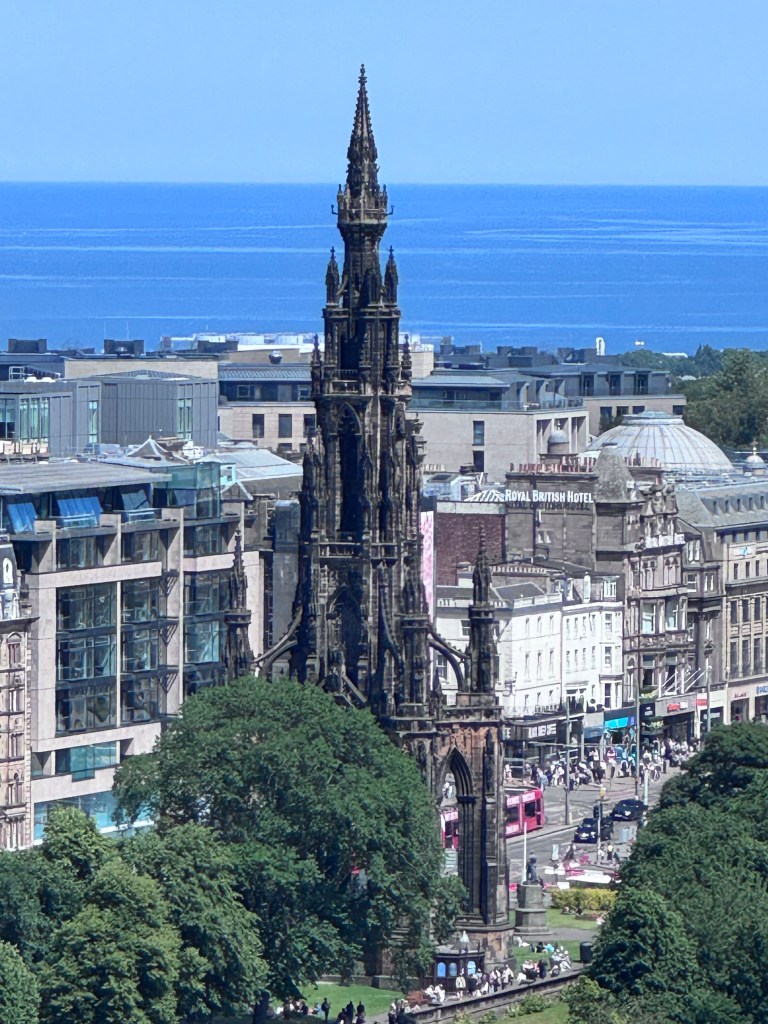
One place we absolutely wanted to visit was the Crown Room to see the Honours of Scotland—the Crown, Sceptre, and Sword of State. These are the oldest Crown Jewels in Britain and remain priceless symbols of Scotland’s history. The gold crown, adorned with precious gems, was created for King James V and first worn in 1540. Mary, Queen of Scots, became the first monarch to be crowned using both the crown and sceptre together in 1543. During Oliver Cromwell’s invasion, the Honours were secretly hidden to keep them from falling into enemy hands. After the 1707 Act of Union, they were locked away and forgotten until the famous author Sir Walter Scott rediscovered them in 1818.

There was an enormous line waiting to enter the Crown Room, but once again accessibility made all the difference. We were told to find a staff member wearing a black shirt and name tag. Because Kiya uses a wheelchair and could not navigate the stairs, they escorted us to an elevator that brought us directly behind the Crown Jewels exhibit. We were able to take our time, quietly admire the treasures without feeling rushed, and then they escorted us back down the lift.

No matter how many words I try to use, they simply don’t do justice to what we saw. The crown and sceptre were mind-blowingly beautiful—majestic, exquisite, and unlike anything I have ever seen. The brilliance of the jewels, the rich colors, and the incredible craftsmanship made them feel almost unreal. It was one of those moments that photographs simply cannot capture. I feel incredibly fortunate to have seen them in person.

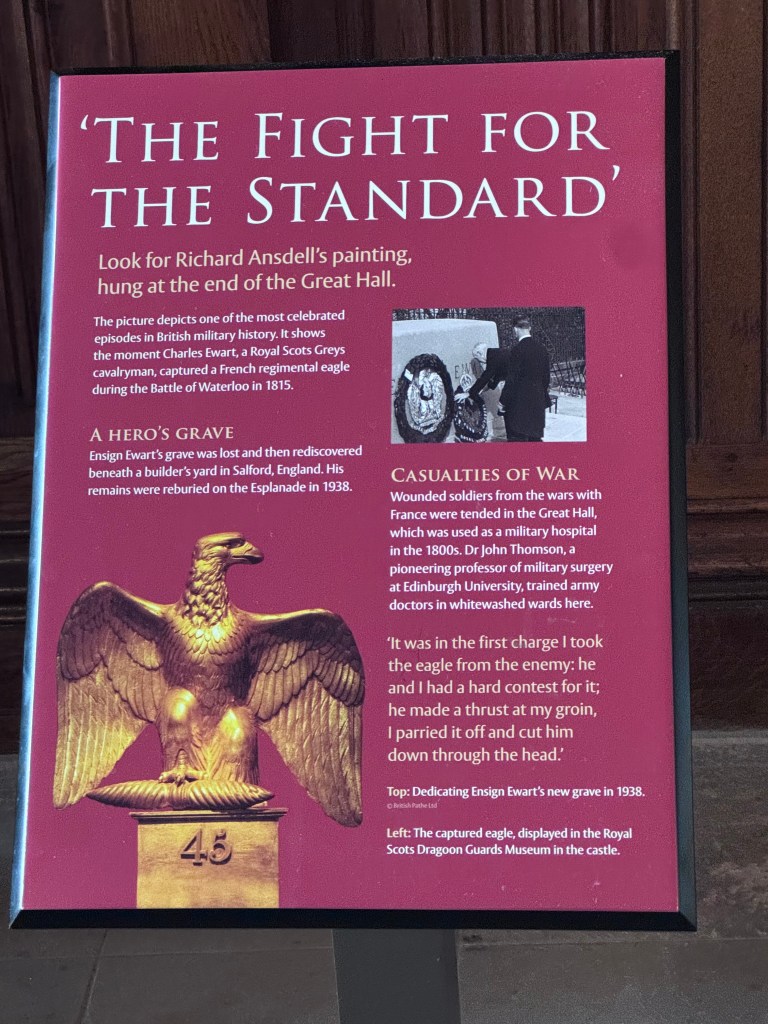
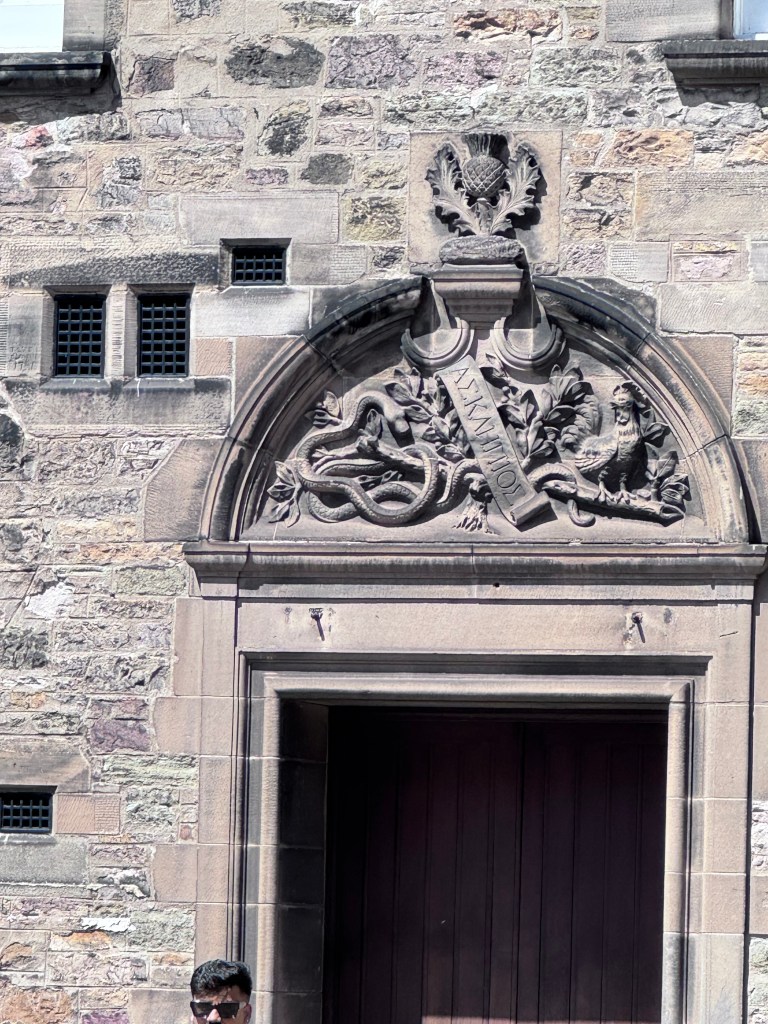
We continued wandering through the castle grounds, and Kiya had a wonderful day. We also visited the National War Museum of Scotland. It was filled with fascinating military history, although the close crowds inside made Kiya quickly decide she was ready to move on. Sometimes that’s just how traveling goes!
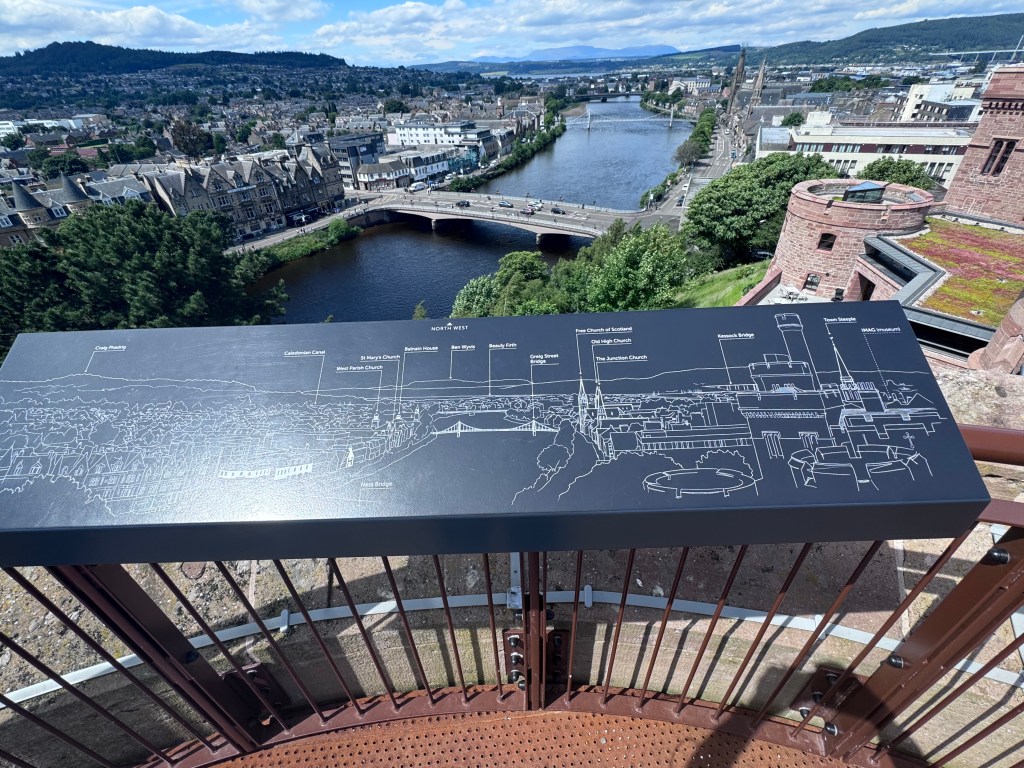
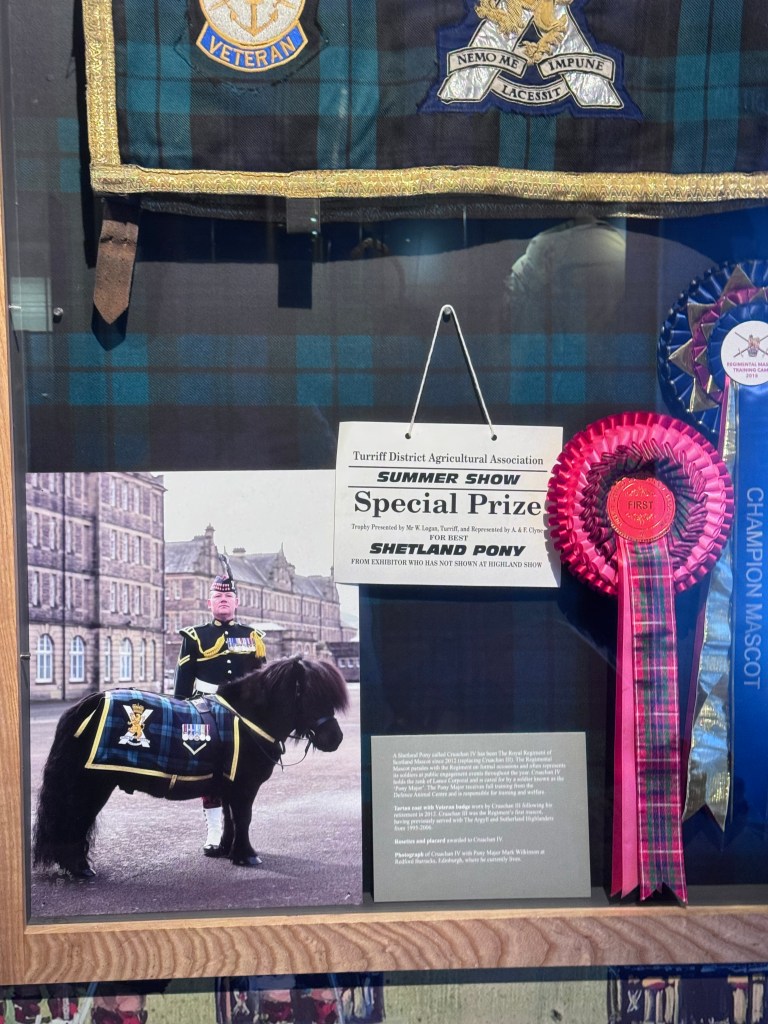
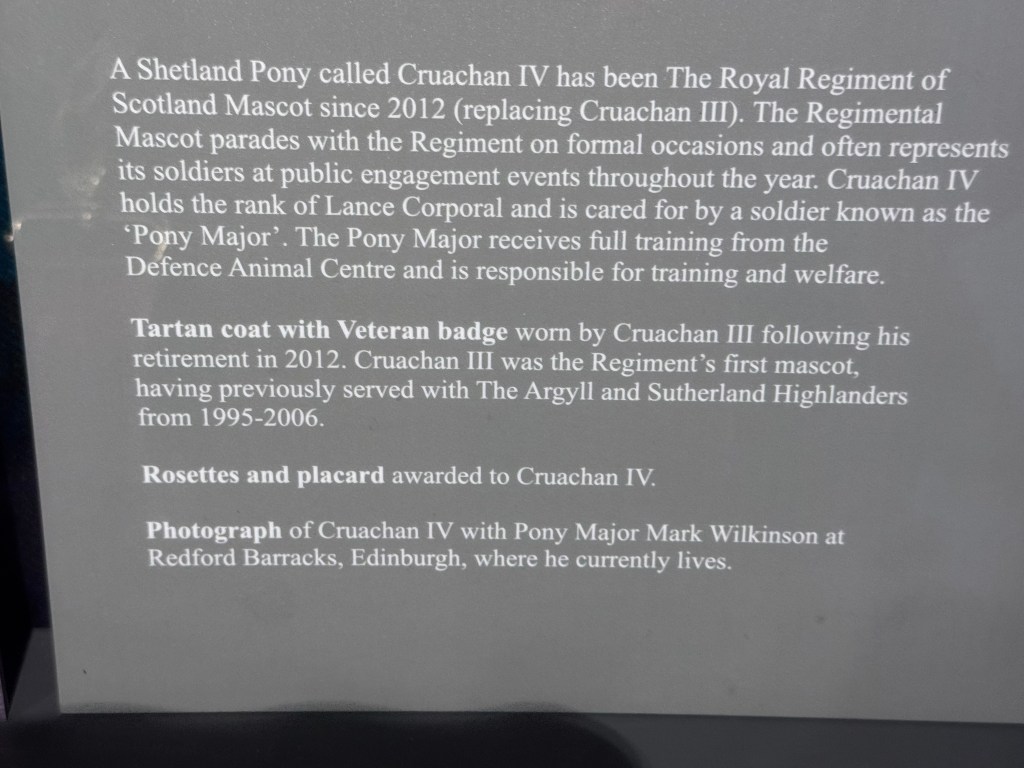
One fun surprise during my very quick walk through the museum was finding information about Sergeant Shetland, the miniature horse whose military service we had learned about while visiting Dundee. It was completely unexpected and made me smile to see another connection between our adventures across Scotland.
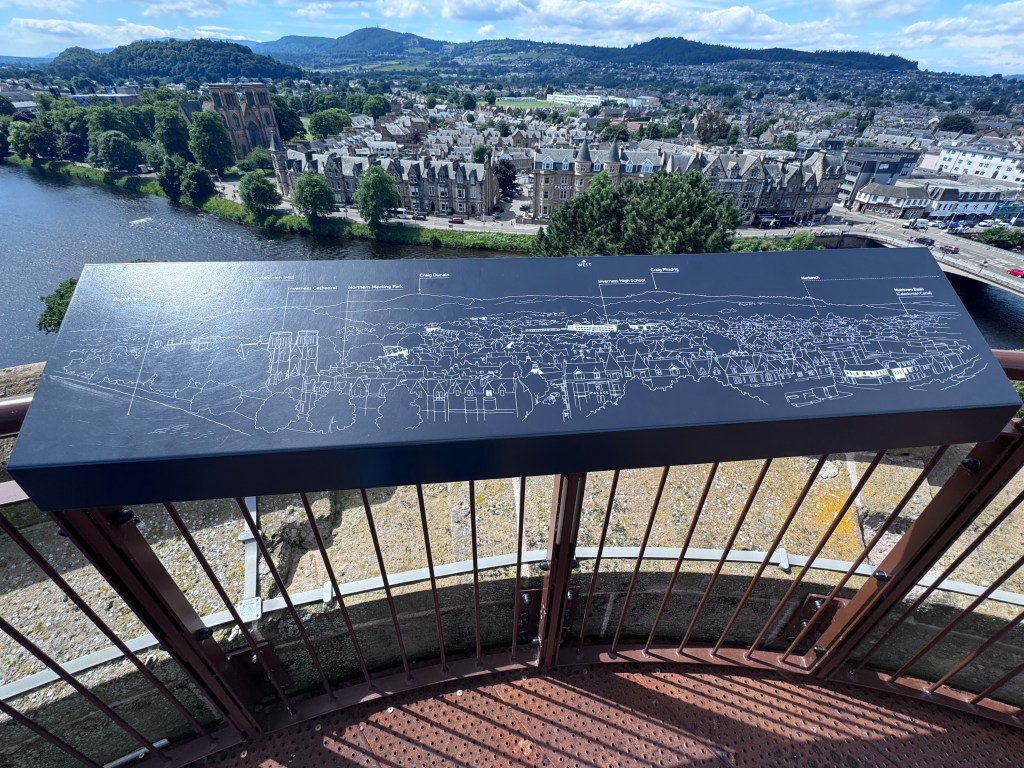
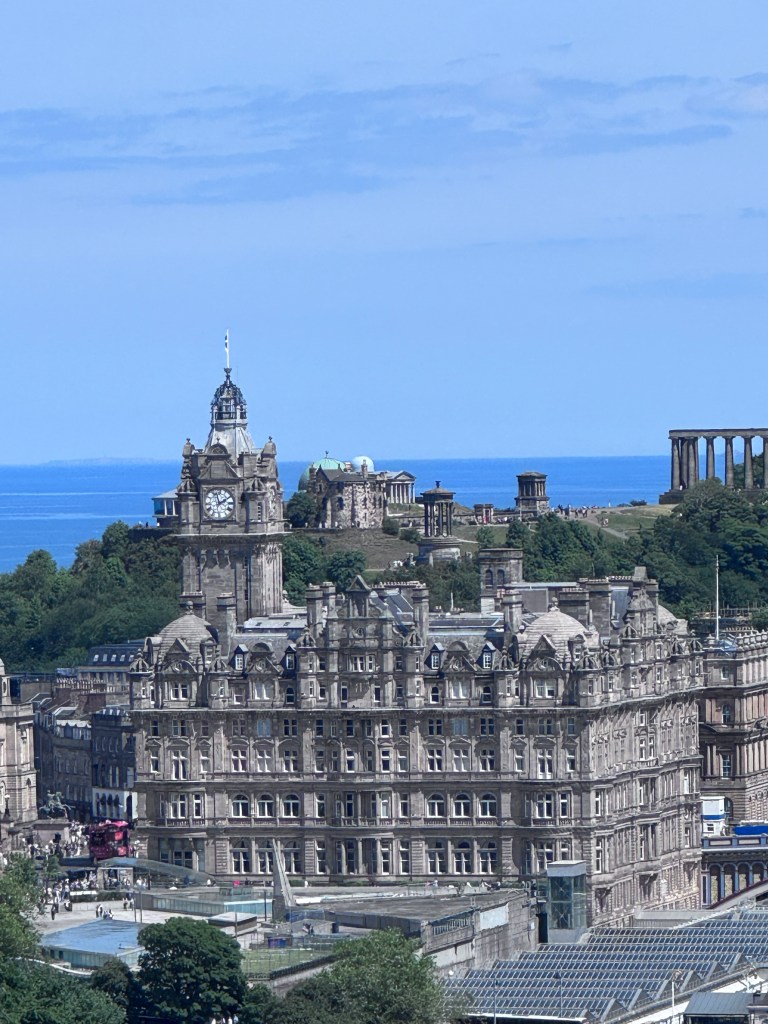
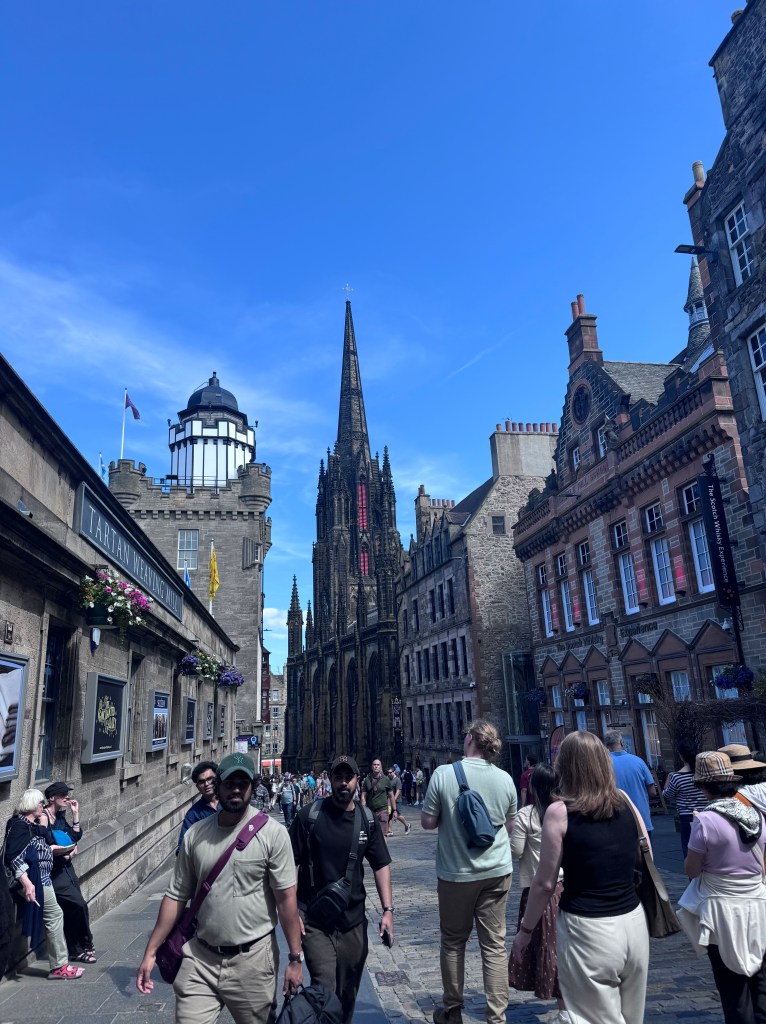
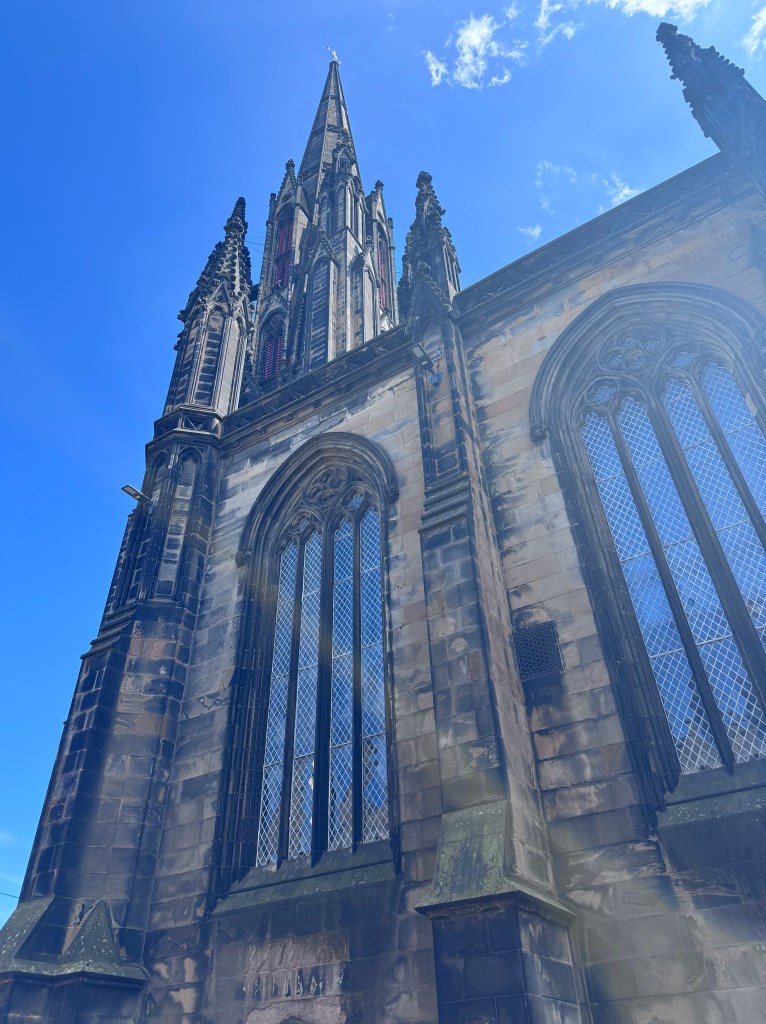
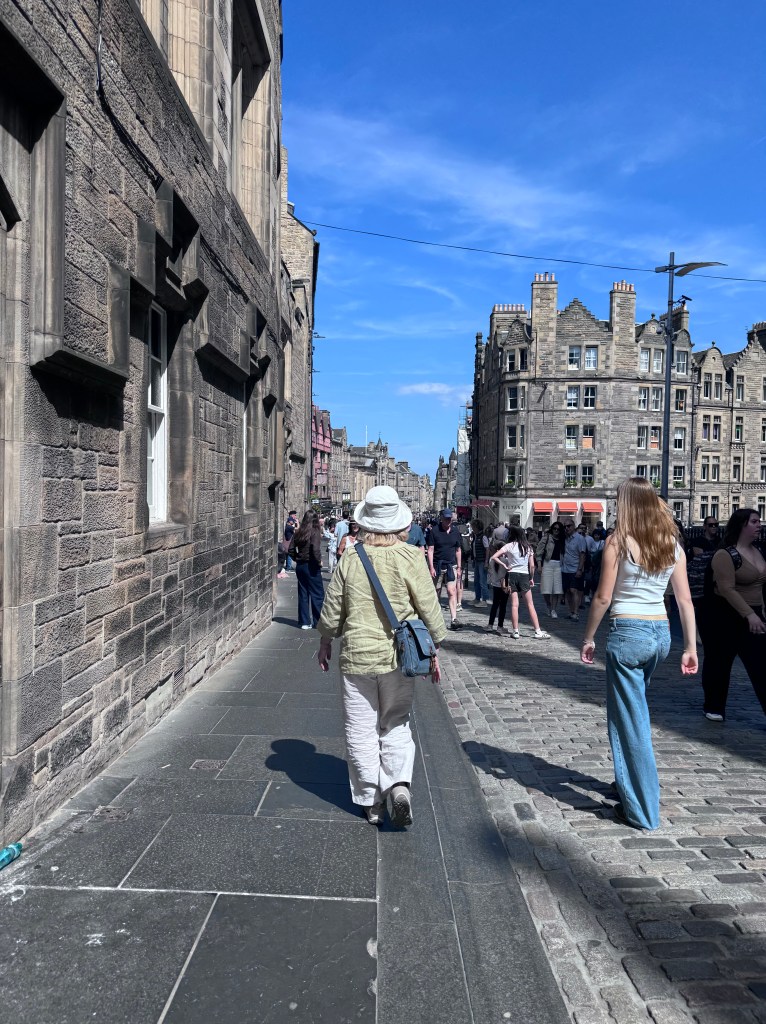
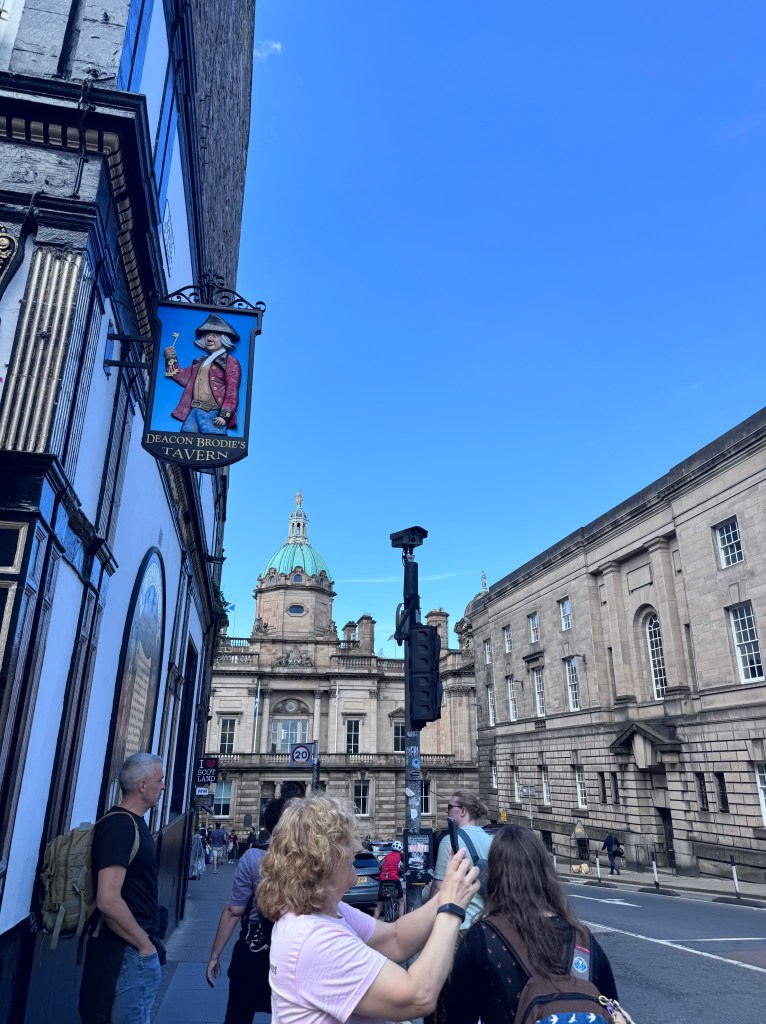
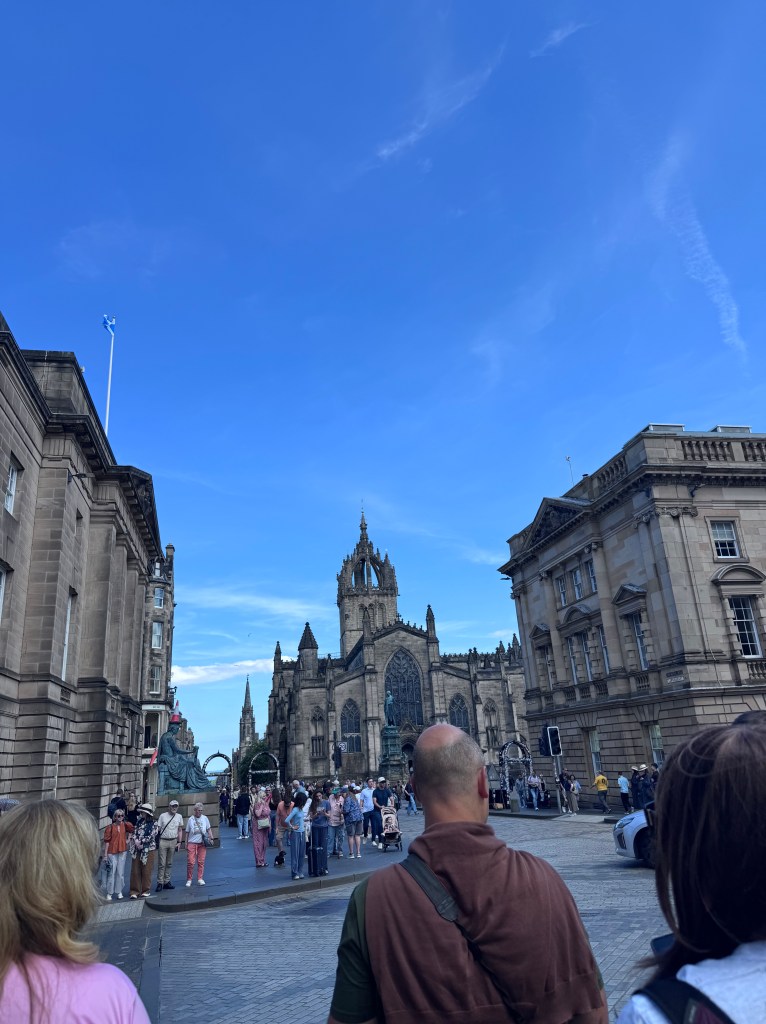
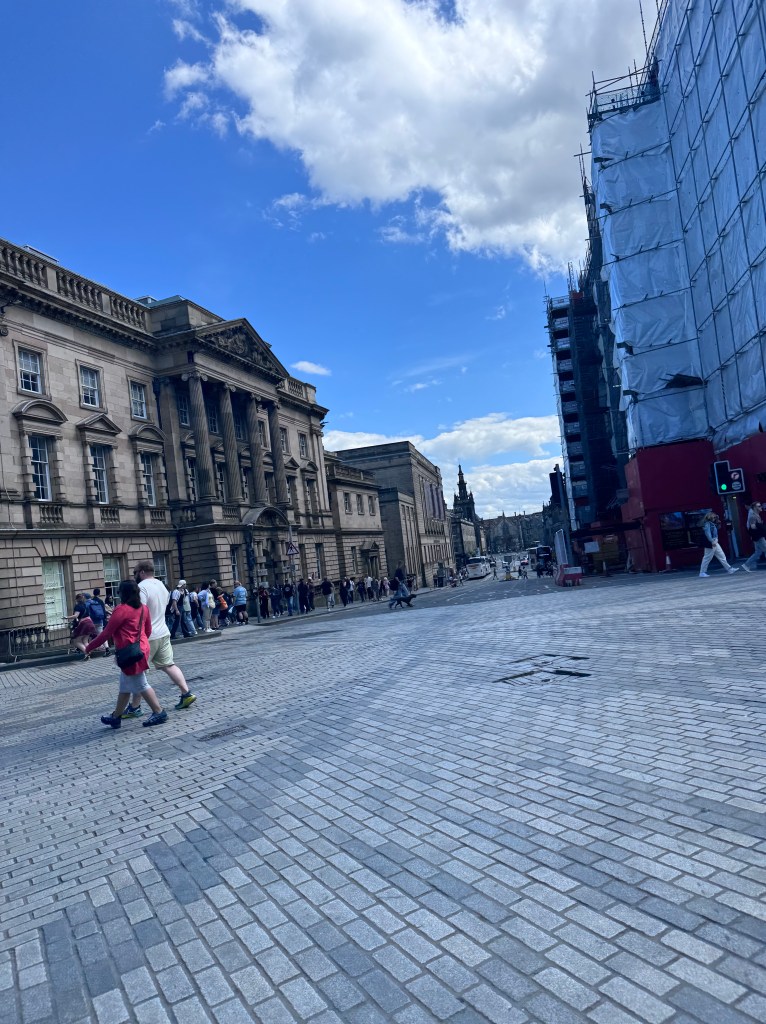
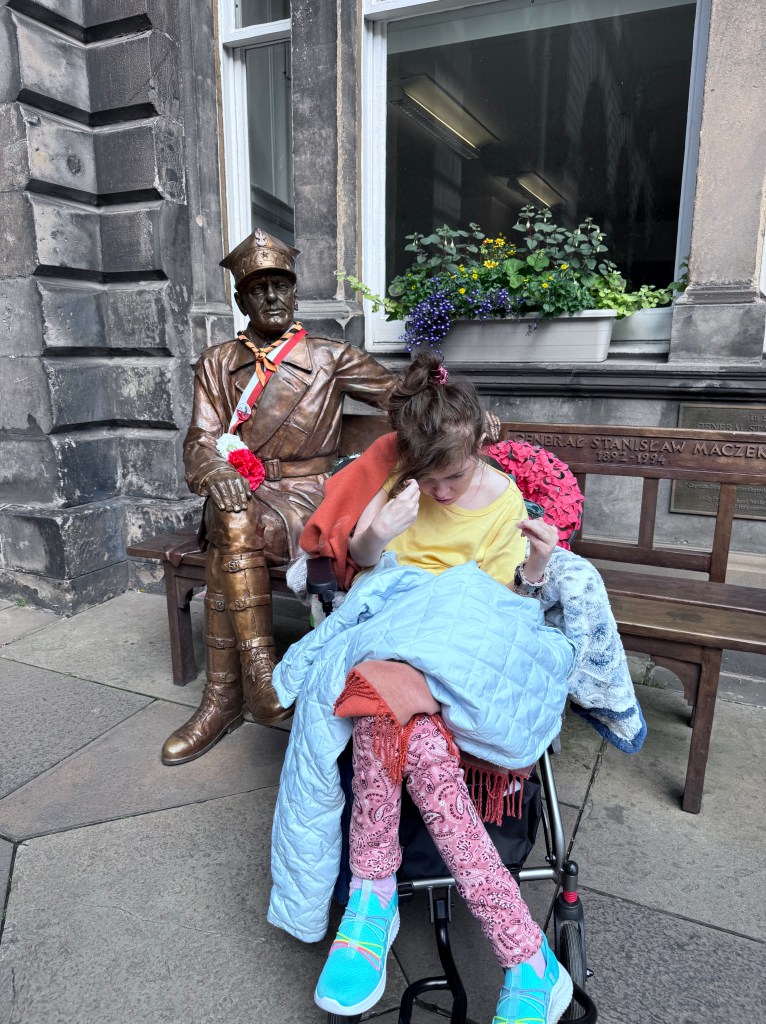
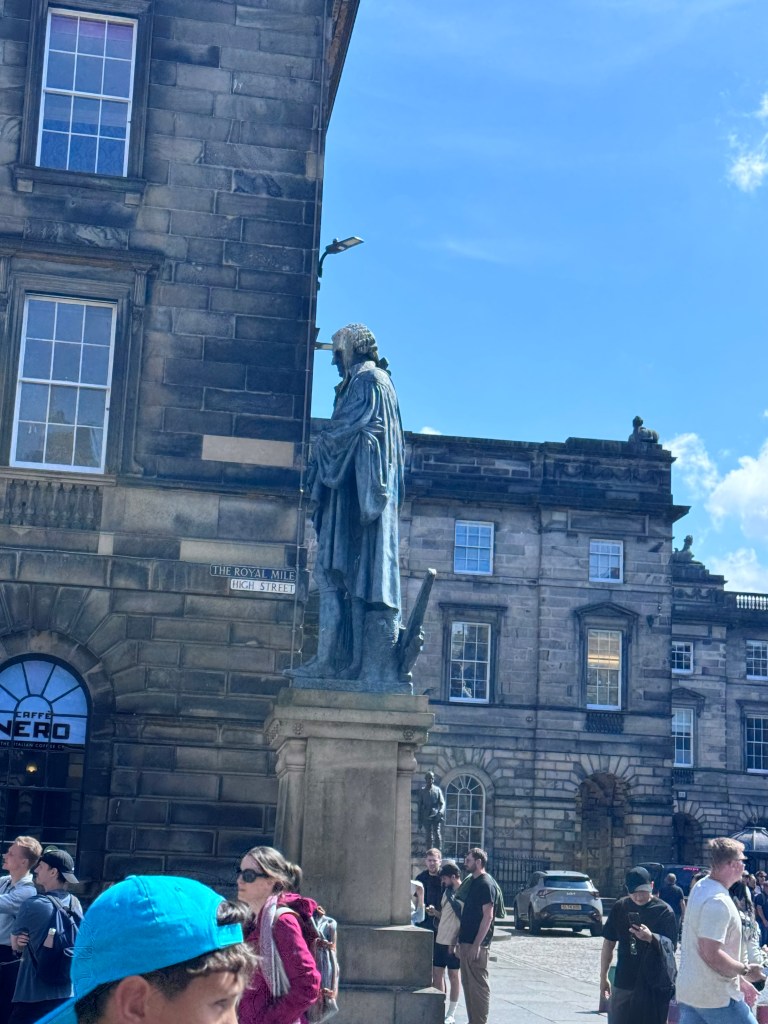
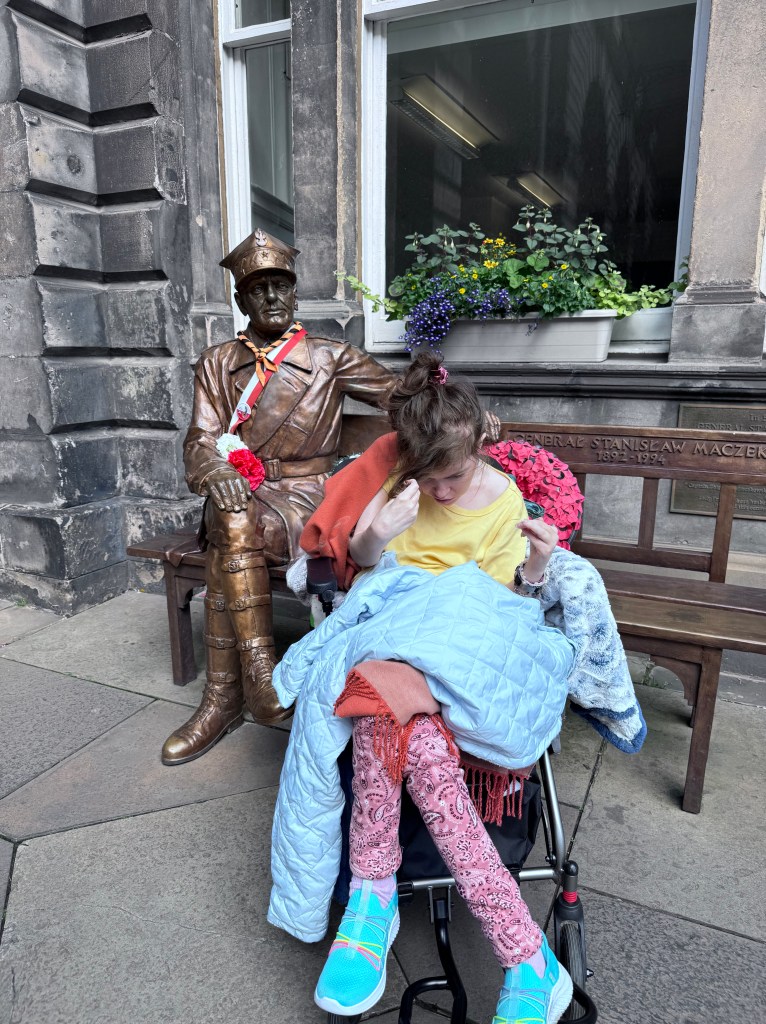
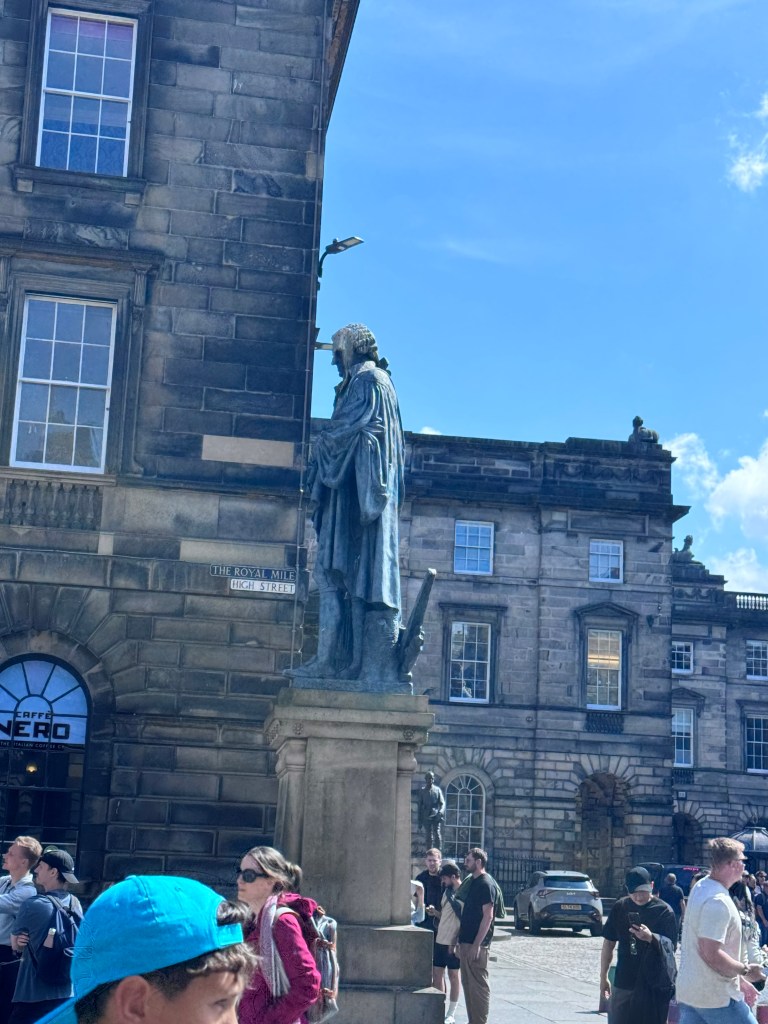
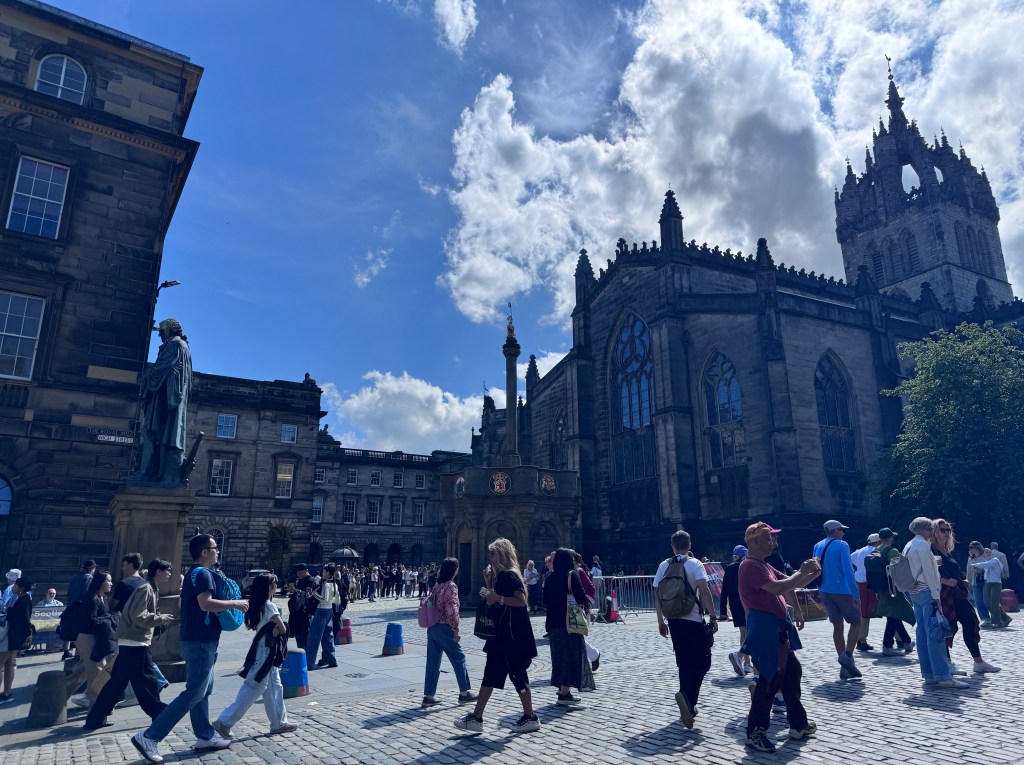
After several hours exploring the castle, we slowly made our way down the Royal Mile. The centuries-old buildings, statues, closes, and beautiful architecture lined every step. We wandered through several gift shops, soaking in the atmosphere before eventually making our way back to Waverley Station for the train ride home to Dundee.

Another day filled with history, breathtaking scenery, wonderful people, and memories that will stay with us forever.

Scotland, Castles, Kilts, and the Freedom of Dundee

This would make a wonderful blog post. Here’s a polished version that keeps your storytelling voice while improving flow and readability.

Title: Scotland, Castles, Kilts, and the Freedom of Dundee

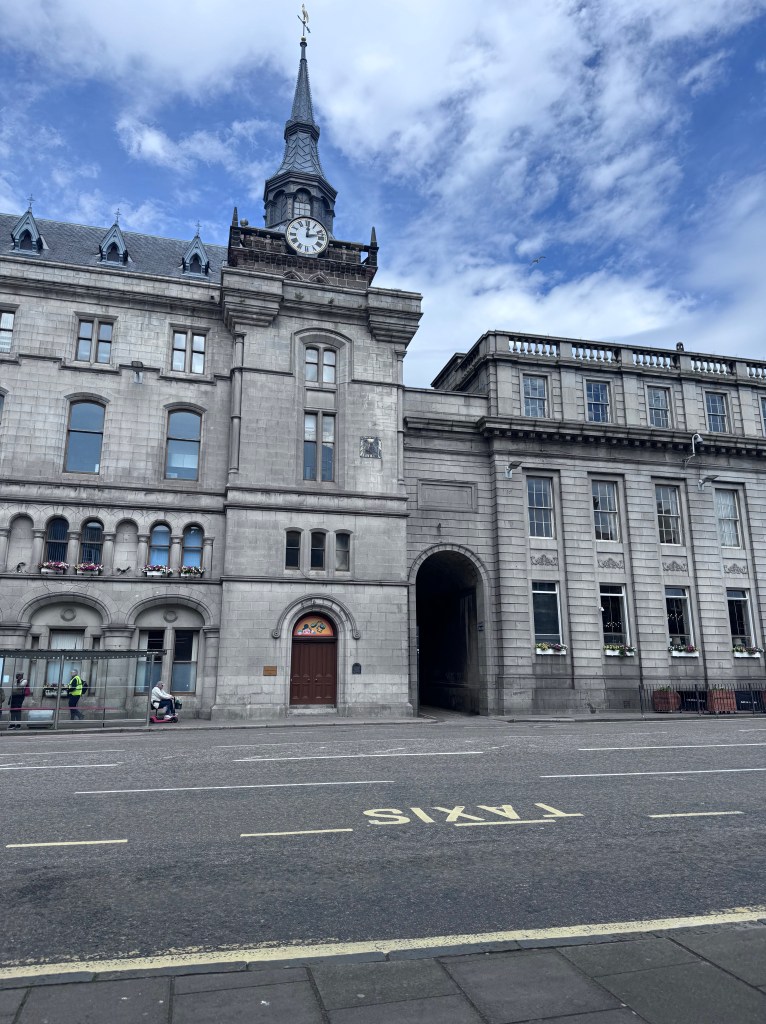
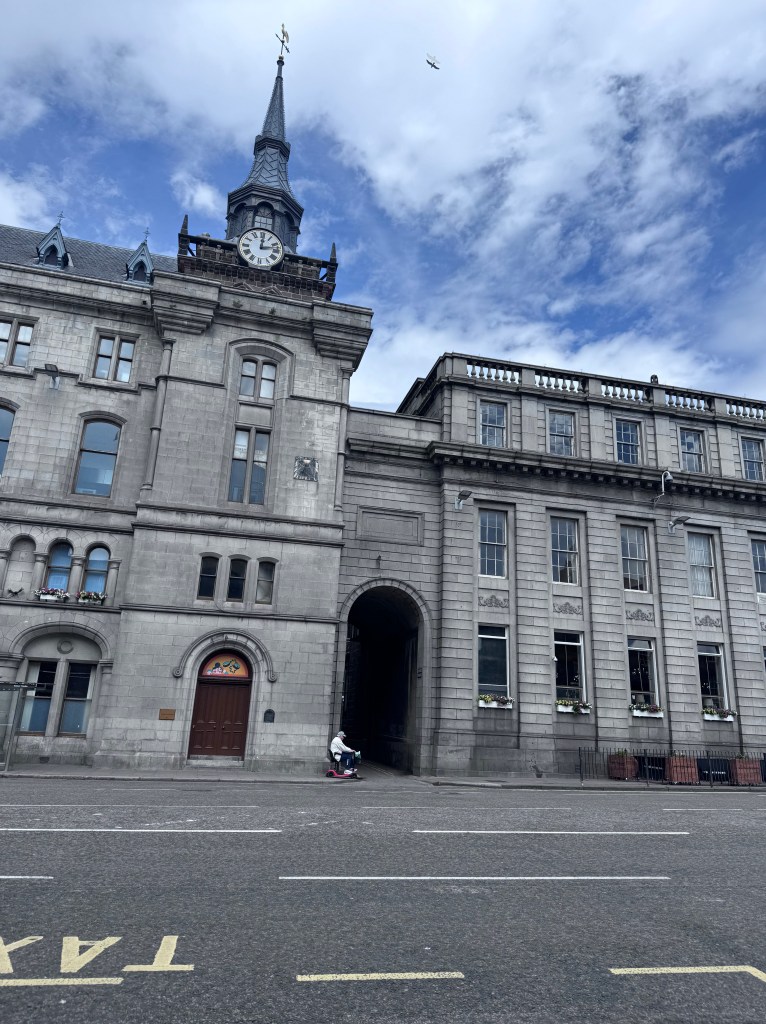
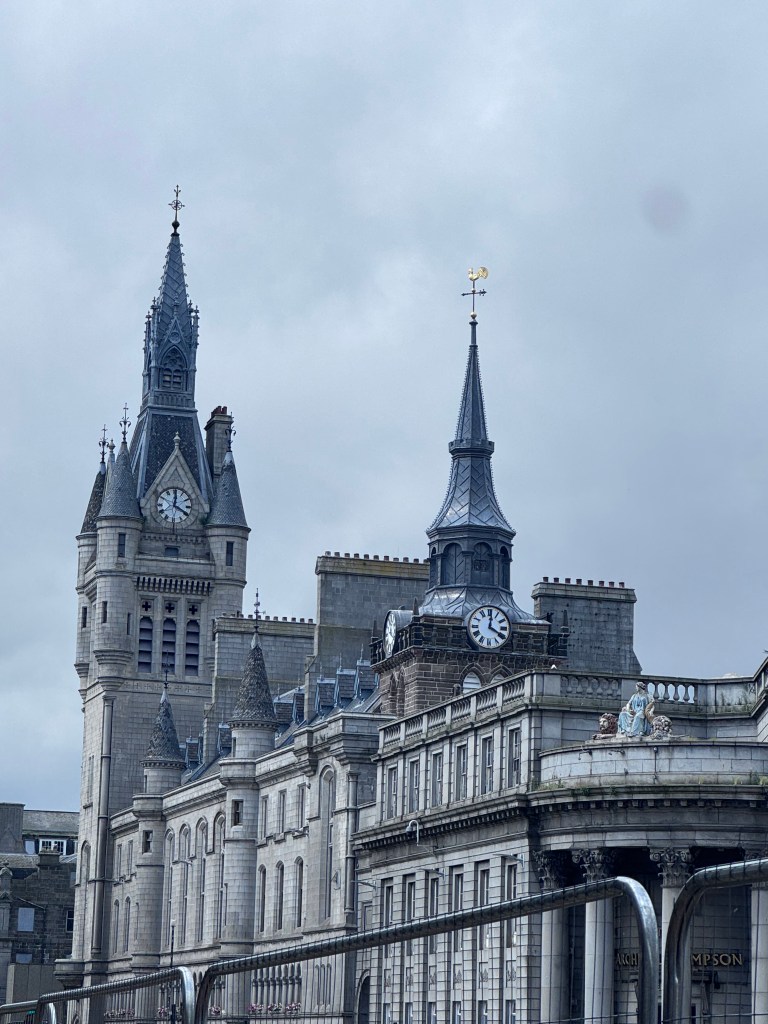
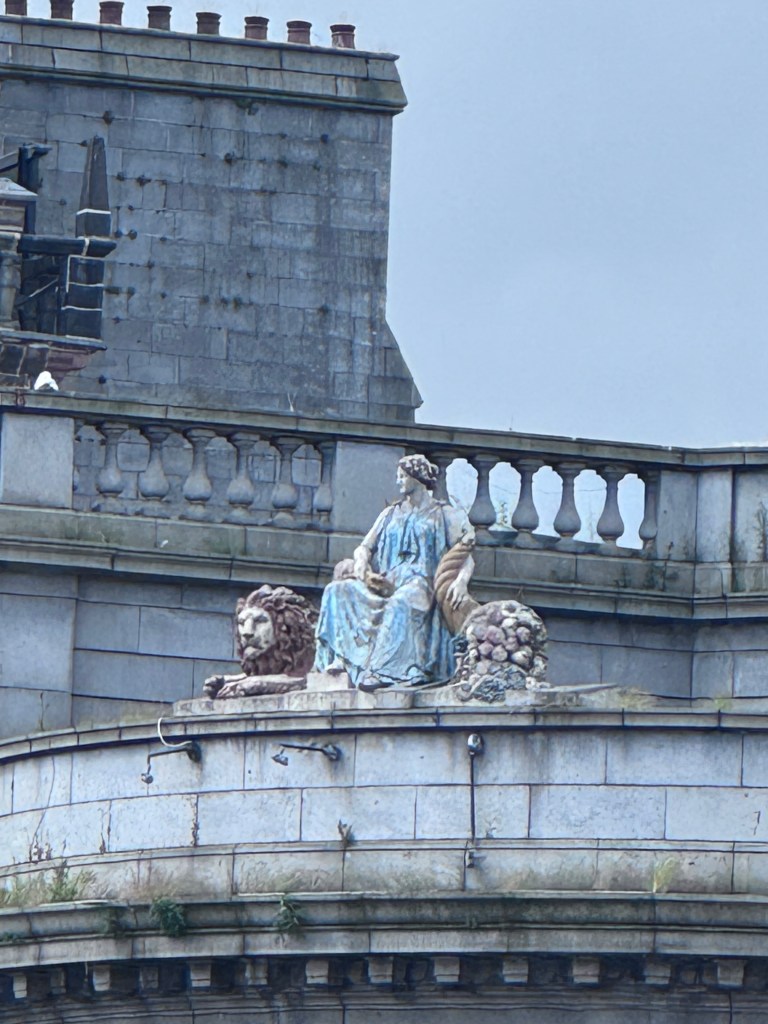
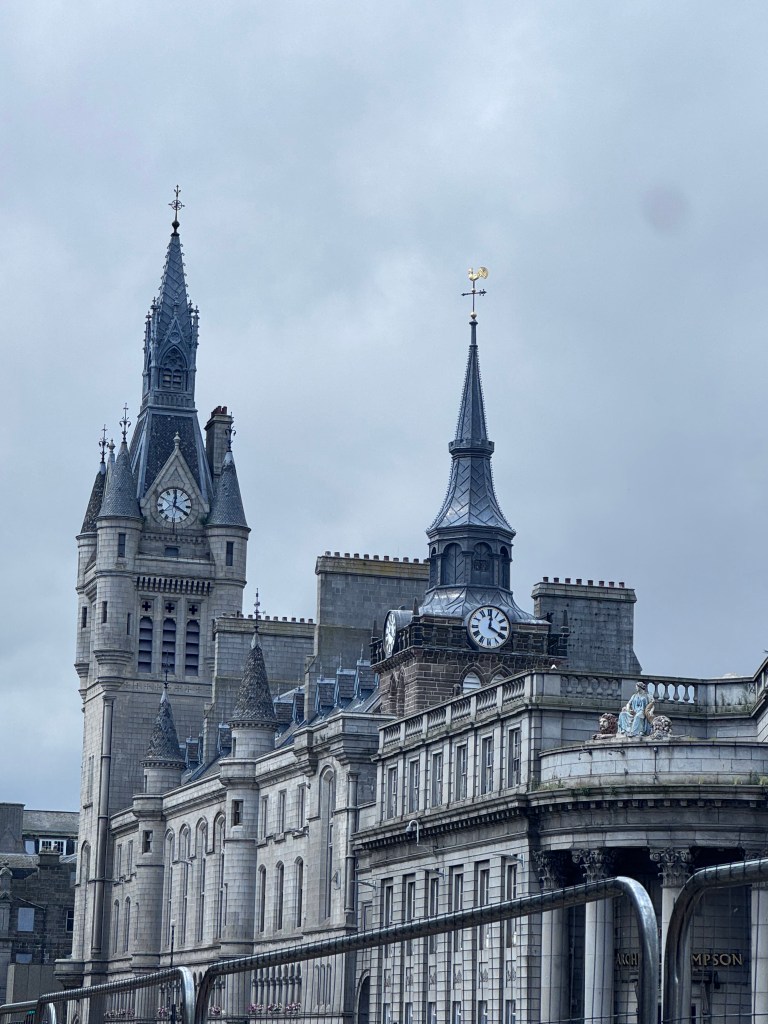
Scotland has been amazing. We have spent our time exploring Dundee, Aberdeen, and the beautiful countryside that connects them. The buildings are absolutely stunning. If you continue following our journey, you are probably going to hear me say that over and over again. I love the architecture here—the stone buildings, castles, churches, and centuries of history around every corner.

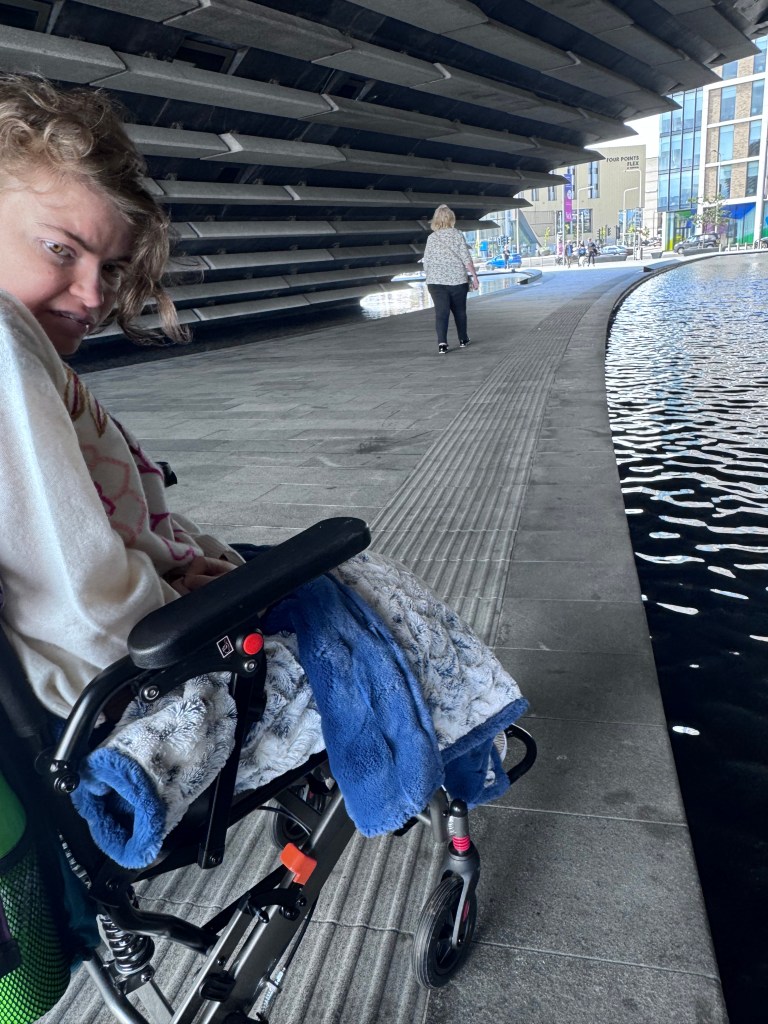
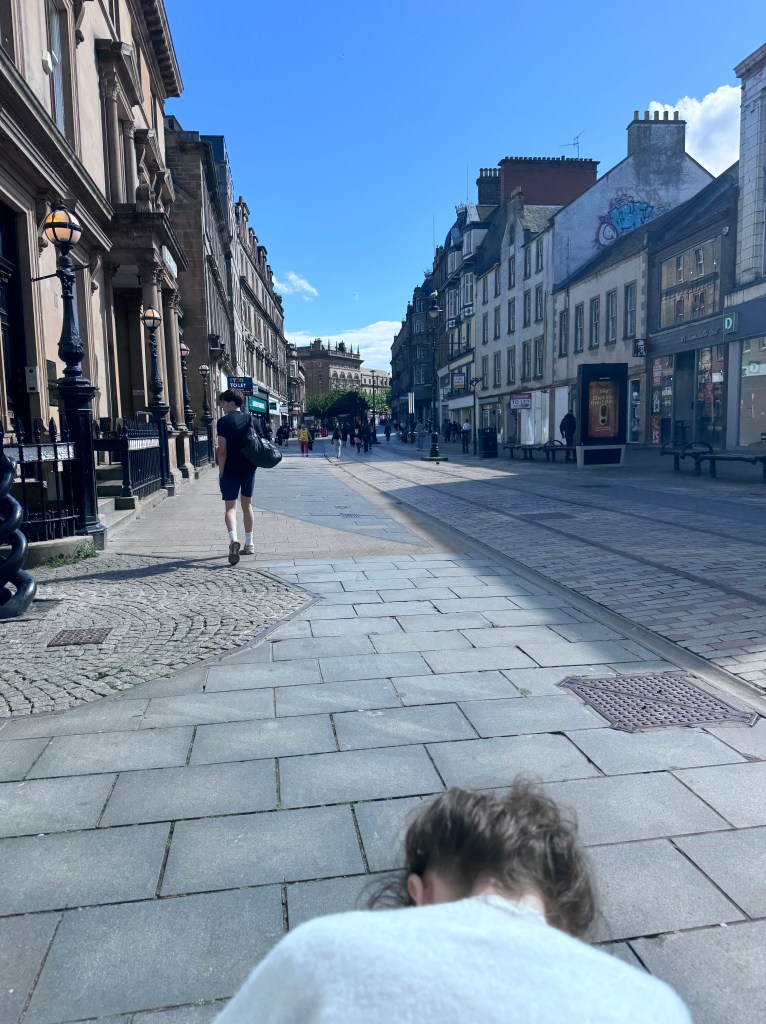
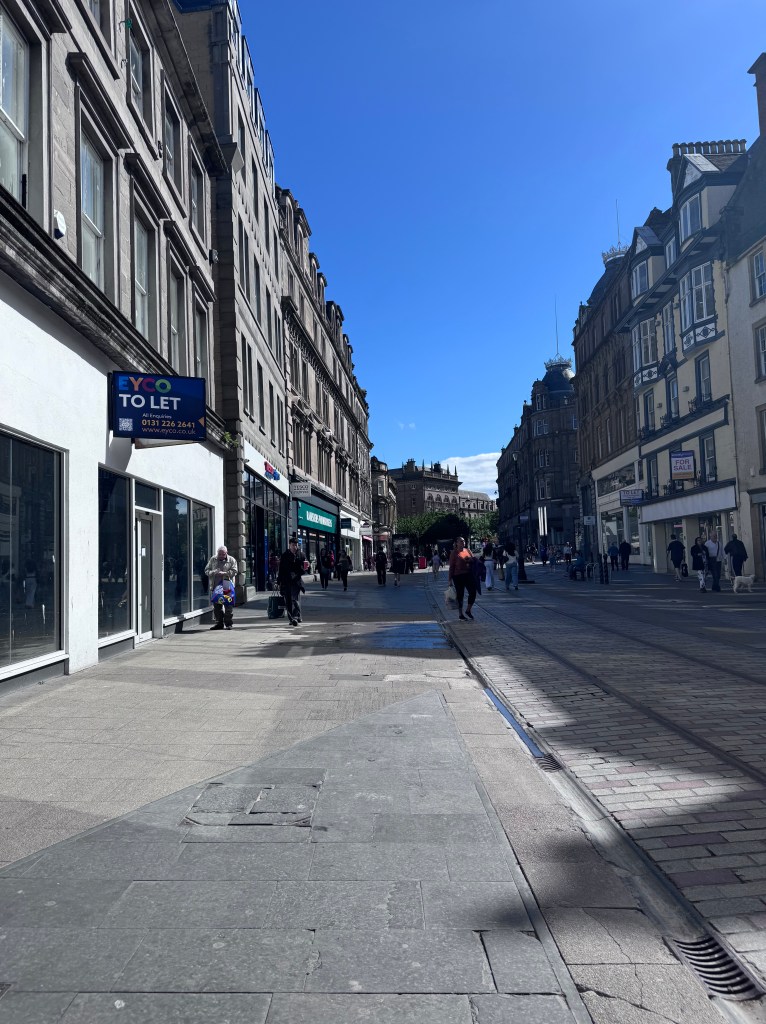
Dundee has been a wonderful base for our adventures. The city center is just down the hill from where we are staying, although I should mention that it is quite a steep hill! The taxis have been easy to use, and several have wheelchair-accessible vehicles. Sometimes Kiya rides secured in her chair, and other times she sits beside us. The train system has been fantastic. ScotRail provides ramps, and the staff have been incredibly helpful. One thing we have noticed is that we do not see many people with disabilities out and about compared to what we are used to at home. We have especially enjoyed watching the Scottish countryside roll by from the train windows. I will post more picture below.

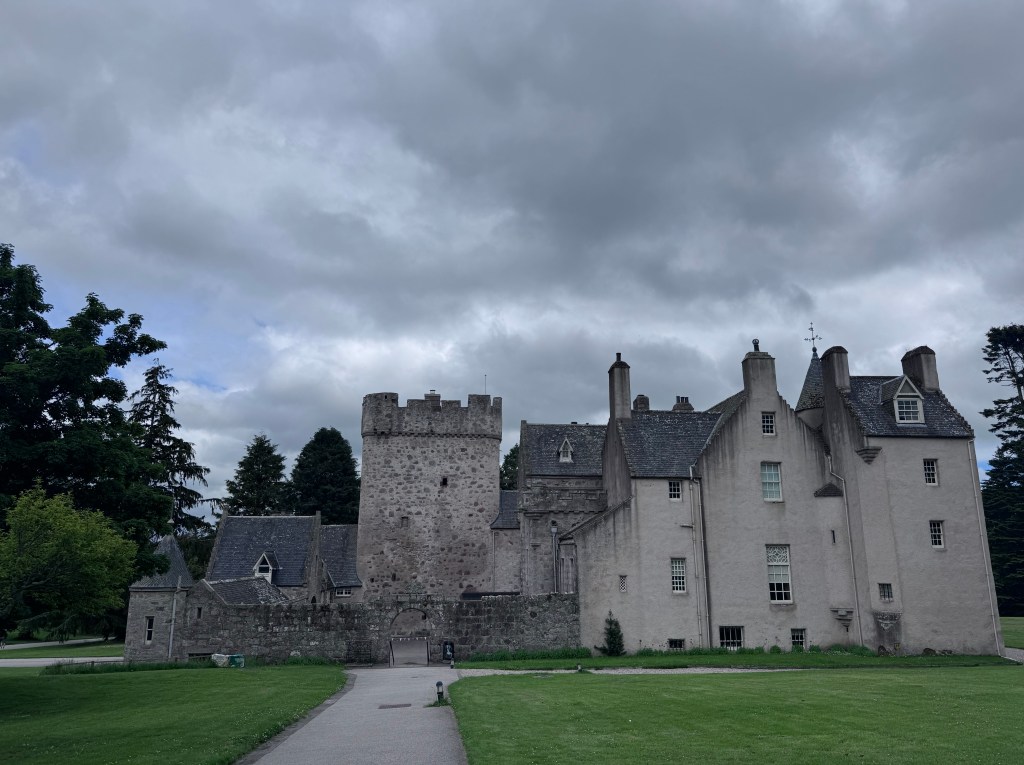
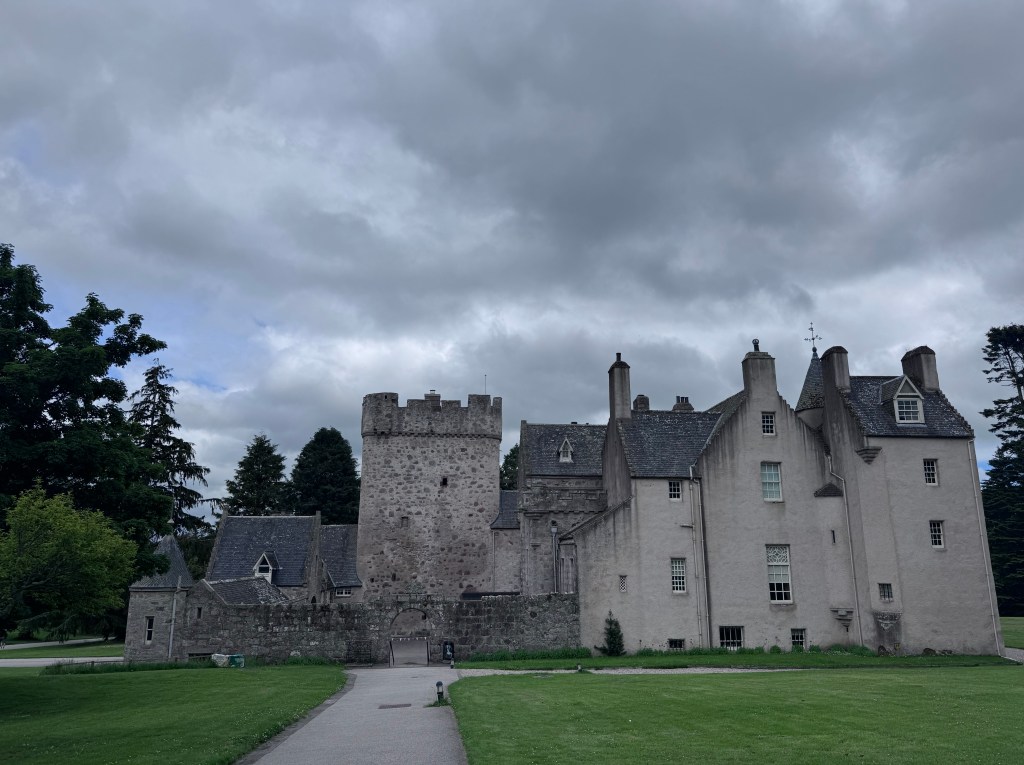
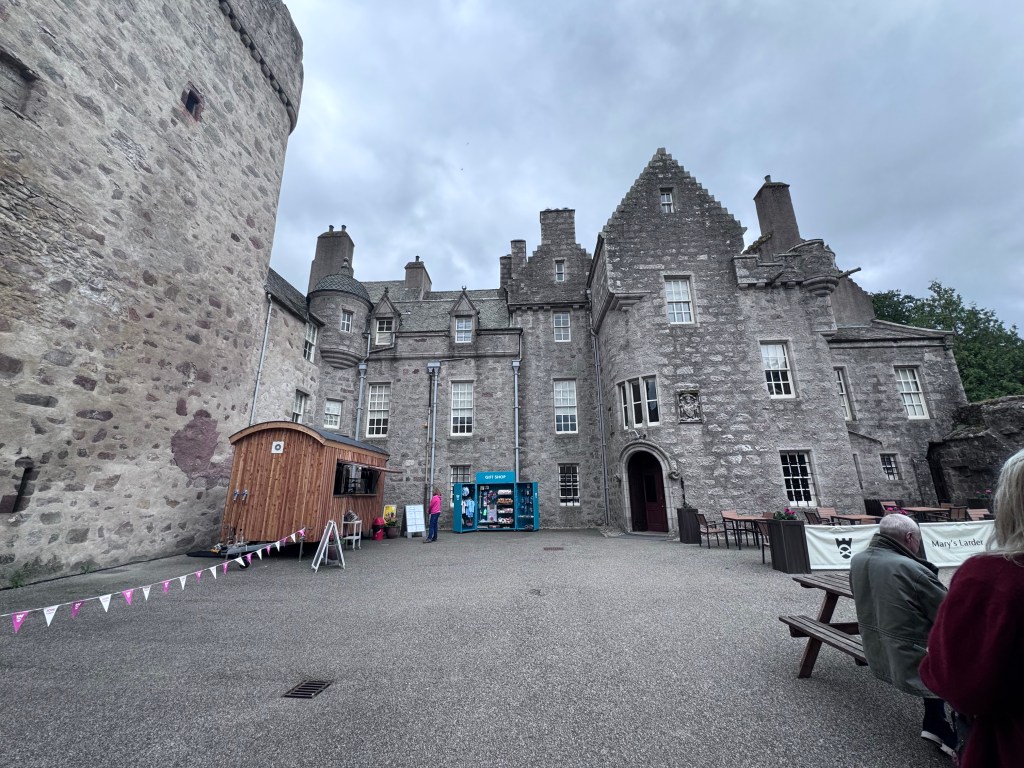
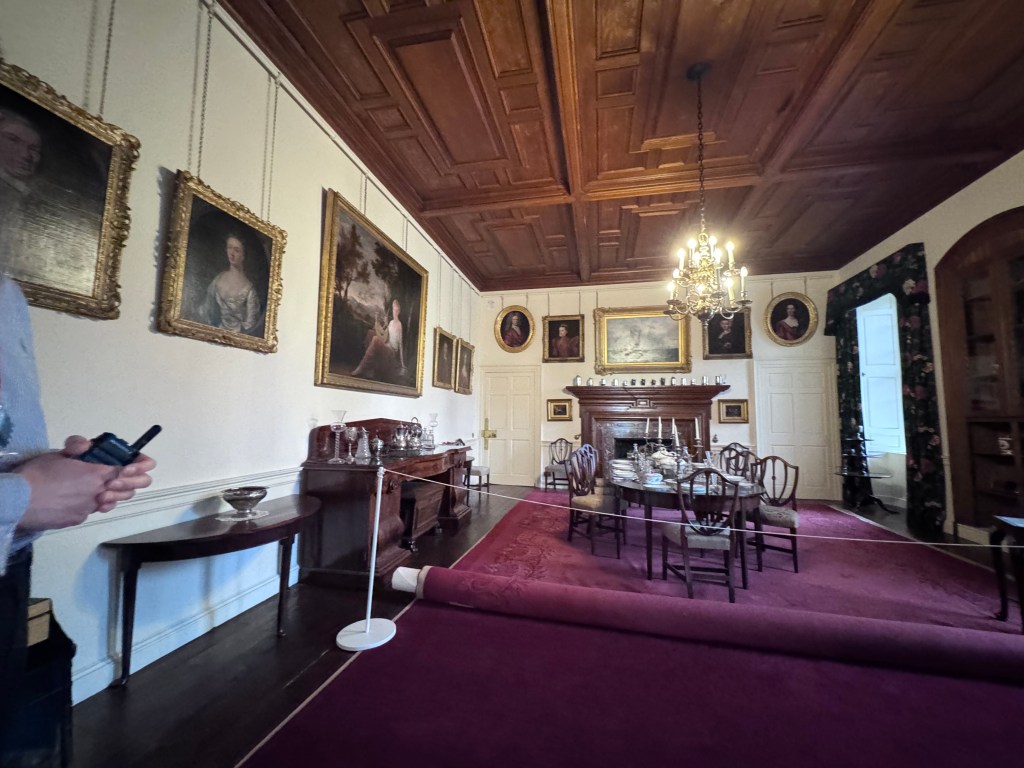
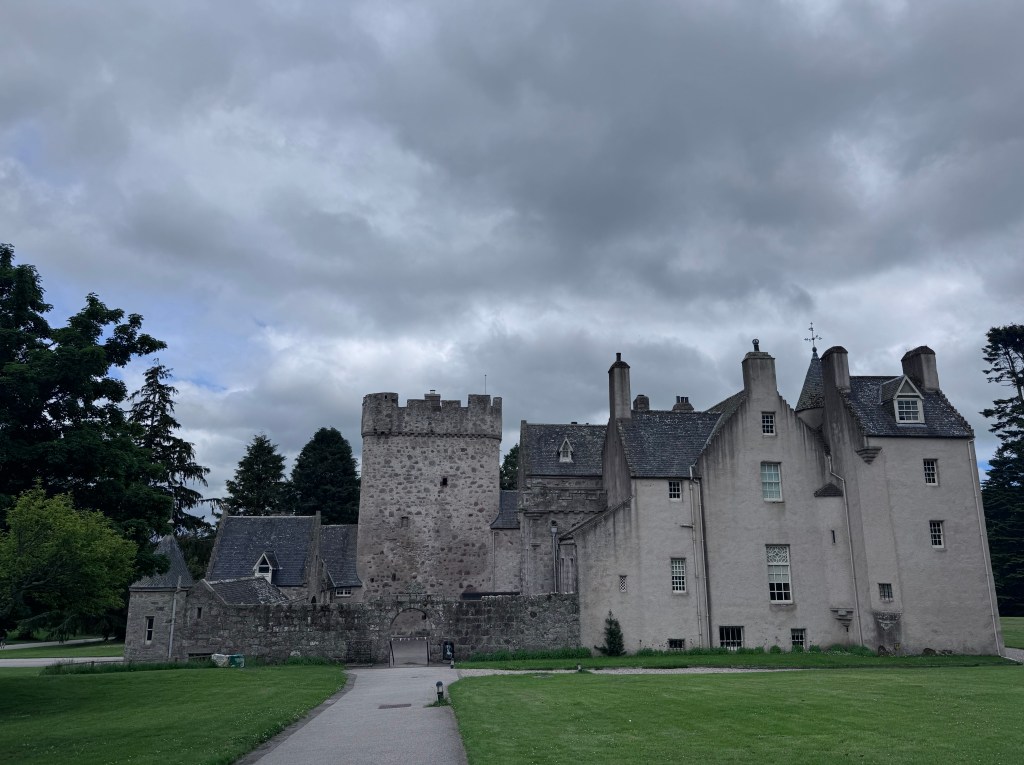
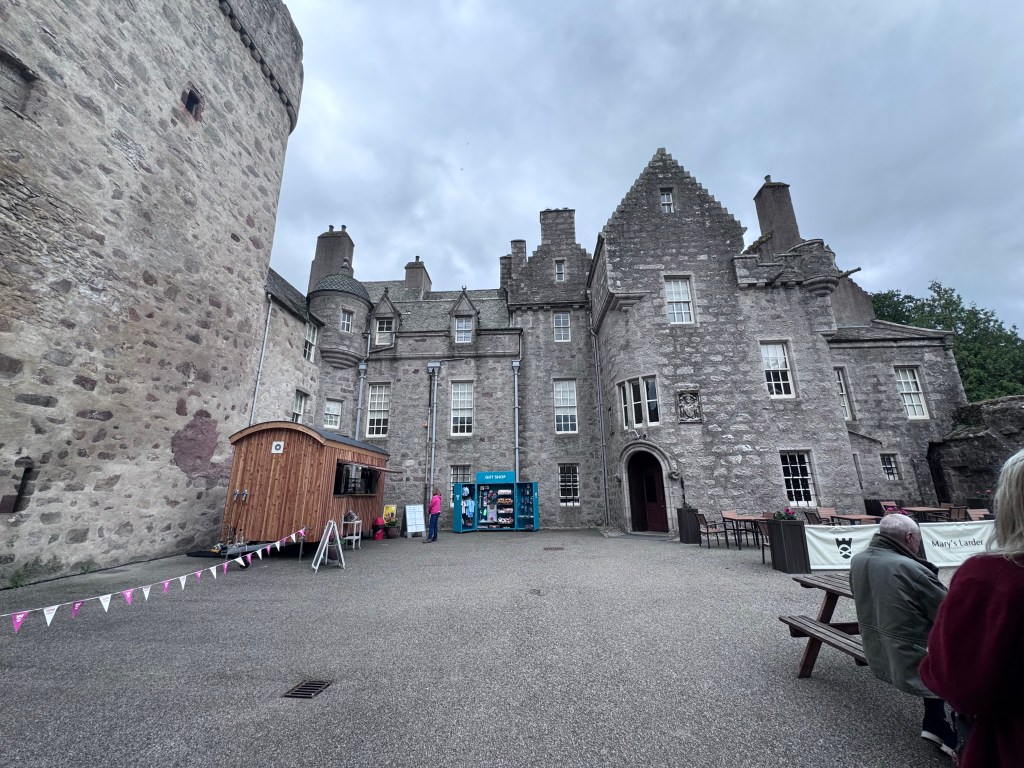
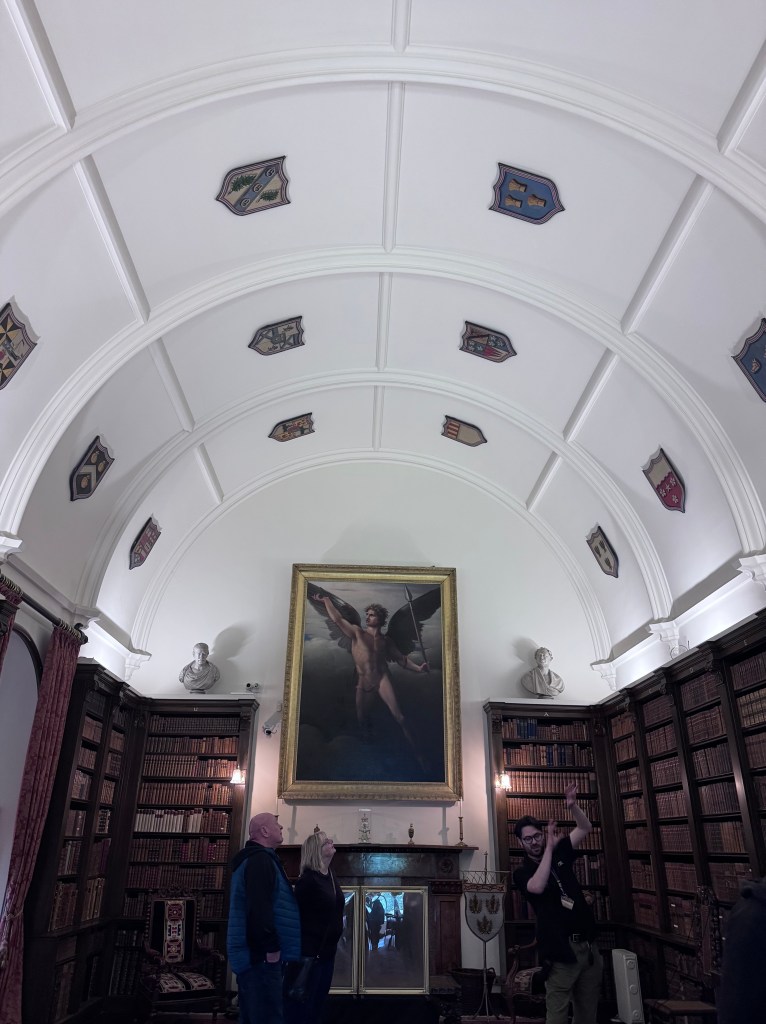
One of our favorite day trips was to Aberdeen, where we visited Drum Castle. After enjoying lunch and, of course, more scones (I am fairly certain we have eaten our height in scones by now), I took a guided tour of the castle while Mom stayed with Kiya because of the many stairs.

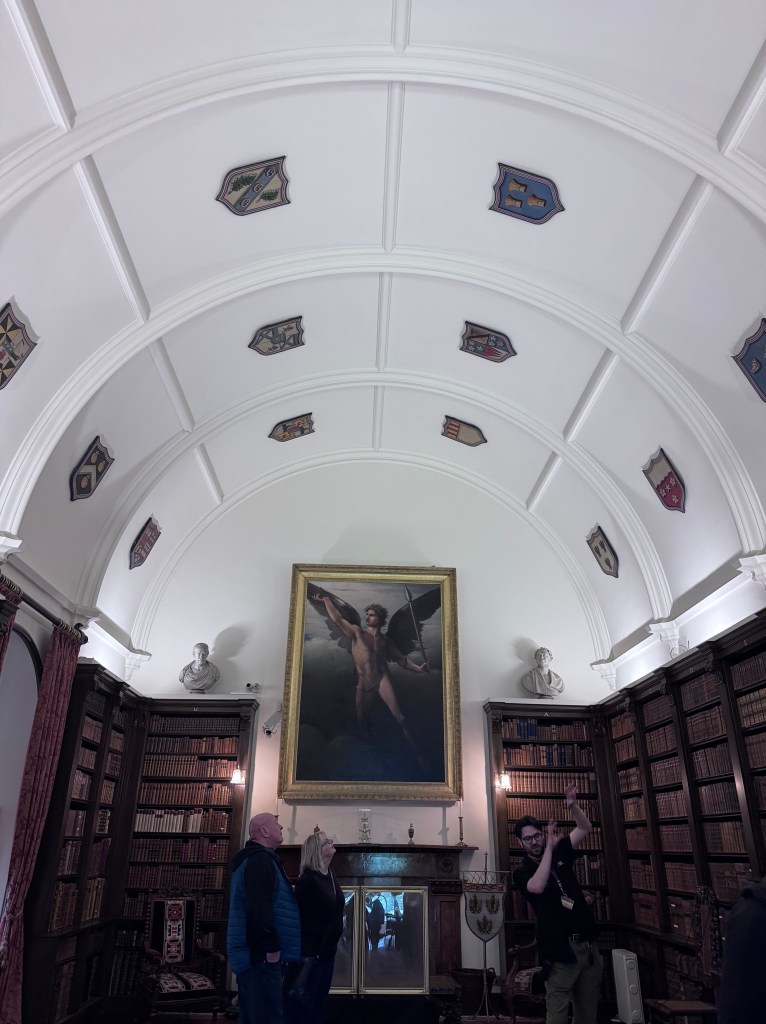
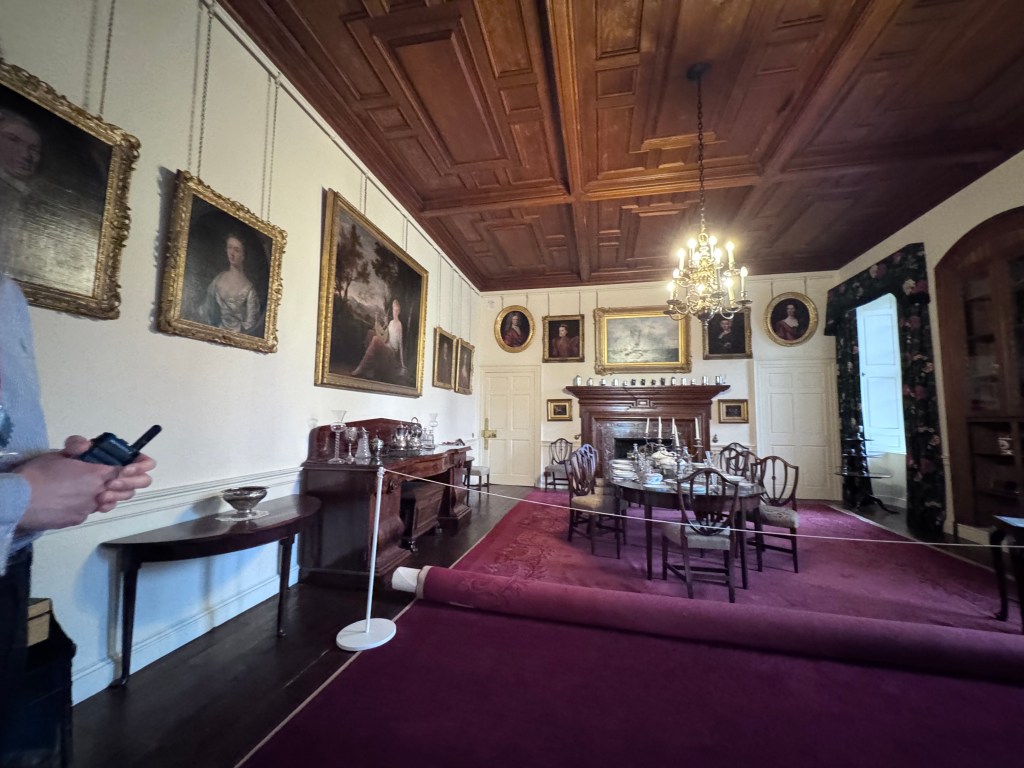
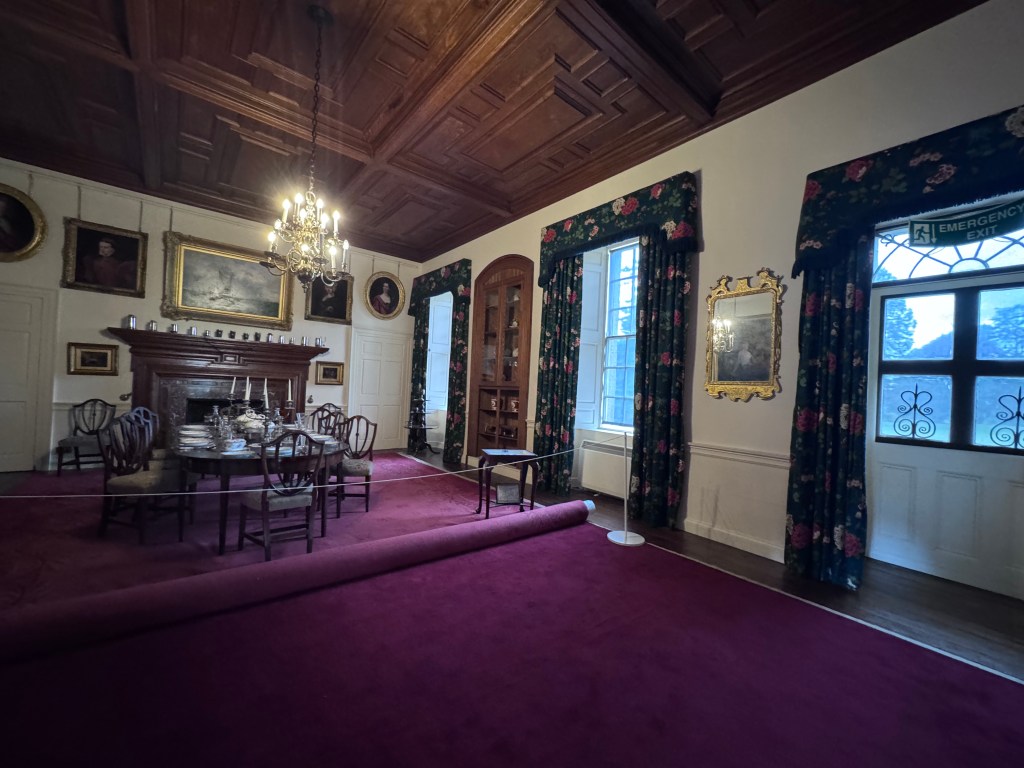
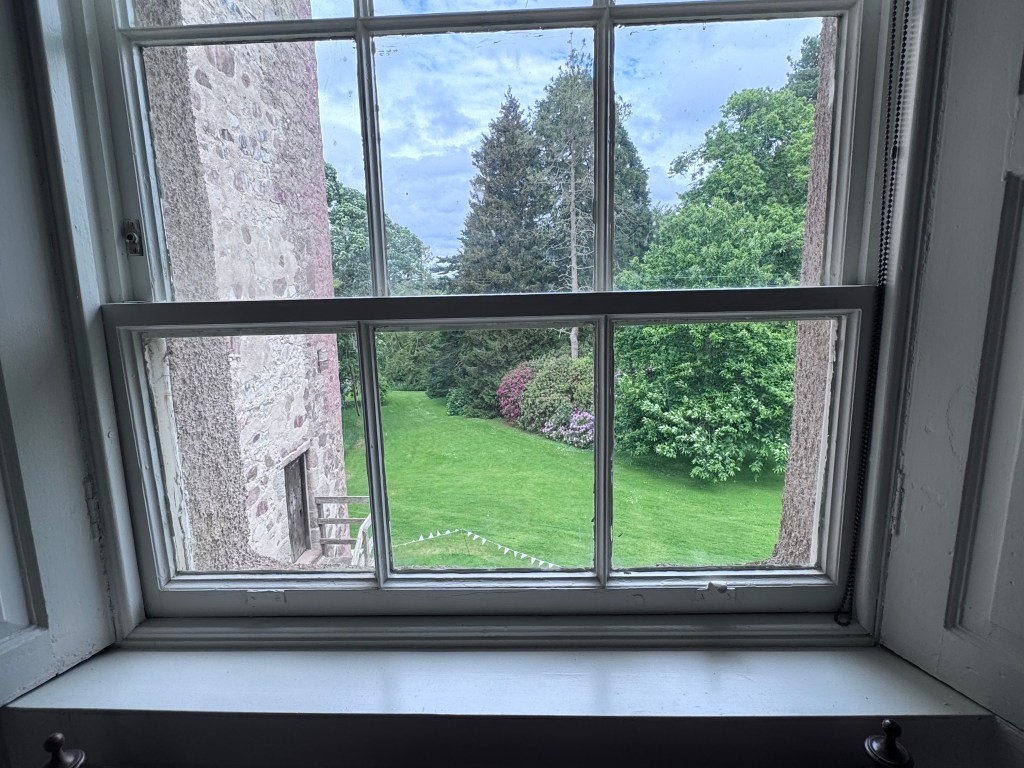
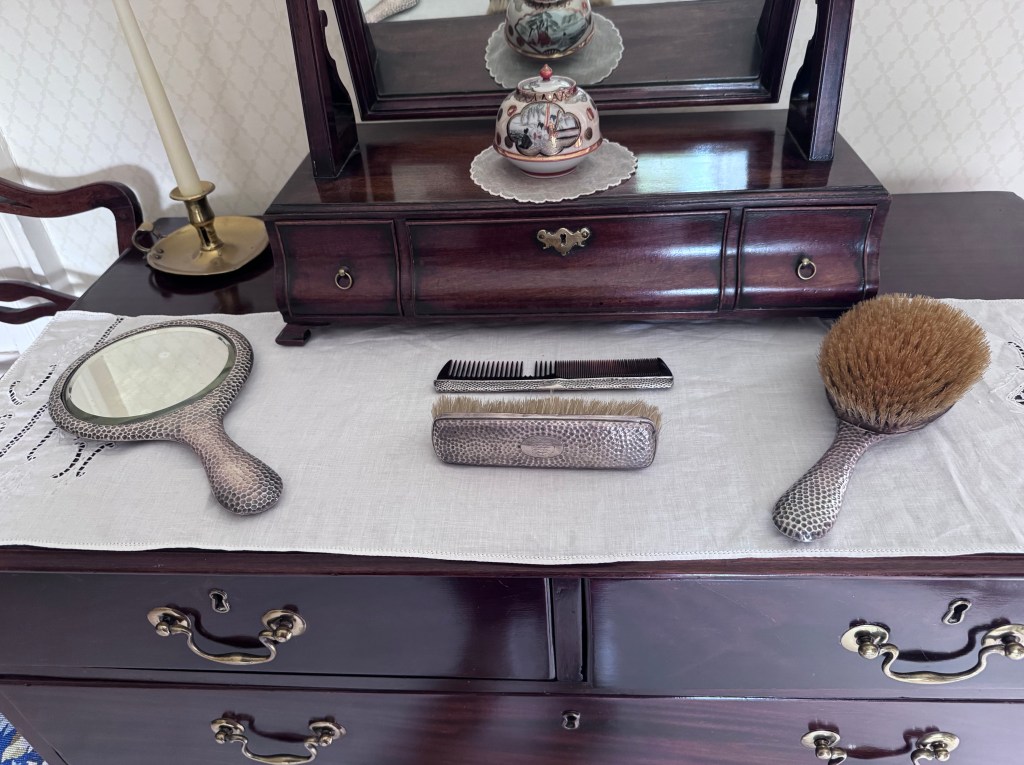
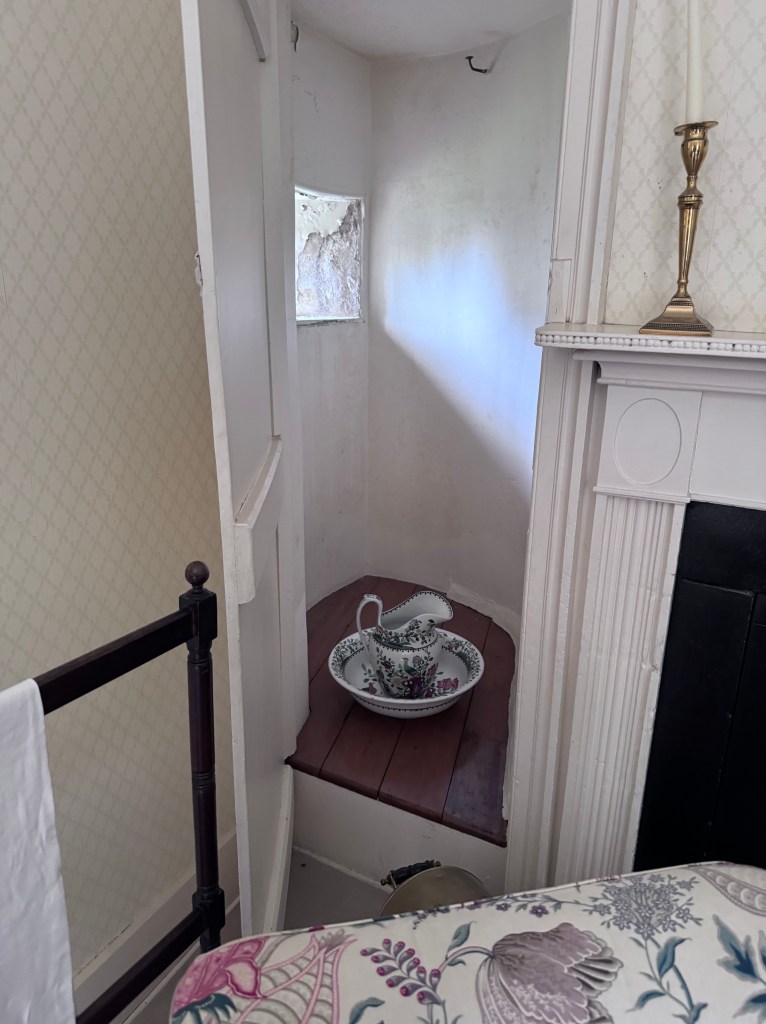
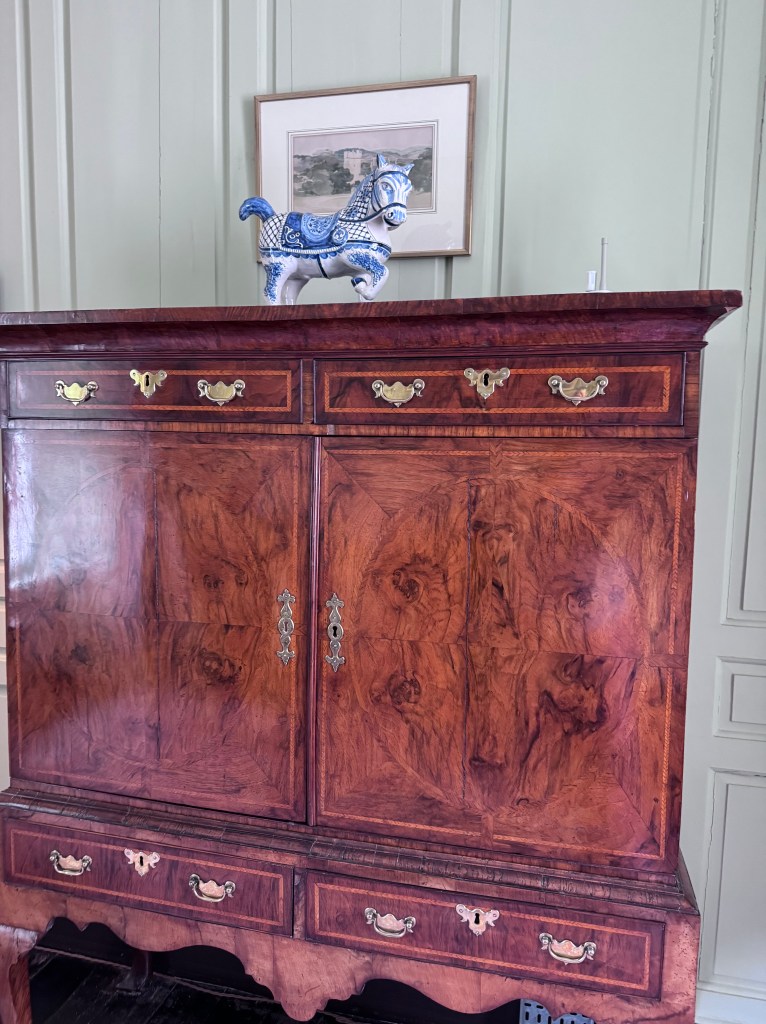
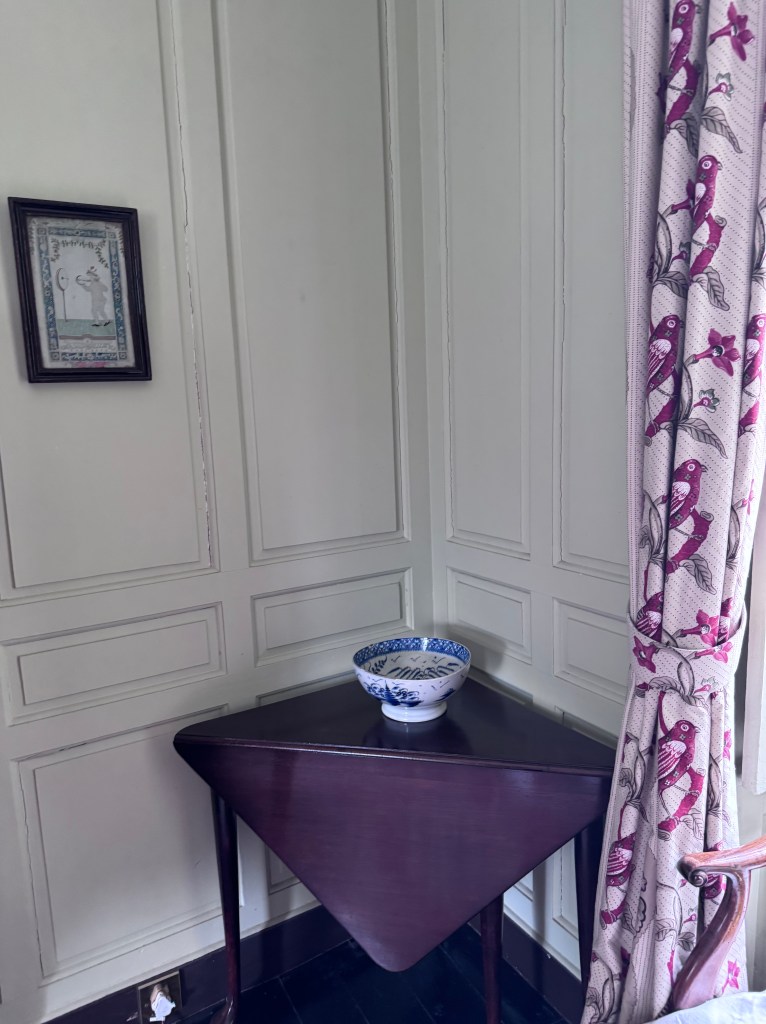
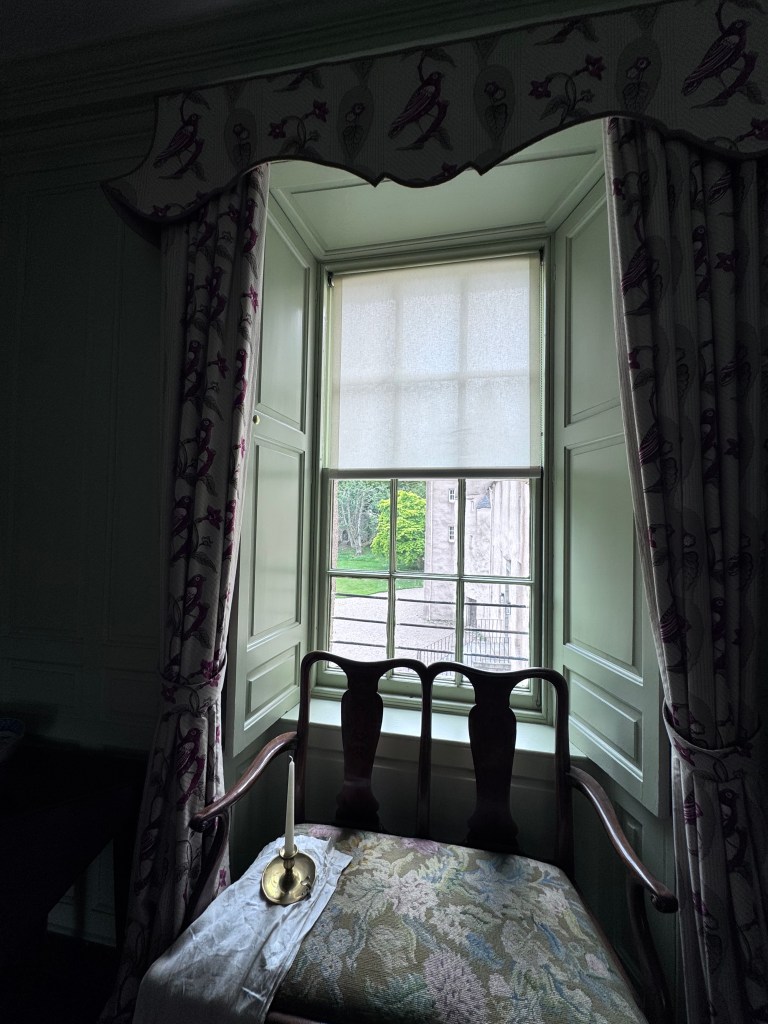
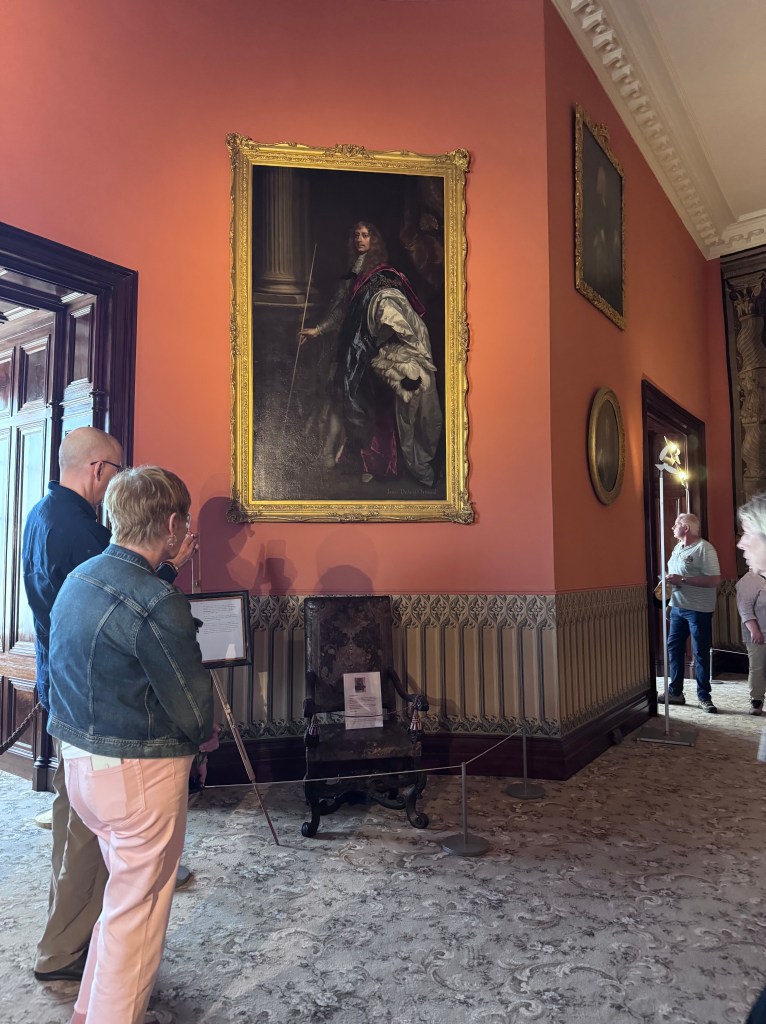
Drum Castle has a fascinating history and remained a family home until 1976. The two main bedrooms were eventually modernized to such an extent that they no longer matched the rest of the castle, so they were converted into an art gallery. One of my favorite stories involved a particularly arrogant young owner with bright ginger hair. Historians believe he had quite an ego because he commissioned an enormous portrait of himself as an angel and hung it in the library and great hall for everyone to admire. Apparently self-confidence was not in short supply!

While in Aberdeen, we experienced a small crisis—we lost one of Kiya’s shoes. If you know the Tartan Army in Boston or our Florida friends, I want to give a huge thank you to Kiya’s army of supporters. These were her favorite shoes, and so many people immediately jumped in to help. Special thanks to Diane, Kristy, and Erin, who have already arranged for replacement pairs to be waiting for us when we return home. We are incredibly grateful.

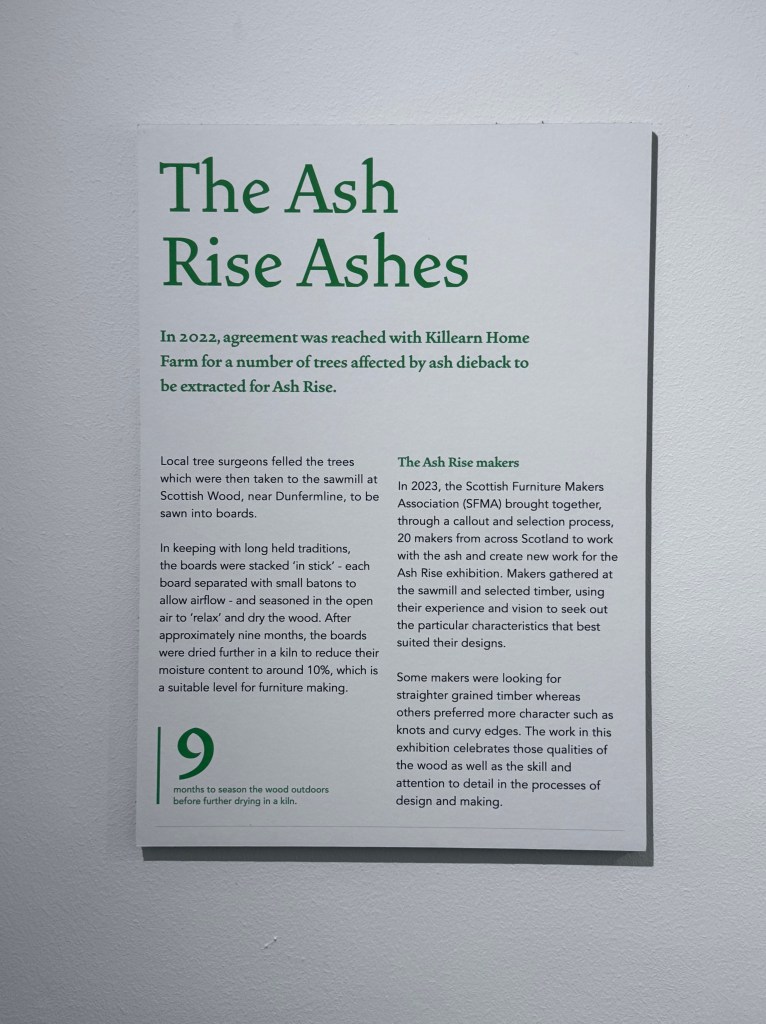
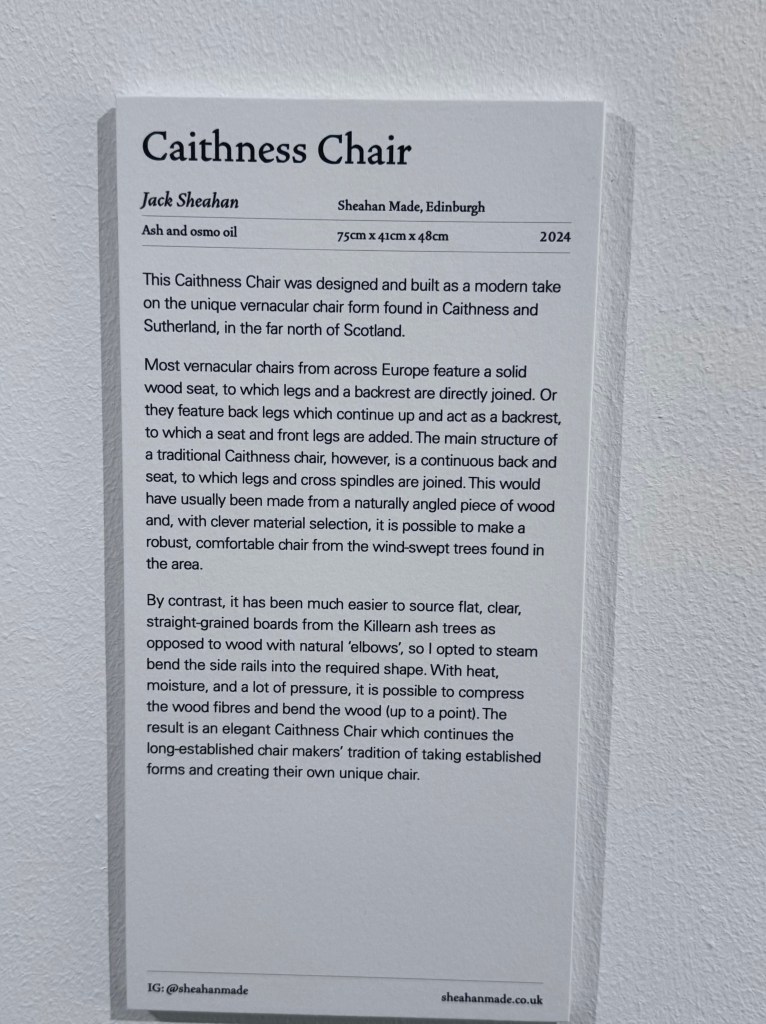
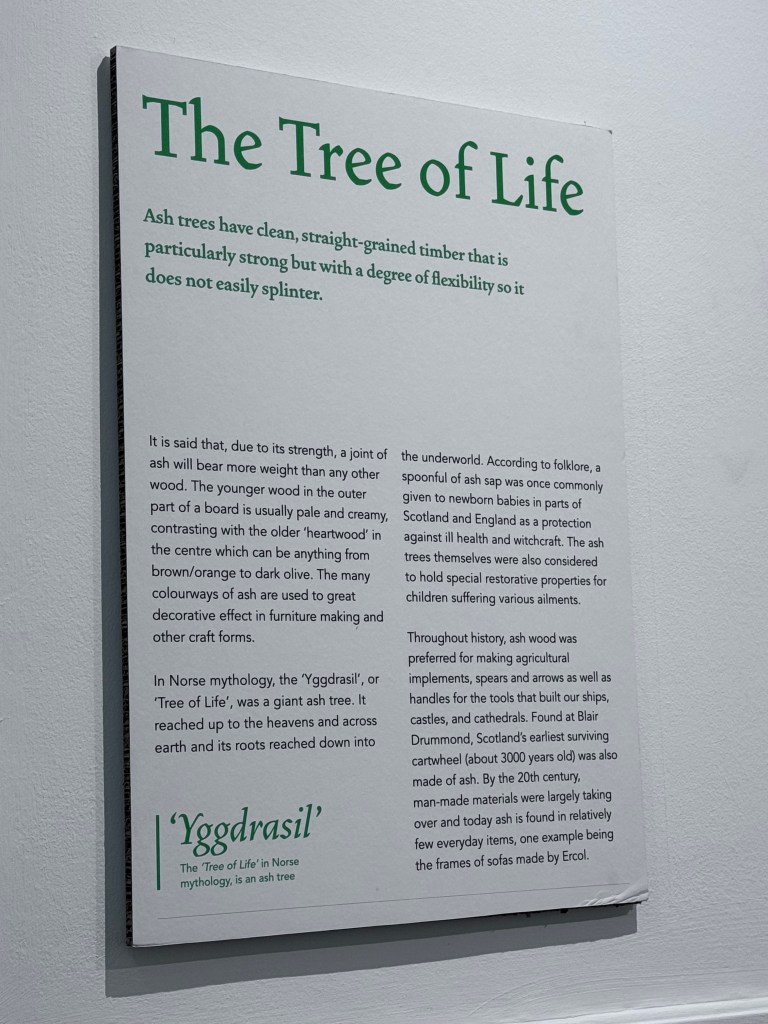
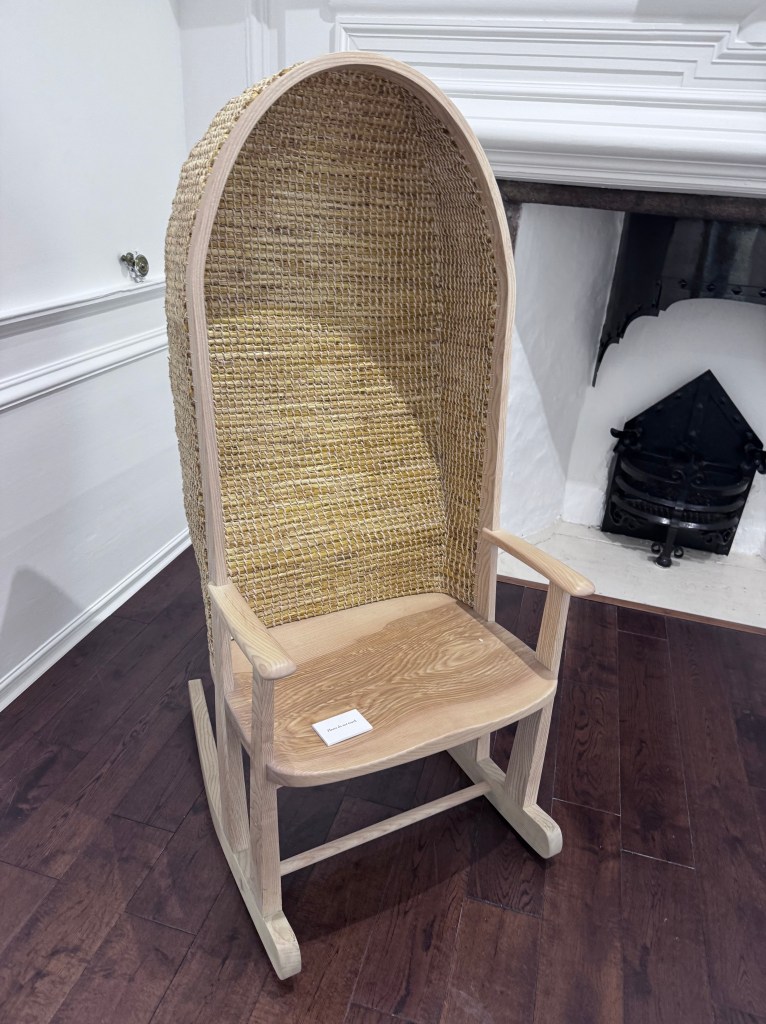
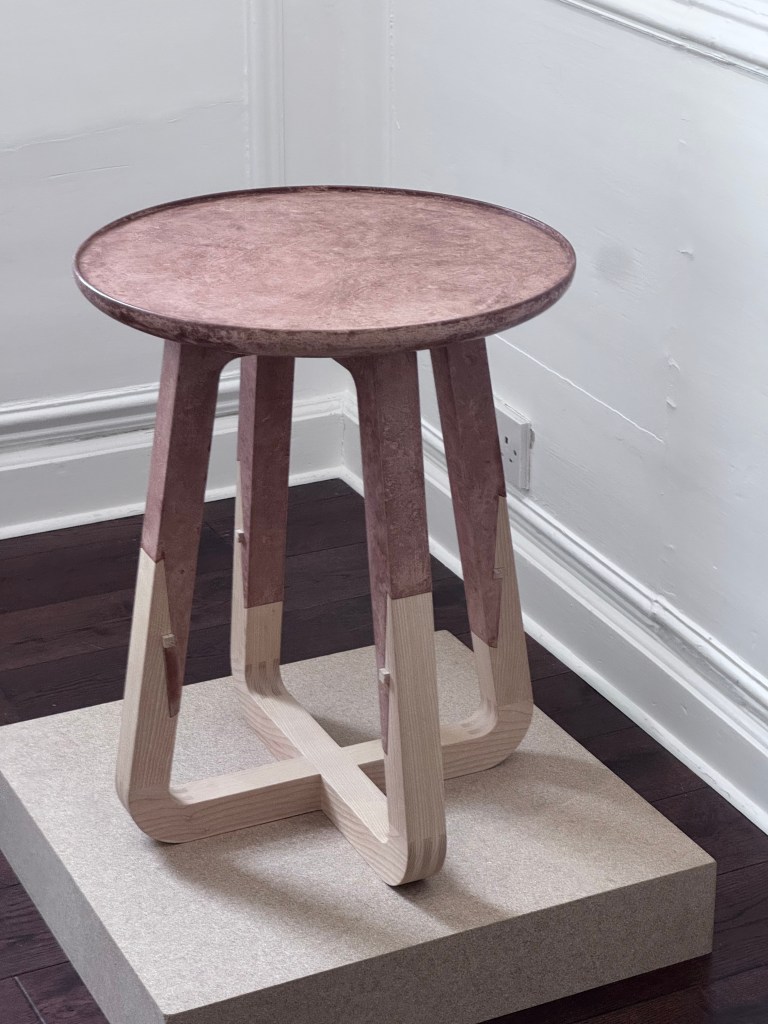
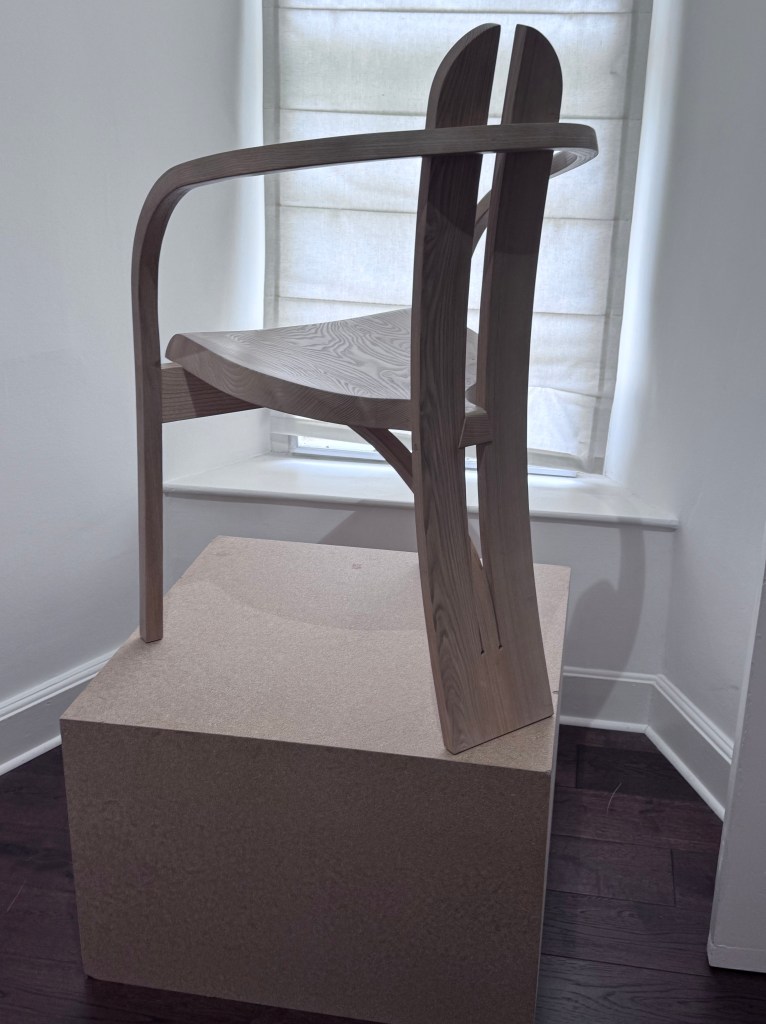
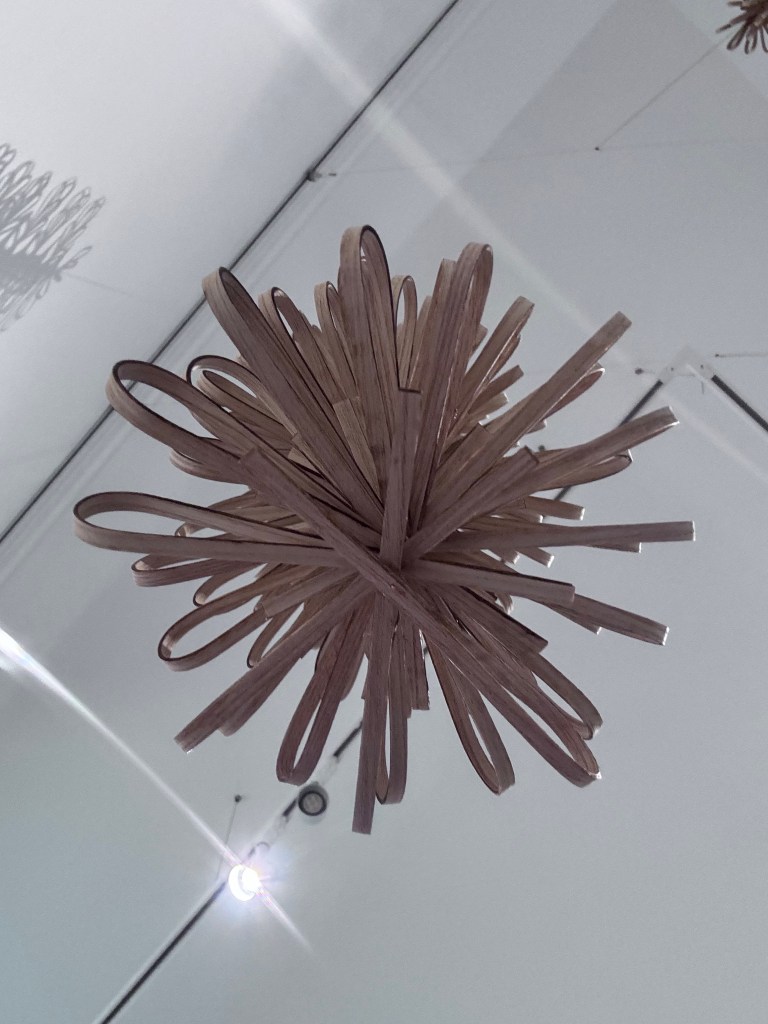
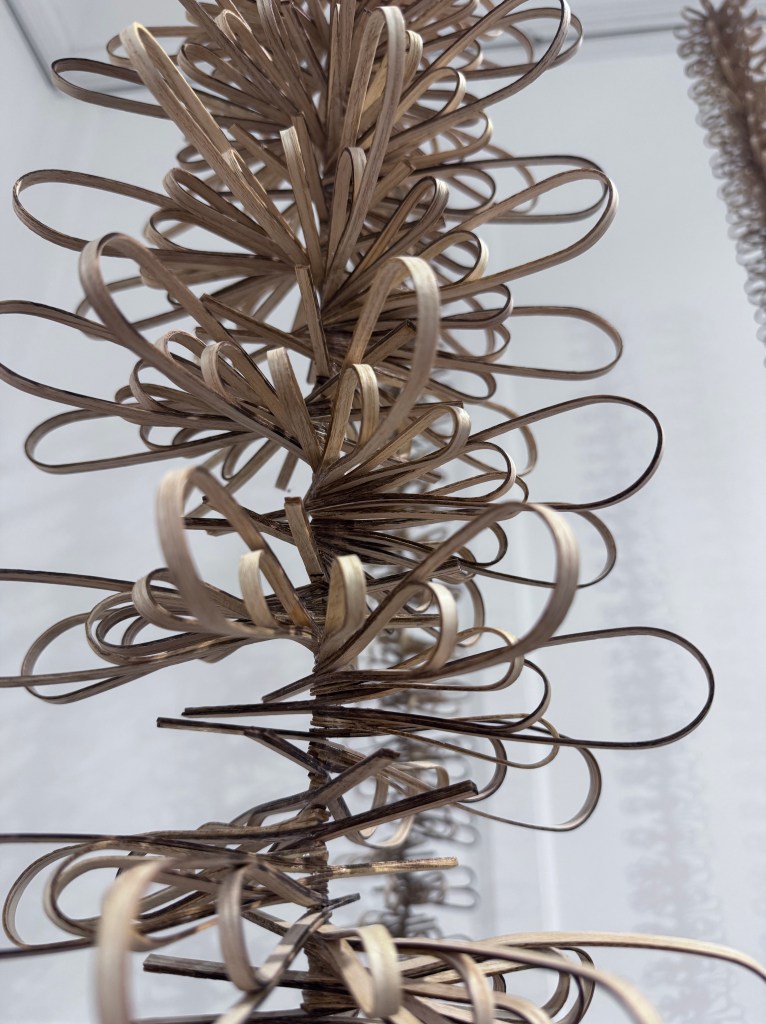
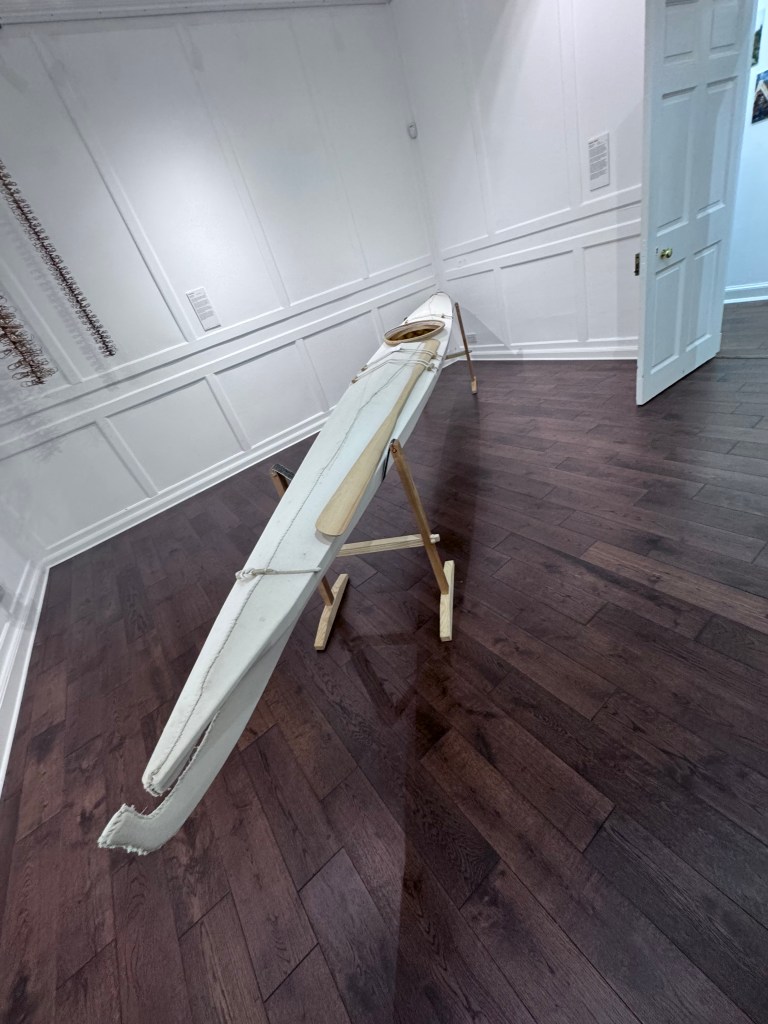
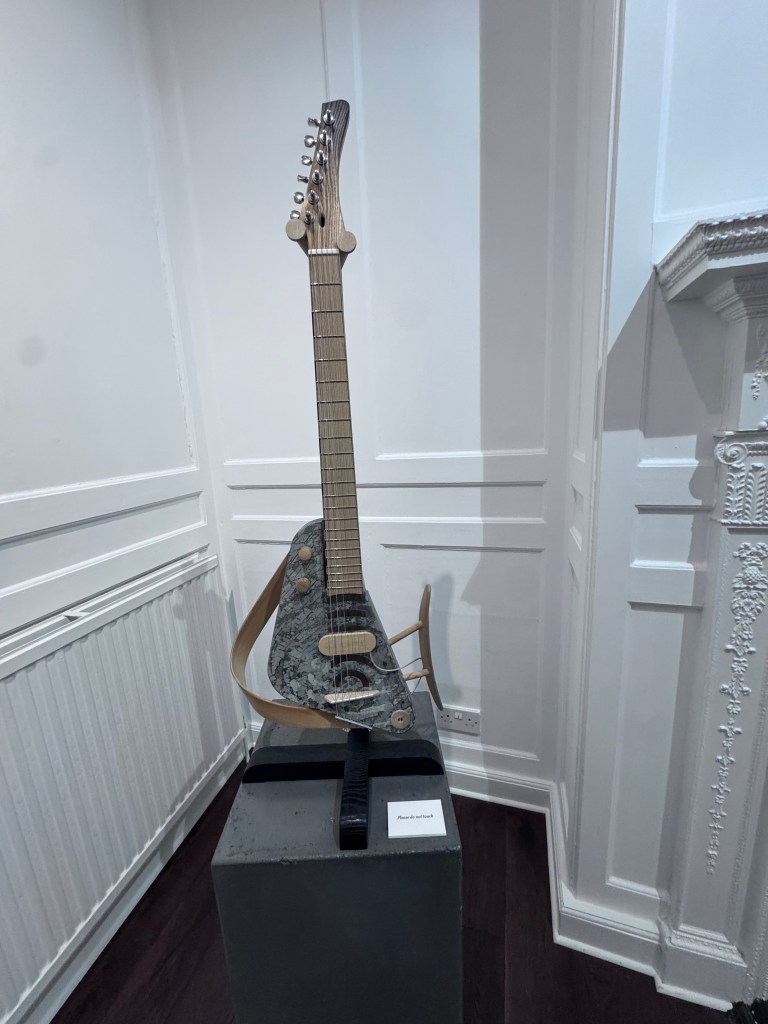
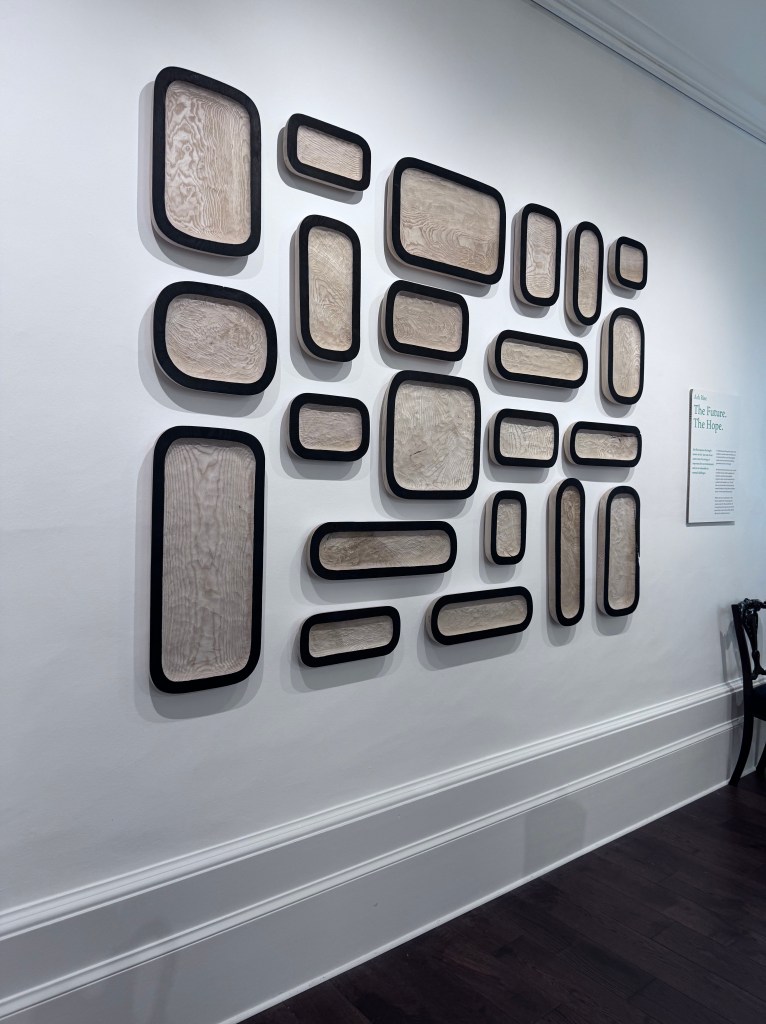
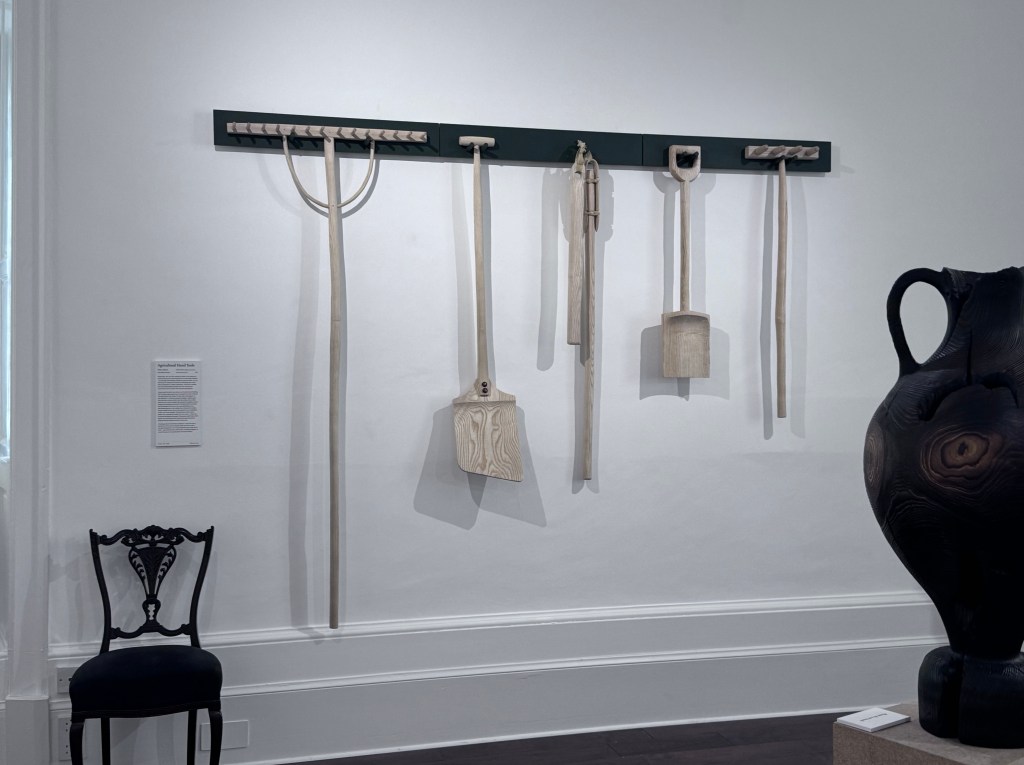
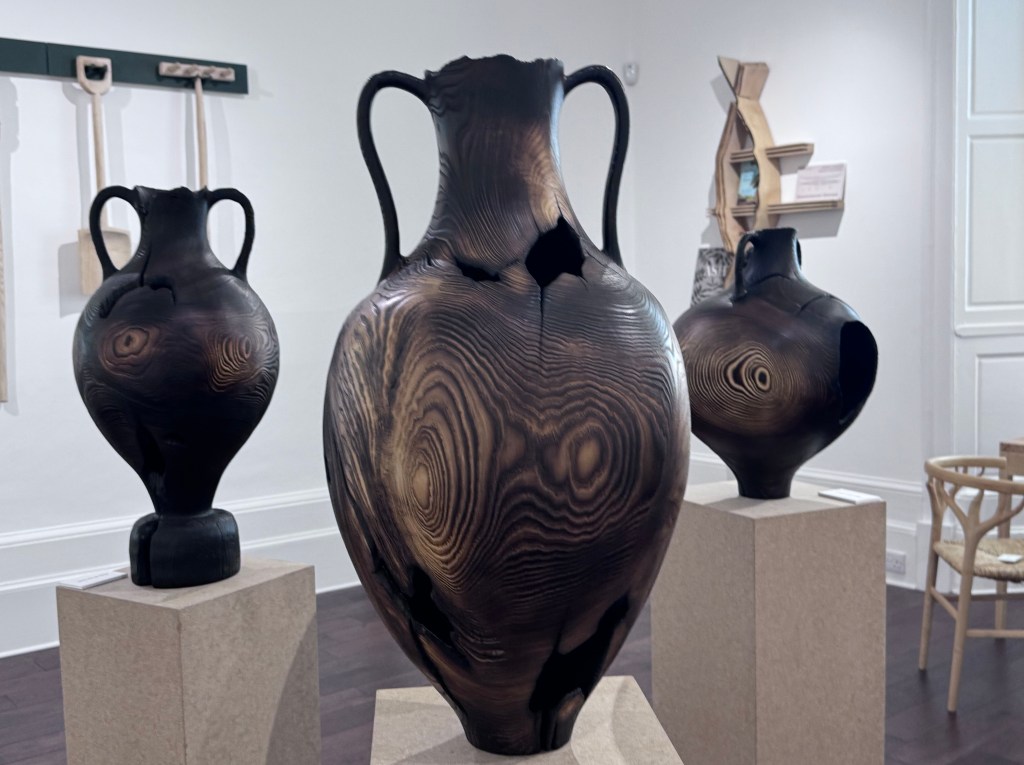
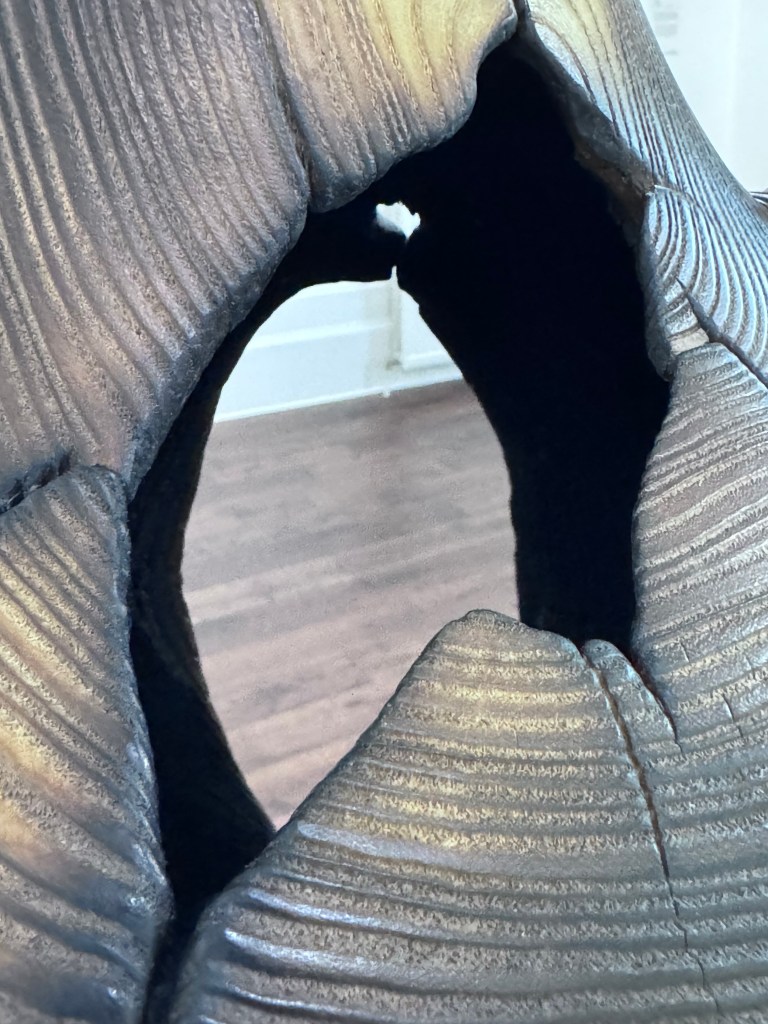
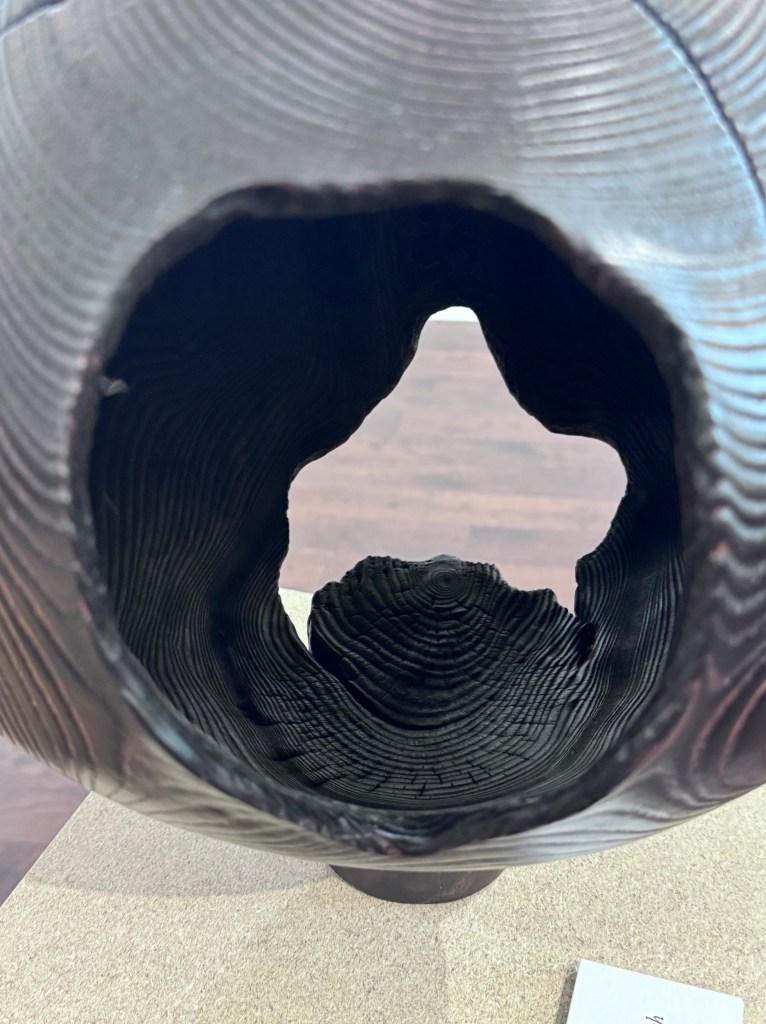
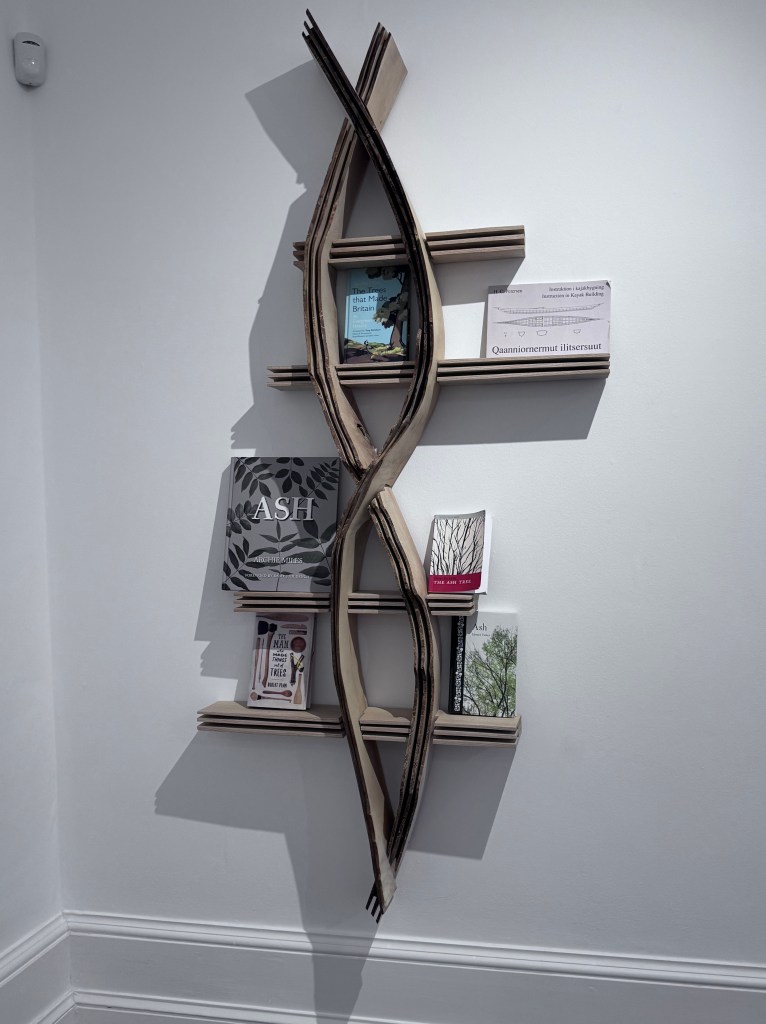
The art gallery was hosting an exhibition of ash wood artwork, and I was captivated by the pieces. The craftsmanship was exquisite, with each creation highlighting the natural beauty of the wood. It was amazing to see how artists could transform a simple piece of ash into something so elegant and detailed. Set within the historic castle, the exhibit felt like a perfect blend of Scotland’s past and present.

Back in Dundee, we stumbled upon what turned out to be one of the best experiences of our trip.

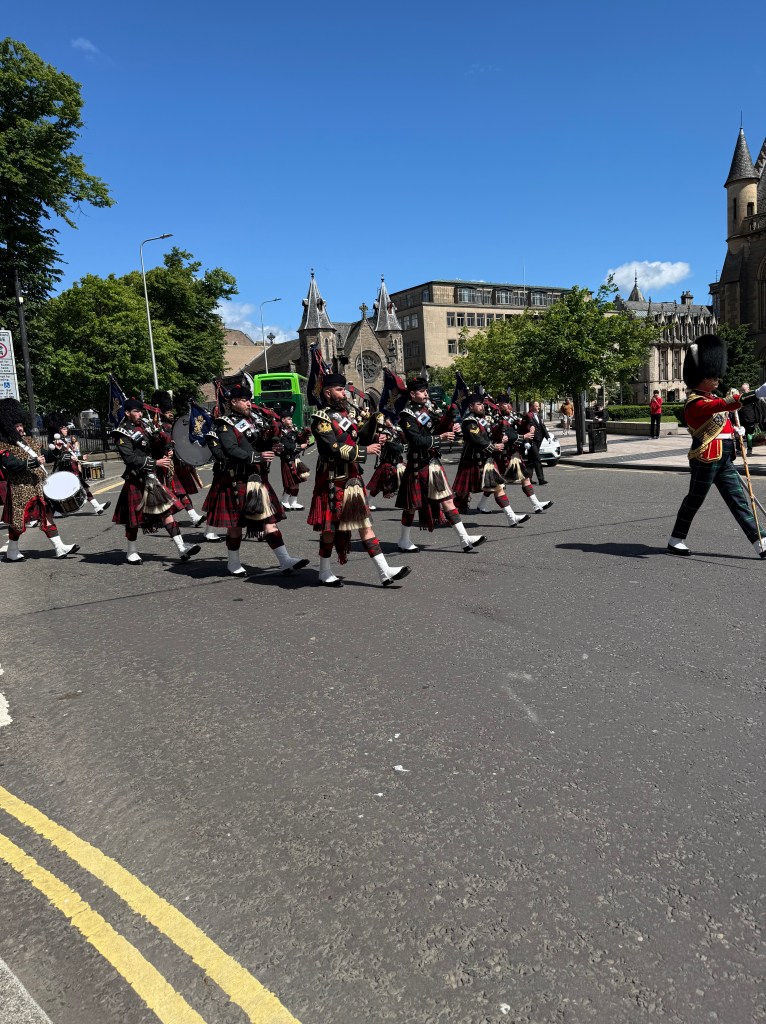
Mom spotted four young men wearing kilts walking through the city center. Naturally, we did what everyone around us did not do—we followed them. Now, keep in mind that they were moving at the speed of light while we were moving at the speed of pudding. We kept our eyes fixed on their heads as they stayed about a block and a half ahead of us.

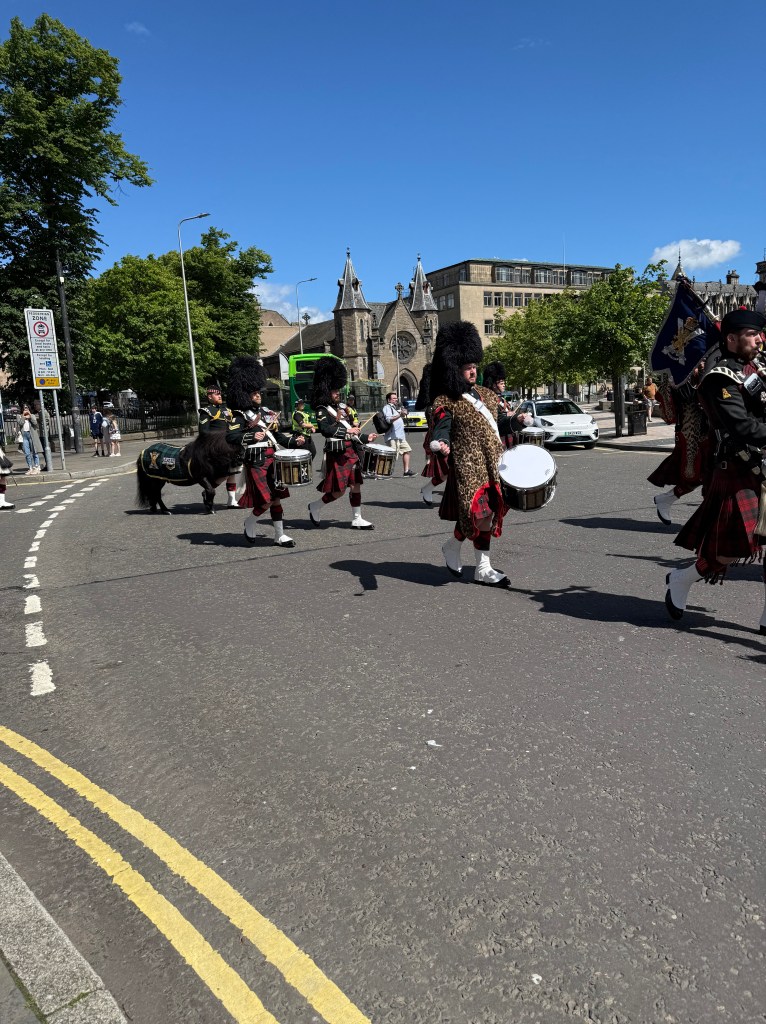
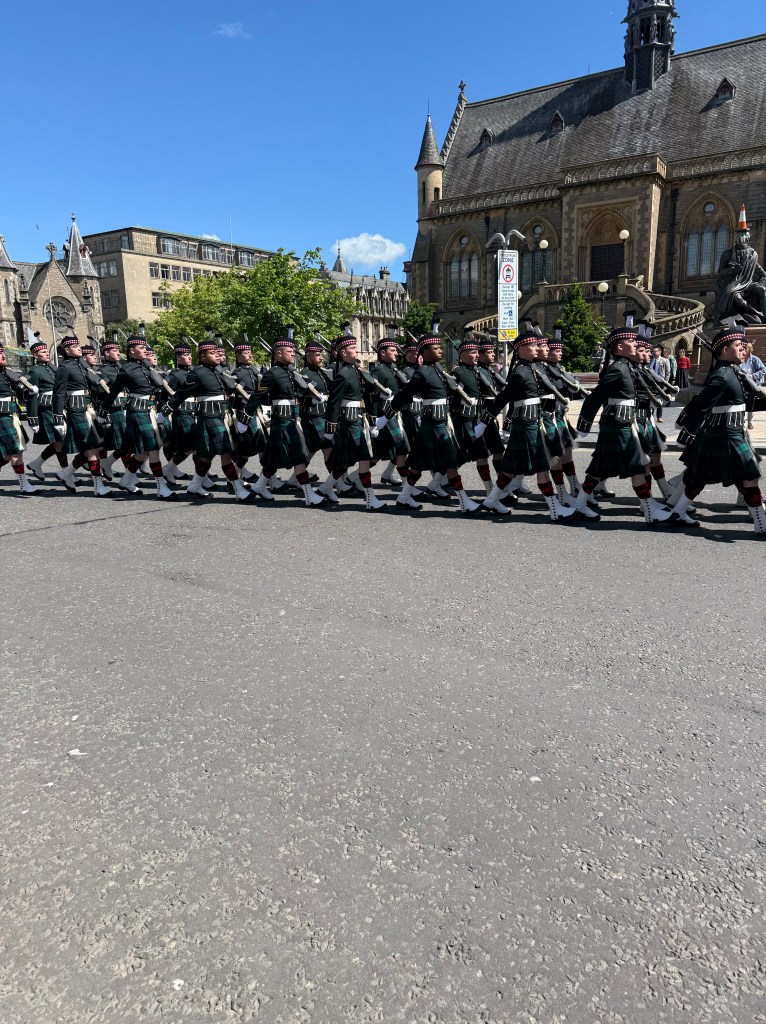
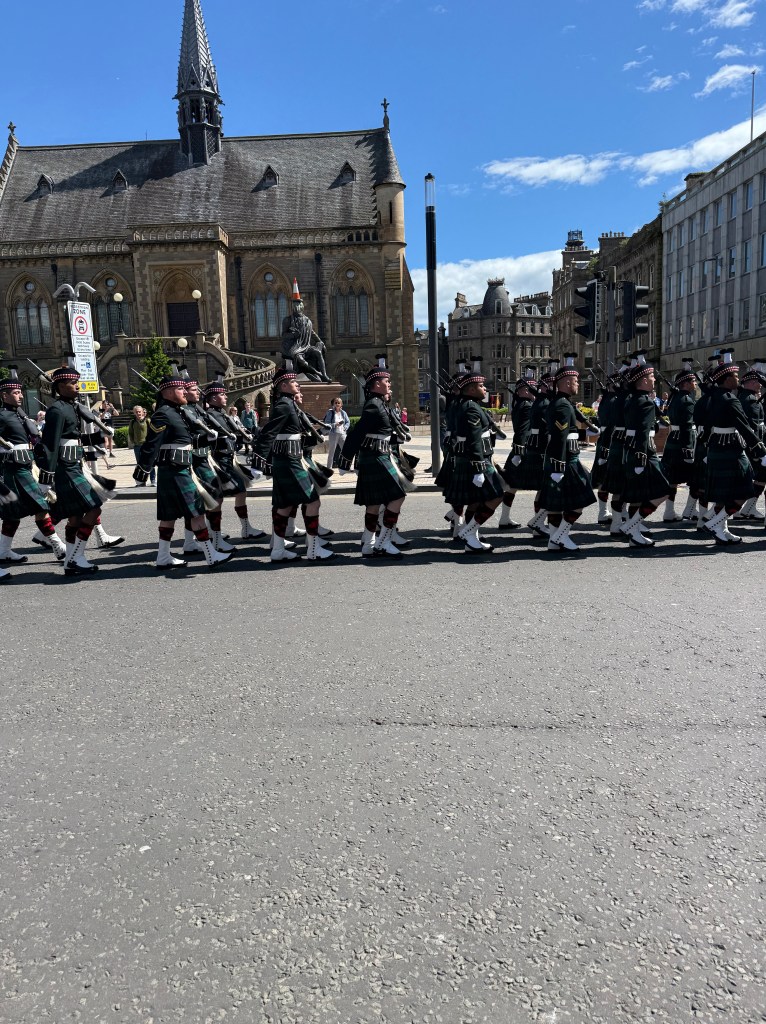
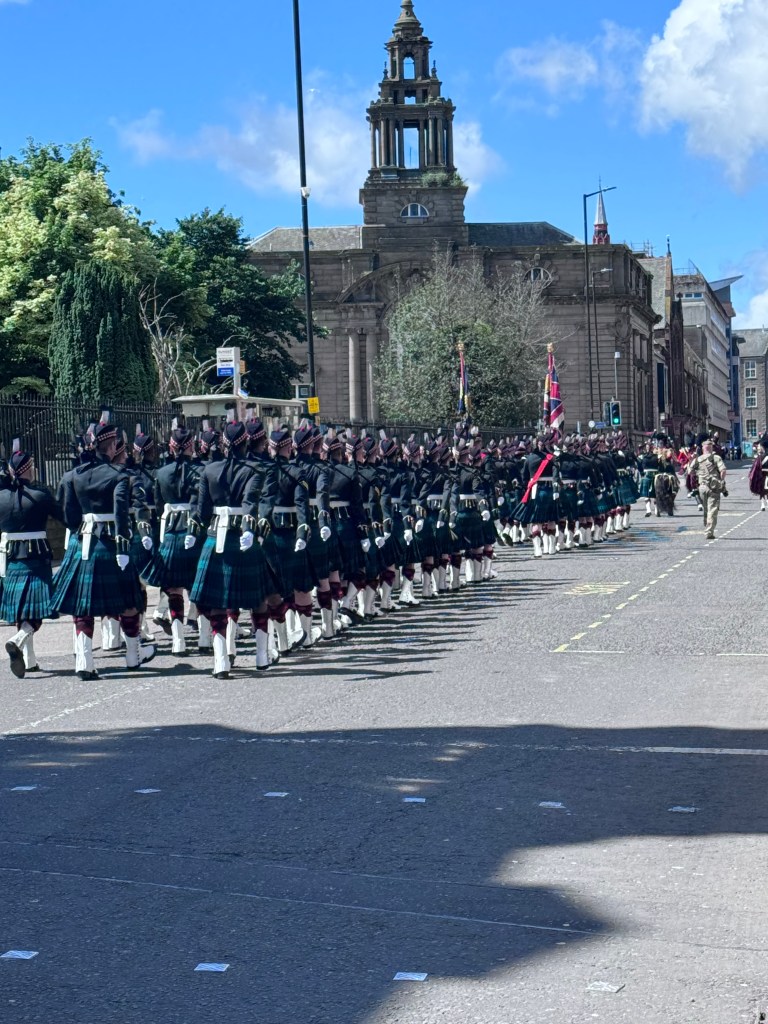
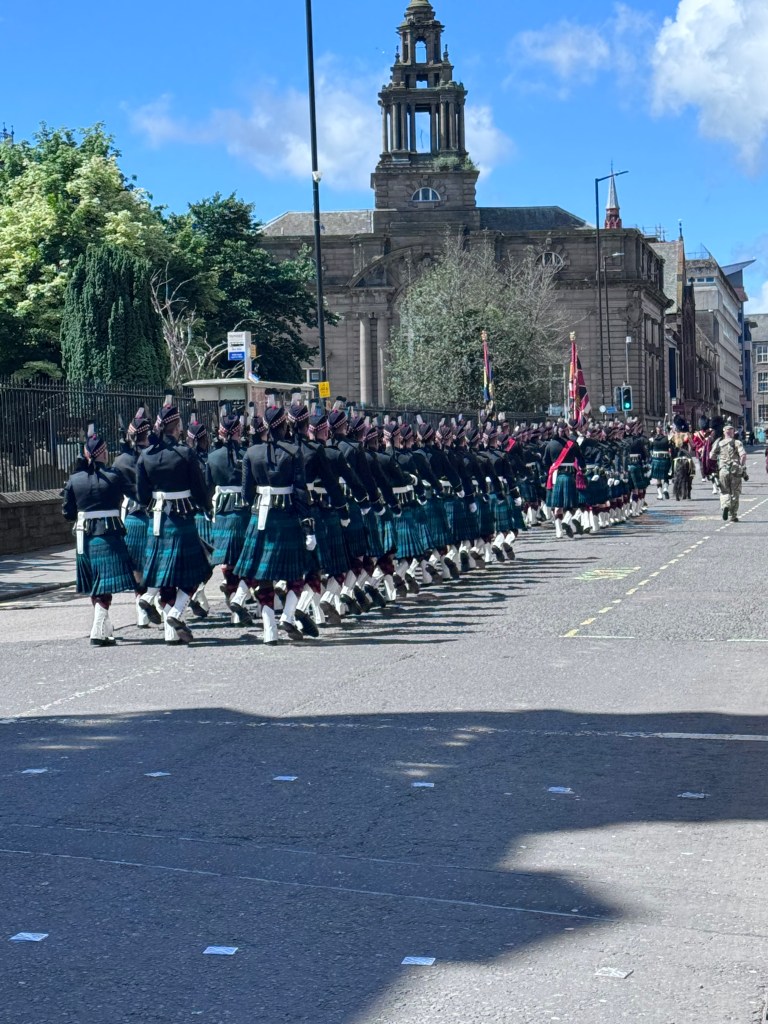
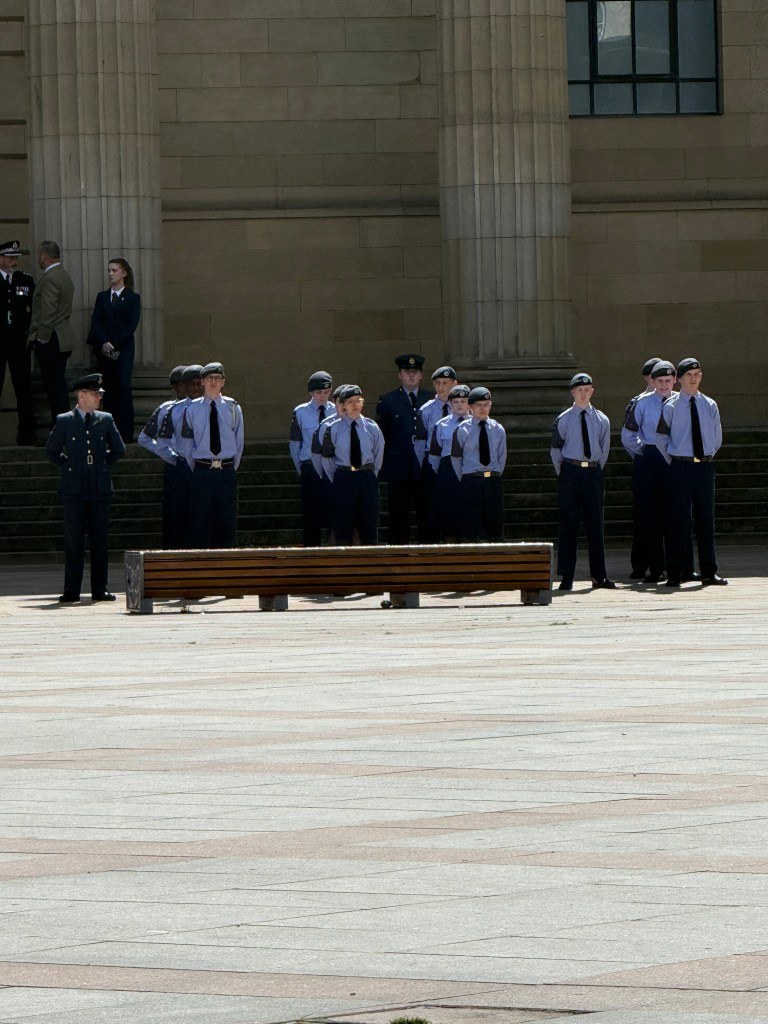
Eventually, they led us toward a local high school. Curious, we asked a traffic inspector what was happening and learned that preparations were underway for the Royal Regiment of Scotland’s Freedom of Dundee ceremony.

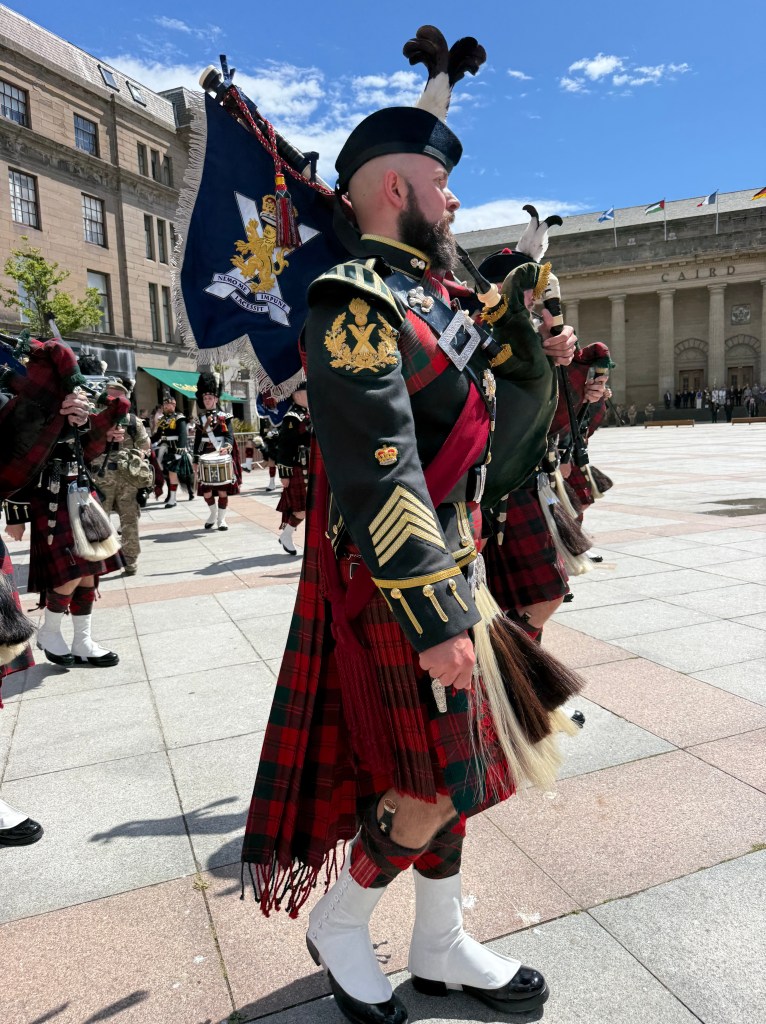
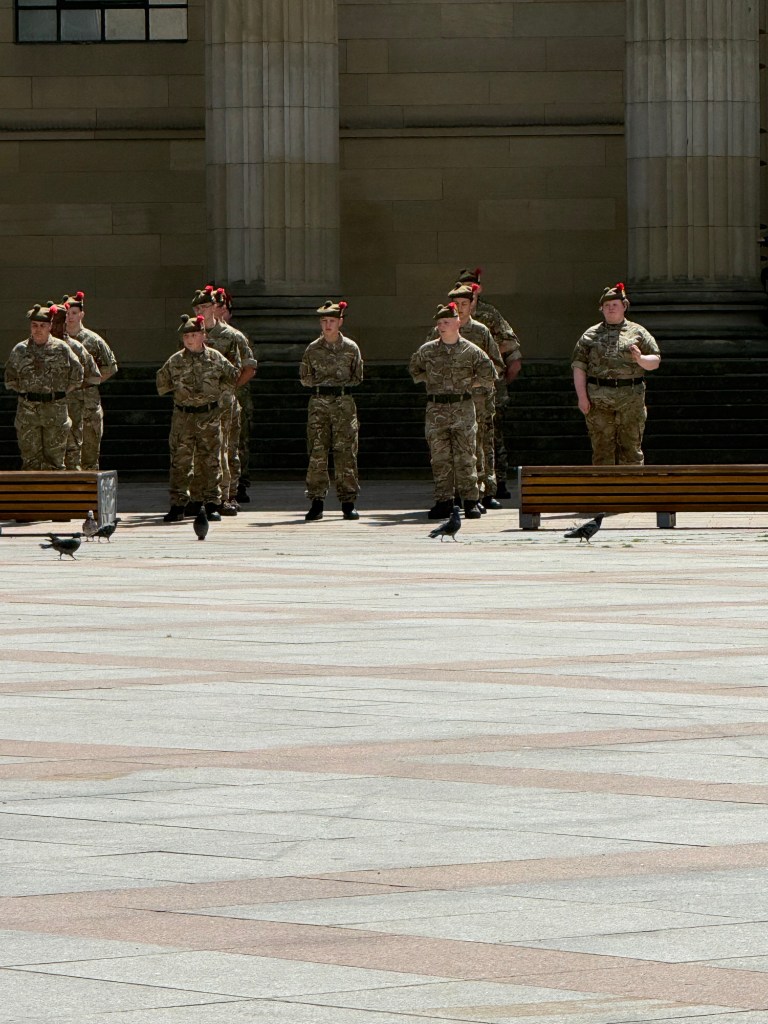
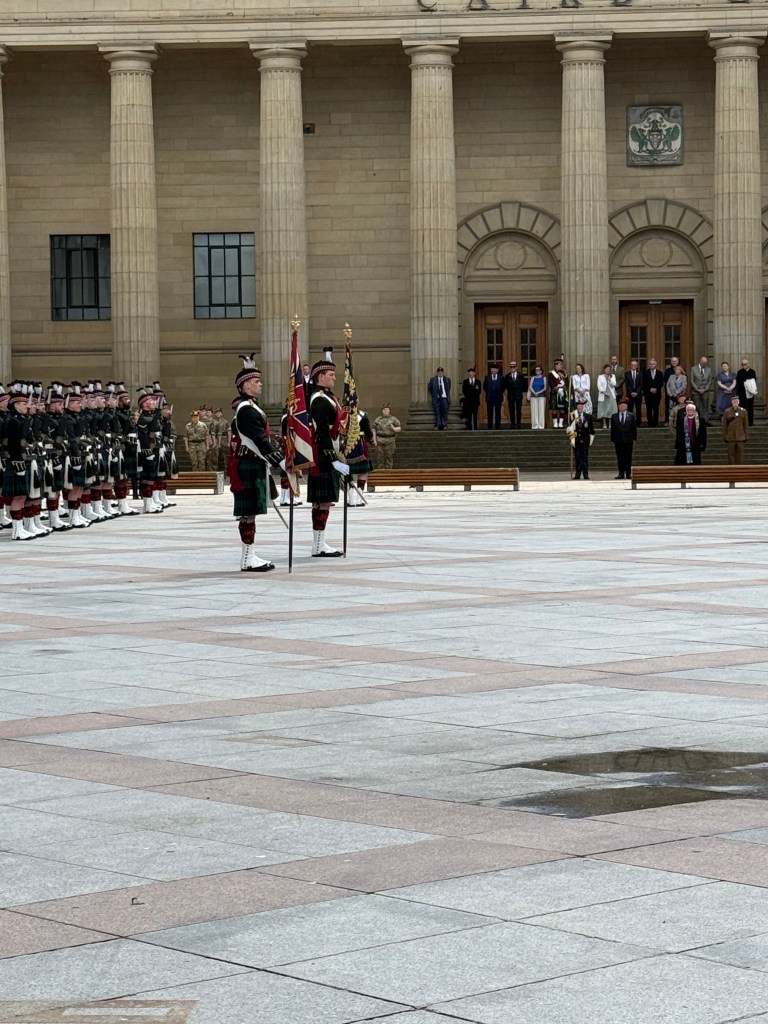
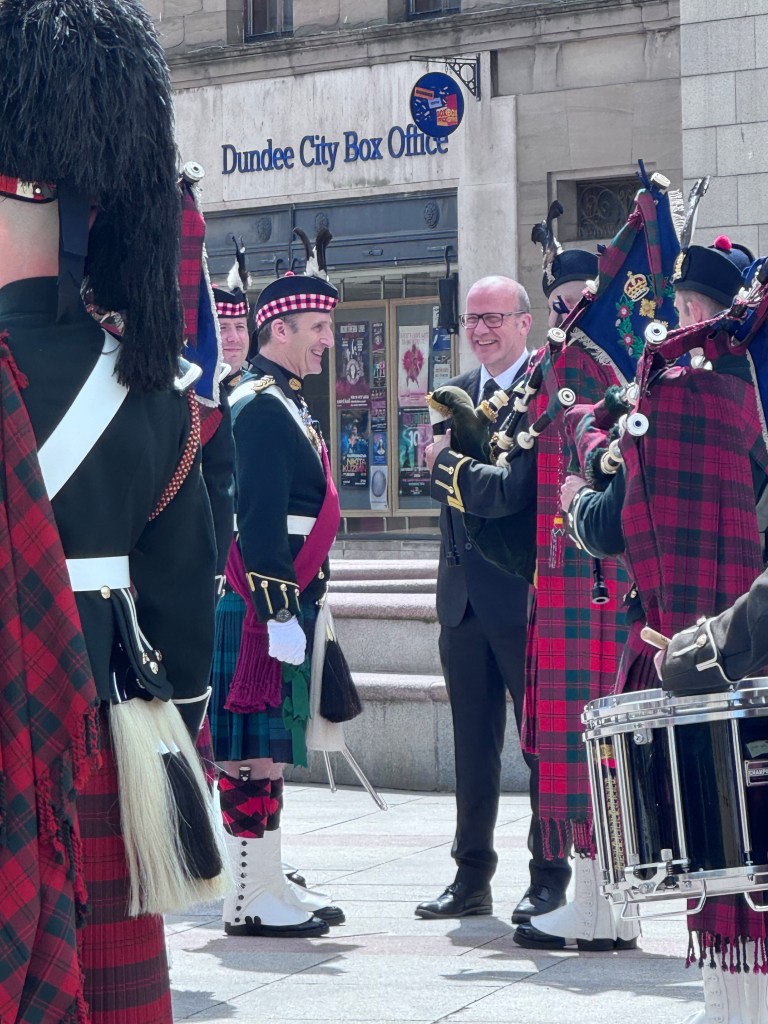
Suddenly, we found ourselves standing right where the regiment was assembling. I was able to film the soldiers and bagpipers as they marched past us. Later, we returned to the city center and found barriers set up around City Square. I stationed Mom and Kiya along the fence while I found a spot to record the procession entering the city.

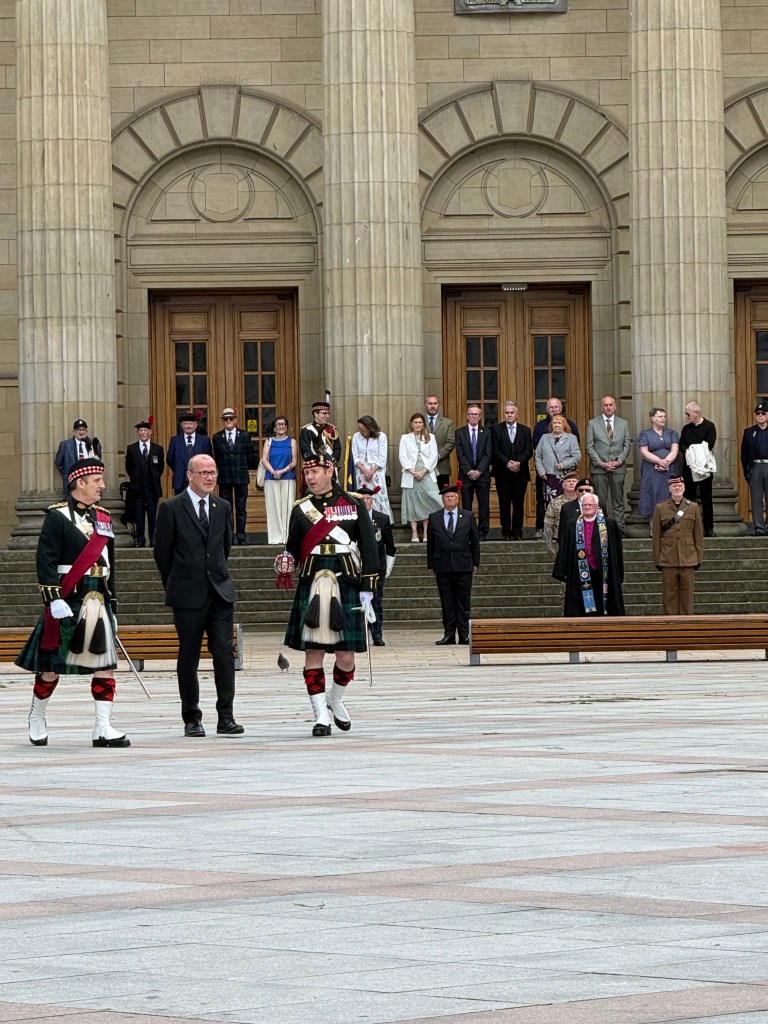
What followed was an incredible ceremony. I am struggling to post videos on here so I will post on Facebook.

On June 20, 2026, the Royal Regiment of Scotland was granted the Freedom of the City of Dundee—the first military unit to receive the honor in more than seventy years. The last regiment to receive the distinction was the Black Watch in 1954.

The Freedom of the City is one of the highest honors a city can bestow. Dating back to medieval times, it traditionally granted military units the right to march through the city with “drums beating, colours flying, and bayonets fixed.” Today, it symbolizes the trust, respect, and enduring bond between a city and those who serve it.

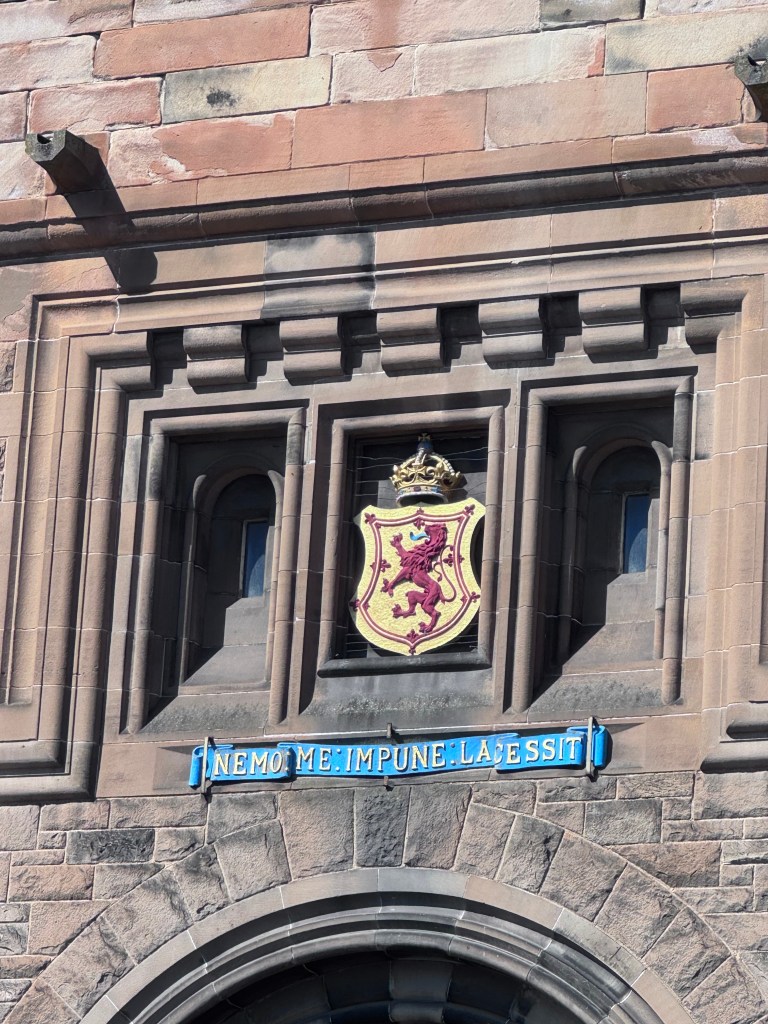
The Royal Regiment of Scotland, formed in 2006, is the senior infantry regiment of the British Army and carries forward more than 390 years of Scottish military heritage. Their motto, Nemo Me Impune Lacessit—”No one provokes me with impunity”—is shared with Scotland’s highest order of chivalry, the Order of the Thistle.

The regiment has served around the world, including Afghanistan, Iraq, Bosnia, Northern Ireland, Cyprus, Africa, and the Caribbean, while also supporting disaster relief efforts and assisting communities during floods, wildfires, and the COVID-19 pandemic.

As the soldiers marched through the streets accompanied by the sound of bagpipes echoing between the historic buildings, it felt like we had stepped into a piece of living history. What started as following a few young men in kilts turned into witnessing a once-in-a-generation event.

Without a doubt, it was one of the best experiences of our trip so far.

Sometimes the most memorable adventures are the ones you never planned.

That post perfectly captures the unexpected moments that make travel special. The image of following the kilts “at the speed of pudding” is especially memorable!

Trains, Towers, and the Blarney Stone

Kissing the Blarney Stone

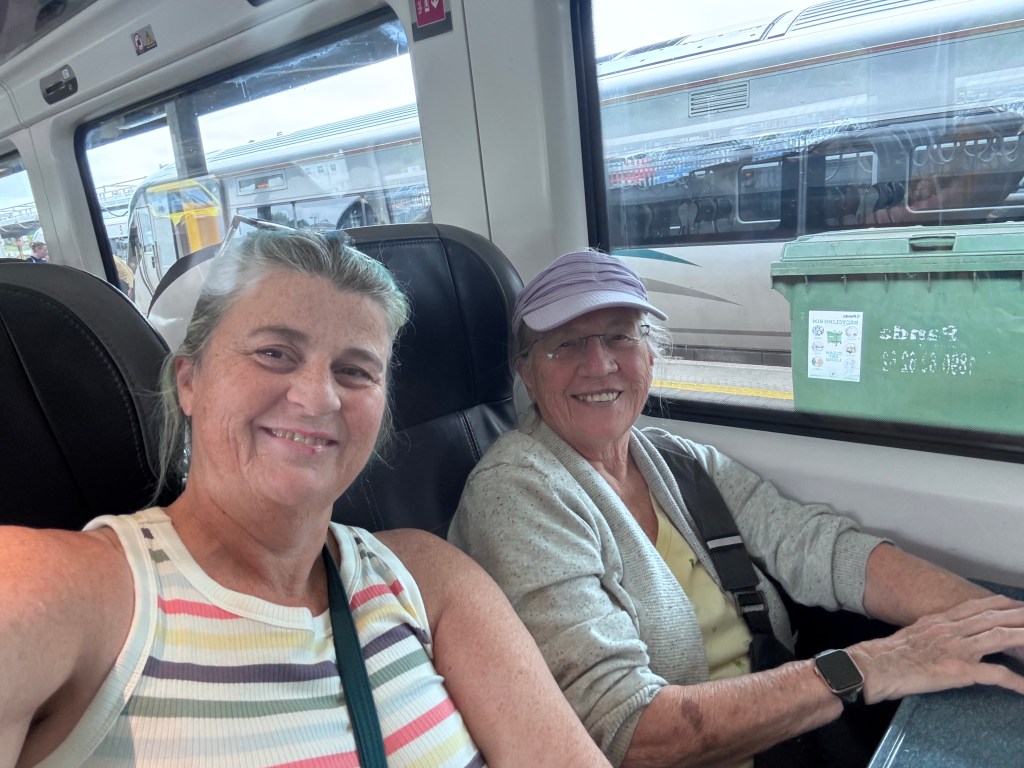
We were up early again, navigating the Irish train system. One thing that continues to amaze us is how incredibly helpful everyone has been. The railway staff are always ready with ramps to help Kiya on and off the trains, and if a worker isn’t immediately available, complete strangers step in to help. The kindness we’ve experienced has been overwhelming.

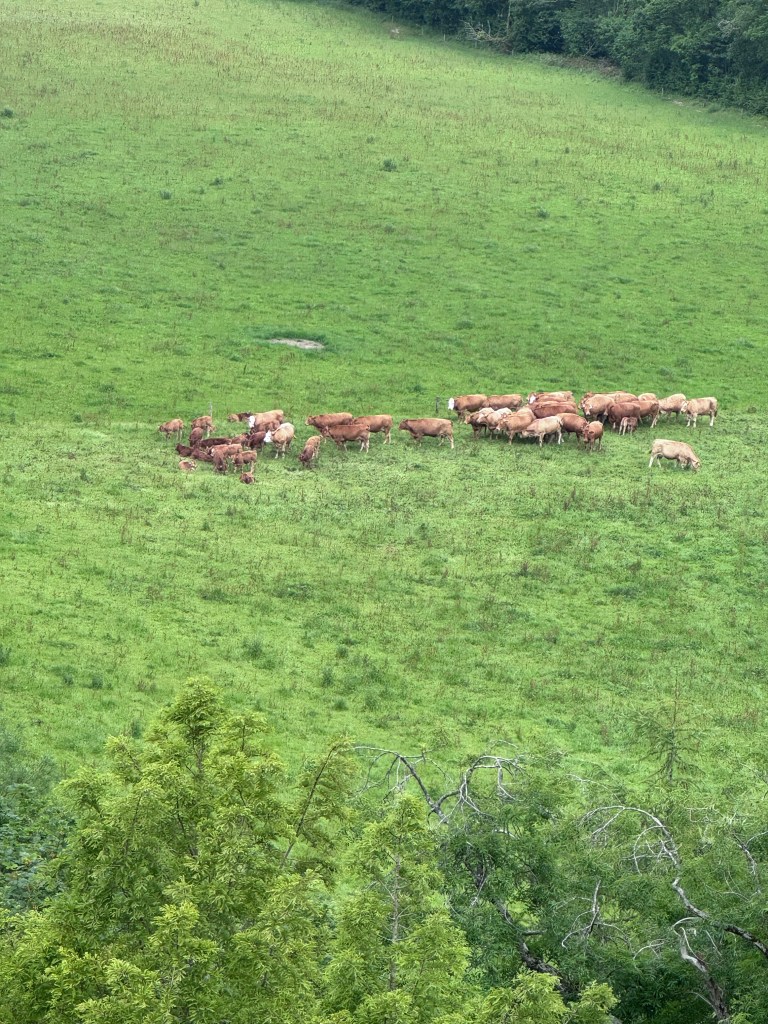
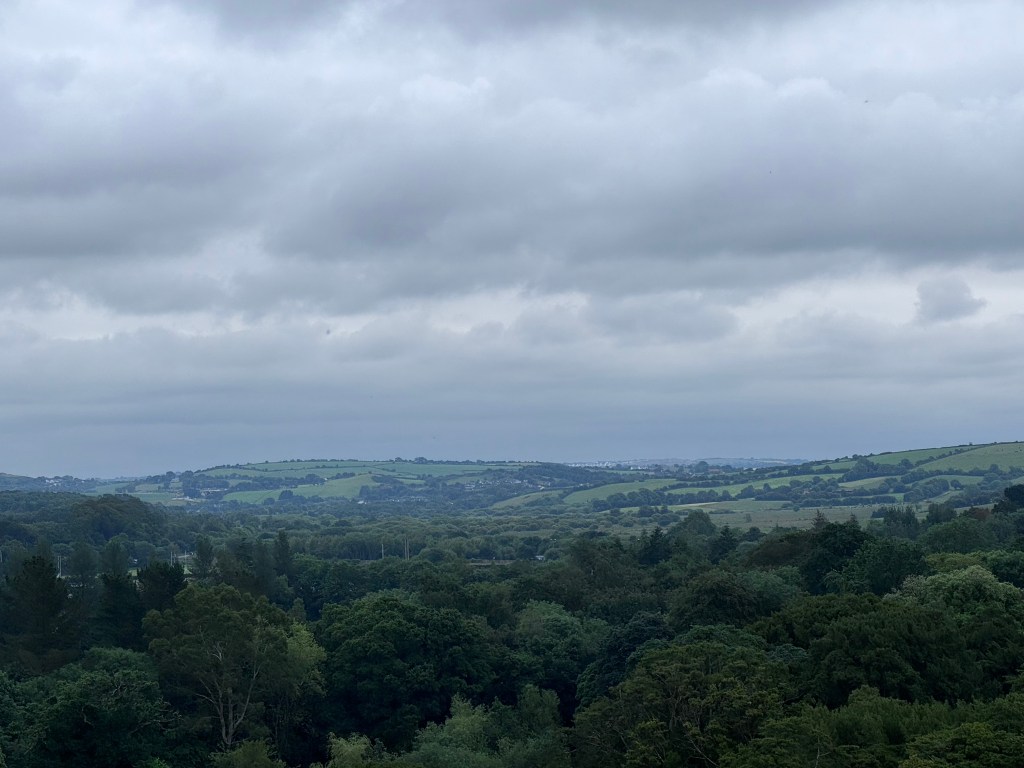
The train ride through the Irish countryside was absolutely gorgeous. Rolling green fields stretched for miles, dotted with sheep, cattle, and stone fences. It felt like something straight out of a postcard.

We were lucky enough to have an amazing taxi driver named Greg, who had us laughing the entire ride up to Blarney Castle. By the time we arrived, our cheeks hurt from smiling. He has five daughters ranging from 27-8

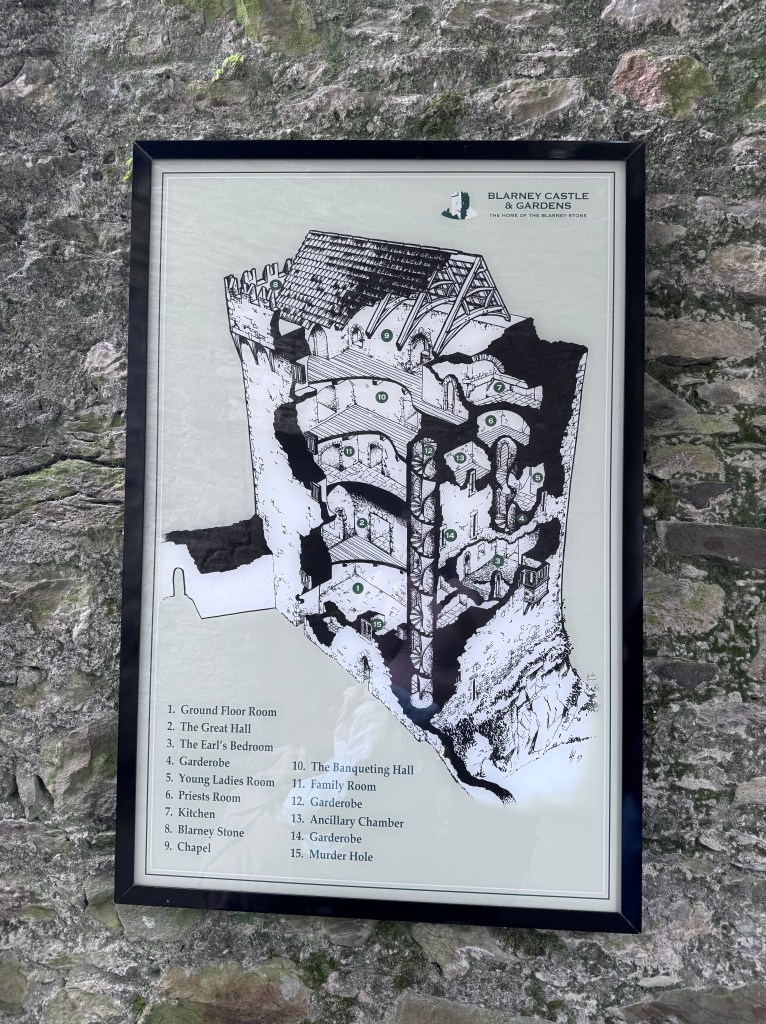
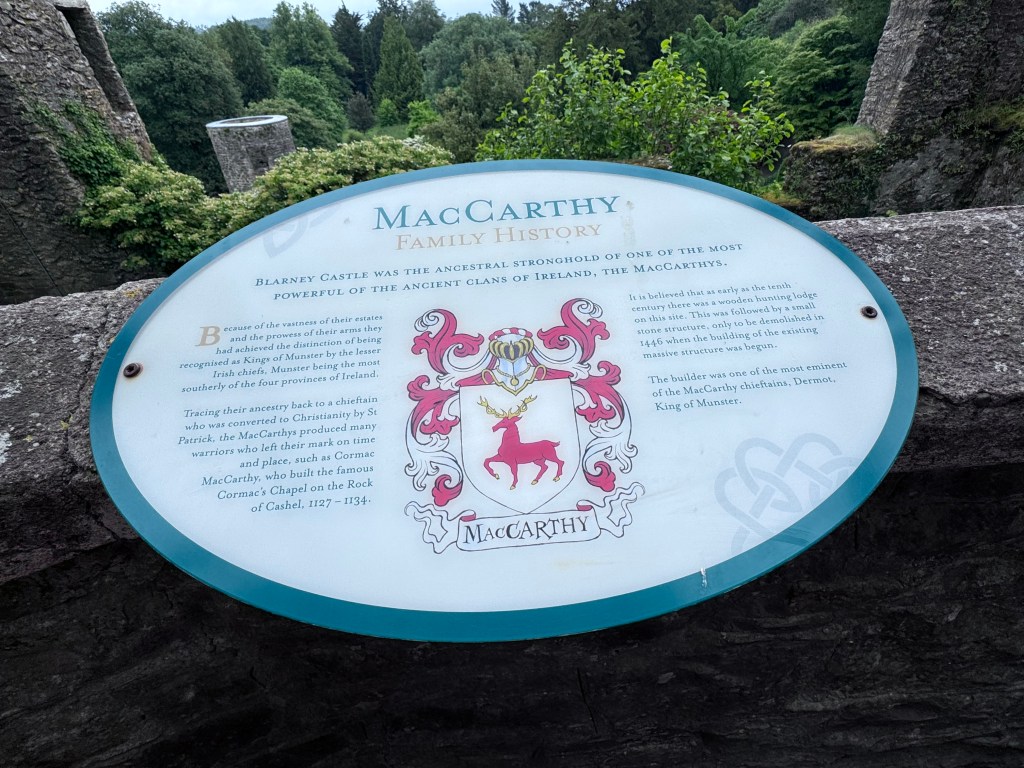
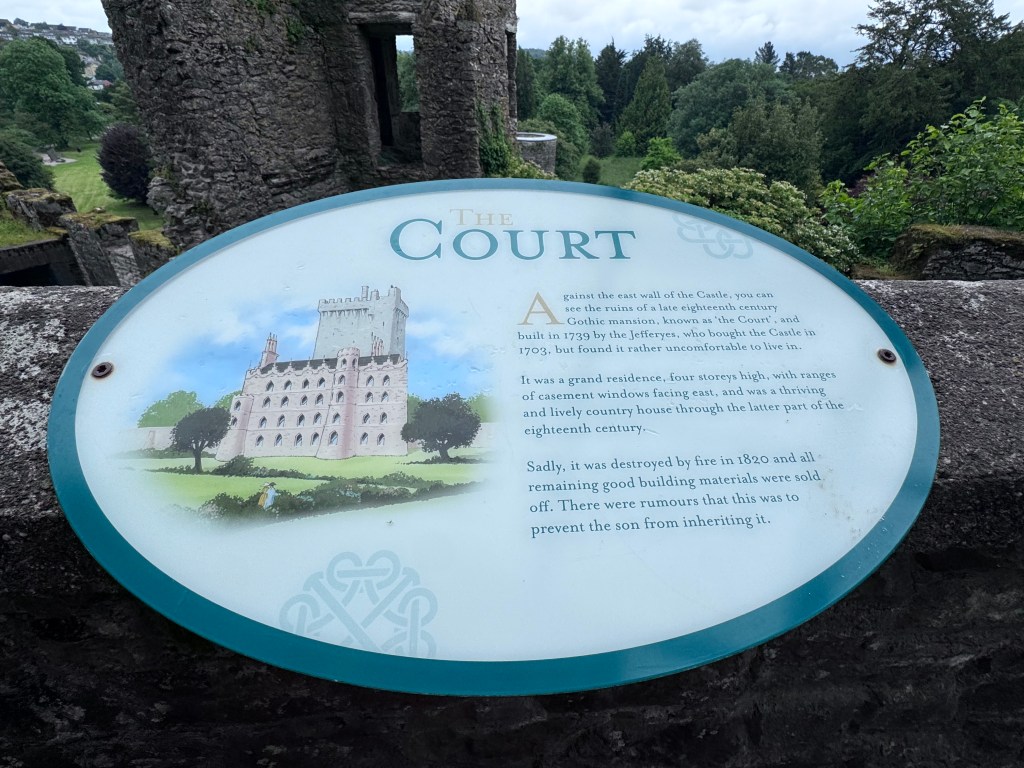
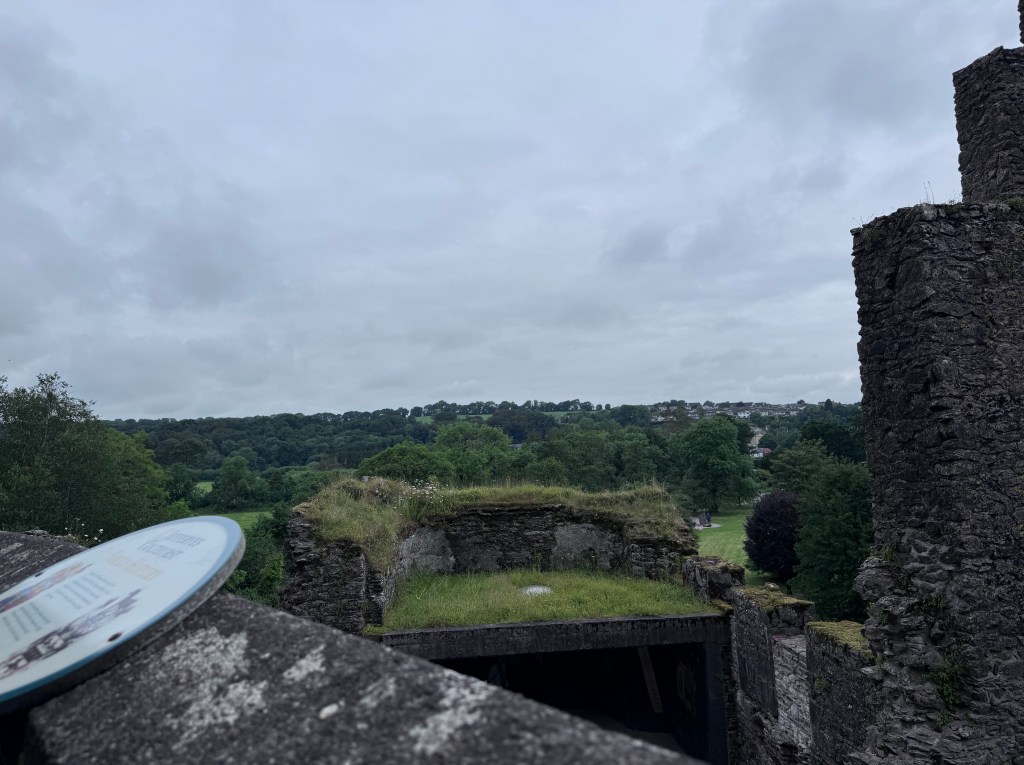
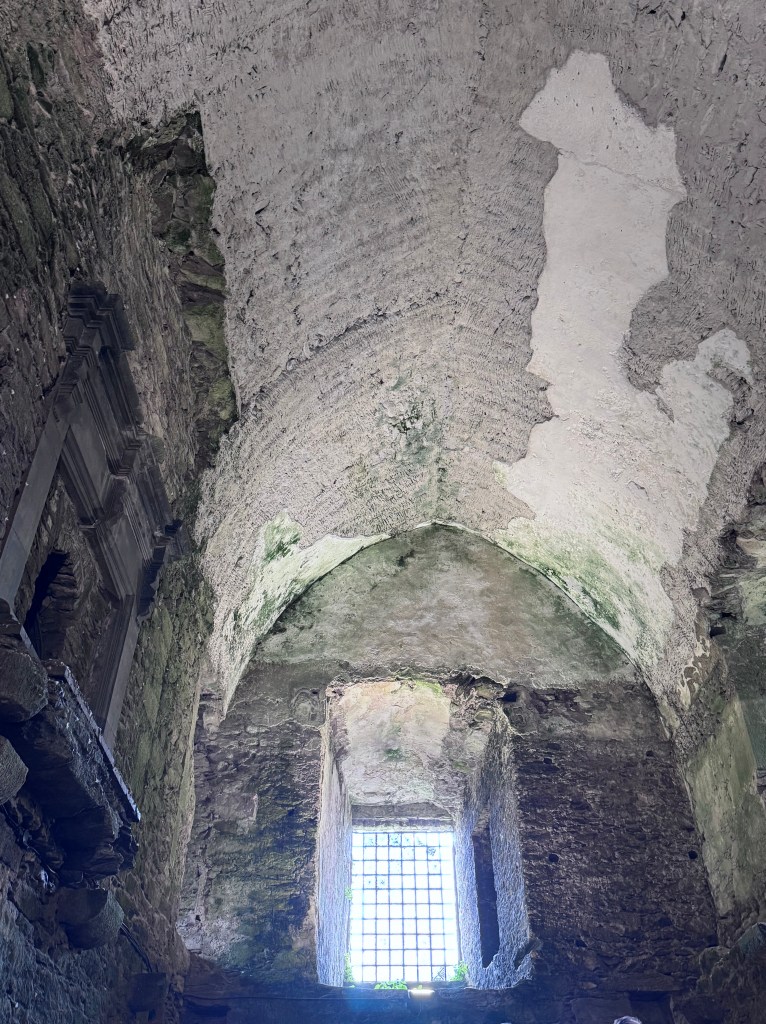
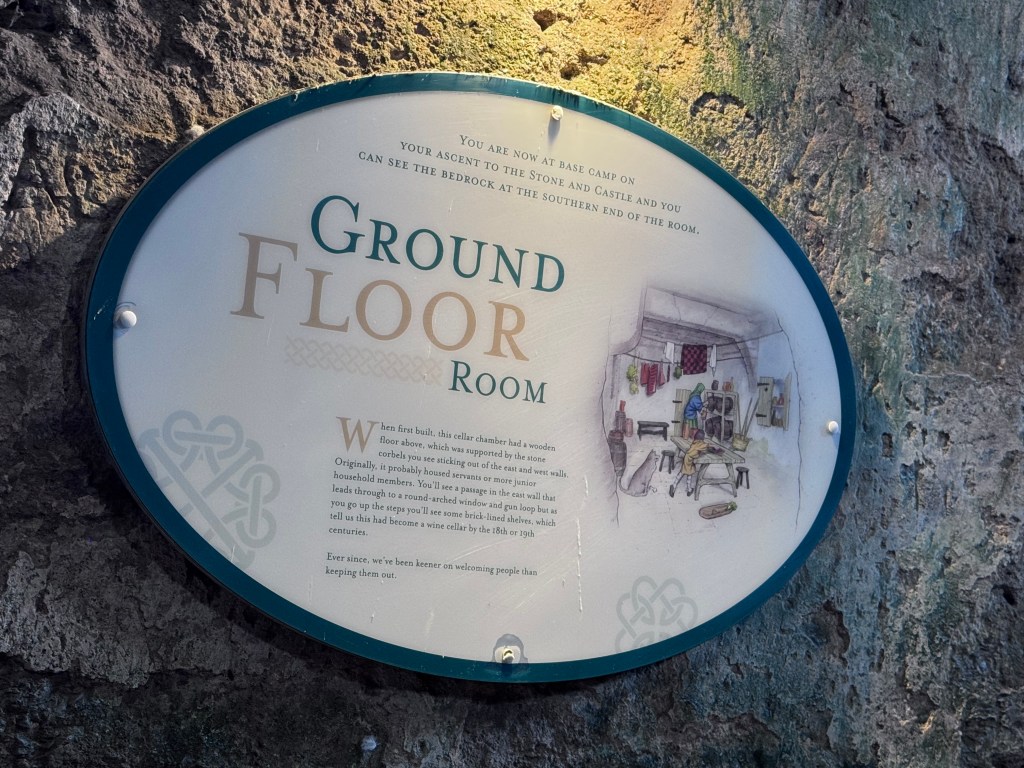
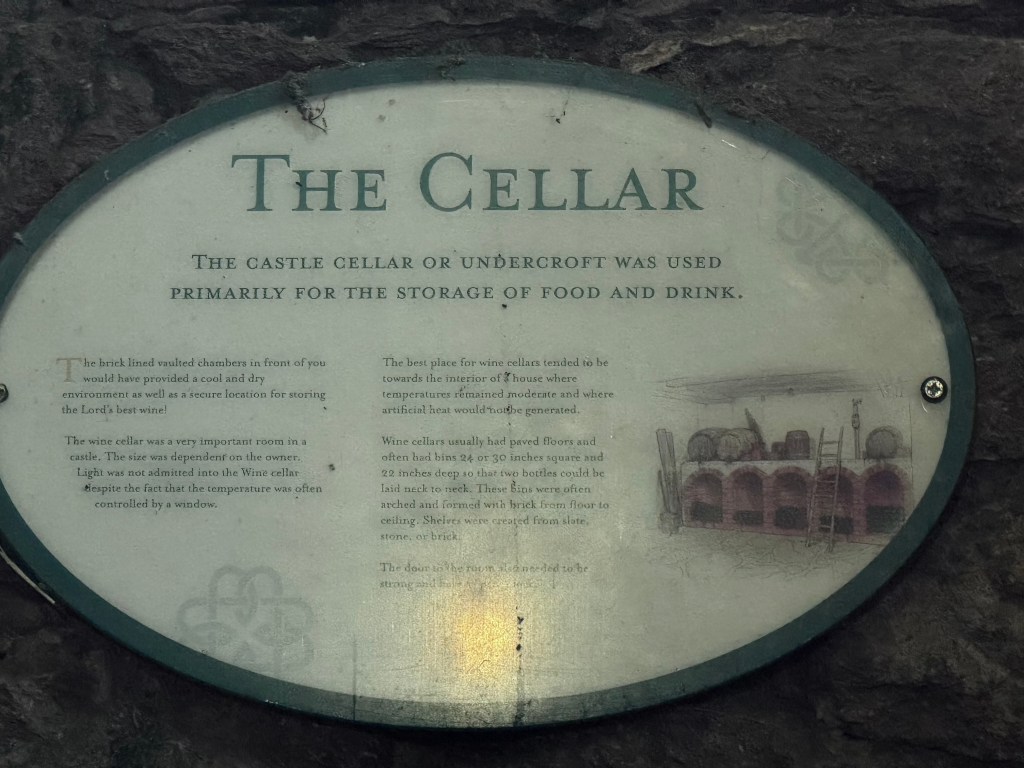
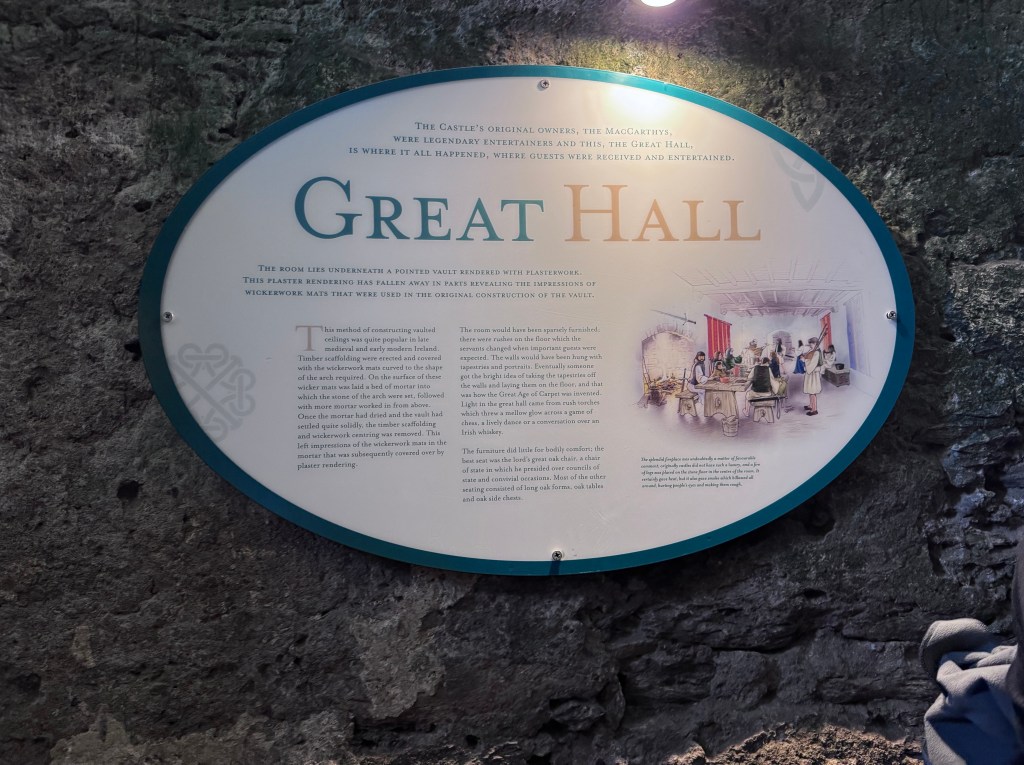
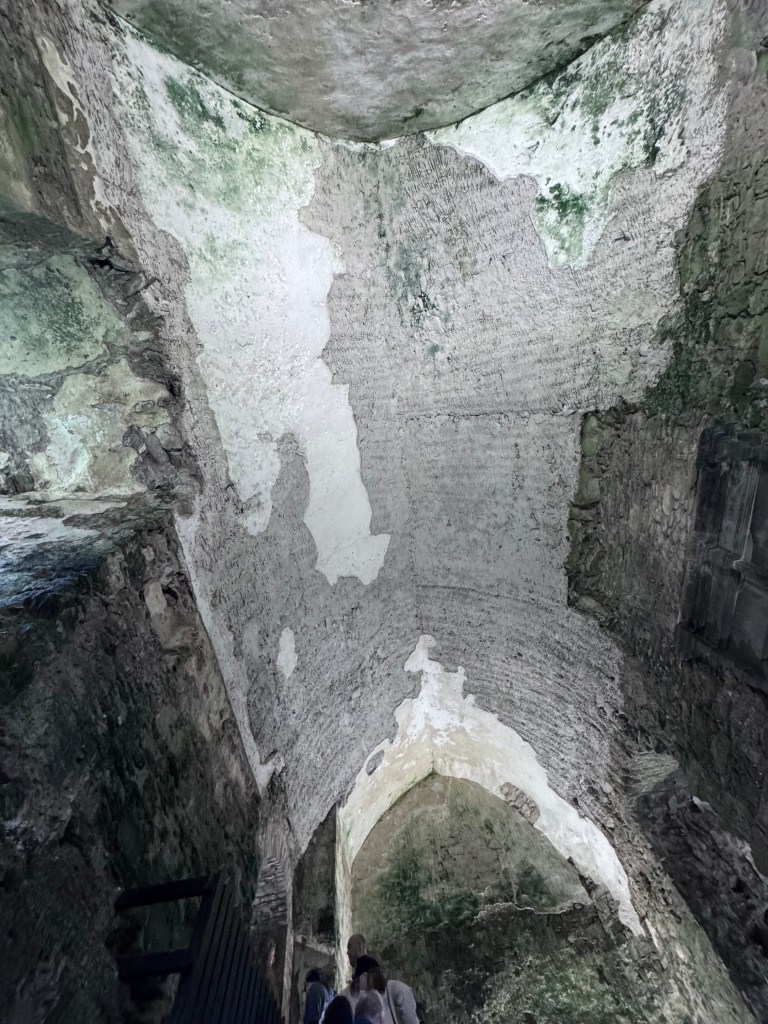
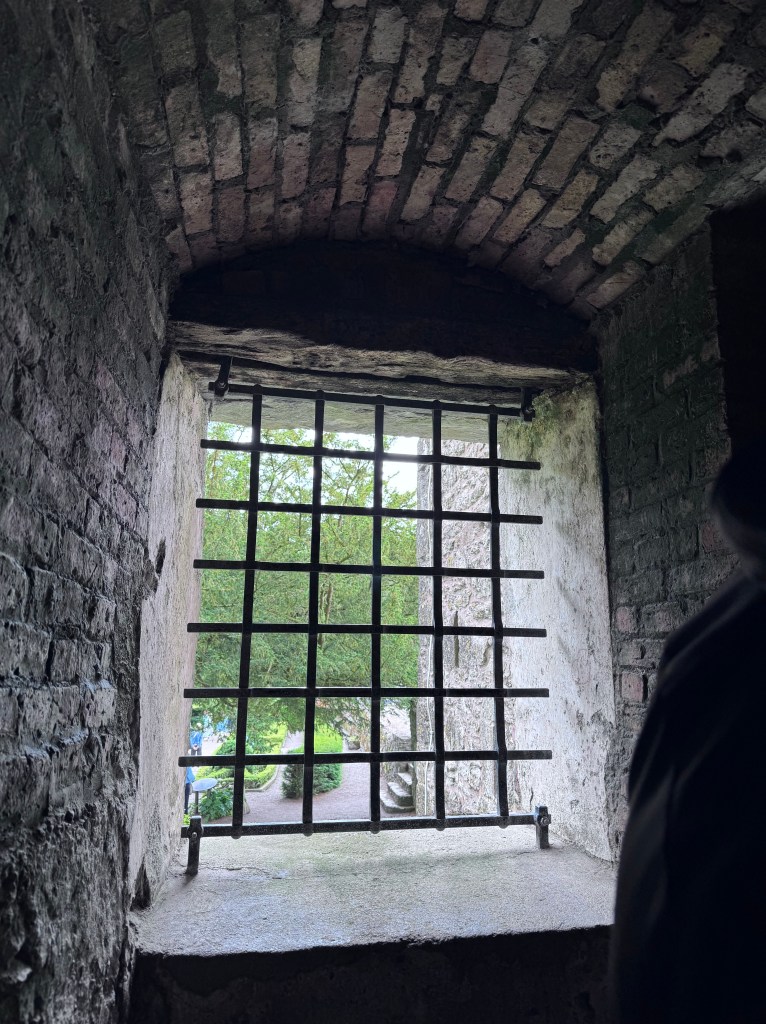
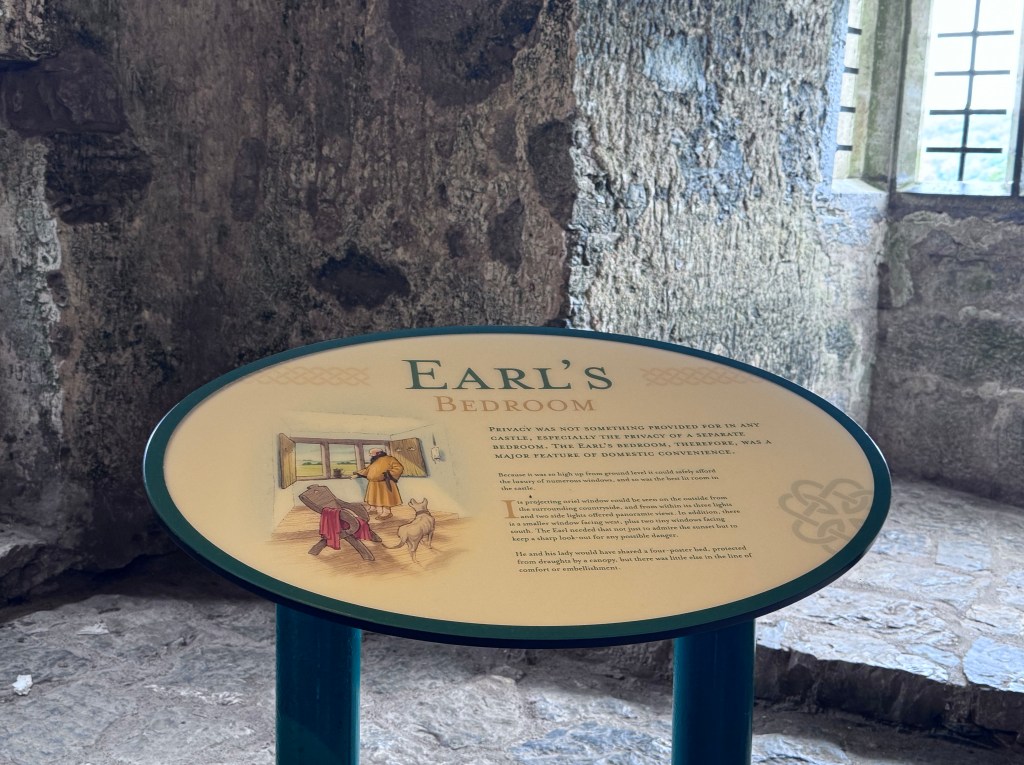
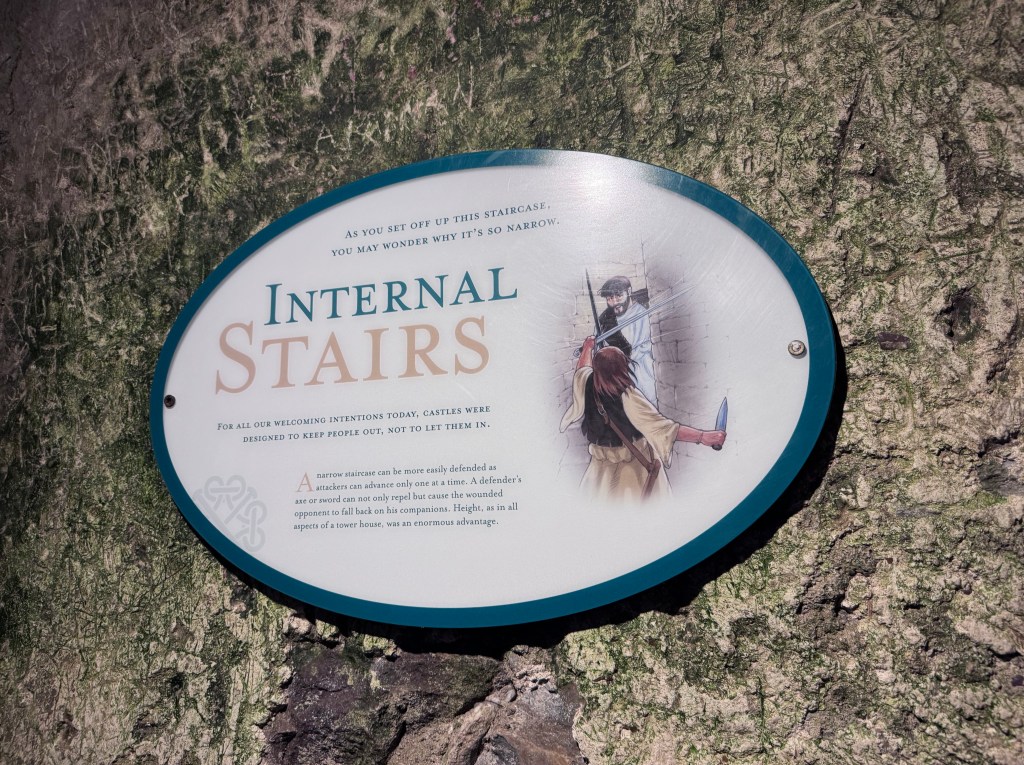
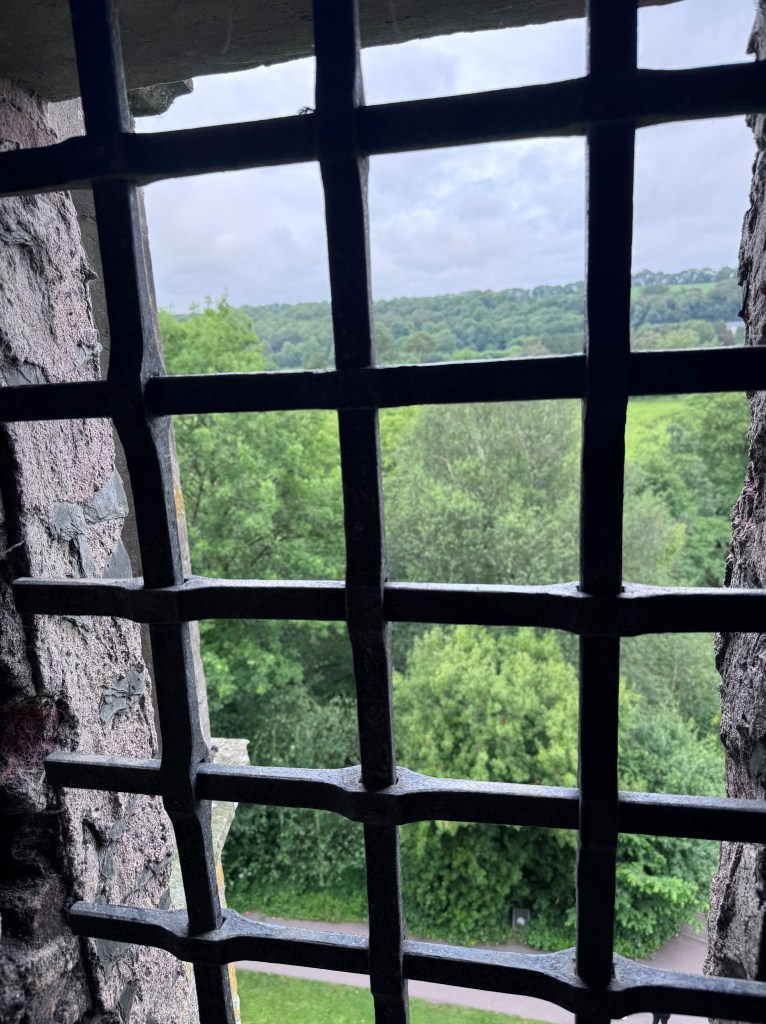
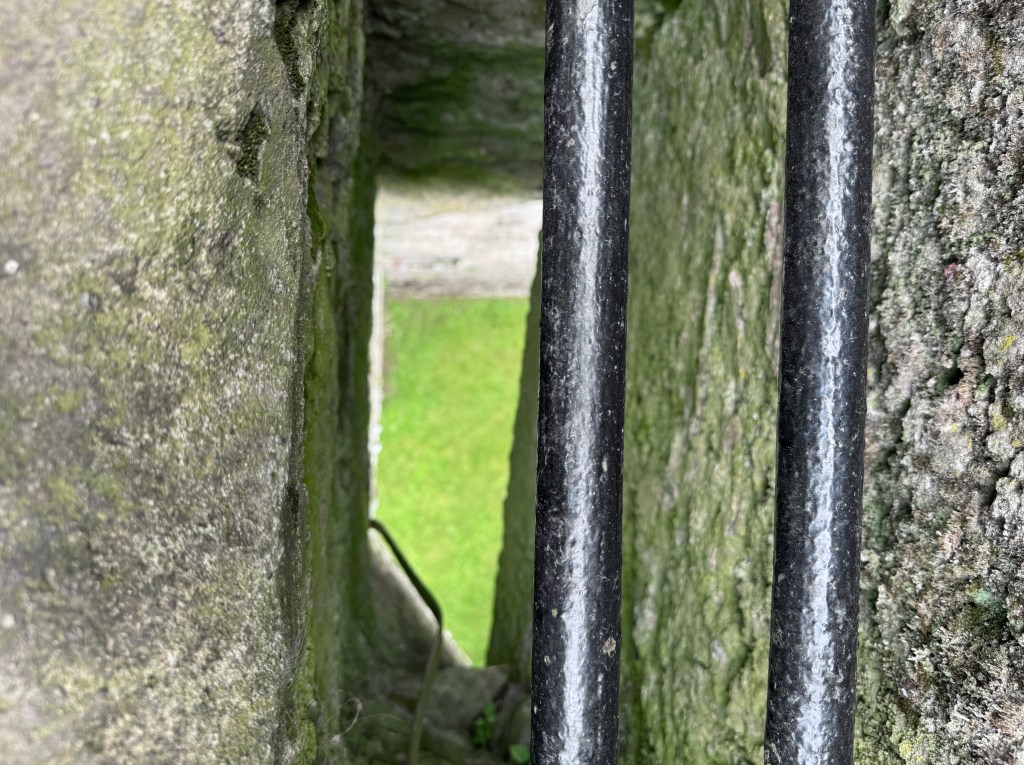
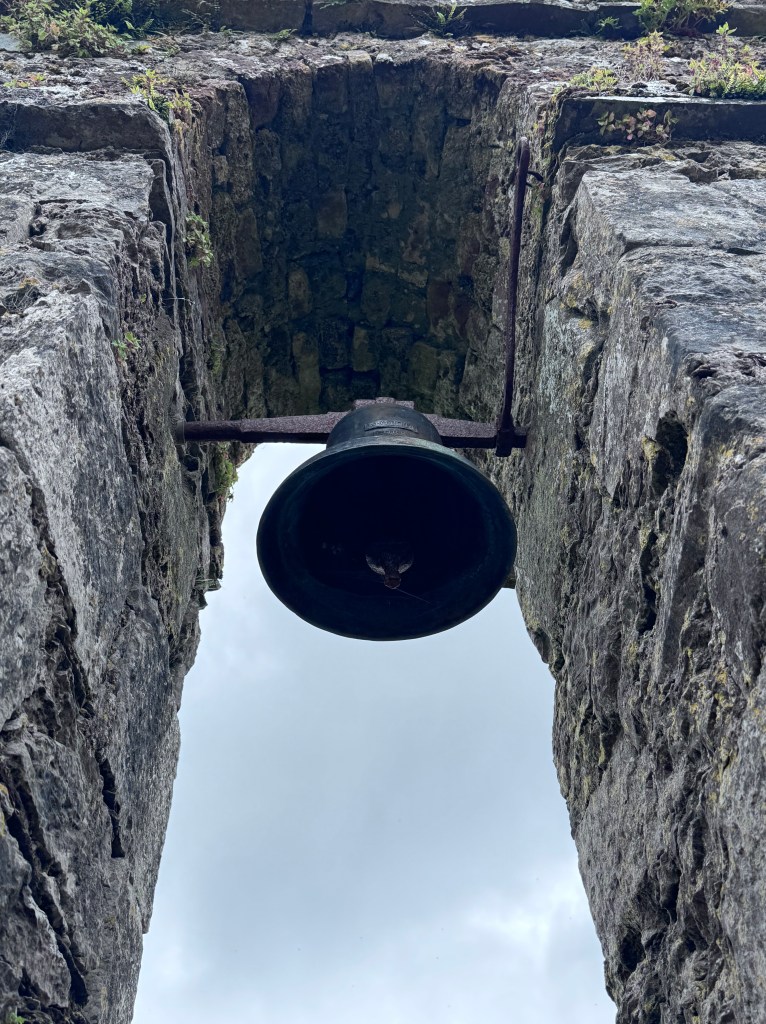
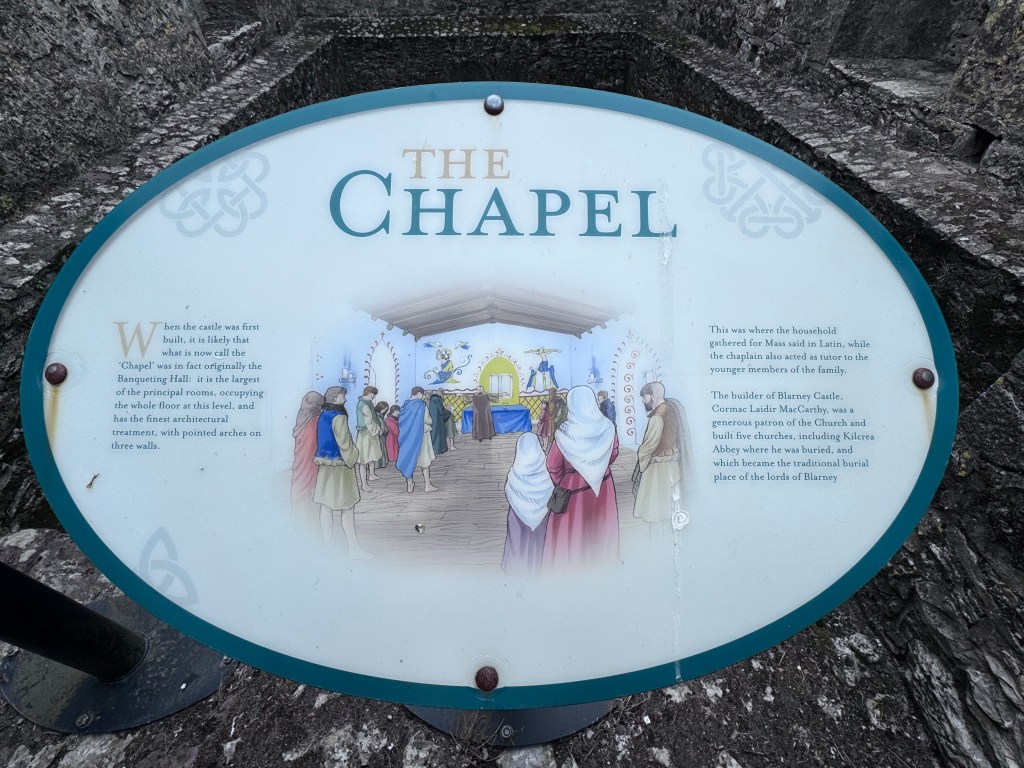
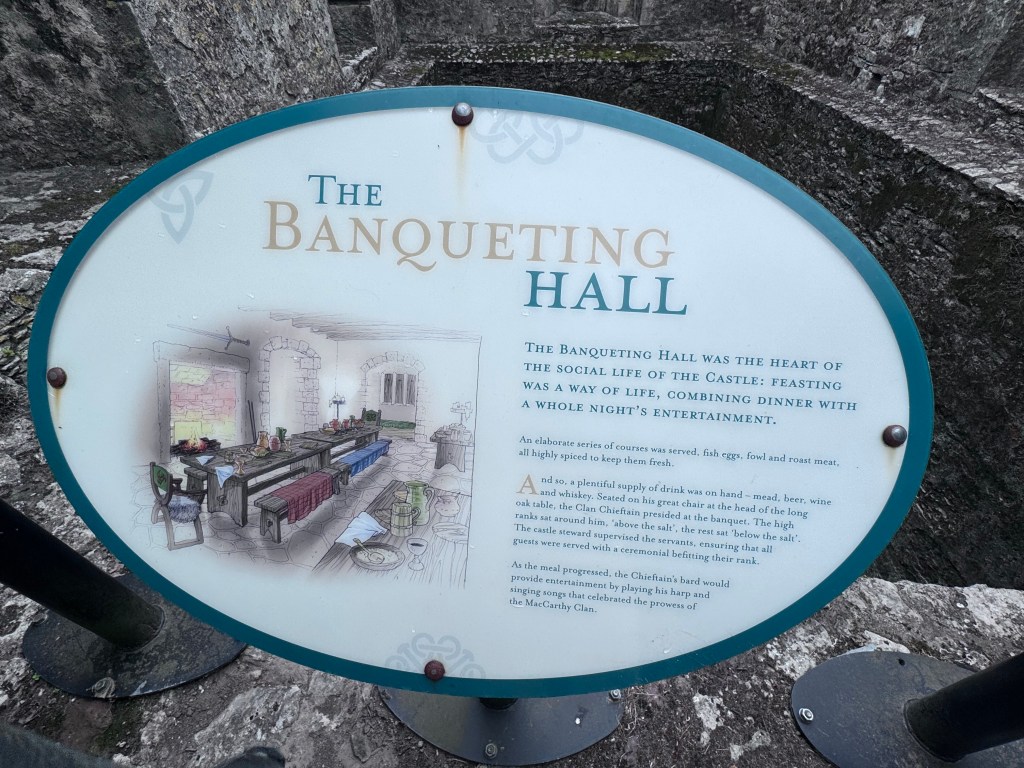
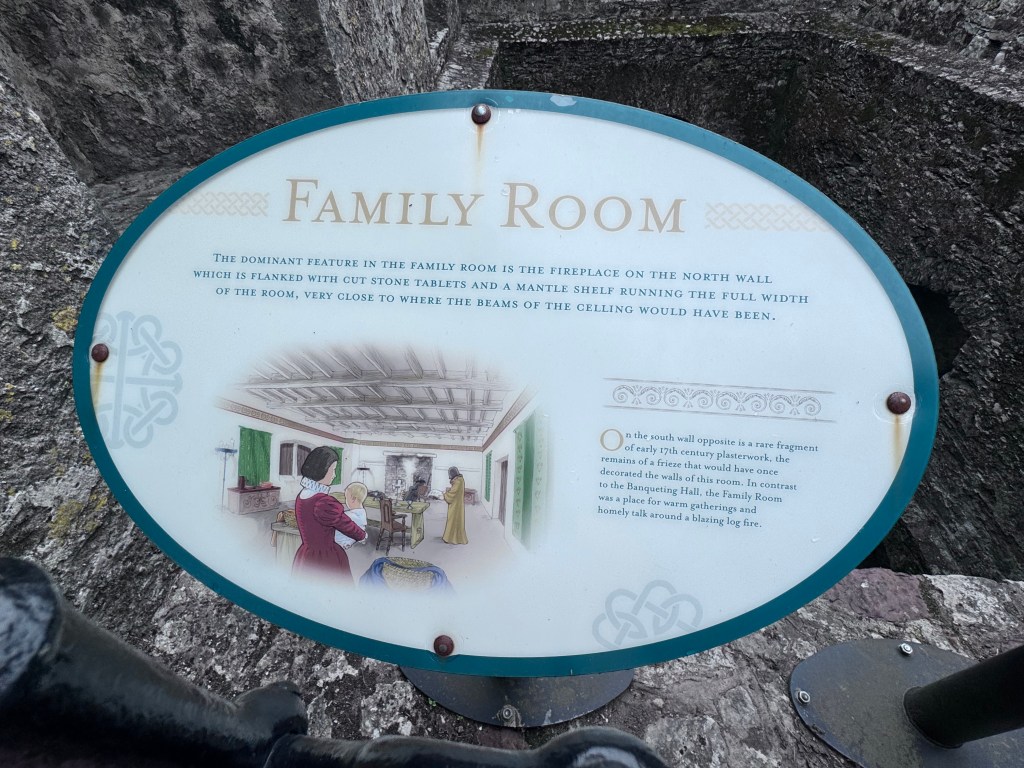
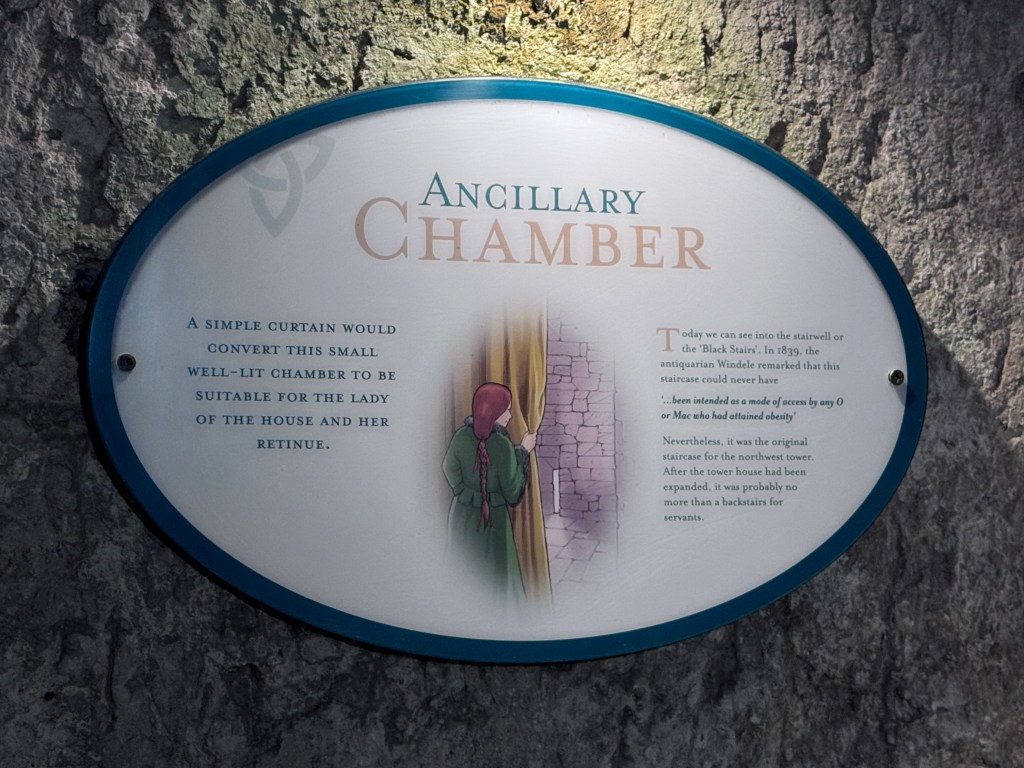
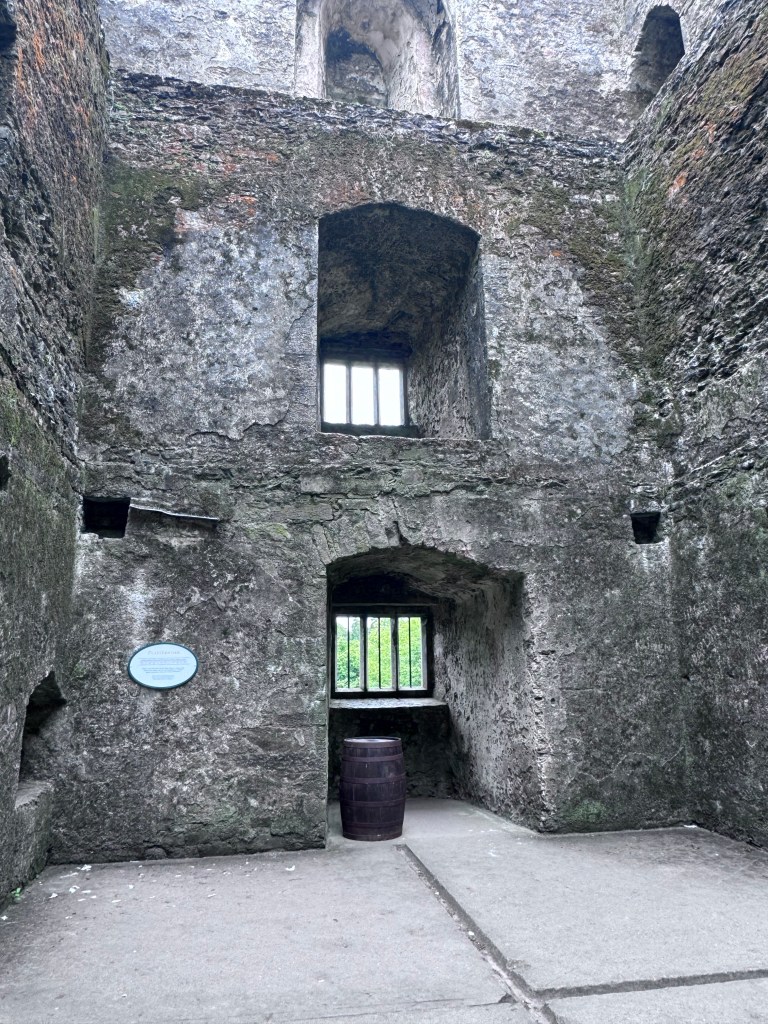
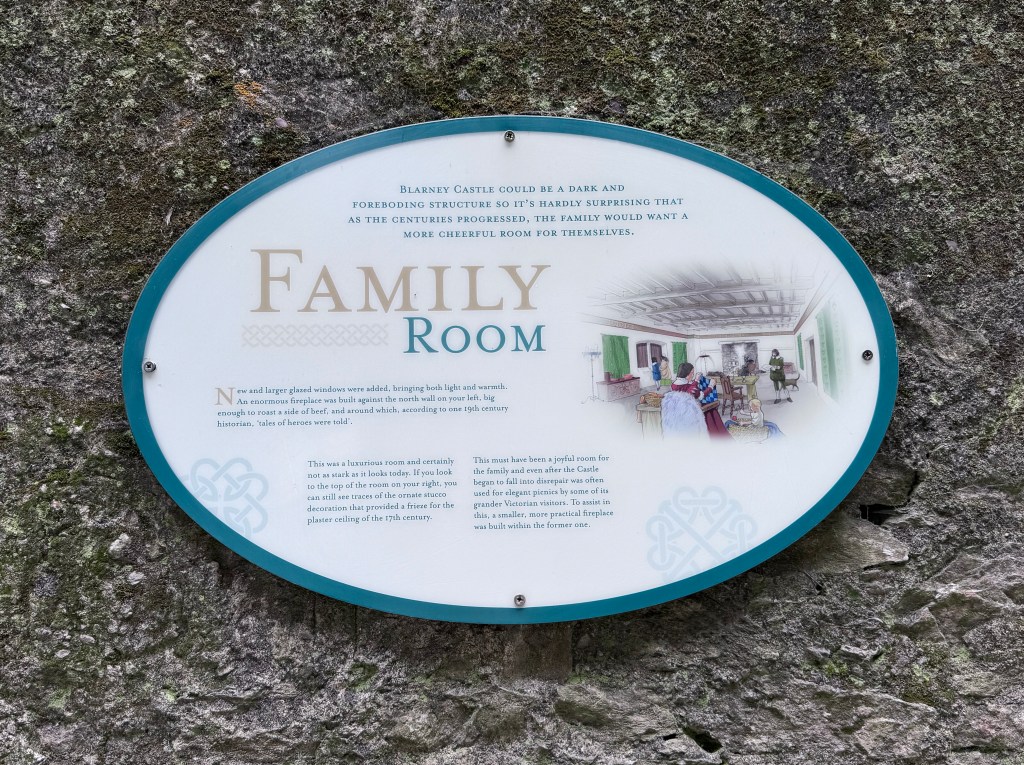
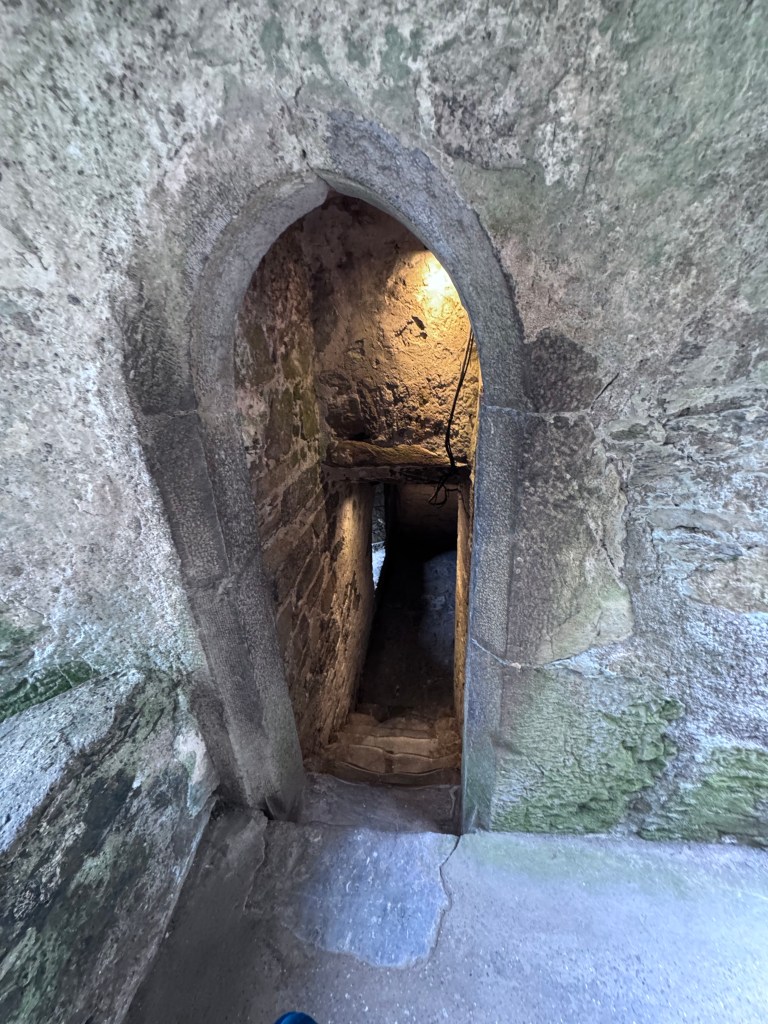
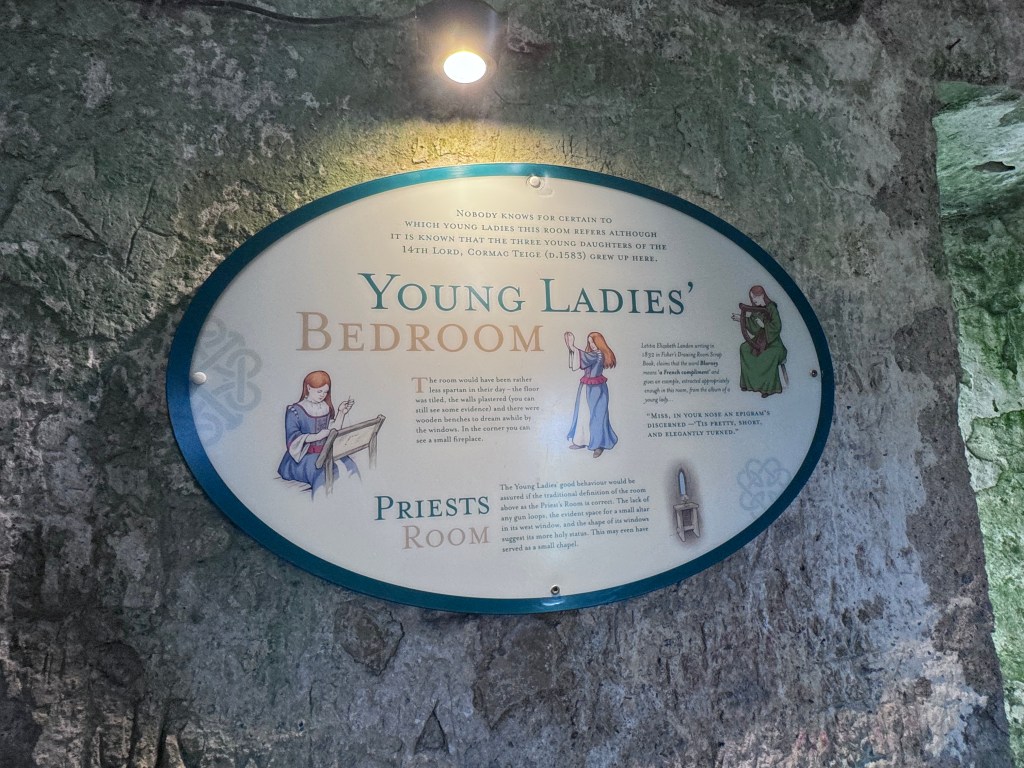
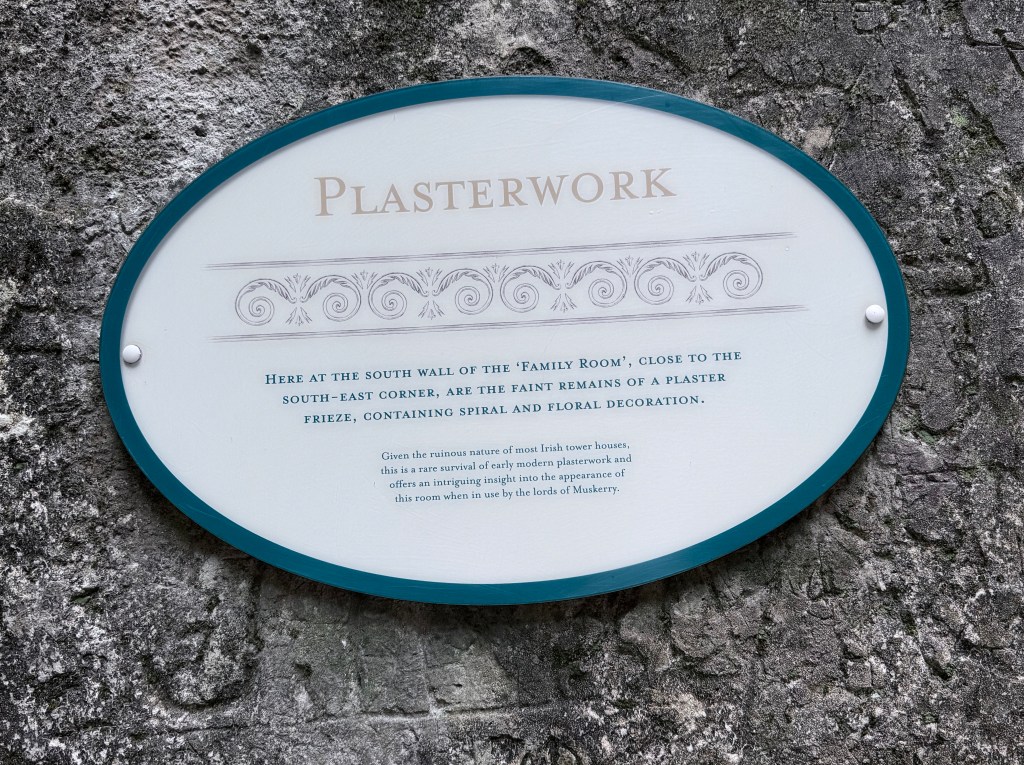
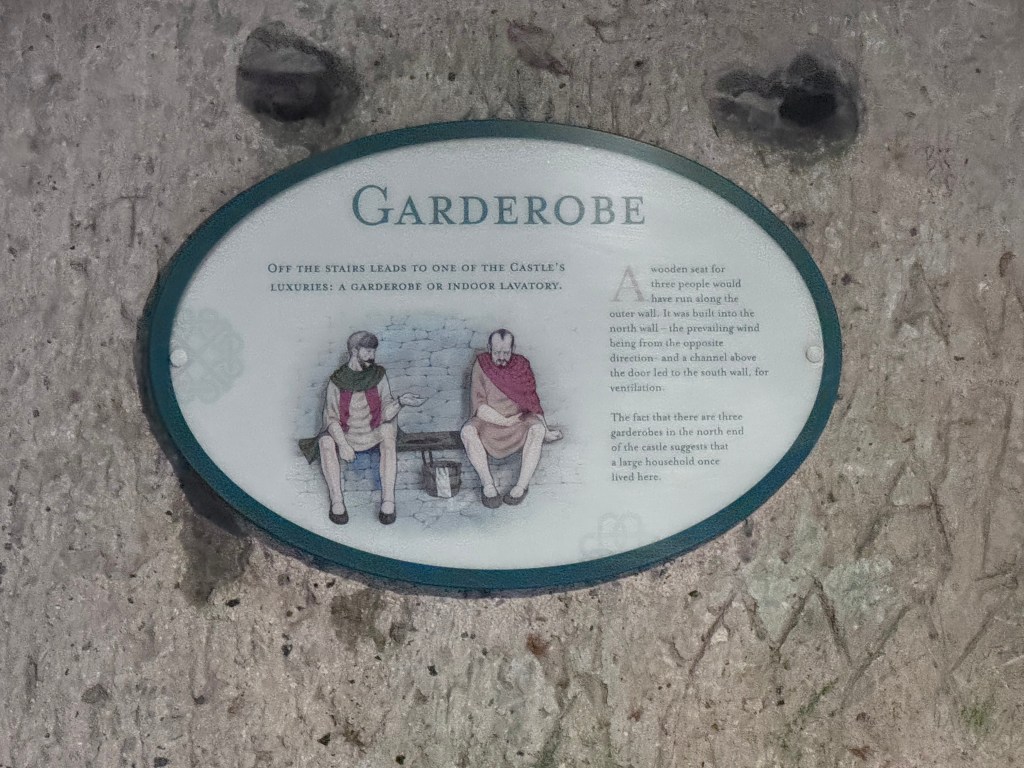
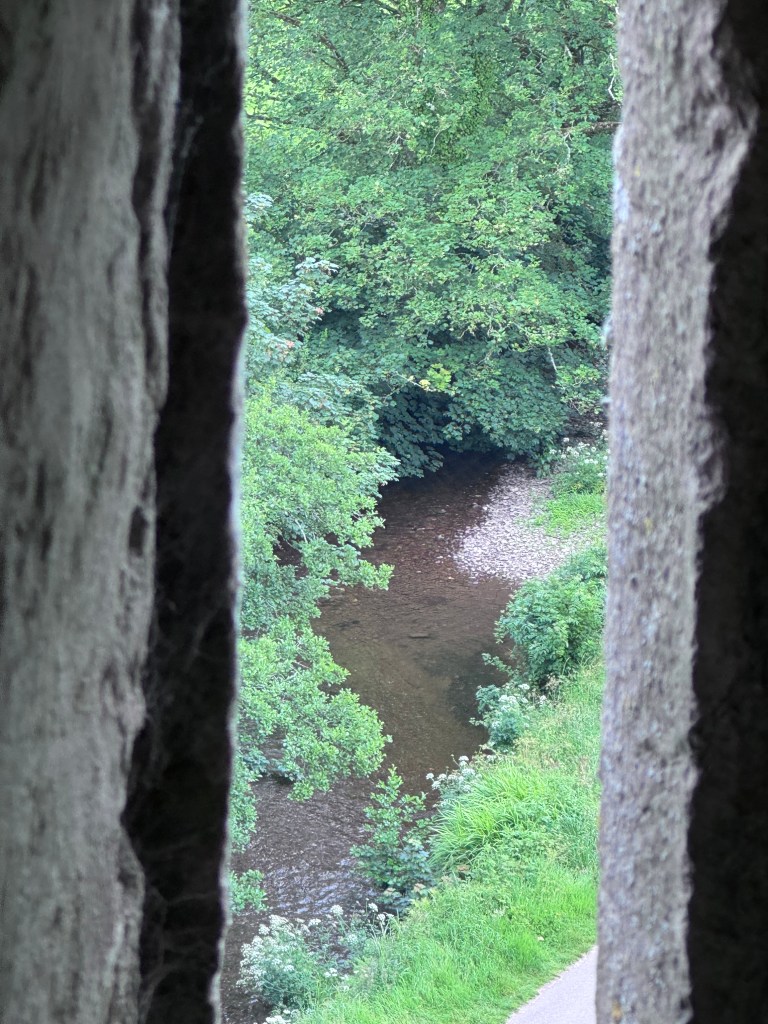
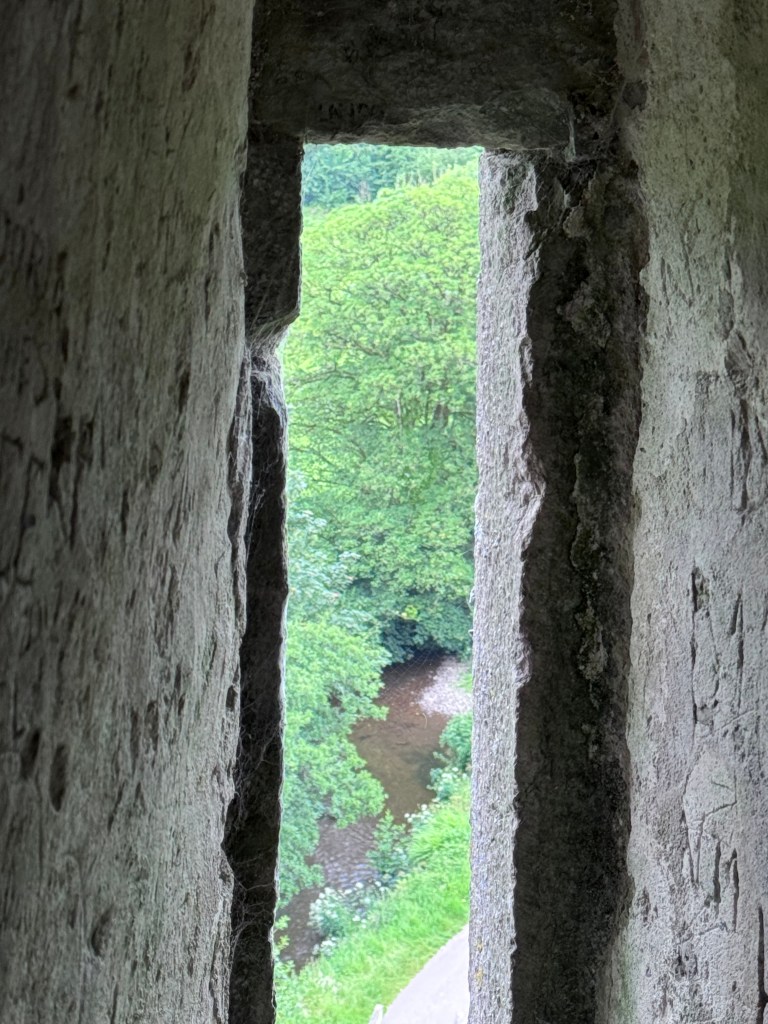
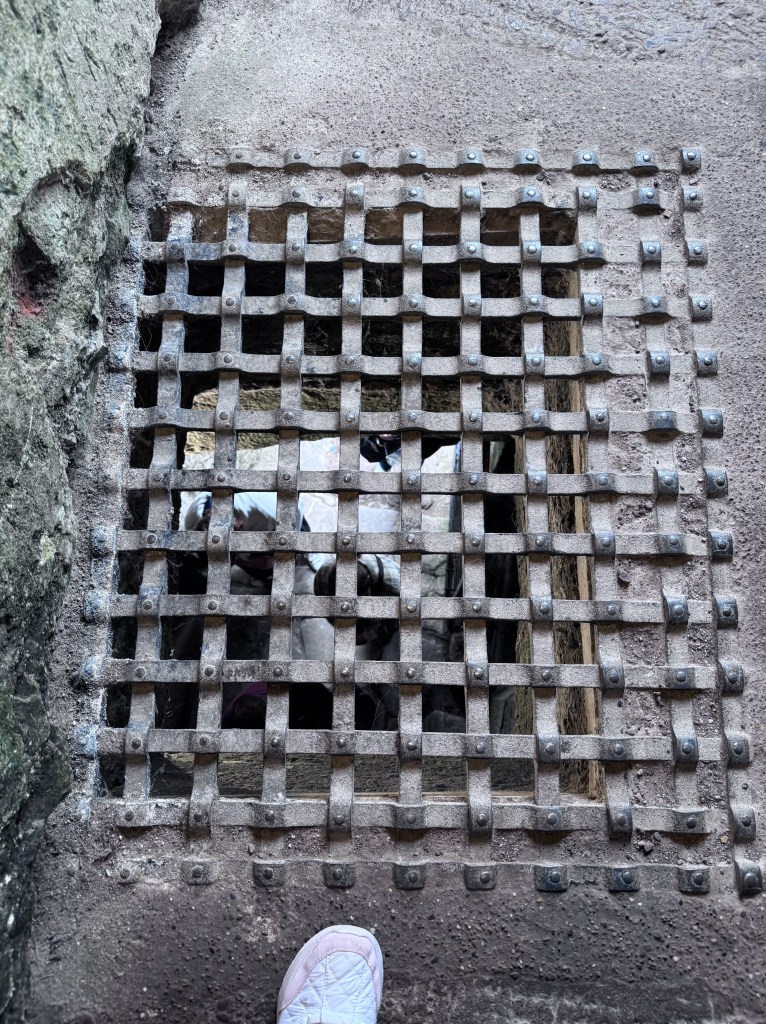
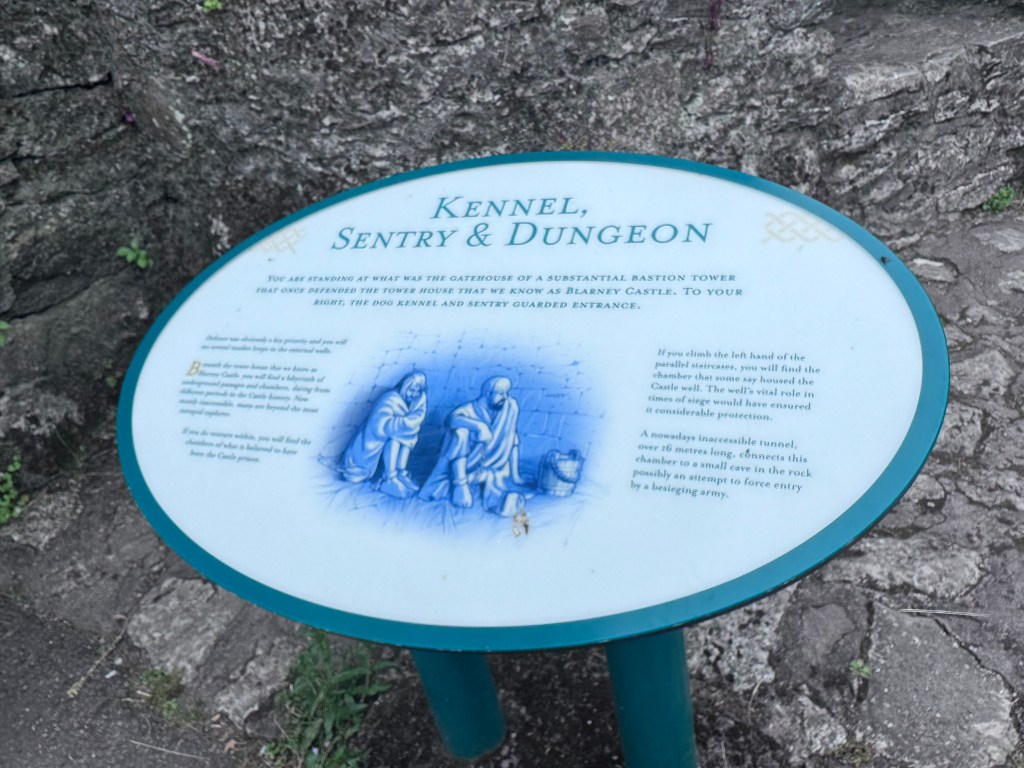
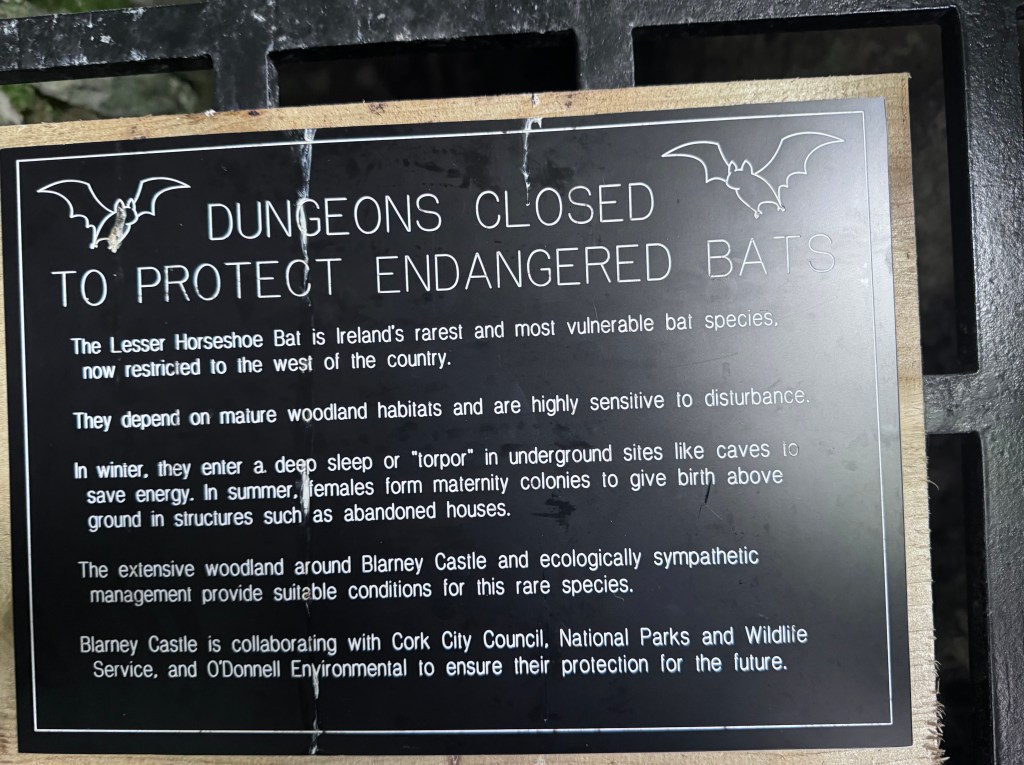
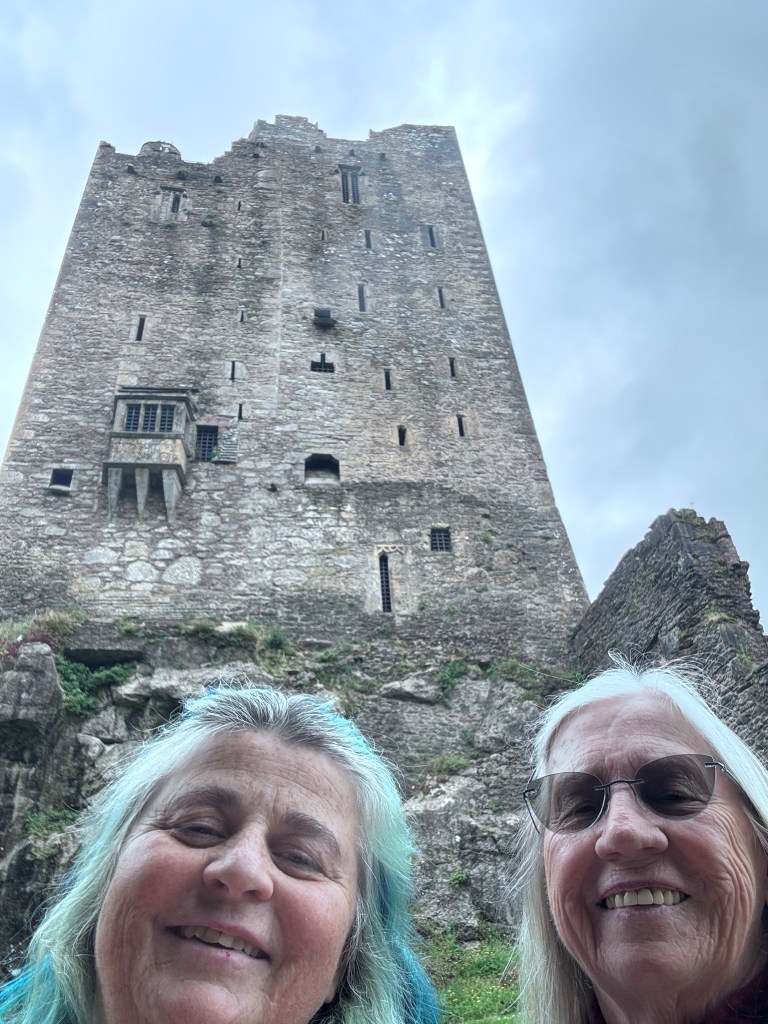
There was a small line at the castle entrance, so Mom, Kiya, and I waited together. Mom had visited Blarney Castle before, so she stayed below with Kiya while I made the climb. I could hear a few comments and notice some curious looks while we waited, as I am sure they were wondering how the wheelchair was going up into the castle. Once inside, I took photos of every sign on the way up and explored every room I could find on the way down.

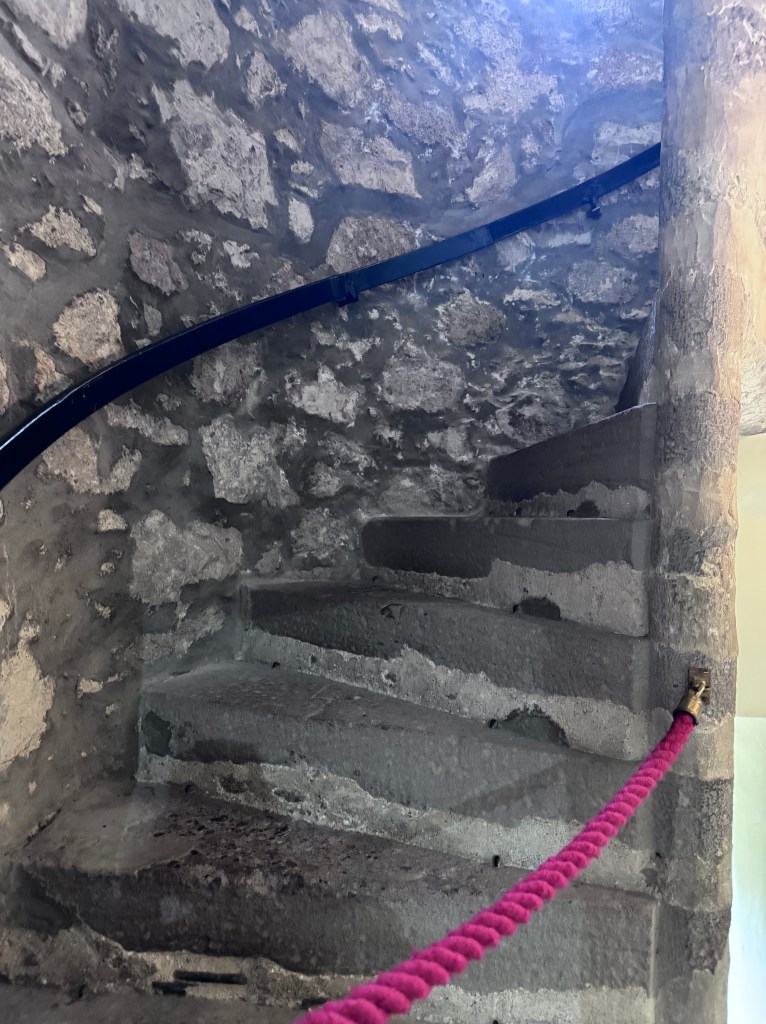
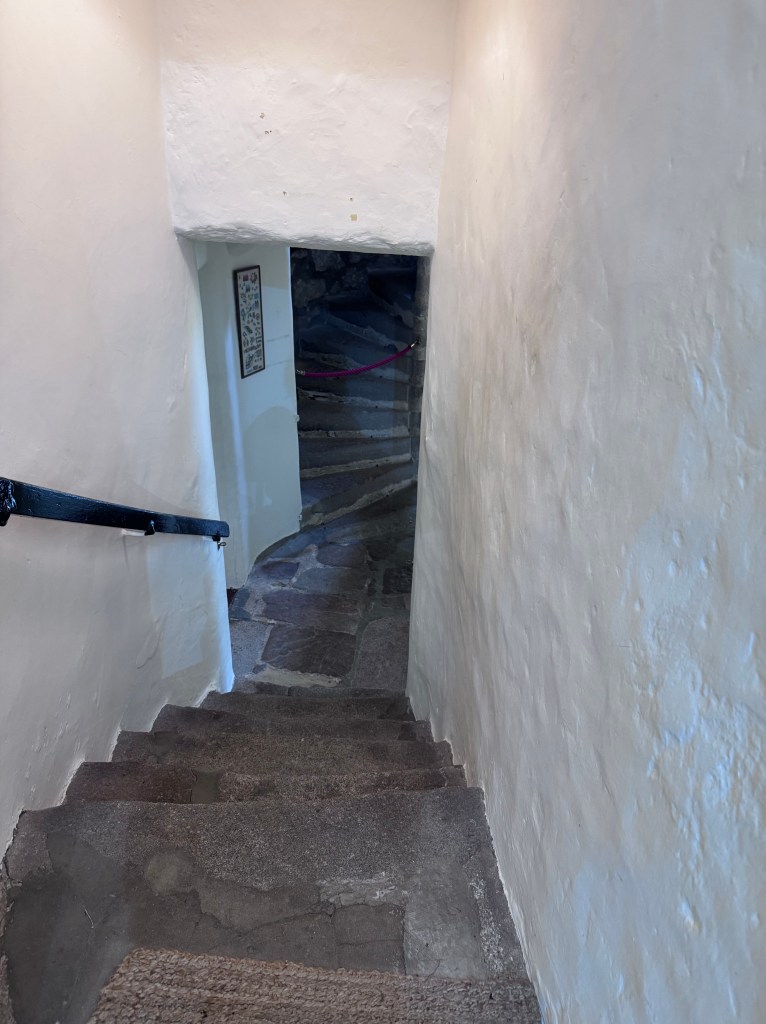
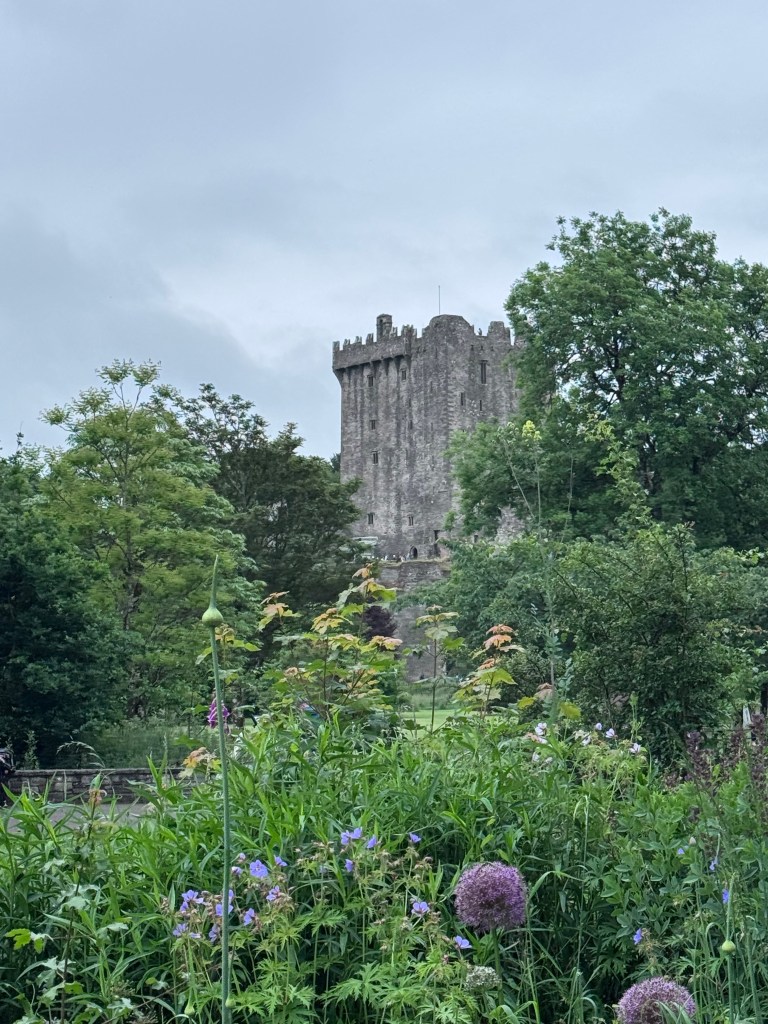
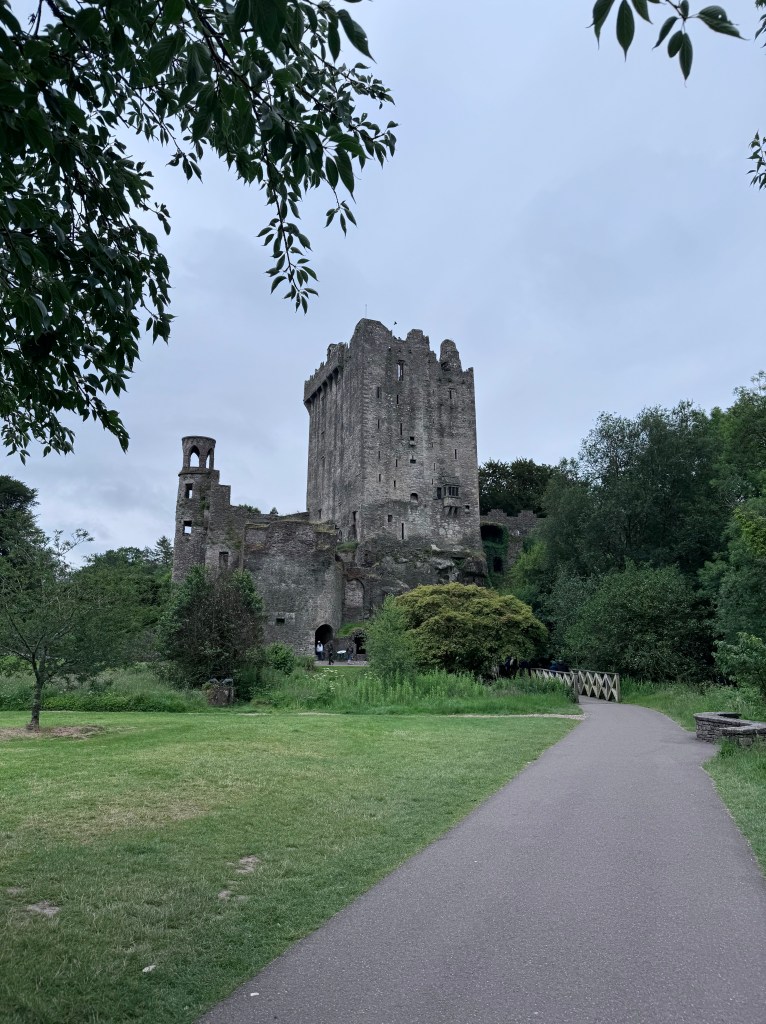
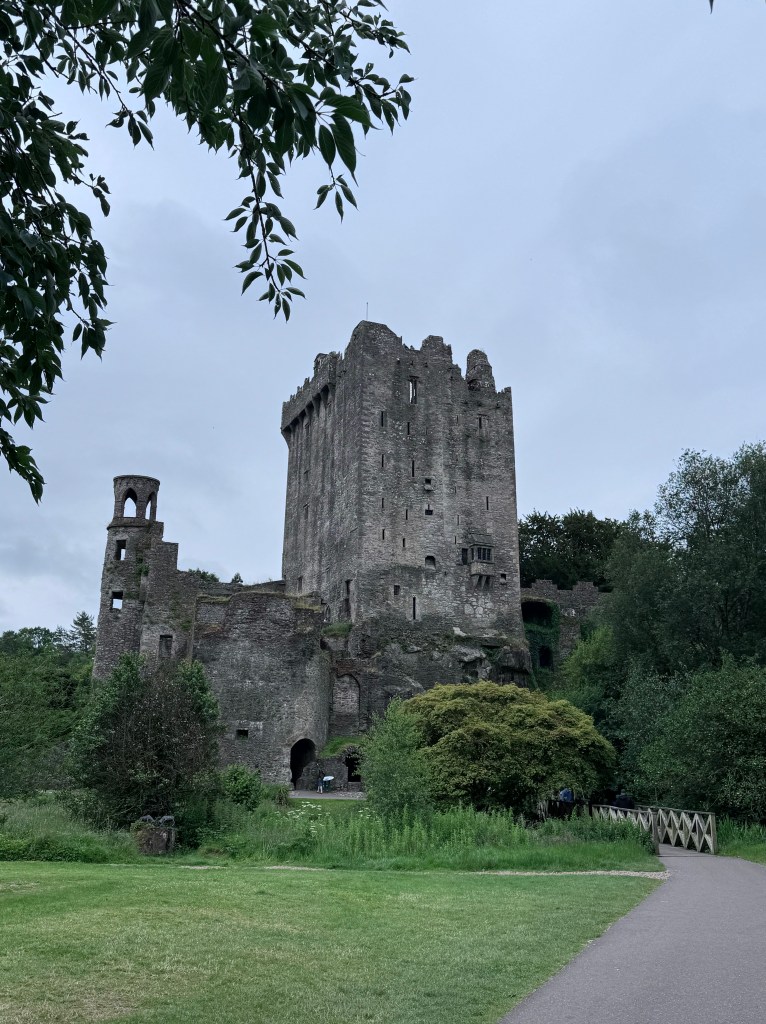
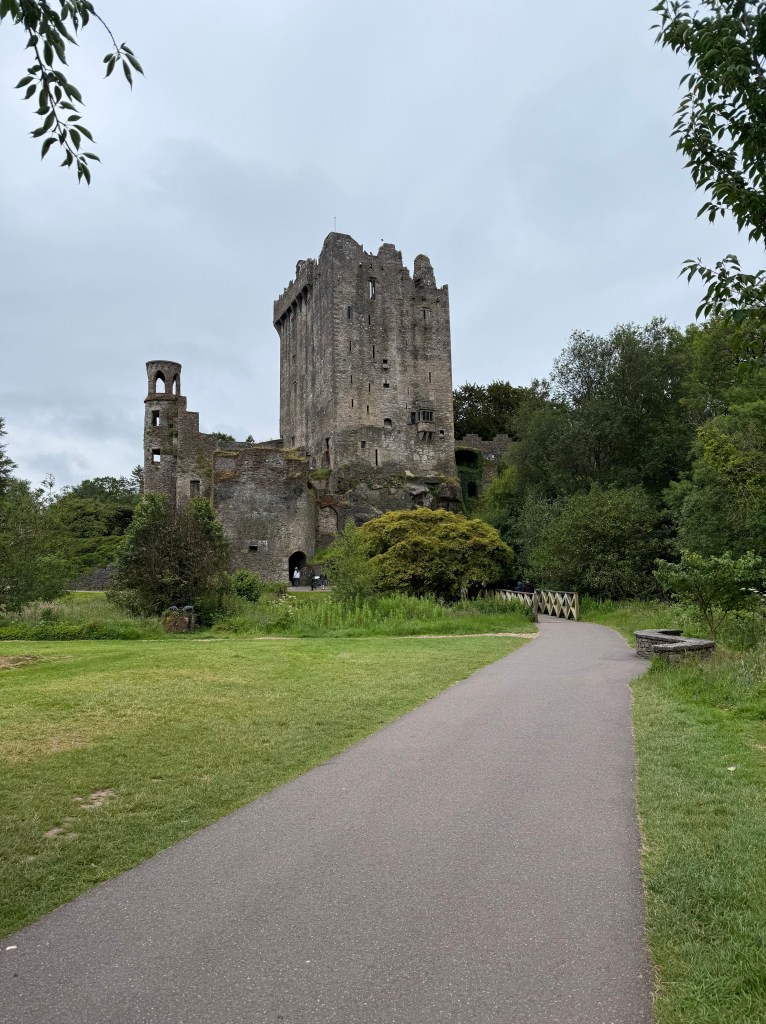
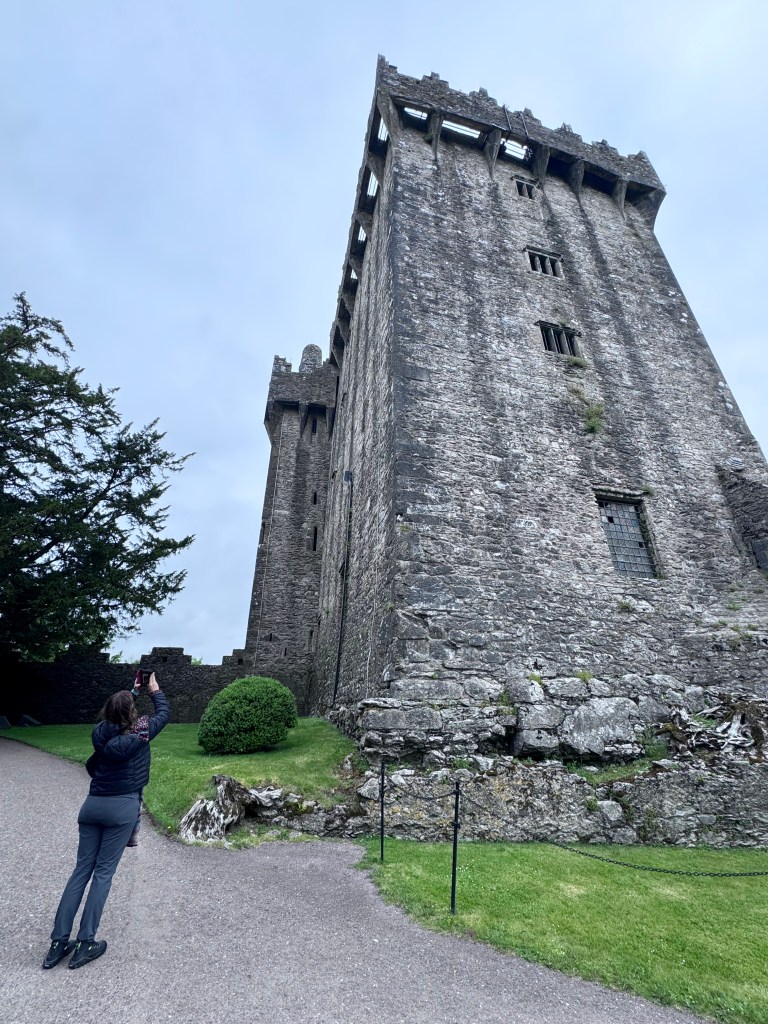
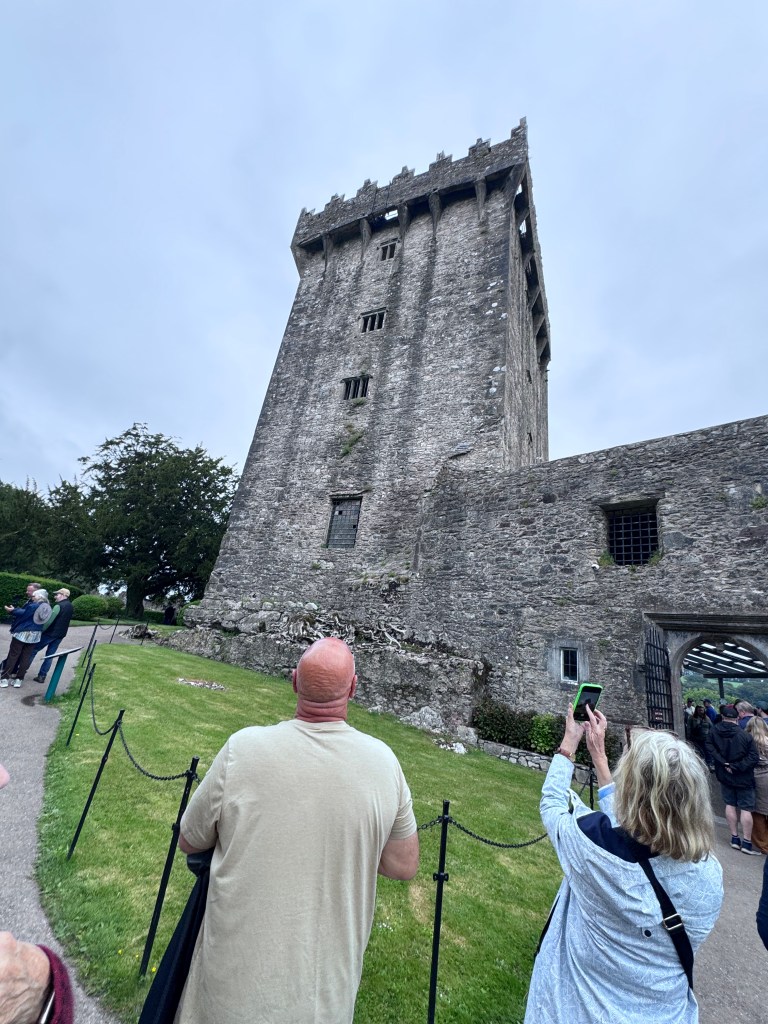
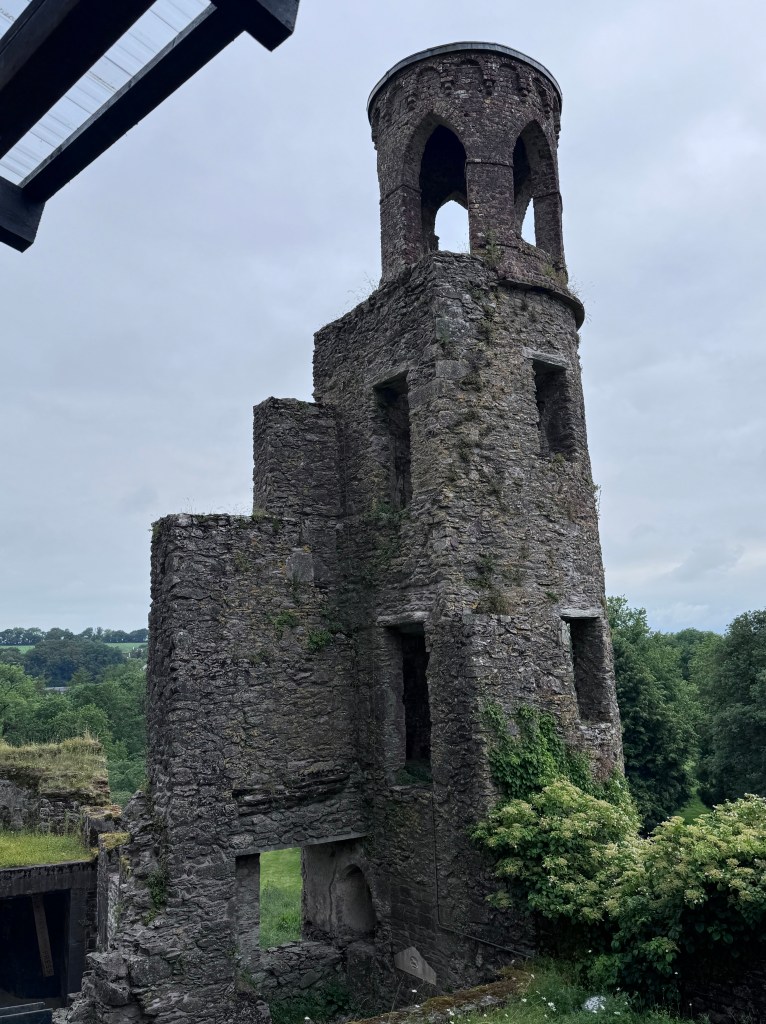
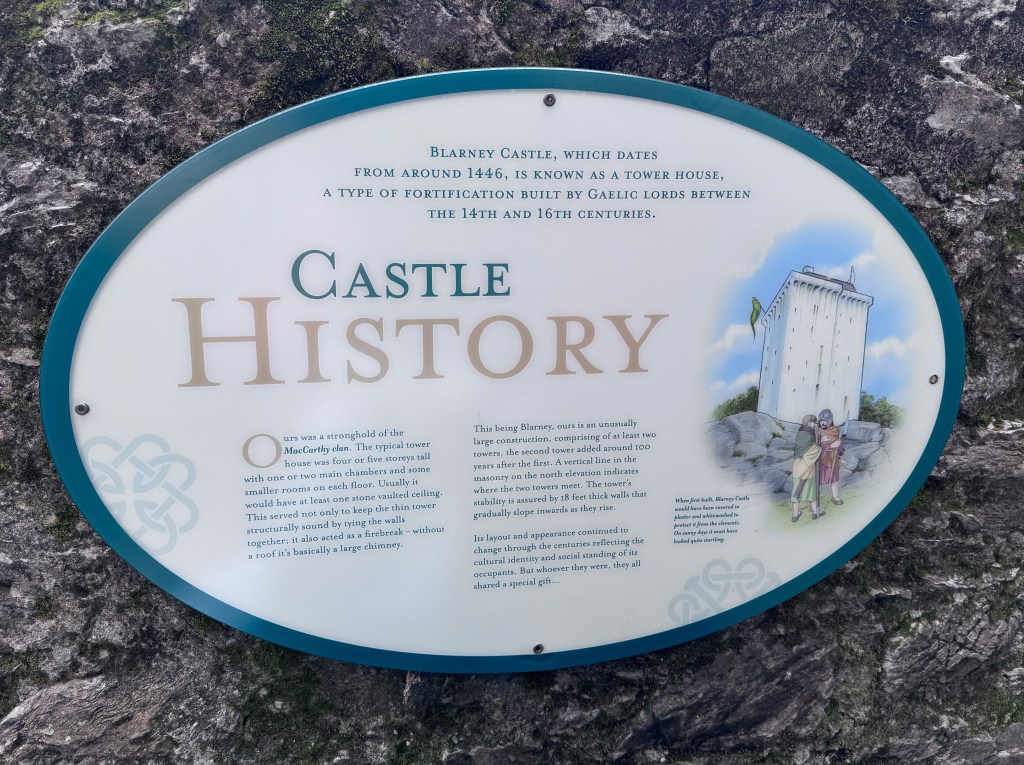
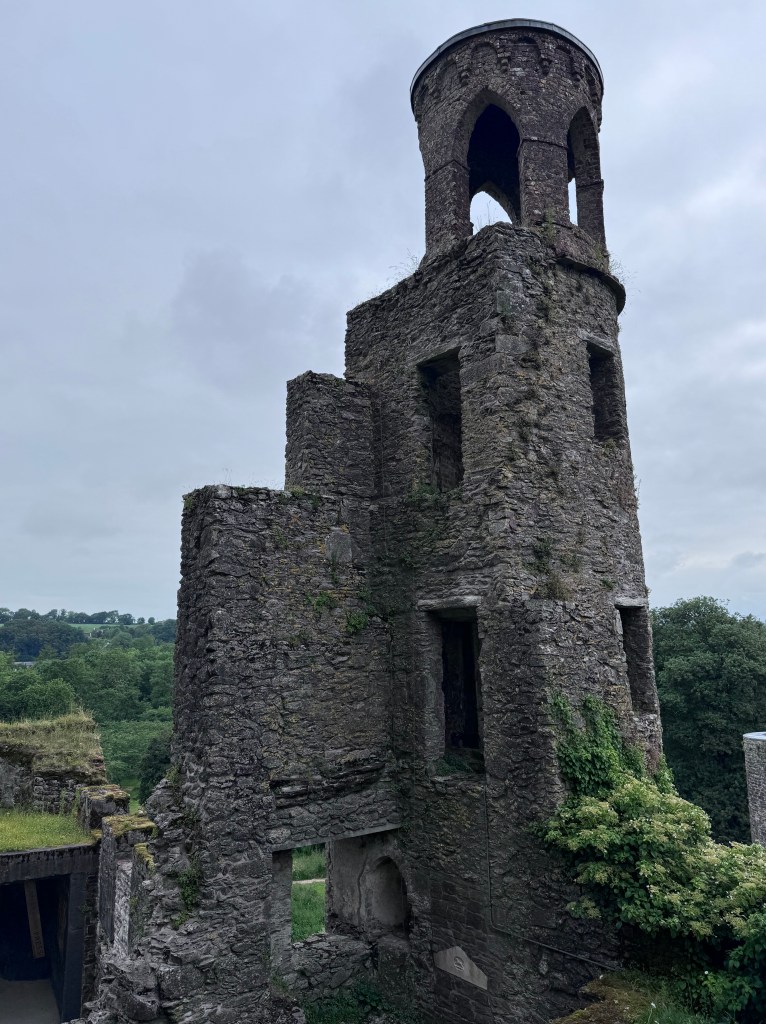
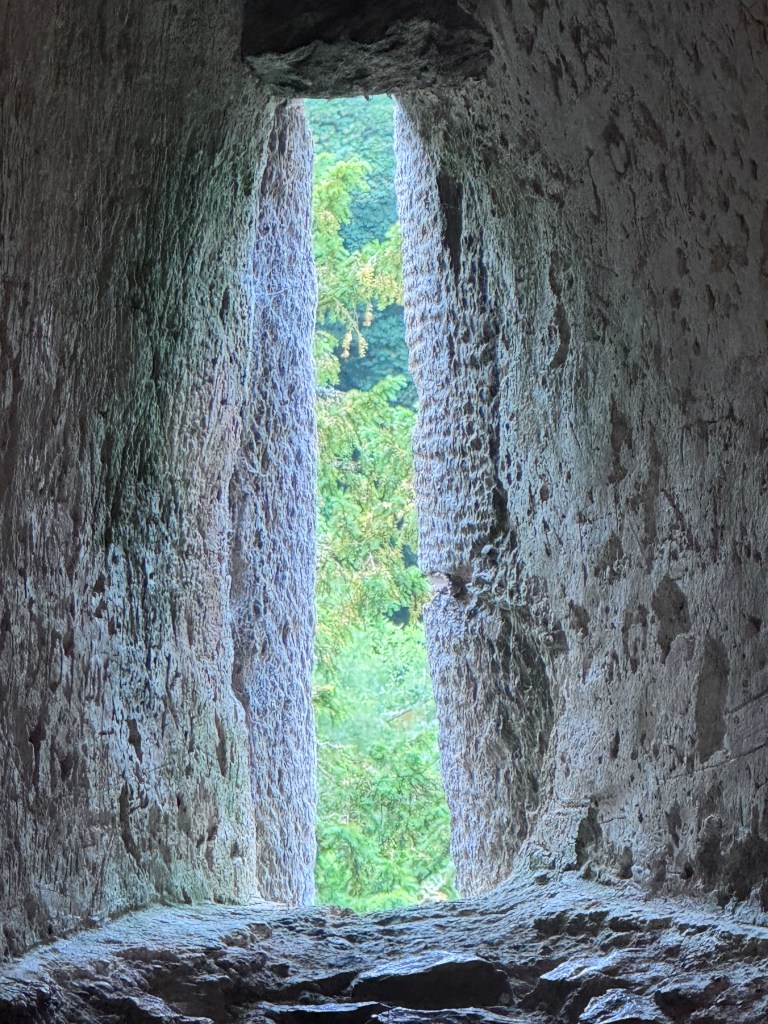
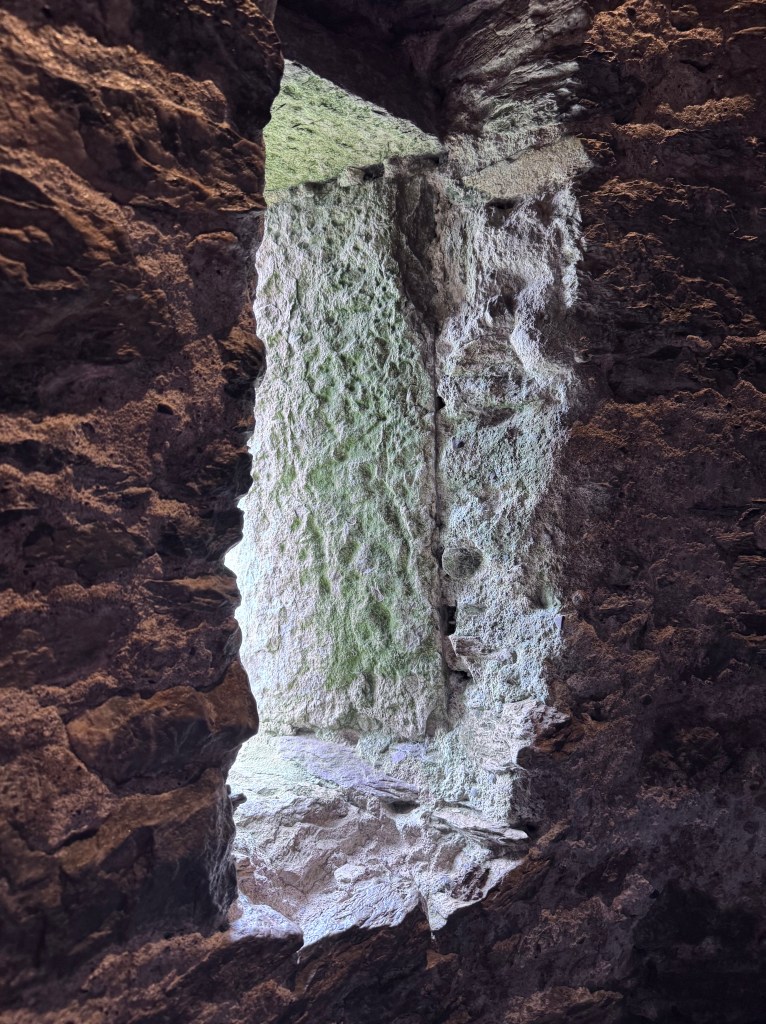
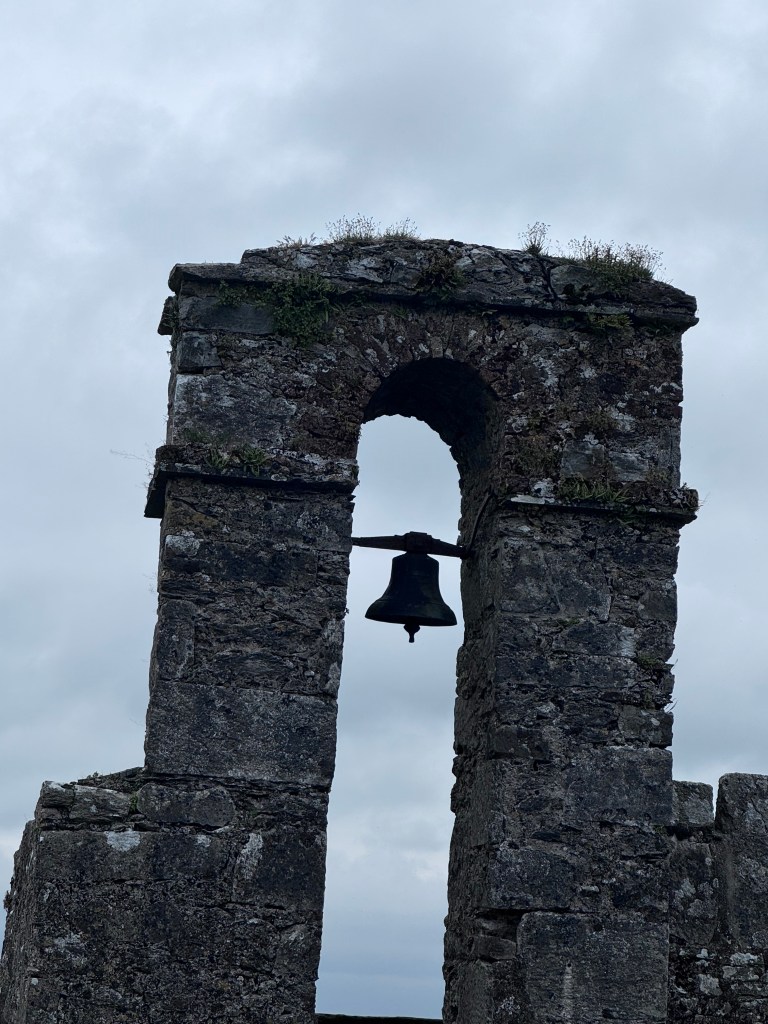
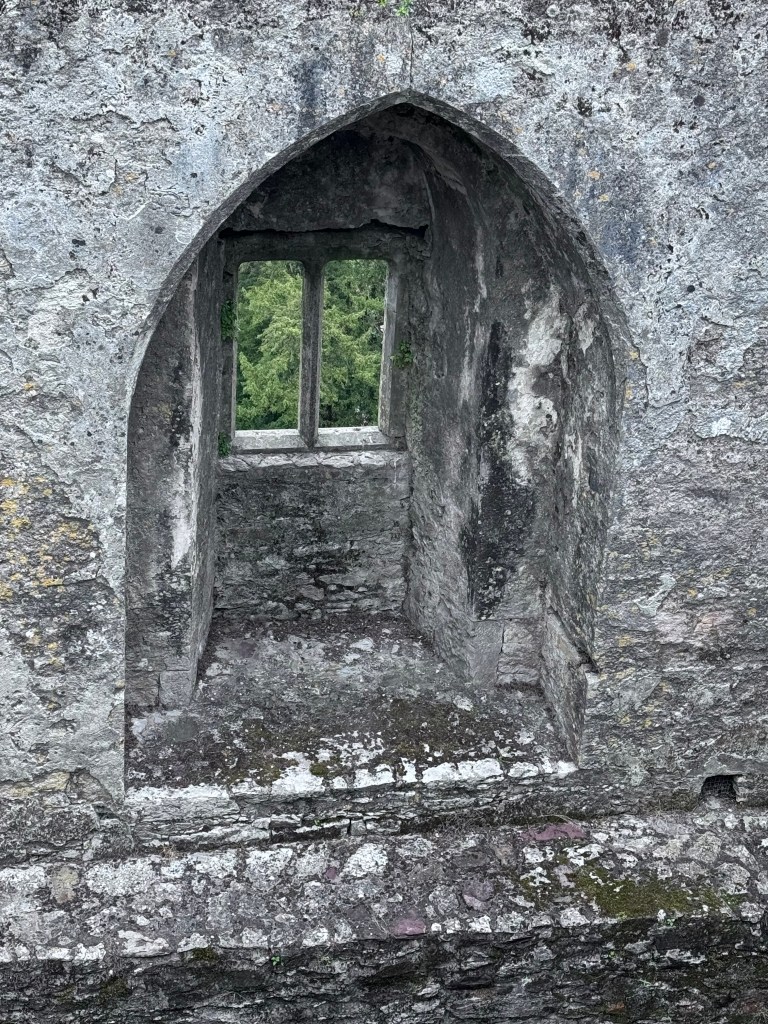
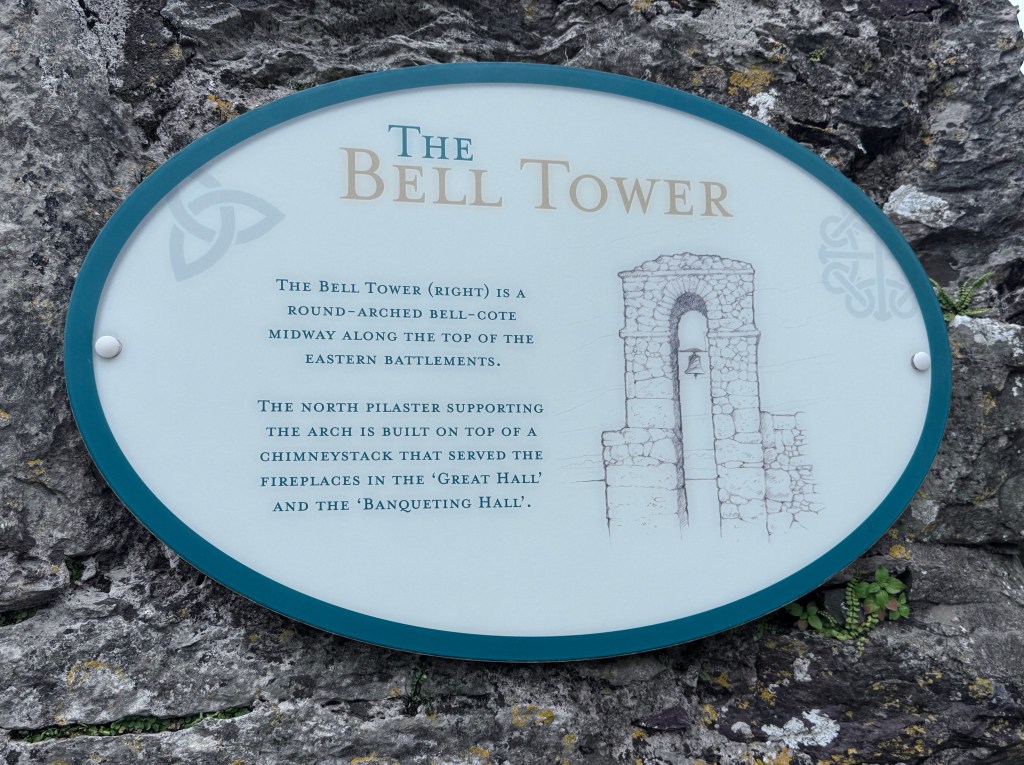
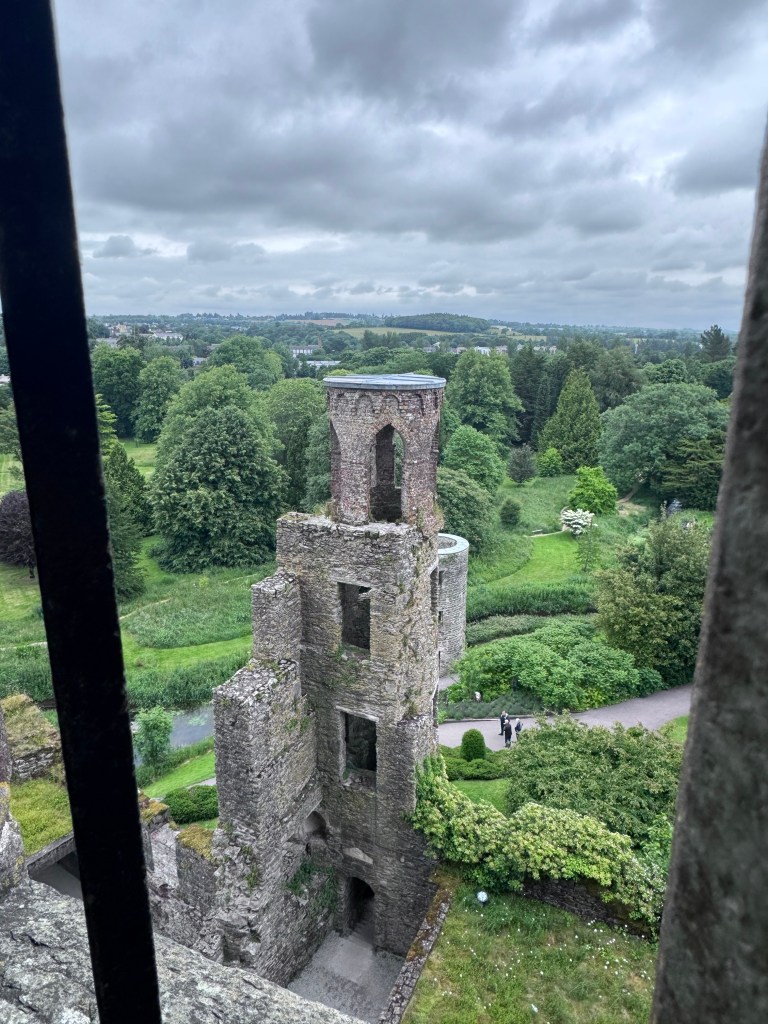
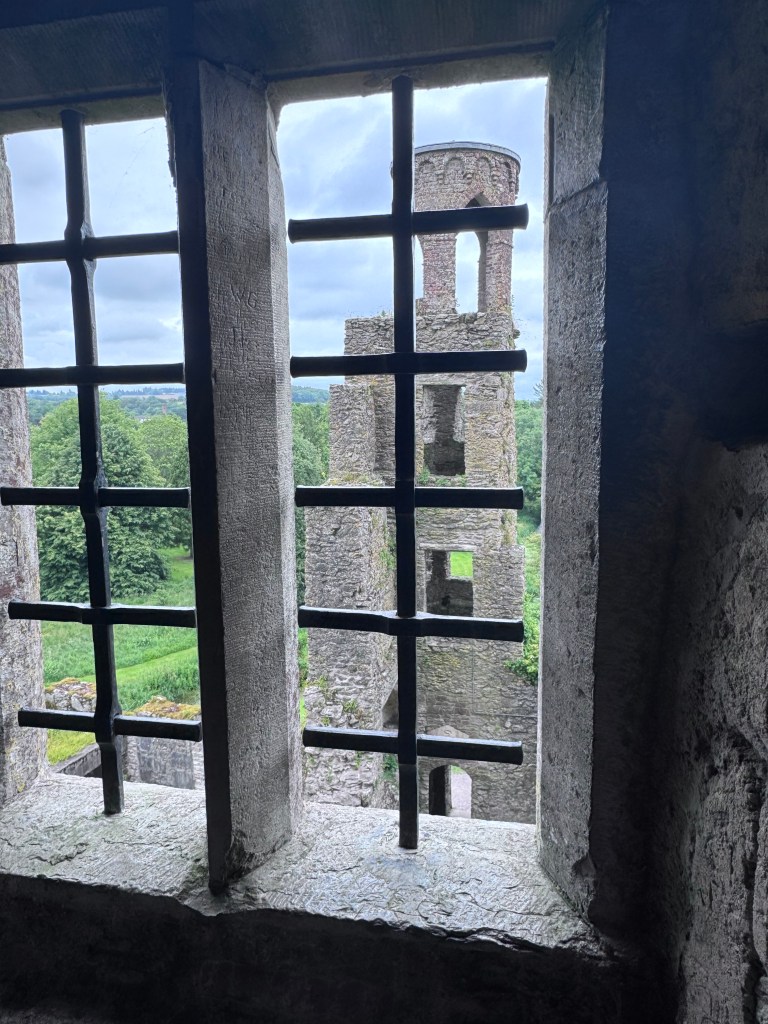
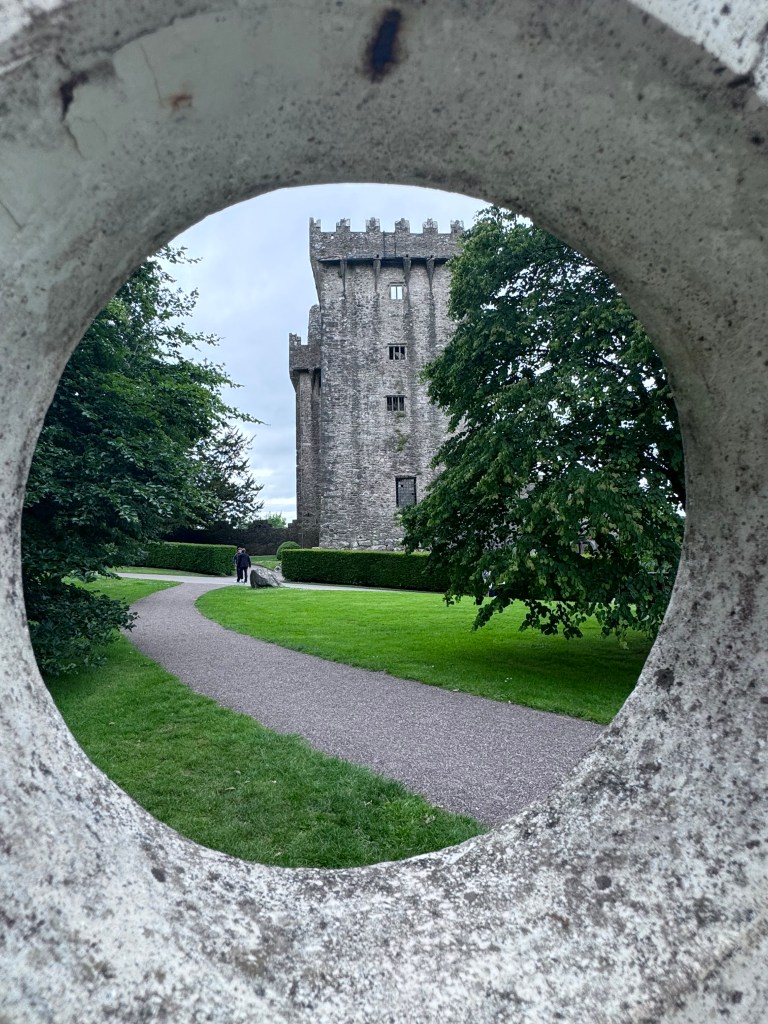
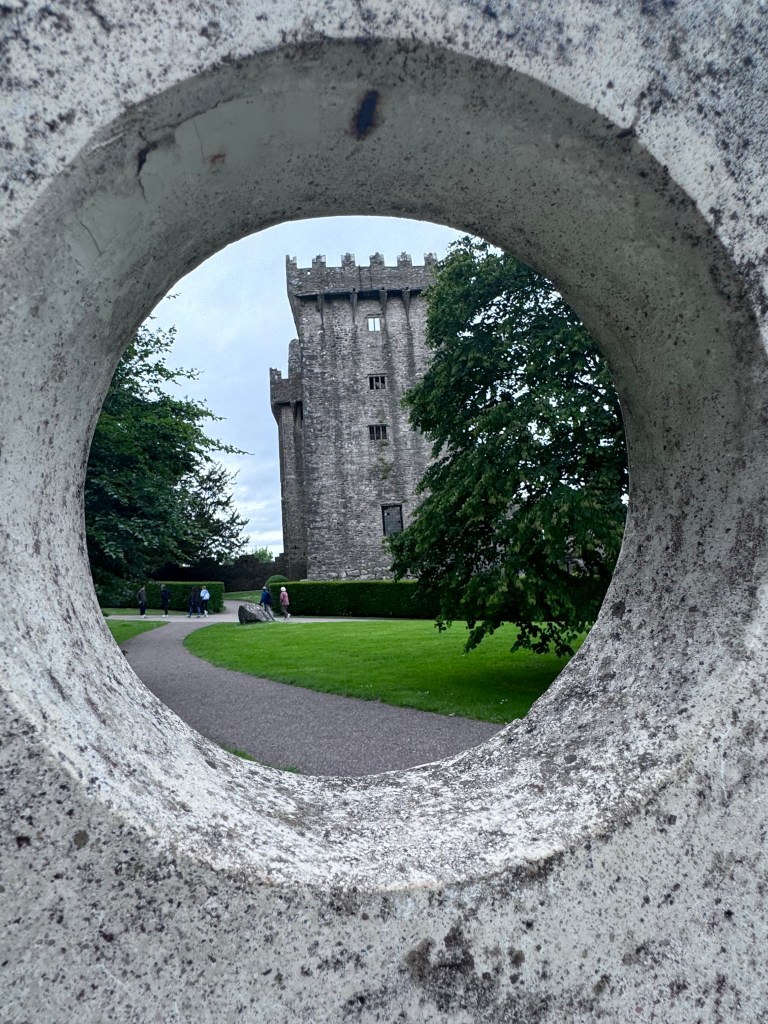
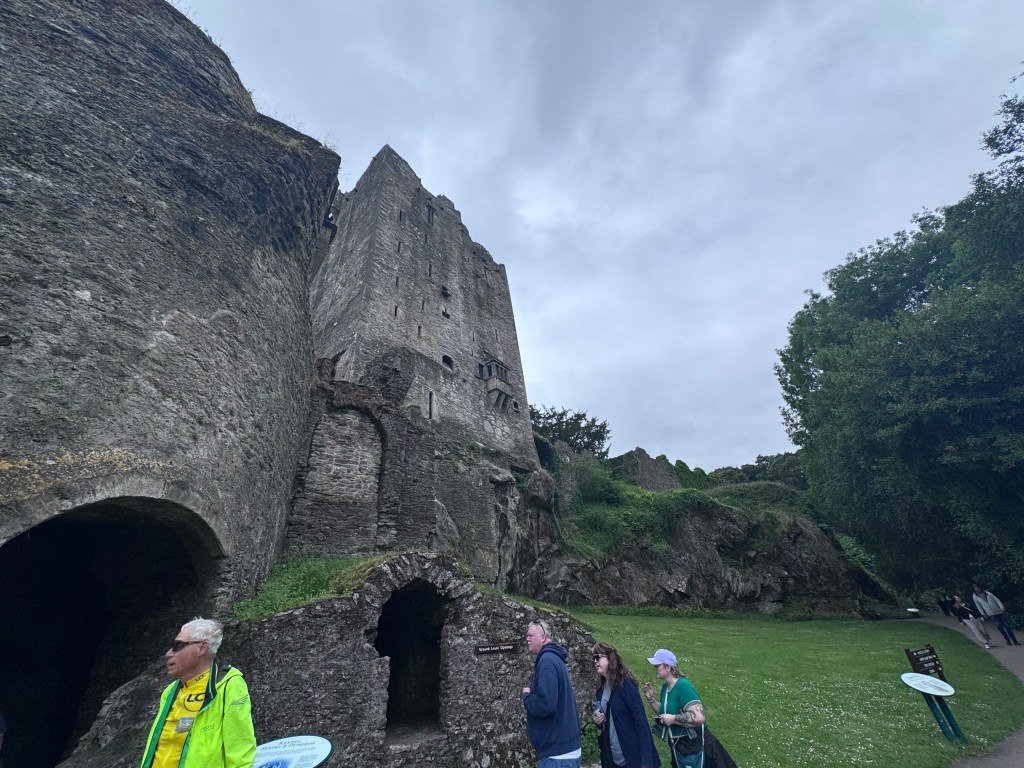
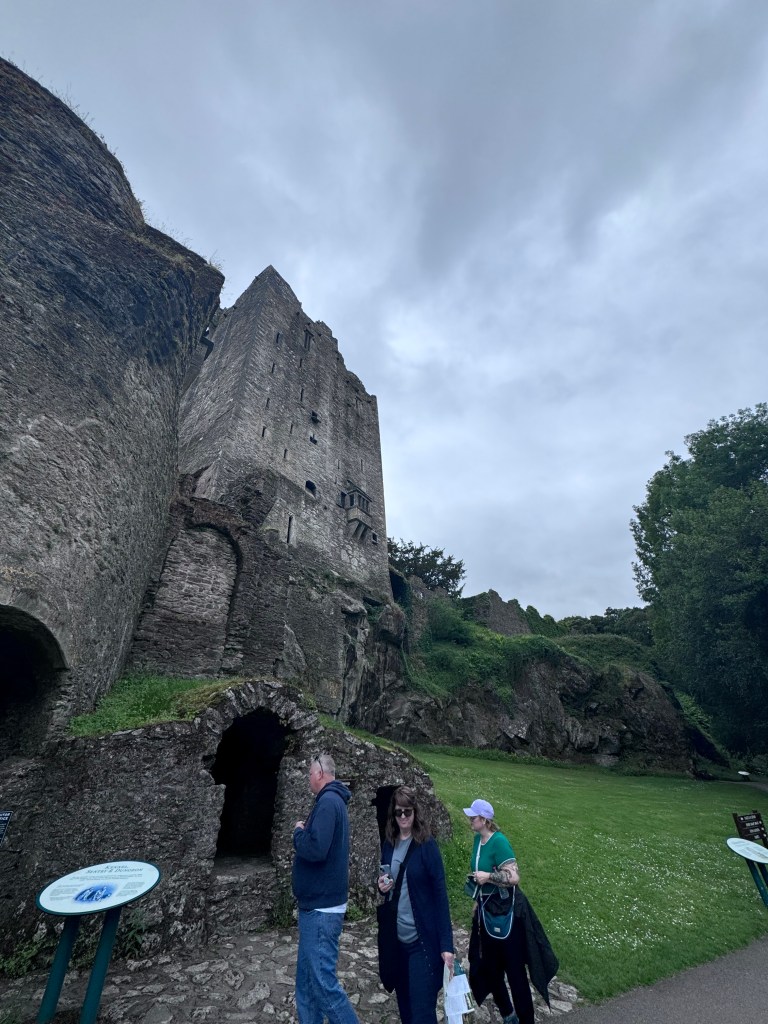
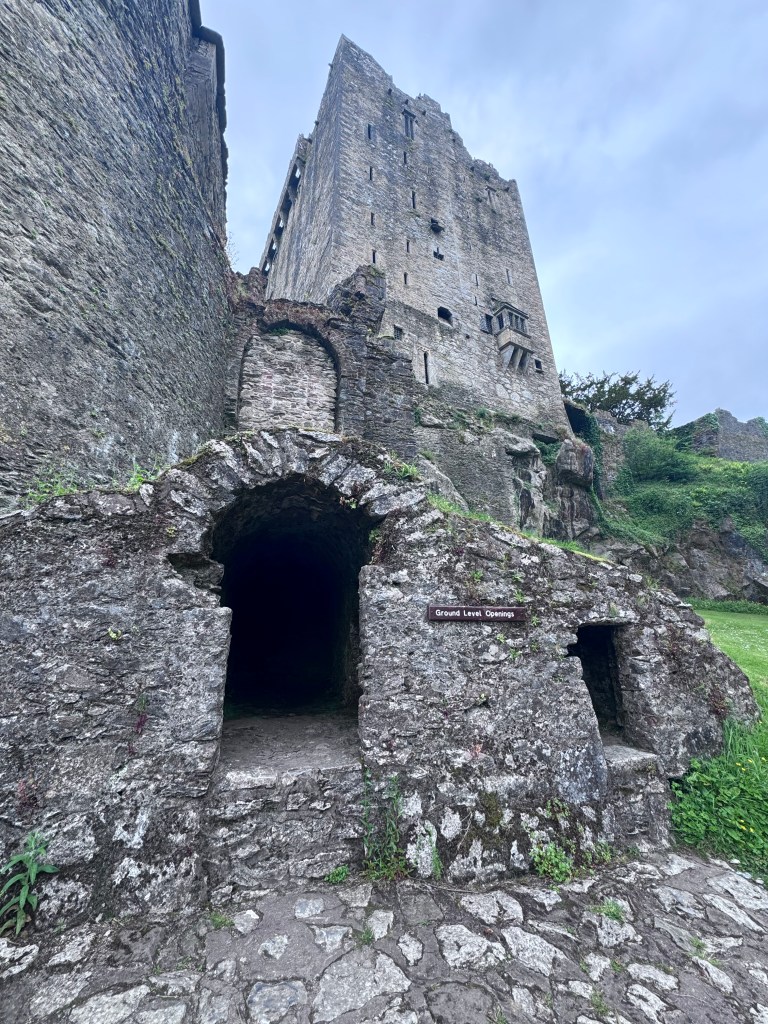
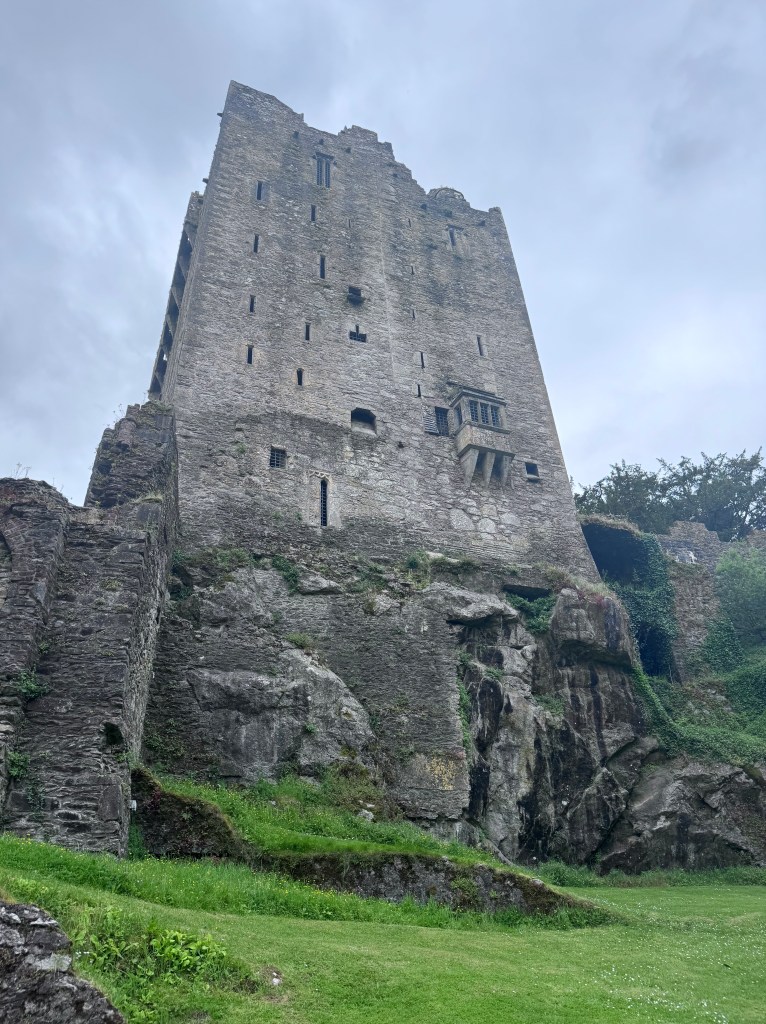
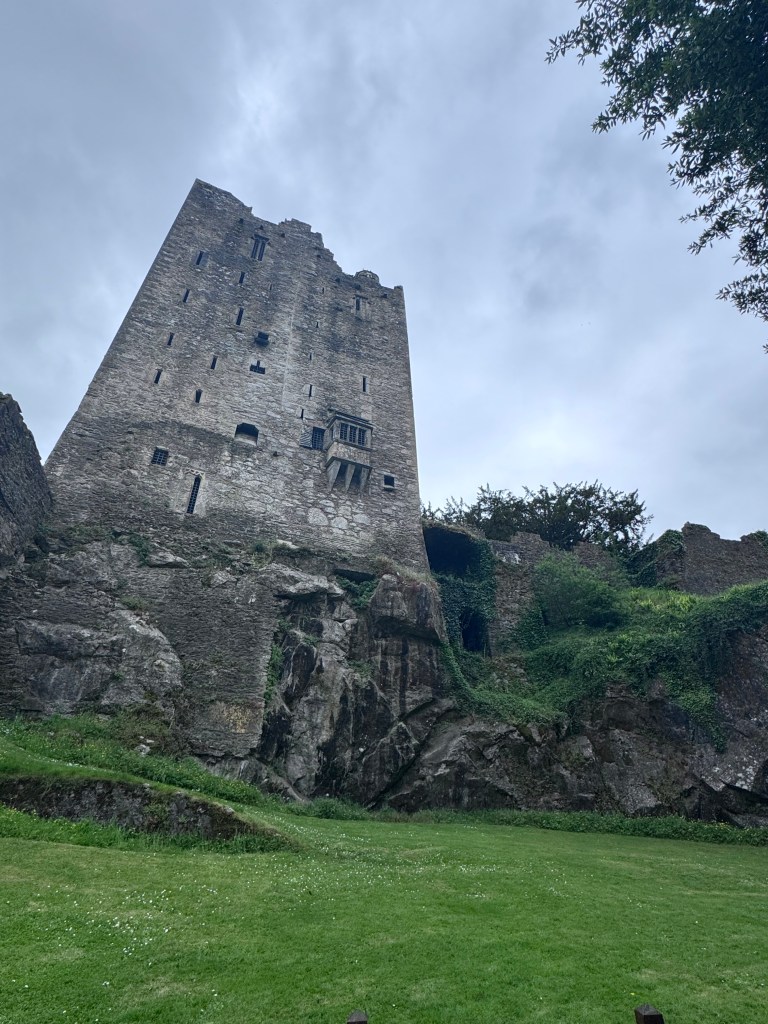
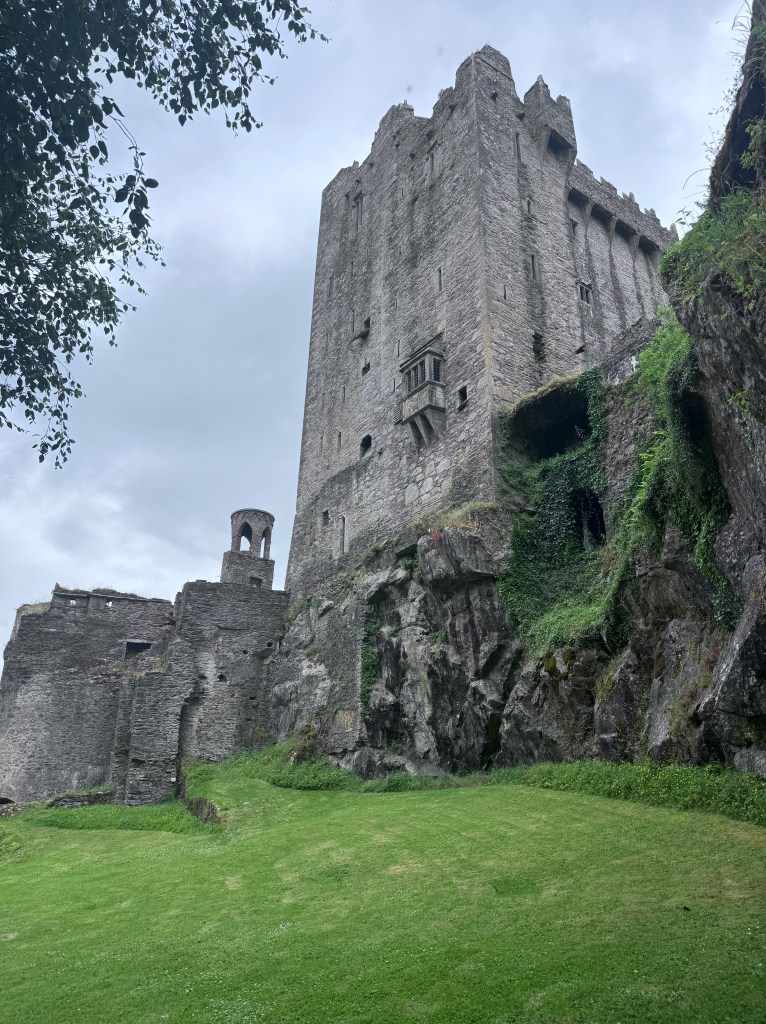
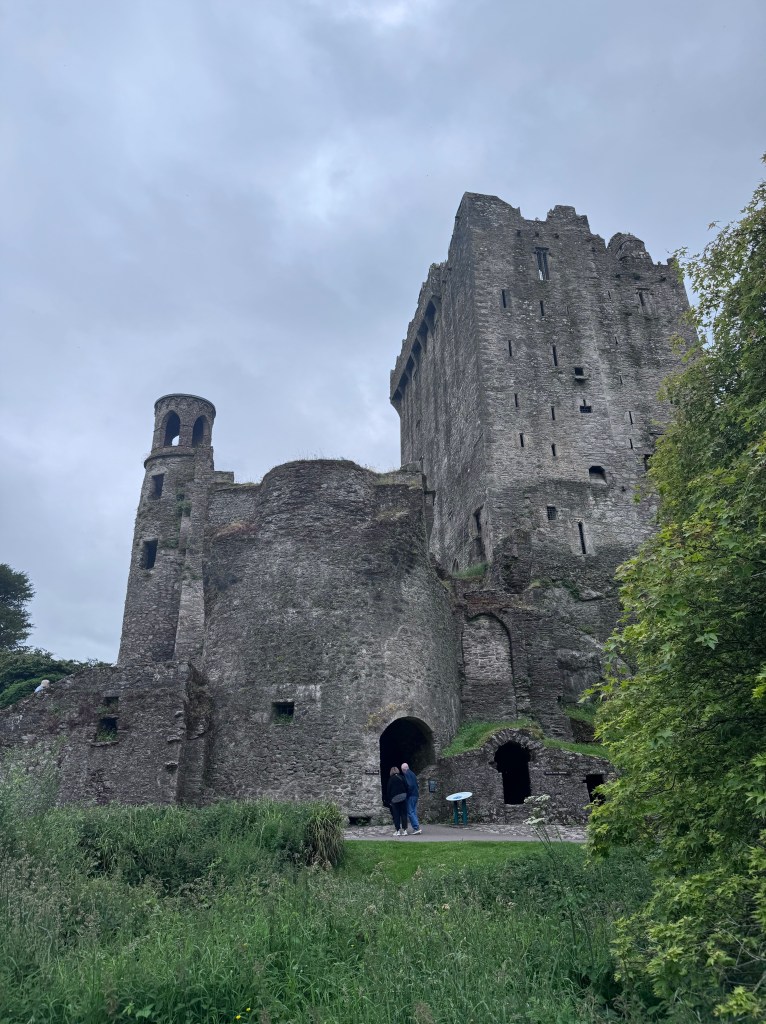
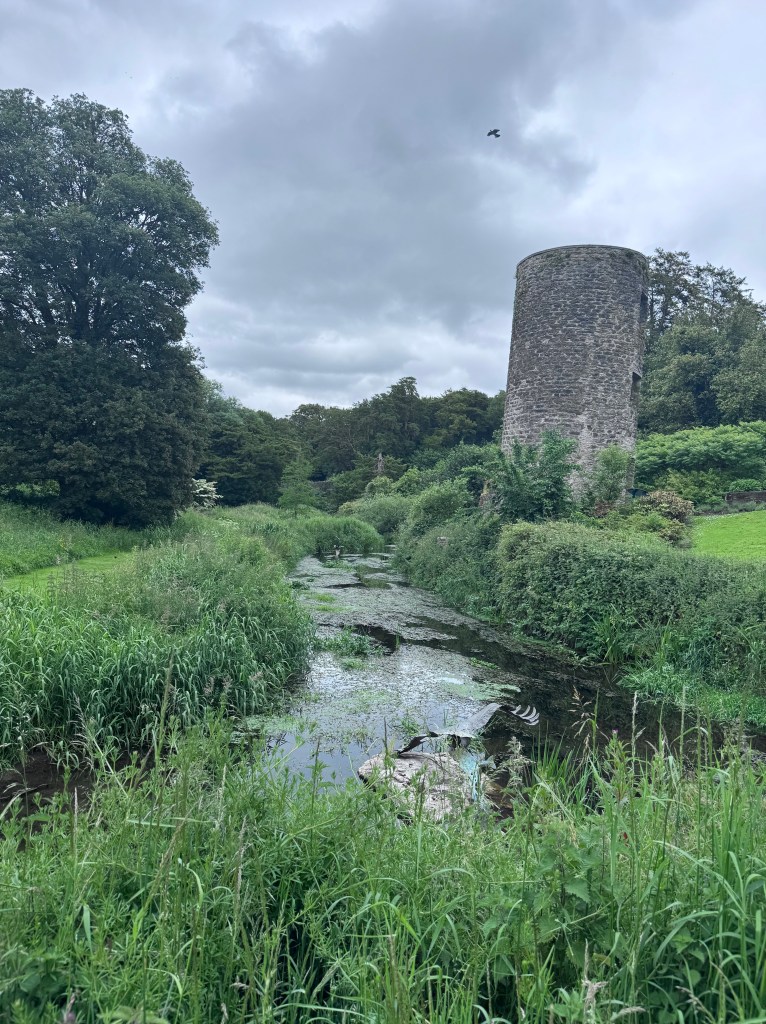
As I climbed through the castle, I learned that Blarney Castle has a remarkable history stretching back more than 800 years. A stone fortification is believed to have first been built on the site around 1200. After that structure was destroyed, the castle we see today was rebuilt in 1446 by Cormac Láidir MacCarthy, King of Munster. Blarney Castle is a tower house, a type of fortified residence built by Gaelic lords and the Anglo-Irish between the 15th and 17th centuries. Most tower houses were four or five stories tall and contained one or two main chambers along with several smaller rooms on each floor. What makes Blarney Castle unique is its size. It is an unusually large tower house and actually consists of at least two towers. The second tower was added during the 1500s, and if you know where to look, you can still see where the two phases meet as a vertical line in the stonework.

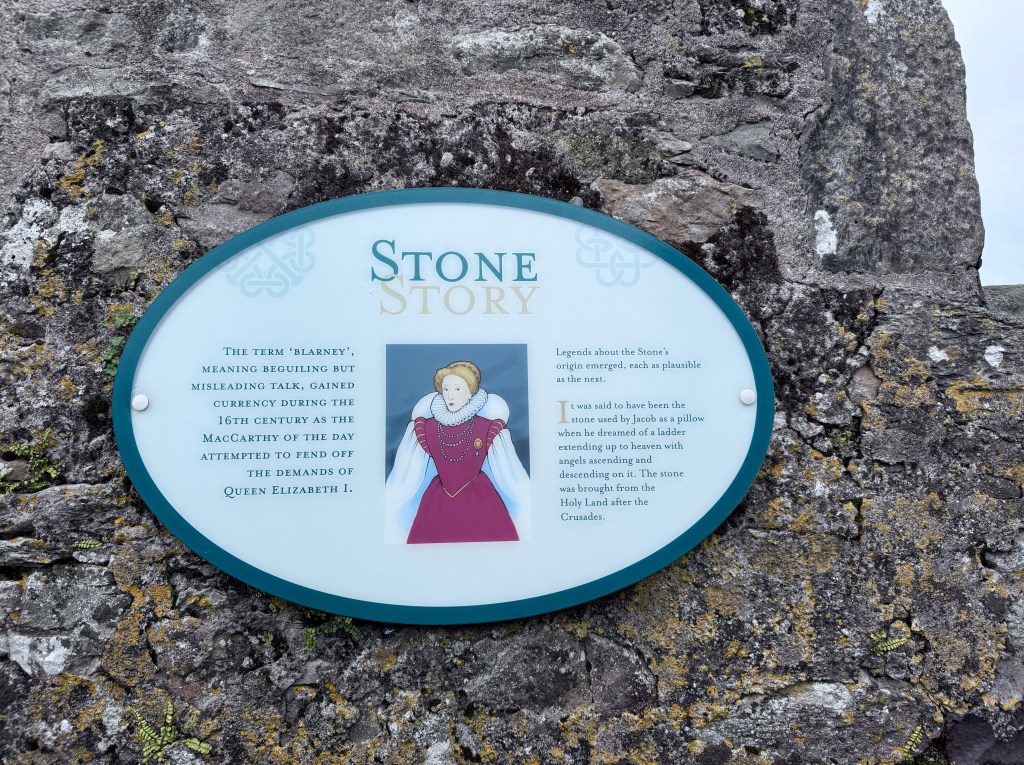
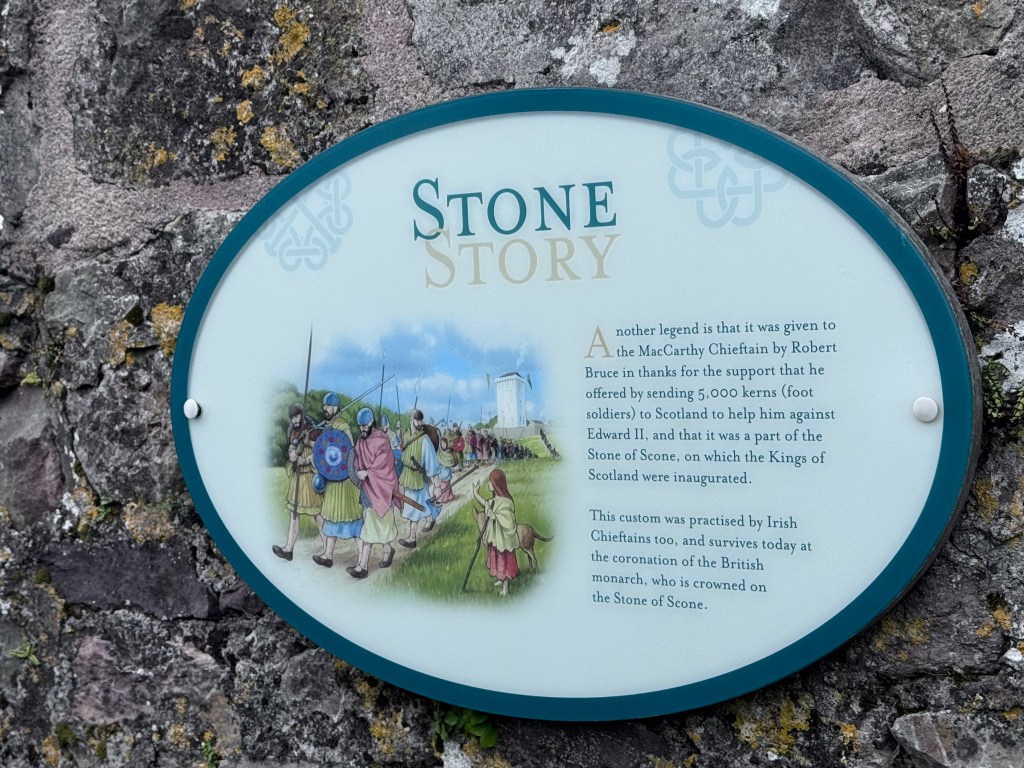
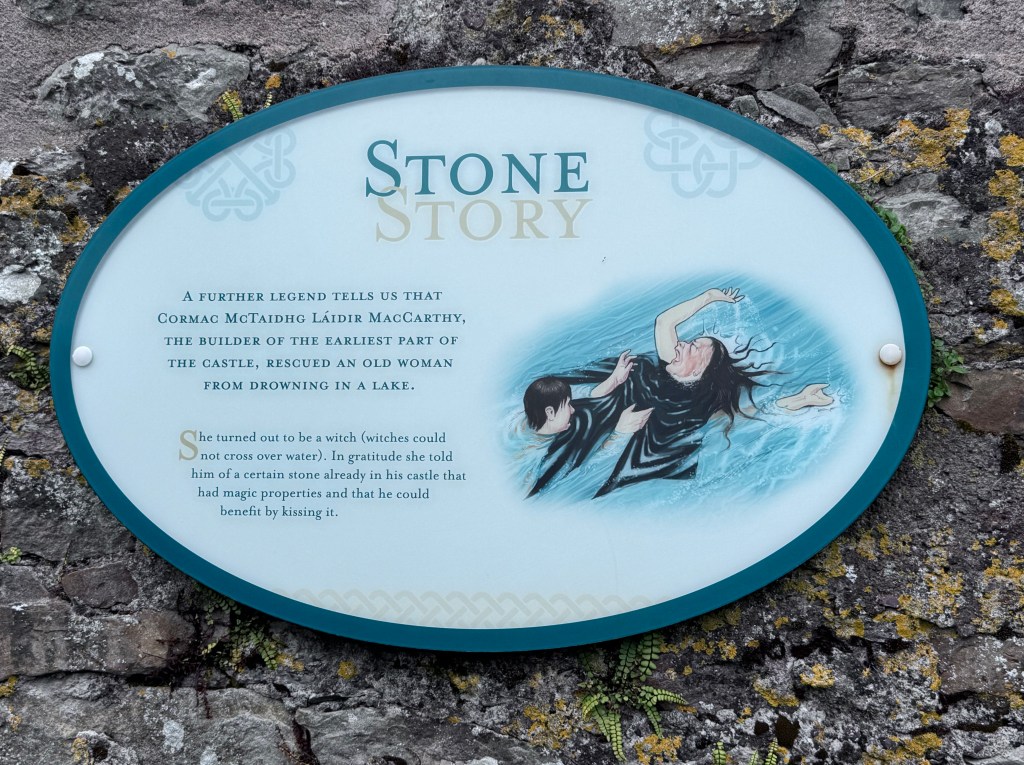
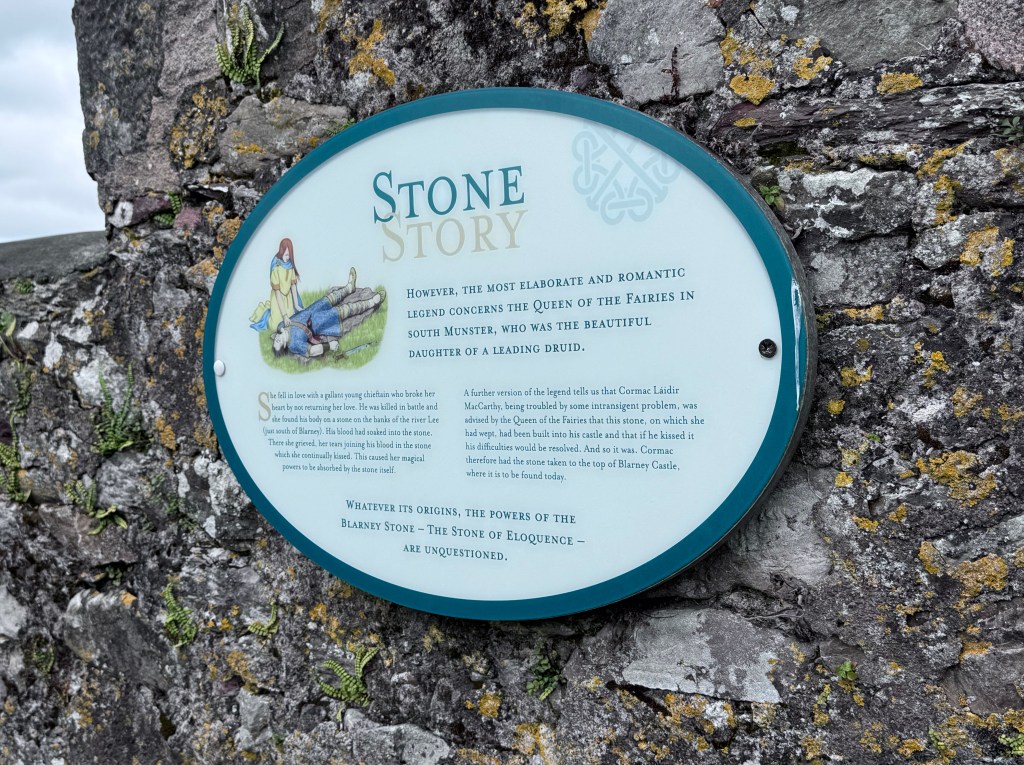
One of the most intriguing legends connected to the castle involves the famous Blarney Stone. According to folklore, 4,000 men from Munster were sent to help Robert the Bruce fight the English at the Battle of Bannockburn in 1314. As a gesture of gratitude, it is said that half of the Stone of Scone was sent to Blarney and incorporated into the castle’s battlements, eventually becoming the legendary Blarney Stone.

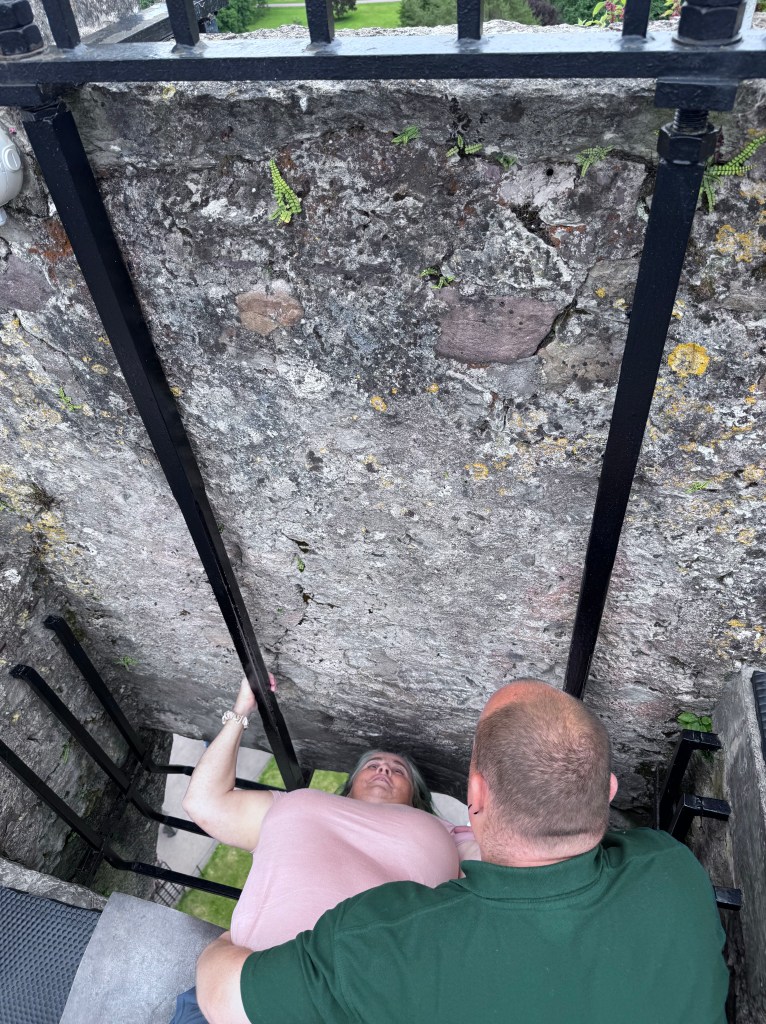
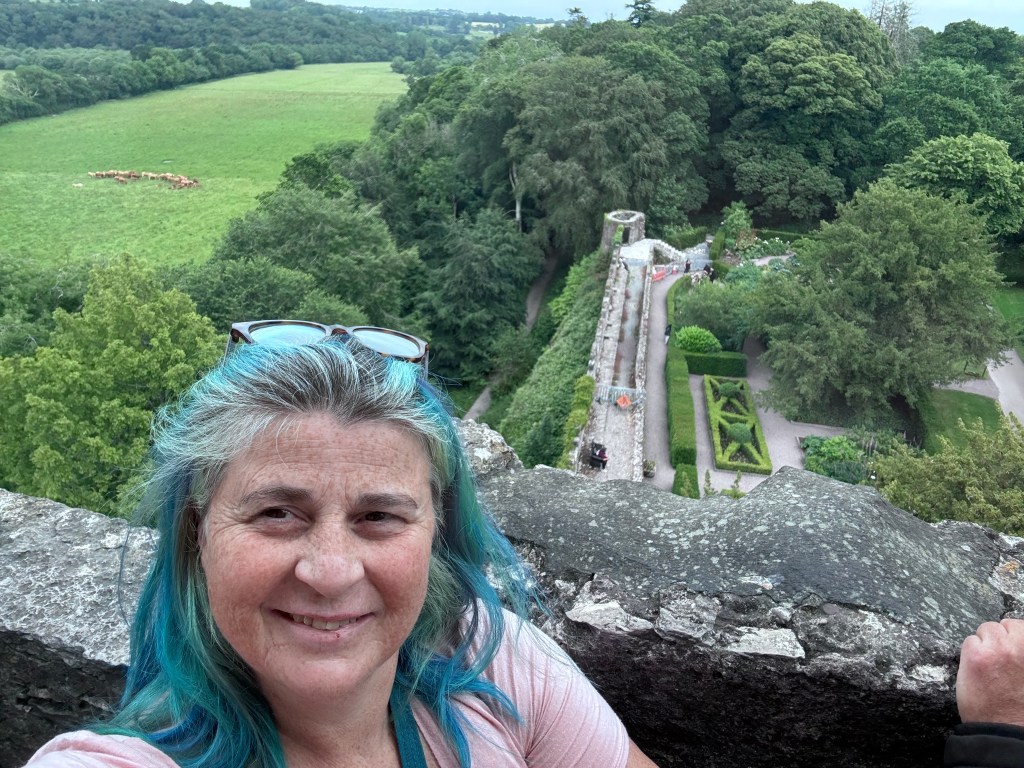
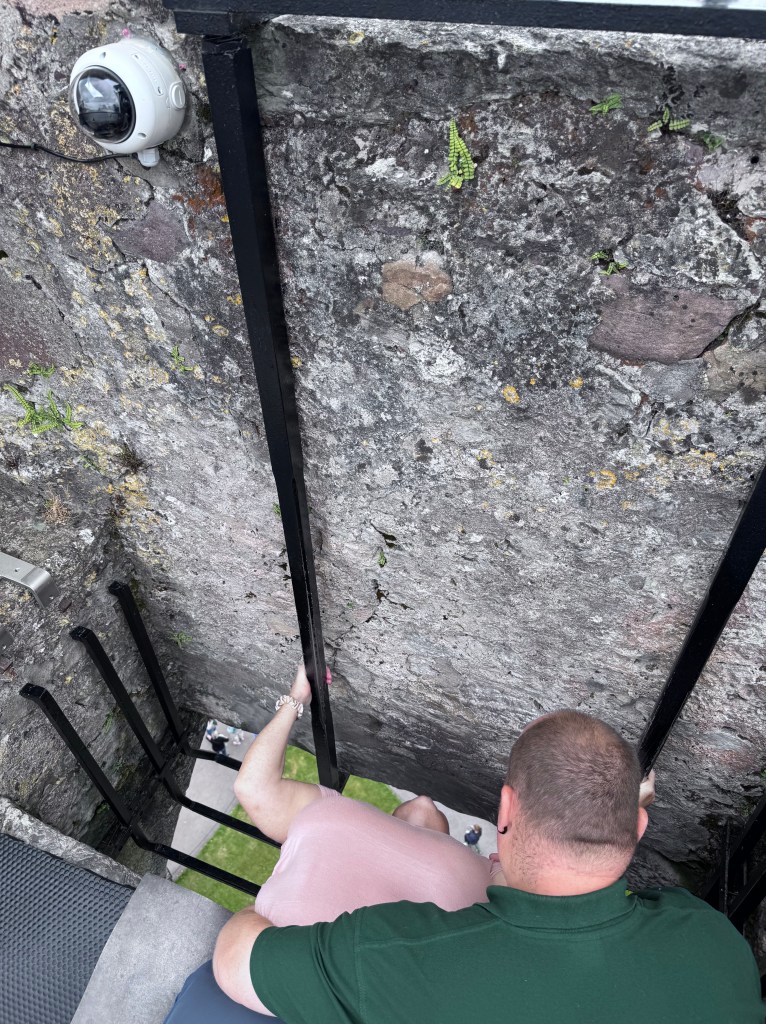
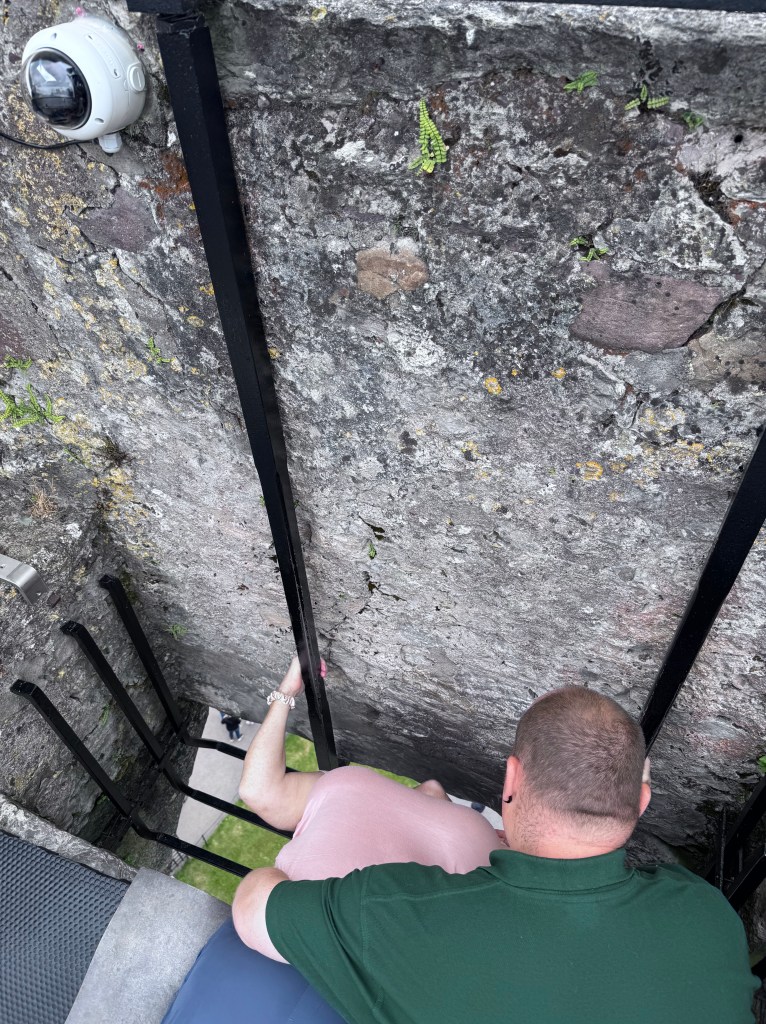
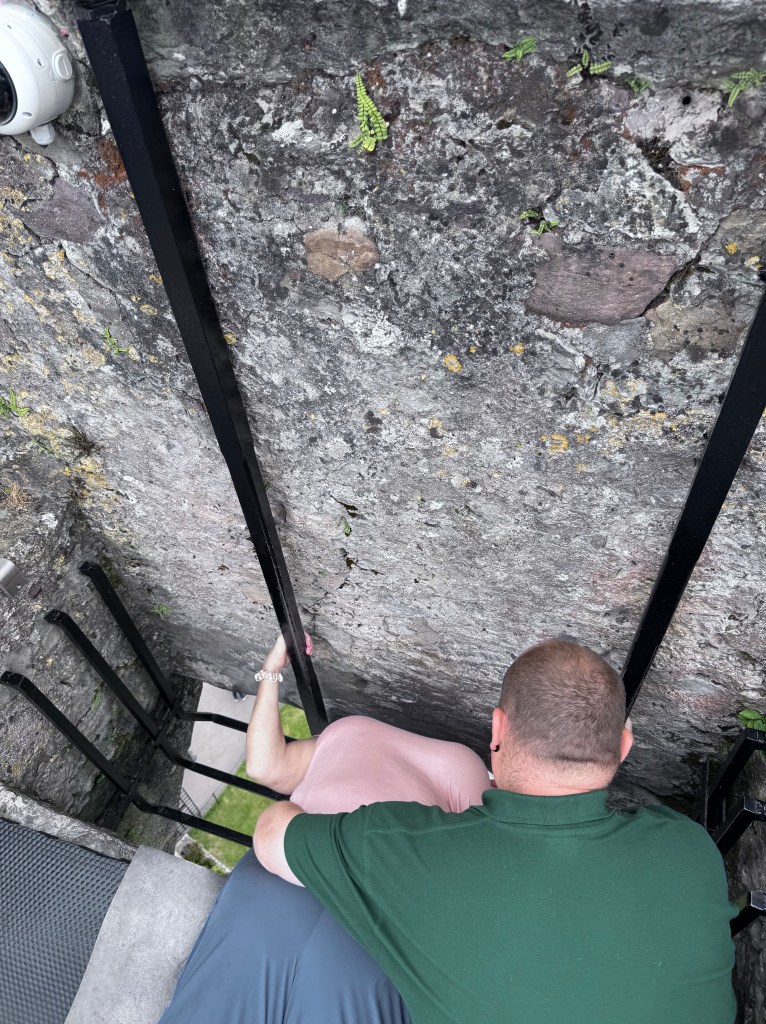
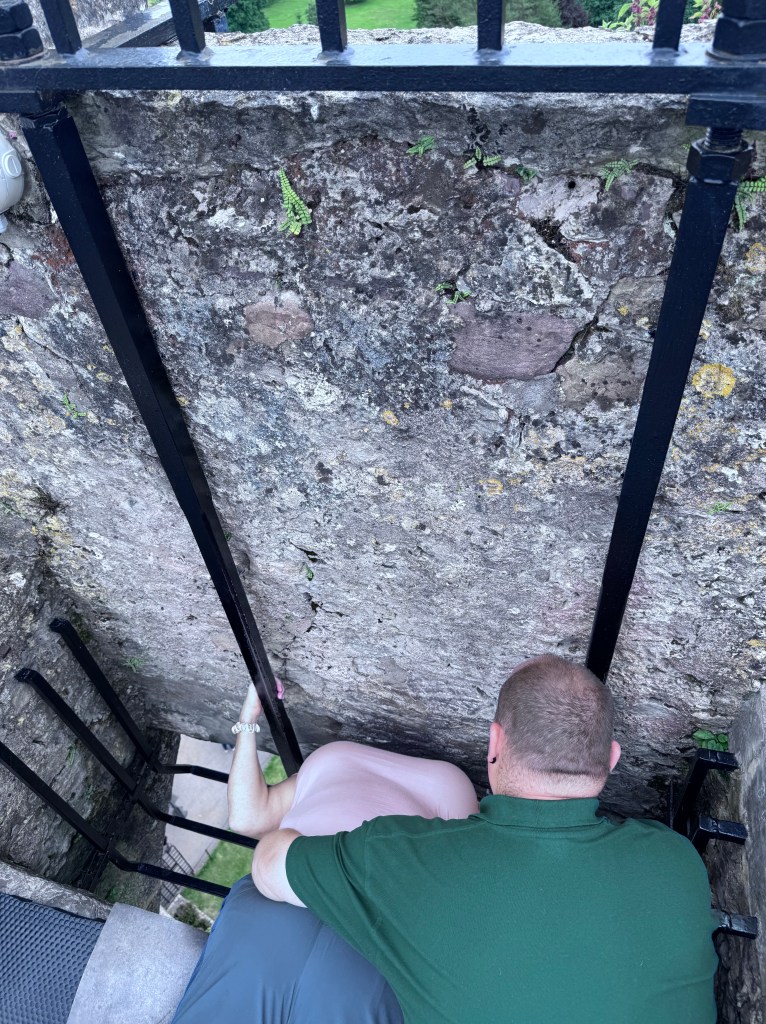
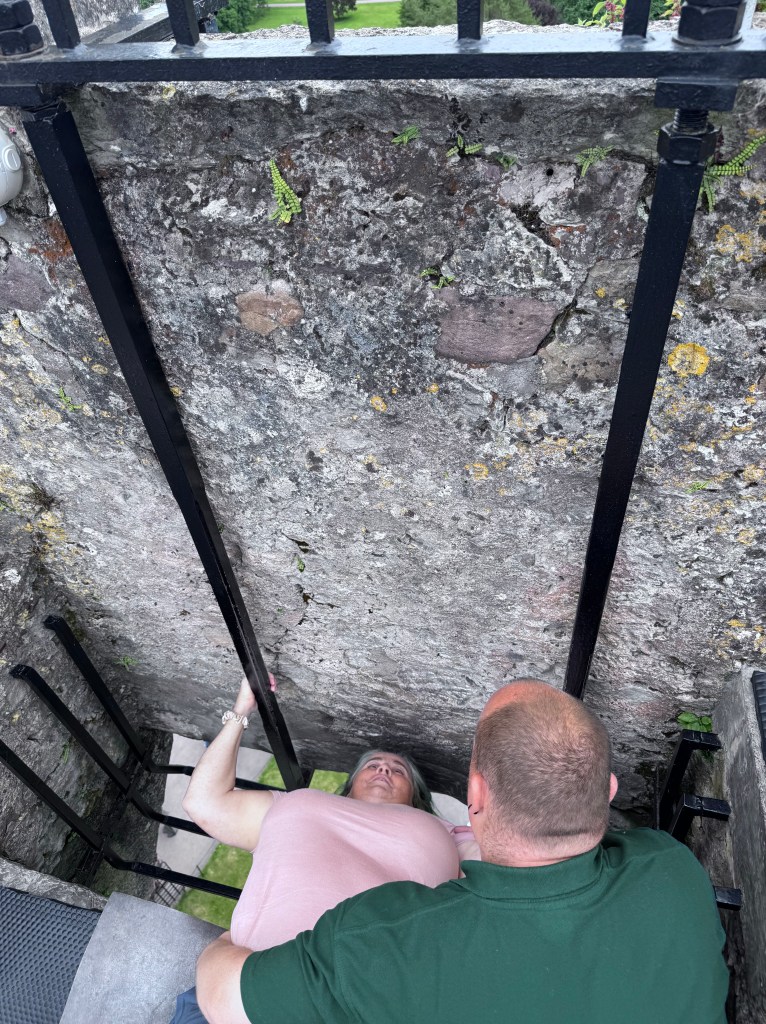
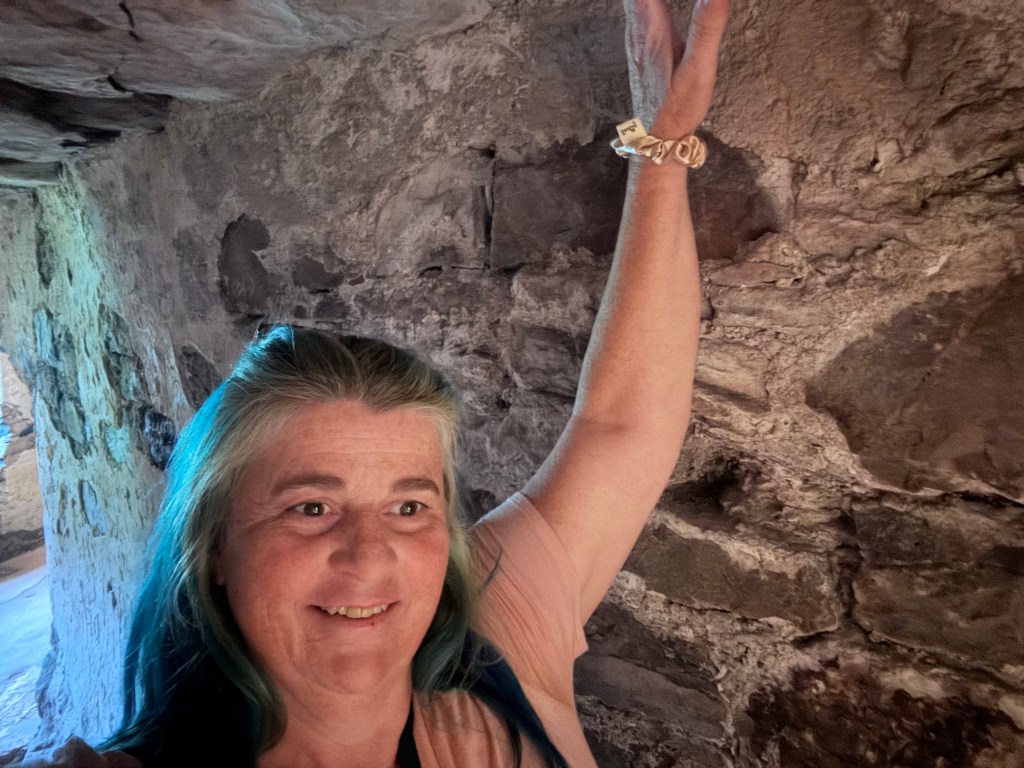
At the top, I was ready. I leaned back, grabbed the rails, and kissed the famous Blarney Stone. Now I’m patiently waiting for all the luck, charm, and gift of eloquence it’s supposed to bring me! We shall see.

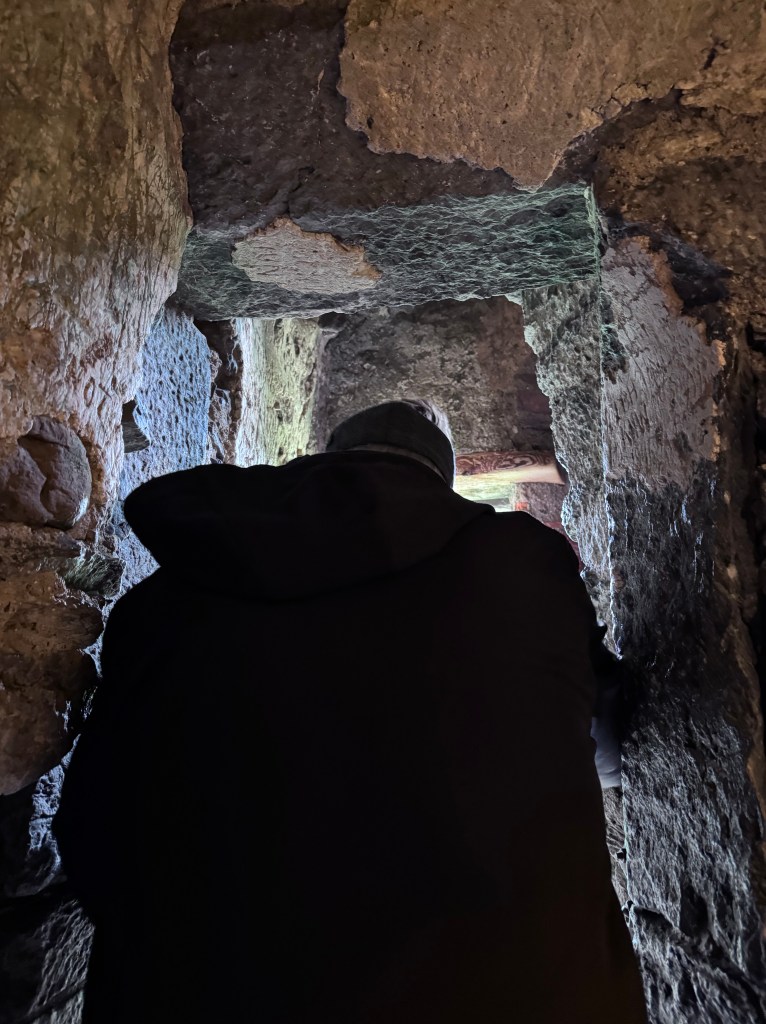
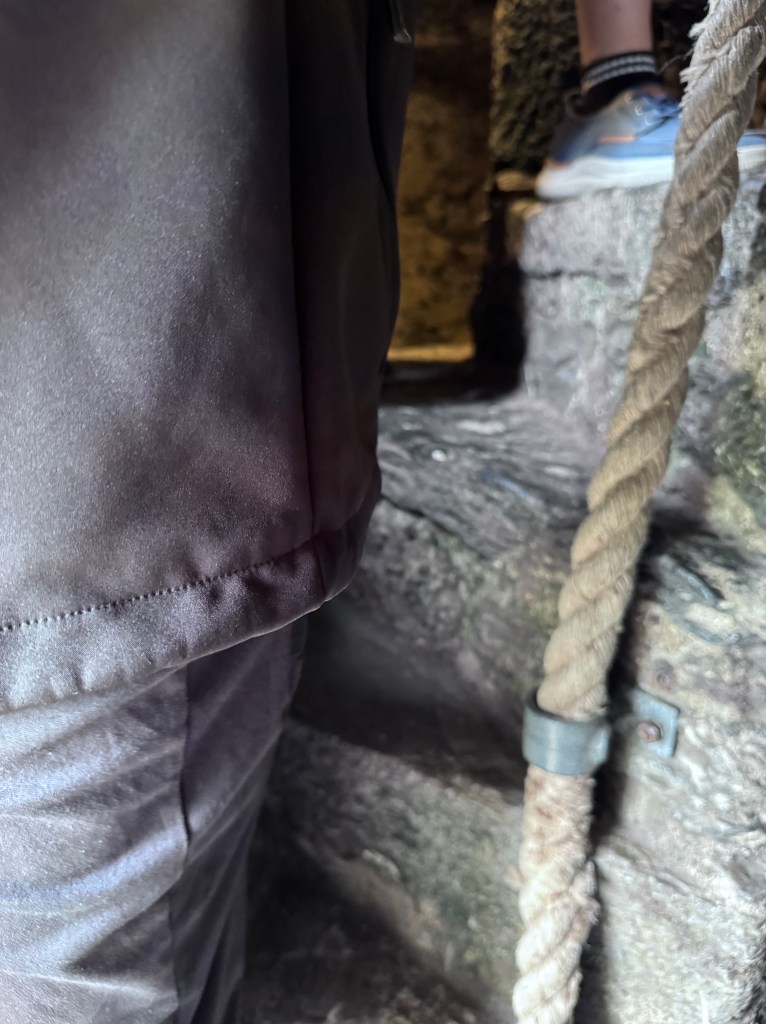
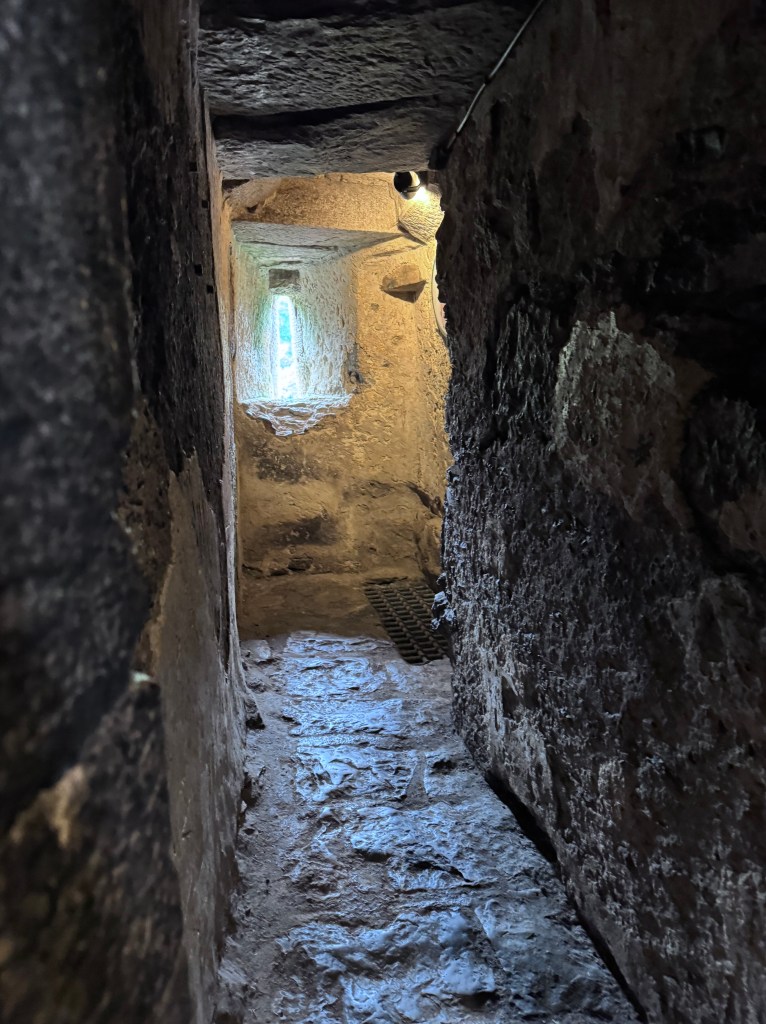
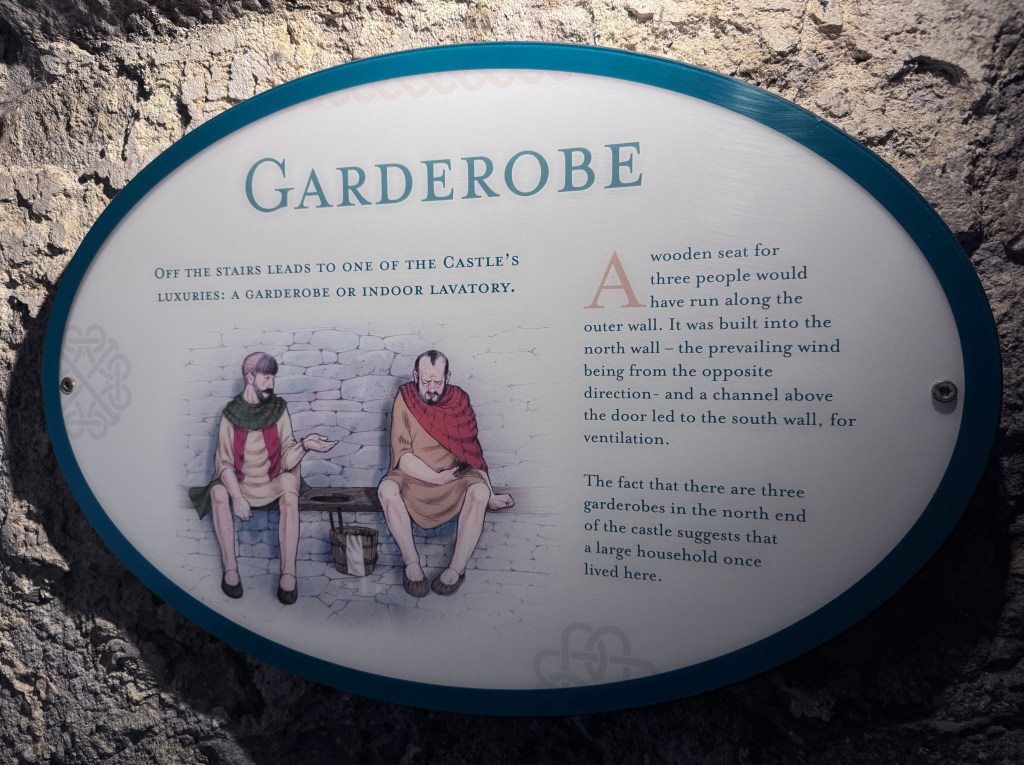
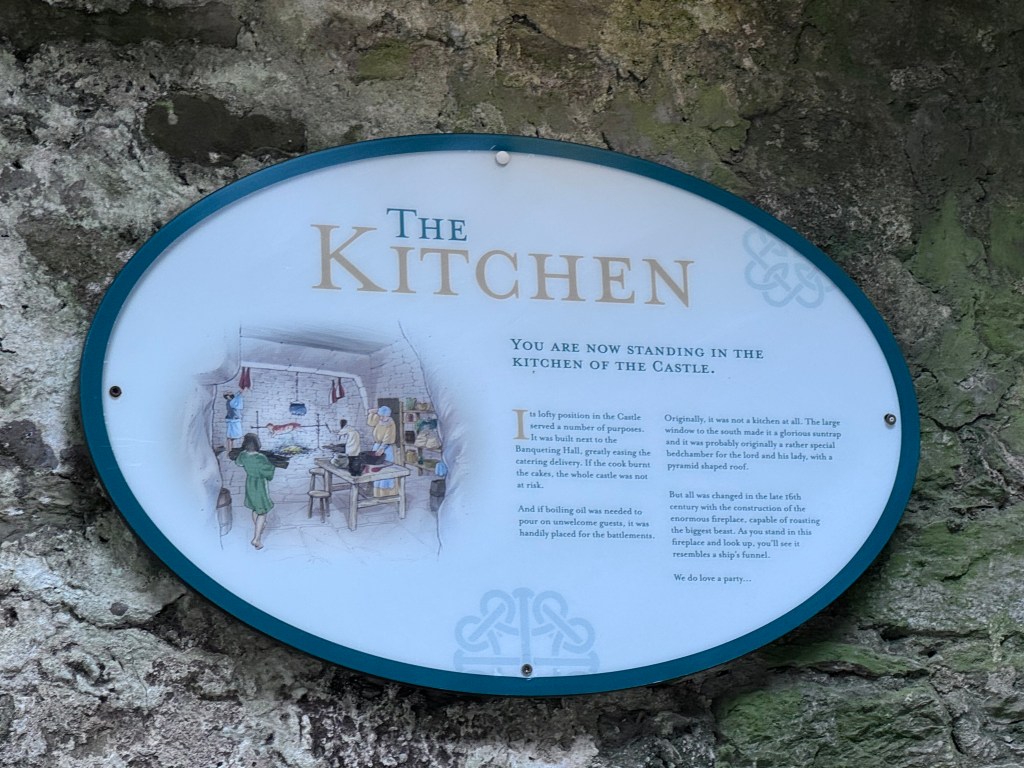
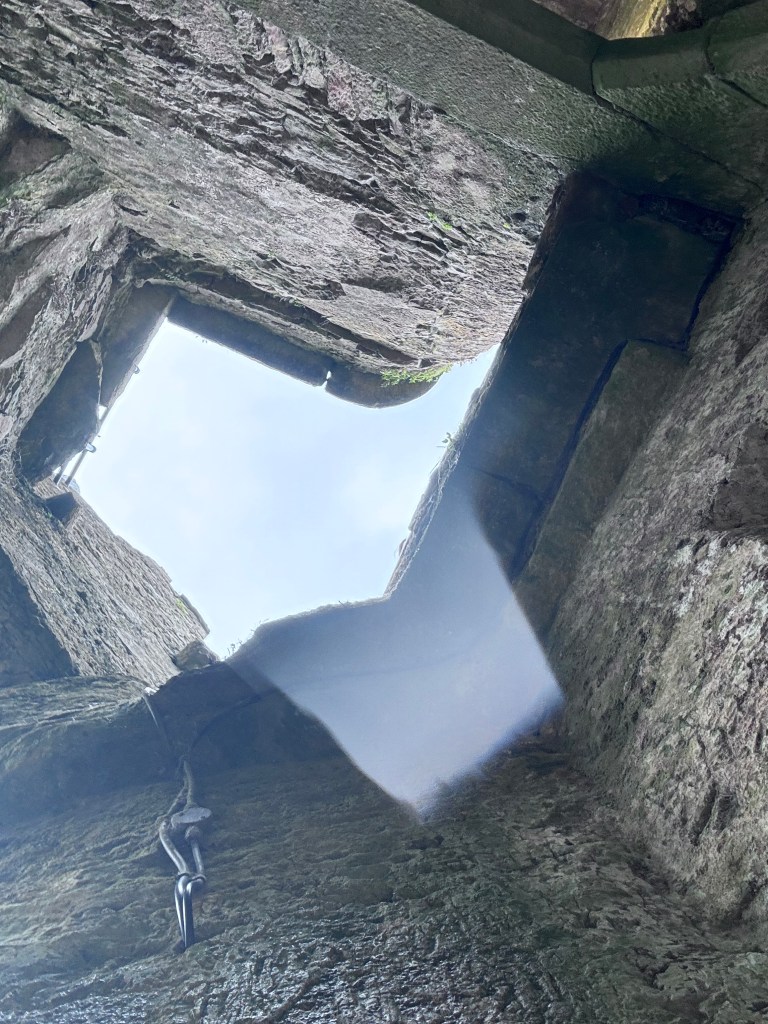
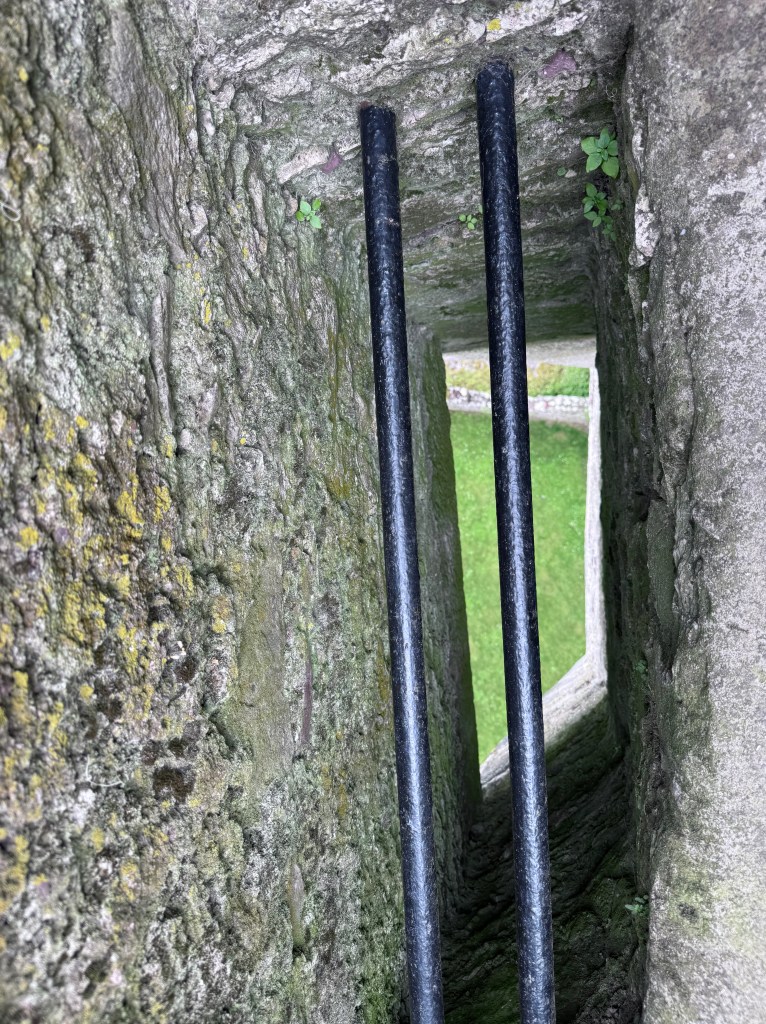
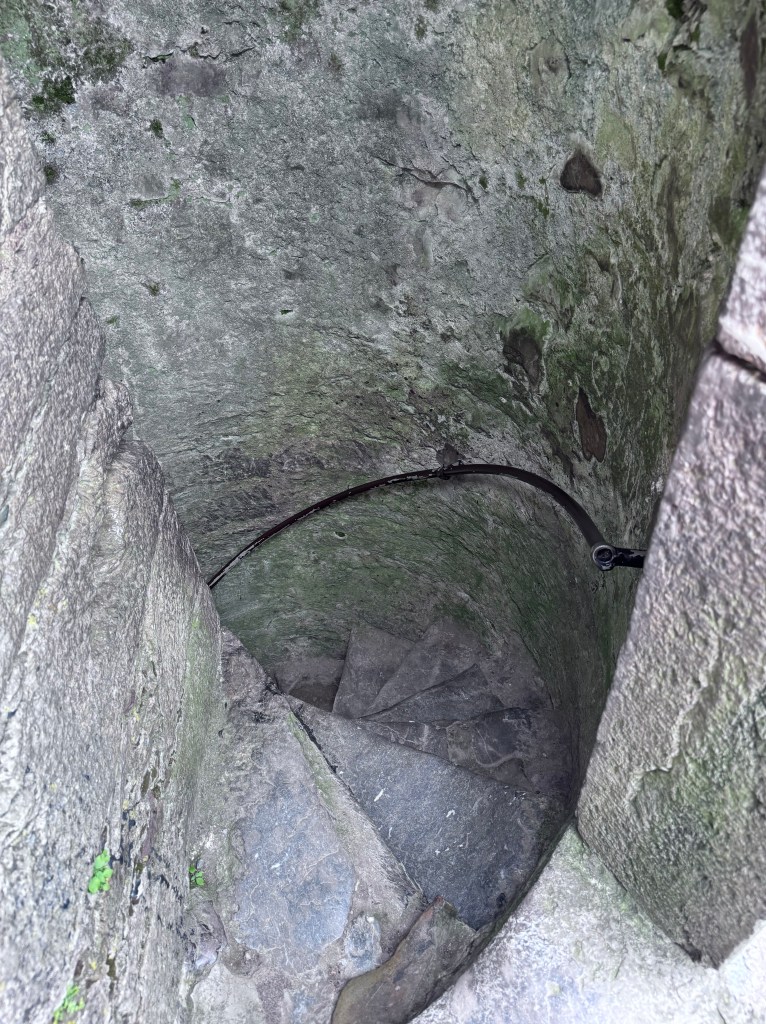
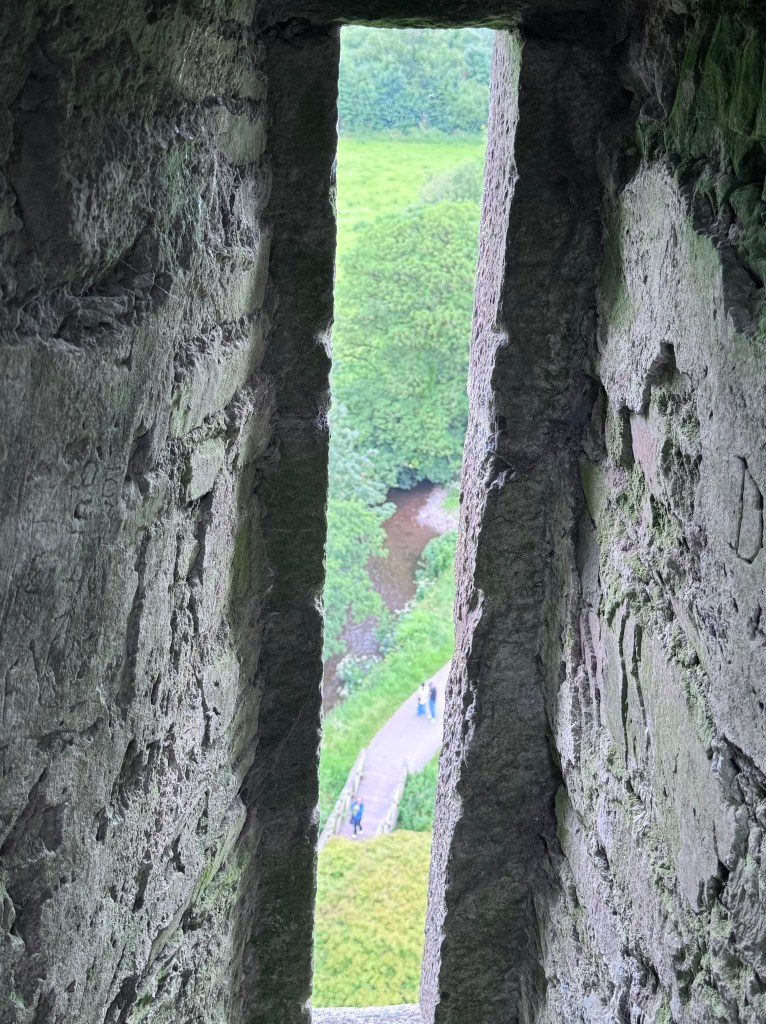
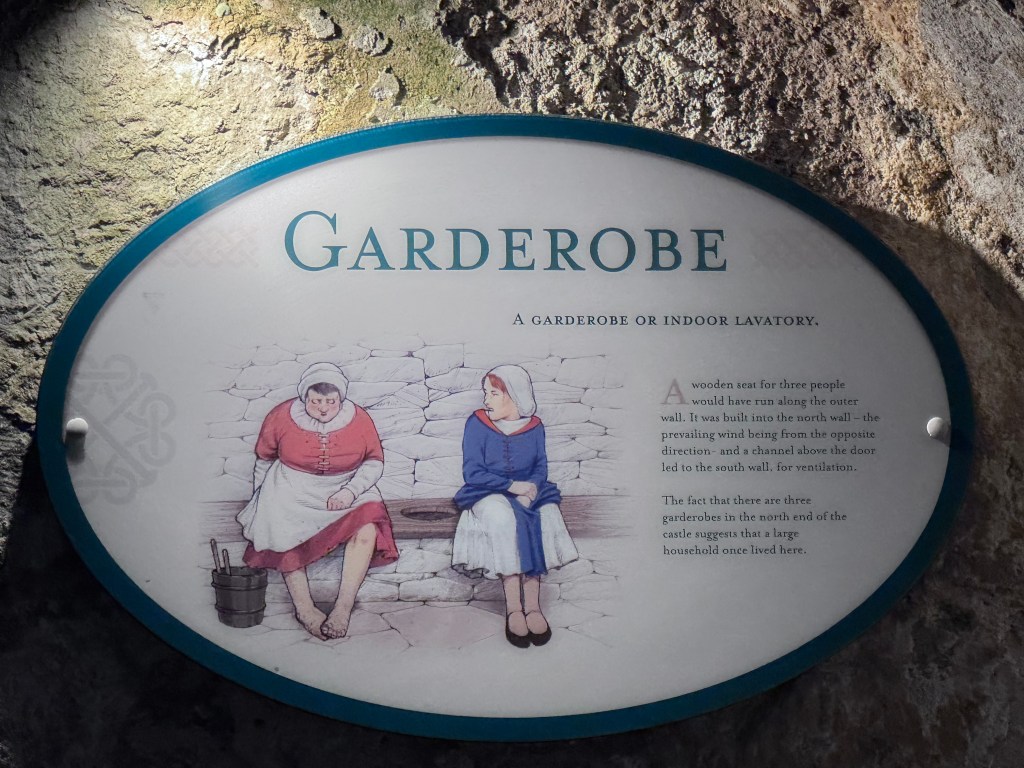
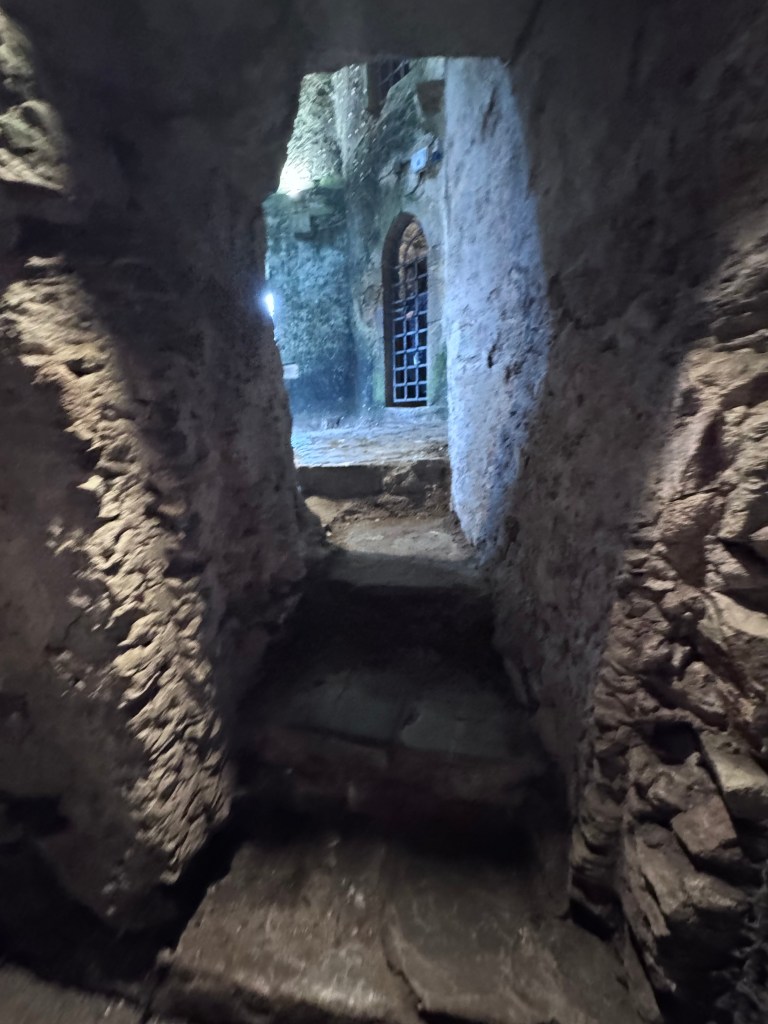
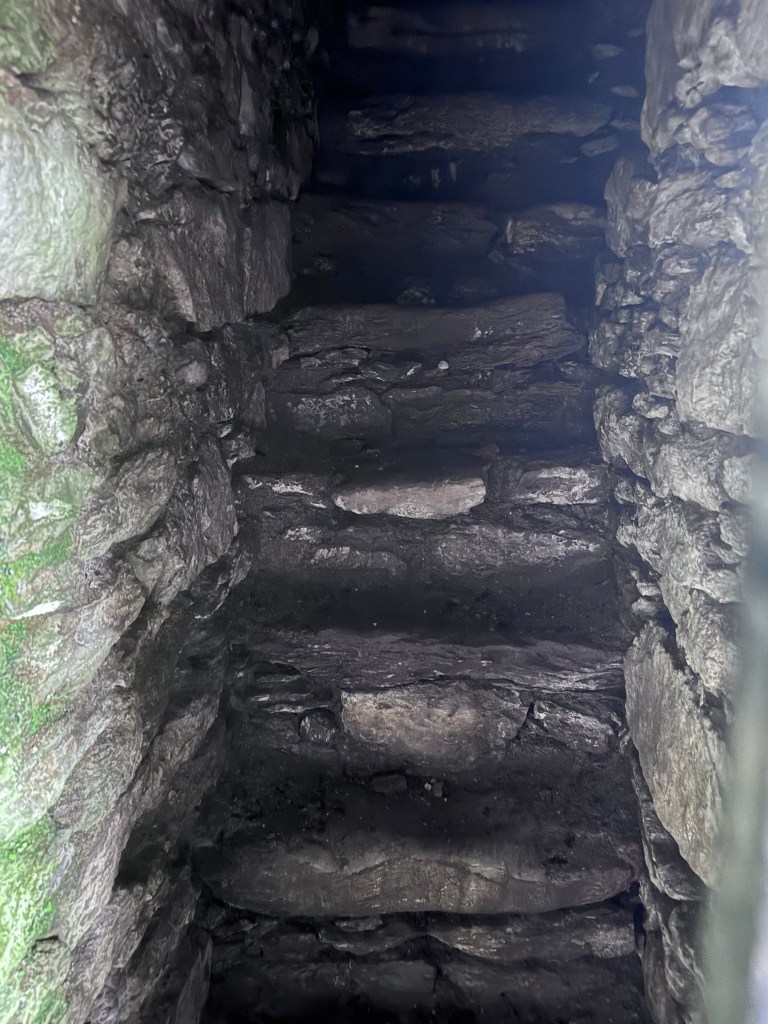
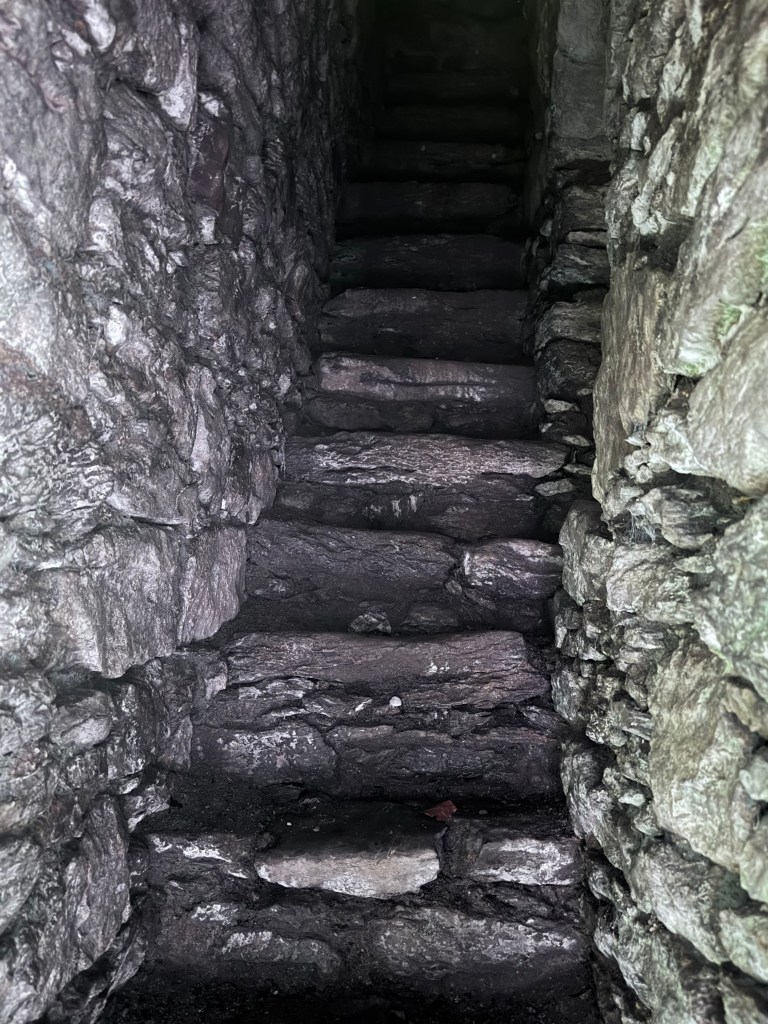
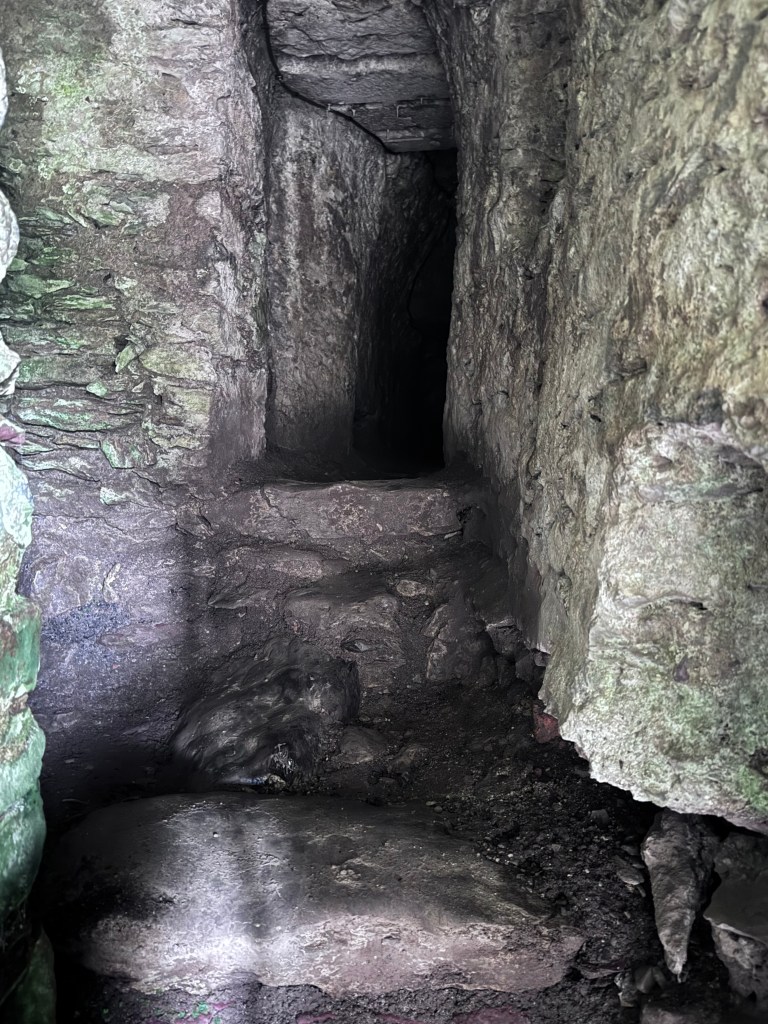
What surprised me most was how high up the castle kitchen was. The stairs were incredibly narrow, steep, and uneven. I couldn’t help but wonder how women managed them while wearing long dresses. Surely there must have been a few unfortunate tumbles over the centuries! I had no trouble with the low ceilings, but many visitors had to bend, duck, and crouch their way through the passages.

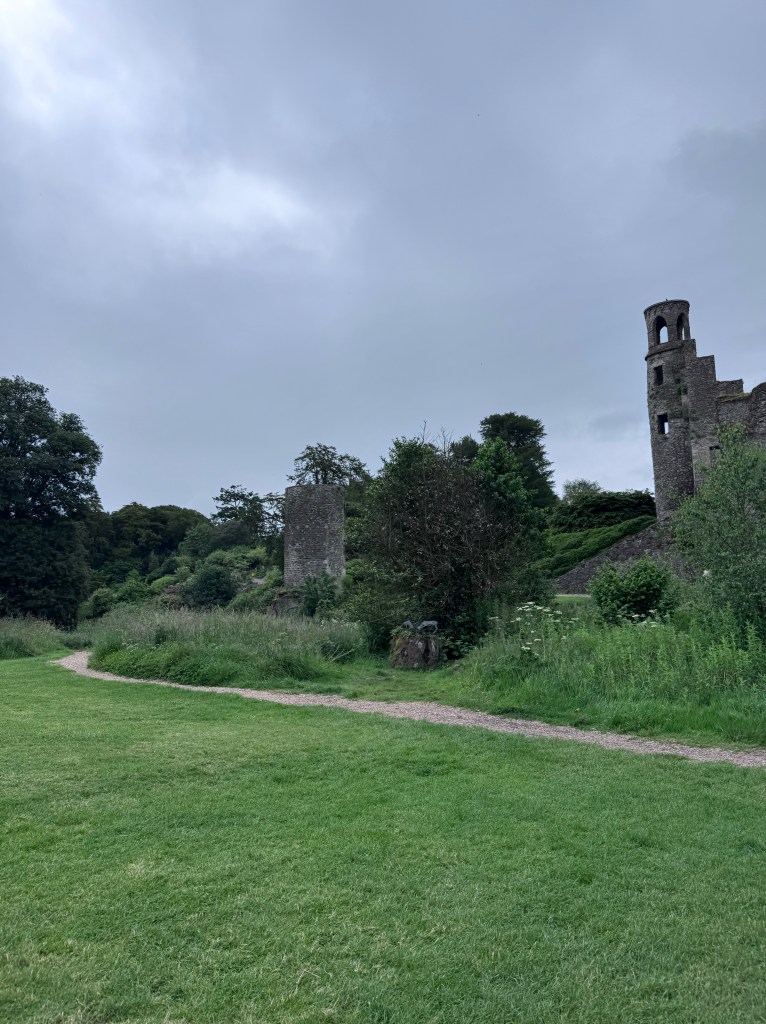
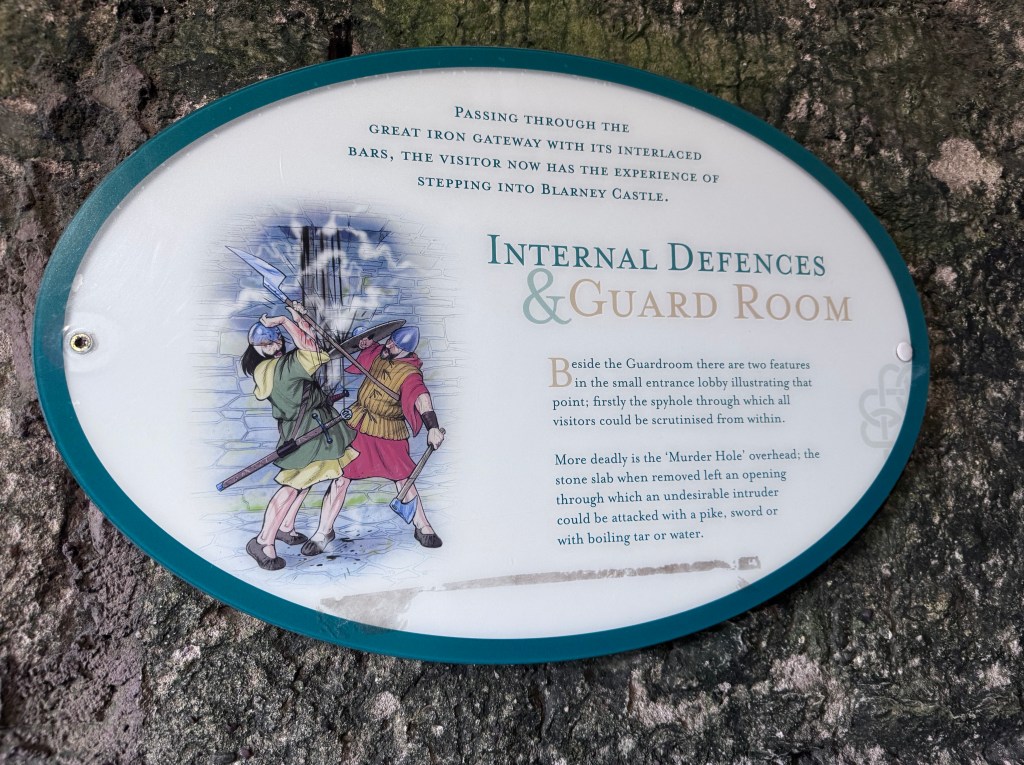
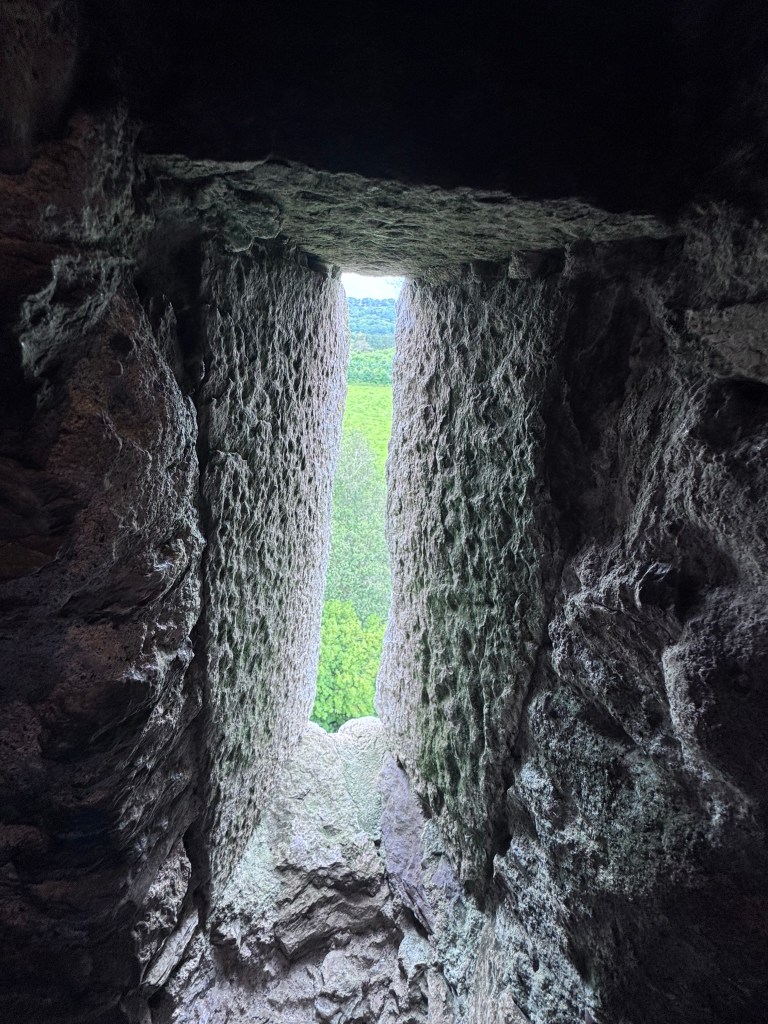
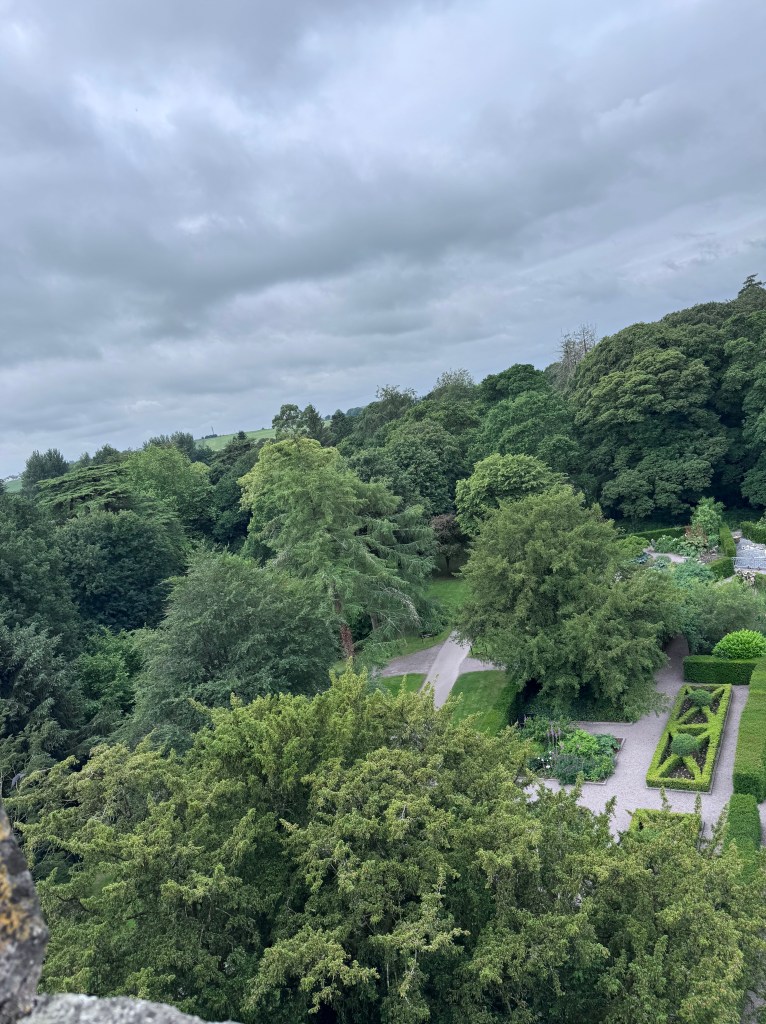
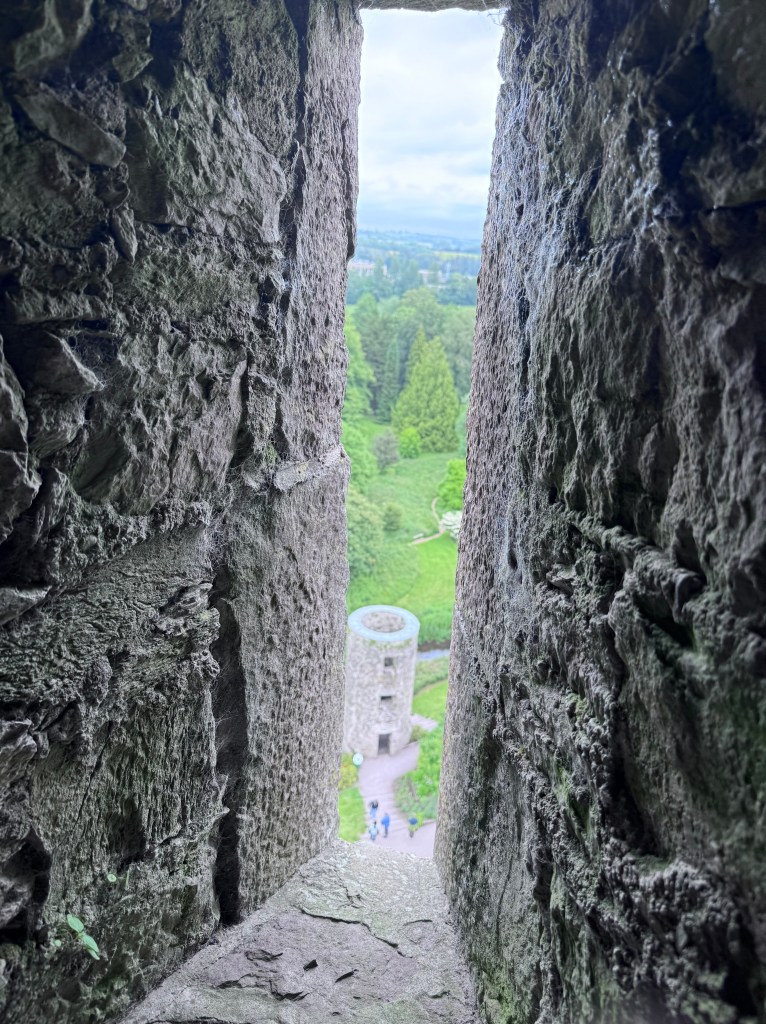
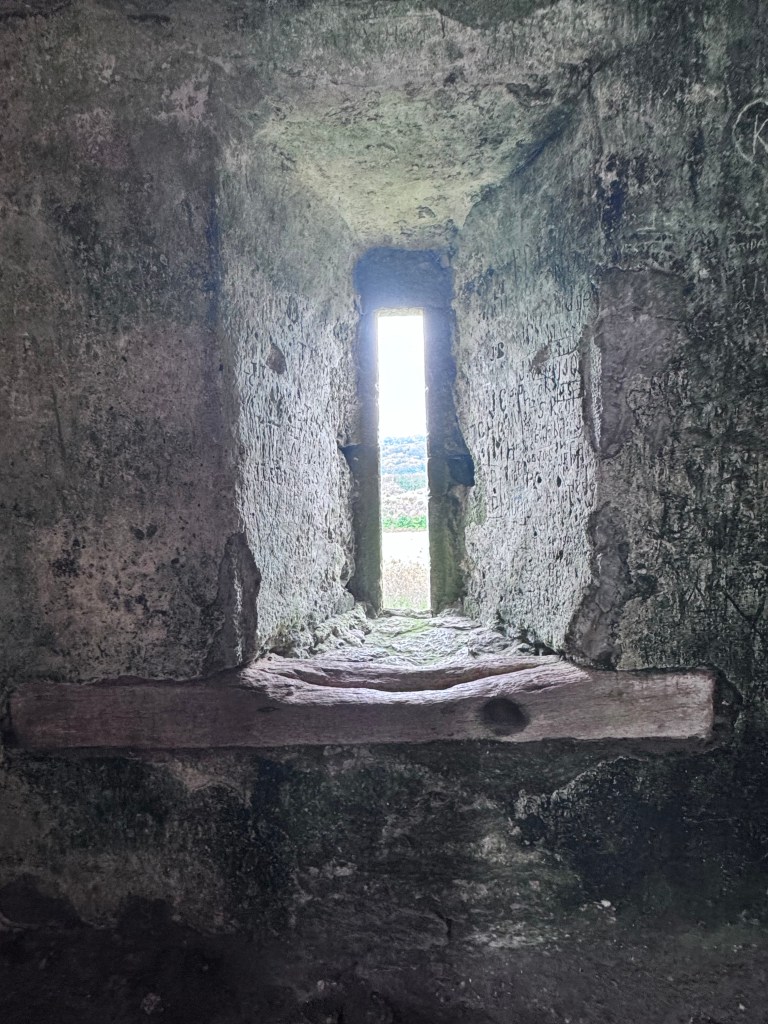
Walking around the castle grounds afterward, I was fascinated by the engineering. The builders found a massive rock outcrop, leveled it with additional stonework, and then constructed the castle directly on top of it. The walls are an astonishing 18 feet thick at the base and gradually slope inward as they rise. This design helped make the structure more stable and has undoubtedly contributed to its survival for centuries. It also served a defensive purpose. If attackers approached the castle walls, defenders could drop objects from above, and the sloping walls would cause those objects to bounce outward, striking enemies farther away from the base of the castle. Standing beneath those massive stone walls and realizing the thought and skill that went into their construction made me appreciate the castle even more.

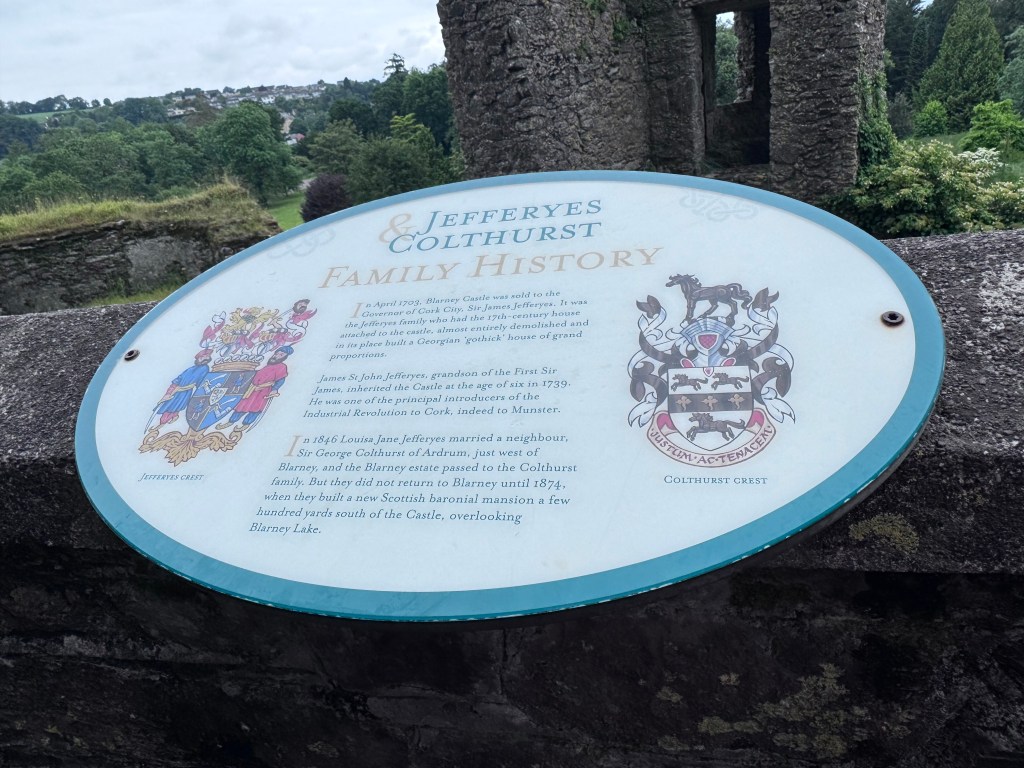
Over the centuries, the castle witnessed its share of conflict and changing ownership. It was besieged and captured by English Parliamentarian forces in 1646 during the English Civil War. The castle was later restored to Donough MacCarty, the Earl of Clancarty, but was eventually confiscated by William of Orange. After passing through several owners, the estate was purchased by Sir James St. John Jefferyes in 1688. The Jefferyes family later built a mansion near the ruined keep, and remarkably, their descendants continue to own and care for the estate today.

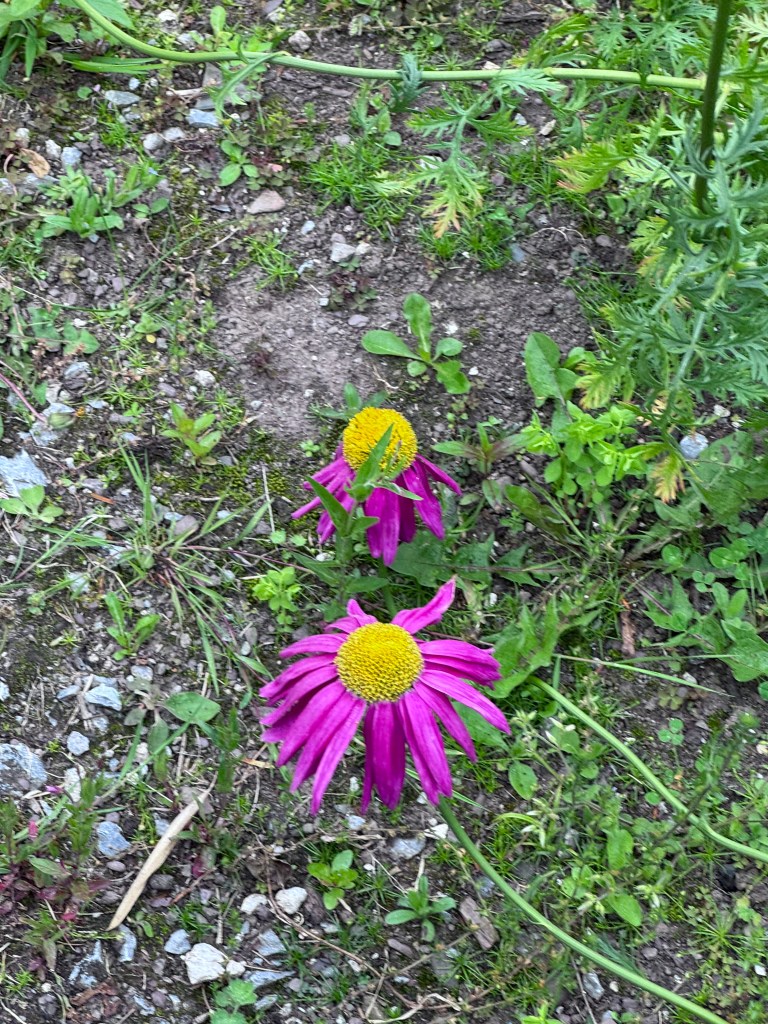
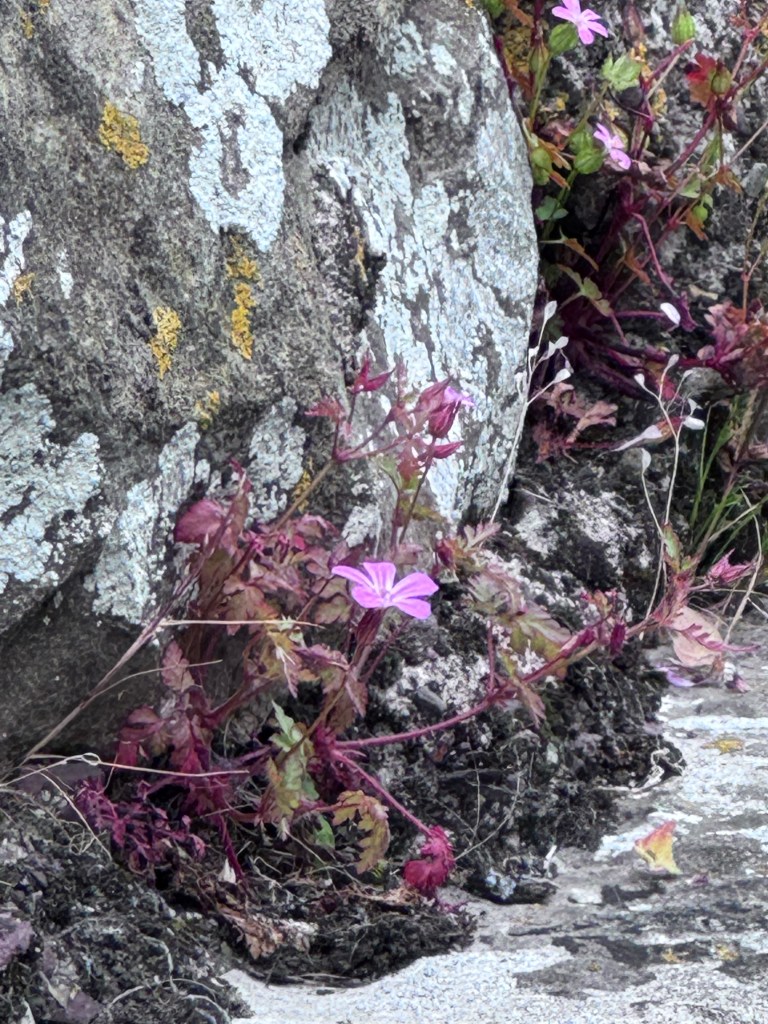
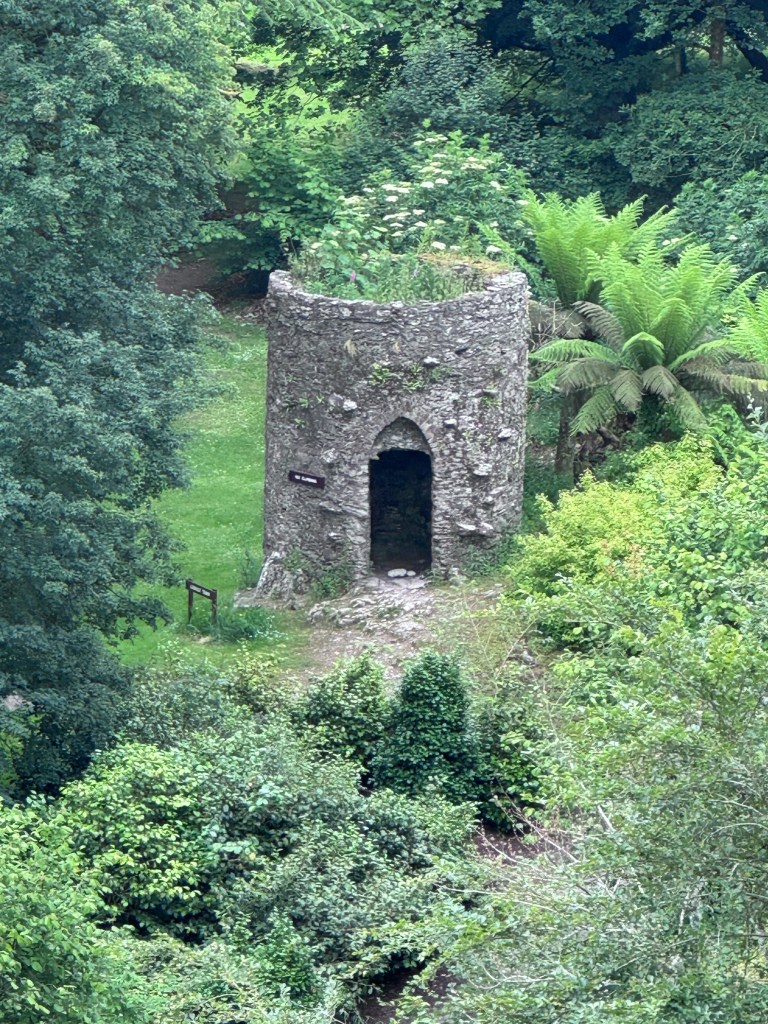
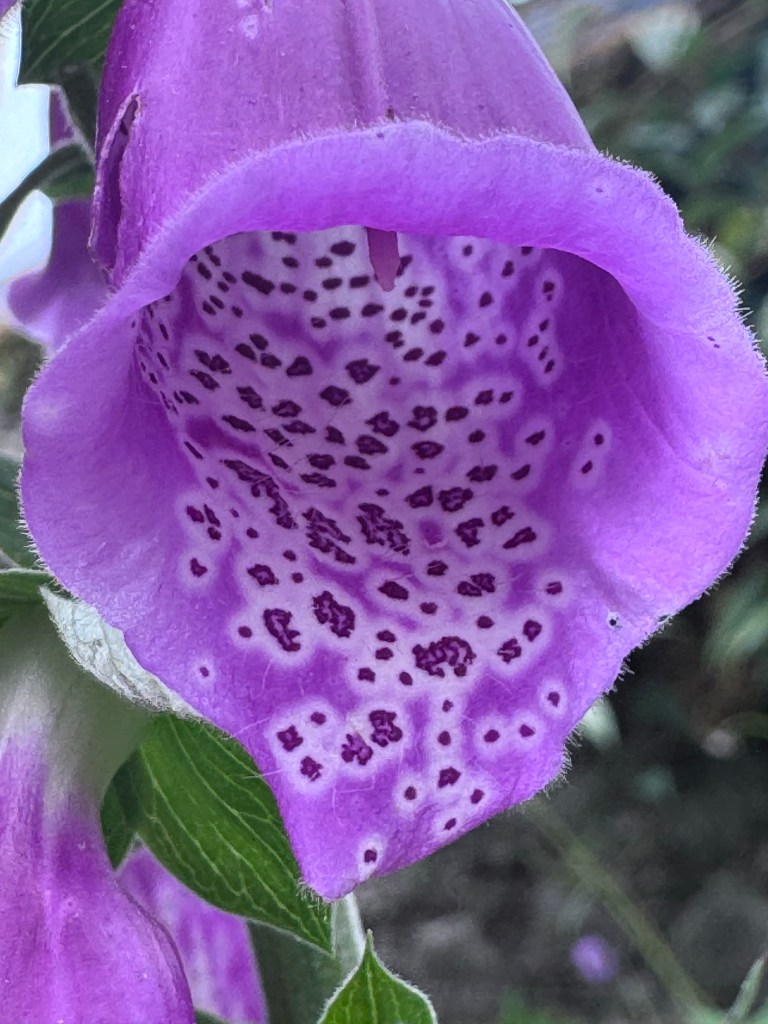
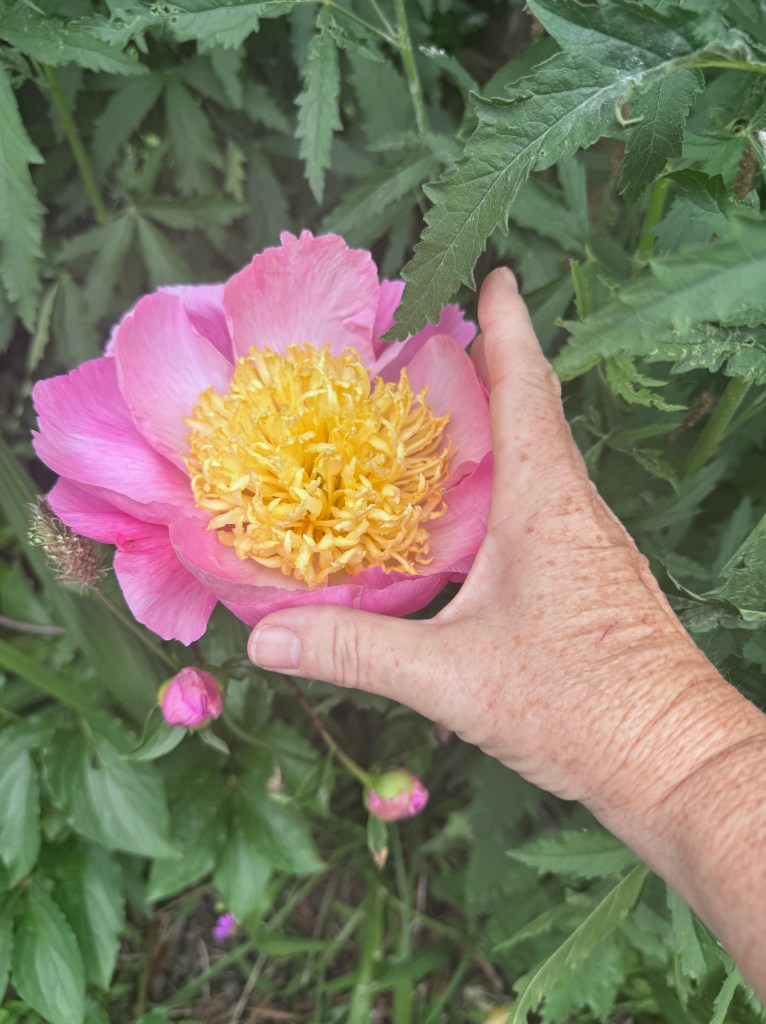
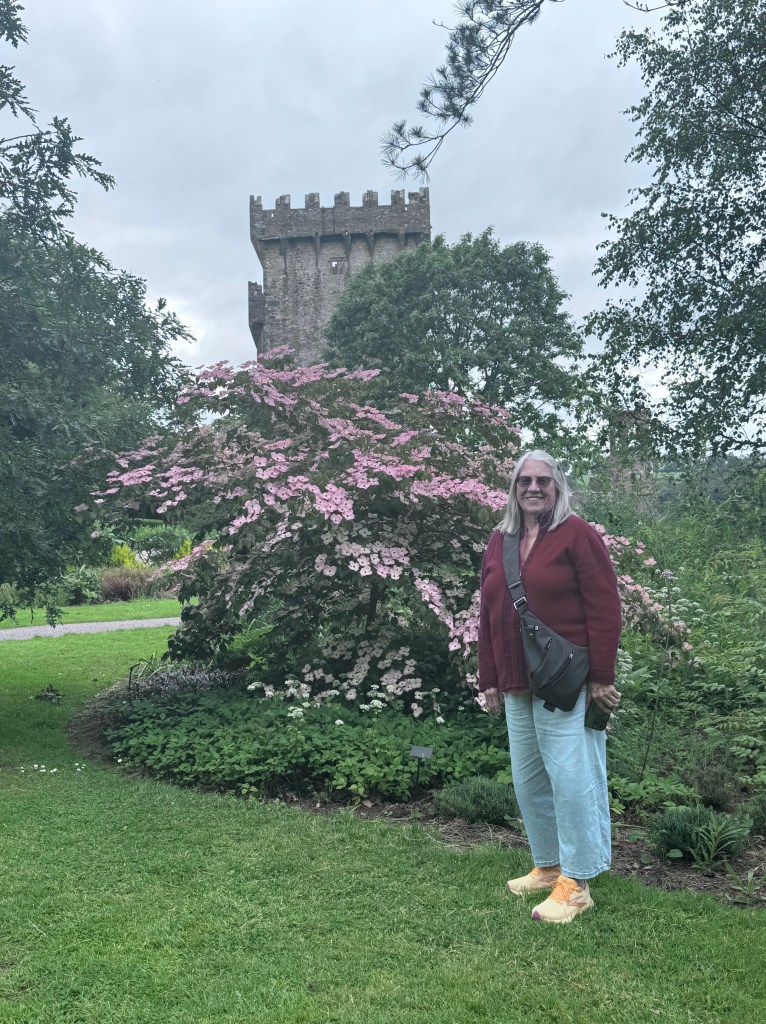
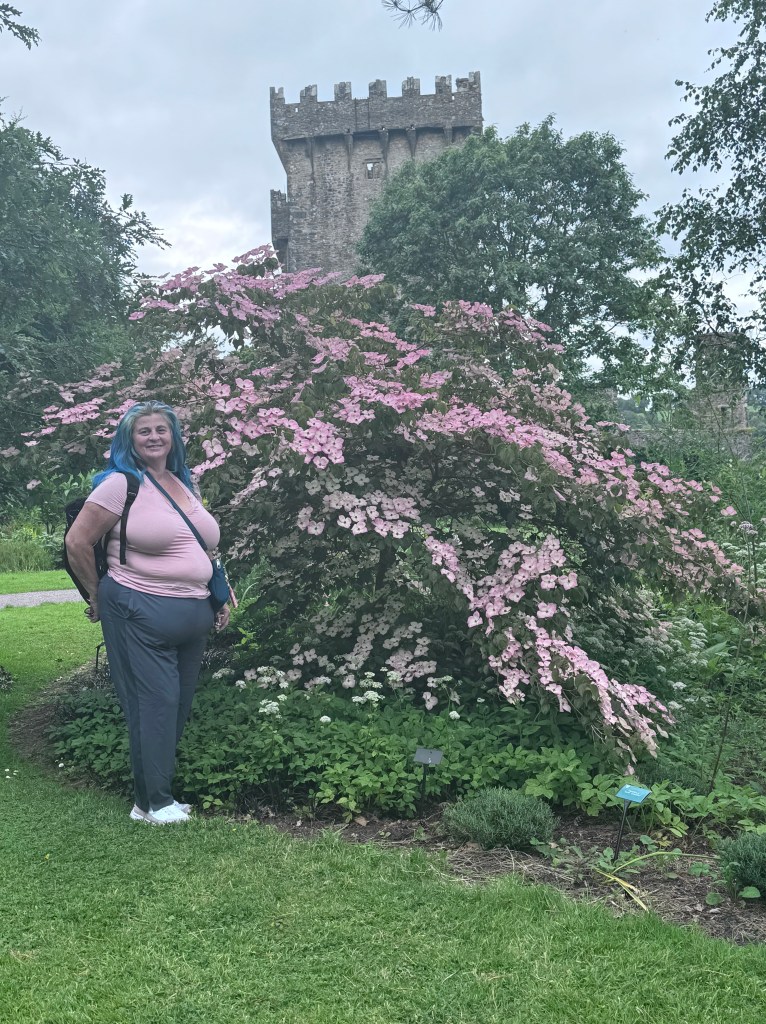
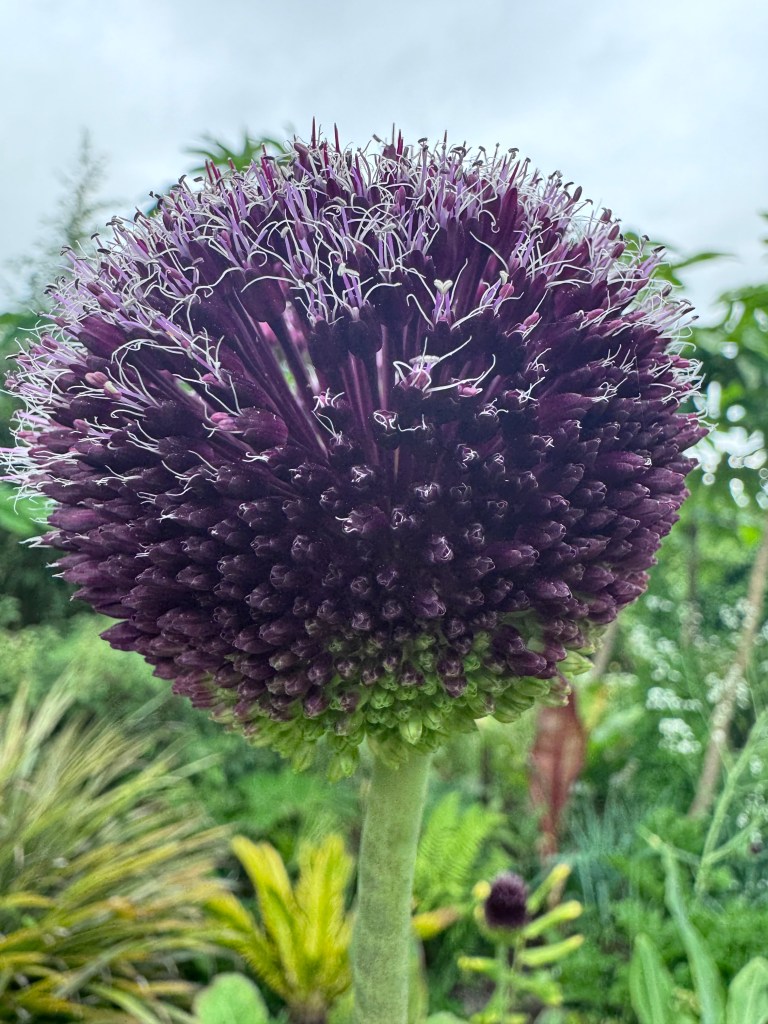
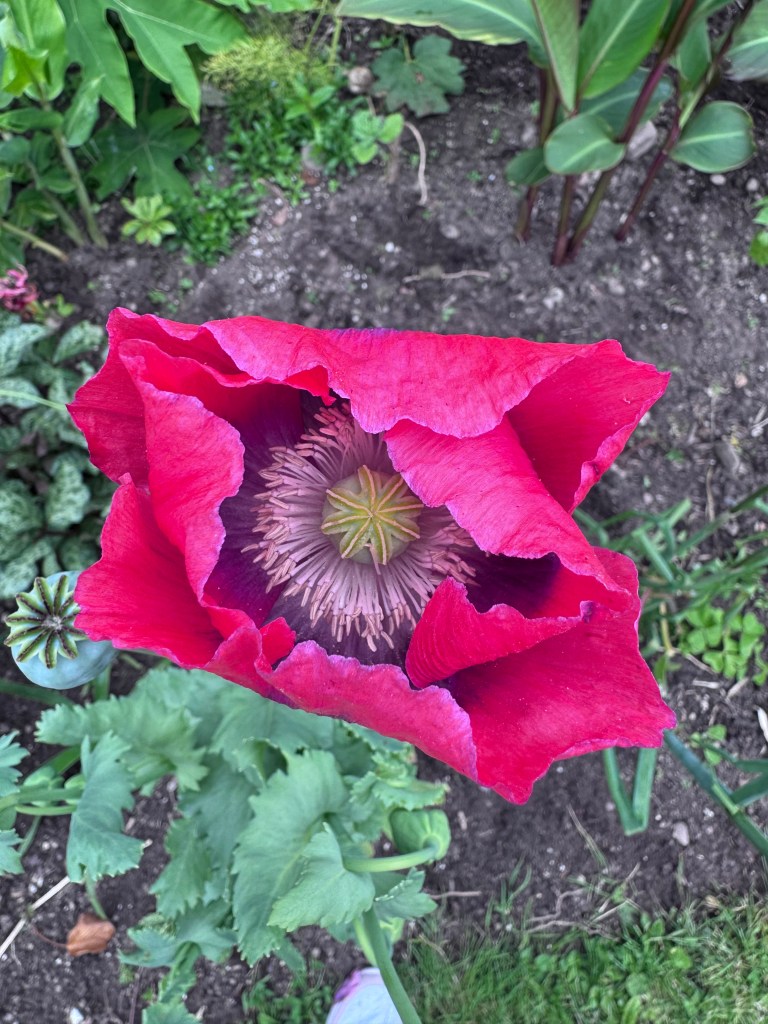
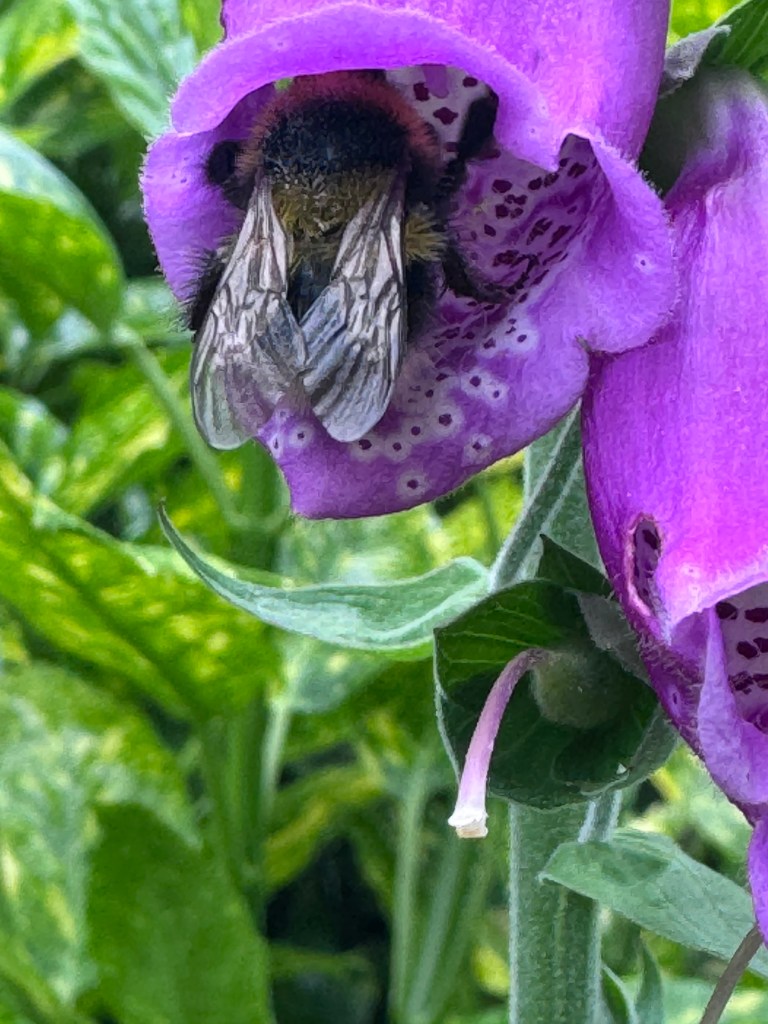
Once my climb was complete, we enjoyed lunch before wandering through the gardens. The flowers were enormous and bursting with color. We spent some time chatting with a lovely couple while taking photographs of the castle and grounds. After exploring a bit more outside the castle walls, it was time to make our way back to the train station.

The ride back was over two hours long, so we settled into our seats and pulled out a deck of cards for a game of cribbage. It was the perfect way to end another wonderful day of adventure in Ireland.
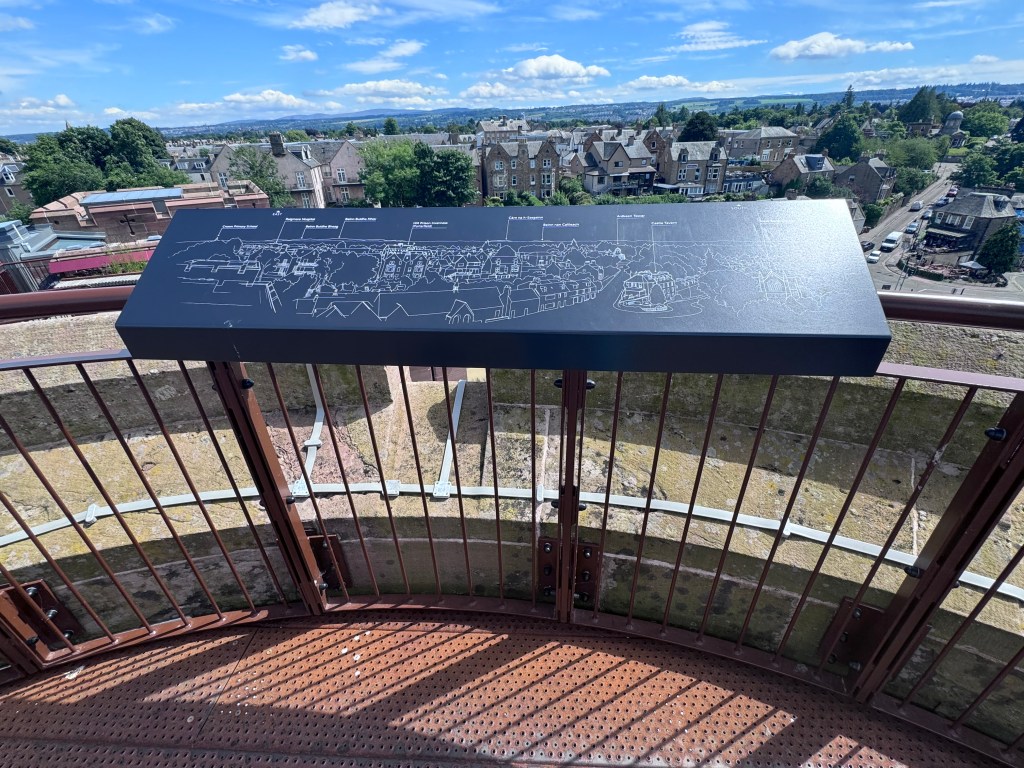
As we watched the Irish countryside roll past our train window, I couldn’t help but think about all the people who had walked those castle halls over the last eight centuries. Blarney Castle is far more than just a place to kiss a famous stone—it is a testament to medieval engineering, Irish resilience, and centuries of history. And if the legend is true, perhaps it has also gifted me with a little extra eloquence to tell this story.

Ramps, Rails, and Ruins: A Day in Kilkenny

Our First Full Day in Dublin: A Trip to Kilkenny

Our first full day in Dublin did not quite go as originally planned. We had intended to visit Belfast, but due to the protests taking place there, we decided to alter our plans and head to Kilkenny instead. Looking back, it turned out to be a wonderful choice.

We navigated our way to the train station using a taxi app and checked in with the assistance team. From there, we made our way down to the trains and asked where we needed to go. The accessibility assistance on Irish Rail has been incredible. At both stations, staff met us with ramps and helped us board and exit the train. It made traveling with Kiya so much easier and less stressful.

The train ride itself was beautiful. We spent much of the journey looking out the window and taking in the Irish countryside. We marveled at the hedge-row fencing that divides the fields and noticed how often sheep and cattle grazed together in the same pasture. The rolling green landscape looked exactly like the Ireland we had imagined.

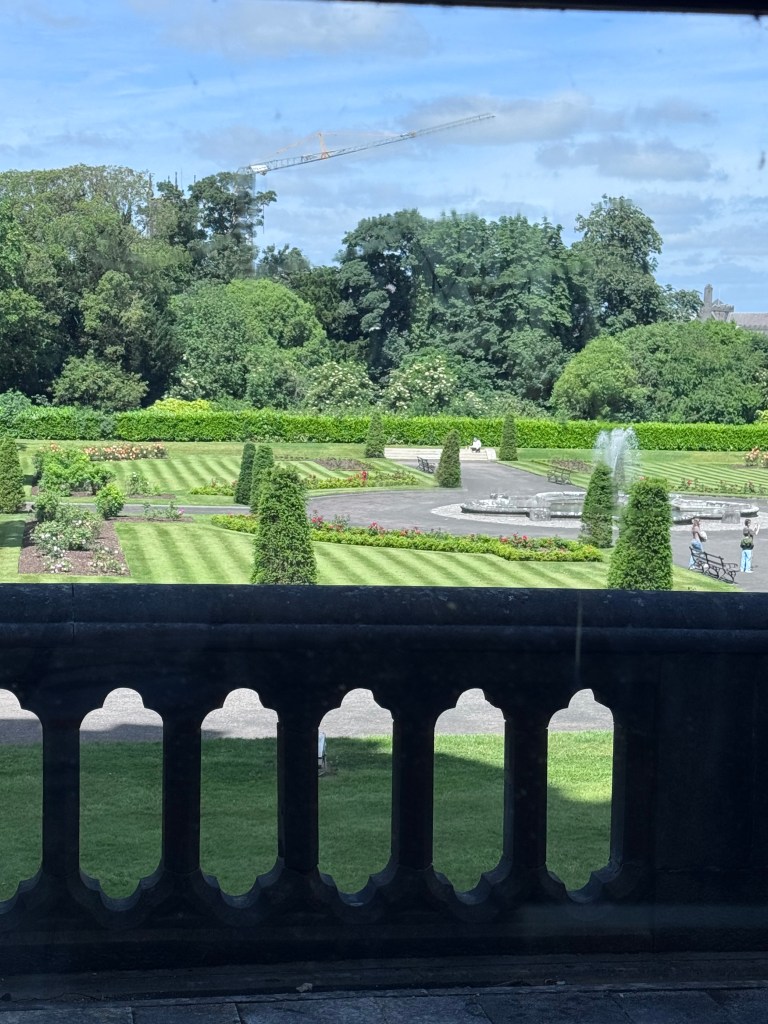
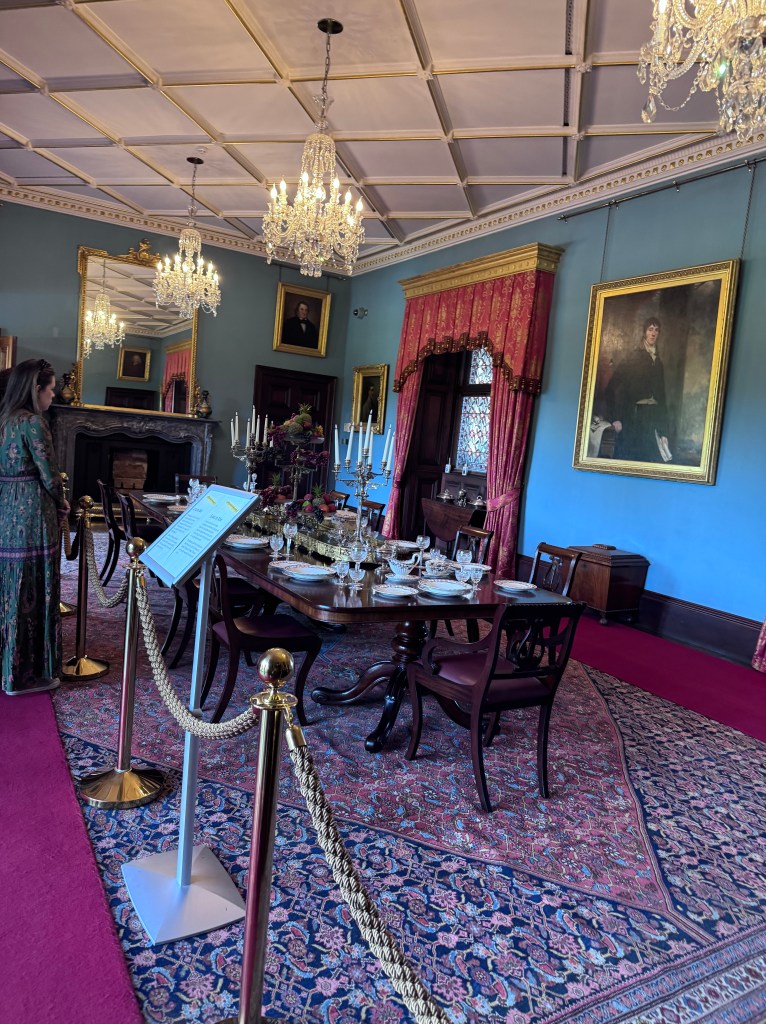
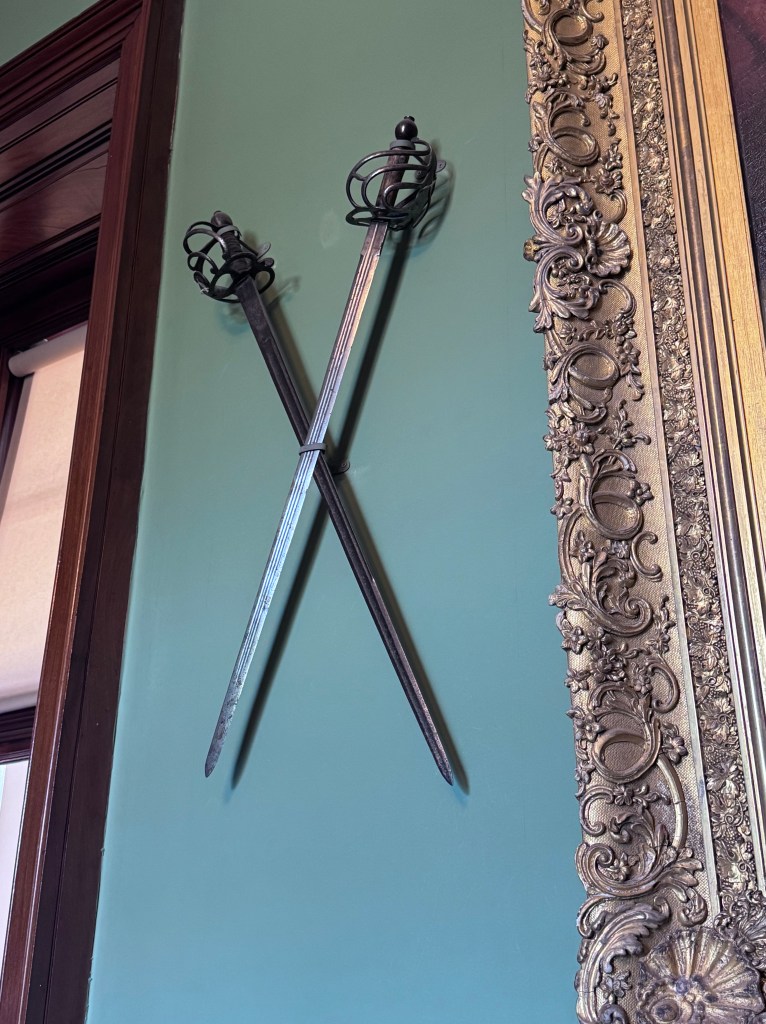
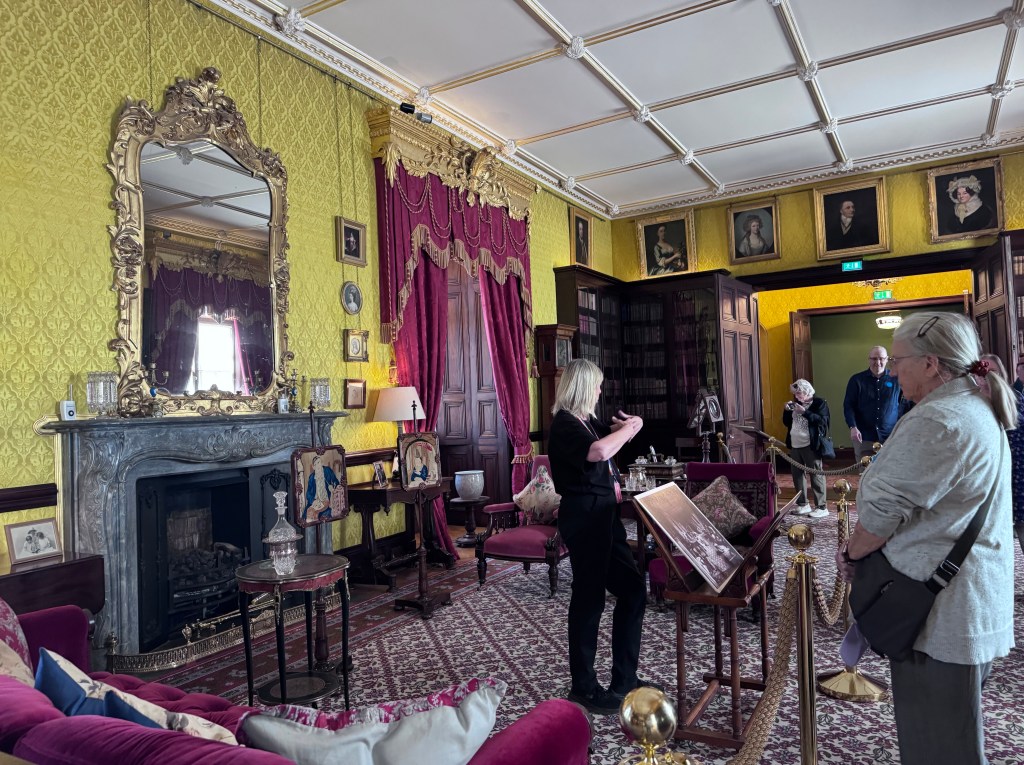
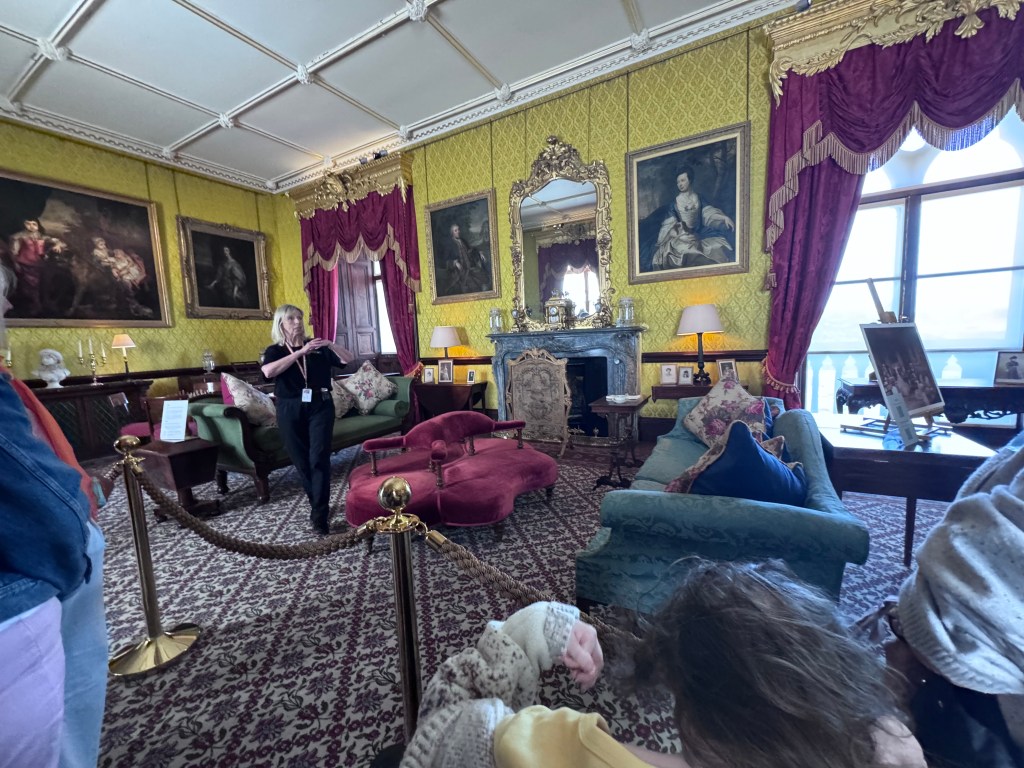
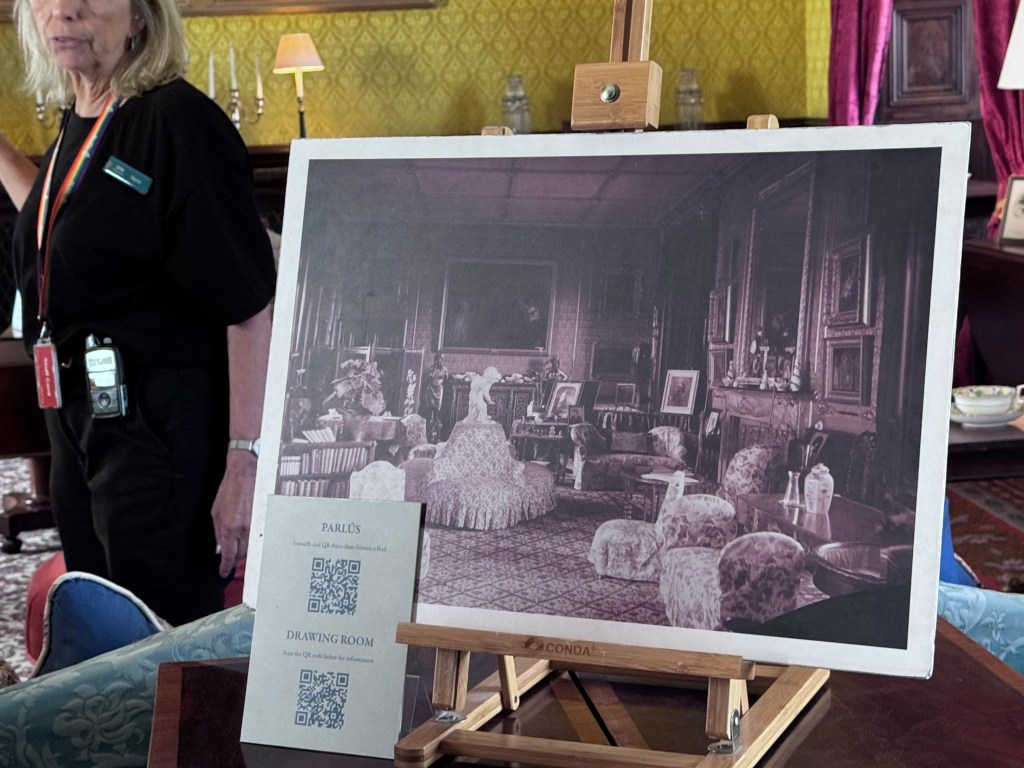
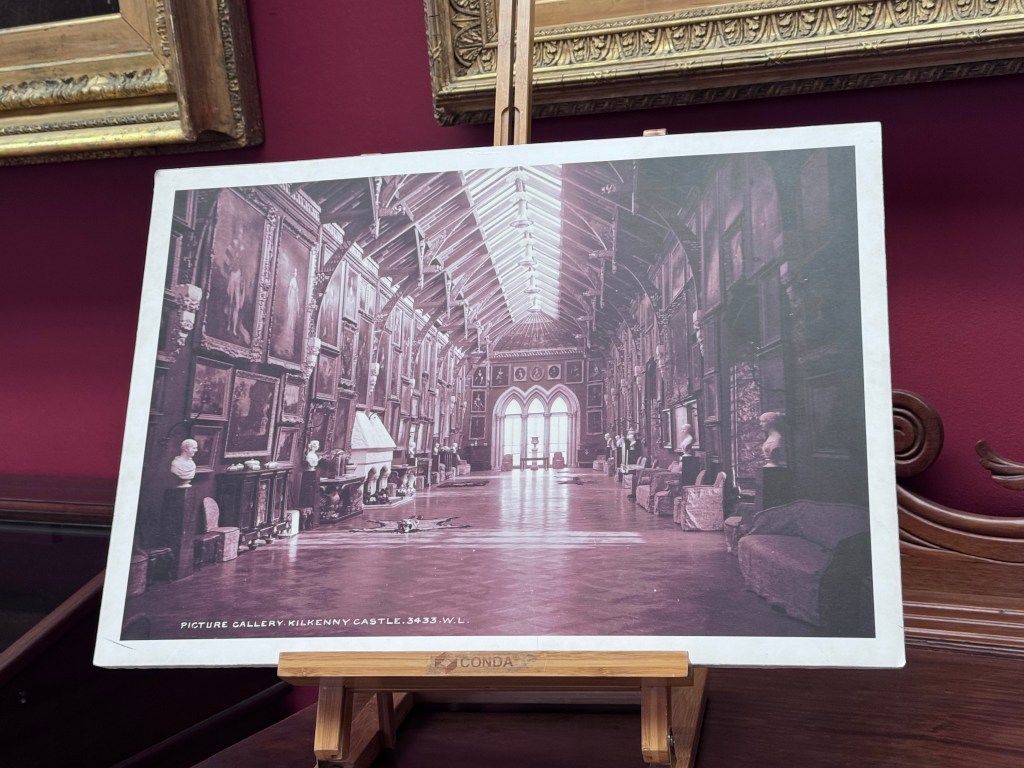
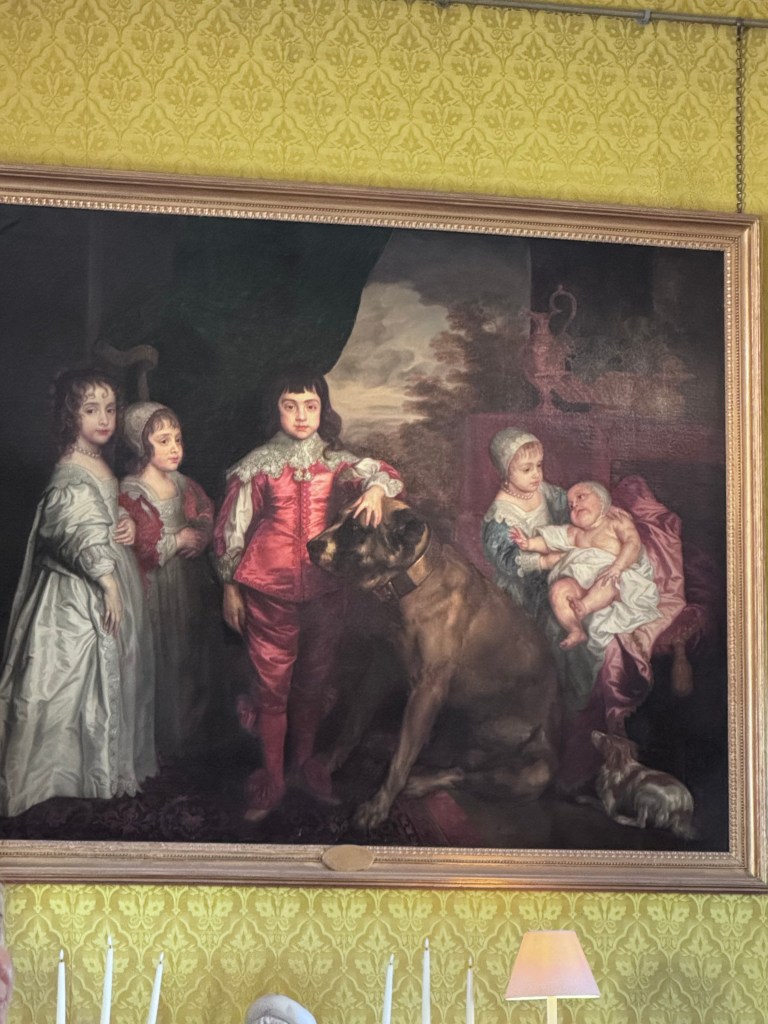
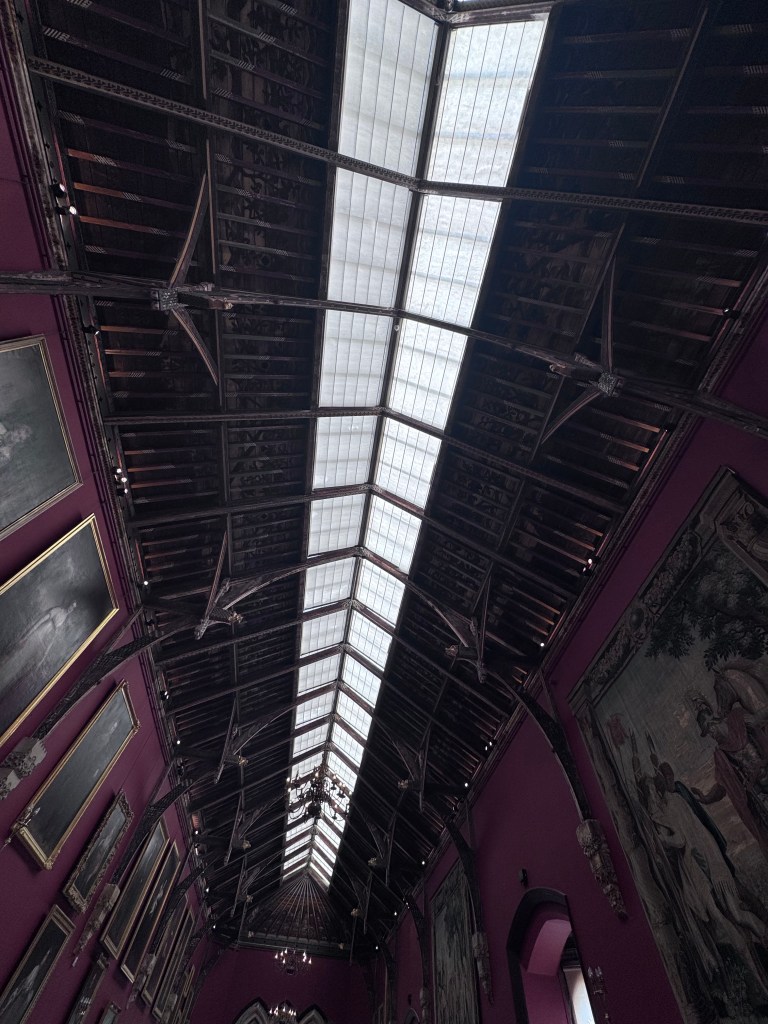
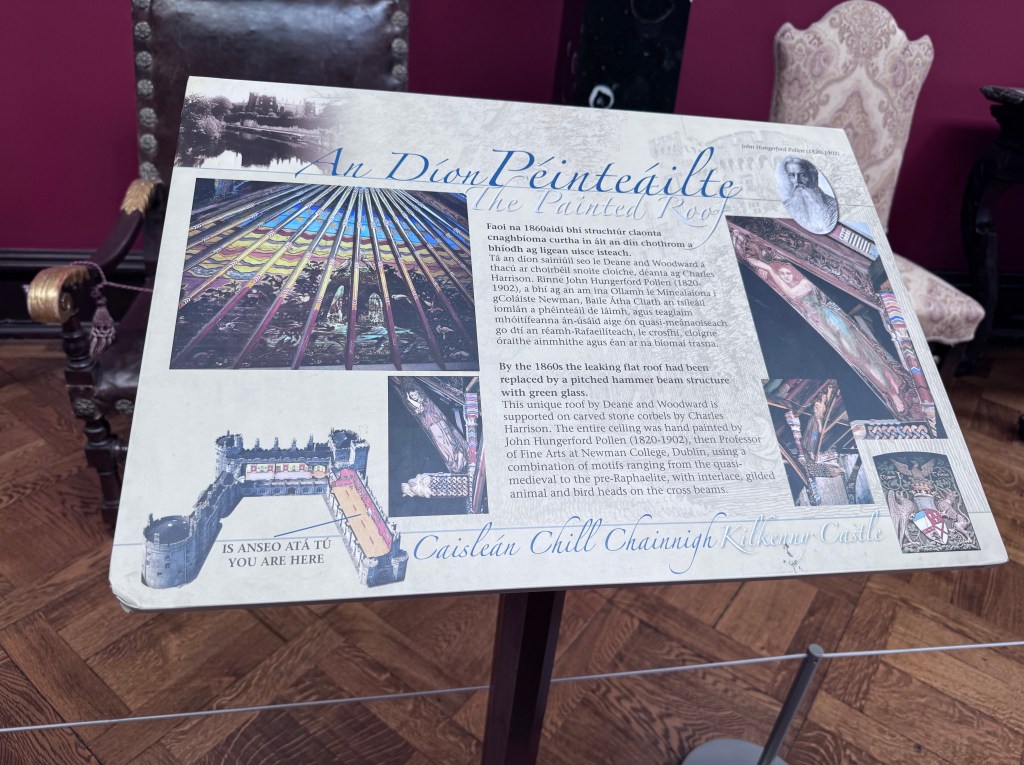
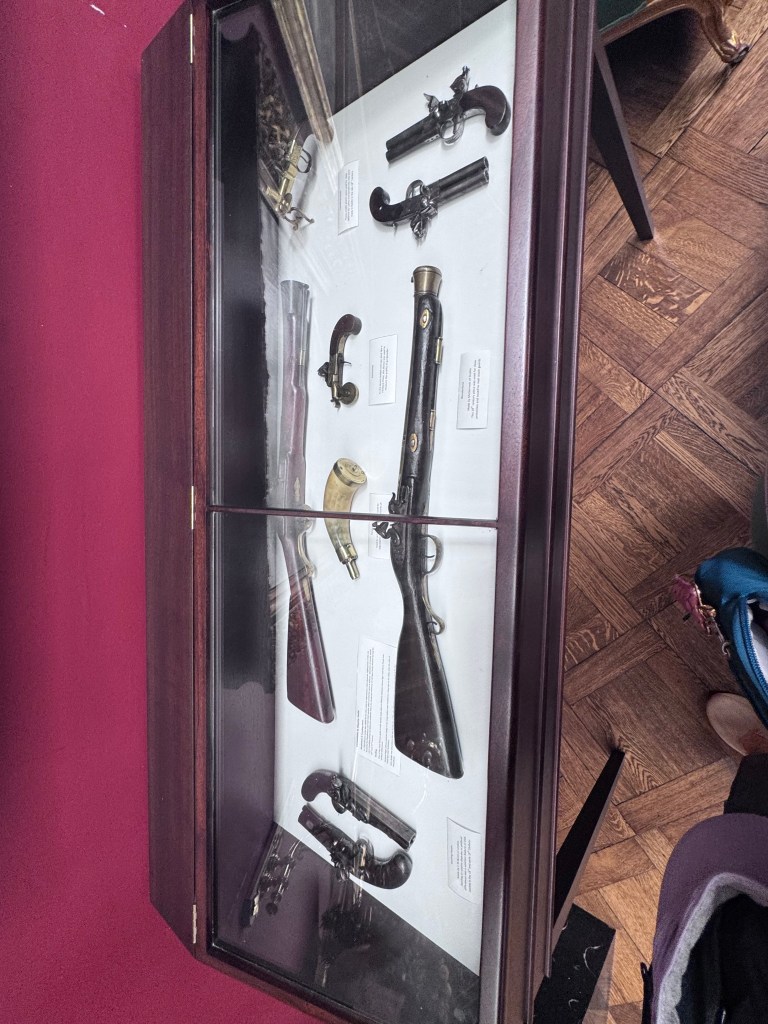
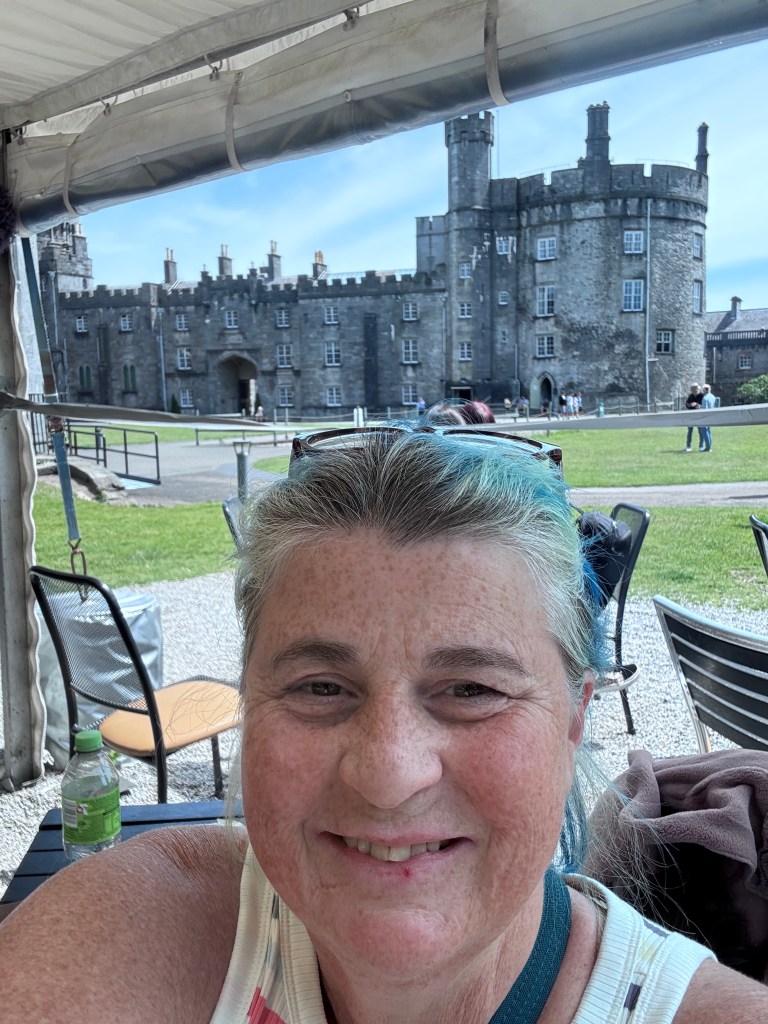
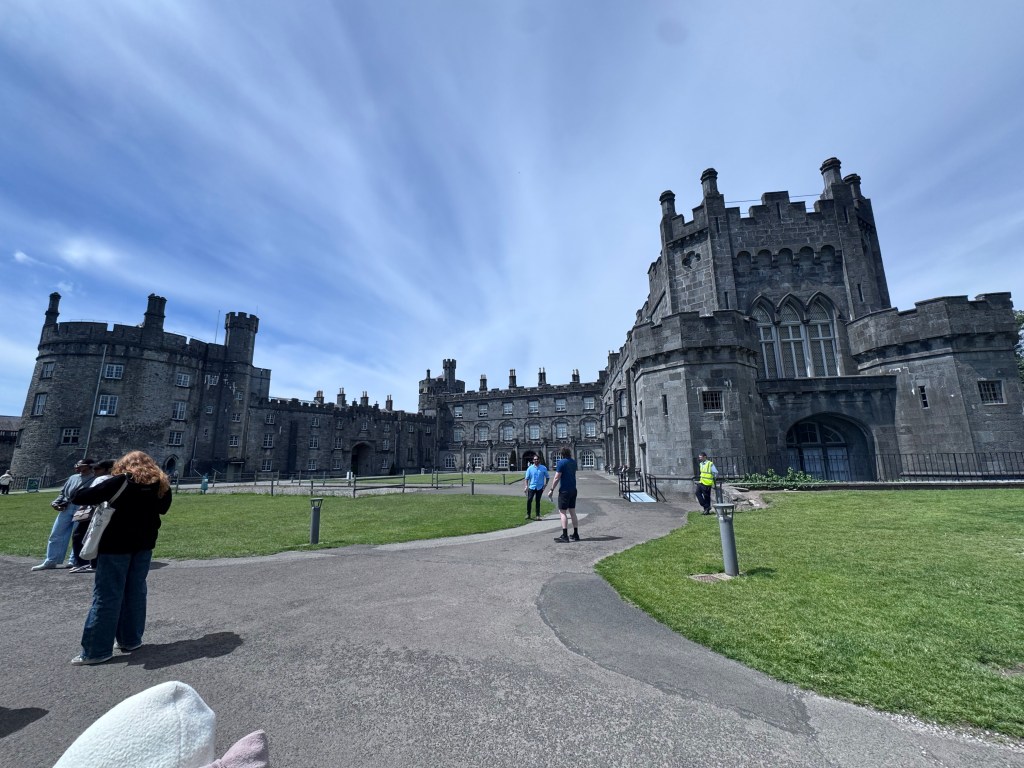
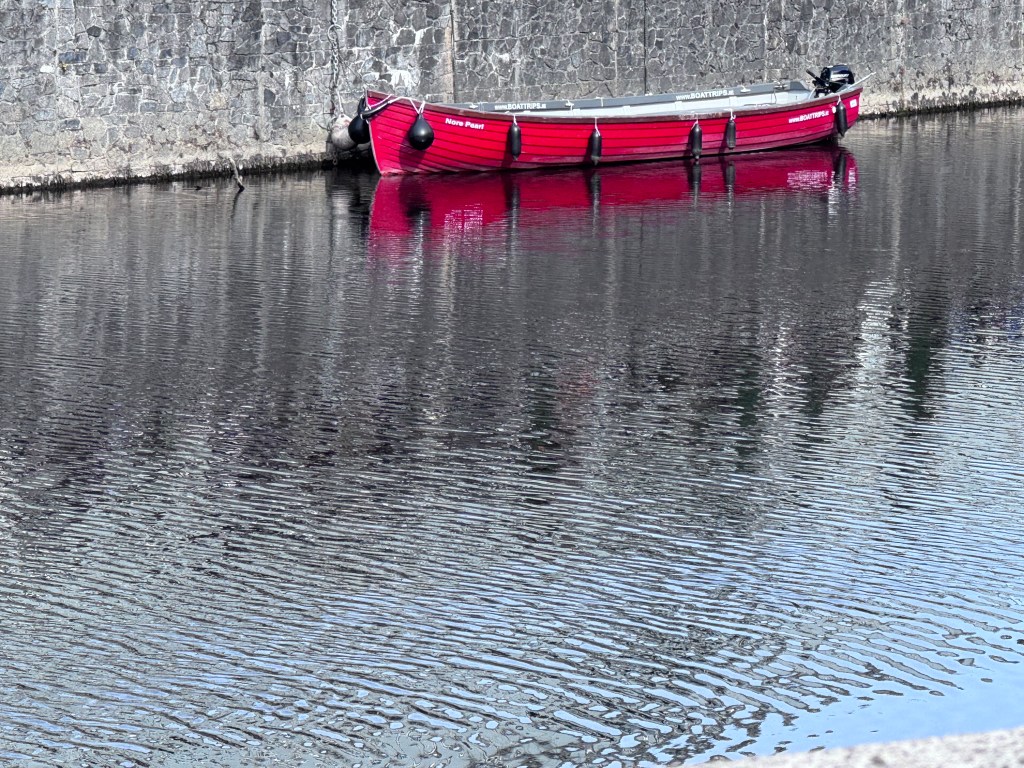
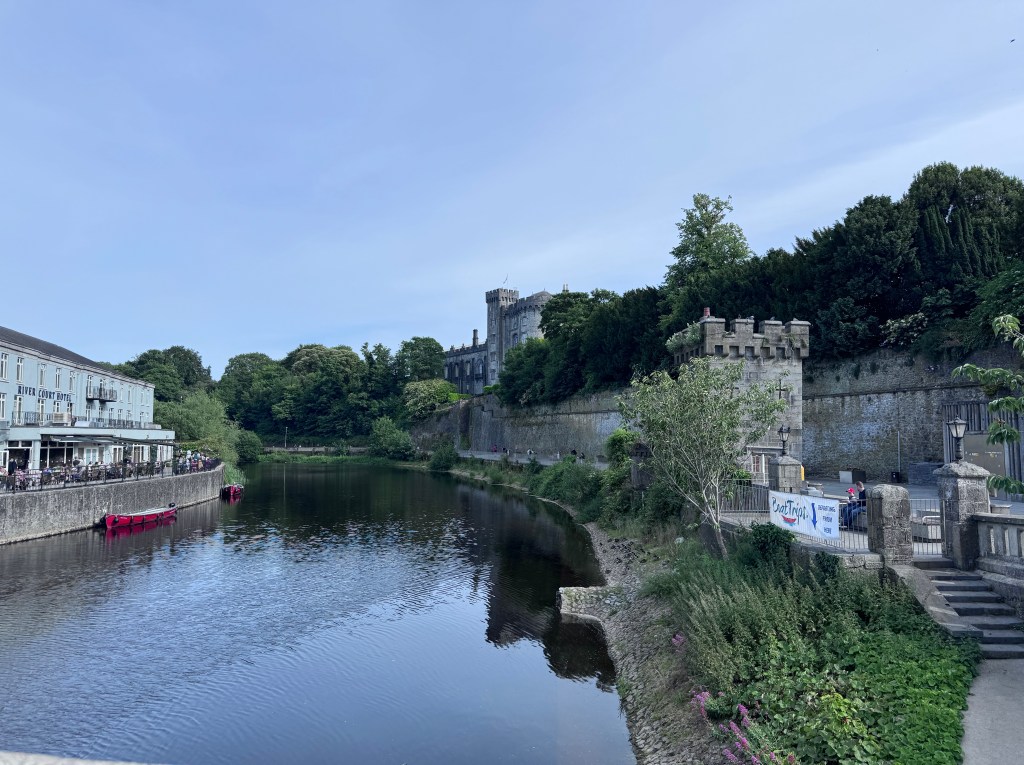
Upon arriving in Kilkenny, we grabbed a taxi and headed straight to Kilkenny Castle. We joined a guided tour and quickly became fascinated with the castle’s history. Originally built in 1195 by the Norman lord William Marshal, the castle was designed to control a key crossing of the River Nore and demonstrate Norman power in Ireland. Over the centuries, it became the home of the powerful Butler family, Earls and later Dukes of Ormond, who lived there for nearly 600 years. The castle survived wars, political upheaval, and changing fortunes before eventually being sold to the people of Kilkenny in 1967 for the symbolic sum of £50. Walking through the grand rooms and learning about the families who lived there made it easy to imagine what life was like centuries ago.
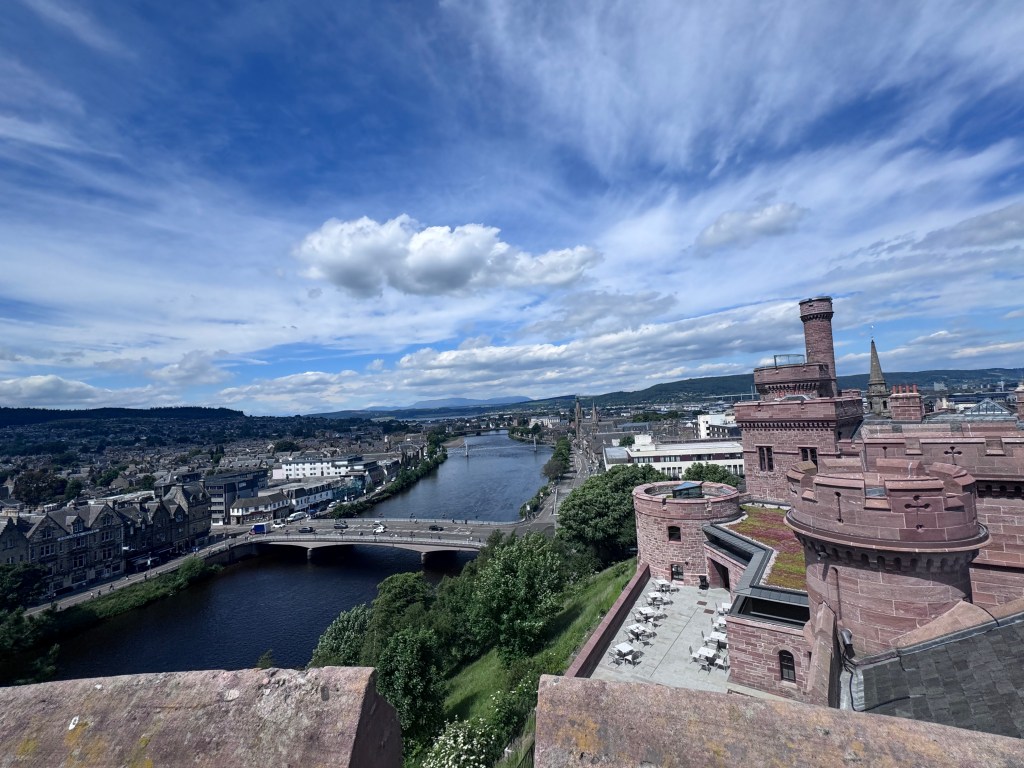
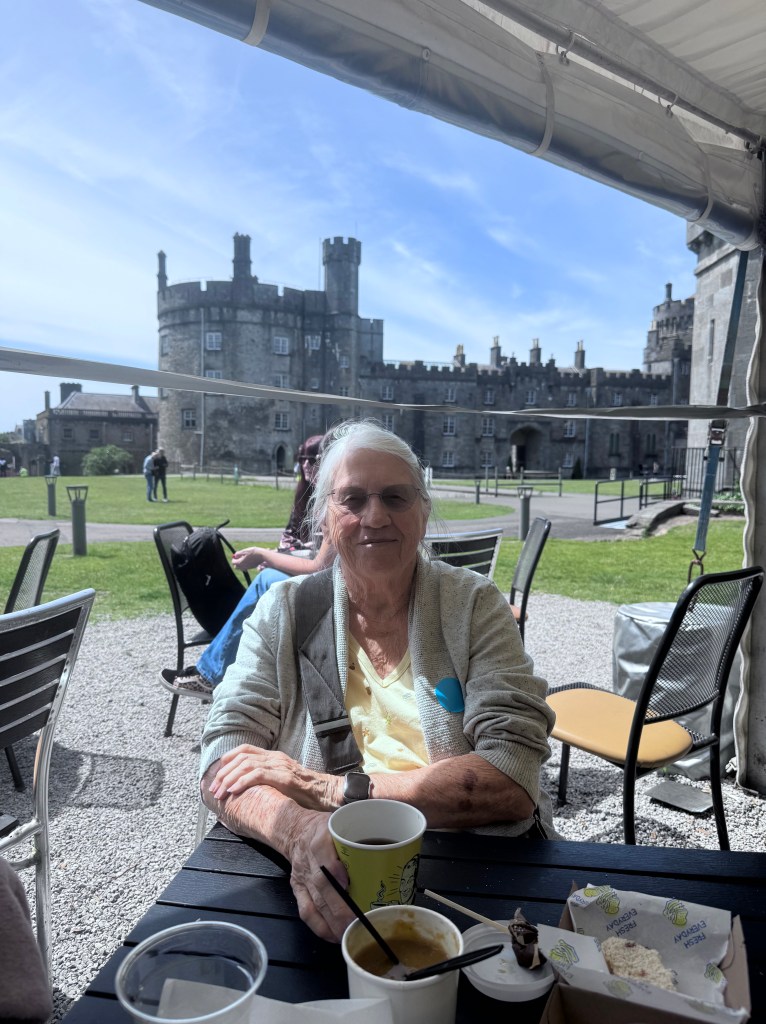
After our tour, we enjoyed a delicious scone and a bowl of soup on the castle grounds before setting off to explore the town. The castle gardens and parklands were beautiful and offered a peaceful place to relax and take in the surroundings.

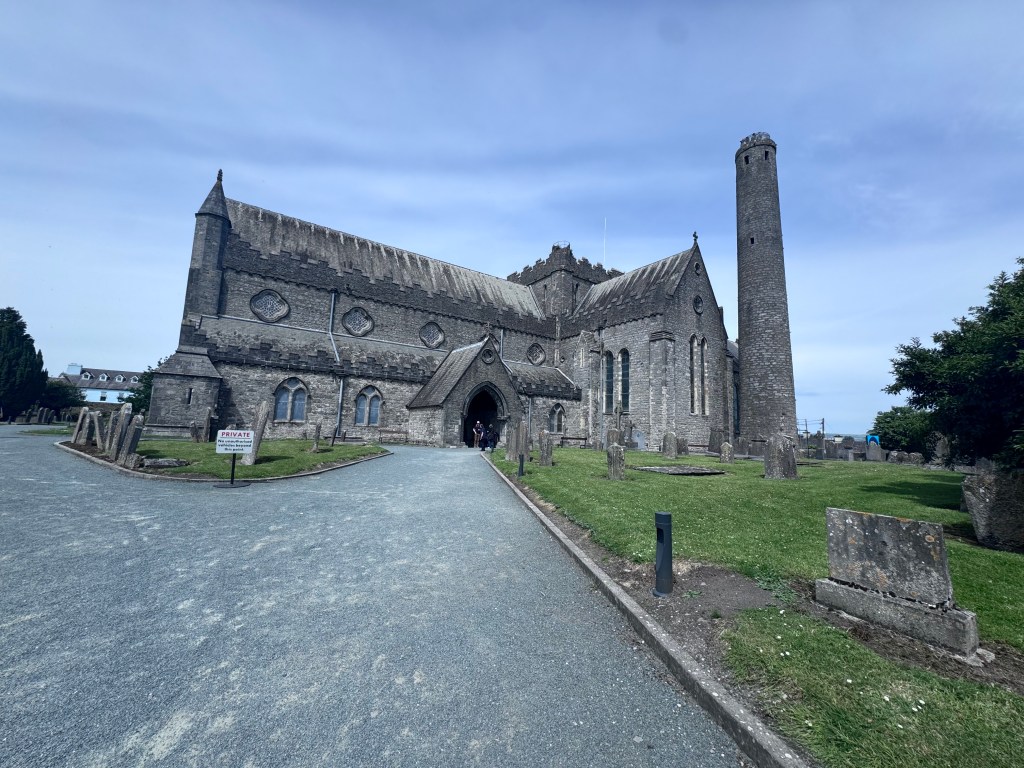
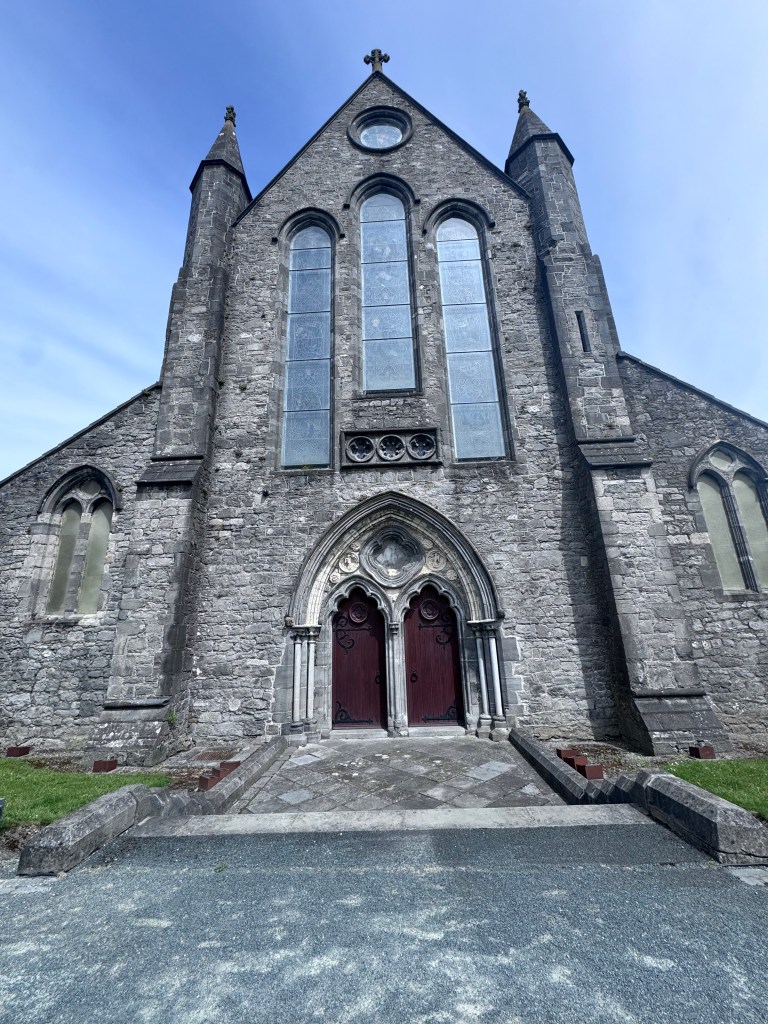
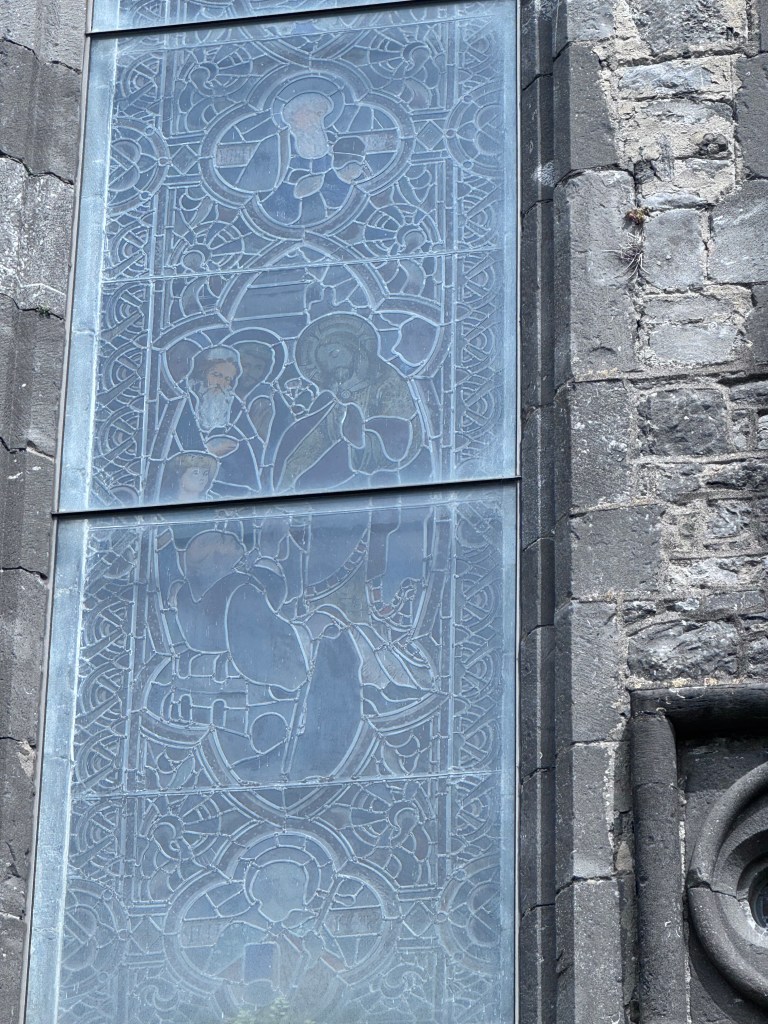
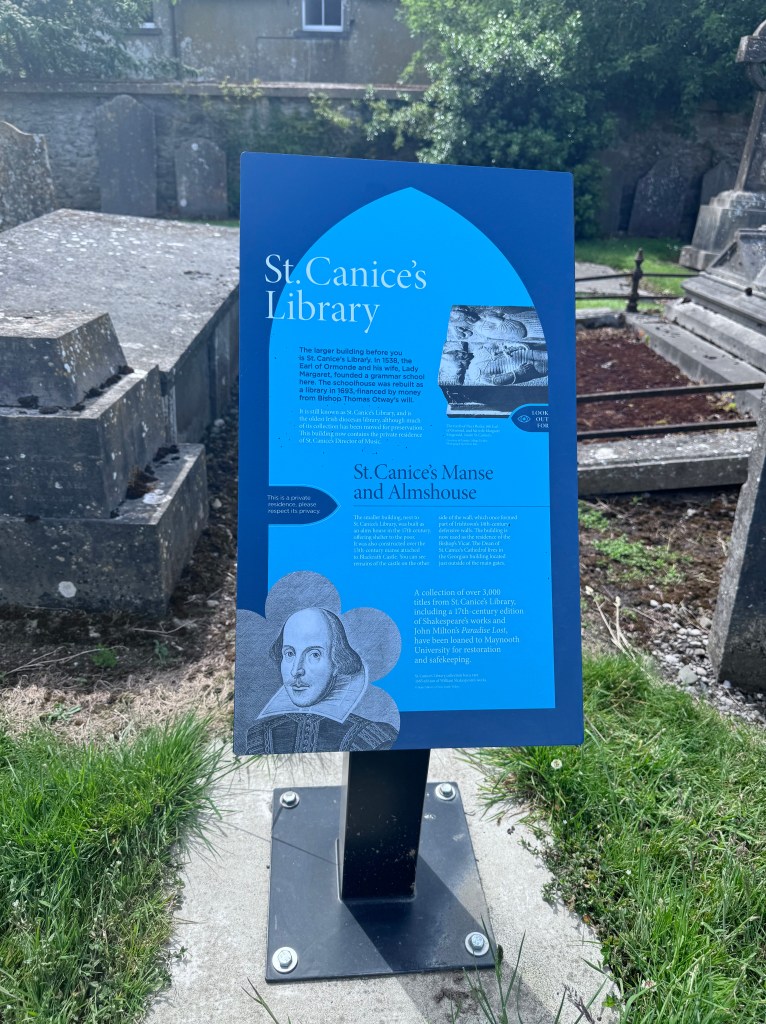
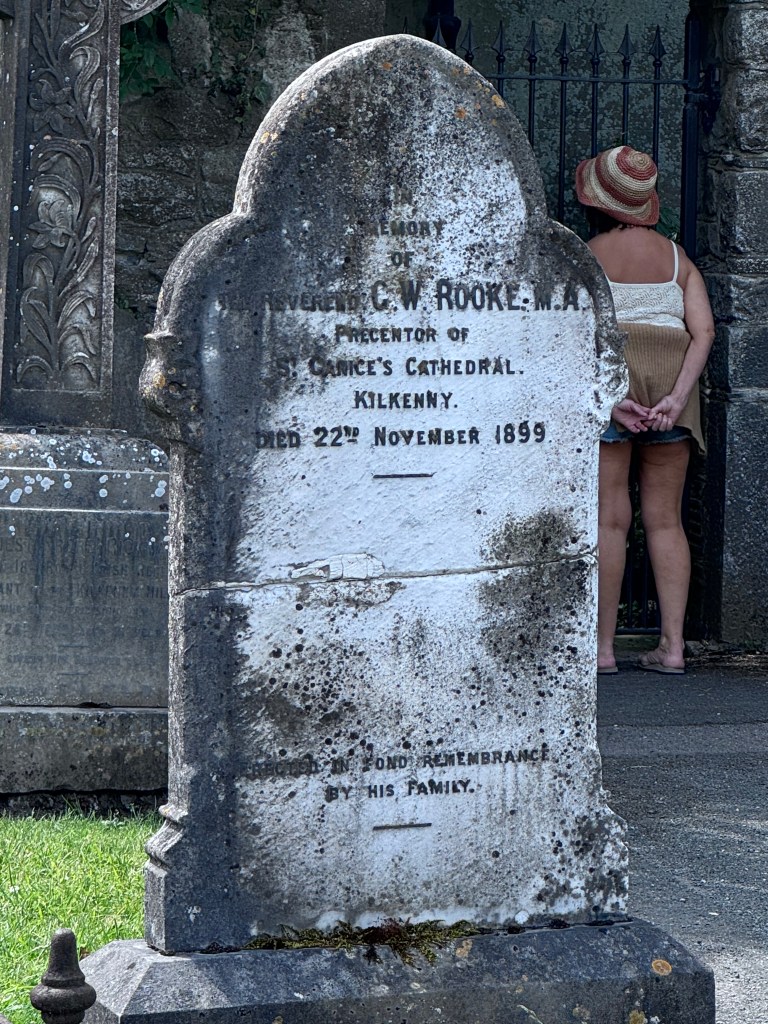
One of the places I really wanted to visit was St. Canice’s Cathedral. The pictures I had seen were incredible, and I was excited to see it in person. Unfortunately, a service was taking place when we arrived, so we were unable to go inside. We did spend some time wandering around the grounds, which were beautiful in their own right, before continuing our walk through town.

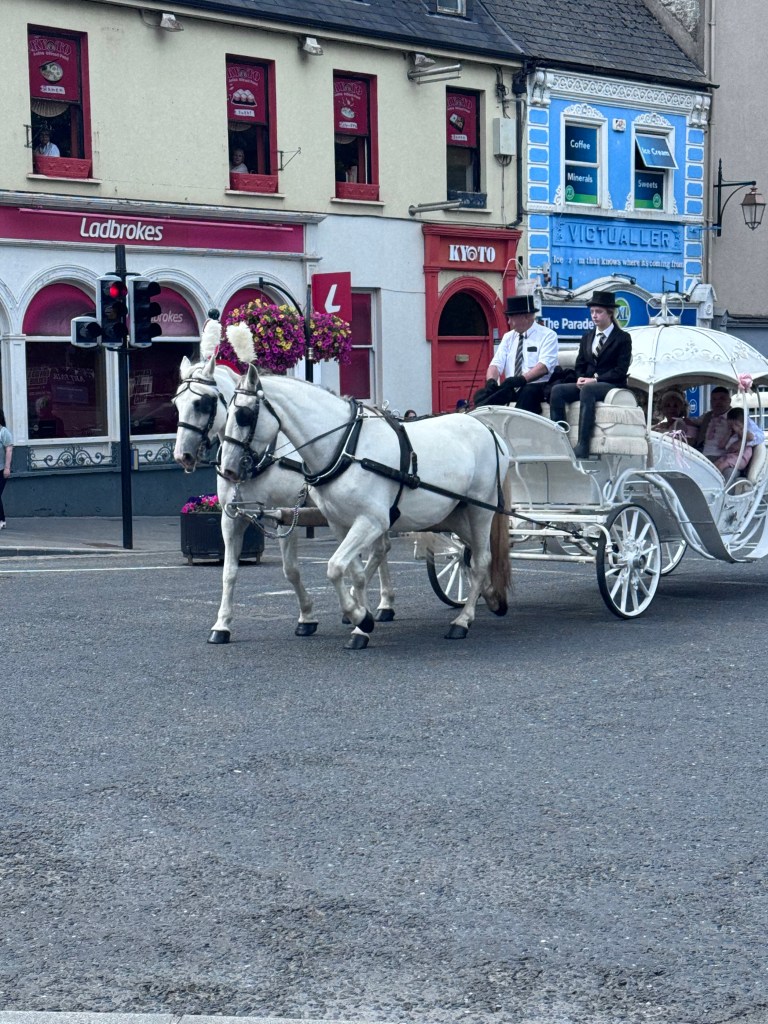
Kilkenny is such a charming city. We wandered the narrow streets, explored shops, and eventually stopped for a coffee to recharge. It was nice to sit for a while and watch the world go by before continuing our adventure.

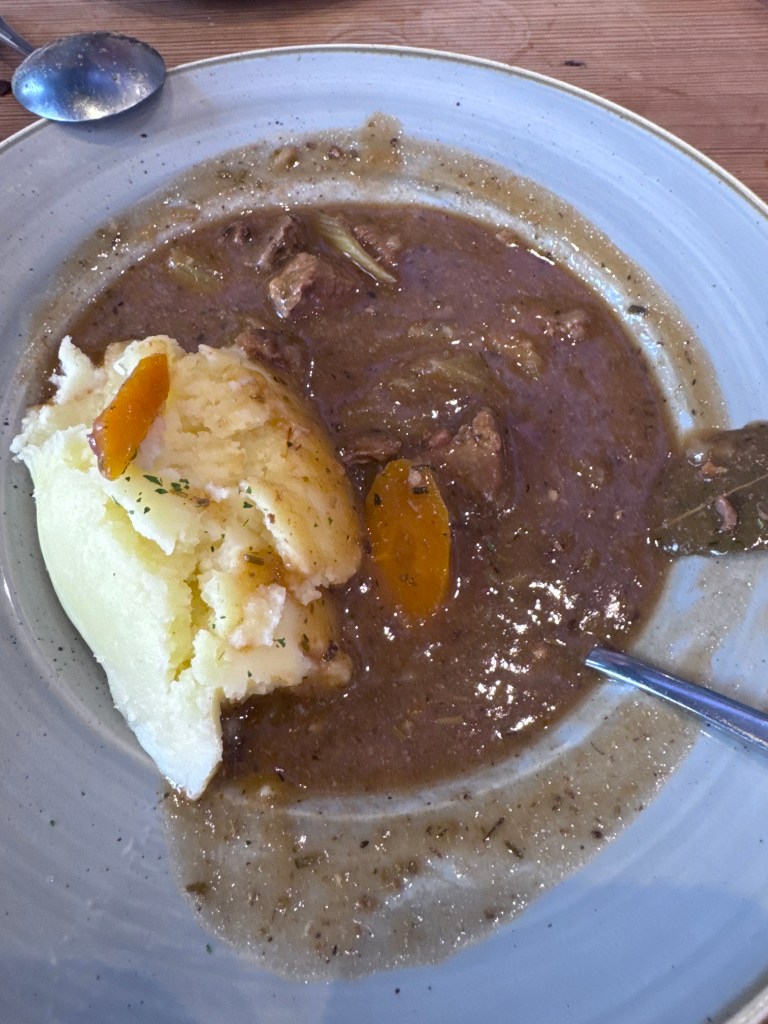
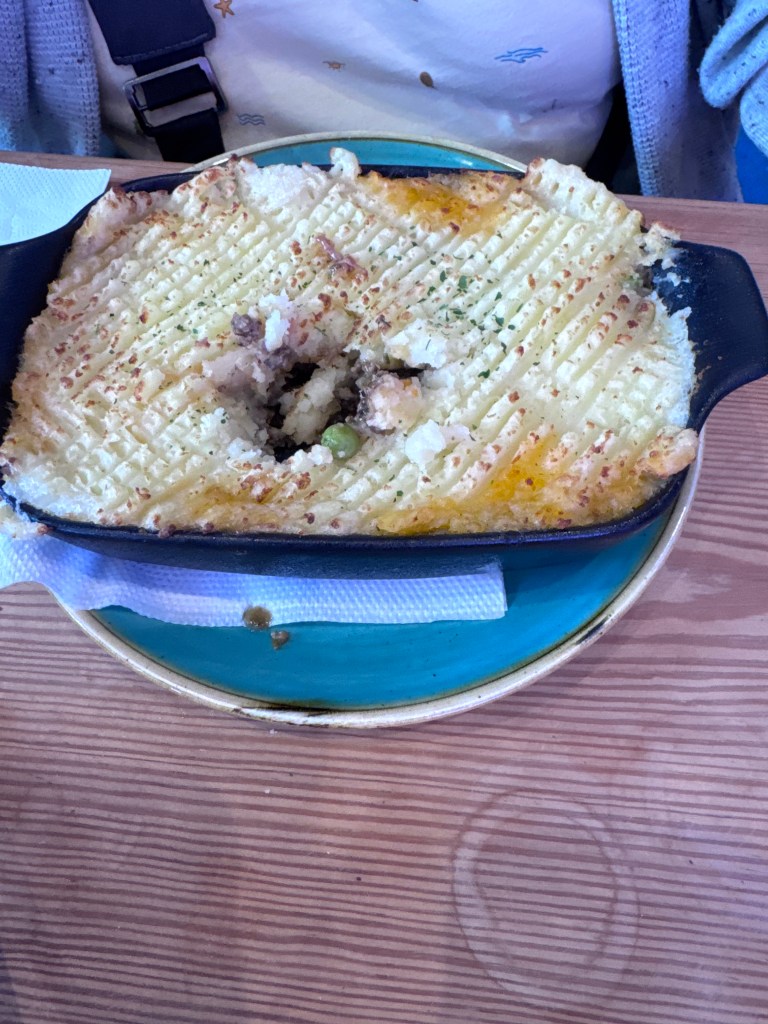
As evening approached, we began looking for a place to eat dinner. After considering several options, we settled on a local pub. Mom ordered the Irish Stew, while I chose the Cottage Pie. Both meals were delicious and hearty after a long day of exploring, although we both agreed they were a little heavy on the bay leaf!

With full stomachs and tired feet, we made our way back to the train station for the journey home. Once again, the train staff were wonderful with accessibility assistance, making the trip smooth and stress-free.

It may not have been the day we originally planned, but Kilkenny turned out to be a highlight of our time in Ireland. Between the castle, the countryside, the friendly people, and the wonderful food, it was a day well spent.